


Skip to content
Flamiche aux poireaux
Featured recipe

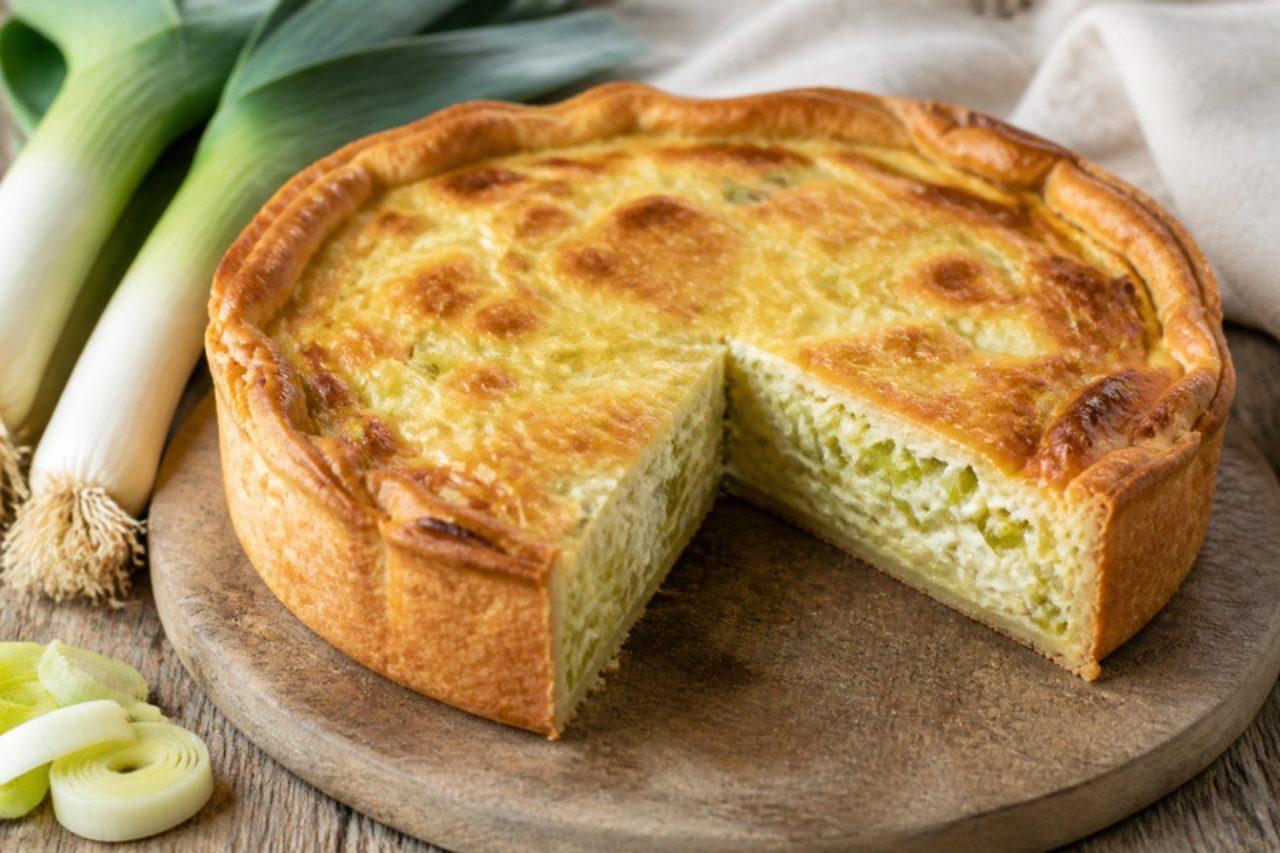
Flamiche aux poireaux

Leek and cream tart

Flamiche means 'cake' in old Flemish, and in Picardy, around Amiens and Abbeville, it is a tart of leeks melted slowly in butter and set in eggs and cream, baked in a crisp pastry case and sometimes covered with a pastry lid. The leeks from the market gardens (hortillonnages) of Amiens are famous, and flamiche is served warm as a starter or as a supper with green salad, especially from autumn to spring. The leeks must be cooked until soft and sweet, never browned. Chef's tip: squeeze the cooked leeks in a sieve before adding the custard; any water left in them stops the filling from setting and soaks the pastry.

Read more 0 views

What to eat today?

Around the world

Today's trip: Persian

A new country every day, from every cuisine on the site.

Persian

Ash-e doogh

Yogurt soup with rice and chickpeas 60 minMore from Persian (131) →

This week's collection

Kid-friendly dinners
537 recipes · a new collection every Monday

Latest recipes

Domashnia hirchytsiaHomemade mustard

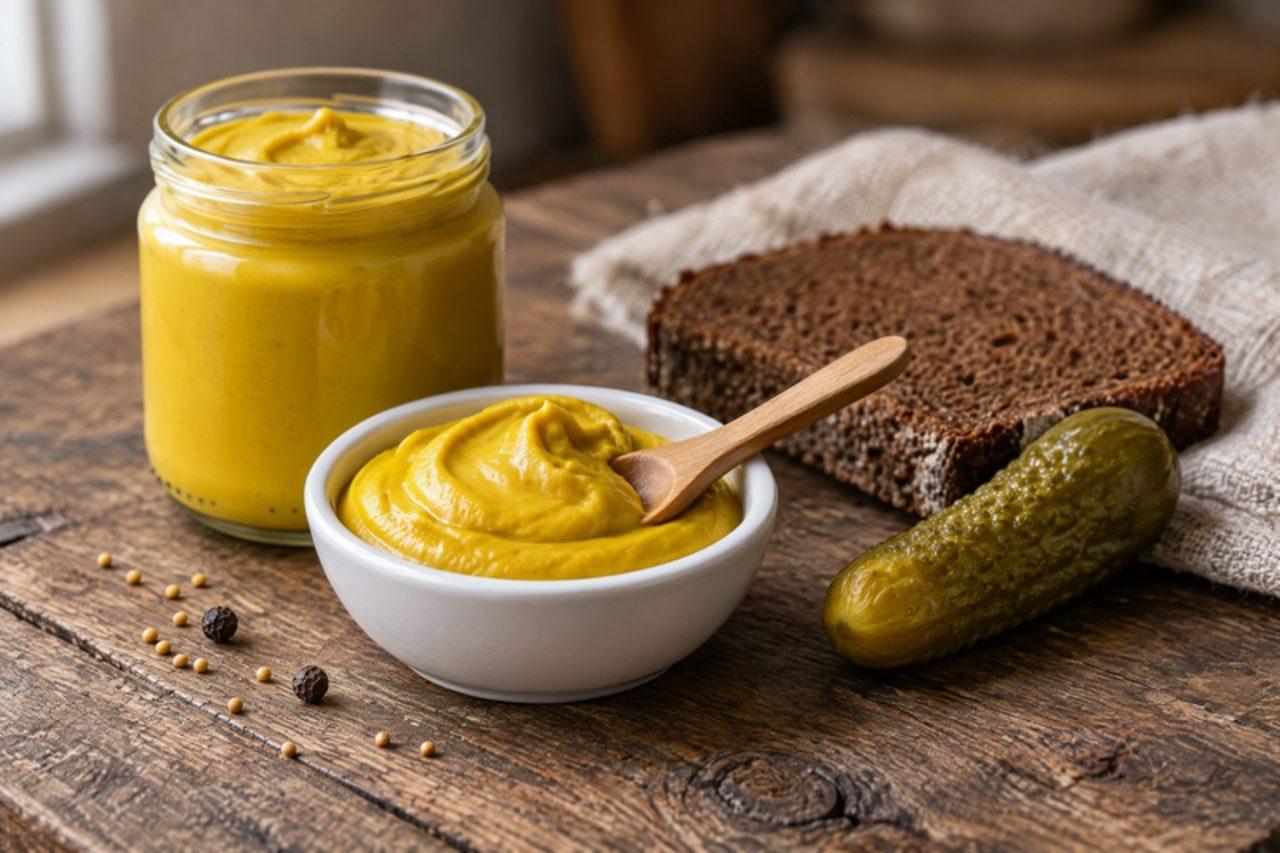
Ask a Ukrainian grandmother from Poltava or Kharkiv what to do with the brine left in the jar once the winter cucumbers are gone, and she will make hirchytsia. Dry mustard powder is mixed with that salty, garlicky, dill-scented brine, a little sugar, oil and vinegar, and after a night's rest it is fierce enough to make your eyes water. It is non-negotiable beside kholodets (meat jelly) at New Year, with salo and rye bread, with boiled sausages and with varenyky, and it is spread thin on bread for a quick snack. The texture is smooth and creamy, the flavour hot, salty and slightly sweet with a whiff of dill and garlic from the brine. Common mistake: using boiling brine; heat kills the enzyme that makes mustard hot, so the brine must be lukewarm or cool. It needs at least 12 hours in the jar for the bitterness to fade. It is ready when the colour has deepened to warm yellow and the first taste makes your nose tingle. Chef's tip: use brine from naturally fermented or vinegar cucumbers; if you have none, mix 150 ml water with 1 tsp salt and 1 tbsp vinegar.

by KrazyBadal 0 views

DouchiFermented black beans

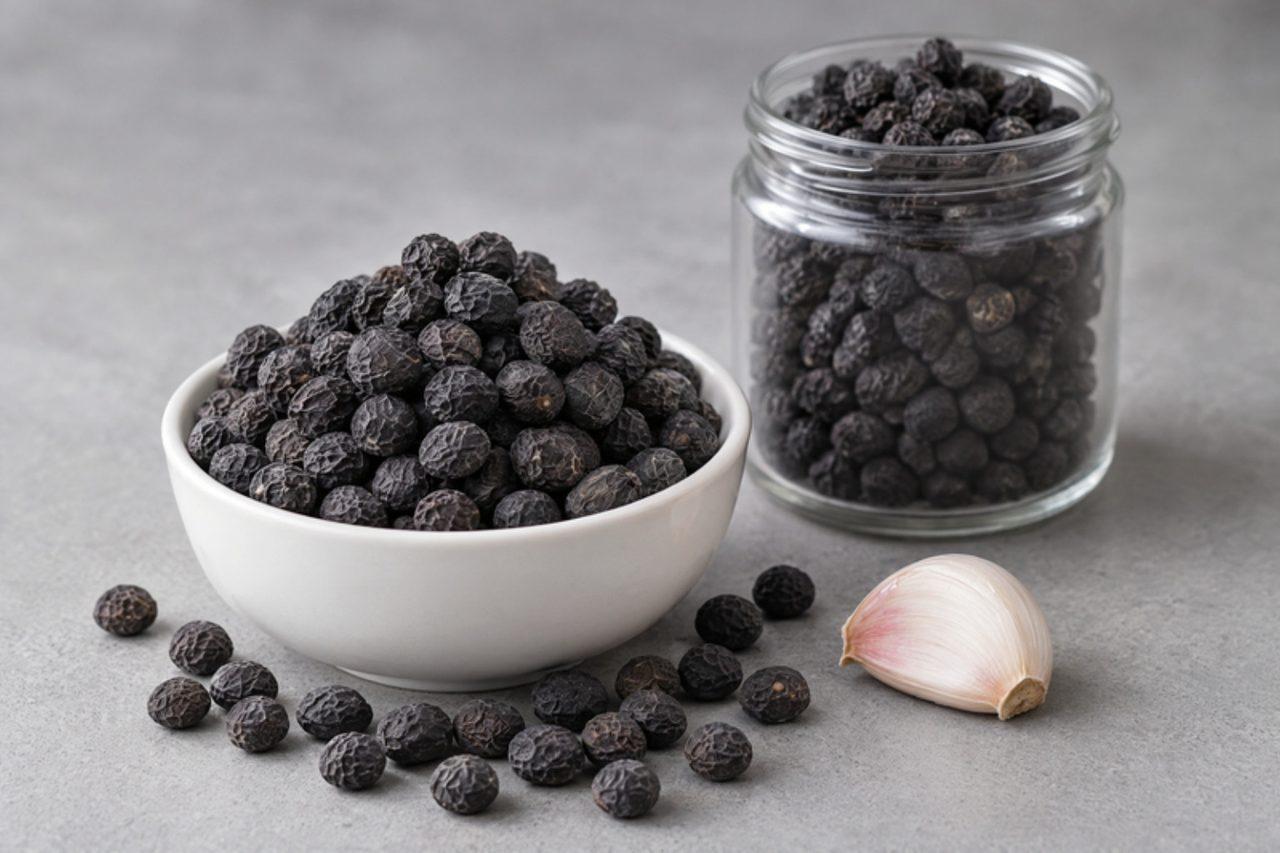
Yangjiang in western Guangdong and Liuyang in Hunan are the two great douchi towns, and both traditionally make their fermented black beans in the dry season, when beans can be moulded indoors and dried in the sun without spoiling. Cooked black soybeans are covered until a yellow-green koji mould grows over them, then washed, salted, packed and fermented for weeks before drying. The result is wrinkled, soft-chewy beans with an intense salty, savoury, almost chocolate-dark flavour. A spoonful steamed with spare ribs or a whole fish, stir-fried with bitter melon or pounded into Hunan's chilli dishes seasons the whole plate. At home, buying koji spores (Aspergillus oryzae) is far more reliable than waiting for wild moulds. Common mistake: letting the beans sit wet or warm in a sealed container during the moulding stage; they must breathe at 28–32 °C. Good koji smells sweet and chestnut-like; discard any batch with black, pink or bright coloured mould, slime or a rotten smell. Keep the salt as given. It is ready when the beans are dark, wrinkled and dry outside but supple within. Store dried douchi in the fridge for 1 year. Chef's tip: rinse and lightly crush the beans before cooking.

by KrazyBadal 0 views

DrachenaBaked egg and milk custard

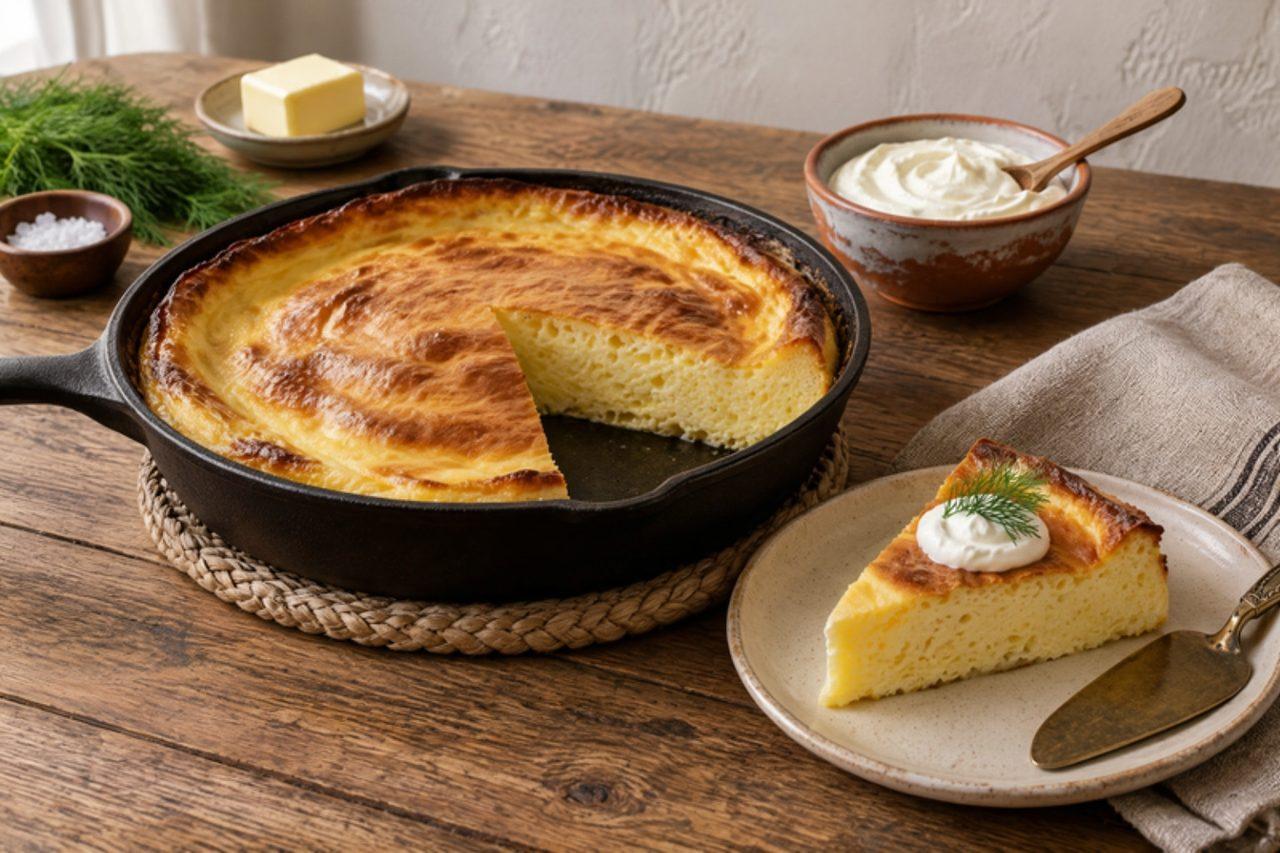
Drachena belongs to the old peasant cooking of northern Russia, from Arkhangelsk to Vologda, where it was baked in the cooling Russian stove on Sunday mornings. Eggs are whisked with milk, a little sour cream and flour, poured into a hot buttered pan and baked until puffed, golden and wobbly, somewhere between an omelette and a soufflé. It is eaten warm, plain or with sour cream. The common mistake is opening the oven early; the drachena collapses if it gets a draught before it is set. Chef's tip: heat the buttered dish in the oven before pouring in the batter, so it starts to set and rise from the bottom at once.

by KrazyBadal 0 views

Dưa giáPickled bean sprouts

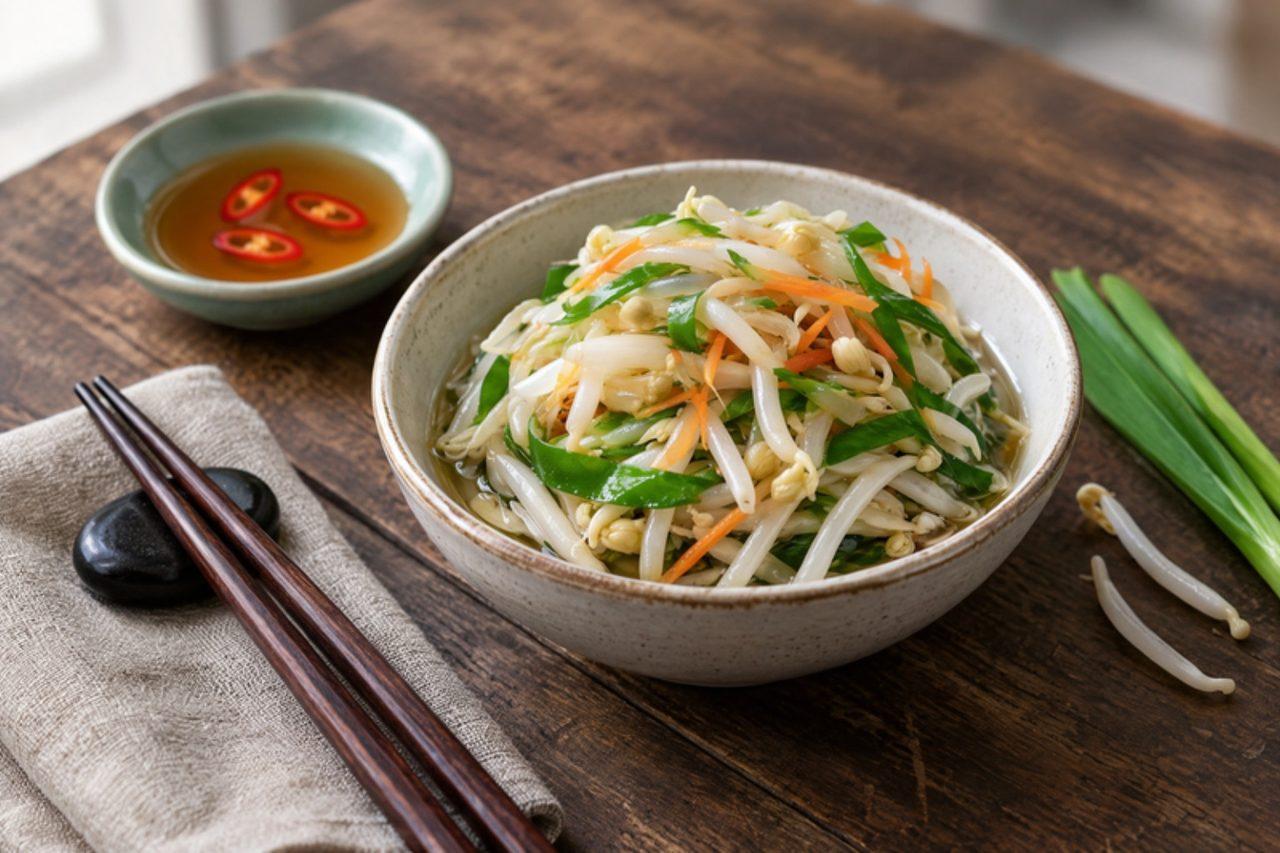
In southern Vietnam, dưa giá appears beside thịt kho trứng, the pork and egg braised in coconut water that every Saigon family cooks for Tết, and beside clay-pot caramel fish the rest of the year. The sprouts and chives sit overnight in a lightly salted, sweetened brine and come out tangy, crisp and squeaky, with a hint of garlic-chive sharpness that cuts straight through the fatty, sweet braises. Some cooks add carrot strips for colour. Raw bean sprouts can carry bacteria, so buy them very fresh and chilled, rinse them well, and pour the brine on hot to scald them lightly; pregnant people, small children, older people and anyone with weak immunity should blanch the sprouts for 30 seconds first. Common mistake: leaving the jar out too long in a warm kitchen, so the sprouts go limp and too sour; once it tastes right, chill it. It is ready when the brine is cloudy and smells pleasantly sour, and the sprouts are translucent but still snap. Chef's tip: pinch the brown root tails off the sprouts; it is fiddly, but they stay crunchier and look neater.

by KrazyBadal 0 views

Dubki kadhiUrad dal dumplings in curd curry

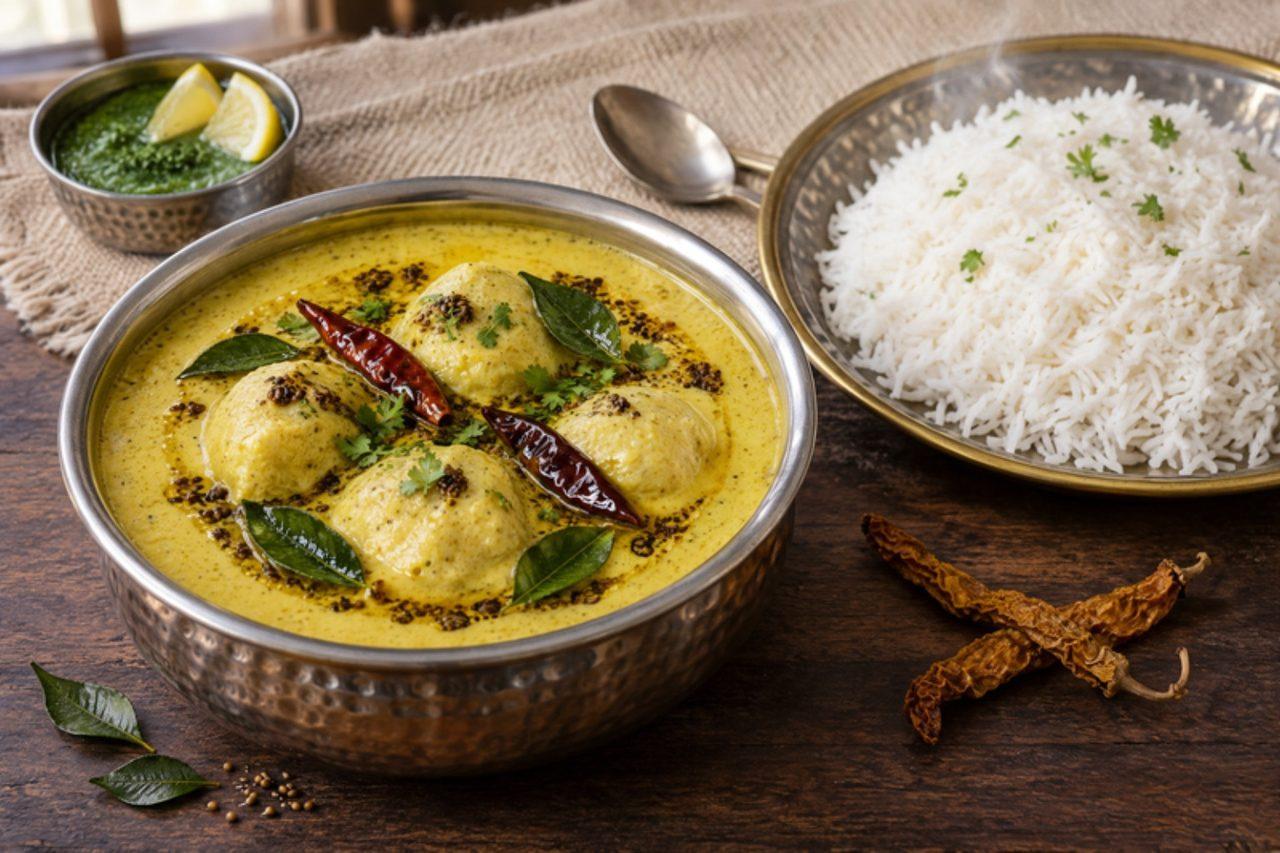
Dubki means a dip, and in this Chhattisgarhi kadhi the spiced urad dal batter is dropped raw straight into the simmering curd so the dumplings cook in the pot rather than in hot oil. It is the lighter, everyday cousin of pakora kadhi, served with rice at lunch across Durg and Raipur and at village feasts. The common mistake is dropping the batter into kadhi that is barely warm; the dumplings fall apart, so the kadhi must be at a lively simmer. Chef's tip: whisk the batter by hand for a full 3 minutes until a spoonful floats in water, and the dumplings will be airy, not dense.

by KrazyBadal 0 views

Dudh pithaRice dumplings in milk

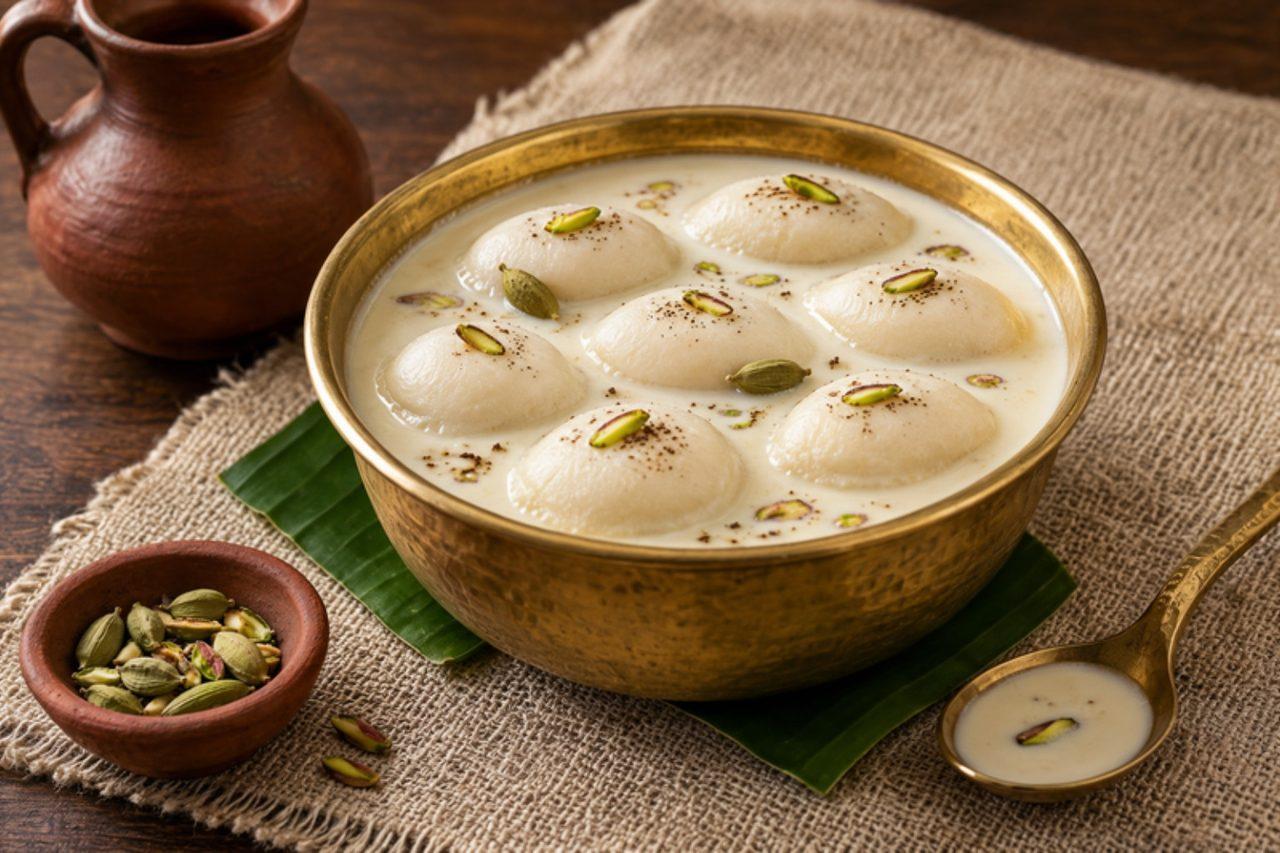
Dudh pitha is made in Jharkhand and Bihar for Makar Sankranti, Sohrai and winter evenings, when the new rice is milled: small rice-flour dumplings are stuffed with coconut and jaggery (some families use spiced chana dal instead) and simmered in milk until it thickens around them. It is eaten warm from a bowl with a spoon. The common mistake is adding jaggery straight to boiling milk, which can curdle it; sweeten the milk with sugar and keep the jaggery inside the dumplings. Chef's tip: shape the dumplings while the dough is warm and keep your palms greased, so the edges seal without cracking.

by KrazyBadal 0 views

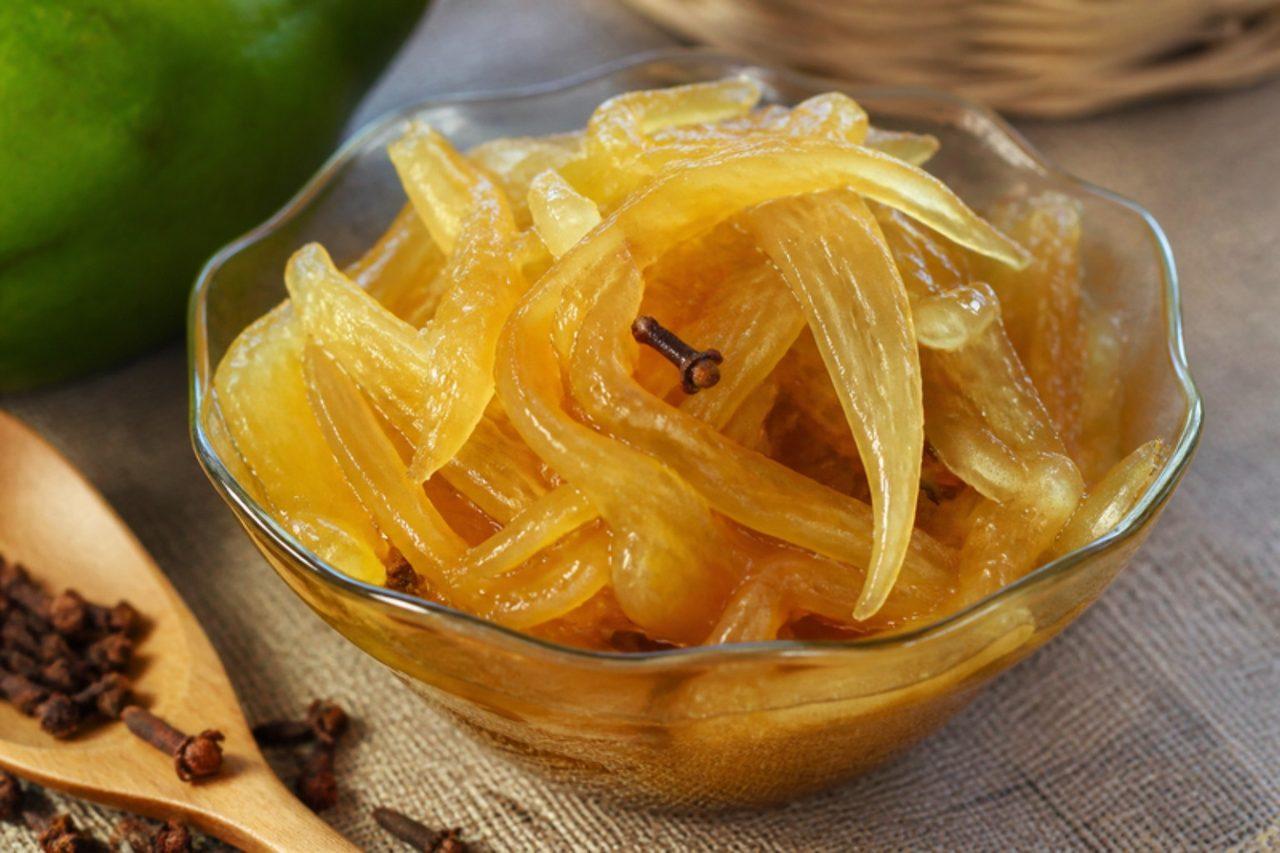
Dulce de lechosaPapaya in clove syrup

No Venezuelan Christmas plate is complete without a spoonful of dulce de lechosa beside the hallaca, pan de jamón and ensalada de gallina: strips of green papaya simmered in a dark panela syrup with cinnamon and cloves until translucent, sweet and gently chewy. Families make big jars in mid-December to share. The common mistake is cutting the strips too thin, so they fall apart in the syrup. Chef's tip: soak the strips in water with bicarbonate for 30 minutes first; it firms them so they keep their shape.

by KrazyBadal 0 views

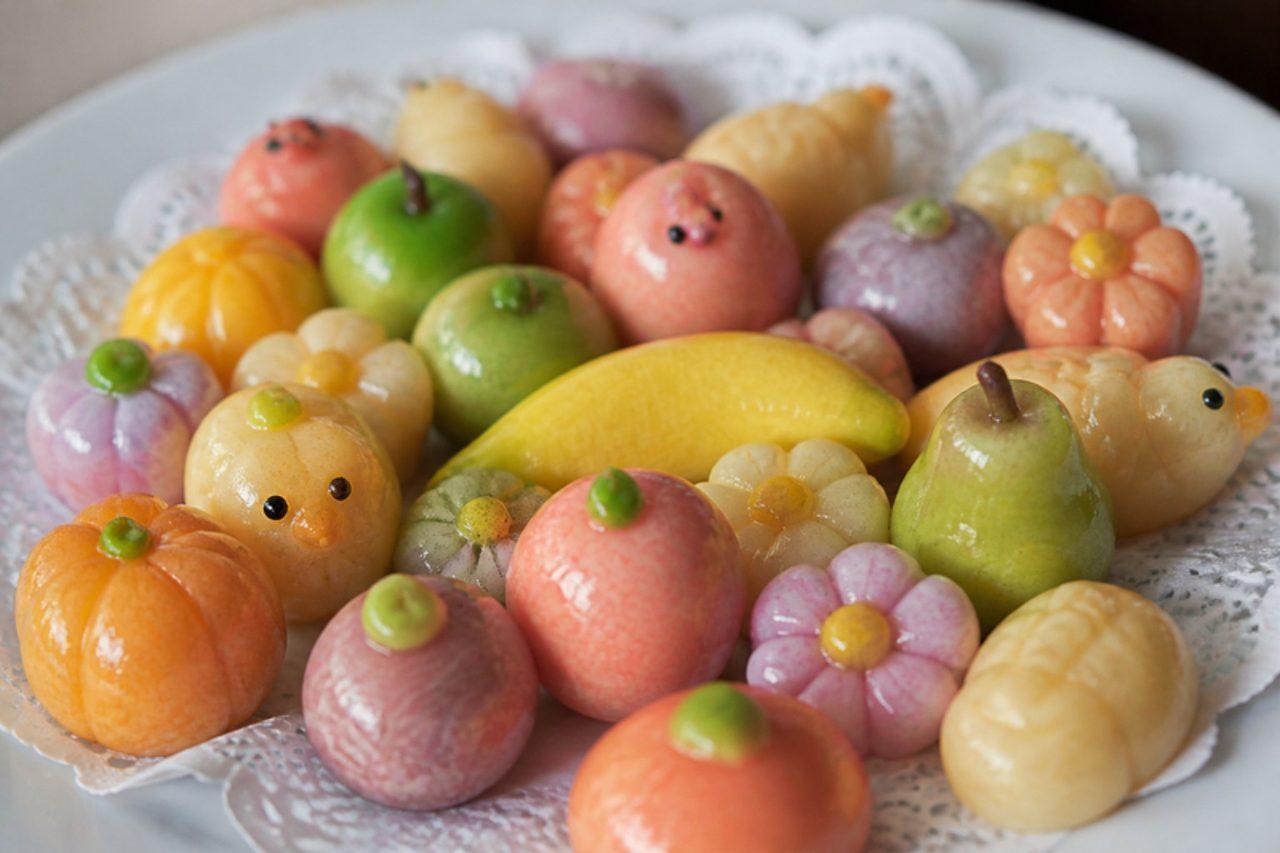
Dulces abrillantadosGlazed milk fudge figures

Walk through the old centre of Mérida and you'll pass windows full of tiny shiny sweets shaped like fruit, flowers and animals: dulces abrillantados, made from milk and sugar cooked down to a fudge, hand-moulded and dipped in syrup that dries to a glassy crust. Families buy boxes to take home from the Andes. They need patience: the shaping is fun, but the milk must be cooked until it truly pulls away from the pan. The common mistake is stopping too early, so the figures flatten. Chef's tip: dust your hands with icing sugar while shaping, and dry the figures overnight before glazing.

by KrazyBadal 0 views

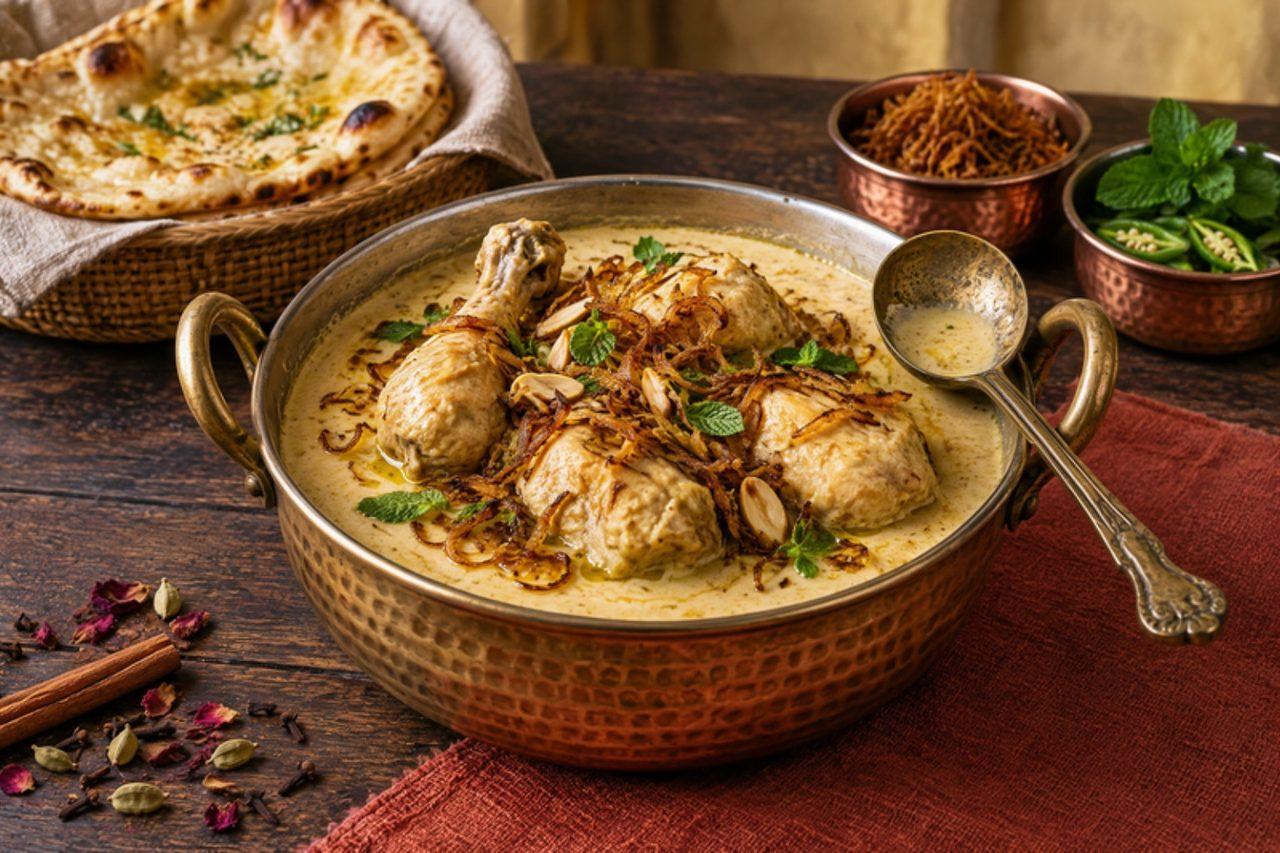
Dum ka murghSlow-cooked chicken in yogurt and cashews

Dum ka murgh is a dish of Hyderabad's Nizami dastarkhwan, still cooked at weddings and Eid lunches: chicken marinated in yogurt, ground cashews, fried onions and whole spices, then sealed in a heavy pot and cooked slowly in its own steam. The gravy is pale, rich and fragrant with cardamom and kewra. The common mistake is opening the lid to check; the steam escapes and the chicken cooks unevenly, so trust the timing and use a heavy pan on a tawa. Food safety: marinate covered in the fridge and cook until the thickest piece reaches 74 °C. Chef's tip: fry the onions slowly to an even deep gold, not brown; burnt birista turns the whole gravy bitter.

by KrazyBadal 0 views

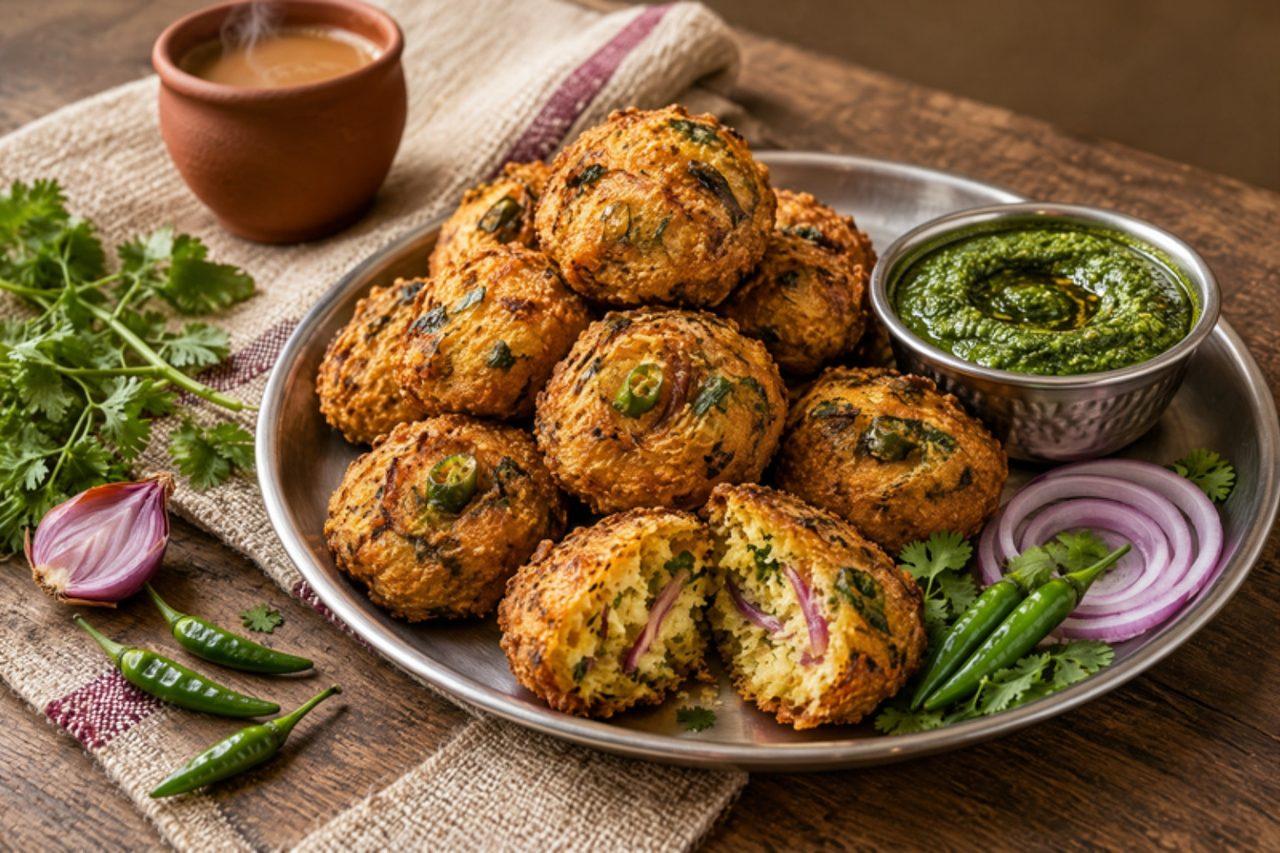
Manipuri boraGram flour fritters

Bora are the crisp fritters that Meitei families fry for evening tea, for guests and for festivals like Cheiraoba, using whatever is in season: onion and herbs, gourd flowers, or tender greens. The batter is gram flour with a little rice flour, so they stay crisp. The common mistake is a thick batter that makes doughy fritters; it should just coat the vegetables. Fill the pan no more than a third deep with oil, test it with a drop of batter (it should rise in 2–3 seconds) and never leave it unattended. Chef's tip: mix the batter just before frying so the vegetables don't weep and make it watery.

by KrazyBadal 0 views

Egg banjo (Indore style)Spicy egg pav

Indore eats late, and after the jewellery shops of Sarafa Bazaar shut their shutters at night the lane turns into a food market; egg banjo stalls there and at Chhappan Dukan keep frying until long after midnight. A soft pav is split, toasted in butter and packed with a masala omelette folded to fit, then green chutney, raw onion and a heap of fine sev for crunch. It is soft, buttery and hot all at once. Contains egg, wheat and dairy. Chef's tip: cook the omelette in a shape the size of the bun, so every bite has egg in it.

by KrazyBadal 0 views

Egg kejriwalChilli cheese toast with egg

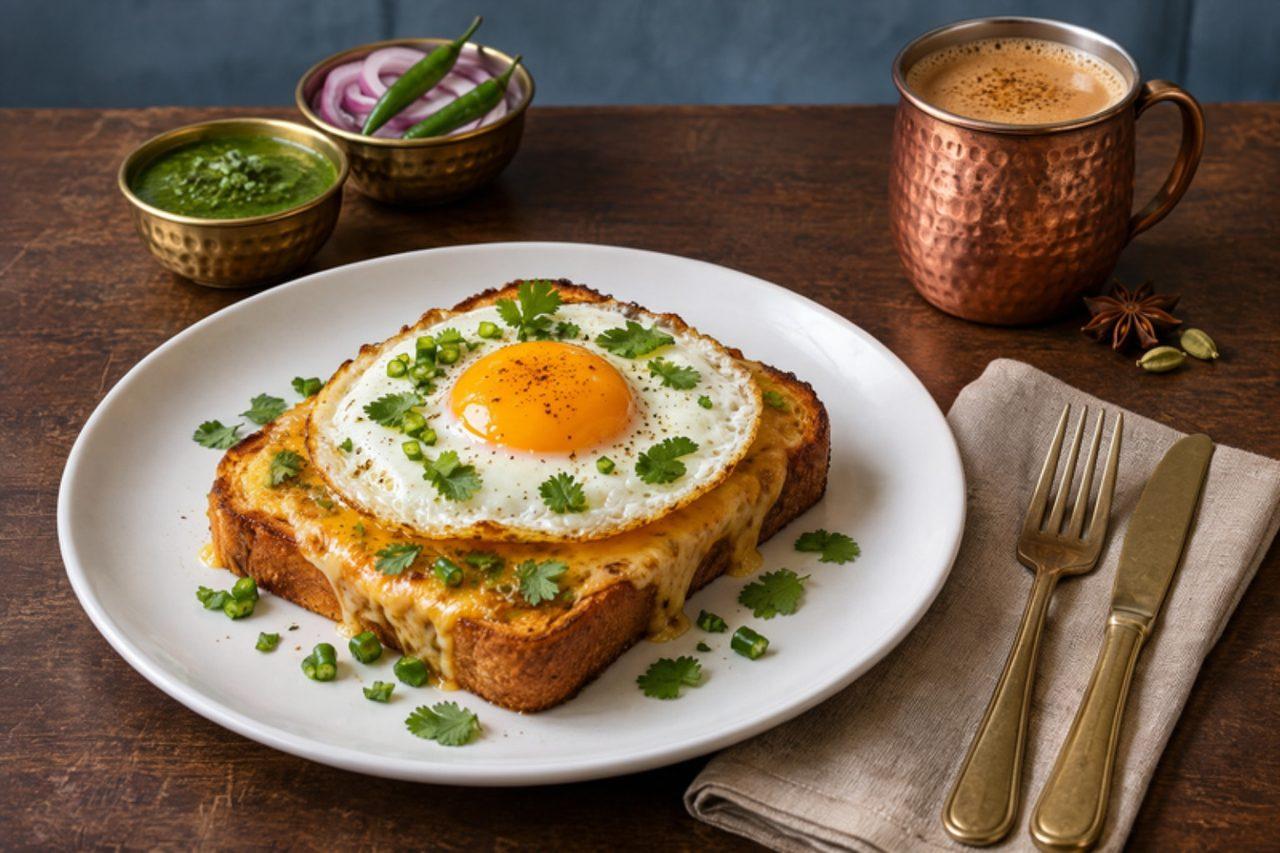
Egg kejriwal was born at the Willingdon Club in Mumbai, where a member from a vegetarian family ordered his eggs on cheese toast away from home, and the name stuck to the dish. Today it is a weekend breakfast in Mumbai cafés: toast spread with green chilli and mustard, smothered in melted cheese and crowned with a fried egg. The mistake is laying the egg on cheese that has not melted; grill the cheese first until bubbling. Cheddar is often made with animal rennet, so choose a vegetarian cheddar if needed. The yolk is traditionally runny; cook it until set for anyone pregnant, young children, older people or anyone with a weakened immune system. Chef's tip: mix the chopped chilli into the softened butter rather than scattering it, so the heat spreads evenly.

by KrazyBadal 0 views

Batates sandwichFrench fries sandwich

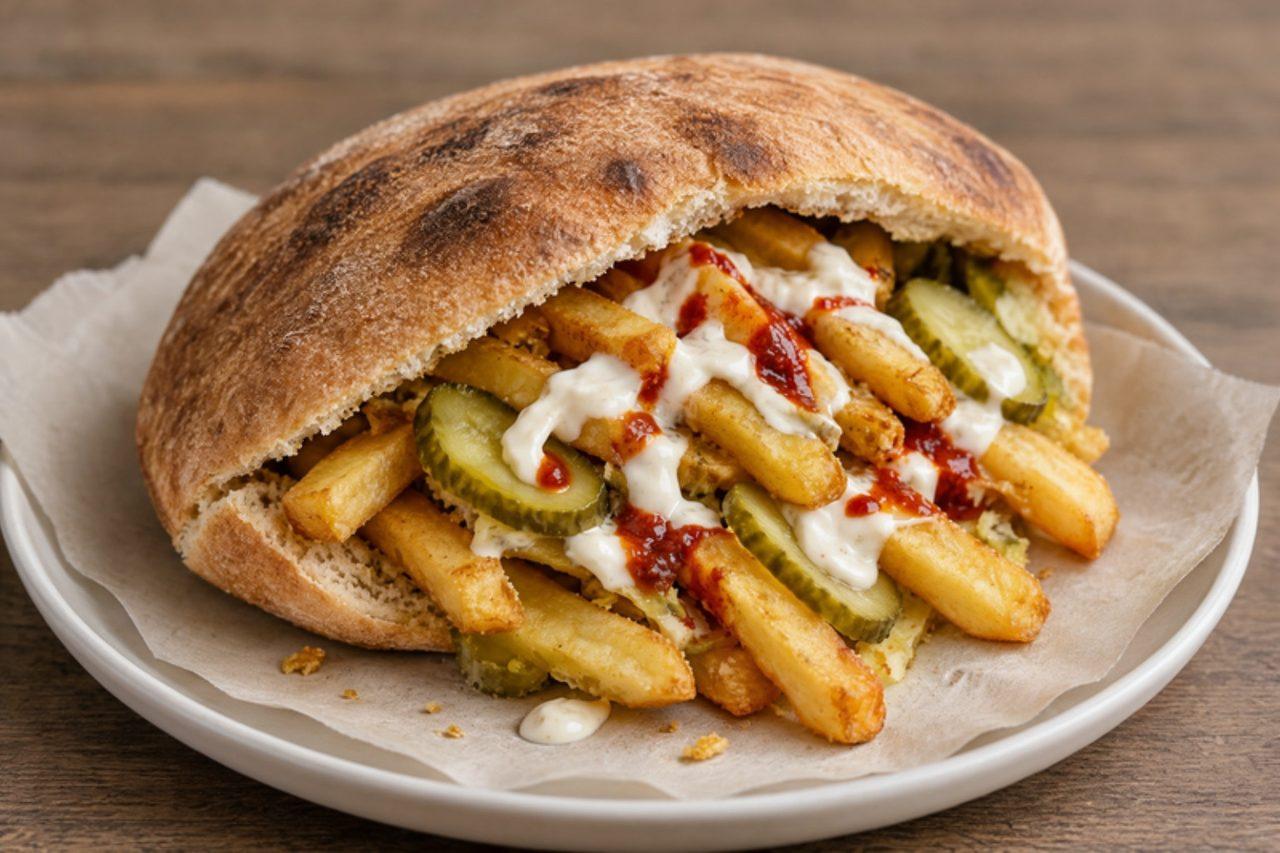
Every foul and ta'meya shop in Cairo also sells sandwich batates, a pocket of baladi bread stuffed with hot, salty fries, and it is one of the cheapest and best late-night bites in the city. In Downtown, around Talaat Harb Square and along Champollion Street, the counters stay busy after midnight as cinema crowds and students order them by the handful, with garlicky tahini, crunchy pickled turnip and cucumber and a hit of chilli. Egyptian baladi bread is a wholemeal flatbread; wholemeal pitta is a good stand-in. It contains sesame and wheat. Chef's tip: salt the fries the moment they leave the oil, while they are still glistening, so it sticks.

by KrazyBadal 0 views

Arvi ka salanColocasia in tangy gravy

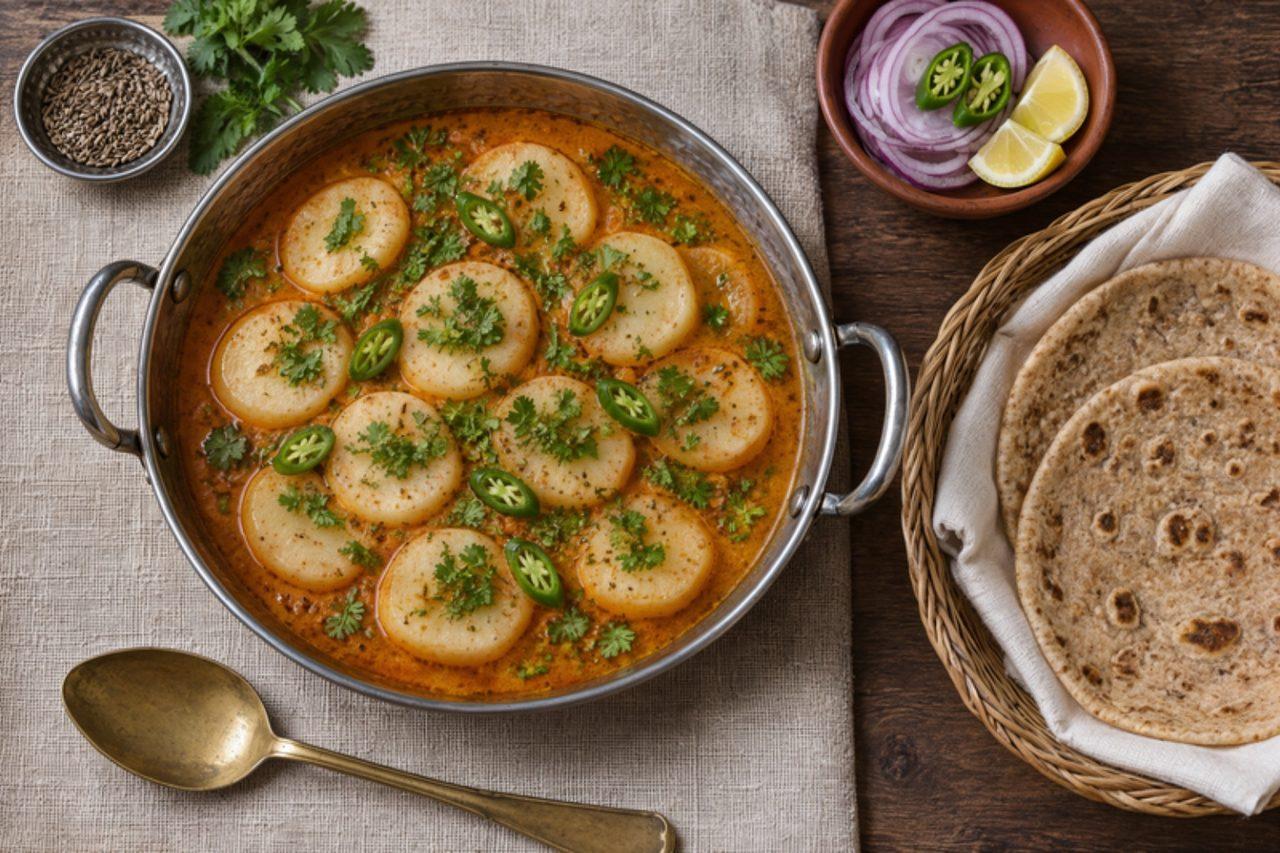
Arvi ka salan is a Lahore and Karachi home curry, cooked on weekday evenings when the vegetable seller has a basket of small, hairy colocasia roots. The roots are boiled, peeled and simmered in a loose, sour gravy of onion, tomato, ajwain and a squeeze of lemon, so the slightly slippery arvi soaks up the spice and turns creamy at the centre. Eat it with hot roti or plain rice and a little raw onion. The usual mistake is undercooking the arvi: half-cooked colocasia leaves an itchy, scratchy feeling in the throat, so it must be soft all the way through. Chef's tip: once the boiled arvi is peeled, press each piece flat with your palm before it goes into the gravy, so the rough edges thicken the sauce.

by KrazyBadal 0 views

LupisSticky rice with coconut sugar

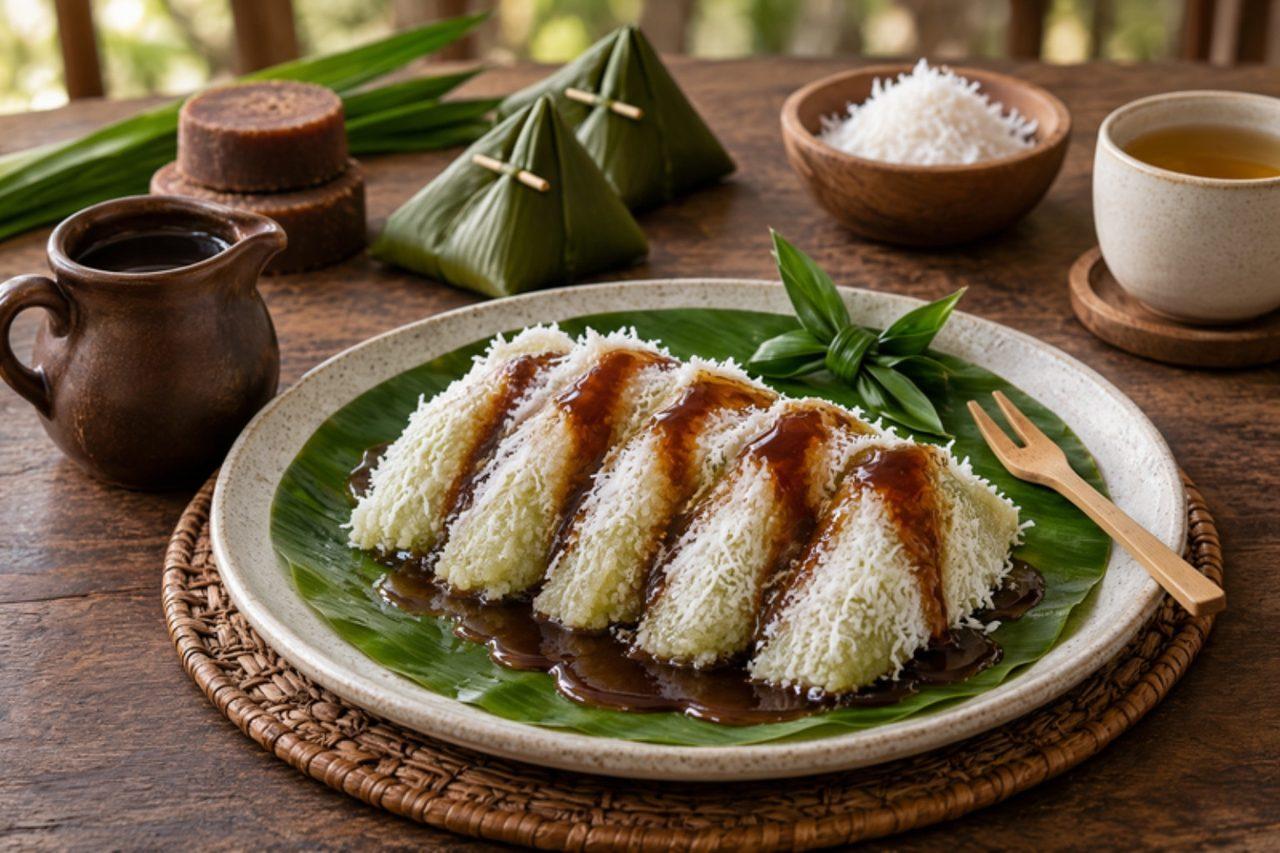
At morning markets across Central and East Java, vendors unwrap banana-leaf triangles of chewy sticky rice, roll them in fresh grated coconut and drench them in dark palm sugar syrup, all served on a square of leaf. Lupis is breakfast and snack at once, eaten with sweet tea. The common mistake is packing the leaves too full: the rice swells as it cooks, so fill each cone only two-thirds, or the parcels split and turn watery. Chef's tip: steam the grated coconut with a pinch of salt for 5 minutes before using it; it keeps longer and the salt sharpens the caramel taste of the syrup.

by KrazyBadal 0 views

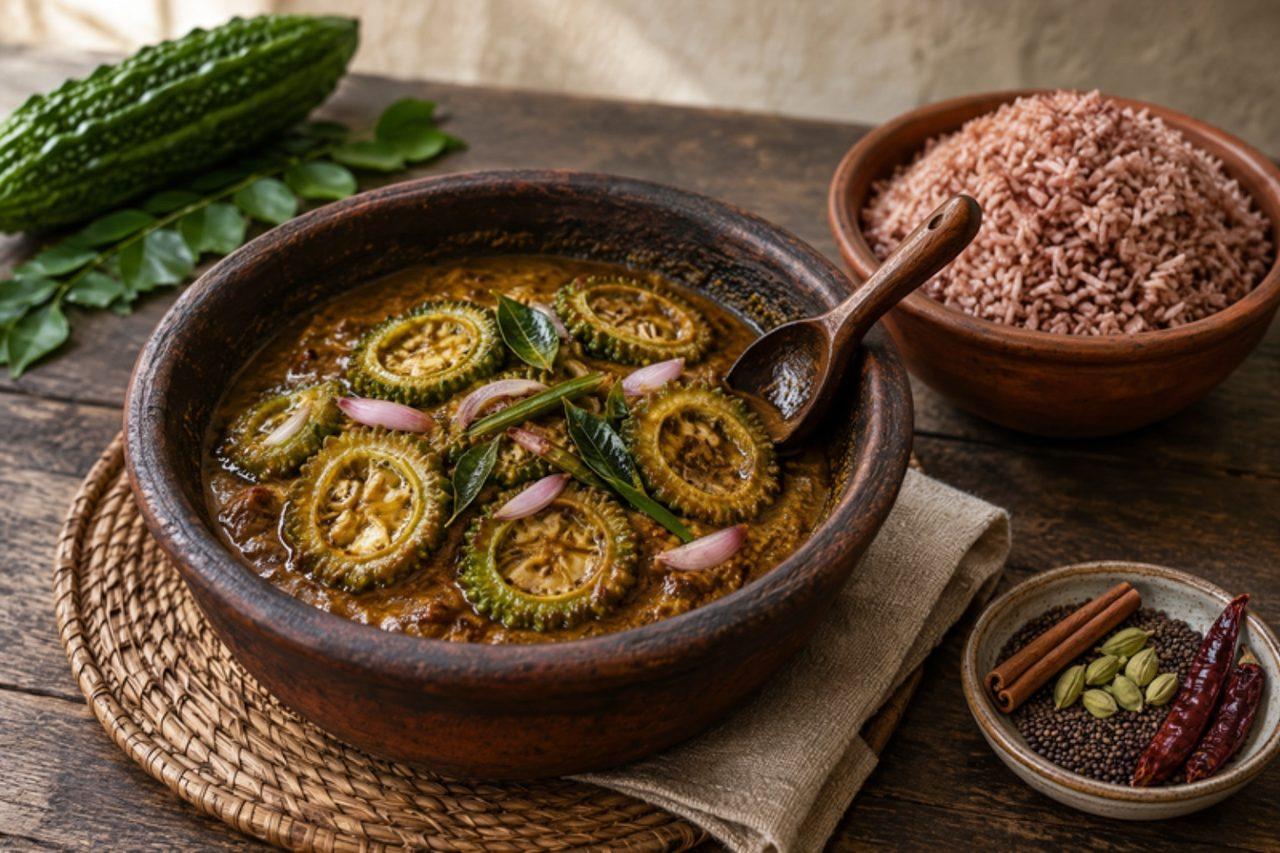
Karawila curryBitter gourd coconut curry

Bitter gourd is a favourite of older Sri Lankan cooks, and karawila curry appears on weekday tables across the island alongside rice, dal and a mild white curry to balance its bite. The gourd is salted, squeezed and lightly fried, then stewed in coconut milk with roasted curry powder, tamarind and a touch of sugar, so it becomes dark, glossy and pleasantly bitter rather than harsh. The usual mistake is skipping the salting and squeezing, which leaves the curry fiercely bitter. Chef's tip: fry the gourd until the edges are brown before it meets the coconut milk; the browning softens the bitterness more than sugar does.

by KrazyBadal 0 views

EiskaffeeIced coffee with ice cream

On a hot July afternoon in any German or Austrian Eiscafé, from a Hamburg promenade to a Viennese Gastgarten, the tall glass with the long spoon is Eiskaffee. It is not iced coffee in the American sense: strong coffee, chilled, is poured over two scoops of vanilla ice cream and crowned with sweetened whipped cream, sometimes a wafer and a dusting of cocoa or grated chocolate. You drink the cold coffee through a straw while the ice cream slowly melts into it, then spoon up the creamy, half-frozen rest, so it is part drink, part dessert, eaten at the café in the afternoon rather than with a meal. The usual mistake is pouring hot or even warm coffee straight onto the ice cream: it melts at once into a thin, lukewarm, milky soup. Brew it earlier and chill it properly. It is ready when the coffee is fridge-cold, the scoops sit just proud of the surface and the cream holds soft peaks on top. It is moderately caffeinated, so keep it for adults and older teens. Chef's tip: freeze leftover coffee in ice-cube trays and add a couple to the glass so nothing gets diluted with water.

by KrazyBadal 0 views

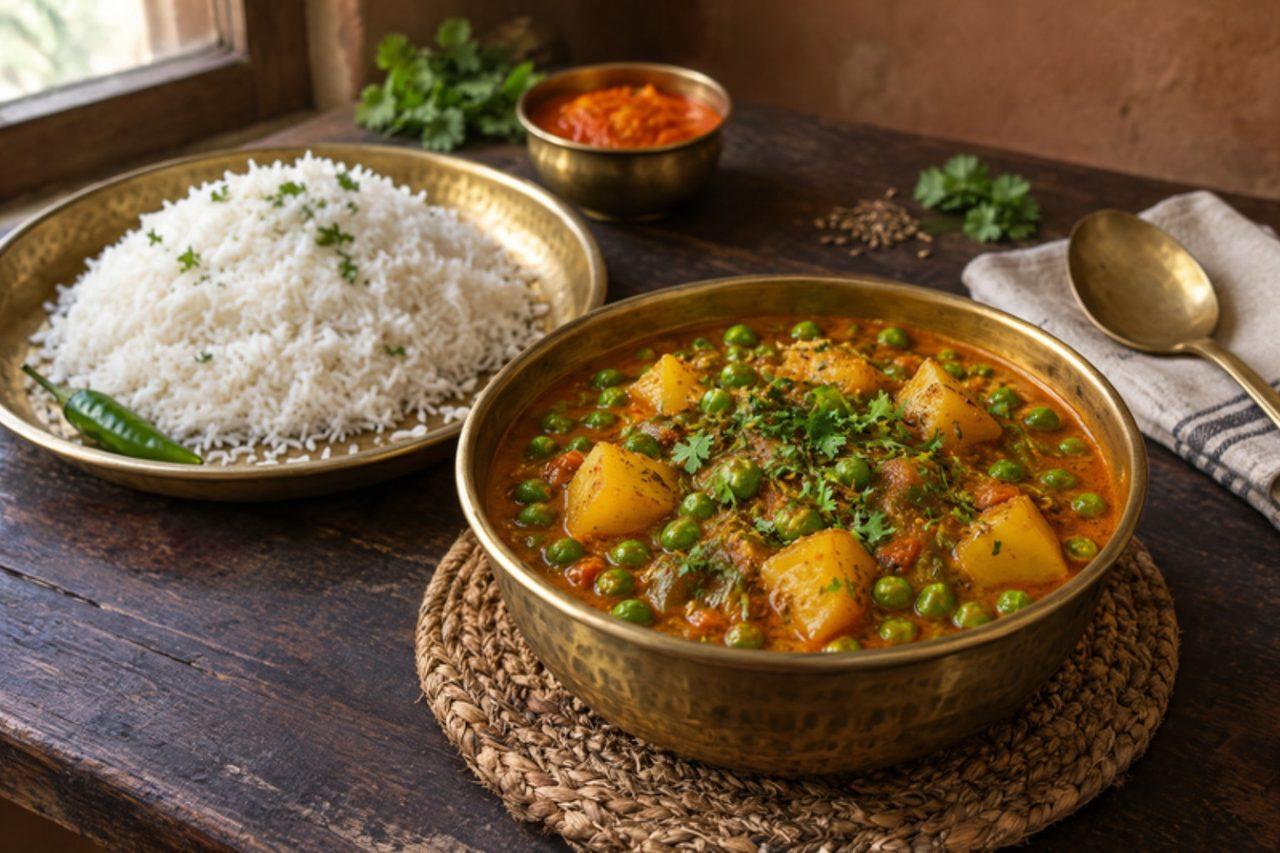
Kerau ko tarkariGreen pea and potato curry

Kerau ko tarkari turns up on Nepali tables in winter, when fresh peas are cheap in Kathmandu's Asan market, and it is a favourite in children's tiffin boxes with beaten rice or roti. Potatoes and peas are simmered with cumin, tomato and a little timur pepper until the potatoes start to break and thicken a soft, golden gravy. It is mild enough for children and goes with rice, roti or sel roti. The usual mistake is adding the peas with the potatoes: fresh peas go grey and mushy, so add them once the potatoes are half cooked. Chef's tip: crush a few potato pieces with the back of the spoon at the end; it gives the gravy body without cream.

by KrazyBadal 0 views

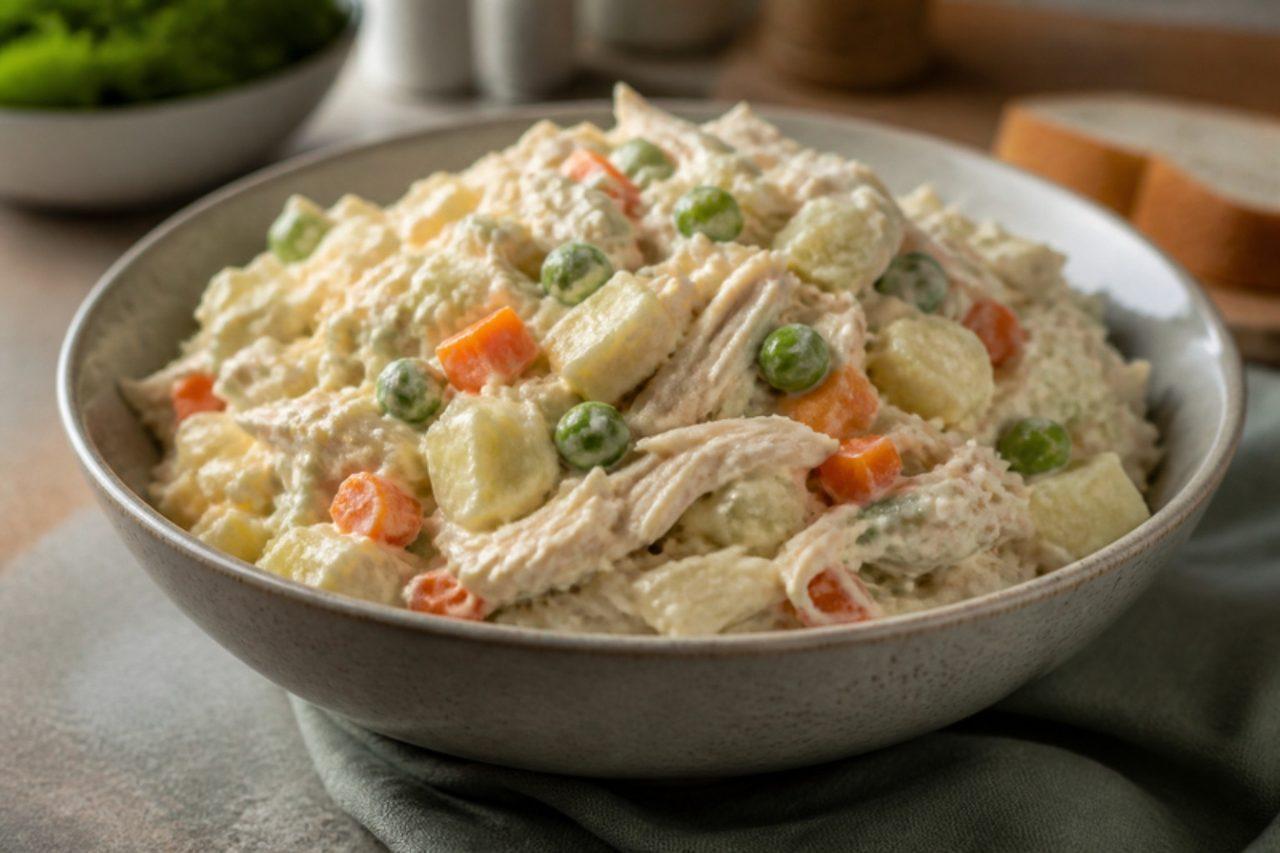
Ensalada de gallinaChristmas chicken salad

Ensalada de gallina is the creamy salad that sits on every Venezuelan plato navideño, next to hallaca, pan de jamón and dulce de lechosa: poached chicken shredded with diced potato, carrot, peas and crisp apple, bound with mayonnaise and a squeeze of lime. It is made the day before and served cold. Because it combines chicken and mayonnaise, keep it in the fridge and don't leave it out for more than 2 hours. The common mistake is overcooking the potatoes until they turn to mash when dressed. Chef's tip: cook them only until a knife just goes in, and cool them fully before adding the mayonnaise.

by KrazyBadal 0 views

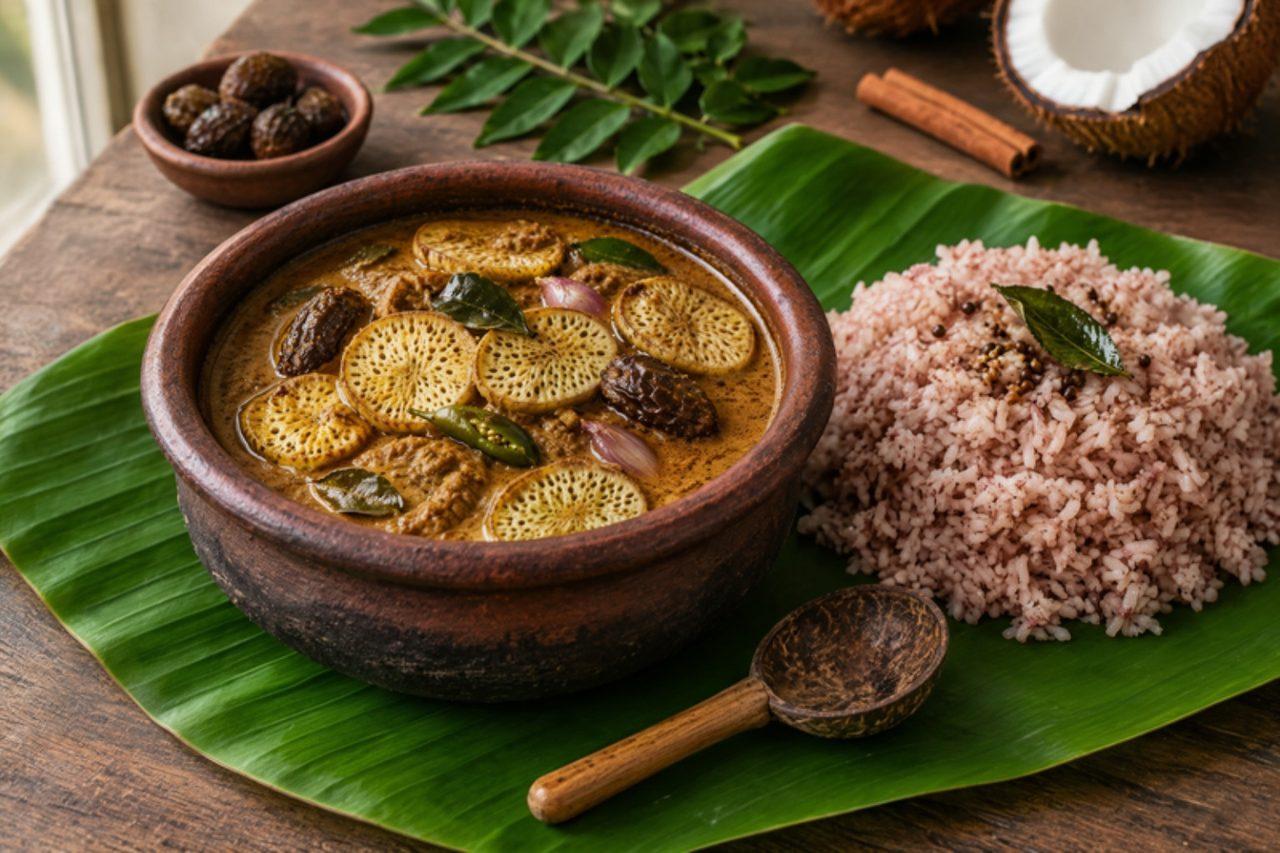
Kohila curryLasia root curry

Kohila (lasia root) grows in the marshy paddy edges of Sri Lanka's south and west, and kohila curry is a traditional village dish, eaten at home and served at New Year and almsgiving lunches. The thorny stems and roots are peeled, sliced into crunchy rounds and boiled in tamarind water to take away their itchy bite, then simmered with roasted curry powder, mustard and coconut milk until tender but still slightly crisp. Serve with red rice and a green mallung. The usual mistake is skipping the boil, which leaves an itch in the throat. If you can't find fresh kohila, use frozen sliced kohila from Sri Lankan grocers. Chef's tip: wear gloves to peel kohila and drop the slices straight into water so they don't darken.

by KrazyBadal 0 views

Ensaladang talongGrilled aubergine salad

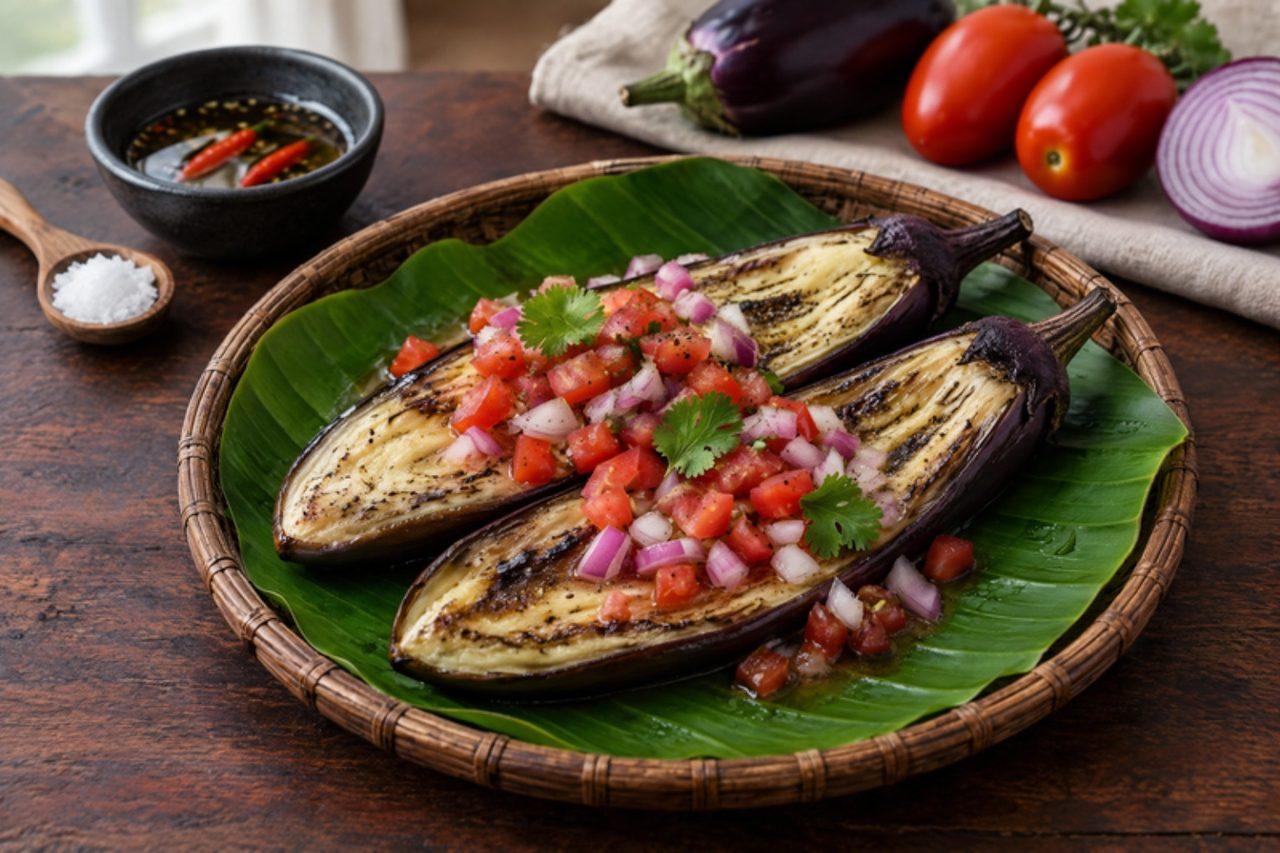
Ensaladang talong is the smoky side salad that sits beside grilled fish or pork at Filipino family lunches, from Pampanga to Davao, and on the table at weekend beach outings. Long Asian eggplants are charred whole until the flesh collapses, then peeled and topped with diced tomato, red onion and a sharp vinegar dressing. This version leaves out the usual fermented shrimp paste so it is vegan. Suitable as part of a balanced diet, it is low in starch: about 70 kcal and 10 g carbohydrate per portion. The usual mistake is pulling the eggplants off the heat too soon; they must be soft right through, or the flesh is spongy and raw. Chef's tip: peel the hot eggplants under a trickle of water with your fingertips to keep the smoky flesh whole.

by KrazyBadal 0 views

Adobong talong (aubergine adobo)

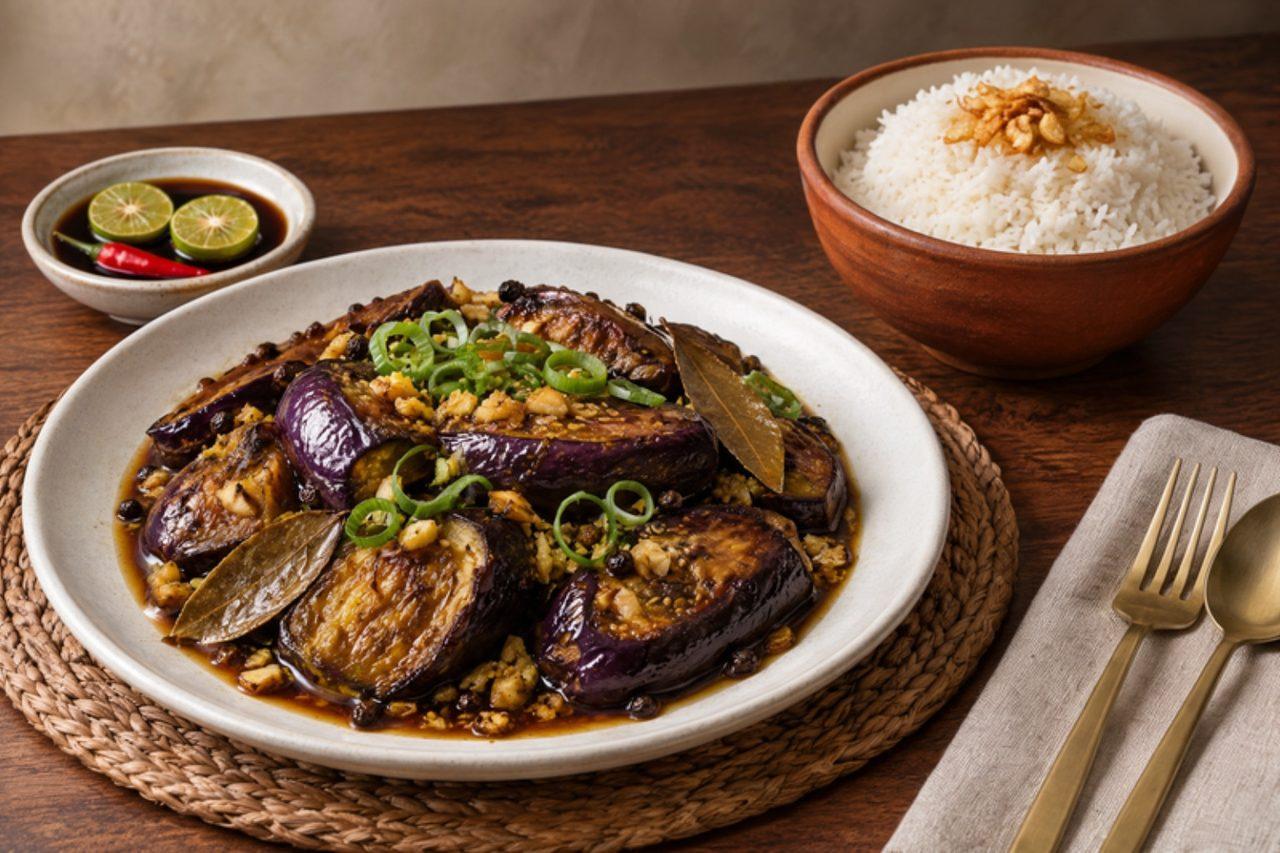
Adobo is a method in the Philippines, not a single dish, and when meat is short or it's Lent, Filipino families make it with long eggplant: fried until soft and browned, then simmered briefly in vinegar, soy sauce, garlic, bay and peppercorns. Like any adobo it tastes better the next day, which makes it a favourite for baon with rice. The common mistake is stirring as soon as the vinegar goes in; let it boil untouched for a minute first, or the sauce keeps a raw, sharp edge. Chef's tip: crush the garlic and fry half of it until golden to scatter on top at the end, for crunch.

by KrazyBadal 0 views

Kaju pulao (cashew pulao)

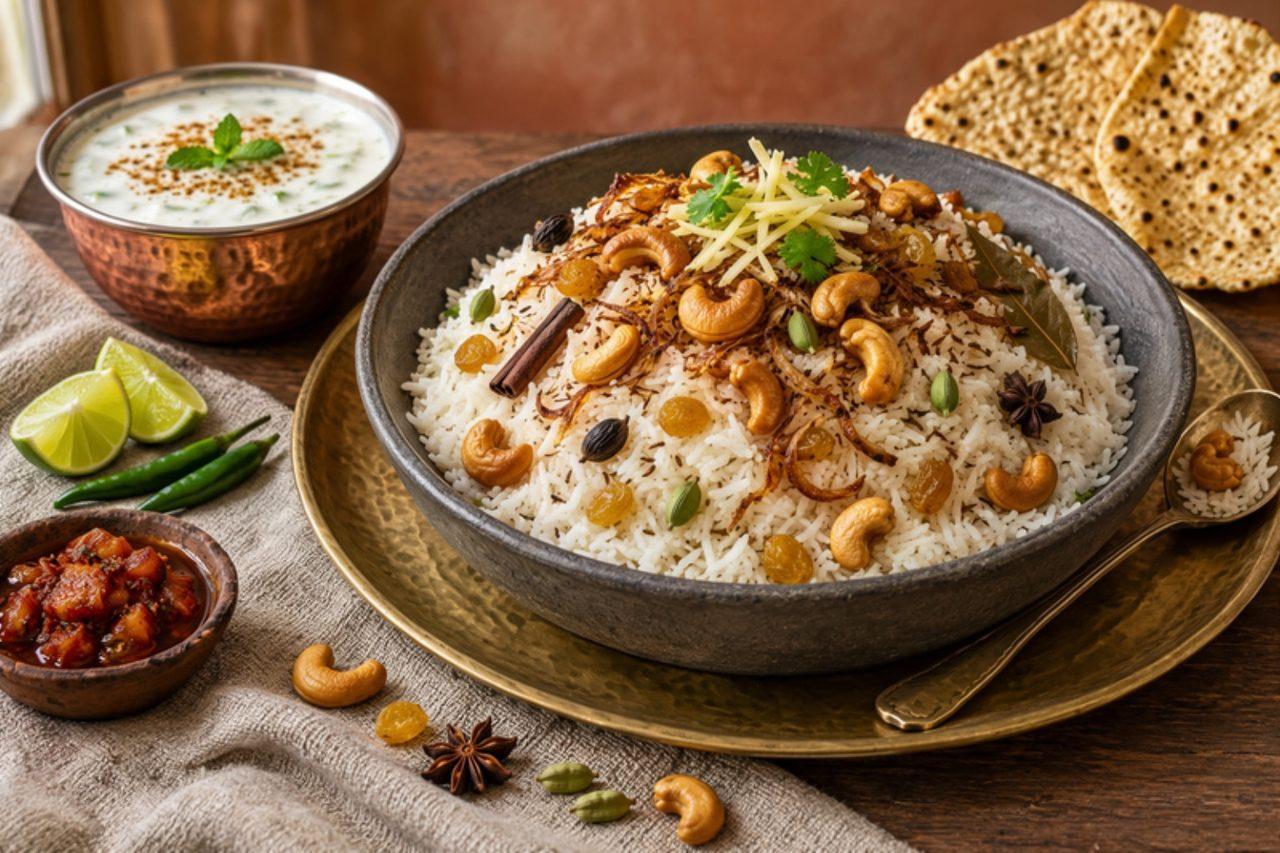
Kaju pulao is the "special" tiffin of Mumbai and Hyderabad homes, packed for a birthday at school or a festival day at the office, yet it takes no more effort than plain rice. Basmati is cooked with whole spices and golden onion in ghee, and a generous handful of cashews fried separately until crisp is folded through at the end. The mistake is cooking the cashews with the rice, which leaves them soft and pale; fry them on their own and add them last. Chef's tip: stop frying the cashews when they are light gold; they keep darkening in the hot ghee after you lift them out. Contains milk (ghee) and cashews.

by KrazyBadal 0 views

Ajwaini arbiPan-fried colocasia with carom seeds

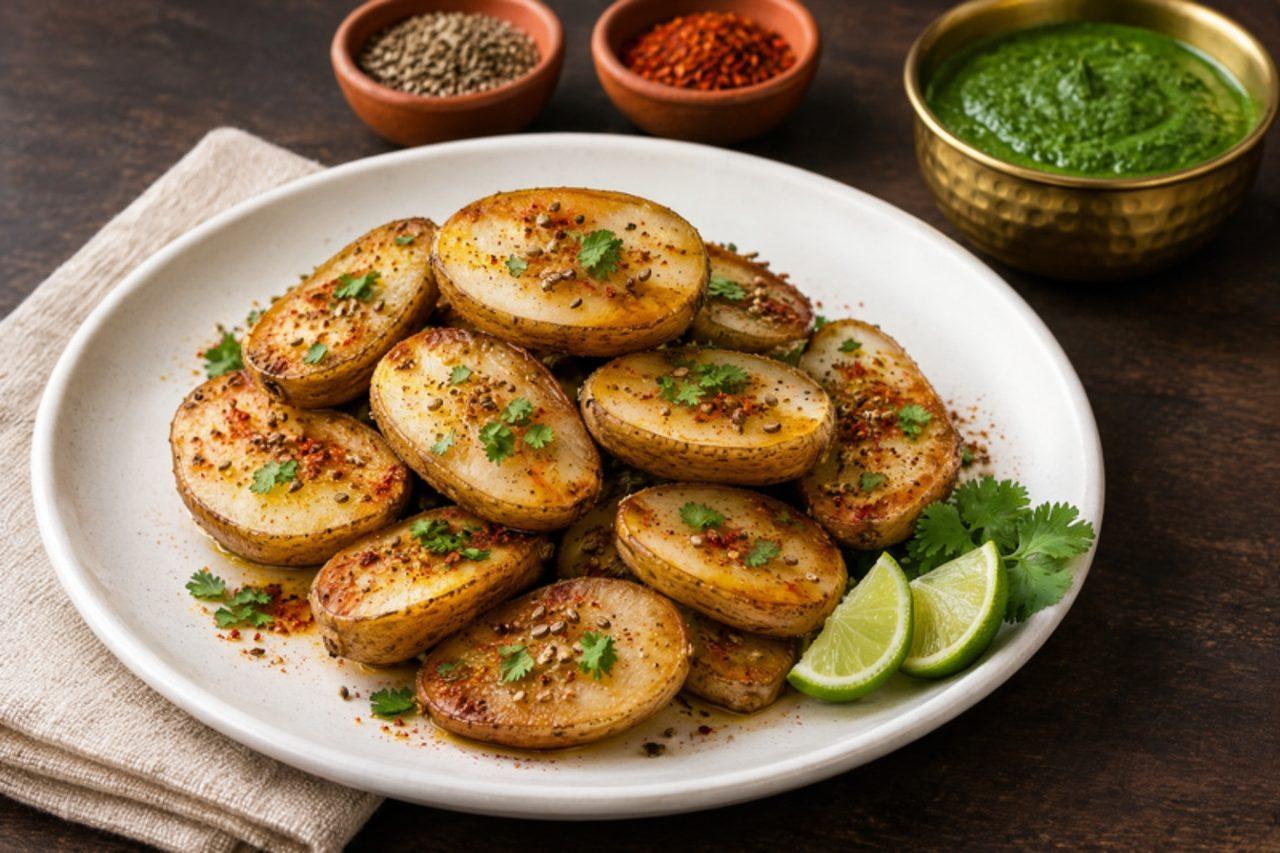
Across Delhi, Punjab and Uttar Pradesh, arbi is the vegetable that goes into a dabba with ajwain rotis or plain phulkas: the small colocasia roots are boiled, flattened slightly and pan-fried with carom seeds, red chilli and dried mango powder until crisp outside and creamy inside. Ajwain is there for its flavour and because it is said to help digest the starchy root. The mistake is boiling the arbi too long: it turns slimy and falls apart in the pan. Cook it until just tender, then cool fully before peeling. Chef's tip: press each piece gently with your palm to crack it before frying; the cracks catch the spices and crisp up.

by KrazyBadal 0 views

Escabeche de pescadoFried fish in sweet-sour onion sauce

In Lima, escabeche de pescado belongs to the criollo kitchen of the old city: it turns up on Friday lunch menus, on buffet tables, and above all in Lent and Holy Week, when families eat fish and this dish can be made the day before. Fish is fried until golden, then covered in a warm sauce of thick-cut red onion softened in oil with garlic, ají amarillo, ají panca, cumin and vinegar, and left to cool so the flavours soak in. It is served cold or at room temperature with boiled sweet potato, hard-boiled egg and purple botija olives. It tastes tangy, sweet and gently fruity-hot, with crunchy onion over tender fish. The fish here is fully cooked, but because it is a cold seafood dish, pregnant people, babies, older people and anyone with weak immunity should eat it well chilled and within 2 days. Common mistake: stewing the onions until limp; they should only lose their raw bite. It is ready when the sauce has soaked a little into the fish and smells of vinegar and toasted chilli. Chef's tip: use thick fillets of corvina or bonito; thin fillets break under the sauce.

by KrazyBadal 0 views

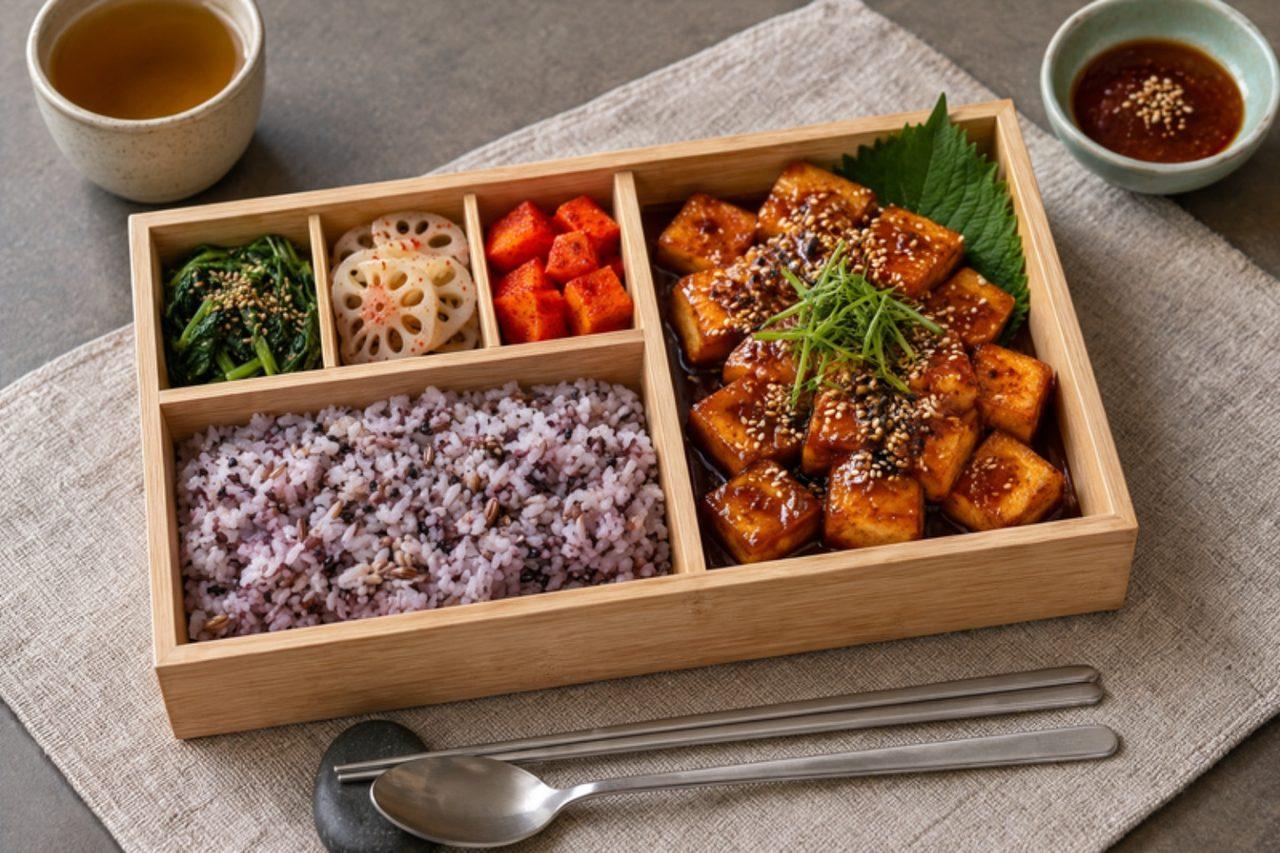
Dubu gangjeongSticky fried tofu cubes

Gangjeong usually means sticky glazed fried chicken, but Korean mothers make this tofu version for the dosirak because the starch coating stays crisp even after a morning in the lunchbox. The glaze is mild, sweet and garlicky, so children love it; add gochujang for the grown-ups. The common mistake is skipping the pressing, which leaves wet tofu that spits in the oil and goes soggy under the sauce. Chef's tip: let the fried cubes cool for two minutes before glazing, and boil the sauce to large, slow bubbles first, so it clings instead of soaking in.

by KrazyBadal 0 views

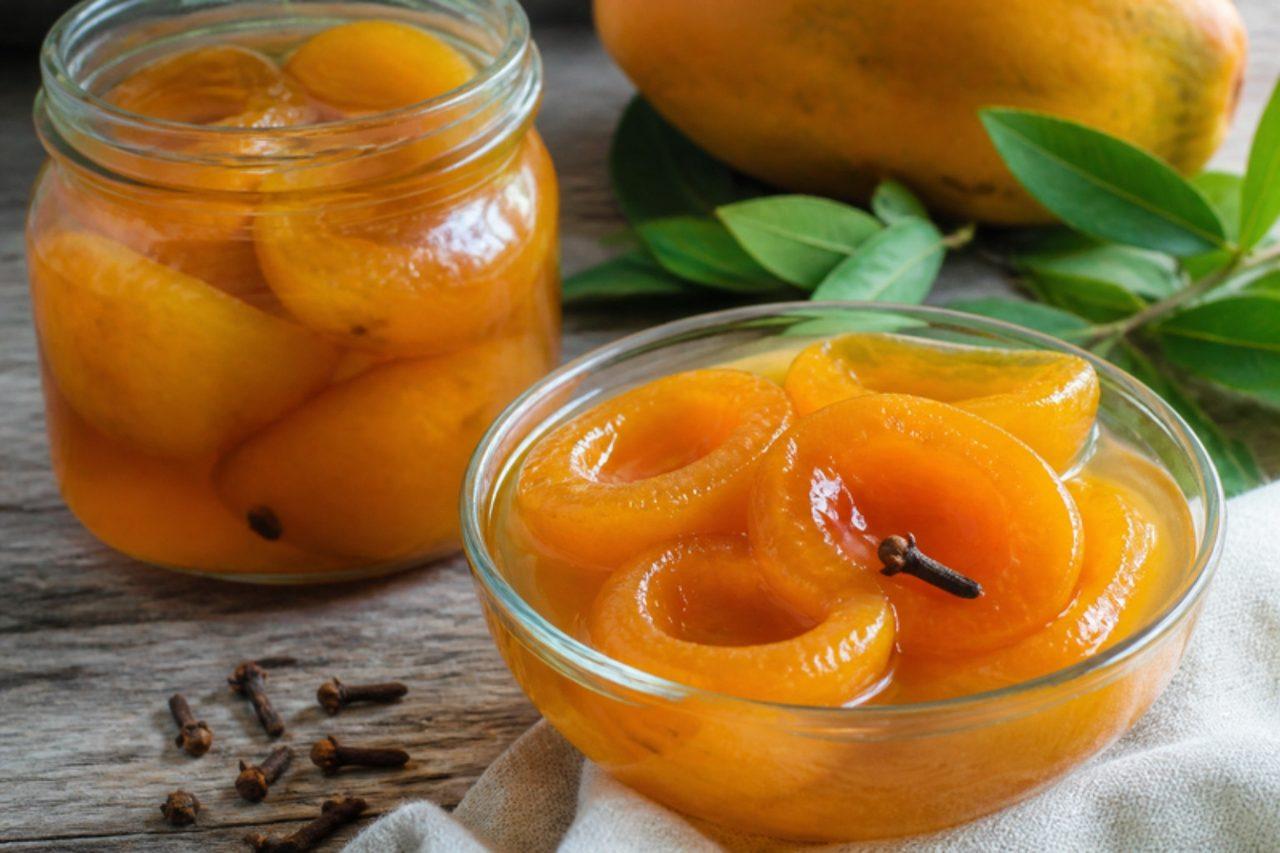
Papayas en almíbarPapayas in clove syrup

Drive up the Elqui Valley from La Serena and every roadside stall sells jars of these: small, intensely fragrant mountain papayas (papaya chilena) poached until they turn amber and translucent. Families spoon them over vanilla ice cream, eat them with a slice of fresh cheese, or simply serve them chilled after Sunday lunch. Outside Chile, tinned Chilean papayas are easy to find, or use firm, under-ripe ordinary papaya, which holds its shape in the syrup. The usual mistake is boiling the fruit hard: it breaks up and clouds the syrup, so keep it at a lazy simmer. Chef's tip: once the fruit is cooked, lift it out and boil the syrup alone for 5 minutes, so it is thick enough to cling and keeps longer in the jar.

by KrazyBadal 0 views

Showing 27 of 7,762 recipes

Show more recipes

Page 128 of 863