Skip to content
Fororo
Featured recipe

Fororo

Toasted corn porridge

Fororo is the name for finely ground toasted corn, and for the smooth porridge made from it that grandmothers in Lara, Barinas and the rest of the Llanos give to children before school or to anyone feeling under the weather. It tastes gently nutty, like warm popcorn in a cup, sweetened with panela and scented with cinnamon. If you can't find fororo flour, toasting fine cornmeal in a dry pan gives the same result. The common mistake is tipping the flour straight into hot milk, which makes lumps. Chef's tip: whisk the flour into a little cold milk first, then pour it into the pot.

Read more 0 views

What to eat today?

Around the world

Today's trip: Persian

A new country every day, from every cuisine on the site.

This week's collection

Kid-friendly dinners
537 recipes · a new collection every Monday

Latest recipes

Manipuri boraGram flour fritters

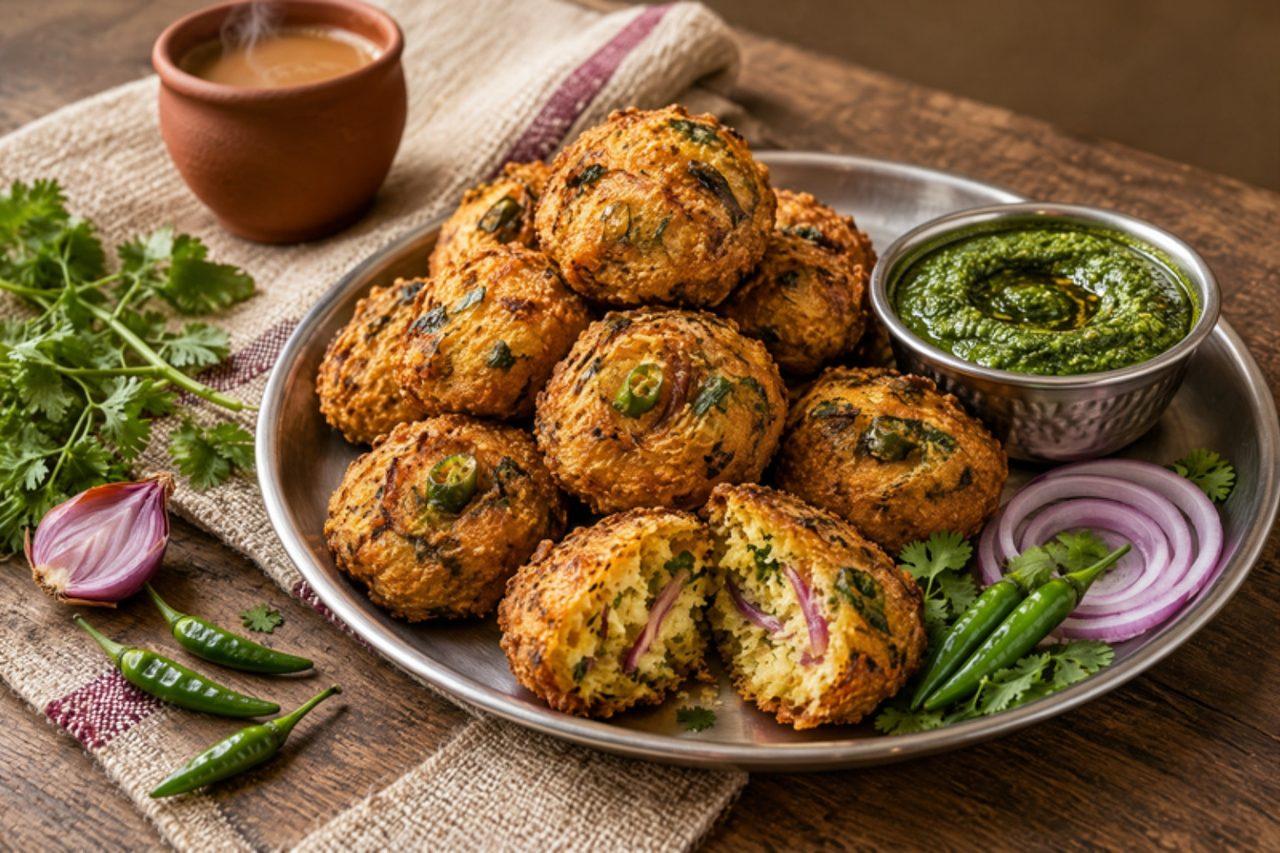
Bora are the crisp fritters that Meitei families fry for evening tea, for guests and for festivals like Cheiraoba, using whatever is in season: onion and herbs, gourd flowers, or tender greens. The batter is gram flour with a little rice flour, so they stay crisp. The common mistake is a thick batter that makes doughy fritters; it should just coat the vegetables. Fill the pan no more than a third deep with oil, test it with a drop of batter (it should rise in 2–3 seconds) and never leave it unattended. Chef's tip: mix the batter just before frying so the vegetables don't weep and make it watery.

by KrazyBadal 0 views

Ei im GlasSoft-boiled eggs in a glass

In the old coffee houses of Vienna, the breakfast menu still lists Ei im Glas: two very soft-boiled eggs, scooped warm from their shells into a small glass, with a knob of butter, chives, salt and pepper. You stir it into a golden, custardy mess and eat it with a crisp Semmel roll (gluten-free bread if you need it) and a Melange coffee. The mistake almost everyone makes is boiling the eggs a minute too long, so the yolk sets and the dish turns into plain egg salad. Chef's tip: warm the glass with hot water while the eggs cook, so the butter melts on contact and the eggs stay hot to the last spoonful.

by KrazyBadal 0 views

EinspännerBlack coffee with whipped cream

The Einspänner is named after the one-horse carriages of old Vienna: coachmen waiting outside in winter supposedly liked their coffee under a lid of cream that kept it hot and stopped it slopping. Today it is served in a handled glass at classic coffee houses, a strong black mocha (a double espresso or Großer Brauner without milk) topped with a thick layer of cold, lightly sweetened whipped cream and a pinch of icing sugar. You do not stir it: you sip the hot, bitter coffee through the cold, sweet cream, so each mouthful is two temperatures and two textures. It is an afternoon or late-morning coffee, often with a slice of Sachertorte. The common mistake is runny cream that sinks and turns the drink into a milky latte; whip it until it just holds a peak and spoon it on gently so it floats. It is ready when the cream stands at least 2 cm above the coffee and slowly sinks at the edges. It is strong: a double shot of caffeine in one glass. Chef's tip: pour the coffee in first and wait ten seconds before adding the cream, so the crema settles and helps support the cap.

by KrazyBadal 0 views

EiskaffeeIced coffee with ice cream

On a hot July afternoon in any German or Austrian Eiscafé, from a Hamburg promenade to a Viennese Gastgarten, the tall glass with the long spoon is Eiskaffee. It is not iced coffee in the American sense: strong coffee, chilled, is poured over two scoops of vanilla ice cream and crowned with sweetened whipped cream, sometimes a wafer and a dusting of cocoa or grated chocolate. You drink the cold coffee through a straw while the ice cream slowly melts into it, then spoon up the creamy, half-frozen rest, so it is part drink, part dessert, eaten at the café in the afternoon rather than with a meal. The usual mistake is pouring hot or even warm coffee straight onto the ice cream: it melts at once into a thin, lukewarm, milky soup. Brew it earlier and chill it properly. It is ready when the coffee is fridge-cold, the scoops sit just proud of the surface and the cream holds soft peaks on top. It is moderately caffeinated, so keep it for adults and older teens. Chef's tip: freeze leftover coffee in ice-cube trays and add a couple to the glass so nothing gets diluted with water.

by KrazyBadal 0 views

Arvi ka salanColocasia in tangy gravy

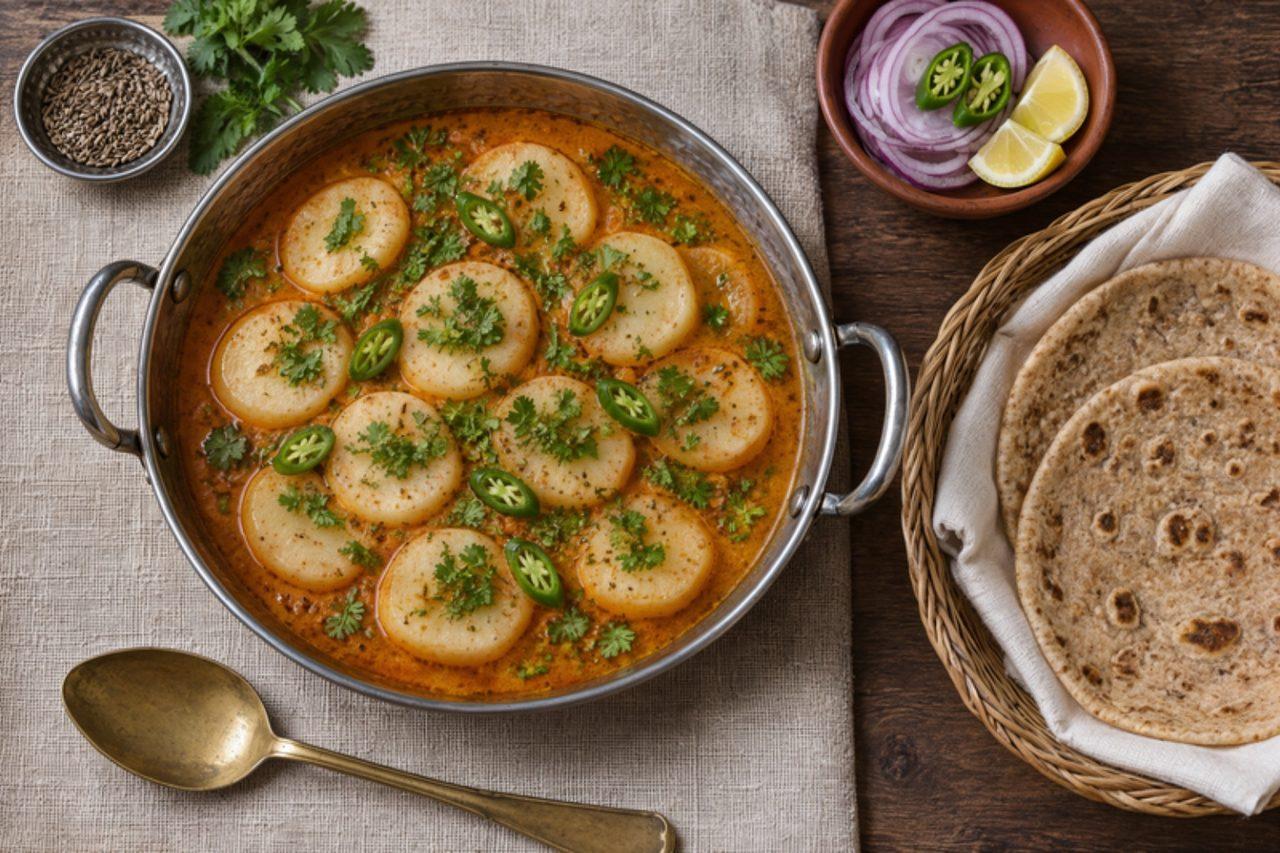
Arvi ka salan is a Lahore and Karachi home curry, cooked on weekday evenings when the vegetable seller has a basket of small, hairy colocasia roots. The roots are boiled, peeled and simmered in a loose, sour gravy of onion, tomato, ajwain and a squeeze of lemon, so the slightly slippery arvi soaks up the spice and turns creamy at the centre. Eat it with hot roti or plain rice and a little raw onion. The usual mistake is undercooking the arvi: half-cooked colocasia leaves an itchy, scratchy feeling in the throat, so it must be soft all the way through. Chef's tip: once the boiled arvi is peeled, press each piece flat with your palm before it goes into the gravy, so the rough edges thicken the sauce.

by KrazyBadal 0 views

LupisSticky rice with coconut sugar

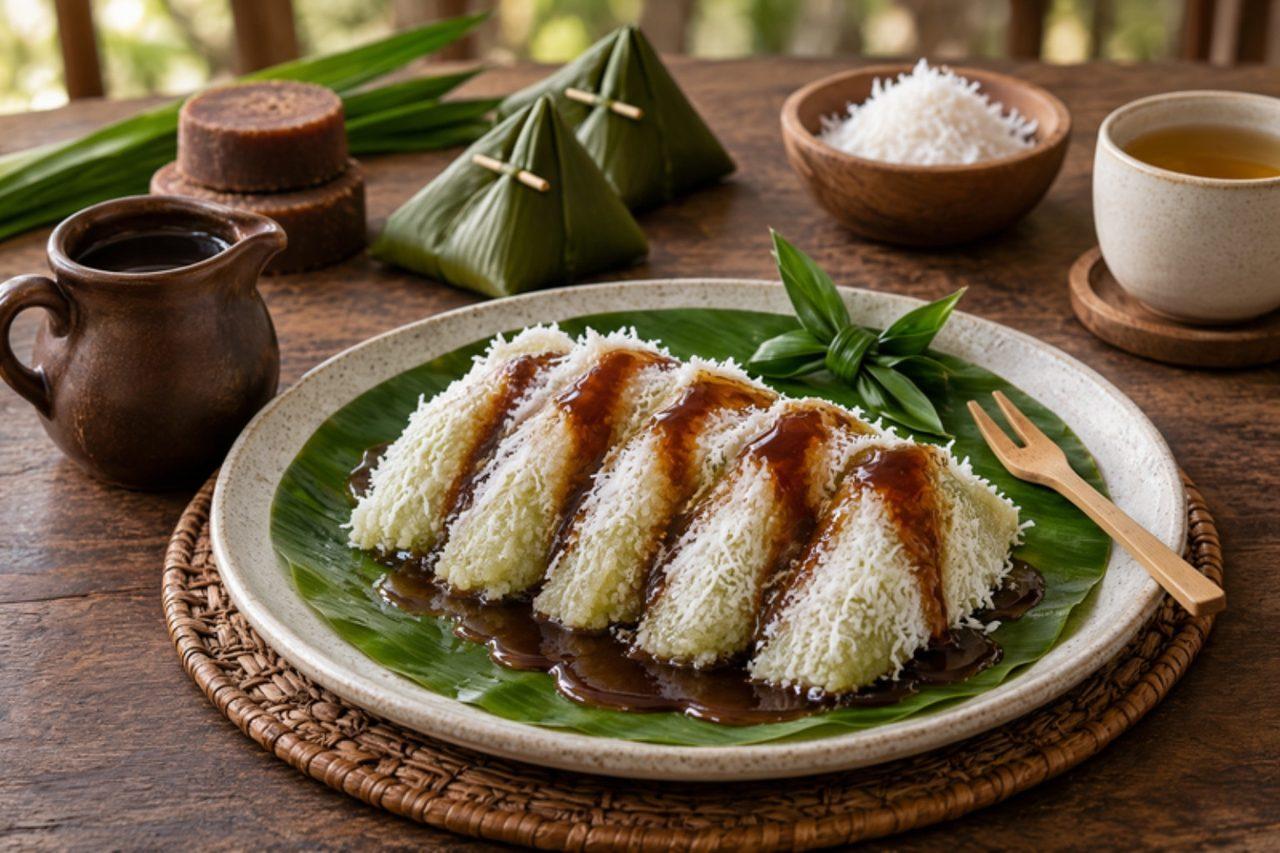
At morning markets across Central and East Java, vendors unwrap banana-leaf triangles of chewy sticky rice, roll them in fresh grated coconut and drench them in dark palm sugar syrup, all served on a square of leaf. Lupis is breakfast and snack at once, eaten with sweet tea. The common mistake is packing the leaves too full: the rice swells as it cooks, so fill each cone only two-thirds, or the parcels split and turn watery. Chef's tip: steam the grated coconut with a pinch of salt for 5 minutes before using it; it keeps longer and the salt sharpens the caramel taste of the syrup.

by KrazyBadal 0 views

Karawila curryBitter gourd coconut curry

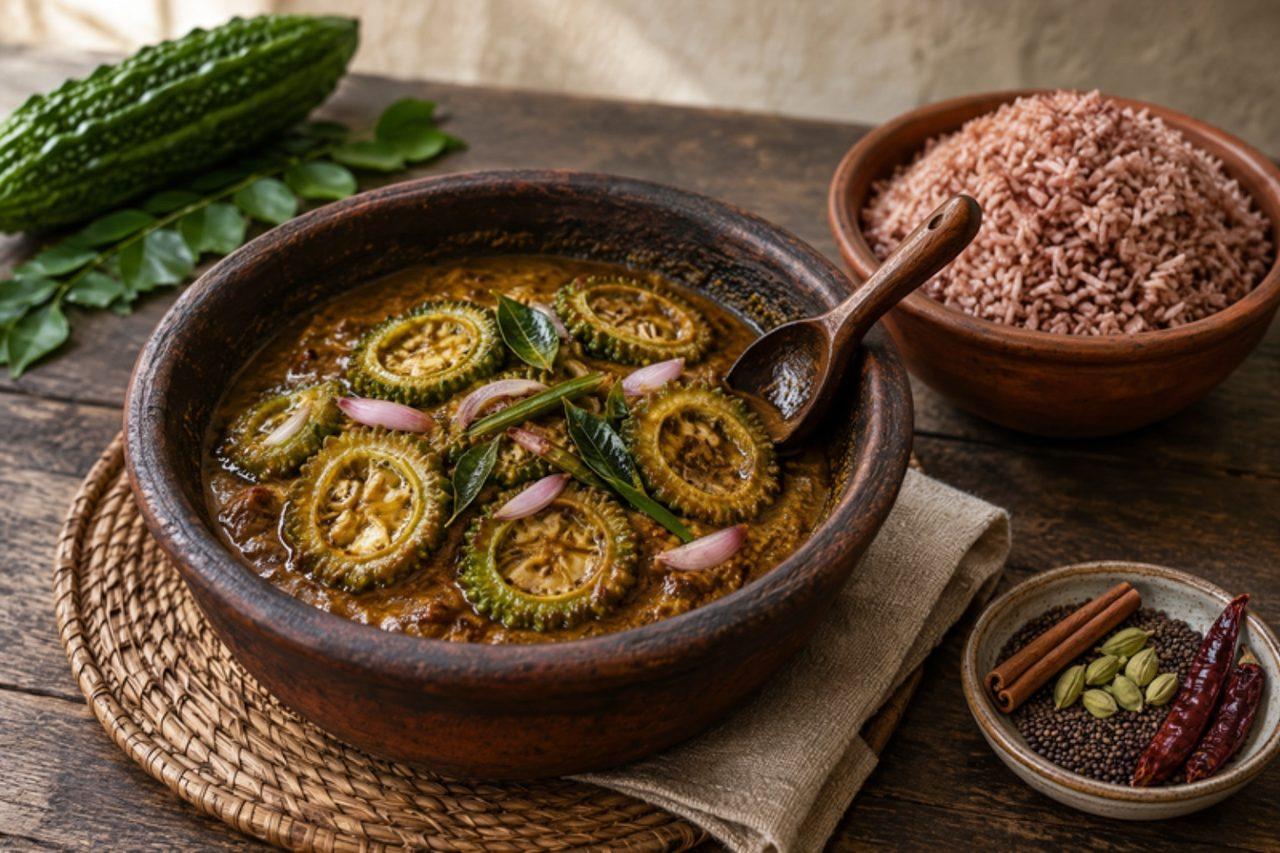
Bitter gourd is a favourite of older Sri Lankan cooks, and karawila curry appears on weekday tables across the island alongside rice, dal and a mild white curry to balance its bite. The gourd is salted, squeezed and lightly fried, then stewed in coconut milk with roasted curry powder, tamarind and a touch of sugar, so it becomes dark, glossy and pleasantly bitter rather than harsh. The usual mistake is skipping the salting and squeezing, which leaves the curry fiercely bitter. Chef's tip: fry the gourd until the edges are brown before it meets the coconut milk; the browning softens the bitterness more than sugar does.

by KrazyBadal 0 views

Ensalada de gallinaChristmas chicken salad

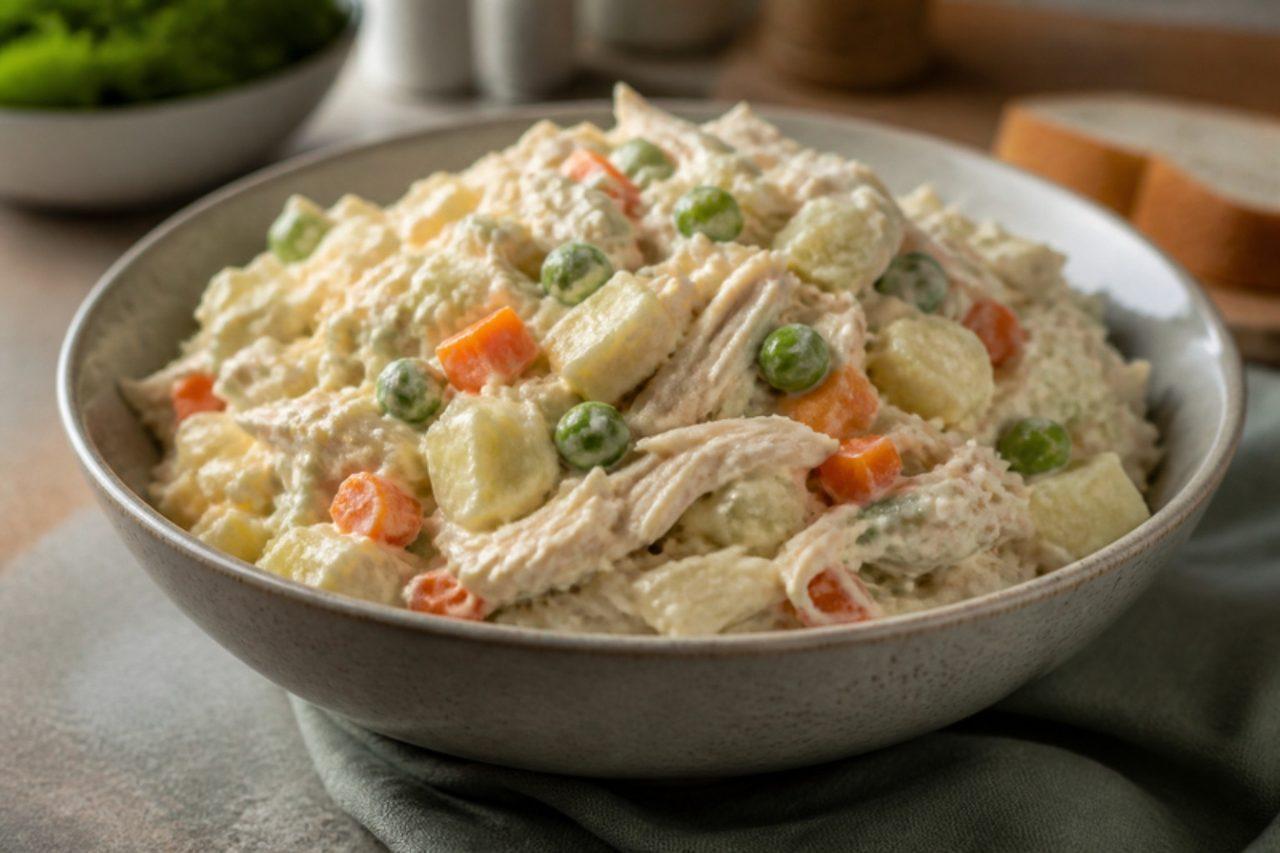
Ensalada de gallina is the creamy salad that sits on every Venezuelan plato navideño, next to hallaca, pan de jamón and dulce de lechosa: poached chicken shredded with diced potato, carrot, peas and crisp apple, bound with mayonnaise and a squeeze of lime. It is made the day before and served cold. Because it combines chicken and mayonnaise, keep it in the fridge and don't leave it out for more than 2 hours. The common mistake is overcooking the potatoes until they turn to mash when dressed. Chef's tip: cook them only until a knife just goes in, and cool them fully before adding the mayonnaise.

by KrazyBadal 0 views

Kerau ko tarkariGreen pea and potato curry

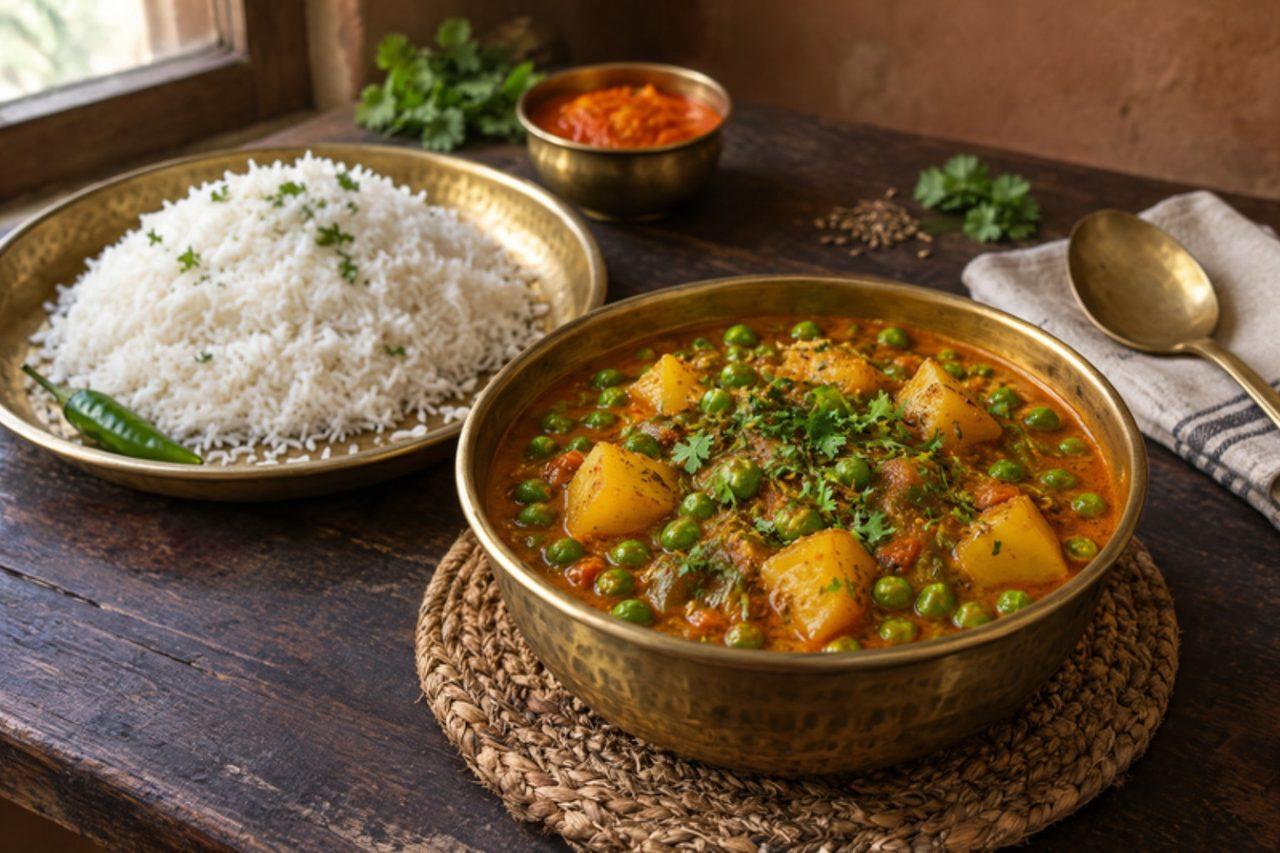
Kerau ko tarkari turns up on Nepali tables in winter, when fresh peas are cheap in Kathmandu's Asan market, and it is a favourite in children's tiffin boxes with beaten rice or roti. Potatoes and peas are simmered with cumin, tomato and a little timur pepper until the potatoes start to break and thicken a soft, golden gravy. It is mild enough for children and goes with rice, roti or sel roti. The usual mistake is adding the peas with the potatoes: fresh peas go grey and mushy, so add them once the potatoes are half cooked. Chef's tip: crush a few potato pieces with the back of the spoon at the end; it gives the gravy body without cream.

by KrazyBadal 0 views

Erizos con salsa verdeSea urchin with green salsa

On the docks of Punta Arenas and in the markets of Valparaíso and Puerto Montt, Chilean sea urchins are cracked open in front of you and their orange tongues (lenguas) piled on a plate with a sharp green sauce of onion, parsley, coriander and lemon. They taste of the sea, sweet and creamy, and are eaten raw with bread. Because the urchin is raw, this dish is not for pregnant women, young children or anyone with a weakened immune system. Buy urchins live or freshly packed roe from a licensed fishmonger, keep it at 0–4 °C and eat it the same day. The common mistake is drowning the delicate roe in lemon, which 'cooks' and toughens it. Chef's tip: spoon the sauce over just before eating. For a safer version, serve the same salsa verde over cooked, chilled prawns.

by KrazyBadal 0 views

Kohila curryLasia root curry

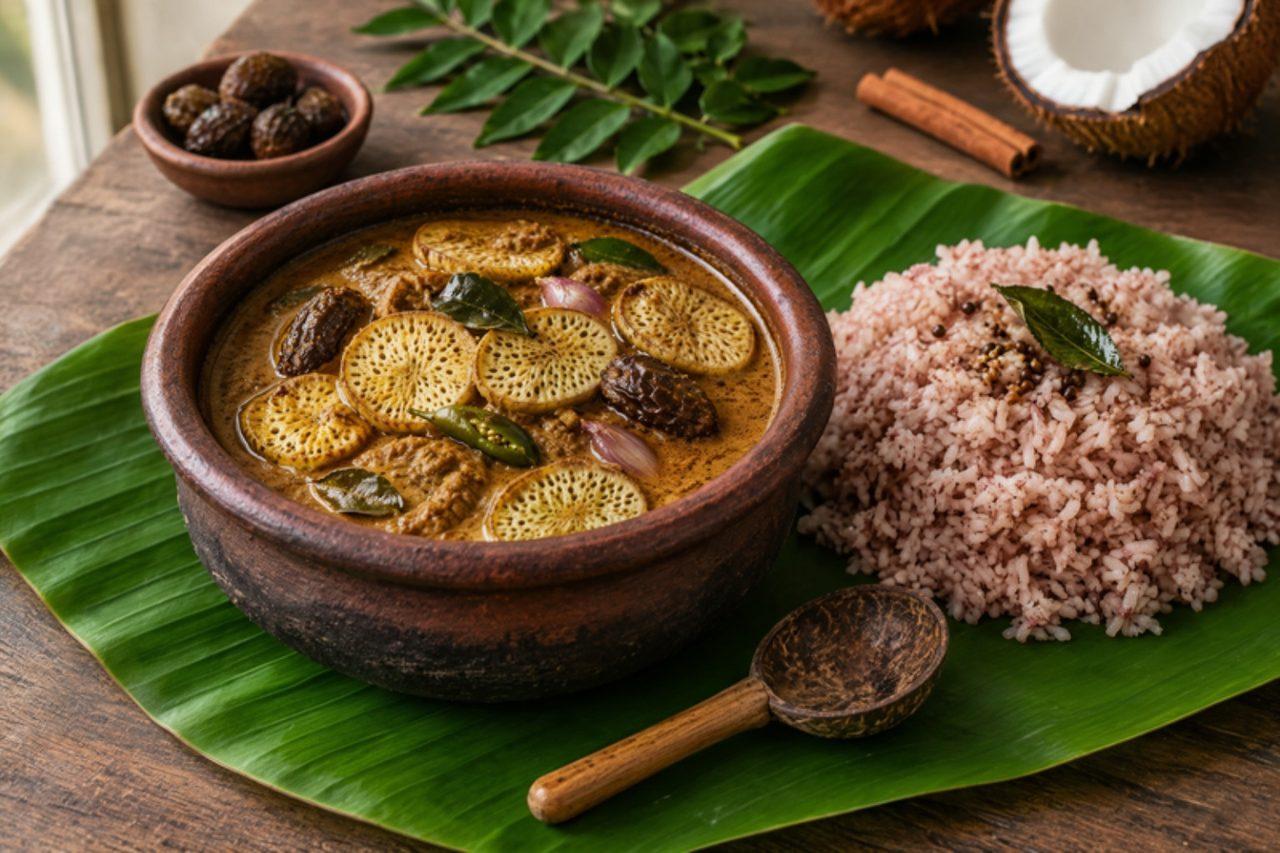
Kohila (lasia root) grows in the marshy paddy edges of Sri Lanka's south and west, and kohila curry is a traditional village dish, eaten at home and served at New Year and almsgiving lunches. The thorny stems and roots are peeled, sliced into crunchy rounds and boiled in tamarind water to take away their itchy bite, then simmered with roasted curry powder, mustard and coconut milk until tender but still slightly crisp. Serve with red rice and a green mallung. The usual mistake is skipping the boil, which leaves an itch in the throat. If you can't find fresh kohila, use frozen sliced kohila from Sri Lankan grocers. Chef's tip: wear gloves to peel kohila and drop the slices straight into water so they don't darken.

by KrazyBadal 0 views

Escabeche de pescadoFried fish in sweet-sour onion sauce

In Lima, escabeche de pescado belongs to the criollo kitchen of the old city: it turns up on Friday lunch menus, on buffet tables, and above all in Lent and Holy Week, when families eat fish and this dish can be made the day before. Fish is fried until golden, then covered in a warm sauce of thick-cut red onion softened in oil with garlic, ají amarillo, ají panca, cumin and vinegar, and left to cool so the flavours soak in. It is served cold or at room temperature with boiled sweet potato, hard-boiled egg and purple botija olives. It tastes tangy, sweet and gently fruity-hot, with crunchy onion over tender fish. The fish here is fully cooked, but because it is a cold seafood dish, pregnant people, babies, older people and anyone with weak immunity should eat it well chilled and within 2 days. Common mistake: stewing the onions until limp; they should only lose their raw bite. It is ready when the sauce has soaked a little into the fish and smells of vinegar and toasted chilli. Chef's tip: use thick fillets of corvina or bonito; thin fillets break under the sauce.

by KrazyBadal 0 views

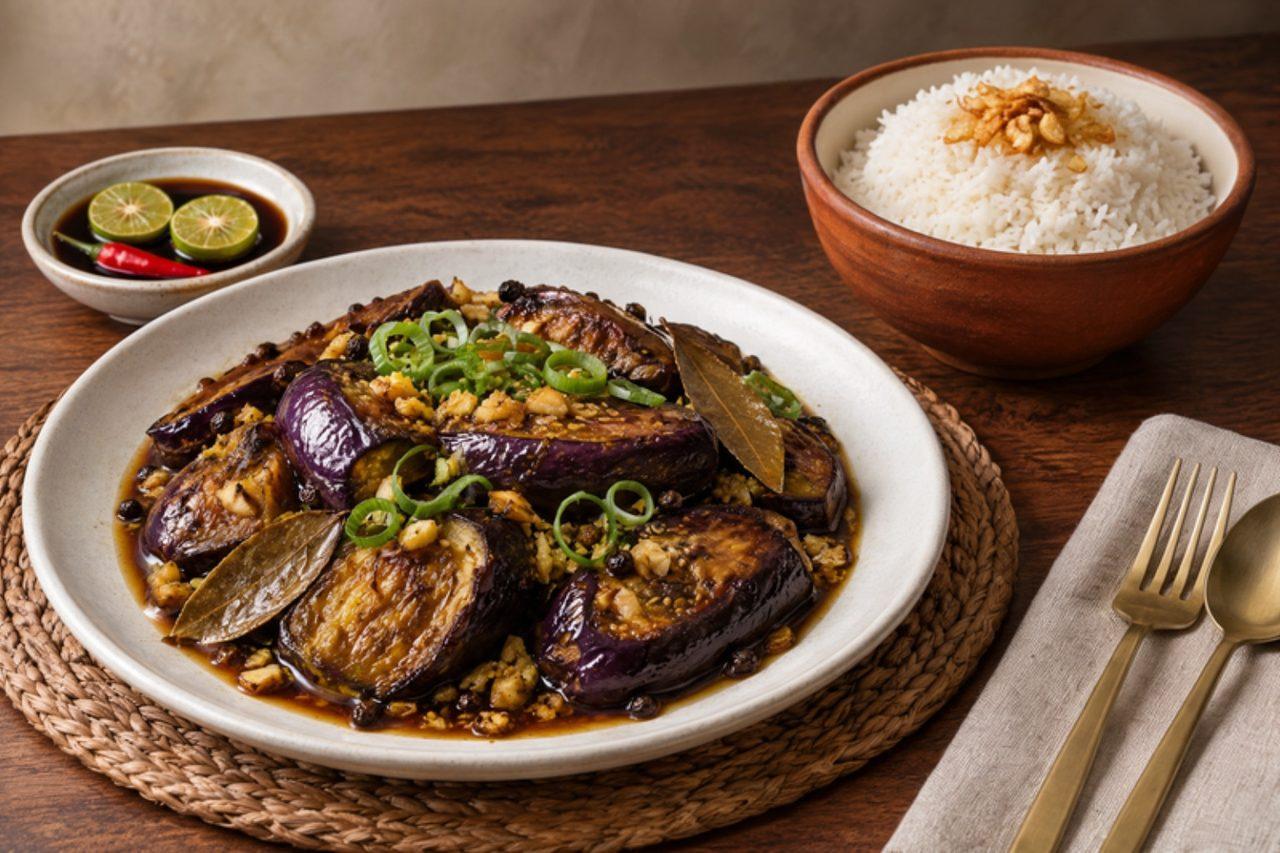
Adobong talong (aubergine adobo)

Adobo is a method in the Philippines, not a single dish, and when meat is short or it's Lent, Filipino families make it with long eggplant: fried until soft and browned, then simmered briefly in vinegar, soy sauce, garlic, bay and peppercorns. Like any adobo it tastes better the next day, which makes it a favourite for baon with rice. The common mistake is stirring as soon as the vinegar goes in; let it boil untouched for a minute first, or the sauce keeps a raw, sharp edge. Chef's tip: crush the garlic and fry half of it until golden to scatter on top at the end, for crunch.

by KrazyBadal 0 views

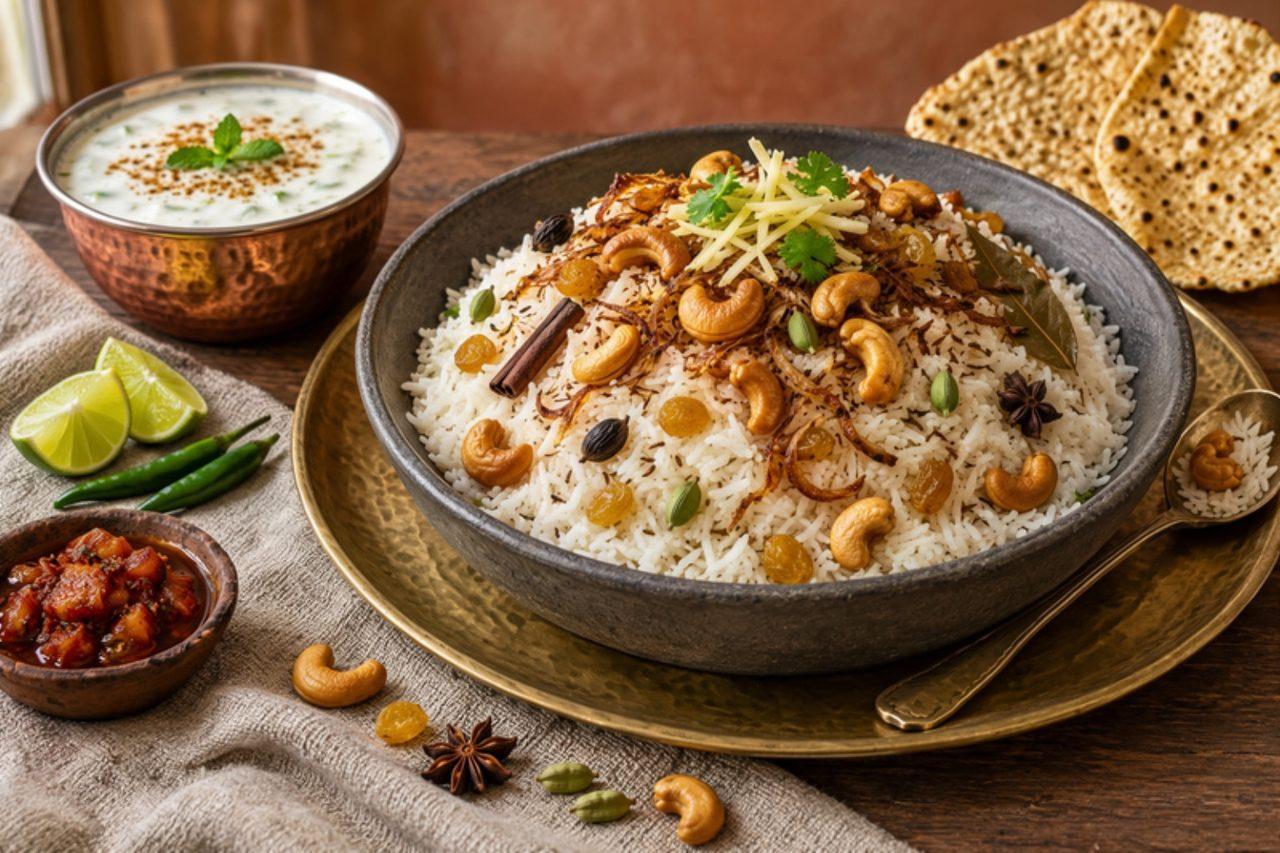
Kaju pulao (cashew pulao)

Kaju pulao is the "special" tiffin of Mumbai and Hyderabad homes, packed for a birthday at school or a festival day at the office, yet it takes no more effort than plain rice. Basmati is cooked with whole spices and golden onion in ghee, and a generous handful of cashews fried separately until crisp is folded through at the end. The mistake is cooking the cashews with the rice, which leaves them soft and pale; fry them on their own and add them last. Chef's tip: stop frying the cashews when they are light gold; they keep darkening in the hot ghee after you lift them out. Contains milk (ghee) and cashews.

by KrazyBadal 0 views

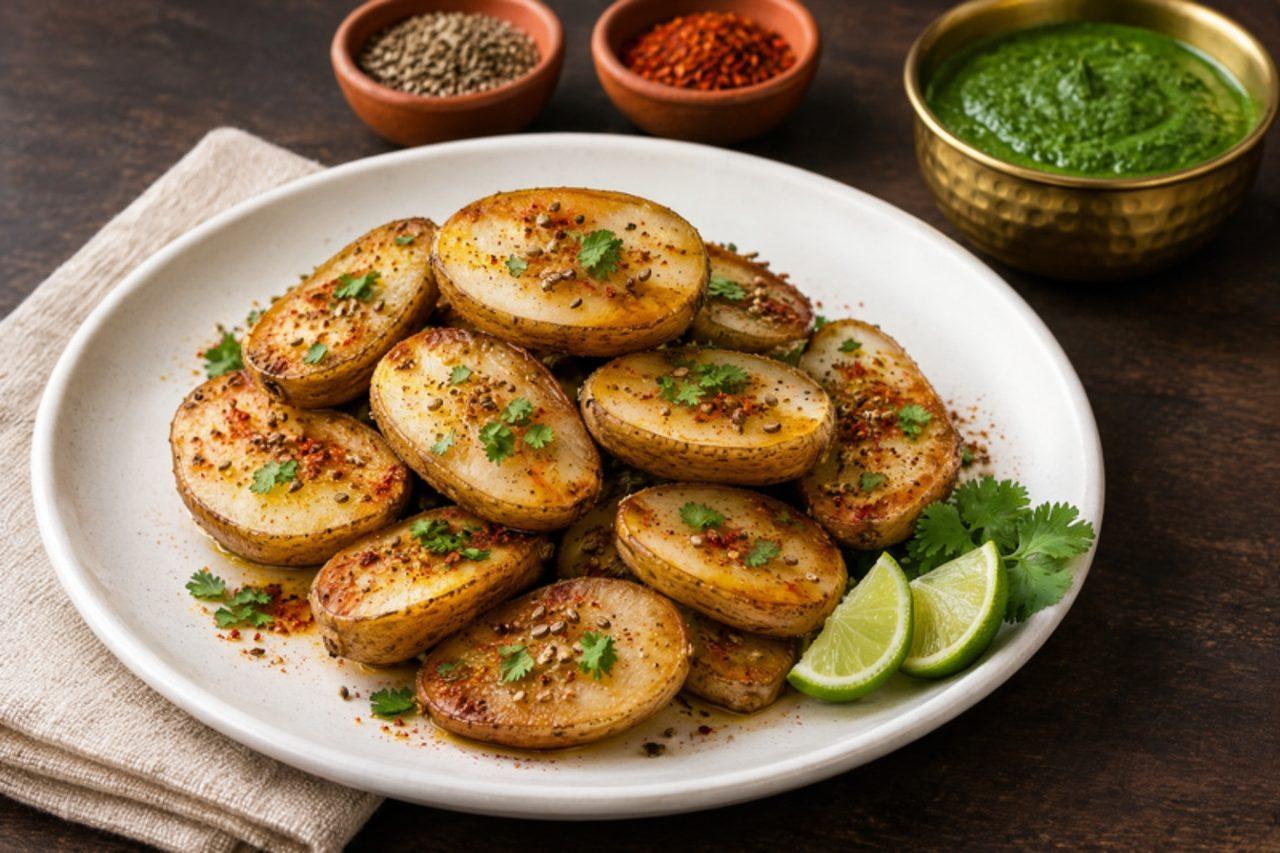
Ajwaini arbiPan-fried colocasia with carom seeds

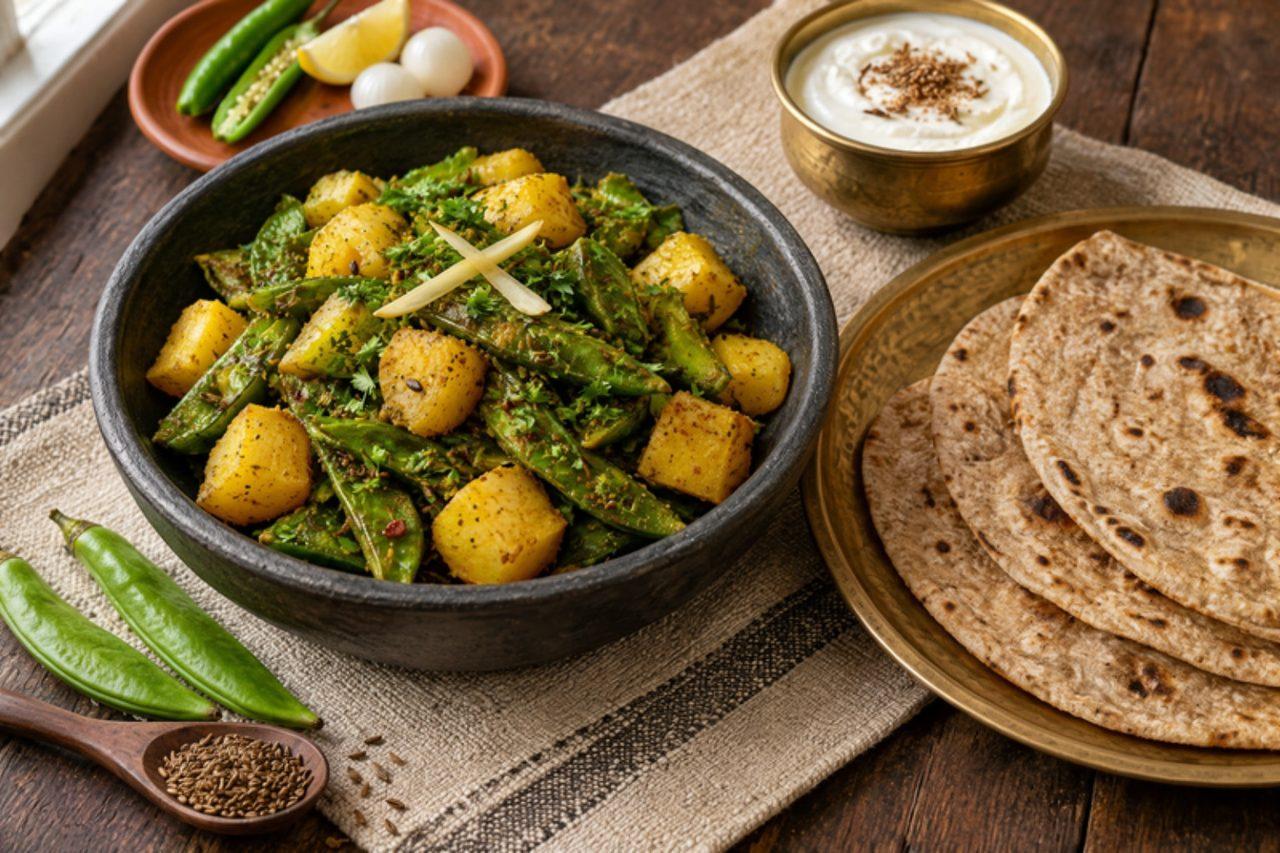
Across Delhi, Punjab and Uttar Pradesh, arbi is the vegetable that goes into a dabba with ajwain rotis or plain phulkas: the small colocasia roots are boiled, flattened slightly and pan-fried with carom seeds, red chilli and dried mango powder until crisp outside and creamy inside. Ajwain is there for its flavour and because it is said to help digest the starchy root. The mistake is boiling the arbi too long: it turns slimy and falls apart in the pan. Cook it until just tender, then cool fully before peeling. Chef's tip: press each piece gently with your palm to crack it before frying; the cracks catch the spices and crisp up.

by KrazyBadal 0 views

Fa'alifu fa'iGreen bananas in coconut cream

Fa'alifu fa'i is one of the everyday staples of Samoa, cooked in family kitchens in Apia and the villages of Savai'i to go with fish, chicken or a Sunday umu. Green cooking bananas are boiled until soft, then finished in a rich, salty-sweet coconut cream sauce with onion, so they turn silky and soak up the flavour. A common mistake is using ripe bananas, which fall apart; they must be hard and green. Chef's tip: oil your hands before peeling green bananas so the sticky sap doesn't stain your fingers.

by KrazyBadal 0 views

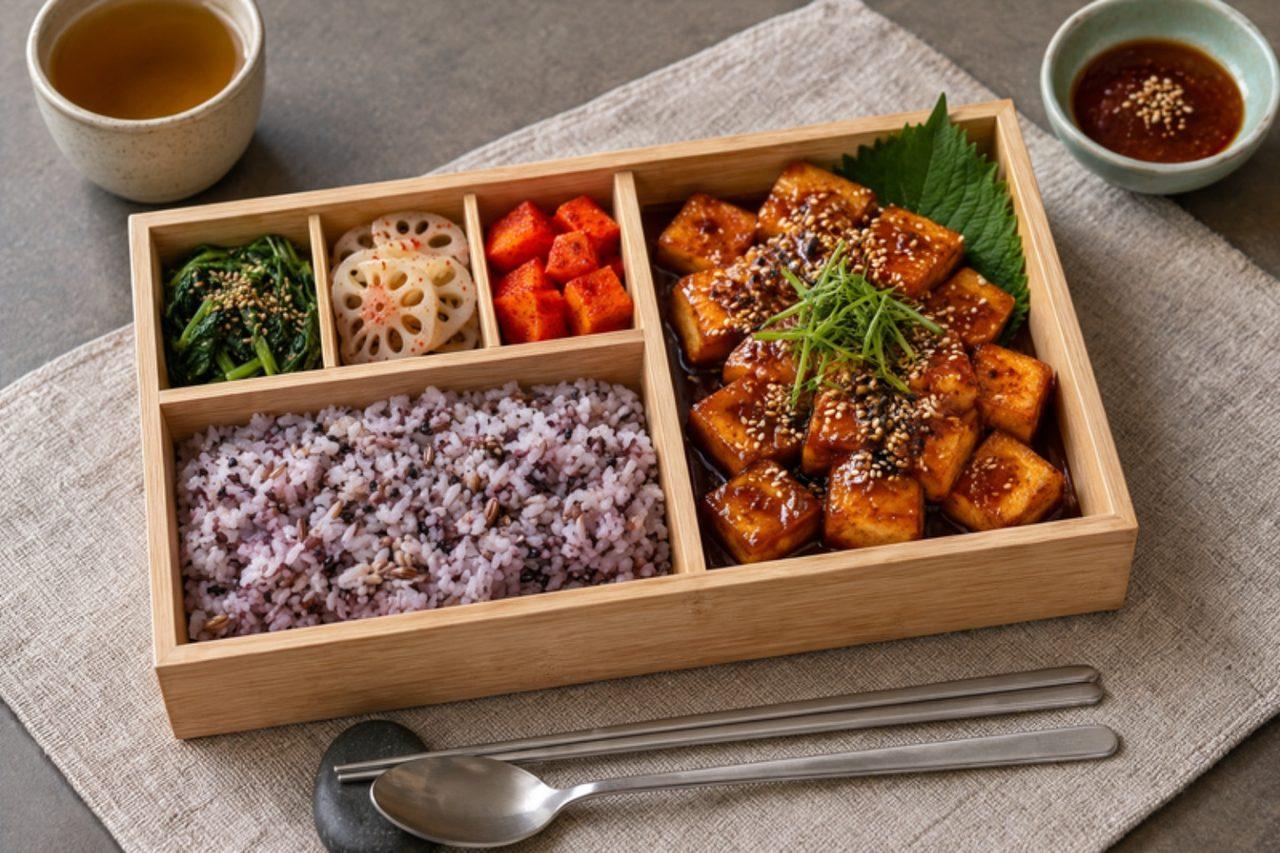
Dubu gangjeongSticky fried tofu cubes

Gangjeong usually means sticky glazed fried chicken, but Korean mothers make this tofu version for the dosirak because the starch coating stays crisp even after a morning in the lunchbox. The glaze is mild, sweet and garlicky, so children love it; add gochujang for the grown-ups. The common mistake is skipping the pressing, which leaves wet tofu that spits in the oil and goes soggy under the sauce. Chef's tip: let the fried cubes cool for two minutes before glazing, and boil the sauce to large, slow bubbles first, so it clings instead of soaking in.

by KrazyBadal 0 views

Kefir

Kefir is the sour, lightly fizzy fermented milk that families across Russia, Georgia and the North Caucasus drink plain from a glass at breakfast, as an evening snack or alongside a meal, and also use in pancakes and cold soups. It is made by leaving milk with kefir grains, a living culture of yeasts and bacteria, at room temperature for a day until it thickens. Nothing is added: no salt and no sugar. About 0.25 g salt per 250 ml glass, all from the milk itself. Always use pasteurised milk. The usual mistake is leaving it too long, until it separates into curds and whey; check after 18 hours and stop when it is just thick and pourable. Chef's tip: a second ferment of 6 hours in the fridge in a closed bottle makes it smoother and a little fizzier.

1445 minRussianDrinksGluten free
by KrazyBadal 0 views

JiaoquanCrisp fried dough rings

Jiaoquan are the thin, shatteringly crisp fried rings that old Beijingers dunk into a bowl of sour douzhi, or tuck inside a sesame shaobing for breakfast. Street cooks use alum to make them puff; this home version uses baking powder and soda, with a long rest so the dough becomes stretchy. The mistake is cutting the rest short: tight dough will not stretch thin and the rings come out chewy. The dough needs about 3 hours in total, most of it hands-off. Chef's tip: keep the oil steady at about 170 °C and turn the rings constantly with chopsticks; they should stay pale gold, not brown, and sound hollow when tapped.

by KrazyBadal 0 views

Adrak ka acharGinger pickle

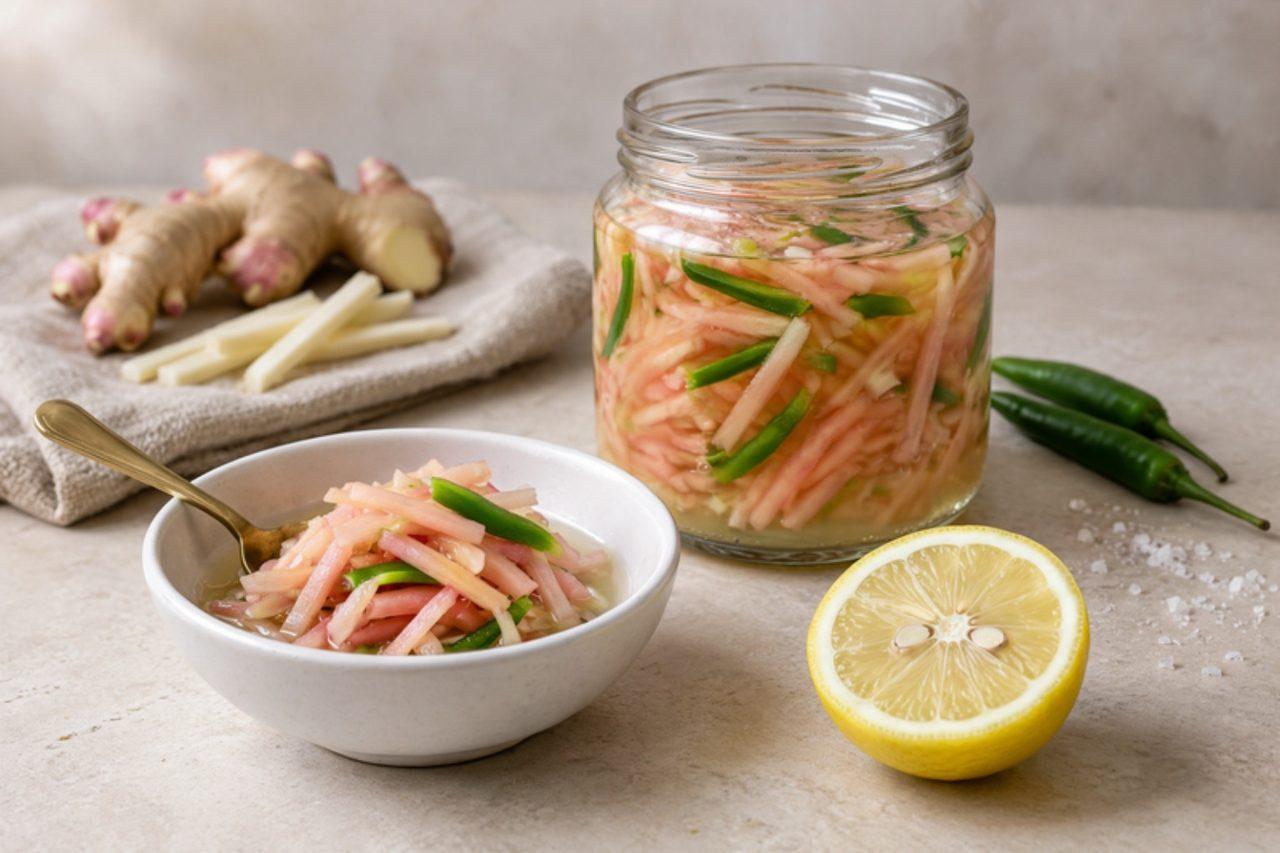
Walk into a Punjabi dhaba in winter and there is often a steel bowl of ginger matchsticks soaking in lemon juice beside the onion rings. Adrak ka achar is the simplest pickle of all: tender ginger, green chilli, salt and lemon, nothing cooked. Young ginger with thin, pinkish skin reacts with the acid and turns a pretty pale pink within a day; older ginger stays yellow but tastes just as good. The flavour is clean, hot and sour, with crunch, and a forkful cuts the richness of sarson ka saag, makki ki roti, chole bhature or a heavy dal makhani. Common mistake: cutting the ginger thick or using fibrous old roots, which stay woody and harsh; slice thin enough to see light through. It is ready when the ginger has softened slightly, the juice tastes less sharp and the slices have taken colour. Fresh ginger in lemon juice keeps in the fridge for up to 2 weeks; discard it if mould appears, the juice turns slimy or the smell turns from fresh-sour to musty. Chef's tip: a pinch of black salt (kala namak) added at the end gives it that dhaba-style sulphurous edge.

by KrazyBadal 0 views

Lempeng kelapaThin coconut pancakes

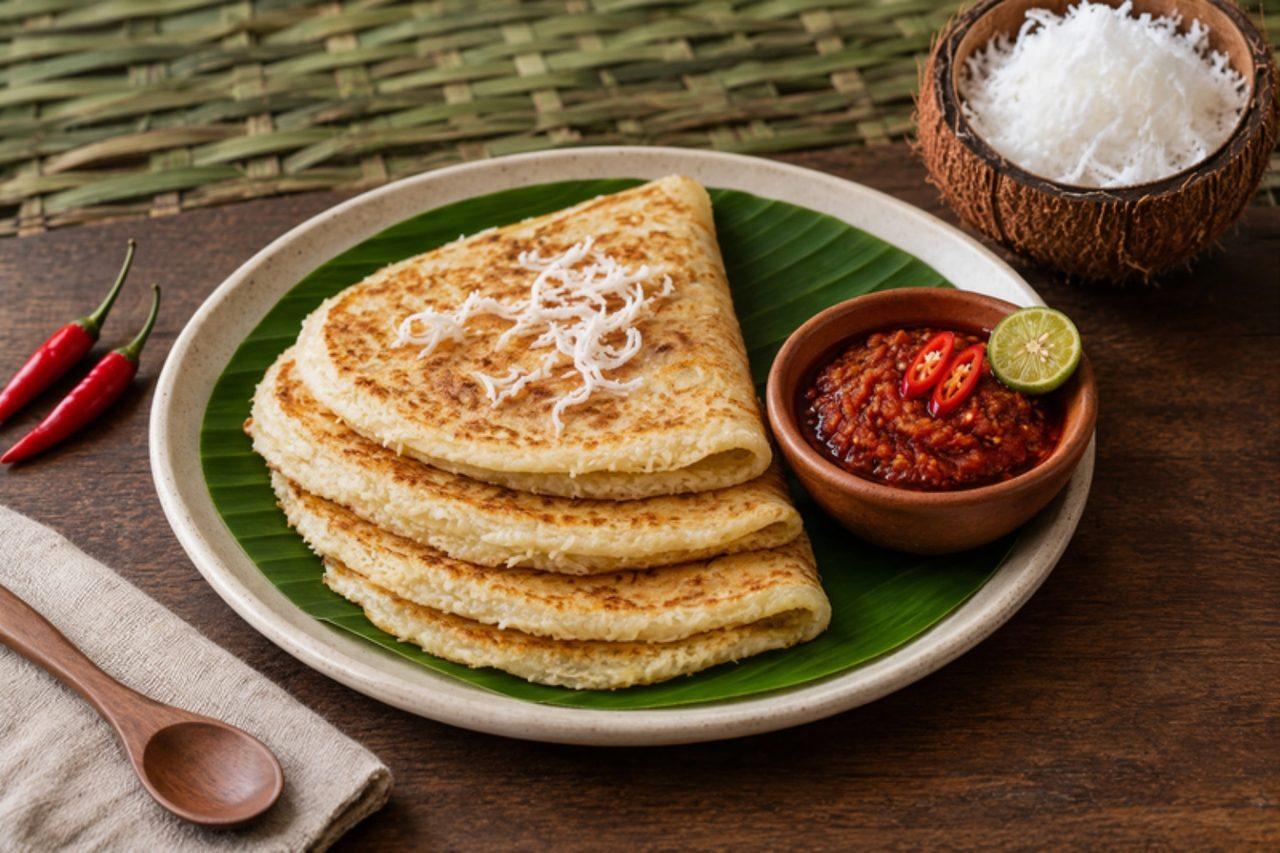
On Malaysia's east coast, in Terengganu and Kelantan, lempeng is the morning flatbread nobody buys because every home can make it in minutes: flour, freshly grated coconut, salt and water, spread thin on a griddle. It is eaten warm, torn and dipped into sambal tumis or last night's fish or vegetable curry. The mistake is a thick batter; it should spread on its own into a thin round, or the middle stays doughy. Chef's tip: let the batter rest for 10 minutes so the coconut softens and the flour hydrates, which gives lempeng that bend without tearing.

by KrazyBadal 0 views

FirindaMashed bean stew

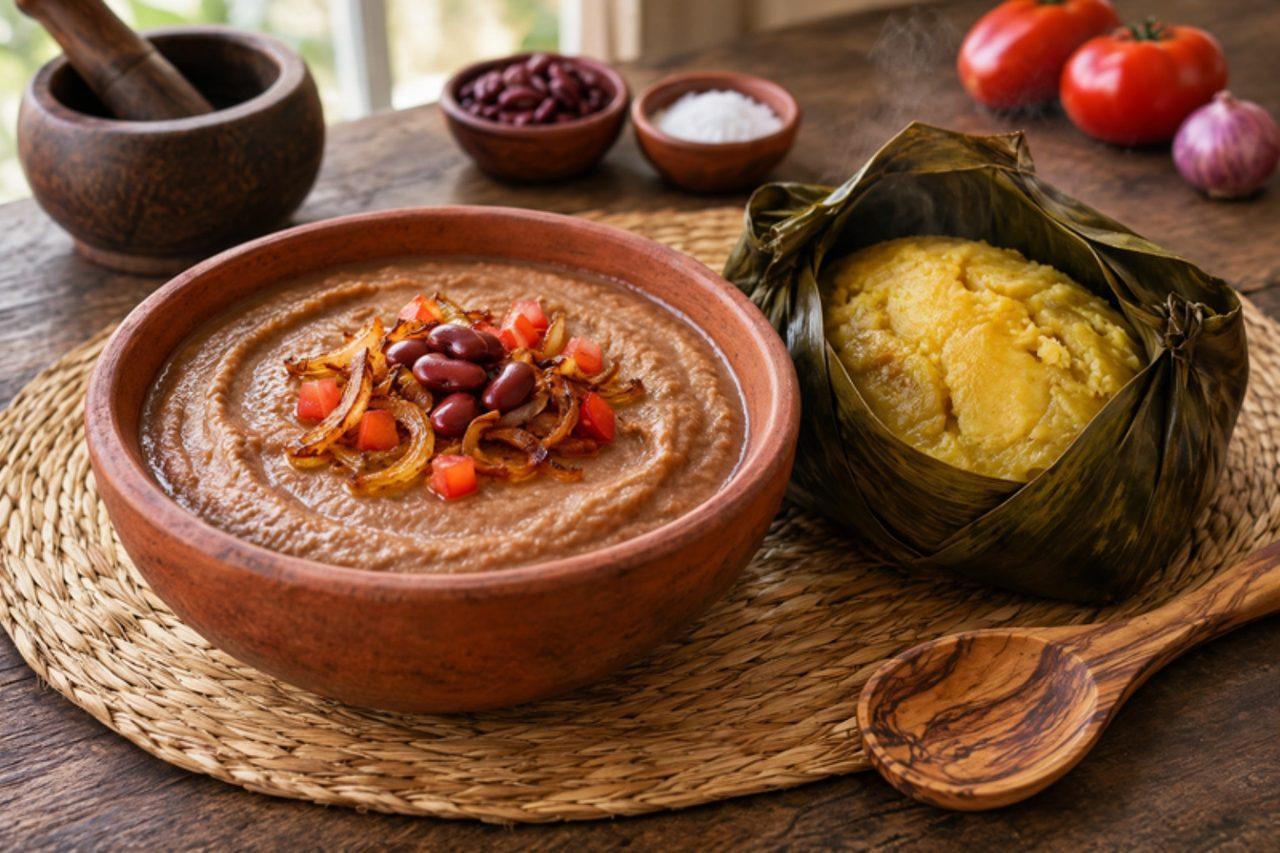
Firinda comes from Ankole and Kigezi in western Uganda, where beans are the backbone of daily meals, eaten at lunch with matooke, millet bread or sweet potatoes. Red beans are boiled until completely soft, then mashed and cooked down with fried onion and tomato into a thick, smooth stew that hugs whatever is beside it. The usual mistake is skimping on the cooking: firinda only gets its creamy texture when the beans are really soft, and dried red beans must be boiled hard for 10 minutes before the long simmer. Pressure cooker option: after the hard boil, cook for 25 minutes at pressure. Chef's tip: mash only two-thirds of the beans and leave the rest whole, for a stew that is creamy but still has some bite.

by KrazyBadal 0 views

Frijoles volteadosFried black bean log

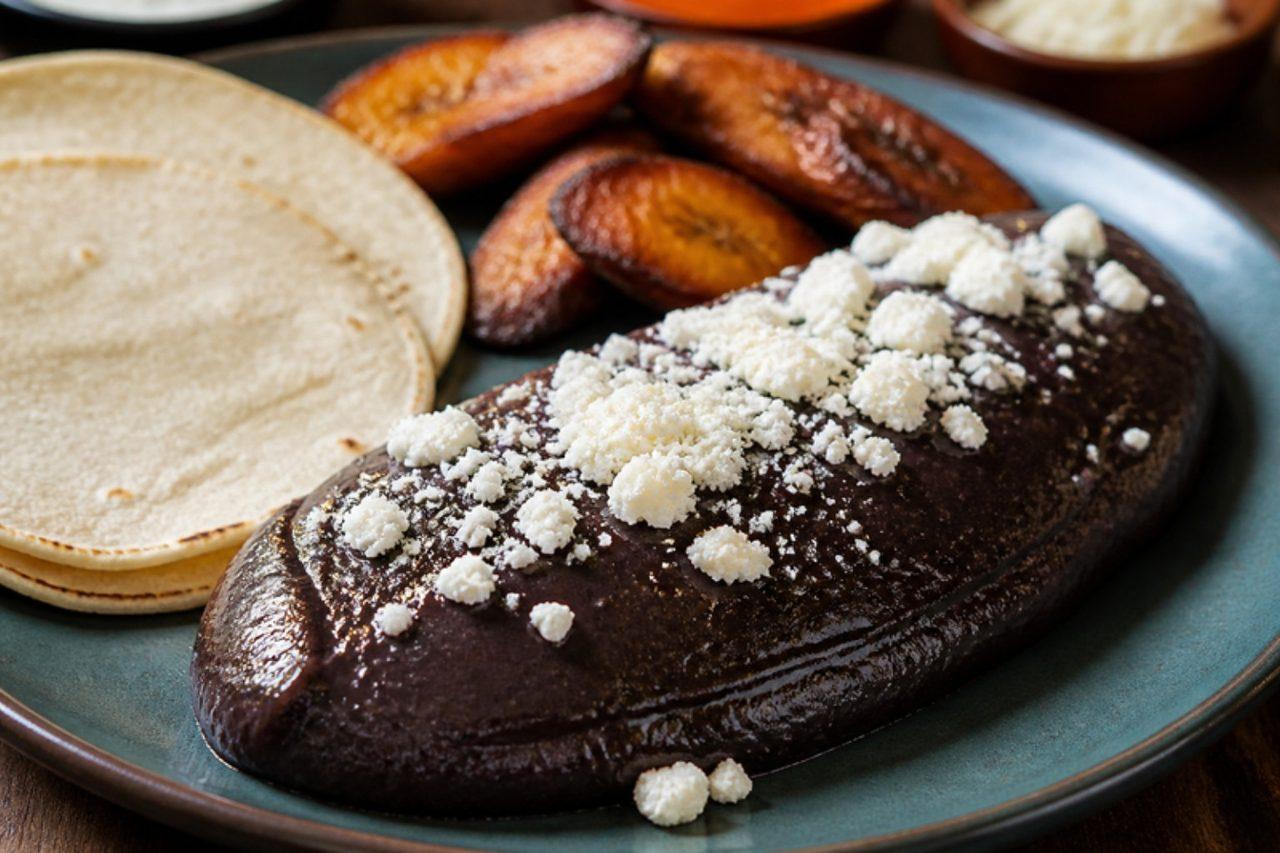
Breakfast in a Guatemala City comedor often arrives with a glossy, dark log of beans beside the eggs and plantain: frijoles volteados, black beans blended smooth and fried until thick enough to roll out of the pan. The texture is dense and spreadable, almost like a pâté, with a sweet earthiness from slow-cooked onion. Spread them on hot tortillas or eat them with a spoonful of thick cream and crumbled cheese if you are not keeping it vegan. Most people stop frying too soon; if the purée still slumps when you tilt the pan, it needs more time. Chef's tip: use a non-stick pan and keep scraping the base with a flat spatula; the thin crust that forms is what gives the log its deep, almost smoky flavour.

by KrazyBadal 0 views

FritadaGarlic and cumin fried pork

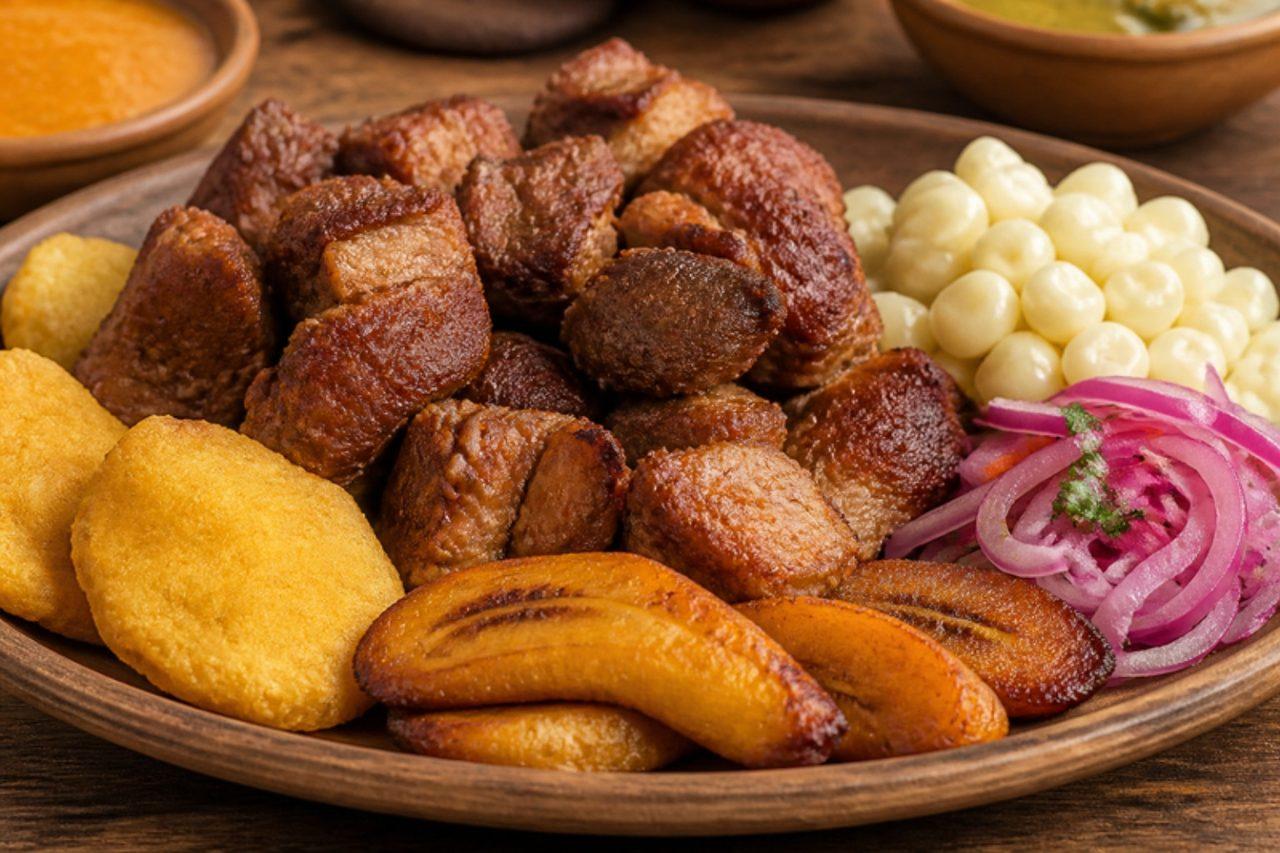
Fritada is weekend food all over the Sierra, from roadside stops in Sangolquí to family lunches in Ibarra: chunks of pork shoulder simmered in water with garlic, cumin and orange juice in a wide pan until the water boils away and the meat fries in its own rendered fat, turning sticky and deep golden. It is served with mote, fried ripe plantain, potato cakes and a sharp onion curtido. The usual mistake is using a lean cut and stirring constantly; shoulder with some fat, and patience while it browns, give crisp edges and juicy centres. The pork is cooked well past 71 °C by the time it browns. Chef's tip: use a wide, heavy pan so the liquid evaporates evenly and every piece touches the bottom.

95 minAndeanMeatGluten free
by KrazyBadal 0 views

Vazhakkai podimas (raw banana podimas)

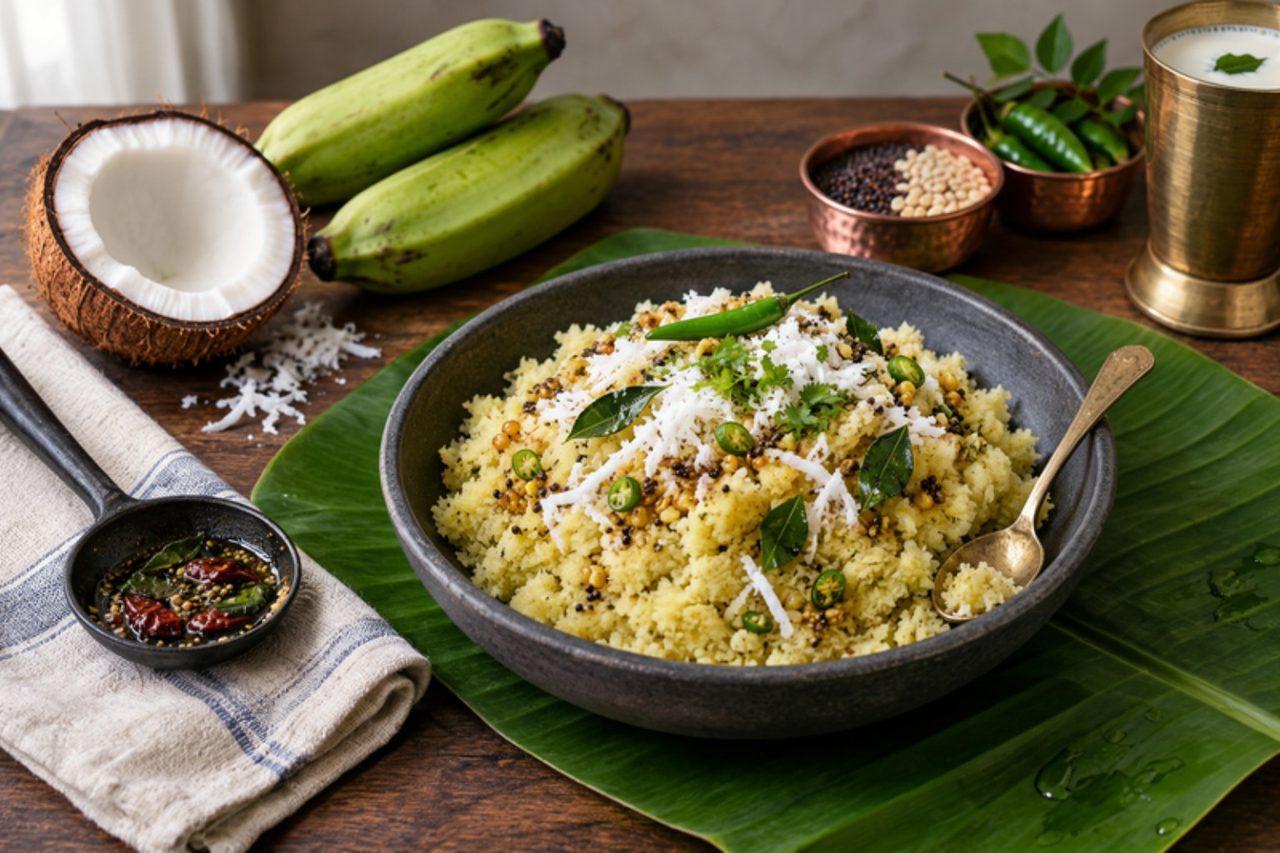
Podimas comes from Tamil Brahmin kitchens in Thanjavur and Chennai, where green plantain is boiled whole, grated into soft crumbs and tossed with a tempering of mustard, dal, ginger, green chilli and coconut, then sharpened with lemon. It is light and fluffy, and it sits happily next to sambar rice or rasam rice in a tiffin. The mistake is overboiling the plantain: it turns sticky and will not grate into crumbs. Pull it out as soon as a knife slides in with a little resistance. Chef's tip: grate it on the large holes of a box grater while still warm, then let it cool before tossing, so the shreds stay separate.

by KrazyBadal 0 views

Variyali sharbat (fennel cooler)

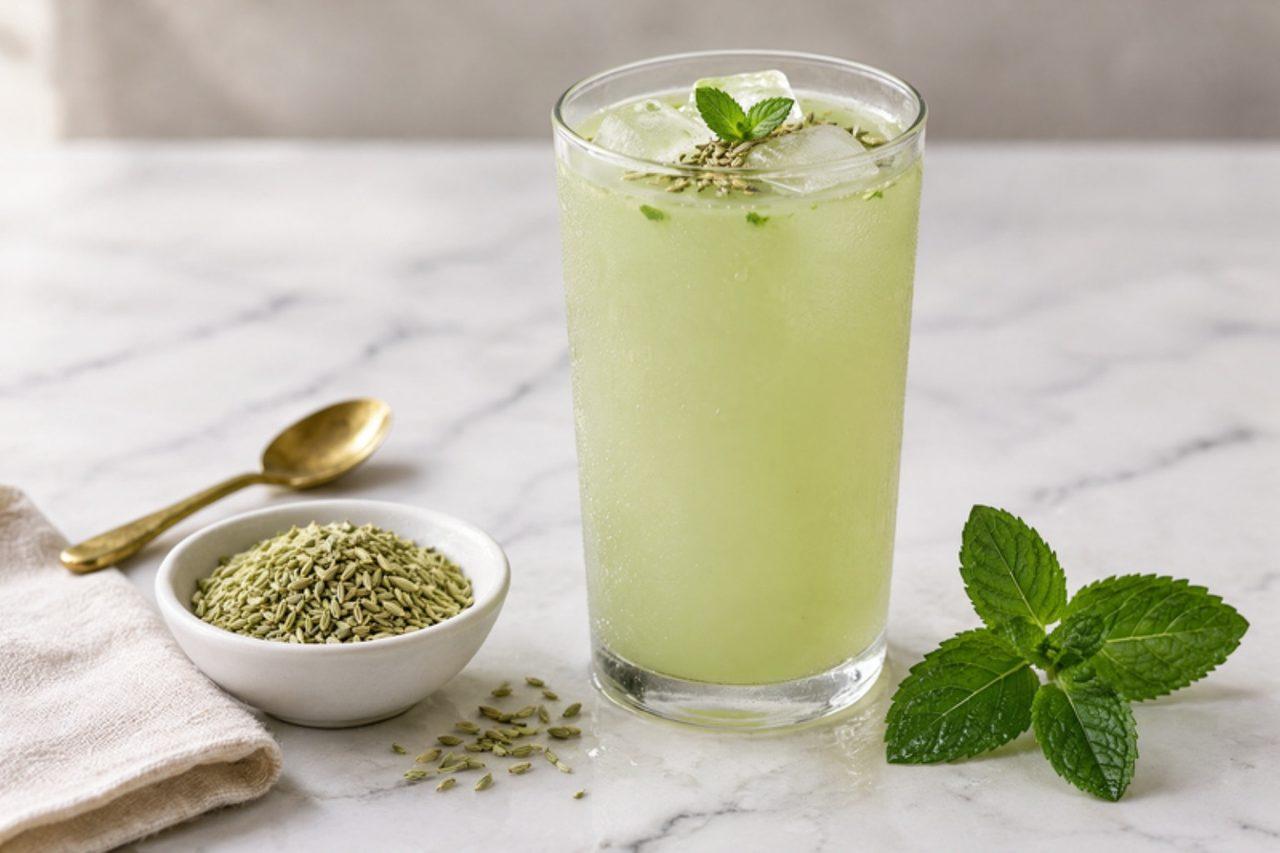
On May afternoons in Ahmedabad and Surat, when the loo wind blows and nobody wants a hot drink, Gujarati homes keep a bottle of variyali sharbat concentrate in the fridge. Fennel seeds are soaked, ground with rock sugar, strained and mixed with lemon and a little black pepper, then diluted with iced water for guests, after lunch, or to break a fast, since nothing in it is off-limits on upvas days if you use rock salt. It is pale green and cloudy, with a sweet aniseed taste, a sharp lemon finish and a faint peppery tingle. The common mistake is grinding dry fennel straight away: it stays gritty and the flavour is harsh. Soak the seeds for at least two hours so they swell and grind into a smooth paste. It is ready when the strained concentrate is silky, smells clearly of fennel and tastes very sweet, as it will be diluted three or four times. The concentrate keeps 5 days in the fridge in a clean bottle. Chef's tip: add a few mint leaves or a pinch of cardamom when grinding for a more rounded cooler.

by KrazyBadal 0 views

Pastel de chuchoStingray, plantain and cheese bake

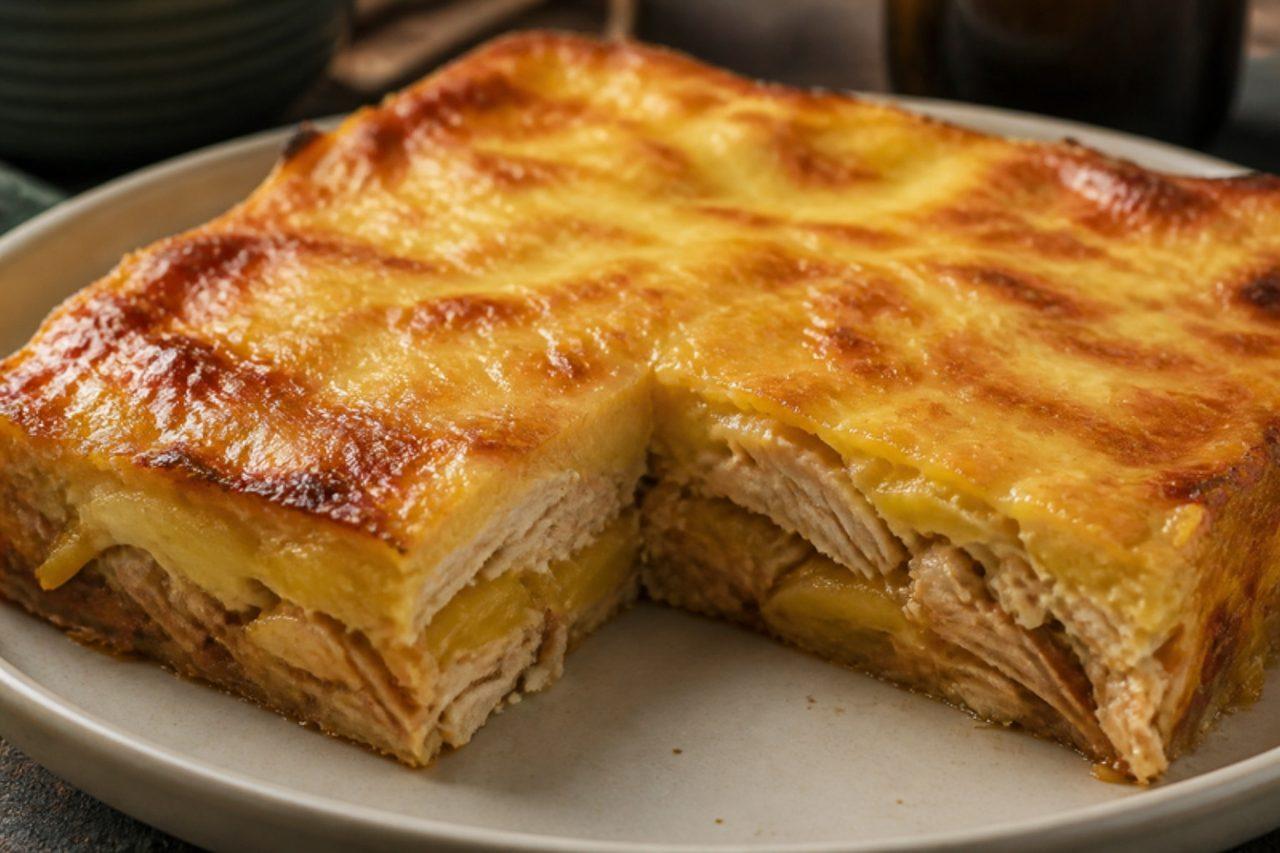
On Margarita island, pastel de chucho is the pride of fishing villages like Juan Griego and El Tirano, and a fixture of Holy Week: shredded stingray (chucho) cooked in a rich sofrito, layered with fried ripe plantain and white cheese and set with beaten egg. Stingray can be hard to find and is not always sustainable, so a firm white fish such as hake, pollock or responsibly caught skate wing works well. The common mistake is a watery sofrito, which makes the bake soggy. Chef's tip: cook the fish sofrito until the pan is almost dry before layering.

by KrazyBadal 0 views

Showing 27 of 7,762 recipes

Show more recipes

Page 129 of 863