


Skip to content
Godere (taro with spiced butter and mitmita)
Featured recipe

Godere (taro with spiced butter and mitmita)

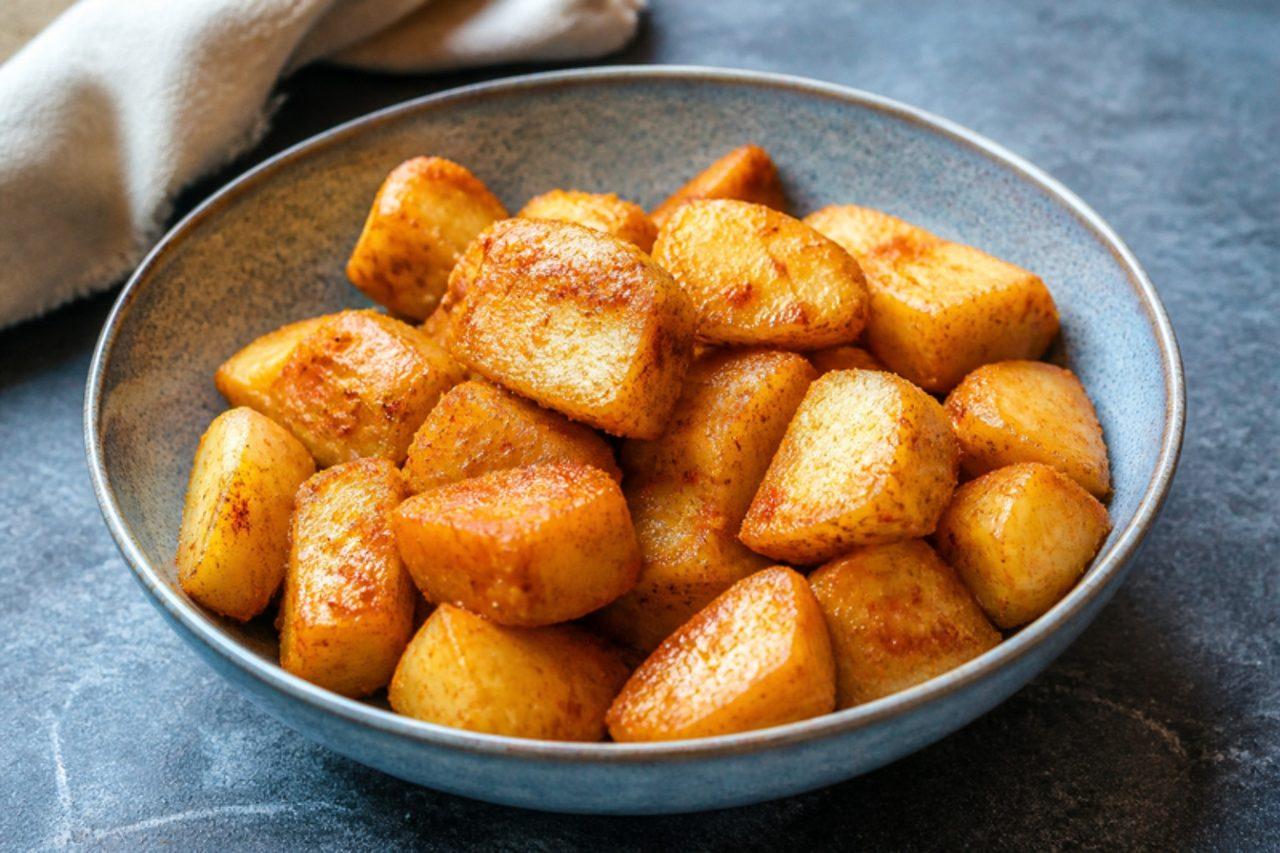
Through the wet south of Ethiopia, from Wolaita to Sidama, taro (godere) grows in garden plots, and boiled and buttered it is the snack that comes out with the coffee pot or the side dish at harvest gatherings. The corms are boiled until creamy, cut into chunks and tossed in warm niter kibbeh with mitmita and salt, so they turn glossy, soft and nutty with a chilli edge. They are eaten with the fingers or alongside kitfo, ayib and greens. Raw taro must never be eaten: it contains irritant crystals that only proper cooking breaks down, and the raw sap can itch, so wear gloves to peel and boil it until fully tender. Chef's tip: boil the taro in its skin for a firmer, less slimy texture, then peel while still warm.

Read more 0 views

What to eat today?

Around the world

Today's trip: Paraguayan

A new country every day, from every cuisine on the site.

Paraguayan

Cocido quemado

Burnt sugar mate drink 14 minMore from Paraguayan (27) →

This week's collection

Kid-friendly dinners
537 recipes · a new collection every Monday

Latest recipes

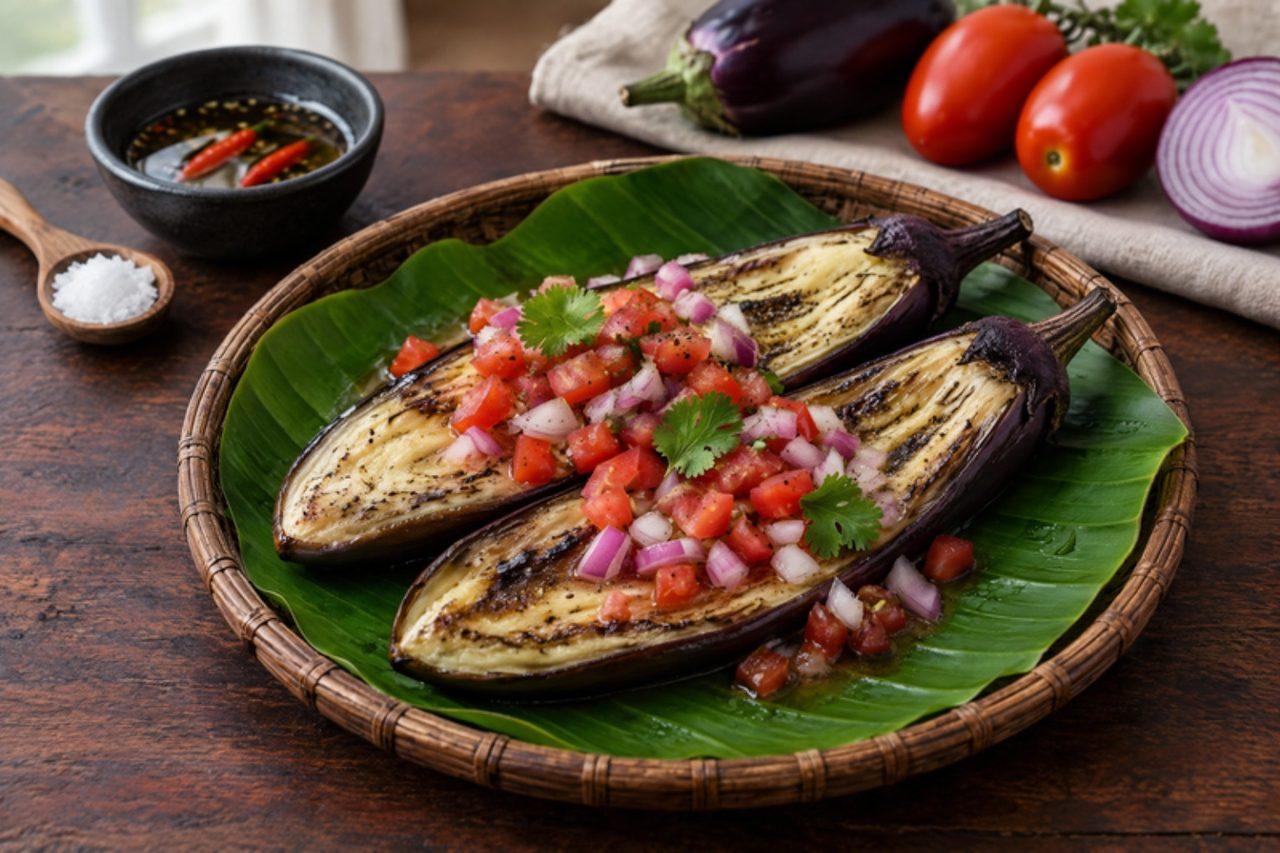
Ensaladang talongGrilled aubergine salad

Ensaladang talong is the smoky side salad that sits beside grilled fish or pork at Filipino family lunches, from Pampanga to Davao, and on the table at weekend beach outings. Long Asian eggplants are charred whole until the flesh collapses, then peeled and topped with diced tomato, red onion and a sharp vinegar dressing. This version leaves out the usual fermented shrimp paste so it is vegan. Suitable as part of a balanced diet, it is low in starch: about 70 kcal and 10 g carbohydrate per portion. The usual mistake is pulling the eggplants off the heat too soon; they must be soft right through, or the flesh is spongy and raw. Chef's tip: peel the hot eggplants under a trickle of water with your fingertips to keep the smoky flesh whole.

by KrazyBadal 0 views

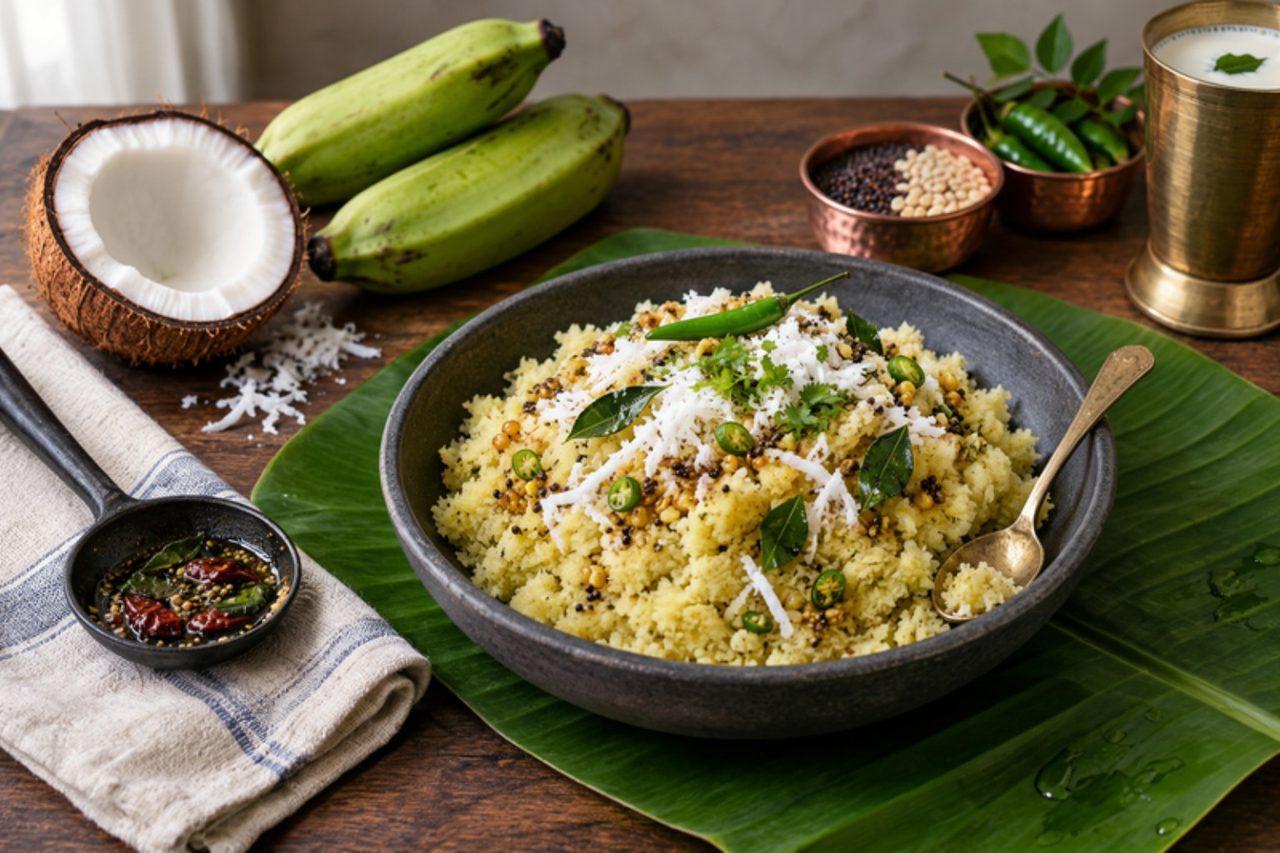
Vazhakkai podimas (raw banana podimas)

Podimas comes from Tamil Brahmin kitchens in Thanjavur and Chennai, where green plantain is boiled whole, grated into soft crumbs and tossed with a tempering of mustard, dal, ginger, green chilli and coconut, then sharpened with lemon. It is light and fluffy, and it sits happily next to sambar rice or rasam rice in a tiffin. The mistake is overboiling the plantain: it turns sticky and will not grate into crumbs. Pull it out as soon as a knife slides in with a little resistance. Chef's tip: grate it on the large holes of a box grater while still warm, then let it cool before tossing, so the shreds stay separate.

by KrazyBadal 0 views

Erizos con salsa verdeSea urchin with green salsa

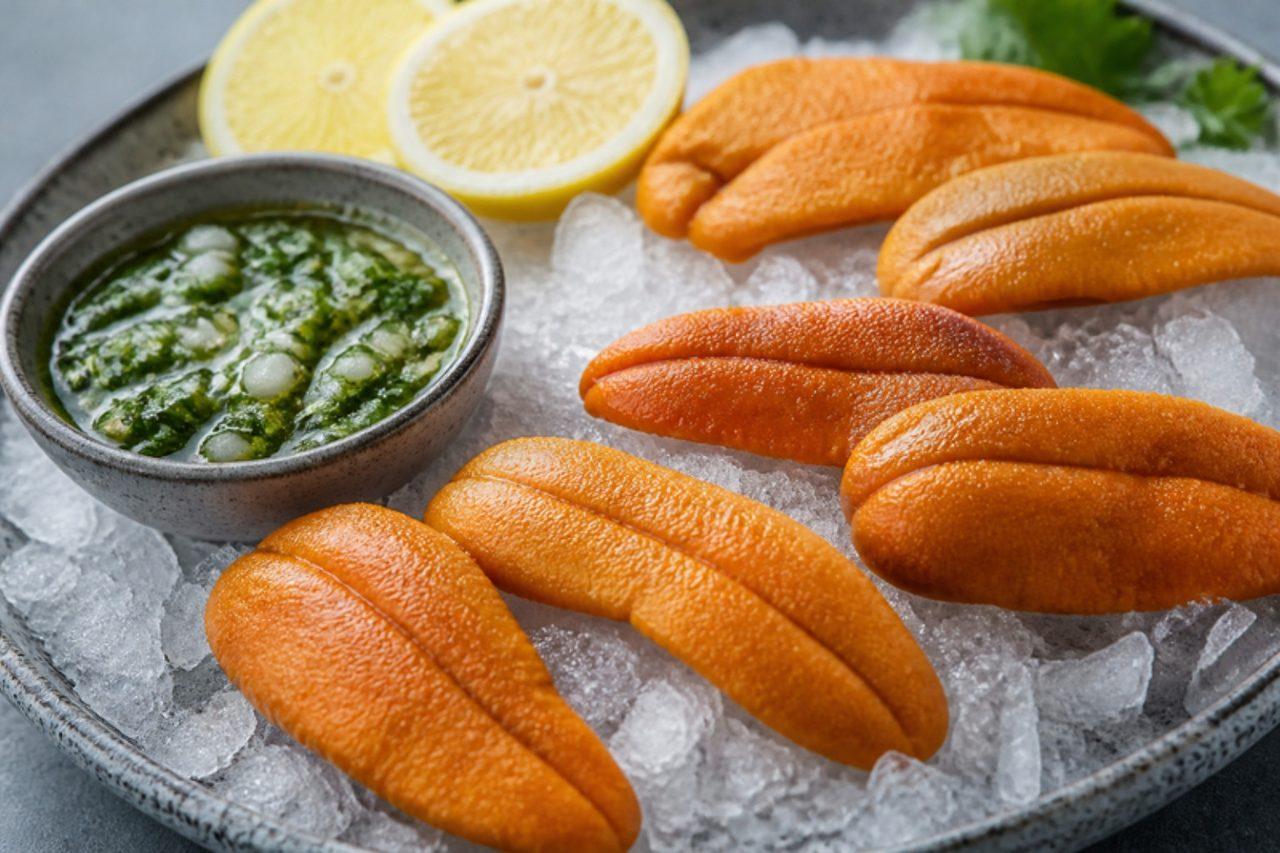
On the docks of Punta Arenas and in the markets of Valparaíso and Puerto Montt, Chilean sea urchins are cracked open in front of you and their orange tongues (lenguas) piled on a plate with a sharp green sauce of onion, parsley, coriander and lemon. They taste of the sea, sweet and creamy, and are eaten raw with bread. Because the urchin is raw, this dish is not for pregnant women, young children or anyone with a weakened immune system. Buy urchins live or freshly packed roe from a licensed fishmonger, keep it at 0–4 °C and eat it the same day. The common mistake is drowning the delicate roe in lemon, which 'cooks' and toughens it. Chef's tip: spoon the sauce over just before eating. For a safer version, serve the same salsa verde over cooked, chilled prawns.

by KrazyBadal 0 views

Awan bangwiSticky rice with nuts

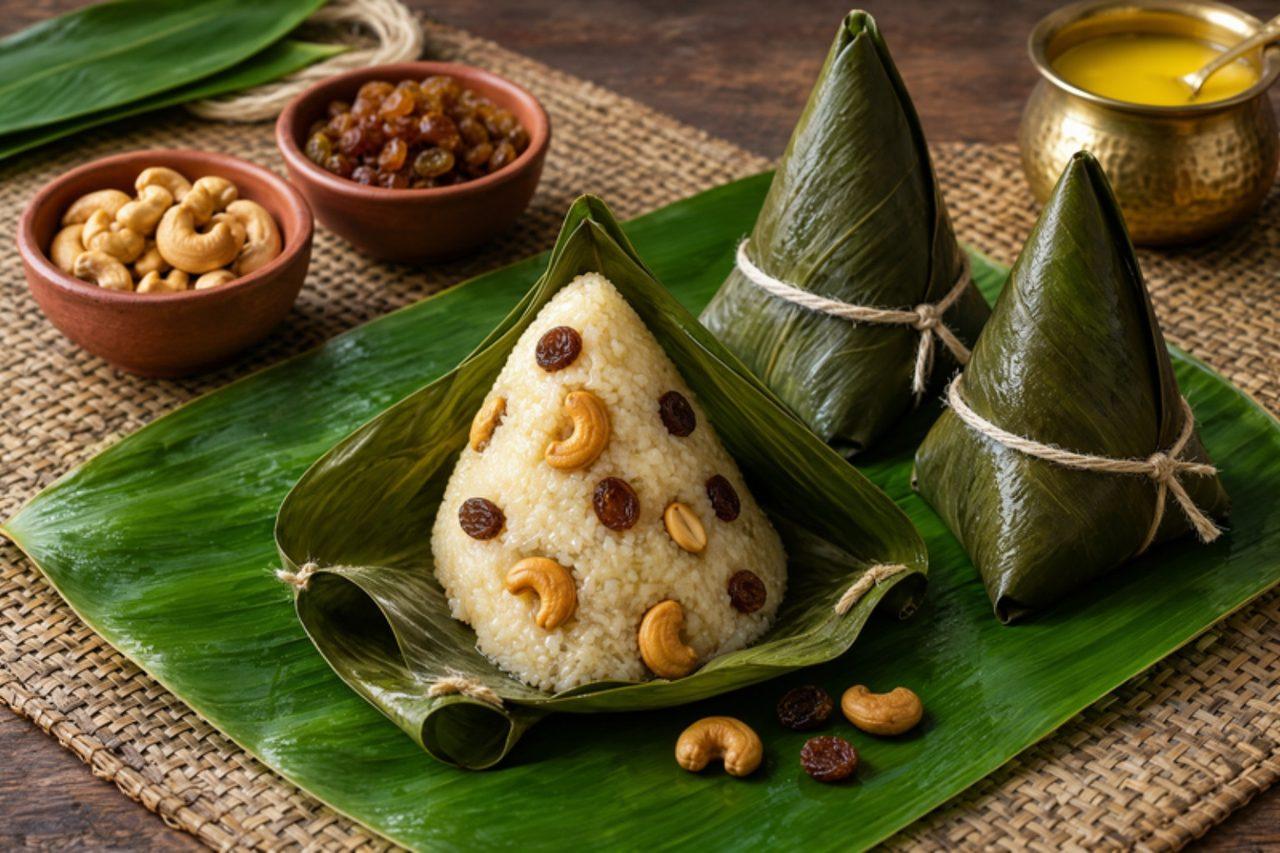
Awan bangwi belongs to the Kokborok-speaking communities of Tripura, who make it for weddings, Garia Puja and New Year gatherings. Soaked sticky rice is mixed with ginger, cashews, raisins and a little ghee, folded into cones of leaf and steamed until glossy and chewy. The mistake to avoid is packing the cones too tightly: the rice swells and the leaves split. Banana leaf or turmeric leaf replaces the local leaf well. Chef's tip: soak the rice overnight; under-soaked grains stay chalky however long you steam them.

by KrazyBadal 0 views

Escabeche guatemaltecoPickled vegetables

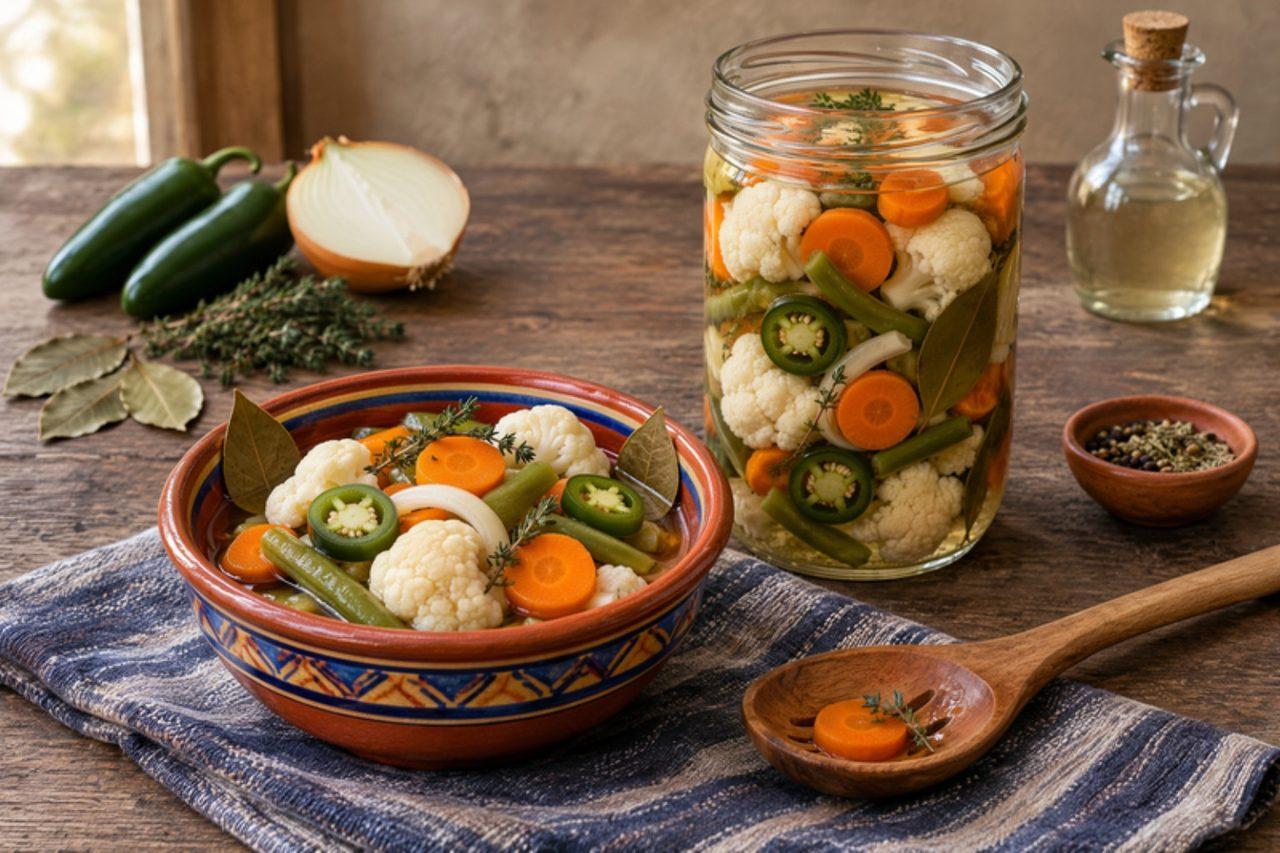
Guatemalan families keep a big jar of escabeche in the fridge for weeks: it goes into the bread rolls of shucos and panes con chile, beside fried fish during Lent and, above all, into fiambre, the enormous cold salad assembled for Día de Todos los Santos on 1 November. Carrots, cauliflower, green beans, onion and jalapeños are blanched just enough to lose their raw edge, turned briefly in oil with garlic, then left to soak in vinegar seasoned with thyme, bay, oregano, cloves and black pepper. The result is tangy, aromatic and only mildly hot, with vegetables that stay crisp-tender in a golden, lightly oily brine. The common mistake is boiling the vegetables until soft; they keep softening once the hot vinegar goes on, so blanch each one briefly and cool it at once in cold water. It is ready after a night in the fridge, when the carrots taste sour right through and the onion has turned soft, sweet and translucent. Chef's tip: blanch the vegetables one after another in the same pot, cauliflower first and carrots last, so the cauliflower stays snowy white.

by KrazyBadal 0 views

Estofado de polloChicken stew

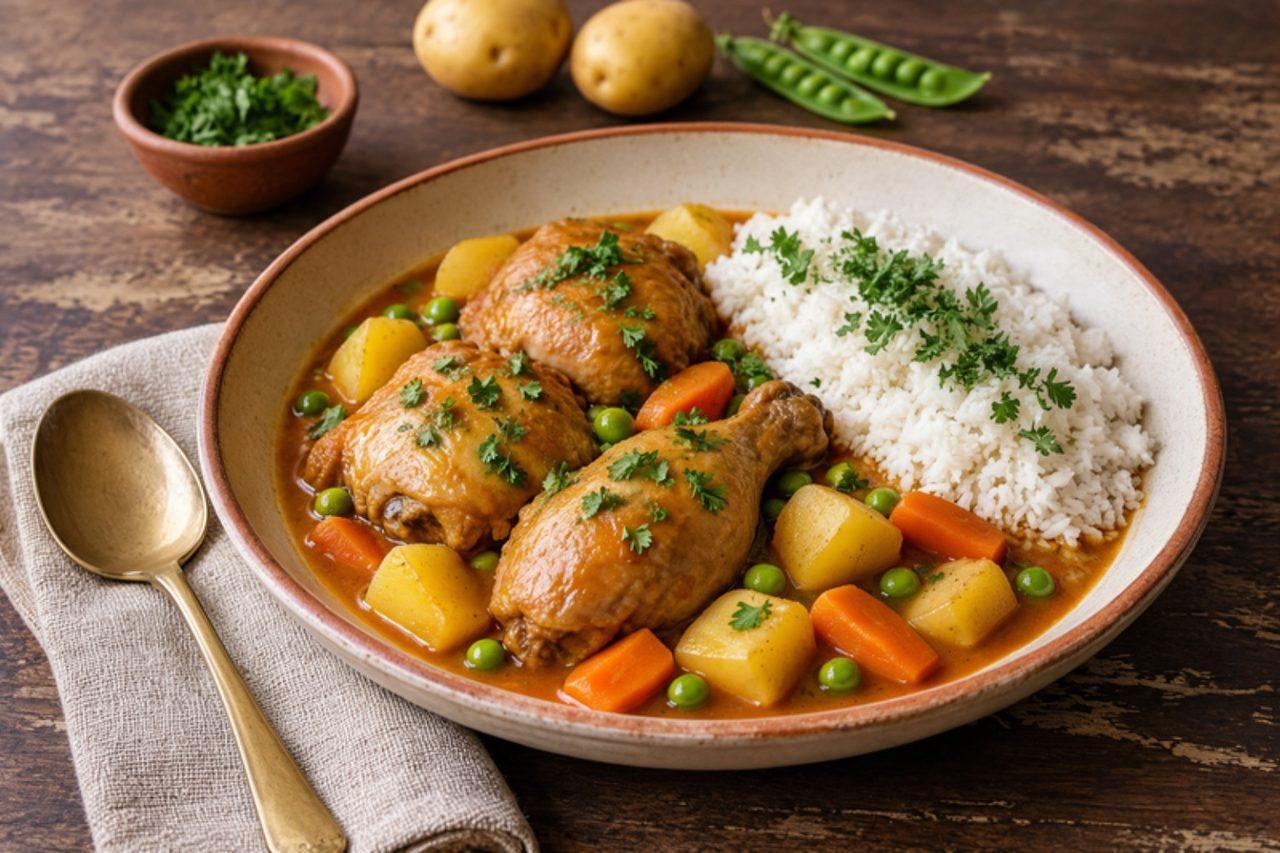
Estofado de pollo is the mild, homely chicken stew of Lima's family kitchens and school lunches, usually on the table on a weekday or a quiet Sunday with white rice. Chicken pieces are browned, then braised in a sauce of onion, garlic, tomato, a little ají panca paste and bay, with carrots, peas and yellow potatoes cooked right in the pot until the sauce is thick and orange. It is comforting rather than hot. The usual mistake is boiling it hard, which shreds the potatoes and dries the chicken; keep it at a lazy bubble. Chef's tip: use a few yellow potatoes along with waxy ones; they collapse slightly and thicken the sauce naturally.

by KrazyBadal 0 views

Fa'alifu fa'iGreen bananas in coconut cream

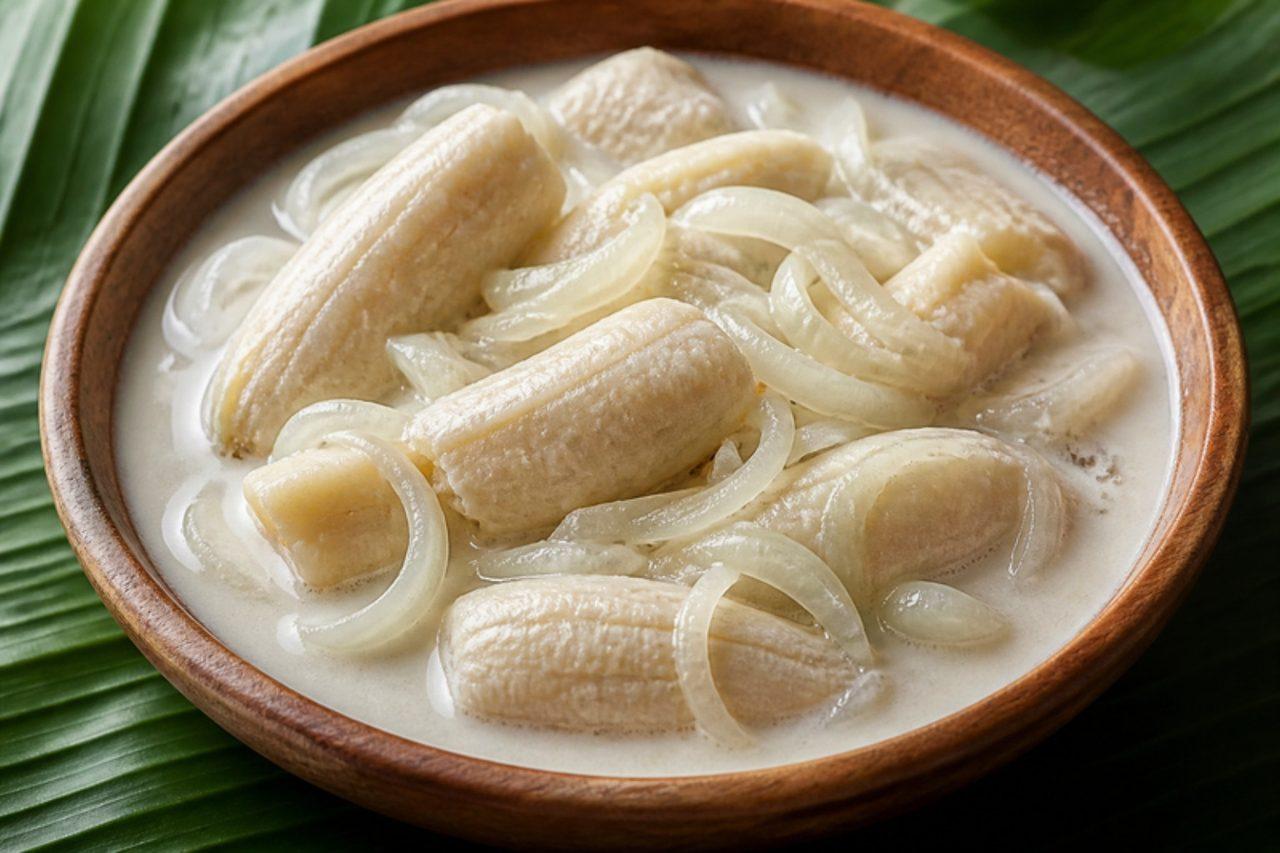
Fa'alifu fa'i is one of the everyday staples of Samoa, cooked in family kitchens in Apia and the villages of Savai'i to go with fish, chicken or a Sunday umu. Green cooking bananas are boiled until soft, then finished in a rich, salty-sweet coconut cream sauce with onion, so they turn silky and soak up the flavour. A common mistake is using ripe bananas, which fall apart; they must be hard and green. Chef's tip: oil your hands before peeling green bananas so the sticky sap doesn't stain your fingers.

by KrazyBadal 0 views

Ipoh white coffee

Ipoh's old town kopitiams, with their marble tables and morning crowds queueing for kai si hor fun and egg tarts, gave Malaysia its 'white coffee'. The name comes not from milk but from the roast: beans are roasted with palm-oil margarine, lighter than the dark, sugar-roasted kopi of the rest of the country, then brewed and served with condensed milk. It is smoother and less bitter than ordinary kopi, nutty and buttery, pale caramel in the cup, drunk hot at breakfast or iced in the afternoon heat. At home, buy ground Ipoh-style white coffee from an Asian grocer; you cannot easily reproduce the margarine roast in a kitchen. The common mistake is brewing it like espresso: forced extraction makes it bitter and kills the soft, toasty flavour. Steep it in a cloth sock or a coffee filter with water just off the boil. It is ready when the brew is reddish-brown and clear, not inky. This is a strong coffee with real caffeine, not for children. Chef's tip: warm the cups with hot water first; white coffee cools fast and loses its aroma.

by KrazyBadal 0 views

Sop konroBeef rib soup

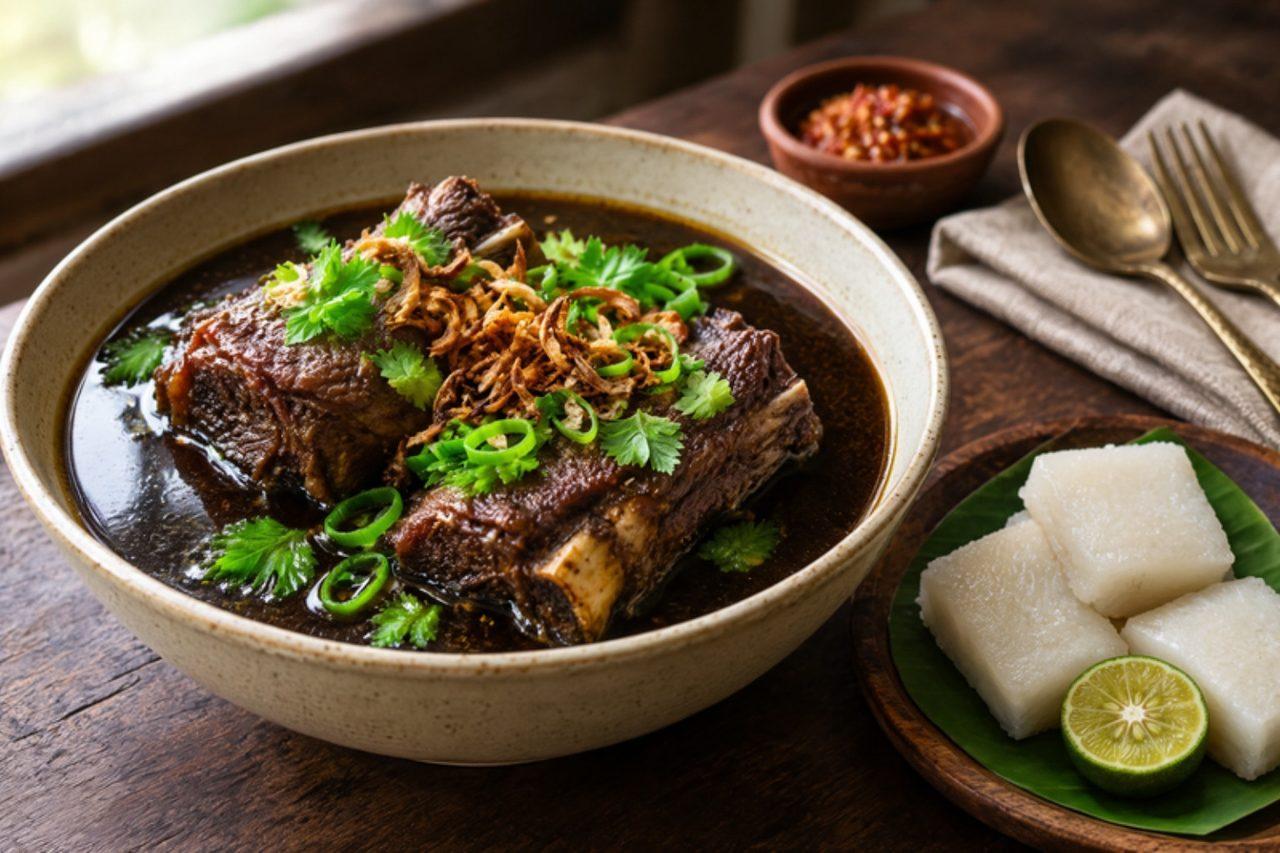
Sop konro is the pride of Makassar in South Sulawesi, where warung near the harbour serve big bowls of beef ribs in an almost black broth from lunchtime into the night, often with burasa (rice cooked in coconut milk) or plain rice. The colour and earthy, chocolatey depth come from keluak (kluwek) nuts, simmered with a paste of shallots, garlic, ginger, galangal, toasted coriander seed and candlenut until the rib meat slides off the bone. The usual mistake is using raw keluak: the nuts are only safe after long fermentation, so buy them ready-prepared from an Indonesian shop, and discard any that smell sour or are dry inside. A pressure cooker gets the ribs tender in 50 minutes. Chef's tip: toast the coriander seeds until they crackle before grinding; they carry the whole soup.

by KrazyBadal 0 views

Xôi mặnSticky rice with sausage

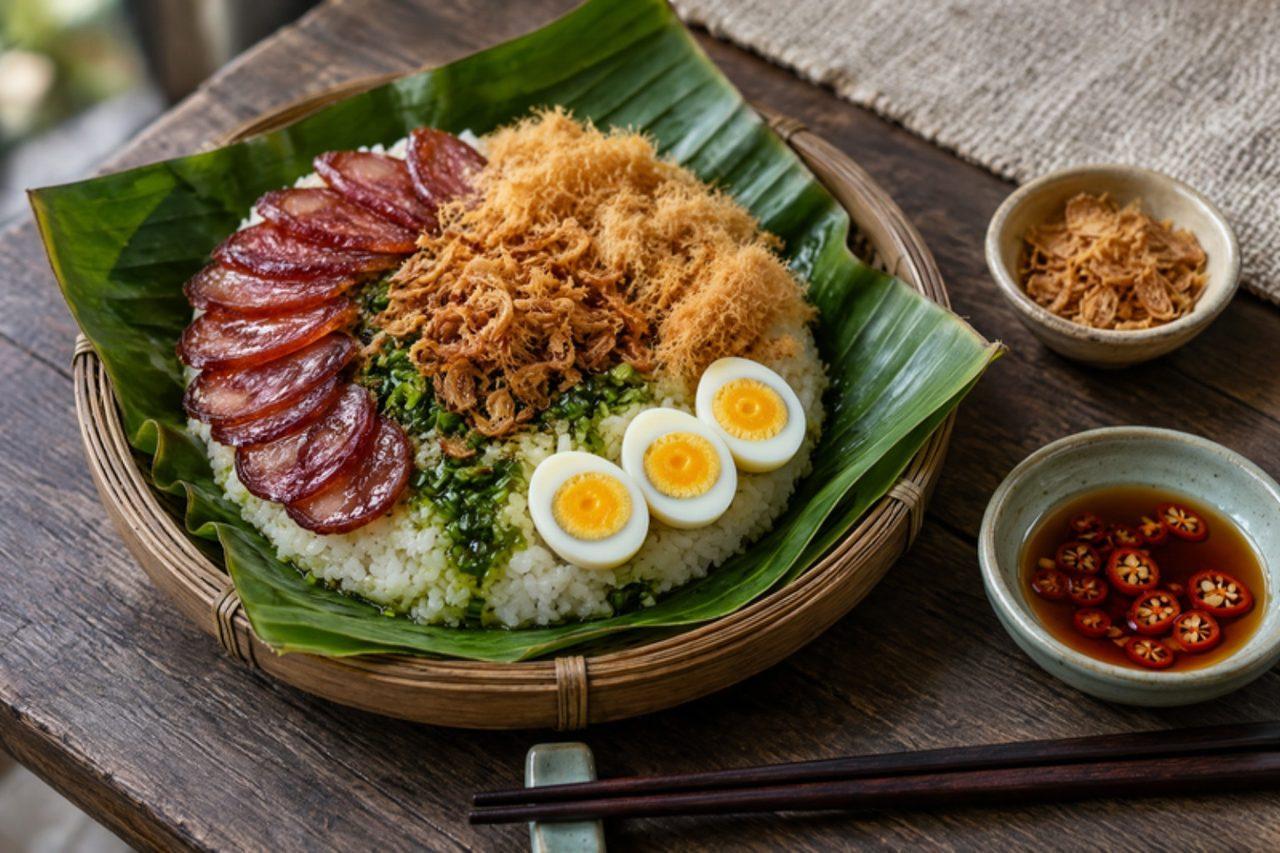
In Ho Chi Minh City, xôi mặn is bought from a street cart in a banana leaf or a foam box and eaten at your desk for breakfast or lunch: chewy sticky rice under sweet slices of lạp xưởng (Chinese pork sausage), pork floss, braised quail eggs, spring onion oil and crisp shallots. Soak the rice for at least 4 hours or overnight before you start. The common mistake is steaming unsoaked rice, which stays hard in the middle. Chef's tip: sprinkle the rice with salted water halfway through steaming and fluff it, so every grain turns glossy and evenly soft.

by KrazyBadal 0 views

Kue apePandan pancakes with crisp edges

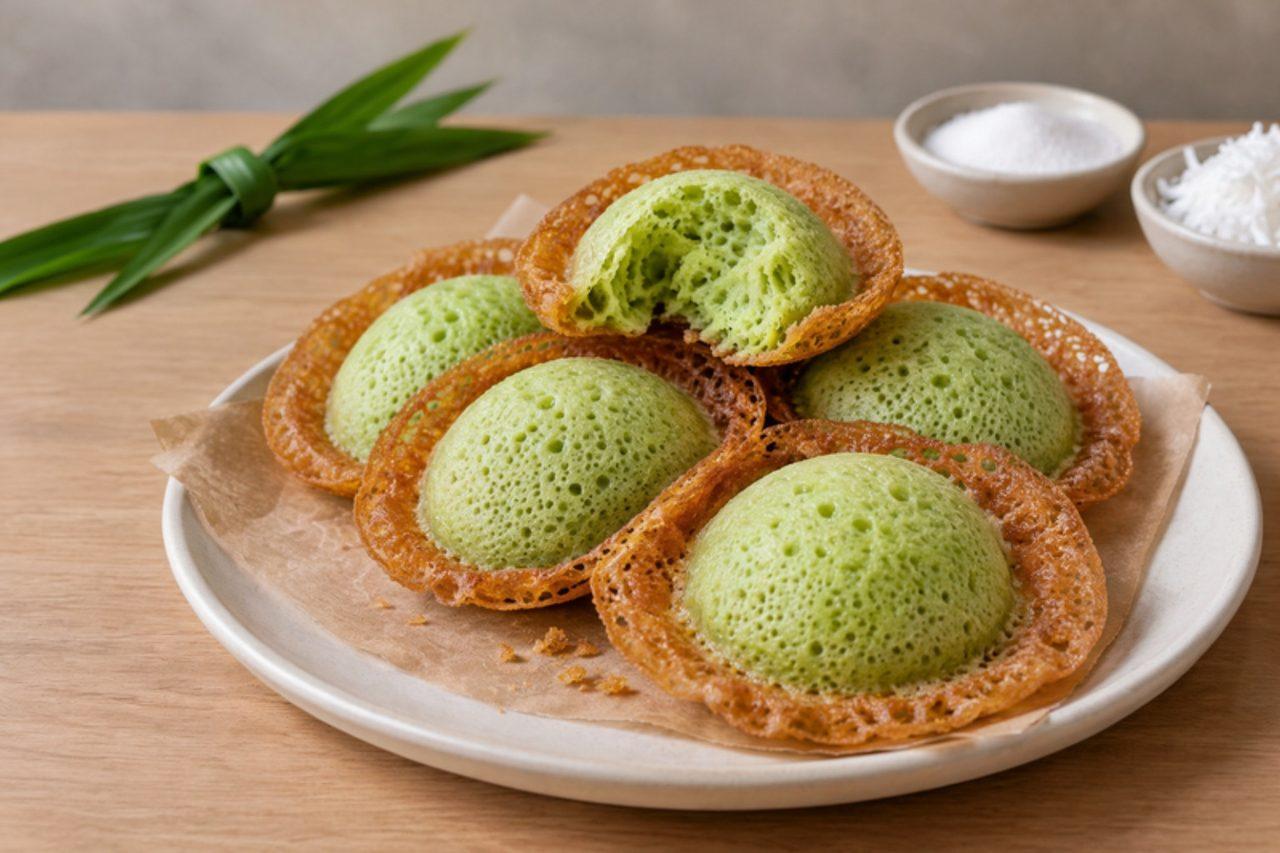
Kue ape (also called kue tetek for its shape) is a Betawi snack sold from pushcarts outside schools and along the lanes of Kebon Kacang in the late afternoon, when children come out hungry. The vendor swirls pandan batter around a small domed pan so the edges fry paper-thin and lacy while the centre puffs into a soft, slightly chewy bump. They are sweet, fragrant and best eaten within minutes. A small non-stick pan or a Chinese wok-shaped crêpe pan works at home. The batter contains wheat and egg. Chef's tip: the swirl must happen the second the batter hits the pan; hesitate and the edge sets thick instead of lacy.

by KrazyBadal 0 views

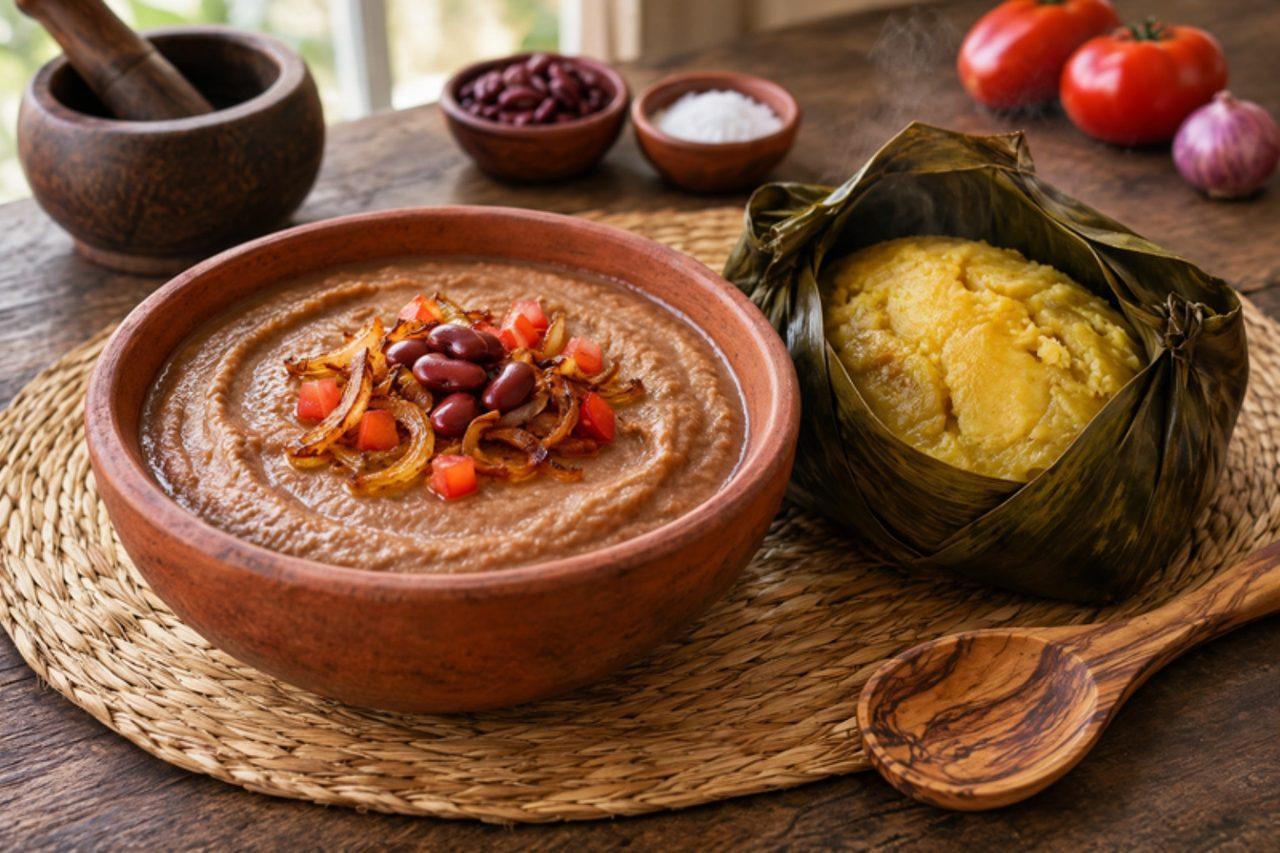
FirindaMashed bean stew

Firinda comes from Ankole and Kigezi in western Uganda, where beans are the backbone of daily meals, eaten at lunch with matooke, millet bread or sweet potatoes. Red beans are boiled until completely soft, then mashed and cooked down with fried onion and tomato into a thick, smooth stew that hugs whatever is beside it. The usual mistake is skimping on the cooking: firinda only gets its creamy texture when the beans are really soft, and dried red beans must be boiled hard for 10 minutes before the long simmer. Pressure cooker option: after the hard boil, cook for 25 minutes at pressure. Chef's tip: mash only two-thirds of the beans and leave the rest whole, for a stew that is creamy but still has some bite.

by KrazyBadal 0 views

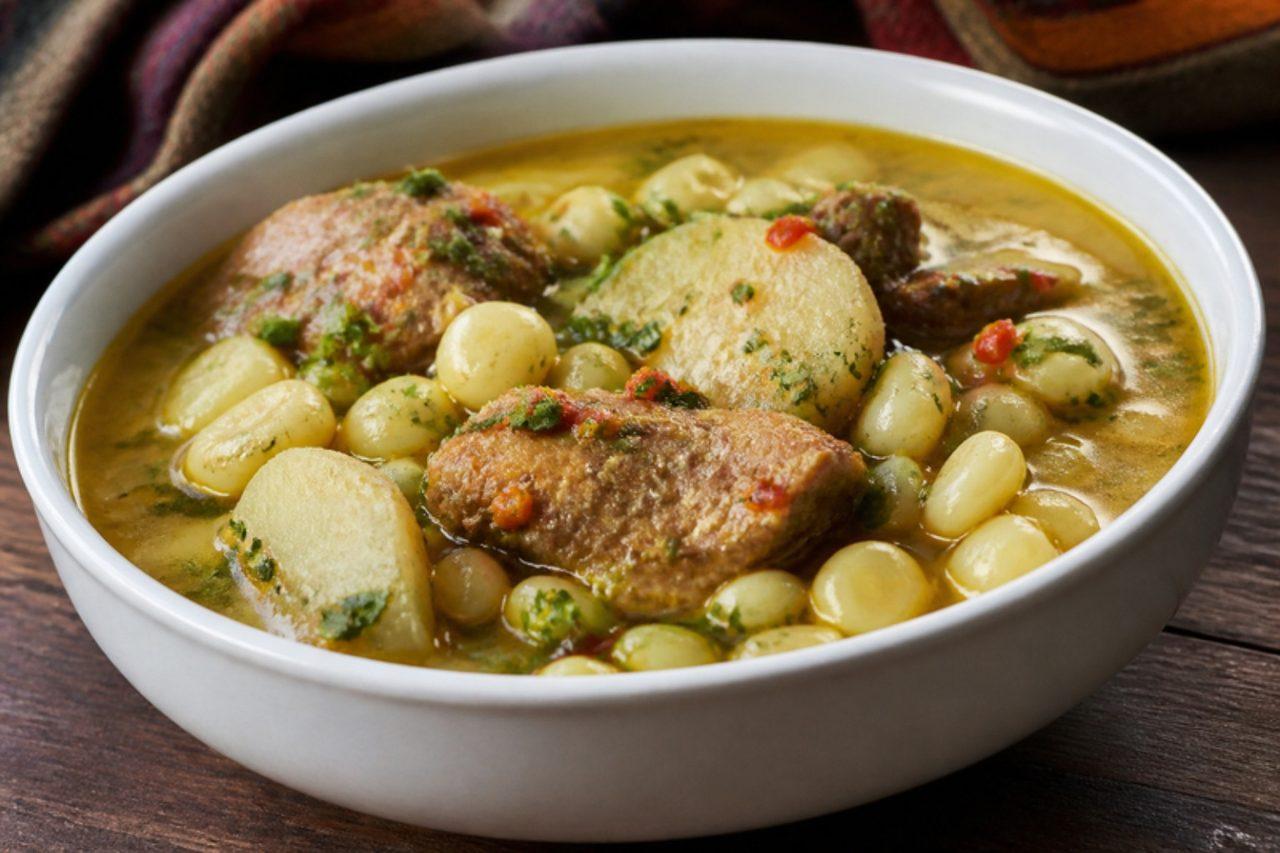
Fricasé paceñoSpicy pork stew with chuño

On Sunday mornings in La Paz, after a long night out or simply because it is cold, people head to the comedores for fricasé: a pork stew of ribs and shoulder in a yellow broth of ají amarillo, cumin and black pepper, with chuño (freeze-dried potato) and big white corn kernels in each bowl. This recipe is made with pork. Many cooks thicken it with breadcrumbs; we use ground chuño or cornflour so it stays gluten free. The usual mistake is boiling it hard, which makes the pork stringy; it should barely tremble. Chef's tip: soak the chuño overnight and squeeze it in several changes of water, which removes its earthy bitterness.

180 minAndeanMeatGluten freeSpicy
by KrazyBadal 0 views

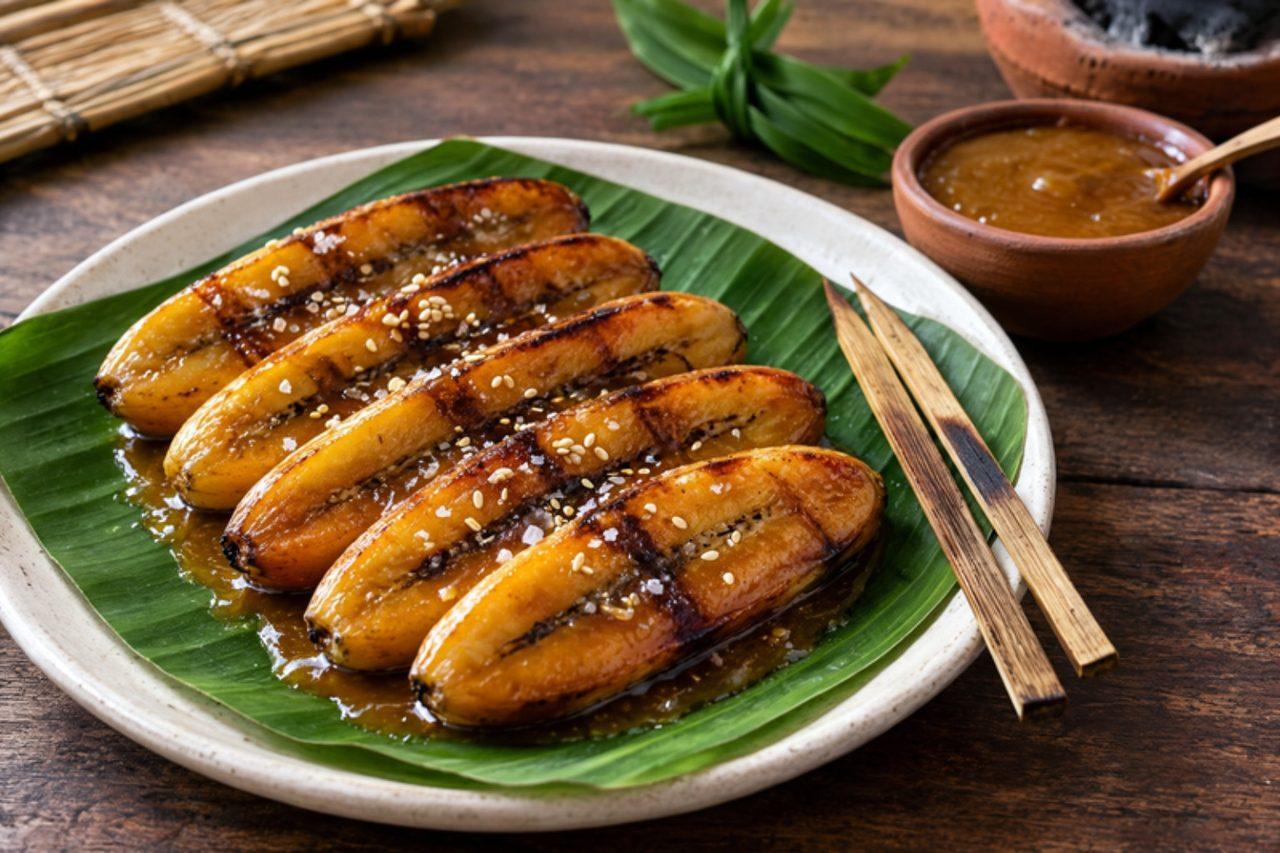
Kluay pingGrilled banana

Kluay ping carts work the pavements of Silom and the lanes off Sukhumvit from mid-morning, when office workers want something sweet with their iced coffee. The vendor grills small, starchy nam wa bananas slowly over embers, presses each one flat with a wooden board and then brushes it with coconut cream cooked down with palm sugar and a pinch of salt. The outside turns sticky and smoky; the inside stays soft and fudgy. Ladyfinger bananas or firm, just-ripe small bananas work at home. Chef's tip: choose bananas that are yellow with no brown spots; overripe fruit turns to mush on the grill.

by KrazyBadal 0 views

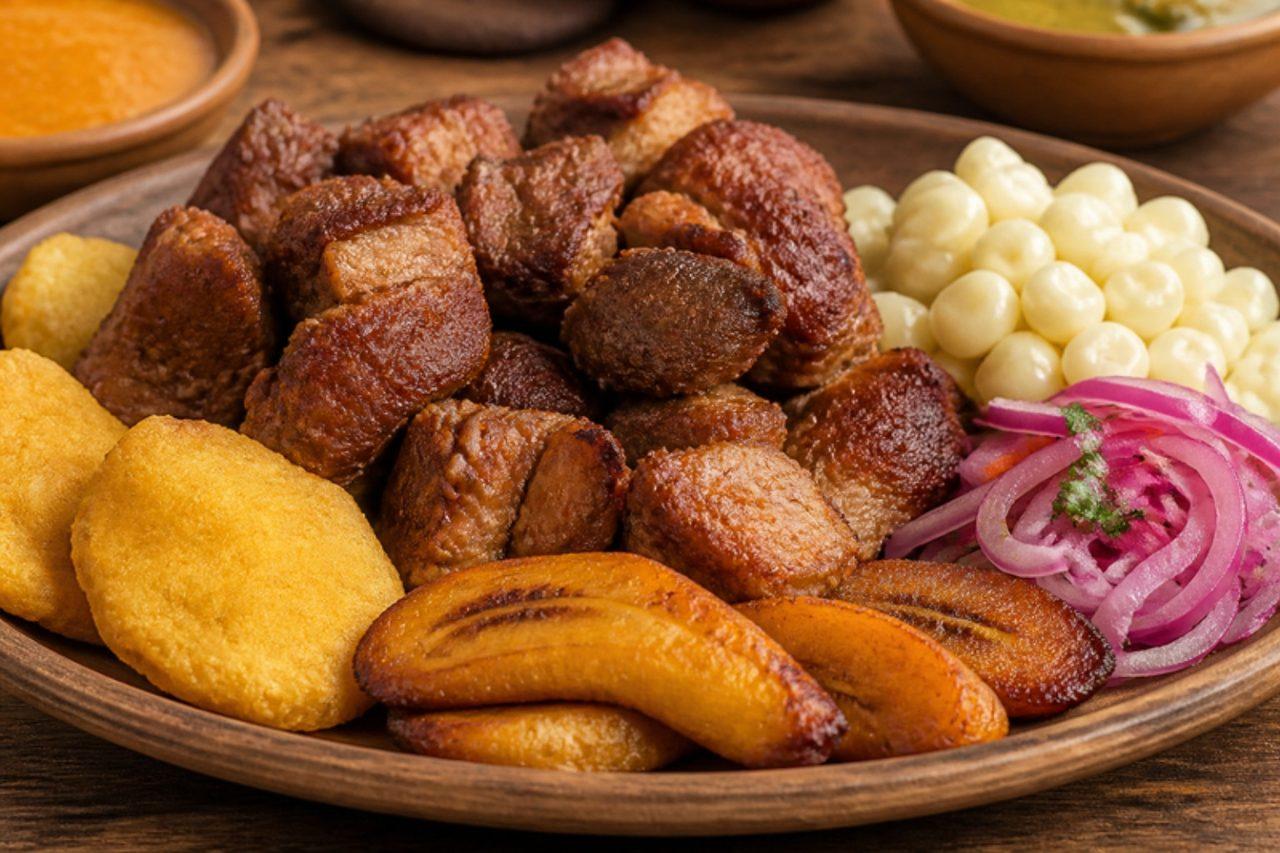
FritadaGarlic and cumin fried pork

Fritada is weekend food all over the Sierra, from roadside stops in Sangolquí to family lunches in Ibarra: chunks of pork shoulder simmered in water with garlic, cumin and orange juice in a wide pan until the water boils away and the meat fries in its own rendered fat, turning sticky and deep golden. It is served with mote, fried ripe plantain, potato cakes and a sharp onion curtido. The usual mistake is using a lean cut and stirring constantly; shoulder with some fat, and patience while it browns, give crisp edges and juicy centres. The pork is cooked well past 71 °C by the time it browns. Chef's tip: use a wide, heavy pan so the liquid evaporates evenly and every piece touches the bottom.

95 minAndeanMeatGluten free
by KrazyBadal 0 views

Carottes VichyGlazed carrots

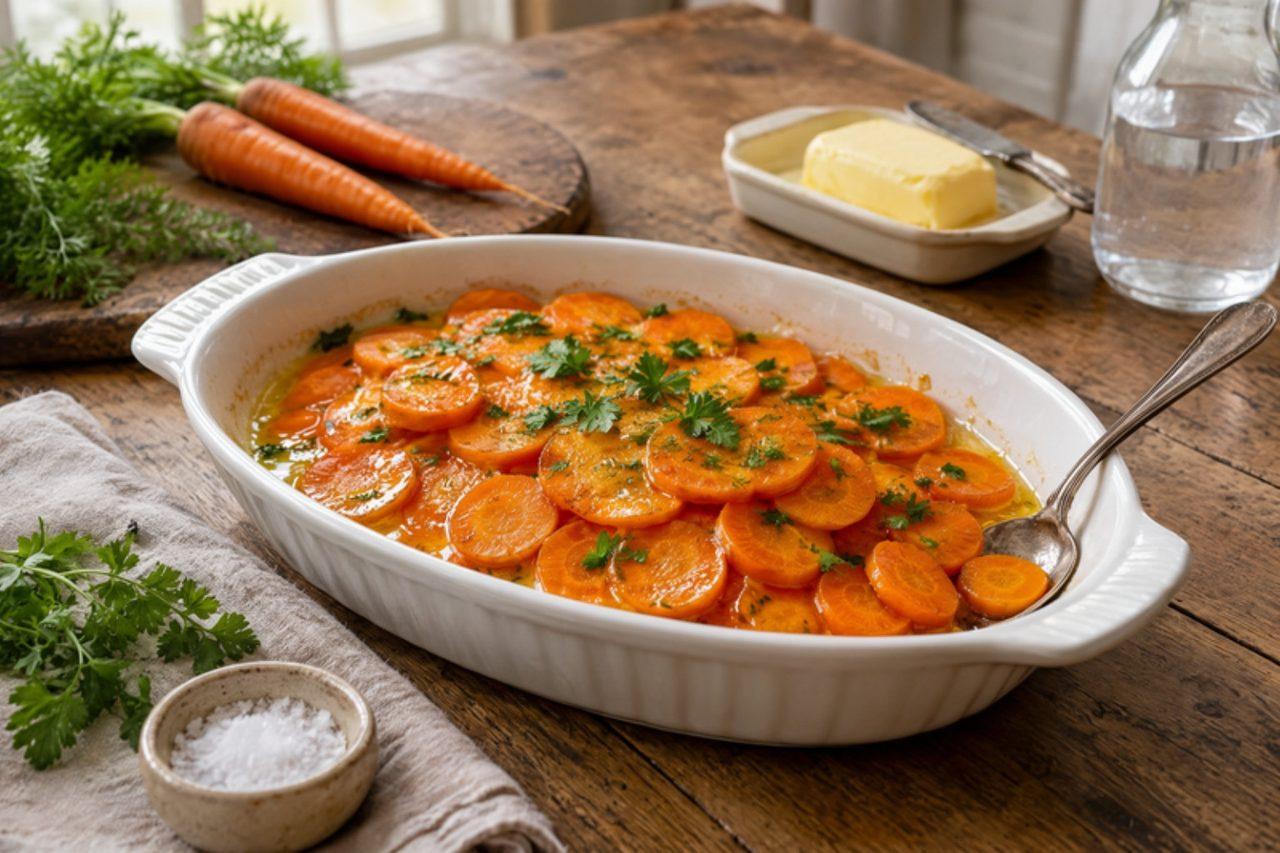
Carottes Vichy come from the spa town of Vichy in the Auvergne, where they were cooked in the local mineral water; today they are the classic French bistro and Sunday-lunch side, loved by children. Thin rounds of carrot simmer with butter, a little sugar and salt in just enough water, so that when the carrots are tender the water has boiled down to a shiny glaze. Serve with roast chicken, an omelette or lentils. The usual mistake is using too much water, so you must drain away the flavour; it should just cover the carrots. Chef's tip: a pinch of bicarbonate of soda in the water copies Vichy's alkaline water and helps the carrots turn sweet and bright.

by KrazyBadal 0 views

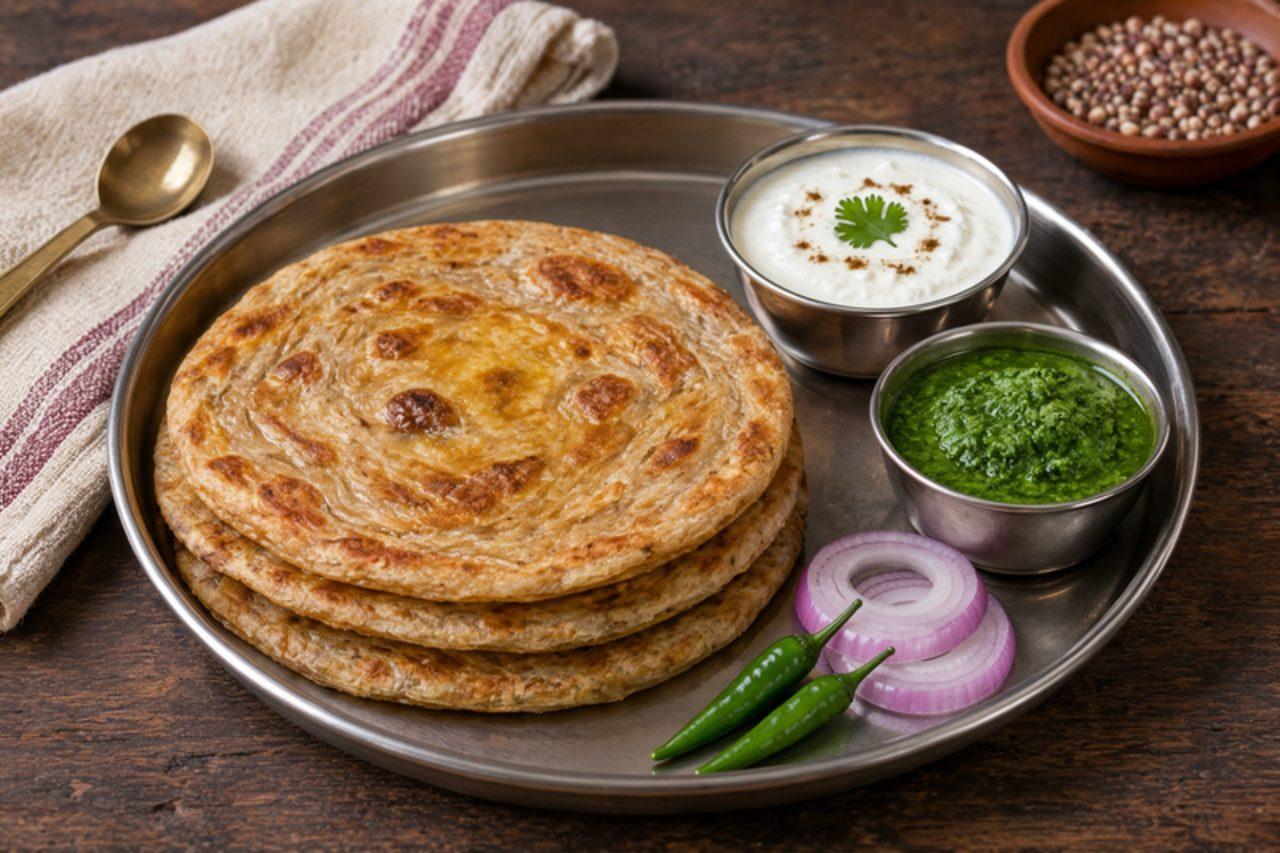
Gahat ke paratheHorse gram stuffed parathas

Gahat (horse gram) is the warming winter lentil of Uttarakhand, and in Garhwal it is boiled, mashed and stuffed into parathas for cold mornings, served with butter, curd and a hill pickle. The filling is spiked with ginger, garlic, green chilli and coriander, and the parathas keep you full for hours. Gahat is hard, so it needs a long soak and a pressure cooker. The common mistake is leaving the filling wet; moisture steams through the dough and the paratha tears. Chef's tip: dry the mashed gahat in a pan for a few minutes after mashing until it holds together like a soft crumble.

by KrazyBadal 0 views

Pastel de chuchoStingray, plantain and cheese bake

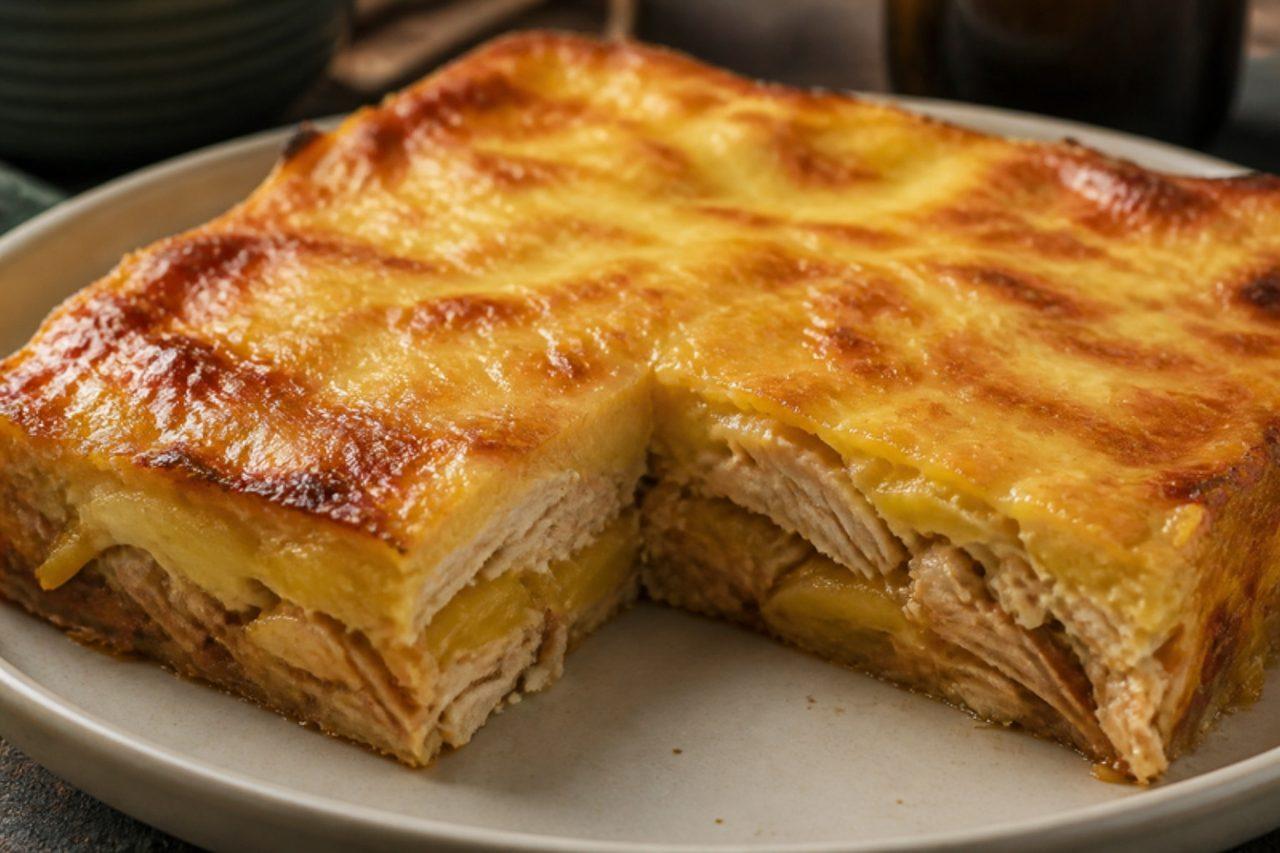
On Margarita island, pastel de chucho is the pride of fishing villages like Juan Griego and El Tirano, and a fixture of Holy Week: shredded stingray (chucho) cooked in a rich sofrito, layered with fried ripe plantain and white cheese and set with beaten egg. Stingray can be hard to find and is not always sustainable, so a firm white fish such as hake, pollock or responsibly caught skate wing works well. The common mistake is a watery sofrito, which makes the bake soggy. Chef's tip: cook the fish sofrito until the pan is almost dry before layering.

by KrazyBadal 0 views

Showing 18 of 7,762 recipes

Show more recipes

Page 129 of 863