


Skip to content
Almojábanas
Featured recipe

Almojábanas

Glazed choux rings

In Aragonese bakeries, almojábanas are the rings stacked by the till at Easter and for local fiestas: rings of choux-like dough that puff up hollow and airy in the oven and are then brushed with a white sugar glaze that cracks as you bite. The name comes from Arabic, and versions are found from Teruel to the Ribagorza, some flavoured with lemon and others with anise. They are best the day they are made, with a coffee or a glass of cold milk. A common mistake is opening the oven early: choux collapses if the steam escapes before the shells have set. Chef's tip: beat the eggs in one at a time and stop when the paste falls from the spoon in a thick, glossy V; you may not need the last egg.

Read more 0 views

What to eat today?

Around the world

Today's trip: Paraguayan

A new country every day, from every cuisine on the site.

Paraguayan

Cocido quemado

Burnt sugar mate drink 14 minMore from Paraguayan (27) →

This week's collection

Kid-friendly dinners
537 recipes · a new collection every Monday

Latest recipes

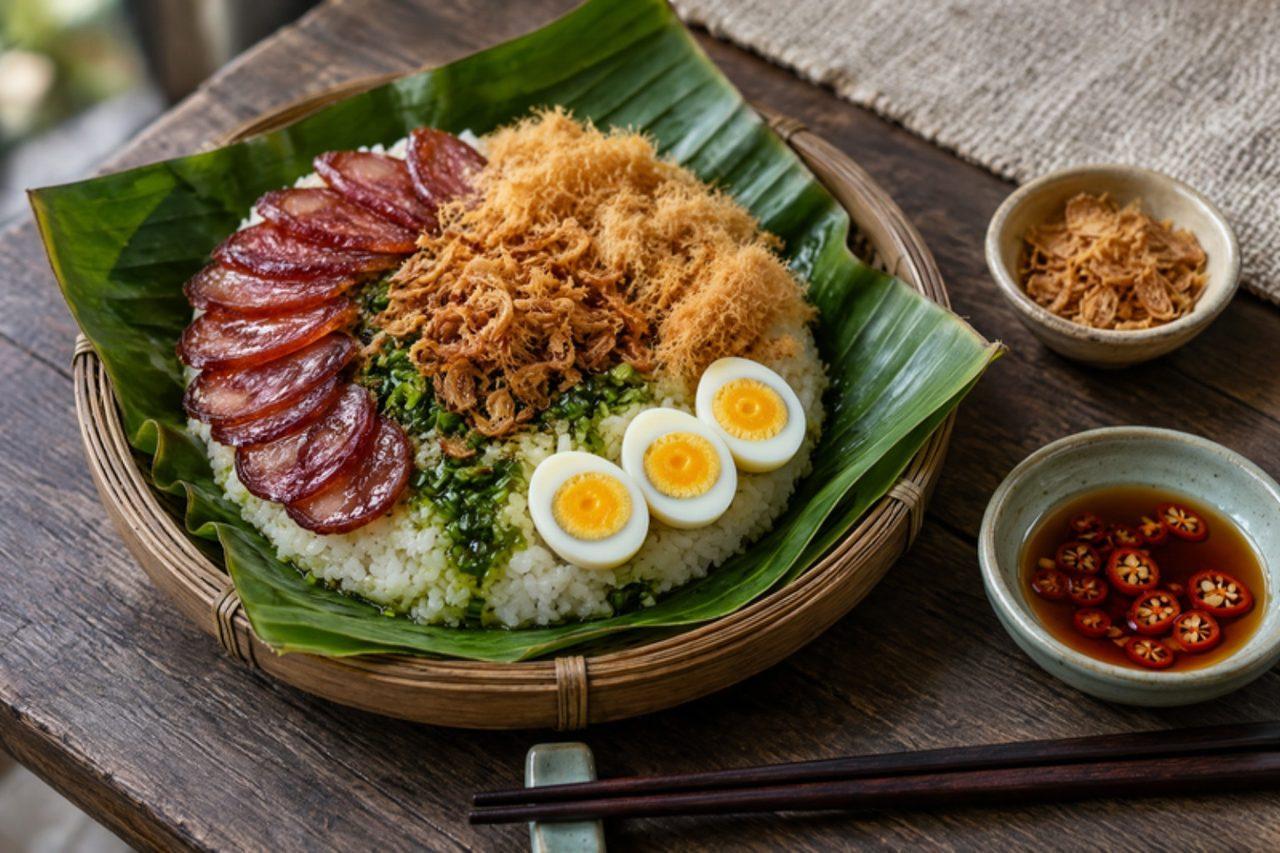
Xôi mặnSticky rice with sausage

In Ho Chi Minh City, xôi mặn is bought from a street cart in a banana leaf or a foam box and eaten at your desk for breakfast or lunch: chewy sticky rice under sweet slices of lạp xưởng (Chinese pork sausage), pork floss, braised quail eggs, spring onion oil and crisp shallots. Soak the rice for at least 4 hours or overnight before you start. The common mistake is steaming unsoaked rice, which stays hard in the middle. Chef's tip: sprinkle the rice with salted water halfway through steaming and fluff it, so every grain turns glossy and evenly soft.

by KrazyBadal 0 views

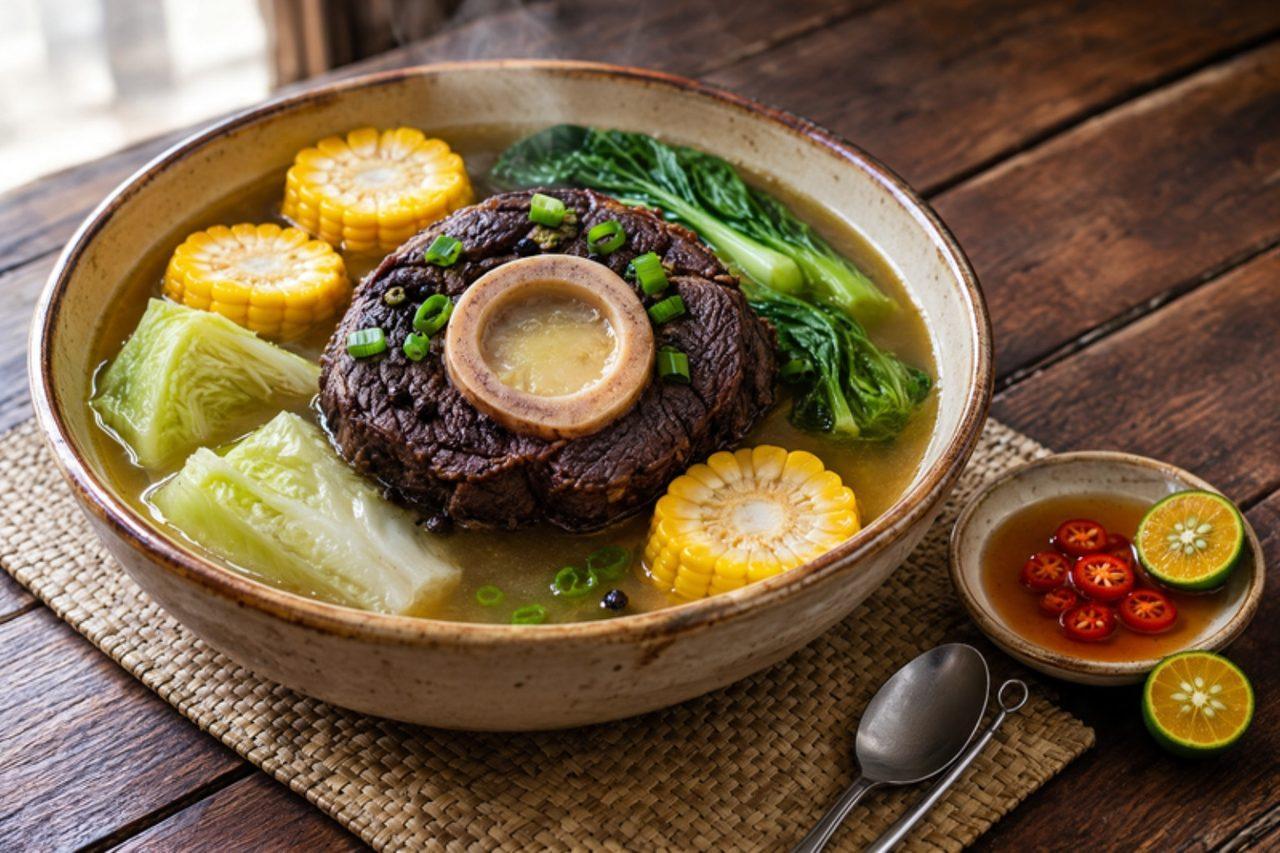
BulaloBeef shank and marrow soup

Bulalo is the pride of Batangas, south of Manila, served at roadside eateries on the way to Tagaytay where the cool upland air makes a steaming bowl the thing to order. Beef shank on the bone simmers for hours until the meat falls away and the marrow turns soft and wobbly, giving a clear, beefy broth seasoned just with fish sauce, onion and peppercorns. Corn on the cob, cabbage and pechay go in at the end. Spoon the marrow onto rice and dip the meat in fish sauce with calamansi and chilli. The usual mistake is skipping the first blanch: the broth turns grey and murky. Slow-cooker: after blanching, cook on low for 10 hours, adding the vegetables for the last 30 minutes on high. Chef's tip: keep the pot at a lazy simmer, never a boil, for the clearest broth.

by KrazyBadal 0 views

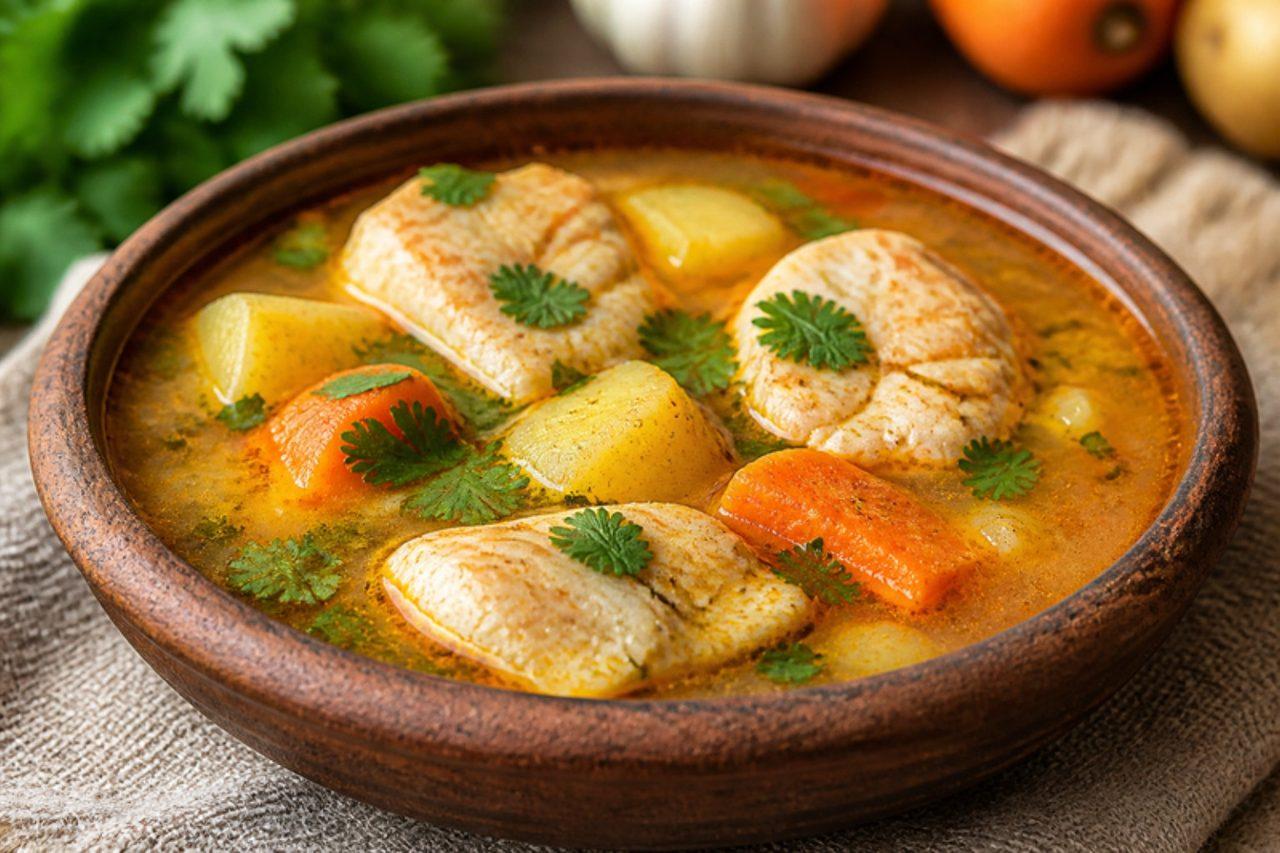
Caldillo de congrioConger eel and potato broth

Caldillo de congrio is the soup of the central coast, from the fish stalls of Valparaíso to the little restaurants of Isla Negra, where Pablo Neruda wrote an ode to it: firm pieces of congrio (a white cusk-eel, not a true eel) poached in a tomato and onion broth with sliced potatoes, finished with a splash of cream and plenty of coriander. Outside Chile, use kingklip, monkfish, ling or thick hake. The common mistake is boiling the fish with the potatoes from the start; it falls to shreds. Add it at the end. Chef's tip: make the broth with the fish bones and trimmings if your fishmonger gives them to you; it doubles the flavour.

by KrazyBadal 0 views

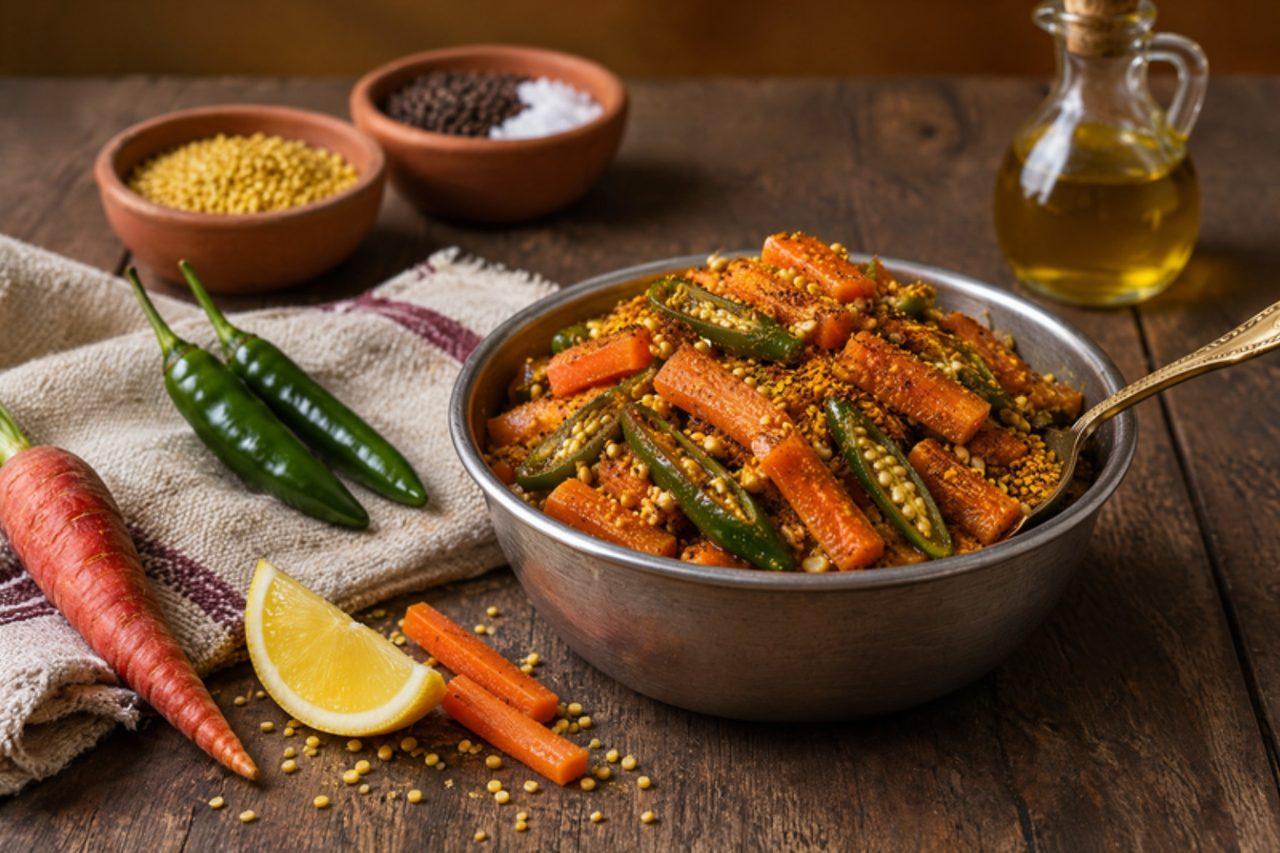
Gajar marcha nu athanuCarrot and chilli pickle

Every Gujarati thali, from Ahmedabad homes to Surat lunch houses, has a little bowl of something fresh and sharp to cut through the dal, kadhi and sweet shaak, and in the cold months it is very often this instant carrot and chilli athanu. Winter brings the sweet, deep red desi carrots and fat, mild bhavnagri chillies, and the pickle is mixed in ten minutes: sticks of both coated in split mustard seed, turmeric, hing, salt and lemon, then dressed with warm oil. It is crunchy, juicy and bright, with the nose-tingling pungency of rai kuria and a clean lemon tang. Eat it with rotli, thepla, khichdi or a full thali. The common mistake is pouring smoking-hot oil straight on, which cooks the mustard and makes it bitter; let the oil cool until just warm. It is ready when the mustard has softened and the carrots look glossy, about an hour after mixing, though it is good straight away. With fresh chilli and no long cure, keep it in the fridge and eat within a week. Chef's tip: if bhavnagri chillies are hard to find, use a mix of mild long green peppers and a couple of hot green chillies.

by KrazyBadal 0 views

Kluay pingGrilled banana

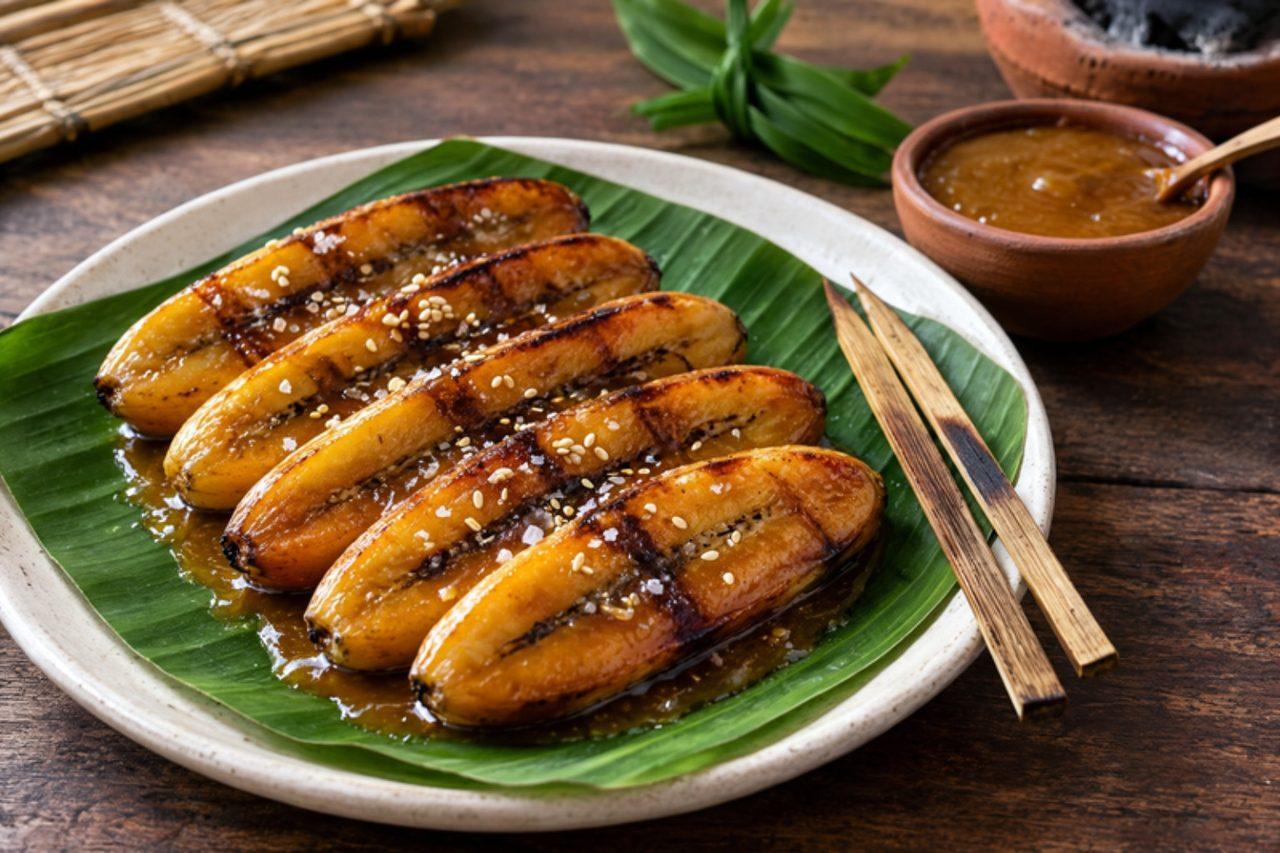
Kluay ping carts work the pavements of Silom and the lanes off Sukhumvit from mid-morning, when office workers want something sweet with their iced coffee. The vendor grills small, starchy nam wa bananas slowly over embers, presses each one flat with a wooden board and then brushes it with coconut cream cooked down with palm sugar and a pinch of salt. The outside turns sticky and smoky; the inside stays soft and fudgy. Ladyfinger bananas or firm, just-ripe small bananas work at home. Chef's tip: choose bananas that are yellow with no brown spots; overripe fruit turns to mush on the grill.

by KrazyBadal 0 views

GamjatangPork backbone stew

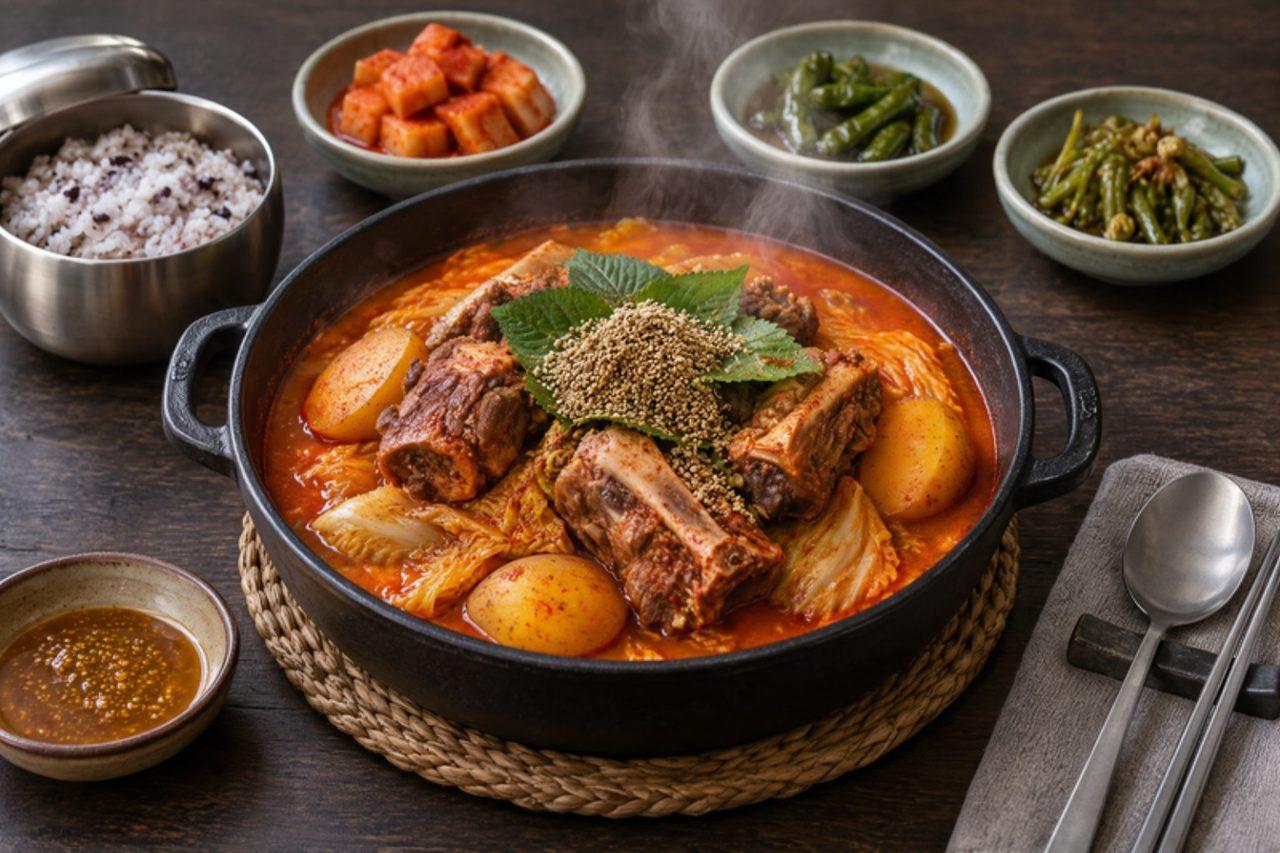
Gamjatang is a late-night favourite in Seoul and Incheon, where restaurants keep huge pots of pork backbone stew bubbling for shift workers and friends after a night out. Pork neck bones are soaked, blanched and simmered with doenjang until the meat pulls away, then finished with potatoes, napa cabbage, perilla leaves and nutty ground perilla seeds in a chilli-red broth. Everyone picks the meat off the bones at the table and ends the meal by frying rice in the leftover broth. The usual mistake is skipping the soaking and blanching, which leaves the broth grey and scummy. A pressure cooker cuts the bone simmering to 45 minutes. Chef's tip: stir the perilla seed powder in only at the end; boiled too long it loses its fragrance.

180 minKoreanMeatSpicy
by KrazyBadal 0 views

Carottes VichyGlazed carrots

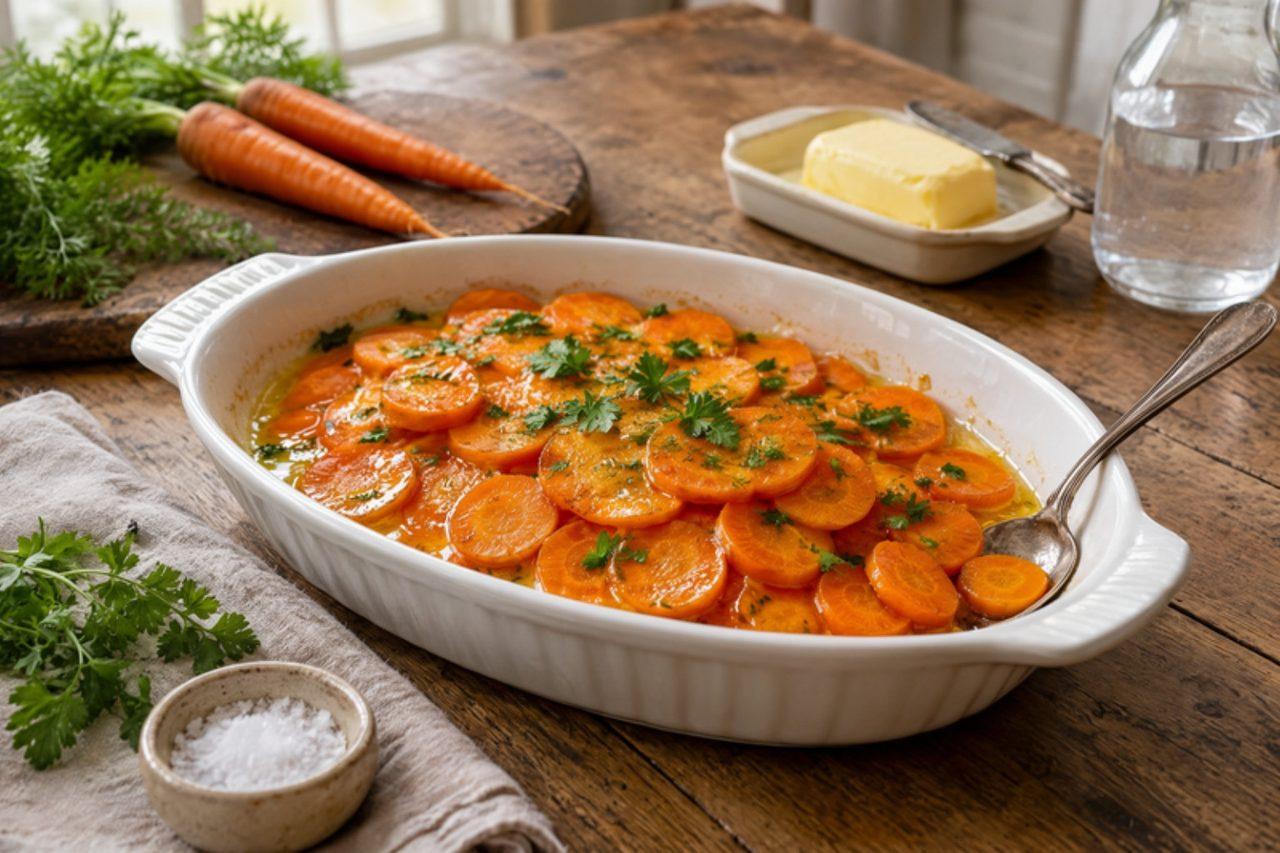
Carottes Vichy come from the spa town of Vichy in the Auvergne, where they were cooked in the local mineral water; today they are the classic French bistro and Sunday-lunch side, loved by children. Thin rounds of carrot simmer with butter, a little sugar and salt in just enough water, so that when the carrots are tender the water has boiled down to a shiny glaze. Serve with roast chicken, an omelette or lentils. The usual mistake is using too much water, so you must drain away the flavour; it should just cover the carrots. Chef's tip: a pinch of bicarbonate of soda in the water copies Vichy's alkaline water and helps the carrots turn sweet and bright.

by KrazyBadal 0 views

Nước sấu (sấu fruit drink)

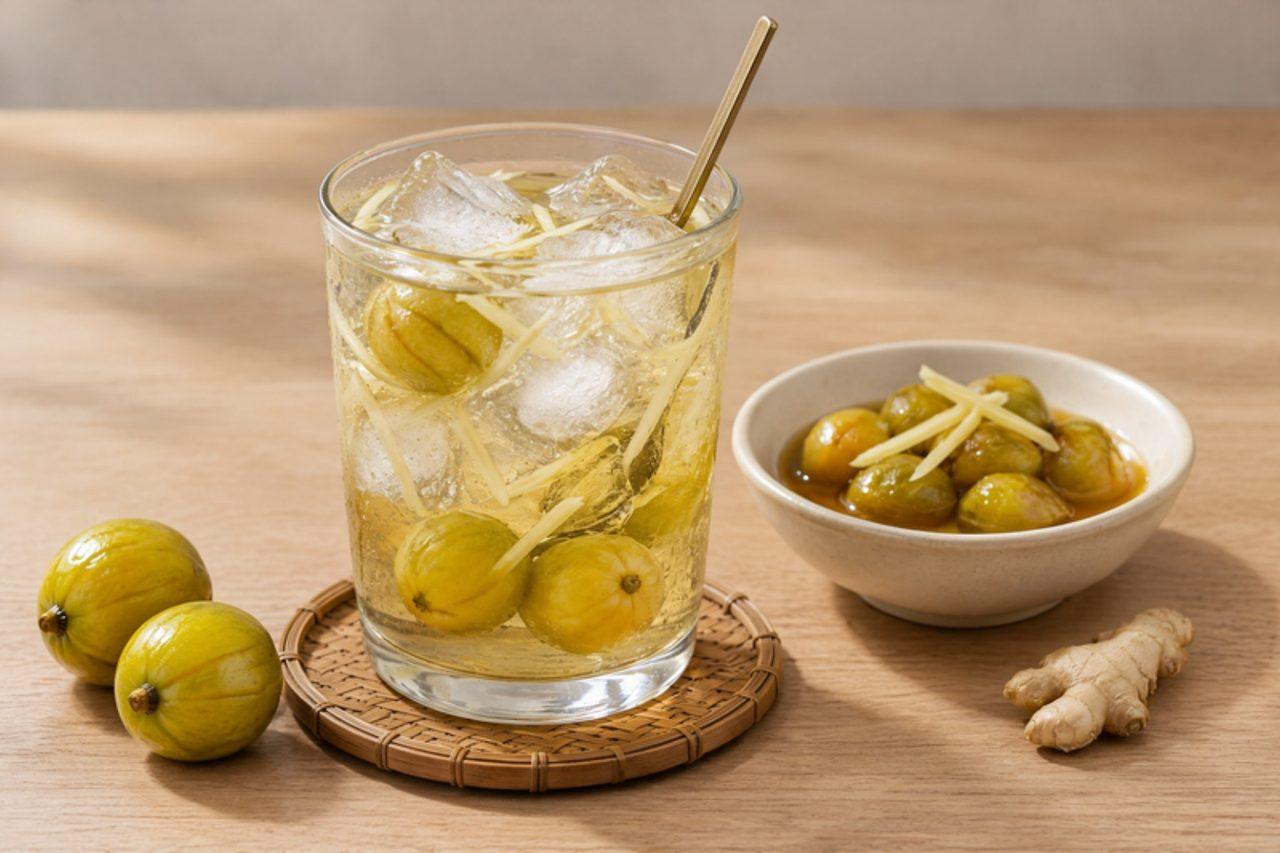
When Hanoi's tamarind-like sấu trees drop their small green fruit in May and June, street vendors start selling glasses of nước sấu: a few candied fruits, a ladle of ginger syrup, cold water and crushed ice. Families make big jars to last until the season ends in August. It is sipped with a spoon so you can bite into the crunchy-soft fruit at the bottom. It tastes sour and sweet at once, with a clean ginger warmth and a flavour a little like green mango and plum. Traditional cooks soak the peeled fruit in limewater to keep it crisp; a salt soak works well at home. The common mistake is skipping the blanch and slow syrup: raw fruit stays acrid and the syrup clouds. Blanch the fruit briefly, then cook it gently in sugar until it turns translucent yellow-green and the syrup is clear and glossy. Store it in a sterilised jar in the fridge for up to 2 months with a clean spoon; discard if it fizzes, smells fermented or shows mould. Fresh sấu is rare abroad; look for frozen sấu in Vietnamese shops, or use firm green ambarella. Chef's tip: slash each fruit a few times so the syrup soaks all the way in.

by KrazyBadal 0 views

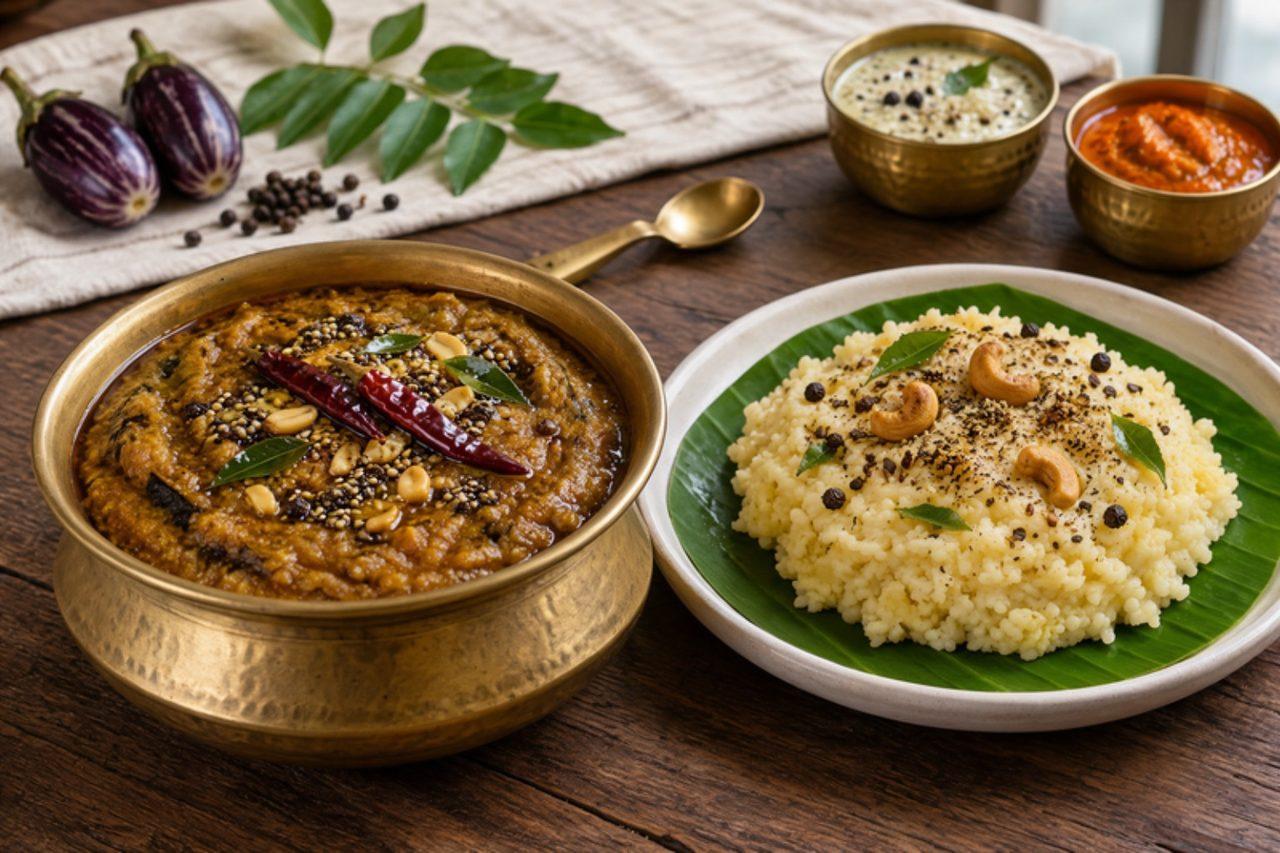
Kathirikai gothsuSmoky aubergine tamarind gravy

At the Nataraja temple in Chidambaram, ven pongal, the peppery rice and moong porridge, is always served with gothsu, and the pairing has spread to breakfast tables and wedding feasts all over Tamil Nadu. Brinjal is charred over the flame, mashed and simmered with a little moong dal, shallots and tamarind, then seasoned with a freshly roasted powder of coriander, chana dal and chilli. The result is smoky, tangy and spoonable, also good with idli or dosa. The usual mistake is using big, seedy aubergines: choose small, firm, glossy ones, which are sweeter. Chef's tip: char at least one brinjal right over the gas flame until the skin is black all over; that smoky note is what makes Chidambaram gothsu.

by KrazyBadal 0 views

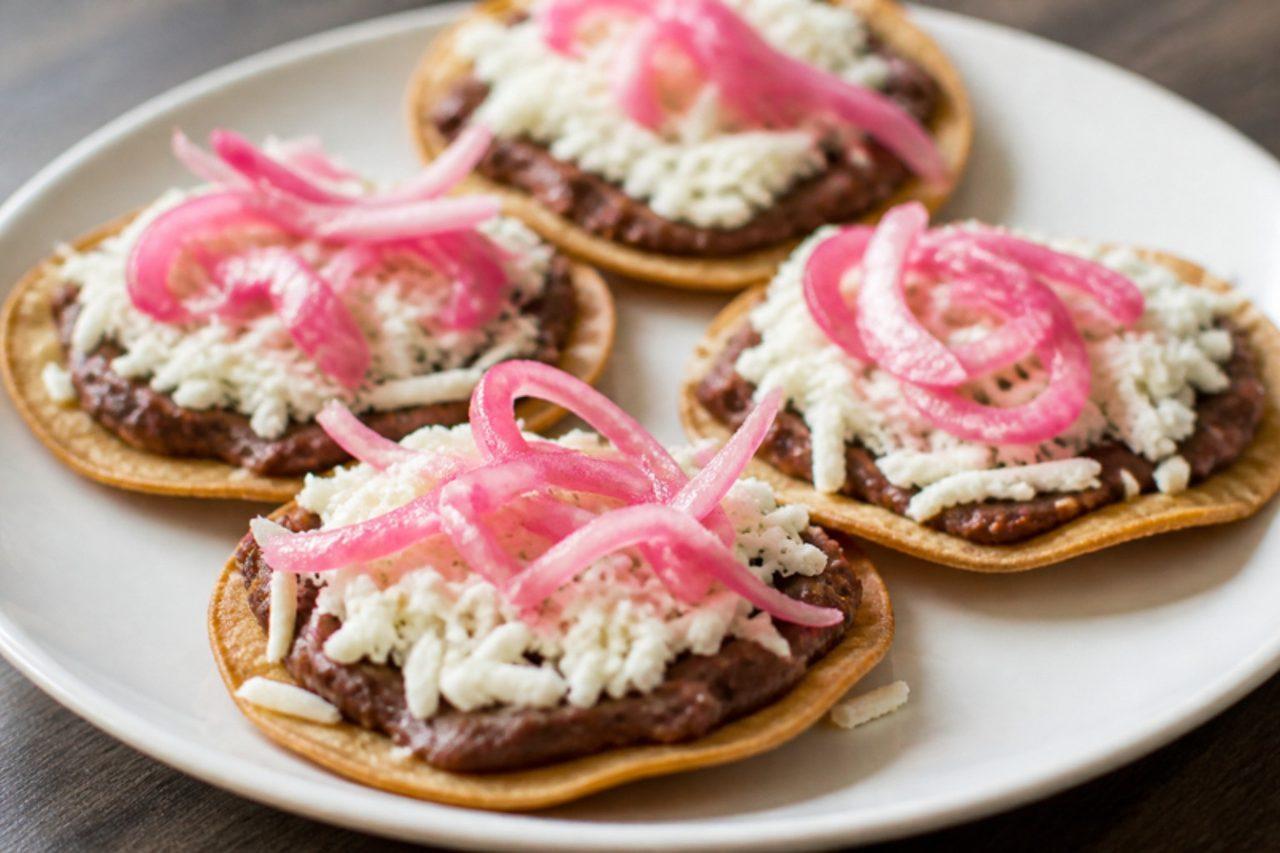
GarnachesCrisp tortillas with beans and cheese

Belize City snack shops and Saturday-morning stalls sell garnaches by the half dozen, wrapped in paper: small corn tortillas fried until they crackle, spread with refried beans, showered with grated cheese and topped with a sharp pickle of onion and hot pepper. They are crunchy, salty and tangy, and gone in three bites. Belizeans like a round red Edam-style cheese, which is usually made with animal rennet, so use a vegetarian hard cheese if needed. The common mistake is frying in oil that is not hot enough, which gives greasy, bendy tortillas. Chef's tip: make the onion pickle a day ahead; it gets pinker and milder overnight.

by KrazyBadal 0 views

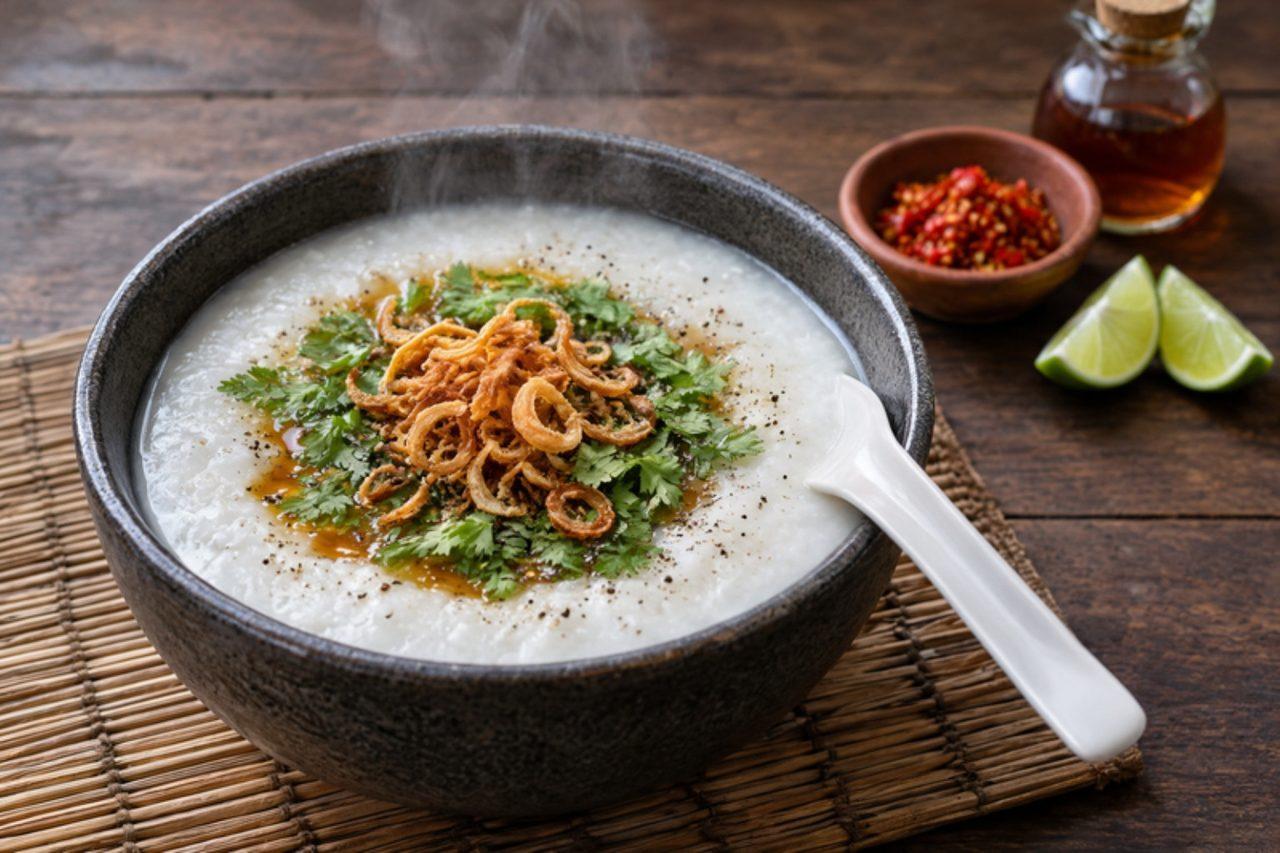
SanpiauRice porridge with fish sauce

Sanpiau is the street-stall breakfast and afternoon snack of Aizawl, Mizoram: a thin, silky rice porridge ladled into bowls and finished at the table with fish sauce, black pepper, crisp fried shallots, coriander and, often, shredded chicken. It came to Mizoram via Myanmar and is now as Mizo as bai. The common mistake is under-stirring, so the rice catches on the base; stir every few minutes once it thickens. Chef's tip: let everyone season their own bowl, since fish sauce brands vary a lot in saltiness.

by KrazyBadal 0 views

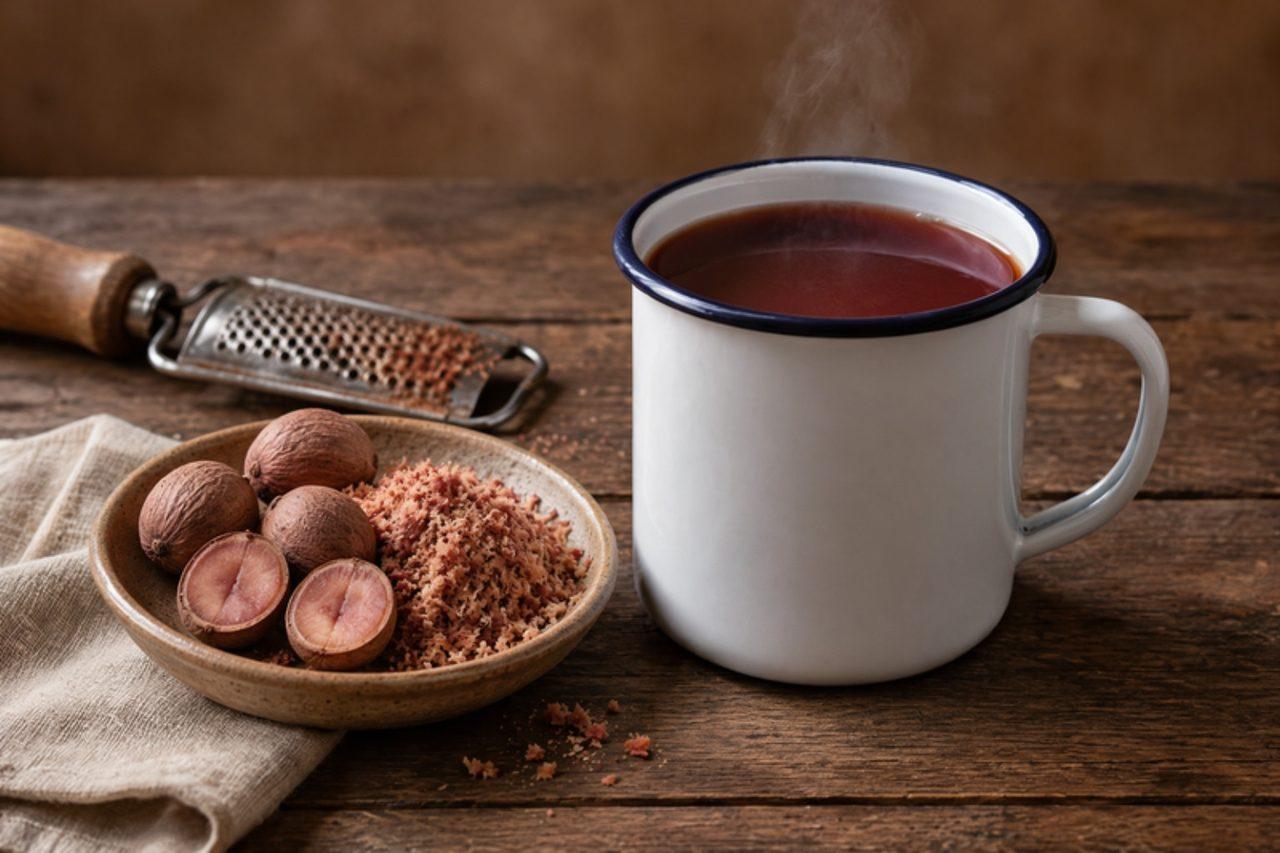
Bissy tea (kola nut tea)

Kola trees came to Jamaica with enslaved West Africans, and the nut, called bissy on the island, has stayed in country medicine ever since. Older people in St Mary, St Elizabeth and the hills of Clarendon still keep a dried bissy in the kitchen and grate some into boiling water when the stomach is upset or after eating something that disagreed with them,. Parched in a dry pan first, the grated nut gives a reddish-brown tea that smells faintly of cocoa and tastes bitter and astringent, softened by plenty of sugar. The common mistake is boiling raw, ungrated nut and expecting much flavour: whole pieces give little. Grate it finely, parch it until it darkens and smells like toasted cocoa, then boil. It is ready when the tea is a deep reddish-brown and coats the tongue with bitterness. Kola nut is very high in caffeine, as strong as a big mug of coffee or more, so drink one cup, not late in the day, and keep it away from children, pregnant people and anyone sensitive to caffeine or with heart trouble. Chef's tip: strain it through a fine cloth; the grated nut leaves a gritty sediment that a sieve lets through.

by KrazyBadal 0 views

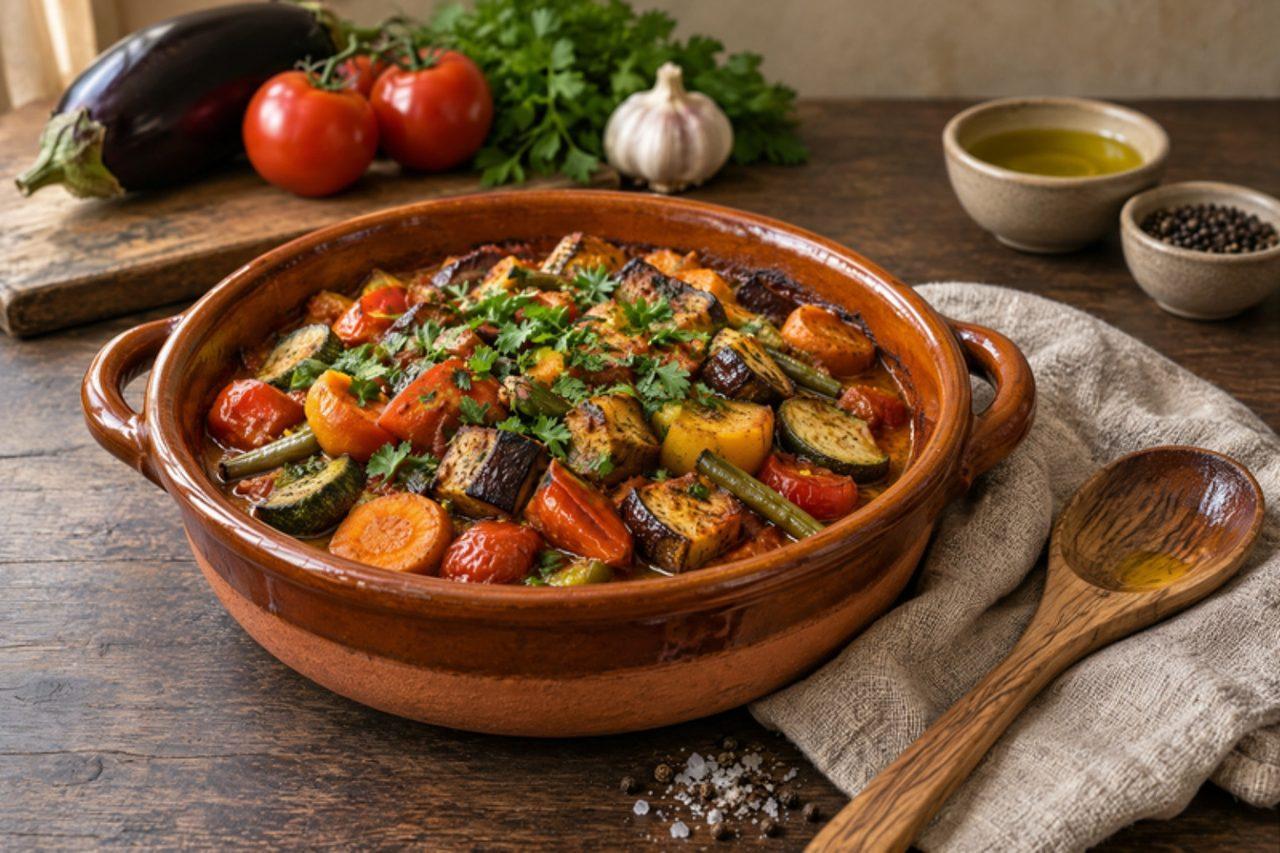
GhiveciBaked mixed vegetable stew

Ghiveci is the Romanian answer to a late-summer glut, made in August and September and often bottled for winter, and it is a mainstay on Orthodox fasting days because it contains no animal products. Aubergine, peppers, courgette, green beans, carrots and onion are layered with tomato and herbs and baked slowly until soft and sweet, with a little browned crust on top. Serve warm or cold with bread, or beside beans. Suitable as part of a balanced diet. About 190 kcal and 20 g carbohydrate per portion. The usual mistake is cutting the vegetables all the same size: harder carrots and beans need smaller pieces than courgette and aubergine so everything is tender at once. Chef's tip: bake uncovered for the last 20 minutes so the juices reduce and the top caramelises.

by KrazyBadal 0 views

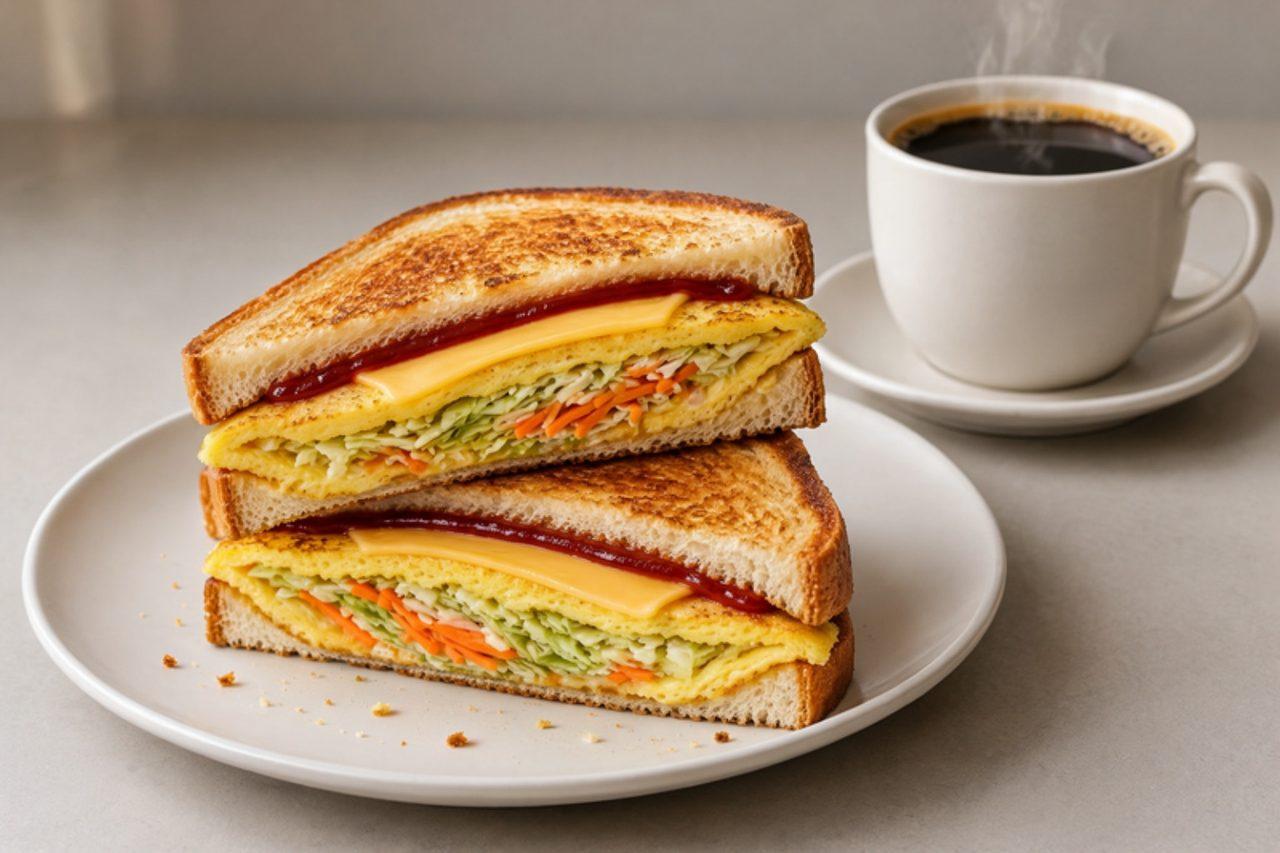
Gilgeori toastStreet toast with cabbage omelette

Outside Seoul subway stations at 7 am, stall owners butter bread on a big griddle, fry a thick omelette packed with shredded cabbage and carrot, and stack it all with a slice of cheese, a sprinkle of sugar and a squiggle of ketchup. Sweet and savoury together sounds odd but is exactly why commuters queue for it. The common mistake is a thin, floppy omelette: make it as wide as the bread and about 2 cm thick so it holds the vegetables. Processed cheese slices are often made with animal rennet; choose a vegetarian slice if that matters to you. Chef's tip: shred the cabbage as thinly as you possibly can, almost like hair, so it softens in the egg in the short frying time.

by KrazyBadal 0 views

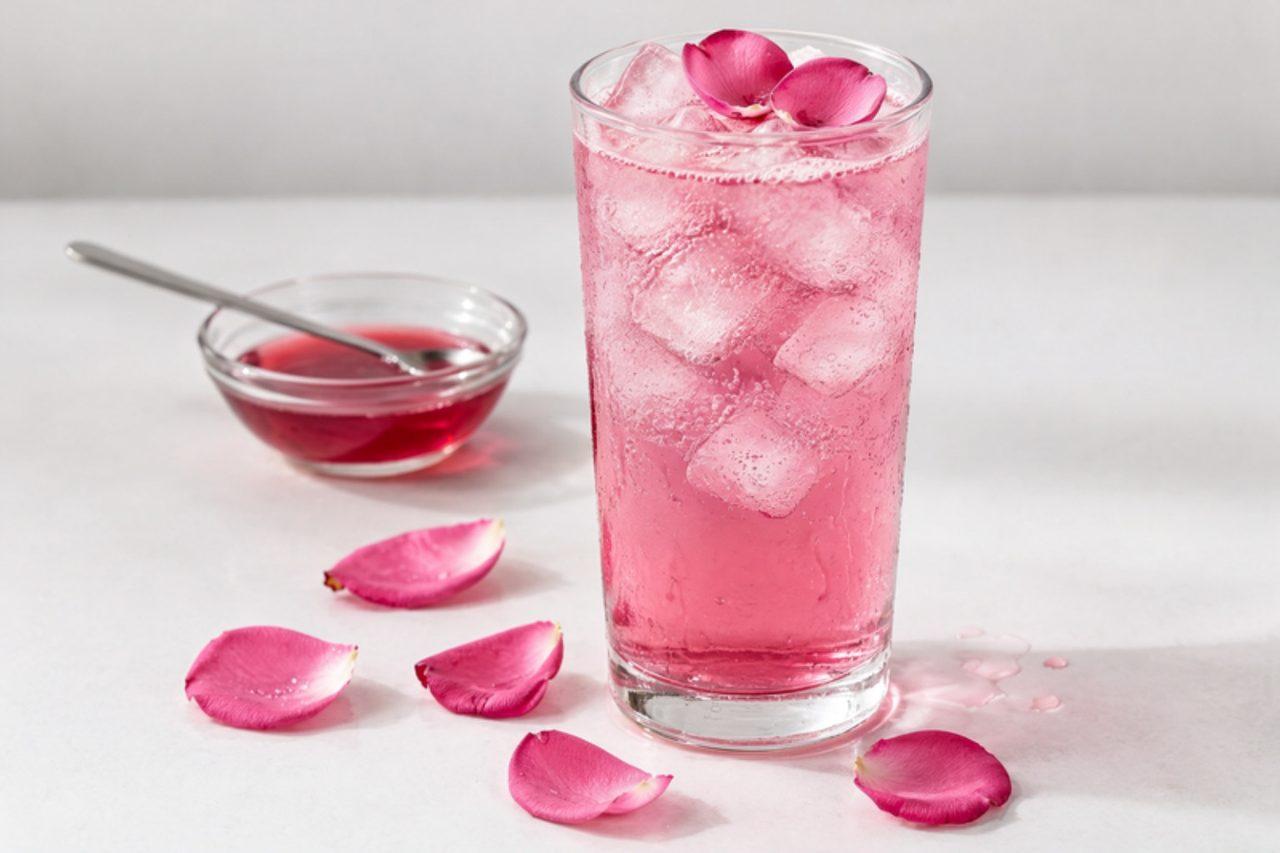
Paneer soda (rose soda)

Every Tamil town once had a soda shop with crates of Codd-neck bottles sealed by a glass marble, and the pop of the marble being pushed down was the sound of a hot afternoon. Paneer here means rose water, not cheese, and paneer soda is rose syrup topped with that sharp local fizz, sold in Madurai, Tiruchi and Coimbatore by the bus stand and at temple festival stalls in Chithirai and Vaikasi, the hottest months. It is sweet and floral at first, then the bubbles and a touch of lime cut through and leave the mouth clean. The mistake most people make is boiling the rose water with the sugar: the scent cooks away and you are left with plain syrup. Make the syrup first, let it cool, and only then stir in the rose water. The syrup is ready when it is clear and slightly thickened, like thin honey, and the finished drink should be rosy pink and still foaming as you hand it over. Chef's tip: chill the syrup, the soda and the glasses well; warm soda loses its fizz the moment it meets the syrup.

by KrazyBadal 0 views

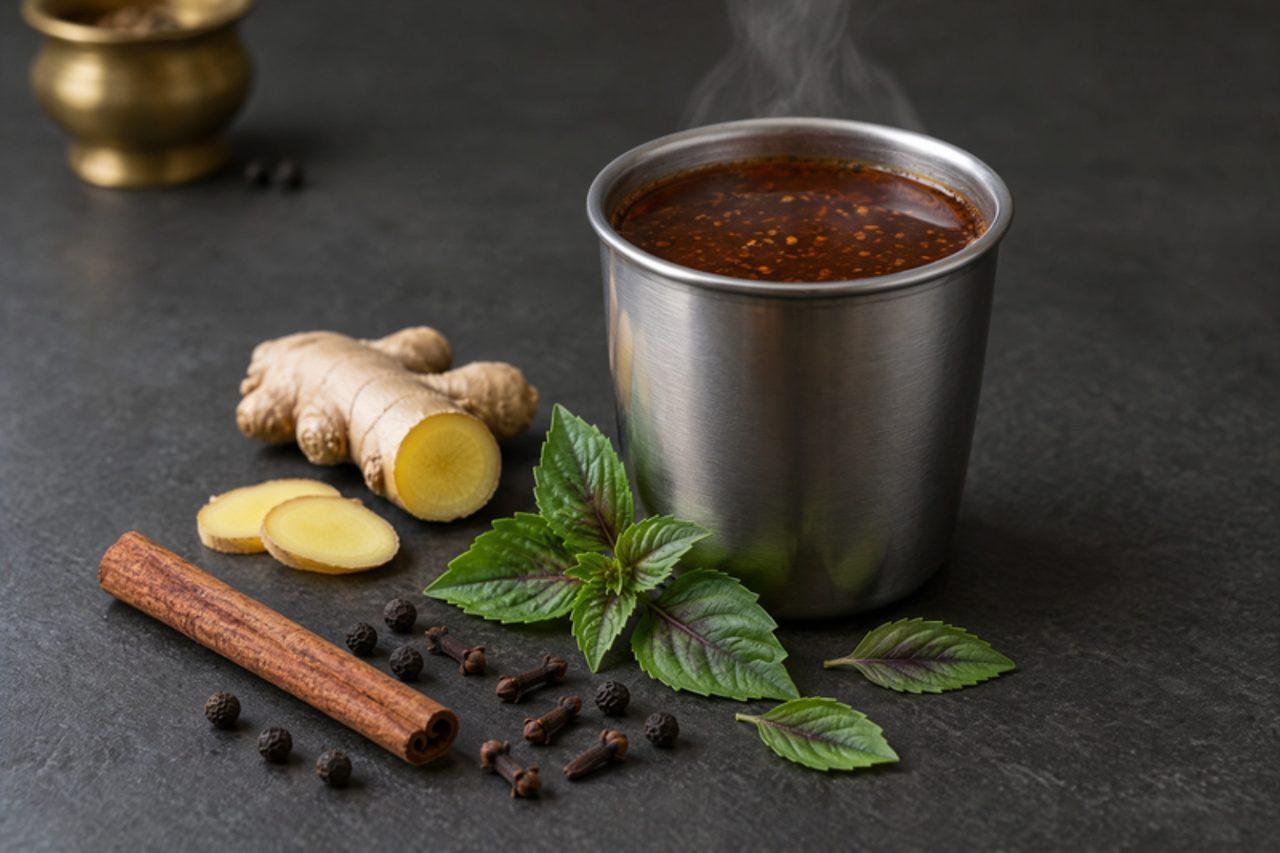
Kadha (spiced herbal decoction)

When the fog settles over Delhi, Lucknow and the plains of Uttar Pradesh in December, or whenever the monsoon brings coughs round the house, someone puts a pan of kadha on the stove. Tulsi leaves, ginger, black pepper, cinnamon, cloves and sometimes a little ajwain are boiled hard until the water reduces by half, then sweetened with jaggery and sipped in small cups, morning or night. It is not a gentle tea: it is hot, peppery, clove-numbing and earthy, with a dark amber colour and a sweet edge. It is traditionally drunk for coughs and colds; it does not replace medical care, and anyone who is pregnant, on medication or giving it to small children should keep it mild and check with a doctor. The common mistake is simmering it gently like tea: kadha needs a steady boil so the spices give up their strength and the liquid reduces. It is ready when the volume has halved and the brew is deep amber and pungent. Chef's tip: crush the pepper and cloves just before they go in; whole spices hardly flavour the water in this short time.

by KrazyBadal 0 views

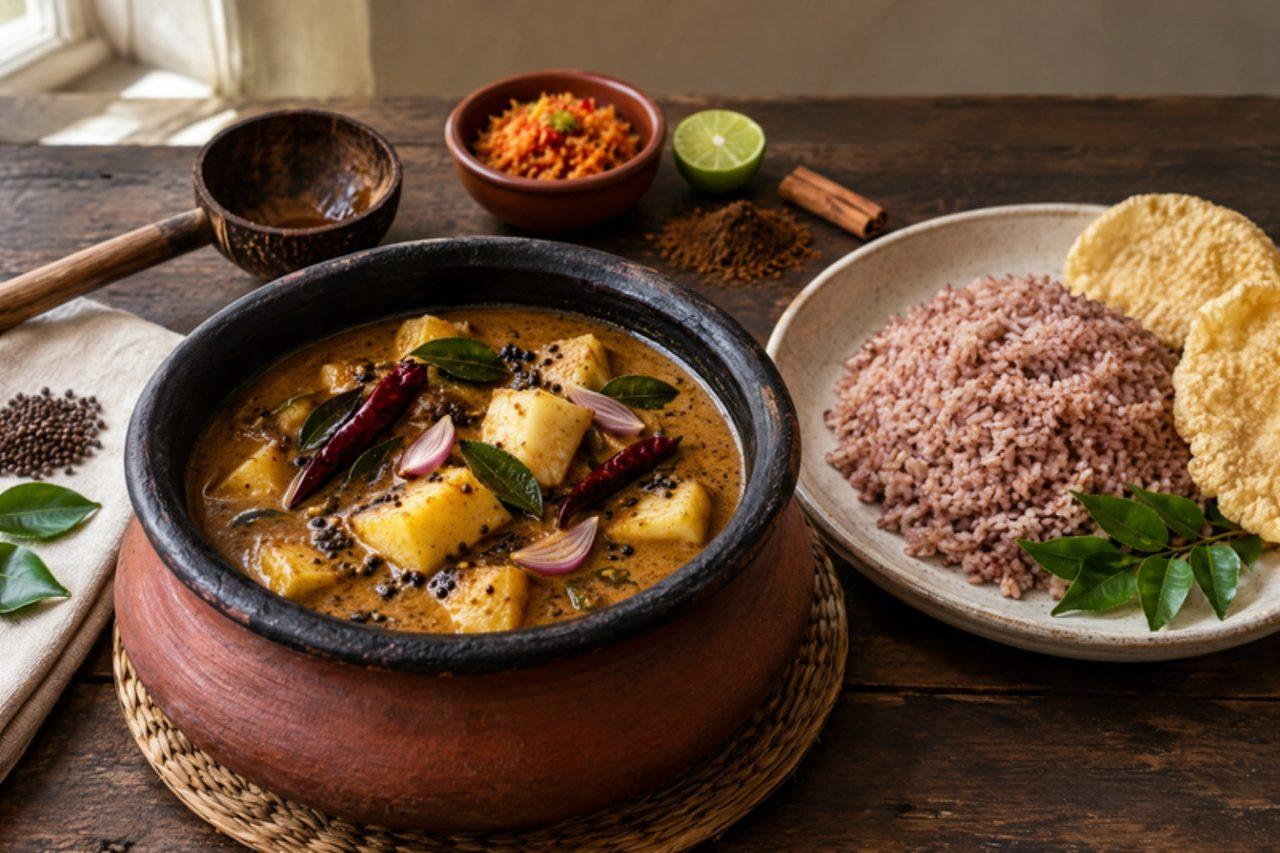
Del curryBreadfruit coconut curry

Breadfruit trees grow in almost every village garden in Sri Lanka, and del curry is the filling weekday and almsgiving dish that makes use of them, especially in the wet south-west. Chunks of breadfruit are simmered in coconut milk with roasted curry powder, a little mustard paste, curry leaves and pandan, until they turn soft, creamy and starchy like a good potato. Eat it with rice, pol sambol and a green mallung. The usual mistake is skipping the pre-boil; breadfruit contains a sticky latex and can stay firm, so boil the pieces first. Chef's tip: stir the mustard paste in only at the end and don't boil it hard afterwards, or it turns bitter.

by KrazyBadal 0 views

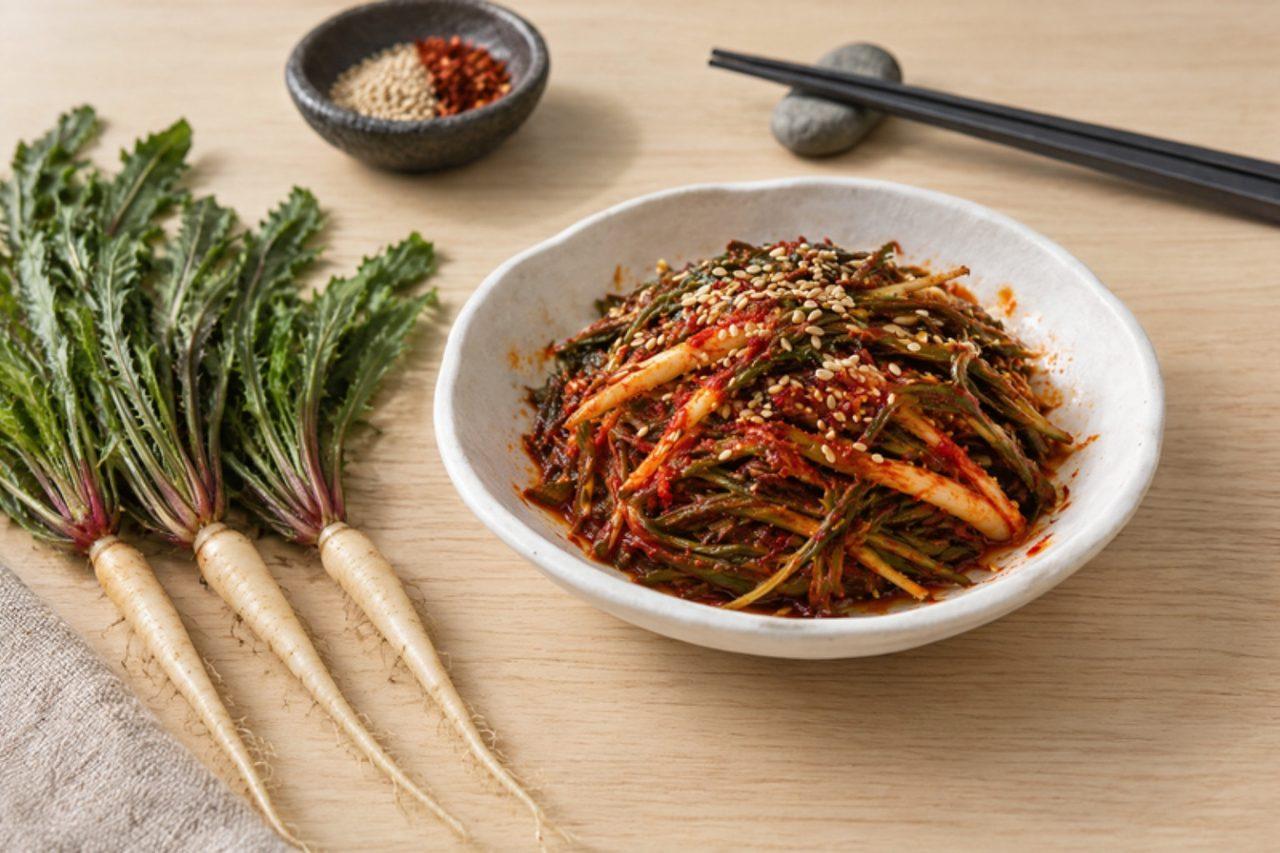
Godeulppaegi kimchiBitter wild lettuce kimchi

In Suncheon and the hills of South Jeolla, godeulppaegi is dug up from fields and banks in late autumn and again in early spring, and the kimchi made from it is a point of local pride, eaten through winter beside rice, grilled fish and pork. The plant is a small wild lettuce with a pale, carrot-like root and leaves full of milky, bitter sap. Soaked in salt water for several days, the bitterness softens to a pleasant, coffee-like edge that pairs with the deep anchovy sauce and sweet, sticky chilli dressing. Chewy roots, tender leaves, sweet, savoury and gently bitter all at once. The common mistake is rushing the soak: the kimchi is then too bitter to enjoy. Change the brine every day and taste a leaf; stop when the bitterness is noticeable but no longer harsh, usually day 3 to 5. Outside Korea, look for it frozen or dried in Korean shops, or use young dandelion plants with their roots. The kimchi is ready after about 2 weeks in the fridge, when the dressing turns glossy and the roots taste mellow and sour-sweet. Chef's tip: twist a few plants into small coils so each serving comes out of the jar neatly.

by KrazyBadal 0 views

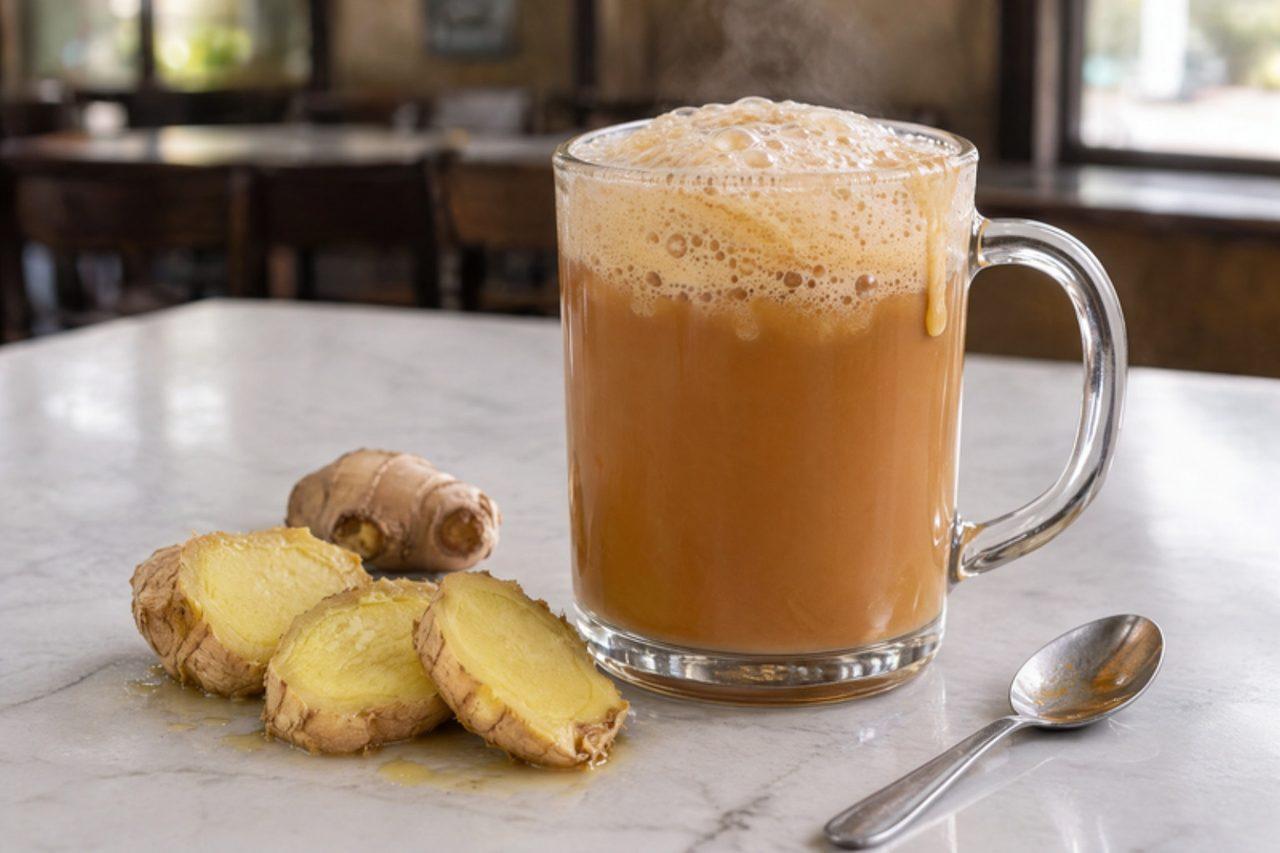
Teh halia (ginger milk tea)

Sit down at any mamak stall in Kuala Lumpur, Penang or Johor Bahru, from breakfast roti canai to the after-football supper at 1 a.m., and someone at the table will order teh halia. It is teh tarik's spicier cousin: dust-fine black tea is boiled with plenty of crushed ginger, mixed with condensed and evaporated milk, then 'pulled' between two mugs from arm's length until a thick froth forms. The result is sweet, creamy and malty, with a ginger heat that catches your throat, most loved on wet monsoon evenings. The common mistake is adding ginger to tea at the end; it then tastes raw and thin. Boil the ginger in the water first for several minutes so the heat goes into the liquid. It is ready when the tea is the colour of milky caramel and a dense froth a few centimetres high sits on top. This contains caffeine, so it is not for children. Chef's tip: practise pulling with water over the sink first, then start low and raise the mug slowly as you pour.

by KrazyBadal 0 views

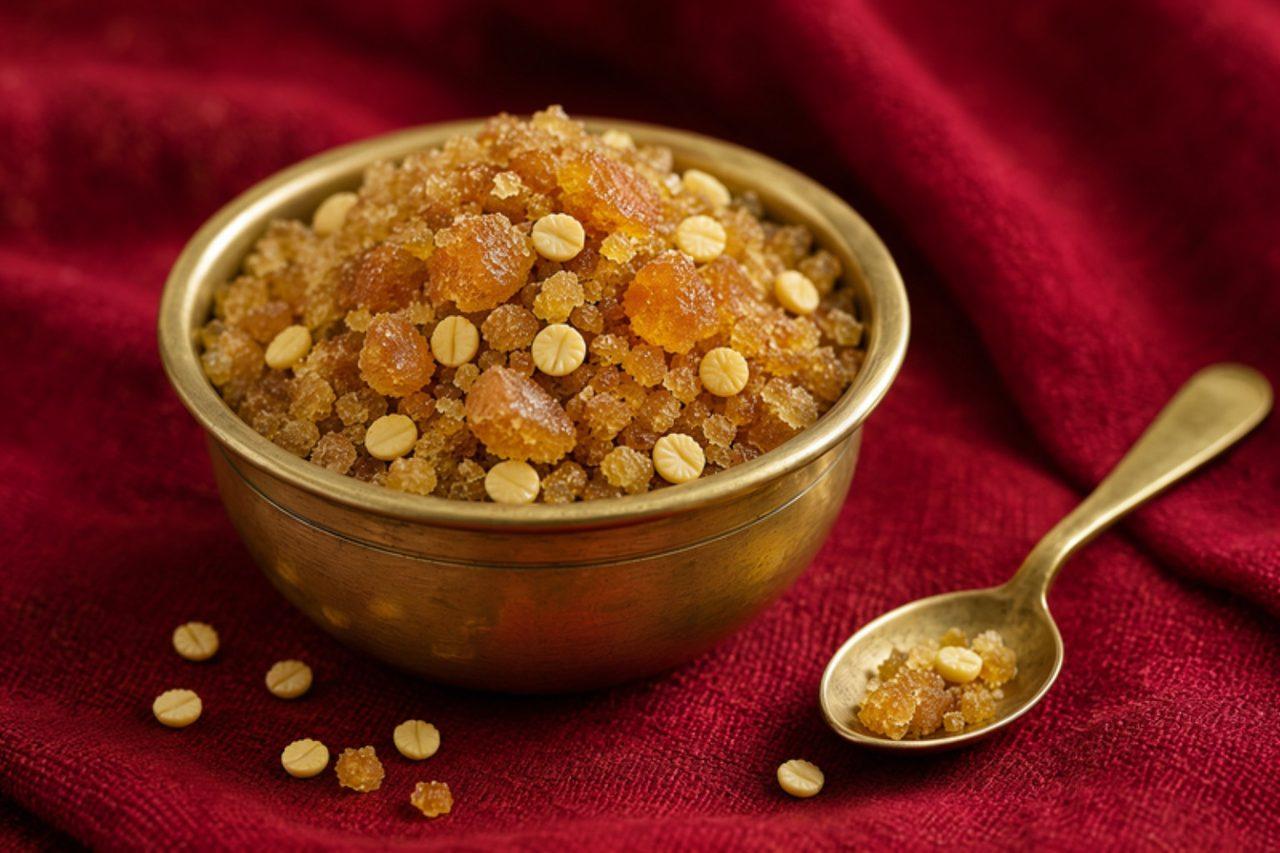
Gol dhanaJaggery and coriander seed sweet

In Gujarat, when two families agree on a match, a plate of gol dhana is passed around before anything else, and the engagement itself is often simply called 'gol dhana'. The same mix appears on auspicious days, at a griha pravesh and at the start of a new venture: soft jaggery rubbed together with dhana dal, the split, lightly roasted coriander seeds sold in every Gujarati grocery. It takes five minutes and needs no cooking. The common mistake is using whole coriander seeds, which are hard and bitter; buy dhana dal, or split and toast the seeds yourself. Chef's tip: choose a soft, golden Kolhapuri-style jaggery that crumbles between your fingers, so it coats the seeds instead of staying in lumps.

by KrazyBadal 0 views

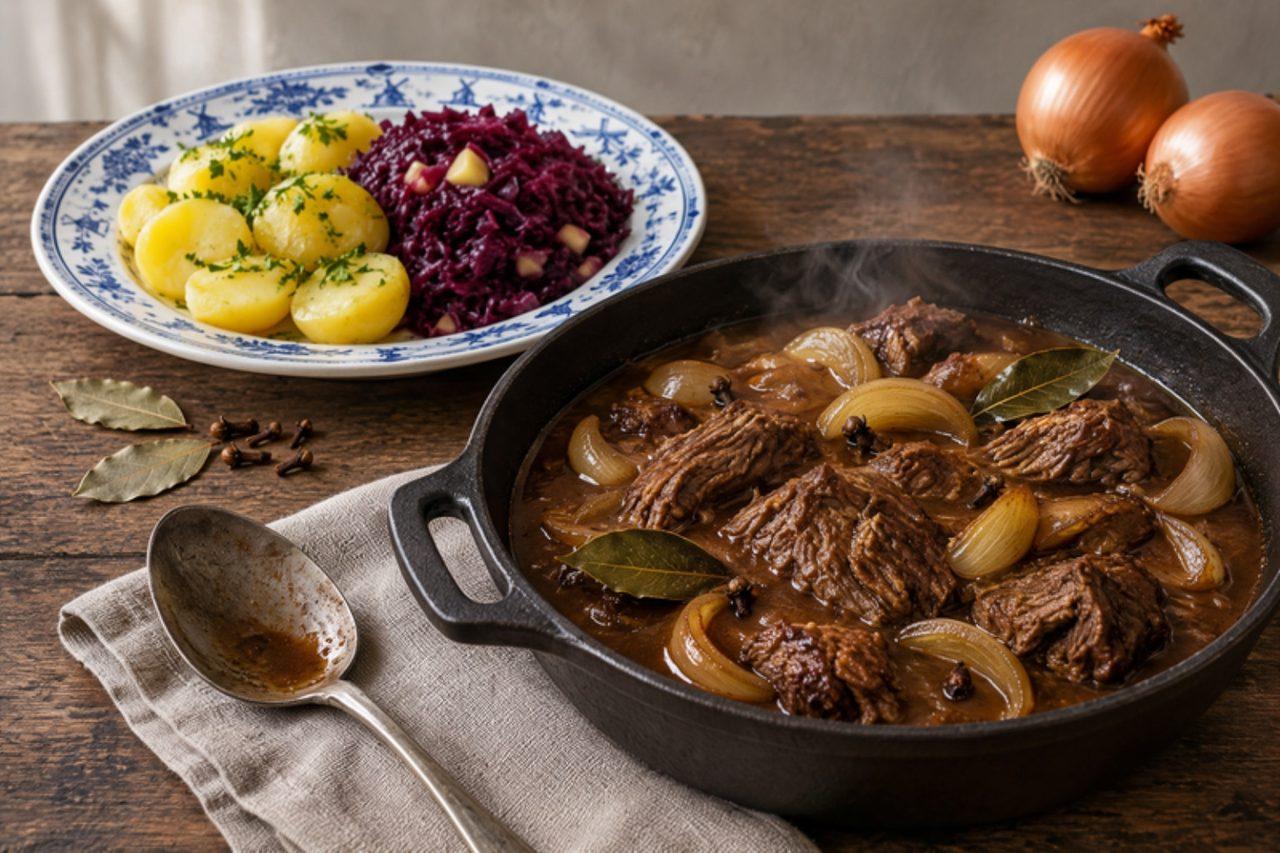
HacheeBeef and onion stew

Hachee is the Dutch stoofpotje that grandmothers in Friesland, Groningen and Brabant leave murmuring on the back of the stove on cold Sundays: beef braised with almost as much onion as meat, plus bay leaves, cloves and a splash of vinegar, until it falls apart into a dark, sweet-sour gravy. It goes on boiled potatoes with red cabbage, or with stamppot, and leftovers are eaten on toast. The usual mistake is rushing the onions: they need a good 15 minutes to turn deep golden, or the gravy stays pale and sharp. Slow-cooker option: after browning, cook on low for 8 hours. Chef's tip: stir in a spoon of dark syrup or apple butter at the end only if the vinegar tastes too sharp; taste first, as good onions often make it unnecessary.

190 minDutchMeat
by KrazyBadal 0 views

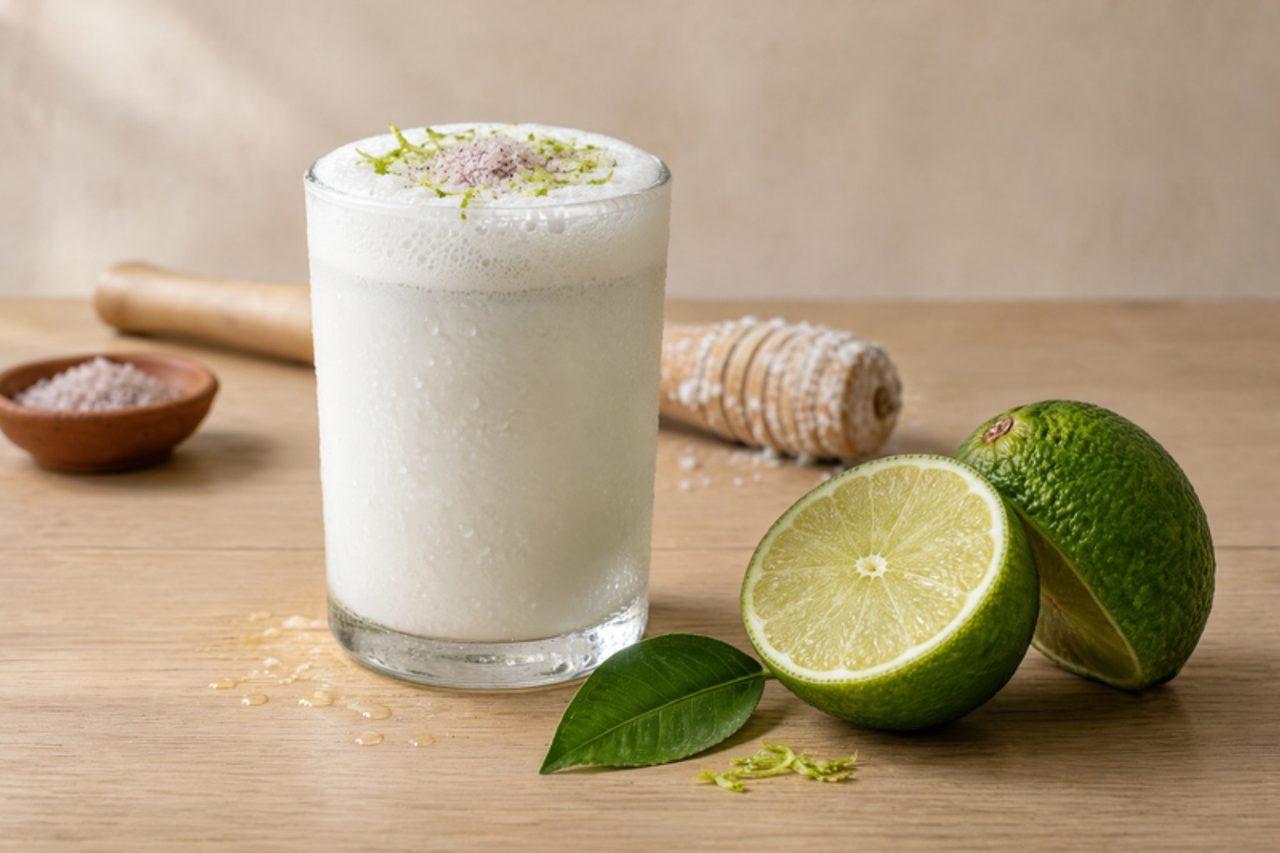
Gondhoraj gholLime-scented yogurt drink

In Kolkata the gondhoraj lime arrives with the monsoon heat, a knobbly green fruit whose peel smells of flowers and pine more than of sour citrus. Bengali households use it to lift dal and fish, but in the sticky months from Boishakh into Srabon it goes into ghol: dahi churned with cold water until frothy, sweetened lightly and scented with the zest, a squeeze of juice and a torn leaf. Cafés along Gariahat and old sweet shops serve it in clay bhaar cups after lunch, and it is just as good mid-afternoon with a plate of muri. It drinks thin, cool and silky, with a soft tang and a perfume that hits the nose before the first sip. The usual mistake is grating too deep or leaving the zest to sit for an hour: the white pith and the oils turn bitter. Take only the green outer layer, add it just before serving, and stop when the ghol smells floral rather than sharp. It is ready when the top is covered in fine foam and a spoon comes out lightly coated. Chef's tip: for the salted version, swap the sugar for black salt and a pinch of roasted cumin, as many Kolkata homes do on the hottest days.

by KrazyBadal 0 views

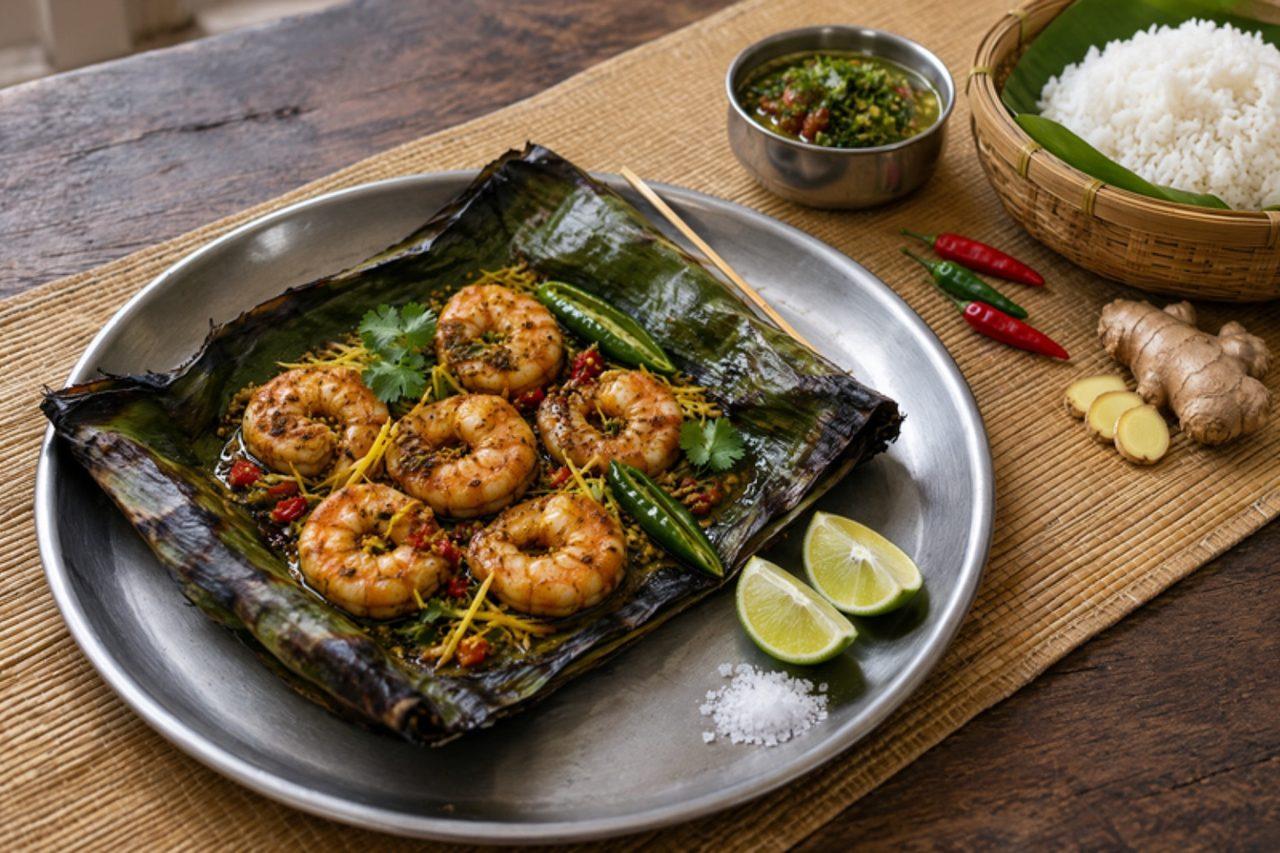
Misa mach pooraPrawns grilled in banana leaf

Misa mach poora is a simple Mizo way with river prawns: rubbed with ginger, garlic, chilli and salt, wrapped in banana leaf and cooked over embers until the leaf chars and the prawns steam in their own juices. It is made at riverside picnics and family cookouts and eaten with rice and a chilli relish. The common mistake is overcooking, which makes prawns tough; they are done the moment they turn opaque and pink all through. Chef's tip: keep the marinated parcels in the fridge until the grill is hot.

27 minIndianFishGluten free
by KrazyBadal 0 views

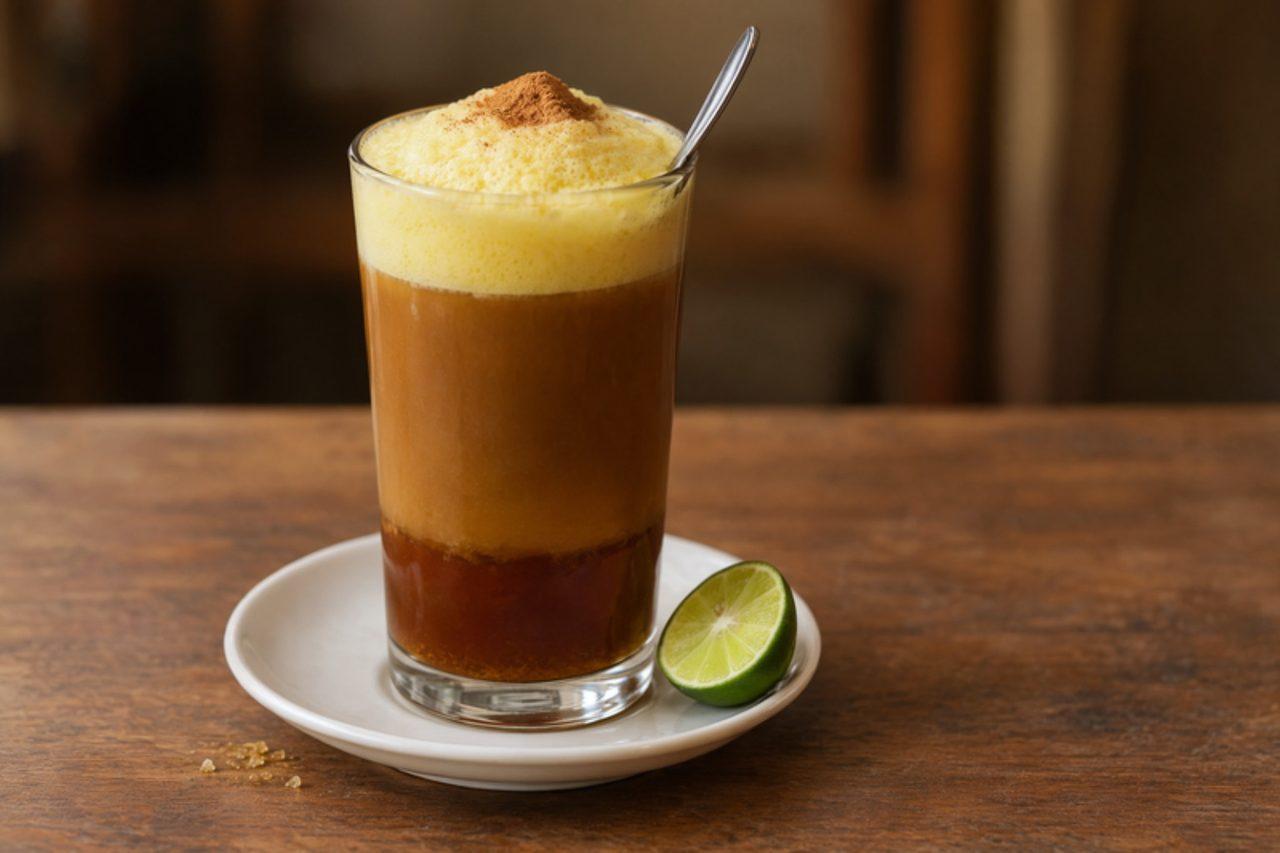
Teh talua (egg tea)

In the lapau coffee shops of Bukittinggi, Payakumbuh and Padang, the sound of a spoon or a small whisk clattering against a glass means someone has ordered teh talua. A raw egg yolk, traditionally from a free-range kampung hen or a duck, is whisked with sugar until thick and almost white, strong hot tea is poured on from a height, and a wedge of lime goes on the side. Minangkabau men drink it in the late afternoon or evening as a pick-me-up after work in the fields. It comes out with a creamy, caramel-coloured body under a deep layer of foam, rich like a light custard, with the lime cutting any eggy edge. The common mistake is whisking too little: the yolk stays yellow, the tea curdles it in strings and it smells of egg. Beat until the yolk has doubled in volume and falls in a thick ribbon. Use pasteurised eggs for anyone pregnant, babies and small children, older people or anyone unwell, as the yolk is only lightly warmed. Some lapau add condensed milk; this one is dairy-free. It contains caffeine. Chef's tip: pour the tea in a thin stream from high up while still stirring, to build the tallest foam.

by KrazyBadal 0 views

GuasacacaAvocado and herb sauce

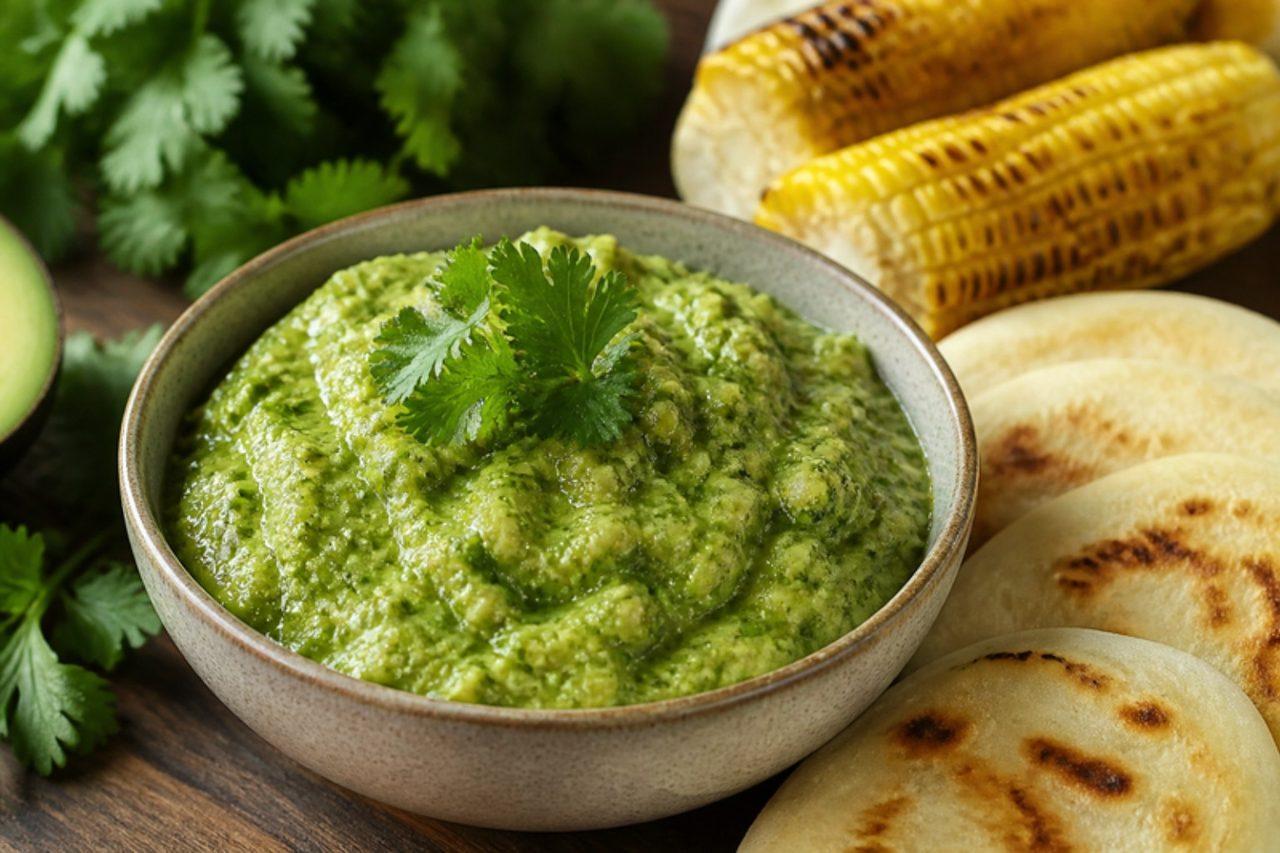
Every parrilla in Caracas puts a bowl of guasacaca on the table: avocado crushed with green pepper, onion, garlic, coriander and parsley, sharpened with vinegar until it is looser and tangier than guacamole. It goes on grilled meat and chorizo, but just as happily on arepas, empanadas, boiled yuca and grilled vegetables. The common mistake is blending it to a smooth mousse; it should keep a little texture. Chef's tip: make it no more than an hour ahead and press cling film onto the surface, so it stays bright green.

by KrazyBadal 0 views

GuatitaTripe and potato stew

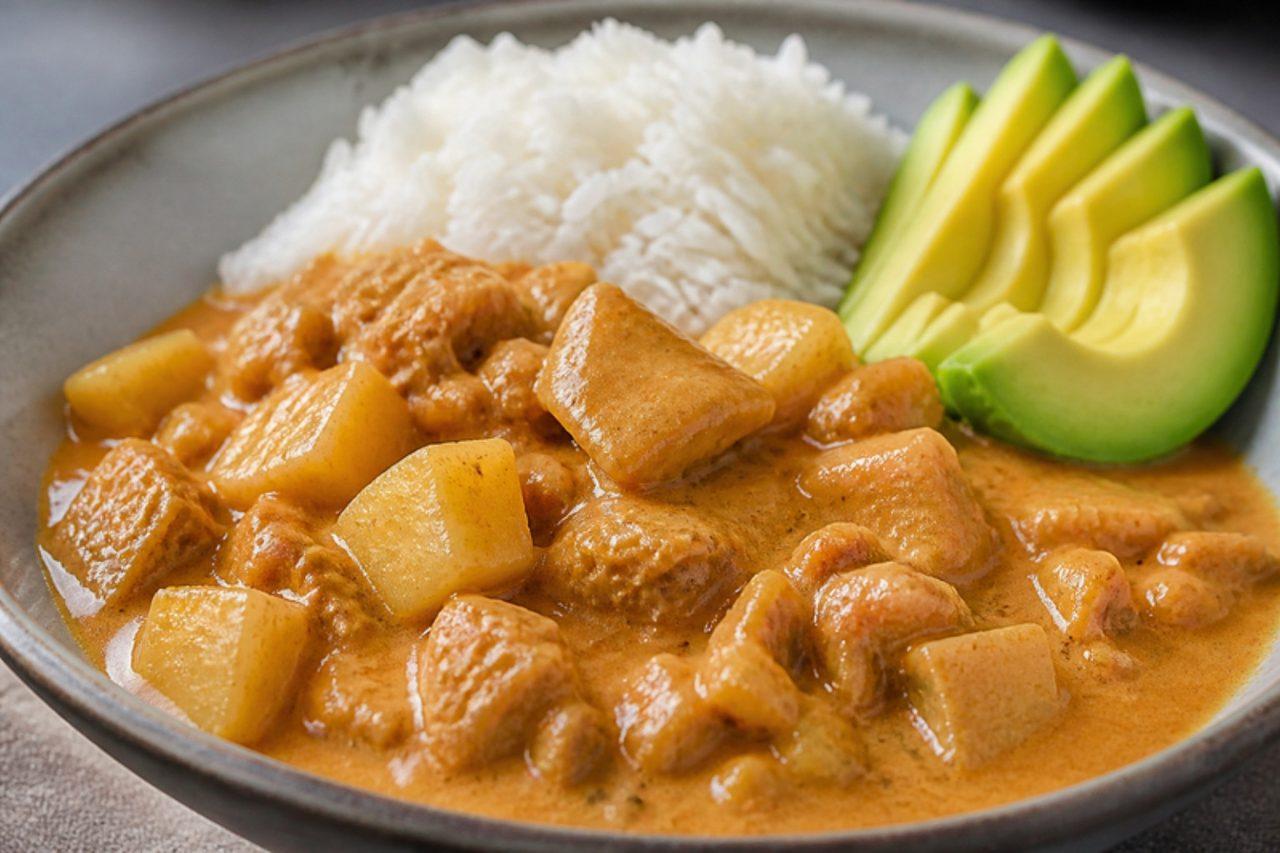
In Guayaquil, guatita is the dish people seek out on a Sunday morning or after a long night: honeycomb tripe simmered until meltingly tender, then stewed with potatoes in a creamy peanut and milk sauce coloured with achiote. It is served with white rice, avocado, fried ripe plantain and a sharp red-onion curtido. Peanuts are a major allergen. The most common mistake is undercooking the tripe, which stays rubbery; it needs about 2½ hours of simmering (45 minutes in a pressure cooker). Chef's tip: buy cleaned, blanched tripe and still give it a scrub with lime and salt before cooking; it freshens the flavour.

by KrazyBadal 0 views

Picante de conejoRabbit in red chilli sauce

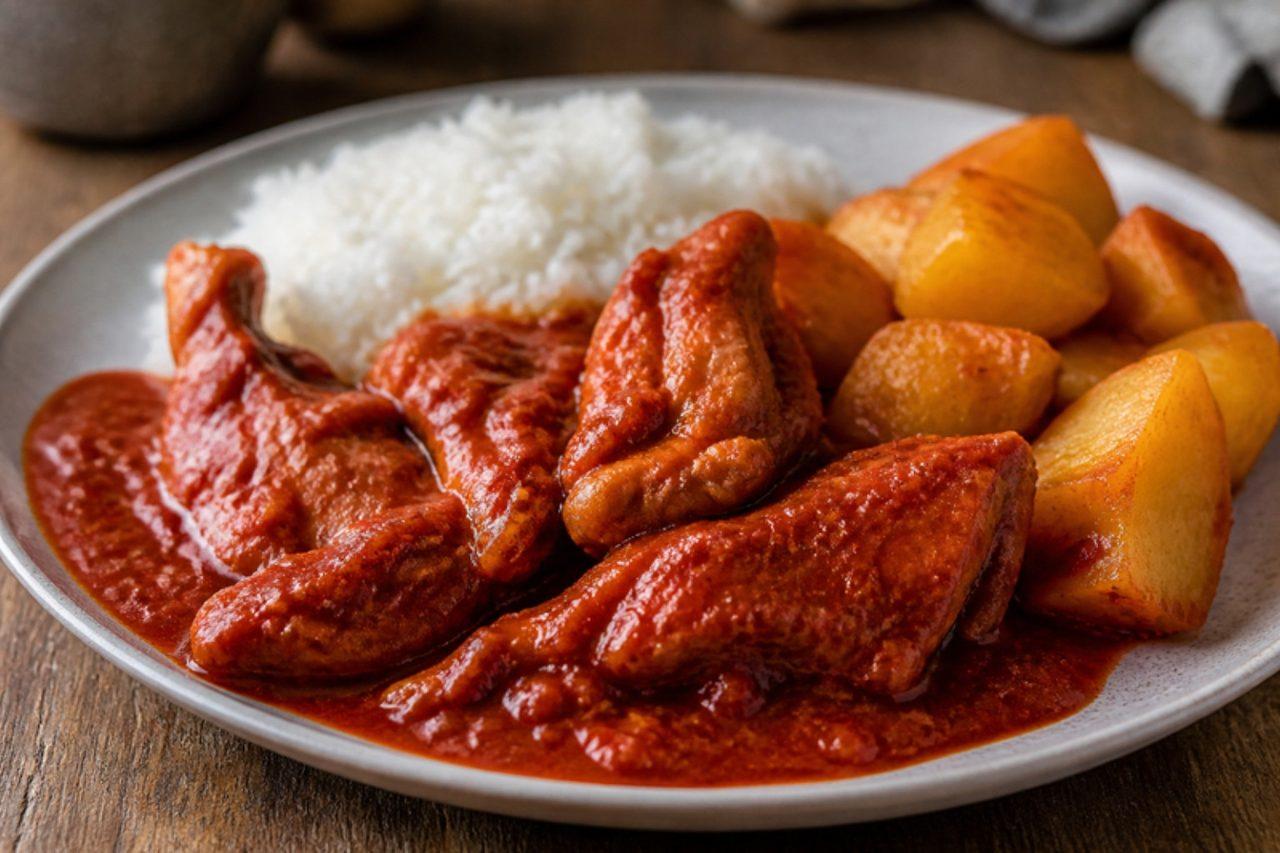
In the north of Chile, from Iquique to the oasis villages of the Atacama, picante means a stew in a thick, brick-red chilli sauce, and rabbit is the classic one, cooked for village feast days and Sunday lunch and served with boiled potatoes and white rice. The heat comes from dried red ají (ají panca or ají colorado), toasted in oil with onion and cumin. Rabbit is very lean, and boiling it hard is the mistake that makes it dry and stringy; keep the pot at a gentle simmer. Chef's tip: fry the chilli paste in the oil until it turns a shade darker and smells toasty before adding the stock; raw chilli paste tastes flat. Chicken thighs work well if you can't get rabbit.

by KrazyBadal 0 views

Showing 27 of 7,762 recipes

Show more recipes

Page 131 of 863