


Skip to content
Idli and dhosa coconut chutney
Featured recipe

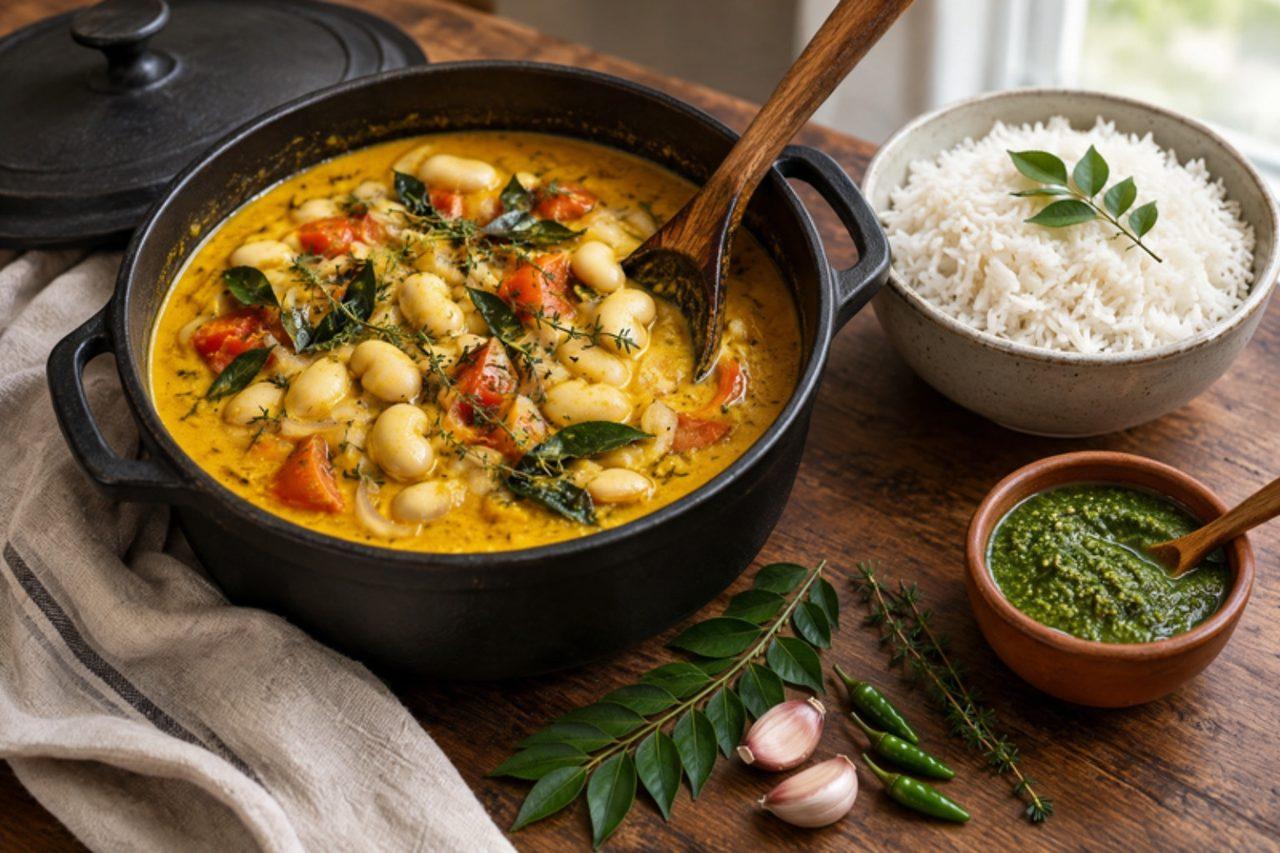
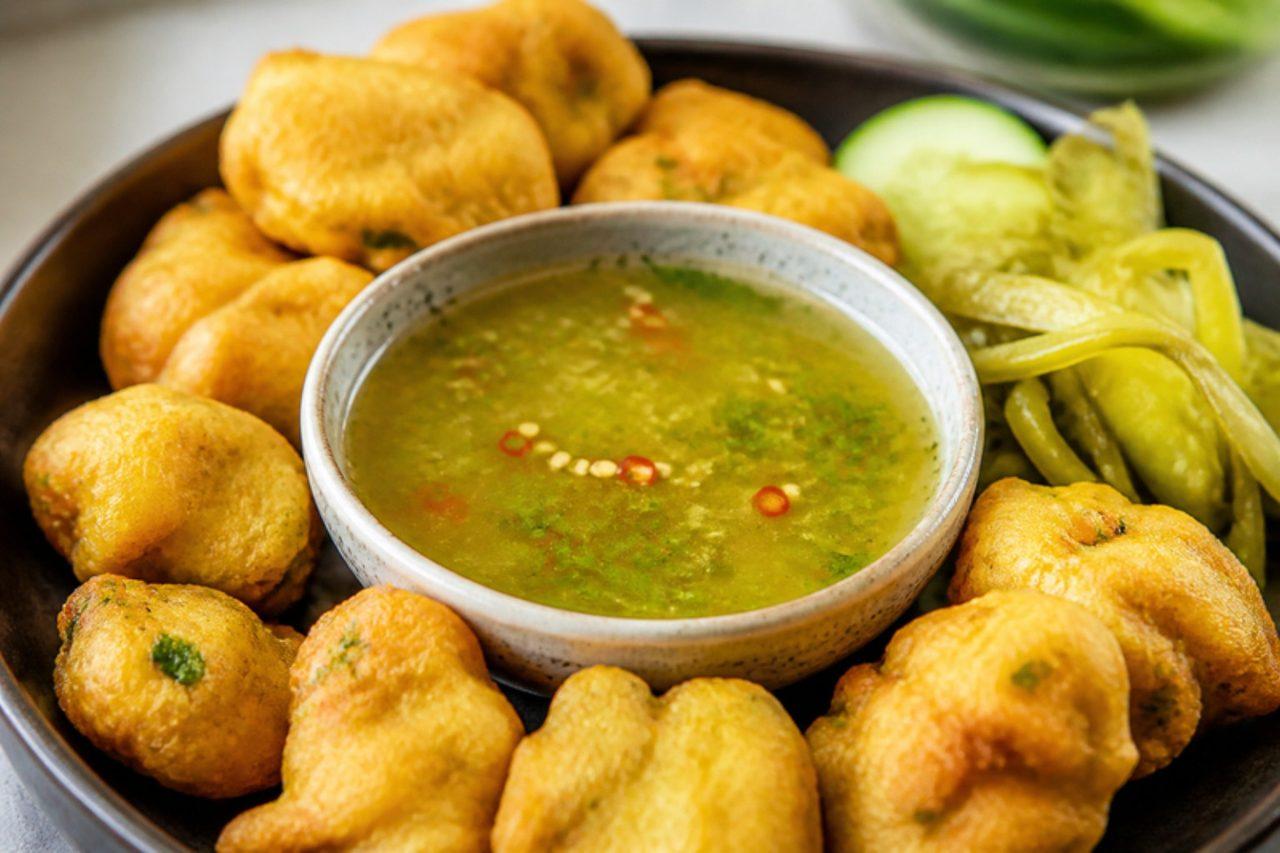
Idli and dhosa coconut chutney

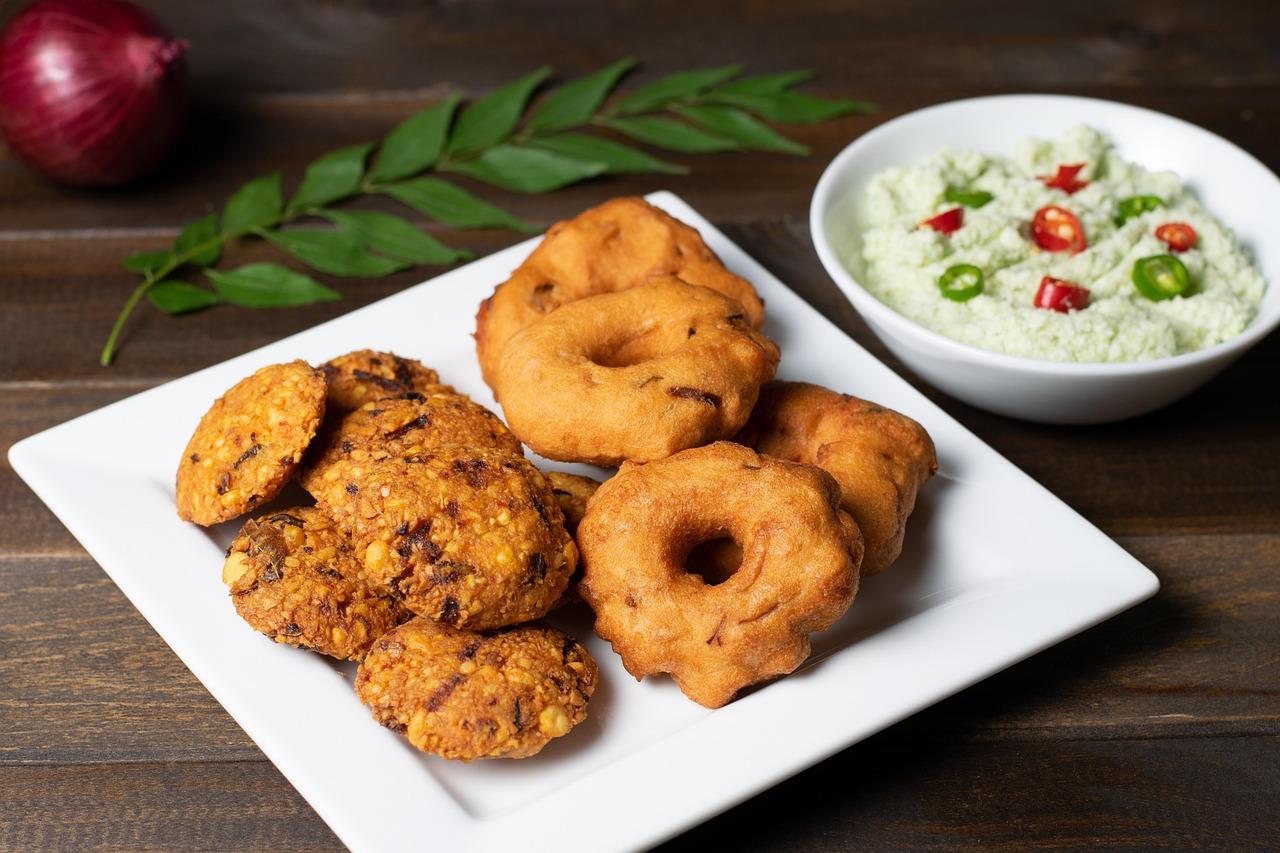
The classic coconut chutney for idli and dhosa: fresh coconut ground with soaked urad and chana dal, yogurt and chilli, then finished with a sizzling tempering of curry leaves and asafoetida. The lentils give it body and a nutty taste. Serve it with idli, dhosa, uttapam and medu vada.

Read more 0 views

What to eat today?

Around the world

Today's trip: Paraguayan

A new country every day, from every cuisine on the site.

Paraguayan

Buseca

Tripe and white bean stew 185 minMore from Paraguayan (27) →

This week's collection

Kid-friendly dinners
537 recipes · a new collection every Monday

Latest recipes

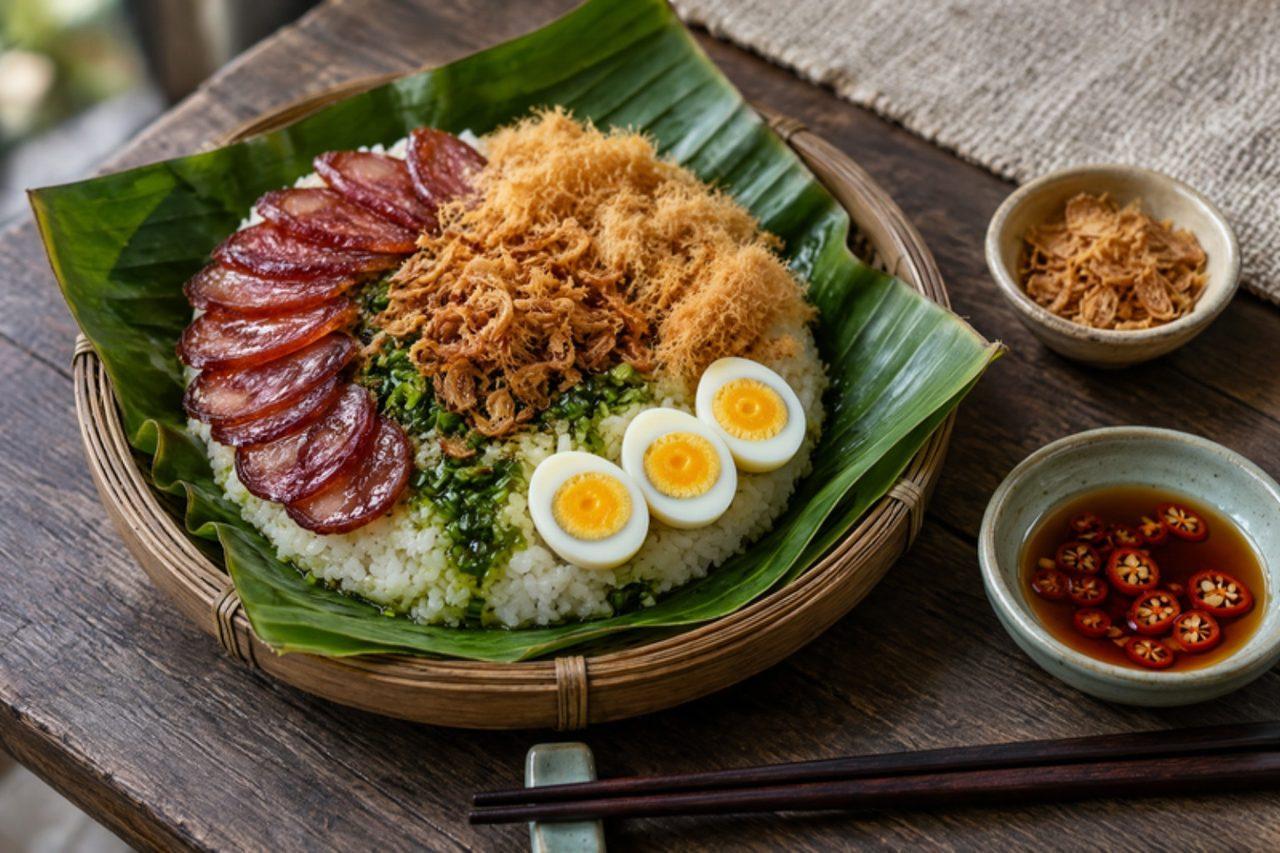
Xôi mặnSticky rice with sausage

In Ho Chi Minh City, xôi mặn is bought from a street cart in a banana leaf or a foam box and eaten at your desk for breakfast or lunch: chewy sticky rice under sweet slices of lạp xưởng (Chinese pork sausage), pork floss, braised quail eggs, spring onion oil and crisp shallots. Soak the rice for at least 4 hours or overnight before you start. The common mistake is steaming unsoaked rice, which stays hard in the middle. Chef's tip: sprinkle the rice with salted water halfway through steaming and fluff it, so every grain turns glossy and evenly soft.

by KrazyBadal 0 views

Guiso de fideosBeef and pasta stew

Guiso de fideos is the winter weeknight stew of Argentina, cooked in Buenos Aires flats and on estancias alike, and as loved by children as by grandparents. Beef, potatoes and vegetables simmer in a light tomato and sweet-paprika broth, then short pasta cooks straight in the pot and thickens it into something between a soup and a stew. Serve it in deep plates with crusty bread and grated cheese for those who want it. The usual mistake is adding the pasta too early, so it swells and turns mushy; it goes in only for the last 10–12 minutes. Chef's tip: cut the beef into small cubes, about 2 cm, so it is tender in under an hour.

by KrazyBadal 0 views

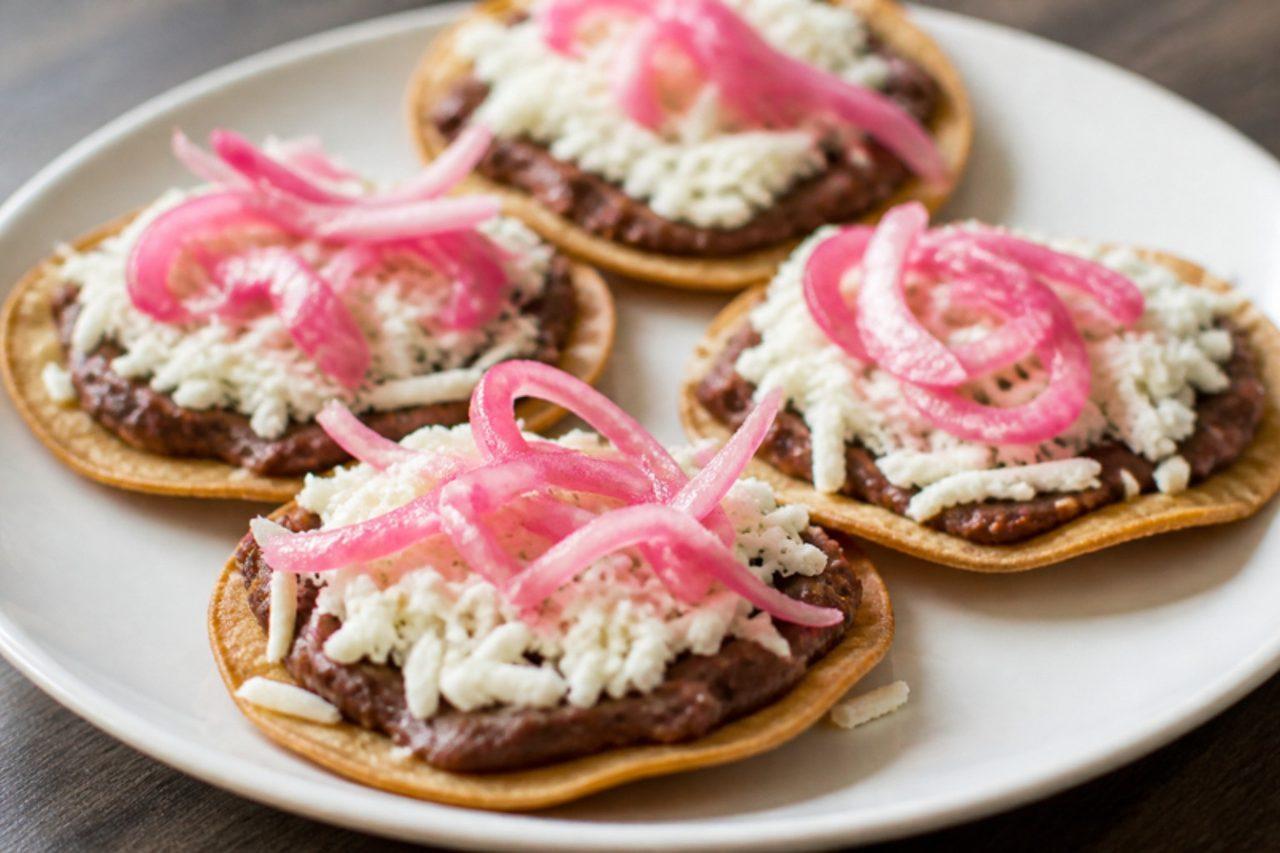
GarnachesCrisp tortillas with beans and cheese

Belize City snack shops and Saturday-morning stalls sell garnaches by the half dozen, wrapped in paper: small corn tortillas fried until they crackle, spread with refried beans, showered with grated cheese and topped with a sharp pickle of onion and hot pepper. They are crunchy, salty and tangy, and gone in three bites. Belizeans like a round red Edam-style cheese, which is usually made with animal rennet, so use a vegetarian hard cheese if needed. The common mistake is frying in oil that is not hot enough, which gives greasy, bendy tortillas. Chef's tip: make the onion pickle a day ahead; it gets pinker and milder overnight.

by KrazyBadal 0 views

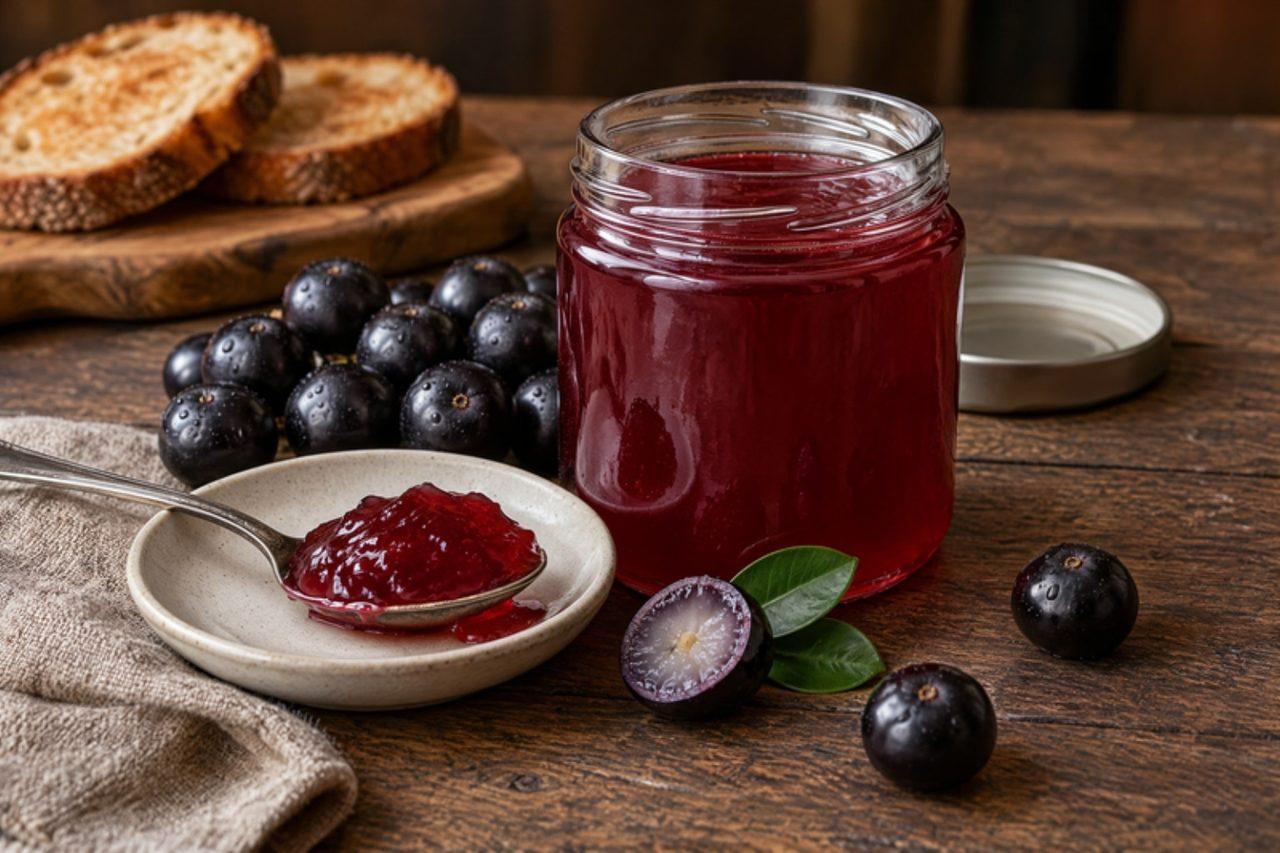
Geleia de jabuticabaJabuticaba jelly

Jabuticabas grow in clusters straight on the trunk of the tree, and in the Minas Gerais spring, from September to November, backyards from Sabará to the south of the state are suddenly covered in shiny black berries. The fruit starts to ferment two or three days after picking, so families turn the glut into jelly, liqueur and syrup; Sabará even celebrates the harvest with a festival. Boiling the berries whole draws colour, tannin and pectin out of the thick skins, so the jelly sets with no added pectin. It is deep ruby-purple, sweet and tart like a dark grape, with a faint astringent edge from the skins. Spread it on pão de queijo or toast, or serve it with fresh white cheese. Abroad, use Concord or other dark, slip-skin grapes, or muscadines. Common mistake: boiling past the setting point; the jelly darkens, turns gummy and the tannins taste bitter, so start testing early. It is ready at 104 °C, or when a drop on a frozen saucer wrinkles when pushed. Chef's tip: let the juice drip through the cloth without squeezing; pressing it makes the jelly cloudy.

by KrazyBadal 0 views

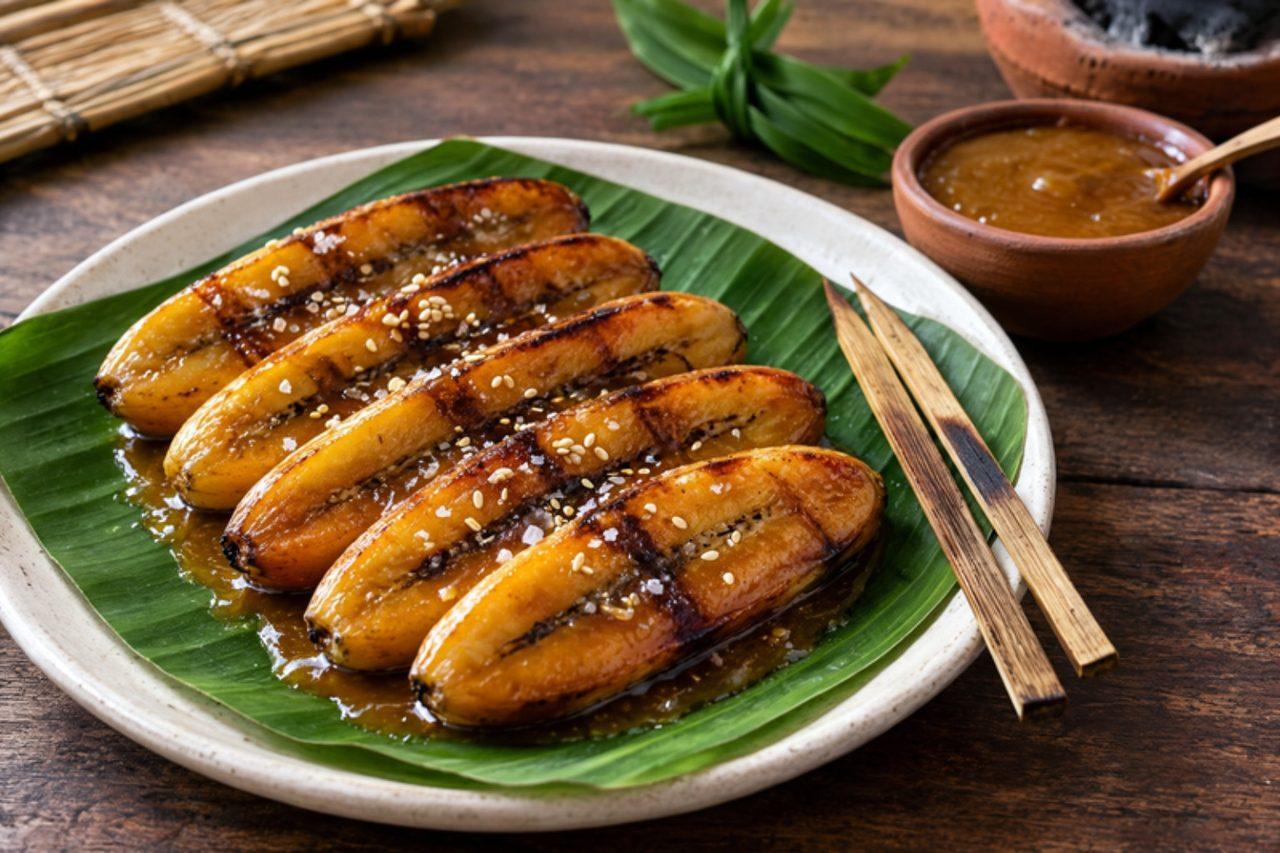
Kluay pingGrilled banana

Kluay ping carts work the pavements of Silom and the lanes off Sukhumvit from mid-morning, when office workers want something sweet with their iced coffee. The vendor grills small, starchy nam wa bananas slowly over embers, presses each one flat with a wooden board and then brushes it with coconut cream cooked down with palm sugar and a pinch of salt. The outside turns sticky and smoky; the inside stays soft and fudgy. Ladyfinger bananas or firm, just-ripe small bananas work at home. Chef's tip: choose bananas that are yellow with no brown spots; overripe fruit turns to mush on the grill.

by KrazyBadal 0 views

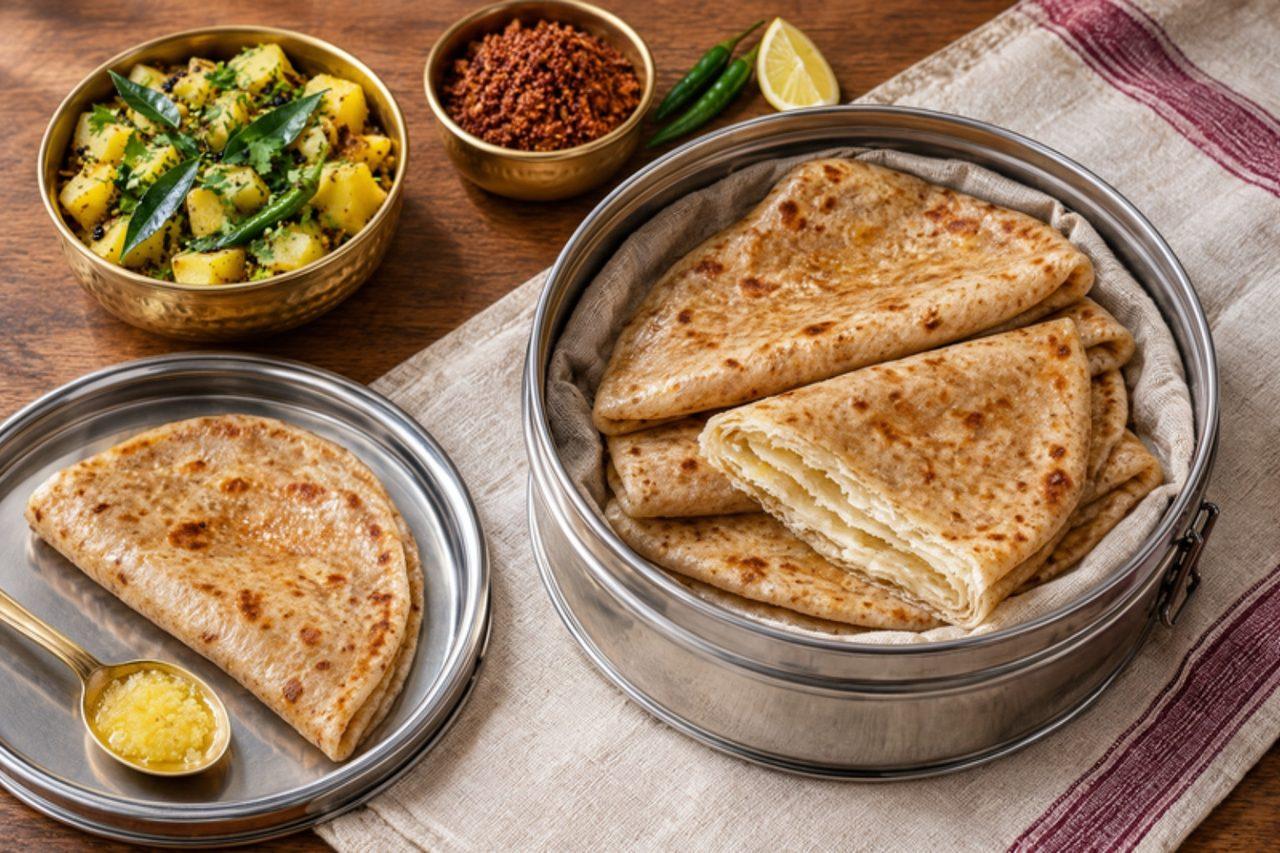
Ghadichi poliLayered chapati

In Maharashtrian homes the everyday poli is not a plain chapati but a ghadichi poli: the dough is oiled, folded into a triangle and rolled again, so it puffs into soft, separate layers that stay tender in a dabba until lunchtime. Mumbai's dabbawalas carry thousands of them every day alongside bhaji and dal. The common mistake is a stiff dough, which makes leathery polis; it should be softer than you think. Chef's tip: as soon as each poli comes off the tawa, clap it between your palms to break open the layers, then stack it in a cloth-lined box.

by KrazyBadal 0 views

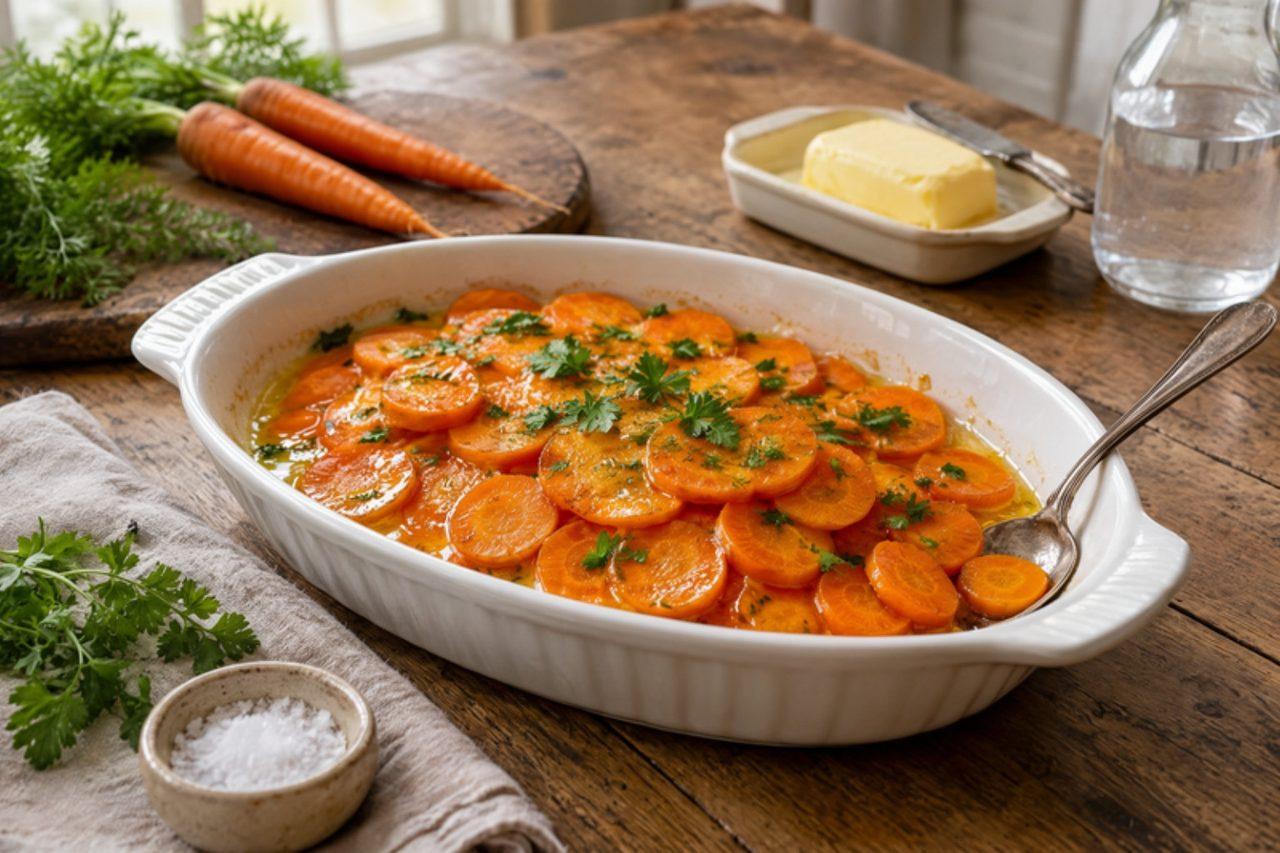
Carottes VichyGlazed carrots

Carottes Vichy come from the spa town of Vichy in the Auvergne, where they were cooked in the local mineral water; today they are the classic French bistro and Sunday-lunch side, loved by children. Thin rounds of carrot simmer with butter, a little sugar and salt in just enough water, so that when the carrots are tender the water has boiled down to a shiny glaze. Serve with roast chicken, an omelette or lentils. The usual mistake is using too much water, so you must drain away the flavour; it should just cover the carrots. Chef's tip: a pinch of bicarbonate of soda in the water copies Vichy's alkaline water and helps the carrots turn sweet and bright.

by KrazyBadal 0 views

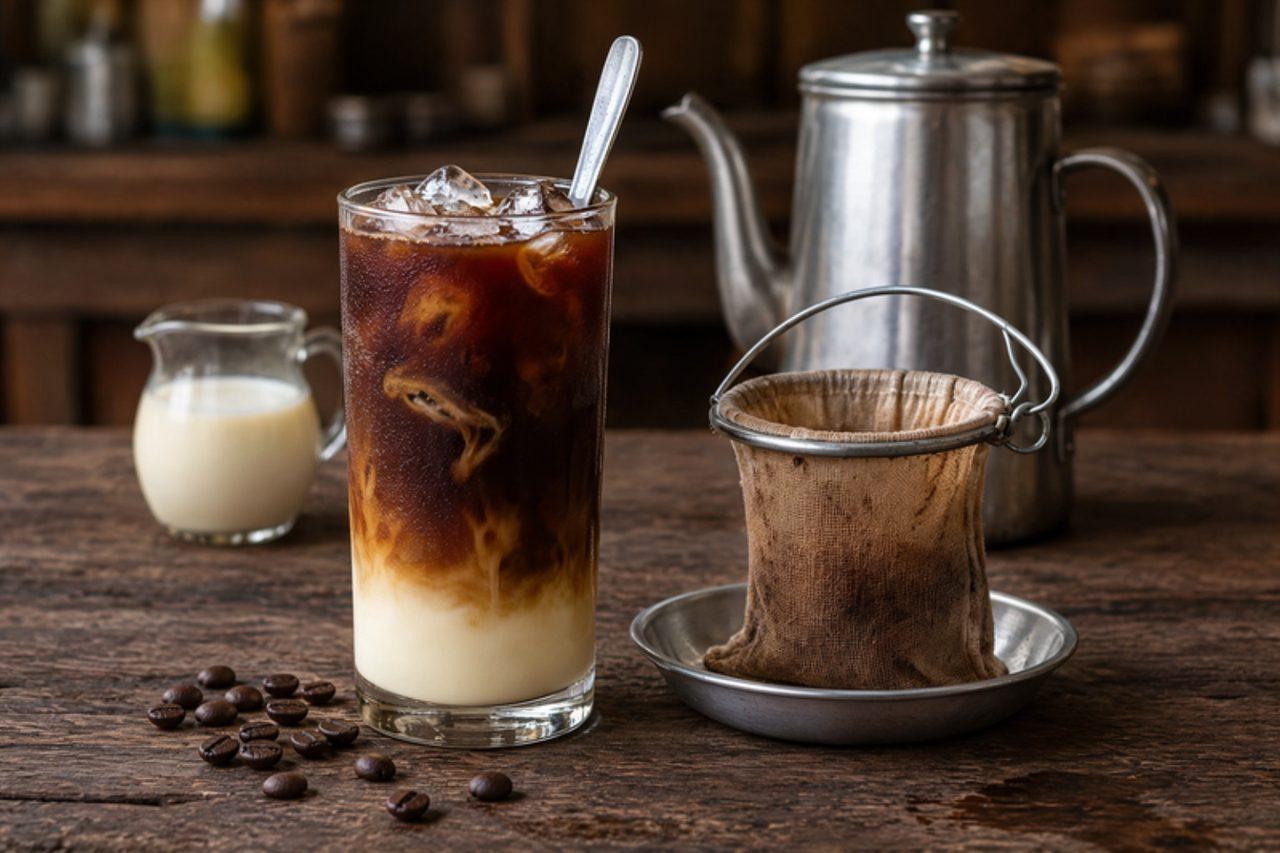
Kafae boran (old-style Thai coffee)

Before espresso bars reached Bangkok, coffee in Thailand meant kafae boran from Hainanese-Chinese shophouses and market carts: a dark robusta roast mixed with toasted grains, poured through a long cotton sock called a tung tom and stirred into thick sweetened condensed milk. Uncles still order it hot at 6 am with patongko dough sticks, and in the afternoon heat the same brew is poured over crushed ice and topped with evaporated milk as oliang or kafae yen. The taste is strong, roasty and slightly smoky, sweet and creamy, with a faint caramel-cereal edge from the grains; the iced version is silky and cold. The common mistake is brewing it like filter coffee with too little grounds: once milk and ice go in, it tastes thin. Use plenty, steep it in the sock and pour it through twice. The brew is ready when it is opaque, nearly black and leaves a brown film on a white spoon. It is high in caffeine, so not one for children or late evenings. Chef's tip: rinse the cloth sock in hot water only, never soap, and keep it in a jar of clean water in the fridge between uses so the coffee oils season it.

10 minThaiDrinksGluten free
by KrazyBadal 0 views

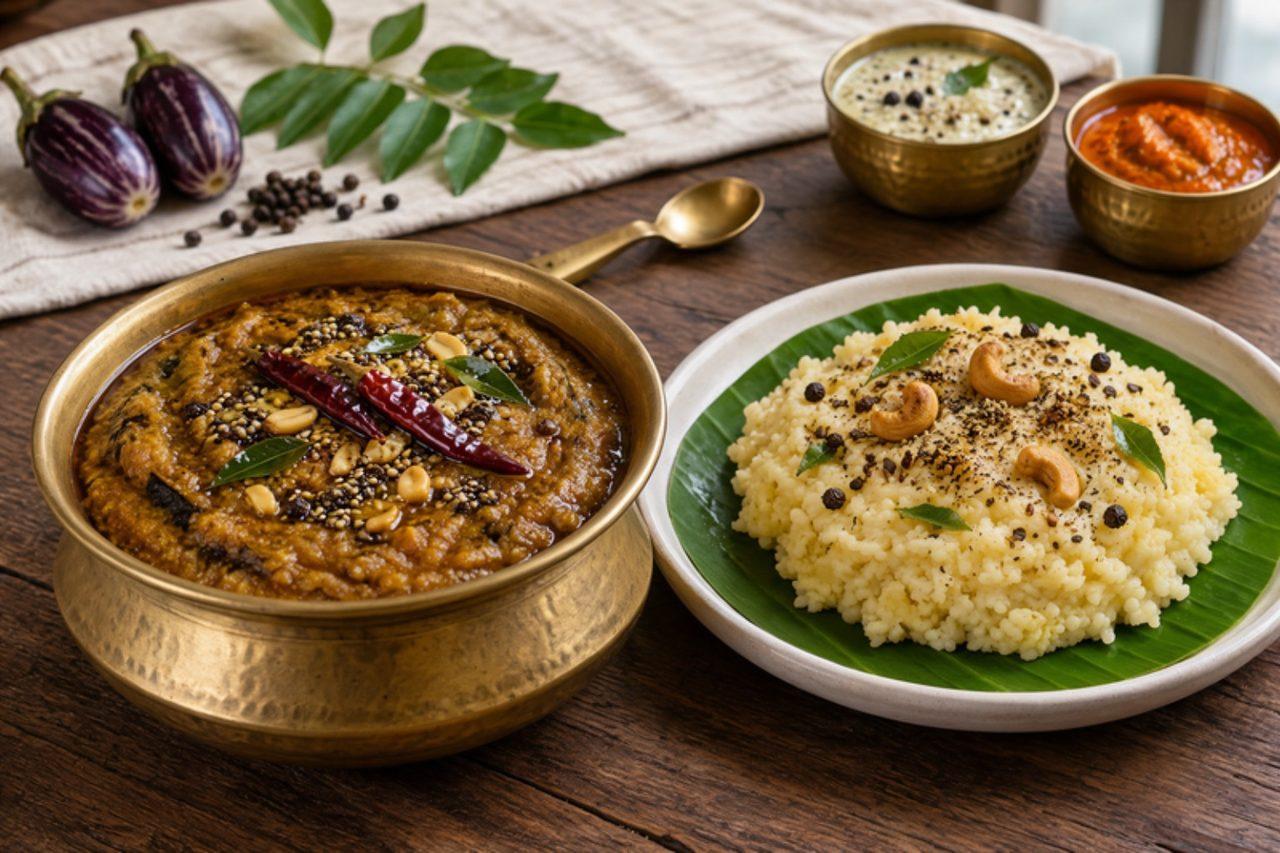
Kathirikai gothsuSmoky aubergine tamarind gravy

At the Nataraja temple in Chidambaram, ven pongal, the peppery rice and moong porridge, is always served with gothsu, and the pairing has spread to breakfast tables and wedding feasts all over Tamil Nadu. Brinjal is charred over the flame, mashed and simmered with a little moong dal, shallots and tamarind, then seasoned with a freshly roasted powder of coriander, chana dal and chilli. The result is smoky, tangy and spoonable, also good with idli or dosa. The usual mistake is using big, seedy aubergines: choose small, firm, glossy ones, which are sweeter. Chef's tip: char at least one brinjal right over the gas flame until the skin is black all over; that smoky note is what makes Chidambaram gothsu.

by KrazyBadal 0 views

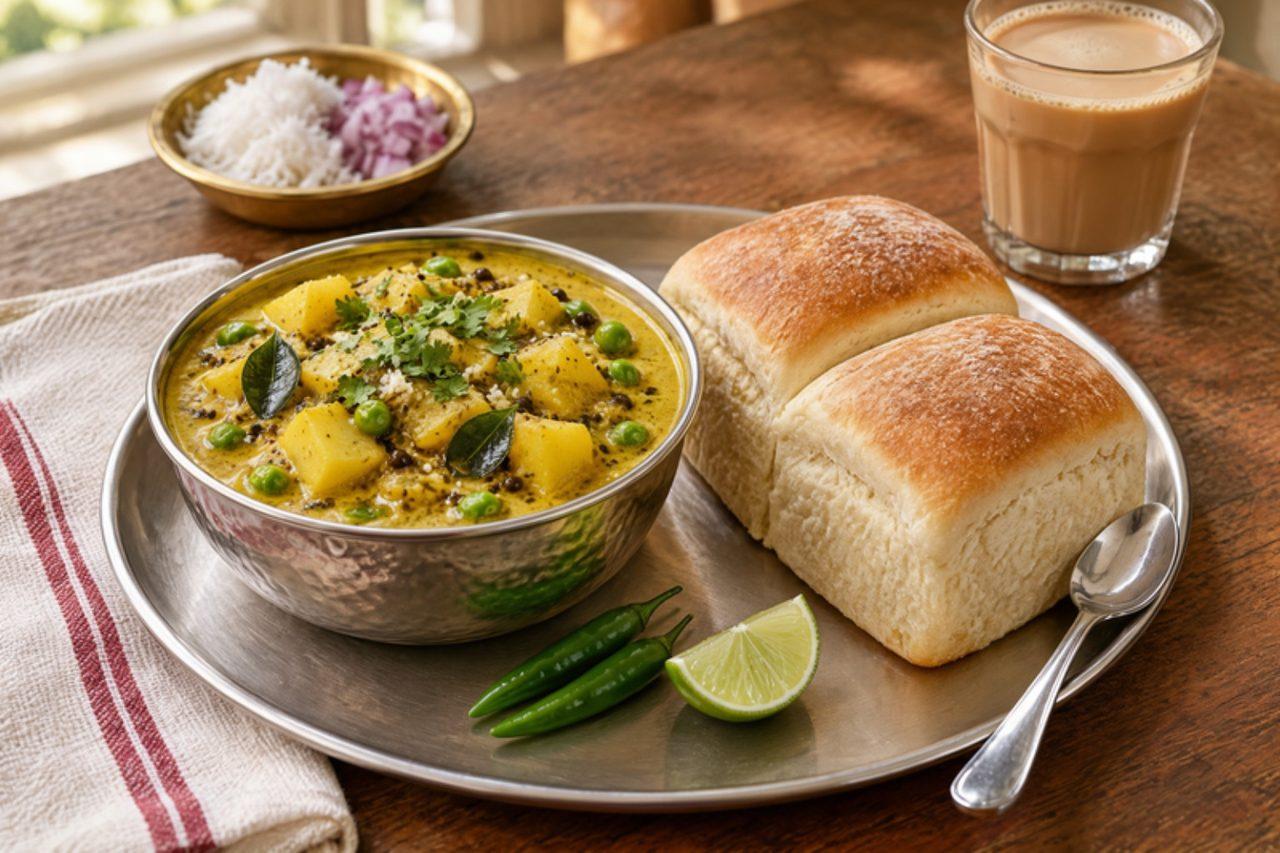
Goan bhaji paoPotato curry with bread rolls

Long before the cafés open their doors, Goan tea shops in Panaji, Mapusa and Margao are ladling out bhaji pao for workers and school children. This is not Mumbai's mashed pav bhaji: the Goan bhaji is a loose curry of potato and dried green peas in a roasted coconut masala, eaten by tearing fresh, soft pao and scooping it up, often with a cup of sweet milky tea. The mistake people make is grinding the coconut raw; it must be roasted until reddish-brown with the onion and spices, or the curry tastes flat. Chef's tip: soak the dried peas overnight and cook them separately until creamy, then they drink up the masala without going mushy.

by KrazyBadal 0 views

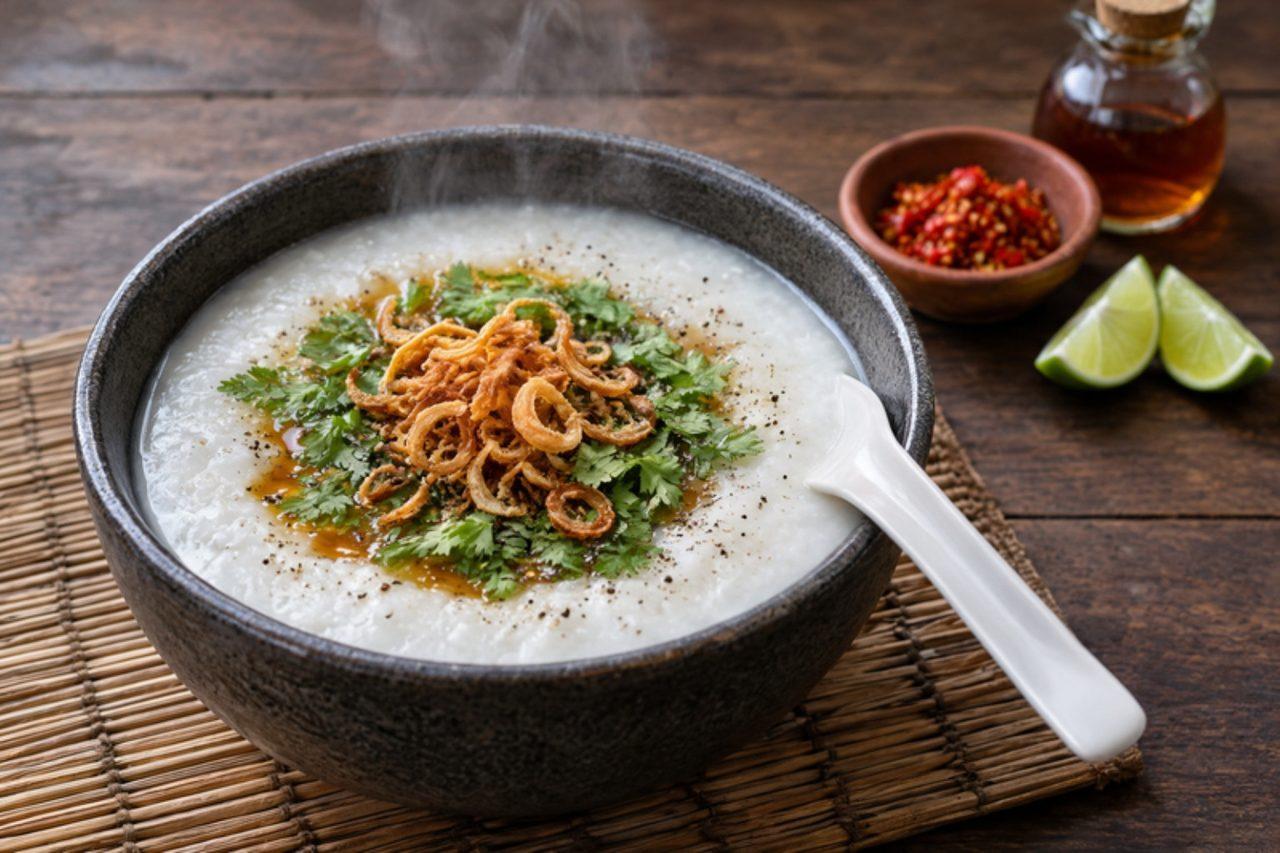
SanpiauRice porridge with fish sauce

Sanpiau is the street-stall breakfast and afternoon snack of Aizawl, Mizoram: a thin, silky rice porridge ladled into bowls and finished at the table with fish sauce, black pepper, crisp fried shallots, coriander and, often, shredded chicken. It came to Mizoram via Myanmar and is now as Mizo as bai. The common mistake is under-stirring, so the rice catches on the base; stir every few minutes once it thickens. Chef's tip: let everyone season their own bowl, since fish sauce brands vary a lot in saltiness.

by KrazyBadal 0 views

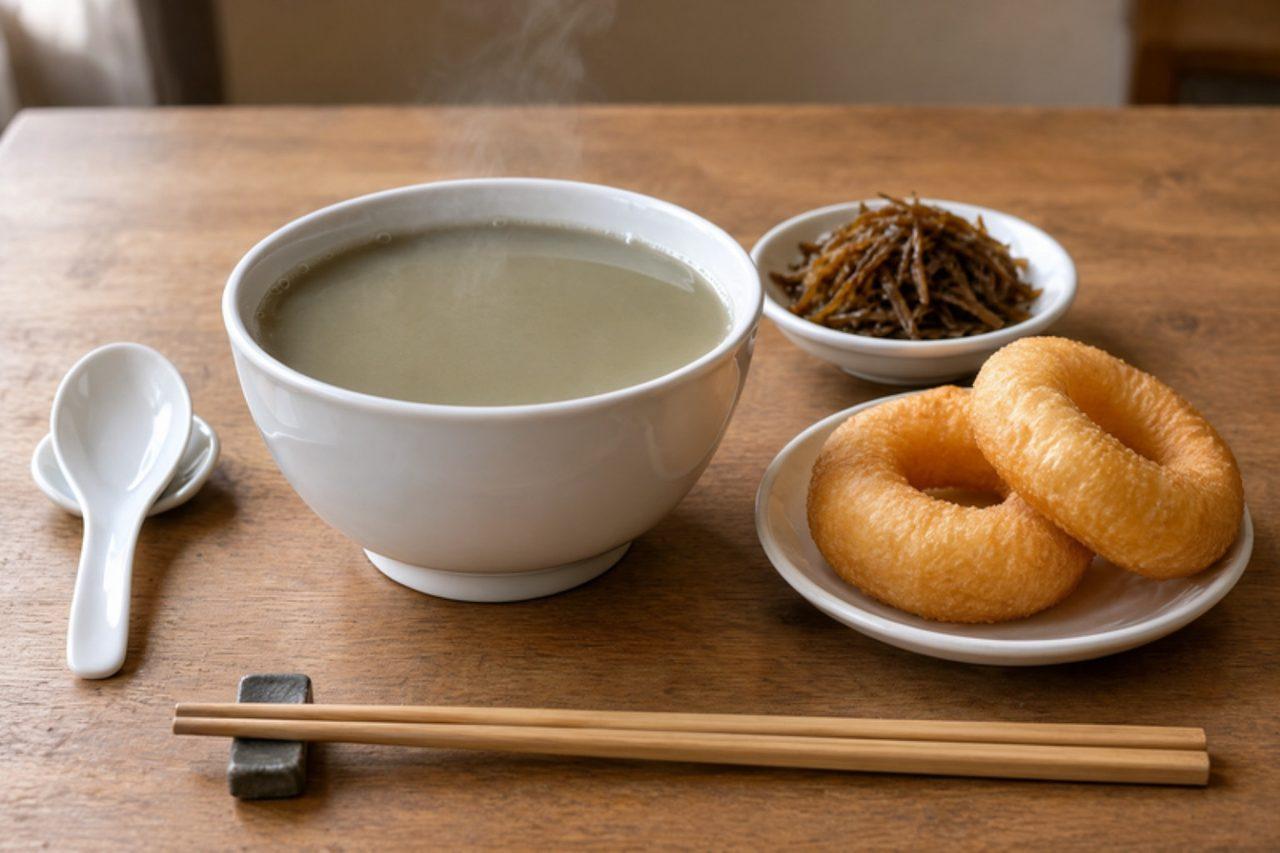
Douzhi (fermented mung bean drink)

Douzhi is the breakfast that divides Beijing. It is the sour liquid left over when mung beans are ground and their starch settles out to make noodles and jelly; left to ferment for a day or two, the grey-green whey turns tangy, a little cheesy and sulphurous. Old Beijingers drink it piping hot at dawn in hutong shops around Qianmen and Huguosi, with a dish of finely shredded salty pickle dressed in chilli oil and crisp fried dough rings (jiaoquan) from the bakery. First-timers often say it smells like stale socks; regulars say it tastes like home. The texture is thin and slightly creamy, the flavour sour, a little bitter and savoury. The common mistake is boiling the soured starch hard: it separates into grey water and sludge. Bring it up slowly, stirring, and take it off as soon as it froths. The ferment makes only a trace of alcohol, well under 1%. Ferment at 20–25 °C; normal signs are fine bubbles, a sour, yogurt-like smell and a grey colour. Discard it if you see fuzzy mould, pink or black patches, a slimy texture or a putrid smell. Chef's tip: save 100 ml of a good batch to start the next one, as Beijing workshops do.

by KrazyBadal 0 views

GodrogodroCoconut rice flour sweet

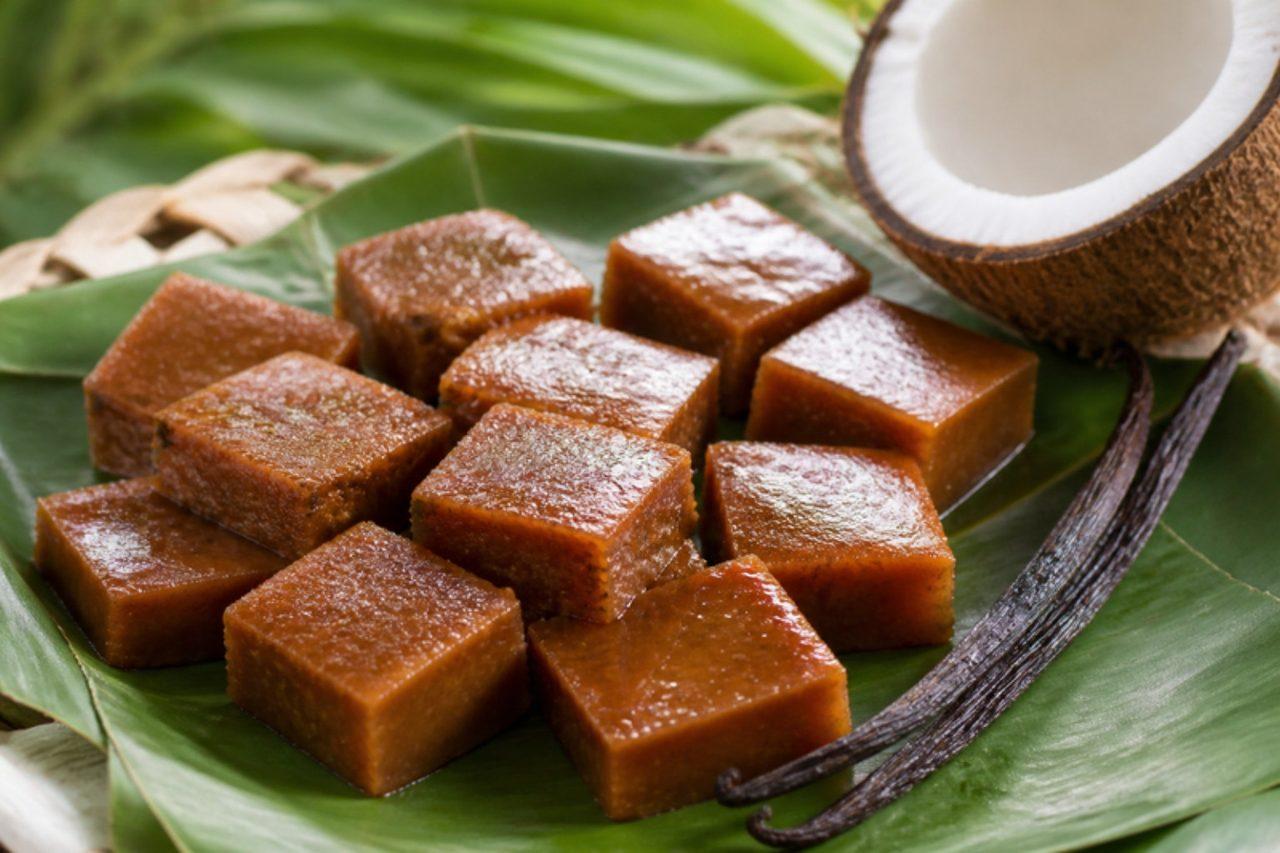
Along the northern coast around Antsiranana, and down to Mahajanga, godrogodro is a festival and family-celebration sweet, cut into diamonds and passed round at weddings, circumcision ceremonies and the New Year. Coconut milk, rice flour and dark sugar are stirred for the best part of an hour until the mixture thickens, darkens and pulls away from the pan, then it sets into a dense, sliceable fudge-like block, fragrant with vanilla and cardamom. It is rich, so small squares with a cup of tea are plenty. Stopping too early is the mistake to avoid: undercooked godrogodro stays sticky and pale and will not hold a clean edge. Chef's tip: use a heavy, non-stick pan and a flat wooden spatula that scrapes the whole base, and keep stirring as it thickens, as the bottom scorches easily.

by KrazyBadal 0 views

GodsheBroken rice and jaggery pudding

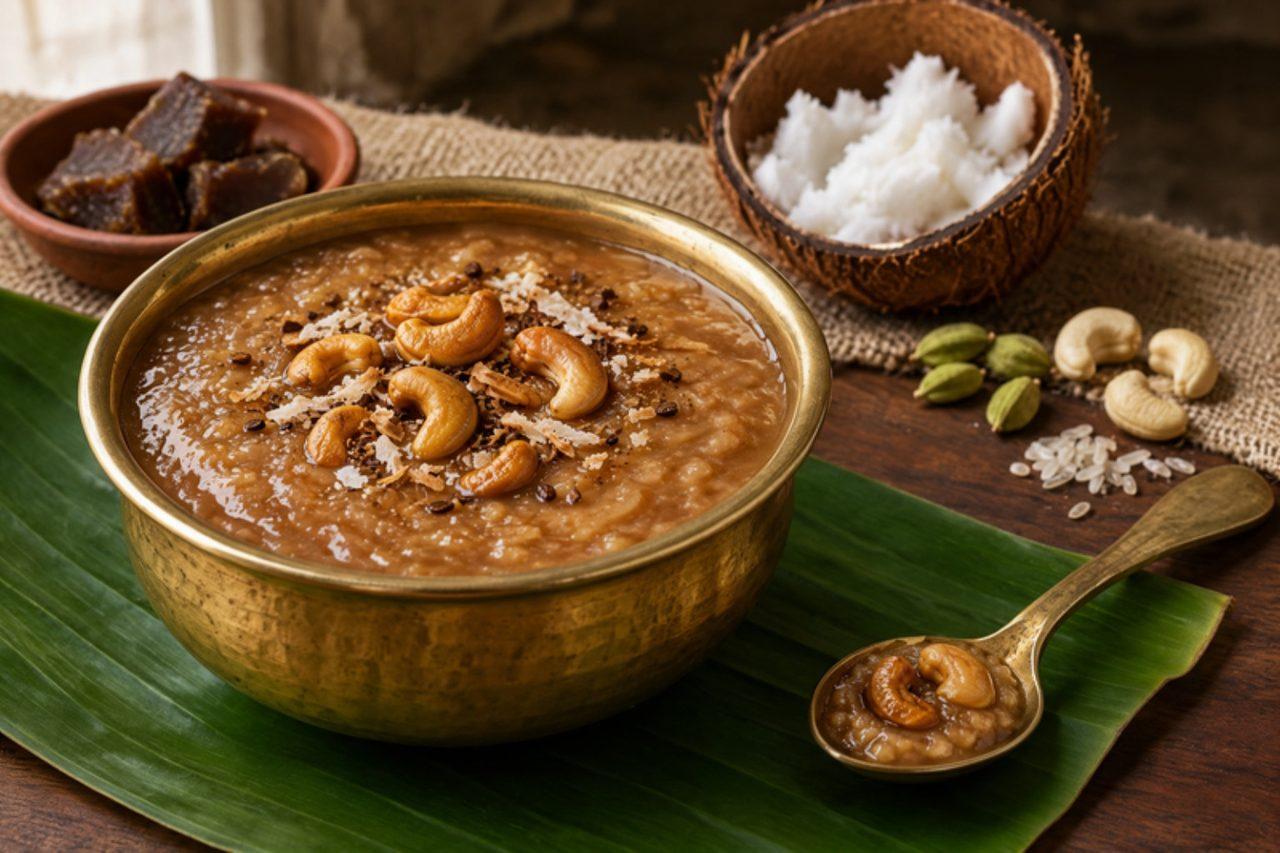
Godshe is the quiet sweet of Goan Saraswat and Gaud Saraswat kitchens, made on festival mornings, for a family puja, or simply when there is fresh coconut and good jaggery in the house. Broken rice is cooked until soft and creamy, then sweetened with dark coconut jaggery and loosened with first-press coconut milk, giving a pudding thicker than payasam and deeply caramel in flavour. Many families make the same dish with chana dal instead of rice. The usual mistake is adding jaggery while the rice is still firm, because the sugar stops the grains from softening any further. Chef's tip: a few slivers of fresh coconut and a pinch of nutmeg on top make it taste like a temple offering.

by KrazyBadal 0 views

Tisane de tilleul (linden tea)

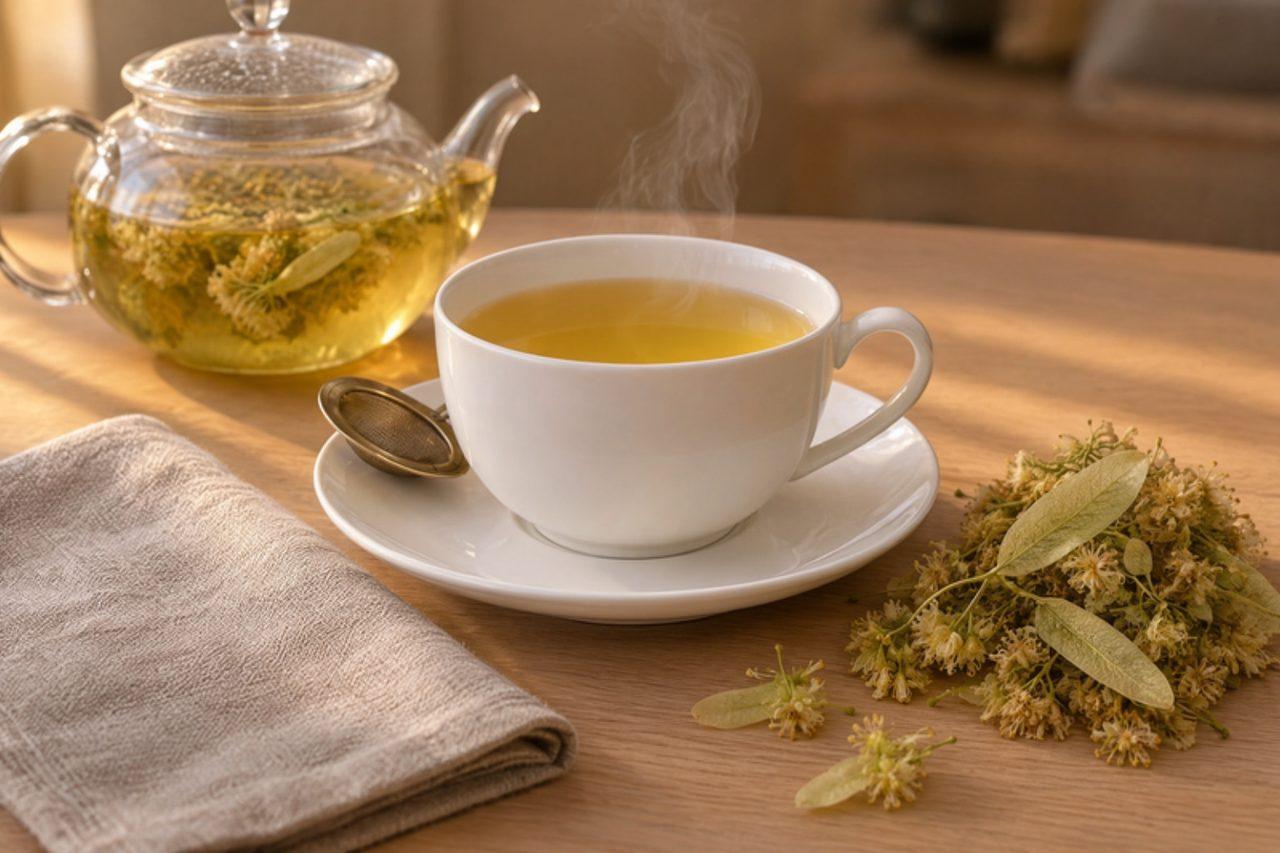
Carpentras, at the foot of Mont Ventoux, has been France's linden capital for over a century. In late June the flowering lime trees are harvested by hand, the blossoms and their pale papery bracts dried in the shade, and in July the town's linden market sells them by the sack. In French homes a tisane de tilleul is what you drink after dinner, at the end of a long day or before bed, often with a slice of lemon or a little honey; Proust's famous madeleine was dipped in one. It tastes softly floral and sweet, a little like honey and fresh hay, with a smooth, almost silky feel. The common mistake is using fully boiling water and steeping for fifteen minutes: the tea turns dull brown and slightly astringent. Let the kettle settle to about 90 °C and steep for 5–7 minutes, covered. It is ready when the infusion is pale gold and smells of a summer garden. It is traditionally drunk to unwind; if you take regular medication, have a heart condition, or want to give it to young children, check with a doctor first. Chef's tip: keep the pot covered while it steeps so the scented oils stay in the tea instead of the kitchen.

by KrazyBadal 0 views

Calamansi juice

Every Filipino household seems to have a calamansi bush or a bag of the little green fruit in the fridge, from Manila condos to farmhouses in Mindoro, the island that grows most of them. At lunch in the dry season the juice comes out iced in a big pitcher; in the rainy months, when everyone has a cough, a lola stirs the same juice into hot water with a little sugar or honey and hands it over at bedtime. It tastes like a lime crossed with a mandarin: sharp, floral and slightly bitter at the edges, with a pale green-gold colour. The usual mistake is squeezing the fruit hard and letting the seeds and pith fall in, which turns the juice bitter within minutes; halve each fruit across, squeeze gently over a small strainer and stop before the peel folds. It is ready when the sugar has fully dissolved, the juice tastes bright rather than harsh and a cold glass fogs on the outside. Chef's tip: dissolve the sugar in a little warm water first, as it never melts properly in iced juice.

by KrazyBadal 0 views

Del curryBreadfruit coconut curry

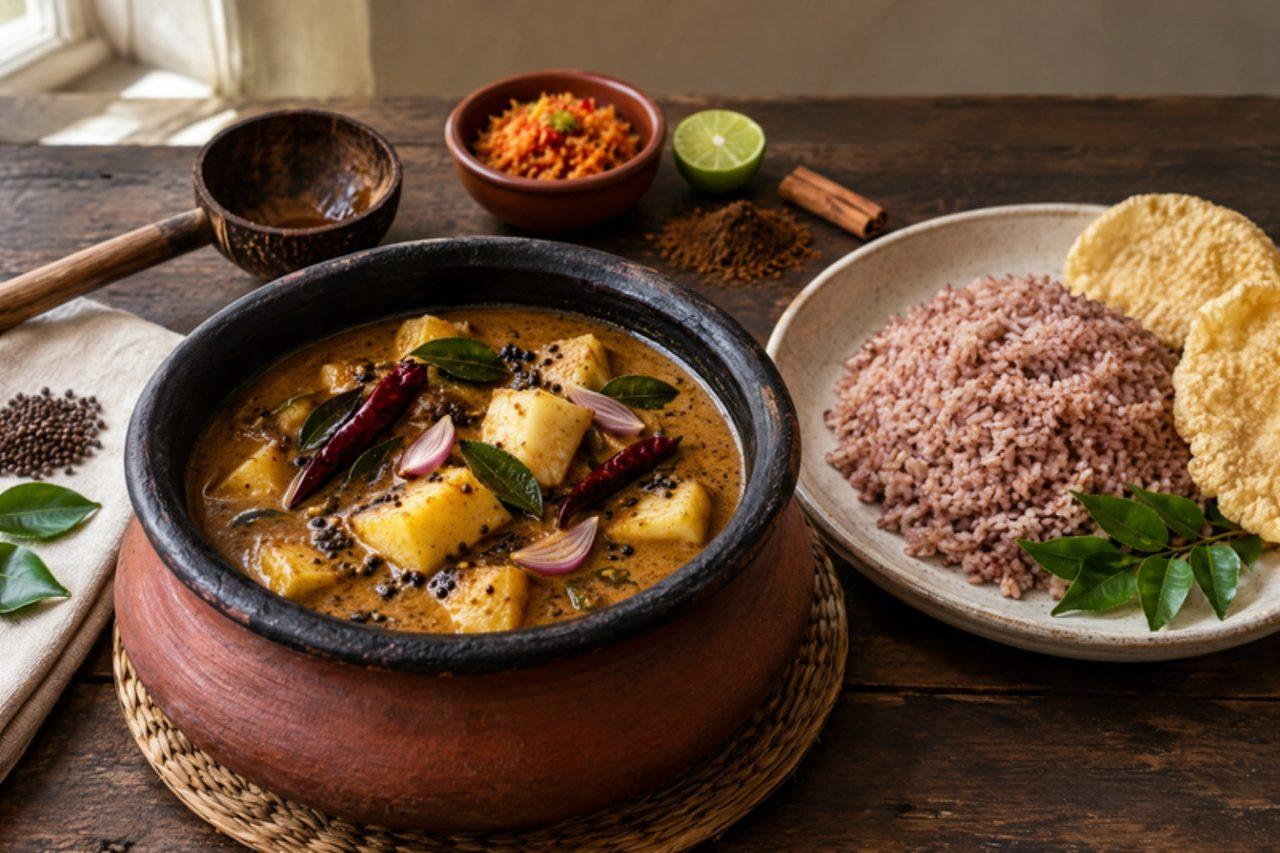
Breadfruit trees grow in almost every village garden in Sri Lanka, and del curry is the filling weekday and almsgiving dish that makes use of them, especially in the wet south-west. Chunks of breadfruit are simmered in coconut milk with roasted curry powder, a little mustard paste, curry leaves and pandan, until they turn soft, creamy and starchy like a good potato. Eat it with rice, pol sambol and a green mallung. The usual mistake is skipping the pre-boil; breadfruit contains a sticky latex and can stay firm, so boil the pieces first. Chef's tip: stir the mustard paste in only at the end and don't boil it hard afterwards, or it turns bitter.

by KrazyBadal 0 views

Grilled marronGrilled crayfish with garlic butter

Marron are large freshwater crayfish native to the rivers of south-western Western Australia and farmed around Margaret River and Manjimup, where restaurants serve them split and grilled with garlic butter. The tail meat is sweet, firm and delicate, finer than most lobster. Buy marron already prepared and halved by the supplier, or frozen raw halves, and cook them the same day. A common mistake is overcooking, which makes the meat stringy. Chef's tip: baste continuously so the flesh stays juicy under the grill.

by KrazyBadal 0 views

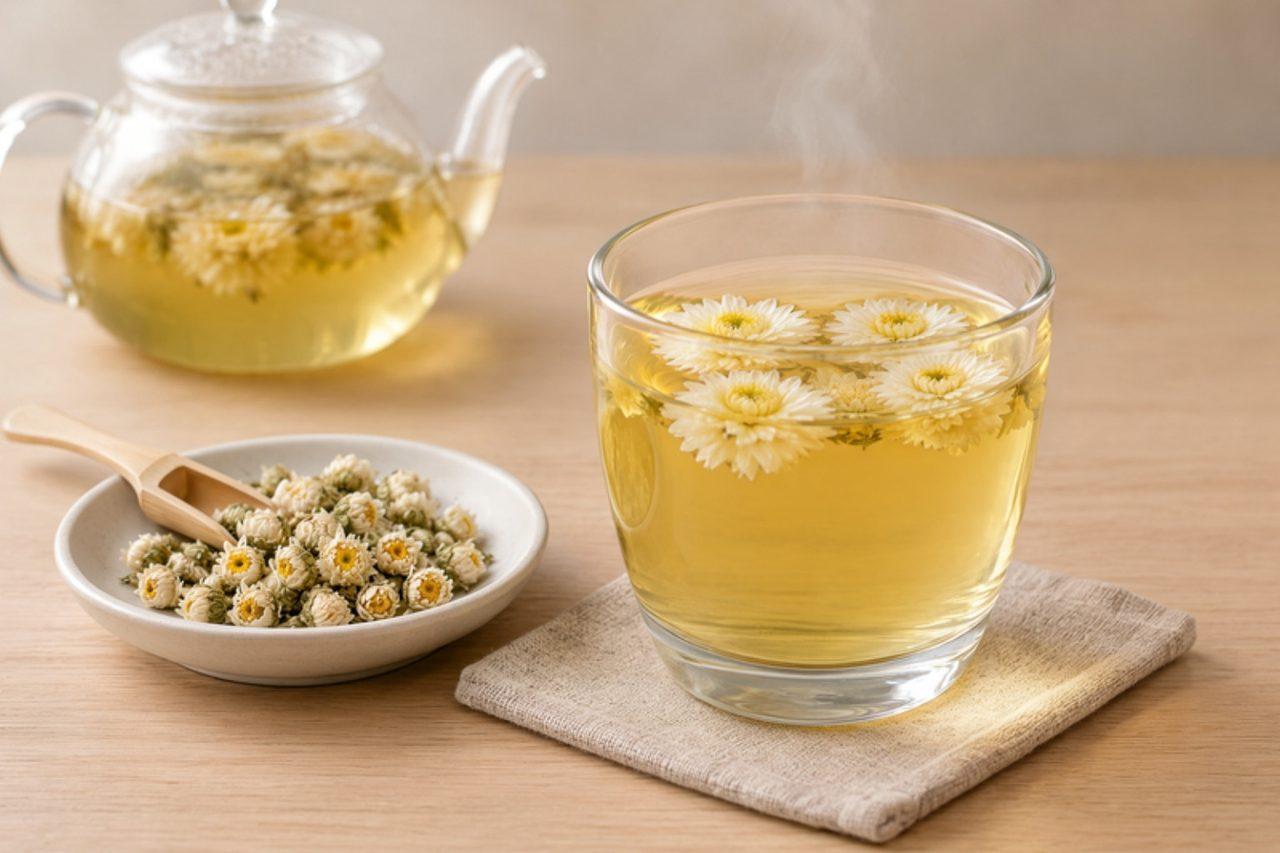
Juhua cha (chrysanthemum tea)

The small white hangbaiju flowers grown around Tongxiang, near Hangzhou, are picked in November, steamed and dried, and they end up in teapots all over China. Families brew them after a rich dinner, through the dry autumn, and iced in summer; dim sum houses in the south offer them as a caffeine-free choice, often mixed with pu-erh. The tea is pale gold, lightly floral with a faint bitterness like chamomile, softened by a little rock sugar and a few goji berries that turn plump and red in the pot. The common mistake is pouring boiling water straight onto the flowers and leaving them for twenty minutes; the tea turns brownish and bitter. Water just off the boil, around 90 °C, and a short steep keep it clear and sweet. It is ready when the flowers have opened like little daisies, the colour is light amber and the smell is honey-like. You can top up the pot two or three times. If you are allergic to ragweed, daisies or marigolds, try a small cup first or skip it, as chrysanthemum belongs to the same family. Chef's tip: for iced juhua cha, brew it double strength and pour it straight over a glass full of ice so it does not taste watery.

by KrazyBadal 0 views

GuatitaTripe and potato stew

In Guayaquil, guatita is the dish people seek out on a Sunday morning or after a long night: honeycomb tripe simmered until meltingly tender, then stewed with potatoes in a creamy peanut and milk sauce coloured with achiote. It is served with white rice, avocado, fried ripe plantain and a sharp red-onion curtido. Peanuts are a major allergen. The most common mistake is undercooking the tripe, which stays rubbery; it needs about 2½ hours of simmering (45 minutes in a pressure cooker). Chef's tip: buy cleaned, blanched tripe and still give it a scrub with lime and salt before cooking; it freshens the flavour.

by KrazyBadal 0 views

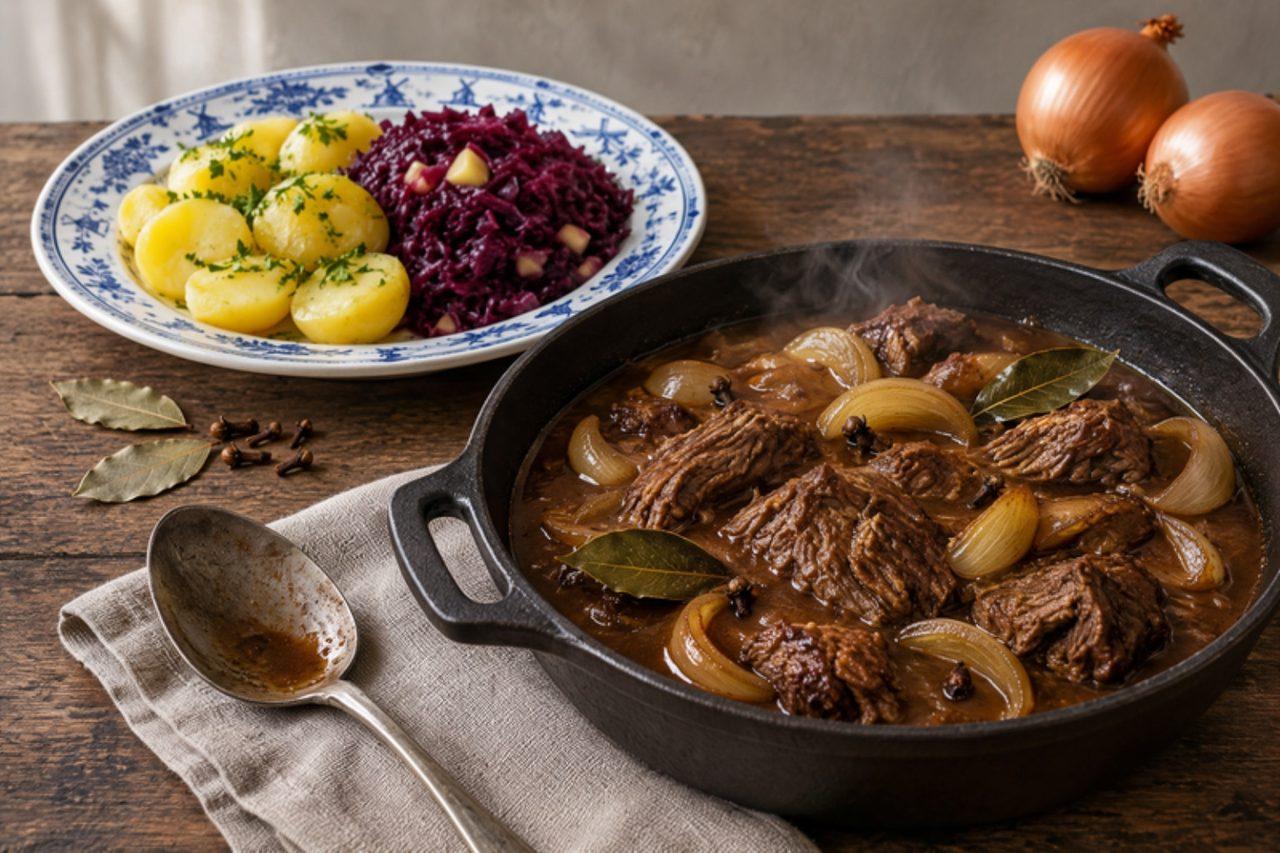
HacheeBeef and onion stew

Hachee is the Dutch stoofpotje that grandmothers in Friesland, Groningen and Brabant leave murmuring on the back of the stove on cold Sundays: beef braised with almost as much onion as meat, plus bay leaves, cloves and a splash of vinegar, until it falls apart into a dark, sweet-sour gravy. It goes on boiled potatoes with red cabbage, or with stamppot, and leftovers are eaten on toast. The usual mistake is rushing the onions: they need a good 15 minutes to turn deep golden, or the gravy stays pale and sharp. Slow-cooker option: after browning, cook on low for 8 hours. Chef's tip: stir in a spoon of dark syrup or apple butter at the end only if the vinegar tastes too sharp; taste first, as good onions often make it unnecessary.

190 minDutchMeat
by KrazyBadal 0 views

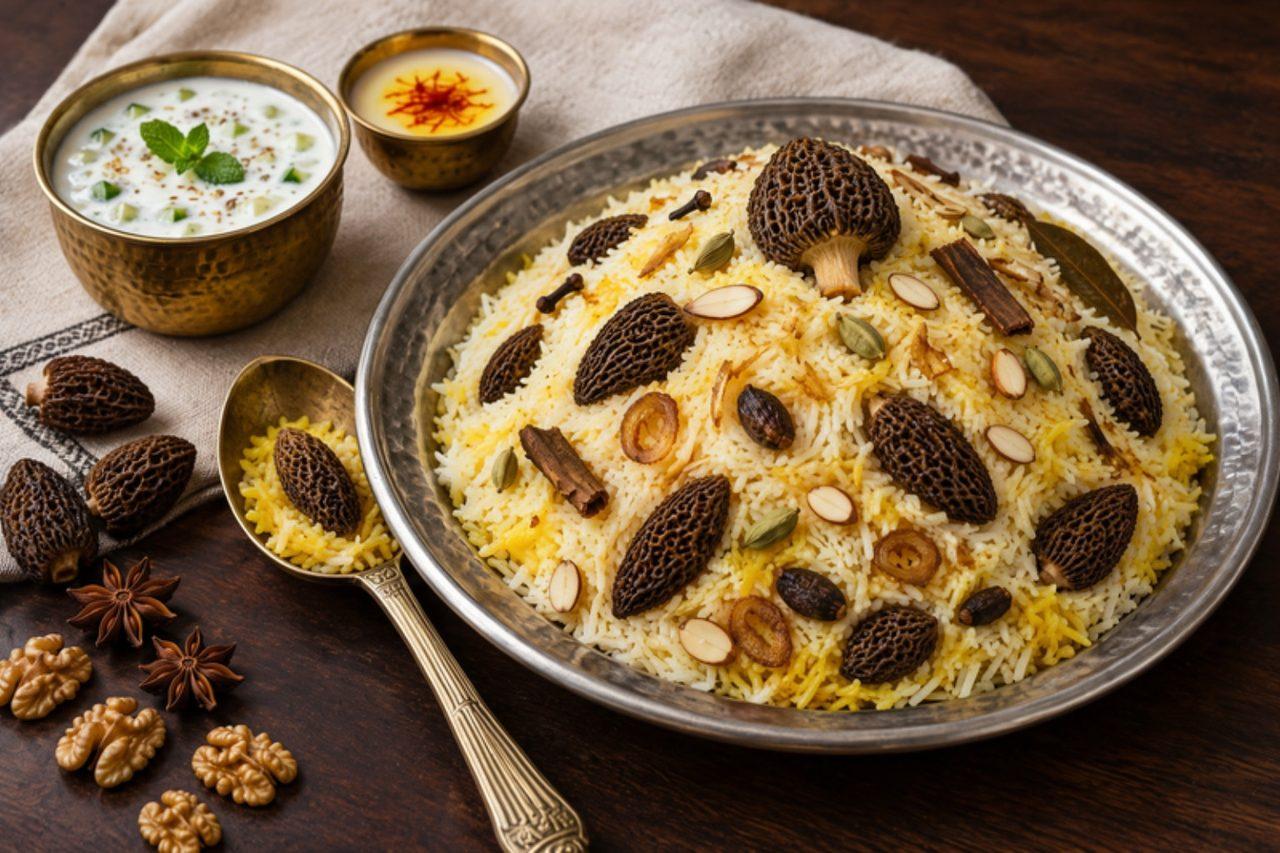
Gucchi pulaoMorel mushroom pulao

Gucchi, the honeycombed wild morels gathered in spring on the slopes of Kashmir and Himachal, are among the most prized foods in India, and a pulao of them is kept for weddings, Eid and the most honoured guests. The mushrooms are soaked and simmered in their own soaking water, which then flavours the basmati along with ghee, cardamom and fennel, so every grain tastes deeply earthy. Morels must always be cooked thoroughly; never eat them raw or barely warmed. The common mistake is pouring in the soaking water with its grit, so let it settle and leave the last spoonfuls behind. Chef's tip: slit each morel lengthwise and rinse inside; sand hides in the hollow stems.

by KrazyBadal 0 views

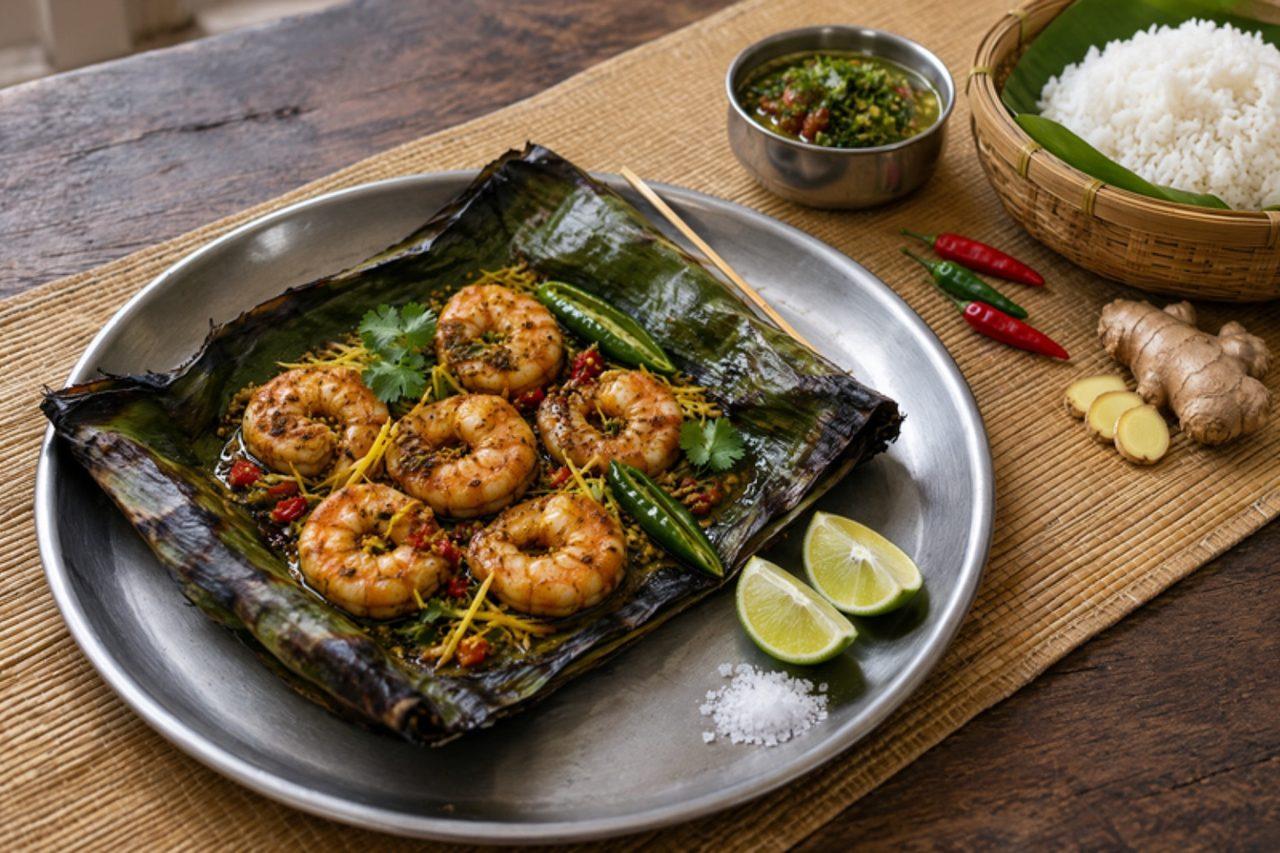
Misa mach pooraPrawns grilled in banana leaf

Misa mach poora is a simple Mizo way with river prawns: rubbed with ginger, garlic, chilli and salt, wrapped in banana leaf and cooked over embers until the leaf chars and the prawns steam in their own juices. It is made at riverside picnics and family cookouts and eaten with rice and a chilli relish. The common mistake is overcooking, which makes prawns tough; they are done the moment they turn opaque and pink all through. Chef's tip: keep the marinated parcels in the fridge until the grill is hot.

27 minIndianFishGluten free
by KrazyBadal 0 views

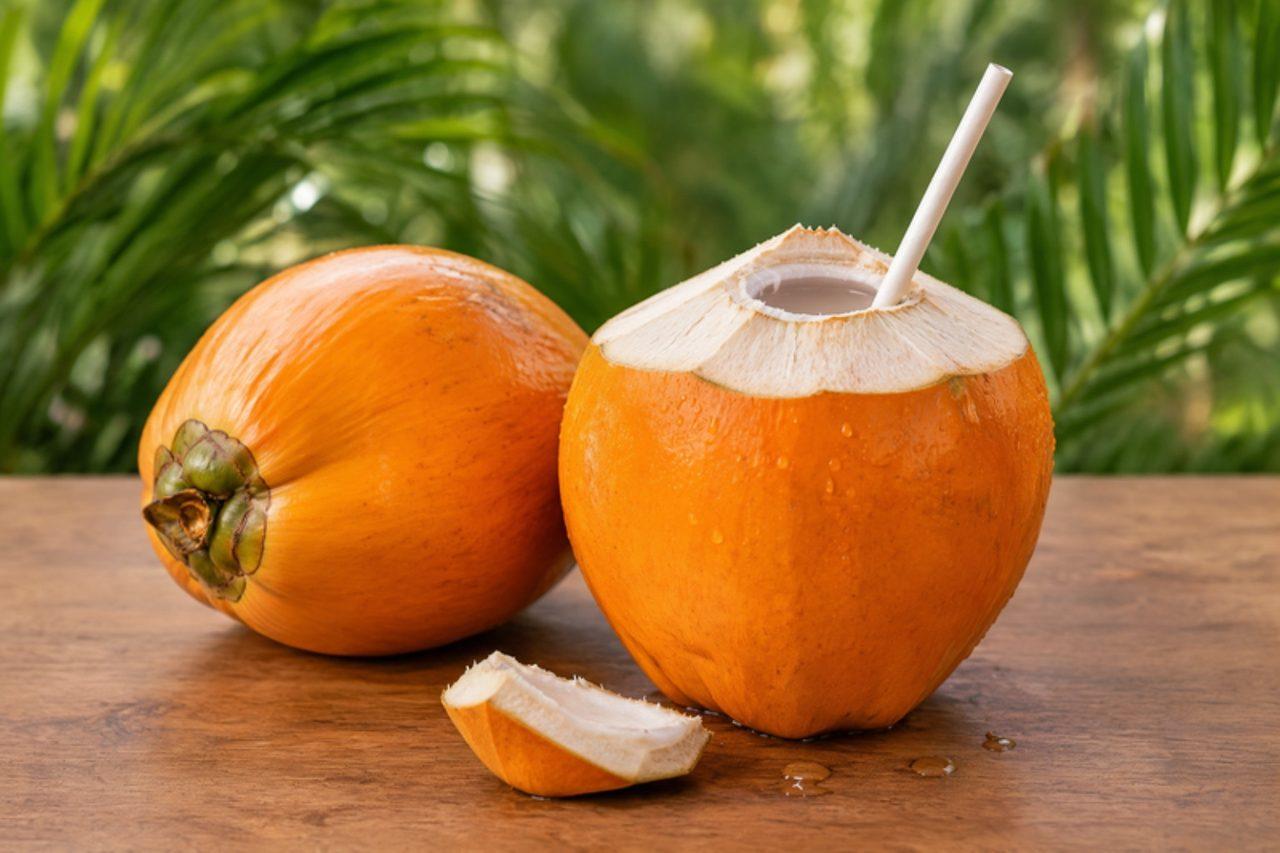
Thambili (king coconut water)

All along Sri Lanka's roads, from Galle Road in Colombo to the highways into Kandy and the beaches of the south coast, vendors stack bright orange king coconuts in pyramids under umbrellas. The thambili is a variety grown on the island for drinking: smaller than a green coconut and sweeter, with a faint saltiness that makes it more refreshing than any bottled drink. It is drunk any time of day in the heat, after a long bus ride, after a cricket match, and given to people recovering from a fever because it is gentle on the stomach. The water is clear, lightly sweet and nutty, and the soft jelly inside is eaten with a spoon made from a slice of the husk. The common mistake is hacking at the side of the nut; the blade glances off and the water spills. Trim the pointed top with downward strokes until a pale circle shows, then pierce it. It is ready to drink when a small hole opens straight into the water without husk fibres. Outside Sri Lanka, young green or Thai coconuts are the nearest substitute. Chef's tip: chill the coconuts for a few hours before opening; the water tastes sweeter cold, and use a heavy knife and a towel, keeping fingers well clear.

by KrazyBadal 0 views

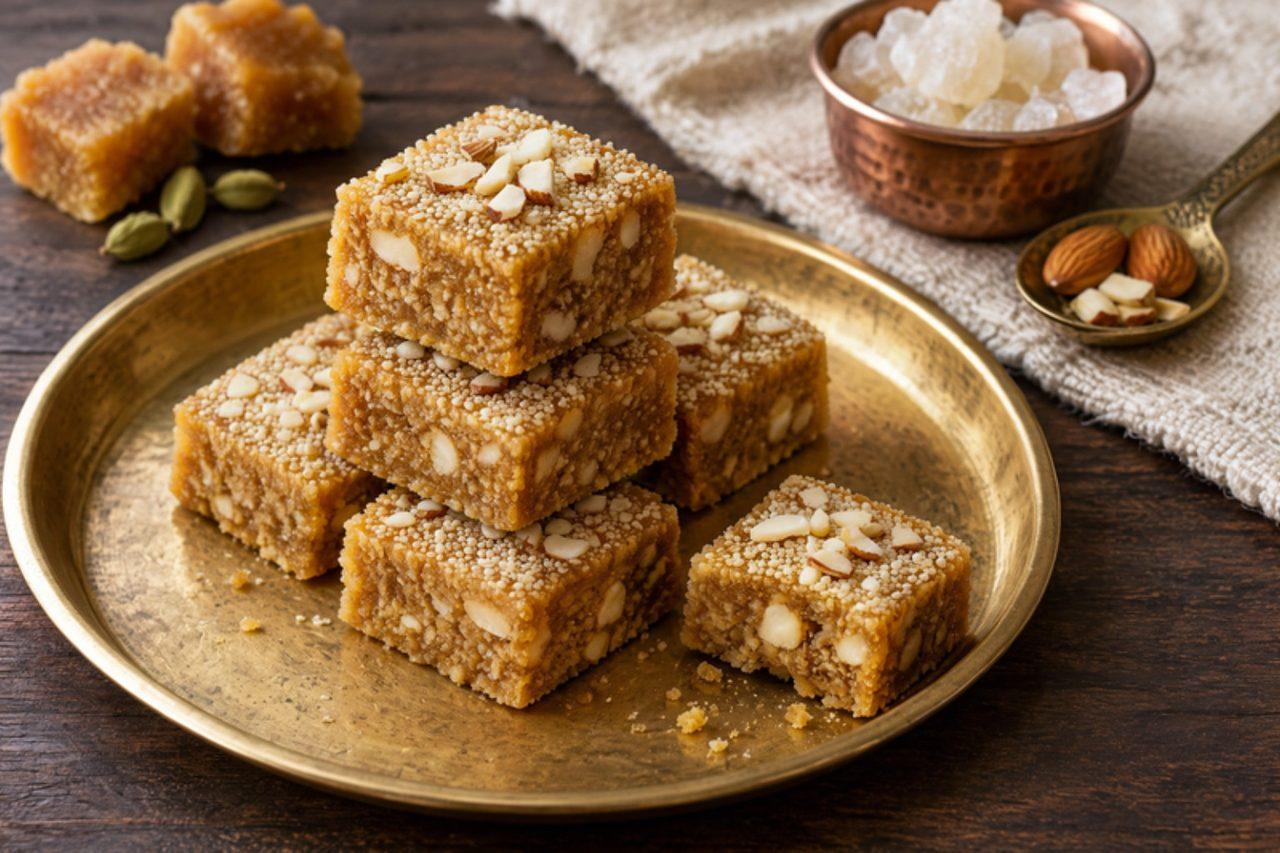
Gundar pakEdible gum and wheat fudge

When the first cold mornings reach Rajkot and Junagadh, Kathiawadi kitchens fry a big batch of gundar, the edible acacia gum, in ghee and set it into this dense, crunchy pak, eaten one square a day with tea through December and January. Here the gum is the star: it puffs into crisp white popcorn-like pieces that give the fudge its crackle, while wheat flour, jaggery, dry ginger and coconut hold it together. The common mistake is frying the gum in ghee that is too cool, so it stays hard and glassy and sticks to your teeth; it must puff fully within seconds. Chef's tip: crush the puffed gum only lightly with a rolling pin so you still bite into small crunchy nuggets.

by KrazyBadal 0 views

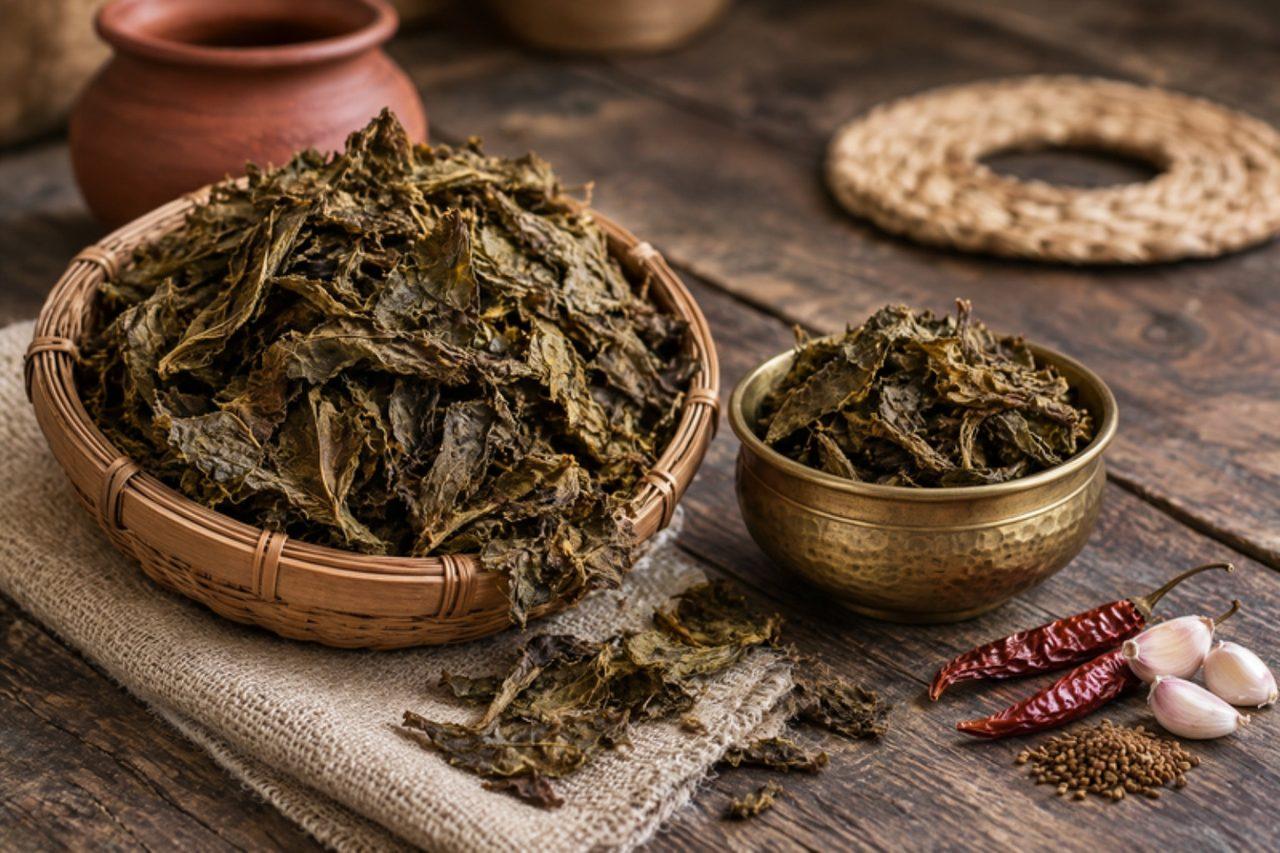
GundrukFermented leafy greens

After the rice harvest in October and November, hill families from Ilam to Gorkha cut the leaves of mustard greens, radish and cauliflower, leave them to wilt in the yard, then pound them into clay pots or pits to ferment. A week later the greens come out olive-brown and sour, and they are dried on bamboo mats in the bright Dashain-Tihar sun. That dried gundruk carries families through the lean winter: soaked and simmered into gundruk ko jhol with tomato and soybeans beside dal-bhat, or tossed into gundruk sadeko with onion, chilli and mustard oil to eat with chiura. The flavour is deeply sour, earthy and a little smoky, the dried leaves chewy-crisp, softening when cooked. Common mistake: packing the leaves loosely; air left in the jar lets mould grow instead of the sour lactic ferment, so press until juice rises over the greens. It is ready to dry when it smells sharply sour like good sauerkraut and the leaves have lost all their green. Chef's tip: if your greens are from a supermarket, mix mustard greens with radish tops or kale for the closest flavour, and ferment in a big jar with a weight.

by KrazyBadal 0 views

Beijing douzhiFermented mung bean drink

Douzhi is the most famous acquired taste in Beijing: a hot, grey-green, sour drink made from the liquid left when mung beans are ground for starch, then fermented. Old Beijingers sip it at breakfast with crisp jiaoquan rings and shredded salted mustard pickles, and visitors either love it or never try it twice. At home you make a small batch by blending mung beans, settling out the starch and fermenting the cloudy water for a day. The mistake is letting it boil hard: it separates into watery and thick layers, so keep it at a gentle bubble. It must smell cleanly sour like yogurt; throw it away if it smells rotten, has mould, or turns pink or slimy. Chef's tip: stir it continuously as it heats and add a splash of the thinner liquid at the end, which keeps the classic smooth, slightly thick texture.

1440 minChineseDrinksVeganGluten free
by KrazyBadal 0 views

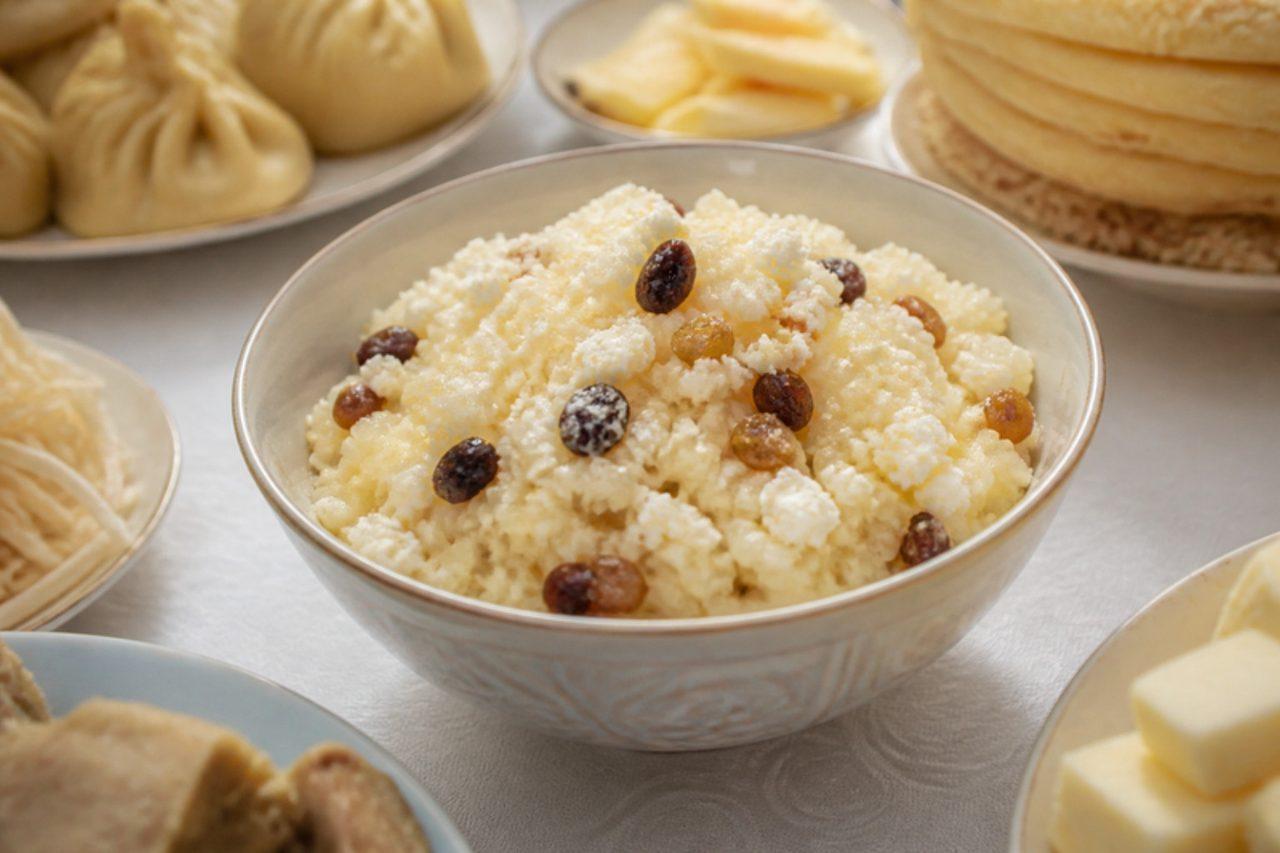
TsagaaSweet rice with raisins and curd

Tsagaa is a sweet, buttery rice dish served during Tsagaan Sar, the Mongolian Lunar New Year, when white foods (tsagaan idee) stand for purity and a good year ahead. Rice is cooked soft, then mixed with butter, sugar, raisins and crumbled aaruul or fresh curd, and served in small bowls to guests during the round of family visits. A common mistake is using long-grain rice, which won't turn creamy; use short-grain. Chef's tip: soak the raisins in hot water first so they're plump and juicy.

by KrazyBadal 0 views

Guyanese mango sourHot green mango sauce

No plate of egg balls, phulourie or fried channa leaves a Guyanese stall without a spoonful of sour poured over it. This one is made with hard green mangoes boiled down with garlic, hot pepper, a little sugar and vinegar into a thin, tangy, fiery sauce, and families from Essequibo to Corentyne keep a bottle in the fridge through mango season. People often make it too thick, like jam; sour should pour easily and cling, not sit in a blob. Chef's tip: mash the cooked mango against the side of the pan rather than blending it, so you keep little soft threads of fruit through the sauce.

by KrazyBadal 0 views

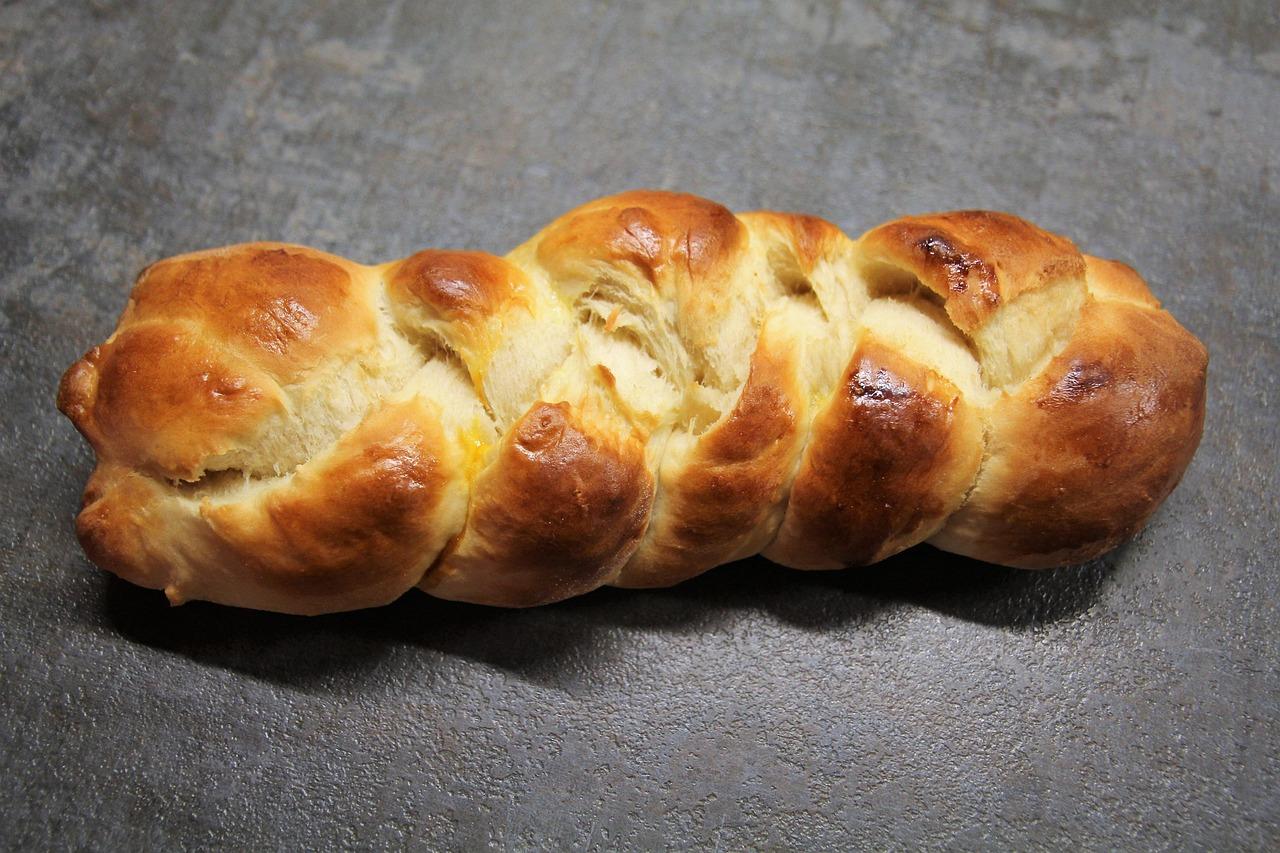
Guyanese plait breadBraided white loaf

A glossy three-strand plait sits on the table in many Guyanese homes on Christmas morning and for Old Year's Night, next to garlic pork, pepperpot and black cake, and bakeries in Georgetown sell it every day for sandwiches. It is a soft, close-crumbed white bread, just a little sweet, that tears into pillowy pieces and soaks up pepperpot gravy beautifully. The common slip is adding too much flour while kneading: the dough should feel slightly tacky, or the loaf bakes up dry and dense. Chef's tip: let the shaped plait prove until a finger pressed into the side leaves a dent that springs back slowly; that is the moment to bake.

by KrazyBadal 0 views

Carato de maízChilled corn drink

Out on the hot plains of the Llanos, a jug of carato is kept cold for the afternoon: white corn cooked until soft, blended with its water, strained and sweetened with panela, cinnamon and clove. It is thick, creamy and filling enough to be a snack in a glass. Keep it in the fridge, because left out it starts to ferment. The common mistake is skipping the straining, which leaves it gritty. Chef's tip: strain through a fine sieve and then once more through a clean cloth for the silkiest drink.

by KrazyBadal 0 views

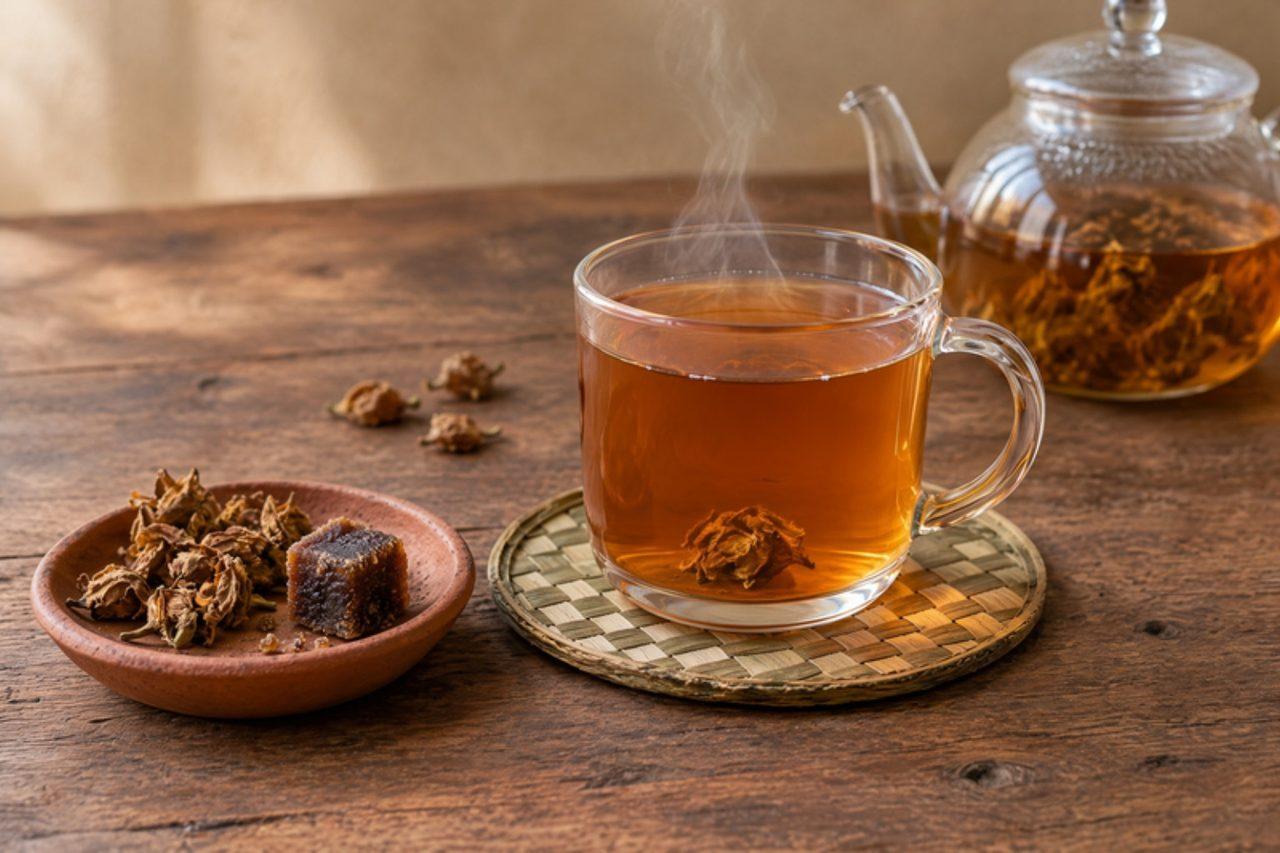
Beli mal (bael flower tea)

Beli mal is the herbal tea almost every Sri Lankan grandmother keeps in a tin. The small white flowers of the bael tree, the sacred tree found around temples and village gardens, are dried in the sun and brewed into a fragrant, amber drink that tastes softly floral, slightly fruity and a little bitter, a bit like a lighter chamomile. It is drunk in the morning or in the evening instead of black tea, offered at almsgivings and alongside kevum and kokis at Avurudu, and is traditionally taken after rich food to help digestion. Coriander seeds and a slice of ginger are a common addition at home. The custom is to sip it hot with a small piece of kithul jaggery held in the mouth, or stirred in. The common mistake is boiling the flowers fast for a long time: the tea turns dark and unpleasantly bitter. Simmer gently for a few minutes and then let it steep off the heat. It is ready when the tea is clear amber and smells sweet and flowery. It is caffeine-free, but bael may lower blood sugar, so check with a doctor if you take diabetes medication or are pregnant. Chef's tip: buy flowers that look pale cream; dark brown, crumbly ones are old.

by KrazyBadal 0 views

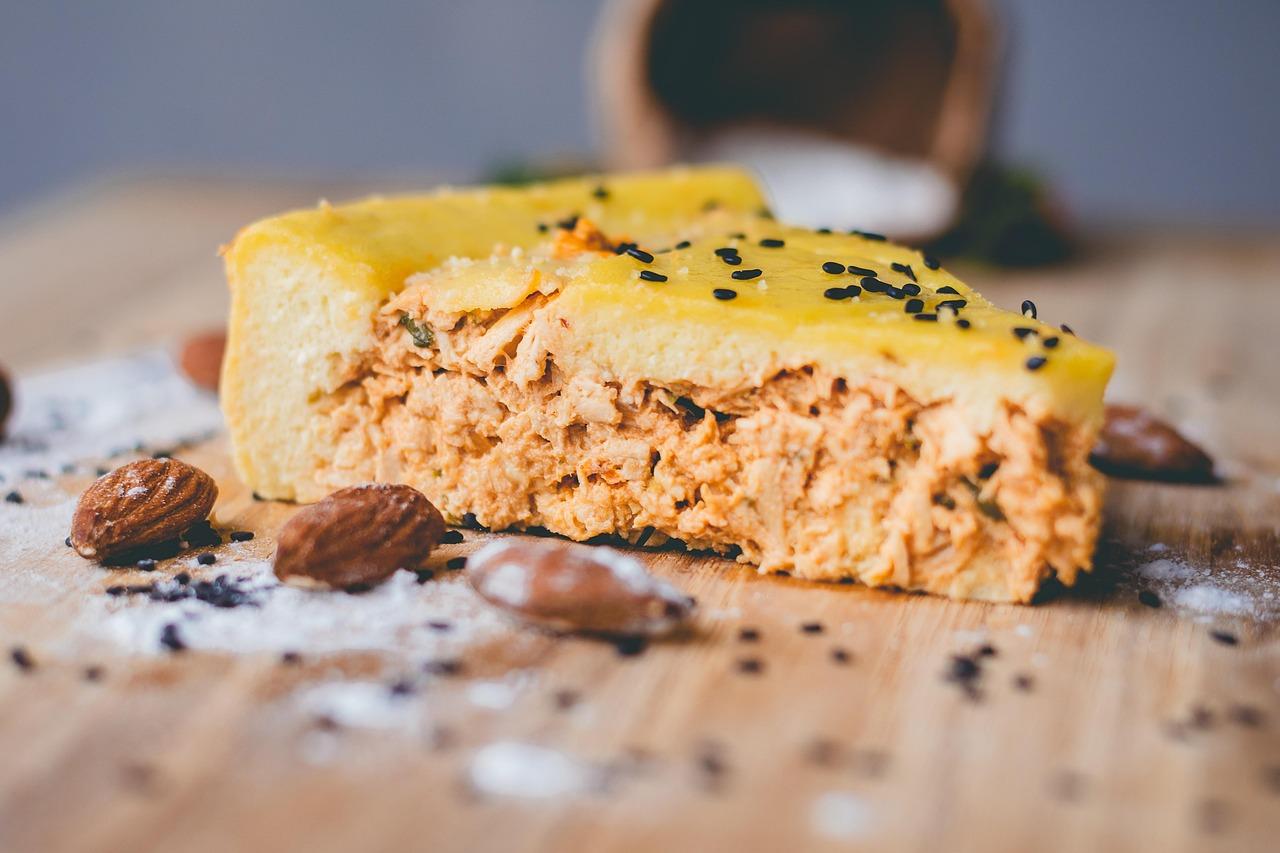
Polvorosa de polloChicken pie

Polvorosa is the pie that comes out for family birthdays and Sunday gatherings in Caracas: a melt-in-the-mouth, slightly sweet shortcrust (polvorosa means 'crumbly') around chicken stewed with leek, peppers, olives, capers and raisins, so each bite is salty, sweet and savoury at once. Serve it warm with a green salad. The common mistake is filling the pastry with hot stew, which melts the butter and makes a soggy, torn crust. Chef's tip: make the filling the day before and fill the pie straight from the fridge.

by KrazyBadal 0 views

Berezovy sok (birch sap)

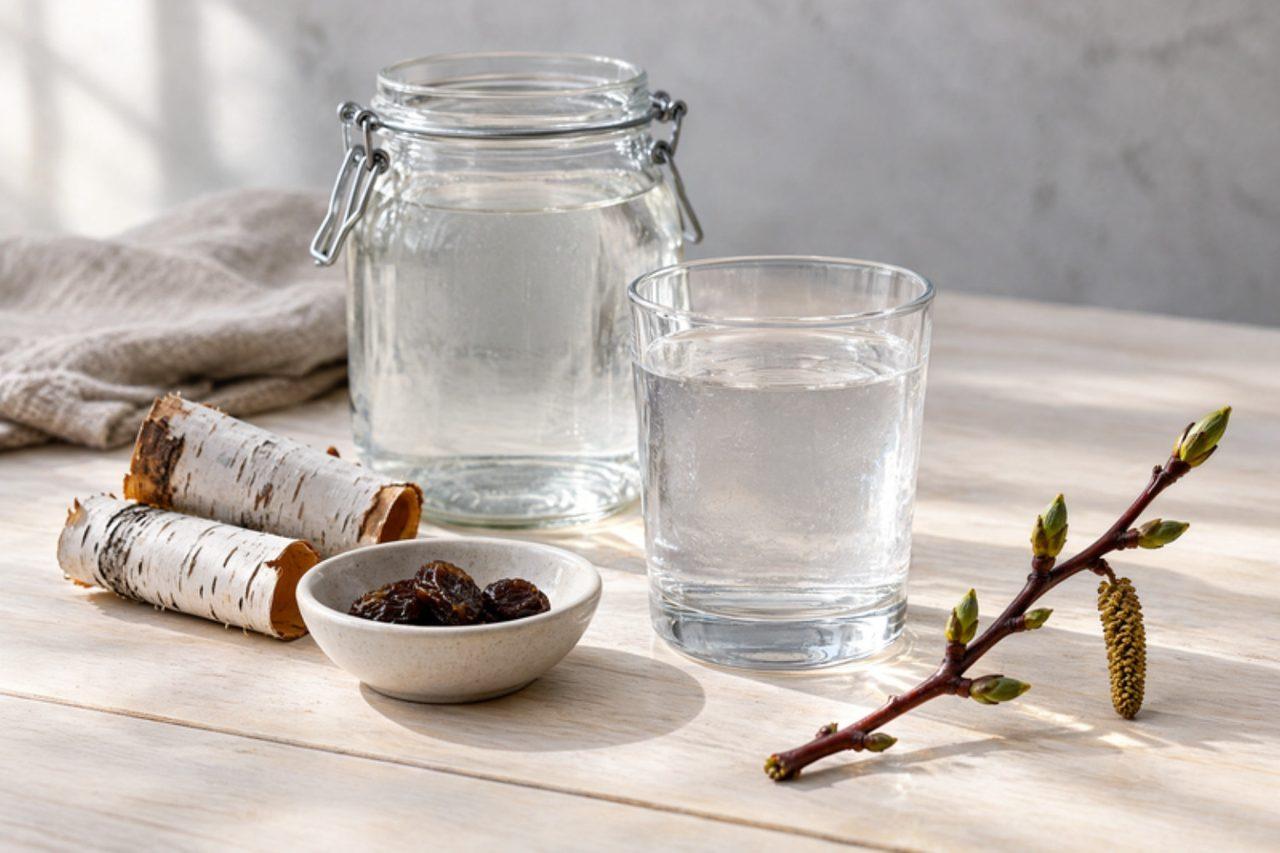
For two or three weeks at the end of March and into April, while there is still snow under the trees and before the buds open, the birches around Moscow, Tver, Vologda and across the north start to run. Families tap a few trees at the dacha and drink the sap straight from the jar: clear, cold, very faintly sweet, tasting of rainwater and fresh wood. Because it spoils within two or three days, villagers bottled the rest with sugar, raisins and lemon zest, letting it ferment slightly into a sparkling drink that kept into early summer; like any ferment it makes a trace of alcohol, well under 1% if drunk young. Only tap with the owner's permission, choose trees thicker than 20 cm, drill one small hole and plug it with a wooden peg afterwards so the tree heals. The common mistake is sealing the bottles tight at warm room temperature, which can make them burst; keep them cool and open the caps daily. The bottled sap is ready when the raisins float, a ring of fine bubbles forms on top and it tastes gently sparkling. Chef's tip: drink the first glass straight from the tree; it is never quite as good again.

by KrazyBadal 0 views

Lahpet yay (Burmese milk tea)

Yangon runs on lahpet yay. From before dawn, crowded teashops set out tiny plastic stools on the pavement, and the tea comes with mohinga, palata or a plate of samusa; people linger again at four in the afternoon to talk. The tea is a dark, very strong brew of cheap black leaf that has been boiled and kept hot in a kettle, mixed in the cup with condensed milk and evaporated milk. Regulars order in code: cho seint is sweet and creamy, kya seint is strong and less sweet, pawsein is the standard. It should be thick, silky, sweet, faintly smoky and bitter underneath. The common mistake is brewing it like ordinary tea: it ends up thin and the condensed milk just tastes of sugar. Boil the leaves hard and then let them stand so the liquor is almost black; the bitterness is needed to stand up to the milk. It is ready when the tea poured from height into the cup has a light froth and the colour of milk chocolate. It is strongly caffeinated, so not one for children or late evenings. Chef's tip: pour the finished tea between two jugs a few times to cool it slightly and give it the teashop froth.

by KrazyBadal 0 views

Pisillo llaneroShredded salted beef

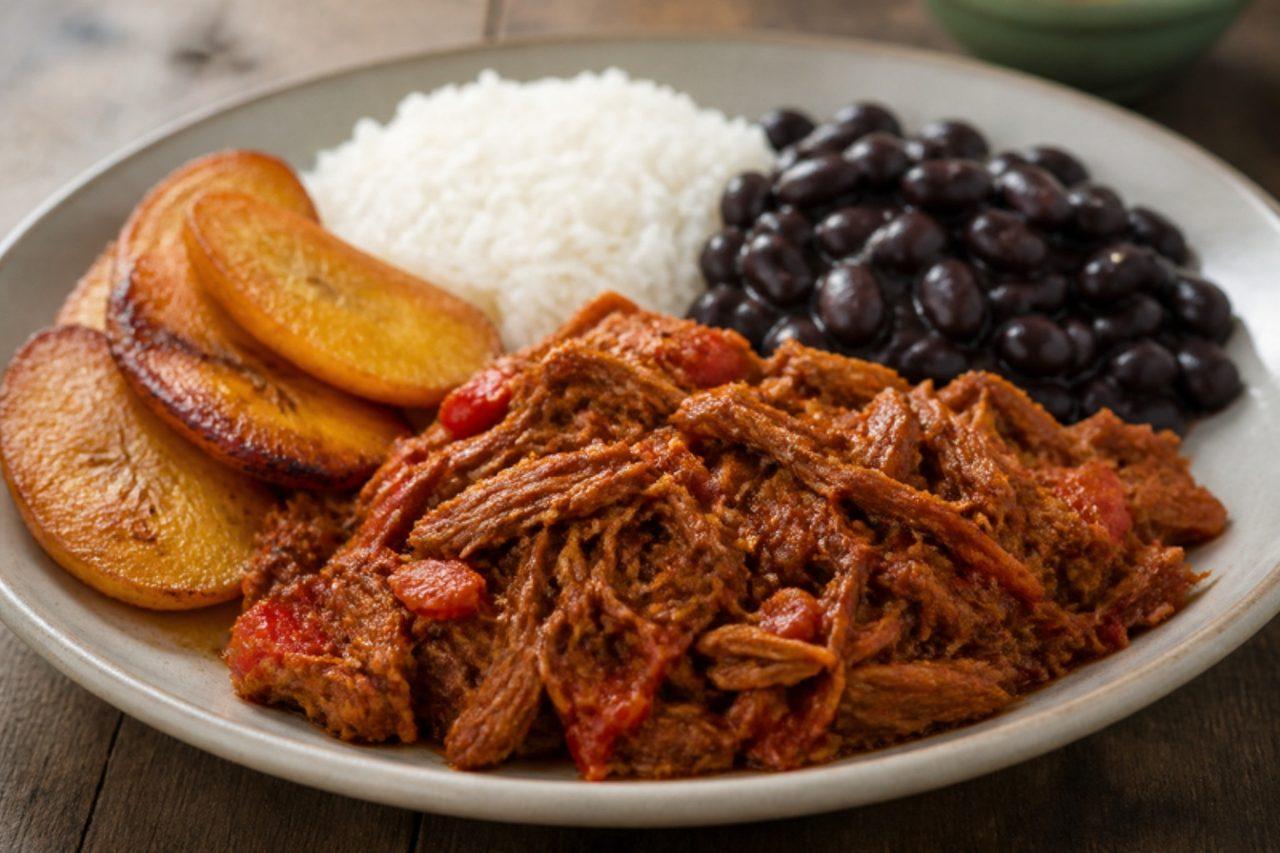
Cattle country cooks in Apure and Barinas turn salted dried beef into pisillo: desalted, boiled, pounded into fine threads and fried with onion, ají dulce and garlic until almost dry and lightly crisp. It's eaten at lunch with white rice, black beans, fried ripe plantain and an arepa, the plate the llaneros call their own. The common mistake is not soaking the beef long enough, so it comes out too salty. Chef's tip: taste a strand after boiling; if it is still salty, simmer it in fresh water for another 10 minutes.

by KrazyBadal 0 views

Showing 36 of 7,762 recipes

Show more recipes

Page 132 of 863