


Skip to content
Nutty red chilli chutney
Featured recipe

Nutty red chilli chutney

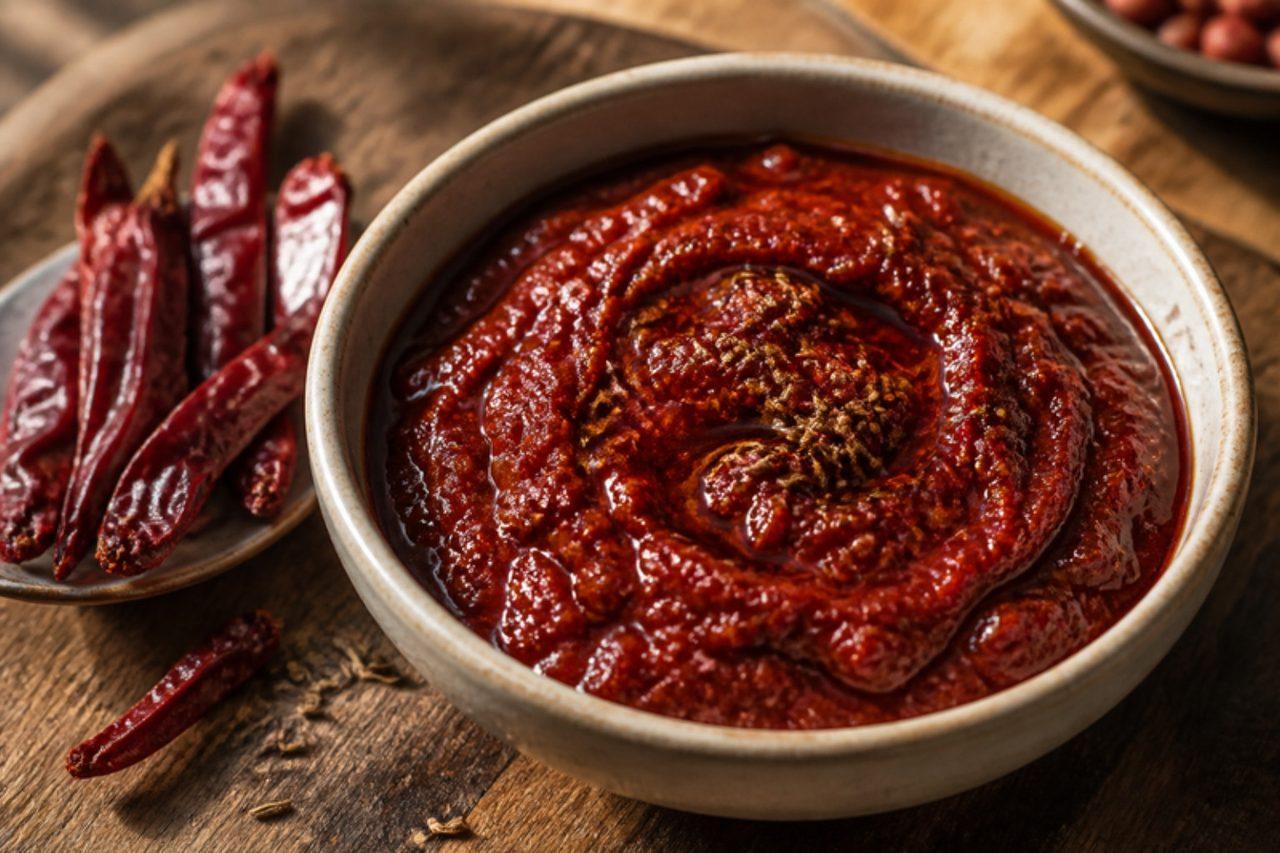
A rich, cooked red chilli chutney: chillies soaked overnight with jaggery, sugar and lemon, blended with toasted cumin, coriander and urad dal, then simmered and finished with cashews, peanuts and powdered curry leaves. It's sweet, hot and crunchy. Serve it with puri, paratha or thepla.

Read more 0 views

What to eat today?

Around the world

Today's trip: Paraguayan

A new country every day, from every cuisine on the site.

Paraguayan

Postre Massini

Custard sponge with burnt sugar top 80 minMore from Paraguayan (27) →

This week's collection

Kid-friendly dinners
537 recipes · a new collection every Monday

Latest recipes

Xôi mặnSticky rice with sausage

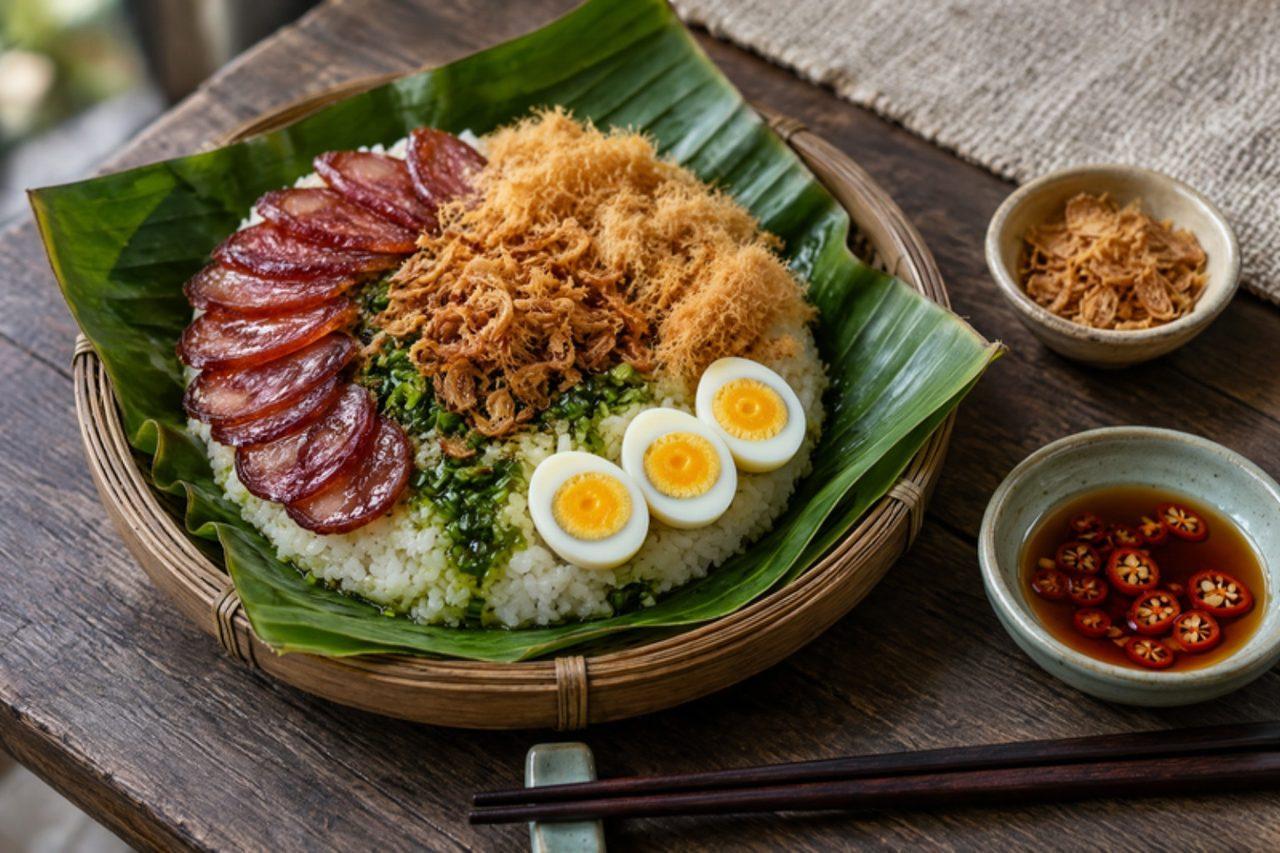
In Ho Chi Minh City, xôi mặn is bought from a street cart in a banana leaf or a foam box and eaten at your desk for breakfast or lunch: chewy sticky rice under sweet slices of lạp xưởng (Chinese pork sausage), pork floss, braised quail eggs, spring onion oil and crisp shallots. Soak the rice for at least 4 hours or overnight before you start. The common mistake is steaming unsoaked rice, which stays hard in the middle. Chef's tip: sprinkle the rice with salted water halfway through steaming and fluff it, so every grain turns glossy and evenly soft.

by KrazyBadal 0 views

Boil-upPork bones with greens and kumara

Boil-up is the great Māori one-pot of Aotearoa New Zealand, cooked on marae for hui, at whānau gatherings and on cold weeknights everywhere from Northland to the King Country. Pork bones and brisket are boiled for hours until the meat falls away, then potatoes, kūmara and handfuls of watercress or wild pūhā go in, and fluffy flour doughboys steam on top. The broth is drunk alongside, with buttered bread. The usual mistake is letting the doughboys sit in boiling liquid uncovered, which makes them heavy; once in, clamp the lid on and don't peek for 15 minutes. Chef's tip: skim the pot well during the first half hour and the broth stays clear and sweet rather than greasy.

by KrazyBadal 0 views

Cape brandy puddingDate and walnut brandy pudding

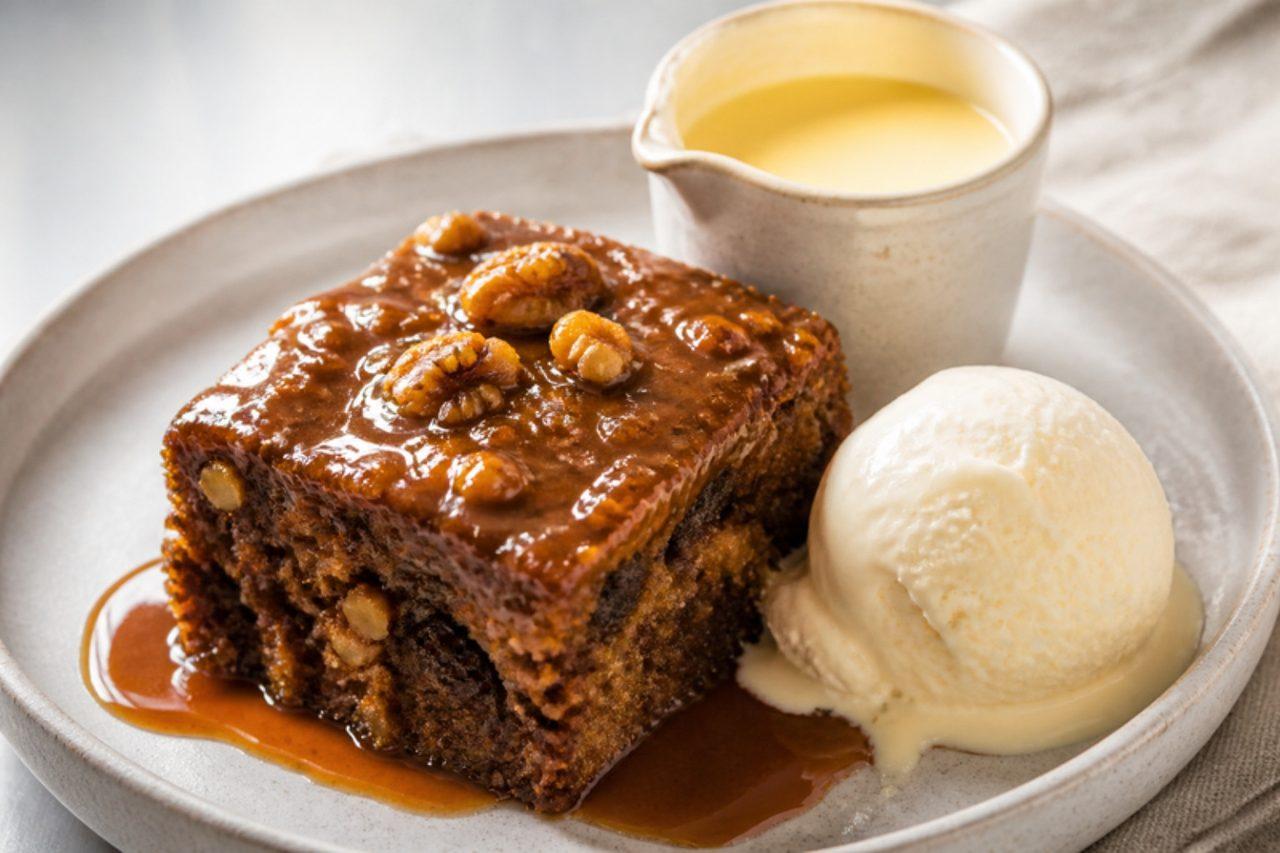
Sometimes called tipsy tart, this baked pudding of dates and walnuts drenched in a hot brandy and butter syrup is what Cape Town and Winelands families bring out for Sunday lunch in winter and for Christmas. It contains brandy, and because the brandy goes into the syrup off the heat most of the alcohol stays, so serve it to adults only; the ingredient note gives an alcohol-free rooibos or orange syrup for everyone else. Expect a dark, sticky, cake-like sponge that is almost wet at the bottom, with crunchy walnuts and a warm caramel and spice flavour, served with custard, cream or vanilla ice cream. The mistake is pouring the syrup over a cooled pudding, which then won't absorb it. Chef's tip: prick the hot pudding all over with a skewer and pour the hot syrup on slowly, letting each ladle sink in before adding the next.

by KrazyBadal 0 views

SwaleFried lentil-stuffed breads

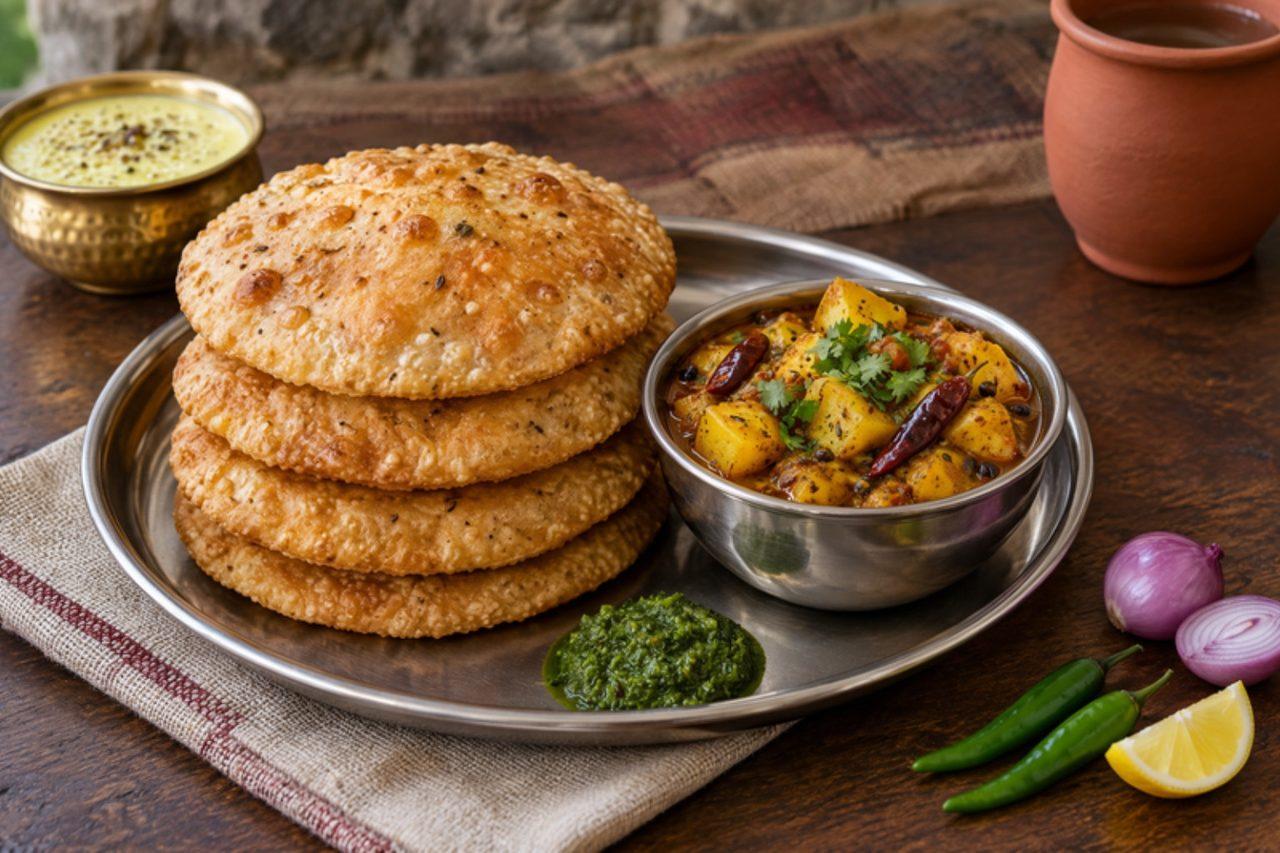
In Garhwal, swale are fried in huge batches for weddings, for the bride's send-off parcel and for festivals like Basant Panchami, then eaten warm or cold over the next couple of days. Soaked urad or gahat dal is ground with ginger and spices and sealed inside wholewheat dough, then fried until the breads puff and blister. They travel well and taste good with raita or a hill pickle. The common mistake is overfilling, which tears the dough and makes the oil spit. Chef's tip: roll them gently from the centre outwards with almost no dusting flour, so the edges seal and the swale puffs evenly.

by KrazyBadal 0 views

Kluay pingGrilled banana

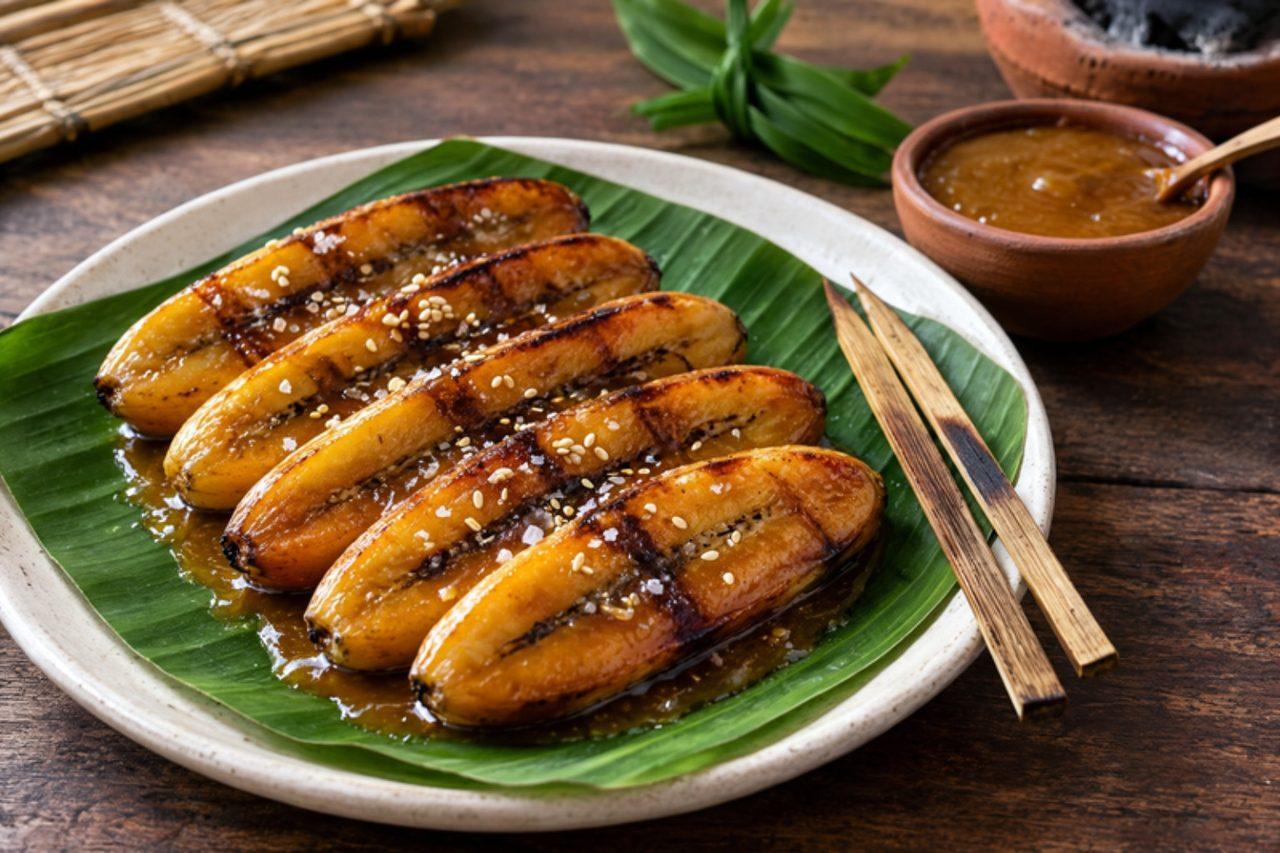
Kluay ping carts work the pavements of Silom and the lanes off Sukhumvit from mid-morning, when office workers want something sweet with their iced coffee. The vendor grills small, starchy nam wa bananas slowly over embers, presses each one flat with a wooden board and then brushes it with coconut cream cooked down with palm sugar and a pinch of salt. The outside turns sticky and smoky; the inside stays soft and fudgy. Ladyfinger bananas or firm, just-ripe small bananas work at home. Chef's tip: choose bananas that are yellow with no brown spots; overripe fruit turns to mush on the grill.

by KrazyBadal 0 views

Geleia de jabuticabaJabuticaba jelly

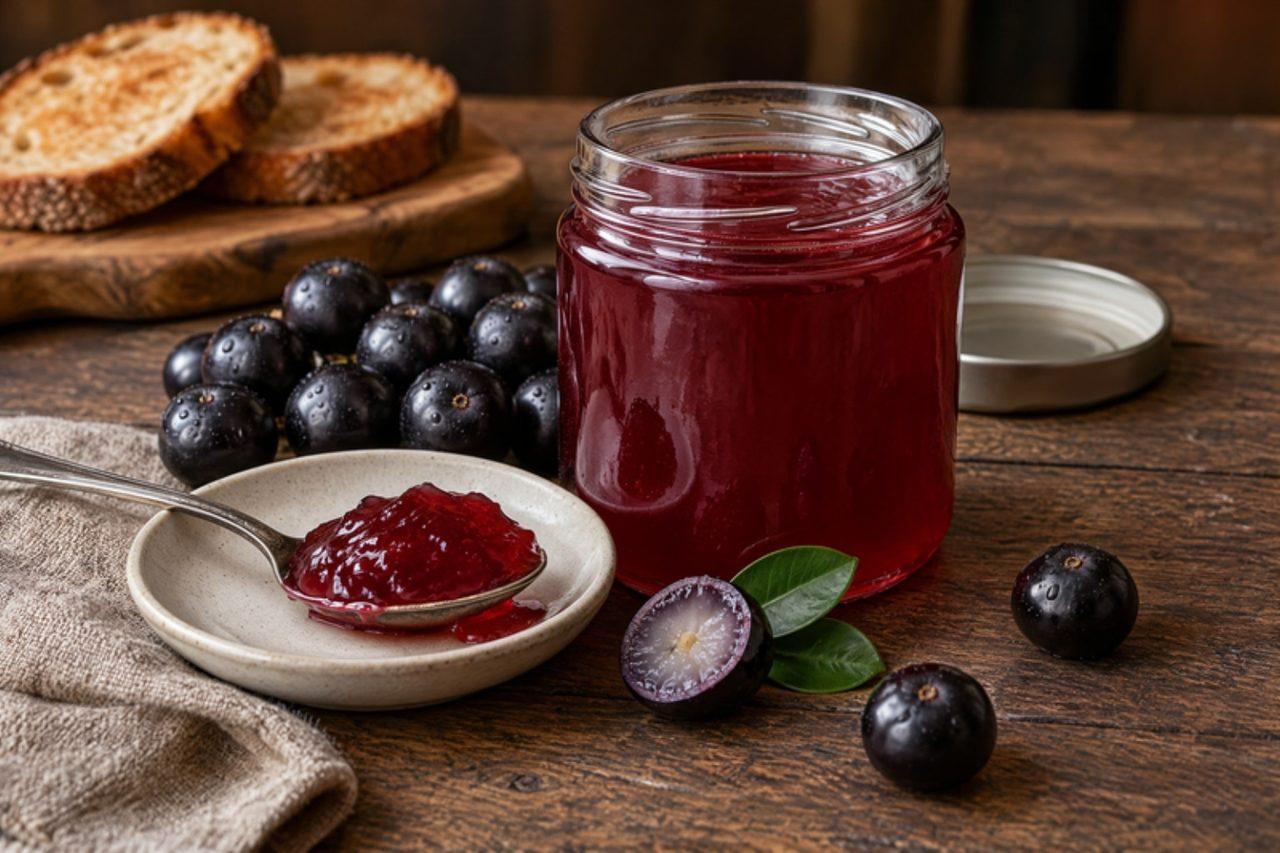
Jabuticabas grow in clusters straight on the trunk of the tree, and in the Minas Gerais spring, from September to November, backyards from Sabará to the south of the state are suddenly covered in shiny black berries. The fruit starts to ferment two or three days after picking, so families turn the glut into jelly, liqueur and syrup; Sabará even celebrates the harvest with a festival. Boiling the berries whole draws colour, tannin and pectin out of the thick skins, so the jelly sets with no added pectin. It is deep ruby-purple, sweet and tart like a dark grape, with a faint astringent edge from the skins. Spread it on pão de queijo or toast, or serve it with fresh white cheese. Abroad, use Concord or other dark, slip-skin grapes, or muscadines. Common mistake: boiling past the setting point; the jelly darkens, turns gummy and the tannins taste bitter, so start testing early. It is ready at 104 °C, or when a drop on a frozen saucer wrinkles when pushed. Chef's tip: let the juice drip through the cloth without squeezing; pressing it makes the jelly cloudy.

by KrazyBadal 0 views

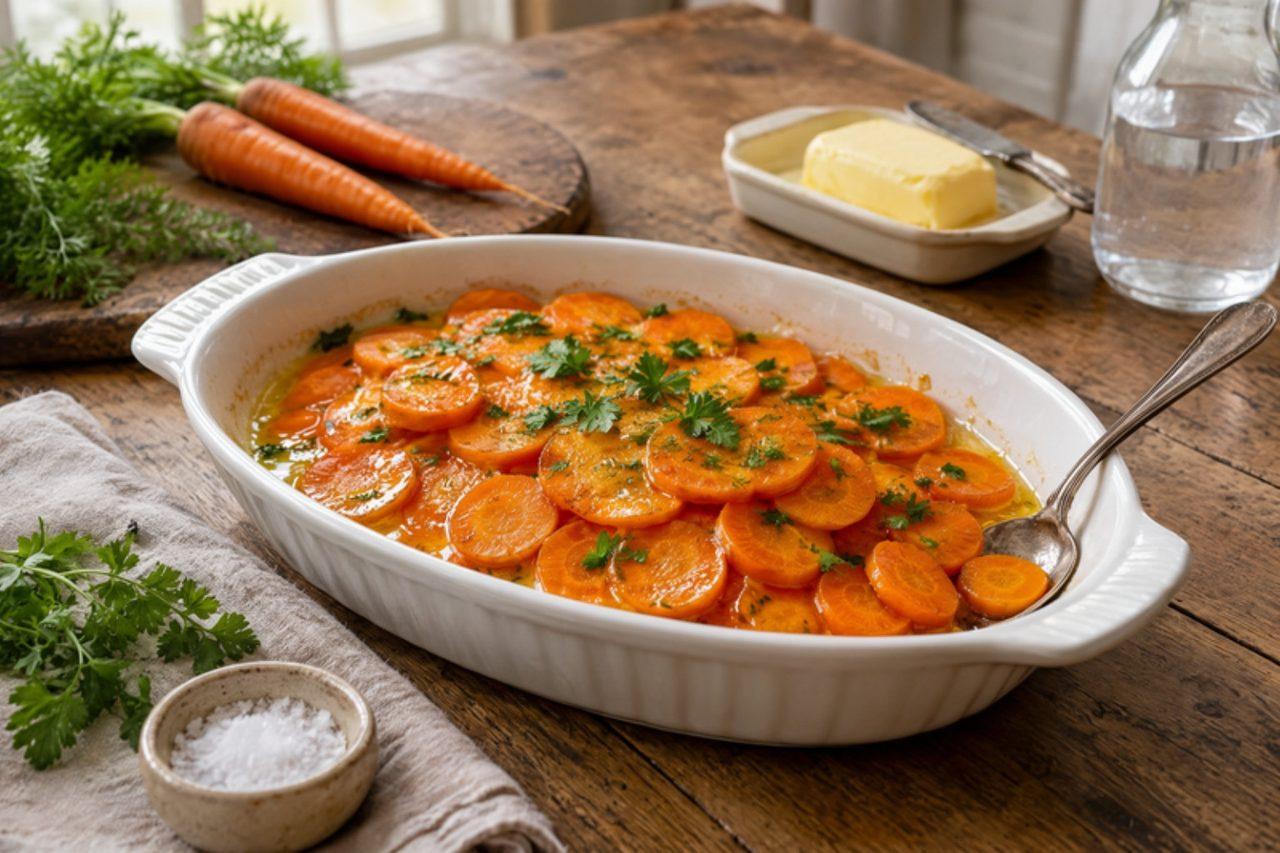
Carottes VichyGlazed carrots

Carottes Vichy come from the spa town of Vichy in the Auvergne, where they were cooked in the local mineral water; today they are the classic French bistro and Sunday-lunch side, loved by children. Thin rounds of carrot simmer with butter, a little sugar and salt in just enough water, so that when the carrots are tender the water has boiled down to a shiny glaze. Serve with roast chicken, an omelette or lentils. The usual mistake is using too much water, so you must drain away the flavour; it should just cover the carrots. Chef's tip: a pinch of bicarbonate of soda in the water copies Vichy's alkaline water and helps the carrots turn sweet and bright.

by KrazyBadal 0 views

Lahpet yay (Burmese milk tea)

Yangon runs on lahpet yay. From before dawn, crowded teashops set out tiny plastic stools on the pavement, and the tea comes with mohinga, palata or a plate of samusa; people linger again at four in the afternoon to talk. The tea is a dark, very strong brew of cheap black leaf that has been boiled and kept hot in a kettle, mixed in the cup with condensed milk and evaporated milk. Regulars order in code: cho seint is sweet and creamy, kya seint is strong and less sweet, pawsein is the standard. It should be thick, silky, sweet, faintly smoky and bitter underneath. The common mistake is brewing it like ordinary tea: it ends up thin and the condensed milk just tastes of sugar. Boil the leaves hard and then let them stand so the liquor is almost black; the bitterness is needed to stand up to the milk. It is ready when the tea poured from height into the cup has a light froth and the colour of milk chocolate. It is strongly caffeinated, so not one for children or late evenings. Chef's tip: pour the finished tea between two jugs a few times to cool it slightly and give it the teashop froth.

by KrazyBadal 0 views

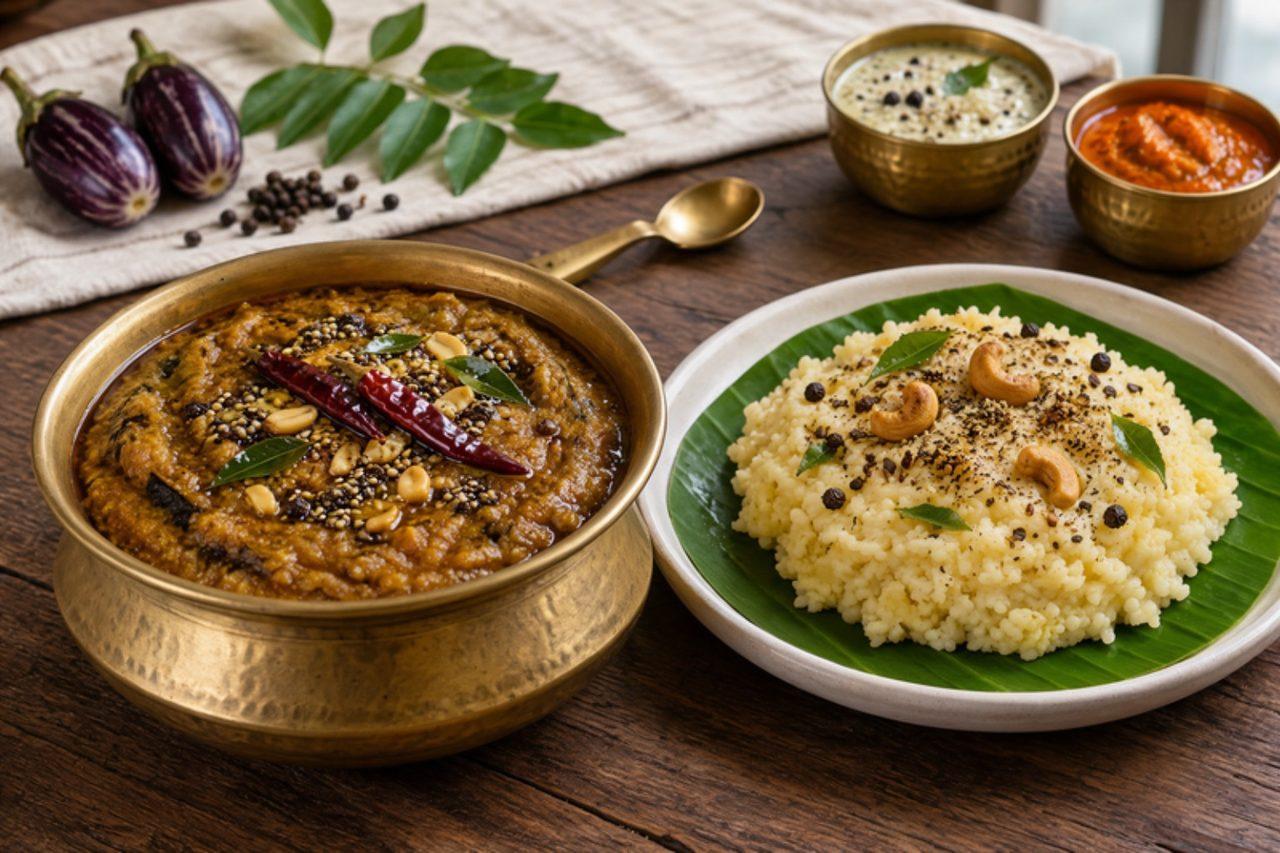
Kathirikai gothsuSmoky aubergine tamarind gravy

At the Nataraja temple in Chidambaram, ven pongal, the peppery rice and moong porridge, is always served with gothsu, and the pairing has spread to breakfast tables and wedding feasts all over Tamil Nadu. Brinjal is charred over the flame, mashed and simmered with a little moong dal, shallots and tamarind, then seasoned with a freshly roasted powder of coriander, chana dal and chilli. The result is smoky, tangy and spoonable, also good with idli or dosa. The usual mistake is using big, seedy aubergines: choose small, firm, glossy ones, which are sweeter. Chef's tip: char at least one brinjal right over the gas flame until the skin is black all over; that smoky note is what makes Chidambaram gothsu.

by KrazyBadal 0 views

GimjabanFried seasoned seaweed

Korean children grow up eating gimjaban scattered over rice or rolled into jumeokbap rice balls, and a little tub of it is the easiest way to make a plain dosirak exciting. It is laver seaweed toasted, crushed and stirred in a pan with sesame oil, a little sugar and plenty of sesame seeds until crisp and savoury-sweet. The common mistake is adding the soy sauce while the pan is very hot, which turns the flakes soggy and clumped. Chef's tip: mix the soy and sugar into the oil first, then toss in the crushed seaweed off the heat and return it to a gentle flame just to dry out.

by KrazyBadal 0 views

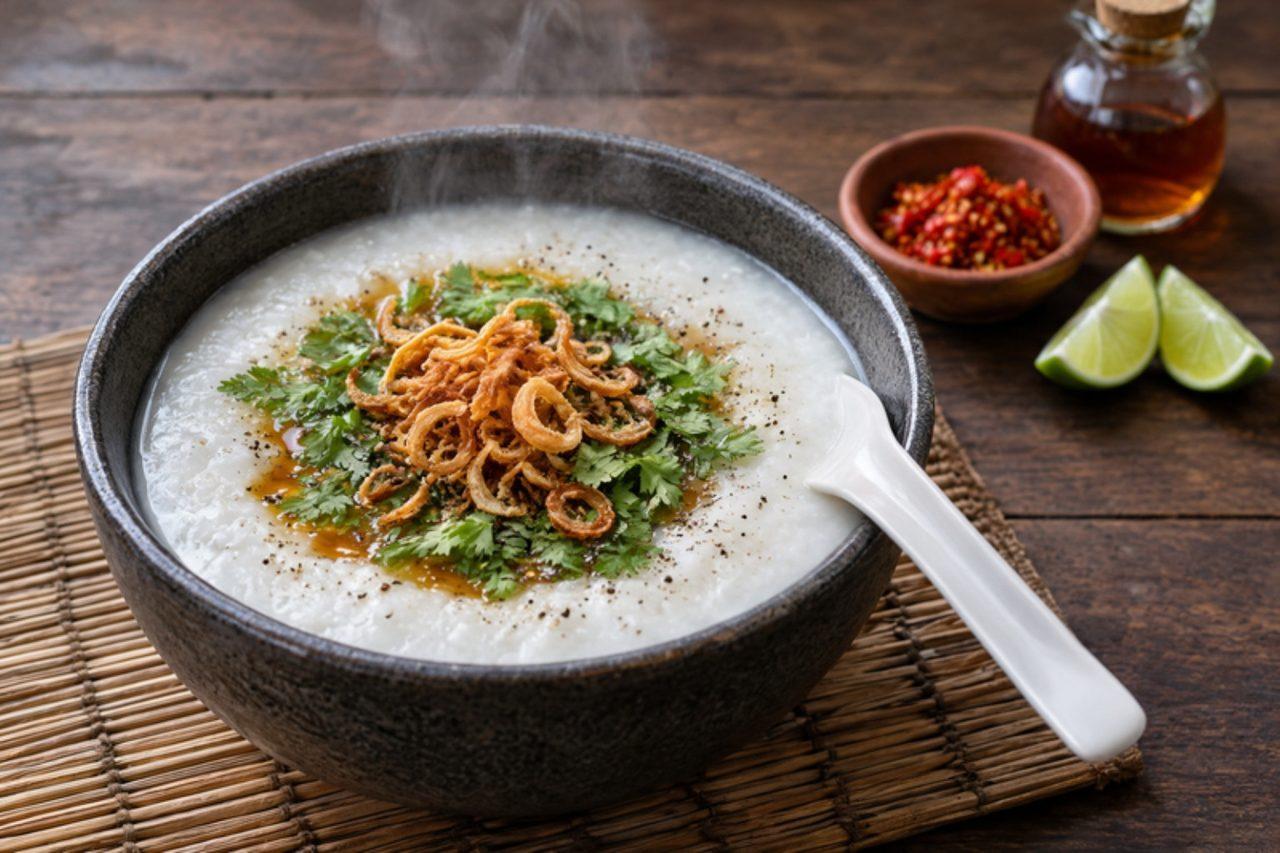
SanpiauRice porridge with fish sauce

Sanpiau is the street-stall breakfast and afternoon snack of Aizawl, Mizoram: a thin, silky rice porridge ladled into bowls and finished at the table with fish sauce, black pepper, crisp fried shallots, coriander and, often, shredded chicken. It came to Mizoram via Myanmar and is now as Mizo as bai. The common mistake is under-stirring, so the rice catches on the base; stir every few minutes once it thickens. Chef's tip: let everyone season their own bowl, since fish sauce brands vary a lot in saltiness.

by KrazyBadal 0 views

Melon juice (cantaloupe drink)

Afternoon merienda across the Philippines means something cold from a plastic cooler at the school gate, a jeepney stop or a carinderia: sago't gulaman, buko juice or this melon drink, with ribbons of orange cantaloupe suspended in sweet water. Vendors scrape the melon with a special spiral shredder, a kayod ng melon, so you get thin strands to chew through a fat straw. It tastes fresh, sweet and gently musky, more refreshing than a smoothie because the water stays clear and light; some stalls add evaporated milk, but the plain version is the classic. The common mistake is using a melon that is not fully ripe, which gives pale, crunchy strands and a flat drink; choose one that smells sweet at the stem end and gives slightly when pressed there. Shred straight into the jug so the juice from the melon is not lost. It is ready when the strands are soft and floating, the water has turned faintly orange and it tastes of melon rather than plain syrup. Chef's tip: a box grater's coarse side or a fork scraped along the flesh both work if you don't own a melon shredder.

by KrazyBadal 0 views

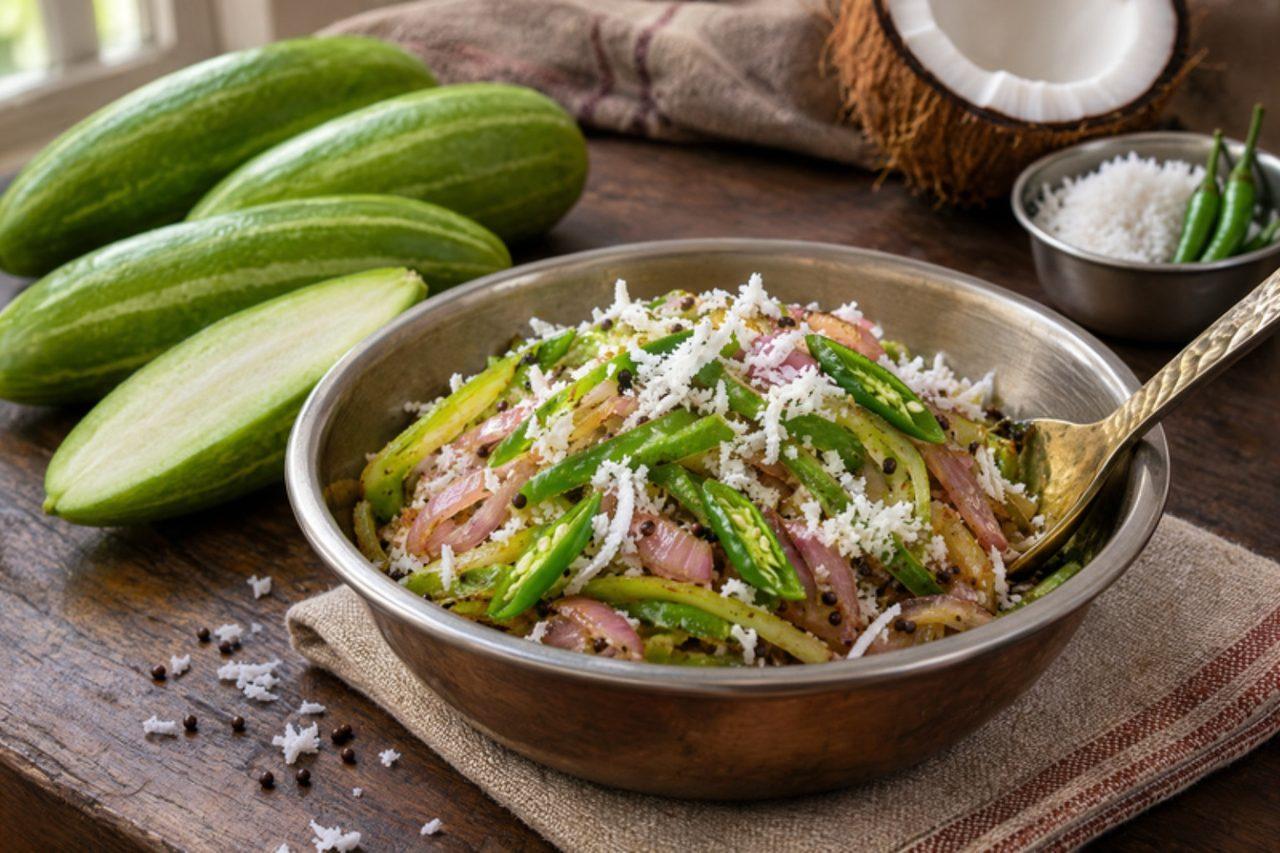
Goan tendli bhajiIvy gourd stir-fry

On an everyday Goan plate of rice, fish curry and a vegetable, the vegetable is very often this quick tendli bhaji. Thin rounds of ivy gourd are softened with onion and green chilli in coconut oil, then tossed with fresh grated coconut just before serving, so they stay crunchy-tender and sweet. Hindu homes make it without onion on fasting or puja days. The mistake to avoid is cutting the tendli thickly and covering the pan for too long, which gives grey, soggy rings; thin slices cooked mostly uncovered keep their green colour. Chef's tip: pick firm, bright green tendli and discard any that are red inside, as they are overripe and slimy.

by KrazyBadal 0 views

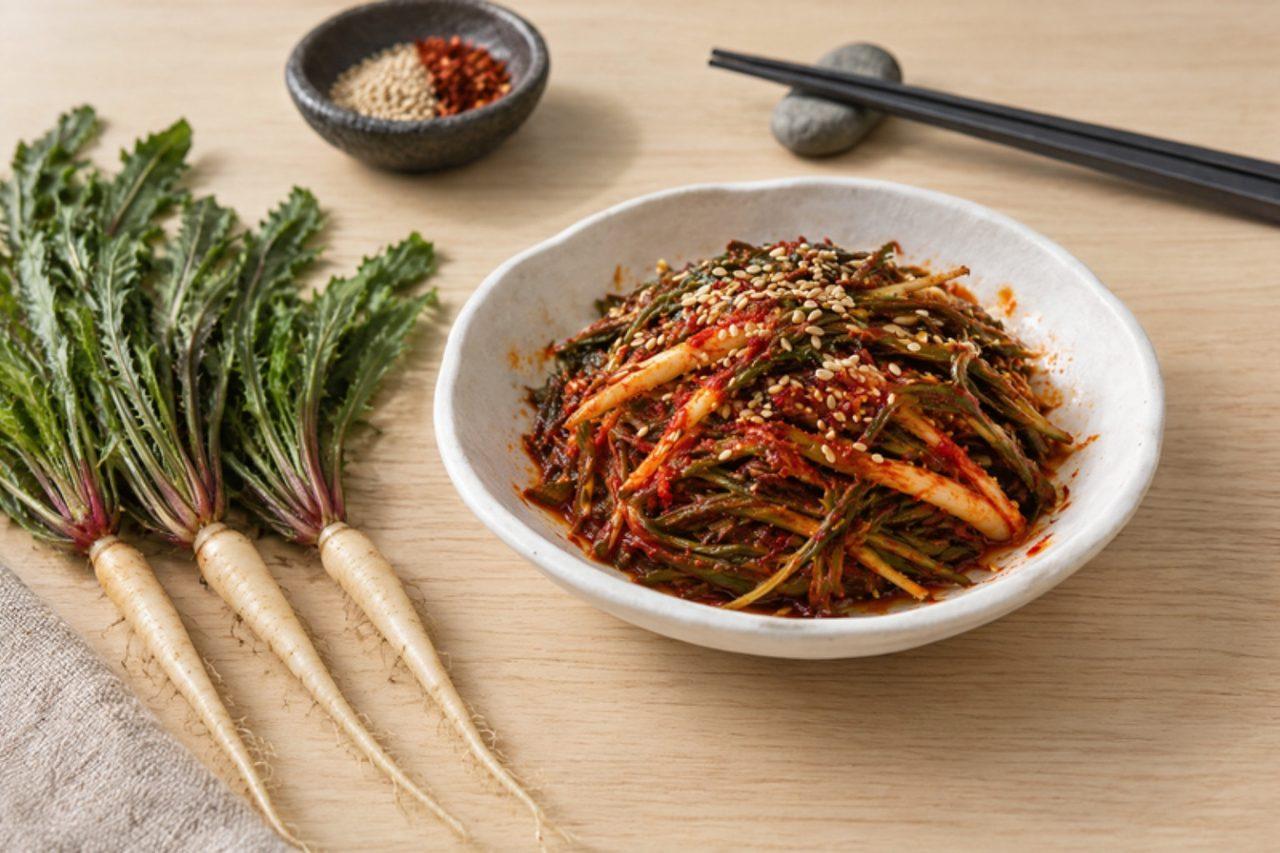
Godeulppaegi kimchiBitter wild lettuce kimchi

In Suncheon and the hills of South Jeolla, godeulppaegi is dug up from fields and banks in late autumn and again in early spring, and the kimchi made from it is a point of local pride, eaten through winter beside rice, grilled fish and pork. The plant is a small wild lettuce with a pale, carrot-like root and leaves full of milky, bitter sap. Soaked in salt water for several days, the bitterness softens to a pleasant, coffee-like edge that pairs with the deep anchovy sauce and sweet, sticky chilli dressing. Chewy roots, tender leaves, sweet, savoury and gently bitter all at once. The common mistake is rushing the soak: the kimchi is then too bitter to enjoy. Change the brine every day and taste a leaf; stop when the bitterness is noticeable but no longer harsh, usually day 3 to 5. Outside Korea, look for it frozen or dried in Korean shops, or use young dandelion plants with their roots. The kimchi is ready after about 2 weeks in the fridge, when the dressing turns glossy and the roots taste mellow and sour-sweet. Chef's tip: twist a few plants into small coils so each serving comes out of the jar neatly.

by KrazyBadal 0 views

Sharbat-e rivas (rhubarb sherbet)

For a few weeks in spring, after Nowruz, sellers come down from the Alborz foothills, the mountains of Khorasan and Kurdistan with bundles of rivas, the thick-stalked wild rhubarb. People peel and eat the stalks raw with salt, cook them into khoresh, and boil the rest into syrup to keep the taste of the season into summer. Sharbat-e rivas is pink, sharp and refreshing, like sour cherry and green apple together, softened by sugar and lifted by mint. The common mistake is boiling the rhubarb hard and pressing it through the sieve, which makes the syrup cloudy, brownish and stringy; simmer gently and let it drip on its own. Use only the stalks, never the leaves, which are poisonous. The syrup is ready when it is clear, rose-coloured and coats a spoon in a thin film; it keeps for two weeks in a clean bottle in the fridge, and should be thrown away if it fizzes, smells of alcohol or grows mould. Garden rhubarb is a good substitute for rivas; the reddest stalks give the prettiest colour. Chef's tip: a strip of lemon peel in the pot brightens the colour and stops the syrup tasting flat.

by KrazyBadal 0 views

Ivan-chai (fireweed tea)

Long before Chinese tea reached ordinary villages, peasants around Koporye near St Petersburg, and on through Karelia and the Arkhangelsk forests, were rolling and fermenting the leaves of fireweed, the tall pink-flowered plant that floods clearings every July. Ivan-chai is having a revival now, sold in paper bags at markets and drunk at the dacha in the evening from the samovar, because it has no caffeine and will not keep anyone awake. It brews to a clear amber with a soft, slightly fruity, honey-and-dried-apple taste and almost no bitterness. Granular kinds taste deeper, leaf kinds more floral. The common mistake is brewing it for two or three minutes like black tea; it needs a full 10 minutes in a warmed pot to open up, and it never turns bitter if you leave it longer. It is ready when the liquid is a deep golden-amber and smells of honey and dried fruit. It is traditionally drunk as a calming evening tea; if you are pregnant or on regular medication, check with a doctor before drinking it daily. Chef's tip: the same leaves give a second, lighter pot; just top up with fresh hot water and wait another 10 minutes.

by KrazyBadal 0 views

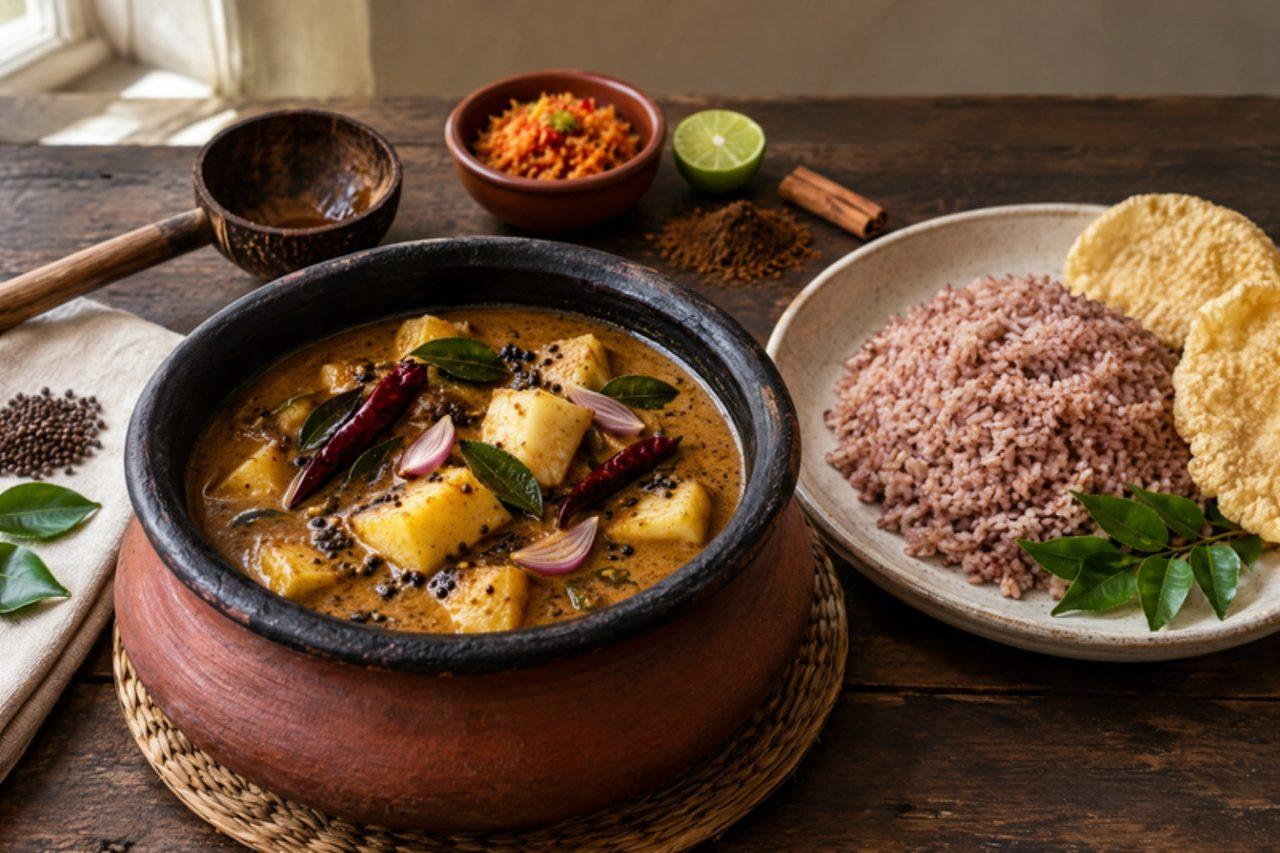
Del curryBreadfruit coconut curry

Breadfruit trees grow in almost every village garden in Sri Lanka, and del curry is the filling weekday and almsgiving dish that makes use of them, especially in the wet south-west. Chunks of breadfruit are simmered in coconut milk with roasted curry powder, a little mustard paste, curry leaves and pandan, until they turn soft, creamy and starchy like a good potato. Eat it with rice, pol sambol and a green mallung. The usual mistake is skipping the pre-boil; breadfruit contains a sticky latex and can stay firm, so boil the pieces first. Chef's tip: stir the mustard paste in only at the end and don't boil it hard afterwards, or it turns bitter.

by KrazyBadal 0 views

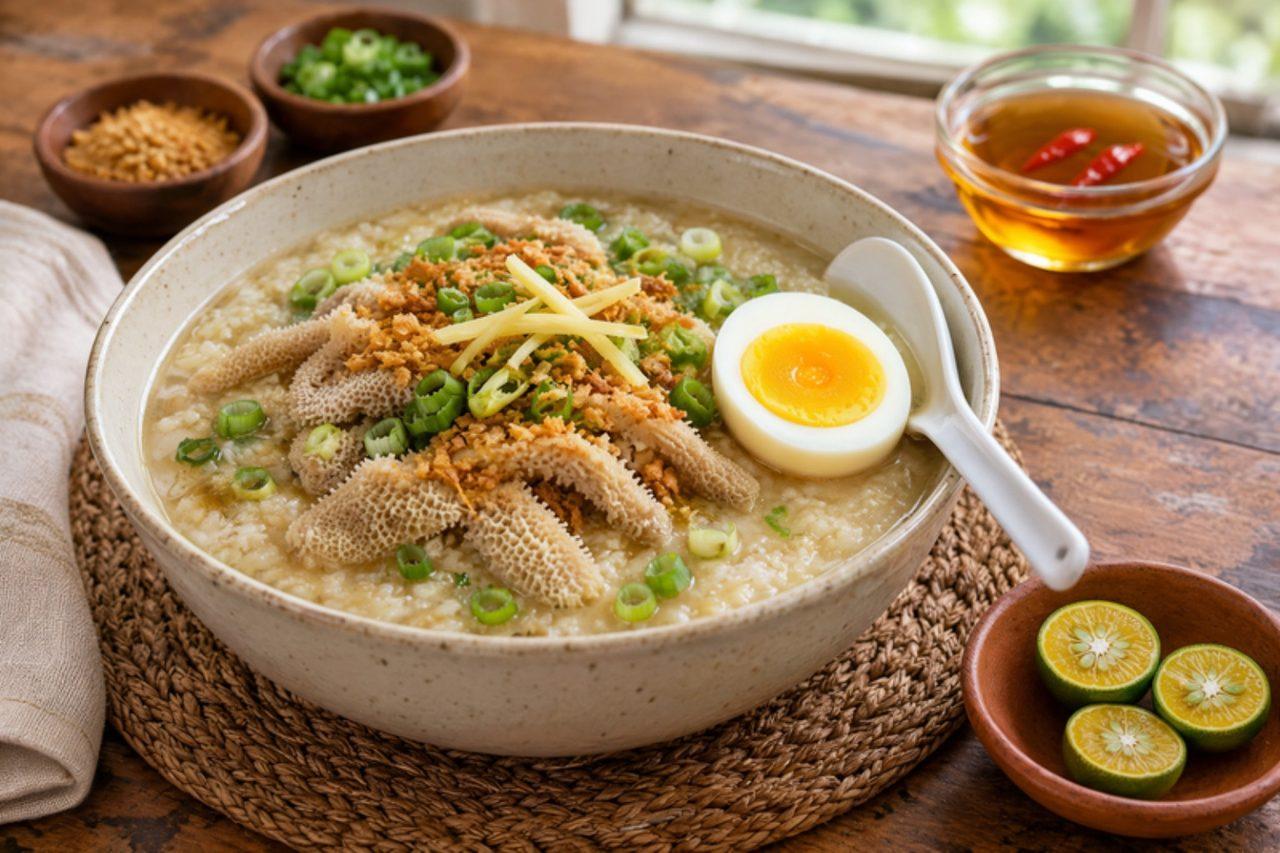
GotoGinger rice porridge with tripe

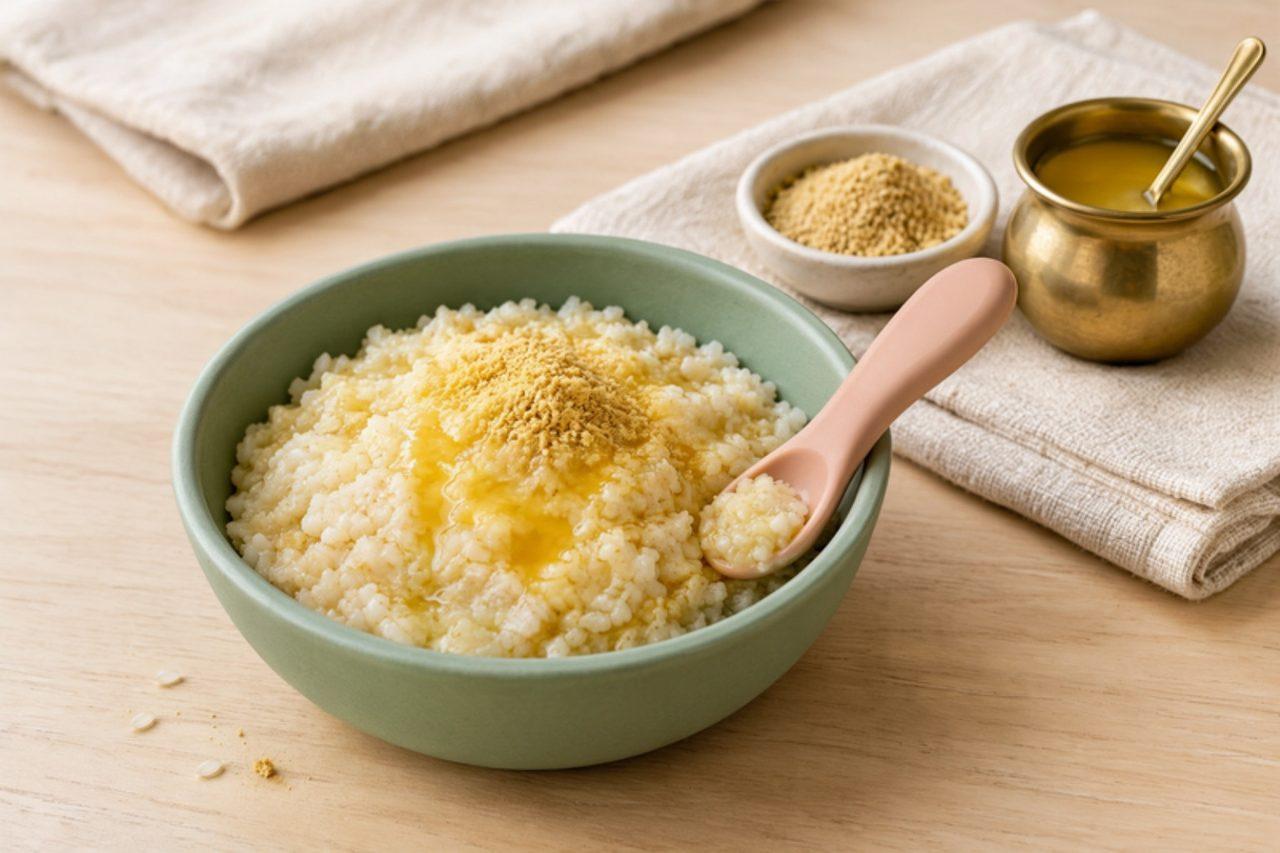
Goto is the tripe-rich cousin of arroz caldo, sold at dawn and late at night from gotohan stalls across Luzon, especially in Manila and Batangas. Glutinous rice is cooked in a ginger broth with long-simmered beef tripe until thick, then topped with toasted garlic, spring onion, a boiled egg and a squeeze of calamansi. The common mistake is skipping the pre-boil of the tripe, which leaves a strong farmyard smell. Chef's tip: buy cleaned honeycomb tripe and simmer it until a knife slides in easily before it meets the rice; it will not soften further once the porridge thickens.

by KrazyBadal 0 views

Sharbat-e zaferan (saffron sherbet)

Big steel urns of golden saffron sherbet are poured for guests at Iranian weddings and engagement parties, and the same drink is handed out on the street as nazri during Muharram and at memorial gatherings, when families offer something sweet and cool in the name of the departed. Saffron from Khorasan is ground with a sugar cube, bloomed in a little water and stirred into syrup with rose water and lemon. The result is honey-sweet and floral, with saffron's faint bitterness and hay-like perfume at the end, and a colour that should be a clear, sunny orange-gold. The usual mistake is dropping whole threads straight into cold water, which gives a pale, patchy drink and wastes expensive saffron; grind it first and let it bloom for at least 10 minutes. You know the bloom is ready when the water is a deep red-orange and smells strongly of saffron. Taste before serving: it should be sweet but finish clean, with the lemon just noticeable. Chef's tip: an ice cube placed on the ground saffron and left to melt slowly gives the deepest colour of all, an old Iranian trick.

by KrazyBadal 0 views

Guaguas de panSweet bread babies

Guagua means baby in Kichwa, and in late October Quito's bakeries line their windows with these swaddled bread figures, each with a sugar-iced face and blanket, made to eat with colada morada for the Day of the Dead on 2 November. The bread is soft, buttery and lightly sweet, often hiding a strip of guava paste, and children love decorating them. The common mistake is shaping thin heads and arms, which brown and dry long before the body is baked; keep the shapes plump. Chef's tip: let the shaped figures rise fully before baking, so they puff into round, friendly babies rather than cracking at the seams.

by KrazyBadal 0 views

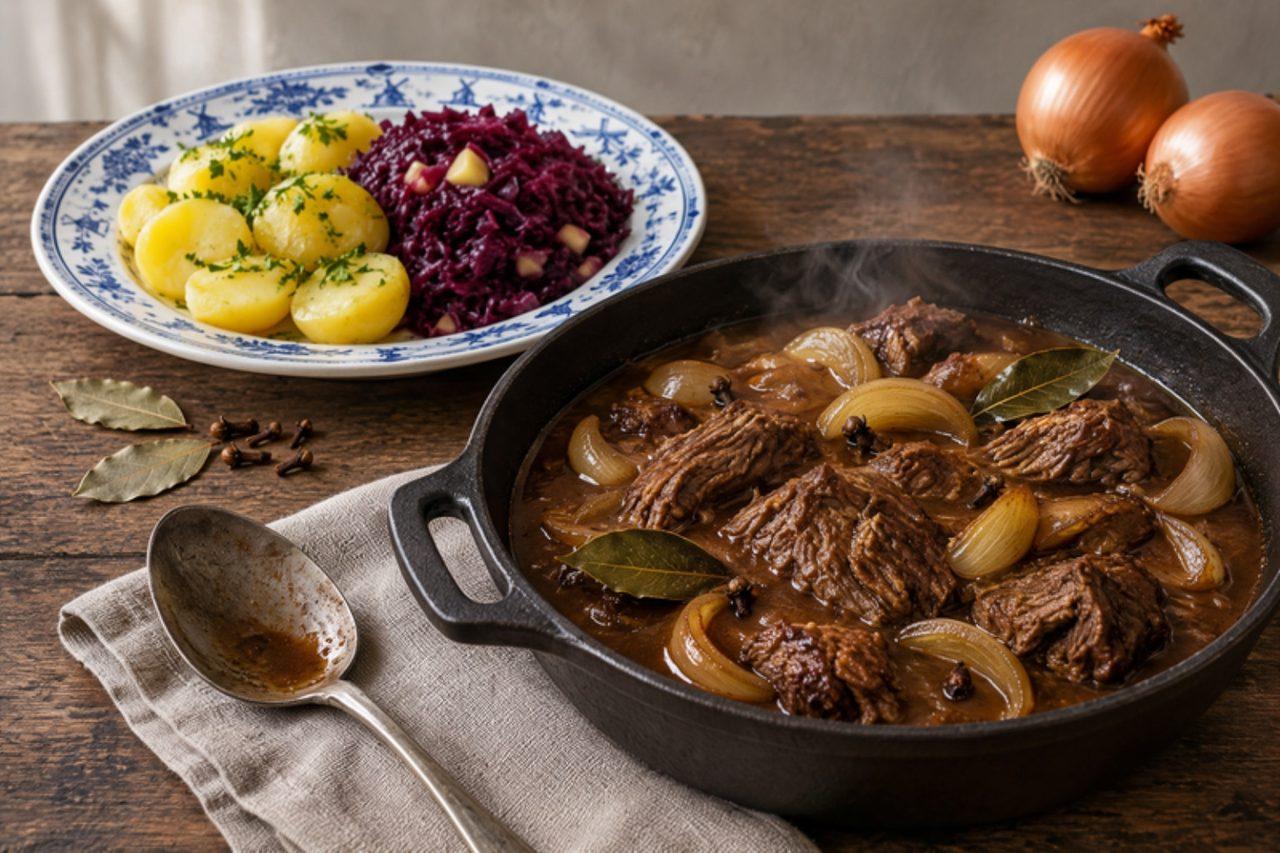
HacheeBeef and onion stew

Hachee is the Dutch stoofpotje that grandmothers in Friesland, Groningen and Brabant leave murmuring on the back of the stove on cold Sundays: beef braised with almost as much onion as meat, plus bay leaves, cloves and a splash of vinegar, until it falls apart into a dark, sweet-sour gravy. It goes on boiled potatoes with red cabbage, or with stamppot, and leftovers are eaten on toast. The usual mistake is rushing the onions: they need a good 15 minutes to turn deep golden, or the gravy stays pale and sharp. Slow-cooker option: after browning, cook on low for 8 hours. Chef's tip: stir in a spoon of dark syrup or apple butter at the end only if the vinegar tastes too sharp; taste first, as good onions often make it unnecessary.

190 minDutchMeat
by KrazyBadal 0 views

GuatitaTripe and potato stew

In Guayaquil, guatita is the dish people seek out on a Sunday morning or after a long night: honeycomb tripe simmered until meltingly tender, then stewed with potatoes in a creamy peanut and milk sauce coloured with achiote. It is served with white rice, avocado, fried ripe plantain and a sharp red-onion curtido. Peanuts are a major allergen. The most common mistake is undercooking the tripe, which stays rubbery; it needs about 2½ hours of simmering (45 minutes in a pressure cooker). Chef's tip: buy cleaned, blanched tripe and still give it a scrub with lime and salt before cooking; it freshens the flavour.

by KrazyBadal 0 views

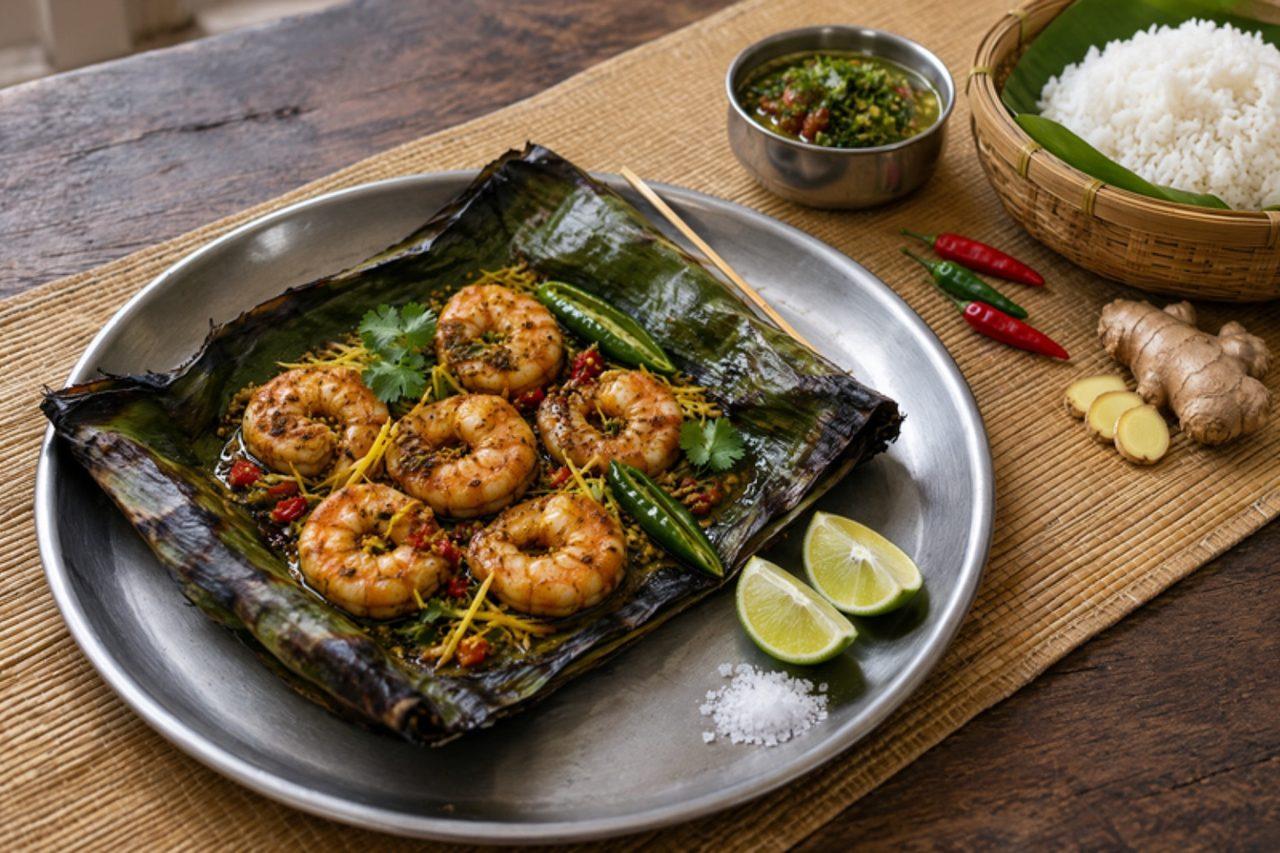
Misa mach pooraPrawns grilled in banana leaf

Misa mach poora is a simple Mizo way with river prawns: rubbed with ginger, garlic, chilli and salt, wrapped in banana leaf and cooked over embers until the leaf chars and the prawns steam in their own juices. It is made at riverside picnics and family cookouts and eaten with rice and a chilli relish. The common mistake is overcooking, which makes prawns tough; they are done the moment they turn opaque and pink all through. Chef's tip: keep the marinated parcels in the fridge until the grill is hot.

27 minIndianFishGluten free
by KrazyBadal 0 views

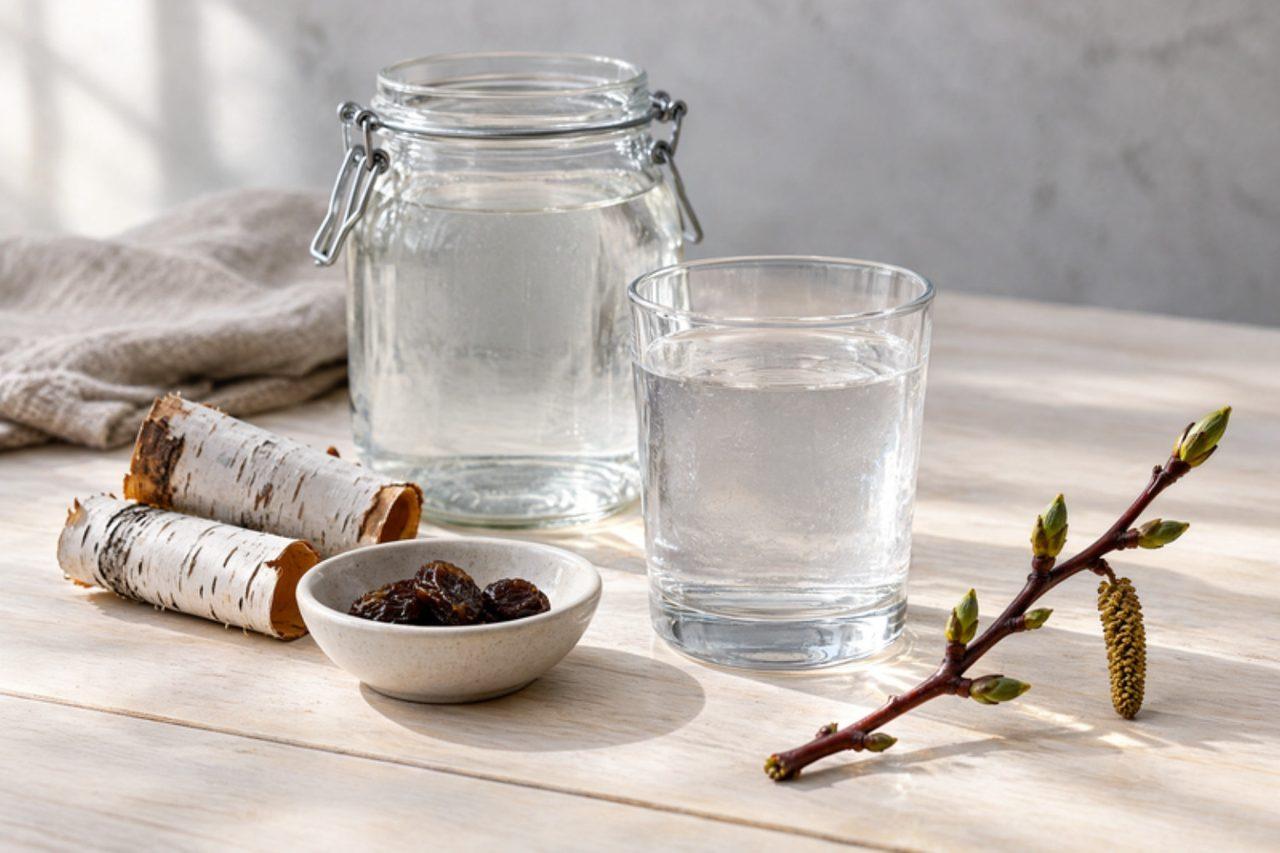
Berezovy sok (birch sap)

For two or three weeks at the end of March and into April, while there is still snow under the trees and before the buds open, the birches around Moscow, Tver, Vologda and across the north start to run. Families tap a few trees at the dacha and drink the sap straight from the jar: clear, cold, very faintly sweet, tasting of rainwater and fresh wood. Because it spoils within two or three days, villagers bottled the rest with sugar, raisins and lemon zest, letting it ferment slightly into a sparkling drink that kept into early summer; like any ferment it makes a trace of alcohol, well under 1% if drunk young. Only tap with the owner's permission, choose trees thicker than 20 cm, drill one small hole and plug it with a wooden peg afterwards so the tree heals. The common mistake is sealing the bottles tight at warm room temperature, which can make them burst; keep them cool and open the caps daily. The bottled sap is ready when the raisins float, a ring of fine bubbles forms on top and it tastes gently sparkling. Chef's tip: drink the first glass straight from the tree; it is never quite as good again.

by KrazyBadal 0 views

GujiyaSweet filled pastries

In Uttar Pradesh, Bihar and across the Hindi belt, the days before Holi are for making gujiya: the women of the house sit together rolling, filling and crimping hundreds of these half-moon pastries, which are then offered to guests between rounds of colour. The filling is mawa roasted until grainy and golden, mixed with ghee-toasted semolina, coconut, nuts and powdered sugar; Maharashtra's karanji is the cousin with a coconut filling. The common mistake is frying on high heat, which blisters the pastry and leaves it raw and chewy inside; gujiya should fry slowly until crisp and pale gold. Chef's tip: add the powdered sugar only once the mawa has cooled completely, or it melts and the filling turns sticky.

by KrazyBadal 0 views

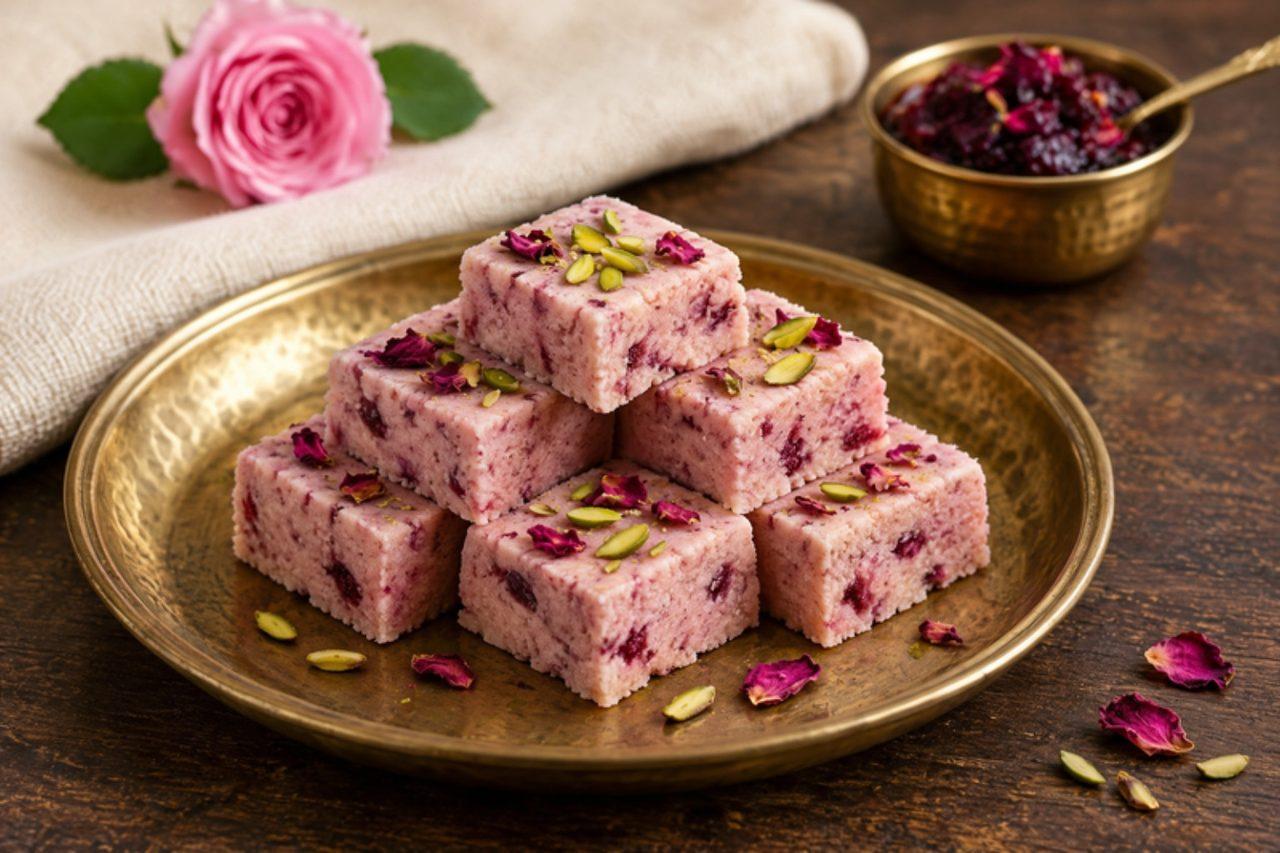
Gulab pakRose milk fudge

The sweet shops of Bhuj and Mandvi in Kutch sell gulab pak in pale pink slabs that smell of summer roses, and it is a favourite to carry home after a trip to the Rann or a family wedding. Mawa is cooked down with sugar and gulkand, the sun-cured rose-petal preserve, so the fudge is soft and grainy with little chewy flecks of petal through it. The mistake to watch for is adding the gulkand too early: cooked for long, it darkens and turns the fudge brown and toffee-like. Chef's tip: a few drops of rose water stirred in right at the end lift the perfume without making it taste soapy.

by KrazyBadal 0 views

Beijing douzhiFermented mung bean drink

Douzhi is the most famous acquired taste in Beijing: a hot, grey-green, sour drink made from the liquid left when mung beans are ground for starch, then fermented. Old Beijingers sip it at breakfast with crisp jiaoquan rings and shredded salted mustard pickles, and visitors either love it or never try it twice. At home you make a small batch by blending mung beans, settling out the starch and fermenting the cloudy water for a day. The mistake is letting it boil hard: it separates into watery and thick layers, so keep it at a gentle bubble. It must smell cleanly sour like yogurt; throw it away if it smells rotten, has mould, or turns pink or slimy. Chef's tip: stir it continuously as it heats and add a splash of the thinner liquid at the end, which keeps the classic smooth, slightly thick texture.

1440 minChineseDrinksVeganGluten free
by KrazyBadal 0 views

Yansoon (anise tea)

Every Cairo ahwa has yansoon on its menu, chalked up next to tea and helba, and in Egyptian homes it is the drink of evenings, colds and upset stomachs. It is made with green aniseed, often from Upper Egypt, simmered briefly and sweetened. People reach for it after a feast at Eid, during winter coughs, or simply at night because it is caffeine-free and traditionally drunk to calm and help sleep. It is pale gold and sweet, with a soft liquorice scent and a slightly peppery warmth at the end. Many Egyptian mothers give a weak version to infants, but herbal teas are not suitable for babies under six months; ask your doctor first. The common mistake is boiling the seeds for too long, which makes the tea cloudy and bitter: crush them lightly, boil for only a few minutes, then let them steep off the heat. Also do not swap in star anise, a different plant with a harsher taste. It is ready when the liquid is light golden and smells strongly of anise when you lift the lid. Chef's tip: a thin slice of lemon or a few drops of lemon juice brightens the cup without hiding the anise.

by KrazyBadal 0 views

Guyanese egg ballsFried cassava-coated eggs

Egg balls are the snack you buy in a paper bag at a Georgetown cake shop or from a tray at a cricket match at Bourda, with a generous spoon of mango sour over the top. A whole hard-boiled egg is wrapped in a layer of mashed cassava seasoned with garlic, hot pepper and herbs, then fried until crisp and golden. The usual problem is cassava that is too wet or too thin a layer, so the balls crack in the oil; mash it dry and keep the coat about 1 cm thick. Eggs are the main allergen here. Chef's tip: chill the wrapped balls for 20 minutes before frying so they hold their shape.

by KrazyBadal 0 views

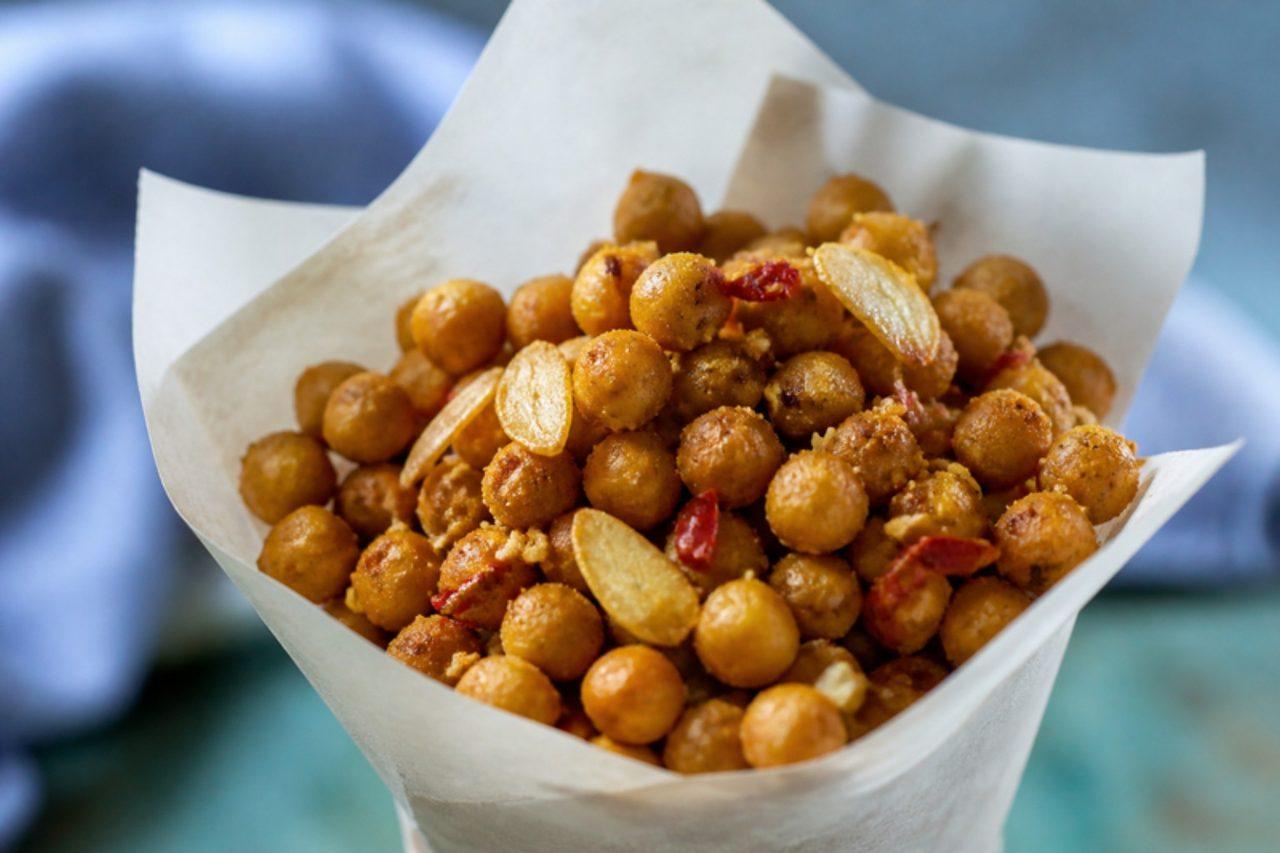
Guyanese boiled and fried channaFried garlicky chickpeas

Outside schools, cinemas and the Stabroek Market in Georgetown, vendors scoop warm fried channa into paper cones, and at Diwali and Phagwah (Holi) gatherings it comes out by the bowlful with a drink. Dried chickpeas are boiled until just tender, then fried hard with garlic, onion and hot pepper until the skins crackle and the outsides turn golden. Frying wet chickpeas is the mistake that ruins it: they spit, steam and stay soft, so dry them very well first. Chef's tip: let the boiled channa sit spread on a tea towel for 20 minutes; the drier they are, the crunchier the edges.

by KrazyBadal 0 views

Carato de maízChilled corn drink

Out on the hot plains of the Llanos, a jug of carato is kept cold for the afternoon: white corn cooked until soft, blended with its water, strained and sweetened with panela, cinnamon and clove. It is thick, creamy and filling enough to be a snack in a glass. Keep it in the fridge, because left out it starts to ferment. The common mistake is skipping the straining, which leaves it gritty. Chef's tip: strain through a fine sieve and then once more through a clean cloth for the silkiest drink.

by KrazyBadal 0 views

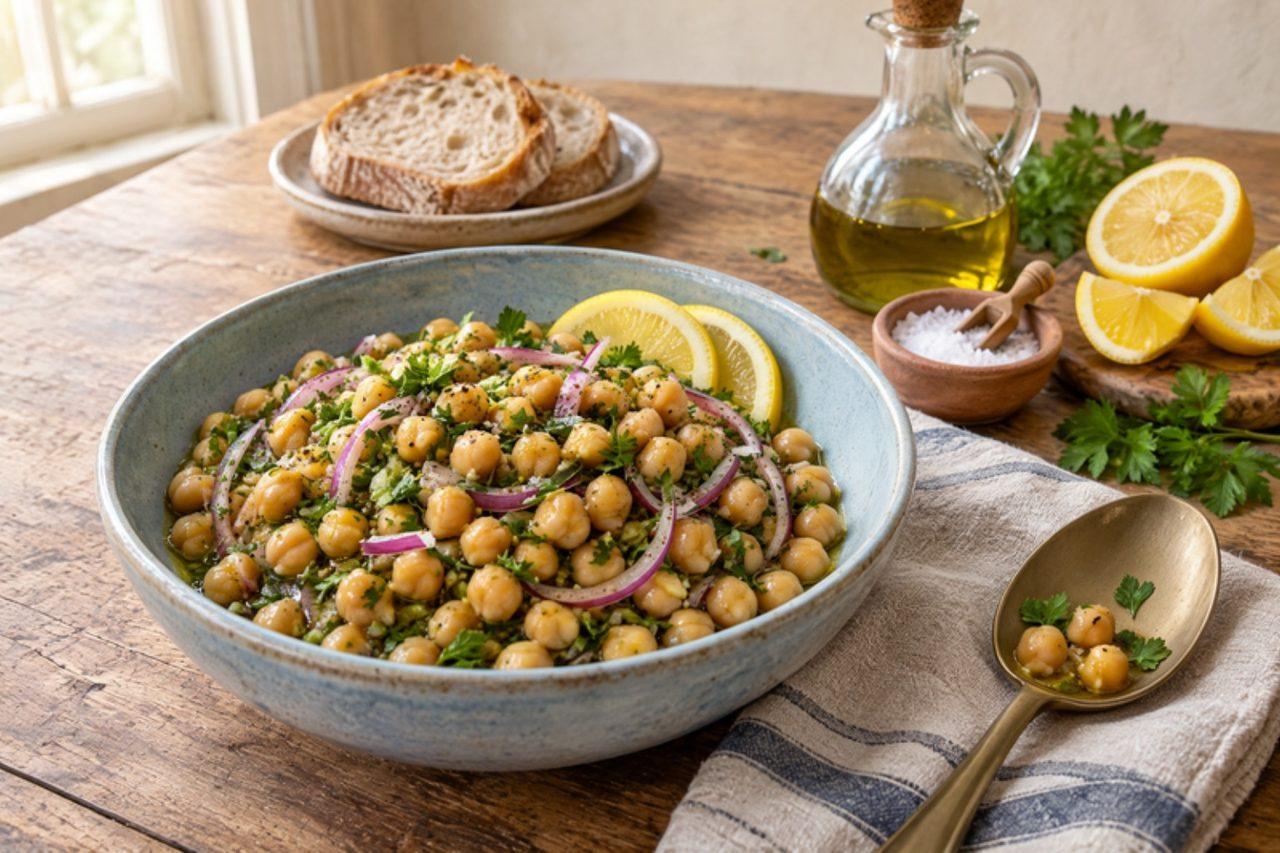
Salade de pois chichesChickpea salad

In Nice and around the old port of Marseille, chickpeas are the grain of the poor and the stuff of socca, and on hot summer days families toss them into this simple salad to eat at lunch or carry to the beach. Creamy chickpeas, sharp red onion, parsley and lemon are bound with fruity olive oil, with a few black olives and cumin in some homes. It works as a starter, a side to grilled fish or a light main. Suitable as part of a balanced diet, it is high in fibre and plant protein: about 270 kcal and 26 g carbohydrate per portion. The usual mistake is dressing cold, straight-from-the-tin chickpeas; warm them for a minute first so they drink up the dressing. Chef's tip: soak the sliced red onion in the lemon juice for 10 minutes to soften its bite.

by KrazyBadal 0 views

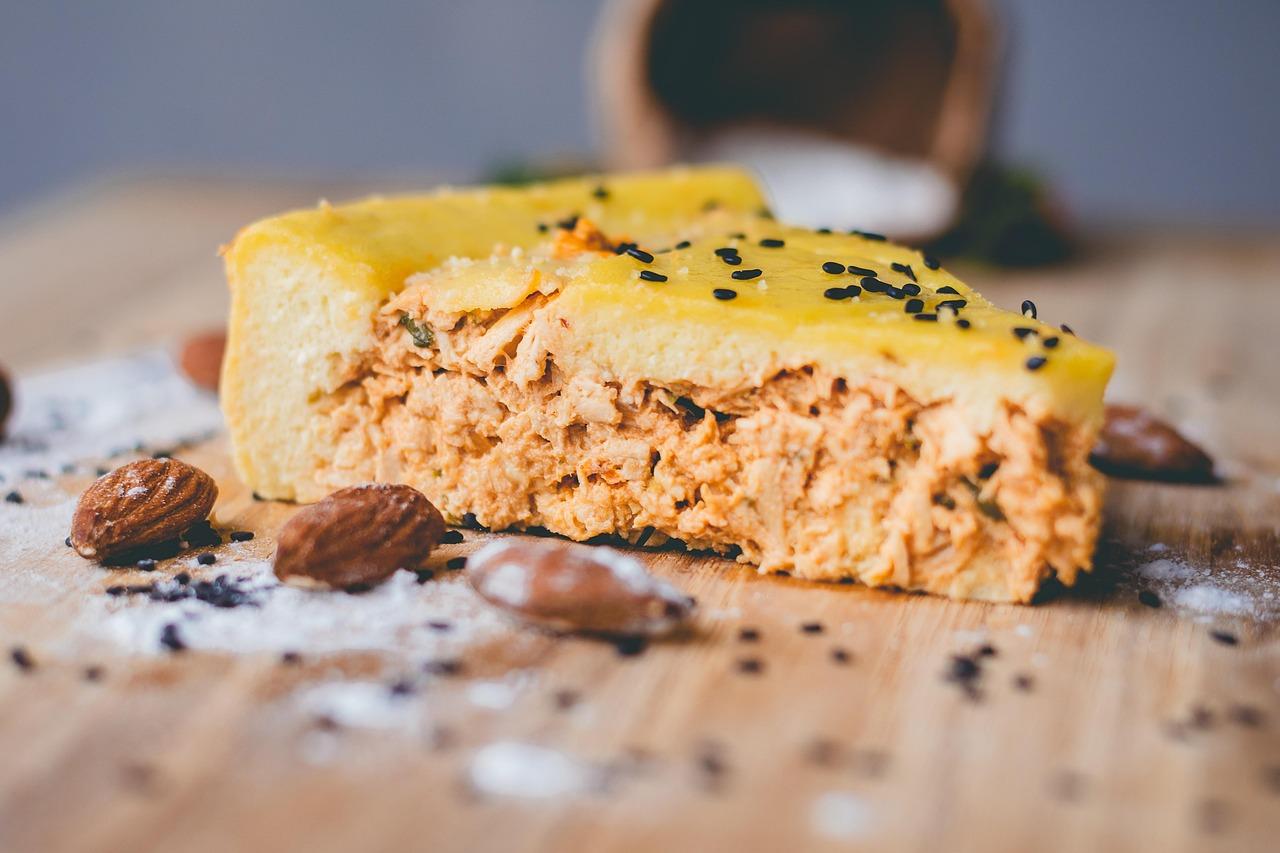
Polvorosa de polloChicken pie

Polvorosa is the pie that comes out for family birthdays and Sunday gatherings in Caracas: a melt-in-the-mouth, slightly sweet shortcrust (polvorosa means 'crumbly') around chicken stewed with leek, peppers, olives, capers and raisins, so each bite is salty, sweet and savoury at once. Serve it warm with a green salad. The common mistake is filling the pastry with hot stew, which melts the butter and makes a soggy, torn crust. Chef's tip: make the filling the day before and fill the pie straight from the fridge.

by KrazyBadal 0 views

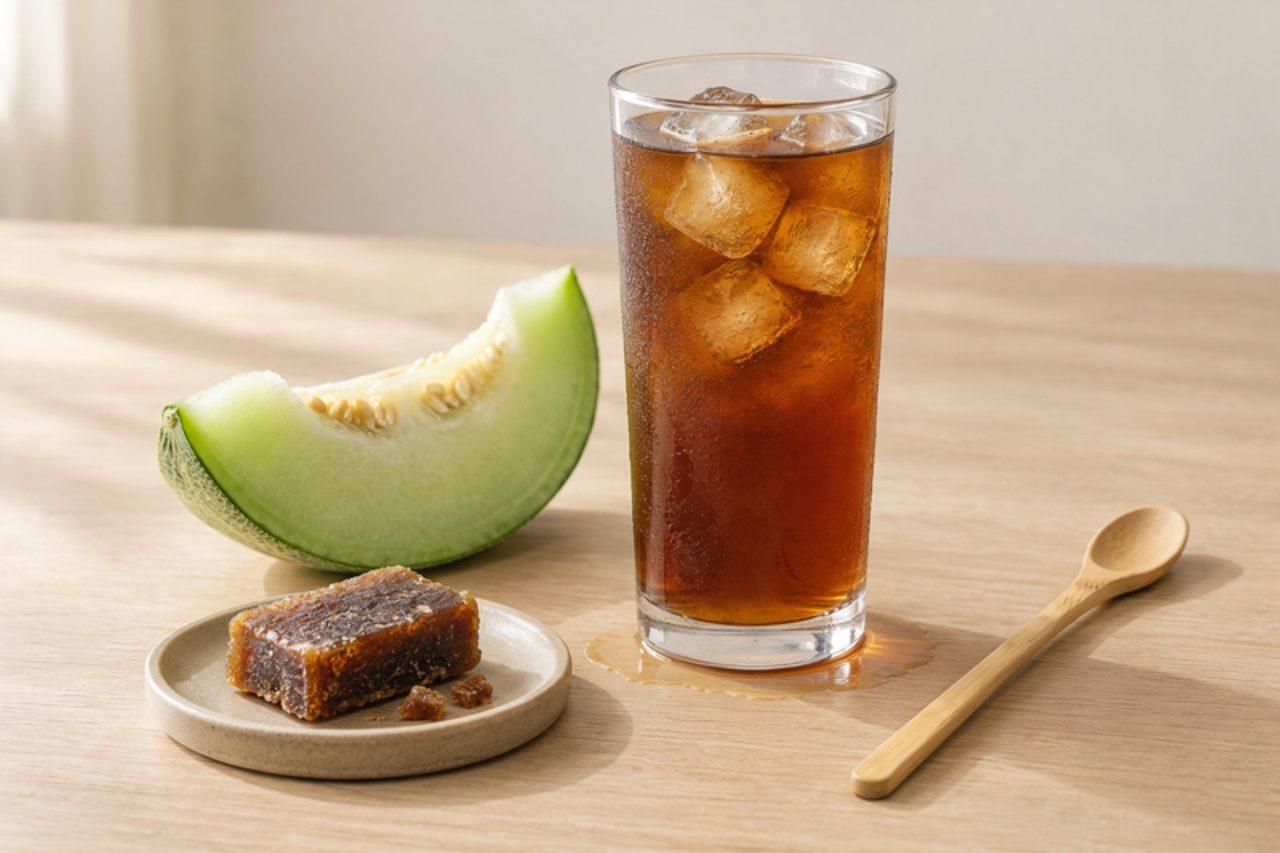
Winter melon tea

All over Taiwan, from Tainan's old markets to Taipei's night-market stalls, winter melon tea is sold in plastic cups packed with ice through the steaming summer. Despite the name there is no tea in it: chunks of winter melon are cooked down for hours with brown and white sugar until the melon disappears into a thick, dark, toffee-scented paste, which is set into blocks and later dissolved in hot water and chilled. The drink tastes of caramel and light molasses with a gentle, grassy melon note, and it is often mixed half and half with lemon juice or fresh milk. The common mistake is stopping too early, when the mixture is still runny: it will not set and it tastes boiled rather than caramelised. Keep stirring until a drop on a cold plate sets firm and the paste pulls away from the pan. Ready blocks keep 2 months in the fridge, or 6 months frozen; make the drink whenever you want it. If you cannot find winter melon (ash gourd, available frozen in Asian shops), there is no good substitute. Chef's tip: a final 10 minutes on low heat with constant stirring gives the deep, smoky colour that market versions have.

by KrazyBadal 0 views

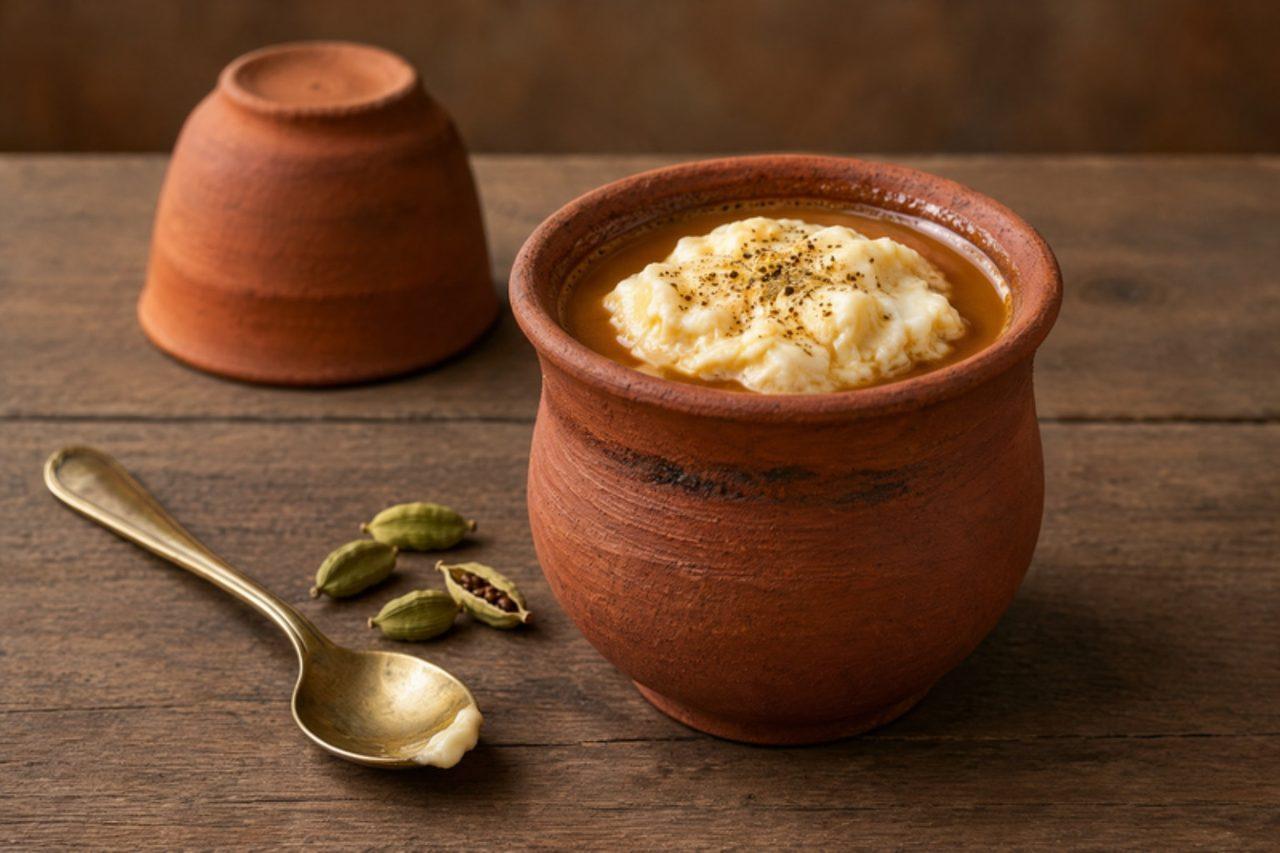
Malai cha (cream tea)

In Bogura, the town famous for its sweet doi, and in the lanes of Old Dhaka around Nazira Bazar, tea stalls keep a wide karai of milk barely simmering all evening. Layers of skin build up on top; the tea-maker lifts them off as malai and lays a thick spoonful on every cup of strong, sweet milk tea, poured into small unglazed clay bhar that give the tea a faint earthy smell. People stand around after maghrib prayers or late at night, sipping through the cream and finally eating it with a finger. The tea is malty and syrupy-sweet; the malai is soft, rich and slightly caramelised. The usual mistake is boiling the milk hard: a rolling boil breaks the skin into flakes and you never get a thick sheet. Keep it at a lazy shiver and lift the skin every 5 minutes. The tea is ready when it is the colour of milky caramel and coats the back of a spoon; the malai is ready when it lifts off as a wrinkled, leathery sheet. Strong CTC tea makes this fairly caffeinated. Chef's tip: soak clay cups in water for ten minutes first, so they don't drink up the tea or smell dusty.

by KrazyBadal 0 views

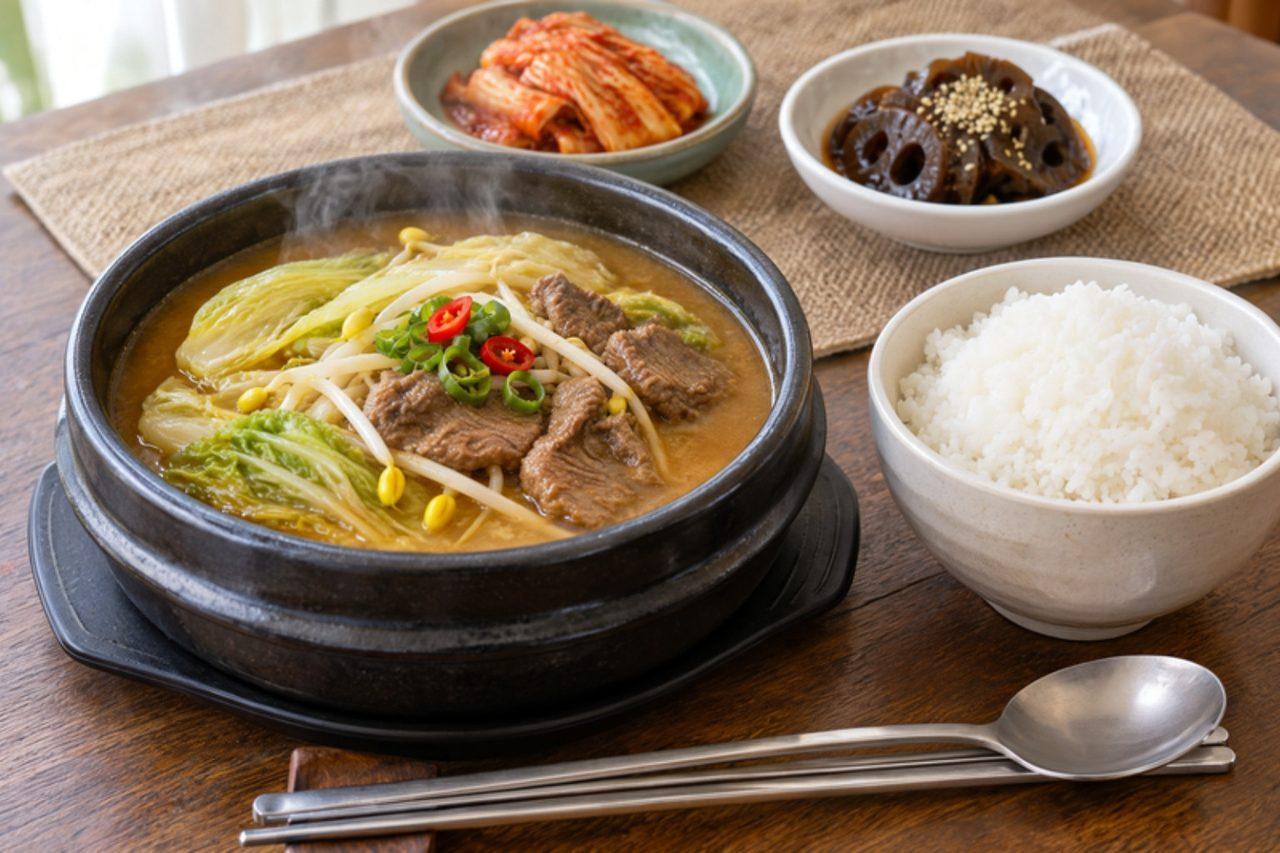
Haejang-gukCabbage and bean sprout soup

Haejang-guk means "soup to chase a hangover", and in Seoul and every Korean city the 24-hour haejang-guk houses fill at dawn with office workers and night-shift drivers. This version is the everyday ugeoji style: outer napa cabbage leaves and bean sprouts simmered with doenjang and chilli in a beef bone broth, with tender beef shin, eaten with a bowl of rice. The common mistake is skipping the soak and first boil of the bones, which leaves the broth murky and metallic. Chef's tip: squeeze the blanched cabbage leaves and rub them with the doenjang and chilli before they go into the pot, so the seasoning clings to every leaf.

120 minKoreanSoupsSpicy
by KrazyBadal 0 views

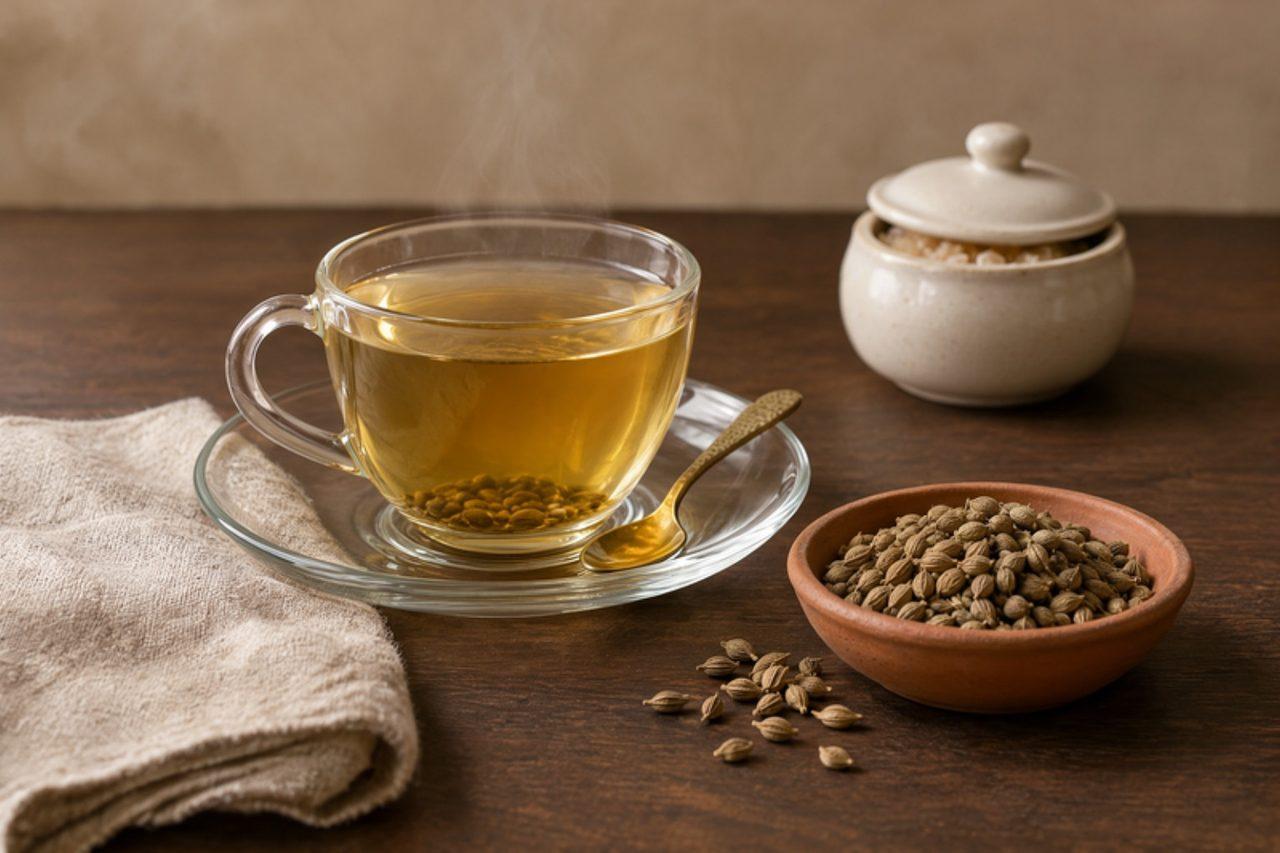
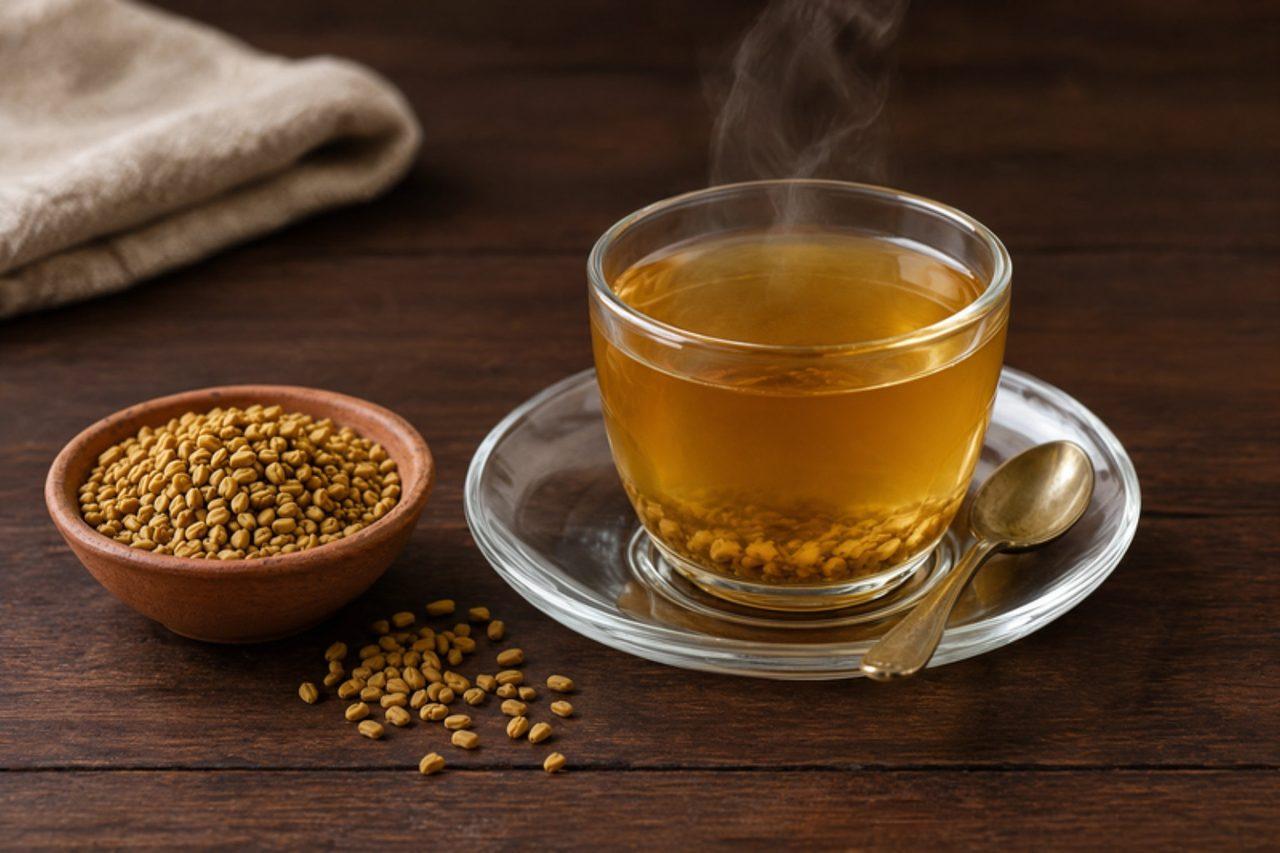
Helba (fenugreek tea)

Helba is the other hot drink chalked on the board of every Egyptian coffee house, ordered in winter by students and old men playing dominoes alike. At home it is brewed when someone has a cold, after childbirth, or simply on chilly nights in the Delta, and is traditionally drunk to soothe the chest and the stomach. Fenugreek seeds are boiled until the water turns amber-yellow; the cup tastes nutty and toasty, like maple and celery, with a pleasant bitterness that sugar softens. Some people add a splash of milk at the end. Fenugreek is not advised during pregnancy, can lower blood sugar and may interact with blood thinners, so check with your doctor if you take medication; it can also make your sweat smell faintly of maple, which is harmless. The common mistake is boiling unrinsed seeds hard for a long time, which gives a slimy, very bitter tea. Rinse them, toast them briefly and boil only 8–10 minutes. It is ready when the liquid is clear golden-amber and smells of warm maple. Chef's tip: soak the seeds overnight first for a milder, rounder brew, and eat the softened seeds with a spoon as Egyptians do.

by KrazyBadal 0 views

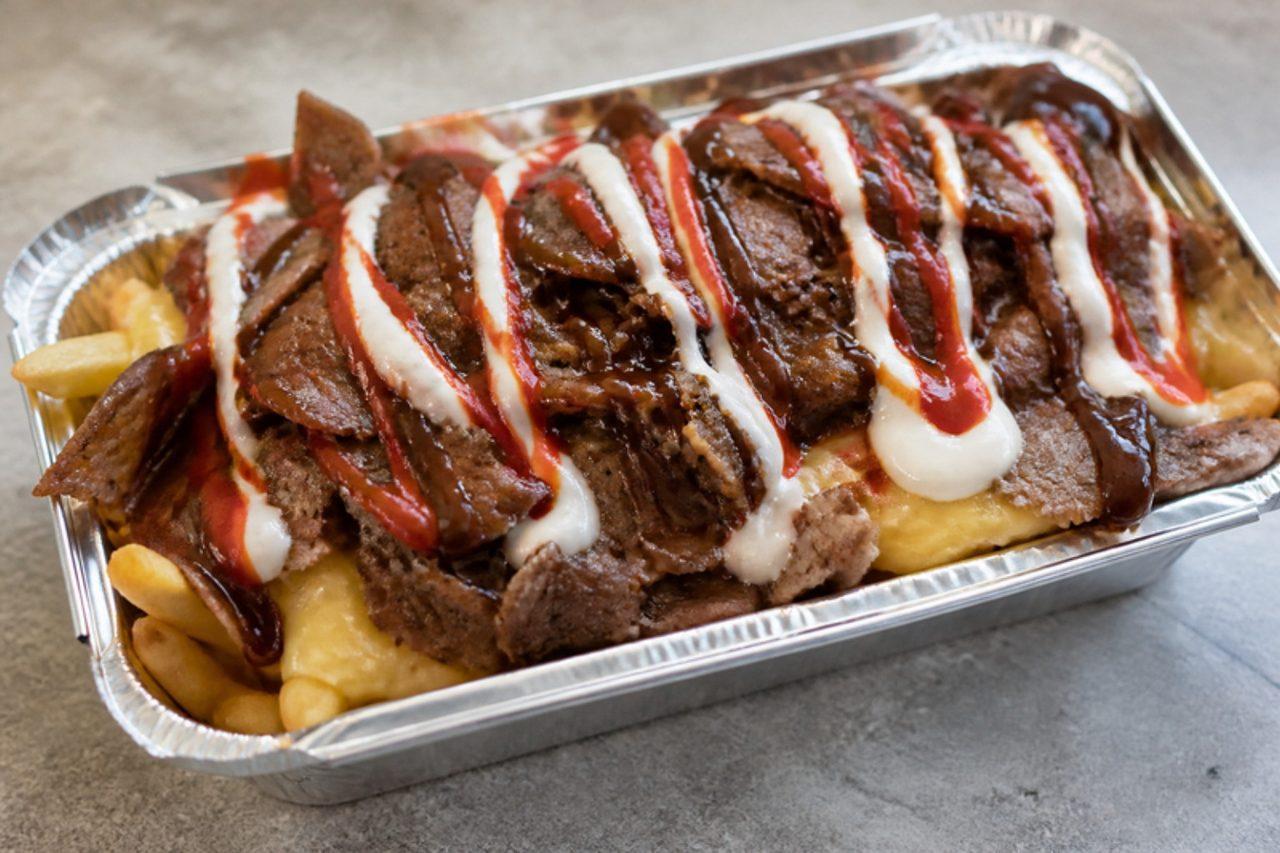
Halal snack packChips with lamb, cheese and sauces

The halal snack pack, or HSP, was born in the kebab shops of western Sydney suburbs like Auburn and Lakemba and became a late-night legend across Australia: a foil tray of hot chips covered in melted cheese and shaved doner meat, drowned in garlic sauce, chilli sauce and barbecue sauce. This home version uses quickly marinated lamb steaks, grilled and sliced thin, and halal meat if you follow it. A common mistake is soggy chips; make them crisp and get the toppings on just before eating. Chef's tip: the three sauces go on in stripes, garlic first, so every bite gets some of each.

by KrazyBadal 0 views

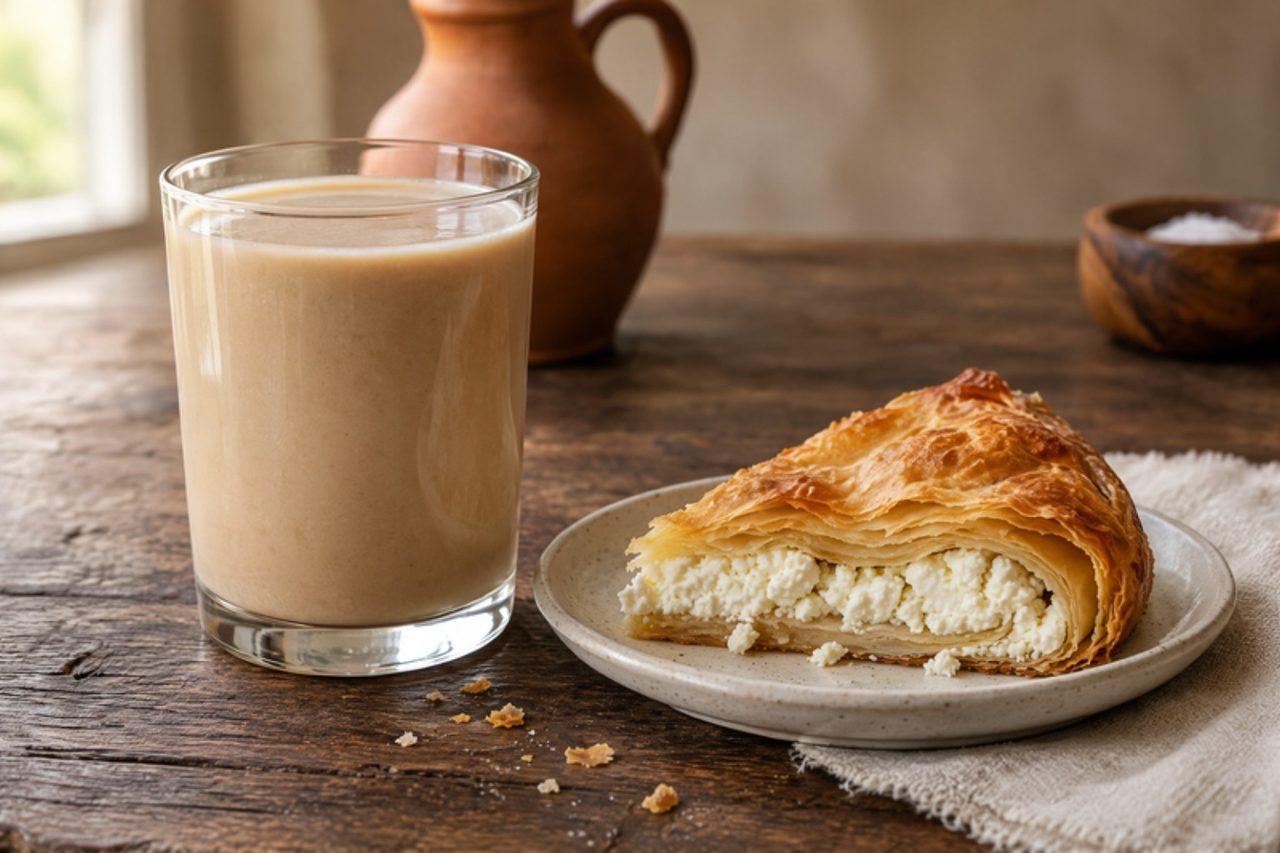
BozaFermented millet drink

In Bulgaria boza is a breakfast habit: a plastic bottle of it from the corner pastry shop and a slice of hot, flaky banitsa, bought on the way to work or school, especially from autumn through to spring. Towns such as Radomir, Plovdiv and Sofia argue over whose is best. It is the colour of milky coffee, thick enough to coat the glass, sweet up front with a sour, bready finish and a faint prickle. Like every fermented grain drink it makes a trace of alcohol, well under 1% when drunk young. The base is millet flour, toasted for flavour, cooked into a thin porridge, then fermented for about a day before being strained and sweetened. The common mistake is adding the yeast while the porridge is still hot, which kills it and leaves you with sweet gruel; wait until it feels only just warm on your wrist. It is ready when the surface is covered in small bubbles, it smells like fresh bread with a sour edge and tastes pleasantly tangy. Chef's tip: keep back a glass of each batch in the fridge and use it instead of yeast next time; boza made from an old starter is rounder and more sour.

by KrazyBadal 0 views

Pisco sour

Lima drinks its pisco sour as the aperitif before a long ceviche lunch, and celebrates it every year on the first Saturday of February; the recipe took shape in the city's bars in the 1920s. It is for adults only and stronger than its pillowy look suggests. Underneath a thick white foam you get sharp Peruvian lime, a clean sweetness and the floral, grapey warmth of quebranta pisco, with the bitters adding a spicy smell to every sip. The texture should be silky, almost creamy, never thin. The classic mistake is squeezing the limes too hard or too early: the oil from the pith turns the drink bitter within half an hour. Halve the limes, press each half gently by hand just before mixing and stop when the juice slows. The egg white is raw, so use pasteurised egg white for anyone pregnant, for babies, older people or anyone unwell, or swap in 30 ml aquafaba. It is ready when the foam stands about 1 cm high and is firm enough to hold the drops of bitters on its surface. Sip one slowly and drink responsibly. Chef's tip: shake once without ice first to whip the egg white, then again with ice; the foam will be twice as thick.

by KrazyBadal 0 views

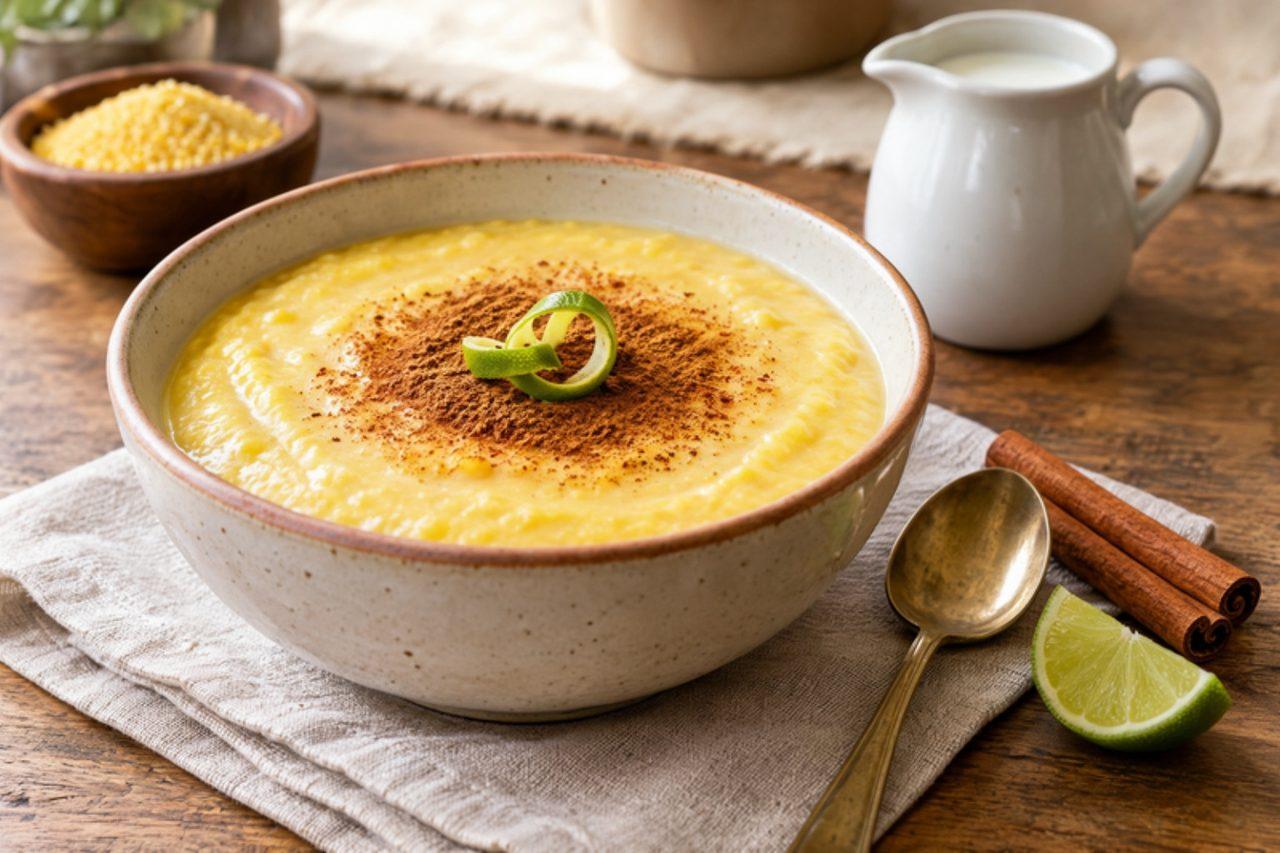
Harina de maíz dulceSweet cornmeal porridge

In Cuban homes "harina" means cornmeal, and harina dulce is the soft, sweet porridge that grandmothers in Havana and Santiago cooked for children before school, scented with cinnamon and a curl of lime peel the way rice pudding is. It should be smooth and spoonable, like a loose polenta. The usual mistake is pouring the cornmeal into boiling milk, which seizes into lumps at once: start it in cold liquid and whisk as it heats. Chef's tip: take the lime peel out once the porridge thickens, or its oils turn bitter as it sits.

by KrazyBadal 0 views

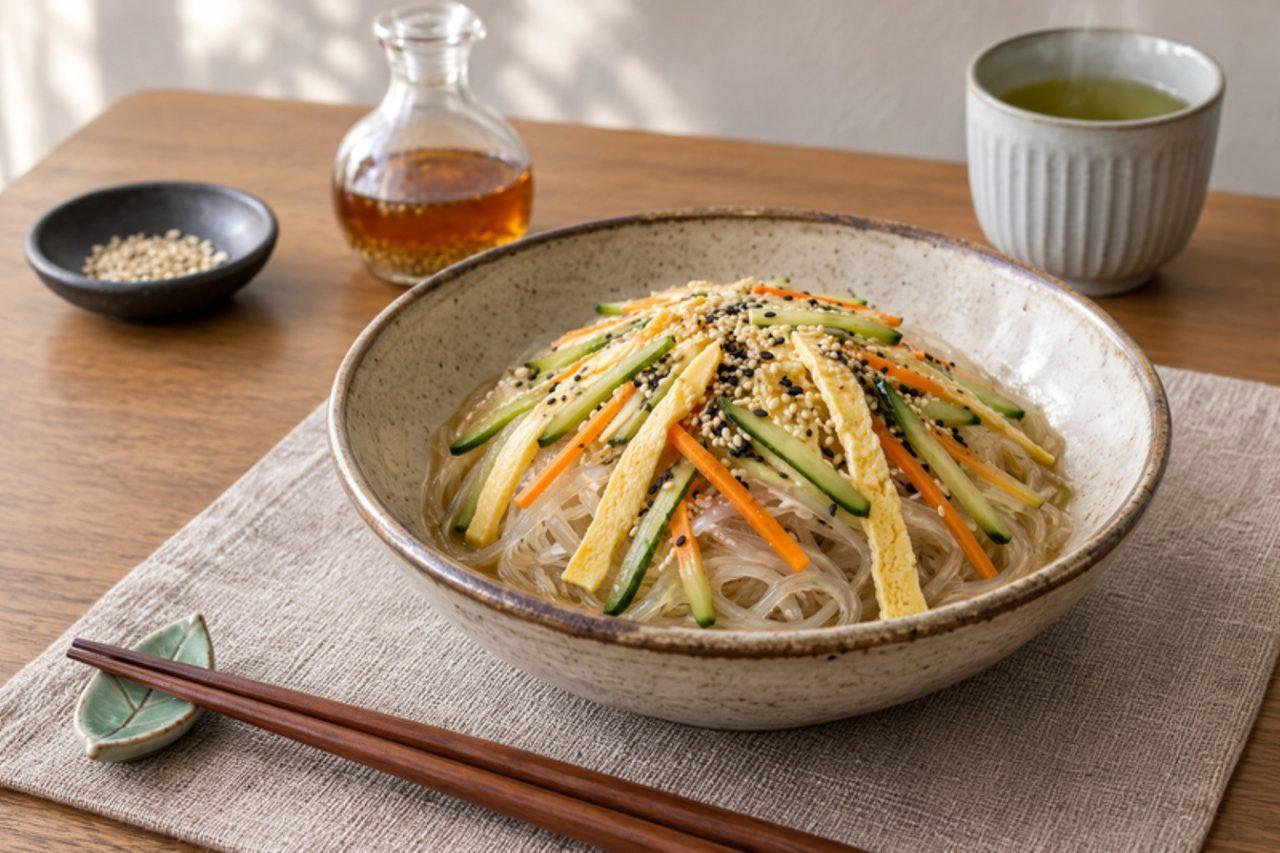
Harusame saladGlass noodle salad

Harusame, "spring rain" noodles, are fine glass noodles made from mung bean or potato starch, and this tangy salad of them with cucumber, carrot and ribbons of thin omelette is a supermarket deli favourite and a regular bento side across Japan. Ham is usually added; this version keeps it vegetarian. The common mistake is leaving the noodles long, which makes the salad impossible to eat from a bento with chopsticks; cut them with scissors after cooking. Chef's tip: dress the noodles while they are still slightly warm, because they drink up the dressing then and stay flavourful cold.

by KrazyBadal 0 views

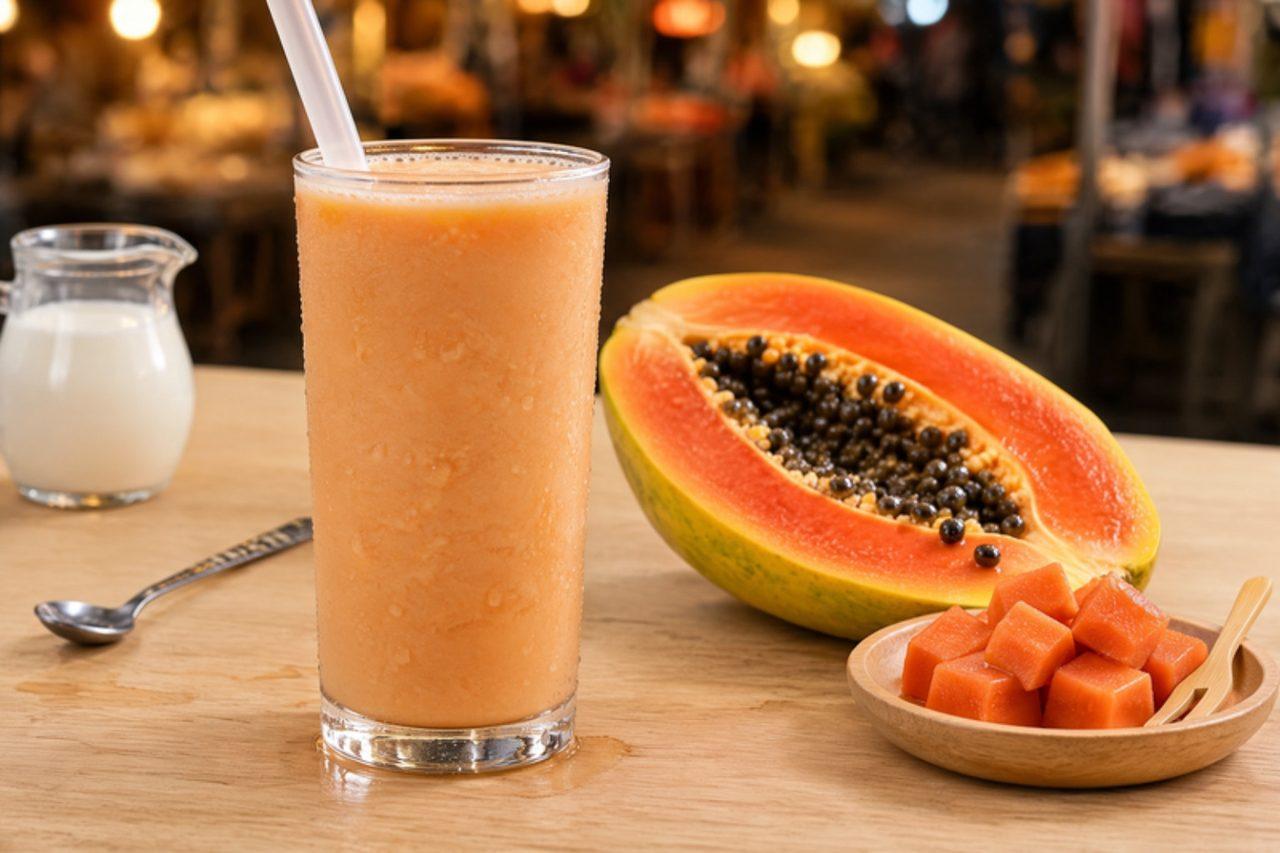
Papaya milk

Kaohsiung claims papaya milk as its own: the southern port city's fruit stalls, and the famous old shop on Liuhe night market's doorstep, have been blending it since the 1960s, when sweet red-fleshed papayas from Pingtung became cheap and plentiful. It is now sold all over Taiwan, a thick orange-pink shake in a tall cup, drunk on sticky evenings while walking between food stalls or in the morning with a scallion pancake. It tastes of ripe papaya and cold milk, sweet and mellow, with a smooth, slightly airy body. The classic mistake is making it in advance: papaya contains the enzyme papain, which starts working on milk proteins within about 20 minutes and leaves the drink bitter and curdled-looking. Blend it just before drinking. Your papaya is ripe when the skin is mostly yellow-orange and gives slightly to a thumb, and it smells sweet at the stalk end; it is ready to serve when it is fully smooth, foamy on top and evenly coloured. Children love it, and with little added sugar it is a fine after-school snack. Chef's tip: chill the papaya well beforehand so you need less ice and the shake stays thick.

by KrazyBadal 0 views

Paloma

Ask for a drink in a Guadalajara cantina or a family patio in the town of Tequila and you are more likely to get a paloma than a margarita. It is the easy Sunday drink of Jalisco, poured alongside birria, tortas ahogadas and plates of peanuts with chilli, and like every cocktail here it is for adults only. A paloma is tall, cold and fizzy: bitter-sweet grapefruit, a sharp hit of lime, the earthy agave of the tequila and a pinch of salt that makes the citrus pop. The common mistake is pouring the soda in hard and stirring like mad, which knocks out the bubbles and leaves a flat, sweet drink. Build it over plenty of ice, pour the soda down the side of the glass and lift once with a spoon. It is ready when the glass is beaded with cold, the salt rim is still crisp and the drink is still fizzing loudly. Keep a glass of water alongside and drink responsibly. If you cannot find Mexican grapefruit soda, use fresh pink grapefruit juice topped up with soda water and a little sugar syrup. Chef's tip: add a tiny pinch of salt to the drink itself, not just the rim; it softens the bitterness of the grapefruit.

by KrazyBadal 0 views

SaksakSago and banana dumplings

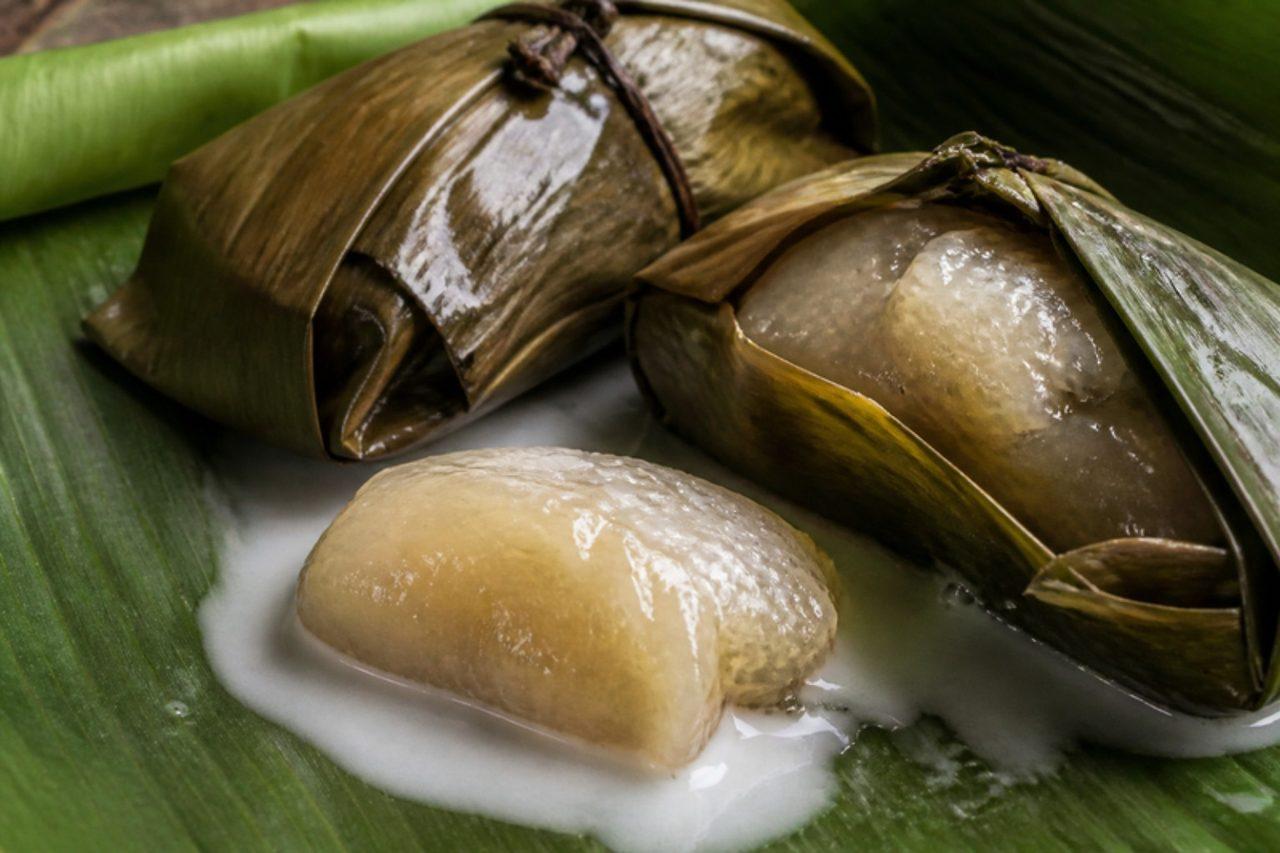
Saksak is a dish of the Sepik and coastal lowlands of Papua New Guinea, where sago palm starch is the staple food. Sago flour is mixed with mashed ripe banana, wrapped in leaves and boiled in coconut milk until it turns into soft, chewy, translucent dumplings. It is eaten as a snack or a sweet side with fish. Sago palm starch (sometimes sold as sago flour) is found in Asian shops. A common mistake is using too little banana or coconut, which makes it rubbery. Chef's tip: if you can't get banana leaves, form the mix into balls and drop them straight into the simmering coconut milk.

by KrazyBadal 0 views

Showing 45 of 7,762 recipes

Show more recipes

Page 133 of 863