


Skip to content
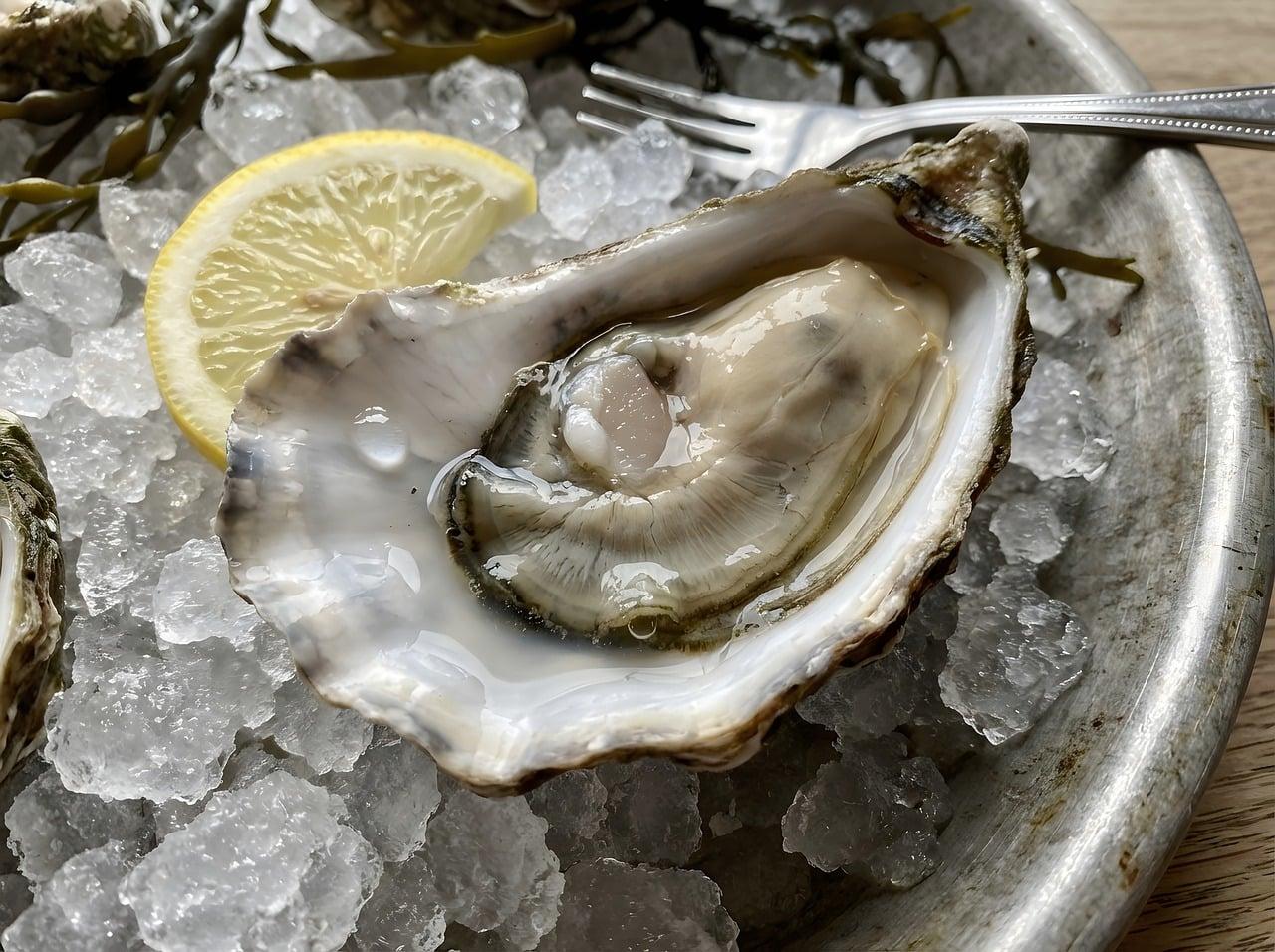
Sydney rock oysters with mignonette
Featured recipe

Sydney rock oysters with mignonette

Sydney rock oysters grow in the estuaries of the New South Wales coast, from the Hawkesbury River to Merimbula, and are the pride of the Sydney fish market, slurped by the dozen with a glass of something cold on summer afternoons. They are smaller and creamier than Pacific oysters, with a rich, mineral taste. A sharp shallot and vinegar mignonette is all they need. These oysters are eaten raw, so they are not for pregnant women, young children or anyone with a weakened immune system; for them, grill the oysters for 3–4 minutes until the edges curl. Buy from a trusted fishmonger and eat them the day you buy them. A common mistake is rinsing opened oysters under the tap, which washes away their flavourful juice. Chef's tip: shuck them just before serving and keep them on crushed ice.

Read more 0 views

What to eat today?

Around the world

Today's trip: Persian

A new country every day, from every cuisine on the site.

This week's collection

Kid-friendly dinners
537 recipes · a new collection every Monday

Latest recipes

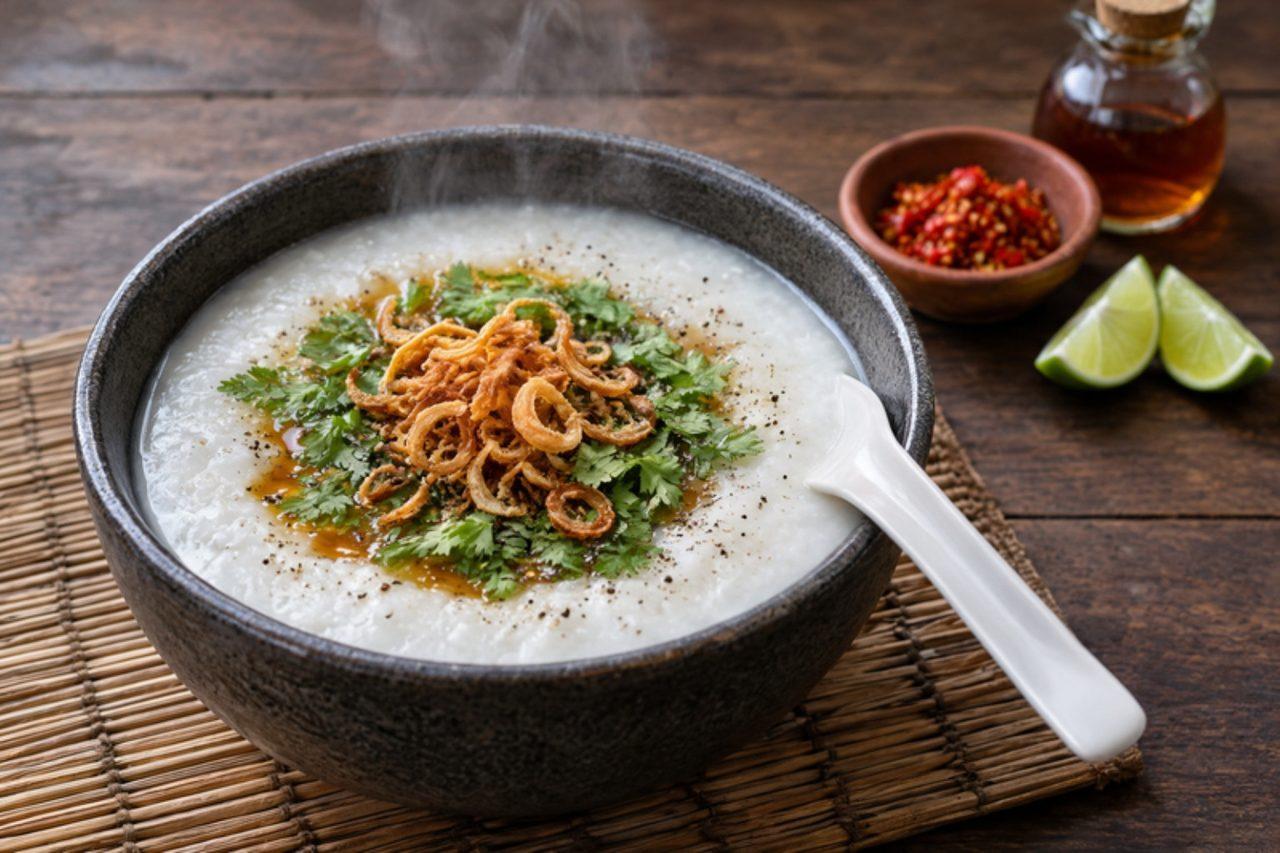
SanpiauRice porridge with fish sauce

Sanpiau is the street-stall breakfast and afternoon snack of Aizawl, Mizoram: a thin, silky rice porridge ladled into bowls and finished at the table with fish sauce, black pepper, crisp fried shallots, coriander and, often, shredded chicken. It came to Mizoram via Myanmar and is now as Mizo as bai. The common mistake is under-stirring, so the rice catches on the base; stir every few minutes once it thickens. Chef's tip: let everyone season their own bowl, since fish sauce brands vary a lot in saltiness.

by KrazyBadal 0 views

Margarita

Several towns along Mexico's northern border, from Tijuana and Ensenada to Ciudad Juárez, claim the margarita as their own, born in the 1930s and 40s when visitors crossed over for tequila and tacos. Today it is the Friday-evening drink of norteño restaurants and family parties, poured beside carne asada and guacamole. This version is for adults only and it is simple: good 100% agave blanco tequila, fresh lime and orange liqueur. It should be bright and tart first, then gently sweet, with the salt on the rim making the lime taste even sharper. The usual mistake is reaching for bottled lime juice or ready-made sour mix, which gives a flat, sugary drink with a chemical bite. Squeeze limes just before shaking. A second slip is salting the whole rim inside and out; salt only the outside of half the rim so each sip is your choice. It is ready when the shaker is too cold to hold comfortably and a thin layer of ice crystals floats on top. Enjoy one slowly and drink responsibly. Chef's tip: use coarse sea salt mixed with a little grated lime zest for the rim; it sticks better and smells of lime.

by KrazyBadal 0 views

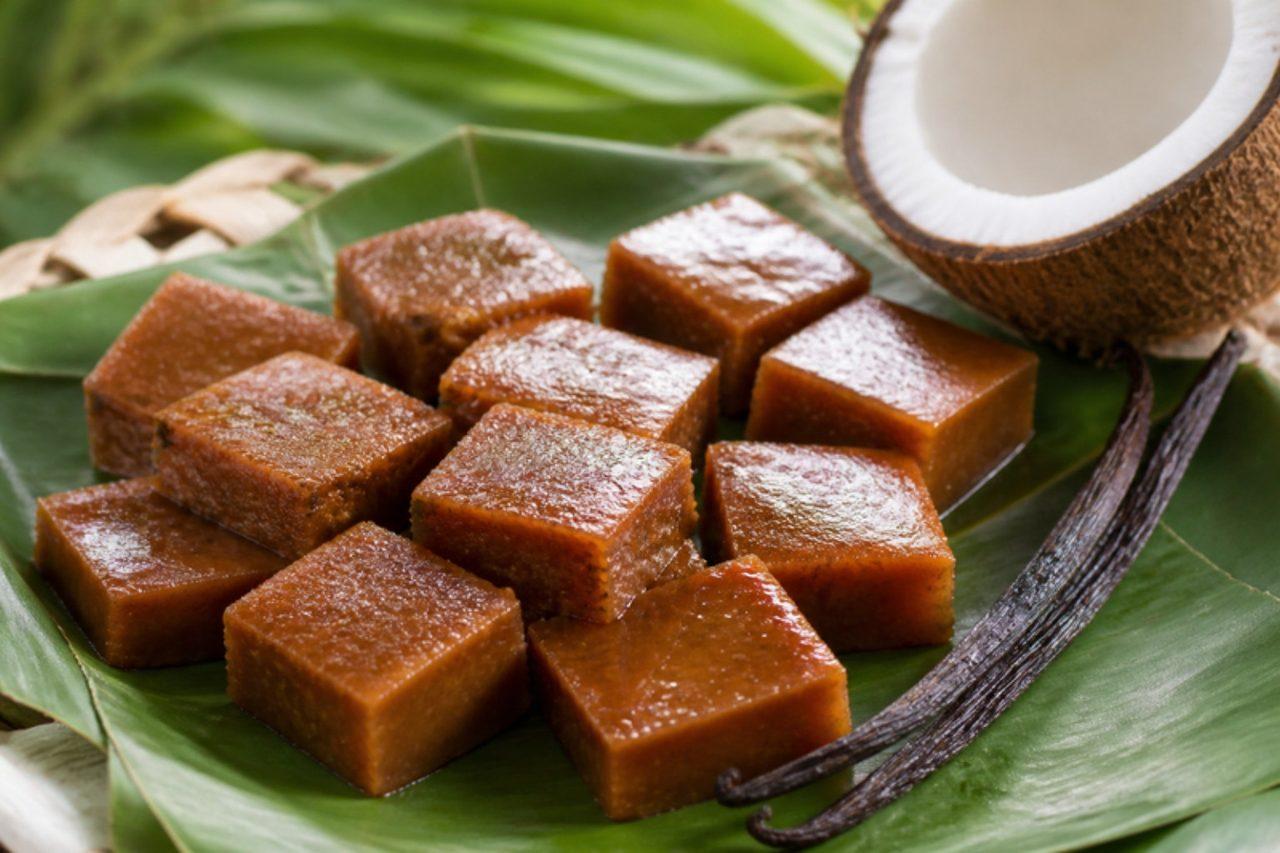
GodrogodroCoconut rice flour sweet

Along the northern coast around Antsiranana, and down to Mahajanga, godrogodro is a festival and family-celebration sweet, cut into diamonds and passed round at weddings, circumcision ceremonies and the New Year. Coconut milk, rice flour and dark sugar are stirred for the best part of an hour until the mixture thickens, darkens and pulls away from the pan, then it sets into a dense, sliceable fudge-like block, fragrant with vanilla and cardamom. It is rich, so small squares with a cup of tea are plenty. Stopping too early is the mistake to avoid: undercooked godrogodro stays sticky and pale and will not hold a clean edge. Chef's tip: use a heavy, non-stick pan and a flat wooden spatula that scrapes the whole base, and keep stirring as it thickens, as the bottom scorches easily.

by KrazyBadal 0 views

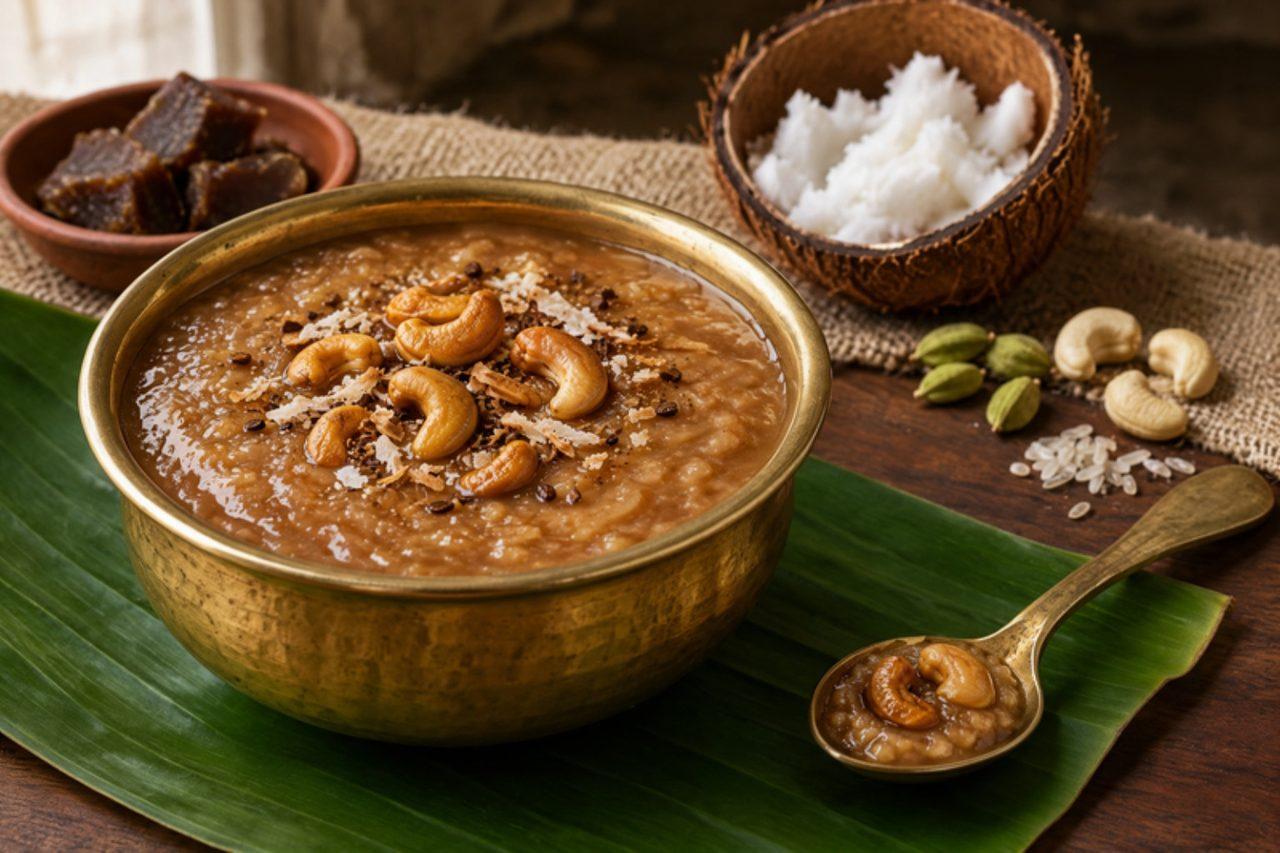
GodsheBroken rice and jaggery pudding

Godshe is the quiet sweet of Goan Saraswat and Gaud Saraswat kitchens, made on festival mornings, for a family puja, or simply when there is fresh coconut and good jaggery in the house. Broken rice is cooked until soft and creamy, then sweetened with dark coconut jaggery and loosened with first-press coconut milk, giving a pudding thicker than payasam and deeply caramel in flavour. Many families make the same dish with chana dal instead of rice. The usual mistake is adding jaggery while the rice is still firm, because the sugar stops the grains from softening any further. Chef's tip: a few slivers of fresh coconut and a pinch of nutmeg on top make it taste like a temple offering.

by KrazyBadal 0 views

Piña colada

Two bars in 1950s San Juan claim to have created the piña colada, and Puerto Rico made it the island's official drink in 1978. It is the drink of hot afternoons on the beaches of Condado and Isla Verde, of hotel pools and of family parties where the blender runs all day. The rum version is for adults only, and because it tastes like a dessert it is easy to drink too fast, so keep to one or two and drink responsibly. A good piña colada is thick, frosty and smooth, coconut-sweet but kept fresh by the sharp acidity of pineapple, with the rum warming the finish. The common mistake is using coconut milk or unsweetened coconut cream instead of cream of coconut, the thick sweetened coconut syrup sold in tins and squeeze bottles: the drink comes out bland and splits into icy water and fat. If you only have coconut cream, blend in 2 tbsp sugar. It is ready when the drink is thick enough to hold a straw upright for a moment, has no crunchy ice and has turned a pale, creamy yellow. Chef's tip: freeze half of the pineapple juice into ice cubes the day before; you will need less ice and the colada stays thick to the last sip.

by KrazyBadal 0 views

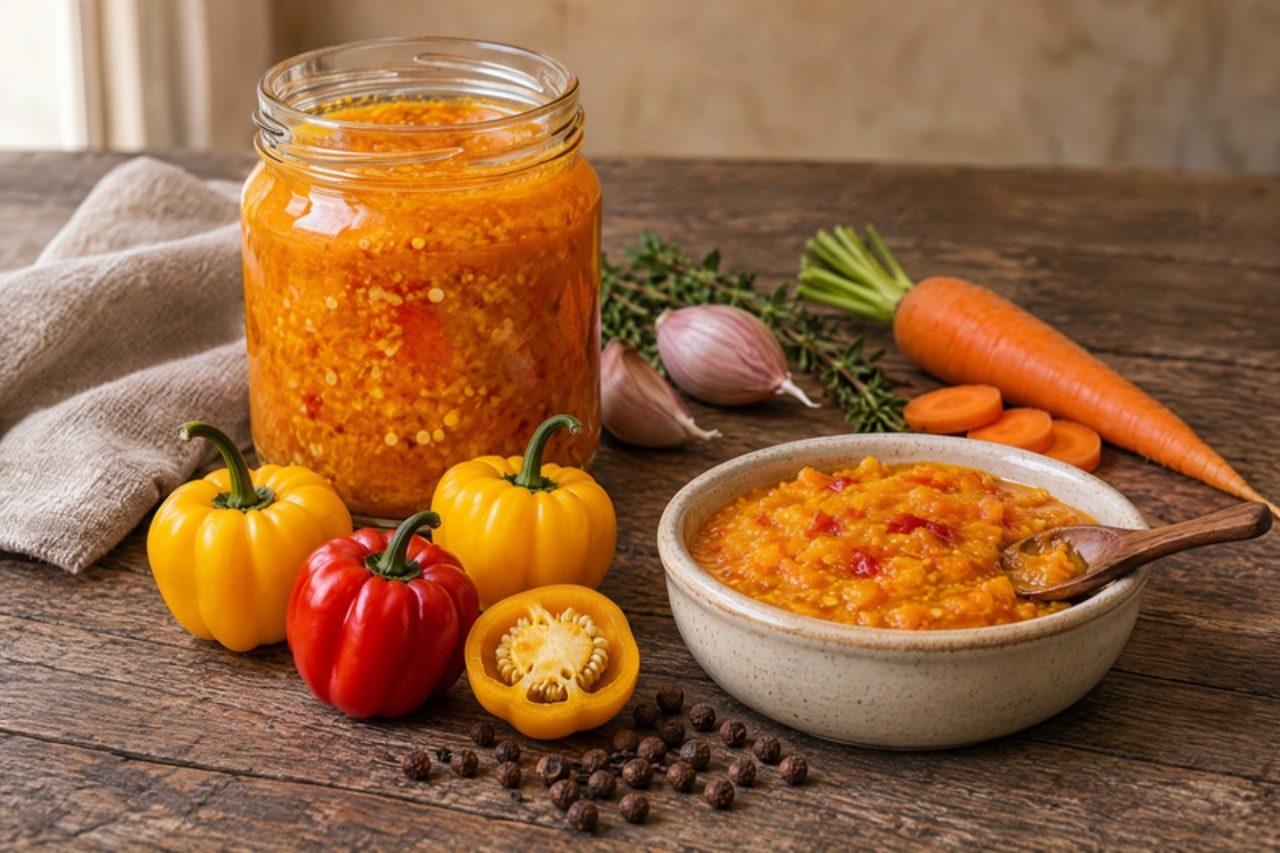
Scotch bonnet pepper sauce

On a Jamaican Sunday dinner table the bottle of pepper sauce sits next to the salt, shaken over rice and peas, brown stew chicken, escovitch fish and the beef patty from the corner shop. Home versions differ from yard to yard, but most cook scotch bonnets briefly in vinegar with onion, carrot, garlic and the island's own pimento (allspice) berries, then blend them smooth. The result is a pourable, bright orange sauce: fruity, floral heat first, then the sweetness of carrot and the warm clove note of pimento, with a clean vinegar finish. A few drops are plenty. Wear gloves, open a window and never lean over the pot or blender; the fumes sting. Common mistake: blending raw peppers with too little vinegar and leaving the bottle on the counter; keep the full amount of vinegar (at least 5% acidity) and store it in the fridge. It is ready when the carrot is soft and the sauce is smooth and pourable; the flavour mellows and rounds after two days. Chef's tip: for a milder sauce, cut out the seeds and white ribs from half the peppers before cooking.

by KrazyBadal 0 views

Del curryBreadfruit coconut curry

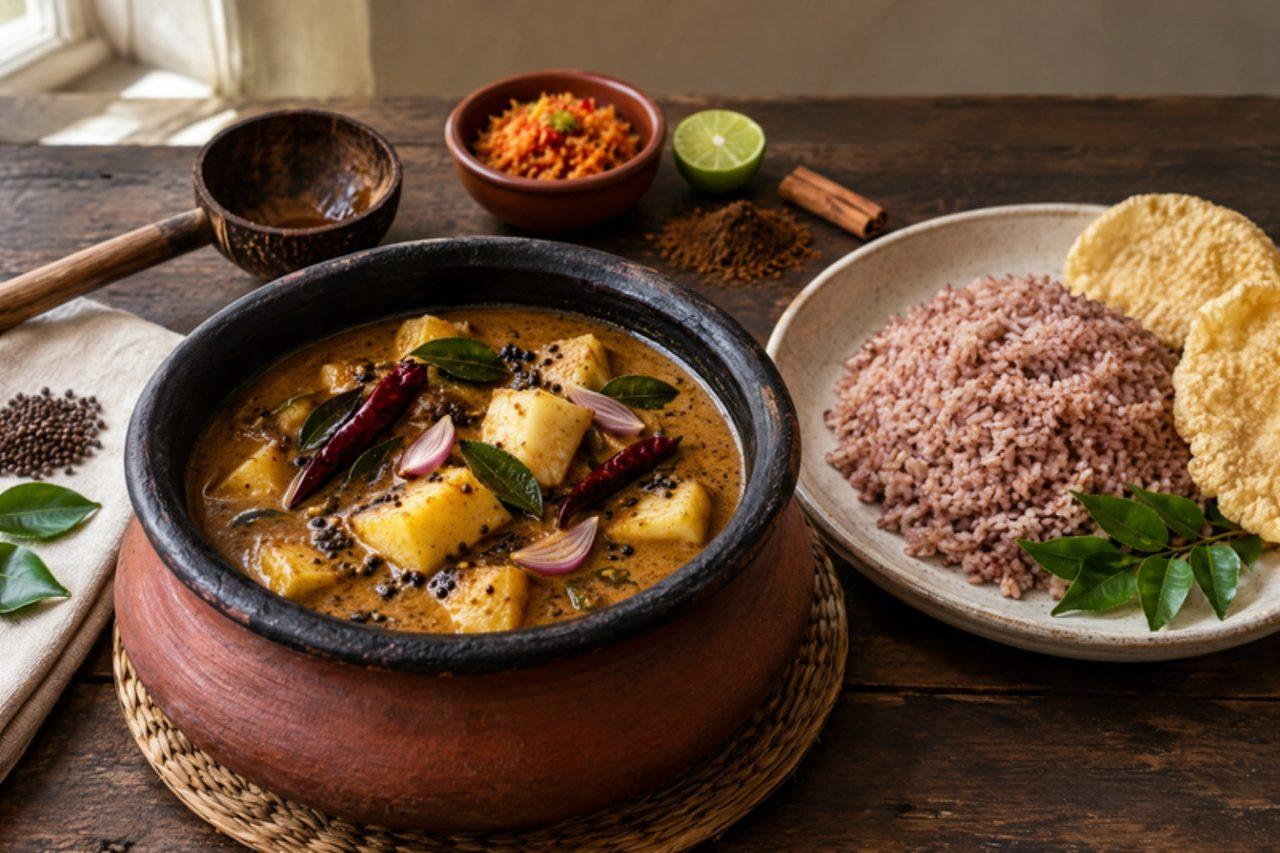
Breadfruit trees grow in almost every village garden in Sri Lanka, and del curry is the filling weekday and almsgiving dish that makes use of them, especially in the wet south-west. Chunks of breadfruit are simmered in coconut milk with roasted curry powder, a little mustard paste, curry leaves and pandan, until they turn soft, creamy and starchy like a good potato. Eat it with rice, pol sambol and a green mallung. The usual mistake is skipping the pre-boil; breadfruit contains a sticky latex and can stay firm, so boil the pieces first. Chef's tip: stir the mustard paste in only at the end and don't boil it hard afterwards, or it turns bitter.

by KrazyBadal 0 views

GrießschmarrnTorn fried semolina pudding

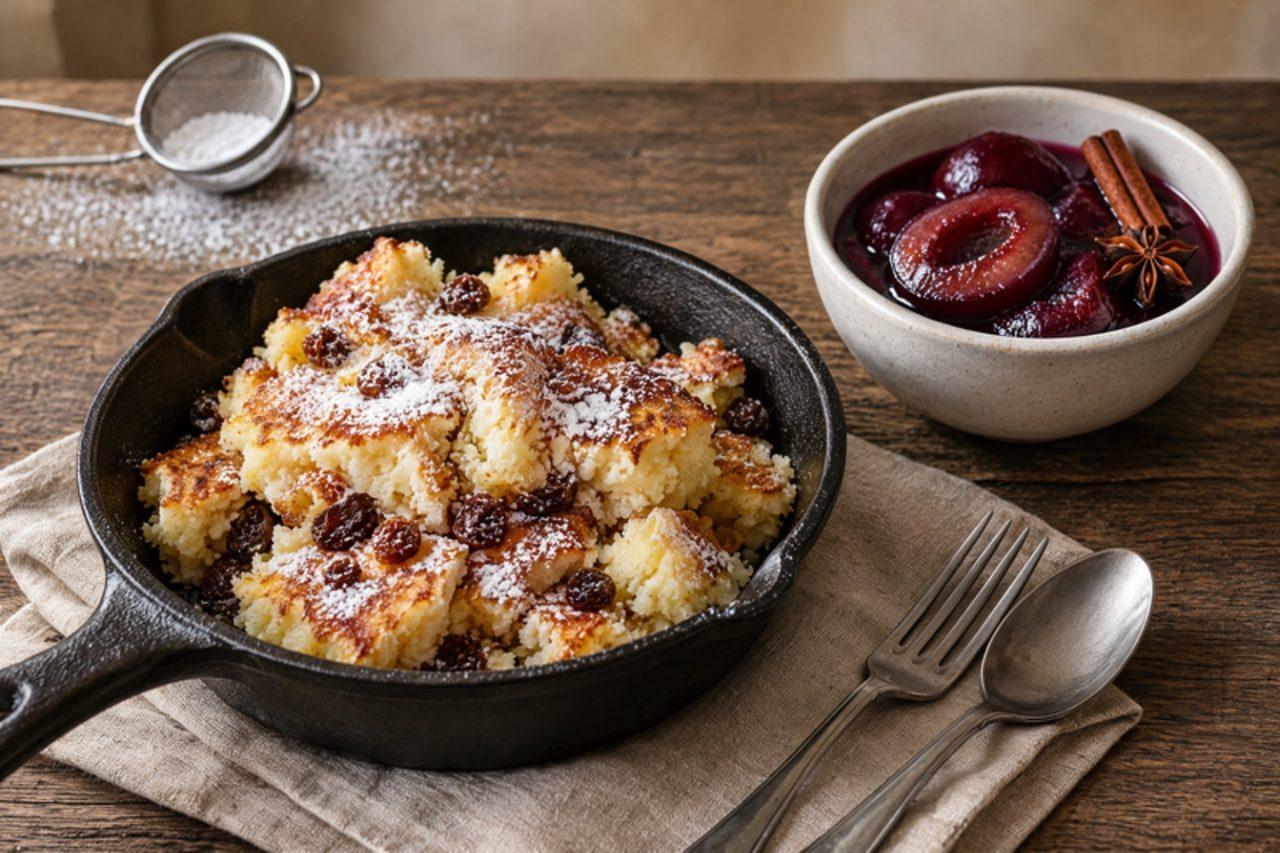
Across Austria and Bavaria, Grießschmarrn is the farmhouse breakfast or light Sunday lunch that grandmothers made from what was always in the larder: semolina, milk, eggs and butter. The semolina is soaked in hot milk until thick, then fried slowly and torn apart with two spatulas into buttery, crisp-edged crumbs, dusted with icing sugar and served with plum or apple compote. The common mistake is turning it too often over a high heat: the crumbs need time on a medium flame to form a golden crust, or they stay pale and pasty. Chef's tip: let the semolina mixture rest for 15 minutes before frying, so the grains swell fully and the Schmarrn crisps instead of sticking.

by KrazyBadal 0 views

Bajan rum punch

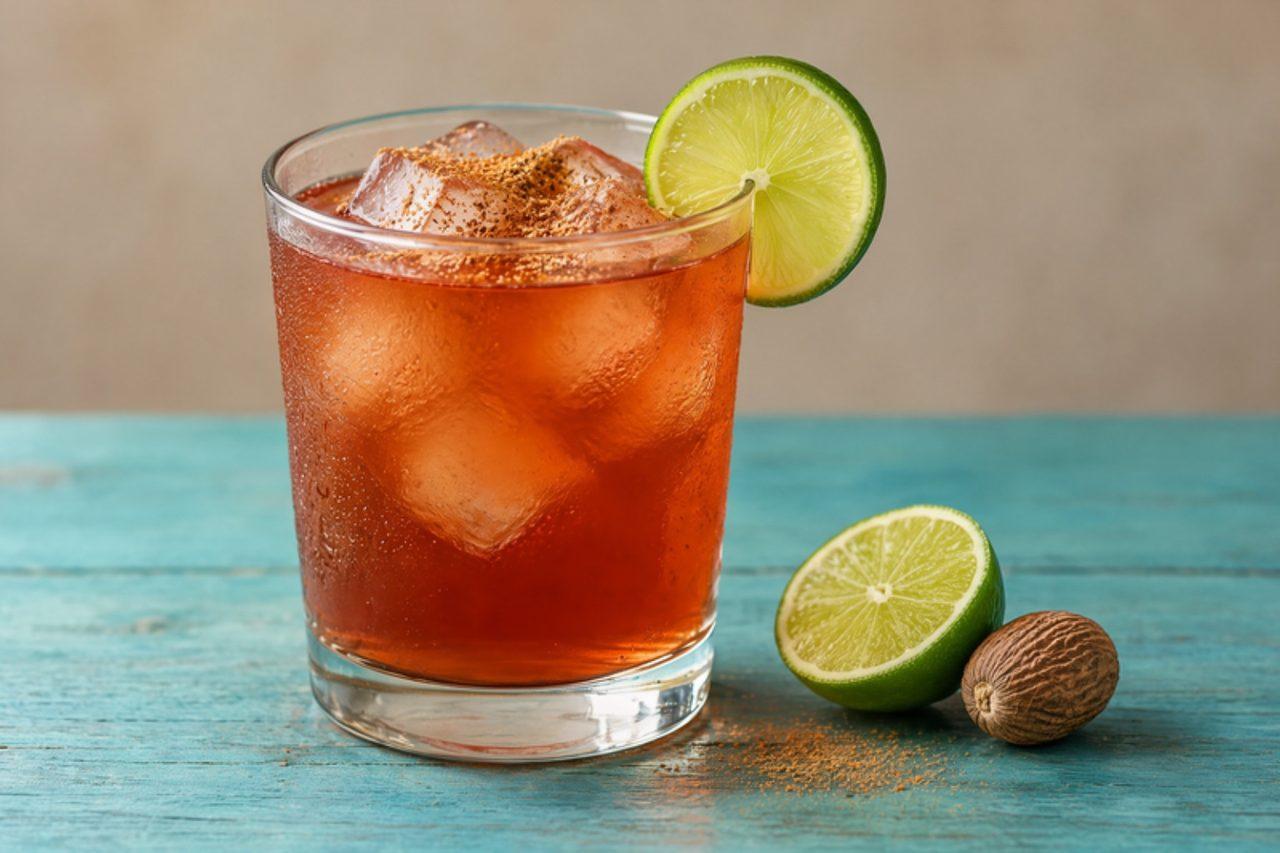
Every Barbadian knows the rhyme: one of sour, two of sweet, three of strong, four of weak. It is how rum punch is mixed for Sunday lunch, at beach limes, at the Friday night fish fry in Oistins and through the Crop Over festival in July and August. The punch is for adults only and it is strong, so pour it over plenty of ice and drink responsibly. Made right, it tastes bright and tangy from lime, rounded by brown-sugar syrup, warm with golden Barbados rum and finished by aromatic bitters and the woody smell of fresh nutmeg on top. The usual mistake is reading 'weak' as fruit juice or adding extra rum: the four of weak is water (and melting ice), and swapping in sweet juices makes the punch cloying. Make the syrup properly, measure by volume and taste before you add the last of the water. It is ready when the sweet and sour are in balance, nothing catches your throat and the jug is beaded with cold. It also keeps 2 days in the fridge, so it can be made ahead. Chef's tip: grate the nutmeg over each glass at the table; ready-ground nutmeg has lost the smell that makes Bajan punch what it is.

by KrazyBadal 0 views

Caesar

The Caesar was created in Calgary in 1969, when a hotel bartender was asked to invent a drink for a new Italian restaurant and thought of spaghetti alle vongole: clams, tomato, garlic, a squeeze of lemon. It has become Canada's own cocktail, ordered at weekend brunch, poured at the cottage on long weekends and raised on Canada Day, often with a celery stick or a spicy green bean standing in the glass. It is for adults only. Note that it is not vegetarian: the clam-tomato juice is made with clam broth, and Worcestershire sauce contains anchovy. A Caesar tastes savoury before anything else, briny and tomatoey, with heat from the hot sauce, tang from lime and a salty, herbal crunch from the celery-salt rim. The common mistake is shaking it hard like a sour: the tomato juice turns frothy, pale and watery. Roll it instead, pouring it back and forth between two glasses a few times. It is ready when the drink is evenly red, ice-cold and the rim is still neatly coated. Drink responsibly; it goes down easily. No clam-tomato juice? Mix 120 ml tomato juice with 30 ml bottled clam broth. Chef's tip: add a little grated horseradish for a sharper, more peppery Caesar.

by KrazyBadal 0 views

HacheeBeef and onion stew

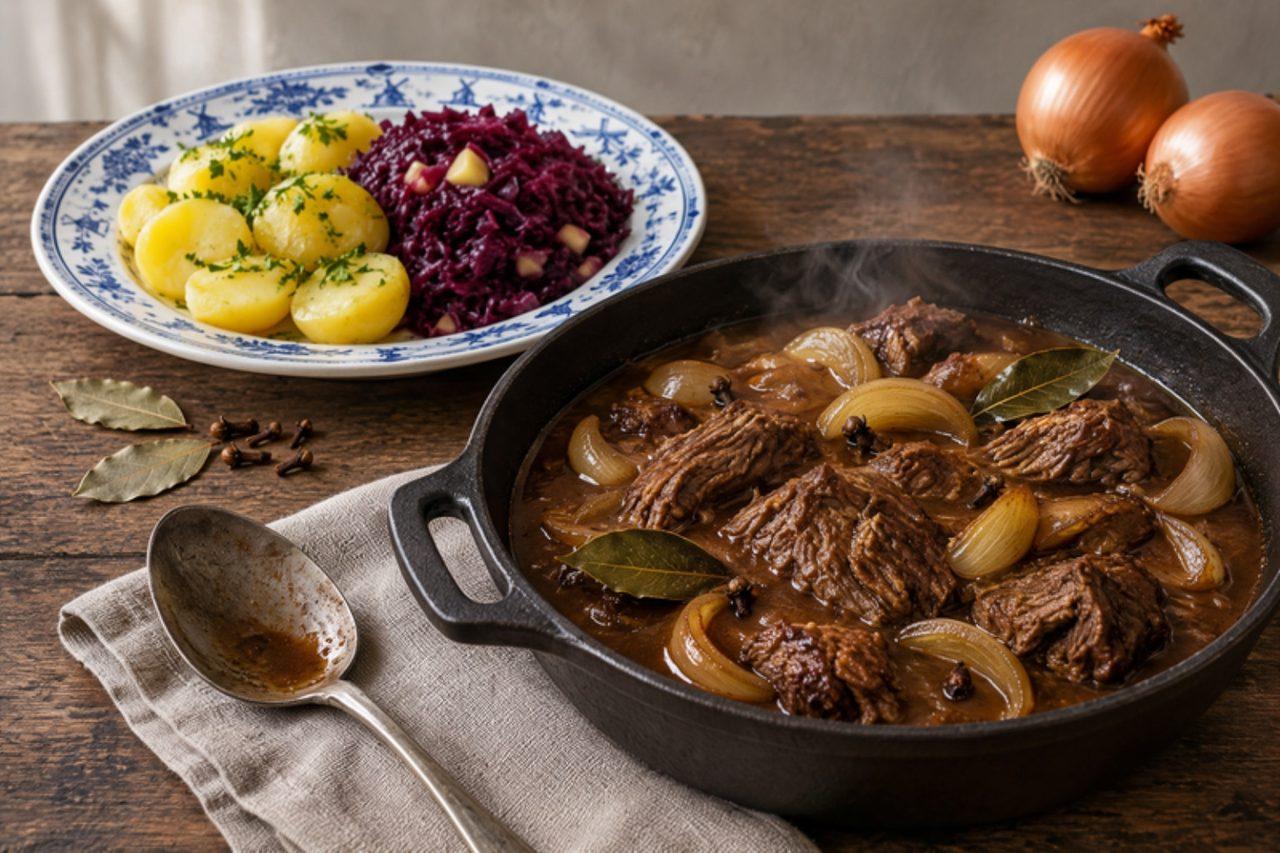
Hachee is the Dutch stoofpotje that grandmothers in Friesland, Groningen and Brabant leave murmuring on the back of the stove on cold Sundays: beef braised with almost as much onion as meat, plus bay leaves, cloves and a splash of vinegar, until it falls apart into a dark, sweet-sour gravy. It goes on boiled potatoes with red cabbage, or with stamppot, and leftovers are eaten on toast. The usual mistake is rushing the onions: they need a good 15 minutes to turn deep golden, or the gravy stays pale and sharp. Slow-cooker option: after browning, cook on low for 8 hours. Chef's tip: stir in a spoon of dark syrup or apple butter at the end only if the vinegar tastes too sharp; taste first, as good onions often make it unnecessary.

190 minDutchMeat
by KrazyBadal 0 views

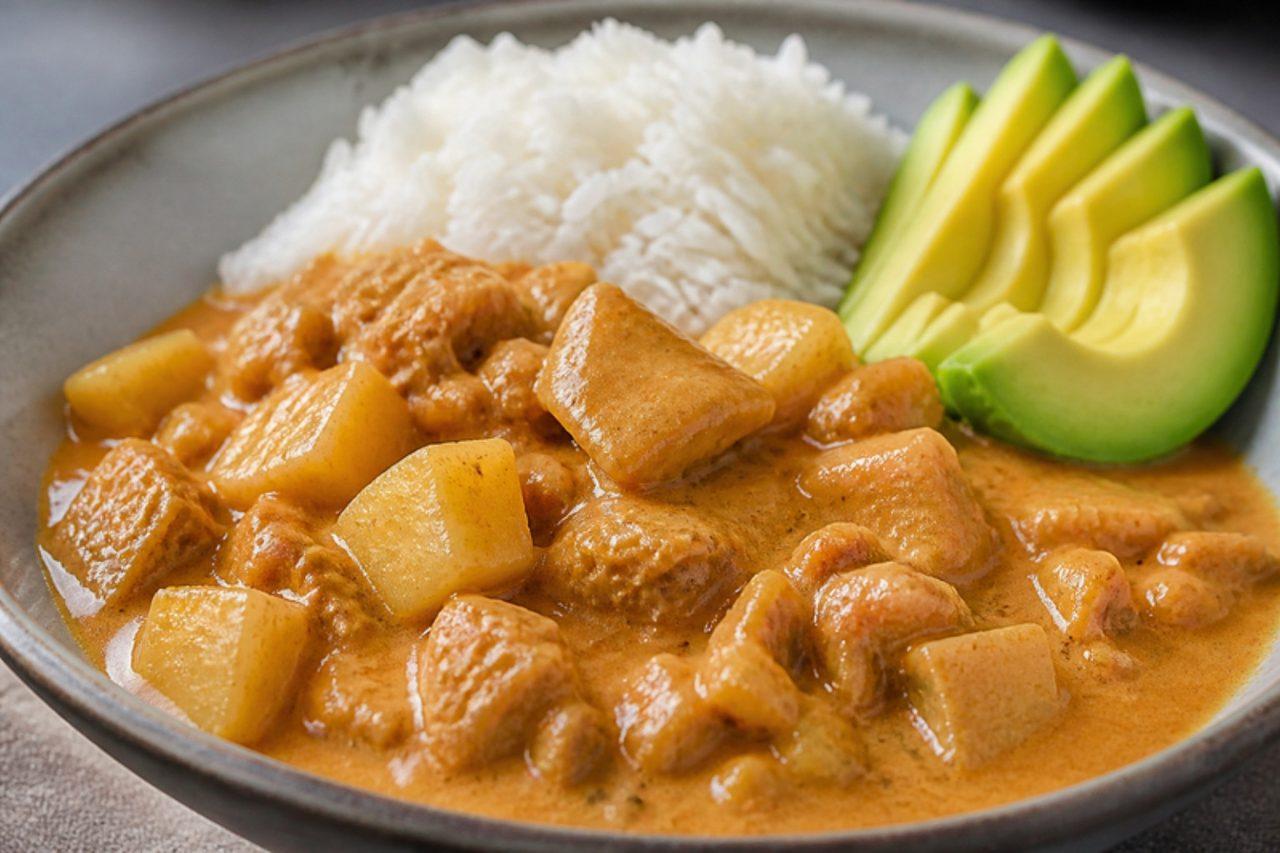
GuatitaTripe and potato stew

In Guayaquil, guatita is the dish people seek out on a Sunday morning or after a long night: honeycomb tripe simmered until meltingly tender, then stewed with potatoes in a creamy peanut and milk sauce coloured with achiote. It is served with white rice, avocado, fried ripe plantain and a sharp red-onion curtido. Peanuts are a major allergen. The most common mistake is undercooking the tripe, which stays rubbery; it needs about 2½ hours of simmering (45 minutes in a pressure cooker). Chef's tip: buy cleaned, blanched tripe and still give it a scrub with lime and salt before cooking; it freshens the flavour.

by KrazyBadal 0 views

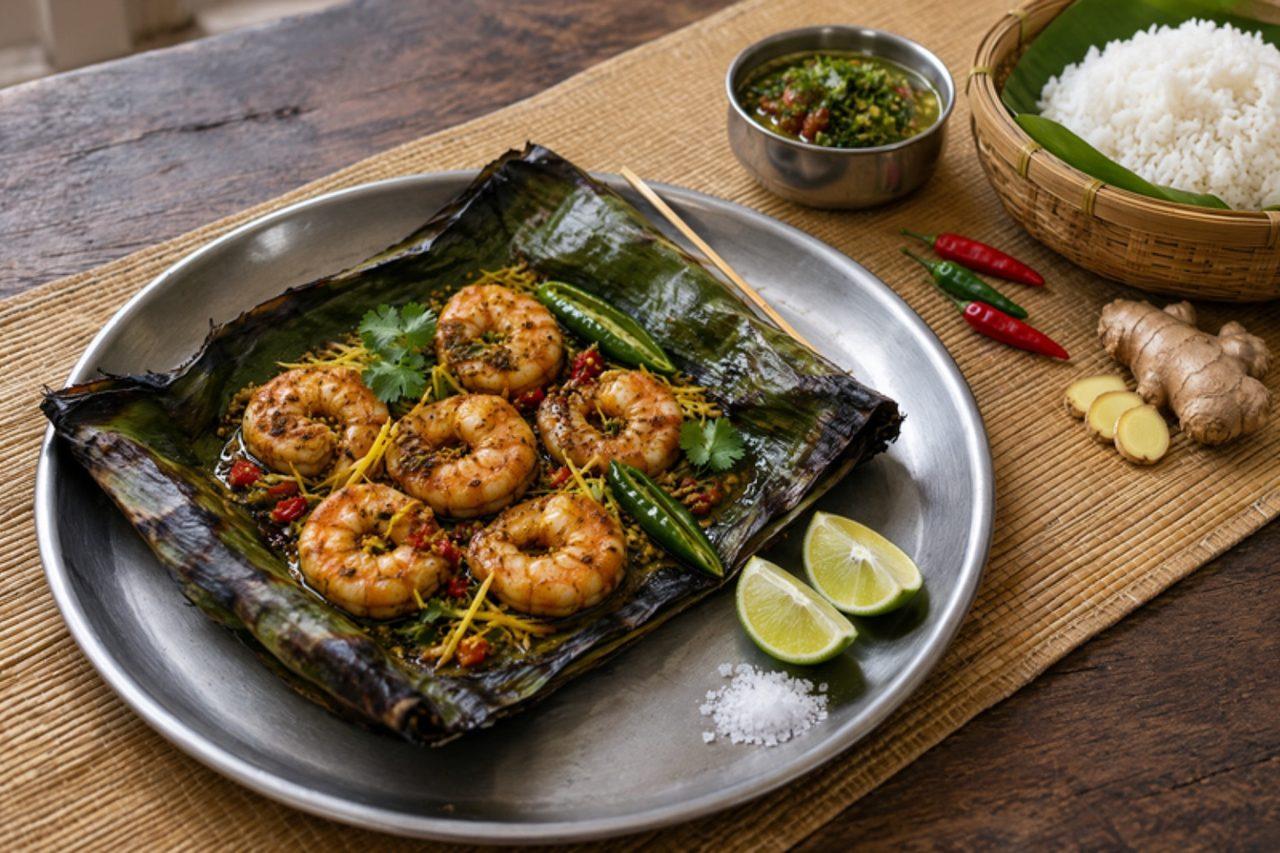
Misa mach pooraPrawns grilled in banana leaf

Misa mach poora is a simple Mizo way with river prawns: rubbed with ginger, garlic, chilli and salt, wrapped in banana leaf and cooked over embers until the leaf chars and the prawns steam in their own juices. It is made at riverside picnics and family cookouts and eaten with rice and a chilli relish. The common mistake is overcooking, which makes prawns tough; they are done the moment they turn opaque and pink all through. Chef's tip: keep the marinated parcels in the fridge until the grill is hot.

27 minIndianFishGluten free
by KrazyBadal 0 views

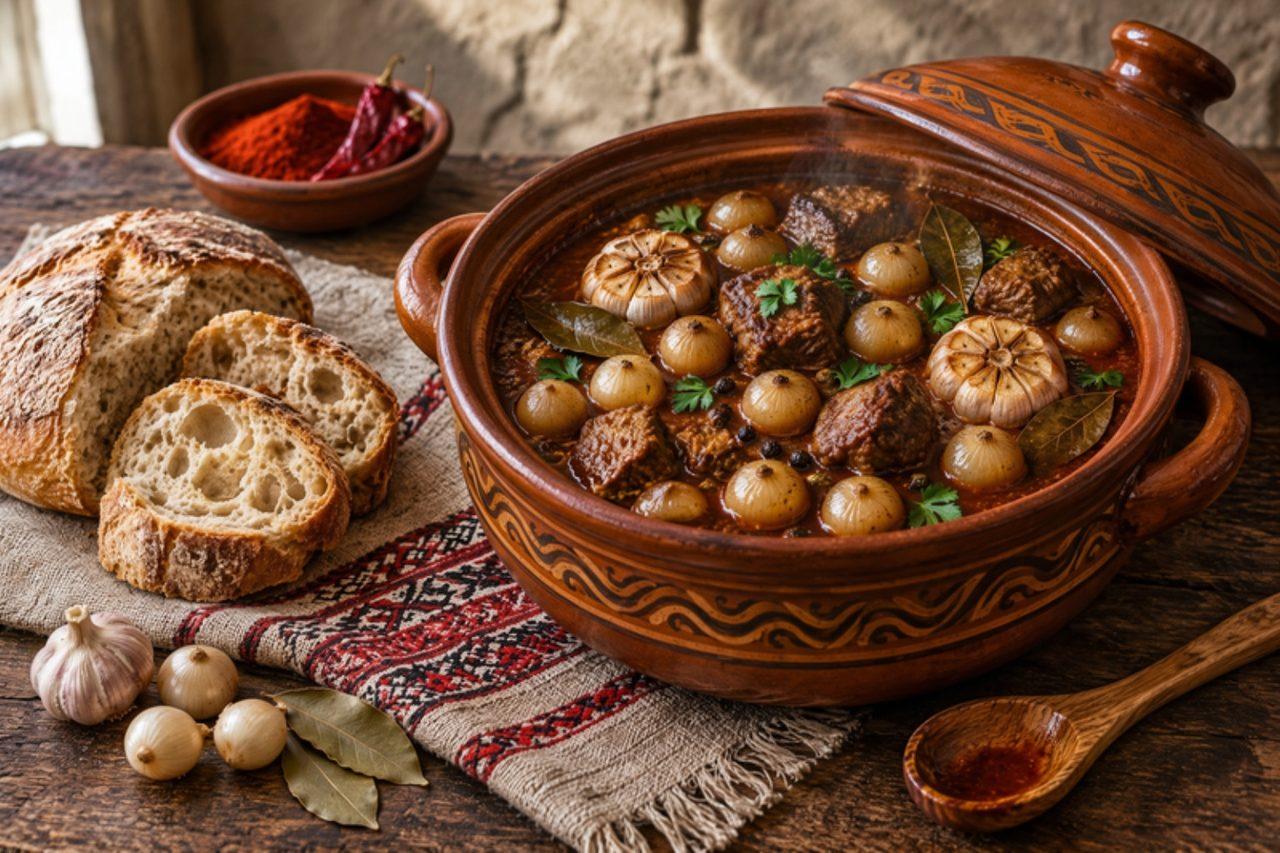
Popska yahniyaBeef and onion stew

Popska yahniya, the 'priest's stew', is cooked across Bulgaria in autumn and winter, often in a clay gyuveche in the oven, and appears at name-day dinners in Plovdiv and Veliko Tarnovo. Beef is braised with a heap of small whole shallot-sized onions, garlic, paprika, red wine and a splash of vinegar until the onions are sweet and jammy and the sauce is glossy. The wine is part of the dish and some alcohol can remain after cooking; for an alcohol-free version use the same amount of beef stock plus 1 extra tablespoon of vinegar. Pork shoulder is a common alternative to beef. The usual mistake is letting the onions break apart: add them after the meat has had an hour, so they hold their shape. Chef's tip: blanch the onions for one minute in boiling water and the skins slip off in seconds.

by KrazyBadal 0 views

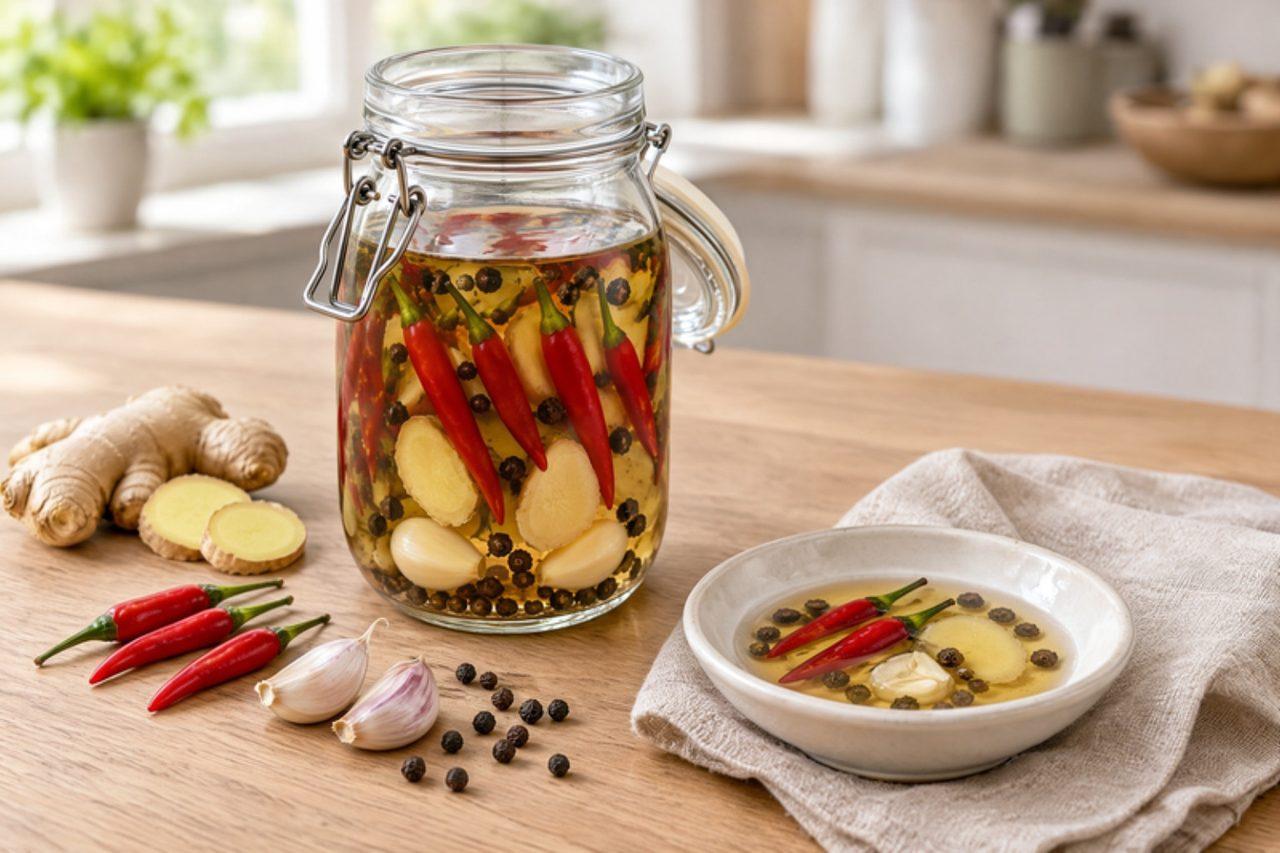
Sinamak

Iloilo is the home of La Paz batchoy and chicken inasal, and on every table there sits a tall bottle of sinamak, cane or coconut vinegar crowded with chillies, garlic and ginger. Visayan families keep a bottle going all year, and the dip turns up with grilled pork belly, crisp lechon kawali, fried fish and longganisa at breakfast. After a few days of steeping it is clean and sour, hot from siling labuyo, warm with ginger and peppery, with a faint sweetness from the cane vinegar. Common mistake: making a huge bottle and leaving it in a warm kitchen for months; fresh garlic and ginger are low-acid, so use full-strength vinegar, keep it in the fridge and make a fresh batch every couple of months. Toasting the garlic is not traditional and is not needed. It is ready when the vinegar has turned faintly golden and smells strongly of chilli and garlic, usually after 3 days. Chef's tip: bruise the chillies with the flat of a knife instead of slicing them; the heat comes out slowly and the vinegar stays clear. Cider vinegar can stand in for cane or coconut vinegar.

by KrazyBadal 0 views

Nutmeg juice

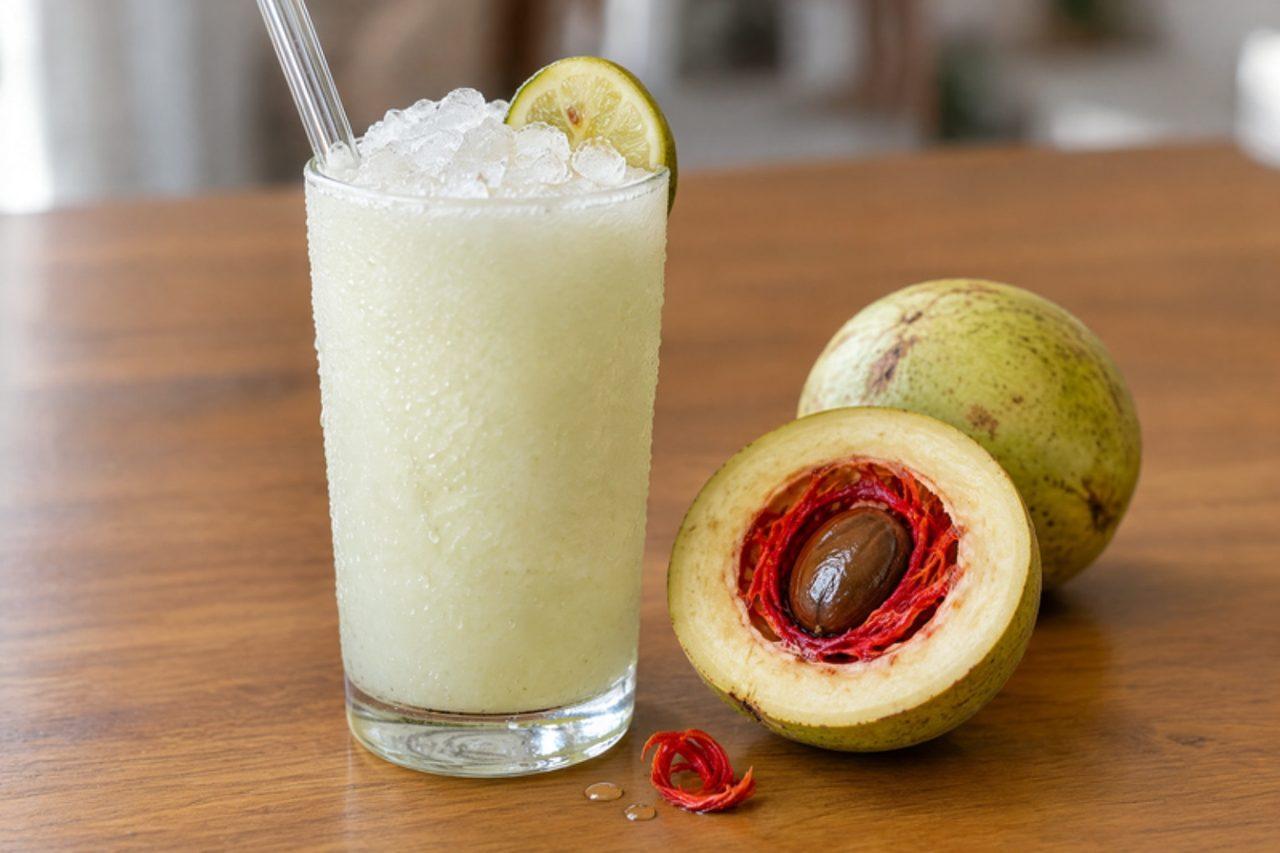
Penang is one of the few places in the world where nutmeg trees grow in back gardens, and its hawkers turn the pale, tart flesh around the nutmeg seed into jus buah pala, a frosty pale drink served at Gurney Drive and the coffee shops of Chulia Street to cool you down after spicy noodles. It tastes sweet and sour with a soft, woody spice. Outside Malaysia, look for preserved or candied nutmeg fruit strips in Asian grocers. Chef's tip: use only the fruit flesh; the seed (the nutmeg spice) and its red lace of mace are far too strong to blend into a drink and can make you unwell.

by KrazyBadal 0 views

Mazorcada (Bogotá loaded corn bowl)

Late at night, when the bars of the Zona T and Usaquén empty, the food trucks and carts around Bogotá's Parque de la 93 do a roaring trade in mazorcada, a huge tray of sweetcorn buried under shredded chicken or beef, melted cheese, salsa rosada and crunchy potato sticks. It is messy, salty-sweet and very filling, and Colombians argue about whether pineapple sauce belongs on top. Chef's tip: melt the cheese first and add the potato sticks at the very end, so they stay crunchy.

by KrazyBadal 0 views

GundrukFermented leafy greens

After the rice harvest in October and November, hill families from Ilam to Gorkha cut the leaves of mustard greens, radish and cauliflower, leave them to wilt in the yard, then pound them into clay pots or pits to ferment. A week later the greens come out olive-brown and sour, and they are dried on bamboo mats in the bright Dashain-Tihar sun. That dried gundruk carries families through the lean winter: soaked and simmered into gundruk ko jhol with tomato and soybeans beside dal-bhat, or tossed into gundruk sadeko with onion, chilli and mustard oil to eat with chiura. The flavour is deeply sour, earthy and a little smoky, the dried leaves chewy-crisp, softening when cooked. Common mistake: packing the leaves loosely; air left in the jar lets mould grow instead of the sour lactic ferment, so press until juice rises over the greens. It is ready to dry when it smells sharply sour like good sauerkraut and the leaves have lost all their green. Chef's tip: if your greens are from a supermarket, mix mustard greens with radish tops or kale for the closest flavour, and ferment in a big jar with a weight.

by KrazyBadal 0 views

Ahmedabad chocolate sandwich

Manek Chowk is a jewellery market by day; at night its square fills with stalls, and among the pav bhaji and sandwich carts the chocolate sandwich is the one children beg for. Buttered white bread is packed with grated chocolate, sometimes with a layer of grated cheese for a salty edge, then toasted in a long-handled iron until crisp and dripping. Contains wheat and dairy, and the chocolate may contain soya and traces of nuts. If you add cheese, many cheeses are made with animal rennet; pick one labelled vegetarian. Chef's tip: toast it slowly over a medium-low heat, so the chocolate melts before the bread browns.

by KrazyBadal 0 views

Guyanese egg ballsFried cassava-coated eggs

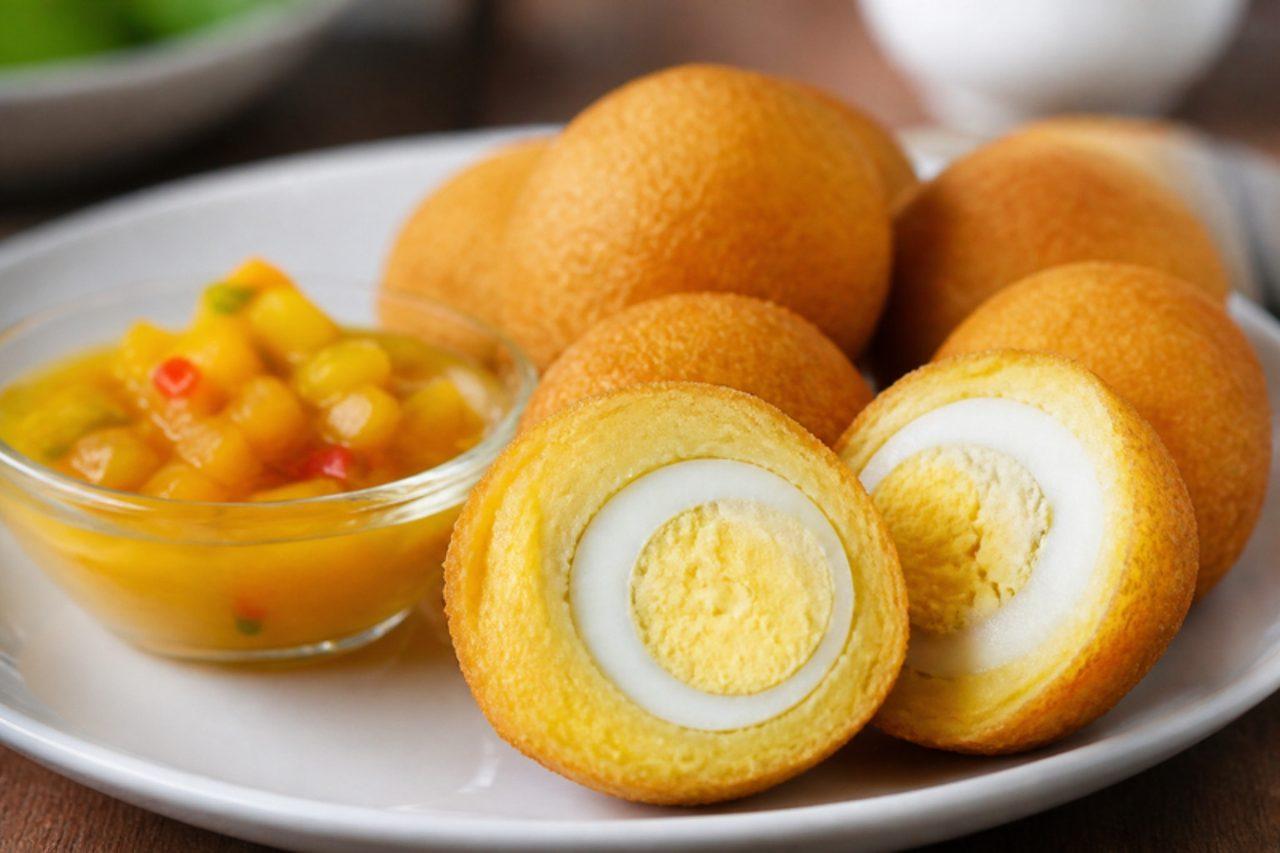
Egg balls are the snack you buy in a paper bag at a Georgetown cake shop or from a tray at a cricket match at Bourda, with a generous spoon of mango sour over the top. A whole hard-boiled egg is wrapped in a layer of mashed cassava seasoned with garlic, hot pepper and herbs, then fried until crisp and golden. The usual problem is cassava that is too wet or too thin a layer, so the balls crack in the oil; mash it dry and keep the coat about 1 cm thick. Eggs are the main allergen here. Chef's tip: chill the wrapped balls for 20 minutes before frying so they hold their shape.

by KrazyBadal 0 views

Carato de maízChilled corn drink

Out on the hot plains of the Llanos, a jug of carato is kept cold for the afternoon: white corn cooked until soft, blended with its water, strained and sweetened with panela, cinnamon and clove. It is thick, creamy and filling enough to be a snack in a glass. Keep it in the fridge, because left out it starts to ferment. The common mistake is skipping the straining, which leaves it gritty. Chef's tip: strain through a fine sieve and then once more through a clean cloth for the silkiest drink.

by KrazyBadal 0 views

Pineapple soybean paste

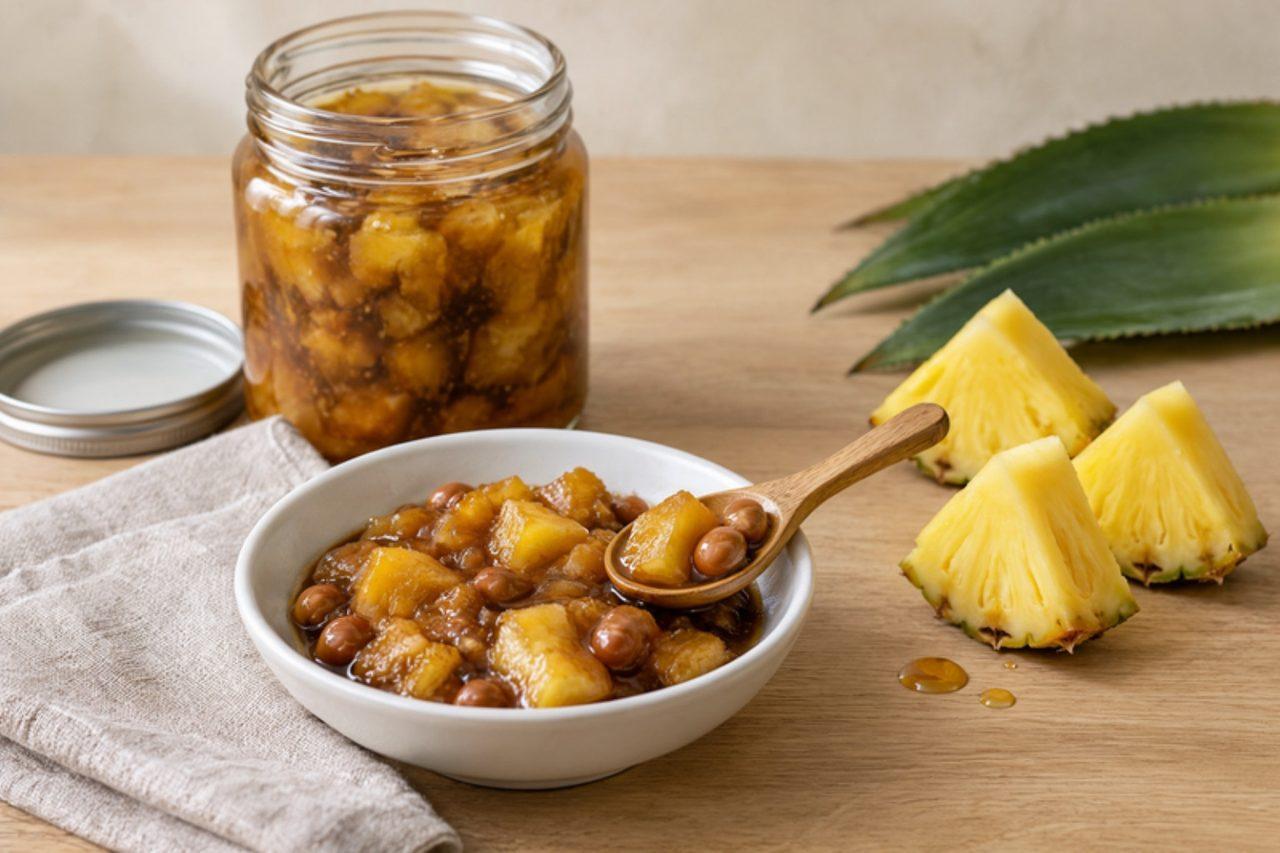
Hakka households in Miaoli, Hsinchu and Pingtung are frugal and patient, and pineapple soybean paste (ong lai dau jiong) shows both. In early summer, when Taiwan's pineapples are plentiful, the fruit is cut into wedges and layered in jars with salted soybean koji and sugar, then left in a cool corner for months. The pineapple softens and goes golden-brown, the beans melt into a thick sauce, and the whole jar turns sweet, salty and tangy with a soft funk like miso. Spooned over steamed fish with ginger and scallion, stirred into braised bitter melon or tossed through stir-fried greens and wood ear, it is a back-pocket seasoning for everyday Hakka meals and bento. Common mistake: using very ripe, juicy pineapple; the fruit breaks into mush and the extra water dilutes the salt. Choose firm, just-ripe fruit and dry it after cutting. It is ready when the pineapple has turned amber and translucent and the beans are soft, after 1–3 months. Chef's tip: read the koji label — many brands are dusted with wheat flour, so it is not reliably gluten free.

by KrazyBadal 0 views

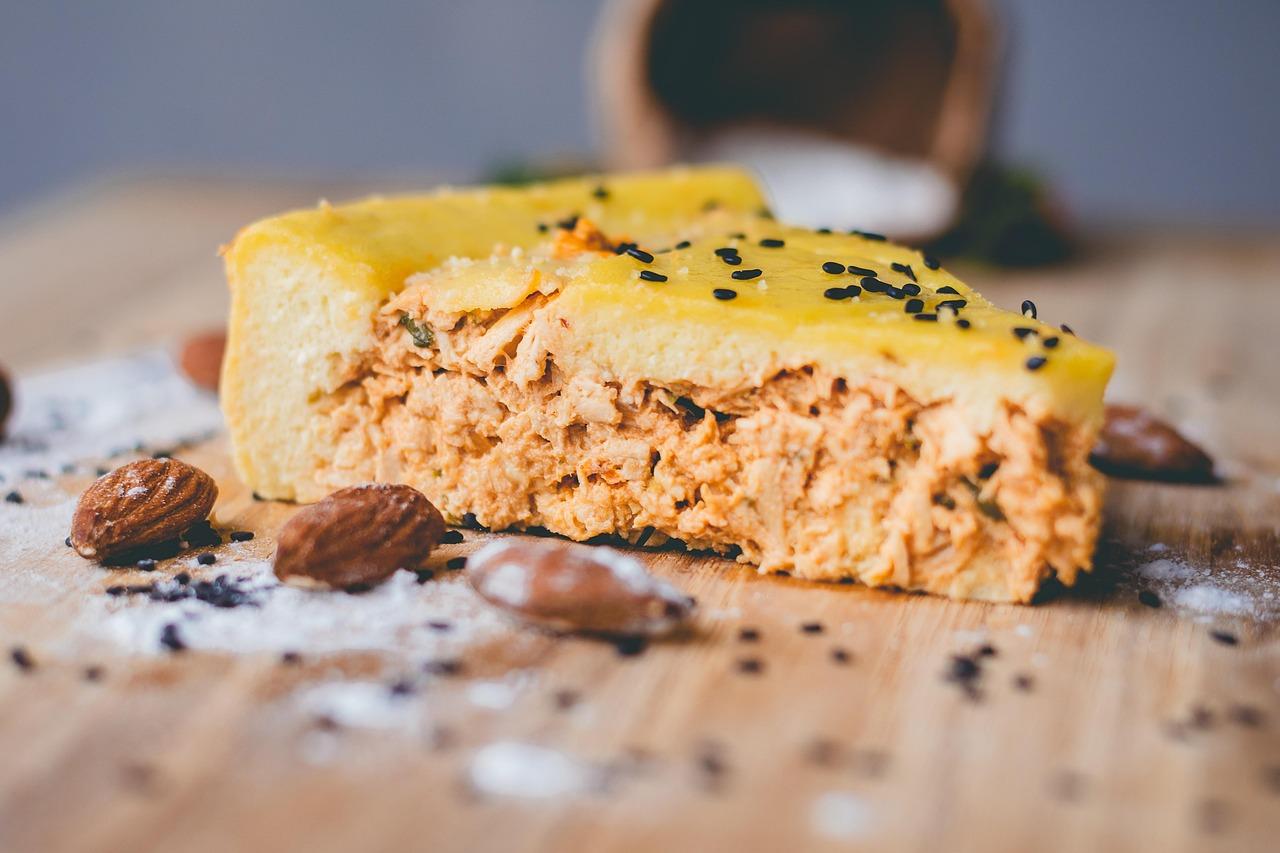
Polvorosa de polloChicken pie

Polvorosa is the pie that comes out for family birthdays and Sunday gatherings in Caracas: a melt-in-the-mouth, slightly sweet shortcrust (polvorosa means 'crumbly') around chicken stewed with leek, peppers, olives, capers and raisins, so each bite is salty, sweet and savoury at once. Serve it warm with a green salad. The common mistake is filling the pastry with hot stew, which melts the butter and makes a soggy, torn crust. Chef's tip: make the filling the day before and fill the pie straight from the fridge.

by KrazyBadal 0 views

Guyanese tennis rollsSweet lemony buns

Nobody quite agrees why these buns are named after tennis, but every Guyanese person knows the pairing: a split tennis roll with a thick slice of cheddar, eaten mid-morning or packed for a long bus ride up the East Coast Demerara. They are round, pale golden and very soft, with a gentle sweetness and a hint of lemon zest. Overbaking is the usual problem; they should come out light gold, not brown, so the crust stays tender. Chef's tip: bake the rolls close together on the tray so they rise into each other and keep soft sides, then pull them apart once cool.

by KrazyBadal 0 views

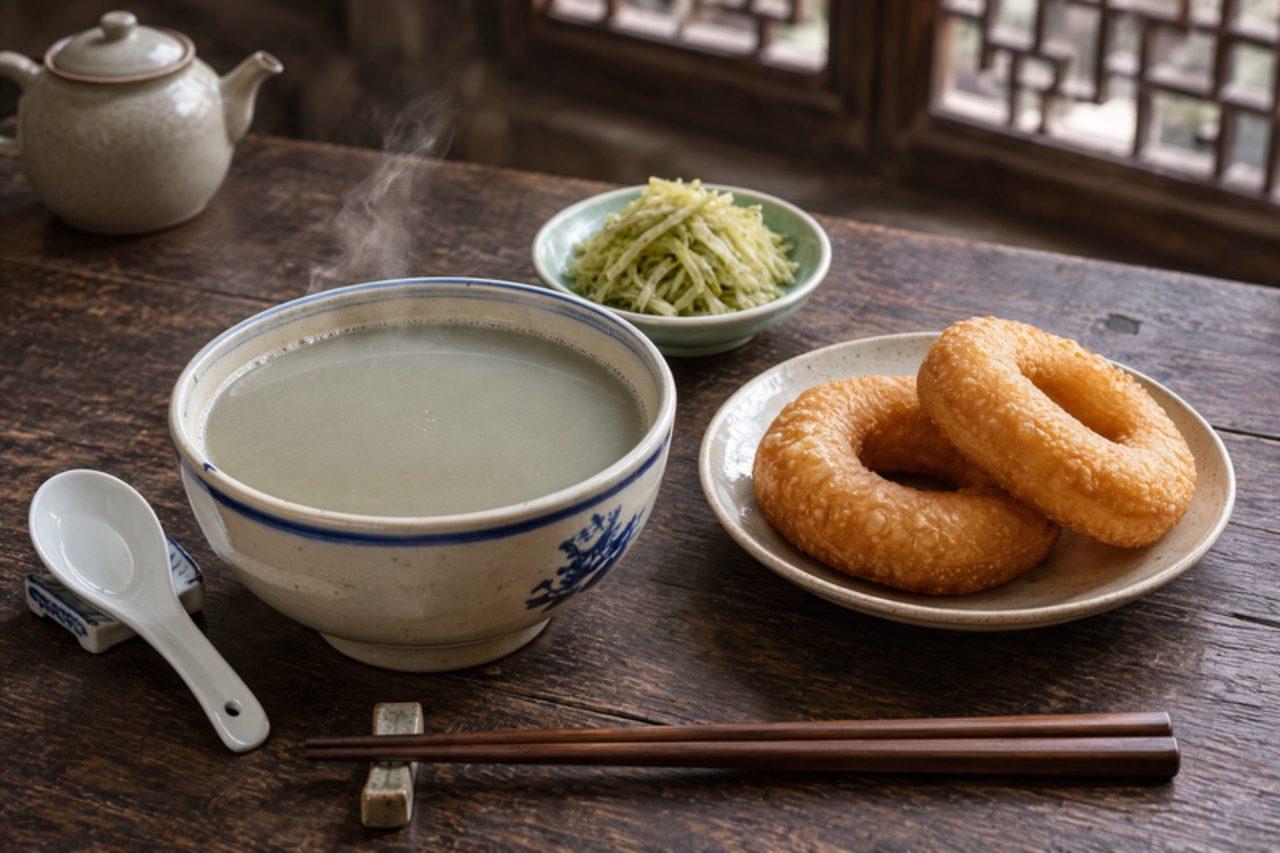
Beijing douzhiFermented mung bean drink

Douzhi is the most famous acquired taste in Beijing: a hot, grey-green, sour drink made from the liquid left when mung beans are ground for starch, then fermented. Old Beijingers sip it at breakfast with crisp jiaoquan rings and shredded salted mustard pickles, and visitors either love it or never try it twice. At home you make a small batch by blending mung beans, settling out the starch and fermenting the cloudy water for a day. The mistake is letting it boil hard: it separates into watery and thick layers, so keep it at a gentle bubble. It must smell cleanly sour like yogurt; throw it away if it smells rotten, has mould, or turns pink or slimy. Chef's tip: stir it continuously as it heats and add a splash of the thinner liquid at the end, which keeps the classic smooth, slightly thick texture.

1440 minChineseDrinksVeganGluten free
by KrazyBadal 0 views

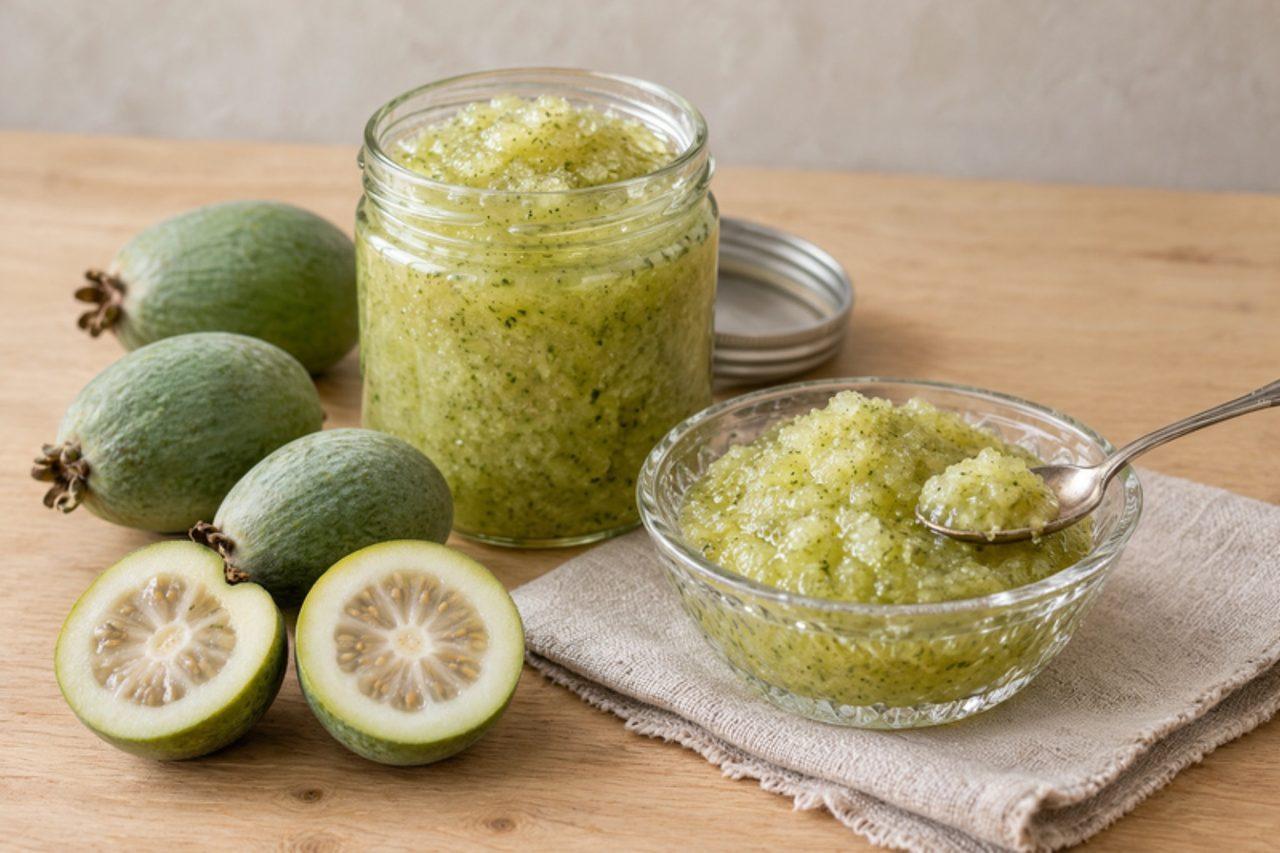
Feijoa jam

Feijoa bushes grow in almost every garden along Georgia's Black Sea coast, in Batumi, Kobuleti and the hills of Guria, and in late October and November the egg-shaped green fruit drop faster than anyone can eat them. The local answer is a raw jam: the whole fruit, skin and all, minced with sugar and kept cold, so it keeps the fresh, heady taste of pineapple, guava and mint. It is spooned into small glass dishes beside a cup of black tea, spread on bread for breakfast, stirred into yoghurt and eaten by the teaspoon through the winter cold season. The texture is a loose, pale-green pulp with a little grit from the seeds and skin; the flavour is sweet, tart and very aromatic. Common mistake: leaving the cut fruit to stand before mixing with sugar; it browns within minutes, so mince straight into the sugar and stir. The jam is ready when the sugar has fully dissolved and the colour is an even jade green. Because it is never cooked it must live in the fridge or freezer. Chef's tip: use fruit that gives slightly when pressed and smells strongly; hard feijoas taste of skin, overripe ones have brown jelly inside and turn the jam muddy.

by KrazyBadal 0 views

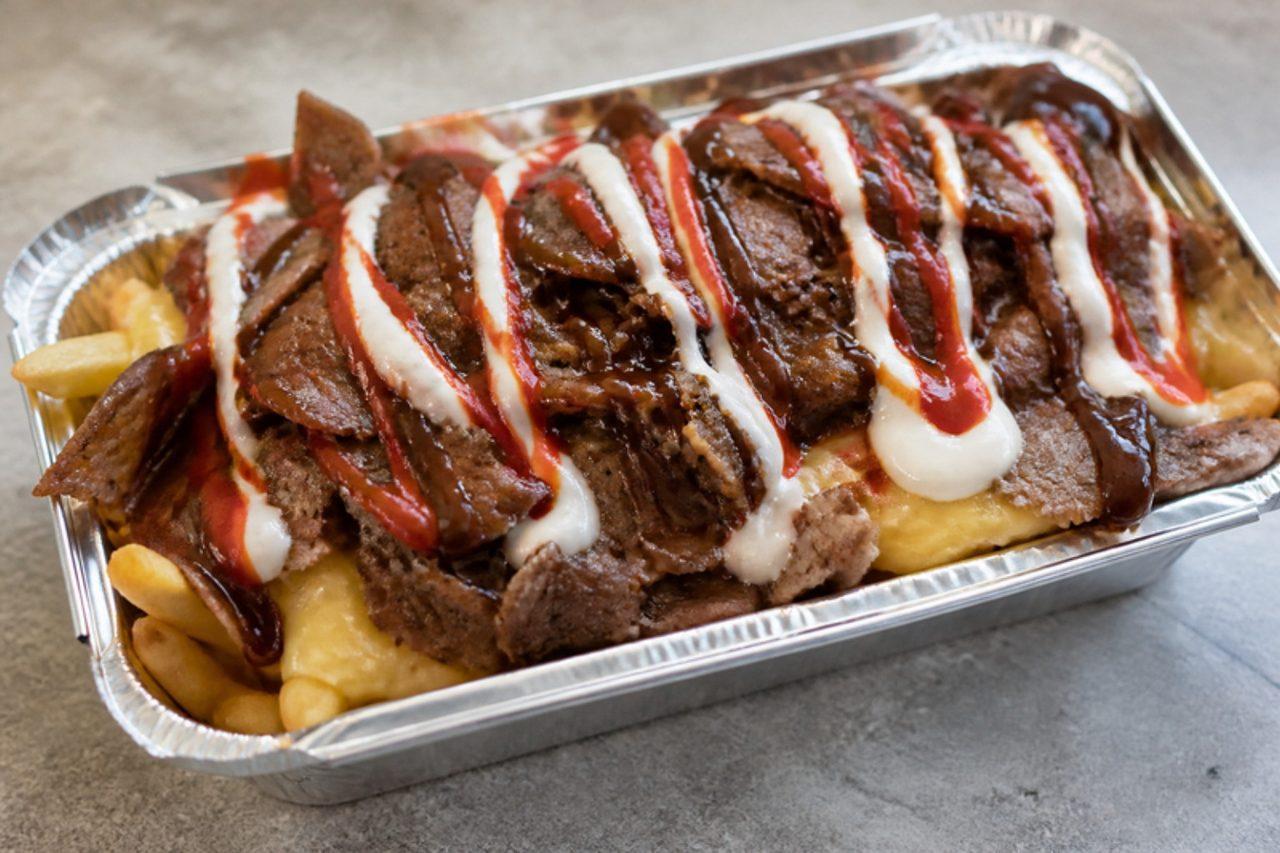
Halal snack packChips with lamb, cheese and sauces

The halal snack pack, or HSP, was born in the kebab shops of western Sydney suburbs like Auburn and Lakemba and became a late-night legend across Australia: a foil tray of hot chips covered in melted cheese and shaved doner meat, drowned in garlic sauce, chilli sauce and barbecue sauce. This home version uses quickly marinated lamb steaks, grilled and sliced thin, and halal meat if you follow it. A common mistake is soggy chips; make them crisp and get the toppings on just before eating. Chef's tip: the three sauces go on in stripes, garlic first, so every bite gets some of each.

by KrazyBadal 0 views

Halifax donairSpiced beef pita with garlic sauce

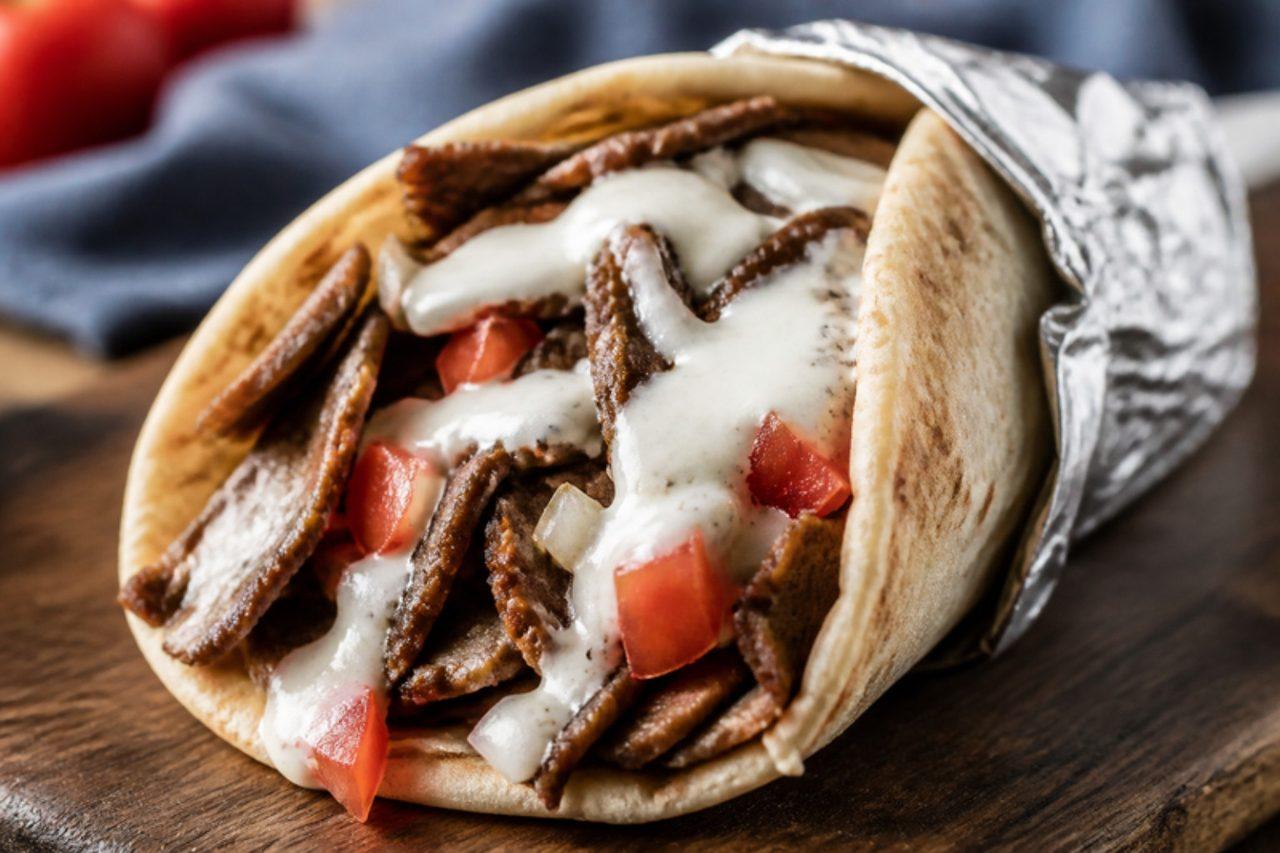
The donair is Halifax's official food, born in the 1970s when a Greek-Canadian cook adapted the gyro for local tastes, and it is still the late-night food of Spring Garden Road. A dense, spiced beef loaf is baked, sliced thin and crisped in a pan, then wrapped in a warm pita with raw onion, tomato and a sweet sauce of condensed milk, vinegar and garlic. Messy, sweet, salty and loved. A common mistake is a crumbly meat loaf; the mince must be kneaded until it is sticky and smooth. Chef's tip: chill the baked loaf before slicing so you can cut it really thin.

by KrazyBadal 0 views

BozaFermented millet drink

In Bulgaria boza is a breakfast habit: a plastic bottle of it from the corner pastry shop and a slice of hot, flaky banitsa, bought on the way to work or school, especially from autumn through to spring. Towns such as Radomir, Plovdiv and Sofia argue over whose is best. It is the colour of milky coffee, thick enough to coat the glass, sweet up front with a sour, bready finish and a faint prickle. Like every fermented grain drink it makes a trace of alcohol, well under 1% when drunk young. The base is millet flour, toasted for flavour, cooked into a thin porridge, then fermented for about a day before being strained and sweetened. The common mistake is adding the yeast while the porridge is still hot, which kills it and leaves you with sweet gruel; wait until it feels only just warm on your wrist. It is ready when the surface is covered in small bubbles, it smells like fresh bread with a sour edge and tastes pleasantly tangy. Chef's tip: keep back a glass of each batch in the fridge and use it instead of yeast next time; boza made from an old starter is rounder and more sour.

by KrazyBadal 0 views

Kawal

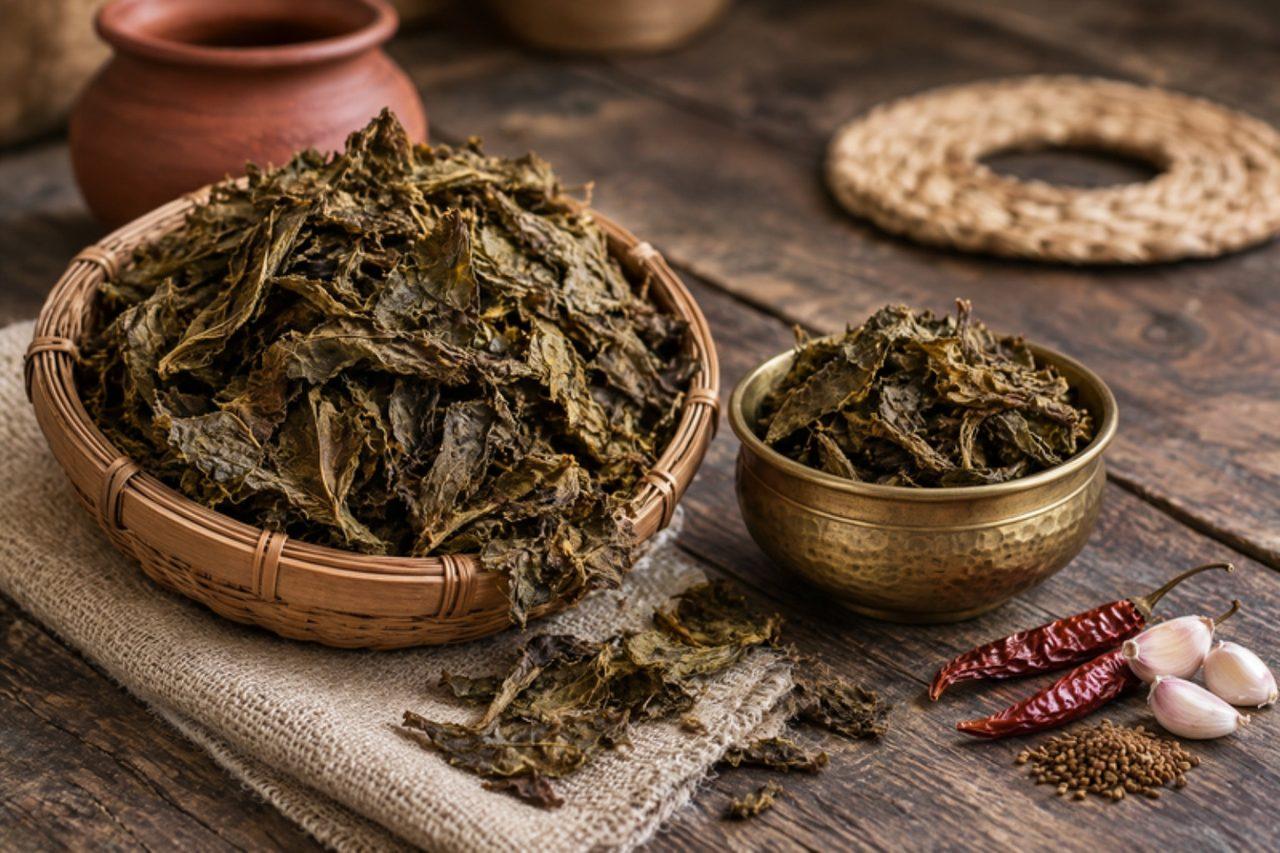
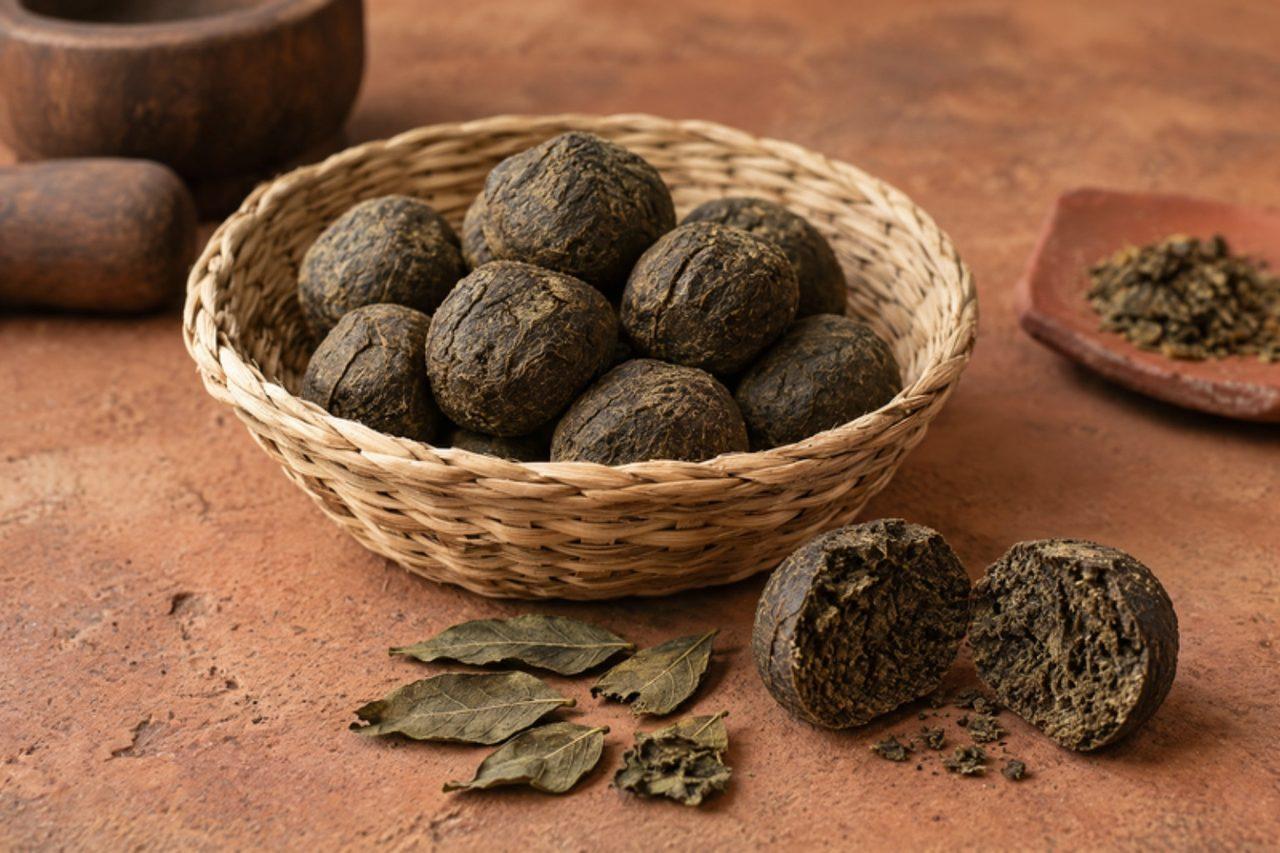
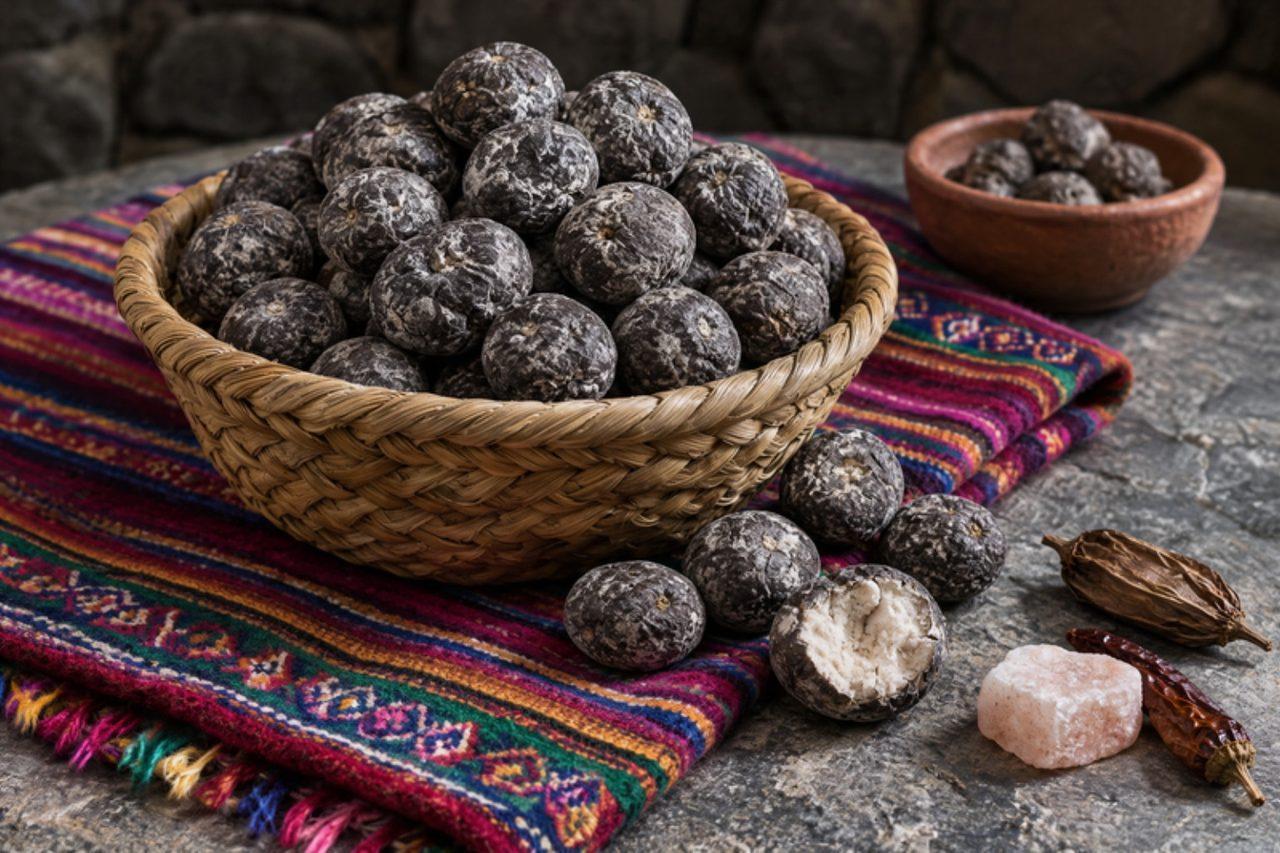
Kawal is one of the most distinctive pantry foods of western Sudan, made in Darfur and Kordofan at the height of the rains in August and September, when wild senna (Senna obtusifolia, called kawal or fedo) springs up thickly around villages. Women strip the young leaves, pound them to a dark green pulp and pack it into a clay pot sealed with sorghum leaves, then leave it in a cool, shaded spot for about two weeks, remixing it every few days. The fermented paste is rolled into small balls and dried in the sun, and these keep through the dry months. Crumbled into mullah stews with okra, onions and dried meat and eaten with kisra or aseeda, kawal gives a deep, meaty, pungent savour much like West African dawadawa; the smell straight from the pot is strong and ammonia-like but mellows completely in cooking. The usual mistake is leaving the pot somewhere warm and forgetting to remix it, so the paste rots instead of fermenting. It is ready when the paste is dark, sticky and strongly savoury but not putrid. Chef's tip: if you cannot be certain of the plant, buy dried kawal from a Sudanese grocer.

by KrazyBadal 0 views

Harusame saladGlass noodle salad

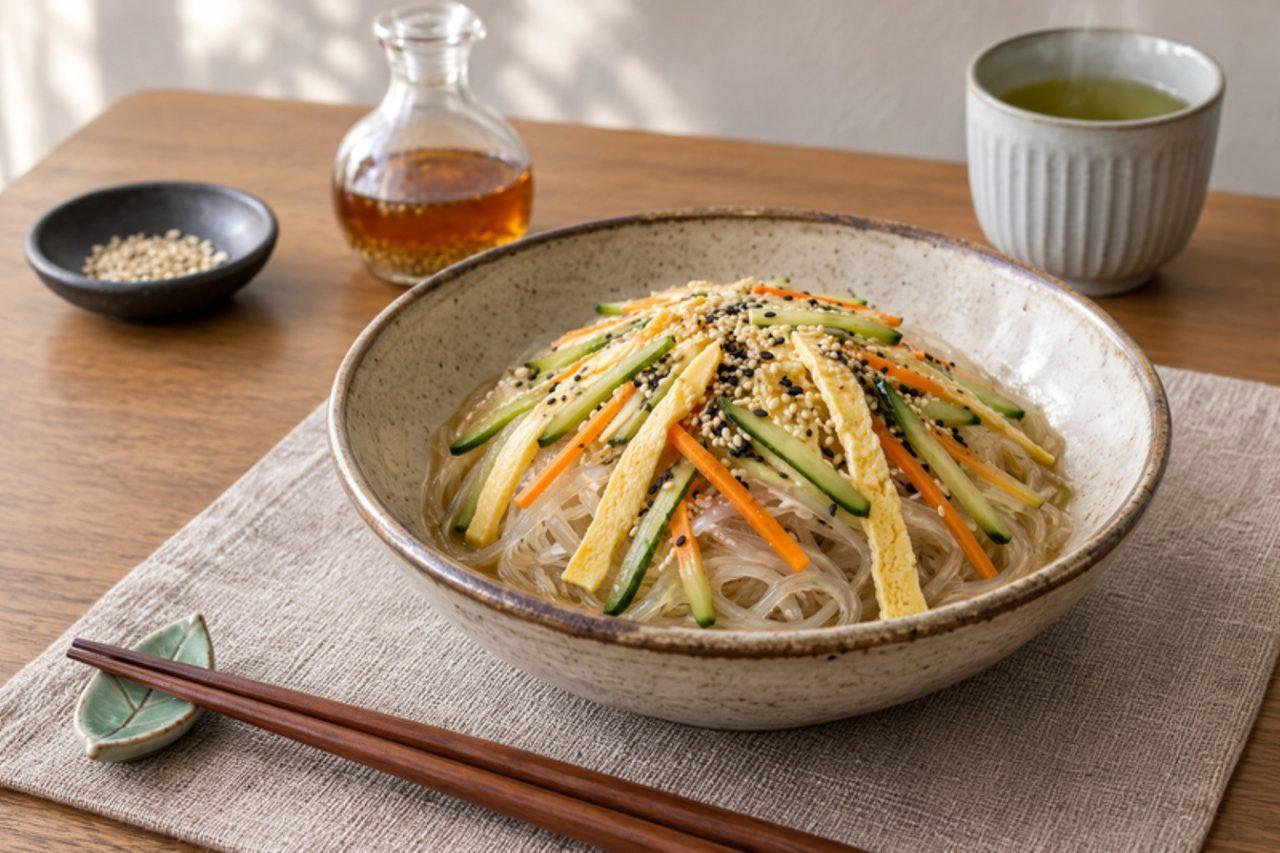
Harusame, "spring rain" noodles, are fine glass noodles made from mung bean or potato starch, and this tangy salad of them with cucumber, carrot and ribbons of thin omelette is a supermarket deli favourite and a regular bento side across Japan. Ham is usually added; this version keeps it vegetarian. The common mistake is leaving the noodles long, which makes the salad impossible to eat from a bento with chopsticks; cut them with scissors after cooking. Chef's tip: dress the noodles while they are still slightly warm, because they drink up the dressing then and stay flavourful cold.

by KrazyBadal 0 views

KuloloTaro and coconut pudding

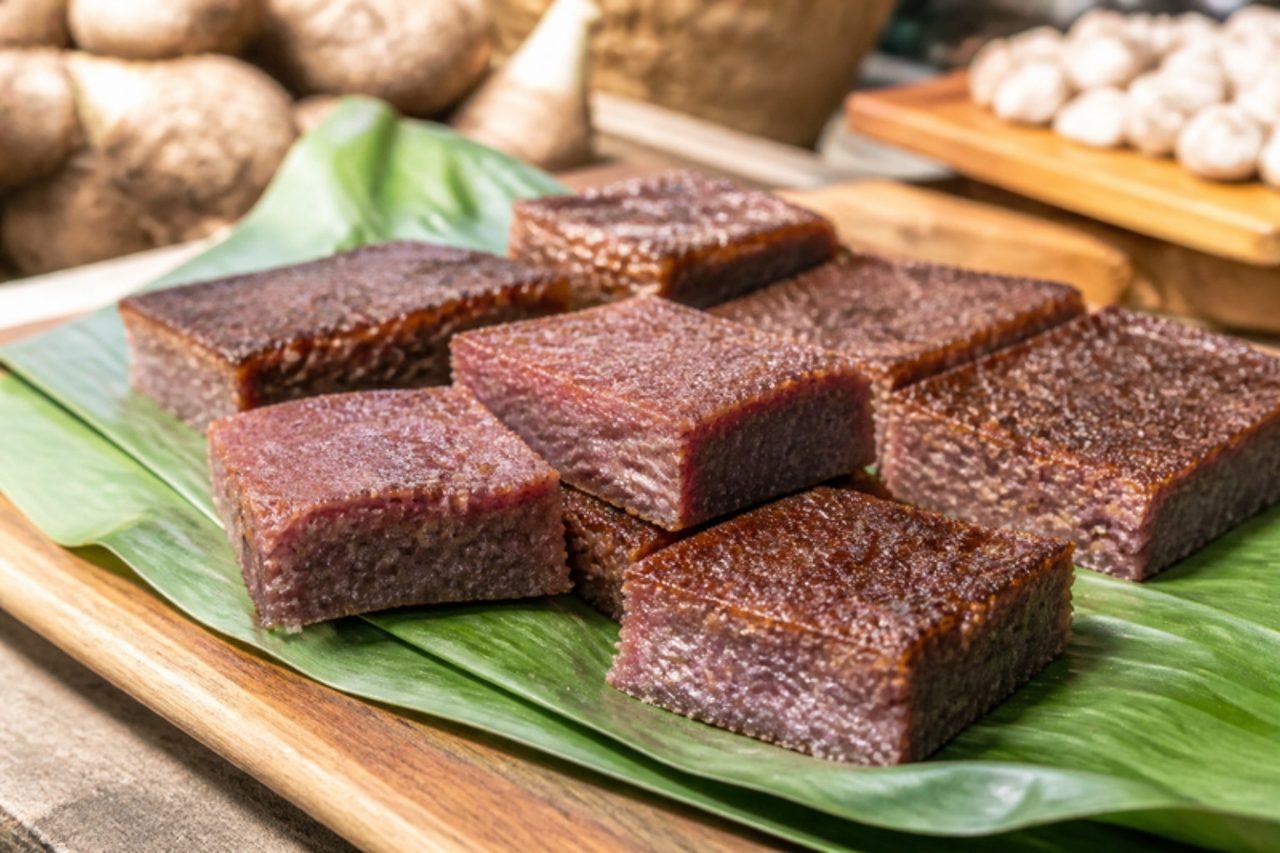
Kulolo is one of the oldest Hawaiian sweets, a dense, fudgy pudding of grated taro and coconut that was once wrapped in ti leaves and baked for hours in an imu (earth oven) for lū'au feasts. On the windward side of O'ahu and in Hilo it is still sold in slabs at farmers' markets. Taro must always be fully cooked; raw taro contains crystals that badly irritate the mouth and throat, so peel it with gloves and bake the full time. A common mistake is cutting it hot; it firms as it cools. Chef's tip: bake it long and low until deep brown and sticky at the edges, where the caramel flavour is.

by KrazyBadal 0 views

Chinese plum sauce

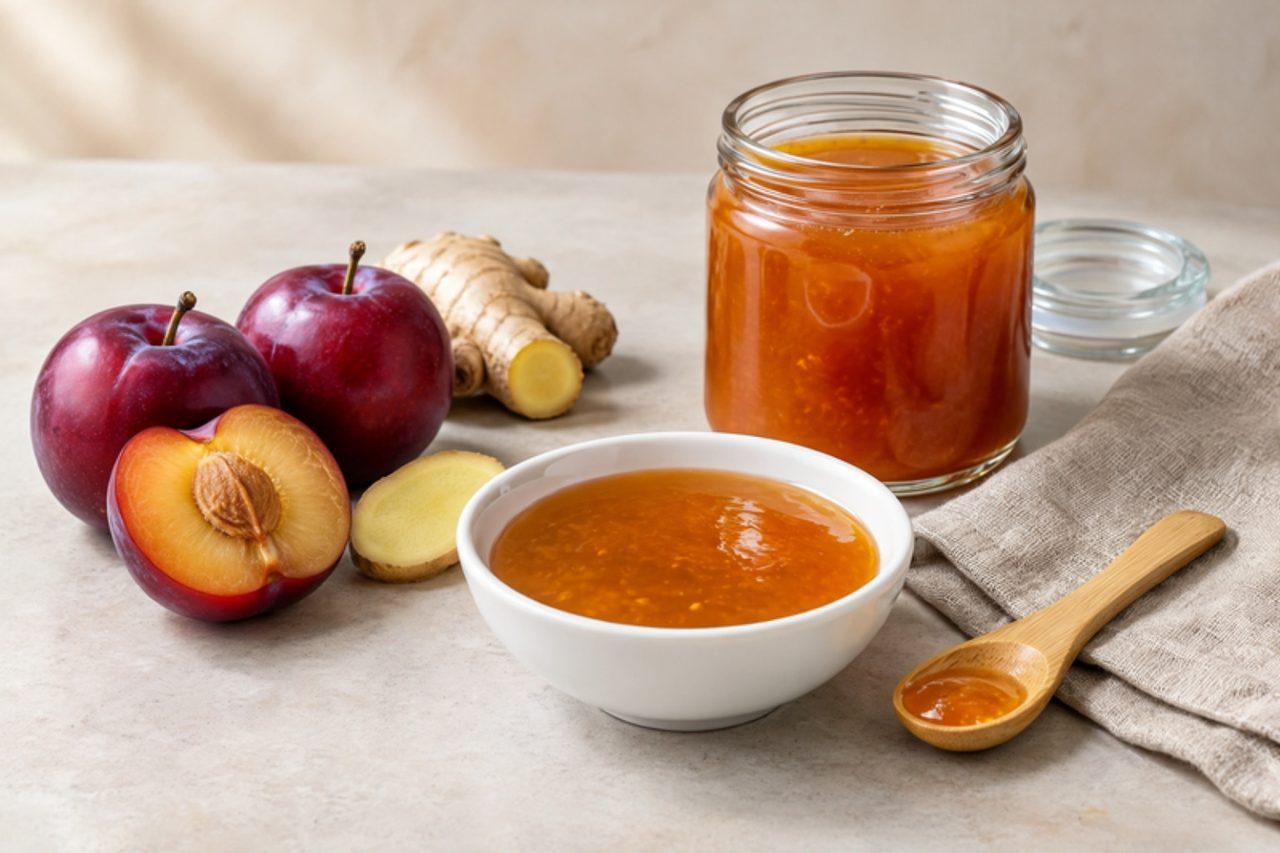
In Hong Kong and Guangzhou roast-meat shops, a small saucer of plum sauce comes with crisp roast goose and siu mei, and at home it is the dip for spring rolls at New Year and the glaze for vegetarian fried tofu or cha siu-style mushrooms. Cantonese suan mei jiang is fruitier and more sour than the gloopy bottled kind: ripe plums are simmered with sugar, rice vinegar, ginger and a little chilli until thick and glossy. Make it in late summer when dark plums are cheap. Common mistake: boiling it too thick; it sets further as it cools, so stop when it coats the back of a spoon and a drip on a cold plate wrinkles only slightly. Readiness cues: the plum skins have melted into the sauce, the colour is deep ruby and the taste balances sweet and sharp. This is a high-acid preserve: in the fridge it keeps 2 months, or water-bath process sealed jars for 20 minutes to keep them in a cupboard for a year (refrigerate once opened). Discard if you see mould, it fizzes, the lid bulges or leaks, or it smells fermented. Chef's tip: add 2 Chinese salted preserved plums, mashed, for the authentic salty-sour depth.

by KrazyBadal 0 views

Wiri wiri pepper sauce

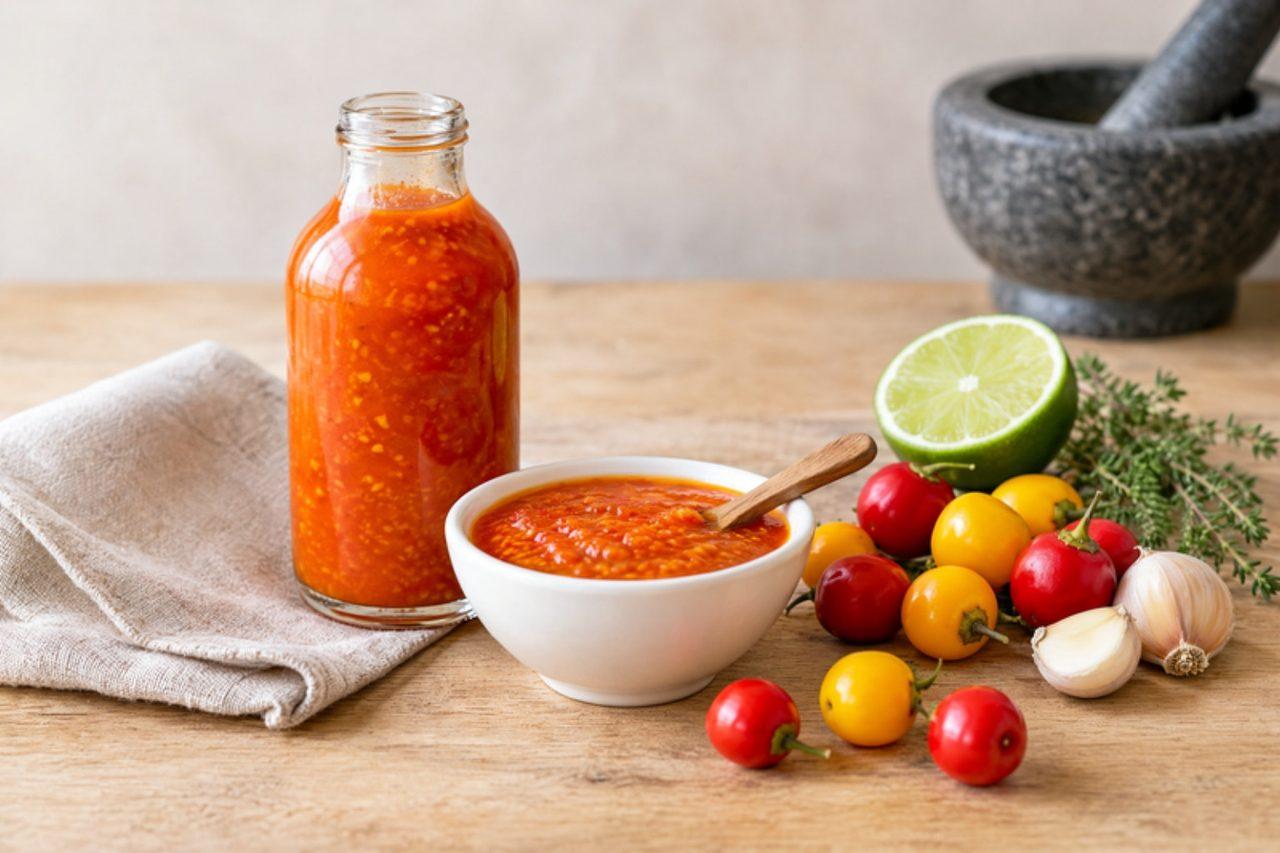
Every Guyanese household, from Georgetown to the villages of Berbice, has its own bottle of pepper sauce, and the most prized is made with wiri wiri: tiny, round peppers no bigger than a currant, red, orange or yellow, with a fruity, almost tomato-like heat that hits fast and fades clean. They are ground with plenty of garlic, a little onion, prepared mustard, salt and vinegar, and often a few slices of green mango or five-finger (carambola) for sourness. A dab goes on cook-up rice, dhal and rice, roti and curry, fried fish and bake, and on the pepperpot at Christmas. The sauce is coarse, bright orange-red and loose, sour first, then fiercely hot and garlicky. A common mistake is thinning it with water, which makes it spoil quickly; use vinegar alone for any loosening. It is ready after a day in the fridge, when the garlic has softened into the heat and the colour has deepened. Outside Guyana, wiri wiri is hard to find; Scotch bonnets or red bird's-eye chillies work, though the flavour is a little different. Chef's tip: grate in a few slices of green mango for the true sour, fruity Guyanese edge.

by KrazyBadal 0 views

Nutmeg jelly

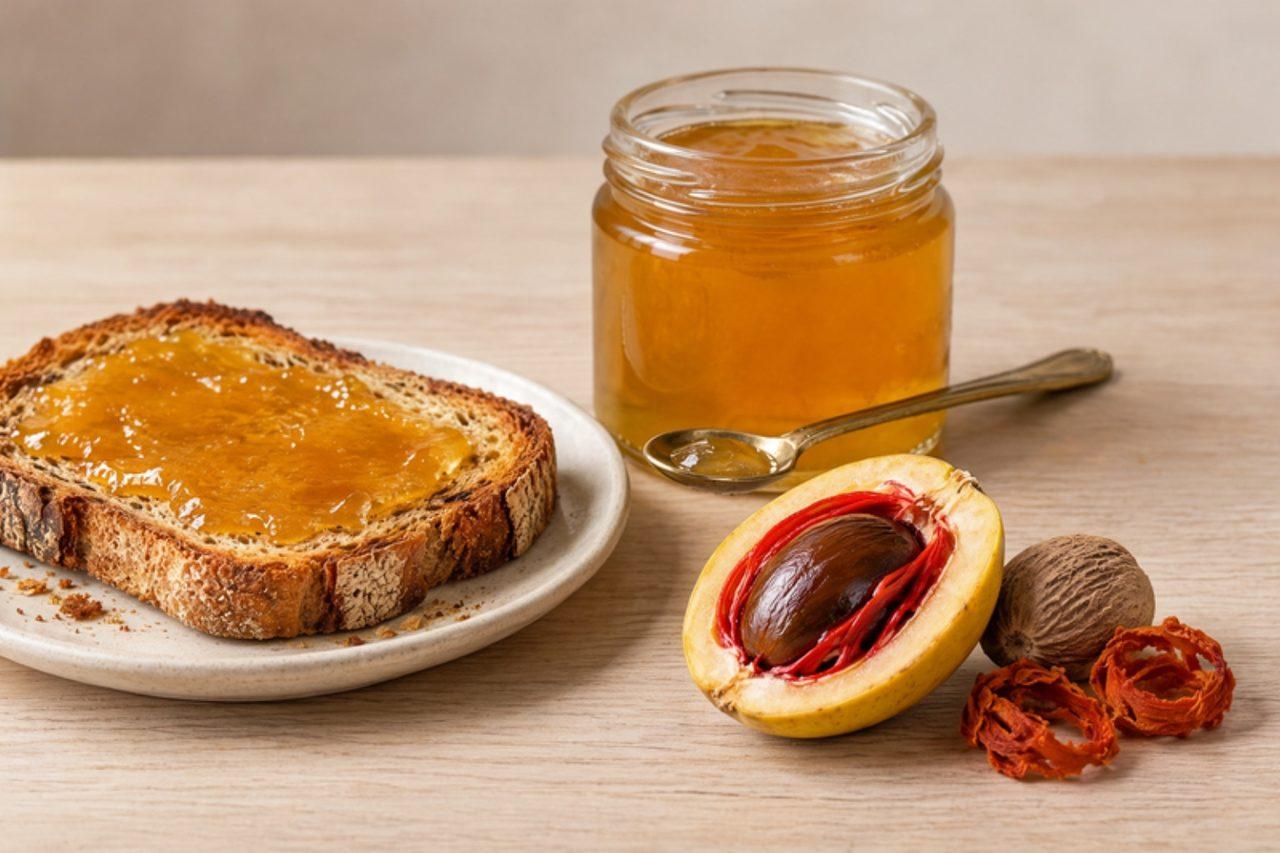
Grenada, the Spice Isle, grows nutmeg all over the green hills of St Andrew and St John, and the pale yellow, apricot-sized fruit that wraps the seed and its red lace of mace was long thrown away at the processing stations. Grenadian cooks turned that tart, slightly astringent flesh into nutmeg jelly, a clear amber spread that is eaten on hops bread or coconut bake at breakfast, sold in small jars in the St George's market and carried home by visitors at Christmas. The fruit is loaded with pectin, so it sets easily, and it tastes sweet-sharp and fragrant, faintly of apple, with a soft warm hint of the spice itself. Outside the Caribbean the fresh fruit is hard to get; tart cooking apples or quinces with a little freshly grated nutmeg make a close copy (see the notes). The common slip is boiling on long after the set point, which turns the jelly dark, gummy and dull, so start testing early. It is ready when a drop wrinkles on a cold saucer or the thermometer reads 104–105 °C. Chef's tip: drop a strand of the red mace into each jar for colour and a little extra perfume.

by KrazyBadal 0 views

Herbata z sokiem malinowymTea with raspberry syrup

In Polish homes a bottle of sok malinowy, the raspberry syrup made each July from garden or forest raspberries, waits in the pantry for winter. When someone comes in from the frost, or lies in bed with a cold, it goes into a glass of hot black tea, sometimes with a slice of lemon; grandmothers insist it makes you sweat the chill out, and the drink is traditionally given at the first sign of a sniffle. It also appears simply after a winter walk or with a slice of cake. The tea turns ruby, tastes of summer berries with a light tannic edge, and is sweet enough without sugar. The usual mistake is pouring syrup into boiling tea straight from the kettle: the fresh raspberry aroma cooks off and only sweetness is left. Let the tea cool for a minute or two first. It is ready when the tea is deep amber, the syrup has fully swirled through and it smells clearly of raspberries. No homemade syrup? Use a good shop-bought raspberry syrup, or make the quick one in the optional steps. Chef's tip: brew the tea weaker than usual, about two minutes, so the fruit stays in front.

by KrazyBadal 0 views

Braaied gem squashGem squash with sweetcorn and cheese

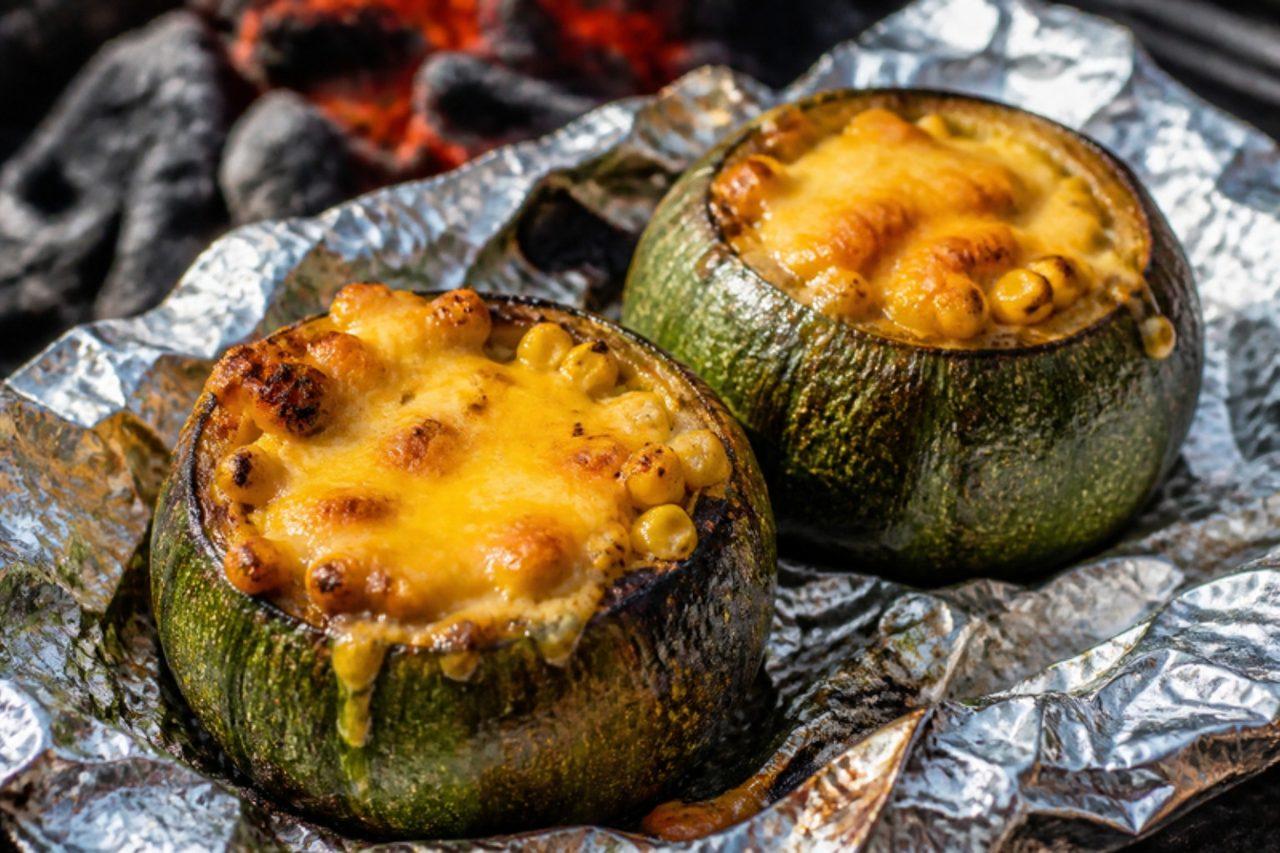
Small, round and dark green, gem squash is the vegetable South African children grow up scooping from the shell with a teaspoon, and at a weekend braai it goes into the coals wrapped in foil alongside the potatoes. The halves steam in their own juice until the orange flesh is tender and sweet, with a pool of melted butter, golden corn and cheese in the hollow. Serve them as a side for anything from the grid, or make a plate of them with pap tert and a tomato salad for a meat-free braai. Indoors, an oven gives the same result. Putting them straight onto flaming wood is the mistake: they char outside and stay hard inside, so wait for grey, glowing coals. Choose a vegetarian cheddar, since many are made with animal rennet. Chef's tip: trim a thin slice off the round base of each half so it sits flat and holds its filling.

by KrazyBadal 0 views

Keema naan (Lahore style)

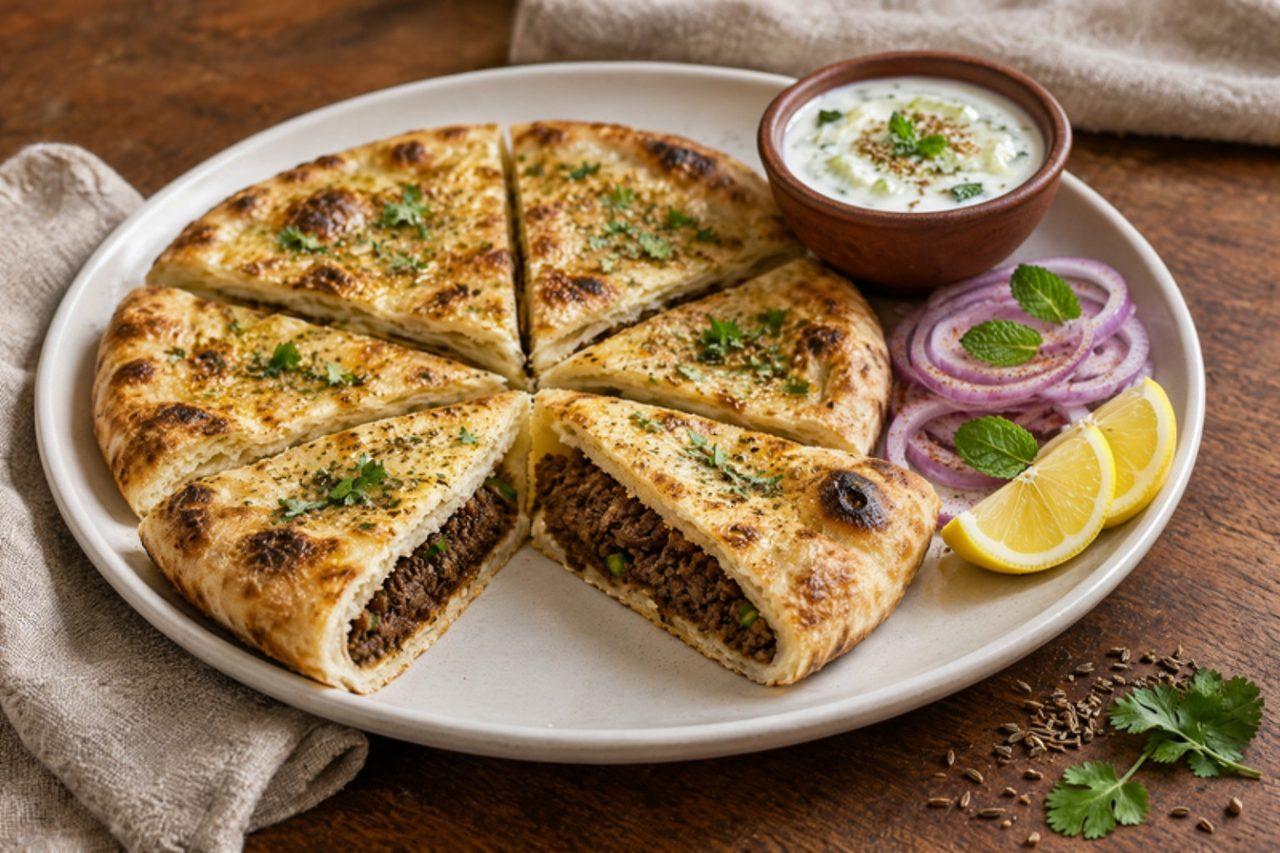
Along Lahore's Fort Road food street, in sight of the Badshahi Mosque, tandoors work late into the night baking naan with a thin layer of spiced mince pressed inside. The bread puffs and chars in the oven and comes out glossy with butter, with juicy, peppery meat in every bite. At home a very hot oven and a preheated tray stand in for the tandoor. Contains wheat and dairy. Chef's tip: cook the mince first and let it cool fully; warm filling softens the dough and it tears when you roll it.

by KrazyBadal 0 views

HilachasShredded beef in tomato sauce

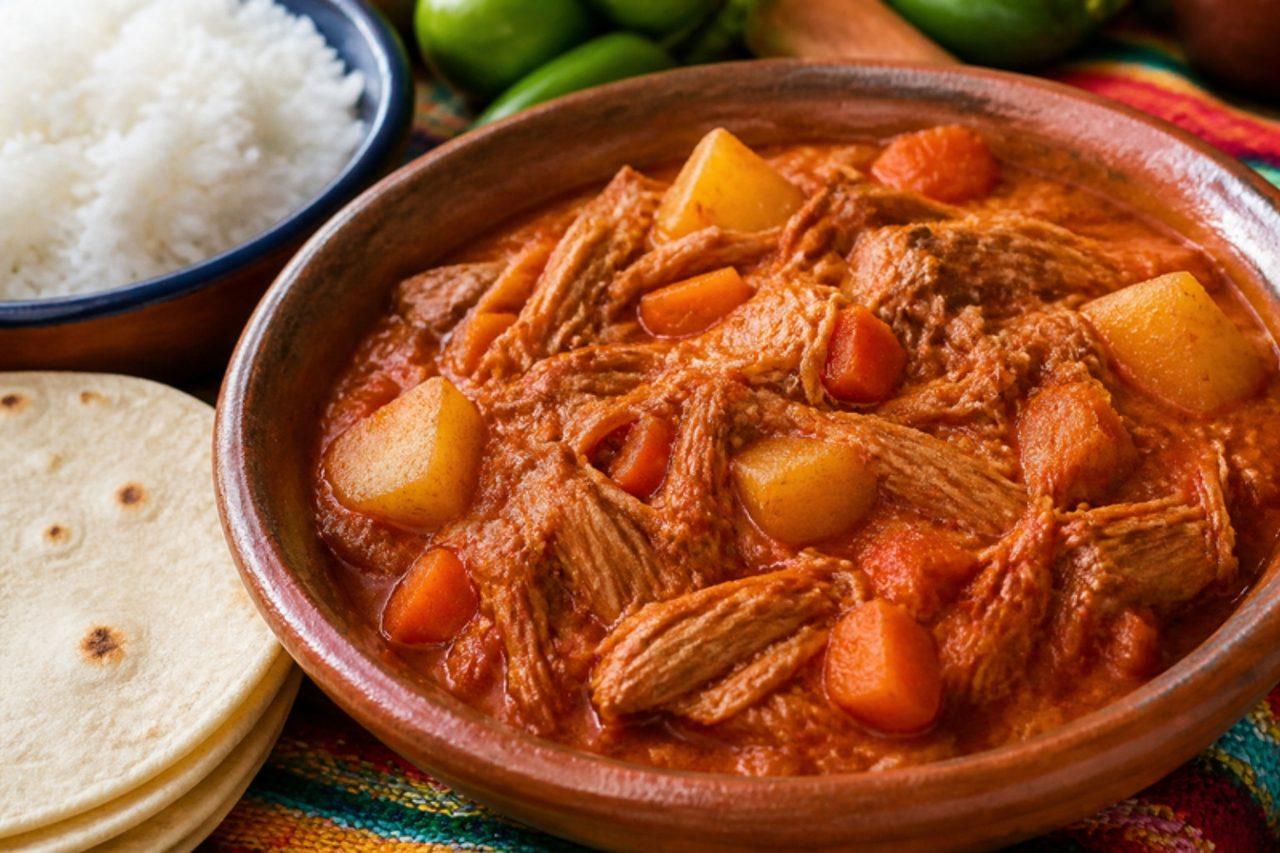
The name means 'threads', and that is how the beef should look: pulled into fine strands and simmered with potato and carrot in a brick-red sauce of tomato, tomatillo and dried guajillo chilli. Hilachas is everyday food in Guatemala City, served at lunch counters with white rice and tortillas, and it is a thrifty way to stretch a piece of flank. Rushing the first simmer is the classic mistake: if the beef doesn't fall apart easily, it shreds into chewy chunks instead of threads. Chef's tip: shred the meat along the grain with two forks while it is still warm; cold beef tears unevenly.

by KrazyBadal 0 views

Hinger kochuriUrad dal stuffed puffed bread

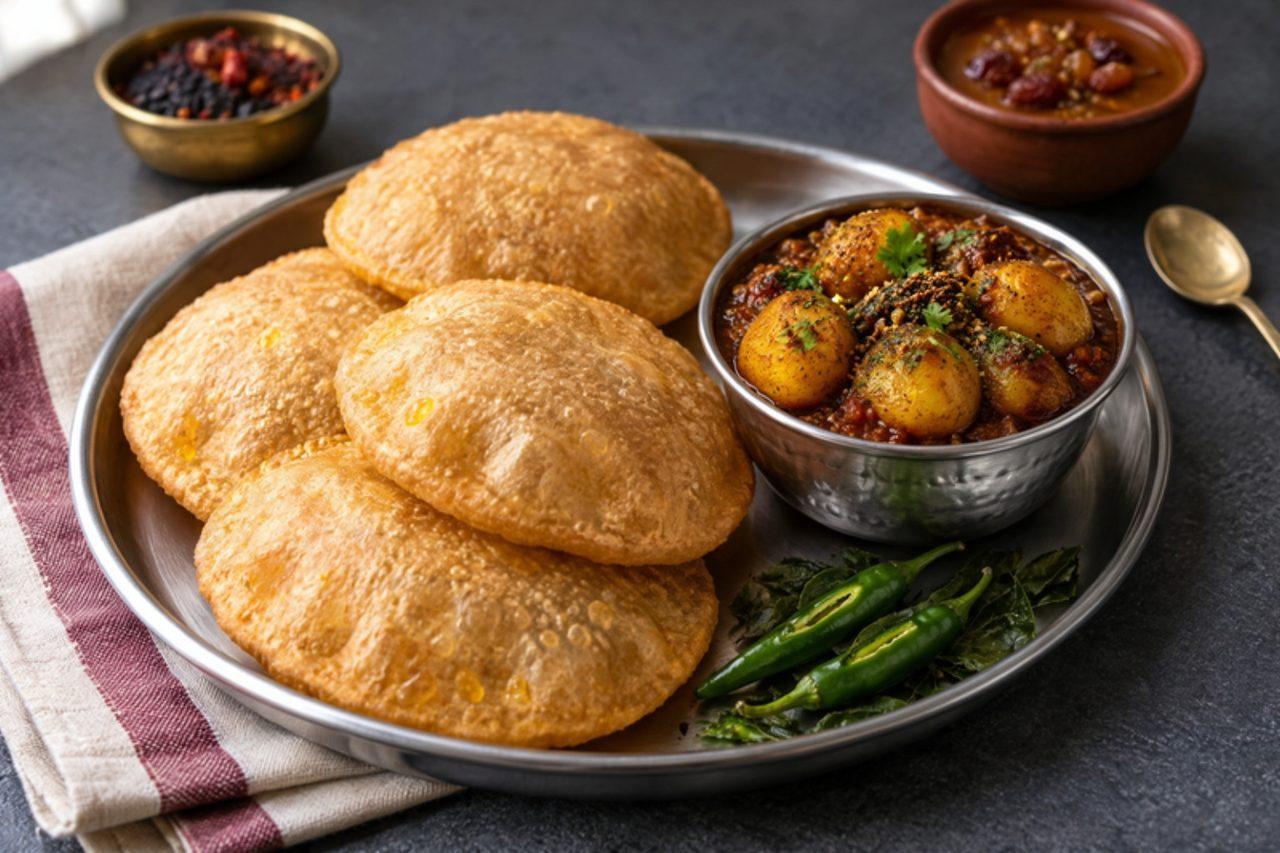
In Kolkata's sweetshops, Sunday breakfast often means hinger kochuri: soft, white-flour puris stuffed with a smear of urad dal paste perfumed strongly with hing, fried puffy and served with aloo dum or a sweet-sour pumpkin chhokka. They are smaller and softer than North Indian kachoris, closer to a stuffed luchi. The hing must be generous; it is the point of the dish. The common mistake is a wet filling, which steams the dough from inside and stops it puffing; cook the dal paste until it leaves the pan dry. Chef's tip: roll gently from the centre outwards so the thin filling layer stays even and the kochuri puffs all over.

by KrazyBadal 0 views

Kos ata curryJackfruit seed curry

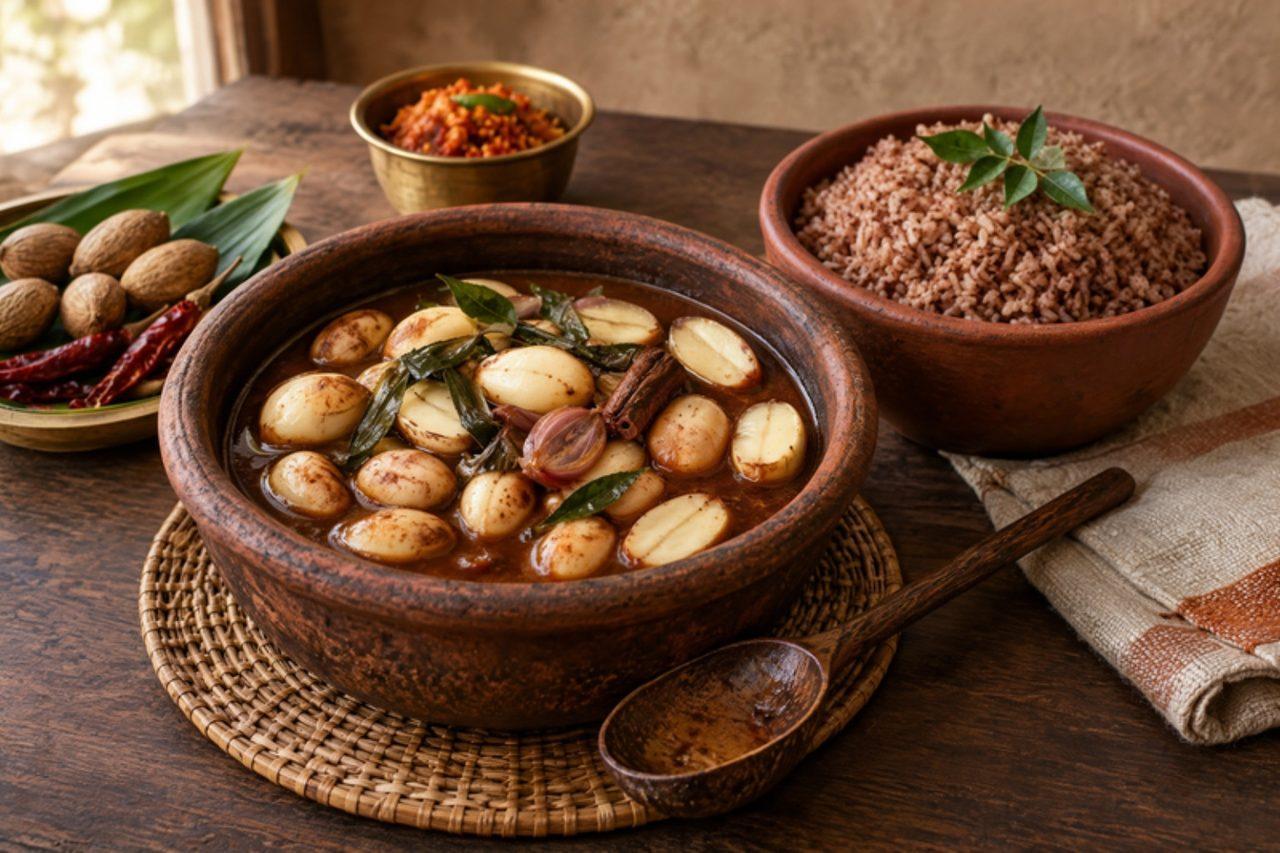
During the jackfruit season, roughly April to July, Sri Lankan households save every seed, and kos ata curry is how they become a hearty weekday dish served with rice and greens. The seeds are boiled tender, peeled of their papery skin, then simmered in a dark roasted curry powder and coconut milk gravy until they taste like chestnuts in a spicy sauce. Serve with red rice and a sambol. The usual mistake is undercooking the seeds; they must be boiled until a fork goes in easily, or they stay hard and are hard to digest. A pressure cooker saves time: boil the seeds for 10 minutes on high. Chef's tip: crack each seed lightly with the flat of a knife before simmering so it soaks up the gravy.

by KrazyBadal 0 views

Chuño

On the Altiplano around Lake Titicaca, in June and July when the nights drop to -10 °C and the days are bright and dry, Aymara and Quechua families spread small, bitter potatoes on the grass to make chuño, a technique far older than the Inca. The potatoes freeze at night and thaw in the sun for several days, then are trodden barefoot to squeeze out the water and rub off the skins, and dried for a couple of weeks more. The result is light, wrinkled, grey-black chuño negro that keeps for years; soaked in running stream water instead, the same potatoes become white tunta. Rehydrated and boiled, chuño is firm, slightly chewy and spongy, with an earthy, faintly mineral, almost fermented taste; it goes into chairo soup, into chuño phuti, or beside grilled meat with spicy llajwa. Skipping the long soak is the big mistake: it stays bitter and gritty, so soak it for at least 12 hours, changing the water. Dried chuño is ready when it is rock hard, very light and rattles in a bag. Chef's tip: without Andean frosts, a freezer and a low oven make a fair version; the method is below.

by KrazyBadal 0 views

Arem-aremFilled rice rolls in banana leaf

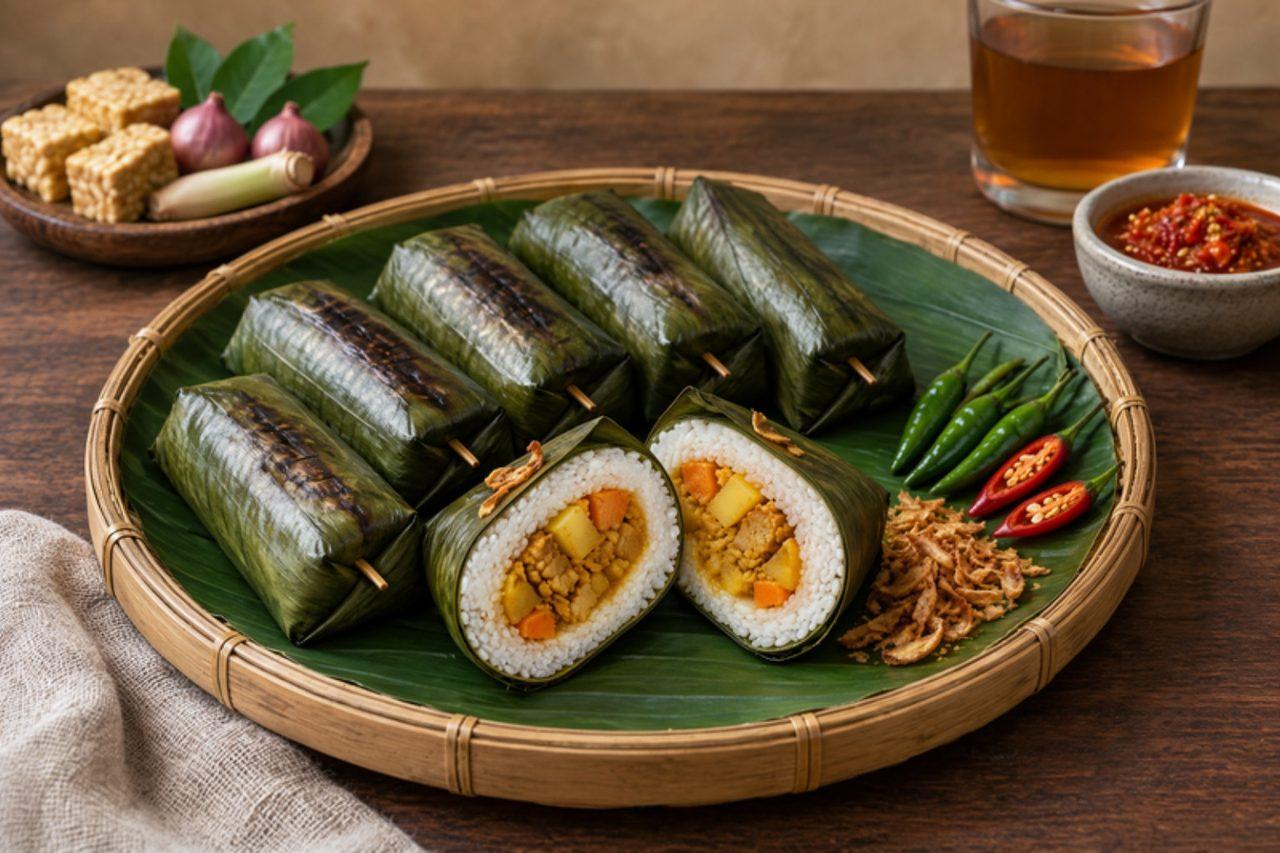
Arem-arem are what Central Javanese cooks pack for meetings, trains and bekal lunchboxes: logs of coconut-scented rice wrapped round a spiced filling, rolled in banana leaf and steamed until firm, so they can be eaten in the hand, cold or warm. Chicken fillings are common in the city; this one uses tempeh, potato and carrot. The common mistake is cooking the rice fully before rolling, which makes the logs mushy; it should be only half-cooked, so it finishes in the leaf. Chef's tip: soften the banana leaves over a flame or in hot water first, or they will split as you roll.

by KrazyBadal 0 views

Hmarcha rawtRoasted green chilli relish

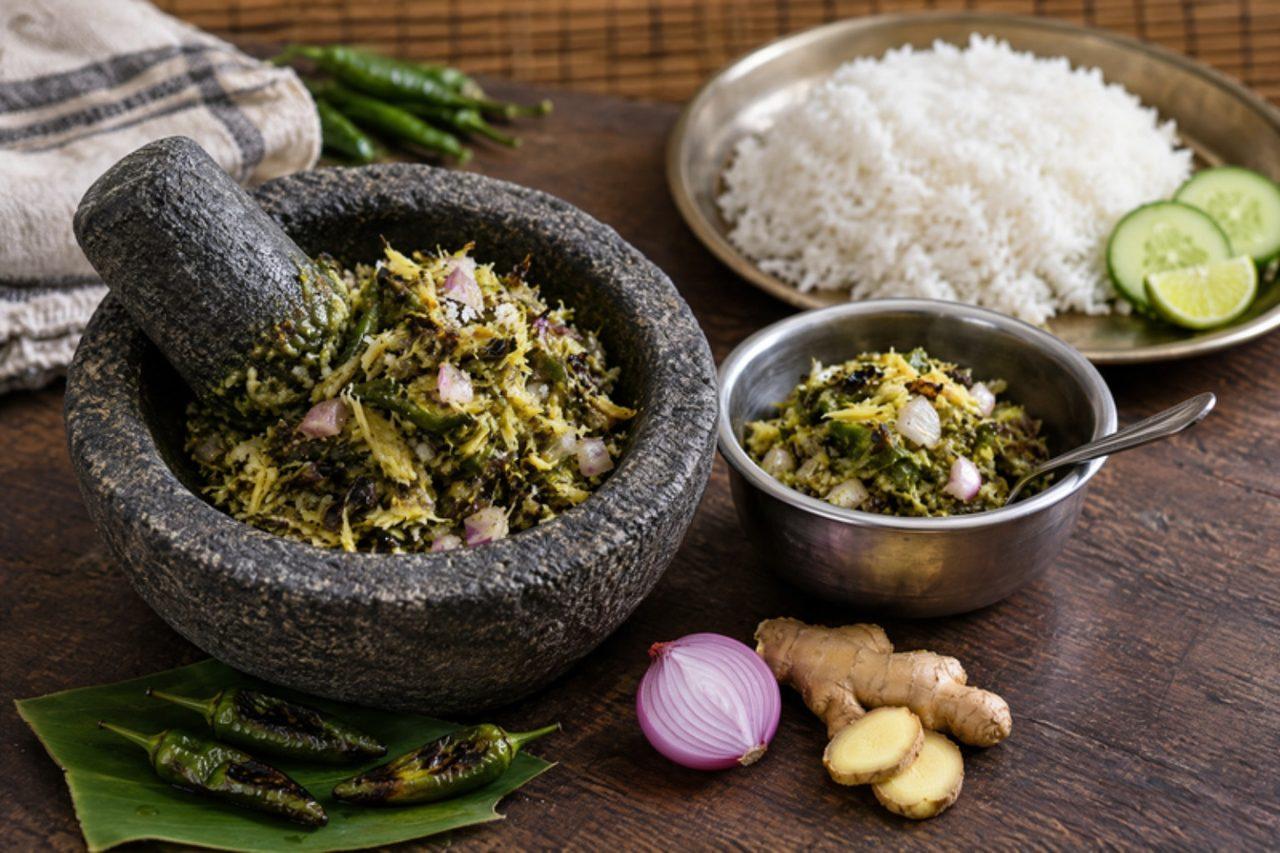
No Mizo table in Aizawl is complete without a small bowl of hmarcha rawt, the sharp relish that goes with plain rice, boiled vegetables and bai at almost every meal. Green chillies are charred over a flame or on a dry pan, then pounded with raw onion, ginger and salt. The mistake is to blend it smooth; it should be coarse and juicy, with bits of charred skin. Chef's tip: roast the chillies until blistered all over, not black, or the relish turns bitter.

by KrazyBadal 0 views

Pucuk paku goreng belacanStir-fried fern shoots with shrimp paste

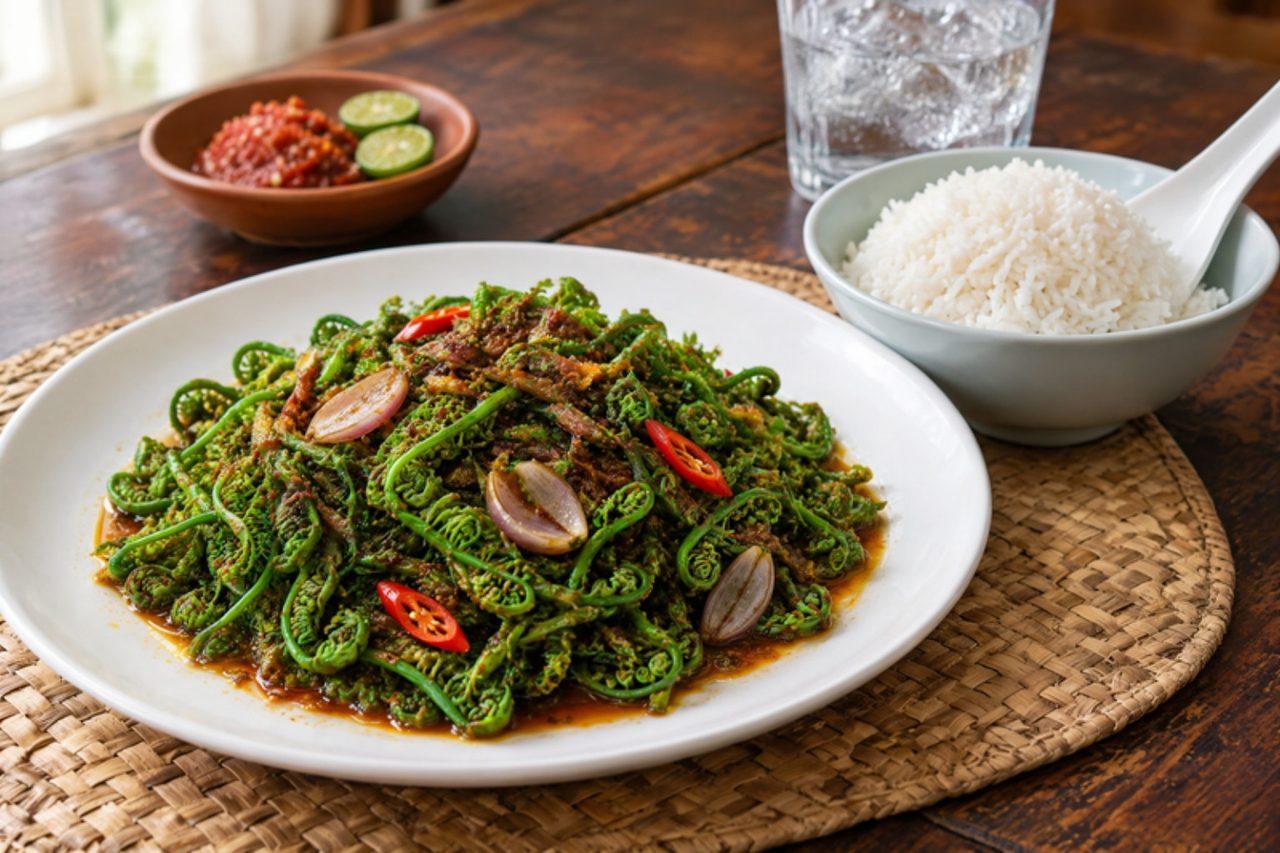
In Sabah, Sarawak and the kampungs of the Malay Peninsula, curly young pucuk paku (vegetable fern) are picked from riverbanks and sold in bundles at every tamu and pasar, and this fiery stir-fry with belacan appears at lunch with rice and fish almost every day. The fronds stay crunchy and green, coated in a punchy paste of shallots, garlic, chilli and toasted shrimp paste. Suitable as part of a balanced diet: leafy greens with no starch. About 110 kcal and 8 g carbohydrate per portion. The usual mistake is undercooking: fern shoots should always be blanched or cooked through, never eaten raw. Fiddlehead ferns or water spinach can stand in. Chef's tip: toast the belacan in a dry pan until it crumbles and smells strongly, then open a window; this is what gives the dish its depth.

by KrazyBadal 0 views

Showing 45 of 7,762 recipes

Show more recipes

Page 135 of 863