


Skip to content
Boleima de maçã
Featured recipe

Boleima de maçã

Apple and cinnamon cake

In Portalegre, in the hills of the north Alentejo, boleima was born on baking day: a piece of the bread dough was set aside, enriched with olive oil, sugar and cinnamon, layered with sliced apples and baked in the cooling oven. It is not a delicate cake but a flat, moist, fragrant slab with caramelised edges, eaten at Christmas and at coffee time in autumn. It has no egg, butter or milk. A common mistake is slicing the apples thick, which leaves them hard while the dough is done; cut them thin. Chef's tip: give the dough a long, slow rise; that is where the bread-like flavour comes from.

Read more 0 views

What to eat today?

Around the world

Today's trip: Persian

A new country every day, from every cuisine on the site.

Persian

Lubia pokhte

Spiced pinto beans 120 minMore from Persian (131) →

This week's collection

Kid-friendly dinners
541 recipes · a new collection every Monday

Latest recipes

Kadha (spiced herbal decoction)

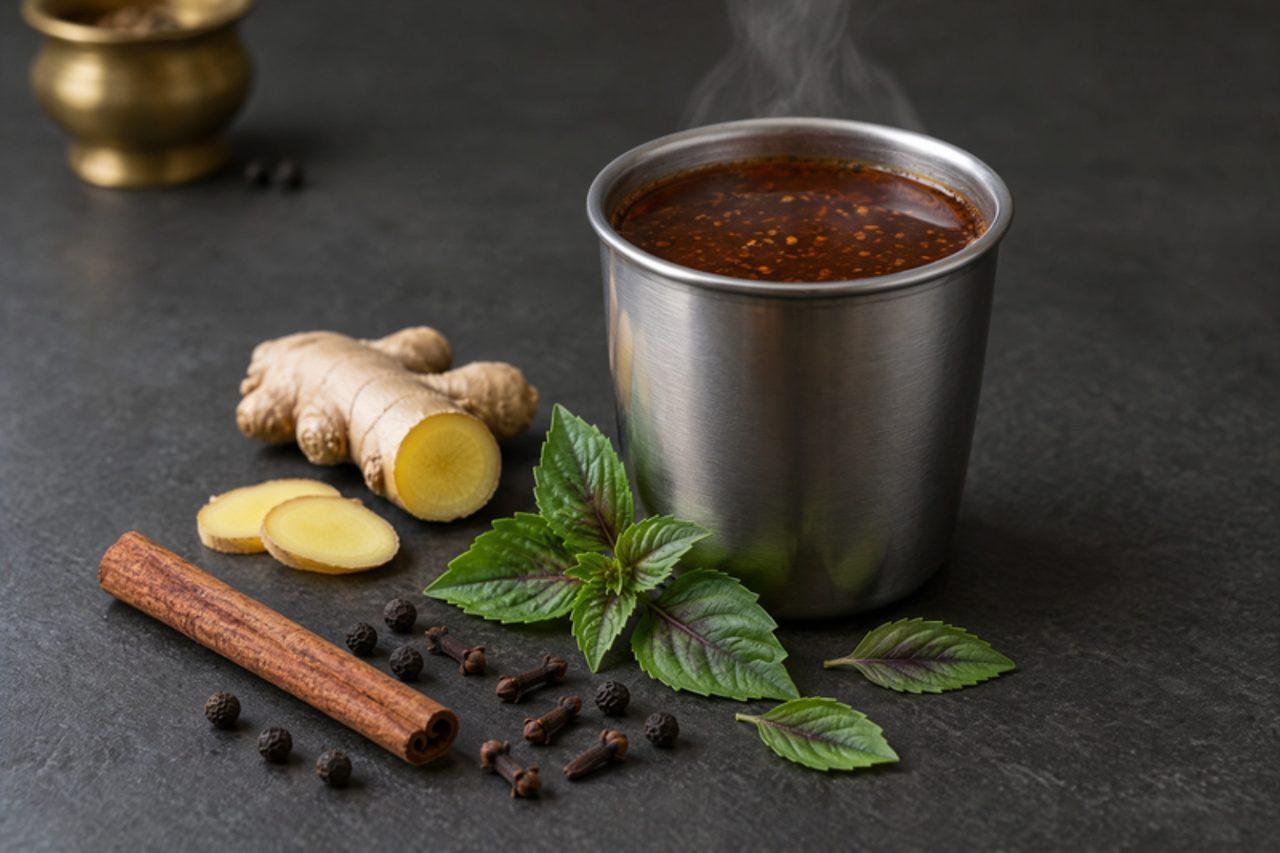
When the fog settles over Delhi, Lucknow and the plains of Uttar Pradesh in December, or whenever the monsoon brings coughs round the house, someone puts a pan of kadha on the stove. Tulsi leaves, ginger, black pepper, cinnamon, cloves and sometimes a little ajwain are boiled hard until the water reduces by half, then sweetened with jaggery and sipped in small cups, morning or night. It is not a gentle tea: it is hot, peppery, clove-numbing and earthy, with a dark amber colour and a sweet edge. It is traditionally drunk for coughs and colds; it does not replace medical care, and anyone who is pregnant, on medication or giving it to small children should keep it mild and check with a doctor. The common mistake is simmering it gently like tea: kadha needs a steady boil so the spices give up their strength and the liquid reduces. It is ready when the volume has halved and the brew is deep amber and pungent. Chef's tip: crush the pepper and cloves just before they go in; whole spices hardly flavour the water in this short time.

by KrazyBadal 0 views

Douzhi (fermented mung bean drink)

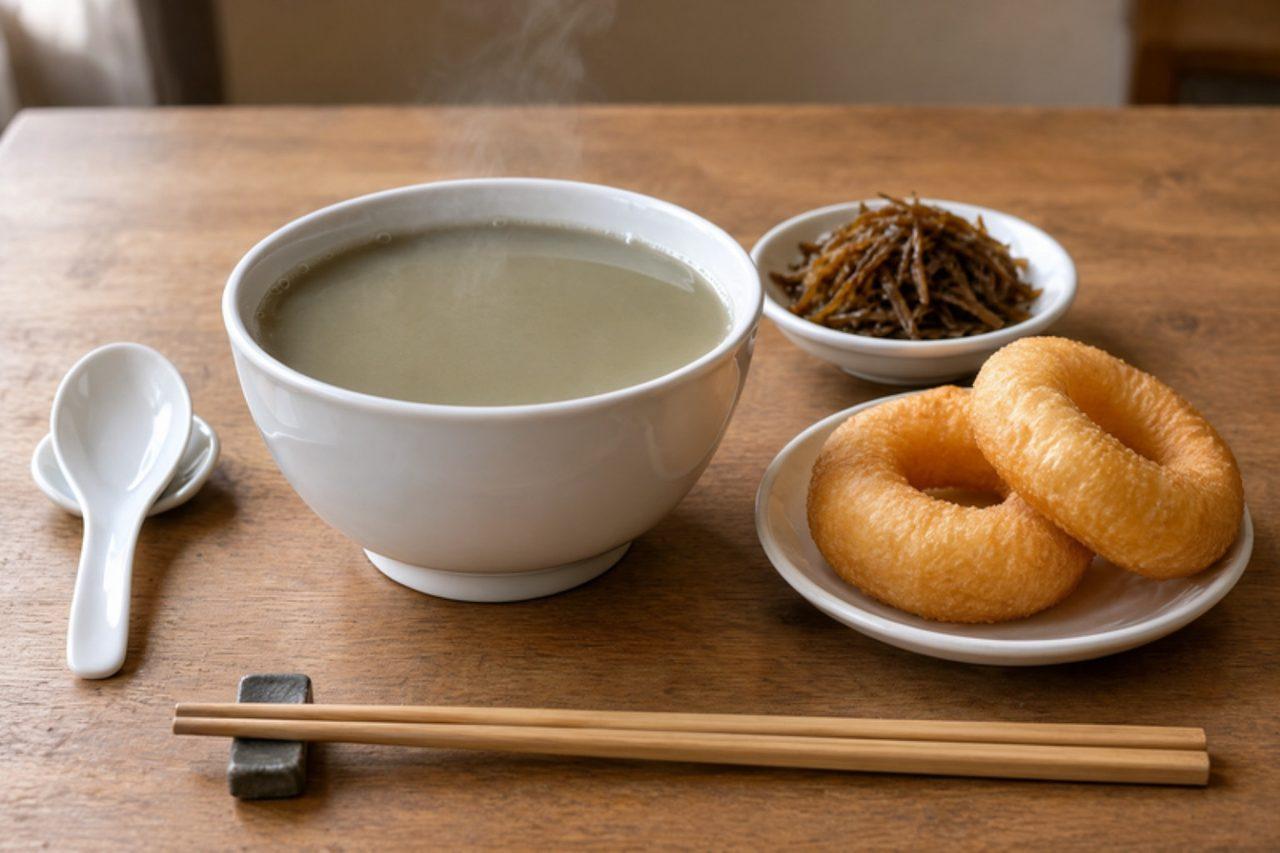
Douzhi is the breakfast that divides Beijing. It is the sour liquid left over when mung beans are ground and their starch settles out to make noodles and jelly; left to ferment for a day or two, the grey-green whey turns tangy, a little cheesy and sulphurous. Old Beijingers drink it piping hot at dawn in hutong shops around Qianmen and Huguosi, with a dish of finely shredded salty pickle dressed in chilli oil and crisp fried dough rings (jiaoquan) from the bakery. First-timers often say it smells like stale socks; regulars say it tastes like home. The texture is thin and slightly creamy, the flavour sour, a little bitter and savoury. The common mistake is boiling the soured starch hard: it separates into grey water and sludge. Bring it up slowly, stirring, and take it off as soon as it froths. The ferment makes only a trace of alcohol, well under 1%. Ferment at 20–25 °C; normal signs are fine bubbles, a sour, yogurt-like smell and a grey colour. Discard it if you see fuzzy mould, pink or black patches, a slimy texture or a putrid smell. Chef's tip: save 100 ml of a good batch to start the next one, as Beijing workshops do.

by KrazyBadal 0 views

Vary sosoaRice soup with greens

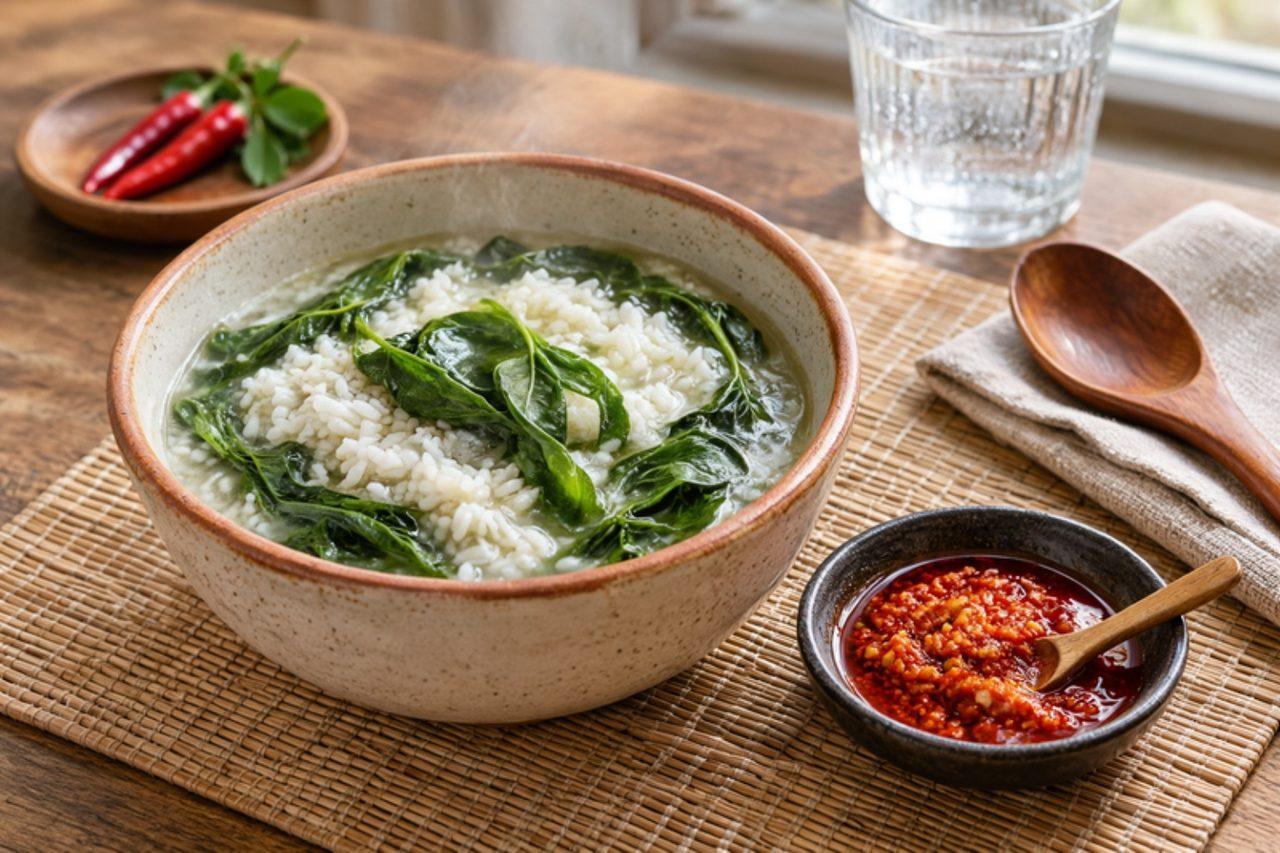
In Antananarivo and across the highlands, the day starts with a bowl of vary sosoa: rice cooked with plenty of water until the grains are soft and loose in their milky cooking liquid, wetter than plain rice but not as smooth as congee. Stalls serve it with kitoza (dried meat), eggs or a spoon of fiery sakay; this vegan version tops it with garlicky greens and homemade sakay chilli paste. The common mistake is stirring it like risotto, which makes it gluey; stir only now and then. Chef's tip: make the sakay the day before; the ginger and chilli mellow overnight in the oil.

by KrazyBadal 0 views

Guyanese black puddingRice blood sausage

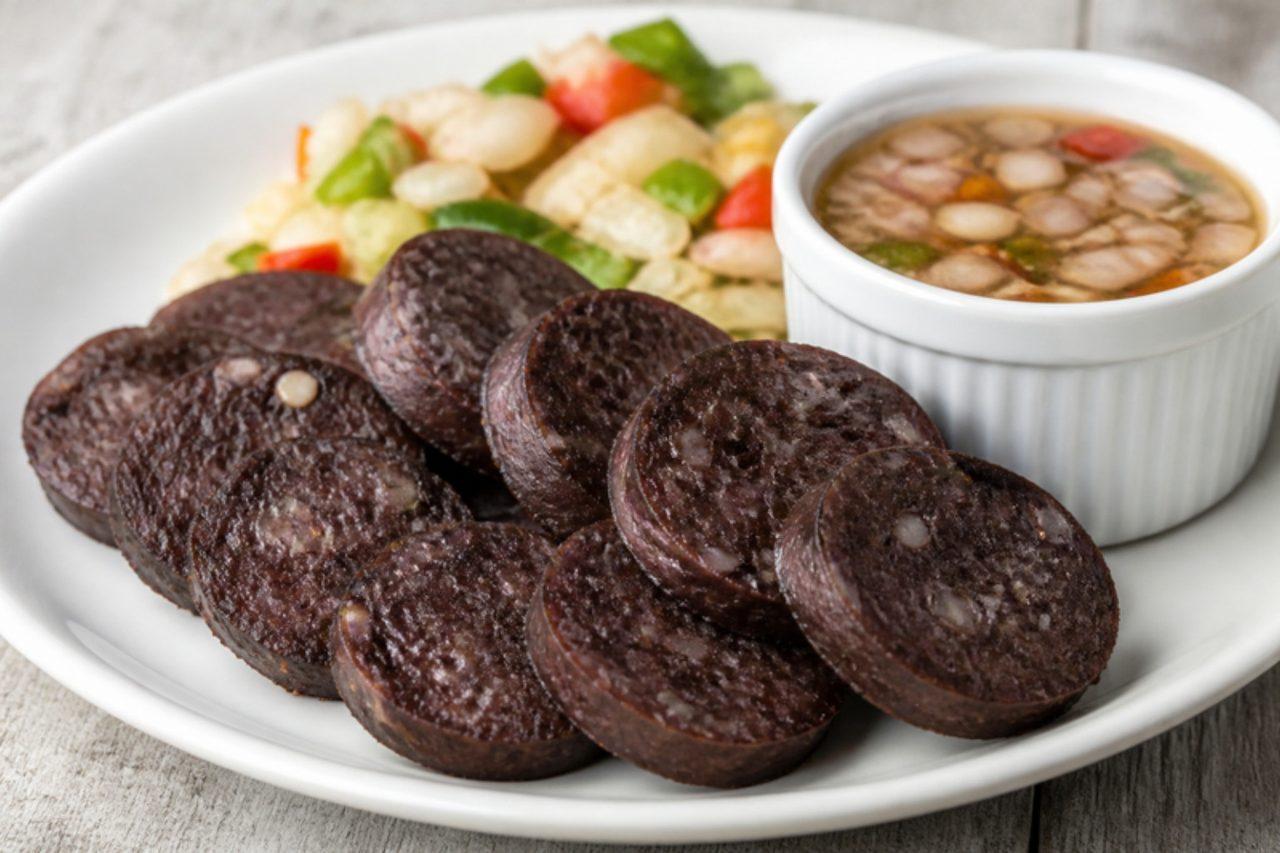
On Saturday mornings in Georgetown and in villages along the East Bank, black pudding sellers cut thick slices from long dark coils and serve them with a sharp, peppery sour made from cucumber or mango. Guyanese black pudding is a soft sausage of rice, fresh herbs, hot pepper and blood, usually beef or pork blood, filled into casings and gently boiled. Buy the blood fresh and chilled from a licensed butcher (ask for it with an anticoagulant already added) and use it the same day, or use dried blood powder made up with water. The commonest mistake is boiling it hard, which bursts the casings. Chef's tip: keep the water barely trembling and prick any air bubbles with a pin as the sausages cook; they are done when a thermometer pushed into the middle reads 71 °C and the filling is firm and dark.

105 minGuyaneseMeatGluten freeSpicy
by KrazyBadal 0 views

BulaloBeef shank and marrow soup

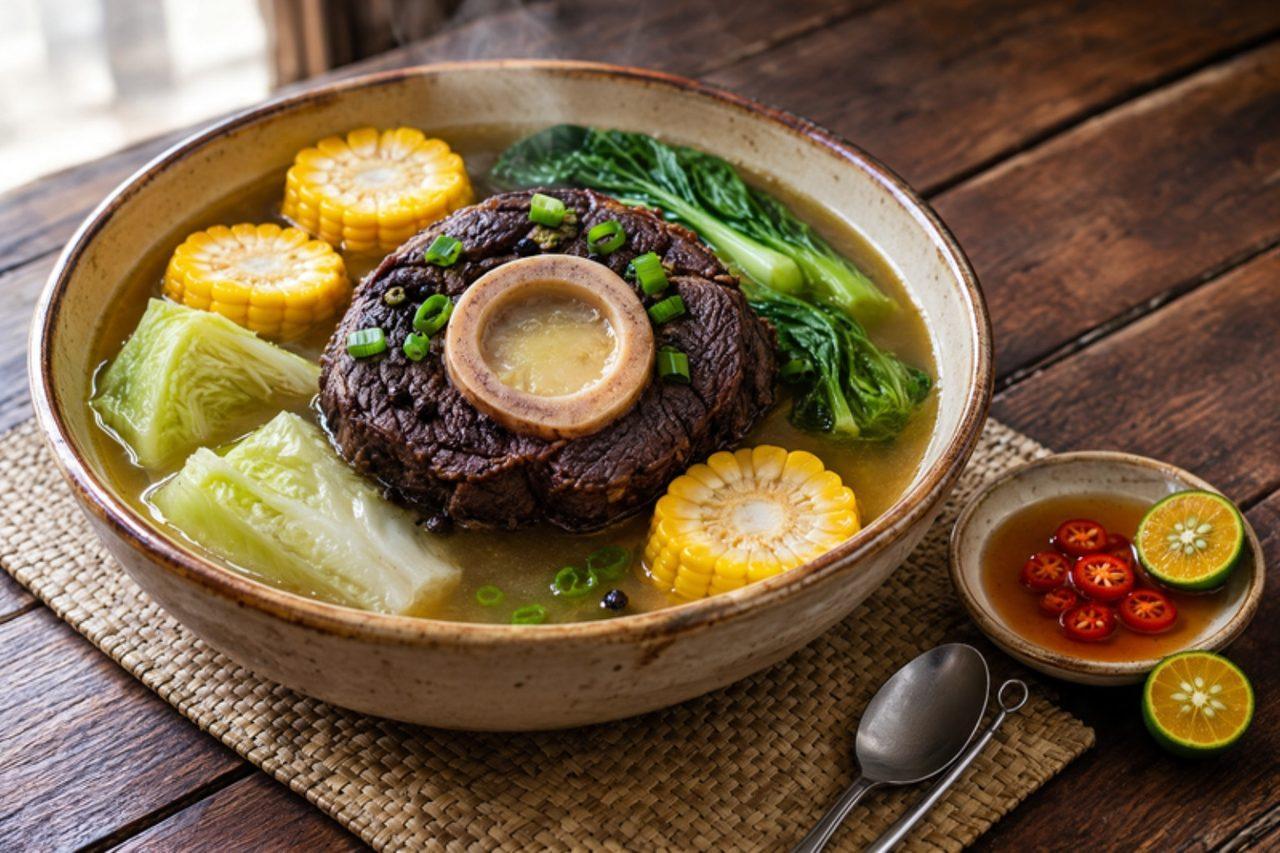
Bulalo is the pride of Batangas, south of Manila, served at roadside eateries on the way to Tagaytay where the cool upland air makes a steaming bowl the thing to order. Beef shank on the bone simmers for hours until the meat falls away and the marrow turns soft and wobbly, giving a clear, beefy broth seasoned just with fish sauce, onion and peppercorns. Corn on the cob, cabbage and pechay go in at the end. Spoon the marrow onto rice and dip the meat in fish sauce with calamansi and chilli. The usual mistake is skipping the first blanch: the broth turns grey and murky. Slow-cooker: after blanching, cook on low for 10 hours, adding the vegetables for the last 30 minutes on high. Chef's tip: keep the pot at a lazy simmer, never a boil, for the clearest broth.

by KrazyBadal 0 views

Suanmeitang (sour plum drink)

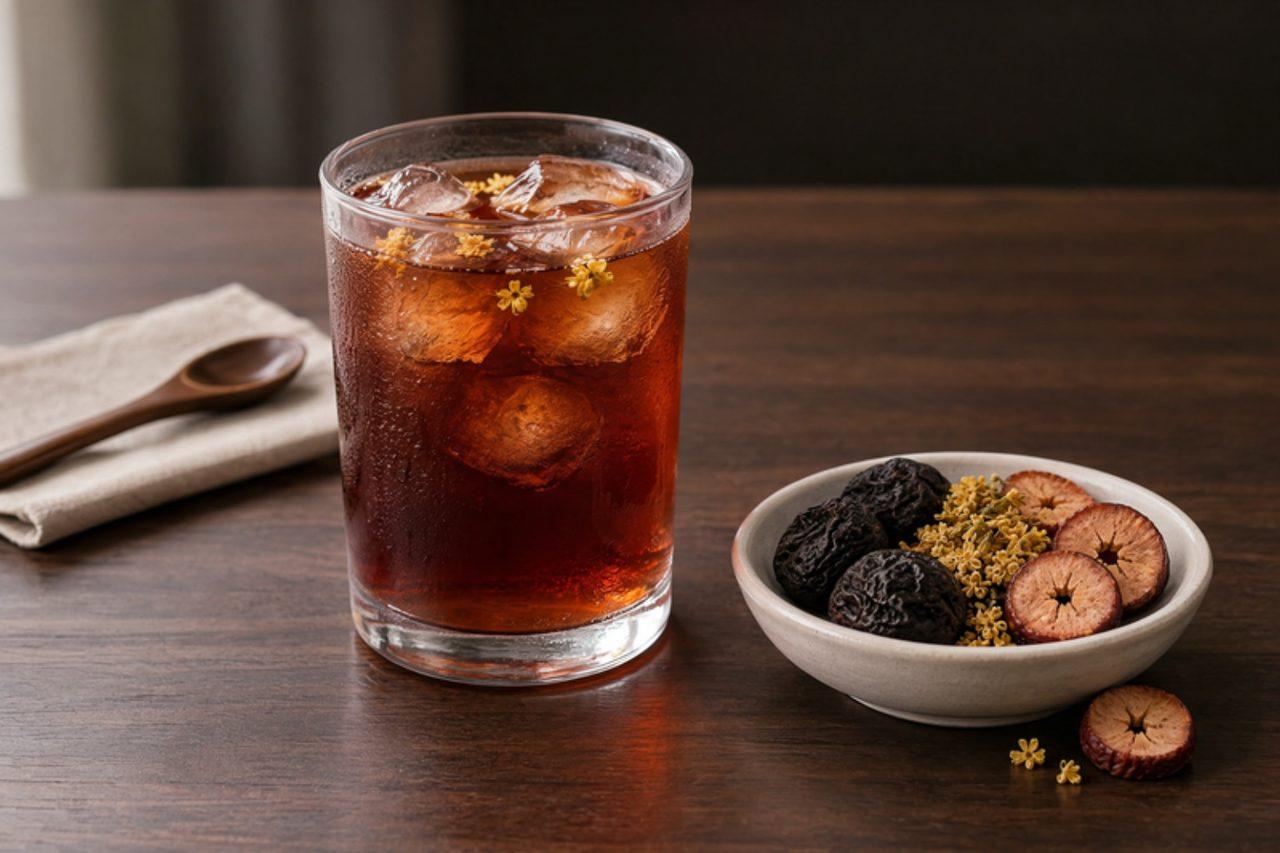
Old Beijing sold suanmeitang from brass bowls at street corners in summer, chilled with blocks of river ice, and the Qing court drank a version as a cooler. Today it comes in big jugs at copper-pot hotpot restaurants, where its sourness cuts through mutton and sesame sauce; families brew a pot every few days all summer. Smoked wumei plums give a deep, almost bacon-like smokiness, hawthorn adds fruity acid, licorice softens the edges and rock sugar rounds everything off, with dried osmanthus on top for a honeyed scent. It should be dark ruby, clear and refreshing, tart first and sweet after. The common mistake is boiling it hard for hours: the plum stones and hawthorn seeds release bitterness and the brew turns muddy. Simmer gently, strain early and chill fast. It is ready when the plums have collapsed and the liquid tastes clearly sour-sweet with a smoky finish. Licorice root is traditionally used in small amounts; people with high blood pressure, heart or kidney problems, or who are pregnant should keep the licorice out or check with a doctor. Chef's tip: add the osmanthus only after the heat is off, or its perfume vanishes.

by KrazyBadal 0 views

Nasi liwet SoloCoconut rice with shredded chicken

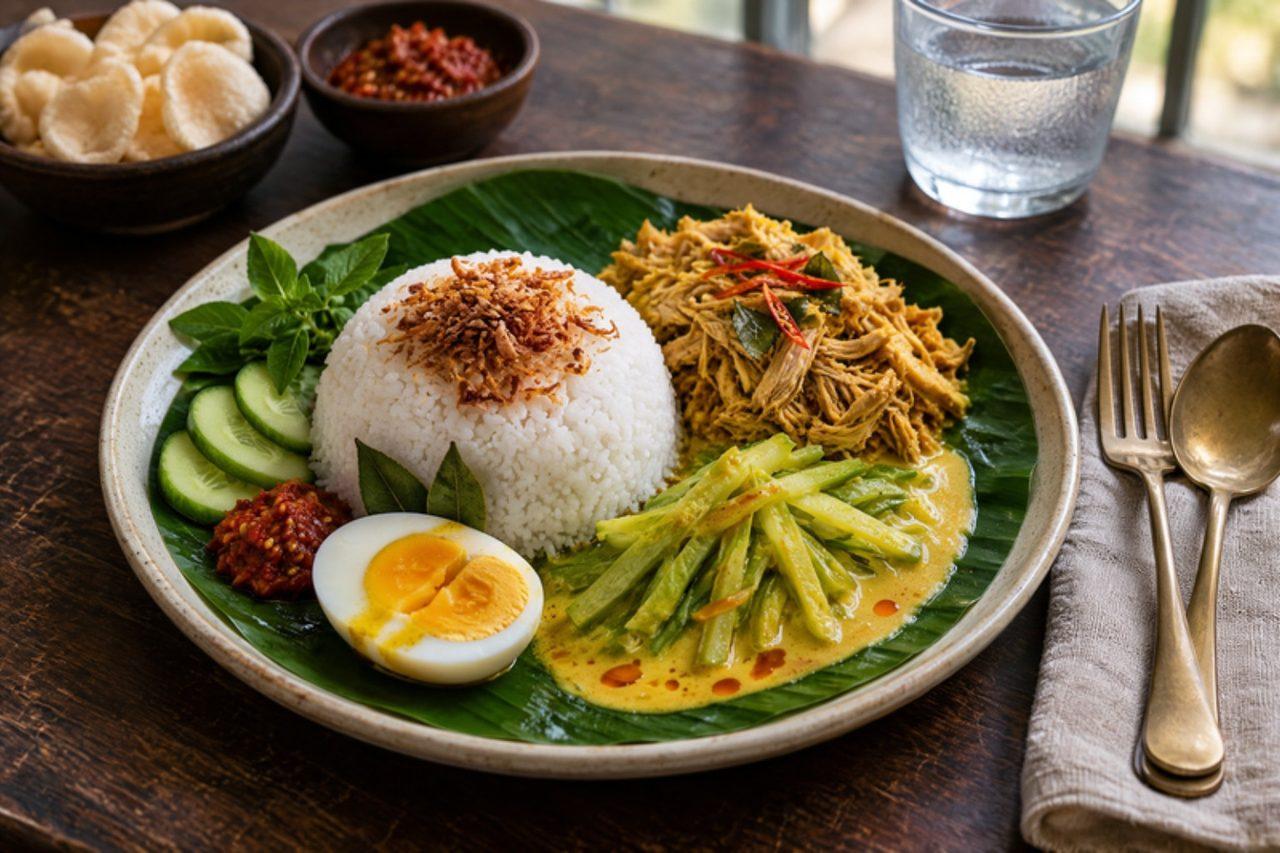
In Solo (Surakarta), Central Java, nasi liwet sellers set out at dawn with baskets of rice cooked in coconut milk and fragrant salam leaves, served on a banana leaf with shredded chicken, a mild chayote stew in coconut gravy (sayur labu siam) and a hard-boiled egg, all topped with a spoon of thick coconut cream called areh. It is a soft, gentle, savoury breakfast. The usual mistake is boiling the coconut rice too fast, which scorches the bottom before the grains are soft. Chef's tip: once the liquid is absorbed, finish the rice on the lowest heat with a clean tea towel under the lid so it steams fluffy, not wet.

by KrazyBadal 0 views

Guyanese plait breadBraided white loaf

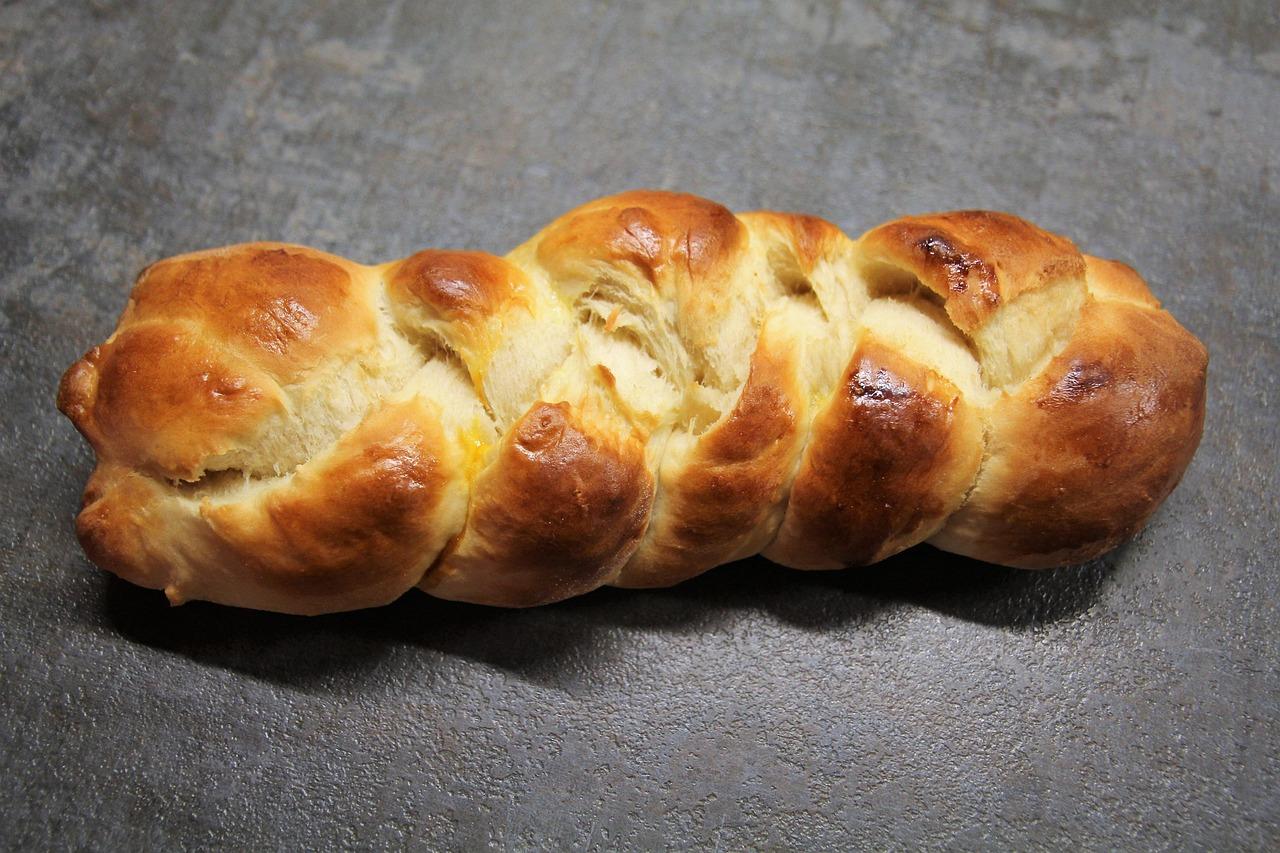
A glossy three-strand plait sits on the table in many Guyanese homes on Christmas morning and for Old Year's Night, next to garlic pork, pepperpot and black cake, and bakeries in Georgetown sell it every day for sandwiches. It is a soft, close-crumbed white bread, just a little sweet, that tears into pillowy pieces and soaks up pepperpot gravy beautifully. The common slip is adding too much flour while kneading: the dough should feel slightly tacky, or the loaf bakes up dry and dense. Chef's tip: let the shaped plait prove until a finger pressed into the side leaves a dent that springs back slowly; that is the moment to bake.

by KrazyBadal 0 views

Crudités

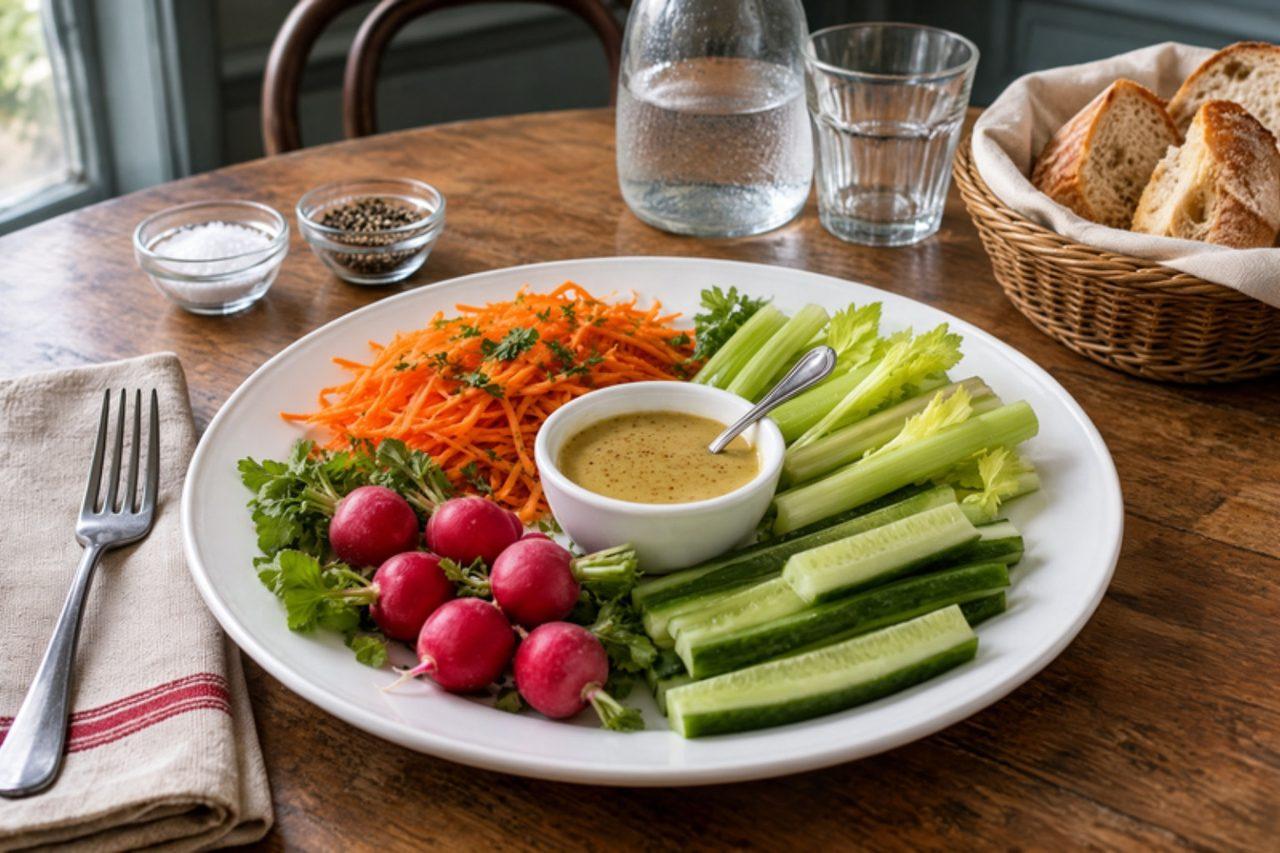
Crudités are how a French family lunch, a Paris bistro menu or a school canteen meal often begins: a plate of raw vegetables, each prepared on its own: grated carrot with lemon, crunchy radishes, cucumber slices and celery, dressed with a sharp mustardy vinaigrette. Crisp, cold vegetables taste so lively that very little salt is needed; with the small amount of mustard in the dressing this plate has about 0.3 g salt per portion. The usual mistake is dressing everything together in advance, which turns it watery and limp; dress each vegetable just before serving. Chef's tip: grate the carrots on the fine side of the grater and toss them with lemon first; they soften slightly and taste sweeter, the way French grandmothers make carottes râpées.

by KrazyBadal 0 views

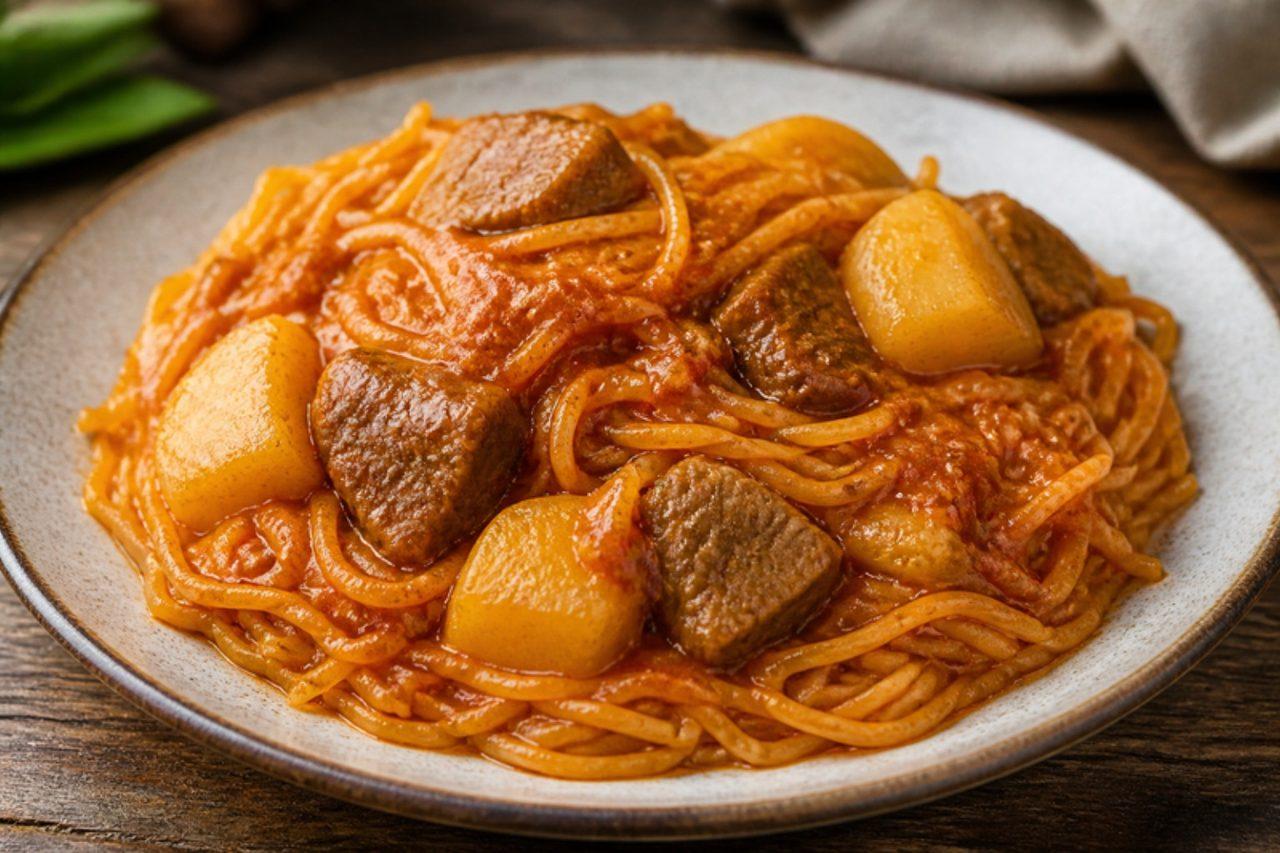
Ají de fideosNoodles in red chilli with beef

Ají de fideos fills the market comedores of La Paz at lunchtime: spaghetti snapped into short pieces and simmered in a brick-red sauce of dried chilli, onion and tomato with chunks of beef and potato, all eaten with a spoon. It is warming, a little smoky and properly hot, perfect at 3,600 metres. The trap is adding the pasta too early, which leaves it bloated and the sauce gluey. Chef's tip: toast the broken spaghetti in a little oil until golden before it goes into the pot; it keeps its shape and adds a nutty flavour.

by KrazyBadal 0 views

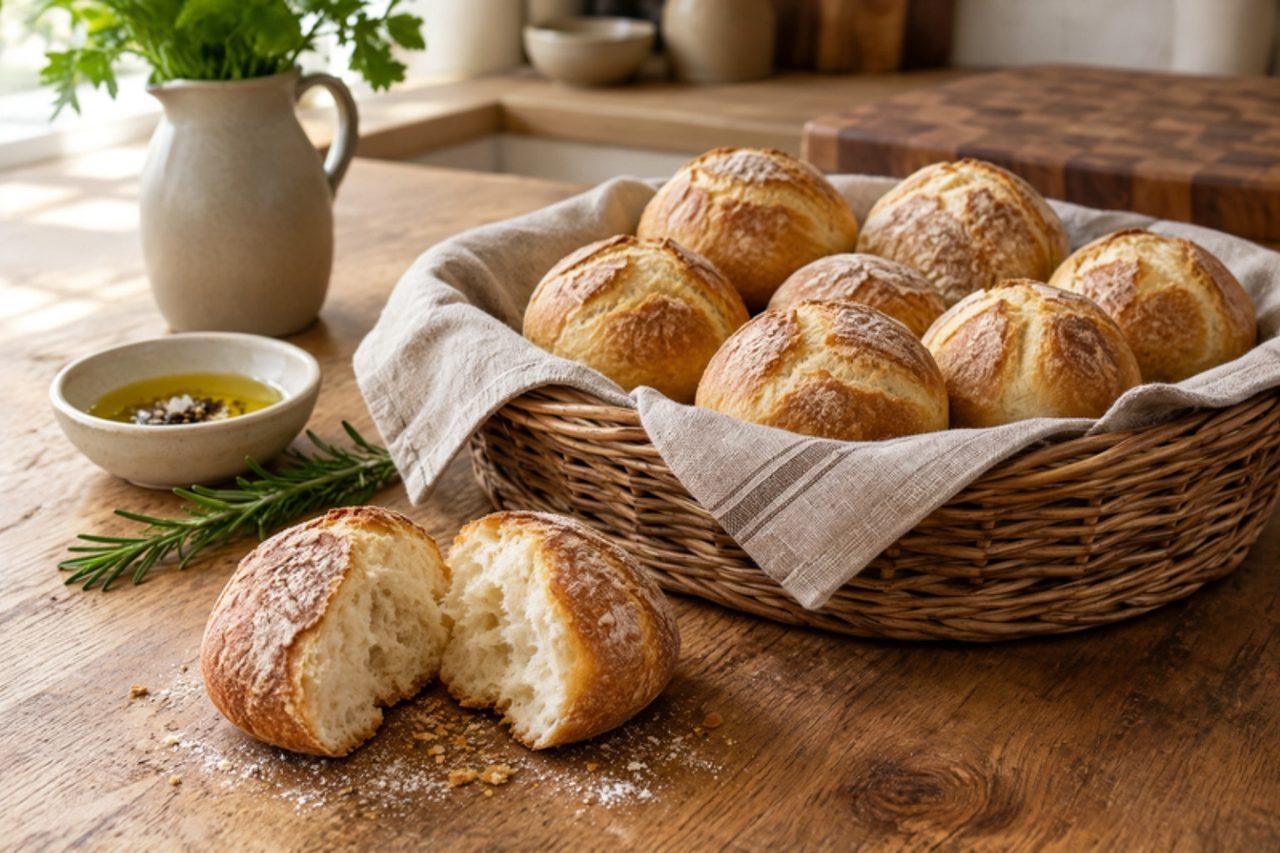
Pain maisonCrusty bread rolls

Every morning in Port Louis, Mahébourg and Rose-Hill, the boulangerie or a man on a bicycle delivers bags of pain maison: small, round white rolls with a thin, crackly crust and soft middle, split and filled with butter and cheese, with chilli-spiked gâteaux piments, or with leftover curry. They're a simple lean dough baked very hot. The common mistake is under-baking because they look golden early; give them the full time so the crust stays crisp after cooling. Chef's tip: spray the oven walls with water as the rolls go in; the burst of steam makes the shiny, cracked crust.

by KrazyBadal 0 views

BusecaTripe and white bean stew

Buseca arrived in Montevideo with Italian immigrants from Lombardy and became a classic winter dish of Uruguayan bodegones and family kitchens, eaten on cold June and July days. Honeycomb tripe is simmered until tender, then stewed with white beans, pork chorizo, bacon, peppers, tomato and paprika into a thick, warming stew served with crusty bread. Buy tripe that is already cleaned and blanched (dressed). The usual mistake is undercooking the tripe: it needs a full 2 hours, until it's soft enough to cut with a spoon. Slow-cooker option: after step 4, cook on low for 8 hours. Chef's tip: a little grated lemon zest and parsley stirred in at the end lifts the rich, gelatinous sauce.

by KrazyBadal 0 views

Salatet tahinaTahini sauce

No Egyptian table is complete without salatet tahina: in Cairo and Alexandria it is served with fried fish, grilled kofta, ful and falafel, and it is on every mezze plate at Friday lunch. Sesame paste is whipped with lemon juice, garlic, cumin and cold water until it turns pale, fluffy and creamy, with no sugar at all. Suitable as part of a balanced diet, it brings sesame protein and healthy fats with very little carbohydrate: about 150 kcal and 5 g carbohydrate per portion of 3 tablespoons. The usual mistake is panicking when the tahini seizes and goes thick after the lemon goes in; keep adding cold water a spoon at a time and it loosens into a smooth sauce. Chef's tip: use ice-cold water, which makes the tahina whiter and fluffier.

by KrazyBadal 0 views

Calamansi juice

Every Filipino household seems to have a calamansi bush or a bag of the little green fruit in the fridge, from Manila condos to farmhouses in Mindoro, the island that grows most of them. At lunch in the dry season the juice comes out iced in a big pitcher; in the rainy months, when everyone has a cough, a lola stirs the same juice into hot water with a little sugar or honey and hands it over at bedtime. It tastes like a lime crossed with a mandarin: sharp, floral and slightly bitter at the edges, with a pale green-gold colour. The usual mistake is squeezing the fruit hard and letting the seeds and pith fall in, which turns the juice bitter within minutes; halve each fruit across, squeeze gently over a small strainer and stop before the peel folds. It is ready when the sugar has fully dissolved, the juice tastes bright rather than harsh and a cold glass fogs on the outside. Chef's tip: dissolve the sugar in a little warm water first, as it never melts properly in iced juice.

by KrazyBadal 0 views

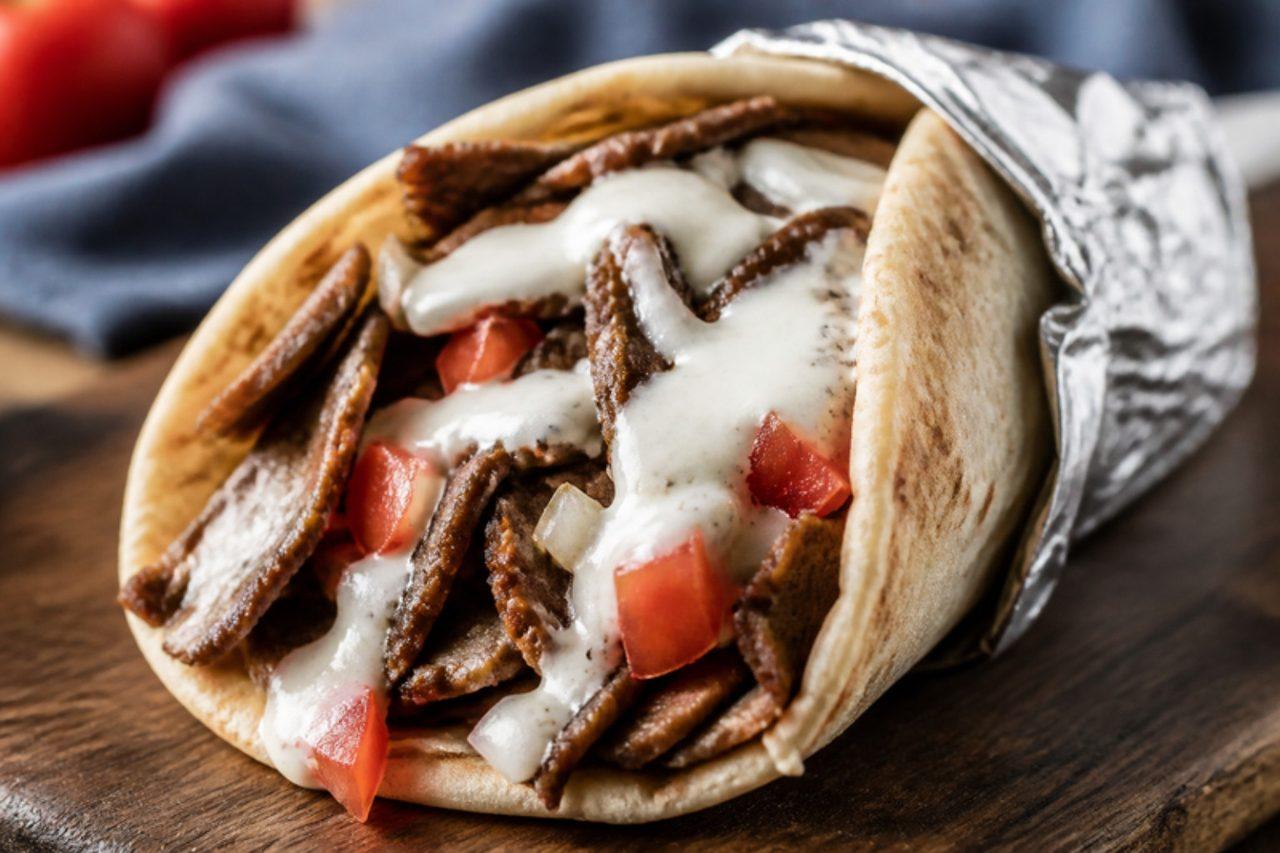
Halifax donairSpiced beef pita with garlic sauce

The donair is Halifax's official food, born in the 1970s when a Greek-Canadian cook adapted the gyro for local tastes, and it is still the late-night food of Spring Garden Road. A dense, spiced beef loaf is baked, sliced thin and crisped in a pan, then wrapped in a warm pita with raw onion, tomato and a sweet sauce of condensed milk, vinegar and garlic. Messy, sweet, salty and loved. A common mistake is a crumbly meat loaf; the mince must be kneaded until it is sticky and smooth. Chef's tip: chill the baked loaf before slicing so you can cut it really thin.

by KrazyBadal 0 views

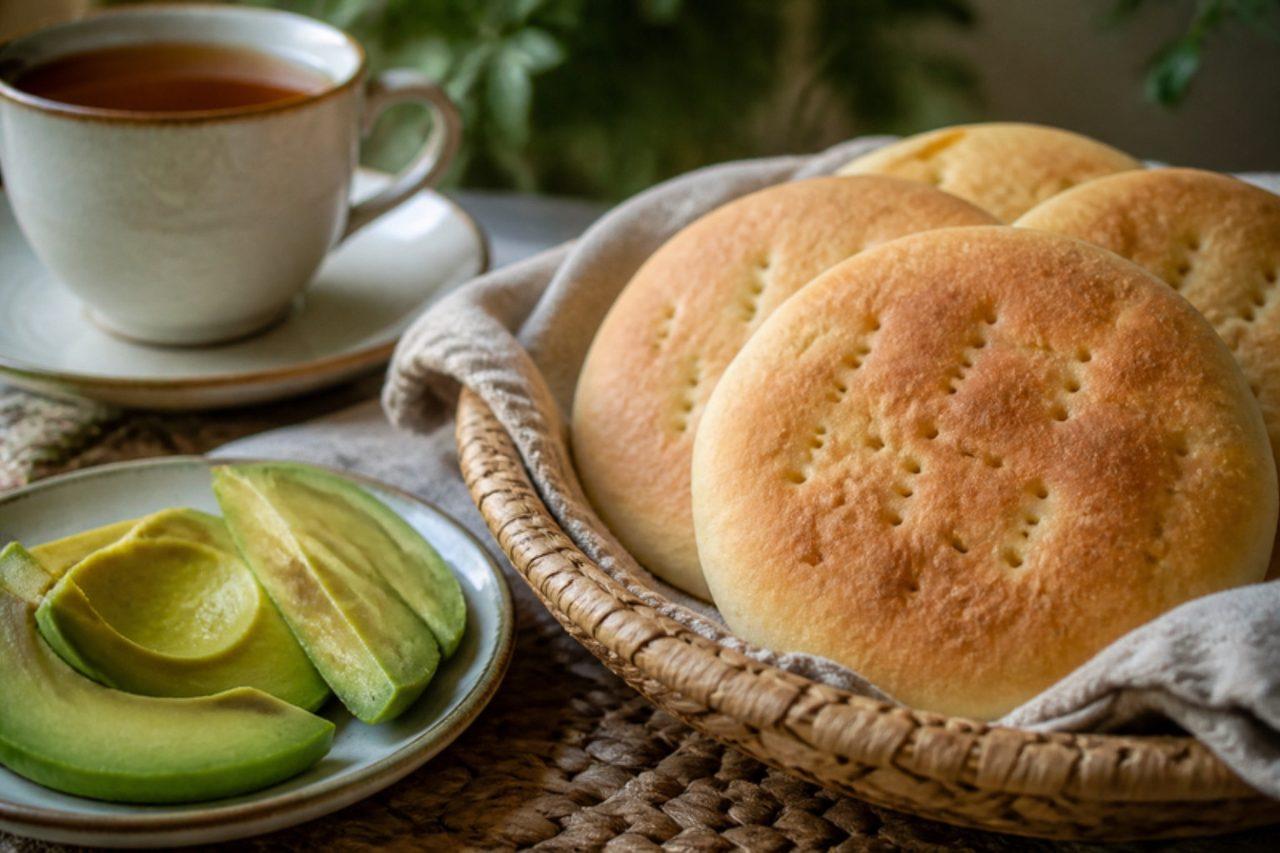
HallullaFlat round bread

If marraqueta is Santiago's crusty roll, hallulla is its soft, flat partner: a pale round about the size of a saucer, enriched with a little fat and pricked all over, with a fine, tight crumb that is perfect split and toasted with butter or filled with cheese and avocado at once. Bakeries traditionally use lard; this vegetarian version uses vegetable shortening or butter. Many home bakers let the rounds over-prove and get puffy buns; give them a short rise only. Chef's tip: fold and roll the dough several times before cutting, as bakery rollers do, to get the fine, layered crumb.

by KrazyBadal 0 views

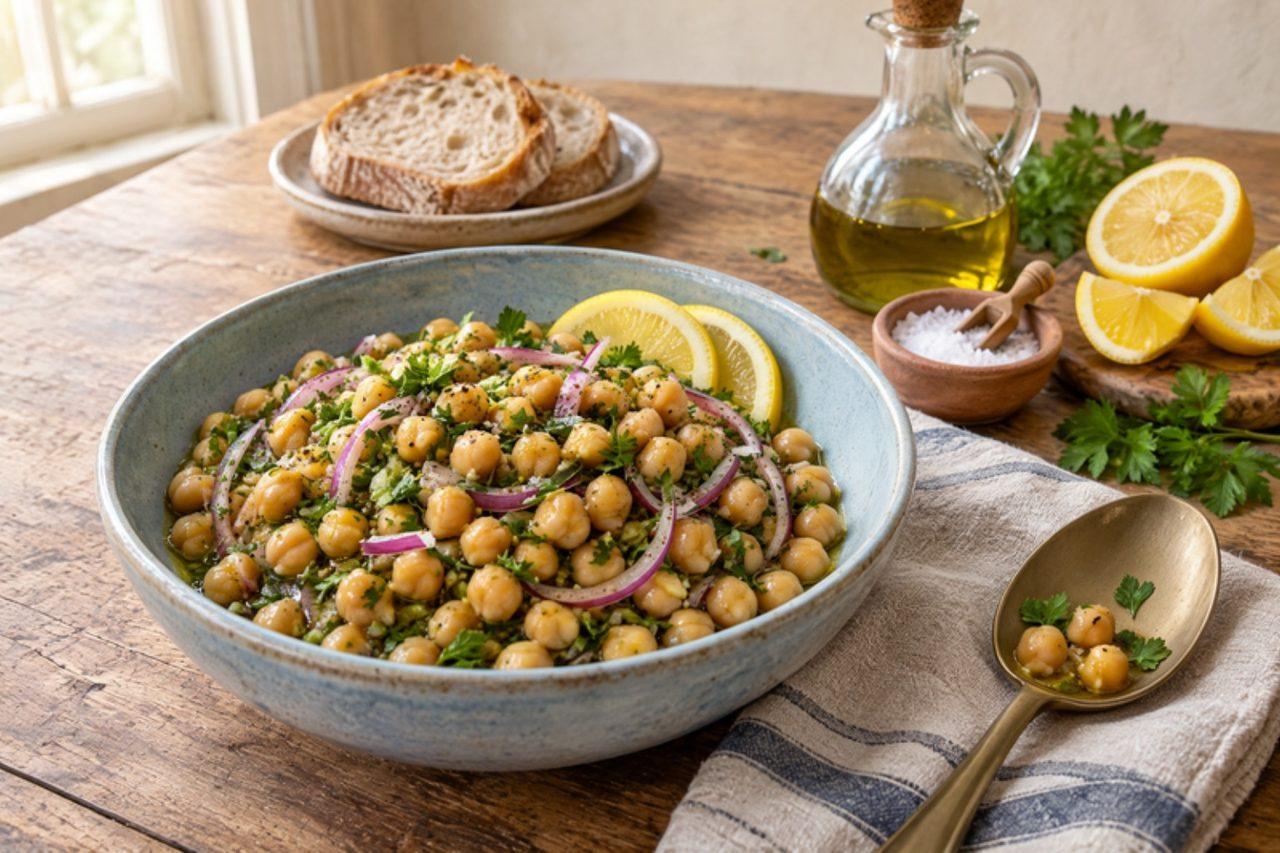
Salade de pois chichesChickpea salad

In Nice and around the old port of Marseille, chickpeas are the grain of the poor and the stuff of socca, and on hot summer days families toss them into this simple salad to eat at lunch or carry to the beach. Creamy chickpeas, sharp red onion, parsley and lemon are bound with fruity olive oil, with a few black olives and cumin in some homes. It works as a starter, a side to grilled fish or a light main. Suitable as part of a balanced diet, it is high in fibre and plant protein: about 270 kcal and 26 g carbohydrate per portion. The usual mistake is dressing cold, straight-from-the-tin chickpeas; warm them for a minute first so they drink up the dressing. Chef's tip: soak the sliced red onion in the lemon juice for 10 minutes to soften its bite.

by KrazyBadal 0 views

Guiso de fideosBeef and pasta stew

Guiso de fideos is the winter weeknight stew of Argentina, cooked in Buenos Aires flats and on estancias alike, and as loved by children as by grandparents. Beef, potatoes and vegetables simmer in a light tomato and sweet-paprika broth, then short pasta cooks straight in the pot and thickens it into something between a soup and a stew. Serve it in deep plates with crusty bread and grated cheese for those who want it. The usual mistake is adding the pasta too early, so it swells and turns mushy; it goes in only for the last 10–12 minutes. Chef's tip: cut the beef into small cubes, about 2 cm, so it is tender in under an hour.

by KrazyBadal 0 views

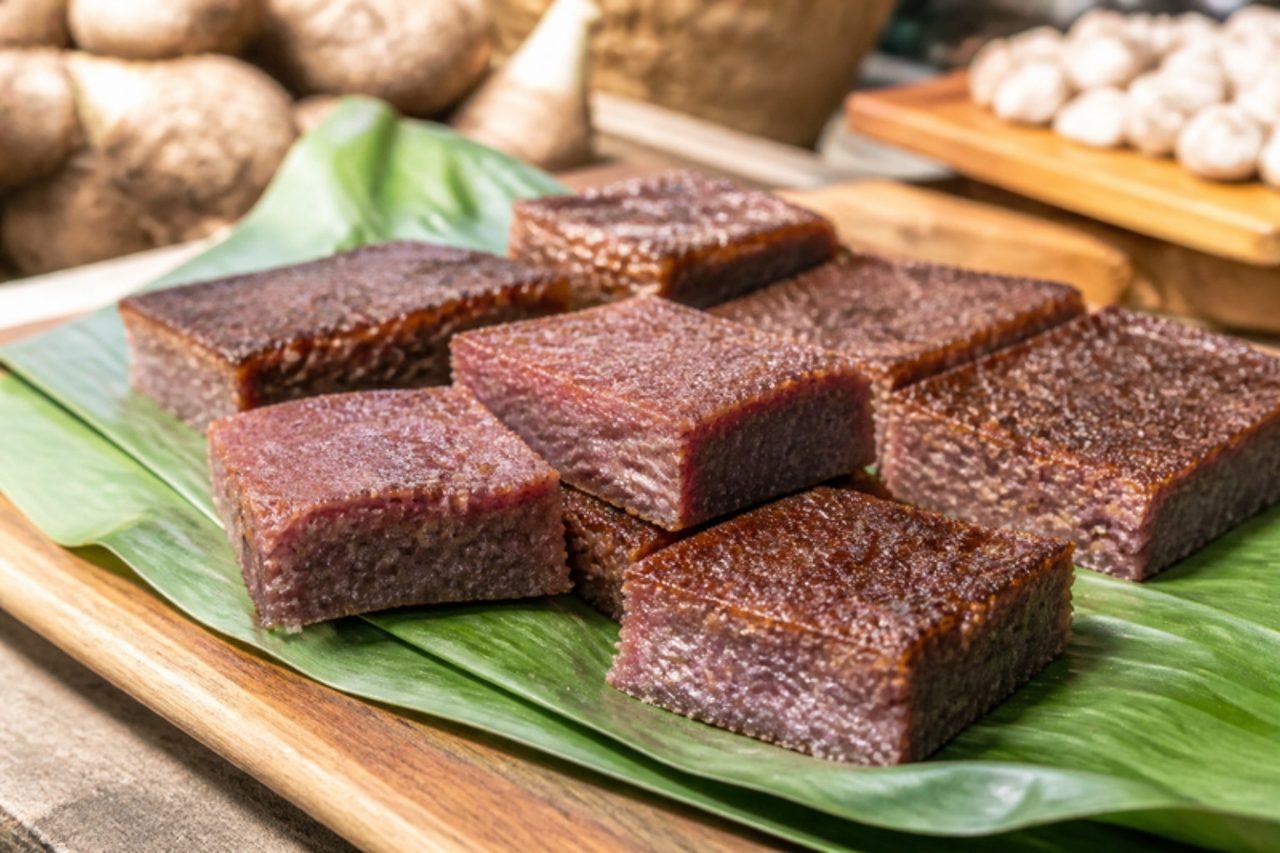
KuloloTaro and coconut pudding

Kulolo is one of the oldest Hawaiian sweets, a dense, fudgy pudding of grated taro and coconut that was once wrapped in ti leaves and baked for hours in an imu (earth oven) for lū'au feasts. On the windward side of O'ahu and in Hilo it is still sold in slabs at farmers' markets. Taro must always be fully cooked; raw taro contains crystals that badly irritate the mouth and throat, so peel it with gloves and bake the full time. A common mistake is cutting it hot; it firms as it cools. Chef's tip: bake it long and low until deep brown and sticky at the edges, where the caramel flavour is.

by KrazyBadal 0 views

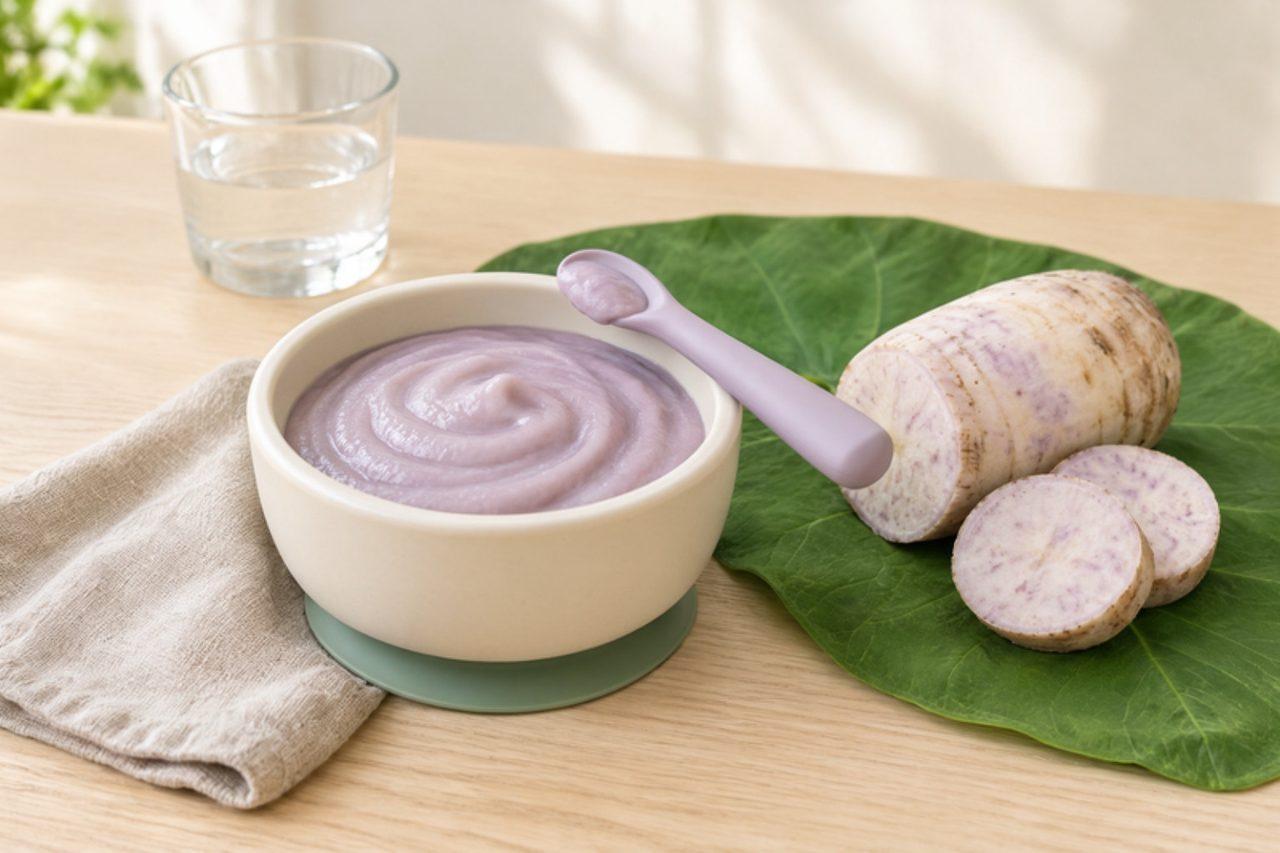
Hawaiian poi for babiesTaro paste for babies

Poi, cooked taro (kalo) pounded with water, is the oldest staple of Hawaiʻi, and it was traditionally among the first foods given to babies across the islands; you can still buy it fresh by the bag at markets in Honolulu and on Kauaʻi. Fresh poi is mild, smooth and gently sweet, with a lilac-grey colour; left a few days it ferments and turns sour, which adults love but a baby is better without. Taro must be cooked right through, because raw taro contains crystals that irritate the mouth. Nothing else is added: no salt, sugar or honey. It is free of the major allergens. Chef's tip: wear gloves to peel raw taro, and cook a test piece; if it tingles on your tongue, it needs longer.

by KrazyBadal 0 views

Herbata z sokiem malinowymTea with raspberry syrup

In Polish homes a bottle of sok malinowy, the raspberry syrup made each July from garden or forest raspberries, waits in the pantry for winter. When someone comes in from the frost, or lies in bed with a cold, it goes into a glass of hot black tea, sometimes with a slice of lemon; grandmothers insist it makes you sweat the chill out, and the drink is traditionally given at the first sign of a sniffle. It also appears simply after a winter walk or with a slice of cake. The tea turns ruby, tastes of summer berries with a light tannic edge, and is sweet enough without sugar. The usual mistake is pouring syrup into boiling tea straight from the kettle: the fresh raspberry aroma cooks off and only sweetness is left. Let the tea cool for a minute or two first. It is ready when the tea is deep amber, the syrup has fully swirled through and it smells clearly of raspberries. No homemade syrup? Use a good shop-bought raspberry syrup, or make the quick one in the optional steps. Chef's tip: brew the tea weaker than usual, about two minutes, so the fruit stays in front.

by KrazyBadal 0 views

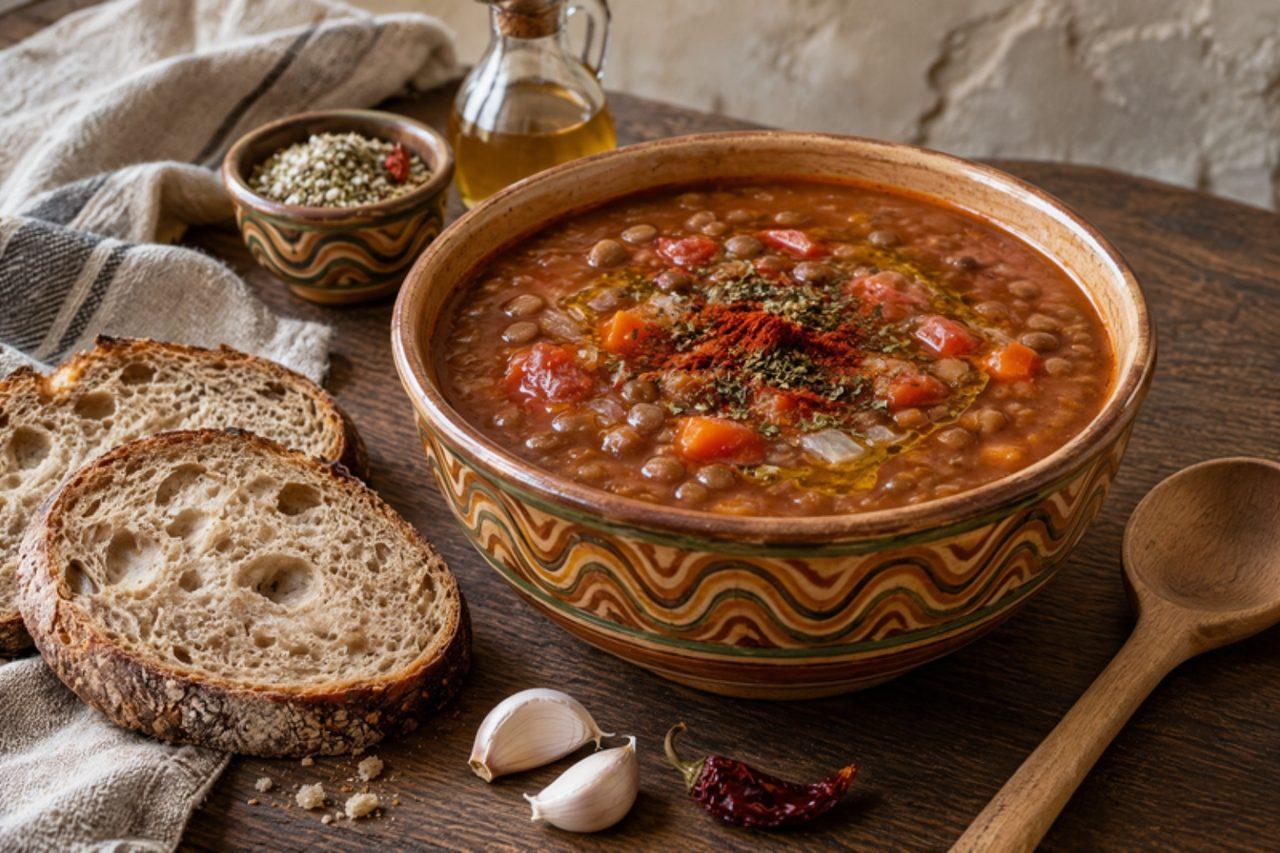
Leshta chorbaLentil soup

Leshta chorba is cooked in Bulgarian homes all winter, and it is the soup of choice on fasting days before Christmas and Easter, when families eat no meat or dairy. Brown lentils simmer with onion, carrot and tomato, coloured with sweet paprika and scented with chubritsa (summer savory), the herb that makes Bulgarian cooking taste like itself. It is eaten with a slice of wholemeal bread and a few pickles. Suitable as part of a balanced diet. About 280 kcal and 34 g carbohydrate per portion. The usual mistake is frying the paprika in very hot oil: it burns and turns bitter in a few seconds, so take the pan off the heat first. Chef's tip: a splash of vinegar stirred into each bowl at the table brightens the earthy lentils.

by KrazyBadal 0 views

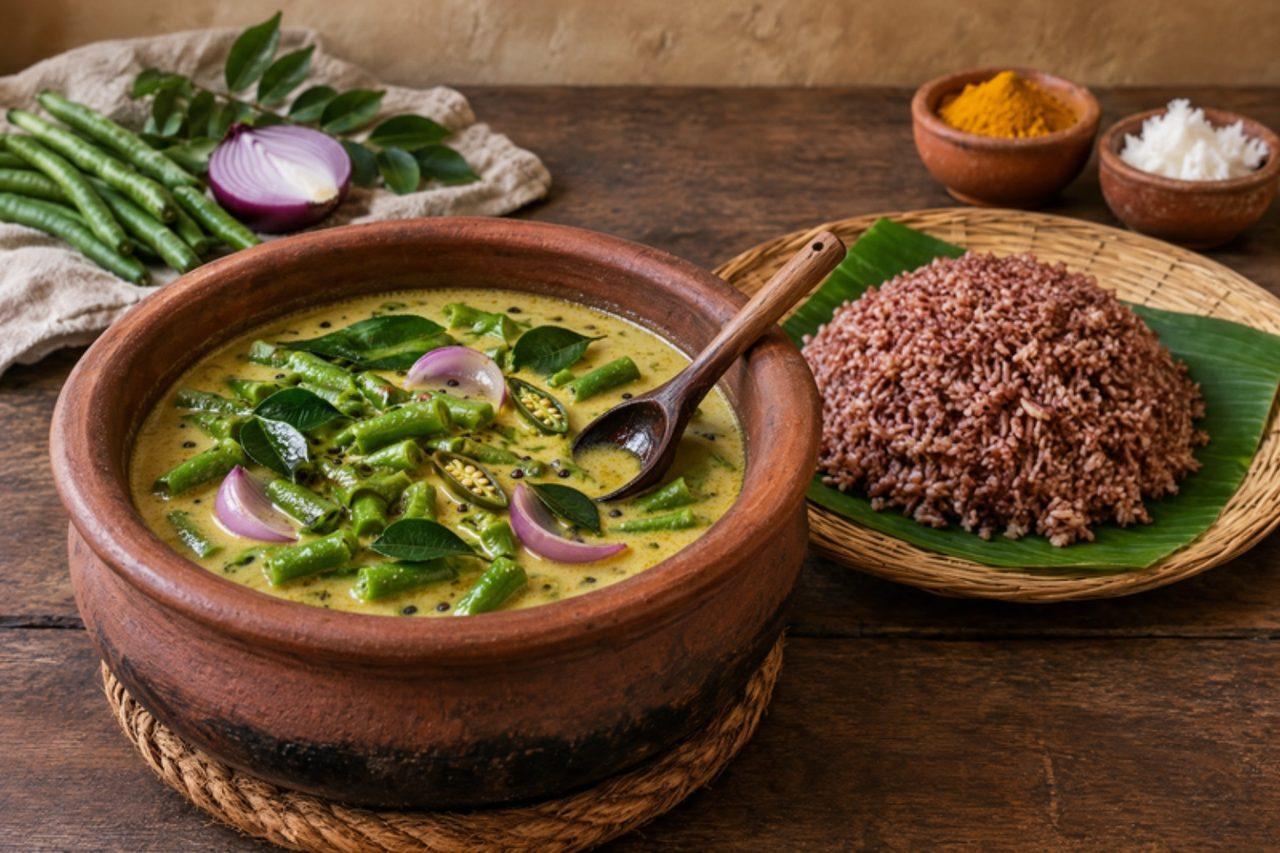
Bonchi curryGreen bean coconut curry

Bonchi curry is one of the small vegetable curries that fill a Sri Lankan rice-and-curry lunch, cooked daily in Colombo kitchens and village homes in the hill country, where green beans grow in terraces near Nuwara Eliya. The beans are simmered in thin coconut milk with turmeric, curry leaves, pandan and green chilli until just tender, then enriched with a splash of thick milk so the sauce is mild, creamy and pale yellow. Suitable as part of a balanced diet, it is a high-fibre vegetable dish: about 150 kcal and 9 g carbohydrate per portion; serve it with red rice for slower-releasing carbohydrate. The usual mistake is boiling the thick coconut milk, which curdles it; add it at the end and only heat through. Chef's tip: cut the beans on a long diagonal so they soak up more of the sauce.

by KrazyBadal 0 views

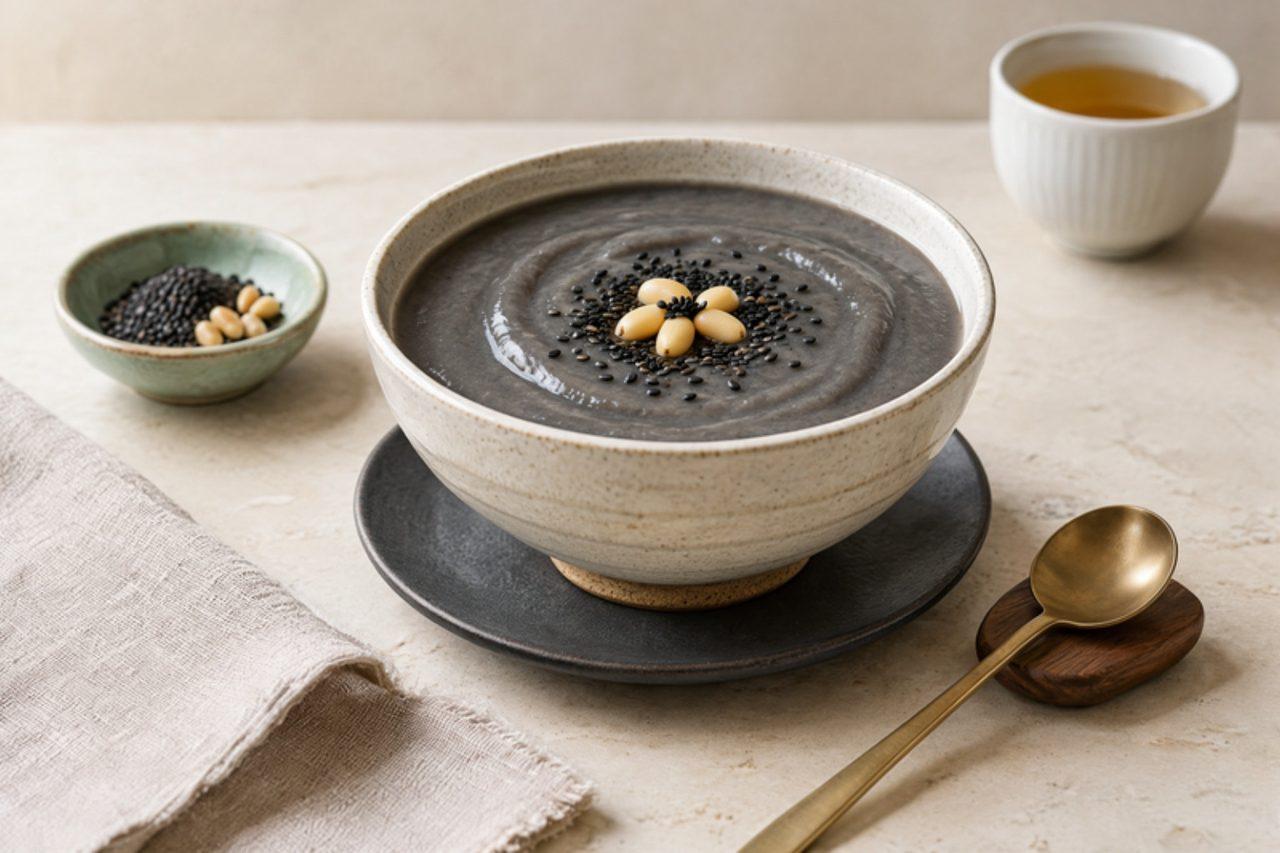
Heukimja-jukBlack sesame rice porridge

This charcoal-grey porridge of roasted black sesame and rice is one of Korea's gentlest breakfasts, often made for elders, for people getting over a cold, or simply on a slow weekend morning. It is nutty, lightly sweet and smooth as cream. The mistake is burning the sesame: the seeds are already black, so you cannot judge by colour; toast them only until they crackle and smell nutty, or the porridge turns bitter. Chef's tip: grind the toasted seeds with a little of the soaked rice and water rather than on their own, which turns them into a smooth paste instead of an oily clump.

by KrazyBadal 0 views

Thambili (king coconut water)

All along Sri Lanka's roads, from Galle Road in Colombo to the highways into Kandy and the beaches of the south coast, vendors stack bright orange king coconuts in pyramids under umbrellas. The thambili is a variety grown on the island for drinking: smaller than a green coconut and sweeter, with a faint saltiness that makes it more refreshing than any bottled drink. It is drunk any time of day in the heat, after a long bus ride, after a cricket match, and given to people recovering from a fever because it is gentle on the stomach. The water is clear, lightly sweet and nutty, and the soft jelly inside is eaten with a spoon made from a slice of the husk. The common mistake is hacking at the side of the nut; the blade glances off and the water spills. Trim the pointed top with downward strokes until a pale circle shows, then pierce it. It is ready to drink when a small hole opens straight into the water without husk fibres. Outside Sri Lanka, young green or Thai coconuts are the nearest substitute. Chef's tip: chill the coconuts for a few hours before opening; the water tastes sweeter cold, and use a heavy knife and a towel, keeping fingers well clear.

by KrazyBadal 0 views

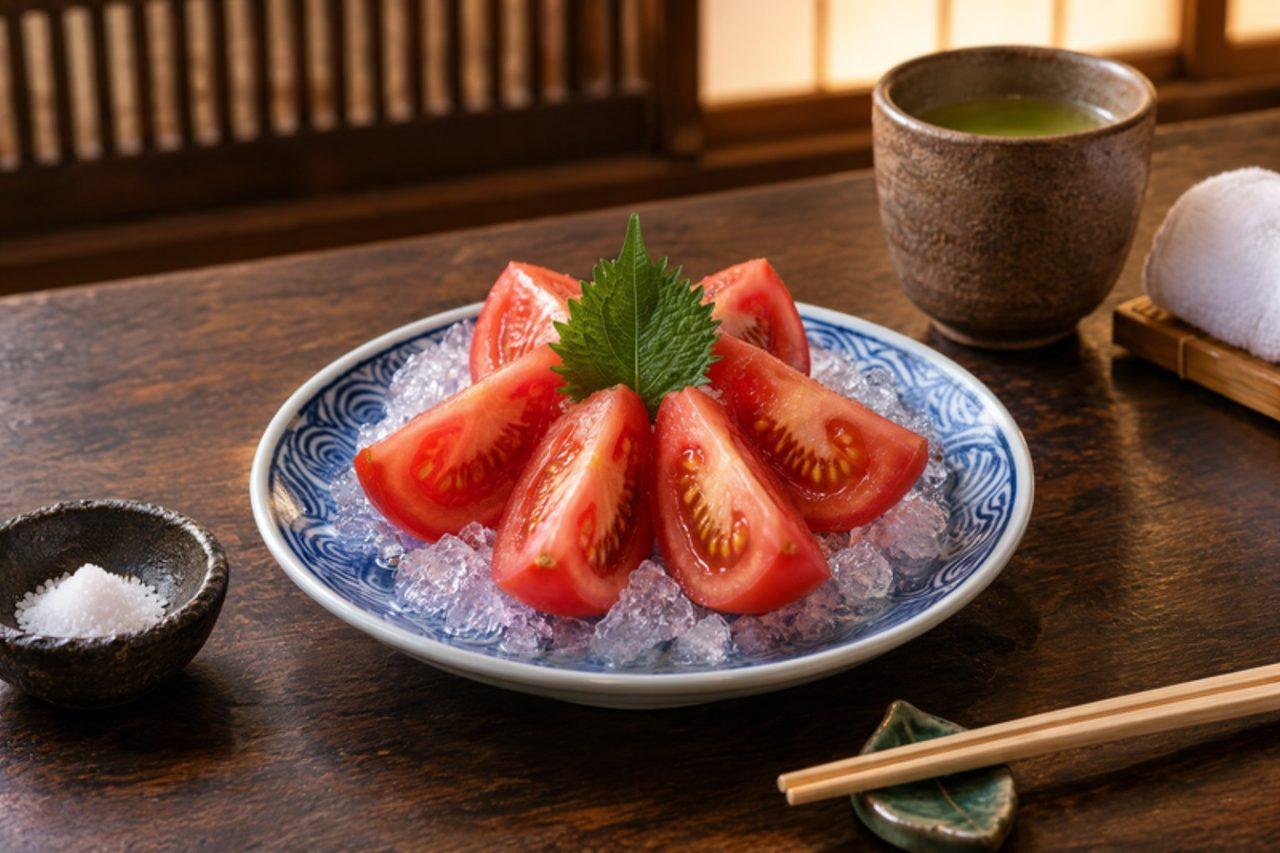
Hiyashi tomatoChilled tomato

Hiyashi tomato is the simplest thing on any Japanese izakaya menu in July and August: ripe tomatoes, chilled until icy, cut into wedges and served on a small plate, sometimes on crushed ice, to cool down a hot evening in Tokyo or Osaka. Many bars sprinkle salt; this home version leaves it out and offers a few drops of rice vinegar and toasted sesame oil instead, so the tomato's own sweetness and acidity do the work. About 0.0 g added salt; roughly 0.03 g per portion occurs naturally in the tomato. The usual mistake is using hard, pale supermarket tomatoes: this dish is only as good as the fruit, so buy deep red ones that smell of tomato at the stalk. Chef's tip: chill the plate as well as the tomatoes, so the wedges stay cold to the last bite.

by KrazyBadal 0 views

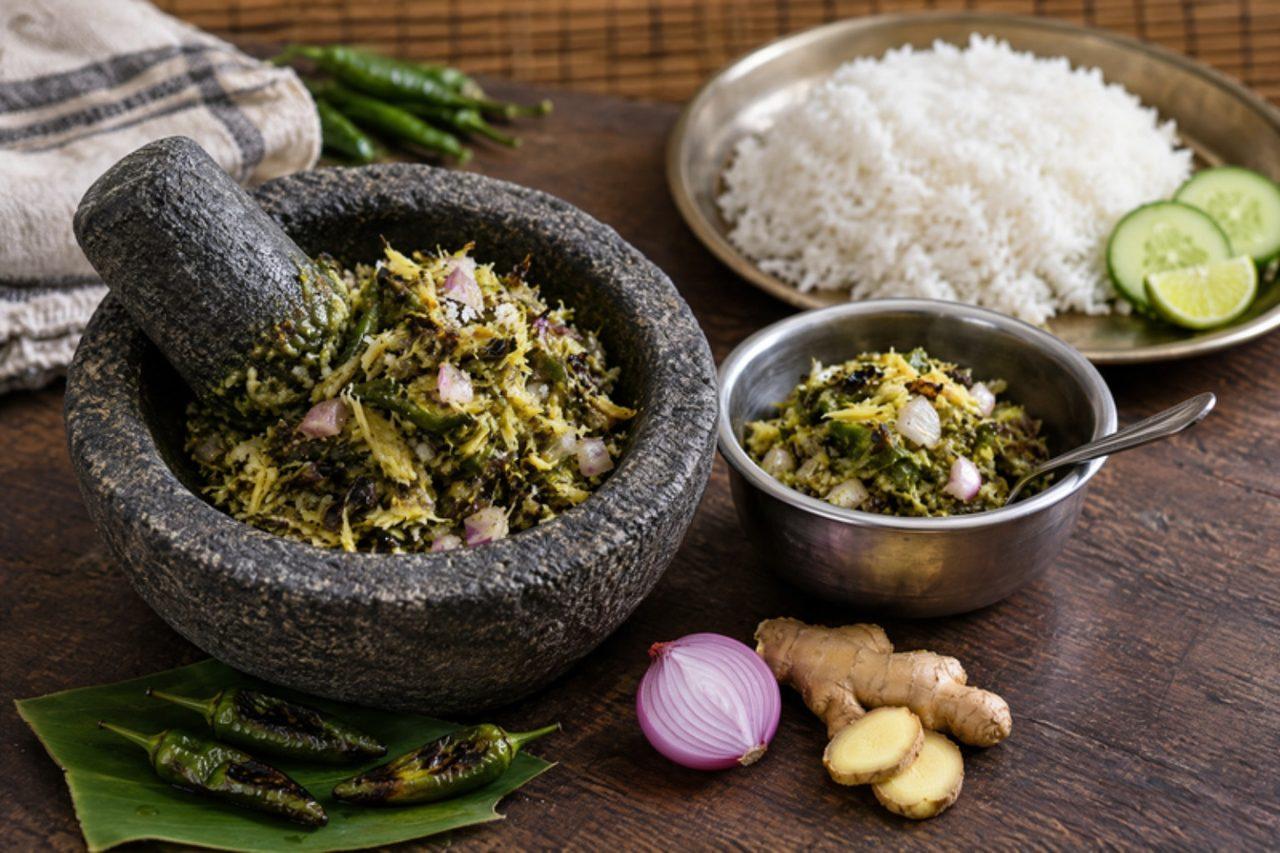
Hmarcha rawtRoasted green chilli relish

No Mizo table in Aizawl is complete without a small bowl of hmarcha rawt, the sharp relish that goes with plain rice, boiled vegetables and bai at almost every meal. Green chillies are charred over a flame or on a dry pan, then pounded with raw onion, ginger and salt. The mistake is to blend it smooth; it should be coarse and juicy, with bits of charred skin. Chef's tip: roast the chillies until blistered all over, not black, or the relish turns bitter.

by KrazyBadal 0 views

HoenderpasteiChicken pie

Church bazaars from Paarl to Graaff-Reinet sell hoenderpastei by the slab, and a family-sized dish turns up at Christmas lunch and funerals alike. Under its puff pastry lid sits shredded chicken in a pale, silky sauce scented with allspice, cloves and a little nutmeg, with slices of boiled egg tucked through it. Sago is the old trick here: soaked and cooked in the stock, the little pearls swell into a glossy thickener that sets as the pie cools, so slices hold their shape. Serve it with geelrys, buttered green beans and a sharp beetroot salad. Chef's tip: let the filling cool before the pastry goes on; a hot filling melts the butter in the pastry and the lid bakes flat instead of rising into flaky layers.

by KrazyBadal 0 views

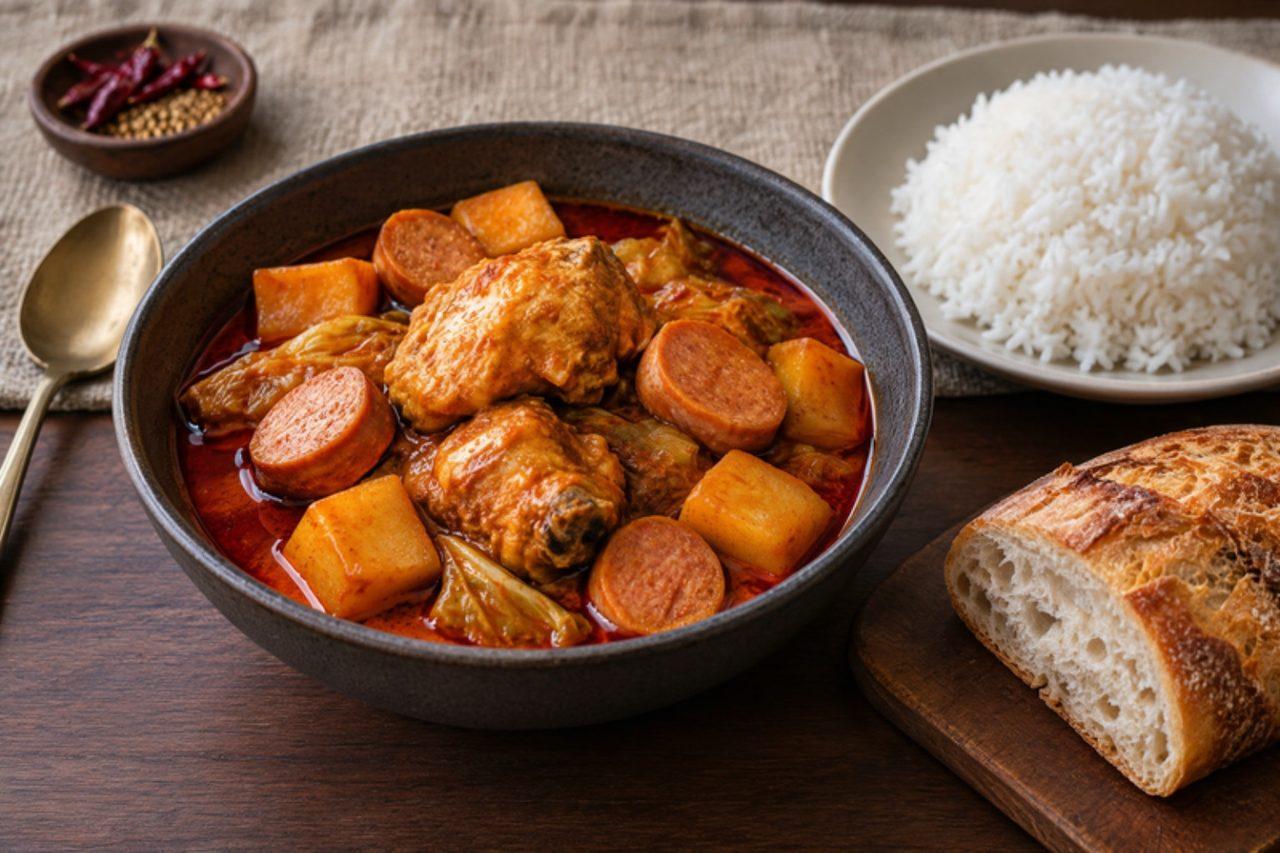
Kari debalDevil curry

Kari debal, or curry devil, is the Christmas dish of Singapore's Eurasian (Kristang) community, traditionally cooked on Boxing Day to use up the roast chicken, ham and sausages from the feast. A fiery paste of dried chillies, shallots, galangal and candlenuts is fried until fragrant, then sharpened with ground mustard seed and vinegar and simmered with chicken, potatoes, cabbage and cocktail sausages (pork, or use chicken sausages). Like most curries it tastes better the next day. The usual mistake is not frying the spice paste long enough: it must cook until the oil separates or the curry tastes raw. Chef's tip: soak the dried chillies in hot water and snip out the seeds first if you want the flavour without the full fire.

by KrazyBadal 0 views

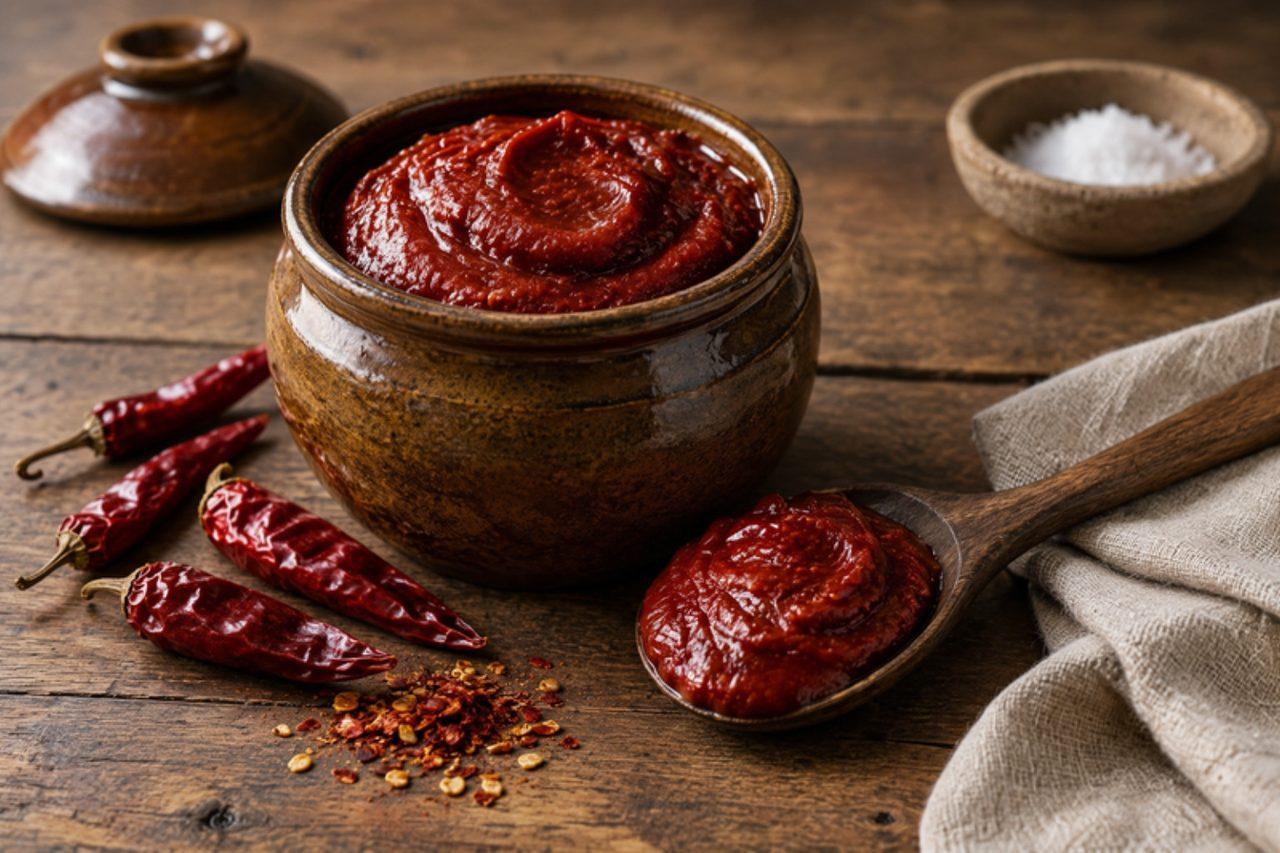
Homemade gochujangChilli bean paste

Sunchang, a small county in North Jeolla, is so tied to gochujang that it holds a jang festival every October, but the paste itself is traditionally made in the cold weeks of late winter, when there are no flies and it can ferment slowly in glazed onggi jars on the sunny jangdokdae terrace. Glutinous rice flour is broken down by barley malt into a sweet, runny porridge, boiled down, then beaten with fine chilli powder, fermented soybean (meju) powder, rice syrup and salt. Young, it is bright, sweet and fiery; after two or three months it darkens to brick red and gains a round, savoury depth, thick enough to hold a ridge on the spoon. It goes into bibimbap, tteokbokki, ssamjang, stews and marinades all year. Common mistake: adding the chilli and salt while the porridge is still hot, which dulls the colour and can make the paste turn sour; wait until it is lukewarm. It is ready when it is glossy, deep red, and smells sweet and earthy with no sharp, boozy note. Chef's tip: hold the malt and rice at 55–60 °C on a rice cooker's keep-warm setting; any hotter and the malt enzymes stop working, so the porridge never thins.

210 minKoreanBasicsVeganSpicy
by KrazyBadal 0 views

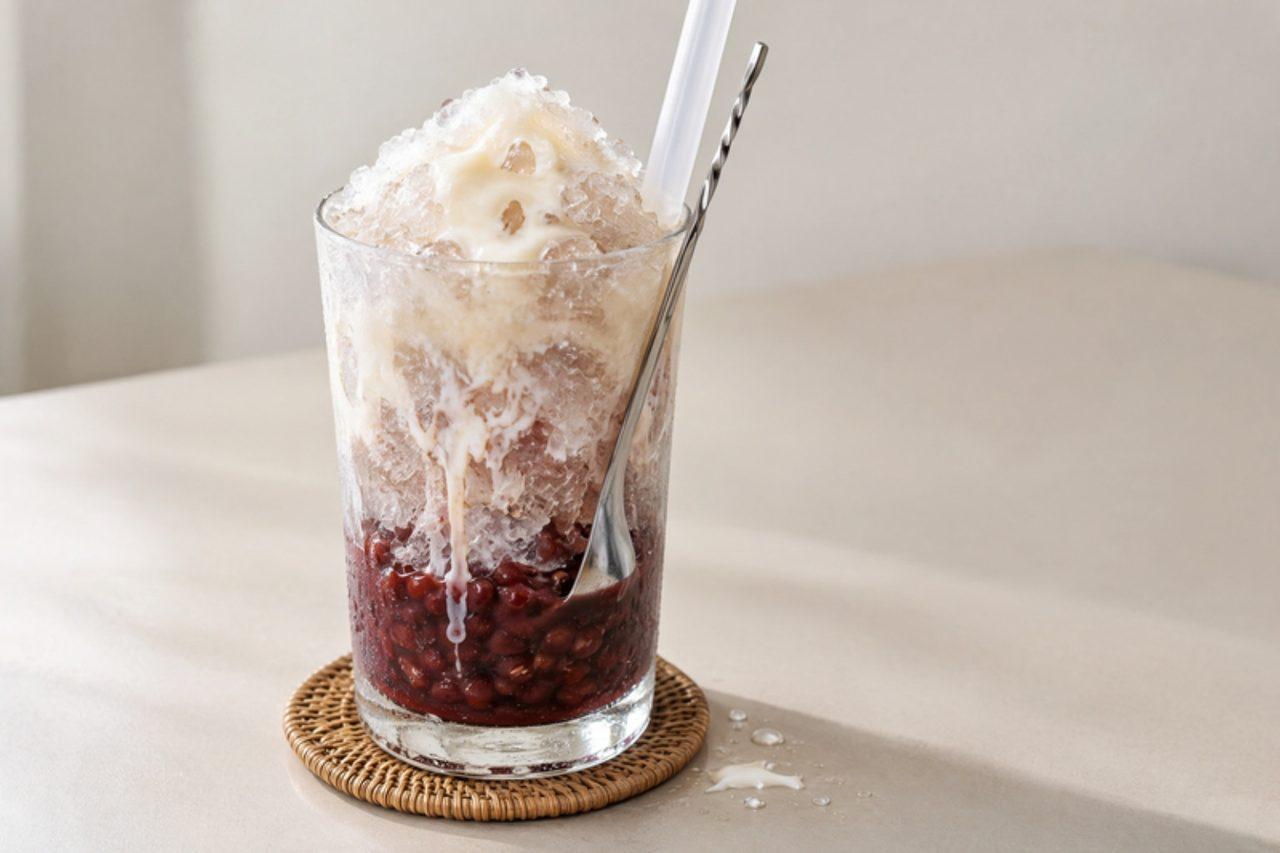
Hong Kong red bean iceRed bean shaved ice

Red bean ice is a cha chaan teng drink and dessert in one: tall glasses of sweet stewed adzuki beans, sugar syrup and crushed ice, topped with a layer of evaporated milk, served all summer at the old-school cafés of Sham Shui Po and Mong Kok and at the dai pai dong on Stanley Street. You stir with a long spoon, sip the cold milky liquid through a straw and spoon up the soft beans. The beans can be cooked a day ahead. Contains milk. Chef's tip: add the sugar only once the beans are completely soft; sugar added early keeps the skins tough.

by KrazyBadal 0 views

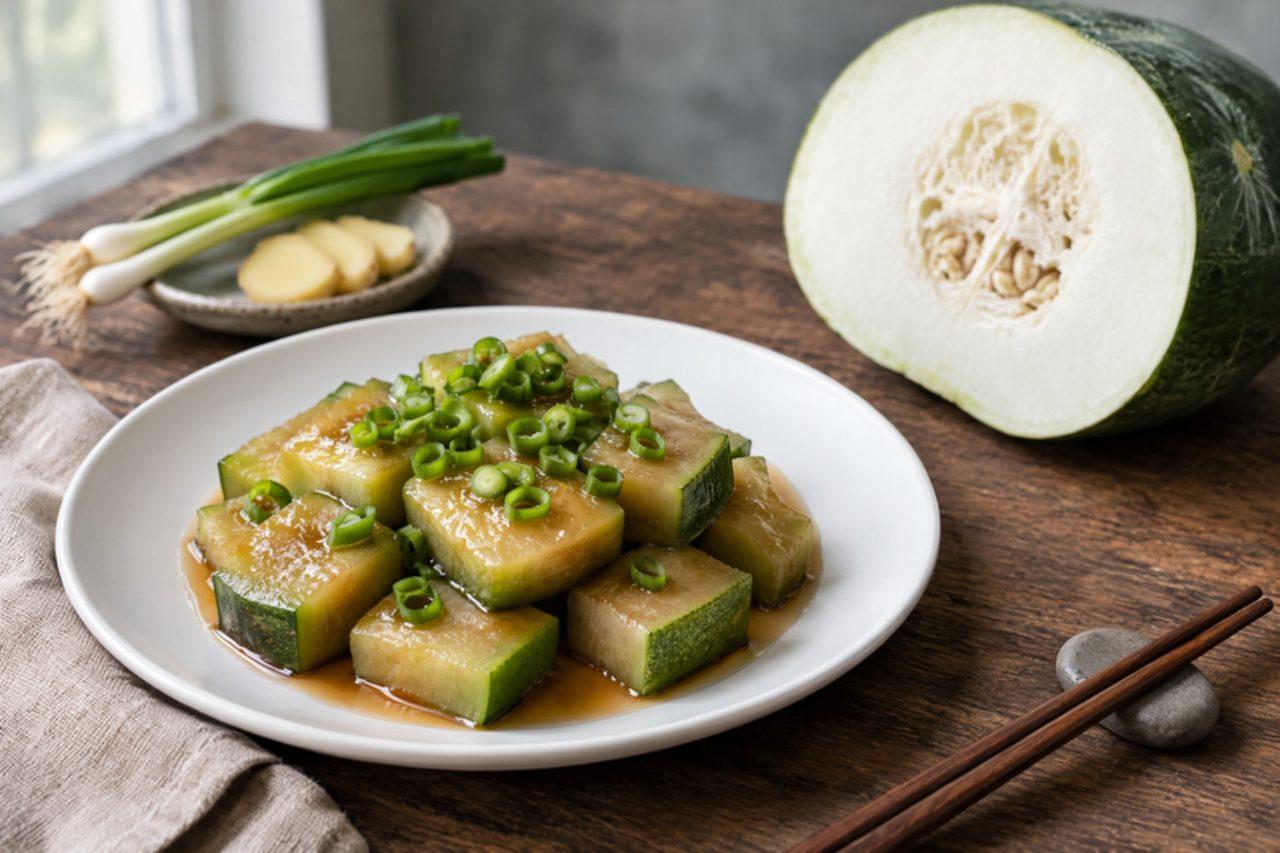
Hong shao dongguaBraised winter melon

Across China, red-braised winter melon is a cheap summer supper dish, cooked when melons the size of a child are sold by the slice at every market from Shanghai to Chengdu. Thick pieces of pale melon are seared, then braised in soy sauce, a touch of sugar and ginger until they turn amber, glossy and almost jelly-soft, soaking up the sauce like a sponge. Eat it with steamed rice and a green vegetable. The usual mistake is cutting the melon too thin, so it dissolves before it colours; keep the pieces about 2 cm thick. Chef's tip: score the flesh in a criss-cross pattern so the sauce soaks in and the pieces look like braised pork belly.

by KrazyBadal 0 views

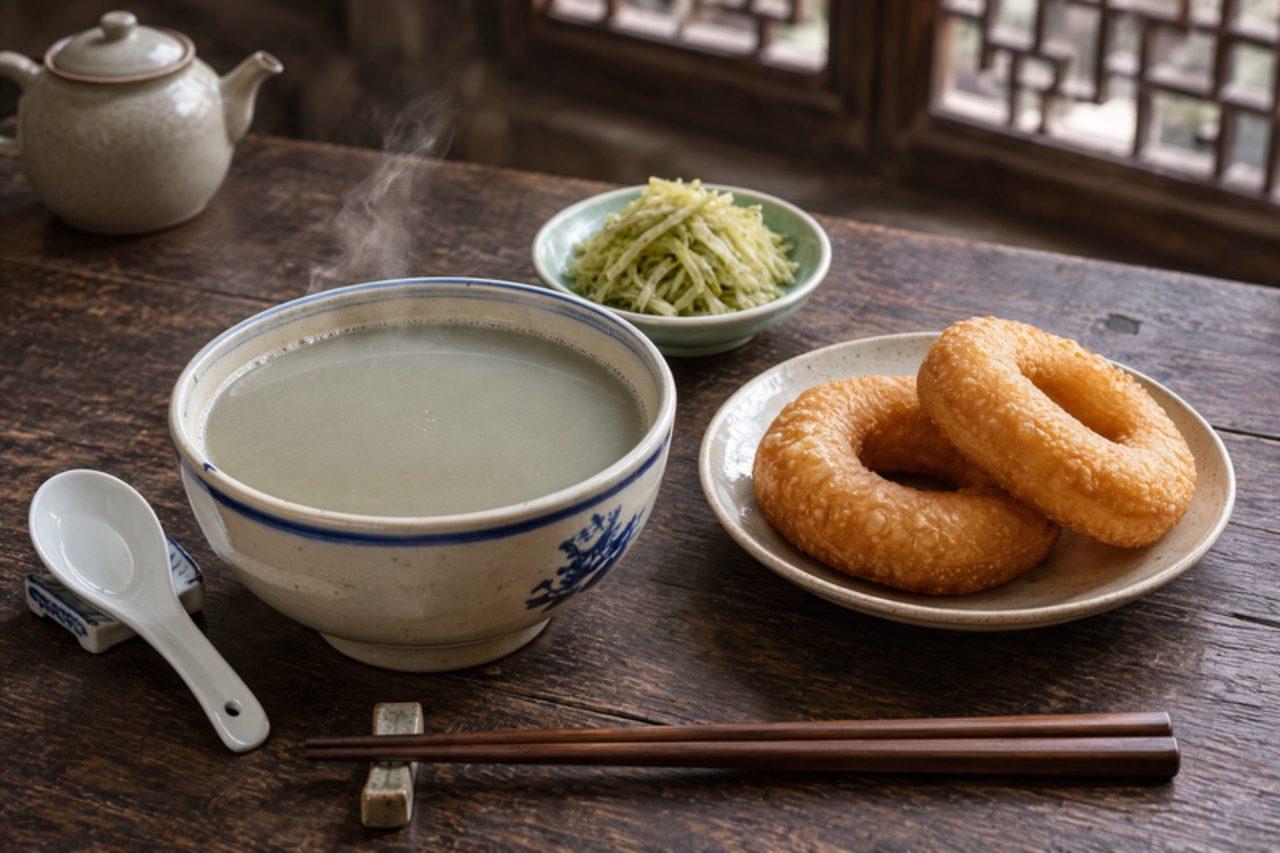
Beijing douzhiFermented mung bean drink

Douzhi is the most famous acquired taste in Beijing: a hot, grey-green, sour drink made from the liquid left when mung beans are ground for starch, then fermented. Old Beijingers sip it at breakfast with crisp jiaoquan rings and shredded salted mustard pickles, and visitors either love it or never try it twice. At home you make a small batch by blending mung beans, settling out the starch and fermenting the cloudy water for a day. The mistake is letting it boil hard: it separates into watery and thick layers, so keep it at a gentle bubble. It must smell cleanly sour like yogurt; throw it away if it smells rotten, has mould, or turns pink or slimy. Chef's tip: stir it continuously as it heats and add a splash of the thinner liquid at the end, which keeps the classic smooth, slightly thick texture.

1440 minChineseDrinksVeganGluten free
by KrazyBadal 0 views

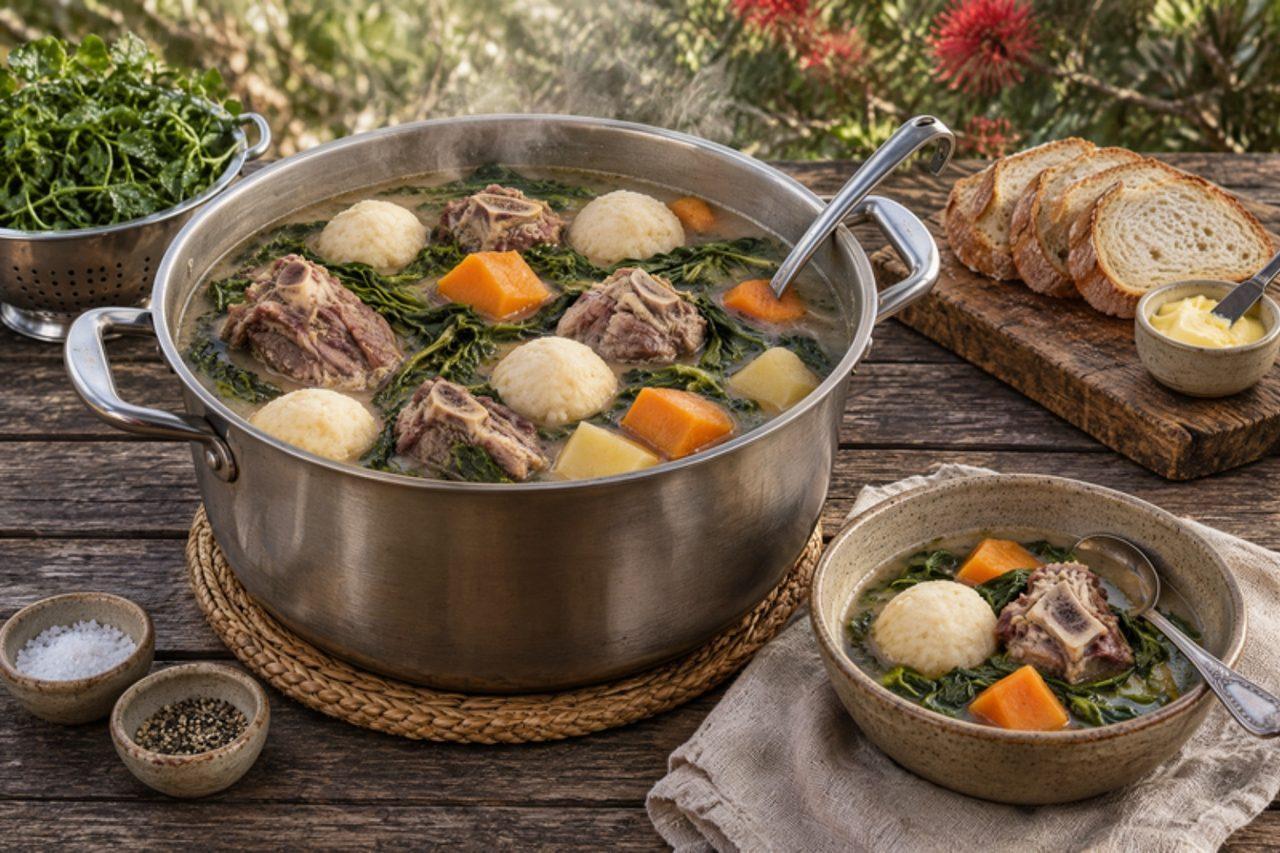
Boil-upPork bones with greens and kumara

Boil-up is the great Māori one-pot of Aotearoa New Zealand, cooked on marae for hui, at whānau gatherings and on cold weeknights everywhere from Northland to the King Country. Pork bones and brisket are boiled for hours until the meat falls away, then potatoes, kūmara and handfuls of watercress or wild pūhā go in, and fluffy flour doughboys steam on top. The broth is drunk alongside, with buttered bread. The usual mistake is letting the doughboys sit in boiling liquid uncovered, which makes them heavy; once in, clamp the lid on and don't peek for 15 minutes. Chef's tip: skim the pot well during the first half hour and the broth stays clear and sweet rather than greasy.

by KrazyBadal 0 views

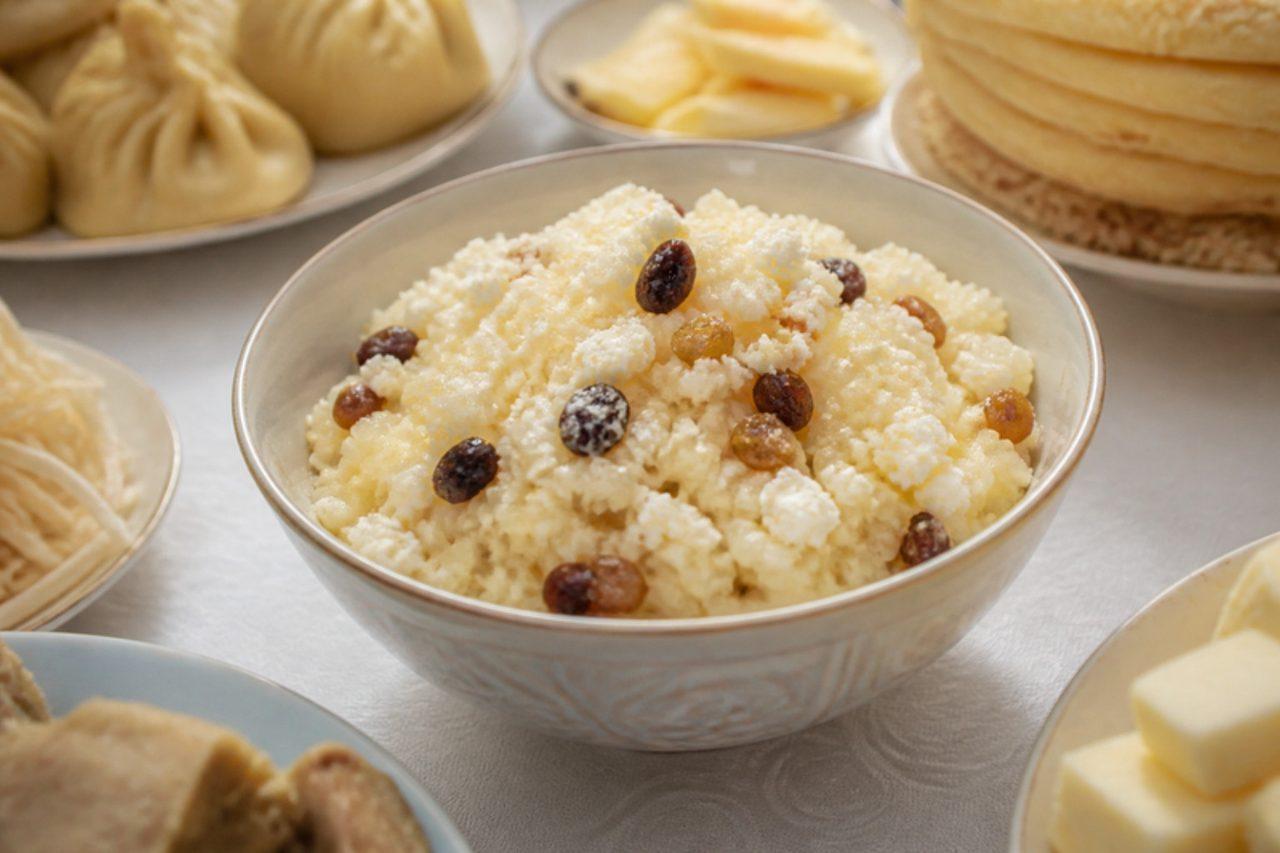
TsagaaSweet rice with raisins and curd

Tsagaa is a sweet, buttery rice dish served during Tsagaan Sar, the Mongolian Lunar New Year, when white foods (tsagaan idee) stand for purity and a good year ahead. Rice is cooked soft, then mixed with butter, sugar, raisins and crumbled aaruul or fresh curd, and served in small bowls to guests during the round of family visits. A common mistake is using long-grain rice, which won't turn creamy; use short-grain. Chef's tip: soak the raisins in hot water first so they're plump and juicy.

by KrazyBadal 0 views

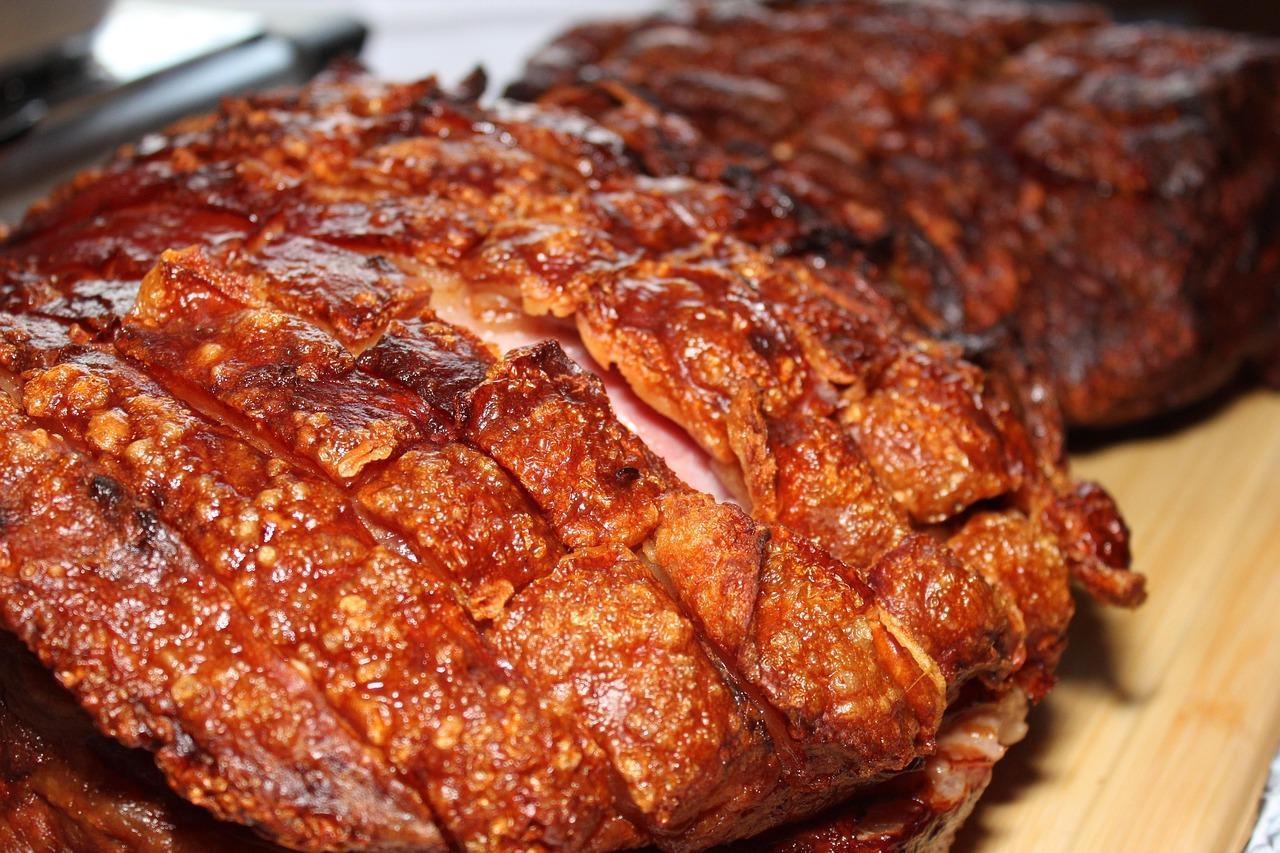
HornadoRoast pork with crackling

At the Sunday markets of Riobamba and Quito's La Ofelia, whole roast pigs glisten on the stalls and vendors carve hornado, garlic-and-cumin pork with crackling, onto plates with potato cakes, mote and a sour onion sauce called agrio. This home version uses a bone-in pork shoulder, roasted low and slow until the meat pulls apart, then blasted for crisp skin. Marinate it overnight in the fridge. The usual mistake is pulling the pork as soon as it is cooked through: it is safe once the thickest part reaches 63 °C and has rested for 3 minutes, but it only becomes tender enough to pull at about 85–90 °C. Serve with llapingachos, mote and avocado. Chef's tip: dry the skin and leave it uncovered in the fridge overnight; dry skin is what crackles.

300 minAndeanMeatGluten free
by KrazyBadal 0 views

Masuri tey (rosehip tea)

Each October, Armenian families walk the hillsides around Dilijan, Tavush and Syunik picking the bright red hips of wild dog roses, then string or spread them to dry on balconies. Through the long winter they go into masuri tey, often made in a big pot in the evening and kept warm in a thermos for the next day, and it is the drink grandmothers press on anyone with a cold, alongside a spoon of homemade jam. It is fruity and tart, like hibiscus crossed with apple, with a gentle tea-like body, and a spoon of honey rounds it out. The common mistake is not straining it well enough: crushed rosehips are lined with tiny irritating hairs that scratch the throat. Strain through a fine sieve lined with a cloth or coffee filter. It is ready when the tea is deep orange-red and clearly sour, and the hips have swollen and softened. Simmer gently rather than boiling hard for long. Honey keeps this out of the vegan list; use sugar if you prefer. Not suitable as a sweetened drink for babies under one year because of the honey. Chef's tip: steep it overnight in a thermos after simmering; the flavour doubles.

by KrazyBadal 0 views

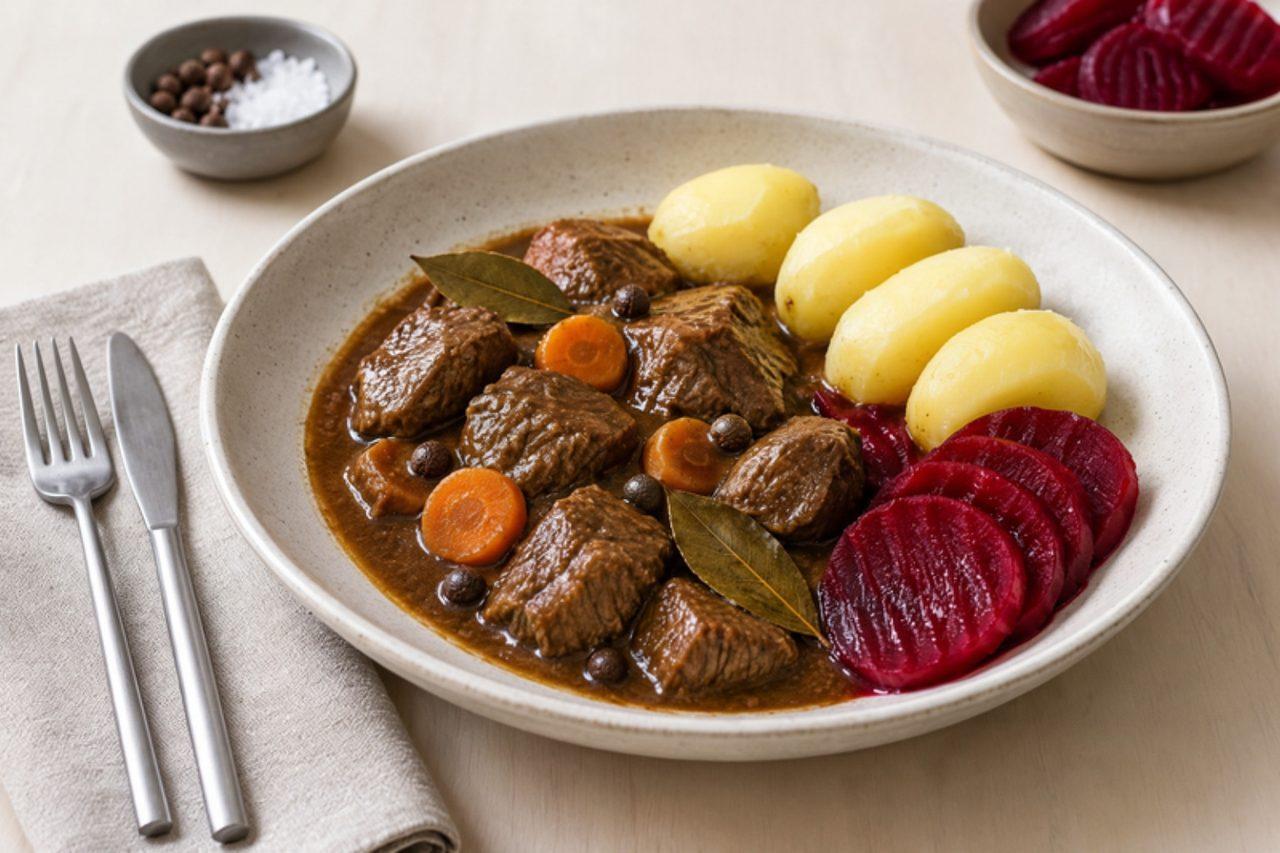
KalopsBeef stew with allspice

Kalops is the Swedish winter stew that fills kitchens from Skåne to Norrland on dark November weekends: chunks of beef chuck simmered slowly with onions, carrots, whole allspice and bay until the sauce turns brown, glossy and lightly peppery. It is always eaten with plain boiled potatoes and a spoonful of sweet pickled beetroot (inlagda rödbetor), whose sharpness cuts the richness. It reheats beautifully, so many families make it a day ahead. The usual mistake is crowding the pan when browning, so the beef steams grey and the sauce never gets its deep colour; brown in batches. Chef's tip: crush half the allspice berries lightly before they go in so the warm clove-like scent reaches the whole pot, but leave the rest whole for a gentler background note.

by KrazyBadal 0 views

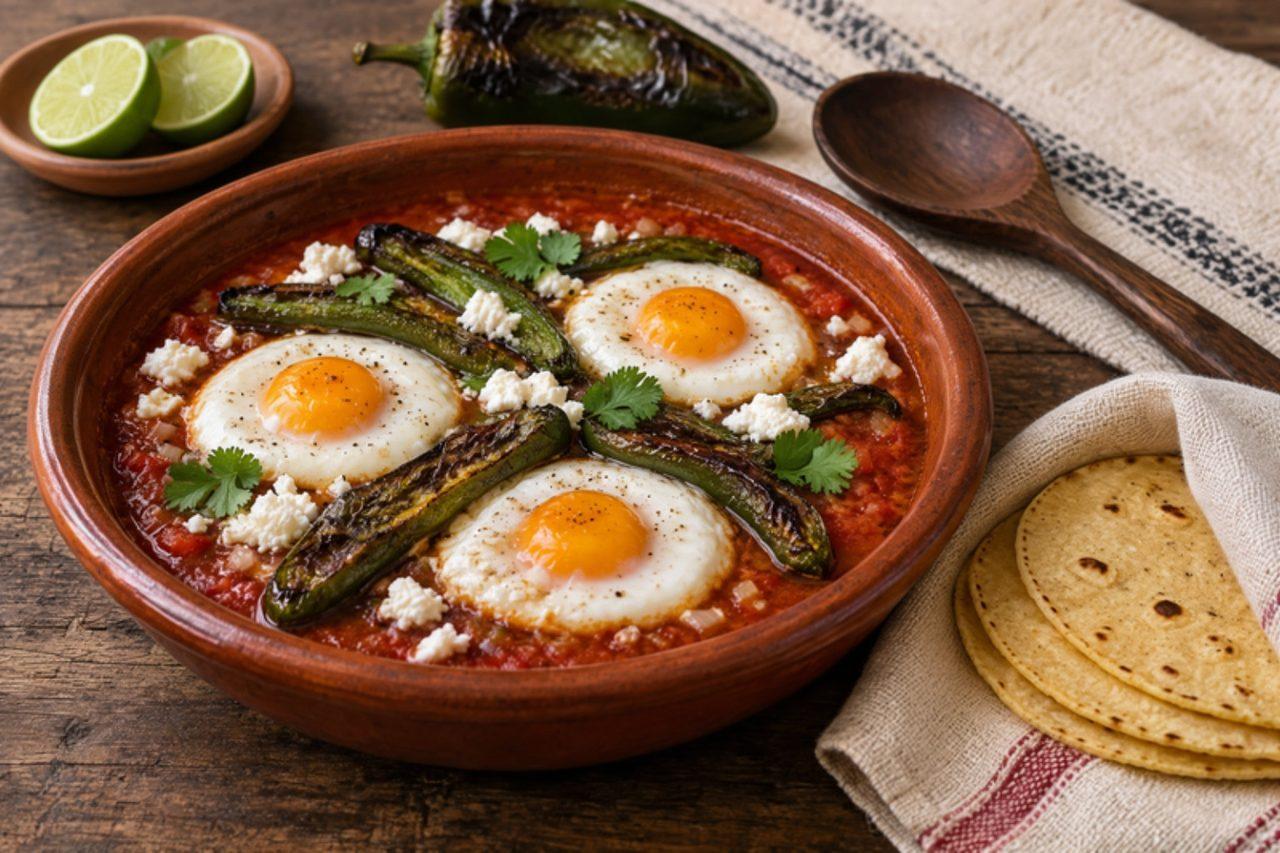
Huevos en rabo de mestizaEggs in poblano tomato broth

Families in San Luis Potosí and across central Mexico make this for a slow weekend breakfast or almuerzo: strips of charred poblano chilli simmered in a loose tomato broth, eggs poached right in the pan, and cubes of fresh cheese softening on top, with warm corn tortillas to mop it up. The name, "the mestiza's petticoat hem", is said to come from the ragged strips of chilli. The common mistake is cooking the sauce too thick: it should stay brothy, almost like a soup, or the eggs scorch before they set. Some queso fresco is made with animal rennet; for a vegetarian dish choose one made with microbial rennet, or use paneer. Cook the yolks until firm for pregnant people, young children, older or vulnerable people. Chef's tip: sweat the poblano strips in the oil before the tomato goes in, so their smoky flavour seasons the whole broth.

by KrazyBadal 0 views

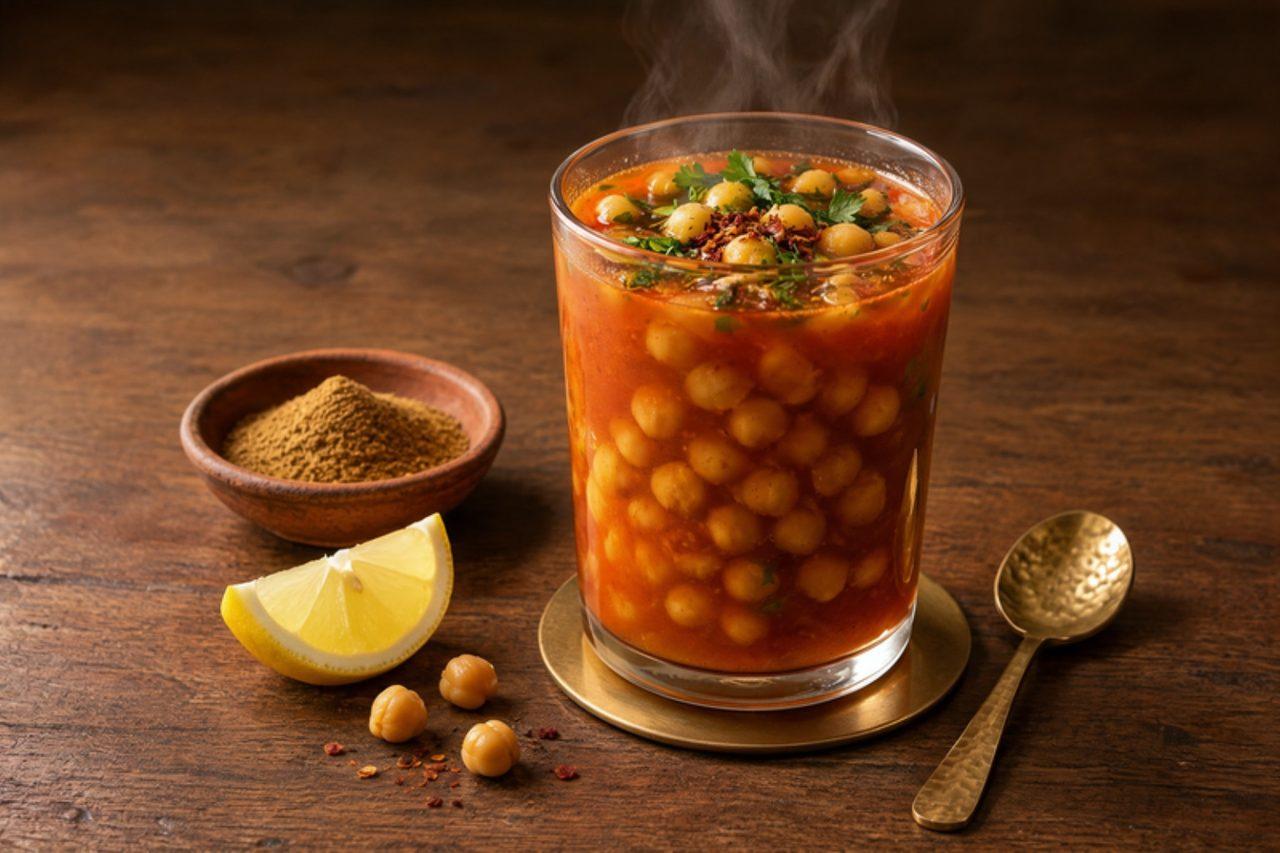
Hummus el shamHot chickpeas with tahini

When the cold winds of January blow through Cairo and Alexandria, carts with steaming copper pots appear on street corners, outside universities and along the Corniche. The vendor ladles hummus el sham — Levantine chickpeas — into glasses: soft chickpeas in their own cooking broth, seasoned with lemon, cumin, salt and a fiery spoon of shatta, sometimes with tomato and chopped onion. It is drunk and eaten with a spoon, a warming, peppery, sour-salty cup that is very different from the dip. The common mistake is using undercooked chickpeas or draining away the cooking water: the broth is the drink, and it should be cloudy and slightly thick from chickpeas that are soft enough to crush between your fingers. A pinch of bicarbonate of soda in the pot helps them soften, as Cairo vendors do. It is ready when the broth tastes deeply of chickpeas and lemon, the cumin is fragrant and the chilli leaves a warm burn. Adjust the heat for children. Canned chickpeas with their liquid work in a pinch: simmer them for 10 minutes with fresh water. Chef's tip: squeeze the lemon into each cup at the end; boiled lemon turns bitter.

by KrazyBadal 0 views

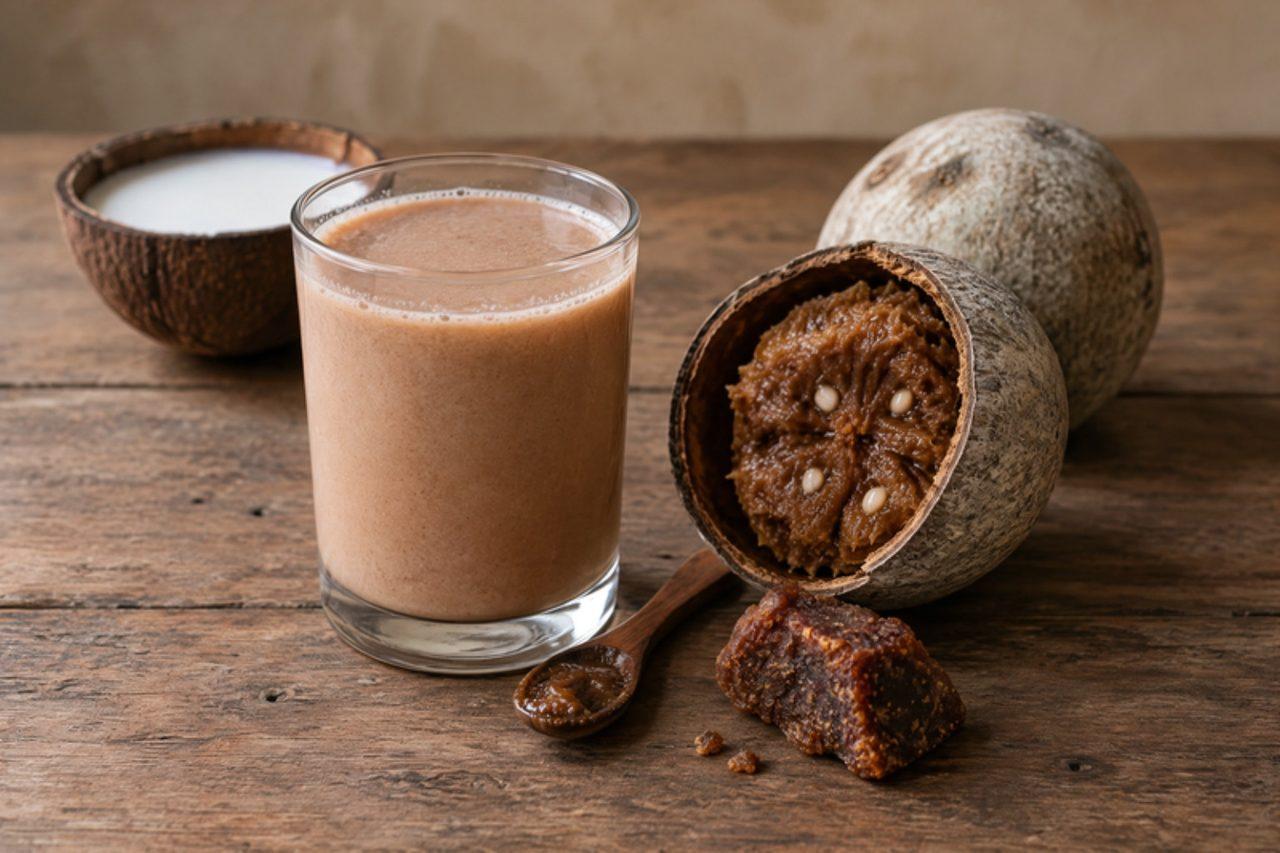
Divul kiri (wood apple drink)

In Sri Lanka's dry zone, around Anuradhapura, Polonnaruwa and down towards Hambantota, wood apple trees fruit through the hot months, and roadside sellers crack the hard grey shells open for you. Divul kiri, wood apple with coconut milk, is what families blend at home in the afternoon heat or offer guests during the Sinhala and Tamil New Year season in April. The pulp is brown, sticky and full of seeds, with a sour, funky smell that turns fruity once it meets creamy coconut milk and dark jaggery. The drink is thick and smooth, tangy-sweet and a little smoky. The common mistake is blending the seeds in: they break and make the drink gritty and bitter. Squeeze the pulp by hand and strain out every seed before blending. It is ready when it is thick enough to coat a glass, pale caramel-brown and tastes clearly sour under the sweetness. Outside Sri Lanka, look for frozen or tinned wood apple pulp in South Asian shops; there is no true substitute, though tamarind pulp with a few soft dates gives a similar sweet-sour idea. Chef's tip: pick a fruit that sounds hollow when tapped and smells strongly when cracked; it is fully ripe.

by KrazyBadal 0 views

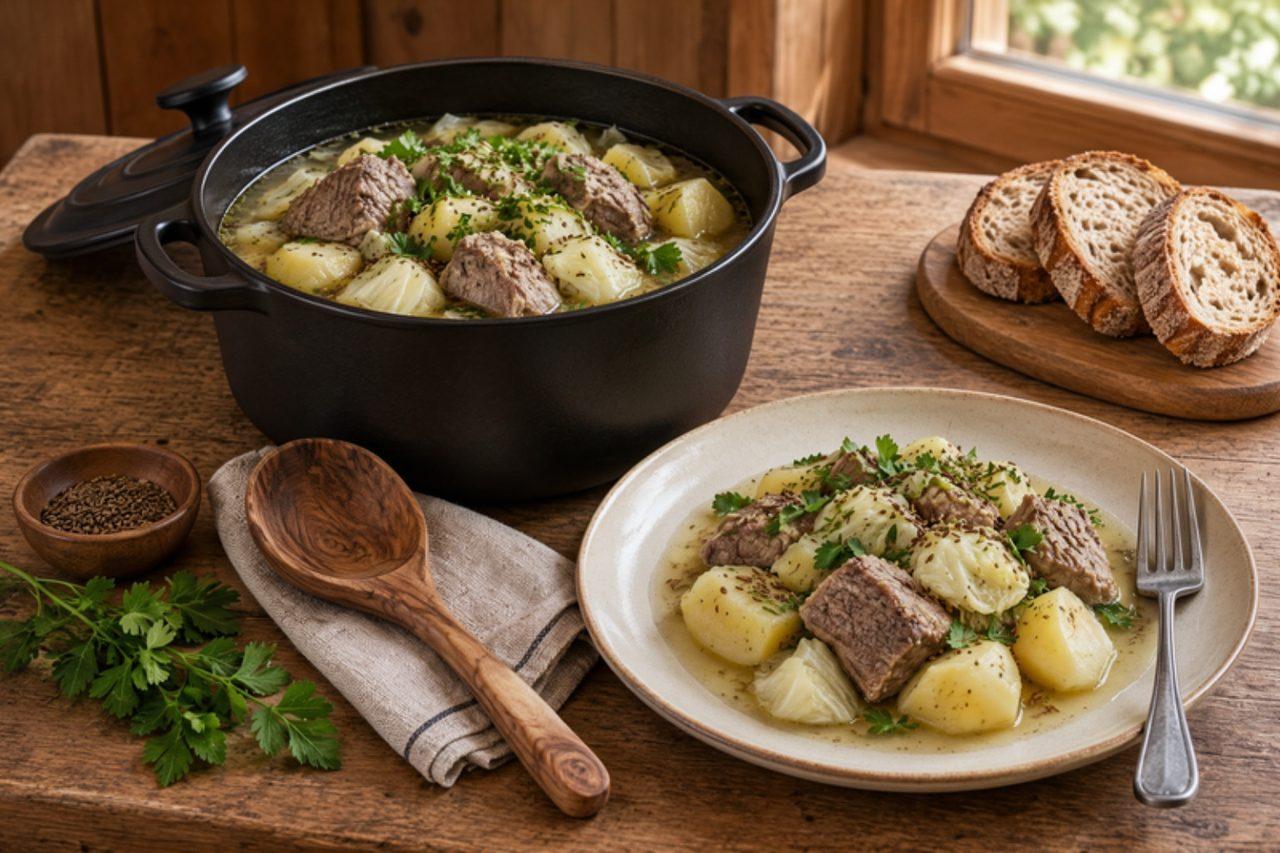
HafechabisLamb and cabbage pot

Hafechabis, literally 'pot cabbage', is the autumn one-pot of the Lucerne, Schwyz and Uri valleys, made when the cabbages come in and the lambs come down from the alps. Lamb shoulder, white cabbage, onions and potatoes are layered in a heavy pot with caraway and left to cook gently in their own juices with a little stock, until the cabbage is silky and the lamb tender. Serve it straight from the pot with mustard and crusty bread. The usual mistake is adding too much liquid: the cabbage gives off plenty of its own, and a flooded pot tastes boiled rather than braised. Slow-cooker option: layer as below and cook on low for 7 hours. Chef's tip: brown the lamb properly first, as the caramelised fat is what flavours every layer of cabbage.

125 minSwissMeatGluten free
by KrazyBadal 0 views

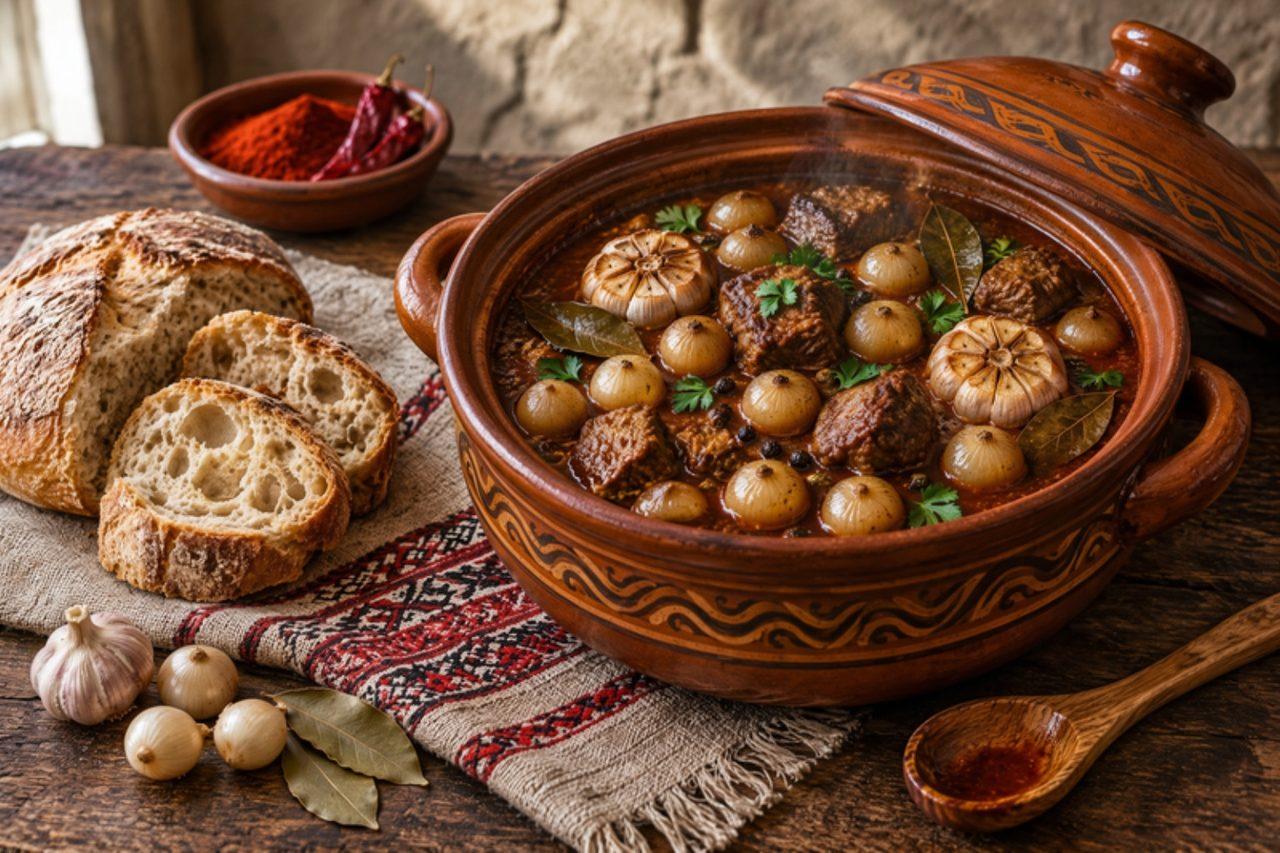
Popska yahniyaBeef and onion stew

Popska yahniya, the 'priest's stew', is cooked across Bulgaria in autumn and winter, often in a clay gyuveche in the oven, and appears at name-day dinners in Plovdiv and Veliko Tarnovo. Beef is braised with a heap of small whole shallot-sized onions, garlic, paprika, red wine and a splash of vinegar until the onions are sweet and jammy and the sauce is glossy. The wine is part of the dish and some alcohol can remain after cooking; for an alcohol-free version use the same amount of beef stock plus 1 extra tablespoon of vinegar. Pork shoulder is a common alternative to beef. The usual mistake is letting the onions break apart: add them after the meat has had an hour, so they hold their shape. Chef's tip: blanch the onions for one minute in boiling water and the skins slip off in seconds.

by KrazyBadal 0 views

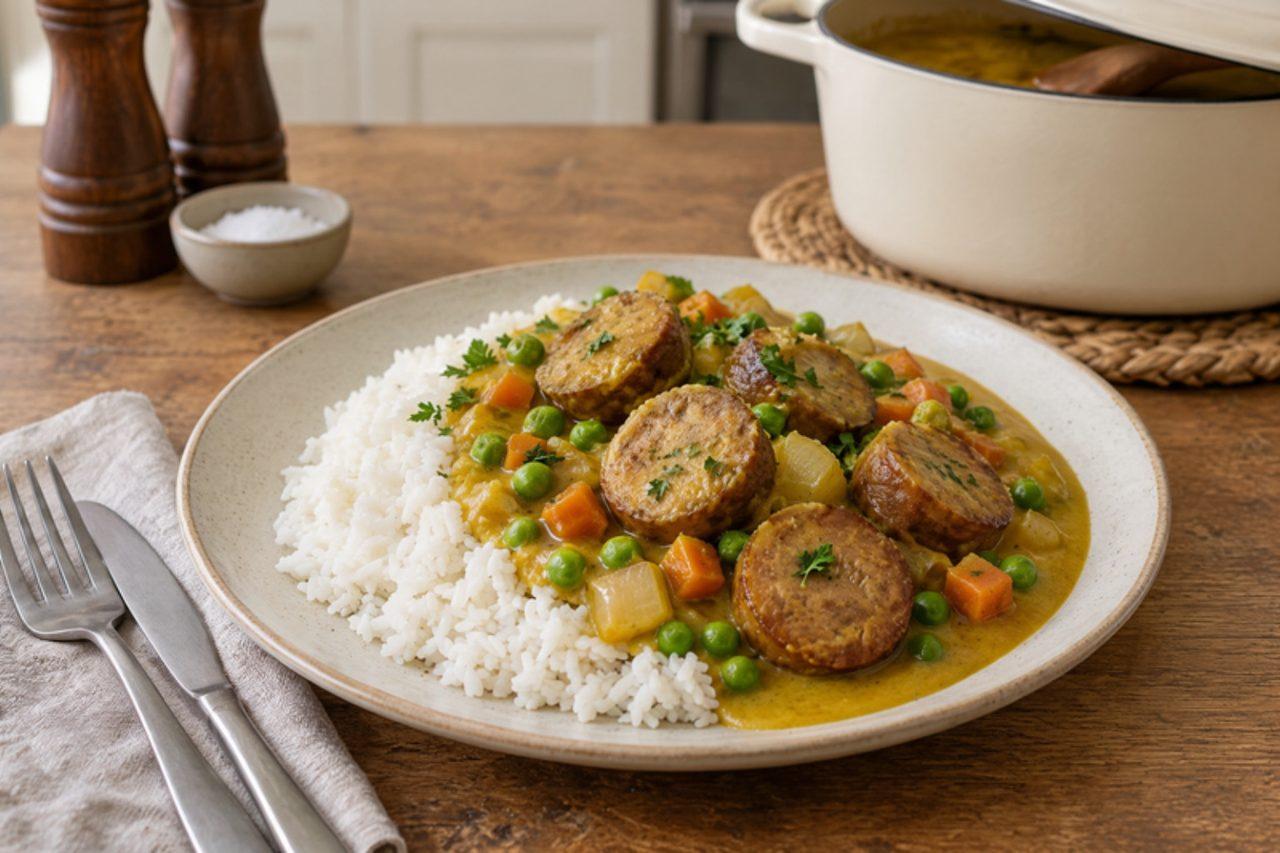
Curried sausages

Curried sausages are pure Australian weeknight comfort, the dish generations of kids came home to in Sydney, Brisbane and country towns alike, usually made with thick beef or pork sausages and a tin of mild curry powder. The sausages are browned, sliced and simmered with onion, carrot, potato and peas in a gentle, slightly sweet curry gravy, then spooned over fluffy rice. The usual mistake is skipping the pre-cook: browning the sausages whole first keeps them juicy and gives the sauce its colour. Sausages, whether beef or pork, must reach 71 °C in the centre. Chef's tip: a grated apple simmered in the sauce is the classic Aussie trick for a rounded sweetness without extra sugar.

by KrazyBadal 0 views

Trà sen (lotus tea)

Every June and July, before sunrise, boats slip between the pink lotus on Hanoi's West Lake to gather flowers for trà sen. The finest lotus tea is made by stripping the tiny white rice-like anthers from hundreds of blooms and layering them with green tea, a labour that makes it one of Vietnam's most expensive gifts, kept for Tết. Families do a simpler version at home: a spoon of Thái Nguyên green tea is tucked into the heart of a fresh flower in the evening, the petals closed and tied, and by morning the leaves have taken on a sweet, creamy, slightly vanilla-like perfume. It is brewed in a small clay pot and drunk in tiny cups in the early morning. The common mistake is brewing with boiling water, which flattens the lotus scent and makes the green tea bitter. Rinse the leaves quickly and brew at 80–85 °C. It is ready when the cup is pale gold and the steam smells of flowers before tea. No fresh lotus? Buy ready-made lotus-scented tea from Vietnamese shops and start at the brewing step. Chef's tip: pick a bud that is just about to open; a fully open bloom has already lost its scent.

by KrazyBadal 0 views

MarchuDeep-fried wheat breads

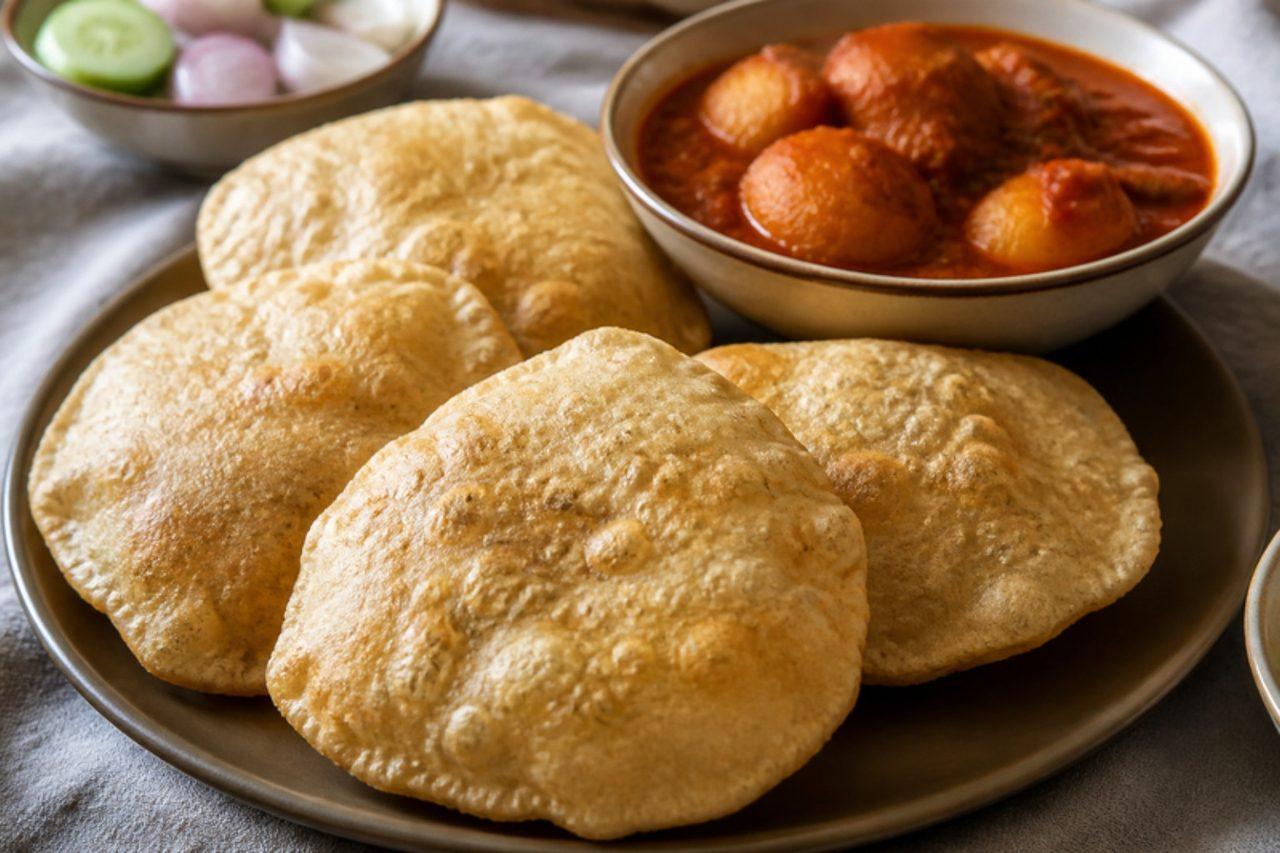
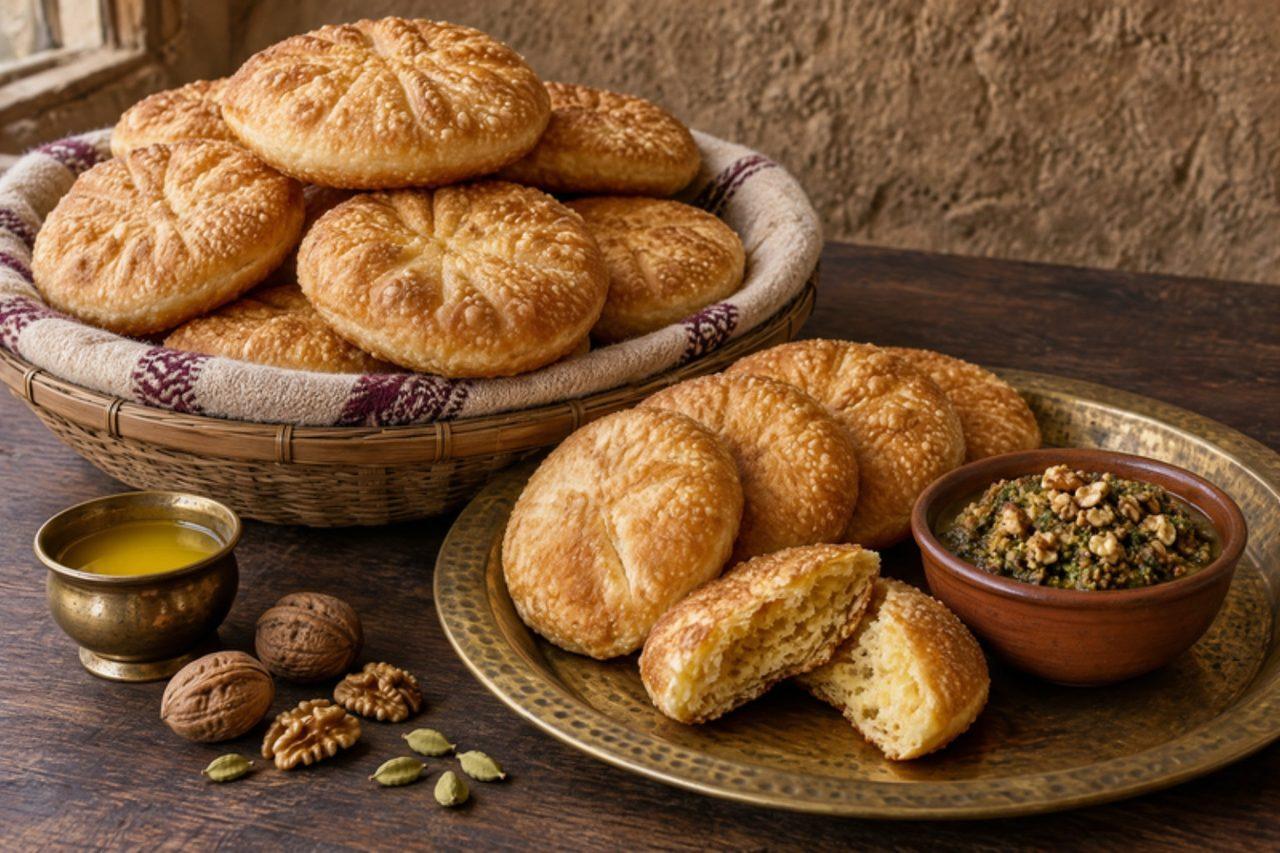
In the high Lahaul valley, marchu are fried by the basketful before the winter festivals of Halda and Losar, when families visit each other and every house must have a pile ready for guests. They are thick, soft rounds of wheat dough, sometimes lightly sweetened, fried in oil until puffed and golden, and they keep for days in the cold. They are eaten with butter tea or a spicy potato dish. The common mistake is frying in oil that is too hot, which browns the outside before the inside cooks; keep the heat medium. Chef's tip: prick each round twice with a fork so it puffs evenly rather than ballooning on one side.

by KrazyBadal 0 views

Poule au potStuffed hen with vegetables

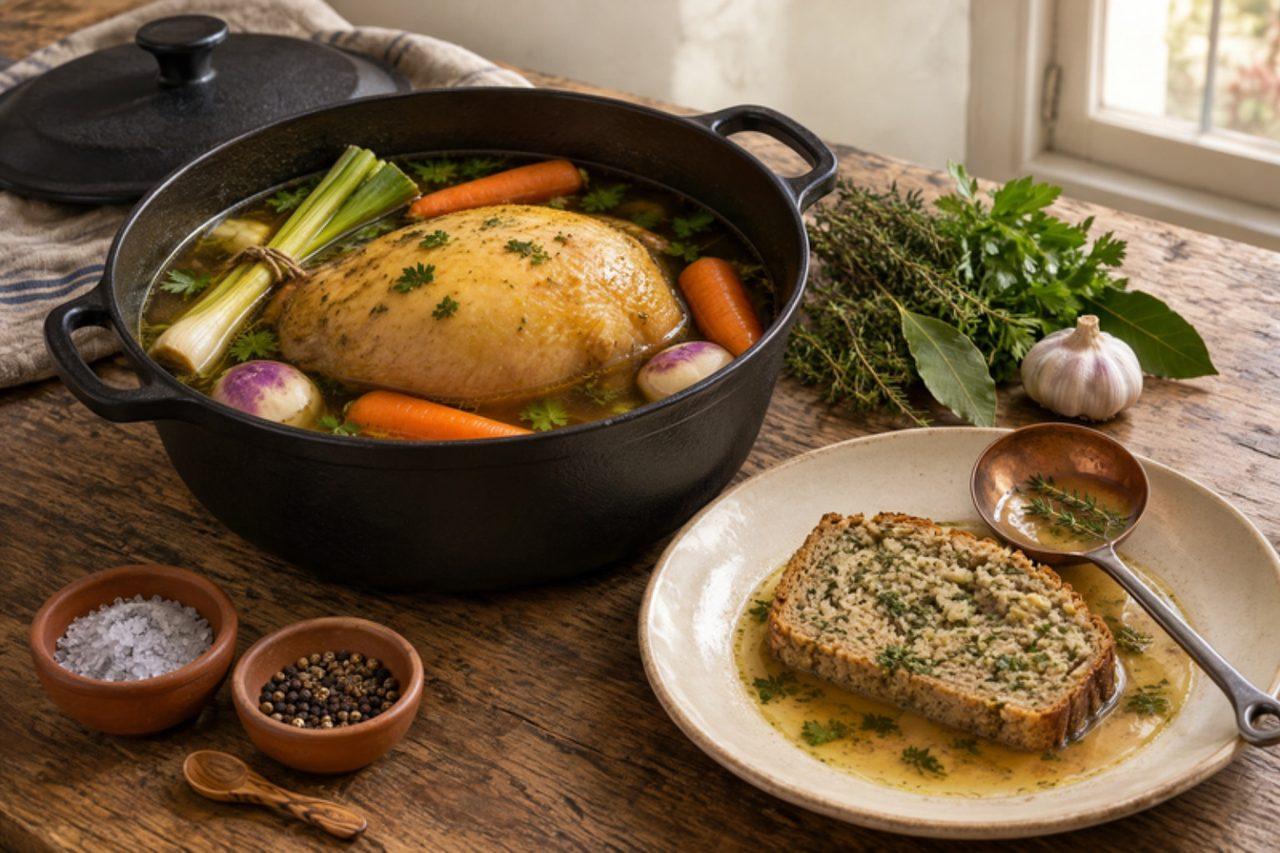
Poule au pot is the Sunday dish of Béarn in south-west France, linked for centuries with King Henri IV's wish that every peasant family should have a chicken in the pot on Sundays. A hen is filled with a stuffing of bread, Bayonne ham (a cured pork ham), chicken livers, garlic and parsley, then poached slowly with leeks, carrots and turnips. The golden broth is served first as a soup, followed by the sliced bird, stuffing and vegetables with a little coarse salt and mustard or a sauce gribiche. The usual mistake is stuffing the bird too tightly: the stuffing swells and can burst the skin, and a dense centre takes longer to cook through. Chef's tip: sew the neck and tail openings shut, or close them with cocktail sticks, so no stuffing leaks into the broth.

by KrazyBadal 0 views

Jan Smuts tartletsApricot almond sponge tartlets

Bakers who sided with General Jan Smuts answered the hertzoggie with tartlets of their own, and old Afrikaans and English cookbooks have printed the two rivals side by side ever since. Where a hertzoggie wears a chewy coconut meringue, a Jan Smutsie hides its apricot jam under a soft, almond-scented sponge and is marked with a little pastry cross on top. The texture is all tender cake over a sharp fruity middle in a crumbly sweet crust, lovely at Sunday tea or packed in a school lunchbox. Most people overfill the cases with batter, which domes up and spills over the cross; two-thirds full is plenty. Chef's tip: roll the trimmings for the crosses thinly, or they stay doughy where they sit on the sponge.

by KrazyBadal 0 views

Caffè lecceseEspresso with almond milk over ice

In Lecce and the towns of Salento, summer mornings start at the bar with a caffè in ghiaccio, and the local version, a fairly recent invention now poured everywhere from Otranto to Gallipoli, adds a pour of latte di mandorla: the sweet almond-milk syrup Puglian bakers have made for generations from local almonds. A short glass is filled with ice, the almond syrup goes in, and a hot espresso is poured straight over so it cracks the ice and blends into a pale, cold, nutty coffee. It is sweet without being sticky, with a marzipan aroma and a clean bitter finish. The common mistake is letting the espresso cool before pouring: it no longer melts and mixes with the dense syrup, which then sits at the bottom. Pull the shot and pour it at once, then stir. It is ready when the drink is evenly caramel-coloured and the glass feels icy. Lecce bars serve it from about May to late September, often with a pasticciotto. Espresso means a fair hit of caffeine. Chef's tip: if you can only find unsweetened almond drink, stir 1 tsp of sugar into it first, but real Puglian almond syrup gives the true taste.

by KrazyBadal 0 views

Králík na smetaněRabbit in cream sauce

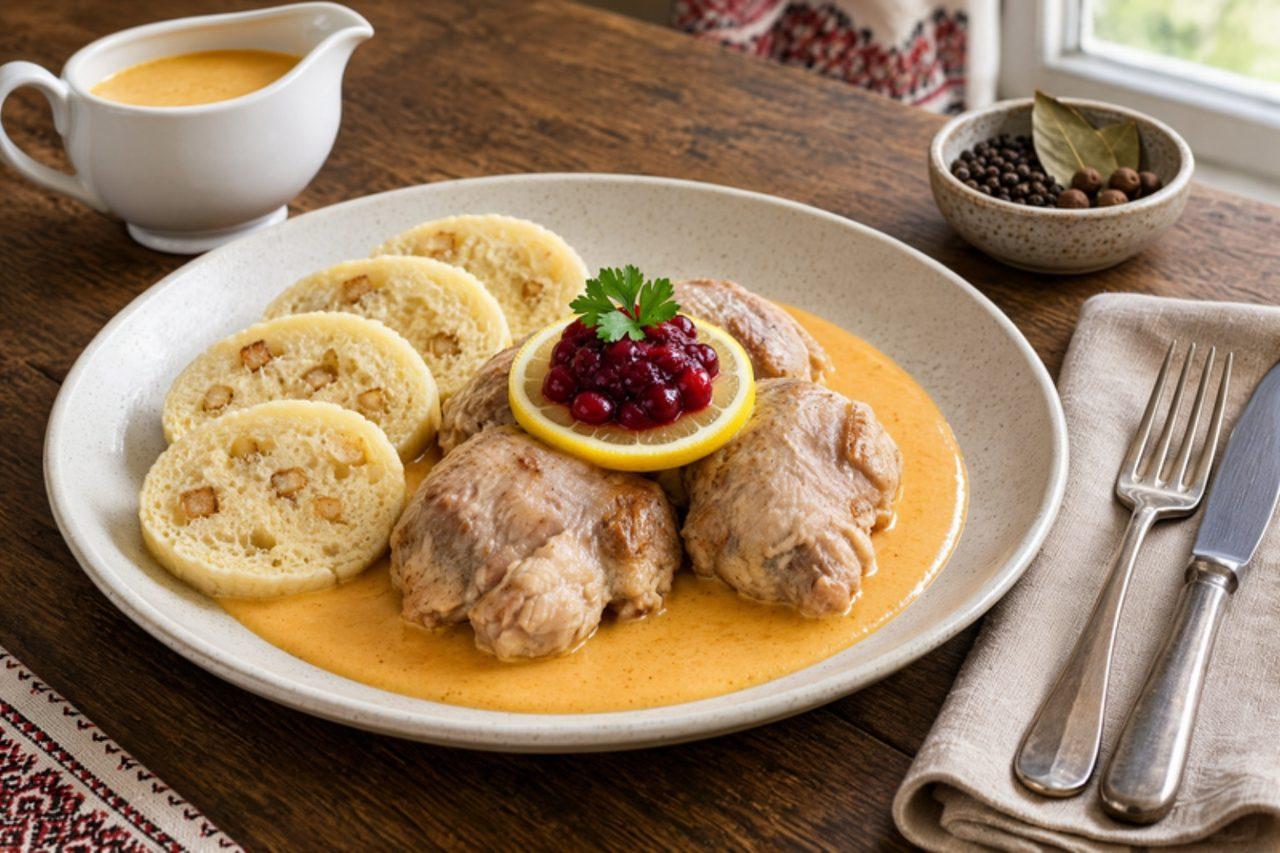
Králík na smetaně is a Sunday lunch in the Czech countryside, especially in Moravia and South Bohemia, where many families once kept rabbits in the yard. Rabbit pieces are braised with carrot, celeriac, parsley root and onion, then the vegetables are blended into a velvety cream sauce brightened with lemon and a pinch of sugar, much like the famous svíčková. It is served with sliced bread dumplings (houskové knedlíky) and a spoon of cranberry sauce. The usual mistake is boiling the sauce after the cream goes in, which can split it; keep it at a bare simmer. Rabbit is lean, so cook it gently and check that the meat comes easily off the bone. Chef's tip: blend the vegetables until completely smooth and pass them through a sieve for the silky sauce Czech cooks are proud of.

120 minCzechMeat
by KrazyBadal 0 views

Karuveppilai sadam (curry leaf rice)

Around Madurai and Tiruchirappalli this dark, peppery rice comes out when there is a big handful of curry leaves and very little else in the kitchen, and it keeps so well that it goes into lunch boxes and onto long bus journeys. The leaves are roasted until crisp with chana and urad dal, black pepper, cumin and red chilli, then ground into a fragrant podi. The common mistake is roasting wet leaves: they steam instead of crisp, and the powder clumps. Dry them well on a towel first. Chef's tip: grind a double batch of the podi and store it airtight; it keeps for two weeks and makes lunch in five minutes.

by KrazyBadal 0 views

Louise sliceJam and coconut meringue slice

Louise slice, or Louise cake, is a New Zealand tea-time classic found on church cake stalls and in grandma's tins from Invercargill to Whangārei. A buttery shortcake base is spread with raspberry jam and topped with a chewy coconut meringue that bakes to pale gold. It is light and pretty, and very easy. A common mistake is baking the meringue too hot, which browns it before it sets inside. Chef's tip: spread the meringue right to the edges so the jam doesn't bubble through.

by KrazyBadal 0 views

BulanglangMixed vegetable stew

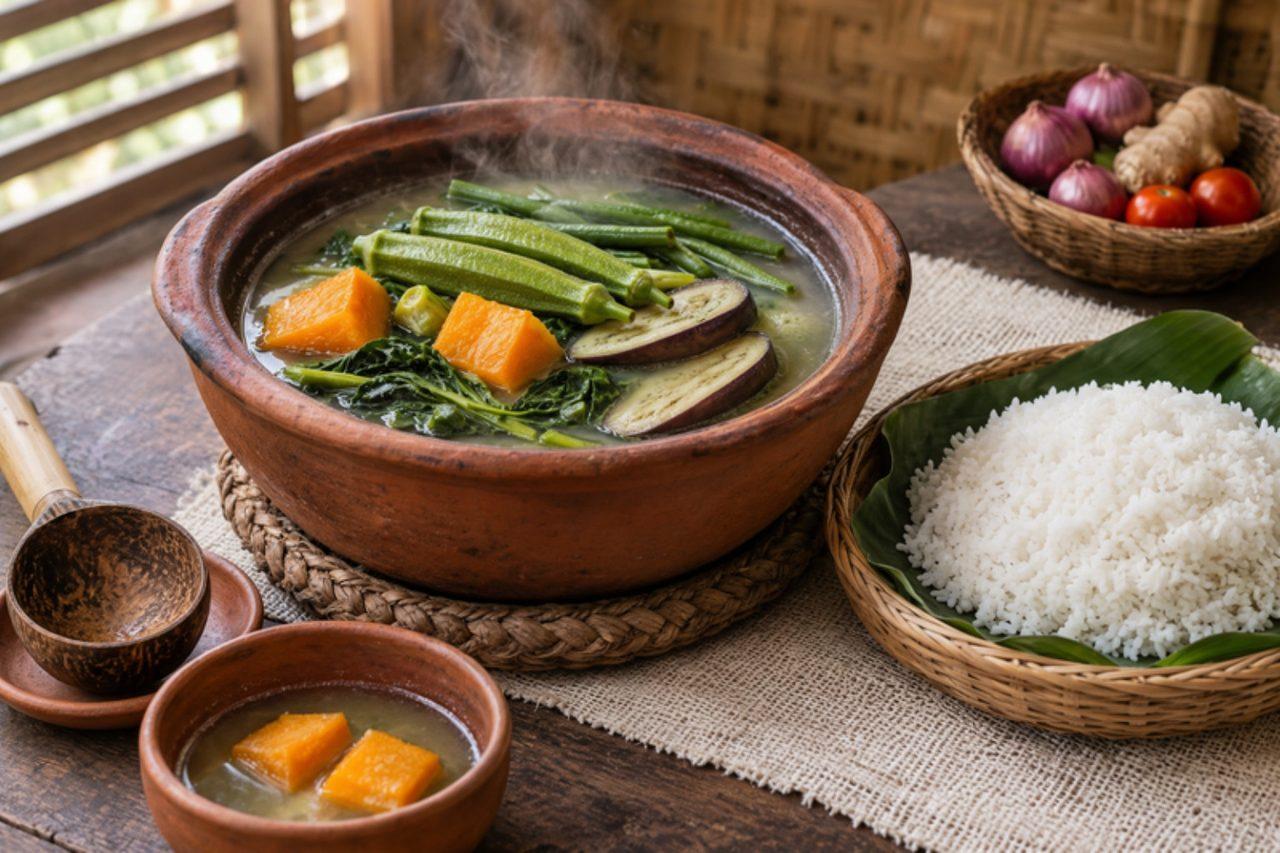
Bulanglang is the plain, light vegetable soup of Batangas and the Tagalog provinces, made in farmhouses at lunchtime from whatever is in the garden: squash, okra, string beans, eggplant and a handful of malunggay or sweet potato leaves. Instead of stock it uses hugas bigas, the cloudy water from washing rice, which gives the broth a soft, milky body. It is often eaten with grilled fish and a dip of bagoong; this version stays vegan and is served with a soy-and-calamansi dip. The usual mistake is boiling everything together from the start, which leaves mushy squash and raw-tasting okra; add the vegetables in order of firmness. Chef's tip: save the second rice wash, not the first, for the cleanest, creamiest broth.

by KrazyBadal 0 views

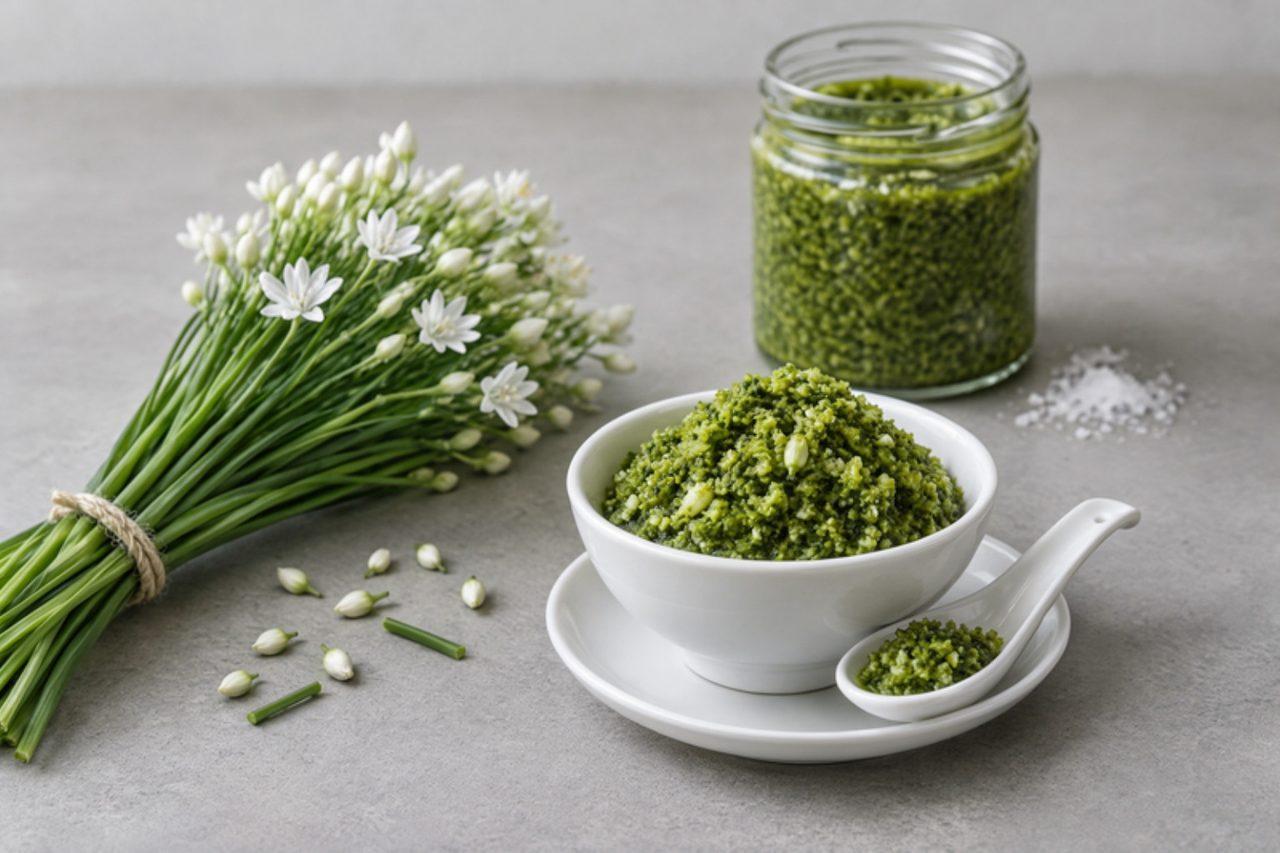
Jiu cai hua jiangGarlic chive flower sauce

In late August the garlic chives of Hebei, Beijing and Inner Mongolia send up stiff stalks topped with white flower heads, and northern households grind them with salt into jiu cai hua jiang. A few days of fermentation turn the raw, oniony paste mellow and tangy, and by the first cold evenings it is stirred into the sesame-paste dip for shuan yangrou, Beijing's copper-pot lamb hot pot, alongside fermented tofu and chilli oil. It also lifts plain noodles, steamed buns and boiled dumplings. The taste is salty, garlicky and green, with a gentle sweetness from Asian pear and warmth from ginger; the texture is a loose, coarse purée. Pick the flowers when the buds are just opening, before seed pods form, or the paste turns bitter and gritty. Common mistake: using too little salt; under 8% the paste goes slimy instead of sour, so weigh it. It is ready when small bubbles rise, the colour dulls from bright to olive green and it smells pleasantly sour rather than raw. Chef's tip: a crisp apple works if you cannot find Asian pear; use slightly less, as it is sharper.

by KrazyBadal 0 views

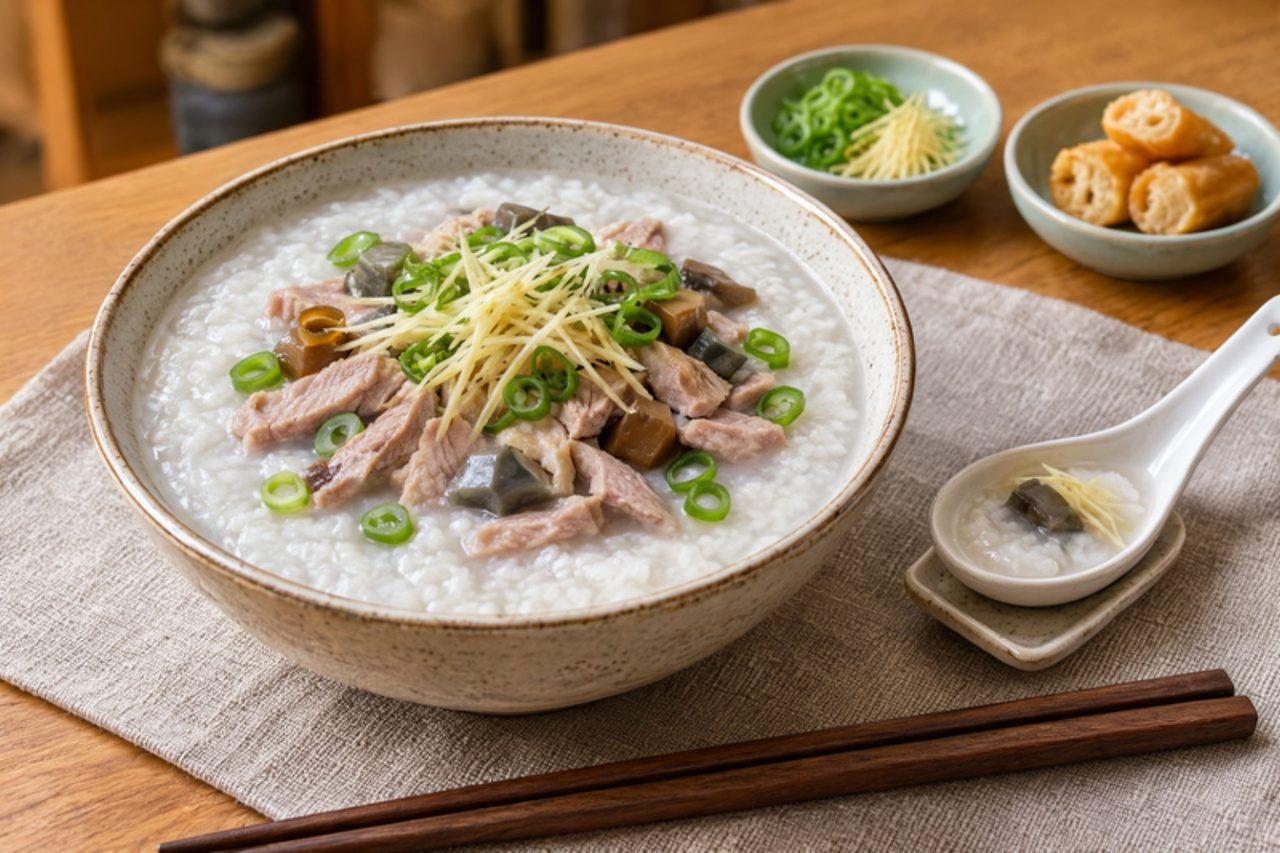
Century egg and pork congee

Across Guangdong and in Hong Kong's congee houses, this is the morning order everyone knows: a silky congee with nuggets of salted lean pork and dark, jelly-like century egg, finished with ginger and spring onion and eaten with a crisp youtiao on the side. The pork is salted the night before, which firms it and seasons it to the middle. The usual mistake is adding the pork at the end in big lumps; it should simmer long enough to turn tender and reach 71 °C. Chef's tip: mash one of the century eggs into the congee as it cooks and save the other for the top, so the whole pot carries its rich, savoury flavour.

by KrazyBadal 0 views

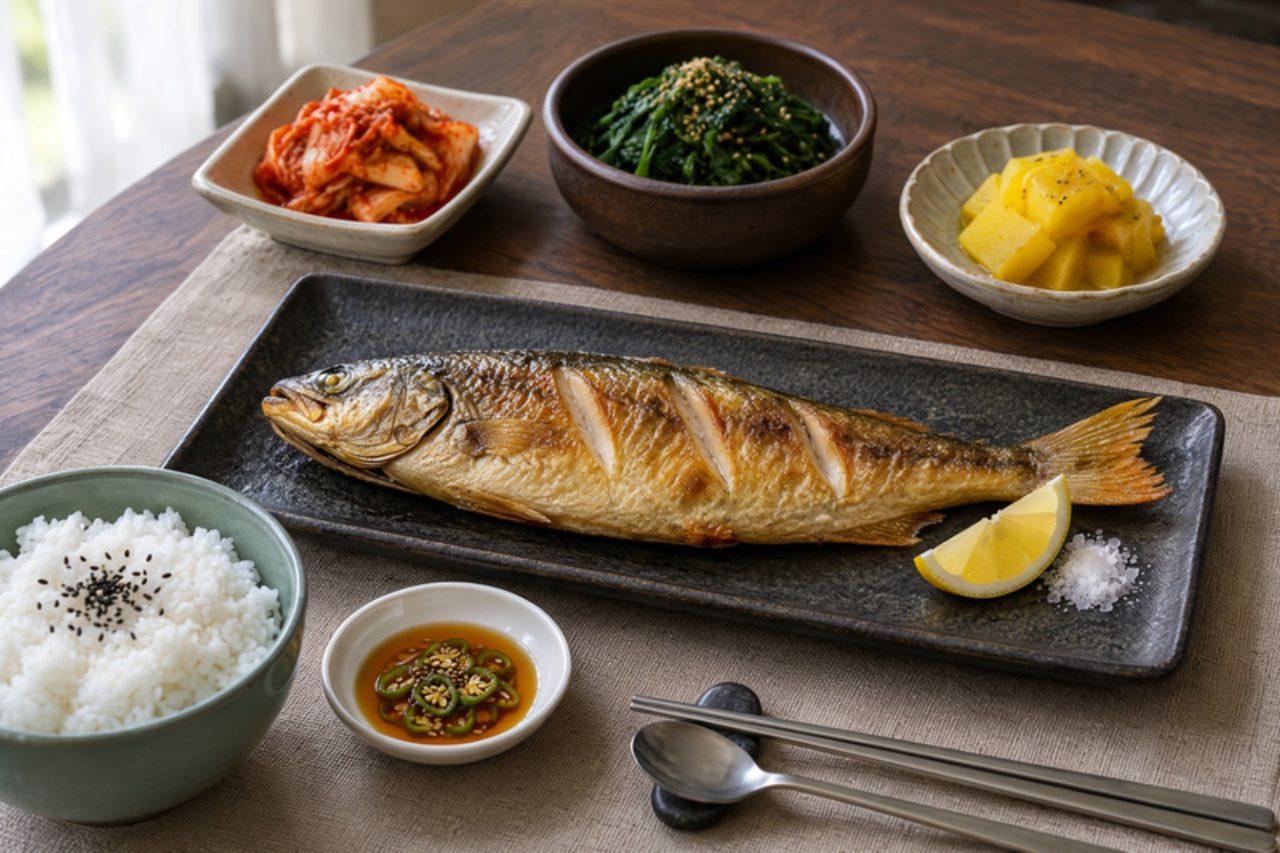
Jogi guiGrilled yellow croaker

Yellow croaker from Yeonggwang on Korea's west coast is so prized that dried gulbi are given as gifts at Chuseok, and a simply grilled or pan-roasted croaker is a classic of the family table and of ancestral memorial meals. The fish is salted, dried briefly and cooked whole until the skin crackles and the flesh comes away in sweet, moist flakes; you eat it with rice, kimchi and a few vegetable banchan. Suitable as part of a balanced diet: high in protein with no batter or flour. About 210 kcal and 1 g carbohydrate per portion. The usual mistake is turning the fish too early, so the skin tears and sticks; wait until it releases on its own. Small sea bream or red mullet work if you cannot find croaker. Chef's tip: pat the fish completely dry and leave it uncovered in the fridge for 30 minutes before cooking for the crispest skin.

25 minKoreanFishGluten free
by KrazyBadal 0 views

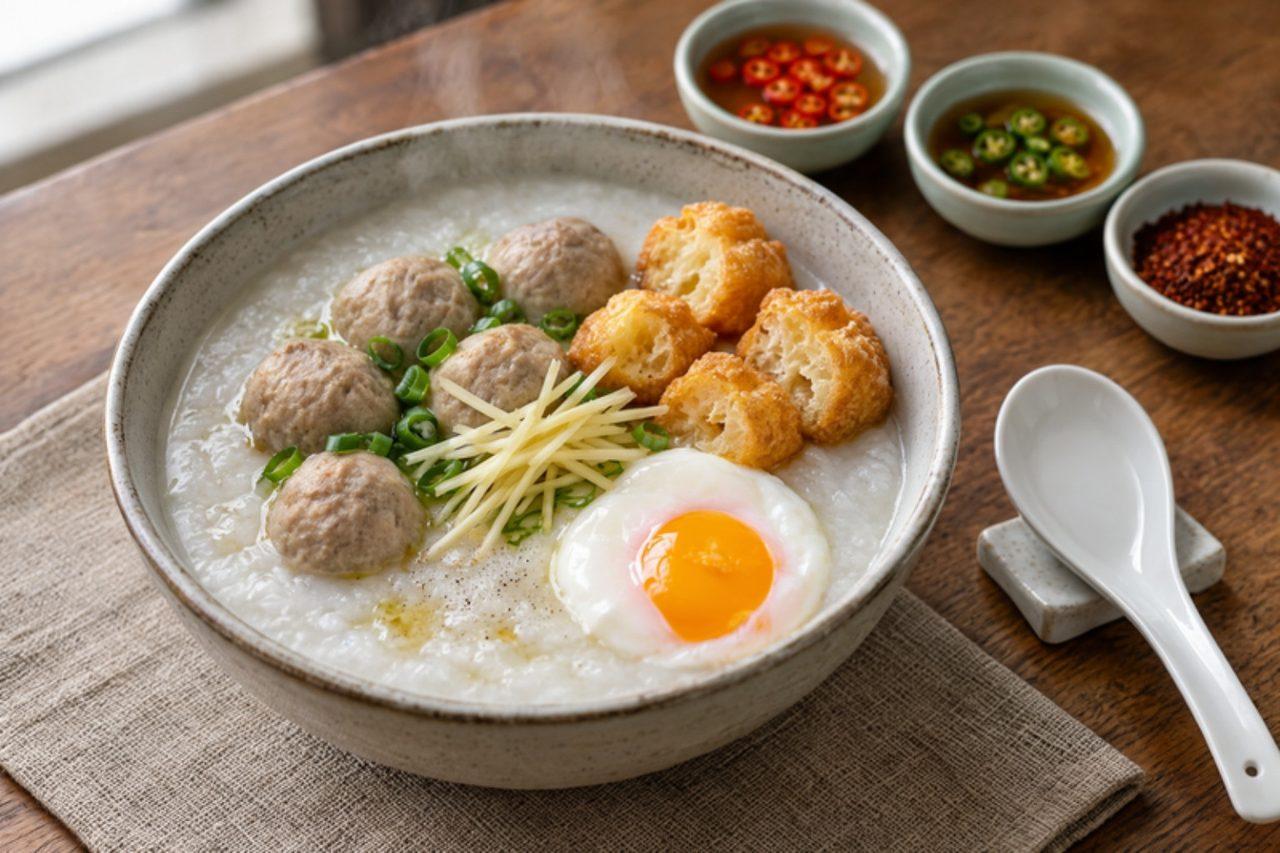
Jok mooRice porridge with pork balls

In Bangkok, jok is breakfast at a roadside stall or the market at 6 am: broken jasmine rice cooked until almost smooth, with tender pork balls, an egg cracked in at the last moment, and heaps of ginger, spring onion and crisp patongko or fried dough. Seasoning sits on the table, so everyone adds soy, white pepper and chilli vinegar to taste. For a meat-free bowl, swap the pork balls for shiitake mushrooms and cubes of silken tofu, and use soy instead of fish sauce. The common mistake is a thin, watery jok; keep simmering until it holds a soft ribbon. Chef's tip: whisk the cooked rice hard for a minute at the end; it breaks the last grains and makes the porridge creamy.

by KrazyBadal 0 views

Melon juice (cantaloupe drink)

Afternoon merienda across the Philippines means something cold from a plastic cooler at the school gate, a jeepney stop or a carinderia: sago't gulaman, buko juice or this melon drink, with ribbons of orange cantaloupe suspended in sweet water. Vendors scrape the melon with a special spiral shredder, a kayod ng melon, so you get thin strands to chew through a fat straw. It tastes fresh, sweet and gently musky, more refreshing than a smoothie because the water stays clear and light; some stalls add evaporated milk, but the plain version is the classic. The common mistake is using a melon that is not fully ripe, which gives pale, crunchy strands and a flat drink; choose one that smells sweet at the stem end and gives slightly when pressed there. Shred straight into the jug so the juice from the melon is not lost. It is ready when the strands are soft and floating, the water has turned faintly orange and it tastes of melon rather than plain syrup. Chef's tip: a box grater's coarse side or a fork scraped along the flesh both work if you don't own a melon shredder.

by KrazyBadal 0 views

Khai kataPan eggs with pork and sausage

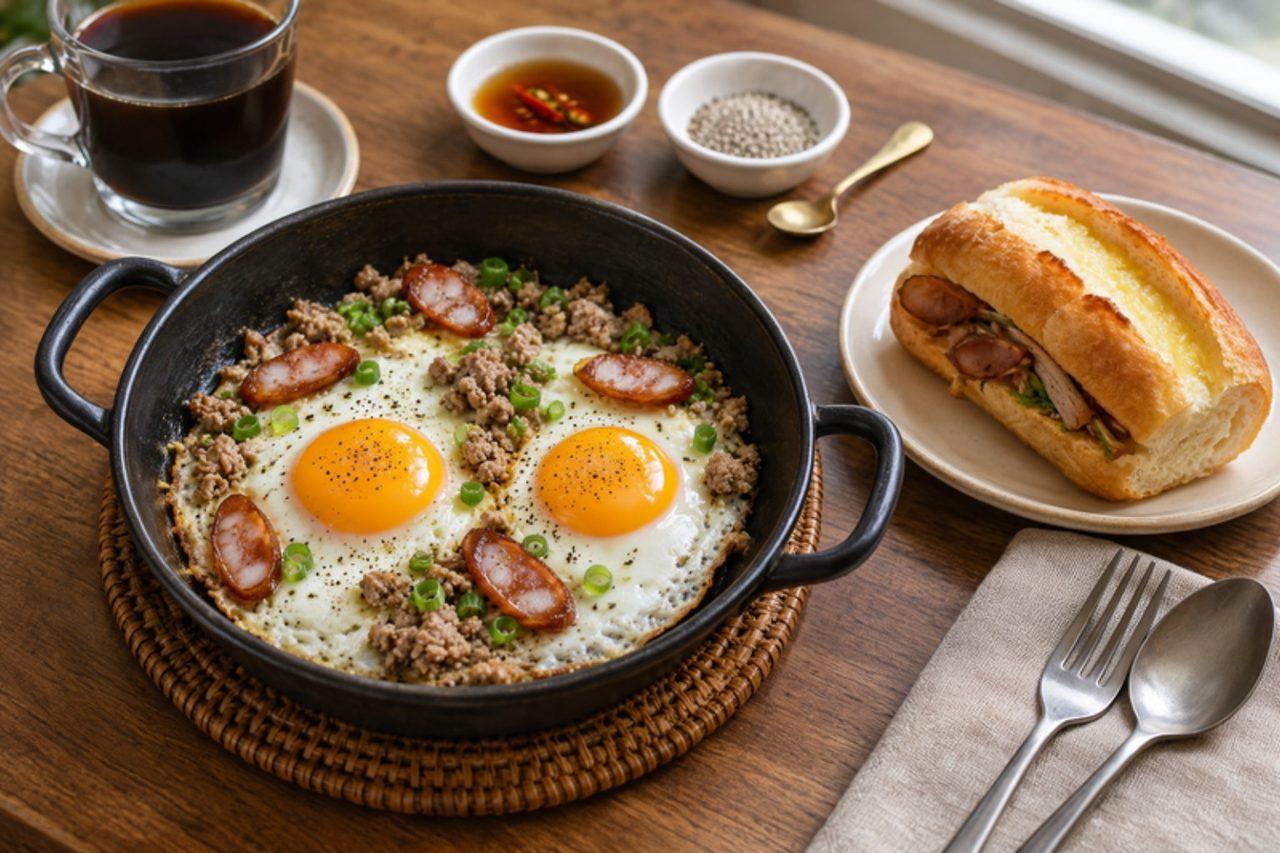
Khai kata, "pan eggs", came to Thailand through the Vietnamese communities of Isan, and in Udon Thani and Nong Khai, and now in Bangkok cafés too, it arrives sizzling in its own little metal pan with toppings of pork mince and sweet Chinese sausage, plus a crusty roll and a strong coffee. The eggs are cooked just until the whites set. The common mistake is cracking the eggs onto raw mince; cook the pork through first, then add the eggs. Chef's tip: heat the pan before the eggs go in, so the whites set at the edges with lacy, crisp frills.

by KrazyBadal 0 views

Jugo surtidoMixed fruit juice

Step up to any juguería in Lima's Mercado de Surquillo or a barrio market at breakfast time and order a surtido: the juicer drops papaya, banana, pineapple and freshly squeezed orange into a tall blender, sometimes a slice of cooked beetroot for colour or a splash of milk, and pours you a big glass with the rest left in the jug for your 'yapa', the free refill. It is thick but still pourable, sweet from ripe fruit with a sharp orange edge, the kind of drink that stands in for breakfast before a long day. The common mistake is adding lots of ice and water, which makes it thin and frothy rather than velvety. Use cold fruit and freshly squeezed orange juice as the liquid. It is ready when it coats the glass and no lumps of banana are left. This version is fruit only; stalls also make it with milk if you prefer. Drink it straight away: papaya and banana go brown and bitter within half an hour. Chef's tip: use very ripe papaya with orange flesh; under-ripe papaya tastes of nothing and gives a faintly bitter aftertaste.

by KrazyBadal 0 views

CancatoSalmon with cheese and tomato

Cancato belongs to Chiloé and the lakes around Puerto Montt, where salmon is everyday food: a whole fillet is opened like a book, stuffed with melting cheese, tomato, onion and slices of longaniza (a pork sausage like chorizo), then wrapped and cooked over embers or in the oven. It is party food, cut at the table. The common mistake is putting raw sausage inside: it won't cook through before the salmon dries out. Fry it first. Chef's tip: wrap the parcel in foil with the seam on top and open it for the last 5 minutes, so the cheese browns while the salmon stays juicy.

by KrazyBadal 0 views

Beli mal (bael flower tea)

Beli mal is the herbal tea almost every Sri Lankan grandmother keeps in a tin. The small white flowers of the bael tree, the sacred tree found around temples and village gardens, are dried in the sun and brewed into a fragrant, amber drink that tastes softly floral, slightly fruity and a little bitter, a bit like a lighter chamomile. It is drunk in the morning or in the evening instead of black tea, offered at almsgivings and alongside kevum and kokis at Avurudu, and is traditionally taken after rich food to help digestion. Coriander seeds and a slice of ginger are a common addition at home. The custom is to sip it hot with a small piece of kithul jaggery held in the mouth, or stirred in. The common mistake is boiling the flowers fast for a long time: the tea turns dark and unpleasantly bitter. Simmer gently for a few minutes and then let it steep off the heat. It is ready when the tea is clear amber and smells sweet and flowery. It is caffeine-free, but bael may lower blood sugar, so check with a doctor if you take diabetes medication or are pregnant. Chef's tip: buy flowers that look pale cream; dark brown, crumbly ones are old.

by KrazyBadal 0 views

Satay beef instant noodles

In Hong Kong's cha chaan teng diners, the morning set often means a bowl of instant noodles in clear broth topped with tender beef in a sweet, peanutty satay sauce, eaten with a buttered bun and a cup of milk tea. Restaurants use a jarred Chinese satay paste; this quick home sauce gets close with peanut butter and curry powder. The usual mistake is putting cold beef in a crowded pan, which makes it stew grey; fry it hot and fast in one layer. Chef's tip: a pinch of bicarbonate of soda in the marinade makes the beef silky and tender, the cha chaan teng way.

by KrazyBadal 0 views

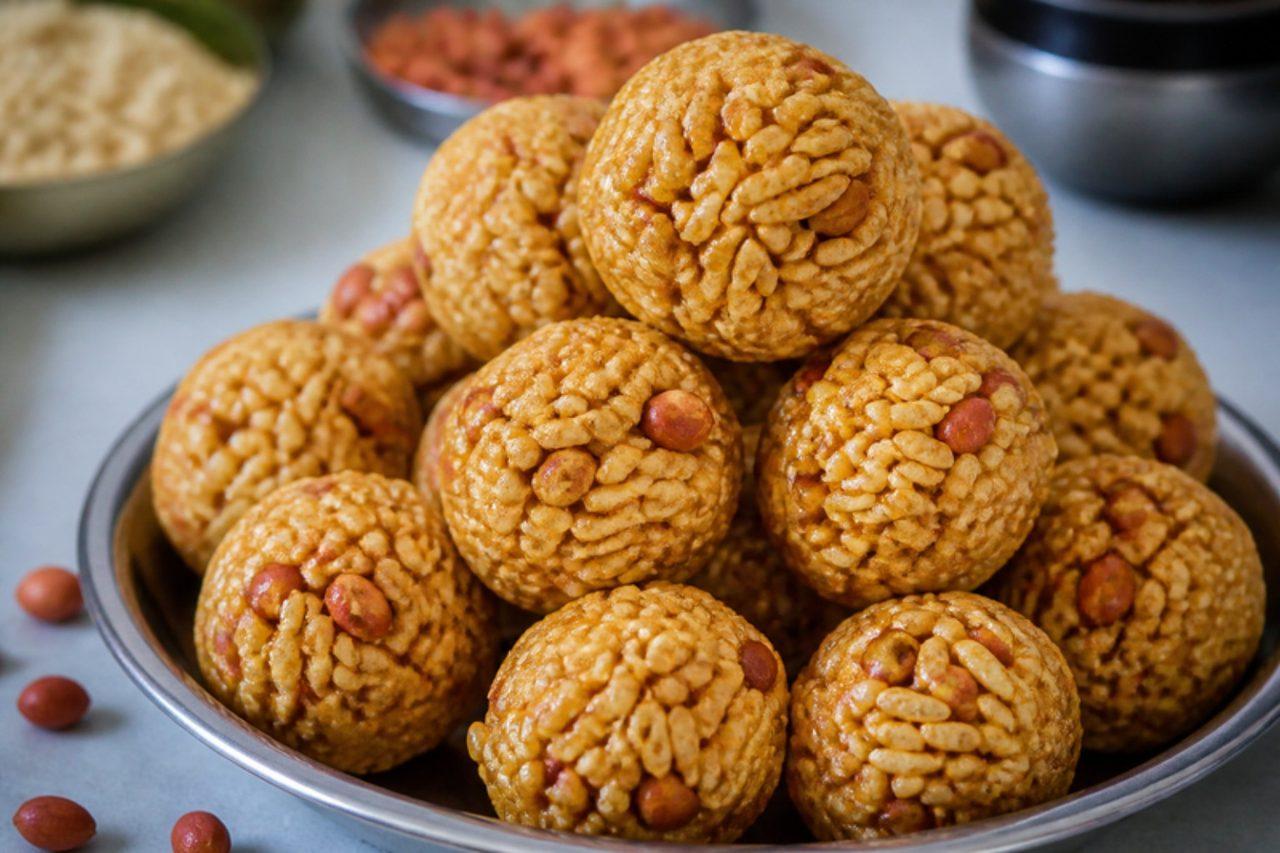
KabokPuffed rice and sesame balls

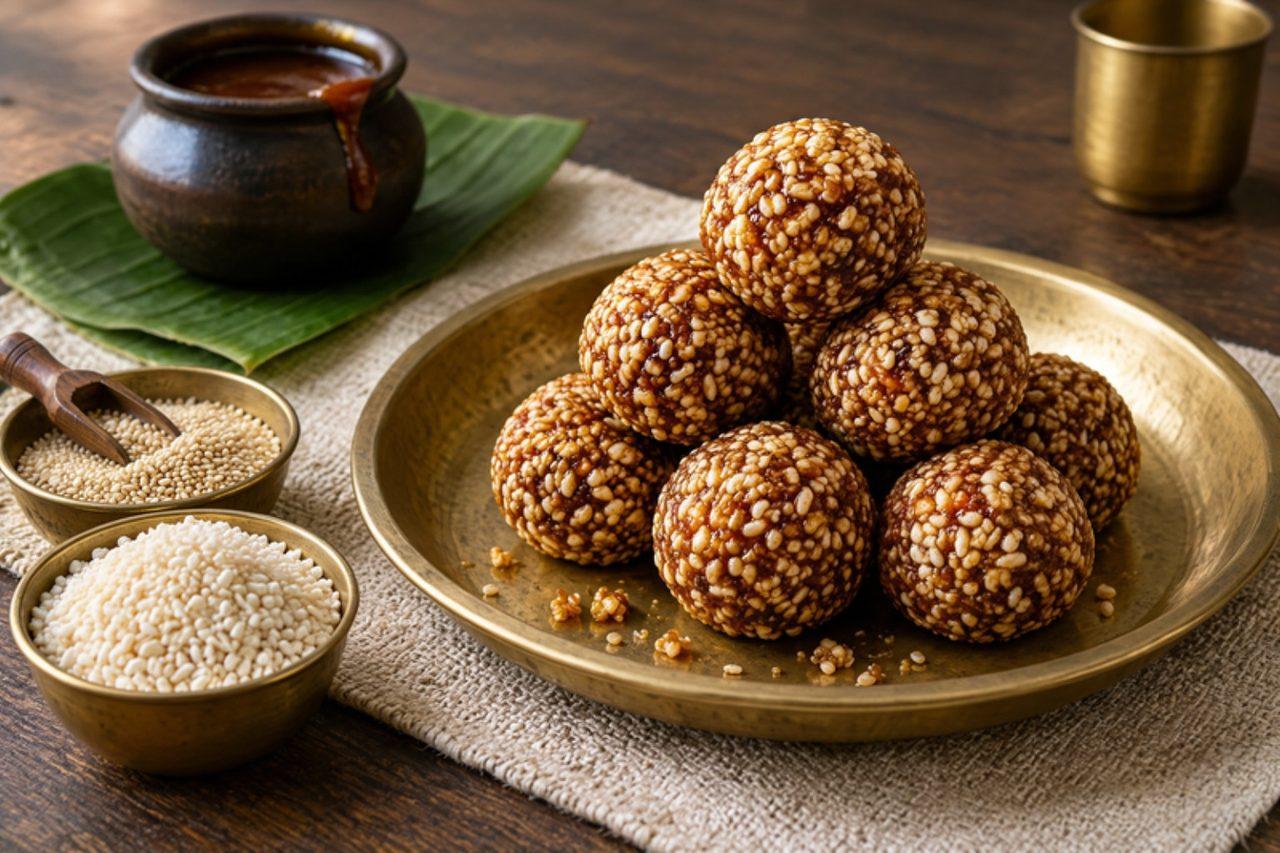
Kabok are crunchy balls of puffed rice and sesame bound with hot jaggery syrup, made in Meitei homes for Yaoshang, Cheiraoba and temple offerings. Black puffed rice is used in some villages, giving dark, toasty kabok. The key is the syrup: cook it to the hard-ball stage, when a drop in cold water sets into a firm ball, or the balls will fall apart. The common mistake is shaping with dry hands; wet them so the hot mixture doesn't stick or burn. Chef's tip: warm the puffed rice in the oven for a few minutes first so it stays crisp.

by KrazyBadal 0 views

Chagem pombaMustard greens and fermented soybean

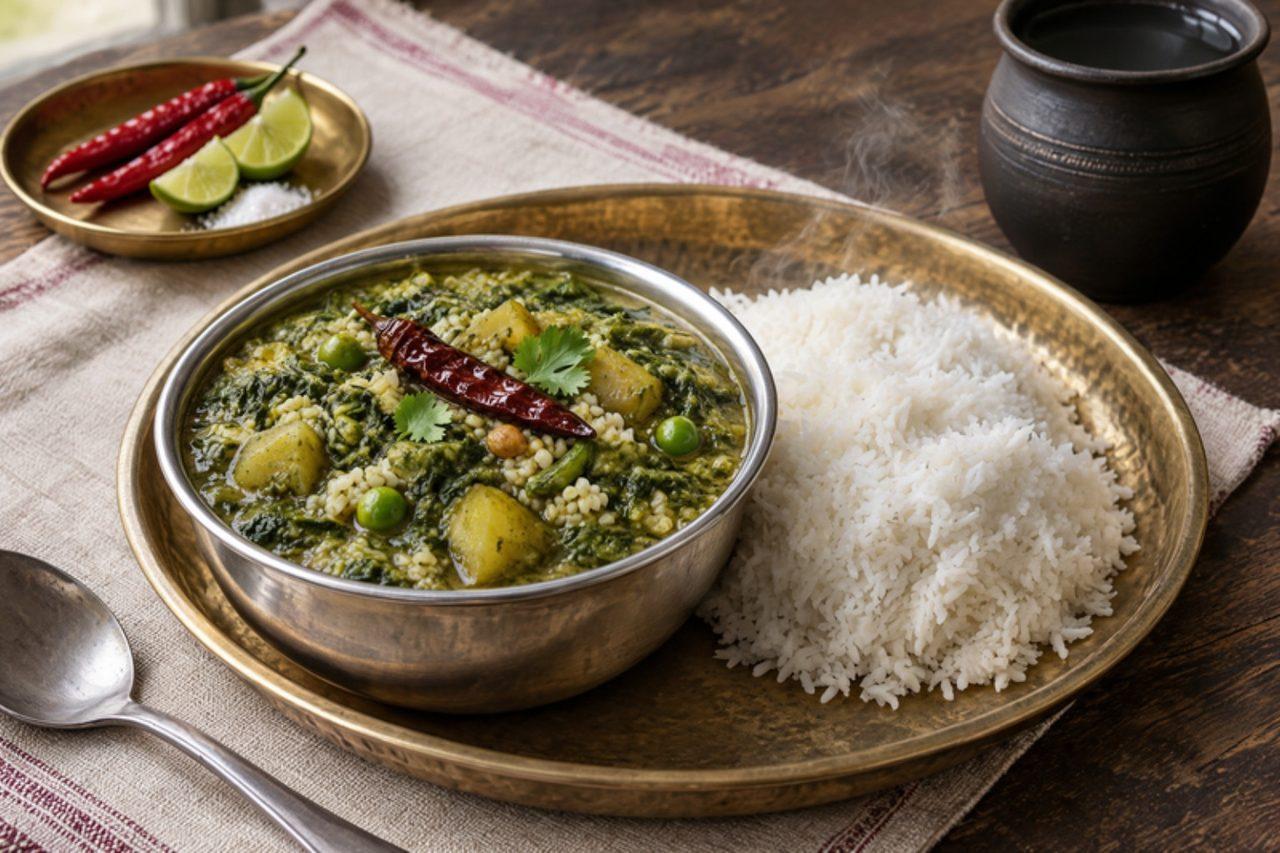
Chagem pomba is a thick Meitei stew of mustard leaves and seasonal vegetables, bound with rice flour and flavoured with hawaijar, Manipur's sticky fermented soybean; it is cooked especially for Ningol Chakouba and family gatherings, and eaten with rice. To make hawaijar, keep boiled, drained soybeans wrapped in leaves at 30–40 °C for 3 days until stringy and pungent; discard if black, green or pink mould appears or it smells rotten. The mistake is adding dry rice flour straight to the pot, which forms lumps: whisk it into water first. Chef's tip: bought natto or kinema replaces hawaijar well.

by KrazyBadal 0 views

Mangai sadam (raw mango rice)

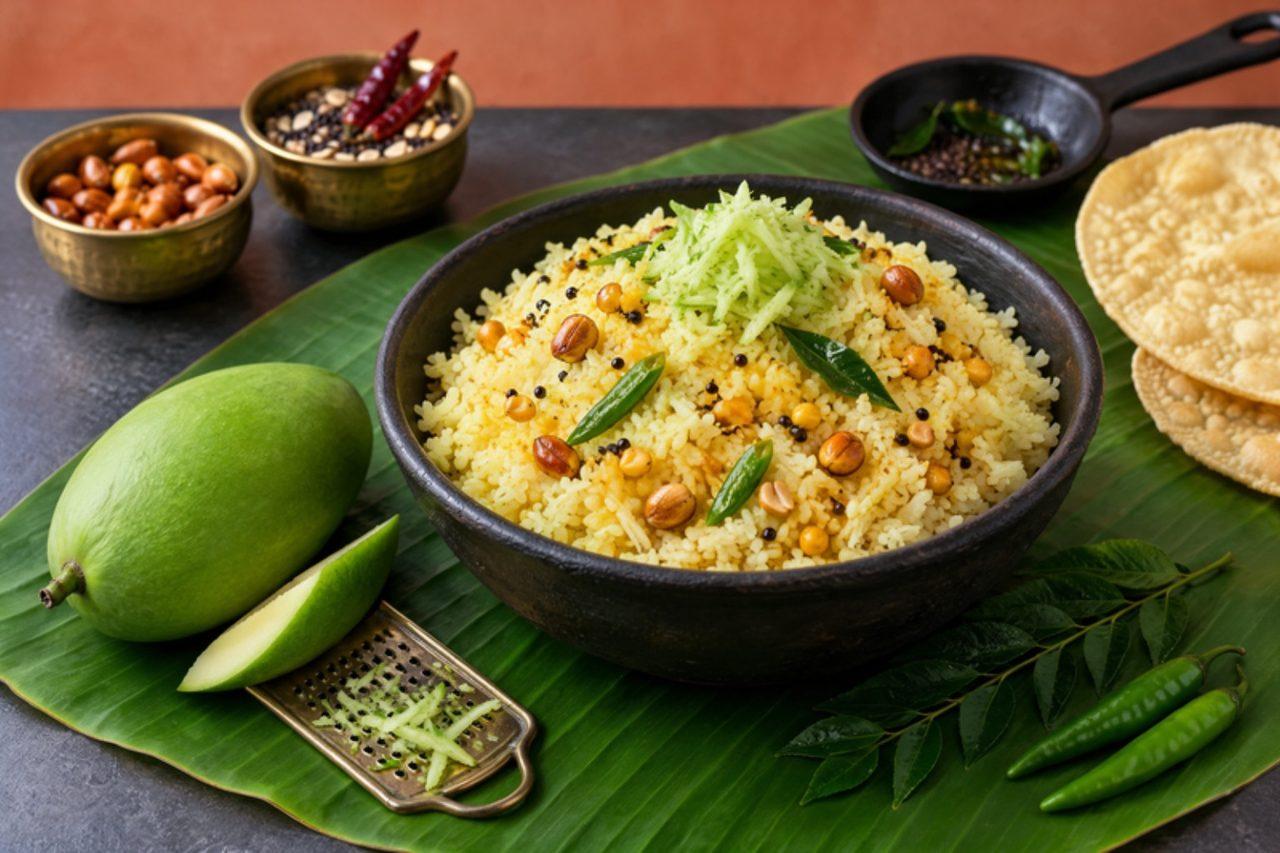
When hard green mangoes pile up at the markets of Tamil Nadu in April and May, school lunch boxes fill with mangai sadam, sour and fresh like lemon rice but with a fruitier bite. Grated raw mango is cooked only briefly in a mustard, chana dal and curry leaf tempering so it softens but keeps its tang. The mistake is overcooking the mango into mush, which makes the rice sticky; two or three minutes is enough. Chef's tip: taste the mango first. A very sour one needs a pinch of sugar, and a half-ripe one needs a squeeze of lemon at the end.

by KrazyBadal 0 views

Shepu bhaji (dill and moong dal)

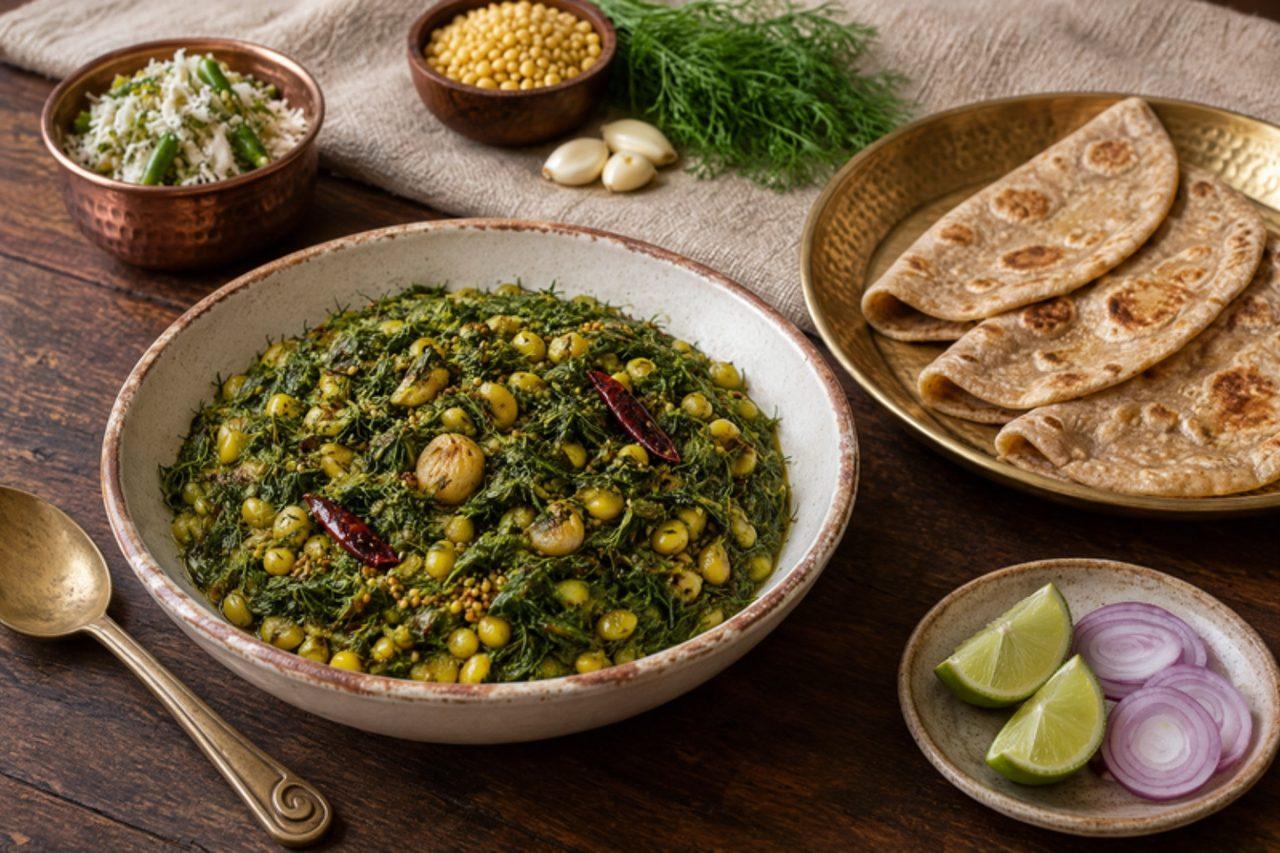
In Pune and the villages of western Maharashtra, bunches of shepu (dill) come to market in winter, and this dry bhaji of dill and soaked yellow moong dal is packed with bhakri or chapati in the lunch dabba. The dill wilts down to a soft, aromatic tangle, and the moong dal gives it body and a little protein. The mistake is adding water: the leaves release plenty of their own, and extra liquid makes the bhaji stew and lose its fresh, sharp smell. Chef's tip: soak the moong dal for at least 30 minutes beforehand, so it cooks through in the dill's own steam without turning mushy.

by KrazyBadal 0 views

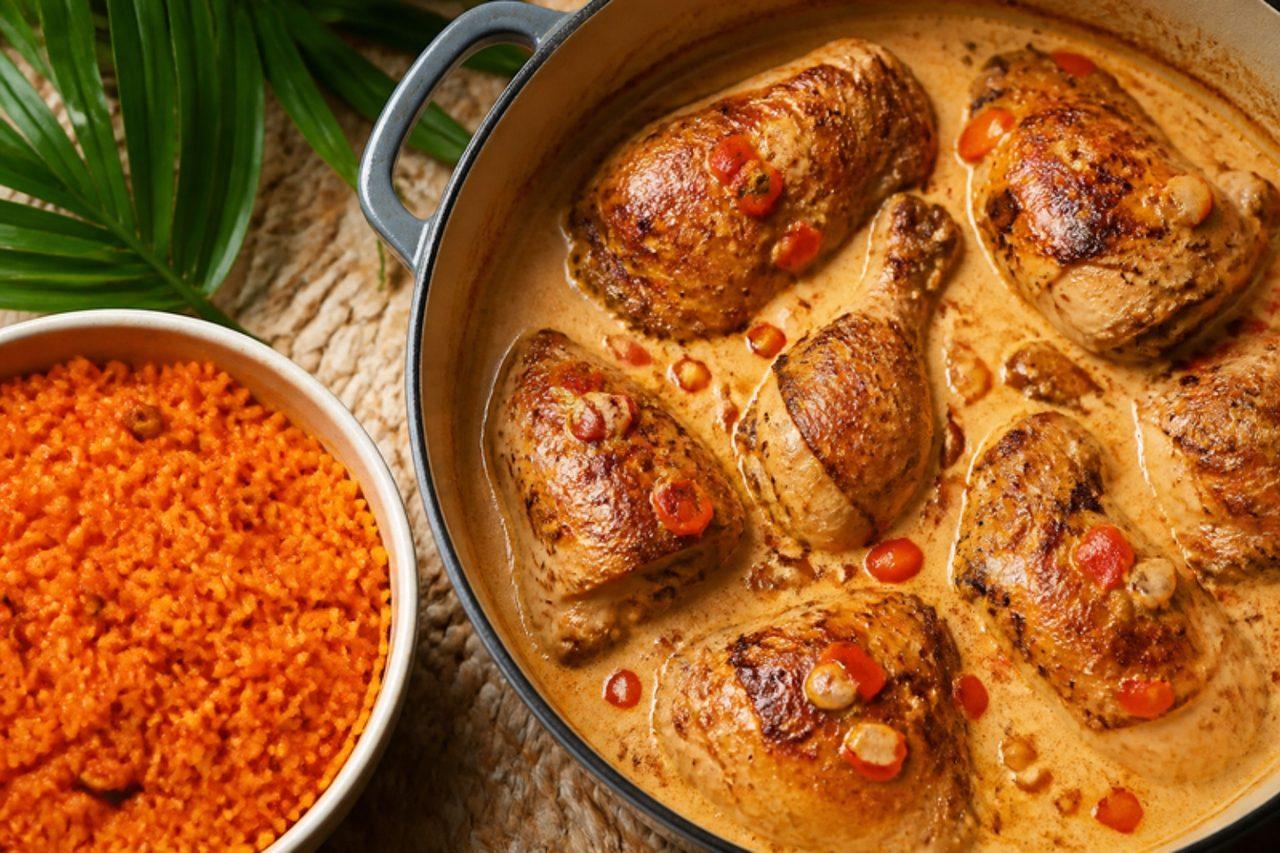
Kådon pikaChicken in coconut milk with chilli

Kådon pika is a fiery Chamorro chicken stew from Guam, cooked for family dinners and fiestas: chicken is simmered with soy sauce, vinegar, garlic and onion, then finished in coconut milk with plenty of hot donne' peppers. It shares roots with Filipino adobo but the coconut milk and heat make it its own. Serve with red rice. A common mistake is boiling the coconut milk hard; it can split and go oily. Chef's tip: let the vinegar boil for a minute uncovered before adding the coconut milk, which mellows its sharpness.

by KrazyBadal 0 views

Chintha chiguru pappuDal with young tamarind leaves

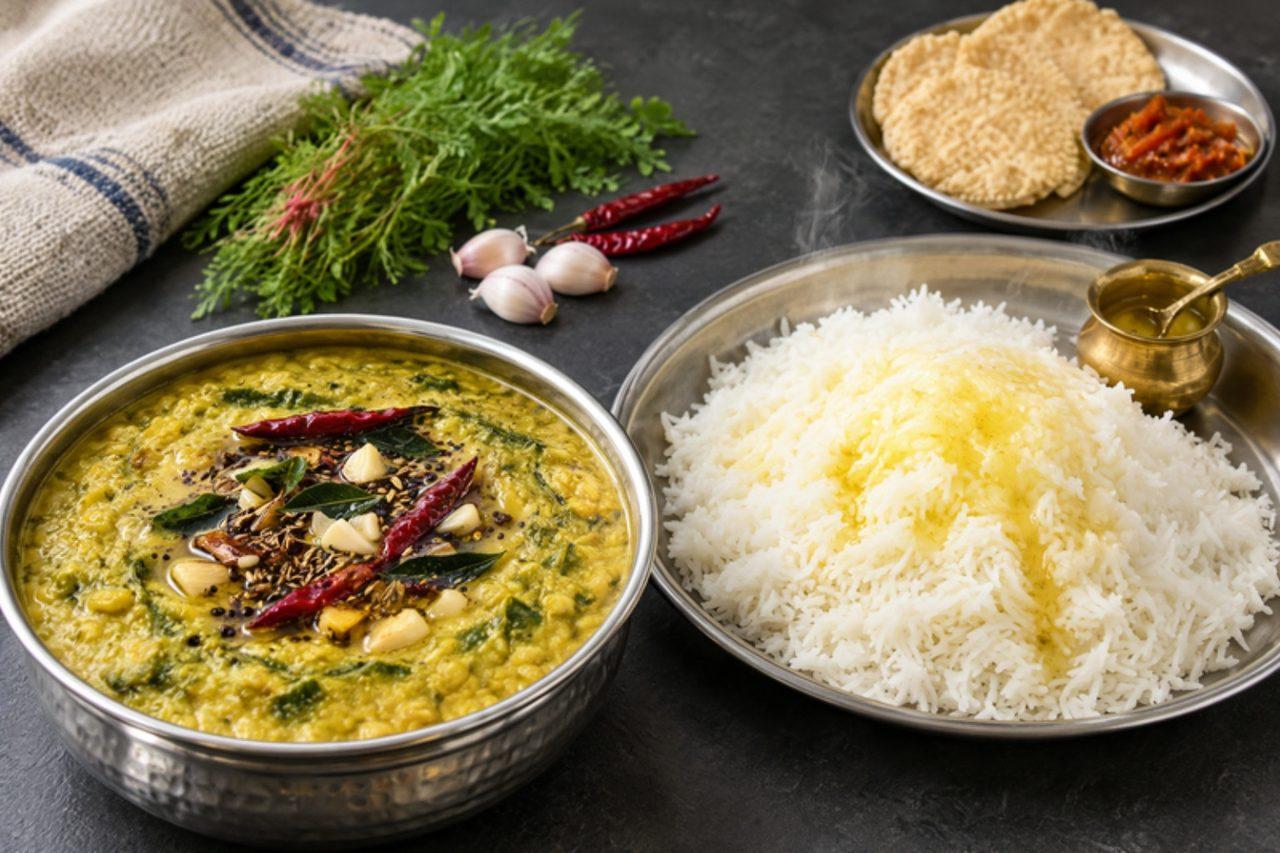
Every spring the tamarind trees of Telangana put out soft, coppery new leaves, chintha chiguru, and housewives in Hyderabad and the districts strip them by the handful for a few weeks of this pleasantly sour dal. The leaves give the tang that tamarind pulp gives the rest of the year, and the pappu is eaten with hot rice, ghee and a crisp papad. The common mistake is adding all the leaves at the start; they lose their fresh sourness, so stir half in near the end. Chef's tip: if tamarind shoots are out of reach, use a mix of sorrel and a teaspoon of tamarind paste.

by KrazyBadal 0 views

Lal mathachi bhaji (red amaranth stir-fry)

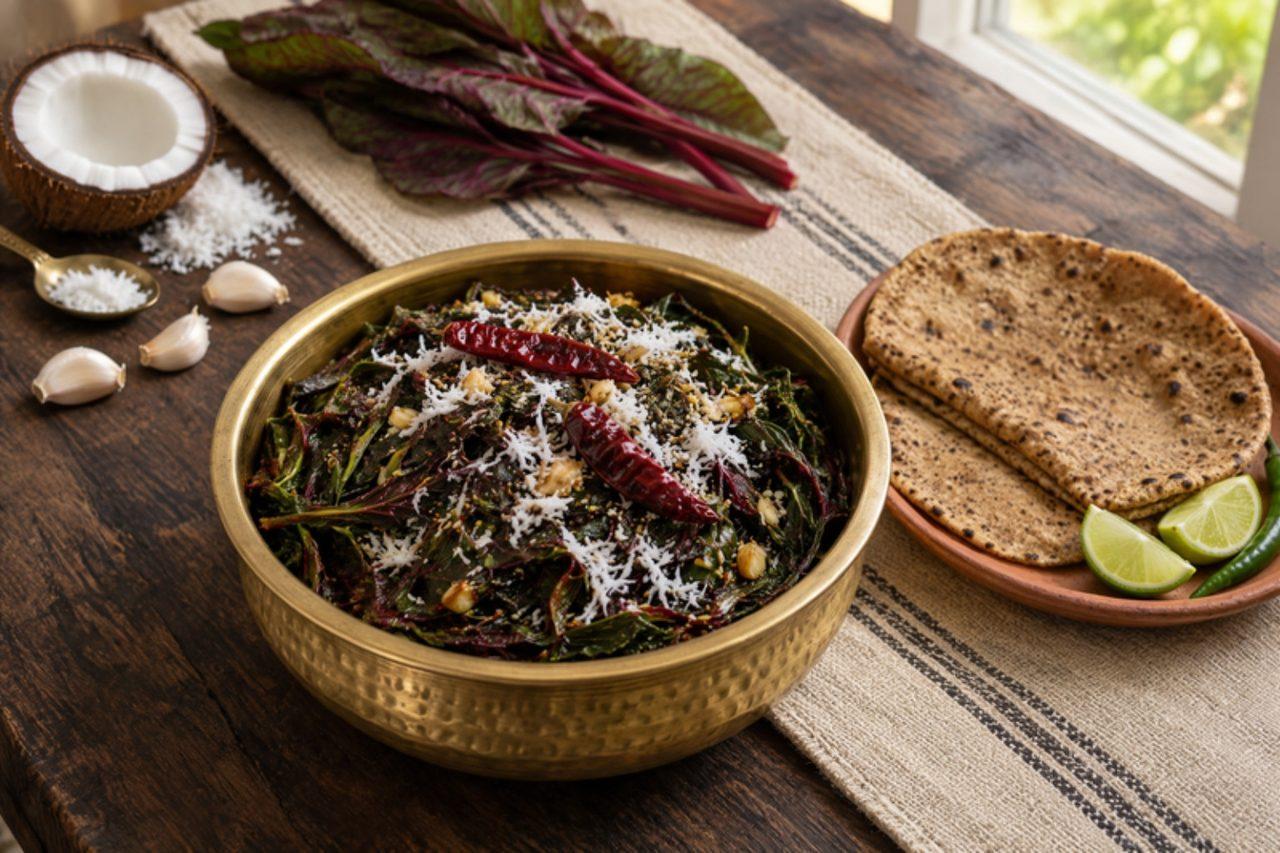
In Mumbai and the Konkan, bunches of red math (amaranth) with their magenta stems come in during the monsoon, and this quick garlicky bhaji turns the dabba's chapatis pink at the edges. It is cooked fast in a hot pan so the leaves stay bright, then finished with a little fresh coconut, the coastal touch that sets it apart from the Bengali way with the same leaf. The mistake is cooking it covered for a long time, which turns it grey and watery. Chef's tip: chop the tender stems finely and cook them for a minute before the leaves go in, so everything is done at the same moment.

by KrazyBadal 0 views

ÆggemadEgg and tomato rye sandwich

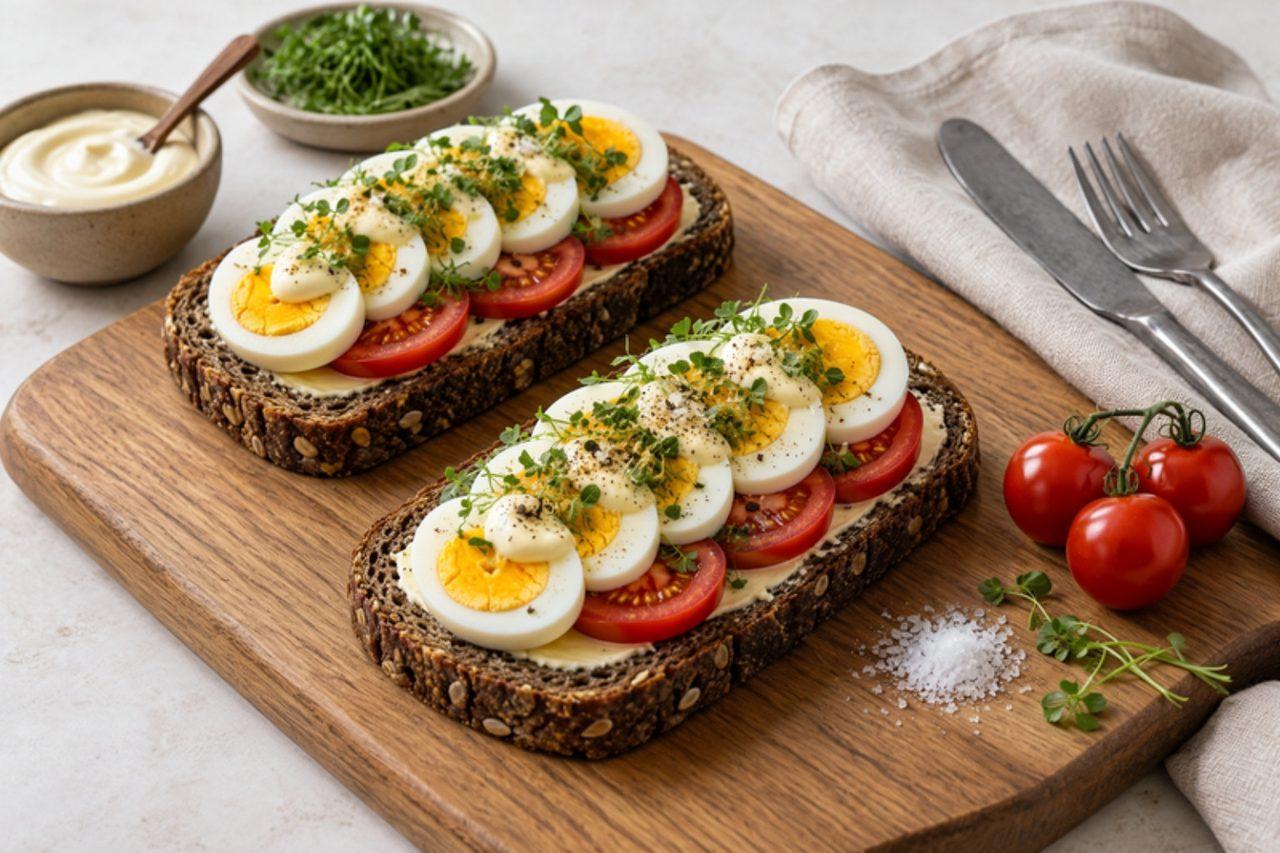
The Danish madpakke (packed lunch) is a stack of rugbrød slices, each with its own pålæg, and æggemad is the one that shows up in every family's box: dense rye, a smear of butter or mayonnaise, rounds of hard-boiled egg and tomato, and a tuft of cress. In the box, the slices are separated by baking paper so the toppings don't smudge. The common mistake is undercooking the eggs, so the yolk smears and the slices fall apart; for lunchboxes, the yolk must be fully set. Chef's tip: slice the egg with an egg slicer or a wet knife once it is completely cold, and the rounds stay neat.

by KrazyBadal 0 views

Kale chane ka salanBlack chickpea curry

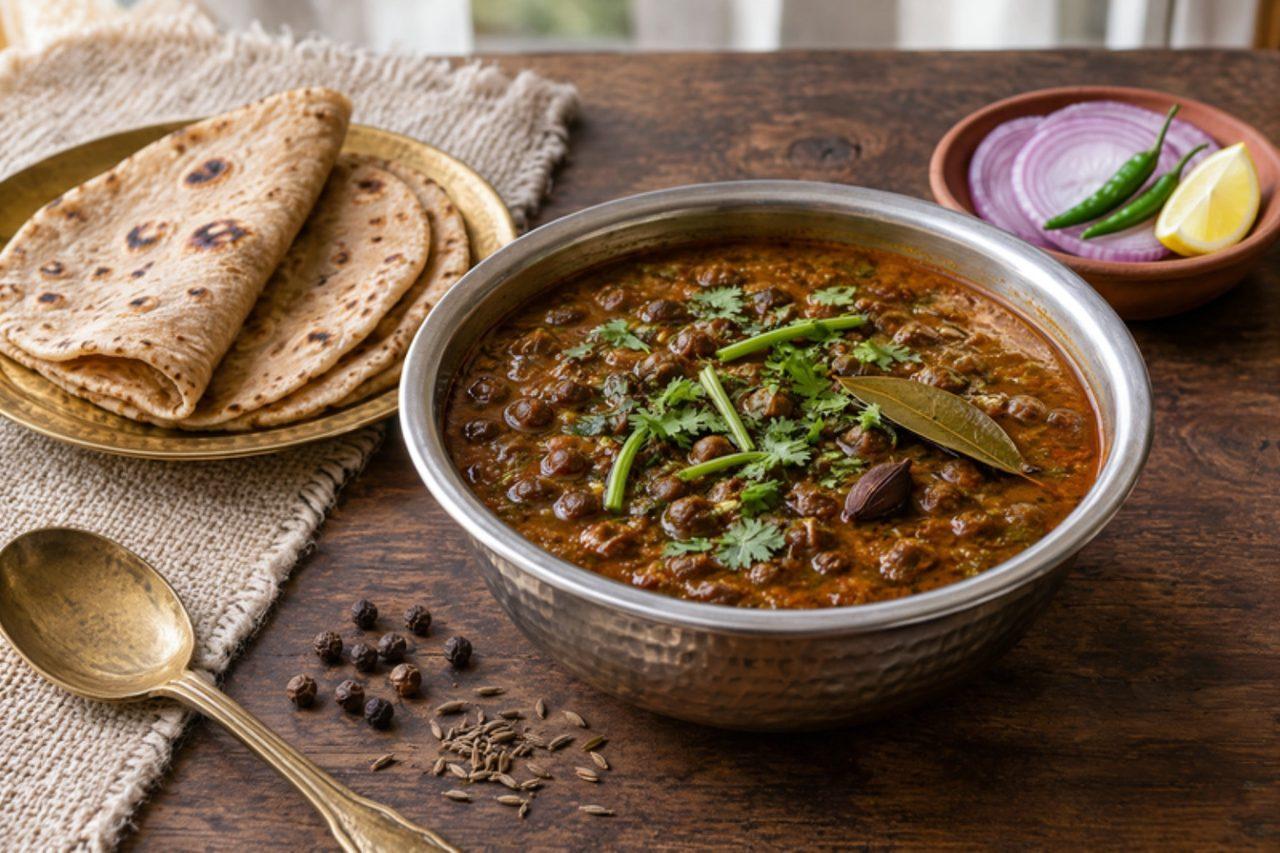
Across Pakistani Punjab, from Faisalabad homes to roadside tandoors near Gujranwala, black chickpeas in a thin, peppery gravy are winter food and a Friday staple, eaten with fresh roti or rice. The small brown chana keep their bite and give a nutty, earthy broth flavoured with cinnamon, black cardamom, cloves and bay. It is cooked in one pot, on the stove or in a slow cooker, and tastes even better the next day. The usual mistake is skipping the overnight soak: unsoaked black chana stay hard however long you cook them. Chef's tip: mash a ladleful of the cooked chana against the side of the pot at the end; it thickens the gravy without any flour.

by KrazyBadal 0 views

Empanadas de vientoFried cheese empanadas

In Quito cafés and markets, empanadas de viento ("wind empanadas") are fried to order: big, thin pastries stuffed with crumbled fresh cheese and onion that puff up like balloons in the hot oil, then get a generous shower of sugar. Ecuadorians eat them for breakfast or afternoon cafecito with coffee or a mug of colada morada. The salty-sweet contrast is the point. The common mistake is overfilling; too much cheese stops them puffing and makes them burst. Some queso fresco is made with animal rennet; choose a vegetarian one made with microbial rennet. Chef's tip: roll the dough very thin, under 2 mm, and press the edges firmly; that's what traps the steam and makes the "wind".

by KrazyBadal 0 views

UmleqwaSlow-stewed chicken

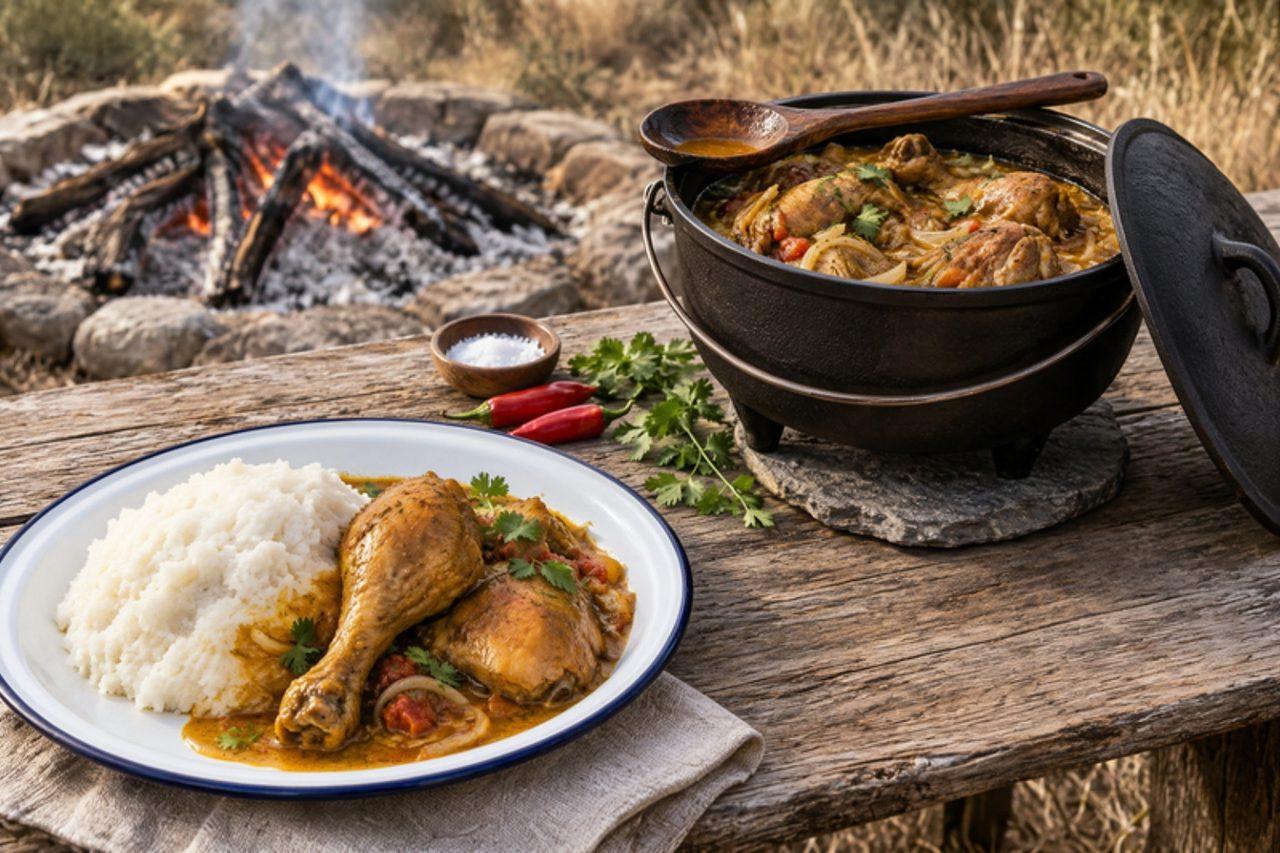
Umleqwa is the free-range village chicken of the Eastern Cape and KwaZulu-Natal, cooked for family gatherings, homecomings and Sunday lunch. These birds run free and have firm, flavourful meat that needs long, slow simmering, so the pot bubbles for an hour or two with onion, tomato, garlic, ginger and curry powder until the meat is tender and the gravy rich. It is eaten with pap, dumplings (ujeqe) or rice. The usual mistake is cooking a supermarket chicken for as long; it will fall to shreds, so cook it for about 45 minutes instead. Chef's tip: brown the chicken skin well before adding liquid, because the rendered fat carries the flavour of the gravy.

by KrazyBadal 0 views

Malai cha (cream tea)

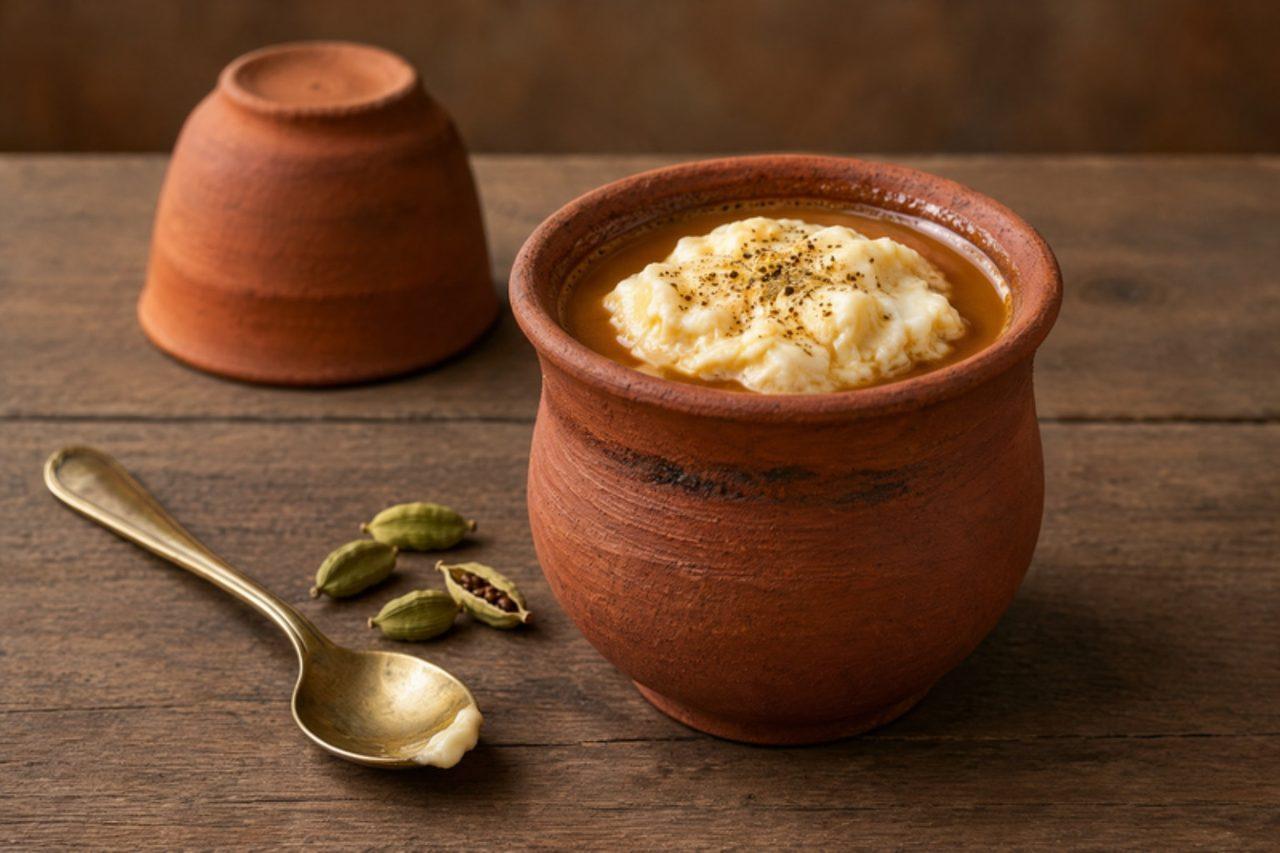
In Bogura, the town famous for its sweet doi, and in the lanes of Old Dhaka around Nazira Bazar, tea stalls keep a wide karai of milk barely simmering all evening. Layers of skin build up on top; the tea-maker lifts them off as malai and lays a thick spoonful on every cup of strong, sweet milk tea, poured into small unglazed clay bhar that give the tea a faint earthy smell. People stand around after maghrib prayers or late at night, sipping through the cream and finally eating it with a finger. The tea is malty and syrupy-sweet; the malai is soft, rich and slightly caramelised. The usual mistake is boiling the milk hard: a rolling boil breaks the skin into flakes and you never get a thick sheet. Keep it at a lazy shiver and lift the skin every 5 minutes. The tea is ready when it is the colour of milky caramel and coats the back of a spoon; the malai is ready when it lifts off as a wrinkled, leathery sheet. Strong CTC tea makes this fairly caffeinated. Chef's tip: soak clay cups in water for ten minutes first, so they don't drink up the tea or smell dusty.

by KrazyBadal 0 views

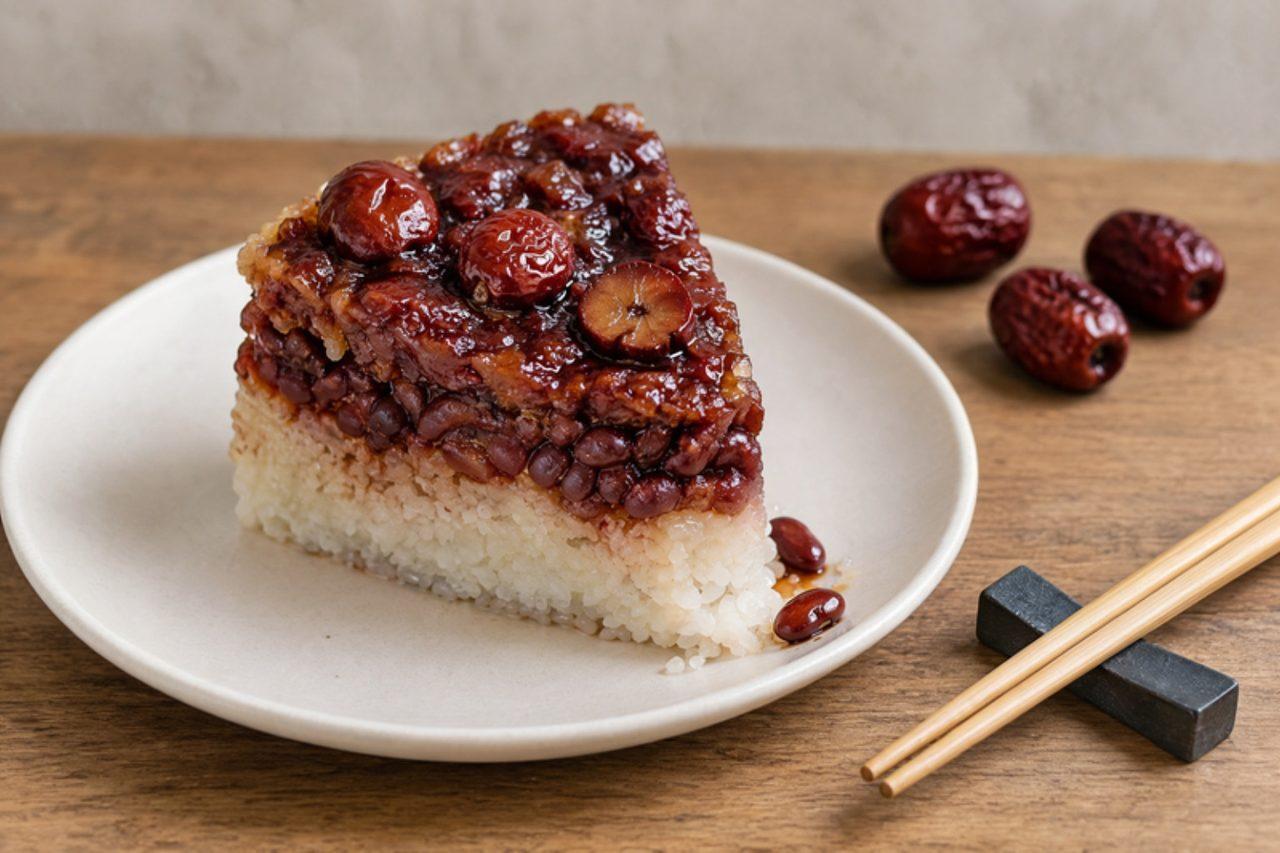
Jing gao (Xi'an steamed sticky rice and date cake)

Before the shops of Xi'an's Muslim Quarter open, vendors on Beiyuanmen and Sajinqiao lift the lids of huge iron zeng pots and carve out jing gao, a dense breakfast of glutinous rice, red dates and kidney beans steamed so long that the dates melt into a jammy layer. It is scooped onto paper plates with a flat spade and eaten hot, often with a sprinkle of sugar, by workers on their way in. The home version steams in a heatproof bowl and needs time rather than skill. The rice turns glossy and chewy, the dates taste of toffee and the beans give a soft, earthy bite. Chef's tip: lay the dates as the bottom and top layers, because their sugar is what colours and flavours the rice as it steams.

by KrazyBadal 0 views

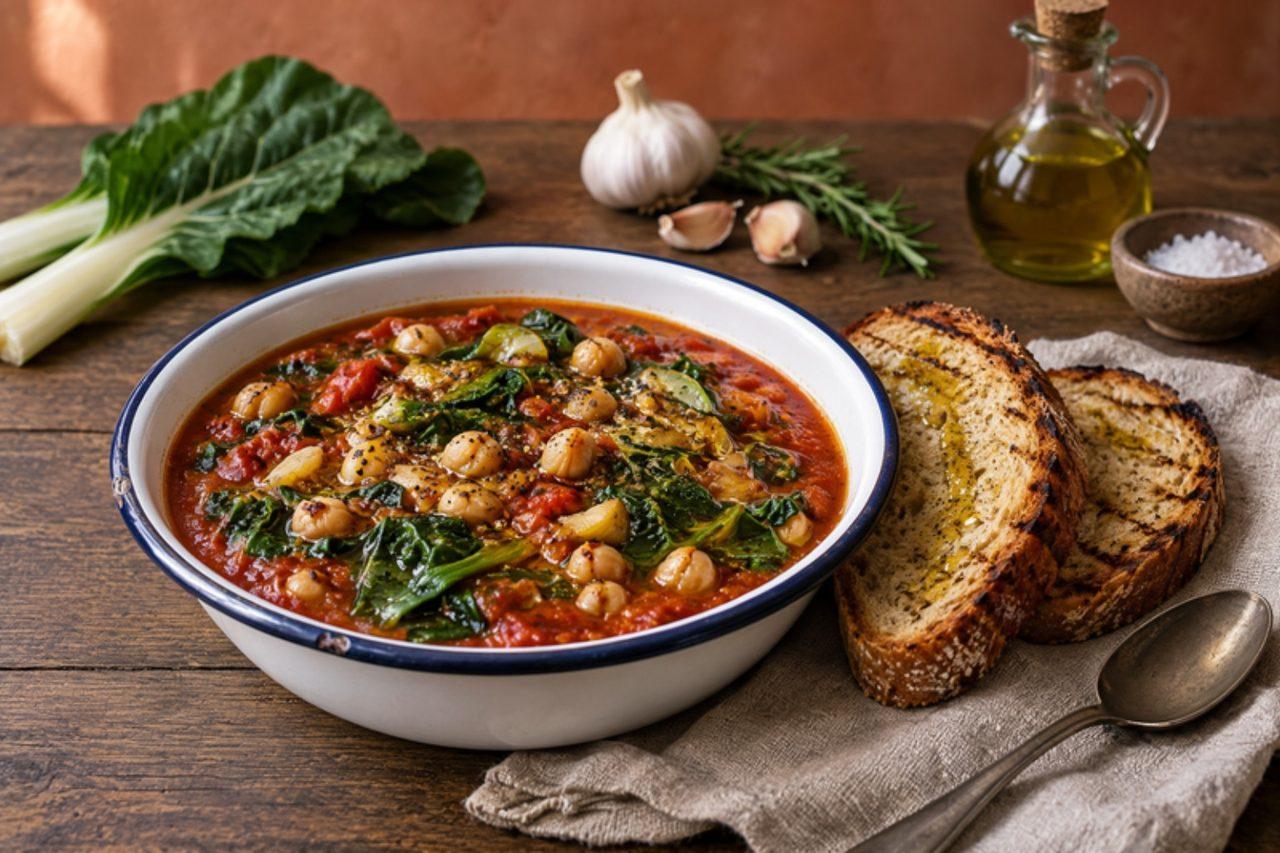
Ceci in ziminoChickpeas stewed with chard

In Genoa and along the Tuscan coast, ceci in zimino is the dish of Lenten Fridays and the first cold days of All Souls in November, when the household cooks a big pot of chickpeas and stews them with chard and a little tomato. The chickpeas turn creamy, the chard gives a gently bitter green sauce, and a spoon of good oil on top makes it taste of the Riviera. Serve it as a main dish with toasted wholegrain bread. Suitable as part of a balanced diet, it is high in fibre and plant protein: about 300 kcal and 32 g carbohydrate per portion. The usual mistake is adding the chard leaves too early so they turn brown; keep them for the last 10 minutes. Chef's tip: mash a ladleful of chickpeas with a fork and stir them back in to thicken the zimino naturally.

by KrazyBadal 0 views

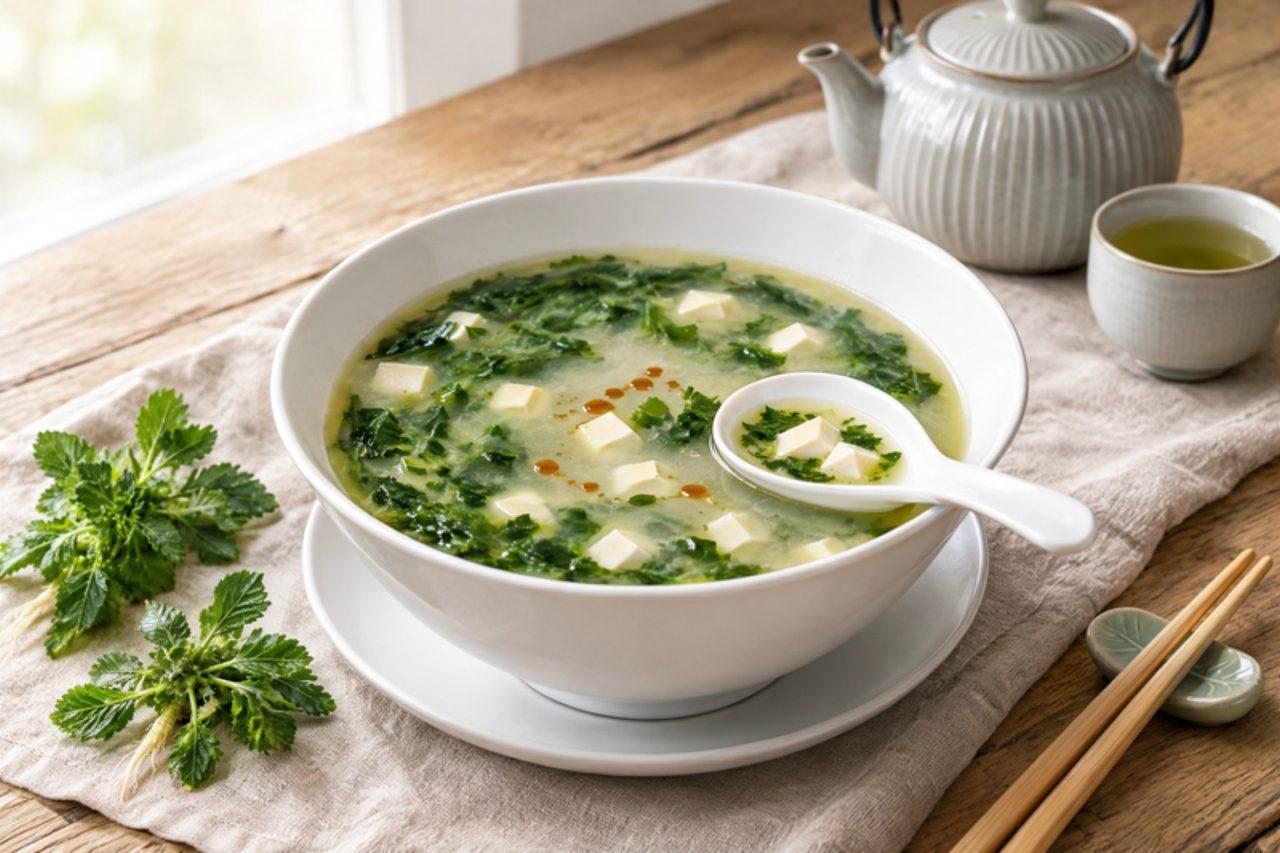
Jicai doufu gengShepherd's purse and tofu soup

In Shanghai and Jiangsu, shepherd's purse (jicai) is picked from field edges in early spring, and this gentle, lightly thickened soup is one of the first dishes of the season at home and in Shanghainese restaurants. Finely chopped greens and small cubes of soft tofu are simmered in vegetable stock with a few shiitake, then thickened just enough to coat a spoon, giving a soothing, savoury soup with a fresh, grassy taste. Serve it as a starter or with a small bowl of rice. It is suitable as part of a balanced diet. About 110 kcal and 7 g carbohydrate per portion. The usual mistake is adding too much starch, which makes it gluey; it should flow off the spoon. Spinach works if you can't find jicai. Chef's tip: blanch and squeeze the greens before chopping, which keeps the soup bright green instead of murky.

by KrazyBadal 0 views

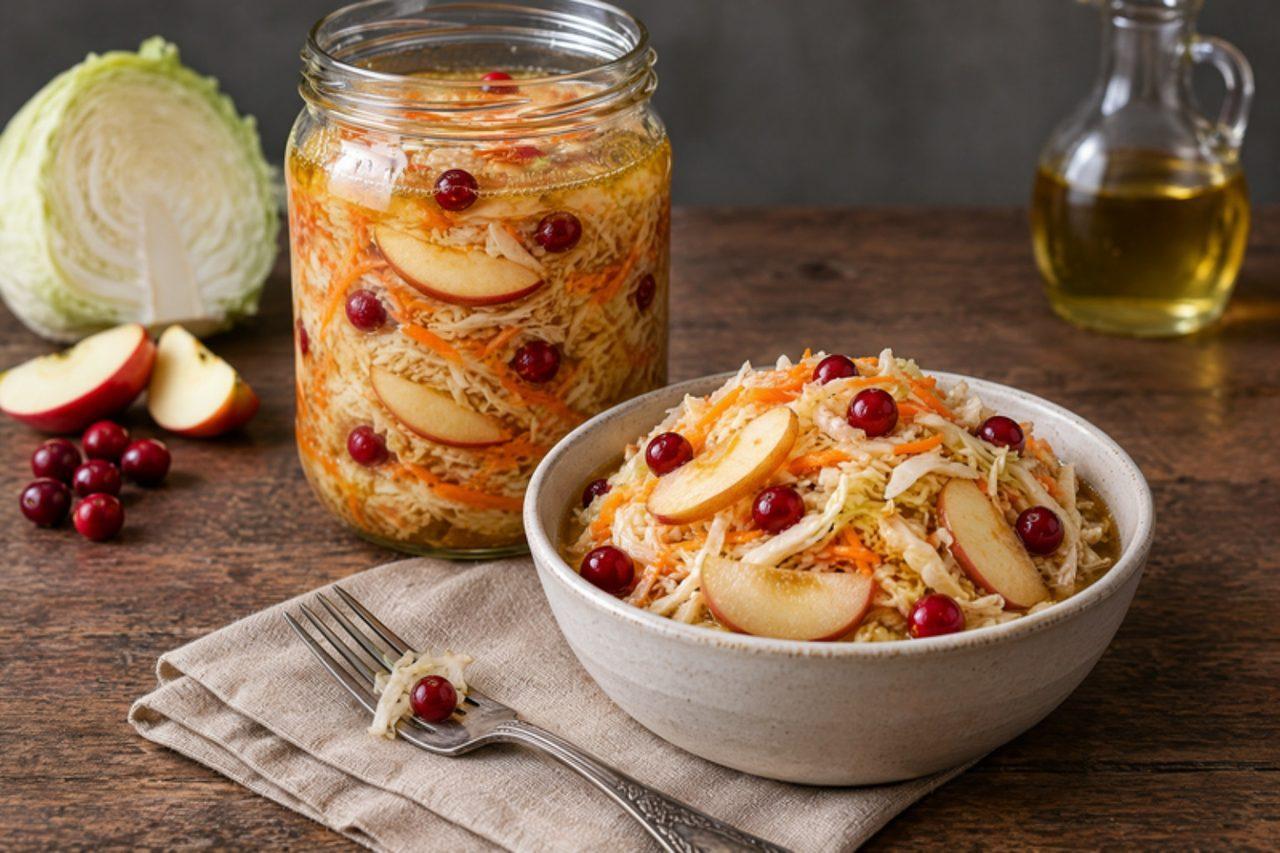
Kapusta provansalCabbage and apple salad

Kapusta provansal has nothing to do with Provence: the grand name is a Soviet-era flourish for a bright marinated cabbage salad that turns up on festive tables from Moscow to Novosibirsk, especially at New Year and through the autumn when the cabbage is crisp and sweet. Coarsely cut cabbage, grated carrot, apple wedges and red cranberries are packed into a jar under a hot marinade of water, sugar, vinegar, sunflower oil, bay and allspice. By the next day it is crunchy, juicy, sweet and sour, with tart pops of berry and a gentle spiced warmth, and it sits happily beside boiled potatoes, kotlety, salted herring or roast chicken. The commonest mistake is slicing the cabbage very finely, which goes limp under the hot marinade; cut it into rough 3 cm squares and crush it only lightly with the salt. It is ready when the cabbage has turned slightly translucent but still snaps and the carrot has coloured the brine pale orange. Chef's tip: add a few strips of red pepper and a crushed garlic clove to the jar for colour and depth.

by KrazyBadal 0 views

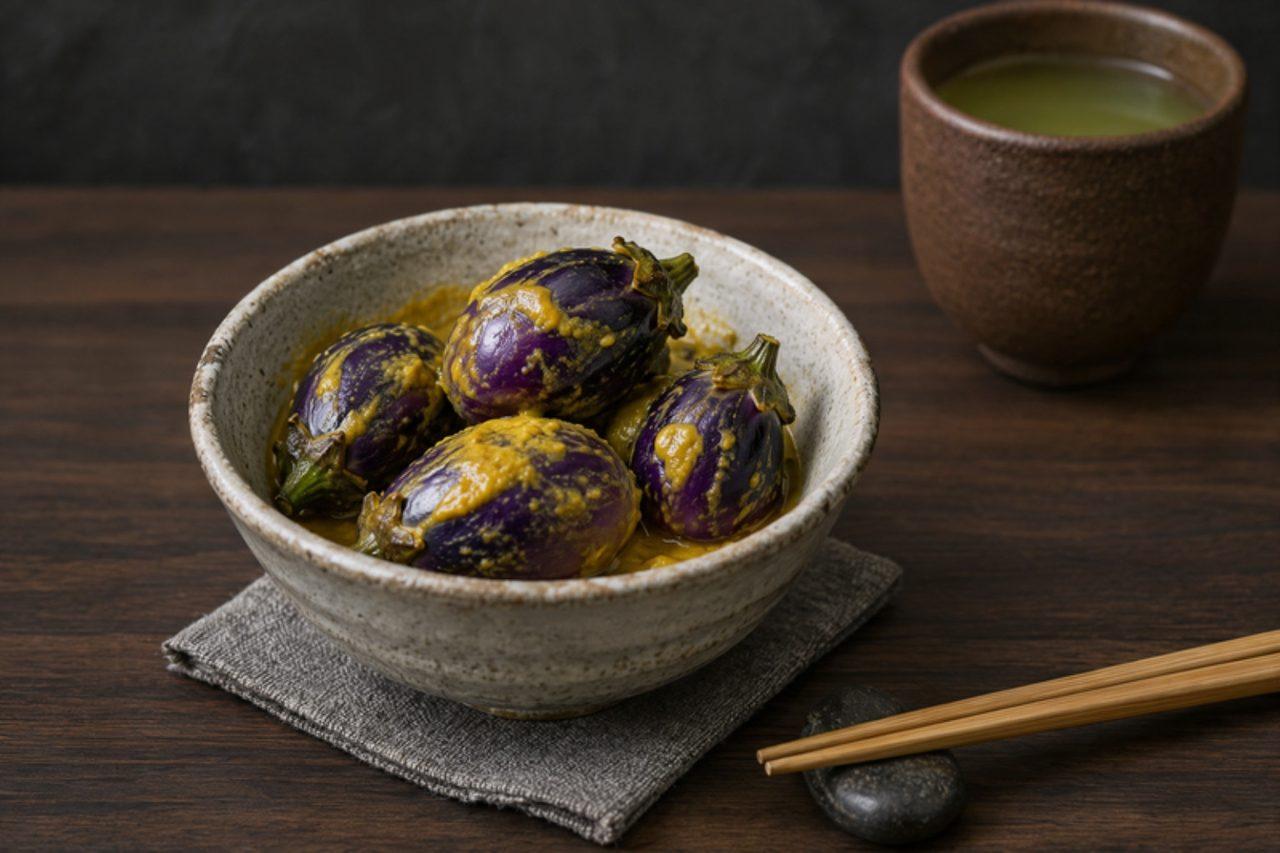
Karashi nasuMustard aubergine pickle

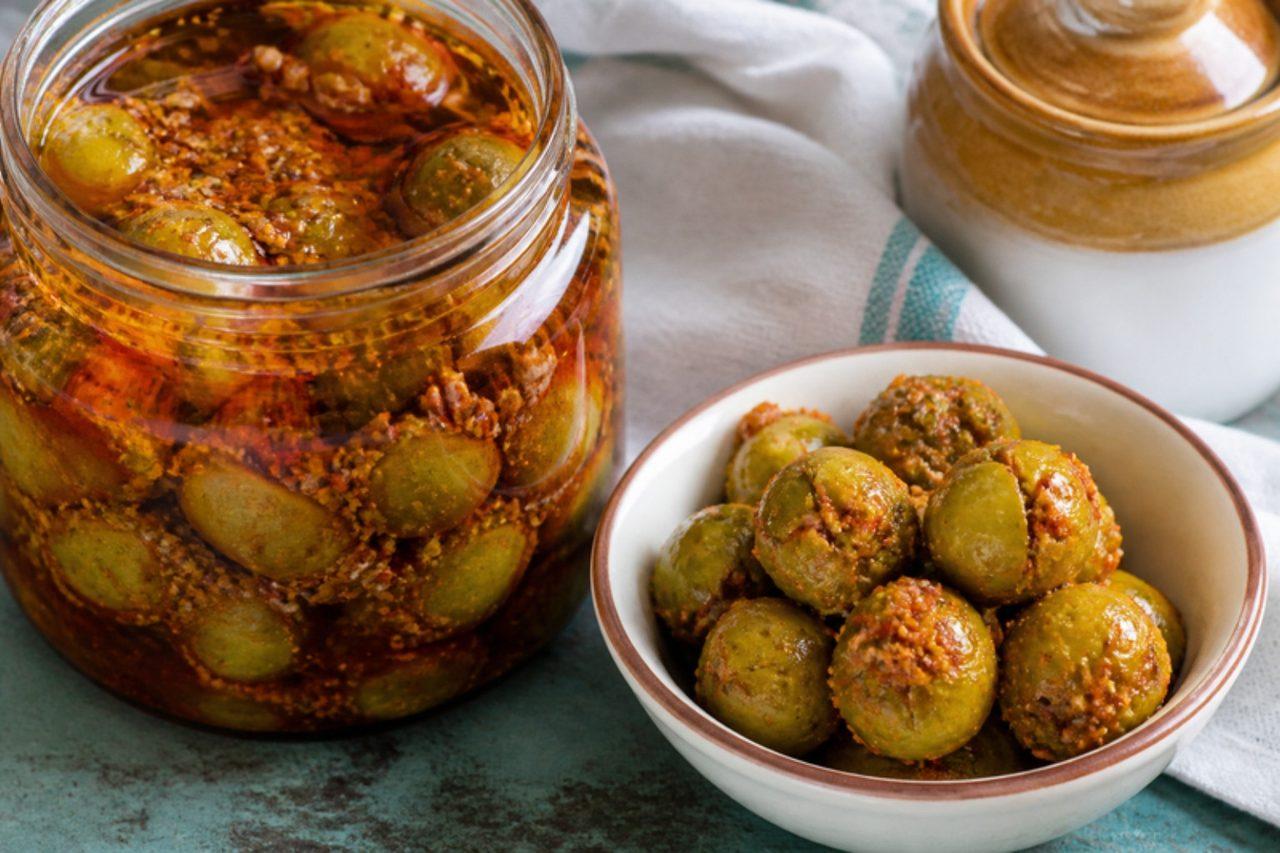
Every late August, Yamagata kitchens fill with the sharp smell of hot mustard as families pickle the tiny round eggplants that grow there, minden-nasu, no bigger than a walnut. Salted, pressed and then coated in a paste of Japanese mustard, sugar and soy sauce, they are eaten whole as a snack with tea, packed into bento boxes and served beside rice through autumn. The first bite is sweet and salty, then the mustard rushes up the nose, and the skins stay a glossy dark purple around a tender, juicy middle. Use the smallest eggplants you can find: Japanese or Thai baby eggplants or small Indian aubergines, around 30–40 g each. The common mistake is mixing mustard powder with hot liquid, which kills its heat; always mix it with cold water and let it rest. It is ready when the eggplants feel soft right through when squeezed, look glossy, and taste hot and sweet rather than raw. Chef's tip: a teaspoon of salt rubbed firmly over the skins before pressing keeps the colour deep purple without the alum that some traditional cooks add.

by KrazyBadal 0 views

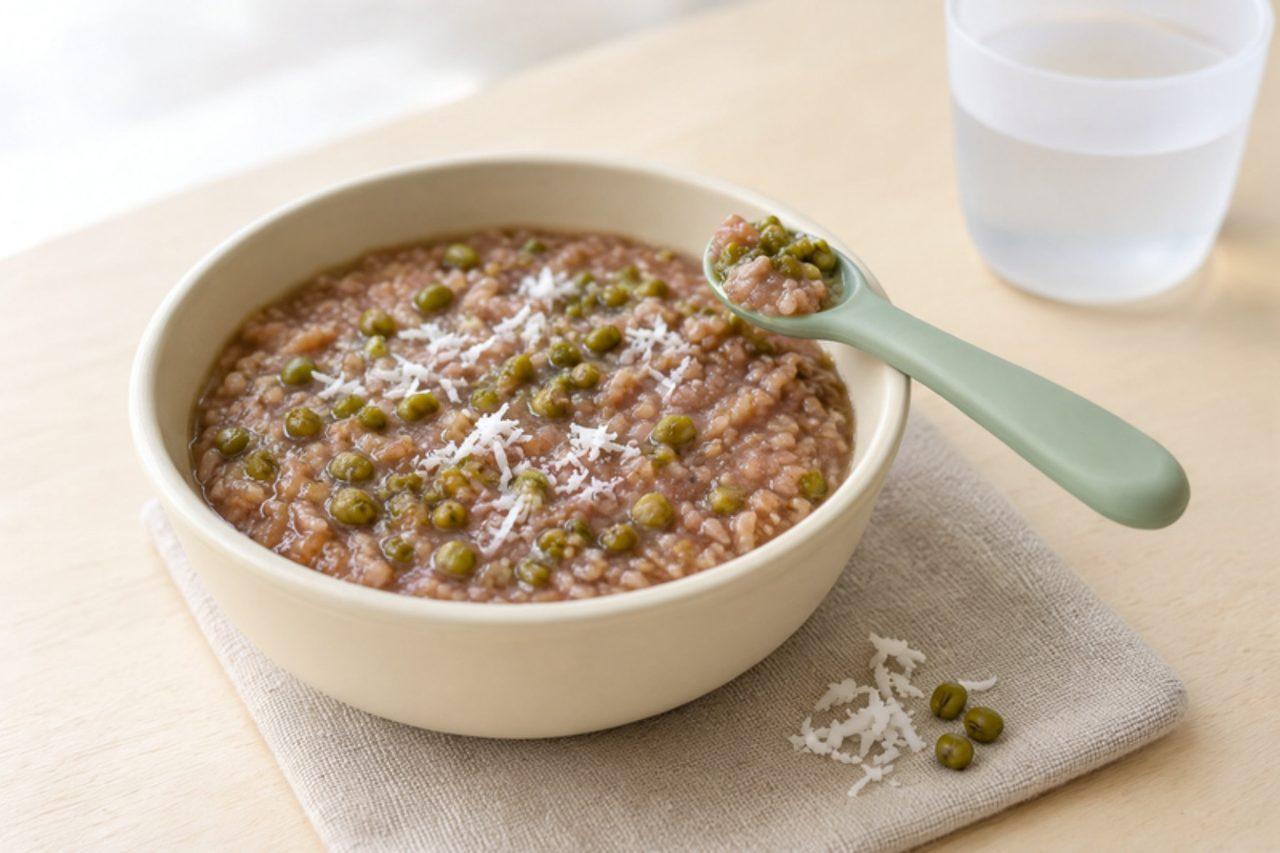
Kanji payar for toddlersRed rice gruel for toddlers

Kanji and payar, rice gruel with a dry dish of green gram, is Kerala's oldest comfort meal, eaten for dinner in homes across Kottayam and Palakkad and at simple roadside kanji kadas on rainy monsoon evenings. For toddlers from 12 months the matta rice is cooked until it bursts into a creamy porridge, and the cherupayar is steamed soft and finished with a little coconut and cumin instead of chilli, then the two are mashed together. Skip the usual pickle and pappadam. It contains coconut; there is no milk, gluten, egg, nuts or soya, and it is vegan. Chef's tip: soak both the rice and the gram overnight; it halves the cooking time and makes them far softer.

by KrazyBadal 0 views

Showing 81 of 7,888 recipes

Show more recipes

Page 143 of 877