


Skip to content
Konafa (sweet pastry)
Featured recipe

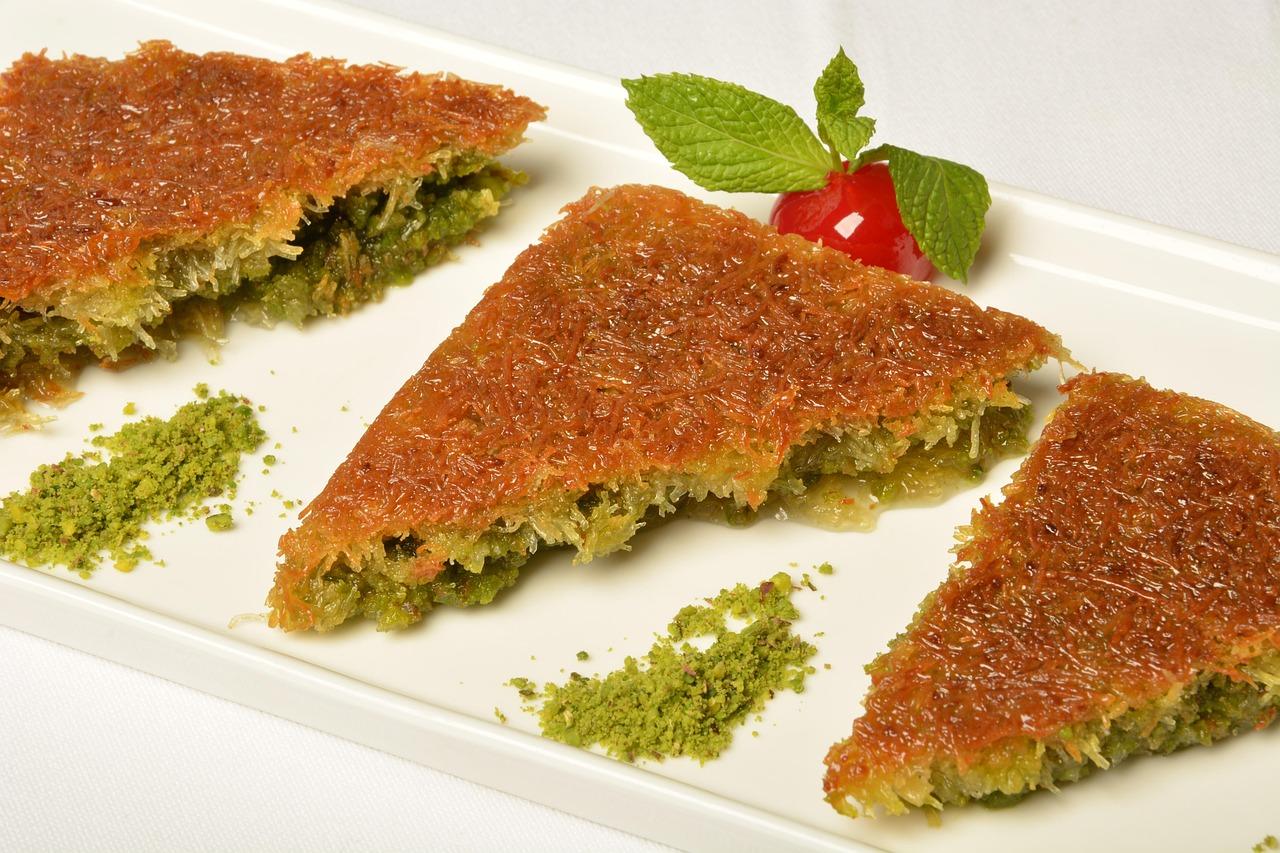
Konafa (sweet pastry)

Shredded pastry with coconut and nuts

Konafa (kunafa) is a celebration sweet of shredded kataifi pastry tossed in butter and baked in two layers around a filling of coconut, almonds, pistachios and mixed peel with glacé cherries. The hot pastry is drenched in cold rose-water syrup and pressed so it holds together, then cut into squares. Crisp, syrupy and nutty; serve cold with fresh cream or ice cream.

Read more 0 views

What to eat today?

Around the world

Today's trip: Paraguayan

A new country every day, from every cuisine on the site.

Paraguayan

Ka'i ladrillo

Peanut molasses bricks 40 minMore from Paraguayan (27) →

This week's collection

Kid-friendly dinners
537 recipes · a new collection every Monday

Latest recipes

Urulaikizhangu roast (Tamil potato roast)

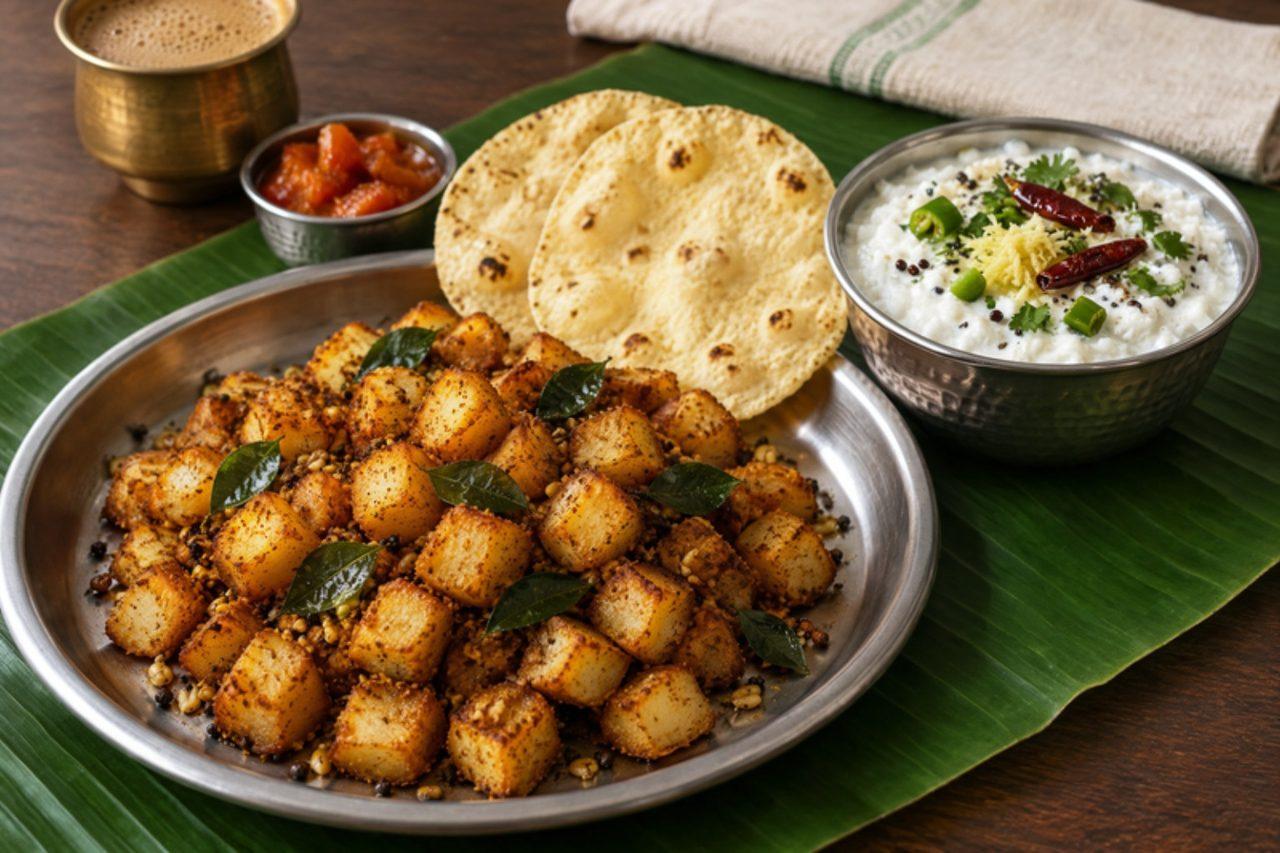
In Tamil lunch boxes, curd rice almost always comes with this: small cubes of boiled potato roasted slowly in a cast-iron pan with sambar powder, chilli and curry leaves until they are dark, crusty and chewy at the edges. It is a dry side, so it does not leak into the rice, and it tastes as good cold as hot. The mistake is stirring all the time; the potatoes need to sit undisturbed against the hot pan for a few minutes at a time to build the crust. Chef's tip: a teaspoon of rice flour scattered over in the last few minutes makes the coating even crisper.

by KrazyBadal 0 views

Kitchener bunsJam and cream doughnut buns

Kitchener buns are a South Australian bakery icon, found in every Adelaide suburb and country town bakery from the Barossa to the Fleurieu. The soft yeast buns are fried or baked, rolled in sugar, split open and filled with a stripe of raspberry jam and a generous swirl of cream; they were named after a British field marshal during the First World War. Messy and delicious with a cup of tea. A common mistake is filling them warm, which melts the cream. Chef's tip: roll them in sugar while still warm so it sticks, then fill when cold.

by KrazyBadal 0 views

Dousha bao (red bean buns)

All over China, from Beijing breakfast stalls to Shanghai school bags, dousha bao are the sweet buns people grab in the morning and tuck into a lunch box for later: fluffy white yeasted dough wrapped around smooth red bean paste and steamed until springy. They freeze beautifully, so families make a big batch on Sunday. The mistake is opening the steamer lid as soon as the timer goes; the sudden cold makes the buns wrinkle and collapse. Turn off the heat and wait five minutes before lifting the lid. Chef's tip: chill the bean paste and roll it into balls before wrapping; a firm filling is much easier to seal neatly.

by KrazyBadal 0 views

Agua de chilacayoteFig-leaf squash drink

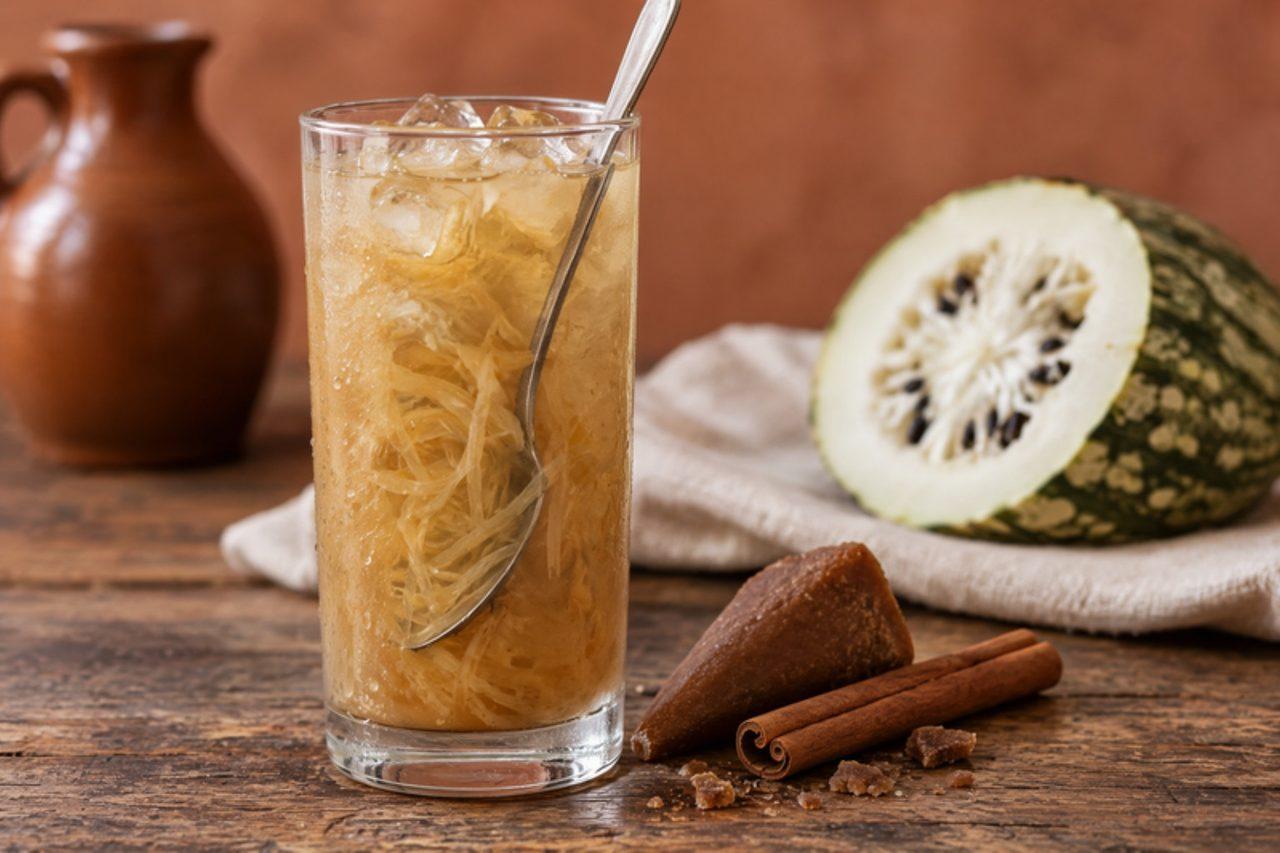
When the big, mottled chilacayote squashes ripen at the end of the rains, cooks in Oaxaca's valleys and the Mixteca of Puebla turn them into a drink you eat with a spoon. The flesh is cooked with dark piloncillo and cinnamon until it falls into translucent threads, then cooled and loosened with water; in Oaxaca it is ladled out of clay jars at fairs, weddings and the Day of the Dead, often with a little pineapple. It tastes like cinnamon-scented panela, with soft, slightly crunchy strands that slide up the straw. The usual mistake is boiling it to mush; overcooked flesh goes cloudy and the strands disappear. Simmer gently and stop when the threads separate easily with a fork but still have a little bite. It is ready when the syrup is amber and the strands look glassy. Chilacayote is hard to find outside Mexico; spaghetti squash is the best substitute and gives the same threads. Keeps 3 days in the fridge. Chef's tip: grate a little orange zest into the pot in the last minute to brighten the piloncillo.

by KrazyBadal 0 views

Insalata di pastaCold pasta salad

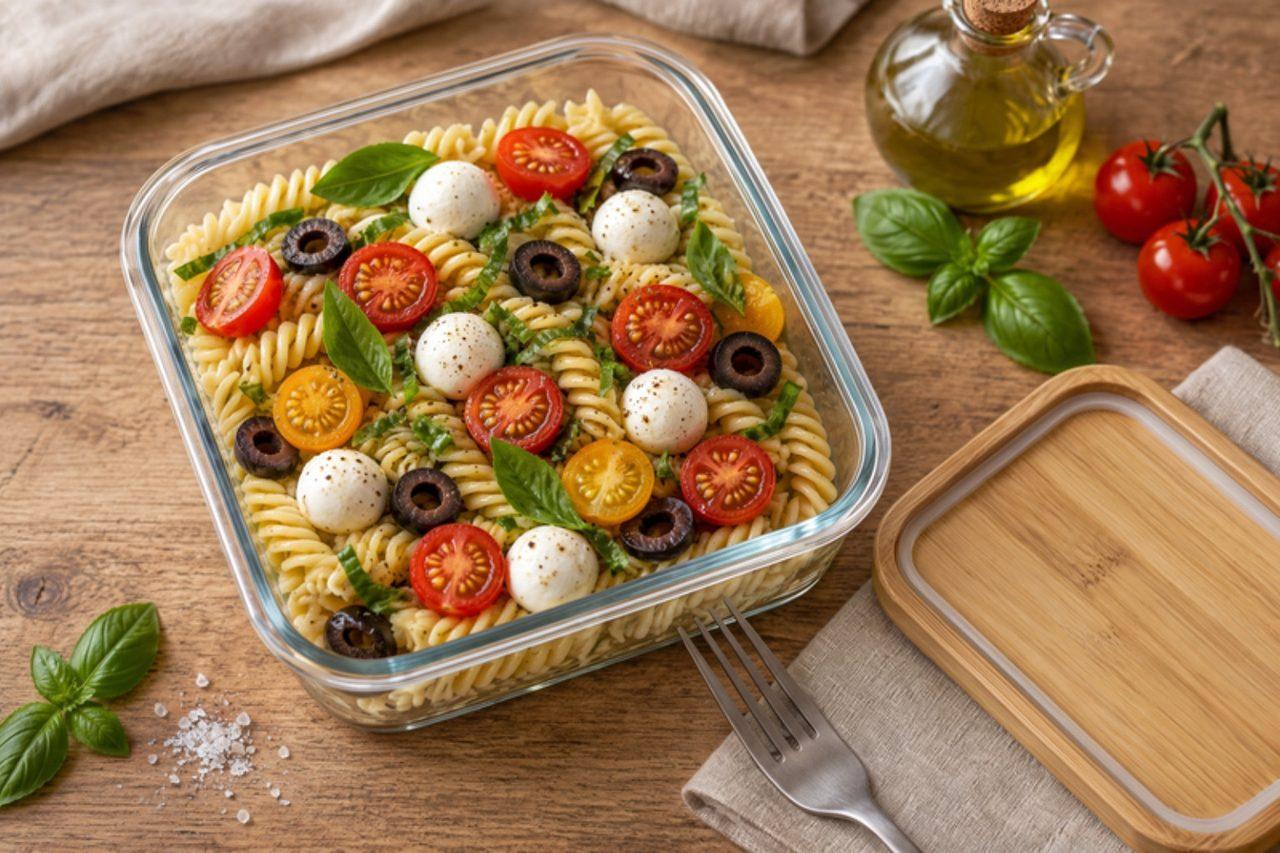
When Milan's offices empty onto park benches in July, the schiscetta (the Milanese word for a packed lunch tin) usually holds pasta fredda: short pasta dressed with olive oil, sweet cherry tomatoes, little mozzarella balls, black olives and torn basil. It is made the night before and tastes best at cool room temperature, never fridge-cold. The common mistake is rinsing the cooked pasta under the tap until it is icy and then dressing it: the starch closes up, the oil slides off and the salad tastes flat. Many mozzarellas are made with animal rennet, so look for one labelled vegetarian, or use cubes of a vegetarian cheese. Pack it with an ice pack and take it out of the bag 20 minutes before eating. Chef's tip: toss the drained, still-warm pasta with half the oil and the salted tomatoes straight away so it drinks up their juice.

by KrazyBadal 0 views

ÄggostEgg cheese

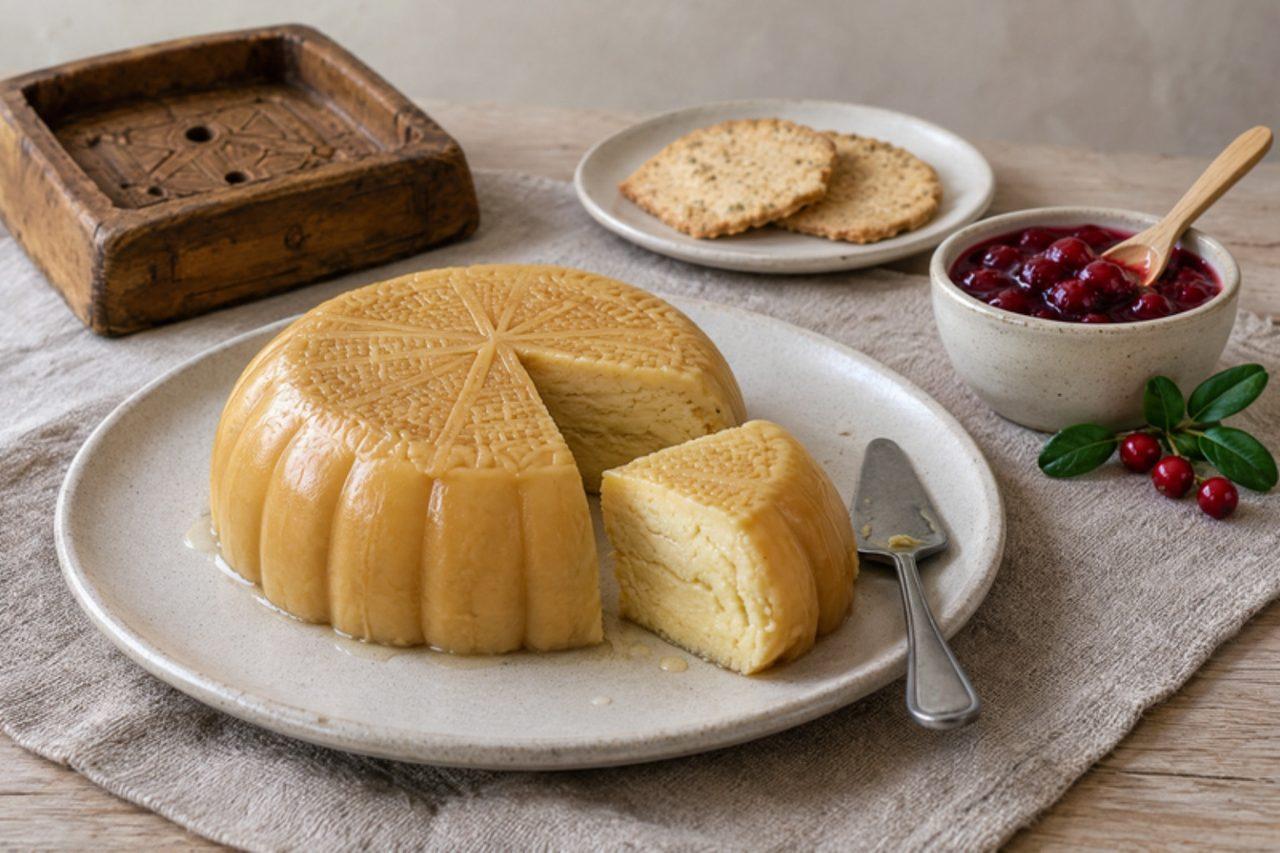
Äggost, egg cheese, belongs to the farm kitchens of Västergötland and Halland in west Sweden, where it is made for Christmas, Easter and midsummer tables and the leftovers become breakfast with cloudberry or lingonberry jam. Eggs and milk are heated until soft, sweet curds form, which are drained in a holed mould so they keep its pattern. It is creamy, mild and slightly sweet. The common mistake is rushing the heat: boiling the milk too hard makes rubbery curds, so keep it at a gentle simmer. Chef's tip: this version sets the curds with buttermilk, not rennet, so it is suitable for vegetarians; drain it overnight in the fridge for the firmest slice.

by KrazyBadal 0 views

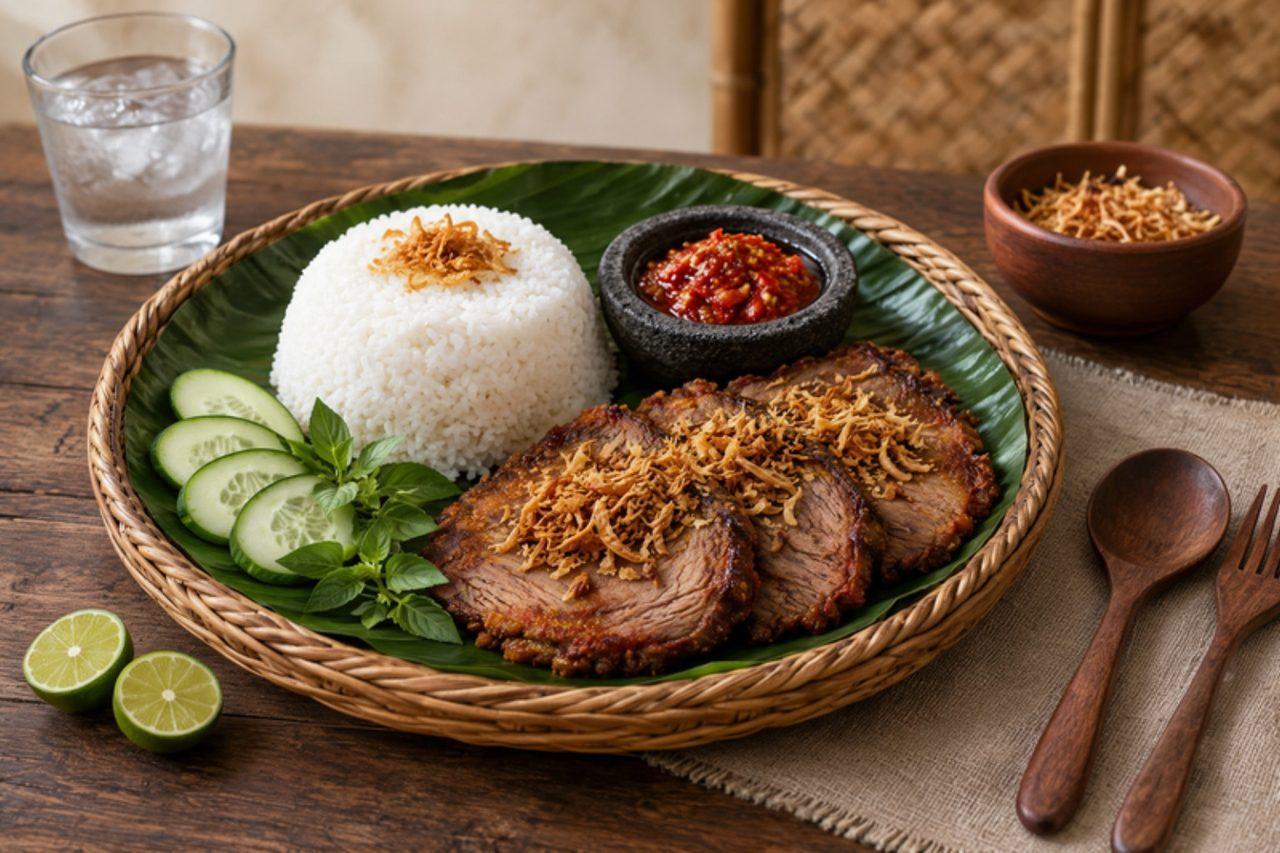
Empal gepukSweet spiced fried beef

Empal gepuk is a Sundanese speciality from Bandung in West Java: beef simmered in coconut water and spices with palm sugar until the liquid is gone, pounded (gepuk) to loosen the fibres, then fried until the edges are crisp and sweet. Because it is dry and keeps for days, it is a classic in Indonesian bekal lunchboxes with rice, sambal and raw vegetables. The common mistake is cutting the beef with the grain, which makes it stringy; slice it across the grain before pounding. Chef's tip: pound gently with a pestle just until the slices fan out, then fry quickly; too long in the oil and they turn hard.

by KrazyBadal 0 views

Ají amarillo pasteYellow chilli paste

In Lima's markets ají amarillo is sold fresh all year, and most Peruvian cooks keep a tub of this paste in the fridge the way others keep tomato purée: it is the golden base of causa limeña, ají de gallina, papa a la huancaína, chupe and the sauce for tiraditos. The chillies are seeded, de-veined and blanched in three changes of water, which tames the heat and the raw grassiness, then peeled and blended with oil into a thick, silky, saffron-orange paste. It tastes fruity and sunny, almost like apricot and passion fruit, with a rounded, medium heat. Abroad, buy whole frozen ají amarillo from Latin grocers; dried ají mirasol, soaked, gives a darker, earthier paste. Common mistake: skipping the peeling; the thin skins leave papery flecks and a bitter edge. It is ready when it is completely smooth and holds a soft peak like thick hummus. This is a low-acid paste: keep it in the fridge for a week or freeze it, never on the shelf. Chef's tip: freeze it in an ice-cube tray; one cube is about a tablespoon, just right for a pot of ají de gallina.

by KrazyBadal 0 views

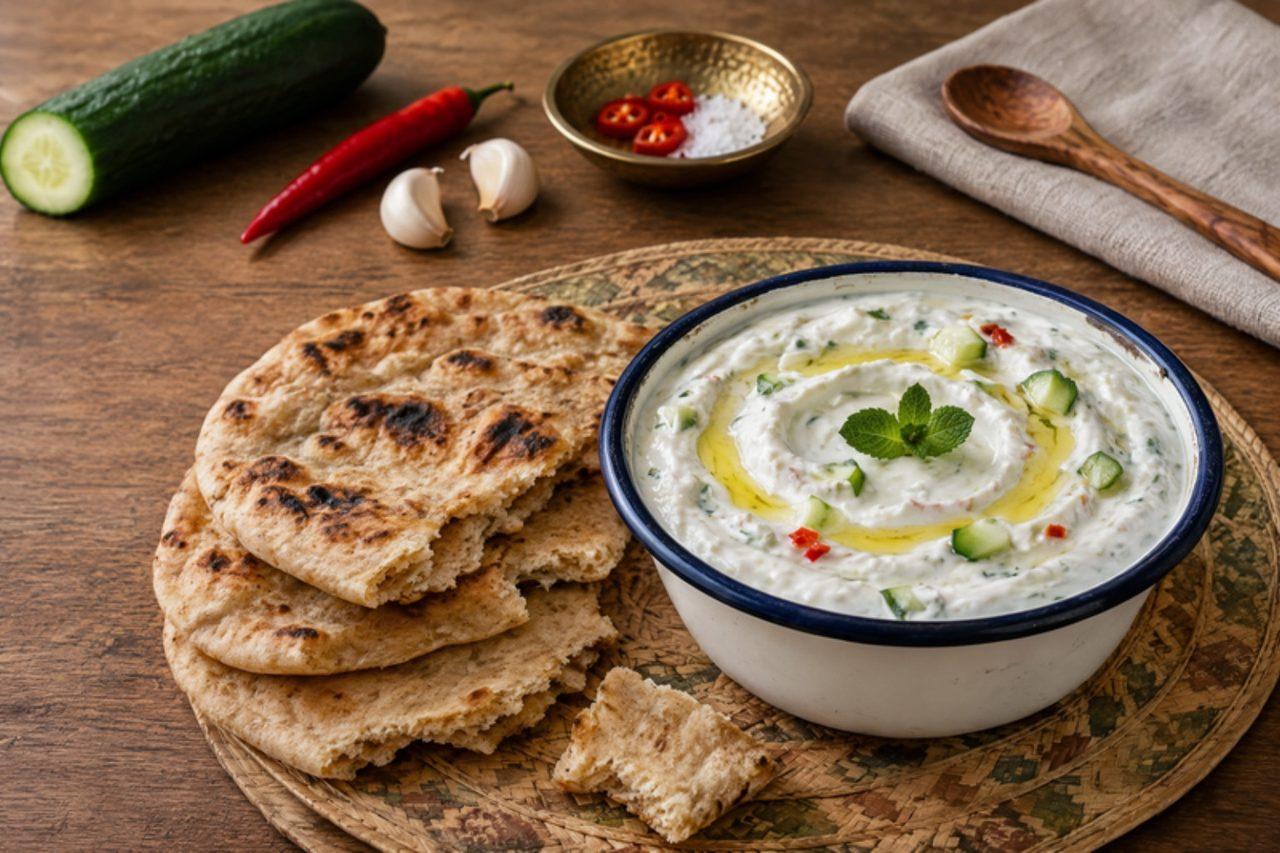
Salatat zabadiYogurt and cucumber salad

In Khartoum and Omdurman, salatat zabadi is the cooling dish set on the shared tray at lunch and during Ramadan iftar, eaten beside spicy stews, beans, grilled meat and kisra bread. Thick yoghurt is whisked with grated cucumber, garlic, a little green chilli and dried mint, so it is creamy, fresh and gently hot. Suitable as part of a balanced diet. About 90 kcal and 7 g carbohydrate per portion. The usual mistake is adding the cucumber without squeezing it, which floods the yoghurt and makes it watery within minutes. Chef's tip: chill the bowl for half an hour before serving, as the garlic mellows and the flavours come together.

by KrazyBadal 0 views

Showing 9 of 7,762 recipes

Show more recipes

Page 141 of 863