


Skip to content
Muesli
Featured recipe

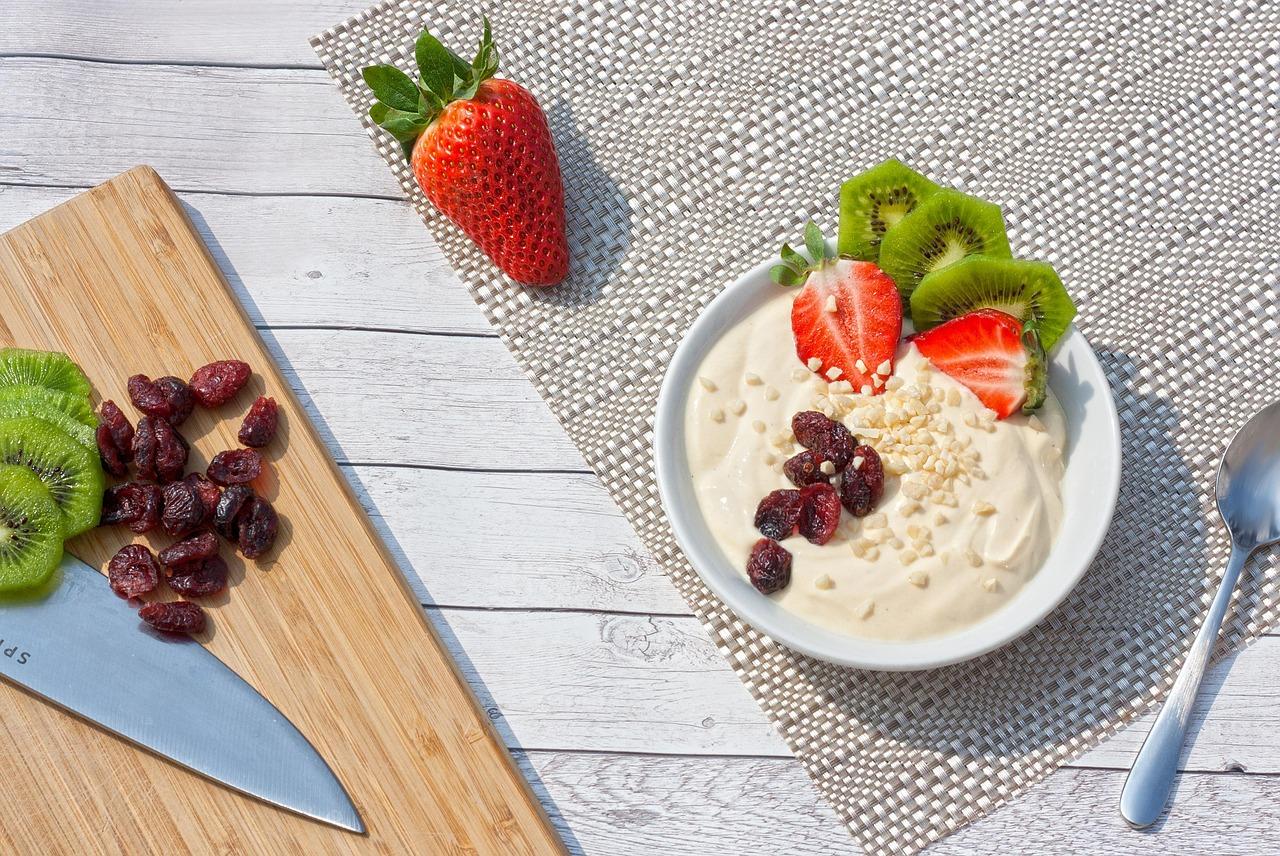
Muesli

A soaked, Bircher-style muesli you stir together the night before. The oats soften in the yogurt overnight and the grated apple keeps it fresh and juicy. In the morning, add the strawberries and breakfast is ready. Any berries work in place of the strawberries.

Read more 0 views

What to eat today?

Around the world

Today's trip: Paraguayan

A new country every day, from every cuisine on the site.

Paraguayan

Cocido quemado

Burnt sugar mate drink 14 minMore from Paraguayan (27) →

This week's collection

Kid-friendly dinners
537 recipes · a new collection every Monday

Latest recipes

LyangchaFried milk sweets in syrup

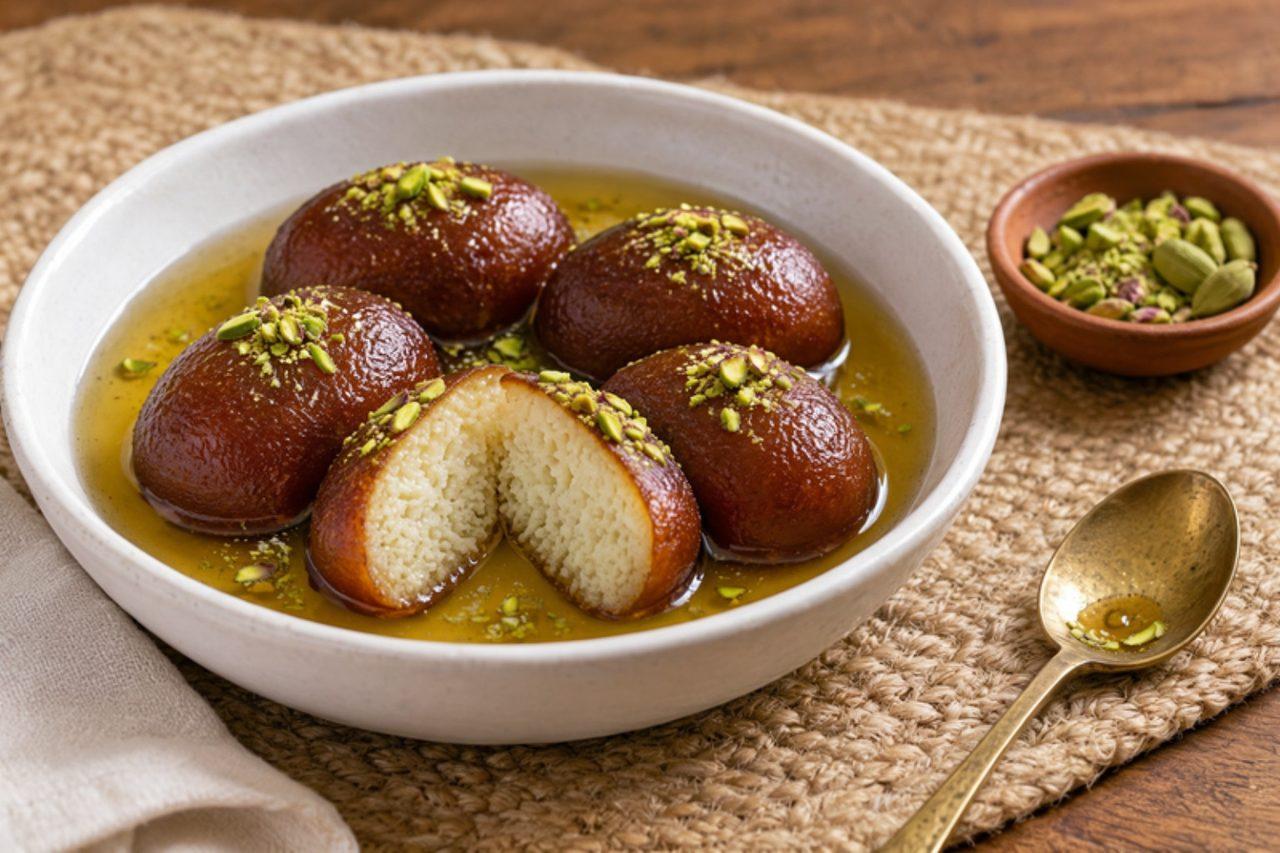
Travellers on the road from Kolkata to Bardhaman stop at Shaktigarh for one reason: lyangcha, cylindrical sweets of chhena and khoya fried almost black and soaked in light syrup, sold hot from roadside shops and carried home in clay pots. The outside is caramelised and slightly chewy, the inside soft, juicy and milky. They are a winter and wedding favourite across Bengal. The common mistake is frying on high heat to get the dark colour quickly; the outside burns while the centre stays raw and the sweet splits in the syrup. Low, patient heat gives an even mahogany shell. Chef's tip: a teaspoon of sugar kneaded into the dough helps it darken evenly.

by KrazyBadal 0 views
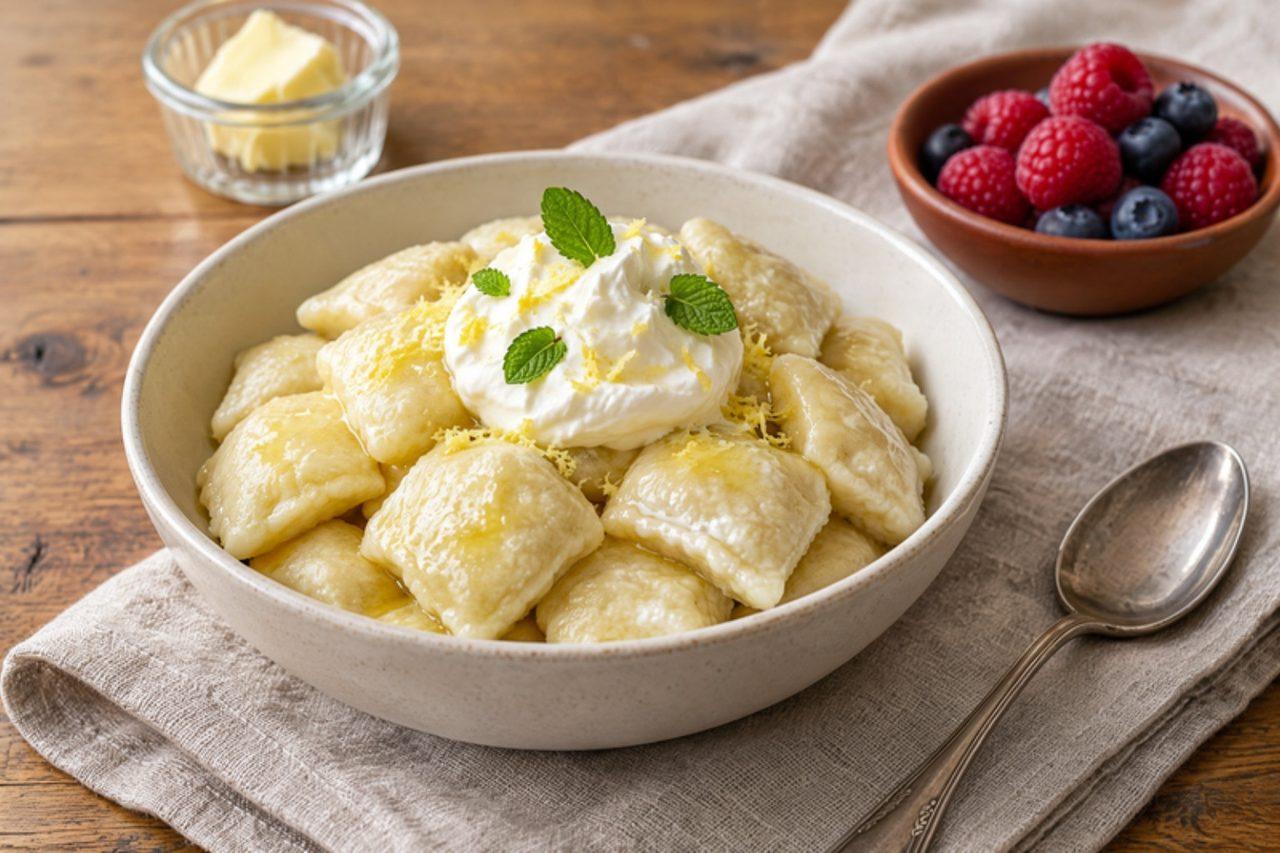
Lynyvi varenykyLazy curd dumplings

Lynyvi varenyky, 'lazy dumplings', are the Ukrainian weekday breakfast for families who love varenyky but have no time to fill them: the curd cheese goes into the dough itself, which is rolled into a log, sliced and boiled for a few minutes. They come out soft, tender and lightly sweet, finished with melted butter and a spoon of sour cream, sometimes with jam. The mistake is adding too much flour to make the dough easier to handle, which makes the dumplings heavy; the dough should stay soft and a little sticky. Chef's tip: dust your hands and board rather than the dough, and boil one test dumpling first; if it falls apart, add just one more tablespoon of flour.

by KrazyBadal 0 views

Rum ballsChocolate rum balls

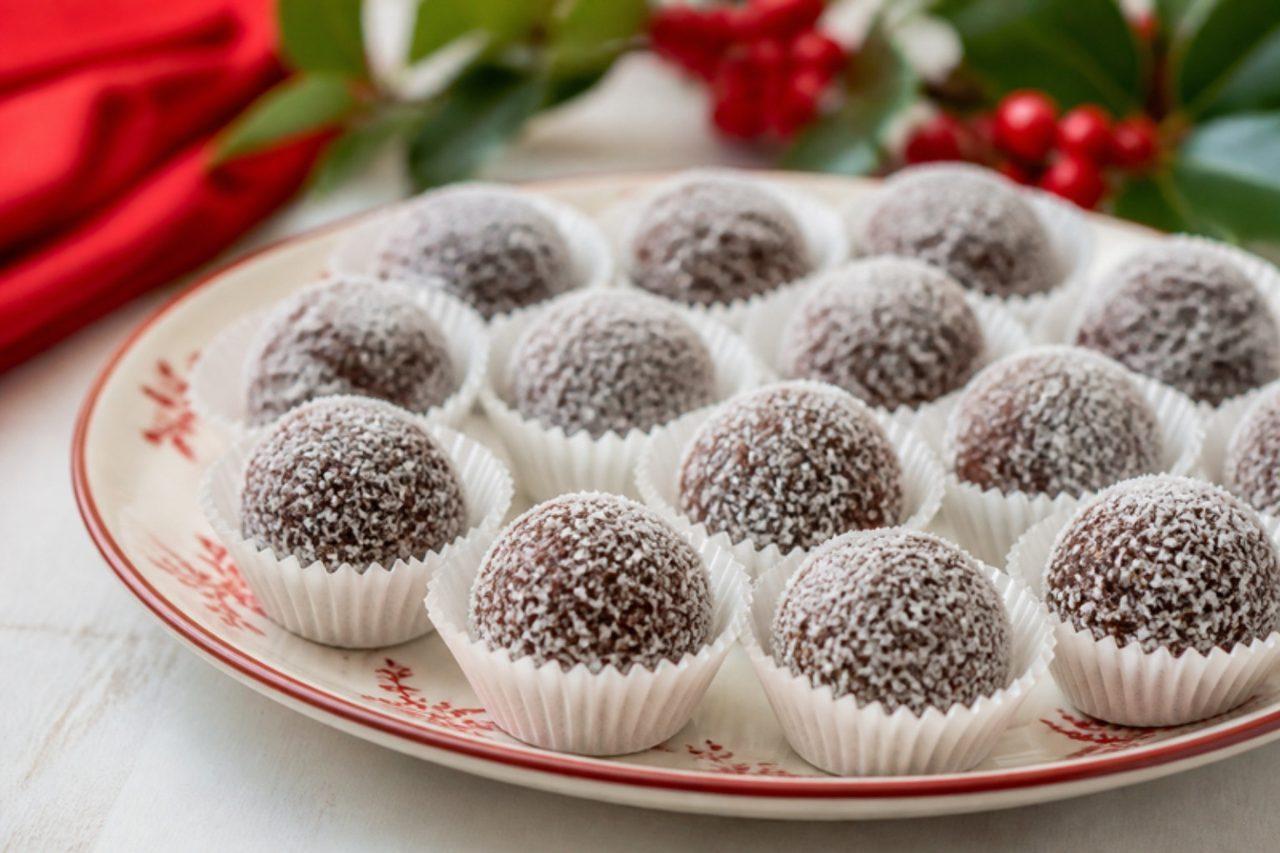
Rum balls are the grown-ups' Christmas sweet in Australia, rolled by the trayful in December and handed round at end-of-year parties from Sydney to Perth. They are made from chocolate cake crumbs or crushed biscuits, condensed milk, cocoa and dark rum, rolled in coconut. They contain alcohol and are for adults only; for children or anyone avoiding alcohol, use rum essence and a splash of orange juice instead. A common mistake is a mix that's too wet; chill it before rolling. Chef's tip: make them a day ahead so the flavours mellow.

by KrazyBadal 0 views

Finger bunsIced coconut finger buns

Finger buns are the classic Australian school canteen and tuckshop bun, sold in every suburban bakery and supermarket from Perth to Brisbane: soft, slightly sweet long rolls, sometimes with sultanas, topped with bright pink icing and a scatter of desiccated coconut. Kids eat them split and buttered. A common mistake is icing them warm, which makes it run off; let them cool completely. Chef's tip: brush them with a sugar glaze straight from the oven for a soft, shiny crust under the icing.

by KrazyBadal 0 views

Aval kanji for babiesRice flake porridge for babies

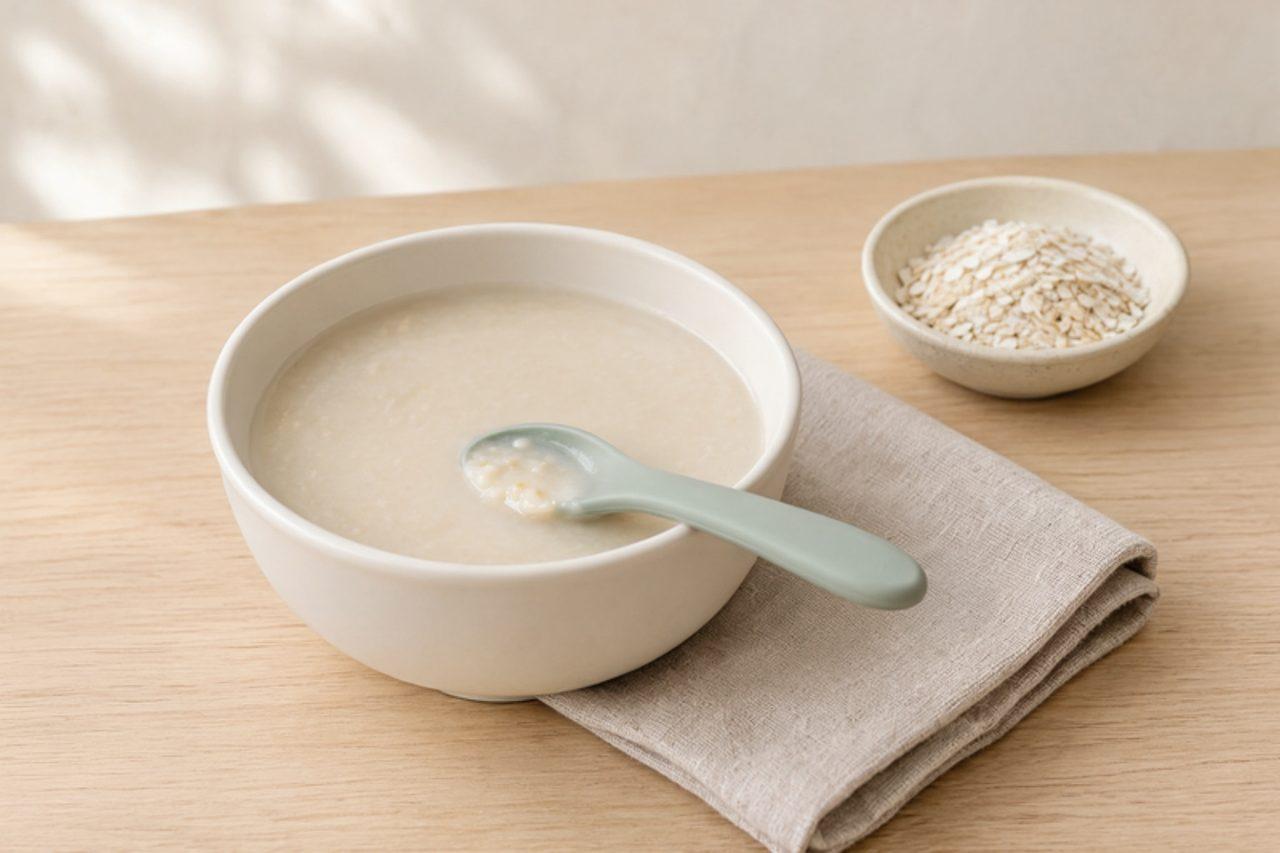
In Tamil homes from Madurai to Chennai, aval (flattened rice, the same poha sold in every kirana shop) is one of the first grains a grandmother reaches for when a baby turns six months. The flakes are dry-roasted until they smell like puffed rice, ground to a fine powder and simmered with water into a thin, pale porridge with a gentle toasted flavour, usually given as a mid-morning feed. For babies it is made with no salt, sugar, jaggery or honey. It is free of the major allergens: no milk, egg, gluten, nuts, soya, sesame or fish. Chef's tip: roast a whole cup of aval at once, grind it and keep the powder in a dry jar for up to two weeks, so each feed takes five minutes.

by KrazyBadal 0 views

Macher jhol bhaat for babiesFish stew and rice for babies

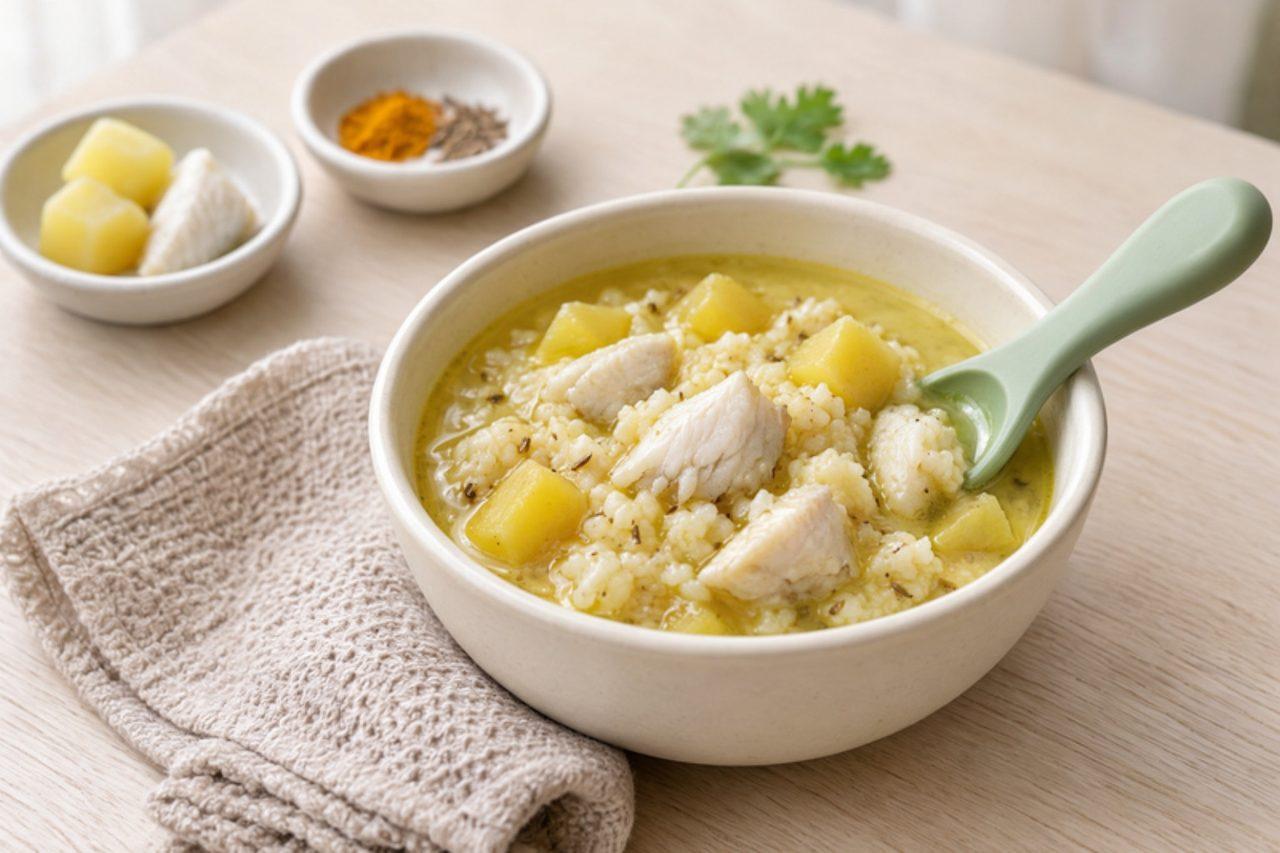
For Bengali families in Kolkata, macher jhol bhaat, rice with a thin fish and potato stew, is the taste of an ordinary weekday lunch, and fish is so central that many babies first try it at their mukhe bhaat, the rice ceremony. From about nine months, the jhol is made with only a pinch of turmeric, no chilli, mustard or salt, and boneless bhetki (barramundi) instead of the bony rohu. It is light, soothing and gently sweet from the potato. It contains fish and is free of milk, egg, gluten, nuts, soya and sesame. Chef's tip: if you use rohu, choose a piece from the belly, which has far fewer of the fine forked bones.

35 minIndianFishGluten free
by KrazyBadal 0 views

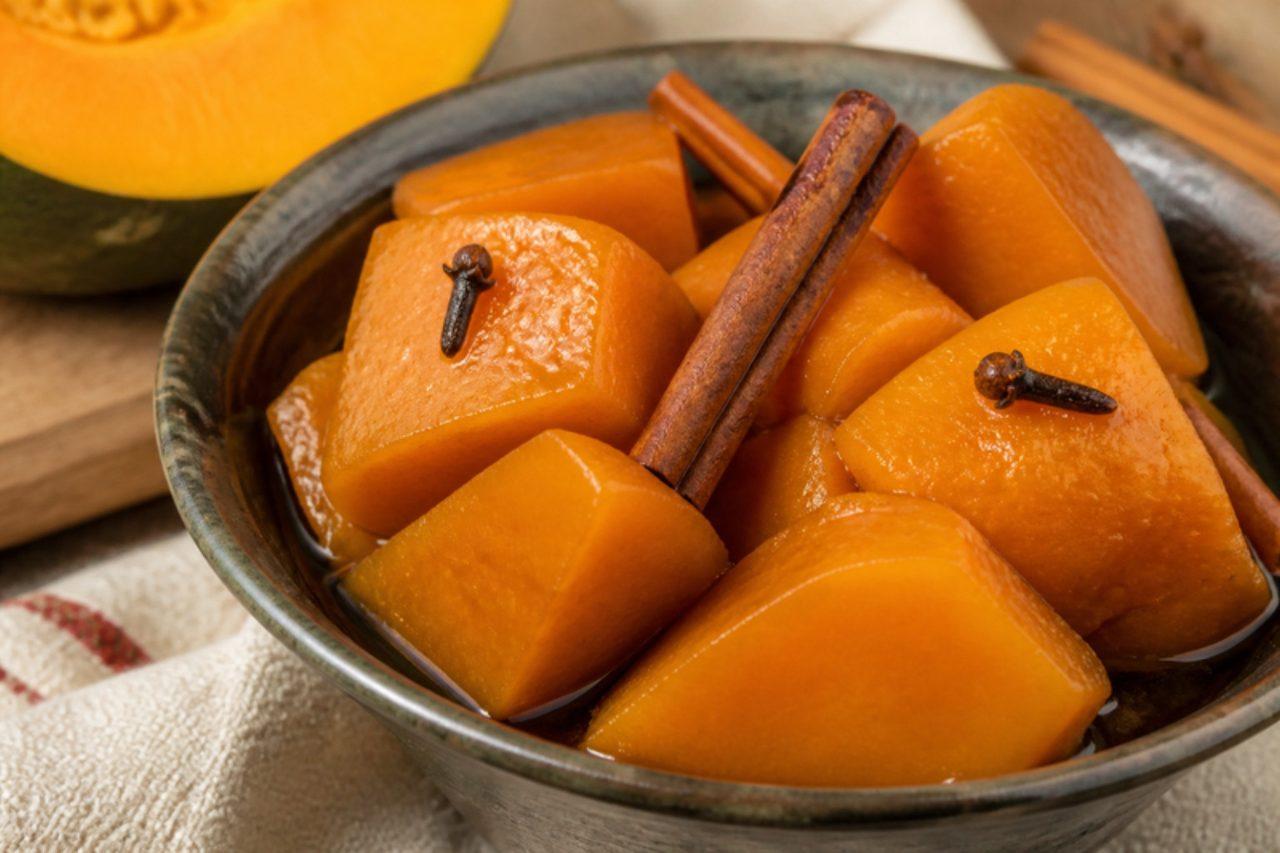
Ayote en mielSquash in spiced syrup

Nicaraguan grandmothers set a pot of ayote en miel on the stove on Holy Wednesday, so there is something sweet to share with neighbours right through Easter week, often alongside sweet green mango and coconut. Chunks of squash simmer in dark panela syrup with cinnamon, cloves and allspice until they are glossy and tender and the syrup tastes of caramel and spice. Stirring is the common mistake: a spoon breaks the soft squash into mush, so shake the pot instead. Chef's tip: leave the skin on the squash; it holds each piece together and turns soft enough to eat.

by KrazyBadal 0 views

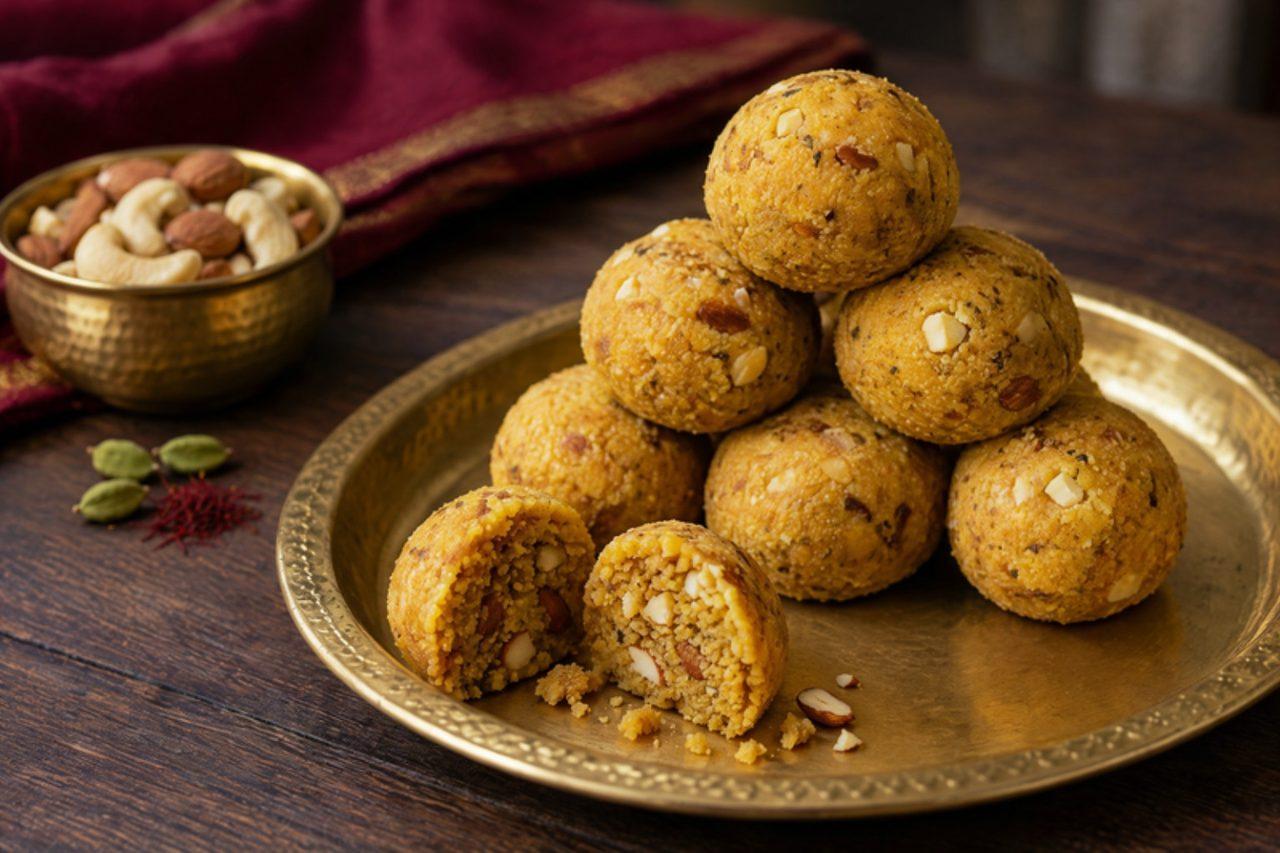
Mag na ladvaMoong dal laddus

Mag na ladva are a Central Gujarat favourite for Diwali and for lunchbox treats, rich with ghee yet light in texture because the moong dal is dry-roasted and ground before it ever meets fat. Cooked slowly in ghee, the ground dal turns sandy and smells of toasted nuts, then powdered sugar, cardamom and chopped nuts bind it into soft, crumbly laddus. The mistake many make is grinding the dal too fine and roasting it too fast, which gives a pasty laddu with a raw, beany aftertaste. Chef's tip: grind the dal to the texture of fine semolina, not flour, for the classic melt-in-the-mouth crumb.

by KrazyBadal 0 views

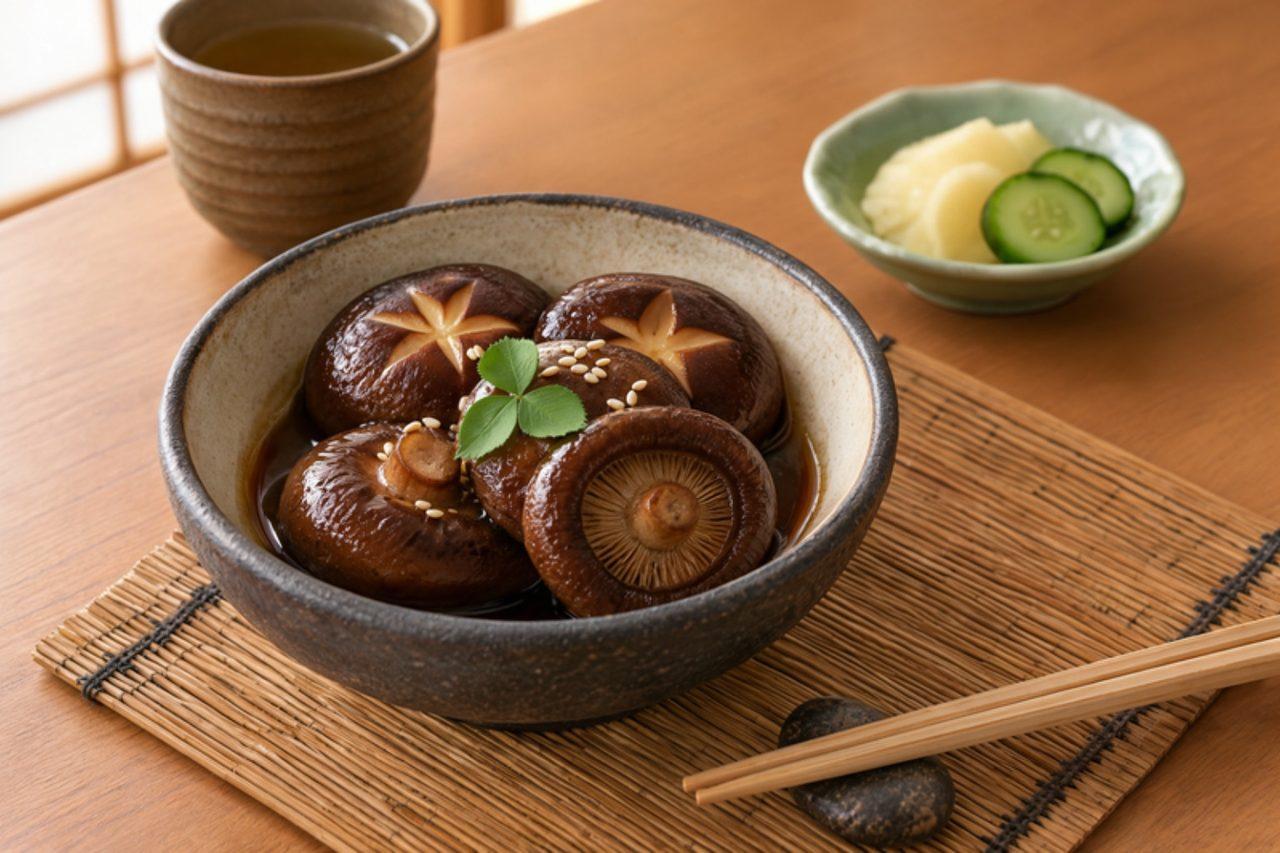
Shiitake no umaniSimmered shiitake mushrooms

These sweet-savoury simmered mushrooms are a fixture of Japanese bento and of osechi New Year boxes, and they are sliced into chirashi sushi and inari as well. The caps are rehydrated, then cooked in their own deep-flavoured soaking water with soy and sugar until the liquid becomes a sticky glaze. The common mistake is throwing away the soaking water, which holds most of the flavour. Chef's tip: soak the mushrooms in the fridge overnight if you can; a slow, cold soak gives a far meatier texture than a quick hot one.

by KrazyBadal 0 views

Showing 9 of 7,762 recipes

Show more recipes

Page 145 of 863