
 Indian
 Spanish
 Italian
 American
 Chinese
 Mexican
 Brazilian
 Japanese

 Paraguayan



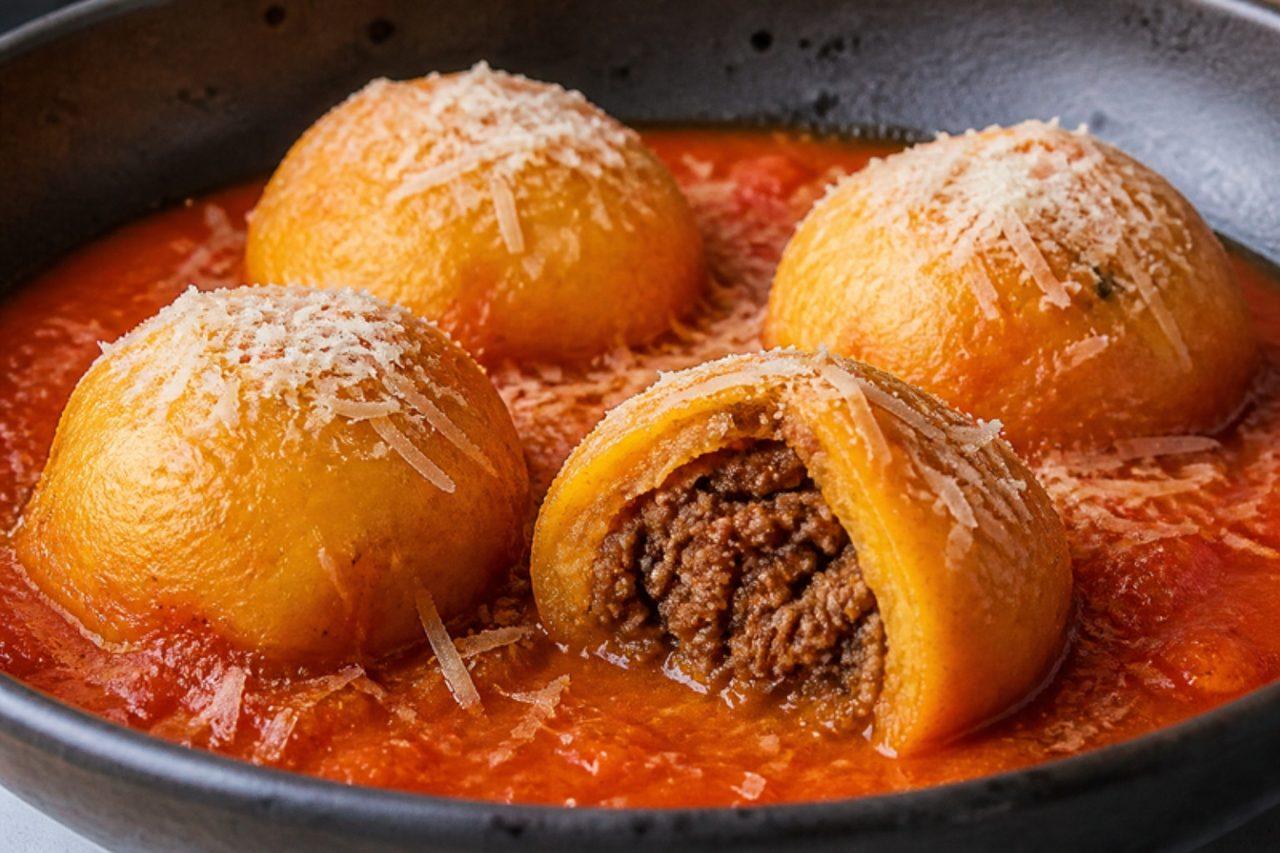
Bollitos pelonesBeef-stuffed corn dumplings in tomato sauce
Bollitos pelones are proper home cooking from central Venezuela: little balls of corn dough tinted with onoto, stuffed with a spoonful of spiced minced beef and simmered in a light tomato sauce until the dough firms. Mothers make them for school-day lunches with white rice, and they reheat well. The common mistake is stirring the pot, which breaks the balls apart. Chef's tip: give the pan a gentle shake instead of stirring, and don't touch them for the first 10 minutes.
 Venezuelan

by KrazyBadal 0 views
 Indonesian
 Korean





 Filipino

 French
 Guyanese


 Australian
 Colombian


 Argentinian

 Chilean


 Vietnamese



 Persian
 Malaysian





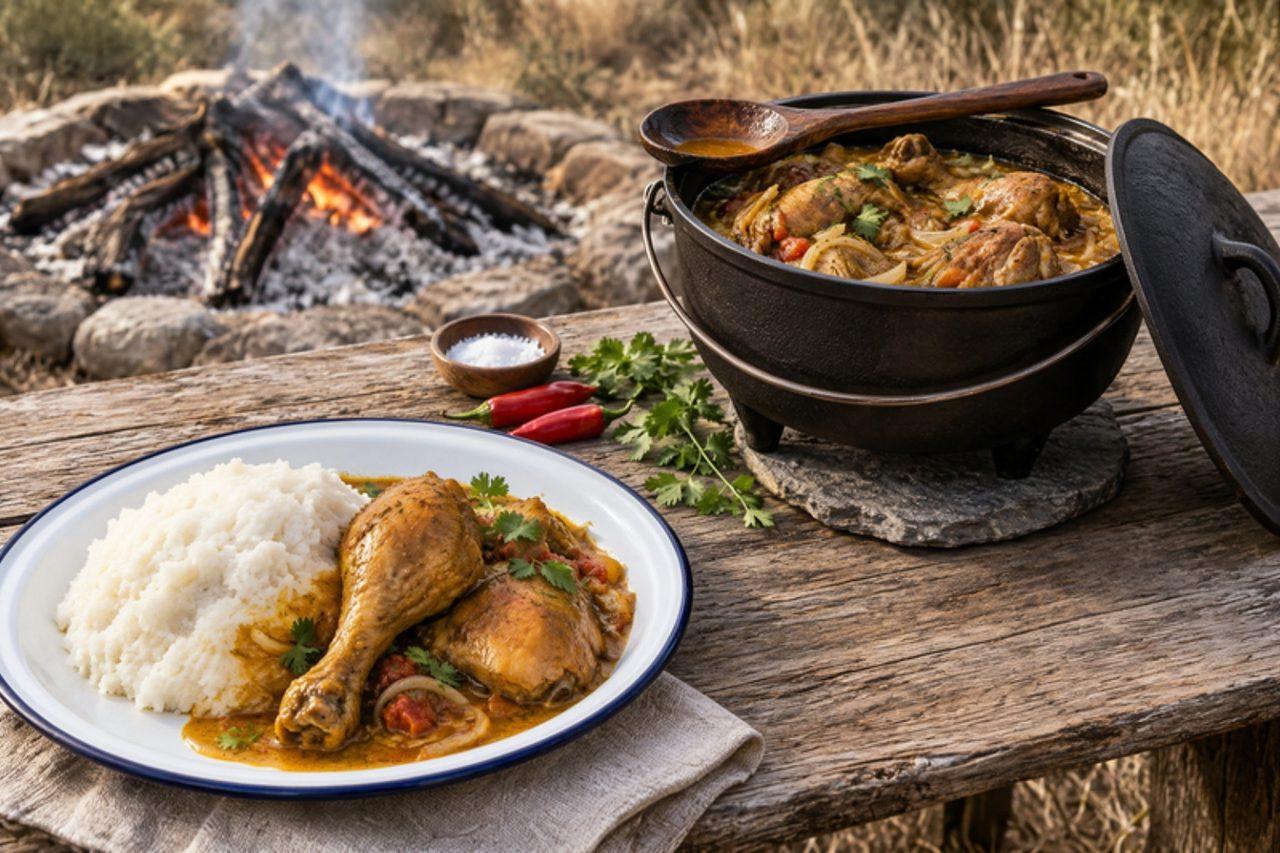
 South African
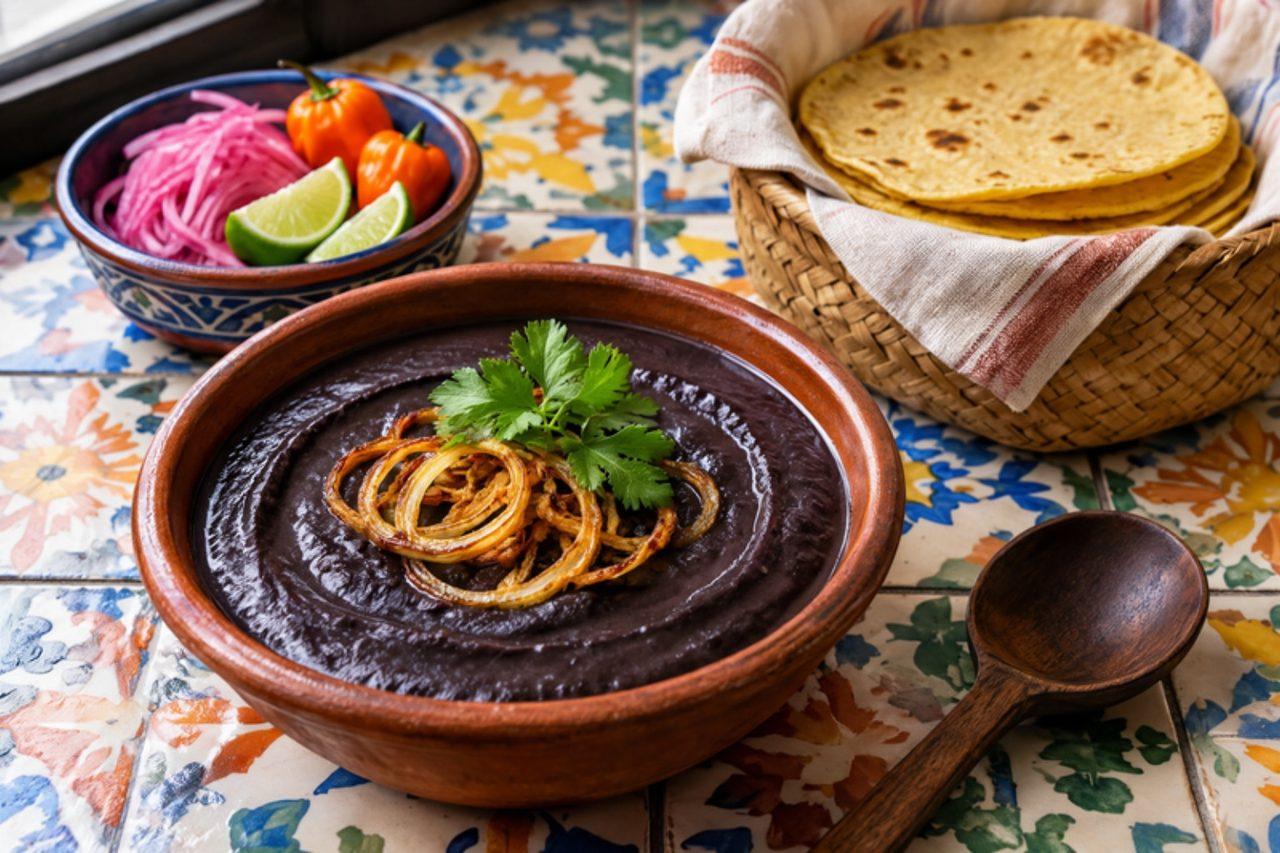
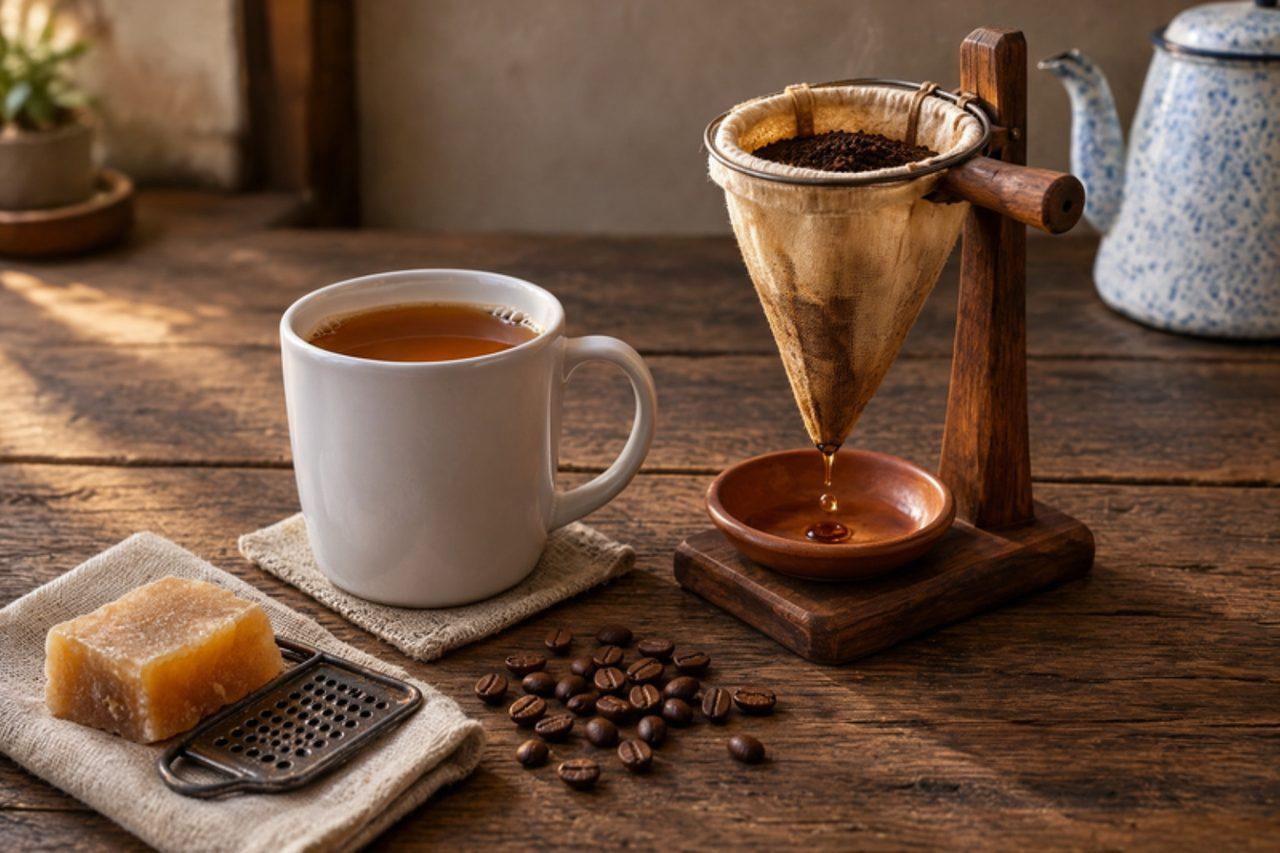
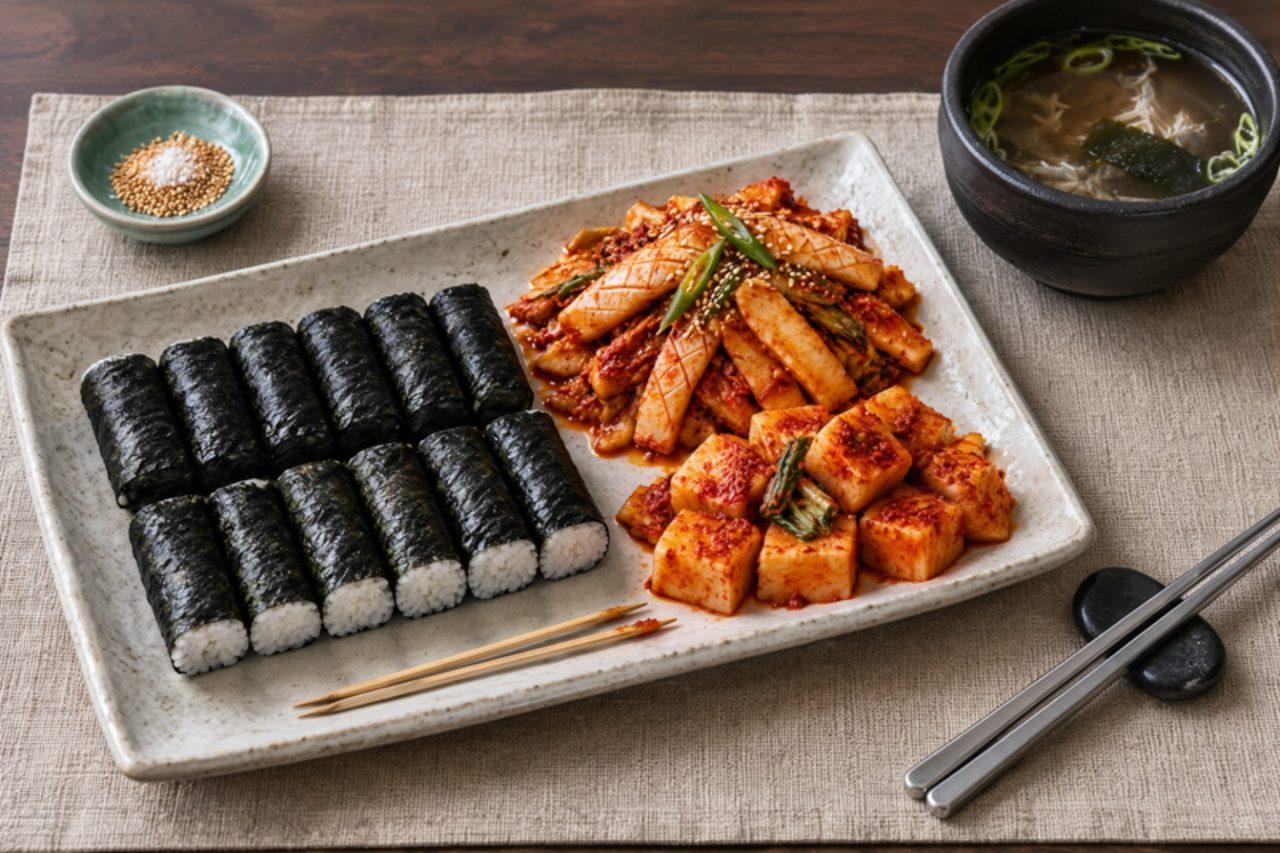
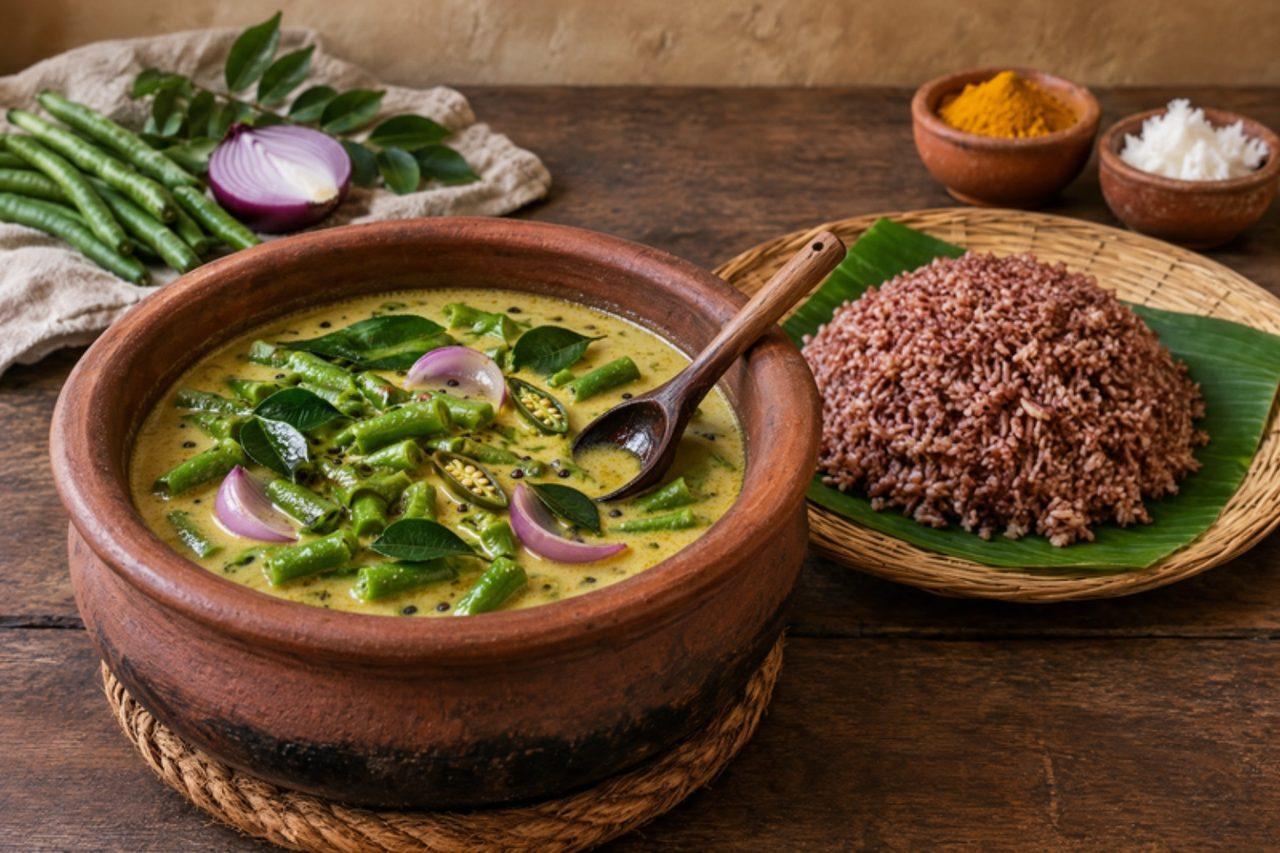
 Sri Lankan
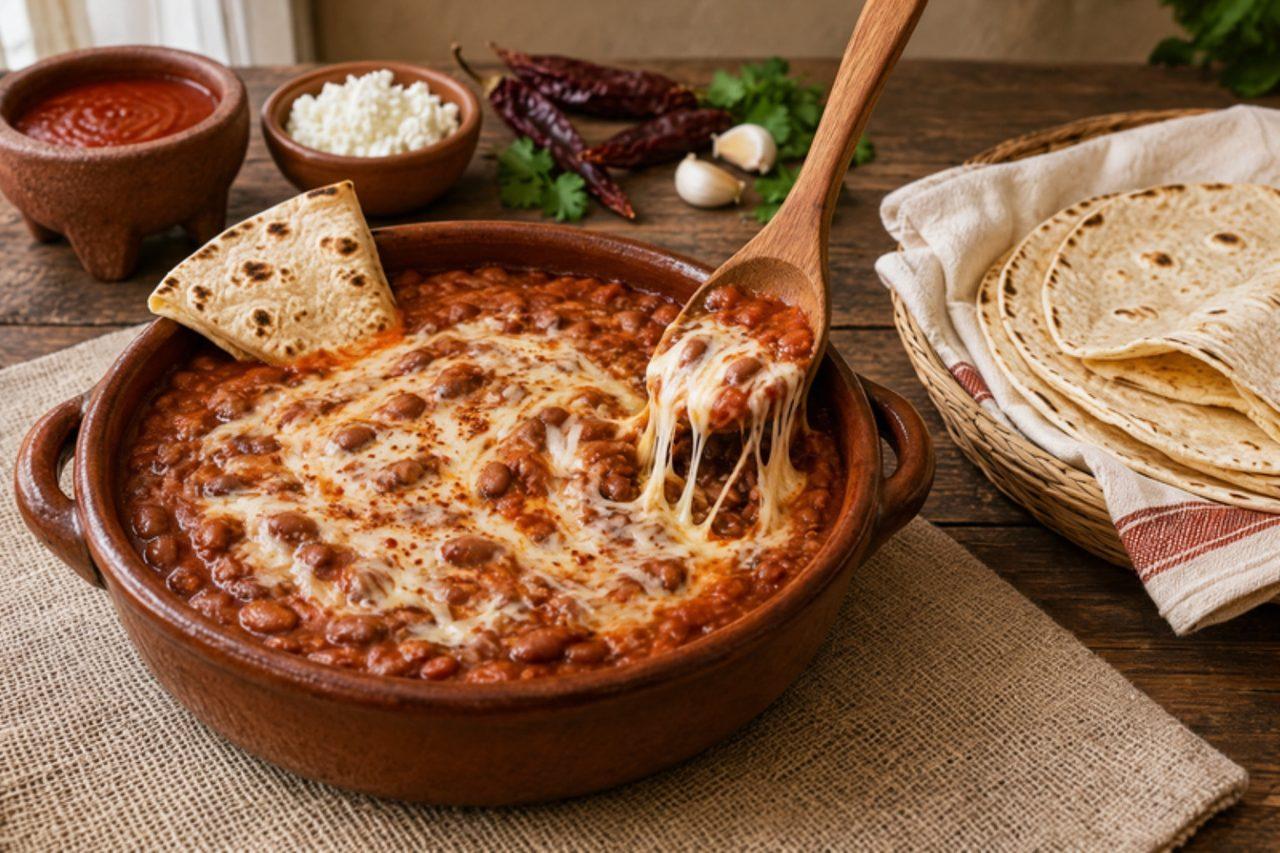

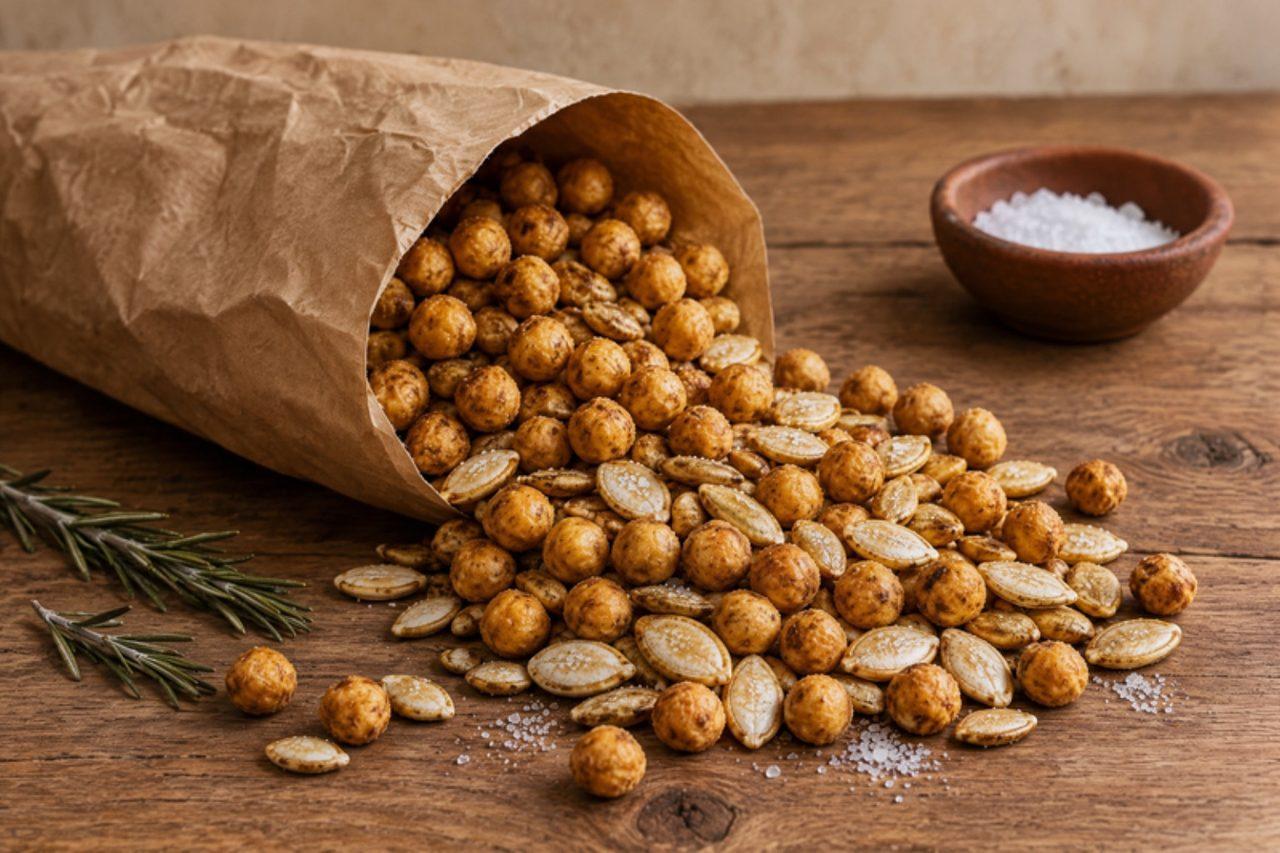

 Peruvian
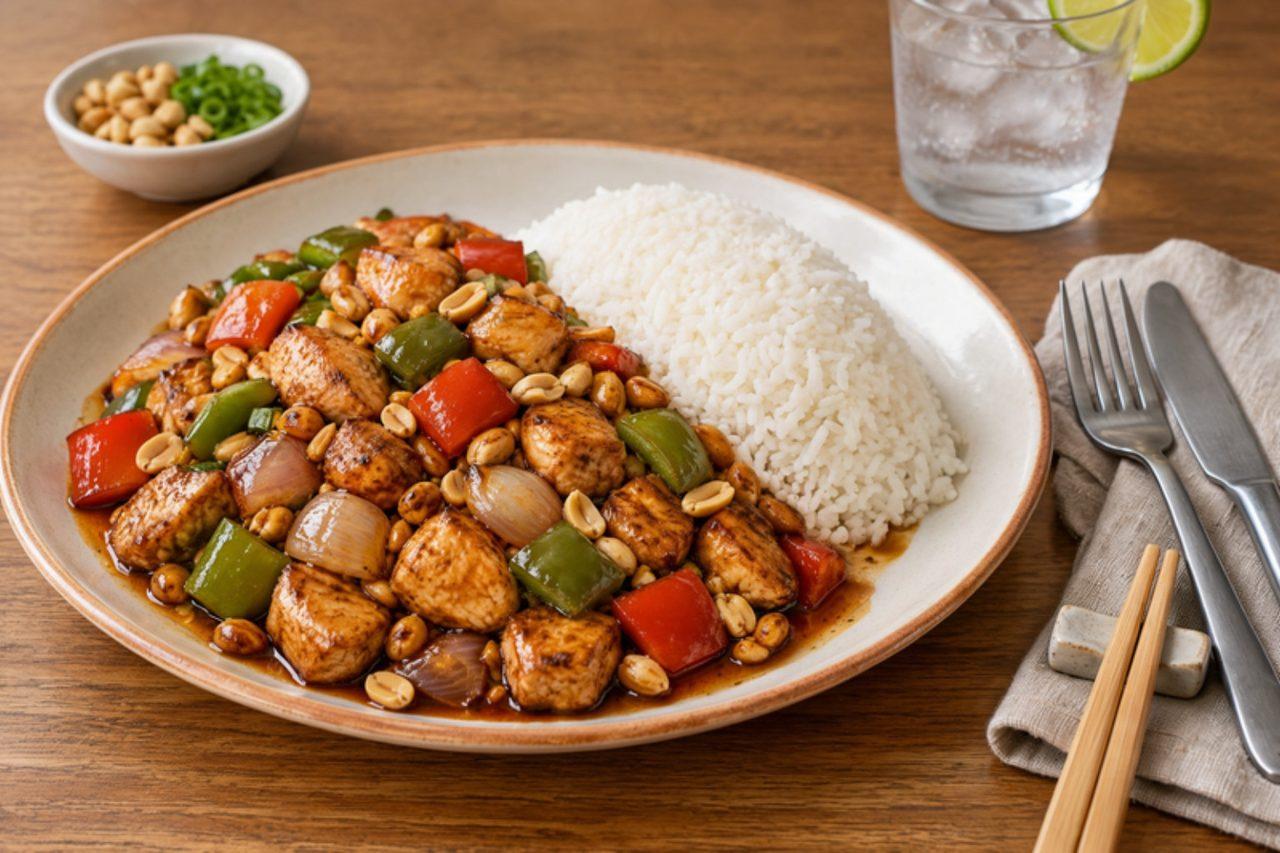

 Taiwanese
 New Zealand
 Nepali