Skip to content
Ghana sugar bread
Featured recipe

Ghana sugar bread

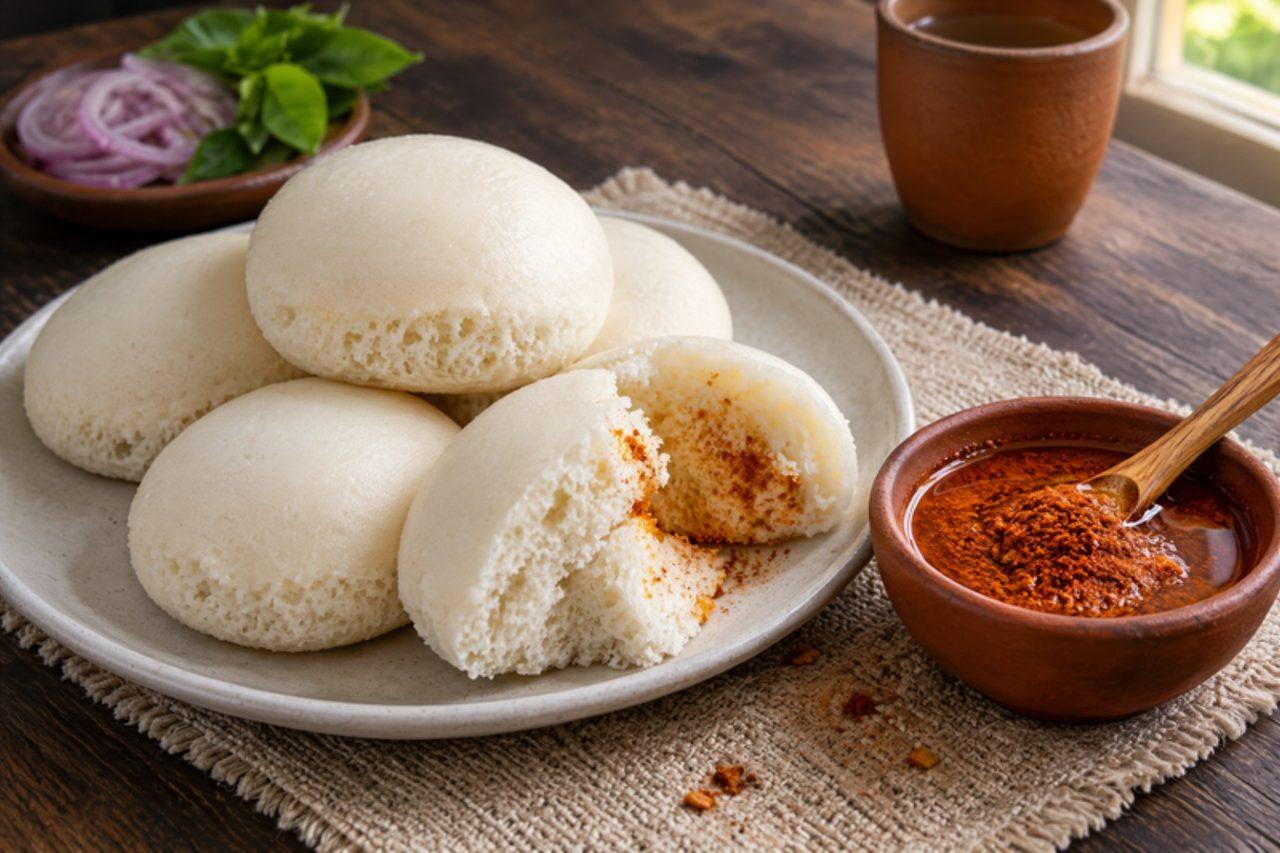
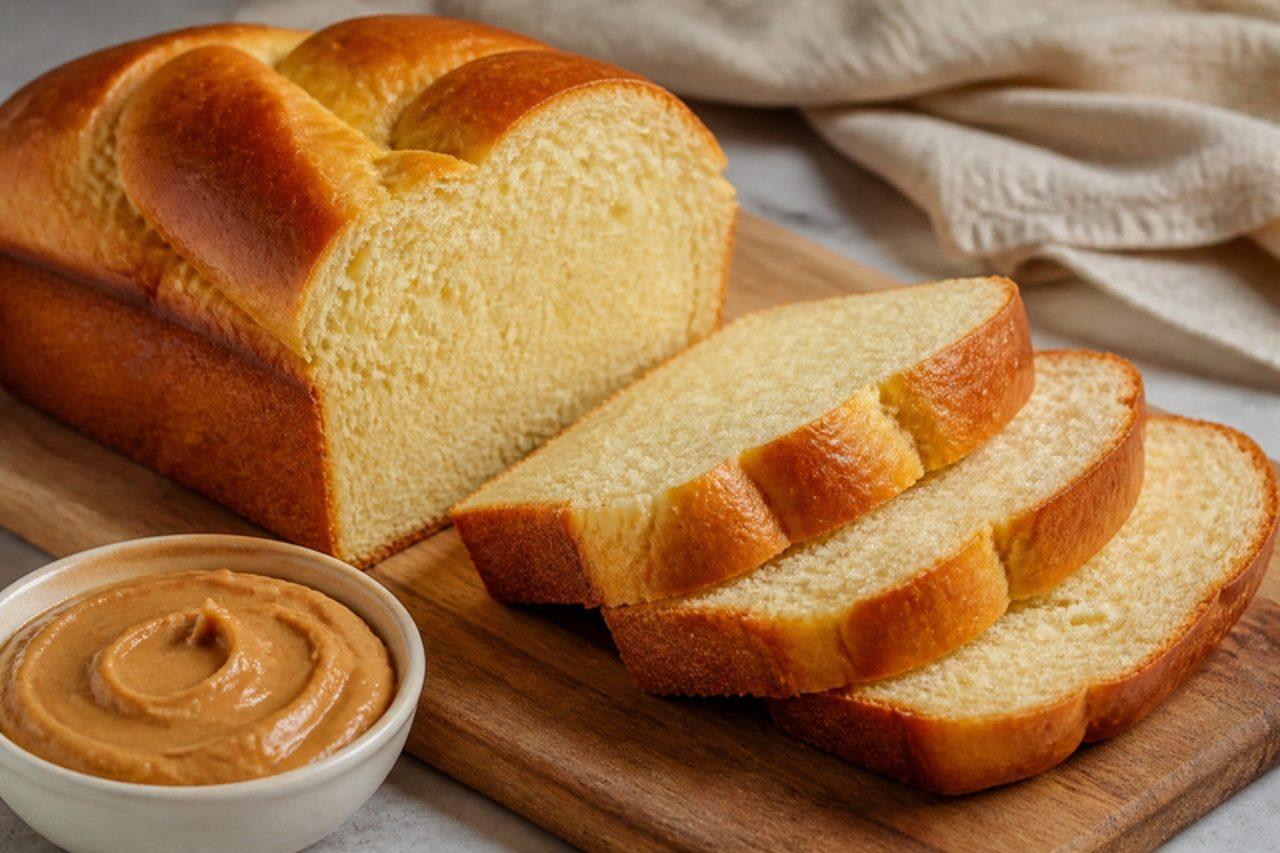
Bread vans, kiosks and hawkers balancing glass boxes on their heads sell sugar bread all over Ghana, from Accra lorry stations to small-town junctions. The crumb is soft, fine and slightly yellow from egg and butter, with a gentle sweetness and a hint of nutmeg, and it tears into fluffy strands. Ghanaians eat it with a mug of tea or cocoa drink, spread with groundnut paste, or wrapped around an omelette for a quick breakfast. Allow about two hours for the two rises. Chef's tip: the dough should stay soft and a little tacky after kneading; adding extra flour to make it easy to handle is the usual mistake, and it gives a dry, crumbly loaf.

Read more 0 views

What to eat today?

Around the world

Today's trip: Persian

A new country every day, from every cuisine on the site.

Persian

Dizi

Lamb and chickpea stew 245 minMore from Persian (131) →

This week's collection

Kid-friendly dinners
578 recipes · a new collection every Monday

Latest recipes

Louise sliceJam and coconut meringue slice

Louise slice, or Louise cake, is a New Zealand tea-time classic found on church cake stalls and in grandma's tins from Invercargill to Whangārei. A buttery shortcake base is spread with raspberry jam and topped with a chewy coconut meringue that bakes to pale gold. It is light and pretty, and very easy. A common mistake is baking the meringue too hot, which browns it before it sets inside. Chef's tip: spread the meringue right to the edges so the jam doesn't bubble through.

by KrazyBadal 0 views

CancatoSalmon with cheese and tomato

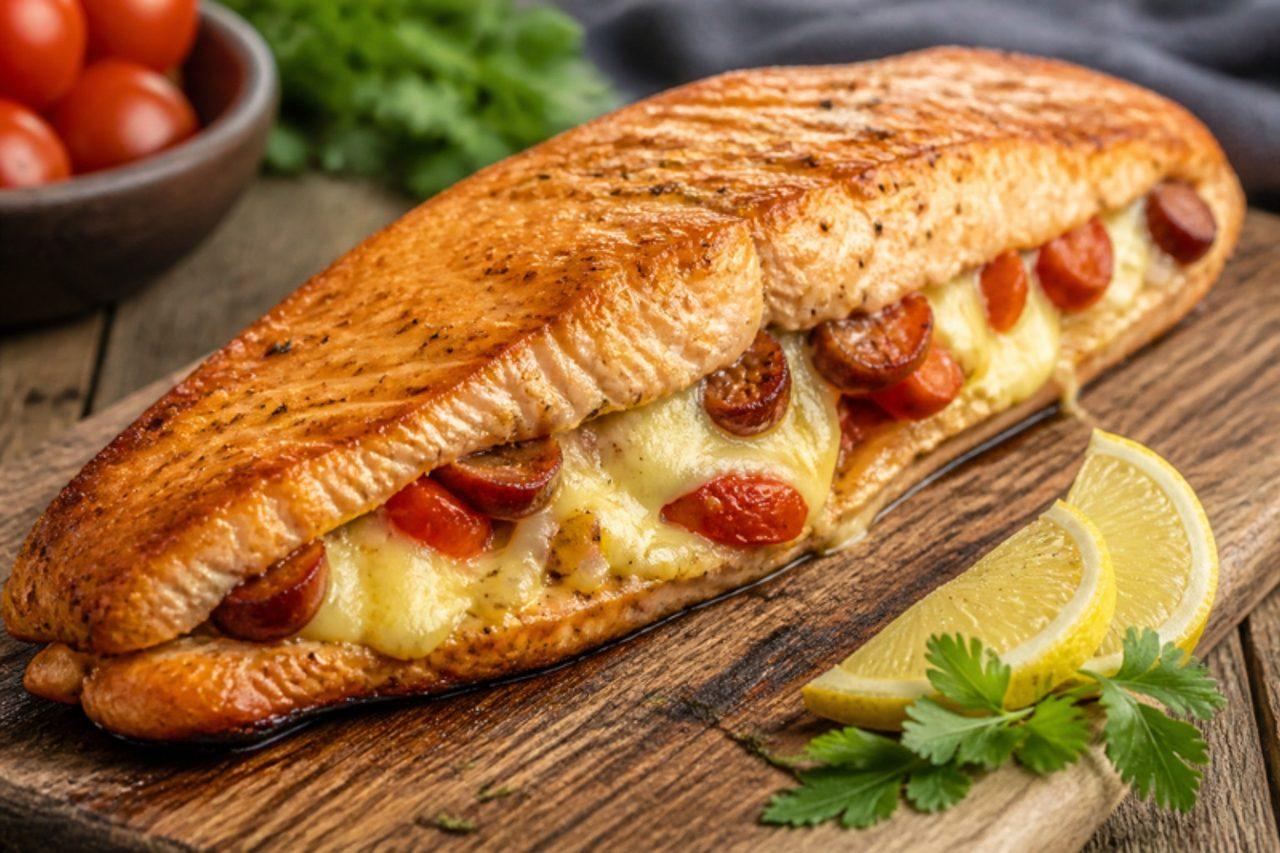
Cancato belongs to Chiloé and the lakes around Puerto Montt, where salmon is everyday food: a whole fillet is opened like a book, stuffed with melting cheese, tomato, onion and slices of longaniza (a pork sausage like chorizo), then wrapped and cooked over embers or in the oven. It is party food, cut at the table. The common mistake is putting raw sausage inside: it won't cook through before the salmon dries out. Fry it first. Chef's tip: wrap the parcel in foil with the seam on top and open it for the last 5 minutes, so the cheese browns while the salmon stays juicy.

by KrazyBadal 0 views

Khatta magGreen moong in sour yogurt

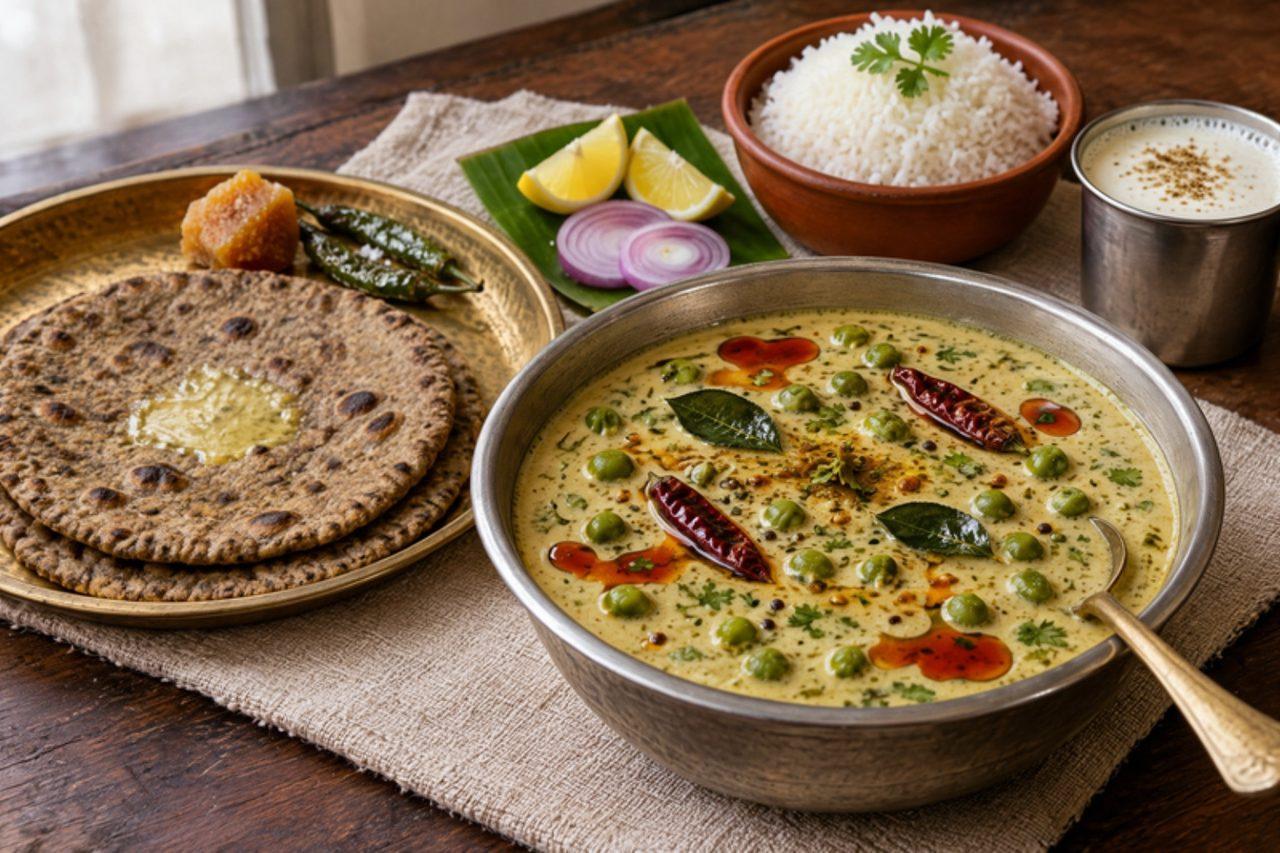
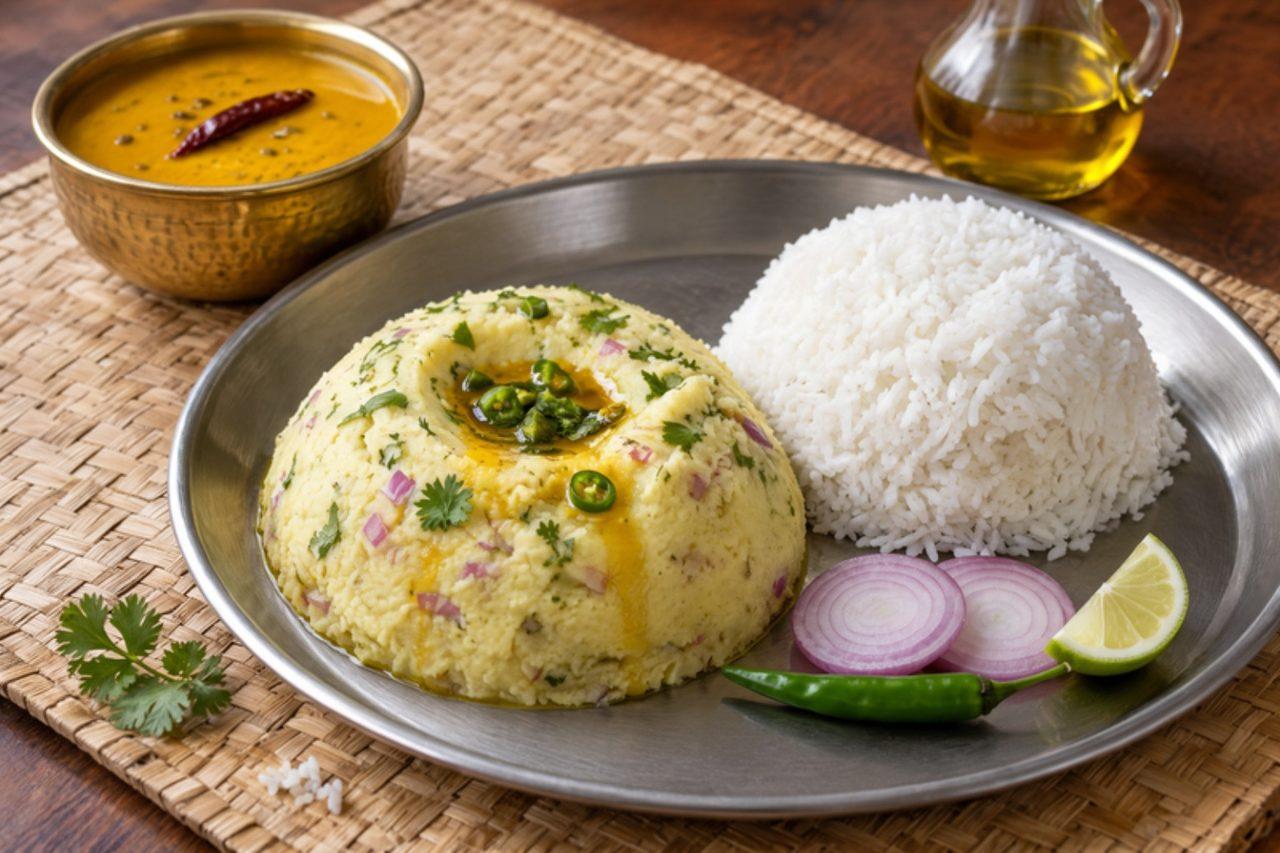
Khatta mag is weekday comfort across Gujarat, from Ahmedabad flats to Saurashtra farmhouses: whole green moong cooked soft and simmered in a tangy, kadhi-like gravy of yoghurt and gram flour with ginger, green chilli and a clove-and-cinnamon tempering. It is ladled over rice or eaten with bajra rotla, and many families cook it on Wednesdays, the day for moong. A little jaggery is optional. The usual mistake is pouring cold yoghurt into the hot pot without whisking it with gram flour first, which makes it split into curds. Slow-cooker: cook the soaked moong with 600 ml water on low for 5 hours, then stir in the yoghurt mix and cook on high for 30 minutes. Chef's tip: slightly sour, day-old yoghurt gives the best khatta flavour.

by KrazyBadal 0 views

DenningvleisTamarind and allspice braised lamb

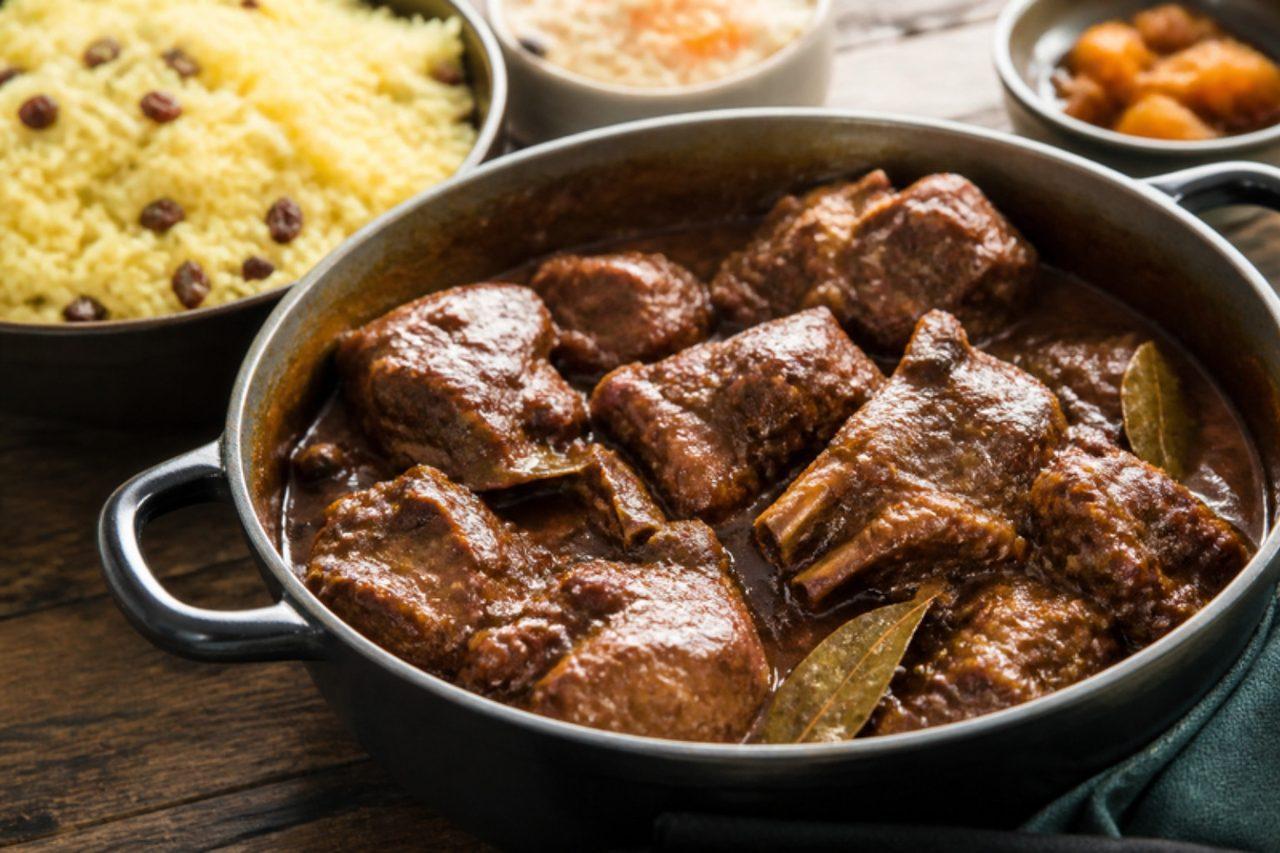
Older Bo-Kaap cooks make denningvleis for family lunches and for the day after Eid, when there is lamb to use up: chunks of shoulder braised with a mountain of onions, bay leaves, allspice and sour tamarind, finished with a little brown sugar. It is not a curry; there is barely any chilli, and the flavour is all sweet against sour, with the fragrance of bay running through a dark, sticky gravy. Serve it with geelrys, the Cape's turmeric rice with raisins, and a sharp tomato-and-onion sambal. The classic slip is pouring in tamarind pulp straight from the block, seeds and stringy fibres included, so soak and strain it first. Chef's tip: let the onions cook down almost to a jam before adding liquid; they thicken the sauce, so you never need flour.

by KrazyBadal 0 views

KhurchanScraped milk skin sweet

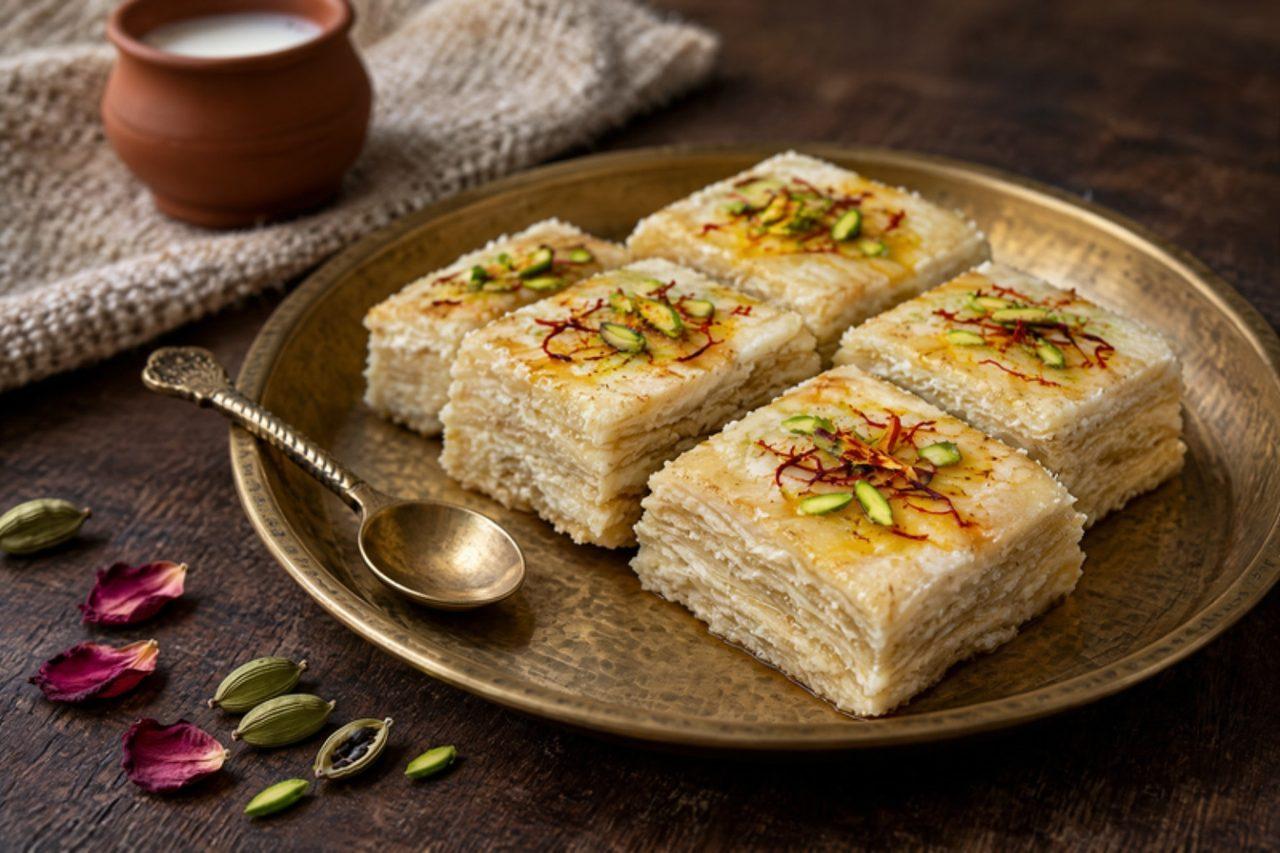
Khurchan means 'scrapings', and in Mathura and the sweet lanes of Old Delhi it is made by simmering milk in a wide iron kadhai and lifting off the skin that forms, layer after layer, then stacking the sheets with a sprinkle of sugar and cardamom. It is a winter sweet, sold in small squares, and offered at Janmashtami in Krishna's town. It takes patience, not skill. The common mistake is letting the milk boil, which breaks the skin; keep it just steaming, never bubbling. Chef's tip: fan the surface of the milk gently with a paper plate between layers; the cooler air makes the skin form faster and thicker.

by KrazyBadal 0 views

AkabenzCrispy fried pork

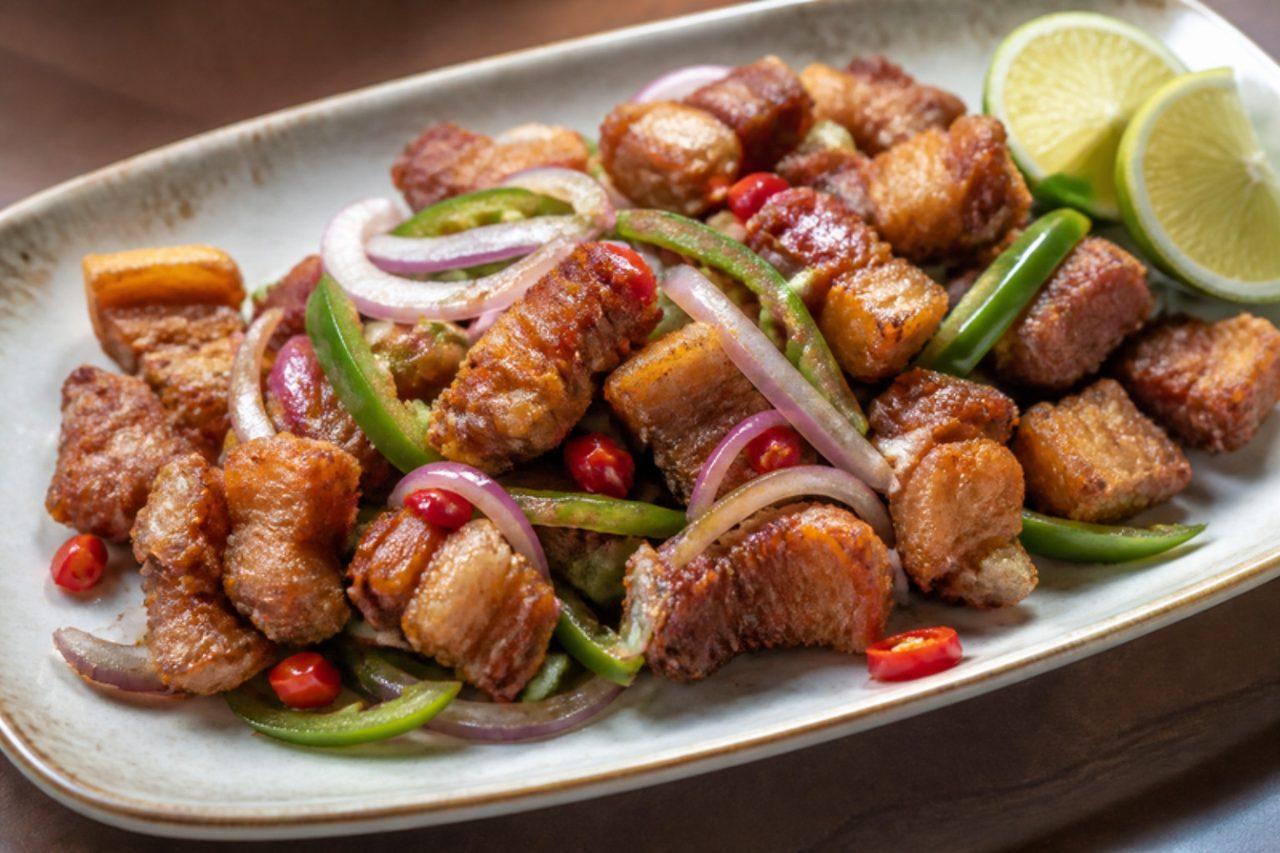
Pork is the star on Kigali's evening bar terraces, where friends share a plate of akabenzi; the name jokes that pork was once a luxury fit for a Mercedes-Benz owner. Chunks of pork shoulder or belly ribs are simmered until tender, then fried hard with onion and chilli until the fat crackles and the edges go crisp and caramelised, while the inside stays juicy. It comes with fried plantain or chips and a fiery chilli oil. The mistake is frying raw pork straight away: the outside burns before the middle cooks, so boil it first. The pork is cooked to well beyond 71 °C. Chef's tip: dry the boiled pieces thoroughly before they hit the oil, or they spit and steam instead of crisping.

by KrazyBadal 0 views

MalakwangSour greens in peanut paste

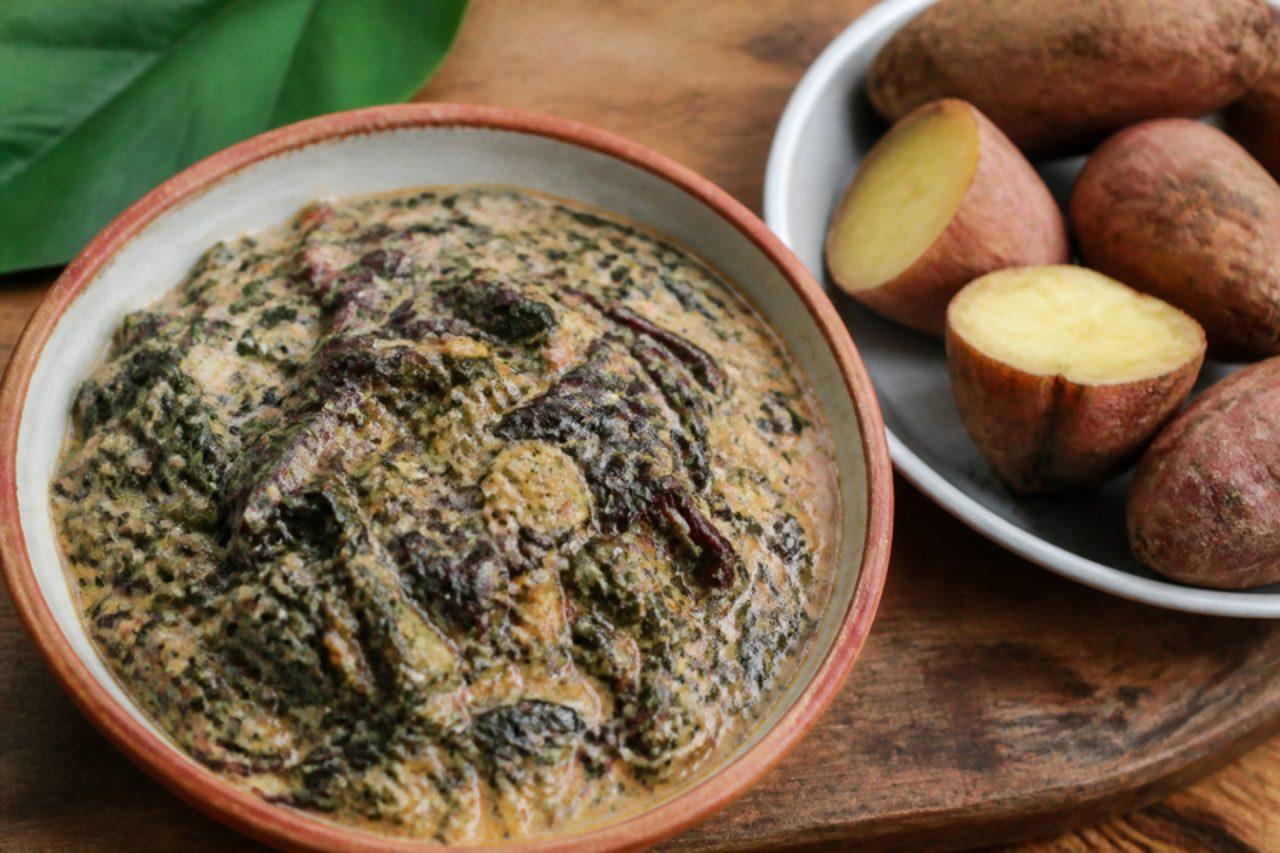
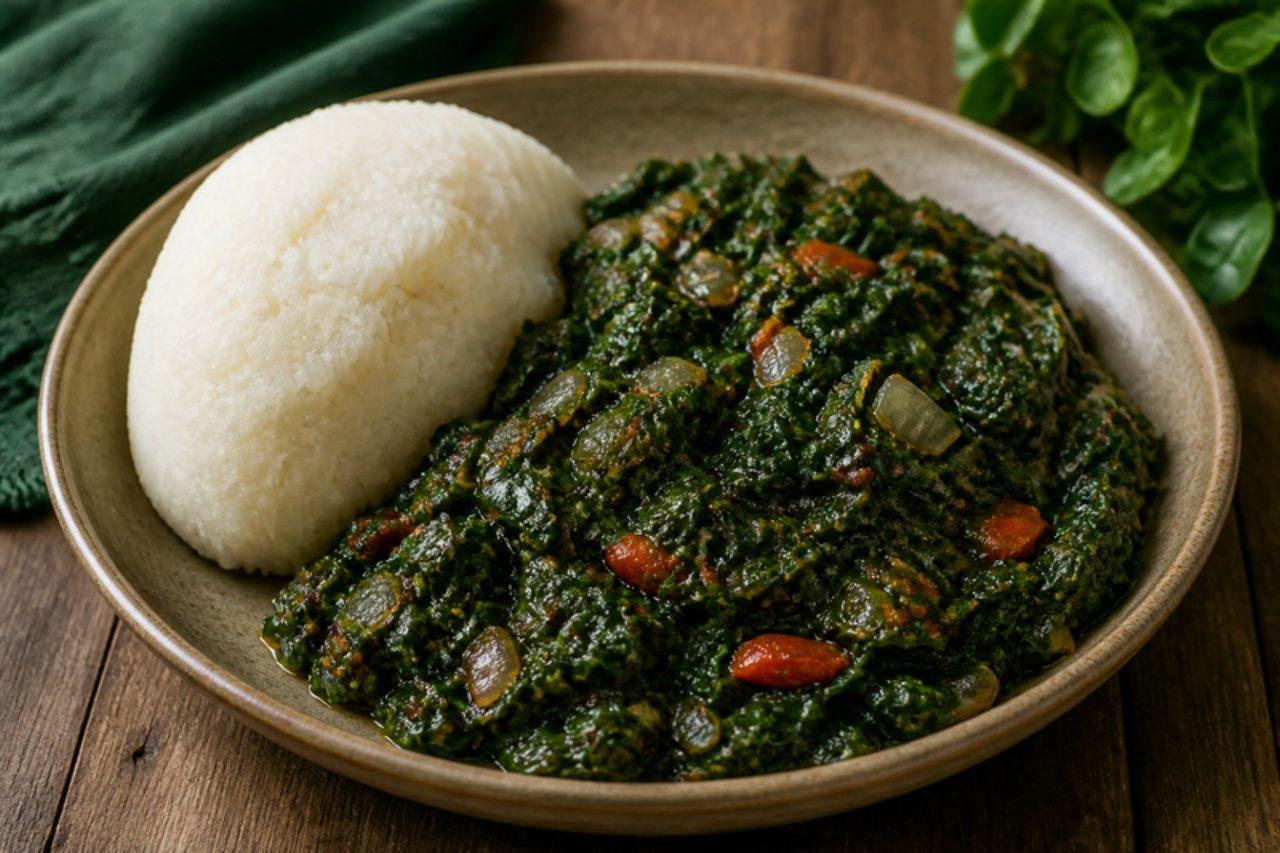
Gulu and the villages of Acholiland wait for the rains, when malakwang, the tart young leaves of the roselle hibiscus, come into the markets in big bundles. Simmered down with onion and tomato and finished with roasted peanut or sesame paste, they make a thick, dark green, sharply sour and richly nutty sauce that tastes of lemon and cream at once. It is eaten with boiled sweet potatoes, cassava or millet bread at a family meal. Look for fresh or frozen roselle leaves at African grocers, or the same leaf sold as gongura or sorrel leaves in Indian shops; spinach with lime juice is a fallback. Chef's tip: let the leaves collapse fully before the paste goes in, otherwise their sourness stays raw and harsh.

by KrazyBadal 0 views

HacheeBeef and onion stew

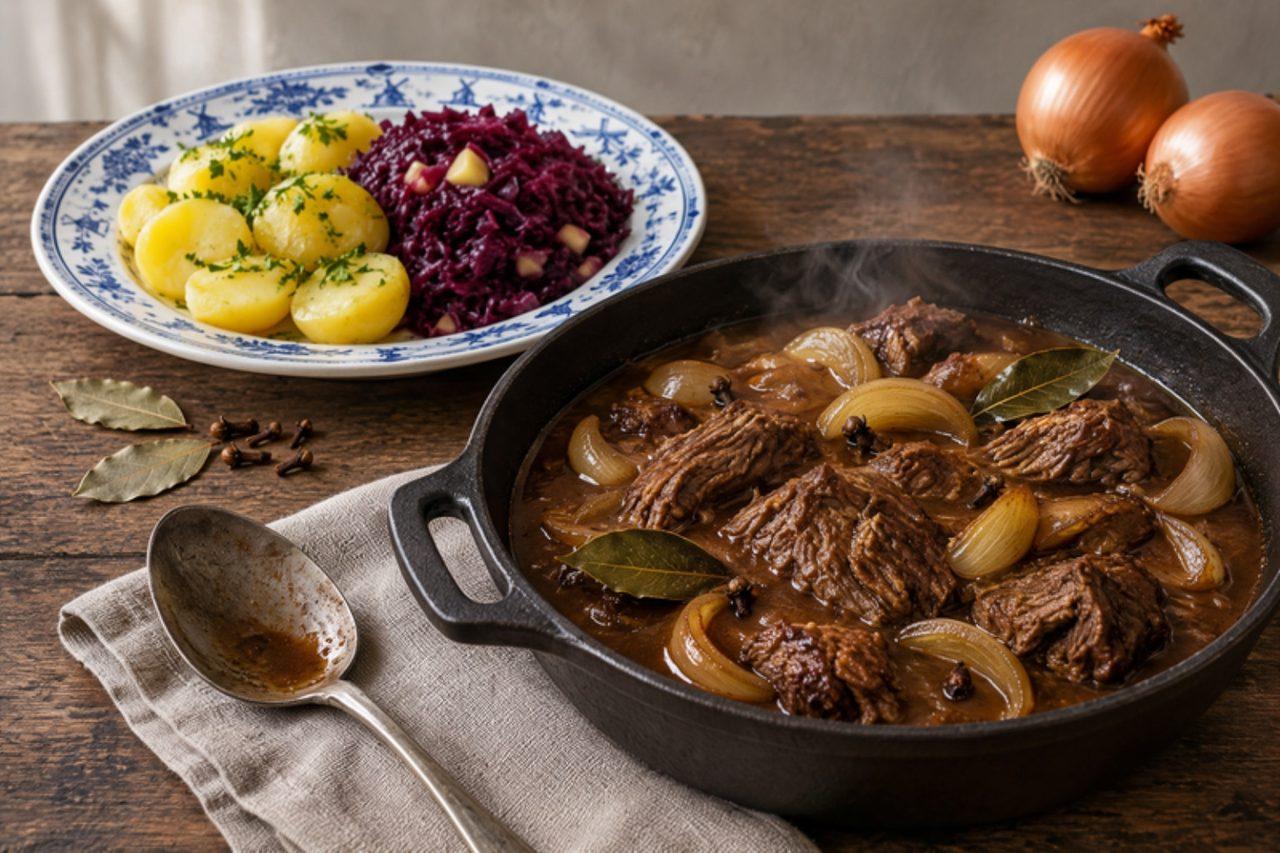
Hachee is the Dutch stoofpotje that grandmothers in Friesland, Groningen and Brabant leave murmuring on the back of the stove on cold Sundays: beef braised with almost as much onion as meat, plus bay leaves, cloves and a splash of vinegar, until it falls apart into a dark, sweet-sour gravy. It goes on boiled potatoes with red cabbage, or with stamppot, and leftovers are eaten on toast. The usual mistake is rushing the onions: they need a good 15 minutes to turn deep golden, or the gravy stays pale and sharp. Slow-cooker option: after browning, cook on low for 8 hours. Chef's tip: stir in a spoon of dark syrup or apple butter at the end only if the vinegar tastes too sharp; taste first, as good onions often make it unnecessary.

190 minDutchMeat
by KrazyBadal 0 views

ÄggostEgg cheese

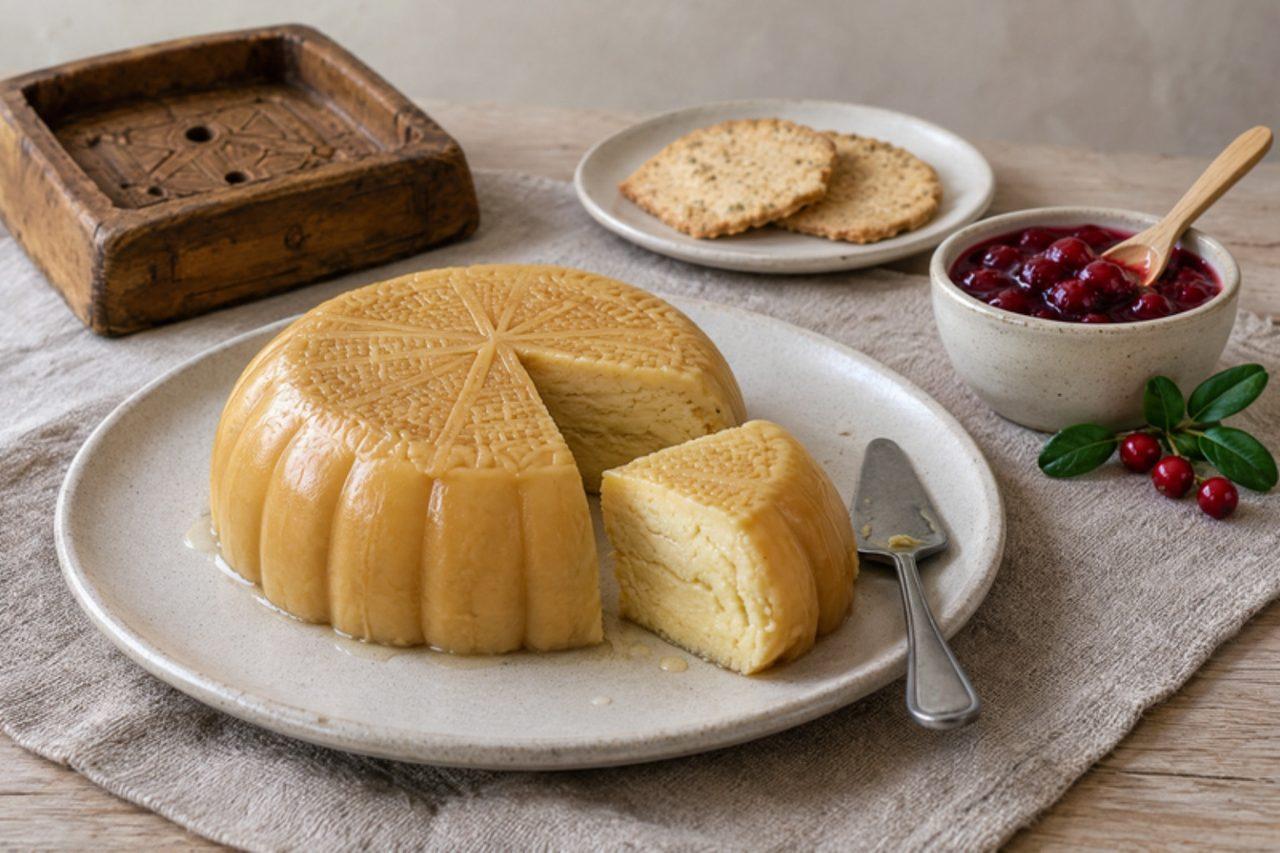
Äggost, egg cheese, belongs to the farm kitchens of Västergötland and Halland in west Sweden, where it is made for Christmas, Easter and midsummer tables and the leftovers become breakfast with cloudberry or lingonberry jam. Eggs and milk are heated until soft, sweet curds form, which are drained in a holed mould so they keep its pattern. It is creamy, mild and slightly sweet. The common mistake is rushing the heat: boiling the milk too hard makes rubbery curds, so keep it at a gentle simmer. Chef's tip: this version sets the curds with buttermilk, not rennet, so it is suitable for vegetarians; drain it overnight in the fridge for the firmest slice.

by KrazyBadal 0 views

Misa mach pooraPrawns grilled in banana leaf

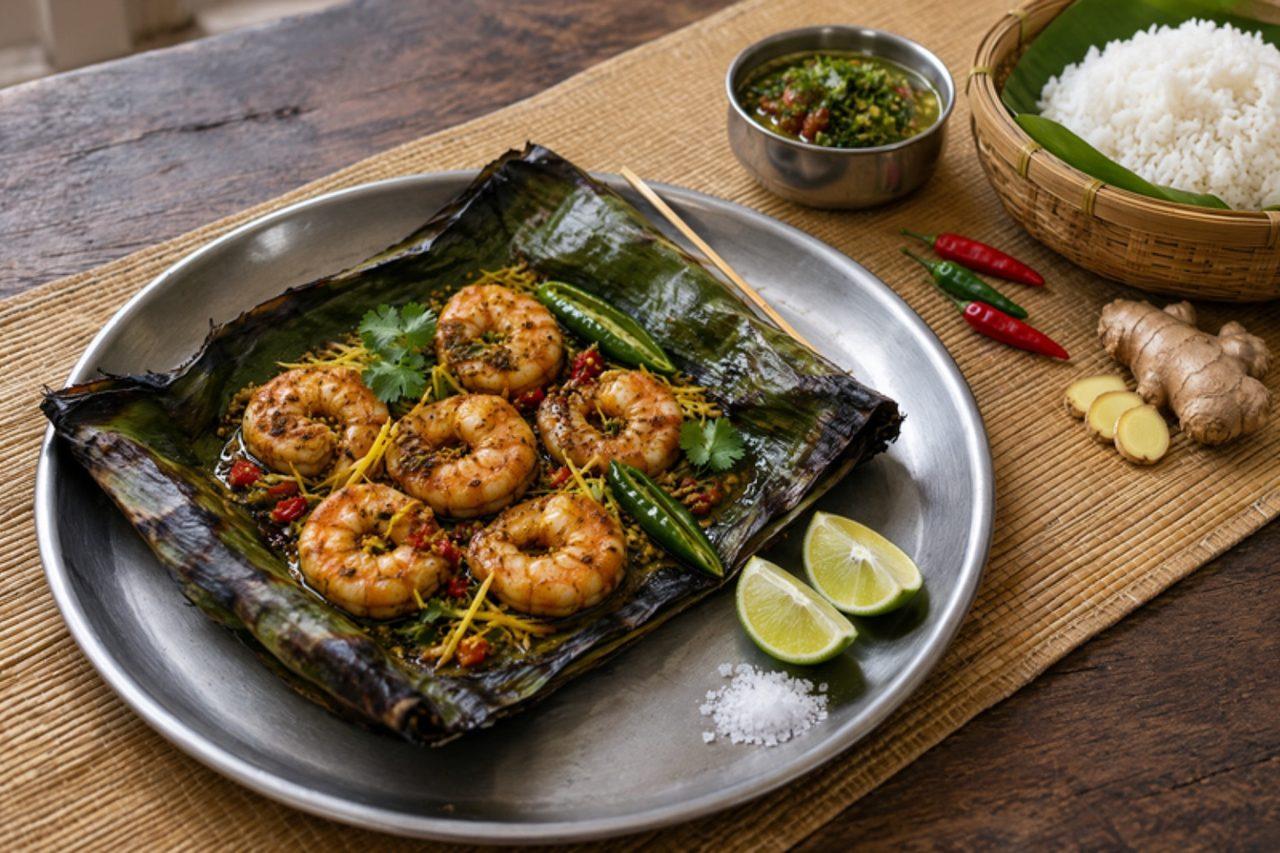
Misa mach poora is a simple Mizo way with river prawns: rubbed with ginger, garlic, chilli and salt, wrapped in banana leaf and cooked over embers until the leaf chars and the prawns steam in their own juices. It is made at riverside picnics and family cookouts and eaten with rice and a chilli relish. The common mistake is overcooking, which makes prawns tough; they are done the moment they turn opaque and pink all through. Chef's tip: keep the marinated parcels in the fridge until the grill is hot.

27 minIndianFishGluten free
by KrazyBadal 0 views

Kinzanji misoChunky barley miso

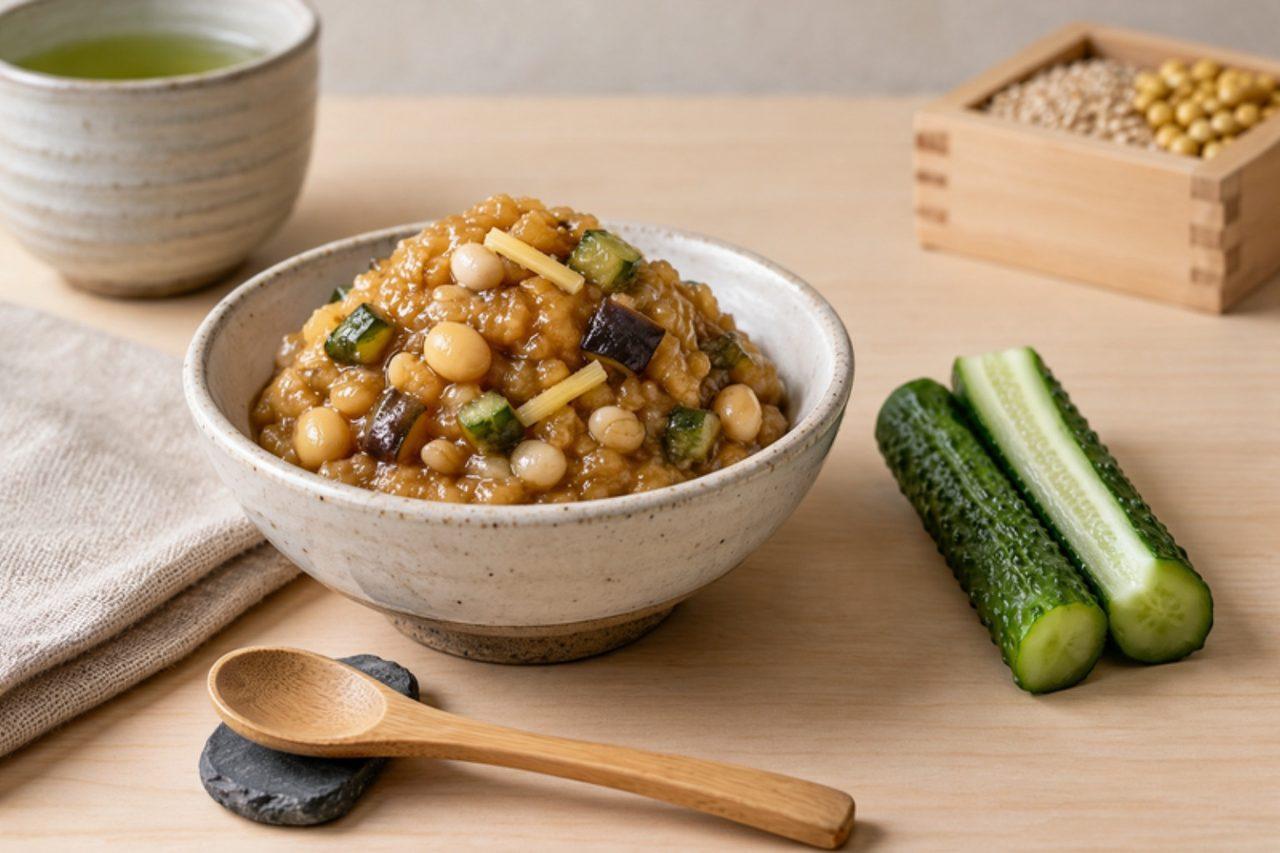
Kinzanji miso is not for soup. It is a chunky, sweet-savoury 'name-miso', a miso you eat straight, spooned onto hot rice, tucked into a cucumber stick or set beside rice porridge at breakfast. Legend says a monk brought the method from Jingshan Temple in China to Yuasa in Wakayama, where the run-off liquid became Japan's first soy sauce. Traditionally it is made in summer, when aubergines and uri melons are plentiful, and eaten through autumn and winter. You can see every ingredient: soft barley grains, nutty roasted soybean pieces, little cubes of aubergine and cucumber, threads of ginger, all bound in a glossy brown paste. This home version uses ready-made barley koji. The common mistake is adding the vegetables wet; salt them, then squeeze hard, or the extra water thins the salt and invites spoilage. It is ready when the barley grains are soft, the mix smells sweet and soy-like, and it tastes rich and rounded, after about four weeks; then it is sweetened and kept cold. Japanese melon (shirouri) is traditional; firm cucumber is the usual substitute. Chef's tip: a spoonful on a cold block of tofu with a little chopped spring onion is the best snack you can make in 30 seconds.

by KrazyBadal 0 views

KismurDried prawn and coconut salad

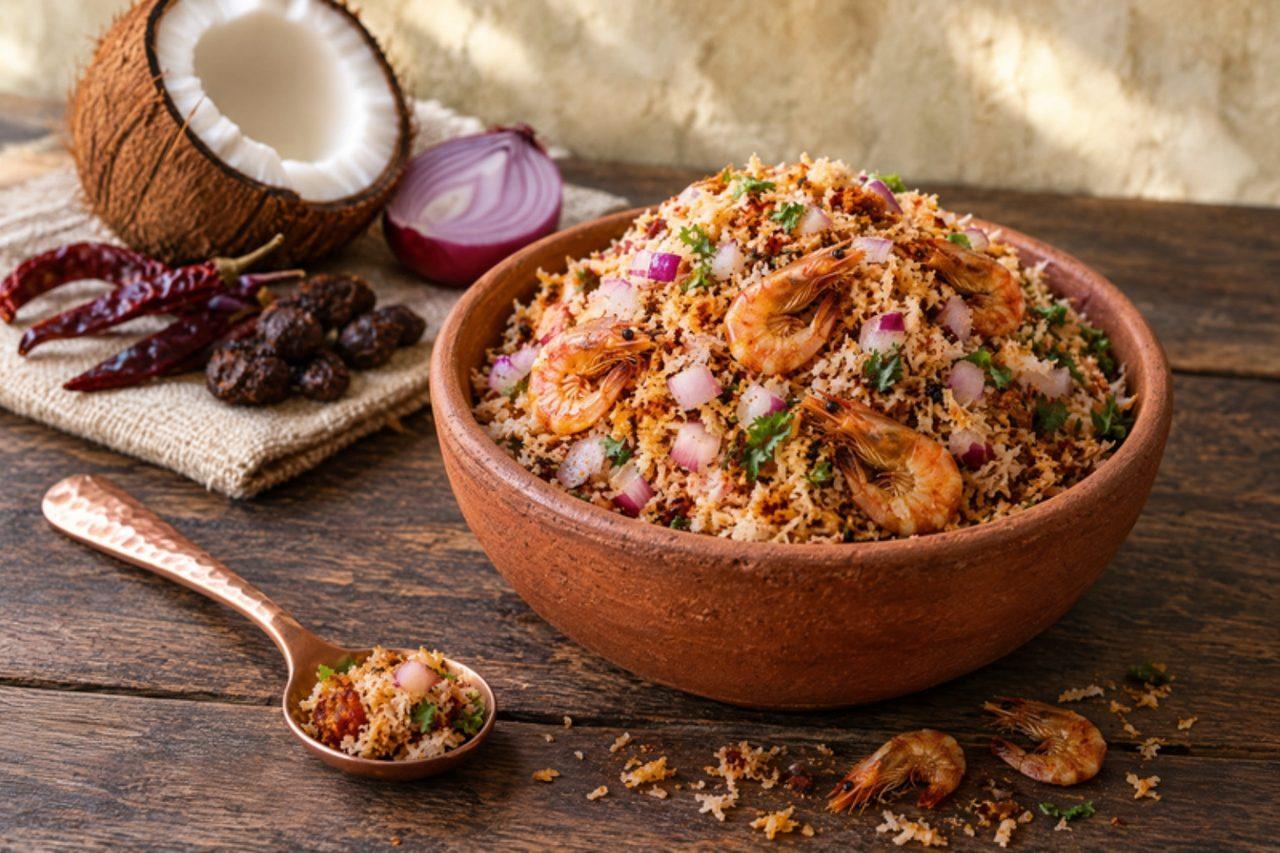
Kismur is a dry, crunchy Goan side that turns a simple plate of rice and dal or pez into a feast, and it is made across Goan homes, Hindu and Catholic, especially in the monsoon when fresh fish is scarce. Dried prawns are toasted until crisp, then tossed with raw onion, grated coconut, chilli and a little tamarind, so it tastes salty, sour, sweet and smoky at once. The usual mistake is skipping the toasting: untoasted dried prawns taste fishy and chewy, while well-toasted ones smell nutty and snap. Chef's tip: rinse the prawns briefly and dry them well before toasting, which removes grit and excess salt.

20 minIndianFishGluten free
by KrazyBadal 0 views

KitchaUnleavened flatbread

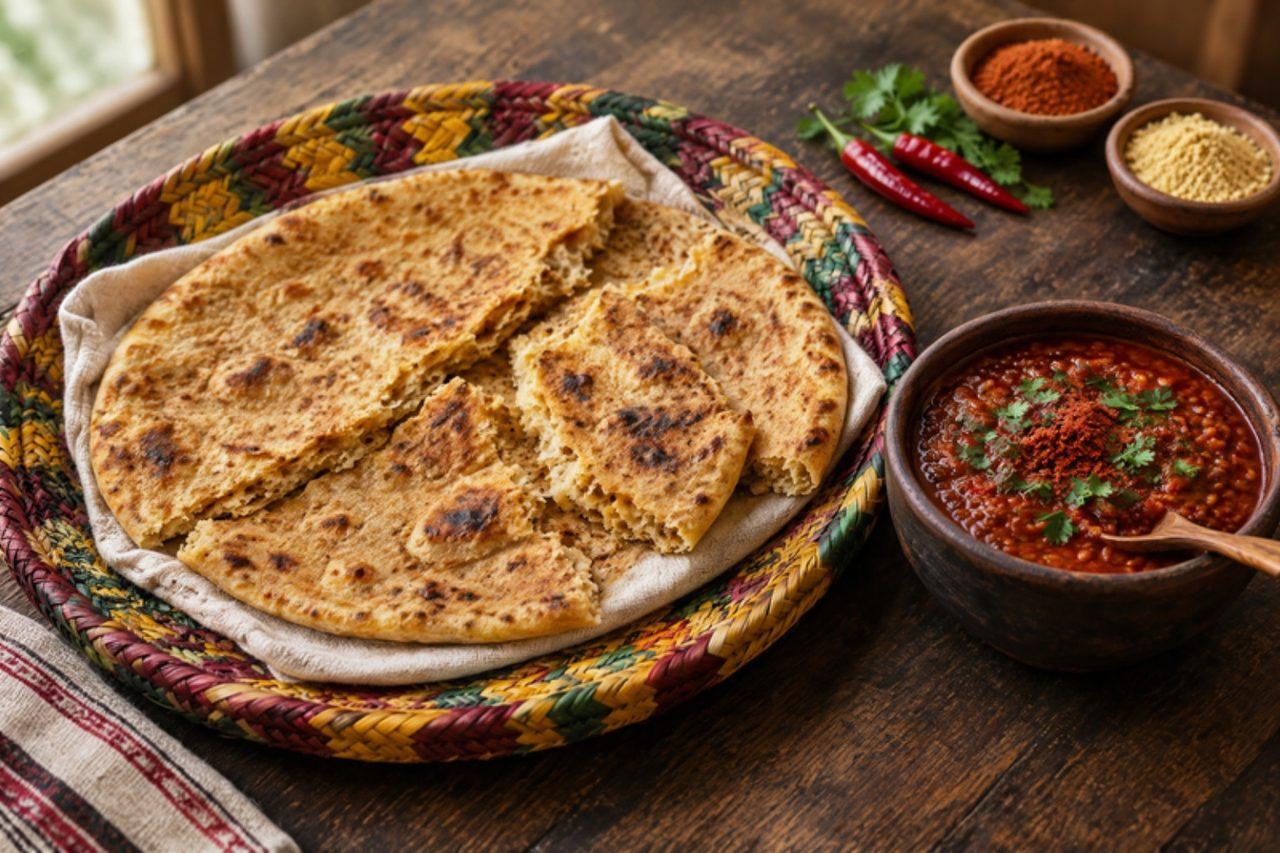
Kitcha (qita) is the everyday quick bread of the Ethiopian and Eritrean highlands, baked when there is no time to ferment injera, and eaten for breakfast with tea or coffee, or torn up as kitcha fitfit with spiced butter and berbere. The dough is just flour and water, spread thick on a hot mitad griddle and cooked on both sides until speckled and firm. Traditionally there is no salt in it at all: about 0.0 g salt per portion, so it sits well beside salty stews. The usual mistake is spreading it too thin, which gives a cracker; aim for 1 cm so the middle stays soft. Barley or teff flour can replace some of the wheat for a nuttier bread. Chef's tip: press a little hollow in the middle with your fingers before turning, and the bread cooks evenly without a raw centre.

by KrazyBadal 0 views

Ägg och kaviarBoiled eggs with fish roe spread

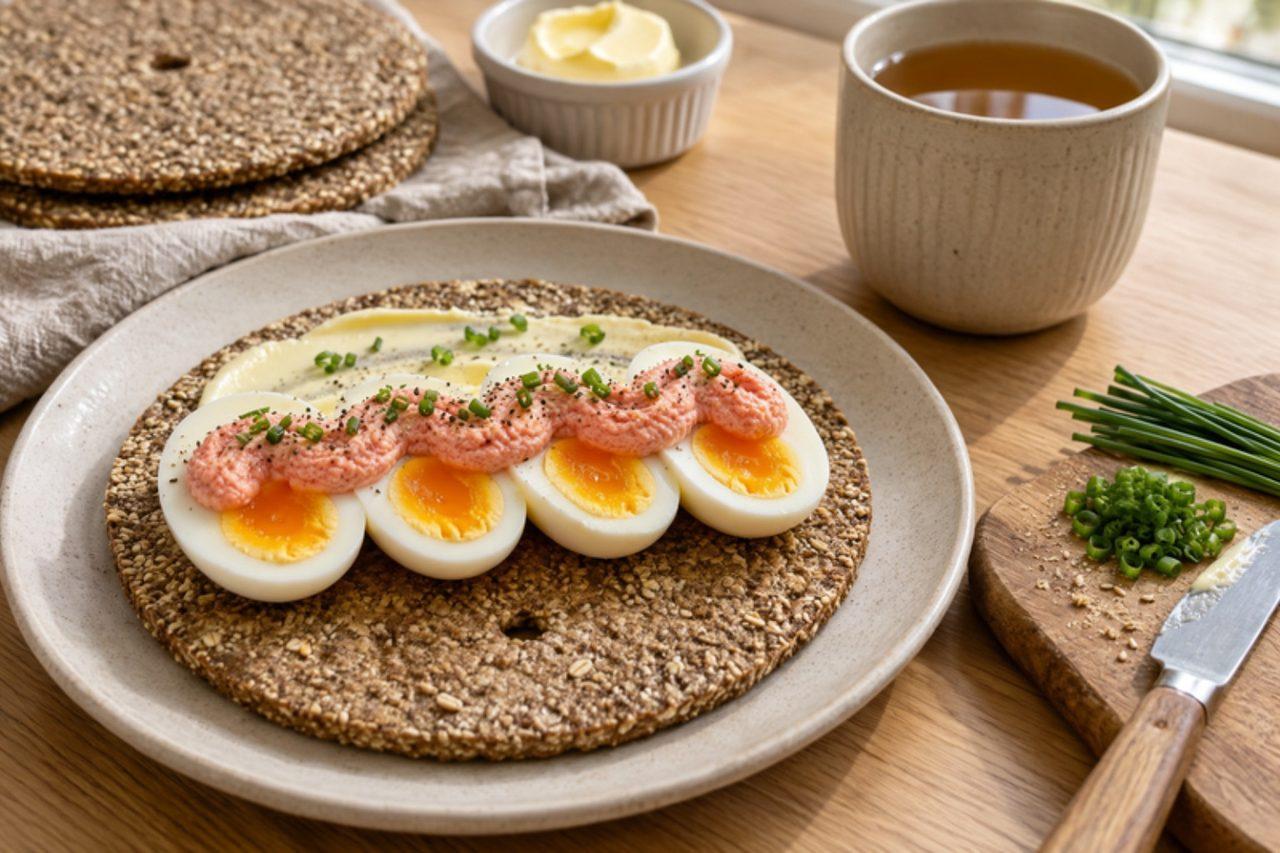
Open any fridge in Stockholm or Gothenburg and you'll find a blue tube of kaviar, a salty, smoky, slightly sweet spread of smoked cod roe, and at breakfast it goes on halved boiled eggs on crispbread or buttered bread. It's a combination Swedes love from childhood, eaten every day and at Easter. The kaviar is smoked and pasteurised, so it is safe for most people; boil the eggs fully for pregnant people and young children. The common mistake is over-boiling the eggs to a grey, chalky yolk; 8 minutes gives a set yolk that's still bright and slightly fudgy. Chef's tip: plunge the eggs into iced water straight away; they peel cleanly and the yolks stay sunny yellow.

by KrazyBadal 0 views

KitozaSmoked dried beef strips

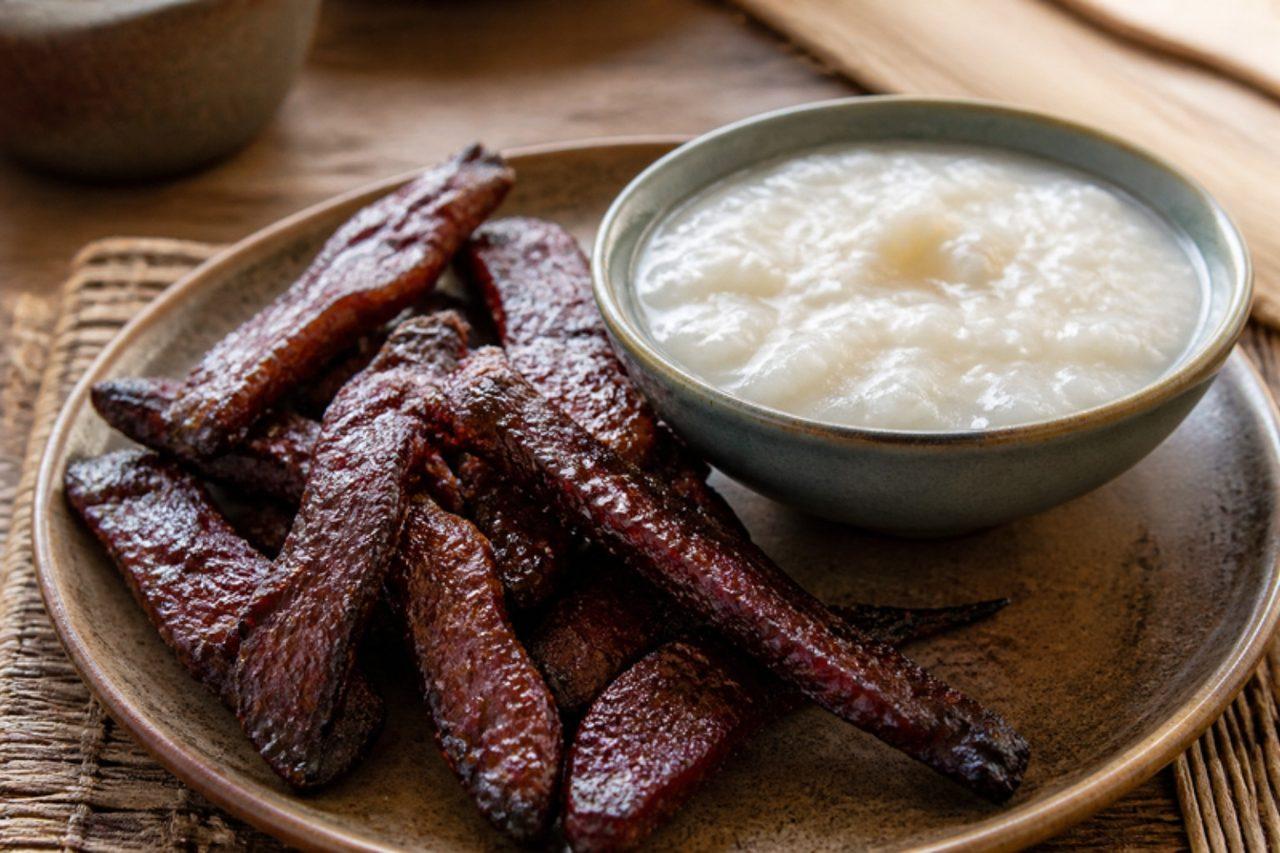
Butchers in the Highland markets of Antananarivo and Ambositra hang long, dark strips of kitoza above smoky fires, and households grill a few pieces each morning to eat with a bowl of soft rice. The meat is lean, cut with the grain, seasoned with salt, garlic, ginger and pepper, then dried until it is chewy and concentrated; a quick grill before serving gives it a smoky, salty crust. This home version uses beef in place of zebu and, for safety, cooks the strips to 71 °C in the oven before drying them slowly at a low heat. It is not for pregnant women, young children or anyone with a weakened immune system. The common mistake is cutting the strips too thick, which leaves them leathery outside and damp inside. Chef's tip: half-freeze the beef for an hour so you can slice it in even 5 mm strips.

175 minMalagasyMeatGluten free
by KrazyBadal 0 views

SosatiesCurried lamb and apricot skewers

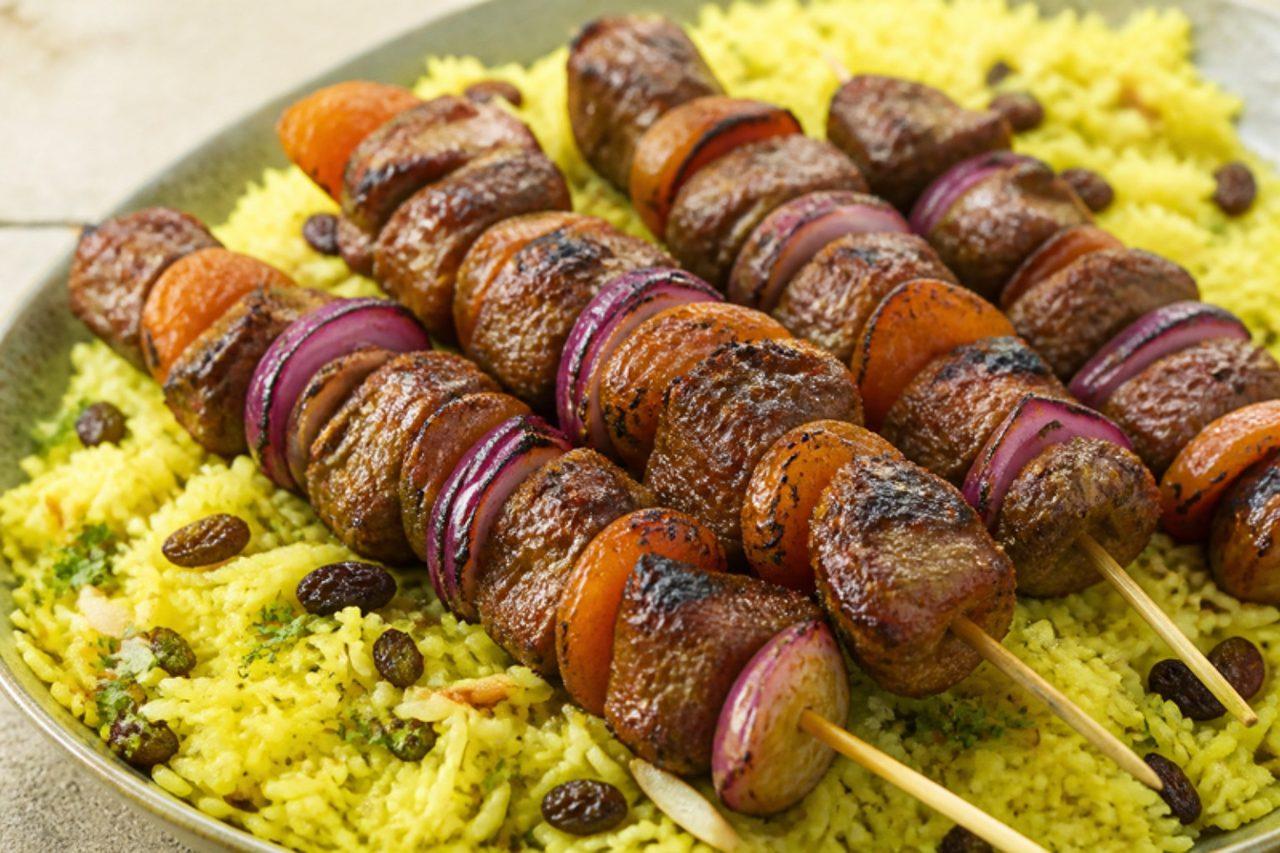
Bo-Kaap kitchens gave the braai one of its sweetest-sour treats: cubes of lamb soaked overnight in a cooked curry marinade of fried onion, apricot jam, vinegar and lemon leaves, then threaded with plump dried apricots and onion and grilled over coals. Every butchery in the Cape now sells them ready-marinated, yet homemade ones taste brighter and less sugary. Expect tender, slightly charred meat, sticky-sweet apricots and a warm curry tang that begs for yellow rice, a green salad or simply a soft roll. Pouring the marinade over the lamb while it is still warm is a common slip; it starts to cook the surface and the meat turns grainy. Chef's tip: boil the leftover marinade for a few minutes and brush it on in the last minutes of grilling for a glossy glaze.

by KrazyBadal 0 views

Agra dalmothFried lentil snack mix

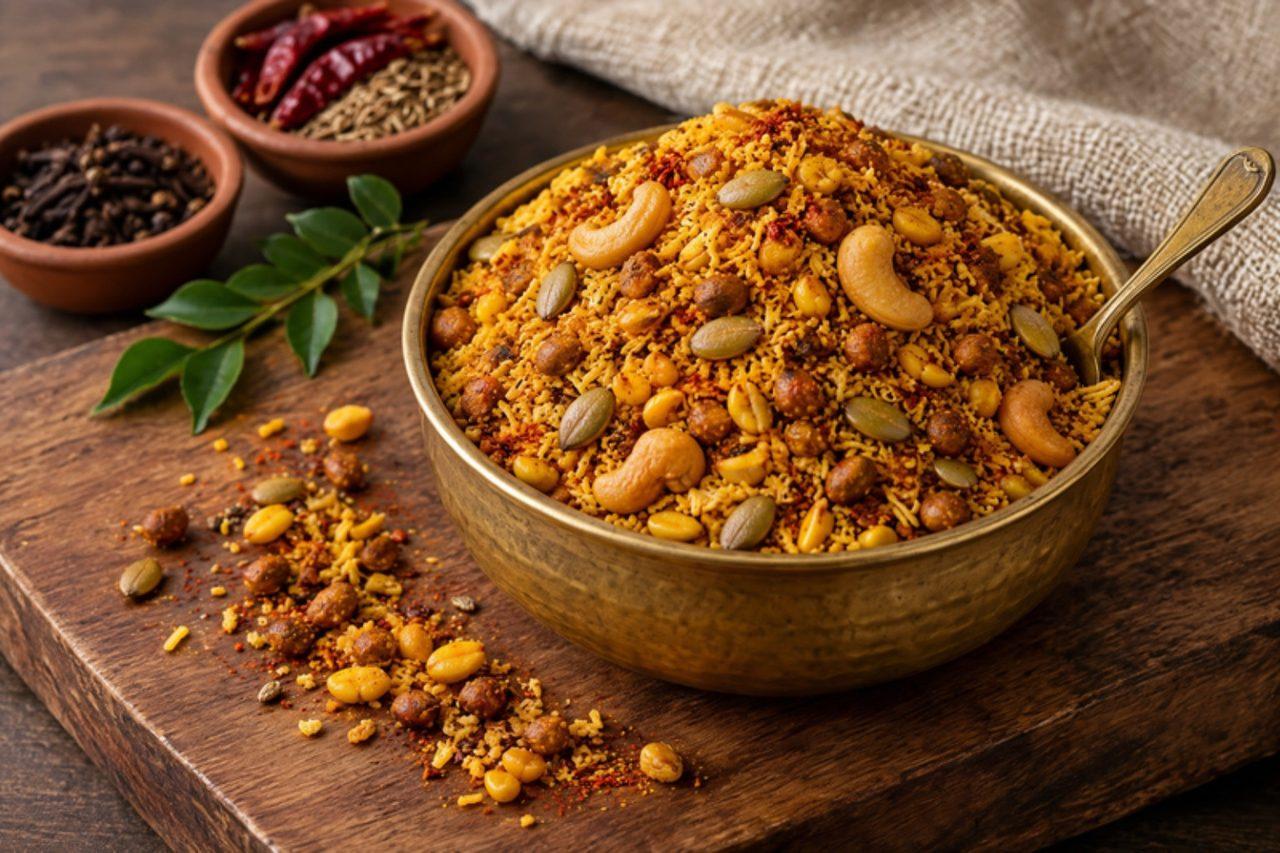
Agra is famous for two sweets and one namkeen, and dalmoth is the namkeen: soaked masoor and chana dal fried until crunchy and tossed with chilli, black salt, dry mango and a little sugar, sold in big tins near the Taj and packed for every train journey. It is eaten with tea in the afternoon and handed round to guests at Diwali. The dal is fried dry, without any batter coating. The common mistake is frying the dal straight from soaking water; any moisture makes the oil spit dangerously and the dal chewy, so dry it on a cloth for at least an hour. Chef's tip: fry the masoor and chana separately, as they need different times to turn crisp.

by KrazyBadal 0 views

Koko alaisaCocoa coconut rice

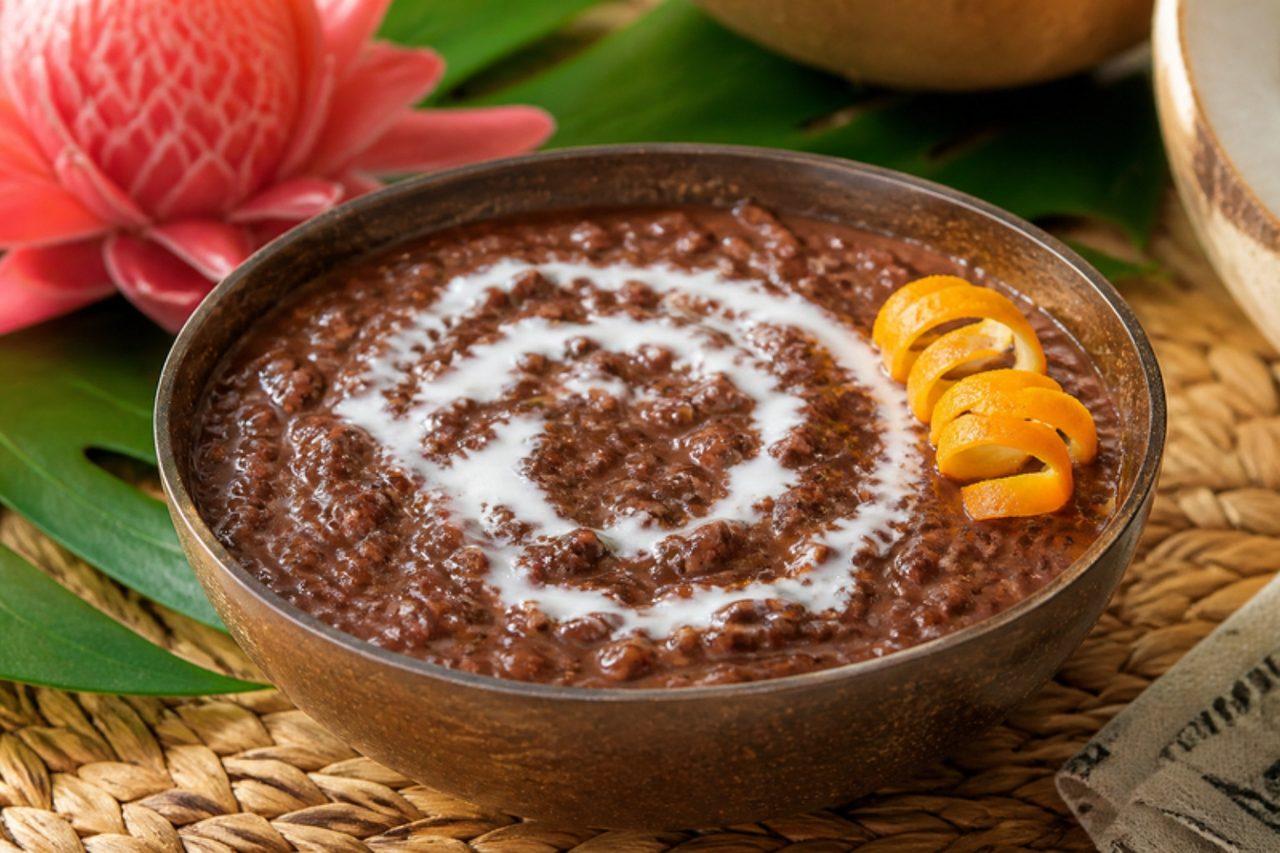
Koko alaisa is a Samoan breakfast and Sunday to'ona'i (after-church lunch) favourite, rice simmered in koko Samoa, the island's own roasted cocoa paste, with coconut cream, sugar and sometimes orange leaves for perfume. It is rich, chocolatey and comforting, like a warm chocolate rice pudding, and is often eaten alongside savoury food. If you can't find koko Samoa in a Pacific shop, use unsweetened 100% cocoa chocolate. A common mistake is letting it catch on the bottom; stir often in the last 15 minutes. Chef's tip: a strip of orange peel simmered with the rice gives the true island aroma.

by KrazyBadal 0 views

Koko SamoaHot cocoa drink

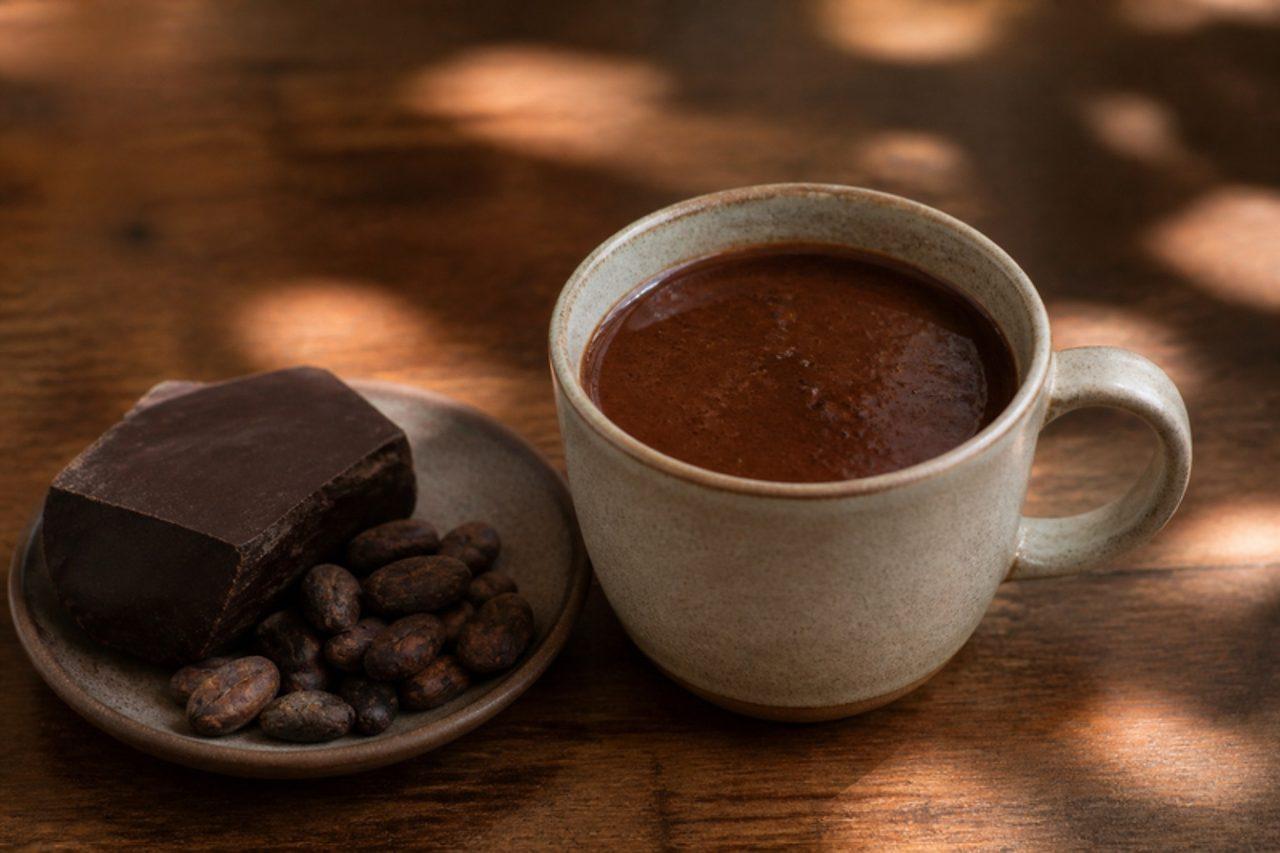
Koko Samoa is the morning drink of Samoa, made from the island's own cocoa beans, roasted over a fire, pounded into a dark paste and dried into blocks sold at Apia's Fugalei market. Dissolved in hot water and sweetened, it is earthy, slightly bitter and rich, with a little oil floating on top, and is drunk with panikeke or buttered bread. If you can't find koko Samoa, use 100% cocoa chocolate. A common mistake is expecting it to be like milky hot chocolate; it is darker and thinner. Chef's tip: simmer it for a few minutes rather than just stirring it in, which brings out the roasted flavour.

by KrazyBadal 0 views

NoribenSeaweed and fish cake bento

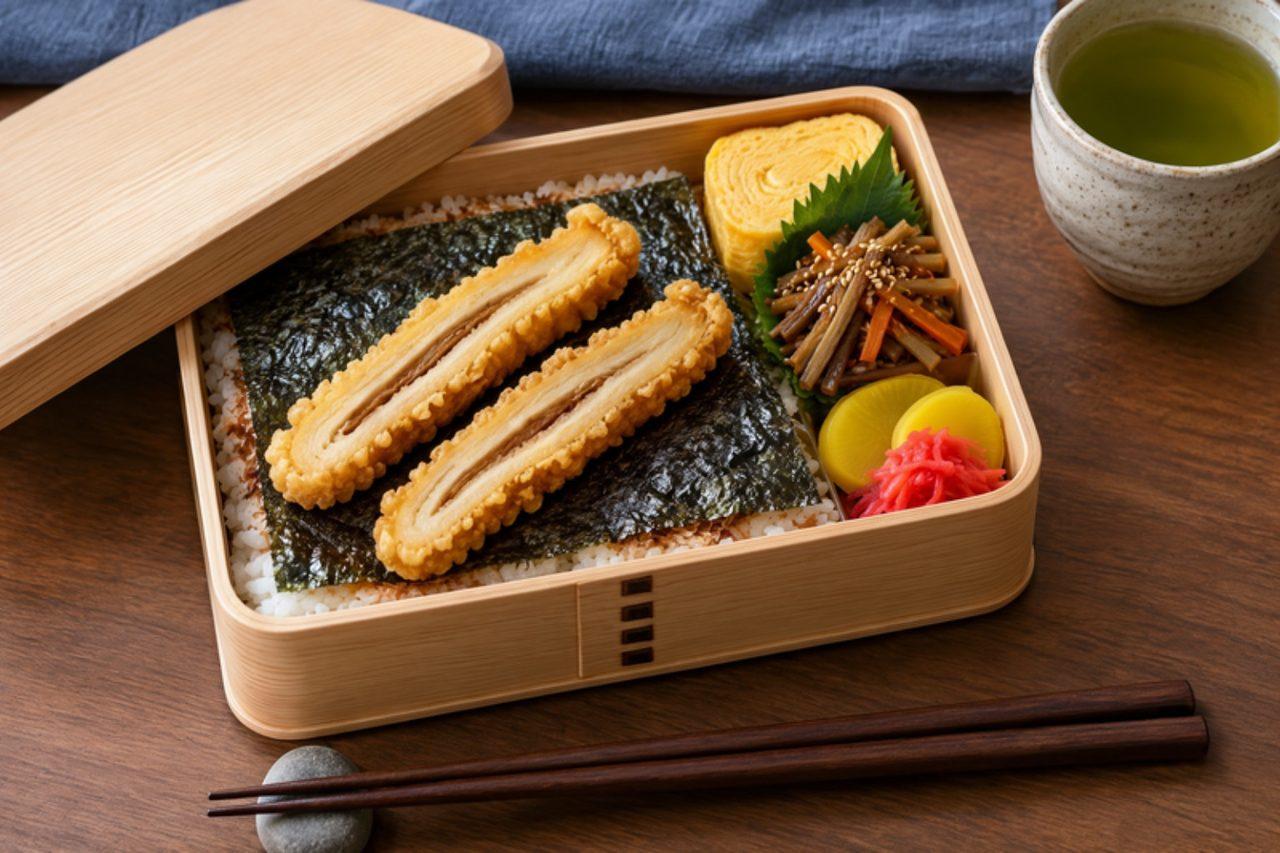
Noriben is the humblest and most nostalgic Japanese packed lunch: rice spread with okaka (bonito flakes in soy) and covered with a whole sheet of nori, sometimes twice in layers, then topped with something fried such as chikuwa fish cake or white fish. Convenience stores and bento shops across Japan sell it for a few hundred yen. The usual mistake is laying the nori on steaming rice and closing the lid, which leaves it soggy and torn; let the rice cool a little first. Chef's tip: snip the nori into a few strips before it goes on, so it is easy to bite through with chopsticks.

by KrazyBadal 0 views

Agua de chilacayoteFig-leaf squash drink

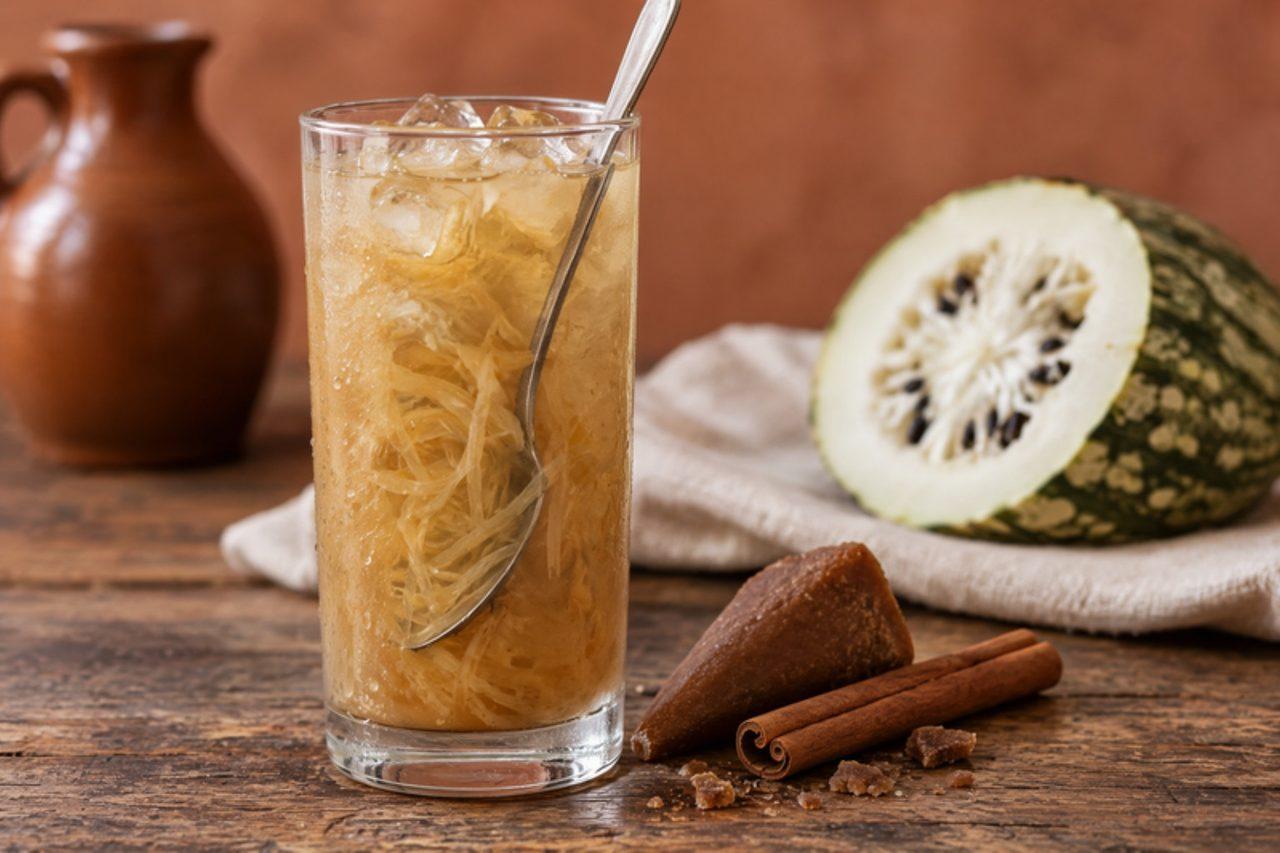
When the big, mottled chilacayote squashes ripen at the end of the rains, cooks in Oaxaca's valleys and the Mixteca of Puebla turn them into a drink you eat with a spoon. The flesh is cooked with dark piloncillo and cinnamon until it falls into translucent threads, then cooled and loosened with water; in Oaxaca it is ladled out of clay jars at fairs, weddings and the Day of the Dead, often with a little pineapple. It tastes like cinnamon-scented panela, with soft, slightly crunchy strands that slide up the straw. The usual mistake is boiling it to mush; overcooked flesh goes cloudy and the strands disappear. Simmer gently and stop when the threads separate easily with a fork but still have a little bite. It is ready when the syrup is amber and the strands look glassy. Chilacayote is hard to find outside Mexico; spaghetti squash is the best substitute and gives the same threads. Keeps 3 days in the fridge. Chef's tip: grate a little orange zest into the pot in the last minute to brighten the piloncillo.

by KrazyBadal 0 views

Caldo de bolas de verdeBeef broth with plantain dumplings

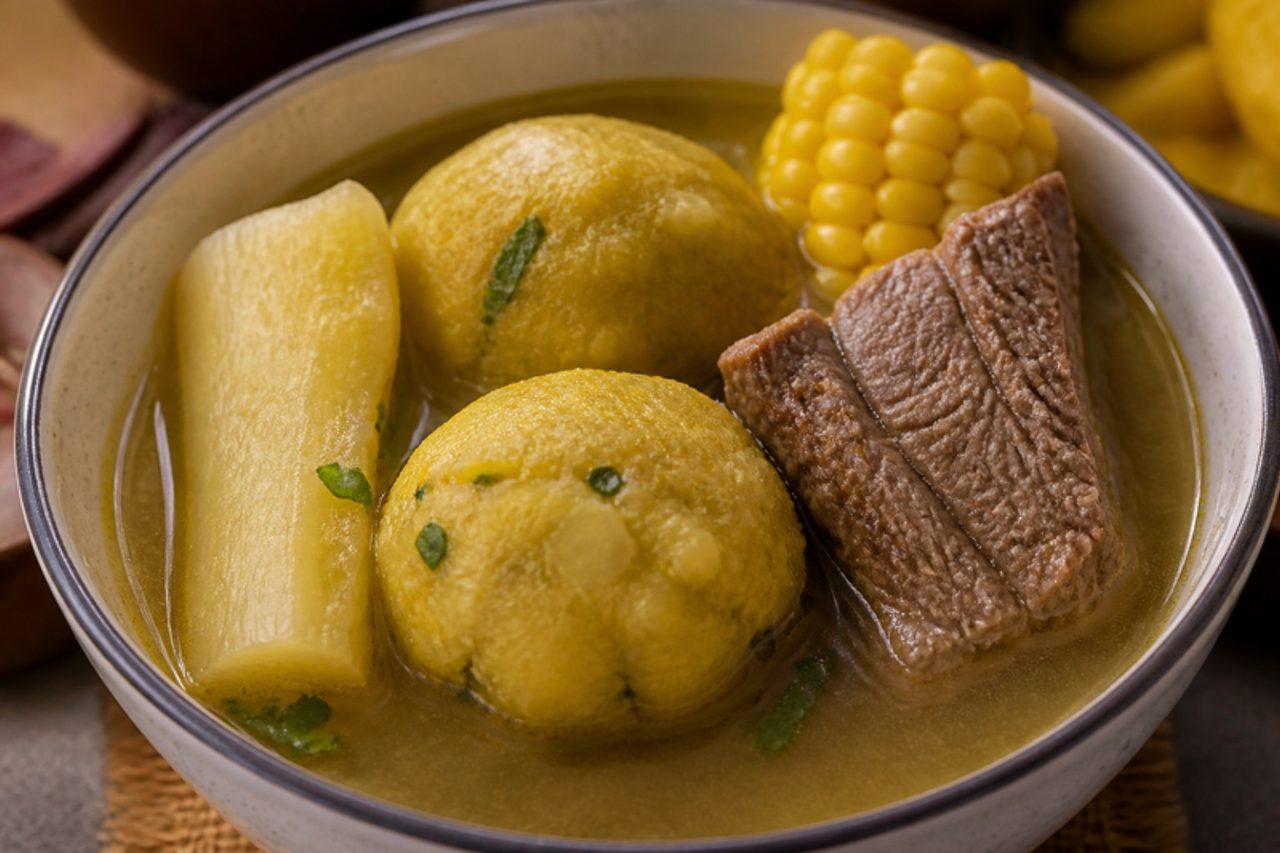
Caldo de bolas is the big Sunday soup of Guayaquil and the Guayas coast: a clear beef broth with corn and cassava in which float fist-sized dumplings of green plantain, each stuffed with a savoury filling of beef mince, egg, peas and peanuts. It takes time, so families make it for gatherings and serve it with lime, chilli and rice. Peanuts are an allergen and optional here. The usual mistake is a plantain dough that is too dry, which cracks and falls apart in the broth; it should feel like soft play dough. Cook the mince filling until no pink remains. Chef's tip: mix boiled and raw grated plantain; the raw starch is the glue that holds the bolas together.

160 minAndeanSoupsGluten free
by KrazyBadal 0 views

Kabiraji cutletEgg-coated chicken cutlet

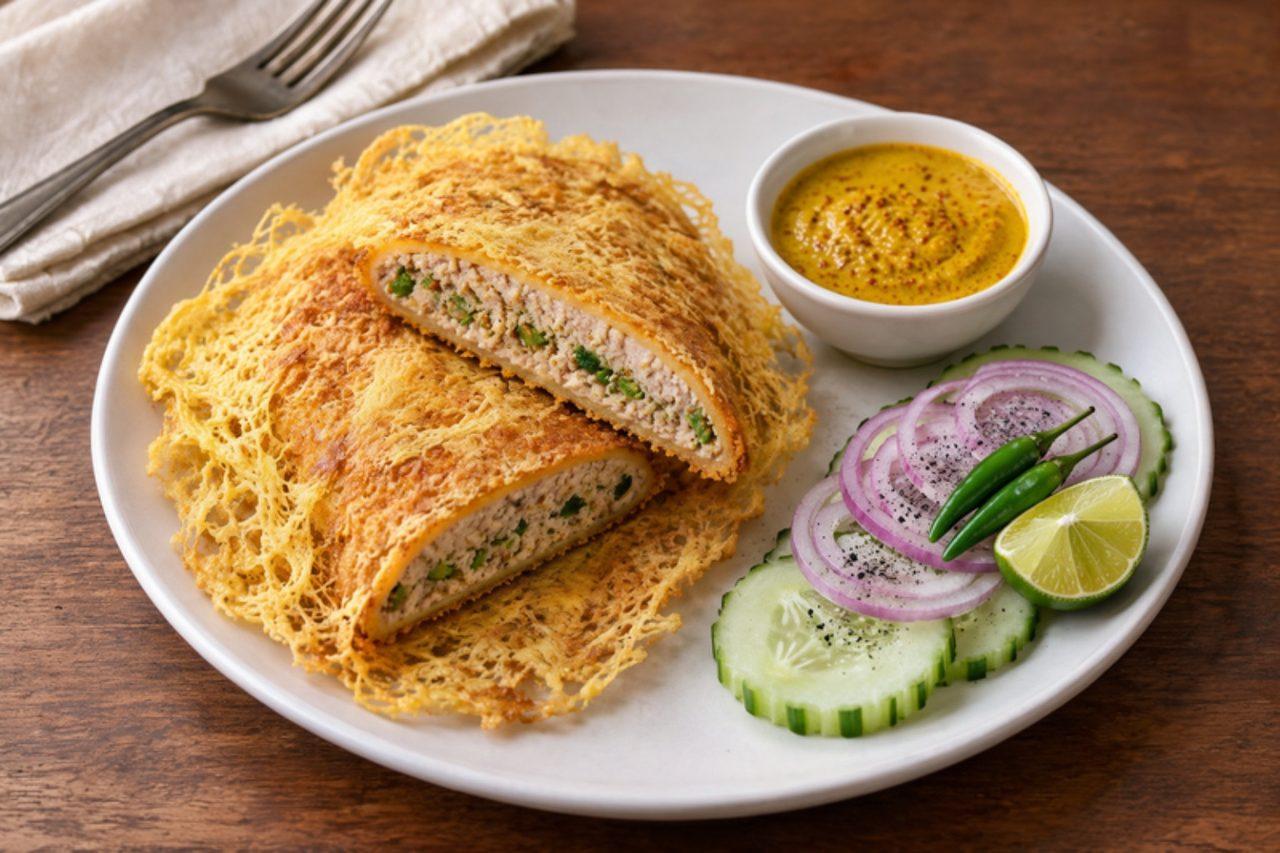
The kabiraji cutlet is a speciality of Kolkata's old cabin restaurants, places like Mitra Café in Shobhabazar and the cabins around Esplanade, where people stop for one on the way home in the early evening. A flattened, spiced chicken cutlet is crumbed and fried, then cloaked in a frizzled web of egg that is splashed into the hot oil, giving a crackly, golden coat with the look of a bird's nest. It is eaten with sharp Bengali mustard kasundi and a raw onion and cucumber salad. A fish version uses bhetki fillet. Chef's tip: whisk the egg for the lace with a little cornflour until completely smooth; any lumps fry as blobs rather than threads.

by KrazyBadal 0 views

Caldo de gallinaHen broth with noodles

In Lima's markets and the all-night caldo stalls of districts like La Victoria, a bowl of caldo de gallina is the dawn breakfast for market porters, taxi drivers and anyone coming home late: a deep, golden broth from a slow-simmered hen (a boiling fowl) with ginger and spring onion, ladled over thick noodles and yellow potato, with a boiled egg, lime and ají chilli on the side. The common mistake is boiling the broth hard, which clouds it and toughens the meat; keep it to a lazy simmer. The chicken must reach 74 °C, though after this long simmer it will be well past that. Chef's tip: cook the noodles separately, then put them in the bowls; cooked in the pot they drink the broth and turn it starchy.

by KrazyBadal 0 views

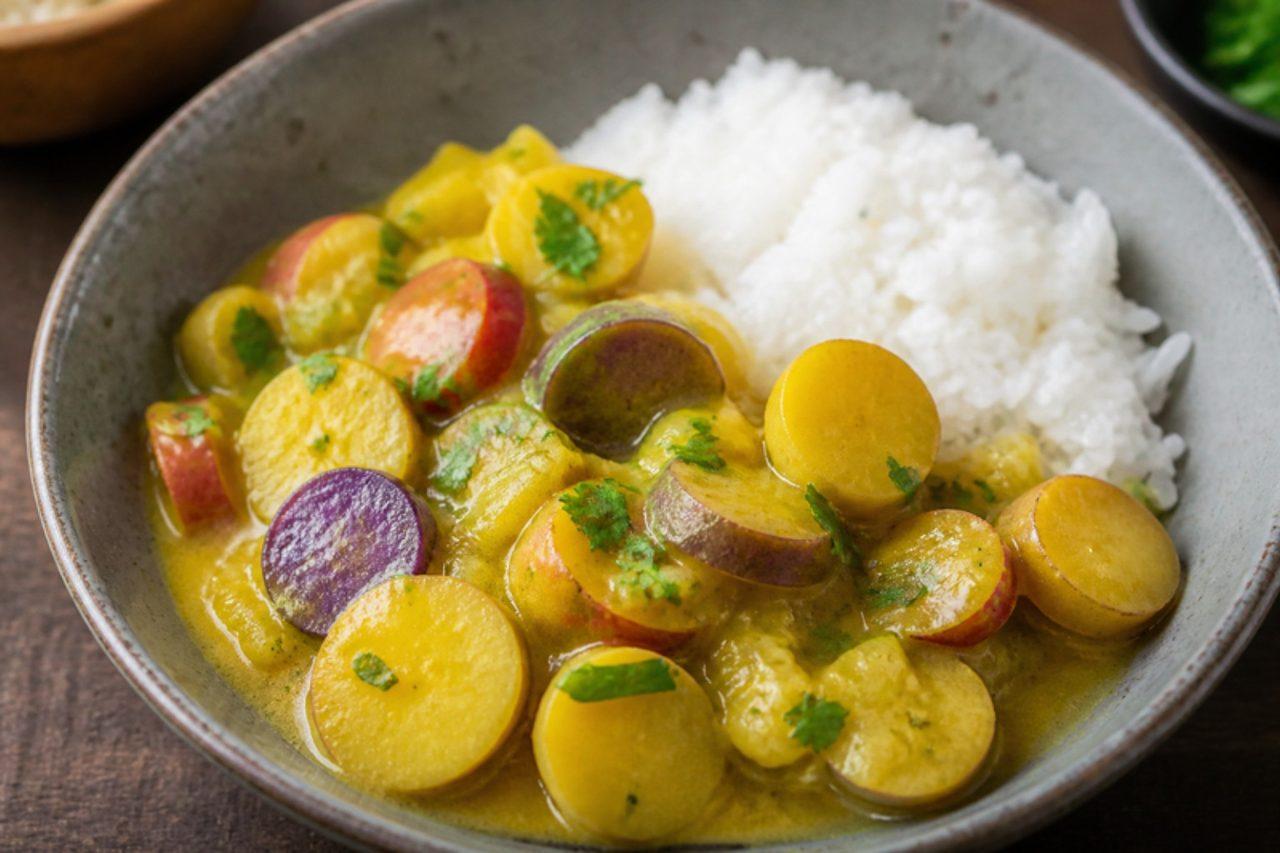
Ají de papalisaUlluco in yellow chilli

Papalisa, the glossy pink-and-yellow tuber called ulluco in Peru, has a crisp, slightly slippery bite that holds up beautifully in this ají from the La Paz highlands. The tubers are cut into fine sticks and stewed with onion, tomato and yellow chilli until tender, then served with white rice and a boiled potato. Highland cooks often add shredded dried beef; this vegan version keeps all the flavour with extra onion and cumin. Look for papalisa fresh or in jars in Latin American shops; waxy new potatoes cut the same way are a fair stand-in. The mistake most people make is skipping the soaking and rinsing, which leaves the sauce gummy. Chef's tip: cut the papalisa into matchsticks as thin as you can, so they soak up the chilli sauce like noodles.

by KrazyBadal 0 views

Carato de maízChilled corn drink

Out on the hot plains of the Llanos, a jug of carato is kept cold for the afternoon: white corn cooked until soft, blended with its water, strained and sweetened with panela, cinnamon and clove. It is thick, creamy and filling enough to be a snack in a glass. Keep it in the fridge, because left out it starts to ferment. The common mistake is skipping the straining, which leaves it gritty. Chef's tip: strain through a fine sieve and then once more through a clean cloth for the silkiest drink.

by KrazyBadal 0 views

Konnyak jorimBraised konjac

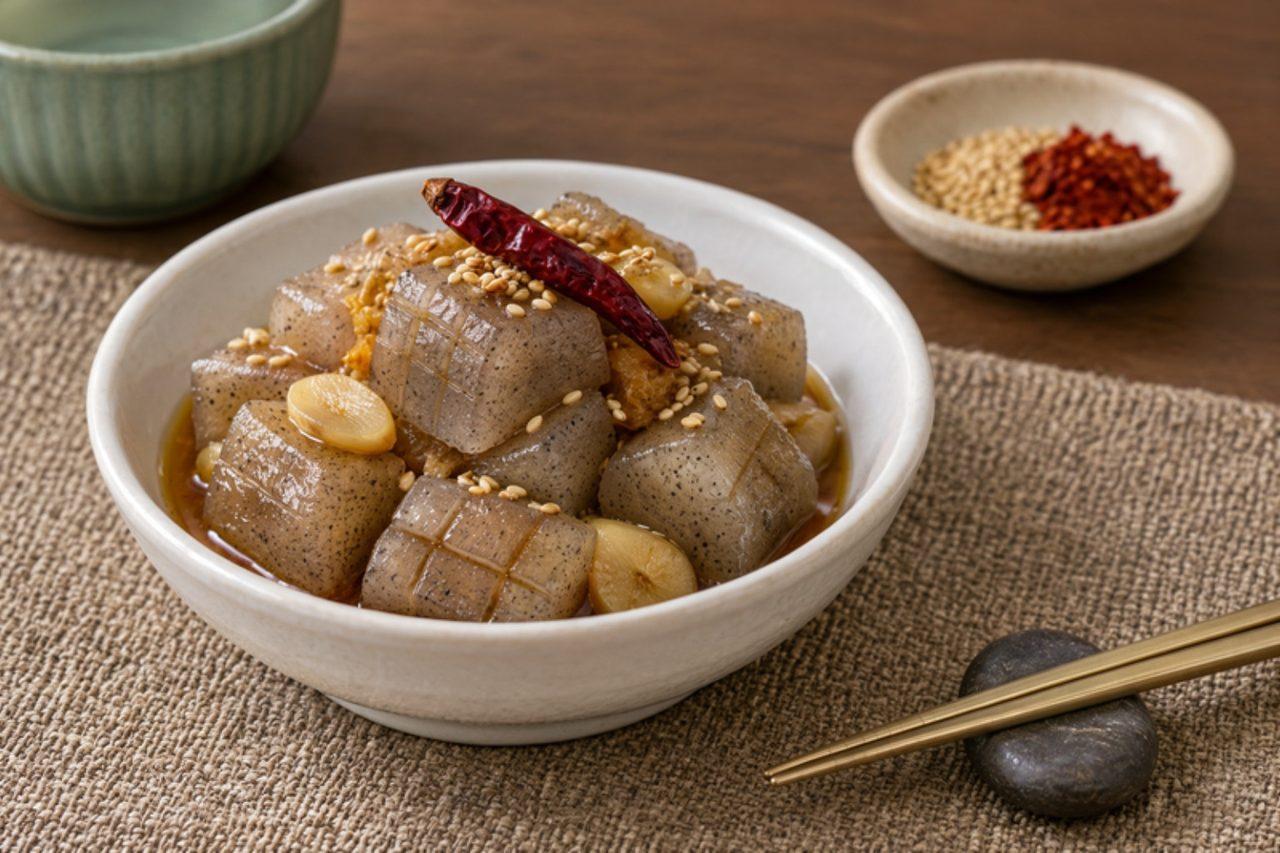
Konjac, the grey, jelly-like block made from a root called devil's tongue, has almost no calories, and in Korea it is braised in sweet soy until glossy and chewy, a popular dosirak banchan that never wilts. Its texture is the point: bouncy, with a savoury glaze clinging to every scored cube. The common mistake is skipping the blanch, which leaves konjac's slight fishy smell from the alkaline water it is set in. Chef's tip: score a shallow criss-cross on the cubes or tear them with a spoon rather than cutting, and the sauce grips the rough surfaces.

by KrazyBadal 0 views

CuchuflíFilled wafer tubes

Cuchuflí are the thin, crisp wafer tubes filled with manjar that vendors sell from baskets on Chilean beaches and outside football stadiums, and that children beg for at the Fiestas Patrias fondas. At home you can bake the wafers yourself and roll them round a wooden spoon handle. The usual mistake is waiting too long to roll them: the wafers set within seconds and crack. Bake only three at a time. Chef's tip: fill them with a piping bag just before serving, or the manjar softens the wafer; dip the ends in melted chocolate if you like.

by KrazyBadal 0 views

Kori gassiChicken in red chilli coconut gravy

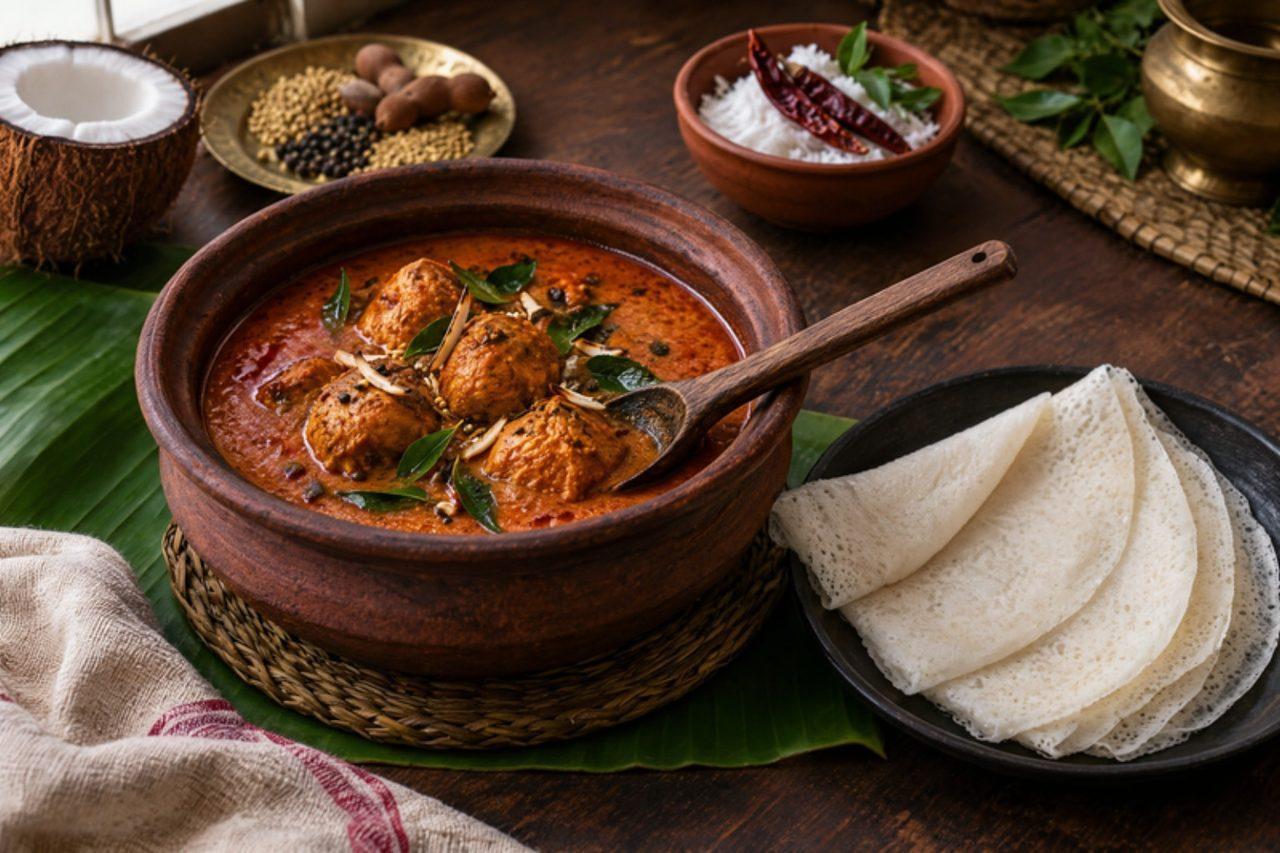
Kori gassi is the Sunday chicken curry of Mangalore's Bunt community on the Karnataka coast, cooked for family lunches and festivals and traditionally eaten with paper-thin neer dosa. Byadgi chillies, coriander, cumin and a little fenugreek are roasted until fragrant, ground with coconut, garlic and tamarind, then simmered with chicken into a brick-red, gently sour gravy. This version uses less coconut than usual and is suitable as part of a balanced diet; serve it with brown rice, millet roti or a salad. About 360 kcal and 9 g carbohydrate per portion. The usual mistake is roasting the spices over a high heat: they scorch and turn the gravy bitter. Chef's tip: byadgi chillies give deep colour with gentle heat, so don't swap them for hot chilli powder.

by KrazyBadal 0 views

Menchi katsuCrumbed meat patties

Menchi katsu, a juicy mince patty of beef and pork in a crisp panko coat, is sold hot at Tokyo butchers' shops like the famous ones in Kichijoji and packed cold in bento across Japan, with shredded cabbage and a drizzle of tonkatsu sauce. Sweet fried onion makes the inside tender. The common mistake is frying in oil that is too hot, so the crumb burns before the pork and beef in the middle are cooked. Chef's tip: chill the shaped patties for 20 minutes before crumbing so they keep their shape and stay juicy.

by KrazyBadal 0 views

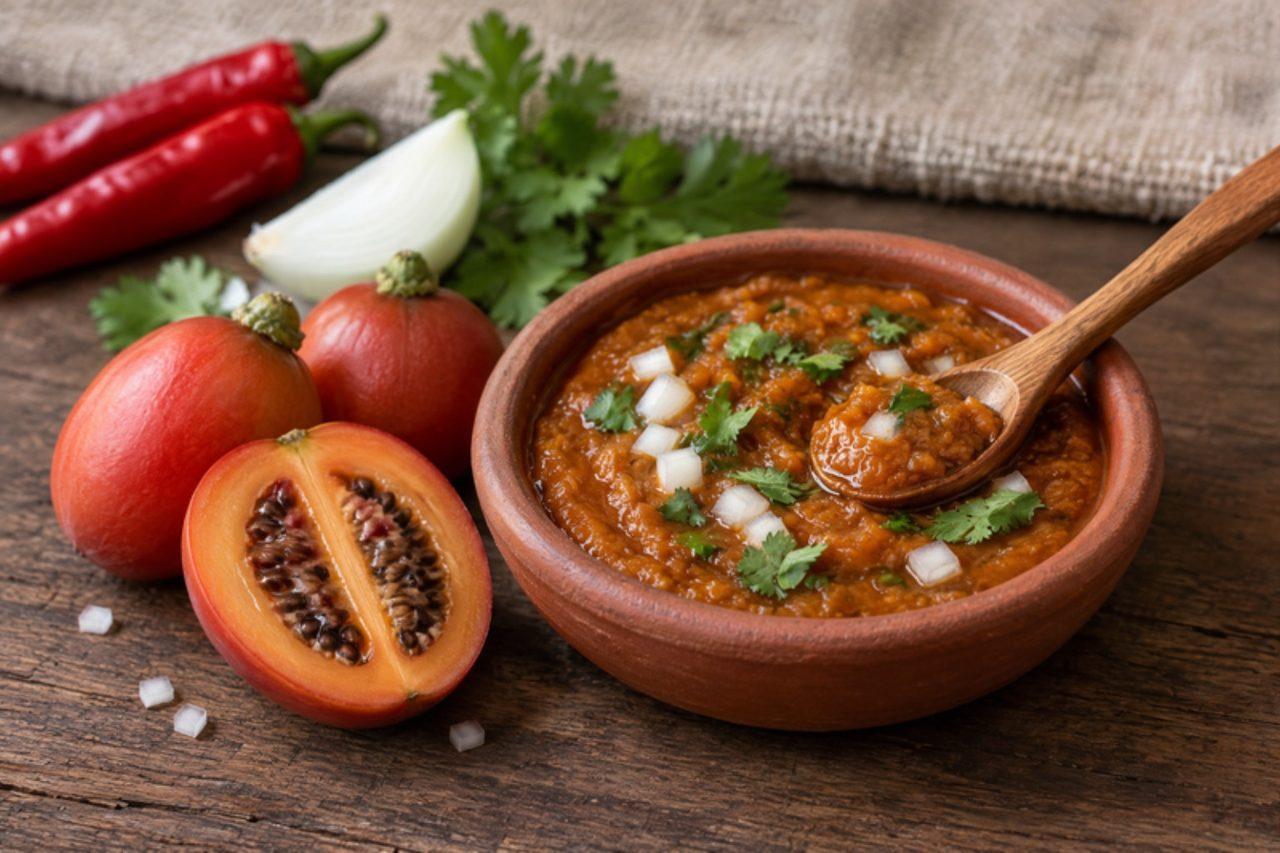
Ají de tomate de árbolTamarillo chilli sauce

No Ecuadorian table in the Sierra, from Quito to Cuenca, is complete without a small bowl of ají, and the tamarillo version is the household favourite. Tomate de árbol, the egg-shaped, wine-red tree tomato, is blanched and peeled, blended with fresh hot chilli, salt and a little water, then finished with finely chopped onion and fresh coriander. It is spooned over locro de papa, llapingachos, empanadas de viento, hornado and fritada at the long Sunday family lunch, and onto everything at the street stalls of the Saturday markets. The flavour is tangy, fruity and slightly bitter-sweet, more sour than a tomato salsa, with a fresh bite of onion and a clean chilli heat. The common mistake is blending the tamarillos with their skins on, which makes the sauce bitter; blanch them until the skins split and slip off. It is ready when it is bright orange-red, loose and juicy, and the onion is still crisp. Abroad, tamarillos turn up in larger supermarkets; ripe plum tomatoes with the pulp of a passion fruit are the best stand-in. Chef's tip: rinse the chopped onion in salted water first, which tames its sharpness, as Ecuadorians do.

by KrazyBadal 0 views

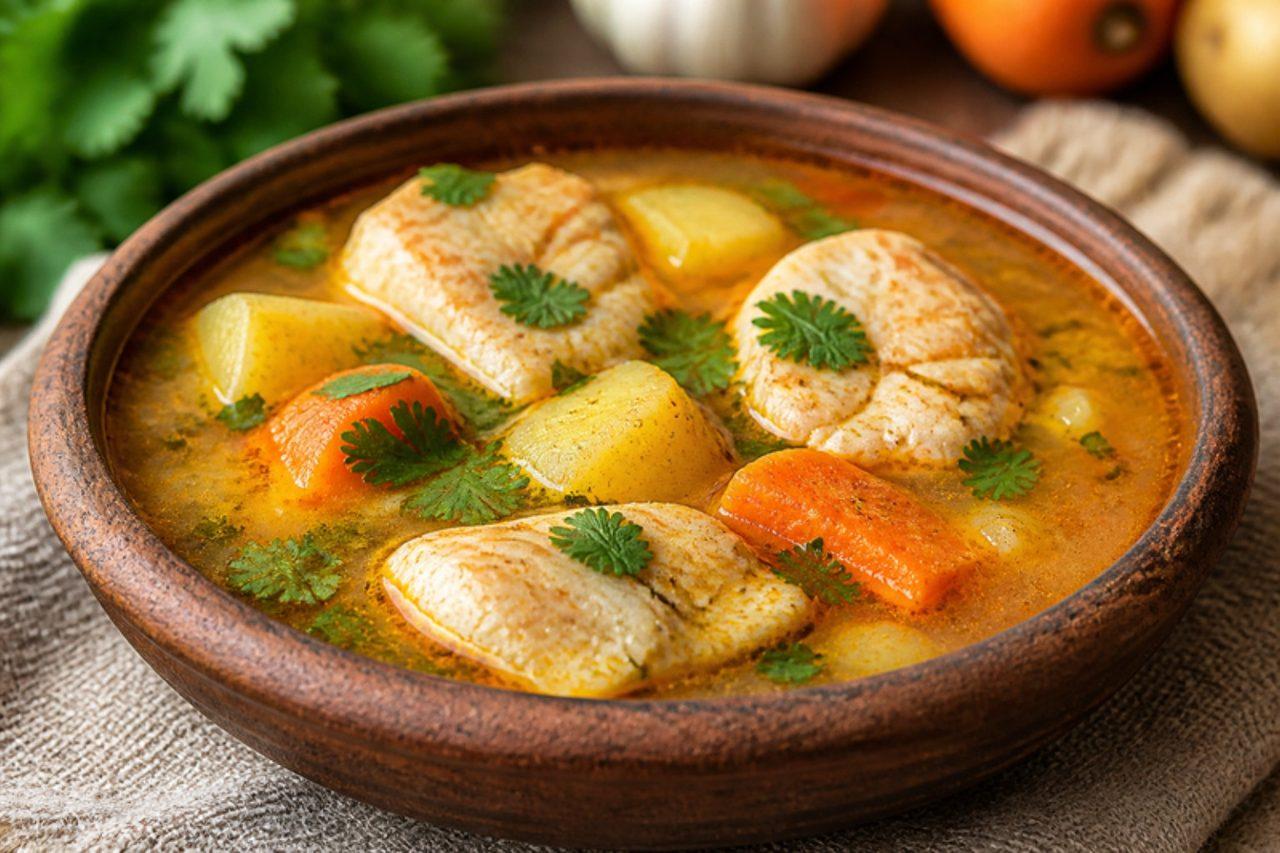
Caldillo de congrioConger eel and potato broth

Caldillo de congrio is the soup of the central coast, from the fish stalls of Valparaíso to the little restaurants of Isla Negra, where Pablo Neruda wrote an ode to it: firm pieces of congrio (a white cusk-eel, not a true eel) poached in a tomato and onion broth with sliced potatoes, finished with a splash of cream and plenty of coriander. Outside Chile, use kingklip, monkfish, ling or thick hake. The common mistake is boiling the fish with the potatoes from the start; it falls to shreds. Add it at the end. Chef's tip: make the broth with the fish bones and trimmings if your fishmonger gives them to you; it doubles the flavour.

by KrazyBadal 0 views

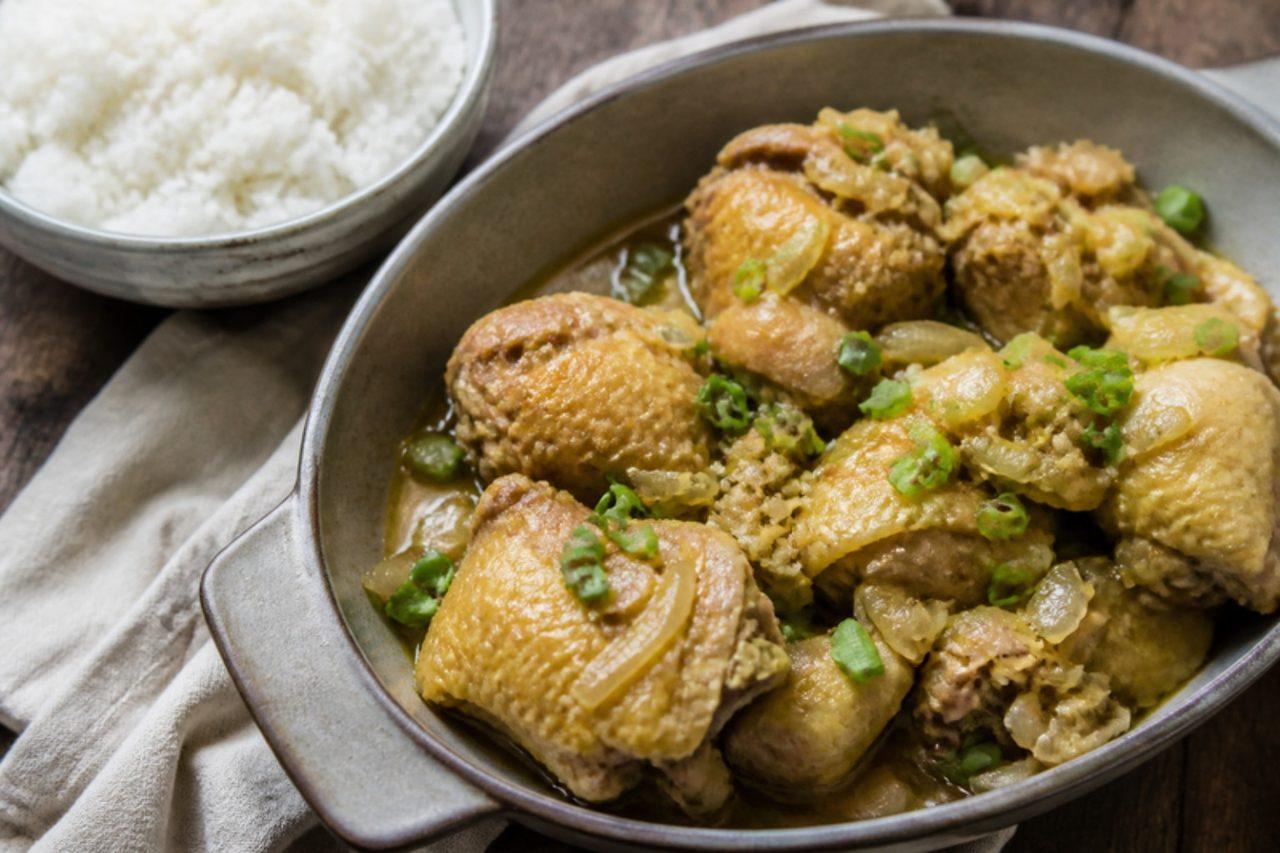
Akoho sy sakamalaoGinger and garlic chicken

Sakamalao means ginger, and Malagasy cooks are generous with it: this everyday braise from family kitchens across the island uses a whole fist of the root, along with a full head of garlic and soft onions. Bone-in chicken is browned, then simmered gently in its own juices until the meat slides off the bone and the sauce turns golden, sticky and warming, with ginger heat that lingers rather than burns. Serve it with a big plate of rice, a dish of romazava greens or lasary, and sakay for anyone who wants more fire. Many people rush the onions; give them time to turn soft and golden, because they become the body of the sauce. Chef's tip: pound the ginger and garlic together into a coarse paste rather than slicing them, so they melt into the sauce and coat every piece of chicken.

by KrazyBadal 0 views

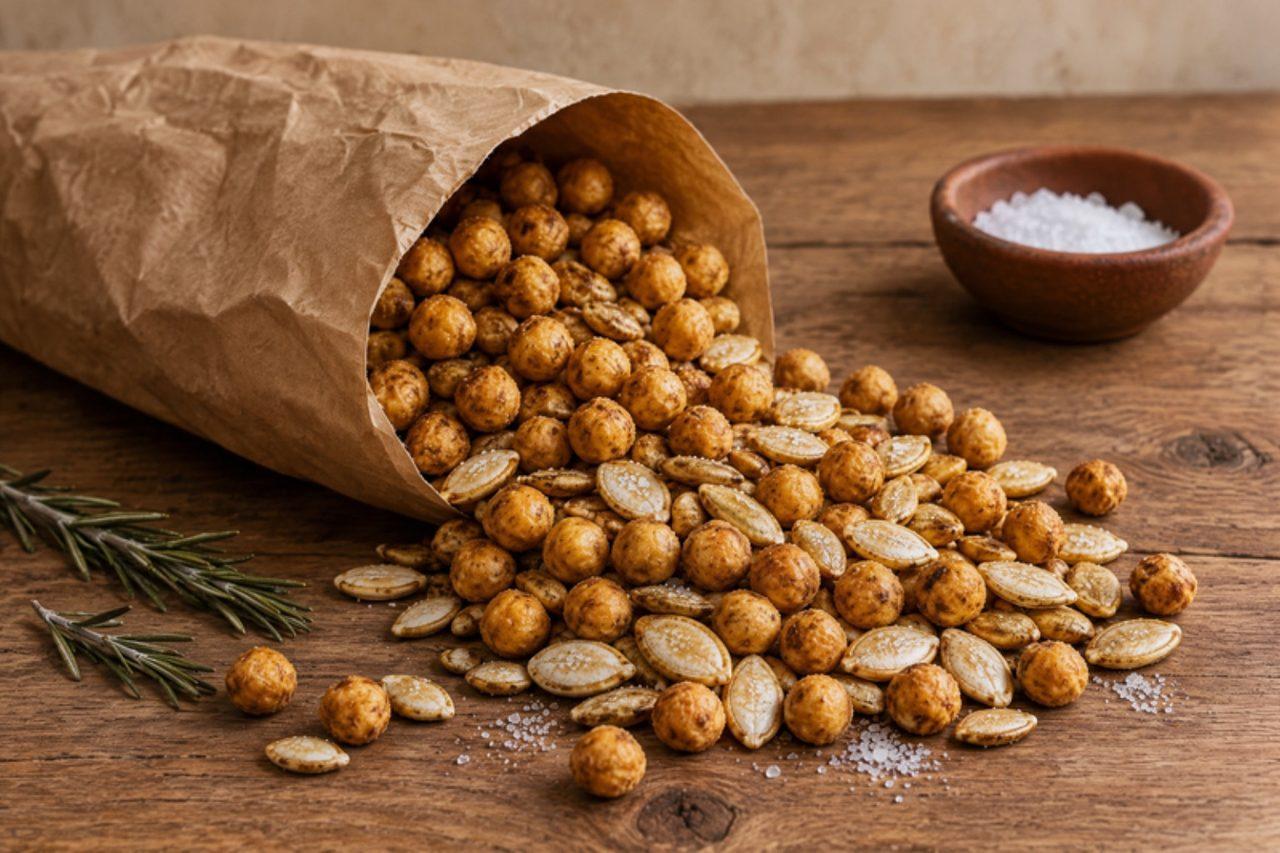
Calia e simenzaRoasted chickpeas and pumpkin seeds

Calia (toasted chickpeas) and simenza (salted pumpkin seeds) are sold together in twisted paper bags by the old caliari of Palermo, at the Festino of Santa Rosalia in July, along the Foro Italico seafront and outside the Teatro Massimo after a show. You crack the seeds with your teeth and chase them with the crunchy, nutty chickpeas, a habit that can last a whole evening. This home version roasts soaked dried chickpeas and salted seeds in the oven. Chef's tip: dry the soaked chickpeas really well; any surface water steams them instead of making them crunchy.

by KrazyBadal 0 views

Kuku kienyejiFree-range chicken stew

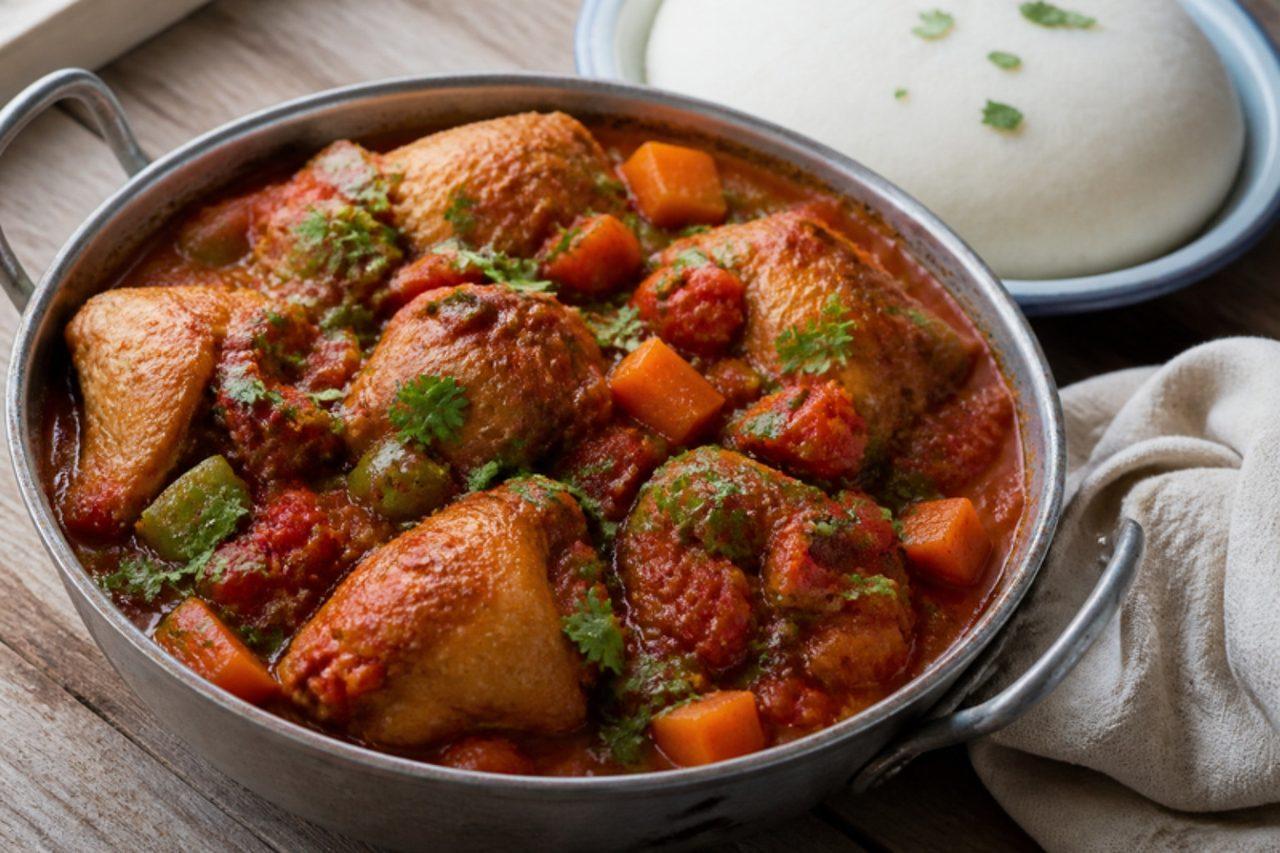
On a Kalenjin homestead outside Eldoret or Kericho, a kienyeji (free-range) hen is the meal for a Sunday visit or a returning son, cooked slowly over a wood fire until the whole compound smells of it. These birds run about all their lives, so the meat is lean, firm and far more savoury than a supermarket broiler, and the yellow fat renders into a rich, garlicky tomato stew that is mopped up with ugali and sautéed managu or sukuma. Use a free-range or older boiling hen and give it time; rushing it, or using a young broiler and cooking it this long, are the two ways the dish goes wrong. A cup of mursik (fermented milk) often goes alongside in the Rift Valley. Chef's tip: start the jointed bird in a dry pot with the lid on; it gives up its own juices and fat, and that liquid is the base of the stew.

by KrazyBadal 0 views

TsukuneChicken meatball skewers

Tsukune are the minced chicken patties of yakitori bars all over Japan, and squashed into small ovals they are one of the most loved bento fillers, eaten cold at school or the office. Ginger and spring onion keep them fresh, and a glossy soy tare makes them sticky and sweet. The tare uses mirin, a sweet rice wine; most of its alcohol cooks off as it bubbles, and for an alcohol-free glaze use 1 tbsp sugar and 2 tbsp water instead. The common mistake is a loose mix that falls apart in the pan; knead it until sticky. Chef's tip: add a spoon of grated tofu or potato starch to the mince, which keeps the patties juicy even the next day.

by KrazyBadal 0 views

AkibiyeCreamy taro with fermented soybean

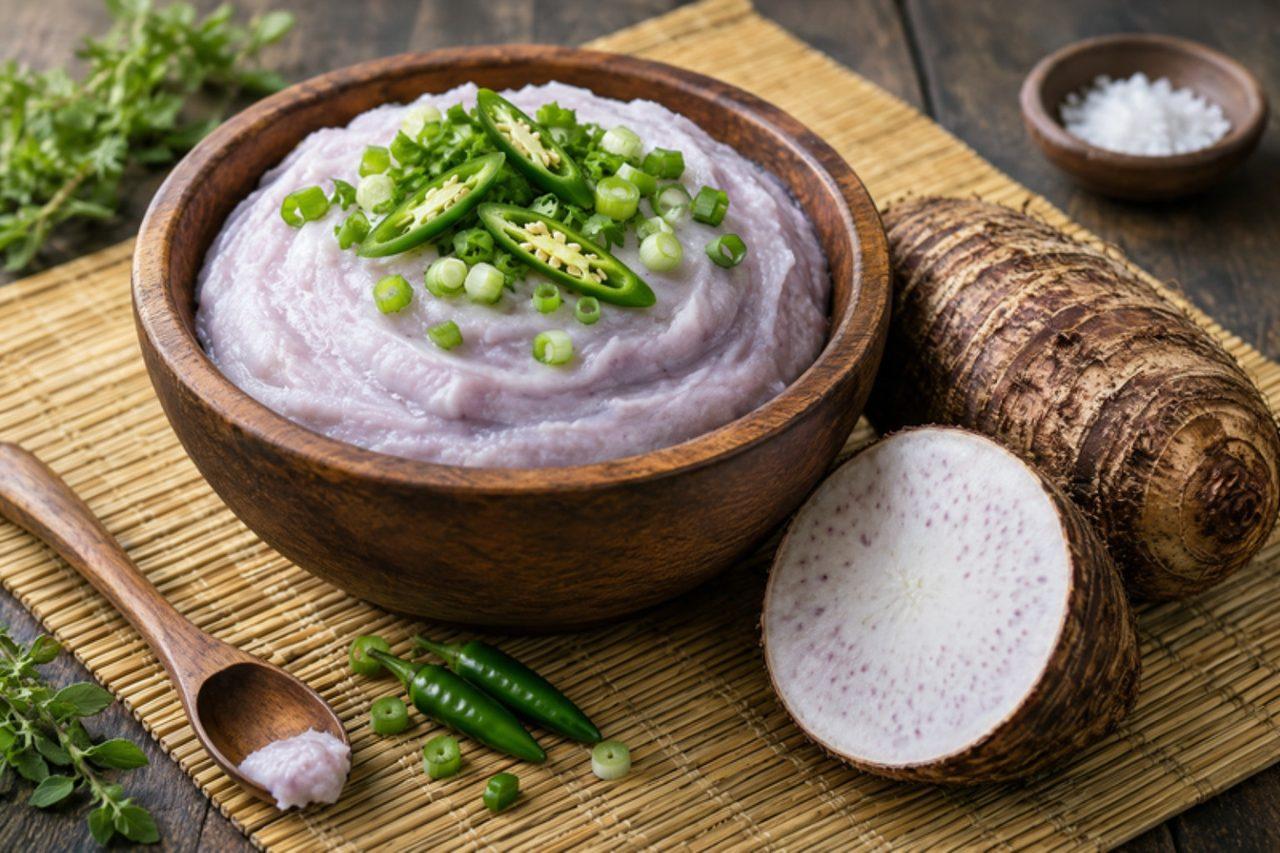
Akibiye is Sumi Naga comfort food from Nagaland: colocasia boiled until it melts into a thick, creamy stew, flavoured with chilli and axone, the fermented soybean that gives Naga cooking its deep savour. It is eaten with rice, especially in winter. For homemade axone, keep boiled soybeans wrapped in leaves at 30–40 °C for 3–5 days until sticky and pungent, then dry or use fresh; discard if black, green or pink mould appears or it smells rotten. The mistake is handling raw taro with bare hands, which itches; wear gloves or oil your hands. Chef's tip: bought axone, kinema or natto work well.

by KrazyBadal 0 views

Torta de chile rellenoStuffed poblano sandwich

At Mexico City's torta stands and school gates, the chile relleno torta is the meat-free favourite: a whole poblano, roasted, peeled, stuffed with melting cheese, dipped in fluffy egg batter and fried, then pressed into a bolillo spread with refried beans and salsa. People buy them warm mid-morning or wrap them in foil for lunch. The common mistake is frying a wet chile: the batter slides off, so pat it dry and dust it with flour first. Oaxaca cheese and Monterey Jack are often made with animal rennet, so choose a vegetarian melting cheese, and check the refried beans are made without lard. Chef's tip: beat the egg whites to stiff peaks before folding in the yolks; that airy capeado is what makes it puff and stay crisp.

by KrazyBadal 0 views

Til ki chutney (Kumaoni)Sesame chutney

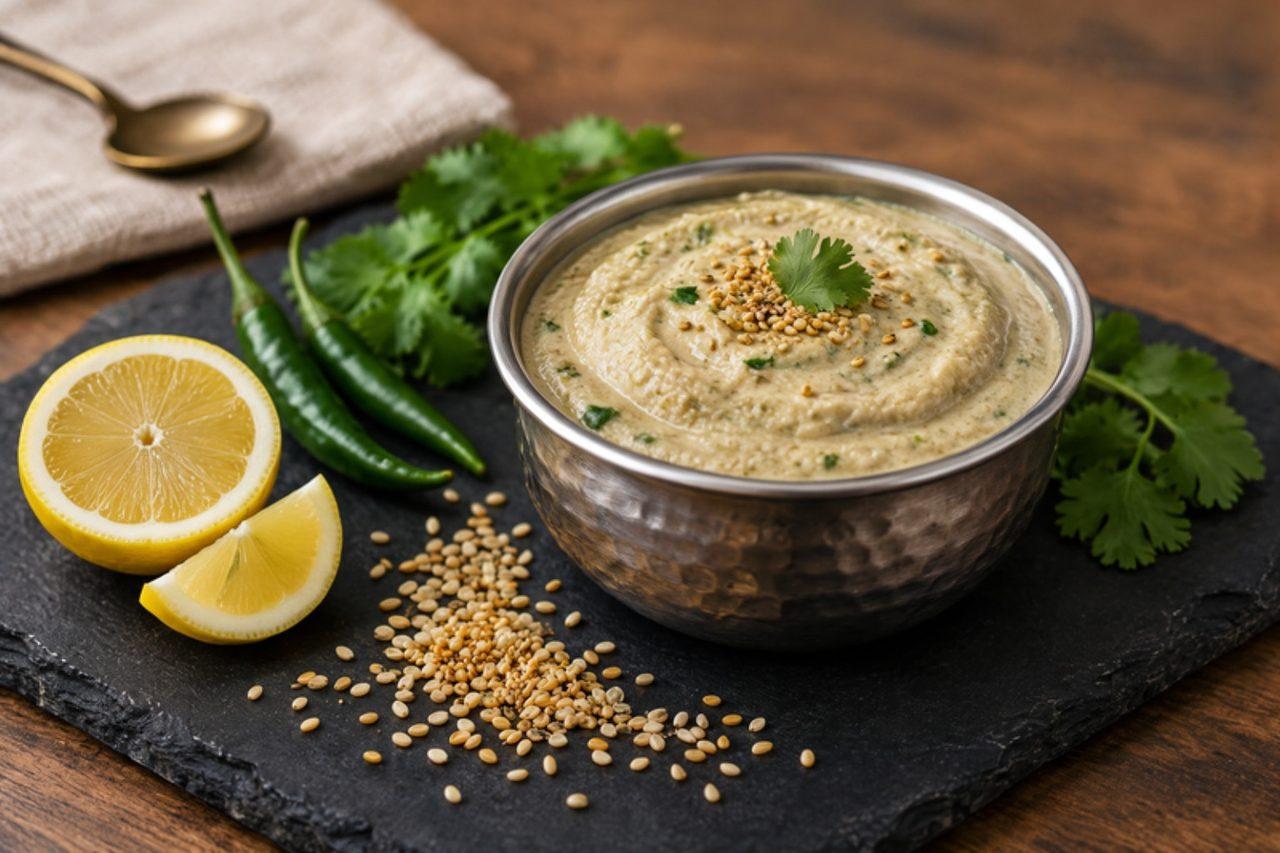
This is the everyday sesame chutney of Kumaoni homes, ground on the sil-batta to go with mandua rotis, rice and dal, or the pakodas made for Harela and Ghughutiya. Unlike southern sesame chutneys, it has no coconut or tamarind: just toasted white sesame, green chilli, coriander and plenty of hill-lemon juice, so it tastes bright and nutty at once. It keeps for two days in the fridge. The most common mistake is burning the sesame, which only takes a few seconds too long and makes the chutney bitter. Chef's tip: pull the pan off the heat the moment the first seeds turn golden; they keep cooking in the hot pan.

by KrazyBadal 0 views

Caffè shakeratoShaken iced espresso

When July heat settles over Italian piazzas, bar regulars from Rome to Bologna switch their morning or after-lunch espresso for a shakerato. The barista pulls a fresh shot, tips it into a cocktail shaker with ice and sugar, shakes hard for fifteen seconds and strains it into a chilled martini or wine glass, where it settles into a dark body under a thick, beige, mousse-like crema. It tastes intense and bittersweet, colder and smoother than iced coffee, with a texture almost like a light cream. The common mistake is using too little ice or shaking half-heartedly: the coffee stays warm and the foam collapses within seconds. Fill the shaker at least half full with ice and shake until the metal is too cold to hold comfortably. It is ready when you hear the ice rattle softly and the shaker frosts over, and the pour has a thick foam on top. One shaker holds one double espresso, so it is fairly strong in caffeine. Chef's tip: dissolve the sugar in the hot espresso before adding ice; granulated sugar barely melts once the coffee is cold.

by KrazyBadal 0 views

Chikar cholayThick chickpea curry

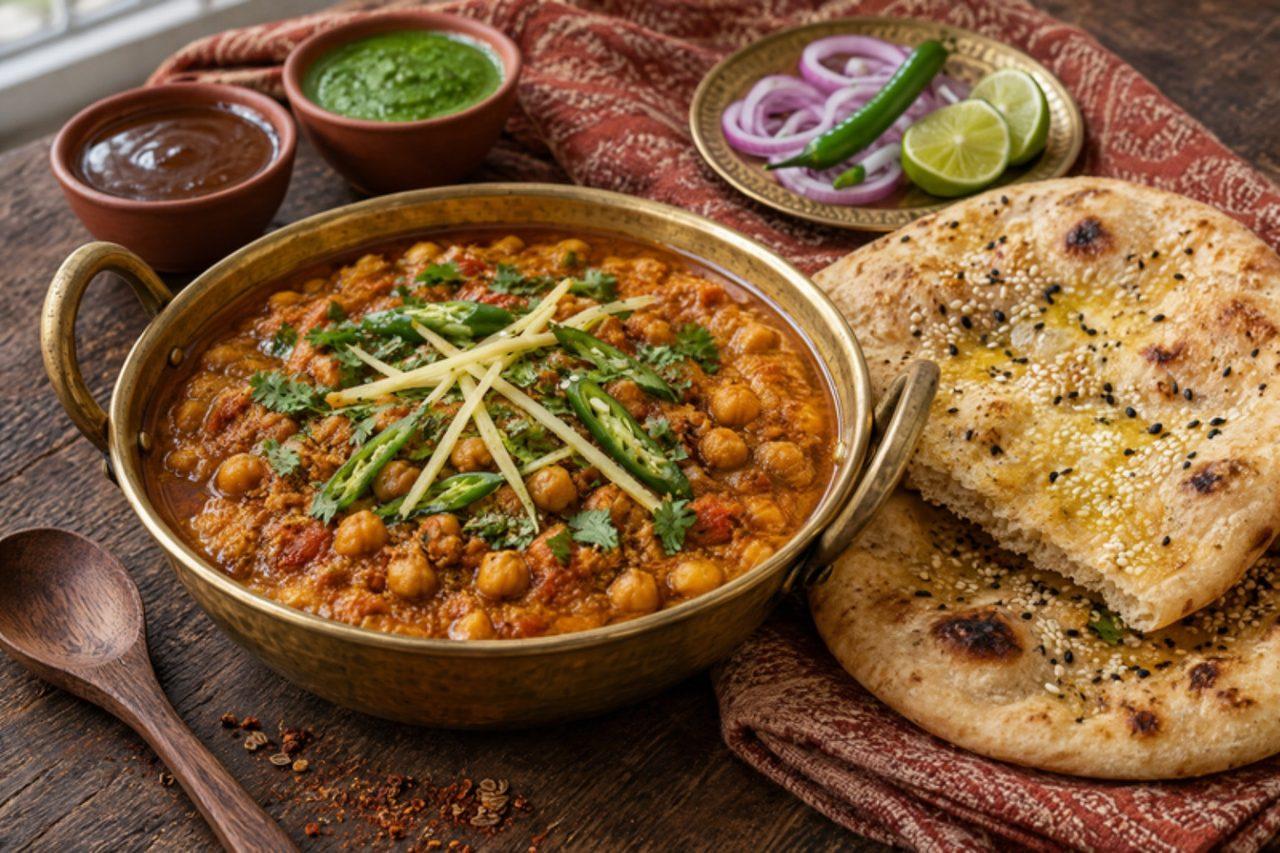
'Chikar' is Punjabi for mud, a fond joke about how thick these chickpeas are. In the old walled city of Lahore, around Lohari Gate and Gawalmandi, breakfast shops simmer huge pots from before dawn, mashing part of the chickpeas into the ghee and tomato until the whole lot clings like a paste; on Sunday mornings families eat them with fresh kulcha or puri, raw onion and lemon. Contains dairy (ghee). Chef's tip: boil the chickpeas until they squash with no resistance at all; firm ones never thicken into proper chikar.

by KrazyBadal 0 views

Tarta de zapallitosCourgette and cheese tart

In Buenos Aires every rotisería sells tartas by the slice, and at home a tarta de zapallitos is baked on Sunday evening so that a wedge can go into the vianda (packed lunch) for school and work all week. Zapallitos are round green courgettes; ordinary courgettes work just as well. The common mistake is adding the courgette raw, which floods the pastry; sauté it until the liquid has cooked away. Argentine queso rallado and many hard cheeses are made with animal rennet, so use a vegetarian hard cheese. Chef's tip: bake the tart on a preheated baking tray so the base crisps before the filling soaks in.

by KrazyBadal 0 views

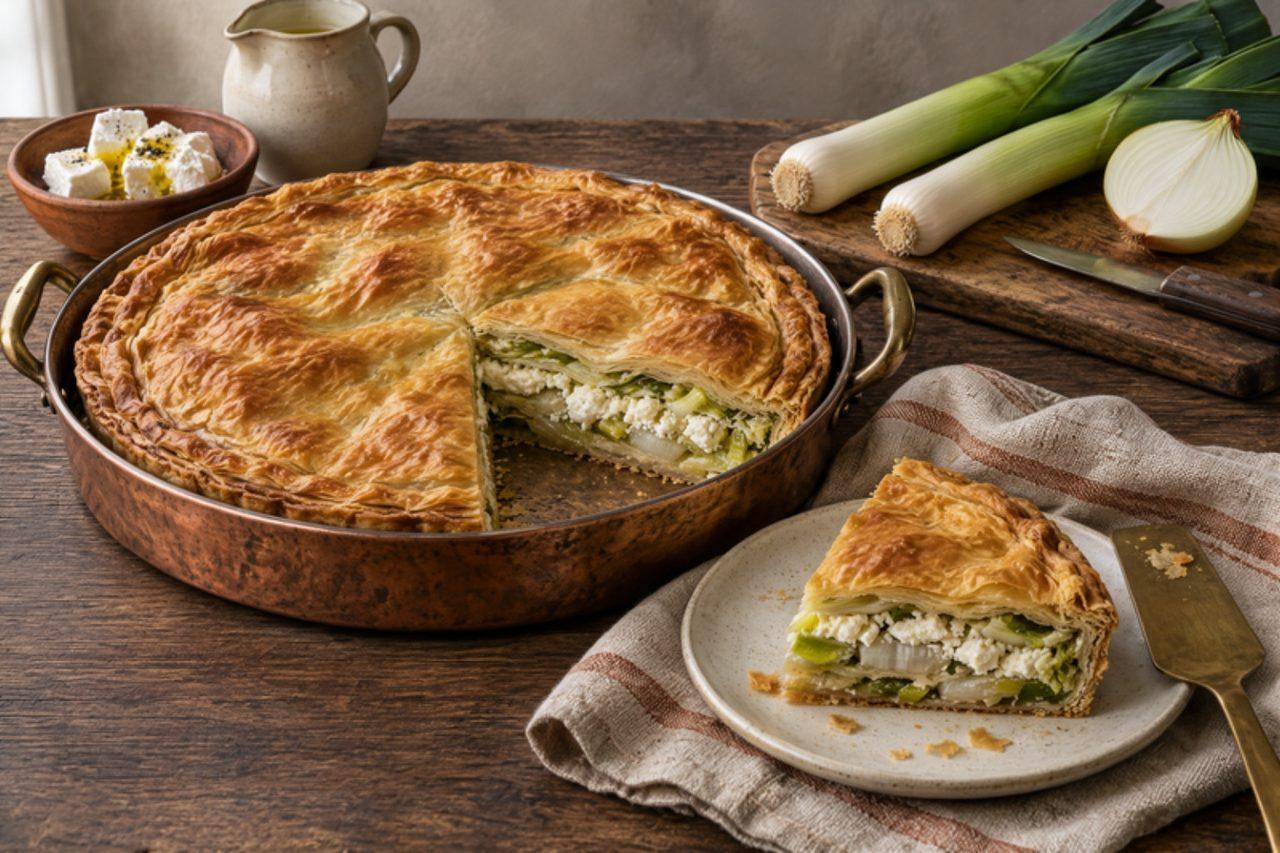
LakrorLeek and cheese pie

Lakror comes from the south of Albania, around Korçë, where it was baked in a round copper tray under a saç, a domed iron lid heaped with embers, and eaten for breakfast or carried to the fields. Thin rounds of homemade dough are layered with oil, then filled with leeks, onions and cheese, giving a pie that is crisp at the top and soft inside. At home, a very hot oven stands in for the saç. The common mistake is rolling the dough too thick: each round should be thin enough to see your hand through, or the layers stay doughy. Chef's tip: rest the dough balls for 30 minutes after kneading; relaxed dough rolls out thin without shrinking back.

100 minBalkanBaking
by KrazyBadal 0 views

Curried egg sandwich

A school canteen and church-fete favourite across Australia, the curried egg sandwich is soft white or wholemeal bread filled with hard-boiled egg mashed with mayonnaise and a little mild curry powder, often with lettuce or cress. It goes into lunch boxes cut into fingers. The common mistake is mashing the eggs while warm, which turns the mayonnaise oily and the filling runny; let them cool completely. Chef's tip: warm the curry powder in a dry pan for 20 seconds first, and the raw, dusty taste turns sweet and toasty.

by KrazyBadal 0 views

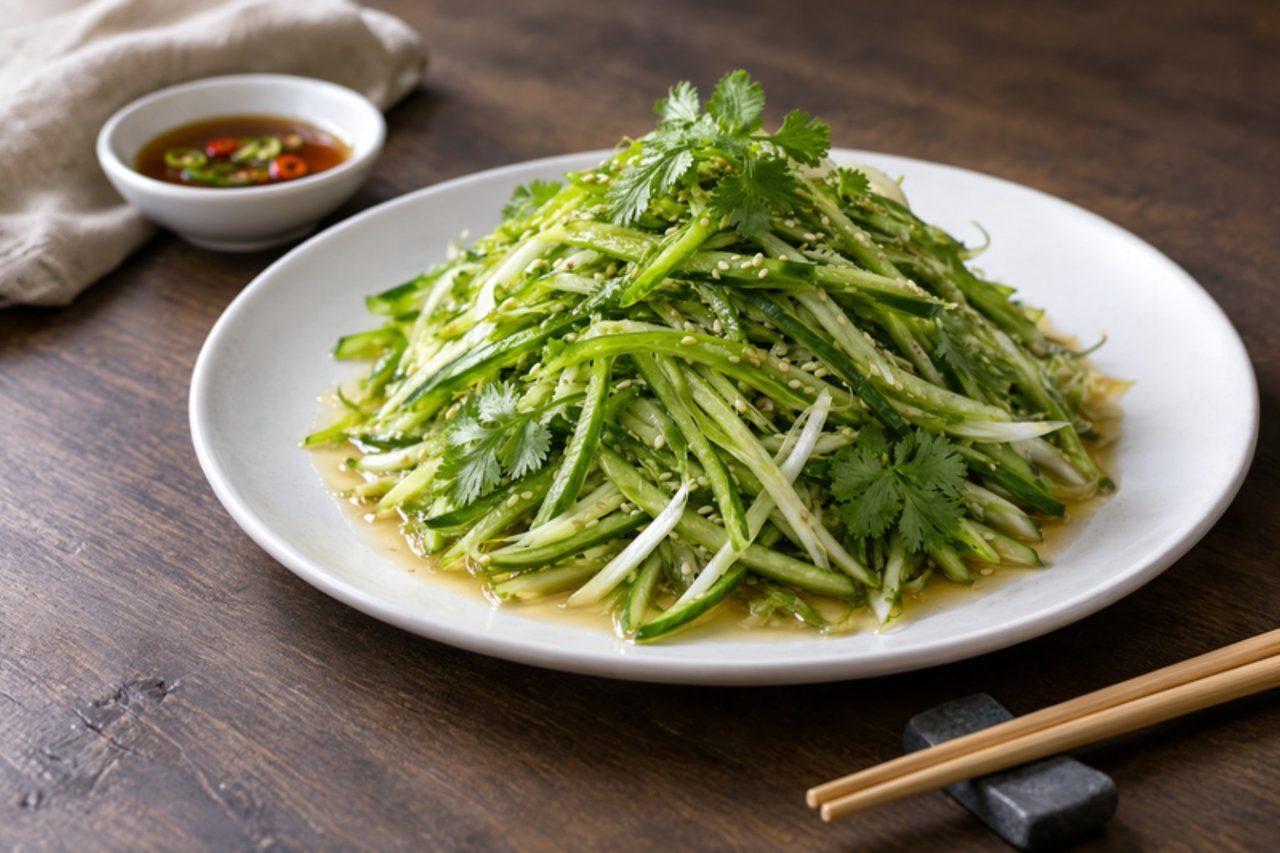
Laohu caiTiger salad

Laohu cai, 'tiger salad', is the fierce raw salad of China's north-east, served in Shenyang and Harbin homes and restaurants alongside dumplings, grilled skewers and heavy stews. Long green chillies, cucumber, coriander and spring onion are cut into thin strips and dressed with rice vinegar, a little soy and sesame oil, so it is hot, crunchy and very fresh. Serve it next to protein dishes as a crisp, low-starch side. It is suitable as part of a balanced diet. About 50 kcal and 5 g carbohydrate per portion. The usual mistake is dressing it too early, so the cucumber weeps and the coriander goes limp; dress it just before eating. Chef's tip: choose a mix of mild and hot chillies so you control the heat and still get plenty of crunch.

by KrazyBadal 0 views

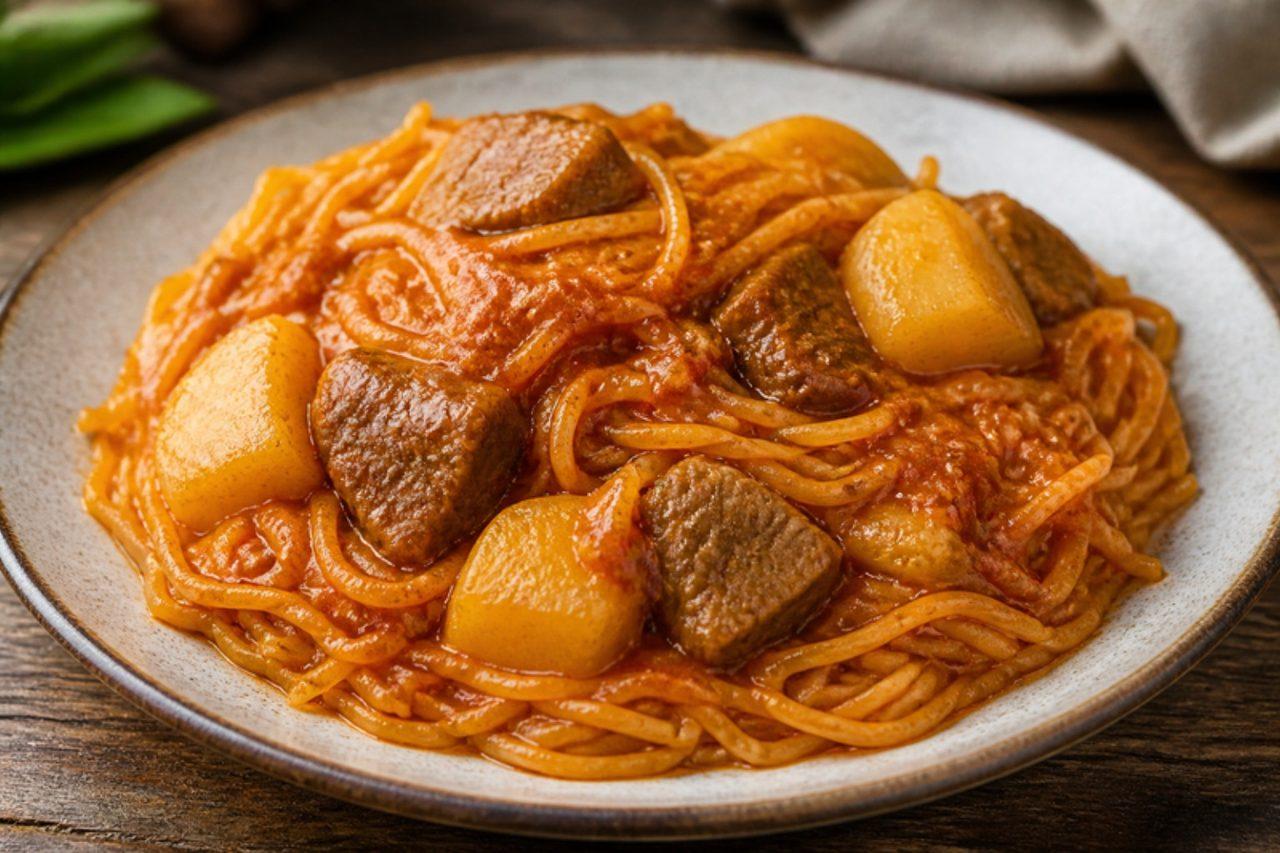
Ají de fideosNoodles in red chilli with beef

Ají de fideos fills the market comedores of La Paz at lunchtime: spaghetti snapped into short pieces and simmered in a brick-red sauce of dried chilli, onion and tomato with chunks of beef and potato, all eaten with a spoon. It is warming, a little smoky and properly hot, perfect at 3,600 metres. The trap is adding the pasta too early, which leaves it bloated and the sauce gluey. Chef's tip: toast the broken spaghetti in a little oil until golden before it goes into the pot; it keeps its shape and adds a nutty flavour.

by KrazyBadal 0 views

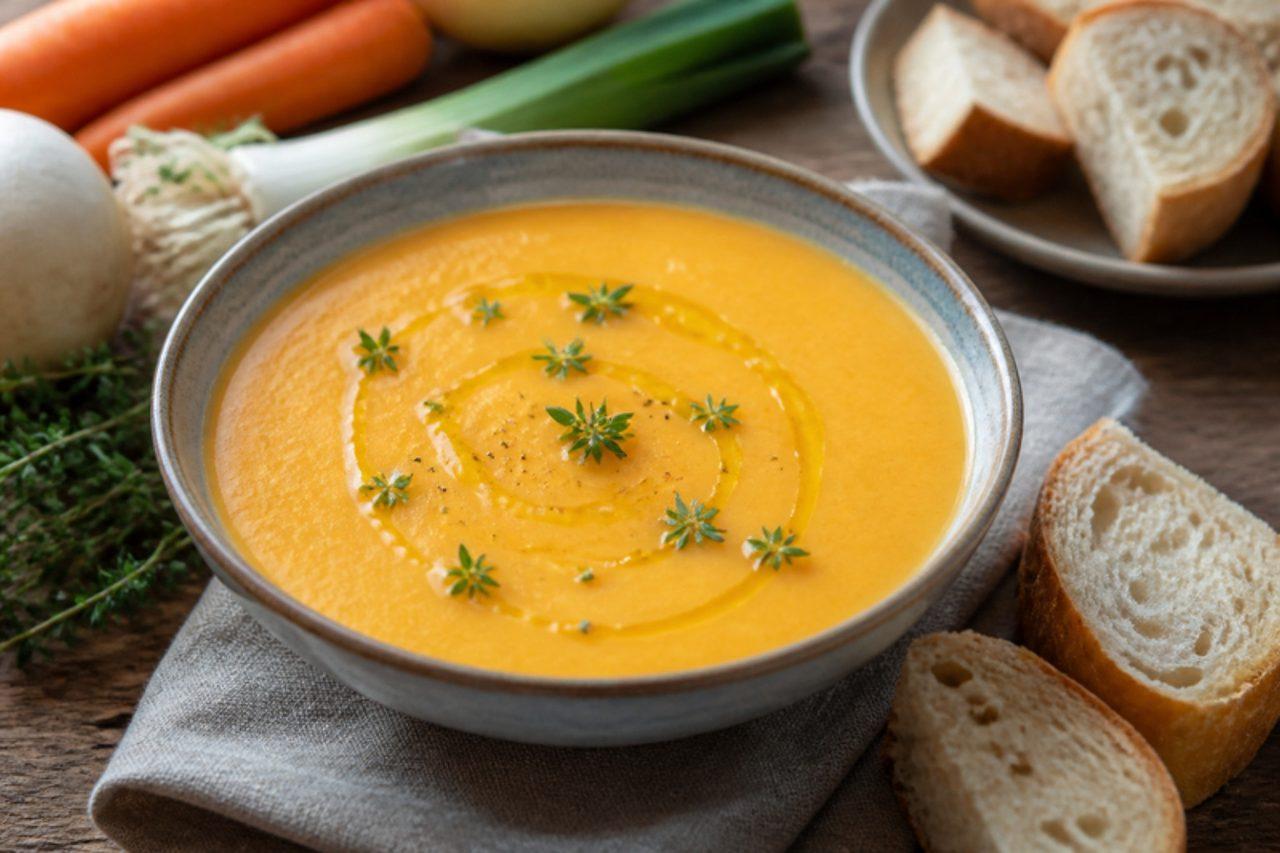
LasopyBlended vegetable soup

Highland evenings in Antananarivo can turn surprisingly cold, and that is when lasopy comes out, a smooth, pale-orange soup of carrot, leek, potato, turnip and green beans blended until velvety. Market cooks and grandmothers usually simmer it with beef bones; this version keeps it fully vegetarian, with the vegetables browned lightly first and a bay leaf and thyme for depth, so the water turns into a sweet, savoury broth on its own. It is often eaten with a handful of thin vermicelli cooked in it, or simply with bread, and a dab of sakay stirred in at the table. Leave the vegetables in big chunks: chopping them tiny makes them boil to mush before the flavour comes out. Chef's tip: hold back a ladle of cooking liquid and blend the rest, then thin to taste, because once lasopy is too watery there is no fixing it.

by KrazyBadal 0 views

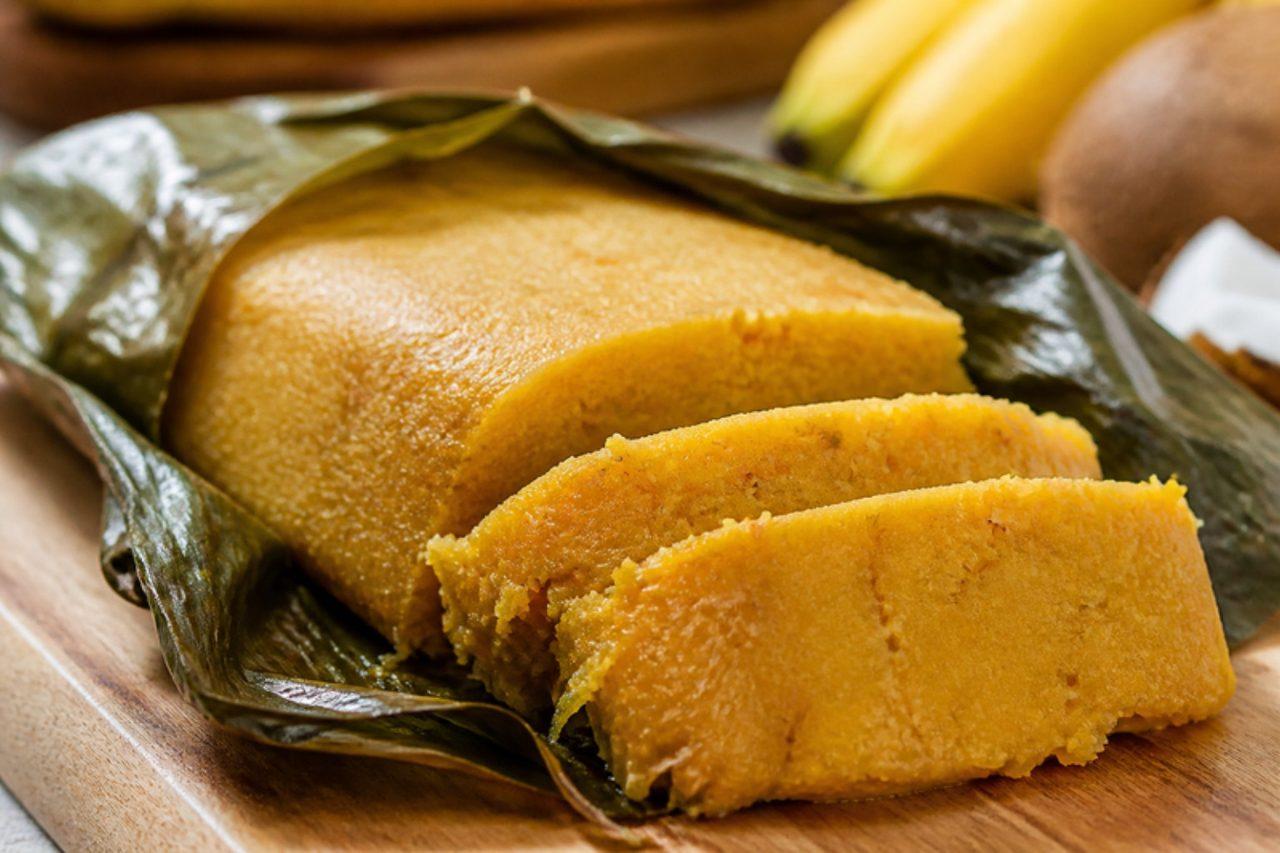
CafungaBanana coconut cake in leaves

Cafunga belongs to Venezuela's eastern coast, in Sucre and the Afro-Venezuelan villages of Barlovento, where ripe bananas, coconut and panela are wrapped in banana leaves and baked until fragrant. It comes out dense and moist, somewhere between a pudding and a cake, and is sold in its leaf at fiestas and village markets. The common mistake is not softening the leaves first, so they crack and leak. Chef's tip: pass each leaf over a gas flame or dip it in boiling water until it turns glossy and pliable.

by KrazyBadal 0 views

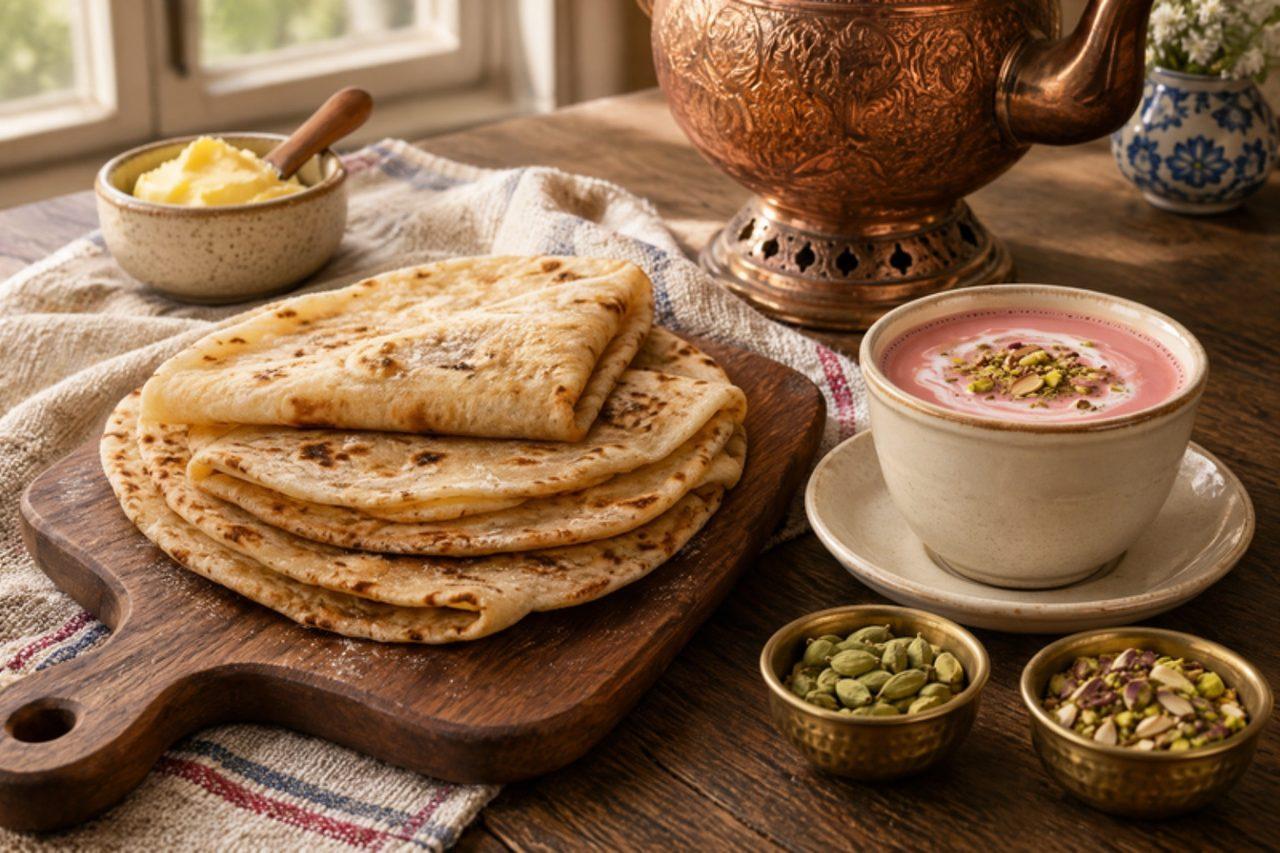
LavasaThin leavened flatbread

Every Kashmiri neighbourhood has its kandur, the baker who slaps breads onto the walls of a clay tandoor before dawn, and lavasa is the thin, soft, bubbly sheet bought for the afternoon or for wrapping hot seekh kebabs at weddings. It is lightly leavened, a little chewy and faintly smoky, and is eaten with noon chai or with harissa in winter. At home a very hot heavy pan or a pizza stone does a fine job. The common mistake is rolling it too thick; lavasa should be thin enough to see light through at the edges. Chef's tip: stack the breads under a clean cloth as they come off the heat, so the steam keeps them soft and foldable.

by KrazyBadal 0 views

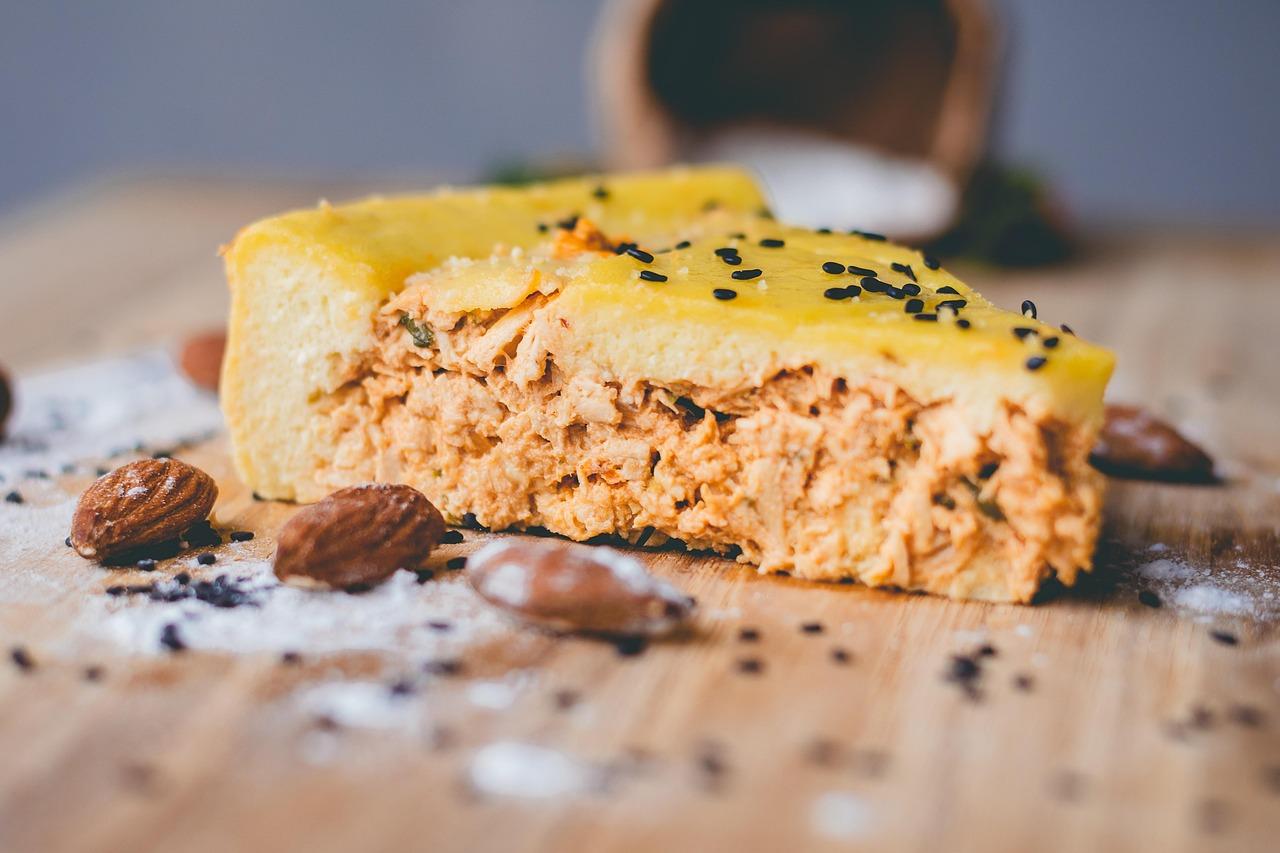
Polvorosa de polloChicken pie

Polvorosa is the pie that comes out for family birthdays and Sunday gatherings in Caracas: a melt-in-the-mouth, slightly sweet shortcrust (polvorosa means 'crumbly') around chicken stewed with leek, peppers, olives, capers and raisins, so each bite is salty, sweet and savoury at once. Serve it warm with a green salad. The common mistake is filling the pastry with hot stew, which melts the butter and makes a soggy, torn crust. Chef's tip: make the filling the day before and fill the pie straight from the fridge.

by KrazyBadal 0 views

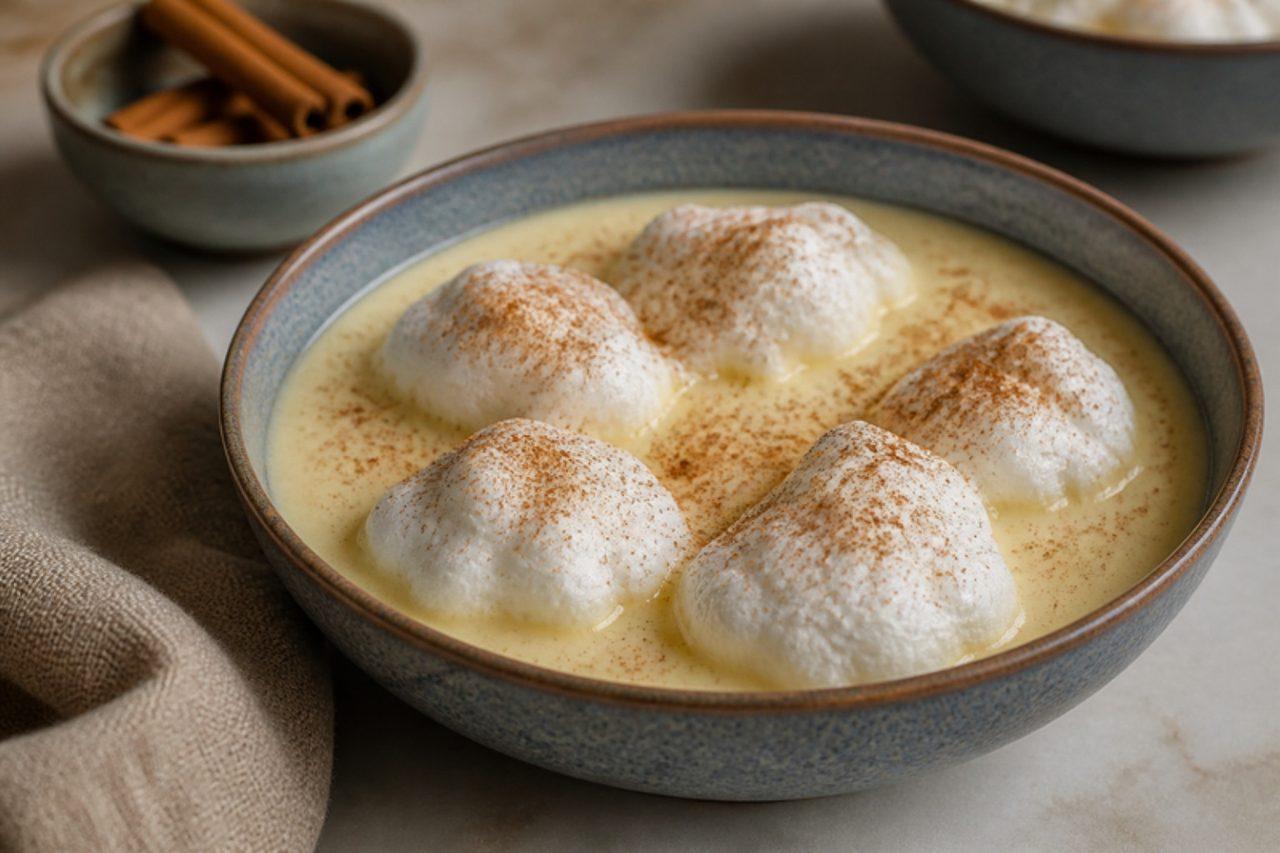
Leche nevadaCustard with meringue clouds

Leche nevada, 'snowed-on milk', is the custard Chilean grandmothers make on a Sunday with a litre of milk and a few eggs: soft spoonfuls of meringue are poached in sweet milk, then the same milk becomes a thin, vanilla-scented custard that the clouds float on. It is served cold in glass bowls, dusted with cinnamon, from Santiago to the south. The usual failure is letting the custard boil after the yolks go in, which curdles it into sweet scrambled egg. Chef's tip: poach the meringue at the barest simmer; at a rolling boil it puffs up, then collapses and goes rubbery. Because the whites are poached and the custard heated to 82 °C, the eggs are cooked through.

by KrazyBadal 0 views

Calzone frittoFried ham and mozzarella calzone

In Palermo the calzone is fried, not baked: a soft, slightly sweet milk dough wrapped around cooked ham (pork) and mozzarella, sealed and dropped into hot oil until puffed and bronzed. It sits on the glass counters of every rosticceria, from the bars of Via Maqueda to the beach kiosks at Mondello, next to arancine and sfincioni, and Palermitans grab one for a mid-morning merenda or a quick lunch. The crust is thin and crisp, the dough inside pillowy and the cheese stretchy. Chef's tip: dry the mozzarella in the fridge on kitchen paper for an hour; wet cheese makes the seams burst in the oil.

by KrazyBadal 0 views

Passionfruit sponge

The passionfruit sponge is the star of the Australian country show cake table and every Sunday afternoon tea, made from the vines that cover back fences from Sydney to the Sunshine Coast. Two airy, fatless sponges are filled with whipped cream and topped with a tangy passionfruit icing. A common mistake is knocking the air out when folding in the flour; use a light hand and a big metal spoon. Chef's tip: beat the eggs and sugar for a full 8–10 minutes until thick enough to hold a trail.

by KrazyBadal 0 views

Aussie salad sandwich

The salad sandwich is the backbone of the Australian lunchbox and the school tuckshop order: soft bread built up with tinned beetroot, grated carrot, tasty cheese, tomato and crisp lettuce, cut into triangles and wrapped in paper. Beetroot is what makes it unmistakably Aussie. The common mistake is laying wet beetroot and tomato straight on bare bread, so by lunchtime it is pink and soggy. Many Cheddar-style "tasty" cheeses use animal rennet; choose one labelled vegetarian. Chef's tip: butter both slices to the edge and put the cheese and lettuce next to the bread, with the wet fillings sealed in the middle.

by KrazyBadal 0 views

Frozen Christmas pudding

In the heat of an Australian December, many families swap the steamed pudding for a frozen one, ice cream packed with fruit, nuts and chocolate and set in a pudding basin so it still looks the part on the Christmas table in Brisbane or Perth. It is made days ahead and turned out just before serving. A common mistake is letting the ice cream melt too much while mixing, which makes it icy when refrozen; soften it only until stirrable. Chef's tip: soak the fruit in orange juice the night before so it stays soft when frozen.

by KrazyBadal 0 views

Pâté en croûtePork and veal pie in pastry

Lyon's charcuteries display pâté en croûte like jewellery: a tall loaf of crisp, golden pastry wrapped around a coarse terrine of pork and veal. A slice wrapped in paper is a picnic and lunchbox luxury, and the whole loaf is a Sunday project eaten over several days. The common mistake is undercooking it for fear of drying it out: as it is made with minced pork, the centre must reach 71 °C, so use a probe thermometer. The classic farce has a splash of cognac; it's optional here, and apple juice or extra stock is the alcohol-free swap. Chef's tip: chill the filled, unbaked loaf for 30 minutes before baking so the pastry keeps its shape and pattern.

150 minFrenchMeat
by KrazyBadal 0 views

AlkubusSteamed wheat bread

In Kano, Katsina and Sokoto, alkubus is a breakfast bread you steam rather than bake: a soft yeasted wheat dough set in small cups or tins over boiling water until it puffs into fluffy, slightly sticky domes. It is eaten warm, pulled apart and dipped into groundnut oil with yaji, the peanut and chilli spice mix, or with a bowl of miyan taushe or other soup. The common mistake is lifting the lid during steaming; the rush of cold air makes the breads sink and turn dense. Yaji contains peanuts. Chef's tip: wrap the pot lid in a tea towel so condensation can't drip back and leave wet craters on the tops.

by KrazyBadal 0 views

Café chorreadoCloth-filtered coffee

Every Costa Rican grandmother has a chorreador: a small wooden stand holding a cloth bag, the bolsita, over a cup or jug. Hot water is poured through the grounds by hand, a little at a time, and the result is the coffee drunk at breakfast with gallo pinto and again at the afternoon cafecito around three, with a tamal, a slice of pan casero or a rosquilla. The cloth catches the oils and fine grounds, so the cup is clean, bright and smooth, with the soft acidity and caramel sweetness of Tarrazú and Central Valley beans. In the countryside the water is sometimes sweetened with tapa de dulce before it goes through. It is strong coffee, so mind the caffeine late in the day. The common mistake is pouring all the water in at once, which floods the bag and leaves weak, uneven coffee; pour in slow circles, in four or five goes. It is ready when the drips slow to a trickle and the coffee is dark reddish-brown and smells of toasted caramel. Never wash the bag with soap; rinse it in hot water and hang it to dry. Chef's tip: boil a new bag once with a spoonful of coffee before using it, to season the cloth.

by KrazyBadal 0 views

Lingad ka acharFiddlehead fern pickle

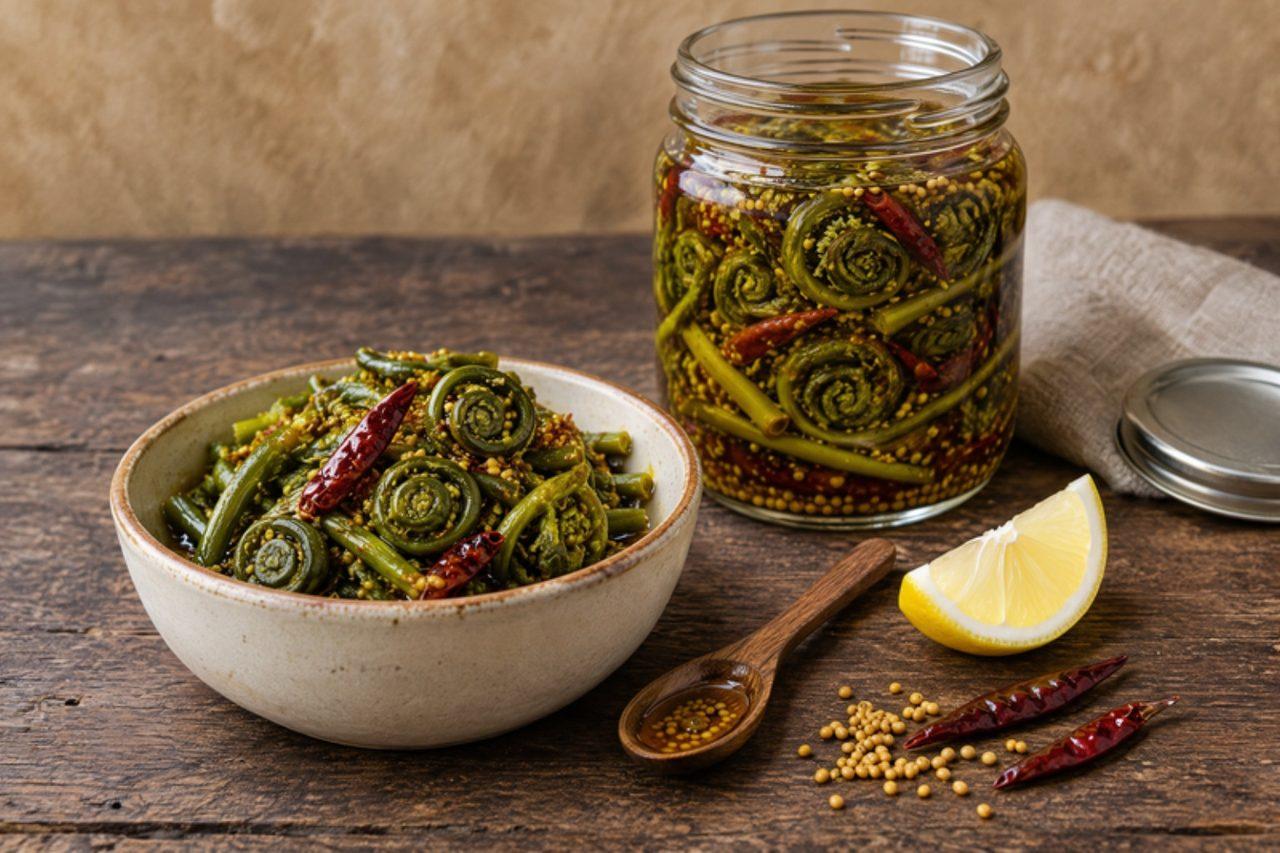
In Kullu, Mandi and Kangra, the monsoon brings lingad, the curled young shoots of the vegetable fern that grows along streams and terrace edges. Villagers pick them in the morning and sell them by the bundle; what is not stir-fried with potato goes into a small jar of pickle to stretch the short season. The shoots are blanched, dressed with mustard oil, crushed mustard seed, red chilli and lemon, and the result is green, crisp and faintly like asparagus with a nutty mustard heat. It is eaten with siddu, rice and madra, or simply with a hot roti. Outside the Himalaya, use ostrich fern fiddleheads, which appear in spring in North America and Europe. Fern shoots must always be cooked; raw or undercooked fiddleheads can upset the stomach badly. Common mistake: only flash-blanching them; boil for the full time. It is ready after a night in the fridge, when the coils have dulled to olive and taste tangy. Keep it in the fridge for up to 10 days; discard if you see mould, slime or smell anything off. Chef's tip: rub off the brown papery scales between your palms under running water before you weigh them.

by KrazyBadal 0 views

Gigot de sept heuresSeven-hour braised lamb

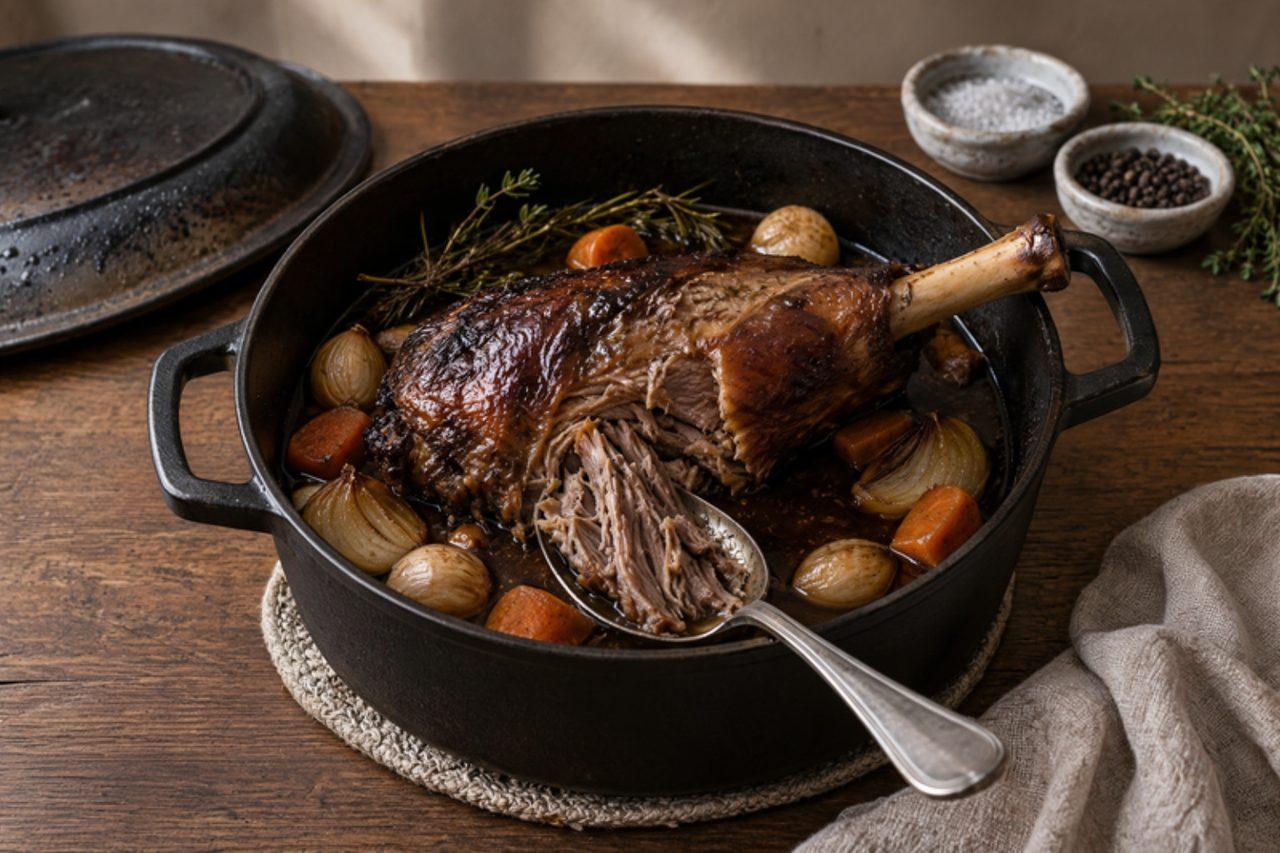
This is the slow Sunday gigot of the French countryside, set in a low oven after breakfast and eaten at the family lunch or supper, especially in winter and at Easter. The leg of lamb is browned, then braised so long with whole garlic heads, onions, carrots and white wine that the meat is served with a spoon rather than a knife, and the garlic melts into the sauce. Serve with white beans, mashed potatoes or simply crusty bread. It cooks with wine; for an alcohol-free version use the same amount of extra stock with a tablespoon of cider vinegar. The usual mistake is a lid that does not fit, so the liquid escapes and the meat dries; seal it with foil under the lid. Chef's tip: turn the leg every two hours and baste it, so the top never dries above the liquid.

460 minFrenchMeatGluten free
by KrazyBadal 0 views

Locro de zapallo for toddlersPumpkin stew for toddlers

Locro de zapallo is the golden pumpkin stew of Lima's home kitchens and menú lunch spots, eaten on weekdays with white rice and, for adults, a fried egg and ají on the side. For toddlers from 12 months it is cooked without any ají, the pumpkin is simmered until it melts into a sauce, and just a little crumbled fresh cheese is stirred in, so it is sweet, creamy and easy to mash. It contains milk; there is no gluten, egg, nuts or soya. Queso fresco is often made with animal rennet, so for a vegetarian bowl choose one labelled vegetarian, or use a little paneer, and always a pasteurised cheese. Chef's tip: cut half the pumpkin small so it dissolves into the sauce and the rest larger so it keeps some shape.

by KrazyBadal 0 views

BozaFermented millet drink

In Bulgaria boza is a breakfast habit: a plastic bottle of it from the corner pastry shop and a slice of hot, flaky banitsa, bought on the way to work or school, especially from autumn through to spring. Towns such as Radomir, Plovdiv and Sofia argue over whose is best. It is the colour of milky coffee, thick enough to coat the glass, sweet up front with a sour, bready finish and a faint prickle. Like every fermented grain drink it makes a trace of alcohol, well under 1% when drunk young. The base is millet flour, toasted for flavour, cooked into a thin porridge, then fermented for about a day before being strained and sweetened. The common mistake is adding the yeast while the porridge is still hot, which kills it and leaves you with sweet gruel; wait until it feels only just warm on your wrist. It is ready when the surface is covered in small bubbles, it smells like fresh bread with a sour edge and tastes pleasantly tangy. Chef's tip: keep back a glass of each batch in the fridge and use it instead of yeast next time; boza made from an old starter is rounder and more sour.

by KrazyBadal 0 views

Lontong balapRice cakes and tofu in broth

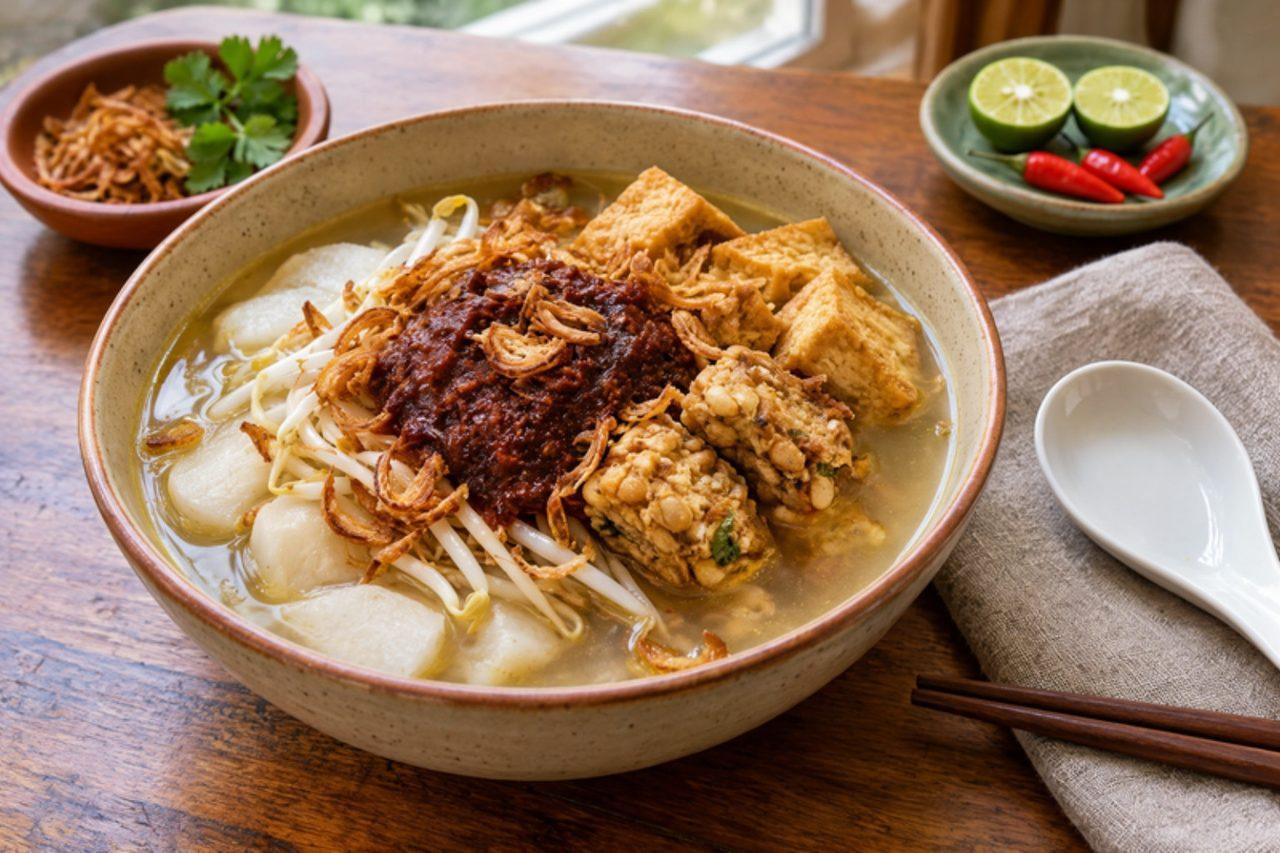
Lontong balap is Surabaya's morning bowl, named after sellers who once raced (balap) each other to market with their heavy carts. Slices of compressed rice cake are piled with blanched bean sprouts, fried tofu and lentho, little fritters of black-eyed beans and cassava, then soaked with a light garlicky broth and a spoon of sambal mixed with petis, the dark, sweet shrimp paste of East Java. Eat it with skewers of sate kerang if you like. The common mistake is boiling the sprouts too long; they should keep a snap. Chef's tip: stir the petis into the sambal with a little hot broth first, so it melts into the bowl instead of sitting in a sticky blob.

by KrazyBadal 0 views

Jambon-beurreHam and butter baguette

France sells millions of jambon-beurre every working day: half a crusty baguette, split, spread with good salted butter and filled with thin slices of jambon de Paris, the delicate cooked pork ham. Parisians eat it at the office, on a park bench or on the train. The common mistake is a stingy smear of hard butter; the butter is a filling, not a glue, so spread it soft and generous. Some add cornichons, which purists call a different sandwich. Chef's tip: fold each slice of ham loosely in half rather than laying it flat, so the sandwich is airy and every bite has ham.

by KrazyBadal 0 views

Alle belleCoconut-filled pancake rolls

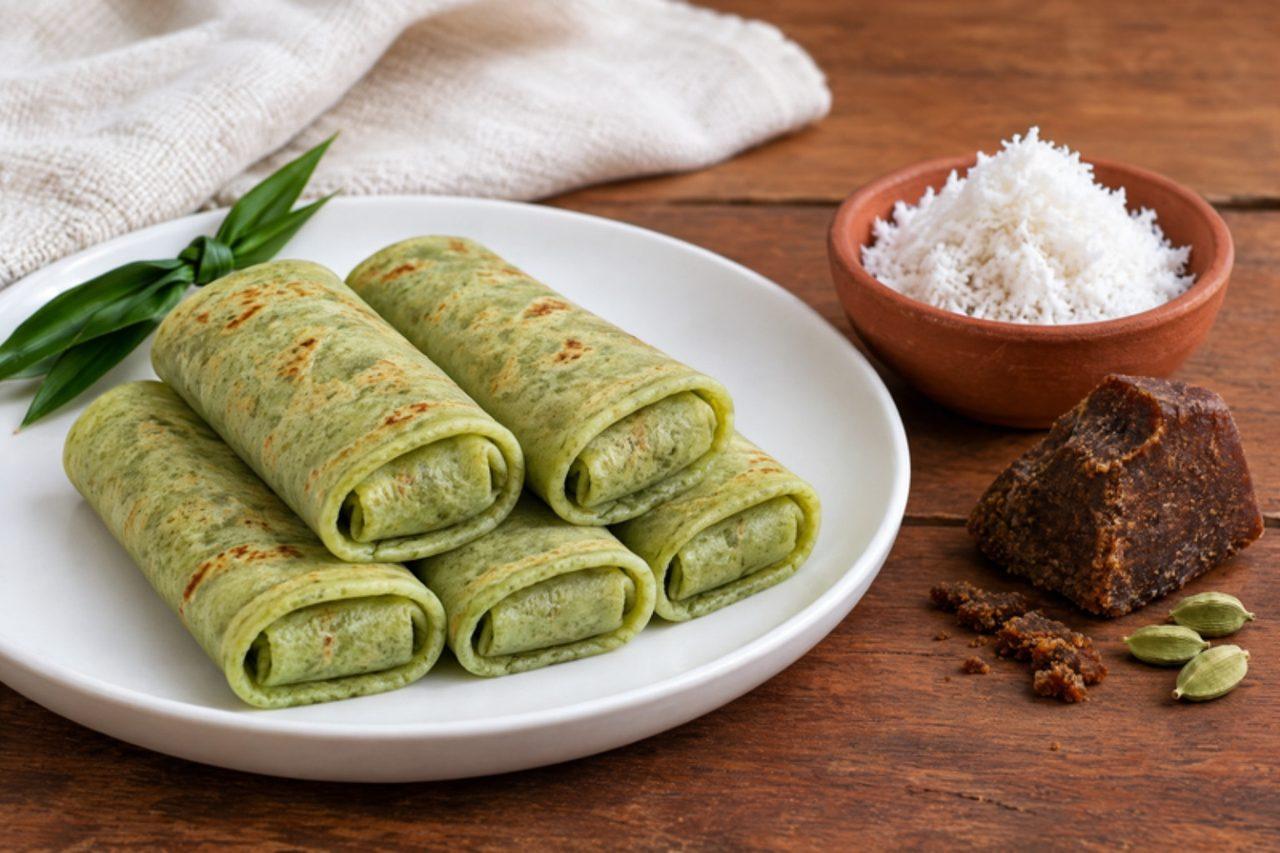
Alle belle are the tea-time sweet of Goan Catholic homes: soft, lacy pancakes, sometimes tinted with a little green from pandan or turmeric leaf, rolled up around a sticky filling of fresh coconut and dark palm jaggery (godd). They appear at feast-day teas, at village fairs and in school tiffin boxes, and they contain egg in the batter. The common mistake is a thick batter, which gives heavy pancakes that crack when rolled; it should pour like single cream and spread thinly with a swirl of the pan. Chef's tip: cook the filling until it is sticky but still soft, then add a pinch of salt, because the salt makes the palm jaggery taste richer.

by KrazyBadal 0 views

Tokri chaatPotato basket chaat

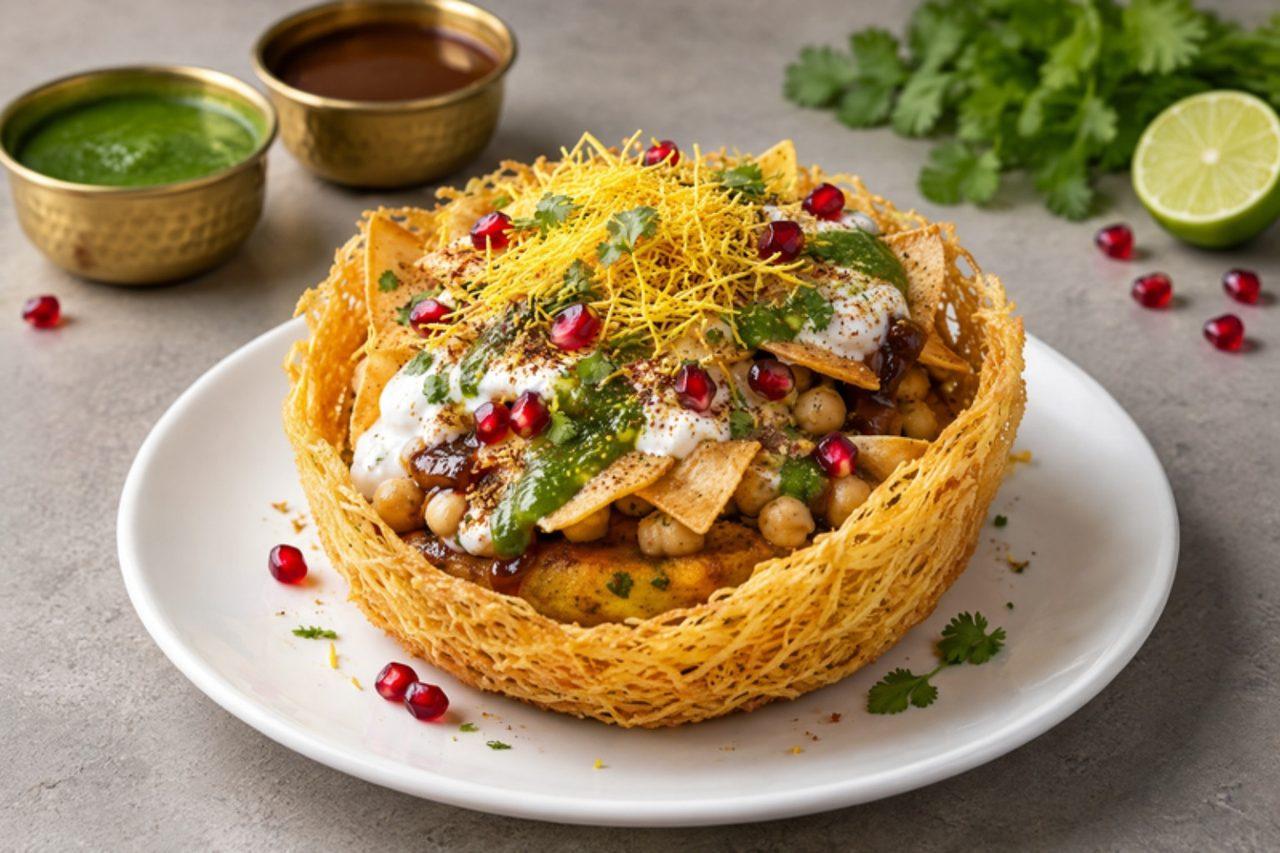
Tokri chaat was made famous by the chaat counter of Royal Café in Lucknow's Hazratganj, where families queue on winter evenings for an edible basket of crisp fried potato straws heaped with crushed aloo tikki, chickpeas, papdi, sweet yoghurt, chutneys, sev and pomegranate. It is as much a show-piece as a snack: you break the basket into the filling as you eat. You need two metal strainers or a nest-basket frier to shape the baskets. Chef's tip: rinse and dry the grated potato thoroughly; wet potato spatters and the basket falls apart.

by KrazyBadal 0 views

Lucknowi matar chaatWhite pea chaat

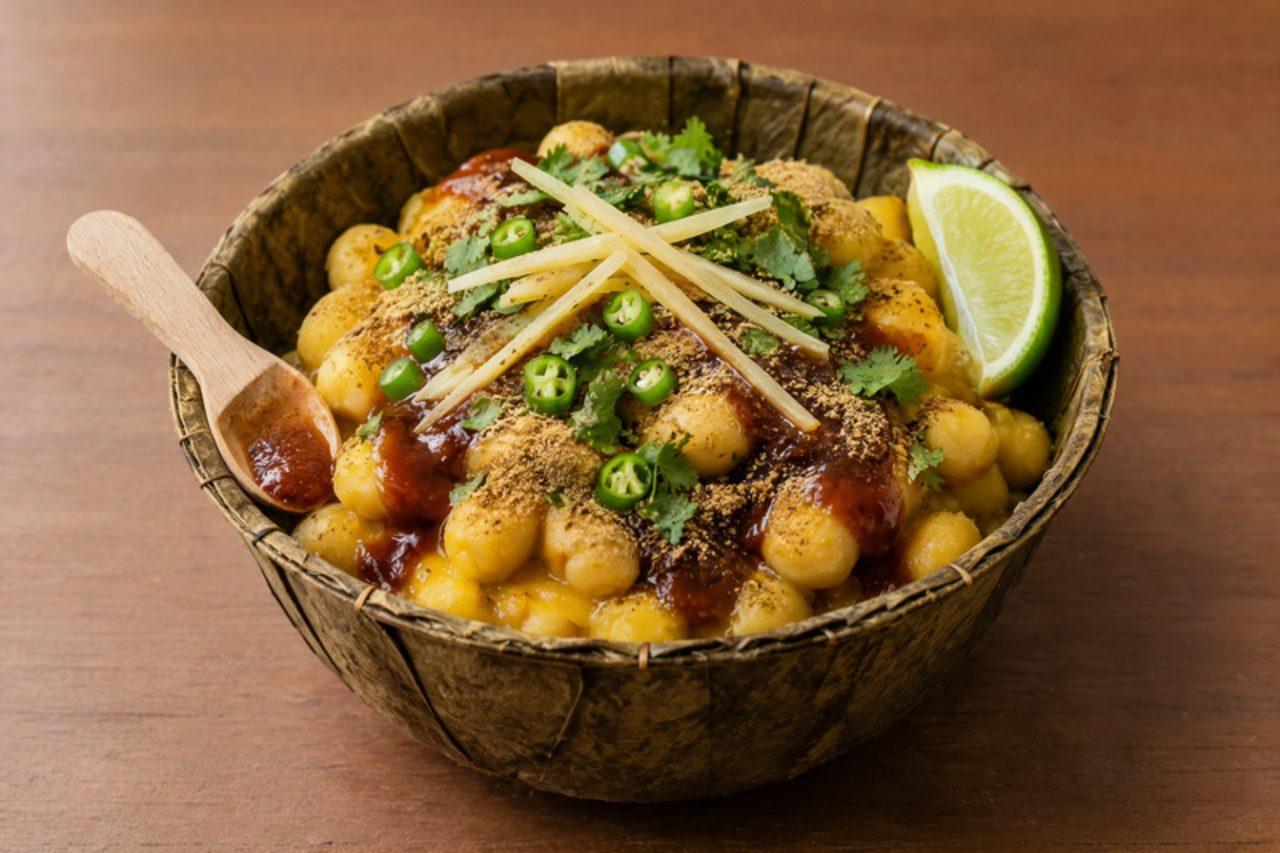
In Aminabad and around the Chowk in old Lucknow, matar chaat is ladled hot out of huge brass handis that sit on embers all evening, especially through the cold months. Dried white peas are cooked until they collapse into a creamy, soupy mass, then each leaf bowl is topped with shredded ginger, green chilli, raw onion, lime, roasted spices and a trickle of sweet tamarind chutney. It is warming, sour and gently hot. Chef's tip: cook the peas until a good number break down; that creamy liquid is what makes it Lucknowi.

by KrazyBadal 0 views

Cà tím om đậuBraised aubergine and tofu

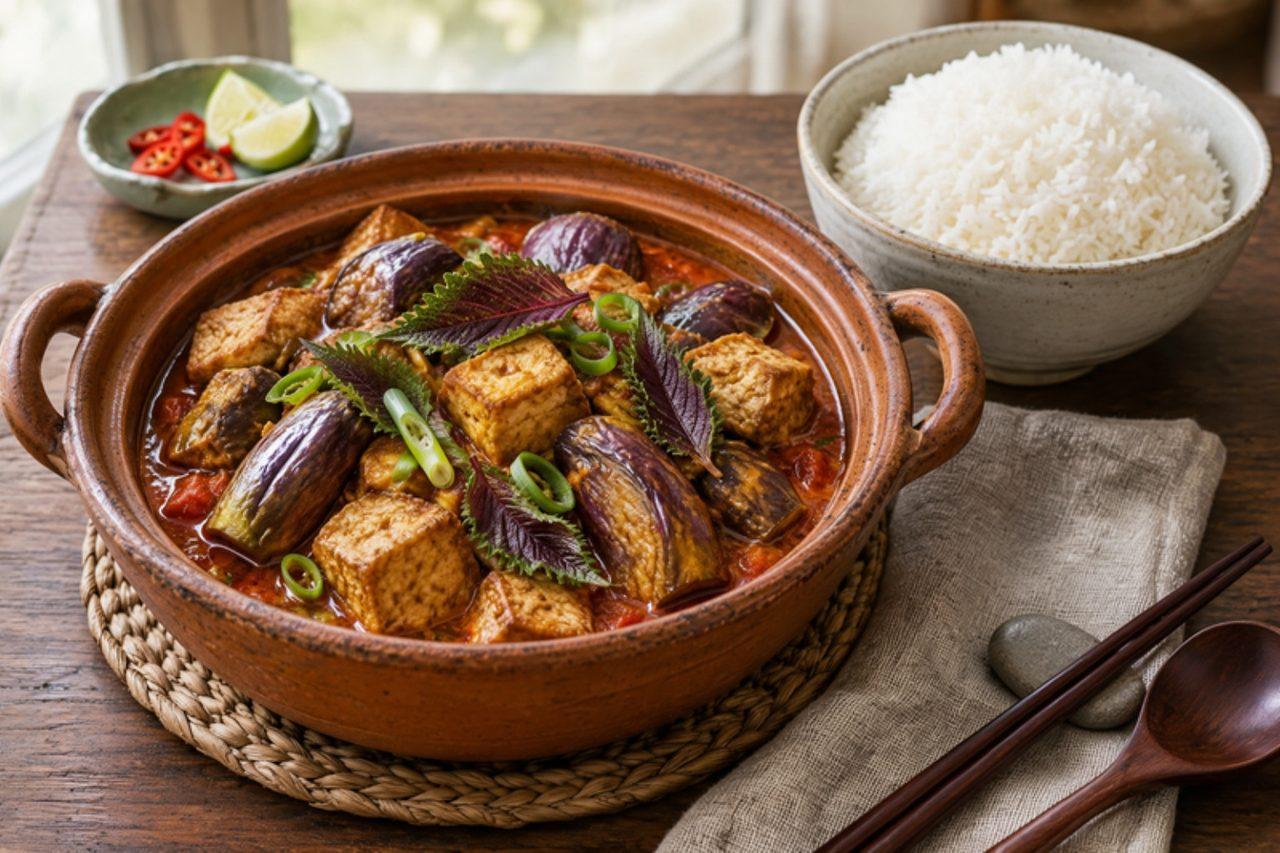
In Hanoi, cà tím om đậu is a humble lunch dish of the old quarter rice shops and home kitchens, especially in the cooler months, and it is traditionally braised with pork and a spoon of fermented shrimp paste. This vegan version keeps the soft, smoky aubergine, golden tofu and sweet-sour tomato sauce, and swaps the shrimp paste for soy sauce, while purple perilla (tía tô) adds its unmistakable minty-anise lift. Serve it with plain rice and a bowl of clear vegetable soup. The usual mistake is crowding the tofu in the pan so it steams instead of frying, leaving it pale and soft. Chef's tip: soak the cut aubergine in lightly salted water with a dash of vinegar for 10 minutes, which stops it browning and keeps it from soaking up too much oil.

by KrazyBadal 0 views

MrendaJute mallow greens

Luhya grandmothers in Kakamega and Bungoma say mrenda slides the ugali down, and they mean it: jute mallow leaves, cooked with a little soda, turn deliberately slippery and silky, a texture Western Kenya loves. The flavour is mild and grassy, lifted here with onion and tomato, and the greens are often mixed with cowpea leaves or eaten beside fish. Fresh jute mallow can be hard to find, but frozen chopped leaves sold as molokhia in Middle Eastern and African shops work perfectly. The traditional alkali is a lye filtered from ash; bicarbonate of soda stands in, and heaping it in is the mistake that leaves a soapy taste, so keep to a pinch. Chef's tip: stir with a wooden whisk or a fork in one direction as it cooks; Luhya cooks beat it this way to make the sauce smooth.

by KrazyBadal 0 views

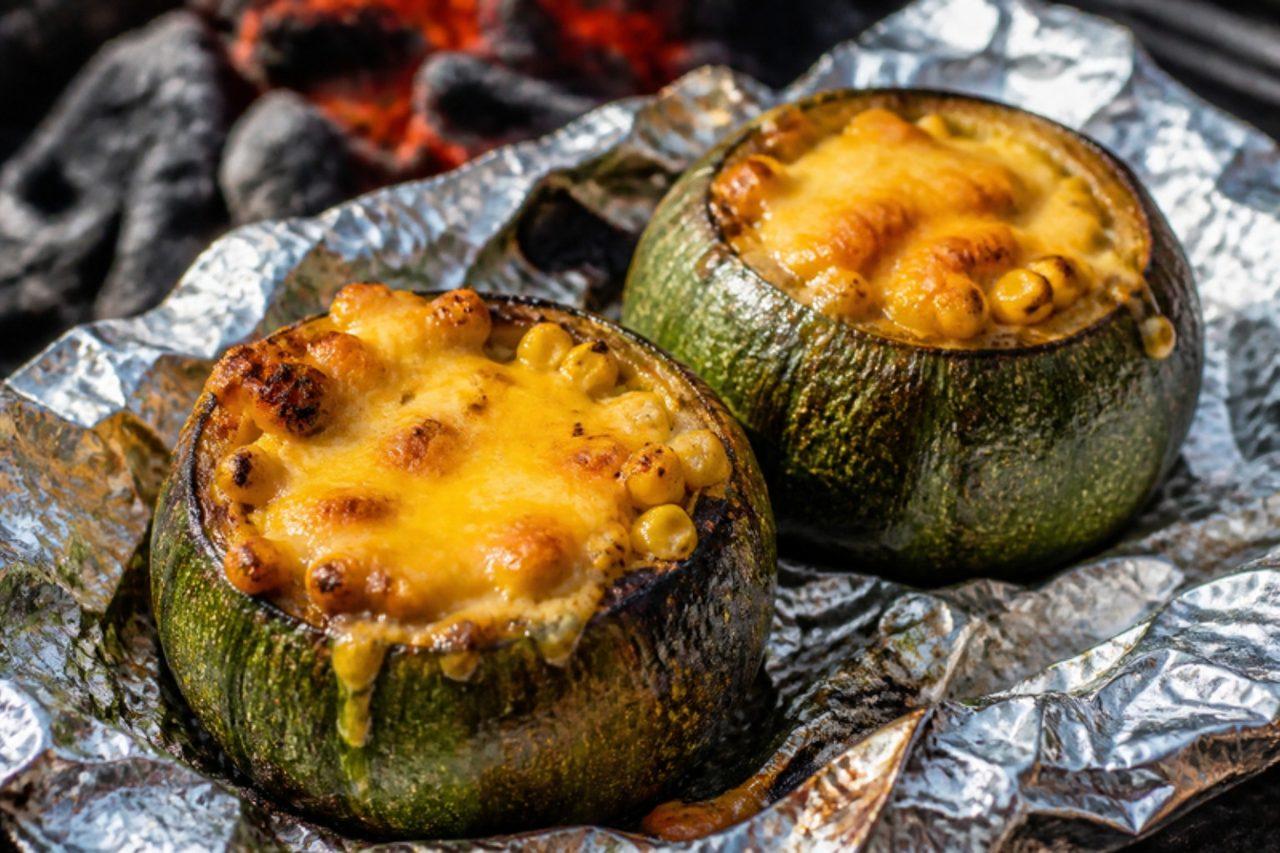
Braaied gem squashGem squash with sweetcorn and cheese

Small, round and dark green, gem squash is the vegetable South African children grow up scooping from the shell with a teaspoon, and at a weekend braai it goes into the coals wrapped in foil alongside the potatoes. The halves steam in their own juice until the orange flesh is tender and sweet, with a pool of melted butter, golden corn and cheese in the hollow. Serve them as a side for anything from the grid, or make a plate of them with pap tert and a tomato salad for a meat-free braai. Indoors, an oven gives the same result. Putting them straight onto flaming wood is the mistake: they char outside and stay hard inside, so wait for grey, glowing coals. Choose a vegetarian cheddar, since many are made with animal rennet. Chef's tip: trim a thin slice off the round base of each half so it sits flat and holds its filling.

by KrazyBadal 0 views

AliyaDried beef stew

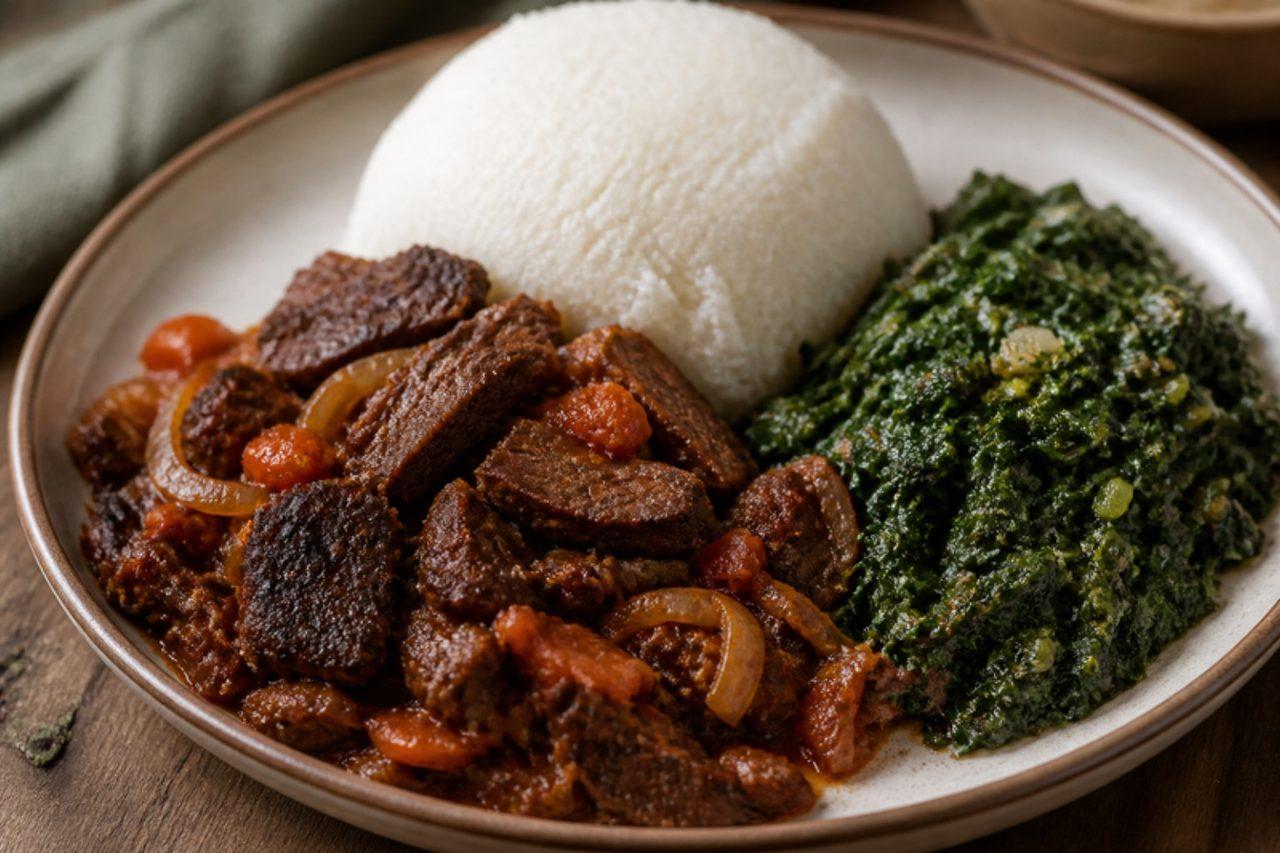
Luo households around Kisumu, Siaya and Homa Bay once dried strips of beef in the sun and over the cooking fire so meat from a slaughter or a big ceremony would keep for weeks, and aliya is still cooked for funerals, gatherings and nostalgic Sunday lunches. Rehydrated and stewed, the strips become dense, chewy and intensely beefy with a faint smokiness, in a thick tomato gravy with soft greens folded through; serve it with kuon (ugali) and a bowl of sour milk if you like. Sun-drying raw meat is not safe at home, so this version first heats the strips to 71 °C in the oven and then dries them slowly, or you can start from bought dried beef. The dried strips are not for pregnant women, young children or anyone with a weakened immune system unless they are fully stewed as here. Chef's tip: simmer the strips until soft before frying, the step people skip, or the aliya stays leathery.

by KrazyBadal 0 views

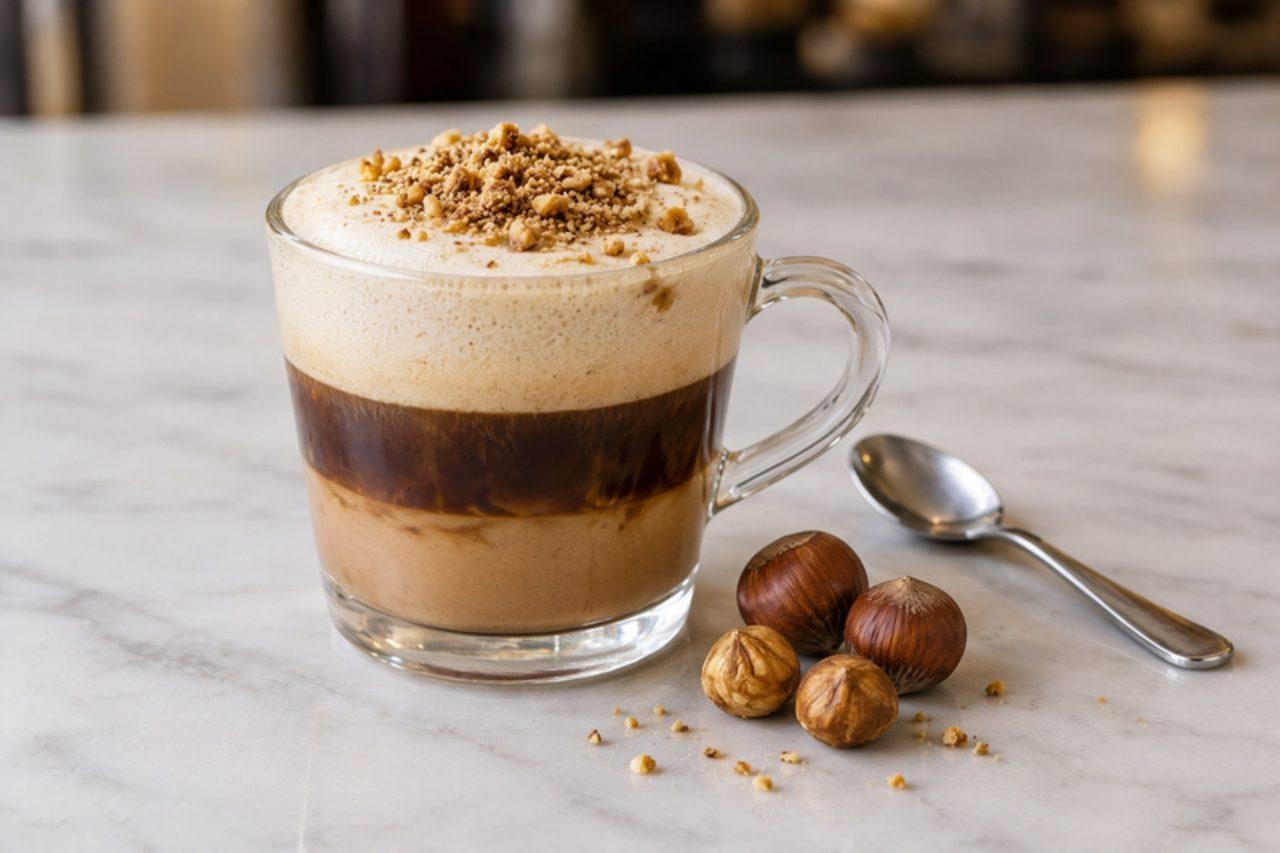
Caffè alla nocciolaEspresso with hazelnut cream

Naples takes its espresso seriously, and its bars along Via Toledo and the Lungomare also serve this richer cousin: a small glass cup smeared with hazelnut cream, a hot ristretto poured in, and a cap of cremina, the pale foam Neapolitans make by beating the first drops of coffee with sugar. It is drunk standing at the counter at mid-morning or after lunch as a little treat, and in summer the same flavours come as a cold crema al caffè. It tastes of roasted hazelnut and dark coffee, sweet and nutty, with a soft, airy foam that melts into the cup. The common mistake is whisking the cremina with too much coffee: it stays liquid and never turns pale. Use just a teaspoon of the first, thick drops and beat hard. It is ready when the foam is light beige, thick and falls from the spoon in ribbons. Espresso means a fair amount of caffeine, so keep this one for grown-ups. Chef's tip: warm the glass under hot water first and swirl the hazelnut cream up the sides; the hot coffee melts it into stripes as it goes in.

by KrazyBadal 0 views

Aloo pitikaMashed potato with mustard oil

Aloo pitika is the first thing on many Assamese lunch plates, a rough mash of boiled potato sharpened with raw mustard oil, onion, green chilli and coriander, eaten with the first mouthfuls of rice and dal. Guwahati families make it daily, and in winter it may be mixed with roasted aubergine or a boiled egg. The usual mistake is making it smooth like a Western purée; it should be coarse and hand-mashed so the onion and chilli stay crunchy. Chef's tip: use pungent kachi ghani mustard oil and rub it in last, so its heat hits the nose.

by KrazyBadal 0 views

DakgangjeongSticky glazed fried chicken

Dakgangjeong is the boxed fried chicken of Sokcho's Jungang market on Korea's east coast, carried home by the tub and packed into lunchboxes the next day, because the double-fried pieces in their sticky glaze stay crunchy even when cold. The common mistake is frying only once; the second fry drives out moisture so the crust holds up to the sauce. Chef's tip: coat with potato starch rather than flour, and let the coated chicken sit for 5 minutes so the starch hydrates into a craggy crust.

by KrazyBadal 0 views

AmbalSweet and sour pumpkin

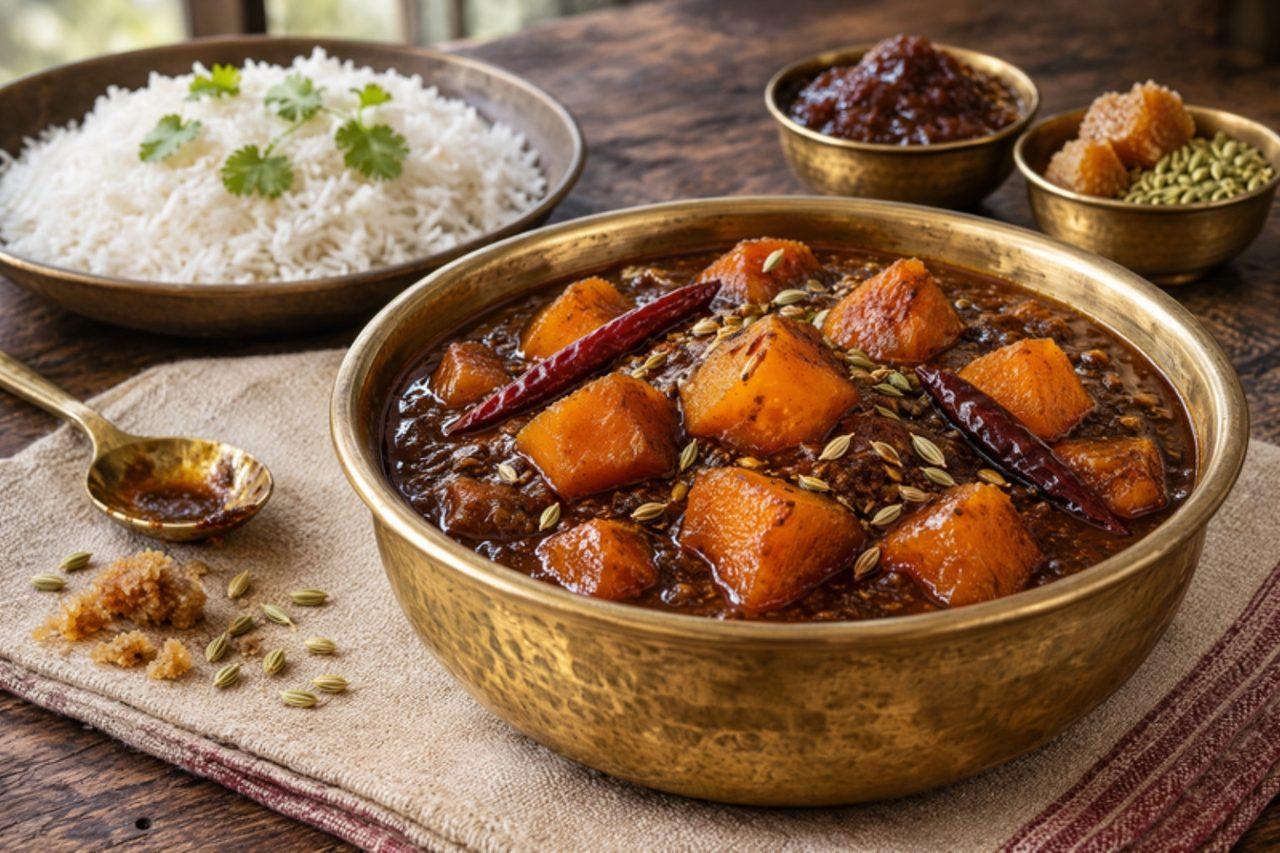
Ambal belongs to the Dogra dham of Jammu, the feast cooked by the hereditary siyan cooks for weddings and festivals and served on leaf plates in a fixed order. Yellow pumpkin is softened with fenugreek seeds and fennel, then simmered in a dark tamarind and jaggery sauce until it is sticky, sour and sweet at once, which is what the name, from 'amla' for sour, promises. It is eaten with rice alongside the dham's dals and madra. The common mistake is stirring hard once the pumpkin is soft, which turns it to mush; shake the pan instead. Chef's tip: let it rest an hour before serving, as the tamarind settles and the flavour deepens.

by KrazyBadal 0 views

Bokkeum kimchiStir-fried kimchi with pork belly

When a jar of kimchi turns very sour in Korean homes, it gets stir-fried with a little sugar and sesame oil, and often with pork belly, into bokkeum kimchi, a deep, mellow side dish that keeps for days and is a favourite in school and office dosirak. For a vegan version, use kimchi made without fish sauce or salted shrimp and leave out the pork. The usual mistake is using fresh, crisp kimchi, which tastes harsh when fried; it needs to be properly sour. Chef's tip: fry the kimchi until the edges just begin to catch and caramelise, which is where the flavour is.

by KrazyBadal 0 views

Katsu sandoPork cutlet sandwich

Katsu sando began in Tokyo tonkatsu shops in the 1930s as a cutlet you could carry, and is now a fixture of department-store food halls, train-station kiosks and lunchboxes all over Japan: a crisp panko pork loin cutlet soaked in sweet-sour tonkatsu sauce between pillowy white bread, crusts trimmed off. The common mistake is slicing it while hot, which squashes the bread and makes it soggy; let it rest under a light weight first. Pork loin is a whole cut, so cook it to 63 °C and rest it for 3 minutes. Chef's tip: butter the bread with a little mustard mixed in; it stops the sauce soaking through and adds a gentle kick.

by KrazyBadal 0 views

LampreadoCassava starch cheese fritters

Paraguayan grandmothers fry lampreado on Sunday evenings to eat with a mug of cocido, the toasted yerba mate drink: small pan-fried cakes of cassava starch, egg, milk and grated cheese with a little onion, crisp at the edges and stretchy inside. Some families also make it with leftover meat, but this version is all cheese. Queso Paraguay is set with animal rennet; a vegetarian Parmesan-style cheese plus mozzarella works well. The trap is a batter that is too thick, which gives heavy, gluey cakes. Chef's tip: the batter should drop slowly off a spoon like thick pancake batter; add milk a spoonful at a time until it does.

by KrazyBadal 0 views

MaesilcheongGreen plum syrup

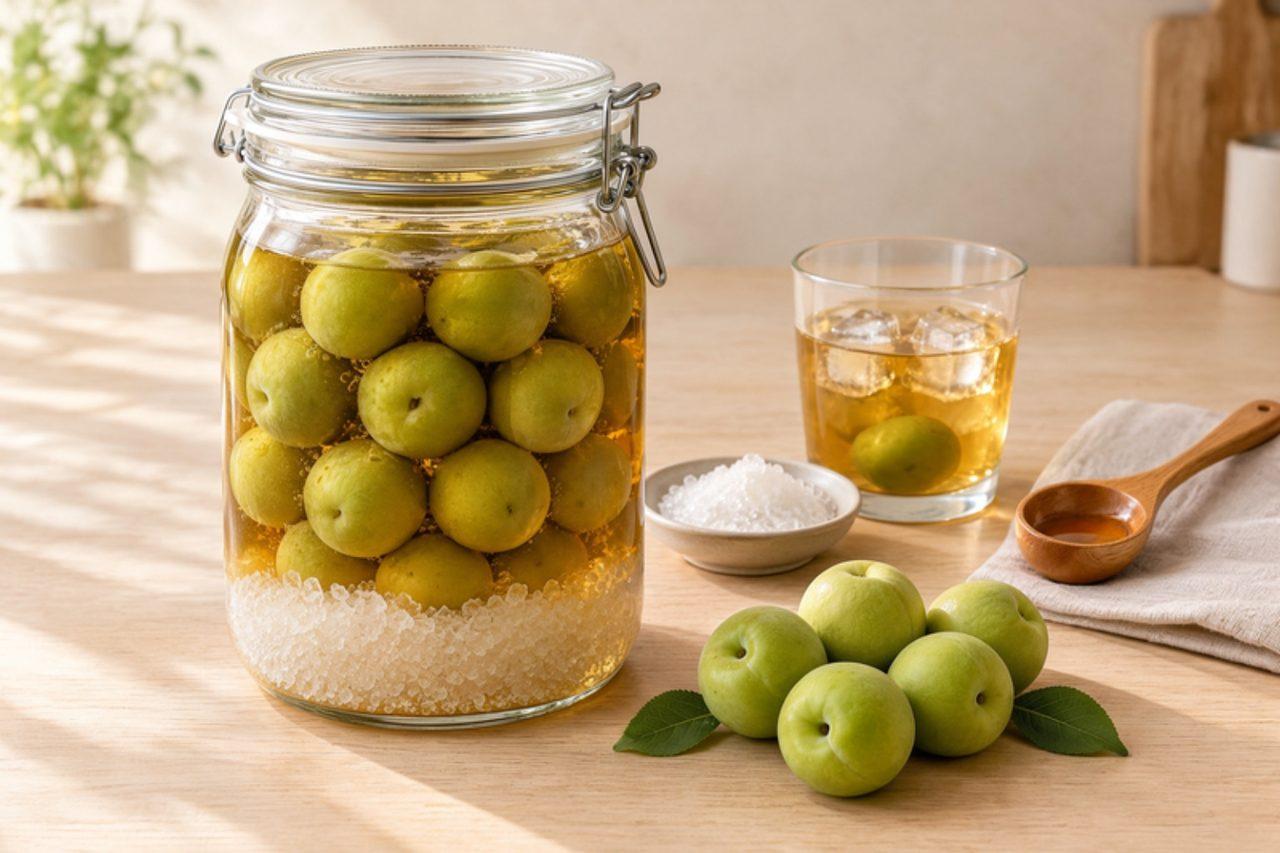
In early June, Gwangyang in South Jeolla holds its plum festival under hillsides of maesil trees, and across Korea families buy crates of hard green maesil plums to make maesilcheong. The plums are layered with an equal weight of sugar in big glass jars, and over 100 days the sugar draws out their juice into a tart, fruity amber syrup. It is the Korean kitchen's all-purpose sweetener: a spoonful in a marinade for bulgogi, in salad dressings and in kimchi, and diluted with cold water as a summer drink traditionally taken after a heavy meal. It tastes sweet, sour and almond-scented. Expect a little natural fermentation: a few bubbles and a trace of alcohol (well under 1%) are normal while the sugar dissolves, so keep the lid loose. The common mistake is wet fruit: any water left on the plums or stem scars can lead to mould, so dry them for hours. Ready when the plums have shrivelled and float, and the syrup is clear amber. Raw green plum stones contain compounds that release cyanide: never crush, bite or eat the stones, and remove the fruit after 100 days. No maesil? Use hard green apricots, with the same care. Chef's tip: use half brown sugar for a deeper colour and caramel note.

by KrazyBadal 0 views

MbakbkaPasta cooked in spicy lamb sauce

Mbakbka is the Tripoli family's go-to one-pot, made any day of the week and especially loved in winter: short pasta cooked directly in a spicy red sauce of lamb, tomato paste, chickpeas and bzar spice, so it drinks up the flavour and the starch thickens everything. The name echoes the bubbling sound the pot makes. The usual mistake is adding too little water: the pasta should be just covered when it goes in, and needs a stir every few minutes so it doesn't stick. For a vegetarian version, leave out the lamb and add a diced potato and courgette with the chickpeas, using vegetable stock. Chef's tip: let the pot rest off the heat for 5 minutes with the lid on, and the sauce settles into a thick, glossy coat.

by KrazyBadal 0 views

Kos ata curryJackfruit seed curry

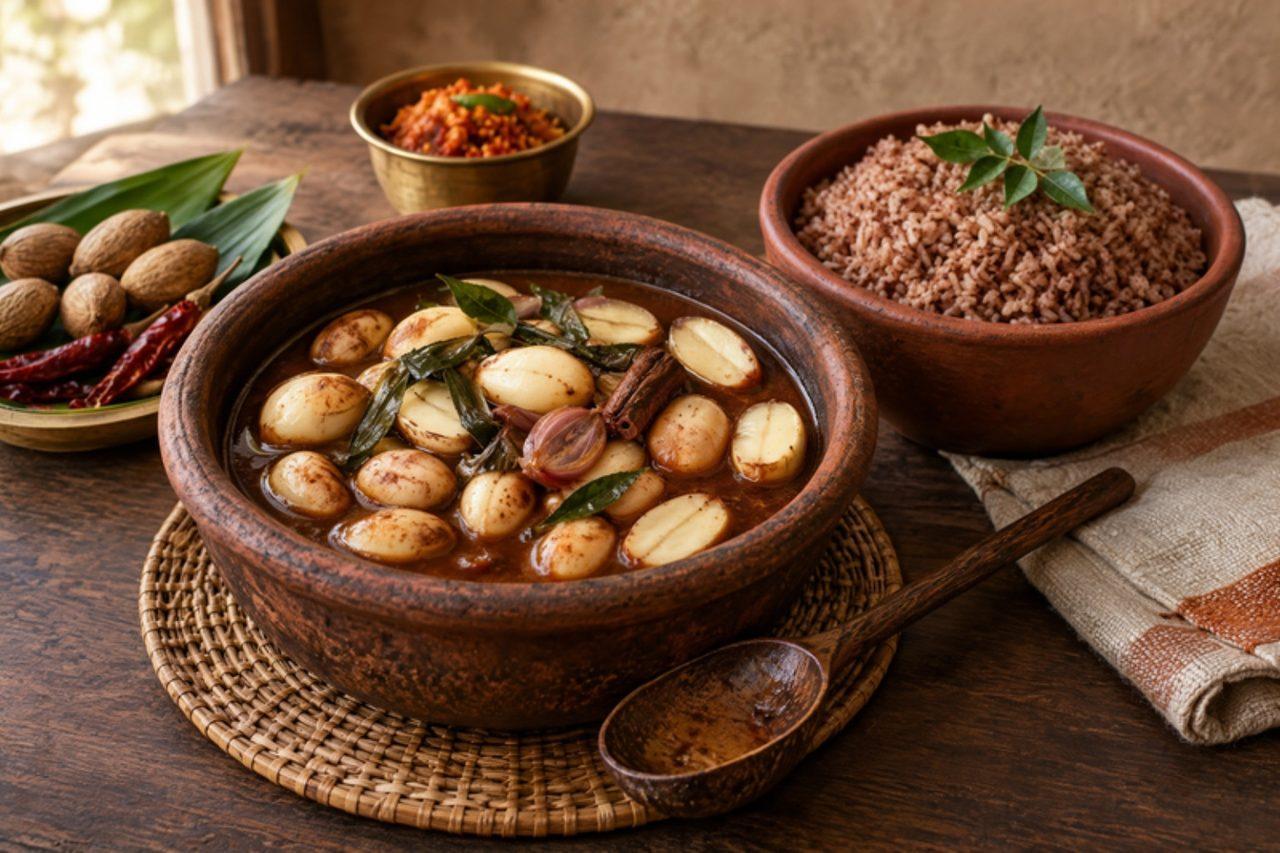
During the jackfruit season, roughly April to July, Sri Lankan households save every seed, and kos ata curry is how they become a hearty weekday dish served with rice and greens. The seeds are boiled tender, peeled of their papery skin, then simmered in a dark roasted curry powder and coconut milk gravy until they taste like chestnuts in a spicy sauce. Serve with red rice and a sambol. The usual mistake is undercooking the seeds; they must be boiled until a fork goes in easily, or they stay hard and are hard to digest. A pressure cooker saves time: boil the seeds for 10 minutes on high. Chef's tip: crack each seed lightly with the flat of a knife before simmering so it soaks up the gravy.

by KrazyBadal 0 views

Salatet tahinaTahini sauce

No Egyptian table is complete without salatet tahina: in Cairo and Alexandria it is served with fried fish, grilled kofta, ful and falafel, and it is on every mezze plate at Friday lunch. Sesame paste is whipped with lemon juice, garlic, cumin and cold water until it turns pale, fluffy and creamy, with no sugar at all. Suitable as part of a balanced diet, it brings sesame protein and healthy fats with very little carbohydrate: about 150 kcal and 5 g carbohydrate per portion of 3 tablespoons. The usual mistake is panicking when the tahini seizes and goes thick after the lemon goes in; keep adding cold water a spoon at a time and it loosens into a smooth sauce. Chef's tip: use ice-cold water, which makes the tahina whiter and fluffier.

by KrazyBadal 0 views

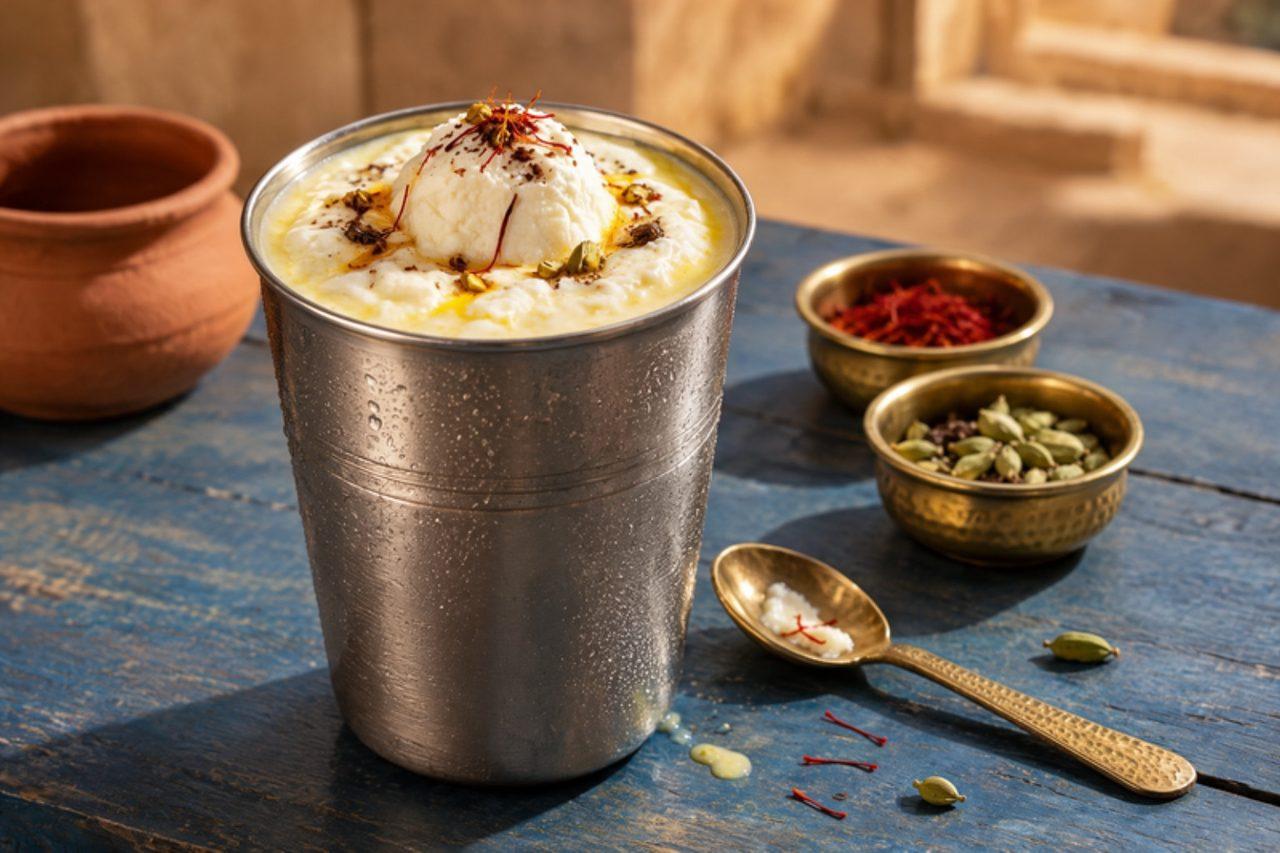
Makhaniya lassiSaffron lassi with butter

Around the clock tower and old city of Jodhpur, lassi shops churn this rich drink all day in summer: chilled set curd whisked with sugar, saffron and cardamom, poured into tall glasses and crowned with a spoon of fresh white butter (makhan) and a layer of malai. You drink the cool lassi and eat the butter and cream with a spoon. It is a meal in itself. The common mistake is thinning it with too much water or ice, which loses the thick, almost spoonable texture that makes it Jodhpuri. Chef's tip: use curd set from full-fat milk the night before and whisk it by hand or with a few pulses only.

by KrazyBadal 0 views

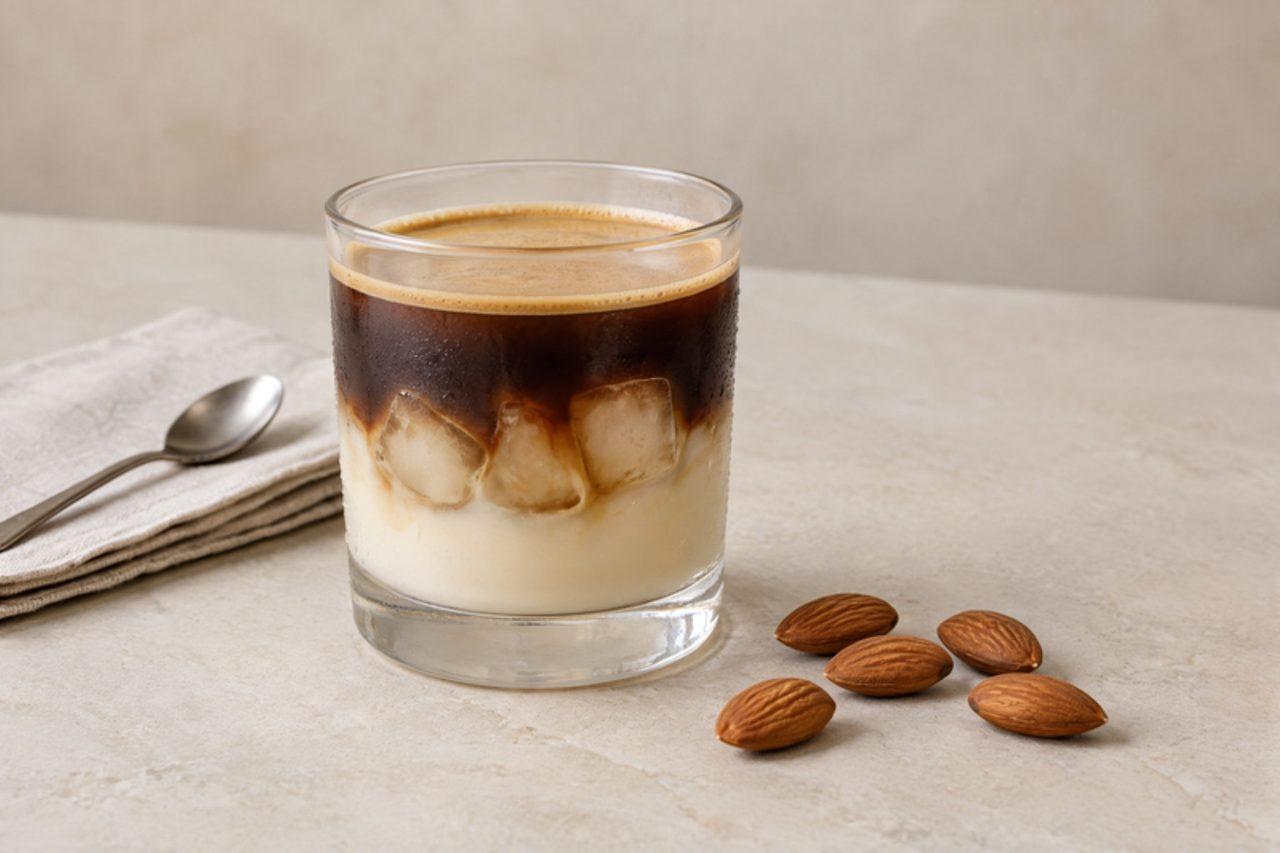
Caffè lecceseEspresso with almond milk over ice

In Lecce and the towns of Salento, summer mornings start at the bar with a caffè in ghiaccio, and the local version, a fairly recent invention now poured everywhere from Otranto to Gallipoli, adds a pour of latte di mandorla: the sweet almond-milk syrup Puglian bakers have made for generations from local almonds. A short glass is filled with ice, the almond syrup goes in, and a hot espresso is poured straight over so it cracks the ice and blends into a pale, cold, nutty coffee. It is sweet without being sticky, with a marzipan aroma and a clean bitter finish. The common mistake is letting the espresso cool before pouring: it no longer melts and mixes with the dense syrup, which then sits at the bottom. Pull the shot and pour it at once, then stir. It is ready when the drink is evenly caramel-coloured and the glass feels icy. Lecce bars serve it from about May to late September, often with a pasticciotto. Espresso means a fair hit of caffeine. Chef's tip: if you can only find unsweetened almond drink, stir 1 tsp of sugar into it first, but real Puglian almond syrup gives the true taste.

by KrazyBadal 0 views

Camote cueCaramelised fried sweet potato

Camote cue is the three-o'clock merienda of Manila, fried in big woks by vendors on the corners of Quiapo, outside university gates on España Boulevard and along every jeepney route, alongside banana cue. Chunks of sweet potato are fried until tender, then brown sugar is scattered into the hot oil, where it melts and wraps each piece in a glassy, crackly caramel coat. They are threaded onto bamboo sticks and eaten warm, with a soft, sweet, chestnut-like centre. Chef's tip: let the oil cool slightly before adding the sugar; sugar dropped into very hot oil burns and turns bitter in seconds.

by KrazyBadal 0 views

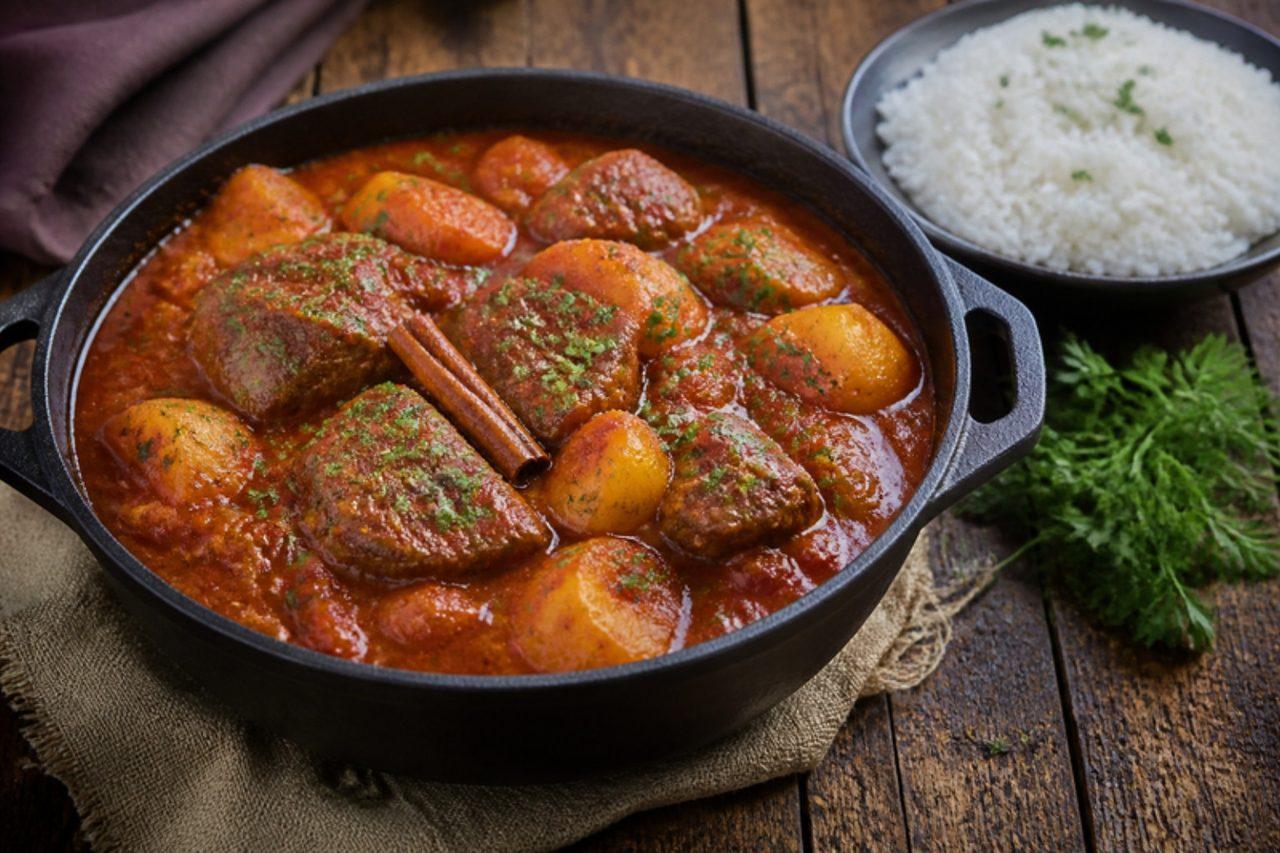
Tomato bredieMutton and tomato stew

Winter Sundays in the Boland and the Cape Flats smell of tamatiebredie: fatty mutton neck left to murmur for two hours with a kilo of ripe tomatoes, a stick of cinnamon, a few cloves and potatoes that soften into the sauce. The tomatoes collapse into a thick, brick-red gravy that is sweet, gently spiced and glossy with mutton fat, and the meat falls from the bone at a nudge. Serve it over plain white rice with a spoonful of fruit chutney or a beetroot salad on the side; like most bredies it tastes even better the next day. Most people drown it in water at the start, which leaves a thin, sour soup, so let the tomatoes provide the liquid and top up only by the splash. Chef's tip: for a meat-free pot, skip the mutton, soften the onions and spices the same way, then simmer two drained 400 g tins of butter beans with the tomatoes and potatoes for 40 minutes.

by KrazyBadal 0 views

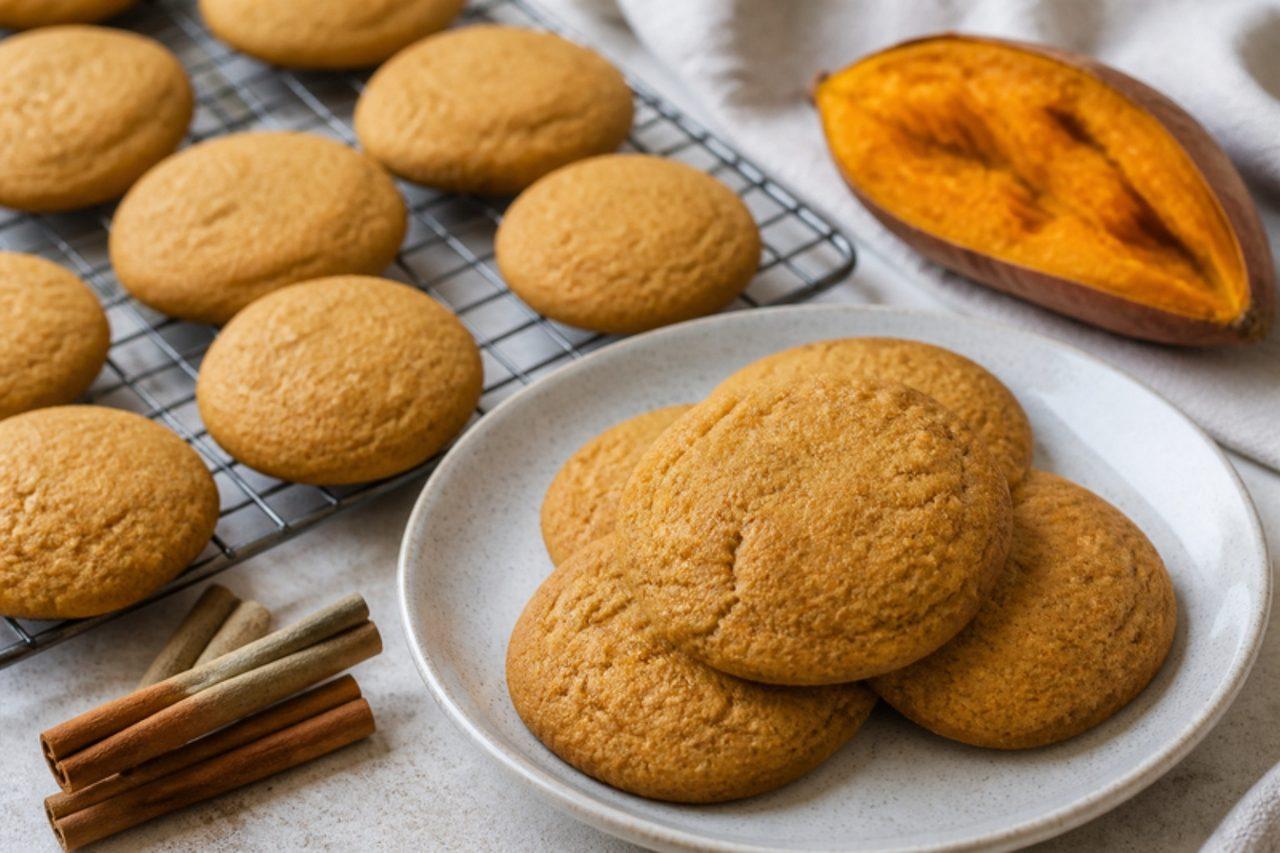
Mbatata cookiesSweet potato cinnamon cookies

Mbatata simply means sweet potato in Chichewa, and these orange-flecked cookies are what Malawian mothers bake from leftover boiled sweet potato, sold too at Lilongwe and Blantyre bakeries alongside the tea urn. They come out soft and cakey rather than crisp, with a gentle sweetness from the potato, warm cinnamon and a buttery crumb. Serve them with milky tea at mid-morning or slip them into school lunch boxes. The recipe contains egg. Watery mash is the common pitfall, giving a sticky dough and flat cookies, so mash the potato dry and let it cool before mixing. Chef's tip: roast or steam the sweet potato rather than boiling it, for a deeper colour and a firmer dough.

by KrazyBadal 0 views

Chancho en piedraCrushed tomato, garlic and chilli salsa

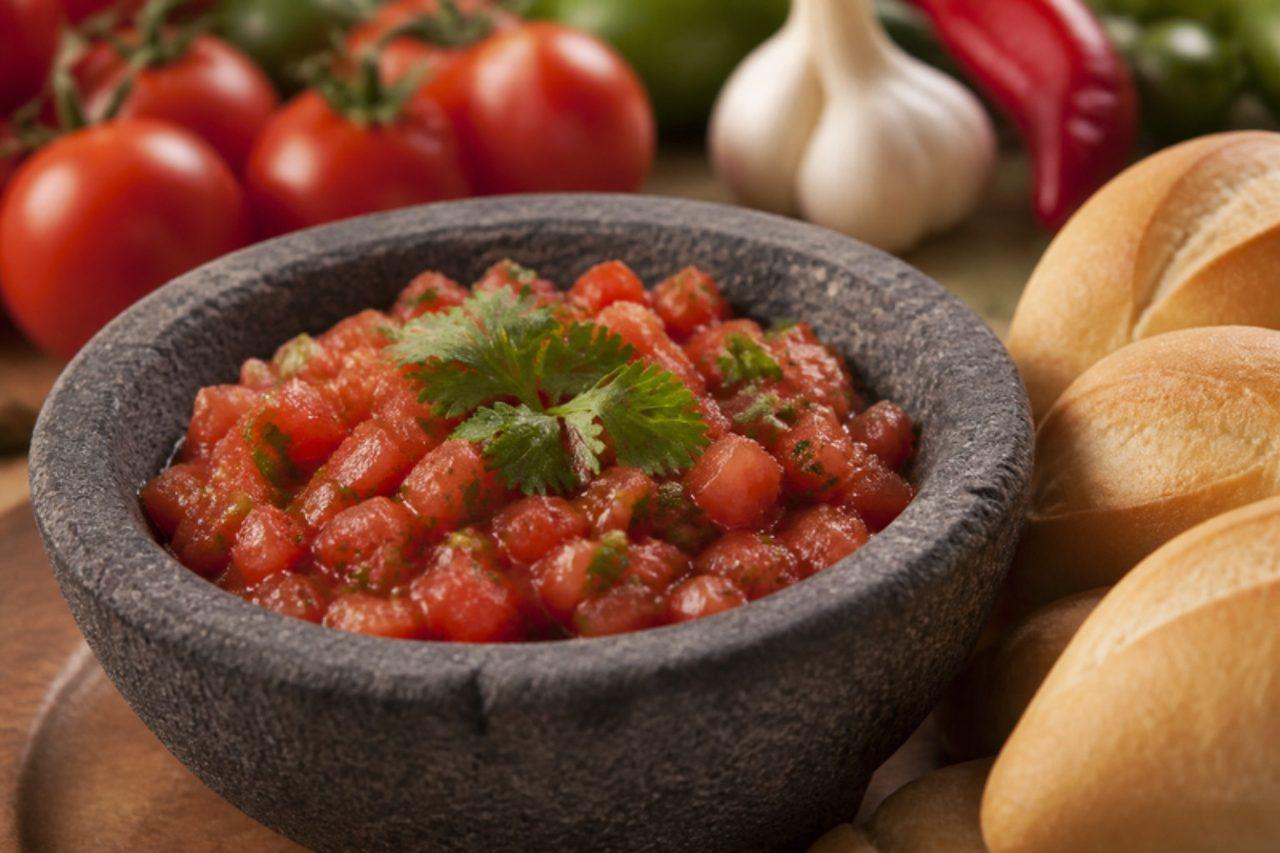
Despite the name, 'pig in stone' has no pork in it. It is a rough salsa of ripe tomato, garlic and chilli crushed in a stone mortar (piedra), and it is on the table at every September fonda during the Fiestas Patrias, with hot sopaipillas, bread straight from the oven or choripán. Blending it smooth in a machine is the classic mistake: it should be rustic and juicy, with small pieces. Chef's tip: pound the garlic, chilli and salt to a paste first, then add the tomatoes; the salt acts as grit and the flavour gets into every bit.

by KrazyBadal 0 views

ChichingaSpicy peanut beef kebabs

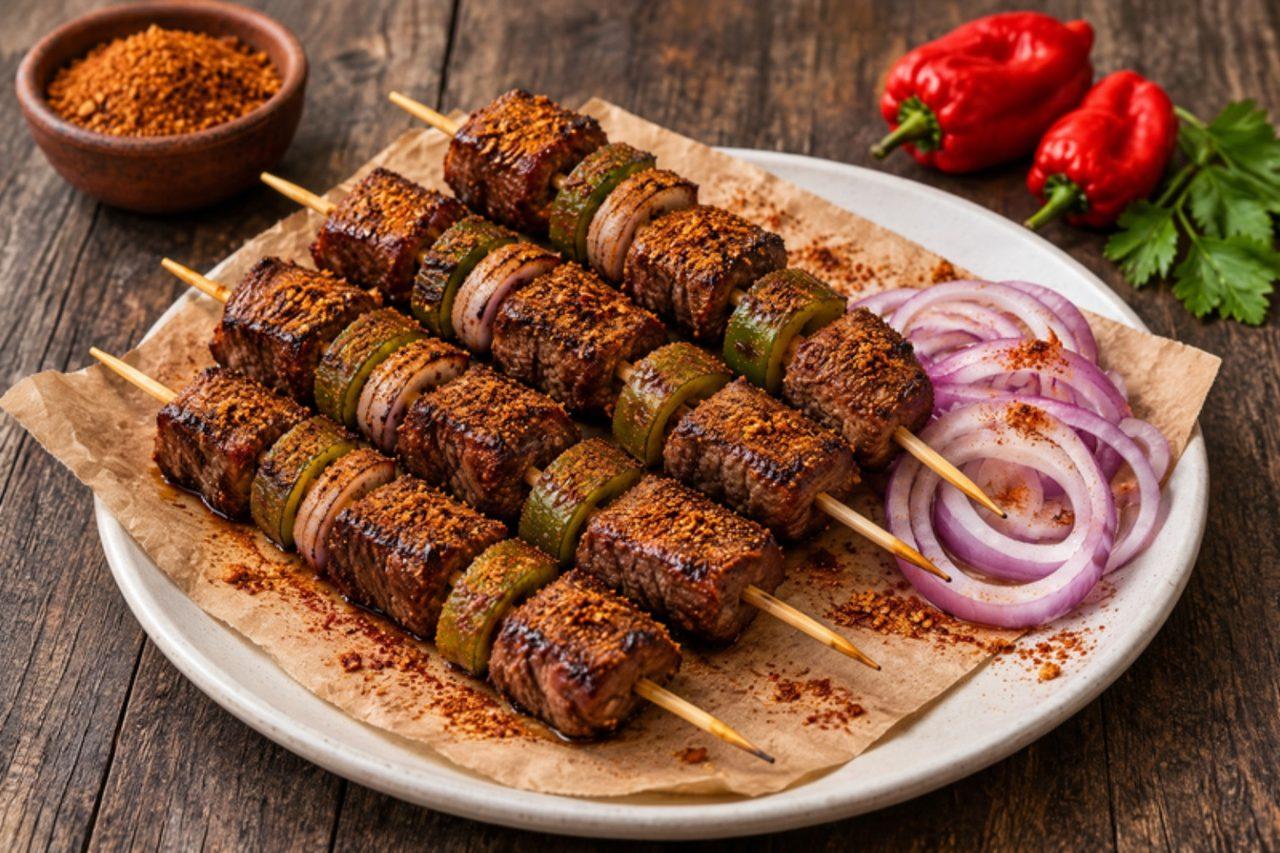
As the sun goes down on Oxford Street in Osu, Accra, chichinga sellers fan their charcoal grills at the roadside and the smell of spiced beef and roasting peanuts pulls in the evening crowd. The skewers came south with traders from northern Ghana and are close cousins of Nigerian suya: chunks of beef rubbed with a hot powder of ground peanuts, ginger and chilli, grilled with onion and green pepper and eaten with a sprinkle of extra spice, sliced tomato and a cold drink. It contains peanuts. Chef's tip: dust on most of the peanut spice in the second half of grilling; over fierce coals it scorches if it goes on too early.

by KrazyBadal 0 views

Egg banjo (Indore style)Spicy egg pav

Indore eats late, and after the jewellery shops of Sarafa Bazaar shut their shutters at night the lane turns into a food market; egg banjo stalls there and at Chhappan Dukan keep frying until long after midnight. A soft pav is split, toasted in butter and packed with a masala omelette folded to fit, then green chutney, raw onion and a heap of fine sev for crunch. It is soft, buttery and hot all at once. Contains egg, wheat and dairy. Chef's tip: cook the omelette in a shape the size of the bun, so every bite has egg in it.

by KrazyBadal 0 views

Showing 90 of 8,120 recipes

Page 169 of 903