


Skip to content
Okonomiyaki
Featured recipe

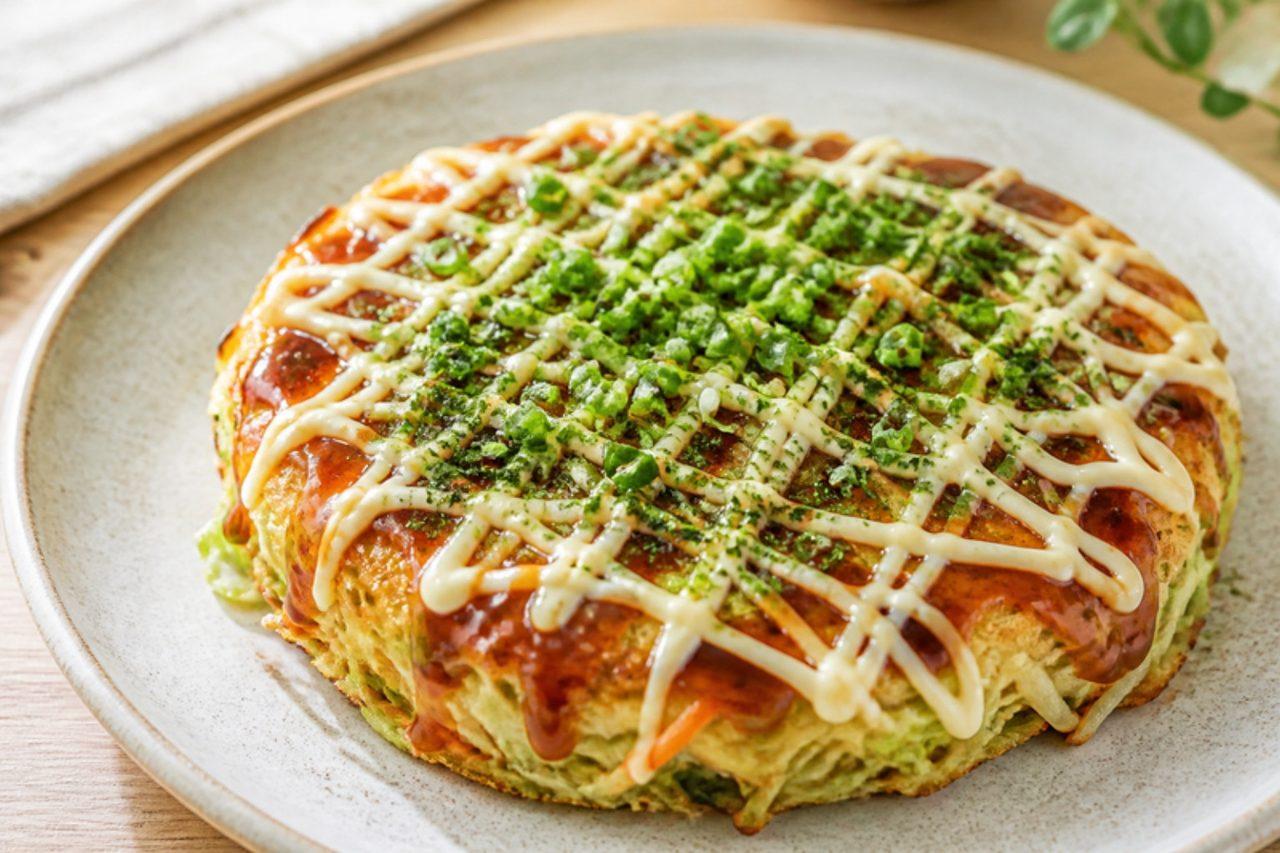
Okonomiyaki

Savoury cabbage pancake

Okonomiyaki (お好み焼き, 'grilled as you like it') is the pride of Osaka, where it's cooked on hot iron griddles in lively restaurants. Finely shredded cabbage is folded into a light batter with egg and spring onion, then fried into a thick, soft pancake with a crisp outside. It's painted with a fruity brown sauce and zigzagged with mayonnaise. Bonito flakes are usual on top; this vegetarian version uses seaweed flakes and pickled ginger instead. Chef's tip: don't press the pancake down with your spatula while it cooks. Osaka cooks leave it alone so the cabbage steams inside and stays light and fluffy; pressing squeezes out the air.

Read more 1 views

What to eat today?

Around the world

Today's trip: Paraguayan

A new country every day, from every cuisine on the site.

Paraguayan

Ka'i ladrillo

Peanut molasses bricks 40 minMore from Paraguayan (27) →

This week's collection

Kid-friendly dinners
537 recipes · a new collection every Monday

Latest recipes

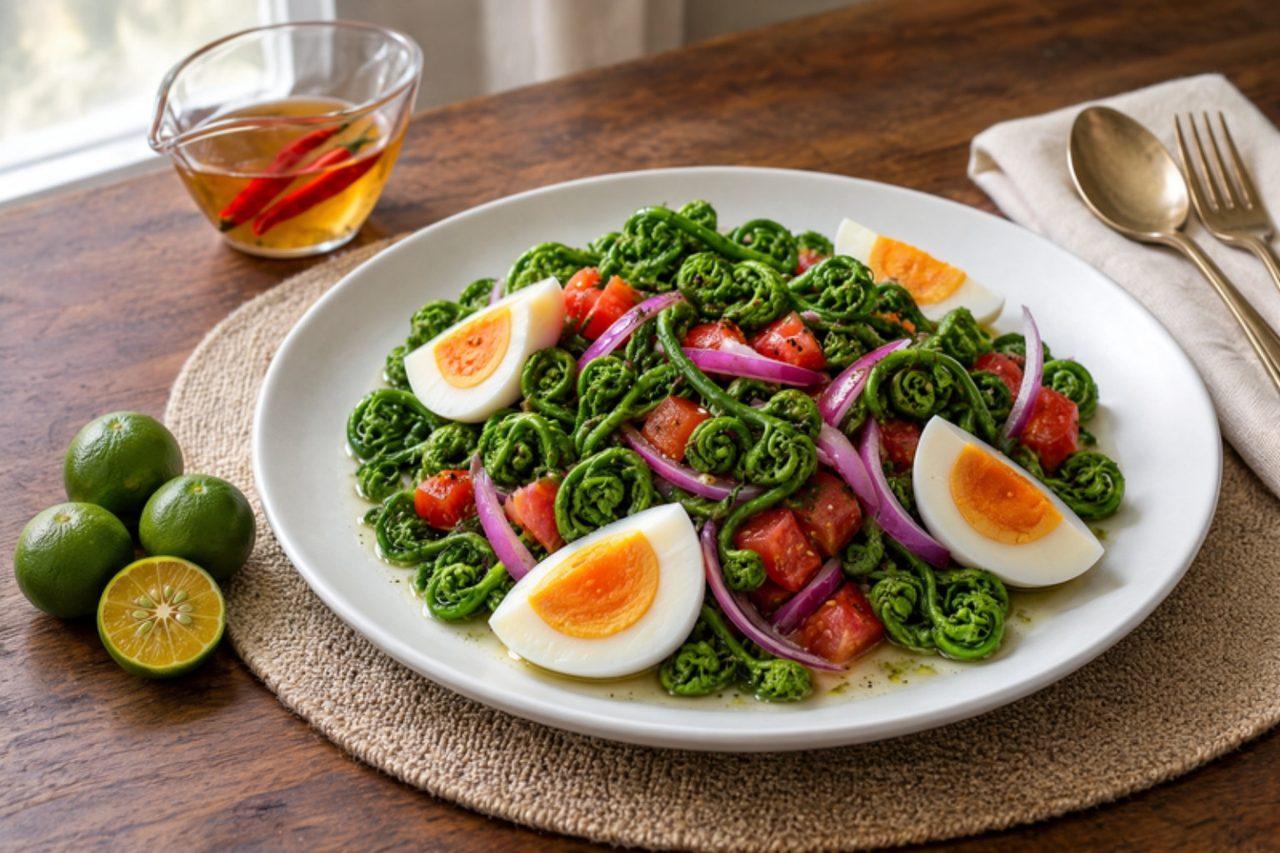
Ensaladang pakoFiddlehead fern salad

Pako, the young curled fronds of the vegetable fern, grow along streams in the Cordillera, Laguna and Mindanao, and in the rainy season they are sold in bundles at roadside stands. Blanched for a moment and tossed with tomato, onion, a calamansi and vinegar dressing and wedges of salted duck egg, they make a crunchy, refreshing side for grilled dishes at lunch. Suitable as part of a balanced diet, it adds greens with some protein: about 120 kcal and 8 g carbohydrate per portion. The usual mistake is eating the fern raw or barely warmed; always blanch it until tender. Chef's tip: plunge the fern straight into iced water after blanching so it stays bright green and crisp.

by KrazyBadal 0 views

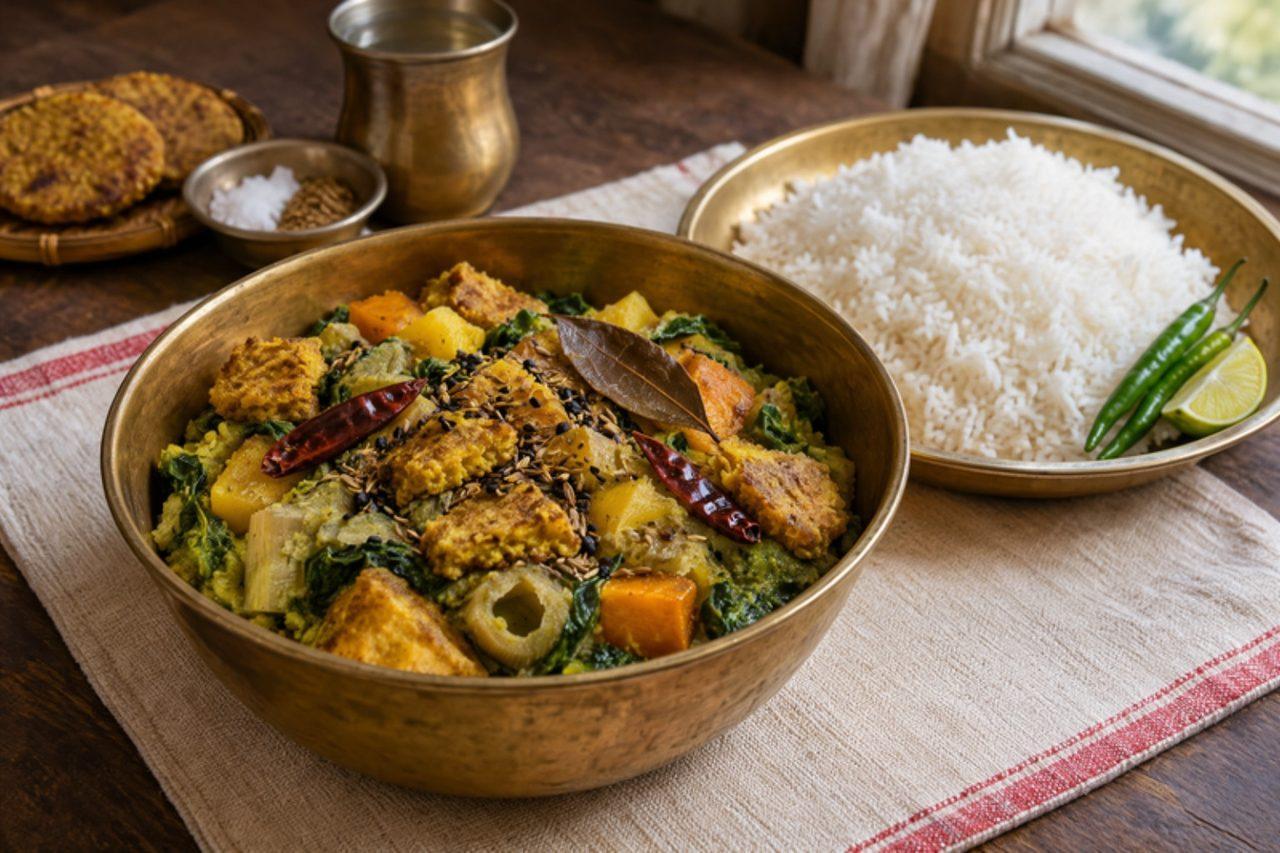
Chapor ghontoFried lentil cake vegetable curry

In West Bengal, chapor ghonto is the thrifty, comforting dish that turns up at weekday lunch and on the vegetarian days of the Durga Puja season. Soaked yellow peas are ground and fried into small savoury cakes (chapor), then broken into a slow-cooked mix of potato, pumpkin and banana stem tempered with panch phoron, ginger and a little sugar, until everything turns soft, jammy and lightly sweet. Eat it with plain rice and a squeeze of lime. The usual mistake is stirring the chapor in too early, so they dissolve into mush; add them in the last ten minutes. Chef's tip: soak the banana stem in water with a pinch of turmeric as you slice it and pull away the fibres that wind round your finger, or it stays stringy.

by KrazyBadal 0 views

Bunelos agaBanana fritters

Bunelos aga are the banana fritters of Guam, sold at fiesta food tables and church fundraisers in Hagåtña and made at home whenever the bananas over-ripen. Mashed sweet bananas are mixed into a soft batter, fried in spoonfuls and rolled in sugar, so they're crisp outside and custardy within. A common mistake is frying at too low a temperature, which makes them greasy. Chef's tip: use the small, sweet local bananas or the ripest regular ones you can find.

by KrazyBadal 0 views

FinadeneSoy and lemon dipping sauce

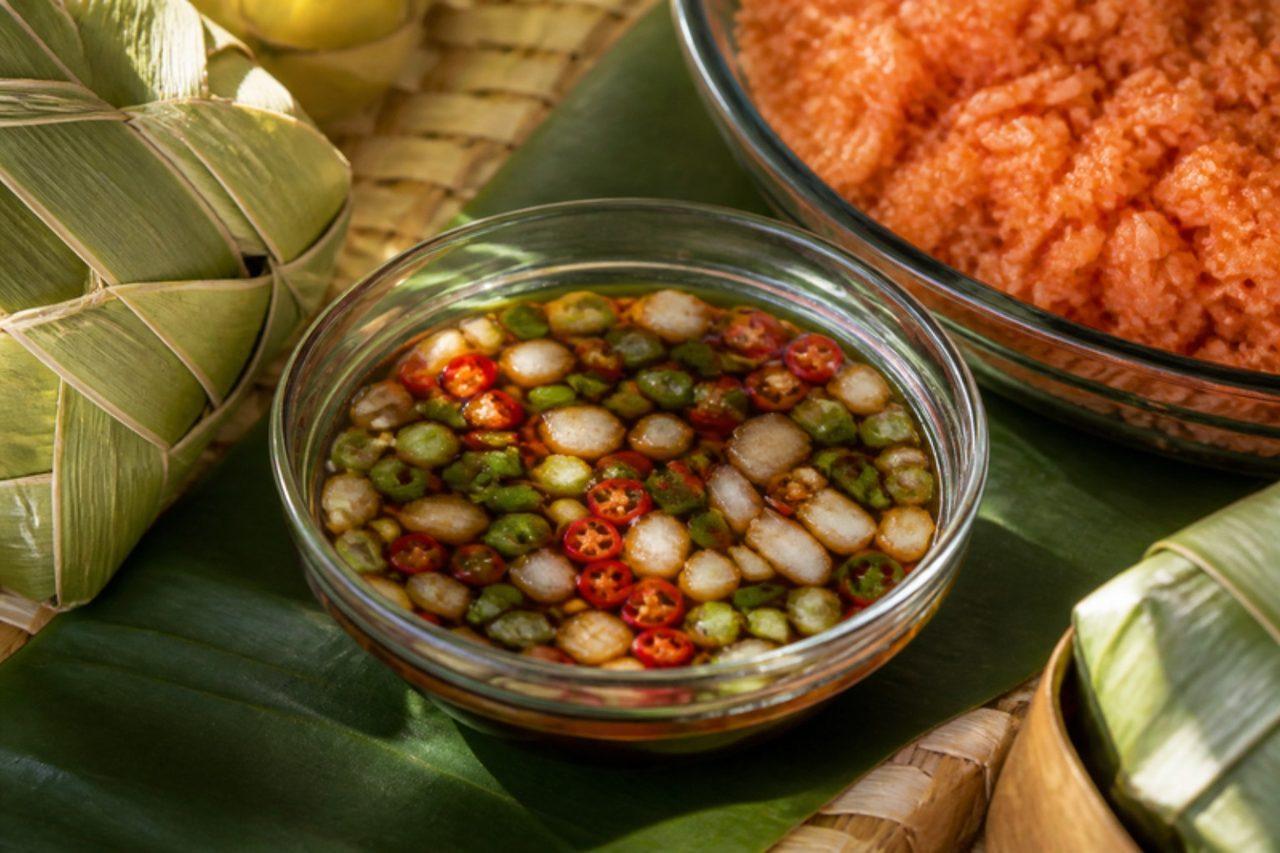
Finadene is the sharp, salty, fiery sauce that every Chamorro family in Guam makes to spoon over grilled meat, fish, red rice and just about everything at a fiesta. Soy sauce is mixed with lemon juice or vinegar, chopped onion and the small, very hot local donne' peppers. There are many versions; this soy-lemon one is the most common. A common mistake is making it hours ahead; the onion is best still crunchy. Chef's tip: use Thai bird's-eye chillies if you can't find donne'.

by KrazyBadal 0 views

Chana methi nu athanuChickpea and fenugreek pickle

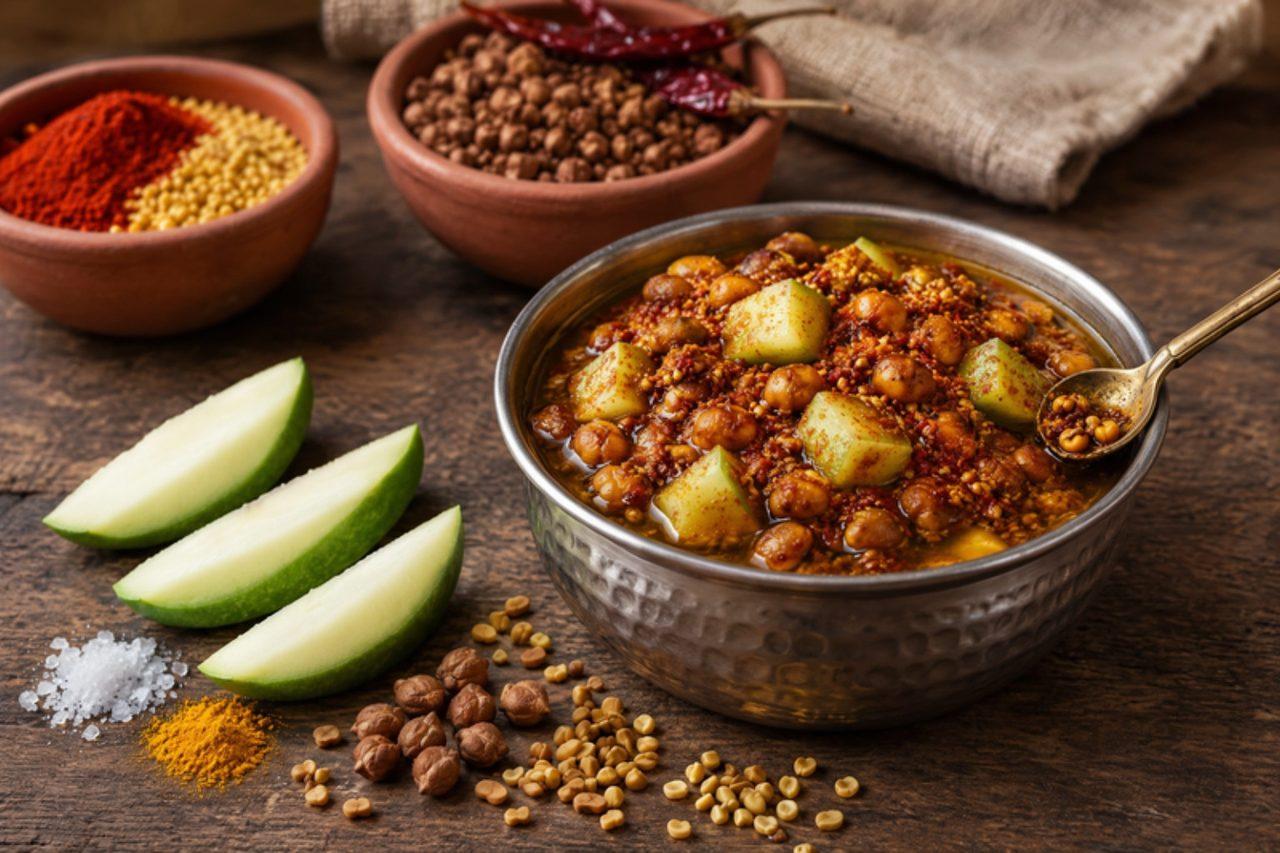
This is the thrifty, protein-rich pickle of Kathiawad and the Gujarati countryside, made in the May pickle season alongside methia keri. Brown chickpeas and fenugreek seeds are soaked until plump, then mixed with salted raw mango, split mustard, chilli and hing and sealed under oil. Over a few days the chana and methi drink up the sour mango juice and soften to a pleasant bite; the methi seeds lose most of their bitterness and turn nutty. The pickle is sour, hot and pungent, with plenty of crunch. A spoonful brightens khichdi-kadhi, bajra rotla or a plain dal-bhaat-shaak lunch. The common mistake is mixing in chickpeas that are still wet after soaking: dry them on a cloth for a few hours or the pickle will turn mouldy. It is ready in 4–5 days, when the chickpeas can be bitten through easily and taste sour all the way in. Because soaked pulses are low in acid, keep this one in the fridge once it is mixed, where it lasts up to 3 months, with the oil always covering the top. Chef's tip: use kala chana (small brown chickpeas); they stay firmer than large white ones.

by KrazyBadal 0 views

Chanachur makhaSpicy snack mix

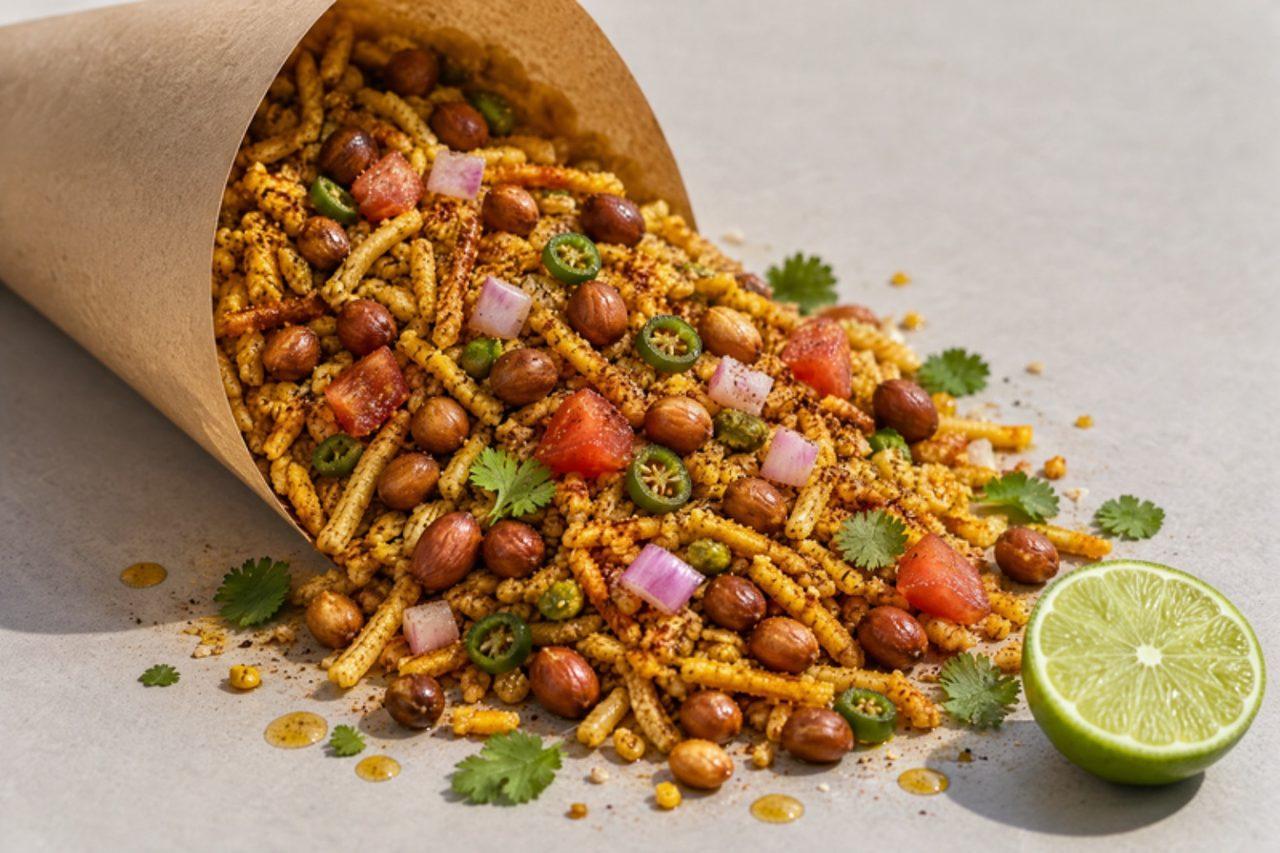
In Dhaka, chanachur makha is made in seconds by vendors with a tin box and a lid: a scoop of the crunchy, spicy fried mix of lentils, gram flour sticks and peanuts is shaken with chopped onion, tomato, chilli and coriander, splashed with raw mustard oil and lime, and poured into a cone of newspaper. It is the snack of the launch terminal at Sadarghat, of Ramna Park and of evening chats outside every university hall. Shop chanachur usually contains peanuts and may contain wheat. Chef's tip: deseed the tomato; its juice is the fastest way to turn the crunch soft.

by KrazyBadal 0 views

ChandrakalaSyrup-soaked milk pastries

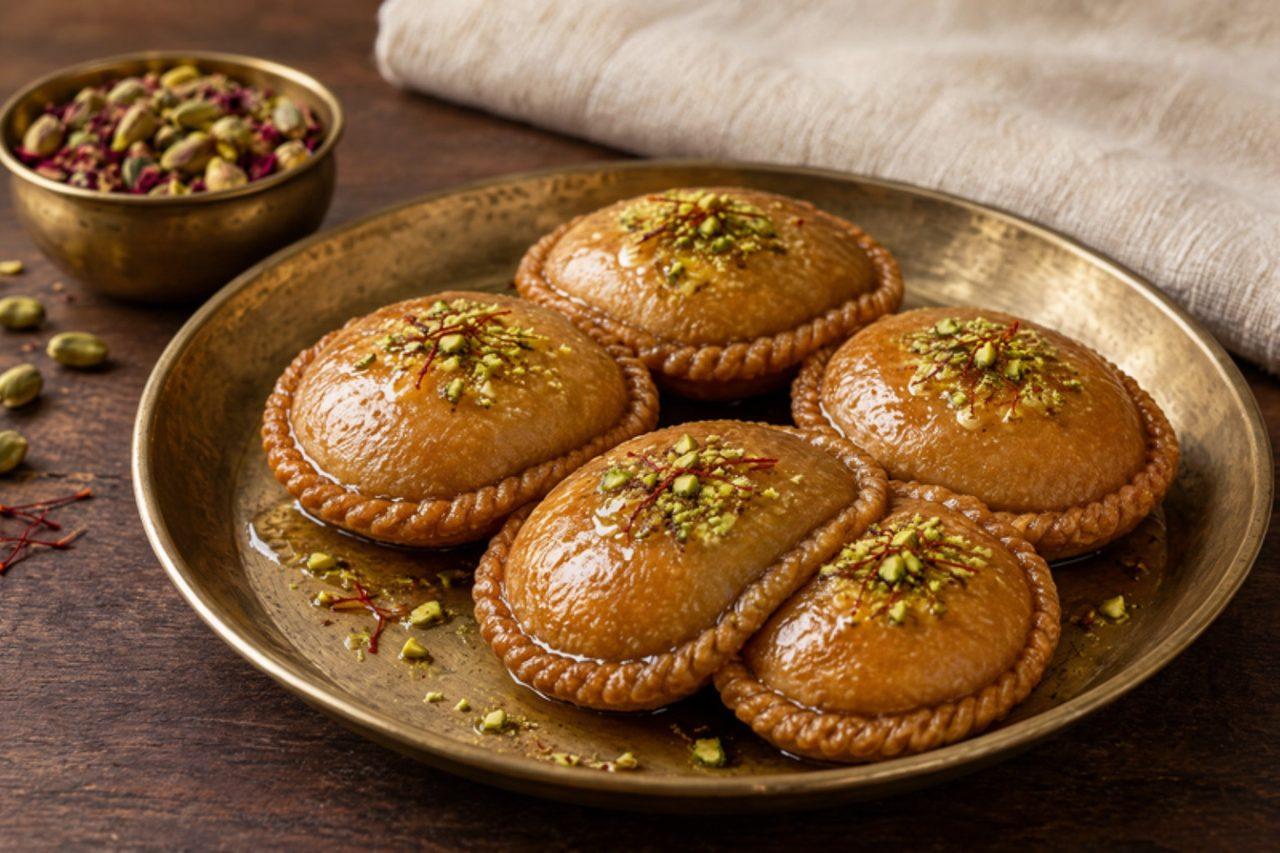
Chandrakala is the round, moon-shaped sweet of Bihar and eastern Uttar Pradesh, made for Holi, Diwali and Chhath and sold by sweet shops in Patna and Varanasi. Two circles of flaky pastry enclose a filling of mawa, nuts and cardamom; the edge is pleated into a rope, then the pastry is fried slowly and dipped in sugar syrup. Its sister suryakala is the same sweet shaped like a sun. The common mistake is syrup that is too thin, which makes the crust soggy within hours; it should reach one-string consistency. Chef's tip: pleat the edge firmly with damp fingertips, because a loose seal is where the filling leaks out in the hot ghee.

by KrazyBadal 0 views

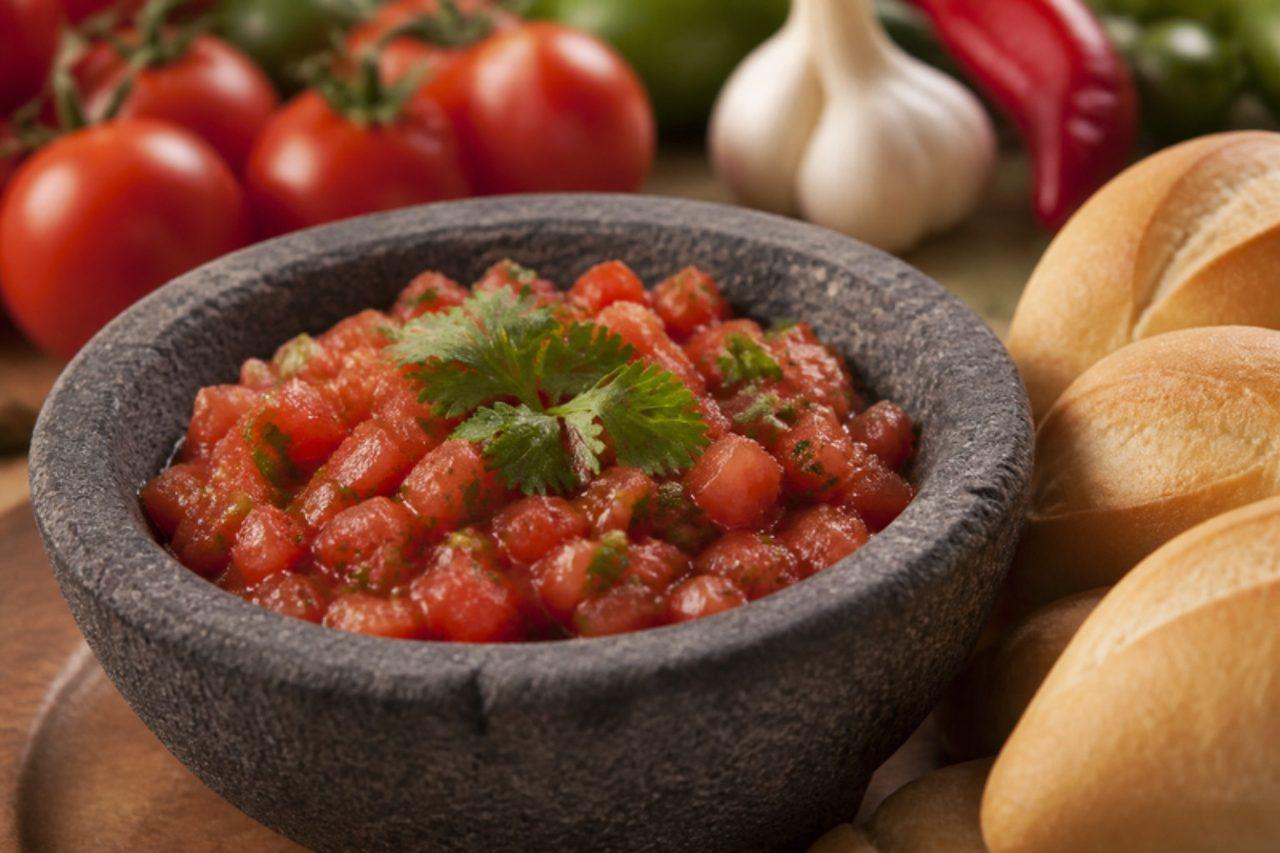
Chancho en piedraCrushed tomato, garlic and chilli salsa

Despite the name, 'pig in stone' has no pork in it. It is a rough salsa of ripe tomato, garlic and chilli crushed in a stone mortar (piedra), and it is on the table at every September fonda during the Fiestas Patrias, with hot sopaipillas, bread straight from the oven or choripán. Blending it smooth in a machine is the classic mistake: it should be rustic and juicy, with small pieces. Chef's tip: pound the garlic, chilli and salt to a paste first, then add the tomatoes; the salt acts as grit and the flavour gets into every bit.

by KrazyBadal 0 views

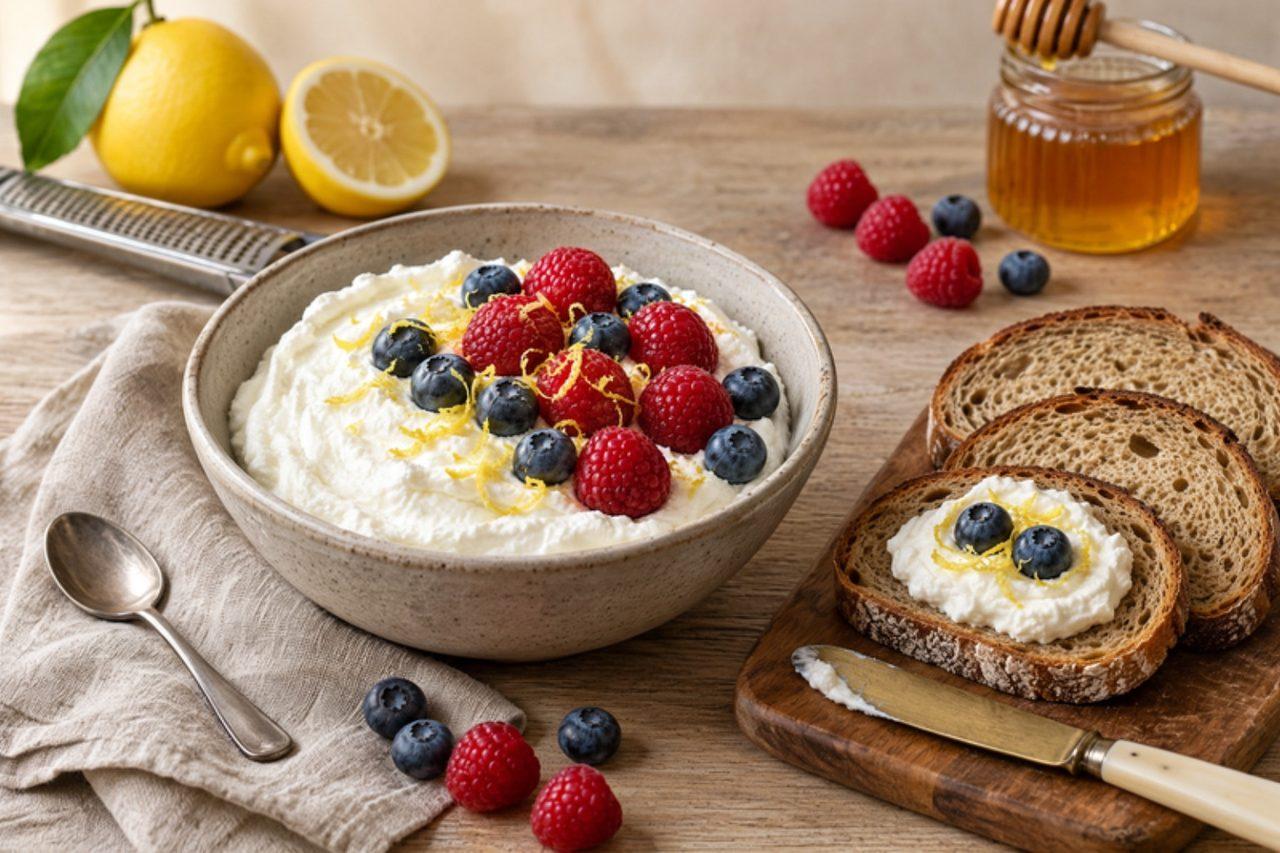
TúrókrémWhipped curd cheese cream

Hungarian kitchens use túró, a crumbly fresh curd cheese, for everything from noodles to pastries, and túrókrém is its simplest breakfast form: túró beaten with sour cream, sugar, vanilla and lemon zest into a light, fluffy cream. It is spread on bread or kalács, eaten with fresh berries, or spooned onto pancakes. The mistake is beating crumbly túró straight in a bowl and ending up with a grainy cream; push it through a sieve or blitz it first. Chef's tip: túró is acid-set and contains no rennet; if you can't find it, drained cottage cheese or quark works, but blend cottage cheese until completely smooth.

by KrazyBadal 0 views

Showing 9 of 7,762 recipes

Show more recipes

Page 159 of 863