


Skip to content
Aktori
Featured recipe

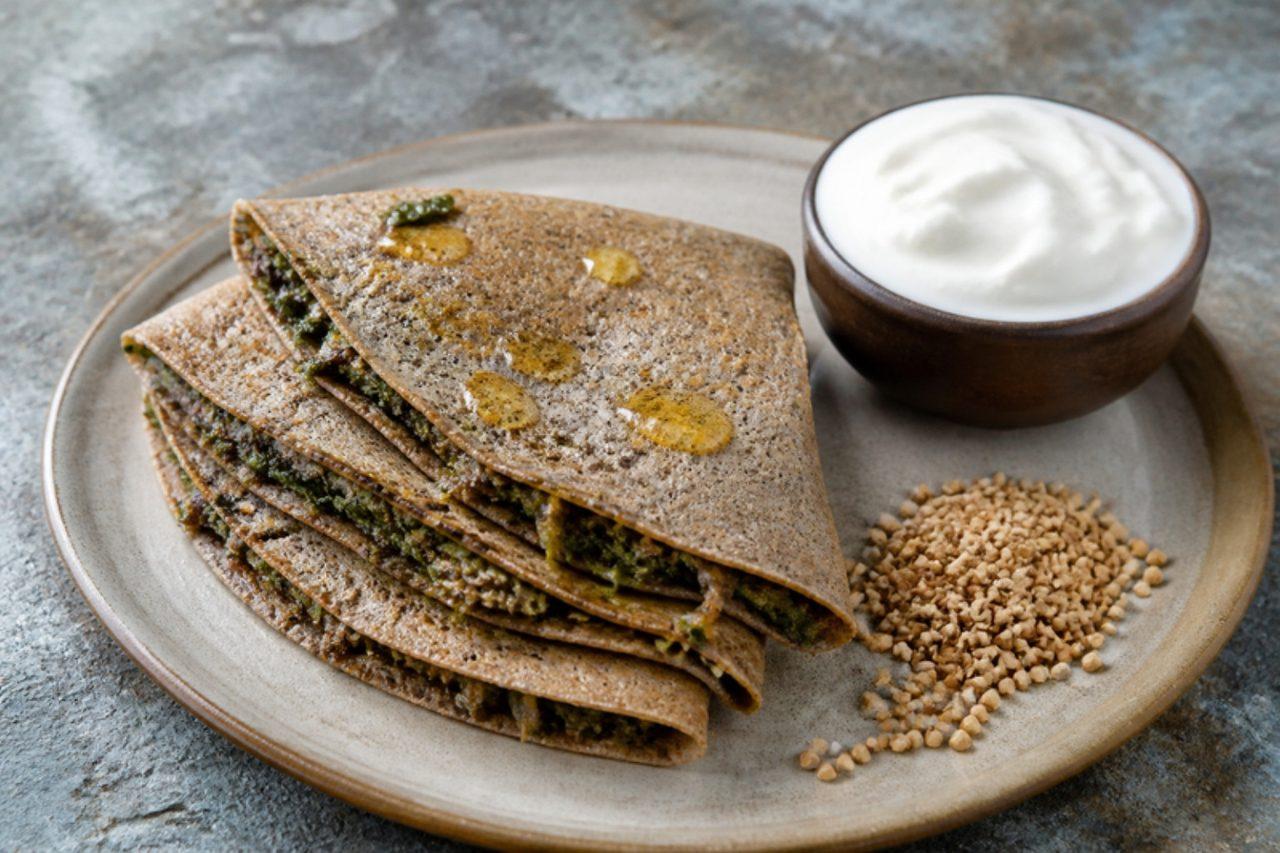
Aktori

Buckwheat pancakes with greens

High in the Spiti and Lahaul valleys of Himachal Pradesh, where wheat struggles, buckwheat (kathu) grows in short summer fields and its leaves are eaten as a vegetable too. Aktori are thin buckwheat pancakes cooked with a layer of those greens inside, dotted with ghee and eaten warm with yogurt or salty butter tea. Families make them on festival mornings and through the long winter. Outside the valleys, spinach or young chard stands in well for buckwheat leaves. Chef's tip: keep the batter as thin as pouring cream; buckwheat has no gluten, so a thick batter cooks up gummy instead of tender.

Read more 0 views

What to eat today?

Around the world

Today's trip: Paraguayan

A new country every day, from every cuisine on the site.

Paraguayan

Buñuelos de algas

Sea lettuce fritters 35 minMore from Paraguayan (27) →

This week's collection

Kid-friendly dinners
537 recipes · a new collection every Monday

Latest recipes

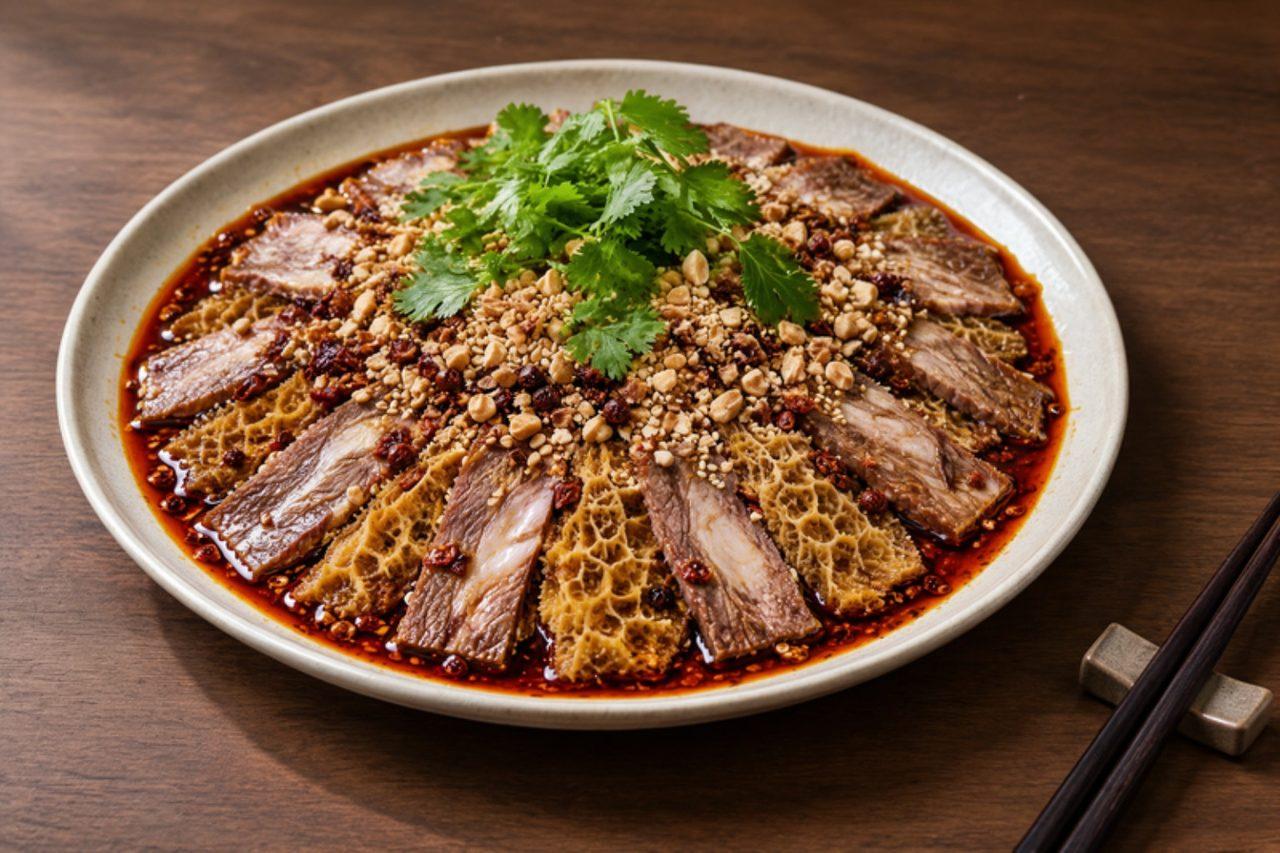
Fu qi fei pianCold beef and tripe

Fu qi fei pian, "husband-and-wife lung slices", takes its name from a couple who sold it from a shoulder-pole stall in 1930s Chengdu; today's version uses no lung, just beef shin and tripe. It is a cold dish, kept in big trays in the old snack restaurants around Chunxi Road and eaten at lunch or as a starter: paper-thin slices glossy with red chilli oil and numbing Sichuan pepper, with crushed peanuts and celery for crunch. It contains peanuts, sesame and soya. Chef's tip: slice the meat only when completely cold, and as thinly as you can; that is what lets the dressing coat every piece.

180 minChineseMeatSpicy
by KrazyBadal 0 views

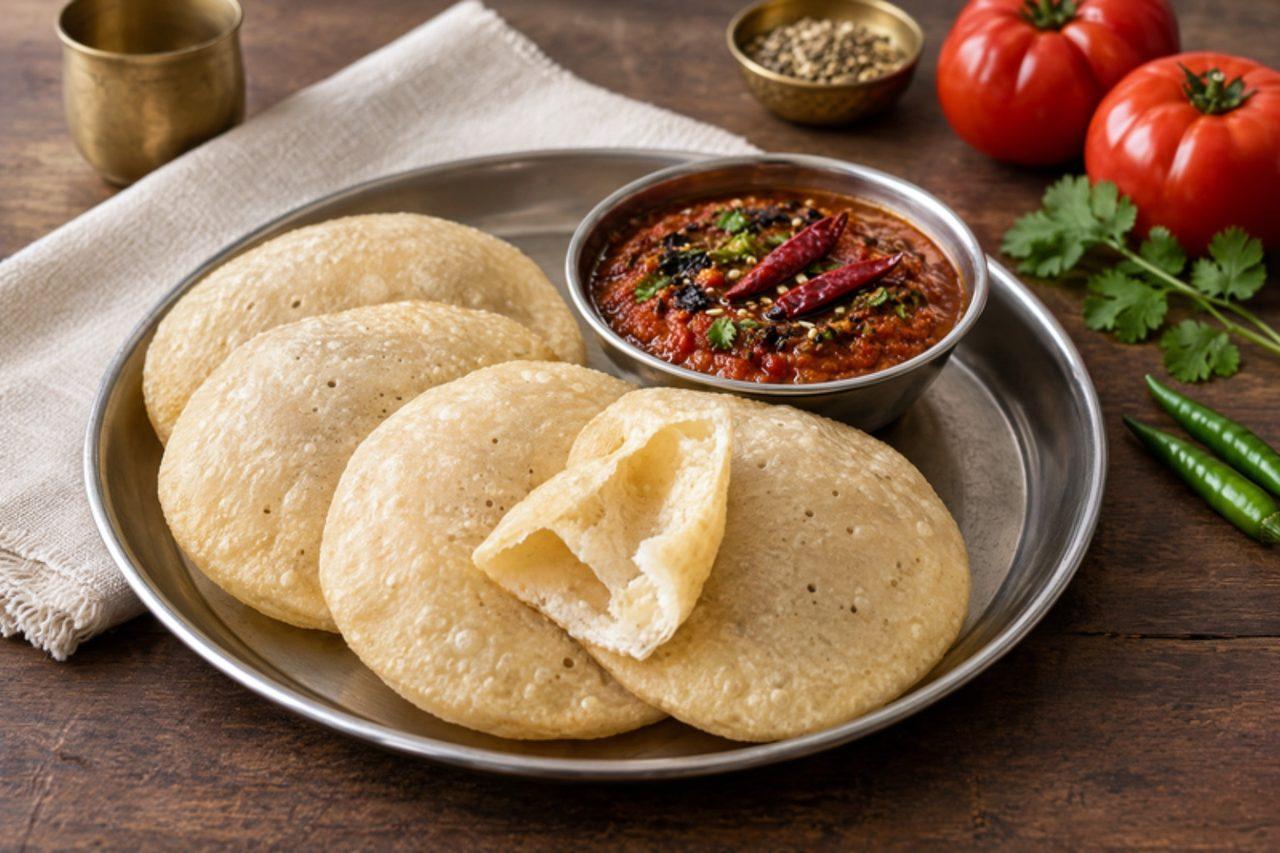
ChauselaRice flour puris

Chausela is the puri of the Chhattisgarh plains, where rice rather than wheat fills the granary, and it turns up at Hareli, Pola and any Sunday breakfast with a sharp tomato chutney or a potato curry. The dough is scalded with boiling water so the rice flour holds together, and the puris fry up pale, soft and lightly crisp at the edges. The usual mistake is mixing the flour with cold water; it cracks as you roll and the puris split in the oil. Chef's tip: knead the dough while it is still warm, using the heel of an oiled palm, and keep it under a damp cloth so the rounds stay supple.

by KrazyBadal 0 views

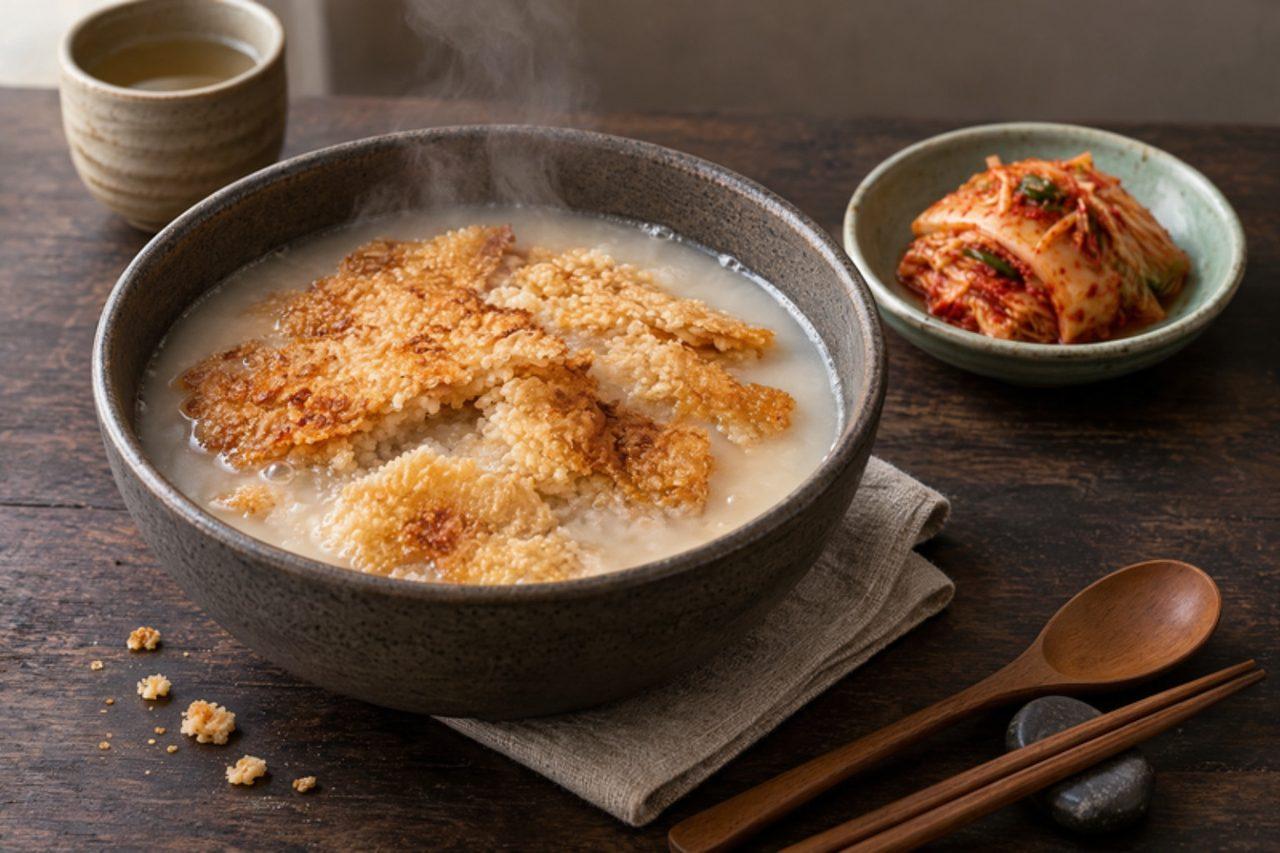
Nurungji porridgeScorched rice porridge

Every Korean home knows the golden crust that sticks to the bottom of the rice pot, and on cold mornings it is simmered in water into nurungji, a nutty, soothing porridge that tastes faintly of toast. Grandmothers serve it with kimchi and a few banchan for breakfast, or as a gentle meal after a heavy night. You can buy dried nurungji sheets in Korean shops, but it is easy to make your own from leftover rice. The common mistake is pulling the crust too soon: pale rice gives a flat, starchy porridge, so wait until it is deep gold. Chef's tip: break the crust into pieces before simmering but keep a few larger shards back and add them in the last minute, so the bowl has soft and slightly crunchy bits.

by KrazyBadal 0 views

Agua de tuna (prickly pear drink)

Late summer is tuna season across the central highlands, from Hidalgo and the Estado de México down to Puebla's Teotihuacán valley, and that is when the big vitroleros in markets and taquerías turn shocking pink. Agua de tuna is just the cactus fruit blended with water, lime and a little sugar, strained, and poured over ice with lunch. Red tunas give a vivid colour and a taste between watermelon and pear; green ones make a paler, more herbal drink. It should be light and thirst-quenching, never syrupy. The commonest mistake is blending too long: the hard seeds crack and the agua turns gritty and slightly bitter. Pulse briefly, just enough to free the pulp, then strain well. It is ready when the liquid runs smooth through the sieve and tastes clearly of fruit with only a lift of lime. Handle unpeeled tunas with tongs or gloves: even 'cleaned' ones keep tiny glochids. Chef's tip: chill the peeled fruit before blending; cold pulp keeps its colour bright and needs less ice to dilute it.

by KrazyBadal 0 views

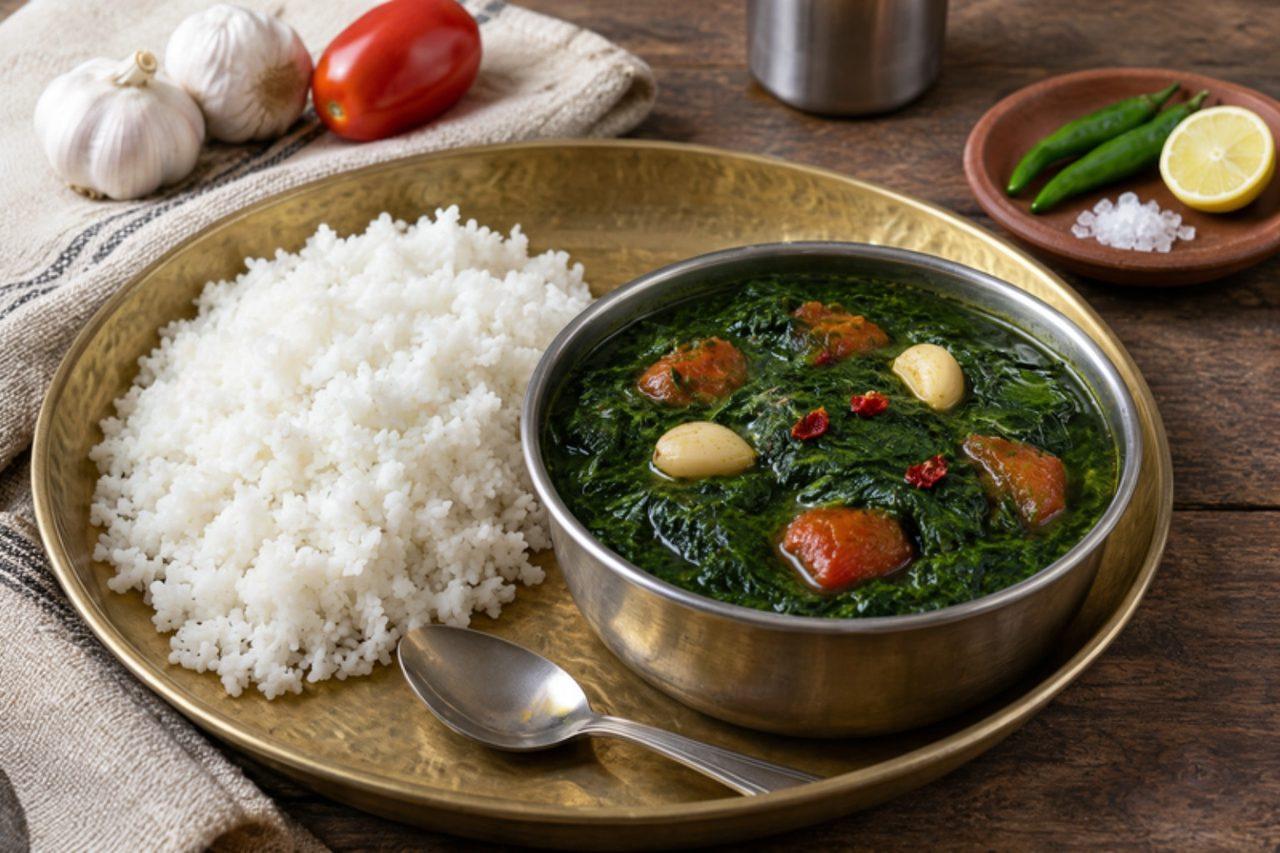
Chech bhajiJute leaf curry

Chech bhaji is a monsoon green in Chhattisgarh, picked from the jute plants that come up in field edges and village gardens, and cooked almost every week during Sawan. The leaves turn slippery as they soften, a bit like okra, and the cook reins that in with tomato and a little rice water left from washing the rice. It is eaten with plain rice and dal or bore baasi. The mistake to avoid is stirring it endlessly; the leaves go stringy and gluey, so stir only now and then. Chef's tip: frozen or dried molokhia leaves from an Arab grocery are the same plant and work well outside India.

by KrazyBadal 0 views

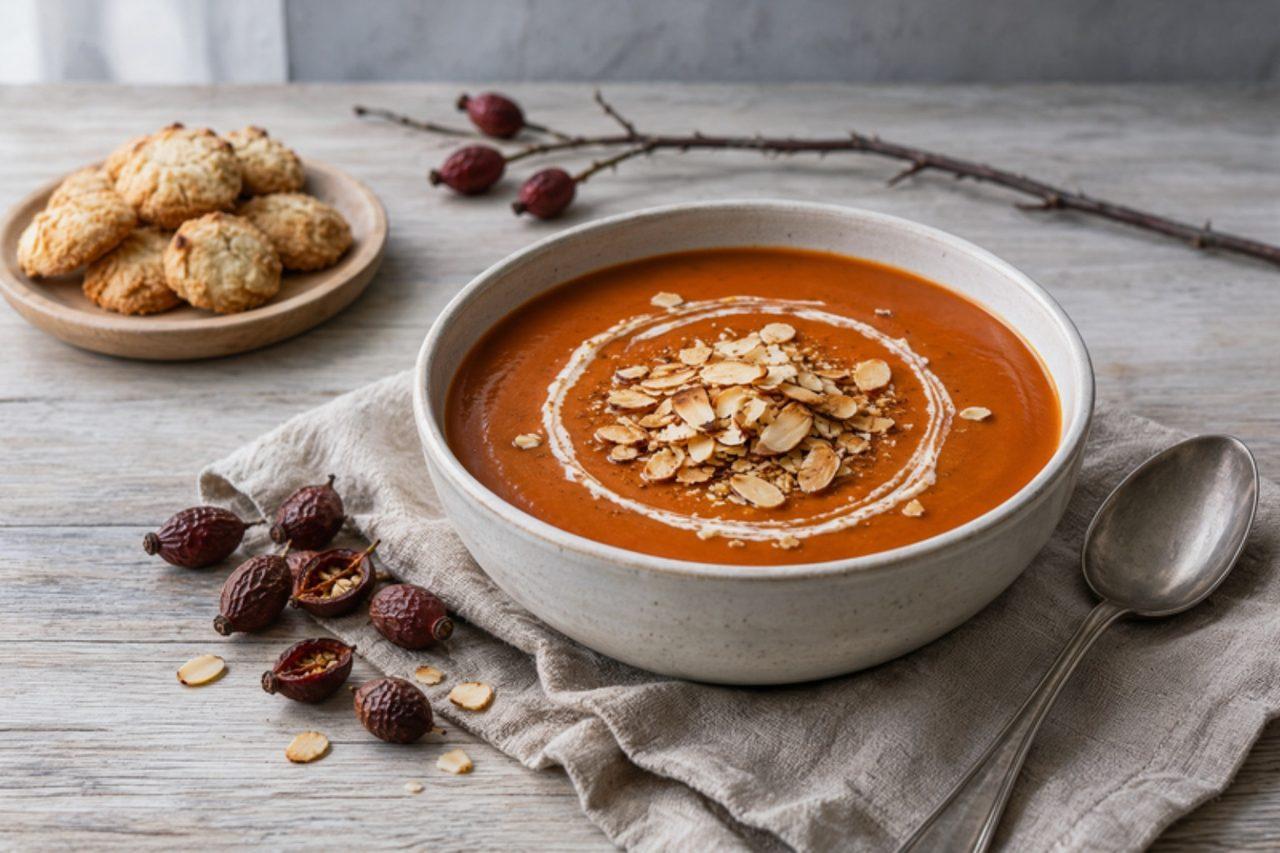
NyponsoppaRosehip soup

Nyponsoppa, rosehip soup, is one of Sweden's oldest breakfast and school-dinner soups, bright orange-red, gently sweet-sour and full of vitamin C. Families buy dried rosehip shells or powder, simmer them into a smooth soup and serve it warm in deep plates, traditionally with little almond biscuits or a spoon of cream on top. The mistake is not straining well enough: rosehips have tiny irritating hairs around the seeds, so use seedless dried shells and strain through a fine sieve. Chef's tip: finish with lemon juice off the heat, which brightens the colour and stops the soup tasting flat.

by KrazyBadal 0 views

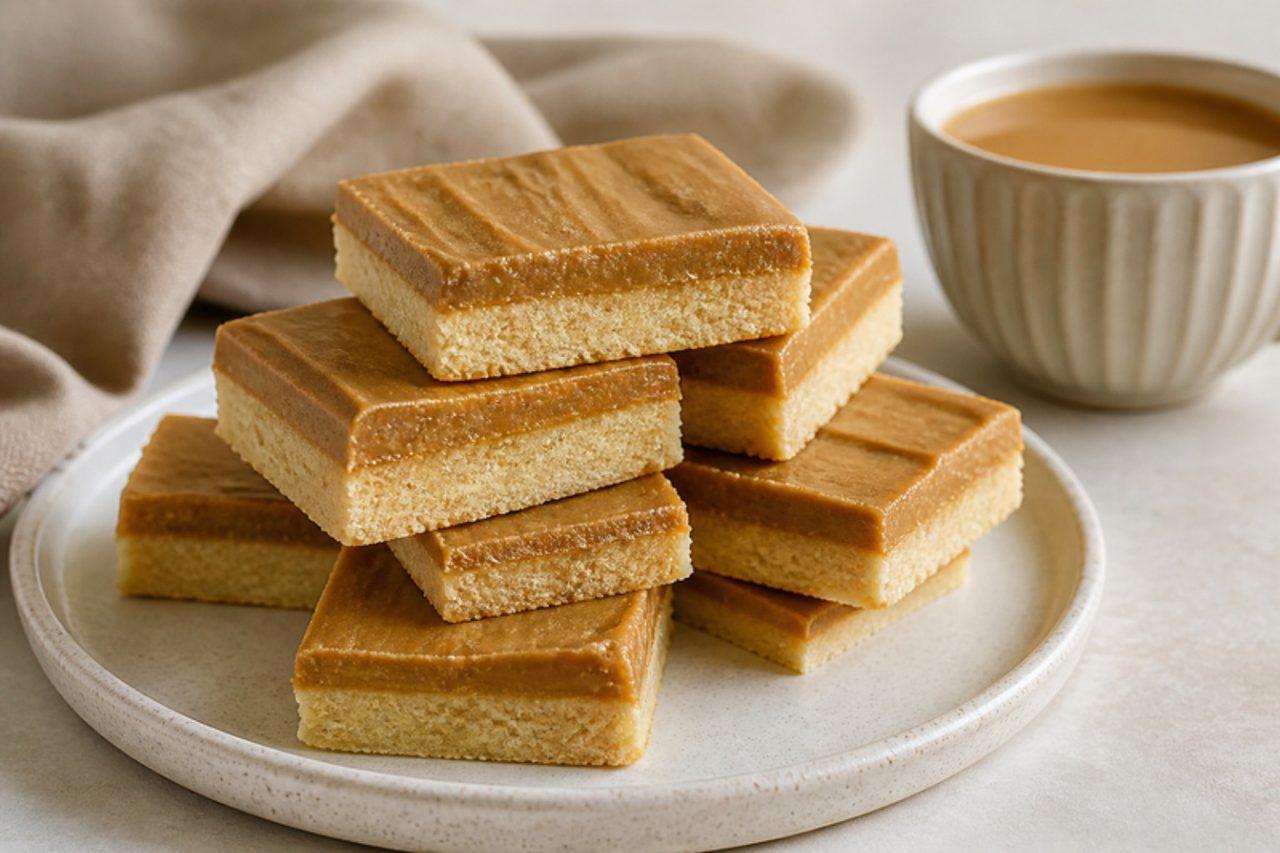
Ginger crunchGinger shortbread slice

Ginger crunch is in every New Zealand café cabinet and was in every school fair tin long before that, a recipe passed between generations in handwritten notebooks. A crisp, buttery ginger shortbread base is covered while still hot with a thick, fudgy icing of butter, golden syrup, icing sugar and plenty of ground ginger. Cut into bars, it keeps a week in a tin. A common mistake is letting the base cool before icing; hot base and hot icing set together properly. Chef's tip: use more ginger than you think; the icing should have a real bite.

by KrazyBadal 0 views

Kir

Dijon's own aperitif carries the name of Canon Félix Kir, the priest who became the city's mayor after the war and poured blanc-cassis at every reception to show off two Burgundy products at once: the sharp white Aligoté grape and the blackcurrant liqueur made around the city. It is still what you are offered before a family Sunday lunch in Burgundy, with a warm plate of gougères. It is a drink for adults only, low-key and refreshing: tart, mineral white wine with a dark, jammy blackcurrant note, deep ruby-violet in the glass, served cold with no ice. The usual mistake is too much cassis, which makes a sticky, syrupy drink that hides the wine. Keep to about one part cassis to five or six parts wine. It is ready when the colour is a clear, deep pink-purple you can still see light through and the glass mists with cold. Enjoy one before the meal and drink responsibly. If you cannot find Aligoté, use any dry, unoaked, high-acid white. Swap the wine for Champagne or crémant and you have a kir royal. Chef's tip: pour the cassis in first and the wine on top; it mixes itself and you need not stir.

by KrazyBadal 0 views

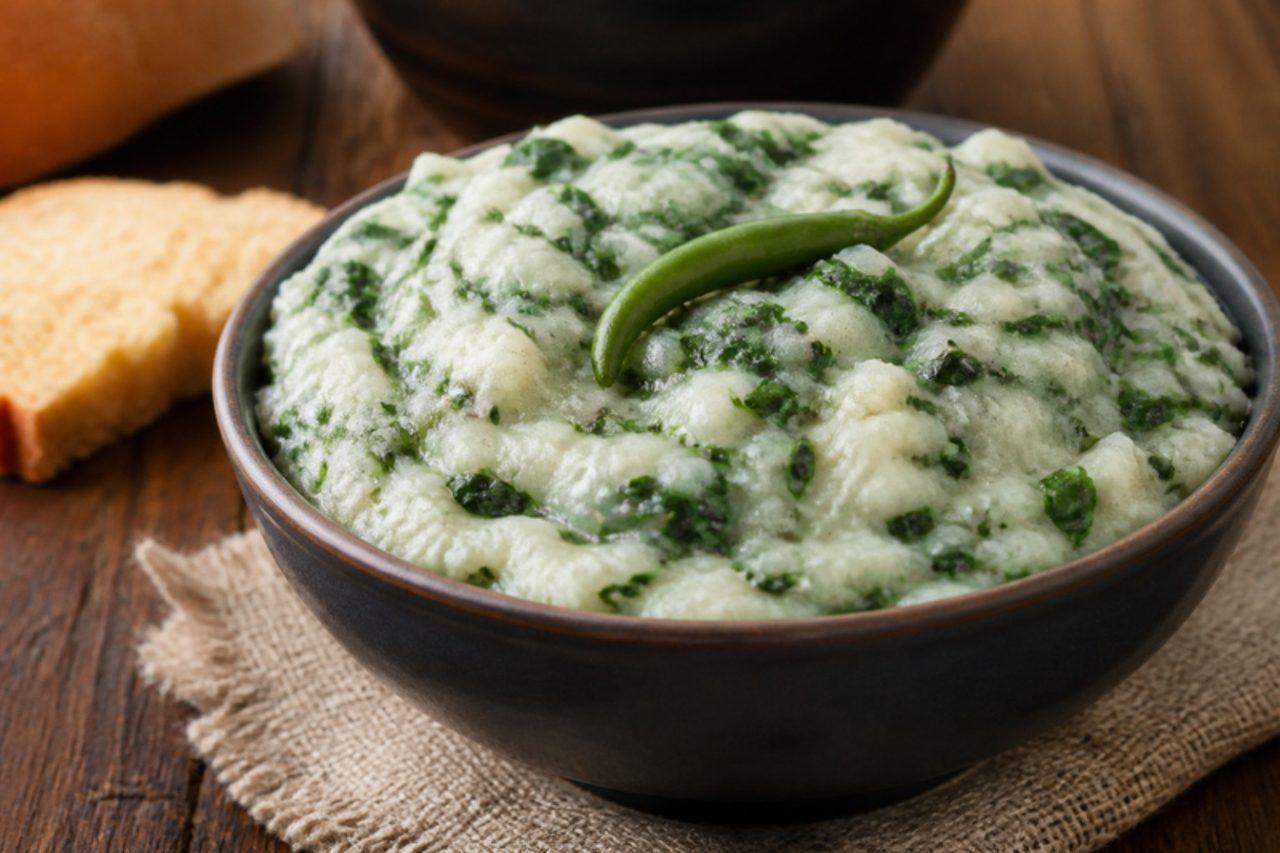
UmfinoMaize meal with greens

Imifino is the word rural cooks in the Eastern Cape and KwaZulu-Natal use for the leafy greens gathered after the rains, and umfino is the comforting dish they become when folded into maize meal. This version uses shop-bought spinach and Swiss chard, with pumpkin or beetroot leaves from a greengrocer if you can find them; please don't forage wild plants. The result is soft, green-flecked pap, savoury with fried onion and earthy from the greens, eaten on its own at a weekday supper or alongside beans, amasi or a tomato and onion gravy. Watch the water: too much and it turns to porridge, too little and the maize stays raw and gritty. Chef's tip: wilt the greens in the pot first and keep their liquid, because that green water is what flavours the pap.

by KrazyBadal 0 views

Showing 9 of 7,762 recipes

Show more recipes

Page 160 of 863