


Skip to content
Princesi
Featured recipe

Princesi

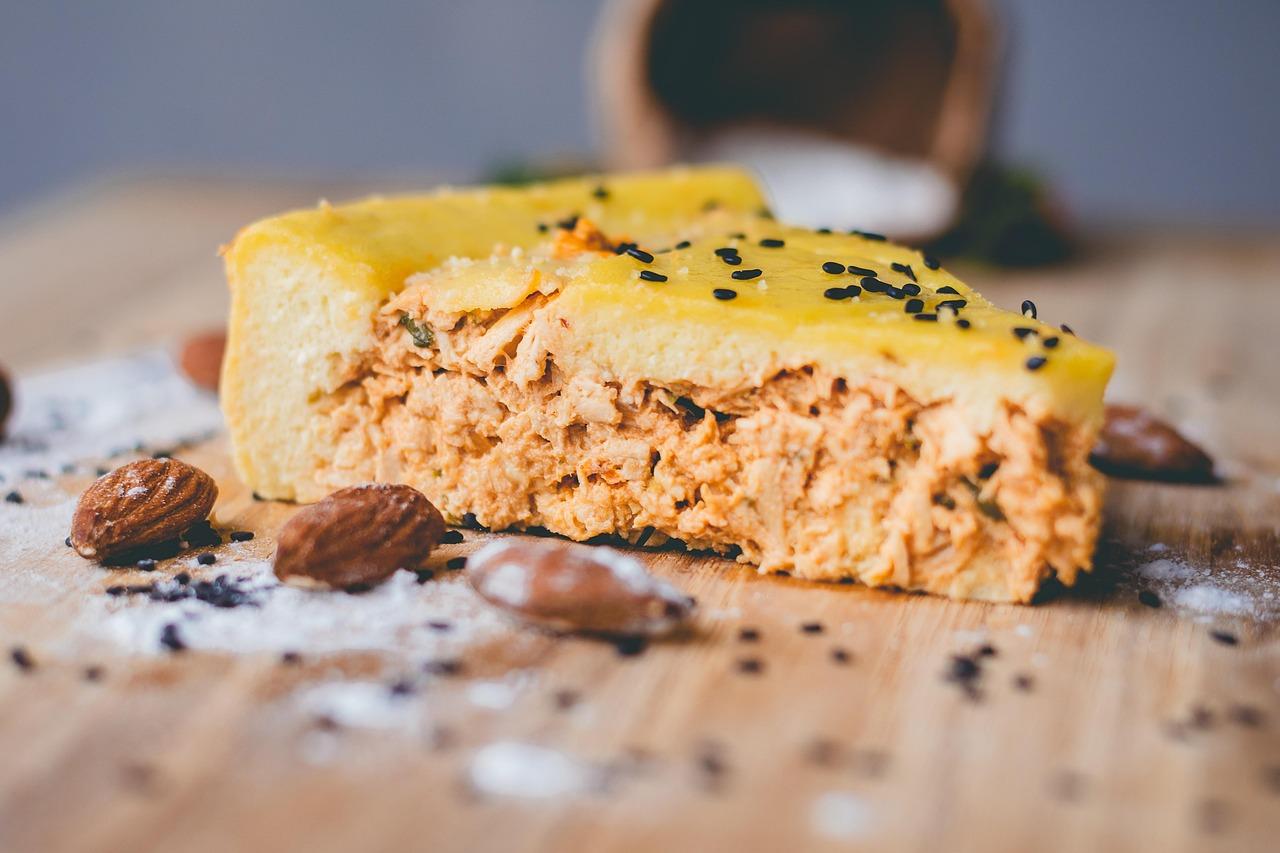
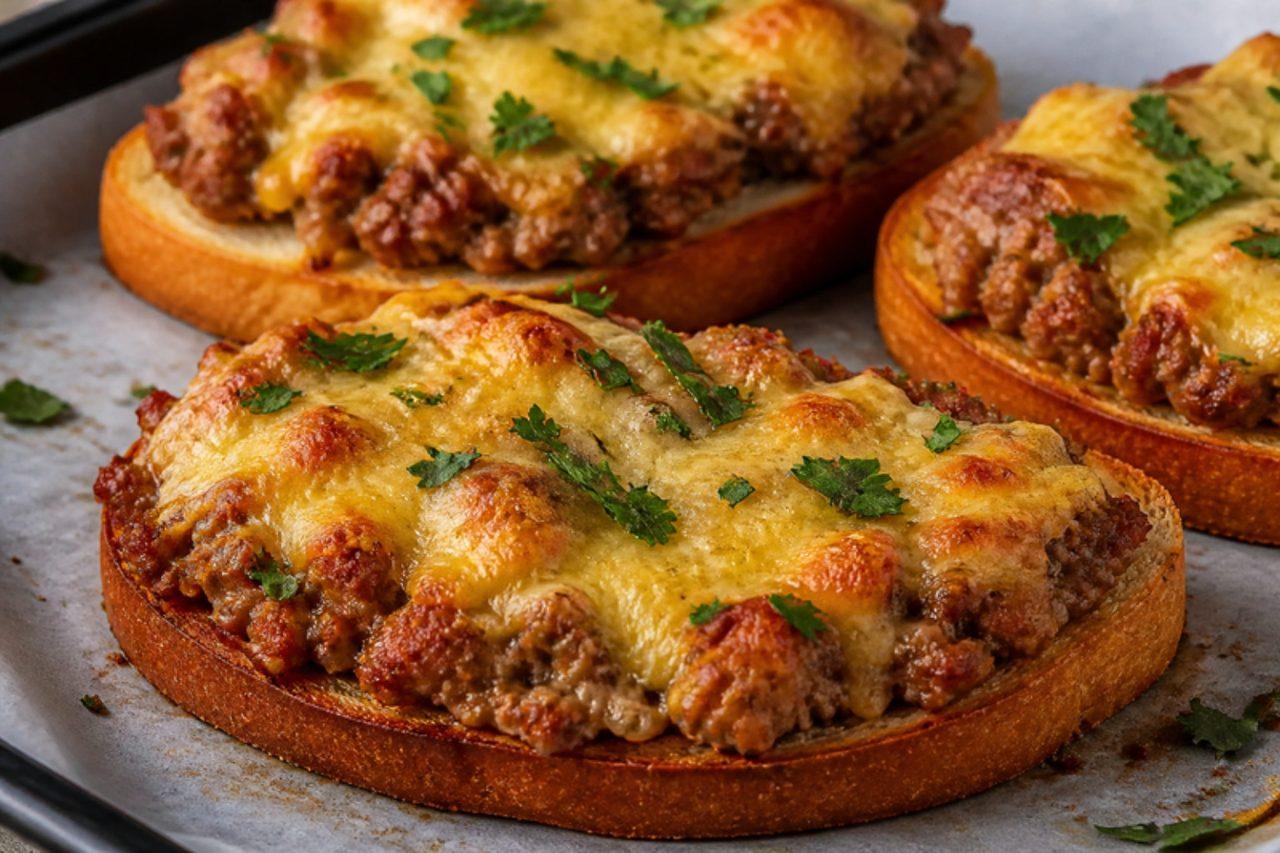
Toasted open sandwiches with mince

Bulgarian children grow up on princesi, the 'princesses' that parents slide into the oven for a quick Saturday breakfast or a late supper, and Sofia cafés sell them by the plateful. Slices of bread are spread with a thin layer of mince, usually half pork and half beef, seasoned with grated onion, cumin, savory and paprika, then baked until the meat is browned and the bread underneath turns crunchy; grated kashkaval cheese on top is a popular extra. A meat-free version uses egg and white cheese instead. Serve hot with a tomato and cucumber salad or a glass of ayran. Where most people go wrong is spreading the mince too thickly, so the top browns before the meat is cooked through; keep it to about 5 mm. Chef's tip: spread the mince with a wet spoon right to the crust edges, which stops the exposed bread from burning.

Read more 0 views

What to eat today?

Around the world

Today's trip: Persian

A new country every day, from every cuisine on the site.

Persian

Nazkhatoon

Smoky aubergine with pomegranate 40 minMore from Persian (131) →

This week's collection

Kid-friendly dinners
578 recipes · a new collection every Monday

Latest recipes

Carato de maízChilled corn drink

Out on the hot plains of the Llanos, a jug of carato is kept cold for the afternoon: white corn cooked until soft, blended with its water, strained and sweetened with panela, cinnamon and clove. It is thick, creamy and filling enough to be a snack in a glass. Keep it in the fridge, because left out it starts to ferment. The common mistake is skipping the straining, which leaves it gritty. Chef's tip: strain through a fine sieve and then once more through a clean cloth for the silkiest drink.

by KrazyBadal 0 views

Kuku kienyejiFree-range chicken stew

On a Kalenjin homestead outside Eldoret or Kericho, a kienyeji (free-range) hen is the meal for a Sunday visit or a returning son, cooked slowly over a wood fire until the whole compound smells of it. These birds run about all their lives, so the meat is lean, firm and far more savoury than a supermarket broiler, and the yellow fat renders into a rich, garlicky tomato stew that is mopped up with ugali and sautéed managu or sukuma. Use a free-range or older boiling hen and give it time; rushing it, or using a young broiler and cooking it this long, are the two ways the dish goes wrong. A cup of mursik (fermented milk) often goes alongside in the Rift Valley. Chef's tip: start the jointed bird in a dry pot with the lid on; it gives up its own juices and fat, and that liquid is the base of the stew.

by KrazyBadal 0 views

Catuto (mültrün)Pounded wheat cakes

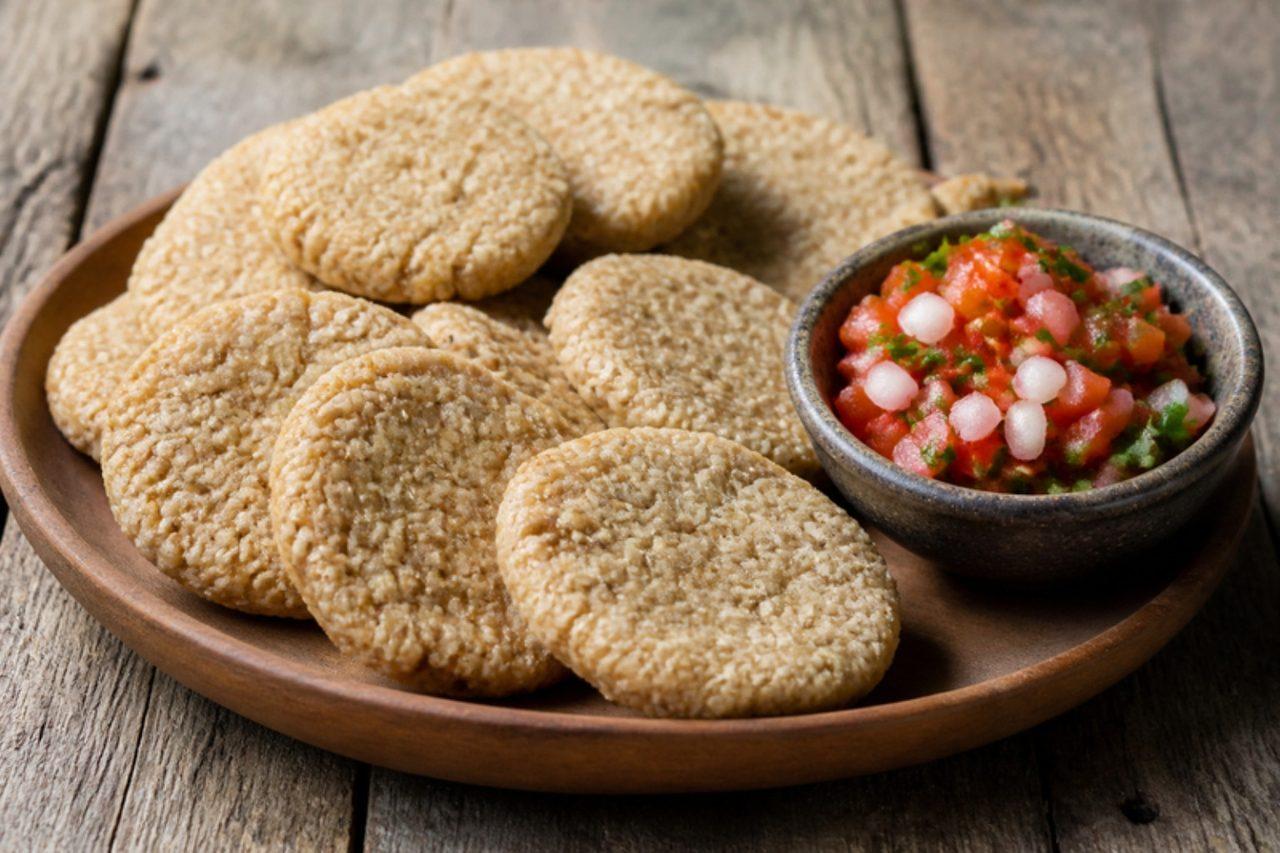
In the Mapuche communities of Araucanía, around Temuco, mültrün (catuto in Spanish) is made by cooking whole wheat grains until soft, then pounding them on a grinding stone into a sticky dough that is shaped into little logs. They are eaten as they come, toasted on the hearth, or dipped in honey or pebre, and they are sold in Temuco's market alongside merkén and piñones. A food processor does the job of the stone. The usual mistake is undercooking the wheat: the paste won't hold together. Chef's tip: shape with wet hands, and flatten the logs slightly before toasting so they crisp on two sides.

by KrazyBadal 0 views

Kumaoni kheere ka raitaCucumber raita

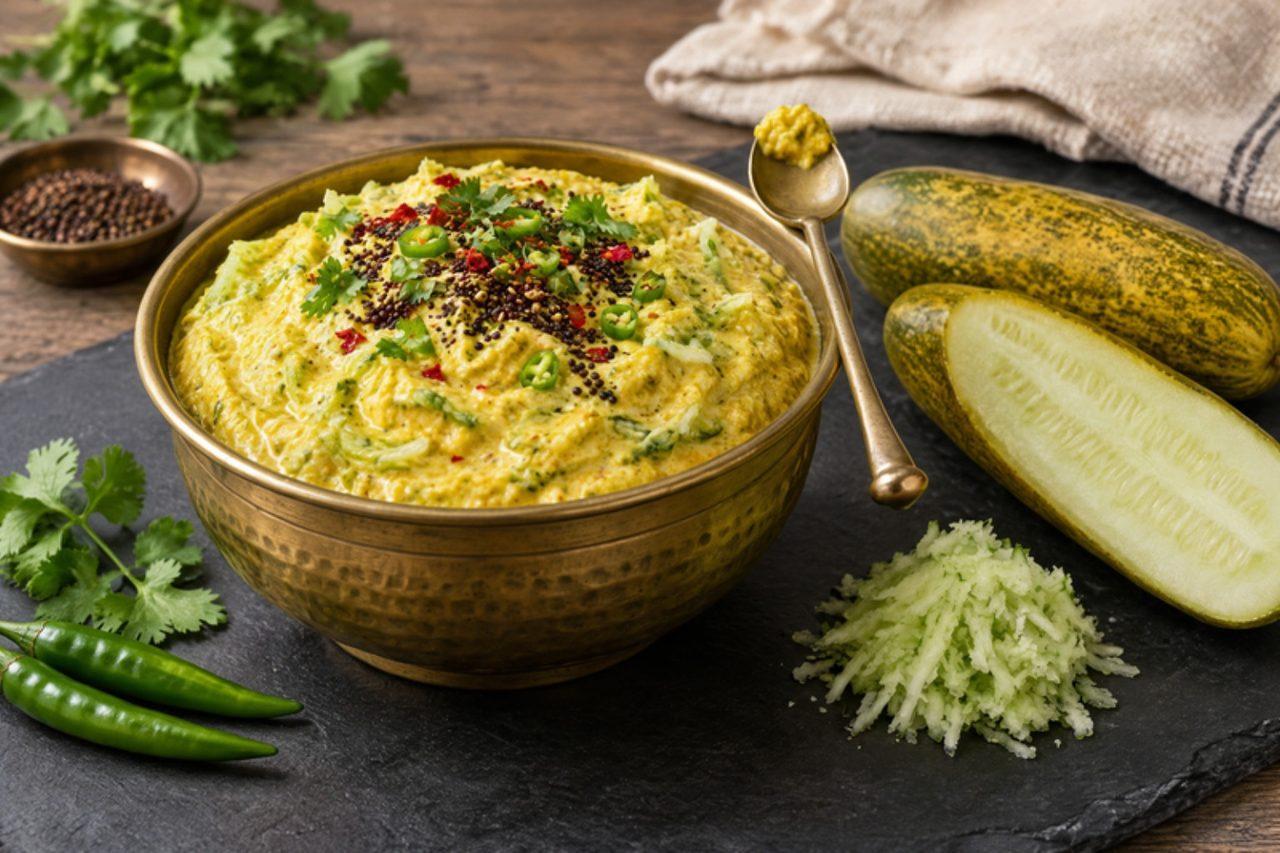
This yellow raita is the famous one of Kumaon, made from the fat, pale hill cucumbers of late summer and served at every wedding and Holi gathering. It gets its nose-tingling kick from freshly ground raw mustard seed, which is left to mellow in the curd for an hour, and its sunny colour from turmeric. It is eaten with rice, puris and pakodas. The common mistake is not squeezing the grated cucumber, which floods the raita and dulls the mustard. Chef's tip: make it at least an hour ahead and chill it; the mustard grows sharper and rounder as it rests.

by KrazyBadal 0 views

NoribenSeaweed and fish cake bento

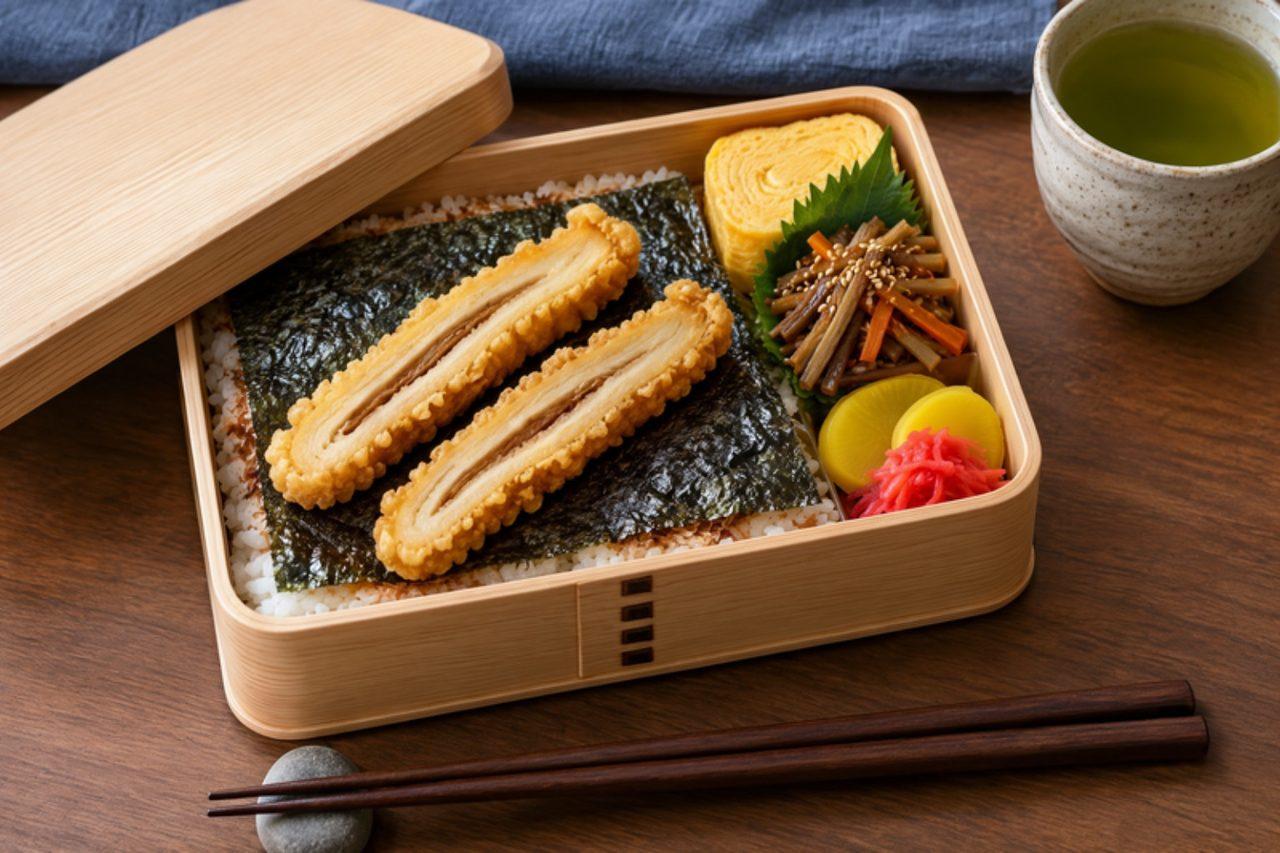
Noriben is the humblest and most nostalgic Japanese packed lunch: rice spread with okaka (bonito flakes in soy) and covered with a whole sheet of nori, sometimes twice in layers, then topped with something fried such as chikuwa fish cake or white fish. Convenience stores and bento shops across Japan sell it for a few hundred yen. The usual mistake is laying the nori on steaming rice and closing the lid, which leaves it soggy and torn; let the rice cool a little first. Chef's tip: snip the nori into a few strips before it goes on, so it is easy to bite through with chopsticks.

by KrazyBadal 0 views

AlkubusSteamed wheat bread

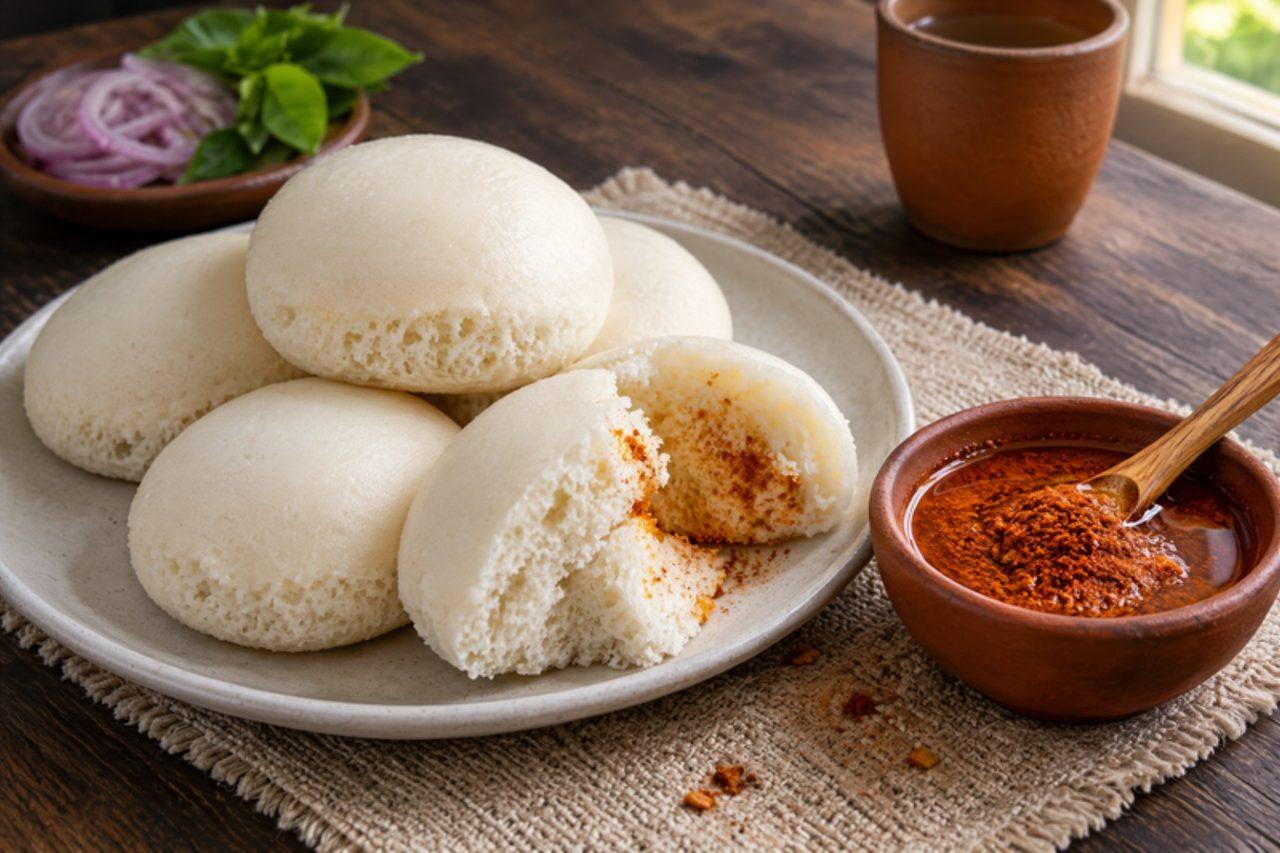
In Kano, Katsina and Sokoto, alkubus is a breakfast bread you steam rather than bake: a soft yeasted wheat dough set in small cups or tins over boiling water until it puffs into fluffy, slightly sticky domes. It is eaten warm, pulled apart and dipped into groundnut oil with yaji, the peanut and chilli spice mix, or with a bowl of miyan taushe or other soup. The common mistake is lifting the lid during steaming; the rush of cold air makes the breads sink and turn dense. Yaji contains peanuts. Chef's tip: wrap the pot lid in a tea towel so condensation can't drip back and leave wet craters on the tops.

by KrazyBadal 0 views

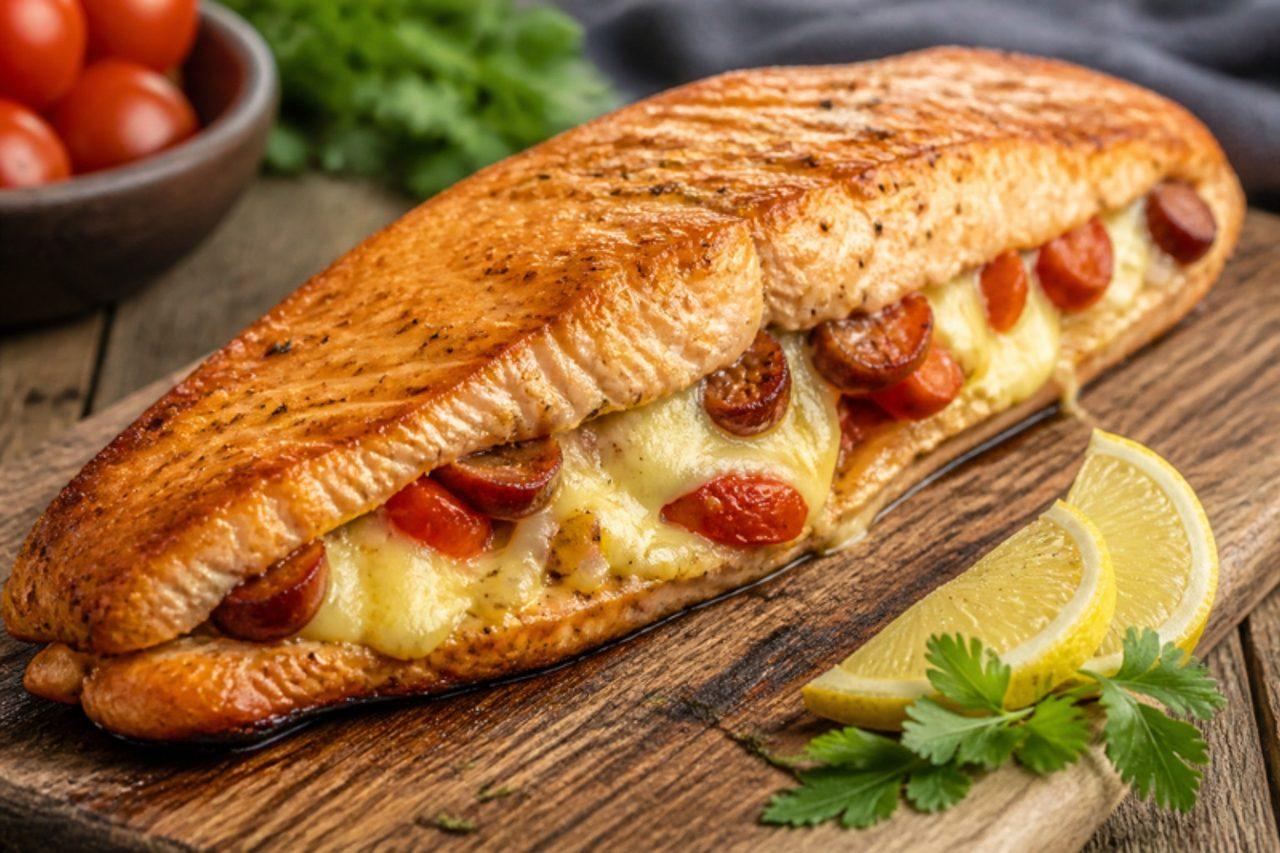
CancatoSalmon with cheese and tomato

Cancato belongs to Chiloé and the lakes around Puerto Montt, where salmon is everyday food: a whole fillet is opened like a book, stuffed with melting cheese, tomato, onion and slices of longaniza (a pork sausage like chorizo), then wrapped and cooked over embers or in the oven. It is party food, cut at the table. The common mistake is putting raw sausage inside: it won't cook through before the salmon dries out. Fry it first. Chef's tip: wrap the parcel in foil with the seam on top and open it for the last 5 minutes, so the cheese browns while the salmon stays juicy.

by KrazyBadal 0 views

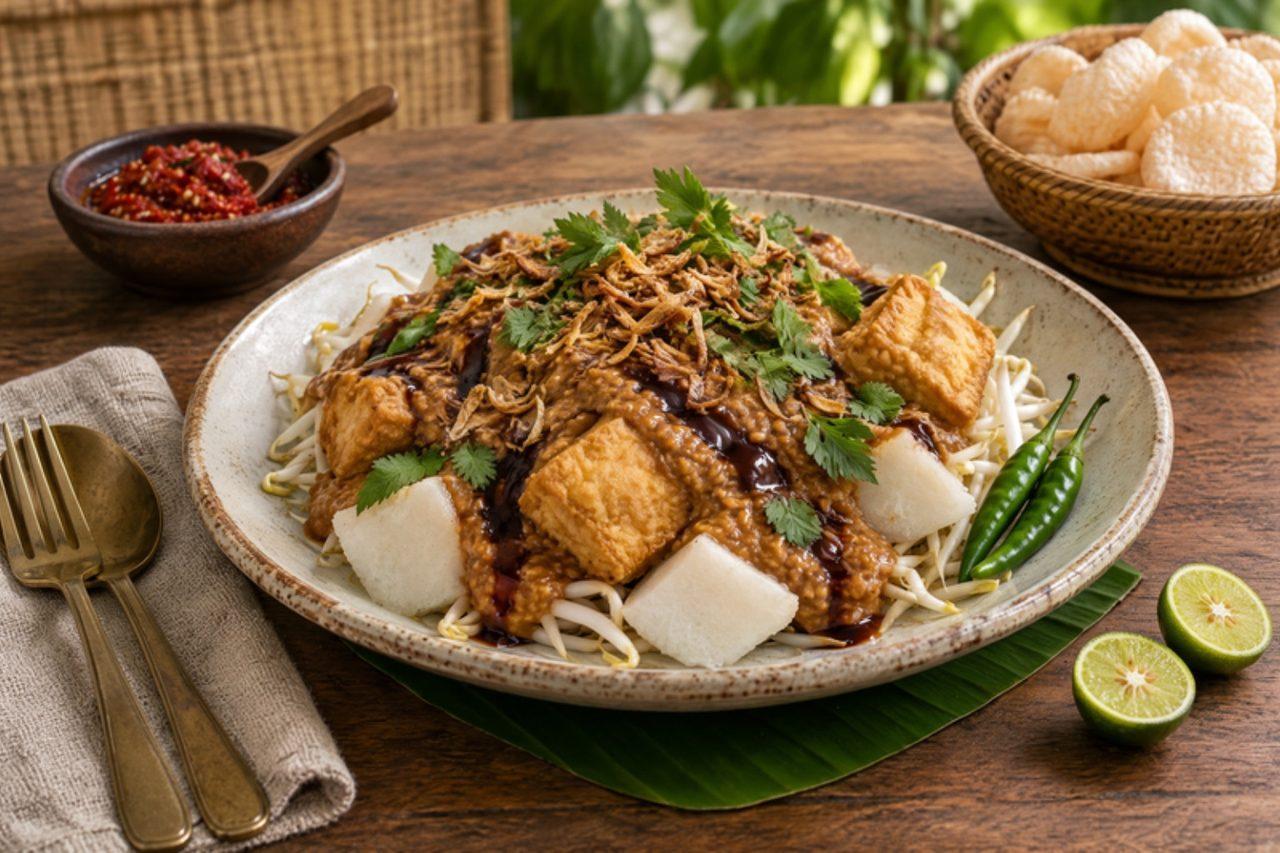
Kupat tahuRice cakes and tofu in peanut sauce

Kupat tahu is breakfast from a pushcart in Bandung and Magelang: chunks of compressed rice cake, freshly fried tofu and blanched bean sprouts, buried under a loose peanut sauce sharpened with garlic, chilli and sweet soy, then finished with crackers and fried shallots. The common mistake is grinding the peanut sauce too thick: it should pour like single cream so it soaks into the rice cake. Many prawn crackers are made with seafood, so choose plain cassava or rice crackers for a vegan plate. Chef's tip: fry the tofu just before serving; soft, hot tofu soaks up the sauce, while tofu fried ahead turns leathery.

by KrazyBadal 0 views

CancháncharaAguardiente, lime and honey cocktail

In the colonial town of Trinidad, in Sancti Spíritus province, the canchánchara is served in little clay cups to the sound of a son band in the late afternoon. Its roots are in the independence wars of the 1860s and 70s, when the mambí fighters drank cane aguardiente mixed with honey, lime and water, warm or at camp temperature. Today it comes with crushed ice, but it is still a drink for adults only, rustic and honest: floral honey, sharp lime and the raw, sugary heat of young cane spirit, cold and only slightly diluted. The classic mistake is pouring honey straight onto the ice, where it sets into a hard lump at the bottom and the drink tastes of nothing but sour spirit. Stir the honey into the lime and water first until no streaks remain, then add the ice and spirit. It is ready when the honey has disappeared into a cloudy, even mixture and the outside of the cup sweats with cold. Drink it slowly and responsibly. Outside Cuba, use unaged white rum or cachaça for the aguardiente; a short tumbler is fine if you have no clay cup. Chef's tip: soak the clay cup in cold water for ten minutes first; it keeps the drink cold for much longer.

by KrazyBadal 0 views

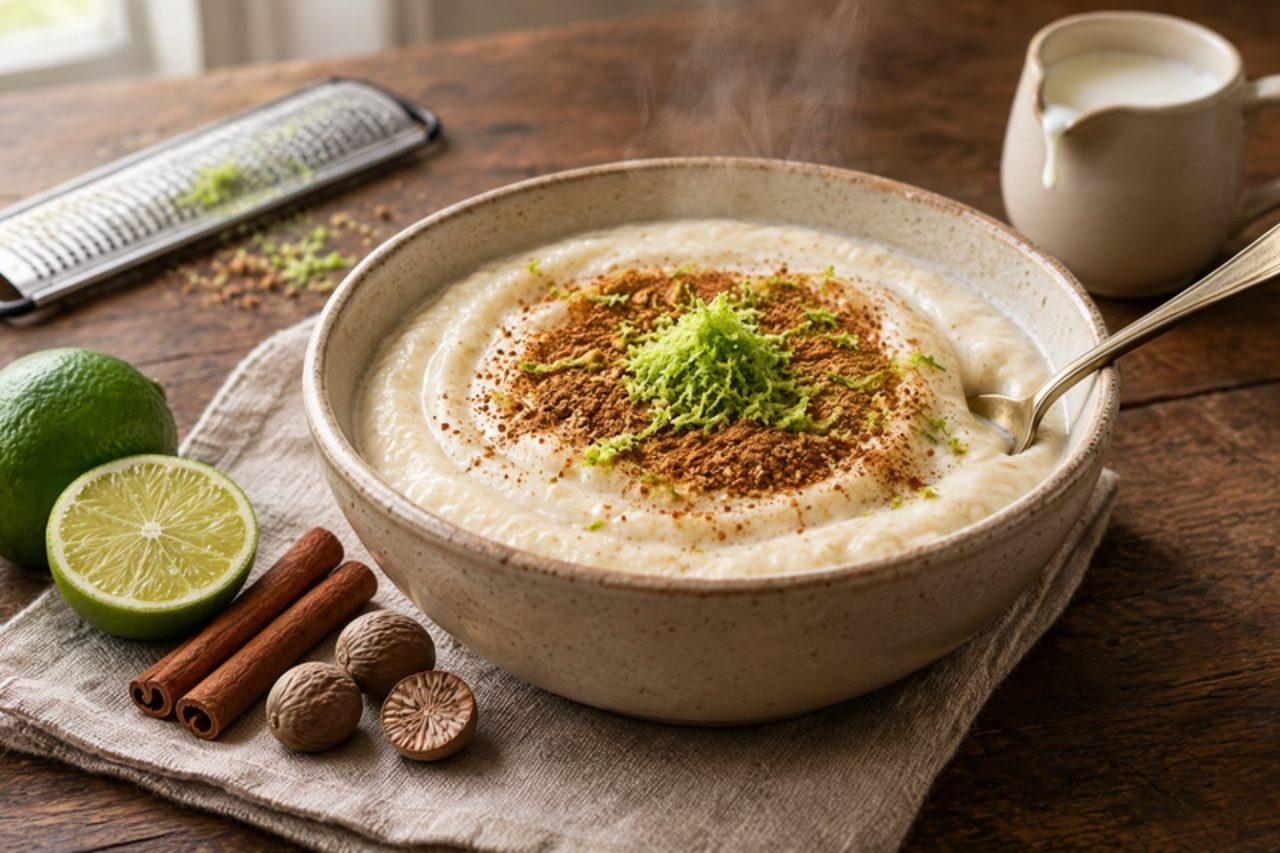
Labouyi farinSpiced wheat flour porridge

In Port-au-Prince and in towns across Haiti, a pot of labouyi farin is a cheap, filling breakfast that children grow up on: wheat flour simmered smooth with evaporated milk, cinnamon, nutmeg, star anise and a little lime zest, then sweetened and finished with vanilla. It should be pourable and silky, somewhere between custard and porridge. The common mistake is adding the flour straight to hot liquid, which makes lumps that never cook out; mix it into cold water first. Chef's tip: let it bubble gently for a full 10 minutes after it thickens, stirring, or it keeps a raw floury taste.

by KrazyBadal 0 views

CuchuflíFilled wafer tubes

Cuchuflí are the thin, crisp wafer tubes filled with manjar that vendors sell from baskets on Chilean beaches and outside football stadiums, and that children beg for at the Fiestas Patrias fondas. At home you can bake the wafers yourself and roll them round a wooden spoon handle. The usual mistake is waiting too long to roll them: the wafers set within seconds and crack. Bake only three at a time. Chef's tip: fill them with a piping bag just before serving, or the manjar softens the wafer; dip the ends in melted chocolate if you like.

by KrazyBadal 0 views

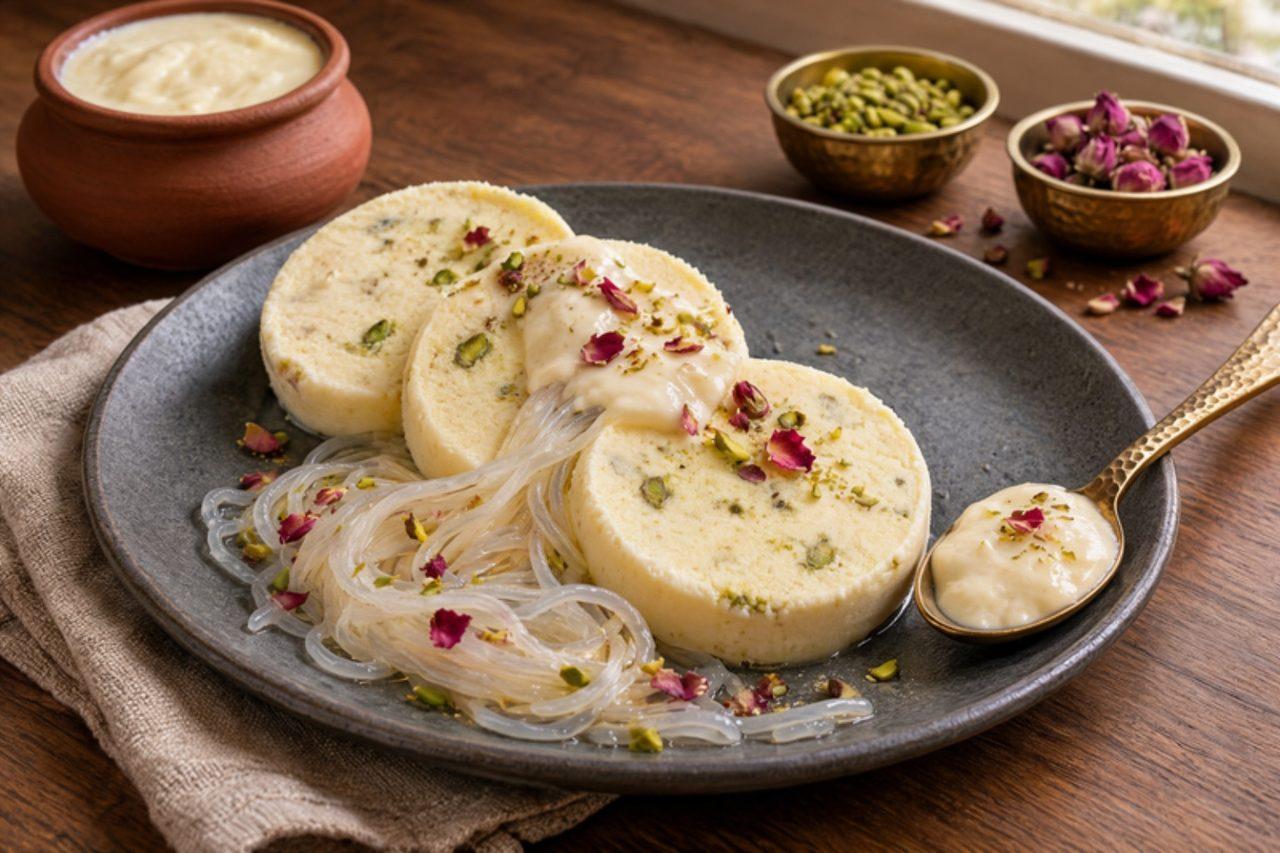
Lahori kulfaKulfi with falooda

On hot Lahore nights, families stroll to Gawalmandi food street and the old shops near Anarkali for kulfa: a whole cone of dense, cardamom-scented kulfi is sliced into fat discs, laid over soft falooda noodles and spooned over with rabri, the thick sweetened milk. It is cold, chewy and creamy in every mouthful. Contains milk and tree nuts (pistachio and almond); the falooda noodles may contain wheat. Chef's tip: scrape the bottom and sides of the pan constantly as the milk reduces; one scorched patch flavours the whole batch.

by KrazyBadal 0 views

Menchi katsuCrumbed meat patties

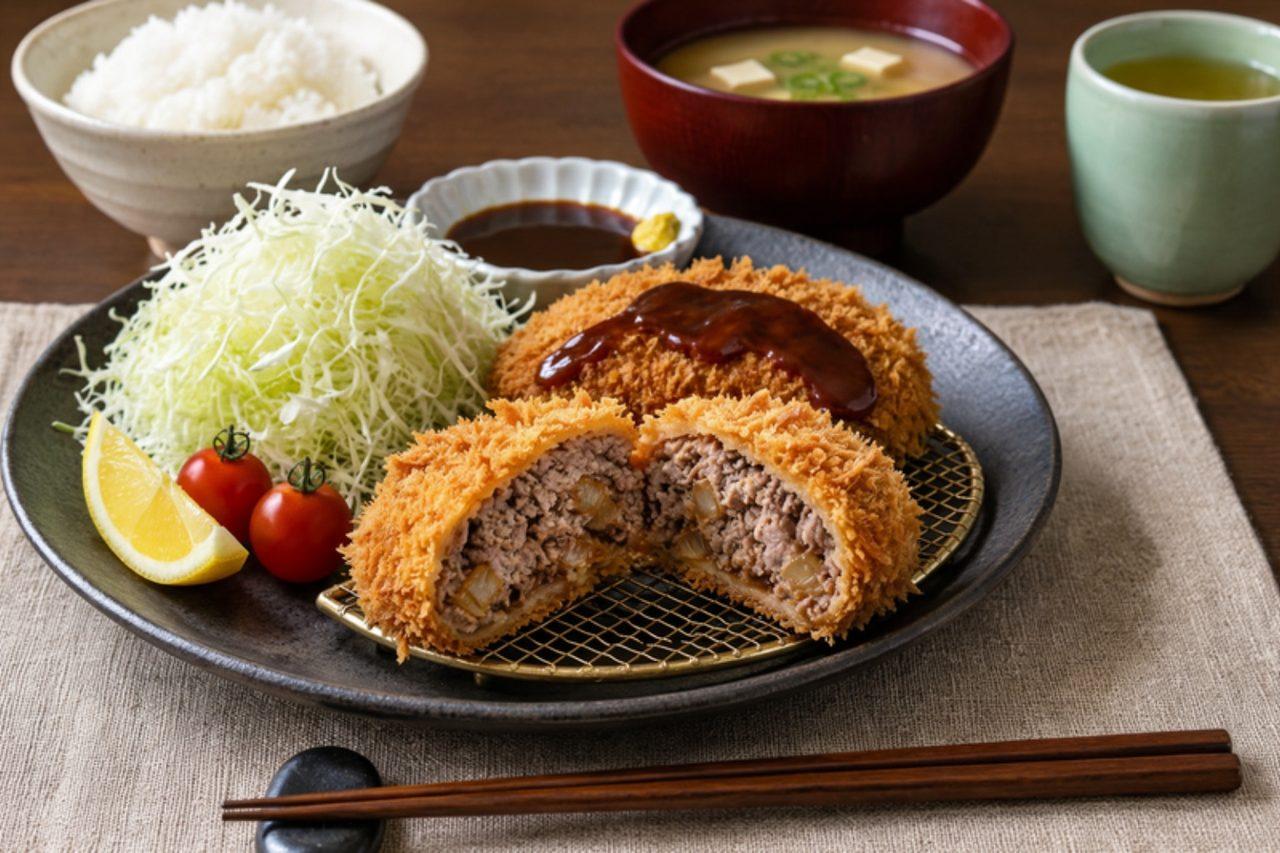
Menchi katsu, a juicy mince patty of beef and pork in a crisp panko coat, is sold hot at Tokyo butchers' shops like the famous ones in Kichijoji and packed cold in bento across Japan, with shredded cabbage and a drizzle of tonkatsu sauce. Sweet fried onion makes the inside tender. The common mistake is frying in oil that is too hot, so the crumb burns before the pork and beef in the middle are cooked. Chef's tip: chill the shaped patties for 20 minutes before crumbing so they keep their shape and stay juicy.

by KrazyBadal 0 views

Passionfruit sponge

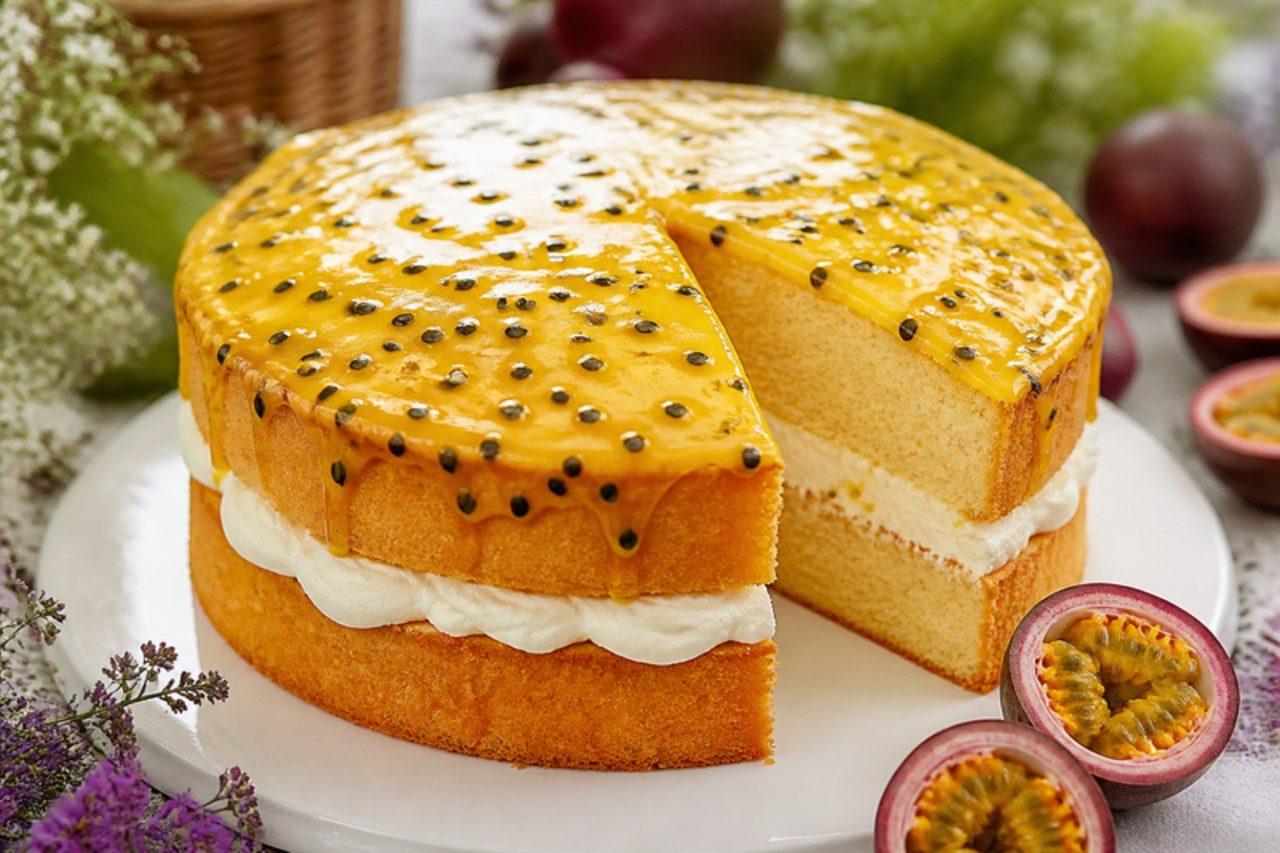
The passionfruit sponge is the star of the Australian country show cake table and every Sunday afternoon tea, made from the vines that cover back fences from Sydney to the Sunshine Coast. Two airy, fatless sponges are filled with whipped cream and topped with a tangy passionfruit icing. A common mistake is knocking the air out when folding in the flour; use a light hand and a big metal spoon. Chef's tip: beat the eggs and sugar for a full 8–10 minutes until thick enough to hold a trail.

by KrazyBadal 0 views

Camote cueCaramelised fried sweet potato

Camote cue is the three-o'clock merienda of Manila, fried in big woks by vendors on the corners of Quiapo, outside university gates on España Boulevard and along every jeepney route, alongside banana cue. Chunks of sweet potato are fried until tender, then brown sugar is scattered into the hot oil, where it melts and wraps each piece in a glassy, crackly caramel coat. They are threaded onto bamboo sticks and eaten warm, with a soft, sweet, chestnut-like centre. Chef's tip: let the oil cool slightly before adding the sugar; sugar dropped into very hot oil burns and turns bitter in seconds.

by KrazyBadal 0 views

Ambot tikSour-hot fish curry

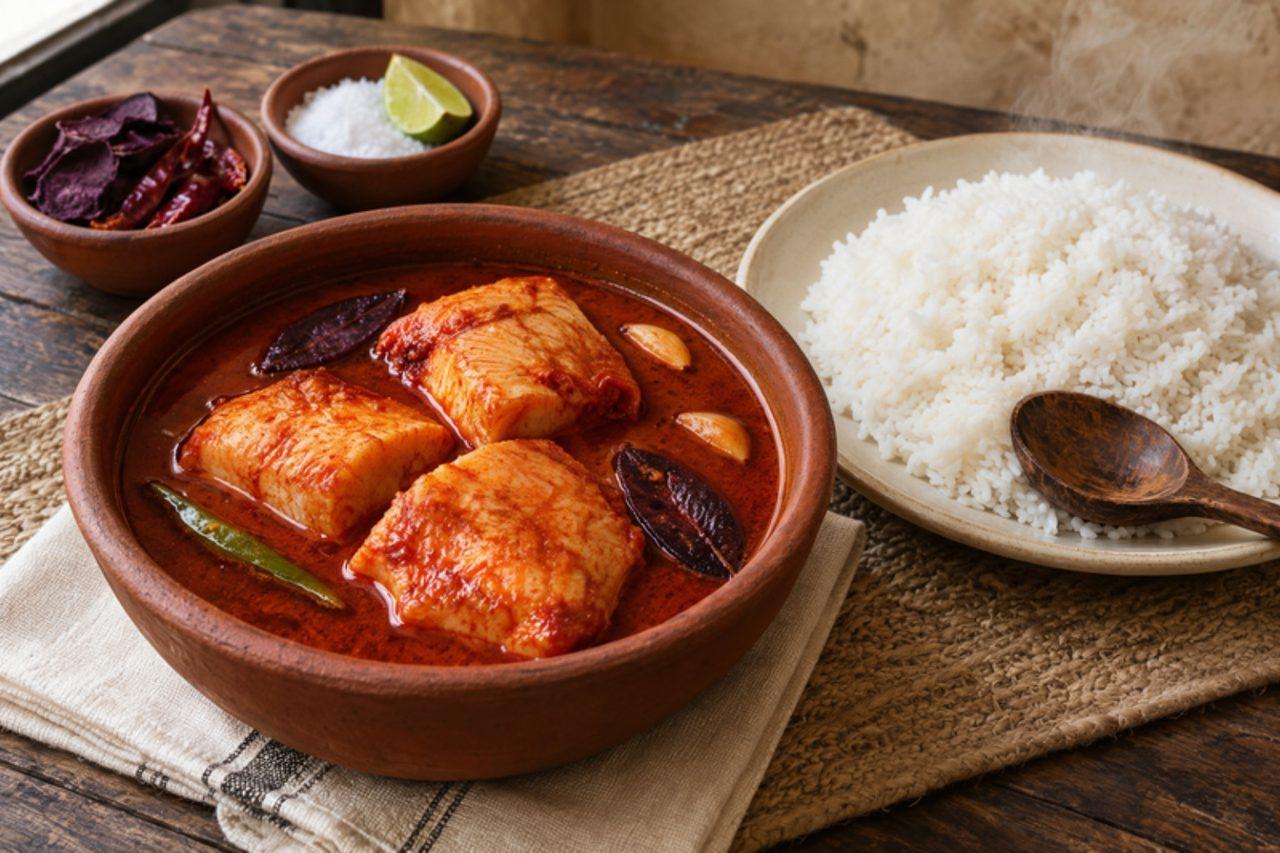
Ambot tik means sour and spicy in Konkani, and that is exactly what this Goan Catholic curry is: firm fish, often shark or catfish in Goa (any firm white fish or kingfish at home), in a thin, brick-red gravy of Kashmiri and hot chillies ground with garlic, cumin, turmeric and vinegar, soured further with tamarind and kokum. It is a weekday lunch with rice, and many say it is better the next day. The common mistake is boiling the fish hard once it goes in, which breaks it into flakes before it reaches the plate. Fish is done when the flesh is opaque all the way through and flakes when pressed. Chef's tip: marinate the fish in salt and turmeric in the fridge for 15 minutes; it firms the flesh and seasons it to the bone.

45 minIndianFishGluten freeSpicy
by KrazyBadal 0 views

Cape brandy puddingDate and walnut brandy pudding

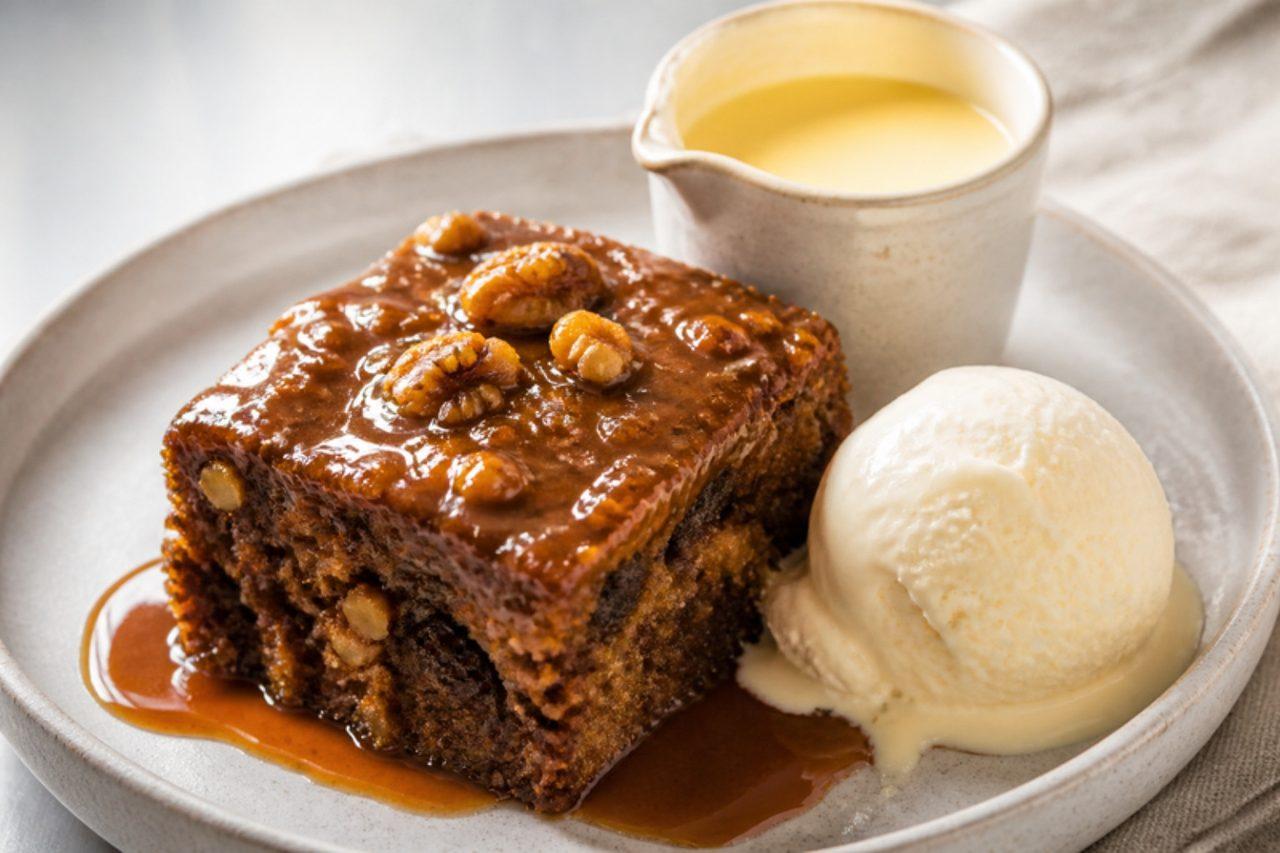
Sometimes called tipsy tart, this baked pudding of dates and walnuts drenched in a hot brandy and butter syrup is what Cape Town and Winelands families bring out for Sunday lunch in winter and for Christmas. It contains brandy, and because the brandy goes into the syrup off the heat most of the alcohol stays, so serve it to adults only; the ingredient note gives an alcohol-free rooibos or orange syrup for everyone else. Expect a dark, sticky, cake-like sponge that is almost wet at the bottom, with crunchy walnuts and a warm caramel and spice flavour, served with custard, cream or vanilla ice cream. The mistake is pouring the syrup over a cooled pudding, which then won't absorb it. Chef's tip: prick the hot pudding all over with a skewer and pour the hot syrup on slowly, letting each ladle sink in before adding the next.

by KrazyBadal 0 views

Frozen Christmas pudding

In the heat of an Australian December, many families swap the steamed pudding for a frozen one, ice cream packed with fruit, nuts and chocolate and set in a pudding basin so it still looks the part on the Christmas table in Brisbane or Perth. It is made days ahead and turned out just before serving. A common mistake is letting the ice cream melt too much while mixing, which makes it icy when refrozen; soften it only until stirrable. Chef's tip: soak the fruit in orange juice the night before so it stays soft when frozen.

by KrazyBadal 0 views

TsukuneChicken meatball skewers

Tsukune are the minced chicken patties of yakitori bars all over Japan, and squashed into small ovals they are one of the most loved bento fillers, eaten cold at school or the office. Ginger and spring onion keep them fresh, and a glossy soy tare makes them sticky and sweet. The tare uses mirin, a sweet rice wine; most of its alcohol cooks off as it bubbles, and for an alcohol-free glaze use 1 tbsp sugar and 2 tbsp water instead. The common mistake is a loose mix that falls apart in the pan; knead it until sticky. Chef's tip: add a spoon of grated tofu or potato starch to the mince, which keeps the patties juicy even the next day.

by KrazyBadal 0 views

Lavang latikaClove-sealed syrup pastries

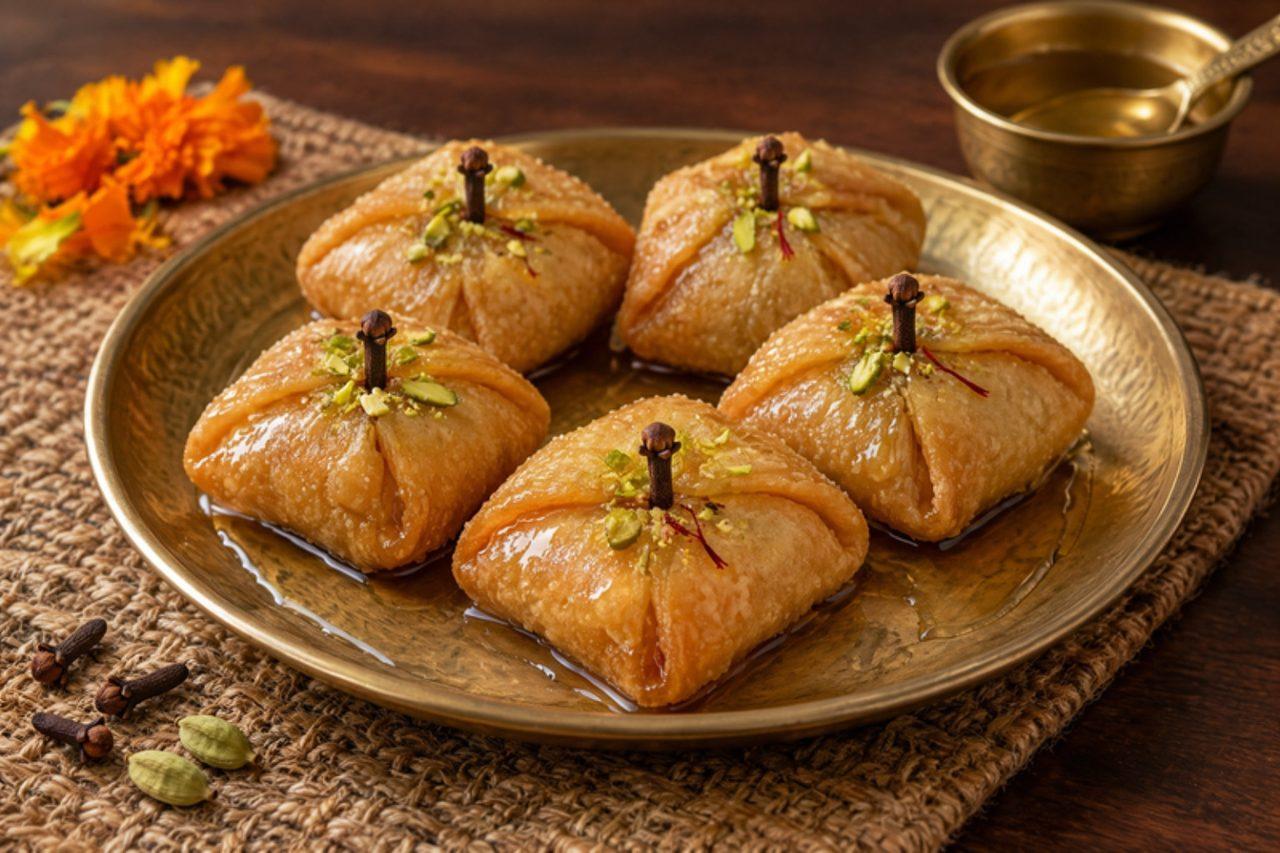
Lavang latika is a festive sweet of Bengal and Bihar, shaped like a tiny sealed envelope with a single clove pinned through the flap; it fills sweet-shop trays at Bijoya Dashami, Diwali and Bhai Phonta. Inside is mawa with coconut, nuts and cardamom, and after slow frying the parcels are soaked in syrup, so the outside is crisp and sweet and the clove gives a warm, peppery bite. The common mistake is folding the pastry loosely; the flaps must overlap well and be pressed shut before the clove goes in, or the parcels unfold in the ghee. Remove the clove before eating if you prefer. Chef's tip: soak the cloves in hot water for 5 minutes so they push through the pastry without cracking it.

by KrazyBadal 0 views

Torta de chile rellenoStuffed poblano sandwich

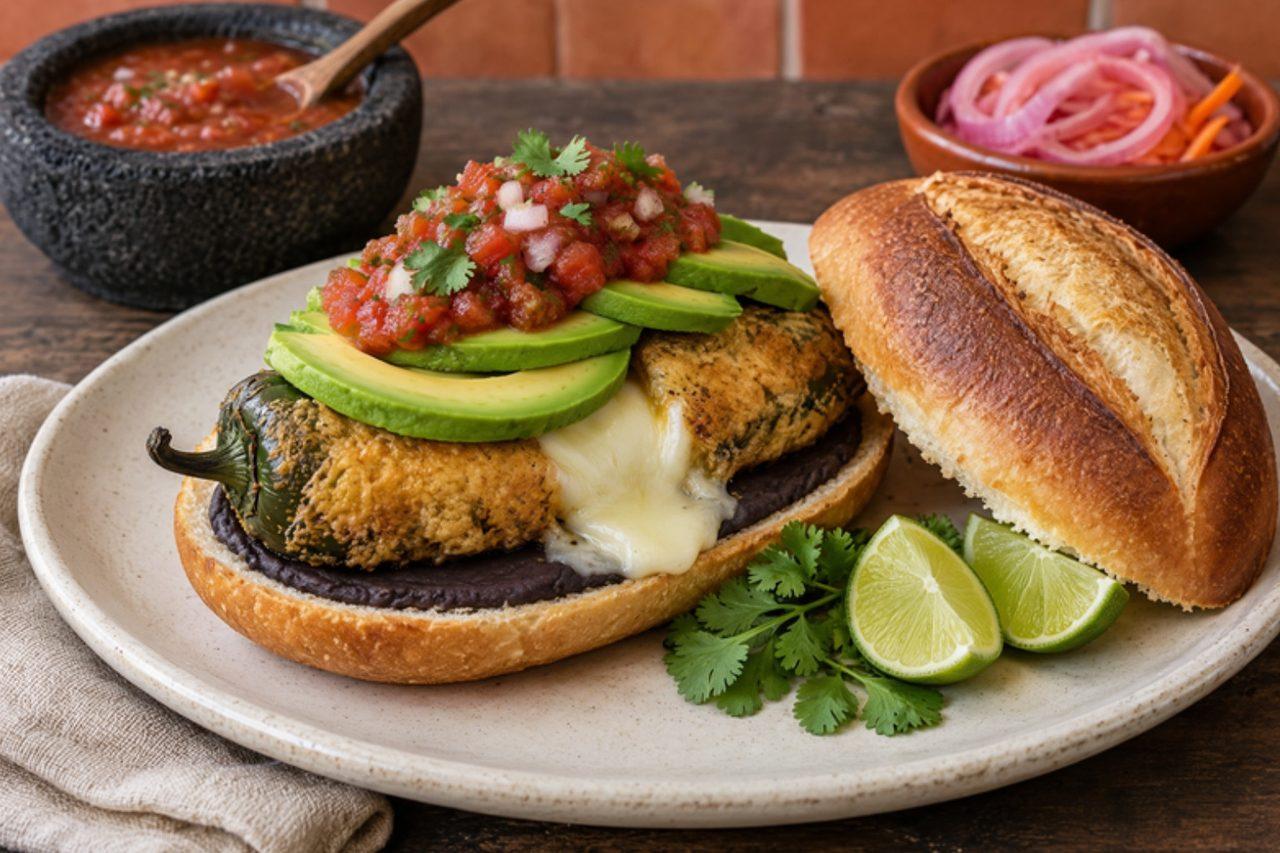
At Mexico City's torta stands and school gates, the chile relleno torta is the meat-free favourite: a whole poblano, roasted, peeled, stuffed with melting cheese, dipped in fluffy egg batter and fried, then pressed into a bolillo spread with refried beans and salsa. People buy them warm mid-morning or wrap them in foil for lunch. The common mistake is frying a wet chile: the batter slides off, so pat it dry and dust it with flour first. Oaxaca cheese and Monterey Jack are often made with animal rennet, so choose a vegetarian melting cheese, and check the refried beans are made without lard. Chef's tip: beat the egg whites to stiff peaks before folding in the yolks; that airy capeado is what makes it puff and stay crisp.

by KrazyBadal 0 views

Aloo seddho bhaat for toddlersRice and potato mash for toddlers

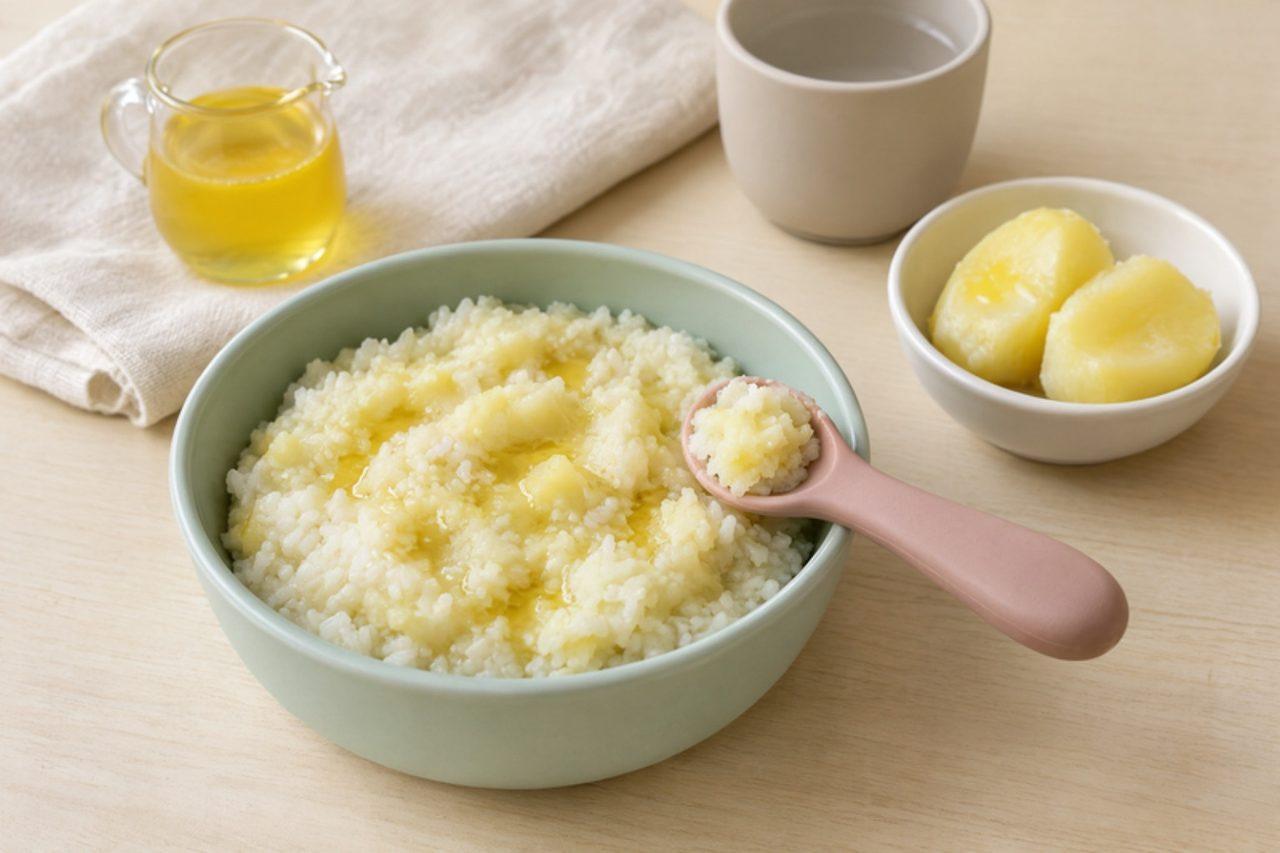
In Kolkata homes, from north Kolkata's old paras to the flats of Salt Lake, aloo seddho bhaat is what you cook when someone is tired, ill or very small: a potato boiled right in the rice pot, mashed with hot rice. Grown-ups add raw mustard oil, green chilli and onion; for toddlers from 12 months it is mashed instead with a spoon of ghee, so it's soft, buttery and mild. Gobindobhog rice gives it a lovely fragrance. It contains milk (ghee); there is no gluten, egg, nuts or soya. Chef's tip: mash the potato and rice with a fork or your fingers, never a blender, or it turns gluey.

by KrazyBadal 0 views

CafungaBanana coconut cake in leaves

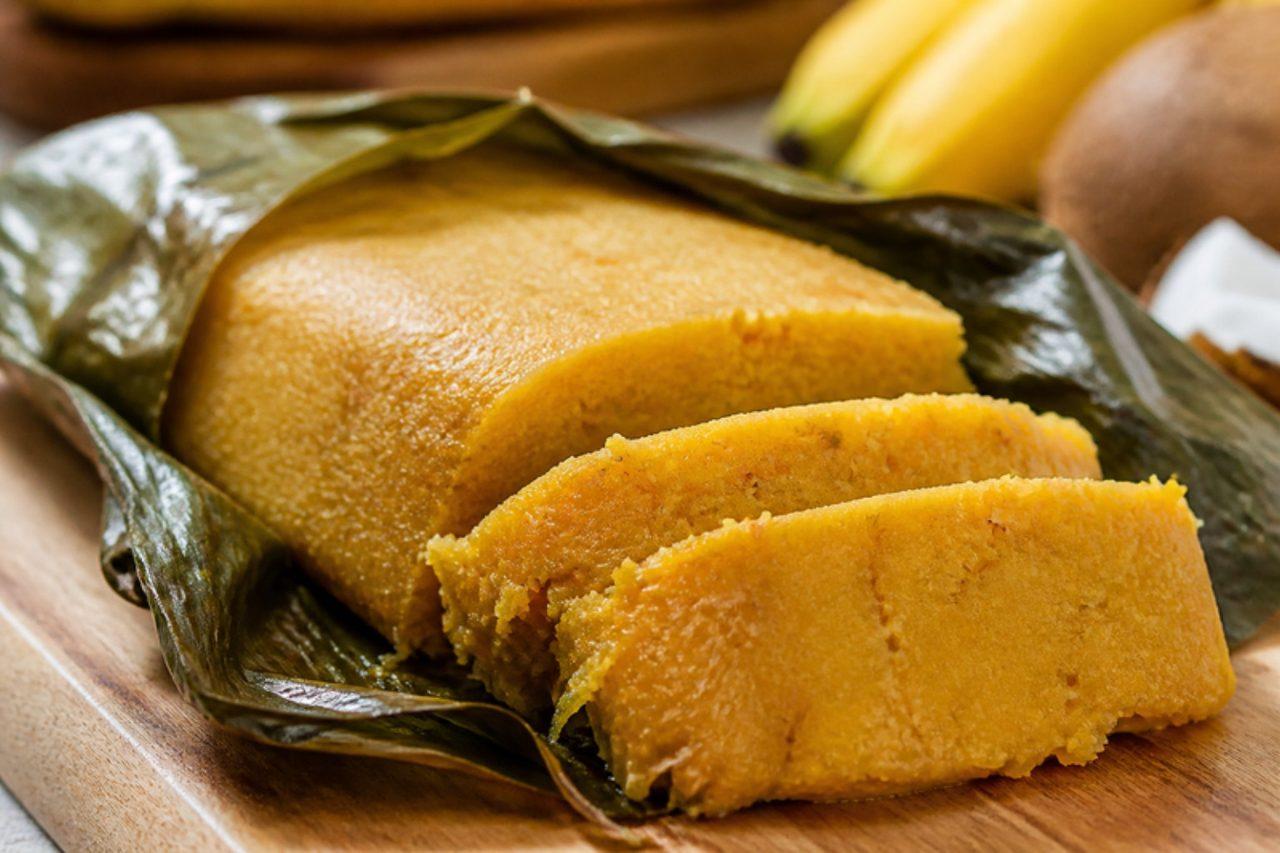
Cafunga belongs to Venezuela's eastern coast, in Sucre and the Afro-Venezuelan villages of Barlovento, where ripe bananas, coconut and panela are wrapped in banana leaves and baked until fragrant. It comes out dense and moist, somewhere between a pudding and a cake, and is sold in its leaf at fiestas and village markets. The common mistake is not softening the leaves first, so they crack and leak. Chef's tip: pass each leaf over a gas flame or dip it in boiling water until it turns glossy and pliable.

by KrazyBadal 0 views

LekkerbekjeBattered fried whiting

Lekkerbekje means "little treat", and at the haringkarren and fish stalls of the Albert Cuyp and Dappermarkt it is the other big seller next to raw herring: a whole fillet of whiting (or cod) dipped in batter and fried until the coating crackles. It comes in a paper tray with a lemon wedge and a spoon of remoulade, and Amsterdammers eat it for lunch on market days, standing at the counter. The batter here uses sparkling water instead of beer for lightness. Chef's tip: keep the batter ice-cold and mix it only just before frying; the cold against the hot oil is what makes it shatter.

25 minDutchFish
by KrazyBadal 0 views

Polvorosa de polloChicken pie

Polvorosa is the pie that comes out for family birthdays and Sunday gatherings in Caracas: a melt-in-the-mouth, slightly sweet shortcrust (polvorosa means 'crumbly') around chicken stewed with leek, peppers, olives, capers and raisins, so each bite is salty, sweet and savoury at once. Serve it warm with a green salad. The common mistake is filling the pastry with hot stew, which melts the butter and makes a soggy, torn crust. Chef's tip: make the filling the day before and fill the pie straight from the fridge.

by KrazyBadal 0 views

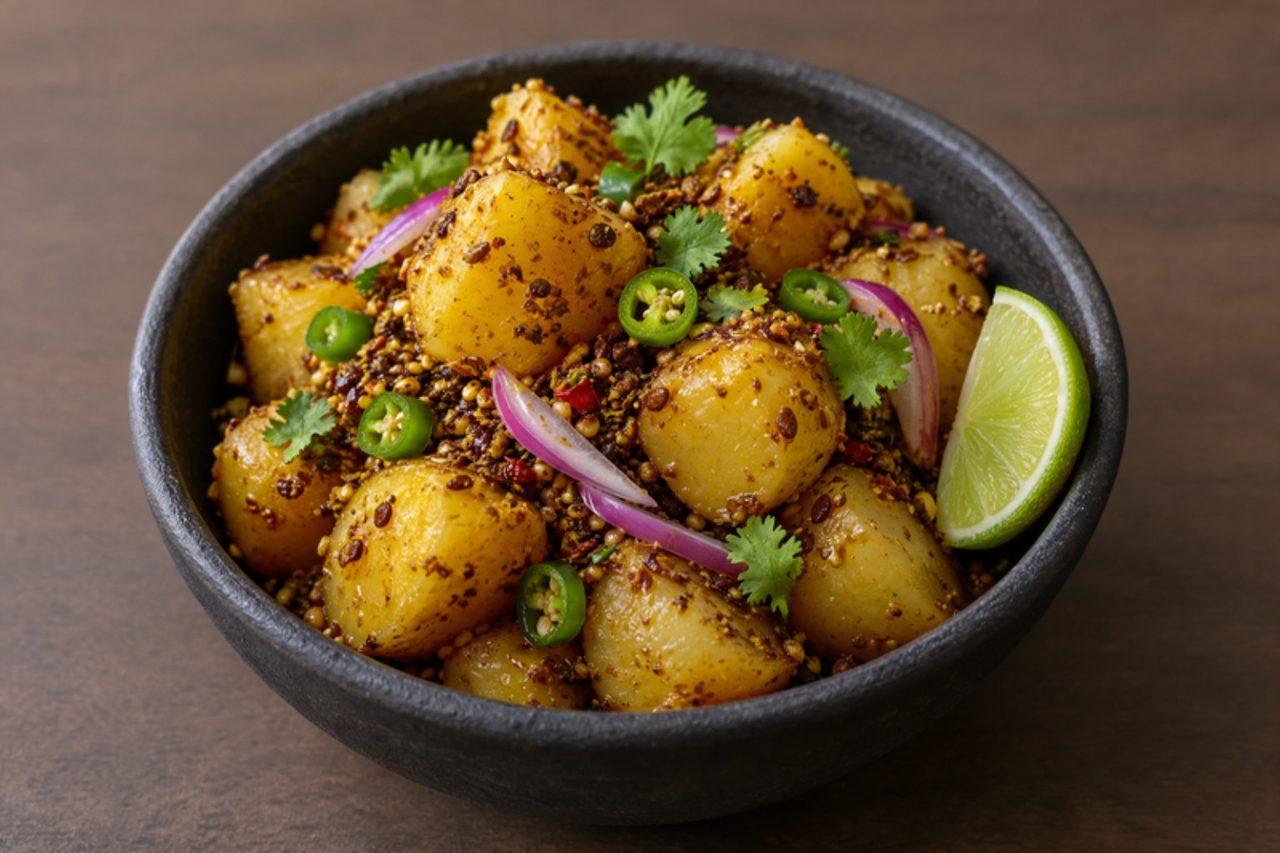
Aloo sadekoSpiced potato salad

Sadeko means marinated, and aloo sadeko is the sharp, tingly potato salad served in every khaja ghar, the little snack houses round Asan Tole and New Road, as afternoon khaja beside beaten rice and a cup of tea. Cool boiled potatoes are dressed with mustard oil heated with fenugreek seeds until they turn dark and nutty, then timur (Nepal's numbing Sichuan pepper), green chilli, toasted sesame and lots of lime. Contains sesame and mustard. Chef's tip: fry the fenugreek seeds until reddish-brown, not black; burnt fenugreek makes the whole bowl bitter.

by KrazyBadal 0 views

Tarta de zapallitosCourgette and cheese tart

In Buenos Aires every rotisería sells tartas by the slice, and at home a tarta de zapallitos is baked on Sunday evening so that a wedge can go into the vianda (packed lunch) for school and work all week. Zapallitos are round green courgettes; ordinary courgettes work just as well. The common mistake is adding the courgette raw, which floods the pastry; sauté it until the liquid has cooked away. Argentine queso rallado and many hard cheeses are made with animal rennet, so use a vegetarian hard cheese. Chef's tip: bake the tart on a preheated baking tray so the base crisps before the filling soaks in.

by KrazyBadal 0 views

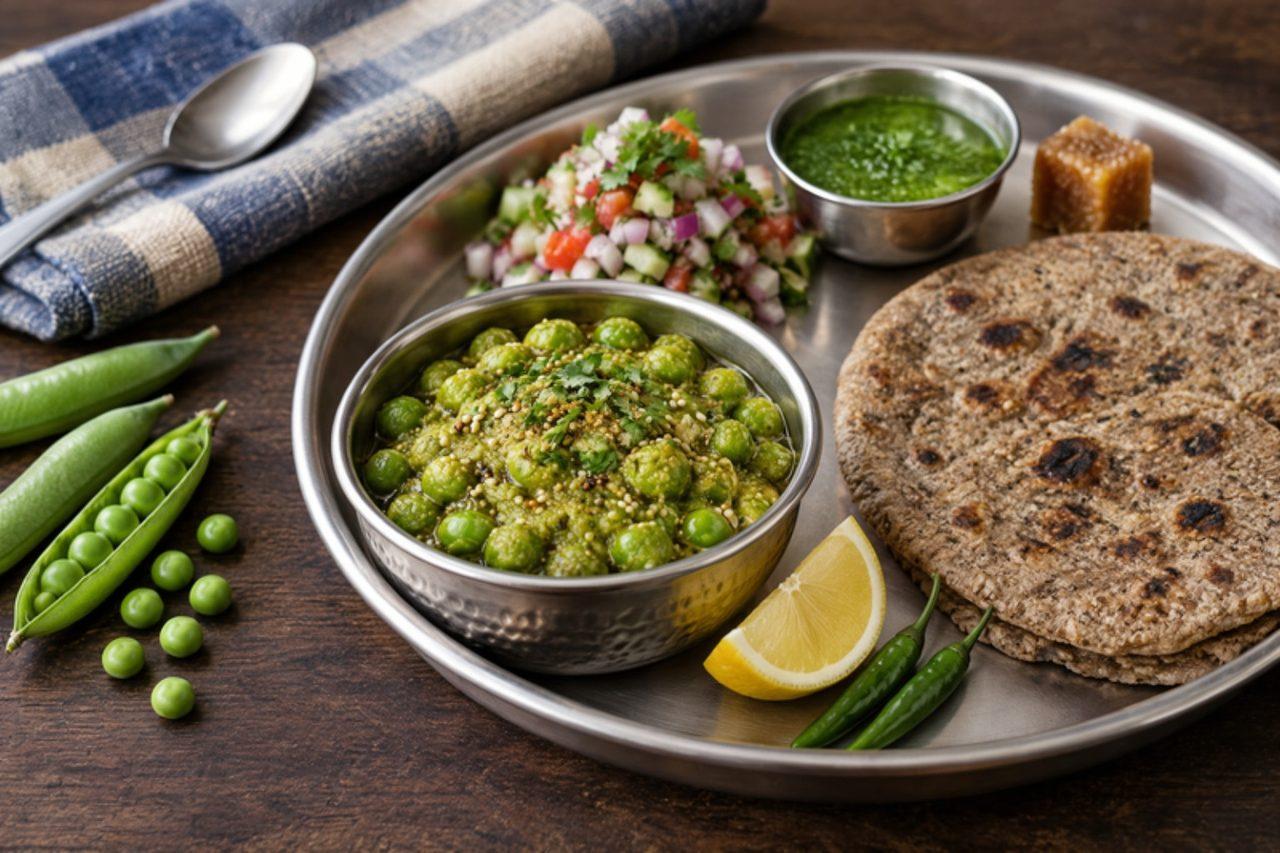
Lilva tuvar nu shaakGreen pigeon pea curry

From December to February, Gujarati markets fill with fresh tuvar pods, and families in Surat, Vadodara and Ahmedabad spend evenings shelling them for lilva dishes. This simple shaak cooks the sweet, nutty green pigeon peas with ginger, green chilli, ajwain and a fistful of coriander, with a squeeze of lemon and a pinch of sugar for the classic Gujarati balance. Eat it with bajra rotla, rotli or khichdi. The usual mistake is cooking the peas too long, which turns them grey and floury; they should stay green and tender. Chef's tip: frozen lilva from Indian grocers work well outside the season; add them straight from frozen and shorten the cooking time.

by KrazyBadal 0 views

Curried egg sandwich

A school canteen and church-fete favourite across Australia, the curried egg sandwich is soft white or wholemeal bread filled with hard-boiled egg mashed with mayonnaise and a little mild curry powder, often with lettuce or cress. It goes into lunch boxes cut into fingers. The common mistake is mashing the eggs while warm, which turns the mayonnaise oily and the filling runny; let them cool completely. Chef's tip: warm the curry powder in a dry pan for 20 seconds first, and the raw, dusty taste turns sweet and toasty.

by KrazyBadal 0 views

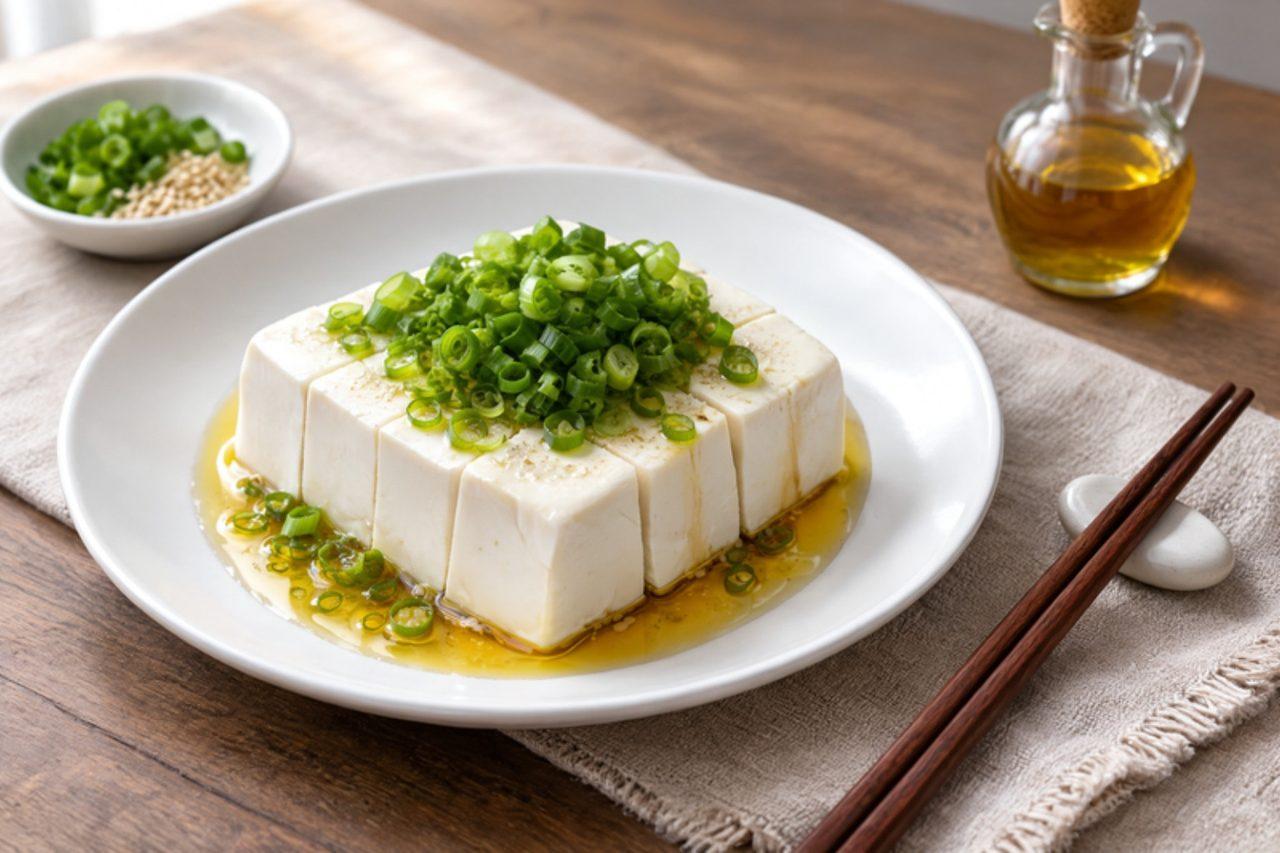
Xiaocong ban doufuCold tofu with spring onion

Xiaocong ban doufu is a northern Chinese home dish, especially popular in Beijing and Shandong on hot summer evenings, so simple that it has given Chinese a proverb about being clear as 'green onion and white tofu'. Soft tofu is blanched, cooled, cut into cubes and tossed with a heap of chopped spring onion, sesame oil and a little salt, so it is cool, silky and fresh. Serve it beside stir-fried vegetables and a little rice or a wholewheat bun. It is suitable as part of a balanced diet. About 120 kcal and 3 g carbohydrate per portion. The usual mistake is stirring hard so the tofu breaks into crumbs; fold it gently with a spoon. Chef's tip: blanch the tofu in salted water for a minute, which firms it up and takes away the raw beany taste.

by KrazyBadal 0 views

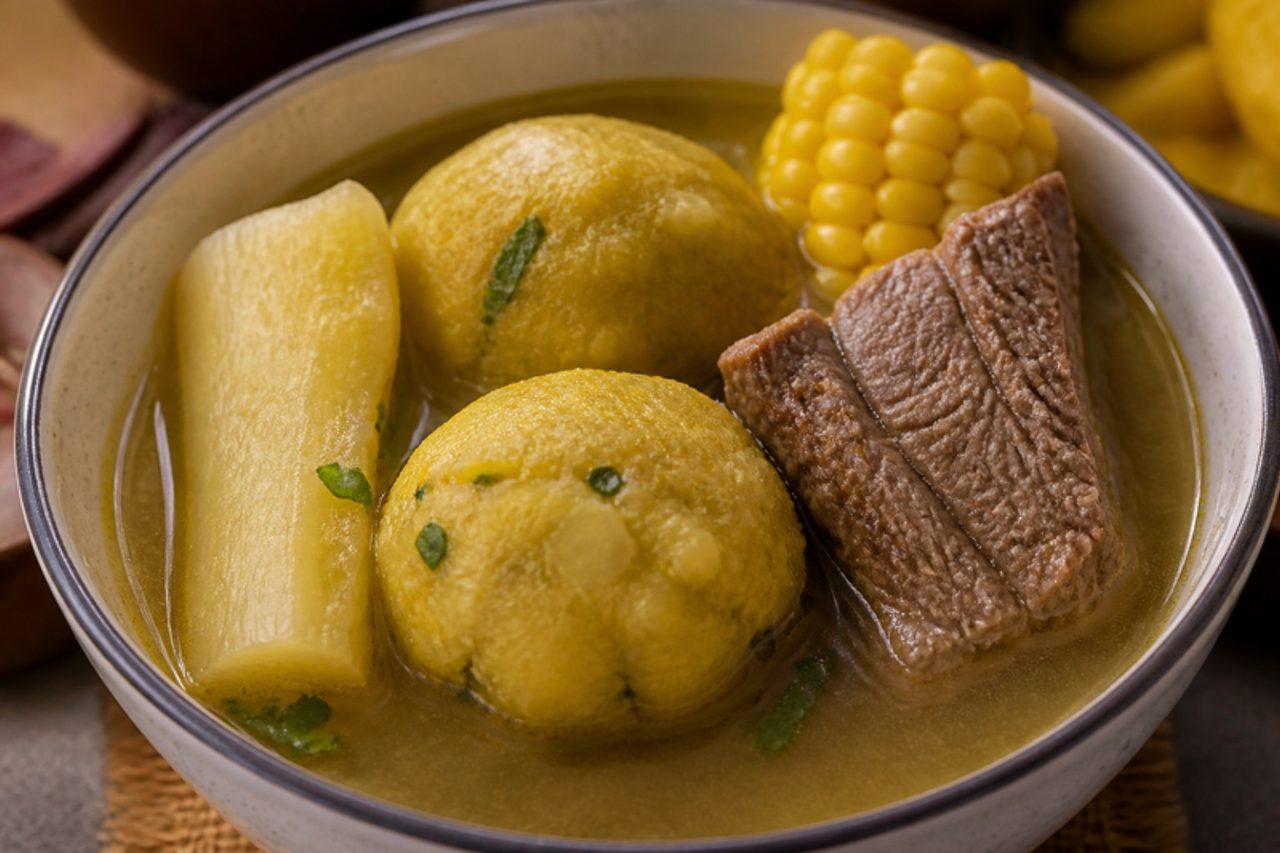
Caldo de bolas de verdeBeef broth with plantain dumplings

Caldo de bolas is the big Sunday soup of Guayaquil and the Guayas coast: a clear beef broth with corn and cassava in which float fist-sized dumplings of green plantain, each stuffed with a savoury filling of beef mince, egg, peas and peanuts. It takes time, so families make it for gatherings and serve it with lime, chilli and rice. Peanuts are an allergen and optional here. The usual mistake is a plantain dough that is too dry, which cracks and falls apart in the broth; it should feel like soft play dough. Cook the mince filling until no pink remains. Chef's tip: mix boiled and raw grated plantain; the raw starch is the glue that holds the bolas together.

160 minAndeanSoupsGluten free
by KrazyBadal 0 views

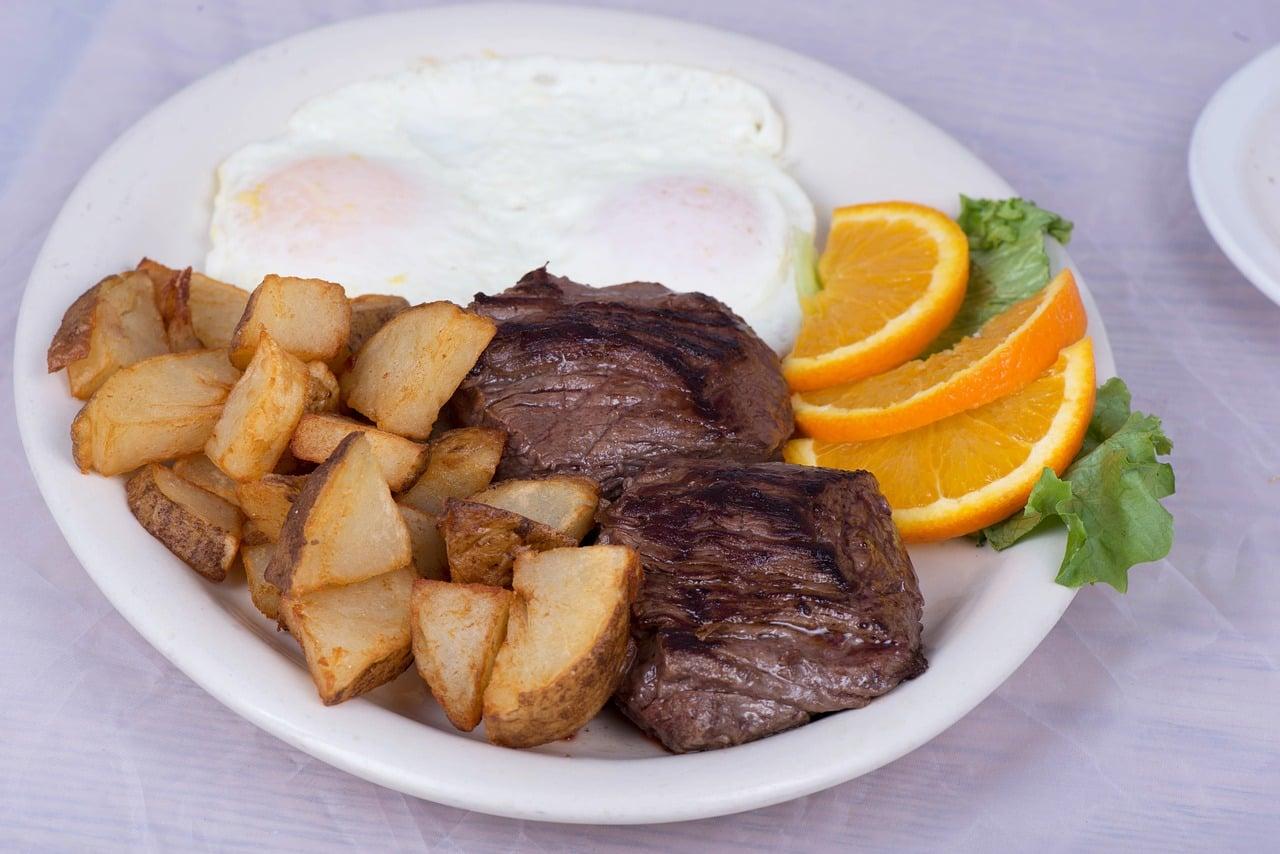
Lomo a lo pobreSteak with chips, onions and eggs

Lomo a lo pobre, 'poor man's steak', is a joke in its name: it is the most generous plate in any Santiago fuente de soda, a thick beef steak buried under a pile of chips, soft fried onions and two fried eggs. It is weekend lunch food, and truck drivers' food on the Panamericana. Getting the timing right is the trick; cooks who fry the onions fast end up with burnt, bitter strips. Start the onions first and give them a full 25 minutes on a low heat. Chef's tip: double-fry the chips, first at 160 °C and then at 190 °C, so they stay crisp under the eggs. For anyone pregnant, very young or vulnerable, fry the eggs until the yolks are firm.

by KrazyBadal 0 views

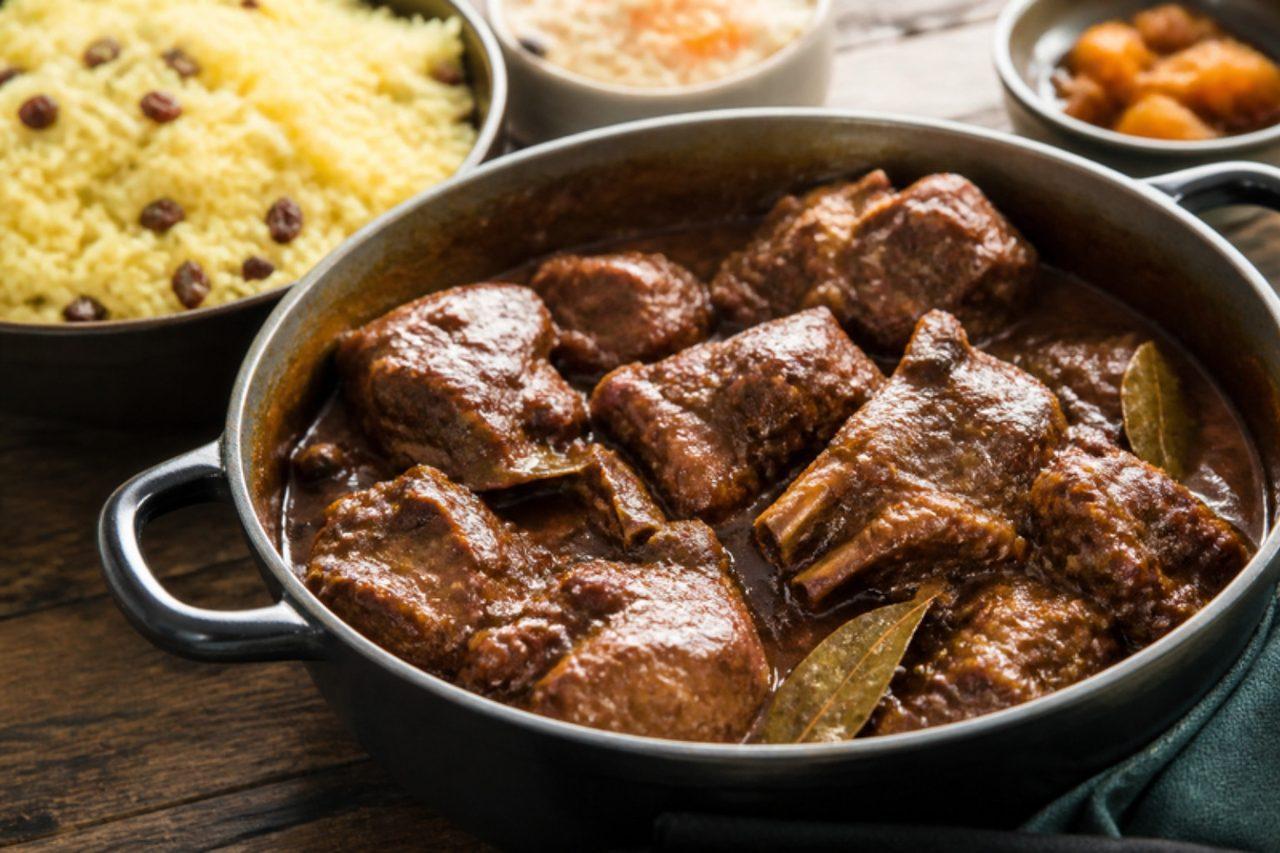
DenningvleisTamarind and allspice braised lamb

Older Bo-Kaap cooks make denningvleis for family lunches and for the day after Eid, when there is lamb to use up: chunks of shoulder braised with a mountain of onions, bay leaves, allspice and sour tamarind, finished with a little brown sugar. It is not a curry; there is barely any chilli, and the flavour is all sweet against sour, with the fragrance of bay running through a dark, sticky gravy. Serve it with geelrys, the Cape's turmeric rice with raisins, and a sharp tomato-and-onion sambal. The classic slip is pouring in tamarind pulp straight from the block, seeds and stringy fibres included, so soak and strain it first. Chef's tip: let the onions cook down almost to a jam before adding liquid; they thicken the sauce, so you never need flour.

by KrazyBadal 0 views

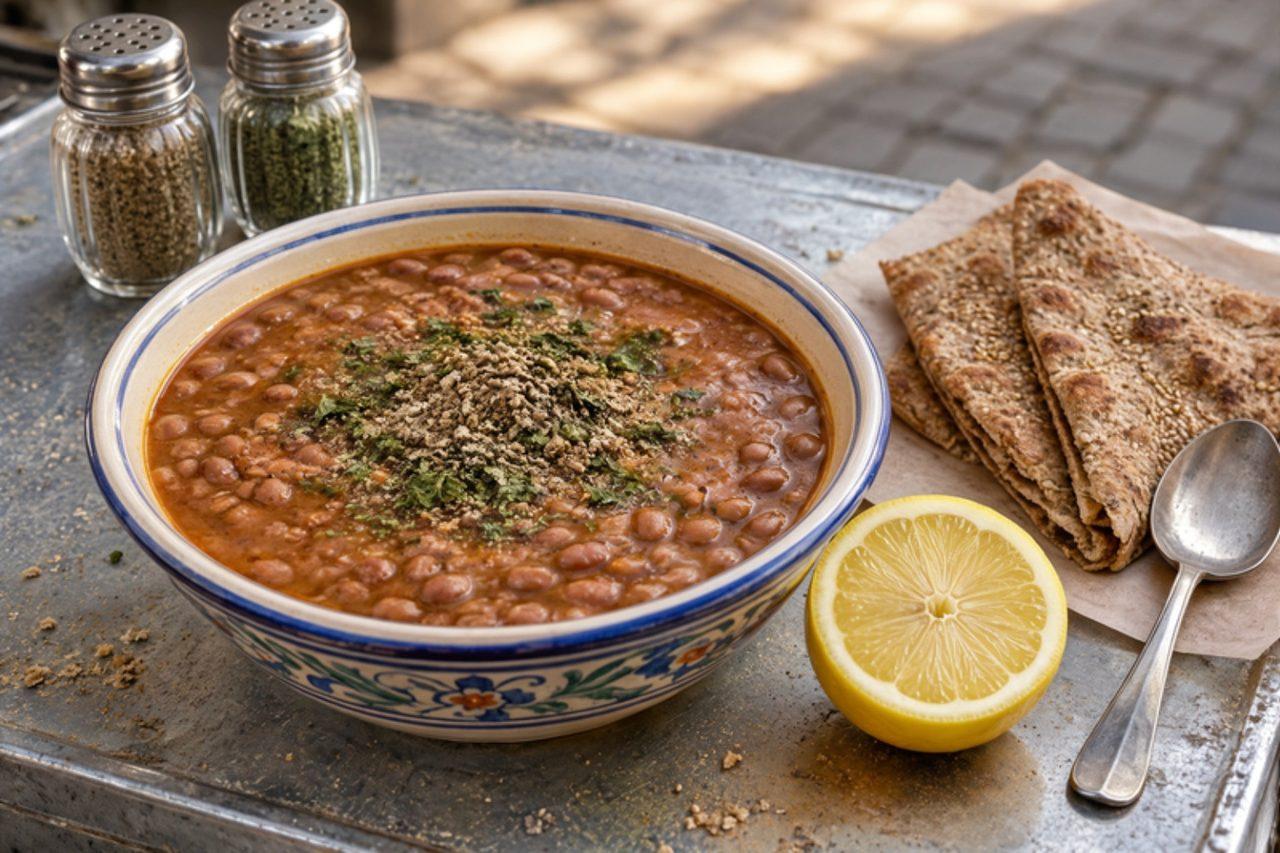
Lubia pokhteSpiced pinto beans

On cold winter mornings in Tehran, steam rises from street carts selling lubia pokhte: pinto beans simmered with a pinch of salt until soft as butter, ladled into a cup with some of their cooking liquid and sprinkled with golpar, the citrusy ground seed of Persian hogweed, plus a squeeze of lemon. It is cheap, warming and filling. The mistake is salting the water at the start; add salt once the beans are tender or the skins stay tough. Chef's tip: skim the foam in the first 10 minutes and keep the beans at a lazy simmer, never a rolling boil, so they stay whole but creamy inside.

by KrazyBadal 0 views

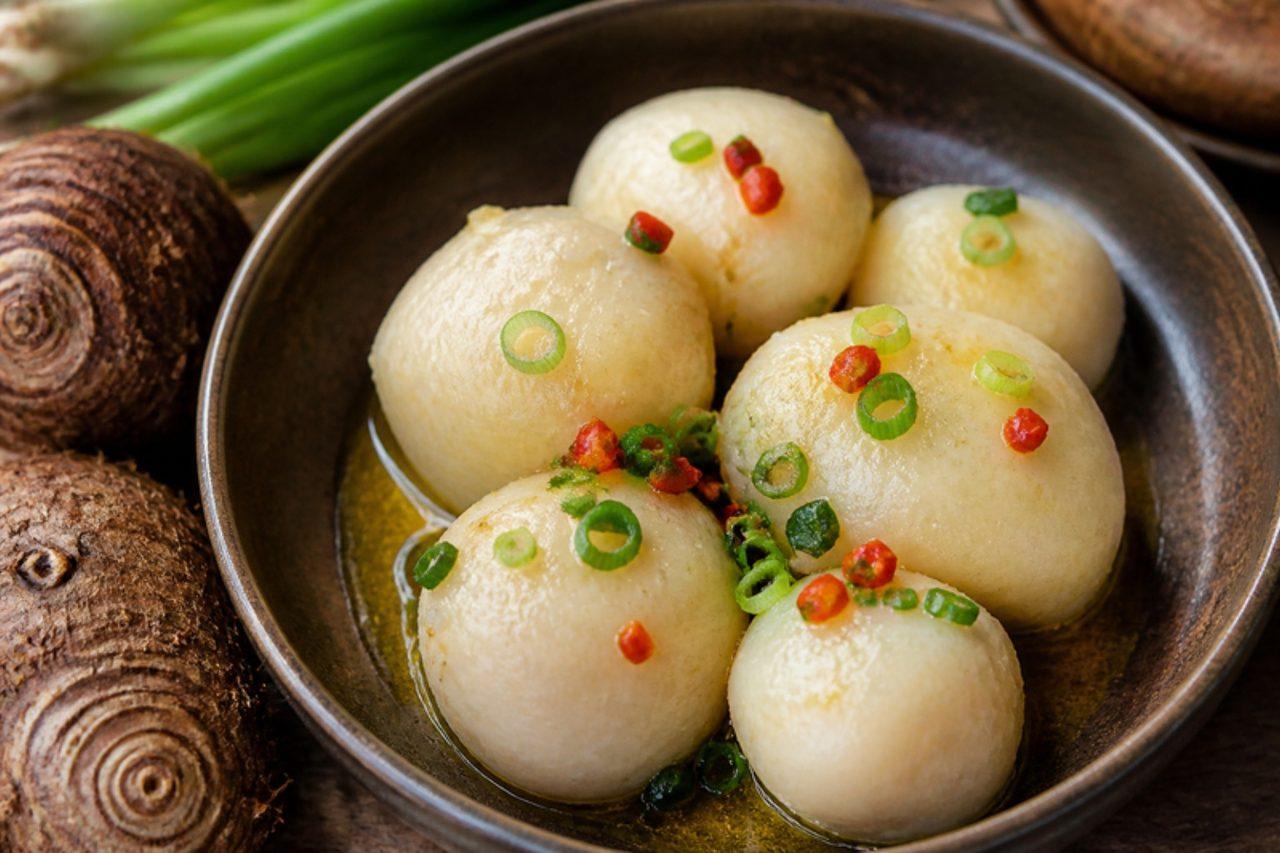
AmadumbeBoiled taro

Market women in Pietermaritzburg and along the KwaZulu-Natal north coast sell amadumbe by the bucket, hairy brown corms that look unpromising until boiled and peeled to reveal dense, creamy white flesh with a nutty, almost chestnut-like flavour. They are eaten hot as a starch with a stew, cold as a snack, or simply split and buttered; this vegan version dresses them in oil warmed with spring onion and chilli. Peeling them raw is the mistake to avoid, because the sap irritates the skin and leaves your hands itching. Always cook taro right through: undercooked corms taste scratchy in the throat. Chef's tip: boil them in their skins and slip the skins off while still warm, when they come away cleanly with a small knife.

by KrazyBadal 0 views

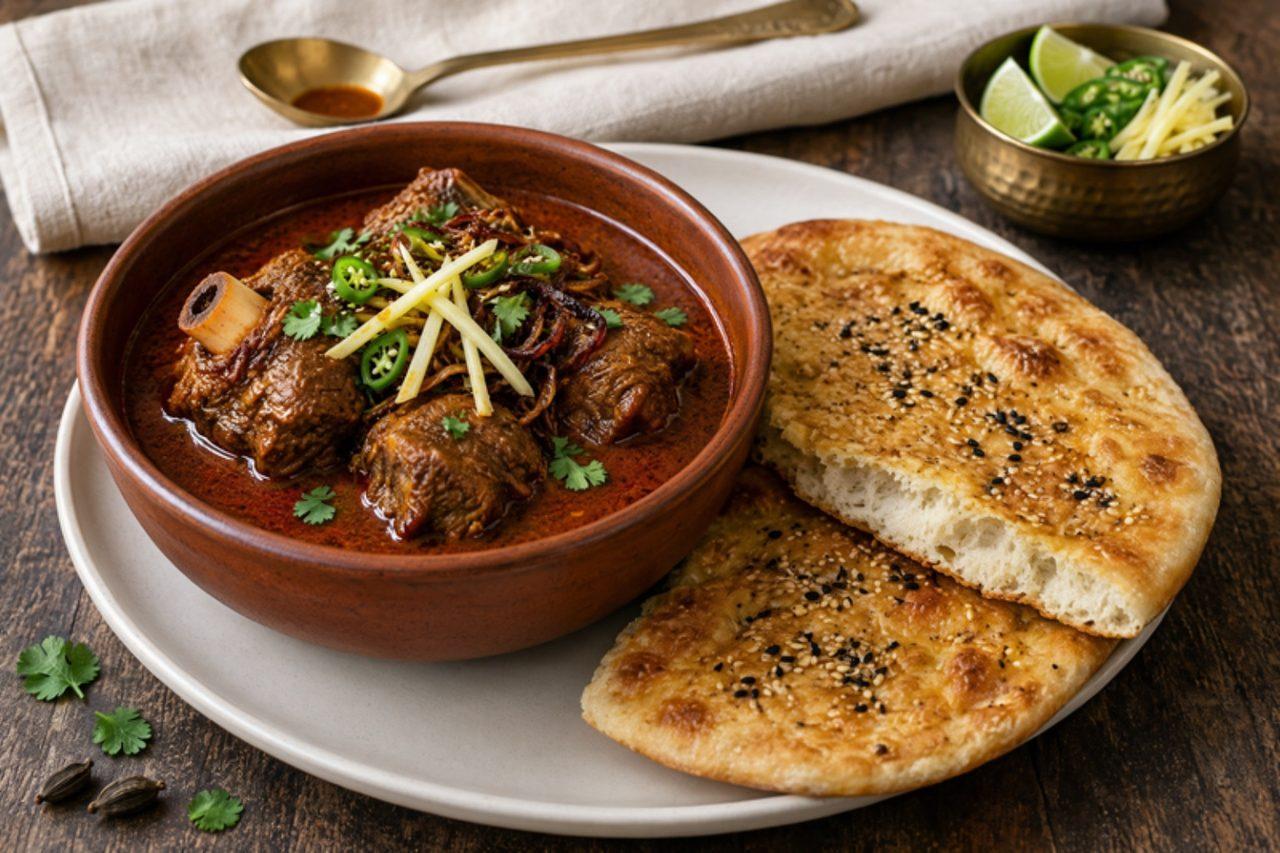
Nihari kulchaSlow-cooked mutton shank with bread

Nihari, from the Arabic word for morning, is Lucknow's great breakfast: around Akbari Gate and the Chowk, old shops simmer mutton shanks overnight in a deep pot of spiced, ghee-glossed gravy and serve it from dawn, especially during Ramadan, with soft, faintly sweet Lucknowi kulcha. The meat falls from the bone, the marrow melts into the gravy, and every bowl is finished at the table with shredded ginger, green chilli and lemon. Chef's tip: keep it at the barest simmer; a rolling boil makes the meat tight and stringy.

300 minIndianMeat
by KrazyBadal 0 views

Aussie salad sandwich

The salad sandwich is the backbone of the Australian lunchbox and the school tuckshop order: soft bread built up with tinned beetroot, grated carrot, tasty cheese, tomato and crisp lettuce, cut into triangles and wrapped in paper. Beetroot is what makes it unmistakably Aussie. The common mistake is laying wet beetroot and tomato straight on bare bread, so by lunchtime it is pink and soggy. Many Cheddar-style "tasty" cheeses use animal rennet; choose one labelled vegetarian. Chef's tip: butter both slices to the edge and put the cheese and lettuce next to the bread, with the wet fillings sealed in the middle.

by KrazyBadal 0 views

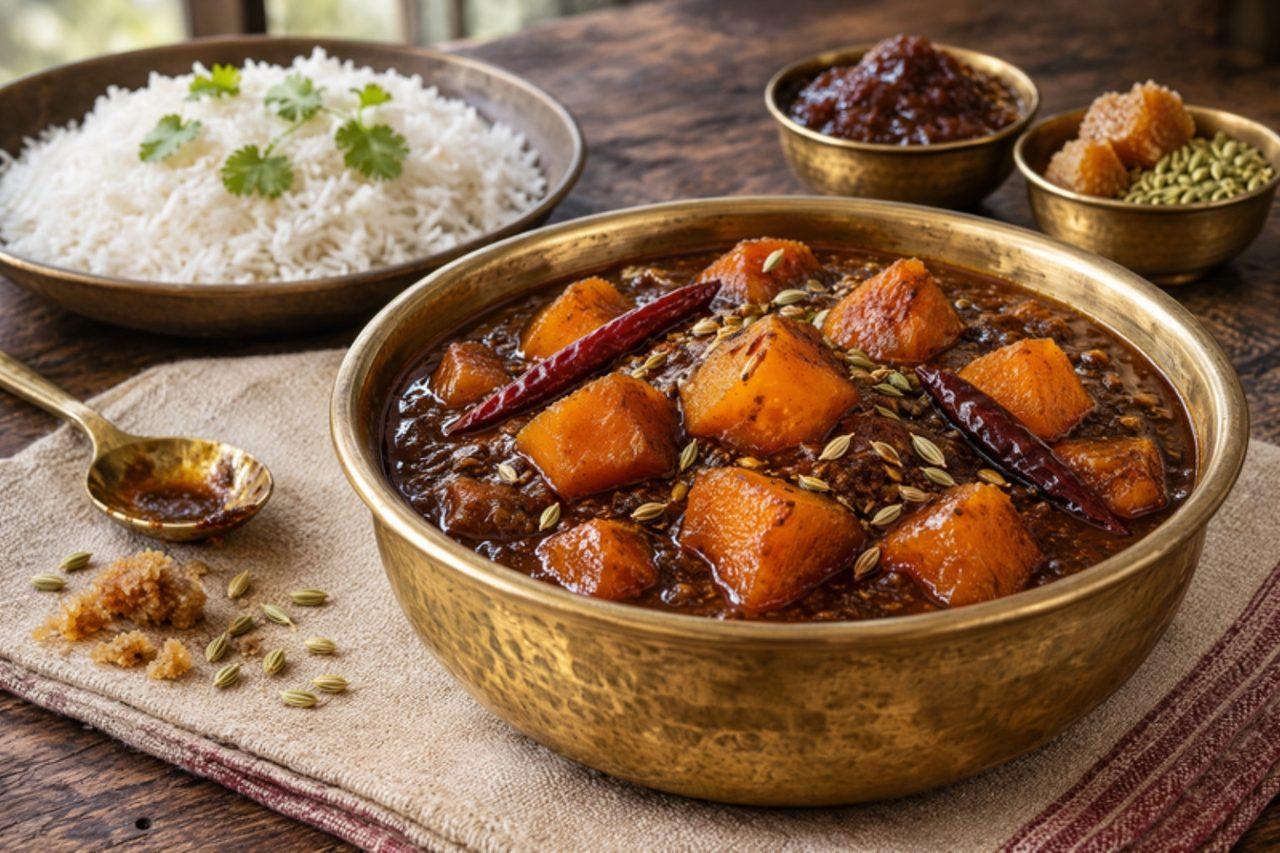
AmbalSweet and sour pumpkin

Ambal belongs to the Dogra dham of Jammu, the feast cooked by the hereditary siyan cooks for weddings and festivals and served on leaf plates in a fixed order. Yellow pumpkin is softened with fenugreek seeds and fennel, then simmered in a dark tamarind and jaggery sauce until it is sticky, sour and sweet at once, which is what the name, from 'amla' for sour, promises. It is eaten with rice alongside the dham's dals and madra. The common mistake is stirring hard once the pumpkin is soft, which turns it to mush; shake the pan instead. Chef's tip: let it rest an hour before serving, as the tamarind settles and the flavour deepens.

by KrazyBadal 0 views

BozaFermented millet drink

In Bulgaria boza is a breakfast habit: a plastic bottle of it from the corner pastry shop and a slice of hot, flaky banitsa, bought on the way to work or school, especially from autumn through to spring. Towns such as Radomir, Plovdiv and Sofia argue over whose is best. It is the colour of milky coffee, thick enough to coat the glass, sweet up front with a sour, bready finish and a faint prickle. Like every fermented grain drink it makes a trace of alcohol, well under 1% when drunk young. The base is millet flour, toasted for flavour, cooked into a thin porridge, then fermented for about a day before being strained and sweetened. The common mistake is adding the yeast while the porridge is still hot, which kills it and leaves you with sweet gruel; wait until it feels only just warm on your wrist. It is ready when the surface is covered in small bubbles, it smells like fresh bread with a sour edge and tastes pleasantly tangy. Chef's tip: keep back a glass of each batch in the fridge and use it instead of yeast next time; boza made from an old starter is rounder and more sour.

by KrazyBadal 0 views

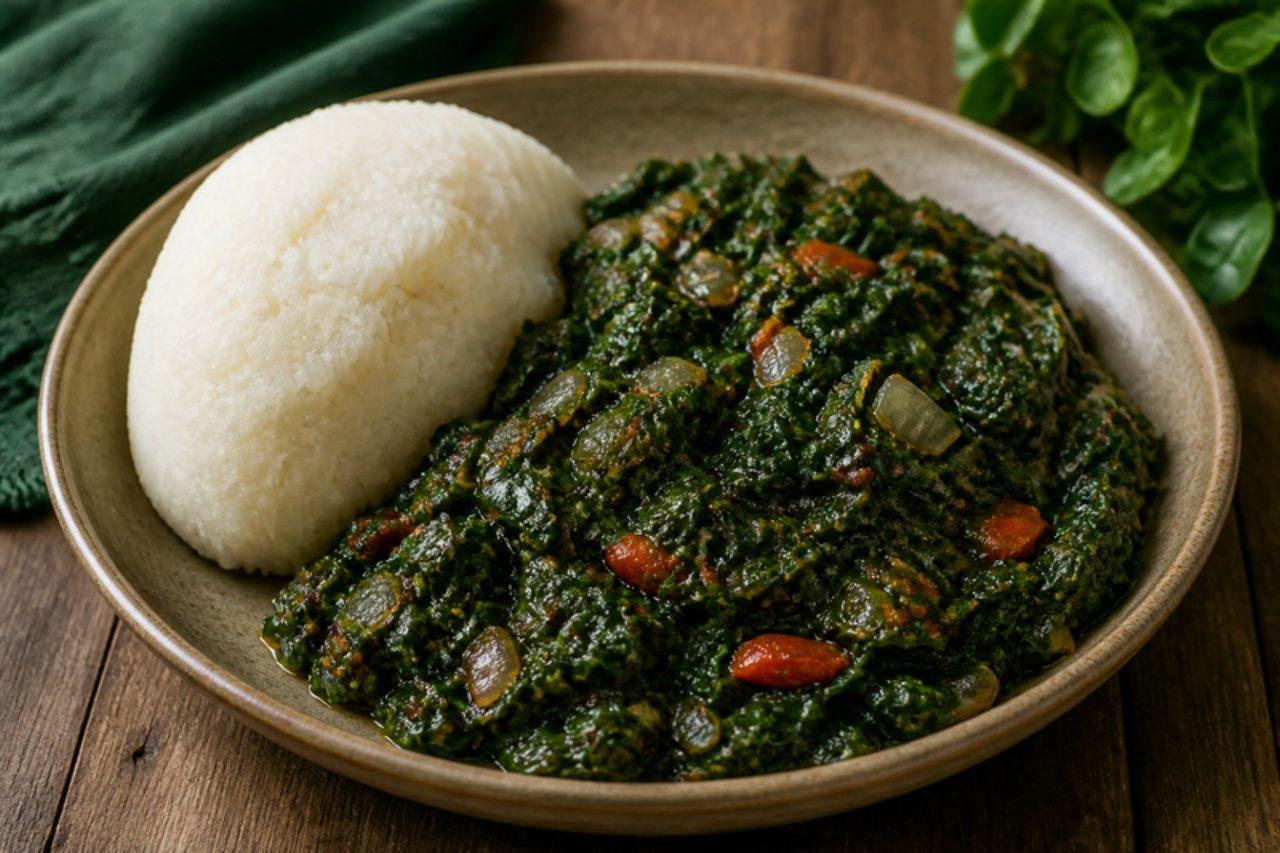
MrendaJute mallow greens

Luhya grandmothers in Kakamega and Bungoma say mrenda slides the ugali down, and they mean it: jute mallow leaves, cooked with a little soda, turn deliberately slippery and silky, a texture Western Kenya loves. The flavour is mild and grassy, lifted here with onion and tomato, and the greens are often mixed with cowpea leaves or eaten beside fish. Fresh jute mallow can be hard to find, but frozen chopped leaves sold as molokhia in Middle Eastern and African shops work perfectly. The traditional alkali is a lye filtered from ash; bicarbonate of soda stands in, and heaping it in is the mistake that leaves a soapy taste, so keep to a pinch. Chef's tip: stir with a wooden whisk or a fork in one direction as it cooks; Luhya cooks beat it this way to make the sauce smooth.

by KrazyBadal 0 views

Pâté en croûtePork and veal pie in pastry

Lyon's charcuteries display pâté en croûte like jewellery: a tall loaf of crisp, golden pastry wrapped around a coarse terrine of pork and veal. A slice wrapped in paper is a picnic and lunchbox luxury, and the whole loaf is a Sunday project eaten over several days. The common mistake is undercooking it for fear of drying it out: as it is made with minced pork, the centre must reach 71 °C, so use a probe thermometer. The classic farce has a splash of cognac; it's optional here, and apple juice or extra stock is the alcohol-free swap. Chef's tip: chill the filled, unbaked loaf for 30 minutes before baking so the pastry keeps its shape and pattern.

150 minFrenchMeat
by KrazyBadal 0 views

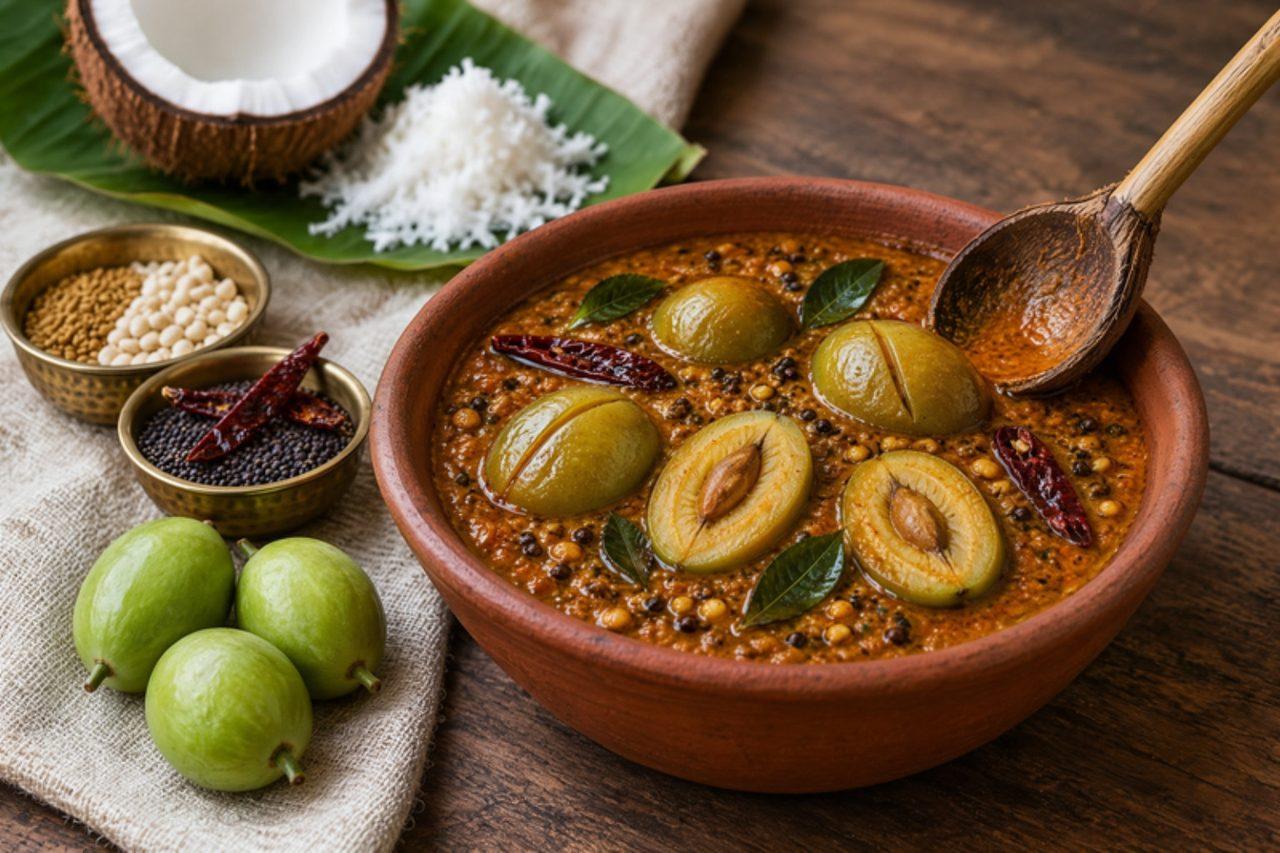
Ambadyachi udda methiHog plum coconut gravy

Udda methi is a Goan Saraswat curry named for its two roasted seasonings, urad dal and fenugreek seeds, and in the monsoon months the best version is made with tart green hog plums, ambade. The plums simmer whole in a coconut gravy that is sour, a little bitter, hot and faintly sweet from jaggery, and it is eaten with plain rice on rainy days or at a Shravan meal. The common mistake is burning the fenugreek: it should be roasted only until reddish, because dark seeds make the whole pot bitter. Raw mango works in place of ambade outside the season. Chef's tip: crush each hog plum lightly with a pestle before cooking so the gravy can soak into the flesh around the stone.

by KrazyBadal 0 views

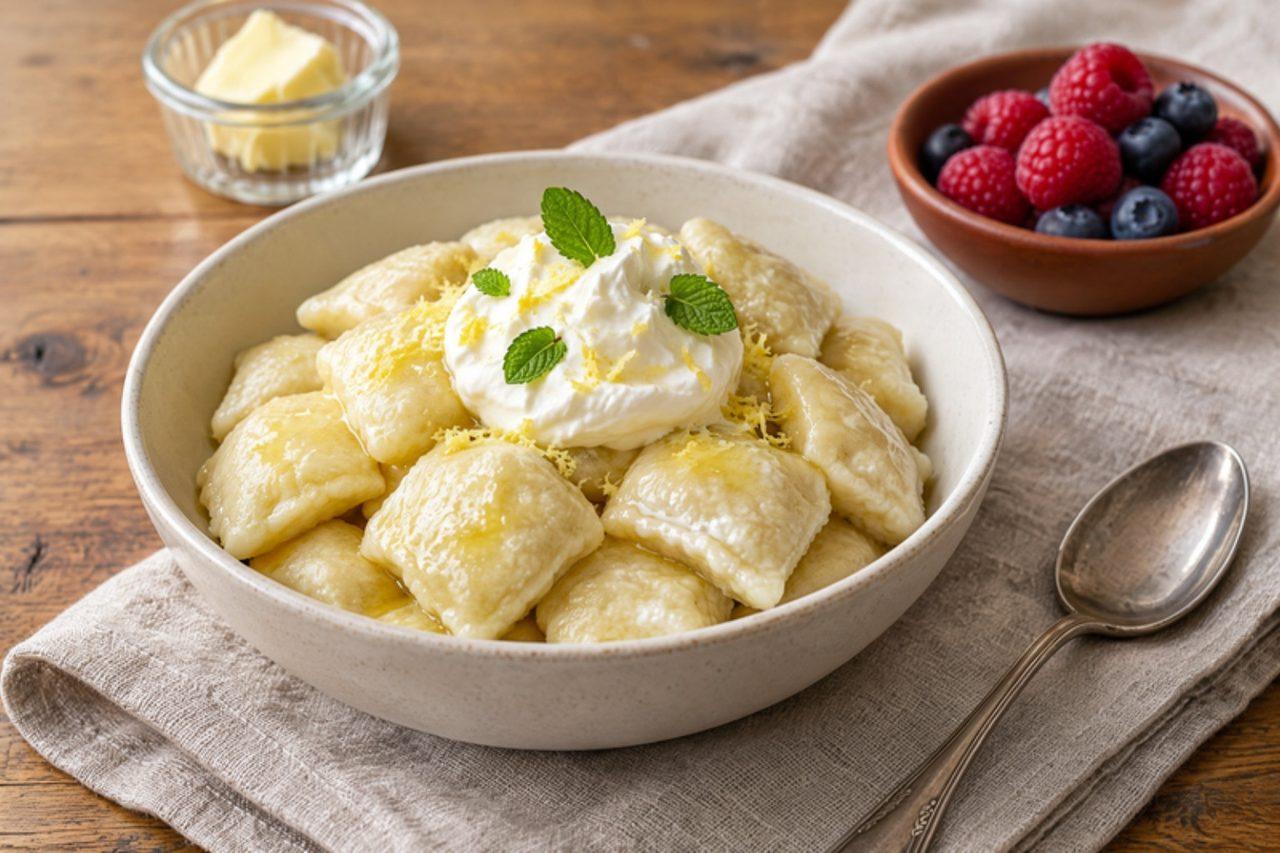
Lynyvi varenykyLazy curd dumplings

Lynyvi varenyky, 'lazy dumplings', are the Ukrainian weekday breakfast for families who love varenyky but have no time to fill them: the curd cheese goes into the dough itself, which is rolled into a log, sliced and boiled for a few minutes. They come out soft, tender and lightly sweet, finished with melted butter and a spoon of sour cream, sometimes with jam. The mistake is adding too much flour to make the dough easier to handle, which makes the dumplings heavy; the dough should stay soft and a little sticky. Chef's tip: dust your hands and board rather than the dough, and boil one test dumpling first; if it falls apart, add just one more tablespoon of flour.

by KrazyBadal 0 views

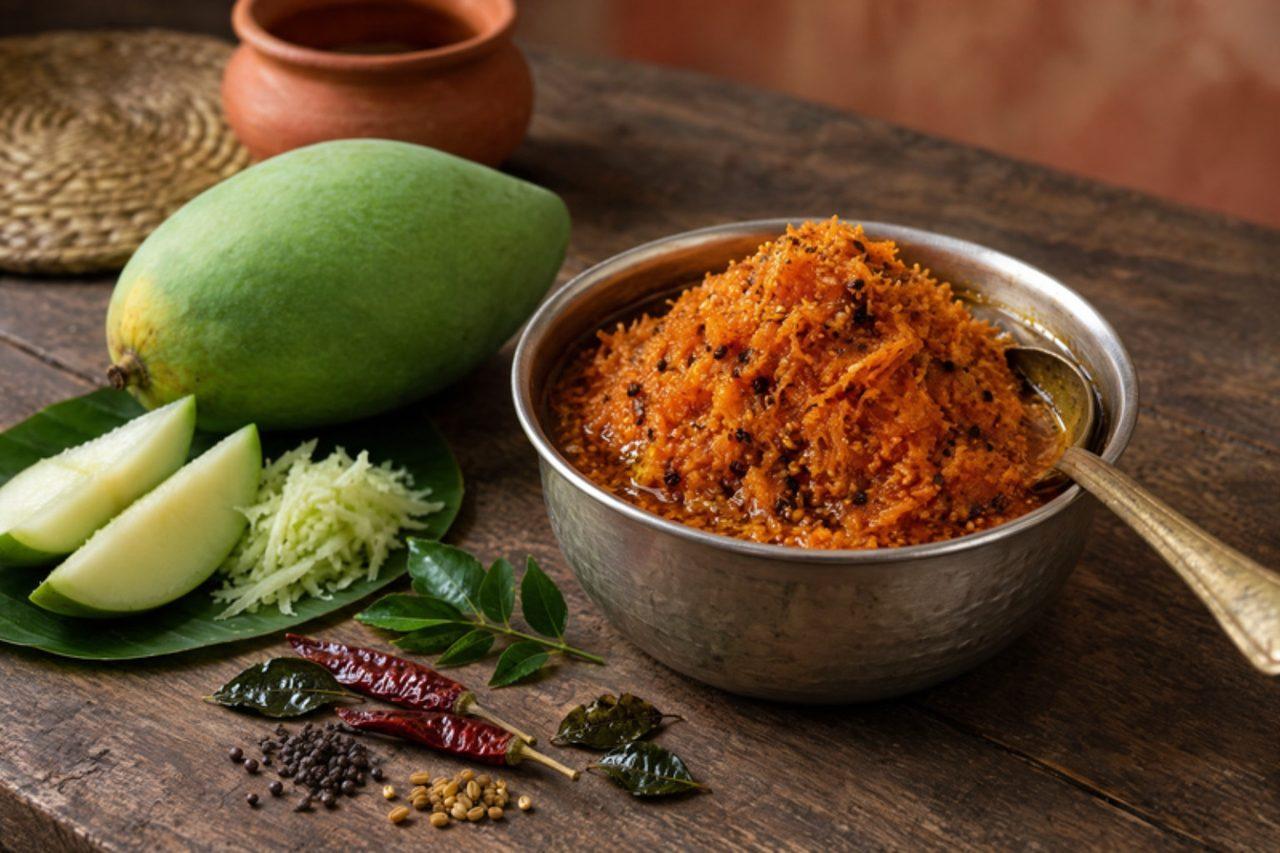
Maangai thokkuGrated raw mango pickle

Thokku is the Tamil word for a pickle cooked down to a thick, spoonable mass, and maangai thokku is the one every Tamil Nadu home makes in April and May when the hard, sour Kili mooku (parrot-beak) mangoes are cheap. Grated mango is simmered in nallennai (gingelly oil) with chilli powder, salt and hing until it turns dark, glossy and jam-like, then finished with roasted fenugreek powder. It is sour first, then hot, with a nutty sesame taste and a little bitterness at the end. It is a classic partner for curd rice, a spoonful inside a dosa, or a travel companion with idli and lemon rice for train journeys. The usual mistake is grating the mango too fine or stirring it too little: a fine pulp sticks and burns. Use the large holes of the grater and keep stirring once it thickens. It is done when the mango has darkened, comes away from the pan in one mass and the oil oozes out around the edge. Kept in a dry jar under a film of oil it lasts about 2 weeks in a cool cupboard and 2 months in the fridge. Chef's tip: a teaspoon of jaggery at the end rounds off very sour mangoes without making the thokku sweet.

by KrazyBadal 0 views

LampreadoCassava starch cheese fritters

Paraguayan grandmothers fry lampreado on Sunday evenings to eat with a mug of cocido, the toasted yerba mate drink: small pan-fried cakes of cassava starch, egg, milk and grated cheese with a little onion, crisp at the edges and stretchy inside. Some families also make it with leftover meat, but this version is all cheese. Queso Paraguay is set with animal rennet; a vegetarian Parmesan-style cheese plus mozzarella works well. The trap is a batter that is too thick, which gives heavy, gluey cakes. Chef's tip: the batter should drop slowly off a spoon like thick pancake batter; add milk a spoonful at a time until it does.

by KrazyBadal 0 views

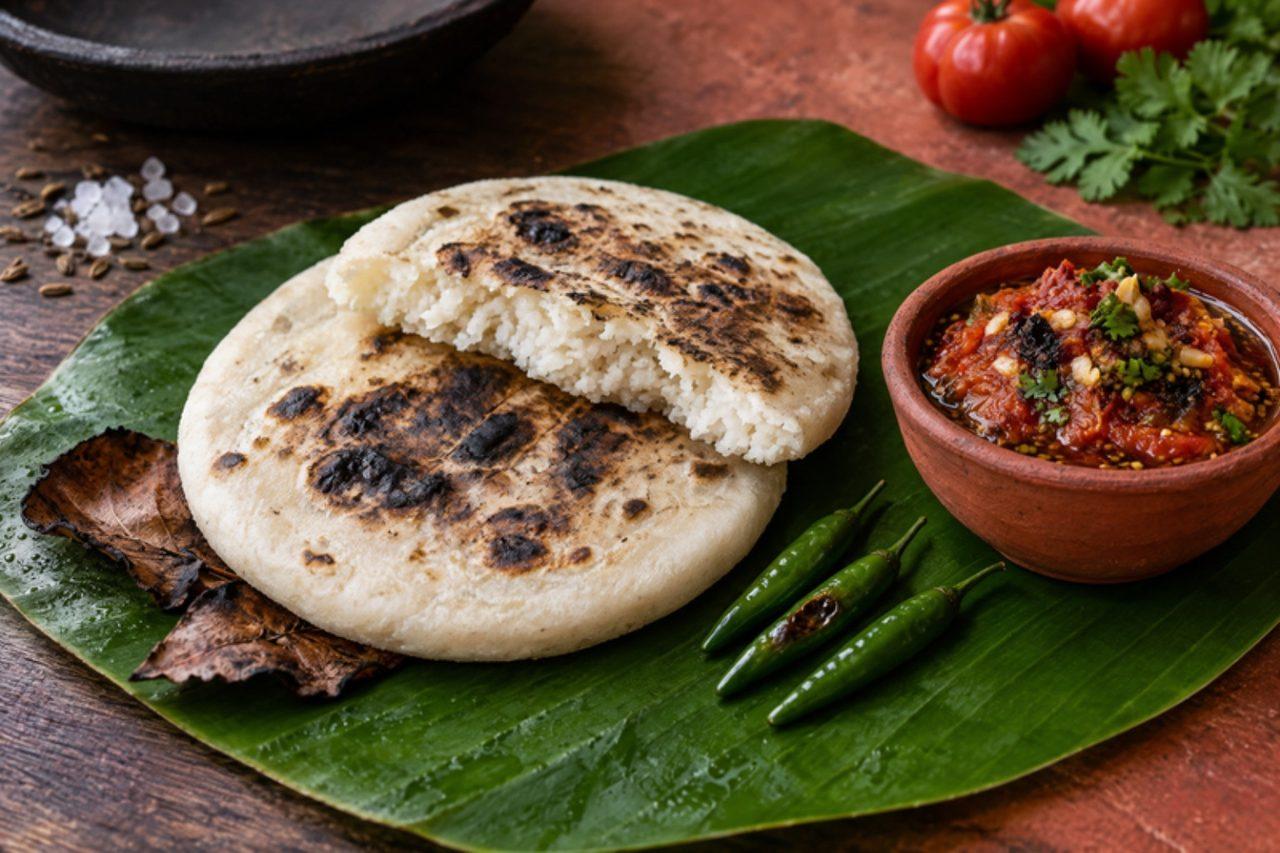
Angakar rotiThick rice flour roti

Angakar roti takes its name from angaar, the glowing coals of a village chulha in Chhattisgarh, where a thick round of rice dough is sandwiched between palash or banana leaves and buried in the embers until smoky and crusted. Farmers carry it to the fields with chutney and a green chilli, and it is still a winter breakfast across Bilaspur and Raipur. At home a heavy tawa and a lid do the job. The common slip is making the dough too wet; it should be soft but hold a fingerprint, or the roti stays gummy in the middle. Chef's tip: mix in a spoon of leftover cooked rice for a softer crumb, just as Chhattisgarhi grandmothers do.

by KrazyBadal 0 views

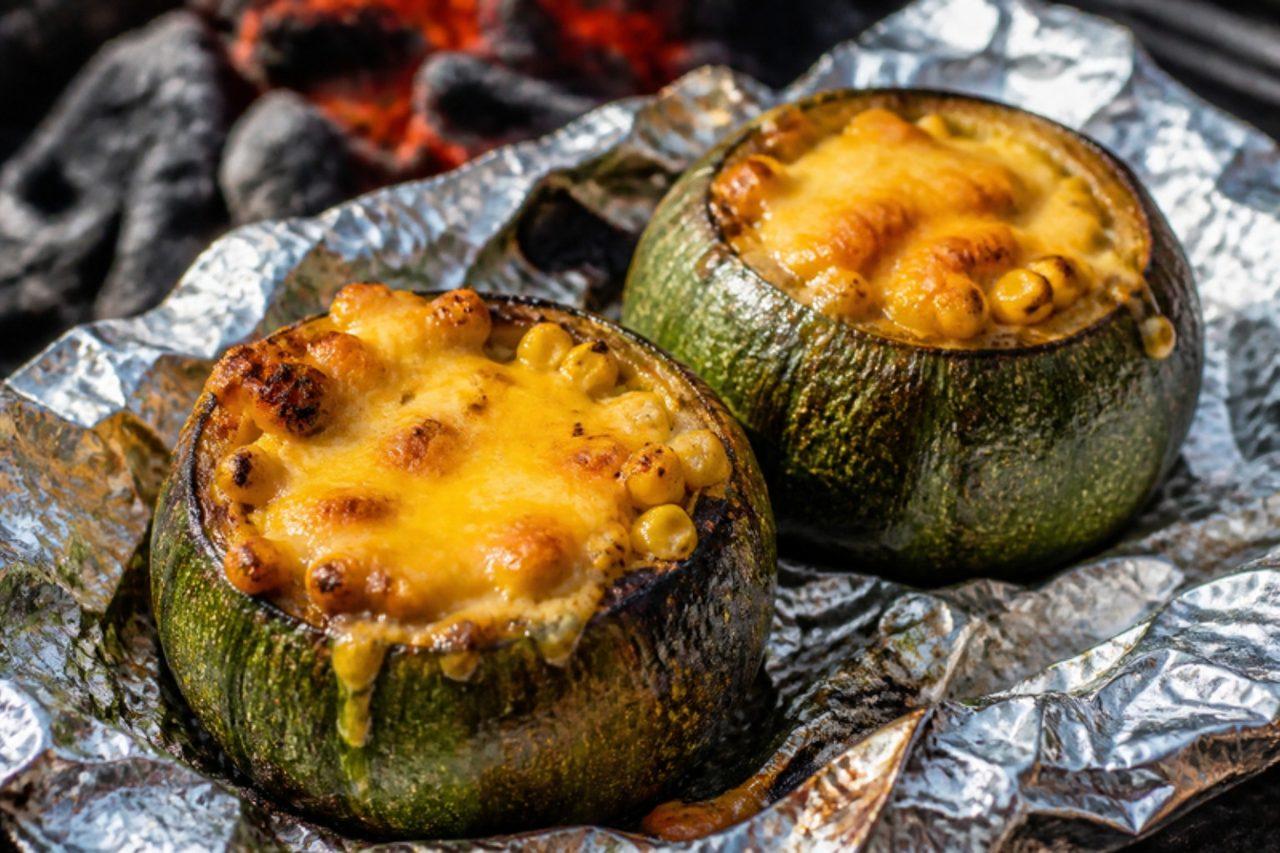
Braaied gem squashGem squash with sweetcorn and cheese

Small, round and dark green, gem squash is the vegetable South African children grow up scooping from the shell with a teaspoon, and at a weekend braai it goes into the coals wrapped in foil alongside the potatoes. The halves steam in their own juice until the orange flesh is tender and sweet, with a pool of melted butter, golden corn and cheese in the hollow. Serve them as a side for anything from the grid, or make a plate of them with pap tert and a tomato salad for a meat-free braai. Indoors, an oven gives the same result. Putting them straight onto flaming wood is the mistake: they char outside and stay hard inside, so wait for grey, glowing coals. Choose a vegetarian cheddar, since many are made with animal rennet. Chef's tip: trim a thin slice off the round base of each half so it sits flat and holds its filling.

by KrazyBadal 0 views

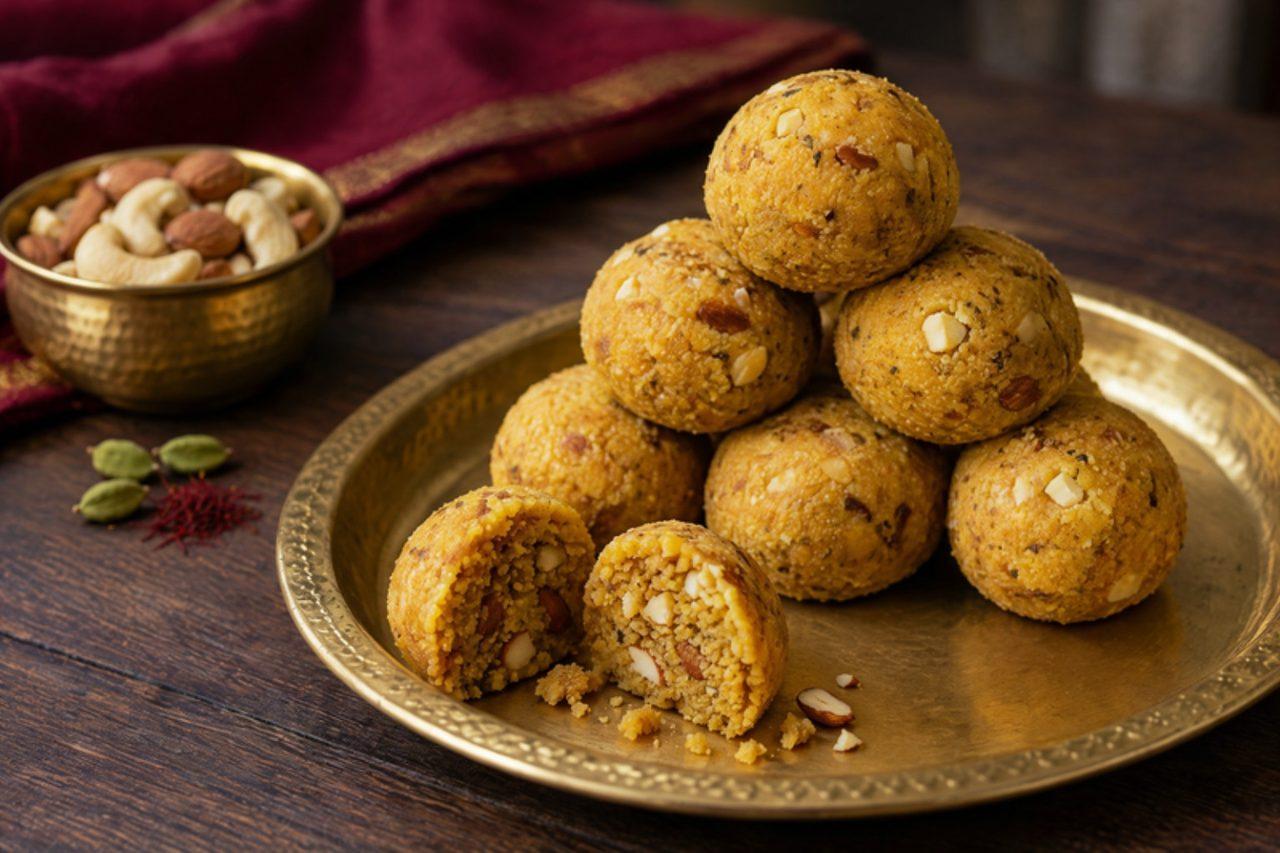
Mag na ladvaMoong dal laddus

Mag na ladva are a Central Gujarat favourite for Diwali and for lunchbox treats, rich with ghee yet light in texture because the moong dal is dry-roasted and ground before it ever meets fat. Cooked slowly in ghee, the ground dal turns sandy and smells of toasted nuts, then powdered sugar, cardamom and chopped nuts bind it into soft, crumbly laddus. The mistake many make is grinding the dal too fine and roasting it too fast, which gives a pasty laddu with a raw, beany aftertaste. Chef's tip: grind the dal to the texture of fine semolina, not flour, for the classic melt-in-the-mouth crumb.

by KrazyBadal 0 views

Jambon-beurreHam and butter baguette

France sells millions of jambon-beurre every working day: half a crusty baguette, split, spread with good salted butter and filled with thin slices of jambon de Paris, the delicate cooked pork ham. Parisians eat it at the office, on a park bench or on the train. The common mistake is a stingy smear of hard butter; the butter is a filling, not a glue, so spread it soft and generous. Some add cornichons, which purists call a different sandwich. Chef's tip: fold each slice of ham loosely in half rather than laying it flat, so the sandwich is airy and every bite has ham.

by KrazyBadal 0 views

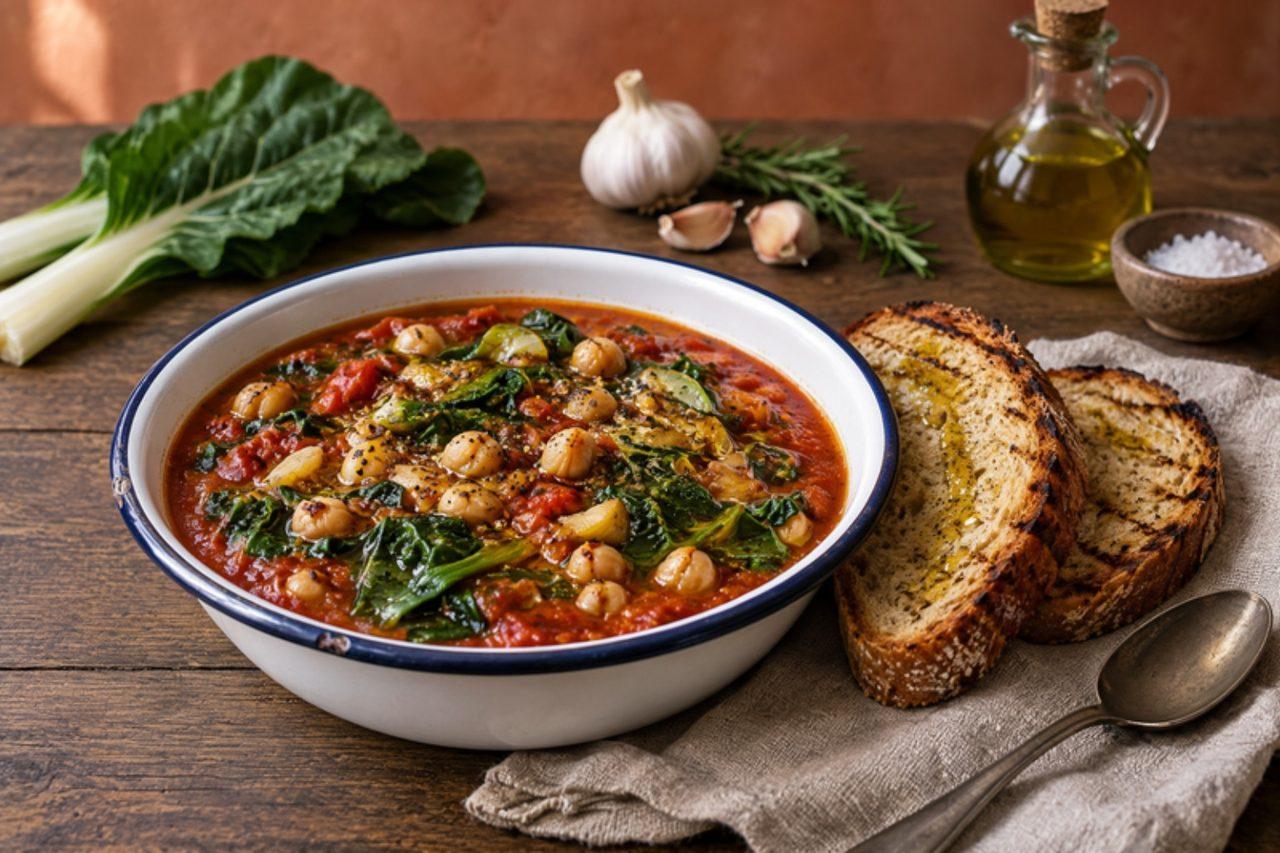
Ceci in ziminoChickpeas stewed with chard

In Genoa and along the Tuscan coast, ceci in zimino is the dish of Lenten Fridays and the first cold days of All Souls in November, when the household cooks a big pot of chickpeas and stews them with chard and a little tomato. The chickpeas turn creamy, the chard gives a gently bitter green sauce, and a spoon of good oil on top makes it taste of the Riviera. Serve it as a main dish with toasted wholegrain bread. Suitable as part of a balanced diet, it is high in fibre and plant protein: about 300 kcal and 32 g carbohydrate per portion. The usual mistake is adding the chard leaves too early so they turn brown; keep them for the last 10 minutes. Chef's tip: mash a ladleful of chickpeas with a fork and stir them back in to thicken the zimino naturally.

by KrazyBadal 0 views

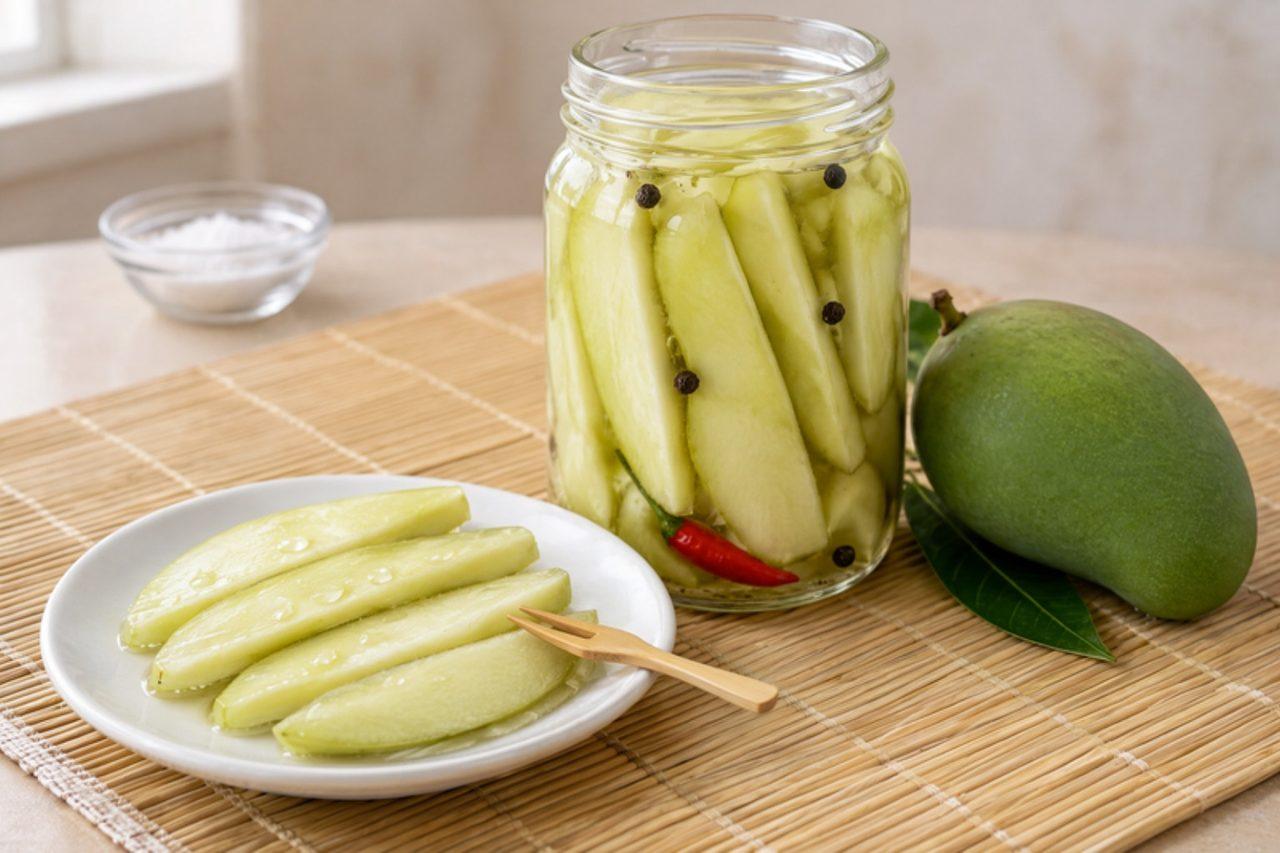
Burong manggaPickled green mango

From Pampanga to Pangasinan, the hot months of March to May bring piles of hard green carabao mangoes to every palengke, and many households slice them into a jar of burong mangga. A week in a sweet salt brine turns the mango from mouth-puckering to bright and juicy: still crunchy, sour at the core, salty-sweet on the outside. It is eaten on the side of inihaw na isda and pritong tilapia, with rice and fried pork at lunch, or as an afternoon merienda straight from the jar, and the brine is sometimes sipped too. Common mistake: using mangoes that have started to ripen; a yellow blush makes the slices go soft and slimy, so choose rock-hard, deep-green fruit. Because the brine has no vinegar it keeps only in the fridge. It is ready when the slices have turned from opaque white to a translucent yellow-green and taste evenly seasoned right through. Chef's tip: let the boiled brine cool completely before pouring, and add a few slices of fresh chilli if you like heat. Outside Asia, use firm green Thai or Indian mangoes from an Asian grocer.

by KrazyBadal 0 views

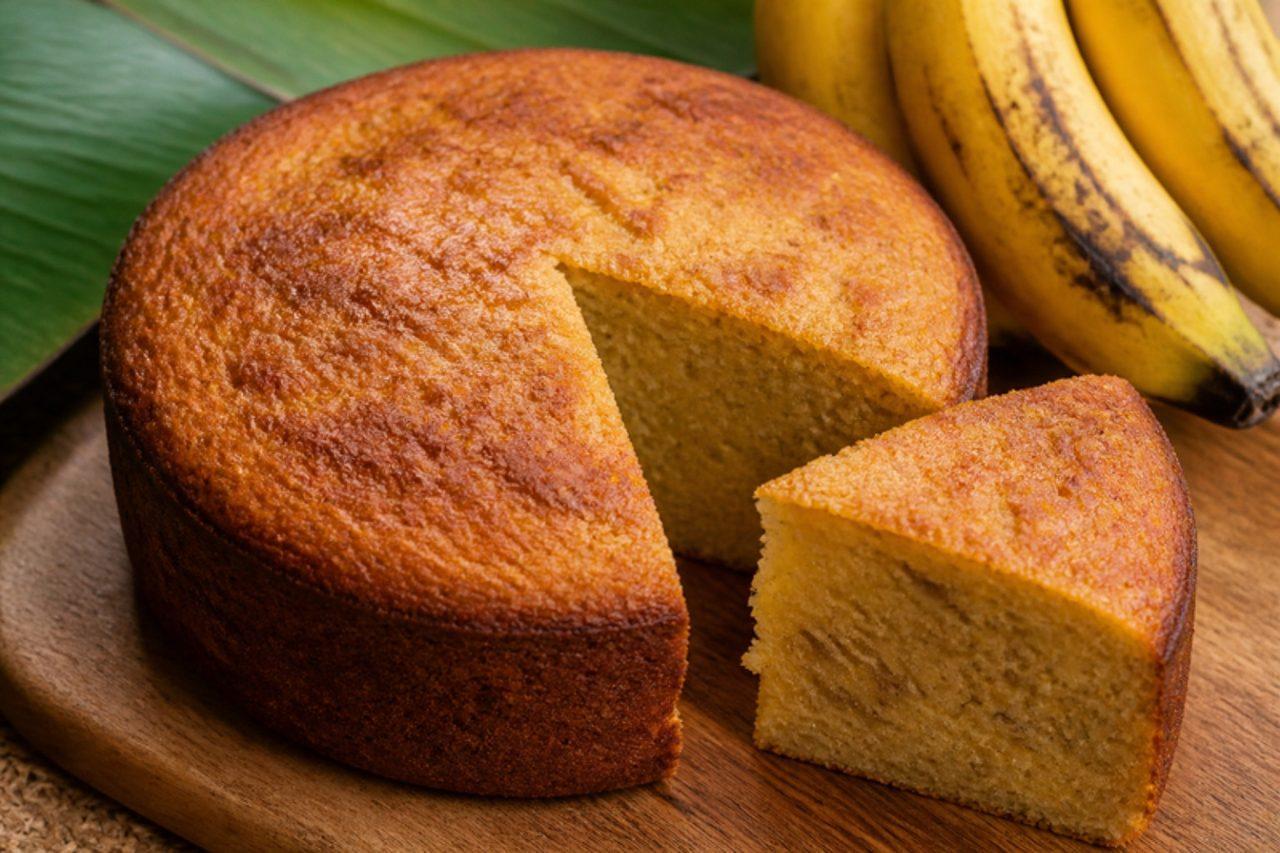
ChigumuBanana maize cake

Chigumu is village baking from the Shire Highlands and the lakeshore near Mangochi: a thick batter of maize flour, overripe bananas and sugar poured into a greased pot, set on embers with more coals heaped on the lid, and left to bake slowly. The result is a dense, moist, golden loaf with a slightly gritty, cornbread-like crumb and a deep banana sweetness, cut into wedges for children after school or carried on journeys. An oven and a loaf tin give the same result at home. The usual mistake is using under-ripe bananas, which leave the cake dry and bland. Chef's tip: pick bananas with skins more black than yellow, and mash them to a liquid before adding the maize flour.

by KrazyBadal 0 views

DakgangjeongSticky glazed fried chicken

Dakgangjeong is the boxed fried chicken of Sokcho's Jungang market on Korea's east coast, carried home by the tub and packed into lunchboxes the next day, because the double-fried pieces in their sticky glaze stay crunchy even when cold. The common mistake is frying only once; the second fry drives out moisture so the crust holds up to the sauce. Chef's tip: coat with potato starch rather than flour, and let the coated chicken sit for 5 minutes so the starch hydrates into a craggy crust.

by KrazyBadal 0 views

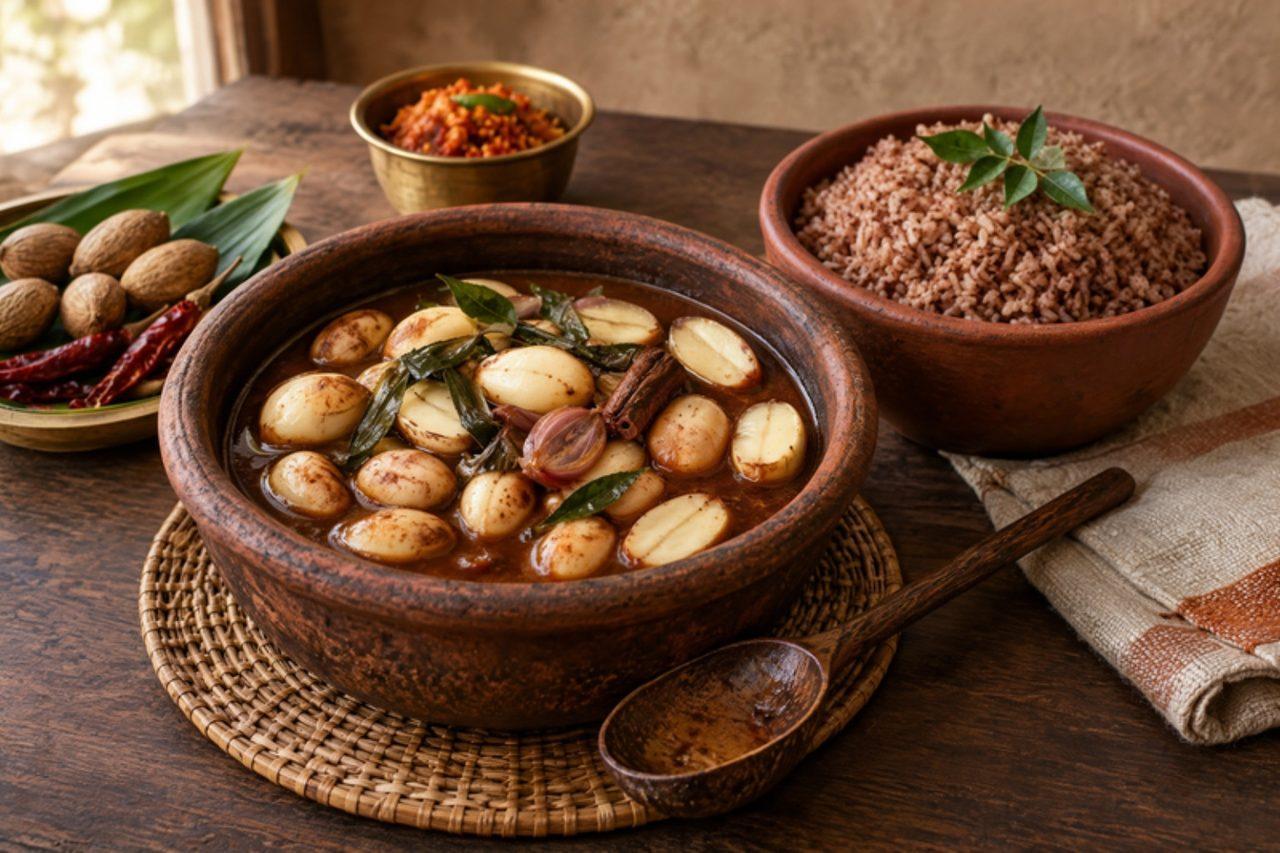
Kos ata curryJackfruit seed curry

During the jackfruit season, roughly April to July, Sri Lankan households save every seed, and kos ata curry is how they become a hearty weekday dish served with rice and greens. The seeds are boiled tender, peeled of their papery skin, then simmered in a dark roasted curry powder and coconut milk gravy until they taste like chestnuts in a spicy sauce. Serve with red rice and a sambol. The usual mistake is undercooking the seeds; they must be boiled until a fork goes in easily, or they stay hard and are hard to digest. A pressure cooker saves time: boil the seeds for 10 minutes on high. Chef's tip: crack each seed lightly with the flat of a knife before simmering so it soaks up the gravy.

by KrazyBadal 0 views

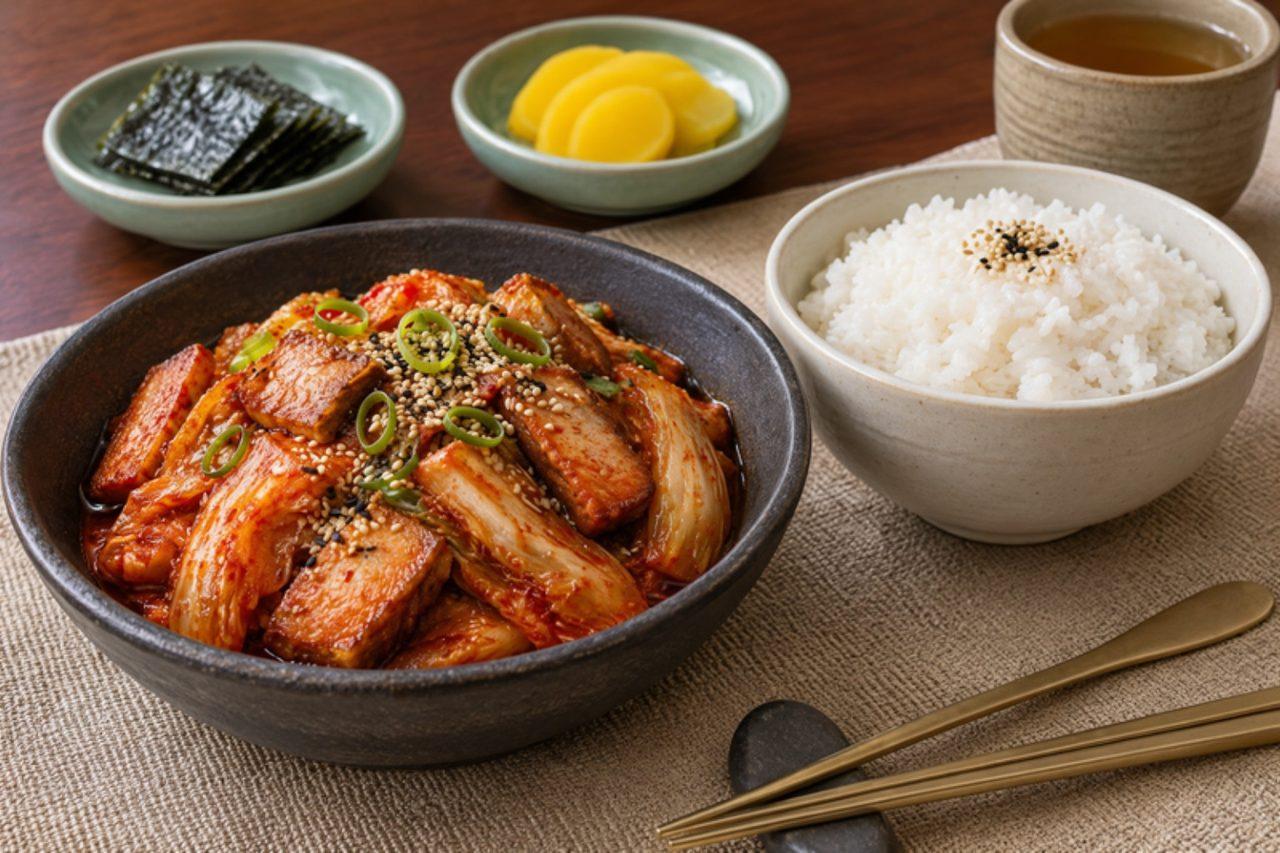
Bokkeum kimchiStir-fried kimchi with pork belly

When a jar of kimchi turns very sour in Korean homes, it gets stir-fried with a little sugar and sesame oil, and often with pork belly, into bokkeum kimchi, a deep, mellow side dish that keeps for days and is a favourite in school and office dosirak. For a vegan version, use kimchi made without fish sauce or salted shrimp and leave out the pork. The usual mistake is using fresh, crisp kimchi, which tastes harsh when fried; it needs to be properly sour. Chef's tip: fry the kimchi until the edges just begin to catch and caramelise, which is where the flavour is.

by KrazyBadal 0 views

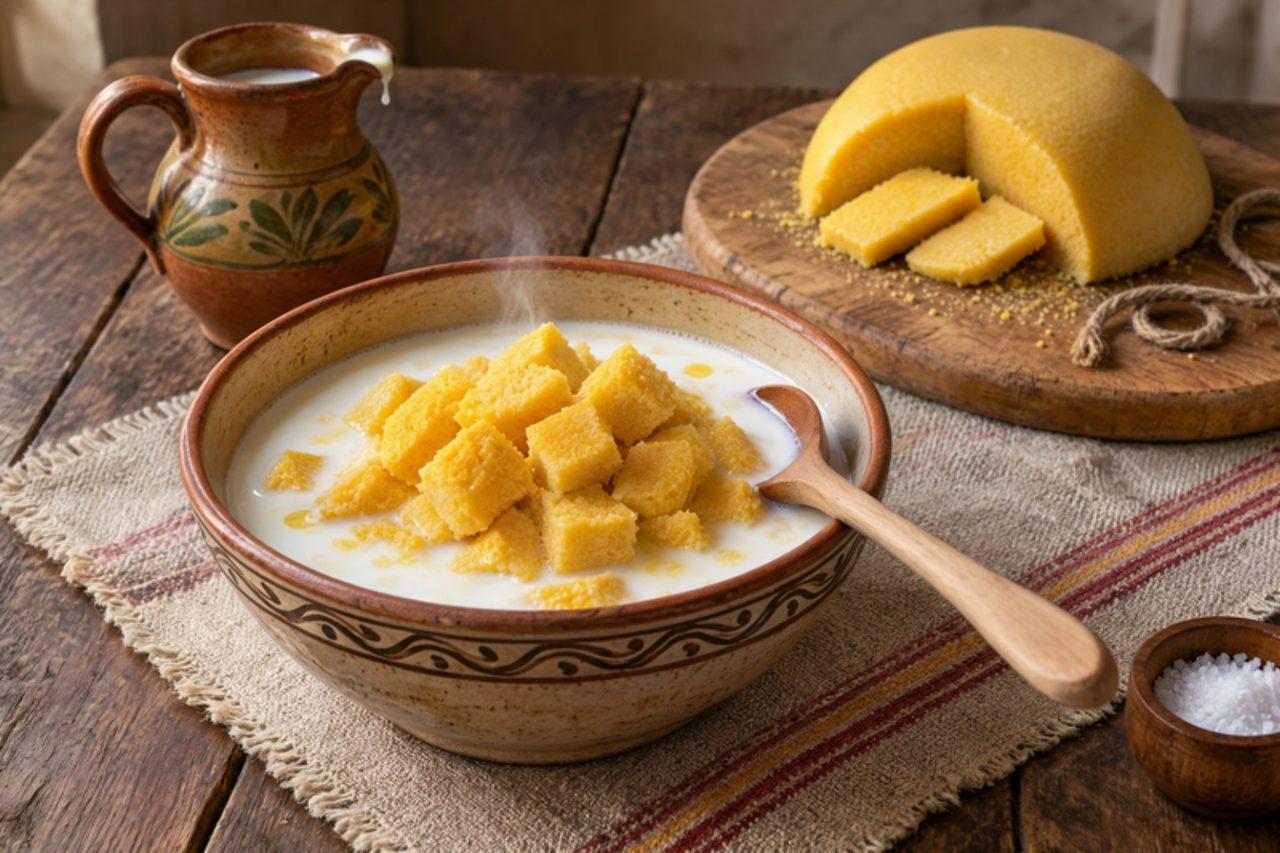
Mămăligă cu laptePolenta with milk

In the villages of Romanian Moldavia, mămăligă cu lapte is the simplest country breakfast or supper: a firm mămăligă (cornmeal mush) is turned out, cut into cubes and dropped into bowls of milk, warm in winter and cold from the cellar in summer. The soft, sweet corn soaks up the milk like a homely cereal. The mistake is making the mămăligă too soft; it has to be firm enough to cut with a thread or knife, or it melts away in the milk. Chef's tip: add the cornmeal in a thin rain while whisking, then switch to a wooden spoon once it thickens, and you will never get lumps.

by KrazyBadal 0 views

Masuri tey (rosehip tea)

Each October, Armenian families walk the hillsides around Dilijan, Tavush and Syunik picking the bright red hips of wild dog roses, then string or spread them to dry on balconies. Through the long winter they go into masuri tey, often made in a big pot in the evening and kept warm in a thermos for the next day, and it is the drink grandmothers press on anyone with a cold, alongside a spoon of homemade jam. It is fruity and tart, like hibiscus crossed with apple, with a gentle tea-like body, and a spoon of honey rounds it out. The common mistake is not straining it well enough: crushed rosehips are lined with tiny irritating hairs that scratch the throat. Strain through a fine sieve lined with a cloth or coffee filter. It is ready when the tea is deep orange-red and clearly sour, and the hips have swollen and softened. Simmer gently rather than boiling hard for long. Honey keeps this out of the vegan list; use sugar if you prefer. Not suitable as a sweetened drink for babies under one year because of the honey. Chef's tip: steep it overnight in a thermos after simmering; the flavour doubles.

by KrazyBadal 0 views

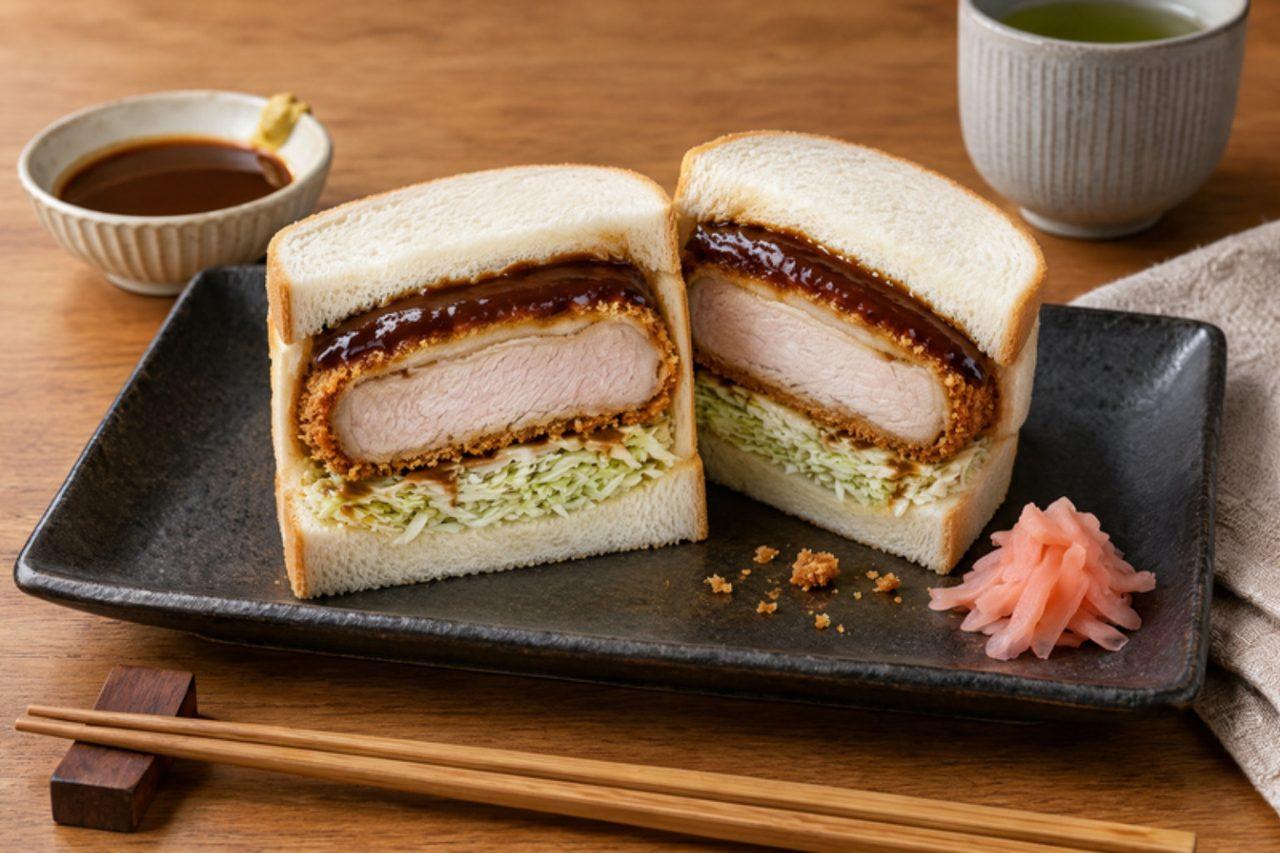
Katsu sandoPork cutlet sandwich

Katsu sando began in Tokyo tonkatsu shops in the 1930s as a cutlet you could carry, and is now a fixture of department-store food halls, train-station kiosks and lunchboxes all over Japan: a crisp panko pork loin cutlet soaked in sweet-sour tonkatsu sauce between pillowy white bread, crusts trimmed off. The common mistake is slicing it while hot, which squashes the bread and makes it soggy; let it rest under a light weight first. Pork loin is a whole cut, so cook it to 63 °C and rest it for 3 minutes. Chef's tip: butter the bread with a little mustard mixed in; it stops the sauce soaking through and adds a gentle kick.

by KrazyBadal 0 views

Mandi'o chyryryFried cassava with onion and egg

Mandi'o chyryry means 'fried cassava' in Guaraní, and it is what rural Paraguayan families make from yesterday's boiled mandi'o: chunks crushed and fried in a big pan with onion until crisp in places, then scrambled with eggs. It comes out for breakfast with cocido or for a quick supper, and costs next to nothing. Use sweet cassava, the kind sold in supermarkets. The mistake is stirring constantly, which turns it to mush; let the cassava sit and brown. Chef's tip: the best chyryry starts with cold, day-old boiled cassava, which fries crisper than freshly boiled.

by KrazyBadal 0 views

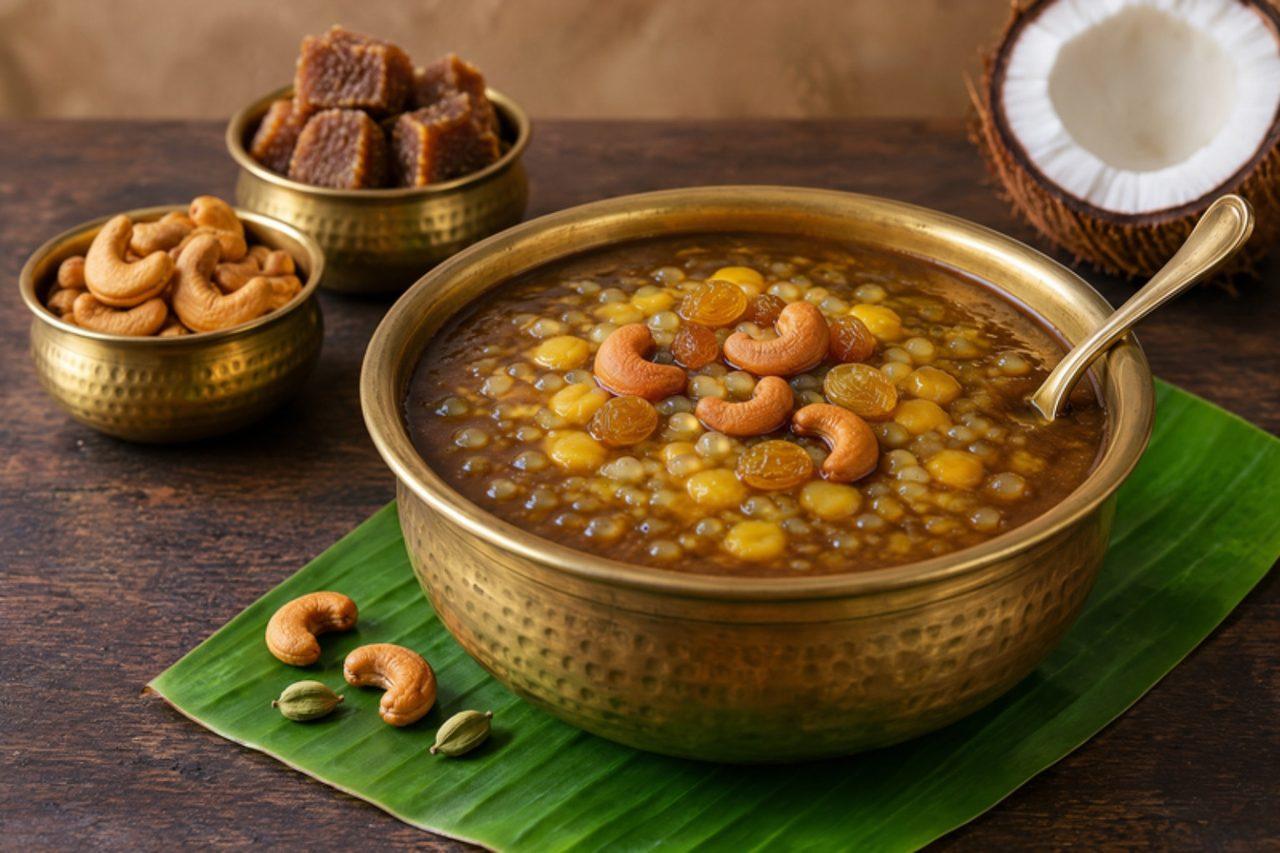
ManganeChana dal and sago pudding

In Goan Hindu homes, especially around Ganesh Chaturthi, a pot of mangane is cooked for the naivedya and handed round warm after the aarti. Soft chana dal and glassy sago pearls sit in a thick, caramel-coloured sauce of coconut jaggery and fresh coconut milk, scented with cardamom and studded with cashews. The common mistake is boiling the dal hard after the thick coconut milk goes in, which splits it into oily curds; once the first milk is added the pot should only steam gently. Serve it warm in small bowls, or cool so it sets a little and spoon it up like a soft pudding. Chef's tip: soak the sago only until the pearls just give when pressed, or they melt into glue in the pot.

by KrazyBadal 0 views

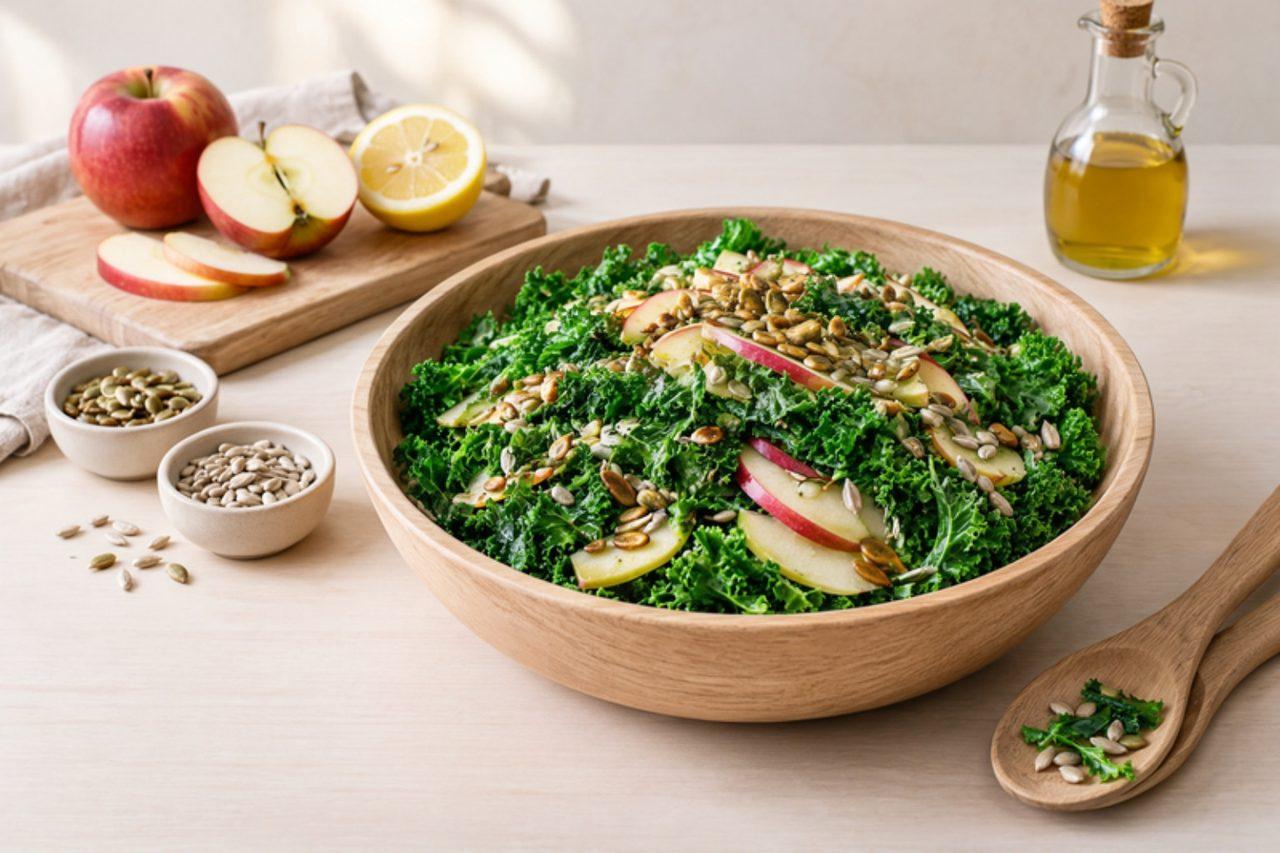
GrønkålssalatRaw kale salad

Kale (grønkål) is a winter classic in Denmark, traditionally stewed with cream at Christmas, but in Copenhagen homes and cafés it is now just as often eaten raw in this bright salad through the cold months, from November to March. Shredded kale is massaged with lemon juice and oil until it turns silky and dark green, then tossed with crisp apple, red onion and toasted sunflower and pumpkin seeds. Serve it beside rye bread with eggs, or with baked salmon or potatoes. Suitable as part of a balanced diet. About 160 kcal and 9 g carbohydrate per portion. The usual mistake is skipping the massage, which leaves the leaves tough and squeaky. Chef's tip: strip out every bit of stalk; even thin stems stay woody in a raw salad.

by KrazyBadal 0 views

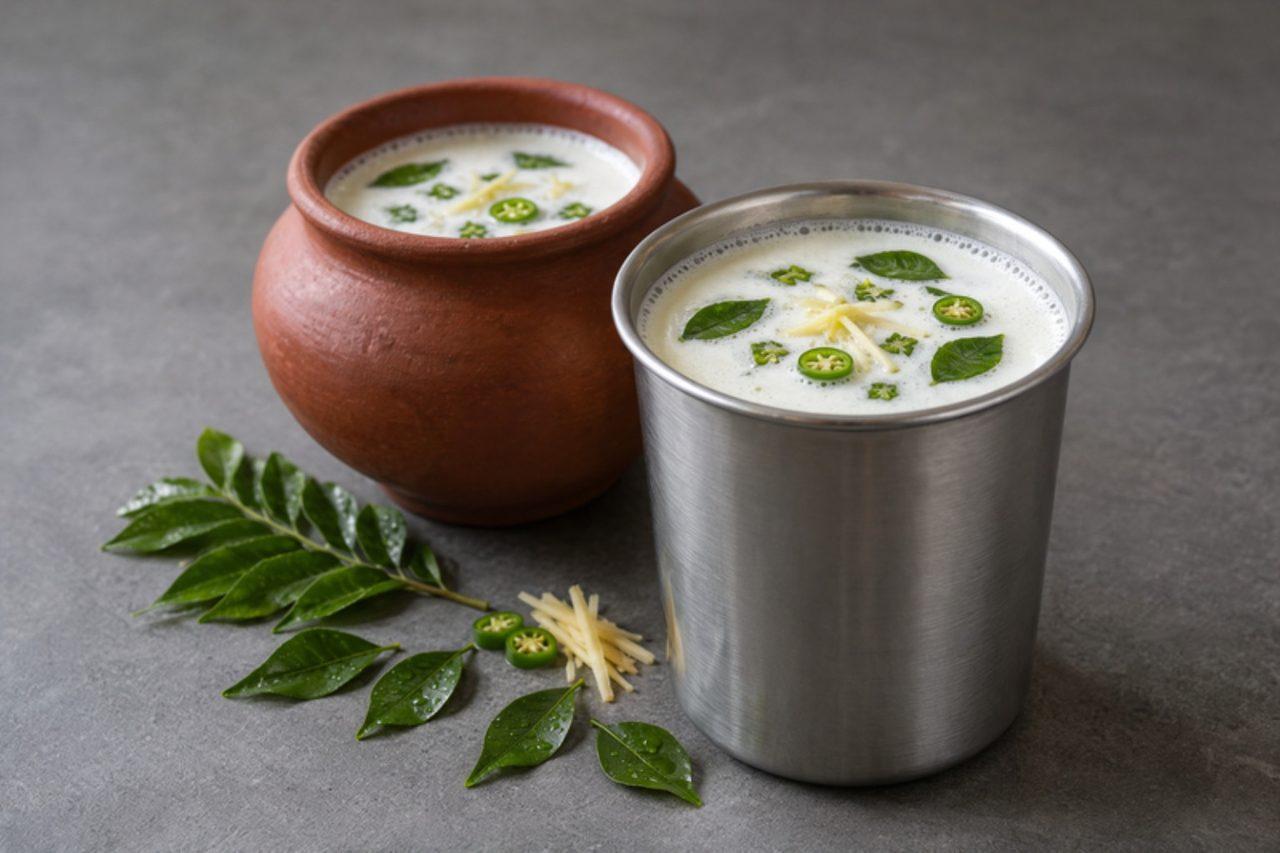
Neer mor (spiced buttermilk)

From April to June, when Chennai and Madurai bake at forty degrees, temples, shops and political parties set up 'thaneer pandhal' sheds by the roadside, offering free neer mor to every passer-by from great clay pots. At home it comes after a rice meal of sambar and rasam, or in the middle of the afternoon. The curd is churned and thinned with water until barely white, then seasoned with green chilli, ginger, curry leaves, coriander and a pinch of asafoetida, sometimes finished with a tempering of mustard seeds. It should be very thin, salty, tangy and herby, with a little chilli heat and a lingering savoury scent. The common mistake is using too little water: it then drinks like a heavy lassi rather than a thirst-quencher. Aim for about one part curd to four parts water. It is ready when the buttermilk is smooth, cold and pale green-flecked, and smells of curry leaf. It keeps a day in the fridge. Chef's tip: crush the ginger, chilli and curry leaves rather than chopping them; bruising releases far more flavour into the thin liquid.

by KrazyBadal 0 views

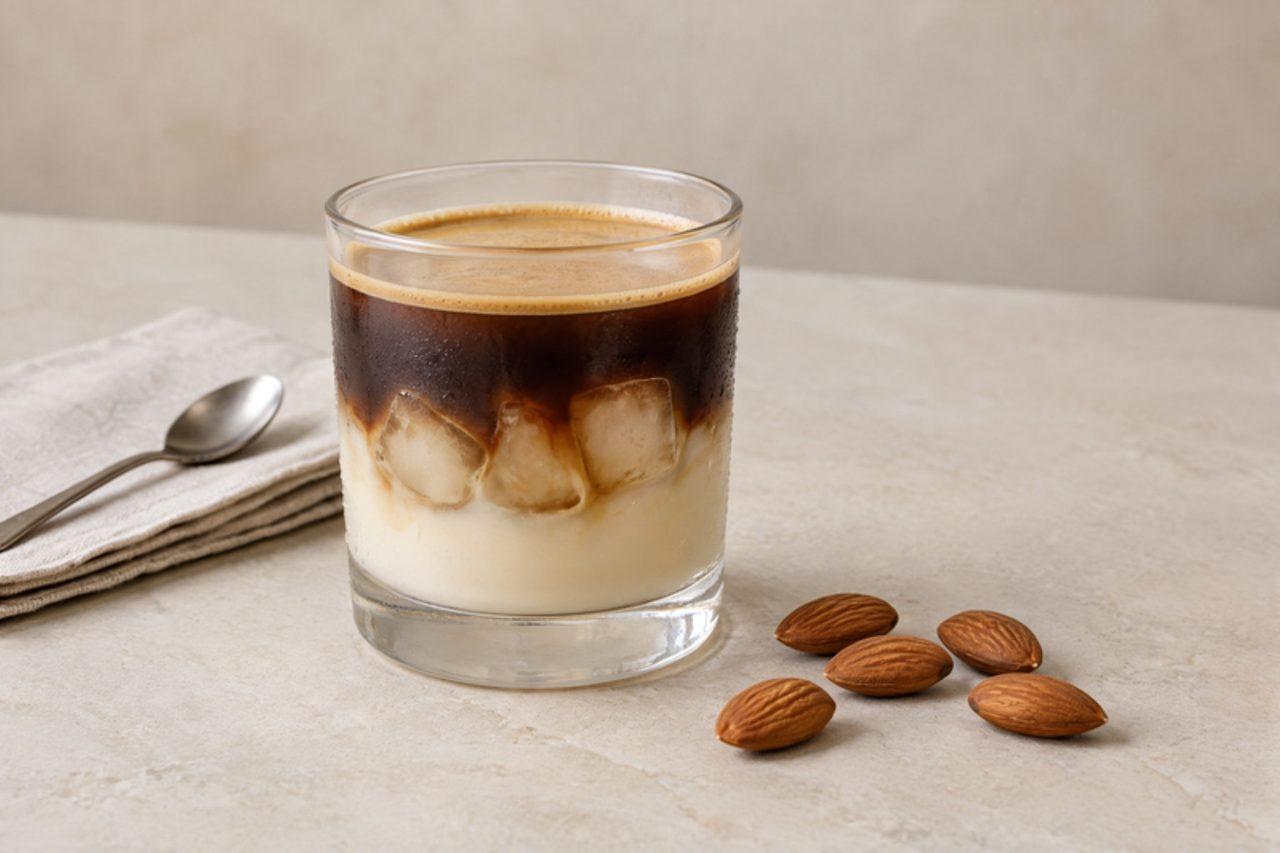
Caffè lecceseEspresso with almond milk over ice

In Lecce and the towns of Salento, summer mornings start at the bar with a caffè in ghiaccio, and the local version, a fairly recent invention now poured everywhere from Otranto to Gallipoli, adds a pour of latte di mandorla: the sweet almond-milk syrup Puglian bakers have made for generations from local almonds. A short glass is filled with ice, the almond syrup goes in, and a hot espresso is poured straight over so it cracks the ice and blends into a pale, cold, nutty coffee. It is sweet without being sticky, with a marzipan aroma and a clean bitter finish. The common mistake is letting the espresso cool before pouring: it no longer melts and mixes with the dense syrup, which then sits at the bottom. Pull the shot and pour it at once, then stir. It is ready when the drink is evenly caramel-coloured and the glass feels icy. Lecce bars serve it from about May to late September, often with a pasticciotto. Espresso means a fair hit of caffeine. Chef's tip: if you can only find unsweetened almond drink, stir 1 tsp of sugar into it first, but real Puglian almond syrup gives the true taste.

by KrazyBadal 0 views

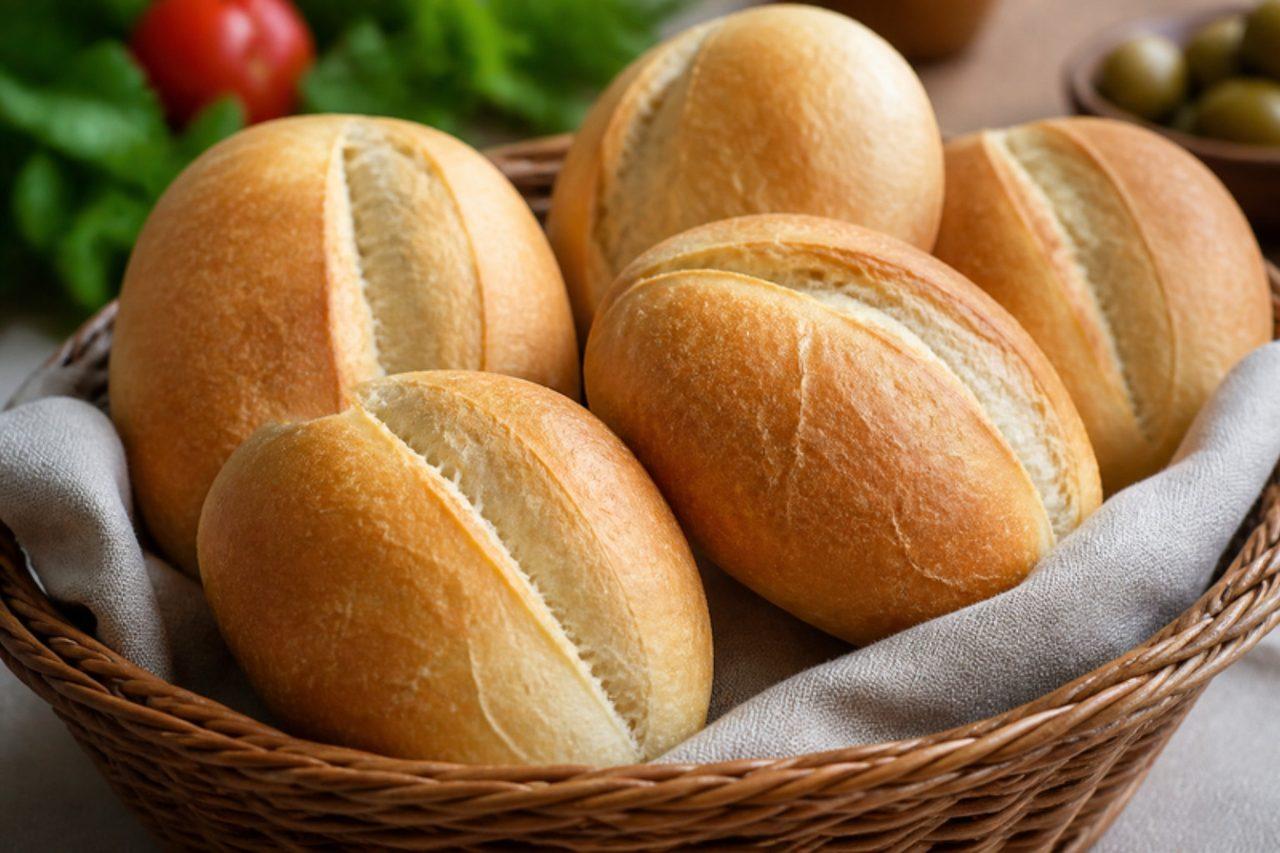
MarraquetaCrusty split bread rolls

Chileans eat more bread than almost anyone, and in Santiago the bread is marraqueta (called pan batido or pan francés in other cities): a crackling, airy roll made of two twin halves, each scored deep so the whole thing breaks into four pieces. It is bought warm from the corner bakery for breakfast and for once, the evening tea, and filled with avocado, cheese or butter. The most common mistake at home is baking without steam: the crust comes out pale and leathery instead of thin and shattering. Chef's tip: press the oiled handle of a wooden spoon right down into each pair of balls, almost to the work surface; a shallow groove disappears as the roll rises.

by KrazyBadal 0 views

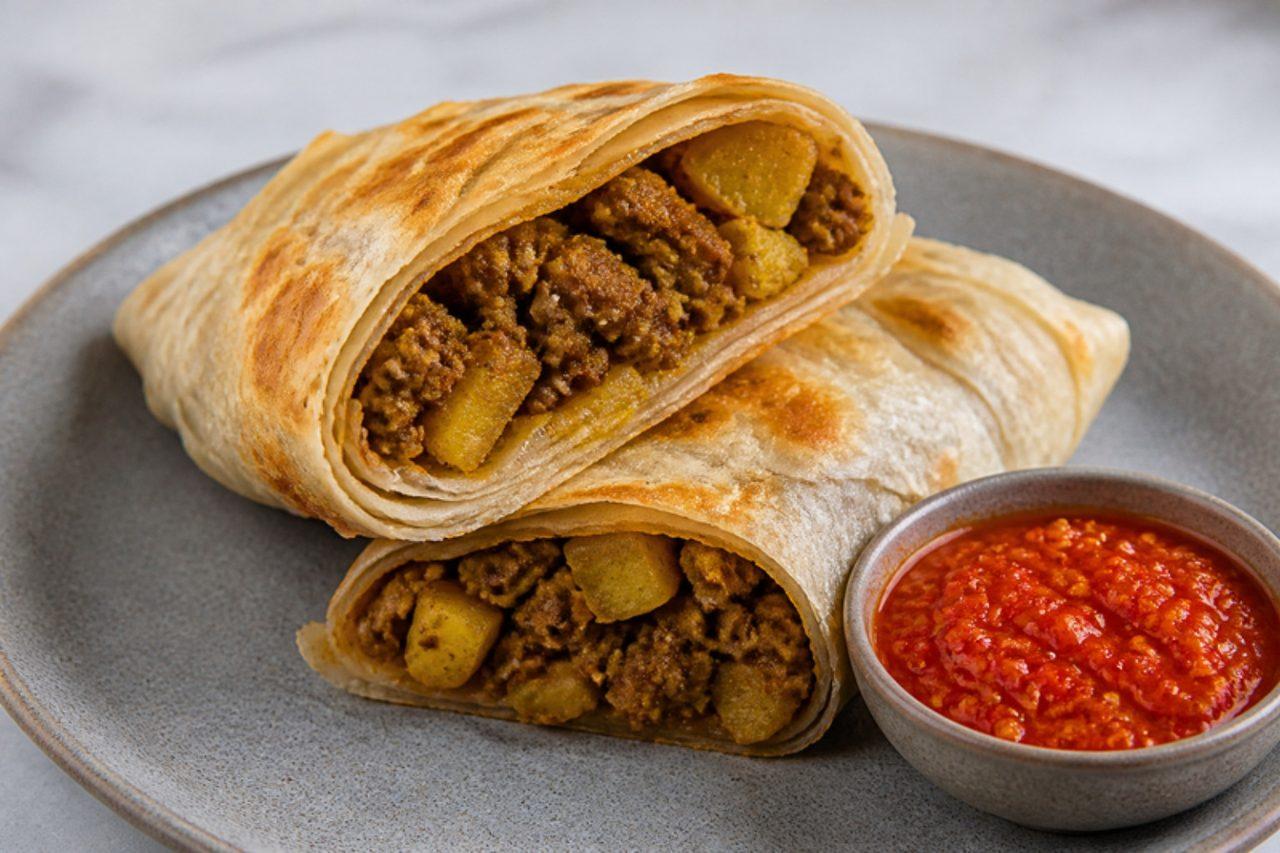
SalomieMutton curry roti roll

Lunch-hour queues outside takeaways in Woodstock, Salt River and Wynberg are often for salomies: a buttery, layered roti, still blistered from the pan, folded around a thick mutton-and-potato curry so you can eat it on the move. The roti is soft with crisp, flaky edges, and the curry is fragrant with fennel, cinnamon and curry leaves rather than fierce. The curry has to be cooked down until it is almost dry, because a wet one leaks straight through the bread, and that is the mistake to avoid. Chicken thigh works just as well; cook it only until it reaches 74 °C in the thickest piece. Chef's tip: roll each roti from the buttered dough coil just before it hits the pan, so the layers stay separate and puff.

by KrazyBadal 0 views

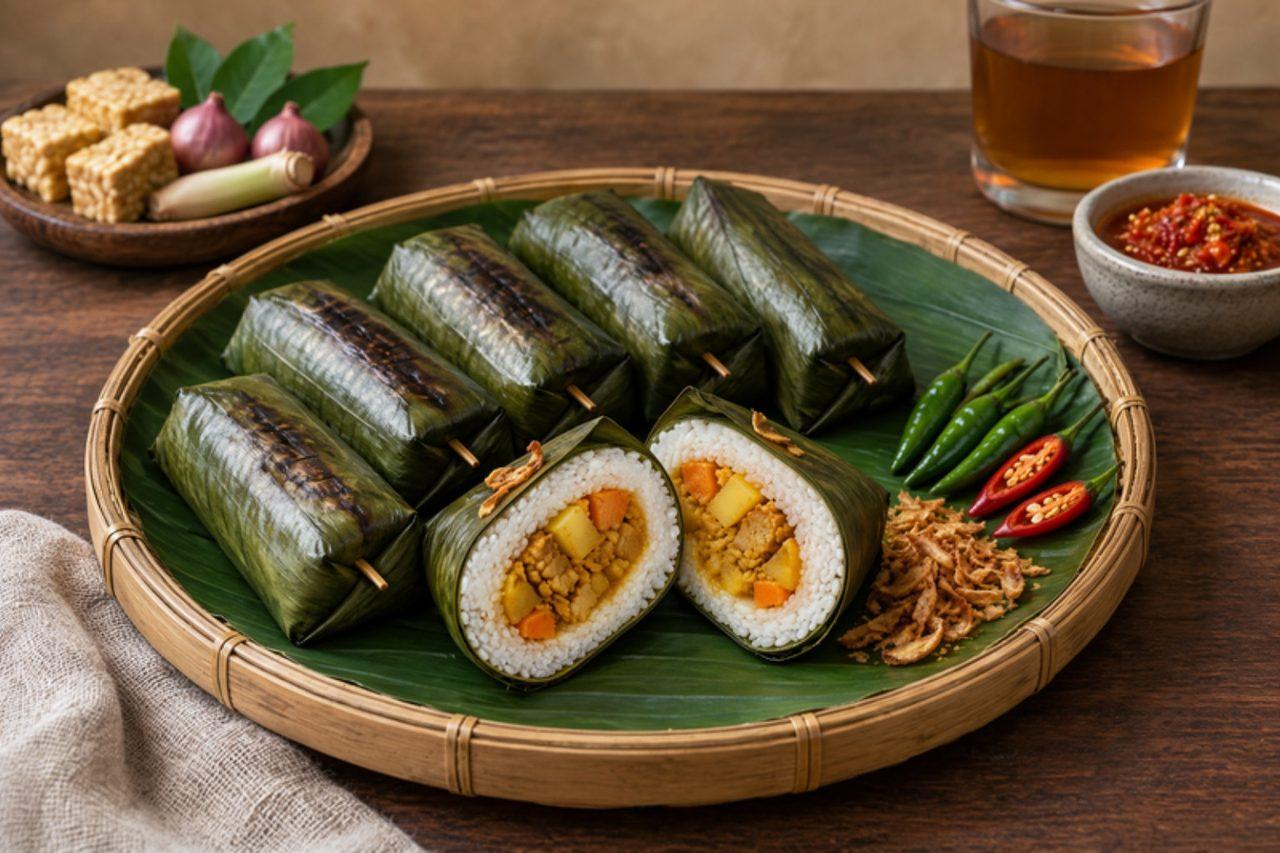
Arem-aremFilled rice rolls in banana leaf

Arem-arem are what Central Javanese cooks pack for meetings, trains and bekal lunchboxes: logs of coconut-scented rice wrapped round a spiced filling, rolled in banana leaf and steamed until firm, so they can be eaten in the hand, cold or warm. Chicken fillings are common in the city; this one uses tempeh, potato and carrot. The common mistake is cooking the rice fully before rolling, which makes the logs mushy; it should be only half-cooked, so it finishes in the leaf. Chef's tip: soften the banana leaves over a flame or in hot water first, or they will split as you roll.

by KrazyBadal 0 views

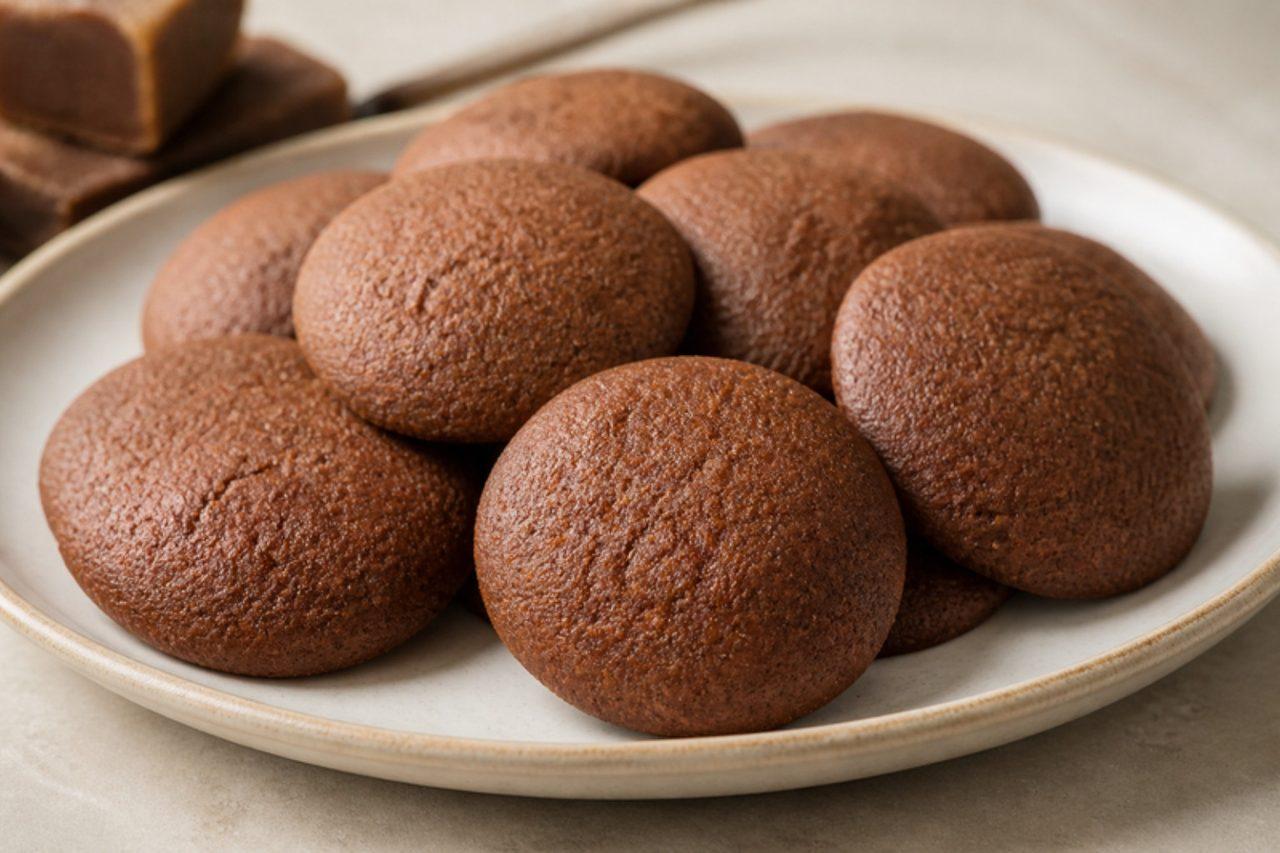
CatalinasChewy panela anise cookies

Catalinas are the big dark cookies stacked in clear bags by the till of every Venezuelan bodega and panadería, eaten as a mid-afternoon snack with a glass of cold milk or a small black coffee. The dough is sweetened with melted panela and perfumed with anise, cinnamon and clove, and they stay soft and chewy for days. The mistake people make is baking until hard; they firm up as they cool. Chef's tip: take them out when they have puffed and the edges just feel set.

by KrazyBadal 1 views

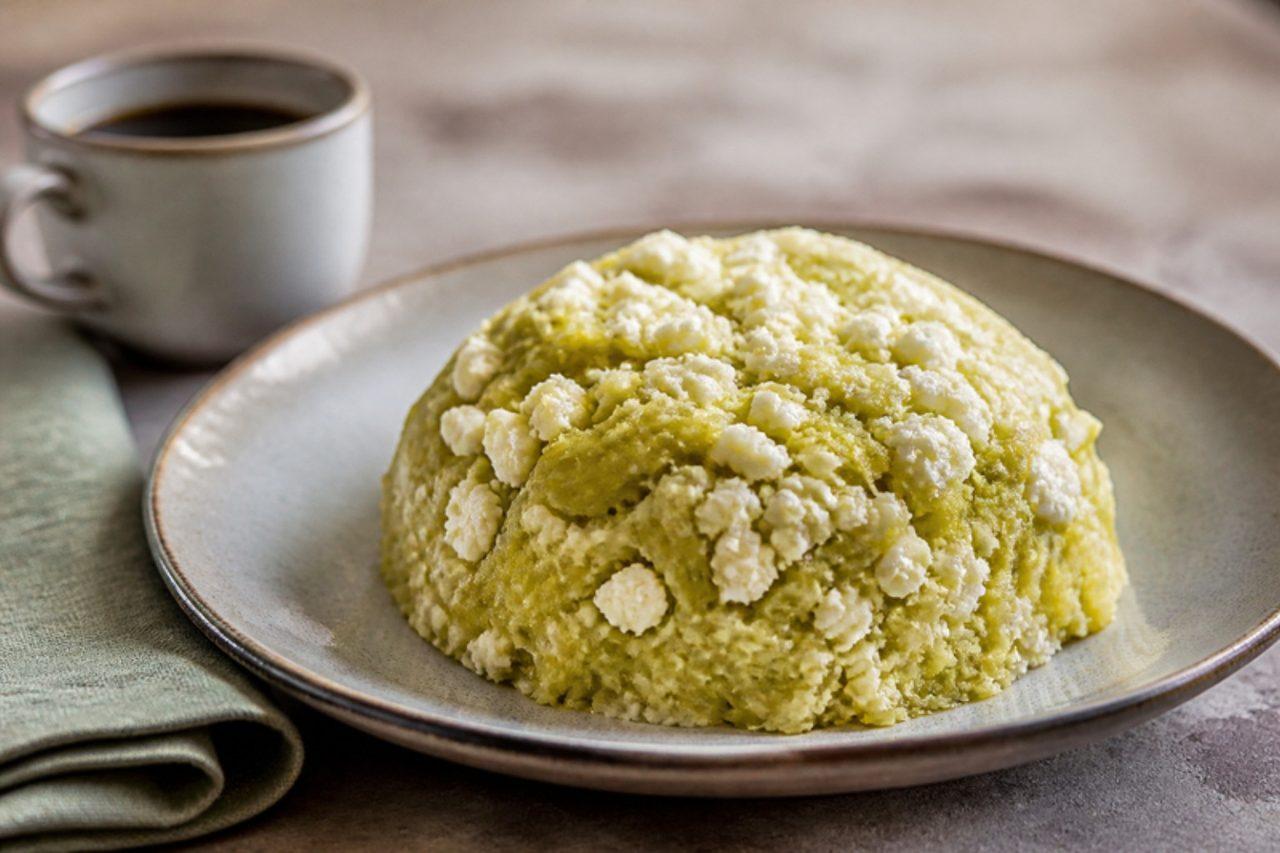
Masaco de plátanoPounded plantain with cheese

Breakfast in Santa Cruz and the Bolivian lowlands often means a mound of masaco with a cup of strong coffee: green plantain fried and then pounded with butter and grated cheese into a dense, savoury mash. Many cruceños mix in shredded dried beef; this vegetarian version uses only cheese, which is how plenty of families make it too. Bolivian lowland cheese is usually set with animal rennet, so use a vegetarian Cheddar-style cheese if that matters to you. The usual mistake is frying the plantain until crisp: it must stay soft inside or it won't mash. Chef's tip: pound the plantain while it is still very hot; once it cools it turns hard and rubbery.

by KrazyBadal 0 views

Bunelos agaBanana fritters

Bunelos aga are the banana fritters of Guam, sold at fiesta food tables and church fundraisers in Hagåtña and made at home whenever the bananas over-ripen. Mashed sweet bananas are mixed into a soft batter, fried in spoonfuls and rolled in sugar, so they're crisp outside and custardy within. A common mistake is frying at too low a temperature, which makes them greasy. Chef's tip: use the small, sweet local bananas or the ripest regular ones you can find.

by KrazyBadal 0 views

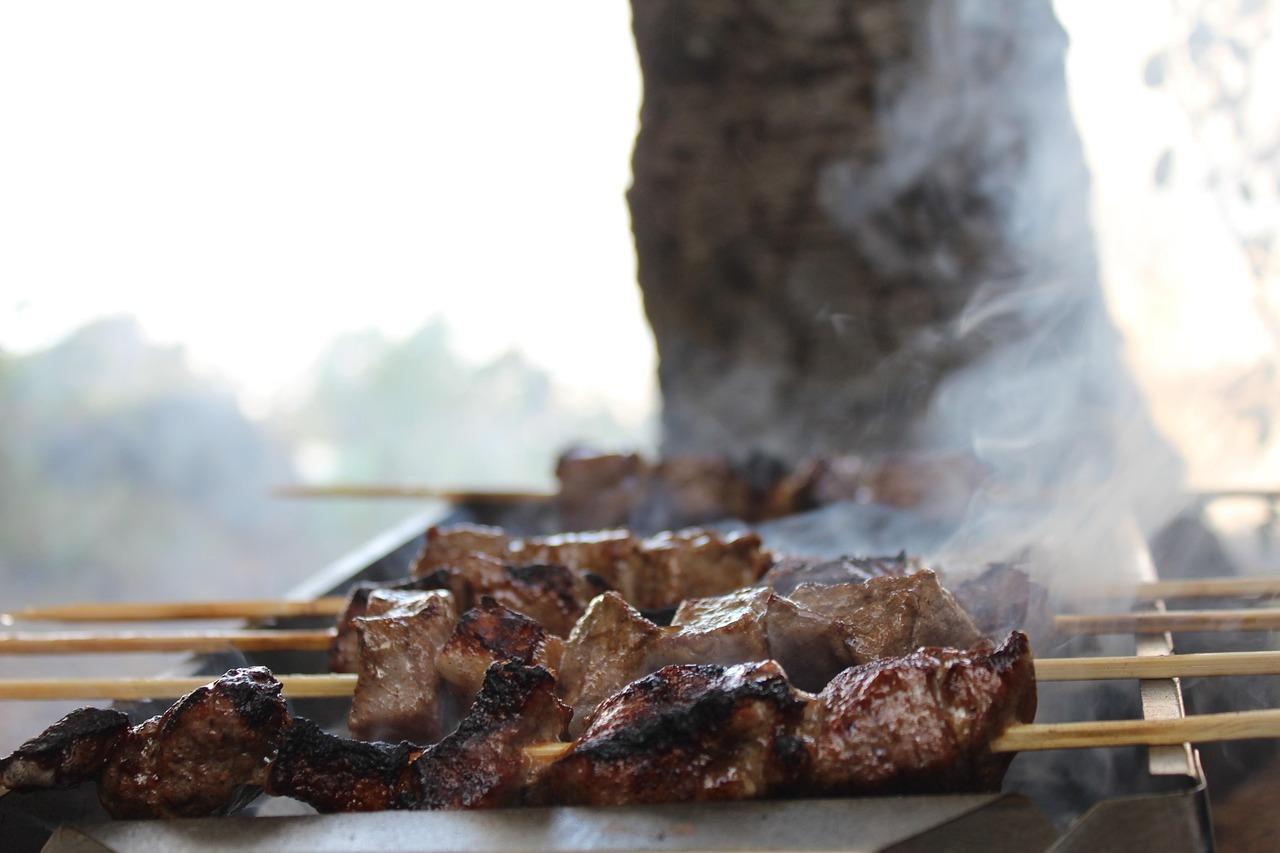
MasikitaGrilled beef skewers

As the light fades in Mahajanga, Toliara and Antananarivo, the smoke from masikita grills drifts along the pavements, with vendors fanning glowing charcoal under rows of tiny skewers. In Madagascar they are made with zebu, the humped cattle that are central to life on the island; good beef rump or sirloin is the closest match at home. Small cubes are marinated with garlic, ginger, pepper and a little oil, threaded tightly and grilled fast, so the outside chars and the inside stays juicy. Eat them straight off the stick with sakay, a squeeze of lime and a cold drink, or with rice for dinner. Cutting the cubes too big is the common mistake: masikita should be bite-sized so they cook through in minutes. Chef's tip: soak wooden skewers for 30 minutes first so they don't burn before the beef is done.

by KrazyBadal 0 views

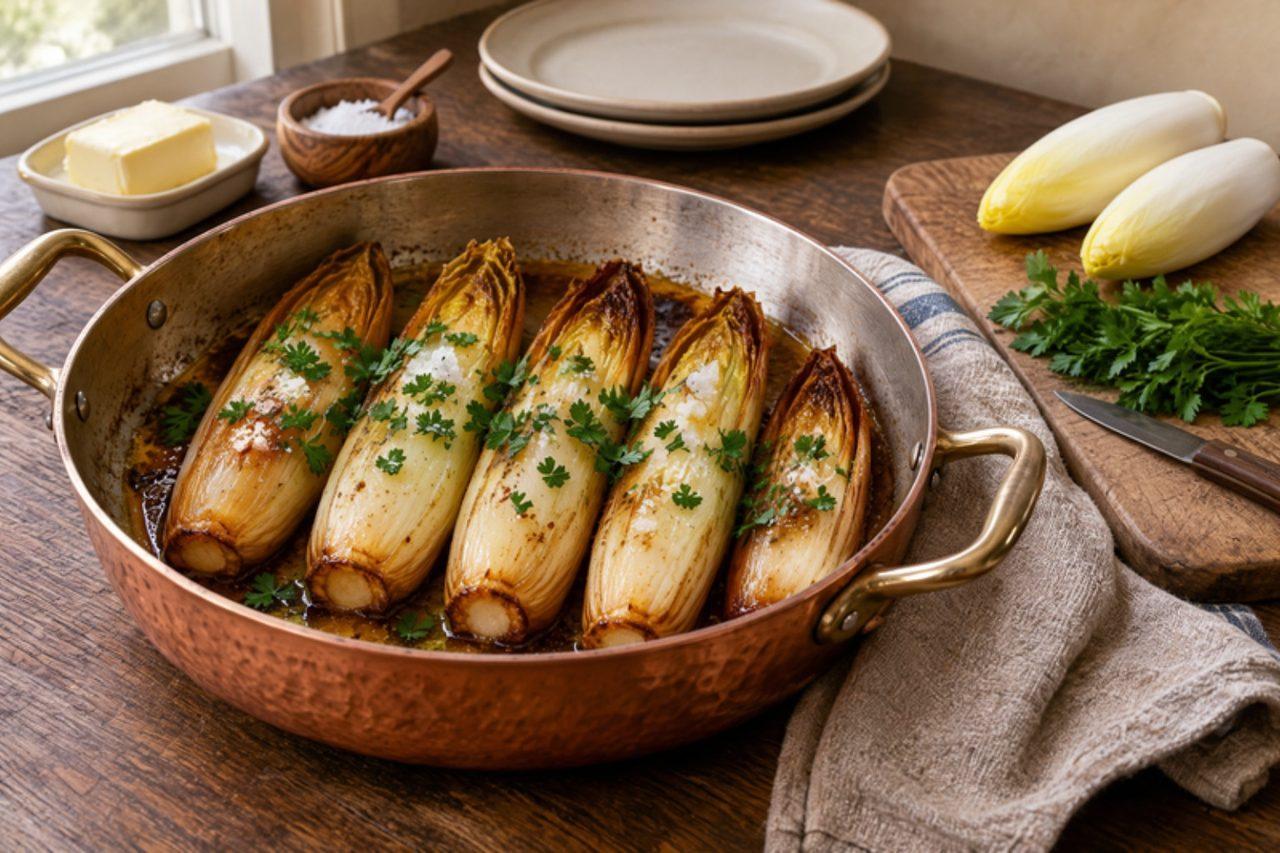
Chicons braisésBraised endives

Belgian endive, called chicon in Wallonia and witloof in Flanders, is grown in the dark around Brussels and eaten all winter, from November to March. Braised slowly in butter with a pinch of sugar and a squeeze of lemon, the pale heads turn golden, soft and gently caramelised, with only a whisper of their raw bitterness left. Serve them beside mashed potatoes and a fried egg, or as a side for a Sunday roast. The usual mistake is crowding the pan and boiling them in their own water, which leaves them grey and bitter. Chef's tip: lay the heads in a single layer and press a round of baking paper on top, so they steam gently and then brown in the butter once the juices cook off.

by KrazyBadal 0 views

Egg banjo (Indore style)Spicy egg pav

Indore eats late, and after the jewellery shops of Sarafa Bazaar shut their shutters at night the lane turns into a food market; egg banjo stalls there and at Chhappan Dukan keep frying until long after midnight. A soft pav is split, toasted in butter and packed with a masala omelette folded to fit, then green chutney, raw onion and a heap of fine sev for crunch. It is soft, buttery and hot all at once. Contains egg, wheat and dairy. Chef's tip: cook the omelette in a shape the size of the bun, so every bite has egg in it.

by KrazyBadal 0 views

Showing 72 of 8,120 recipes

Show more recipes

Page 170 of 903