


Skip to content
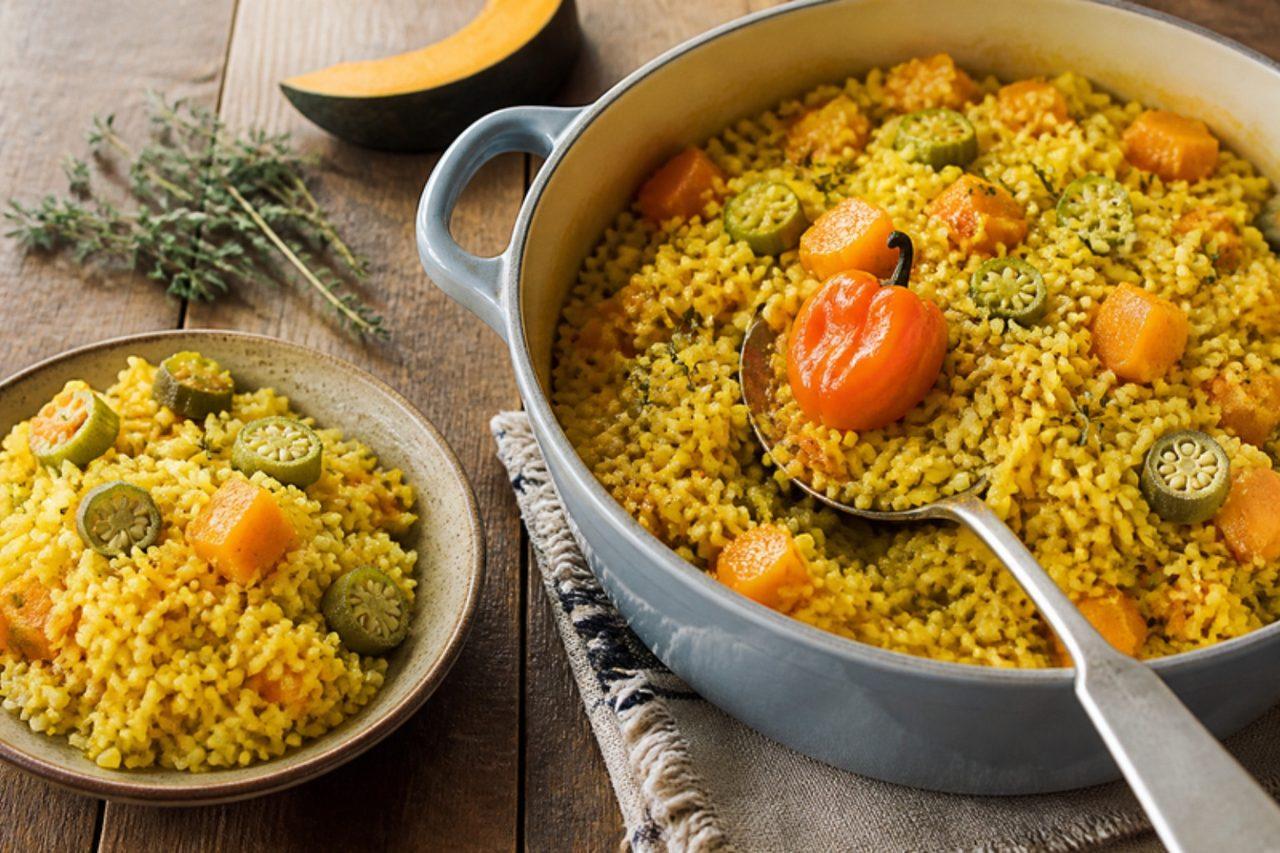
Trini ochro rice
Featured recipe

Trini ochro rice

Okra, pumpkin and coconut rice

Ochro rice is a weeknight pot cooked in kitchens from Port of Spain to Sangre Grande, where the okra melts into the coconut milk and turns the rice soft, almost risotto-like, with sweet nuggets of pumpkin through it. Many households add salted pig tail or saltfish; this version stays vegetarian and leans on green seasoning and a whole scotch bonnet for flavour. The common mistake is stirring once the rice is in, which breaks the okra and makes the pot gluey rather than soft. Serve with stewed lentils, fried plantain or a cucumber salad. Chef's tip: fry the sliced okra for a few minutes before the rice goes in; it tames the slime and gives a gentle toasted flavour.

Read more 0 views

What to eat today?

Around the world

Today's trip: Persian

A new country every day, from every cuisine on the site.

Persian

Ash-e shalgham

Turnip and rice soup 65 minMore from Persian (131) →

This week's collection

Kid-friendly dinners
537 recipes · a new collection every Monday

Latest recipes

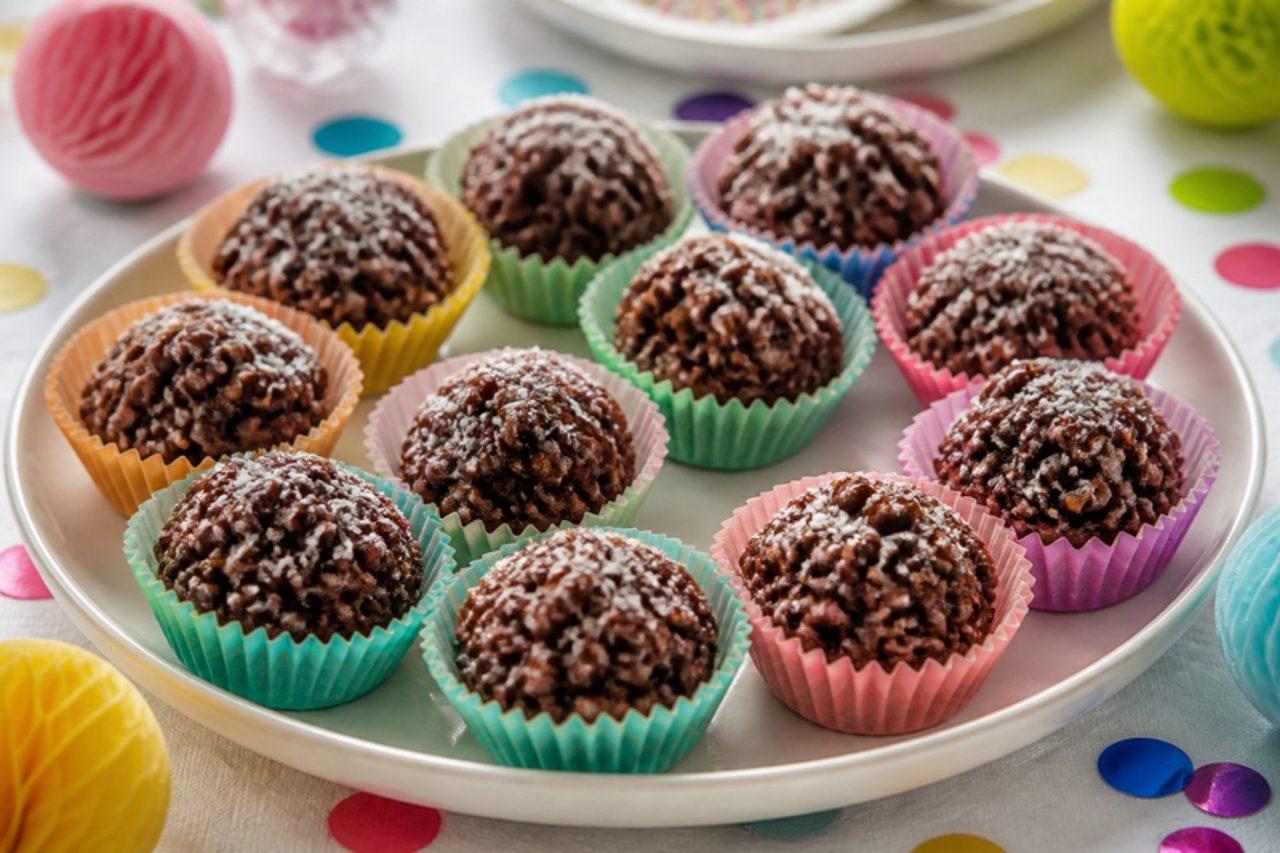
Chocolate cracklesChocolate puffed rice cakes

No Australian child's birthday party is complete without chocolate crackles, served in paper patty cases alongside fairy bread at backyard parties from Adelaide to Cairns. Puffed rice cereal is bound with melted solid coconut fat, icing sugar, cocoa and desiccated coconut, then set in the fridge. Kids can make them almost entirely on their own. A common mistake is using hot fat, which makes the mixture greasy; let it cool a few minutes. Chef's tip: use solid white hydrogenated coconut fat sold in blocks, not jarred coconut oil, which won't set firm at room temperature.

by KrazyBadal 0 views

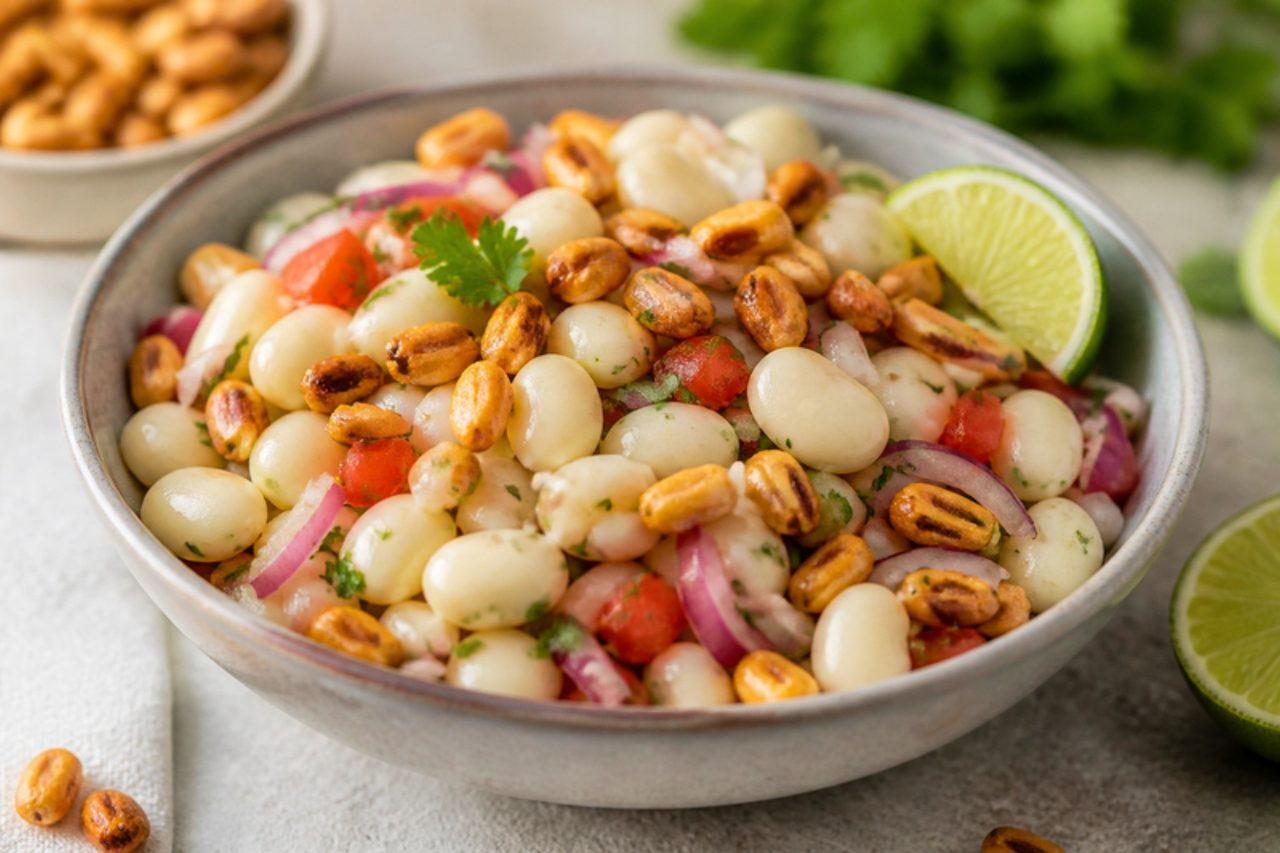
Chochos con tostadoLupin bean and toasted corn salad

On street corners in Quito and Latacunga vendors pile paper cups with chochos, the pale Andean lupin beans, tossed with lime-soaked red onion and tomato and showered with crunchy toasted corn. It is a cheap, filling mid-morning snack, sour and salty with a nutty crunch, and it doubles as a light lunch with a fried plantain on the side. Buy chochos ready debittered, sold cooked in jars or vacuum packs: raw lupins are bitter and contain toxic alkaloids until they have been soaked and boiled for several days, so never use dried ones without that long treatment. Lupin is also a declared allergen and can affect people with peanut allergy. The common mistake is skipping the rinse, which leaves the beans tasting of brine. Chef's tip: salt the onion with the lime juice 10 minutes ahead so it softens and turns pink.

by KrazyBadal 0 views

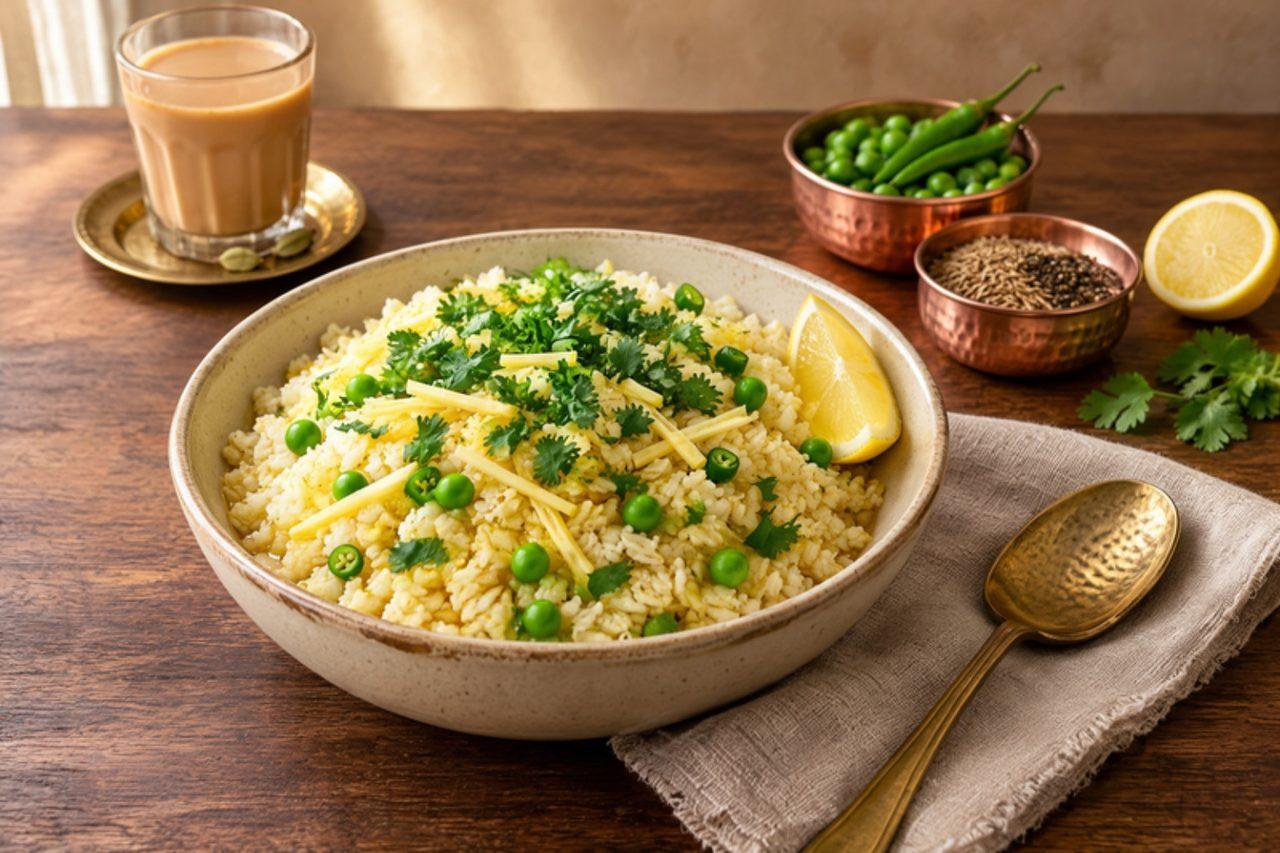
Chura matarFlattened rice with peas

When fresh peas pile up in the markets of Varanasi and eastern Uttar Pradesh in winter, breakfast becomes chura matar: thick flattened rice tossed in ghee with sweet green peas, ginger, green chilli and a pinch of sugar, finished with lemon and coriander. It is softer and richer than poha, and is often eaten on the ghats with a cup of chai. The mistake is soaking the chura in water; it turns mushy. Rinse it quickly in a sieve and let it rest, and it softens just enough. Chef's tip: crush half the peas lightly with the back of a spoon in the pan so they coat the rice and make each mouthful sweeter.

by KrazyBadal 0 views

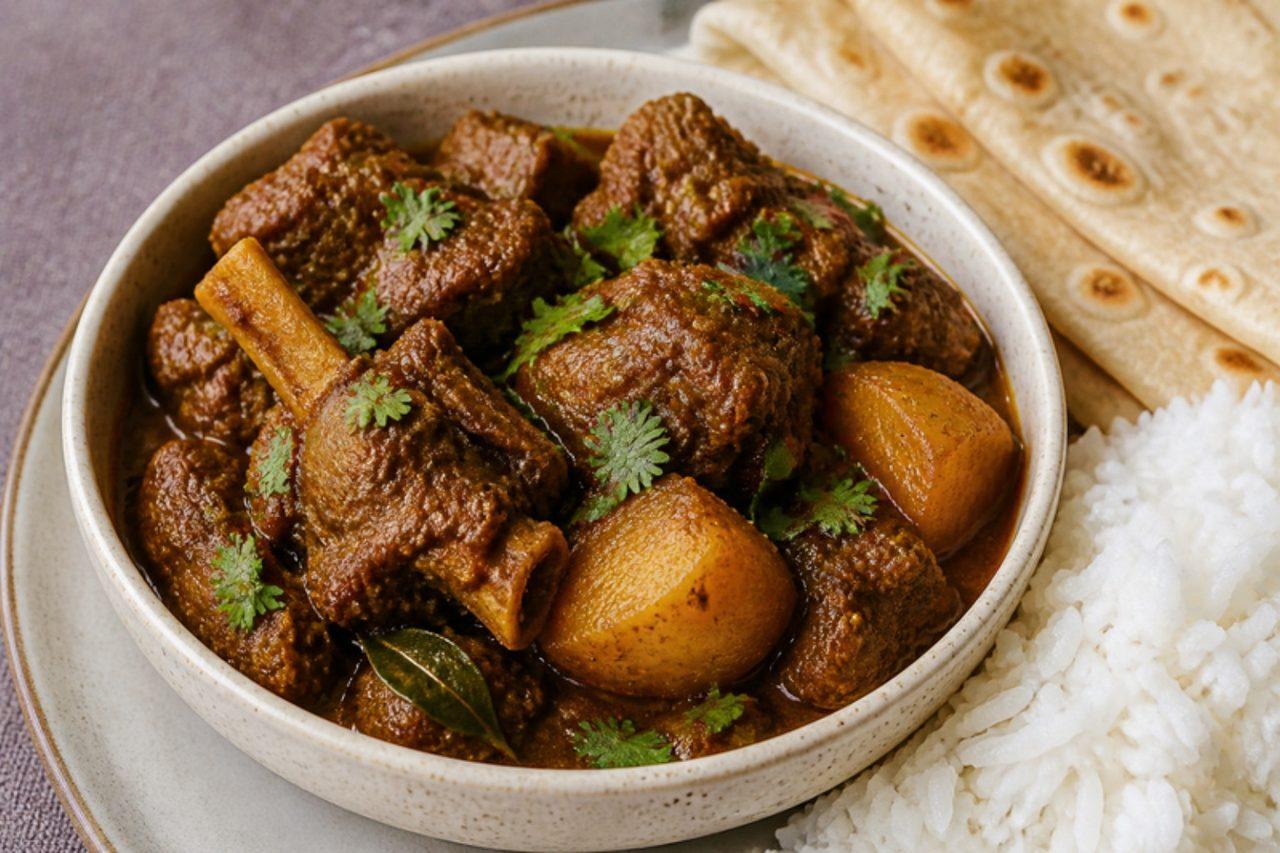
Fiji goat curry

Goat curry is the dish of Indo-Fijian weddings, Diwali gatherings and Sunday family lunches from Lautoka to Labasa, brought by indentured labourers from India in the 1800s and shaped by Fiji's own curry powder blend. Bone-in goat is browned with onion, garlic, ginger and masala, then braised slowly with potatoes until tender, and eaten with roti or rice and dhal. A common mistake is rushing the onion and masala; they need to fry until the oil separates. Chef's tip: marinate the goat overnight in the fridge with the masala for deeper flavour.

by KrazyBadal 0 views

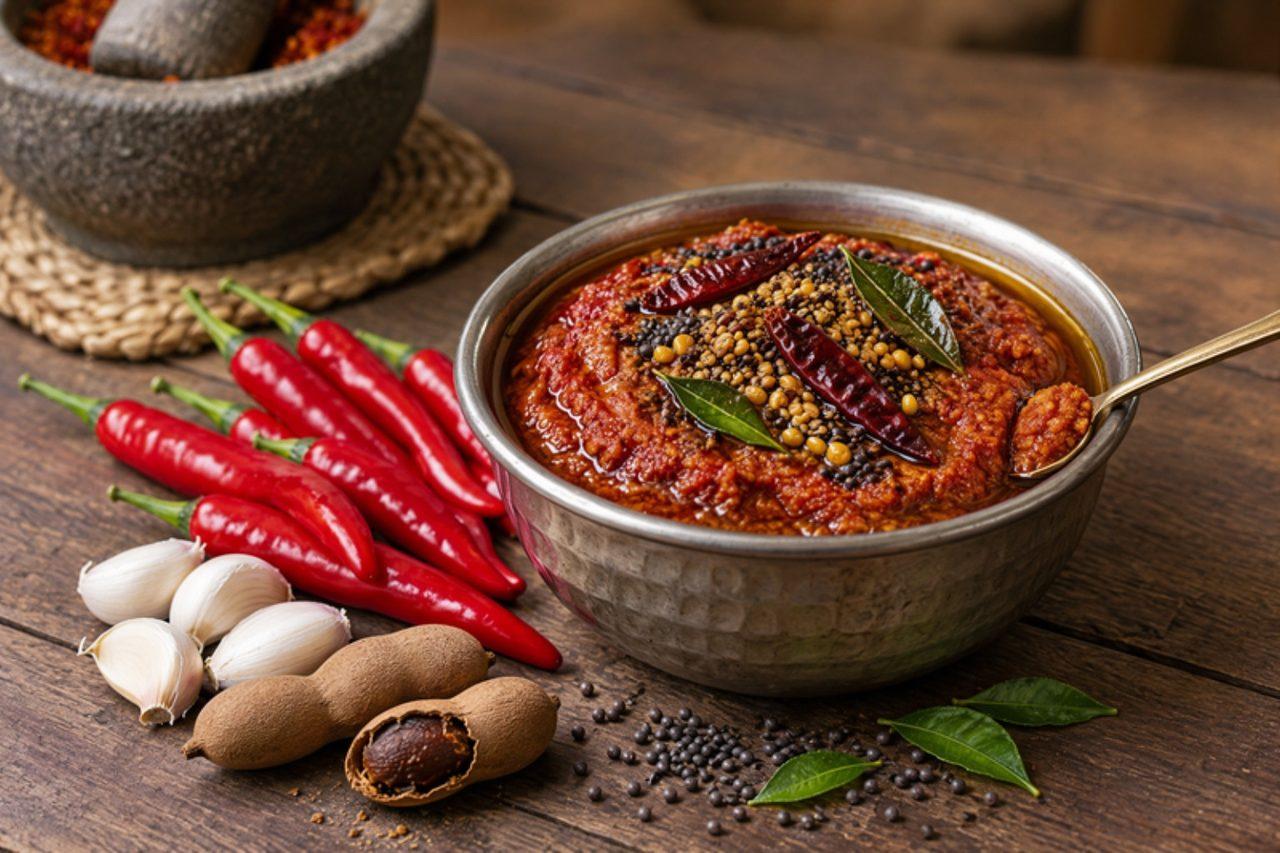
Pandu mirapakaya pachadiRipe red chilli pickle

Guntur is chilli country, and when the fields turn red between January and March, Andhra kitchens buy fresh, fully ripe red chillies by the kilo for this pachadi. The chillies are chopped, salted and packed with tamarind for two days, then ground coarse with roasted fenugreek and sealed under a tempering of gingelly oil, mustard and hing. The result is brick red, fiery and fruity rather than smoky, with a sour backbone from the tamarind and a faint bitterness from the methi. A teaspoon is mashed into hot rice with a spoon of ghee or sesame oil, and it is just as good beside idli, dosa or pesarattu. The big mistake is washing the chillies and grinding them while still damp: water is what makes this pachadi spoil, so wipe them dry and leave them on a cloth for a few hours. It is ready when the paste is thick and glossy and the oil pools on top. Salt here is high on purpose, about 12 g for every 100 g of chillies, and the tamarind makes it acidic; even so, keep it in the fridge, where it lasts up to 6 months. Chef's tip: mix in a few Byadgi or Kashmiri chillies with the hot Guntur ones for a deeper red without extra fire.

by KrazyBadal 0 views

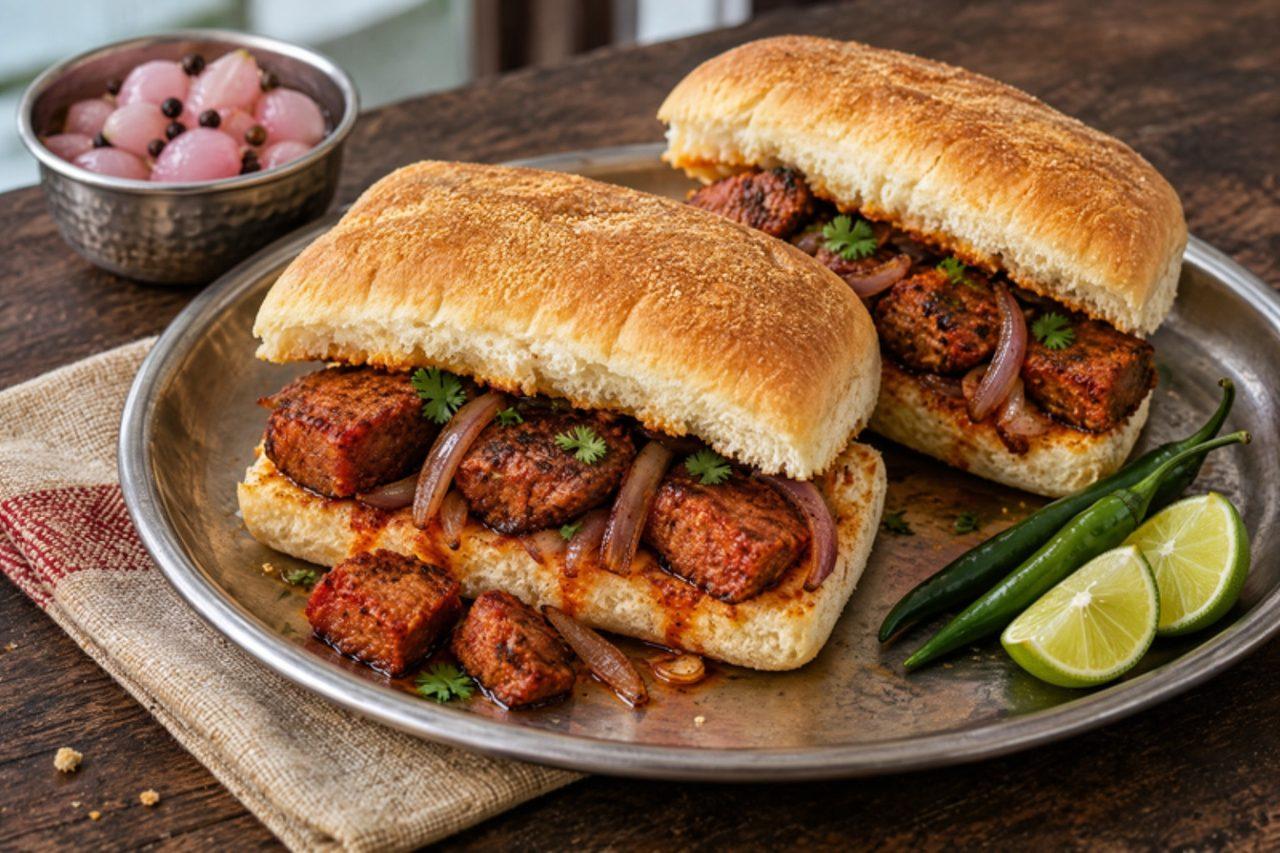
Chouris paoSpicy pork sausage in a bun

Chouris pao is Goa's favourite pork snack, sold from feast-day stalls at Mapusa's Friday market and village church fairs, and made at home whenever a string of chouriço comes out of the larder. The Goan pork sausage is cured with red chilli, garlic, spices and toddy vinegar (vinegar, not alcohol), then crumbled out of its casing and fried with onion and potato until sticky and red. The common mistake is frying it fiercely from the start: the fat needs a splash of water and gentle heat to render, otherwise the outside burns while the pork stays raw. Cook until the pork is no longer pink and reaches 71 °C. Chef's tip: soak the sausage links in hot water for 10 minutes first; it softens the casing and takes away harsh salt.

30 minIndianMeatSpicy
by KrazyBadal 0 views

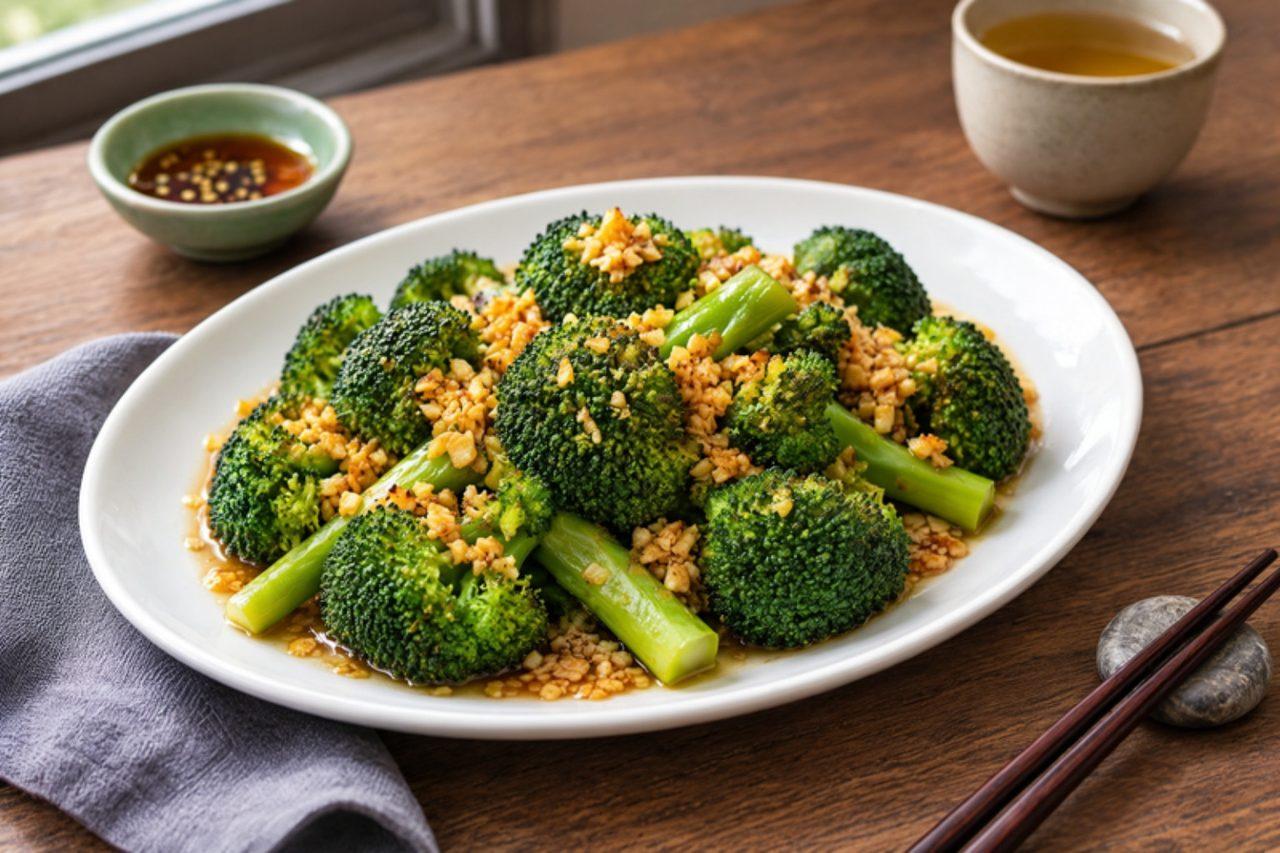
Suan rong xilanhuaGarlic broccoli

Garlic broccoli is on the menu of almost every Chinese home kitchen and family restaurant, from Guangzhou to Shanghai, as the quick green dish at a weekday dinner. The florets are blanched just until bright, then tossed in a hot wok with a big spoon of minced garlic and a splash of water, so they stay crisp, glossy and full of garlic flavour. Serve with tofu, fish or eggs and a modest portion of rice. It is suitable as part of a balanced diet. About 90 kcal and 8 g carbohydrate per portion. The usual mistake is adding the garlic to very hot oil before the broccoli, where it burns and turns bitter. Chef's tip: add a few drops of oil to the blanching water; it keeps the broccoli shiny and green.

by KrazyBadal 0 views

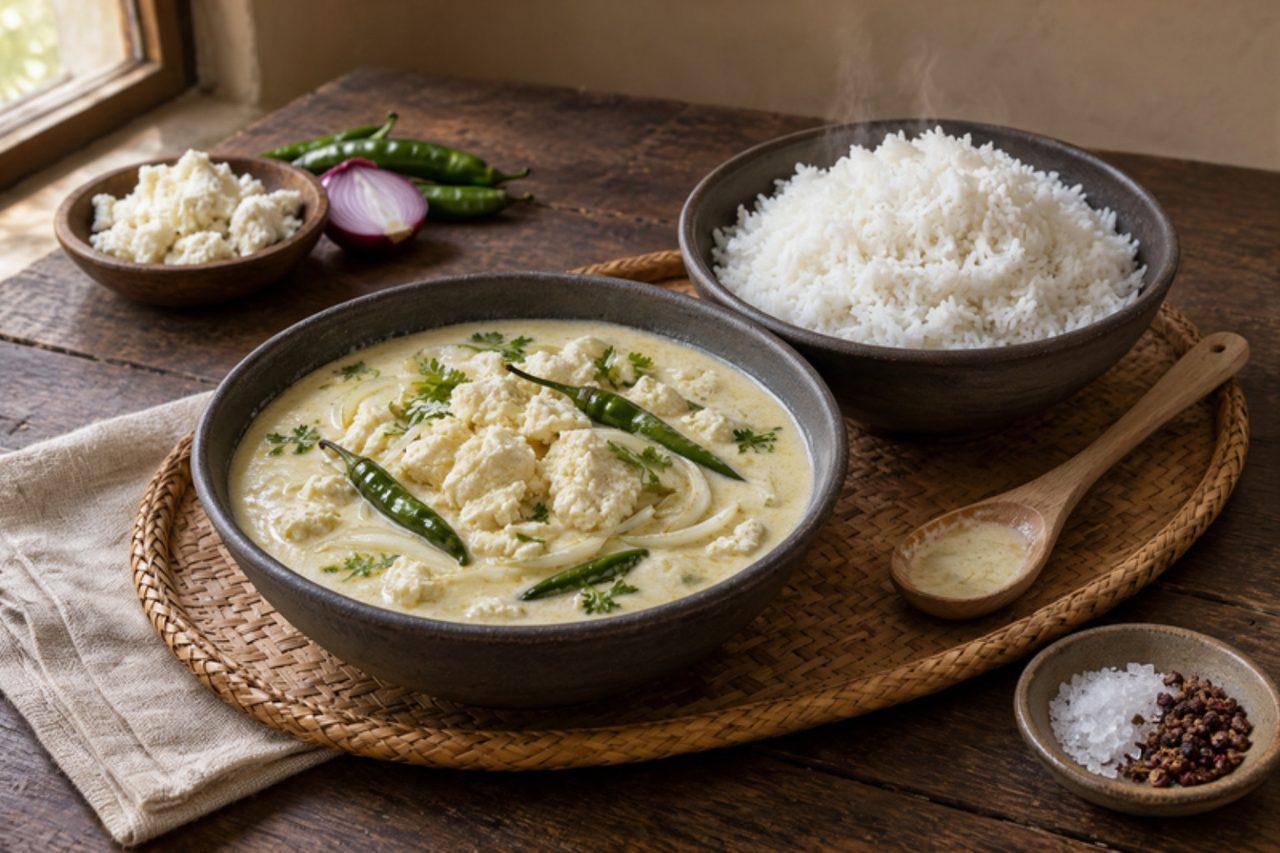
Chura sabjiFermented cheese curry

High in Tawang, Monpa families make chura sabji from chhurpi, a cheese of yak or cow's milk left to ferment until it is pungent and soft, cooked down with green chillies and onion into a creamy, fiery curry. It is everyday food in the cold months, eaten with rice or buckwheat bread. The usual mistake is cooking on high heat once the cheese goes in, which splits it into oily curds; melt it gently. Chef's tip: if you cannot get fermented chura, use a strong, crumbly blue or feta mixed with a spoon of curd to imitate the tang.

by KrazyBadal 0 views

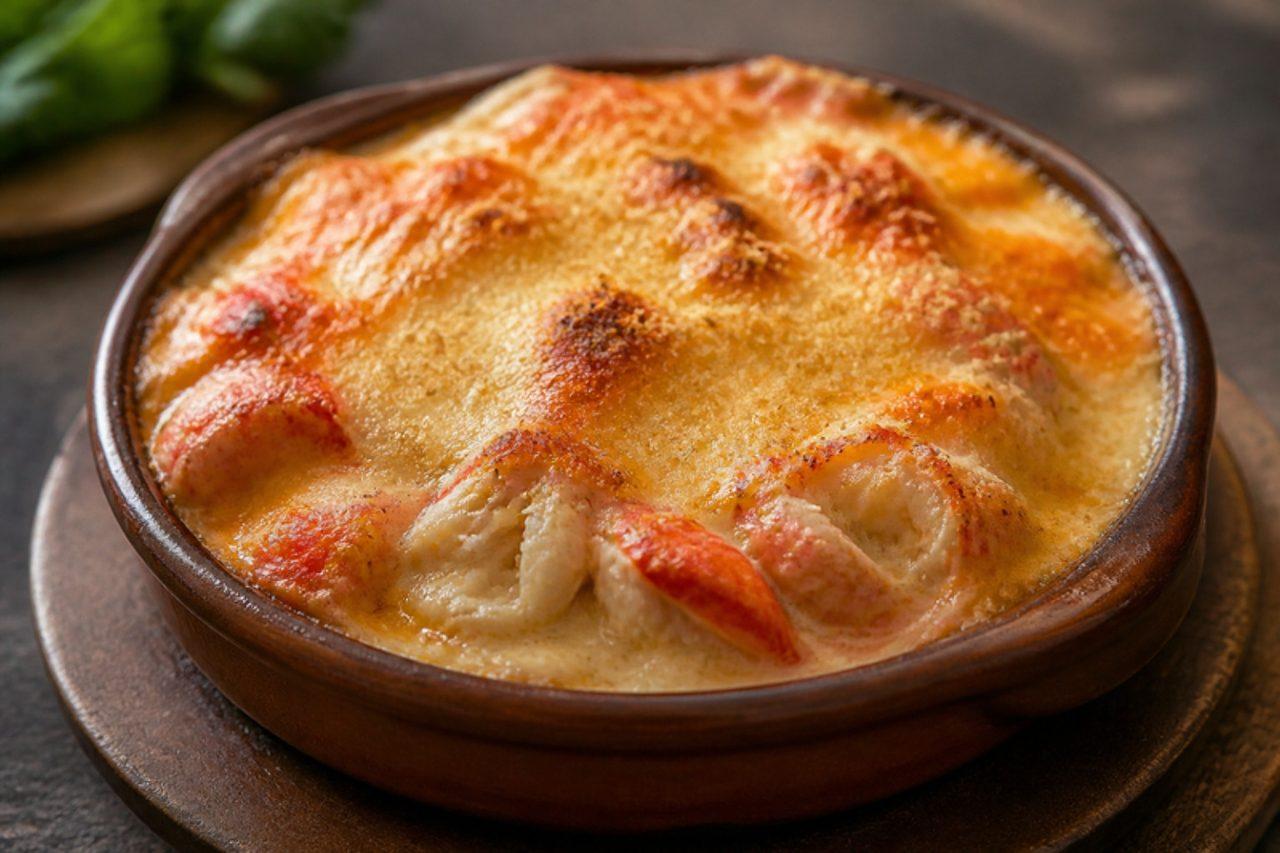
Chupe de centollaKing crab and cheese stew

In Punta Arenas and Puerto Natales, at the bottom of Chile, centolla (southern king crab) is the pride of every restaurant, and chupe is how it is served on a cold Magallanes evening: a soft, spoonable stew of crab meat cooked with bread, milk and stock until creamy, then topped with cheese and browned for a minute. It is looser than a crab gratin and eaten with a spoon. Any good cooked crab meat works. The usual mistake is boiling it fiercely once the cheese and cream go in, which makes the chupe grainy; keep it at a gentle bubble. Chef's tip: add the crab right at the end, just to heat through, so the big pieces of king crab stay whole and sweet.

by KrazyBadal 0 views

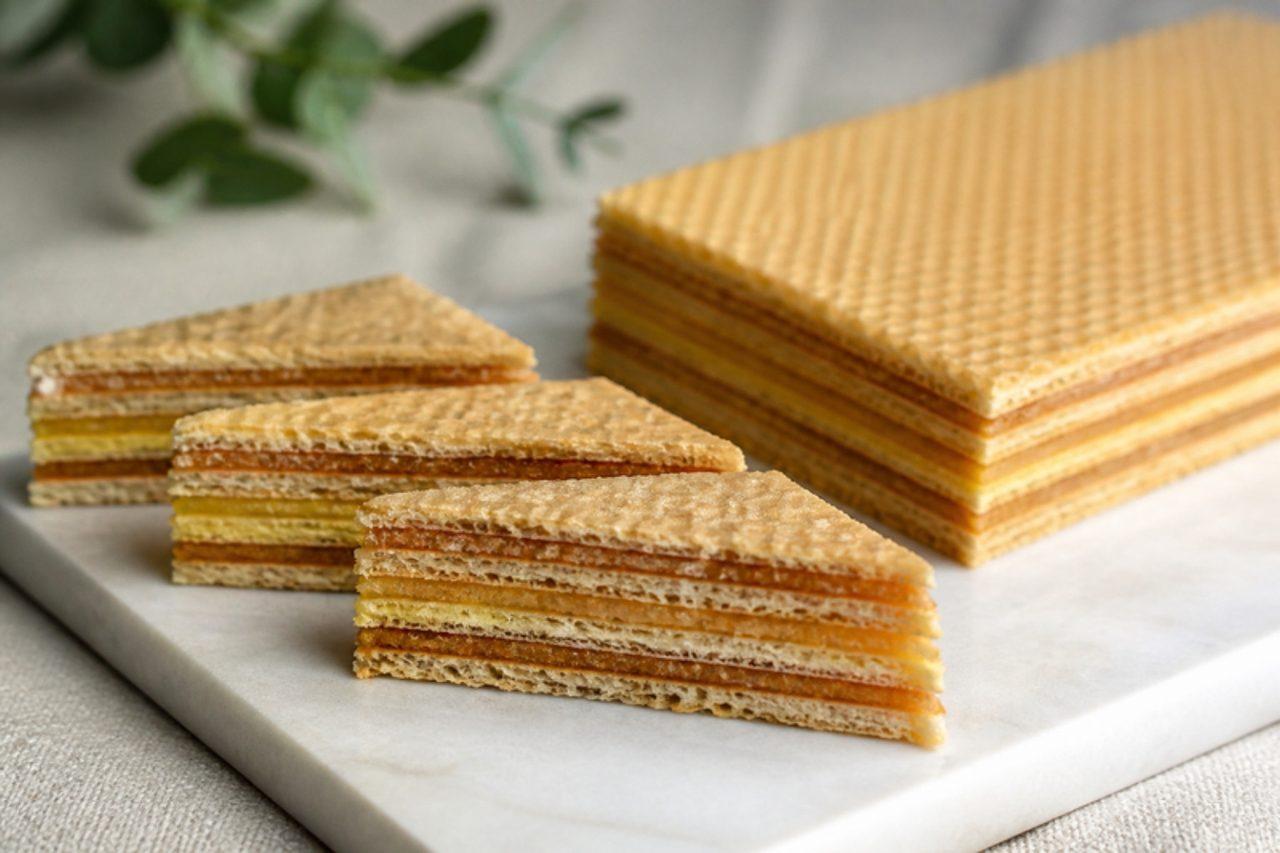
ChumbequeLayered honey biscuit

Iquique's Chinese community began baking chumbeque in the port's corner shops more than a century ago, and today it is the city's edible souvenir: crisp, honey-sweet pastry stacked in thin layers with a sharp lemon filling and a sticky guava one, cut into small bricks. People take it home from the Zofri market or nibble it with tea at once. At home, bake it as one slab and slice it when cold. Many people roll the dough too thick, which gives a cakey, dry bar instead of fine layers; aim for 3 mm. Chef's tip: chill the rolled sheets for 10 minutes before you stack them so they don't stretch out of shape.

by KrazyBadal 0 views

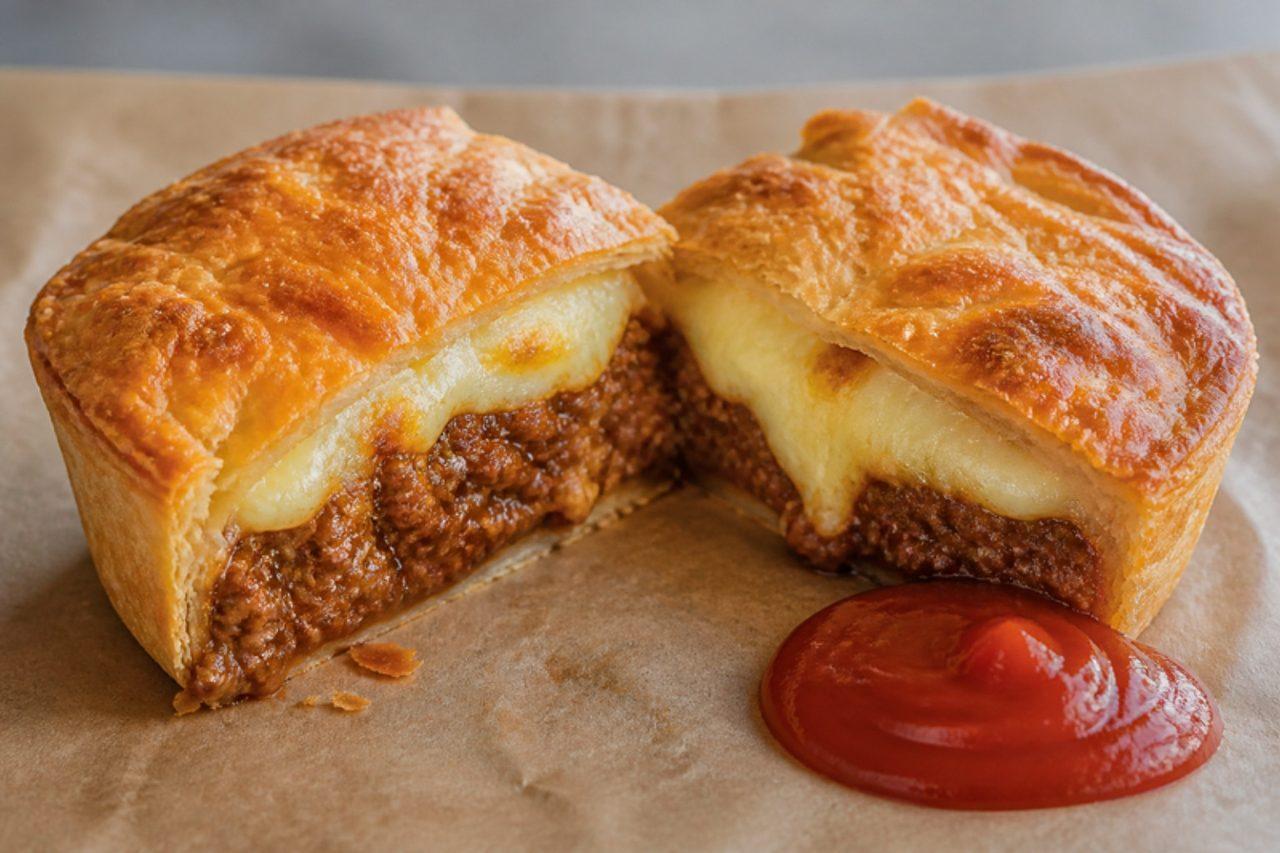
Mince and cheese pie

Mince and cheese is New Zealand's best-selling bakery pie, the go-to lunch for tradies, students and rugby crowds from Auckland to Dunedin, with a rich, peppery beef mince gravy under a thick layer of melted cheese and a flaky puff lid. It is eaten from the paper bag with tomato sauce. Cheddar is often made with animal rennet. A common mistake is filling the pastry with hot mince, which makes the base soggy; cool it fully. Chef's tip: put the cheese on top of the mince, right under the lid, so it melts into a gooey layer.

by KrazyBadal 0 views

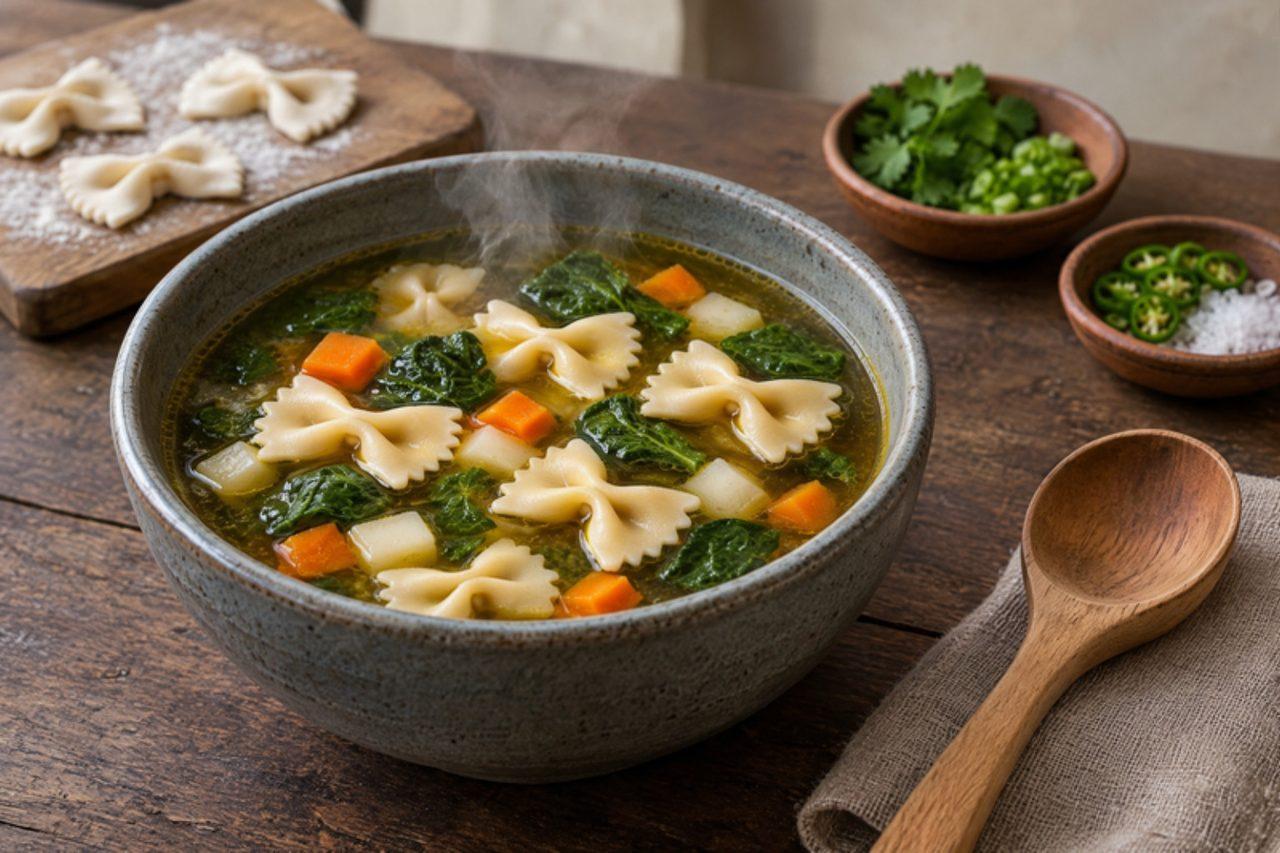
ChutagiWheat pasta in vegetable soup

In Leh and the villages along the Indus, chutagi is the one-pot supper of the long winter: little hand-pinched bow-ties of wheat dough dropped into a broth of turnip, carrot, onion and greens. Families sit around the stove pinching the dough together while the pot comes to the boil, and the soup is eaten piping hot, often with a spoon of chilli paste on the side. The broth is light but the pasta makes it filling. The usual mistake is rolling the dough too thick, which leaves the centres of the bows doughy; roll it about as thin as a coin. Chef's tip: let the shaped bows dry on a floured tray for ten minutes before they go in, so they hold their pinched centre instead of opening up in the pot.

by KrazyBadal 0 views

Churma na ladvaWheat crumb and jaggery balls

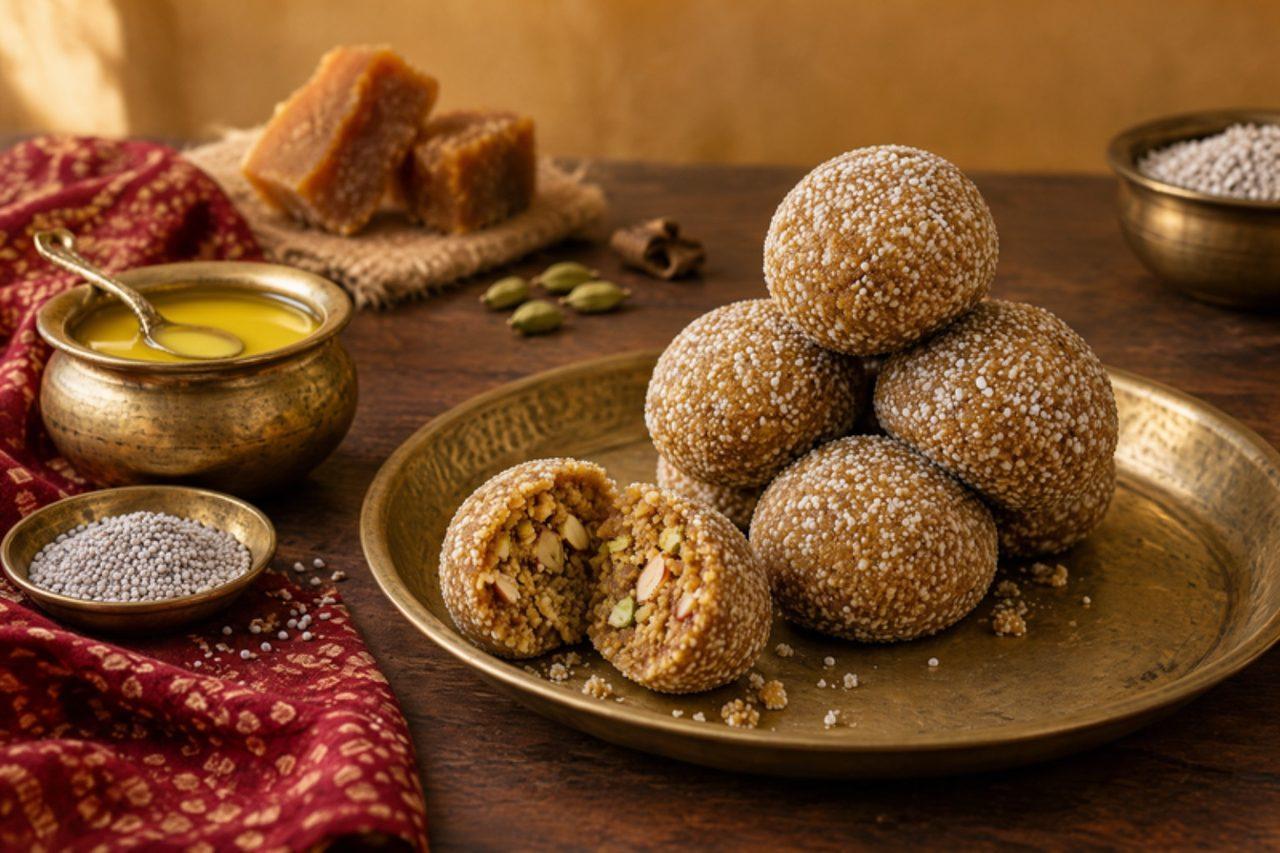
Churma na ladva are the laddus that sit beside Ganesh at Chaturthi in Kathiawad and fill the sweet course at Gujarati weddings, big rough-edged balls with a sandy crumb and a coat of white poppy seeds. Coarse wholewheat dough is shaped into fist-pressed muthiya, fried slowly in ghee until crisp right through, ground to crumbs and bound with jaggery melted in ghee, nutmeg and cardamom. The mistake that ruins them is frying the muthiya too fast: the outside browns while the inside stays doughy and the crumbs turn gummy. Chef's tip: break one muthiya open before you take the batch out; it should be dry and biscuit-like right to the centre.

by KrazyBadal 0 views

BabakauFried dough balls

Babakau are the fluffy fried dough balls sold at Fijian market stalls and village canteens at breakfast time, eaten with a mug of milky tea or hot koko before school or work in Suva and Nadi. The dough is lightly sweet and the balls puff up as they fry, golden outside and soft as a bun inside. A common mistake is oil that's too hot, which leaves raw centres; 170 °C is right. Chef's tip: wet your fingers to drop spoonfuls of dough into the oil so it slips off cleanly.

by KrazyBadal 0 views

Kaffeost (coffee with cheese)

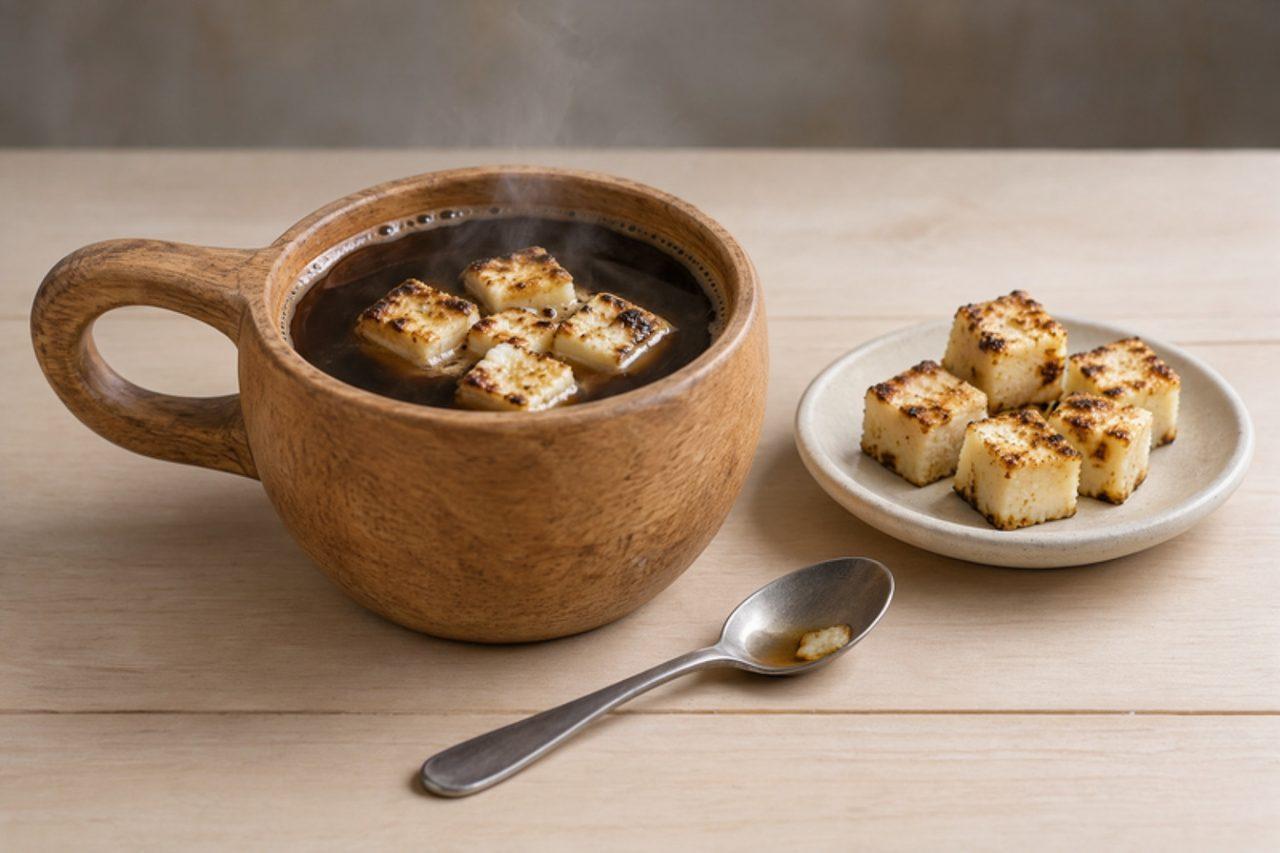
In the far north, across Swedish Norrbotten and Finnish Lapland, coffee comes with cheese in the cup. Leipäjuusto, a mild, squeaky cheese baked or grilled until spotted brown (called kaffeost or 'bread cheese'), is cut into cubes and put in a cup, often a carved wooden kuksa, then hot black coffee is poured over. Sámi reindeer herders and Tornedalen farmers have made it this way for generations; it is a fireside or mid-morning drink on a cold day, and in some families a little sugar or a slice of dried reindeer meat goes in as well. The cheese warms through, softens slightly and soaks up the coffee, so you drink the coffee and then spoon out the warm, chewy, milky cubes. The common mistake is using a soft or melting cheese: it collapses into strings. Use proper leipäjuusto or halloumi, which keep their shape. It is ready when the cubes are hot to the centre, about 2 minutes, and slightly puffed. Strong coffee means real caffeine here, so it is an adult drink. Leipäjuusto is sold in Nordic shops; halloumi is the nearest substitute. Chef's tip: warm the cheese on a dry pan first for extra browned flavour.

by KrazyBadal 0 views

Parwal ki mithaiStuffed candied pointed gourd

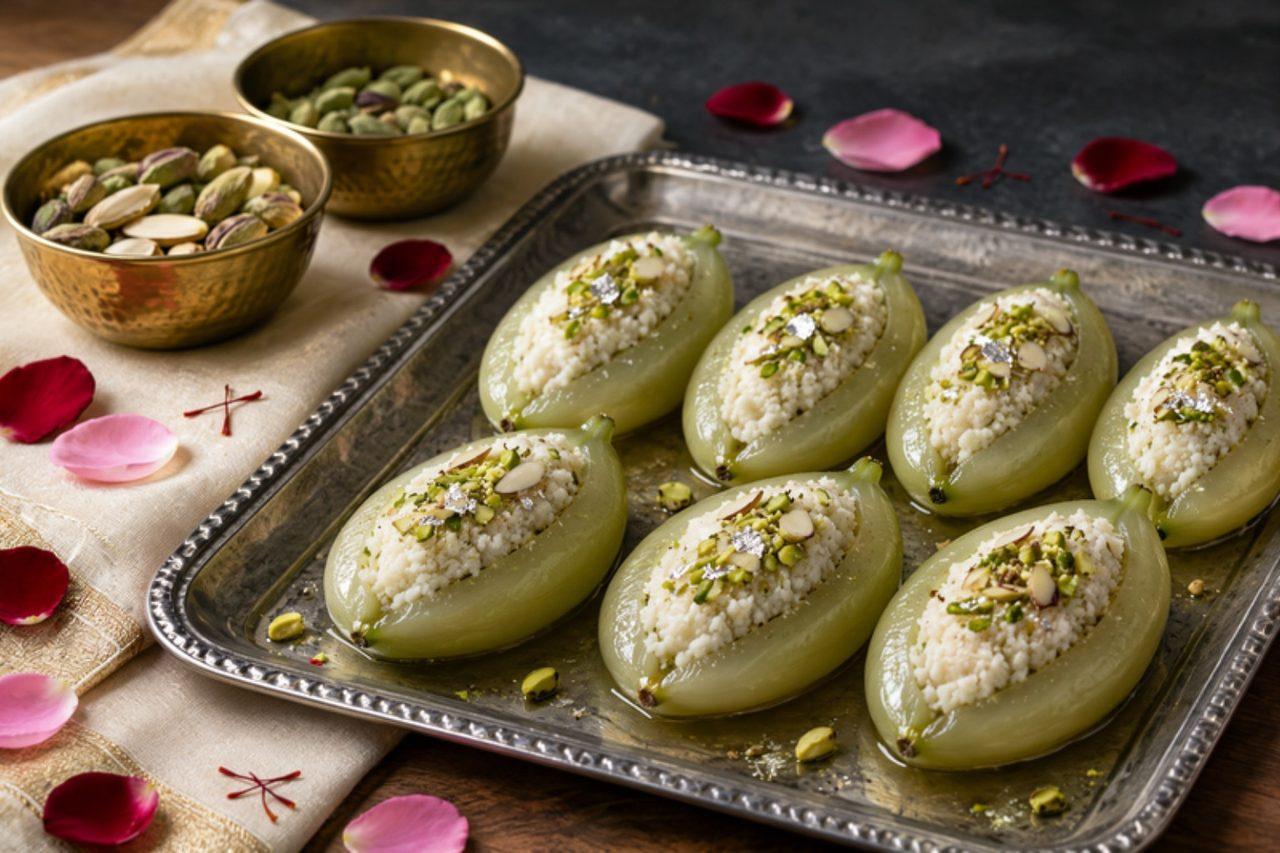
Parwal ki mithai surprises anyone who knows pointed gourd only as a curry vegetable: in Bihar and eastern Uttar Pradesh sweet makers peel the gourds, candy them in syrup until translucent, then fill them with sweetened mawa and nuts. They sit in shop windows at Diwali, Chhath and weddings, often glinting with silver leaf. The common mistake is undercooking the gourds before candying, which leaves them crunchy and vegetal; blanch until a knife slides in easily. Silver leaf (vark) is optional; choose one certified vegetarian. Chef's tip: scrape out every seed carefully, because even a few hard seeds spoil the soft bite.

by KrazyBadal 0 views

ChyhyrtmaEggs with tomatoes and onions

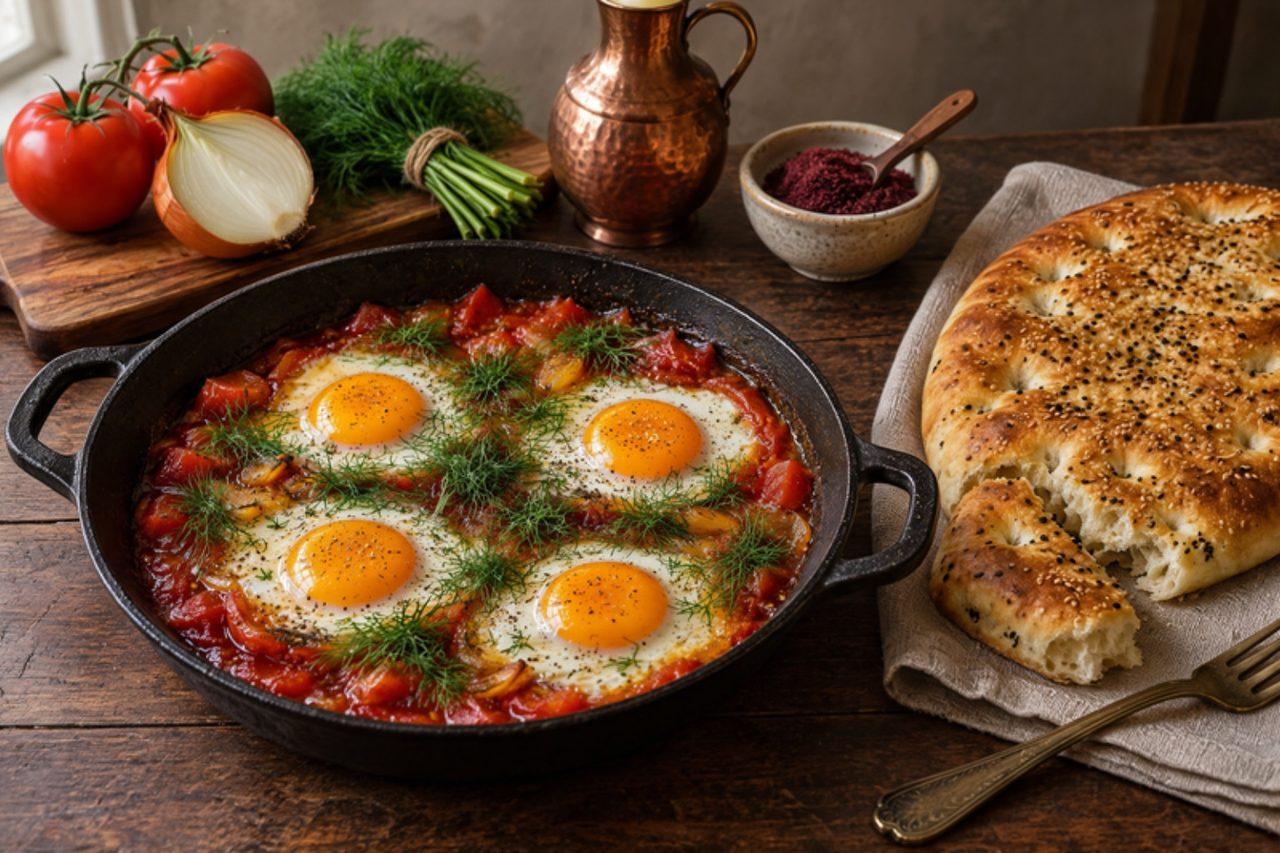
Çığırtma is the Azerbaijani way with breakfast eggs: onions softened slowly in butter, ripe tomatoes cooked down with them, then beaten eggs poured over and set gently, sometimes with spinach or herbs and sometimes over chicken. This vegetarian tomato version is eaten in Baku with lavash or tandir bread and strong tea. The mistake is rushing the onions; they must turn soft and sweet before the tomatoes go in. Cook the eggs until set if serving anyone pregnant, young children, older people or anyone with a weakened immune system. Chef's tip: do not stir once the eggs are in; cover the pan and let them puff over the tomatoes like a soft omelette.

by KrazyBadal 0 views

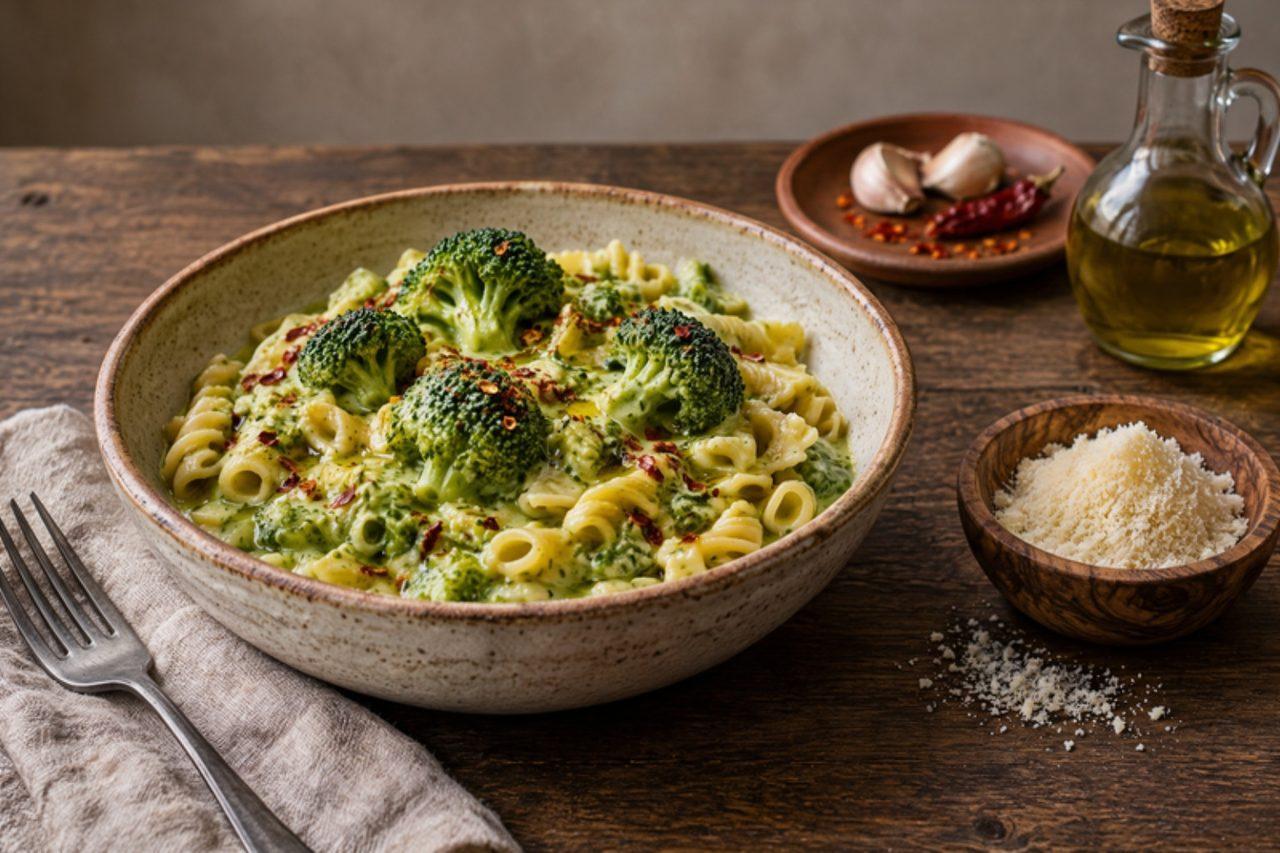
Pasta e broccoliPasta with broccoli

In Neapolitan homes pasta e broccoli is a midweek winter lunch, the sort of 'pasta e…' dish where vegetables and pasta are cooked in the same pot until they turn creamy without any cream. Broccoli is simmered with garlic, chilli and olive oil until it falls apart, then broken short pasta goes straight in with a little hot water and is stirred like a risotto, so the starch binds it all into a thick, green sauce. Finish with grated cheese and a thread of good oil. The usual mistake is adding too much water at once, which turns it into soup; add a ladle at a time. Chef's tip: chop the broccoli stalks finely and start them first, because they give the sauce most of its body.

by KrazyBadal 0 views

Mandi'o chyryryFried cassava with onion and egg

Mandi'o chyryry means 'fried cassava' in Guaraní, and it is what rural Paraguayan families make from yesterday's boiled mandi'o: chunks crushed and fried in a big pan with onion until crisp in places, then scrambled with eggs. It comes out for breakfast with cocido or for a quick supper, and costs next to nothing. Use sweet cassava, the kind sold in supermarkets. The mistake is stirring constantly, which turns it to mush; let the cassava sit and brown. Chef's tip: the best chyryry starts with cold, day-old boiled cassava, which fries crisper than freshly boiled.

by KrazyBadal 0 views

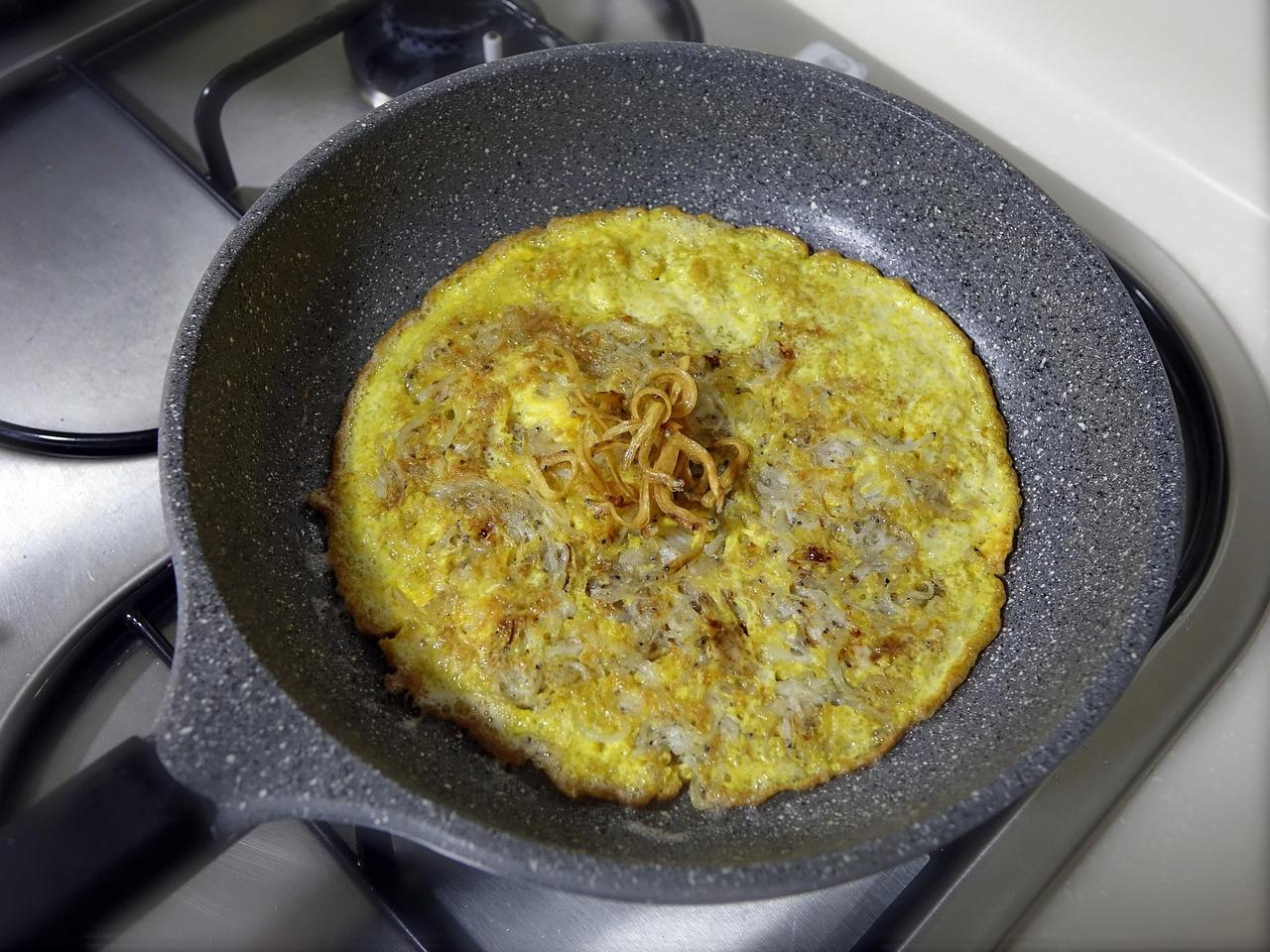
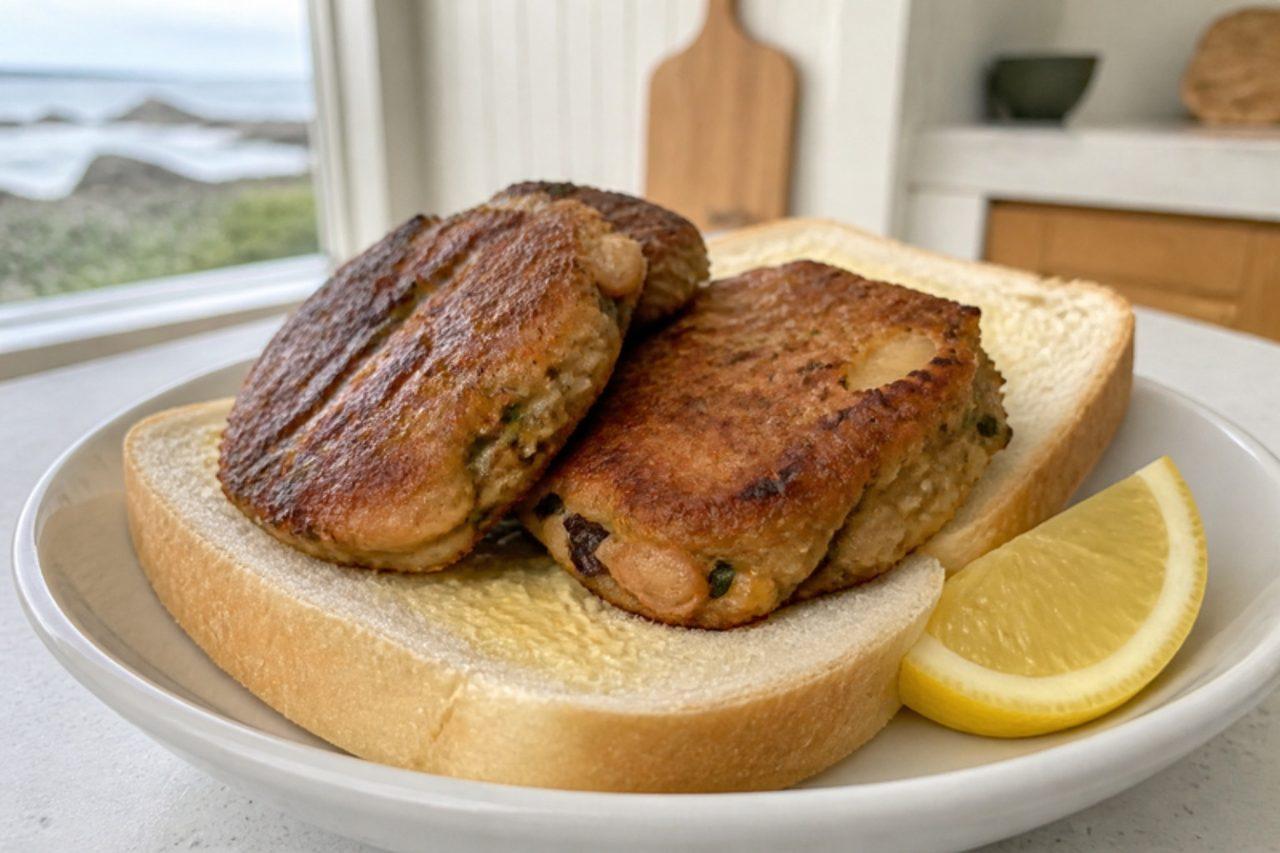
Whitebait fritters

Every spring, from September to November, the rivers of New Zealand's West Coast, around Hokitika and Haast, line with people scooping tiny translucent whitebait in nets, and the season's prize is a whitebait fritter. The fish are bound with just enough egg to hold them, fried in butter and eaten between slices of buttered white bread with a squeeze of lemon. Buy fresh or frozen whitebait from a trusted seller. A common mistake is adding flour, which hides the delicate fish; the true West Coast fritter is almost all whitebait. Chef's tip: beat the egg white separately and fold it in for a lighter fritter.

by KrazyBadal 0 views

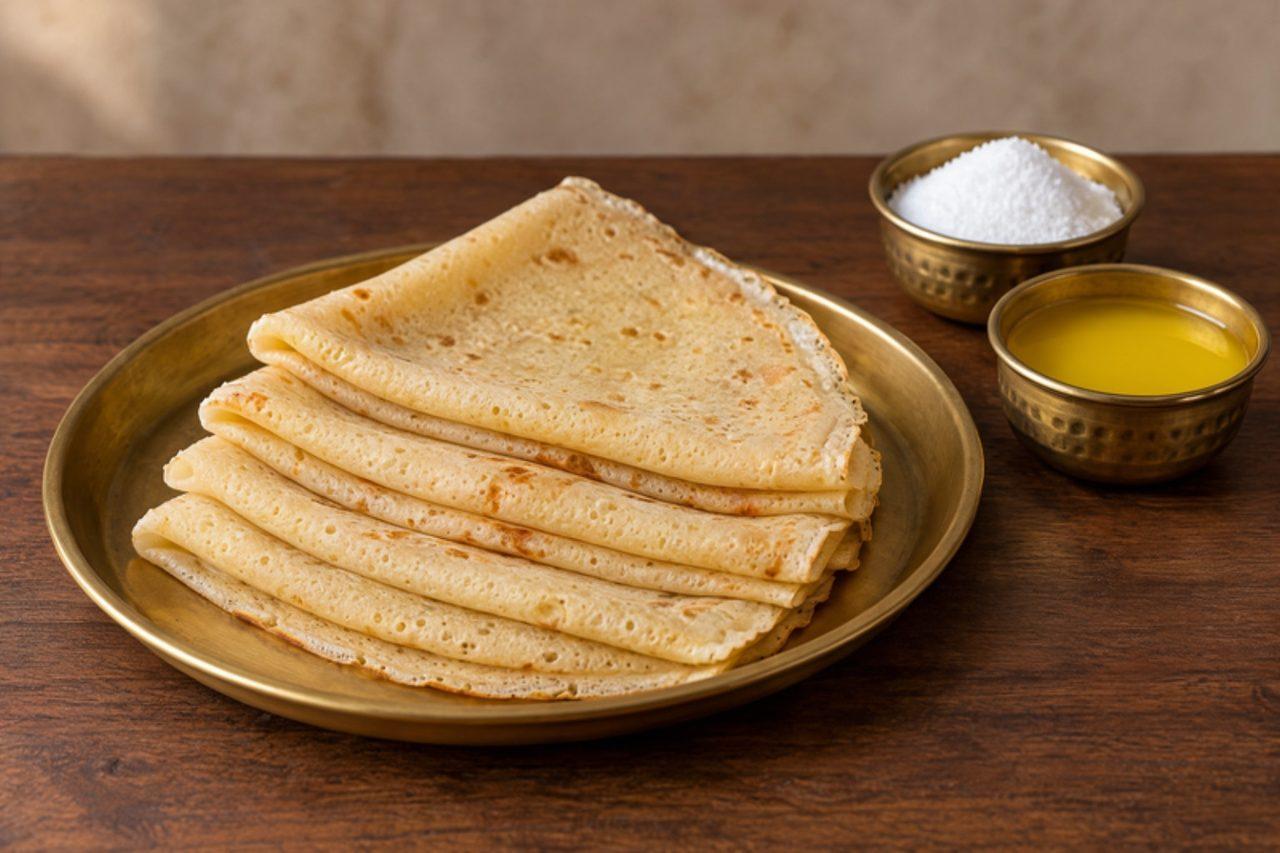
PatandeSweet wheat and milk crepes

Patande are the special-occasion crepes of Sirmaur district in southern Himachal, poured for Diwali, the Bishu fairs and whenever a guest arrives unexpected. A thin batter of wheat flour and milk, sweetened and scented with cardamom, is spread paper-thin on a large iron griddle and folded into quarters, then eaten warm with ghee or honey. A salty version with green chilli is made too, but the sweet one is the festive favourite. The common mistake is a cold pan, which makes them stick and tear; it must sizzle when the batter touches it. Chef's tip: spread the batter with the back of a flat ladle in a spiral from the centre outwards, as hill cooks do.

by KrazyBadal 0 views

Pāua frittersAbalone fritters

Pāua, the New Zealand black-footed abalone with its rainbow shell, is gathered by divers on the rocky coasts of Kaikōura, the Chatham Islands and Stewart Island, and minced into rich, savoury fritters that are a Kiwi beach-bach favourite. Only take or buy pāua within the legal limits, and buy from a licensed seller. The meat must be cleaned and tenderised before mincing. A common mistake is overcooking the fritters, which turns the pāua tough; they need just a couple of minutes a side. Chef's tip: mince the meat finely, the old way was through a hand mincer, so the fritters are tender.

by KrazyBadal 0 views

Citron presséFresh lemon drink

Order a citron pressé on a Paris terrace in July, or at a café in Nice after the beach, and the waiter brings a tall glass with an inch of freshly squeezed lemon juice, a carafe of iced water, a sugar bowl or a little jug of syrup and a long spoon. You build the drink yourself, as sharp or as sweet as you like, which is half the pleasure; French children learn to drink it with plenty of sugar, grown-ups often with almost none. It is bright, sour and cleansing, nothing like bottled lemonade, and best in the late afternoon heat. The common mistake is stirring granulated sugar straight into cold lemon water: it sinks and never dissolves, so the first sips are sour and the last a sludge. Dissolve the sugar in the juice first, or use a quick syrup. It is ready when the sugar has vanished, the drink tastes balanced to you and the glass is beaded with cold. Unwaxed lemons matter if you add a twist of peel. Chef's tip: pour the water over ice slowly and taste after half the carafe; most people find they need less water than they expect.

by KrazyBadal 0 views

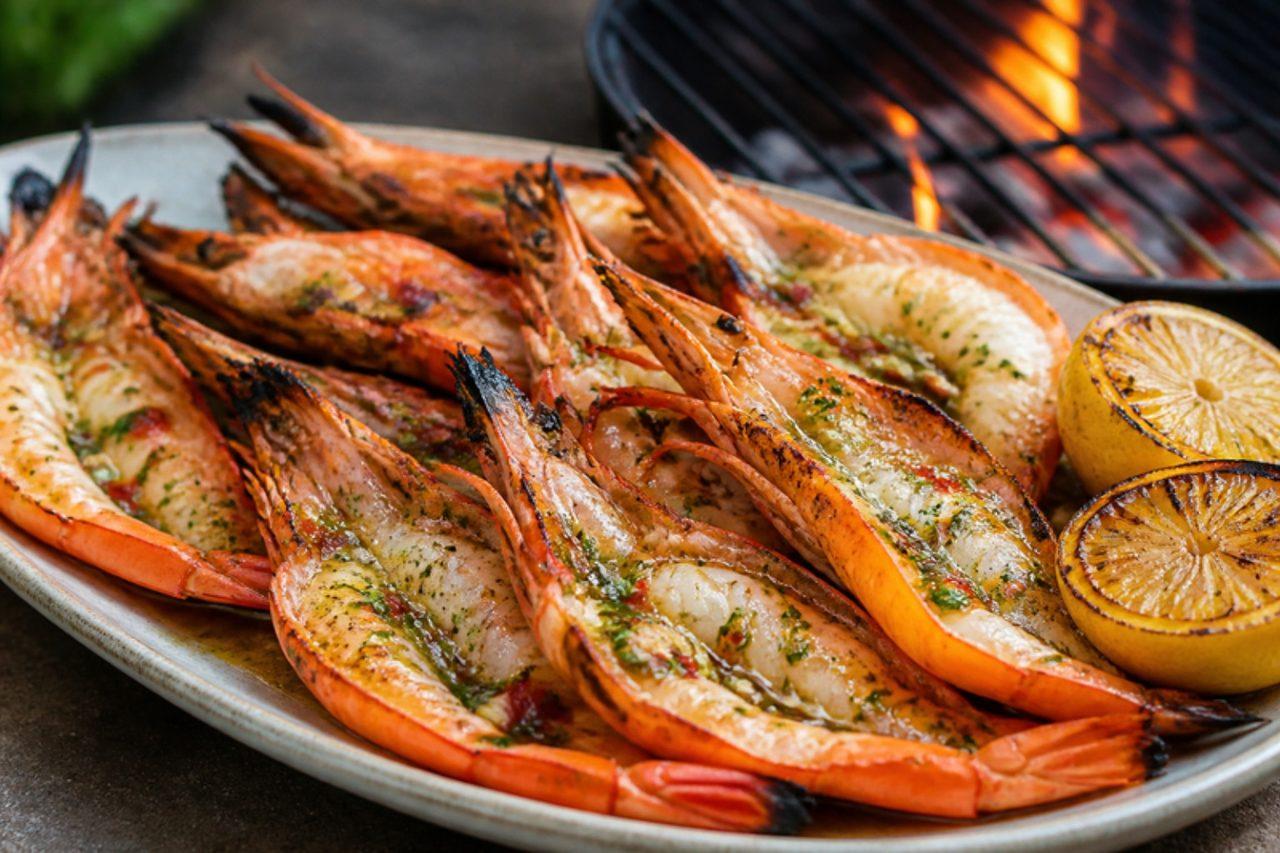
Barbecued garlic prawns

Prawns on the barbie are the true Australian Christmas and summer meal, cooked on the backyard barbecue from Perth to the Gold Coast with a cold drink in hand. Big raw king or tiger prawns are marinated in garlic, chilli, lemon and olive oil, then grilled quickly in their shells, which keeps them juicy. A common mistake is leaving them in the marinade too long; the lemon starts to cook them. Chef's tip: cut down the back of the shell and remove the vein but leave the shell on, so the marinade gets in and the prawns don't dry out.

by KrazyBadal 0 views

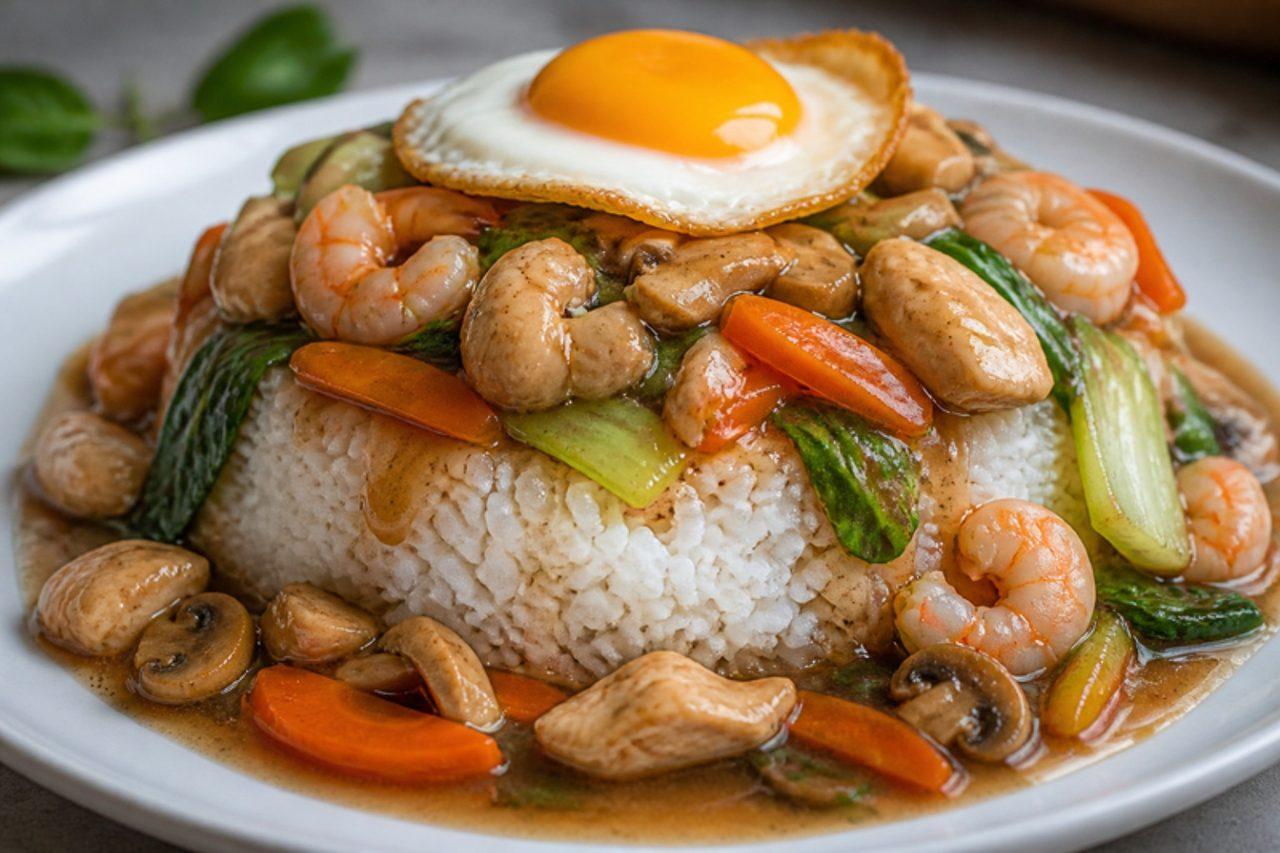
Bol renverséUpside-down rice bowl

Order a bol renversé in a Port Louis canteen or a Grand Baie food court and it arrives as a neat dome of rice with a fried egg perched on top; break into it and a glossy stir-fry of chicken, prawns, mushrooms and Chinese leaves spills out. The trick is building it backwards in a bowl, egg first, then the stir-fry, then rice packed down, before flipping it onto a plate. The sauce should be thick enough to coat the vegetables but loose enough to soak into the rice. People often make the sauce too thin and the dome slides apart in a flood, so simmer it until it glazes the back of a spoon. Chef's tip: fry the eggs only until the whites are set and the edges are crisp, and lay them yolk-side down in the bowl so the yolk faces up and stays runny when you turn it out.

by KrazyBadal 0 views

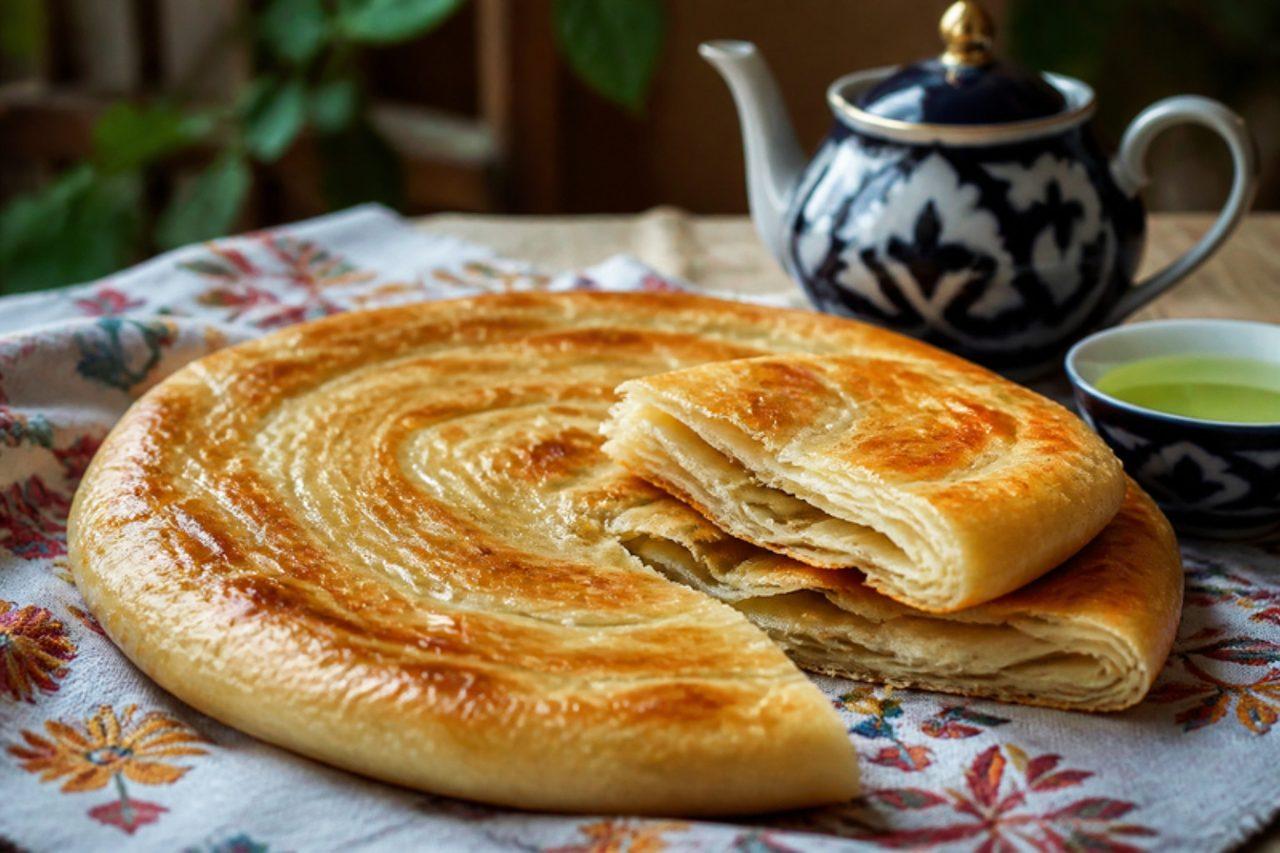
FatirLayered butter flatbread

Fatir is the rich, flaky flatbread of Tajik homes and Dushanbe bakeries, made for qurutob, for guests and for festivals: dough rolled thin, spread with butter or ghee, folded and coiled into many layers, then baked against the wall of a tandir until crisp outside and soft and layered inside. It tears into flakes and soaks up sauces beautifully. A common mistake is baking it too slowly, which dries it out; it needs a very hot oven. Chef's tip: brush with ghee as soon as it comes out, then wrap it in a cloth for 5 minutes to soften the crust slightly.

by KrazyBadal 0 views

Red caviar butterbrods

When the Soviet festive table had one luxury, this was it: little slices of white bread, thick with cold butter and topped with glistening orange salmon roe, set out for New Year's Eve, birthdays and the first course of a wedding. The pleasure is in the textures, the bead-like eggs bursting with a salty sea taste against sweet butter and soft bread. Salmon roe is salted and cured, not cooked: buy pasteurised roe in a chilled jar or tin from a good fishmonger, keep it in the fridge and eat it the day it is opened; it is not for pregnant women, young children or anyone with a weakened immune system. A common mistake is spreading the butter thin; you need a proper layer to anchor the roe. Chef's tip: spoon the roe with a plastic or bone spoon rather than metal, and add it at the last minute so it stays plump.

by KrazyBadal 0 views

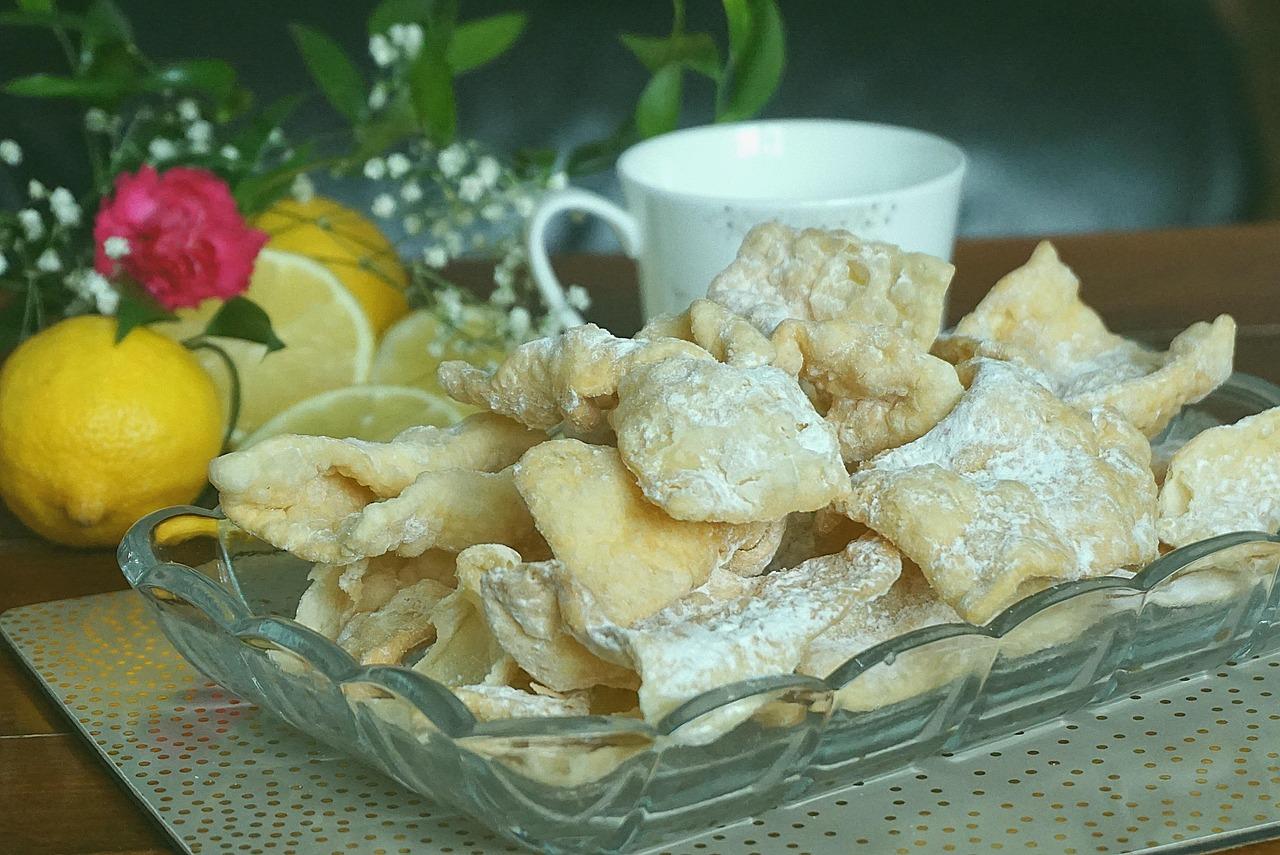
FaworkiCrisp fried dough ribbons

On Fat Thursday, the last Thursday before Lent, Polish queues for pączki are matched only by the piles of faworki, also called chruściki, sold by the bag. They are paper-thin strips of rich egg-yolk and sour-cream dough, each pulled through a slit to make a twist, fried for seconds until they blister and puff into shattering, bubbly shards. Many families add a spoon of spirit to the dough to make them extra crisp; vinegar does the same job alcohol-free and is used here. Where most people go wrong is rolling the dough too thick, which gives chewy biscuits rather than glass-thin crisps. Chef's tip: beat the dough with a rolling pin for 5 minutes before rolling; the air you trap makes the bubbles.

by KrazyBadal 0 views

Skyr

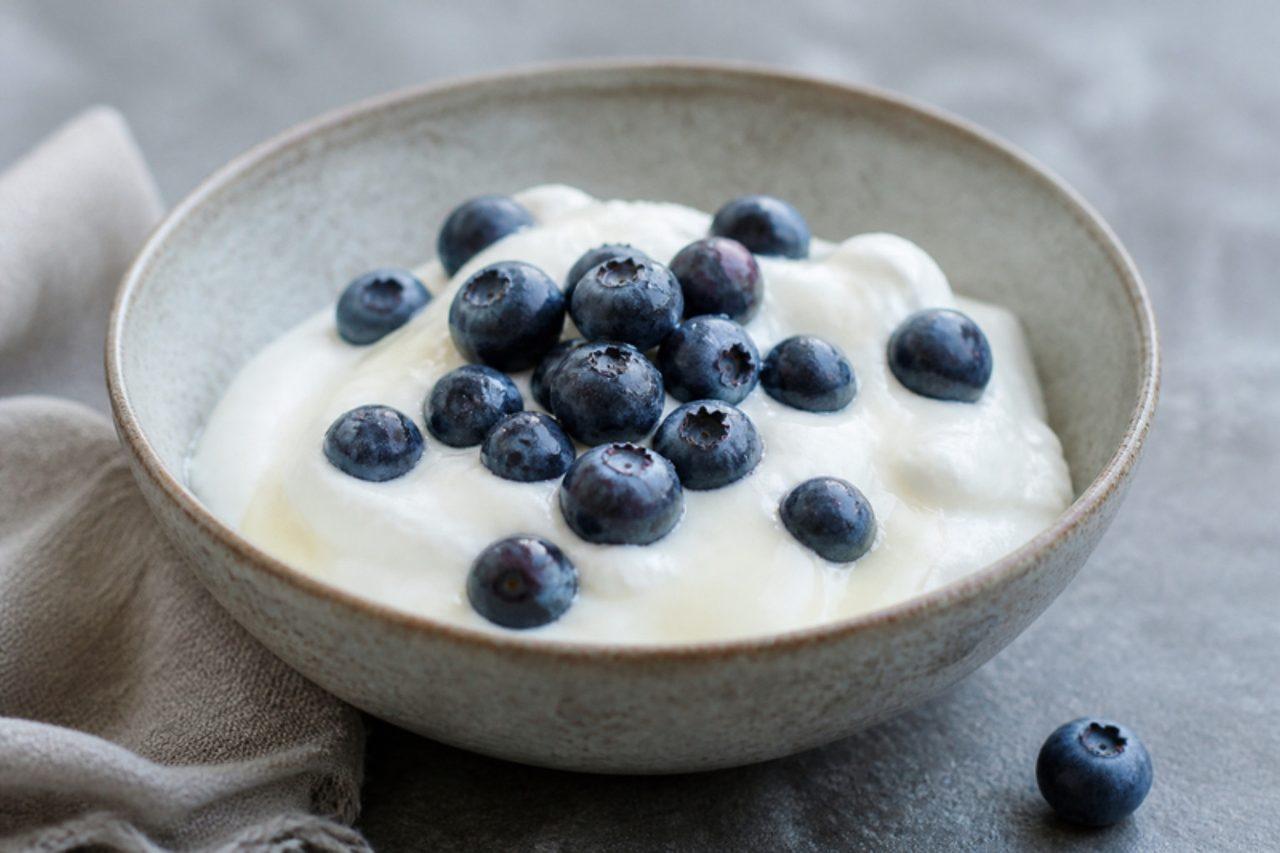
Skyr has been made in Iceland since the Viking settlers arrived: skimmed milk soured with a spoonful of the last batch, set with a drop of rennet, then strained until very thick, high in protein and mildly sour. Icelanders eat it every day with milk or cream and berries, or whisked into a drink, and skyrkaka is a favourite cheesecake. You need a few spoonfuls of plain shop skyr with live cultures as a starter. A common mistake is skipping the long, slow set; rushed skyr is thin and grainy. Chef's tip: strain it in the fridge overnight and stir it smooth before serving. Rennet is traditionally animal; use vegetarian rennet.

by KrazyBadal 0 views

AranygaluskaGolden walnut yeast dumplings

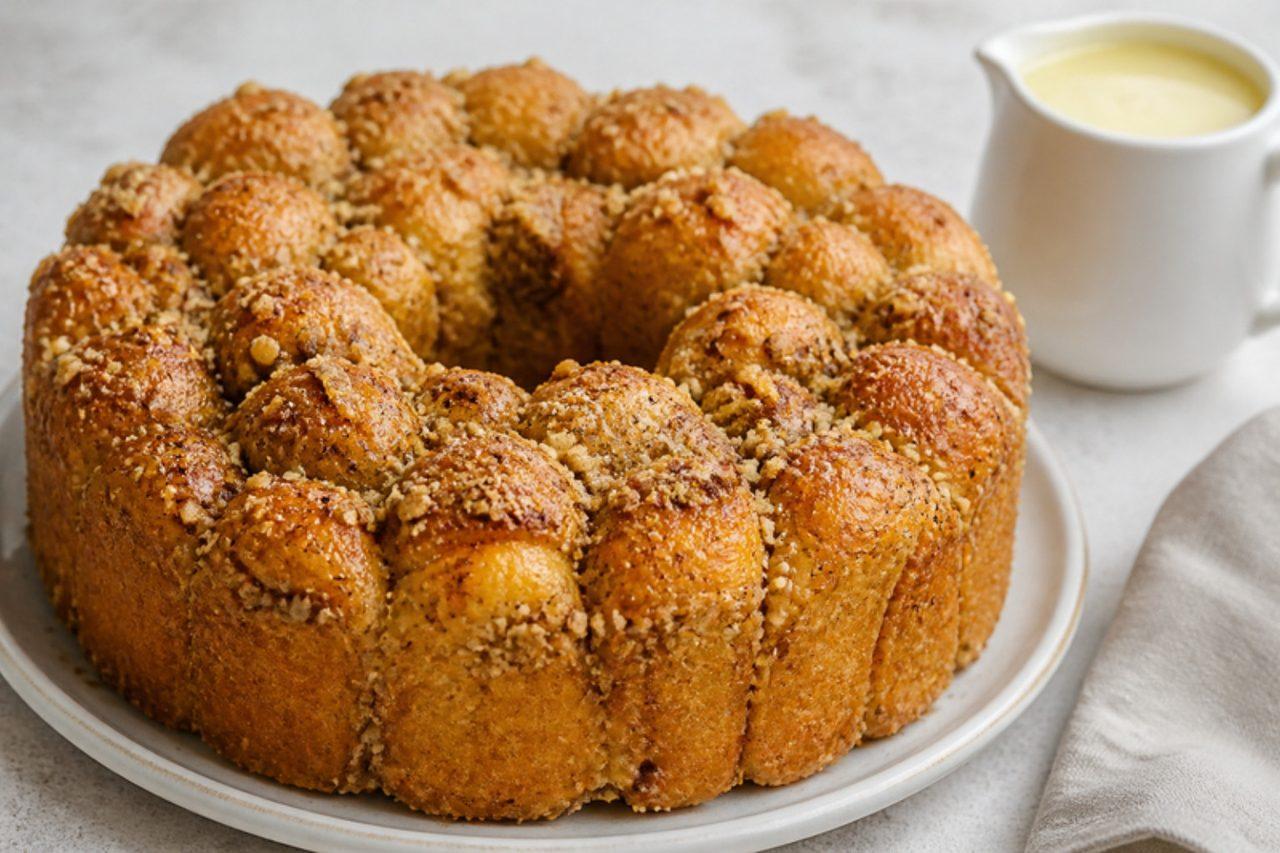
Aranygaluska means golden dumplings, and the pull-apart cake really does come out of the oven bronze and gleaming. Walnut-sized balls of sweet yeast dough are dipped in melted butter, rolled in ground walnuts and sugar, stacked loosely in a ring tin and baked, so the nuts caramelise into a sticky crust. It is a family Sunday pudding all over Hungary and a favourite at school canteens, and Hungarian emigrants took it to America, where it became monkey bread. Pour warm vanilla custard over each helping. Some cooks serve it with a wine custard; this version keeps to vanilla, so it is alcohol-free. Where it goes wrong is packing the balls tightly; leave gaps so they can rise and the walnut coating reaches every side. Chef's tip: spoon a little apricot jam between the layers for a tart note.

by KrazyBadal 0 views

FendishaSweet or salted popcorn

Popcorn might seem an odd companion to coffee, but at an Ethiopian buna ceremony a heaped tray of fendisha is as expected as the incense and the little cups. The hostess pops it while the coffee boils, and it is eaten in small handfuls between the three rounds of coffee. Some families like it plain with a pinch of salt, others scatter sugar over it while it is still hot so it catches in the crevices; both are made here. It is crisp, light and best within an hour or two. Whole popcorn is a choking risk for children under five, so serve them something else. Chef's tip: leave the lid slightly ajar while it pops so the steam escapes; trapped steam is what makes popcorn chewy.

by KrazyBadal 0 views

Batticaloa fish curry

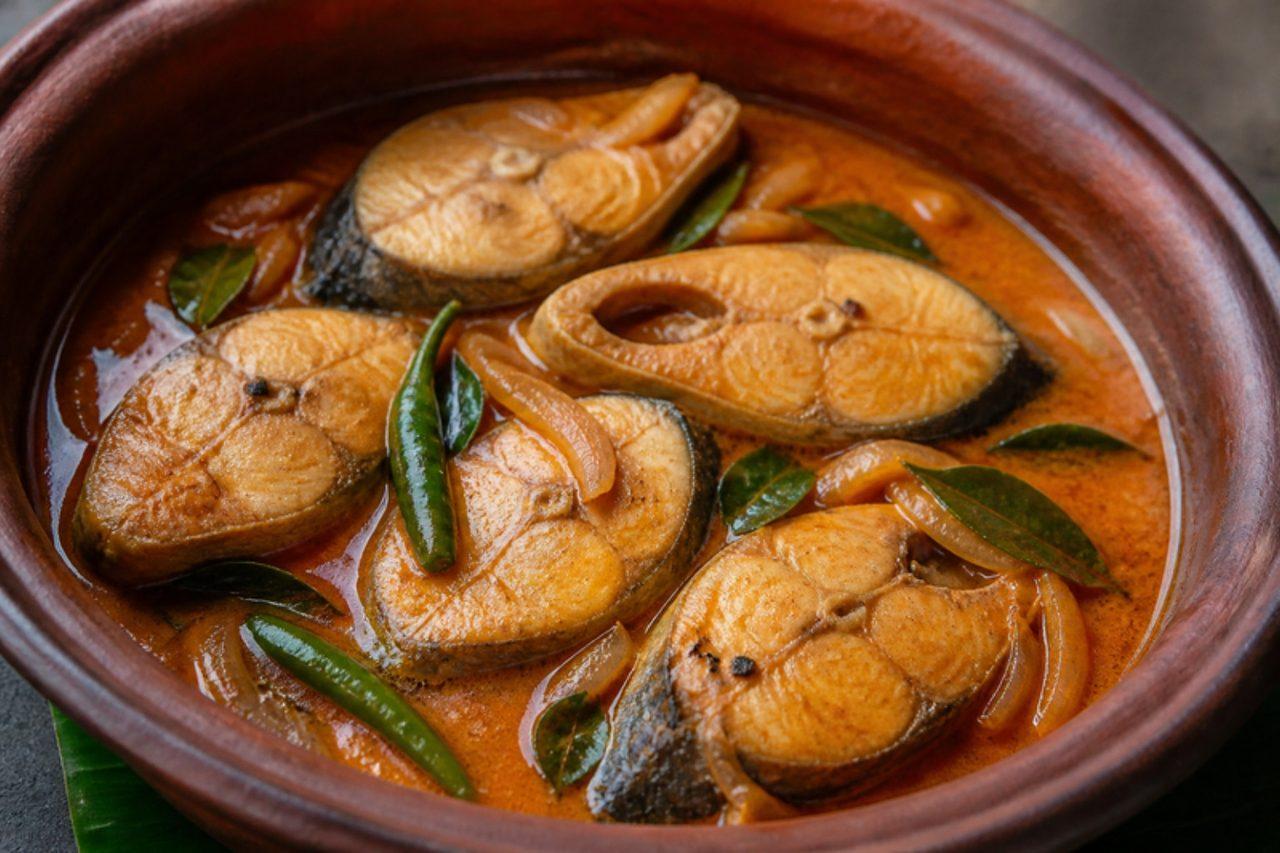
Batticaloa sits between a long lagoon and the sea, and its Tamil and Muslim cooks make a fish curry that tastes of both: sour with tamarind, round and mellow with coconut milk, and fragrant with fennel, fenugreek and curry leaves. Seer fish, called thora or vanjiram, is the favourite because its firm steaks hold together in the gravy, though any meaty sea fish works. The curry is a weekday staple, cooked in the morning and eaten at lunch with rice, a lentil dhal and a fried vegetable, and it is even better a few hours later once the fish has absorbed the sauce. Most disappointing versions come from stirring the pot after the fish goes in, which breaks the steaks into flakes. Chef's tip: swirl the pan instead of stirring, and spoon the sauce over the fish so it cooks evenly without being moved.

by KrazyBadal 0 views

FarfelEgg pasta pilaf with onions

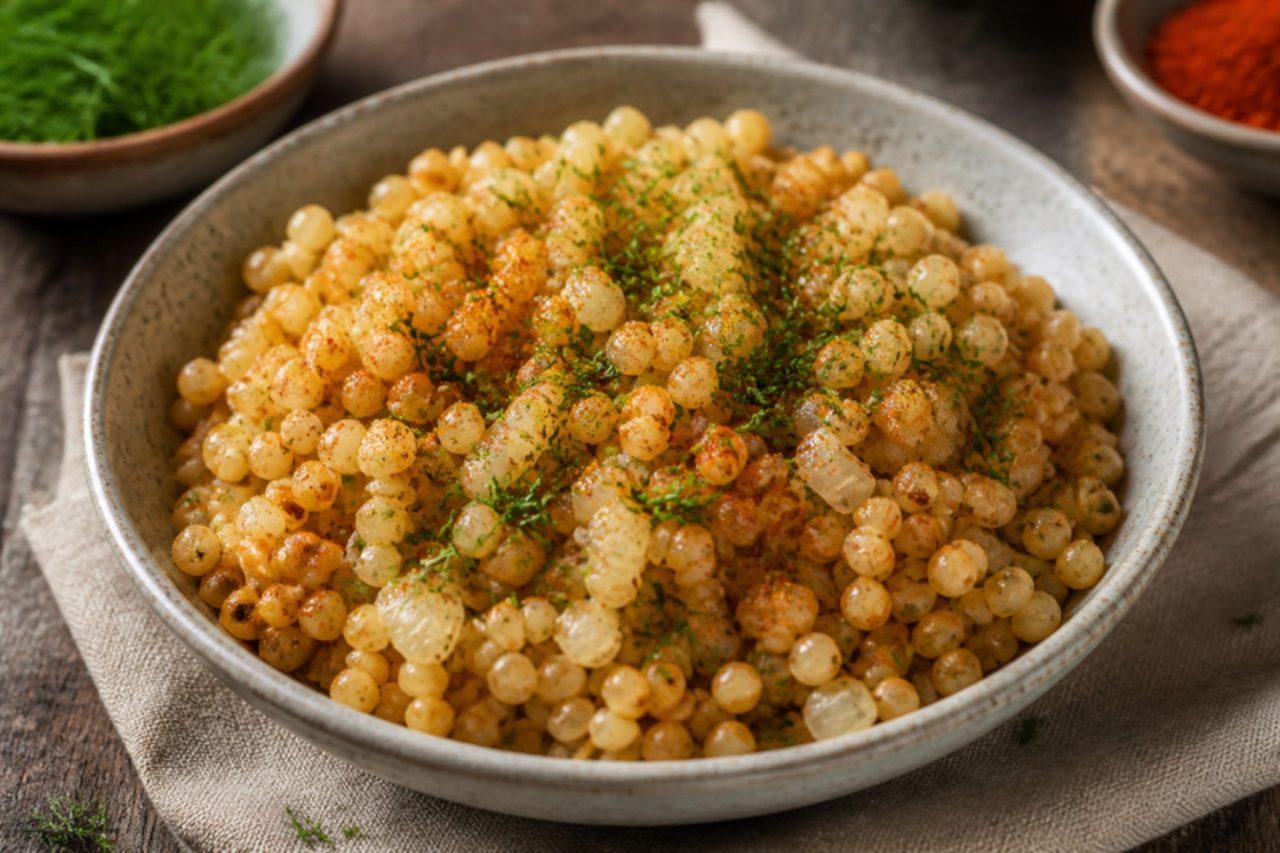
Farfel, little barley-sized pellets of egg pasta, are what many Ashkenazi grandmothers in Israel cook instead of rice, especially on Friday nights alongside soup and roast vegetables. Toasted in oil until golden, then simmered in stock with soft onion, they turn out fluffy and separate with a gentle nutty taste, a bit like a tiny pasta pilaf. This version uses vegetable stock, so it is vegetarian and dairy free. Serve it as a side or stir through mushrooms for a light supper. A common mistake is adding too much stock, which makes the pellets swell into a sticky mass. Chef's tip: toast the farfel until it smells like toast and is evenly amber before any liquid goes in.

by KrazyBadal 0 views

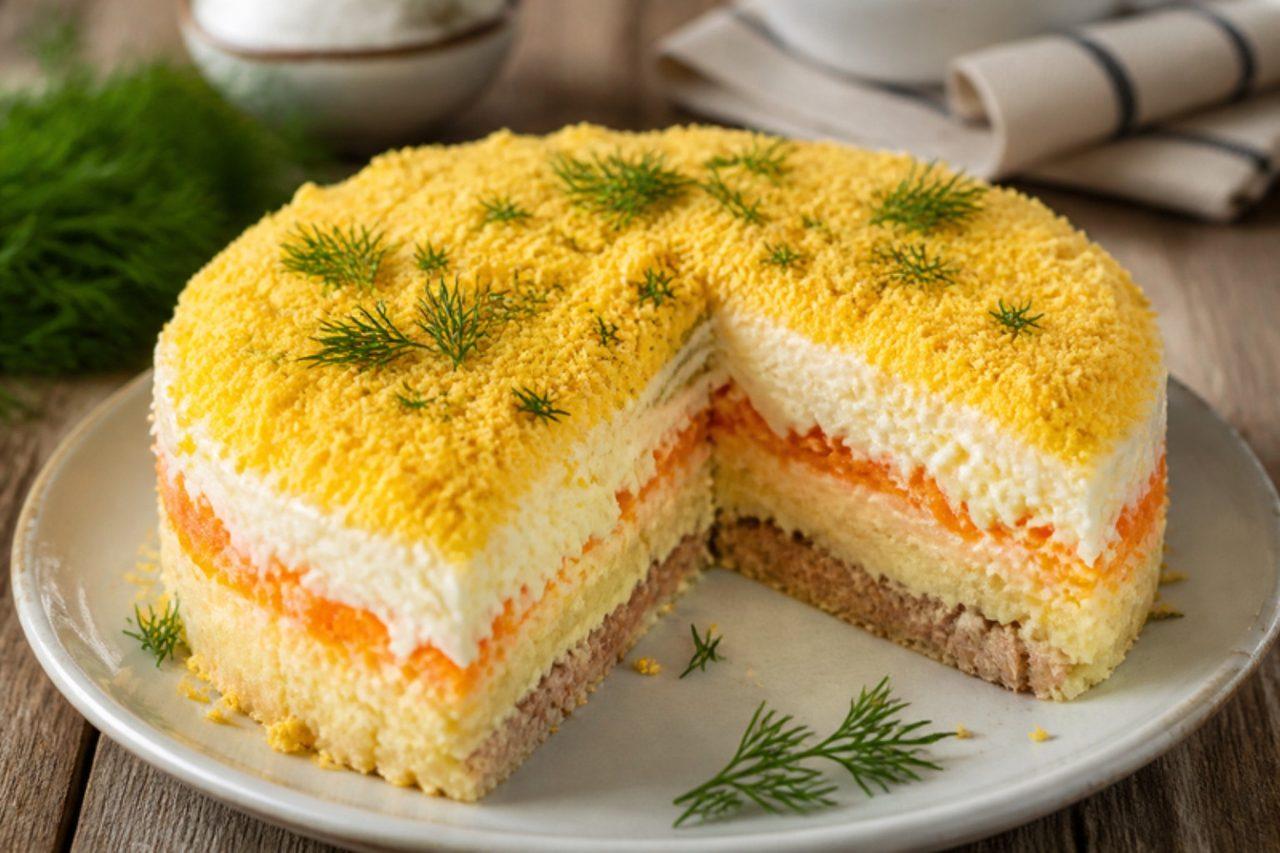
Mimosa salad

Named for the fluffy yellow mimosa flowers sold on every Moscow street corner for Women's Day on 8 March, this Soviet-era party salad is crowned with a snowfall of grated egg yolk. Underneath are layers of tinned salmon or saury, potato, carrot, onion and egg white, each with a little mayonnaise, so a spoonful is soft, rich and gently fishy. It is made ahead for birthdays and holidays and served chilled. Use shop-bought mayonnaise, which is made with pasteurised egg. A common mistake is mashing the fish with all its oil, which makes the bottom layer soggy. Chef's tip: grate the yolk straight over the salad at the very end, on the finest side of the grater, for the fluffiest flowers.

by KrazyBadal 0 views

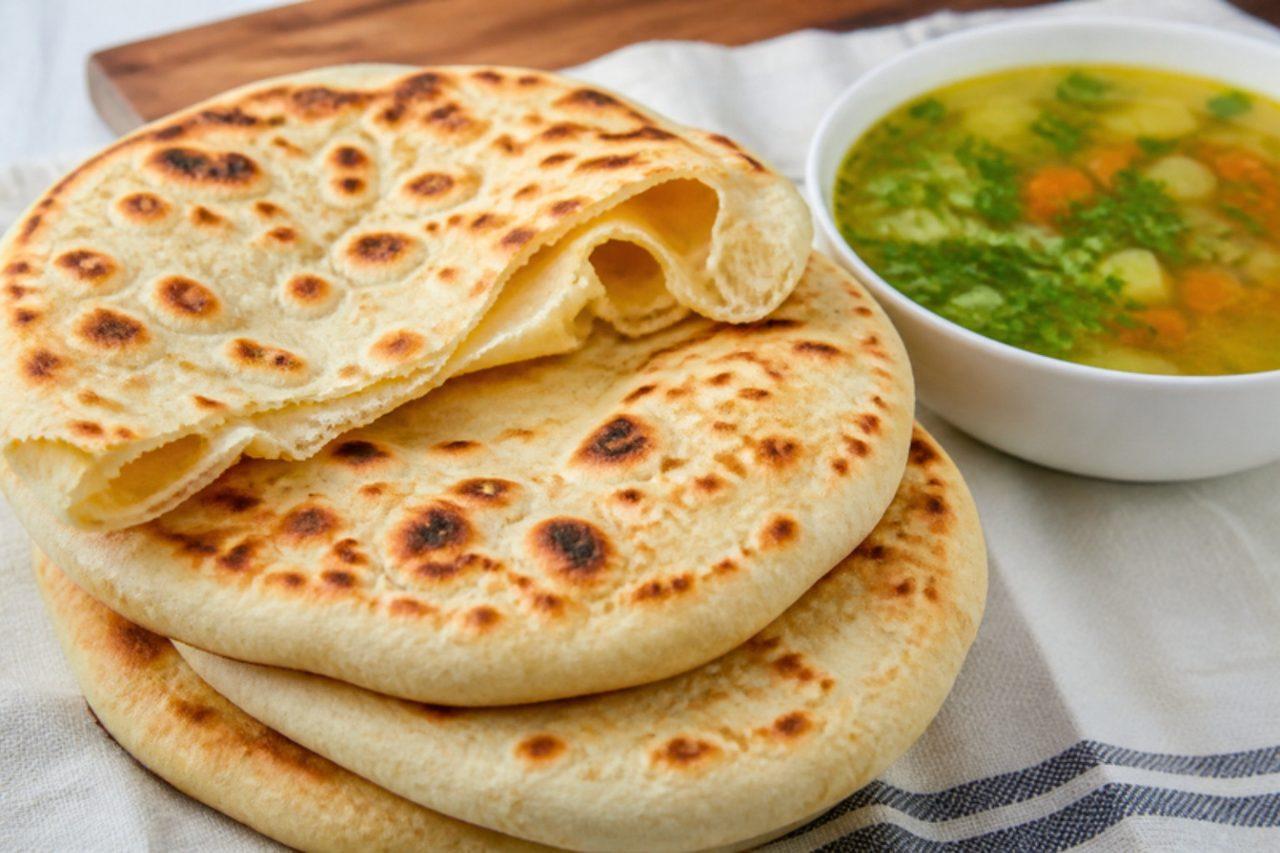
SalufPuffy flatbread

Saluf is the everyday bread of Yemenite Israelis, slapped onto a hot pan or taboon in Rosh HaAyin and Sha'arayim in Rehovot and eaten with marak temani, hilbe and zhug. It is soft and blistered, thicker than pita and with no pocket, made to tear and dunk. Home cooks often roll it too thin, which gives a cracker; it should be about 1 cm thick so it stays pillowy. Chef's tip: cook it under a lid on a very hot dry pan for the first minute, which traps steam and puffs it the way a taboon does.

by KrazyBadal 1 views

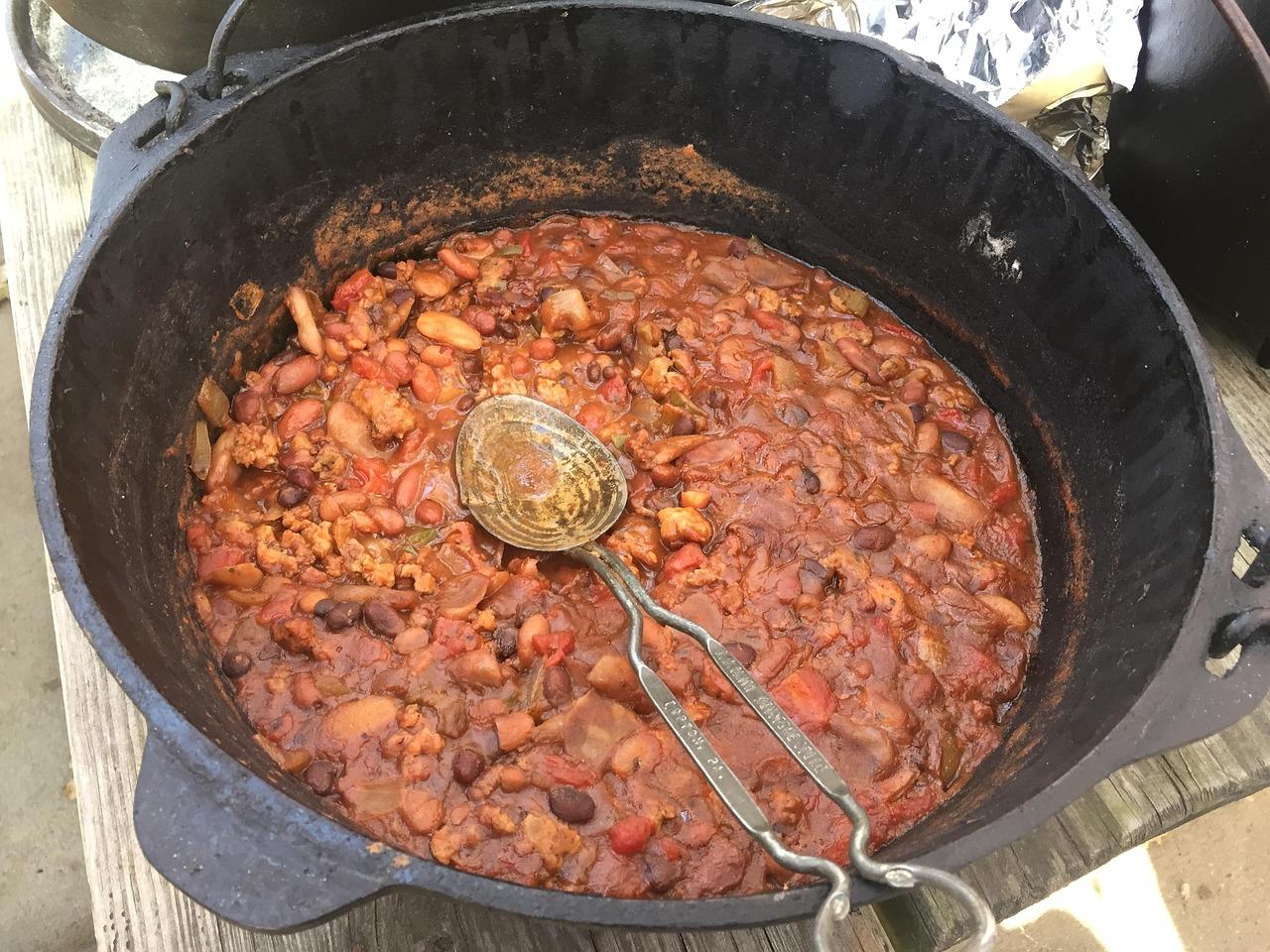
Fasolka po bretońskuWhite beans in tomato with sausage

Despite its name, nothing about fasolka po bretońsku is French; this is pure Polish canteen and milk-bar food, the thick, brick-red bean stew that has fed Warsaw students, soldiers and hungry families for generations. White beans simmer in tomato with smoked pork sausage, smoked bacon, onion and plenty of marjoram until creamy, smoky and slightly sweet. It is filling enough on its own with a hunk of bread and even better reheated the next day. Under-cooked beans are the most common disappointment; they must be soft right through before the tomato goes in, because acid stops them softening. Soak the dried beans overnight beforehand. Chef's tip: mash a ladle of the cooked beans against the side of the pot before serving to give the sauce its typical velvety body.

90 minPolishMeatGluten free
by KrazyBadal 0 views

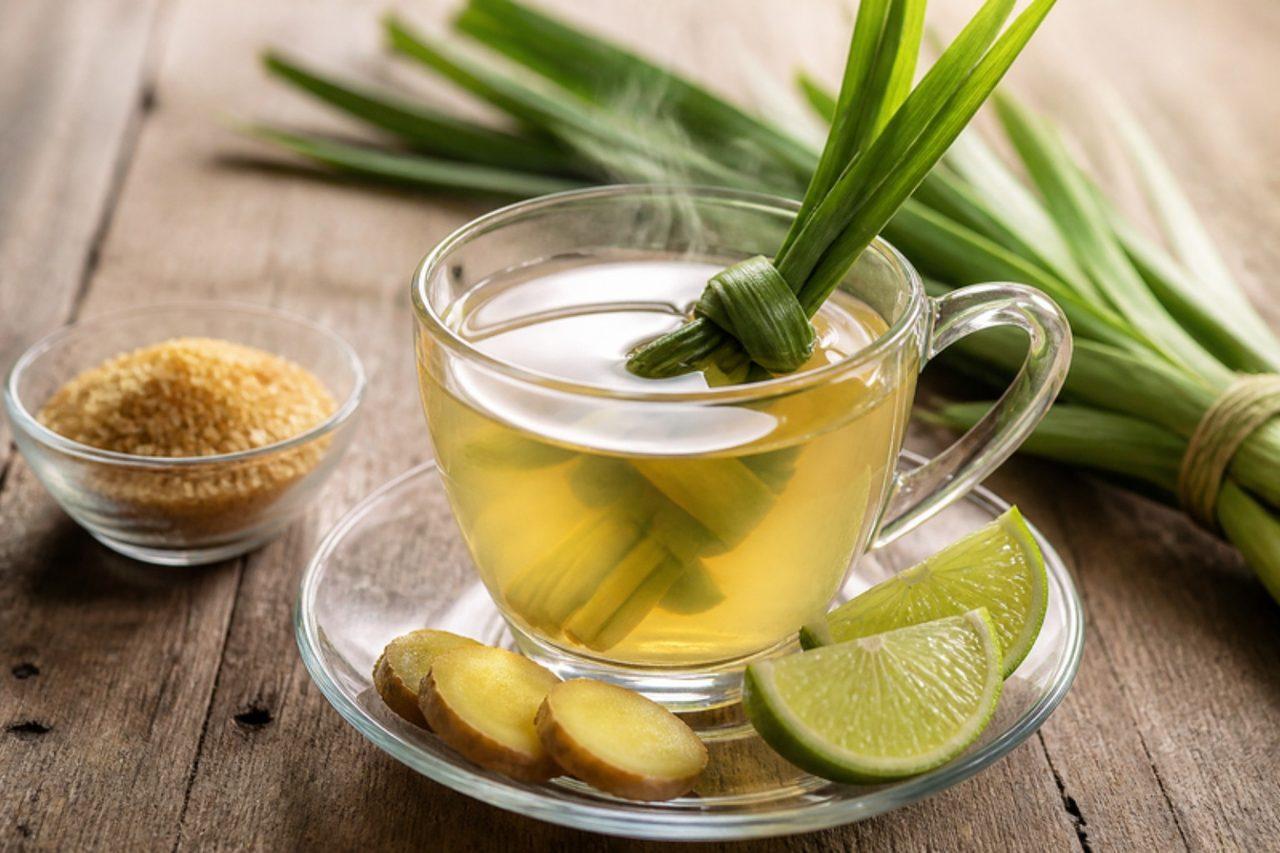
Fever grass teaLemongrass and ginger tea

In Jamaican country yards a clump of fever grass, the local name for lemongrass, grows by the kitchen door, and a handful steeped in boiling water is the old remedy for colds, aches and restless nights. Brewed with fresh ginger, it is lemony, gently peppery and soothing, and is drunk hot, sweetened with a little brown sugar. The mistake people make is using the stalks whole, which gives a weak tea; bruise and cut them to release the oils. Chef's tip: tie long leaves in a knot before you add them, as country cooks do, so they are easy to lift out.

by KrazyBadal 0 views

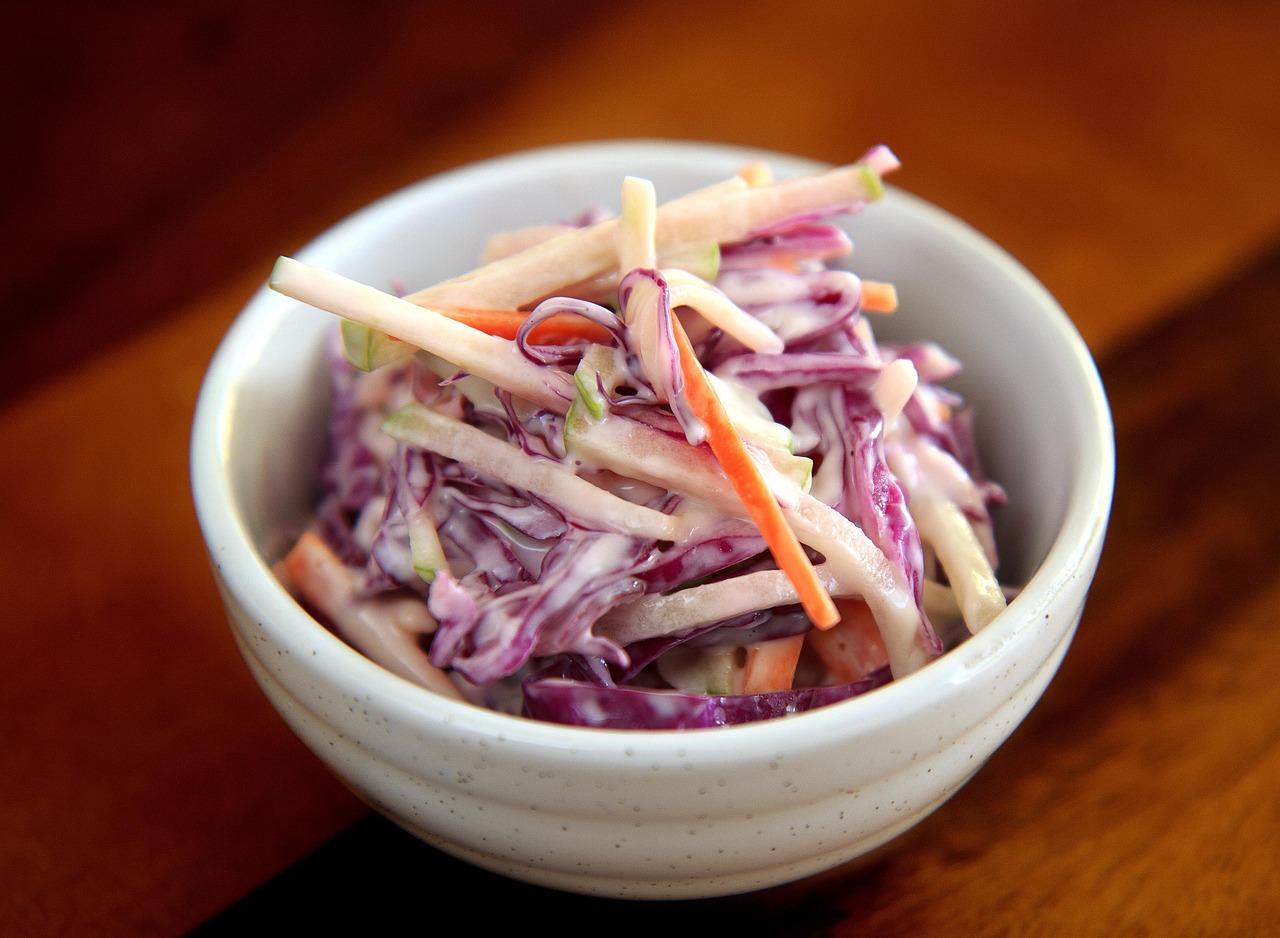
Vitamin salad

"Vitamin" salad was the bright spot on every Soviet stolovaya tray, scooped from a steel tray beside the cutlets and buckwheat, and it is still how many Russians start a light lunch. Fresh white cabbage, carrot and green apple are rubbed with salt and sugar, then dressed simply with sunflower oil and vinegar, so it tastes crisp, juicy and sweet-sour. It goes with almost anything hot and is a good way to use half a cabbage. A common mistake is skipping the squeeze: crushing the cabbage with salt for a minute or two softens it and draws out juice that becomes part of the dressing. Grate the apple last so it does not brown. Chef's tip: unrefined, toasted-seed sunflower oil gives the true canteen flavour; a splash goes a long way.

by KrazyBadal 0 views

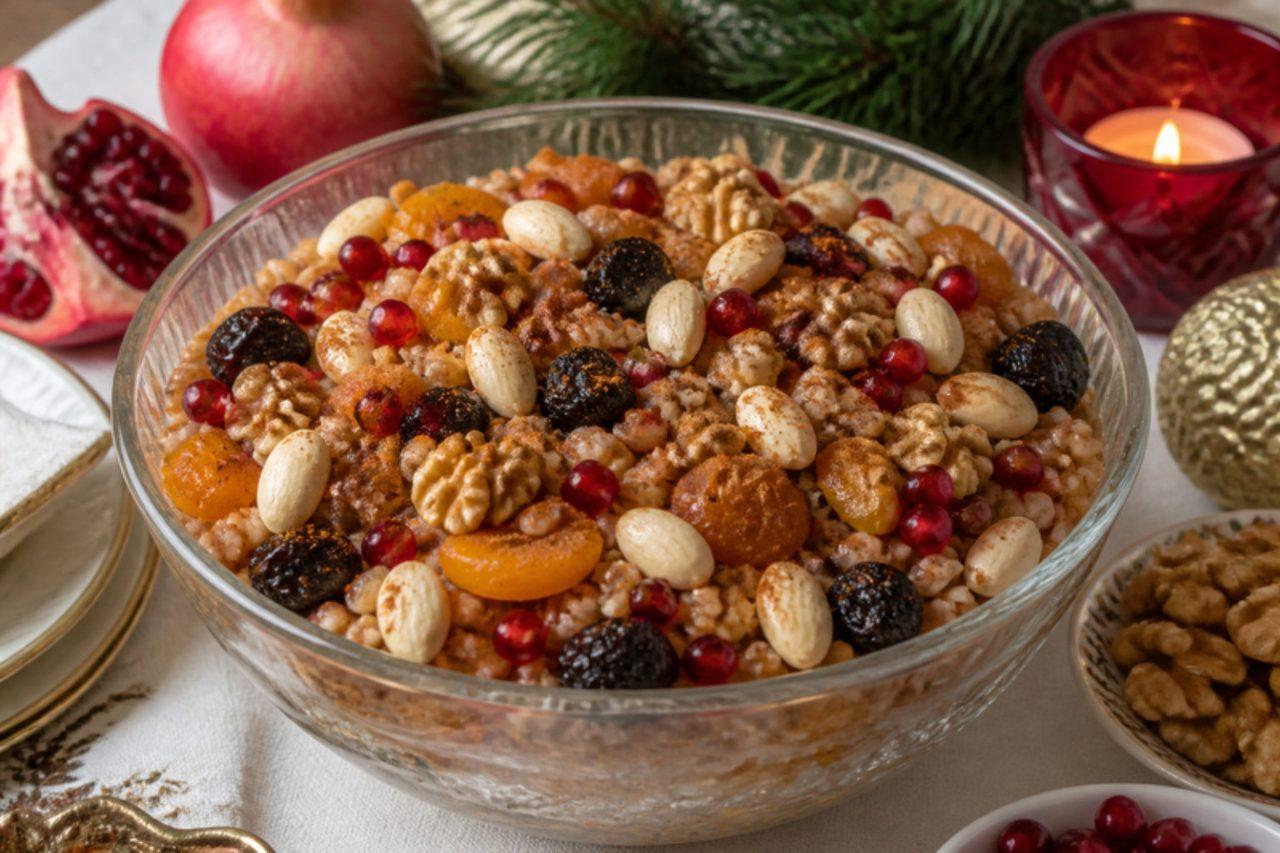
AnoushabourChristmas wheat pudding

Anoushabour, 'sweet soup', is cooked by Armenian families for New Year and for Christmas, which the Armenian church keeps on 6 January; in Yerevan and diaspora kitchens a big pot is made and bowls are carried to friends. Whole hulled wheat is simmered until creamy, sweetened and filled with apricots, raisins and prunes, then topped with walnuts, almonds, pomegranate and cinnamon. A common mistake is adding the fruit early, which turns it to pulp. Chef's tip: stir in a spoon of rose water at the end and serve the pudding cool; it sets slightly and the flavours come together.

by KrazyBadal 0 views

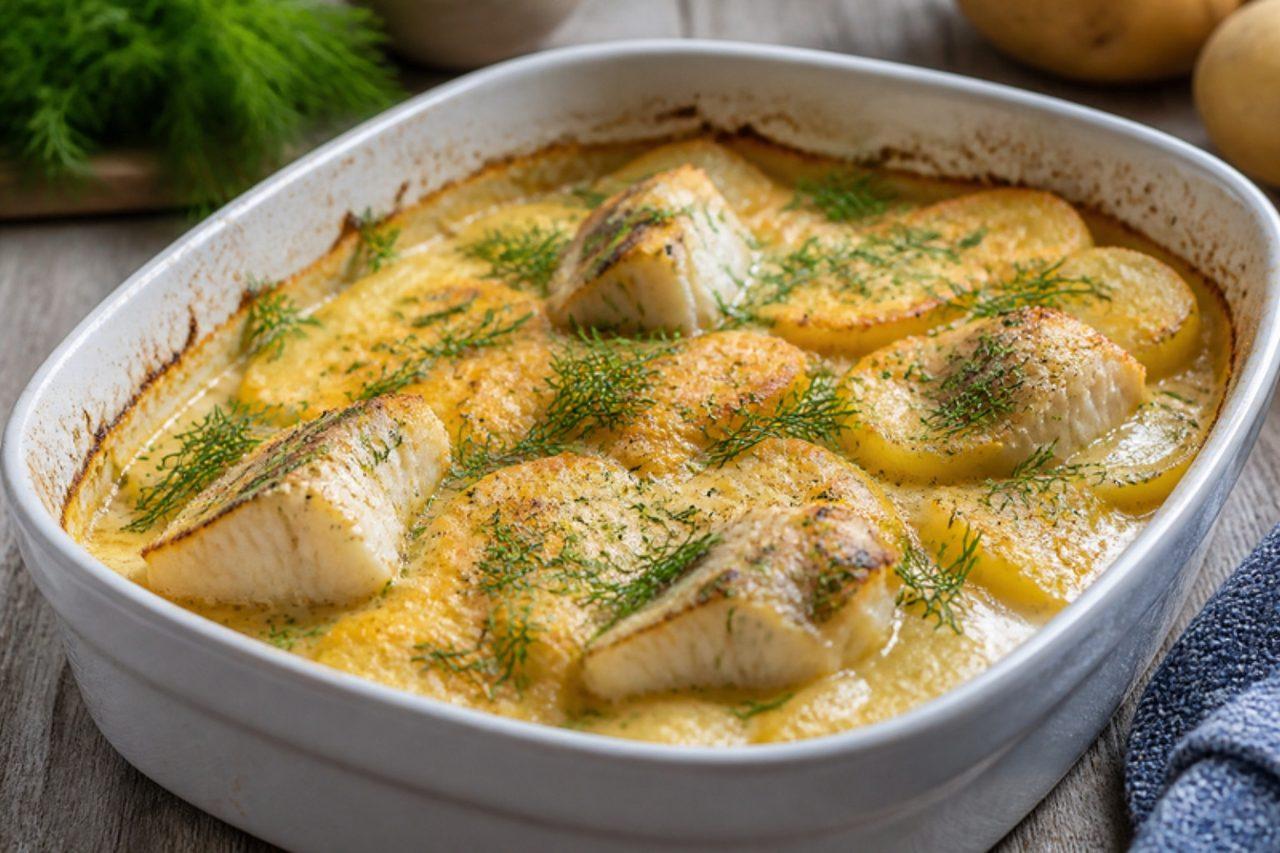
Pomor-style cod

Along the White Sea coast near Arkhangelsk, the Pomors lived on cod, and this is how a fisherman's household turned a fillet into a whole supper: fish laid over sliced potatoes and buttery onions, then covered with beaten egg and milk and baked until set and golden, like a savoury fish custard. It is soft, mild and filling, and is eaten with pickled mushrooms, sauerkraut or a green salad. Where most people go wrong is using raw potato slices, which take far longer than the fish; par-boil them first. Chef's tip: salt the cod lightly 15 minutes ahead in the fridge, it firms up and does not leak water into the egg.

by KrazyBadal 0 views

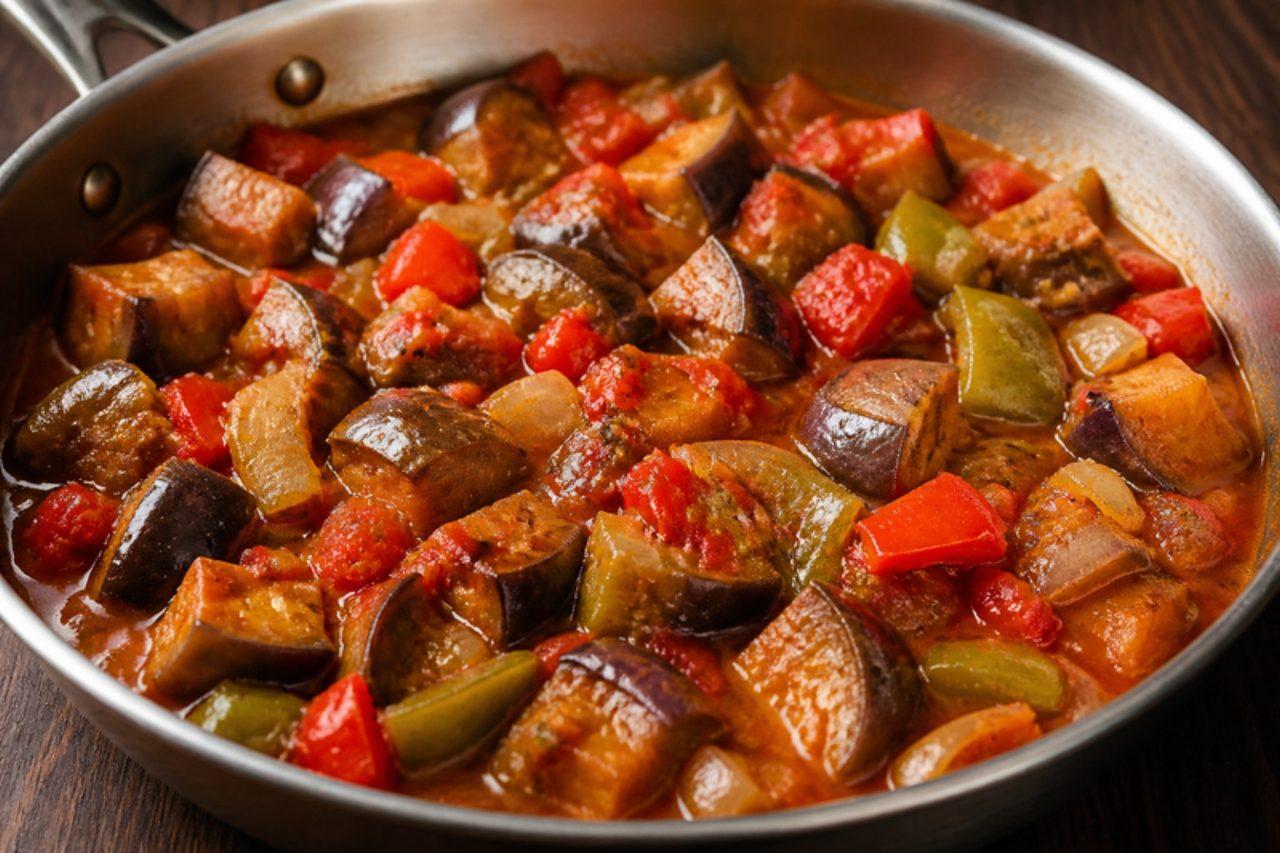
Dominican berenjena guisadaStewed aubergine

Dominican home cooks make berenjena guisada as a weekday side next to white rice and beans, the aubergine stewed down with tomato, sweet peppers and plenty of dried oregano into a soft, savoury guiso. It is light, quick and good hot or at room temperature. The common mistake is adding all the water at the start, which boils the aubergine grey; let it soak up the oil and sofrito first, then add liquid a little at a time. Chef's tip: rub the dried oregano between your palms as it goes in, to release the oils; Dominican cooks swear by it.

by KrazyBadal 1 views

Antiguan chop upMashed aubergine, okra and spinach

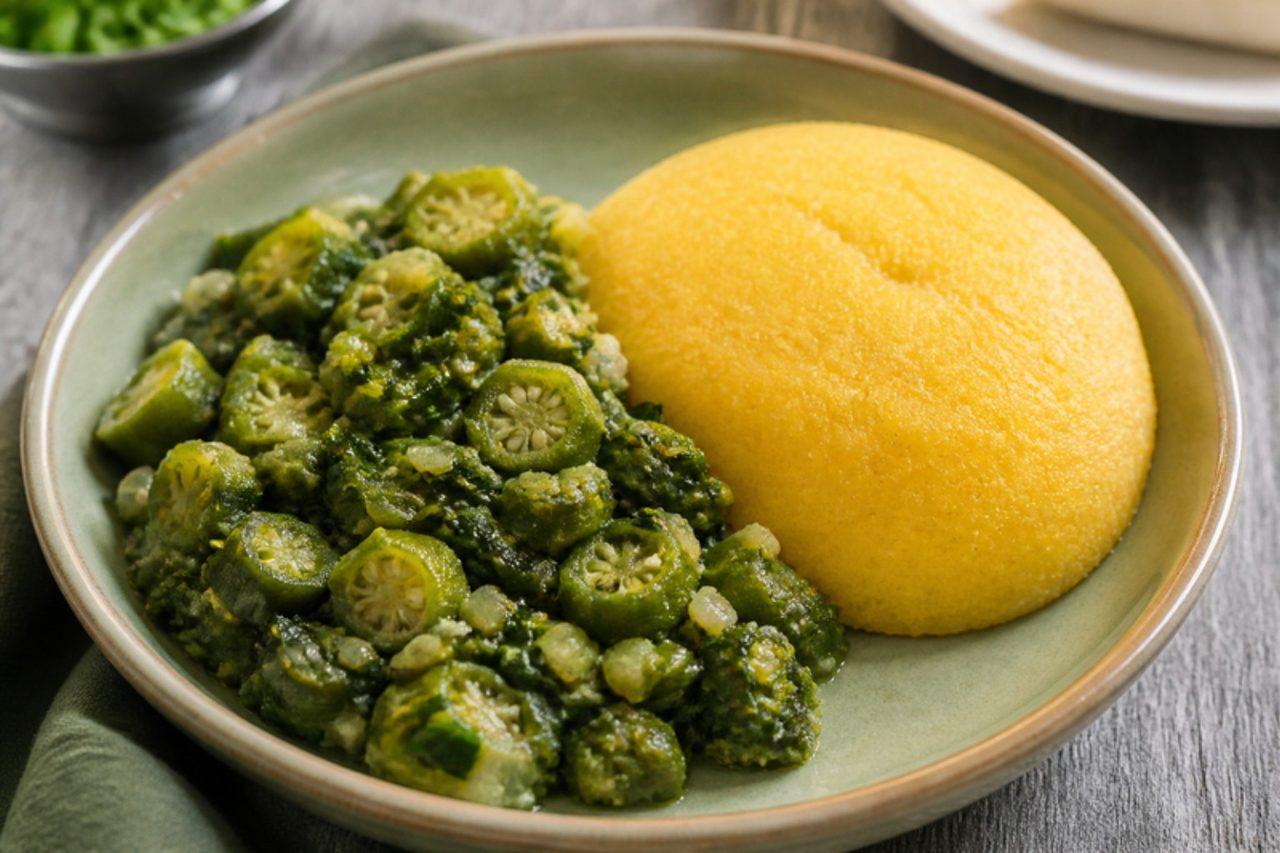
Antigua's national plate pairs fungee, a cornmeal and okra loaf, with pepperpot, and on the side there is often chop up: aubergine, okra and spinach cooked down with onion, garlic and thyme, then mashed to a soft, green-flecked purée. It is gentle, savoury and silky, and some cooks add butter or salted meat; this version is vegan and uses coconut oil. The mistake to avoid is stirring the okra too much early on, which makes it slimy; let it soften undisturbed, then mash. Chef's tip: a squeeze of lime at the end lifts the flavour and calms any okra stickiness.

by KrazyBadal 0 views

Sri Lankan vegetable roti

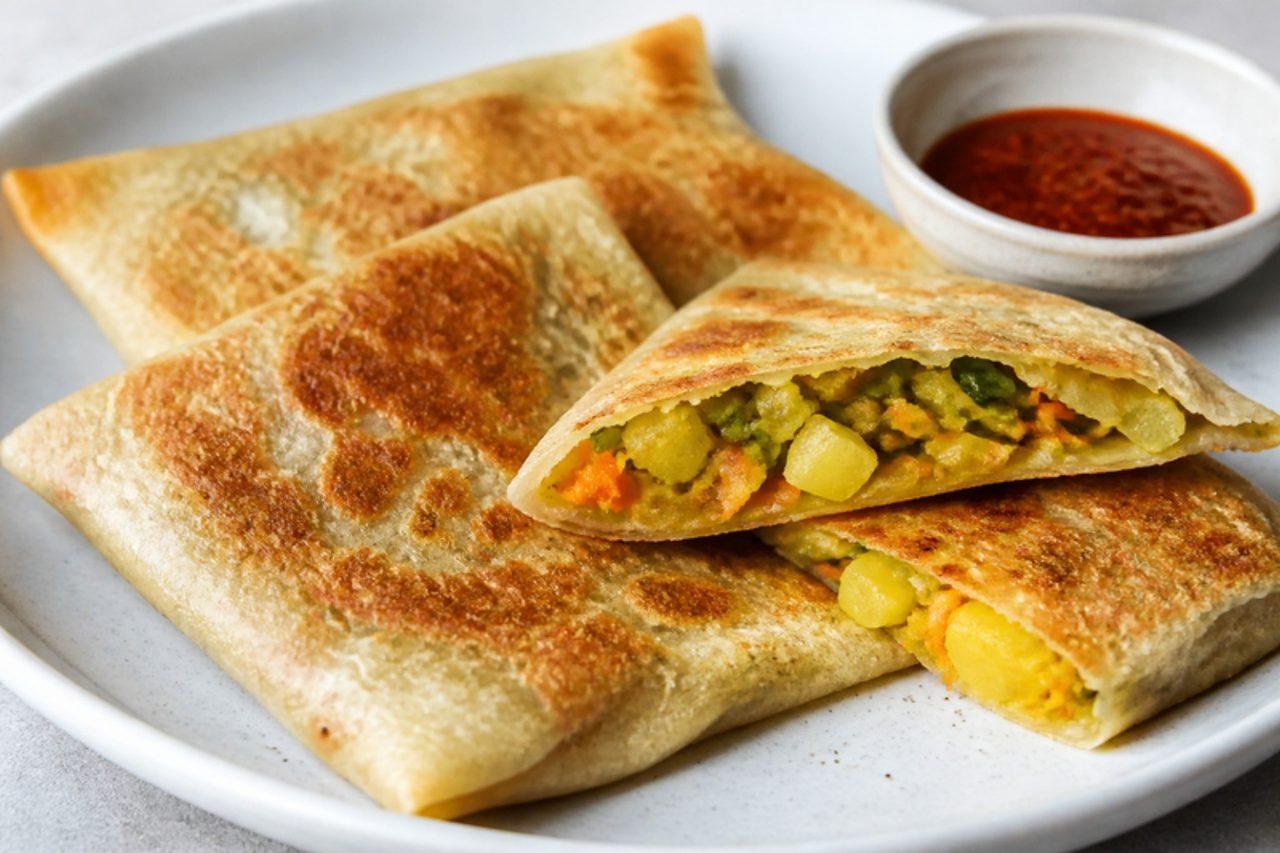
The glass cabinet of every Colombo bakery and railway canteen holds a pile of short eats at teatime, and the neat, golden triangles of vegetable roti are usually the first to go. They are made from godamba dough, oiled and rested until it can be stretched almost transparent, then wrapped around a peppery potato filling with leek, carrot, curry leaves and chilli, and cooked on a hot griddle until crisp and blistered. People eat them hot from the paper bag with a bottle of chilli sauce or a cup of milk tea. Fish and egg roti are just as common; this one is fully vegan. Most first attempts fail because the dough is not rested long enough and springs back when stretched; give it at least two hours under oil, or overnight in the fridge. Chef's tip: make the filling fairly dry and cool it completely before folding, otherwise the steam tears the delicate dough.

by KrazyBadal 0 views

Beet kvass

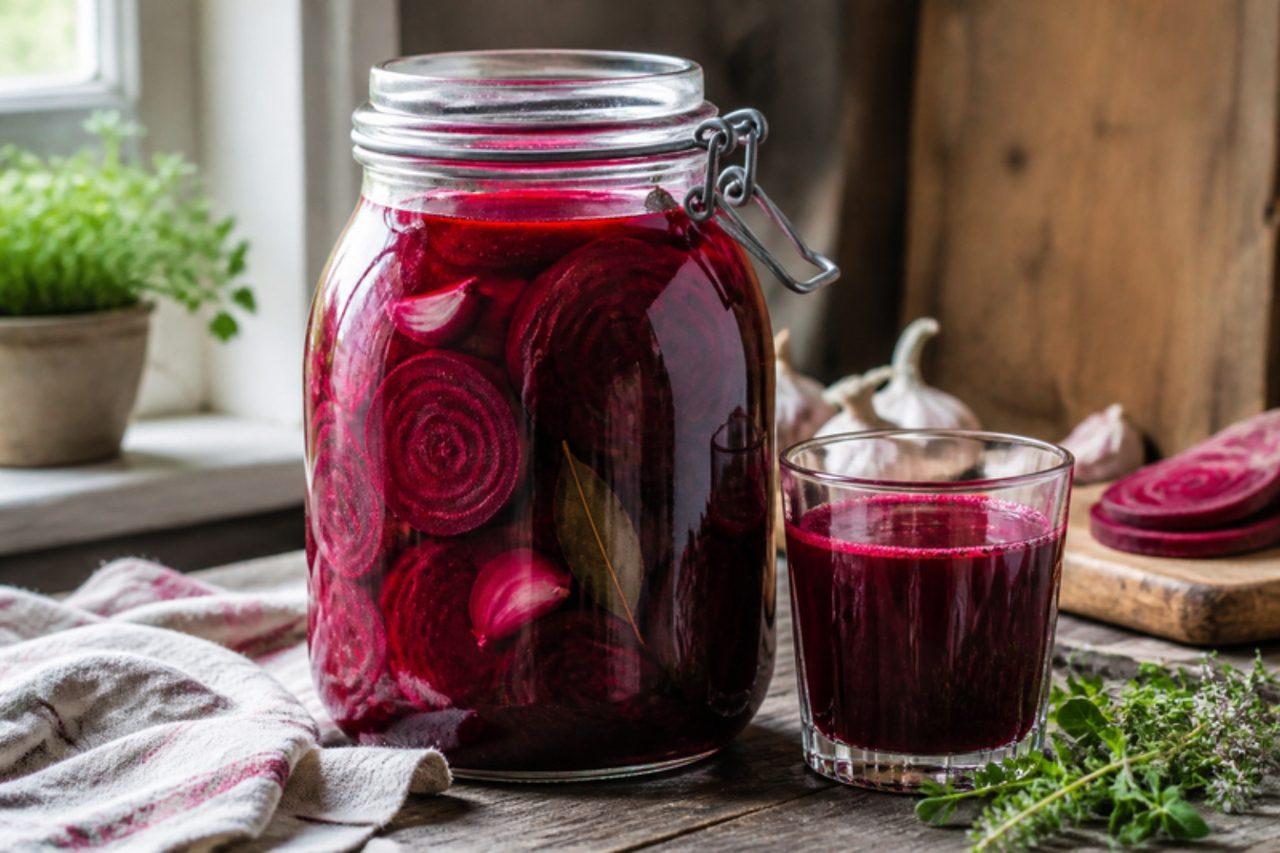
Before lemons and vinegar were easy to buy, Ukrainian cooks soured their borscht with beet kvass, a ruby-red brine made by leaving sliced raw beetroot in salted water for a few days. It is lightly fermented, so it contains no more than a negligible trace of alcohol, and it tastes earthy, salty and pleasantly sharp. In Poltava and Chernihiv villages a jar always stood by the stove; a splash went into the soup pot and a small glass was drunk in the morning as a tonic. Some families add a crust of rye bread to speed things up, which makes it no longer gluten-free. The mistake most people make is leaving the beetroot floating: anything above the brine can grow mould, so keep it weighed down. Discard any batch with fuzzy or coloured mould, a slimy texture or a rotten smell. Chef's tip: a few slices left in the jar from the previous batch start the next one in half the time.

by KrazyBadal 0 views

Herring with potatoes

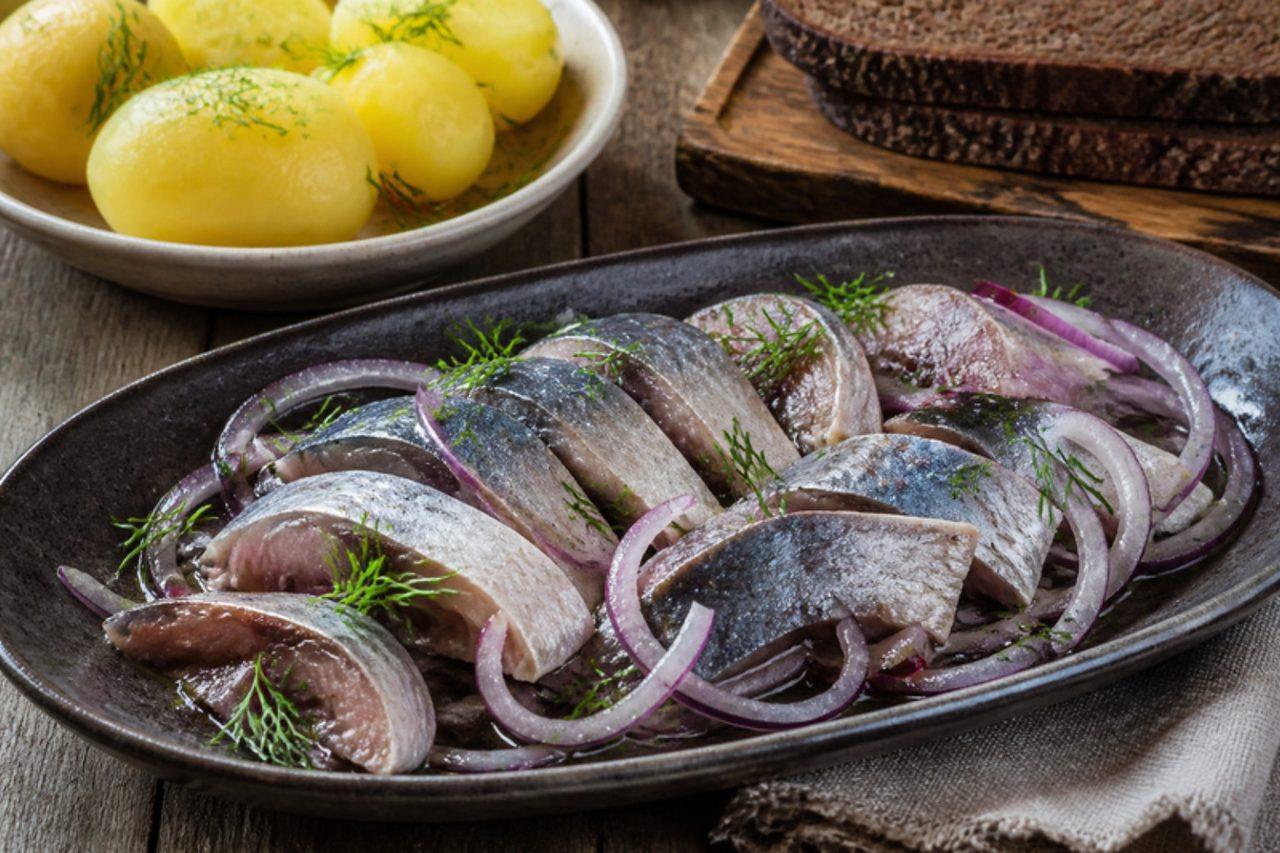
This is the simplest and best-loved Russian zakuska, on every table from a Moscow kitchen to a Siberian railway compartment: fillets of salted herring with steaming boiled potatoes, rings of raw onion, dill and a drizzle of unrefined sunflower oil that smells of toasted seeds. The contrast of cold, silky fish and hot, floury potato is the whole point, and black bread goes alongside. Salted herring is cured but not cooked, so buy ready-salted fillets from a good fishmonger or deli (made from previously frozen fish), keep them in the fridge, and note that it is not for pregnant women, young children or anyone with a weakened immune system. A common mistake is serving the herring straight from very salty brine; taste it and soak it in milk or cold water first if needed. Chef's tip: use unrefined sunflower oil, its nutty smell is what makes the dish.

by KrazyBadal 0 views

Showing 45 of 7,762 recipes

Show more recipes

Page 169 of 863