


Skip to content
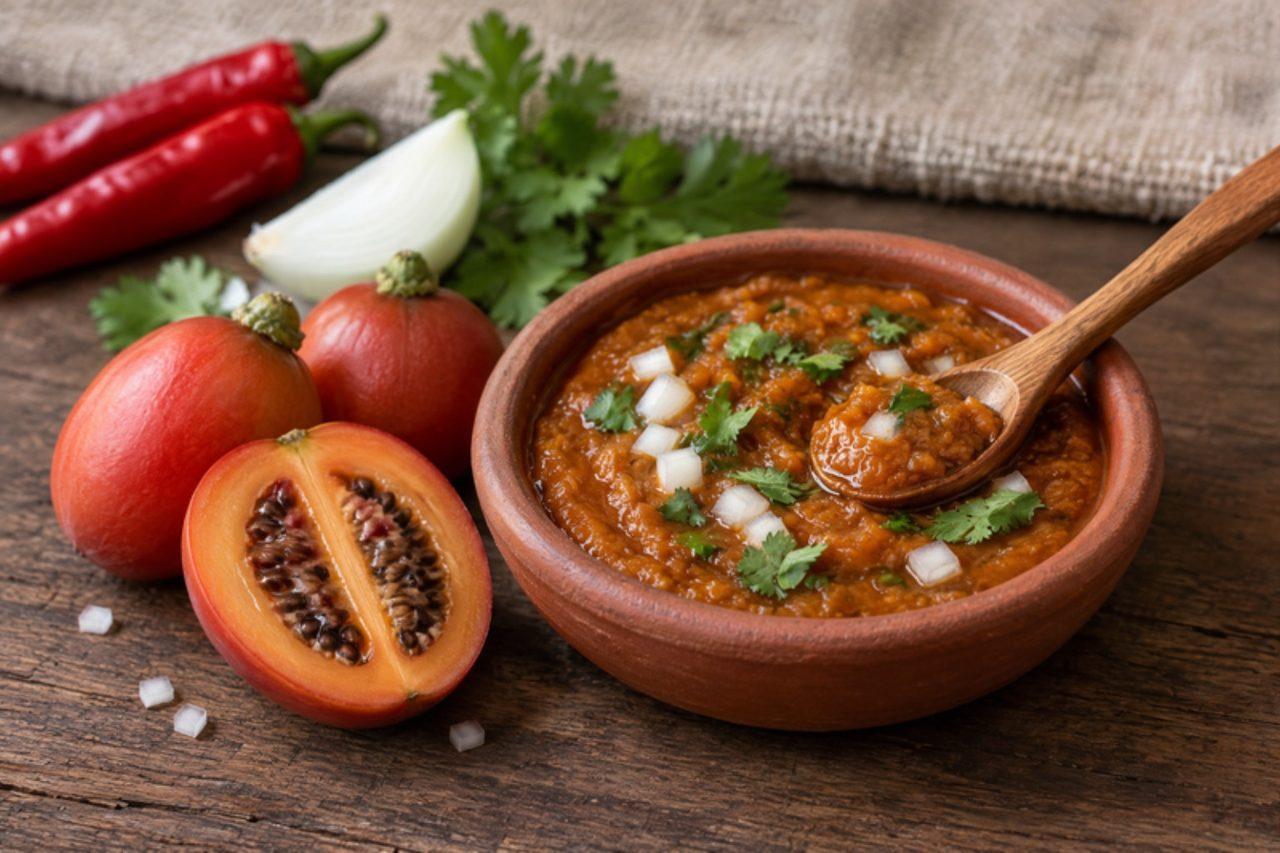
Ají de tomate de árbol
Featured recipe

Ají de tomate de árbol

Tamarillo chilli sauce

No Ecuadorian table in the Sierra, from Quito to Cuenca, is complete without a small bowl of ají, and the tamarillo version is the household favourite. Tomate de árbol, the egg-shaped, wine-red tree tomato, is blanched and peeled, blended with fresh hot chilli, salt and a little water, then finished with finely chopped onion and fresh coriander. It is spooned over locro de papa, llapingachos, empanadas de viento, hornado and fritada at the long Sunday family lunch, and onto everything at the street stalls of the Saturday markets. The flavour is tangy, fruity and slightly bitter-sweet, more sour than a tomato salsa, with a fresh bite of onion and a clean chilli heat. The common mistake is blending the tamarillos with their skins on, which makes the sauce bitter; blanch them until the skins split and slip off. It is ready when it is bright orange-red, loose and juicy, and the onion is still crisp. Abroad, tamarillos turn up in larger supermarkets; ripe plum tomatoes with the pulp of a passion fruit are the best stand-in. Chef's tip: rinse the chopped onion in salted water first, which tames its sharpness, as Ecuadorians do.

Read more 0 views

What to eat today?

Around the world

Today's trip: Persian

A new country every day, from every cuisine on the site.

Persian

Dizi

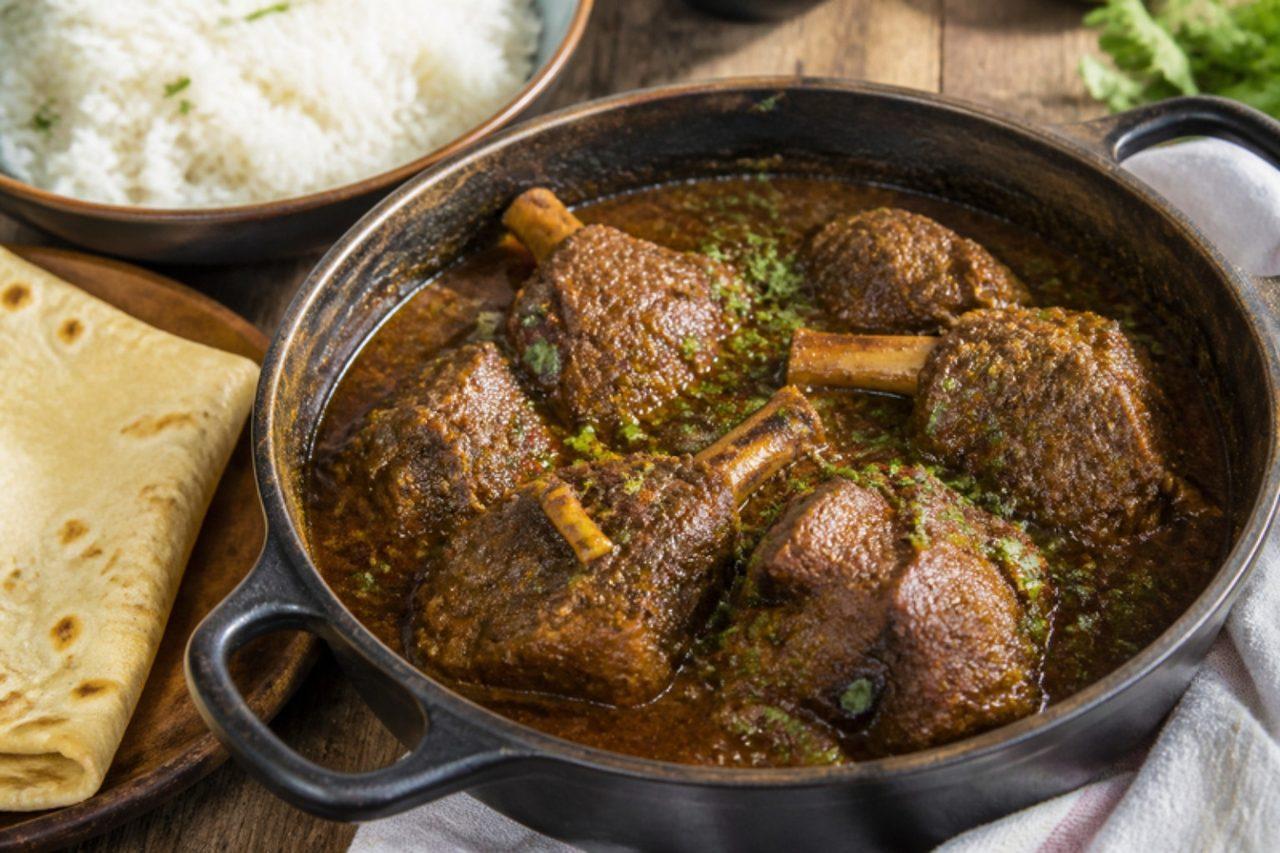
Lamb and chickpea stew 245 minMore from Persian (131) →

This week's collection

Kid-friendly dinners
537 recipes · a new collection every Monday

Latest recipes

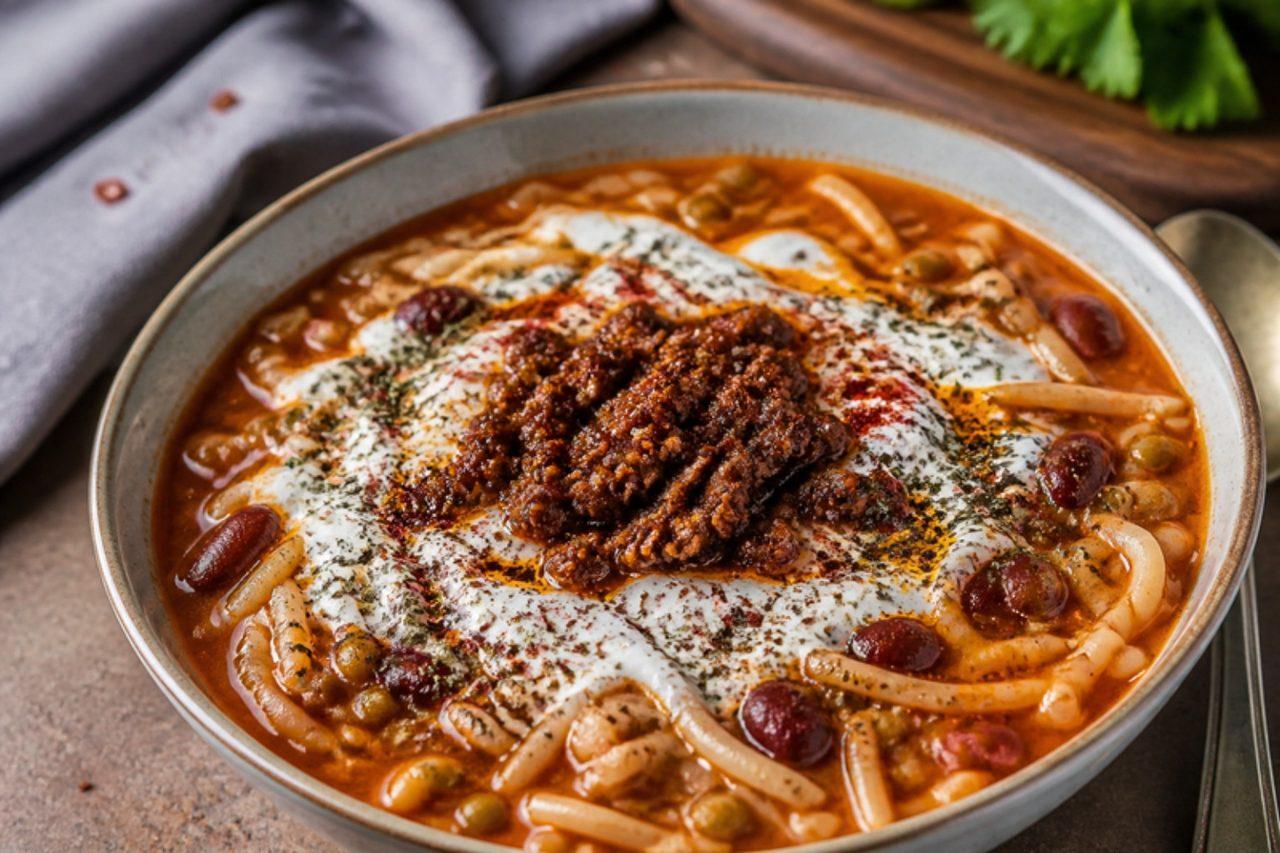
AushNoodle soup with beans and yogurt

Aush is the bowl Afghan mothers make when someone in the house has a cold or the first snow falls on Kabul, a thick, tangy soup of hand-cut noodles, kidney beans and chickpeas, enriched with garlicky yogurt and finished with a spoonful of spiced minced meat and a heavy dusting of dried mint. The broth is slightly sour, creamy and warming with chilli, and the noodles are soft and a little slippery. It is a meal in itself, eaten with nothing more than naan and pickles. For a vegetarian version, leave out the meat sauce and add a handful of cooked mung beans. Noodles dropped into a soup that has gone off the boil stick together into a clump, so keep it bubbling as you add them a few at a time. Chef's tip: stir the yogurt in only after the pan is off the heat, so it turns the broth creamy without splitting.

by KrazyBadal 0 views

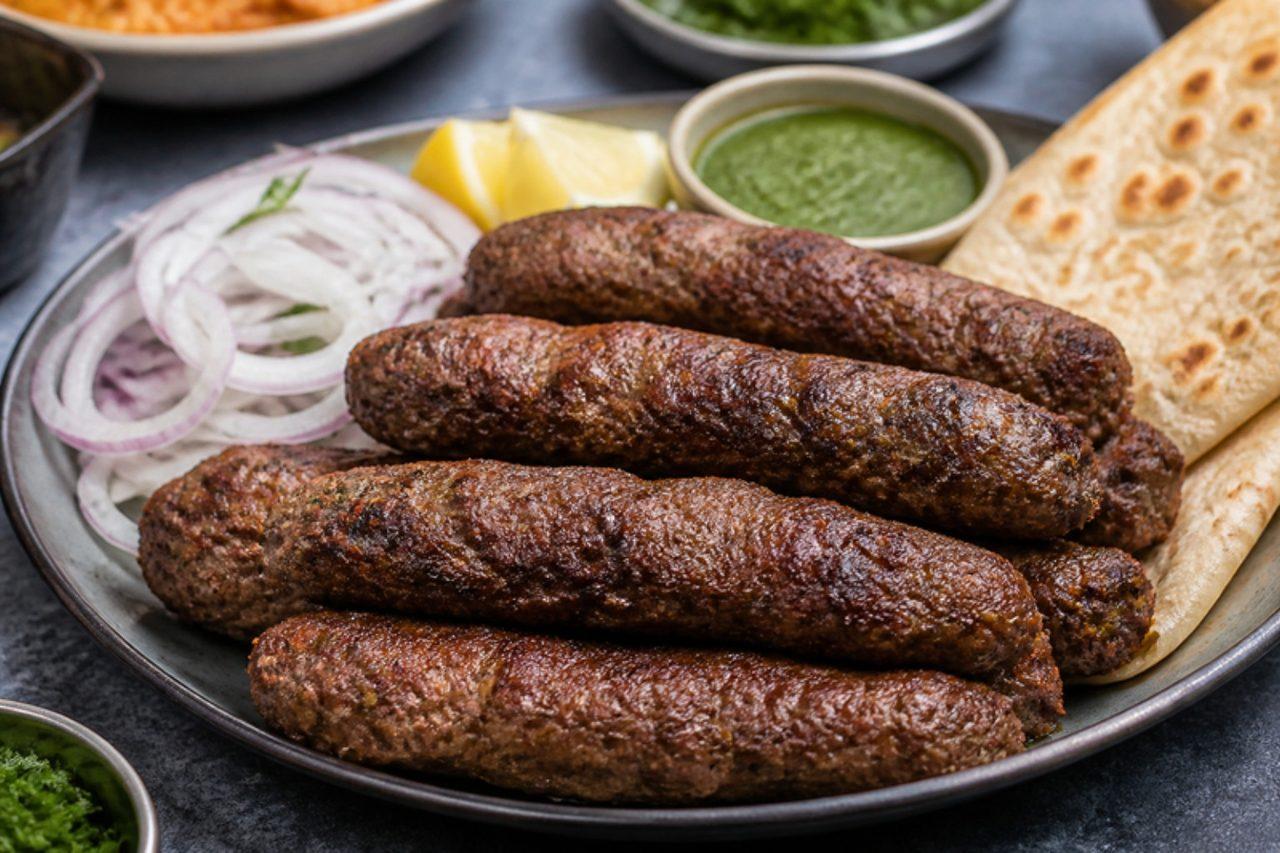
Gola kebabCharcoal-smoked beef mince kebabs

Gola kebabs are so soft that Karachi grill men have to pat the mince onto the skewer with a practised, quick hand, and they still slump as they cook; at Boat Basin and Burns Road at midnight you will see tray after tray of the plump, dark tubes waiting for customers. The softness comes from raw papaya, beef with plenty of fat, roasted gram flour and a very fine grind, and the flavour from browned onion, green chilli and a final smoking with a hot coal. They are eaten with paratha or puri, a pile of raw onion and green chutney. The mix will not stay on skewers if it is too wet, which is the usual frustration; chill it for at least an hour and use wet hands. Chef's tip: at home, shape the kebabs as fat fingers on a lined tray and cook them under a very hot grill; you lose nothing in taste.

by KrazyBadal 0 views

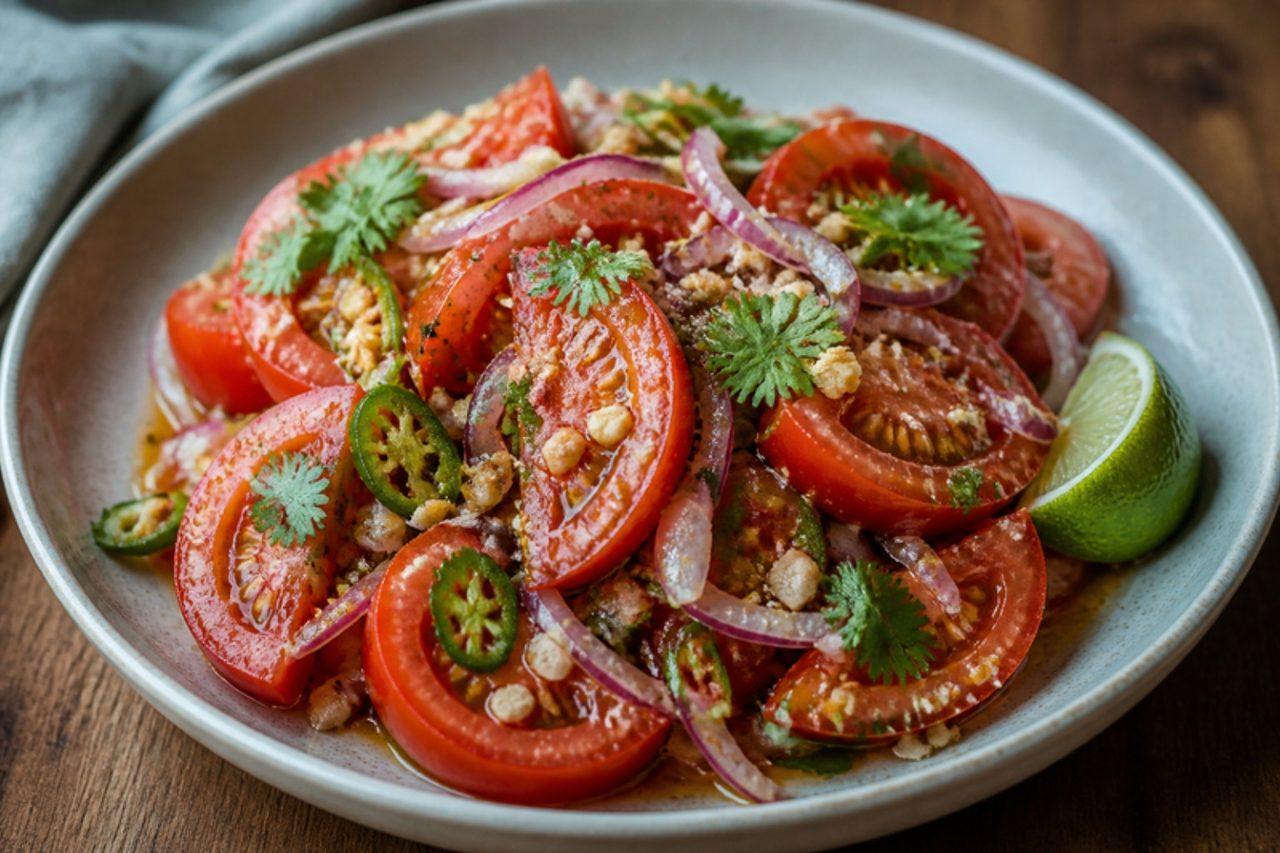
Burmese tomato salad

Come the cool season, when tomatoes are at their sweetest in Mandalay and the dry towns of Upper Burma, this thoke (a salad 'mixed by hand') is the quick dish that appears beside rice and curry at almost every meal. Slices of ripe tomato and onion are squeezed together with toasted chickpea flour, crushed peanuts and fried shallots in their oil, so the juices and flour turn into a light, nutty dressing that clings to every piece. Lime and fresh chilli sharpen it, and coriander lifts it. Home cooks often add fish sauce; this vegetarian version uses salt and a pinch of sugar. Dressing it too early is the most common mistake: salt pulls water from the tomatoes and leaves a soupy plate. Chef's tip: mix with your fingertips just before serving, pressing lightly so some tomato juice blends into the flour.

by KrazyBadal 0 views

AthirasaFried rice flour jaggery cakes

Athirasa, a dark, flat disc with a shiny, slightly crinkled surface, is one of the keeping sweets of the Avurudu season: families fry stacks of them in early April, store them in tins and offer them to every visitor for weeks. The dough is simply rice flour stirred into jaggery syrup cooked to the soft-ball stage, flavoured with cardamom and left to rest, then patted into rounds and fried until deep brown. The cook presses each one firmly between two flat spoons or saucers to squeeze out excess oil, which gives athirasa its chewy, toffee-like centre and lacy, crisp edges. The typical slip is undercooking the syrup, which makes the dough too soft to shape and causes the rounds to fall apart in the oil. Chef's tip: shape the discs on a piece of oiled banana leaf or baking paper and slide them straight into the oil from it, so they keep a neat round shape.

by KrazyBadal 0 views

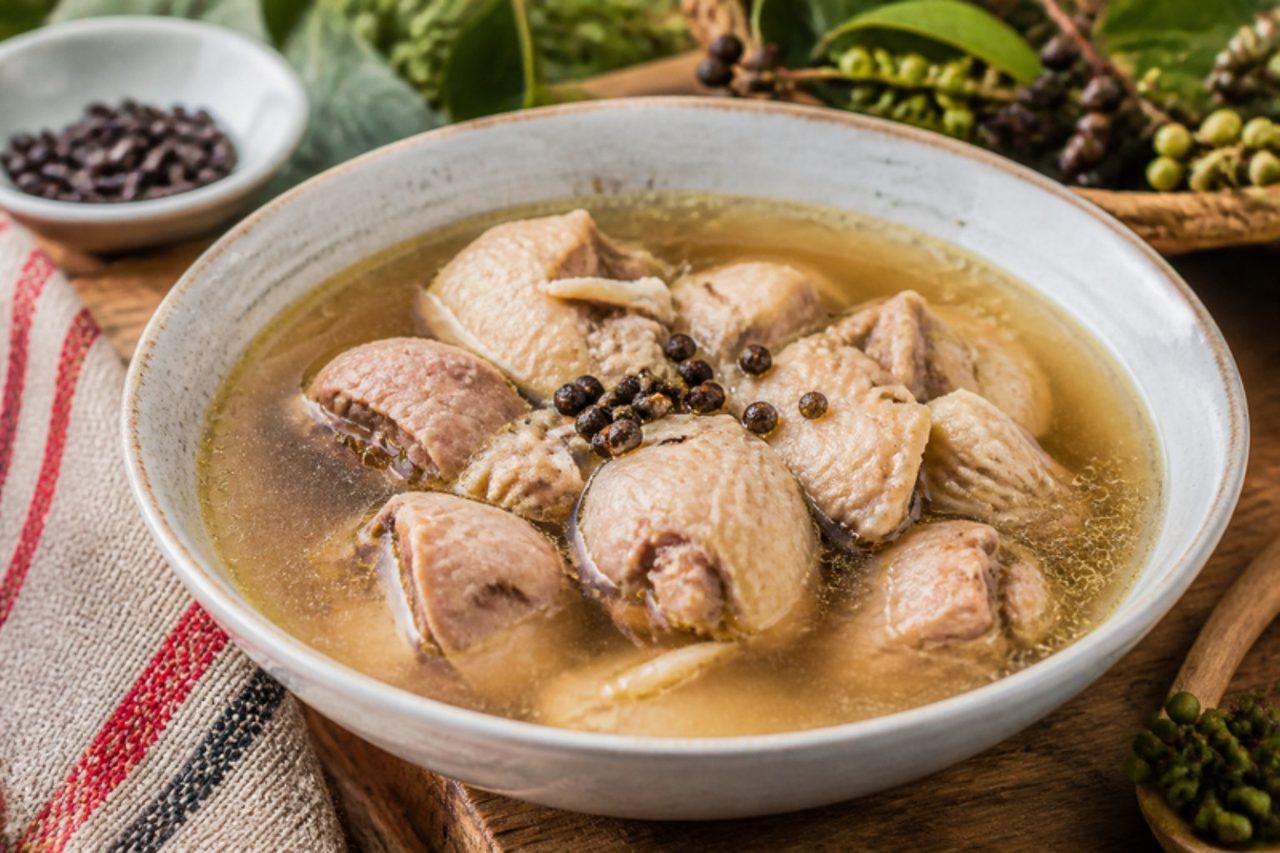
Maqaw chicken soupMountain pepper chicken soup

High in the mountains of northern Taiwan, in Atayal villages around Wulai and Fuxing, maqaw berries are picked from the mountain litsea tree in summer and dried to flavour soups, grilled meat and tea. In this clear chicken soup, served at home suppers and in Indigenous restaurants with millet or rice and wild greens, the crushed berries give a fresh lemongrass-and-ginger perfume with a gentle peppery tingle. Bone-in chicken simmered slowly makes a light, golden broth. People spoil it by adding the maqaw at the start and boiling it for an hour, which turns it bitter; add it for the last 15 minutes instead. If you can't find maqaw, use black peppercorns, a stalk of lemongrass and a strip of lemon zest. Chef's tip: lightly crush the berries just before they go in; whole ones barely flavour the broth, while powder makes it cloudy.

by KrazyBadal 0 views

Atjar tjampoerSweet-sour mixed vegetable pickle

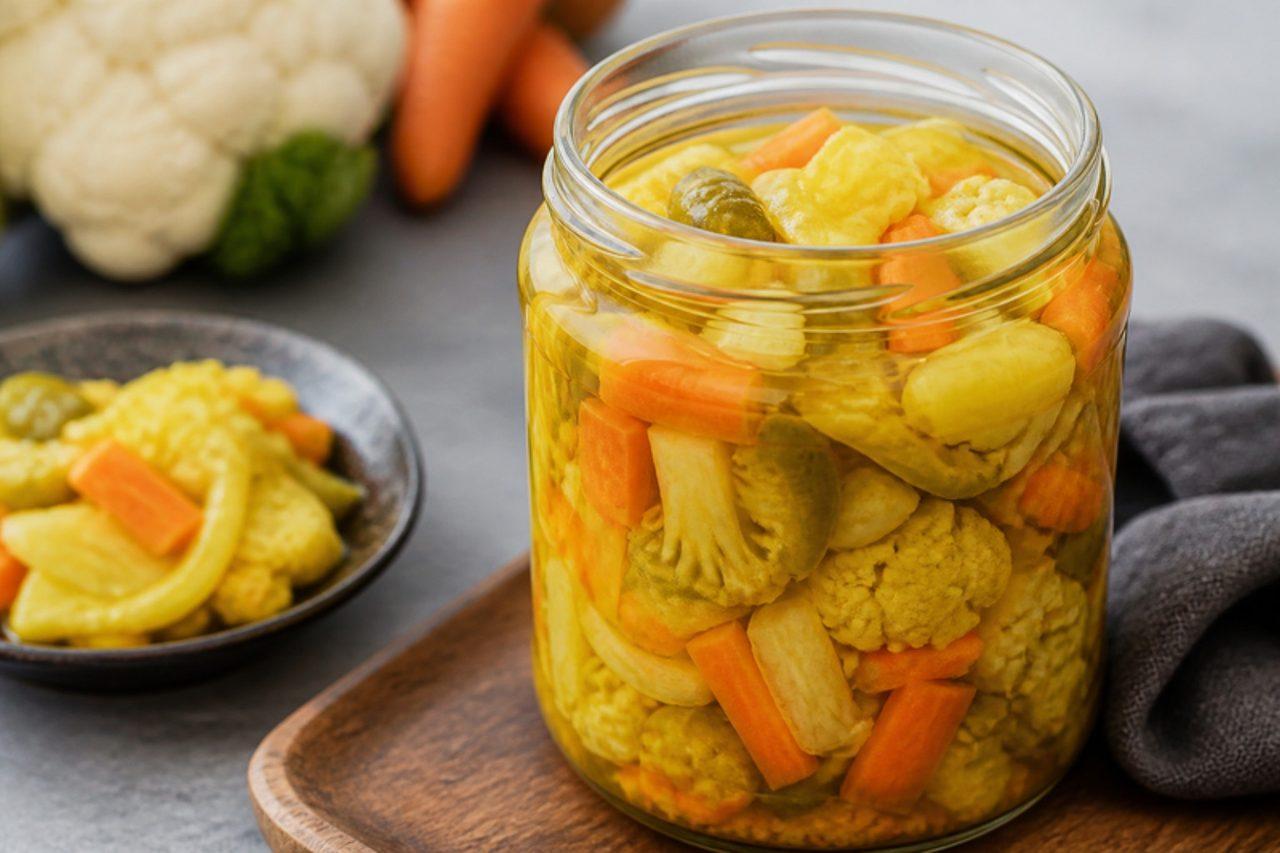
Atjar tjampoer is the bright yellow pickle in every Dutch-Indonesian toko and on every rijsttafel: crisp cucumber, carrot, cabbage, cauliflower and shallot pickled in a sweet-sour vinegar brine coloured with turmeric, with a little chilli and ginger. It cuts through rich satay and rendang. A common mistake is cooking the vegetables, which makes them soft; they should only be blanched or simply covered with hot brine. Chef's tip: salt the cucumber first and squeeze it, so it stays crunchy for days.

by KrazyBadal 0 views

White cut chicken with ginger-scallion oil

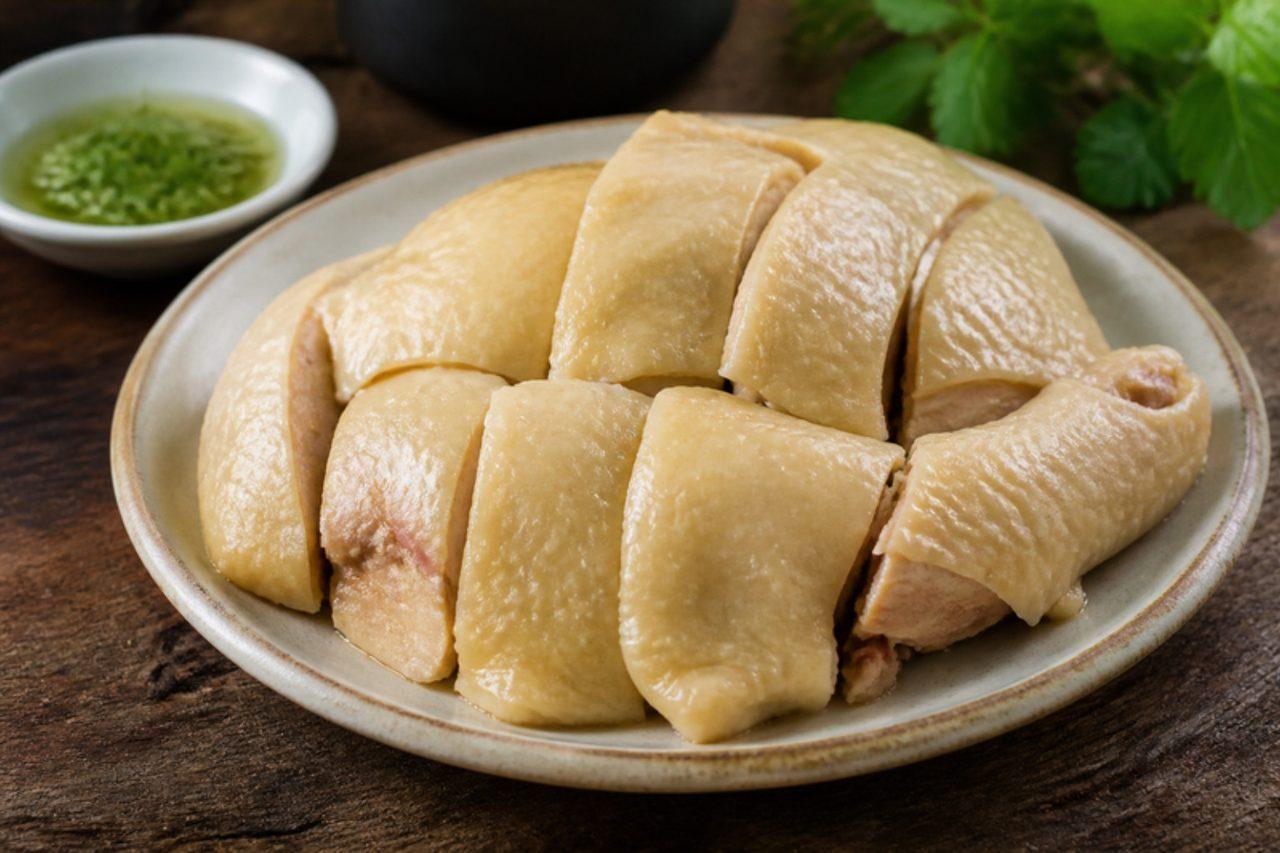
No Cantonese celebration in Hong Kong or Guangdong is complete without a plate of baak chit gai: at Lunar New Year, weddings and ancestor offerings, the whole chicken stands for family togetherness. It is the purest of the poached dishes, with pale, springy skin, a thin layer of jelly beneath it from the ice-water plunge, and smooth, juicy meat, all lifted by a dipping bowl of ginger and spring onion sizzled with hot oil and salt. Serve it at room temperature with rice cooked in the poaching stock. Old-style cooks leave it pink at the bone, but here the chicken is always cooked until the thickest part of the thigh reads 74 °C. The biggest error is boiling hard, which splits the skin; the water should only shiver. Chef's tip: grate the ginger finely and squeeze out a little of its juice, or the oil turns watery and bitter.

by KrazyBadal 0 views

Miyan kuka (baobab leaf soup)

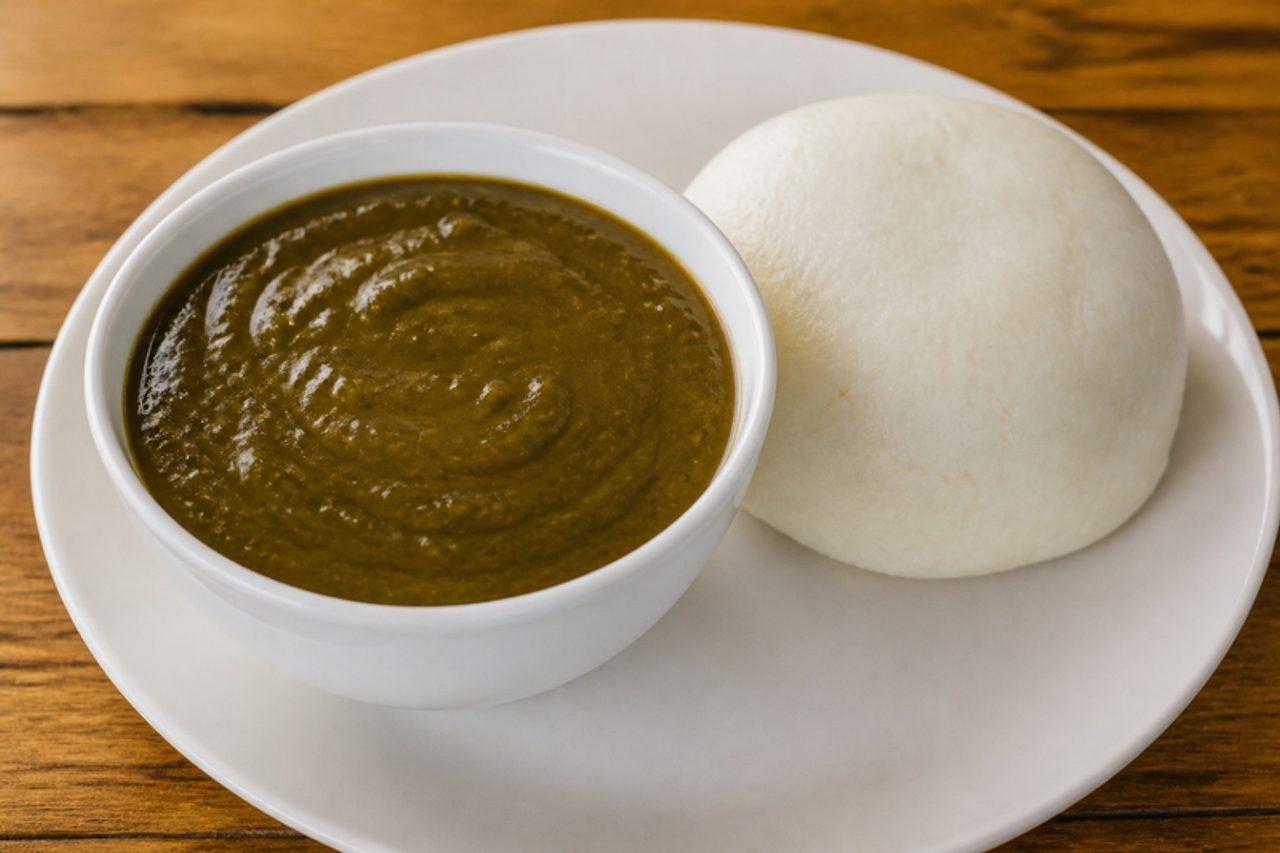
Dried baobab leaves, pounded to a fine green-grey powder, give miyan kuka its earthy, faintly tea-like taste and its slippery body, a little like okra. Northern households from Kano to Sokoto cook it as everyday food and pair it almost always with tuwon shinkafa or tuwon masara. Dried fish or a handful of meat often goes into the pot; this meat-free version, as many homes cook it when the budget is tight, gets its depth from dawadawa, onion and a peppery tomato base instead. A common mistake is tipping the kuka in all at once, which leaves stubborn green lumps; sift it in slowly while whisking. Chef's tip: once the kuka is in, simmer only 2–3 minutes, because long boiling dulls its colour and its fresh, grassy edge.

by KrazyBadal 0 views

Gu lou yuk (Cantonese sweet and sour pork)

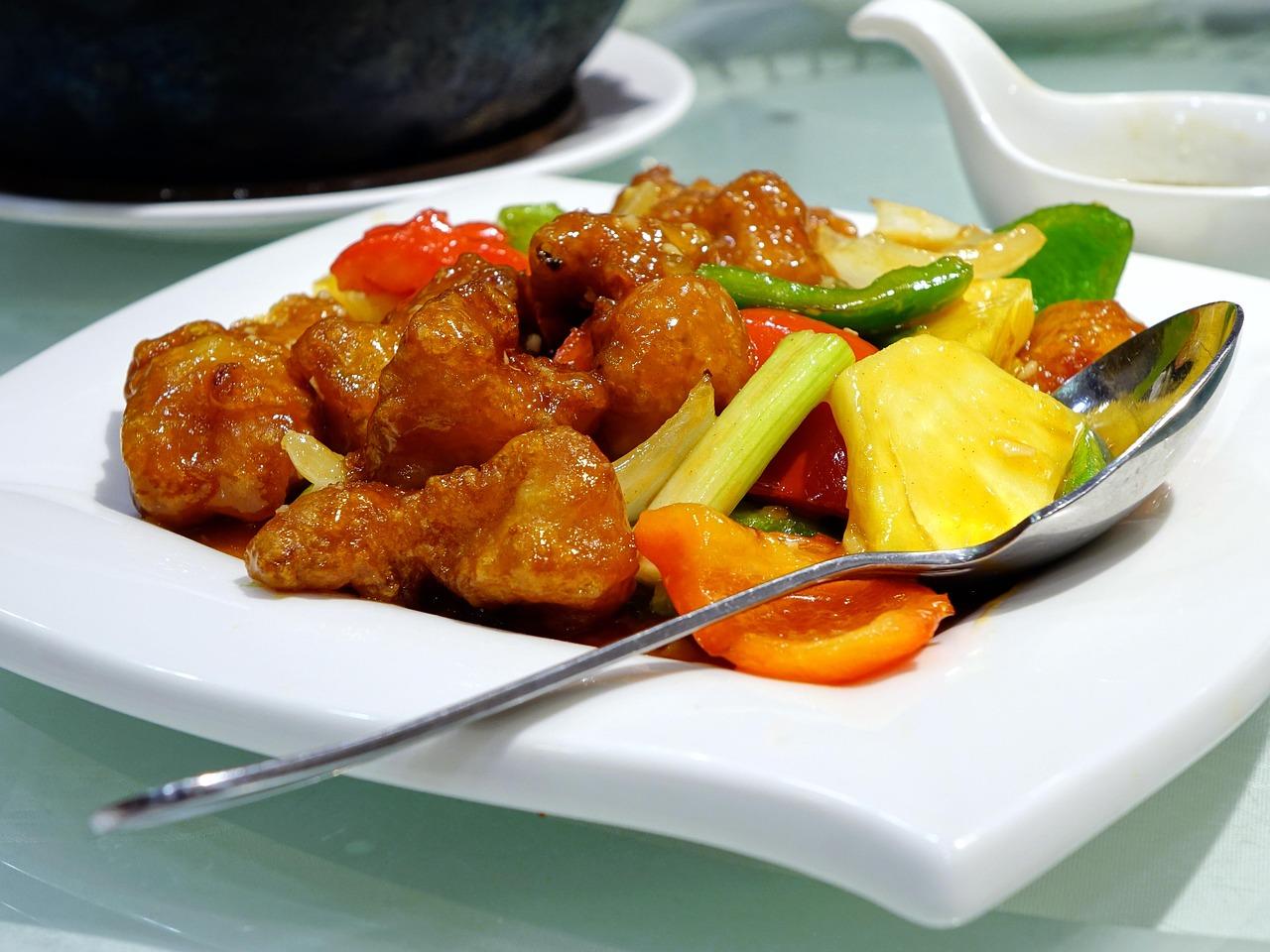
Ask a Hong Kong family what they order at a dai pai dong for the children, and gu lou yuk is near the top: nuggets of pork shoulder fried twice until shatteringly crisp, then tossed at the last moment with pineapple, green and red pepper and onion in a shiny, tangy, scarlet sauce. Cantonese cooks in Guangzhou and Hong Kong have made it for well over a century, and it is a fixture of wedding banquets and takeaway menus worldwide. Eat it fresh with steamed rice while the coating still crunches. A common pitfall is simmering the pork in the sauce, which turns the crust soggy within a minute; thicken the sauce first, then toss for a few seconds only. Chef's tip: the second, hotter fry is what makes it crisp, so don't skip it.

by KrazyBadal 0 views

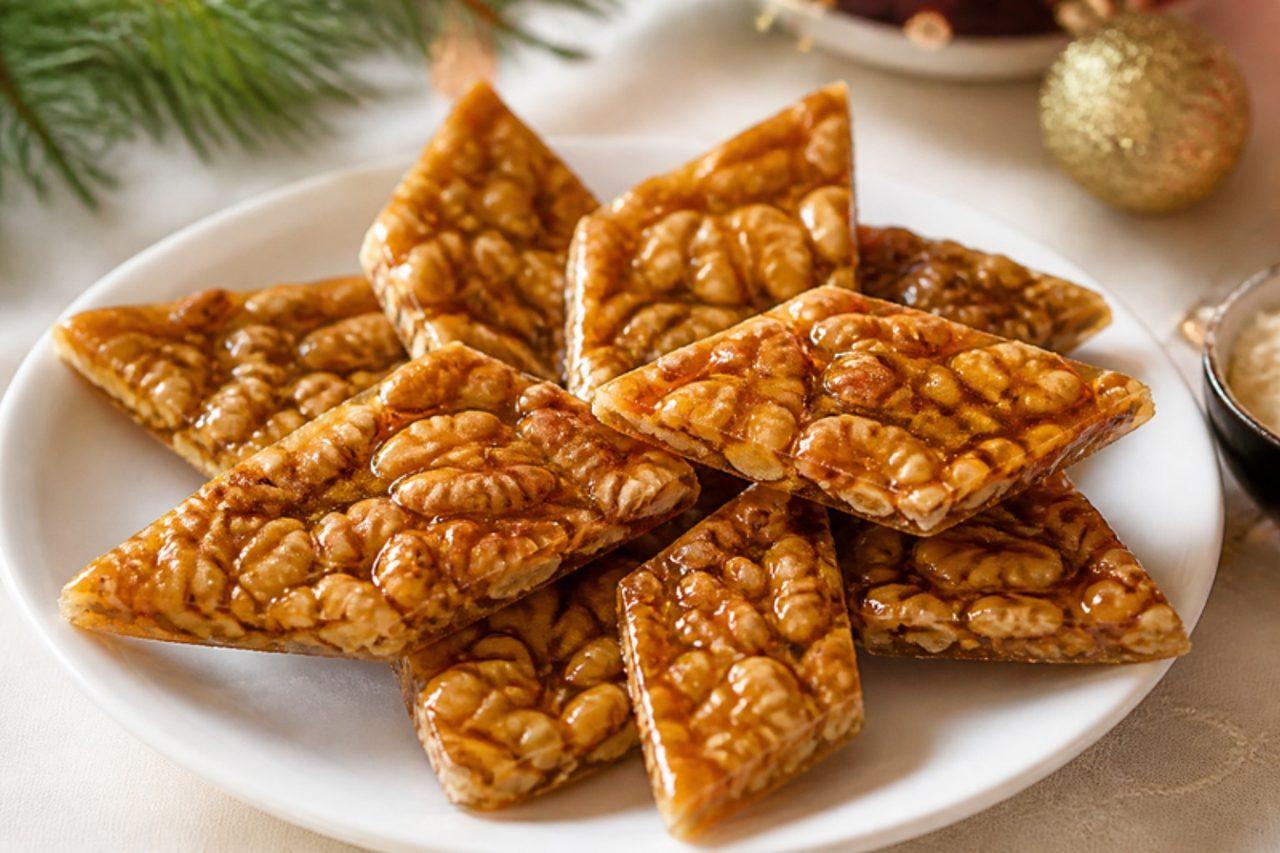
GozinakiWalnut and honey diamonds

Gozinaki is the sweet every Georgian family makes for New Year's Eve, from Tbilisi flats to Kakhetian farmhouses: toasted walnuts stirred into honey boiled until thick, spread on a wet board and cut into diamonds that set glossy and crunchy. Children help shell the walnuts in December, and a plate of gozinaki sits on the table for the midnight toasts. A common mistake is taking the honey off too early; it stays sticky and the pieces never set. Chef's tip: cook the honey until a drop in cold water forms a firm, pliable ball, then work fast, because the mixture sets as it cools.

by KrazyBadal 0 views

Asopao de polloSoupy chicken and rice

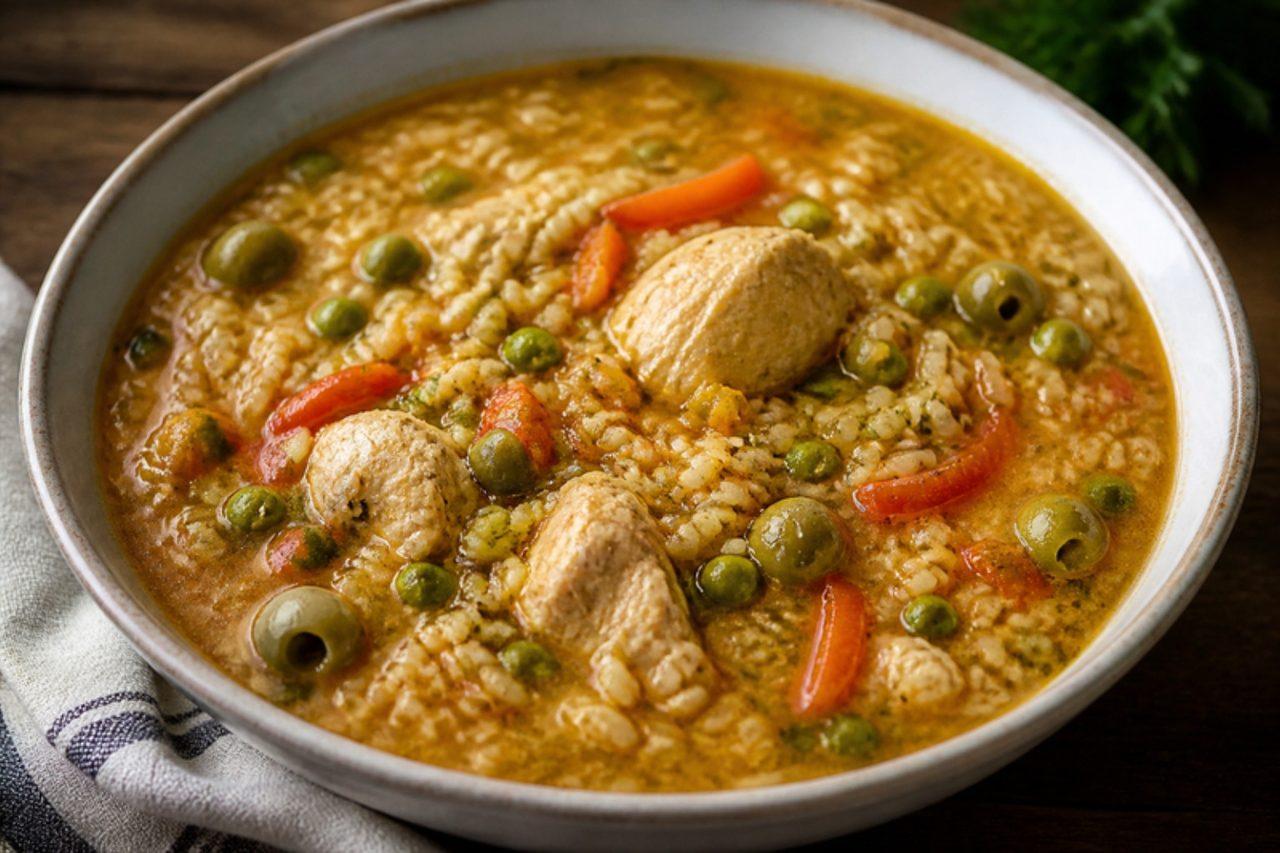
Somewhere between a soup and a risotto, asopao is the pot Puerto Rican mothers put on for a rainy Sunday, a cold, or a hangover after a long party night, and it is spooned straight from deep bowls with tostones on the side. Bone-in chicken is seasoned with garlic, oregano and lime, simmered in a sofrito broth, then rice goes in until the whole pot turns thick and brothy, finished with olives, capers, peas and strips of roasted pepper. The common mistake is making it ahead: the rice keeps drinking the broth and turns stodgy, so cook it just before eating, or keep extra stock to loosen leftovers. Chef's tip: take the pot off the heat while the rice is still a touch firm; it carries on cooking in the bowl.

by KrazyBadal 0 views

GogoșiFried yeast doughnuts

Fairground stalls, seaside promenades in Constanța and every grandmother with a big frying pan produce gogoși, fat, golden rounds of yeast dough fried and rolled in sugar while still too hot to hold. They are an everyday treat rather than a feast-day one, eaten with a mug of milk or filled with plum jam, sour cherry jam or sweet cheese. The dough is soft and enriched with eggs, milk and butter, so the inside should be fluffy and the outside thin and crisp, never greasy. Where most people go wrong is the oil temperature: too cool and the doughnuts soak up fat, too hot and they brown before the centre cooks. Keep a thermometer in the pan and never leave hot oil unattended. Chef's tip: fry one test doughnut first and break it open, so you can adjust the heat before the whole batch.

by KrazyBadal 0 views

Kogel-mogel

Ask anyone who grew up in a Warsaw block of flats about kogel-mogel and they will remember standing in the kitchen beating yolks and sugar in a mug with a teaspoon, waiting for it to turn pale. It is the simplest Polish treat: thick, mousse-like and very sweet, sometimes with cocoa, eaten from a glass with a spoon or dolloped on fruit. Because the yolks are raw, use pasteurised eggs, which most supermarkets sell as cartons of yolks or as pasteurised whole eggs. Even so, raw eggs are not for pregnant women, young children or anyone with a weakened immune system. The common mistake is stopping too soon; it needs a good 5 minutes of whisking until it doubles and almost all the sugar has dissolved. Chef's tip: use caster sugar, which disappears faster and gives a silkier result.

by KrazyBadal 0 views

Asun peppered goatPeppered grilled goat

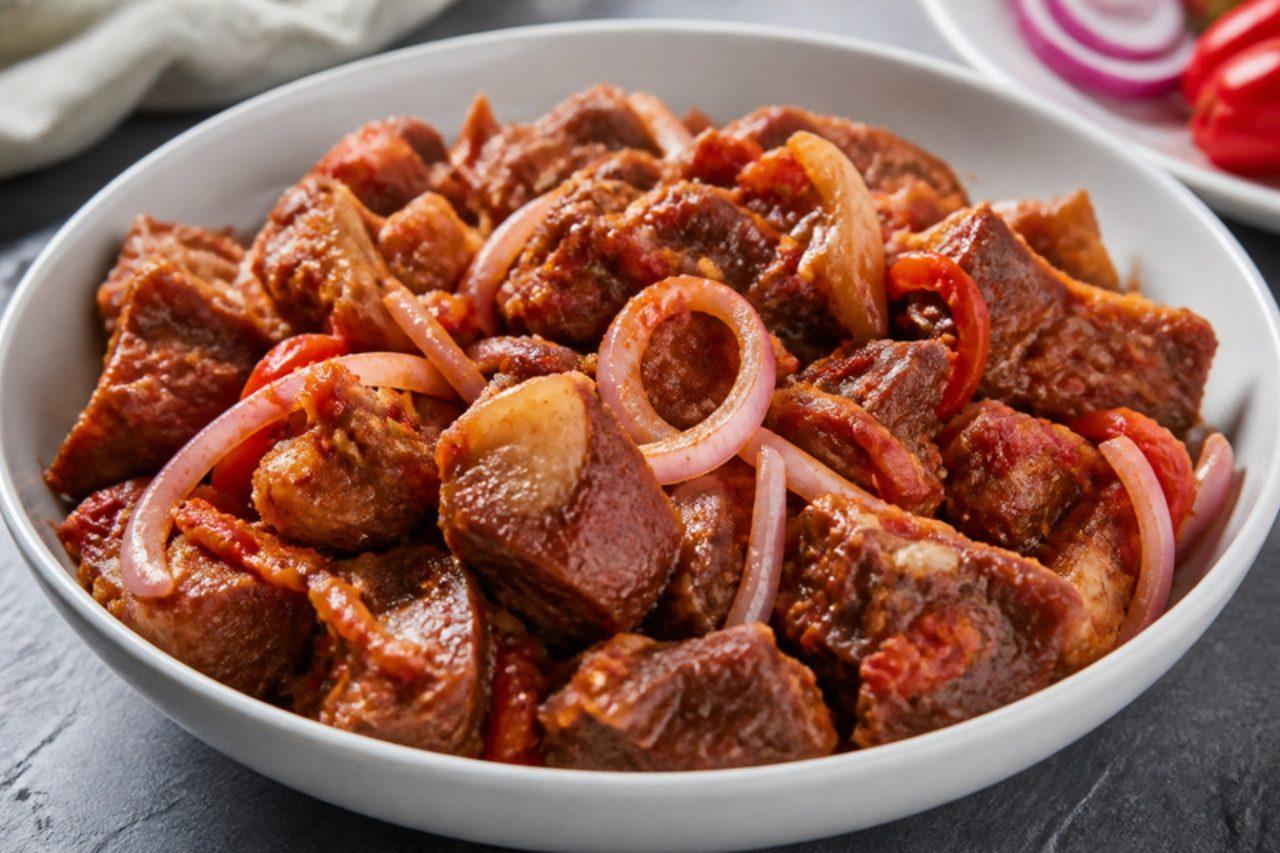
Asun started in Ekiti, where goat was roasted whole over an open fire, and it has become the star of Lagos owambe parties and Friday evenings at the bar. Skin-on goat is boiled with seasoning until just tender, grilled until smoky and charred at the edges, chopped into bite-size pieces, then tossed in a hot sauce of scotch bonnet, onion and a little oil. It is chewy in a good way, smoky and very spicy, eaten on its own, with jollof rice or with cold drinks. Cook the goat until tender and no pink remains. Chef's tip: dry the boiled goat well before grilling; wet meat steams and never takes on the charred, smoky flavour that makes asun.

by KrazyBadal 0 views

Gokul pithaCoconut milk patties in syrup

Gokul pitha is named after the pastoral home of the young Krishna, and it is a favourite of Hindu households across Bangladesh at Poush Sankranti, though by now everyone makes it for winter tea. Grated coconut is cooked slowly with milk and sugar until it dries into a fudgy filling, shaped into small flat patties, coated in a thin flour batter and fried, then dropped into hot syrup. Biting in you get a soft, crisp-edged shell, a milky coconut centre and a rush of syrup, all at once. Patties that are warm and soft when they go into the batter fall apart in the oil, which is the error most people make, so chill them first. Chef's tip: use khejur gur instead of sugar in the syrup for a darker, smokier version, as many families do when the new jaggery comes in.

by KrazyBadal 0 views

Aseedat bobarPumpkin pudding with ghee

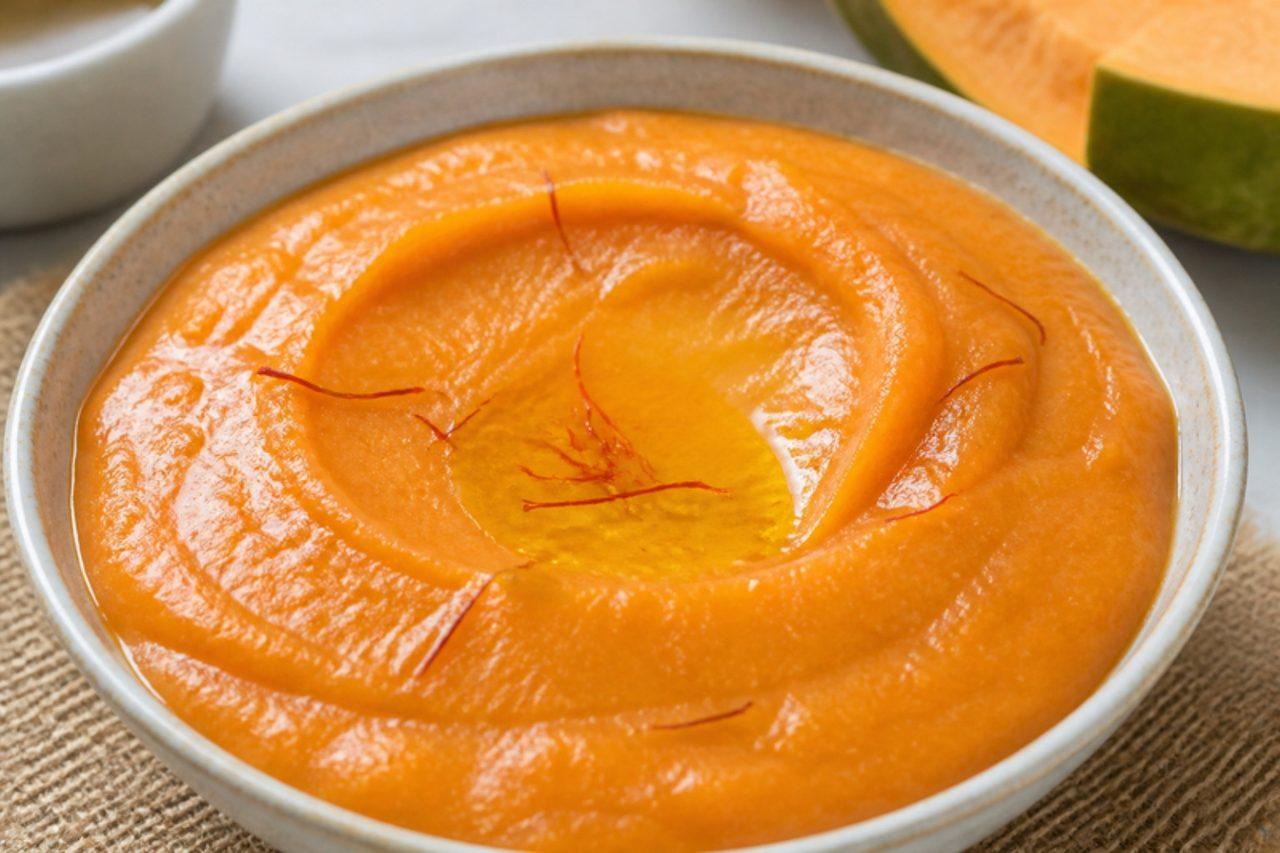
In Doha and Kuwait City, aseedat bobar arrives on winter evenings and at Ramadan iftar in a shallow dish, smooth and orange, with a little pool of melted ghee in the centre. Bobar is the Gulf word for red pumpkin, cooked down and thickened with toasted flour, sugar and cardamom into a soft, spoonable sweet that tastes a bit like a spiced pumpkin pie filling. Scoop it warm with a spoon or with pieces of bread, alongside Arabic coffee. Stopping the stirring too soon is the usual mistake: the pudding must cook until it pulls away from the sides, or it tastes of raw flour. Chef's tip: toast the flour in a dry pan until it smells like biscuits before it goes in; that nutty note is what makes it.

by KrazyBadal 0 views

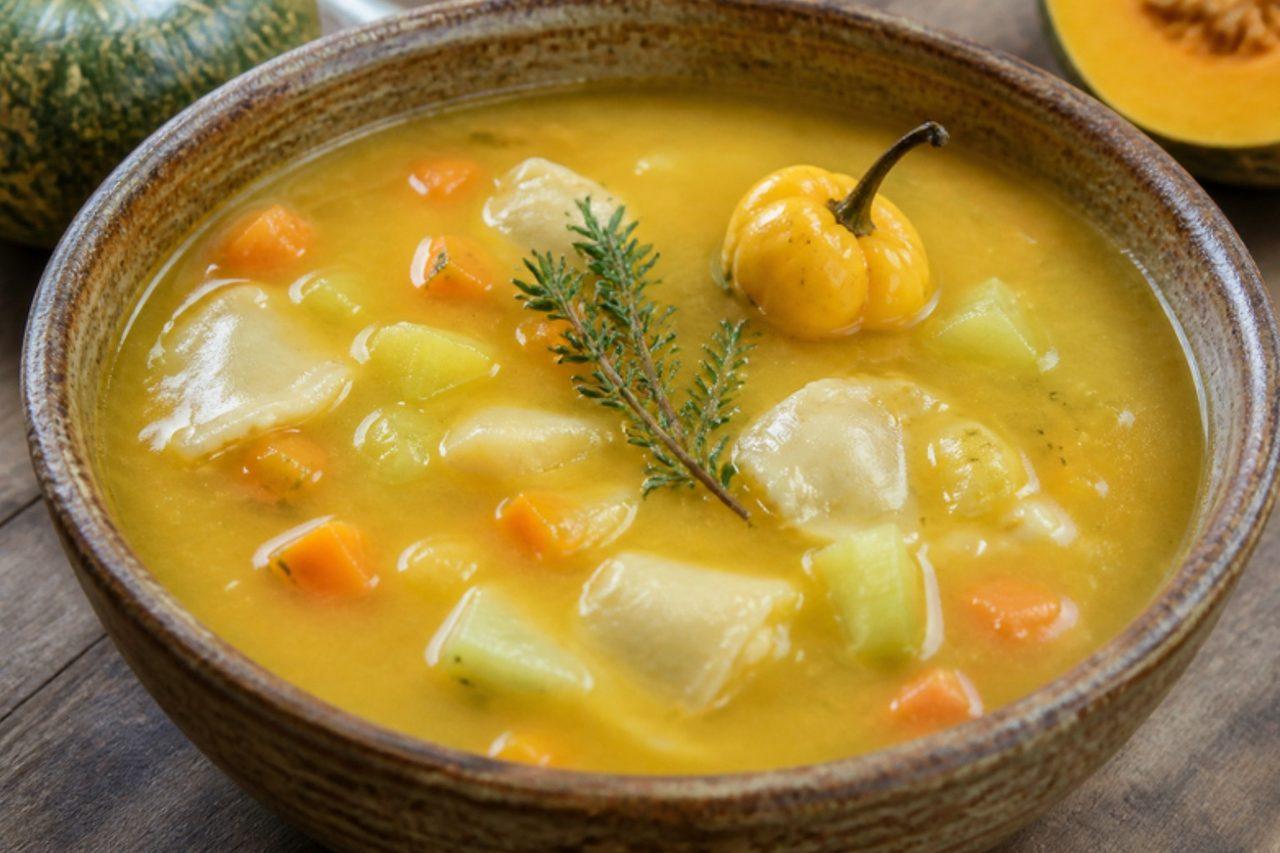
Jamaican pumpkin soup

Ital kitchens in the Blue Mountains cook pumpkin soup on cool evenings, when the mist comes down over the coffee farms and something golden and peppery is needed. This one is meat-free and dairy-free: calabaza, carrot and chocho simmer with thyme, scallion and pimento until the pumpkin breaks down into a thick, naturally sweet broth, with a few spinners for chew. People often add the scotch bonnet already cut, which can make the whole pot ferociously hot; drop it in whole and take it out when the soup tastes right. Chocho (chayote) is optional, and courgette is a fair swap. Chef's tip: leave the soup chunky rather than blending; Jamaicans like to see the pieces of pumpkin collapsing into it.

by KrazyBadal 0 views

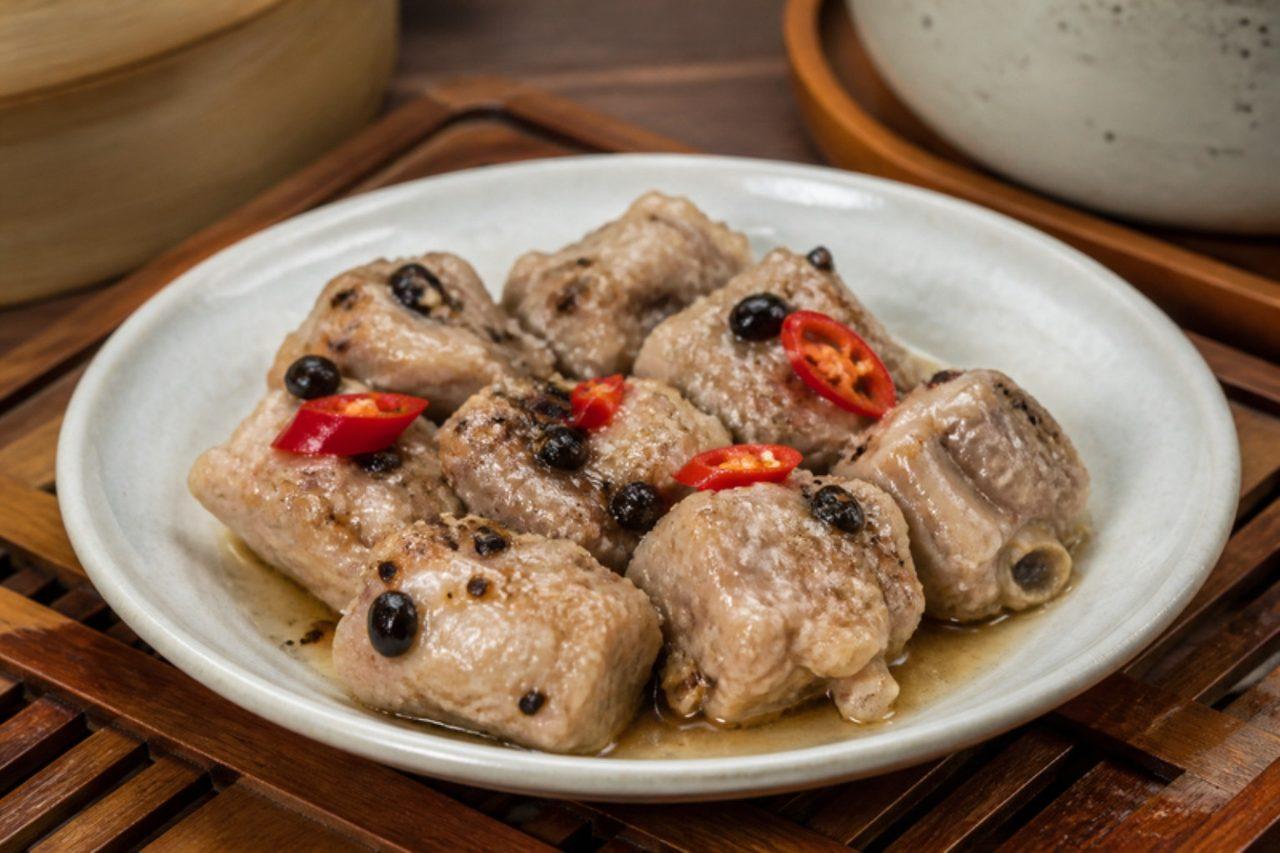
Steamed spare ribs with black bean sauce

Small saucers of pork spare ribs, chopped into bite-sized chunks and glistening with fermented black bean and garlic, come out of every Hong Kong teahouse steamer from dawn until lunch. Done right, the meat is plump and tender, slips off the little bone with your chopsticks, and sits in a salty, garlicky, faintly sweet juice that is wonderful spooned over rice. At home it makes an easy weeknight dish with rice and some blanched choi sum. The mistake to avoid is skipping the rinse: soak the ribs in cold water first to draw out the blood, otherwise the sauce turns grey and murky. Chef's tip: ask the butcher to chop the ribs into 3 cm pieces across the bone, and add a little potato starch to the marinade, which gives the teahouse silky coating.

by KrazyBadal 0 views

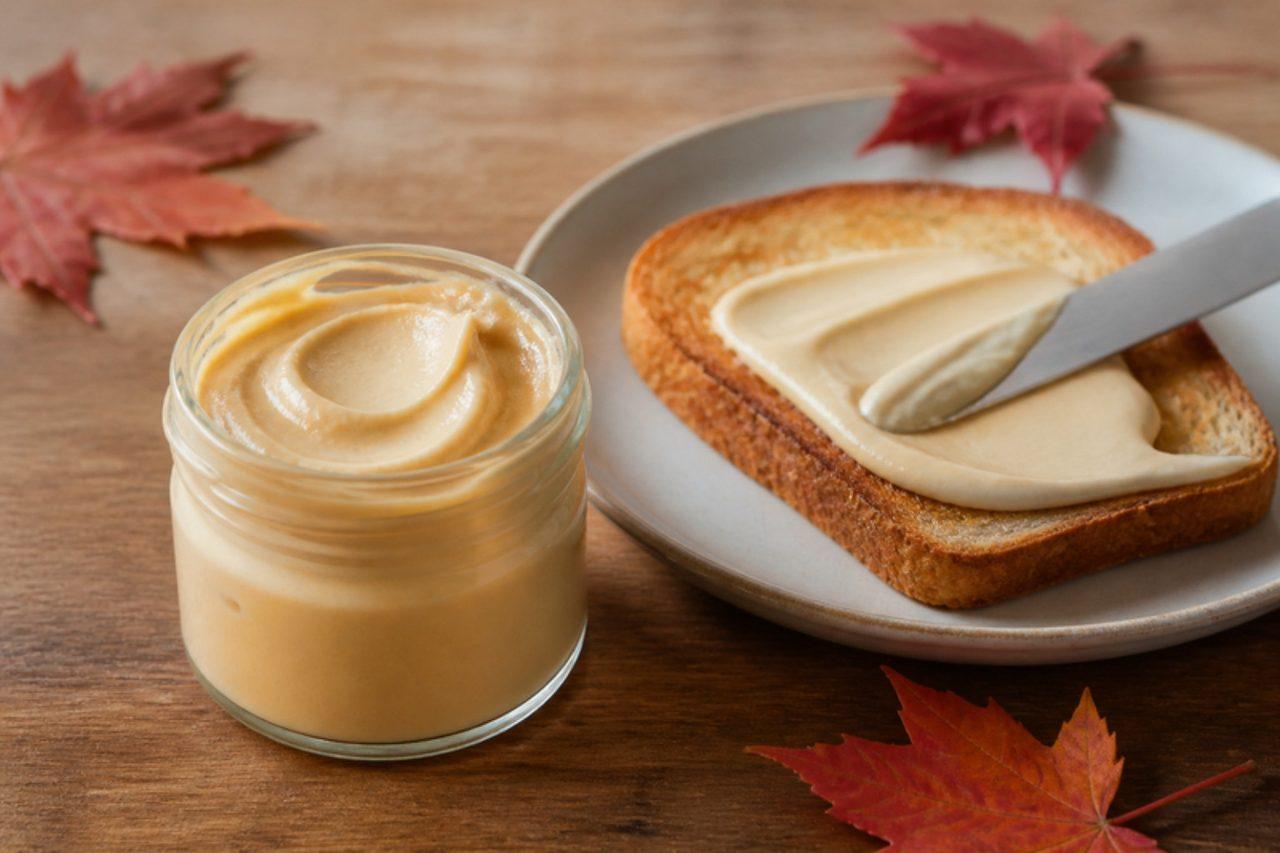
Maple cream

Crème d'érable is sold in little jars in every Quebec market from Jean-Talon to the Beauce farm stands, and despite the name there is no cream in it: pure maple syrup is boiled to the soft-ball stage, cooled without stirring and then beaten until it turns pale and creamy. It is spread on toast, crêpes and warm bagels. Patience and a thermometer are the whole trick. The common mistake is stirring the syrup while it cools, which sets off large grainy crystals instead of a smooth cream. Chef's tip: use a light, golden syrup; dark syrups taste stronger but can stay runny.

by KrazyBadal 0 views

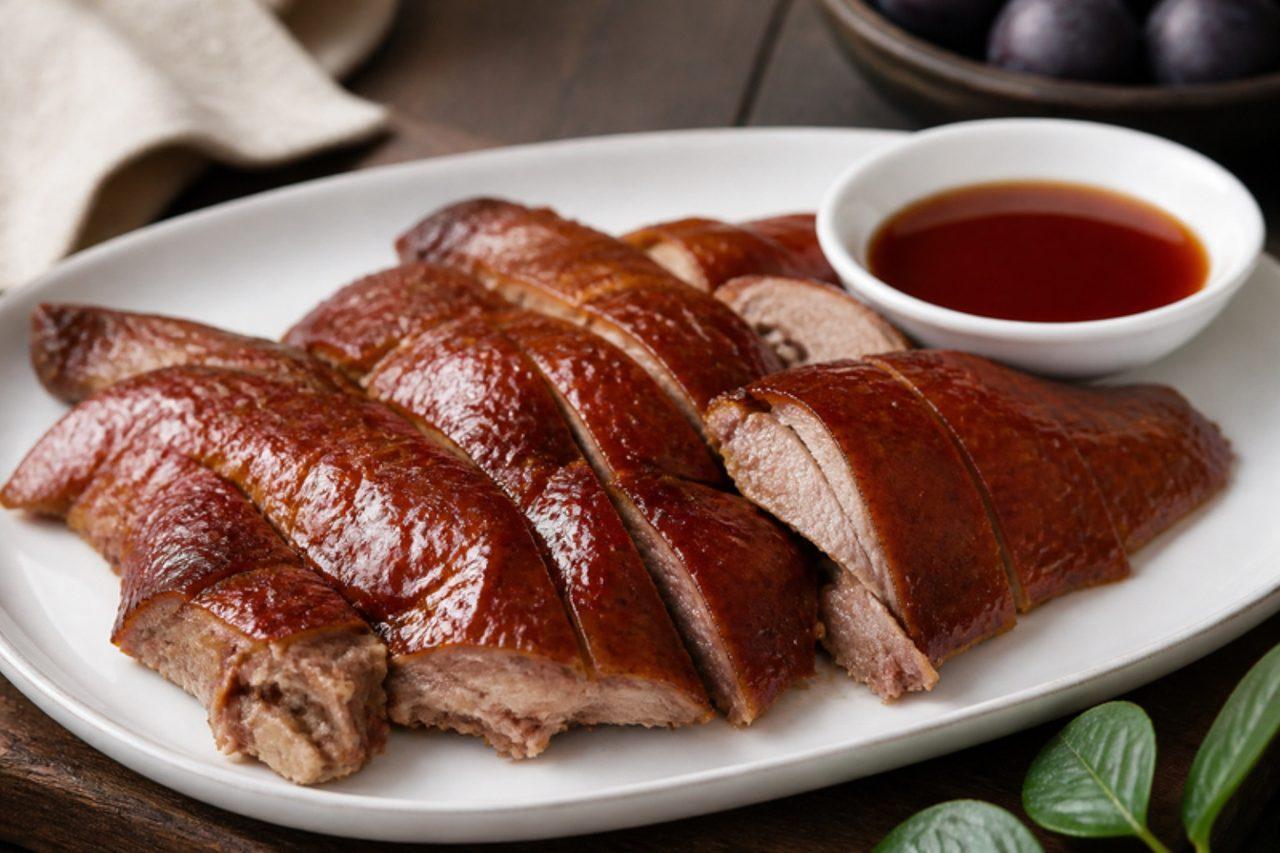
Cantonese roast goose

Drive out along the coast road to Sham Tseng in the New Territories and the restaurants there have been roasting geese for generations; Hong Kongers make the trip for a plate of it with lai fun noodles, or order a half goose for a family dinner. The skin is thin, crisp and deep mahogany, the meat dark, rich and juicy, scented from the inside with five-spice, bean paste and garlic. Sour plum sauce cuts through the fat. This home version uses an oven-ready goose (head already removed, as it is sold), dried overnight and roasted in a domestic oven. A frequent slip is roasting a goose straight from the wrapper: without its overnight drying and a glaze, the skin stays leathery. Chef's tip: pour off the rendered fat as it collects; it is superb for roasting potatoes or frying rice.

by KrazyBadal 0 views

GogalFlaky fennel and turmeric pastry

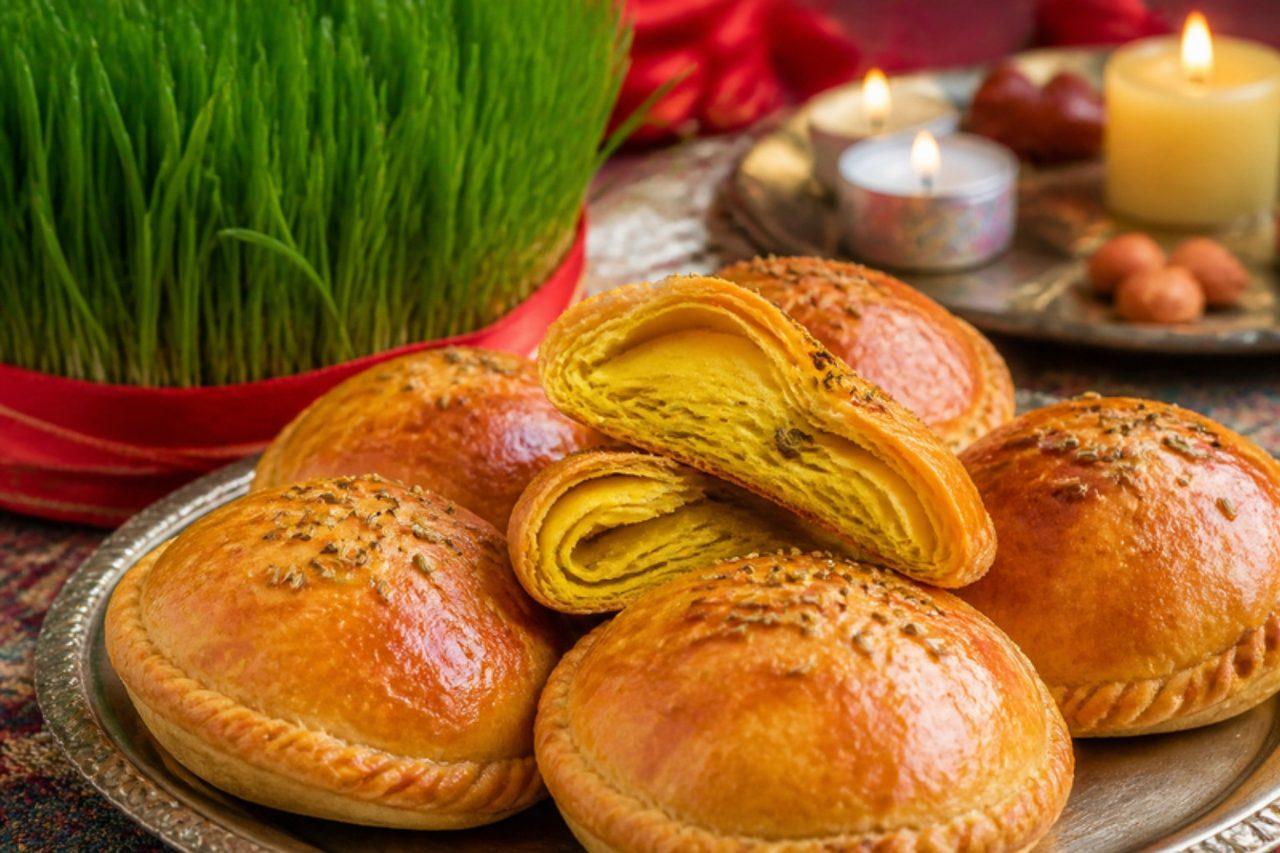
Gogal is baked for Novruz, the spring new year on 20 March, in kitchens all over Baku and the Absheron villages, beside shekerbura and pakhlava on the festive tray. A soft dough is rolled thin, brushed with butter mixed with ground fennel, turmeric and salt, then rolled, coiled and flattened again so it bakes into crisp, savoury, golden layers. A common mistake is using cold, hard butter for the spread; it tears the dough. Chef's tip: let the coiled pastries rest before flattening so the layers relax and stay distinct in the oven.

by KrazyBadal 0 views

Asa tibsFried tilapia pieces

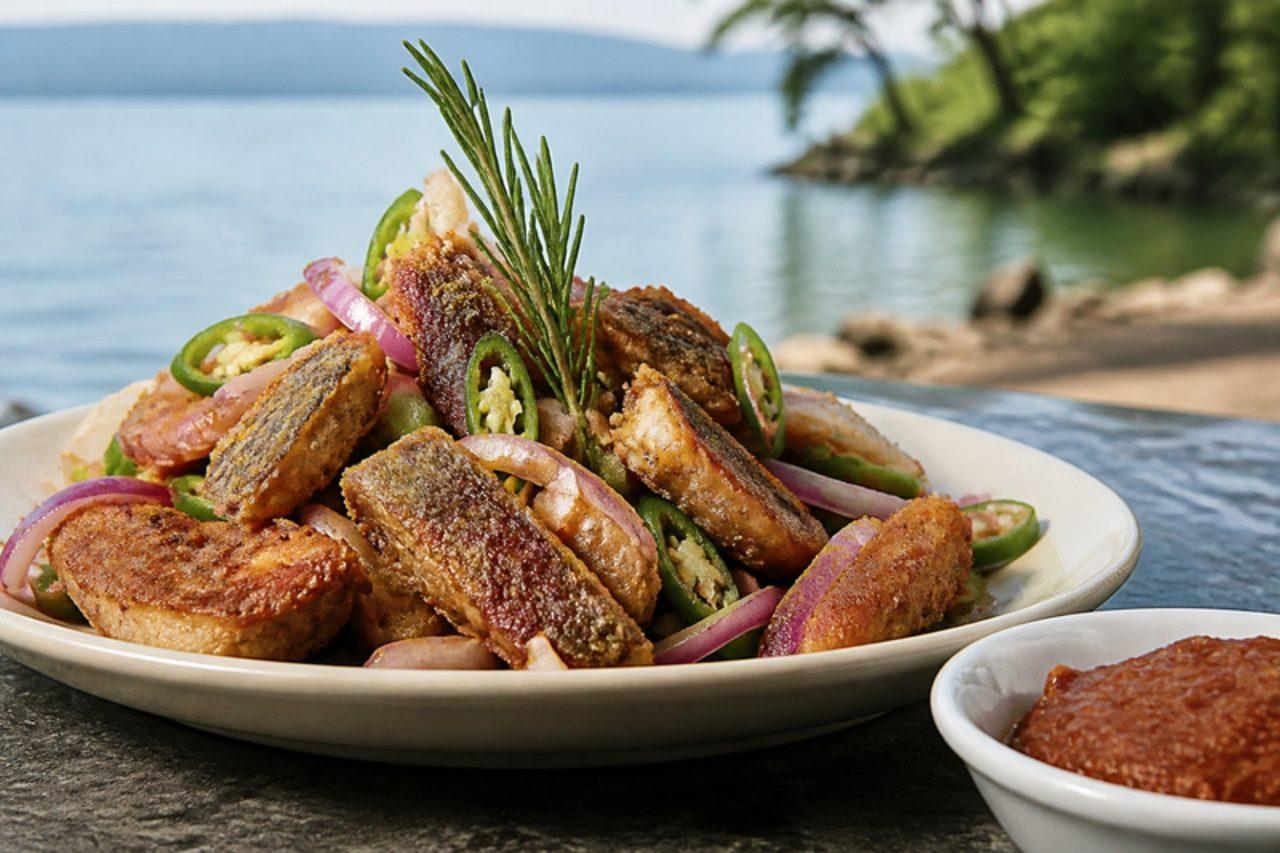
Down by the fish market on the shore of Lake Hawassa, cooks fry tilapia straight from the boats and serve it with injera, bread and a fiery dip, and asa tibs is the version you can easily make at home. Bite-sized pieces of fillet are dusted, fried until crisp and golden, then tossed briefly with soft onion, green chilli and a spoon of awaze, so the fish is crunchy outside, flaky and sweet inside, and coated in a spicy glaze. It is a favourite on fasting days for people who eat fish, and quick enough for a weeknight. Chef's tip: leave each piece undisturbed until it releases from the pan by itself; moving fish too early is the common mistake, and it tears the coating and breaks the flesh.

by KrazyBadal 0 views

Bahamian conch salad

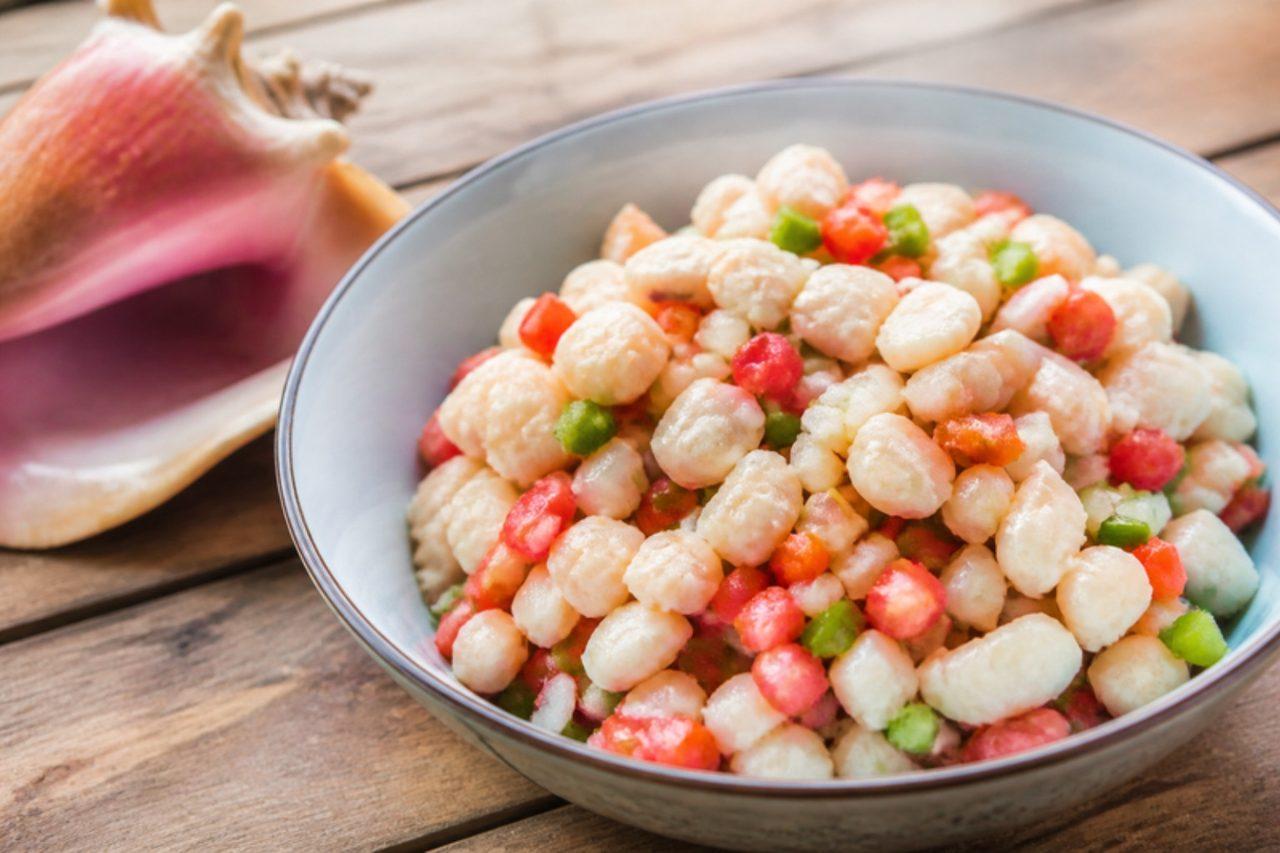
At the Fish Fry on Arawak Cay in Nassau, conch salad is made to order: a vendor cracks the shell, dices the conch with tomato, onion, sweet peppers and goat pepper, and drowns it in lime and sour orange in front of you. Traditionally the conch is eaten raw, "cooked" only by the citrus; that raw version is not for pregnant women, young children or anyone with a weakened immune system, and this recipe gives a safer version in which the conch is poached briefly first. Buy cleaned conch from a trusted fishmonger and discard any that smells of ammonia. The common mistake is dicing unevenly; everything should be in small, matching cubes. Chef's tip: make it no more than an hour ahead, or the lime turns the vegetables limp.

by KrazyBadal 0 views

Asa watFish in berbere stew

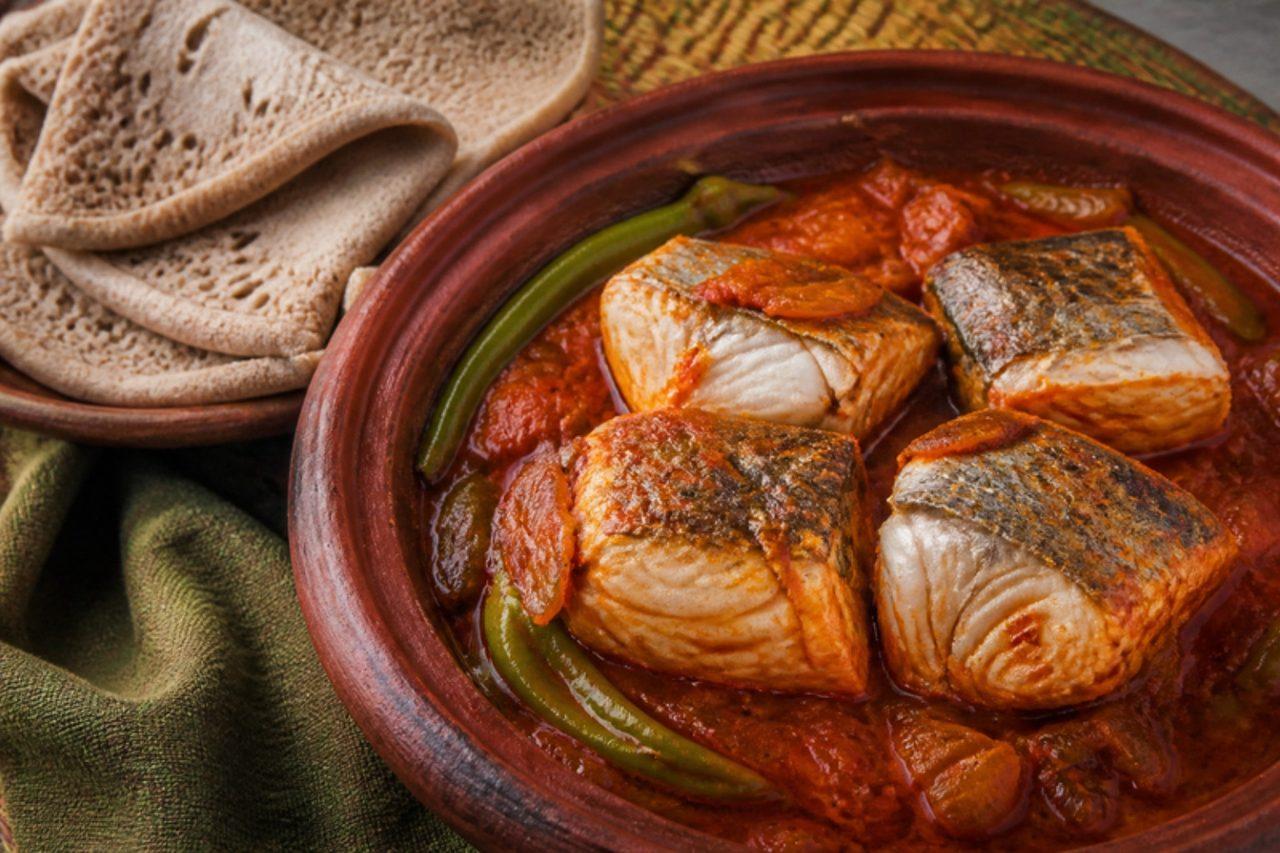
Around Lake Tana in Bahir Dar and on the shores of Lake Hawassa, fresh tilapia, Nile perch and catfish are cheap and plentiful, so fish goes into the same deep red berbere sauce that elsewhere would hold beef or chicken. Asa wat has the familiar long-cooked onion base and warming spice, but it is lighter than a meat wat, with tender, sweet chunks of fish soaking up the sauce. It is eaten with injera, often alongside a lentil or greens dish, and is a popular choice on fasting days for those who eat fish. Stirring once the fish is in is the classic mistake; it breaks into shreds, so shake the pan instead. Chef's tip: add the fish only once the sauce is fully cooked and thick, then give it no more than 10 minutes.

by KrazyBadal 0 views

Bajan pumpkin fritters

Barbadian grandmothers turn leftover boiled pumpkin into these little fritters for Sunday tea, frying spoonfuls of a soft, spiced batter until puffed and golden, then rolling them in sugar while still hot. Inside they are tender and custardy, with cinnamon, nutmeg and a hint of vanilla. They're best eaten warm, straight from the paper towel. The common mistake is a watery batter from wet pumpkin, which makes flat, greasy fritters: drain the cooked pumpkin well. Chef's tip: use the dense, orange West Indian pumpkin or butternut squash; watery jack-o'-lantern pumpkins don't work well.

by KrazyBadal 0 views

Aruban pan batiSweet cornmeal pancakes

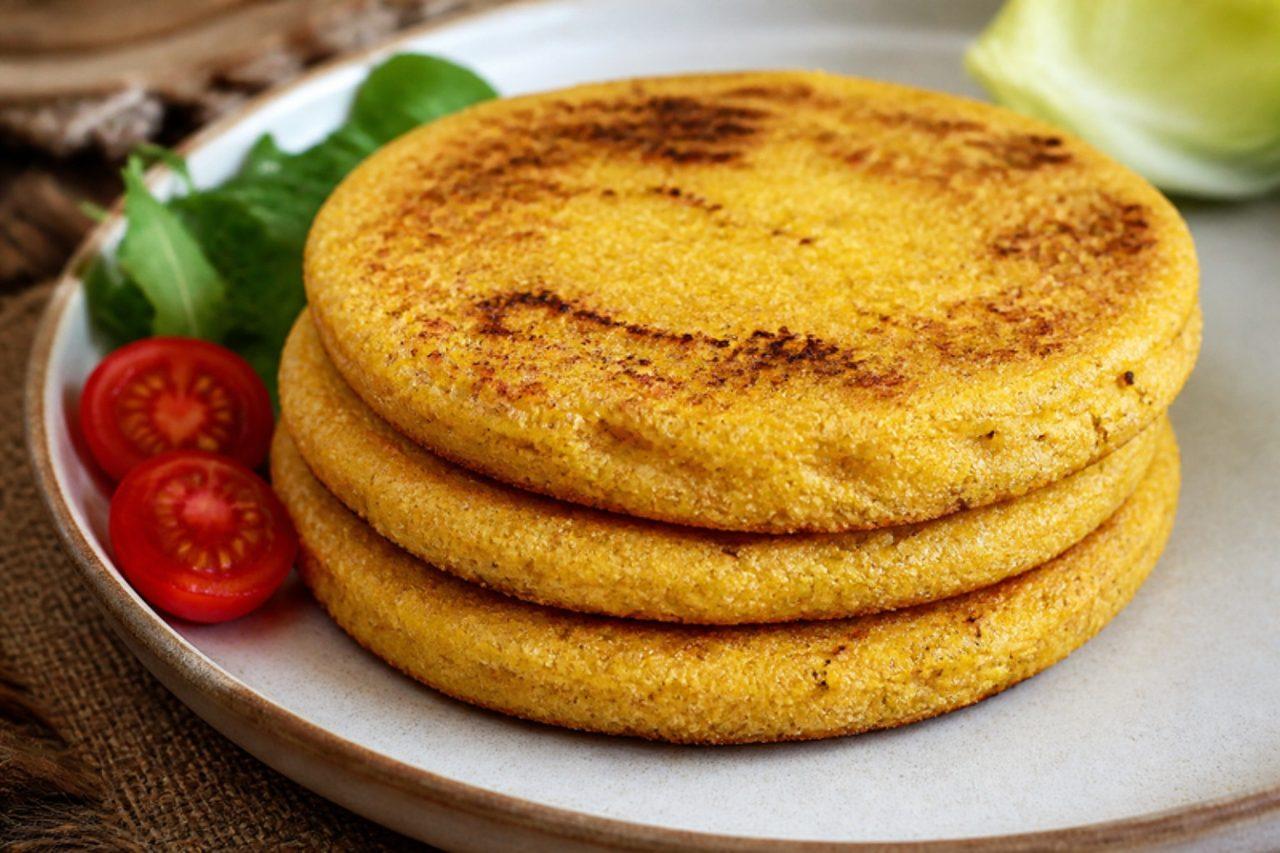
Aruban families put a stack of pan bati on the table with almost every bowl of soup or stew, from sopi di pisca to kabritu stoba: thick, slightly sweet pancakes of cornmeal and flour, cooked on a dry griddle and torn to mop up the broth. They are soft, a little grainy and golden at the edges. The mistake is cooking them too fast, so they burn outside and stay raw in the middle. Chef's tip: let the batter rest for 10 minutes so the cornmeal softens and the pancakes come out tender.

by KrazyBadal 0 views

Kampot pepper and lime dip

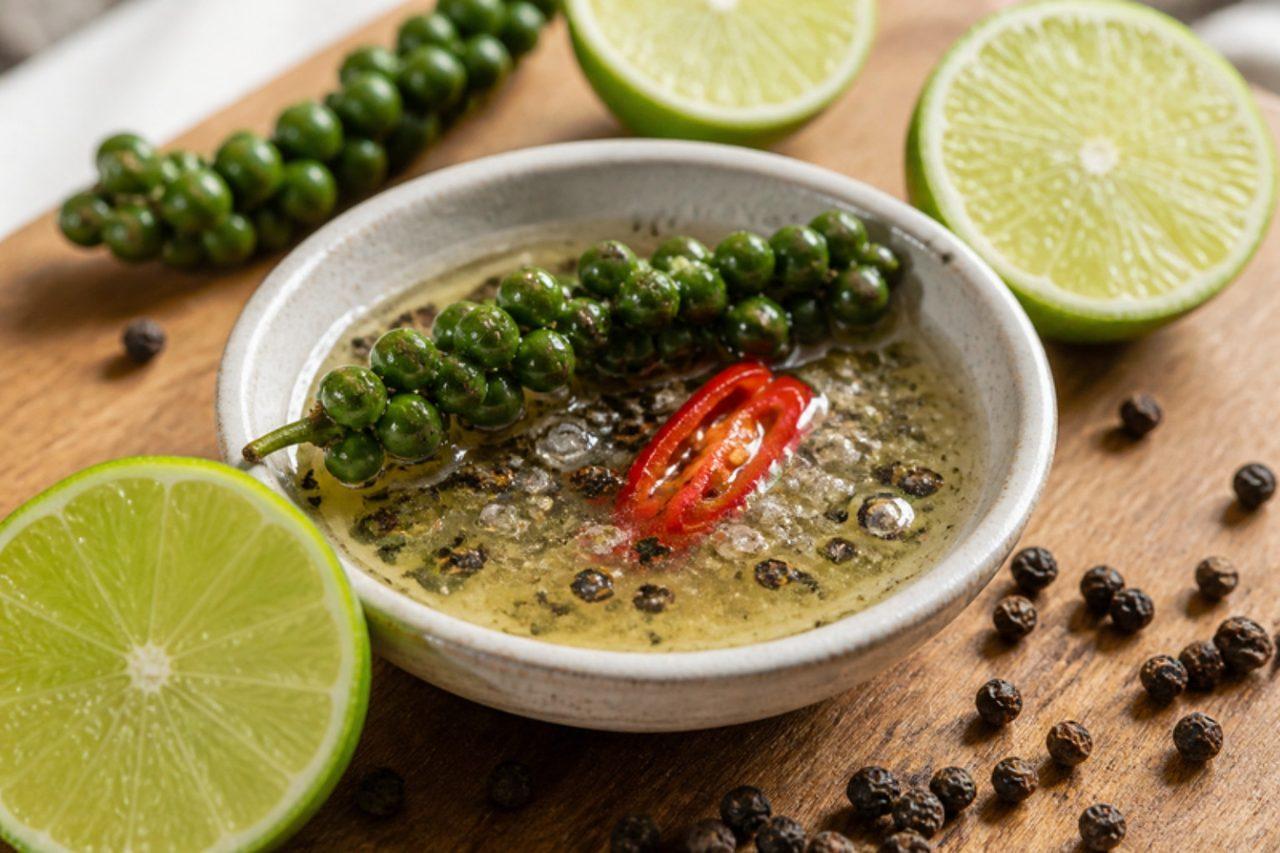
Every table in Kampot and along the crab-shack pier at Kep gets a saucer of tuk mrech, and diners mix their own: a heap of salt, a spoonful of freshly cracked local pepper and a squeeze of lime. It is sharp, salty and floral-hot, with none of the sweetness of most Khmer dips, and it is meant for dragging grilled corn, griddled tofu, fried eggs or a pepper crab through. Kampot pepper carries a protected geographical indication and tastes fruity and resinous rather than just hot; any good whole black peppercorns work, but pre-ground pepper does not. People often get it wrong by grinding the pepper to dust, which turns the dip muddy and bitter, or by mixing it hours ahead so the lime goes flat. Chef's tip: warm the peppercorns in a dry pan for a minute before cracking them, and squeeze the lime straight into the saucer at the table so it stays fresh and zingy.

by KrazyBadal 0 views

Ofada rice with green pepper sauce

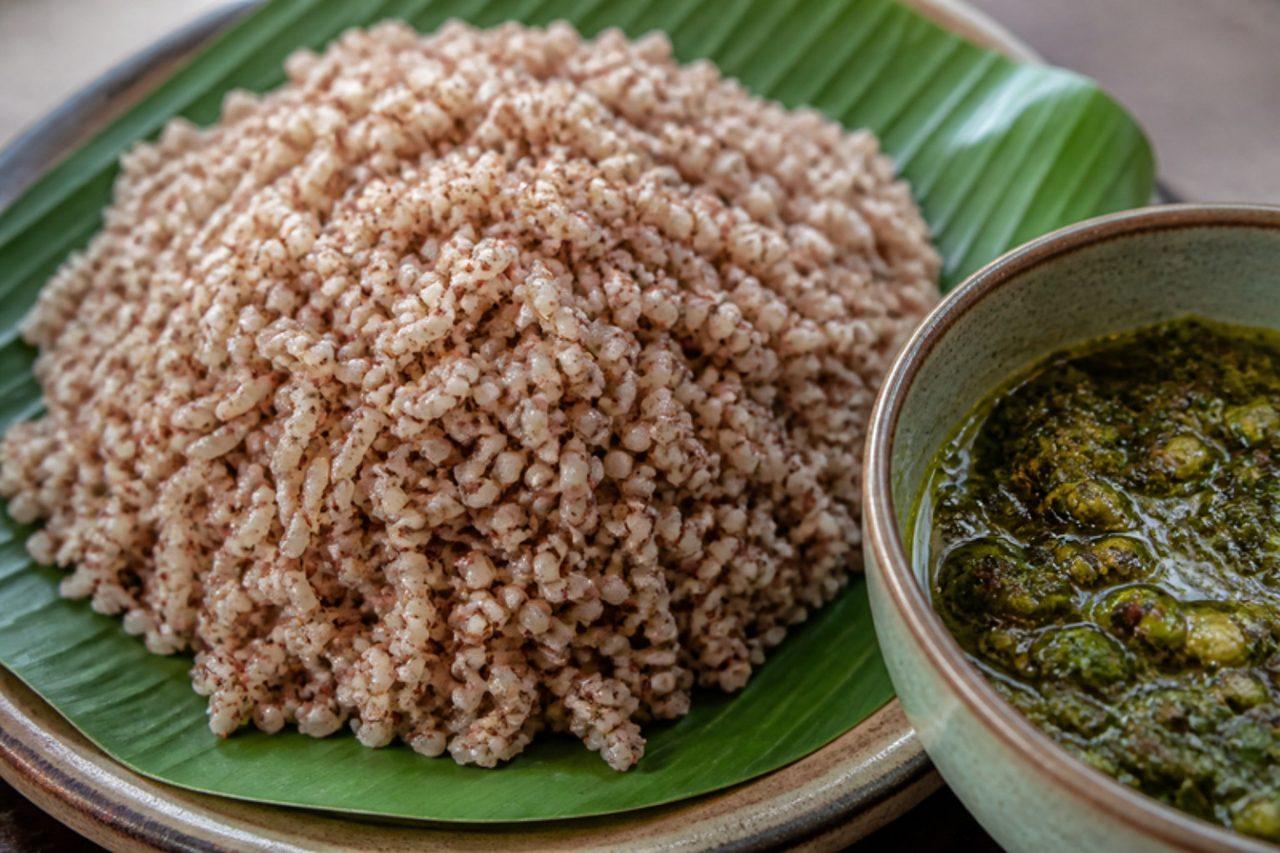
Ofada rice takes its name from a town in Ogun State and is grown on small farms across the Southwest; the grains are short, unpolished and sometimes speckled, with a nutty, earthy aroma that some love and others find strong. It is served wrapped in uma (thaumatococcus) leaves at parties and in Lagos restaurants, with ayamase, a fiery green pepper sauce cooked in bleached palm oil. Ayamase is usually loaded with assorted meats and boiled eggs; this vegan version keeps the green peppers, scotch bonnets and locust beans and adds mushrooms if you like. Banana leaves or a plain plate stand in for uma leaves. The mistake to avoid is skipping the picking and washing: local rice often holds small stones and husk. Chef's tip: bleach the palm oil with the lid nearby, the window open and the extractor on full, and never leave the pan.

by KrazyBadal 0 views

Lao fish soup with dill

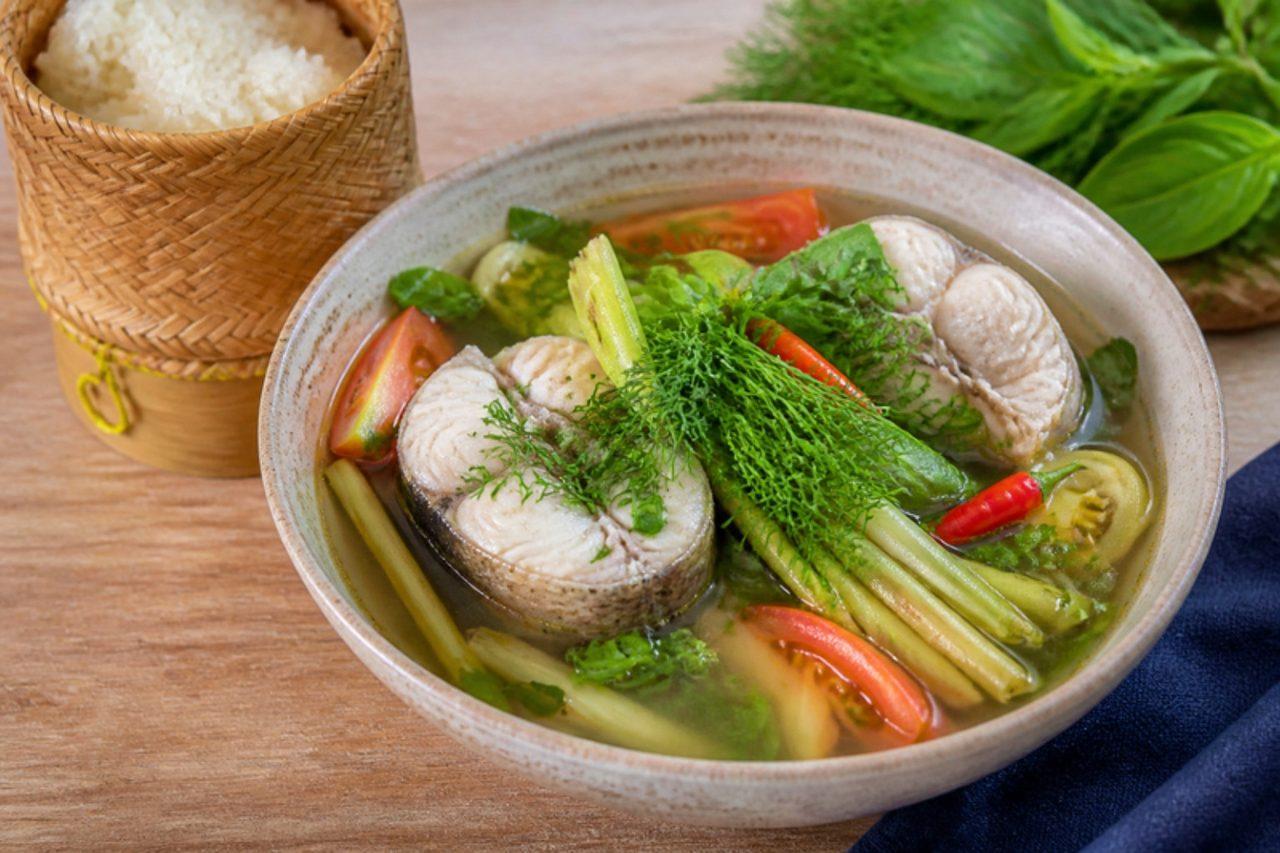
Restaurants on stilts over the Mekong at Pakse, where the Xe Don river joins it, serve tom pa at lunch in big communal bowls, and southern Lao families make it at home whenever the market has fresh river fish. Chunks of fish poach gently in a clear broth fragrant with lemongrass, galangal and lime leaf, soured with tomato and lime and finished with a generous fistful of dill, an herb Lao cooks use far more than their neighbours. The result is light, tangy and aromatic, with soft fish and a whisper of chilli heat; spoon it over sticky rice or sip it between mouthfuls of jeow. Boiling hard once the fish goes in is the mistake to watch, as the pieces break up and the broth turns cloudy. Chef's tip: add the dill only when the pot is off the heat, so it stays green and sweet.

30 minLaoSoupsGluten free
by KrazyBadal 0 views

Lamugin (spiced ginger millet drink)

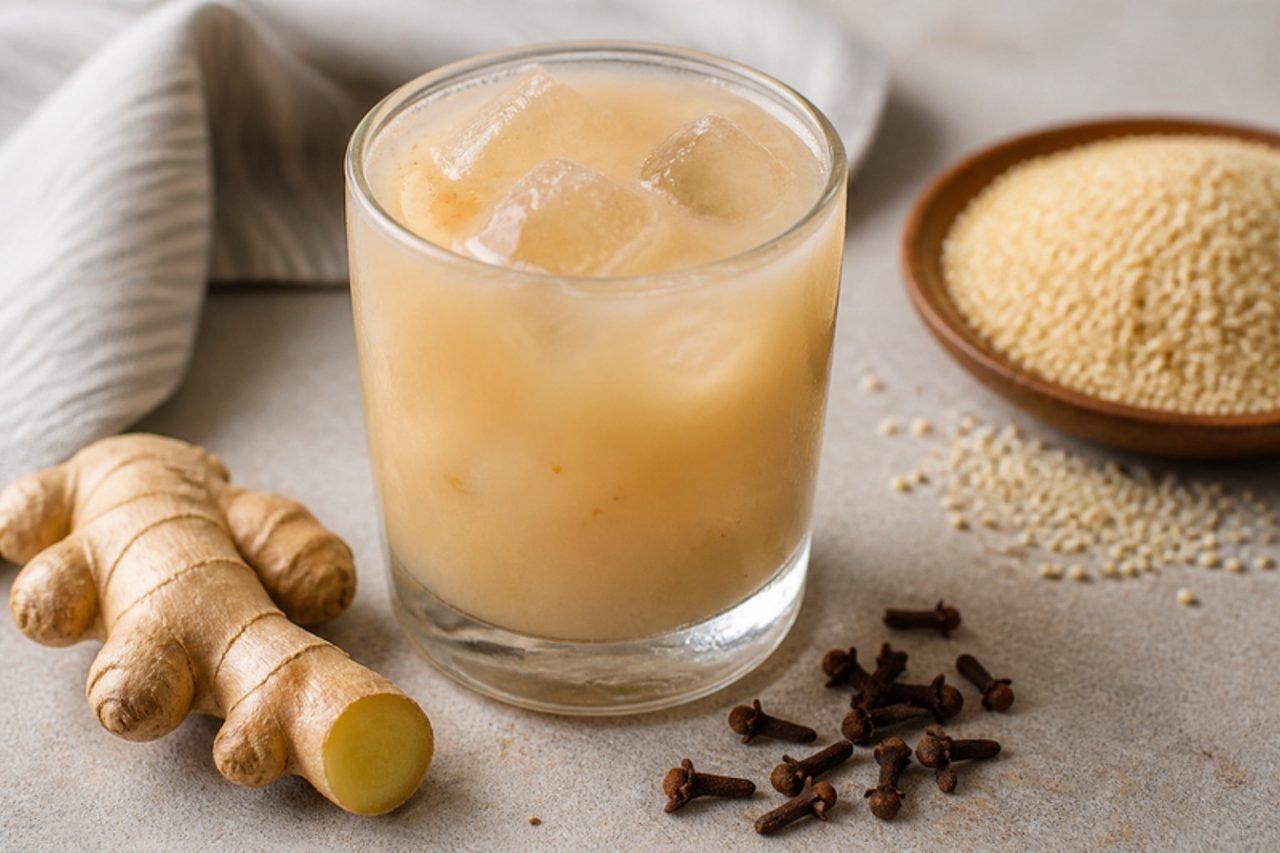
Around Tamale and across Northern Ghana, lamugin is the drink that bites back: millet flour stirred into ginger water spiked with cloves, black pepper and chilli, then sweetened and served very cold. Sellers keep it in sachets or calabashes at markets and roadside stands, and it is handed round at gatherings and during Ramadan evenings. It is cloudy and slightly thick from the millet, with a sweet start and a long peppery warmth. This version is non-alcoholic and cooks the millet briefly so it tastes clean rather than raw. Chef's tip: pass the ginger water through a fine cloth before adding the millet, so the drink stays smooth instead of stringy.

by KrazyBadal 0 views

Jamaican roast yam

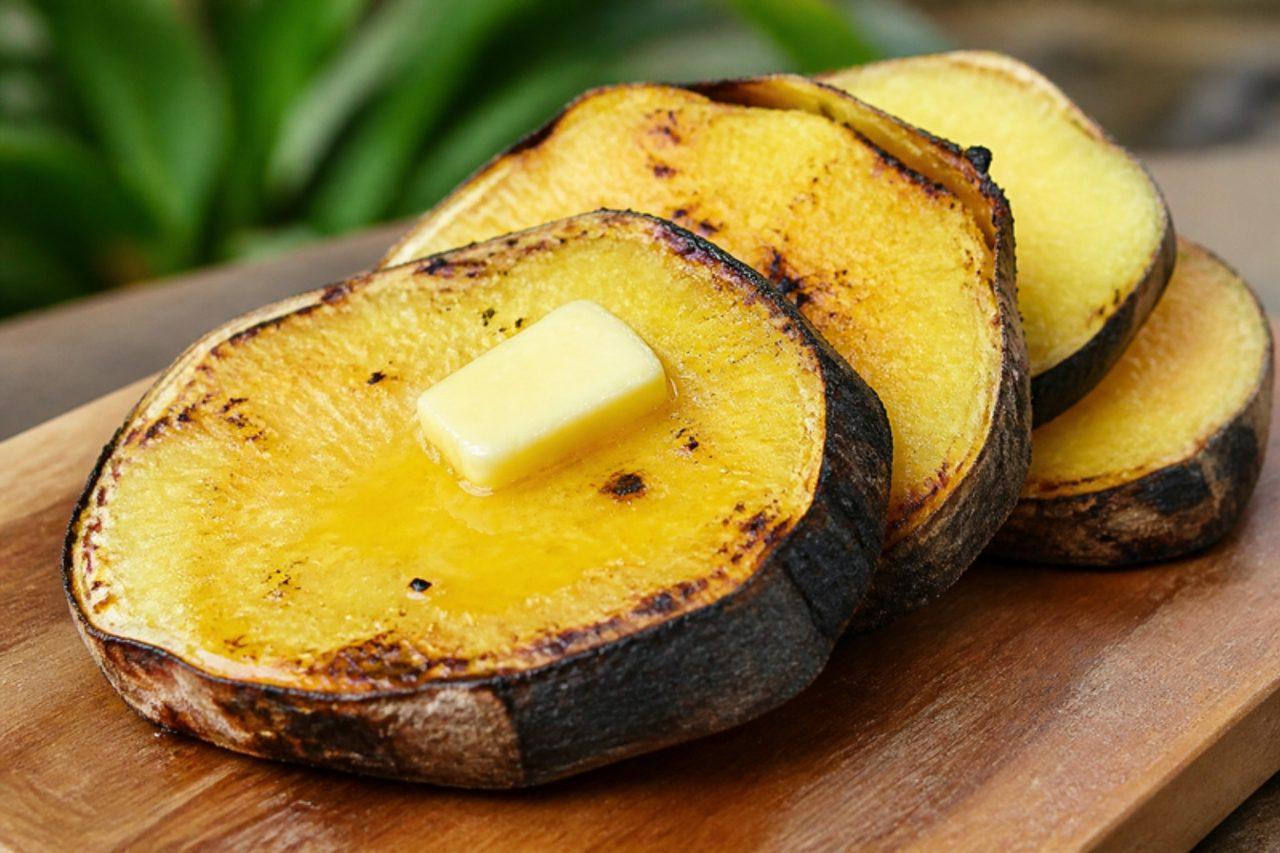
Roast yam stands beside roast fish at the beach shacks of Treasure Beach and at the roadside stalls along the Ocho Rios road, long pieces pulled out of the coals with blackened, smoky skins. Yellow yam roasted this way turns dense, dry and nutty, quite different from boiled, and it is eaten hot with a little coconut oil or butter and a sprinkle of salt. The usual mistake is cutting the yam too short or thin, so it dries out; roast it in thick 20 cm lengths with the skin on. Here it is done in a hot oven, with a flame option for a smoky edge. Chef's tip: wrap the pieces in foil for the first 30 minutes so they steam inside, then unwrap them to char the outside.

by KrazyBadal 0 views

Sambal stingray

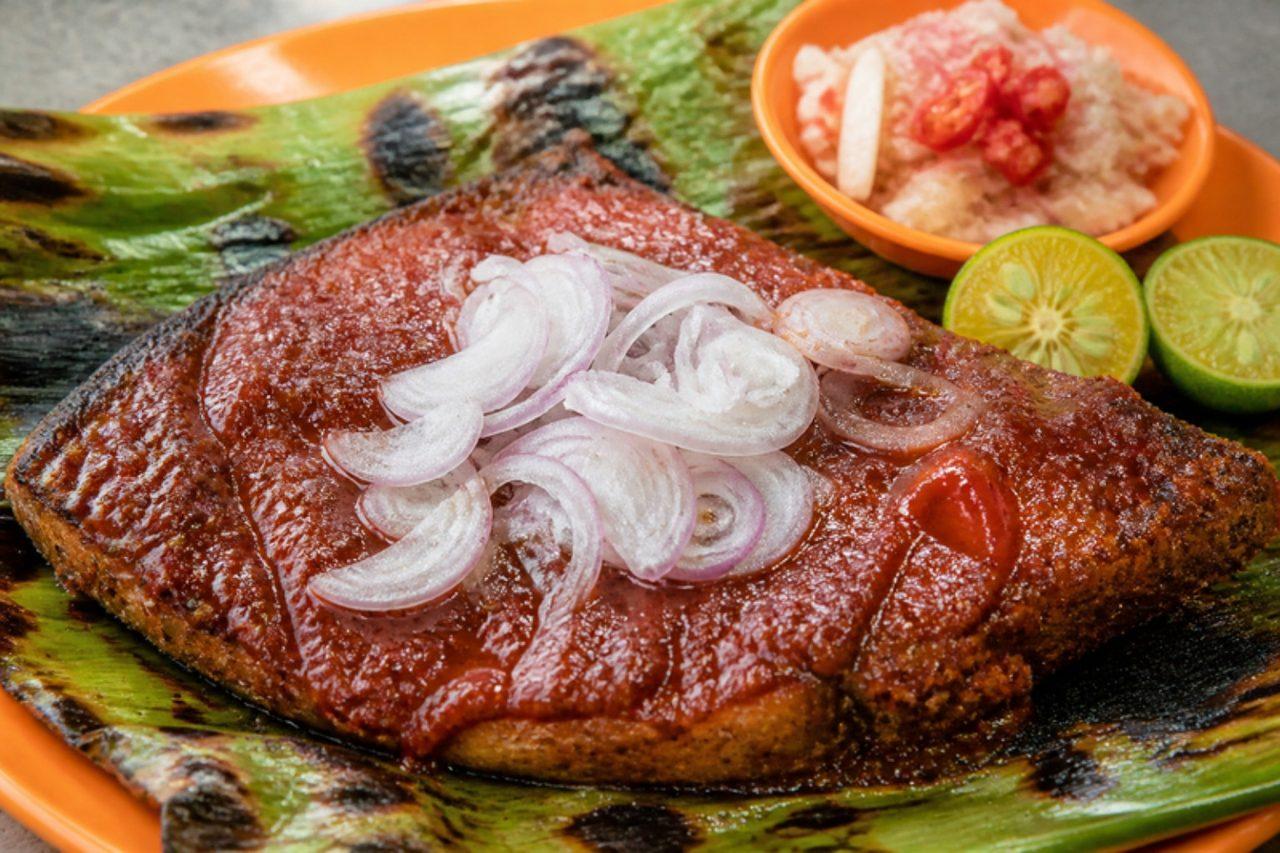
Weekend evenings at the seafood stalls of Newton, Chomp Chomp and East Coast Lagoon smell of charring banana leaf, and the dish sending up that smoke is usually sambal stingray. A fan-shaped stingray wing is spread thickly with a dark red, slow-fried sambal of chillies, shallots, candlenuts and toasted shrimp paste, laid on banana leaf and cooked over high heat until the sweet, delicate flesh pulls cleanly off the soft cartilage in strands. It comes with calamansi or lime, raw sliced shallots and a little dish of sour chinchalok, and a plate of steamed rice. Underfrying the sambal is the classic error: until the oil splits away and turns red, the paste tastes raw and harsh. If you can't find stingray, skate wing is the best substitute and cooks the same way. Chef's tip: score the thick end of the wing and push sambal into the cuts, so the flavour gets right into the flesh.

by KrazyBadal 0 views

Egg salad guédille

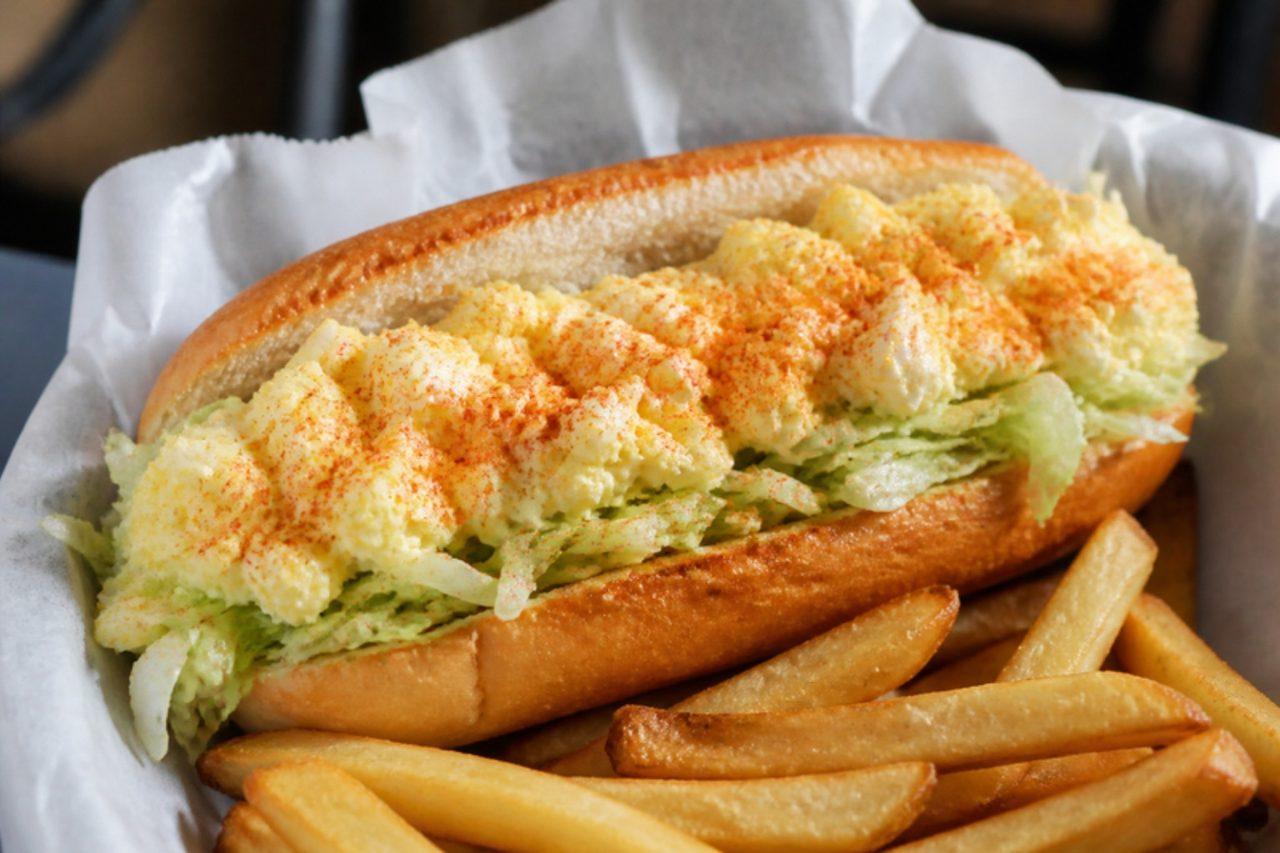
A guédille is the snack-bar sandwich of Quebec, sold at the casse-croûte stands along the St Lawrence and in the Lower Saint-Lawrence towns all summer. A top-split hot-dog bun is buttered and toasted on the flat-top, then stuffed high with shredded iceberg and a soft egg salad. By the sea the same bun is filled with lobster, but the egg guédille is the everyday version kids order with fries. It takes 25 minutes and is just as good for a picnic lunch. A common mistake is filling the buns too early, which turns them soggy. Chef's tip: shred the lettuce very finely and put it under the egg so the bun stays crisp.

by KrazyBadal 0 views

Atama soupPalm nut and atama leaf soup

From Abak and the Ibibio heartland of Akwa Ibom comes this palm-nut soup with a perfume all its own: atama leaves, which smell somewhere between mint, anise and fresh hay. The palm cream is cooked with assorted meat, stockfish, dried fish and periwinkles until the oil glistens on top, then the atama goes in near the end. It is weekend and visitors' food, eaten with pounded yam, fufu or eba. Dried atama is sold in African shops; dried tarragon is the closest substitute. Periwinkles should be bought cleaned, and any with cracked shells thrown away. Avoid adding the atama leaves too early: long boiling dulls their perfume. Chef's tip: go easy on the atama, as too much turns the soup bitter, so start with the amount below and taste before adding more.

by KrazyBadal 0 views

Gola gandaShaved ice with syrups

Nothing says summer evening at Clifton beach or Burns Road quite like the clatter of a gola ganda cart, where a block of ice is shaved on a hand plane, packed round a stick into a fist-sized ball and doused in rose-pink, mango-orange and purple kala khatta syrups. It melts fast in the Karachi heat, so children lick it from the bottom as it drips, and the fancier stalls serve it in a plate with condensed milk, desiccated coconut and a pinch of chaat-style salt on the sour syrup. At home a hand ice shaver or a powerful blender makes snow fine enough to press into balls. The most common disappointment is ice crushed too coarsely, which will not hold together and lets the syrup run straight through. Chef's tip: freeze the ice from boiled and cooled drinking water in a shallow tray, and put the glasses or plates in the freezer too, so the gola keeps its shape for longer.

by KrazyBadal 0 views

Grandfathers in maple syrupDumplings in maple syrup

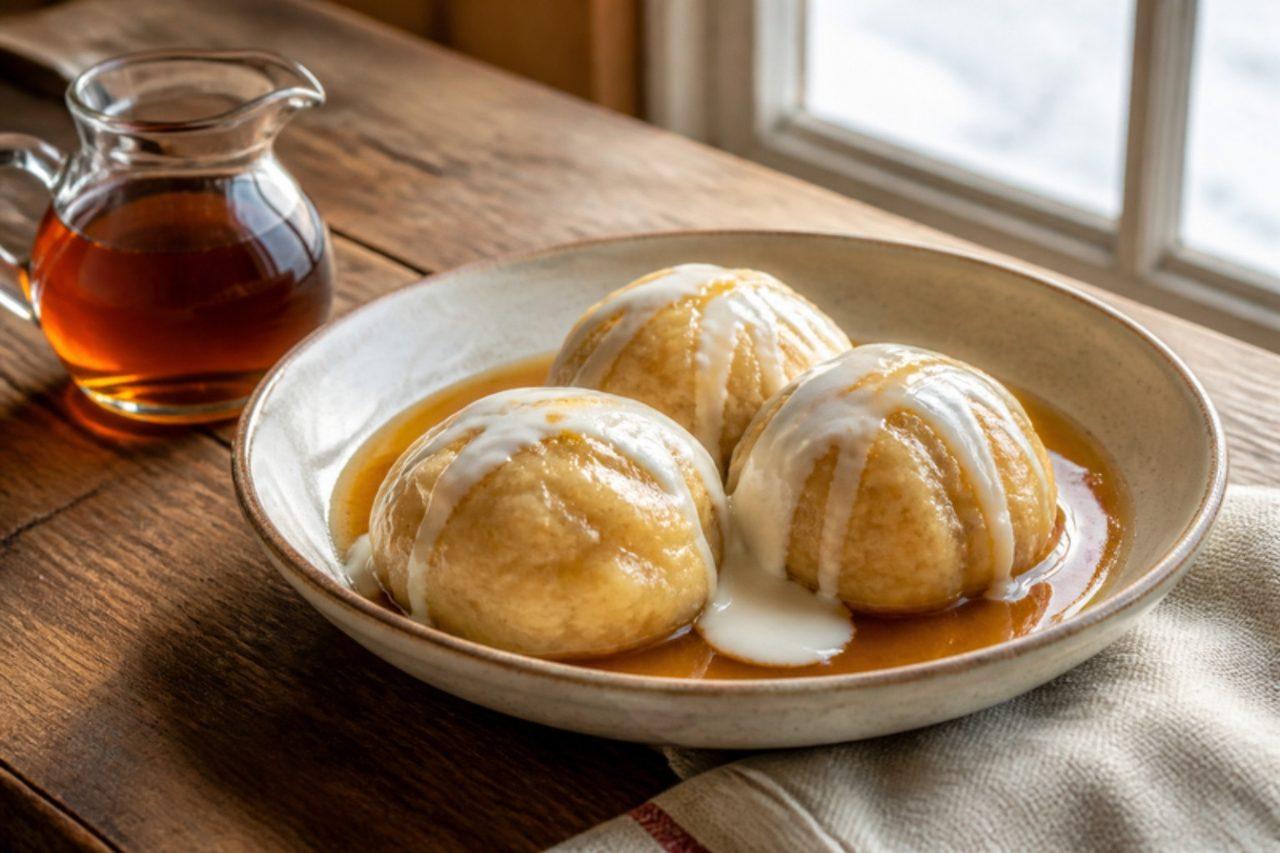
Grands-pères are the dessert of the Quebec sugar shack in March and April, when sap is running and the cabane à sucre serves long breakfasts. Soft scone-like dumplings are dropped into simmering maple syrup and cooked under a lid until they puff up and soak in the syrup from below. In Beauce and the Eastern Townships families make them at home with the first syrup of the year. Serve warm in bowls with cold cream poured over. A common mistake is letting the syrup boil hard, which scorches it and makes it bitter. Chef's tip: keep the lid on for the full cooking time; lifting it lets the steam out and the dumplings sink and turn heavy.

by KrazyBadal 0 views

GiyalingBuckwheat pancakes

Buckwheat, known locally as bro, grows in the cold upper villages of Hunza and Nagar where wheat struggles, and giyaling are the thin, lacy pancakes made from its flour for breakfast. The batter is no more than buckwheat flour, water and a little milk, poured thin onto a hot griddle so the pancakes cook in a minute or two, with crisp edges and an earthy, nutty flavour. They are stacked and eaten warm, smeared with butter and a few drops of apricot-kernel oil, sometimes with a drizzle of honey and always with tea, especially on cold mornings. A thick, gloopy batter is the frequent mistake, because it makes heavy, raw-tasting pancakes. Chef's tip: rest the batter for 15 minutes, then thin it to the consistency of single cream, and buy flour labelled gluten-free if that matters to you, as buckwheat is often milled alongside wheat.

by KrazyBadal 0 views

Taiwanese radish omelette

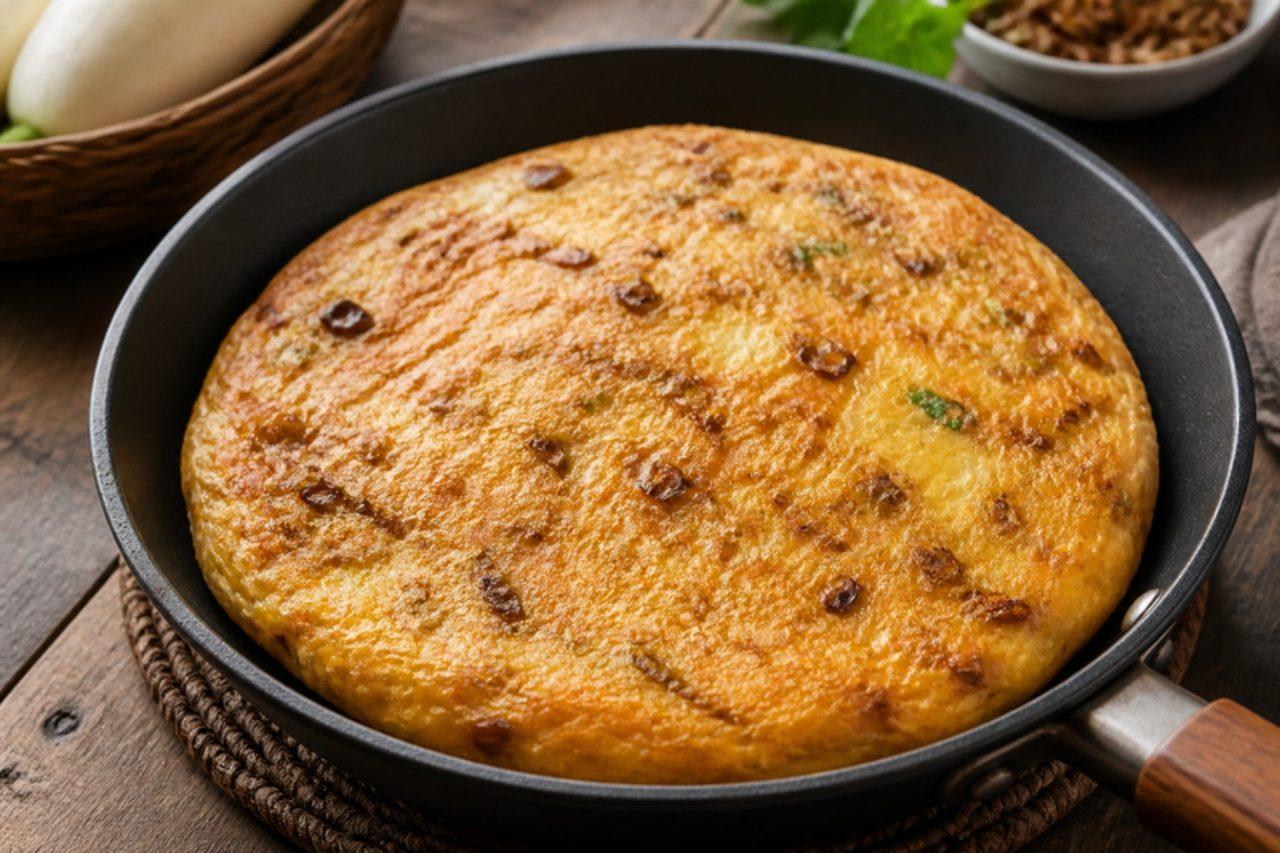
Ask a Taiwanese grandmother what to cook when there's nothing in the fridge and the answer is often this: a few eggs and a handful of preserved radish turned into a thick, golden omelette, cut into wedges and passed round. It's a staple of the rice-and-small-dishes spread at Taipei breakfast shops and late-night congee counters, and it reappears on the stir-fry restaurant table and in home lunchboxes. The chopped radish fries up crunchy and caramel-sweet inside soft, puffy egg, with crisp brown lacy edges. Skipping the rinse is where most go wrong: unrinsed radish makes the omelette far too salty. Chef's tip: dry-fry the radish first until it smells toasty, then use plenty of oil and a hot pan so the egg puffs and the edges frill.

by KrazyBadal 0 views

Grenadian nutmeg ice cream

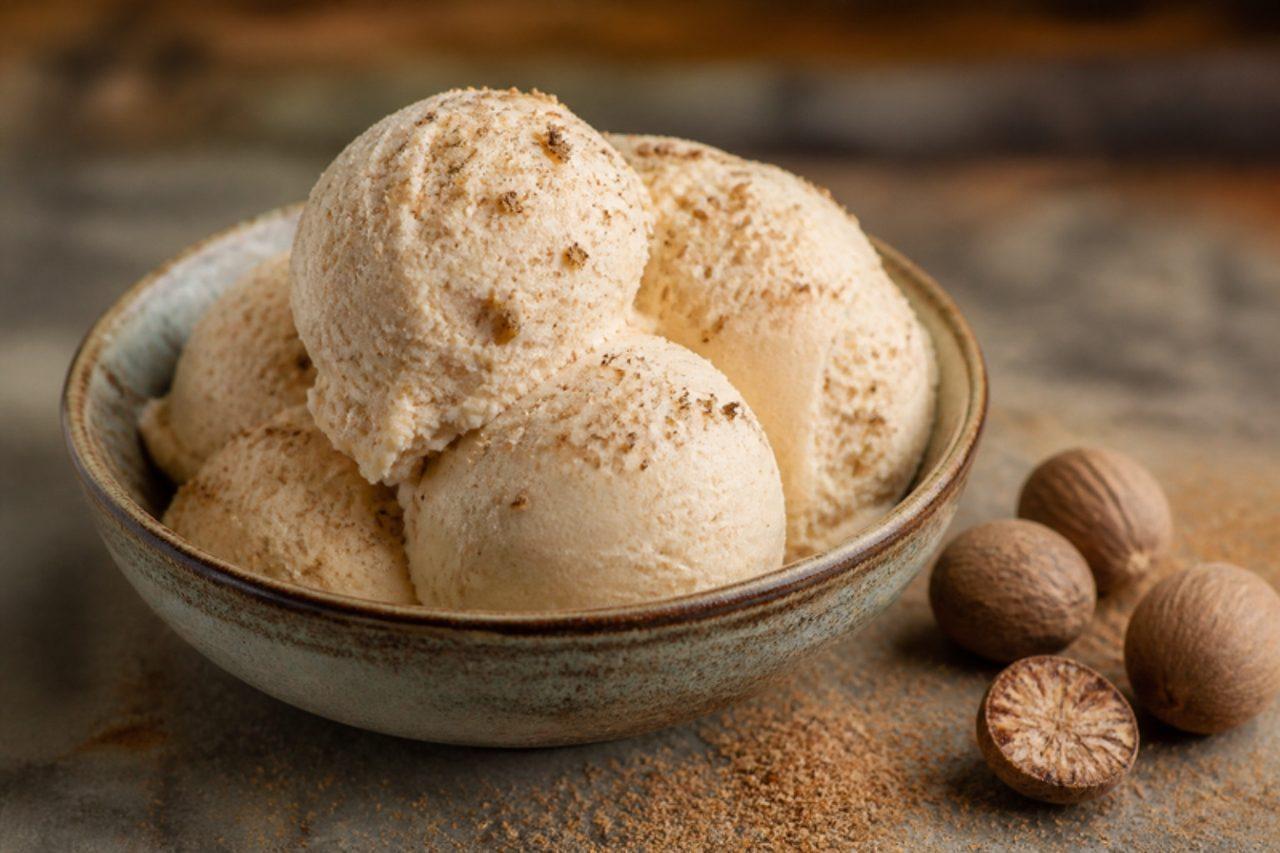
Grenada, the Spice Isle, grows much of the world's nutmeg, and in St George's ice cream parlours the local favourite is a rich egg-custard ice cream scented with freshly grated nutmeg. The flavour is warm and almost floral, nothing like the dusty jar spice, and it is lovely with fried plantain or a slice of black cake. The common mistake is overheating the custard so the eggs scramble; take it off the heat as soon as it coats a spoon. Chef's tip: grate the nutmeg straight into the hot milk and let it steep for 20 minutes before making the custard, so the flavour runs all the way through.

by KrazyBadal 0 views

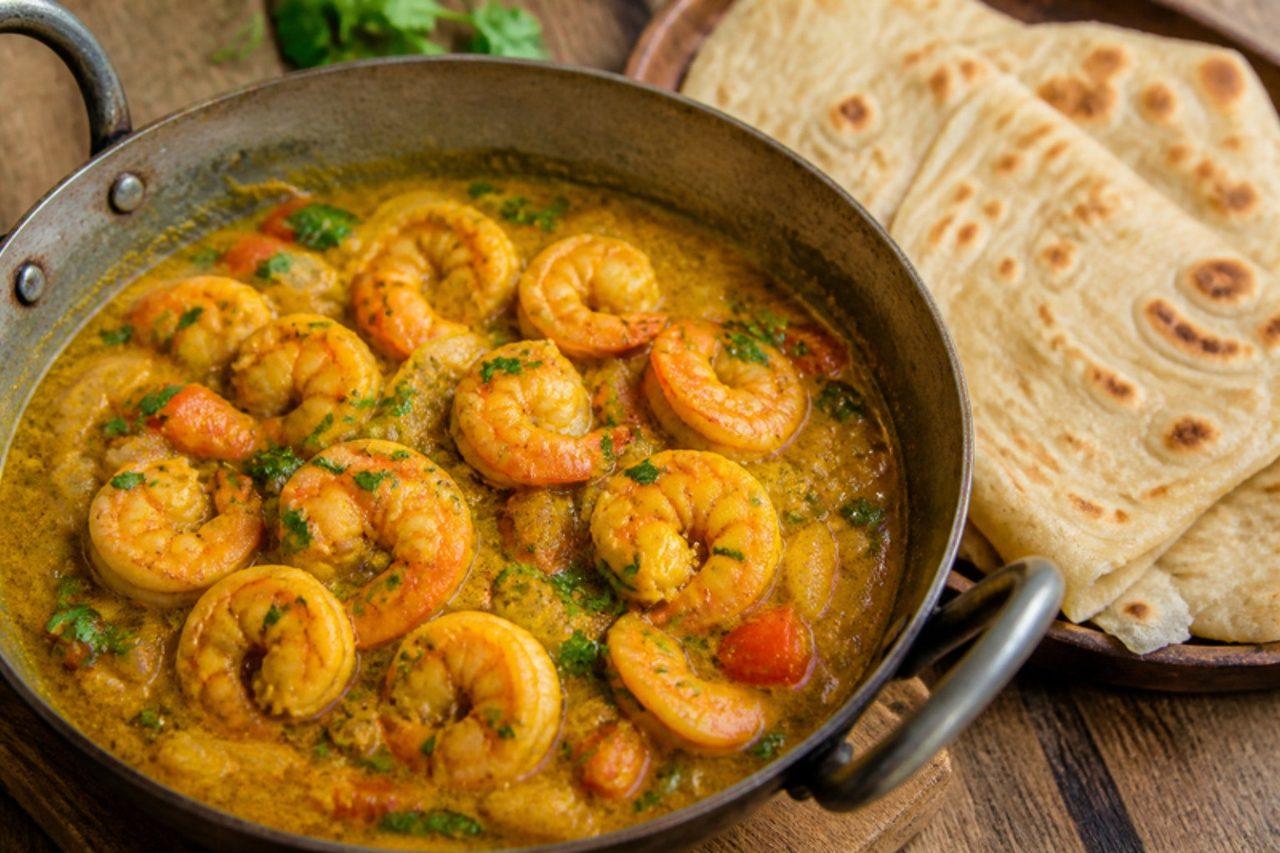
Trini curry shrimp

Sold from food stalls in San Fernando and eaten at south Trinidad family lunches, curry shrimp is the fast curry of the island: the sauce is built in minutes, and the shrimp go in only at the very end. Plenty of garlic, roasted geera and hot pepper give a bright, punchy curry that you wipe up with dhalpuri or spoon over rice. The mistake nearly everyone makes the first time is stewing the shrimp, which turns them rubbery; they need three or four minutes, no more. Chef's tip: save the shells, simmer them in the water for 10 minutes and use that stock in the curry for a much deeper seafood flavour.

by KrazyBadal 0 views

Jamaican soursop juice

Soursop punch is a Sunday-dinner drink in Jamaica, made when a ripe, soft soursop comes from the market or a yard tree, and it is also sold in bottles at roadside juice stands. The white, custardy pulp tastes of pineapple, banana and strawberry all at once, and blended with milk, nutmeg and vanilla it becomes thick and creamy. The common mistake is blending the black seeds, which taste bitter and should not be eaten; always pick them out by hand. Chef's tip: use a fruit that gives softly all over when pressed, like a ripe avocado.

by KrazyBadal 0 views

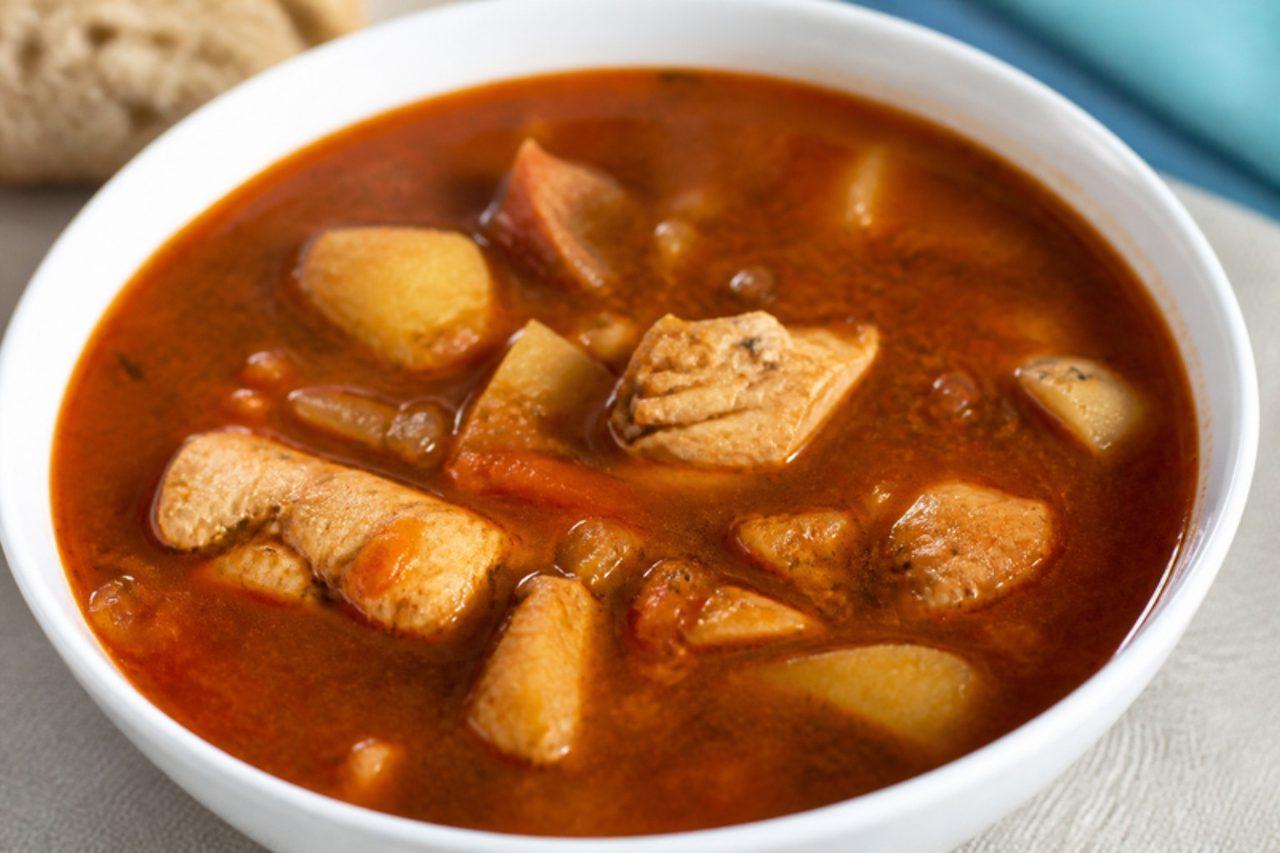
Bermuda fish chowder

Bermudians call fish chowder their national dish, and every Sunday brunch and Cup Match picnic has a pot of it: a dark, thick soup made from a long-simmered fish-head stock with tomatoes, vegetables and white fish, seasoned at the table with a splash of black rum and sherry peppers sauce (hot peppers steeped in sherry). This recipe contains alcohol in those optional table seasonings; for an alcohol-free bowl, use a few drops of hot pepper sauce and a little molasses instead. The mistake to avoid is a thin, watery stock; the bones must simmer long enough to give body. Ask your fishmonger for heads and frames from white fish, gills removed. Chef's tip: let the finished chowder rest for 30 minutes before serving; it thickens and the flavours deepen.

by KrazyBadal 0 views

Dundun (fried yam)

In the evenings, Lagos street corners fill with the smell of dundun: big woks of oil, sliced white yam frying next to plantain and akara, sold by the piece in a twist of paper with a spoon of pepper sauce. Good dundun is golden and crisp outside and soft and fluffy as a baked potato inside, with a faint sweetness from the yam. At home it is a favourite Saturday breakfast or a quick supper, and children happily eat it on its own while the adults pile on the sauce. Don't fry over a very high heat: the outside browns before the middle cooks, the commonest dundun mistake. Chef's tip: soak the yam pieces in salted water for 5 minutes and pat them dry; the salt seasons them through and they fry crisper.

by KrazyBadal 0 views

Bajan salt bread

Every rum shop and fish fry in Barbados sells "bread and two", and the bread is almost always salt bread: plain, crusty rolls with a soft, slightly chewy crumb and a split down the top, made for stuffing with fish cakes, a slice of cheese or fried flying fish as a cutter. Despite the name, they aren't especially salty; the name sets them apart from sweet bread. The usual mistake is pale rolls with a soft crust from too cool an oven. Chef's tip: put a tray of boiling water in the bottom of the oven for the first 10 minutes for a properly crisp crust.

by KrazyBadal 0 views

Megrelian kharcho

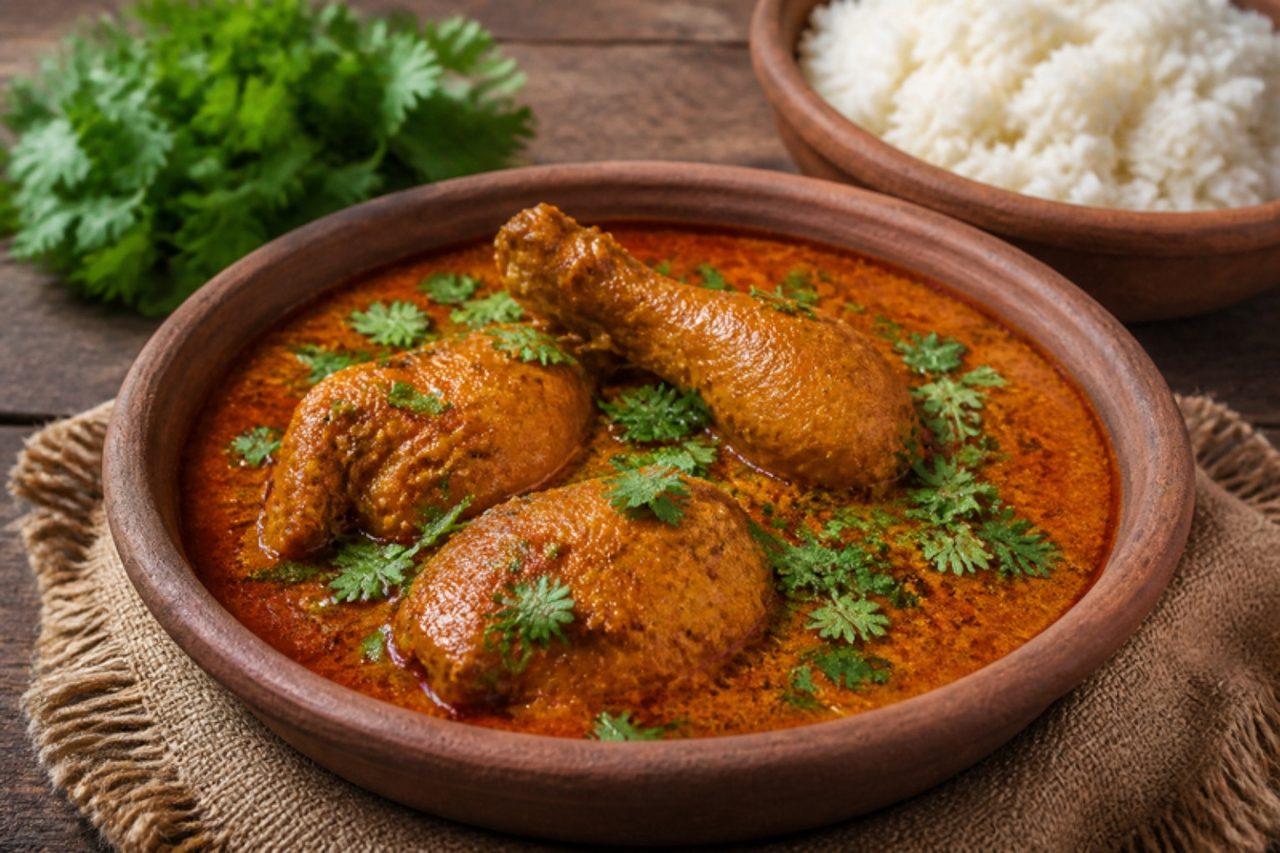
In Samegrelo 'kharcho' means something quite different from the Tbilisi soup: chicken pieces simmered in a thick, golden sauce of ground walnuts, garlic, hot pepper and Imeretian saffron (dried marigold), so rich and spicy that it is eaten with plain ghomi to calm it down. Zugdidi families cook it for guests and for Sunday lunch. A common mistake is boiling the sauce hard once the walnuts go in; it turns oily and grainy. Chef's tip: grind the walnuts until they weep oil and spoon a little of that oil over the finished dish; Mingrelians judge kharcho by its glossy, orange sheen. Chicken must reach 74 °C in the thickest part.

by KrazyBadal 0 views

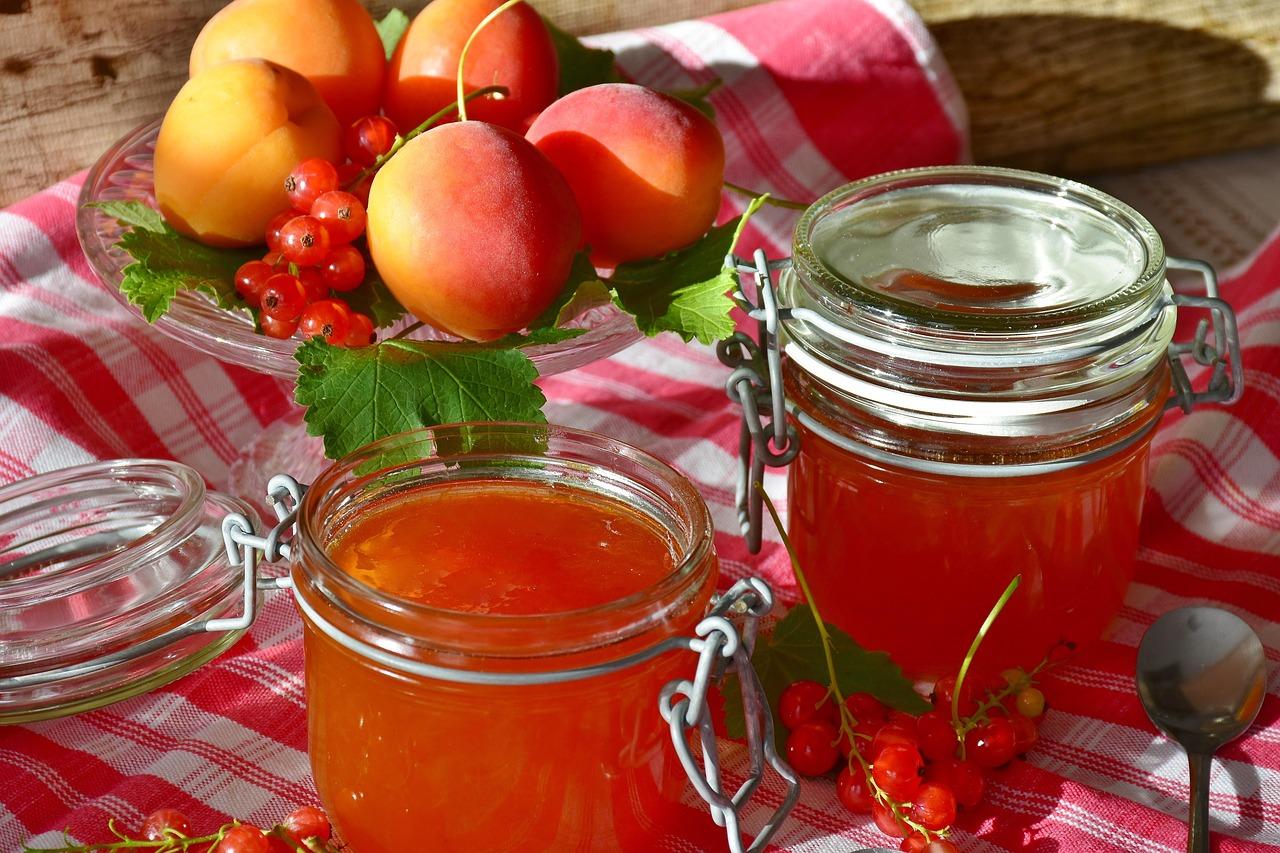
Apricot preserve

The apricot is Armenia's national fruit, and in July families in the Ararat Valley villages around Artashat and Masis cook whole ones slowly in syrup so they keep their shape and turn translucent, sometimes slipping a peeled kernel back inside each fruit. The jars come out on winter evenings, served in tiny glass bowls with black tea or coffee. A common mistake is boiling the fruit hard, which breaks it into jam. Chef's tip: cook in short spells, resting the pan overnight between them; the syrup seeps in slowly and the apricots stay whole and glossy. Bitter kernels contain a natural toxin, so use sweet almonds instead.

by KrazyBadal 0 views

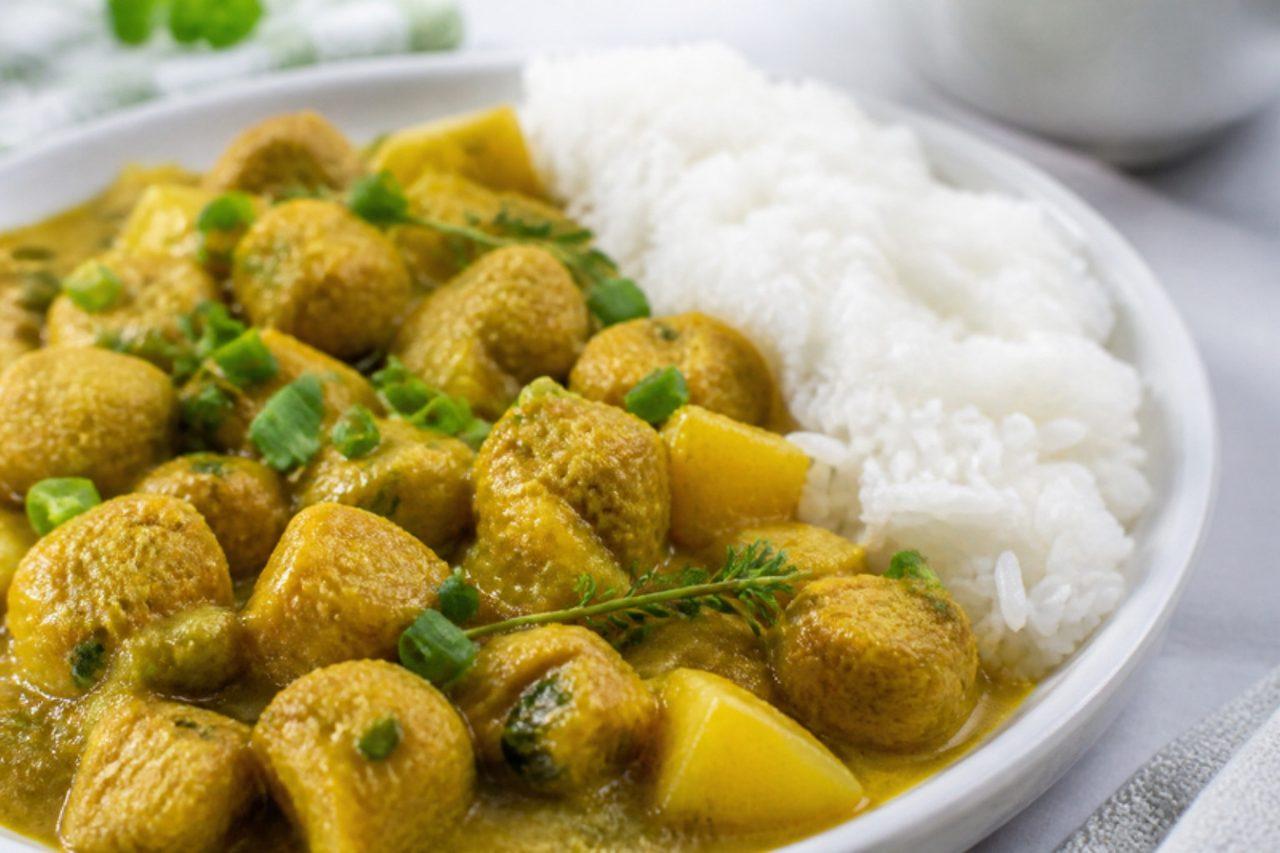
Jamaican curried soy chunks

Ital cookshops in Half Way Tree and Papine sell curried "chunks" by the box with brown rice, steamed cabbage and a slice of ripe plantain, the Rastafarian answer to curry goat. The dried soya pieces soak up a deep, turmeric-gold sauce of Jamaican curry powder, thyme, pimento and coconut milk, and the potato thickens it as it breaks down. Most people skip squeezing the soaked chunks, which leaves them watery and bland; wring them out hard so they drink in the curry instead. Leave the scotch bonnet whole for warmth, or slit it for real heat. Chef's tip: fry the curry powder in the oil until it darkens a shade before anything wet goes in, the Jamaican "burn the curry" step that stops it tasting raw.

by KrazyBadal 0 views

Arroz con maízRice with sweetcorn

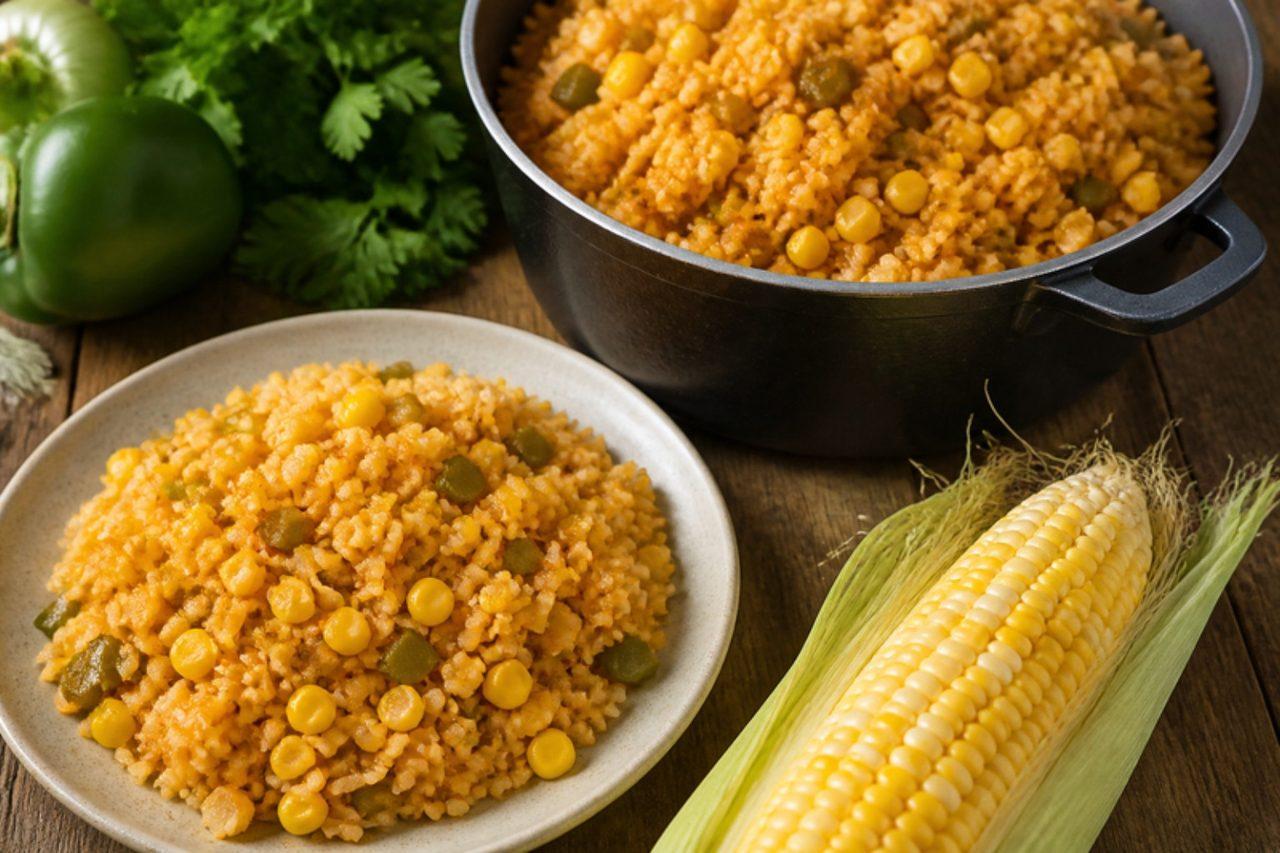
In central Cuba, when the fields are full of young corn, families cut the kernels straight off the cob into the rice pot with a sofrito of onion, pepper, garlic and annatto, cooking everything together until golden and sticky at the base. Many farm cooks add salt pork; this vegan version leans on cumin and a little smoked paprika. A common mistake is using too much water, as fresh corn releases its own milk, so keep to the amounts given. Serve with black beans or a tomato and avocado salad. Chef's tip: scrape the cobs with the back of the knife after cutting off the kernels and add that milky pulp; it gives the rice a creamy sweetness.

by KrazyBadal 0 views

GhomiWhite corn porridge

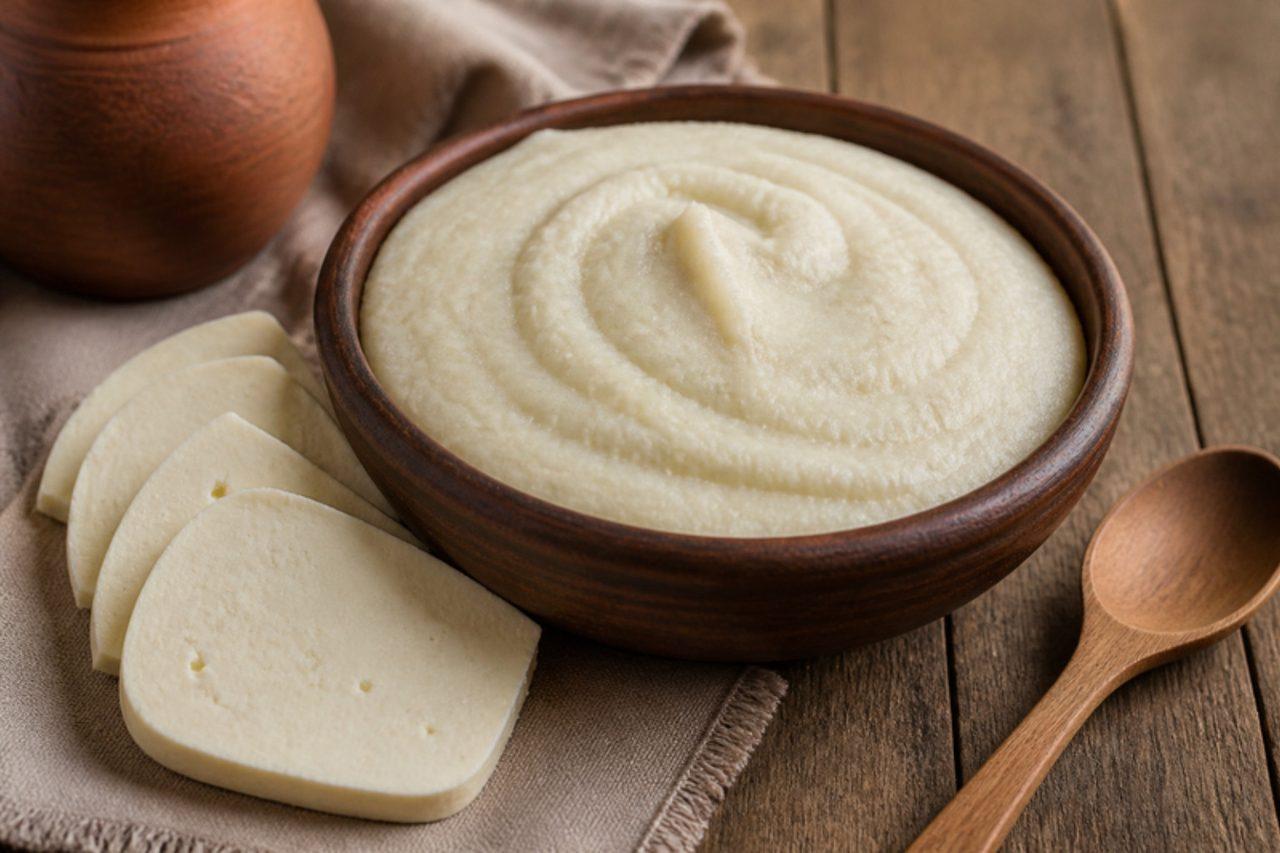
Across Samegrelo and Guria, ghomi plays the role bread plays elsewhere: a soft, smooth porridge of white corn and cornmeal, set on the table unseasoned so that slices of sulguni can be pushed into it to melt, and so that bazhe, ajika or bean stew can be scooped up with it. In Zugdidi homes it is cooked in a heavy pot and stirred with a flat wooden paddle. A common mistake is stirring too little; ghomi catches easily and lumps form at the bottom. Chef's tip: cook it until it comes away from the sides in one smooth mass, then wet a spoon and smooth the top; ghomi should feel like soft polenta that can be scooped, not runny porridge.

by KrazyBadal 0 views

Mango shaved ice

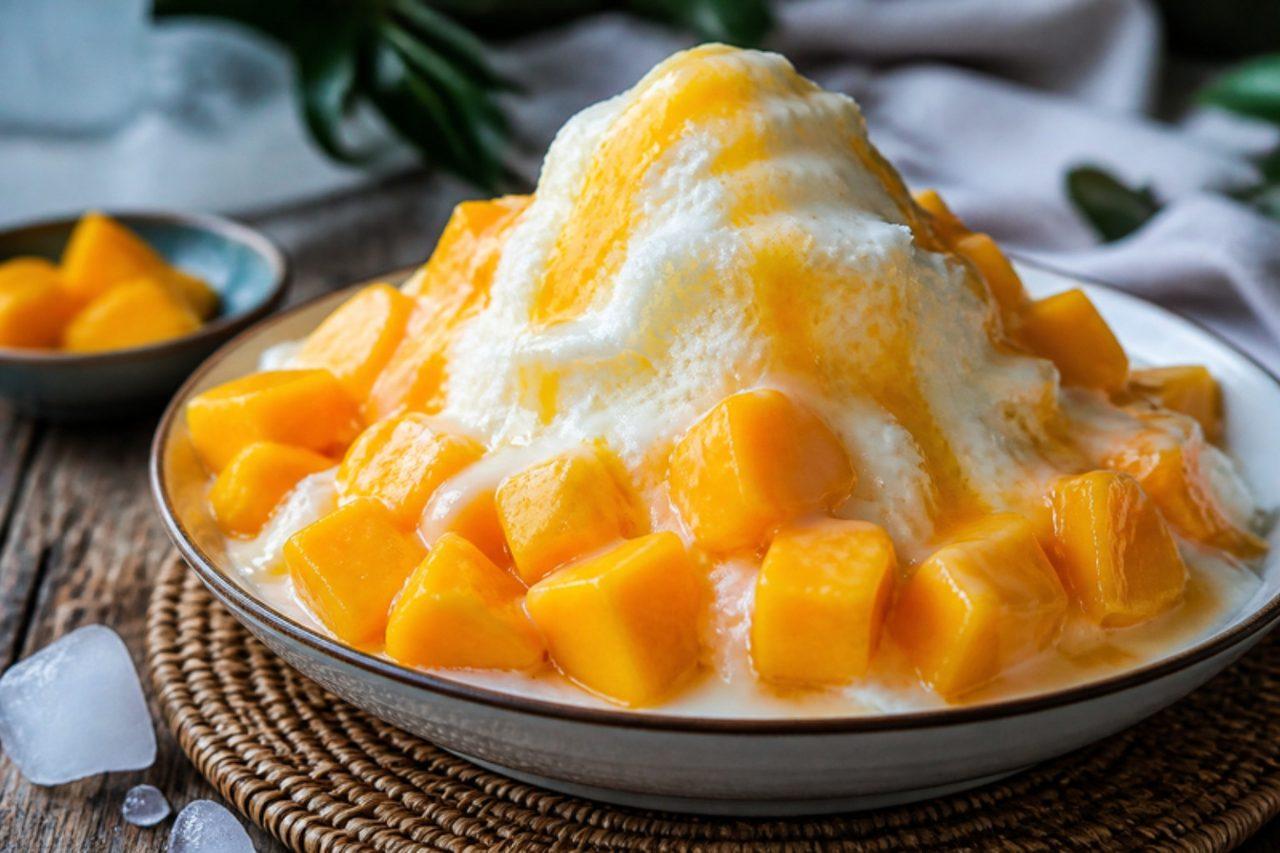
Every summer, from late May to September, the dessert shops of Taipei's Yongkang Street have queues that stretch round the corner for one thing: a mountain of feathery milk ice buried under cubes of ripe Aiwen mango. The ice is frozen milk shaved so thinly it melts on the tongue like snow, and it's drenched in mango syrup and sweetened condensed milk, often with a scoop of mango sorbet on top. At home, freeze the milk base the night before; the active work then takes about 15 minutes. Shaving the block straight from the freezer is a common mistake, as it splinters into icy shards; let it soften for 5 minutes so it curls into ribbons. Chef's tip: chill the serving bowls in the freezer too, so the snow holds its height while you add the toppings.

by KrazyBadal 0 views

Nova Scotia oatcakes

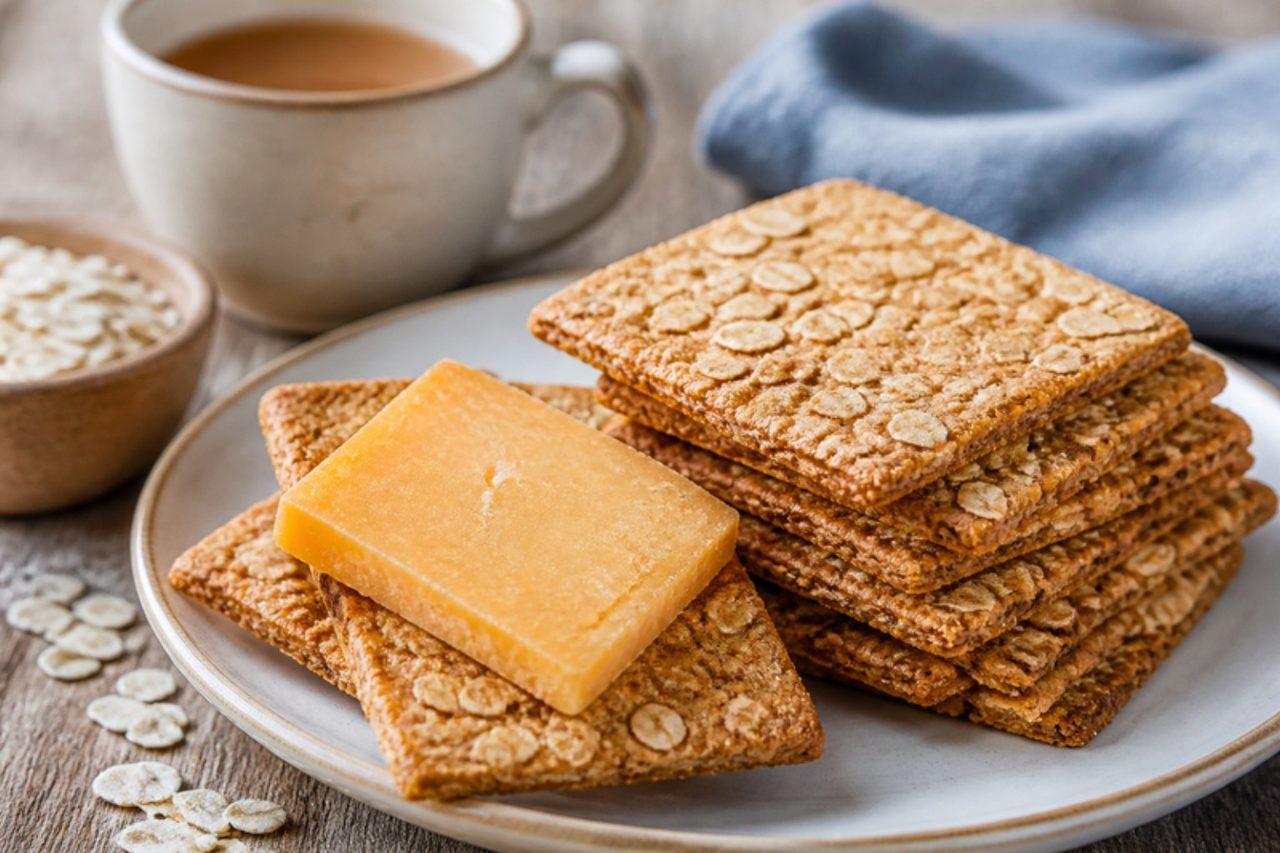
Nova Scotia oatcakes are nothing like the plain Scottish kind: Cape Breton bakers, with their Highland roots, made them sweeter and richer, with butter and brown sugar, so they crunch like a cross between a biscuit and shortbread. They are sold at every coffee shop in Antigonish and Baddeck and eaten with tea, or with a slice of sharp cheddar. A common mistake is rolling them thick; 5 mm gives the proper snap. Chef's tip: chill the rolled dough before cutting so the squares stay sharp.

by KrazyBadal 0 views

Arroz con dulceCoconut rice pudding

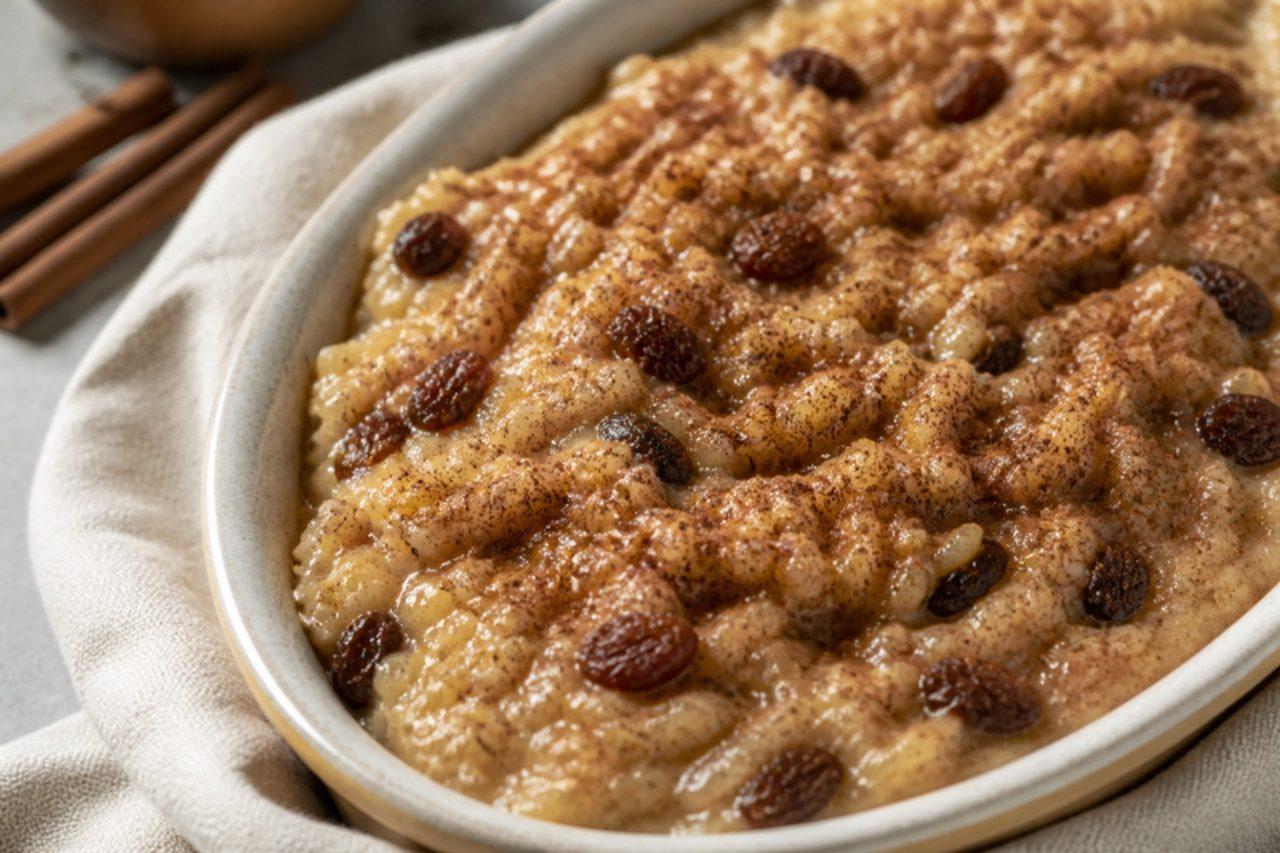
From the start of December to the Three Kings in January, trays of arroz con dulce cool on Puerto Rican kitchen counters, sliced into squares and handed round at parrandas when carollers arrive at the door late at night. Unlike a milky rice pudding, it is cooked in a water steeped with fresh ginger, cinnamon, cloves and star anise, then finished with coconut milk and raisins, so it is fragrant, firm enough to cut and dairy free. The common mistake is adding the sugar too early, which keeps the rice grains hard; sweeten only once they are soft. Chef's tip: soak the rice for an hour first, and it cooks evenly and absorbs the spiced coconut far better.

by KrazyBadal 0 views

Jamaican red pea soup

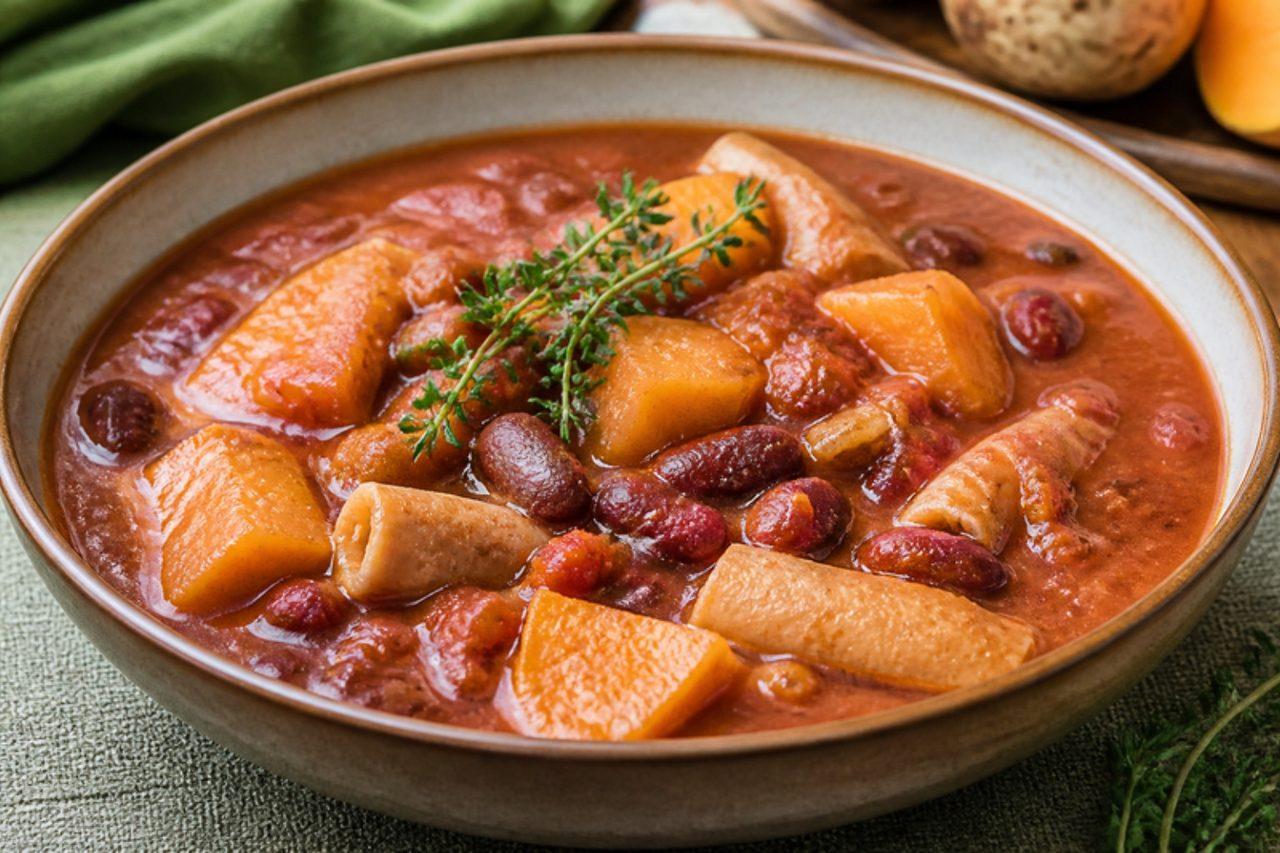
Saturday in many Jamaican homes means a big pot of red peas soup, thick enough to stand a spoon in and finished with chewy spinner dumplings. Outside Rasta households it usually carries pig's tail or salted beef; this is the ital version, where coconut milk, pimento, thyme and a smoky handful of browned onion do the savoury work. Dried kidney beans must be soaked and then boiled hard for at least 10 minutes before simmering, as undercooked red kidney beans are toxic, and many cooks spoil the soup by adding salt too early, which keeps the skins tough. Serve it on its own as a full meal. Chef's tip: mash a ladleful of cooked beans against the side of the pot near the end to give the soup its creamy body without any flour.

by KrazyBadal 0 views

Kokoro (crunchy maize sticks)

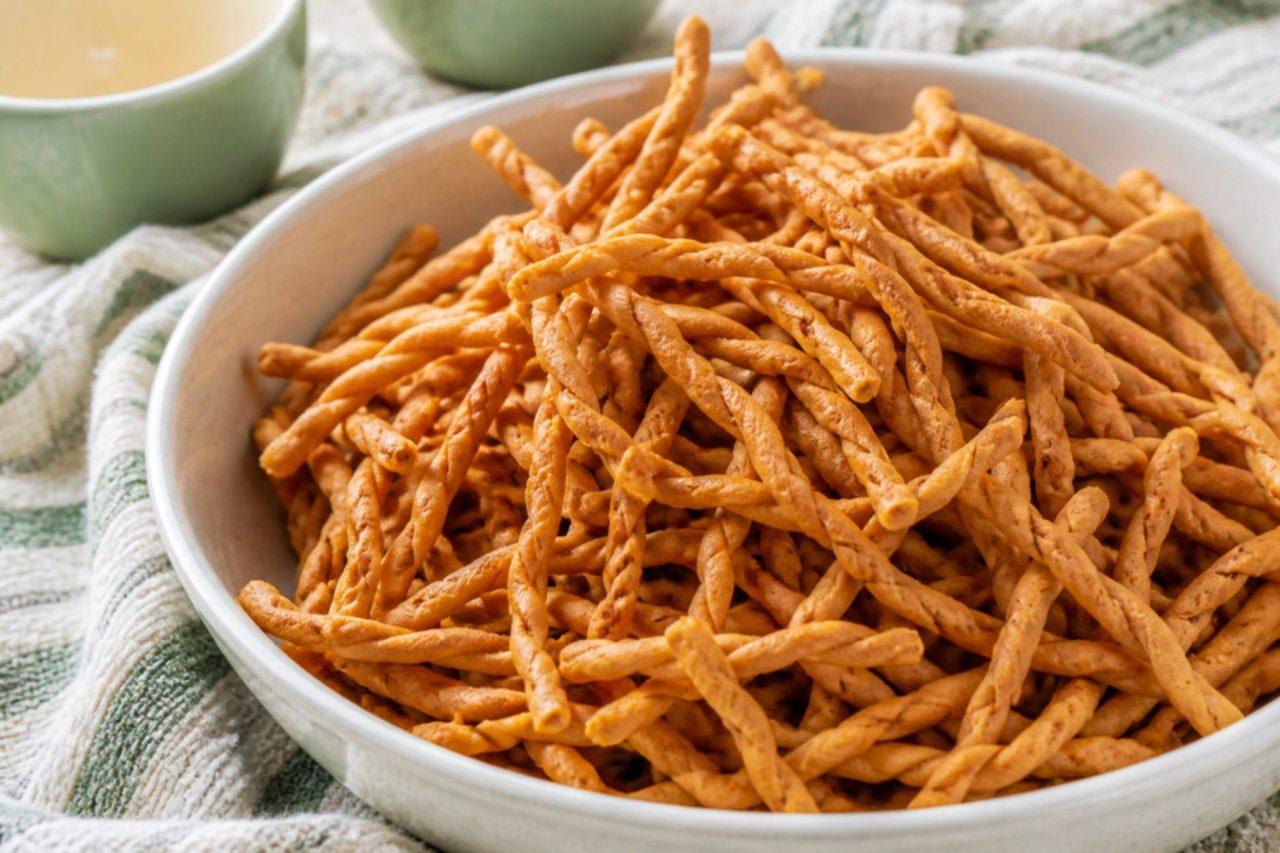
Kokoro is sold in clear bags at motor parks, markets and school gates across the Southwest, and it is the snack people tuck into a pocket for a long bus ride. The dough is made by cooking part of the maize flour with water into a thick paste, then kneading in more flour with a little sugar, salt, chilli and ginger, and rolling it into thin sticks that are fried slowly until hard and golden. The result is very crunchy, lightly sweet and peppery, and it keeps for weeks. Children love it, and it is traditionally eaten with roasted groundnuts or coconut. Avoid frying in oil that is too hot; the outside browns before the sticks are crisp all the way through. Chef's tip: roll the sticks no thicker than a pencil and fry them at a moderate heat so they crisp right through; thick sticks fried hot stay hard outside and doughy inside.

by KrazyBadal 0 views

Trini curry duck

Curry duck is the dish of the riverside lime in south and central Trinidad, cooked in a big iron pot over a wood fire while friends cool off in the water. The duck is chopped small, marinated in green seasoning, then "burnt" into a curry paste fried until almost black, which gives the sauce its dark colour and deep, slightly bitter edge. It's served with rice, dhal and sada or paratha roti. A common mistake is serving it before the duck has fully broken down: duck is chewy and needs long, slow cooking. Chef's tip: spoon off the yellow duck fat that rises during cooking and keep it for roasting potatoes.

by KrazyBadal 0 views

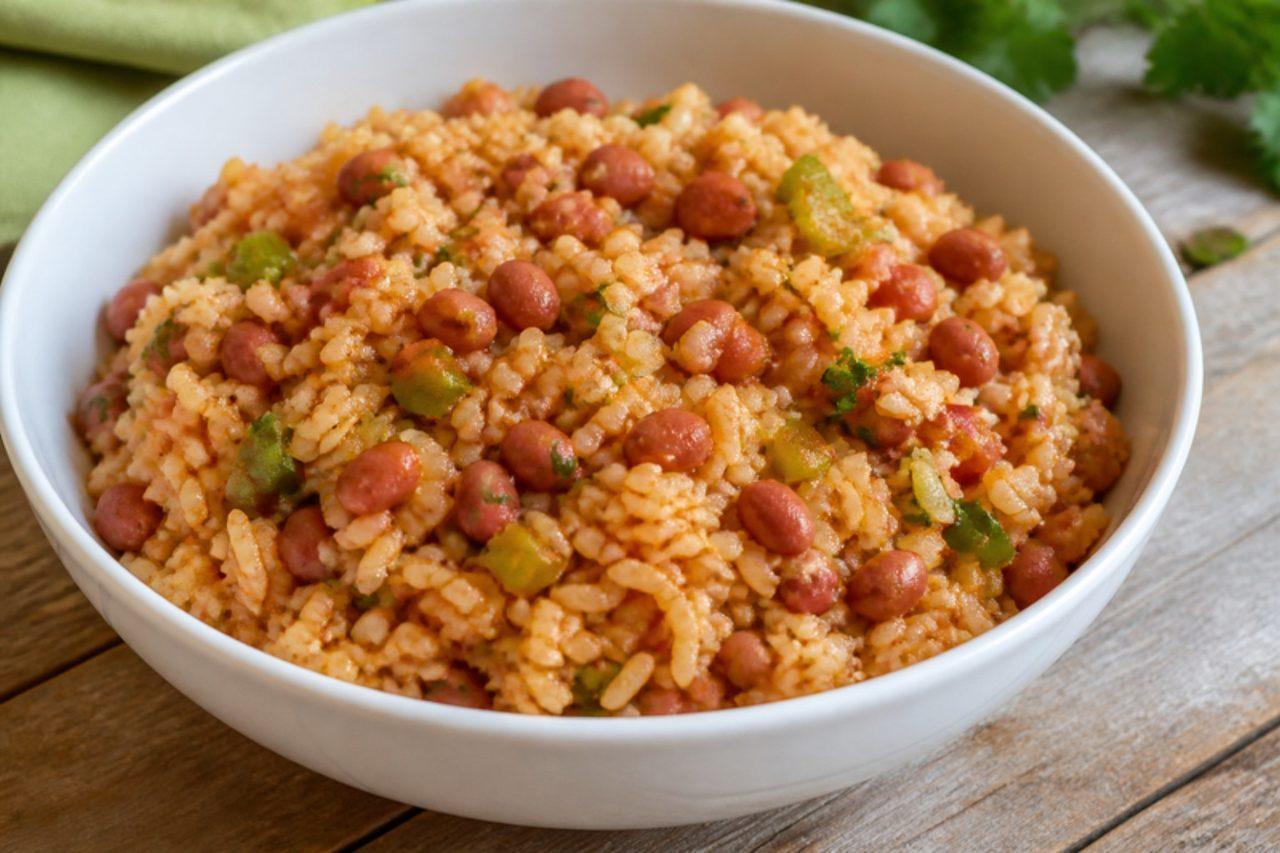
Arroz mamposteaoFried rice and stewed beans

Fondas around San Juan put arroz mamposteao on the menu as a way to use yesterday's white rice and the last ladle of habichuelas, and at home it is the Sunday-night fix when the pots from lunch come out of the fridge. The rice is fried in olive oil with a fresh sofrito, then the beans and their sauce go in until every grain is stained pink and the edges catch and crisp. Many cooks add ham or bacon; this version stays meat-free and gets its depth from the sofrito and a little smoked paprika. The common mistake is using freshly cooked rice, which turns to paste; cold, day-old rice keeps separate grains. Chef's tip: leave the pan alone for the last few minutes so a crunchy layer forms on the bottom, then fold it through.

by KrazyBadal 0 views

GhonghiSnail curry

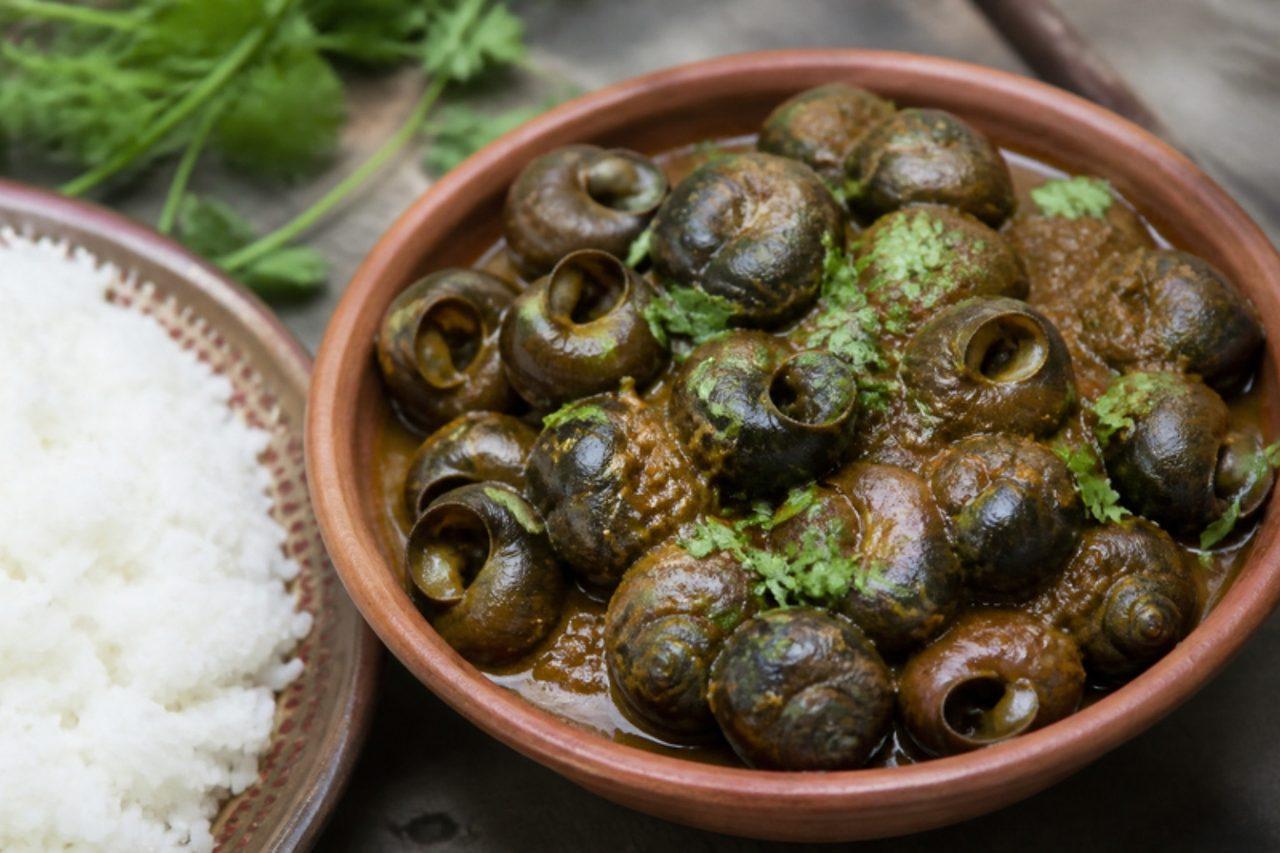
When the monsoon fills the rice paddies of the western and central Terai, Tharu families gather ghonghi, the little freshwater snails, and cook them in a dark, fiery curry thickened with ground roasted linseed; the tip of each shell is snipped so the meat can be sucked out at the table, and the dish is loved as both a treat and a monsoon tonic, eaten with rice or dhikri. Wild freshwater snails can carry parasites such as rat lungworm and liver flukes, so never use snails you have collected from ponds, ditches or paddies yourself. At home use only cleaned, purged farmed snails in their shells from a specialist supplier, or cooked, frozen farmed escargots, or live periwinkles from a good fishmonger as a stand-in, and boil them hard before they go into the curry. The usual error is skimping on the boiling, which is both unsafe and leaves the snails rubbery; they need a rolling boil and then a long simmer. Chef's tip: roast the linseed until it pops before grinding, for the nutty, dark Tharu flavour.

80 minNepaliMeatGluten freeSpicy
by KrazyBadal 0 views

Arroz a la cubanaRice with tomato and egg

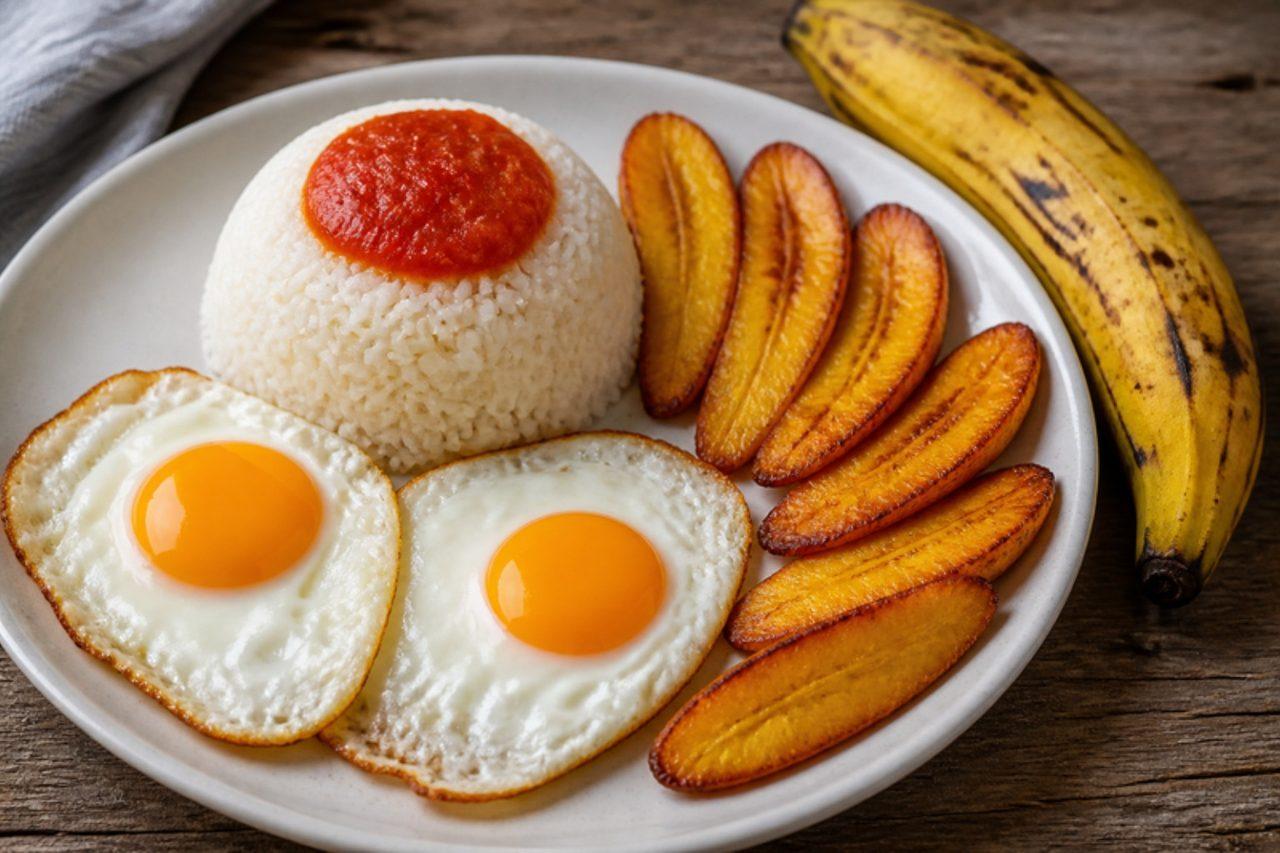
Havana cafeterías put this plate on the lunch board when cooks want something cheap, fast and filling: a mound of plain white rice, a ladle of garlicky tomato sauce, a fried egg with a runny yolk and slices of caramelised ripe plantain. Breaking the yolk into the rice and sauce is the whole point, so the eggs should be fried at the last minute. The usual mistake is using plantains that are still yellow-green; they need black-spotted skins to turn soft and sweet in the pan. Serve with a simple avocado salad. Chef's tip: baste the egg whites with hot oil from the pan so they set with lacy edges while the yolks stay liquid.

by KrazyBadal 0 views

June plum juice

When June plums (ambarella) fall from backyard trees across Jamaica, families blend the sour green-gold fruit into a sharp, refreshing juice with fresh ginger and lime. It is tangy like green apple, with a faintly mango-like perfume, and is drunk ice-cold with Sunday lunch. The big mistake is blending the spiny stone in with the flesh; cut the flesh away first or the juice turns bitter and fibrous. Chef's tip: use slightly underripe, firm plums for the brightest, sharpest flavour.

by KrazyBadal 0 views

Ghanaian fufuPounded cassava and plantain

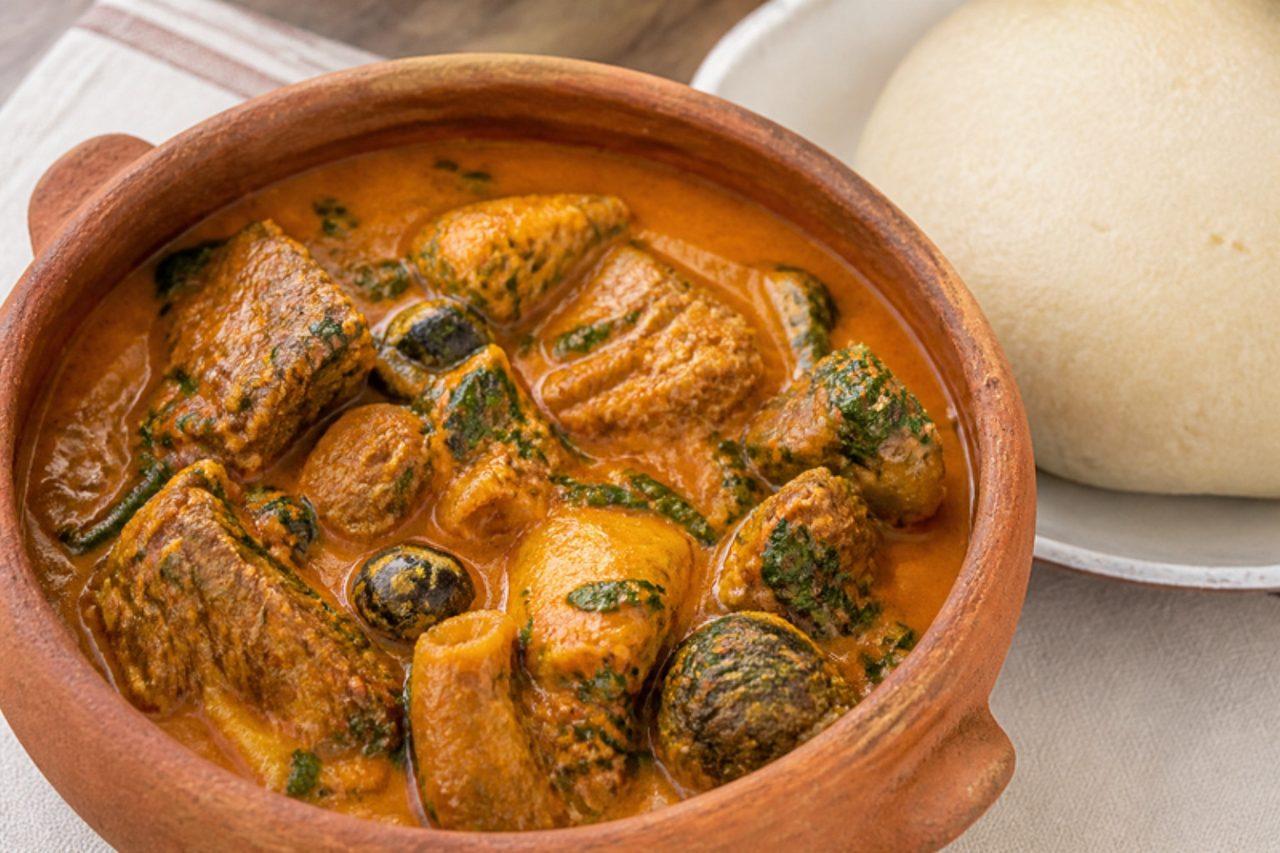
The rhythmic thud of a pestle in a wooden mortar is the sound of lunchtime in Kumasi, where fufuo is pounded by two people, one lifting the pestle and one turning the dough between strokes. Boiled cassava and unripe plantain are beaten together until they become a soft, stretchy, slightly springy ball, served in a bowl of light soup, palm nut soup or groundnut soup and eaten with the right hand. Those soups are usually made with meat or fish; serve it with a vegetable soup for a meat-free meal. Cassava must always be fully cooked, never eaten raw. A food processor makes a good version at home. Chef's tip: pound the plantain first, then add the cassava; adding too much water is the common mistake and leaves the fufu sticky instead of smooth and elastic.

by KrazyBadal 0 views

Jamaican jerk pork

Boston Bay in Portland is where jerk pork was born, and the jerk pits there still slow-smoke pork shoulder over green pimento wood under sheets of zinc until the outside is dark and crusted and the meat is smoky and juicy. This home version uses boneless pork shoulder rubbed with a wet paste of scotch bonnet, pimento, scallion, thyme and ginger, then cooked slowly in a covered barbecue or oven and finished over high heat. The biggest mistake is rushing the marinade; it needs at least 12 hours in the fridge to get into the pork. Cook until the thickest part reaches at least 63 °C, then rest; for tender, chopped jerk like the stalls, keep going to about 85 °C. Chef's tip: throw a handful of soaked allspice berries and bay leaves onto the coals for the smoky pimento flavour of the real pits.

240 minJamaicanMeatGluten freeSpicy
by KrazyBadal 0 views

Imeretian cheese

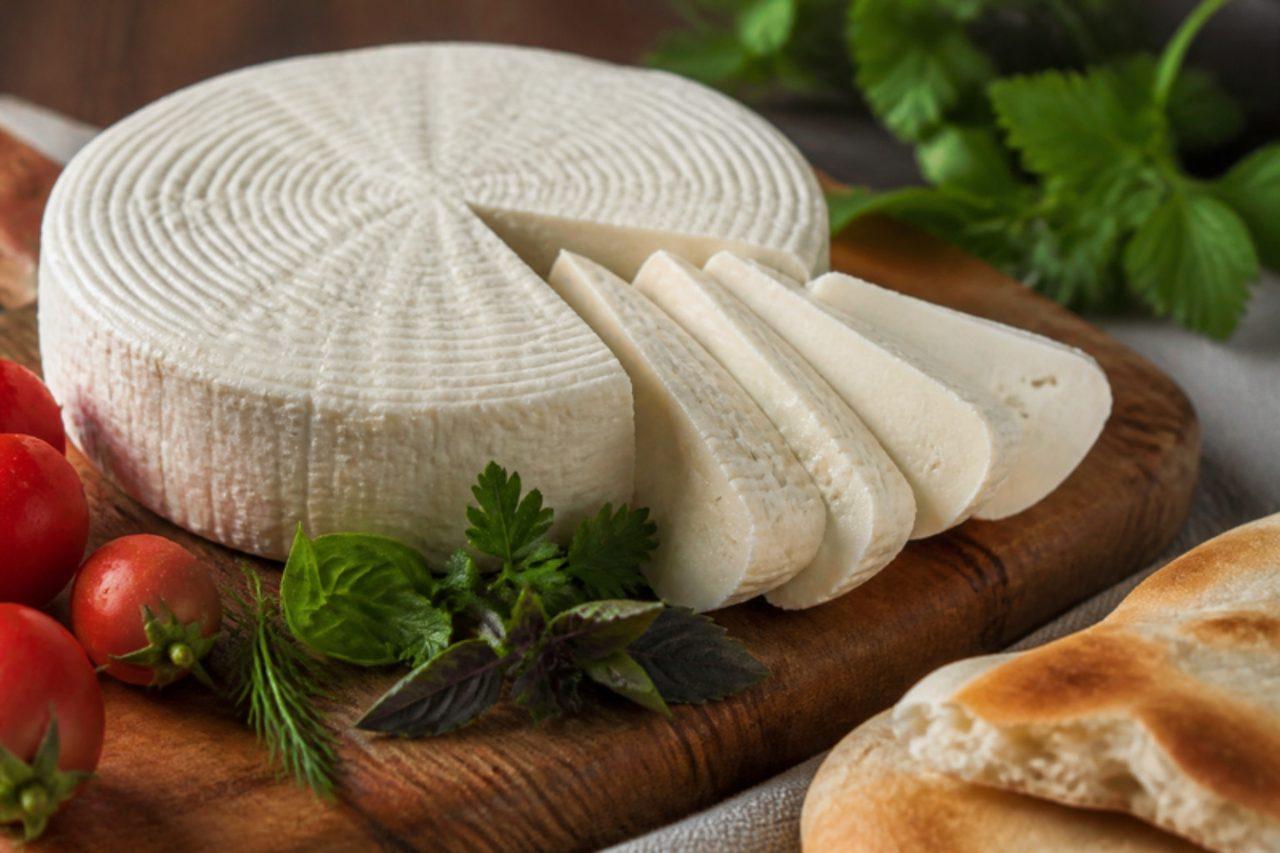
Imeruli kveli is the everyday cheese of western Georgia: in Kutaisi's Green Bazaar it sits in wet white wheels, mild and milky with a faint sourness, ready to be grated into khachapuri, sliced with tomatoes and herbs, or stretched into sulguni. Families in Imereti make it in a morning from the day's milk. Traditionally it is set with animal rennet; use vegetarian (microbial) rennet for a vegetarian cheese. A common mistake is heating the curd too hard, which squeezes out the moisture and gives a rubbery cheese instead of a soft, springy one. Chef's tip: make a double batch, keep one wheel fresh for eating and leave the other in brine for two or three days, which gives it the saltier bite that bakers prefer for khachapuri.

by KrazyBadal 0 views

BankuFermented corn and cassava dough

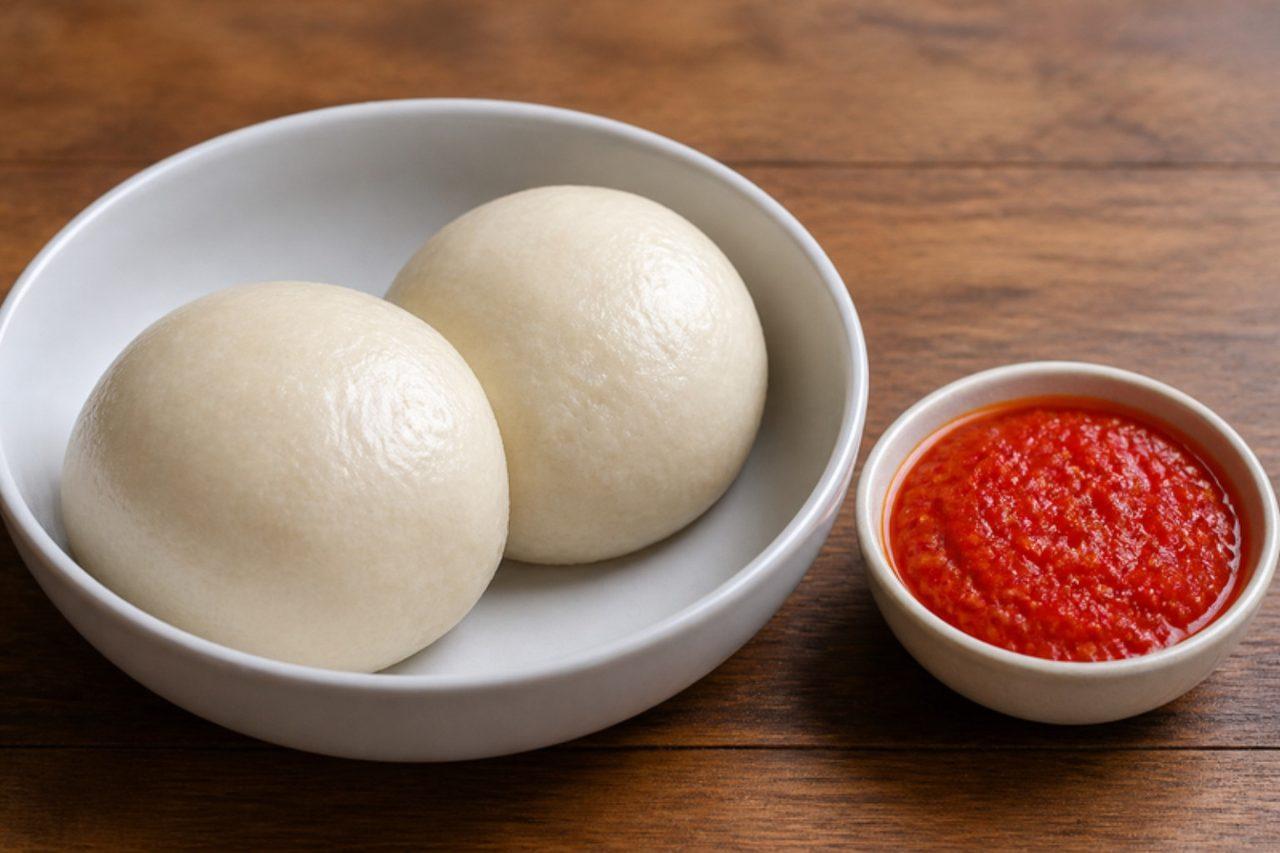
Chop bars from Jamestown to Teshie serve banku all day, usually beside grilled tilapia, okro stew and a fierce raw pepper sauce. Fermented corn dough and cassava dough are cooked together and turned hard with a wooden spatula until they become a smooth, stretchy, faintly sour ball that you pinch off with your fingers and dip into soup or stew. At home it is good with any Ghanaian soup, and a meat-free okro stew or pepper sauce keeps the whole meal vegan. Ready-made doughs are sold in African grocers. A lumpy banku comes from adding dough to hot water; always mix it with cold water first, then heat. The commonest mistake is stopping the stirring; banku needs constant turning with a wooden spoon or it goes lumpy and raw in patches. Chef's tip: keep a bowl of water next to the pot and wet the spatula and your hands as you shape the balls, so the banku comes out glossy and nothing sticks.

by KrazyBadal 0 views

Gari soakingsSoaked gari with milk and groundnuts

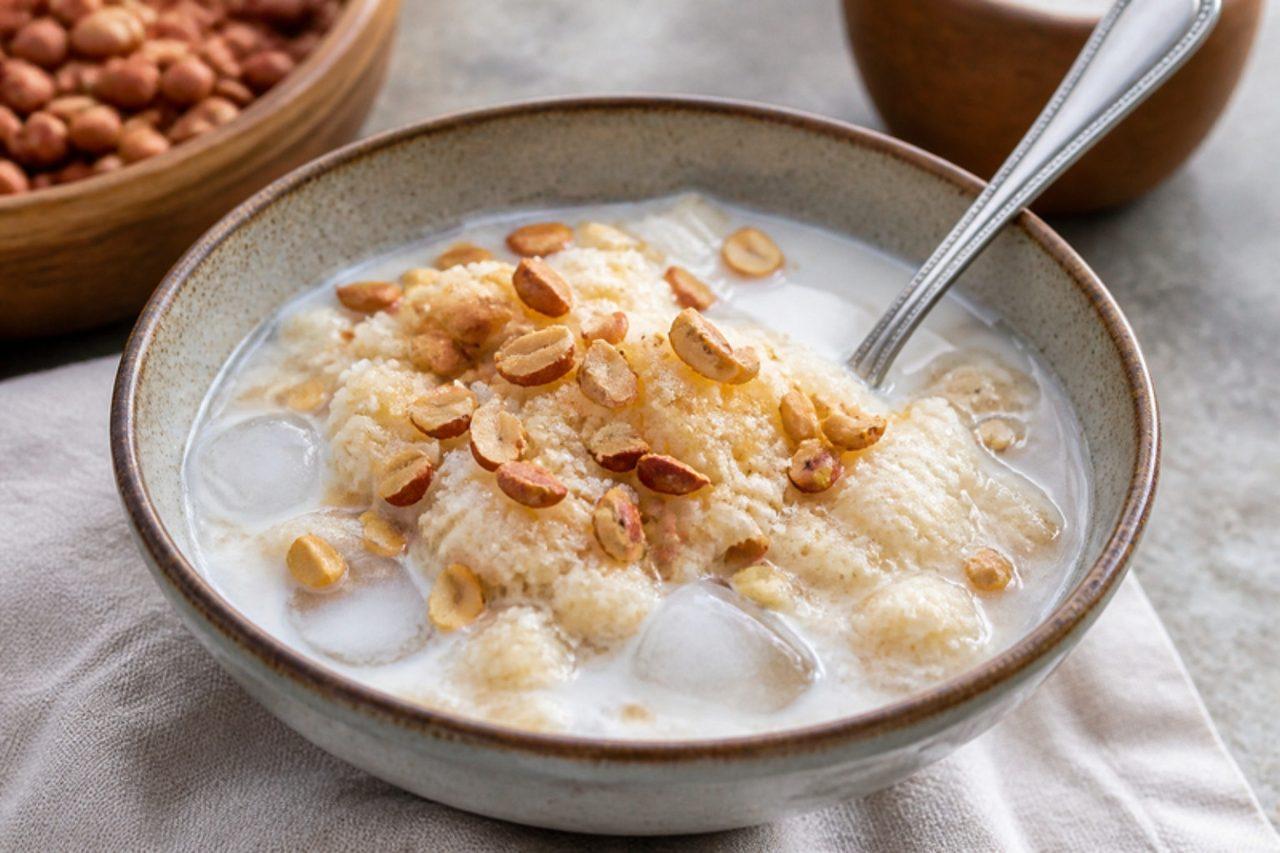
Every Ghanaian who went to boarding school has a story about gari soakings, the cheap, quick fill-up that keeps students going between meals, and on hot Accra afternoons it is still the snack people make without thinking. Toasted cassava grains are soaked in cold water until they swell, then sweetened with sugar and evaporated milk and topped with roasted groundnuts, so it is cool, slightly sour, creamy and crunchy at once. Some add ice cubes or a little coconut. For a vegan bowl, swap the milk for coconut milk. A common slip is adding the groundnuts too early, so they go soft; scatter them on just before eating. Chef's tip: rinse the gari first and pour away the cloudy water with any floating husks, which makes the bowl cleaner and less sandy; eat it within a few minutes, before the grains go mushy.

by KrazyBadal 0 views

Gers ogailySaffron cardamom sponge cake

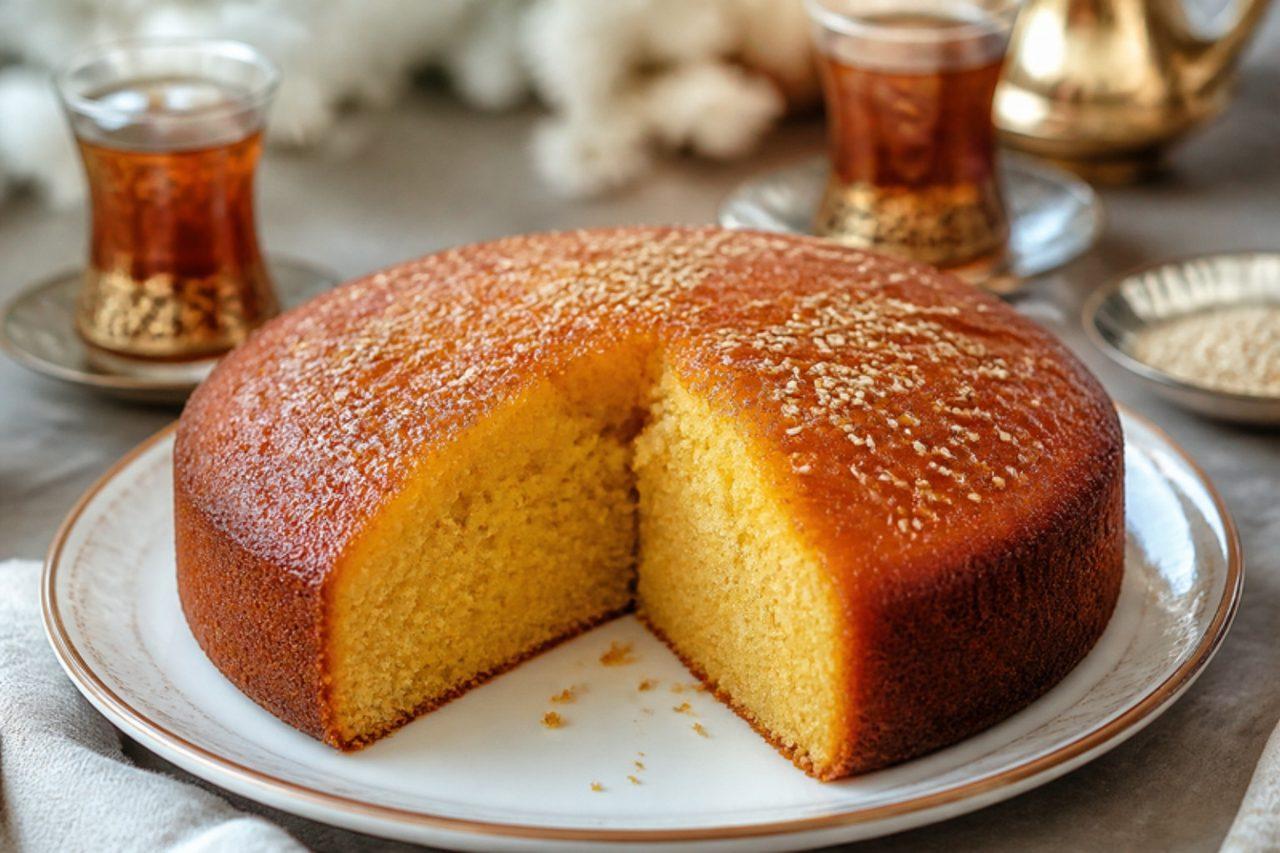
Gers ogaily is the plain, golden sponge cake that sits on every coffee tray in Kuwait and the UAE: served to visitors, at Eid gatherings and after Friday lunch with small cups of cardamom coffee. It is light and springy but not fluffy like a Western sponge, more like a fragrant, slightly firm tea cake, yellow with saffron and with sesame seeds toasted on top. A slice needs nothing else beside it but coffee or tea. The mistake to avoid is whisking the eggs and sugar too briefly; the whole rise depends on that foam, as there is little baking powder. Chef's tip: soak the saffron in warm rosewater before you begin, so its colour spreads evenly through the batter.

by KrazyBadal 0 views

Barley water

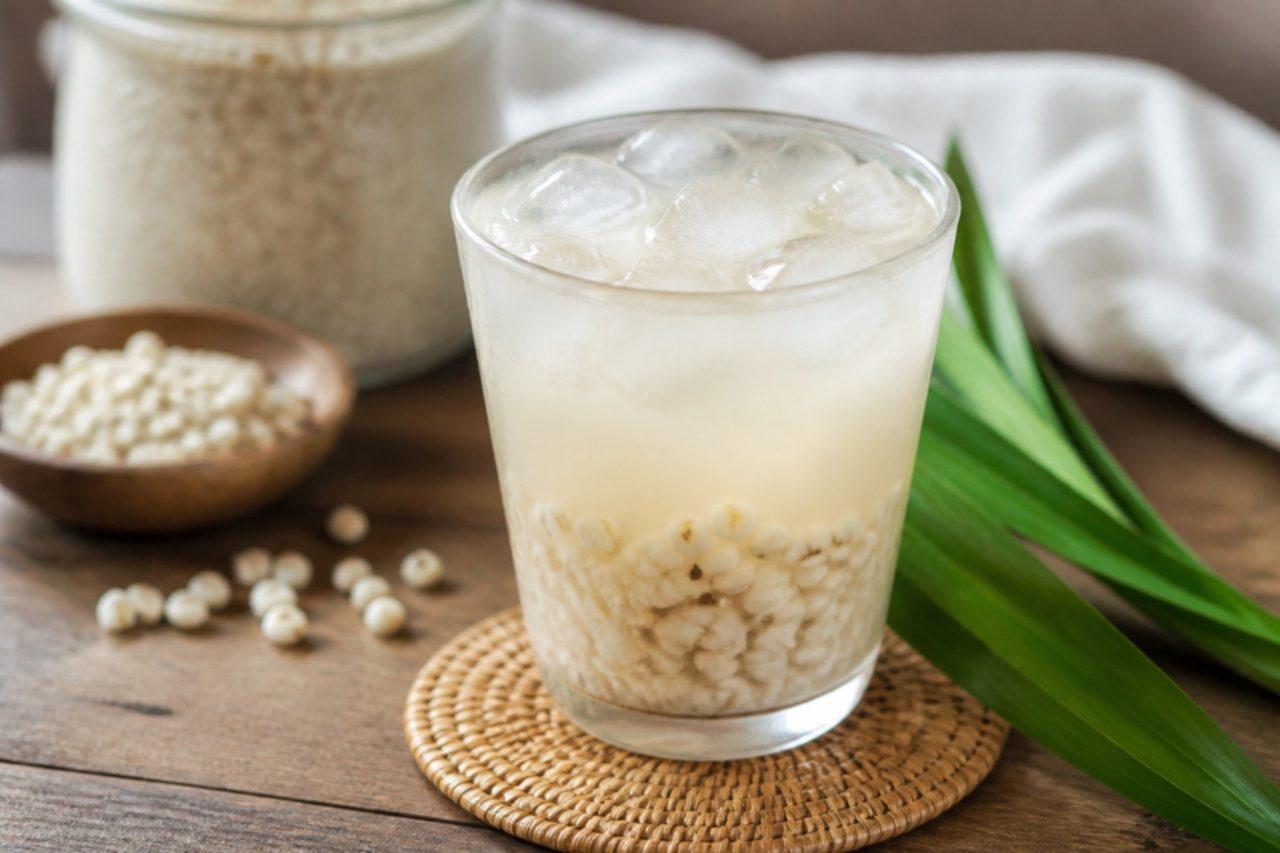
Ask for 'barley' at any drinks stall in a Singapore kopitiam and you get a tall glass of cloudy, faintly sweet barley water, the drink older relatives swear by on the hottest afternoons because it is said to cool the body. Home cooks simmer pearl barley for an hour with knotted pandan leaves, and in Teochew and Cantonese households chunks of winter melon go in as well for a gentle, cucumber-like sweetness. The result is light and clean, ideal beside a plate of chicken rice, char kway teow or anything greasy and salty. The usual mistake is boiling it hard, which turns the liquid starchy and slimy instead of smooth and pale; keep it at a gentle simmer. Chef's tip: don't throw away the softened barley grains; spoon some into each glass, as the stalls do, or eat them warm with a little rock sugar as a light dessert.

by KrazyBadal 0 views

GesztenyepüréChestnut purée with cream

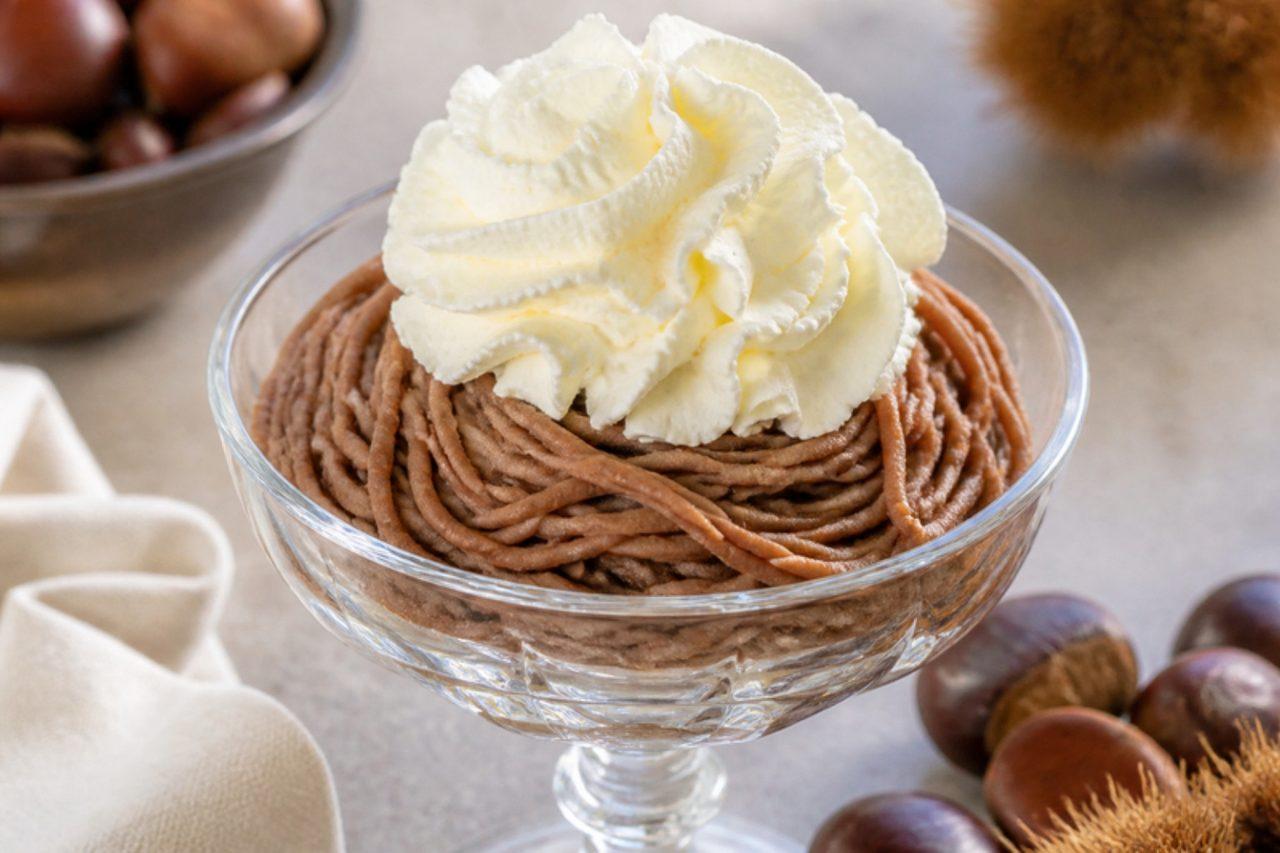
No Budapest cukrászda menu in autumn is complete without a glass of gesztenyepüré: sweet chestnut purée pushed through a potato ricer so it falls in loose brown strands, crowned with a cloud of whipped cream and often a glacé cherry. It is soft, nutty and creamy rather than sugary, and it came to Hungary from Viennese kitchens in the days of the empire. Classic café versions add a splash of rum to the chestnuts; this one leaves it out and uses vanilla and a little cocoa, so it is alcohol-free. A common mistake is pressing the purée into the glass with a spoon, which turns it into a dense paste; let the strands fall loosely straight from the ricer. Chef's tip: chill the purée well before ricing, because cold purée holds its strands and the cream stays on top.

by KrazyBadal 0 views

Gurian Christmas pie

On Christmas Eve, 6 January, kitchens across Guria, around Ozurgeti and Lanchkhuti, smell of baking ghvezeli: large crescent pies stuffed with fresh cheese and chunks of boiled egg, their shape said to recall the crescent moon. They are baked in batches, carried to relatives and eaten through the holidays with tea. A common mistake is overfilling, which makes the crescent split at the seam in the oven. Chef's tip: let the yeasted dough rise once, shape the pies, then give them 15 minutes more so they puff into soft, rounded crescents. Imeruli and sulguni usually use animal rennet; look for vegetarian ones.

by KrazyBadal 0 views

Svanetian salt

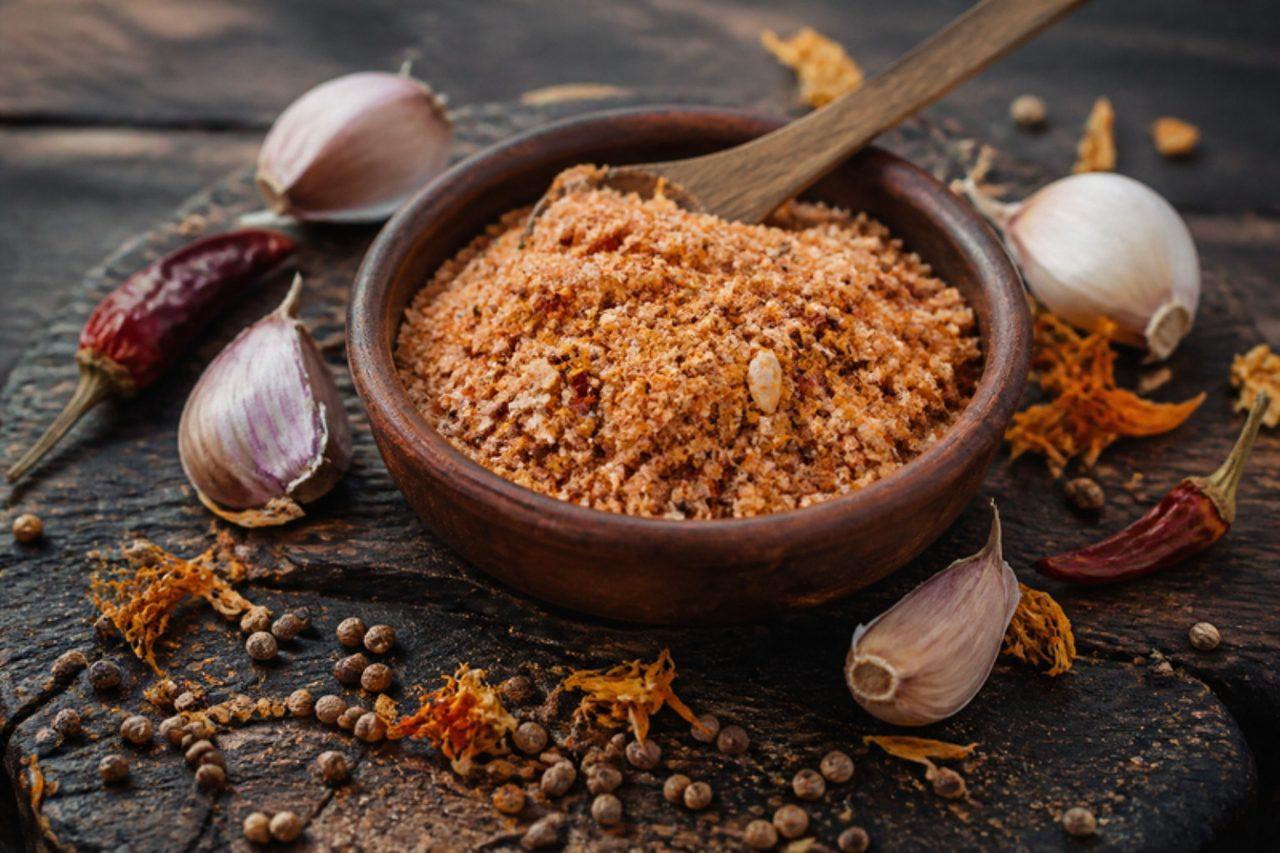
In the stone-towered villages of upper Svaneti, salt was precious and families stretched it by grinding it with garlic and the spices that grow on their slopes: blue fenugreek, coriander seed, dried dill seed, marigold and hot pepper. The result is a fragrant, damp, greenish salt that every Svan kitchen keeps in a jar, rubbed on potatoes, stirred into soups or sprinkled on tomatoes and cucumbers. A common mistake is using fine table salt, which turns to paste; coarse salt grinds the garlic and dries it at the same time. Chef's tip: spread the finished salt on a tray and let it dry for a day before jarring, so it keeps for months.

by KrazyBadal 0 views

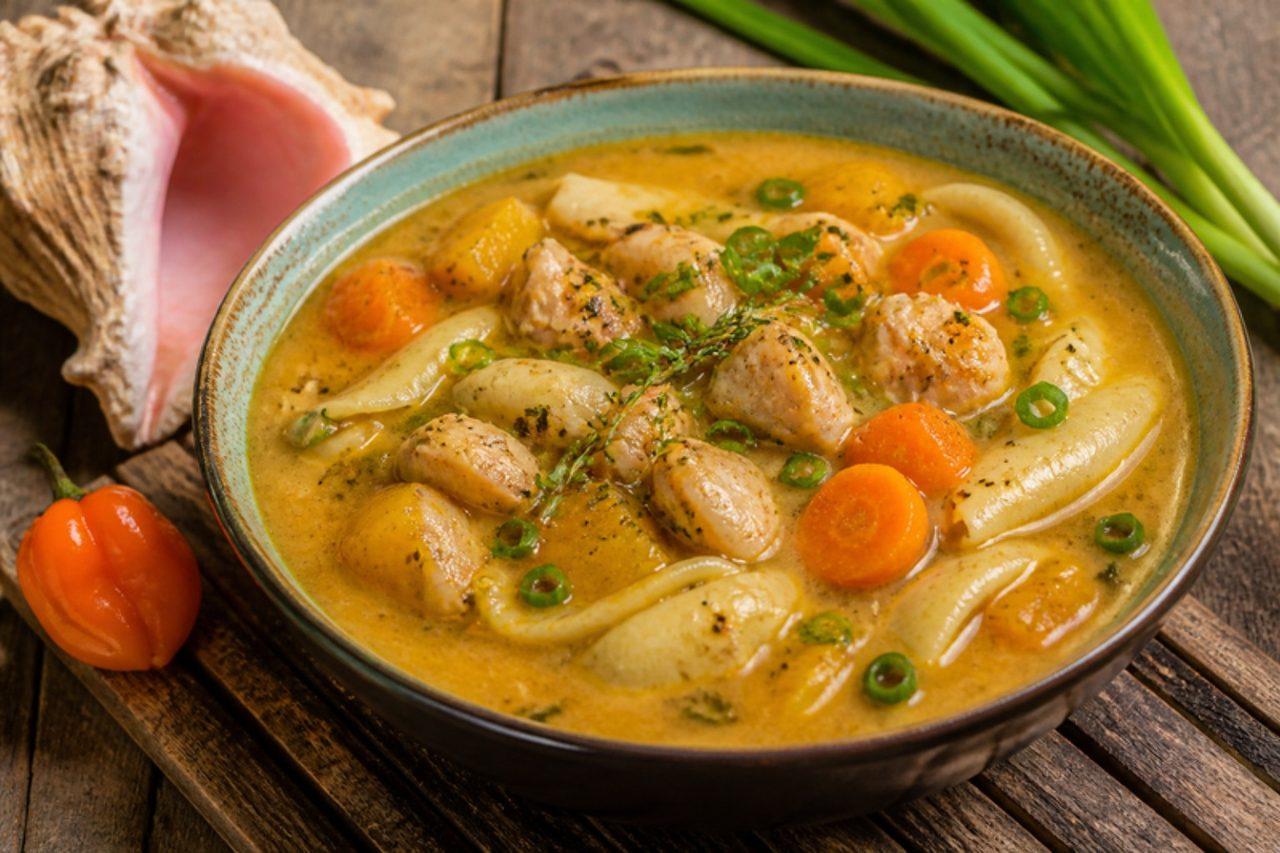
Jamaican conch soup

From Montego Bay's craft market cookshops to roadside pots around Falmouth, conch soup is sold by the cup on Fridays and Saturdays: tender pieces of conch in a thick, peppery broth with potatoes, pumpkin, carrot and chewy flour spinners. Conch is famously tough, so it is pounded and simmered slowly before the vegetables go in. Buy cleaned frozen conch meat from a fishmonger; thaw it in the fridge and throw away any that smells off. The most common mistake is not tenderising the conch, leaving rubbery chunks; pound it well and simmer until a knife slides in. Chef's tip: a little lime rubbed into the conch before pounding removes its slippery film and freshens the flavour.

by KrazyBadal 0 views

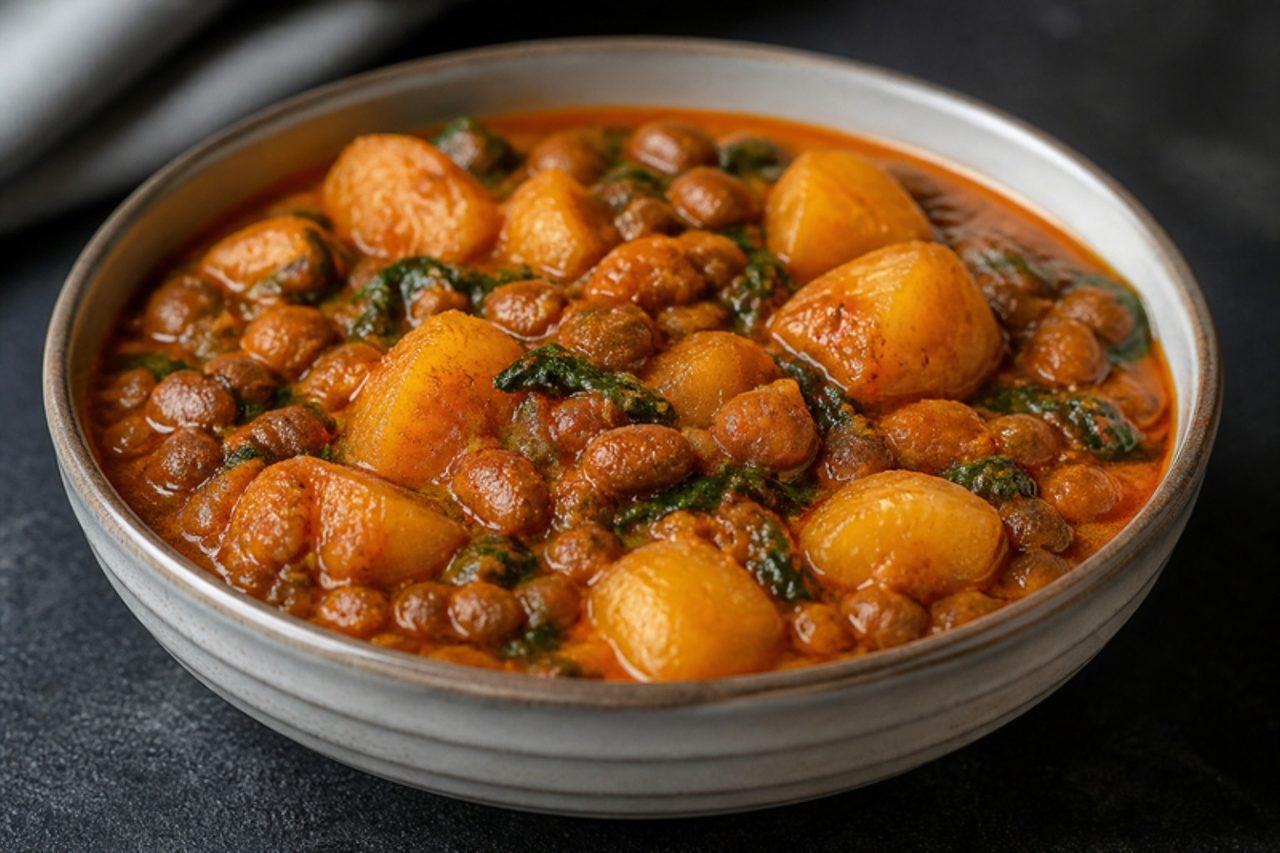
Fio fio (pigeon pea pottage with cocoyam)

Pigeon peas are called fio fio or echicha in Enugu, and around Udi and Nsukka they are cooked into a thick pottage for family meals, sometimes with fresh corn in season and often with cocoyam, which melts into the pot and thickens it. The peas stay firm and nutty, the cocoyam turns soft and creamy, and the palm-oil pepper sauce ties it together into a hearty, savoury meal. Dried pigeon peas are sold in African and South Asian shops (as toor or gandules). Pigeon peas are tough and need a long simmer; the mistake is seasoning or adding cocoyam before they are completely tender. Wear gloves to peel cocoyam, which can itch. Chef's tip: soak the peas overnight and boil them hard for the first 10 minutes; it shortens the cooking and makes them evenly tender.

by KrazyBadal 0 views

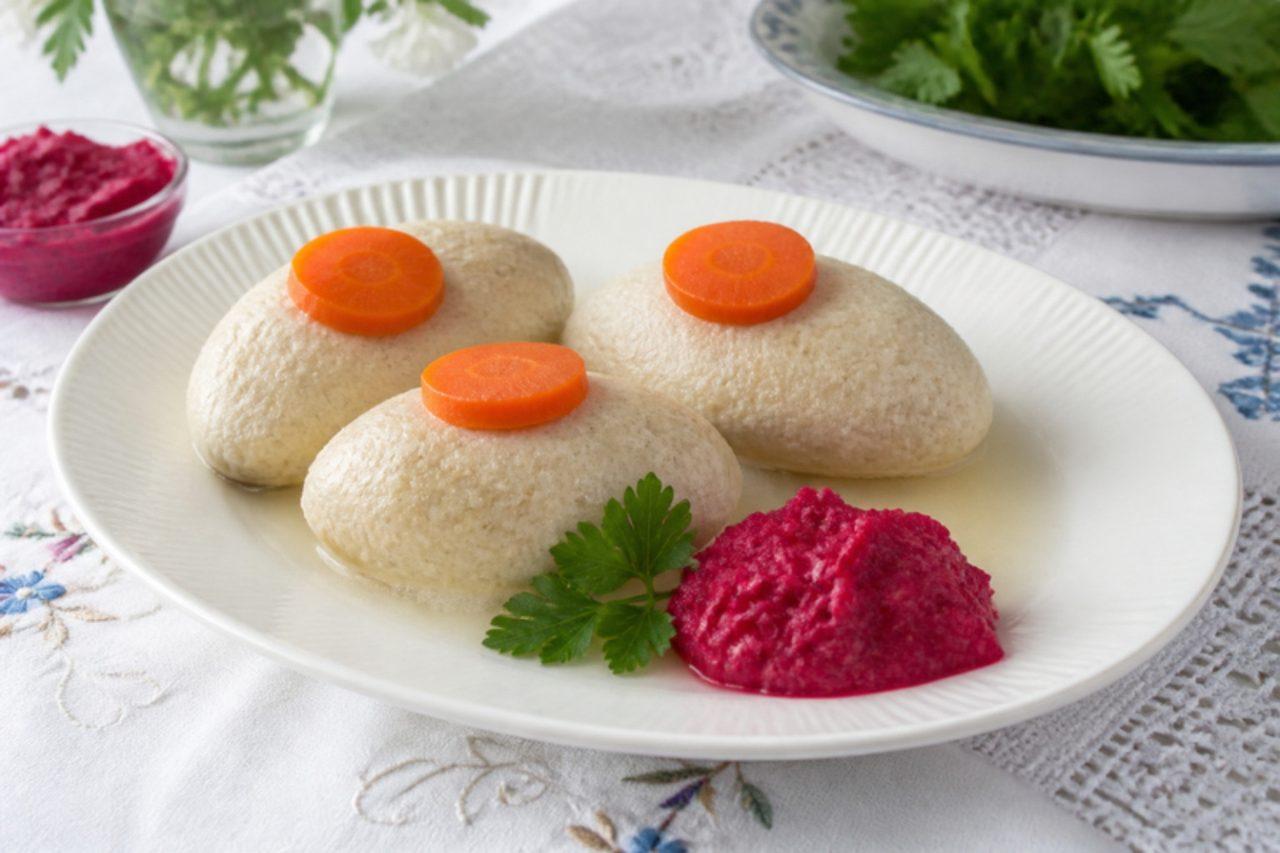
Gefilte fishPoached fish dumplings

Poached fish dumplings start the Shabbat and Passover meal in many Ashkenazi homes across Israel, and families still argue about whether they should be sweet, Polish-style, or peppery like the Lithuanian version. Minced carp, pike or whiting is beaten with onion, egg and matzo meal, shaped into ovals and simmered in a broth made from the fish bones and vegetables, which sets into a light jelly when chilled. Each piece is served cold with a coin of carrot on top and a spoonful of sharp beetroot horseradish. The commonest mistake is boiling the broth hard, which makes the dumplings tough and breaks them up; it should barely tremble. Chef's tip: wet your hands with cold water before shaping each dumpling so the soft mixture does not stick.

120 minIsraeliFish
by KrazyBadal 0 views

Tarragon lemonade

Tarkhuna is the emerald-green soda that every Tbilisi child knows, sold from street fountains since the early 1900s and still poured in tall glasses at cafés on Rustaveli Avenue. The bottled kind is coloured; the home version gets its green from blitzing fresh tarragon with lemon and syrup, giving an aniseedy, sweet-sour fizz. A common mistake is boiling the tarragon, which dulls the colour and turns the flavour stewed. Chef's tip: blitz the herb into cool syrup and strain it straight away; the drink stays vivid green for a day in the fridge.

by KrazyBadal 0 views

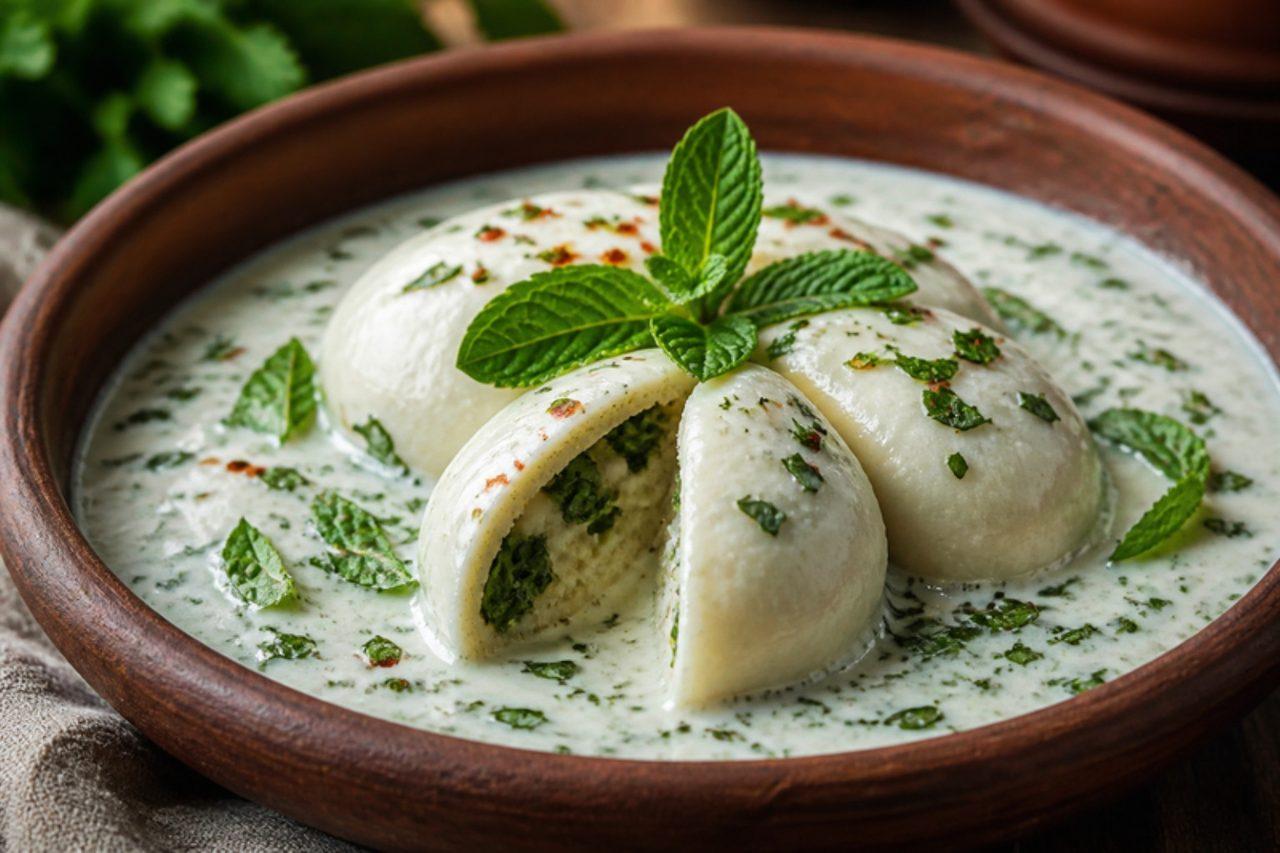
GebzhaliaCheese rolls in mint yogurt sauce

Gebzhalia is one of the dishes Mingrelian hosts in Zugdidi and Martvili bring out when guests arrive: soft, freshly made cheese is warmed in hot milk until pliable, flattened into sheets, scattered with mint and rolled up, then served in a cool, minty yogurt sauce. It is mild, salty and refreshing, served as a starter at a supra. Fresh imeruli cheese is the traditional choice; fresh mozzarella curd works well too. A common mistake is overheating the cheese, which makes it squeaky and tough instead of silky. Chef's tip: keep the milk just below a simmer and work the cheese with a spoon until it is soft enough to stretch, then roll while it is still warm. Fresh cheeses are often made with animal rennet, so choose a vegetarian one.

by KrazyBadal 0 views

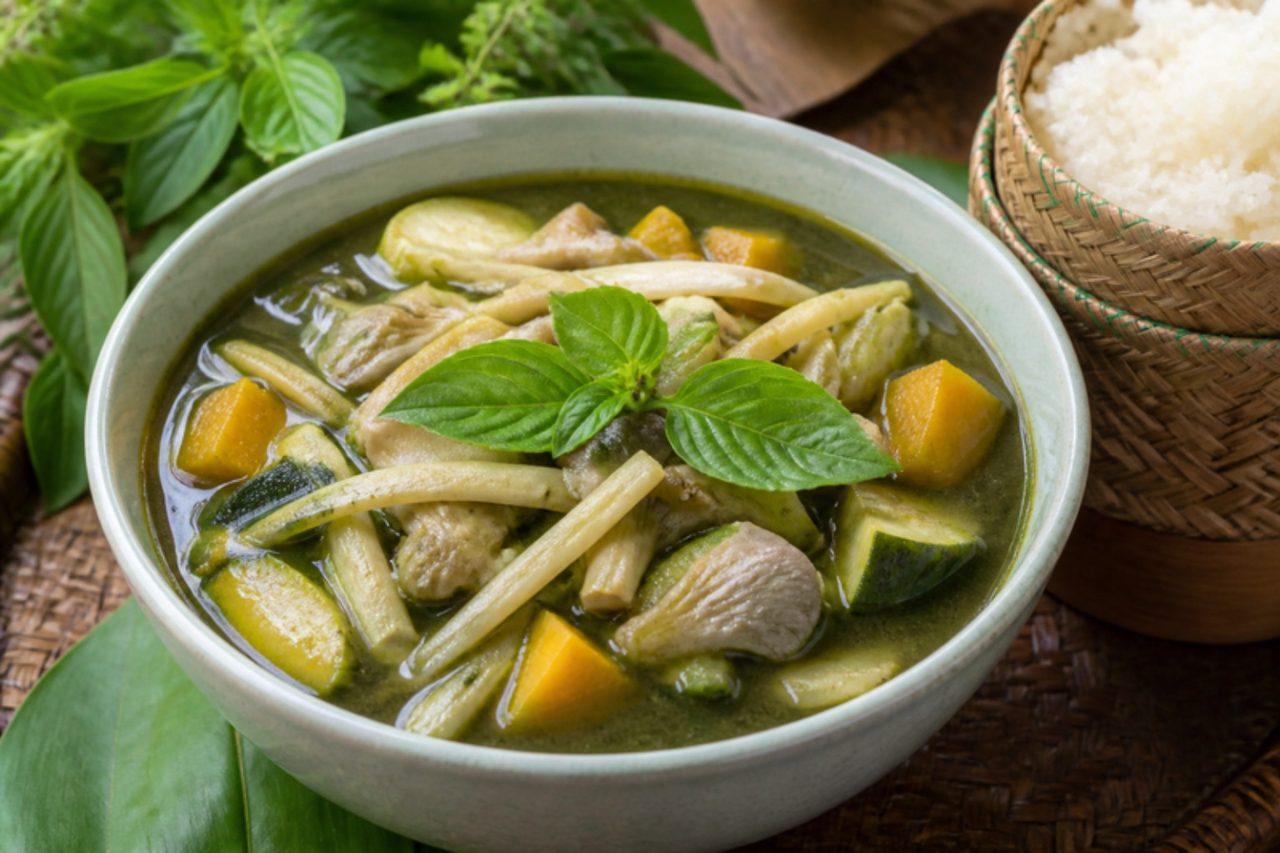
Lao bamboo shoot soup

When the rains arrive in June, Vientiane's morning markets fill with pale, freshly dug bamboo shoots, and pots of kaeng nor mai start simmering in kitchens across the city for the family lunch. The broth is a deep olive green, tinted by the juice squeezed from yanang leaves, and thickened with a spoonful of pounded soaked sticky rice so it coats the spoon. Earthy bamboo, sweet pumpkin and slippery mushrooms float in it with lemon basil on top, and a basket of sticky rice and a dish of jeow sit alongside. Skipping the pre-boil of the bamboo is where most cooks go wrong: raw shoots taste bitter and need cooking through to be safe, so always blanch fresh ones and drain. This version leaves out the fermented fish of village kitchens and seasons with salt and tamari. Chef's tip: squeeze the yanang leaves in cold water, never hot, or the broth turns brown and loses its grassy freshness.

60 minLaoSoupsVeganGluten free
by KrazyBadal 0 views

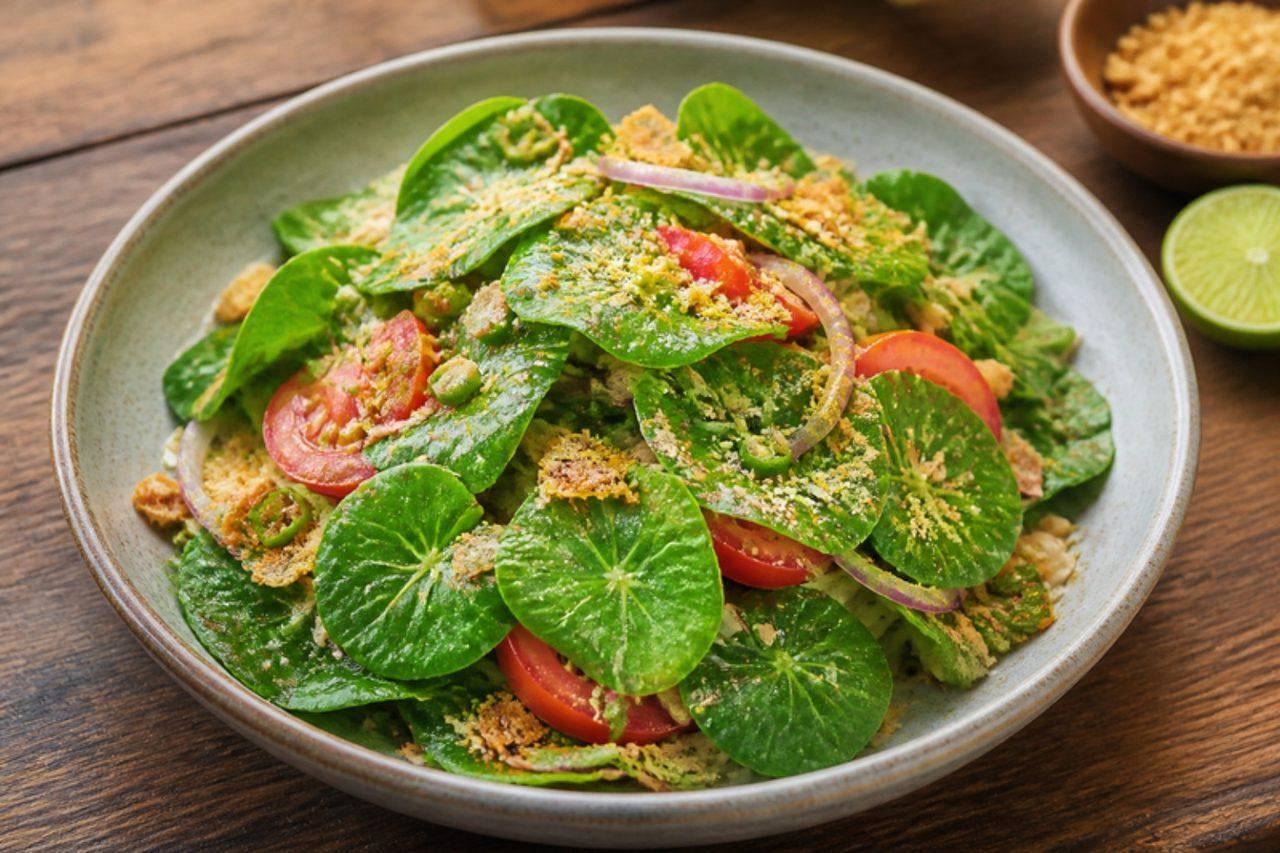
Burmese pennywort salad

Myin khwa, 'horse's hoof', is the Burmese name for pennywort, after the shape of its round leaves, and Mandalay grandmothers swear by a plate of it to cool the body during the hot months before the monsoon. The fresh leaves are slightly bitter and grassy, a little like watercress, and they are tossed by hand with toasted chickpea flour, crushed peanuts, crunchy fried garlic and its oil, lime juice, tomato and sliced onion. The salad is served as a side to rich curries, where its clean sourness cuts through the oil. Wet leaves ruin it: the dressing slides off and turns watery, so dry them completely after washing. Chef's tip: look for pennywort sold as gotu kola at Asian and Sri Lankan grocers; young watercress makes a fair stand-in.

by KrazyBadal 0 views

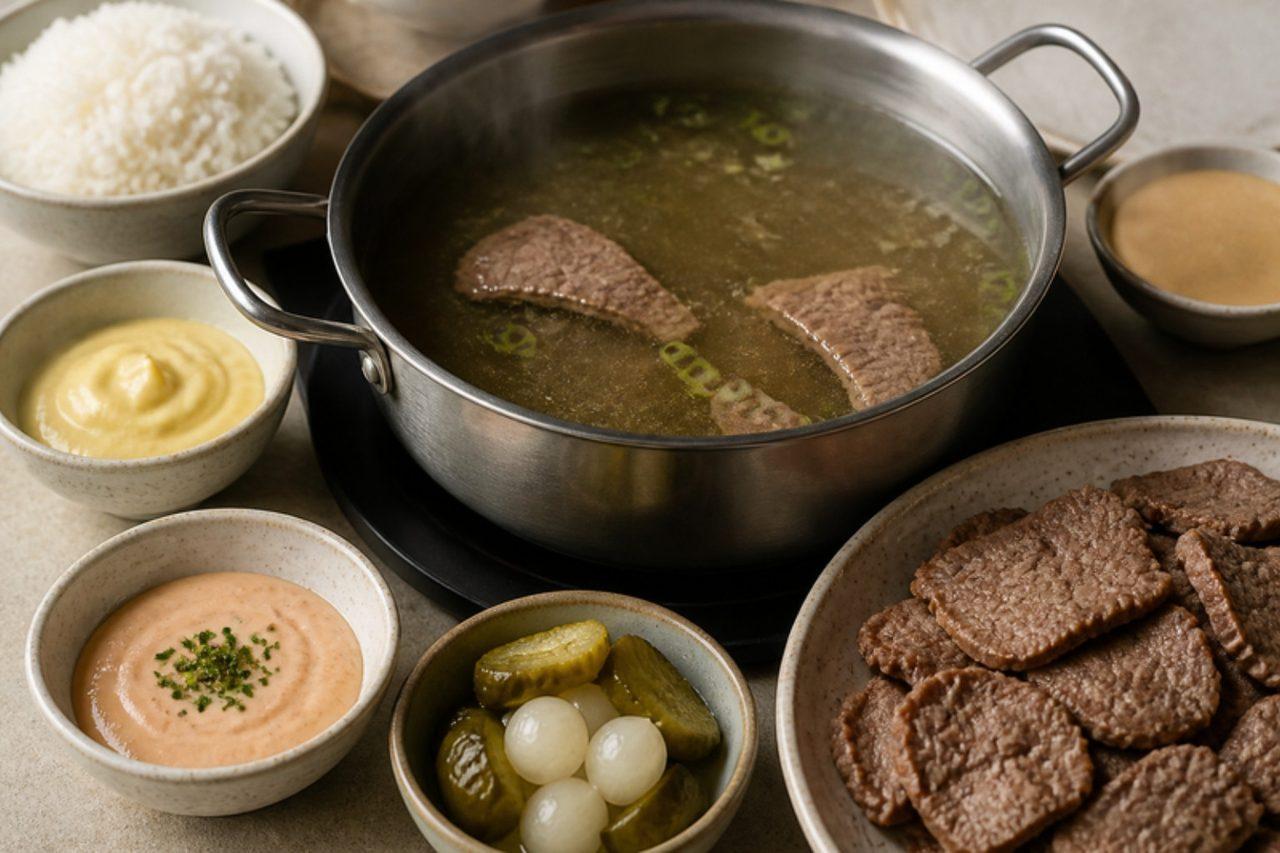
Fondue chinoise

Despite its name, fondue chinoise is a fixture of the Swiss Christmas and New Year table: a pot of simmering broth set on a burner in the middle of the table, into which everyone dips paper-thin slices of beef on long forks, cooks them for a few seconds and eats them with a spread of sauces, rice or potato chips, pickles and salads. It came to Switzerland via travellers to Asia in the 20th century. The broth is often made with white wine; this one uses stock only. A common mistake is slicing the meat thick, which takes too long and tightens. Chef's tip: half-freeze the beef for an hour so it slices paper-thin. Cook each slice until no longer pink, then eat; never use the same fork for raw and cooked meat.

45 minSwissMeat
by KrazyBadal 0 views

Fish singari (Alexandrian baked fish)

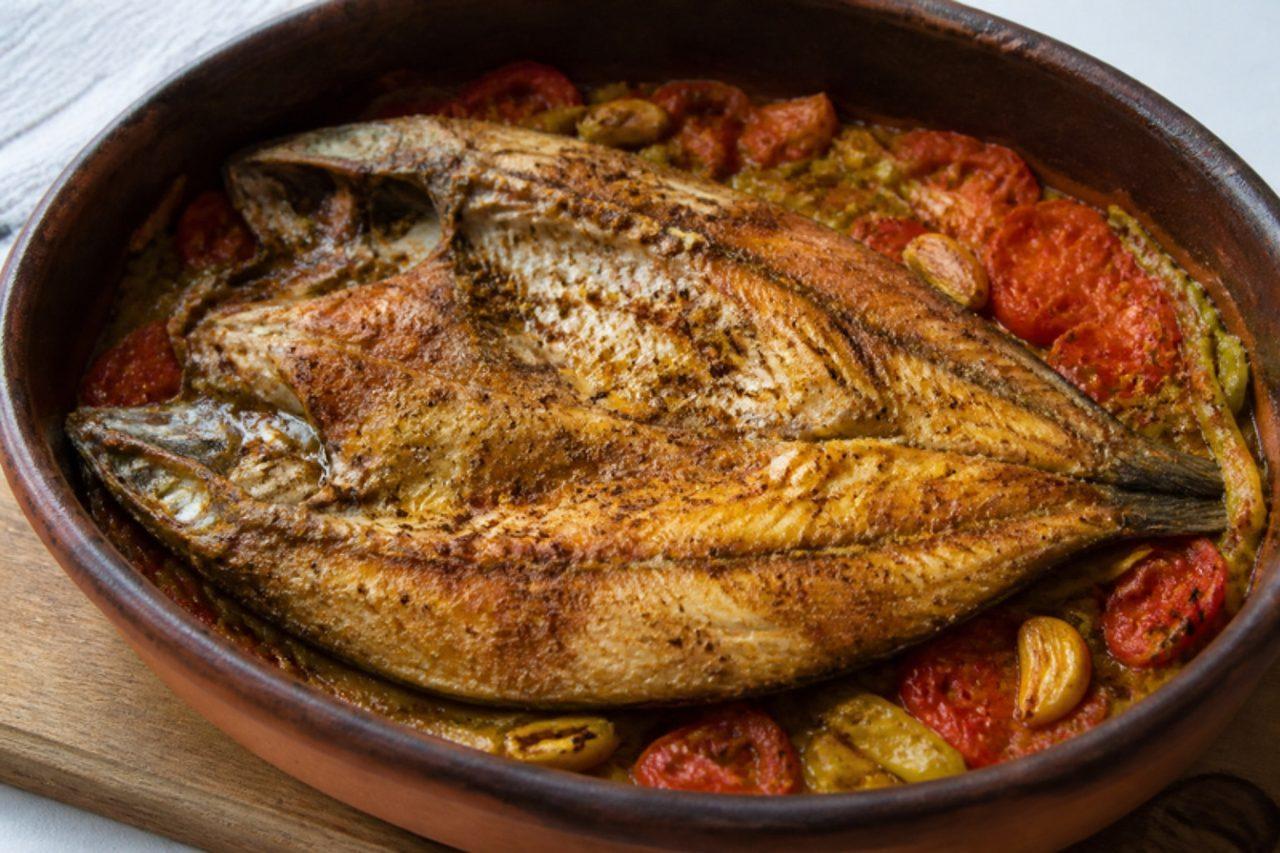
Alexandrian fish restaurants list singari next to grilled and fried fish, and families along the coast bake it at home for Friday lunch, usually with sea bream, sea bass or a large bolti. The fishmonger splits the fish down the back and opens it flat, then it is smothered in a garlicky cumin and lemon paste and laid over sliced tomatoes, green peppers, onion and chilli. In the oven the vegetables soften into a juicy sauce underneath while the fish roasts on top, so you get tender flesh, a slightly charred skin and plenty of sauce for spooning over rice. Serve with white rice, tahini and bread. Chef's tip: give the vegetables 10 minutes in the oven on their own first; it drives off water so the fish roasts instead of steaming.

by KrazyBadal 0 views

Trout with tarragon

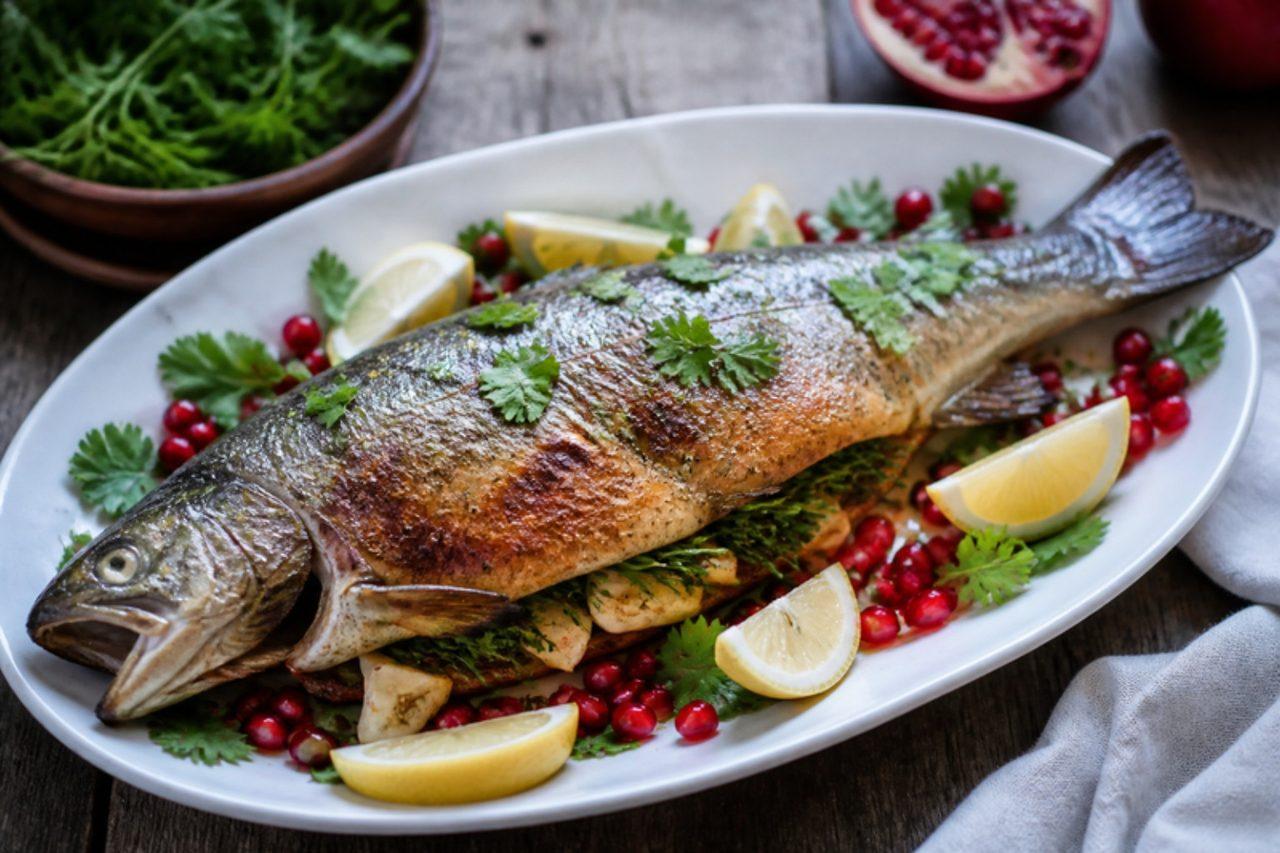
In the river valleys of Racha, around Ambrolauri and Oni, cafés keep live trout in stone tanks fed by mountain streams, and the classic way to cook them is simply: stuffed with tarragon, garlic and a little salt, roasted or grilled over vine cuttings, and finished with a shower of pomegranate seeds and a squeeze of their juice. A common mistake is cooking the fish too long, which dries the delicate flesh. Chef's tip: slash the skin twice on each side so the heat reaches the thickest part evenly, then check by pressing the backbone: the flesh is done when it is opaque and lifts away in clean flakes.

by KrazyBadal 0 views

ArishtaButtered egg noodles

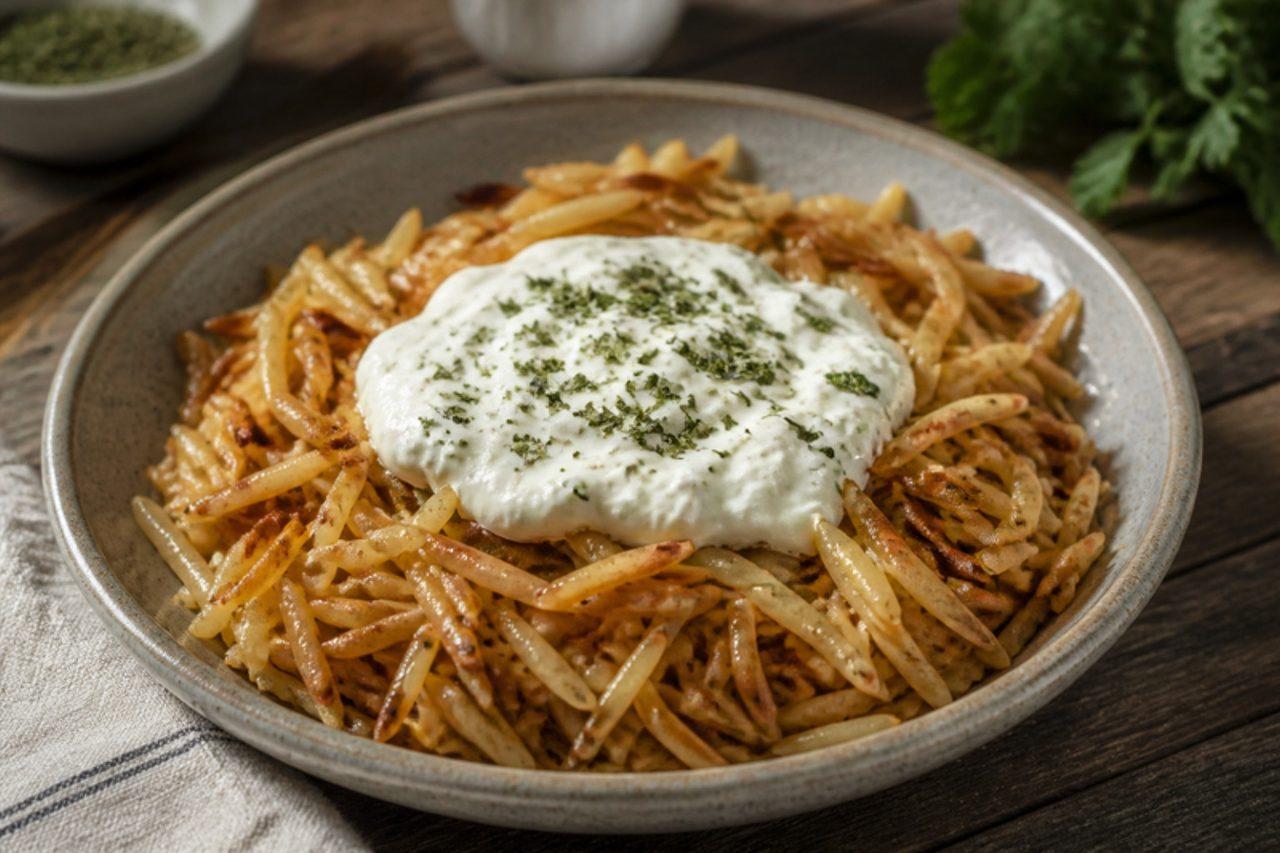
In Gyumri and the villages of Shirak, grandmothers still roll arishta by hand, cut it into thin strips and dry it in the sun to store for winter. To serve, the noodles are first toasted in butter until they turn golden and nutty, then boiled until tender and topped with garlicky matsun yogurt. It is simple, filling food for cold days on the Shirak plateau. A common mistake is skipping the toasting step, which gives soft, plain noodles without the characteristic roasted flavour. Chef's tip: dry the cut noodles for at least an hour before toasting, so they brown evenly instead of clumping.

by KrazyBadal 0 views

Ghiya chana daalChickpea dal with bottle gourd

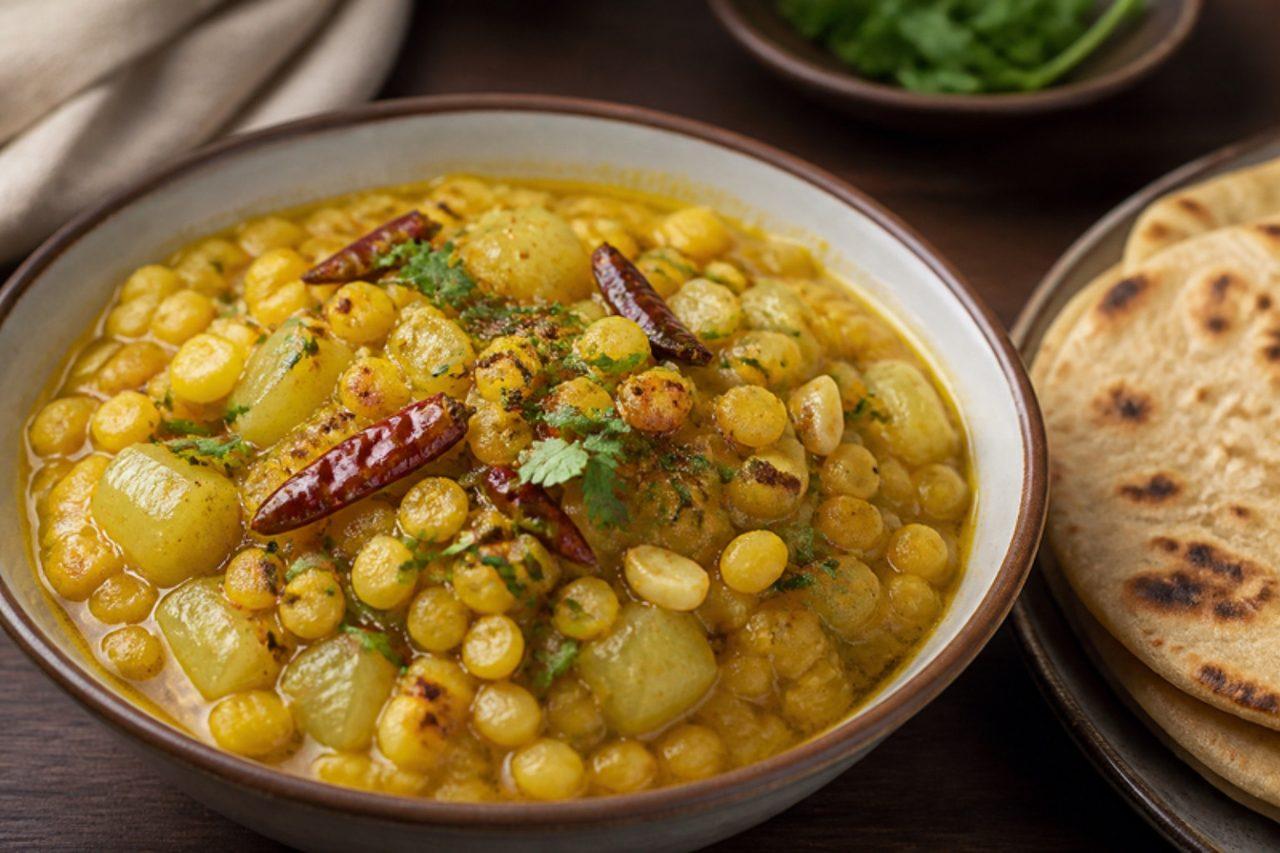
Bottle gourd is the vegetable Punjabi mothers reach for when someone in the house needs something gentle, and pairing it with chana daal turns that mildness into a proper meal. The split chickpeas cook until creamy but still slightly nubbly, the ghiya melts into soft, translucent pieces and lends the pot a quiet sweetness, and a last-minute tarka of cumin, garlic and dried red chilli wakes the whole thing up. You will find it on everyday tables from Gujranwala to Sahiwal, eaten with chapati or plain boiled rice and a little sliced onion on the side. A common slip is adding the gourd at the start with the dal, so it disappears completely by the time the lentils are soft. Chef's tip: give the soaked dal a 20-minute head start and add the ghiya only then, so both are done together.

by KrazyBadal 0 views

Showing 81 of 7,762 recipes

Show more recipes

Page 181 of 863