


Skip to content
Marineras
Featured recipe

Marineras

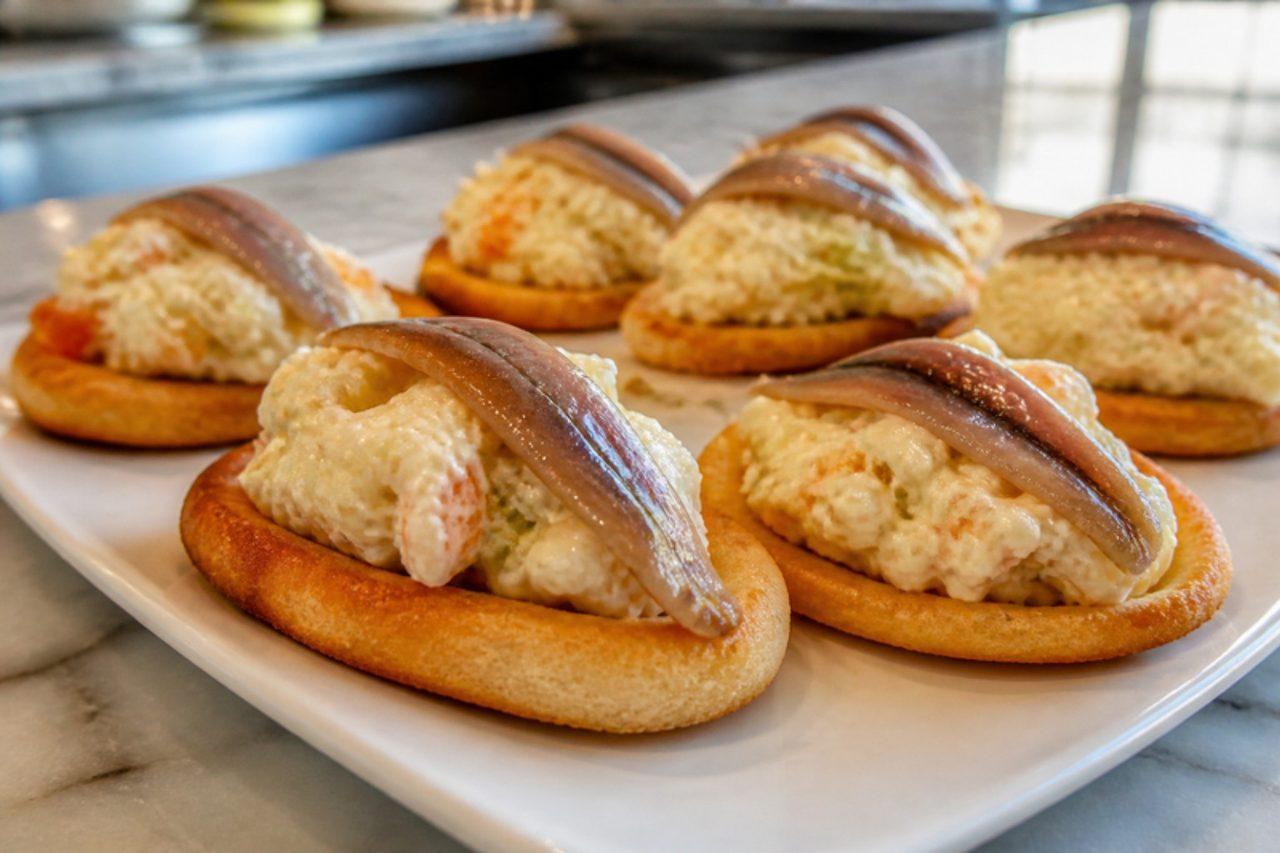
Russian salad and anchovy bread rings

No pre-lunch drink in Murcia is complete without a marinera: a crunchy ring-shaped breadstick, the rosquilla, piled with ensaladilla rusa (potato, carrot and peas in mayonnaise) and crowned with an anchovy. Bar counters in the city line them up from midday, alongside the marinero, topped with a vinegar-cured fresh anchovy, and the bicicleta, which has no fish at all. This version uses salted anchovy fillets in oil and shop-bought mayonnaise, which is made with pasteurised egg. If you use vinegar-cured fresh anchovies instead, they are raw fish: buy them frozen first, and they are not for pregnant women, young children or anyone with a weakened immune system. Chef's tip: assemble them at the last moment so the rings stay crunchy.

Read more 0 views

What to eat today?

Around the world

Today's trip: Persian

A new country every day, from every cuisine on the site.

This week's collection

Kid-friendly dinners
541 recipes · a new collection every Monday

Latest recipes

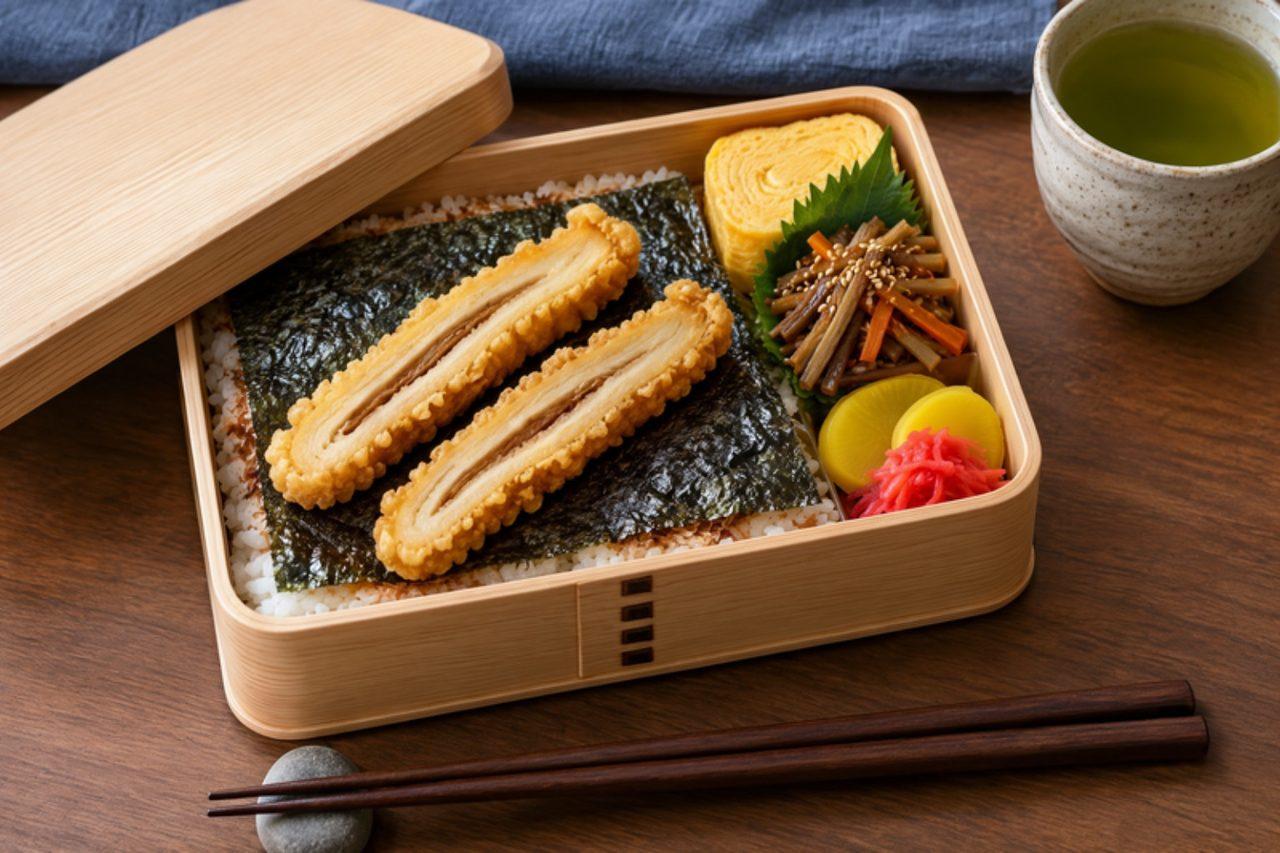
NoribenSeaweed and fish cake bento

Noriben is the humblest and most nostalgic Japanese packed lunch: rice spread with okaka (bonito flakes in soy) and covered with a whole sheet of nori, sometimes twice in layers, then topped with something fried such as chikuwa fish cake or white fish. Convenience stores and bento shops across Japan sell it for a few hundred yen. The usual mistake is laying the nori on steaming rice and closing the lid, which leaves it soggy and torn; let the rice cool a little first. Chef's tip: snip the nori into a few strips before it goes on, so it is easy to bite through with chopsticks.

by KrazyBadal 0 views
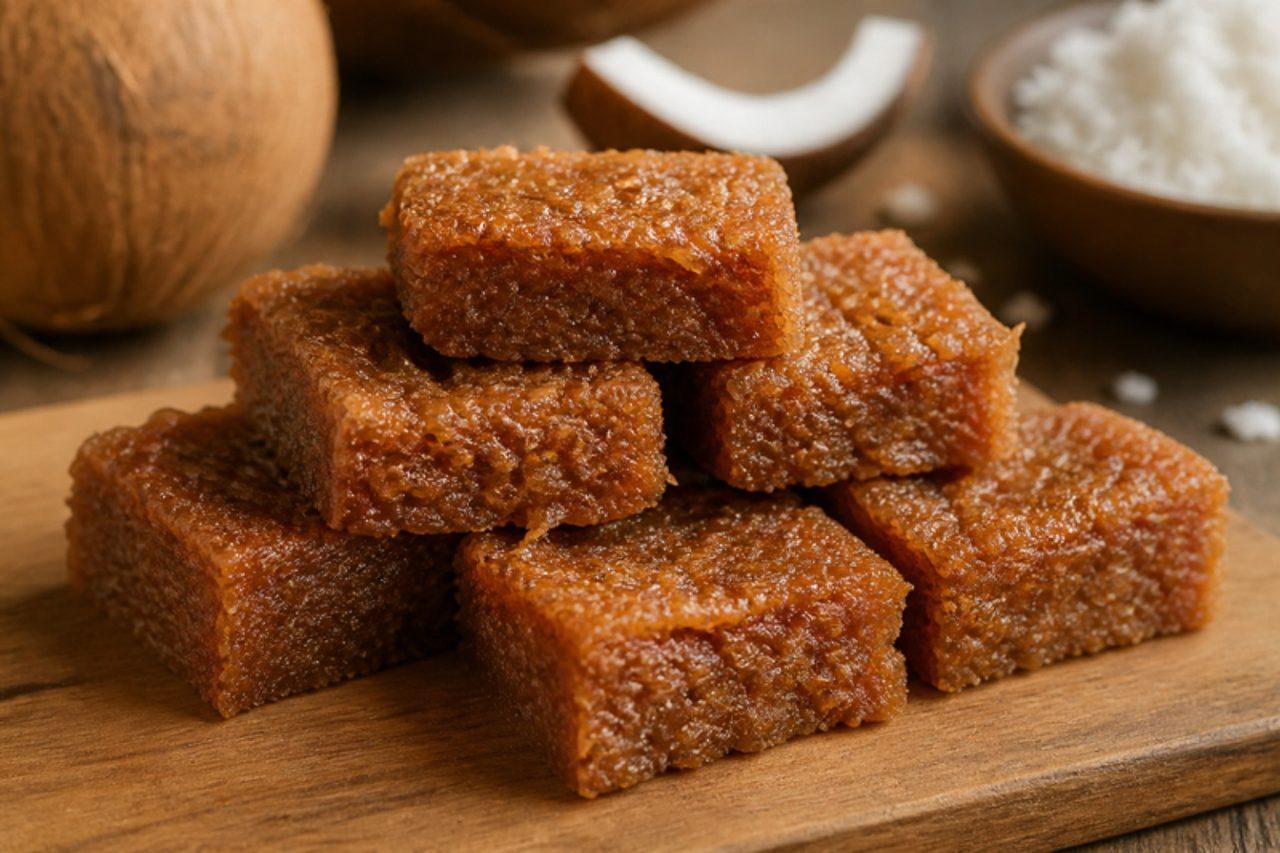
Conservas de cocoSpiced coconut bars

Along the roads of Zulia and down the Caribbean coast, sellers wrap conservas de coco in squares of paper: dense, chewy bars of grated coconut cooked in dark panela syrup with cinnamon and clove. Children buy them with their change after school. The mistake most people make is taking the pan off too early; the mixture never sets and stays sticky. Chef's tip: keep stirring until the mass pulls away in one lump and a spoon dragged across the base leaves a clean line.

by KrazyBadal 0 views

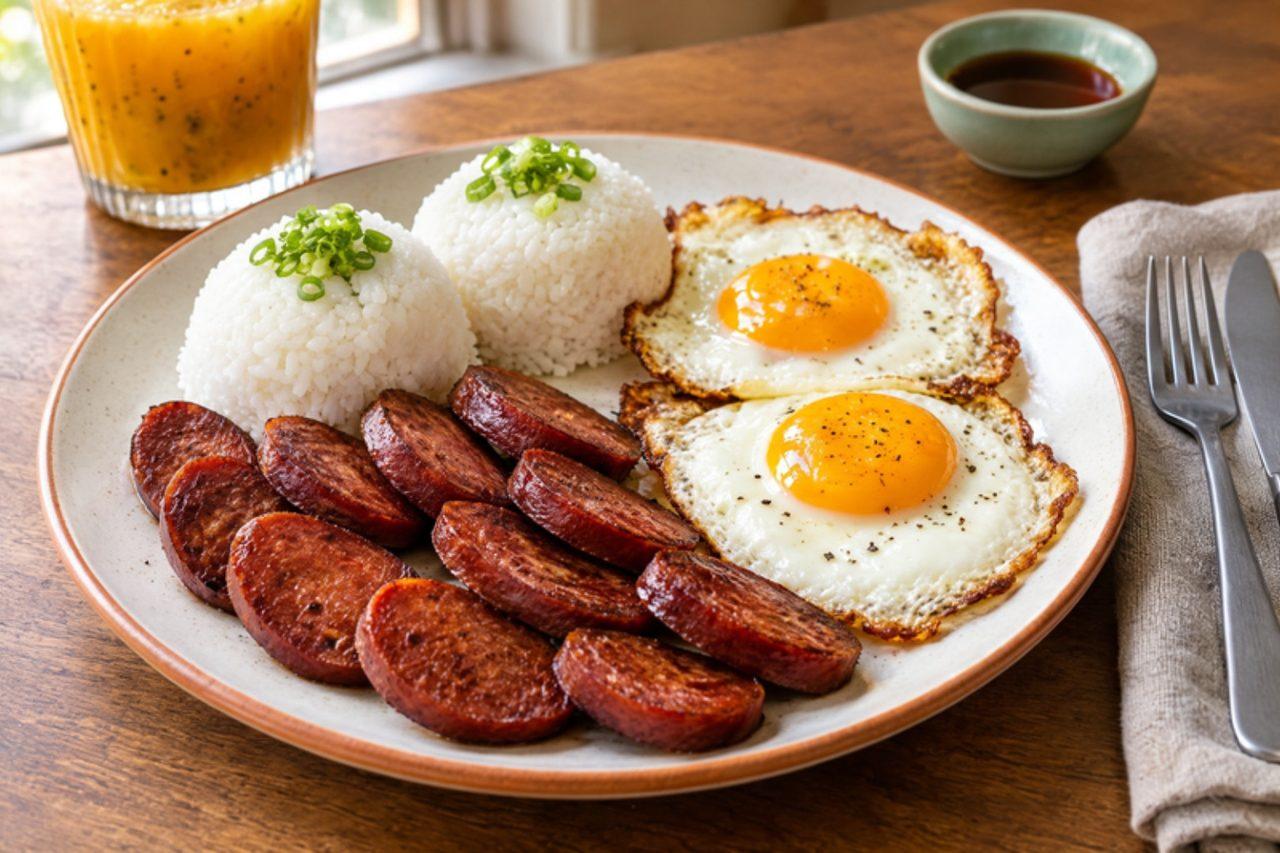
Portuguese sausage, eggs and rice

In Hawaii, a breakfast plate at a diner in Honolulu or Hilo, or at a drive-in on Maui, often means slices of smoky, garlicky, paprika-red Portuguese pork sausage (brought to the islands by Madeiran and Azorean immigrants in the 1800s) fried until caramelised, two eggs, and two scoops of short-grain rice. A splash of shoyu on the rice is optional. The common mistake is frying the sausage over a high heat so the sugar in it burns before it heats through; fry it steadily over a medium heat until sizzling and piping hot (71 °C if your sausage is uncooked rather than smoked). Cook the eggs fully set for pregnant people, young children, older or vulnerable people. Chef's tip: fry the eggs in the red fat the sausage leaves behind; they come out lacy and full of flavour.

by KrazyBadal 0 views

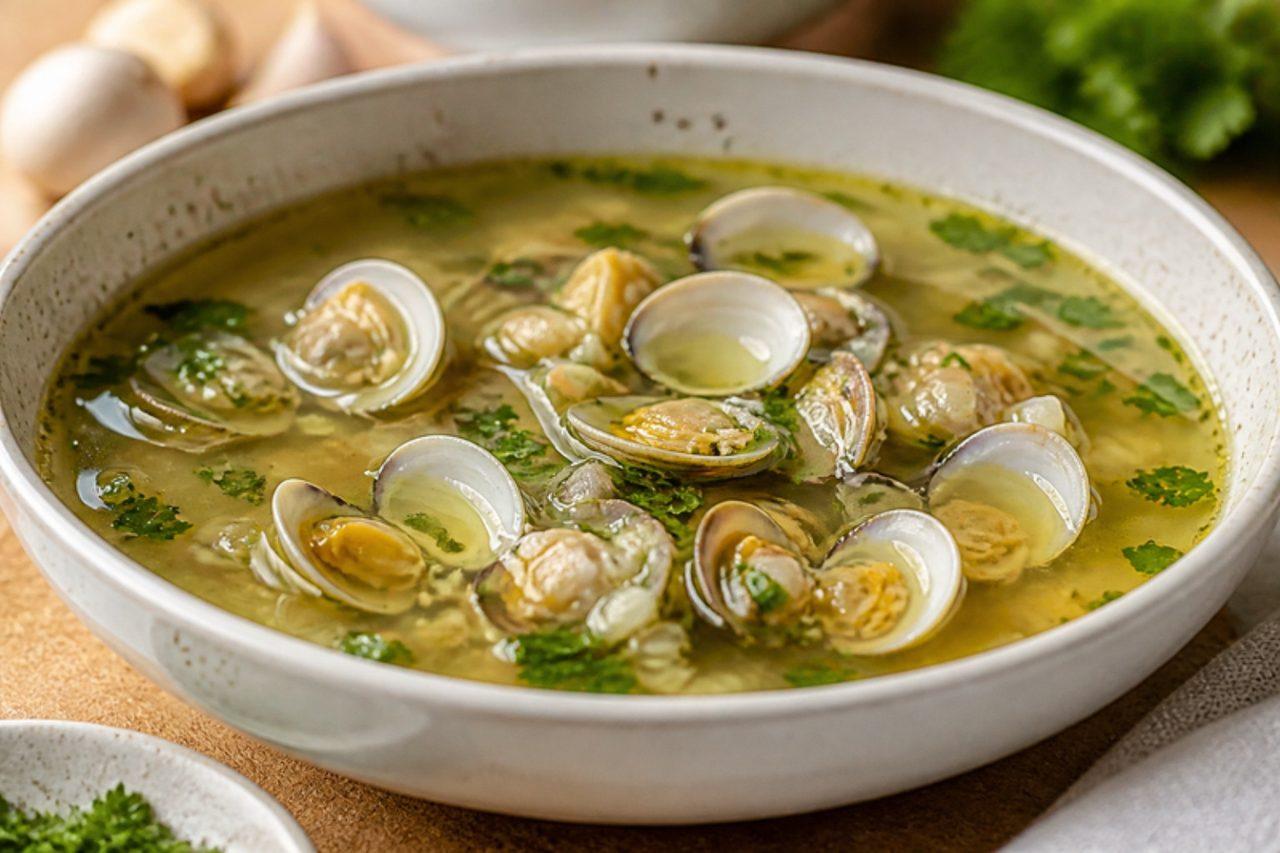
Consomé de chipichipiTiny clam broth

On the beaches of Margarita and the Sucre coast, vendors ladle steaming cups of consomé de chipichipi, a clear, salty broth of tiny clams with garlic, ají dulce and coriander, famous as a cure after a long night. Chipichipi are hard to find outside Venezuela; small clams such as palourdes or Manila clams are a good stand-in. The common mistake is boiling the clams too long, which makes them rubbery. Chef's tip: let the clams soak in salted water first so they spit out their sand.

by KrazyBadal 0 views

TenmusuPrawn tempura rice balls

Tenmusu, short for tempura musubi, began in Tsu and became a Nagoya speciality: small salted rice balls with a crisp little prawn tempura poking out of the top, wrapped in nori and sold in boxes at Nagoya Station as a travel lunch. The common mistake is wrapping hot, crunchy tempura straight into the rice, so it steams soft; let it cool on a rack first. Use raw prawns that smell of the sea; throw away any that smell of ammonia. Chef's tip: brush the cooled tempura with a quick sweet soy dip before you shape the rice round it, which is the Nagoya secret to its flavour.

by KrazyBadal 0 views

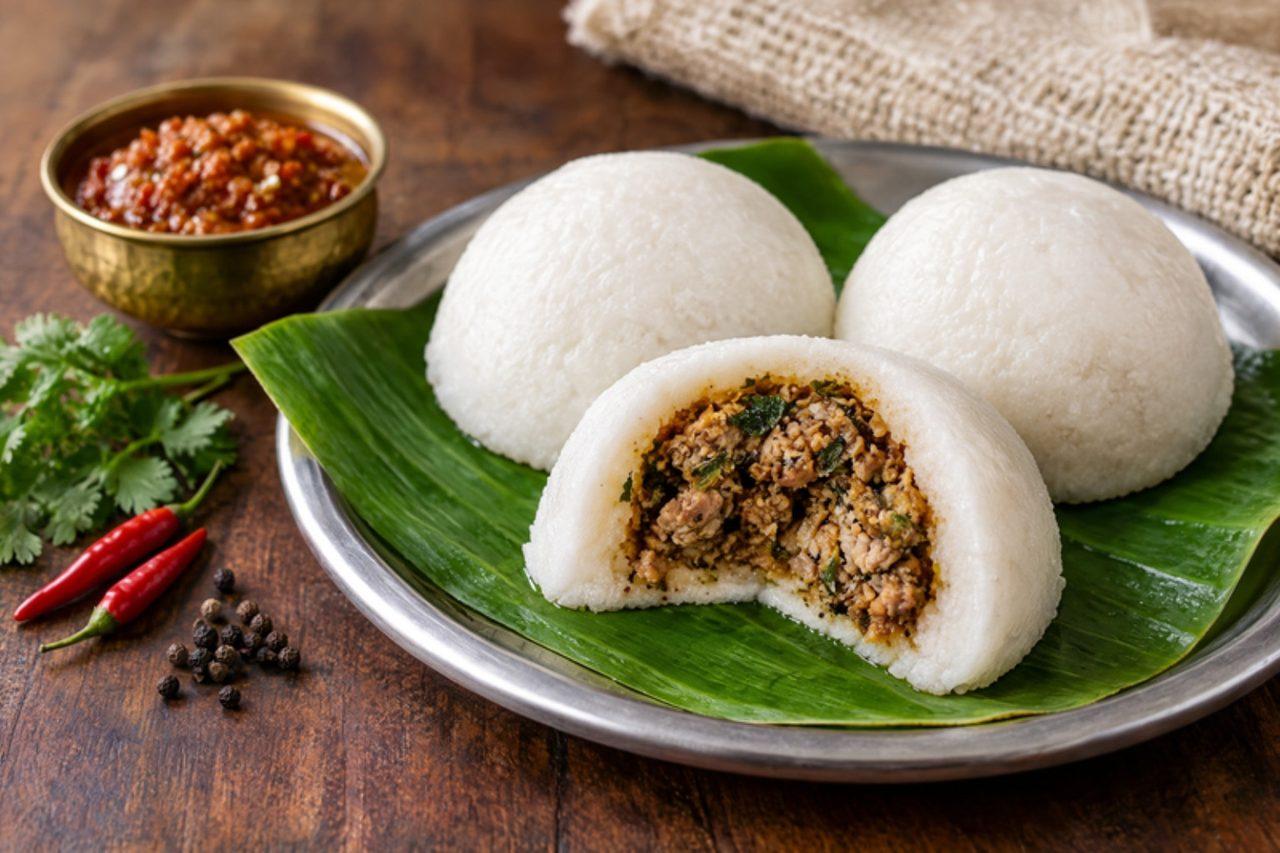
PudohSteamed rice cakes with pork

Pudoh is a Khasi steamed snack from the hills around Shillong in Meghalaya: soft rice-flour dough wrapped around minced pork seasoned with ginger, onion and black sesame, steamed in leaves and eaten at breakfast or teatime. This recipe uses pork, so cook the filling until the mince reaches 71 °C and no pink remains. The common mistake is a wet filling, which soaks the dough; fry the mince until dry before wrapping. Chef's tip: work the dough while warm, as rice dough cracks when it cools.

75 minIndianMeatGluten free
by KrazyBadal 0 views

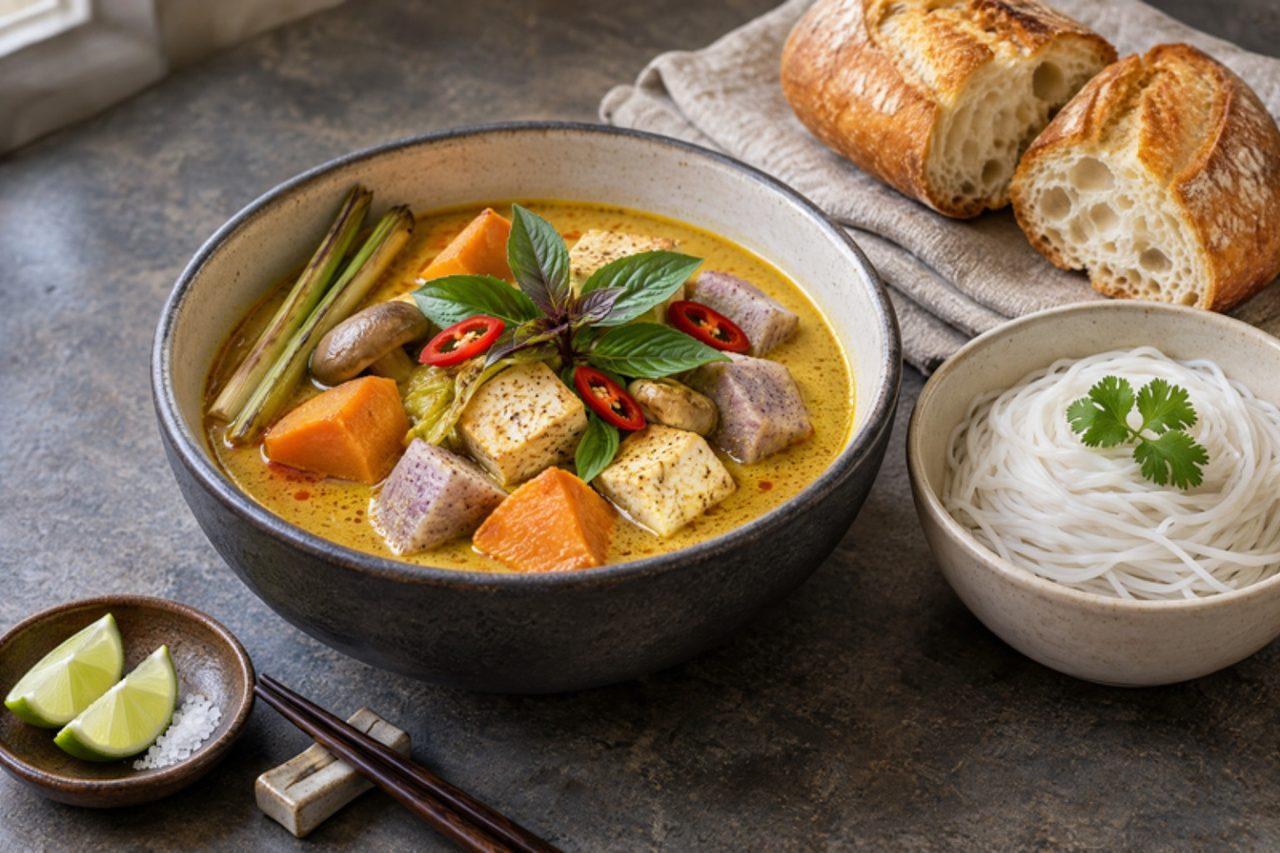
Cà ri chayVegetarian sweet potato curry

Cà ri chay is served at Buddhist temples and vegetarian restaurants across Saigon and the Mekong Delta, and many families cook it at home on rằm days, the first and fifteenth of the lunar month, when they eat no meat. Sweet potato and taro soften into a golden, lemongrass-scented coconut curry with fried tofu and meaty oyster mushrooms; it is mild and fragrant rather than fiery. Mop it up with a crusty baguette, or ladle it over rice vermicelli. The usual mistake is putting all the vegetables in at once: the sweet potato dissolves before the taro is cooked. Chef's tip: fry the taro and sweet potato briefly before simmering, which seals the outside so the chunks hold their shape in the sauce.

by KrazyBadal 0 views

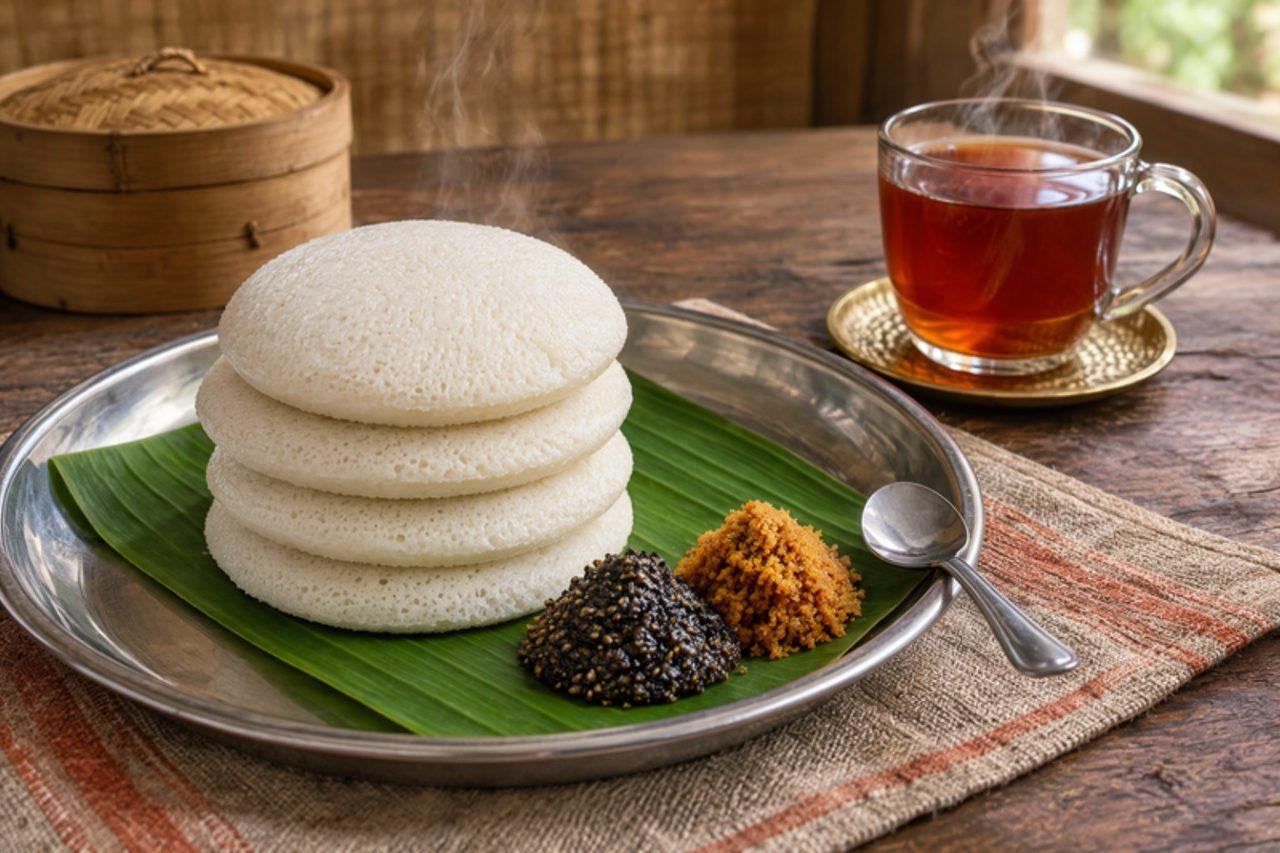
PutharoSteamed rice flour cakes

In Shillong and the Khasi Hills, putharo are plain steamed rice-flour cakes eaten at breakfast with red tea or with a bowl of curry. Freshly milled, slightly damp rice flour is what makes them soft. The common mistake is using dry supermarket flour without moistening it, which gives crumbly, dusty cakes; sprinkle the flour with water and rub until it holds when squeezed. Chef's tip: steam on a cloth so the bottoms don't turn soggy.

by KrazyBadal 0 views

Masu zushiPressed trout sushi

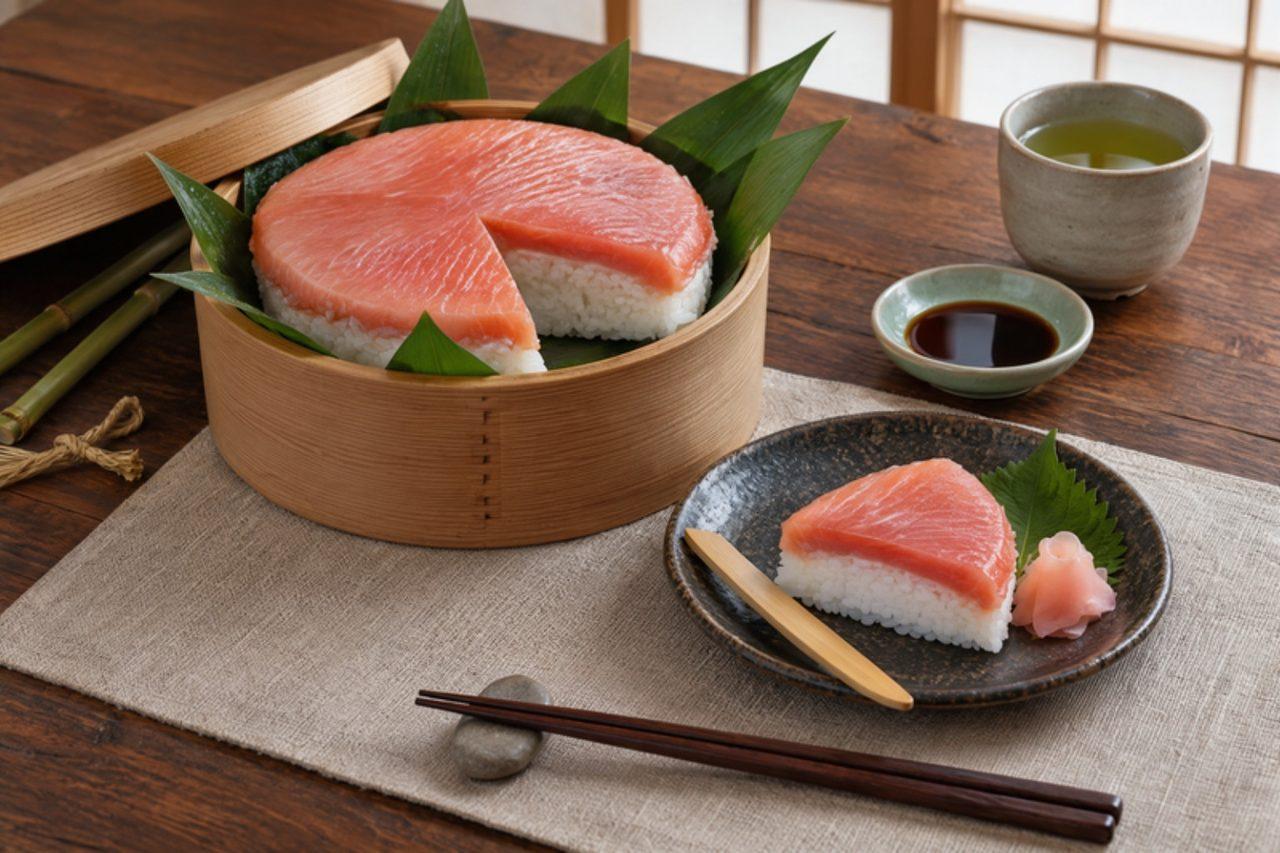
Masu zushi is Toyama's famous ekiben, the boxed lunch sold at the station for the train ride: a round, flat cake of vinegared rice pressed under a layer of salted, vinegar-cured trout and wrapped in bright green bamboo leaves, cut into wedges like a pie. The fish is cured but raw, so use only fish sold as safe to eat raw and previously frozen, and keep everything cold; this version is not for pregnant women, young children or anyone with a weakened immune system. For a safer version, use hot-smoked trout fillet instead, which is fully cooked. The usual mistake is pressing the rice while it is still warm, which turns it mushy; cool it to body temperature first. Chef's tip: press the cake for a full hour under a heavy weight so it slices cleanly, then cut it with a wet knife.

by KrazyBadal 0 views

Qingchao jiaobaiStir-fried water bamboo

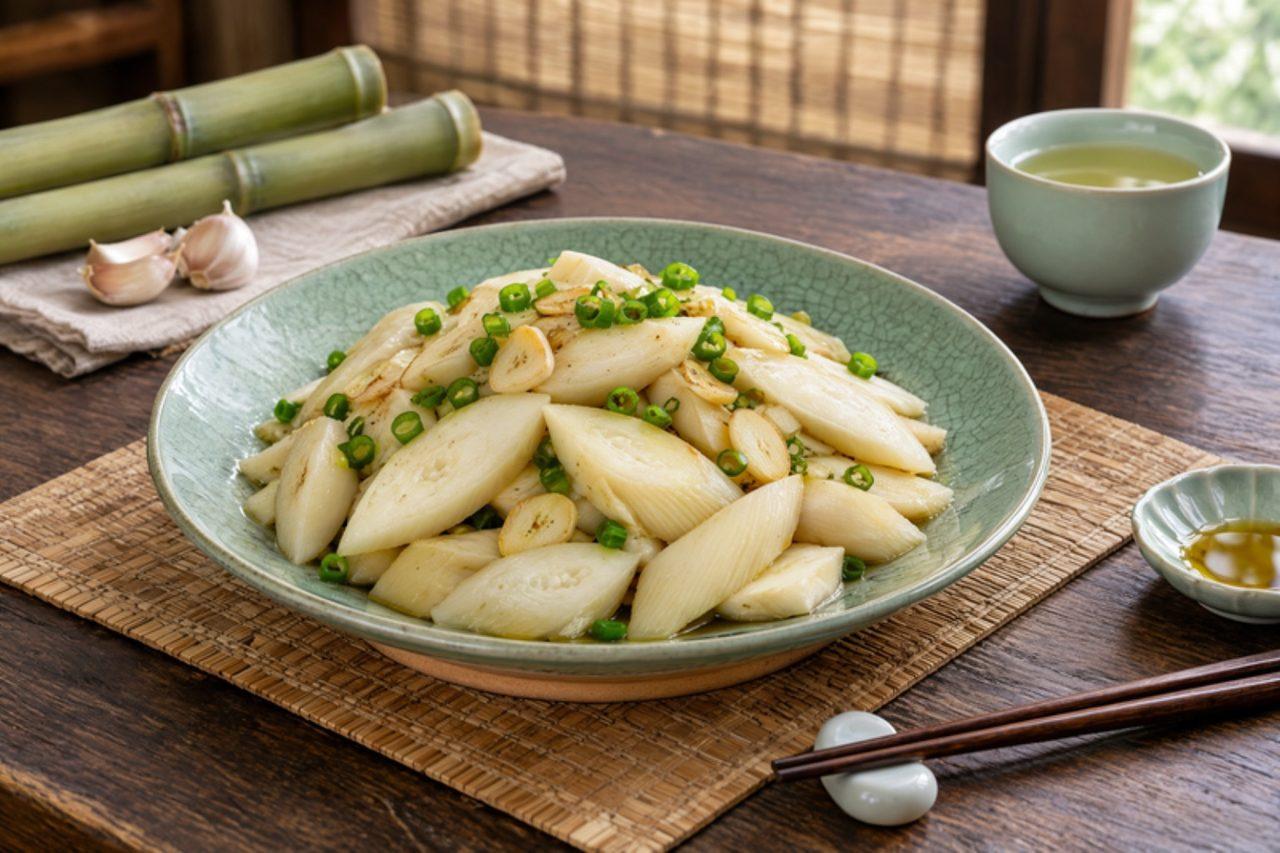
Jiaobai (water bamboo, Manchurian wild rice stem) is a summer and early-autumn vegetable of the lakes around Suzhou, Wuxi and Hangzhou, and 'clear-fried' jiaobai is how Jiangnan home cooks show off its sweet, juicy crunch. The pale stems are cut into thin slices or strips and stir-fried briefly with garlic, a splash of soy and a pinch of salt, so they stay crisp and taste faintly like bamboo shoot and corn. Serve with tofu, fish or eggs and a little rice. It is suitable as part of a balanced diet. About 60 kcal and 6 g carbohydrate per portion. The usual mistake is overcooking, which makes it soft and loses the crunch; two or three minutes is enough. Asian grocers sell it fresh or vacuum-packed. Chef's tip: choose plump, white stems with no black specks inside, which show an older stem.

by KrazyBadal 0 views

Qorma-e-lubiaRed kidney bean stew

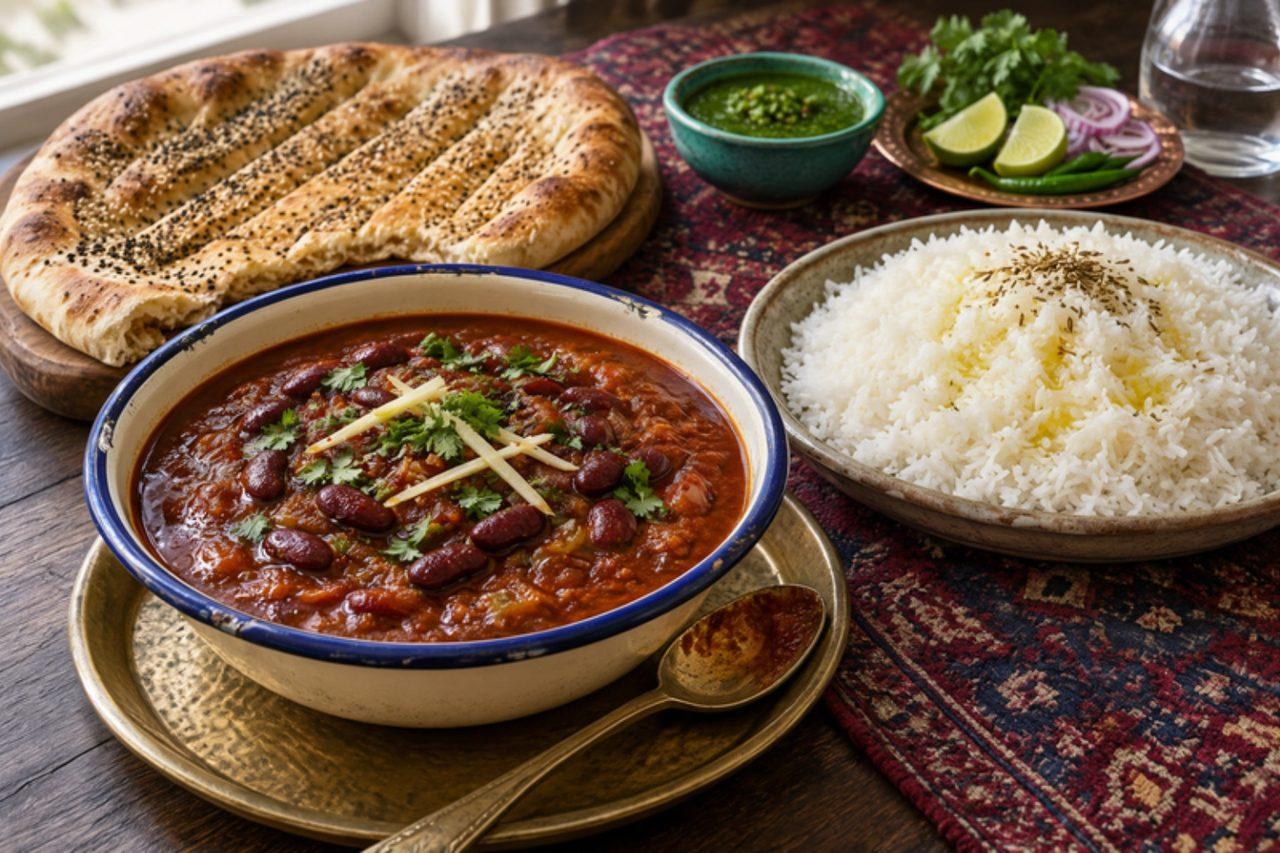
Qorma-e-lubia is everyday Afghan home cooking, made in Kabul and Herat kitchens for weekday lunches and sold from big pots at roadside eating houses with fresh naan. Red kidney beans simmer slowly in a sauce built on deeply browned onion, tomato, garlic and ground coriander until it turns rich and brick-red. Eat it with naan, or with plain challow rice and a salad of tomato and onion. The usual mistake is putting dried kidney beans straight into a slow cooker: they must be boiled hard for 10 minutes first, or they can make you ill. Slow-cooker option: after browning and the hard boil, cook on low for 8 hours. Chef's tip: brown the onions until properly dark, about 15 minutes; that colour is where the stew's depth comes from.

by KrazyBadal 0 views

Quandong pieDesert peach pie

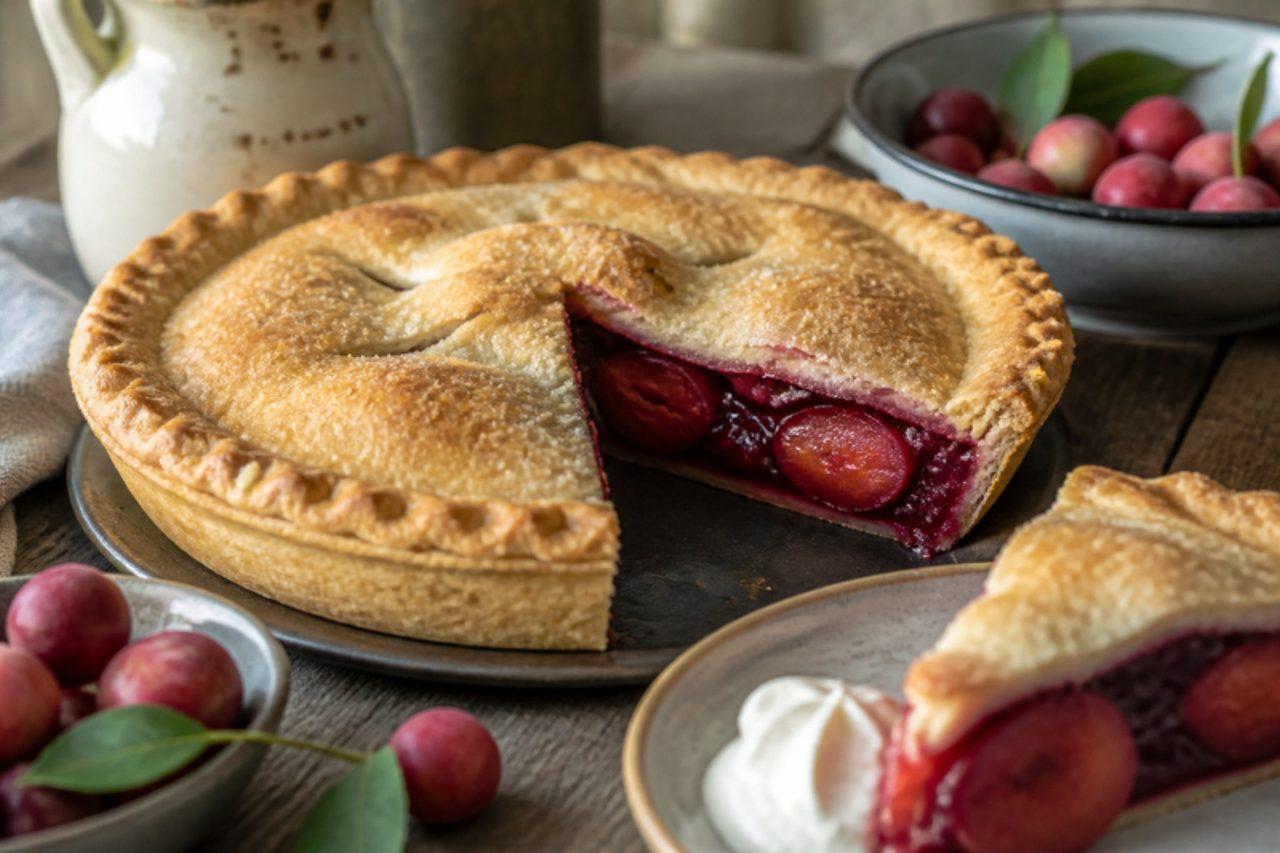
Quandongs, the bright red desert peaches of the outback, have been gathered by Aboriginal people across Central and South Australia for thousands of years, and in the Flinders Ranges and towns like Quorn the bakeries sell quandong pie to travellers. The fruit is tart and tangy, somewhere between peach, apricot and rhubarb. Most people buy it dried or frozen from native food suppliers; dried quandong is soaked first. A common mistake is too little sugar, as the fruit is very sharp. Chef's tip: if you can't get quandong, use a mix of fresh apricots and a little rhubarb.

by KrazyBadal 0 views

Đậu hũ khoBraised tofu with shiitake

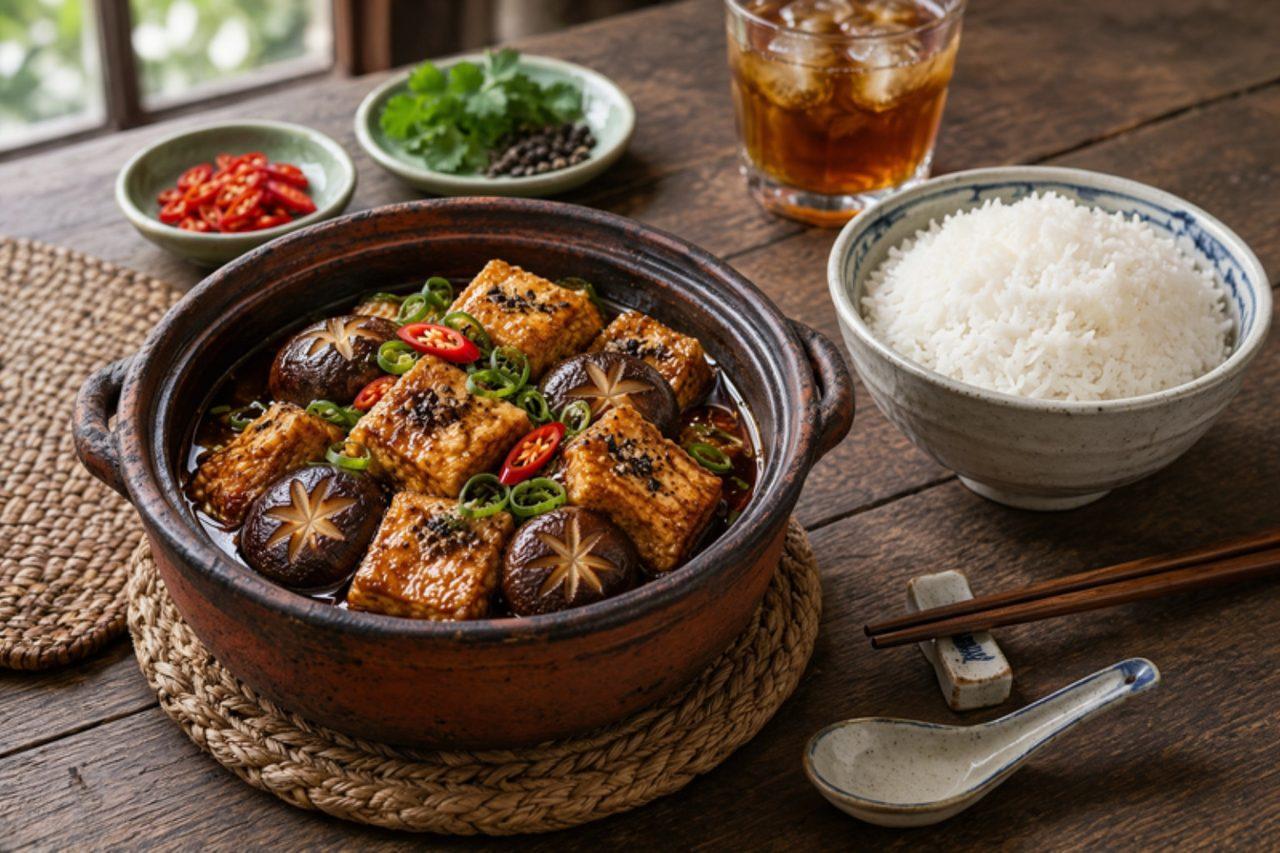
Đậu hũ kho is the vegetarian cousin of the caramel braises (kho) cooked in clay pots all over Vietnam, and in the south it is a standard of Buddhist fasting days and a good companion for a pot of rice through the week. Golden fried tofu and chewy shiitake are braised in a dark caramel, soy sauce and coconut water until the sauce turns sticky, salty-sweet and peppery. Serve with steamed rice, a plate of fresh cucumber and a light soup. The usual mistake is letting the caramel go too dark, which makes the whole dish bitter; stop when it is the colour of strong tea. Chef's tip: coconut water gives a rounder sweetness than plain water, and the braise keeps for 3 days in the fridge.

by KrazyBadal 0 views

CuzzetielloBread boat filled with ragu

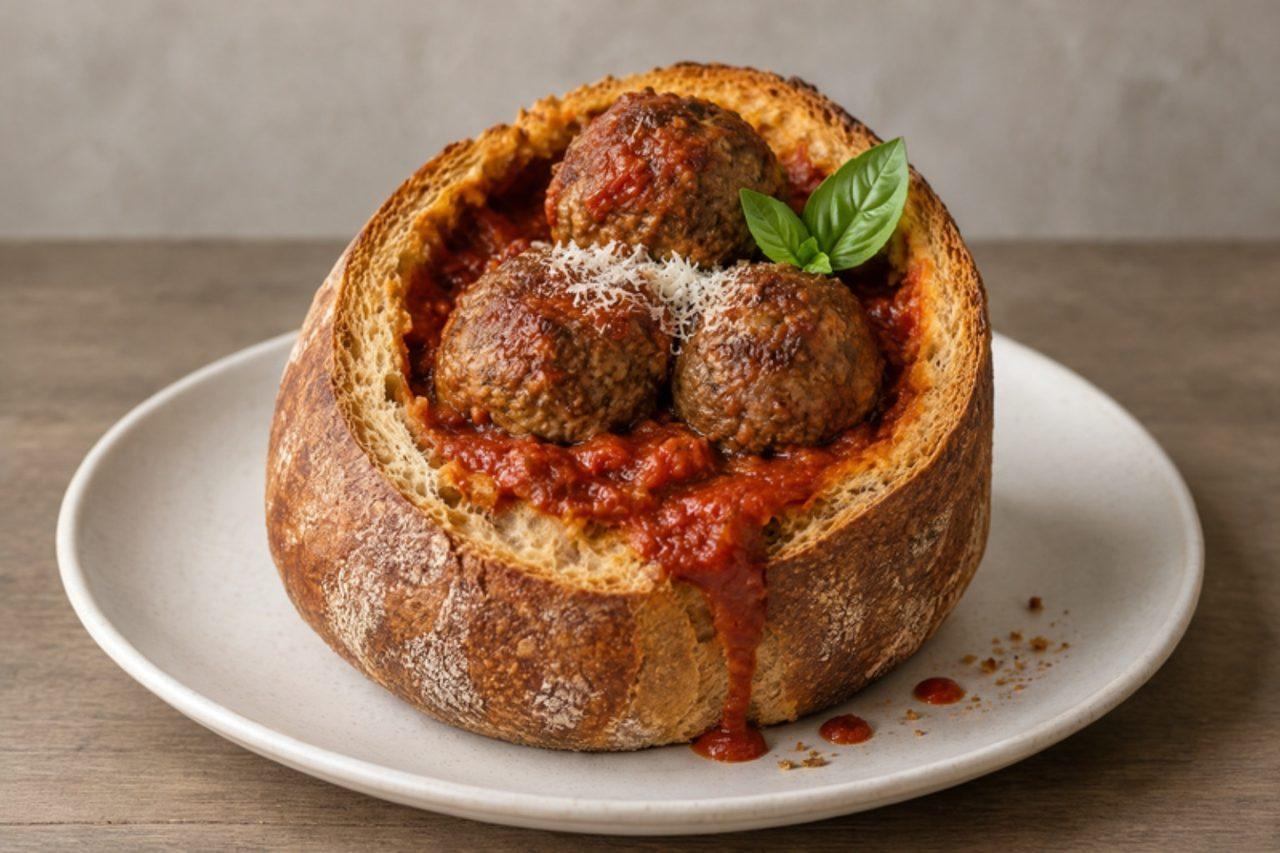
The cuzzetiello is the crusty end of a big Neapolitan loaf, hollowed out and stuffed with whatever is in the Sunday pot, most often the slow ragù and its meatballs. It began as a way for families in the Rione Sanità and Forcella to use up bread and sauce on Monday, and now small shops near Piazza Bellini sell it at lunchtime, wrapped in paper. The meatballs here are pork and beef, and the ragù traditionally takes a splash of red wine, which is boiled off; use extra stock or water with a teaspoon of red wine vinegar instead if you avoid alcohol. Chef's tip: let the sauce soak into the bread for a couple of minutes before biting; that soaked crumb is the point.

by KrazyBadal 0 views

Frijoles coladosStrained black beans

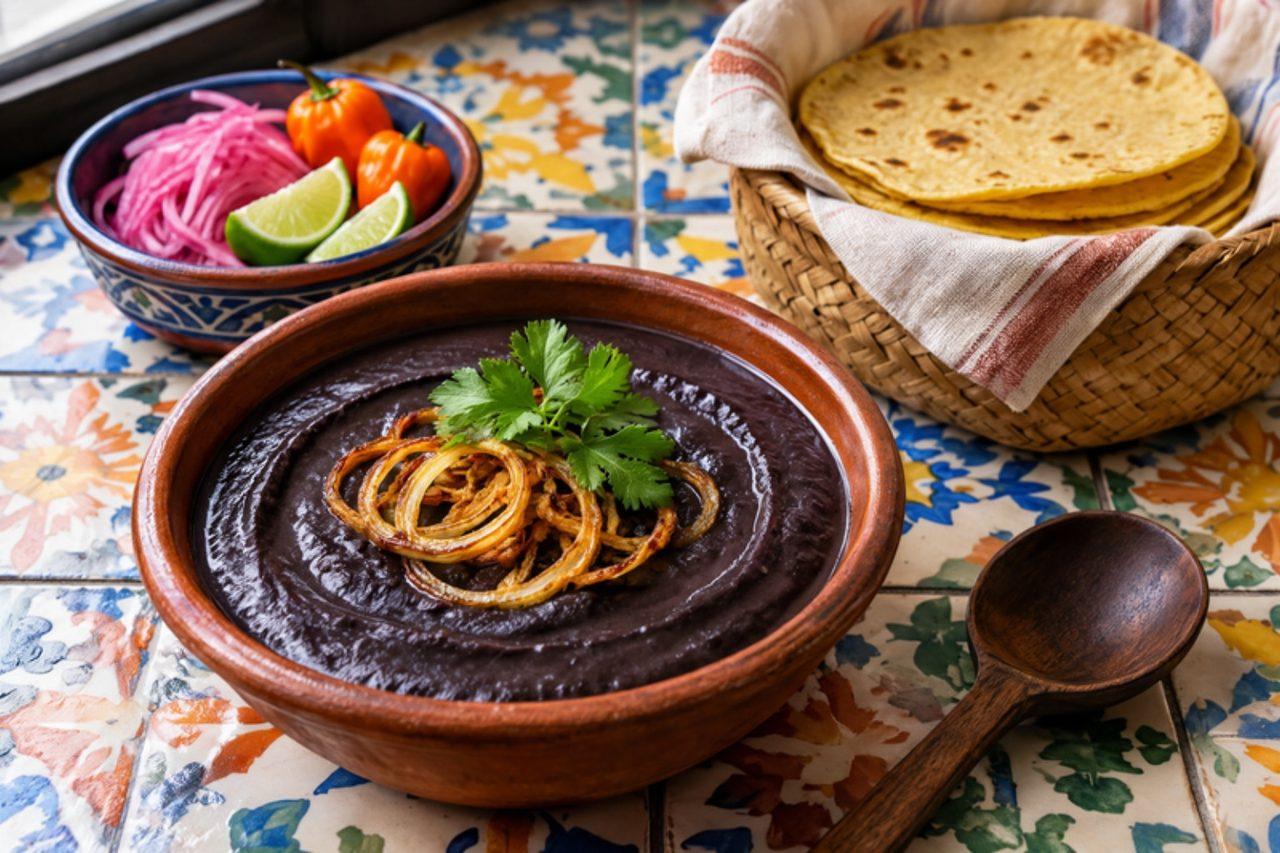
Every cocina económica and family kitchen in Mérida keeps a pot of frijoles colados for the midday meal, the smooth, almost soupy black beans that sit beside cochinita, poc chuc, eggs or simply rice and tortillas across the Yucatán. The beans are cooked soft with epazote, pushed through a sieve, then simmered with onion fried until sweet. Traditionally the onion is fried in pork lard; this version uses oil so it is vegan. The usual mistake is straining beans that are not fully cooked, which gives a gritty, floury purée, so cook them until they crush with no effort. Chef's tip: drop a whole habanero into the simmering purée for 5 minutes for perfume without much heat, then fish it out.

120 minMexicanSidesVeganGluten free
by KrazyBadal 0 views

Quinchoncho guisadoStewed pigeon peas with pumpkin

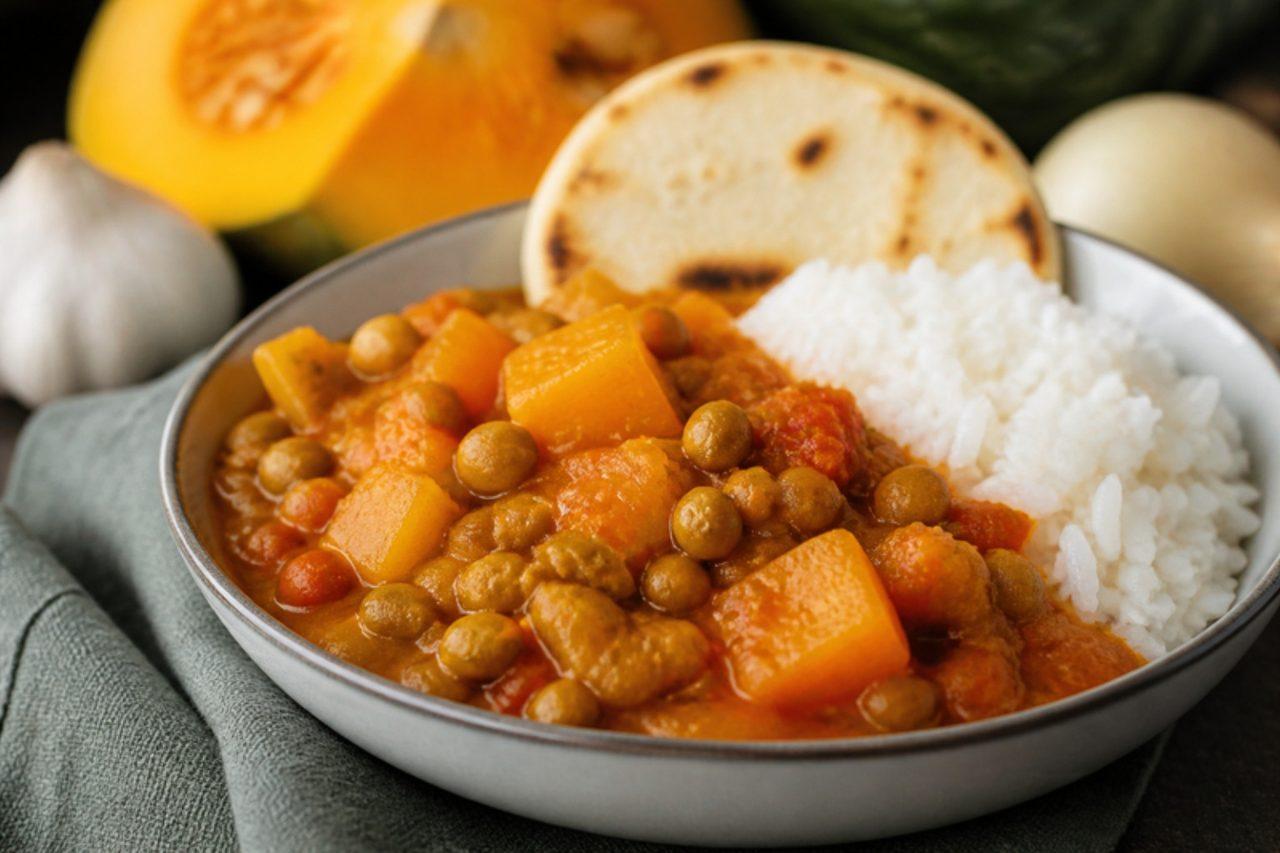
In Lara and across eastern Venezuela, quinchonchos (pigeon peas) are cooked during Holy Week and on ordinary weekdays alike, stewed with a sofrito of onion, sweet ají dulce and garlic and thickened with pumpkin that melts into the broth. It's eaten with white rice, arepas or a wedge of fried plantain, and many homes add pork; this version keeps it meat-free. The common mistake is adding the pumpkin too early so it disappears. Chef's tip: put the pumpkin in for the last 20 minutes, then mash a few pieces against the pot to thicken the stew.

by KrazyBadal 0 views

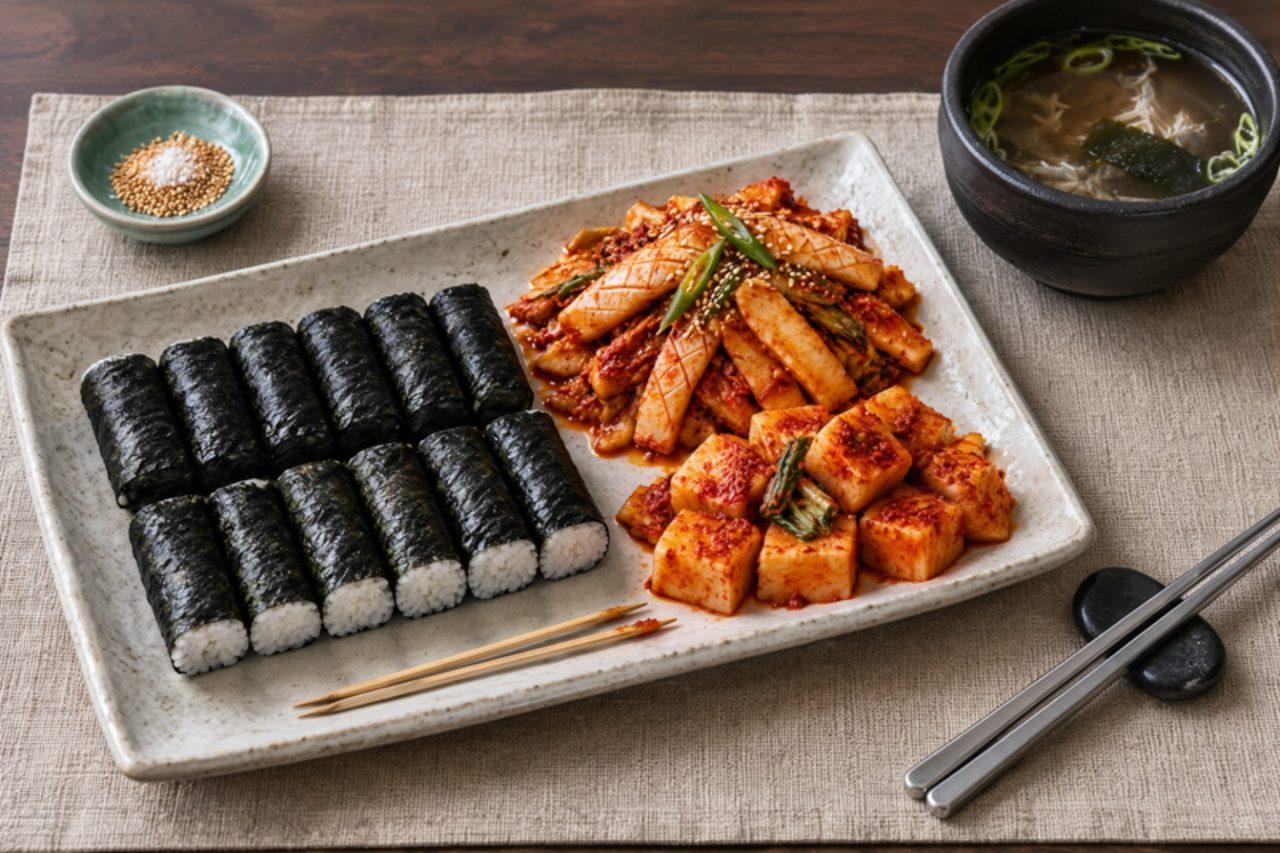
Chungmu gimbapRice rolls with spicy squid

In the harbour town of Tongyeong (once called Chungmu), fishermen's wives made plain rice rolls in laver with the spicy side dishes packed separately, because filled gimbap spoiled in the heat of the boats. Today Chungmu gimbap is a lunchbox and road-trip classic all over Korea: finger-sized rolls eaten with a toothpick, sweet-spicy squid and fish cake, and crunchy radish kimchi. The common mistake is overcooking the squid, which goes rubbery; blanch it just until it turns white and curls. Chef's tip: brush the gim lightly with sesame oil before rolling, which keeps it from going chewy.

by KrazyBadal 0 views

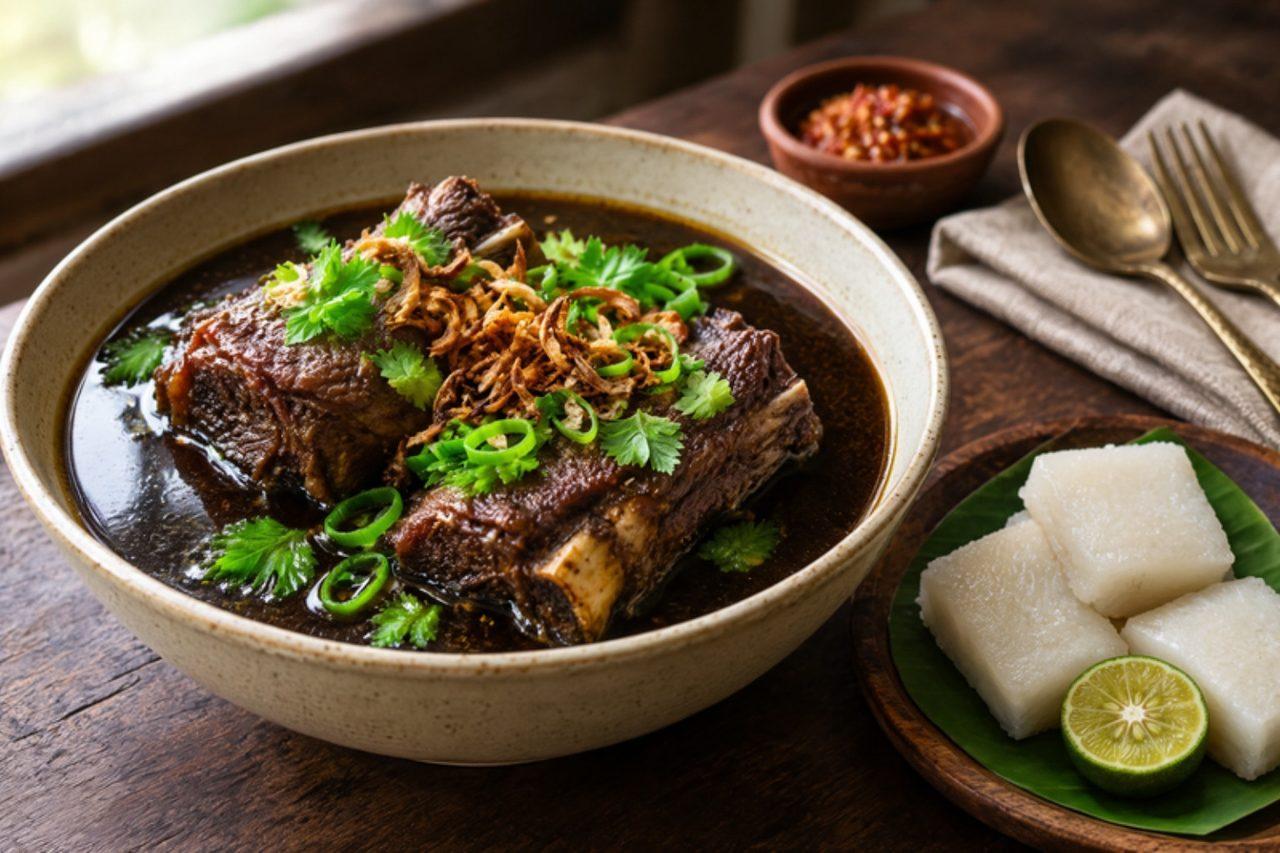
Sop konroBeef rib soup

Sop konro is the pride of Makassar in South Sulawesi, where warung near the harbour serve big bowls of beef ribs in an almost black broth from lunchtime into the night, often with burasa (rice cooked in coconut milk) or plain rice. The colour and earthy, chocolatey depth come from keluak (kluwek) nuts, simmered with a paste of shallots, garlic, ginger, galangal, toasted coriander seed and candlenut until the rib meat slides off the bone. The usual mistake is using raw keluak: the nuts are only safe after long fermentation, so buy them ready-prepared from an Indonesian shop, and discard any that smell sour or are dry inside. A pressure cooker gets the ribs tender in 50 minutes. Chef's tip: toast the coriander seeds until they crackle before grinding; they carry the whole soup.

by KrazyBadal 0 views

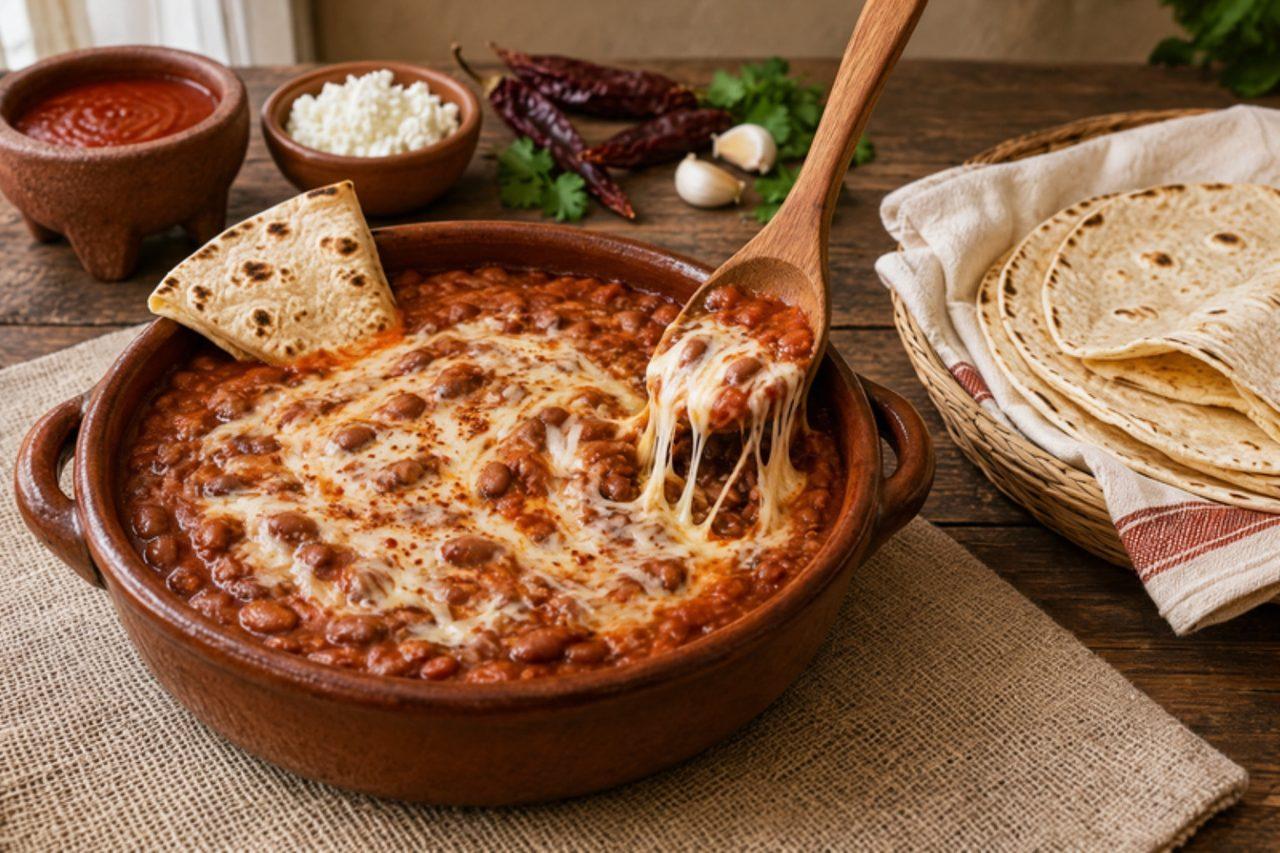
Frijoles maneadosPinto beans with chile and cheese

Frijoles maneados are the rich party beans of Sonora in northern Mexico, cooked for carne asada gatherings, weddings and Sunday lunch, and spooned onto flour tortillas. Soft pinto beans are mashed and beaten (maneados means stirred or worked) with dried red chile colorado, milk and so much melting cheese that the pot pulls into strings. Serve them with flour tortillas, grilled vegetables and a sharp salsa. The usual mistake is adding the cheese while the pot is boiling hard, which makes it go rubbery and oily; take the heat right down first. Chef's tip: Sonoran queso regional or Chihuahua cheese is often made with animal rennet, so for a vegetarian pot choose a vegetarian Monterey Jack-style or mild Cheddar cheese labelled suitable for vegetarians.

by KrazyBadal 0 views

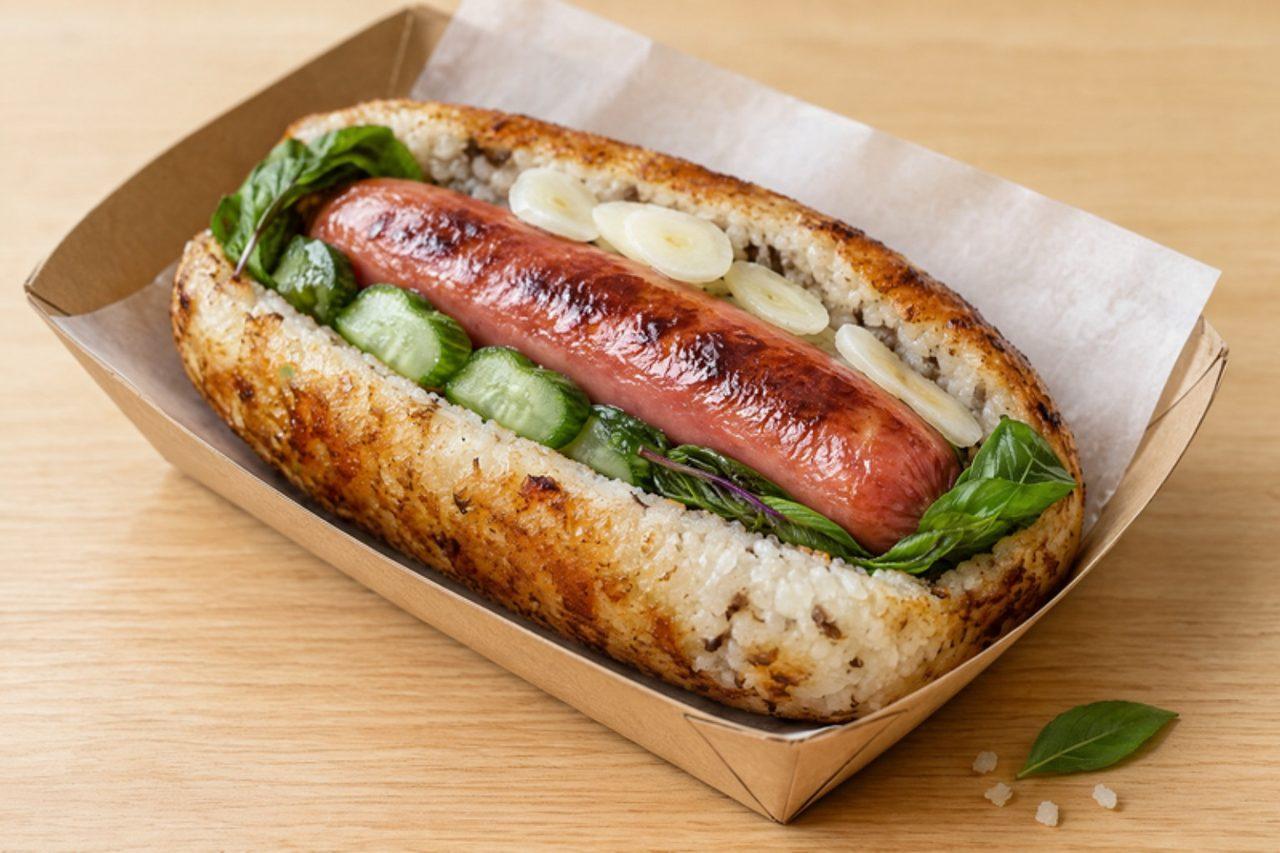
Da chang bao xiao changSausage in a sticky rice bun

'Big sausage wraps small sausage' is one of the most photographed snacks at Shilin and Raohe night markets in Taipei. A plump, garlicky glutinous-rice sausage is grilled until crisp, split like a hot-dog bun and stuffed with a sweet Taiwanese pork sausage, pickled cucumber, sliced raw garlic, basil and a smear of sauce. This home version shapes the sticky rice in cling film instead of casing, so you do not need intestines. The Taiwanese sausage is pork and must be cooked through. Contains soy and peanuts. Chef's tip: chill the steamed rice log overnight; it slices and grills cleanly and holds its crust.

by KrazyBadal 0 views

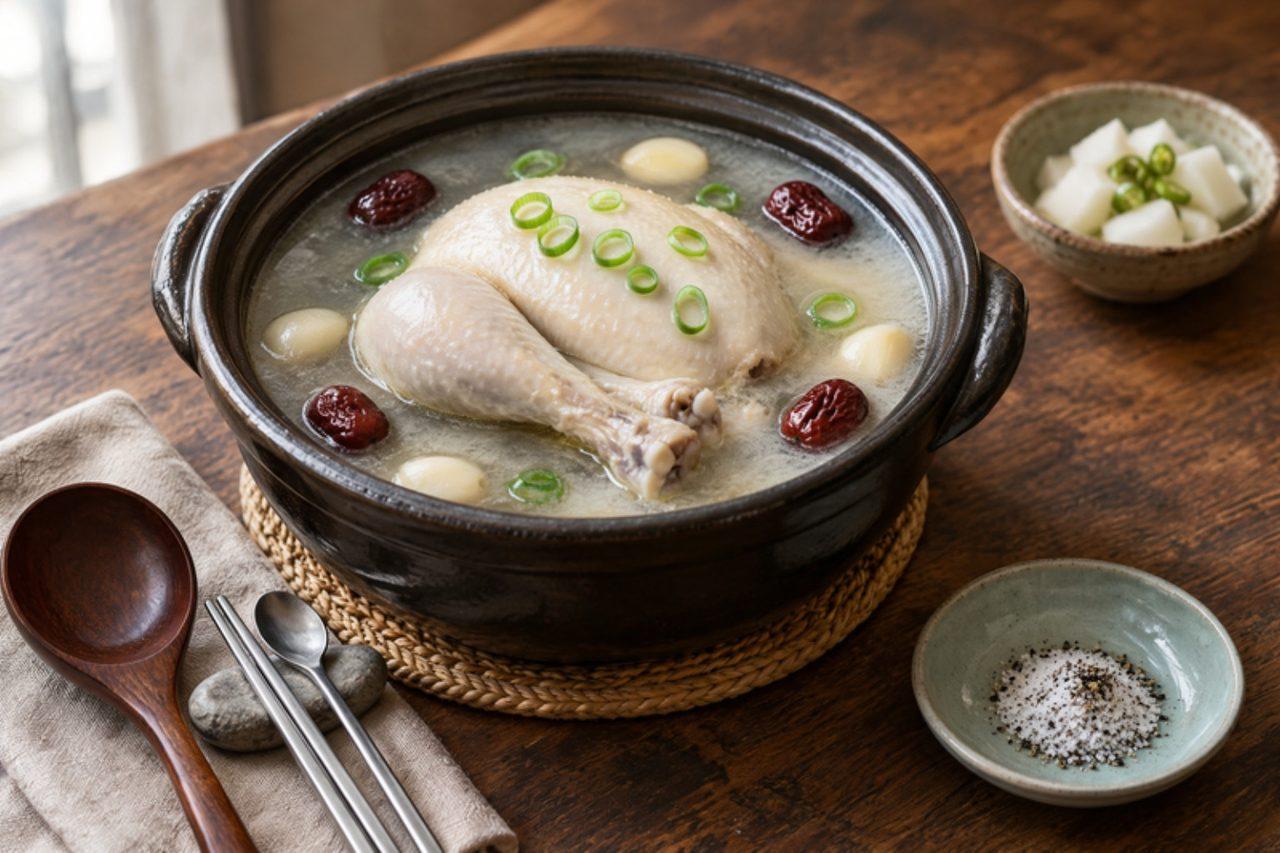
DakbaeksukPoached whole chicken

Dakbaeksuk is a whole chicken simmered plain in a big pot, a dish Koreans eat on the boknal 'dog days' of midsummer and at valley restaurants in the mountains, where families sit on platforms by the stream. Unlike samgyetang it is not stuffed; the bird simmers with a fistful of garlic, a few jujubes and dried roots such as astragalus until it falls apart, and you eat the meat with salt and pepper and drink the milky broth. Suitable as part of a balanced diet: high in protein, with no flour or added sugar. About 420 kcal and 8 g carbohydrate per portion; restaurants finish with rice porridge in the broth, so keep that portion small or use brown rice. The usual mistake is boiling it fiercely, which makes the meat stringy; it should simmer gently. Chef's tip: skim the fat off the broth before serving; it tastes cleaner and lighter.

by KrazyBadal 0 views

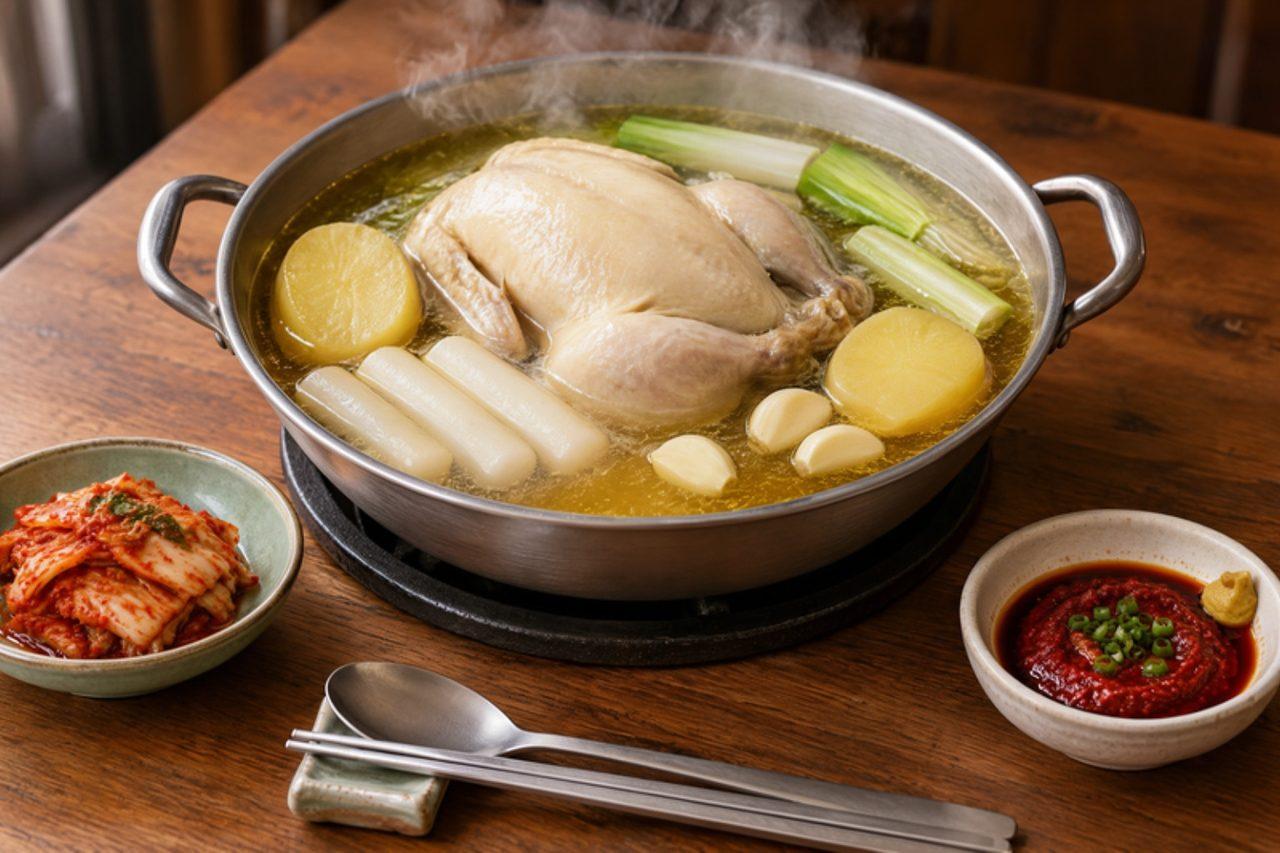
Dak hanmariWhole chicken hot pot

Dak hanmari, literally 'one chicken', comes from the alley of restaurants beside Dongdaemun market in Seoul, where a whole chicken arrives in a basin of pale broth and finishes cooking on a burner at the table. Potatoes and chewy rice cakes simmer alongside, and each piece is dunked in a sharp dipping sauce of chilli, soy, vinegar and mustard that you mix to your own taste. When the chicken is gone, knife-cut noodles go into the broth. The usual mistake is rushing the first simmer: the broth needs its full time with garlic and leek to taste of chicken. Chef's tip: let everyone build their own dip, adding a spoon of hot broth so the chilli flakes bloom.

by KrazyBadal 0 views

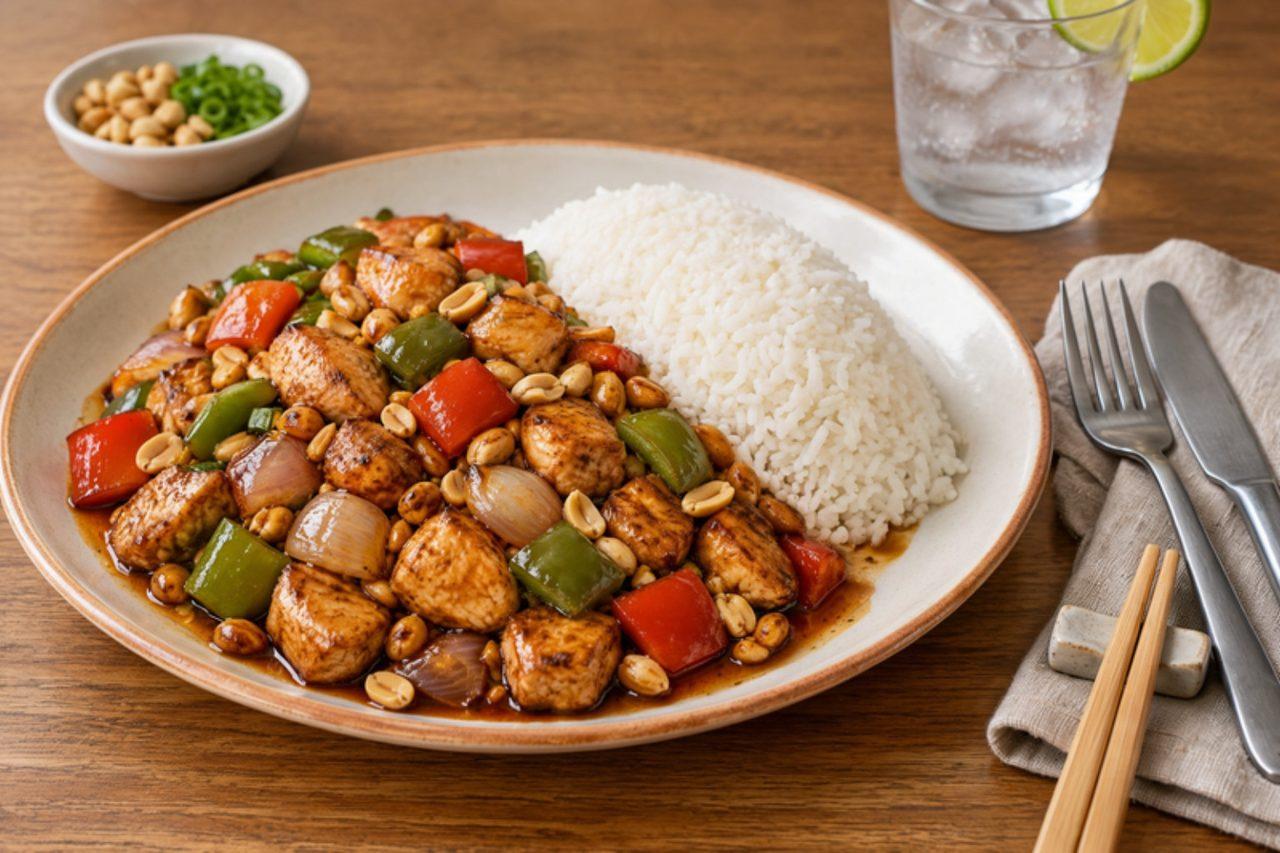
Frango xadrezChicken and pepper stir-fry

Frango xadrez, "chessboard chicken", was born in São Paulo's Chinese-Brazilian restaurants and named for its neat squares of chicken, pepper and onion. It is now a staple of lunch counters, delivery menus and the home-packed marmita, eaten over white rice. The common mistake is overcrowding the pan, so the chicken stews grey instead of searing; cook it in two batches. Chef's tip: toss the chicken with soy sauce and cornflour 15 minutes ahead; the coating keeps it juicy and thickens the sauce.

by KrazyBadal 0 views

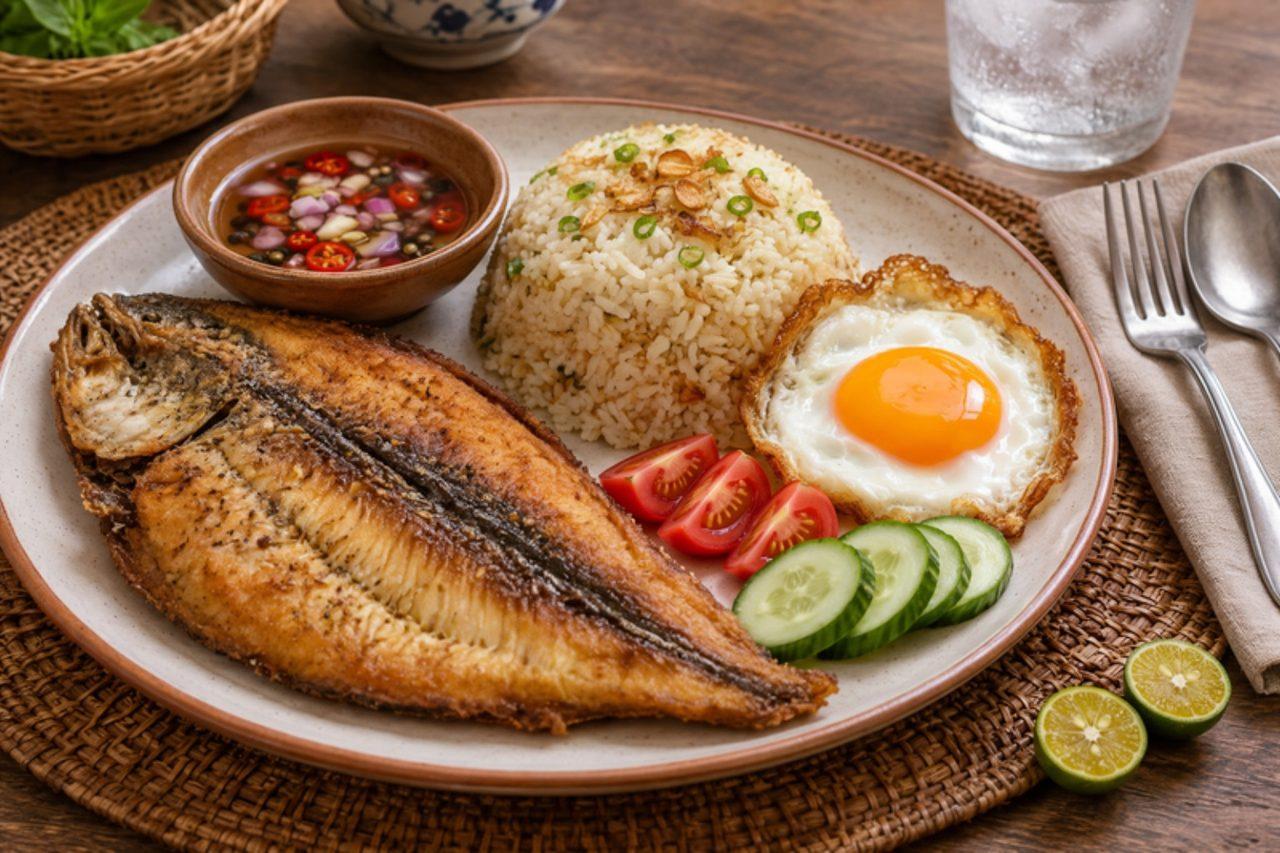
Daing na bangusMarinated fried milkfish

Bangus (milkfish) is the national fish of the Philippines, and daing na bangus, butterflied and soaked overnight in vinegar, garlic and pepper, then fried until the skin shatters, is a favourite morning plate from Pangasinan to Manila. It comes with garlic rice, a fried egg and a dip of spiced vinegar. Buy it boneless (deboned bangus) from Filipino shops, or use mackerel fillets. The usual mistake is putting the wet fish straight into the oil, which spits and stops it crisping. Chef's tip: pat the fish completely dry and fry skin side down first, pressing gently, without moving it for five minutes.

by KrazyBadal 0 views

Bol renverséUpside-down rice bowl

Order a bol renversé in a Port Louis canteen or a Grand Baie food court and it arrives as a neat dome of rice with a fried egg perched on top; break into it and a glossy stir-fry of chicken, prawns, mushrooms and Chinese leaves spills out. The trick is building it backwards in a bowl, egg first, then the stir-fry, then rice packed down, before flipping it onto a plate. The sauce should be thick enough to coat the vegetables but loose enough to soak into the rice. People often make the sauce too thin and the dome slides apart in a flood, so simmer it until it glazes the back of a spoon. Chef's tip: fry the eggs only until the whites are set and the edges are crisp, and lay them yolk-side down in the bowl so the yolk faces up and stays runny when you turn it out.

by KrazyBadal 0 views

Arepa di pampunaCinnamon pumpkin pancakes

Curaçao and Aruba use the word arepa differently from their South American neighbours: arepa di pampuna are not corn arepas but small, sweet pumpkin pancakes, fried in a little oil and eaten warm for breakfast, or alongside a bowl of soup or stoba at lunch. The mashed pumpkin makes them tender and bright orange, with cinnamon and a little sugar. The mistake is too much flour, which makes them dense; the batter should be thick but soft. Chef's tip: cook the pumpkin the day before and drain it overnight in the fridge for the lightest pancakes.

by KrazyBadal 0 views

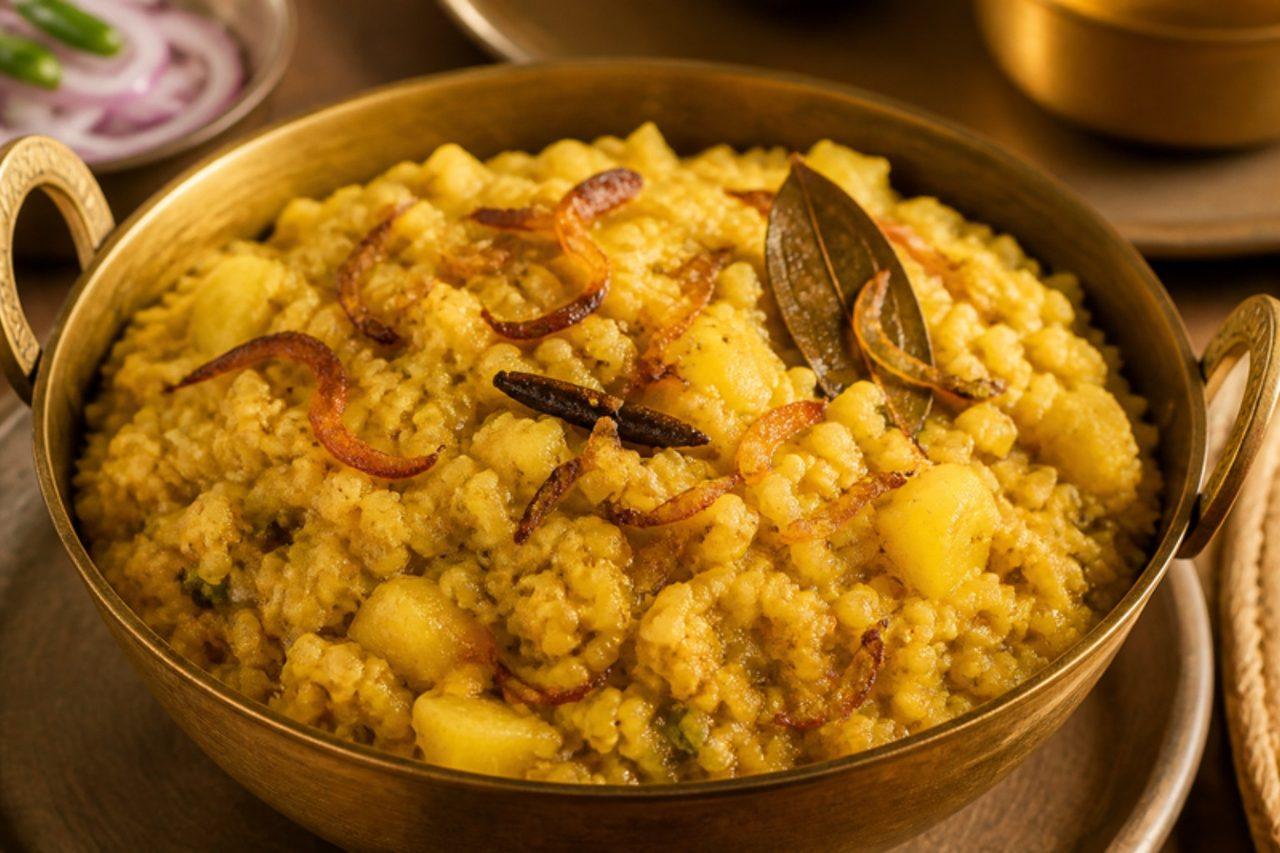
Muri ghonto

For a Bengali family, the head of a big rohu is the part saved for the guest of honour or the new son-in-law at Jamai Shashthi, and the finest thing to do with it is muri ghonto. The head is fried in mustard oil, broken into pieces and cooked with a handful of fragrant short-grain rice, diced potato and warm spices until it becomes a thick, almost dry mash, finished with ghee and garam masala. In Dhaka homes it is eaten in the middle of a meal, after the shak and dal and before the main fish curry, with plain rice. Many cooks leave the head in big lumps, but it should be broken up after frying so the rich flavour from the head spreads through the rice. Chef's tip: buy the head from a large fish of at least 2 kg and ask the fishmonger to remove the gills and split it for you.

by KrazyBadal 0 views

Arepa dominicanaSweet cornmeal coconut cake

Not the stuffed corn patty of Venezuela: in the Dominican Republic arepa means a dense, sweet cornmeal cake that grandmothers once baked in a covered pot with hot coals on the lid. The cornmeal is first cooked with coconut milk, milk, butter, sugar and cinnamon into a thick porridge, then baked until it sets with a dark, caramelised crust and a soft, pudding-like centre. It is eaten at merienda with coffee or a glass of cold milk. The common mistake is not cooking the cornmeal long enough on the hob, which leaves the cake gritty. Chef's tip: let the arepa cool completely before slicing; warm, it is too soft to cut cleanly.

by KrazyBadal 0 views

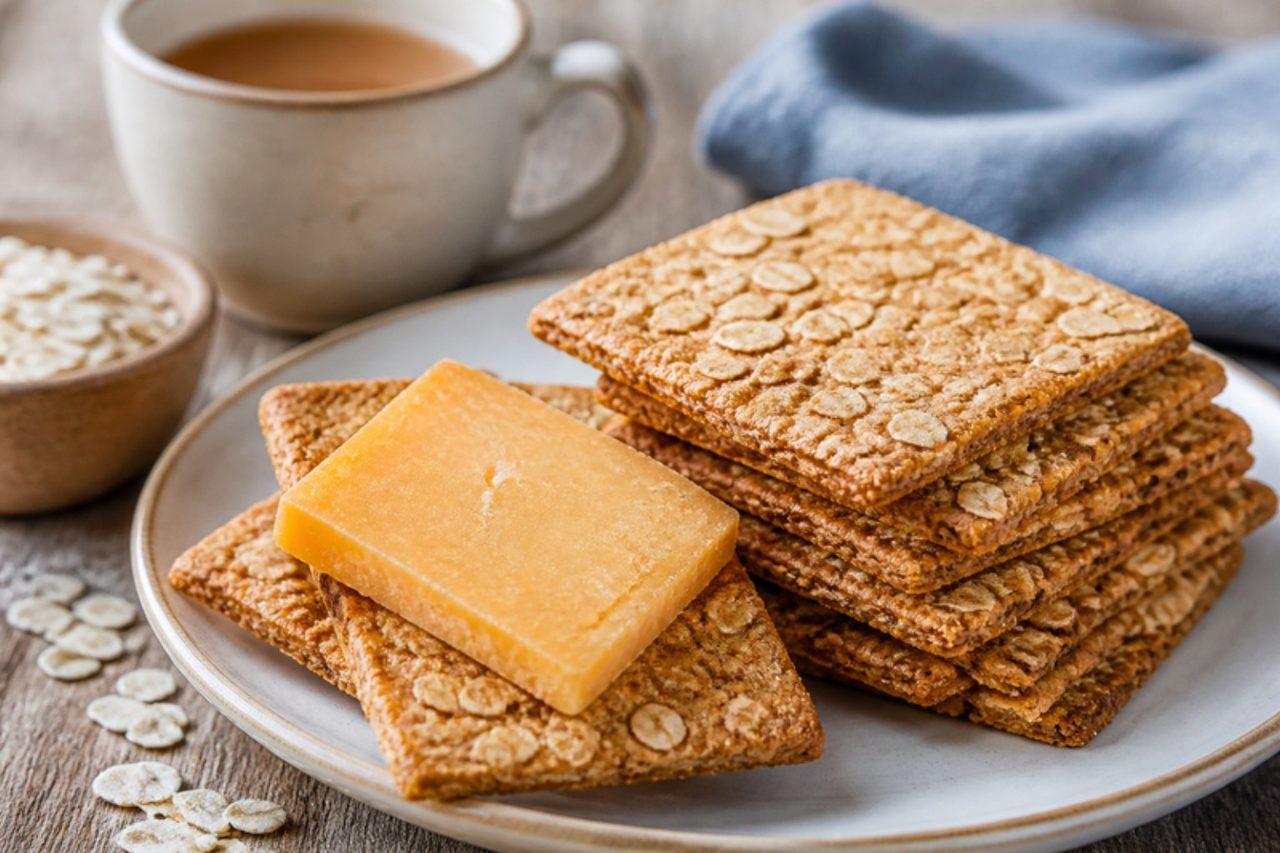
Nova Scotia oatcakes

Nova Scotia oatcakes are nothing like the plain Scottish kind: Cape Breton bakers, with their Highland roots, made them sweeter and richer, with butter and brown sugar, so they crunch like a cross between a biscuit and shortbread. They are sold at every coffee shop in Antigonish and Baddeck and eaten with tea, or with a slice of sharp cheddar. A common mistake is rolling them thick; 5 mm gives the proper snap. Chef's tip: chill the rolled dough before cutting so the squares stay sharp.

by KrazyBadal 0 views

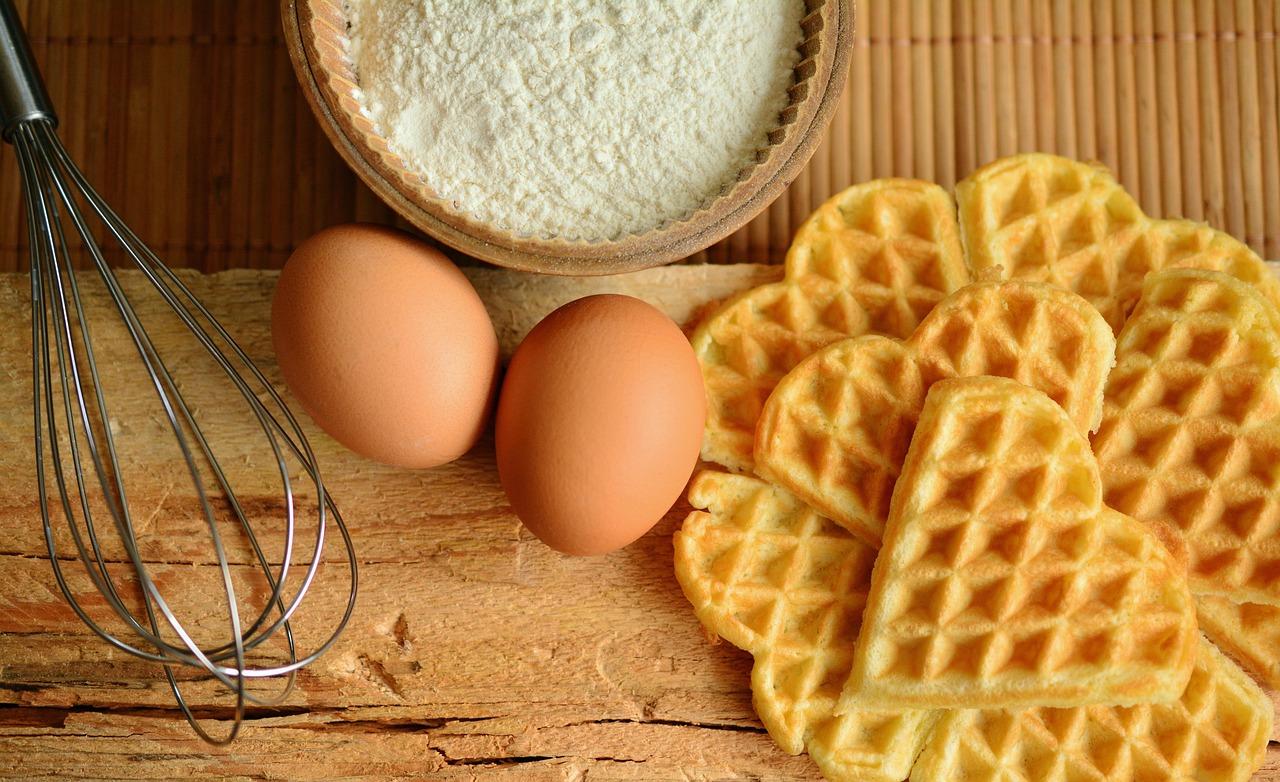
Norwegian heart waffles

In Norway, waffles are not a breakfast but an everyday treat: thin, soft heart-shaped vafler made with sour cream and cardamom, sold at school fairs and football matches and made at home on Sunday afternoons, eaten folded with strawberry jam and sour cream or brown cheese. Their texture is soft rather than crisp. A common mistake is opening the iron too early, which tears them. Chef's tip: let the batter rest for 30 minutes and brush the iron with butter before each waffle; they lift out whole and golden.

by KrazyBadal 0 views

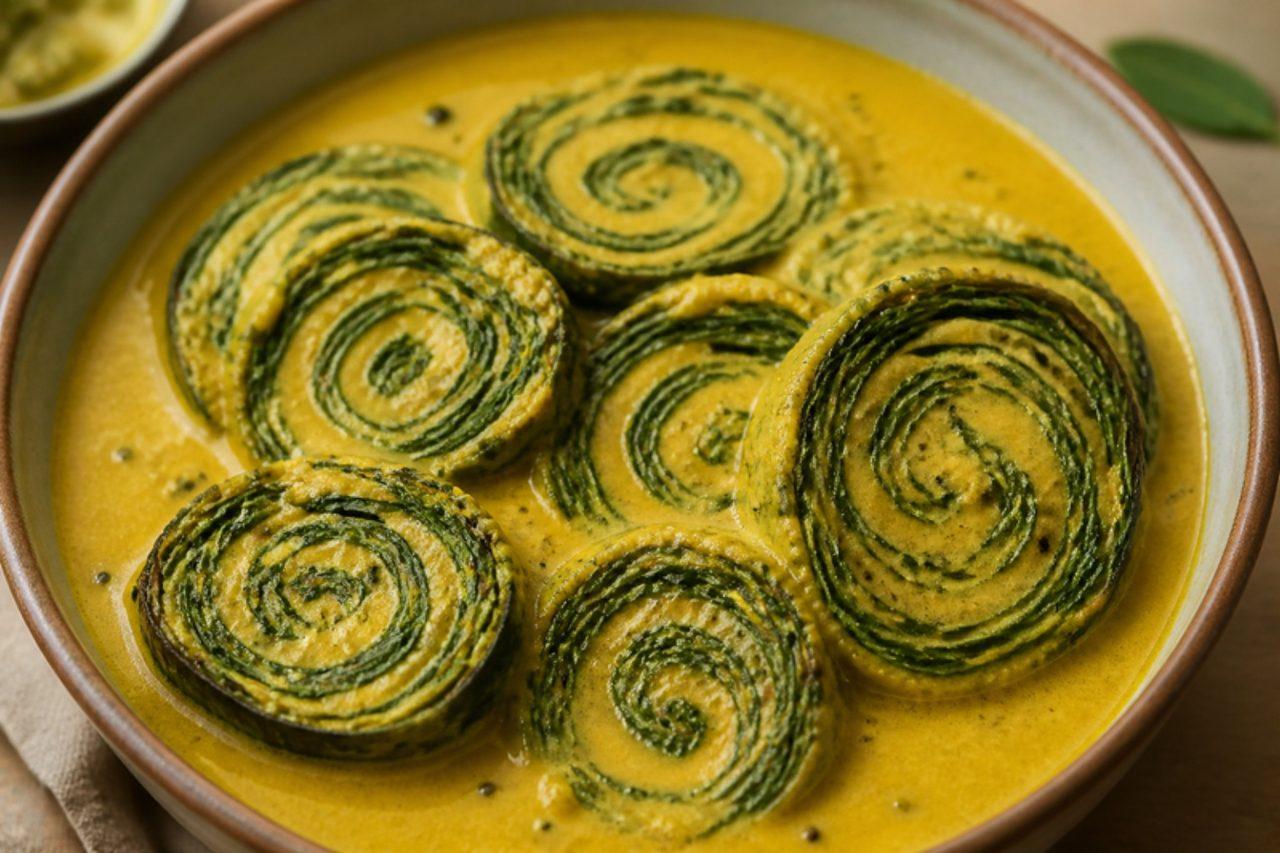
ArikanchanTaro leaf rolls in mustard gravy

Arikanchan is a monsoon speciality of Maithil kitchens in Janakpur and the eastern Terai, cooked when the taro plants in the courtyard put out huge, tender leaves. A spiced chickpea-flour paste is spread over the leaves, which are rolled up tight like a Swiss roll and steamed, then the rolls are sliced into spirals, fried and simmered in a punchy gravy of ground mustard seed, garlic, chilli and tomato cooked in mustard oil. The result is soft and layered, with a gentle sourness and the nose-tingling heat of fresh mustard, eaten with rice and a dal. The biggest risk is undercooking the taro leaves, which can leave an itchy, scratchy feeling in the throat. Chef's tip: use only young leaves, strip the thick ribs, and always include the tamarind in the paste, because the sourness neutralises the irritant in the leaves.

by KrazyBadal 0 views

Bangladeshi dal puriLentil-filled puri

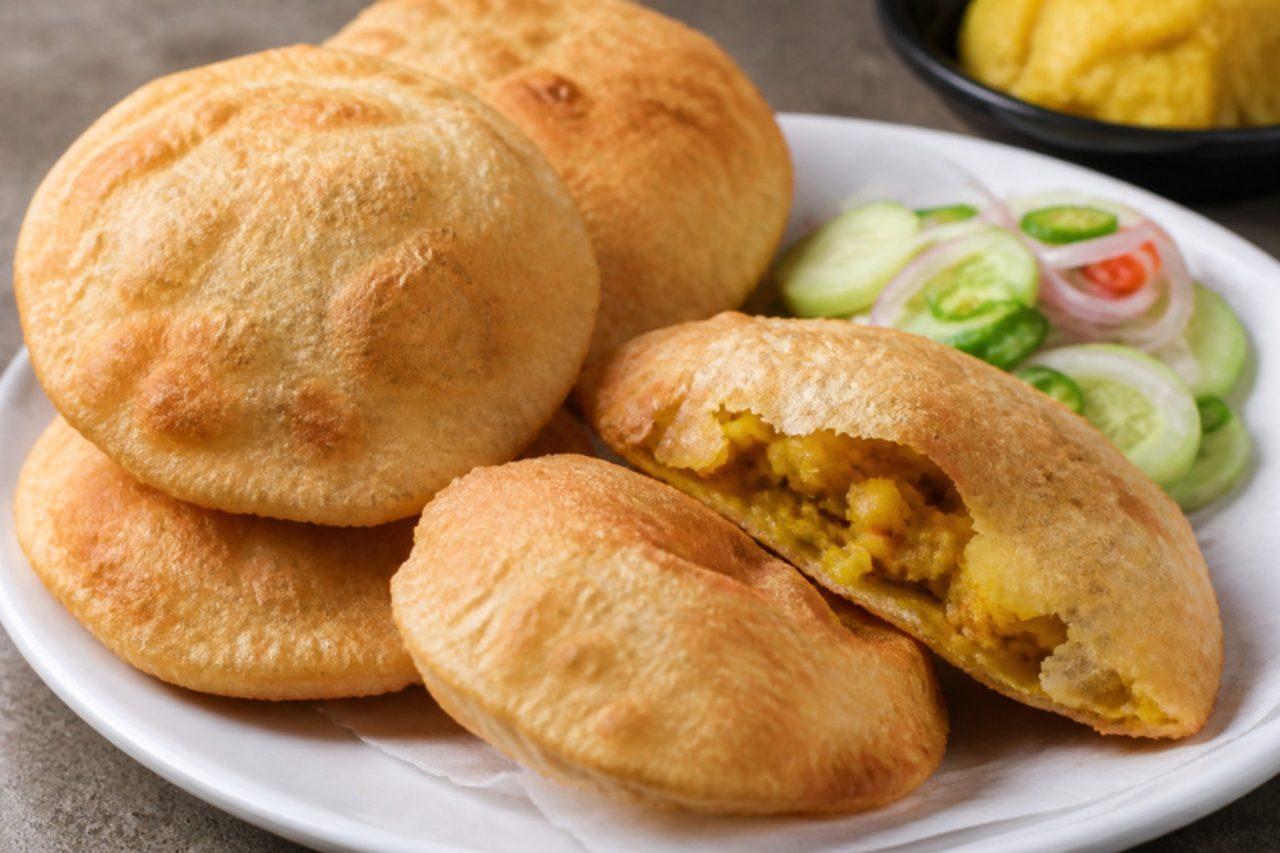
Wherever there is a tea stall in Dhaka, from the Nilkhet book market to the gates of the university, there is a wok of oil and a man rolling dal puri at speed, three or four at a time. These are thin and flat, not puffed, with a seam of dry, cumin-scented red lentil filling that you can see through the blistered skin; they are eaten straight from the wok with a cup of sweet tea, a spoon of tamarind chutney or just a pinch of raw onion and green chilli. Students treat them as lunch and office workers as an afternoon snack. Where people usually go wrong is a filling that is too wet, which bursts through the dough and spits in the oil. Chef's tip: cook the lentils just until they crush, then dry the mash in the pan with the onions until it holds together like crumbly dough.

by KrazyBadal 0 views

Pumpkin millet porridge

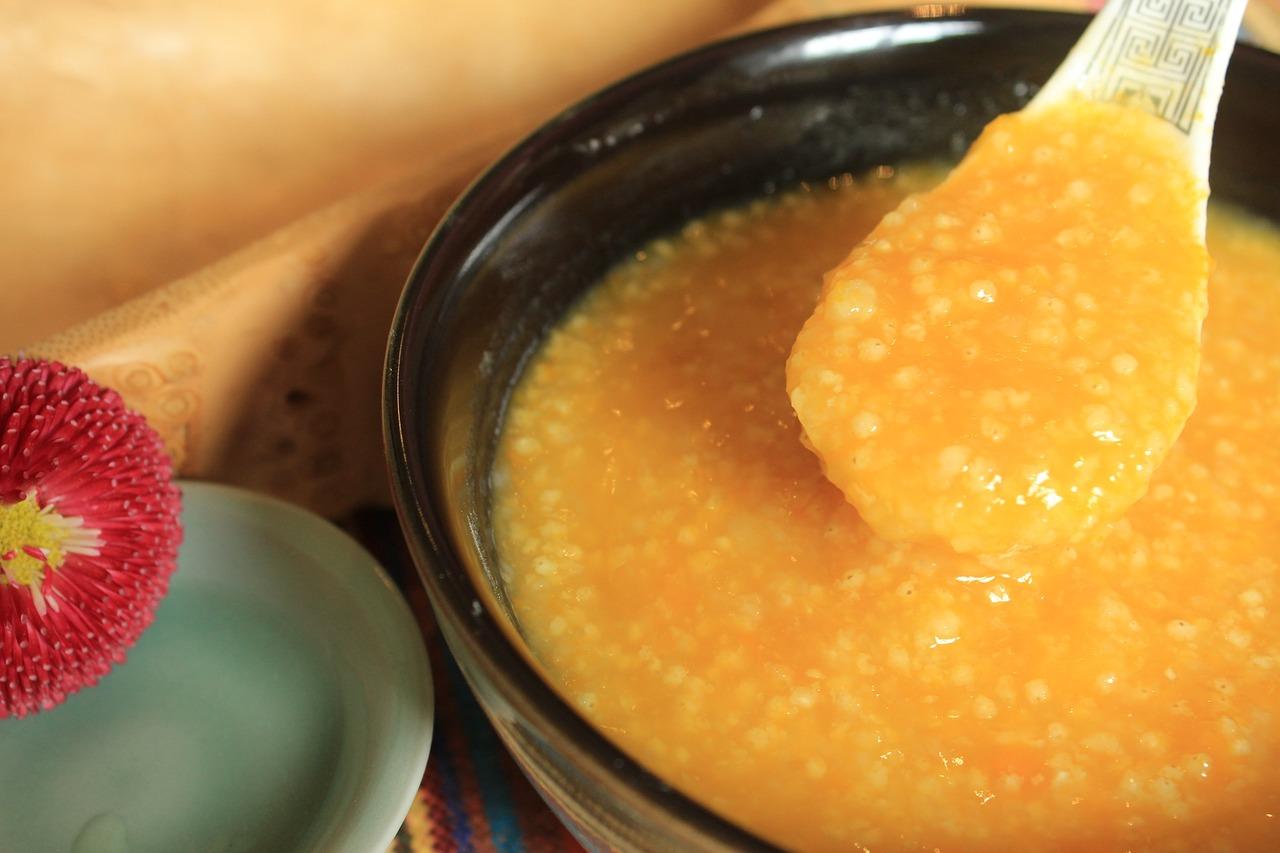
Autumn in central Ukraine means piles of grey-skinned pumpkins in every yard, and the first thing many grandmothers make with them is this golden breakfast porridge. Diced pumpkin is simmered until it collapses, then millet and milk are added and the pot is left to cook down into something thick, creamy and faintly sweet, finished with butter and a spoon of honey. In villages around Cherkasy and Vinnytsia it was once baked for hours in the clay stove; a heavy pan on a low heat gives a very similar result. Serve it hot in deep bowls, with extra honey and a few raisins for children. The usual slip is skipping the rinse: millet carries a bitter dust, and only washing it in several changes of hot water takes it away. Chef's tip: choose a dense, deep-orange pumpkin such as butternut or a Ukrainian 'muscat' type; watery Halloween pumpkins make a thin, pale kasha.

by KrazyBadal 0 views

FijuelasHoney-soaked fried dough spirals

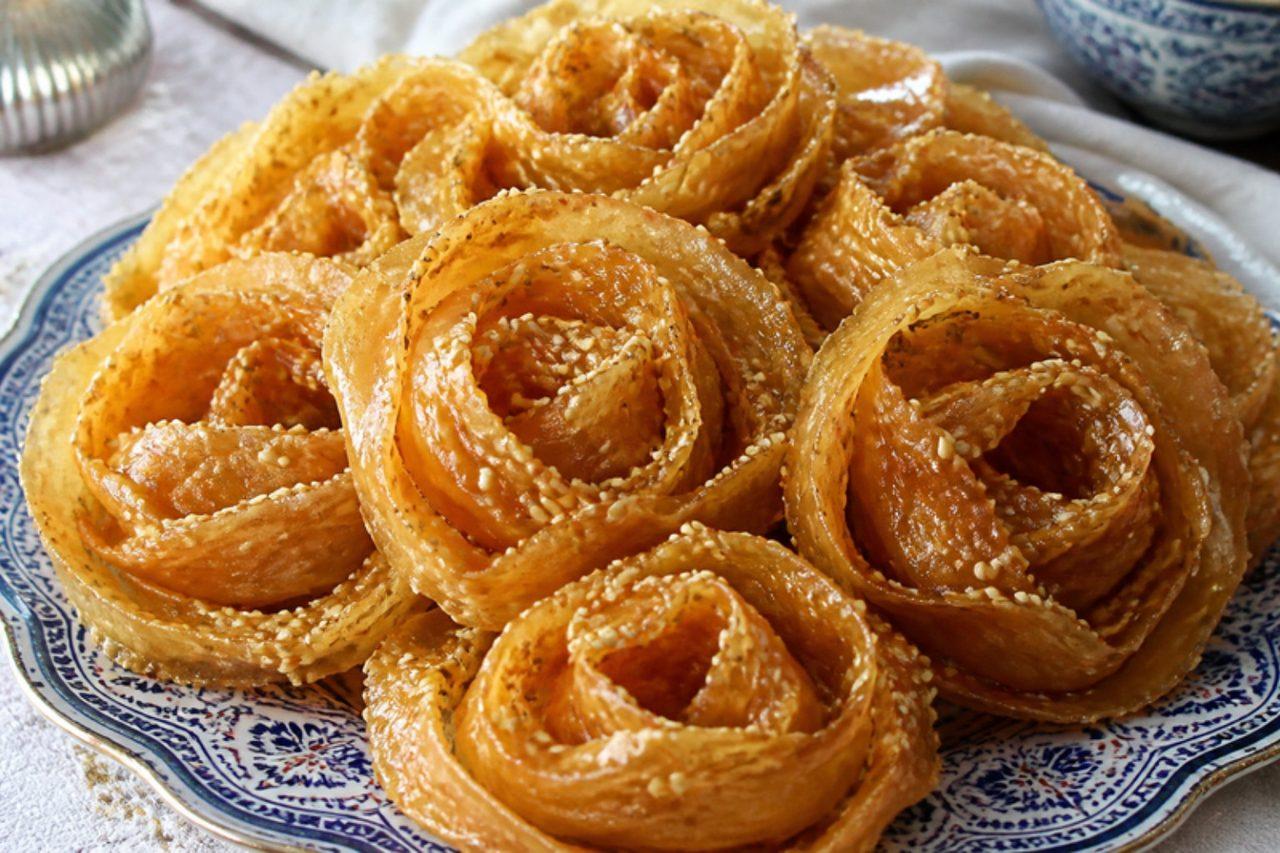
Fijuelas are the Hanukkah sweet of Moroccan Jews, also made for weddings and bar mitzvahs, and grandmothers in Netanya and Ashkelon still roll them by the hundred on a fork. Paper-thin strips of egg dough are wound into spirals as they hit the hot oil, puffing into crisp, lacy roses, then dipped in warm honey syrup with orange blossom. They should shatter when bitten and taste of honey rather than grease. The mistake that ruins them is rolling the dough too thick, which makes them chewy and oily; you should almost see the counter through it. Chef's tip: keep the syrup warm and the fried spirals cool, so they absorb a thin glaze and stay crisp for days.

by KrazyBadal 0 views

Afghan green chutney

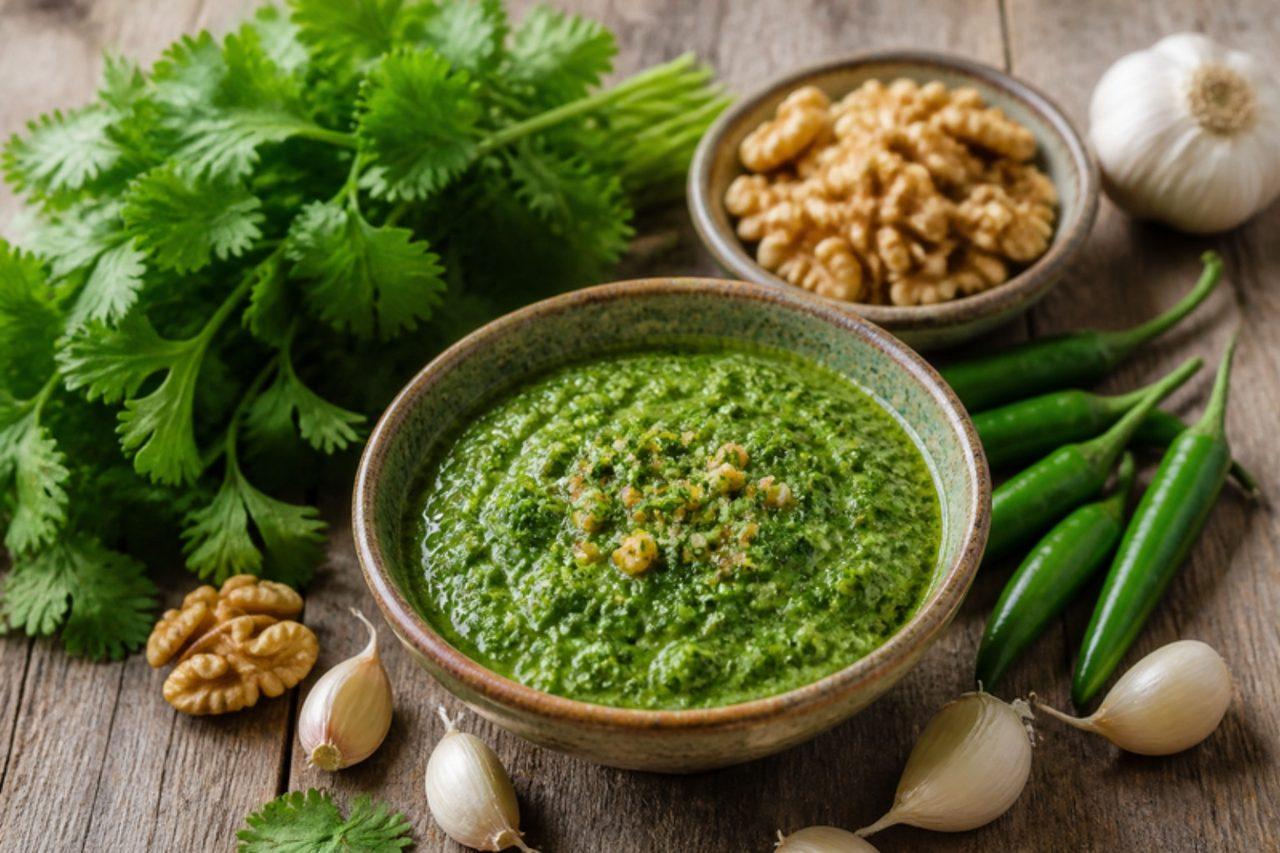
No Afghan table of kebab or palaw feels complete without a little bowl of green chutni, the sharp, fiery relish spooned beside the rice, onto bolani and over grilled meat from Kabul to Kandahar. Unlike many South Asian green chutneys, the Afghan one leans on vinegar rather than lime and is thickened with walnuts, so it is slightly creamy, bright green and properly hot, with a pungent hit of raw garlic. Households make a jar at a time and keep it in the fridge through the week. People often blitz it into a thin juice; pulse it instead so you can still see flecks of leaf and nut. Chef's tip: keep the coriander stalks in, as they have more flavour than the leaves and help the chutney stay green for days.

by KrazyBadal 0 views

Kata-kat

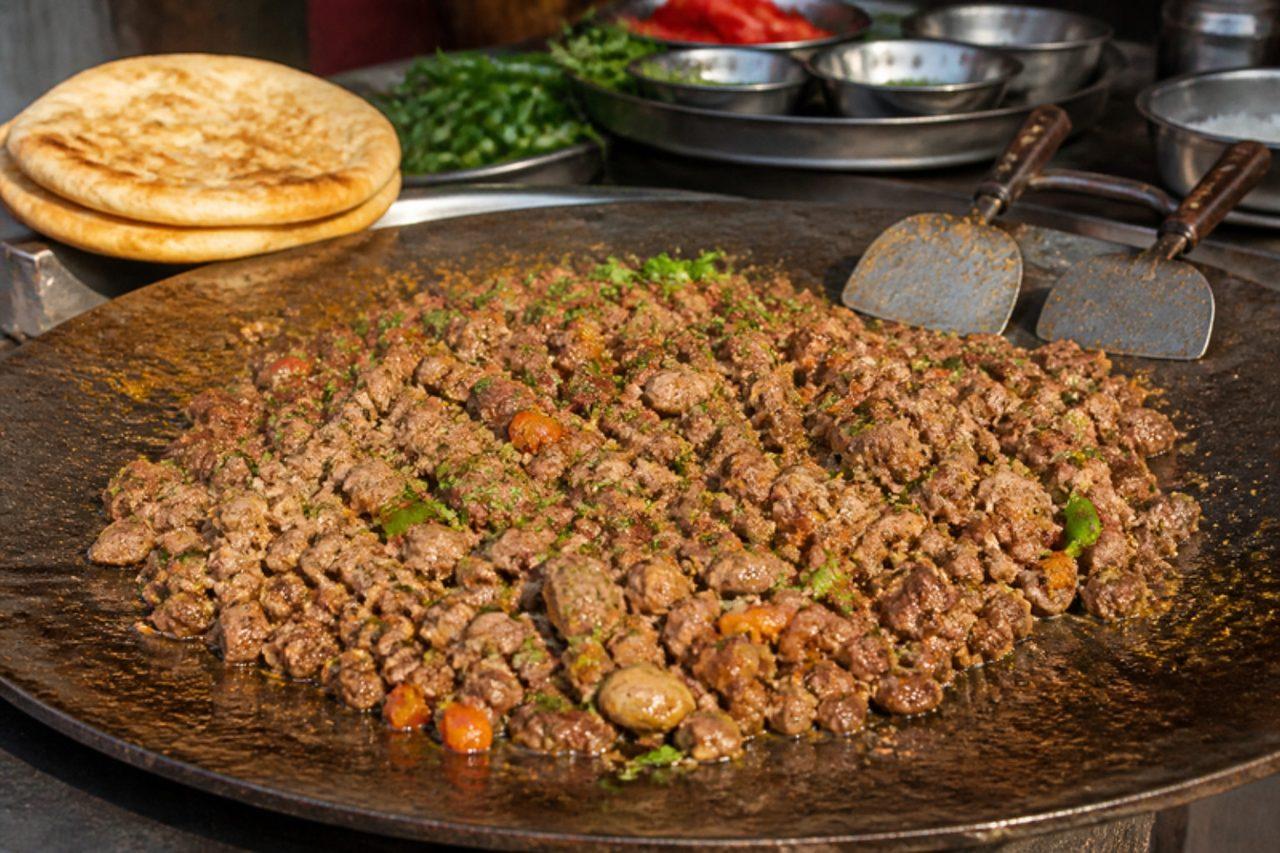
You hear kata-kat before you see it: on Karachi's Burns Road and around Lahore's Gawalmandi, the cook stands over a tawa a metre wide, chopping kidneys, hearts and meat with two heavy steel blades in a clattering rhythm that gives the dish its name. Butter, tomatoes, green chillies and spice go in by the handful, and the mix is cooked down until rich and sticky, then scooped up with naan late at night. Traditional versions include brains, cooked in at the end; here they are optional. The danger is undercooking the offal while the meat is still chewy, so start the meat first and add kidney and heart later, cooking until there is no pink at all. Chef's tip: soak the kidneys in salted water for 20 minutes after removing the white core, which takes away any strong smell.

by KrazyBadal 0 views

Bajan coconut turnovers

Glass cases in Bridgetown bakeries hold rows of turnovers, soft golden half-moons of sweet yeasted dough with a sticky filling of grated coconut, brown sugar, almond essence and spice peeking out at the edges, often tinted red. Bajans eat them mid-morning with a mug of cocoa or a cold sweet drink. The mistake is overfilling, which bursts the seams in the oven; leave a clear border to seal. Chef's tip: cook the coconut filling until almost dry and cool it fully before using, as warm wet filling makes the dough soggy.

by KrazyBadal 0 views

SalufPuffy flatbread

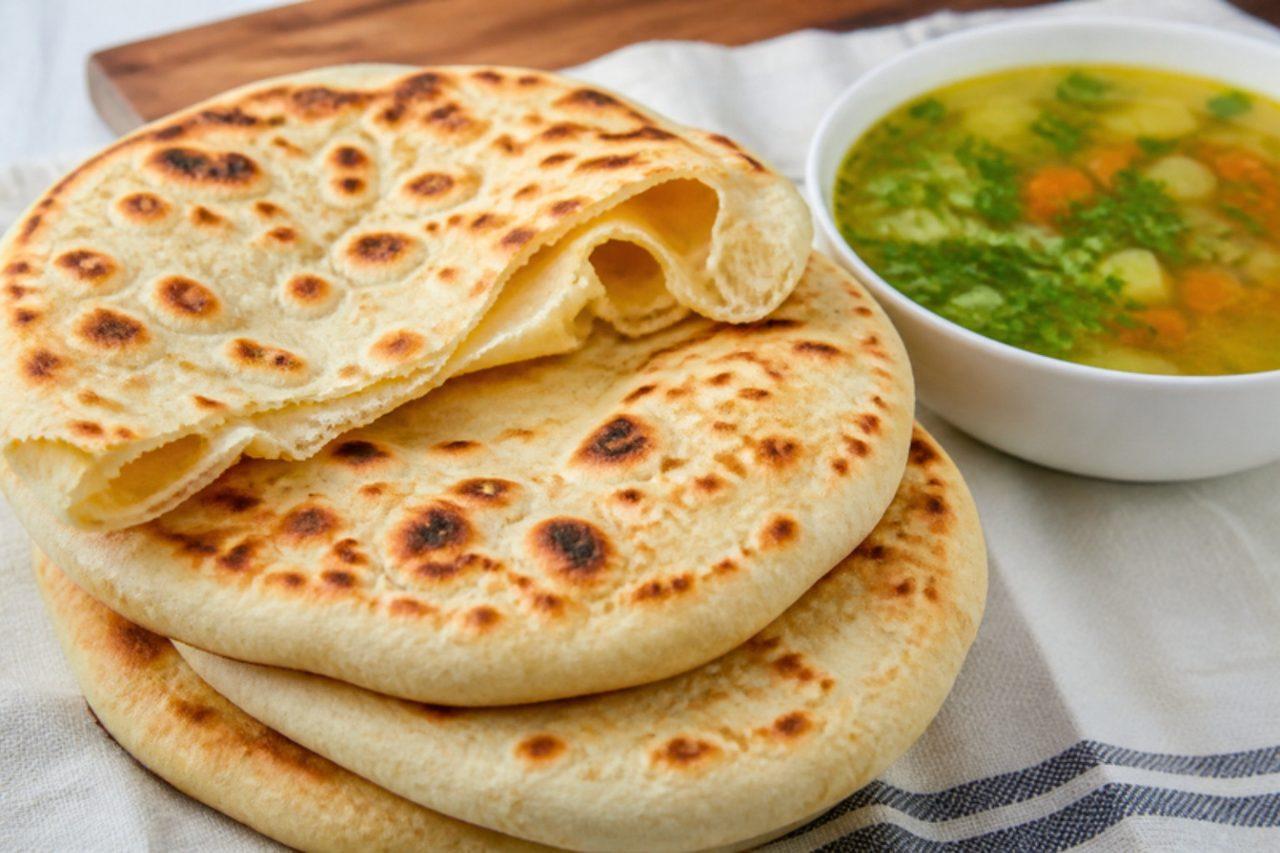
Saluf is the everyday bread of Yemenite Israelis, slapped onto a hot pan or taboon in Rosh HaAyin and Sha'arayim in Rehovot and eaten with marak temani, hilbe and zhug. It is soft and blistered, thicker than pita and with no pocket, made to tear and dunk. Home cooks often roll it too thin, which gives a cracker; it should be about 1 cm thick so it stays pillowy. Chef's tip: cook it under a lid on a very hot dry pan for the first minute, which traps steam and puffs it the way a taboon does.

by KrazyBadal 1 views

Fever grass teaLemongrass and ginger tea

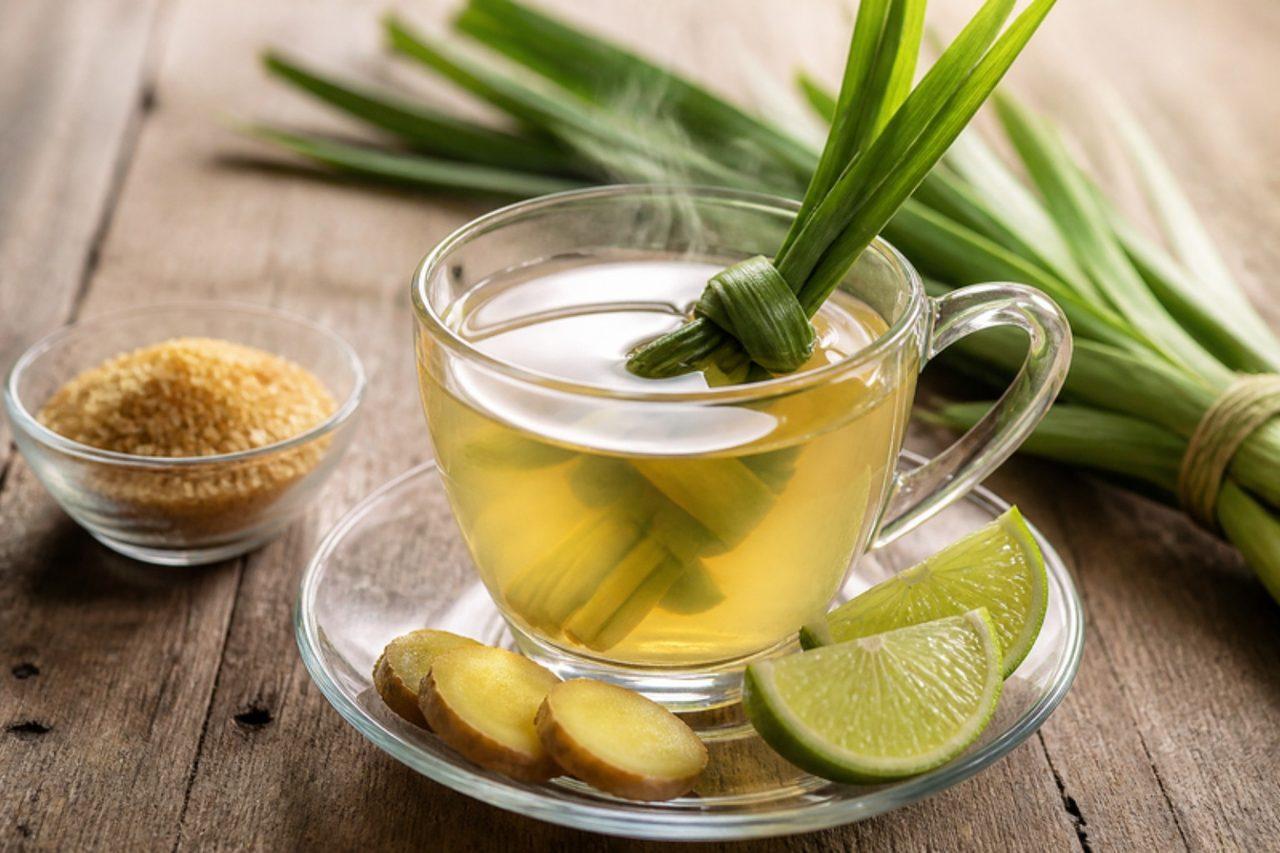
In Jamaican country yards a clump of fever grass, the local name for lemongrass, grows by the kitchen door, and a handful steeped in boiling water is the old remedy for colds, aches and restless nights. Brewed with fresh ginger, it is lemony, gently peppery and soothing, and is drunk hot, sweetened with a little brown sugar. The mistake people make is using the stalks whole, which gives a weak tea; bruise and cut them to release the oils. Chef's tip: tie long leaves in a knot before you add them, as country cooks do, so they are easy to lift out.

by KrazyBadal 0 views

Figgy duffSteamed raisin pudding

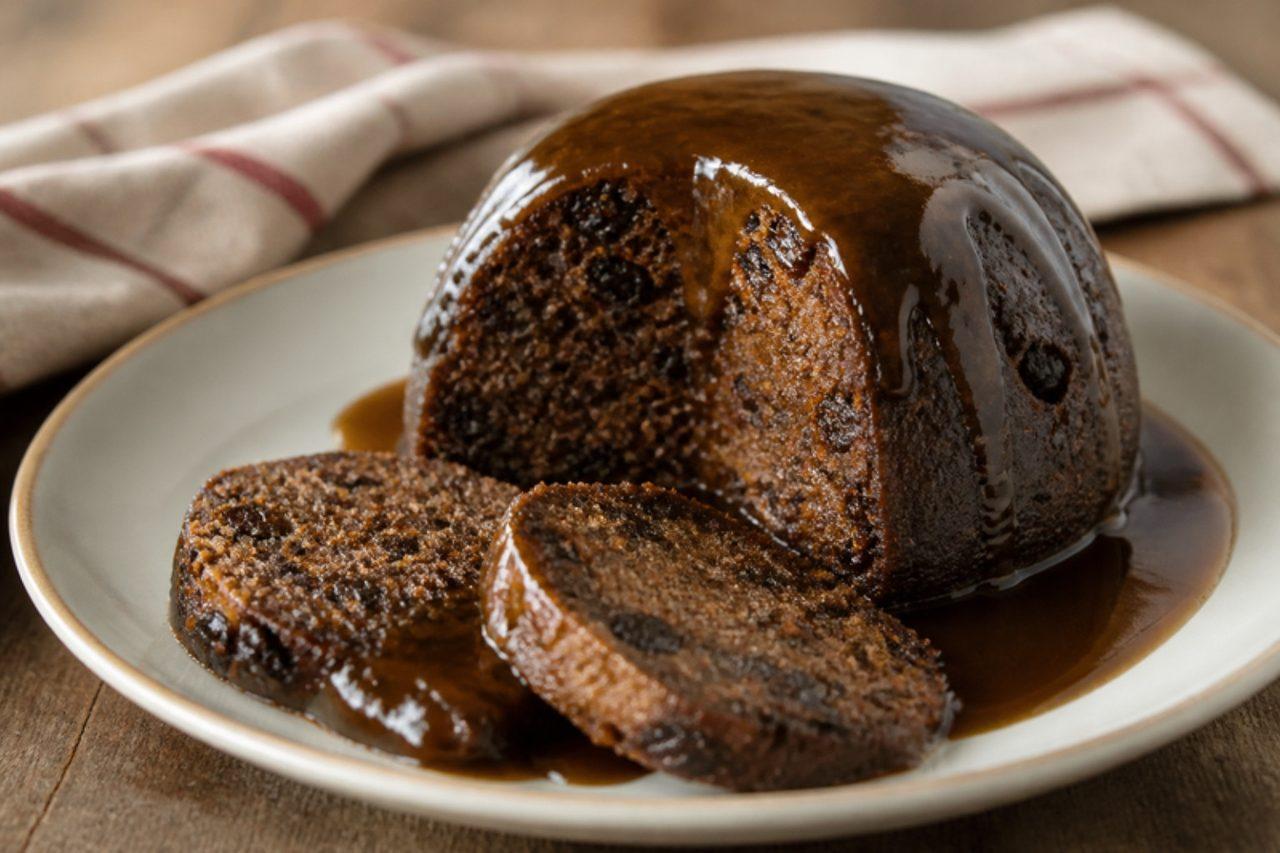
Figgy duff is the pudding that boils in its cloth bag alongside a Newfoundland Jiggs dinner on Sundays; in Newfoundland, raisins are called figs. Breadcrumbs, molasses, raisins and spices make a dark, soft, steamed pudding that is cut into thick slices and eaten hot with molasses coady (a butter-molasses sauce) or custard. This home version steams in a pudding basin rather than a cloth. A common mistake is letting the pan boil dry; keep a kettle hot for topping up. Chef's tip: soak the breadcrumbs and raisins first so the pudding is moist all through.

by KrazyBadal 0 views

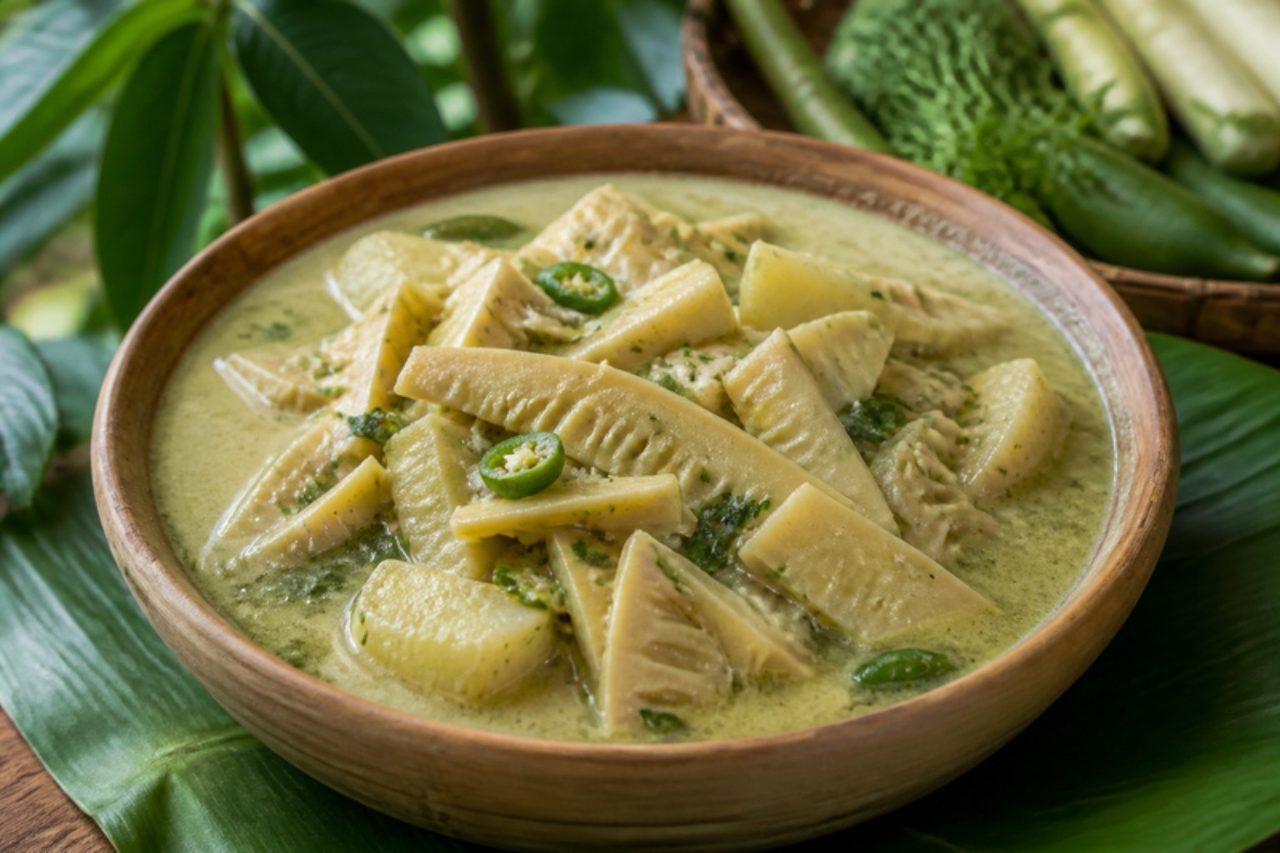
Chakma bamboo shoot curry

When the monsoon reaches the Chittagong Hill Tracts, young bamboo shoots push up through the forest floor around Rangamati and Bandarban, and Chakma and Marma families cut them for a quick, clean-tasting curry. Hill cooking uses very little oil and few dry spices; the flavour comes from fistfuls of green chilli, garlic and herbs such as culantro (sawtooth coriander), and a spoon of ground rice thickens the broth. At home it is very often cooked with shidol, a fermented dried fish paste, or nappi; this version is fully vegetarian. The shoots are crunchy and faintly sweet, and the curry is eaten with plenty of plain rice. Raw fresh bamboo shoots contain natural toxins, so they must always be boiled first and the water thrown away; skipping that step is the one mistake you cannot make here. Chef's tip: if you use canned or vacuum-packed shoots, rinse and boil them for 5 minutes anyway to freshen their taste.

by KrazyBadal 0 views

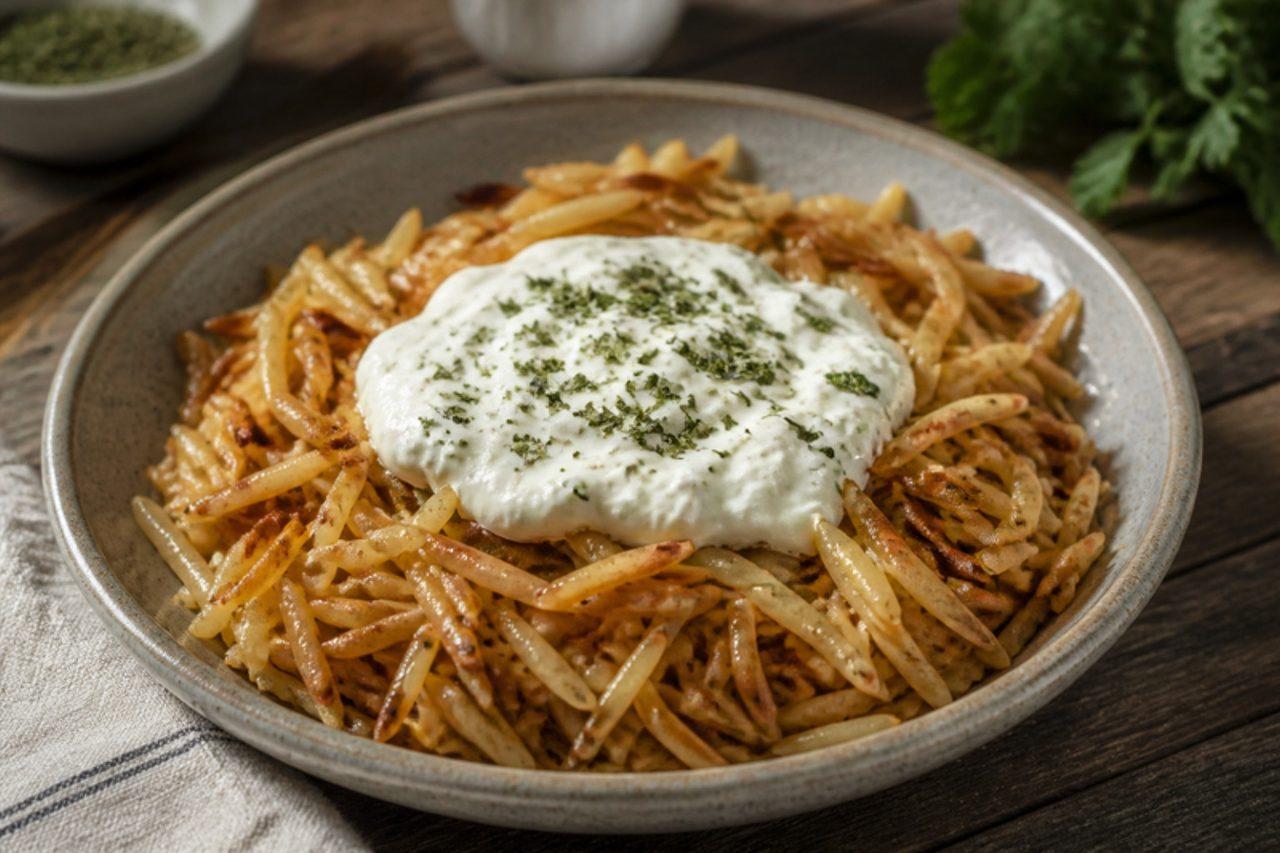
ArishtaButtered egg noodles

In Gyumri and the villages of Shirak, grandmothers still roll arishta by hand, cut it into thin strips and dry it in the sun to store for winter. To serve, the noodles are first toasted in butter until they turn golden and nutty, then boiled until tender and topped with garlicky matsun yogurt. It is simple, filling food for cold days on the Shirak plateau. A common mistake is skipping the toasting step, which gives soft, plain noodles without the characteristic roasted flavour. Chef's tip: dry the cut noodles for at least an hour before toasting, so they brown evenly instead of clumping.

by KrazyBadal 0 views

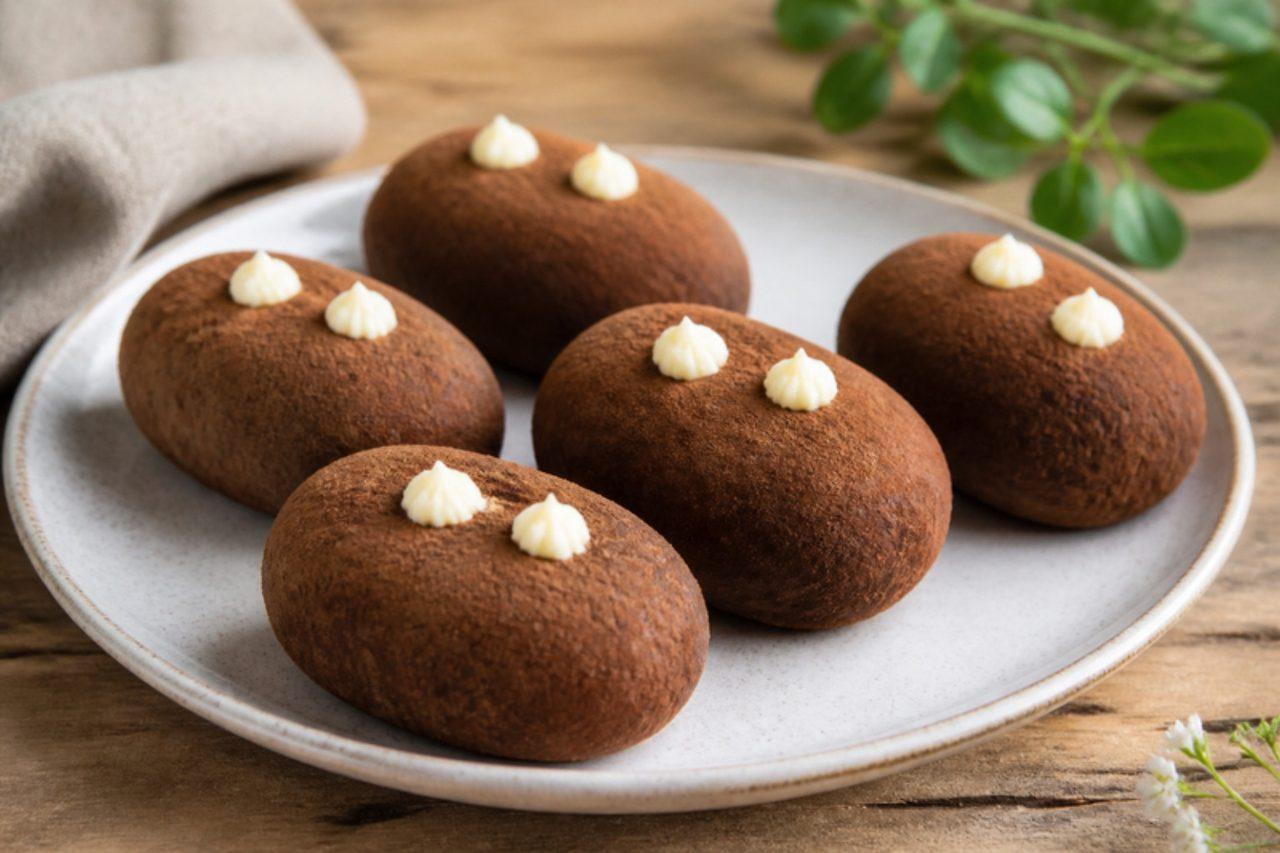
Kartoshka cakeCocoa and cake crumb truffles

Soviet cafés and school canteens sold these knobbly brown 'potatoes' for a few kopecks, and they began as a thrifty way to use up sponge and biscuit trimmings at the bakery. Crumbs are bound with butter and sweetened condensed milk, flavoured with cocoa and vanilla, shaped into little potatoes, rolled in cocoa and finished with two dabs of pale butter cream for the sprouts. They are fudgy and dense like a brownie truffle, need no oven, and children love making them. Traditional bakers added a spoonful of rum, an optional extra for adult batches only; this version is alcohol-free with vanilla. The usual slip is coarse crumbs, which make the potatoes crack, so blitz them as fine as sand. Chef's tip: chill the shaped potatoes for at least 20 minutes so they hold their shape and slice cleanly.

by KrazyBadal 2 views

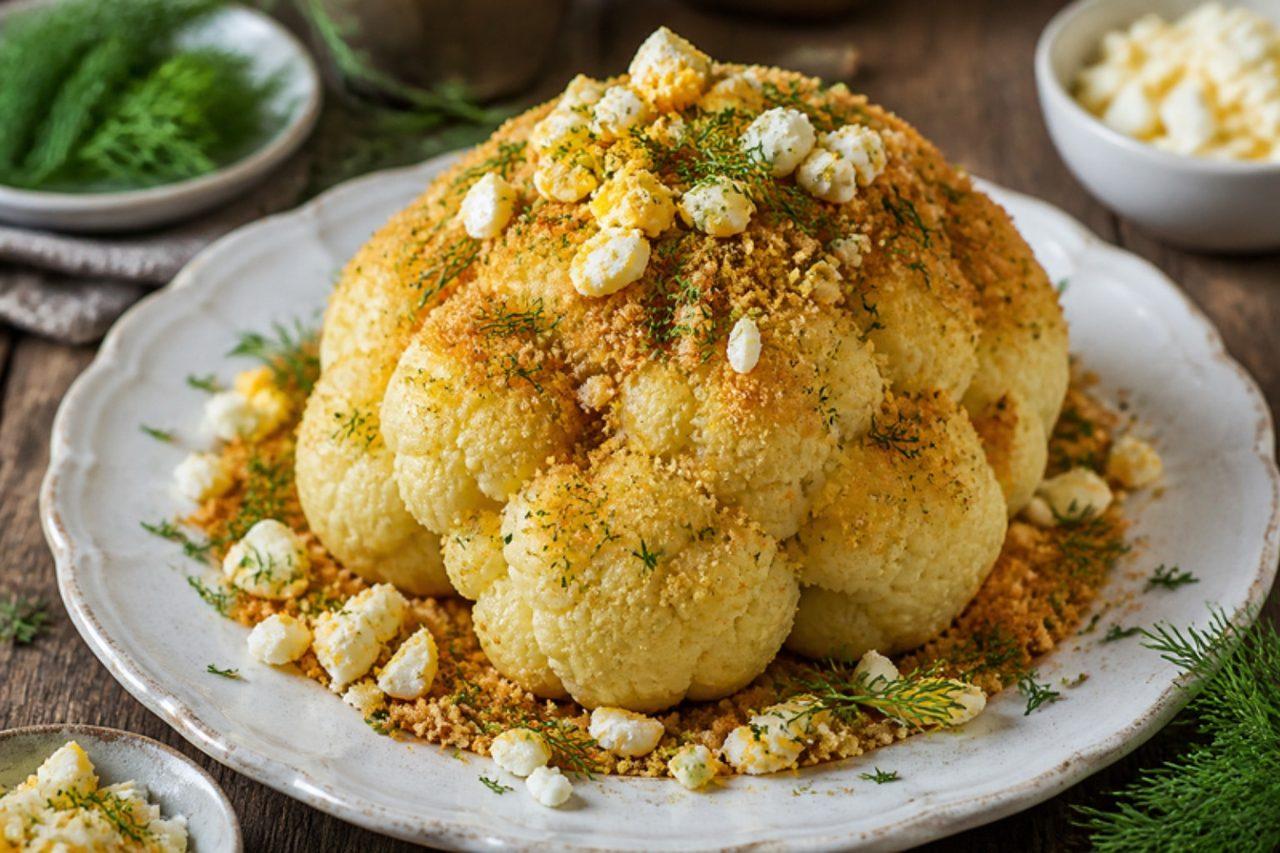
Polish-style cauliflower

‘Po polsku’ on a Polish menu means one thing: a vegetable topped with crumbs fried in plenty of butter. In Warsaw canteens and on Sunday tables, a whole cauliflower arrives this way next to potatoes and a salad, and children who claim to hate cauliflower eat it happily. The florets are tender and sweet, the crumbs nutty and crisp. A common mistake is boiling the cauliflower until it falls apart; it should keep a slight bite in the stalk. Chef's tip: a pinch of sugar and a splash of milk in the boiling water keep the cauliflower white and sweet.

by KrazyBadal 0 views

FendishaSweet or salted popcorn

Popcorn might seem an odd companion to coffee, but at an Ethiopian buna ceremony a heaped tray of fendisha is as expected as the incense and the little cups. The hostess pops it while the coffee boils, and it is eaten in small handfuls between the three rounds of coffee. Some families like it plain with a pinch of salt, others scatter sugar over it while it is still hot so it catches in the crevices; both are made here. It is crisp, light and best within an hour or two. Whole popcorn is a choking risk for children under five, so serve them something else. Chef's tip: leave the lid slightly ajar while it pops so the steam escapes; trapped steam is what makes popcorn chewy.

by KrazyBadal 0 views

Filet américainRaw minced steak spread

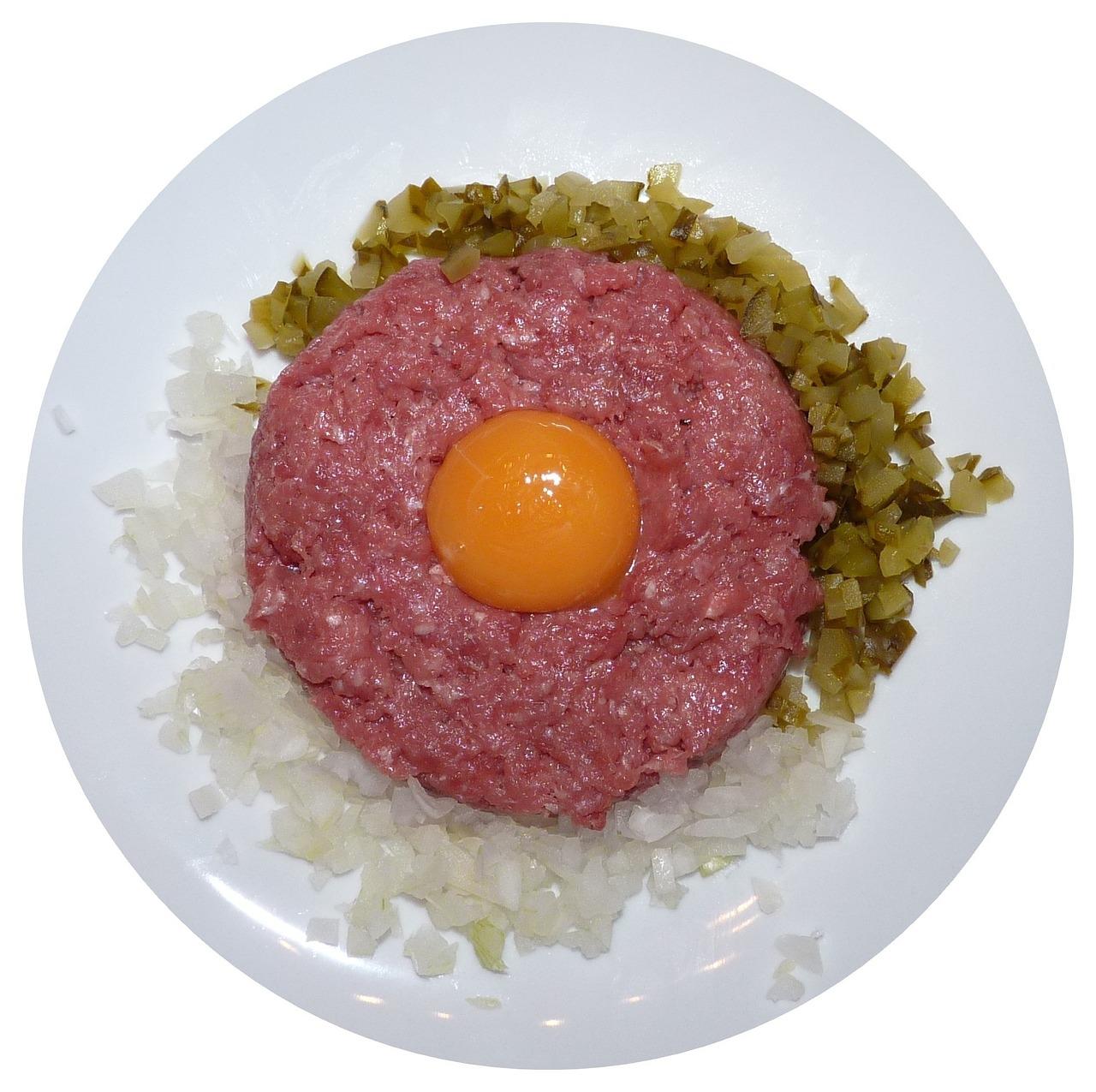
Despite its name, filet américain is a Belgian classic, served in Brussels brasseries with a mound of fries, or spread on a baguette as the famous 'broodje américain': very fresh lean beef, finely minced and mixed with mayonnaise, mustard, capers, chopped onion, parsley and a dash of Worcestershire sauce and Tabasco, so it is creamy and tangy. The beef is eaten raw, so it is not for pregnant women, young children or anyone with a weakened immune system. Buy a whole piece of the freshest steak from a trusted butcher, trim it and mince it yourself just before serving; never use ready-minced beef. A common mistake is preparing it in advance; make it and eat it at once. Chef's tip: chill the meat and the bowl well and mix with a fork, not a processor, so it stays loose. Use shop-bought mayonnaise, which is made with pasteurised egg.

by KrazyBadal 0 views

Falsa sherbetFalsa berry drink

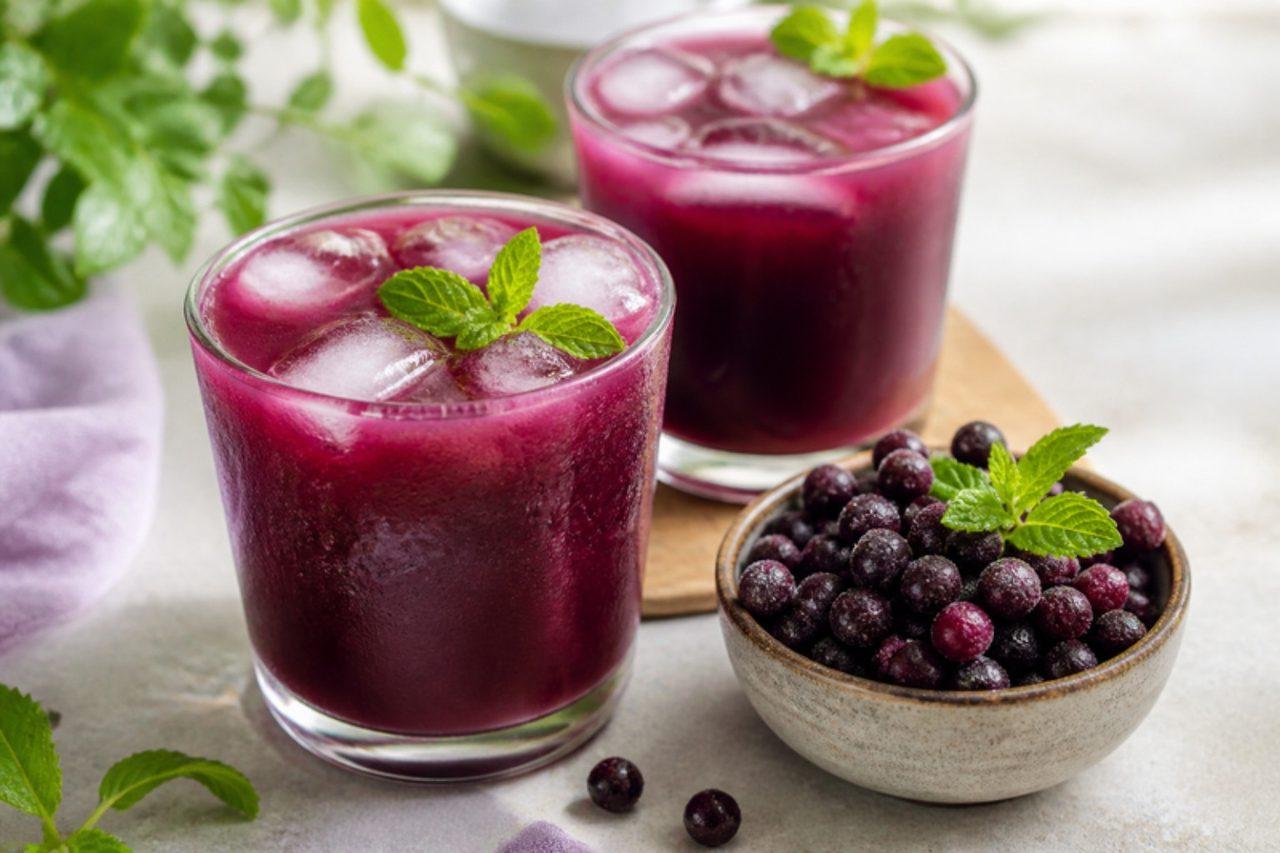
For a few short weeks in May and June, Punjabi fruit sellers from Multan to Lahore pile their carts with falsa, tiny purple-black berries with a big seed and a sweet-sour, grape-like flavour, and roadside stalls crush them in big jugs of iced water with sugar and a pinch of black salt. The sherbet is a striking magenta, tart and salty-sweet, and people swear by it as a cooler against the loo, the scorching summer wind; it is also a favourite at iftar when Ramadan falls in summer. Outside Pakistan look for frozen falsa in South Asian grocers, or use blackcurrants, which give a similar colour and sharpness. A common slip is blending the berries hard, which cracks the seeds and turns the drink bitter. Chef's tip: just rub the berries with the sugar and a little water by hand or pulse very briefly, then strain, so you get all the juice and colour and none of the bitterness.

by KrazyBadal 0 views

Jamaican roast corn

Drive the road over Mount Diablo or past Faith's Pen and you will see vendors fanning half-drums of glowing coal, with corn cobs turning slowly until the kernels are charred, chewy and smoky. Jamaican roast corn is drier and nuttier than boiled corn, closer to a snack to gnaw on the move, sometimes rubbed with salted butter and sometimes eaten plain with a cup of hot "fish tea" soup. The most common mistake is roasting over flames rather than embers, which blackens the outside before the inside cooks. Starchy, slightly mature cobs are traditional; very sweet corn burns faster, so keep it moving. Chef's tip: pull off the husks before roasting, as the vendors do, so the kernels char directly and pick up all the smoke.

by KrazyBadal 0 views

FarfelEgg pasta pilaf with onions

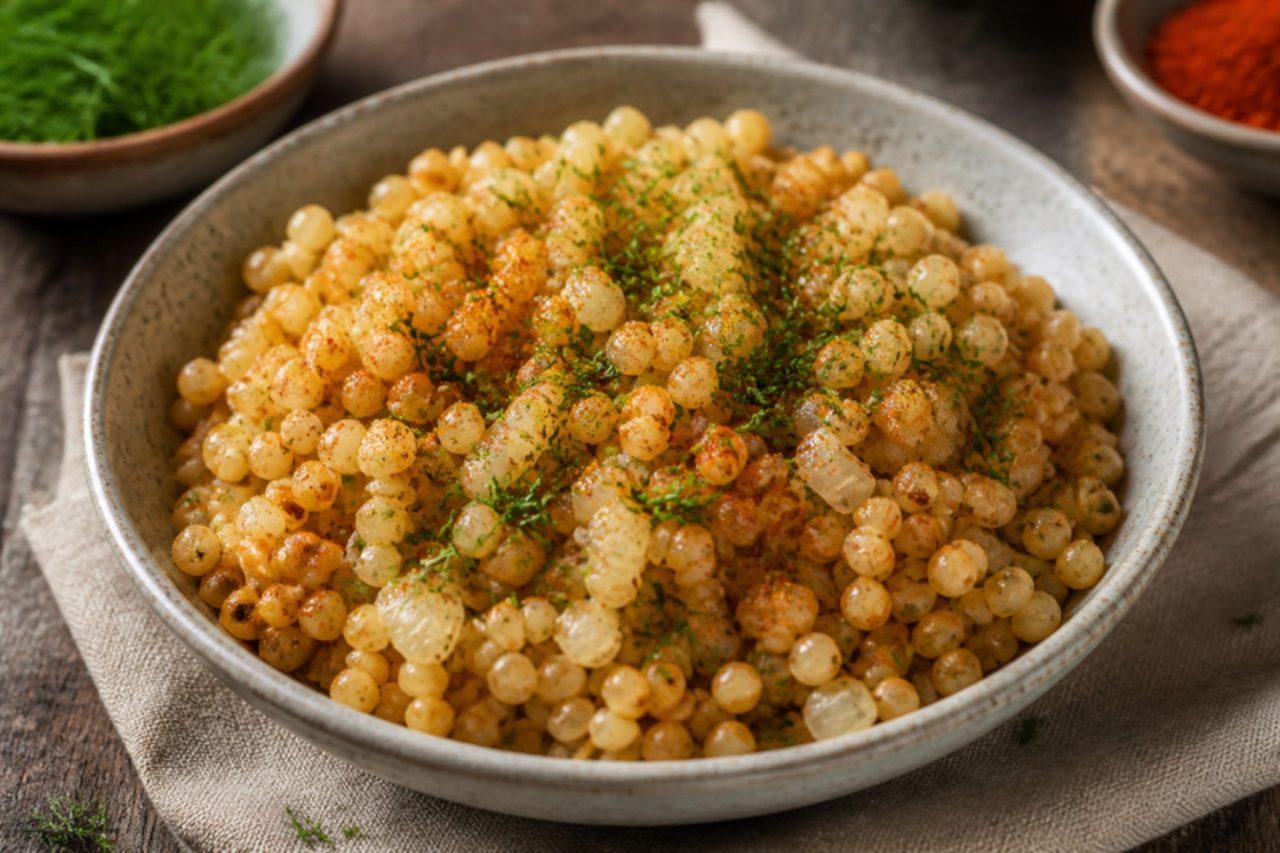
Farfel, little barley-sized pellets of egg pasta, are what many Ashkenazi grandmothers in Israel cook instead of rice, especially on Friday nights alongside soup and roast vegetables. Toasted in oil until golden, then simmered in stock with soft onion, they turn out fluffy and separate with a gentle nutty taste, a bit like a tiny pasta pilaf. This version uses vegetable stock, so it is vegetarian and dairy free. Serve it as a side or stir through mushrooms for a light supper. A common mistake is adding too much stock, which makes the pellets swell into a sticky mass. Chef's tip: toast the farfel until it smells like toast and is evenly amber before any liquid goes in.

by KrazyBadal 0 views

Jamaican peanut porridge

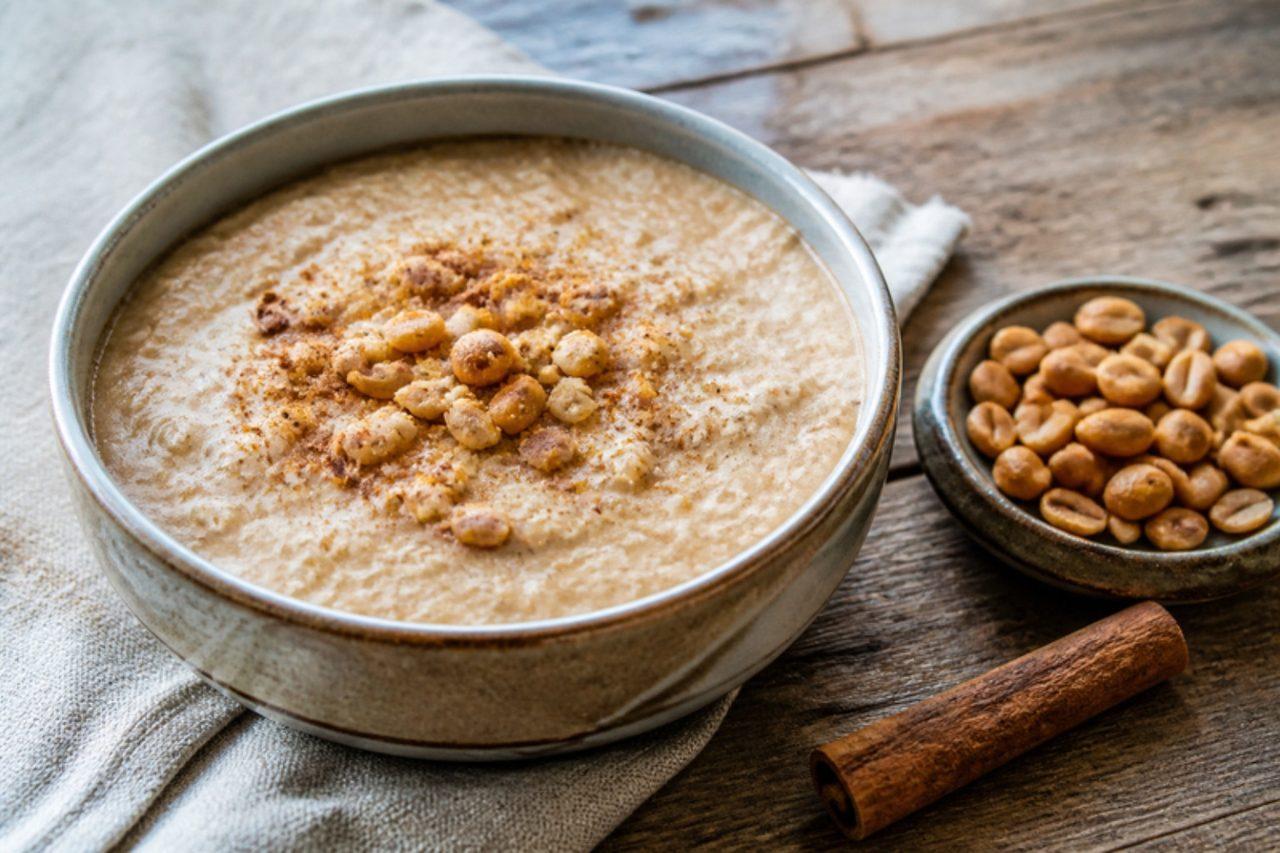
Before an early shift or a long day in the field, plenty of Jamaicans swear by peanut porridge, thick, nutty and filling enough to last until lunch; it is sold hot in cups from carts in downtown Kingston in the mornings. Roasted peanuts are blended with oats and water into a smooth paste, then cooked with milk until creamy and finished with nutmeg, vanilla and condensed milk. The mistake people make is cooking it over too high a heat, which scorches the bottom within minutes; peanuts burn easily, so stir and keep it at a simmer. This contains peanuts, milk and oats (gluten unless certified gluten-free). Chef's tip: toast the peanuts in a dry pan until they smell rich before blending, which deepens the flavour enormously.

by KrazyBadal 0 views

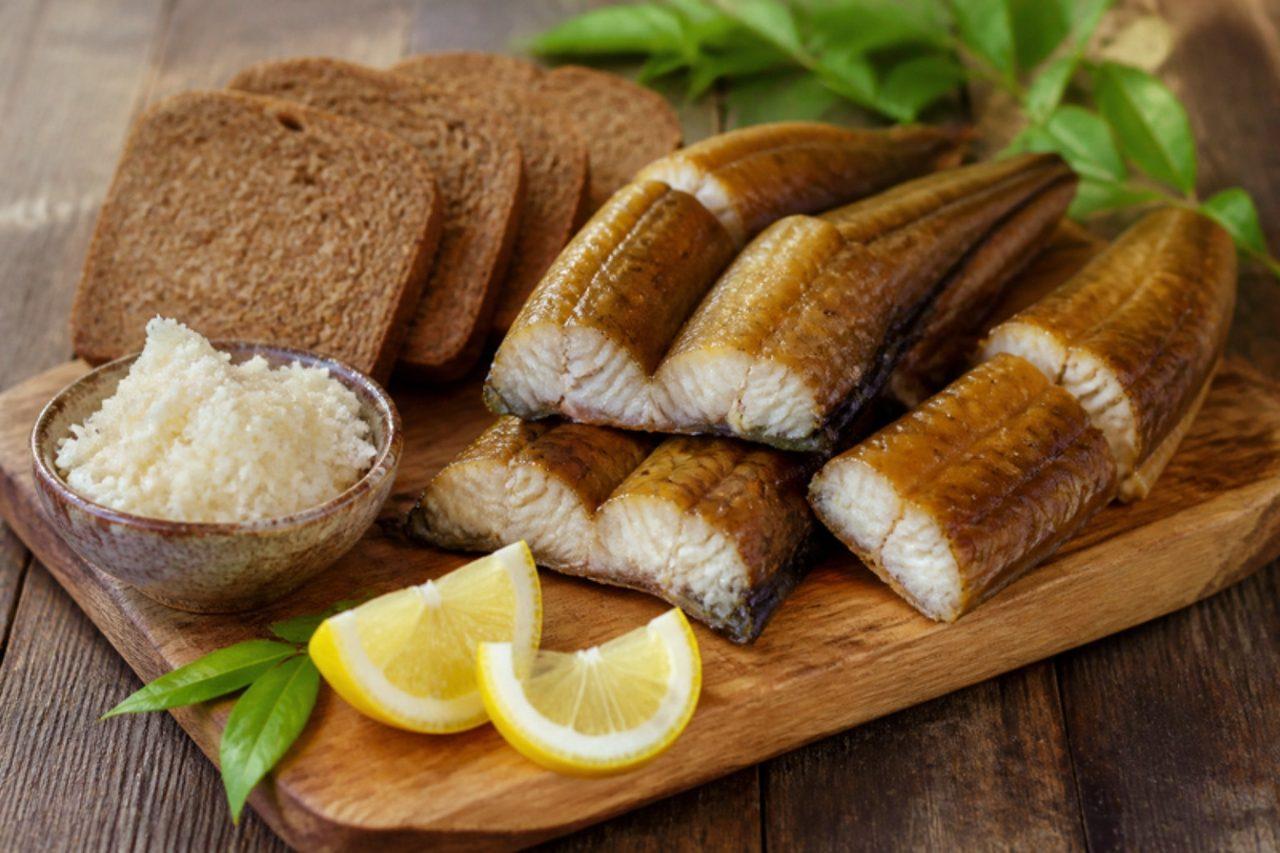
Smoked eel

Fish smokehouses dot the shores of the Great Masurian Lakes, and an eel hot-smoked over alder, golden-skinned and glistening, is the prize of any summer trip to Węgorzewo or Ruciane-Nida. The flesh is rich, soft and smoky-sweet, and it is eaten cold on rye bread with grated horseradish and a squeeze of lemon. European wild eel is endangered, so buy farmed eel from a responsible fishmonger, ready gutted. This is a fully hot-smoked version: the fish is brined in the fridge and cooked through in the smoker. Smoked fish can carry listeria if it is not cooked through or kept cold, so it is not for pregnant women, young children or anyone with a weakened immune system unless reheated until steaming. Many home smokers run the heat too low throughout, which leaves the eel smoky but undercooked. Chef's tip: ready hot-smoked eel from a lakeside smokehouse is the easy route; just serve it well chilled with the same garnishes.

240 minPolishFishGluten free
by KrazyBadal 0 views

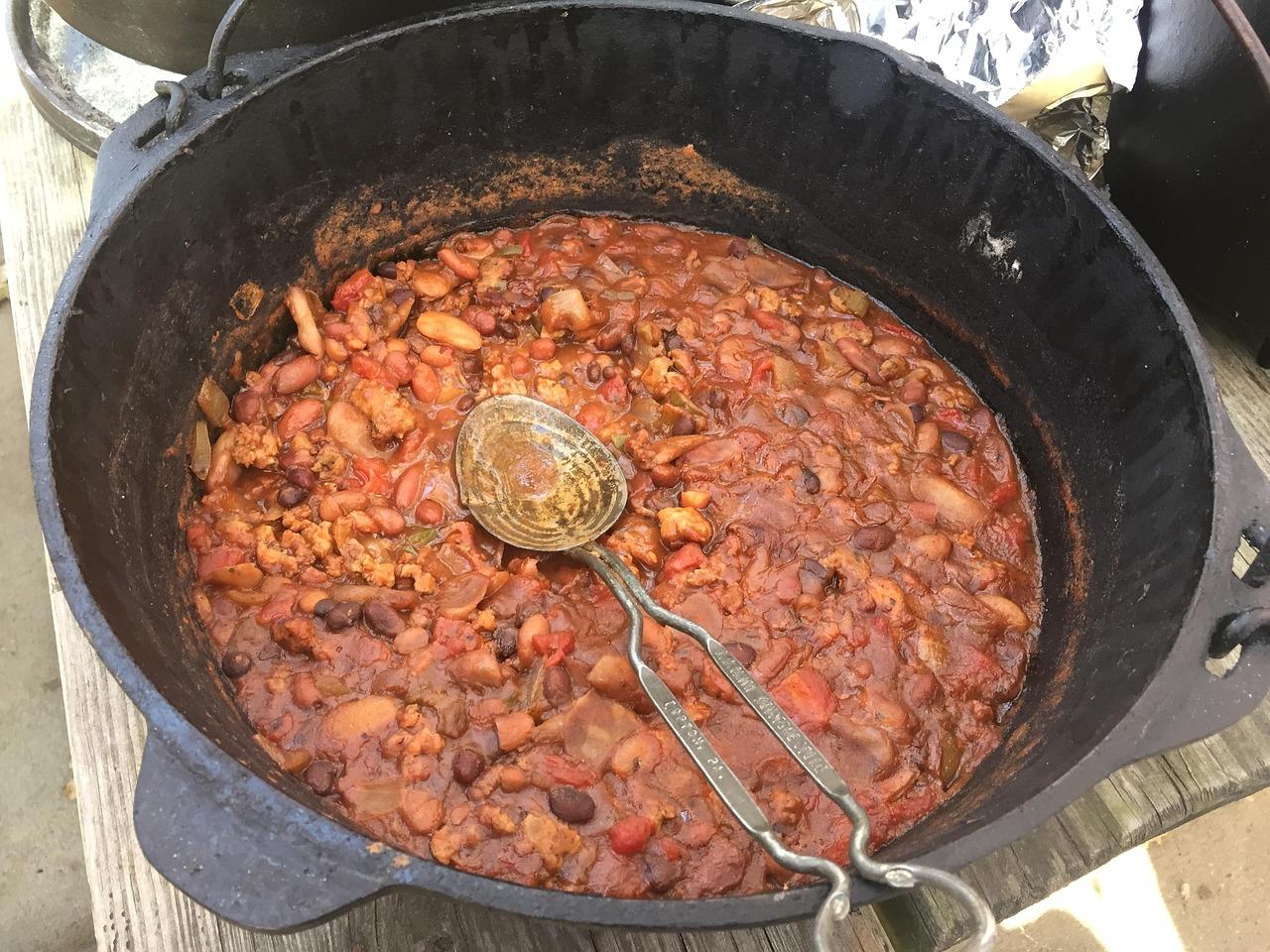
Fasolka po bretońskuWhite beans in tomato with sausage

Despite its name, nothing about fasolka po bretońsku is French; this is pure Polish canteen and milk-bar food, the thick, brick-red bean stew that has fed Warsaw students, soldiers and hungry families for generations. White beans simmer in tomato with smoked pork sausage, smoked bacon, onion and plenty of marjoram until creamy, smoky and slightly sweet. It is filling enough on its own with a hunk of bread and even better reheated the next day. Under-cooked beans are the most common disappointment; they must be soft right through before the tomato goes in, because acid stops them softening. Soak the dried beans overnight beforehand. Chef's tip: mash a ladle of the cooked beans against the side of the pot before serving to give the sauce its typical velvety body.

90 minPolishMeatGluten free
by KrazyBadal 0 views

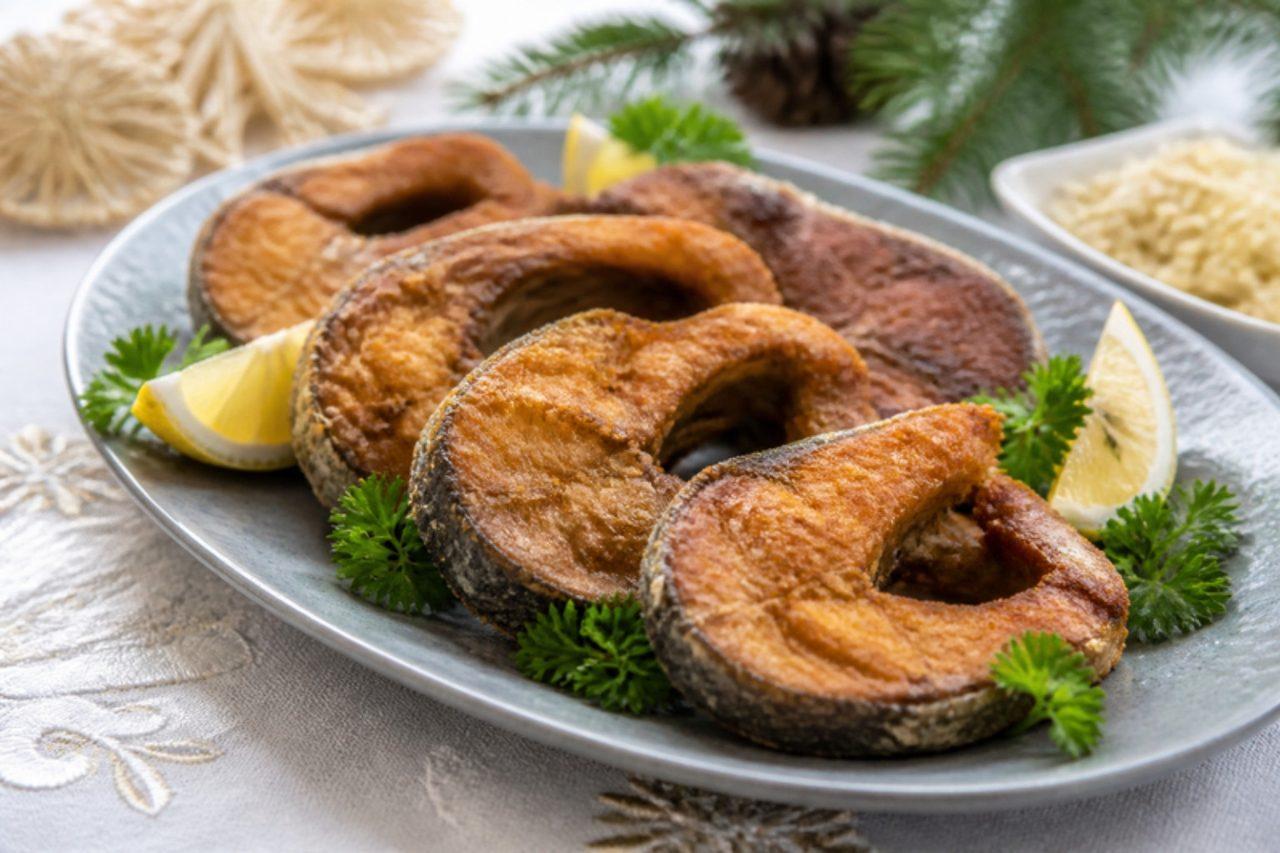
Fried Christmas carp

For many Polish families, Wigilia, the meatless Christmas Eve supper, is not complete without fried carp, bought live from market tanks in mid-December or, more often today, cleaned and cut into steaks at the fishmonger. The steaks are salted, floured and fried until the skin crisps and the white flesh turns sweet and juicy. Serve with boiled potatoes, sauerkraut with peas, or simply bread and a lemon wedge, after the beetroot barszcz. Keeping a scale from the Christmas carp in your wallet is said to bring money all year. Carp has a reputation for tasting muddy, and the usual culprit is skipping the salting and resting time. Ask the fishmonger to score the steaks finely so the small Y-shaped bones soften as they fry. Chef's tip: salt the steaks and leave them in the fridge for 20 minutes, then pat completely dry; the flesh firms up and the flour clings in a thin, even crust.

40 minPolishFish
by KrazyBadal 0 views

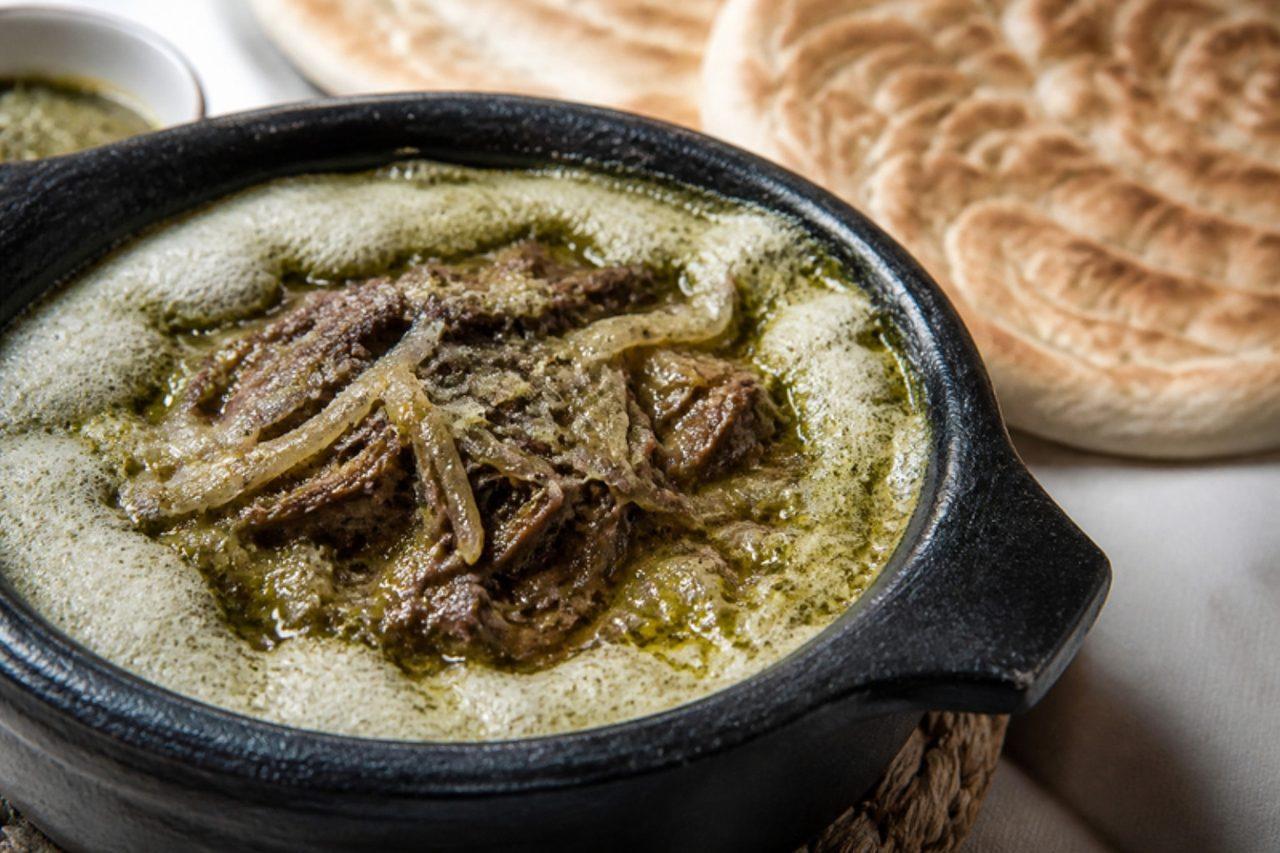
FahsaShredded lamb stew with fenugreek

Fahsa is the lunch of Sana'a, Yemen: in the old city's restaurants it arrives volcanically hot in a black stone pot called a madara, still bubbling, with a cap of whipped fenugreek on top and a stack of flatbread for scooping. Lamb is slow-cooked until it shreds, then fried hard with its thick broth, tomato and hawaij, so it is meatier and drier than saltah, the broth-based cousin already on this site. The fenugreek froth adds a bitter, savoury edge against the rich meat. The usual mistake is serving it lukewarm: fahsa should still be spitting when it reaches the table. Chef's tip: heat a small cast-iron pan in the oven while you cook, then finish the fahsa in it for that sizzling stone-pot effect.

by KrazyBadal 0 views

Showing 54 of 7,888 recipes

Show more recipes

Page 184 of 877