


Skip to content
Multani sohan halwa
Featured recipe

Multani sohan halwa

Sprouted wheat and milk halwa

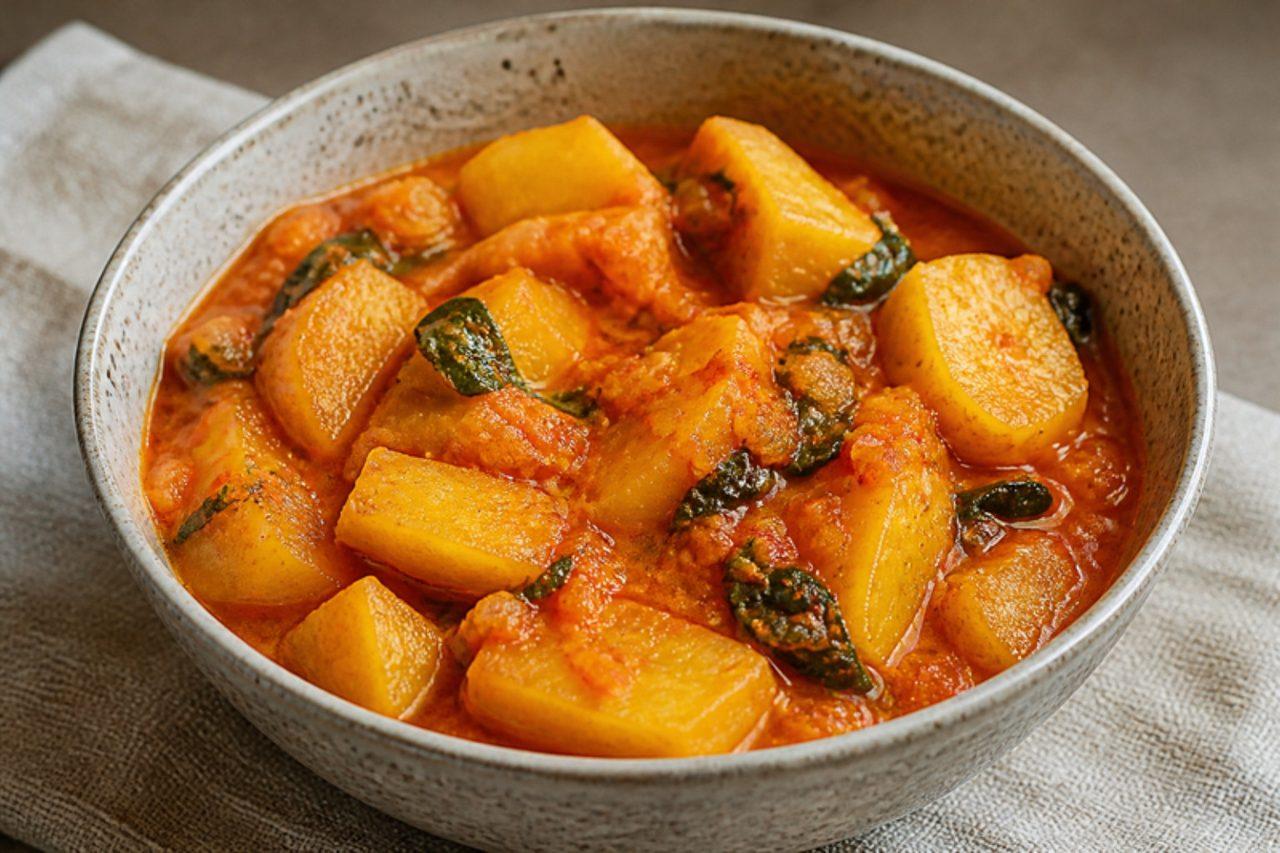
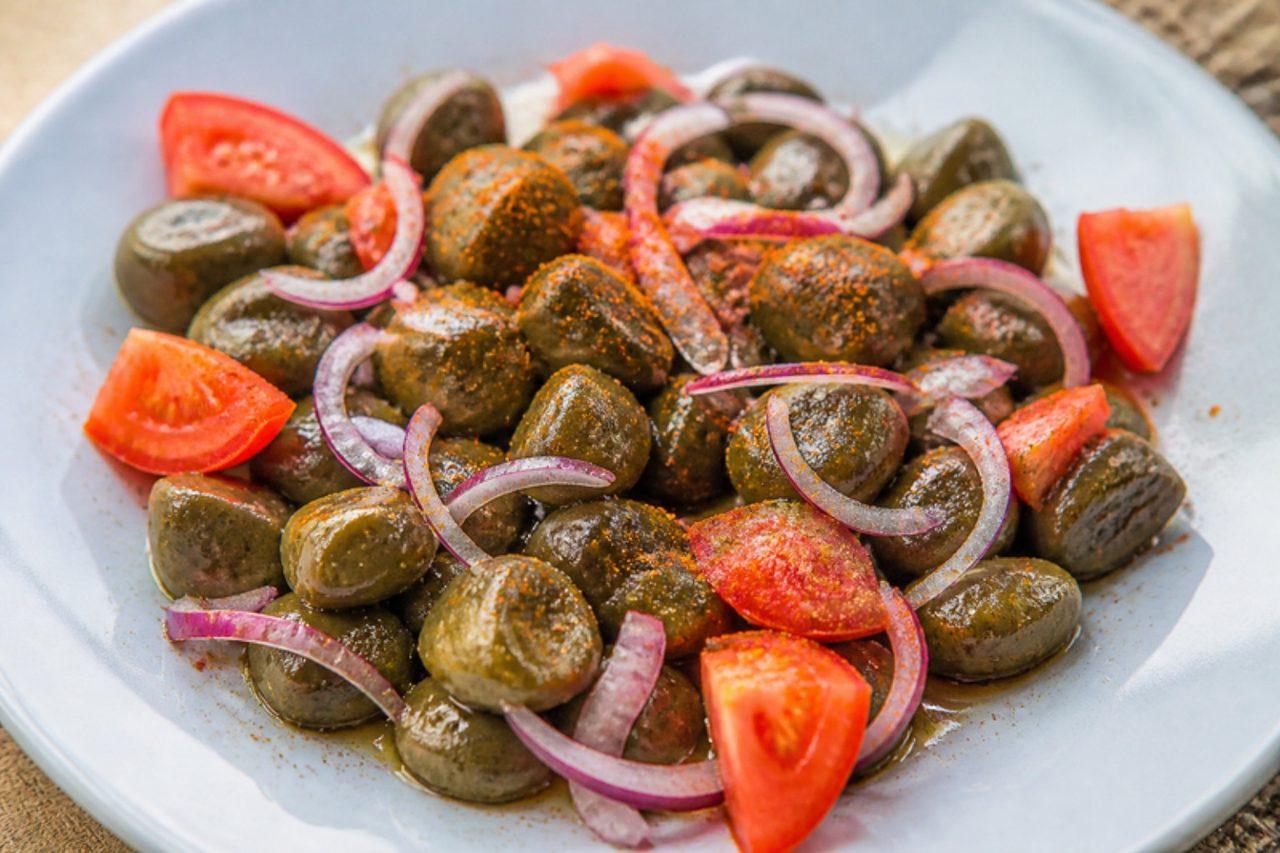
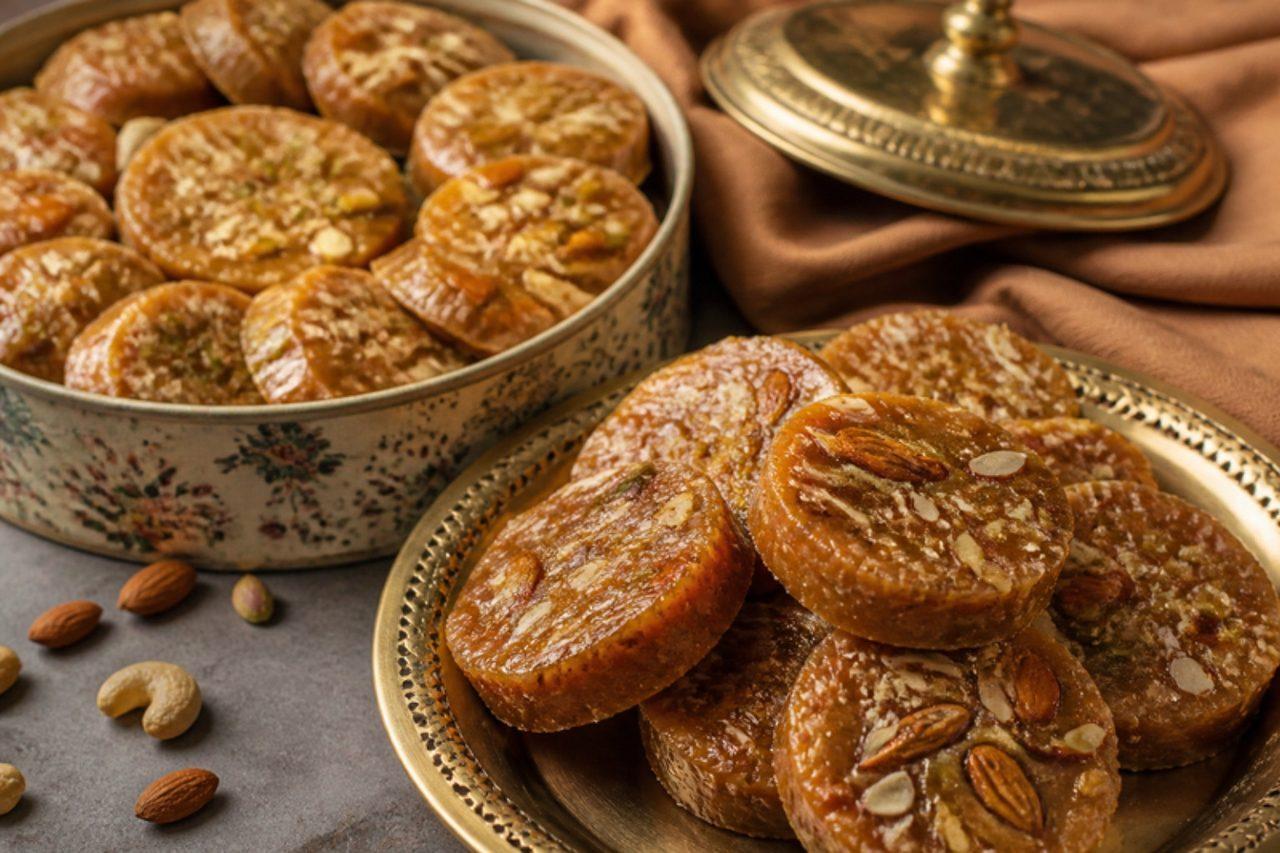
Packed in round tins and carried home from Multan's Hussain Agahi bazaar as a gift, sohan halwa is the sweet the City of Saints is known for across Pakistan, and families in Lahore and Karachi still wait for relatives to bring a box back after a visit. It is dark, dense and chewy, with a deep caramel flavour from milk and sugar cooked for hours, and its texture comes from samnak, a flour made from sprouted wheat, cooked in ghee until the fat seeps out around the edges. Almonds and pistachios are pressed into the top, and it is eaten in small squares with tea, especially in winter. Giving up too early is the classic error; pale, soft halwa has not been cooked long enough to caramelise and set. Chef's tip: stir constantly once the flour goes in and take your time; the mixture is ready when it turns a deep brown, leaves the pan in a single mass and the ghee pools freely. Take care, as the mixture is very hot and sticky.

Read more 0 views

What to eat today?

Around the world

Today's trip: Paraguayan

A new country every day, from every cuisine on the site.

Paraguayan

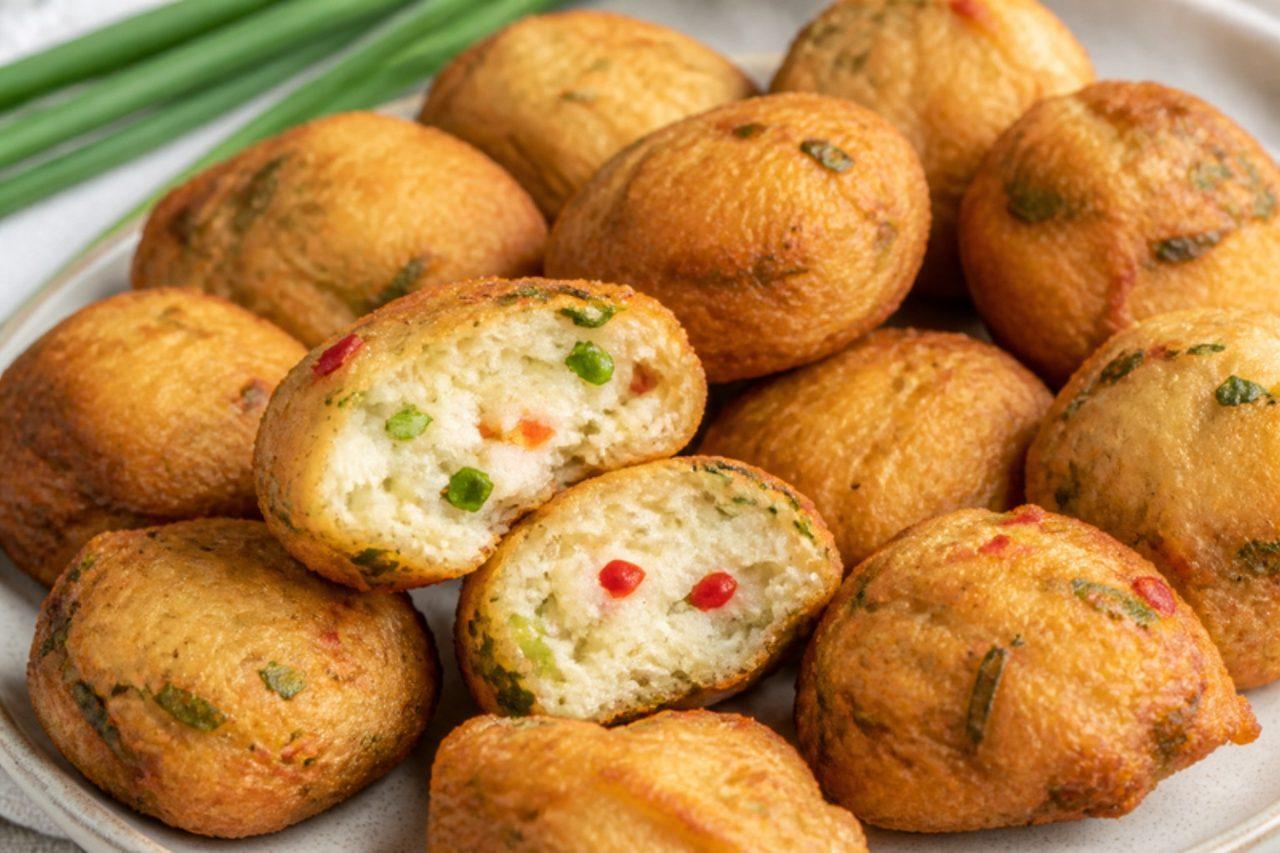
Buñuelos de algas

Sea lettuce fritters 35 minMore from Paraguayan (27) →

This week's collection

Kid-friendly dinners
537 recipes · a new collection every Monday

Latest recipes

Egyptian mixed pickles

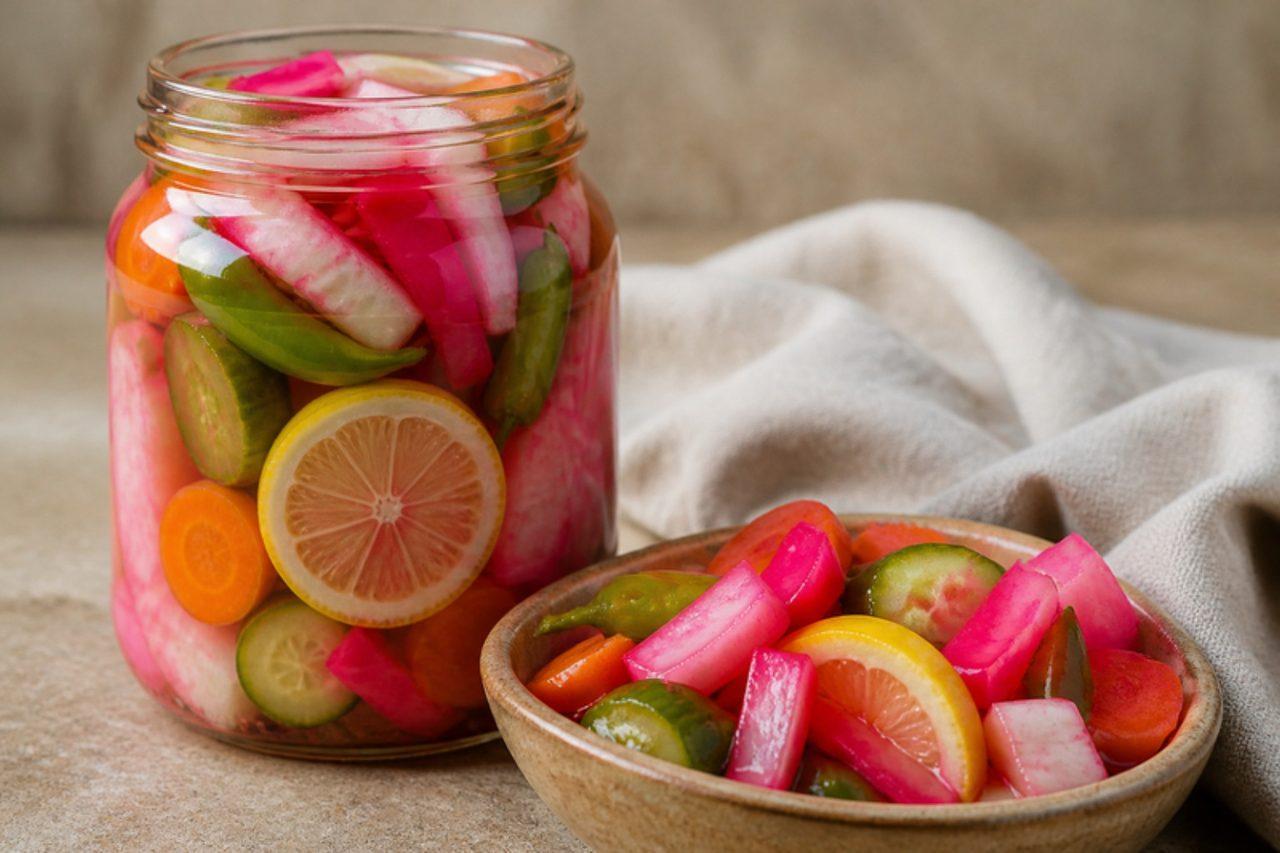
Every koshari shop, ful cart and shawarma stall in Cairo puts a little dish of mekhalel on the counter, and Egyptians at home keep a jar going all year. Turnip batons are the star, dyed bright pink by a single slice of beetroot, with carrot, cucumber, chilli and lemon packed in alongside for crunch, heat and a bitter citrus edge. This quick fridge version is ready to eat in about 5 days and keeps for a month, cold. A common mistake is using iodised table salt, which clouds the brine and can soften the vegetables, so buy plain non-iodised salt. Chef's tip: cut the lemon into quarters but leave them joined at the base, so they flavour the brine without turning the whole jar bitter.

by KrazyBadal 0 views

Buticha (whipped chickpea flour dip)

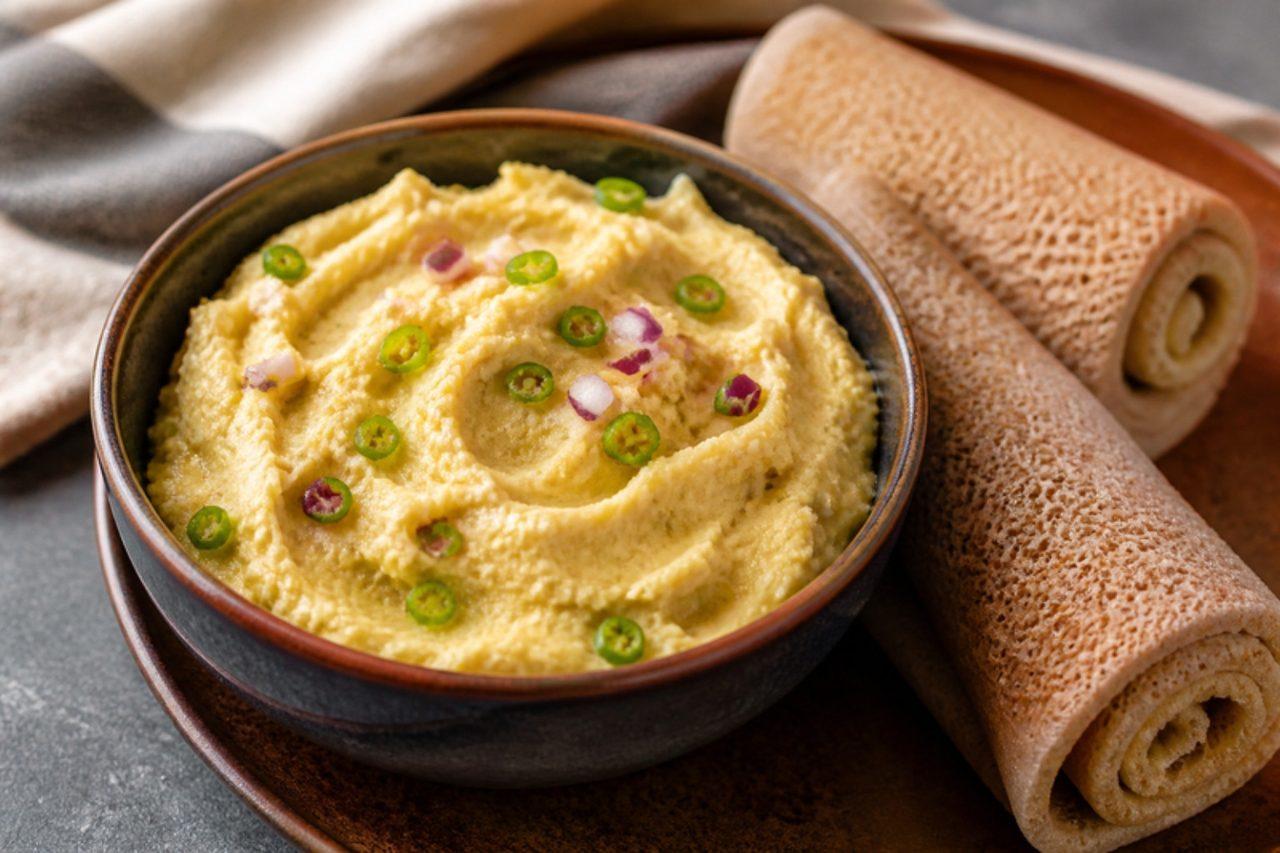
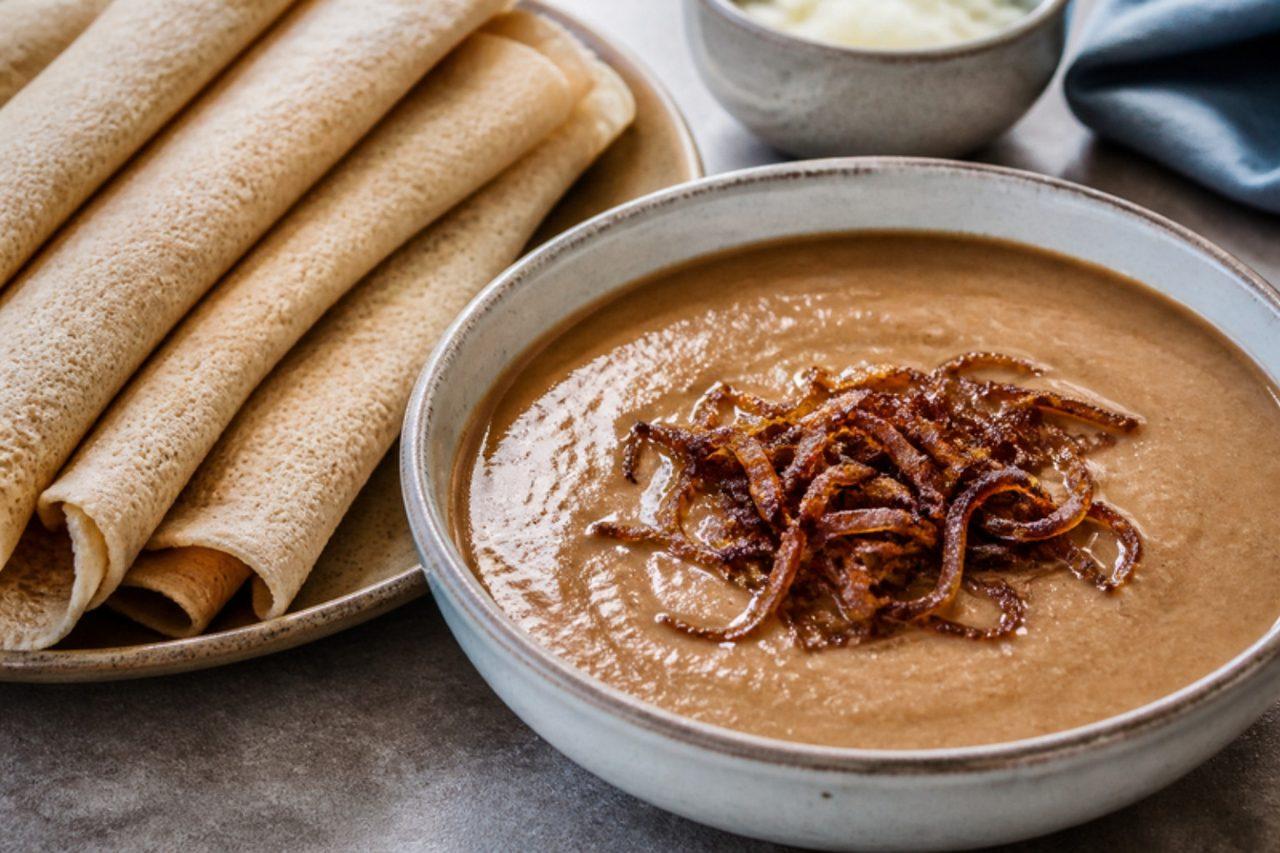
Ethiopian Orthodox kitchens make buticha on fasting days as a plant-based stand-in for scrambled egg or fresh cheese, and it often sits as a pale, fluffy mound on the vegan platters of Addis Ababa's restaurants. Chickpea flour is cooked with water into a thick paste, cooled, then beaten with oil and plenty of lemon juice and mixed with raw red onion and green chilli. The texture is soft, crumbly and light, the flavour tangy and fresh against the rich, red wats. Serve it cool with injera, or as a dip with kita. A common mistake is beating it while still hot, which makes it gluey instead of fluffy; let it cool completely first. Chef's tip: cook the paste a full eight minutes after it thickens, so no raw, beany taste is left.

by KrazyBadal 0 views

Ojojo (water yam fritters)

Ojojo is what Yoruba households do with water yam when they want a snack instead of a pottage, and roadside fryers in the Southwest sell it hot in paper with akara. The grated yam is mixed with chopped onion, fresh chilli and salt, then dropped by the spoonful into hot oil, where it puffs into craggy, golden fritters with a crisp shell and a soft, slightly chewy centre. Eat it hot with a pepper sauce, or with ogi (fermented corn pap) for breakfast. Wear gloves to peel and grate water yam, which makes the skin itch. Chef's tip: grate the yam just before frying and don't let the batter sit; it darkens and loosens as it stands.

by KrazyBadal 0 views

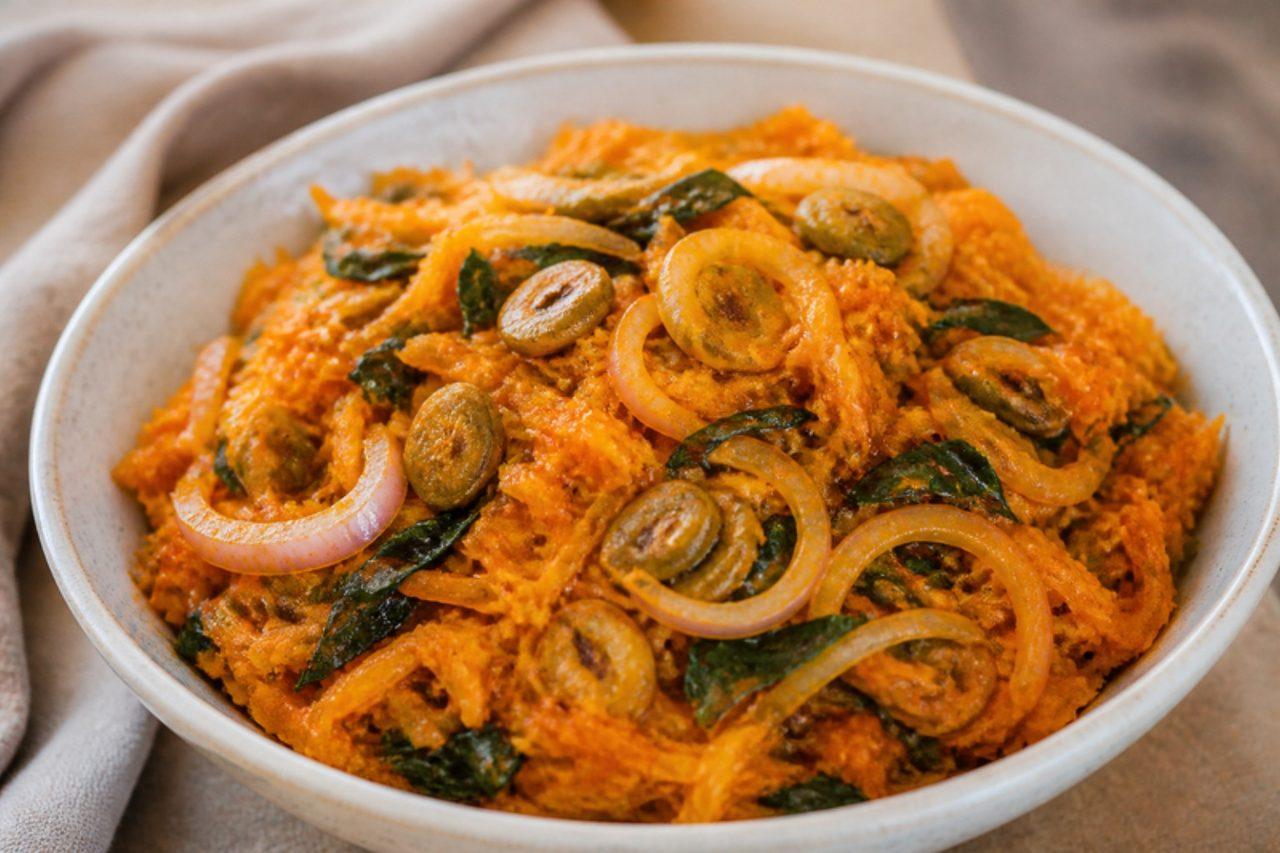
Abacha (African salad)

Abacha is the evening snack of Anambra and Enugu, sold by women on street corners and served at Igbo weddings and funerals, where people call it African salad. Dried cassava shreds are softened in water and tossed in ncha, a thick yellow emulsion made by stirring palm oil with potash water, together with fermented oil bean (ugba), sliced onion, pepper and ground calabash nutmeg, then finished with garden egg leaves and fresh garden eggs. It is chewy, oily, peppery and fresh all at once. Stockfish, ponmo or crayfish are often added; this is the meat-free way. Outside Nigeria, African shops sell abacha and ugba; leave the ugba out if you cannot find it. Chef's tip: soak the abacha only until it is just pliable; left too long it turns mushy, which is the mistake that ruins the texture.

by KrazyBadal 0 views

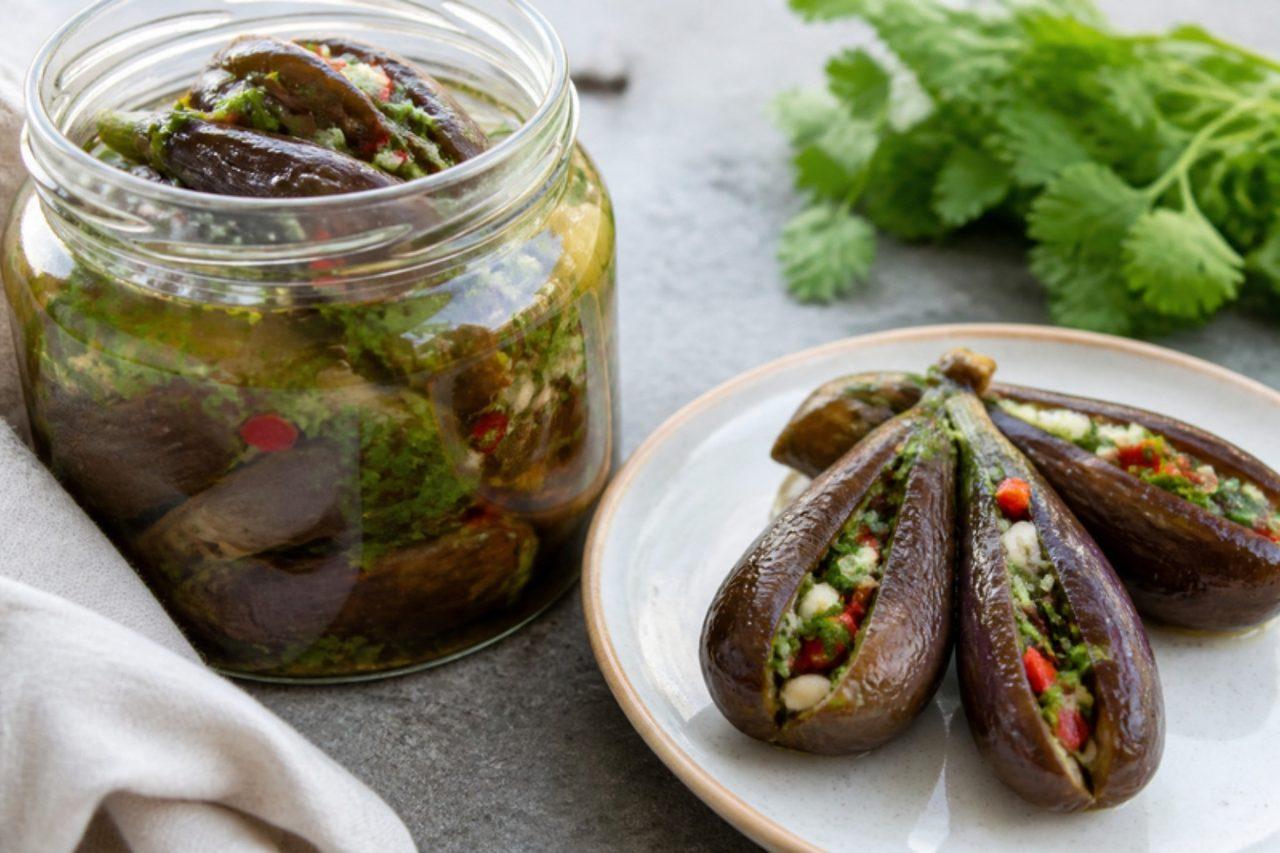
Egyptian stuffed pickled aubergines

Pickle shops in old Cairo stack jars of these small dark aubergines next to the turnips and lemons, and at home they are sliced beside ful, falafel or a plate of koshari. Each one is boiled until just tender, split down one side and packed with a sharp, hot stuffing of garlic, chilli and green pepper, then left in vinegar for several days until it turns silky and tangy. Only about 40 minutes of the work is active; the jar then needs 5 days in the fridge. Keep the pickle refrigerated and eat it within 3 weeks. The usual mistake is undercooking the aubergines before stuffing, so they stay spongy and never absorb the brine. Chef's tip: press the boiled aubergines under a weighted plate before stuffing, so they hold the vinegar rather than their own bitter water.

by KrazyBadal 0 views

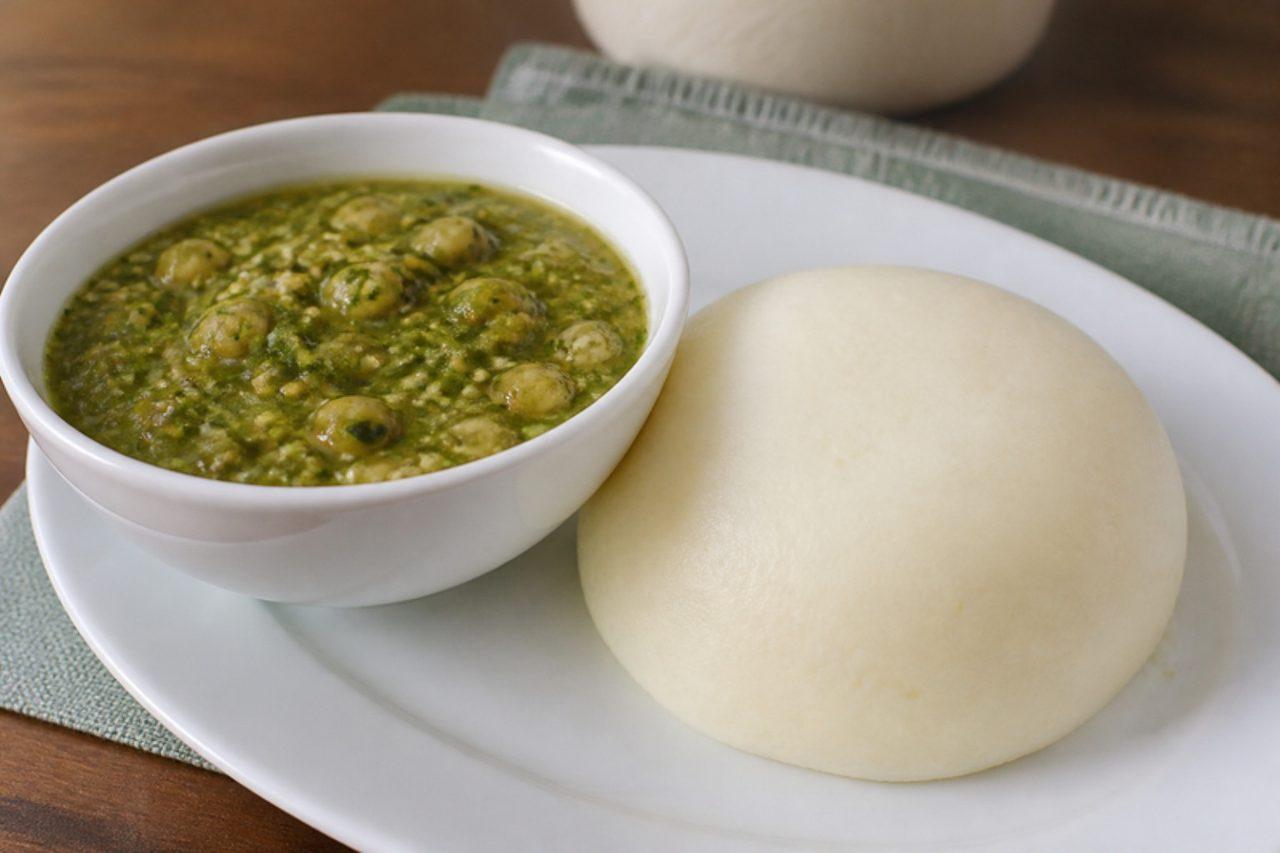
Tuwo masara (stiff maize swallow)

On the Plateau and throughout the north, a pot of white maize flour turned stiff with a wooden paddle is the daily partner to miyan kubewa (okra soup), miyan kuka and vegetable soups. Tuwon masara is smooth, slightly springy and mild, with a faint sweetness of corn. The secret is to start with a thin cooked paste and only then add the dry flour, which keeps it lump-free; dumping all the flour into boiling water is the mistake that gives raw, gritty pockets. Chef's tip: use a sturdy, flat wooden spoon and press the tuwo hard against the side of the pot when you turn it.

by KrazyBadal 0 views

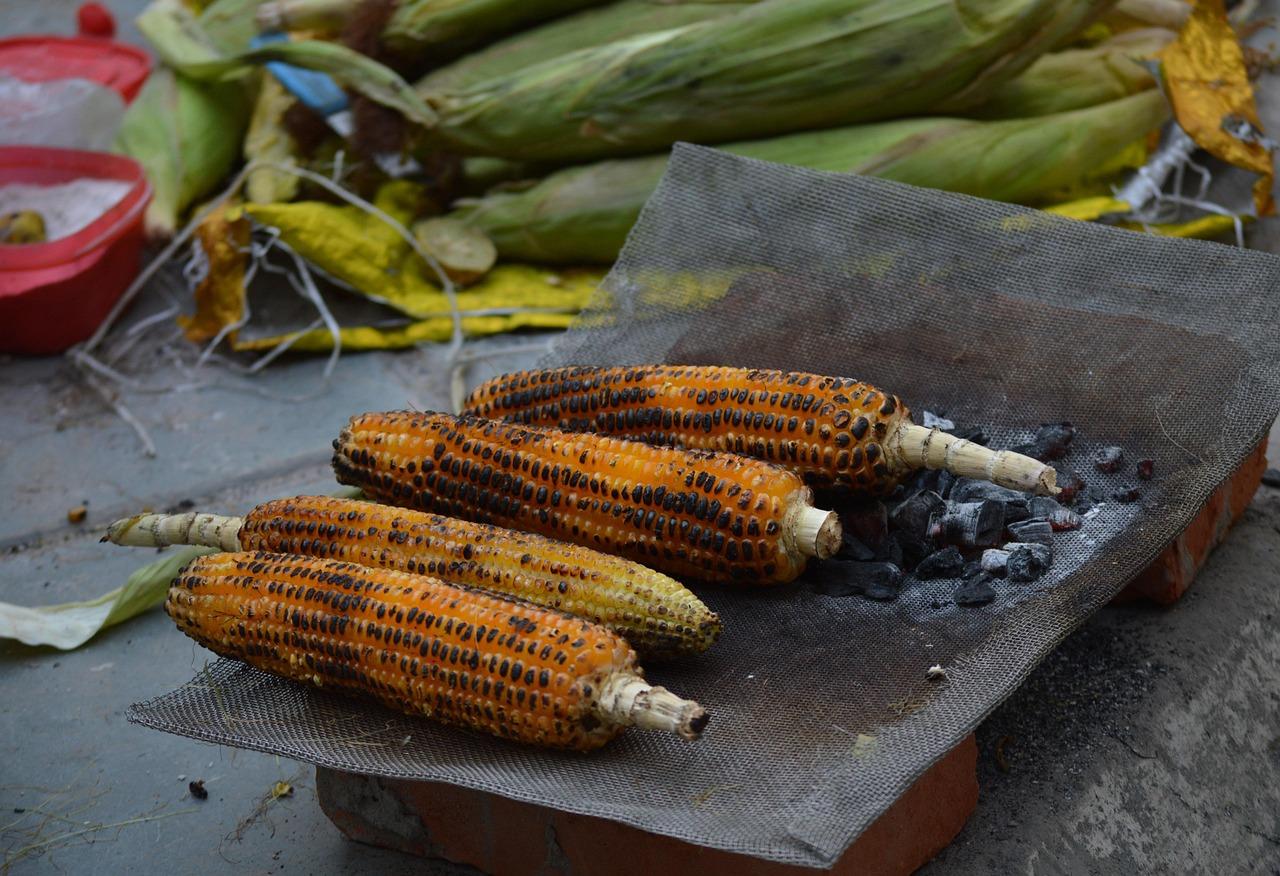
Roasted corn and ube (African pear)

When the rains come between June and September, roadside roasters all over southern Nigeria fan charcoal under rows of maize cobs, and next to them sits a basin of ube, the purple African pear, softened in hot water. A bite of chewy, smoky corn and a scrape of the pear's rich, salty, almost avocado-like flesh is the whole point, and at home a grill or a gas flame does the job. Dropping ube into boiling water is a common mistake: the skins split and the flesh turns watery and bitter, so use water that is hot but not bubbling. Chef's tip: no ube? Fresh coconut chunks are the other classic partner for roasted corn.

by KrazyBadal 0 views

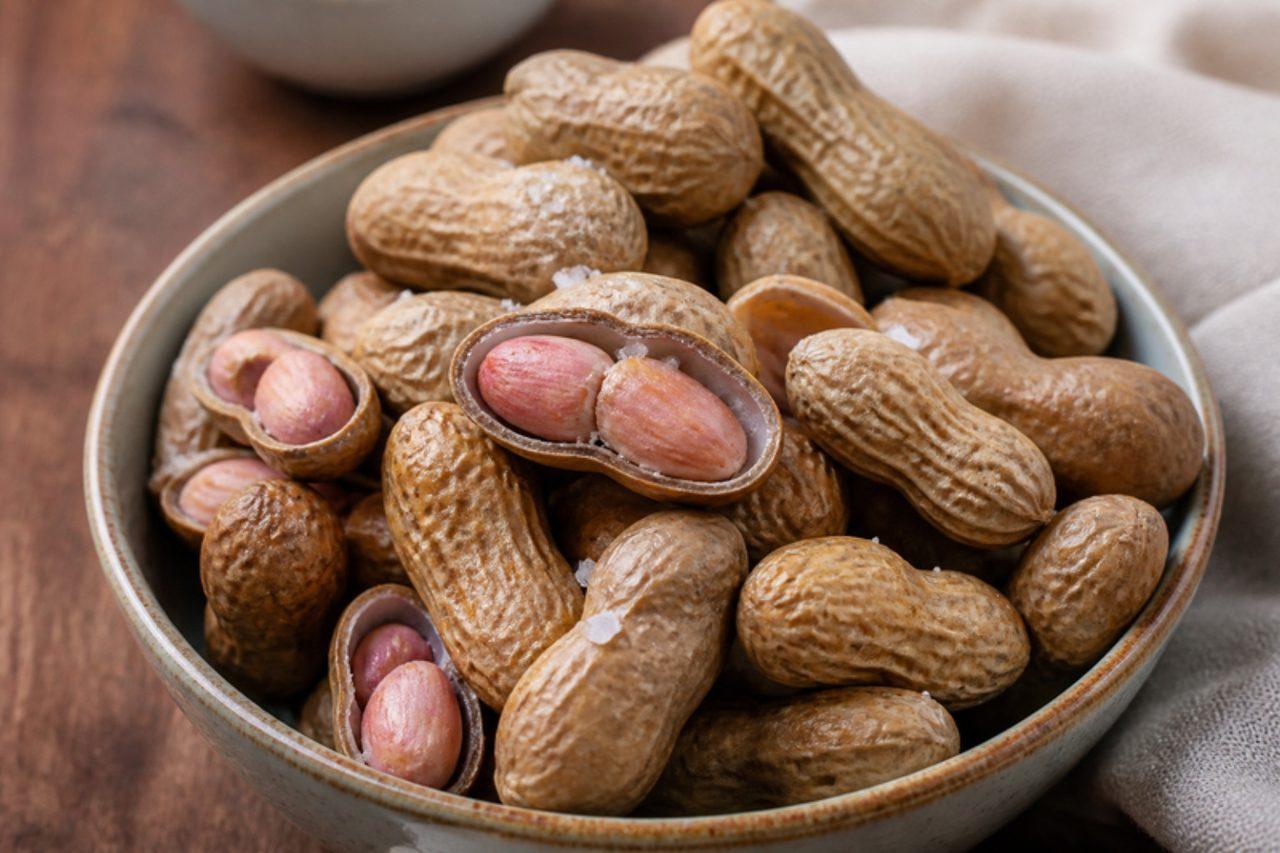
Boiled groundnuts in the shell

Freshly dug groundnuts appear in markets from Ibadan to Kano when the rains come, still muddy in their pale shells, and hawkers sell them boiled in salt water by the cupful, often next to roasted corn. Boiling turns the kernels soft and creamy, like a cooked bean, with salt seeping through the shell. They are eaten warm on the way home, cracked open with the thumbs. Using dried shop peanuts and boiling them for the same time is the usual mistake: they stay hard, so soak dried ones overnight and boil for 2–3 hours. Chef's tip: let them sit in the hot brine for 15 minutes after cooking, so the salt soaks in.

by KrazyBadal 0 views

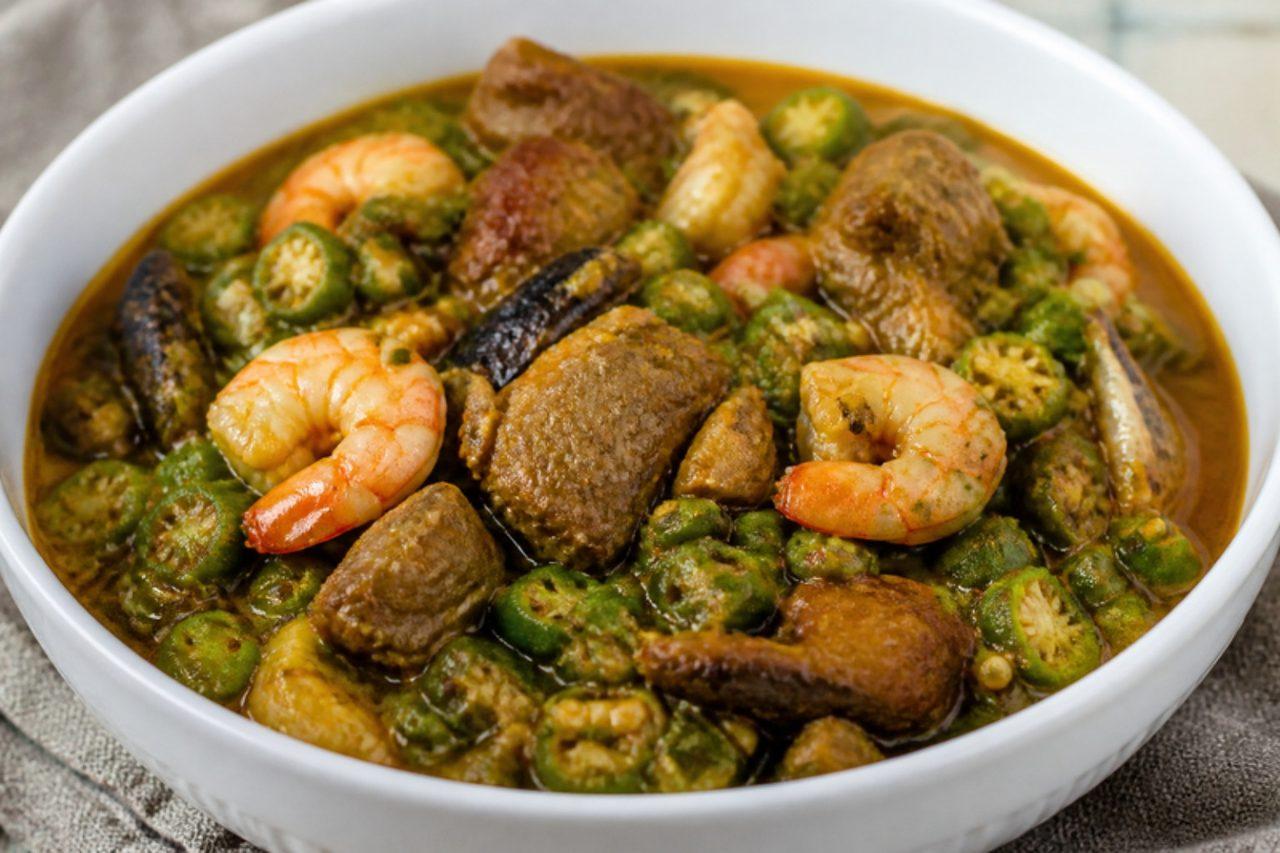
Ila asepo (Yoruba okra soup)

Ibadan and Abeokuta buka ladle ila asepo over amala at lunchtime: a bright, chunky okra soup cooked in a palm-oil pepper base, rather than the plain boiled okra of other regions. Iru and crayfish give depth, assorted meat and smoked fish give body, and prawns go in at the end, so every spoonful is drawy, savoury and loaded. It is just as good with eba or pounded yam. Cooking the okra too long is the usual mistake; it loses its stretch and its green colour, so add it last and give it only 4–5 minutes. Chef's tip: chop the okra by hand into small dice instead of blending it, and the soup keeps its pleasant crunch.

by KrazyBadal 0 views

Lao iced coffee

High on the Bolaven Plateau above Pakse, the coffee towns around Paksong grow most of Laos's beans, and roadside stalls there brew them dark and strong through a long cloth sock, all day long. Ordered cold, it arrives as a glass of ice with a thick layer of sweetened condensed milk at the bottom, the black coffee poured over and stirred to a caramel brown, often with a free cup of weak tea to sip afterwards. It is bitter-sweet, chocolatey and much richer than a café latte, made for hot afternoons on the plateau or a morning stop in Pakse. A French press or a fine sieve lined with a paper filter stands in for the cloth sock. Pouring hot coffee straight onto ice before adding the milk is where it goes flat: the condensed milk won't dissolve in cold coffee and sinks in a gluey lump. Chef's tip: stir the condensed milk into the hot coffee first, then pour over the ice.

10 minLaoDrinksGluten free
by KrazyBadal 0 views

Chapman (Nigerian fruit punch)

Order a chapman in a Lagos club house or at an owambe party and it arrives in a tall glass full of ice, glowing red and crowded with slices of cucumber, orange and lemon. Lemon-lime and orange sodas are mixed with blackcurrant cordial and grenadine for a sweet, fruity, fizzy drink with a fresh edge from the cucumber. The classic recipe adds a few dashes of aromatic bitters, and those bitters contain alcohol; leave them out (or use an alcohol-free bitters) and it is fully alcohol-free and fine for children. Adding the soda too early is the usual mistake, as it goes flat, so mix the syrups and fruit first and top up just before serving. Chef's tip: chill every bottle well beforehand, so less ice melts into the drink.

by KrazyBadal 0 views

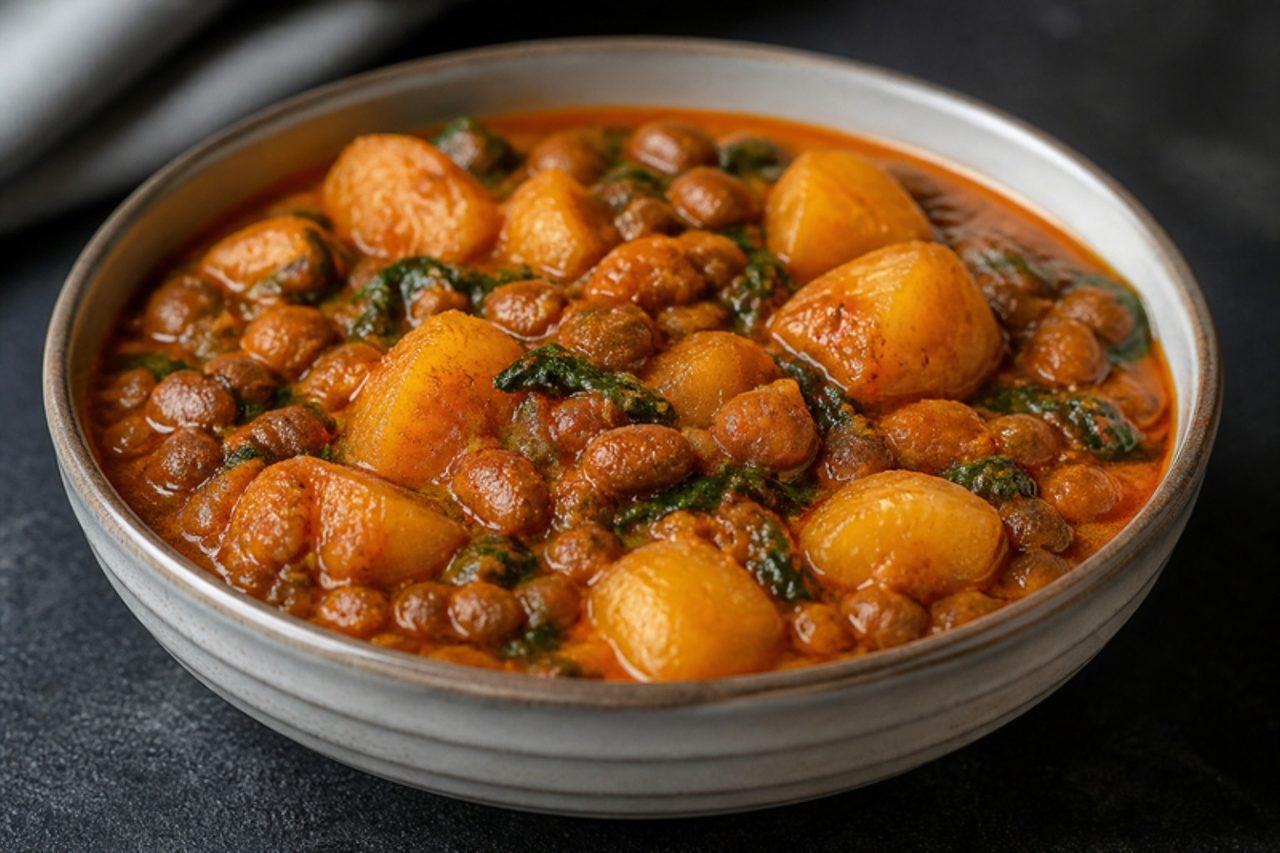
Fio fio (pigeon pea pottage with cocoyam)

Pigeon peas are called fio fio or echicha in Enugu, and around Udi and Nsukka they are cooked into a thick pottage for family meals, sometimes with fresh corn in season and often with cocoyam, which melts into the pot and thickens it. The peas stay firm and nutty, the cocoyam turns soft and creamy, and the palm-oil pepper sauce ties it together into a hearty, savoury meal. Dried pigeon peas are sold in African and South Asian shops (as toor or gandules). Pigeon peas are tough and need a long simmer; the mistake is seasoning or adding cocoyam before they are completely tender. Wear gloves to peel cocoyam, which can itch. Chef's tip: soak the peas overnight and boil them hard for the first 10 minutes; it shortens the cooking and makes them evenly tender.

by KrazyBadal 0 views

Spris (layered fruit juice)

Juice houses all over Addis Ababa, with their towers of fruit stacked in the window, are famous for spris: a tall glass of thick purées poured in stripes, usually green avocado, golden mango and orange papaya, with a wedge of lime on the rim. It is closer to a spoonable smoothie than a juice, and people often eat the layers one by one before stirring the rest together. It makes a filling breakfast or an afternoon pick-me-up, and children love the colours. Chef's tip: blend each fruit separately and keep every purée thick enough to hold a spoon; runny purées bleed into each other and the stripes vanish.

by KrazyBadal 0 views

Unripe plantain porridge

Green plantain porridge is everyday home food in Rivers and Delta states and well beyond, and many Nigerians cook it when they want something filling but lighter than yam or rice. Hard, green plantains are cut into chunks and cooked in a pepper broth with a little palm oil until they soften and the starch thickens the liquid into a savoury, slightly tangy stew, finished with peppery scent leaf. Smoked fish, crayfish or periwinkles often go in; this version is meat-free and still deeply savoury. It is a meal in itself. Adding the scent leaf too early is the usual mistake; stir it in at the very end so it stays fragrant rather than bitter. Chef's tip: oil your hands before peeling green plantain to stop the sticky sap staining your skin.

by KrazyBadal 0 views

Rokak bel lahma (Eid meat pie)

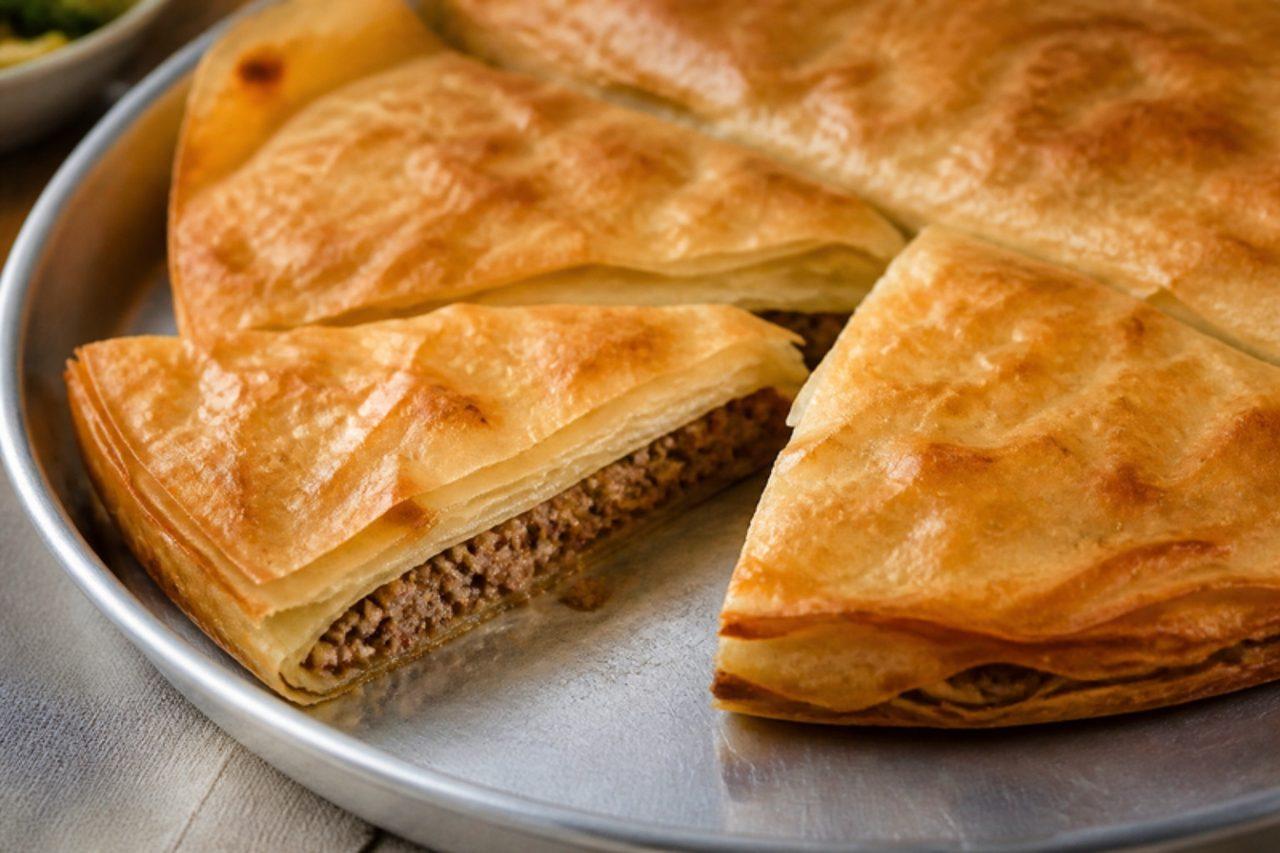
When Eid comes round, Egyptian shops stack up rounds of rokak, a very thin, brittle unleavened pastry baked on a hot dome, and cooks turn them into this layered pie for the family lunch. Each sheet is moistened with hot meat broth and a little ghee, layered with beef mince fried with onion, then baked until the top crackles and the inside turns tender and savoury, somewhere between a pie and a lasagne. It is cut into squares and served with rice, salad and pickles. If you cannot find rokak, sheets of filo baked dry for a few minutes are the nearest substitute. Chef's tip: soak each layer just enough to soften it; too much broth makes a heavy, soggy pie, and too little leaves dry shards, the mistake most people make the first time.

by KrazyBadal 0 views

Ofada rice with green pepper sauce

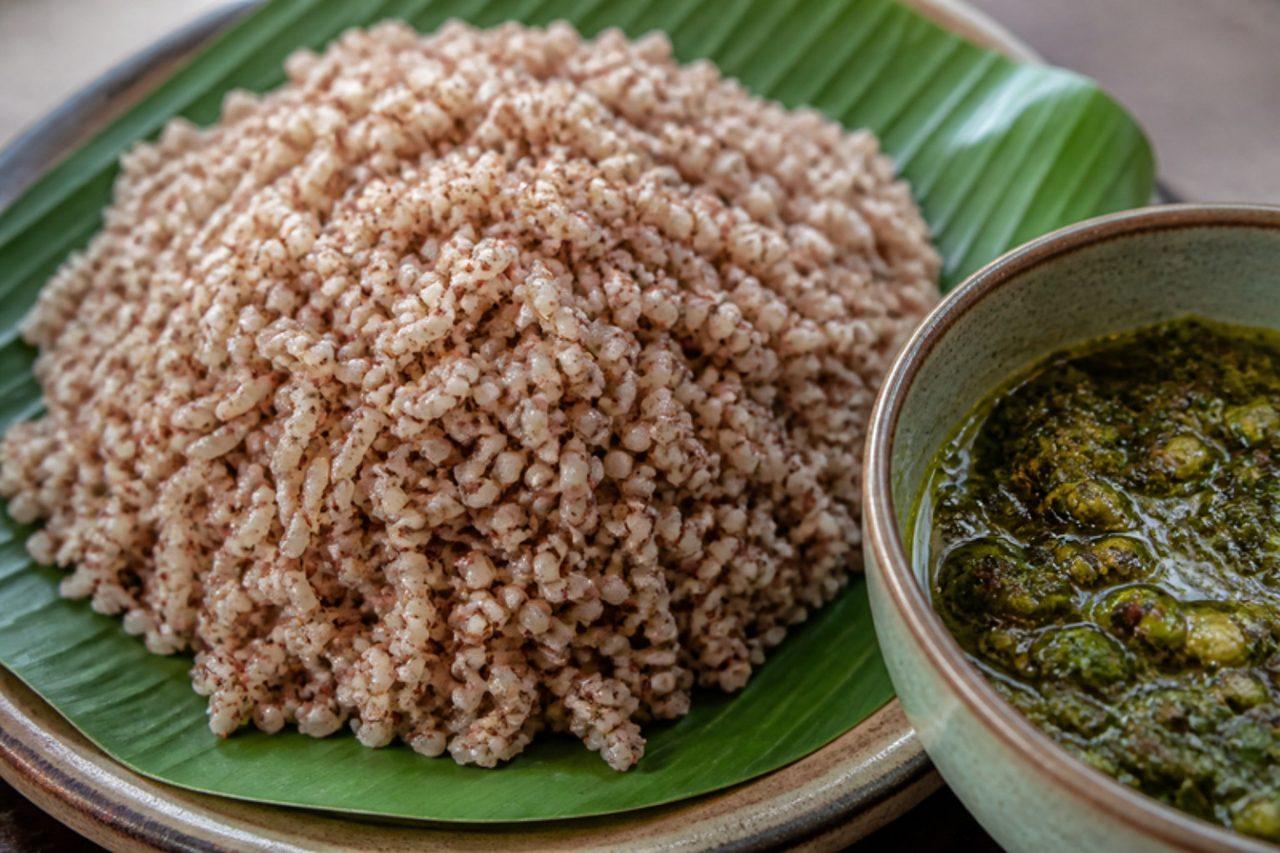
Ofada rice takes its name from a town in Ogun State and is grown on small farms across the Southwest; the grains are short, unpolished and sometimes speckled, with a nutty, earthy aroma that some love and others find strong. It is served wrapped in uma (thaumatococcus) leaves at parties and in Lagos restaurants, with ayamase, a fiery green pepper sauce cooked in bleached palm oil. Ayamase is usually loaded with assorted meats and boiled eggs; this vegan version keeps the green peppers, scotch bonnets and locust beans and adds mushrooms if you like. Banana leaves or a plain plate stand in for uma leaves. The mistake to avoid is skipping the picking and washing: local rice often holds small stones and husk. Chef's tip: bleach the palm oil with the lid nearby, the window open and the extractor on full, and never leave the pan.

by KrazyBadal 0 views

Grilled bolti (Nile tilapia)

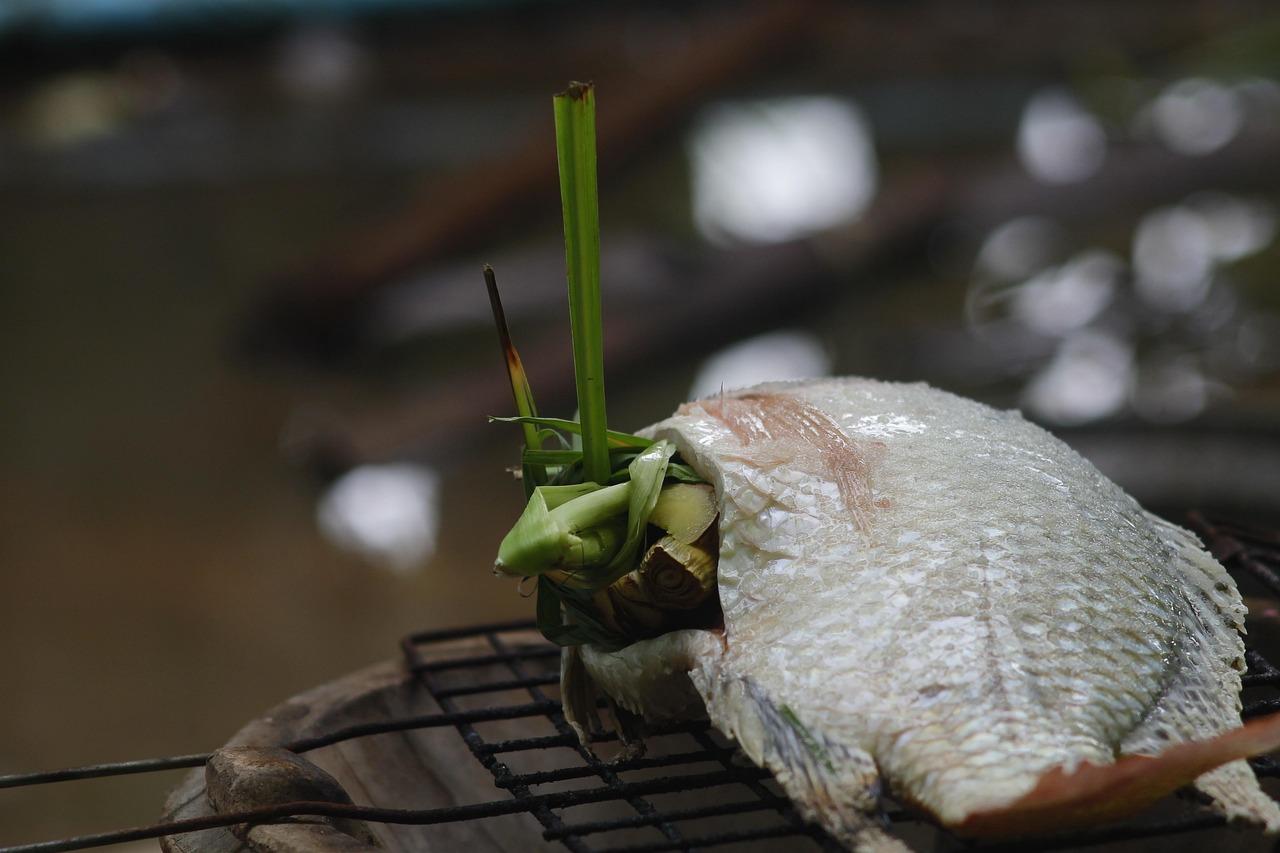
From the Nubian villages near Aswan to the fishing camps on Lake Nasser, bolti caught that morning is gutted, slashed and grilled over charcoal for lunch, and fish grills all over Egypt cook it the same way. The rub is simple: crushed garlic, plenty of cumin, lemon, chilli and oil, which toasts on the skin and seasons the sweet, mild flesh. A stuffing of onion and parsley in the belly keeps it moist. Eat it with your hands, picking the flesh from the bones, alongside tahini, green salad and rice or bread. Chef's tip: oil the grill bars as well as the fish and leave it alone for the first 6 minutes; fish moved too early tears and sticks, which is the usual grilling mistake.

by KrazyBadal 0 views

Kep crab with green Kampot pepper

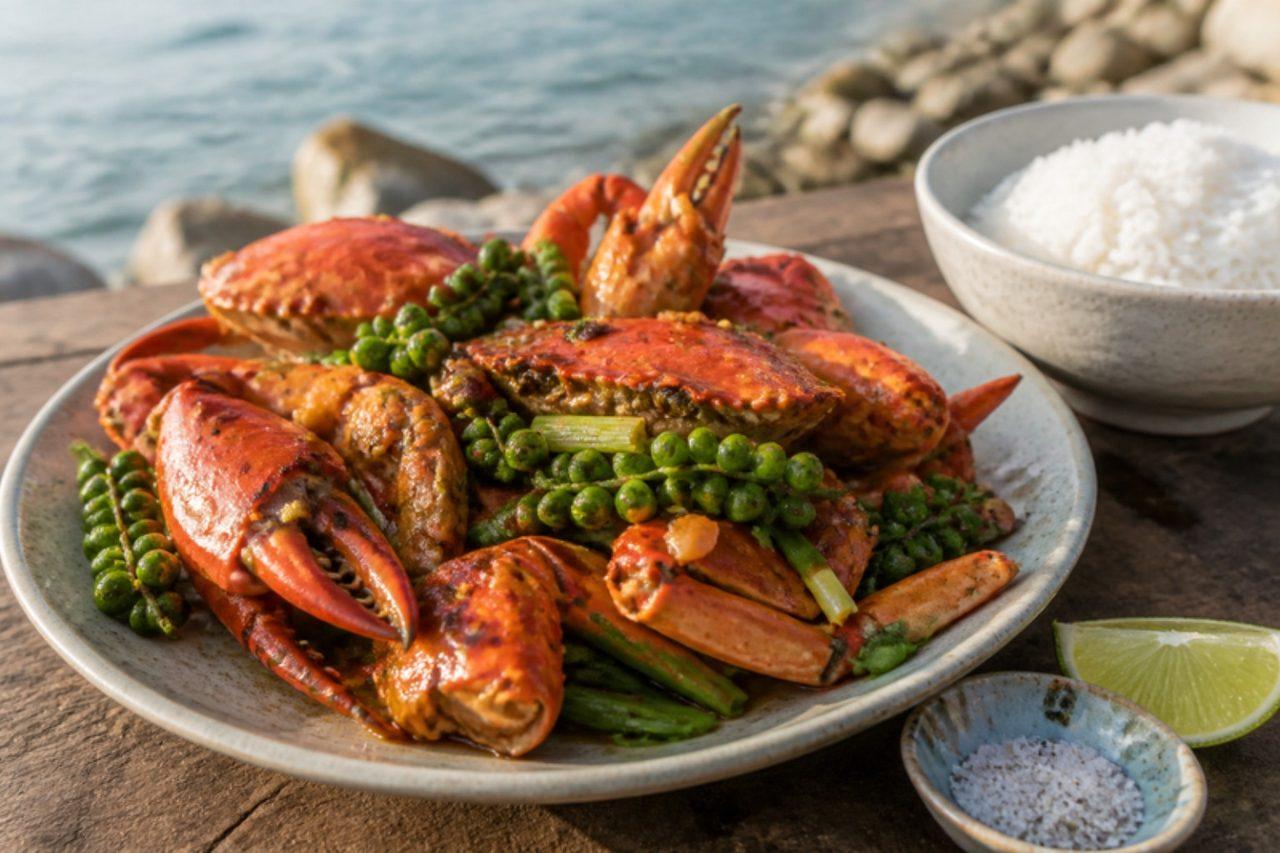
This is the dish people travel to the seaside town of Kep for: at the crab market, women haul baskets of blue swimmer crabs out of the water, and the wooden restaurants behind them stir-fry the catch for lunch with whole sprigs of green peppercorns picked that week in the Kampot hills. Fresh green pepper is juicy and aromatic rather than fiery, popping between the teeth with a bright, almost citrusy heat, and it clings to the sweet crab meat along with garlic and a light, salty-sweet sauce. Eat it with your hands, with rice and a saucer of salt, pepper and lime. Overcooking is the usual failure: crab left in the wok too long turns dry and stringy. Chef's tip: buy crabs already killed and cleaned by the fishmonger, or frozen cut crab, and throw out any piece that smells off; cook just until the shells turn bright orange and the meat is opaque right through.

by KrazyBadal 0 views

Halwa puriPuris with semolina halwa and chickpeas

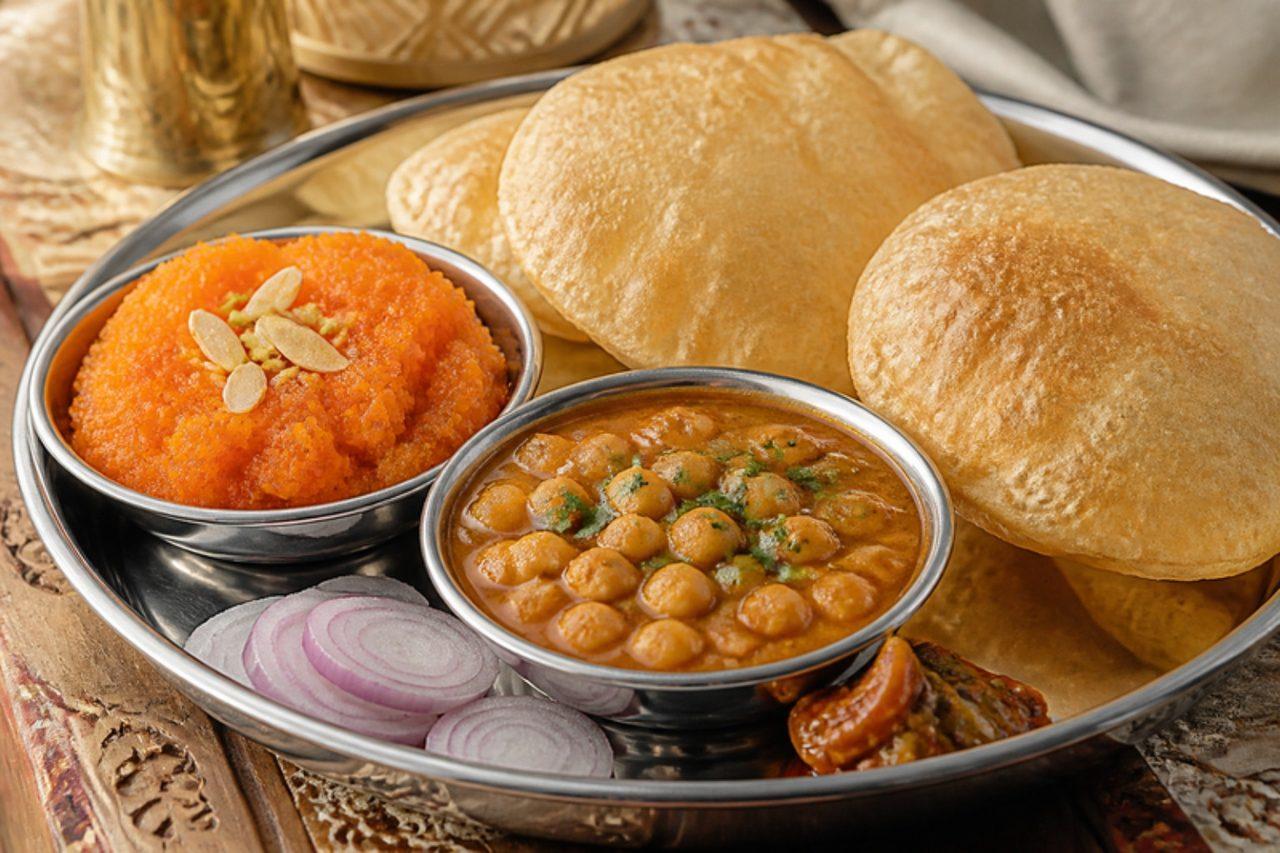
Sunday mornings in Lahore start with a queue: outside the halwa puri shops of Gawalmandi and Lakshmi Chowk, families wait with steel tiffins to carry home stacks of puffed puris, a tray of orange semolina halwa and a pot of sour, peppery chickpeas. The joy of the plate is the contrast, a hot, crisp-chewy puri torn and used to scoop both the sweet, cardamom-scented halwa and the spicy chana, with mango pickle and onion on the side and a cup of strong tea or lassi to finish. It is heavy, celebratory food, made for weekends, Eid mornings and guests. Doing it at home is a matter of order: cook the chana first, then the halwa, and fry the puris last so they reach the table puffed. Where many go wrong is rolling the puris too thin or frying in oil that is not hot enough, so they lie flat and soak up grease. Chef's tip: knead the puri dough stiff, with a spoon of semolina in it, and it will puff and stay crisp much longer.

by KrazyBadal 0 views

Gwote (grain-ball porridge with leaves)

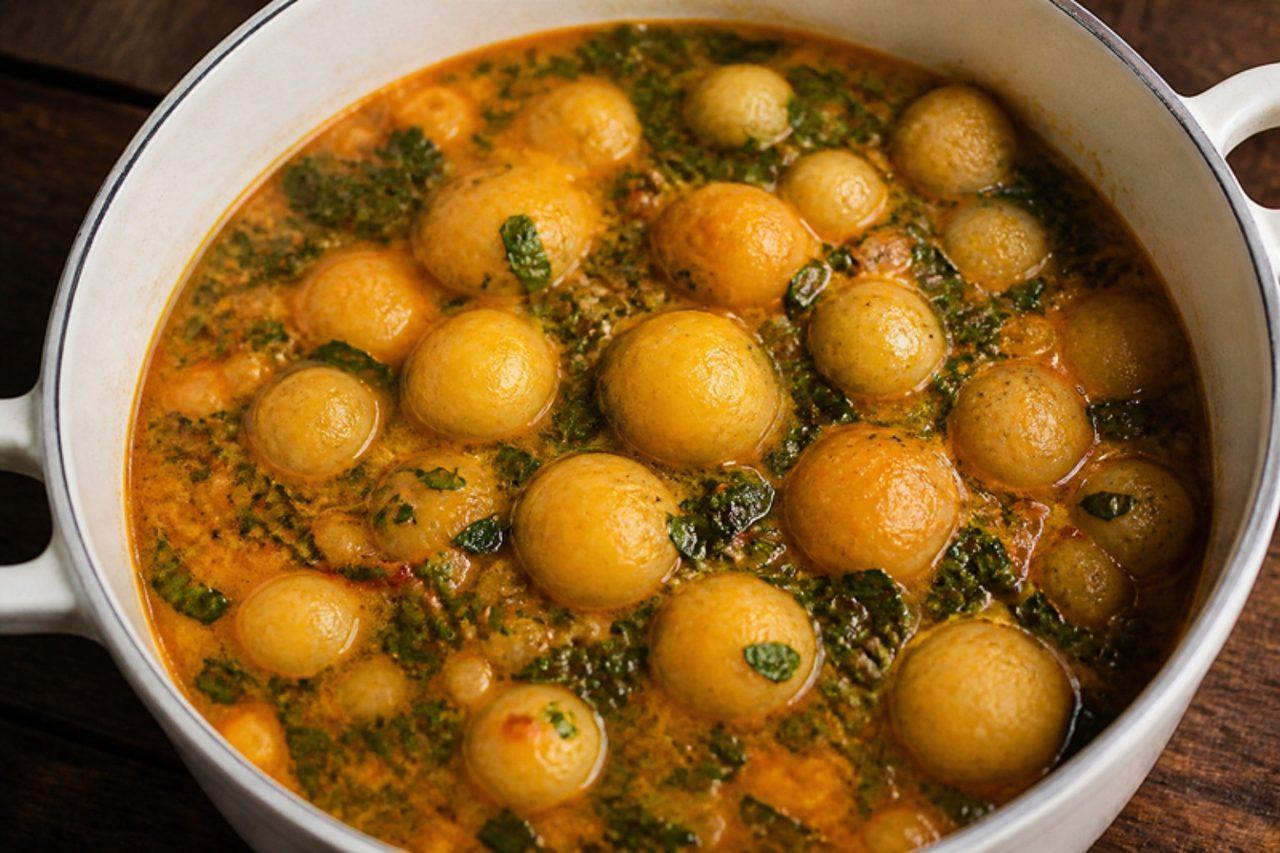
Cold harmattan mornings in the villages around Kano and Bauchi are when gwote comes into its own: a pot of small, chewy maize or millet balls simmered in a tomato and pepper broth with whatever leaves are to hand. The balls swell and cloud the liquid until it becomes a thick, savoury porridge, warming and filling on a modest budget. It is eaten from a bowl with a spoon, with nothing else needed. Watch out for balls that are too big; they stay raw and floury in the middle, so keep them marble-sized. Chef's tip: knead the dough while it is still hot, so it turns smooth and the balls keep their shape in the pot.

by KrazyBadal 0 views

Trida (steamed pasta squares in chicken sauce)

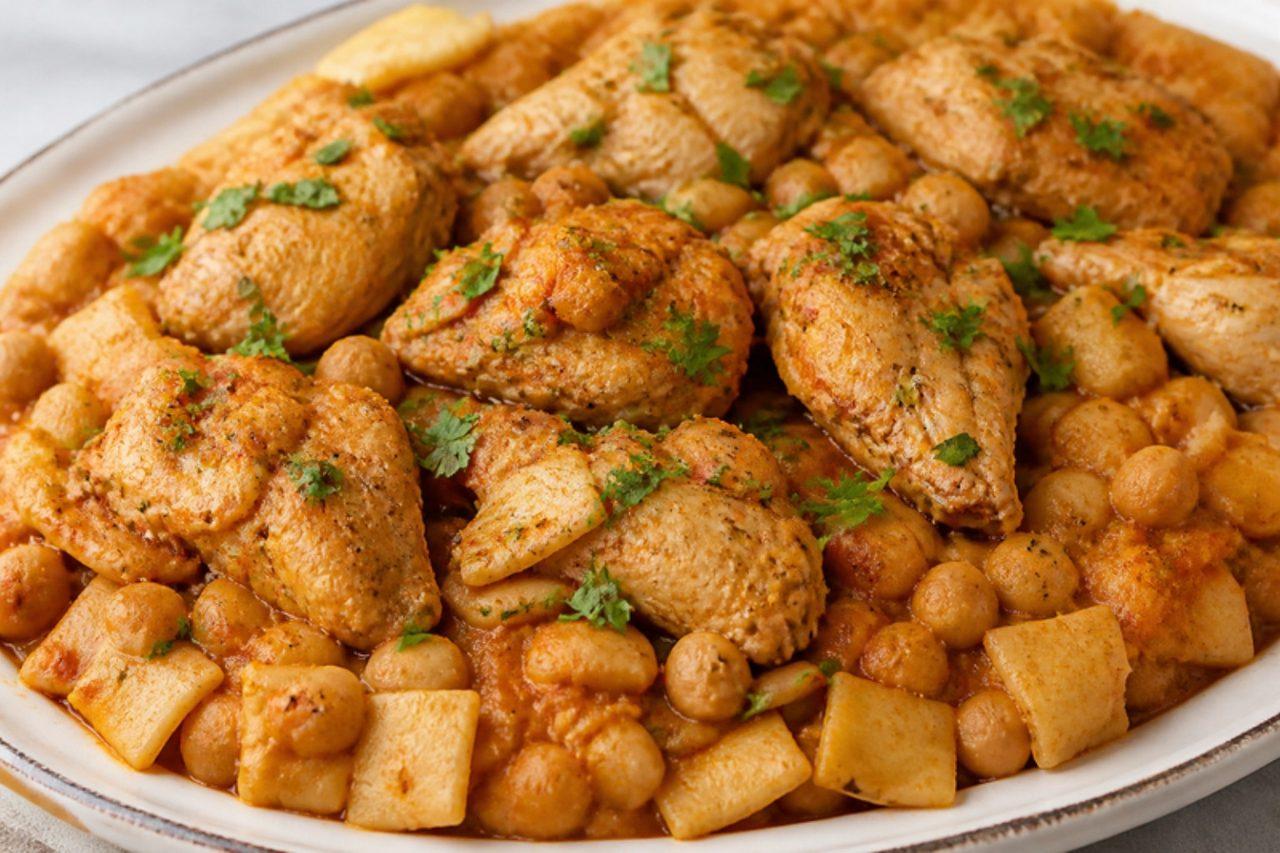
Making trida is an afternoon's work shared around a Constantine kitchen table, especially before Mawlid or a family celebration: a firm semolina dough is rolled paper-thin, cut into small squares, dried, and then steamed twice over a pot of chicken and chickpea sauce flavoured with cinnamon and a touch of tomato. The squares come out tender with a slight bite, glossy with butter and sauce, and are piled on a platter under the chicken. A pasta machine saves a lot of rolling. Chef's tip: dust the cut squares well with semolina and let them dry for half an hour; damp squares are the usual mistake and stick into a single mass in the steamer.

by KrazyBadal 0 views

Kuli-kuli (crisp groundnut rings)

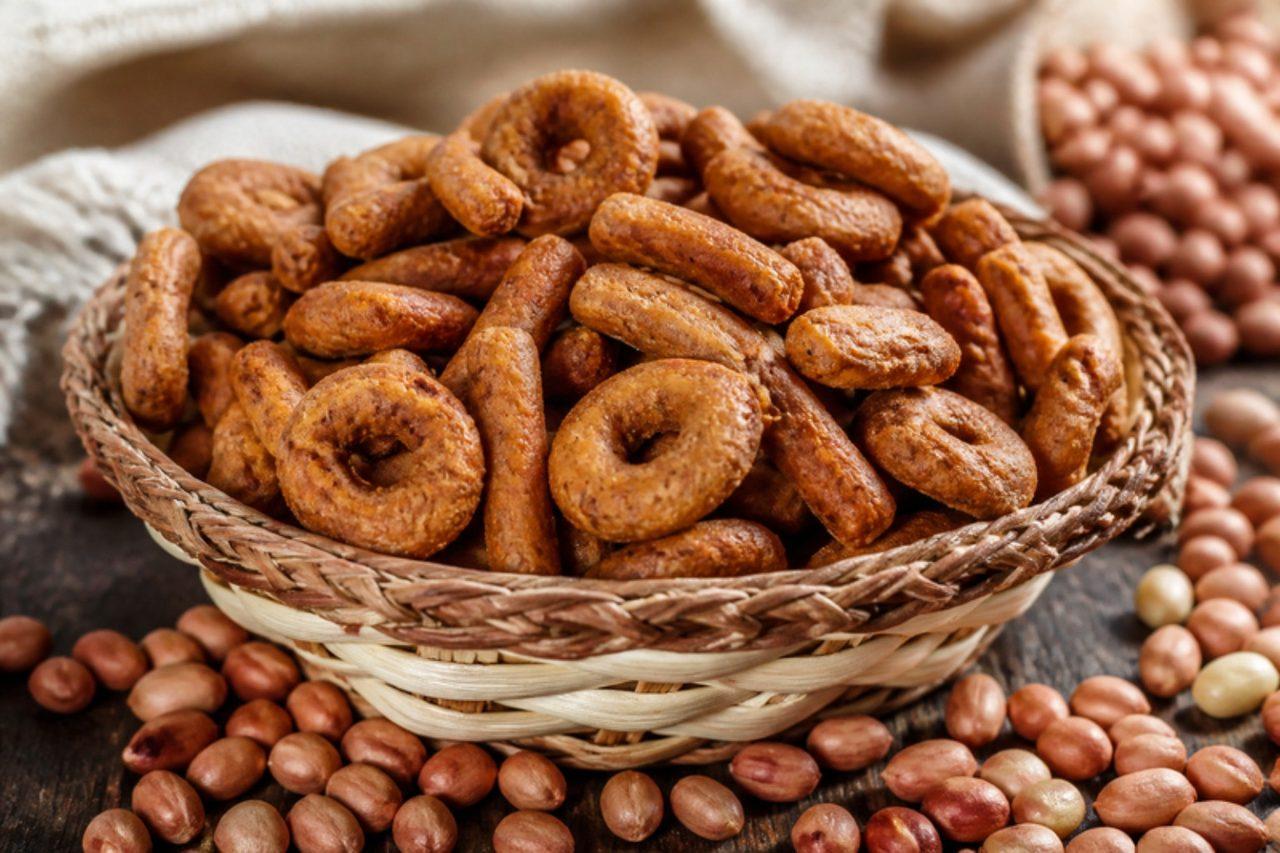
Kano's markets sell kuli-kuli by the bagful: hard, crunchy rings and sticks of roasted groundnut paste that has had its oil pressed out before frying. They taste deeply nutty, with a warm kick of ginger and chilli, and keep for weeks in a tin. People crunch them with soaked gari, with kunun drinks or crumble them over salads like zogale. If the oil isn't squeezed out properly the paste collapses in the pan, so keep working it until it feels firm and dry. The usual mistake is not pressing out enough oil from the groundnut paste, so the rings fall apart in the fryer. Chef's tip: they only crisp fully as they cool, so judge doneness by their deep brown colour, not by how hard they feel in the pan.

by KrazyBadal 0 views

Chakhchoukha (torn flatbread in lamb sauce)

Biskra claims chakhchoukha as its own, though Constantine and the whole east cook it for weddings, Eid and the arrival of guests: sheets of thin rougag are torn into small pieces, softened with steam and soaked in a fiery red sauce of lamb, tomato, chickpeas and whole green chillies, then served from one big wooden or clay dish. The bread turns soft and silky, almost like pasta, and soaks up the peppery, deeply savoury sauce. Use homemade rougag or the dried sheets sold in Algerian shops. Chef's tip: moisten the bread with sauce a ladle at a time and toss between additions; pouring it all over at once is the usual mistake, and the bread turns to paste.

120 minAlgerianMeatSpicy
by KrazyBadal 0 views

Tuwo shinkafa (soft rice swallow)

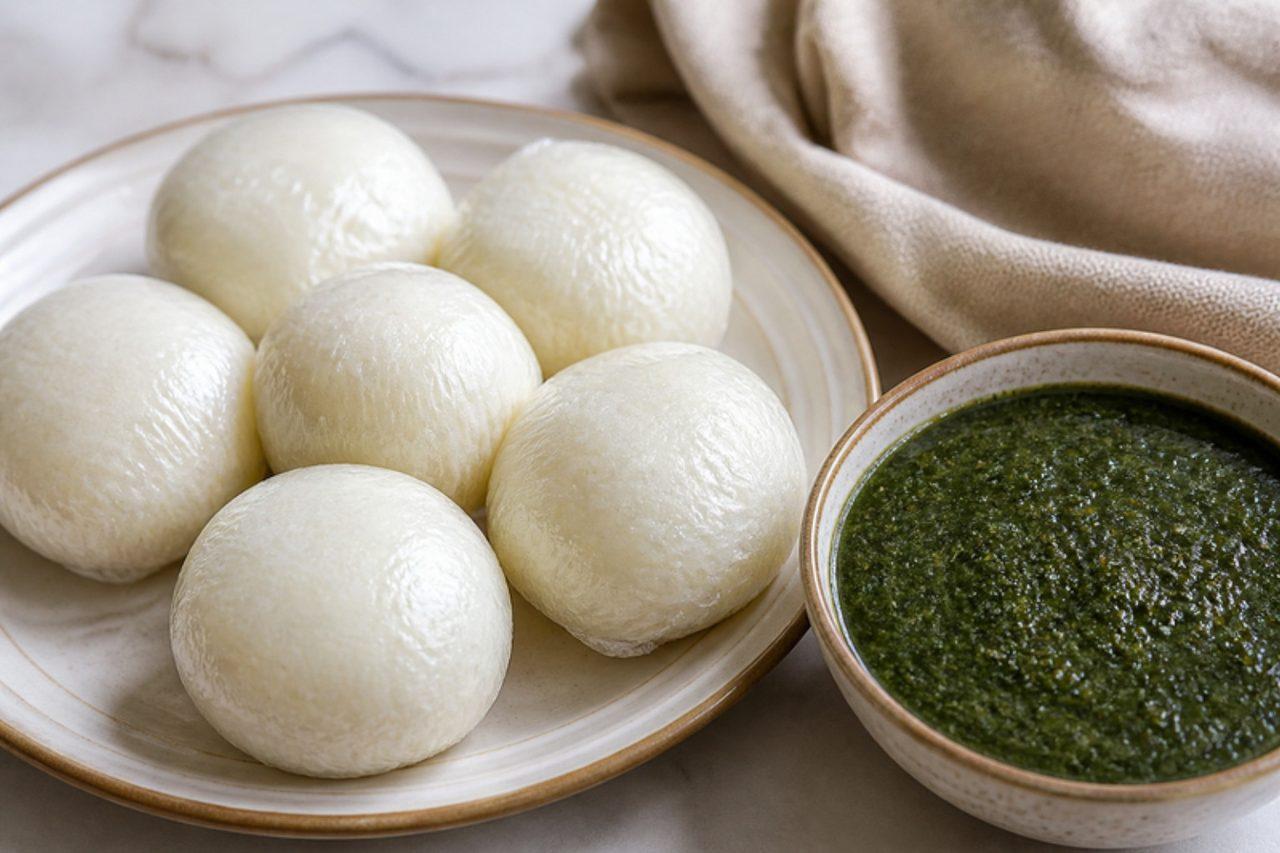
Across Kano, Kaduna and the wider Hausa north, the evening meal very often means a dome of tuwon shinkafa beside a bowl of soup. Short-grain rice is cooked well past the point most cooks would stop, then beaten with a wooden spoon until the grains collapse into a smooth, faintly sticky mass that still shows a few soft grains. It tastes mild and clean, which is exactly its job: you pinch off a piece, dip it into miyan kuka, miyan taushe or an okra soup and swallow. It also turns up at naming ceremonies and weddings, wrapped in plastic or leaves and carried home by guests. Chef's tip: wet the bowl or cup you mould it in, and the balls slide out glossy and round instead of tearing.

by KrazyBadal 0 views

Beet kvass

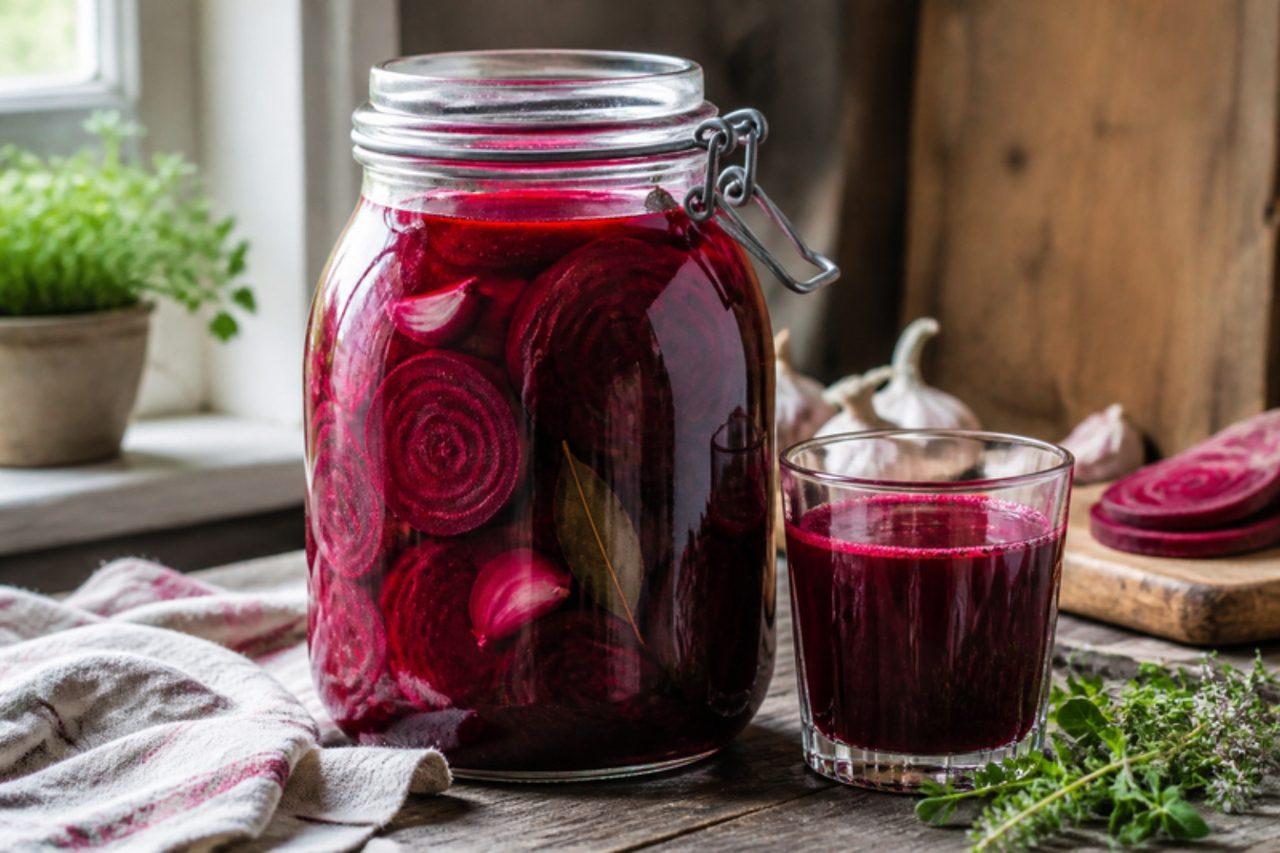
Before lemons and vinegar were easy to buy, Ukrainian cooks soured their borscht with beet kvass, a ruby-red brine made by leaving sliced raw beetroot in salted water for a few days. It is lightly fermented, so it contains no more than a negligible trace of alcohol, and it tastes earthy, salty and pleasantly sharp. In Poltava and Chernihiv villages a jar always stood by the stove; a splash went into the soup pot and a small glass was drunk in the morning as a tonic. Some families add a crust of rye bread to speed things up, which makes it no longer gluten-free. The mistake most people make is leaving the beetroot floating: anything above the brine can grow mould, so keep it weighed down. Discard any batch with fuzzy or coloured mould, a slimy texture or a rotten smell. Chef's tip: a few slices left in the jar from the previous batch start the next one in half the time.

by KrazyBadal 0 views

Chbah essafra (almond fritters in lamb sauce)

Cooks in Algiers bring out chbah essafra for weddings and grand family dinners, where it is served as the sweet main course: diamonds of almond paste scented with lemon and cinnamon are dipped in egg, fried golden and laid around tender lamb in a pale, buttery sauce sweetened with sugar and orange-blossom water. The contrast of savoury meat and soft, sweet almond is the point, and the dish is rich, so small portions with bread are usual. Chicken can replace the lamb, with a shorter cooking time. Chef's tip: warm the fritters in the sauce only at the table; dropping them into bubbling sauce is a common mistake, and they fall apart.

130 minAlgerianMeat
by KrazyBadal 0 views

Tlitli (Algerian rice-shaped pasta with chicken)

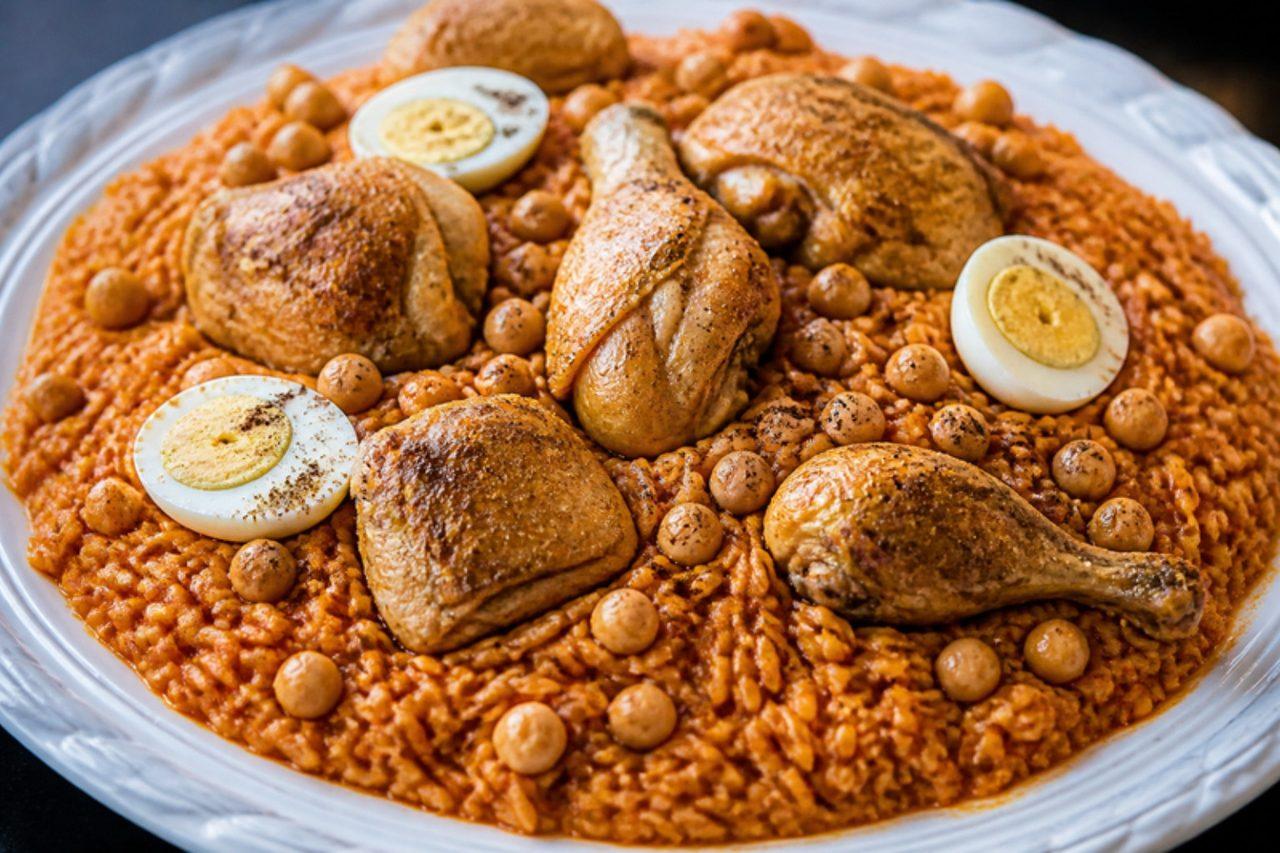
Tlitli is a tiny pasta shaped like grains of rice, once rolled by hand and now sold dried, and in Algiers and Constantine it is cooked for family feasts such as Ennayer, the Amazigh New Year, or the return of a pilgrim. The pasta soaks up a red sauce of chicken, onion, tomato, paprika, cinnamon and chickpeas, and is piled on a platter with the chicken and halved boiled eggs on top. Expect a cosy, gently spiced dish, a bit like a red risotto, with soft pasta and tender chicken. Orzo is a good stand-in if you cannot find tlitli. Chef's tip: toast the pasta in oil before adding sauce; untoasted tlitli tends to clump and turn mushy, a common mistake.

by KrazyBadal 0 views

Danwake (bean flour dumplings)

Roadside danwake sellers in Kano and Kaduna ladle the little dumplings out of big pots, then dress them on the plate with groundnut oil, a dusting of fiery yaji, raw onion and tomato. The dough is bean flour stiffened with baobab leaf powder and a pinch of potash or bicarbonate, which gives the dumplings their dark colour and springy bite. Boiled eggs are often served alongside; leave them out, as here, and the dish is fully vegan and still satisfying, thanks to the beans. A dough that is too soft falls apart in the water, so boil one test dumpling before you shape the rest. Chef's tip: drop the cooked dumplings into cold water straight away; it stops them sticking together and firms the surface.

by KrazyBadal 0 views

Sfiria (cheese croquettes in chicken sauce)

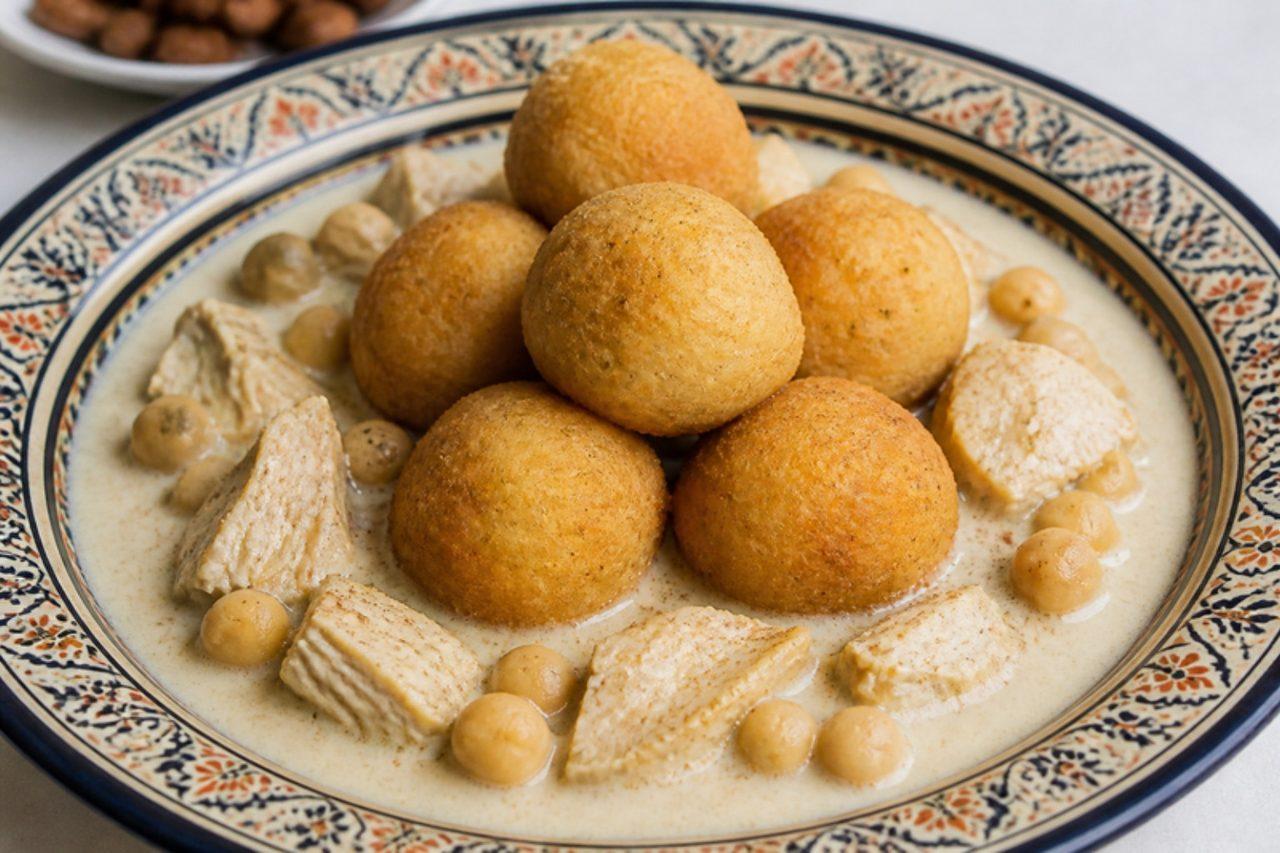
Sfiria belongs to the old bourgeois cooking of Algiers, served on Ramadan evenings and at family celebrations: little croquettes of soaked bread, grated cheese and egg, scented with cinnamon, are fried golden and then laid in a pale chicken and chickpea sauce flavoured with cinnamon and white pepper. The croquettes are light and spongy, soaking up just enough sauce to be juicy, and the dish tastes delicate and faintly sweet. Day-old white bread without crusts gives the best texture. Chef's tip: add the croquettes to the sauce only at the last minute; leaving them to simmer is the common mistake, and they swell, go soggy and fall apart.

by KrazyBadal 0 views

Ogi (pap, fermented maize porridge)

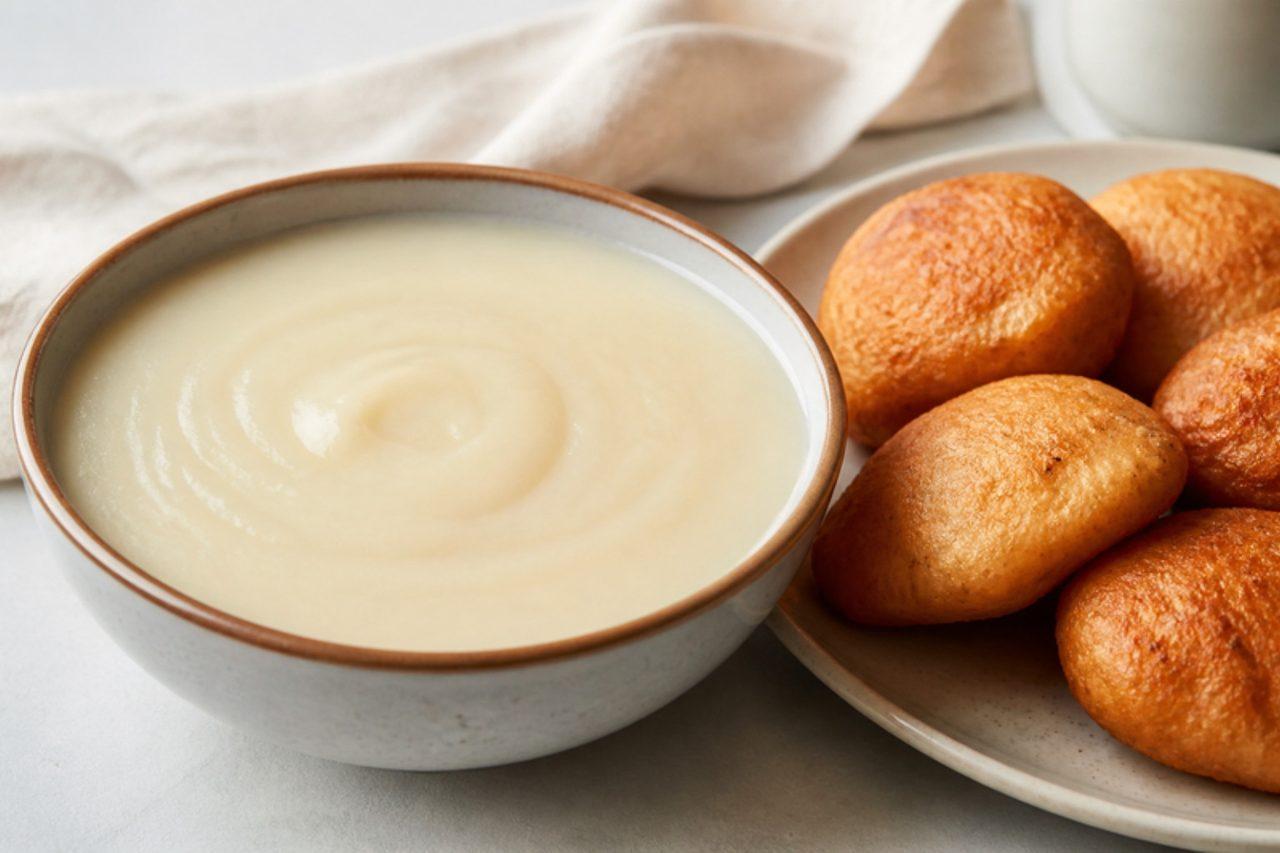
Early mornings across Nigeria smell of akara frying and ogi being stirred: the smooth, pourable porridge that Yoruba homes call ogi and Igbo homes call akamu. It is made from maize soaked for two or three days, ground, sieved and left to settle into a soft white paste, which is sold fresh in markets wrapped in leaves or plastic. Boiling water turns the paste glossy and thick, with a clean sourness that is often softened with sugar and milk. Water that is merely hot rather than boiling is the usual mistake, leaving the pap thin and chalky; if that happens, stir it over a low flame for a minute. Chef's tip: sorghum ogi (ogi baba) is redder and earthier, and millet ogi is lighter; all three cook the same way.

by KrazyBadal 0 views

Fah-fah (Djiboutian spicy goat soup)

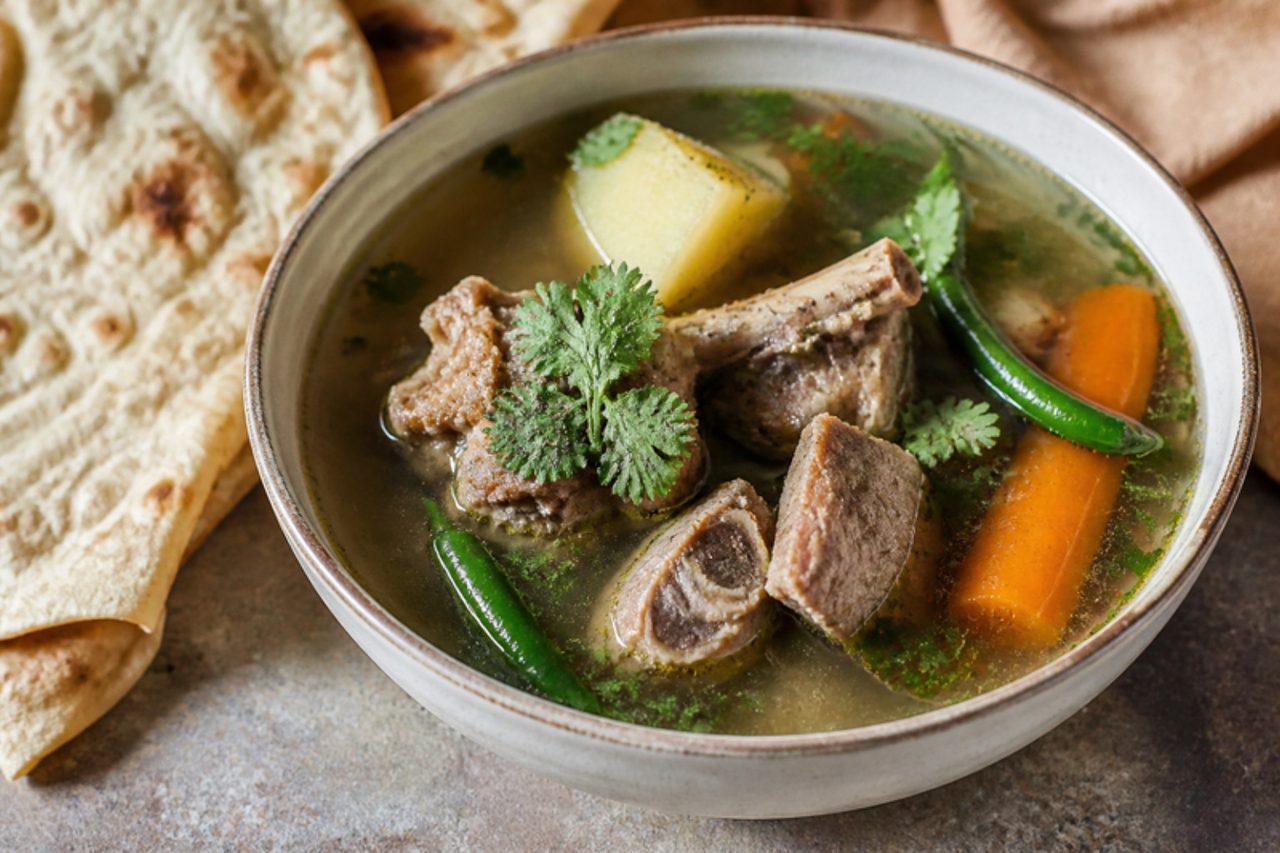
Djibouti City's cafés and Somali-speaking homes across the Horn claim fah-fah as a national dish: a clear but deeply flavoured goat broth simmered on the bone with garlic, cumin and black pepper, filled with potatoes and carrots and sharpened at the end with plenty of green chilli and coriander. It is often eaten at lunch or as a restorative supper, and is especially loved during the cool season and Ramadan, with canjeero torn into the bowl to soak. The broth should be clean-tasting and spicy rather than thick. Letting the soup boil hard makes it cloudy and greasy, so skim well and keep it at a gentle simmer. Don't skip skimming the broth at the start, or the soup stays cloudy and tastes muddy. Chef's tip: add the chilli and coriander only in the final minutes so they stay bright and green.

110 minSomaliSoupsGluten freeSpicy
by KrazyBadal 0 views

Mullah rob (Sudanese peanut and yoghurt stew)

Rob is the Sudanese word for soured milk, and in Khartoum kitchens it goes into one of the simplest, most comforting stews of all: onions cooked down until sweet, peanut butter stirred in for body, and rob whisked through at the end to make a creamy, tangy, pale-gold sauce. It is everyday food, eaten at lunch with sheets of kisra or a mound of aseeda, and it costs very little to make. Without fermented milk to hand, pasteurised natural yoghurt thinned with water does the job well. Boiling the sauce once the yoghurt is in is the classic mistake, because it curdles into grainy flecks; keep it just below a simmer. Chef's tip: let the onions go properly soft and golden, about 15 minutes; they carry the flavour of the whole dish.

by KrazyBadal 0 views

Chorba beida (Algerian white chicken soup)

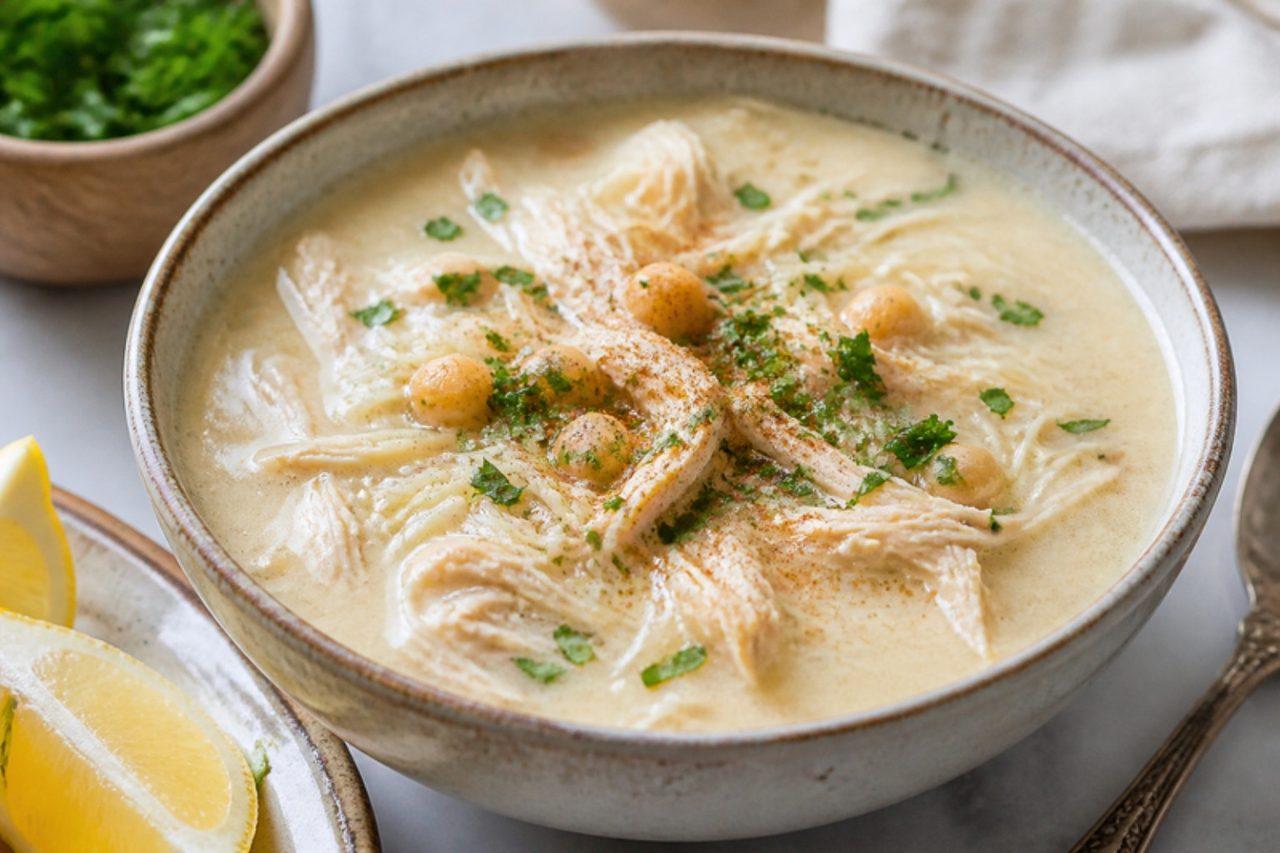
Unlike the red chorba of the rest of the country, the 'white' chorba of Algiers has no tomato at all: chicken, onion and a cinnamon stick are cooked gently in butter, simmered with chickpeas and fine vermicelli, then thickened at the end with egg yolks and lemon. It is a classic of Ramadan tables in the capital, and is also cooked for guests at weddings and family gatherings. The soup is silky and pale gold, mild and comforting, with a soft lemony tang. Serve it with bread and a squeeze of extra lemon. Chef's tip: once the egg yolks are in, never let the soup boil; boiling is the common mistake that curdles it into scrambled threads.

by KrazyBadal 0 views

Sri Lankan buryani

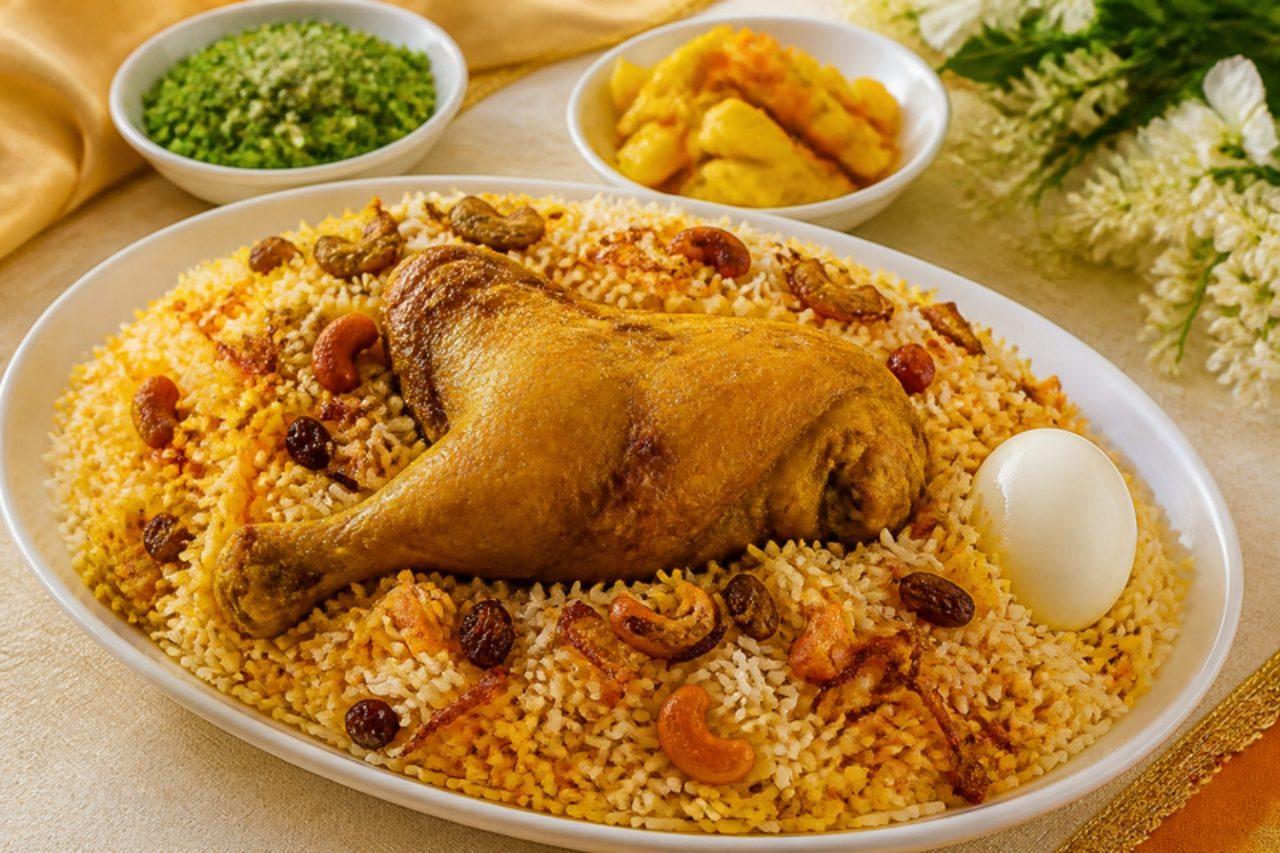
At a Sri Lankan Muslim wedding or a Friday gathering in Colombo's Maradana or Kandy's old town, buryani arrives on huge platters, each portion crowned with a leg of chicken, a halved boiled egg, fried cashews and sultanas. It is lighter and more perfumed than most mainland Indian versions, built on chicken marinated in yoghurt and warm spices, layered with long-grain rice, fried onions, mint and rose water, then sealed and steamed so the grains take on the aroma. It is never eaten alone: a sharp mint sambol, a sweet-sour pickle called achcharu and a bowl of raita-like salad are the expected companions. A frequent misstep is boiling the rice fully before layering, which leaves it mushy after the steaming. Chef's tip: drain the rice when it is about 70 percent cooked, still with a firm white core, because it finishes in the steam.

by KrazyBadal 0 views

Djelbana (Algerian lamb and pea stew)

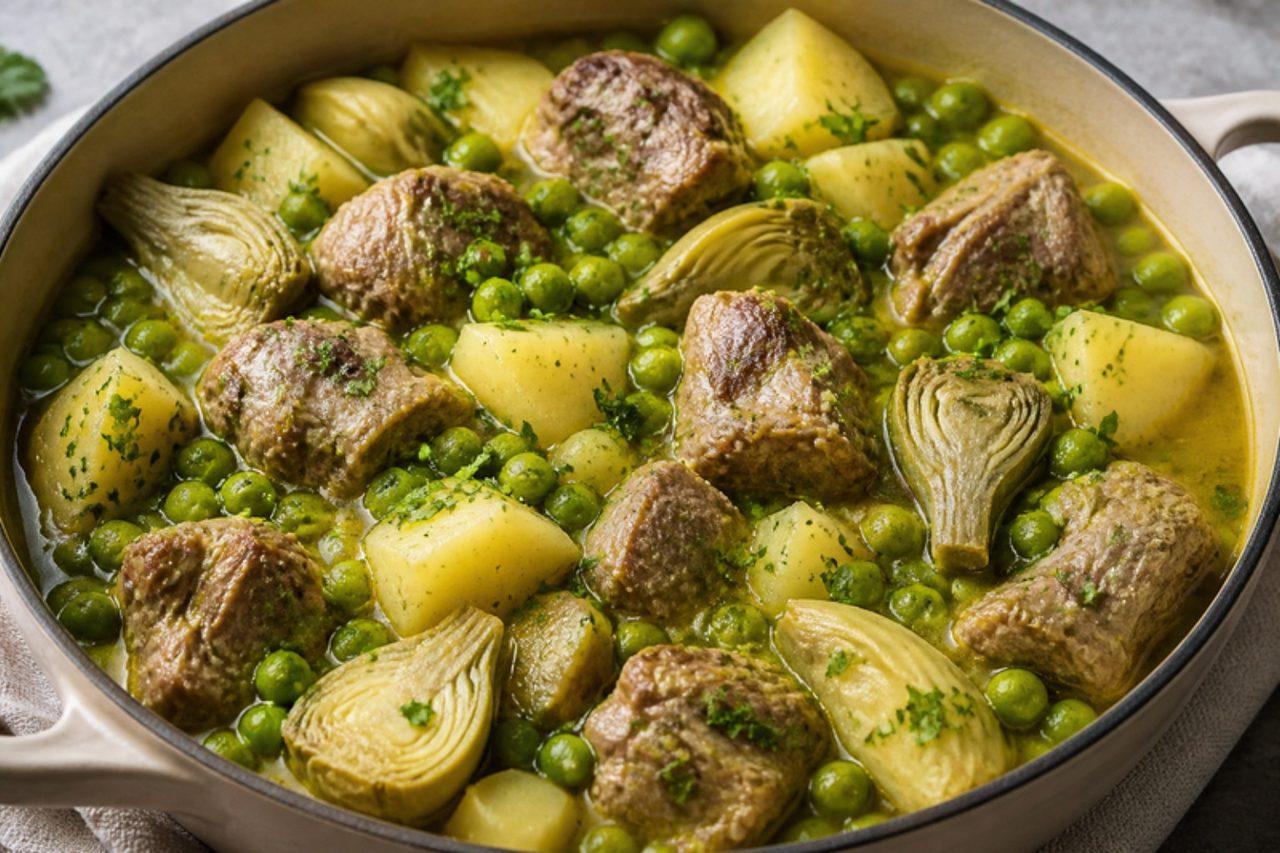
Spring markets in Algiers fill with sacks of fresh peas and violet artichokes, and that is the moment for djelbana, a light, pale stew of lamb, peas, artichoke hearts and potatoes cooked with onion, garlic and a little turmeric, finished with fresh coriander. Families serve it at lunch with plenty of bread to soak up the sauce; on meat-free days it is made the same way without the lamb. It tastes fresh, sweet and gently peppery rather than heavily spiced. Frozen peas and artichoke hearts are fine out of season. Chef's tip: add the peas only for the last 10 minutes; peas put in with the meat are the usual mistake and turn grey and mushy.

by KrazyBadal 0 views

Ayamase (ofada green pepper stew)

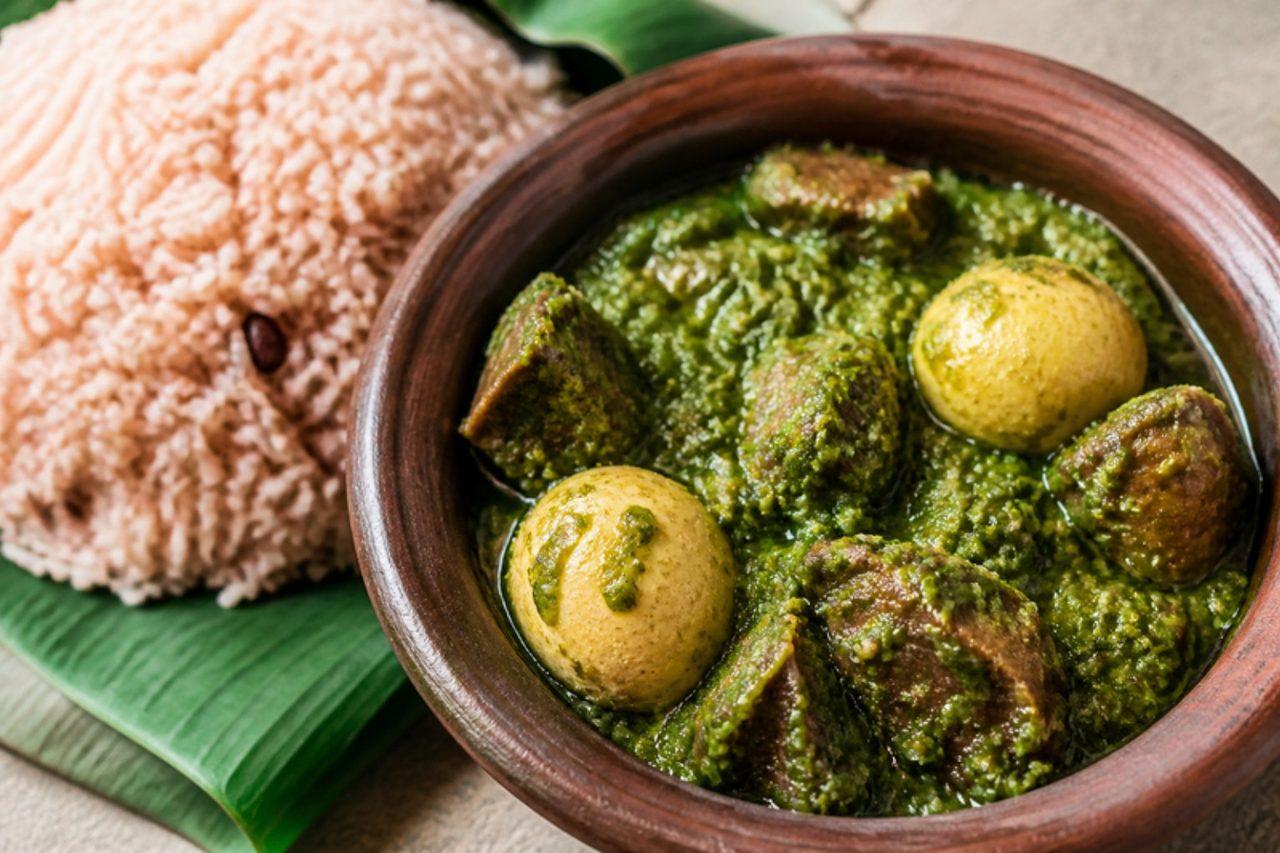
Ofada rice, the short, fragrant local rice from Ogun State, is almost always served in Lagos with ayamase, a stew so green and so hot it is sometimes called designer stew. Green bell peppers and green scotch bonnets are blended coarse, dried out in the pot, then fried in palm oil that has been bleached clear, with plenty of iru for a deep, funky savouriness. Assorted meat (beef, tripe and cow skin) and boiled eggs are folded in. Watery pepper is the mistake that makes it taste sour and raw, so boil the blended pepper dry before it meets the oil. Chef's tip: bleaching palm oil makes heavy smoke; open the windows, keep the lid nearby and never leave the pot.

120 minNigerianMeatGluten freeSpicy
by KrazyBadal 0 views

Showing 36 of 7,762 recipes

Show more recipes

Page 194 of 863