


Skip to content
Arroz con pitu de caleya
Featured recipe

Arroz con pitu de caleya

Soupy rice with chicken

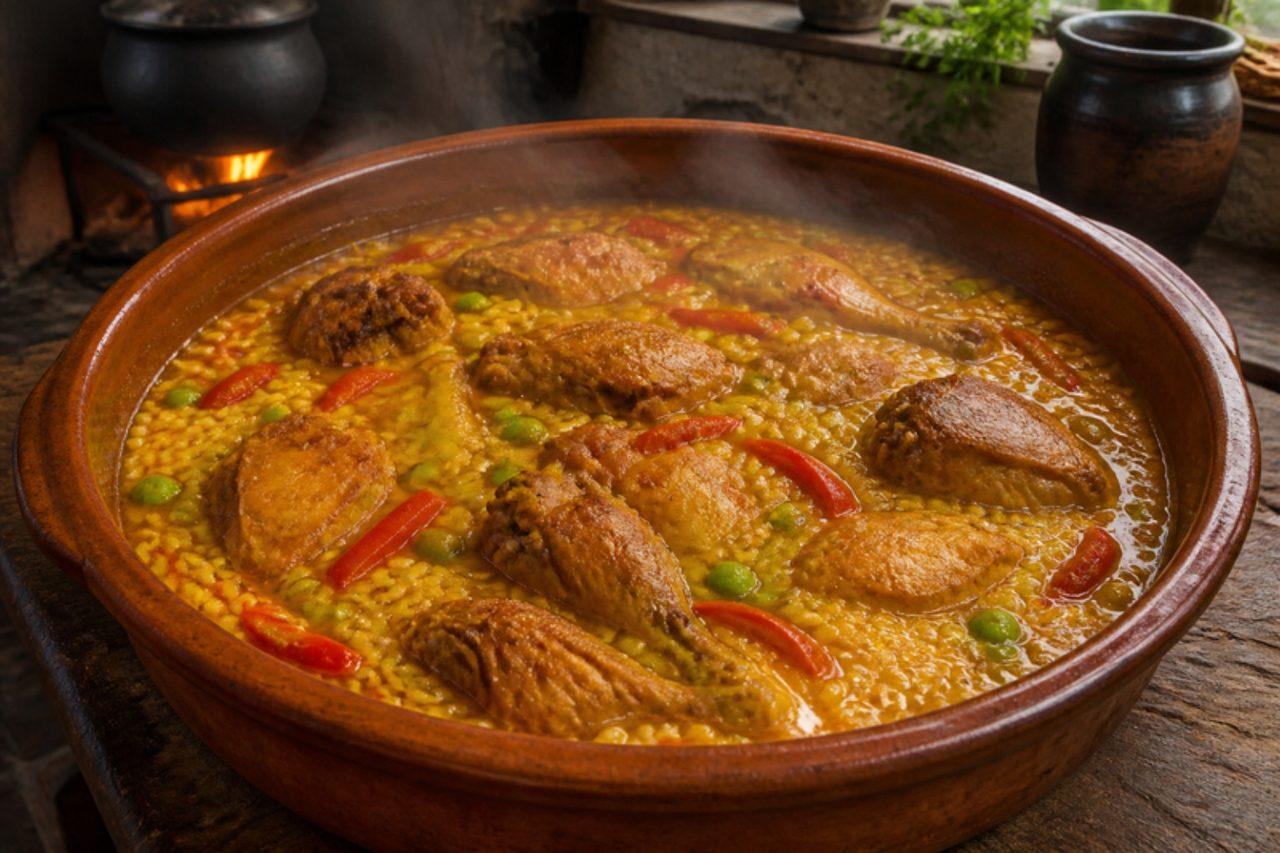
A pitu de caleya is a cockerel raised free in the lanes, or caleyas, of rural Asturias; its firm, flavourful meat needs long stewing, and families around Villaviciosa and Grado still cook it for feast days. The stew is often finished as a soupy rice, so the deep chicken juices go into every grain. Use the best free-range chicken you can find. The braise includes dry white wine; replace it with extra stock and a squeeze of lemon if you want it alcohol-free. Chef's tip: brown the chicken slowly and deeply; that colour is where the flavour of the whole pot comes from.

Read more 1 views

What to eat today?

Around the world

Today's trip: Paraguayan

A new country every day, from every cuisine on the site.

Paraguayan

Ka'i ladrillo

Peanut molasses bricks 40 minMore from Paraguayan (27) →

This week's collection

Kid-friendly dinners
537 recipes · a new collection every Monday

Latest recipes

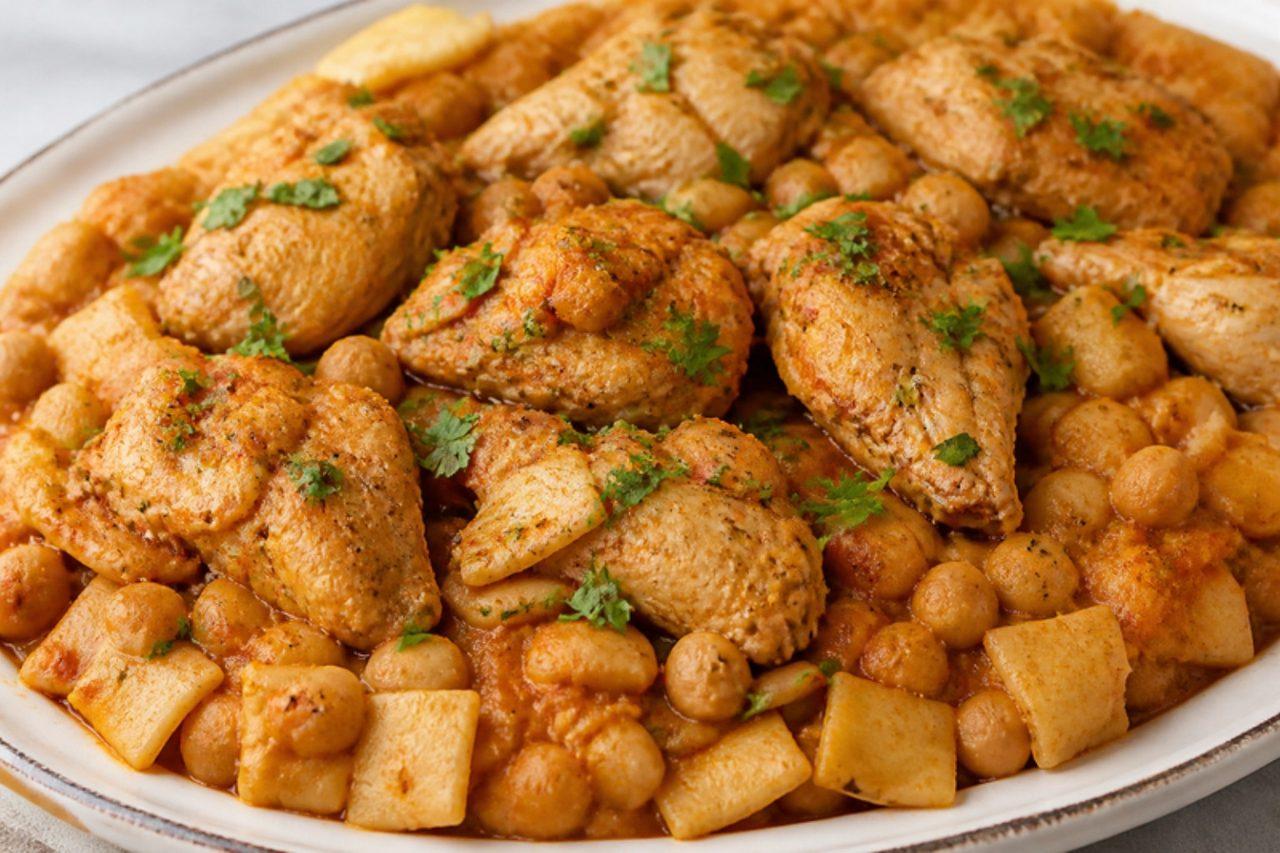
Trida (steamed pasta squares in chicken sauce)

Making trida is an afternoon's work shared around a Constantine kitchen table, especially before Mawlid or a family celebration: a firm semolina dough is rolled paper-thin, cut into small squares, dried, and then steamed twice over a pot of chicken and chickpea sauce flavoured with cinnamon and a touch of tomato. The squares come out tender with a slight bite, glossy with butter and sauce, and are piled on a platter under the chicken. A pasta machine saves a lot of rolling. Chef's tip: dust the cut squares well with semolina and let them dry for half an hour; damp squares are the usual mistake and stick into a single mass in the steamer.

by KrazyBadal 0 views

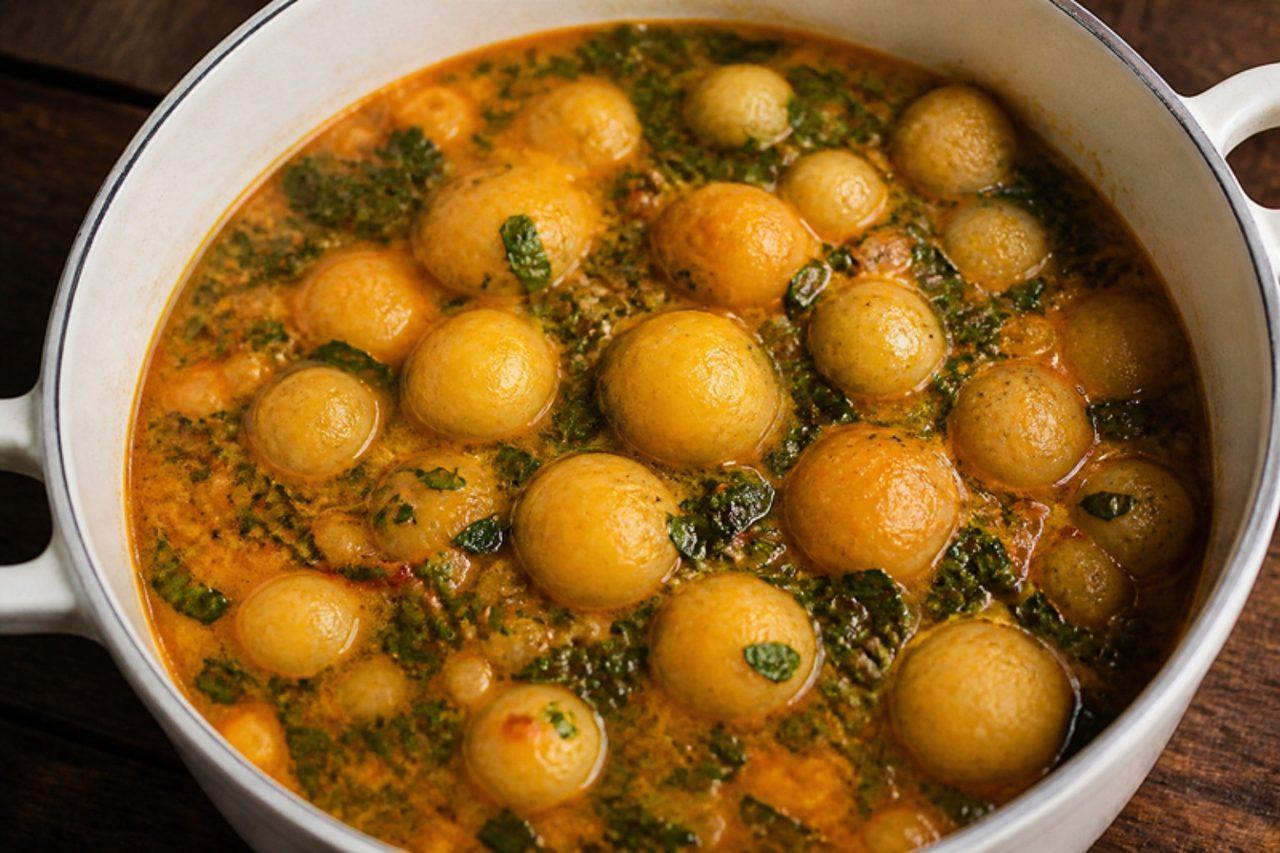
Gwote (grain-ball porridge with leaves)

Cold harmattan mornings in the villages around Kano and Bauchi are when gwote comes into its own: a pot of small, chewy maize or millet balls simmered in a tomato and pepper broth with whatever leaves are to hand. The balls swell and cloud the liquid until it becomes a thick, savoury porridge, warming and filling on a modest budget. It is eaten from a bowl with a spoon, with nothing else needed. Watch out for balls that are too big; they stay raw and floury in the middle, so keep them marble-sized. Chef's tip: knead the dough while it is still hot, so it turns smooth and the balls keep their shape in the pot.

by KrazyBadal 0 views

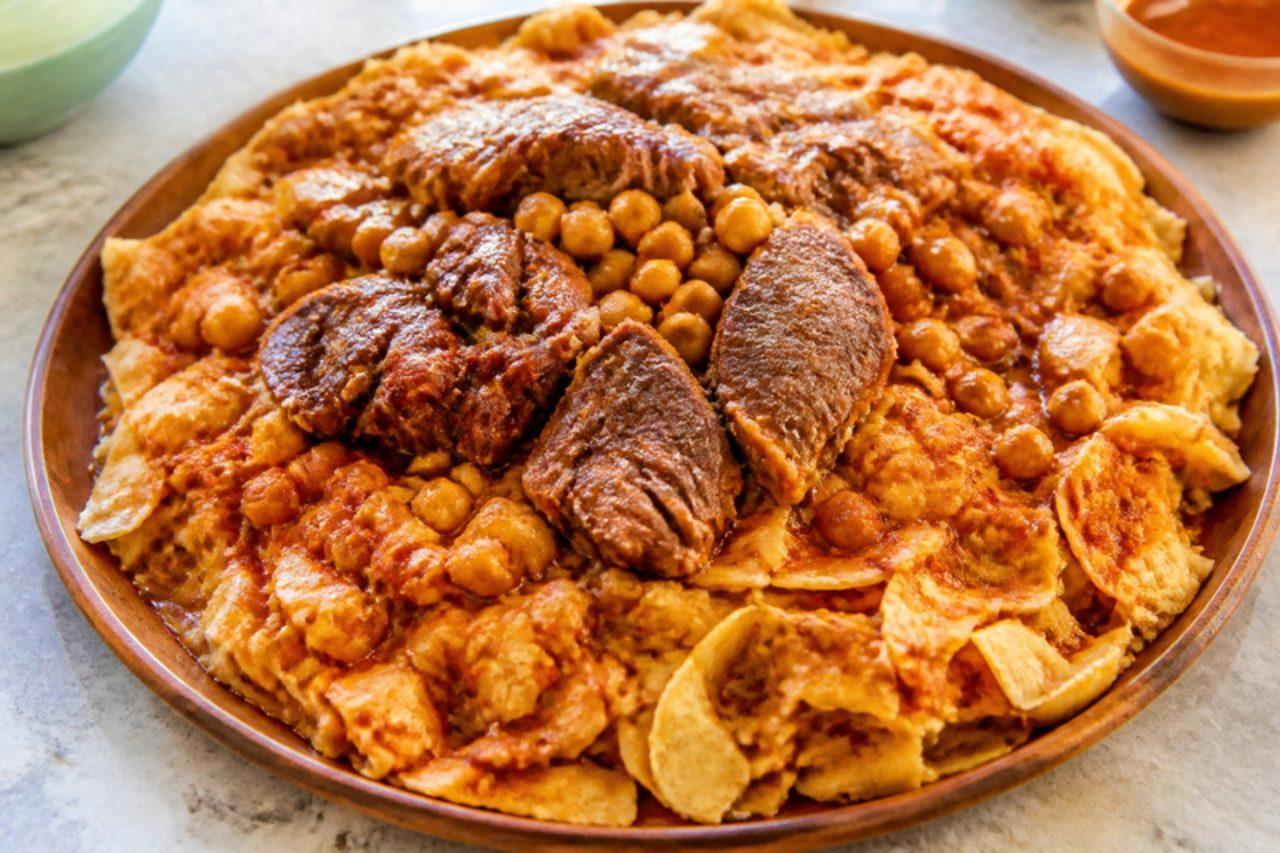
Chakhchoukha (torn flatbread in lamb sauce)

Biskra claims chakhchoukha as its own, though Constantine and the whole east cook it for weddings, Eid and the arrival of guests: sheets of thin rougag are torn into small pieces, softened with steam and soaked in a fiery red sauce of lamb, tomato, chickpeas and whole green chillies, then served from one big wooden or clay dish. The bread turns soft and silky, almost like pasta, and soaks up the peppery, deeply savoury sauce. Use homemade rougag or the dried sheets sold in Algerian shops. Chef's tip: moisten the bread with sauce a ladle at a time and toss between additions; pouring it all over at once is the usual mistake, and the bread turns to paste.

120 minAlgerianMeatSpicy
by KrazyBadal 0 views

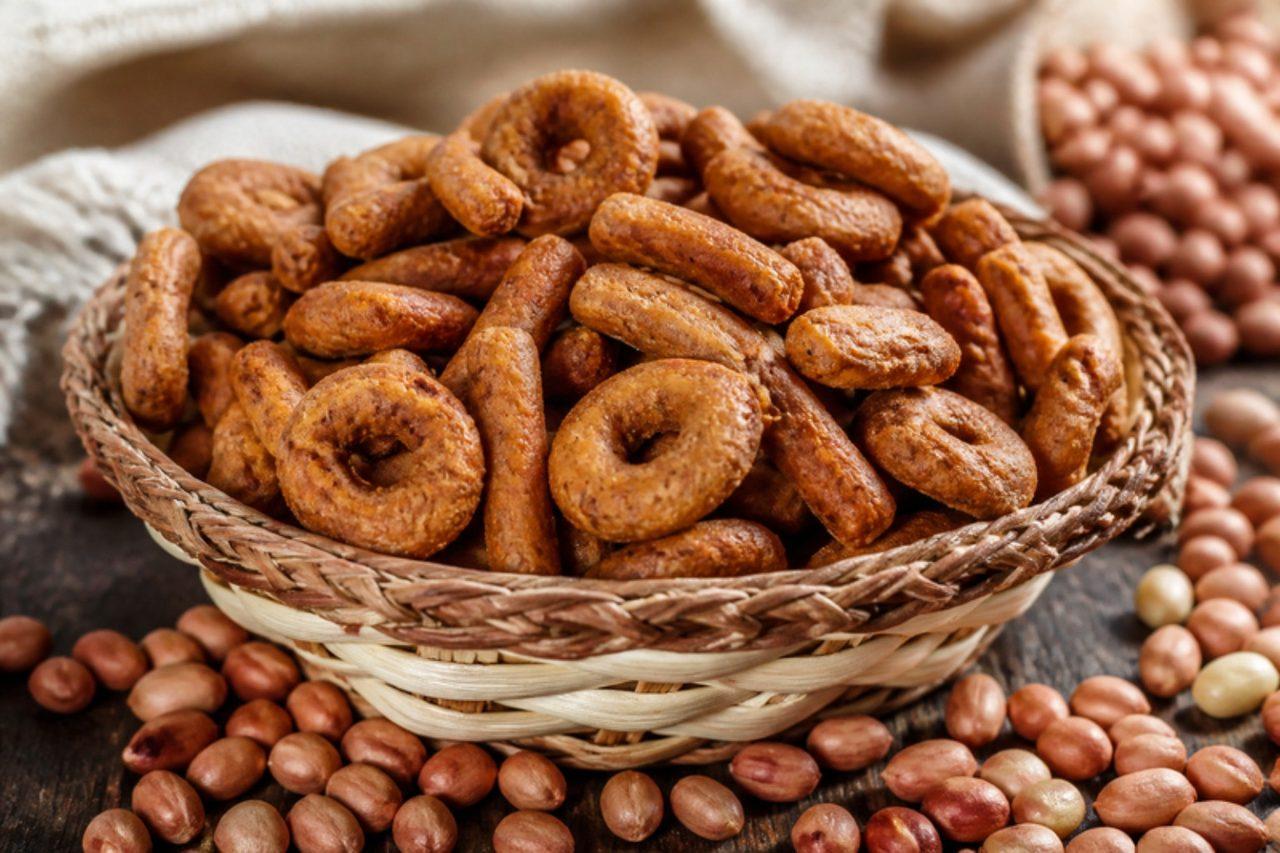
Kuli-kuli (crisp groundnut rings)

Kano's markets sell kuli-kuli by the bagful: hard, crunchy rings and sticks of roasted groundnut paste that has had its oil pressed out before frying. They taste deeply nutty, with a warm kick of ginger and chilli, and keep for weeks in a tin. People crunch them with soaked gari, with kunun drinks or crumble them over salads like zogale. If the oil isn't squeezed out properly the paste collapses in the pan, so keep working it until it feels firm and dry. The usual mistake is not pressing out enough oil from the groundnut paste, so the rings fall apart in the fryer. Chef's tip: they only crisp fully as they cool, so judge doneness by their deep brown colour, not by how hard they feel in the pan.

by KrazyBadal 0 views

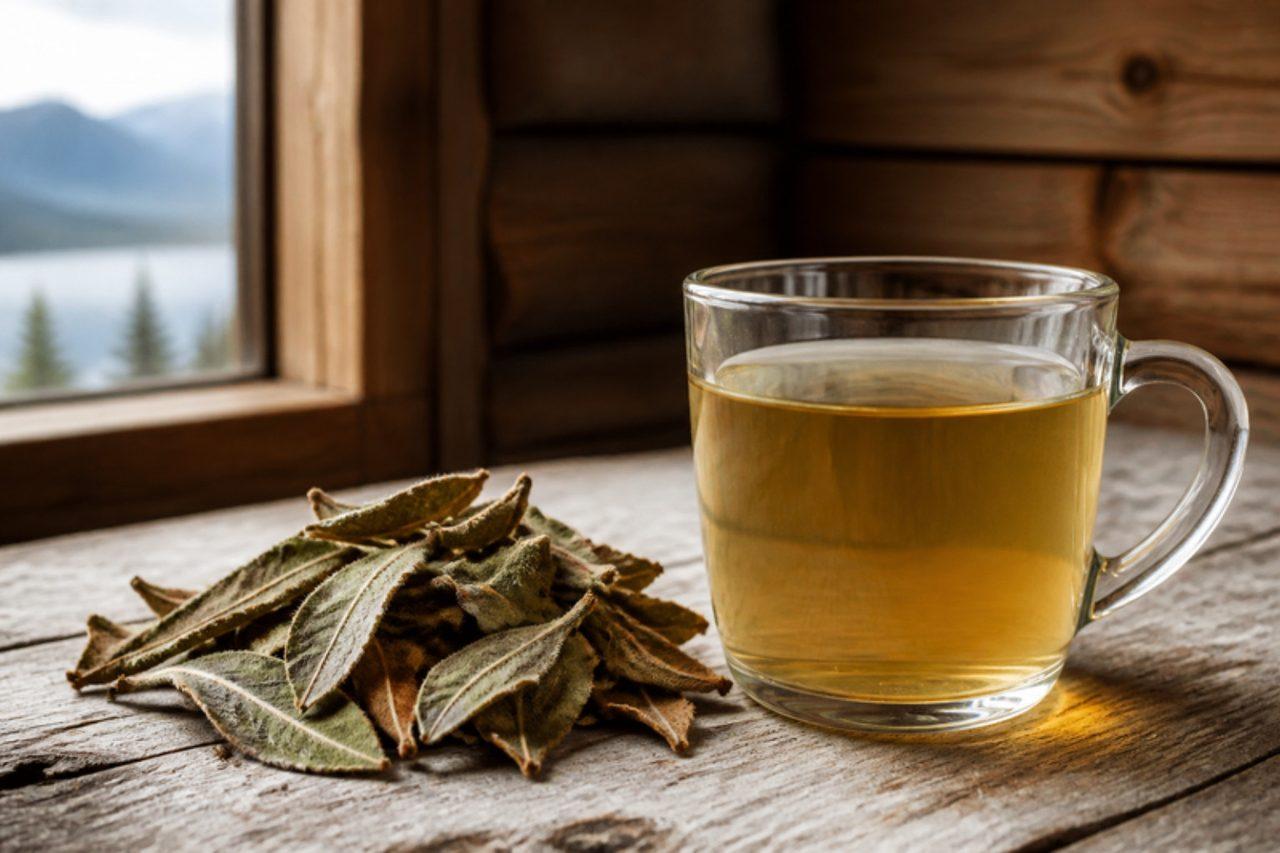
Labrador tea

Labrador tea grows in the bogs and boreal forests right across northern Canada, and Cree, Dene and Inuit families have long dried its leathery, rust-backed leaves for a hot drink on the land and at home. It tastes resinous and piney, a bit like rosemary and eucalyptus, and is often sweetened with a little sugar. The leaves contain natural compounds that are harmful in large amounts, so brew it weak, drink a cup or two, and don't steep it for hours. It is not for pregnant or breastfeeding women. Only pick it if you know the plant well: the poisonous bog laurel grows alongside it; dried leaves from a trusted seller are safest. A common mistake is using a big handful of leaves; one tablespoon makes two cups. Chef's tip: steep below boiling and briefly; a long boil makes it bitter and stronger than you want.

by KrazyBadal 0 views

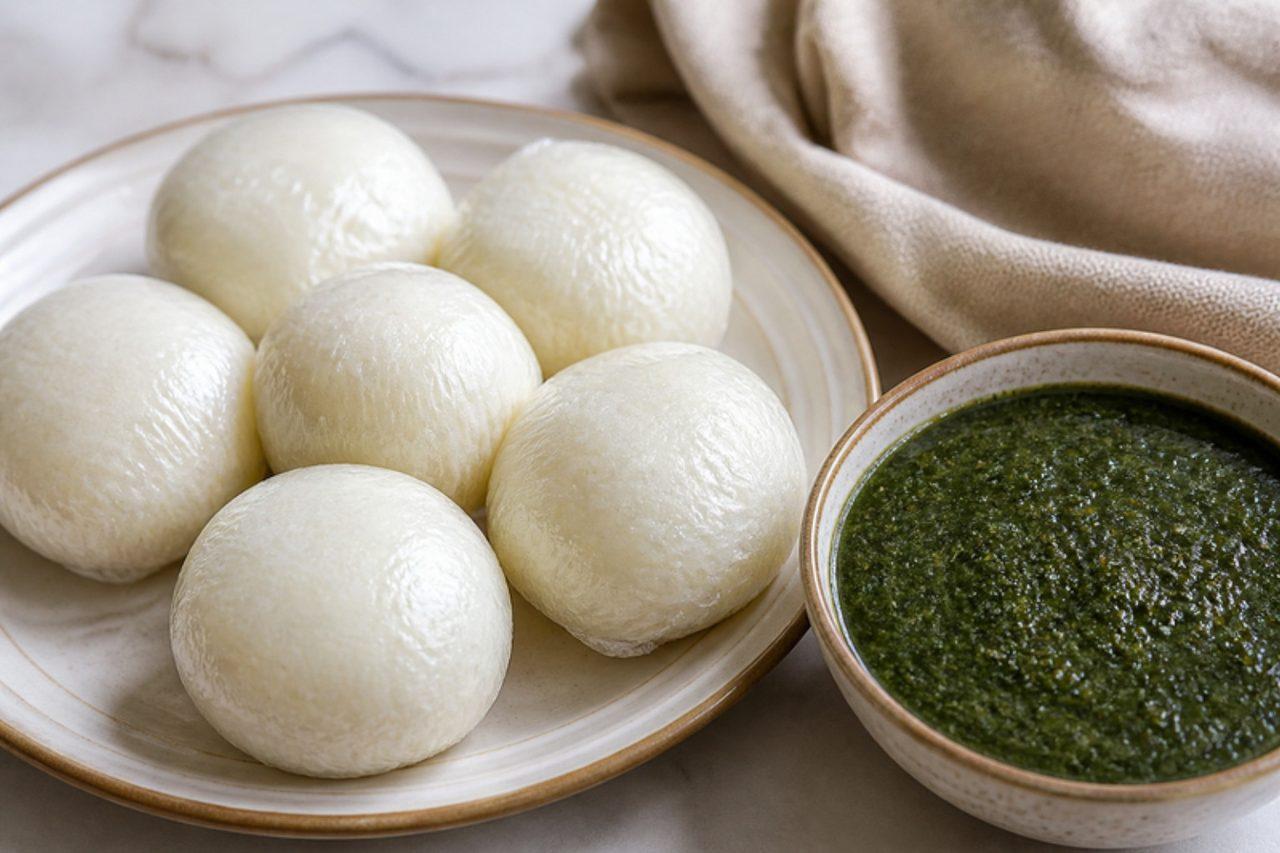
Tuwo shinkafa (soft rice swallow)

Across Kano, Kaduna and the wider Hausa north, the evening meal very often means a dome of tuwon shinkafa beside a bowl of soup. Short-grain rice is cooked well past the point most cooks would stop, then beaten with a wooden spoon until the grains collapse into a smooth, faintly sticky mass that still shows a few soft grains. It tastes mild and clean, which is exactly its job: you pinch off a piece, dip it into miyan kuka, miyan taushe or an okra soup and swallow. It also turns up at naming ceremonies and weddings, wrapped in plastic or leaves and carried home by guests. Chef's tip: wet the bowl or cup you mould it in, and the balls slide out glossy and round instead of tearing.

by KrazyBadal 0 views

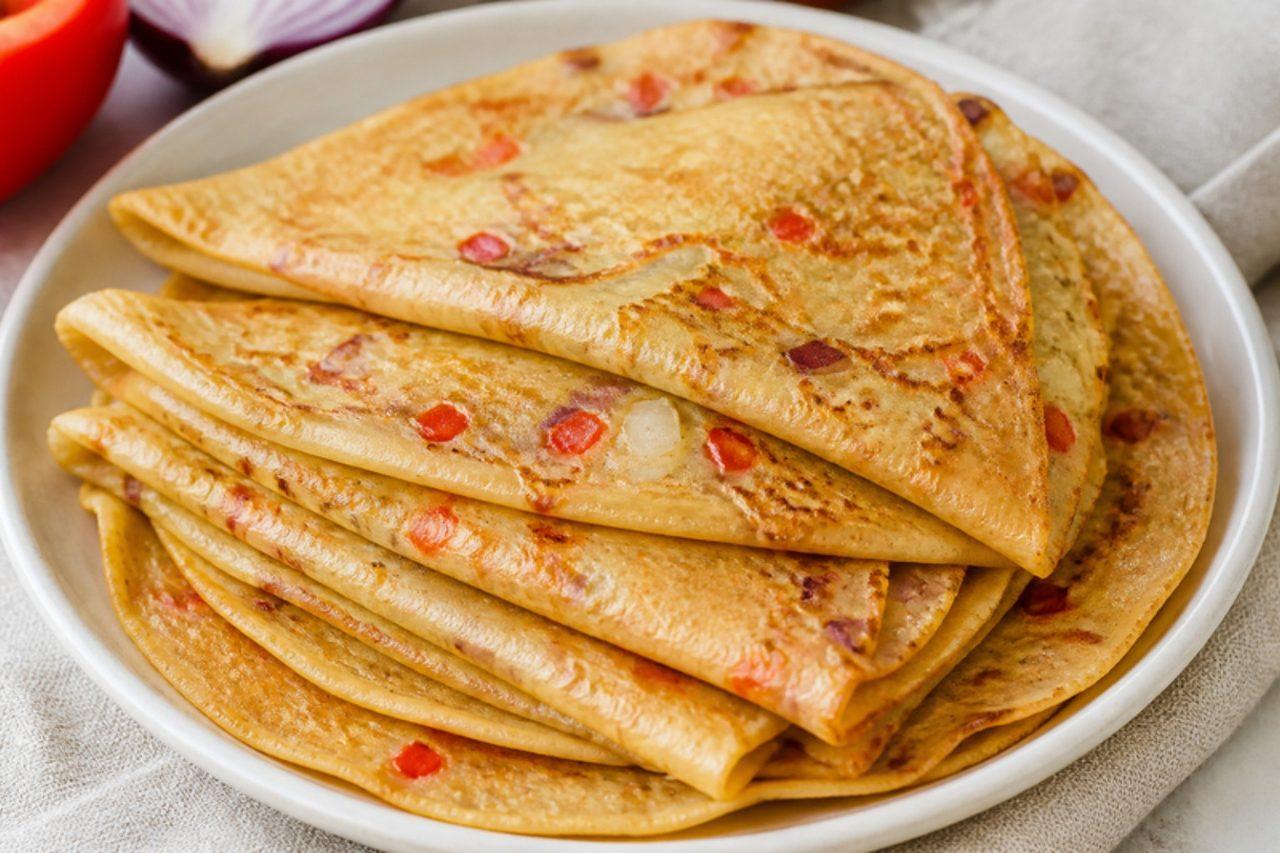
Nigerian pancakes

Somewhere between a crêpe and a Western pancake, the Nigerian version is thin, slightly chewy and folded into quarters, often cooked for children before school or on a slow Saturday. Savoury ones get chopped onion and a bit of fresh chilli in the batter; sweet ones simply have more sugar and a pinch of nutmeg. They need nothing alongside except tea or a cup of hot chocolate. A pan that isn't hot enough is the classic mistake and gives pale, greasy pancakes, so heat it until a drop of batter sets at once. Chef's tip: rest the batter for 10 minutes while the pan heats; it gives a smoother, chewier pancake.

by KrazyBadal 0 views

Miyan zogale (moringa leaves with groundnut)

Moringa trees grow by the compound walls of many northern Nigerian homes, and their small, round leaves end up in this quick, nourishing relish. The leaves are blanched, then cooked down with onion, tomato and dawadawa and bound with groundnut paste, giving a green, slightly peppery dish with a nutty finish. Families in Kano, Katsina and Zaria eat it with tuwo, or as a light meal on its own. Because only a little groundnut goes in, it stays light. Chef's tip: strip the leaves off their stalks completely, since even thin stems stay stringy after cooking.

by KrazyBadal 0 views

Chbah essafra (almond fritters in lamb sauce)

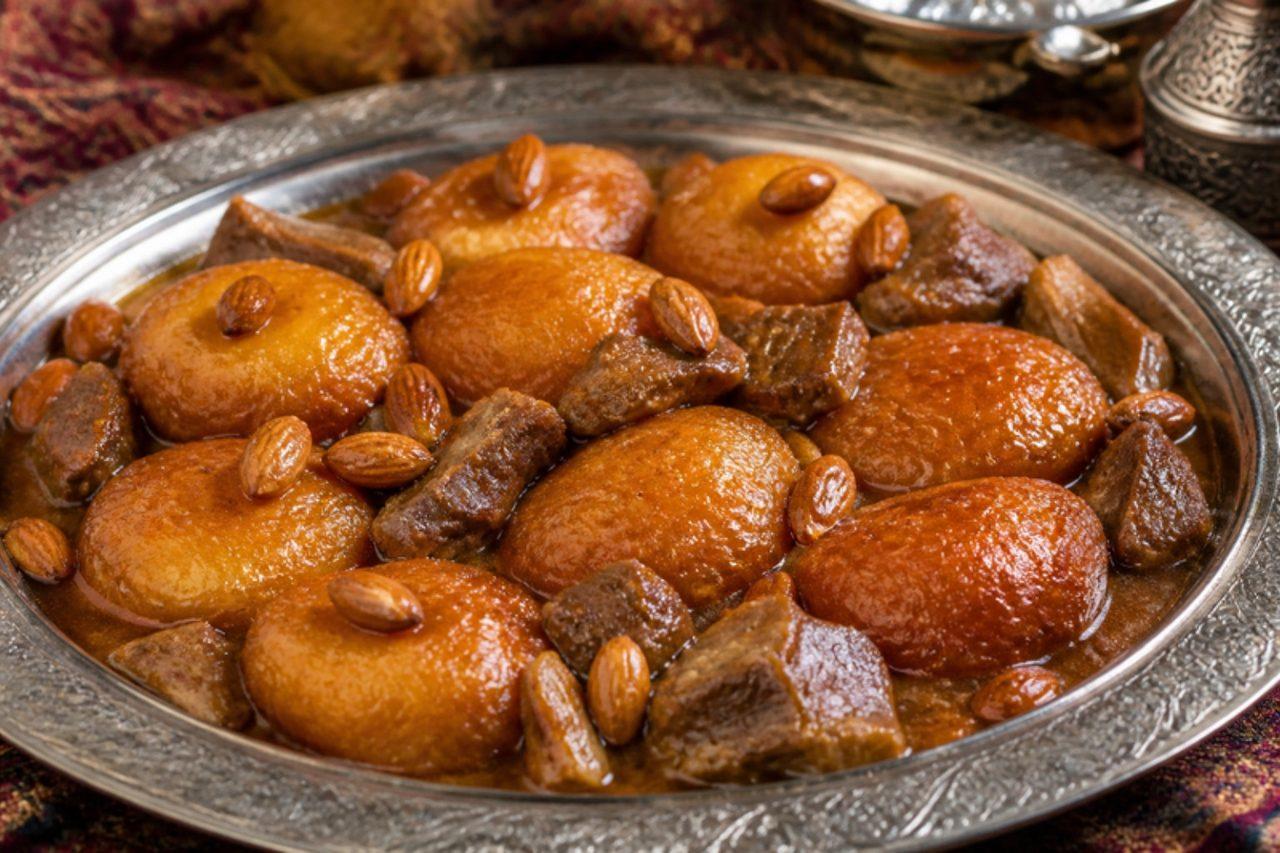
Cooks in Algiers bring out chbah essafra for weddings and grand family dinners, where it is served as the sweet main course: diamonds of almond paste scented with lemon and cinnamon are dipped in egg, fried golden and laid around tender lamb in a pale, buttery sauce sweetened with sugar and orange-blossom water. The contrast of savoury meat and soft, sweet almond is the point, and the dish is rich, so small portions with bread are usual. Chicken can replace the lamb, with a shorter cooking time. Chef's tip: warm the fritters in the sauce only at the table; dropping them into bubbling sauce is a common mistake, and they fall apart.

130 minAlgerianMeat
by KrazyBadal 0 views

Showing 9 of 7,762 recipes

Show more recipes

Page 193 of 863