


Skip to content
Rasavalli kilangu in coconut milk
Featured recipe

Rasavalli kilangu in coconut milk

Purple yam in coconut milk

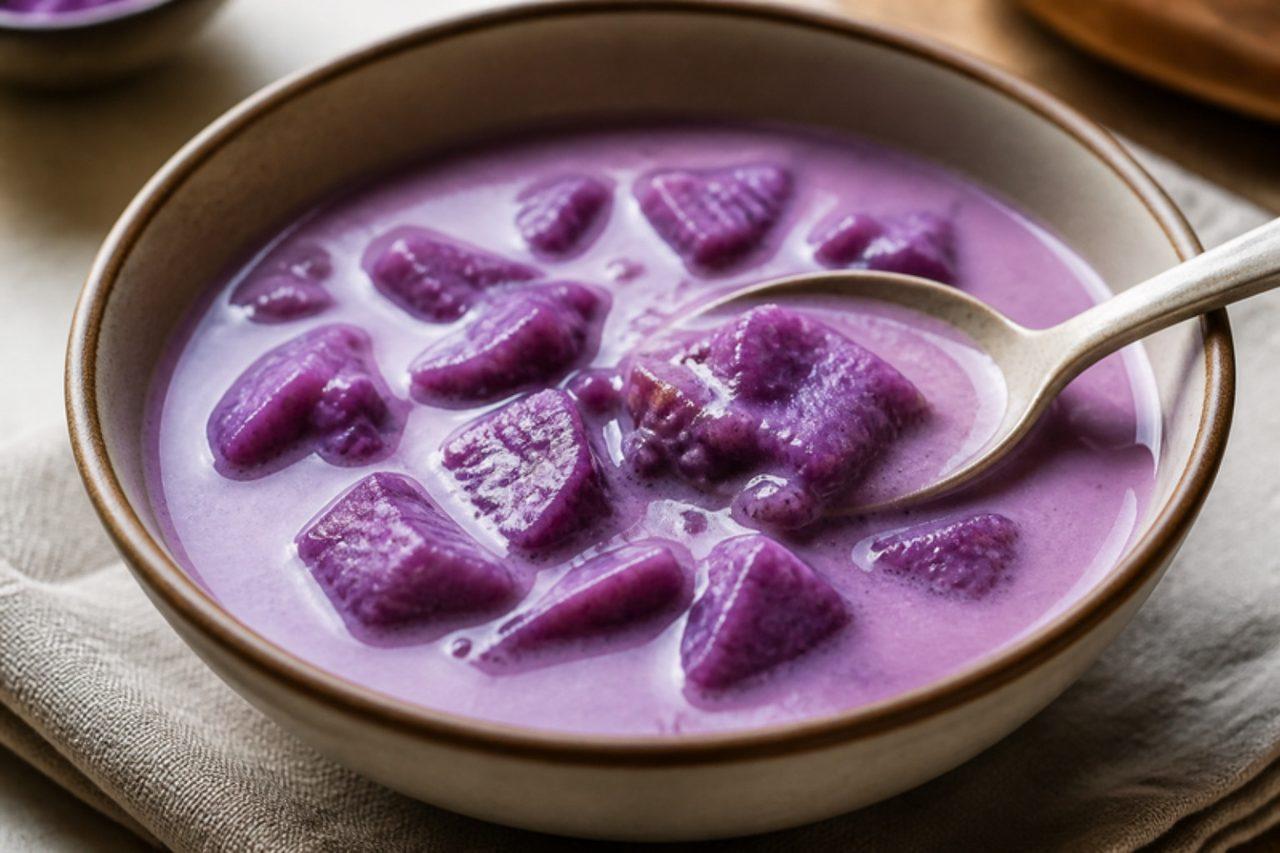
Rasavalli, the deep purple yam that grows up fences in Jaffna home gardens, turns into one of the simplest and prettiest sweets of the Tamil north: the tubers are boiled until they fall apart, then stirred into thick coconut milk with sugar until the whole pot is violet, glossy and porridge-soft. It is eaten warm in small bowls as an evening snack or for breakfast, and families often make it when the tubers are freshly dug and at their sweetest. The flavour is mild and nutty, with the creaminess of coconut and a hint of cardamom if you like. Raw yam sap can make your hands itch, and peeling it bare-handed is the mistake people regret, so wear gloves or rub your hands with oil. Look for purple yam (sometimes sold as ube) fresh or frozen in Asian shops. Chef's tip: mash only part of the yam and leave some soft chunks, which gives the pudding a far nicer texture than a smooth purée.

Read more 1 views

What to eat today?

Around the world

Today's trip: Paraguayan

A new country every day, from every cuisine on the site.

Paraguayan

Buseca

Tripe and white bean stew 185 minMore from Paraguayan (27) →

This week's collection

Kid-friendly dinners
537 recipes · a new collection every Monday

Latest recipes

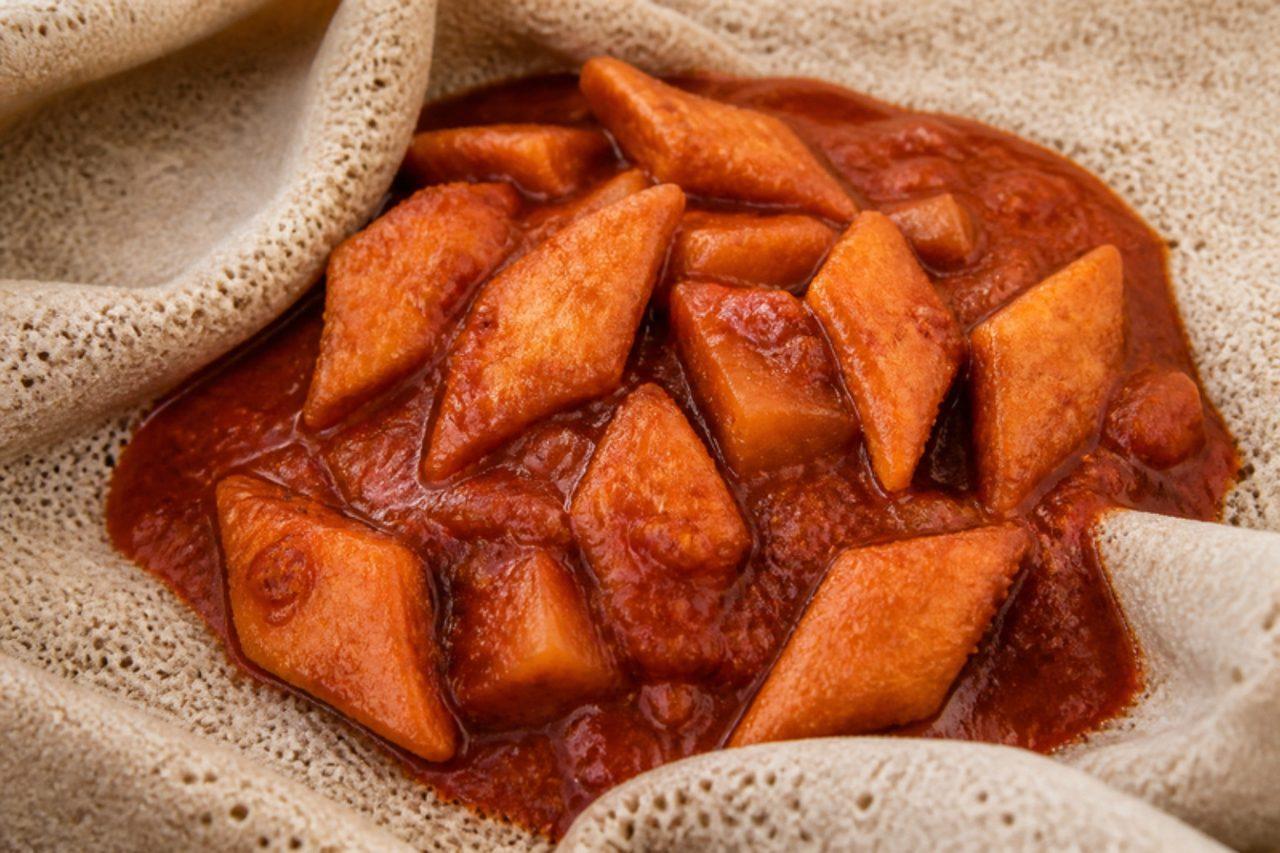
Shimbra asa (chickpea 'fish' in berbere sauce)

During the 55 days of Lent, when fish and meat are off the table in Orthodox homes of Gondar and Gojjam, cooks make 'chickpea fish': a firm dough of chickpea flour cut into diamonds, fried until golden, then dropped into a dark, oily berbere sauce. The pieces soak up the wat but keep a pleasant bite, a bit like a dense dumpling, and the sauce itself is rich with slow-cooked onion, garlic and ginger. It is a dish for fasting-day guests and Lenten Sundays, served on injera with gomen and a spoon of senafich. Everything is plant-based and fried in oil, so it suits the fast. A common mistake is a dough that is too soft, which breaks up in the sauce; it should feel like firm play dough before you roll it. Chef's tip: add the fried pieces to the sauce only in the last few minutes and shake the pan rather than stirring, so the diamonds stay whole.

by KrazyBadal 0 views

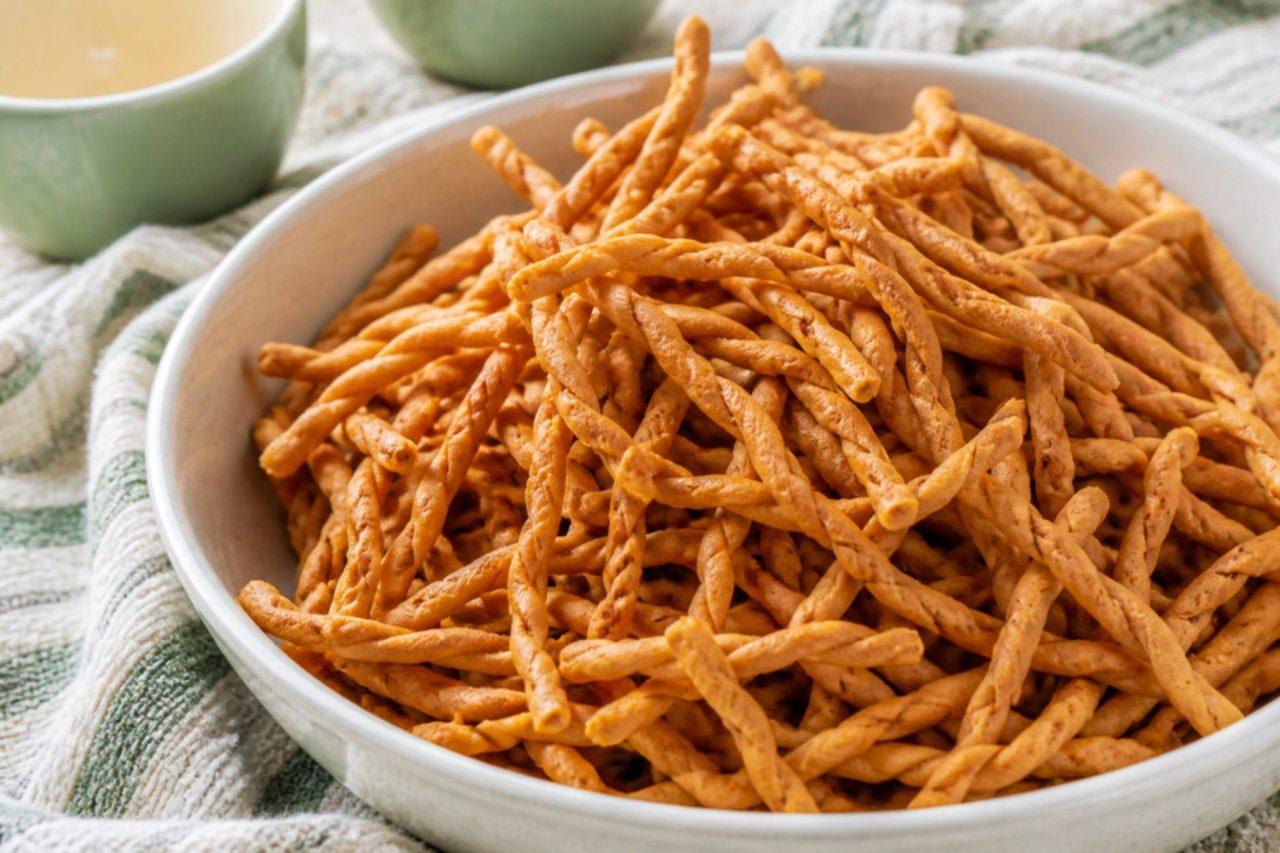
Kokoro (crunchy maize sticks)

Kokoro is sold in clear bags at motor parks, markets and school gates across the Southwest, and it is the snack people tuck into a pocket for a long bus ride. The dough is made by cooking part of the maize flour with water into a thick paste, then kneading in more flour with a little sugar, salt, chilli and ginger, and rolling it into thin sticks that are fried slowly until hard and golden. The result is very crunchy, lightly sweet and peppery, and it keeps for weeks. Children love it, and it is traditionally eaten with roasted groundnuts or coconut. Avoid frying in oil that is too hot; the outside browns before the sticks are crisp all the way through. Chef's tip: roll the sticks no thicker than a pencil and fry them at a moderate heat so they crisp right through; thick sticks fried hot stay hard outside and doughy inside.

by KrazyBadal 0 views

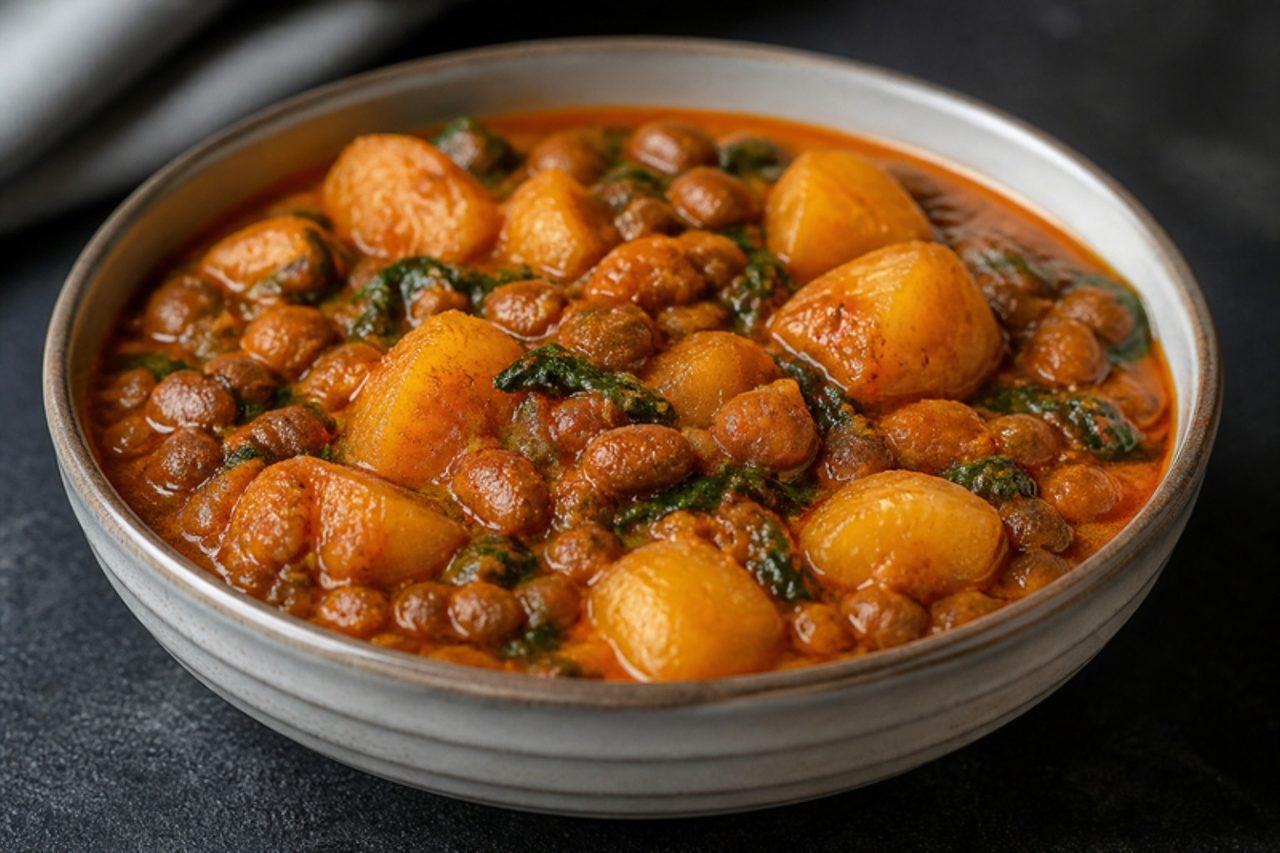
Fio fio (pigeon pea pottage with cocoyam)

Pigeon peas are called fio fio or echicha in Enugu, and around Udi and Nsukka they are cooked into a thick pottage for family meals, sometimes with fresh corn in season and often with cocoyam, which melts into the pot and thickens it. The peas stay firm and nutty, the cocoyam turns soft and creamy, and the palm-oil pepper sauce ties it together into a hearty, savoury meal. Dried pigeon peas are sold in African and South Asian shops (as toor or gandules). Pigeon peas are tough and need a long simmer; the mistake is seasoning or adding cocoyam before they are completely tender. Wear gloves to peel cocoyam, which can itch. Chef's tip: soak the peas overnight and boil them hard for the first 10 minutes; it shortens the cooking and makes them evenly tender.

by KrazyBadal 0 views

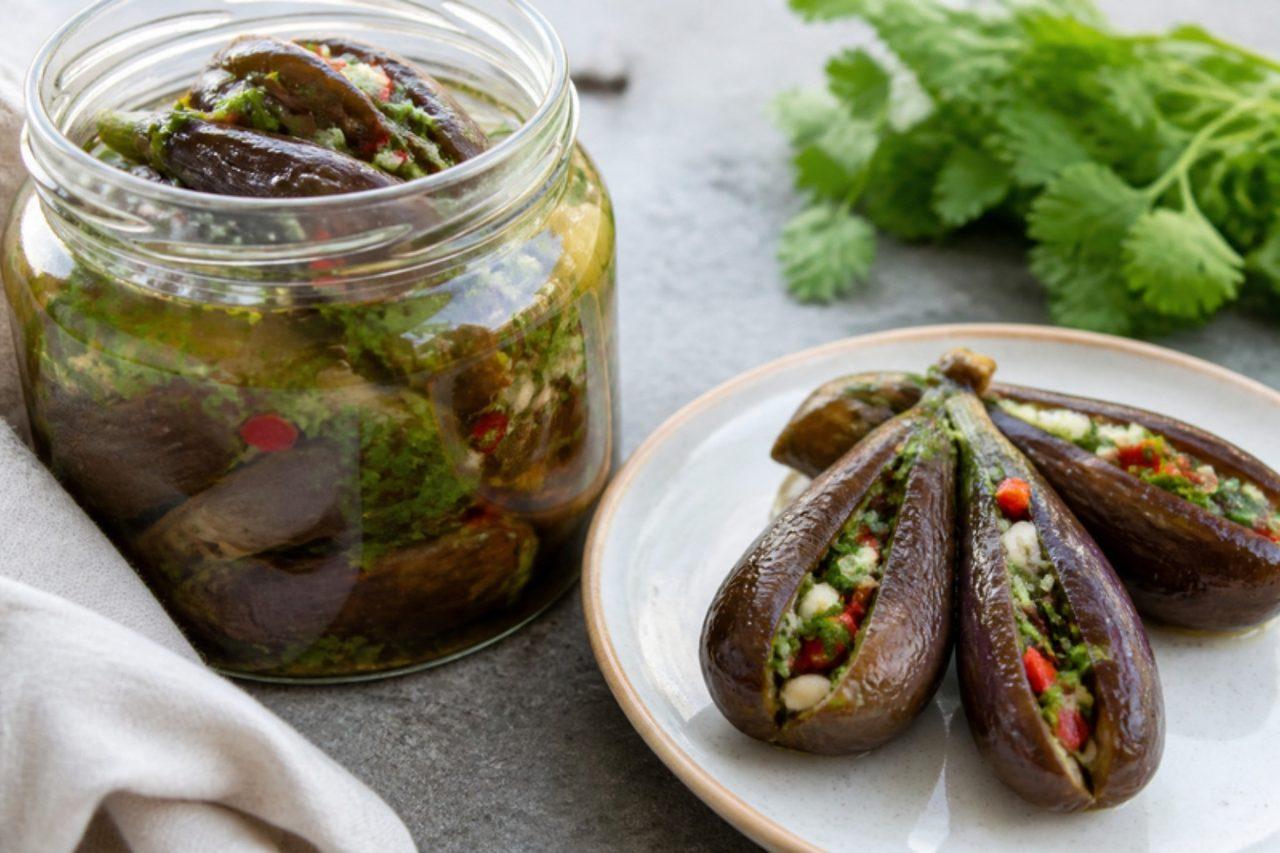
Egyptian stuffed pickled aubergines

Pickle shops in old Cairo stack jars of these small dark aubergines next to the turnips and lemons, and at home they are sliced beside ful, falafel or a plate of koshari. Each one is boiled until just tender, split down one side and packed with a sharp, hot stuffing of garlic, chilli and green pepper, then left in vinegar for several days until it turns silky and tangy. Only about 40 minutes of the work is active; the jar then needs 5 days in the fridge. Keep the pickle refrigerated and eat it within 3 weeks. The usual mistake is undercooking the aubergines before stuffing, so they stay spongy and never absorb the brine. Chef's tip: press the boiled aubergines under a weighted plate before stuffing, so they hold the vinegar rather than their own bitter water.

by KrazyBadal 0 views

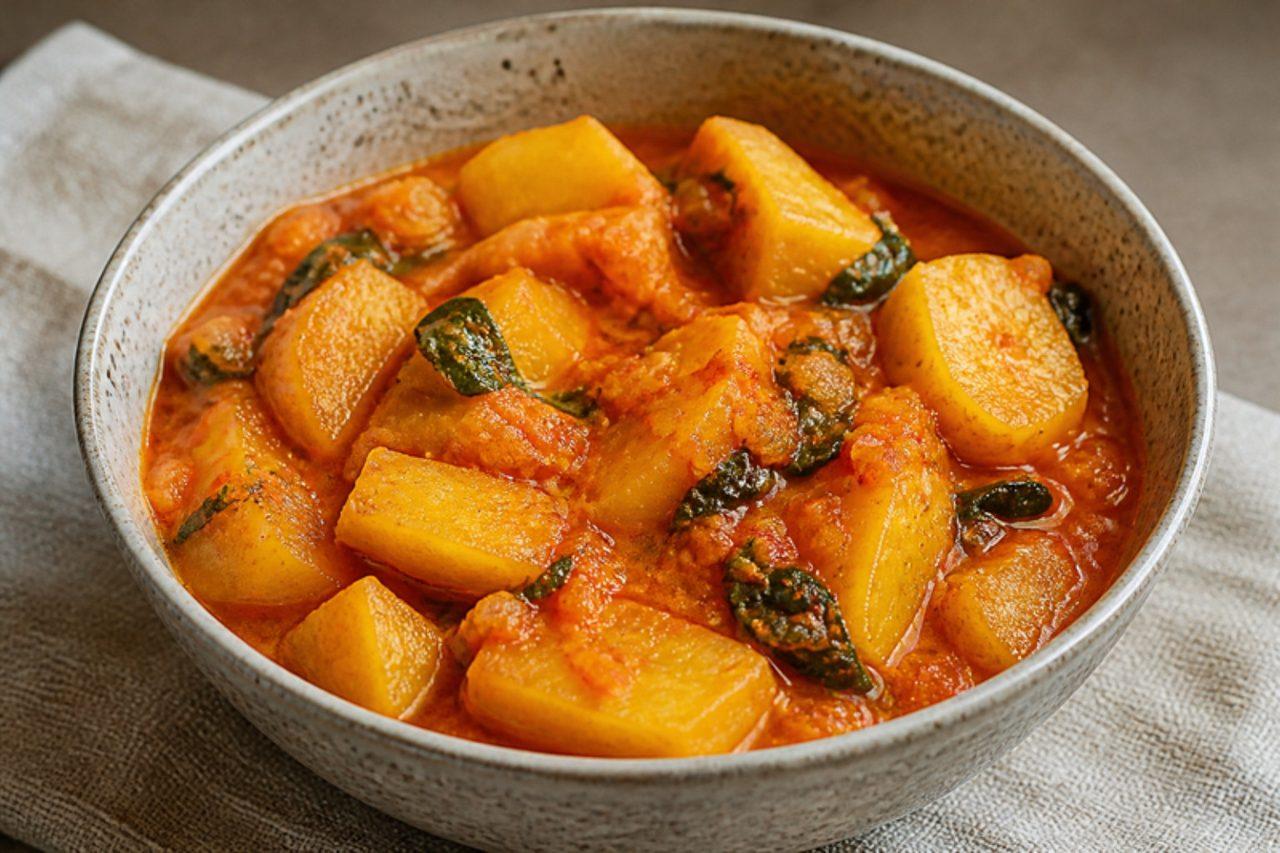
Unripe plantain porridge

Green plantain porridge is everyday home food in Rivers and Delta states and well beyond, and many Nigerians cook it when they want something filling but lighter than yam or rice. Hard, green plantains are cut into chunks and cooked in a pepper broth with a little palm oil until they soften and the starch thickens the liquid into a savoury, slightly tangy stew, finished with peppery scent leaf. Smoked fish, crayfish or periwinkles often go in; this version is meat-free and still deeply savoury. It is a meal in itself. Adding the scent leaf too early is the usual mistake; stir it in at the very end so it stays fragrant rather than bitter. Chef's tip: oil your hands before peeling green plantain to stop the sticky sap staining your skin.

by KrazyBadal 0 views

Ila asepo (Yoruba okra soup)

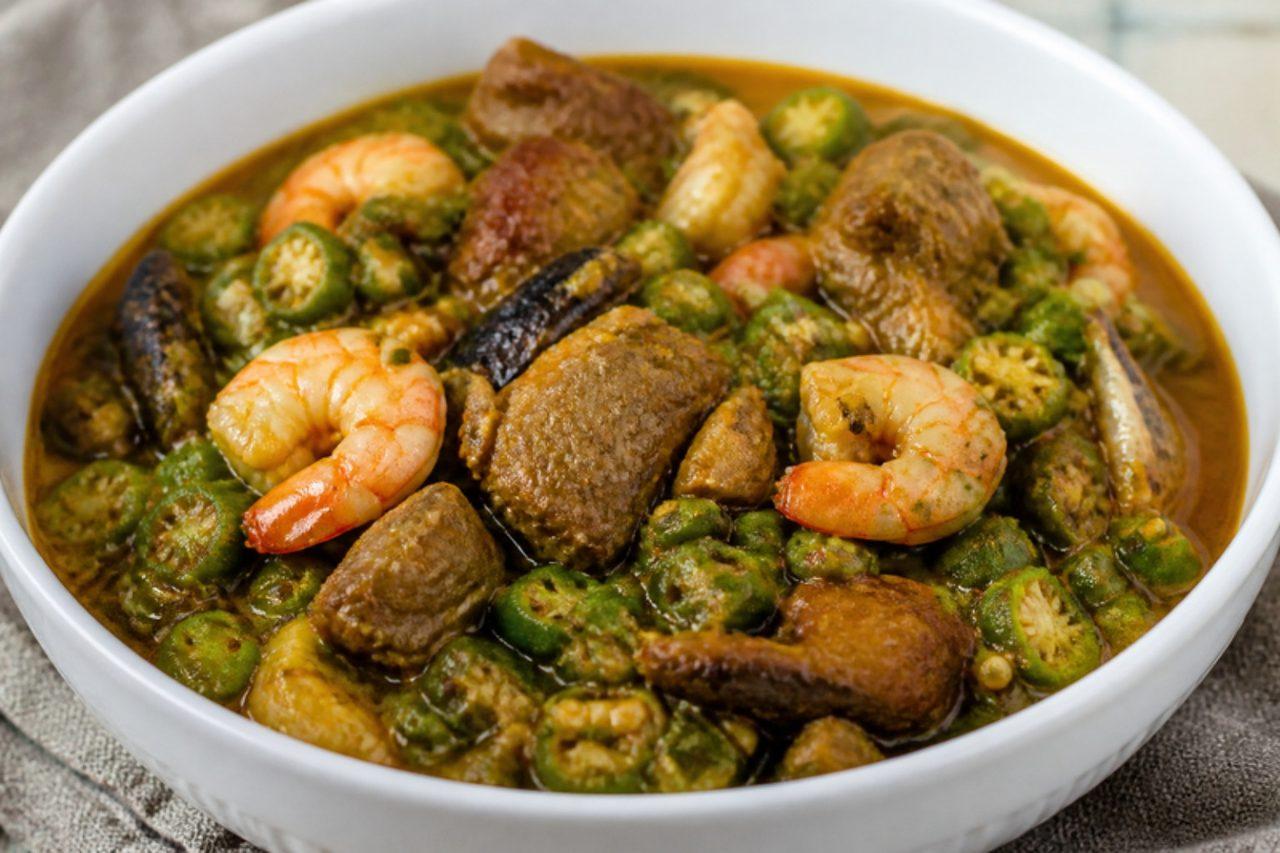
Ibadan and Abeokuta buka ladle ila asepo over amala at lunchtime: a bright, chunky okra soup cooked in a palm-oil pepper base, rather than the plain boiled okra of other regions. Iru and crayfish give depth, assorted meat and smoked fish give body, and prawns go in at the end, so every spoonful is drawy, savoury and loaded. It is just as good with eba or pounded yam. Cooking the okra too long is the usual mistake; it loses its stretch and its green colour, so add it last and give it only 4–5 minutes. Chef's tip: chop the okra by hand into small dice instead of blending it, and the soup keeps its pleasant crunch.

by KrazyBadal 0 views

Ofada rice with green pepper sauce

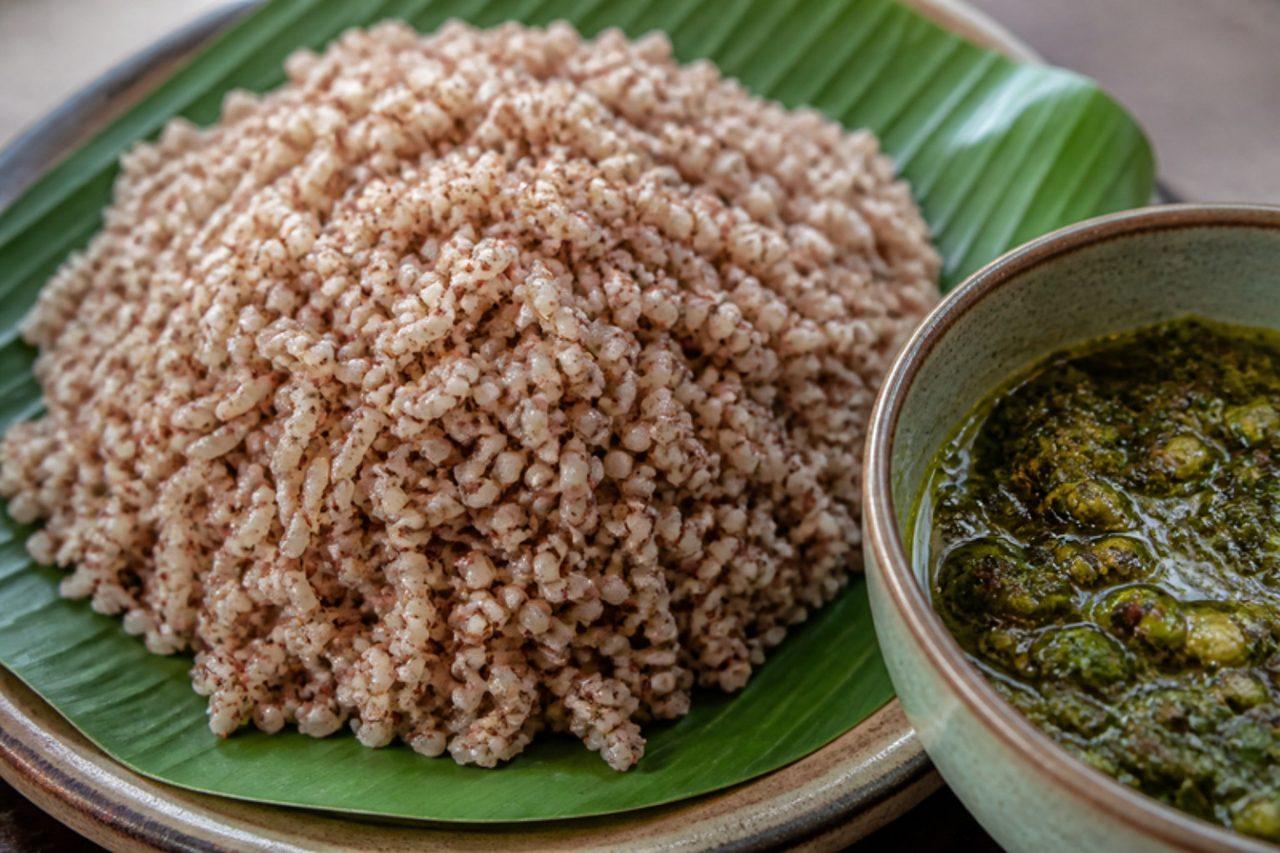
Ofada rice takes its name from a town in Ogun State and is grown on small farms across the Southwest; the grains are short, unpolished and sometimes speckled, with a nutty, earthy aroma that some love and others find strong. It is served wrapped in uma (thaumatococcus) leaves at parties and in Lagos restaurants, with ayamase, a fiery green pepper sauce cooked in bleached palm oil. Ayamase is usually loaded with assorted meats and boiled eggs; this vegan version keeps the green peppers, scotch bonnets and locust beans and adds mushrooms if you like. Banana leaves or a plain plate stand in for uma leaves. The mistake to avoid is skipping the picking and washing: local rice often holds small stones and husk. Chef's tip: bleach the palm oil with the lid nearby, the window open and the extractor on full, and never leave the pan.

by KrazyBadal 0 views

Cantonese roast goose

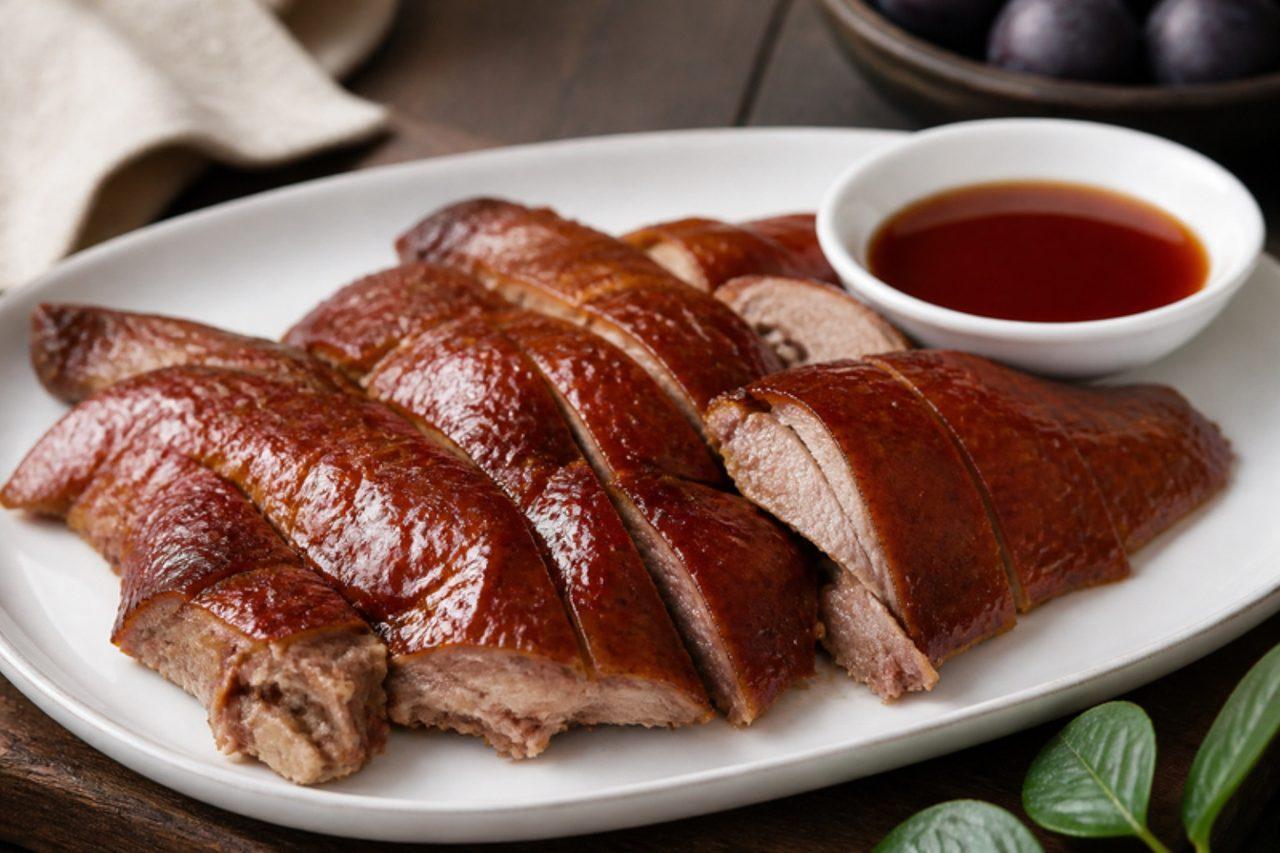
Drive out along the coast road to Sham Tseng in the New Territories and the restaurants there have been roasting geese for generations; Hong Kongers make the trip for a plate of it with lai fun noodles, or order a half goose for a family dinner. The skin is thin, crisp and deep mahogany, the meat dark, rich and juicy, scented from the inside with five-spice, bean paste and garlic. Sour plum sauce cuts through the fat. This home version uses an oven-ready goose (head already removed, as it is sold), dried overnight and roasted in a domestic oven. A frequent slip is roasting a goose straight from the wrapper: without its overnight drying and a glaze, the skin stays leathery. Chef's tip: pour off the rendered fat as it collects; it is superb for roasting potatoes or frying rice.

by KrazyBadal 0 views

Flapper pie

Flapper pie is the "Prairie pie" of Saskatchewan and Manitoba, served in small-town cafés and at fall suppers from Moose Jaw to Brandon since the 1920s, when graham crumbs, milk and eggs were what the farm pantry always had. A crunchy cinnamon graham base holds a soft vanilla custard topped with meringue and more crumbs. It is best eaten the day it is made, slightly chilled. A common mistake is pouring a lumpy custard; whisk without stopping and strain it if needed. Chef's tip: save a few spoonfuls of the crumb mix to scatter on the meringue, which is the pie's signature look.

by KrazyBadal 0 views

Showing 9 of 7,762 recipes

Show more recipes

Page 192 of 863