


Skip to content
Grillades and grits
Featured recipe

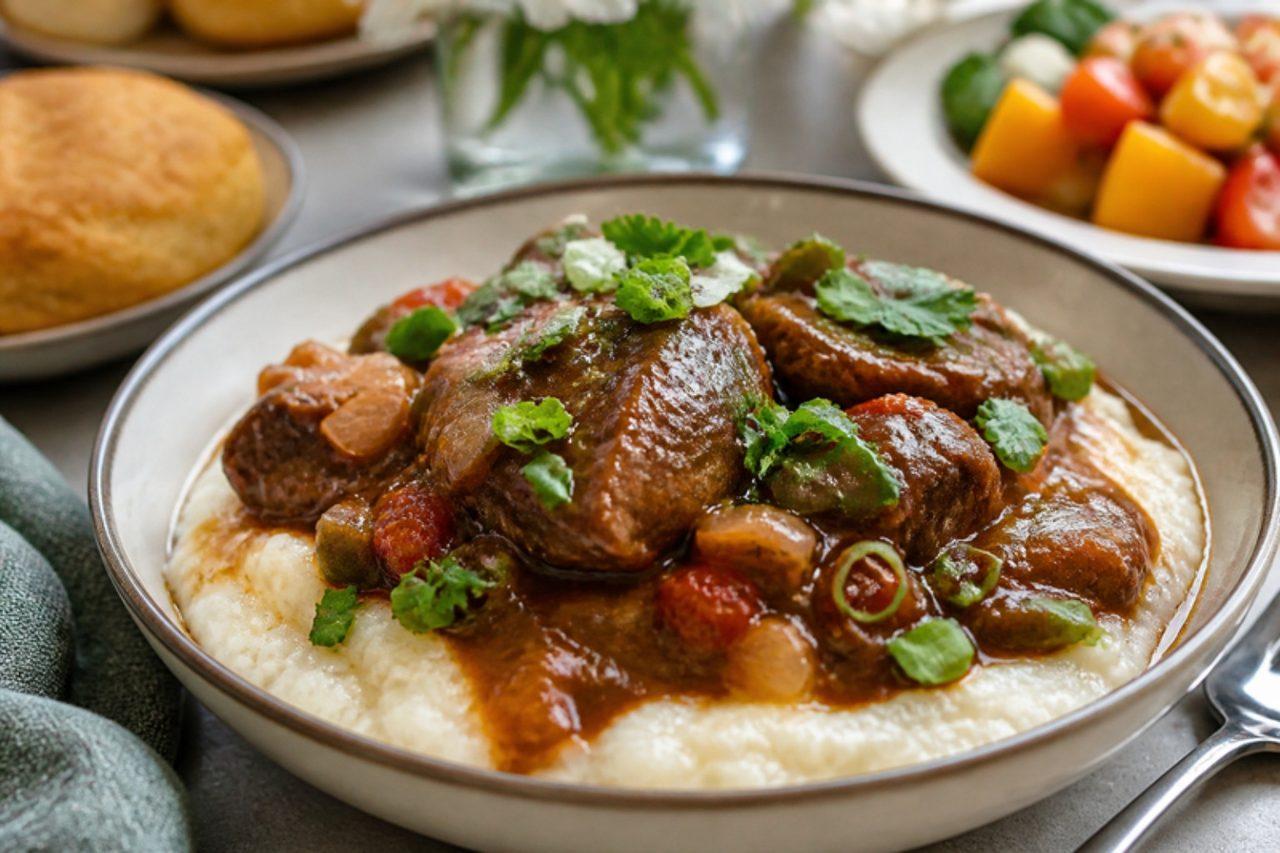
Grillades and grits

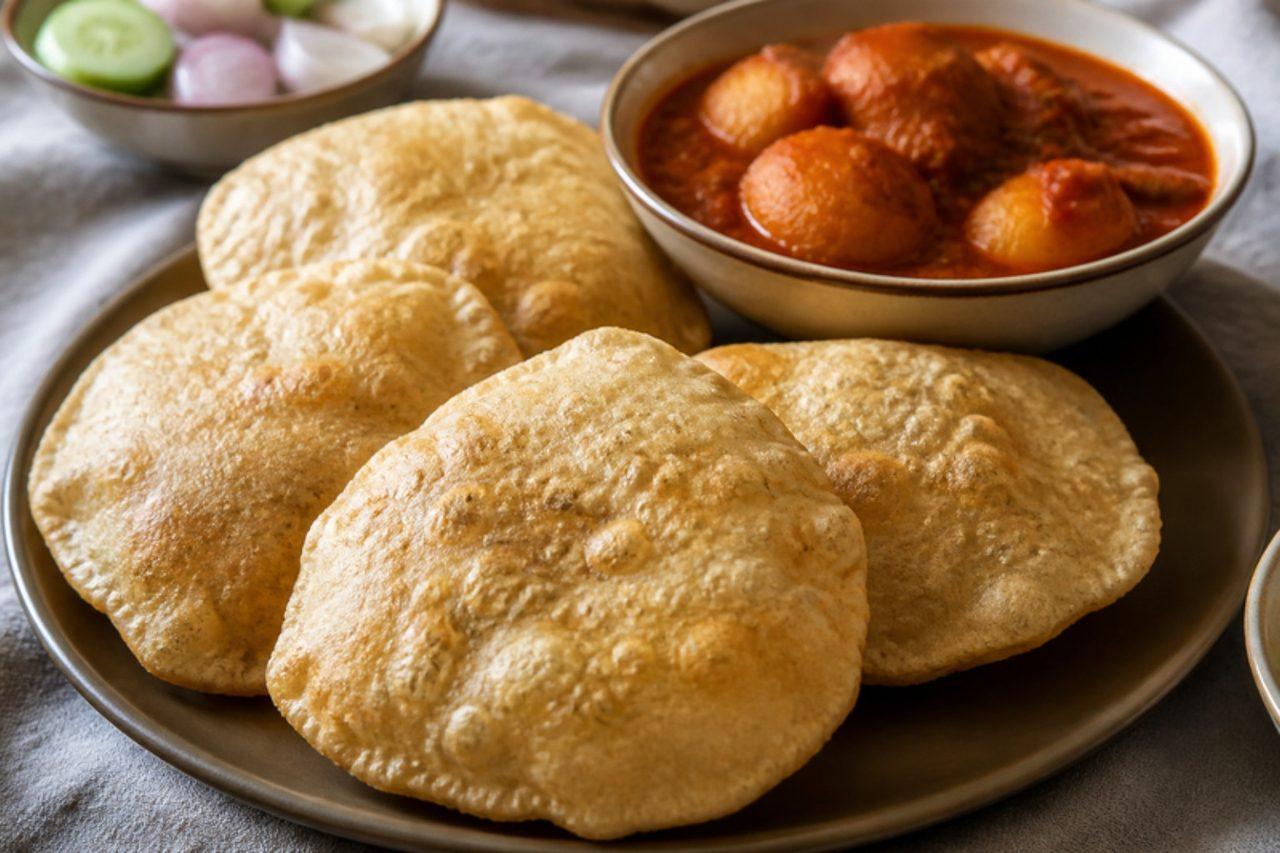
Grillades and grits is the long-standing New Orleans brunch for Sunday mornings, Mardi Gras day and Jazz Fest weekends: thin medallions of beef pounded, browned and braised in a rich brown Creole gravy with tomato and the trinity, then spooned over buttery grits. Chef's tip: pound the meat thin and braise it low and slow until a fork slides in easily; rushing it leaves the beef chewy.

Read more 0 views

What to eat today?

Around the world

Today's trip: Persian

A new country every day, from every cuisine on the site.

This week's collection

Kid-friendly dinners
541 recipes · a new collection every Monday

Latest recipes

GuilinggaoBittersweet herbal jelly

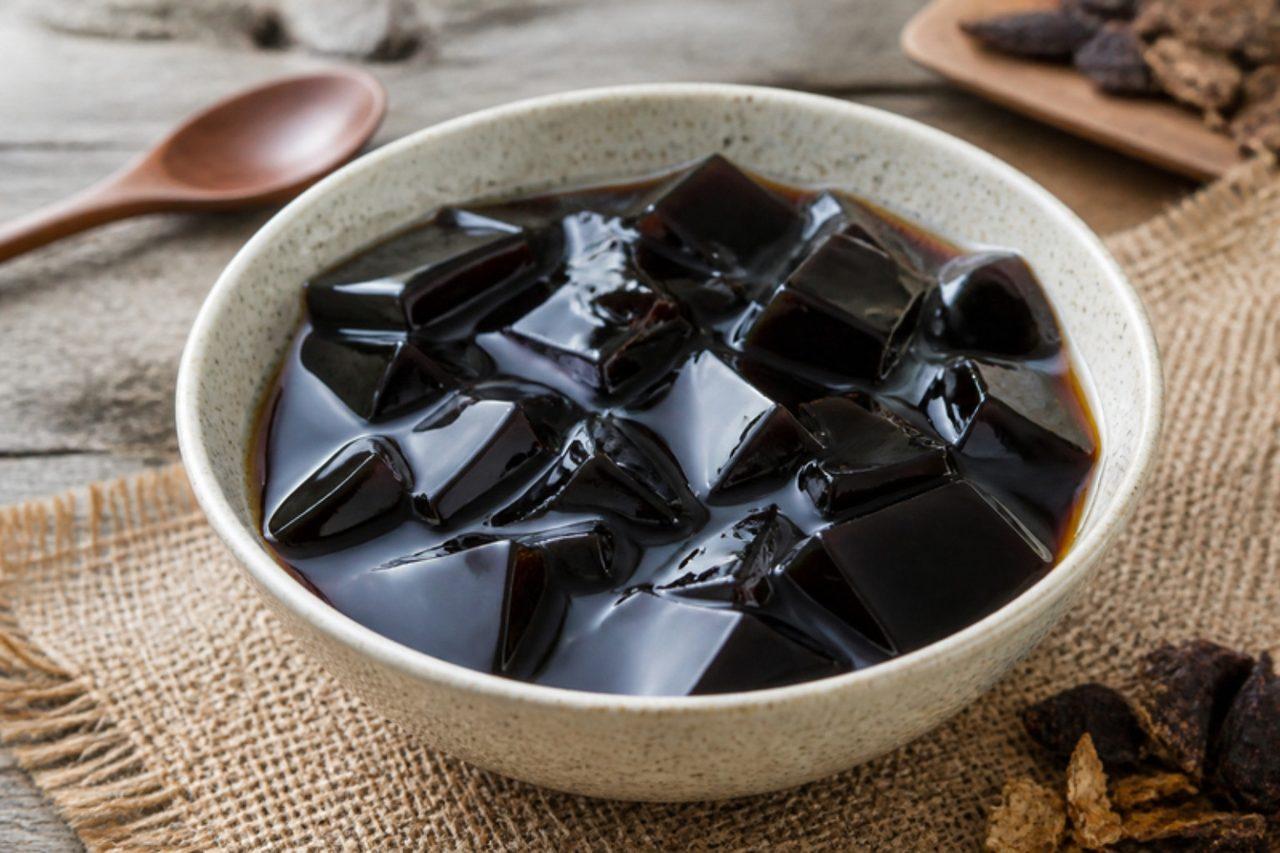
Herbal tea shops along Hong Kong's busy streets sell black, glossy bowls of guilinggao as a cooling tonic in the humid months, and families keep a few cups in the fridge to eat as an afternoon snack. The jelly is firm yet smooth, deep and woody, and properly bitter, so it's eaten with a generous pour of syrup, or honey for those who aren't vegan, and sometimes a splash of coconut milk. The original is made by boiling turtle plastron with herbs for hours; the commercially sold herbal jelly powder used here is plant-based, so this is the vegetarian version. Lumps are the usual setback, which happen when the powder is added straight to hot water. Chef's tip: whisk the powder into cold water first, then pour it into the boiling water and keep stirring until it turns glossy.

by KrazyBadal 0 views

Puffed maple omelette

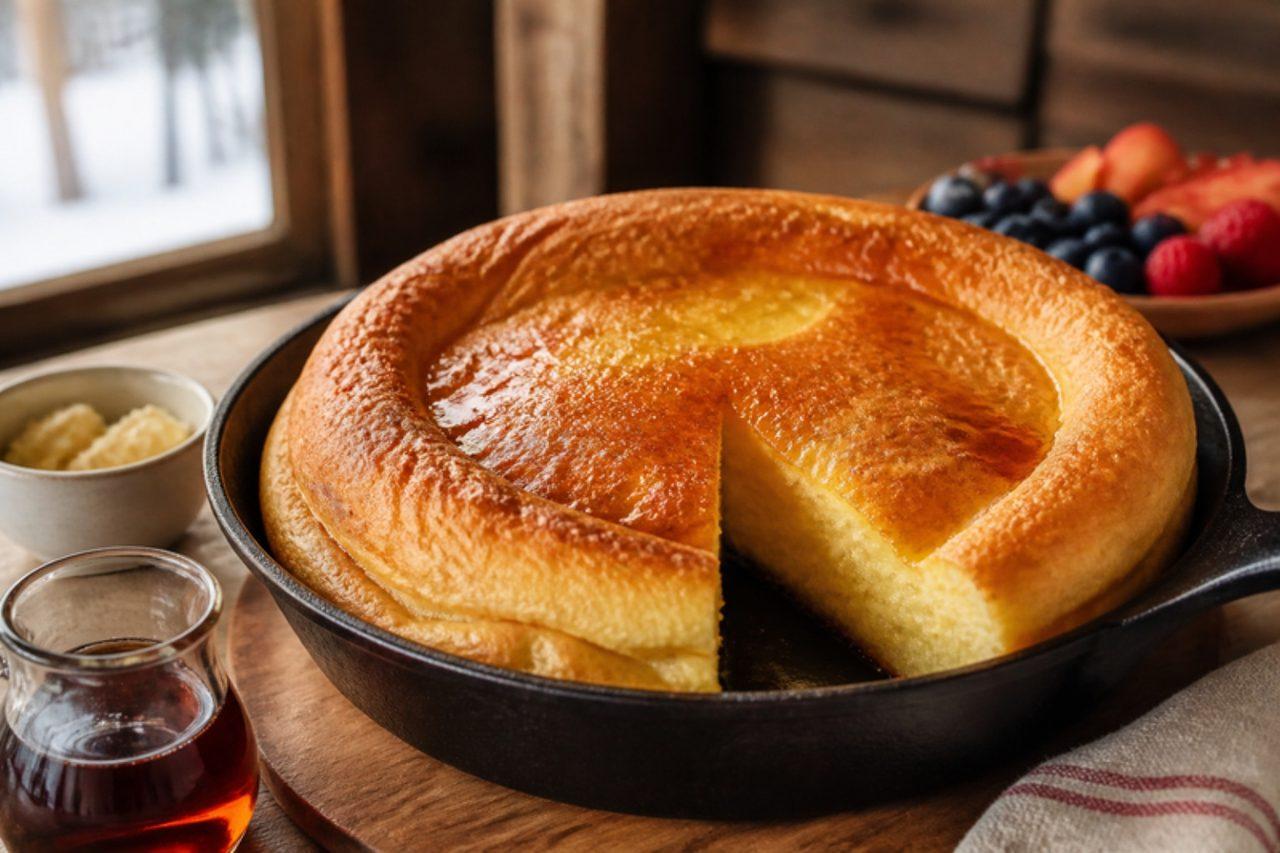
A tall, golden puffed omelette arrives on every table at the cabanes à sucre of the Laurentians and the Eastern Townships, sliced into wedges and drowned in fresh maple syrup alongside beans and ham. The eggs are separated, the whites whipped and folded back in, then the omelette starts on the hob and finishes in the oven so it rises like a soufflé. It must go to the table at once, before it sinks. A common mistake is beating the whites until stiff and dry, which makes the omelette grainy. Chef's tip: fold the whites in with a large metal spoon in three goes, keeping as much air as you can.

by KrazyBadal 0 views

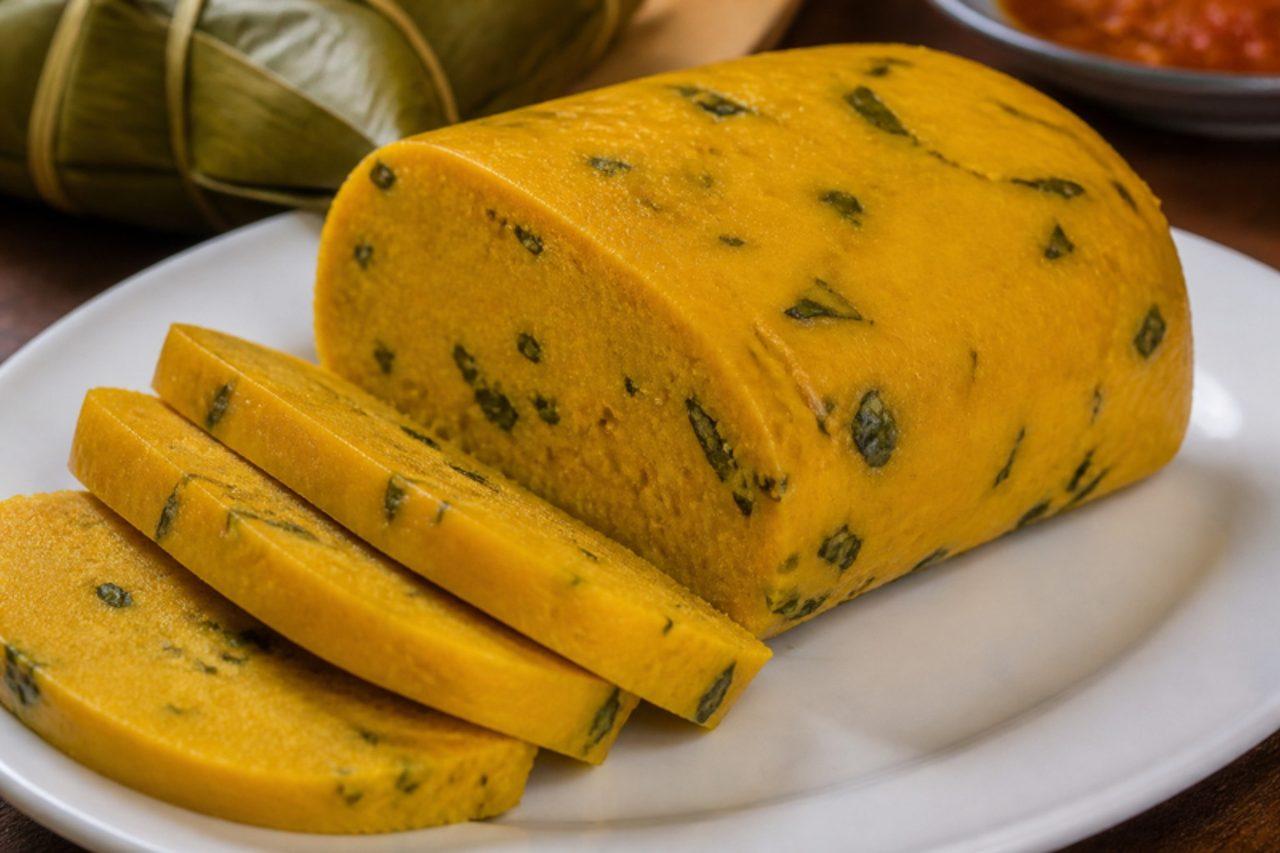
Okpa (Bambara nut pudding)

Early in the morning in Nsukka and Enugu, sellers set out wheelbarrows piled with steaming okpa wrapped in leaves or cooked in small tins, and students and workers eat it standing up with a bottle of cold drink or a cup of pap. It is made from Bambara nut flour beaten with palm oil, warm water, pepper and salt into a bright orange batter and steamed until it sets into a firm, dense pudding with a nutty, earthy taste. It is filling and naturally high in protein. Bambara nut flour is sold in African shops as okpa flour. Undercooked okpa tastes raw and bitter and is hard to digest, so steam until a knife comes out clean. A common mistake is a batter that is too thick, which steams into a hard, dry block instead of a soft-set pudding. Chef's tip: mix the oil into the dry flour before adding any water; it keeps the batter smooth and gives okpa its even colour.

by KrazyBadal 0 views

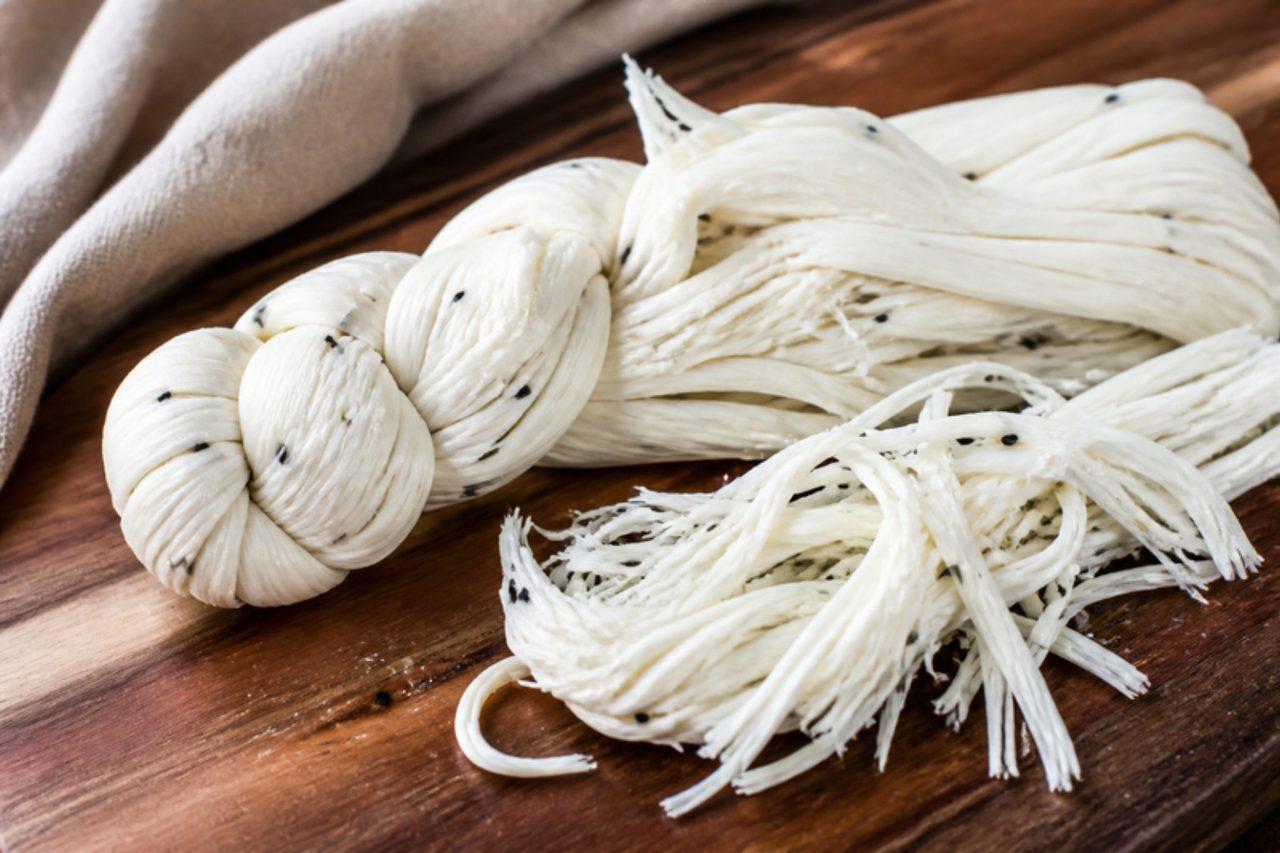
Armenian string cheese

Chechil, called tel panir in Armenian, is the plaited string cheese of Armenian families from Yerevan to Beirut and Boston: fresh curd is melted in hot water, stretched again and again into long, fine strands with nigella seeds worked through, then twisted into a braid. To eat, you pull the braid apart into thread-fine strings, good with herbs, lavash and a glass of tan. Traditionally made with animal rennet; vegetarian rennet works too. A common mistake is stretching a curd that is not acidic enough; it melts into a blob instead of pulling. Chef's tip: test a small piece in hot water first, as for sulguni; if it stretches 30 cm without breaking, it is ready.

by KrazyBadal 0 views

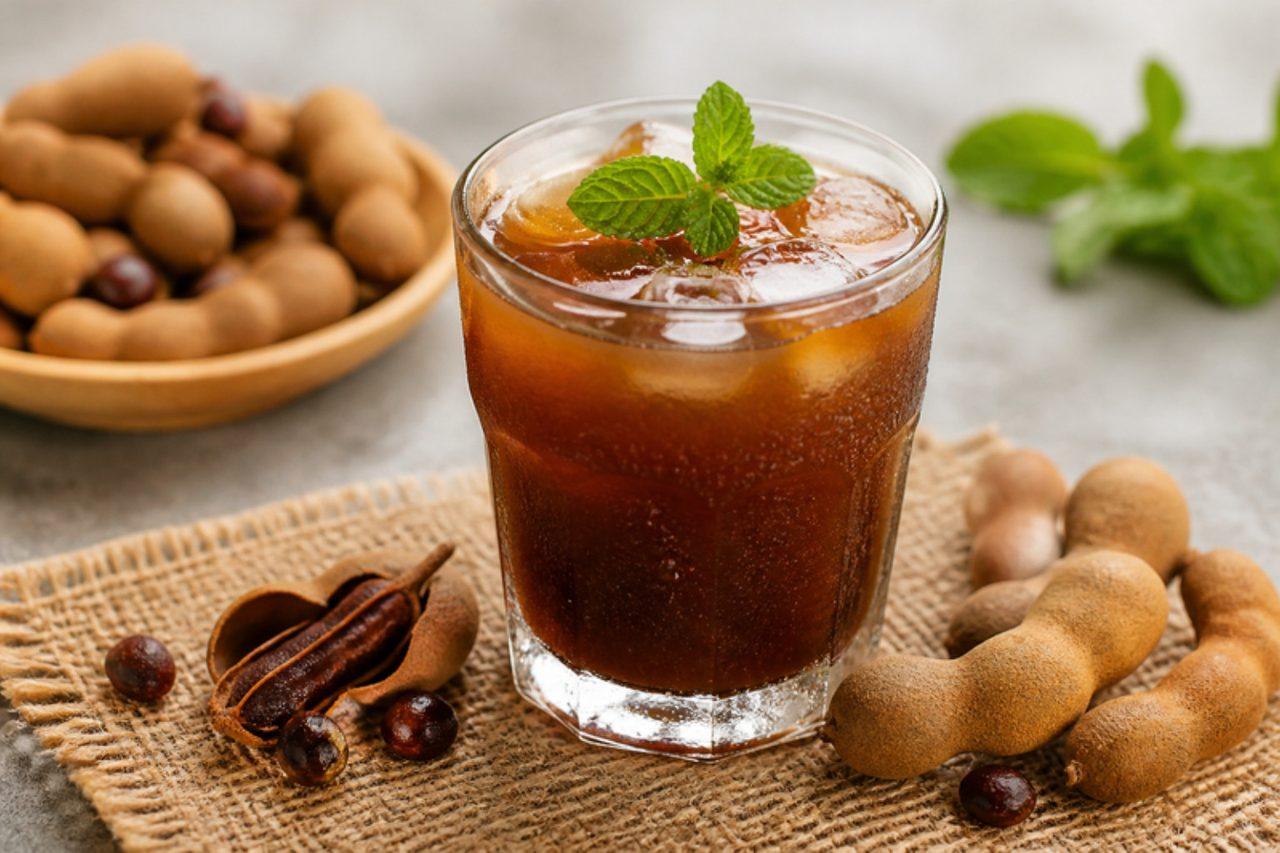
Guinean tamarind juice

Tomi is the name for tamarind in Guinea, and in Conakry its juice is poured from plastic bottles kept on ice at markets, bus stops and family celebrations alongside bissap and ginger juice. The sticky brown pulp is soaked in hot water, kneaded and strained into a drink that is brown-gold, fruity and pleasantly sour, sweetened with sugar and lifted with a little ginger and vanilla. It is especially welcome at sunset during Ramadan. Chef's tip: soak the pulp in hot, not boiling, water and knead it well; boiling the tamarind is a common mistake that pulls out bitterness from the seeds and skins.

by KrazyBadal 0 views

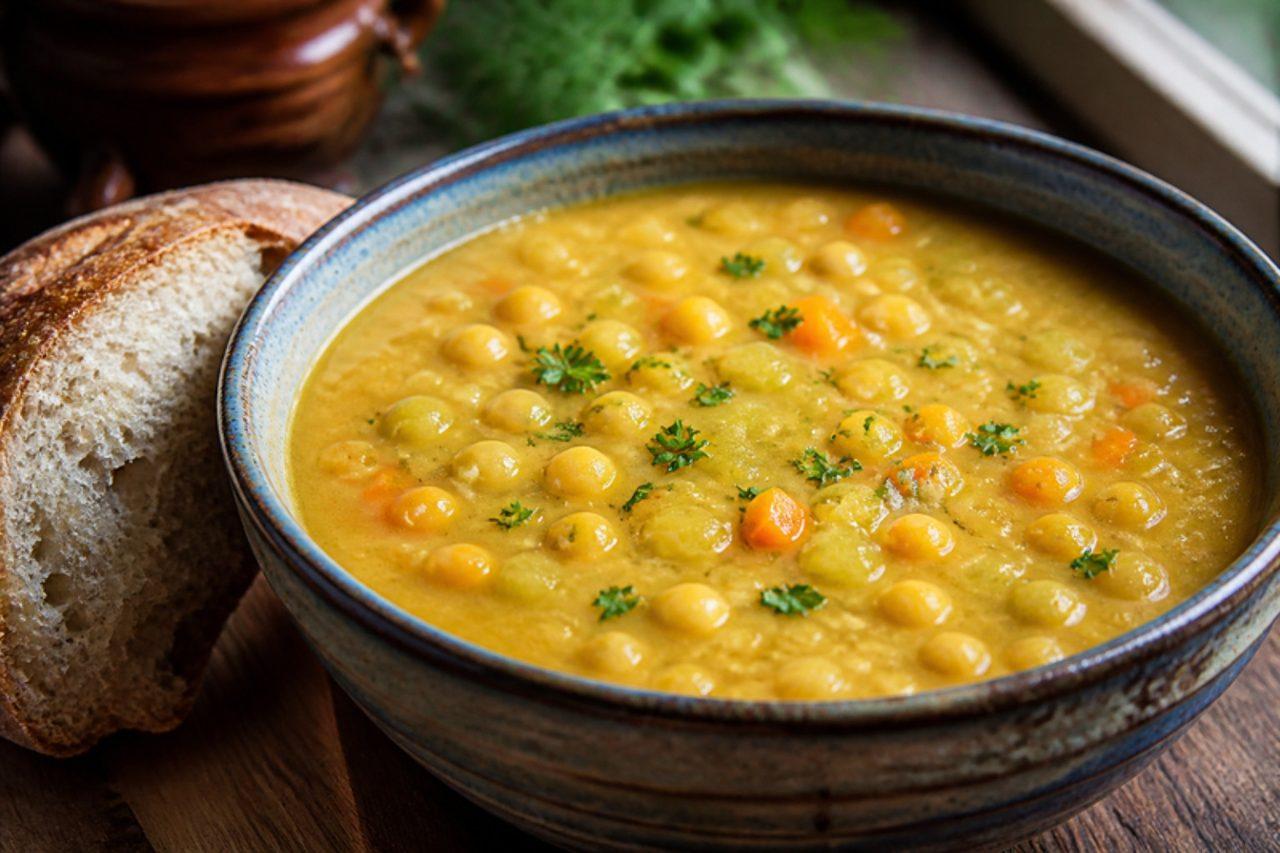
Quebec pea soup

In Quebec farmhouses a pot of soupe aux pois went on the back of the wood stove on Saturday and fed the family through the cold weeks; it is still served at sugar shacks and on chilly Sundays from Gaspé to Gatineau. Whole yellow peas break down over three hours into a thick, golden, earthy soup scented with summer savory. The old version is cooked with a slab of salt pork; this pot leaves it out and builds depth with browned onion and a bay leaf instead, so it is vegan. Serve with crusty bread or a ploye. Chef's tip: use whole yellow peas, not split ones; they hold some bite and give the soup its proper rustic body.

by KrazyBadal 0 views

GubadiaLayered rice and curd pie

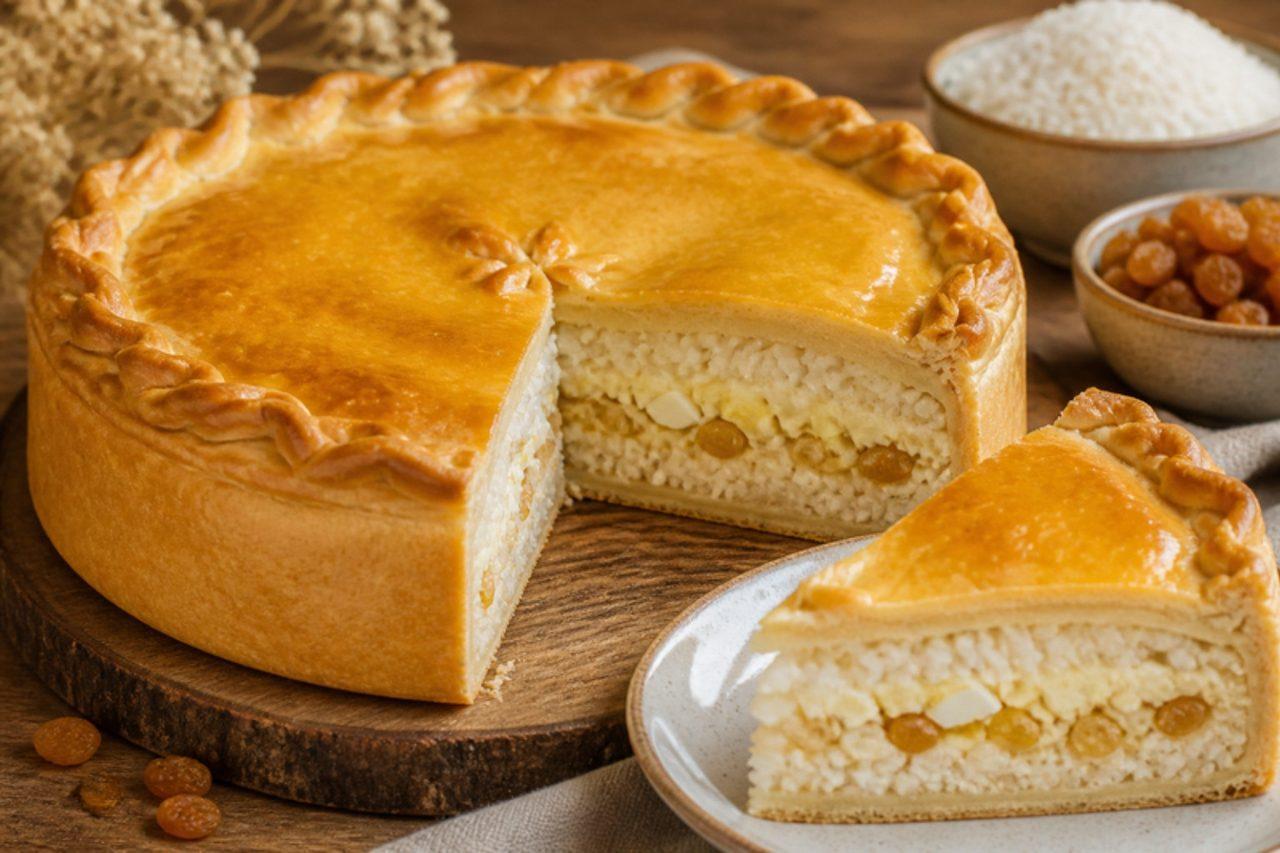
Weddings, Eid and the arrival of honoured guests in Tatarstan call for gubadia, a high round pie that is cut at the table like a cake and served with tea. Inside sit neat layers of buttery rice, kort – Tatar curd cooked down until rosy and fudge-sweet – raisins and chopped hard-boiled egg, under a domed lid of soft yeast dough. Many families add a layer of minced meat with onion; this is the meat-free version, as many sweet tea-table gubadias are. Kort is hard to buy outside the region, so you make it here from tvorog (check the label if you need it rennet-free). Where most people go wrong is a dry pie: every layer needs its share of melted butter. Chef's tip: let the baked pie stand for twenty minutes before cutting so the layers settle and come away in clean wedges.

by KrazyBadal 0 views

Guineítos en escabechePickled green bananas

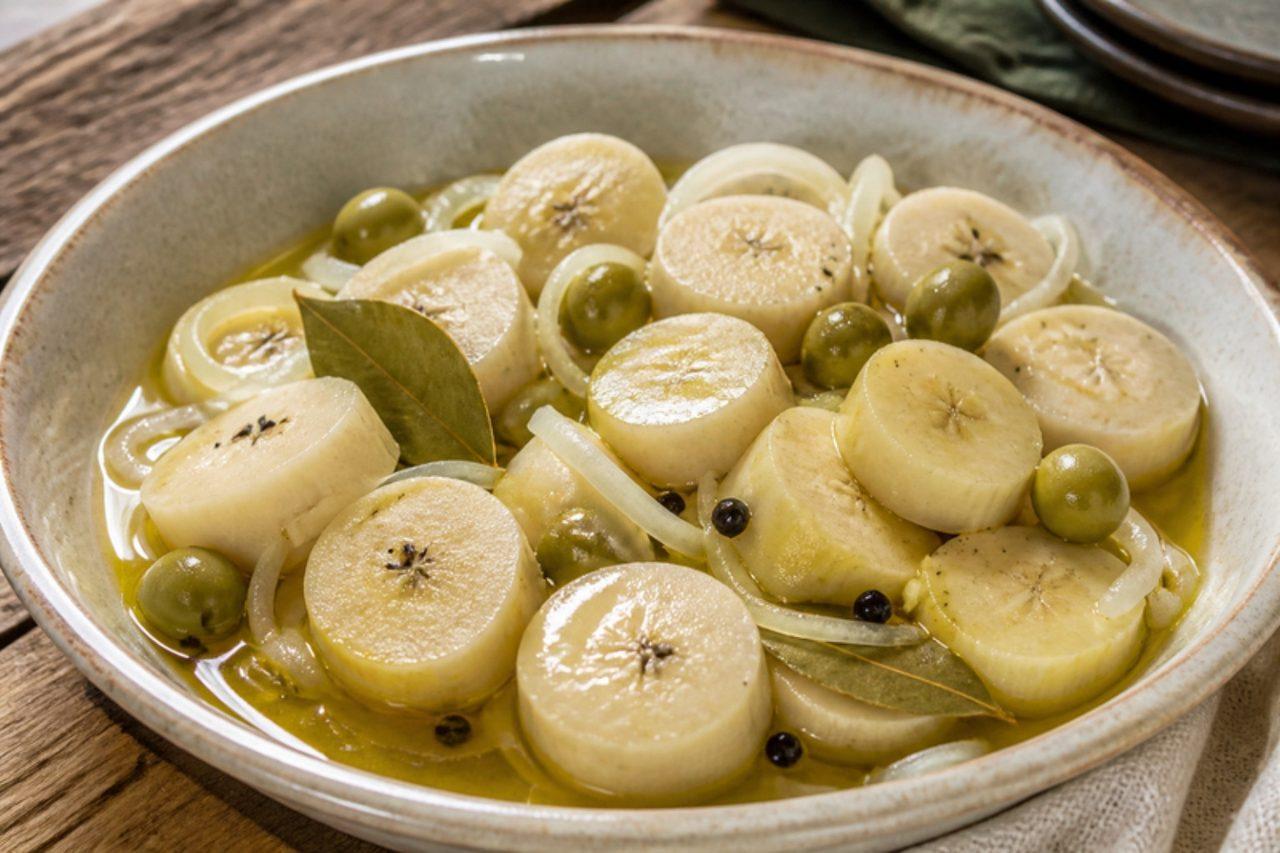
Every Puerto Rican Christmas table and roadside lechonera on the Ruta del Lechón in Guavate seems to have a bowl of these: green bananas boiled, sliced into thick coins and left to steep in a garlicky olive-oil and vinegar marinade with soft onions, bay and green olives. They are sharp, silky and filling, and taste even better on the second day, so they are made in big batches for parties. The common mistake is boiling the bananas until mushy; they should be tender but still hold their coin shape. Peel them with oiled hands or gloves, because the sap stains. Chef's tip: pour the marinade over the bananas while both are still warm, so the starch soaks up the flavour.

by KrazyBadal 0 views

Haash bhunaSlow-cooked duck curry

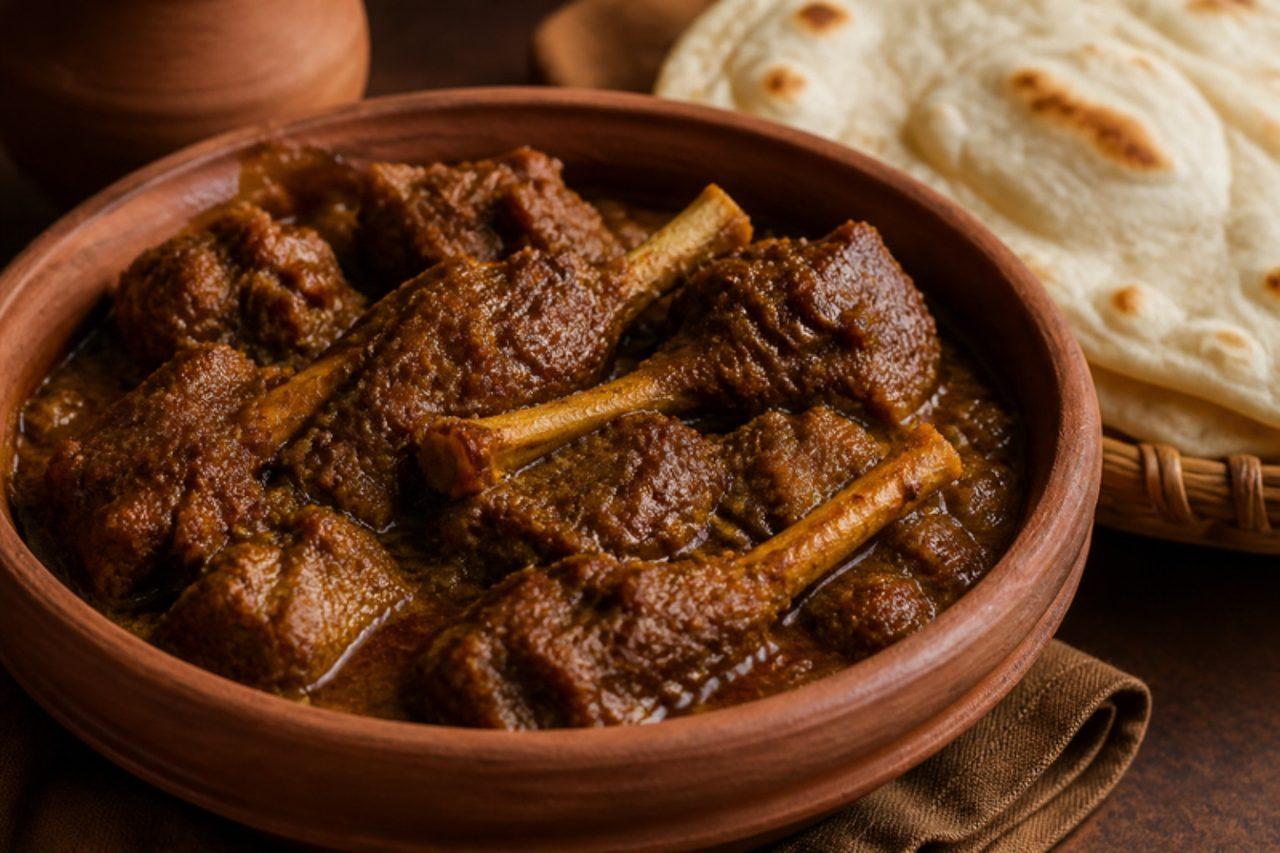
As the cold season settles in and the vast wetlands of the Sylhet and Kishoreganj haor begin to drain, the ducks that have fattened on them all monsoon end up in the bhuna pot. Haash bhuna is deep, dark and rich, the meat cooked slowly with heaps of onion and garlic until it is tender and the duck's own fat glazes the masala, and it is traditionally eaten with chitoi pitha, soft rice-flour pancakes made on a clay mould, or with plain rice. Black pepper, cinnamon and a hint of nutmeg balance the gaminess. The biggest misstep is not rendering the fat, which leaves the sauce greasy and the skin flabby; let the duck fry in its own fat first. Chef's tip: grind a small piece of fresh coconut into the masala at the end if your duck is lean, a trick from Kishoreganj cooks.

by KrazyBadal 0 views

Groninger mosterdsoepMustard and leek soup

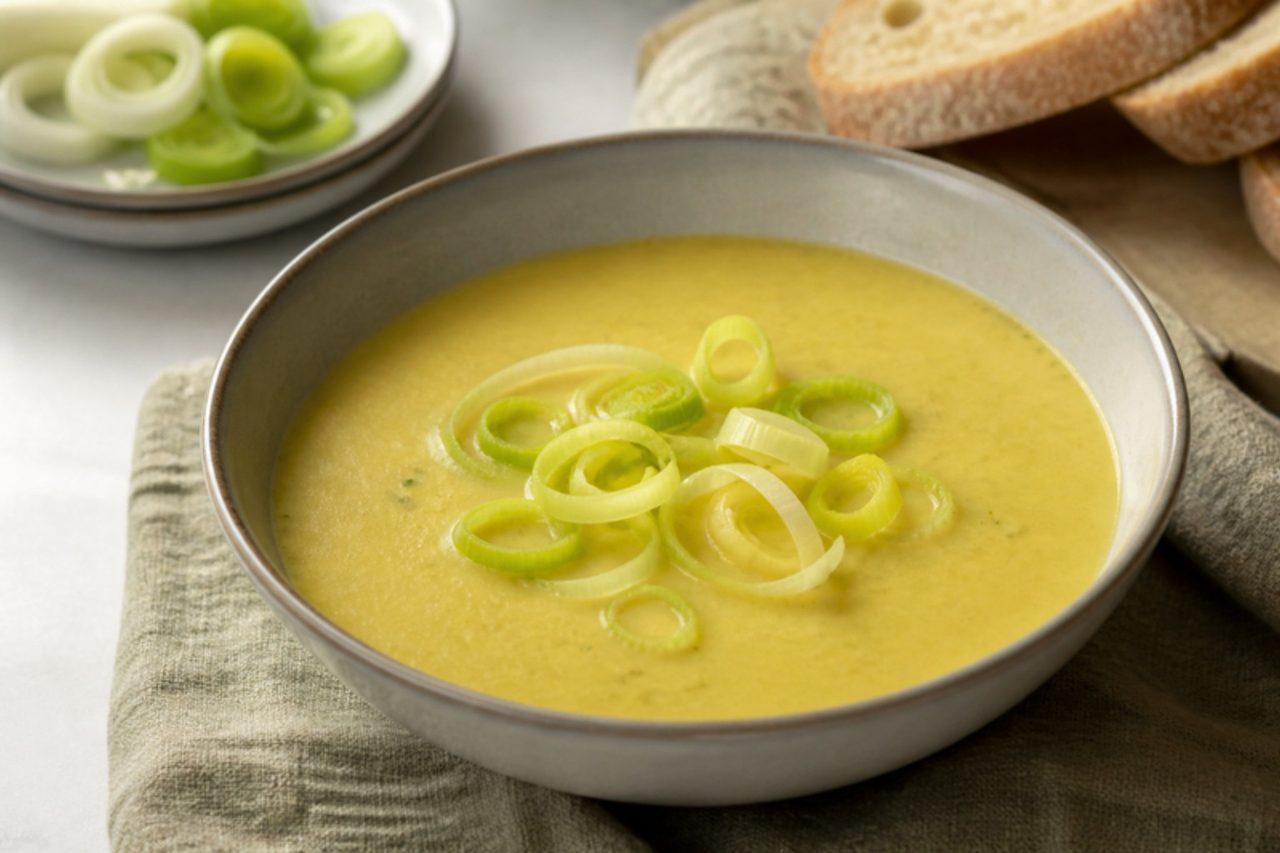
Groningen in the far north of the Netherlands has been making mustard since the Middle Ages, and its creamy mustard soup is served in every café in the city: a velvety roux soup with leek, stock and cream, sharpened with a generous amount of coarse Groninger mustard. Most cafés top it with crisp bacon bits; this vegetarian version uses toasted croutons and chives. A common mistake is boiling the soup after the mustard goes in, which makes it bitter and grainy. Chef's tip: whisk the mustard in off the heat at the end, so it keeps its tang.

30 minDutchSoups
by KrazyBadal 0 views

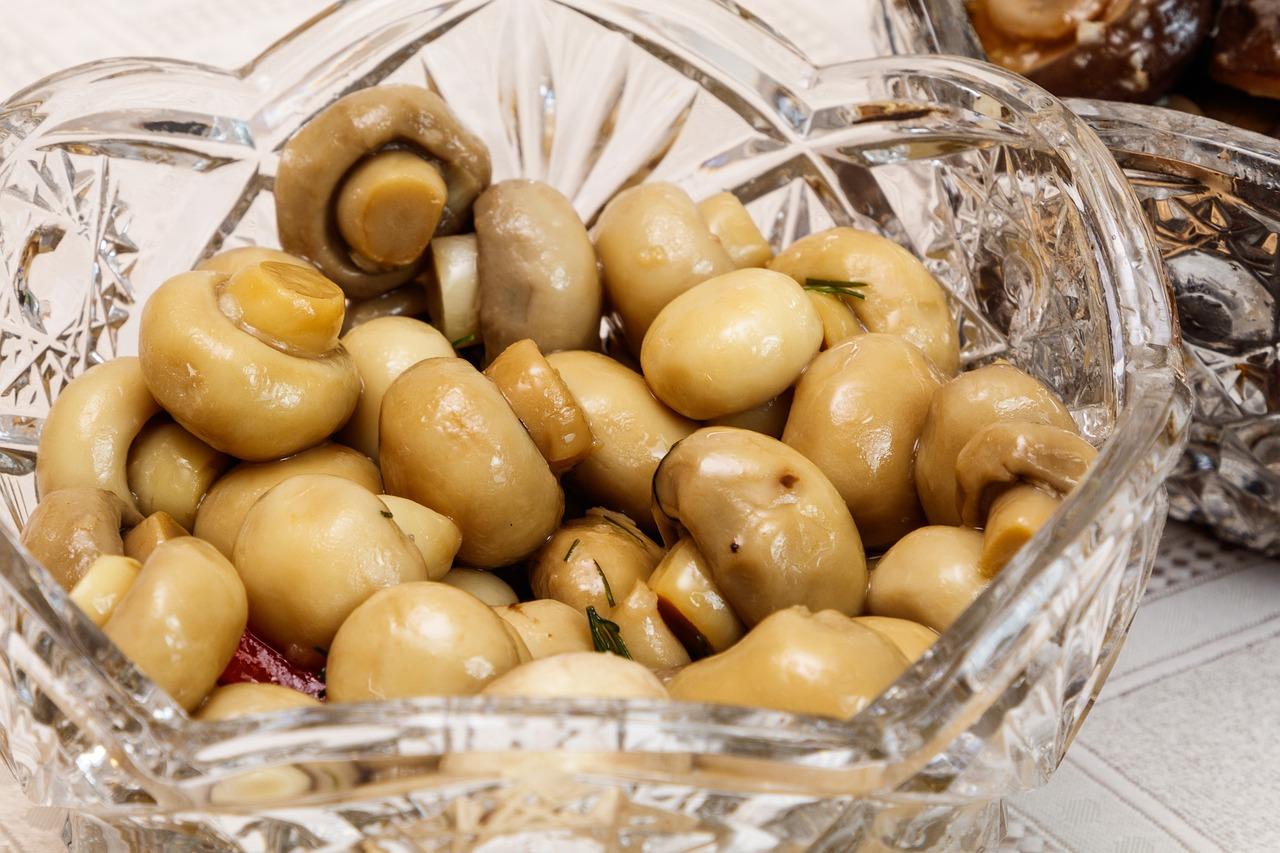
Grzybki marynowanePickled forest mushrooms

After an autumn morning of mushroom picking in the forests of Podlasie or the Bieszczady, the smallest, firmest boletes and slippery jacks are set aside for jars of grzybki marynowane. They come out at Christmas and on name days as a zakąska, sharp and sweet with allspice and mustard seed, sliced onion and firm, slightly slippery mushrooms. Only use wild mushrooms you bought from a trusted seller or had checked by an expert; cultivated chestnut or button mushrooms work well too. A common mistake is skipping the first boil in salted water, which leaves the pickle cloudy and the mushrooms soft. Chef's tip: cook the mushrooms until they sink, then pack them while hot under boiling marinade.

by KrazyBadal 0 views

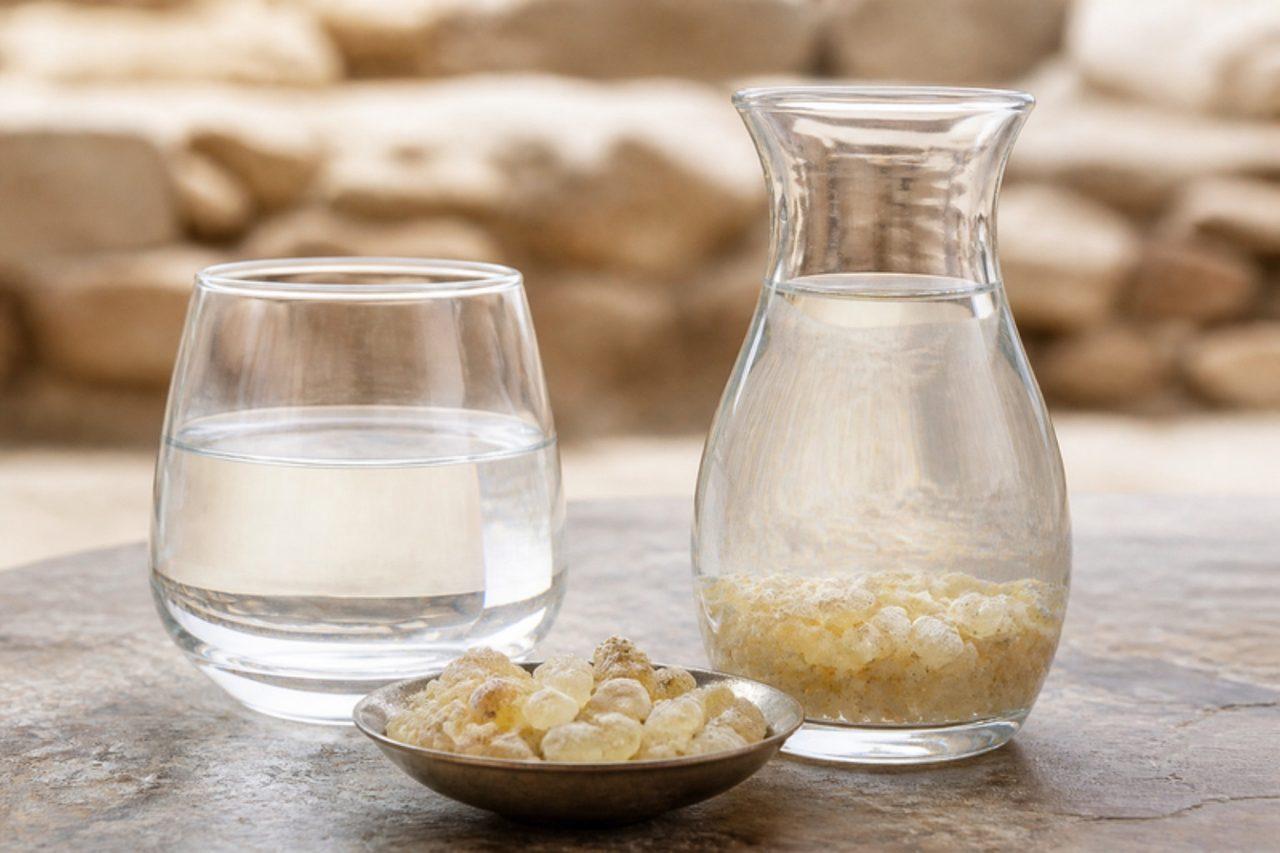
Frankincense water

Around Salalah in Oman's Dhofar region, where the frankincense trees grow on the dry hills behind the coast, many households drop a few tears of resin into a jug of water at night and sip it the next day, believing it settles the stomach. The water turns faintly milky and tastes cool, piney and slightly bitter. It is drunk at room temperature, in small glasses, often in the morning. Use only food-grade Boswellia sacra resin sold for eating (the pale hojari grade is best), never incense blends, and do not drink it if you are pregnant or breastfeeding, or without asking a doctor if you take regular medication. The mistake is using too much resin, which makes it unpleasantly bitter. Chef's tip: rinse the tears in a sieve first to wash off dust and resin powder, and the water will be clearer and gentler.

by KrazyBadal 0 views

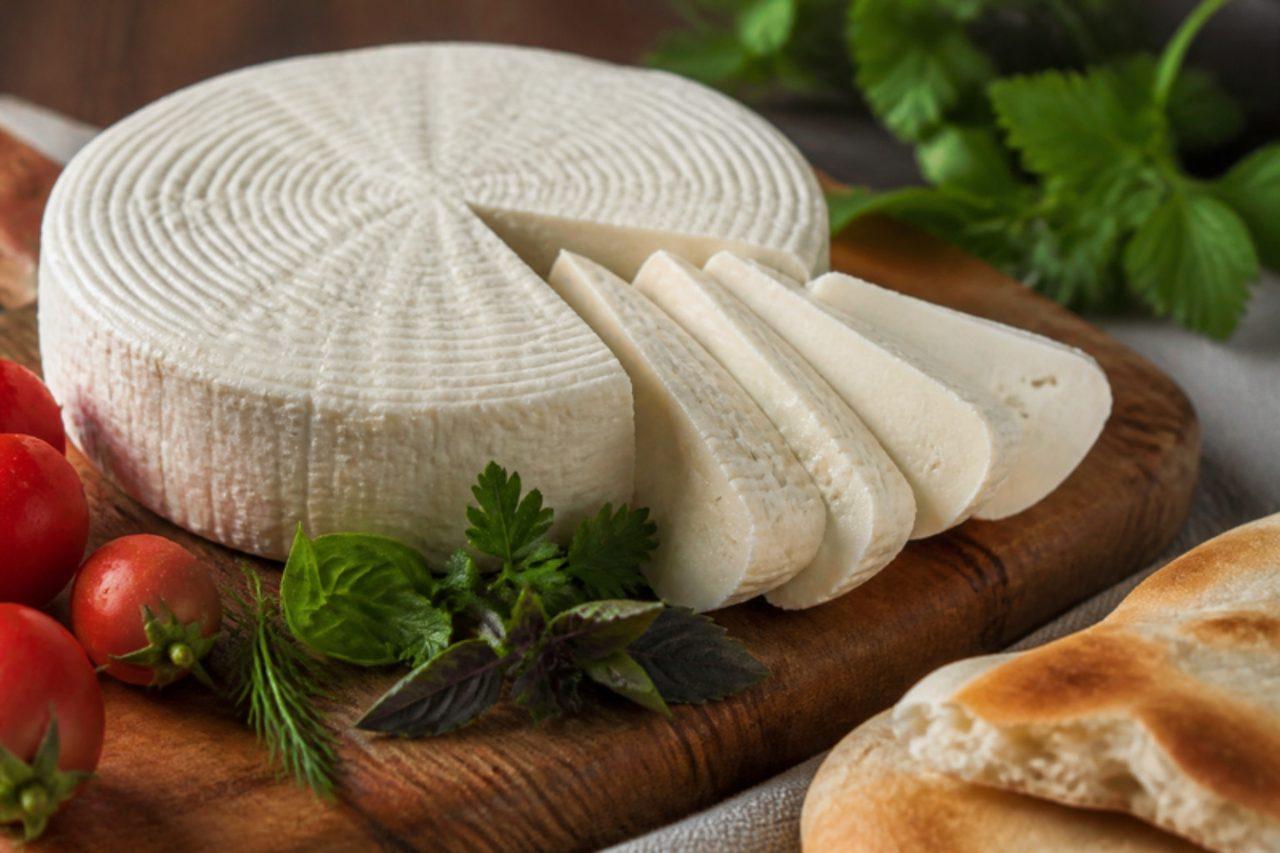
Imeretian cheese

Imeruli kveli is the everyday cheese of western Georgia: in Kutaisi's Green Bazaar it sits in wet white wheels, mild and milky with a faint sourness, ready to be grated into khachapuri, sliced with tomatoes and herbs, or stretched into sulguni. Families in Imereti make it in a morning from the day's milk. Traditionally it is set with animal rennet; use vegetarian (microbial) rennet for a vegetarian cheese. A common mistake is heating the curd too hard, which squeezes out the moisture and gives a rubbery cheese instead of a soft, springy one. Chef's tip: make a double batch, keep one wheel fresh for eating and leave the other in brine for two or three days, which gives it the saltier bite that bakers prefer for khachapuri.

by KrazyBadal 0 views

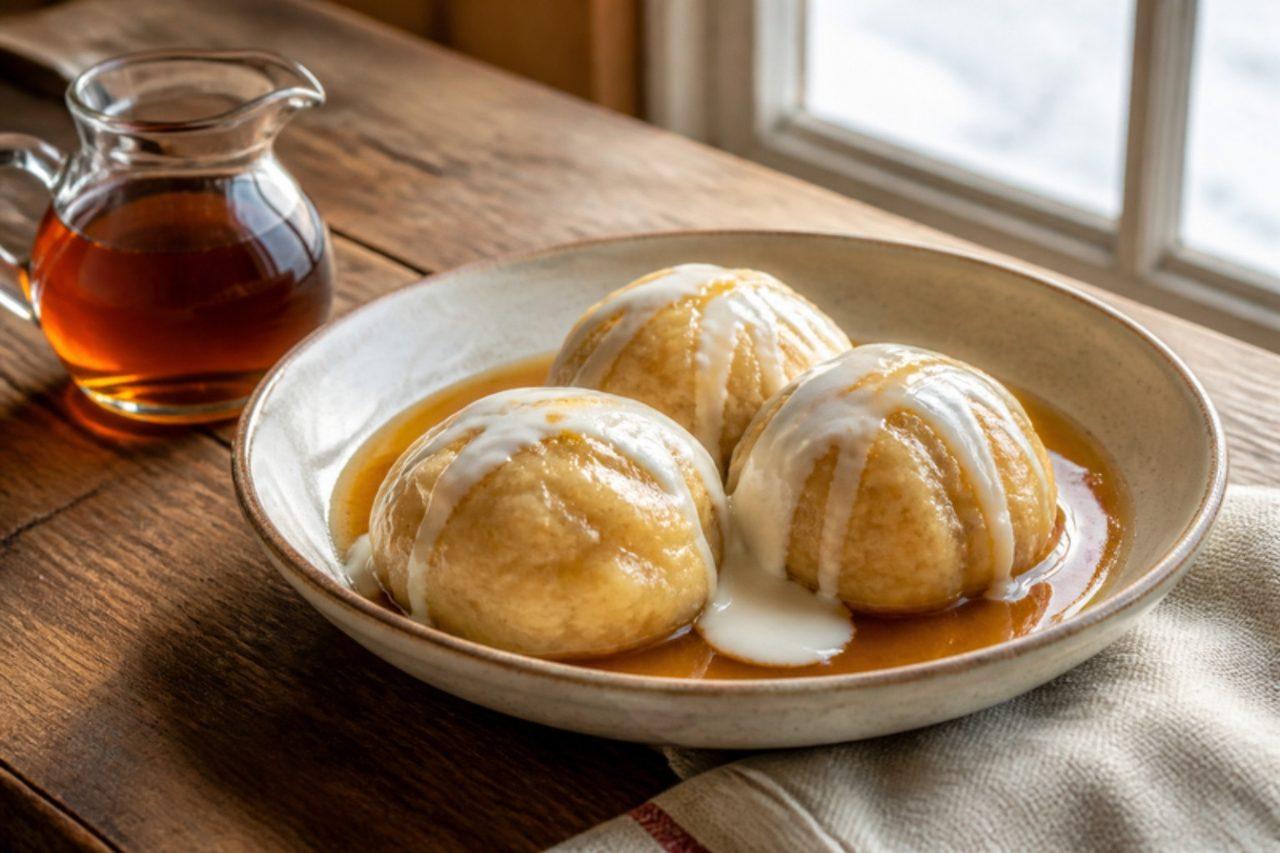
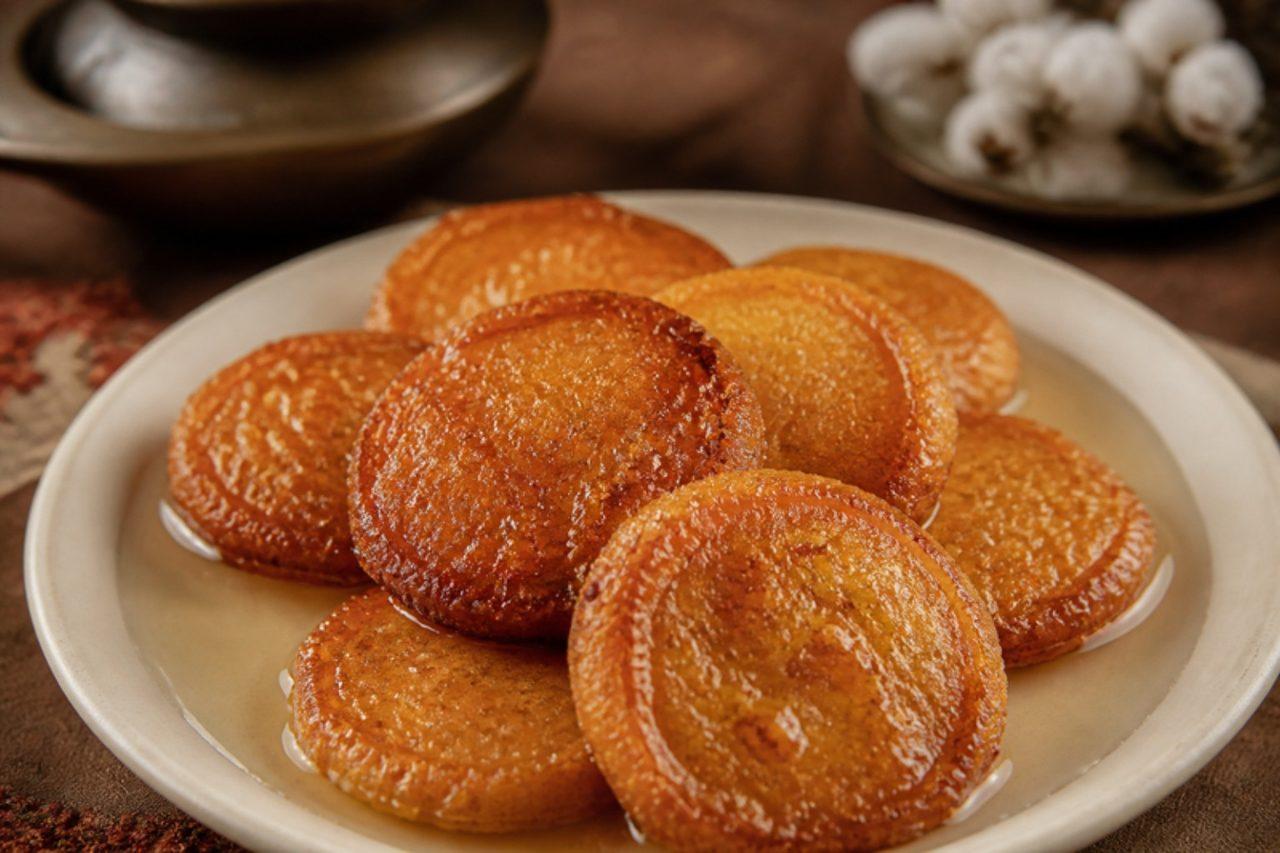
Grandfathers in maple syrupDumplings in maple syrup

Grands-pères are the dessert of the Quebec sugar shack in March and April, when sap is running and the cabane à sucre serves long breakfasts. Soft scone-like dumplings are dropped into simmering maple syrup and cooked under a lid until they puff up and soak in the syrup from below. In Beauce and the Eastern Townships families make them at home with the first syrup of the year. Serve warm in bowls with cold cream poured over. A common mistake is letting the syrup boil hard, which scorches it and makes it bitter. Chef's tip: keep the lid on for the full cooking time; lifting it lets the steam out and the dumplings sink and turn heavy.

by KrazyBadal 0 views

Svanetian salt

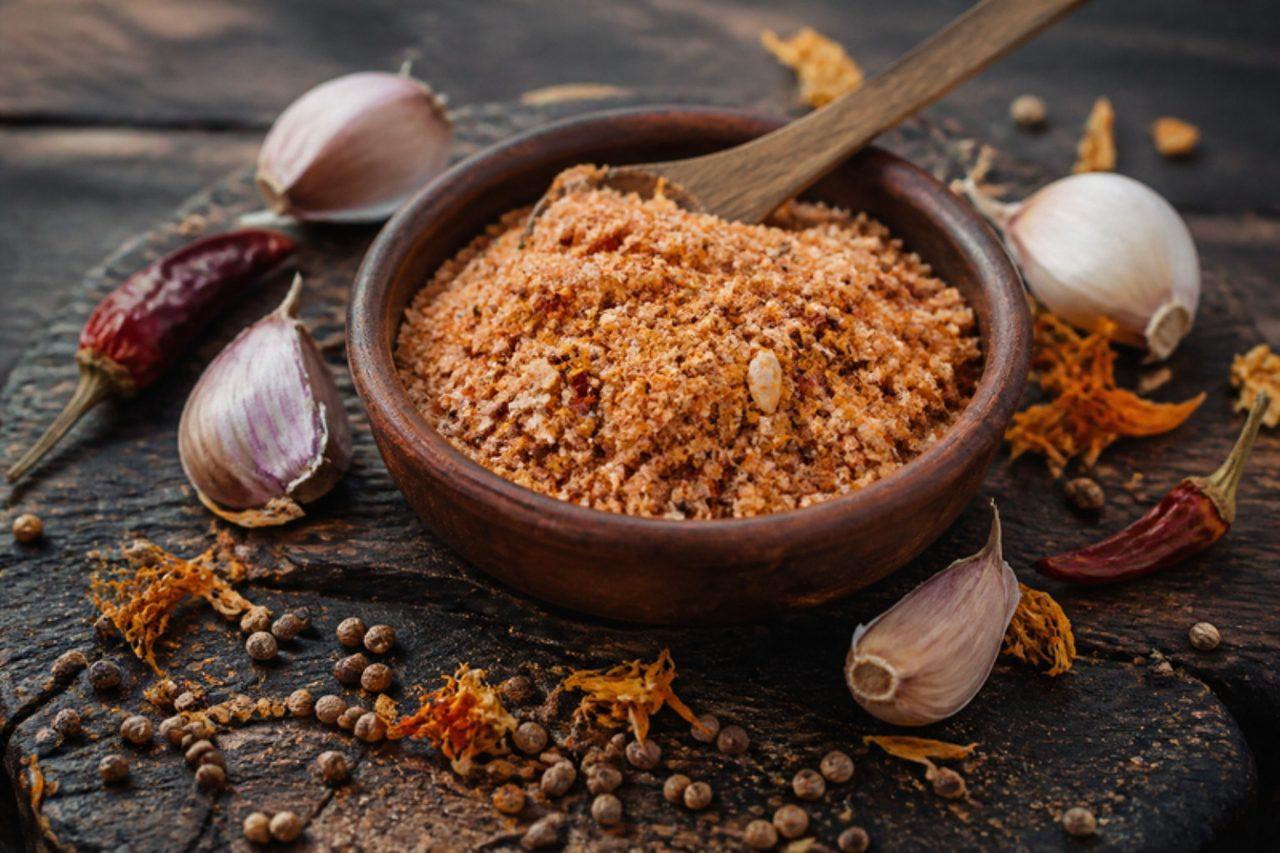
In the stone-towered villages of upper Svaneti, salt was precious and families stretched it by grinding it with garlic and the spices that grow on their slopes: blue fenugreek, coriander seed, dried dill seed, marigold and hot pepper. The result is a fragrant, damp, greenish salt that every Svan kitchen keeps in a jar, rubbed on potatoes, stirred into soups or sprinkled on tomatoes and cucumbers. A common mistake is using fine table salt, which turns to paste; coarse salt grinds the garlic and dries it at the same time. Chef's tip: spread the finished salt on a tray and let it dry for a day before jarring, so it keeps for months.

by KrazyBadal 0 views

Grechka po-kupecheskiMerchant-style buckwheat

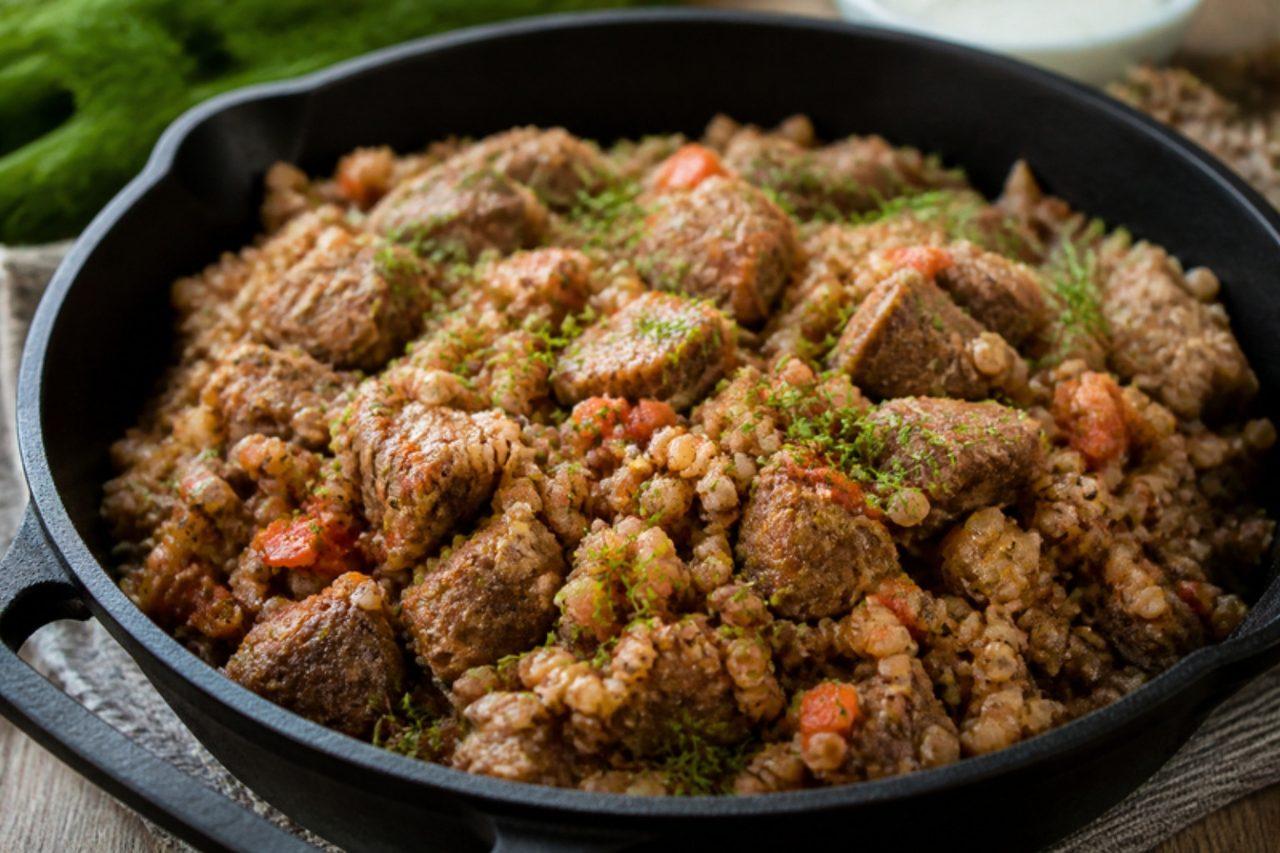
Russian merchants of the nineteenth century liked their buckwheat with meat in it, and "merchant-style" grechka became a hearty one-pan supper that students, soldiers and busy parents still cook today. Cubes of pork shoulder are browned with onion and carrot, enriched with tomato, then roasted buckwheat simmers in the same pan until every grain is separate and steeped in the juices. It is earthy, savoury and filling, best with a salted cucumber or a spoon of tsakhdon-style garlic sour cream. The usual slip is stirring the buckwheat while it cooks, which breaks the grains into mush; cover the pan and leave it alone. Pork pieces should be fully cooked to 71 °C. Chef's tip: toast the buckwheat in the pan for a minute before adding water to deepen its nutty taste.

by KrazyBadal 0 views

Chicken tabaka

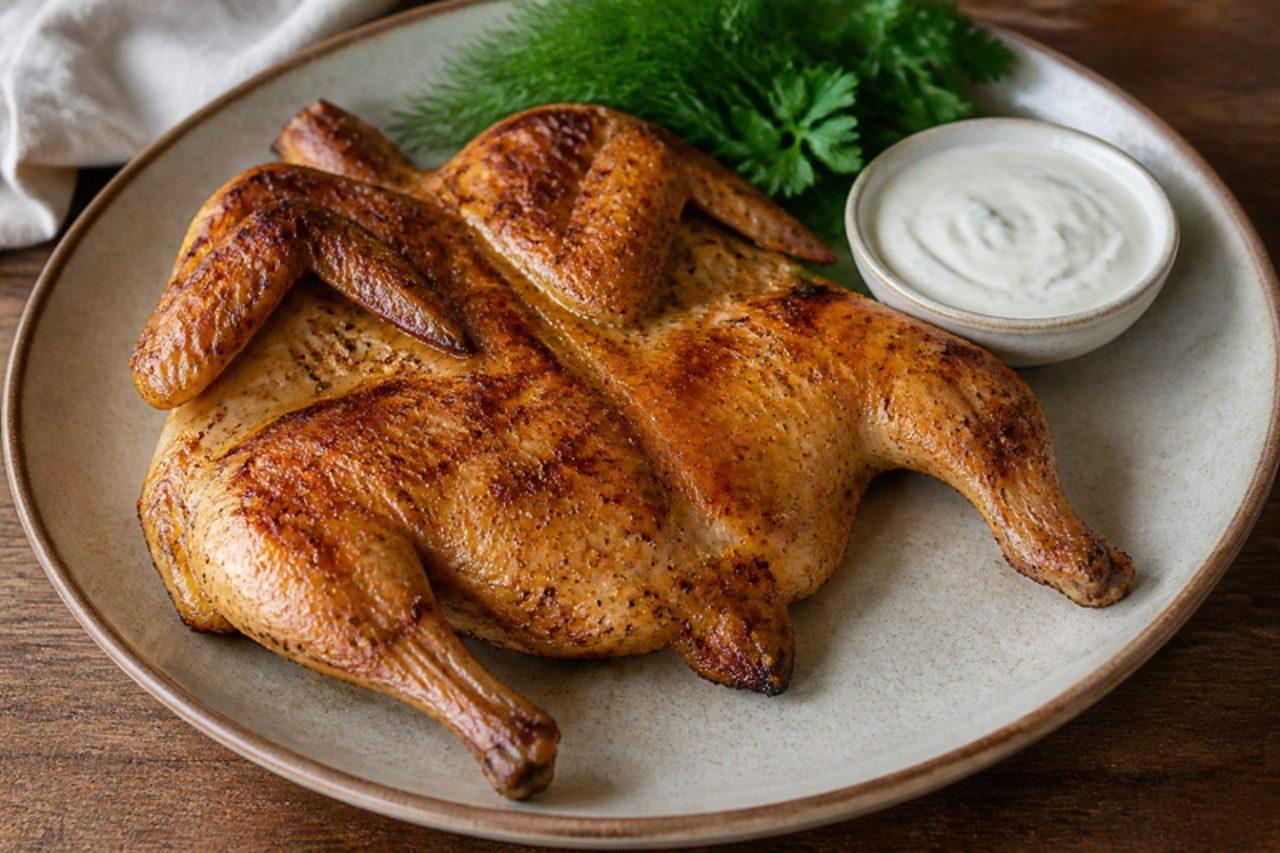
Tsitsila tabaka is named after the tapa, a heavy cast-iron pan with a screw-down lid that Tbilisi cooks use to press a split spring chicken flat as it fries, so every bit of skin touches the hot metal and turns golden and crackling. In old Tbilisi restaurants it comes with a little jug of garlic water (niortskali) and satsebeli tomato sauce. A common mistake is using a big chicken, which takes so long that the skin burns before the inside cooks; a small poussin is right. Chef's tip: a heavy saucepan filled with water works as the weight at home. Chicken is done when the thickest part of the thigh reaches 74 °C.

by KrazyBadal 0 views

Jamaican curried soy chunks

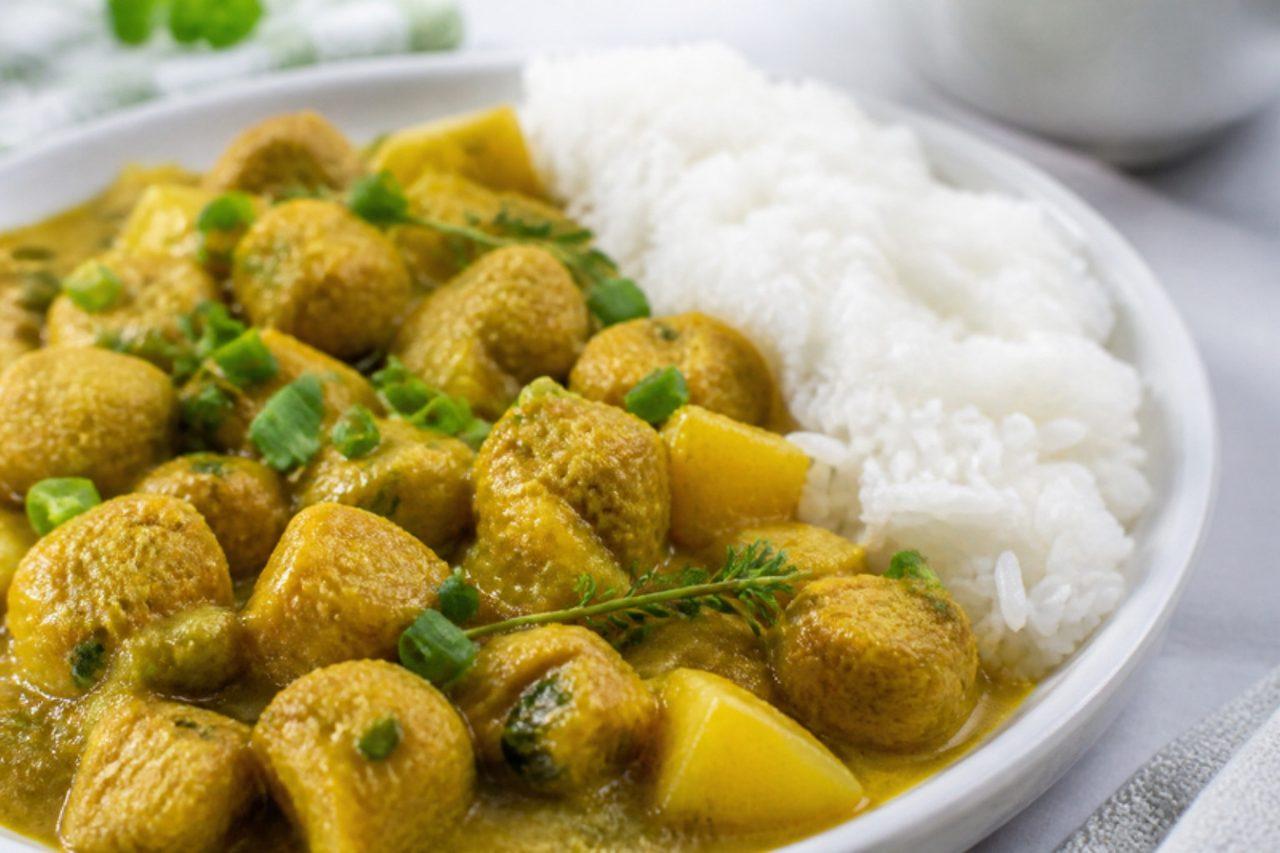
Ital cookshops in Half Way Tree and Papine sell curried "chunks" by the box with brown rice, steamed cabbage and a slice of ripe plantain, the Rastafarian answer to curry goat. The dried soya pieces soak up a deep, turmeric-gold sauce of Jamaican curry powder, thyme, pimento and coconut milk, and the potato thickens it as it breaks down. Most people skip squeezing the soaked chunks, which leaves them watery and bland; wring them out hard so they drink in the curry instead. Leave the scotch bonnet whole for warmth, or slit it for real heat. Chef's tip: fry the curry powder in the oil until it darkens a shade before anything wet goes in, the Jamaican "burn the curry" step that stops it tasting raw.

by KrazyBadal 0 views

Flourless chocolate cake

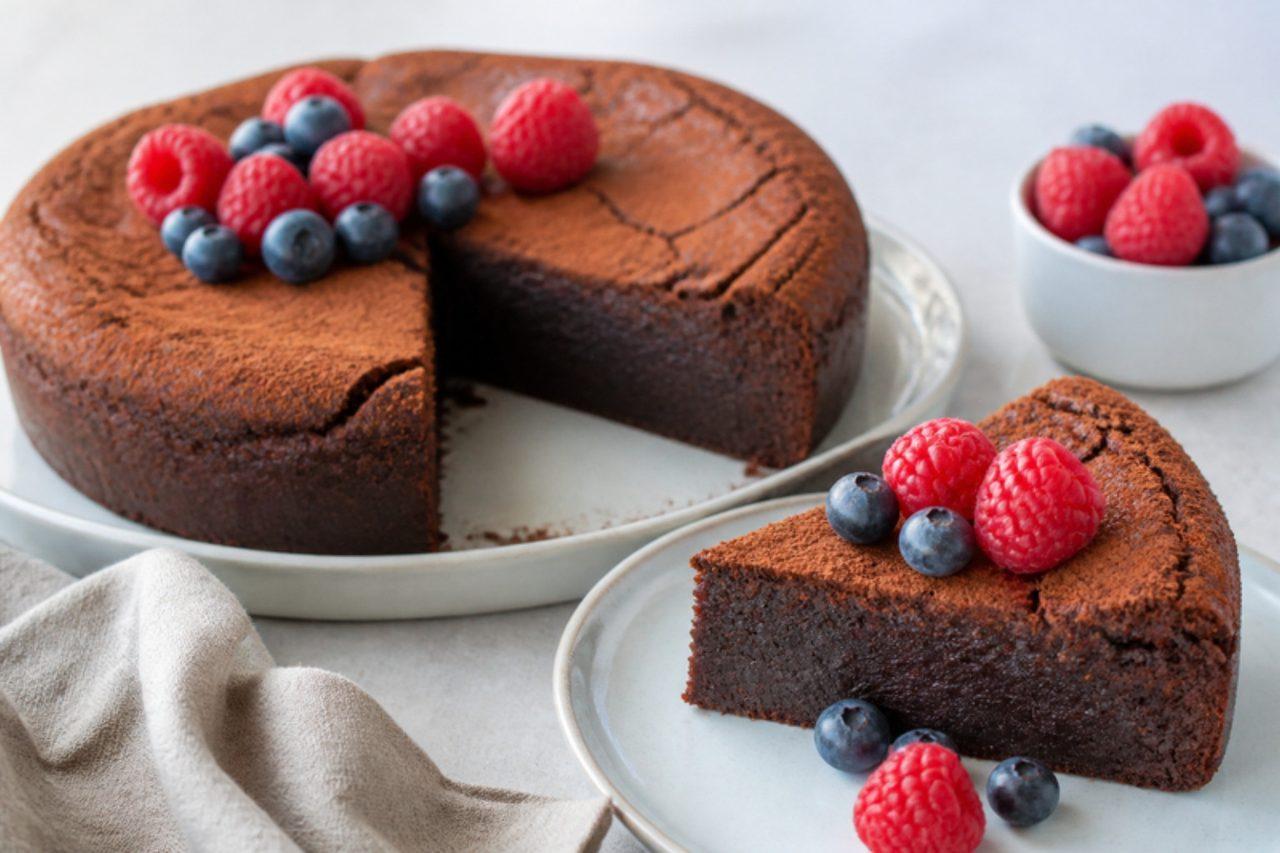
In Israel this dense chocolate cake is the dessert of the Passover seder in countless homes, from Tel Aviv flats to kibbutz dining halls, because it needs no flour and only rises on whisked eggs. Dark chocolate, eggs, ground almonds and a little butter bake into a cake with a thin, crackled top and a deep, fudgy middle, rich enough to serve in slim slices with berries or whipped cream. Made with oil instead of butter, it can follow a meat meal. The common mistake is overbaking: take it out while the centre still wobbles slightly, as it sets as it cools. Chef's tip: fold the whites into the chocolate in three goes, the first one roughly, to loosen it, then the rest gently to keep the air.

by KrazyBadal 0 views

GuarapoSugarcane juice

Guarapo stands, or guaraperas, pop up across Cuba wherever cane grows, crushing fresh stalks through a press and pouring the pale green juice straight over ice. It tastes grassy and gently sweet, never sugary, and it is drunk the moment it is pressed. You need a sugarcane press or juicer, or fresh peeled cane and a strong blender; bottled cane juice is a poor substitute. The common mistake is pressing the cane long before serving, because the juice darkens and starts to ferment within an hour. Chef's tip: chill the cane before pressing and add the lime as you press, which keeps the colour bright.

by KrazyBadal 0 views

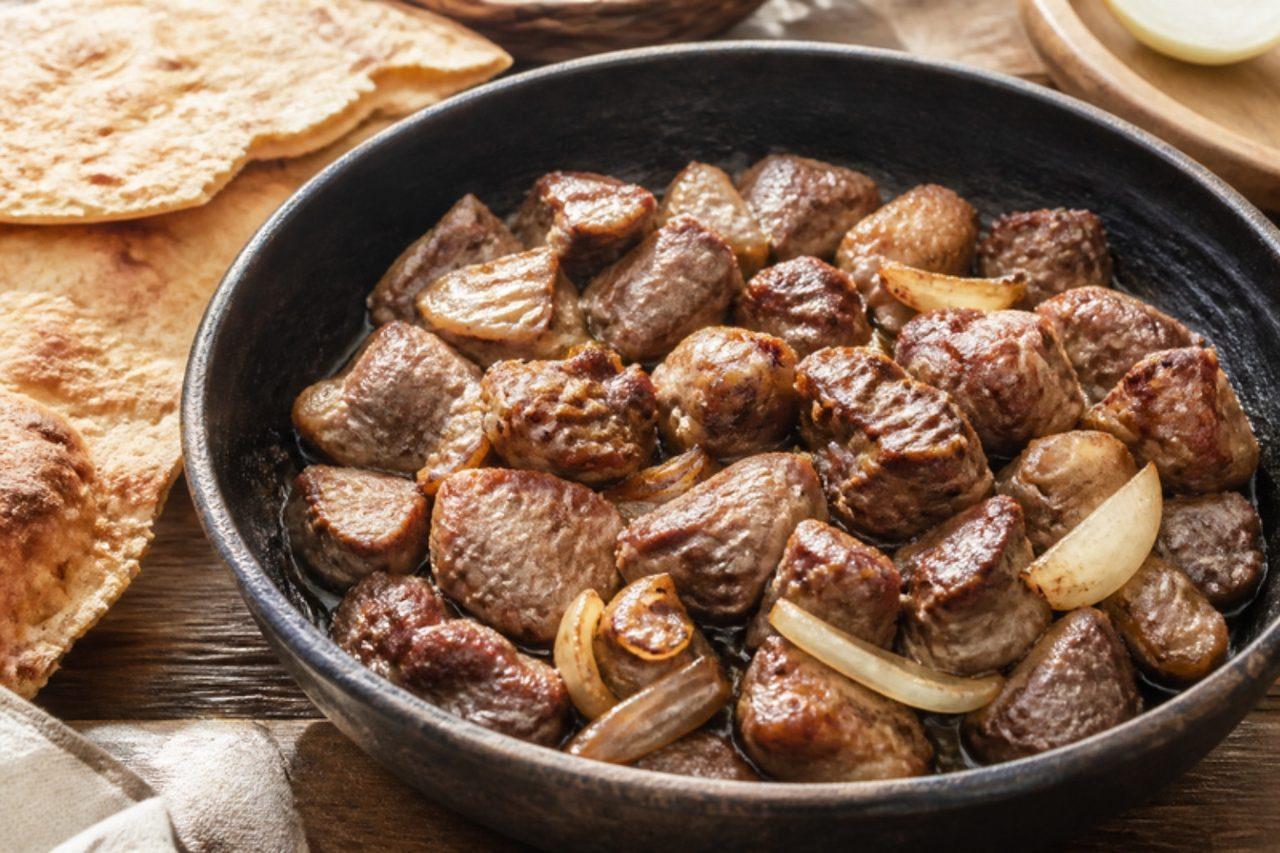
Seared gored goredSeared beef cubes in spiced butter

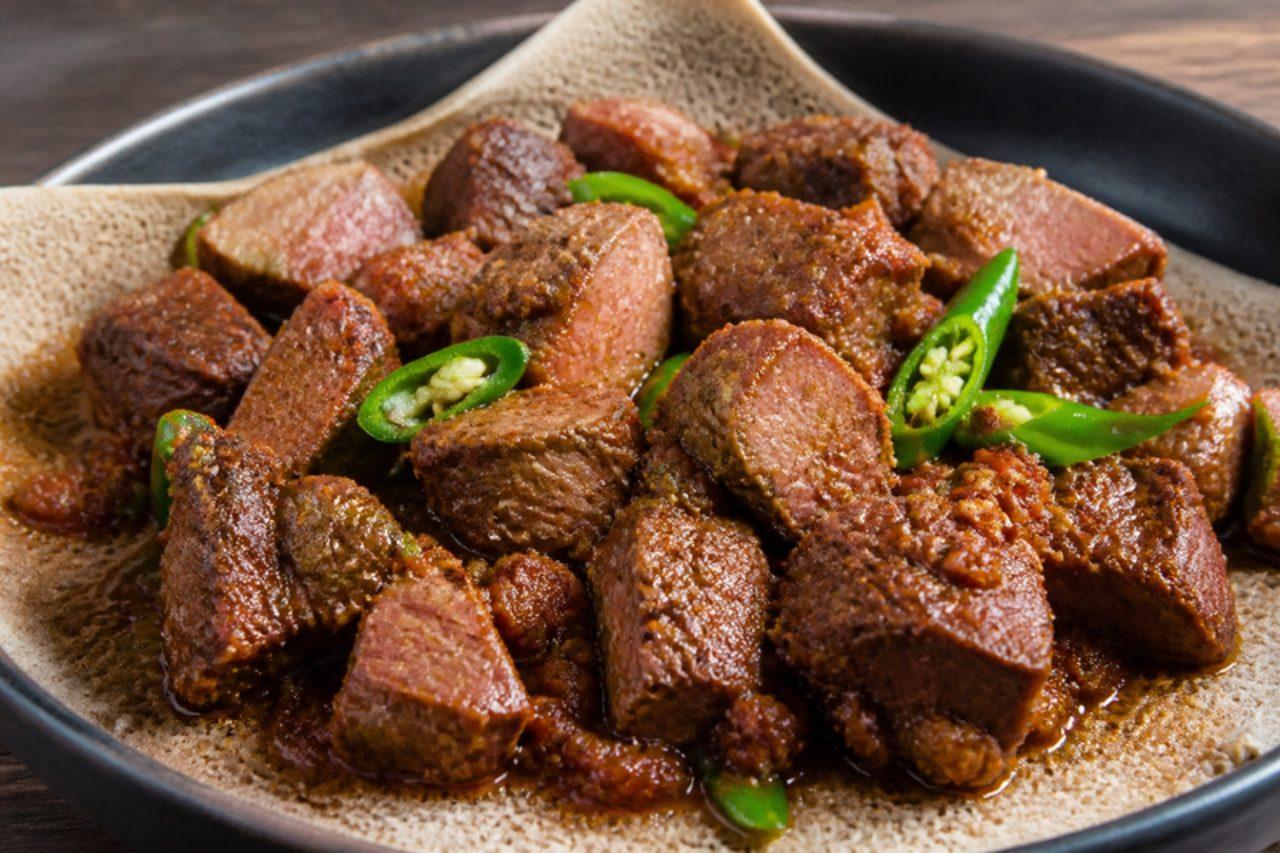
Gored gored is a celebration dish in Addis Ababa, ordered at butcher-restaurants and served at weddings and holiday gatherings, where cubes of the best beef are dressed with melted niter kibbeh, awaze and mitmita and eaten with injera. Traditionally the meat is served raw. Raw beef is not for pregnant women, young children or anyone with a weakened immune system, so this version sears the cubes over a fierce heat until well browned on every side and cooked to at least 63 °C in the centre, then rests them; take them to 71 °C if you prefer them fully cooked. The result is tender and juicy, rich with spiced butter and fiery from the awaze. Chef's tip: dry the cubes thoroughly with kitchen paper and sear them in two batches; a crowded pan steams the meat grey instead of browning it.

by KrazyBadal 0 views

Fryske dúmkesAnise and hazelnut biscuits

Dúmkes, 'little thumbs', are crisp, spiced biscuits from Friesland, shaped by pressing the dough with a thumb or rolling it into a log and slicing; their flavour comes from aniseed and toasted hazelnuts, and they are dunked in coffee at Frisian kitchen tables. A common mistake is baking them pale, which leaves them soft; they should be golden and snap when broken. Chef's tip: lightly crush the aniseed before mixing, so its sweet liquorice flavour runs through every bite.

by KrazyBadal 0 views

Jamaican jerk pork

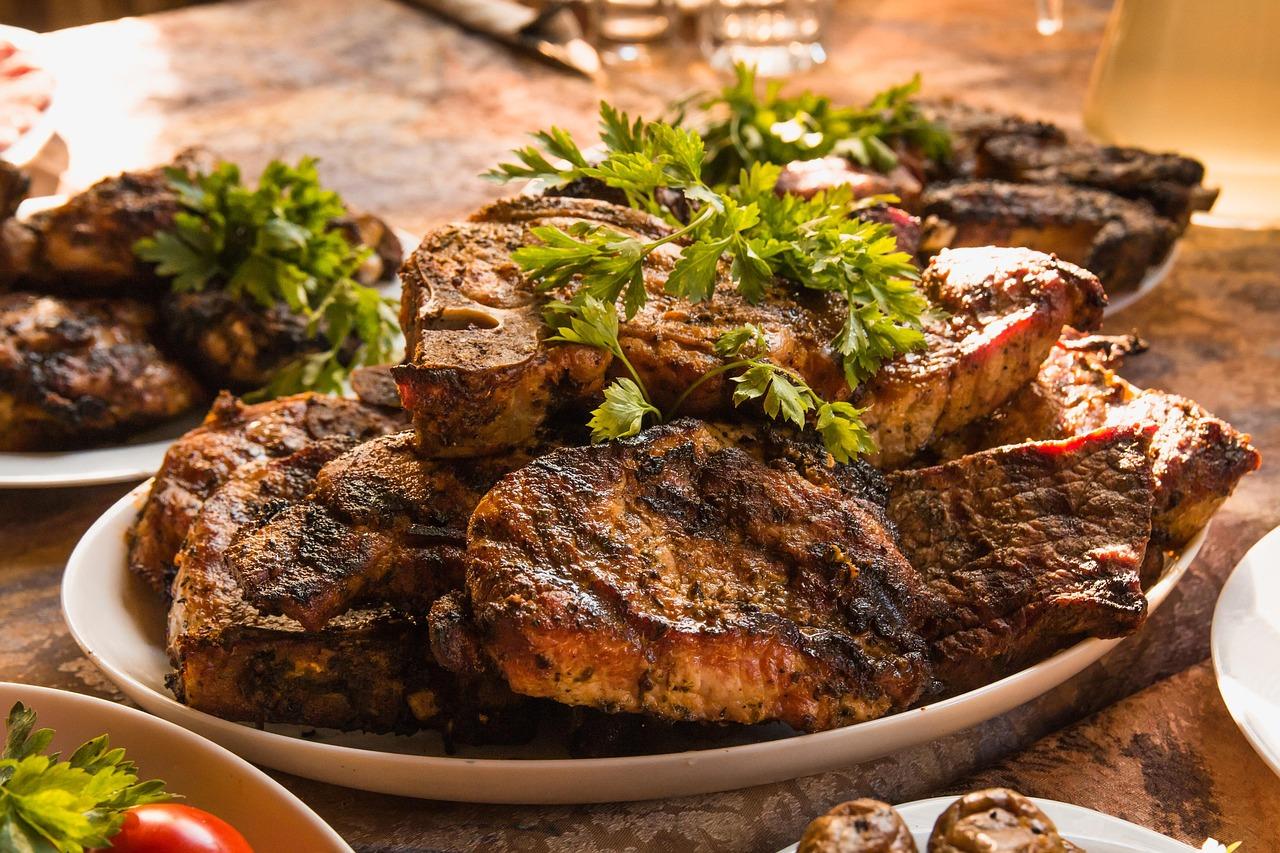
Boston Bay in Portland is where jerk pork was born, and the jerk pits there still slow-smoke pork shoulder over green pimento wood under sheets of zinc until the outside is dark and crusted and the meat is smoky and juicy. This home version uses boneless pork shoulder rubbed with a wet paste of scotch bonnet, pimento, scallion, thyme and ginger, then cooked slowly in a covered barbecue or oven and finished over high heat. The biggest mistake is rushing the marinade; it needs at least 12 hours in the fridge to get into the pork. Cook until the thickest part reaches at least 63 °C, then rest; for tender, chopped jerk like the stalls, keep going to about 85 °C. Chef's tip: throw a handful of soaked allspice berries and bay leaves onto the coals for the smoky pimento flavour of the real pits.

240 minJamaicanMeatGluten freeSpicy
by KrazyBadal 0 views

Gurian pickled cabbage

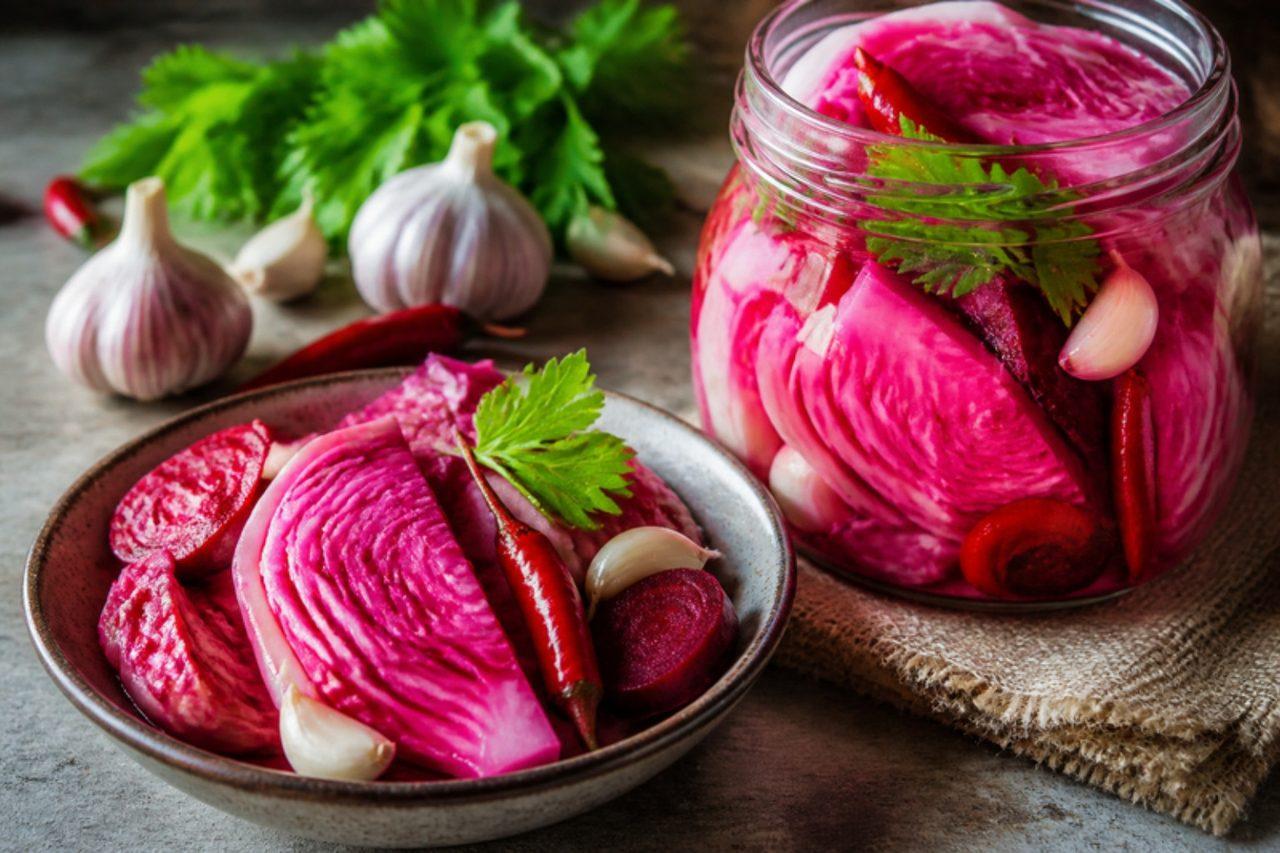
Gurian pickled cabbage turns heads at the Ozurgeti market: whole cabbage wedges stained deep pink by beetroot, layered with garlic, celery leaves and hot pepper and left to ferment in brine until crunchy and sour. Families in Guria put up big crocks in late autumn for the winter and the New Year table, and serve it beside fatty pork, beans and cornbread. A common mistake is using iodised salt, which can stop the ferment and darken the pickle. Chef's tip: keep the jar at cool room temperature for the first few days, then move it to the fridge once it tastes pleasantly sour, so it stays crisp.

by KrazyBadal 0 views

GowurmaSlow-fried preserved lamb

Gowurma is how Turkmen herders kept meat through the winter: lamb or mutton cut into pieces, salted and cooked slowly in its own rendered fat until tender and golden, then packed into clay pots under a layer of fat. Spoonfuls are reheated through the winter to fry with eggs, stir into rice or eat with bread and tea. Today it is kept in the fridge. A common mistake is cooking over high heat, which fries the outside hard before the inside softens. Chef's tip: make sure every piece is fully covered by fat in the jar; that seal is what keeps it. Store in the fridge and use within 2 weeks; always reheat until piping hot.

140 minTurkmenMeatGluten free
by KrazyBadal 0 views

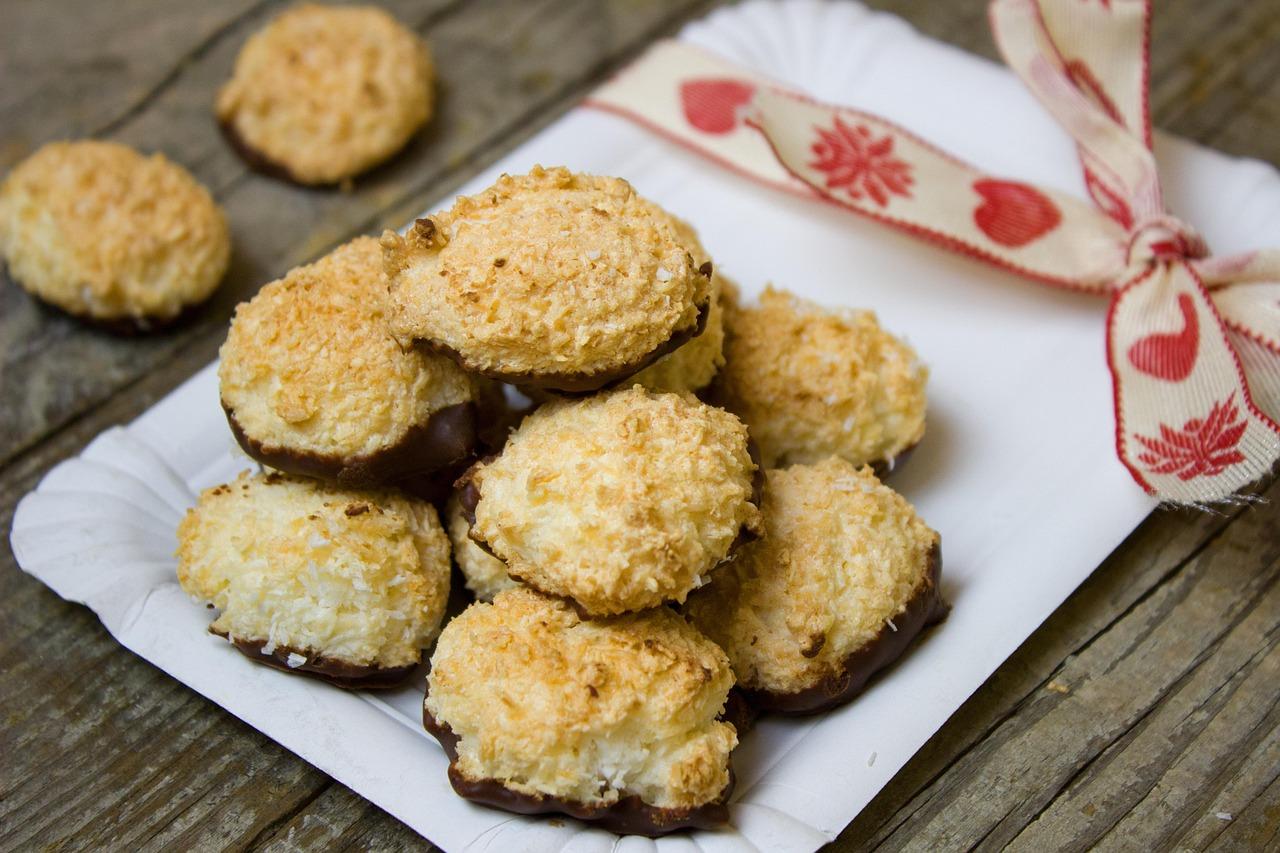
Coconut macaroons

Coconut macaroons are the Passover biscuit in Israel: every supermarket stacks them high before the holiday, but homemade ones from a Haifa or Jerusalem kitchen are far better, crisp and golden on the outside and moist and chewy inside. They need just desiccated coconut, egg whites, sugar and vanilla, with no flour or leavening, so they suit the Passover rules and are naturally gluten free and dairy free. Dip the bases in dark chocolate if you like. The common mistake is baking them on a hot tray straight from a previous batch, which burns the bases before the tops colour. Chef's tip: let the mixture rest for 15 minutes so the coconut soaks up the whites and the mounds hold their shape.

by KrazyBadal 0 views

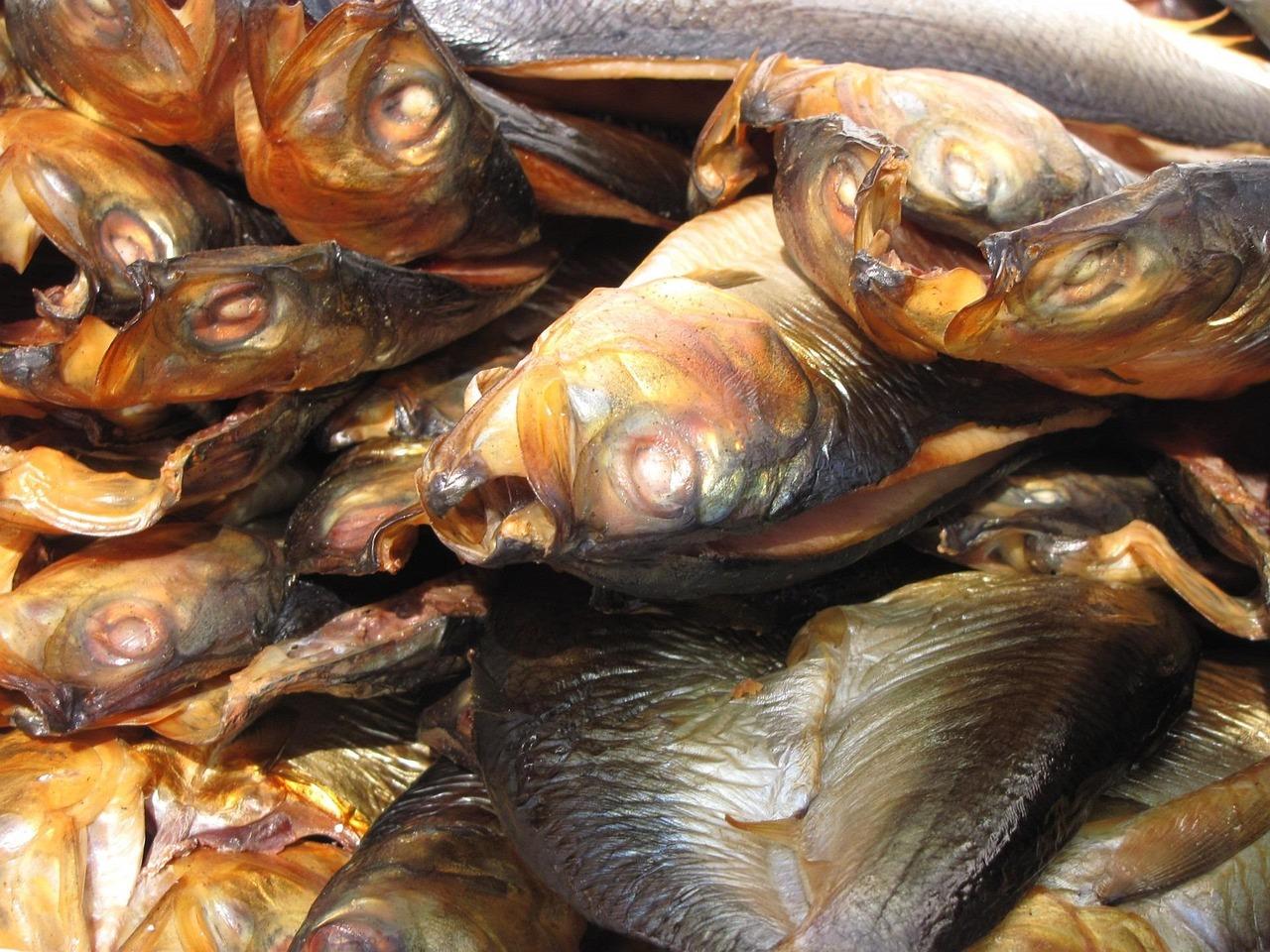
Renga (smoked herring with lemon and tahini)

On Sham el-Nessim, the spring festival Egyptians of every faith celebrate on the Monday after Coptic Easter, families head to parks and the Nile banks with coloured eggs, spring onions, lettuce and fish, and renga is on almost every picnic cloth. Golden smoked herring is skinned, boned and flaked, then dressed with plenty of lemon, raw onion, chilli and a garlicky tahini sauce, so the salty, smoky fish is cut by sharp citrus and creamy sesame. It is scooped up with baladi bread and crunchy greens. Shop-bought renga is cold-smoked and eaten without cooking, so it is not for pregnant women, young children or anyone with a weakened immune system unless you heat it first (see the last step). Buy it sealed from a reputable shop, within its date. Chef's tip: soak the fillets in cold water for 10 minutes to tame the salt before dressing them.

by KrazyBadal 0 views

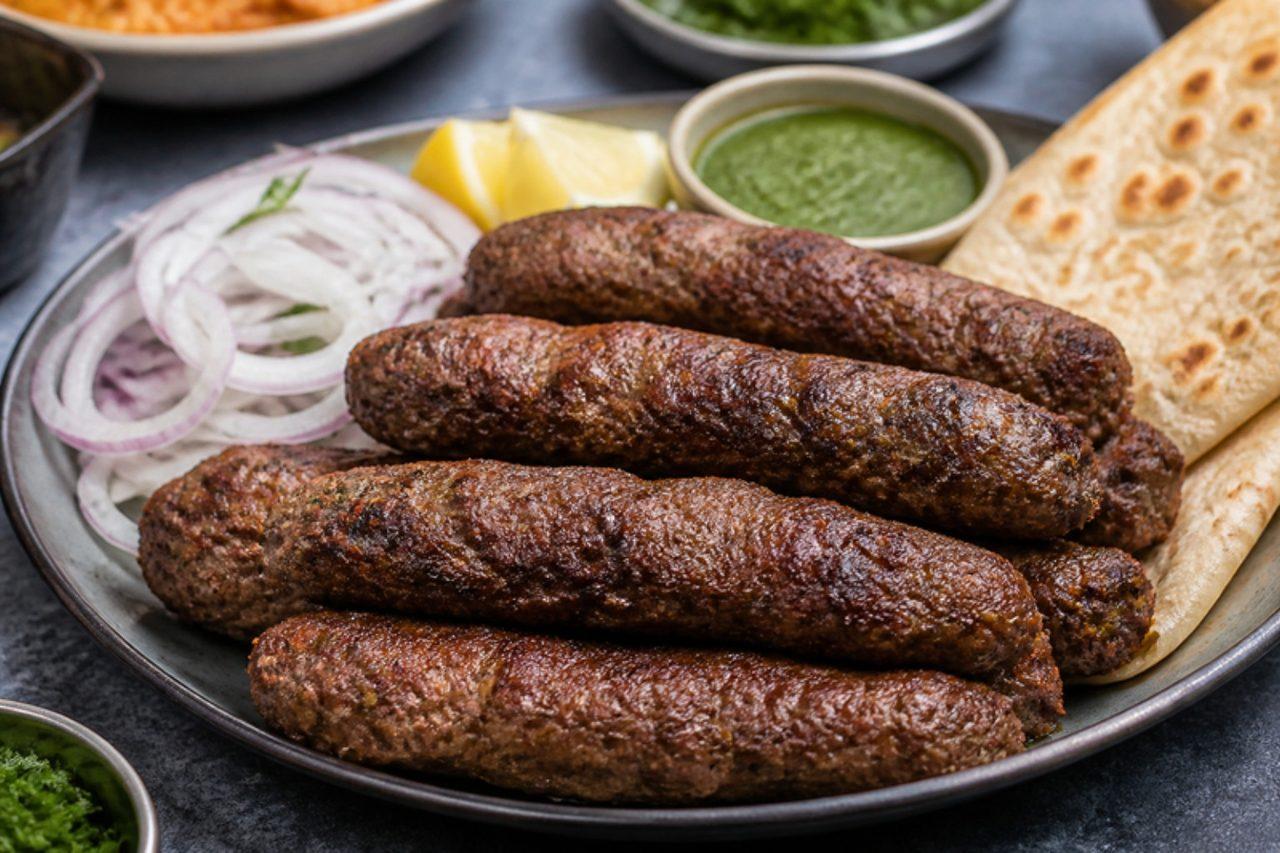
Gola kebabCharcoal-smoked beef mince kebabs

Gola kebabs are so soft that Karachi grill men have to pat the mince onto the skewer with a practised, quick hand, and they still slump as they cook; at Boat Basin and Burns Road at midnight you will see tray after tray of the plump, dark tubes waiting for customers. The softness comes from raw papaya, beef with plenty of fat, roasted gram flour and a very fine grind, and the flavour from browned onion, green chilli and a final smoking with a hot coal. They are eaten with paratha or puri, a pile of raw onion and green chutney. The mix will not stay on skewers if it is too wet, which is the usual frustration; chill it for at least an hour and use wet hands. Chef's tip: at home, shape the kebabs as fat fingers on a lined tray and cook them under a very hot grill; you lose nothing in taste.

by KrazyBadal 0 views

Trout with tarragon

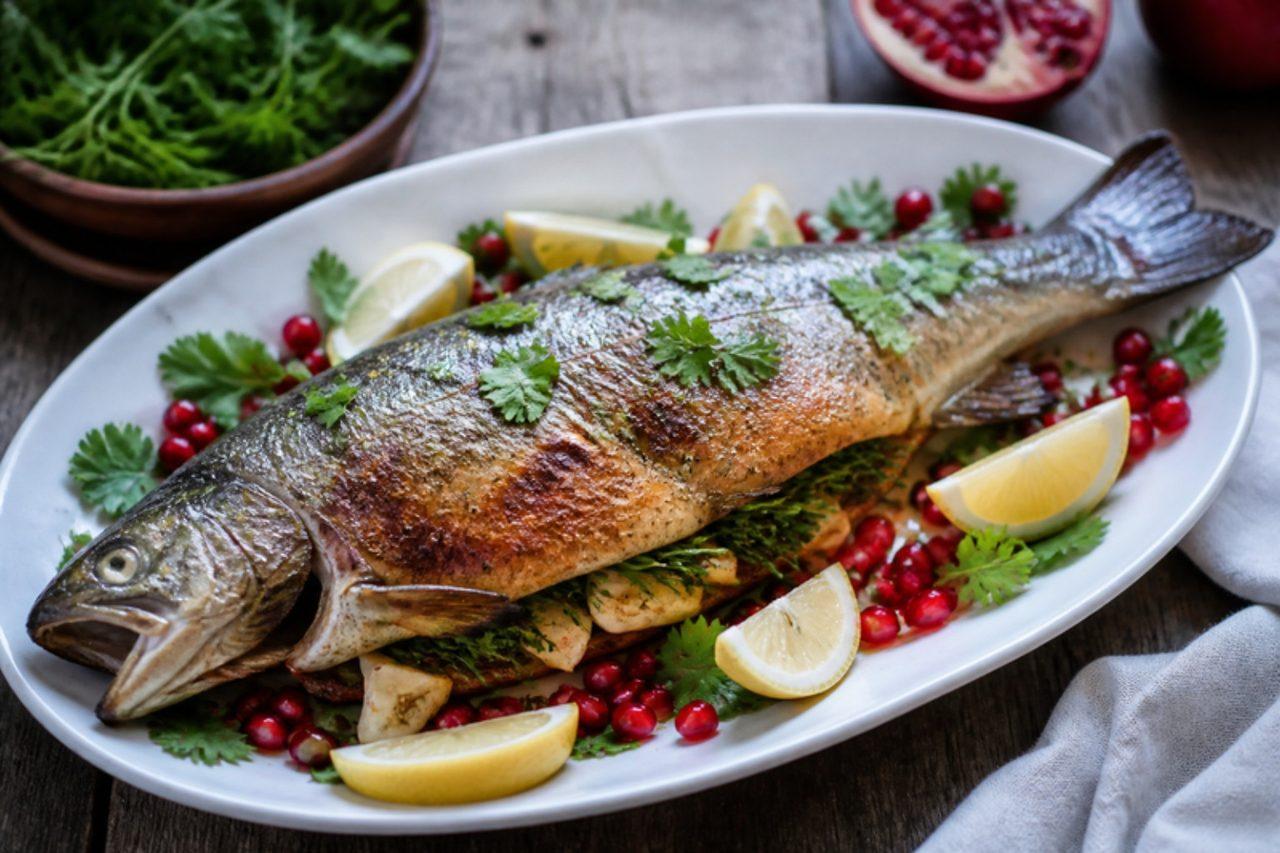
In the river valleys of Racha, around Ambrolauri and Oni, cafés keep live trout in stone tanks fed by mountain streams, and the classic way to cook them is simply: stuffed with tarragon, garlic and a little salt, roasted or grilled over vine cuttings, and finished with a shower of pomegranate seeds and a squeeze of their juice. A common mistake is cooking the fish too long, which dries the delicate flesh. Chef's tip: slash the skin twice on each side so the heat reaches the thickest part evenly, then check by pressing the backbone: the flesh is done when it is opaque and lifts away in clean flakes.

by KrazyBadal 0 views

Fondue chinoise

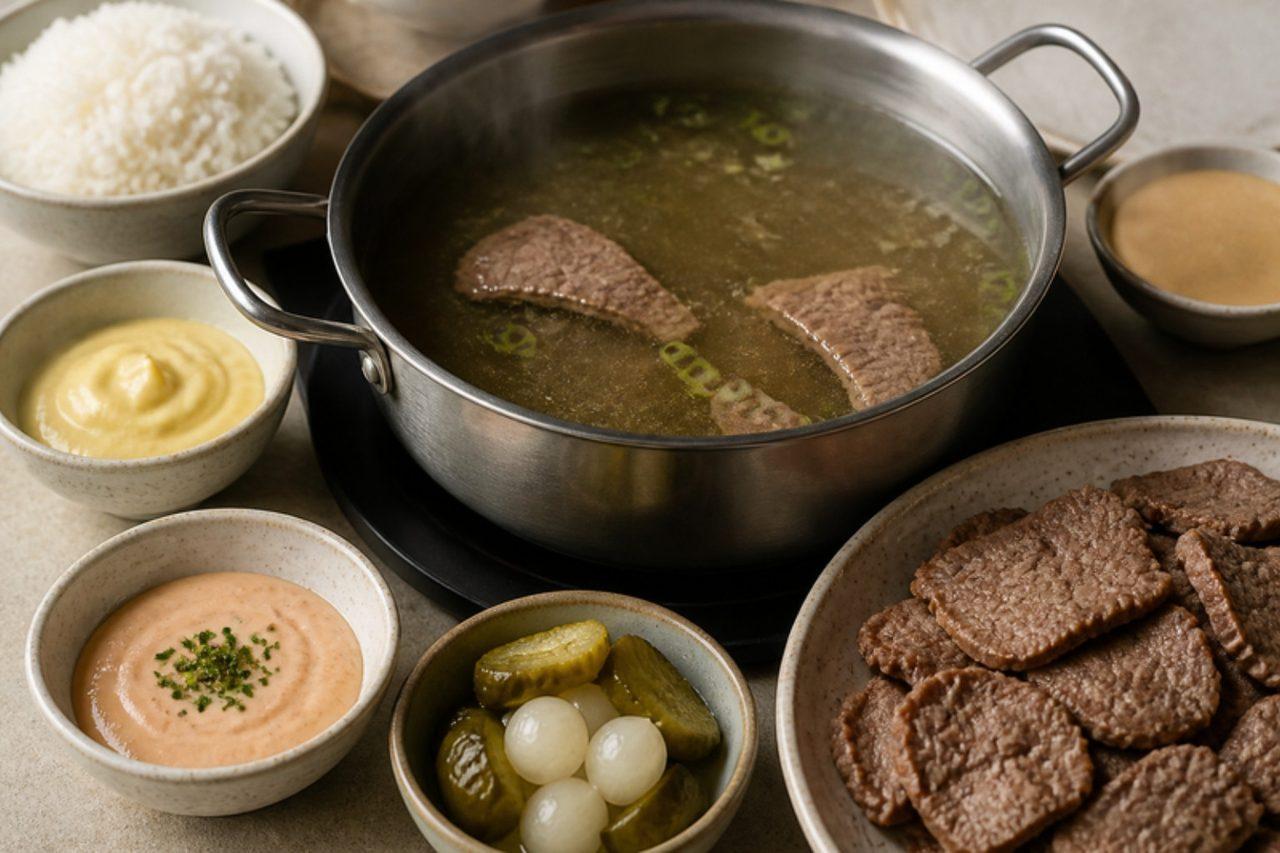
Despite its name, fondue chinoise is a fixture of the Swiss Christmas and New Year table: a pot of simmering broth set on a burner in the middle of the table, into which everyone dips paper-thin slices of beef on long forks, cooks them for a few seconds and eats them with a spread of sauces, rice or potato chips, pickles and salads. It came to Switzerland via travellers to Asia in the 20th century. The broth is often made with white wine; this one uses stock only. A common mistake is slicing the meat thick, which takes too long and tightens. Chef's tip: half-freeze the beef for an hour so it slices paper-thin. Cook each slice until no longer pink, then eat; never use the same fork for raw and cooked meat.

45 minSwissMeat
by KrazyBadal 0 views

Hainanese curry rice

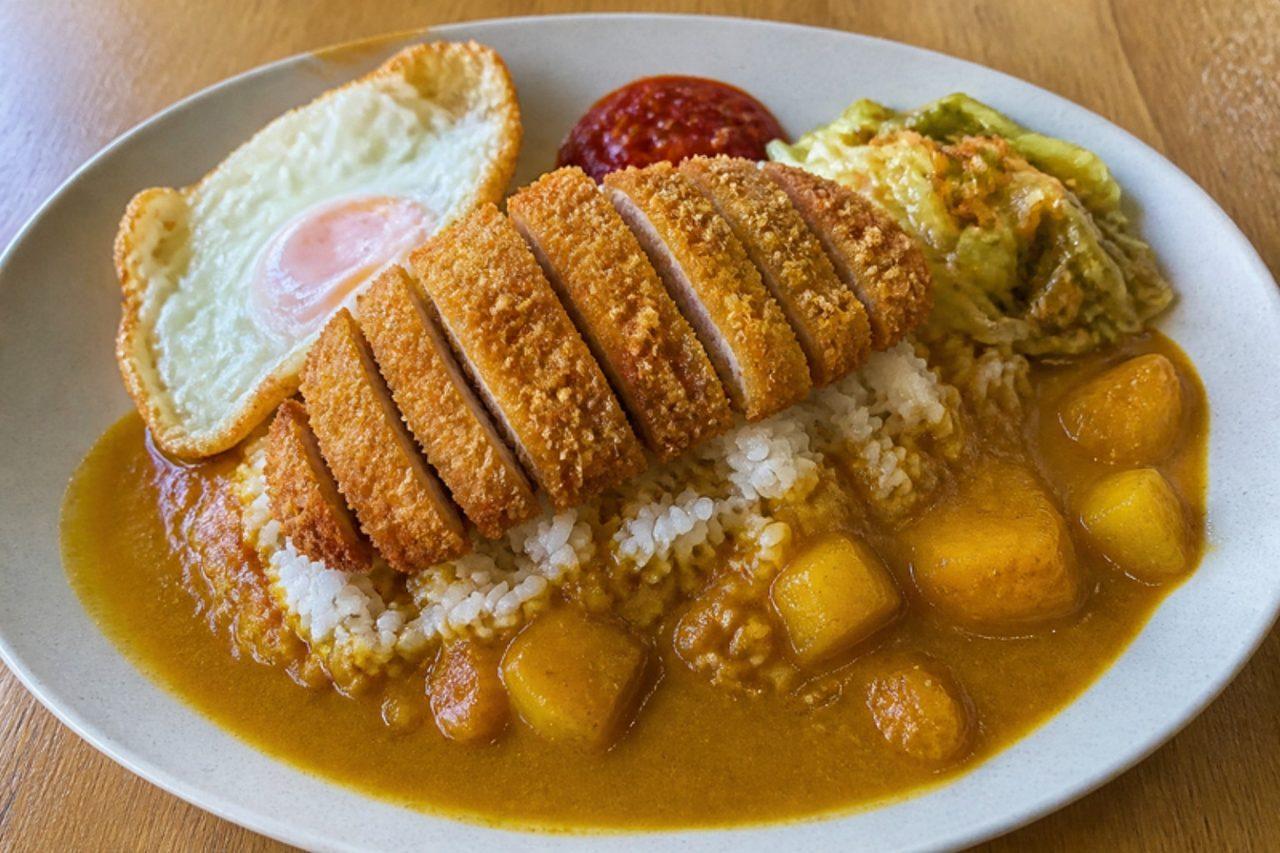
Late-night and early-morning crowds in Tiong Bahru, Beo Crescent and Jalan Besar know the drill at a Hainanese curry rice stall: point at what you want, then ask for it "banjir", flooded. A plate of white rice disappears under two gravies, a mild, coconut-rich curry with soft potato and chicken, and a dark, five-spice braising sauce, then gets topped with crumbed fried pork chop, braised cabbage and a runny-edged fried egg. It is messy, comforting and salty-sweet, and leftovers taste even better the next day. The usual mistake is a thin, watery curry; it should be thick enough to cling to the rice, so let the potatoes break down a little and reduce the gravy well. Chef's tip: crush cream crackers rather than using breadcrumbs for the pork chop, as the old Hainanese cooks do; they fry up shatteringly crisp and stay that way under the gravy.

by KrazyBadal 0 views

GozinakiWalnut and honey diamonds

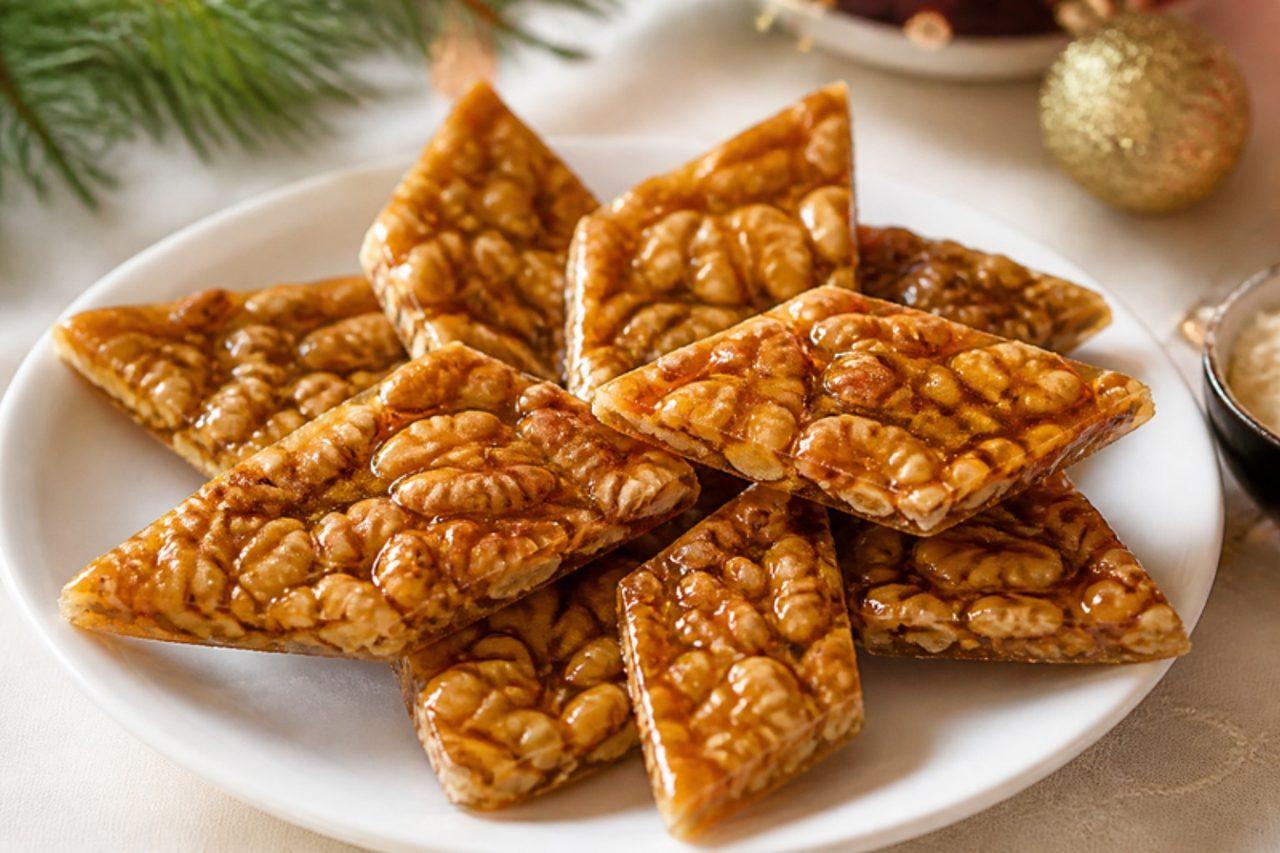
Gozinaki is the sweet every Georgian family makes for New Year's Eve, from Tbilisi flats to Kakhetian farmhouses: toasted walnuts stirred into honey boiled until thick, spread on a wet board and cut into diamonds that set glossy and crunchy. Children help shell the walnuts in December, and a plate of gozinaki sits on the table for the midnight toasts. A common mistake is taking the honey off too early; it stays sticky and the pieces never set. Chef's tip: cook the honey until a drop in cold water forms a firm, pliable ball, then work fast, because the mixture sets as it cools.

by KrazyBadal 0 views

GogalFlaky fennel and turmeric pastry

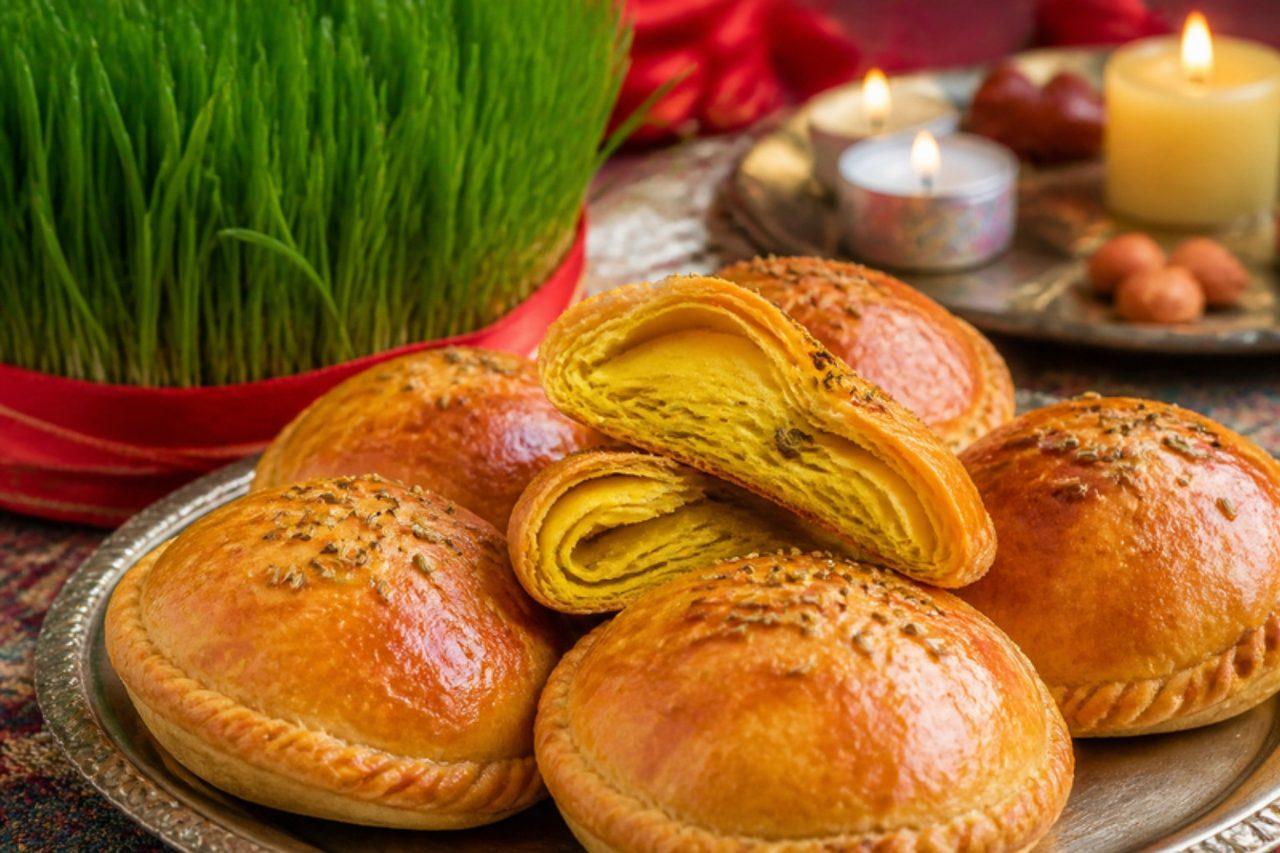
Gogal is baked for Novruz, the spring new year on 20 March, in kitchens all over Baku and the Absheron villages, beside shekerbura and pakhlava on the festive tray. A soft dough is rolled thin, brushed with butter mixed with ground fennel, turmeric and salt, then rolled, coiled and flattened again so it bakes into crisp, savoury, golden layers. A common mistake is using cold, hard butter for the spread; it tears the dough. Chef's tip: let the coiled pastries rest before flattening so the layers relax and stay distinct in the oven.

by KrazyBadal 0 views

Eritrean frittata

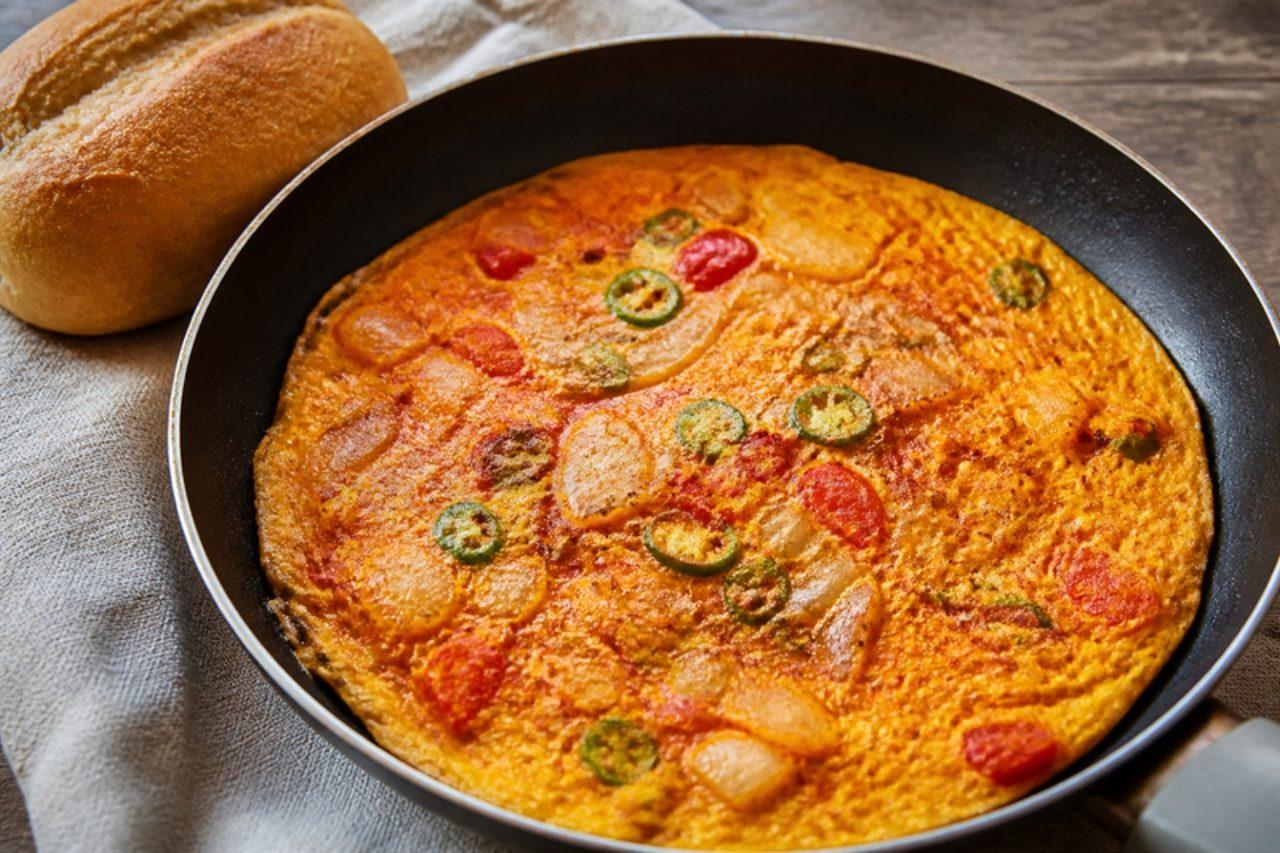
Asmara's cafés kept the Italian word but changed the flavour: an Eritrean frittata is eggs beaten with softened onion, tomato and green chilli, warmed with berbere and cooked flat in a small pan until just set. It comes to the table in its pan with fresh bread and a coffee or sweet tea, and some places fold in a little extra chilli for those who ask. The texture is soft and moist in the middle, with sweet tomato and a gentle heat running through it. A common mistake is cooking the eggs over a high flame, which makes the base tough and brown before the top sets; keep the heat low and cover the pan. Chef's tip: cook the tomato until its juice has evaporated before the eggs go in, or the frittata turns watery.

by KrazyBadal 0 views

GogoșiFried yeast doughnuts

Fairground stalls, seaside promenades in Constanța and every grandmother with a big frying pan produce gogoși, fat, golden rounds of yeast dough fried and rolled in sugar while still too hot to hold. They are an everyday treat rather than a feast-day one, eaten with a mug of milk or filled with plum jam, sour cherry jam or sweet cheese. The dough is soft and enriched with eggs, milk and butter, so the inside should be fluffy and the outside thin and crisp, never greasy. Where most people go wrong is the oil temperature: too cool and the doughnuts soak up fat, too hot and they brown before the centre cooks. Keep a thermometer in the pan and never leave hot oil unattended. Chef's tip: fry one test doughnut first and break it open, so you can adjust the heat before the whole batch.

by KrazyBadal 0 views

Singapore curry puff

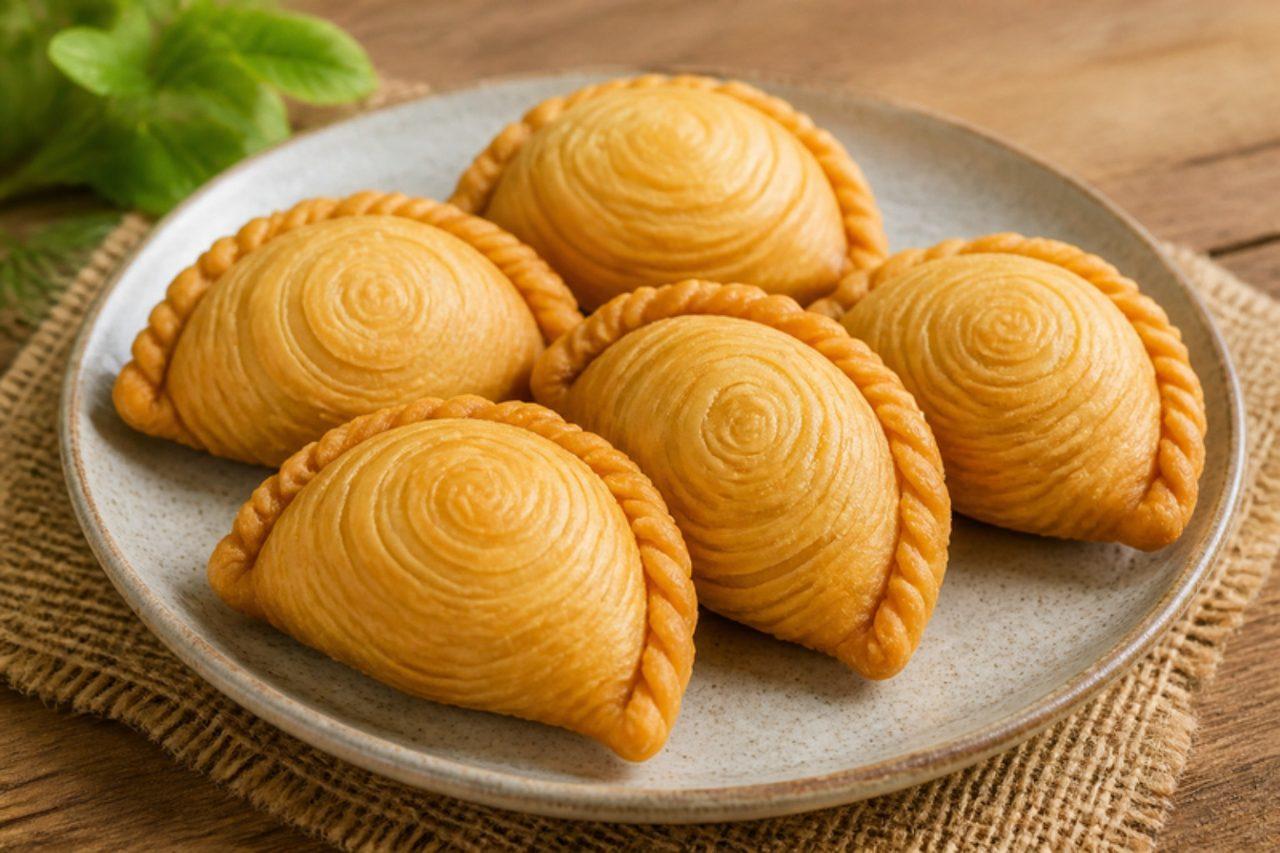
Spiral curry puffs are a tea-time thing in Singapore, picked up warm in paper bags from Malay kueh stalls at Geylang Serai, from heritage bakeries in Tiong Bahru, or eaten at the 4 pm break with teh tarik. The pastry is the point: two doughs rolled together into a log, sliced, and rolled out so that the cut edge shows tight spirals that shatter into crisp layers when fried. Inside is a soft, peppery filling of potato and onion cooked with curry powder and curry leaves. Shops also sell versions with chicken and a wedge of hard-boiled egg; this one keeps to potato and uses vegetable shortening so the pastry stays dairy-free. The usual mistake is frying in oil that is too hot, which browns the outside while the inner layers stay doughy; a steady medium heat lets the spirals open. Chef's tip: let the filling cool completely and keep it fairly dry, or steam from the potato will burst the seams in the oil.

by KrazyBadal 0 views

Mushrooms on ketsi

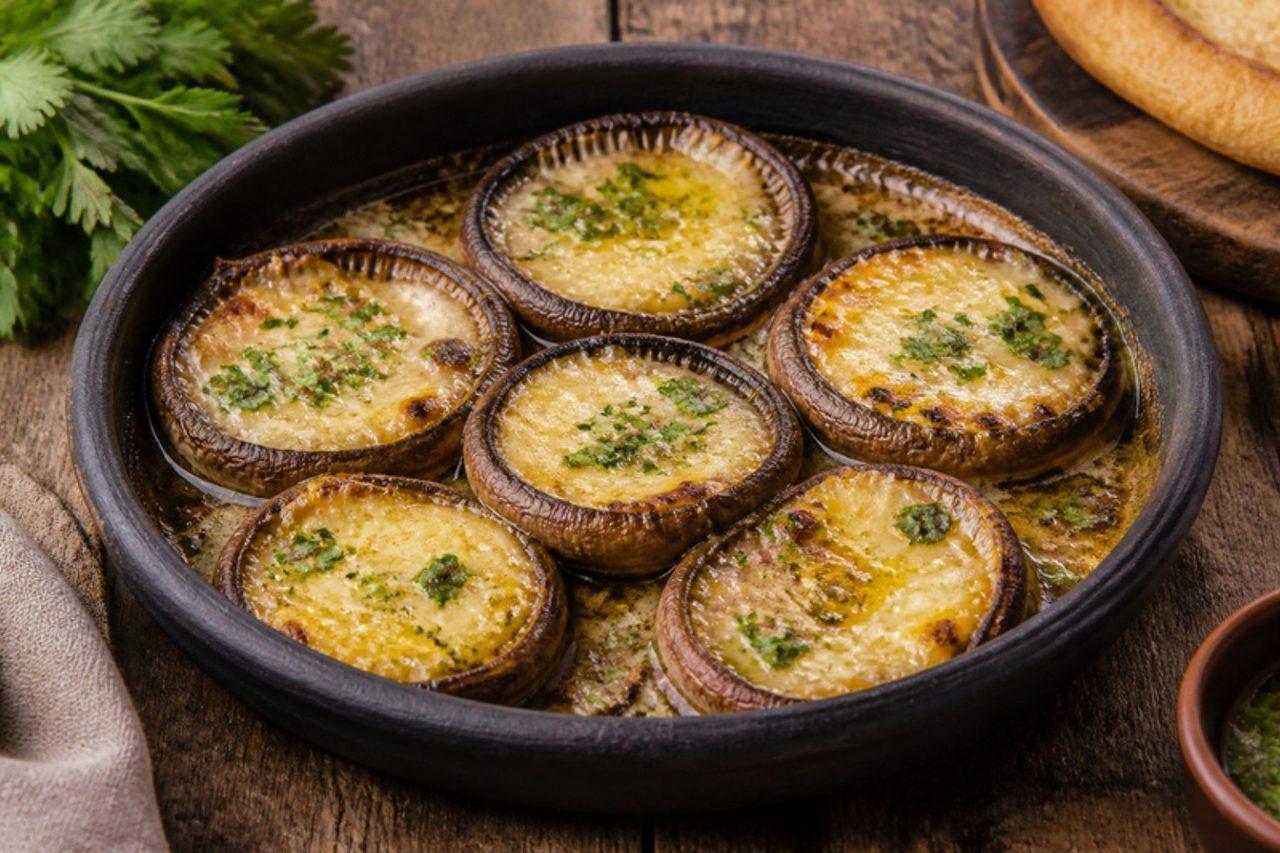
Every Tbilisi tavern has its sizzling ketsi, a shallow clay dish heated on the fire, and mushrooms baked in one with butter and a crust of melted sulguni are among the most ordered starters, brought to the table still crackling. In autumn, Georgian cooks use wild oyster mushrooms or field mushrooms; cups set gills up hold the butter like little bowls. A common mistake is overcrowding the dish, which makes the mushrooms steam instead of browning. Chef's tip: salt the mushrooms only after the first 10 minutes, so their juices stay inside and they cook in their own butter. Sulguni is usually made with animal rennet, so choose a vegetarian cheese.

by KrazyBadal 0 views

Cheese blintzes

Cheese blintzes are the star of Shavuot breakfasts in Ashkenazi homes across Israel, and Jerusalem dairy cafés have served them for generations with soured cream and berry sauce. Thin crêpes, cooked on one side only, are wrapped around sweetened farmer cheese with lemon and vanilla, then fried in butter until crisp and golden outside and creamy within. Serve two per person with soured cream and a spoon of cherry or blueberry compote. Farmer cheese is usually rennet-free, but check the label and choose a vegetarian one. A common mistake is a wet filling: drain the cheese well or it leaks and the blintzes burst in the pan. Chef's tip: fill on the cooked side, so the pale raw side ends up outside and browns properly in the final fry.

by KrazyBadal 0 views

Gokul pithaCoconut milk patties in syrup

Gokul pitha is named after the pastoral home of the young Krishna, and it is a favourite of Hindu households across Bangladesh at Poush Sankranti, though by now everyone makes it for winter tea. Grated coconut is cooked slowly with milk and sugar until it dries into a fudgy filling, shaped into small flat patties, coated in a thin flour batter and fried, then dropped into hot syrup. Biting in you get a soft, crisp-edged shell, a milky coconut centre and a rush of syrup, all at once. Patties that are warm and soft when they go into the batter fall apart in the oil, which is the error most people make, so chill them first. Chef's tip: use khejur gur instead of sugar in the syrup for a darker, smokier version, as many families do when the new jaggery comes in.

by KrazyBadal 0 views

HurmašiceDate-shaped biscuits in lemon syrup

Plates of hurmašice come out for Bajram in Bosnia, offered to every visitor with a small cup of Bosnian coffee. The name comes from hurma, the date, because each little cookie is rolled into a date-like oval and pressed on the fine side of a grater to give it ridges. After baking they are soaked in cool lemon sugar syrup until they are moist, sticky and sweet right through, yet still hold their shape. A walnut half on top is a nice touch. Where most people go wrong is pouring hot syrup over hot biscuits, which turns them to mush; one of the two must be cool. Chef's tip: make them a day ahead; overnight the syrup spreads evenly and the texture becomes soft and tender.

by KrazyBadal 0 views

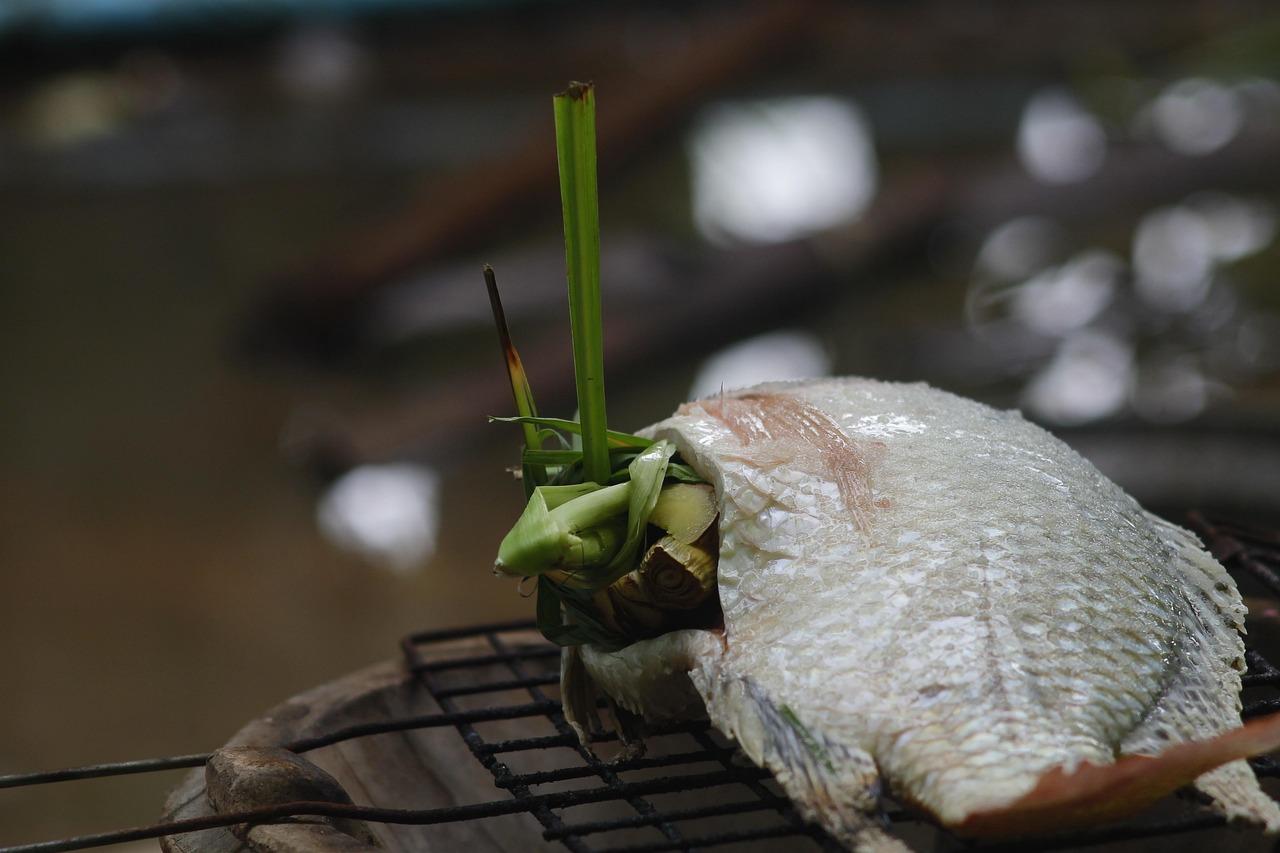
Grilled bolti (Nile tilapia)

From the Nubian villages near Aswan to the fishing camps on Lake Nasser, bolti caught that morning is gutted, slashed and grilled over charcoal for lunch, and fish grills all over Egypt cook it the same way. The rub is simple: crushed garlic, plenty of cumin, lemon, chilli and oil, which toasts on the skin and seasons the sweet, mild flesh. A stuffing of onion and parsley in the belly keeps it moist. Eat it with your hands, picking the flesh from the bones, alongside tahini, green salad and rice or bread. Chef's tip: oil the grill bars as well as the fish and leave it alone for the first 6 minutes; fish moved too early tears and sticks, which is the usual grilling mistake.

by KrazyBadal 0 views

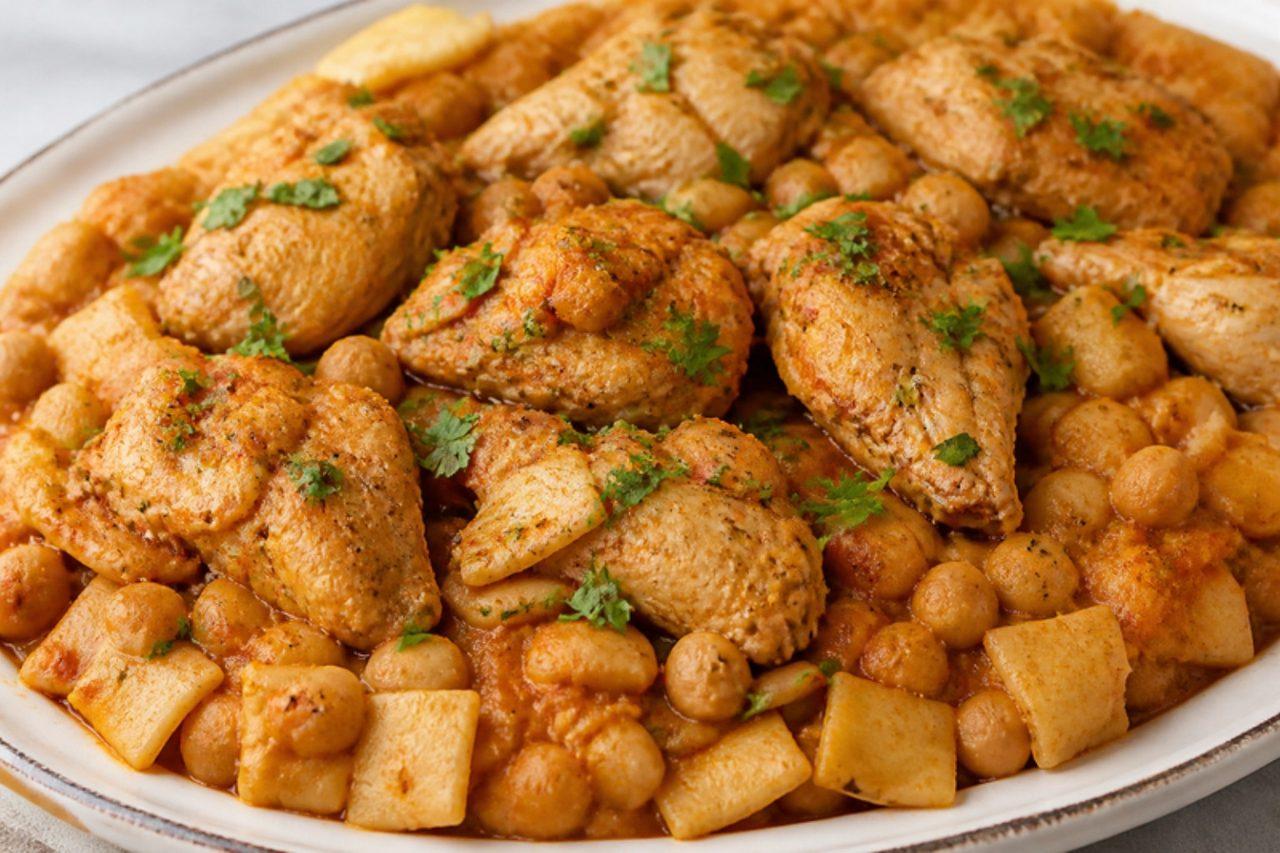
Trida (steamed pasta squares in chicken sauce)

Making trida is an afternoon's work shared around a Constantine kitchen table, especially before Mawlid or a family celebration: a firm semolina dough is rolled paper-thin, cut into small squares, dried, and then steamed twice over a pot of chicken and chickpea sauce flavoured with cinnamon and a touch of tomato. The squares come out tender with a slight bite, glossy with butter and sauce, and are piled on a platter under the chicken. A pasta machine saves a lot of rolling. Chef's tip: dust the cut squares well with semolina and let them dry for half an hour; damp squares are the usual mistake and stick into a single mass in the steamer.

by KrazyBadal 0 views

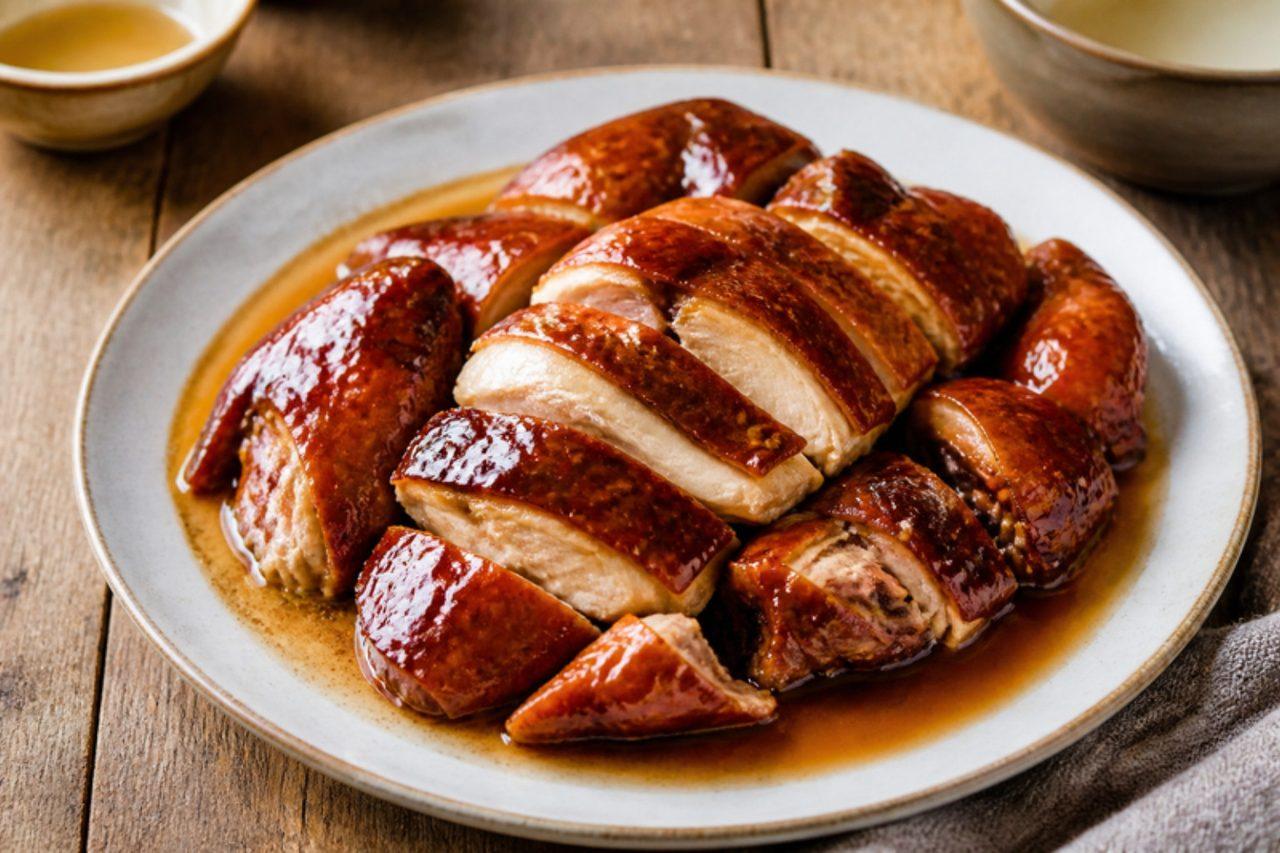
Soy sauce chicken

Glossy, chestnut-brown and hung by the neck in siu mei shop windows across Hong Kong, see yau gai is the gentle cousin of roast meats: a whole chicken poached in a fragrant master stock of light and dark soy, rock sugar, star anise, cinnamon and ginger until the skin is lacquered and the meat silky and sweet-savoury. It is chopped onto plates of rice with a ladle of the sauce for a quick lunch, or served at home with blanched greens. Shaoxing rice wine goes into the stock, with an alcohol-free option in the list. Traditional cooks pull the bird while it is still pink at the bone; this recipe does not, and the chicken is cooked to 74 °C in the thickest part of the thigh. The main pitfall is a rolling boil, which tears the skin and toughens the breast; keep the stock barely trembling. Chef's tip: strain and freeze the stock, and it gets deeper every time you reuse it.

by KrazyBadal 0 views

LencsefőzelékLentil stew

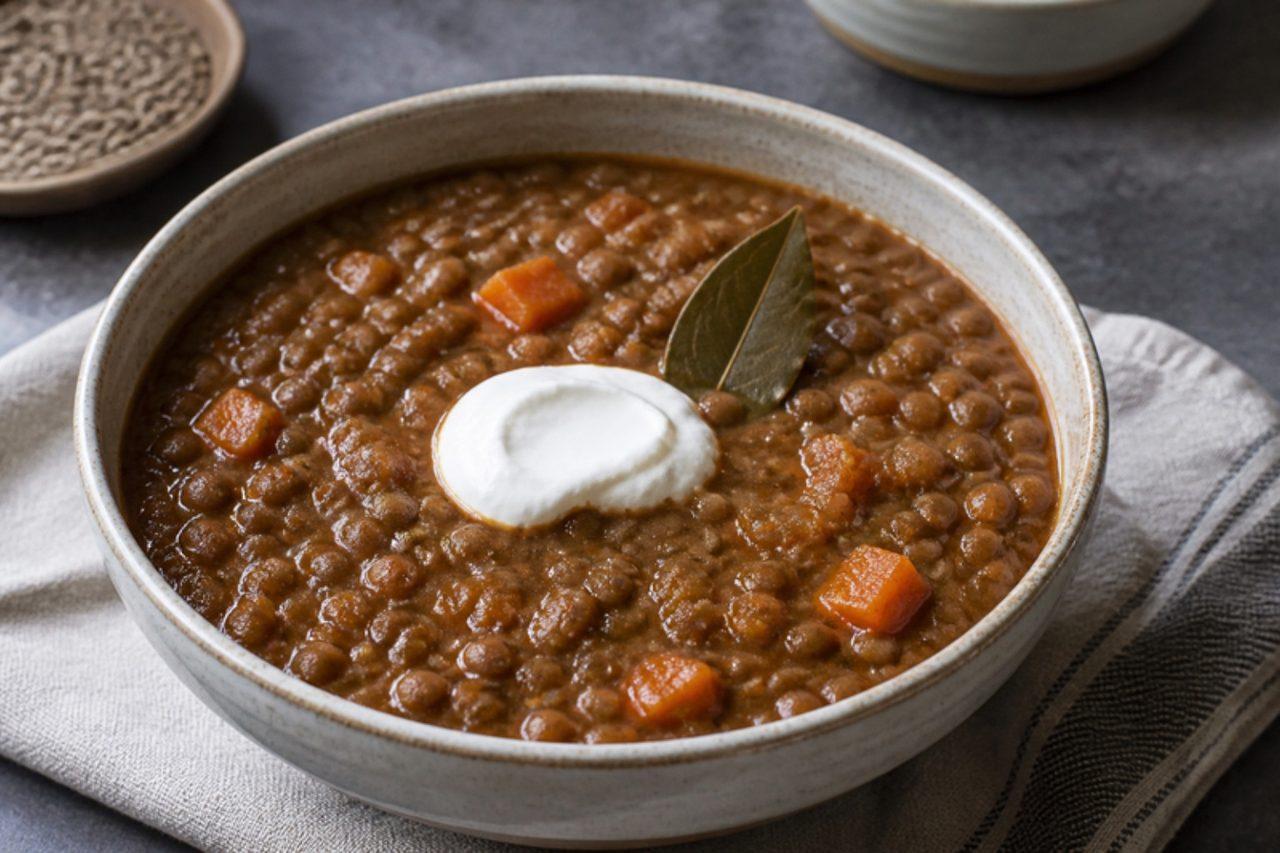
On New Year's Day all over Hungary, a pot of lencsefőzelék sits on the stove, because every lentil eaten is meant to bring a coin in the year ahead. The rest of the year it is an everyday Budapest canteen dish. Meat-eaters often top it with sausage or a fried egg; this version is fully plant-based and eaten with pickled vegetables and crusty bread. The lentils cook until creamy with a whole bay leaf, a little carrot and onion, then a paprika roux made with oil and a dash of vinegar turn them into a thick, savoury, gently sour stew. Where most people go wrong is making the roux too dark or adding paprika over high heat, which turns it bitter; take the pan off the heat first. Chef's tip: rest the finished stew for 10 minutes before serving; it thickens and the flavours settle.

by KrazyBadal 0 views

Sfiria (cheese croquettes in chicken sauce)

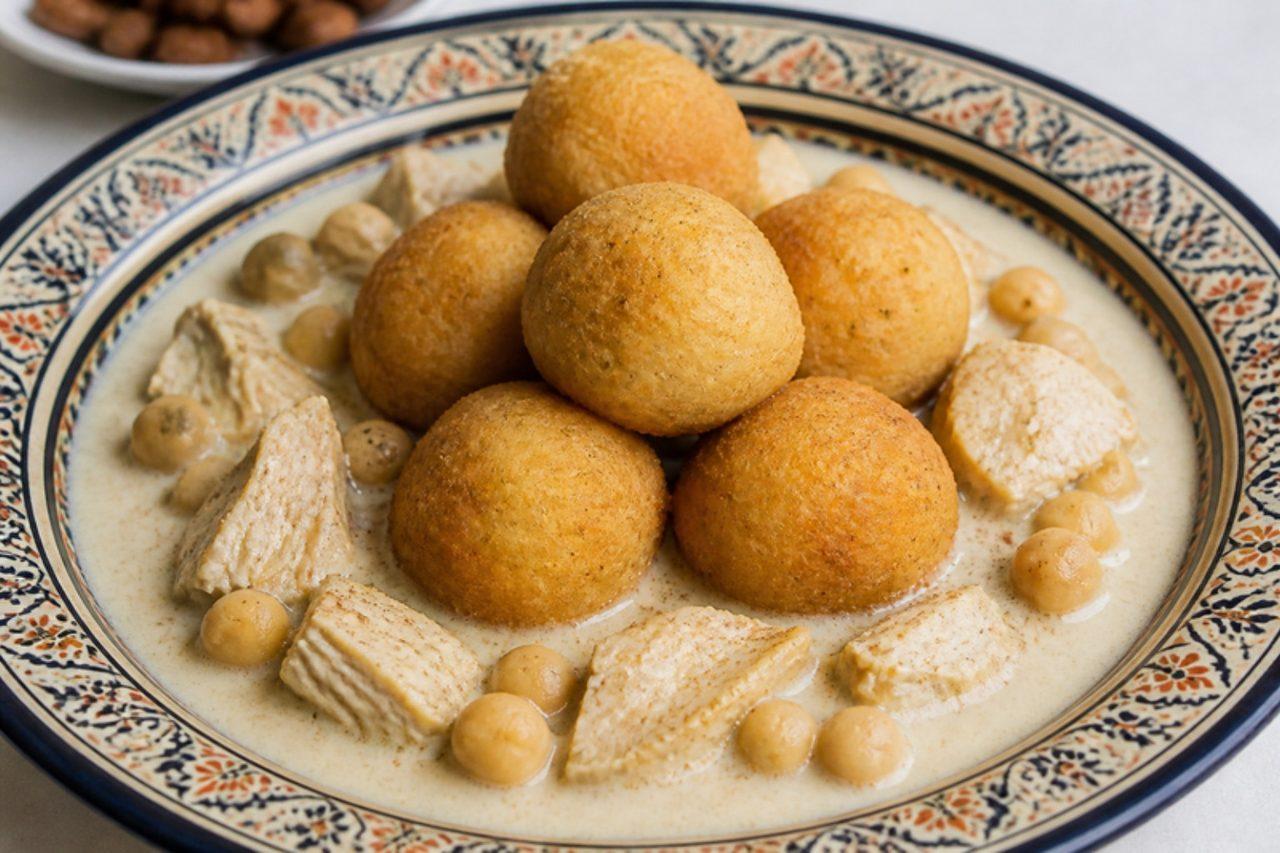
Sfiria belongs to the old bourgeois cooking of Algiers, served on Ramadan evenings and at family celebrations: little croquettes of soaked bread, grated cheese and egg, scented with cinnamon, are fried golden and then laid in a pale chicken and chickpea sauce flavoured with cinnamon and white pepper. The croquettes are light and spongy, soaking up just enough sauce to be juicy, and the dish tastes delicate and faintly sweet. Day-old white bread without crusts gives the best texture. Chef's tip: add the croquettes to the sauce only at the last minute; leaving them to simmer is the common mistake, and they swell, go soggy and fall apart.

by KrazyBadal 0 views

Beef smooreSpiced coconut milk beef roast

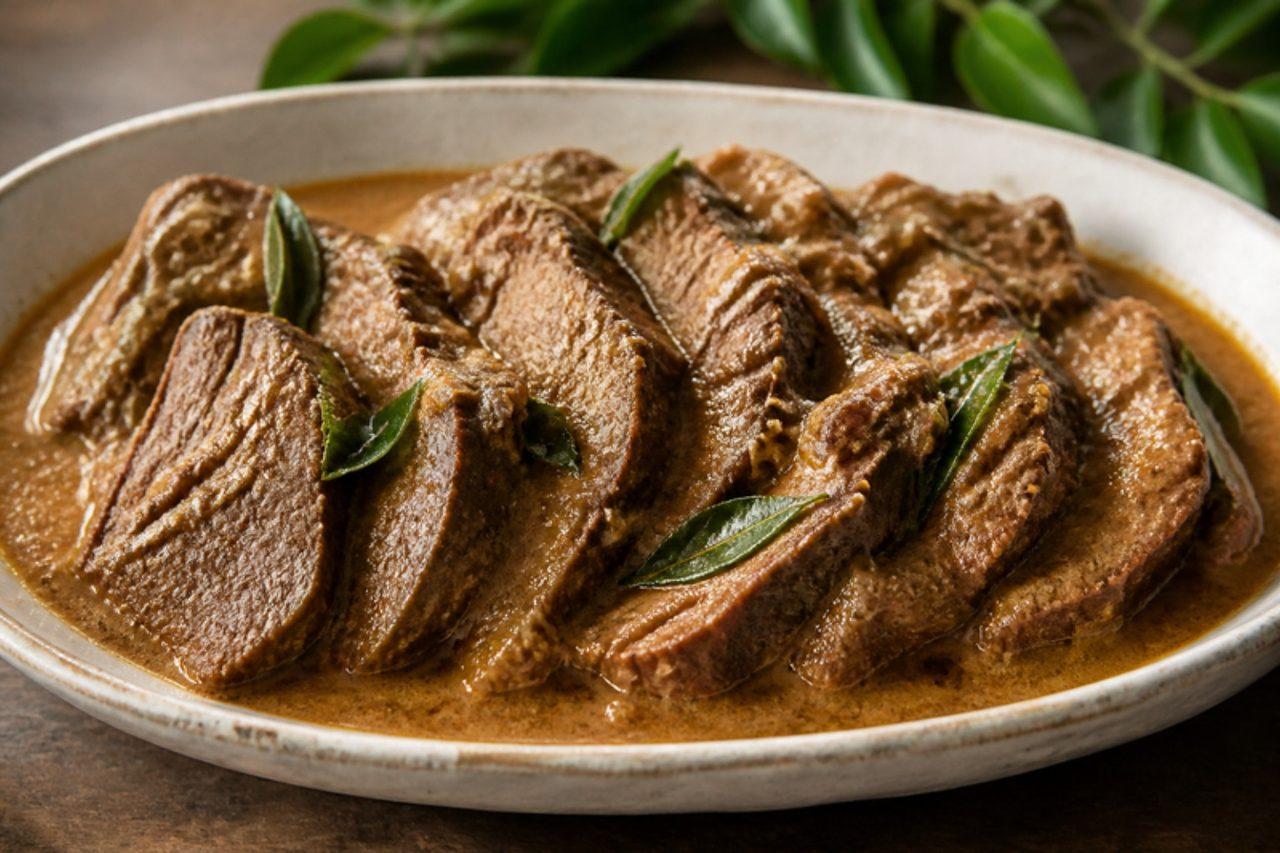
Smoore takes its name from the Dutch smoren, to braise, and in Burgher homes from Colombo to Galle it is the centrepiece for Christmas lunch or a big family Sunday: a whole joint of beef pierced, marinated in vinegar and spice, then simmered for hours in coconut milk with lemongrass, pandan and a spoonful of lime pickle. The pickle is the signature, adding a salty, bitter-sour sparkle that keeps the rich gravy lively. The joint is sliced at the table and served with yellow rice, a cucumber salad and plenty of the sauce. The biggest risk is letting the coconut milk boil fiercely for hours, which makes it split and greasy. Chef's tip: once the joint is browned, keep the pot at the barest shiver of a simmer, and turn the meat every half-hour so it cooks evenly.

by KrazyBadal 0 views

Djelbana (Algerian lamb and pea stew)

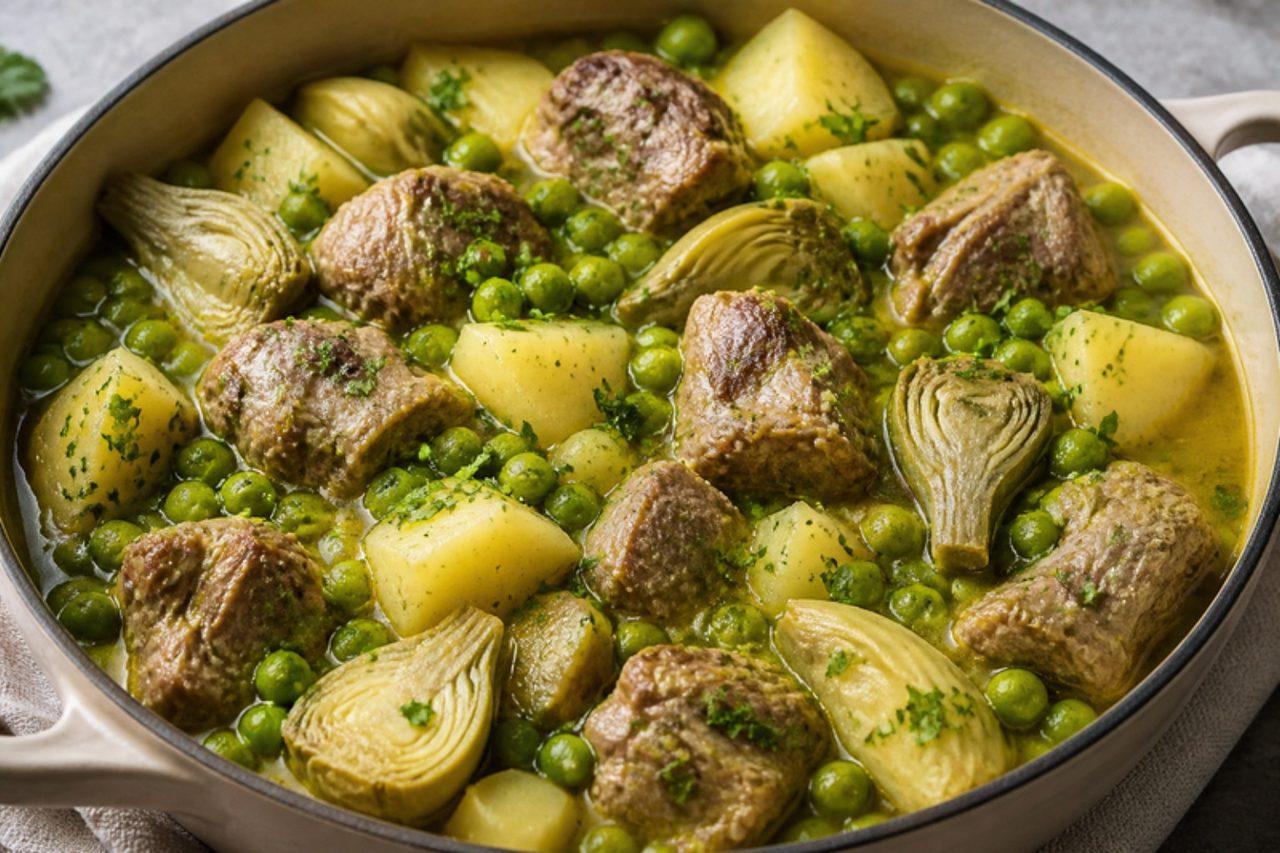
Spring markets in Algiers fill with sacks of fresh peas and violet artichokes, and that is the moment for djelbana, a light, pale stew of lamb, peas, artichoke hearts and potatoes cooked with onion, garlic and a little turmeric, finished with fresh coriander. Families serve it at lunch with plenty of bread to soak up the sauce; on meat-free days it is made the same way without the lamb. It tastes fresh, sweet and gently peppery rather than heavily spiced. Frozen peas and artichoke hearts are fine out of season. Chef's tip: add the peas only for the last 10 minutes; peas put in with the meat are the usual mistake and turn grey and mushy.

by KrazyBadal 0 views

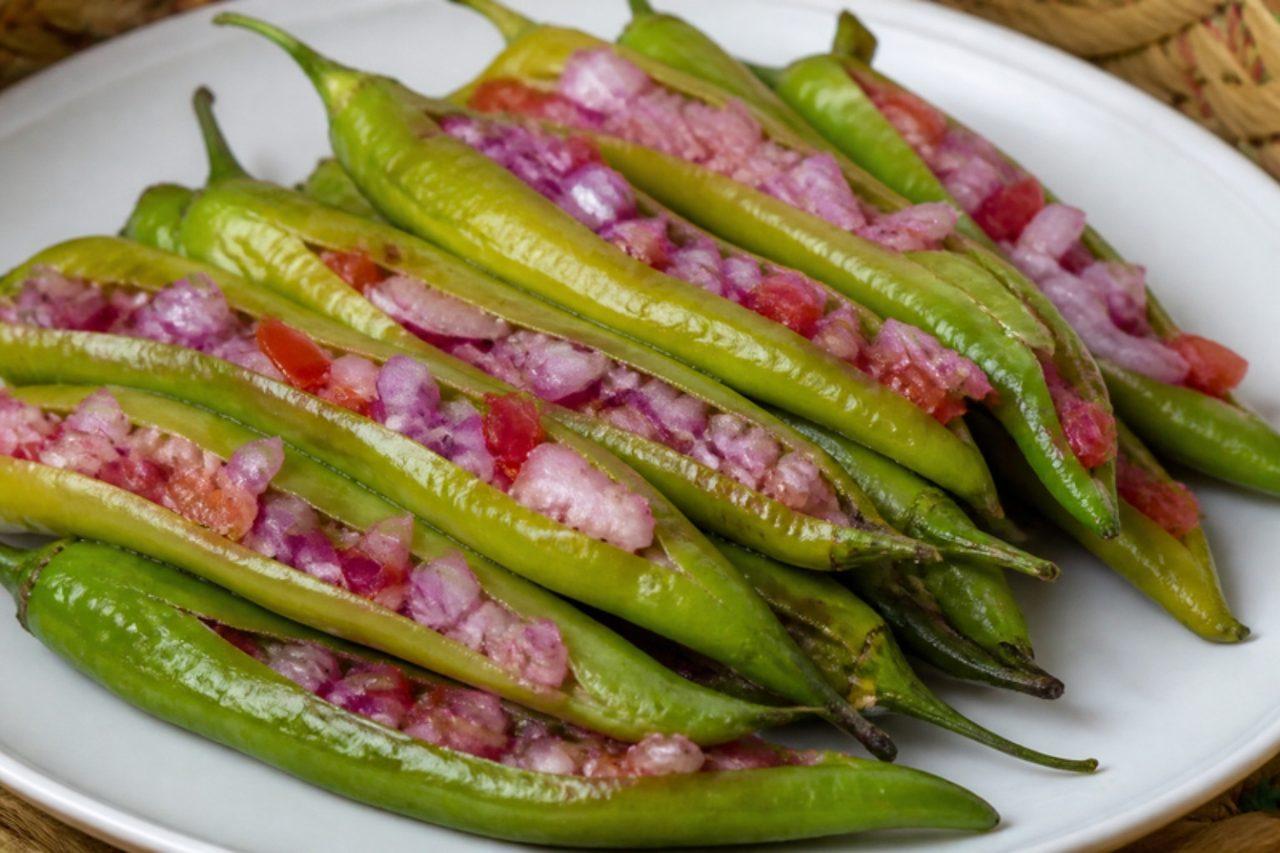
Sinig karia (stuffed green chillies)

Long, pale green karia chillies are piled high in the markets of Addis Ababa, and on fasting days cooks slit them, scrape out the seeds and fill them with a sharp little salad of onion and tomato soaked in lemon. The result is crunchy, fresh and juicy, with a mild chilli warmth, and the chillies are eaten with the fingers between mouthfuls of injera and spicy wat, or set out as a starter. Choose mild long peppers such as Anaheim, Hungarian wax or long sweet green peppers. A common mistake is leaving the white ribs in, which keeps the heat high and can make them bitter; scrape them out with a teaspoon. Chef's tip: dip the chillies in boiling water for one minute and cool them in cold water first if you want them a little softer and easier to stuff.

by KrazyBadal 0 views

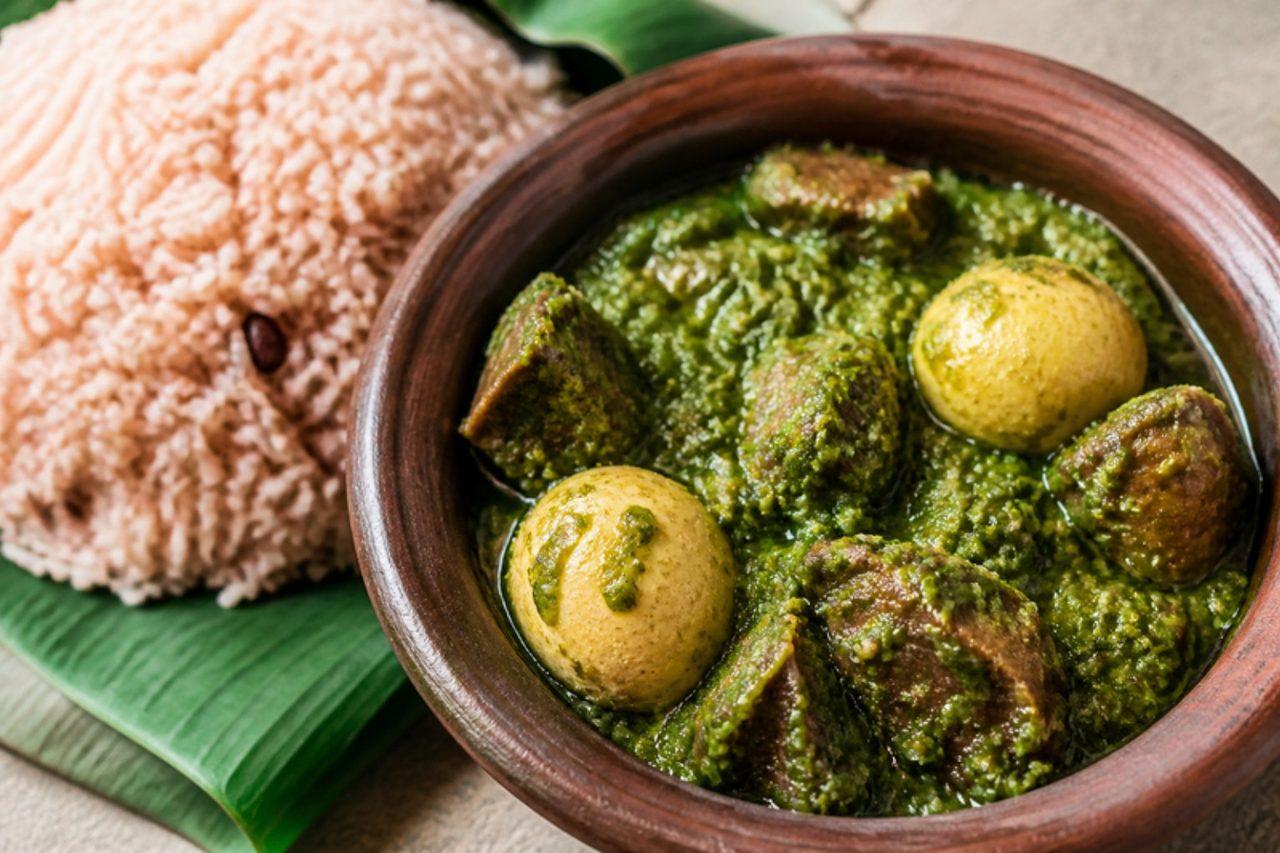
Ayamase (ofada green pepper stew)

Ofada rice, the short, fragrant local rice from Ogun State, is almost always served in Lagos with ayamase, a stew so green and so hot it is sometimes called designer stew. Green bell peppers and green scotch bonnets are blended coarse, dried out in the pot, then fried in palm oil that has been bleached clear, with plenty of iru for a deep, funky savouriness. Assorted meat (beef, tripe and cow skin) and boiled eggs are folded in. Watery pepper is the mistake that makes it taste sour and raw, so boil the blended pepper dry before it meets the oil. Chef's tip: bleaching palm oil makes heavy smoke; open the windows, keep the lid nearby and never leave the pot.

120 minNigerianMeatGluten freeSpicy
by KrazyBadal 0 views

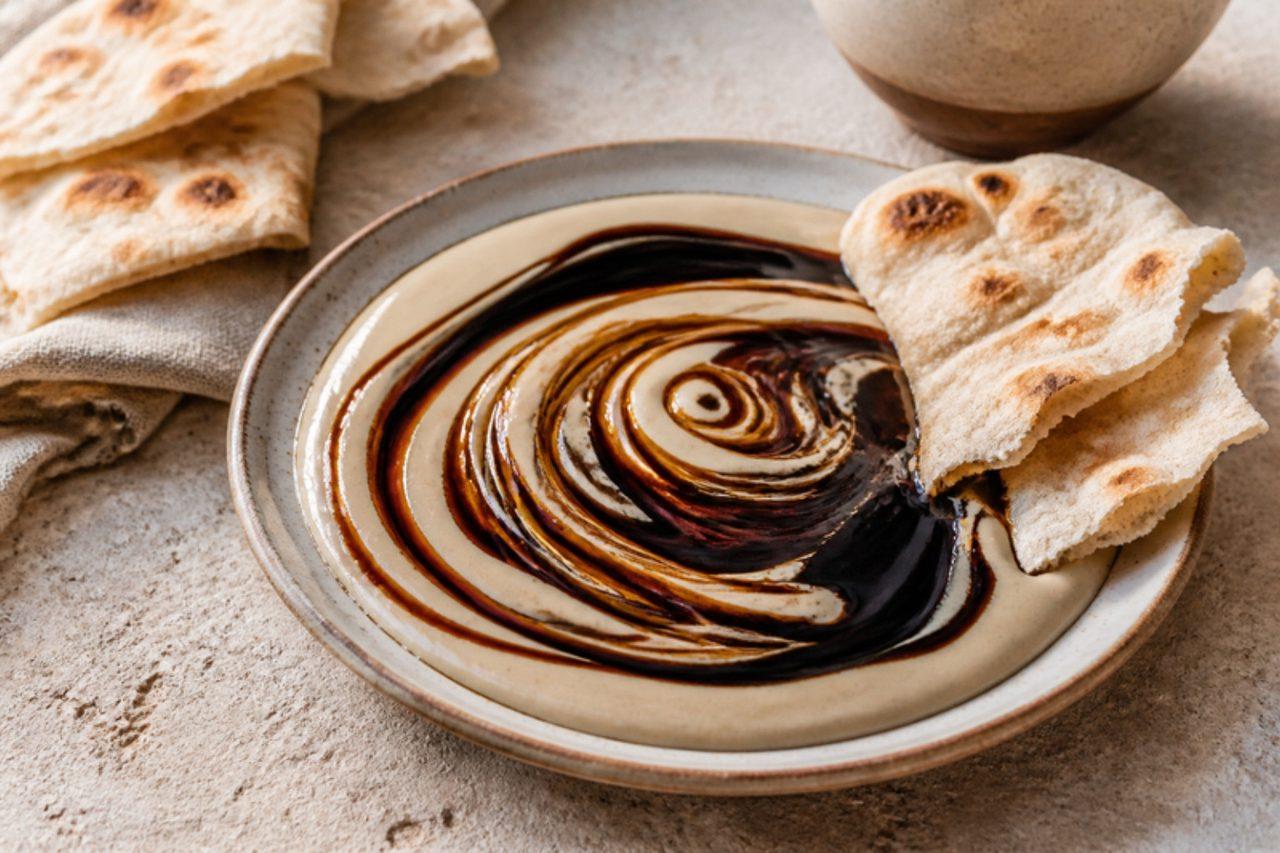
Molasses with tahini

Upper Egypt grows the country's sugarcane, and its dark molasses, asal eswed or black honey, has found its way onto breakfast and supper tables from Aswan to Alexandria. Spooned over tahini and swirled together, it becomes a glossy, bittersweet, nutty dip that children love and grown-ups eat after a light evening meal, scooped up with warm aish baladi or fino. Many families eat it in winter, when they want something warming and filling. A frequent slip is stirring the molasses and tahini together completely; leave them swirled so each bite gets both. Chef's tip: stir the tahini jar thoroughly first; the thick paste at the bottom and the oil on top must be mixed, or the dip comes out stiff and dry.

by KrazyBadal 0 views

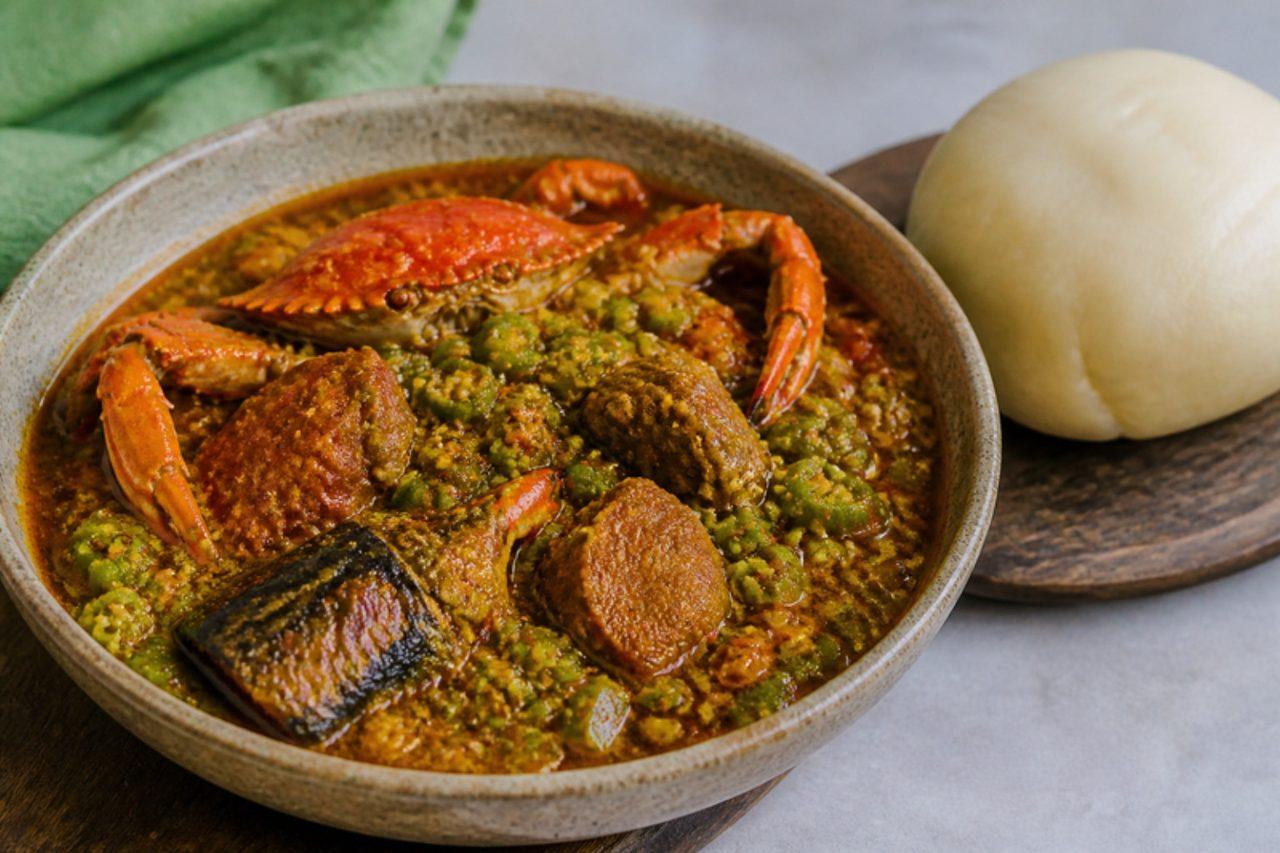
Fetri detsi (Ewe okra soup with crab)

Along the Volta lagoons and in towns like Ho and Keta, the Ewe cook fetri detsi when there are fresh crabs to be had: a light tomato and pepper broth made rich with beef or goat, smoked fish and crab, then thickened at the last minute with chopped okra until it turns silky and slippery. It is eaten with akple, a smooth dough of corn and cassava, which is dipped and pulled through the soup. The flavours are of the sea, smoke and fresh pepper. Buy live crabs from a reputable fishmonger and discard any that are dead, cracked or smell off before cooking. Avoid overcooking the okra; added too early it loses its bright green and its draw. Chef's tip: add the okra only at the end and cook it for no more than 8 minutes; overcooked okra loses its green colour and its slipperiness, the very thing this soup is about.

by KrazyBadal 0 views

Rouz jerbi (Djerban steamed rice)

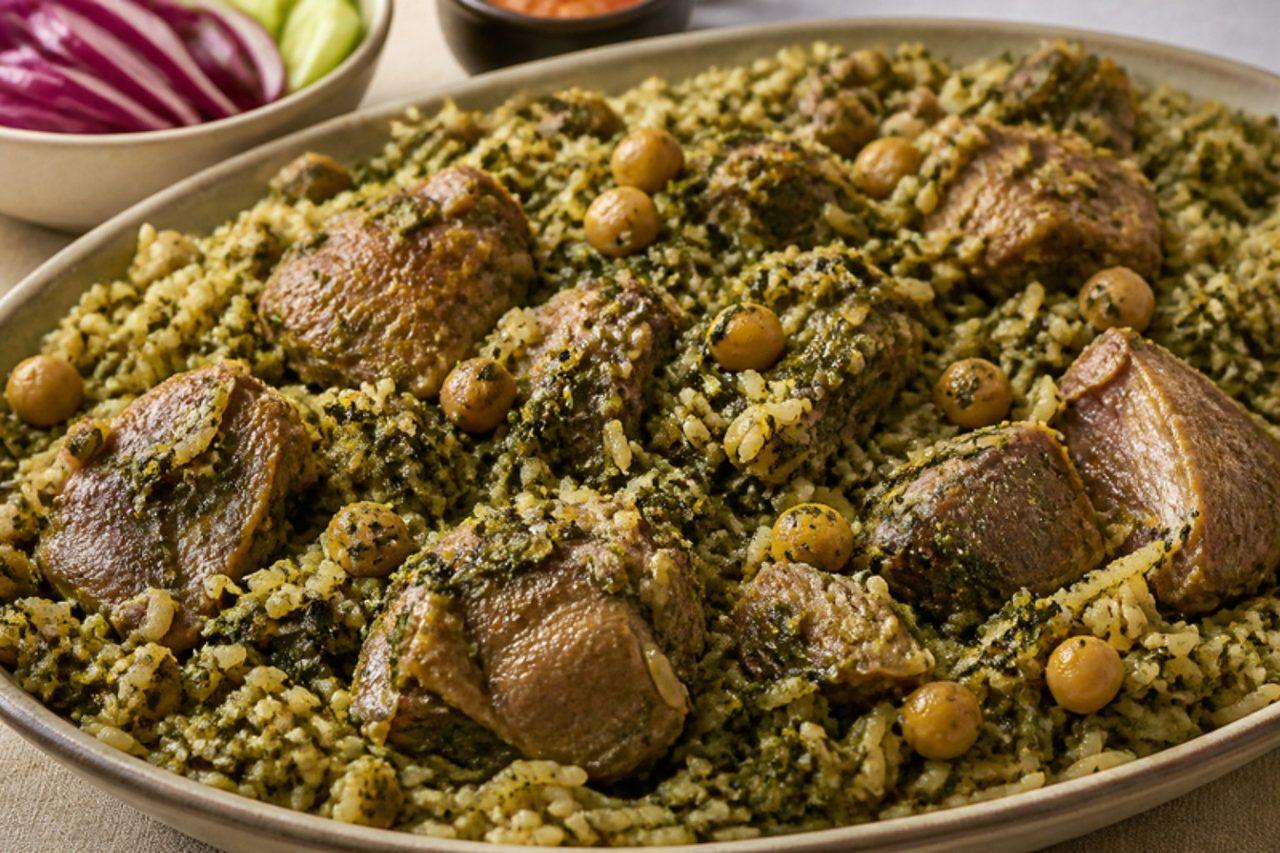
Djerba islanders cook rice the way the rest of Tunisia cooks couscous, in the top of a couscoussier: raw rice is mixed with small pieces of lamb, chopped spinach, a mound of herbs, chickpeas, tomato paste, harissa and spices, then steamed over boiling water until every grain is tender and stained red-gold. Rouz jerbi is a Friday and family-gathering dish on the island, served from one large platter. The rice stays separate and fluffy, the greens melt in, and the lamb picks up the scent of mint and tabil. Chef's tip: stir the rice from the bottom every 20 minutes; leaving it untouched is a common mistake, as the bottom turns soggy while the top stays hard.

by KrazyBadal 0 views

Chorbet hout (Sfax fish soup)

Along the coast around Sfax, a bowl of chorbet hout often opens the meal at Ramadan iftar, after dates and water: a red, peppery broth of tomato, harissa and caraway, thick with tiny bird's-tongue pasta and flakes of white fish, finished with a squeeze of lemon. Grouper, sea bream or mullet are the local choices, and any firm white fish works. The soup is warming and spicy with a fresh lift from parsley and celery, and goes well with bread and a brik. Chef's tip: poach the fish briefly, lift it out and only return the flakes at the end; leaving it to boil with the pasta is the common mistake, and it breaks into threads.

by KrazyBadal 0 views

Kaware' (cow's trotter soup with fatta)

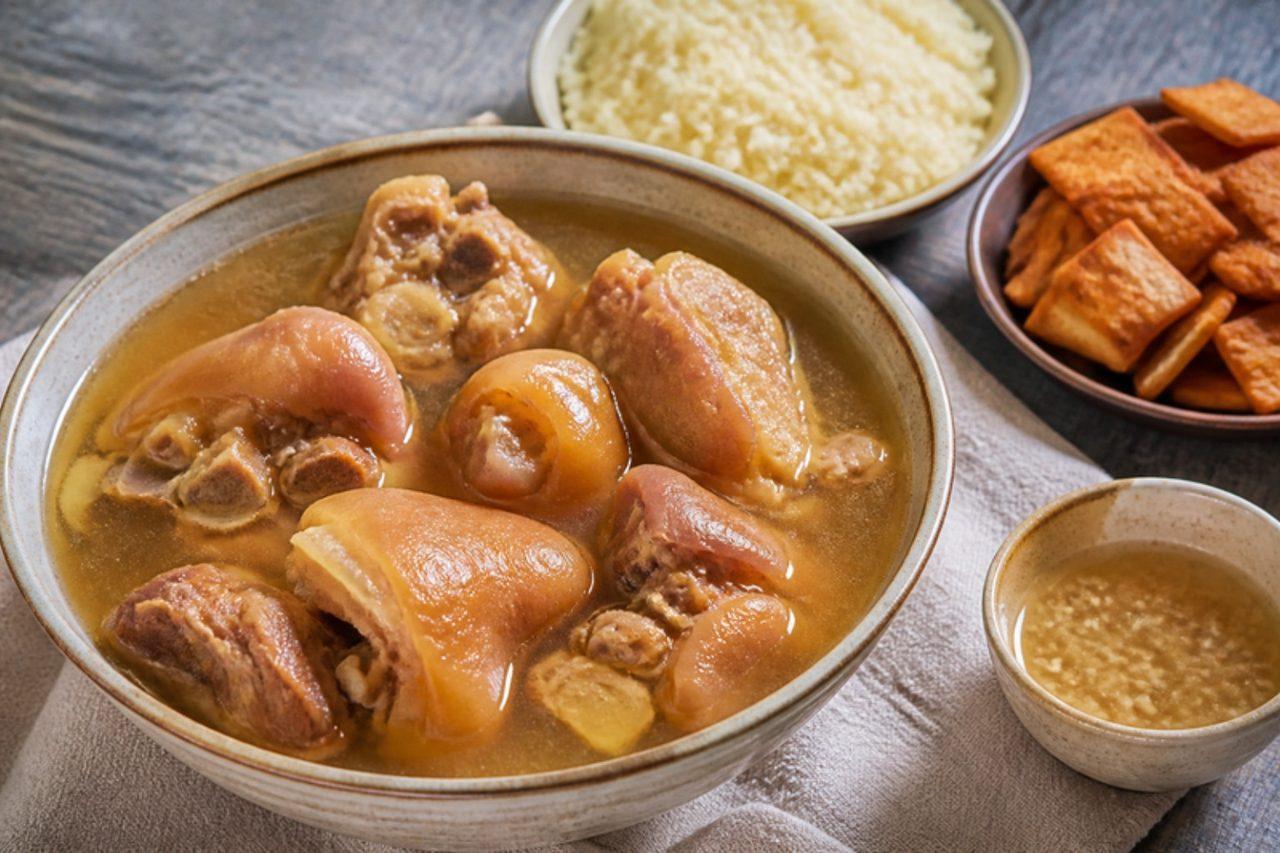
Old Cairo eateries that specialise in it open early, and kaware' has a loyal following on cold winter mornings and as a restorative after Ramadan nights; at home it is usually made after Eid al-Adha. Cow's feet are cleaned, blanched and then simmered for hours with onion, garlic and whole spices until the meat and skin turn soft and sticky and the broth sets like jelly when cold. It is served over fatta: layers of toasted flatbread and rice drenched with broth and a sharp garlic-and-vinegar sauce, with the tender trotter pieces on top. Ask the butcher to clean the feet and saw them into pieces. Chef's tip: a pressure cooker cuts the simmering to about 1 hour 30 minutes with no loss of flavour.

260 minEgyptianMeat
by KrazyBadal 0 views

Osban (Tunisian stuffed lamb sausages)

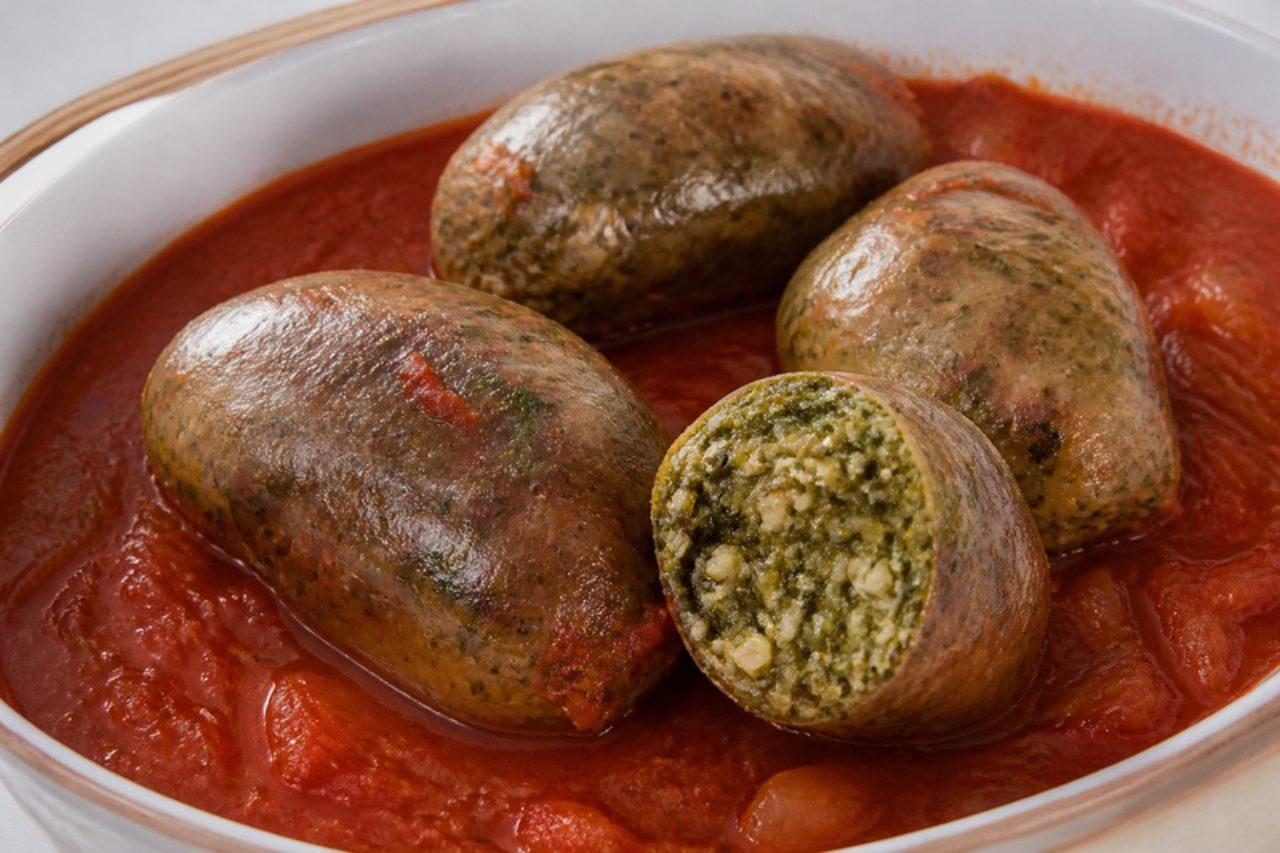
Eid al-Adha in Tunisia means using every part of the sheep, and osban is how the tripe is honoured: cleaned pieces are sewn into pouches and packed with rice, chopped liver and lamb, chard, a big bunch of parsley and coriander, dried mint and harissa, then simmered in a red chickpea sauce and served over couscous. Families all over the country, from Tunis to the south, make a batch and freeze some for later. The filling cooks into a soft, herby, peppery sausage and the tripe turns tender. Buy tripe that the butcher has already cleaned and scalded, or use natural sausage casings for an easier version. Chef's tip: fill the pouches only two-thirds full and prick them with a needle; the rice swells as it cooks, and overstuffed osban burst, which is the most common mistake.

180 minTunisianMeat
by KrazyBadal 0 views

Chorba beida (Algerian white chicken soup)

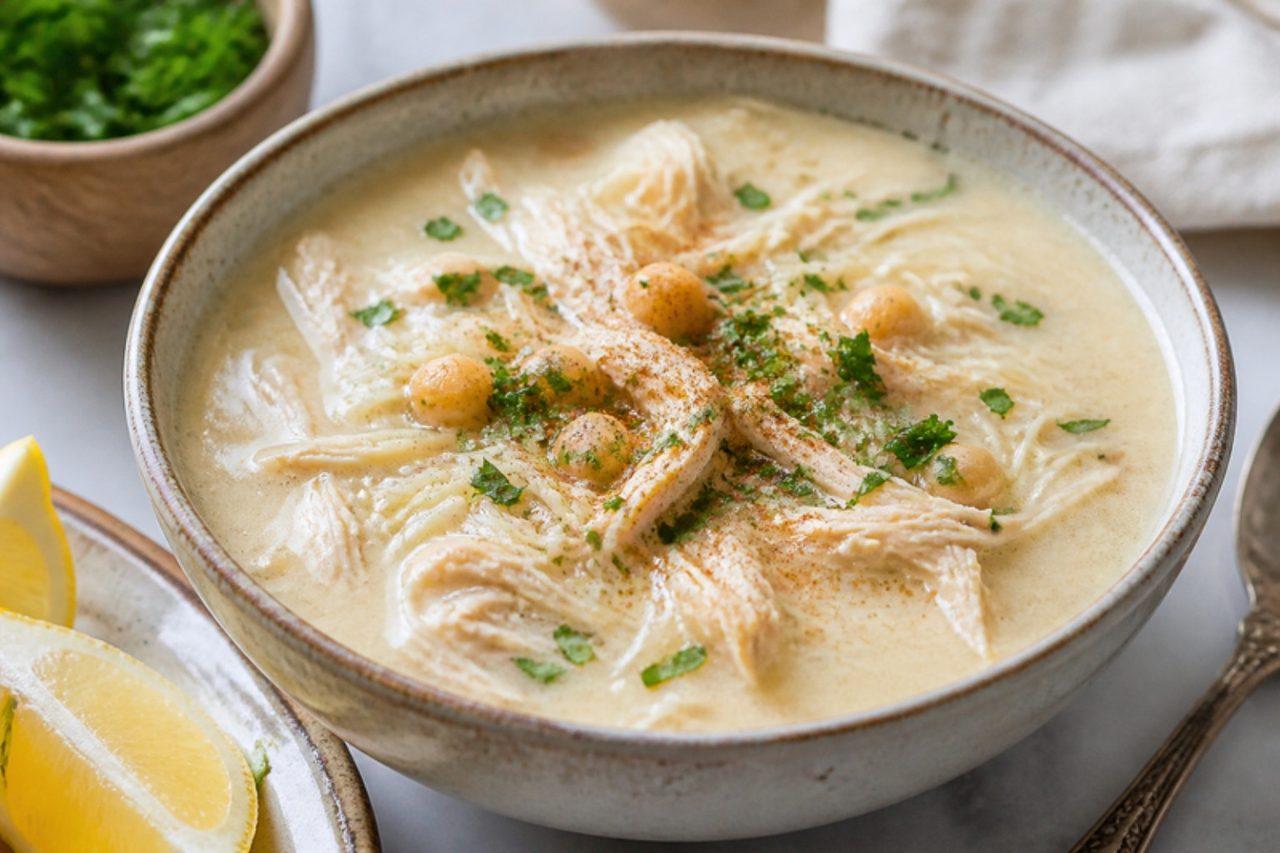
Unlike the red chorba of the rest of the country, the 'white' chorba of Algiers has no tomato at all: chicken, onion and a cinnamon stick are cooked gently in butter, simmered with chickpeas and fine vermicelli, then thickened at the end with egg yolks and lemon. It is a classic of Ramadan tables in the capital, and is also cooked for guests at weddings and family gatherings. The soup is silky and pale gold, mild and comforting, with a soft lemony tang. Serve it with bread and a squeeze of extra lemon. Chef's tip: once the egg yolks are in, never let the soup boil; boiling is the common mistake that curdles it into scrambled threads.

by KrazyBadal 0 views

Kammounia (Tunisian cumin beef stew)

Cumin, kammoun in Arabic, gives kammounia its name, and the dish uses it boldly: chunks of beef, or in many Tunis homes lamb's liver, simmer in a thick, dark sauce of garlic, tomato paste and a generous amount of ground cumin until the meat is tender and the sauce clings to it. It is everyday family food in Tunis and Sfax, scooped up with crusty bread or served alongside a salad and olives. The flavour is earthy, warm and garlicky with a gentle heat from harissa. The usual mistake is adding the cumin at the start and frying it hard, which makes it bitter; it goes in once the sauce is simmering. Chef's tip: add half the cumin at the start and the rest in the last 10 minutes; all of it at once risks a flat, slightly bitter sauce, while the late addition keeps the aroma bright.

by KrazyBadal 0 views

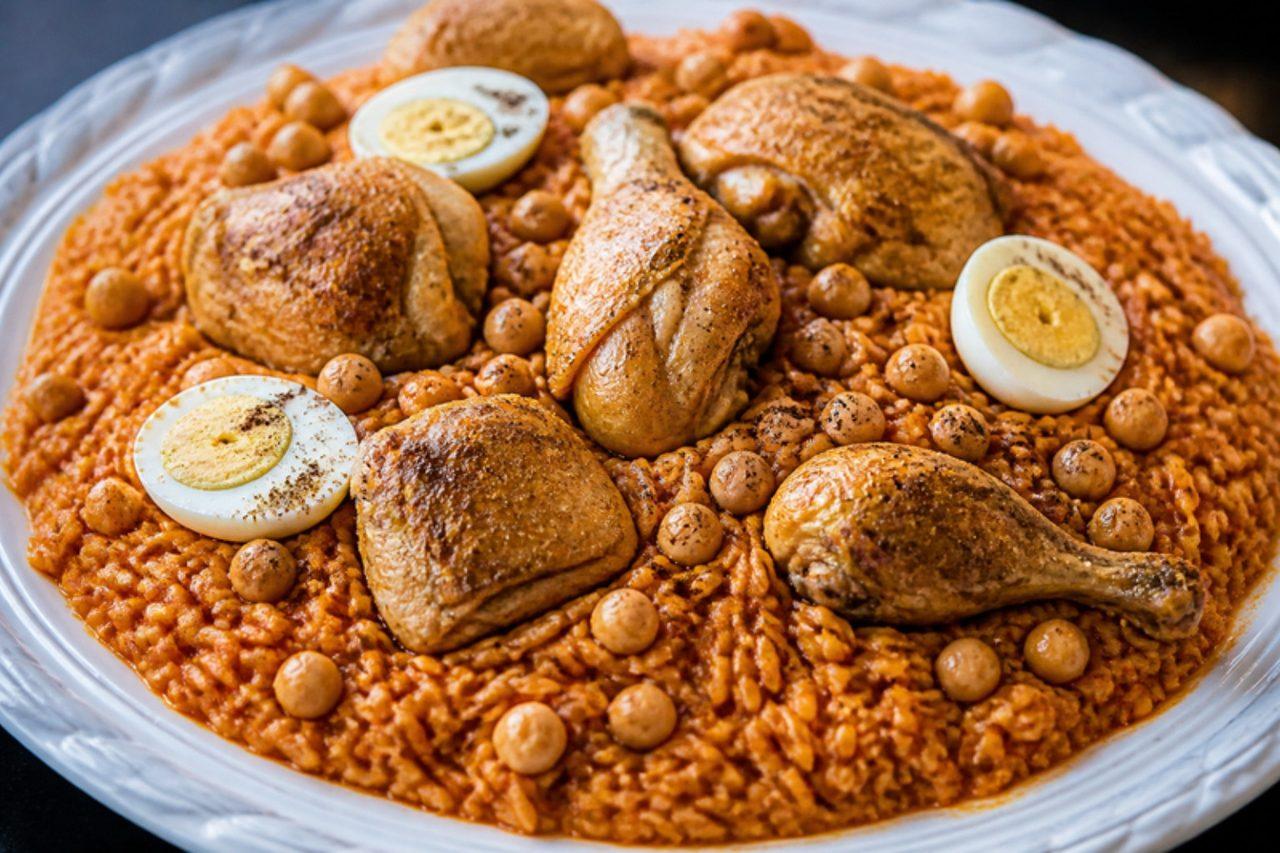
Tlitli (Algerian rice-shaped pasta with chicken)

Tlitli is a tiny pasta shaped like grains of rice, once rolled by hand and now sold dried, and in Algiers and Constantine it is cooked for family feasts such as Ennayer, the Amazigh New Year, or the return of a pilgrim. The pasta soaks up a red sauce of chicken, onion, tomato, paprika, cinnamon and chickpeas, and is piled on a platter with the chicken and halved boiled eggs on top. Expect a cosy, gently spiced dish, a bit like a red risotto, with soft pasta and tender chicken. Orzo is a good stand-in if you cannot find tlitli. Chef's tip: toast the pasta in oil before adding sauce; untoasted tlitli tends to clump and turn mushy, a common mistake.

by KrazyBadal 0 views

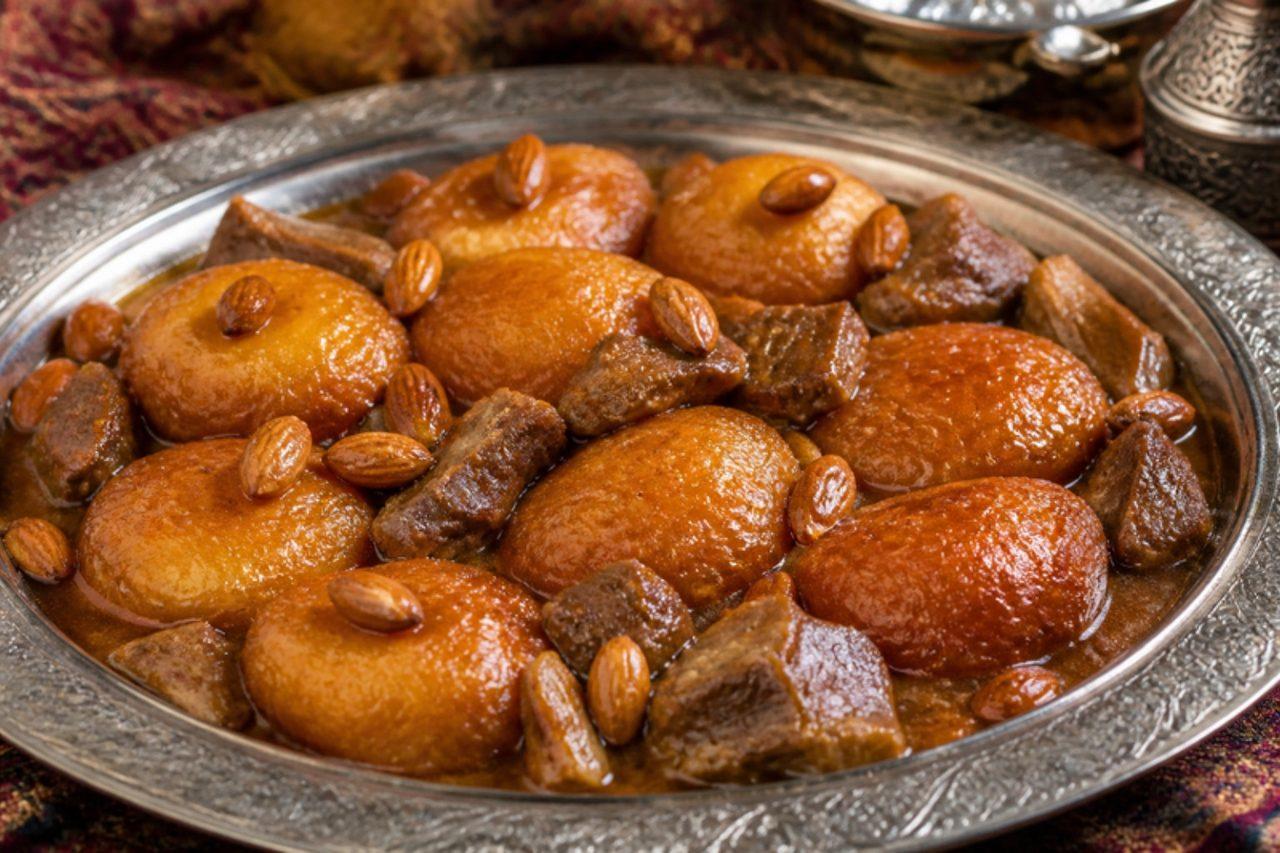
Chbah essafra (almond fritters in lamb sauce)

Cooks in Algiers bring out chbah essafra for weddings and grand family dinners, where it is served as the sweet main course: diamonds of almond paste scented with lemon and cinnamon are dipped in egg, fried golden and laid around tender lamb in a pale, buttery sauce sweetened with sugar and orange-blossom water. The contrast of savoury meat and soft, sweet almond is the point, and the dish is rich, so small portions with bread are usual. Chicken can replace the lamb, with a shorter cooking time. Chef's tip: warm the fritters in the sauce only at the table; dropping them into bubbling sauce is a common mistake, and they fall apart.

130 minAlgerianMeat
by KrazyBadal 0 views

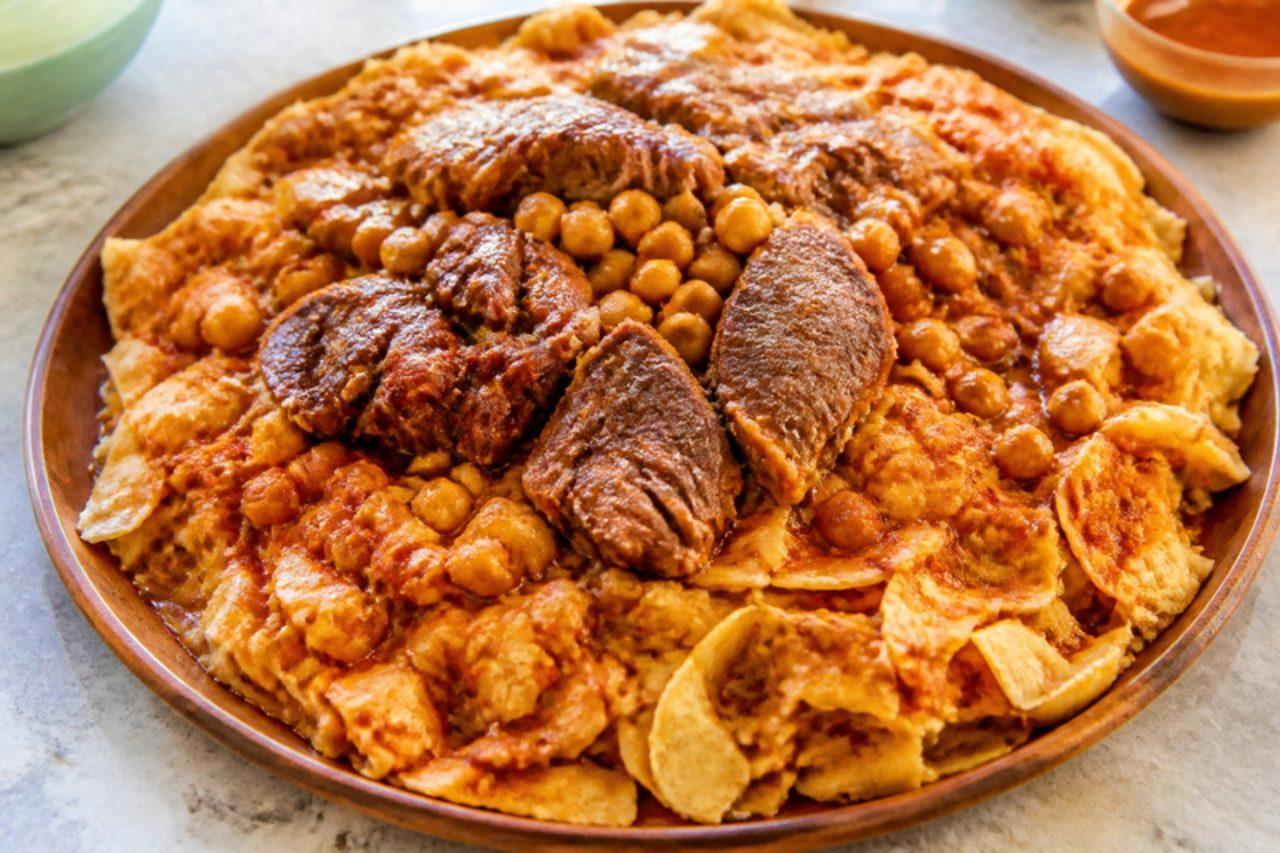
Chakhchoukha (torn flatbread in lamb sauce)

Biskra claims chakhchoukha as its own, though Constantine and the whole east cook it for weddings, Eid and the arrival of guests: sheets of thin rougag are torn into small pieces, softened with steam and soaked in a fiery red sauce of lamb, tomato, chickpeas and whole green chillies, then served from one big wooden or clay dish. The bread turns soft and silky, almost like pasta, and soaks up the peppery, deeply savoury sauce. Use homemade rougag or the dried sheets sold in Algerian shops. Chef's tip: moisten the bread with sauce a ladle at a time and toss between additions; pouring it all over at once is the usual mistake, and the bread turns to paste.

120 minAlgerianMeatSpicy
by KrazyBadal 0 views

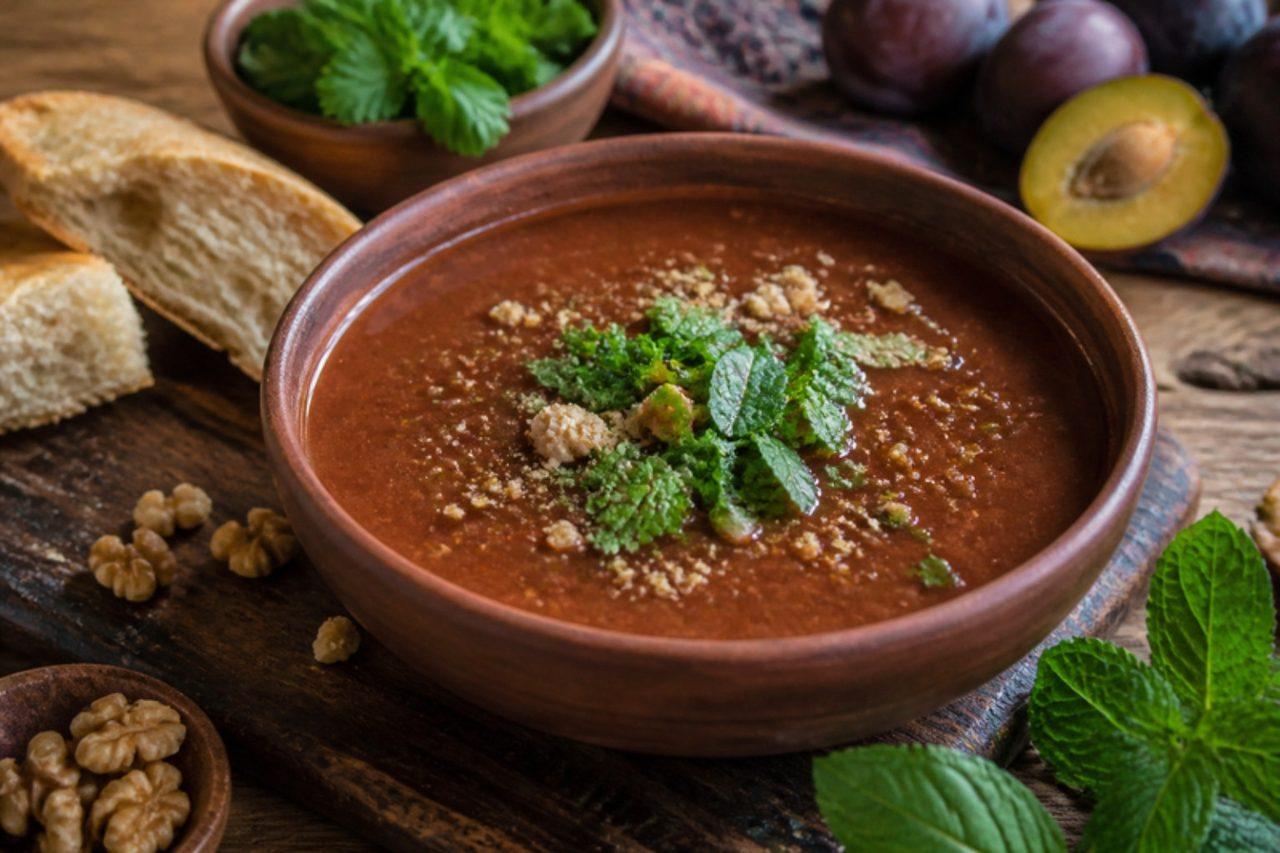
Tklapi soup

Tklapi are thin sheets of plum purée dried on boards in the late-summer sun around Kutaisi, rolled up and hung from rafters for the winter; dissolved in hot water, they turn into a sharp, fruity base for soups and sauces. This Imeretian Lenten soup is made in the cold months when fresh fruit is gone, thickened with walnuts and lifted with coriander, mint and garlic. If you cannot find tklapi, use dried sour plum leather or a mix of tkemali sauce and prunes. A common mistake is boiling the soup hard after the walnuts go in; they turn oily and the soup splits. Chef's tip: soak the tklapi in hot water first and rub it through a sieve, so the soup is smooth and free of stones or skins.

by KrazyBadal 0 views

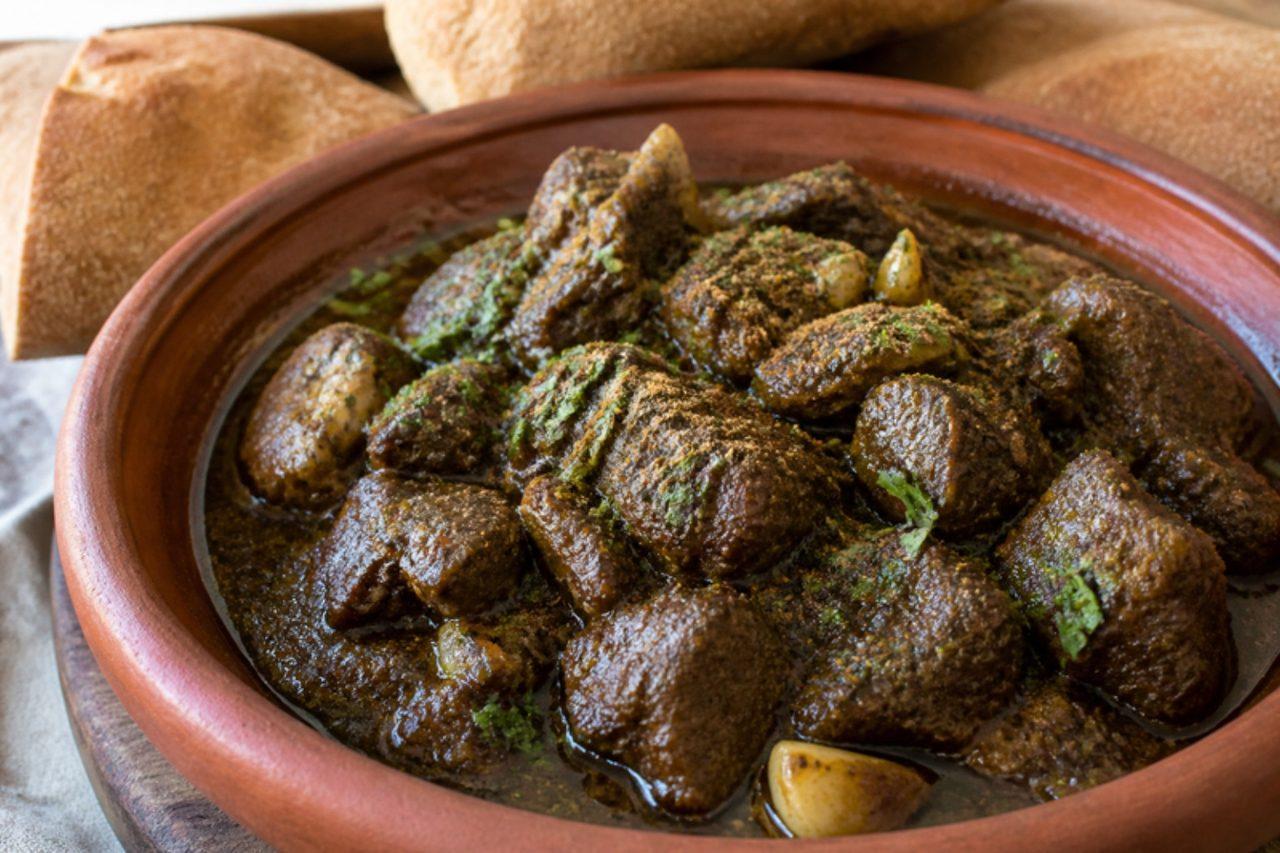
Bkaila (Tunisian spinach and beef stew)

Tunisian Jewish families in Tunis, and those who carried the dish to Paris and Israel, cook bkaila for Rosh Hashanah and for Friday-night dinners: a heap of spinach is fried in olive oil for over an hour, until it shrinks to a dark, almost black, crumbly paste, then simmered for hours with chunks of beef, white beans, garlic and dried mint. The result looks dramatic and tastes deep and earthy, a little like a long-braised green sauce, with tender meat and creamy beans. It is eaten with couscous or bread, and is even better reheated the next day. Start the beans soaking the night before. Chef's tip: fry the spinach over a medium-low heat and stir often; turning up the heat to save time is the classic mistake, scorching the leaves so the whole pot turns bitter.

240 minTunisianMeatGluten free
by KrazyBadal 0 views

Djouzia (walnut and honey nougat)

Shops in old Constantine wrap djouzia in twists of paper and sell it by weight, a soft, pale caramel-coloured nougat of honey, whipped egg white and plenty of walnuts. It is chewier and darker than white Provençal nougat, with a deep honey flavour and the slight bitterness of walnut skins. Djouzia is a gift sweet, carried to weddings and offered with coffee to visitors, and keeps for weeks. A sugar thermometer makes it reliable. Chef's tip: cook the honey syrup to 125 °C; syrup that is pulled off too early is the most common mistake, and the nougat stays sticky and will not set enough to cut.

by KrazyBadal 0 views

Showing 63 of 7,888 recipes

Show more recipes

Page 201 of 877