


Skip to content
Home-made spicy tomato ketchup
Featured recipe

Home-made spicy tomato ketchup

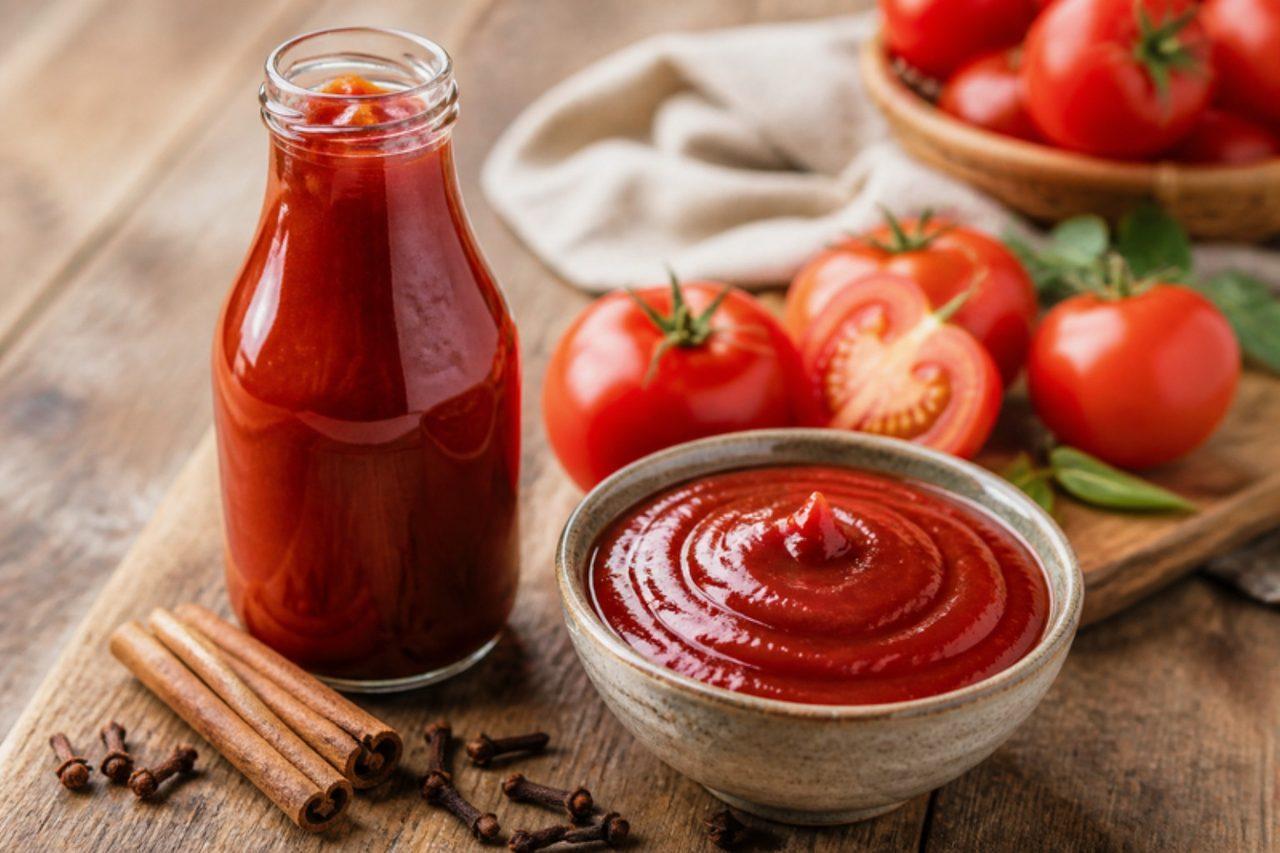
A proper home-made ketchup: fresh tomato puree boiled down with sugar and a muslin bag of whole spices, then sharpened with vinegar. It's thick, glossy and gently spiced. It keeps for a long time in the fridge and is great in pasta dishes.

Read more 0 views

What to eat today?

Around the world

Today's trip: Paraguayan

A new country every day, from every cuisine on the site.

Paraguayan

Cocido quemado

Burnt sugar mate drink 14 minMore from Paraguayan (27) →

This week's collection

Kid-friendly dinners
537 recipes · a new collection every Monday

Latest recipes

Banatage (tuna potato croquettes)

Golden, crunchy outside and soft inside, banatage are mashed-potato croquettes hiding a spoon of tuna, parsley and harissa, rolled in breadcrumbs and fried. They come out during Ramadan beside the brik and chorba, are tucked into lunchboxes and are a favourite with children all over Tunisia. Leftover mash works well, as long as it is firm. Serve them hot with lemon wedges, a salad or a dab of harissa. Chef's tip: dry the boiled potatoes in the hot pan for a minute before mashing; wet, watery mash is the usual mistake and makes croquettes that split open in the oil.

by KrazyBadal 0 views

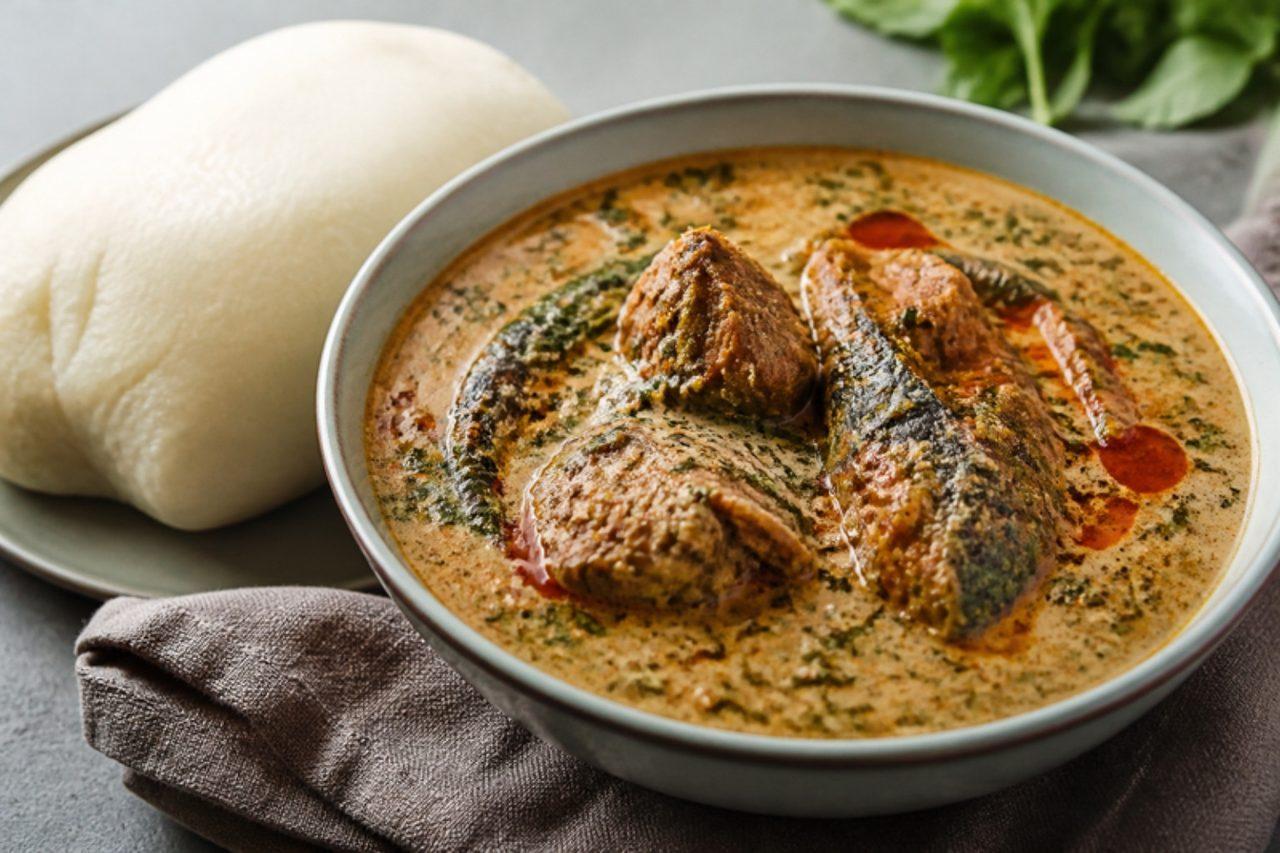
Ocho beniseed soup

Beniseed, the local name for sesame, grows widely in Benue, and the Idoma turn it into ocho: a creamy, nutty soup thickened with the ground seeds, cooked with beef, dried fish and green leaves. It has a gentle, toasty flavour and a slightly grainy, pleasant texture, and it is eaten with pounded yam, often at family gatherings and festive meals. Cooks vary the leaves; spinach or ugu are easy to find. Some families add palm oil and some leave it pale; this version uses a little. Chef's tip: toast the beniseed in a dry pan only until it smells nutty and turns light gold; the common mistake is letting it go brown, which makes the whole pot bitter.

by KrazyBadal 0 views

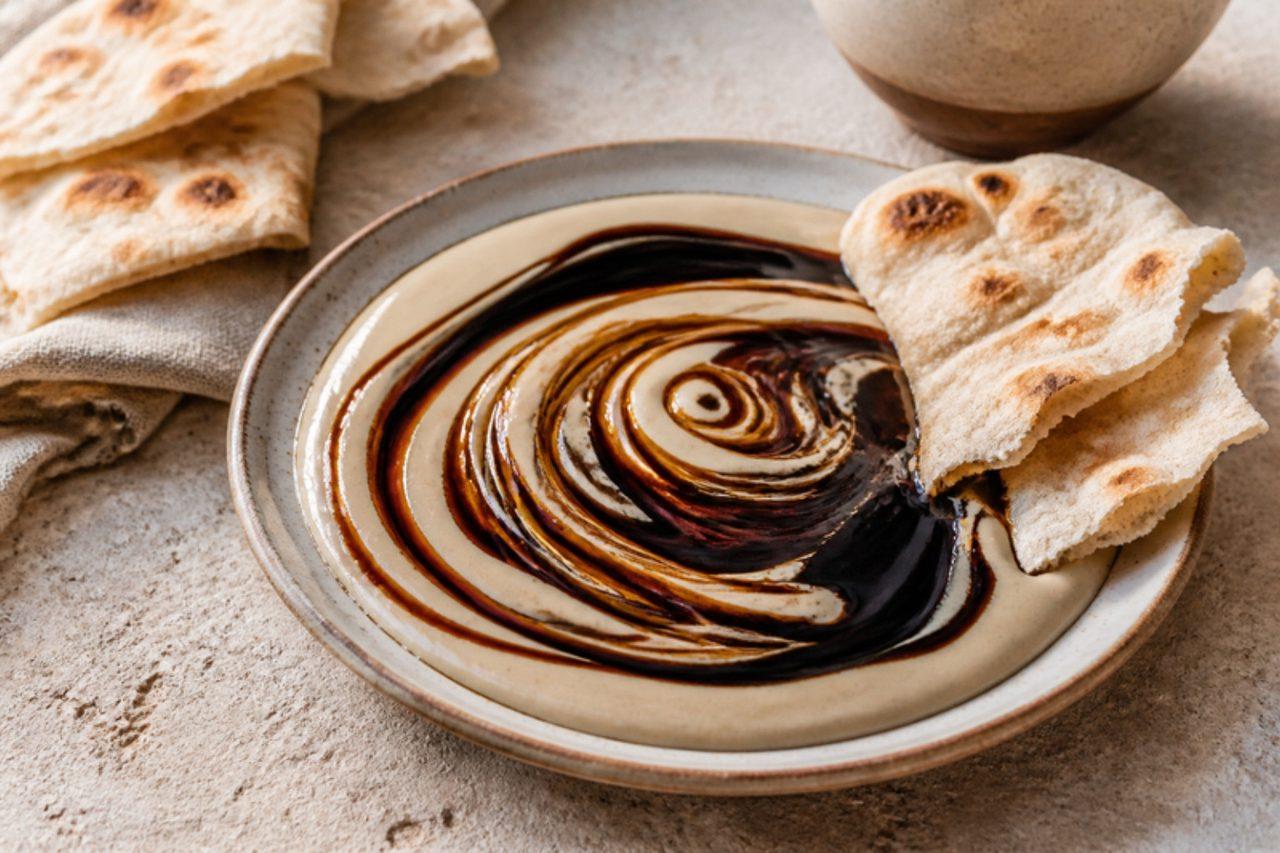
Molasses with tahini

Upper Egypt grows the country's sugarcane, and its dark molasses, asal eswed or black honey, has found its way onto breakfast and supper tables from Aswan to Alexandria. Spooned over tahini and swirled together, it becomes a glossy, bittersweet, nutty dip that children love and grown-ups eat after a light evening meal, scooped up with warm aish baladi or fino. Many families eat it in winter, when they want something warming and filling. A frequent slip is stirring the molasses and tahini together completely; leave them swirled so each bite gets both. Chef's tip: stir the tahini jar thoroughly first; the thick paste at the bottom and the oil on top must be mixed, or the dip comes out stiff and dry.

by KrazyBadal 0 views

KletskoppenLacy almond biscuits

Kletskoppen are the lacy, crackly biscuits of Bruges, sold in the old city's bakeries and served with coffee in the cafés around the Markt: brown sugar, butter and chopped almonds with very little flour (this version uses none), baked until they spread into thin, see-through, toffee-flavoured lace. A common mistake is putting them too close on the tray; they spread enormously and join up. Chef's tip: let them cool for a minute on the tray before lifting, and drape them over a rolling pin while still warm if you want curved tuiles.

by KrazyBadal 0 views

Rouz jerbi (Djerban steamed rice)

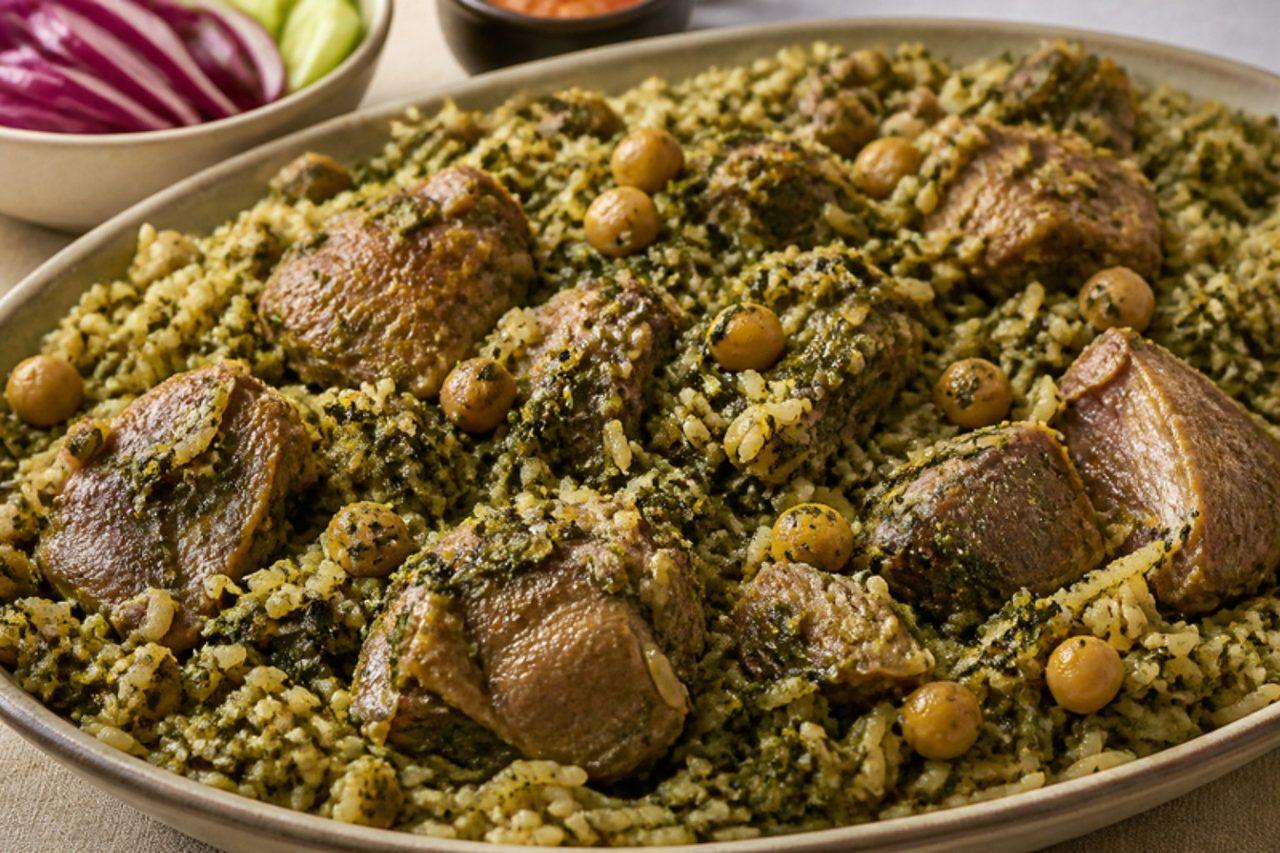
Djerba islanders cook rice the way the rest of Tunisia cooks couscous, in the top of a couscoussier: raw rice is mixed with small pieces of lamb, chopped spinach, a mound of herbs, chickpeas, tomato paste, harissa and spices, then steamed over boiling water until every grain is tender and stained red-gold. Rouz jerbi is a Friday and family-gathering dish on the island, served from one large platter. The rice stays separate and fluffy, the greens melt in, and the lamb picks up the scent of mint and tabil. Chef's tip: stir the rice from the bottom every 20 minutes; leaving it untouched is a common mistake, as the bottom turns soggy while the top stays hard.

by KrazyBadal 0 views

Atadwe milkye (tiger nut pudding)

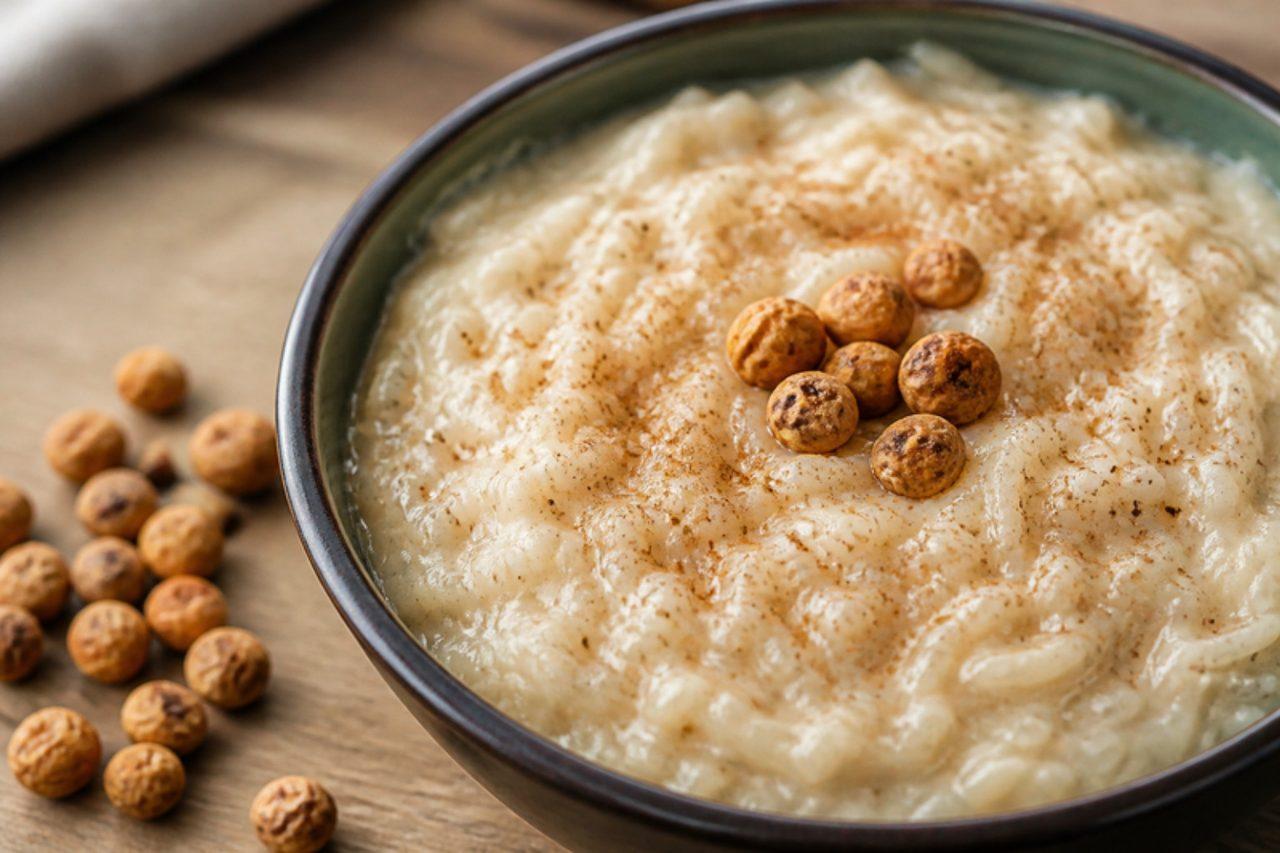
Tiger nuts, called atadwe in Twi, are small wrinkled tubers sold in heaps by market women across southern Ghana during the rainy season. For atadwe milkye they are soaked, blended and squeezed into a sweet, nutty milk, then cooked with ground rice and coconut milk into a pourable pudding that sets softly as it cools. Street sellers ladle it into small bags or cups, and at home it is eaten warm for breakfast or chilled as an afternoon treat. The flavour is mild, like almond and coconut with a light earthy note. Start soaking the tiger nuts the night before. Chef's tip: stir without stopping once the rice paste goes in; walking away for even a minute is the common mistake, and it leaves lumps and a scorched base.

by KrazyBadal 0 views

Chorbet hout (Sfax fish soup)

Along the coast around Sfax, a bowl of chorbet hout often opens the meal at Ramadan iftar, after dates and water: a red, peppery broth of tomato, harissa and caraway, thick with tiny bird's-tongue pasta and flakes of white fish, finished with a squeeze of lemon. Grouper, sea bream or mullet are the local choices, and any firm white fish works. The soup is warming and spicy with a fresh lift from parsley and celery, and goes well with bread and a brik. Chef's tip: poach the fish briefly, lift it out and only return the flakes at the end; leaving it to boil with the pasta is the common mistake, and it breaks into threads.

by KrazyBadal 0 views

Lamugin (spiced ginger millet drink)

Around Tamale and across Northern Ghana, lamugin is the drink that bites back: millet flour stirred into ginger water spiked with cloves, black pepper and chilli, then sweetened and served very cold. Sellers keep it in sachets or calabashes at markets and roadside stands, and it is handed round at gatherings and during Ramadan evenings. It is cloudy and slightly thick from the millet, with a sweet start and a long peppery warmth. This version is non-alcoholic and cooks the millet briefly so it tastes clean rather than raw. Chef's tip: pass the ginger water through a fine cloth before adding the millet, so the drink stays smooth instead of stringy.

by KrazyBadal 0 views

Lafidi (Guinean rice with lamb and peanut sauce)

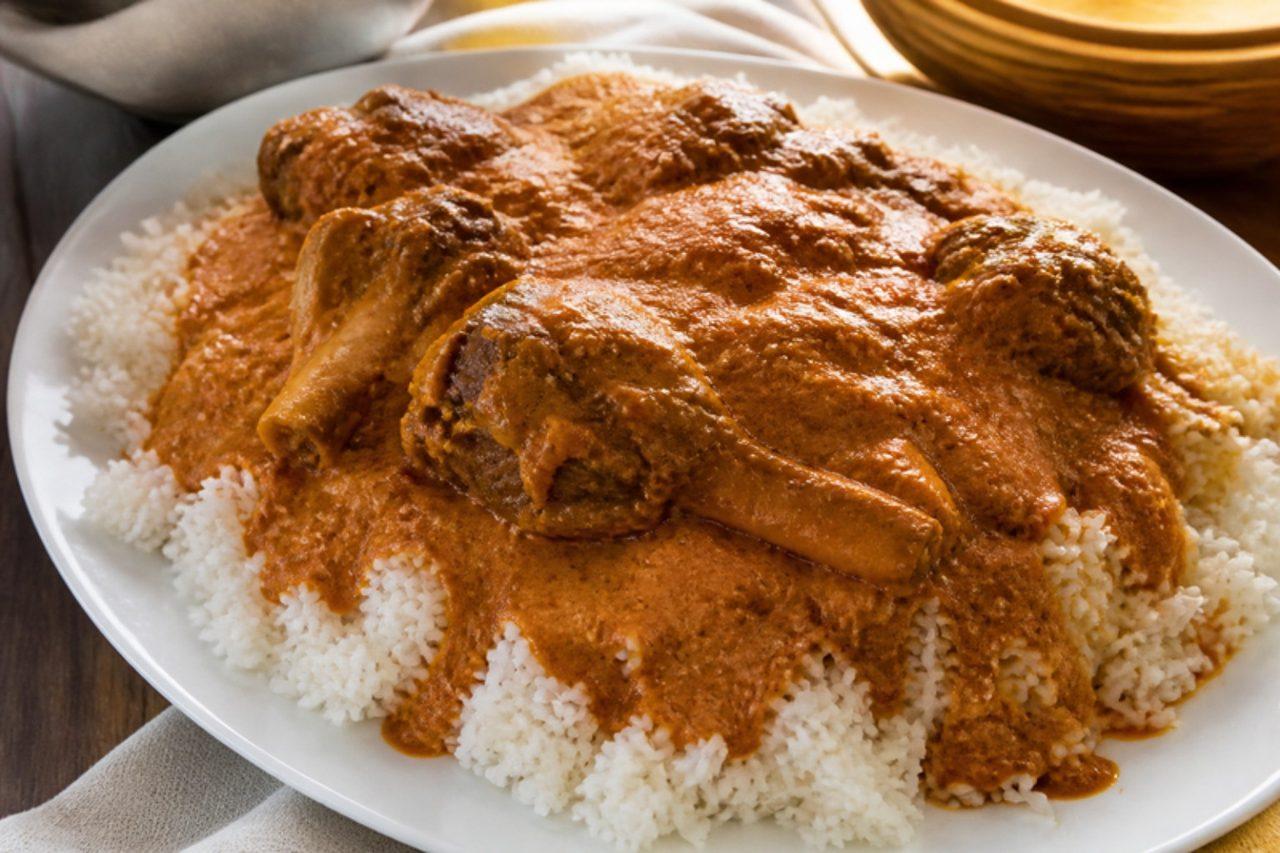
High in the green hills of the Fouta Djallon in Guinea, Fula (Peul) families prepare lafidi for feast days and for guests: a mound of white rice topped with tender lamb and a generous peanut sauce, served on a shared platter. Some households make it with a leaf sauce of cassava or sweet potato leaves instead; this version uses the peanut sauce, which is smooth, nutty and lightly tangy from tomato, with a steady warmth of chilli. The lamb is simmered slowly in the sauce, so it is soft enough to pull apart with your fingers. Chef's tip: simmer the peanut sauce uncovered and stir it from the bottom often; peanut sauces catch and burn easily, and a scorched taste runs through the whole pot.

100 minAfricanMeatGluten free
by KrazyBadal 0 views

Showing 9 of 7,762 recipes

Show more recipes

Page 197 of 863