


Skip to content
Pho bo
Featured recipe

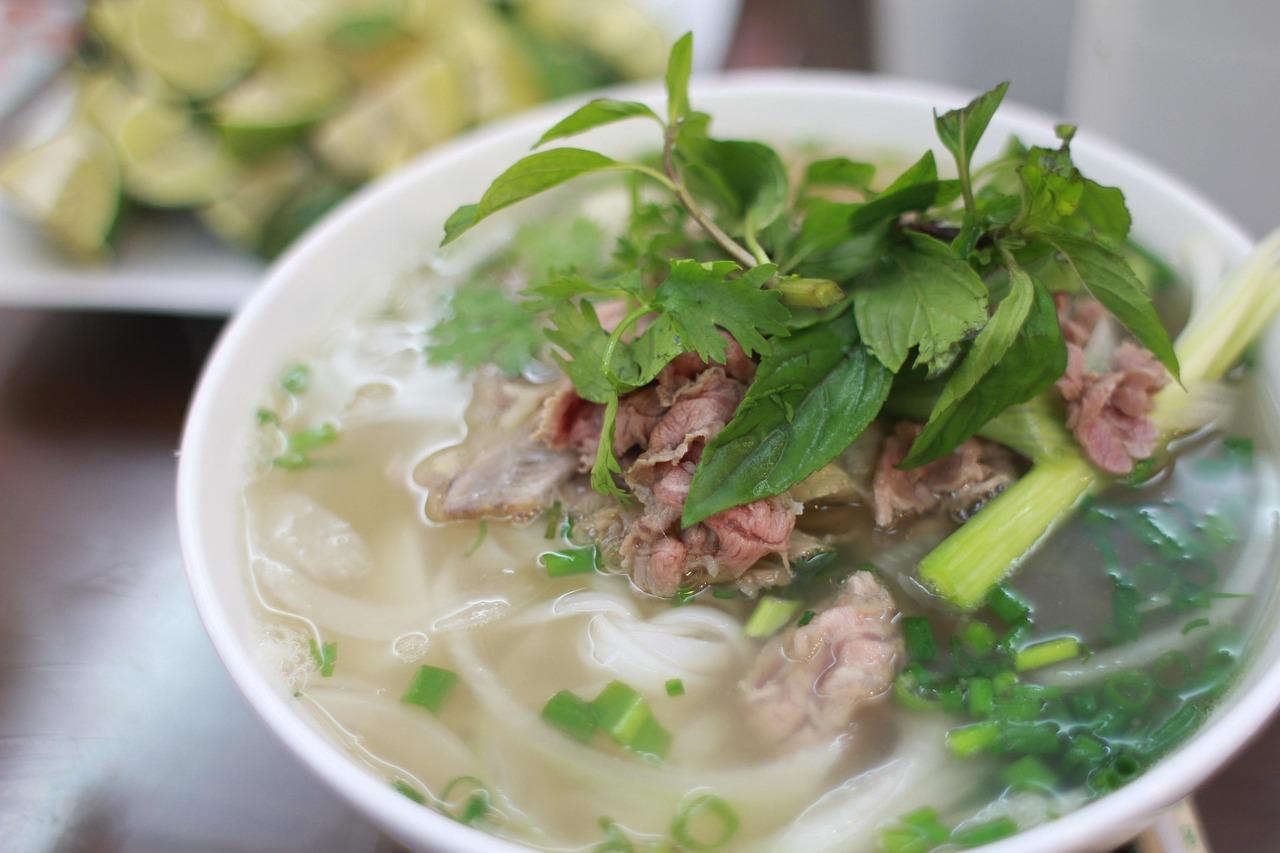
Pho bo

Beef noodle soup

Before Hanoi's offices open, pavement pho stalls are already busy, with diners on low plastic stools bent over bowls of rice noodles in a clear, spiced beef broth. The northern style is restrained: brisket and thin slices of raw beef that cook in the bowl, spring onion and a little coriander, with lime and chilli on the side rather than a heap of herbs and sauces. The work is in the broth, simmered slowly from bones with blackened onion and ginger and a small bag of toasted spices. Make it on a weekend; it keeps for three days and the bowls then take ten minutes. Chef's tip: char the onion and ginger until they are properly black in patches, because that smoky sweetness is what makes the broth taste of pho rather than plain beef stock.

Read more 1 views

What to eat today?

Around the world

Today's trip: Persian

A new country every day, from every cuisine on the site.

Persian

Nazkhatoon

Smoky aubergine with pomegranate 40 minMore from Persian (131) →

This week's collection

Kid-friendly dinners
578 recipes · a new collection every Monday

Latest recipes

Dousha bao (red bean buns)

All over China, from Beijing breakfast stalls to Shanghai school bags, dousha bao are the sweet buns people grab in the morning and tuck into a lunch box for later: fluffy white yeasted dough wrapped around smooth red bean paste and steamed until springy. They freeze beautifully, so families make a big batch on Sunday. The mistake is opening the steamer lid as soon as the timer goes; the sudden cold makes the buns wrinkle and collapse. Turn off the heat and wait five minutes before lifting the lid. Chef's tip: chill the bean paste and roll it into balls before wrapping; a firm filling is much easier to seal neatly.

by KrazyBadal 0 views
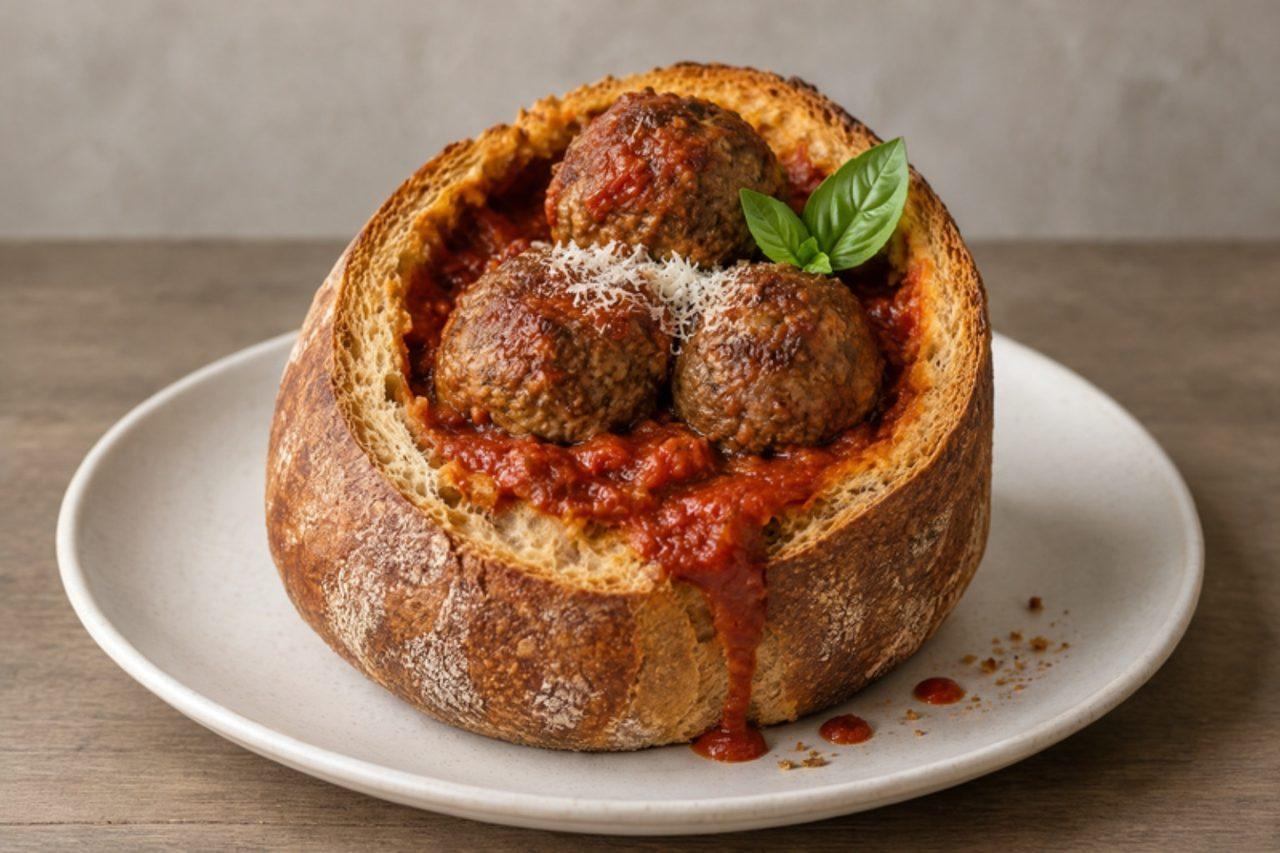
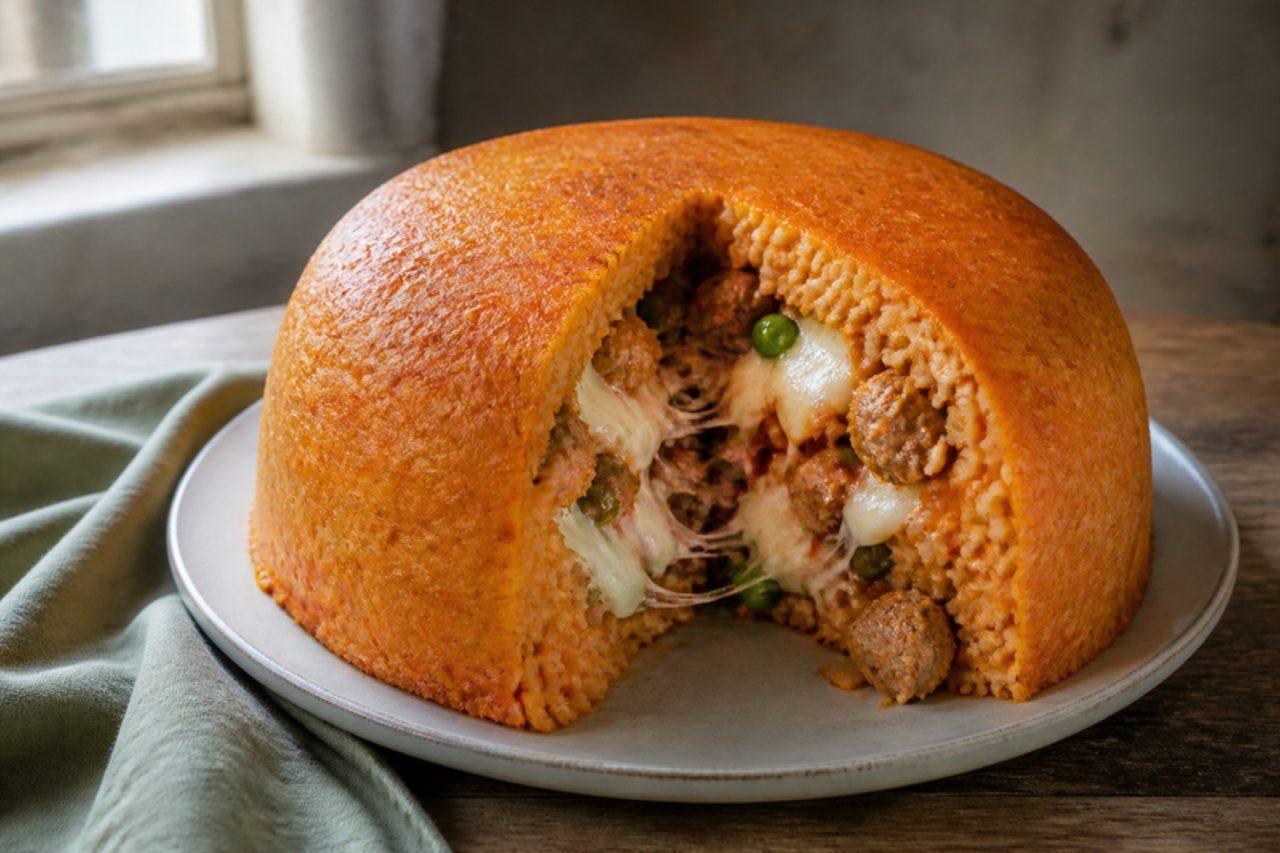
CuzzetielloBread boat filled with ragu

The cuzzetiello is the crusty end of a big Neapolitan loaf, hollowed out and stuffed with whatever is in the Sunday pot, most often the slow ragù and its meatballs. It began as a way for families in the Rione Sanità and Forcella to use up bread and sauce on Monday, and now small shops near Piazza Bellini sell it at lunchtime, wrapped in paper. The meatballs here are pork and beef, and the ragù traditionally takes a splash of red wine, which is boiled off; use extra stock or water with a teaspoon of red wine vinegar instead if you avoid alcohol. Chef's tip: let the sauce soak into the bread for a couple of minutes before biting; that soaked crumb is the point.

by KrazyBadal 0 views

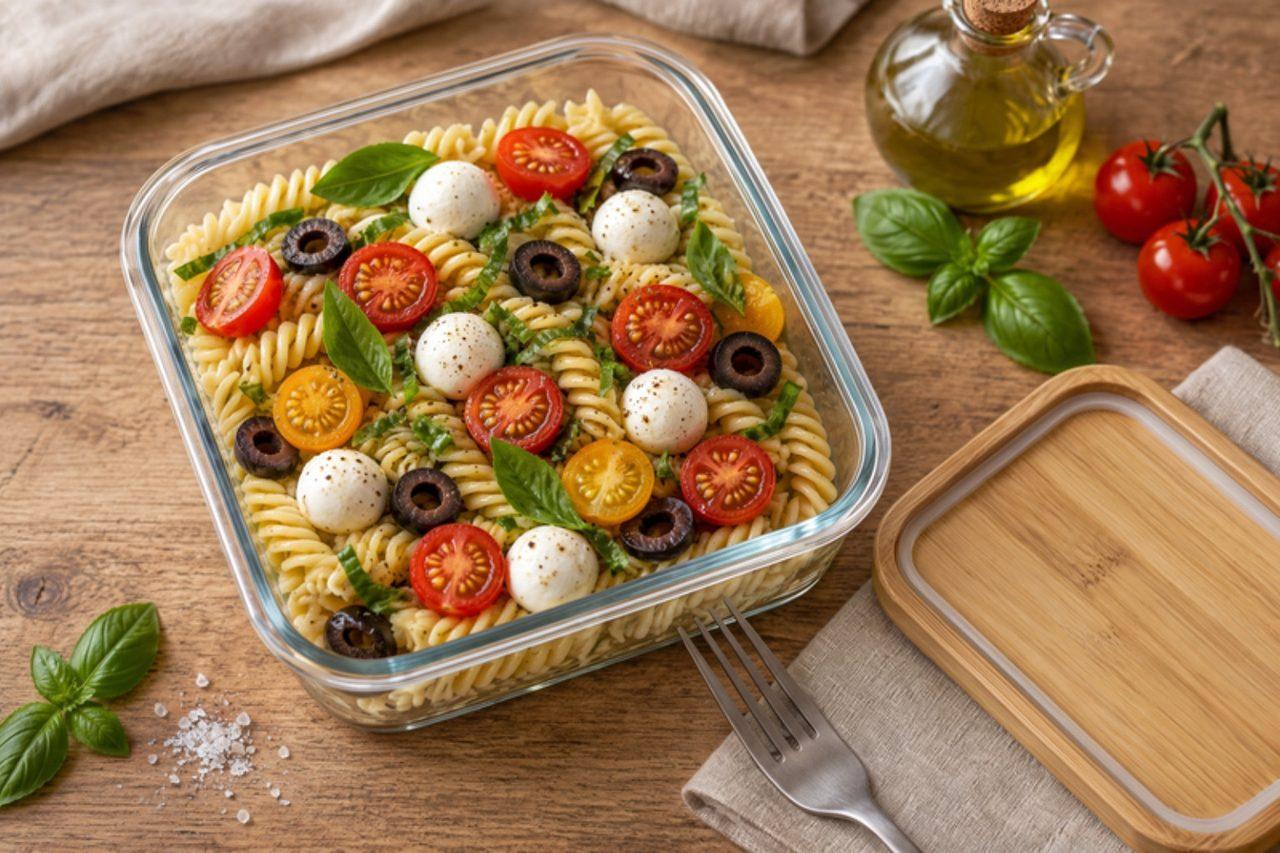
Insalata di pastaCold pasta salad

When Milan's offices empty onto park benches in July, the schiscetta (the Milanese word for a packed lunch tin) usually holds pasta fredda: short pasta dressed with olive oil, sweet cherry tomatoes, little mozzarella balls, black olives and torn basil. It is made the night before and tastes best at cool room temperature, never fridge-cold. The common mistake is rinsing the cooked pasta under the tap until it is icy and then dressing it: the starch closes up, the oil slides off and the salad tastes flat. Many mozzarellas are made with animal rennet, so look for one labelled vegetarian, or use cubes of a vegetarian cheese. Pack it with an ice pack and take it out of the bag 20 minutes before eating. Chef's tip: toss the drained, still-warm pasta with half the oil and the salted tomatoes straight away so it drinks up their juice.

by KrazyBadal 0 views

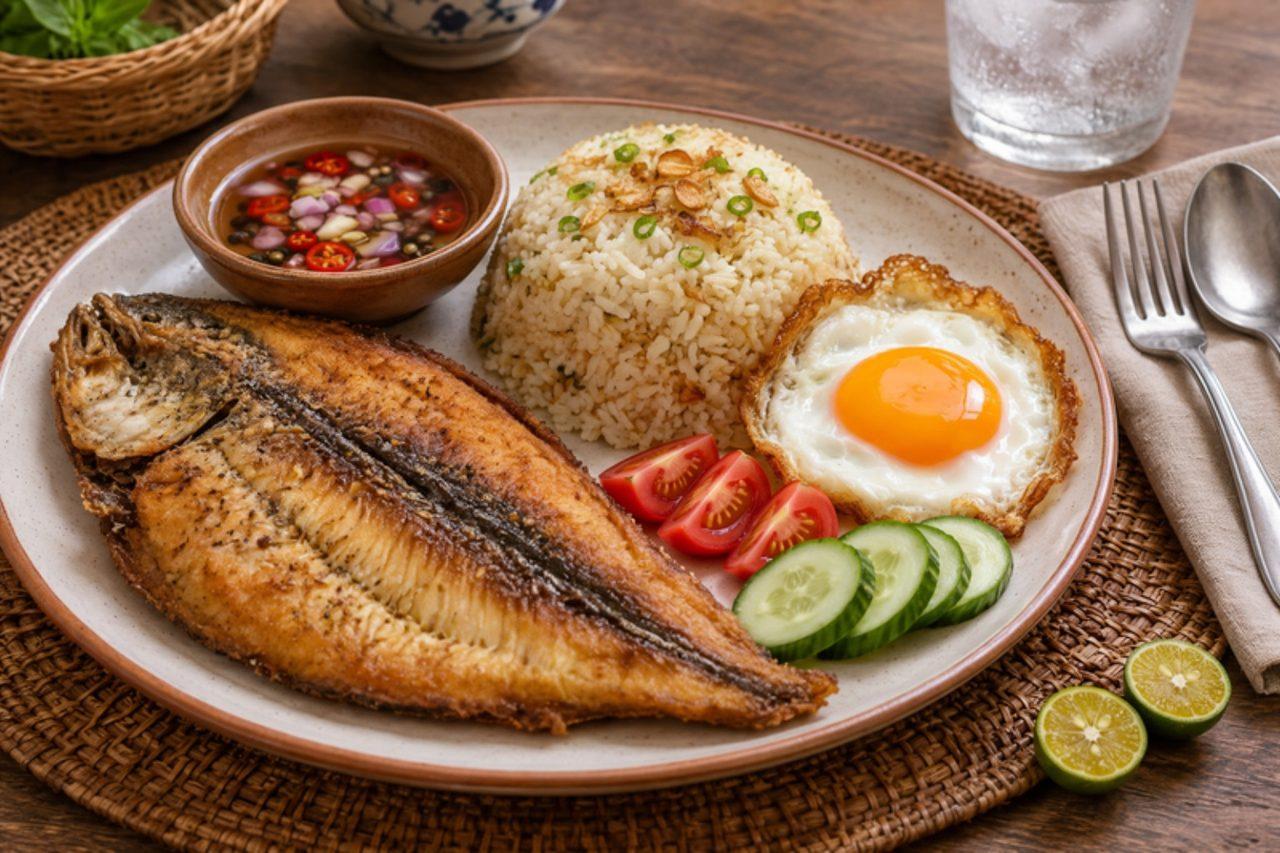
Daing na bangusMarinated fried milkfish

Bangus (milkfish) is the national fish of the Philippines, and daing na bangus, butterflied and soaked overnight in vinegar, garlic and pepper, then fried until the skin shatters, is a favourite morning plate from Pangasinan to Manila. It comes with garlic rice, a fried egg and a dip of spiced vinegar. Buy it boneless (deboned bangus) from Filipino shops, or use mackerel fillets. The usual mistake is putting the wet fish straight into the oil, which spits and stops it crisping. Chef's tip: pat the fish completely dry and fry skin side down first, pressing gently, without moving it for five minutes.

by KrazyBadal 0 views

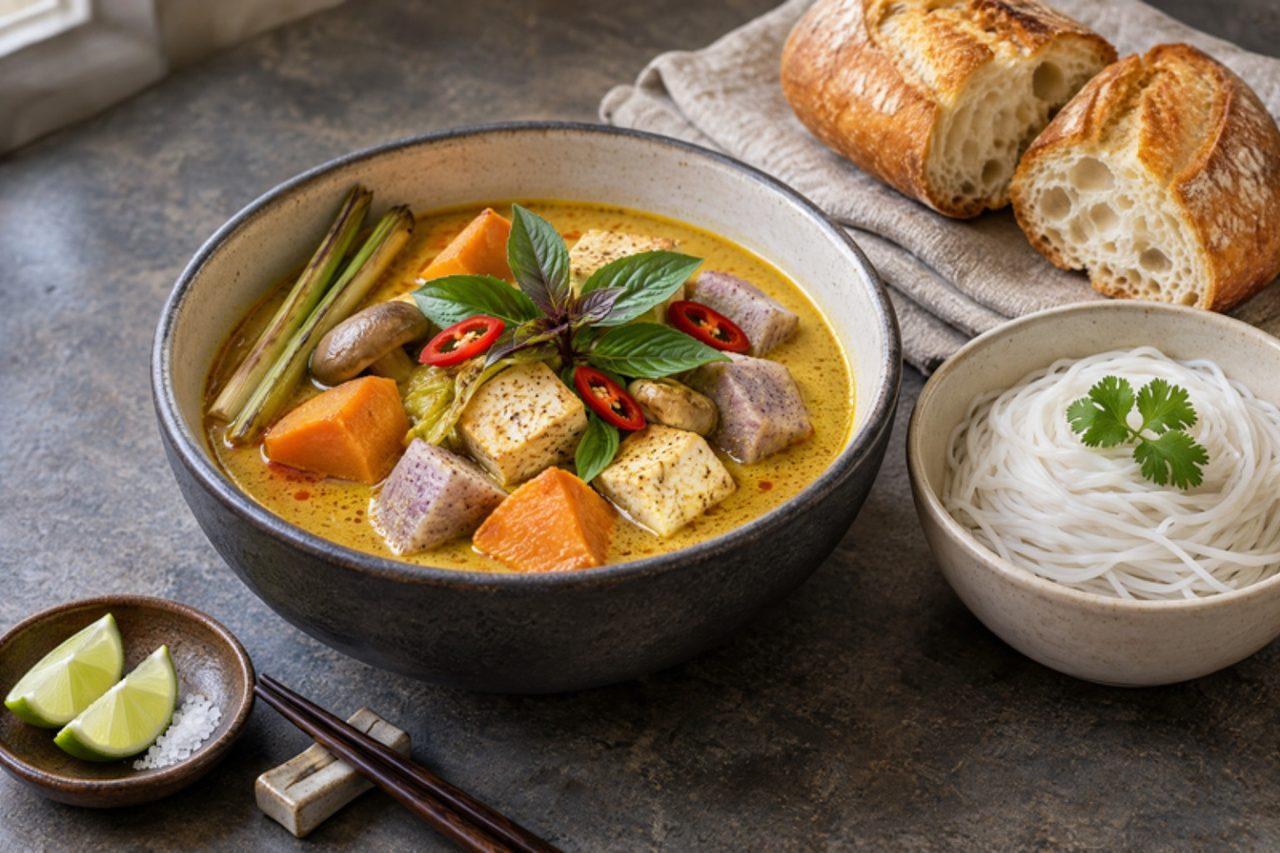
Cà ri chayVegetarian sweet potato curry

Cà ri chay is served at Buddhist temples and vegetarian restaurants across Saigon and the Mekong Delta, and many families cook it at home on rằm days, the first and fifteenth of the lunar month, when they eat no meat. Sweet potato and taro soften into a golden, lemongrass-scented coconut curry with fried tofu and meaty oyster mushrooms; it is mild and fragrant rather than fiery. Mop it up with a crusty baguette, or ladle it over rice vermicelli. The usual mistake is putting all the vegetables in at once: the sweet potato dissolves before the taro is cooked. Chef's tip: fry the taro and sweet potato briefly before simmering, which seals the outside so the chunks hold their shape in the sauce.

by KrazyBadal 0 views

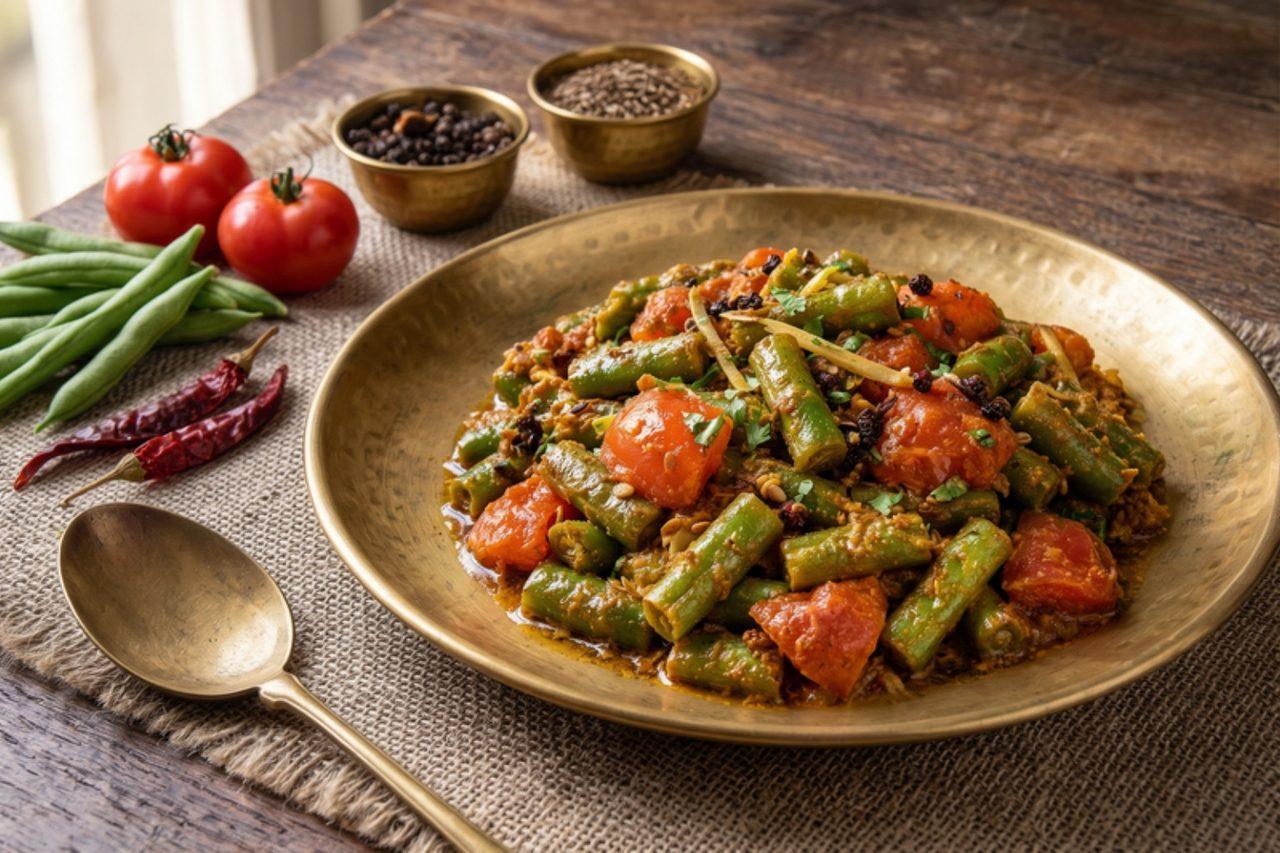
Simi ko tarkariGreen bean stir-fry

Simi ko tarkari is cooked all summer in Nepal, when runner and French beans climb the bamboo poles of every hill farm, and it is one of the dry sides on the plate with dal, rice and achar. The beans are stir-fried in mustard oil with cumin, garlic and tomato, and finished with crushed timur, Nepal's citrusy, tingling pepper. Suitable as part of a balanced diet, it is a high-fibre vegetable side: about 110 kcal and 10 g carbohydrate per portion. The usual mistake is covering the pan for too long, which steams the beans grey; keep the heat high and the lid off for most of the cooking. Chef's tip: toast the timur briefly in a dry pan before crushing; its lemony scent doubles.

by KrazyBadal 0 views

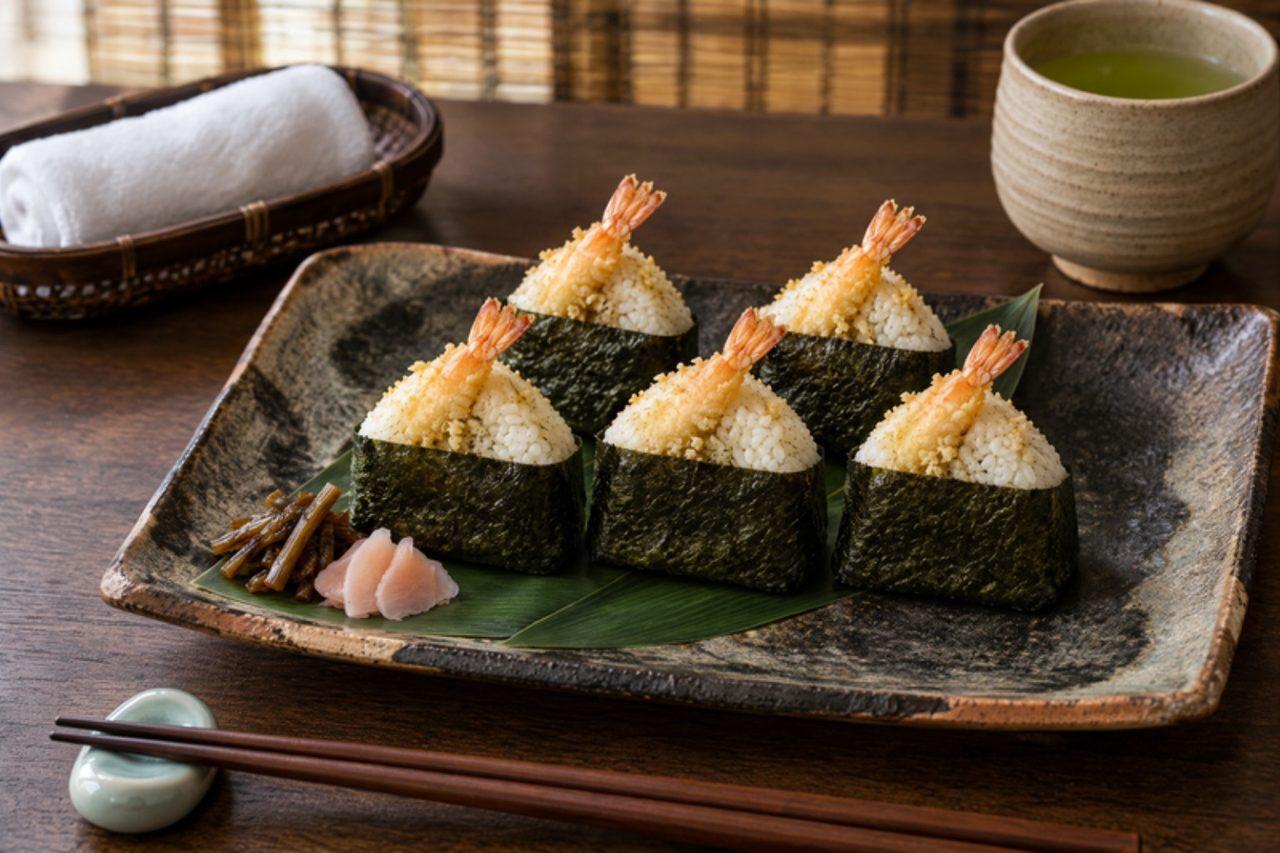
TenmusuPrawn tempura rice balls

Tenmusu, short for tempura musubi, began in Tsu and became a Nagoya speciality: small salted rice balls with a crisp little prawn tempura poking out of the top, wrapped in nori and sold in boxes at Nagoya Station as a travel lunch. The common mistake is wrapping hot, crunchy tempura straight into the rice, so it steams soft; let it cool on a rack first. Use raw prawns that smell of the sea; throw away any that smell of ammonia. Chef's tip: brush the cooled tempura with a quick sweet soy dip before you shape the rice round it, which is the Nagoya secret to its flavour.

by KrazyBadal 0 views

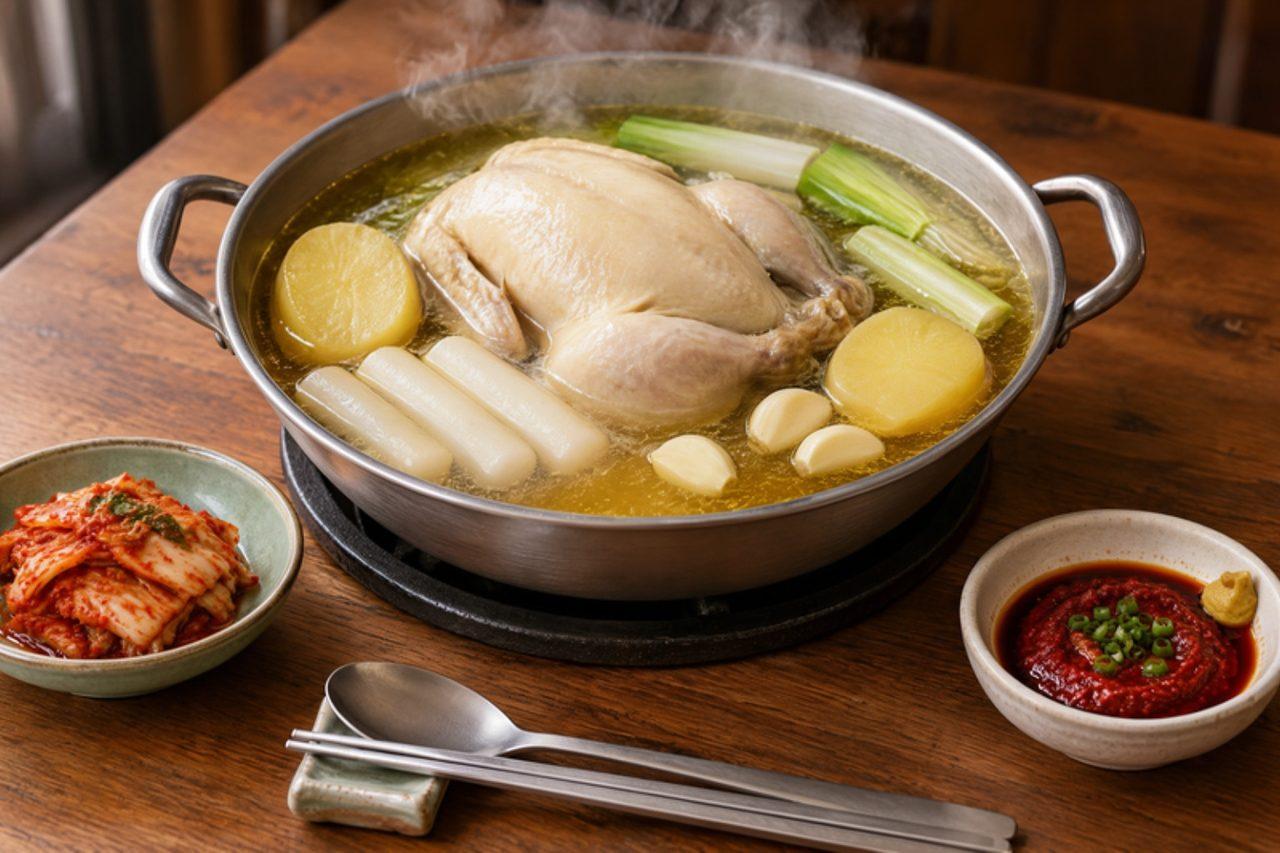
Dak hanmariWhole chicken hot pot

Dak hanmari, literally 'one chicken', comes from the alley of restaurants beside Dongdaemun market in Seoul, where a whole chicken arrives in a basin of pale broth and finishes cooking on a burner at the table. Potatoes and chewy rice cakes simmer alongside, and each piece is dunked in a sharp dipping sauce of chilli, soy, vinegar and mustard that you mix to your own taste. When the chicken is gone, knife-cut noodles go into the broth. The usual mistake is rushing the first simmer: the broth needs its full time with garlic and leek to taste of chicken. Chef's tip: let everyone build their own dip, adding a spoon of hot broth so the chilli flakes bloom.

by KrazyBadal 0 views

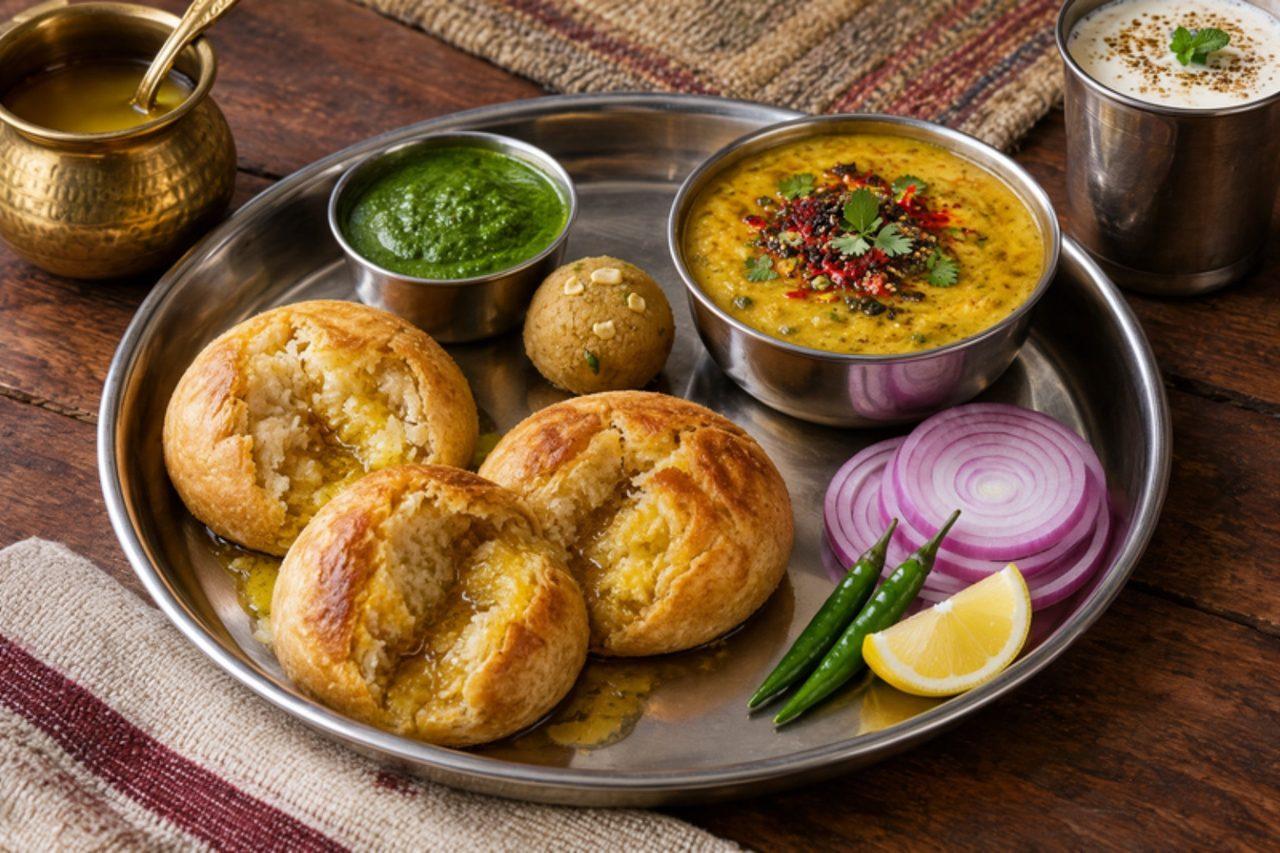
Dal baflaBaked wheat balls with dal

Dal bafla is Malwa's answer to Rajasthan's dal baati: the dough balls are first boiled until they float, then baked until crusty, so they turn out softer inside and lighter than baati. In Indore and Ujjain it is the meal for Sunday lunches, picnics and big family gatherings, broken open and drowned in ghee next to a bowl of tadka dal and garlic chutney. The common mistake is skipping the rest after boiling; wet baflas go straight into the oven and stay pale and leathery. Chef's tip: let the boiled baflas dry for 10 minutes and score a cross on top before baking, so they crack open and soak up the ghee.

by KrazyBadal 0 views

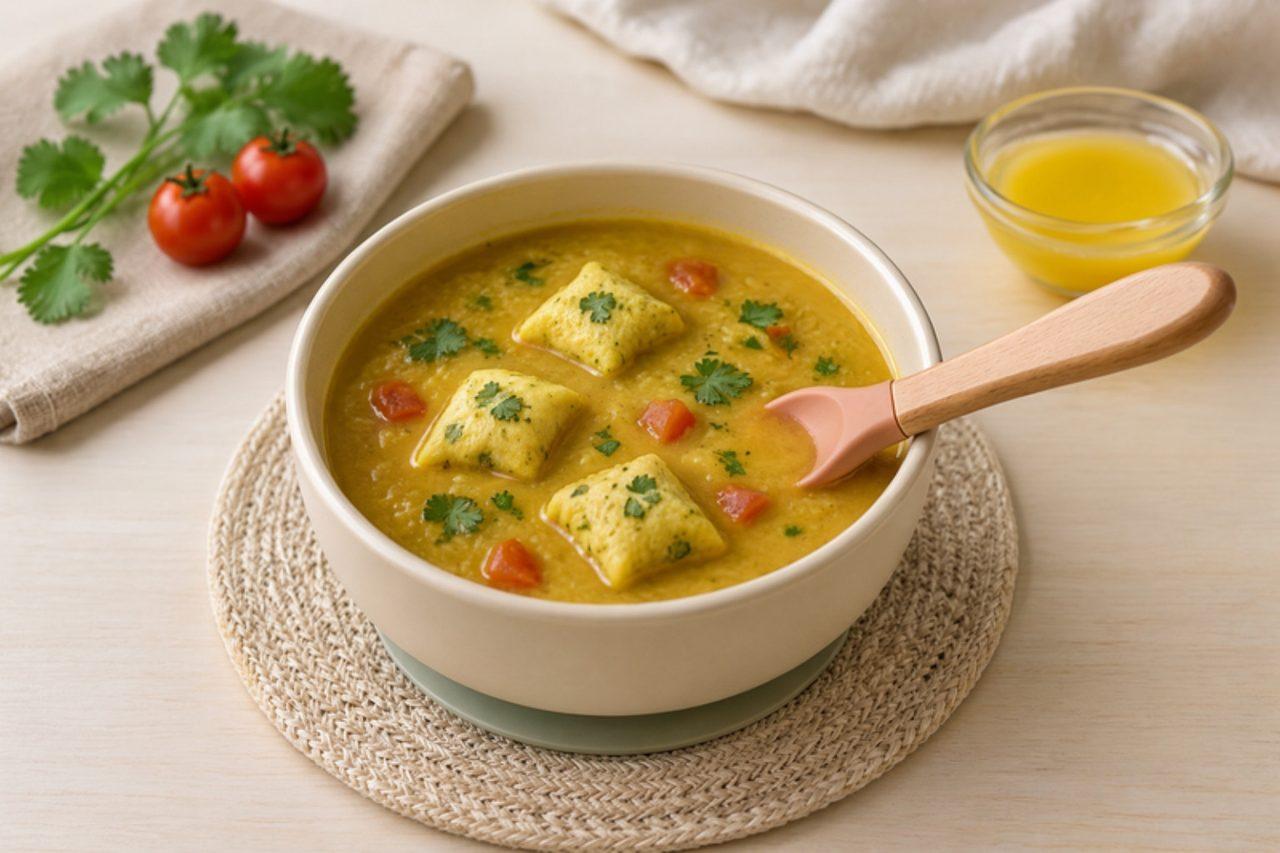
Dal dhokli for toddlersWheat dumplings in dal for toddlers

In Ahmedabad pols and Surat kitchens dal dhokli is the Sunday one-pot lunch: diamonds of spiced wheat dough cooked straight in tangy toor dal. This toddler version, for children from 12 months, keeps the soft pasta-like pieces small, leaves out the chilli, peanuts and cloves, and uses only a pinch of jaggery so the dal stays sweet-sour the way Gujarati families like it. It is cooked in oil, so it is dairy free and vegan. It contains wheat (gluten); there is no milk, egg, nuts or soya. Chef's tip: roll the dough thin, about 2 mm; thick dhokli stay chewy in the middle.

by KrazyBadal 0 views

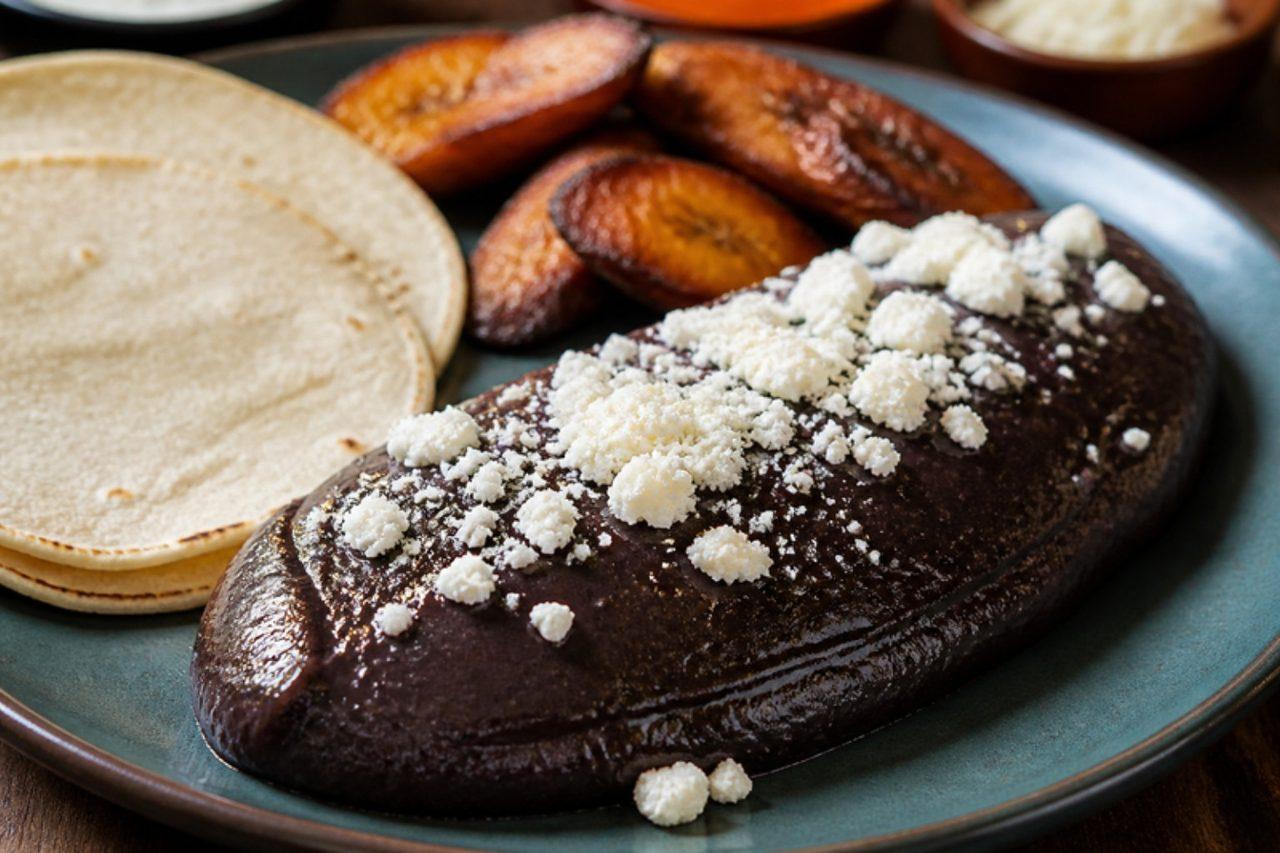
Frijoles volteadosFried black bean log

Breakfast in a Guatemala City comedor often arrives with a glossy, dark log of beans beside the eggs and plantain: frijoles volteados, black beans blended smooth and fried until thick enough to roll out of the pan. The texture is dense and spreadable, almost like a pâté, with a sweet earthiness from slow-cooked onion. Spread them on hot tortillas or eat them with a spoonful of thick cream and crumbled cheese if you are not keeping it vegan. Most people stop frying too soon; if the purée still slumps when you tilt the pan, it needs more time. Chef's tip: use a non-stick pan and keep scraping the base with a flat spatula; the thin crust that forms is what gives the log its deep, almost smoky flavour.

by KrazyBadal 0 views

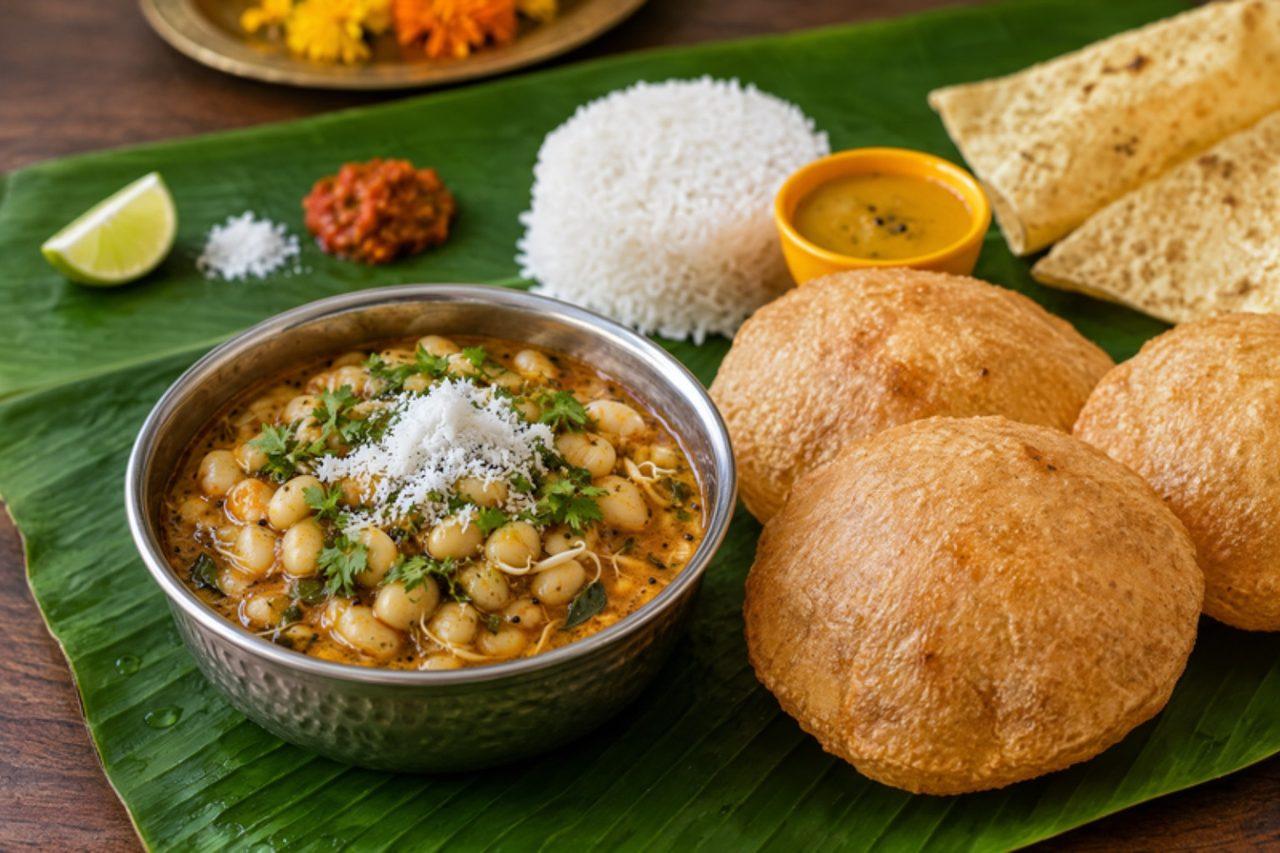
Dalimbi usalSprouted field bean curry

In Konkan and Pune homes, dalimbi usal is a festival dish, cooked for Ganesh Chaturthi, weddings and thread ceremonies and served on the thali beside puran poli and rice. Dalimbi are dried field beans (val) that are soaked, sprouted and peeled; the work takes two days but turns them creamy and sweet. They are simmered gently with fresh coconut, goda masala, kokum and a little jaggery, without onion or garlic. Field beans must always be cooked until fully soft; never eat them raw or half-cooked. The usual mistake is boiling them hard, which bursts the soft peeled beans into mash; keep the simmer gentle. Chef's tip: soak the sprouted beans in warm water for 30 minutes before peeling, and the skins slip off with a pinch.

by KrazyBadal 0 views

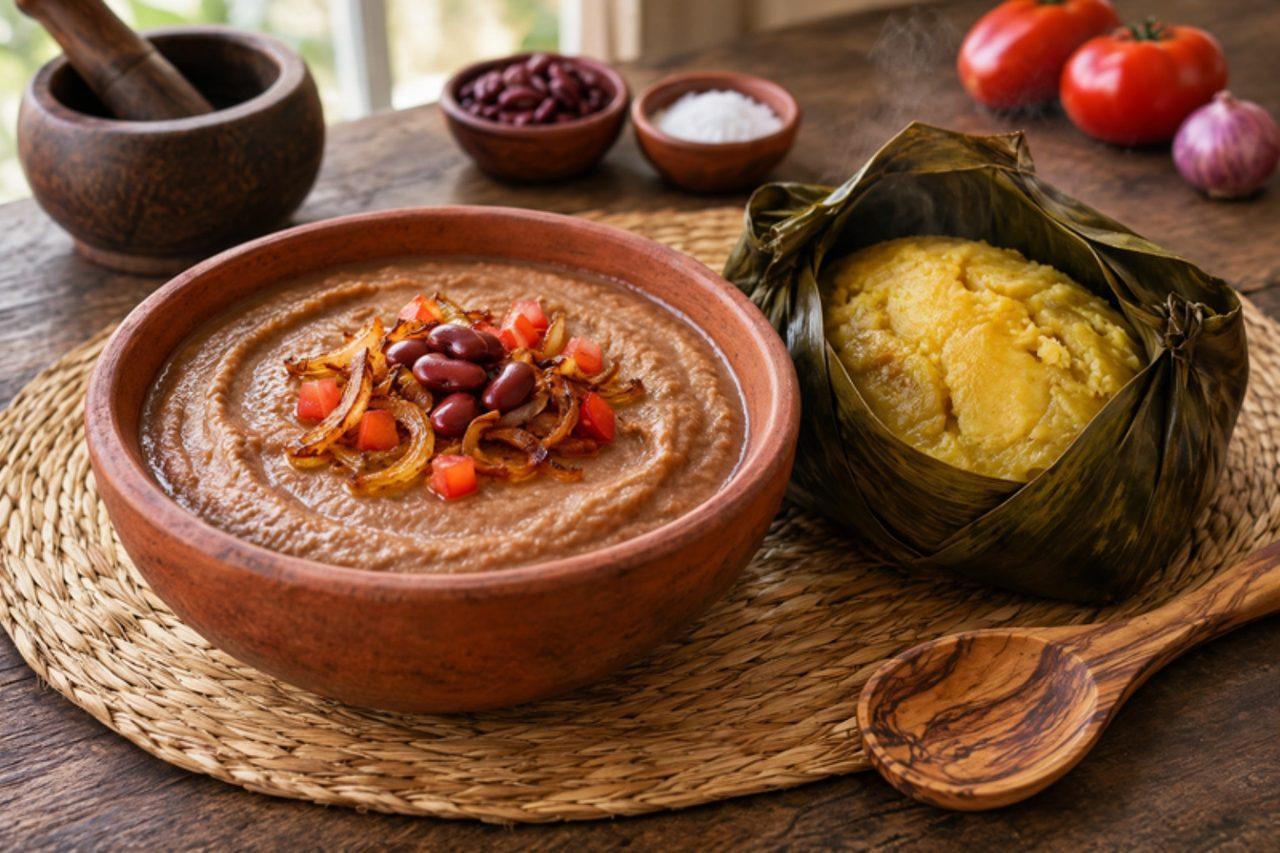
FirindaMashed bean stew

Firinda comes from Ankole and Kigezi in western Uganda, where beans are the backbone of daily meals, eaten at lunch with matooke, millet bread or sweet potatoes. Red beans are boiled until completely soft, then mashed and cooked down with fried onion and tomato into a thick, smooth stew that hugs whatever is beside it. The usual mistake is skimping on the cooking: firinda only gets its creamy texture when the beans are really soft, and dried red beans must be boiled hard for 10 minutes before the long simmer. Pressure cooker option: after the hard boil, cook for 25 minutes at pressure. Chef's tip: mash only two-thirds of the beans and leave the rest whole, for a stew that is creamy but still has some bite.

by KrazyBadal 0 views

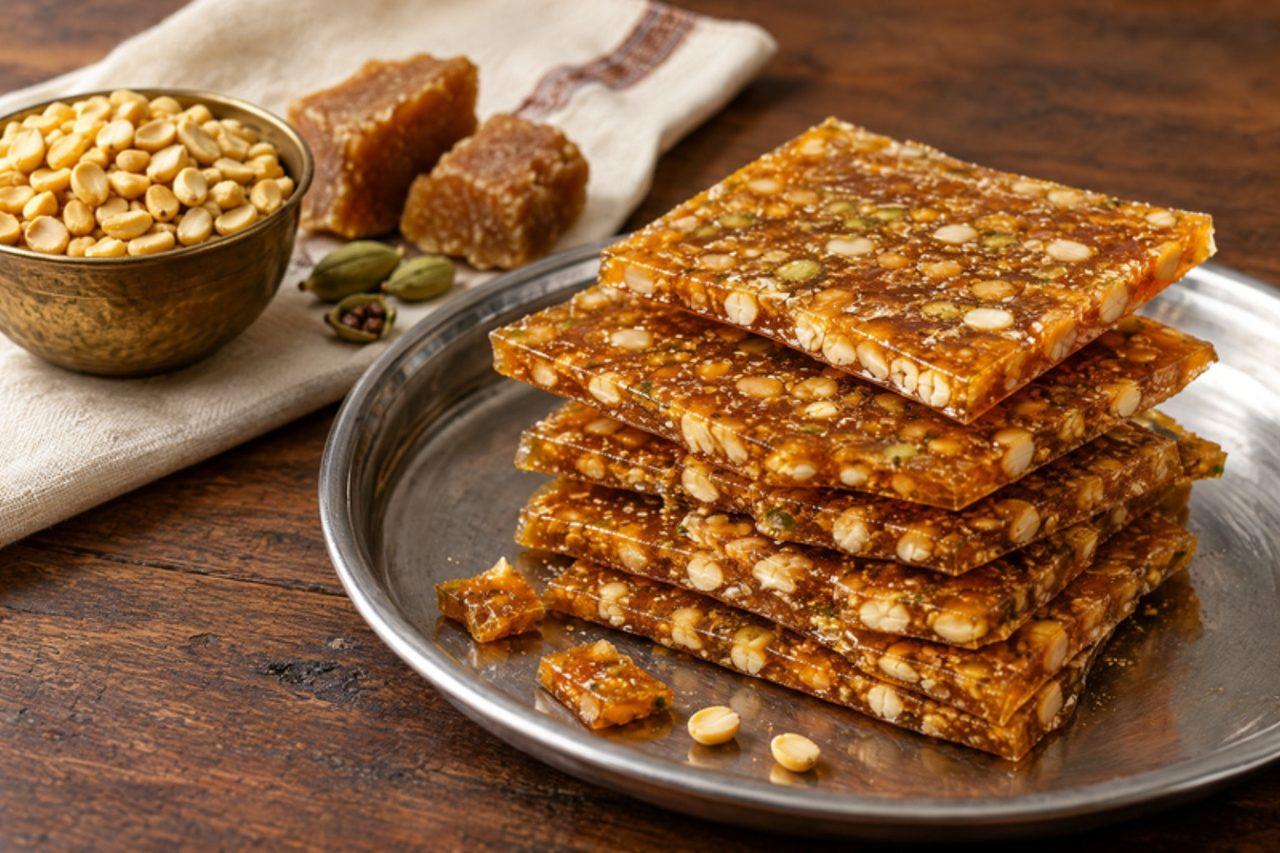
Dalia chikkiRoasted chana and jaggery brittle

For Uttarayan, the January kite festival, every Gujarati kitchen turns out trays of chikki, and dalia (roasted split chana, the yellow dal sold for chutneys) is the one that gets forgotten until someone tastes it. It is lighter and crunchier than peanut chikki, with a toasty, slightly savoury edge from the dal. It is all about the jaggery syrup. The common mistake is pulling the jaggery off too early; underdone syrup gives sticky, chewy chikki that never snaps. Chef's tip: drop a little syrup into cold water: when it sets hard and cracks cleanly (hard-crack stage), tip in the dalia straight away.

by KrazyBadal 0 views

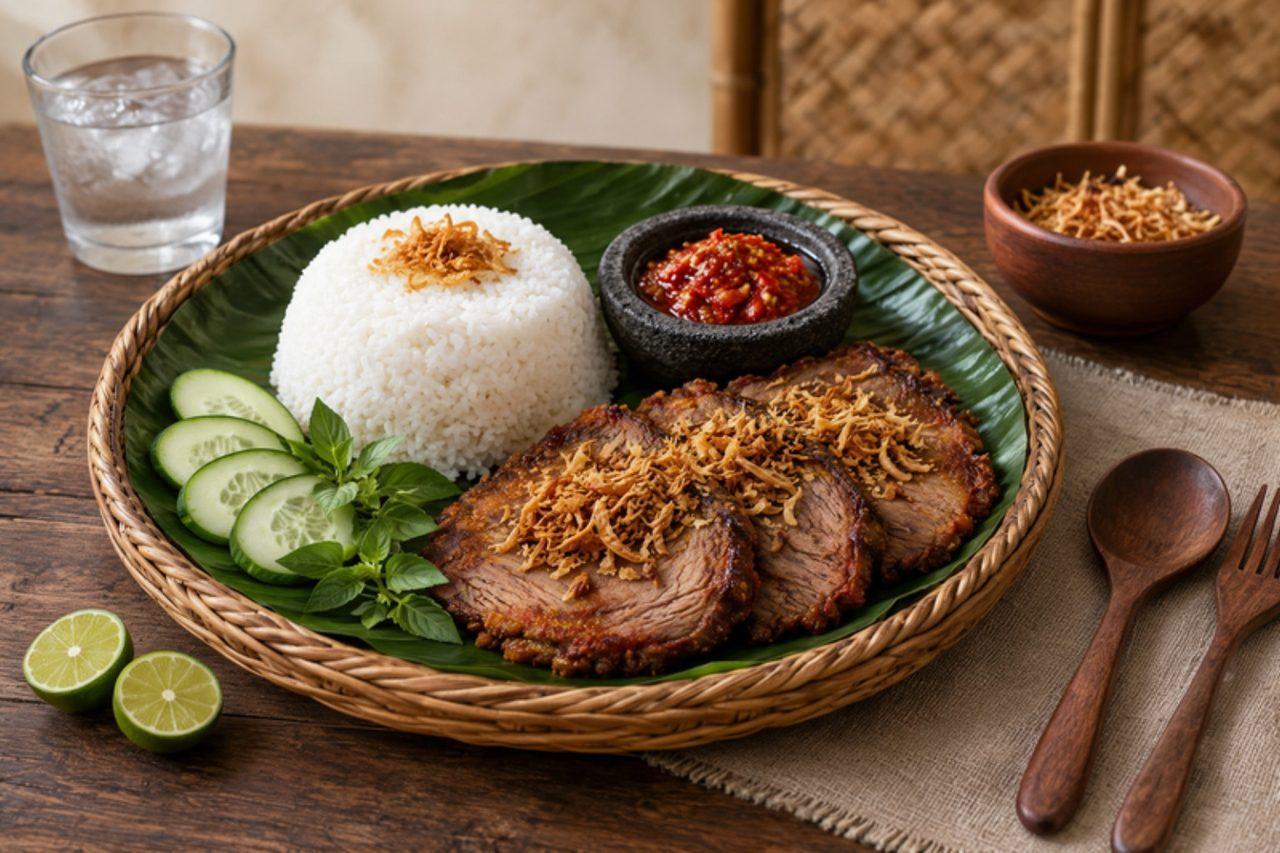
Empal gepukSweet spiced fried beef

Empal gepuk is a Sundanese speciality from Bandung in West Java: beef simmered in coconut water and spices with palm sugar until the liquid is gone, pounded (gepuk) to loosen the fibres, then fried until the edges are crisp and sweet. Because it is dry and keeps for days, it is a classic in Indonesian bekal lunchboxes with rice, sambal and raw vegetables. The common mistake is cutting the beef with the grain, which makes it stringy; slice it across the grain before pounding. Chef's tip: pound gently with a pestle just until the slices fan out, then fry quickly; too long in the oil and they turn hard.

by KrazyBadal 0 views

SoetkoekiesSpiced almond biscuits

Cape Malay and Dutch kitchens in Stellenbosch and the old Bo-Kaap have been baking soetkoekies for at least two centuries, stacking them in tins for Christmas, New Year and visiting season. They are thin, snappy-edged biscuits with a slightly chewy centre, warm with cinnamon, ginger and a deep note of cloves, and nutty from ground almonds. Old recipes often splash in sweet wine; this one uses milk and a spoon of golden syrup instead, so there is no alcohol at all. The most common mistake is baking until they look firm, which makes them hard once cool: take them out while they still feel soft in the middle. Chef's tip: rest the dough overnight in the fridge if you can, because the spices deepen and the dough rolls more cleanly.

by KrazyBadal 0 views

SomóCold spiced corn drink

Somó is how Santa Cruz cools down: big tubs of chilled, sweet, cinnamon-scented corn water sold in markets and at the door of lowland homes, with soft kernels of white corn floating in every glass to be eaten with a spoon. It is a simple drink, but it needs time, because the dried corn must soak and then simmer until each kernel bursts open. People often serve it before the kernels have fully opened, and then they are hard and chalky. Chef's tip: add a strip of orange peel with the spices for a fresher note, as some cruceño grandmothers do.

100 minAndeanDrinksVeganGluten free
by KrazyBadal 0 views

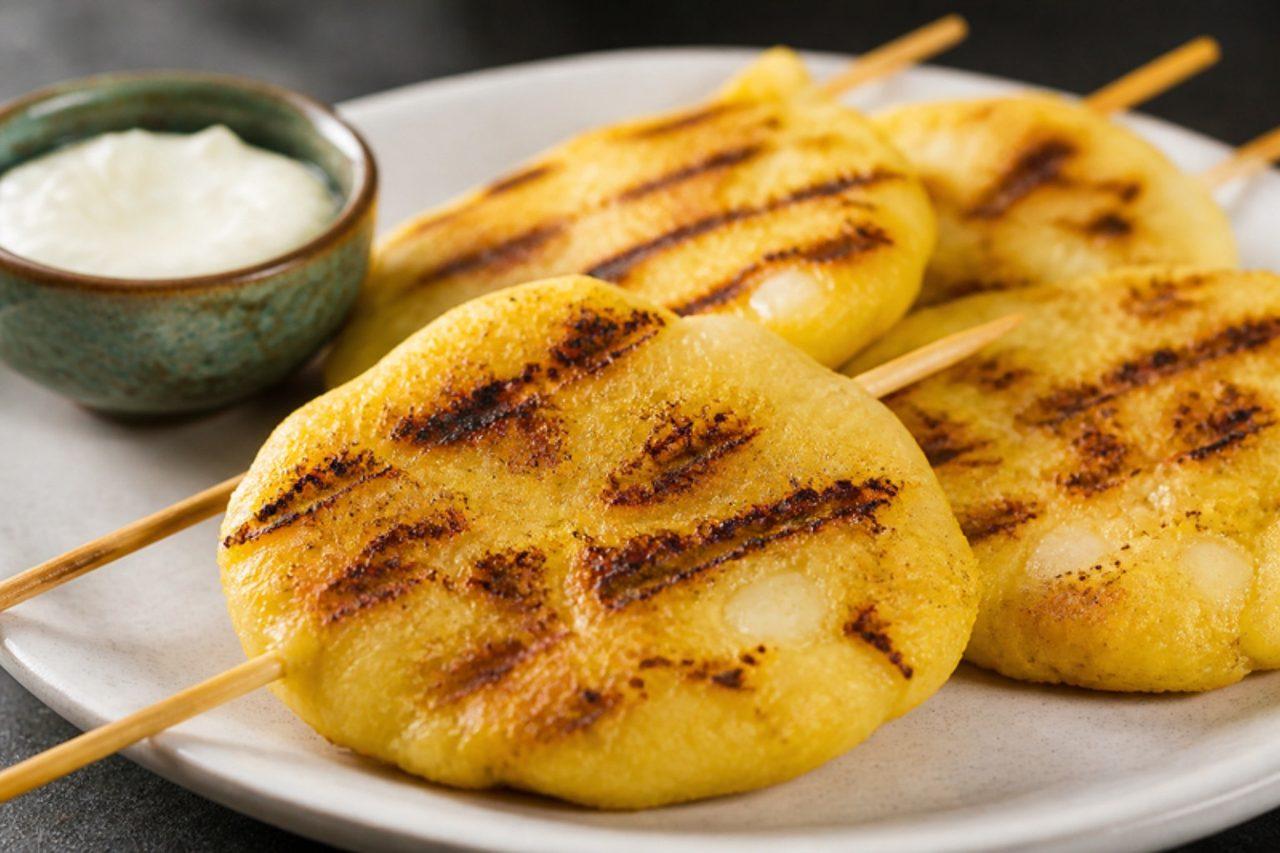
Sonso de yucaGrilled cassava and cheese sticks

At Sunday churrascos and roadside grills around Santa Cruz de la Sierra, sonso is wrapped round thick wooden sticks and turned slowly over embers until blistered and smoky, then eaten hot with coffee or alongside grilled meat. The dough is simply mashed cassava worked with cheese, butter and a little milk, so it is chewy, stretchy and salty-sweet. Bolivian lowland cheese is usually set with animal rennet; a vegetarian mozzarella and Cheddar mix works well. Always use sweet cassava, the kind sold in supermarkets. The common mistake is mashing the cassava cold, which gives a crumbly dough that falls off the stick. Chef's tip: if you have no grill, press the dough into a buttered dish and bake it as sonso al horno.

by KrazyBadal 0 views

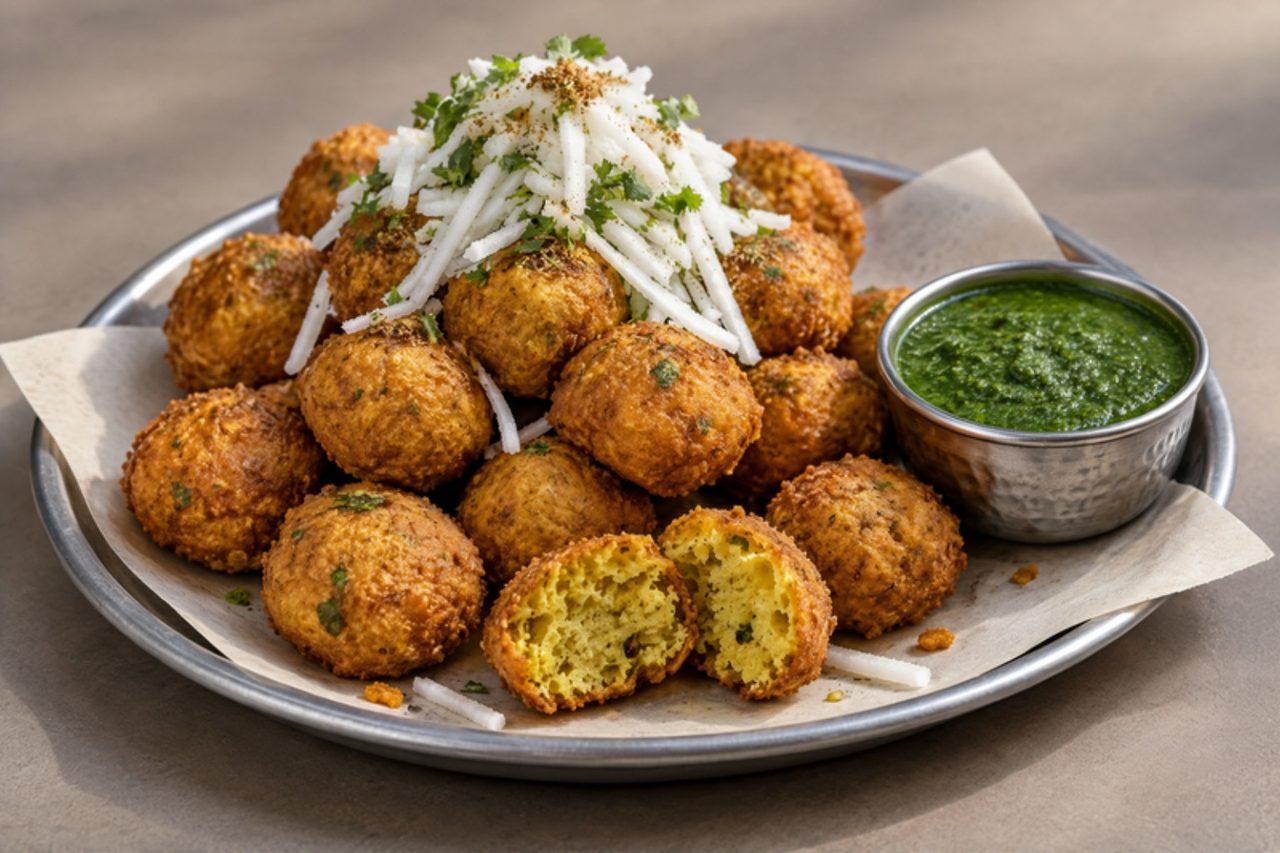
Moong dal pakodeMoong dal fritters

When the monsoon breaks over Delhi, the pakora stalls of Lajpat Nagar and the lanes off Chandni Chowk do their best trade, and moong dal pakode are the favourite: light, airy balls of soaked and coarsely ground yellow lentils, fried until crunchy and served in paper plates with grated white radish and green chutney. They are naturally gluten free and vegan. Chef's tip: beat the ground batter hard with your hand for a few minutes; the trapped air is what makes them fluffy inside.

by KrazyBadal 0 views

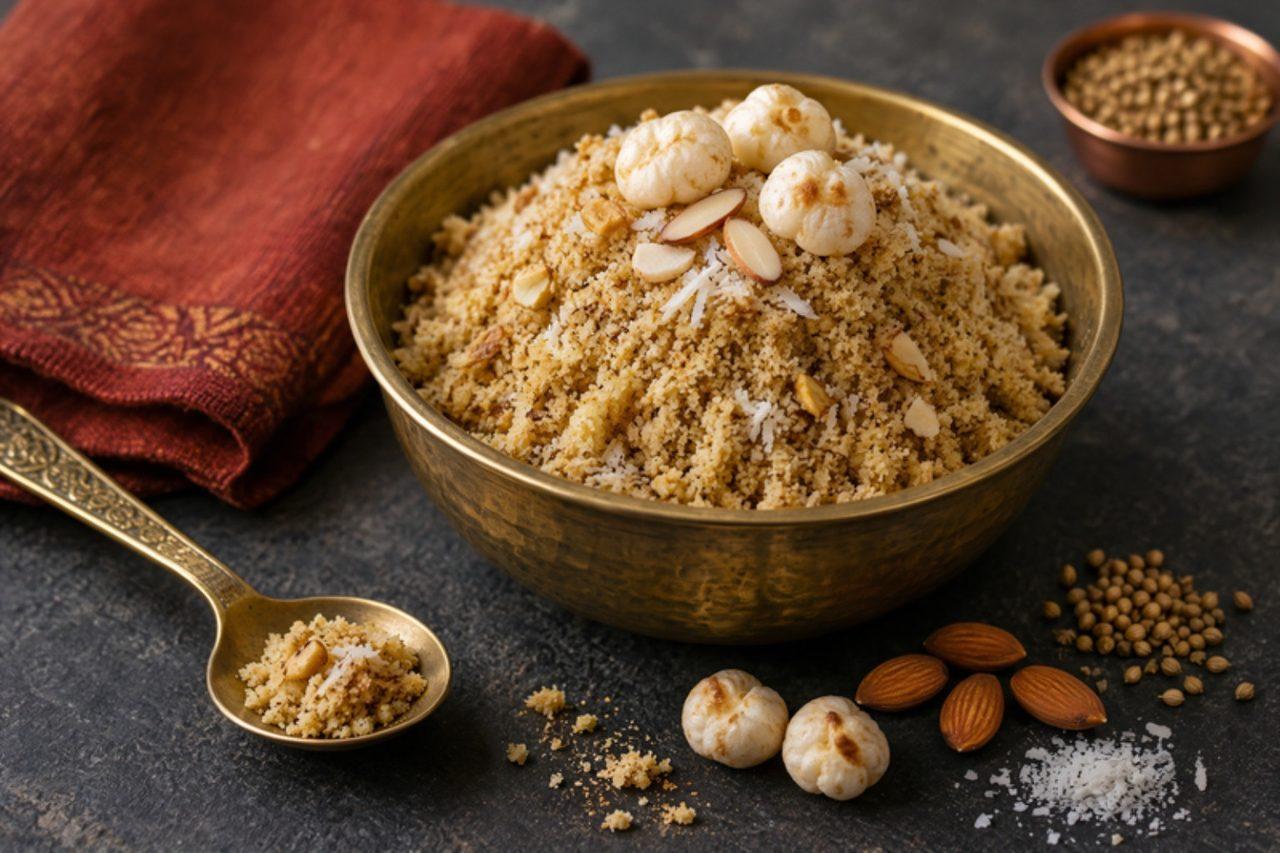
Dhana ni panjiriRoasted coriander and coconut sweet

At midnight on Janmashtami, when Gujarati and Rajasthani families sing to baby Krishna, the prasad handed round is this fragrant panjiri of ground coriander seeds roasted in ghee and mixed with powdered sugar, coconut, makhana and dry fruit. Because it contains no grain, it is also eaten by those who keep the Janmashtami fast. It tastes warm, sweet and surprisingly floral. The common mistake is roasting the coriander powder on high heat; it burns in seconds and turns bitter. Chef's tip: grind the seeds yourself just before roasting, and stop when the kitchen smells like warm citrus, not toast.

by KrazyBadal 0 views

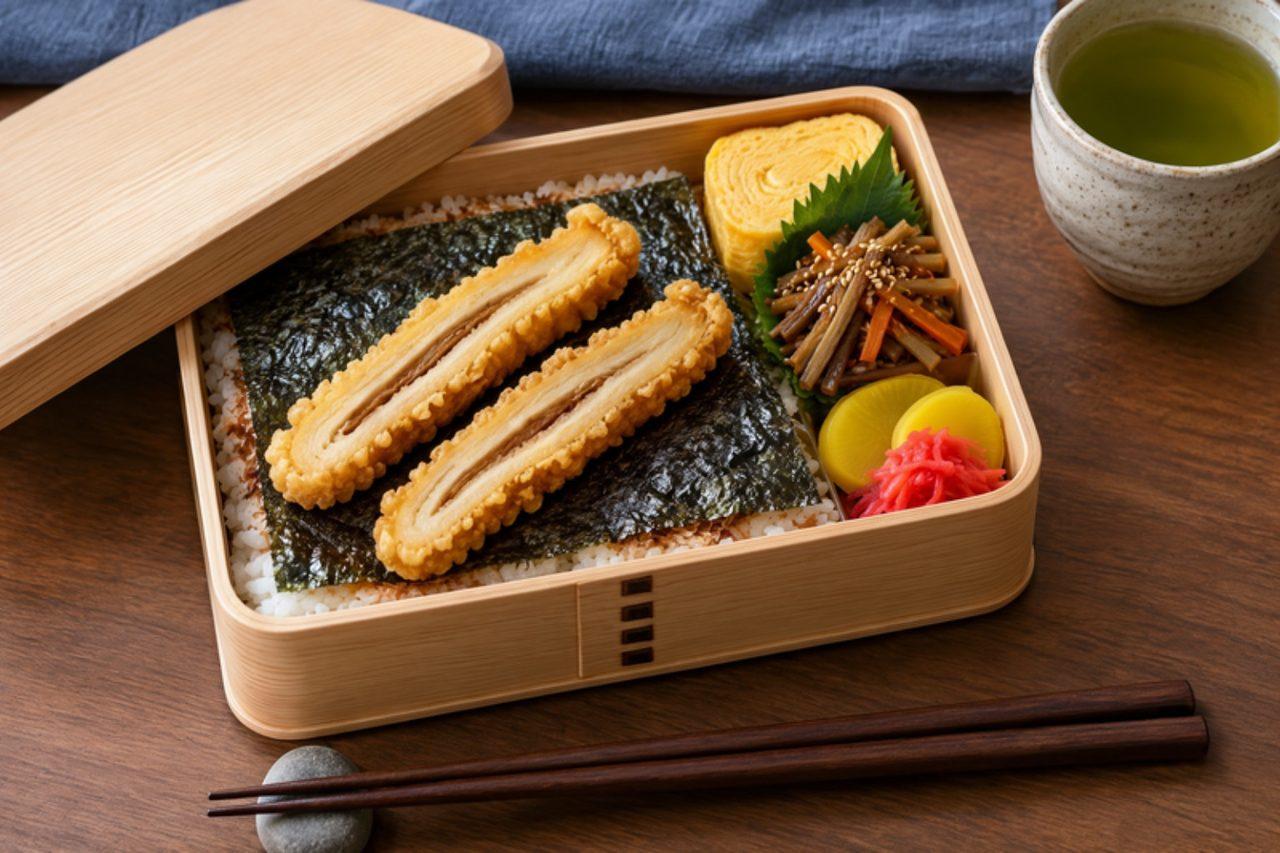
NoribenSeaweed and fish cake bento

Noriben is the humblest and most nostalgic Japanese packed lunch: rice spread with okaka (bonito flakes in soy) and covered with a whole sheet of nori, sometimes twice in layers, then topped with something fried such as chikuwa fish cake or white fish. Convenience stores and bento shops across Japan sell it for a few hundred yen. The usual mistake is laying the nori on steaming rice and closing the lid, which leaves it soggy and torn; let the rice cool a little first. Chef's tip: snip the nori into a few strips before it goes on, so it is easy to bite through with chopsticks.

by KrazyBadal 0 views

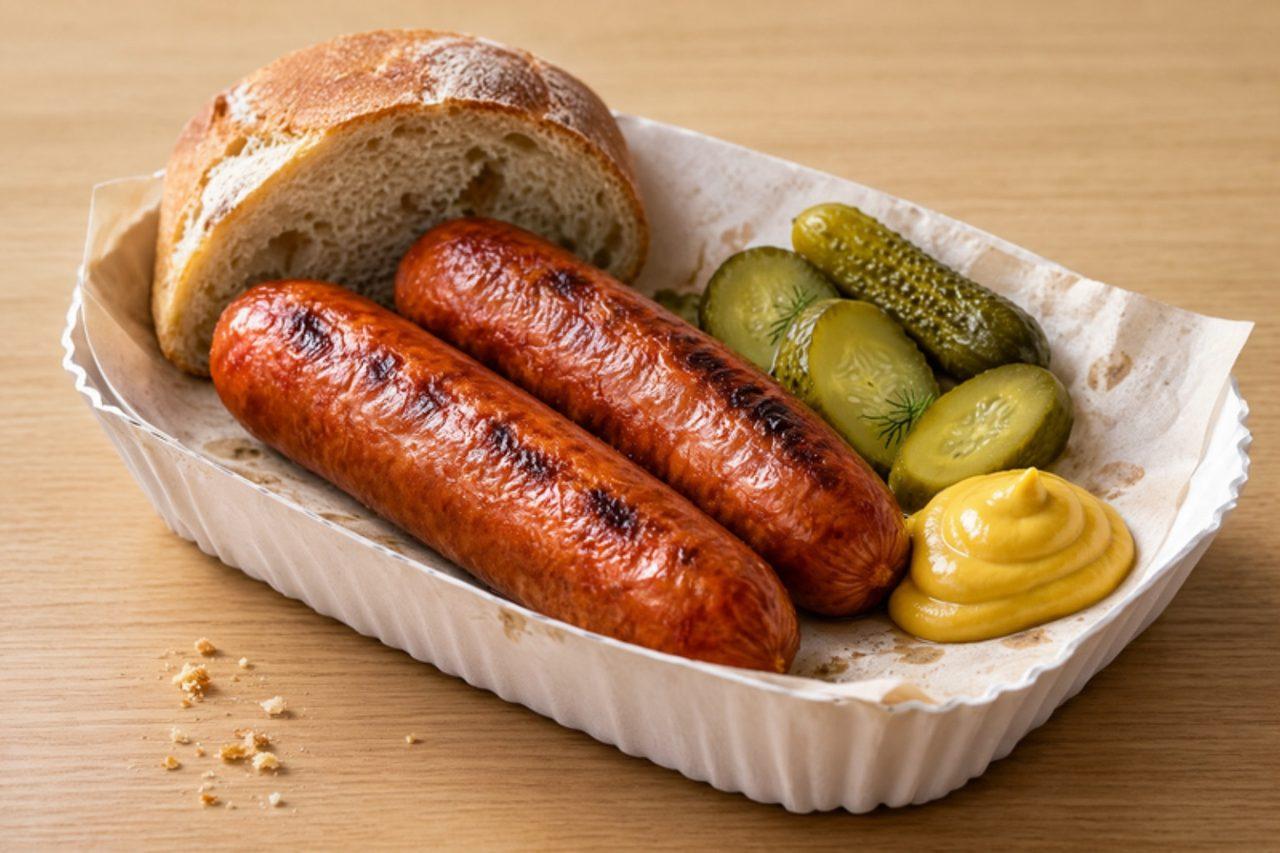
DebreceniPaprika pork sausage

Debreceni are long, thin pork sausages seasoned with sweet paprika, garlic and caraway, and they are the standing snack of Budapest's büfé counters: at the Nagyvásárcsarnok, at Christmas markets on Vörösmarty tér and outside the Keleti railway station. The stand heats them on a griddle (or simmers them), then hands them over on a paper plate with a slice of rye bread, a big spoon of mustard and a pile of pickled peppers or gherkins. This home version uses bought debreceni and adds a quick paprika glaze. Chef's tip: simmer them gently before grilling; a hard boil splits the skins and dries the pork.

by KrazyBadal 0 views

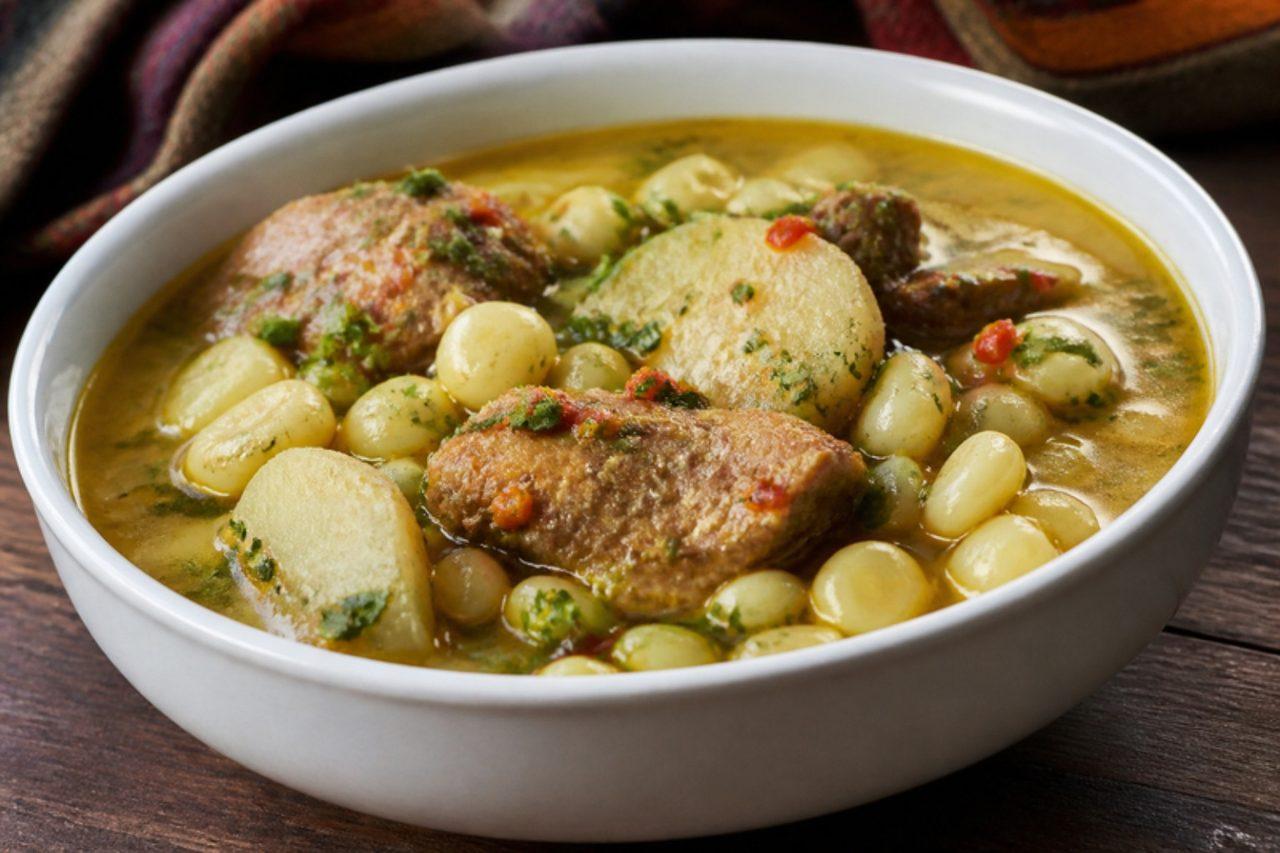
Fricasé paceñoSpicy pork stew with chuño

On Sunday mornings in La Paz, after a long night out or simply because it is cold, people head to the comedores for fricasé: a pork stew of ribs and shoulder in a yellow broth of ají amarillo, cumin and black pepper, with chuño (freeze-dried potato) and big white corn kernels in each bowl. This recipe is made with pork. Many cooks thicken it with breadcrumbs; we use ground chuño or cornflour so it stays gluten free. The usual mistake is boiling it hard, which makes the pork stringy; it should barely tremble. Chef's tip: soak the chuño overnight and squeeze it in several changes of water, which removes its earthy bitterness.

180 minAndeanMeatGluten freeSpicy
by KrazyBadal 0 views

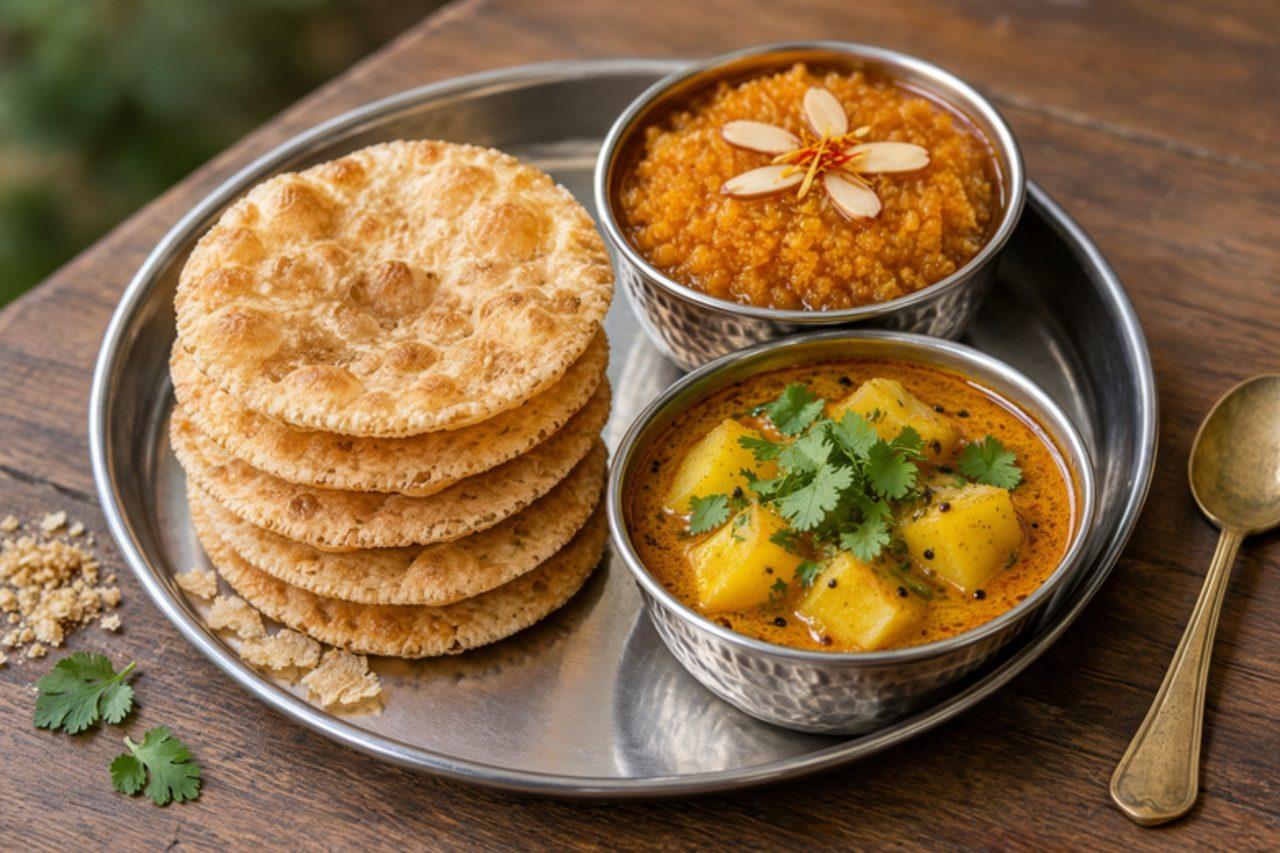
Nagori halwaSemolina puris with halwa

On cold winter mornings in Old Delhi, the halwais near Chawri Bazar and Sitaram Bazar set out trays of nagori: thumb-sized, rock-crisp puris made with semolina. You crack one open, spoon in warm, ghee-rich sooji halwa and eat it with a bite of spicy potato curry, the sweet and the savoury taking turns. It is a breakfast that keeps you going through a foggy December day. Chef's tip: roast the semolina for the halwa slowly until it smells of toasted nuts; under-roasted semolina makes a pasty, flat halwa.

by KrazyBadal 0 views

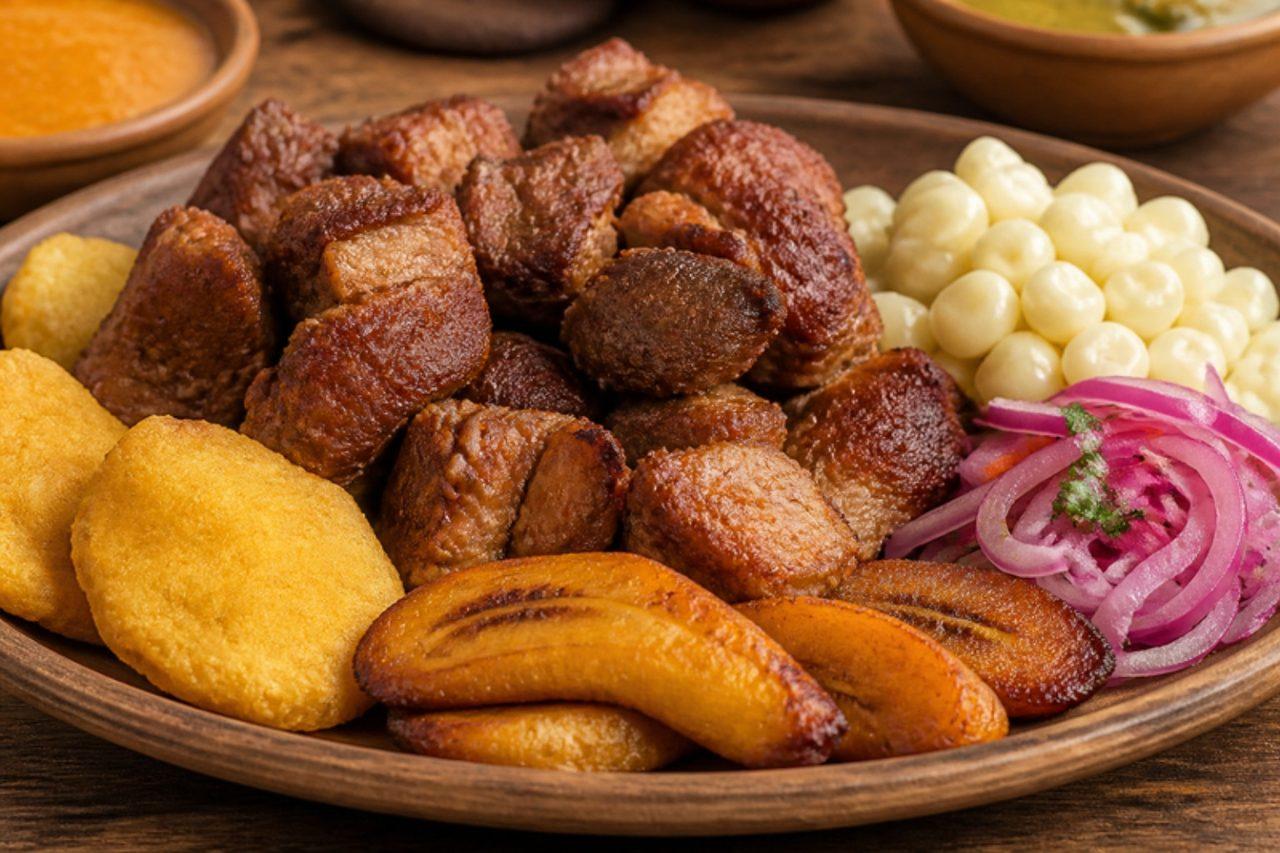
FritadaGarlic and cumin fried pork

Fritada is weekend food all over the Sierra, from roadside stops in Sangolquí to family lunches in Ibarra: chunks of pork shoulder simmered in water with garlic, cumin and orange juice in a wide pan until the water boils away and the meat fries in its own rendered fat, turning sticky and deep golden. It is served with mote, fried ripe plantain, potato cakes and a sharp onion curtido. The usual mistake is using a lean cut and stirring constantly; shoulder with some fat, and patience while it browns, give crisp edges and juicy centres. The pork is cooked well past 71 °C by the time it browns. Chef's tip: use a wide, heavy pan so the liquid evaporates evenly and every piece touches the bottom.

95 minAndeanMeatGluten free
by KrazyBadal 0 views

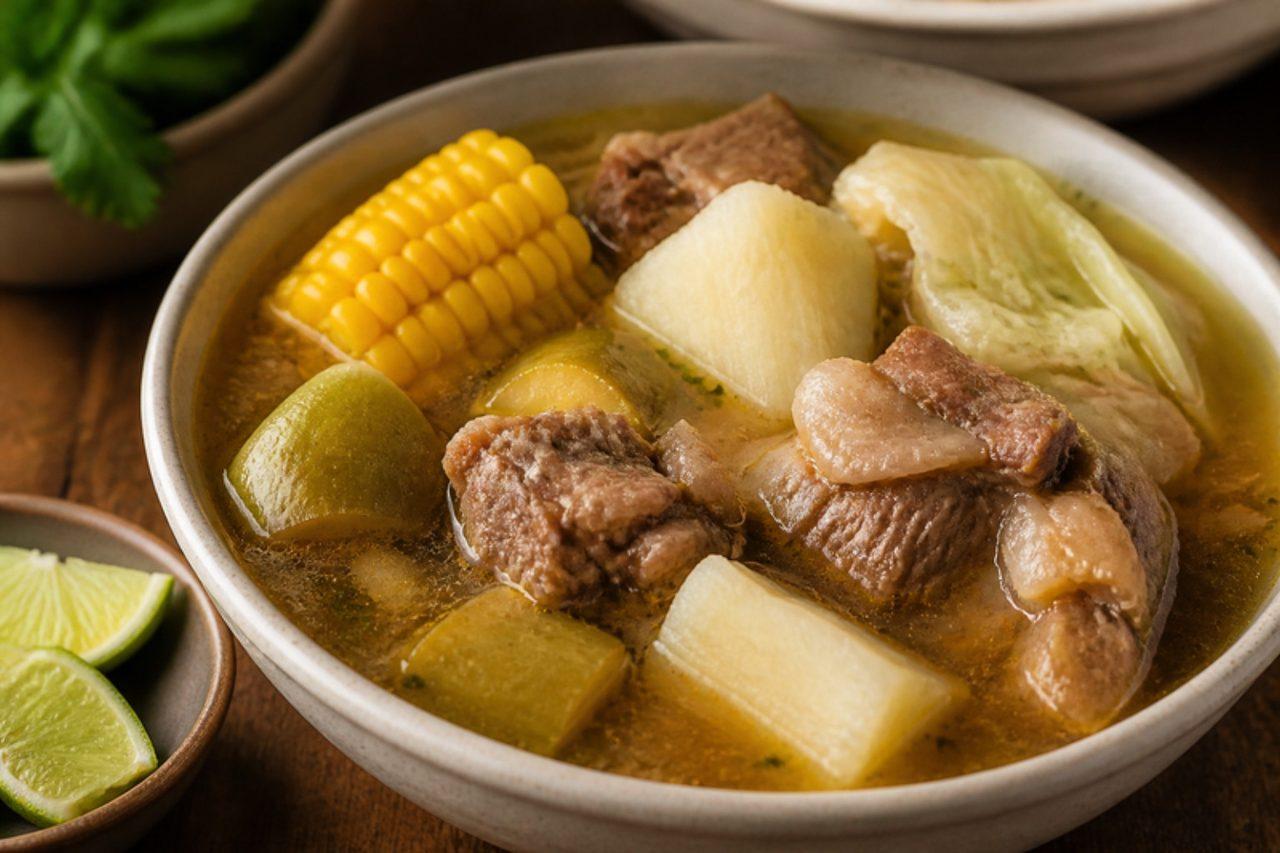
Sopa de pataCow's foot and tripe soup

Sunday is sopa de pata day in many Salvadoran towns, and market stalls in San Miguel and Santa Ana sell it from huge pots from early morning. Cow's foot and tripe are simmered for hours until the broth turns rich and sticky with gelatine, then corn, yuca, chayote and green plantain go in, with lime, chilli and tortillas on the side. Ask the butcher to cut the foot into pieces and buy tripe already cleaned and blanched. The big mistake is under-cooking: the tripe must be soft enough to cut with a spoon and the foot falling off the bone. Chef's tip: blanch the foot and tripe for 10 minutes and pour that water away before the long simmer; it gives a clean-tasting broth.

by KrazyBadal 0 views

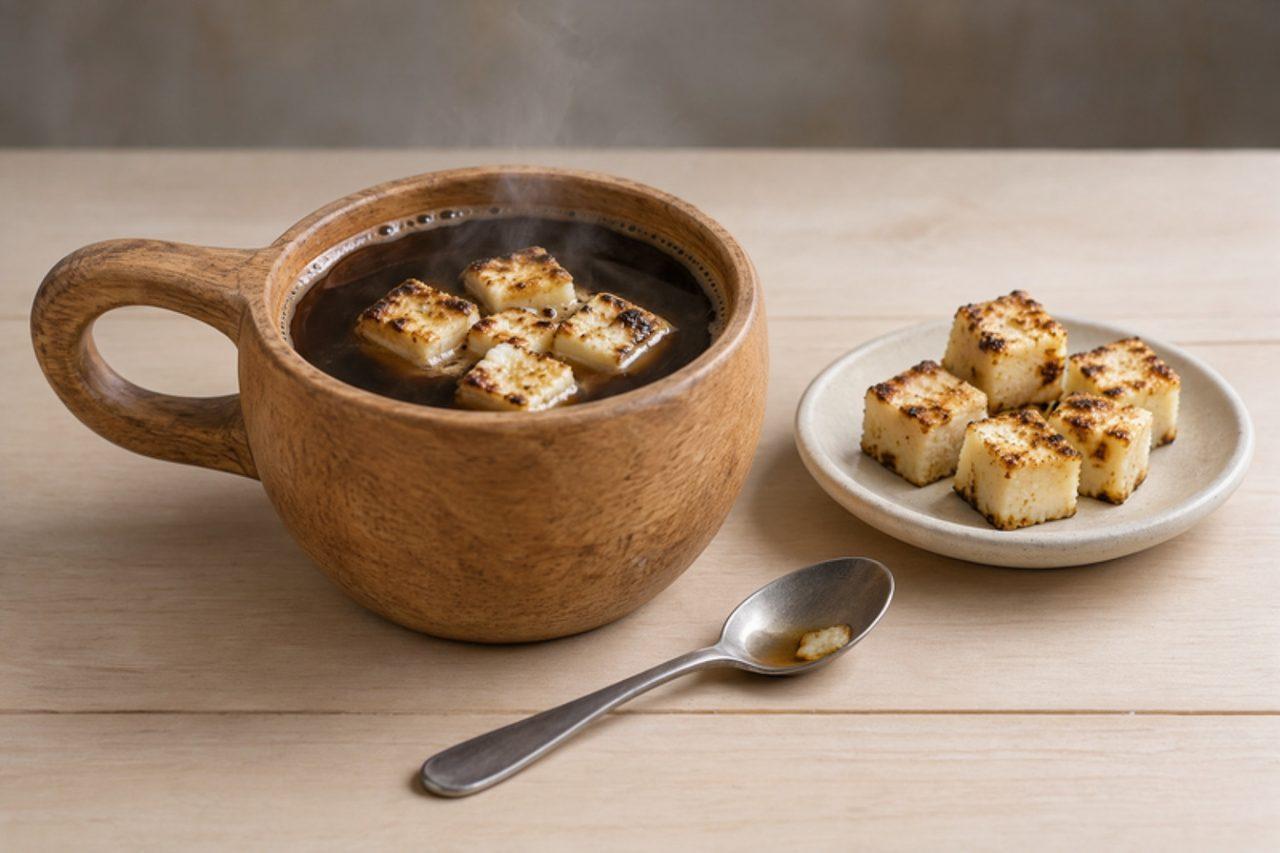
Kaffeost (coffee with cheese)

In the far north, across Swedish Norrbotten and Finnish Lapland, coffee comes with cheese in the cup. Leipäjuusto, a mild, squeaky cheese baked or grilled until spotted brown (called kaffeost or 'bread cheese'), is cut into cubes and put in a cup, often a carved wooden kuksa, then hot black coffee is poured over. Sámi reindeer herders and Tornedalen farmers have made it this way for generations; it is a fireside or mid-morning drink on a cold day, and in some families a little sugar or a slice of dried reindeer meat goes in as well. The cheese warms through, softens slightly and soaks up the coffee, so you drink the coffee and then spoon out the warm, chewy, milky cubes. The common mistake is using a soft or melting cheese: it collapses into strings. Use proper leipäjuusto or halloumi, which keep their shape. It is ready when the cubes are hot to the centre, about 2 minutes, and slightly puffed. Strong coffee means real caffeine here, so it is an adult drink. Leipäjuusto is sold in Nordic shops; halloumi is the nearest substitute. Chef's tip: warm the cheese on a dry pan first for extra browned flavour.

by KrazyBadal 0 views

DobradinhaTripe and white bean stew

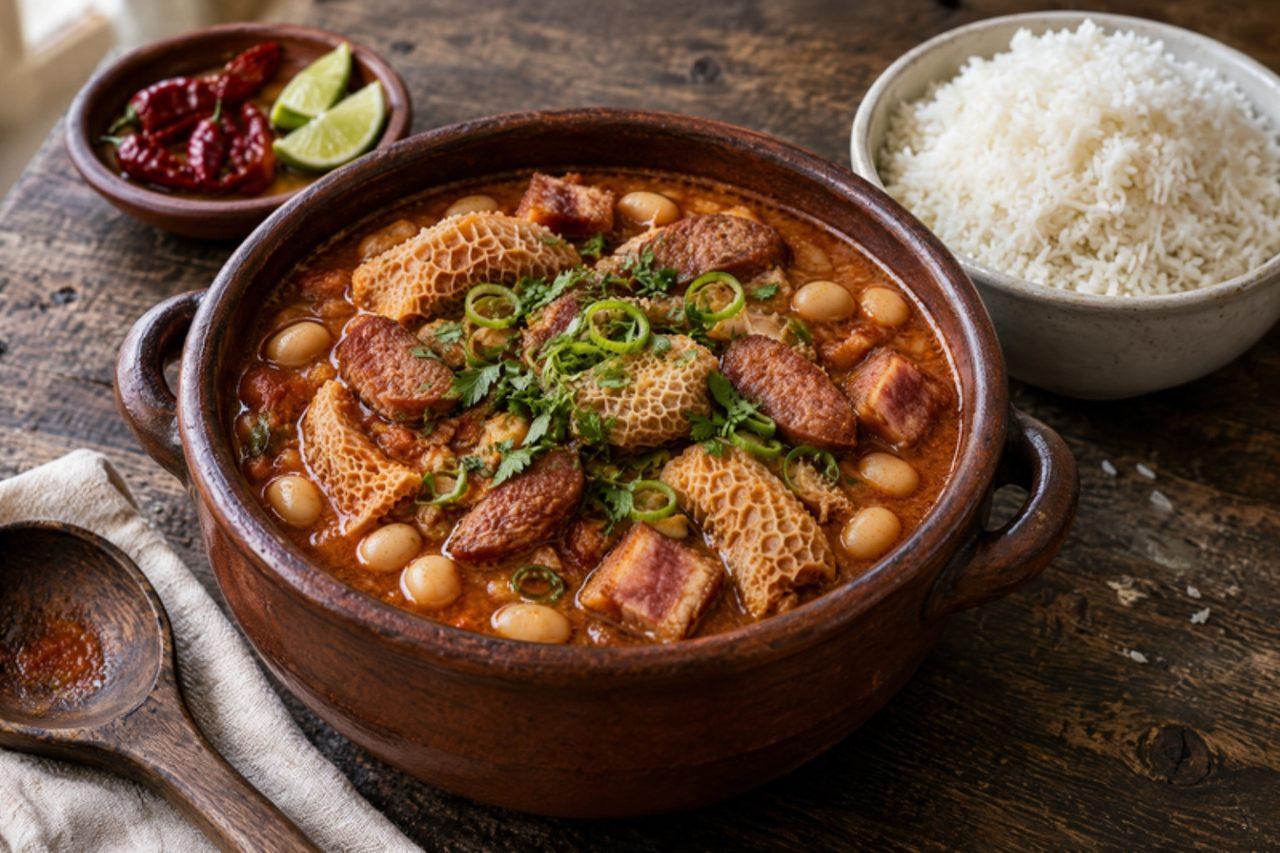
Dobradinha came to Brazil with Portuguese settlers and is now a Saturday lunch in botecos and family kitchens from São Paulo to Minas Gerais, eaten with white rice and a splash of hot pepper sauce. Cleaned honeycomb tripe is simmered until tender, then stewed with white beans, smoked pork sausage (linguiça), bacon, tomato and plenty of green seasoning until thick and savoury. This recipe contains pork. The usual mistake is undercooking the tripe: it must be soft enough to cut with a spoon before the beans go in, or it stays rubbery. A pressure cooker does the tripe in 35 minutes. Chef's tip: blanch the tripe with a squeeze of lime first; it freshens the smell and the colour.

by KrazyBadal 0 views

CuchuflíFilled wafer tubes

Cuchuflí are the thin, crisp wafer tubes filled with manjar that vendors sell from baskets on Chilean beaches and outside football stadiums, and that children beg for at the Fiestas Patrias fondas. At home you can bake the wafers yourself and roll them round a wooden spoon handle. The usual mistake is waiting too long to roll them: the wafers set within seconds and crack. Bake only three at a time. Chef's tip: fill them with a piping bag just before serving, or the manjar softens the wafer; dip the ends in melted chocolate if you like.

by KrazyBadal 0 views

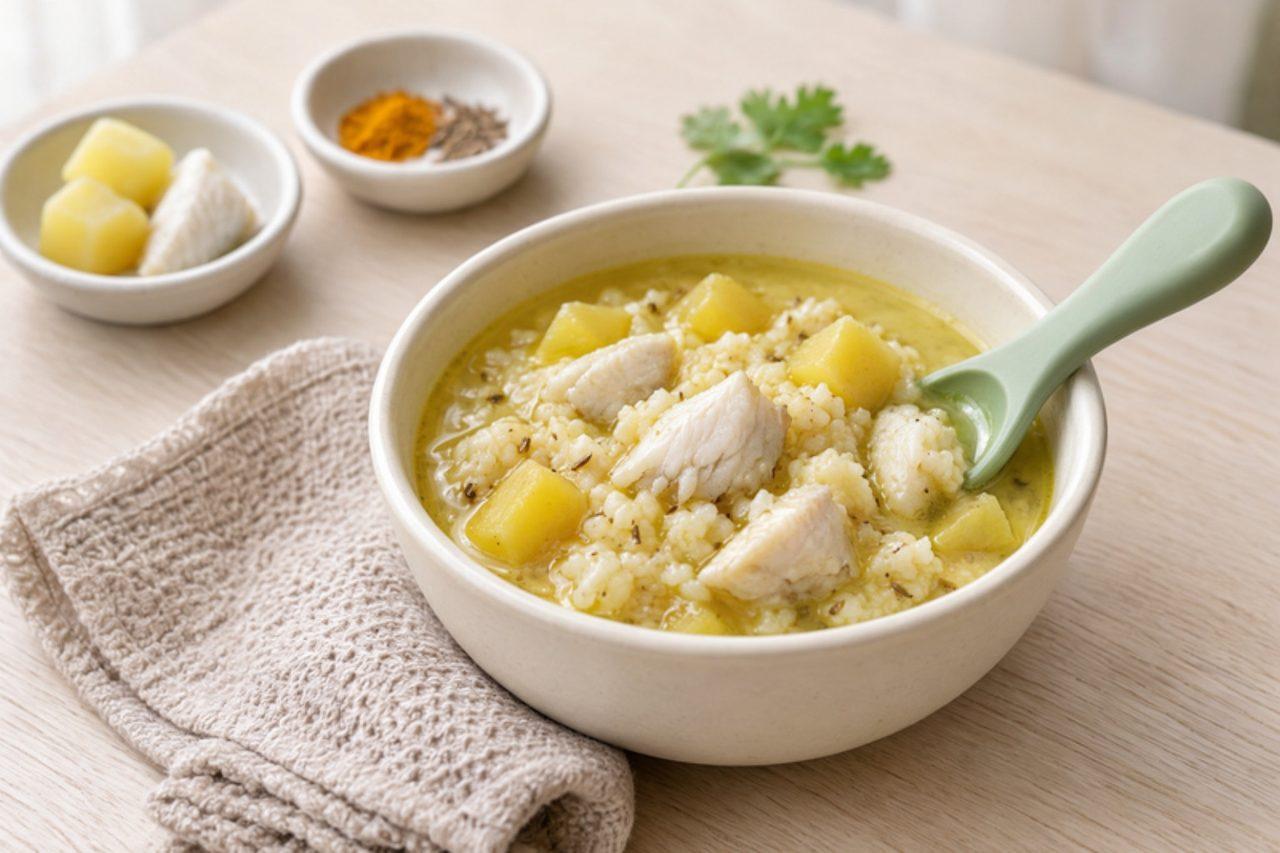
AmrusuRice porridge with chicken and greens

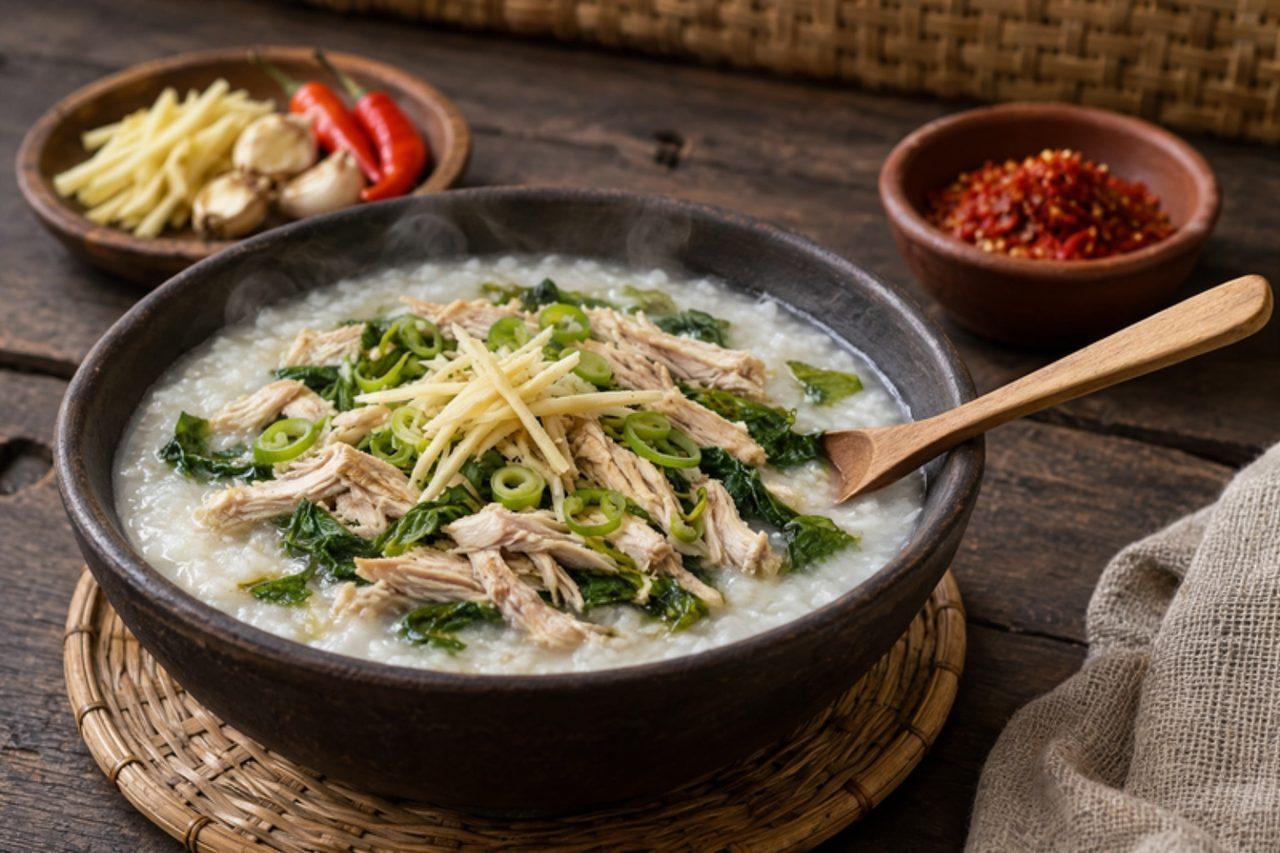
Amrusu is the Ao Naga porridge of Mokokchung in Nagaland, cooked for the sick, for cold mornings and for long community workdays: rice simmered with chicken, ginger, chilli and leafy greens until thick and soothing. It is filling yet light. Chicken must reach 74 °C; cook bone-in pieces until the meat pulls easily from the bone. The common mistake is adding the greens too early, so they turn grey; add them in the last few minutes. Chef's tip: lightly crush the rice in your hand before cooking for a creamier texture.

by KrazyBadal 0 views

DiphaphataGriddle muffins

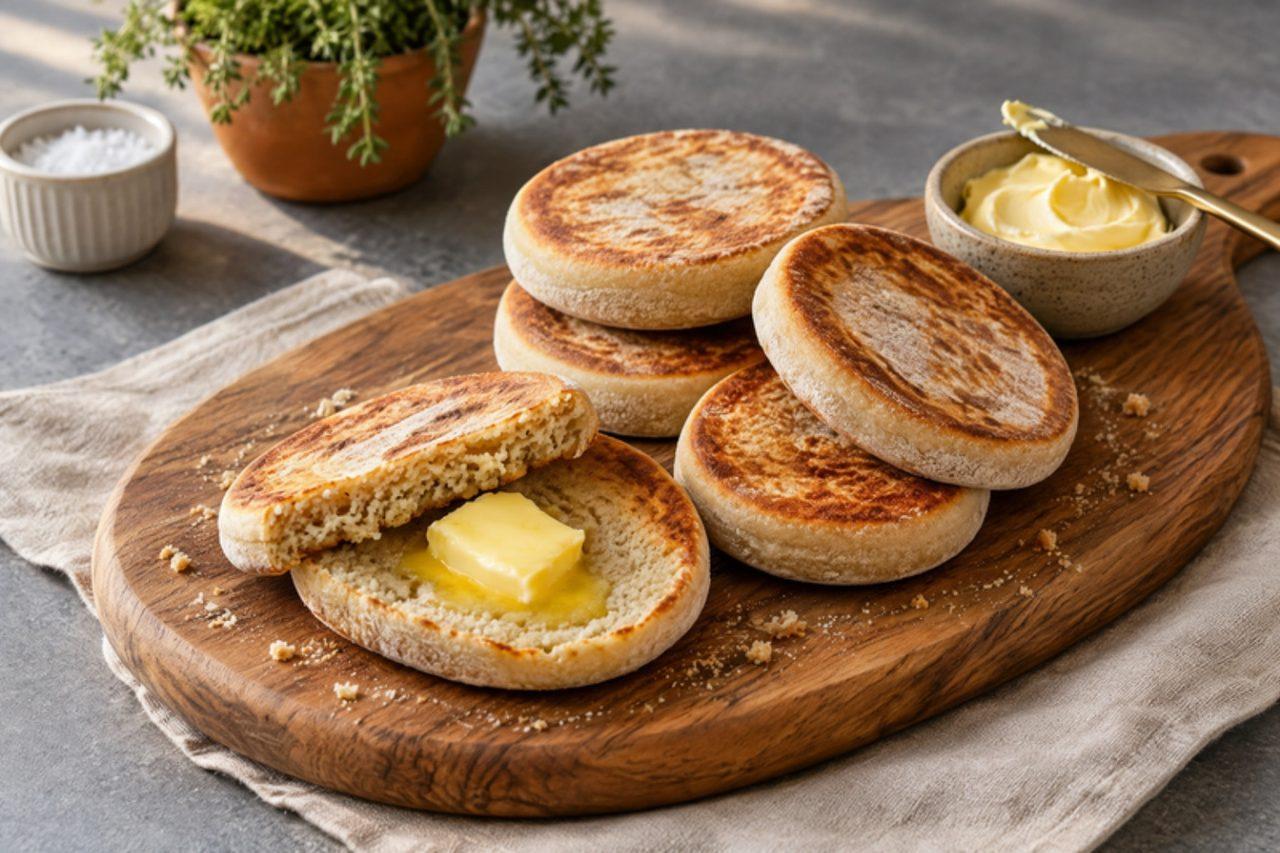
In Gaborone and villages across Botswana, diphaphata (sometimes called flat cakes or Botswana muffins) are a weekend breakfast: little rounds of soft yeast dough cooked on a dry, heavy pan until they puff and brown on both sides, then split while hot and spread with butter, jam or syrup. They look like English muffins but are softer and slightly sweet. The common mistake is a pan that is too hot: the outsides scorch while the centres stay doughy, so cook them slowly over a medium-low heat. Chef's tip: dust them with flour rather than oiling the pan; a dry pan gives the matt, freckled crust they are known for.

by KrazyBadal 0 views

DobladitasFolded lard breads

In the south of Chile, from Concepción down through Temuco and Chiloé, dobladitas are baked for breakfast and the evening once: rounds of a lard-enriched dough brushed with more melted pork lard, folded in half and in half again, and baked until the layers puff and flake apart. Eat them warm, pulled into their layers, with tea and butter (or margarine to keep them dairy free), jam or avocado. The lard is pork fat. The common mistake is using cold, hard lard for brushing; it must be melted and warm, so it soaks between the layers and makes them separate. Chef's tip: roll the folded pieces only lightly, just to seal the layers; pressing hard squeezes the lard out and they bake up tough.

by KrazyBadal 0 views

Nasi bakarGrilled banana-leaf rice with chicken

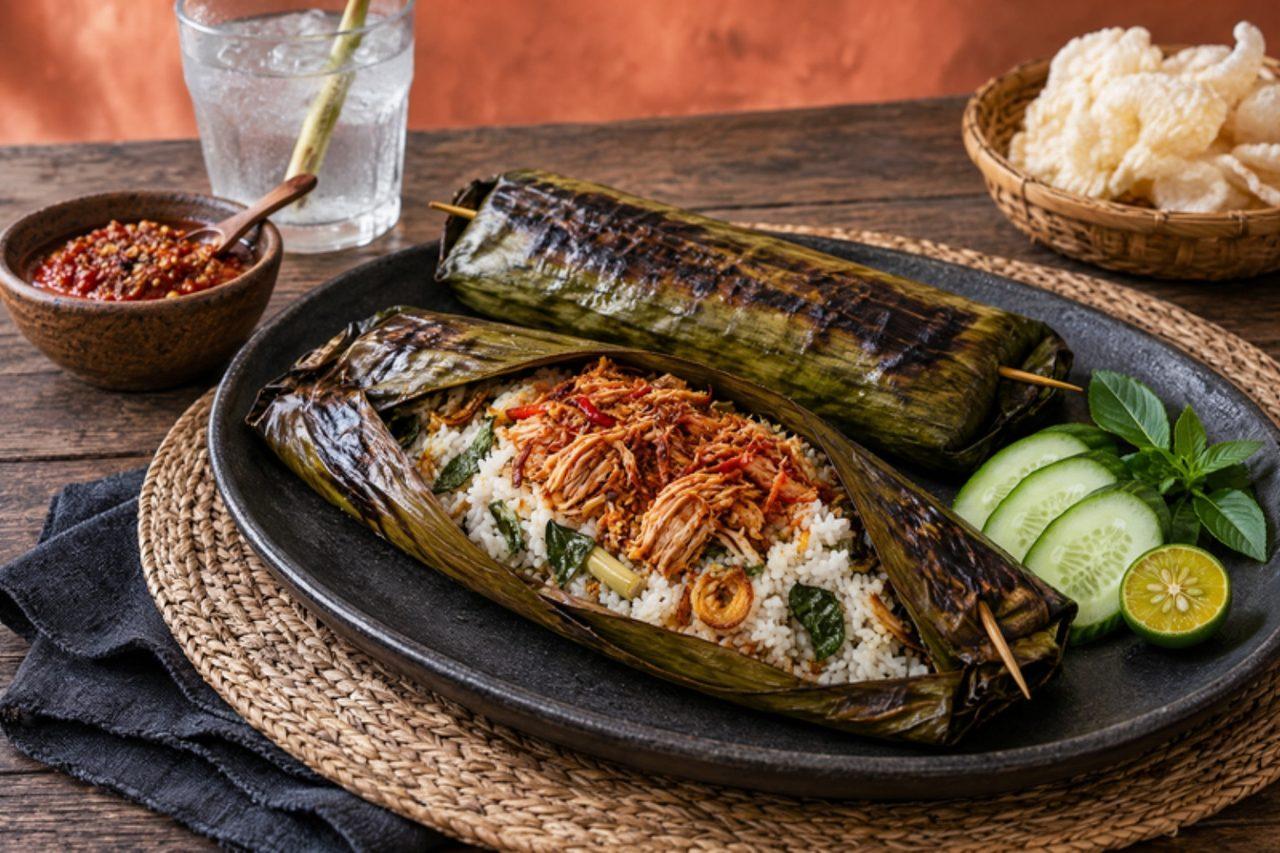
In Jakarta, nasi bakar parcels are sold from warung grills at lunchtime and in office canteens: rice cooked with coconut milk, lemongrass and salam leaves, filled with spicy shredded chicken (ayam suwir) and lemon basil, wrapped in banana leaf and grilled until the leaf chars and the rice crisps at the edges. Small dried anchovies (teri) are the other classic filling. The common mistake is wrapping the parcels loosely, so they fall open on the grill; fold them tight and pin with toothpicks. Chef's tip: grill until the leaf is blackened in patches; the smoke perfumes the rice inside.

by KrazyBadal 0 views

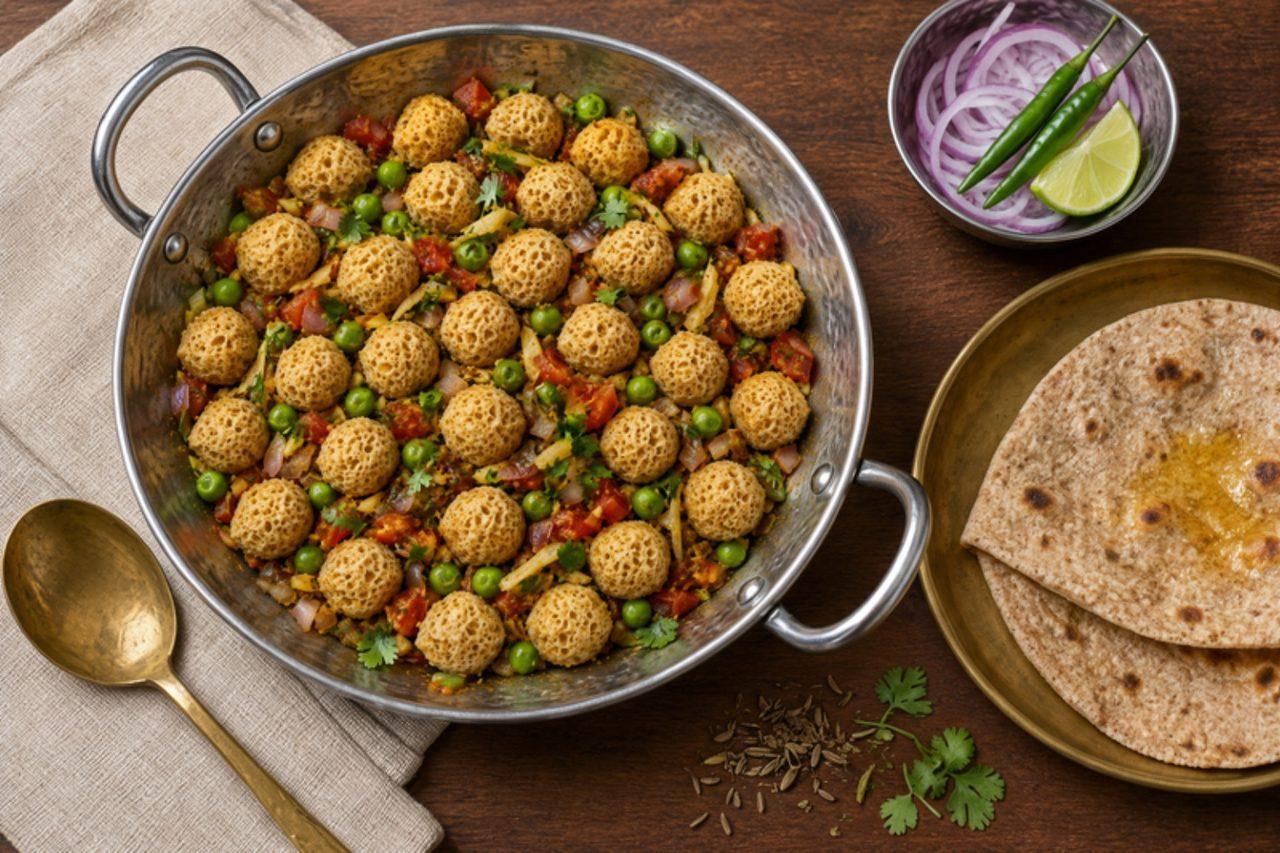
Soya chunks sabziDry soya chunk curry

Soya chunks, called nutrela or meal maker across India, are a hostel and office-tiffin favourite from Delhi to Hyderabad because they are cheap, keep for months and soak up masala like a sponge. Here they are boiled, squeezed and cooked dry with onion, tomato and garam masala until each chunk is glossy and coated. The mistake is not squeezing hard enough: water left inside dilutes the masala and the chunks taste of nothing. Squeeze them in a fist, twice. Chef's tip: soak them in hot salted water with a pinch of turmeric, so they are seasoned all the way through.

by KrazyBadal 0 views

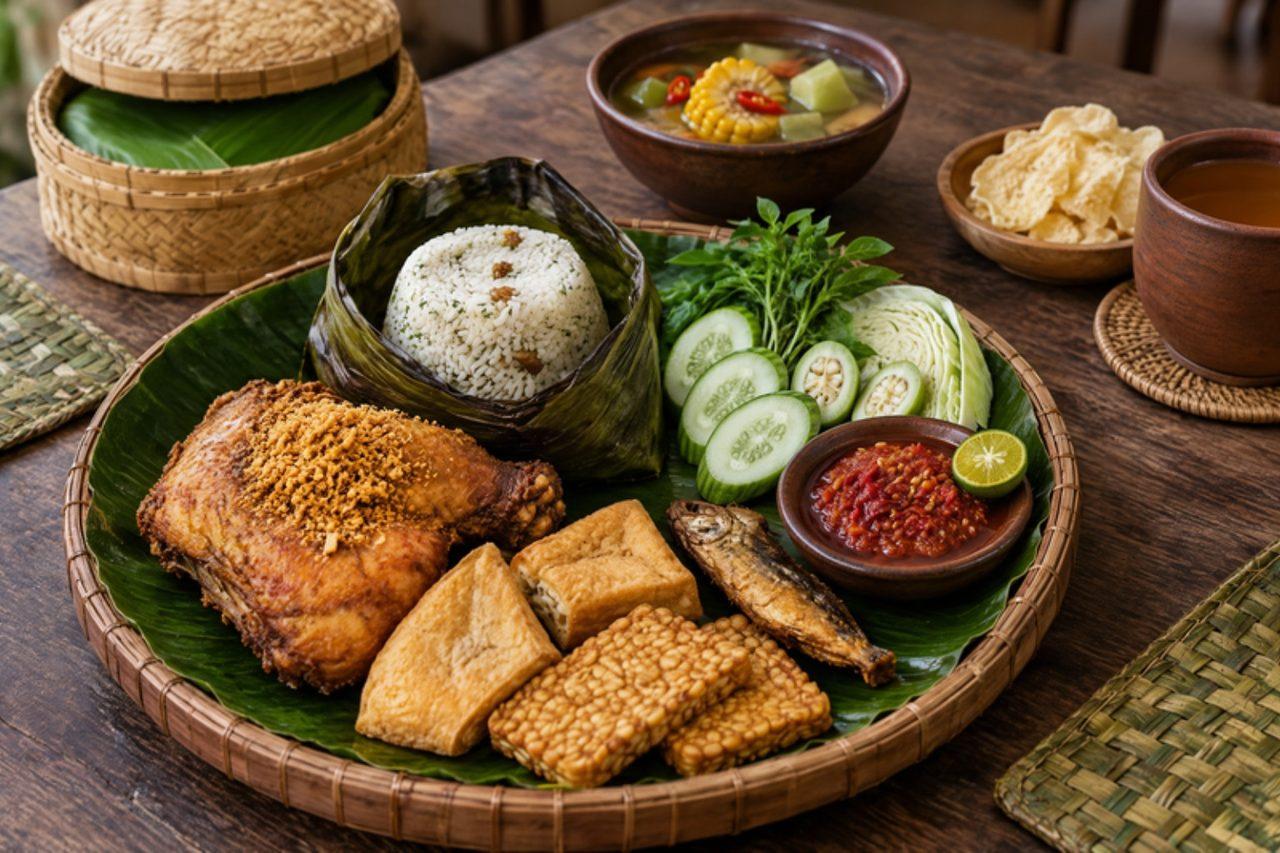
Nasi timbelRice with fried chicken and tofu

Nasi timbel is the packed lunch of West Java: rice pressed tight into a banana leaf, which keeps it warm and fragrant until noon, served with turmeric fried chicken, fried tofu and tempeh, crisp salted fish, raw vegetables (lalapan) and a fiery sambal terasi. Sundanese restaurants in Bandung and Jakarta serve it as a lunch platter. The usual mistake is frying the chicken straight from raw, which browns the outside long before the bone is cooked; simmer it in the spice paste first. Chef's tip: roll the rice in the leaf while it is very hot and wrap it tightly, then let it rest for 10 minutes so it sets firm.

by KrazyBadal 0 views

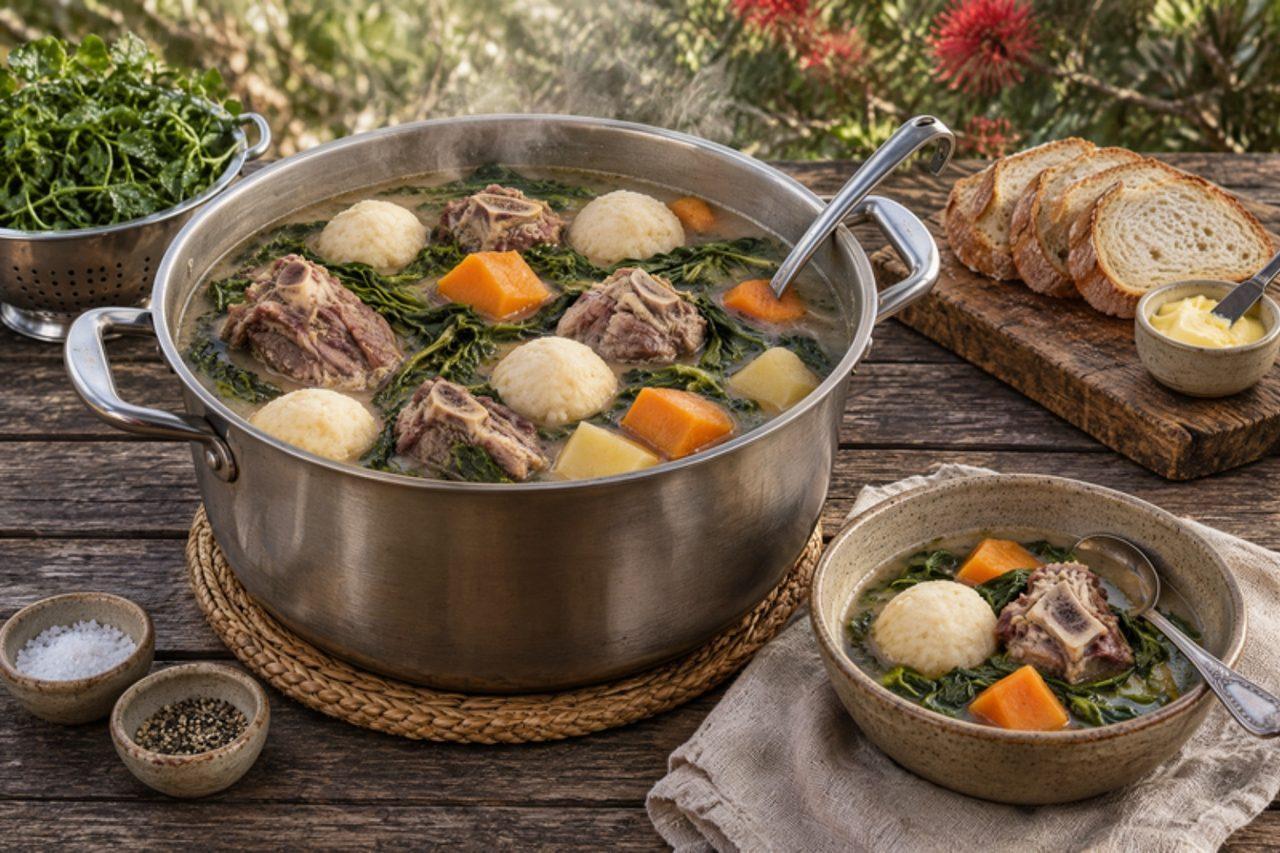
Boil-upPork bones with greens and kumara

Boil-up is the great Māori one-pot of Aotearoa New Zealand, cooked on marae for hui, at whānau gatherings and on cold weeknights everywhere from Northland to the King Country. Pork bones and brisket are boiled for hours until the meat falls away, then potatoes, kūmara and handfuls of watercress or wild pūhā go in, and fluffy flour doughboys steam on top. The broth is drunk alongside, with buttered bread. The usual mistake is letting the doughboys sit in boiling liquid uncovered, which makes them heavy; once in, clamp the lid on and don't peek for 15 minutes. Chef's tip: skim the pot well during the first half hour and the broth stays clear and sweet rather than greasy.

by KrazyBadal 0 views

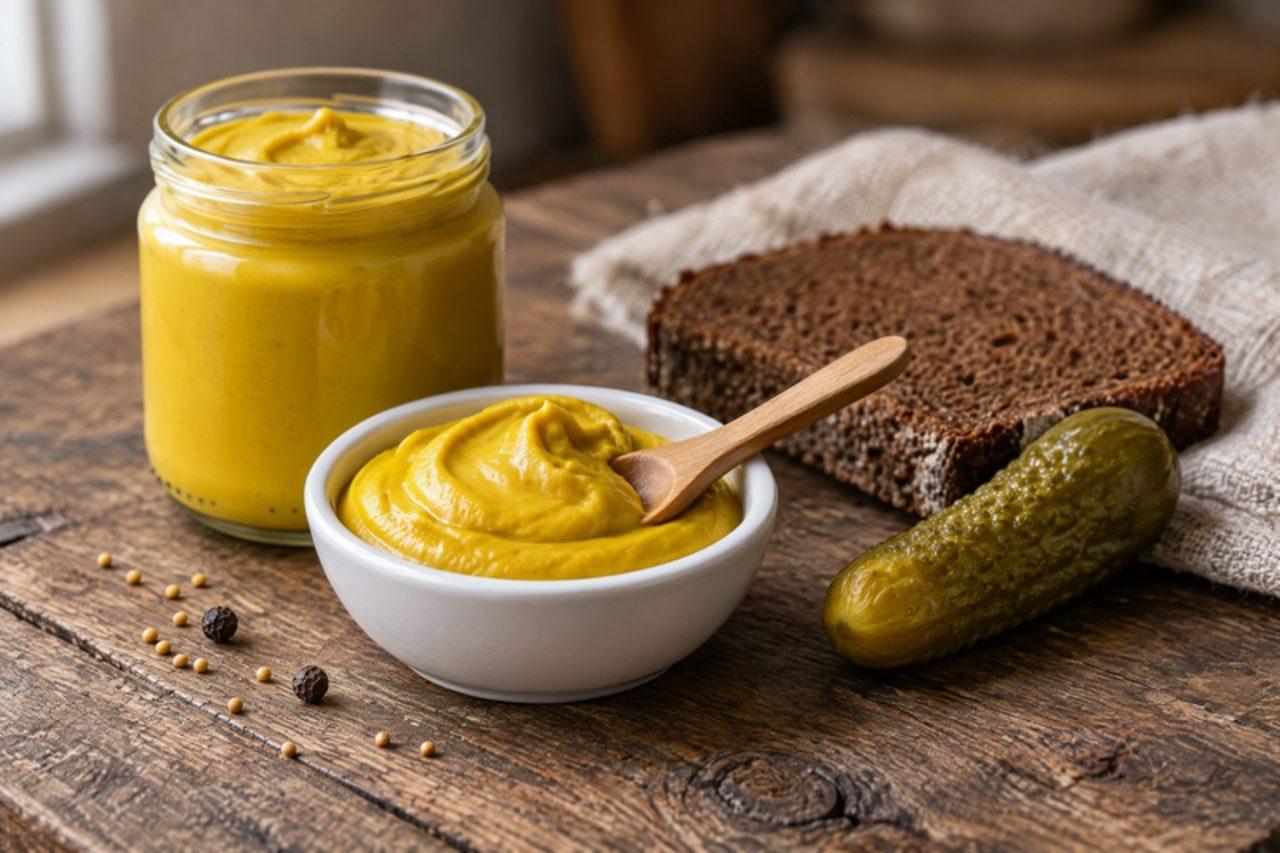
Domashnia hirchytsiaHomemade mustard

Ask a Ukrainian grandmother from Poltava or Kharkiv what to do with the brine left in the jar once the winter cucumbers are gone, and she will make hirchytsia. Dry mustard powder is mixed with that salty, garlicky, dill-scented brine, a little sugar, oil and vinegar, and after a night's rest it is fierce enough to make your eyes water. It is non-negotiable beside kholodets (meat jelly) at New Year, with salo and rye bread, with boiled sausages and with varenyky, and it is spread thin on bread for a quick snack. The texture is smooth and creamy, the flavour hot, salty and slightly sweet with a whiff of dill and garlic from the brine. Common mistake: using boiling brine; heat kills the enzyme that makes mustard hot, so the brine must be lukewarm or cool. It needs at least 12 hours in the jar for the bitterness to fade. It is ready when the colour has deepened to warm yellow and the first taste makes your nose tingle. Chef's tip: use brine from naturally fermented or vinegar cucumbers; if you have none, mix 150 ml water with 1 tsp salt and 1 tbsp vinegar.

by KrazyBadal 0 views

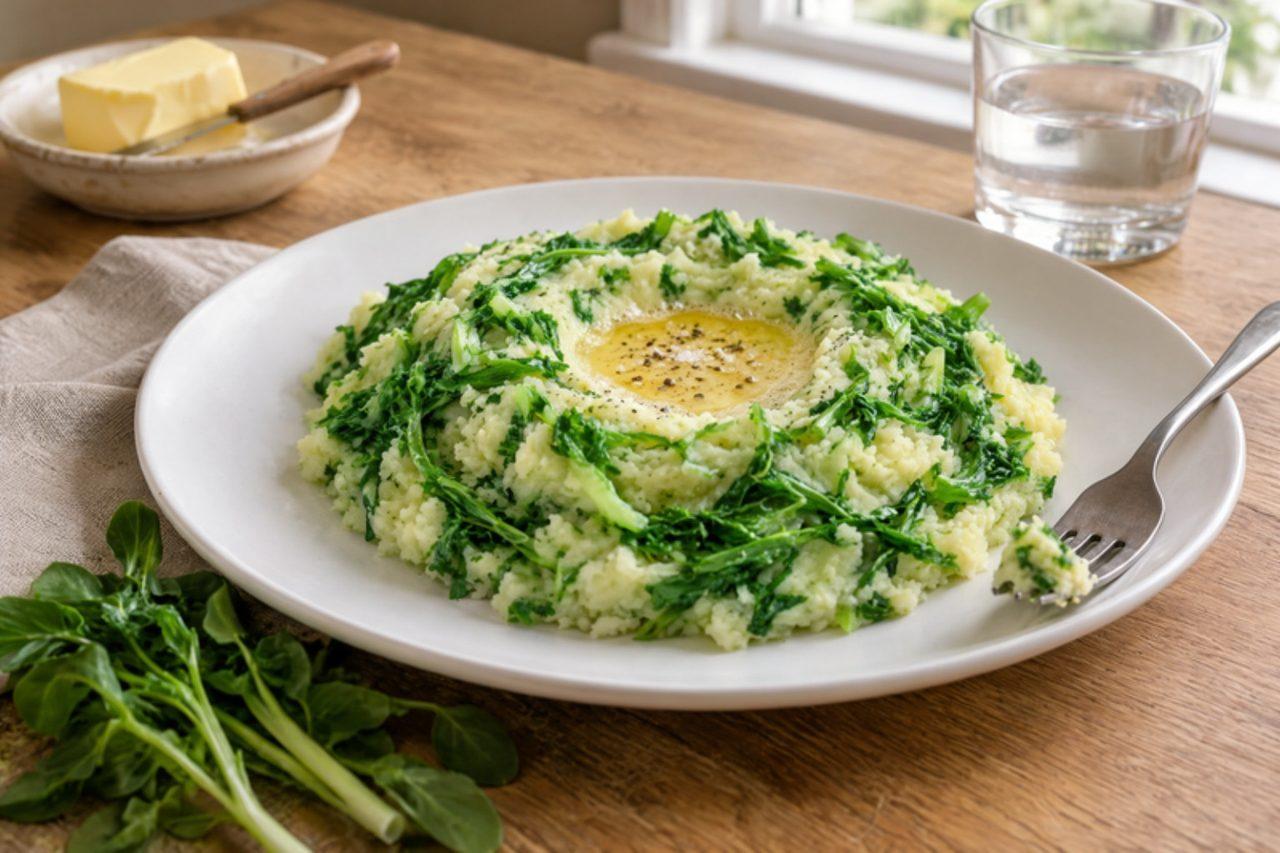
Stamppot raapstelenMashed potato with turnip greens

When the first raapstelen (tender young turnip tops) appear at Dutch markets in March and April, families from Groningen to Zeeland make this spring stamppot for supper. Floury potatoes are boiled and mashed in the same pan with butter and hot milk, then the raw, finely cut greens are stirred through so they stay bright, crisp and slightly peppery. It is classic with a vegetarian sausage or a fried egg and a puddle of gravy in a well in the middle. The usual mistake is cooking the greens: they should only wilt from the heat of the mash. Chef's tip: dry the boiled potatoes over the heat for a minute before mashing, so they soak up the milk and butter instead of turning gluey.

by KrazyBadal 0 views

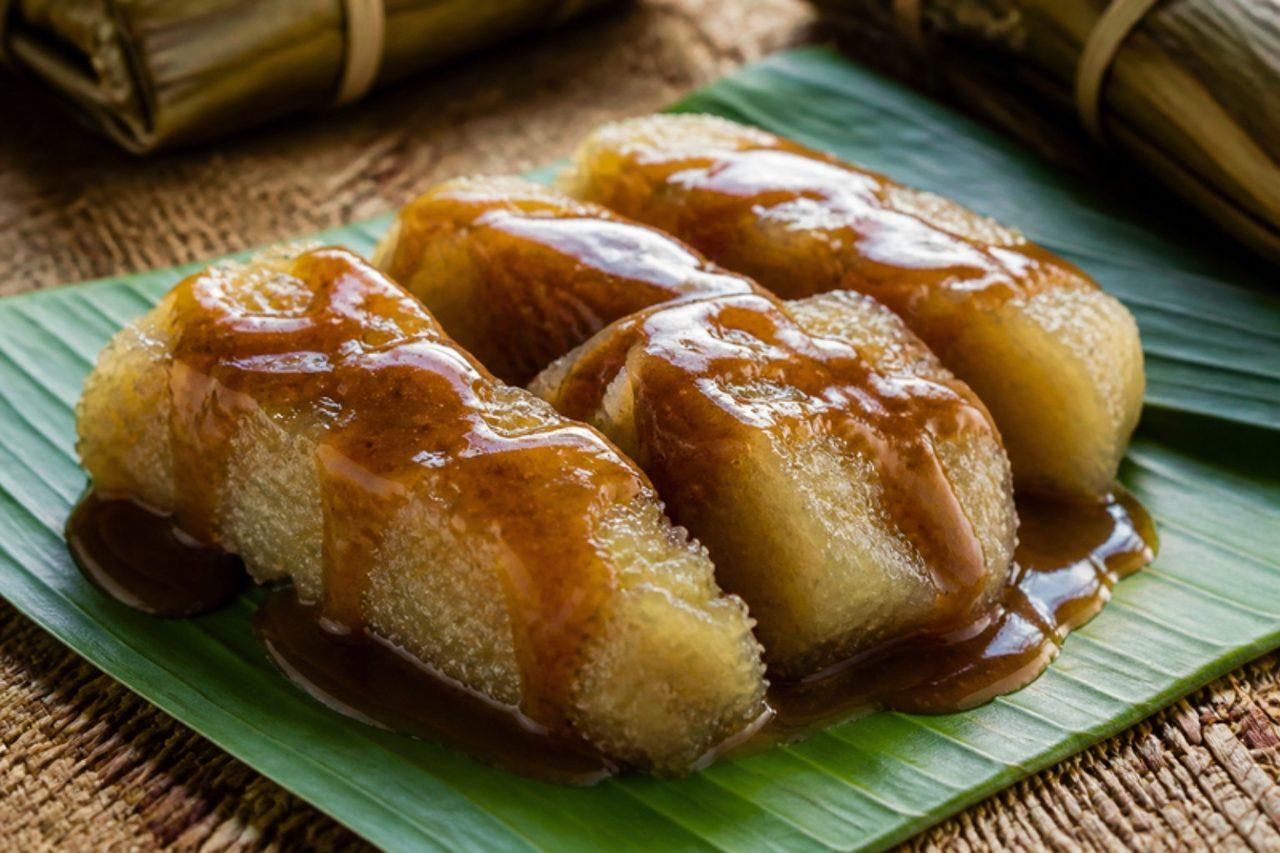
VakaloloSteamed cassava coconut pudding

Vakalolo is an iTaukei celebration pudding, made for church feasts, weddings and Christmas in villages across Viti Levu and Vanua Levu. Grated cassava is mixed with coconut cream and sugar, wrapped in banana or vudi leaves and steamed until it turns sticky and translucent, then served with a thick caramel of coconut cream and brown sugar poured over. Frozen grated cassava from Asian or Pacific shops saves a lot of work. Cassava must always be fully cooked, never eaten raw. A common mistake is wrapping the parcels loosely so water gets in; fold them tightly. Chef's tip: cook the caramel slowly until it's the colour of toffee, which is where all the flavour is.

by KrazyBadal 0 views

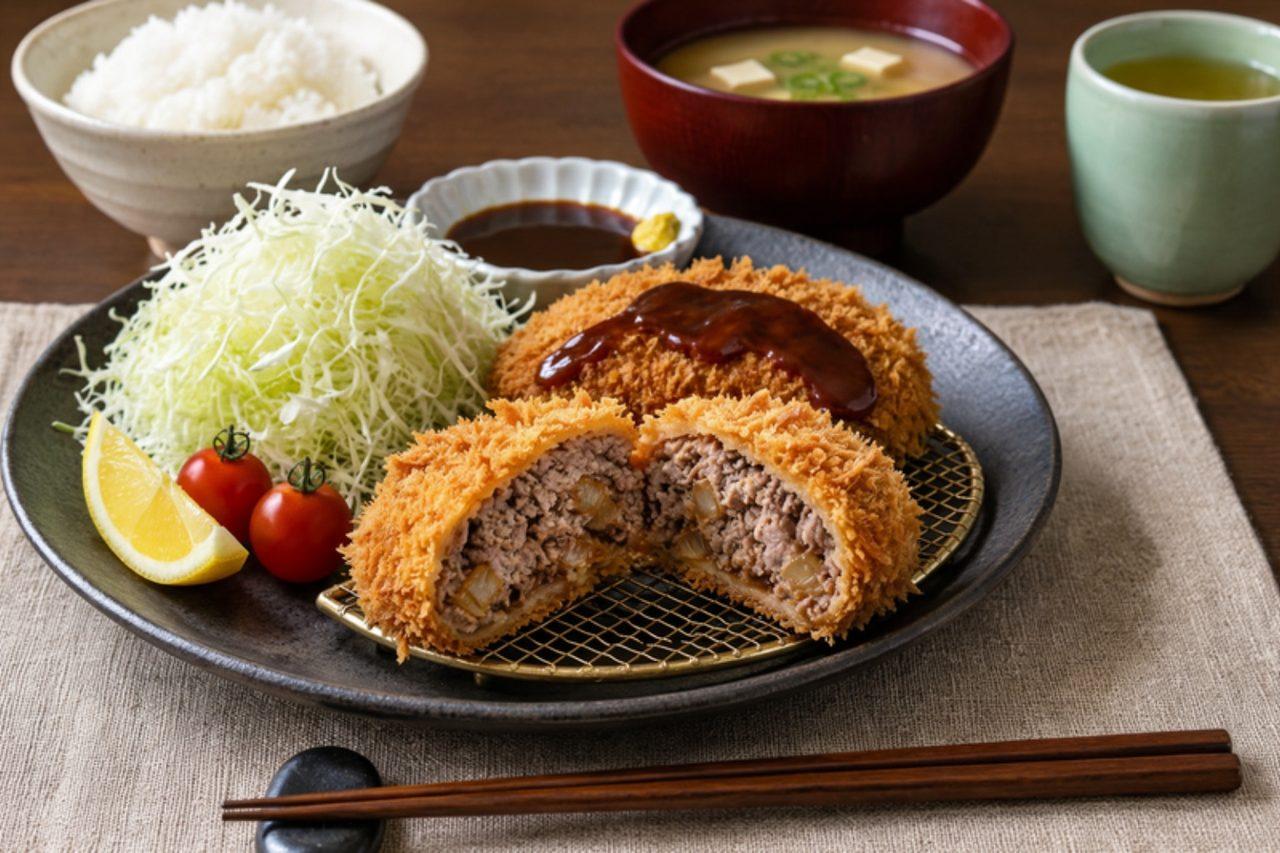
Menchi katsuCrumbed meat patties

Menchi katsu, a juicy mince patty of beef and pork in a crisp panko coat, is sold hot at Tokyo butchers' shops like the famous ones in Kichijoji and packed cold in bento across Japan, with shredded cabbage and a drizzle of tonkatsu sauce. Sweet fried onion makes the inside tender. The common mistake is frying in oil that is too hot, so the crumb burns before the pork and beef in the middle are cooked. Chef's tip: chill the shaped patties for 20 minutes before crumbing so they keep their shape and stay juicy.

by KrazyBadal 0 views

TsukuneChicken meatball skewers

Tsukune are the minced chicken patties of yakitori bars all over Japan, and squashed into small ovals they are one of the most loved bento fillers, eaten cold at school or the office. Ginger and spring onion keep them fresh, and a glossy soy tare makes them sticky and sweet. The tare uses mirin, a sweet rice wine; most of its alcohol cooks off as it bubbles, and for an alcohol-free glaze use 1 tbsp sugar and 2 tbsp water instead. The common mistake is a loose mix that falls apart in the pan; knead it until sticky. Chef's tip: add a spoon of grated tofu or potato starch to the mince, which keeps the patties juicy even the next day.

by KrazyBadal 0 views

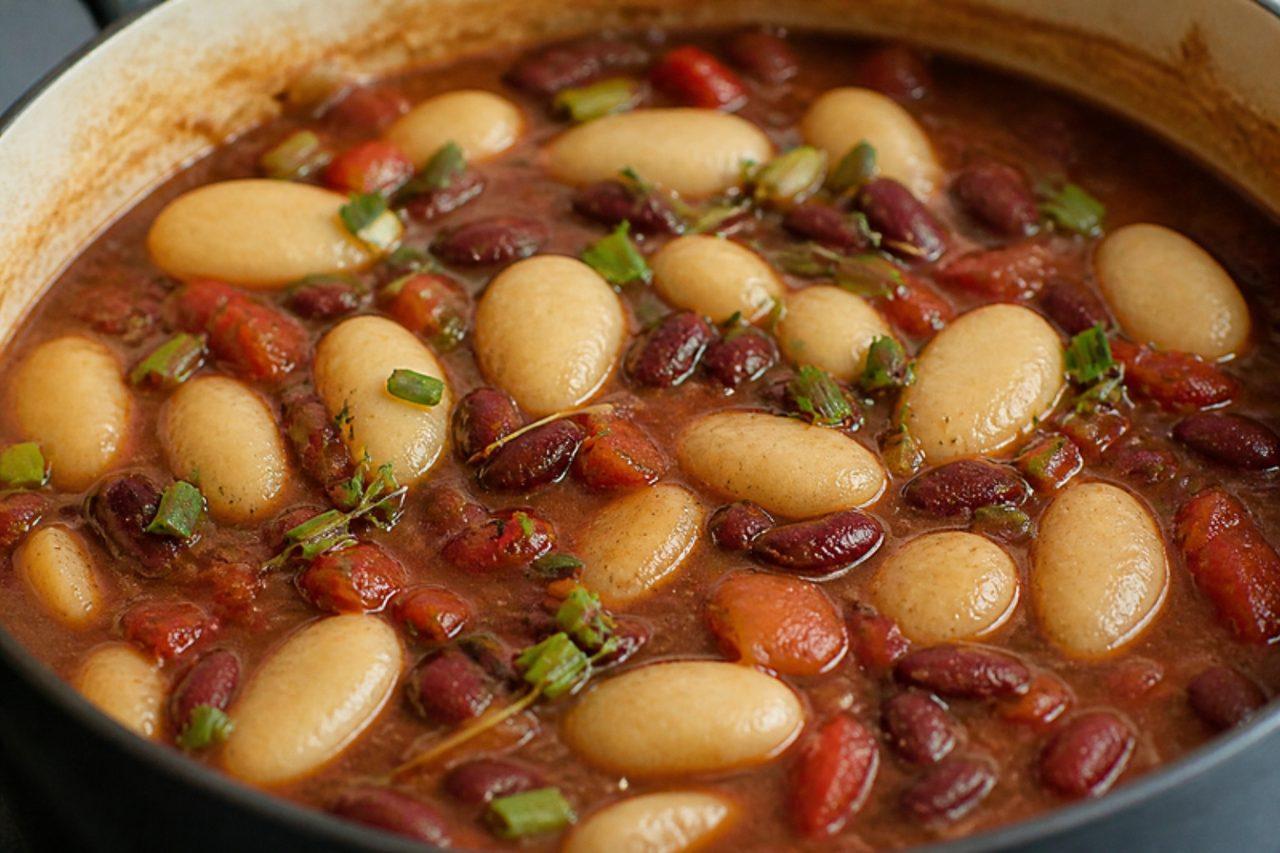
Dombrés aux haricots rougesFlour dumplings in red beans

Dombrés are the small rolled flour dumplings that Guianese Creole cooks in Cayenne and Saint-Laurent-du-Maroni drop into a pot of red kidney beans, so they swell and soak up the herb-scented sauce. In French Guiana and the Antilles the beans are often cooked with salted pork tail or smoked meat; this version leaves out the meat and uses smoked paprika, onion, chives, thyme and cloves for depth, making a hearty vegan dinner with rice. Dried kidney beans must be boiled hard for 10 minutes before simmering to destroy a natural toxin, so don't skip that step or cook them in a slow cooker from raw. Dumplings that fall apart are the usual problem: keep the dough firm and the pot at a gentle simmer once they go in. Chef's tip: roll each dombré between your palms into a small torpedo; that shape cooks evenly and holds together.

by KrazyBadal 0 views

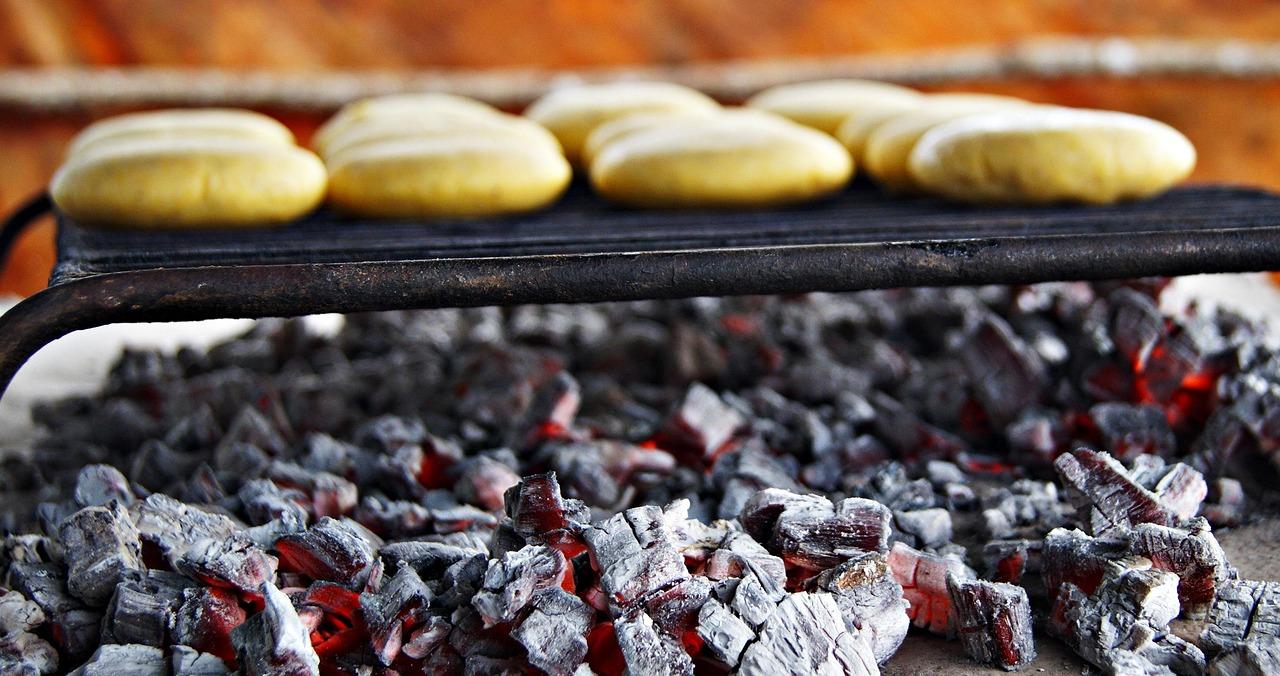
Arepa peladaHand-peeled corn arepas

Before bagged flour reached every shop, arepas in Lara and across the Llanos began with whole dried corn boiled with a spoon of food-grade lime until its skins slipped off; 'pelada' means peeled. The dough has a deeper, slightly smoky corn taste and a coarser crumb than flour arepas, and on cattle ranches it is still eaten at breakfast with butter or avocado. Handle the lime (calcium hydroxide) with care: keep it off your skin and away from children. The common mistake is rinsing too lightly, which leaves the dough yellow, soapy and bitter. Chef's tip: grind the corn twice and add water a spoonful at a time; a dough that is too wet slumps on the griddle.

by KrazyBadal 0 views

Fish and brewisSalt cod with hard tack

Fish and brewis (say "brews") is a Newfoundland breakfast and Sunday supper from the fishing outports of the Avalon and Bonavista, made from the two things every boat carried: salt cod and hard bread. Both are soaked overnight, then boiled and served together topped with scrunchions, crisp little cubes of fried salt pork and their fat. It is hearty, salty and very simple. A common mistake is not soaking the fish long enough; change the water several times. Chef's tip: break the softened hard tack by hand so it keeps some texture rather than turning to paste.

by KrazyBadal 0 views

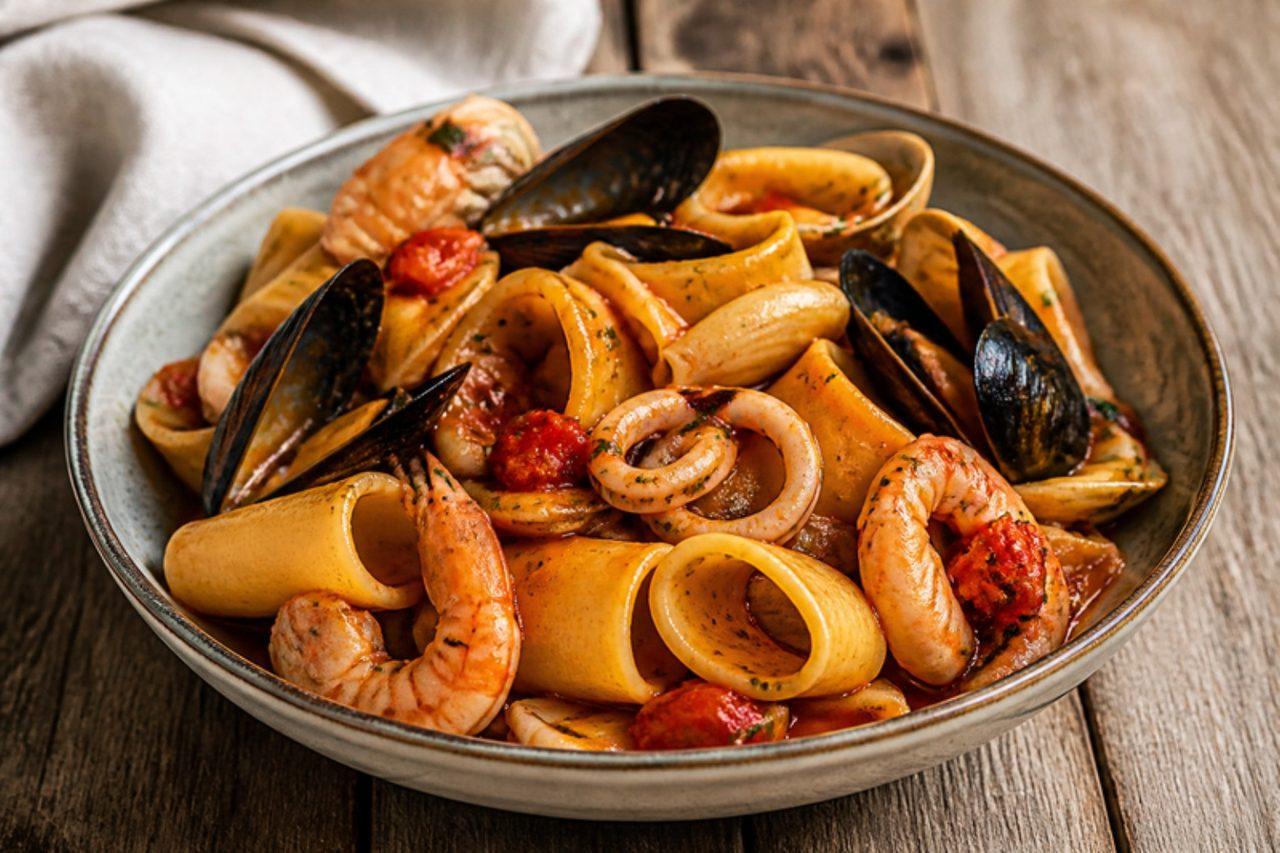
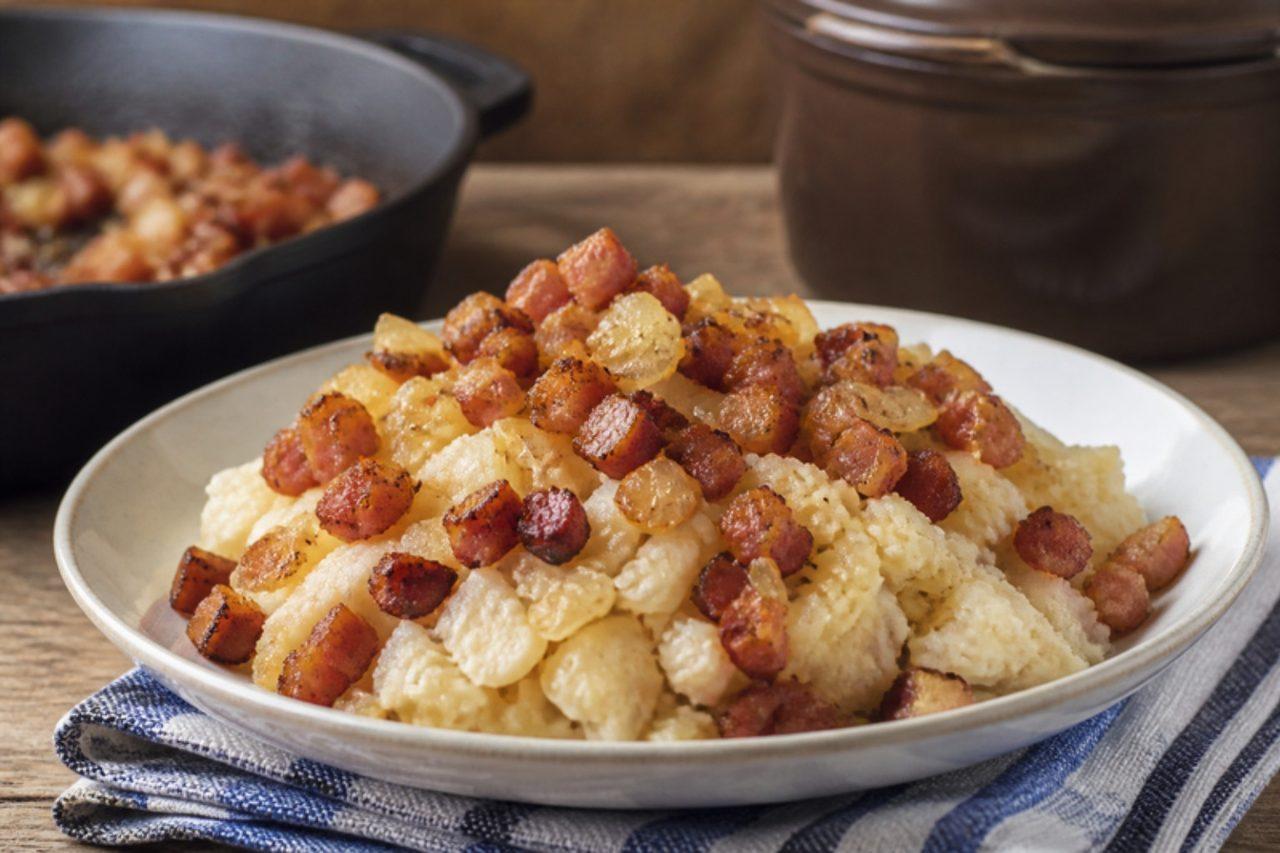
Frittatina di pastaFried pasta rounds

The frittatina is Naples' way of turning a pot of pasta into street food: bucatini bound with thick béchamel, cooked ham (pork), peas and grated cheese, set in rounds, dipped in a flour batter and deep-fried. Pizzerias from Via dei Tribunali to Fuorigrotta fry them as a starter while your pizza bakes, and friggitorie sell them in a napkin to eat on the go, often in the late afternoon. The crust is crisp, the inside creamy with a little chew from the pasta. Chef's tip: chill the shaped rounds overnight; cold, firm frittatine hold their shape in the batter and the oil.

by KrazyBadal 0 views

DroëworsDried coriander beef sausage

Long before road trips had petrol-station snacks, Voortrekker families packed droëwors: thin beef sausage seasoned with roasted coriander, clove and vinegar and dried until it keeps for weeks. Today it hangs in coils in every butchery from Bloemfontein to Bellville, and bags of it go to cricket matches, hikes and the back seat of long drives to the coast. The bite is chewy and slightly crumbly, salty-sour with that toasted coriander warmth. The fat must be beef or lamb, never pork: pork fat goes rancid as it dries, and too much of any fat does the same, so keep it to about a sixth of the mix. This home method cooks the sausage to 71 °C before drying, but it is still not for pregnant women, young children or anyone with a weakened immune system. Chef's tip: use thin sheep casings, and don't twist the sausage into links; a long, even rope dries evenly.

by KrazyBadal 0 views

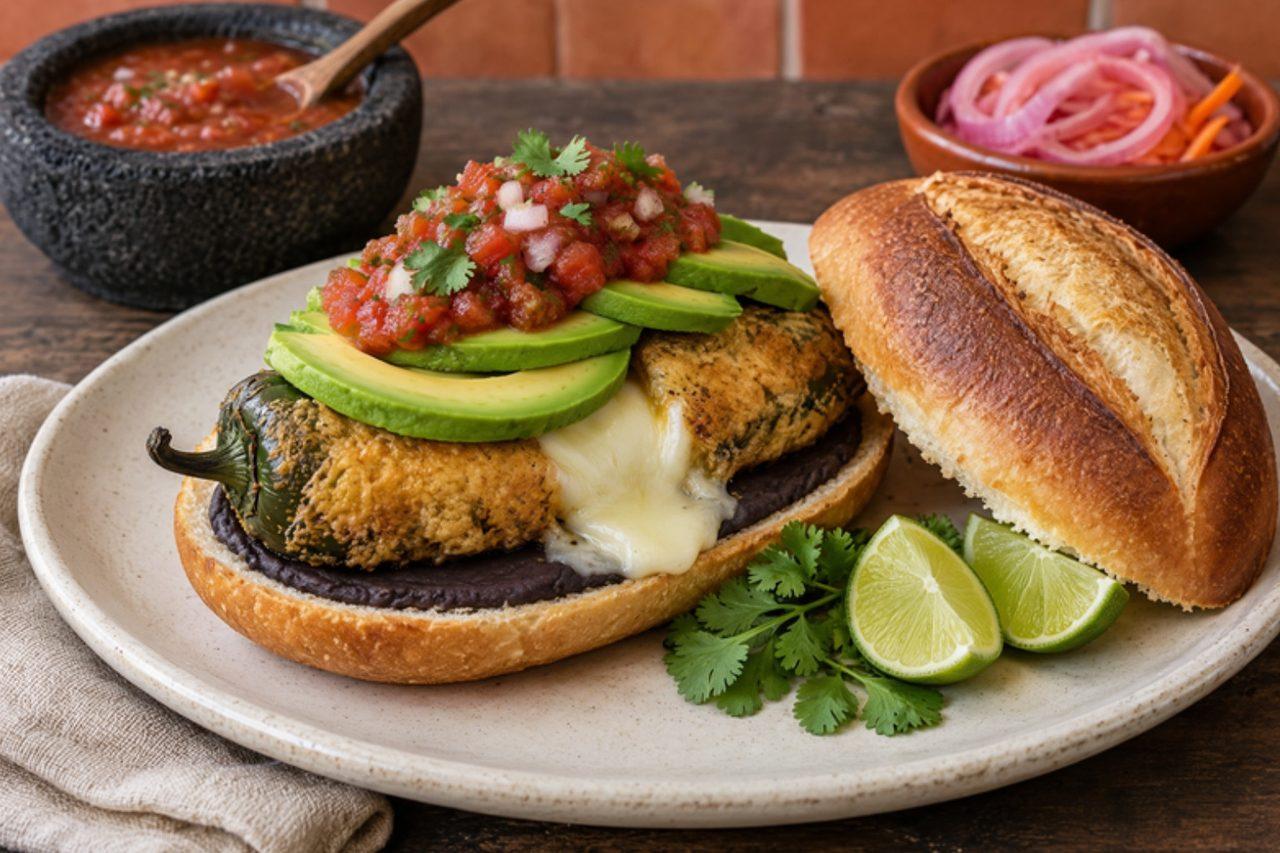
Torta de chile rellenoStuffed poblano sandwich

At Mexico City's torta stands and school gates, the chile relleno torta is the meat-free favourite: a whole poblano, roasted, peeled, stuffed with melting cheese, dipped in fluffy egg batter and fried, then pressed into a bolillo spread with refried beans and salsa. People buy them warm mid-morning or wrap them in foil for lunch. The common mistake is frying a wet chile: the batter slides off, so pat it dry and dust it with flour first. Oaxaca cheese and Monterey Jack are often made with animal rennet, so choose a vegetarian melting cheese, and check the refried beans are made without lard. Chef's tip: beat the egg whites to stiff peaks before folding in the yolks; that airy capeado is what makes it puff and stay crisp.

by KrazyBadal 0 views

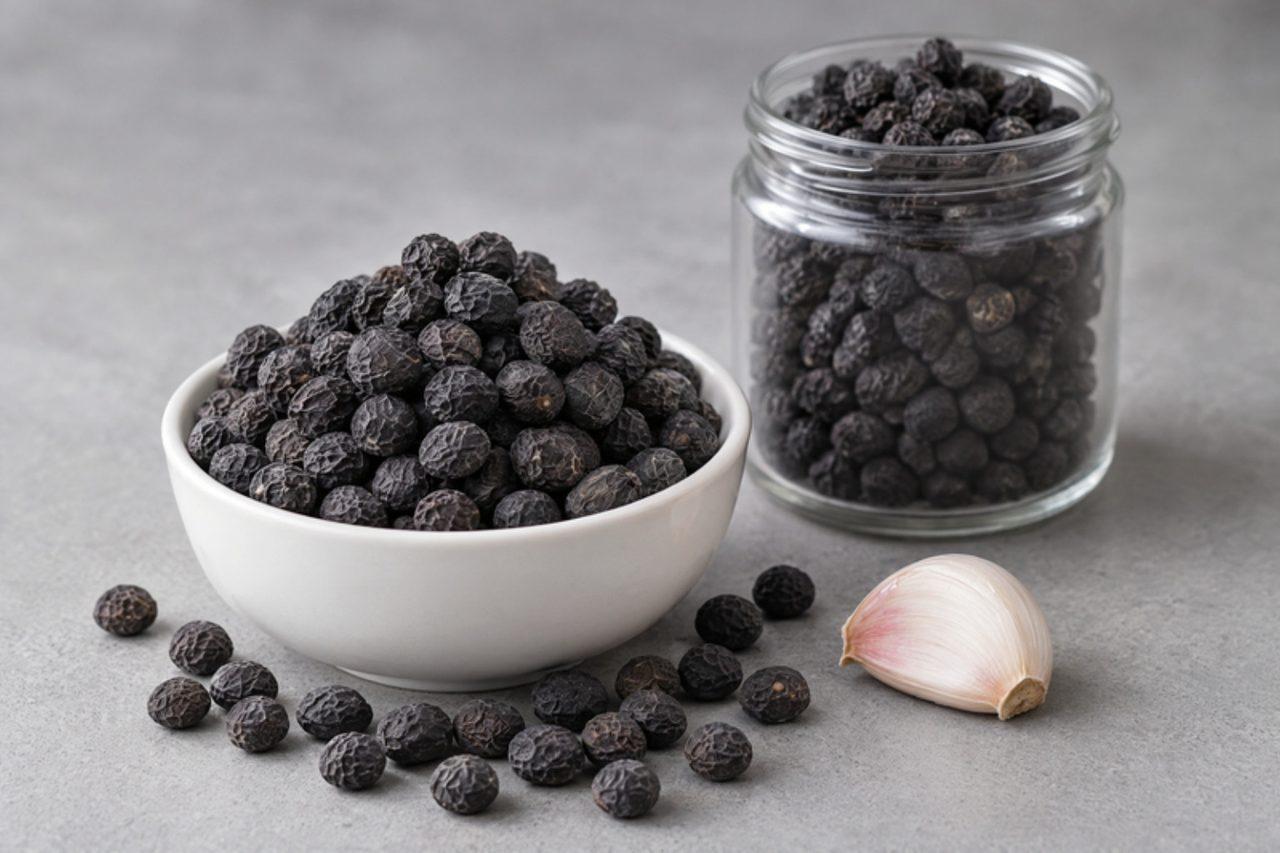
DouchiFermented black beans

Yangjiang in western Guangdong and Liuyang in Hunan are the two great douchi towns, and both traditionally make their fermented black beans in the dry season, when beans can be moulded indoors and dried in the sun without spoiling. Cooked black soybeans are covered until a yellow-green koji mould grows over them, then washed, salted, packed and fermented for weeks before drying. The result is wrinkled, soft-chewy beans with an intense salty, savoury, almost chocolate-dark flavour. A spoonful steamed with spare ribs or a whole fish, stir-fried with bitter melon or pounded into Hunan's chilli dishes seasons the whole plate. At home, buying koji spores (Aspergillus oryzae) is far more reliable than waiting for wild moulds. Common mistake: letting the beans sit wet or warm in a sealed container during the moulding stage; they must breathe at 28–32 °C. Good koji smells sweet and chestnut-like; discard any batch with black, pink or bright coloured mould, slime or a rotten smell. Keep the salt as given. It is ready when the beans are dark, wrinkled and dry outside but supple within. Store dried douchi in the fridge for 1 year. Chef's tip: rinse and lightly crush the beans before cooking.

by KrazyBadal 0 views

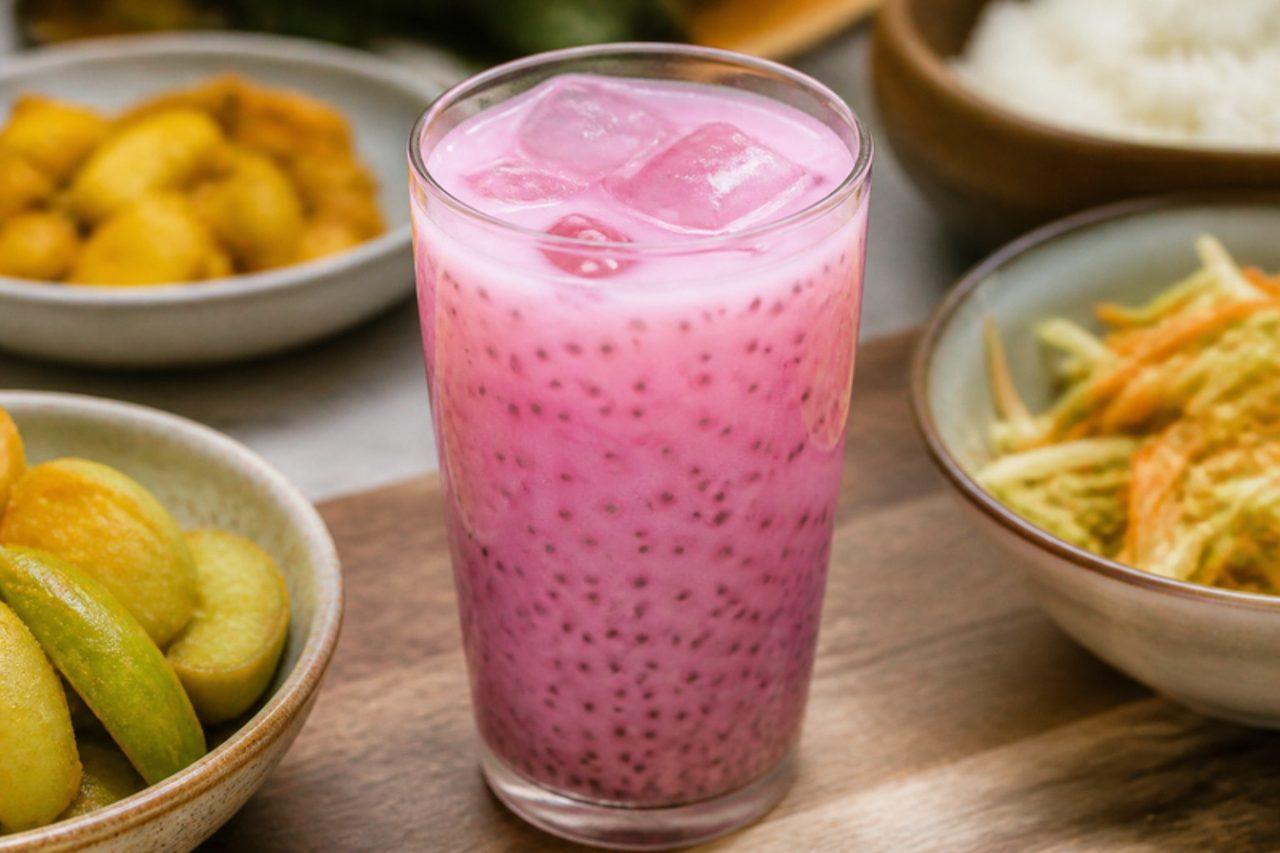
Surinamese dawetCoconut milk and lemongrass drink

Javanese Surinamers brought dawet from Java, and today it is sold cold from big jars at warungs in Lelydorp and the Paramaribo district of Blauwgrond, especially on hot Sunday afternoons. In Suriname it has become its own drink, quite different from the Malaysian cendol with its green noodles: chilled coconut milk sweetened with a lemongrass and pandan syrup, often tinted pale pink and studded with soaked basil seeds or soft jelly strips. The common mistake is boiling the coconut milk, which makes it split and taste flat; it should only be warmed. Chef's tip: bruise the lemongrass hard with a rolling pin before simmering it, so the syrup tastes bright and lemony.

by KrazyBadal 0 views

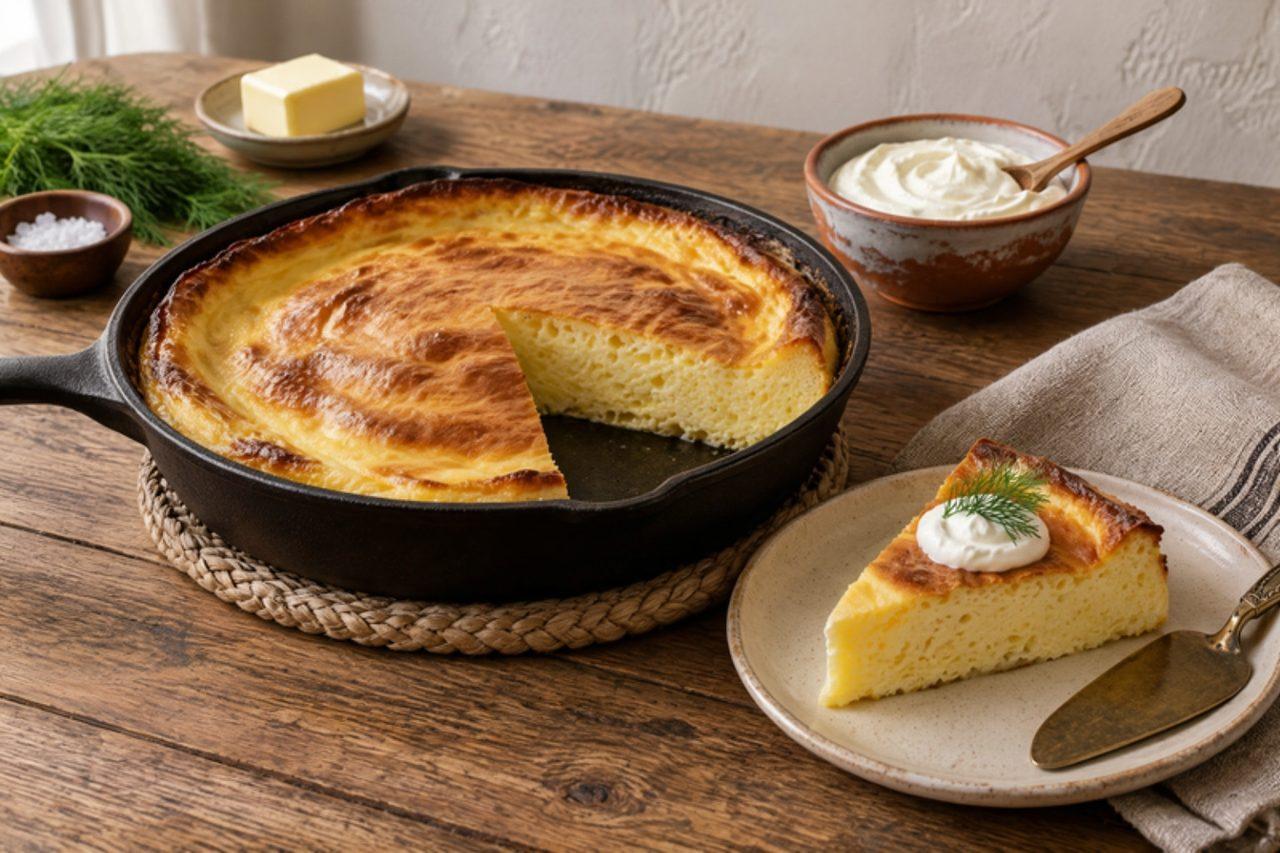
DrachenaBaked egg and milk custard

Drachena belongs to the old peasant cooking of northern Russia, from Arkhangelsk to Vologda, where it was baked in the cooling Russian stove on Sunday mornings. Eggs are whisked with milk, a little sour cream and flour, poured into a hot buttered pan and baked until puffed, golden and wobbly, somewhere between an omelette and a soufflé. It is eaten warm, plain or with sour cream. The common mistake is opening the oven early; the drachena collapses if it gets a draught before it is set. Chef's tip: heat the buttered dish in the oven before pouring in the batter, so it starts to set and rise from the bottom at once.

by KrazyBadal 0 views

Tarta de zapallitosCourgette and cheese tart

In Buenos Aires every rotisería sells tartas by the slice, and at home a tarta de zapallitos is baked on Sunday evening so that a wedge can go into the vianda (packed lunch) for school and work all week. Zapallitos are round green courgettes; ordinary courgettes work just as well. The common mistake is adding the courgette raw, which floods the pastry; sauté it until the liquid has cooked away. Argentine queso rallado and many hard cheeses are made with animal rennet, so use a vegetarian hard cheese. Chef's tip: bake the tart on a preheated baking tray so the base crisps before the filling soaks in.

by KrazyBadal 0 views

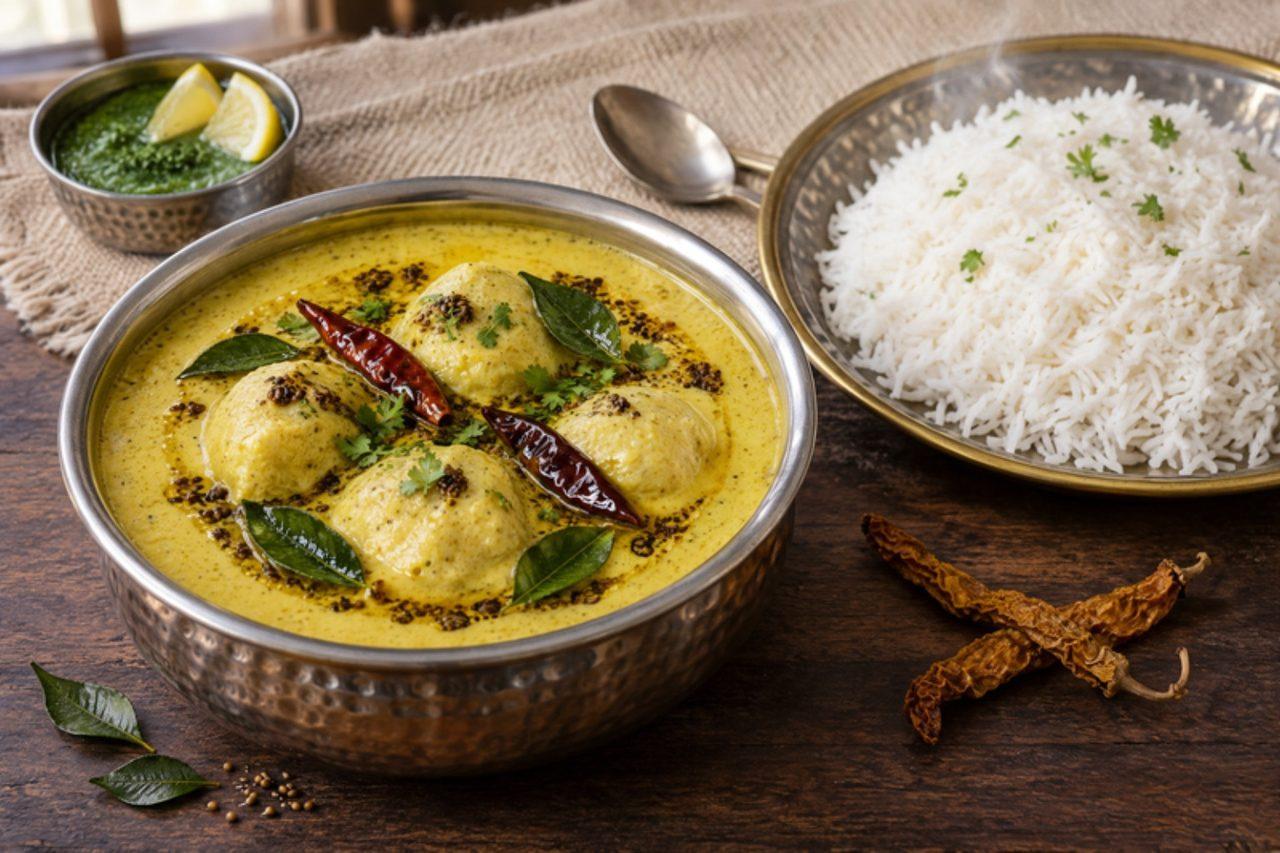
Dubki kadhiUrad dal dumplings in curd curry

Dubki means a dip, and in this Chhattisgarhi kadhi the spiced urad dal batter is dropped raw straight into the simmering curd so the dumplings cook in the pot rather than in hot oil. It is the lighter, everyday cousin of pakora kadhi, served with rice at lunch across Durg and Raipur and at village feasts. The common mistake is dropping the batter into kadhi that is barely warm; the dumplings fall apart, so the kadhi must be at a lively simmer. Chef's tip: whisk the batter by hand for a full 3 minutes until a spoonful floats in water, and the dumplings will be airy, not dense.

by KrazyBadal 0 views

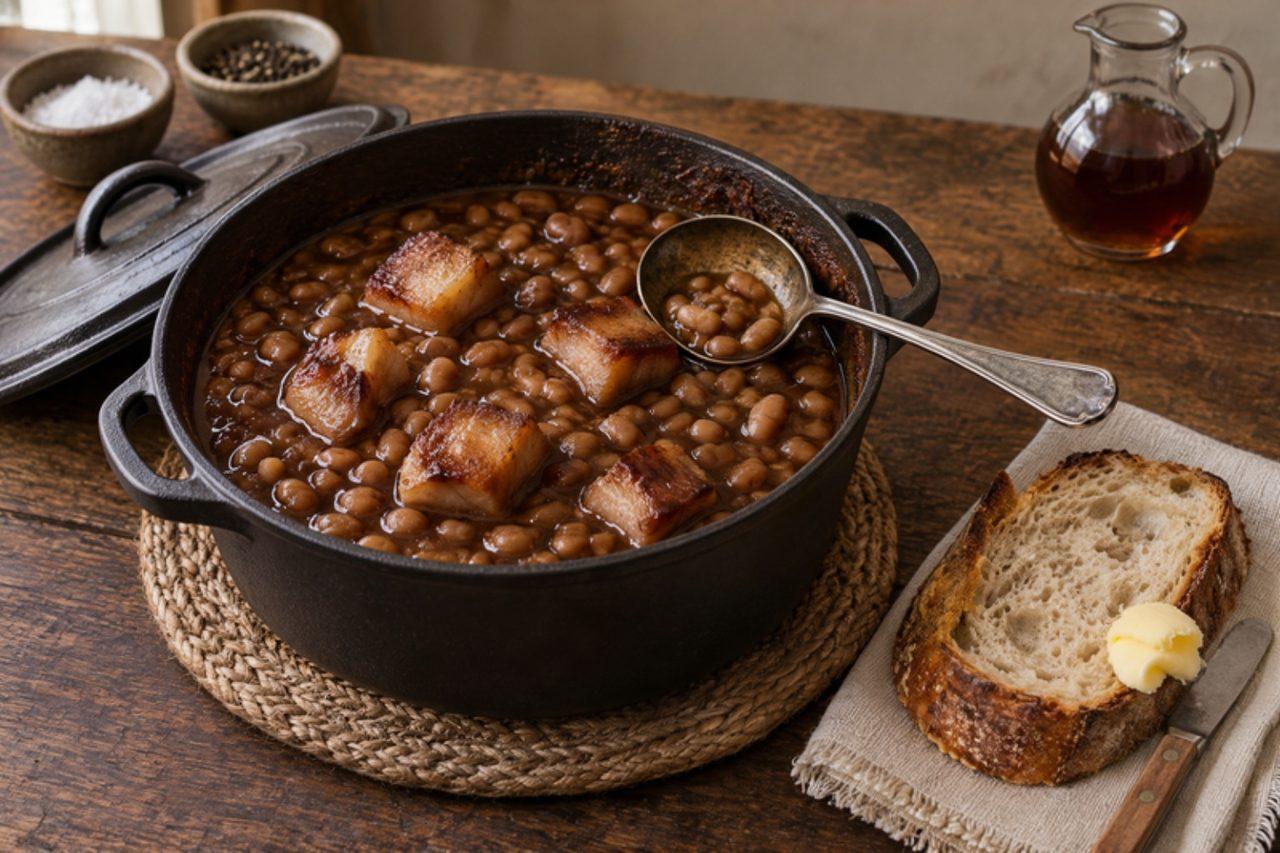
Fèves au lardBaked beans with salt pork

At the cabanes à sucre (sugar shacks) of Quebec's Beauce and Laurentides each spring, and on many Quebec Sunday breakfast tables, fèves au lard come with eggs, toast and a jug of maple syrup: small white navy beans baked very slowly with salt pork, onion, maple syrup and molasses until they're dark, sticky and tender. Salt pork is cured pork belly. Soak the beans overnight first. The common mistake is adding the syrup, molasses and salt at the start of soaking or boiling; sugar and salt stop the skins softening, so par-cook the beans first. For a vegetarian version, leave out the pork and add 3 tbsp olive oil and 1 tsp smoked paprika. Chef's tip: check every hour and top up with hot water just to the surface; beans that dry out on top go hard and never soften.

by KrazyBadal 0 views

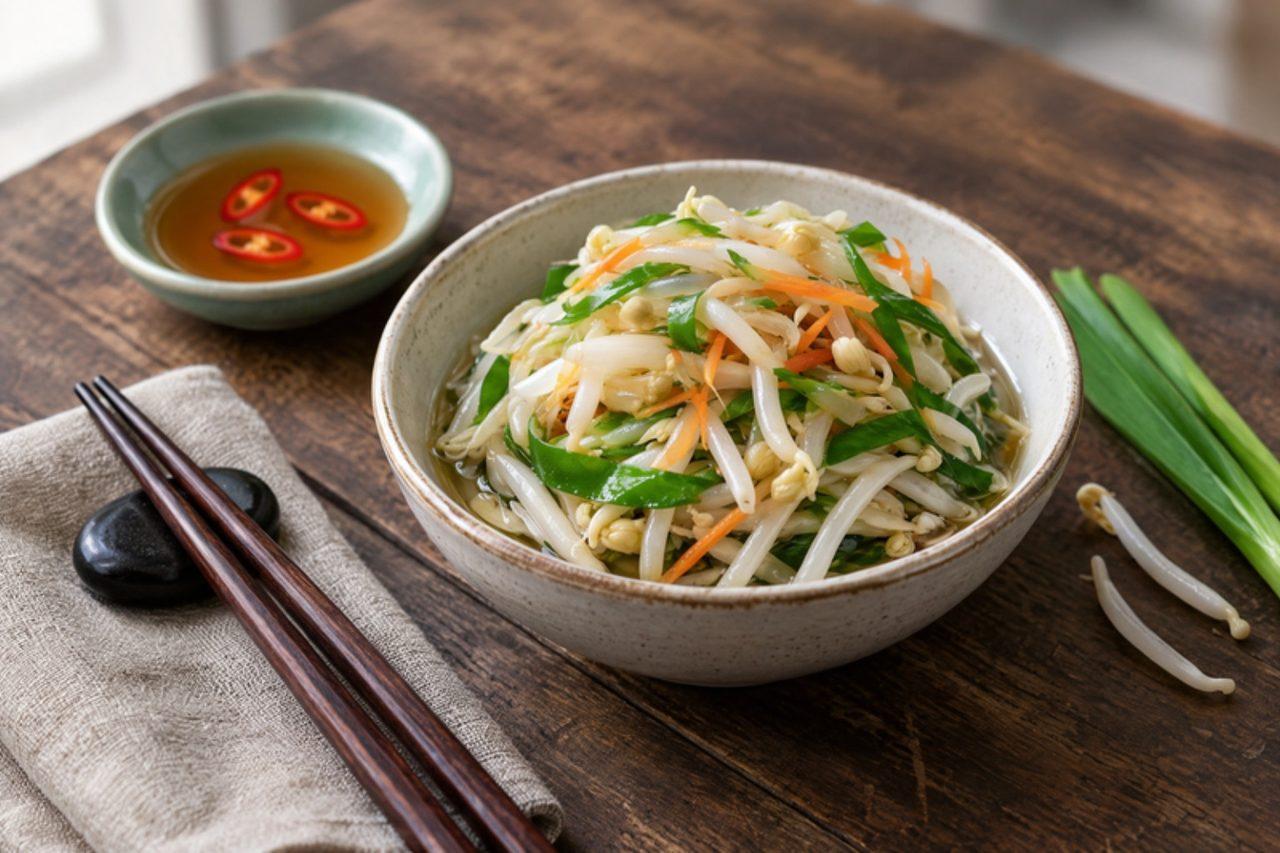
Dưa giáPickled bean sprouts

In southern Vietnam, dưa giá appears beside thịt kho trứng, the pork and egg braised in coconut water that every Saigon family cooks for Tết, and beside clay-pot caramel fish the rest of the year. The sprouts and chives sit overnight in a lightly salted, sweetened brine and come out tangy, crisp and squeaky, with a hint of garlic-chive sharpness that cuts straight through the fatty, sweet braises. Some cooks add carrot strips for colour. Raw bean sprouts can carry bacteria, so buy them very fresh and chilled, rinse them well, and pour the brine on hot to scald them lightly; pregnant people, small children, older people and anyone with weak immunity should blanch the sprouts for 30 seconds first. Common mistake: leaving the jar out too long in a warm kitchen, so the sprouts go limp and too sour; once it tastes right, chill it. It is ready when the brine is cloudy and smells pleasantly sour, and the sprouts are translucent but still snap. Chef's tip: pinch the brown root tails off the sprouts; it is fiddly, but they stay crunchier and look neater.

by KrazyBadal 0 views

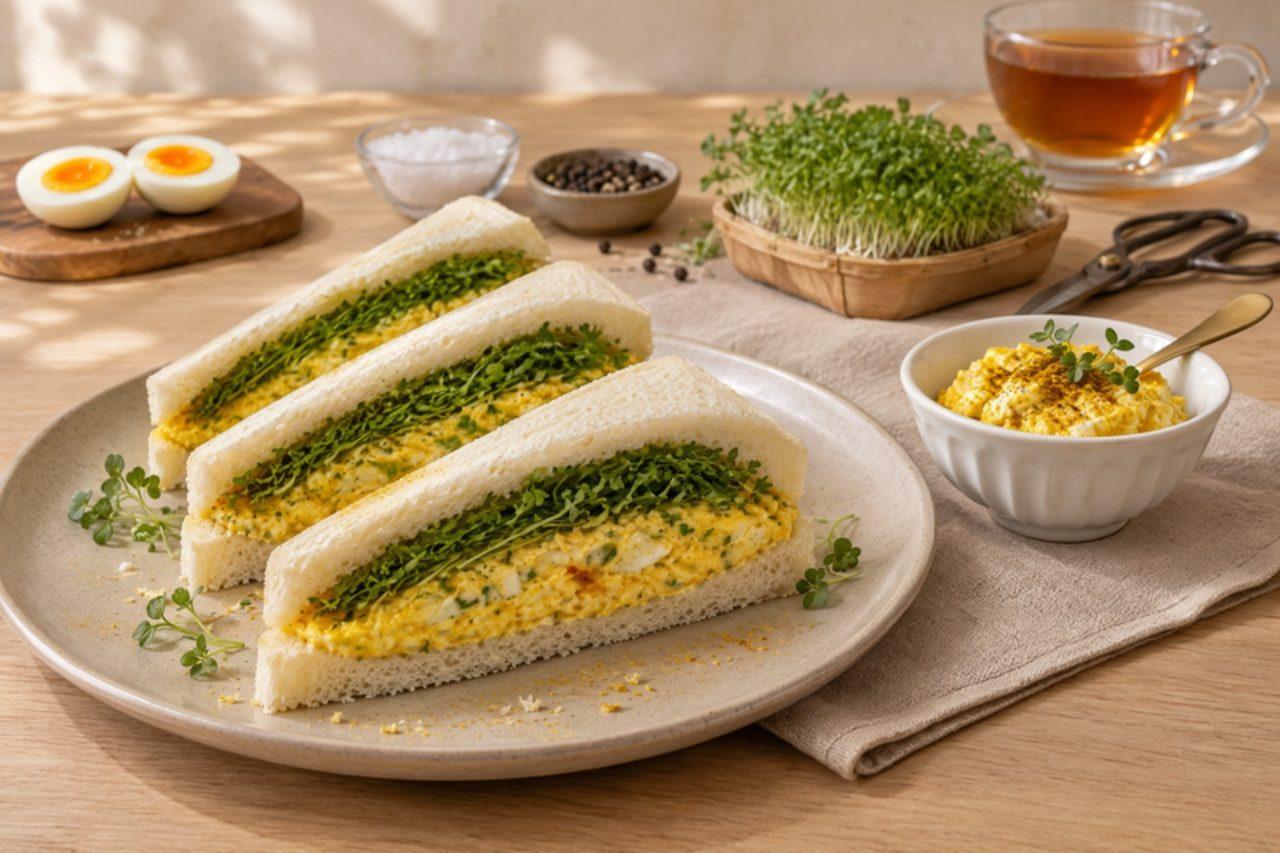
Curried egg sandwich

A school canteen and church-fete favourite across Australia, the curried egg sandwich is soft white or wholemeal bread filled with hard-boiled egg mashed with mayonnaise and a little mild curry powder, often with lettuce or cress. It goes into lunch boxes cut into fingers. The common mistake is mashing the eggs while warm, which turns the mayonnaise oily and the filling runny; let them cool completely. Chef's tip: warm the curry powder in a dry pan for 20 seconds first, and the raw, dusty taste turns sweet and toasty.

by KrazyBadal 0 views

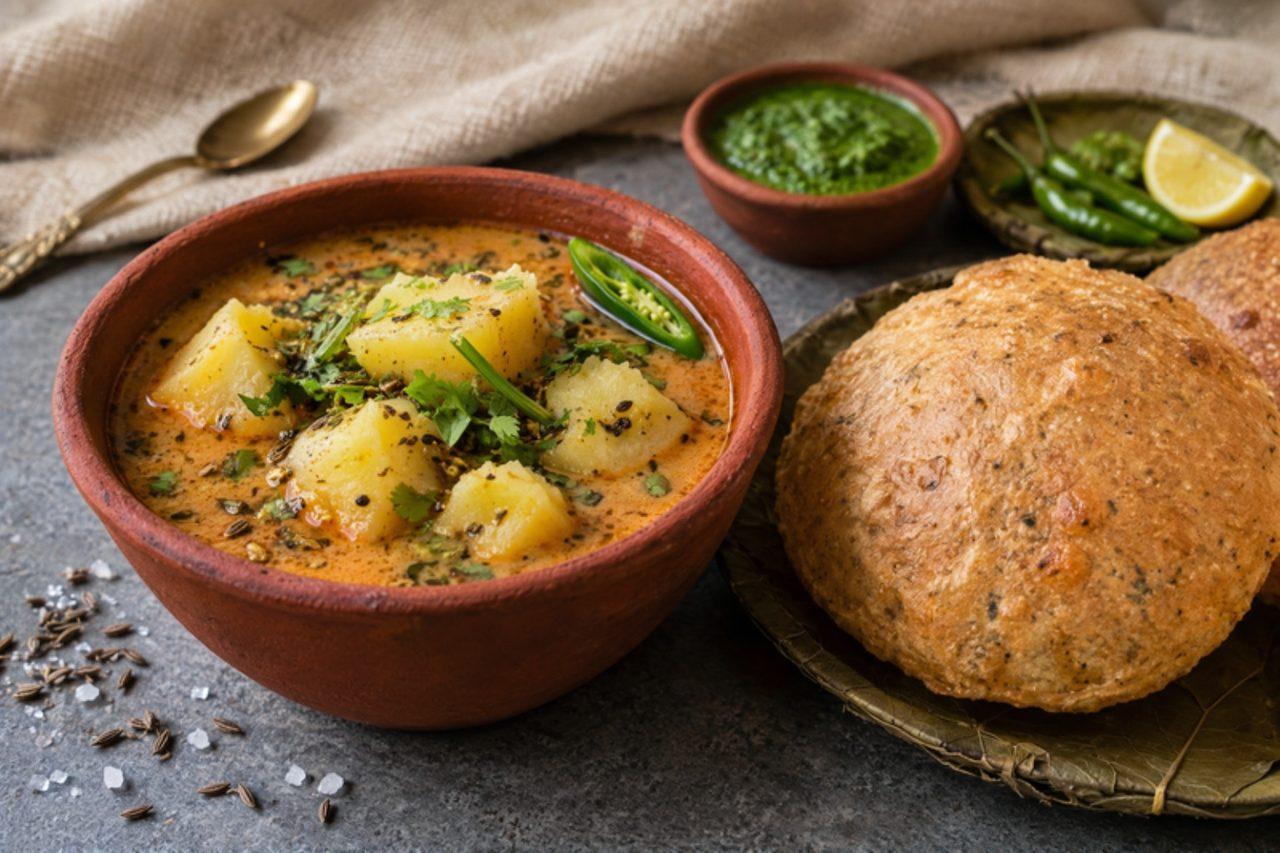
Dubki wale alooHing-scented potato curry

In the lanes of Mathura and Agra, breakfast is bedai or kachori with dubki wale aloo, a thin, peppery potato curry with so much gravy the puri can take a dip, or dubki. Its flavour comes from hing, crushed coriander seed and fennel rather than onion or garlic, which suits the Vaishnav kitchens of Braj and Holi mornings. The common mistake is making the gravy thick; it should run, so add enough water and mash only a few potatoes to give it body. Chef's tip: crush the boiled potatoes by hand into rough pieces rather than cubing them; the jagged edges soak up the spice.

by KrazyBadal 0 views

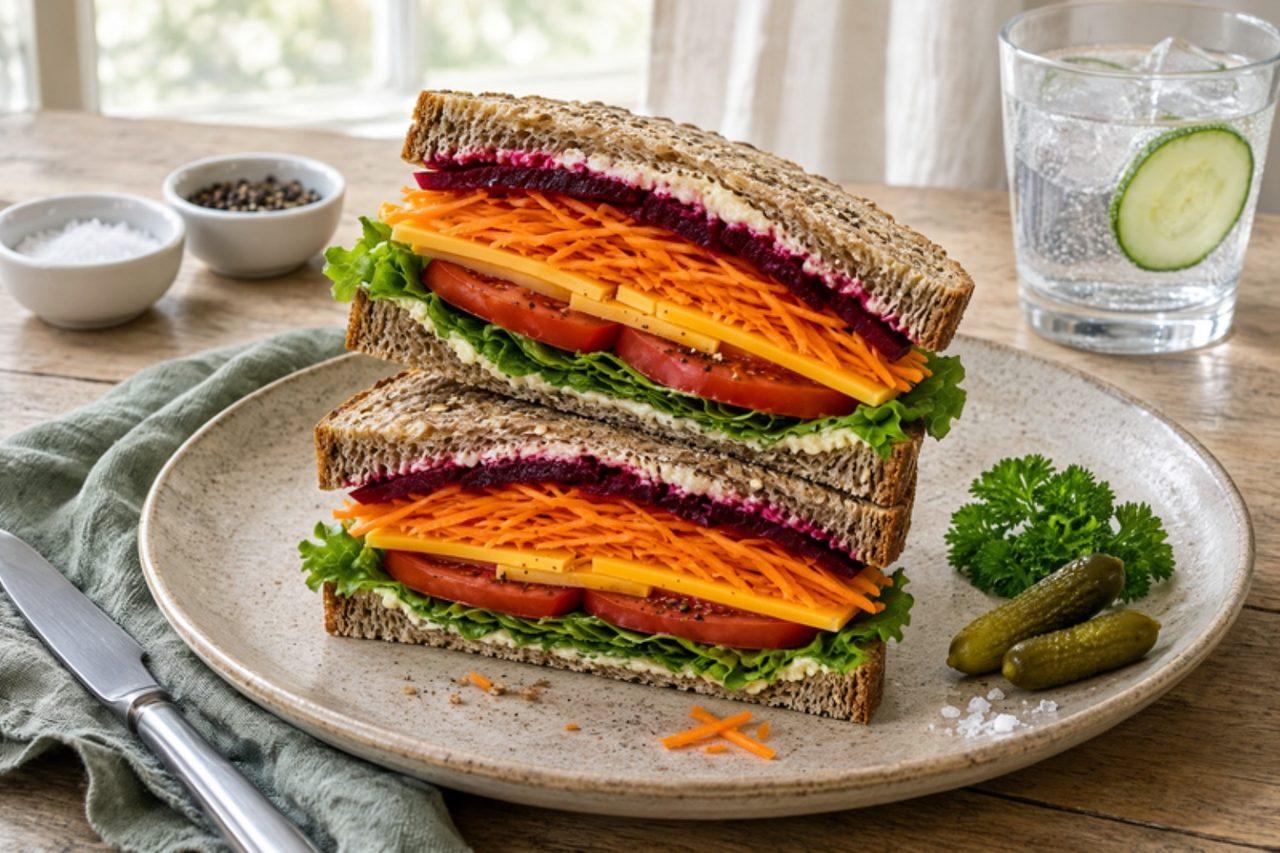
Aussie salad sandwich

The salad sandwich is the backbone of the Australian lunchbox and the school tuckshop order: soft bread built up with tinned beetroot, grated carrot, tasty cheese, tomato and crisp lettuce, cut into triangles and wrapped in paper. Beetroot is what makes it unmistakably Aussie. The common mistake is laying wet beetroot and tomato straight on bare bread, so by lunchtime it is pink and soggy. Many Cheddar-style "tasty" cheeses use animal rennet; choose one labelled vegetarian. Chef's tip: butter both slices to the edge and put the cheese and lettuce next to the bread, with the wet fillings sealed in the middle.

by KrazyBadal 0 views

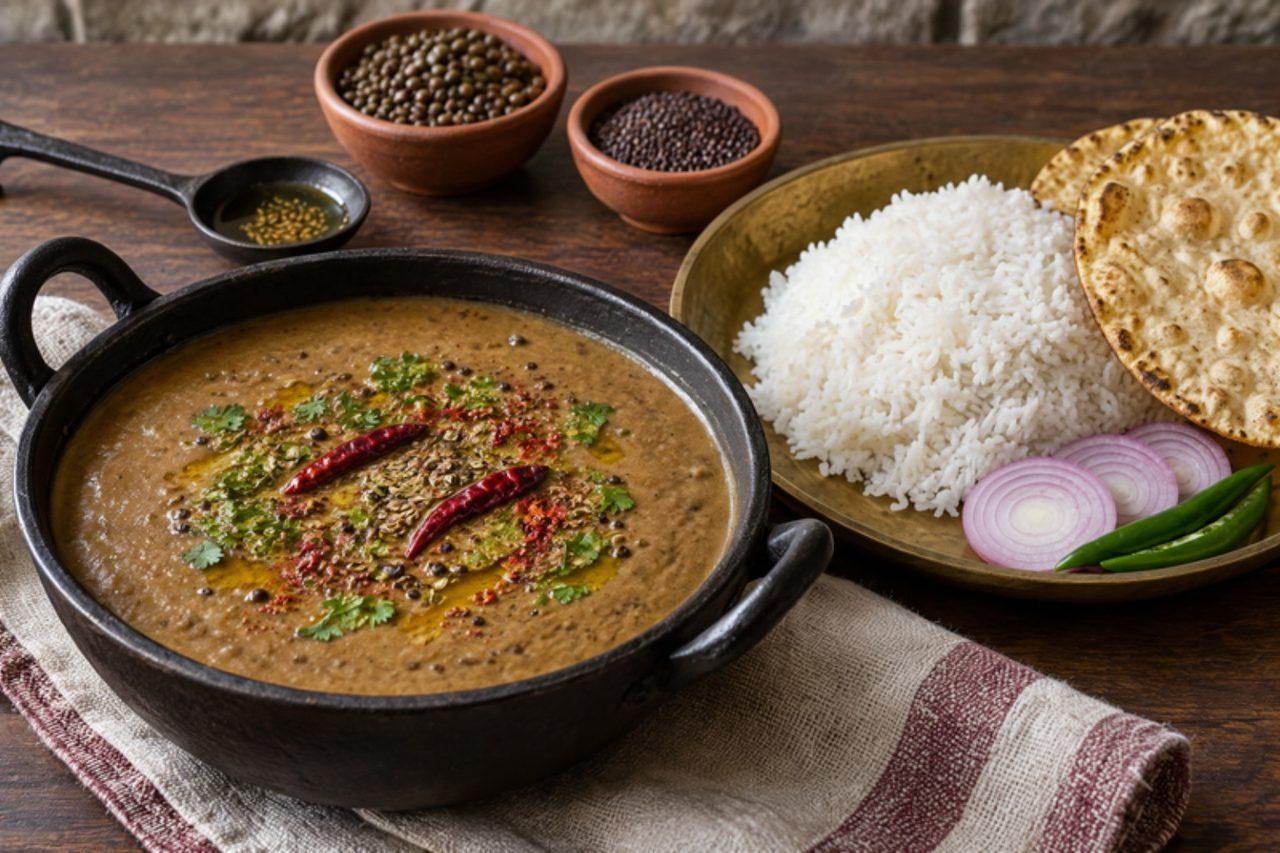
DubukThick lentil curry

Dubuk is a Kumaoni winter staple from the hill villages around Almora and Pithoragarh, where soaked bhatt (black soybean) or gahat is ground on a stone and simmered slowly in an iron kadhai until it turns thick and dark. It is eaten with plain rice on cold evenings, and the iron pot gives it its slightly earthy colour and taste. Toor dal or a mix of toor and urad works well if you cannot find pahadi lentils. The common mistake is grinding the lentils to a fine paste and boiling hard, which makes dubuk gluey; grind coarse and keep the simmer gentle. Chef's tip: stir in a spoon of the rice paste only at the end, and only if the gravy needs body, because the lentils thicken a lot as they stand.

by KrazyBadal 0 views

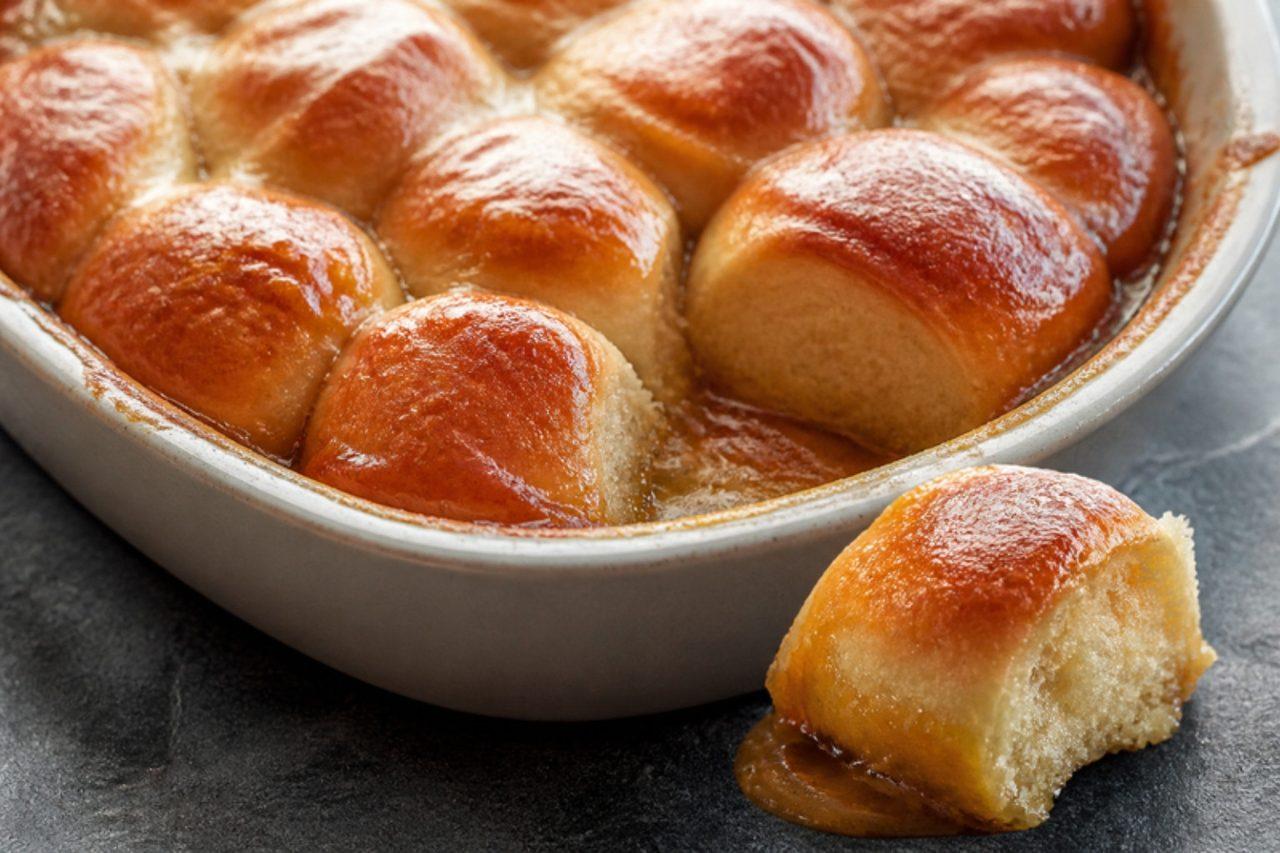
Lolo bunsCoconut cream baked buns

Lolo buns are the Sunday treat of Fijian kitchens, made for church lunches and family get-togethers in Lautoka and Suva: soft yeast buns packed into a tin and baked in a bath of sweetened coconut cream (lolo), which soaks into the bottoms and bakes into a sticky, caramel-edged sauce. Everyone pulls one out warm from the tin. A common mistake is pouring the coconut cream on too early; add it just before baking so the buns have risen fully. Chef's tip: use thick, full-fat coconut cream for a rich glaze.

by KrazyBadal 0 views

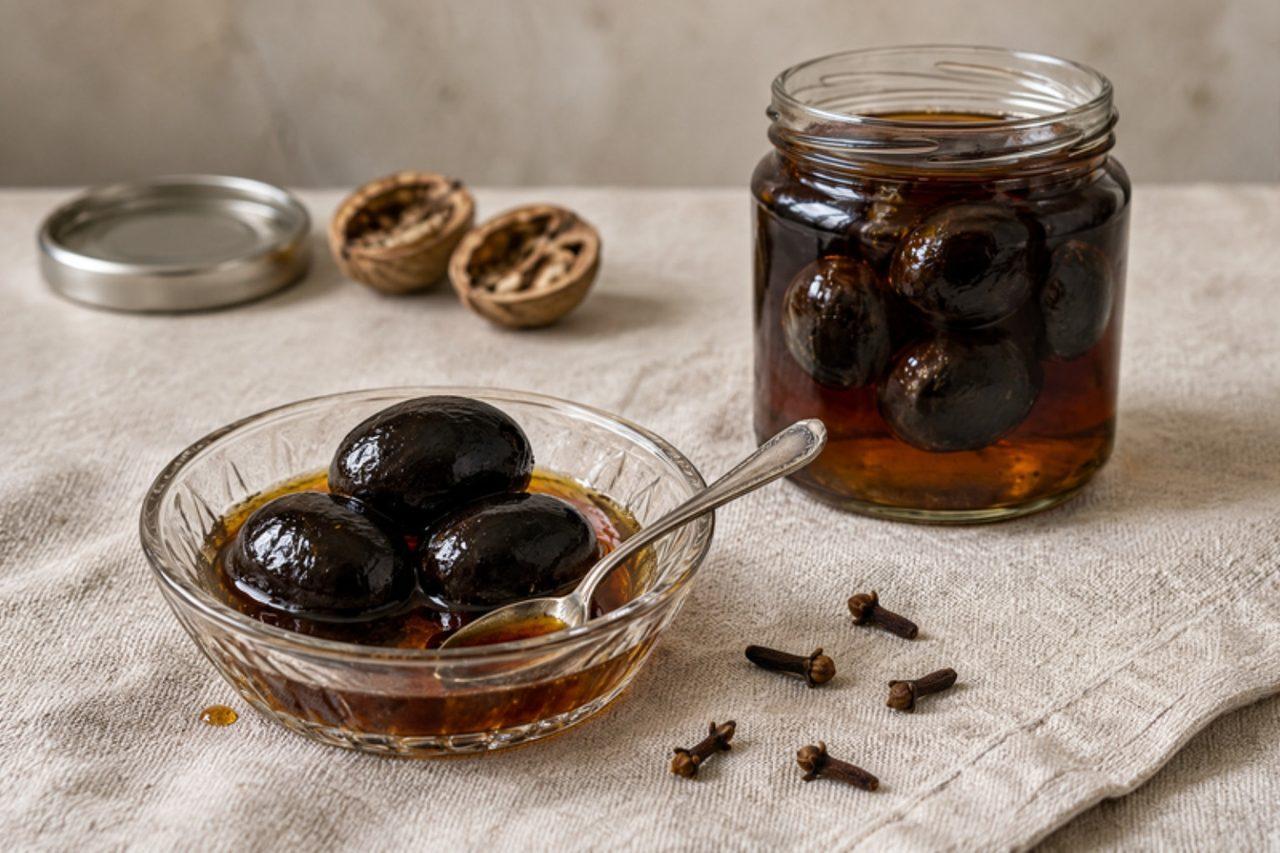
Dulceață de nuci verziCandied green walnuts

Around Sânziene in late June, families in Moldavia and Transylvania climb the walnut trees to gather nuts that are still green and soft, before the shell has begun to form. A week of patient work follows: peeling, pricking and soaking in water changed morning and evening until the harsh bitterness leaches out, then slow simmering in a syrup scented with cloves and lemon until the nuts turn glossy black. The finished dulceață is offered the old way, one walnut on a small glass saucer with a teaspoon and a glass of cold water for a visitor, or with coffee on a winter afternoon. Each nut is tender all the way through with a faint crunch at the heart, tasting of caramel, cloves and something resinous and bittersweet. The decisive mistake is picking too late: if a darning needle no longer slides easily through the centre, the shell is hardening and the nuts will stay woody whatever you do. The syrup is done when a drop holds its shape on a cold plate. Chef's tip: wear gloves for every stage, as green walnut juice stains skin brown-black for days.

by KrazyBadal 0 views

Pâté en croûtePork and veal pie in pastry

Lyon's charcuteries display pâté en croûte like jewellery: a tall loaf of crisp, golden pastry wrapped around a coarse terrine of pork and veal. A slice wrapped in paper is a picnic and lunchbox luxury, and the whole loaf is a Sunday project eaten over several days. The common mistake is undercooking it for fear of drying it out: as it is made with minced pork, the centre must reach 71 °C, so use a probe thermometer. The classic farce has a splash of cognac; it's optional here, and apple juice or extra stock is the alcohol-free swap. Chef's tip: chill the filled, unbaked loaf for 30 minutes before baking so the pastry keeps its shape and pattern.

150 minFrenchMeat
by KrazyBadal 0 views

Firi firiCoconut doughnuts

Firi firi are the twisted figure-eight doughnuts of Tahiti, sold every morning at the Papeete market and roadside stands, and eaten with a coffee or dipped in hot chocolate on Sunday mornings. The dough is made with coconut milk instead of dairy, so they're lightly sweet and coconut-scented with a soft, chewy inside. A common mistake is twisting the dough too tightly, which makes it spring back; let it rest first. Chef's tip: give them a short second rise after shaping so they fry up light.

by KrazyBadal 0 views

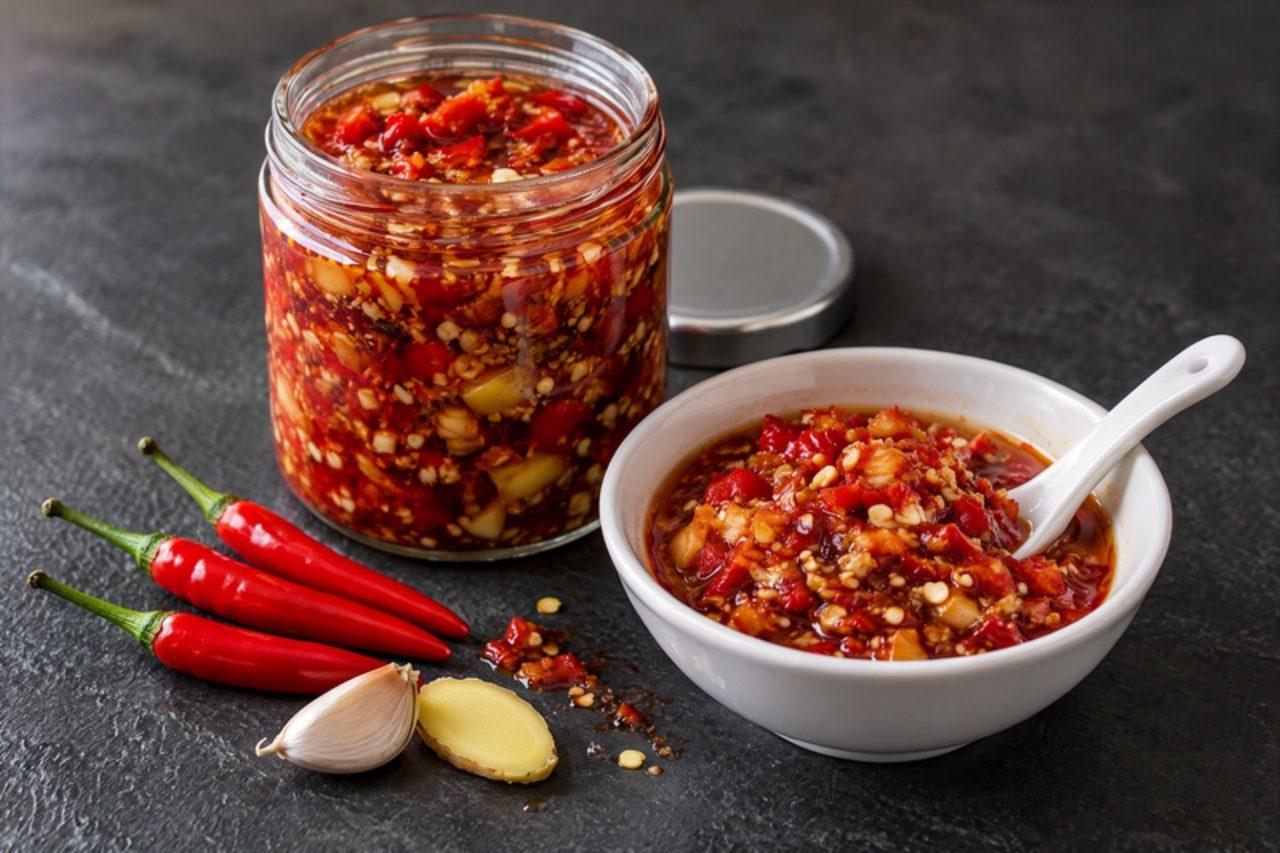
Duo jiaoFermented chopped chillies

In late summer, Hunan kitchens ring with the thud of two cleavers chopping heaps of red chillies, the sound of duo jiao (chopped chilli) being made for the year. Chillies, garlic and ginger are chopped coarse, salted heavily and packed into jars to ferment for about a week, until the heat turns rounder, slightly sour and fruity. Spread thickly over steamed fish fillets, stirred into stir-fried pork or eggs, or spooned over steamed taro, it brings colour as much as fire. Common mistake: chopping it to a smooth paste in a blender; the texture should be rough, pieces the size of rice grains, so pulse briefly or use a knife. Normal ferment signs are a few bubbles, a sour smell and a little liquid rising; a fuzzy coloured mould or a rotten smell means discard. It is ready after 5–7 days at cool room temperature, when it tastes tangy rather than raw. Because it contains garlic and ginger and is a low-sugar paste, it then lives in the fridge for up to 3 months, or in the freezer for a year. Chef's tip: wear gloves and open a window; a kilo of chopped chillies is fierce.

by KrazyBadal 0 views

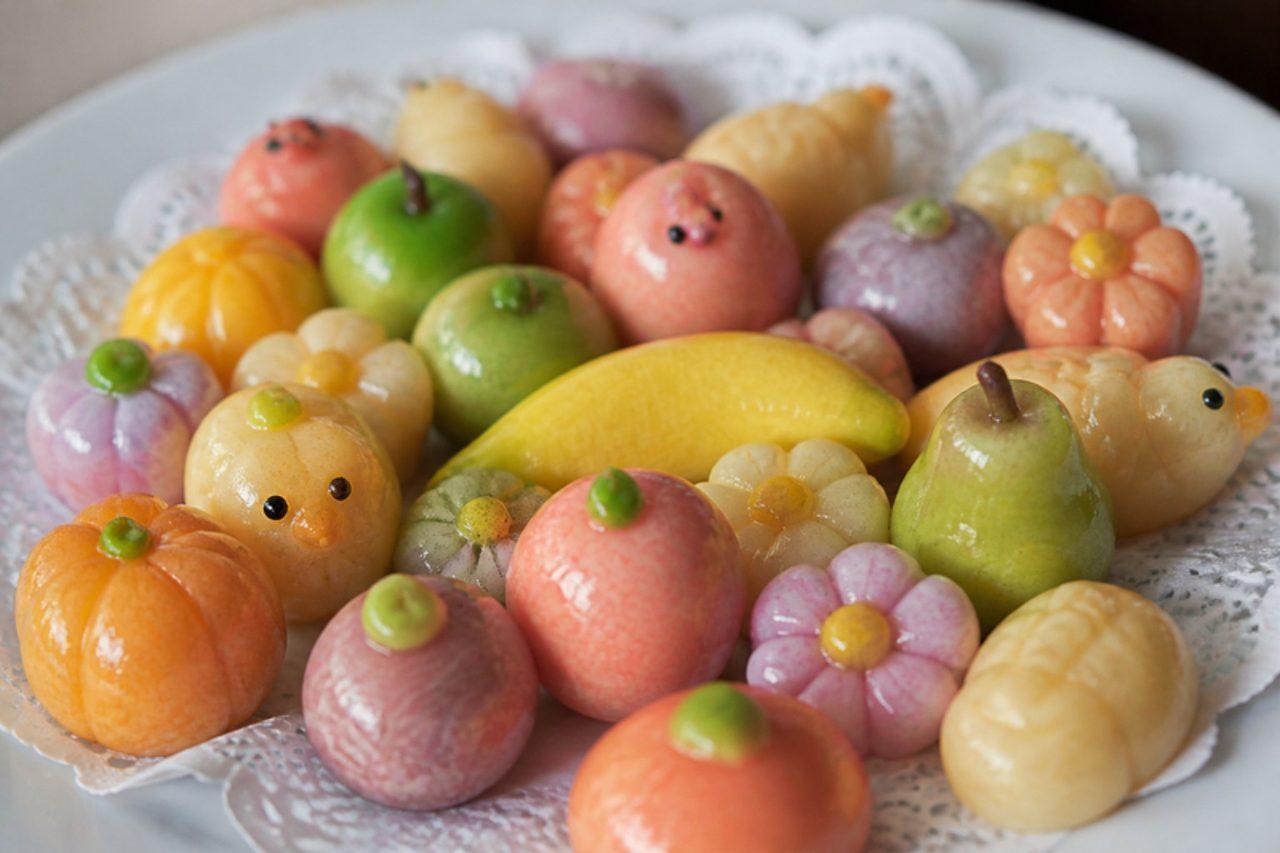
Dulces abrillantadosGlazed milk fudge figures

Walk through the old centre of Mérida and you'll pass windows full of tiny shiny sweets shaped like fruit, flowers and animals: dulces abrillantados, made from milk and sugar cooked down to a fudge, hand-moulded and dipped in syrup that dries to a glassy crust. Families buy boxes to take home from the Andes. They need patience: the shaping is fun, but the milk must be cooked until it truly pulls away from the pan. The common mistake is stopping too early, so the figures flatten. Chef's tip: dust your hands with icing sugar while shaping, and dry the figures overnight before glazing.

by KrazyBadal 0 views

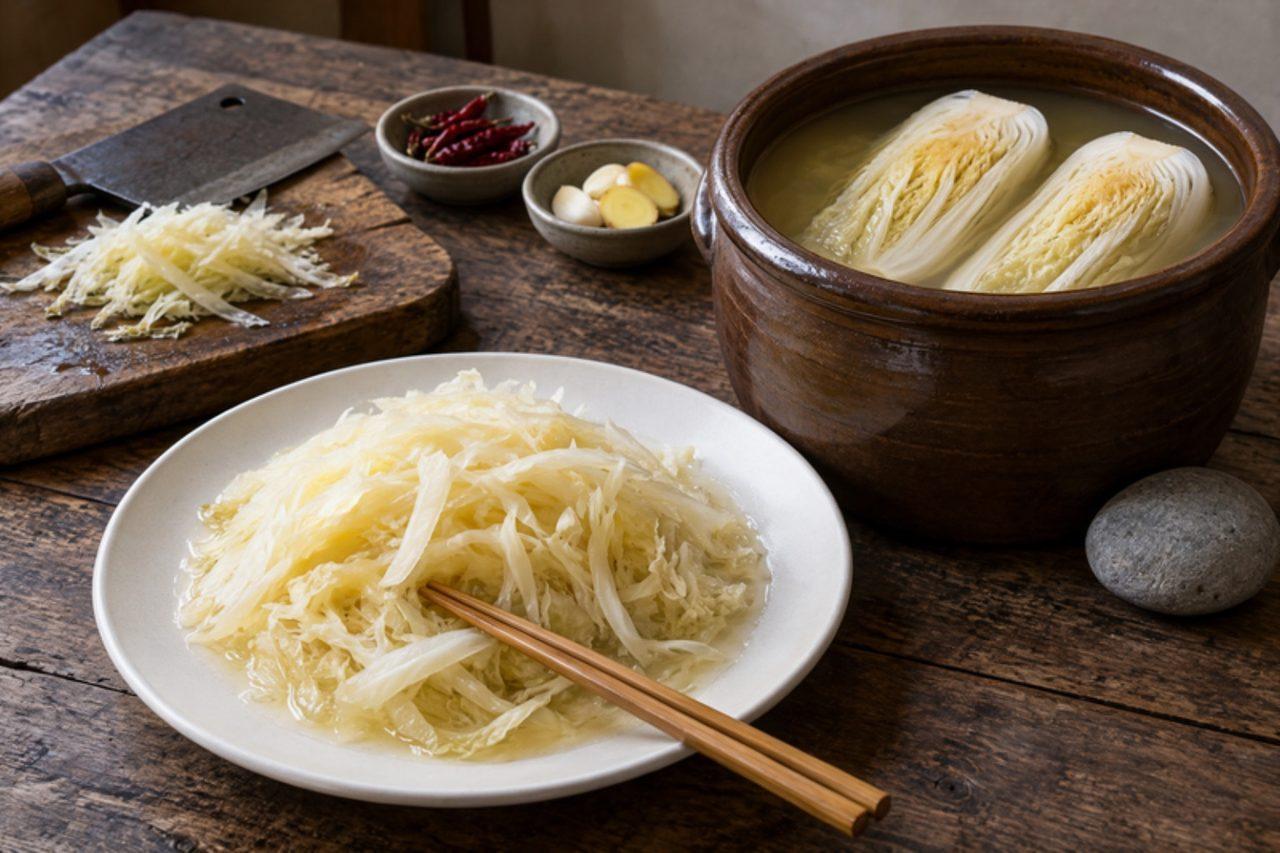
Dongbei suan caiFermented napa cabbage

In Harbin, Changchun and Shenyang, late October is when families buy napa cabbage by the cartload, scald it, and pack it head to tail into big glazed crocks on the balcony, weighed down with a smooth river stone. A month later, as winter sets in, it has become suan cai: pale, almost translucent leaves with a clean, lactic sourness and a soft crunch at the rib. It is shredded into suan cai bai rou (sour cabbage with pork belly), stuffed into dumplings for Spring Festival and simmered in hot pots through the long winter. Common mistake: fermenting somewhere warm; above about 20 °C the cabbage softens and can go slimy, so use the coolest spot you have. Normal signs are fine bubbles, a cloudy brine and a sharp sour smell; a flat white film (kahm yeast) can be skimmed off. Fuzzy coloured mould, pink or black patches, or a putrid smell mean discard the lot. Do not eat it before 3 weeks: it is ready when the leaves are uniformly pale yellow-green and taste fully sour. Then keep it in the brine in the fridge for 2 months. Chef's tip: rinse and squeeze the shreds before cooking to soften the sourness.

by KrazyBadal 0 views

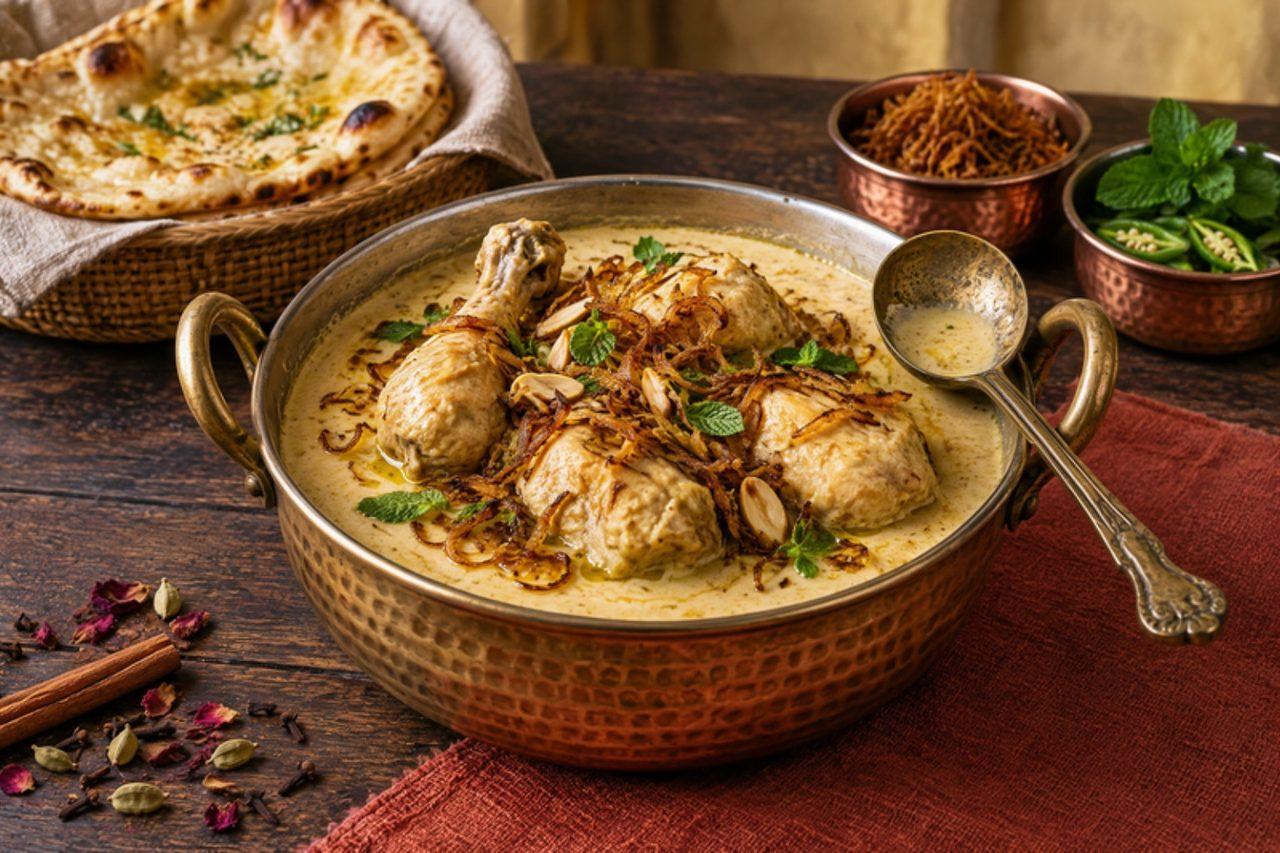
Dum ka murghSlow-cooked chicken in yogurt and cashews

Dum ka murgh is a dish of Hyderabad's Nizami dastarkhwan, still cooked at weddings and Eid lunches: chicken marinated in yogurt, ground cashews, fried onions and whole spices, then sealed in a heavy pot and cooked slowly in its own steam. The gravy is pale, rich and fragrant with cardamom and kewra. The common mistake is opening the lid to check; the steam escapes and the chicken cooks unevenly, so trust the timing and use a heavy pan on a tawa. Food safety: marinate covered in the fridge and cook until the thickest piece reaches 74 °C. Chef's tip: fry the onions slowly to an even deep gold, not brown; burnt birista turns the whole gravy bitter.

by KrazyBadal 0 views

Arrollado huasoRolled spiced pork belly

Arrollado huaso, the 'countryman's roll', is the pork belly roll of the Central Valley: a flat piece of pork belly spread with ají paste, garlic and cumin, rolled tight, tied and wrapped, then simmered for hours and sliced cold. It is the star of September fondas and Christmas tables, sliced thin with hot bread, pebre and boiled potatoes. The mistake that spoils it is a loose roll, which unwinds and cooks unevenly; tie it every 3 cm. Chef's tip: cool it overnight in its cooking liquid with a weight on top; it sets firm and slices into neat spirals. The pork must reach 71 °C in the centre, as the rolled-in surface is now inside.

190 minChileanMeatGluten free
by KrazyBadal 0 views

Egg banjo (Indore style)Spicy egg pav

Indore eats late, and after the jewellery shops of Sarafa Bazaar shut their shutters at night the lane turns into a food market; egg banjo stalls there and at Chhappan Dukan keep frying until long after midnight. A soft pav is split, toasted in butter and packed with a masala omelette folded to fit, then green chutney, raw onion and a heap of fine sev for crunch. It is soft, buttery and hot all at once. Contains egg, wheat and dairy. Chef's tip: cook the omelette in a shape the size of the bun, so every bite has egg in it.

by KrazyBadal 0 views

Jambon-beurreHam and butter baguette

France sells millions of jambon-beurre every working day: half a crusty baguette, split, spread with good salted butter and filled with thin slices of jambon de Paris, the delicate cooked pork ham. Parisians eat it at the office, on a park bench or on the train. The common mistake is a stingy smear of hard butter; the butter is a filling, not a glue, so spread it soft and generous. Some add cornichons, which purists call a different sandwich. Chef's tip: fold each slice of ham loosely in half rather than laying it flat, so the sandwich is airy and every bite has ham.

by KrazyBadal 0 views

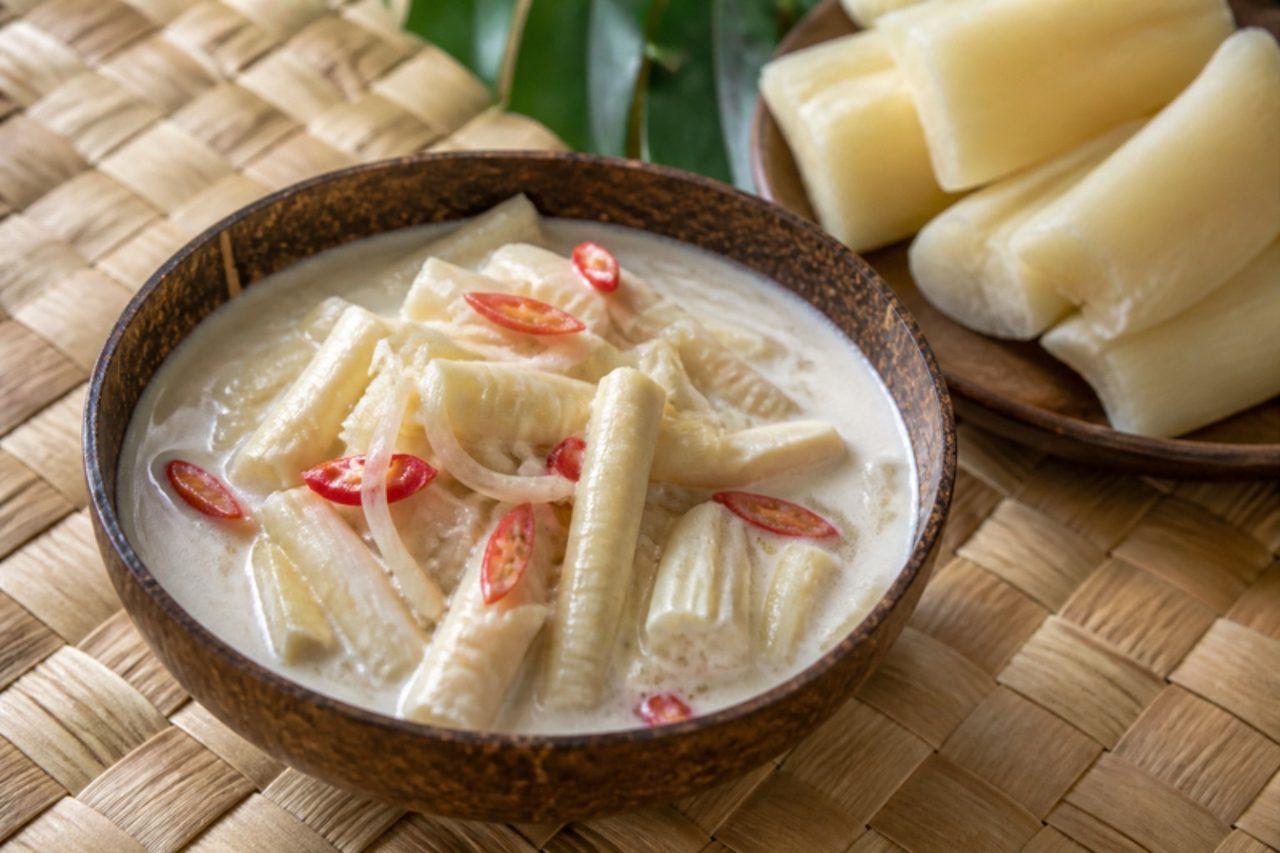
Duruka in coconut milkSugarcane flower in coconut milk

Duruka is the unopened flower of a wild sugarcane that Fijians call Fijian asparagus, in season for a few weeks around April and May when it fills the markets of Suva and Nausori in bundles. Peeled from its husk, it is tender and sweet with a taste between baby corn and asparagus, and the classic iTaukei way is to simmer it in lolo, fresh coconut milk, with onion and chilli. Outside Fiji you'll find it frozen or tinned in Pacific grocery shops; baby corn and asparagus make a fair stand-in. A common mistake is boiling the coconut milk hard, which splits it; keep it at a gentle simmer. Chef's tip: add a squeeze of lemon right at the end to lift the richness.

by KrazyBadal 0 views

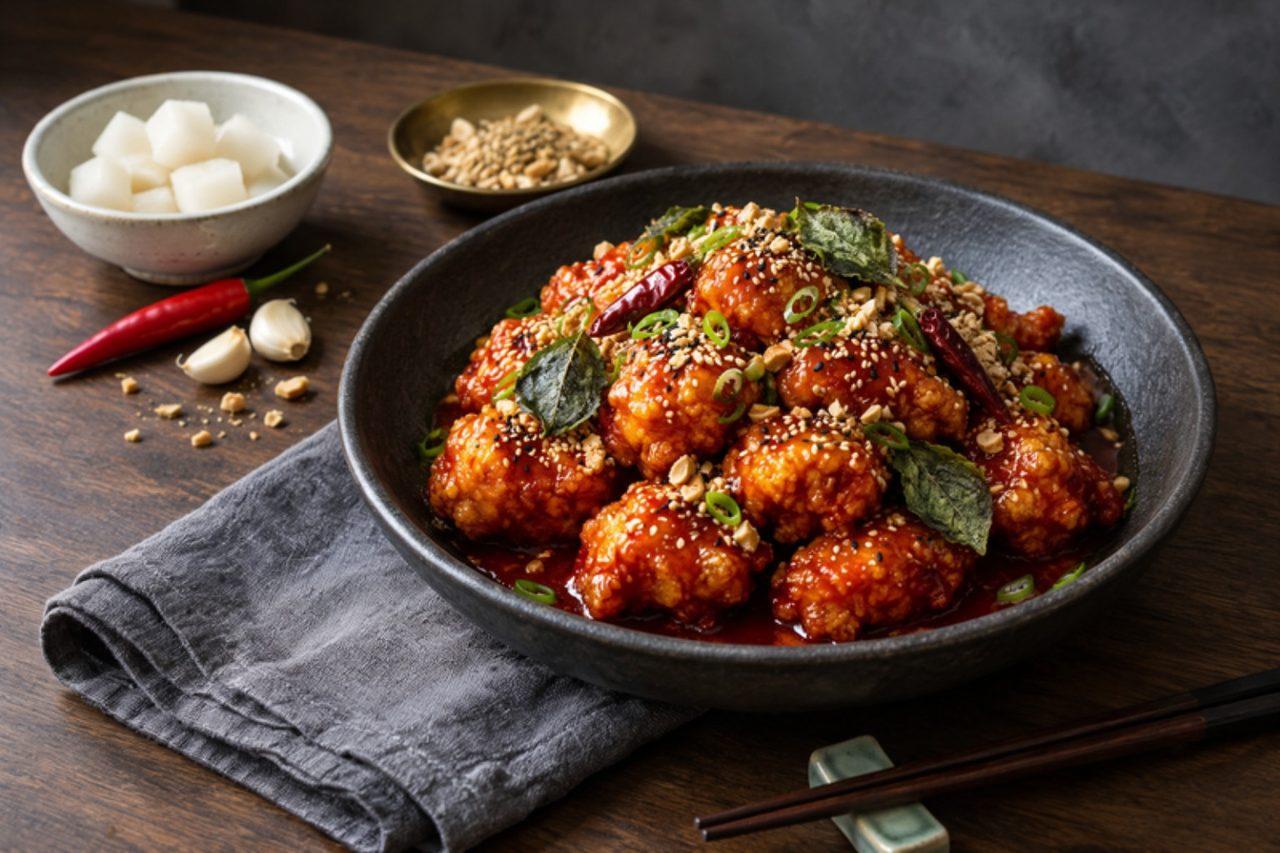
DakgangjeongSticky glazed fried chicken

Dakgangjeong is the boxed fried chicken of Sokcho's Jungang market on Korea's east coast, carried home by the tub and packed into lunchboxes the next day, because the double-fried pieces in their sticky glaze stay crunchy even when cold. The common mistake is frying only once; the second fry drives out moisture so the crust holds up to the sauce. Chef's tip: coat with potato starch rather than flour, and let the coated chicken sit for 5 minutes so the starch hydrates into a craggy crust.

by KrazyBadal 0 views

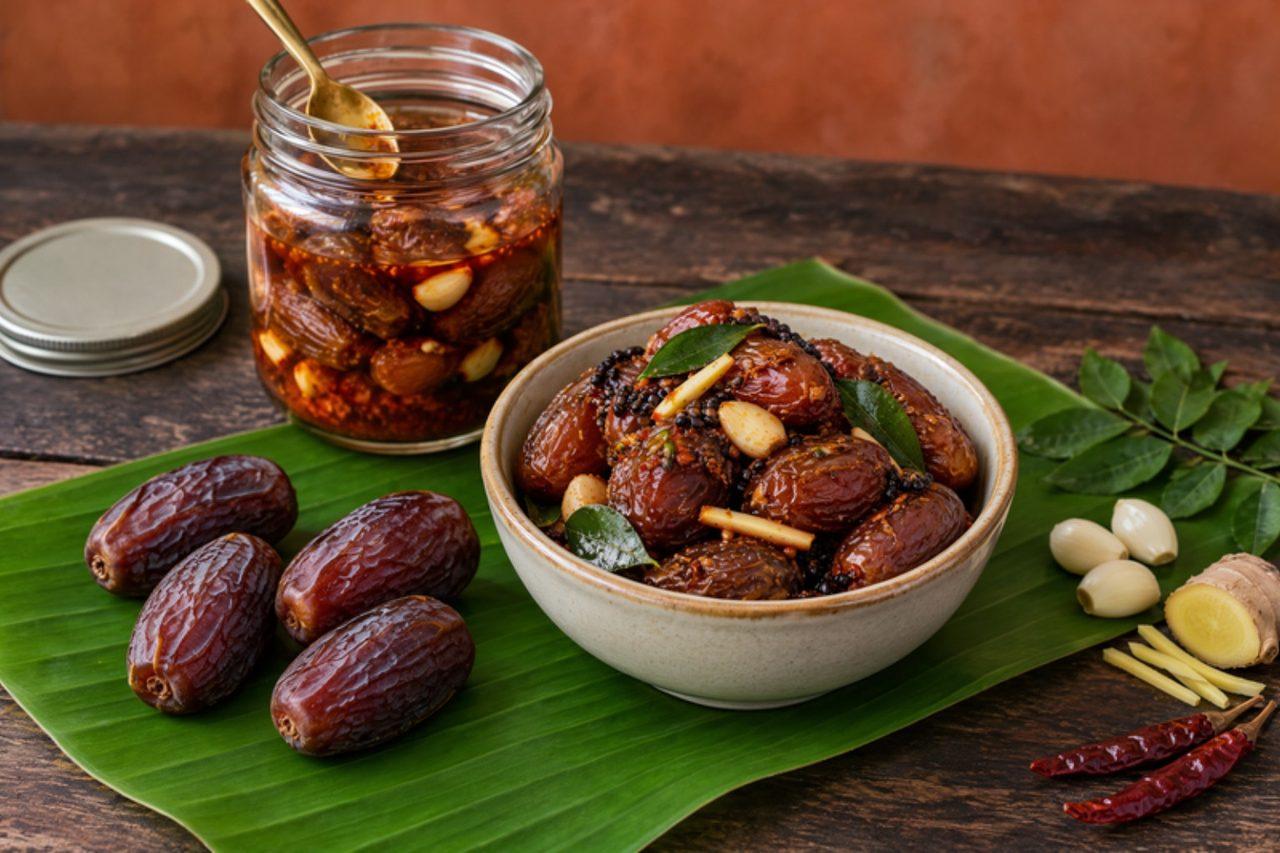
Eenthapazham acharDate pickle

Date pickle came to Kerala with the Gulf, and in Malabar and central Travancore it has become a fixture at weddings, where it sits on the leaf beside the biriyani or the sadya rice. Pitted dates are simmered briefly in a gingelly-oil masala of garlic, ginger, green chilli and Kashmiri chilli, then loosened with vinegar and a little sugar. The dates stay plump and sticky, and the sauce is sweet, sour and gently hot all at once, like a spiced chutney with more punch. Serve it with ghee rice or biriyani, with chapati and a mild kurma, or tucked into a sandwich with cucumber. The common mistake is cooking the dates for too long so they dissolve into paste; add them at the end and warm them through for only a few minutes. It is ready when the masala is glossy and thick enough to cling to each date and the oil shines at the edges. With garlic and ginger in it, the vinegar (at least 5% acidity, undiluted) keeps it sharp, but it still belongs in the fridge: it keeps up to a month. Chef's tip: use soft, semi-dry dates rather than very sticky ones; they hold their shape and soak up the vinegar better.

by KrazyBadal 0 views

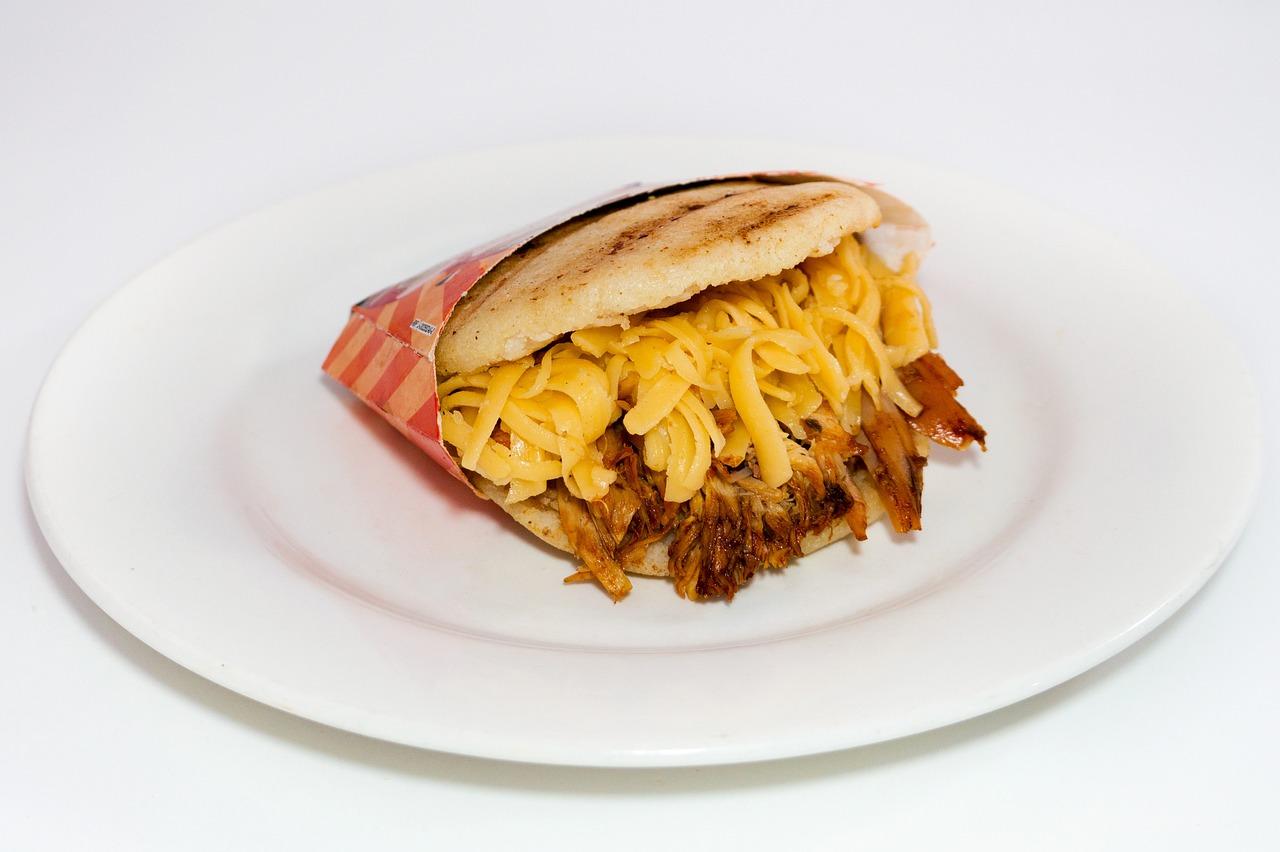
Arepa pelúaArepa with shredded beef and cheese

Late at night in the areperas of Caracas, the pelúa is the order for the hungry: a split corn arepa packed with carne mechada (slow-cooked shredded beef in sofrito) and a heap of grated yellow cheese that melts into 'hairy' strands, which is what pelúa means. The beef can be made a day ahead, and many families cook a big pot to fill arepas all week. The common mistake is a dry arepa dough that cracks on the griddle. Chef's tip: the dough should feel like soft play-dough and leave your palms just damp; add water a spoonful at a time until it does.

by KrazyBadal 0 views

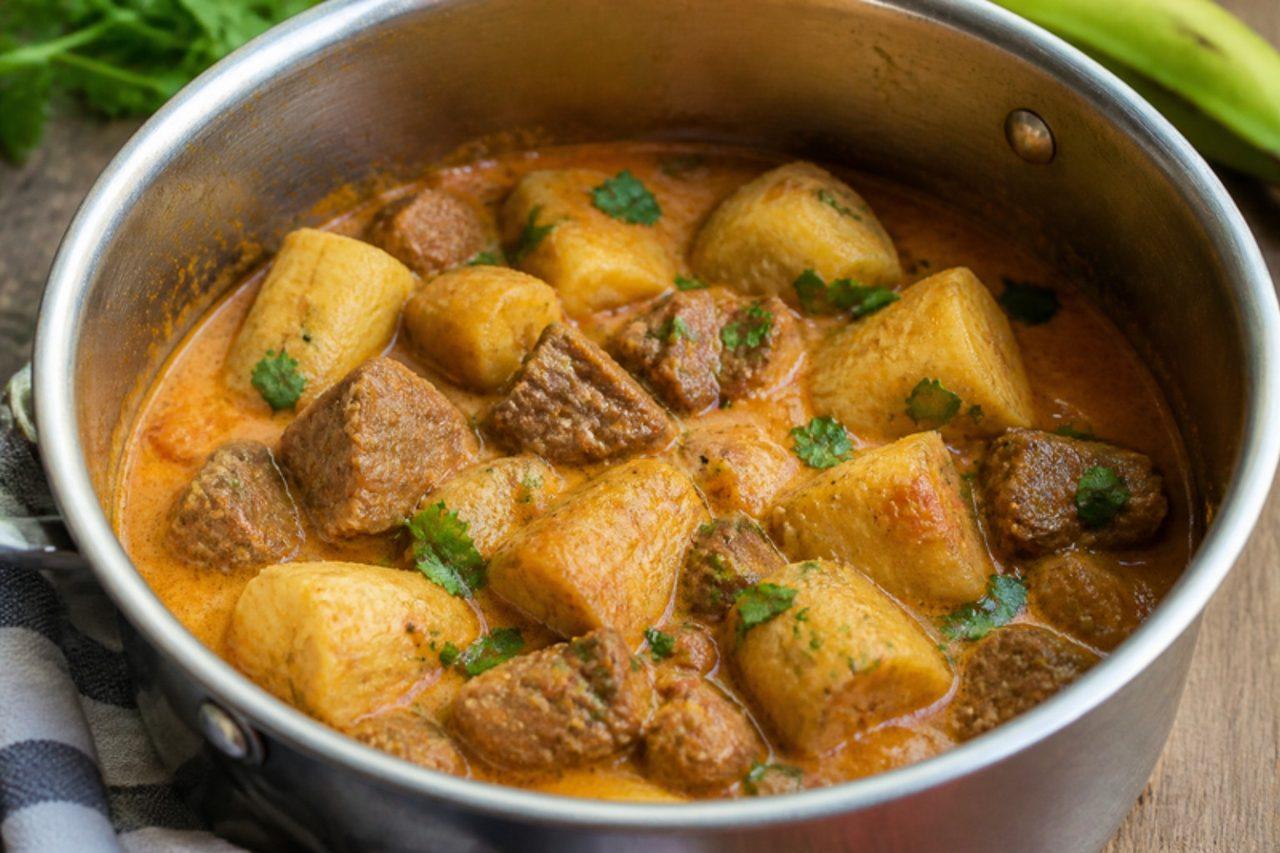
Ndizi nyamaGreen banana and beef stew

Ask someone from Arusha or Moshi for their favourite home dish and ndizi nyama comes up again and again: green cooking bananas and chunks of beef stewed together in one pot with onion and tomato until the bananas soak up the meaty juices. The bananas soften to something between potato and plantain, a few break down and thicken the sauce naturally, and a little coconut milk at the end, common in Dar and on the coast, rounds it off. It is a complete meal in a bowl, though a side of mchicha or kachumbari is welcome. The usual mistake is adding the bananas too early, so they turn to mush before the beef is tender. Chef's tip: cook the beef almost all the way first, then give the bananas the last 20 minutes only.

by KrazyBadal 0 views

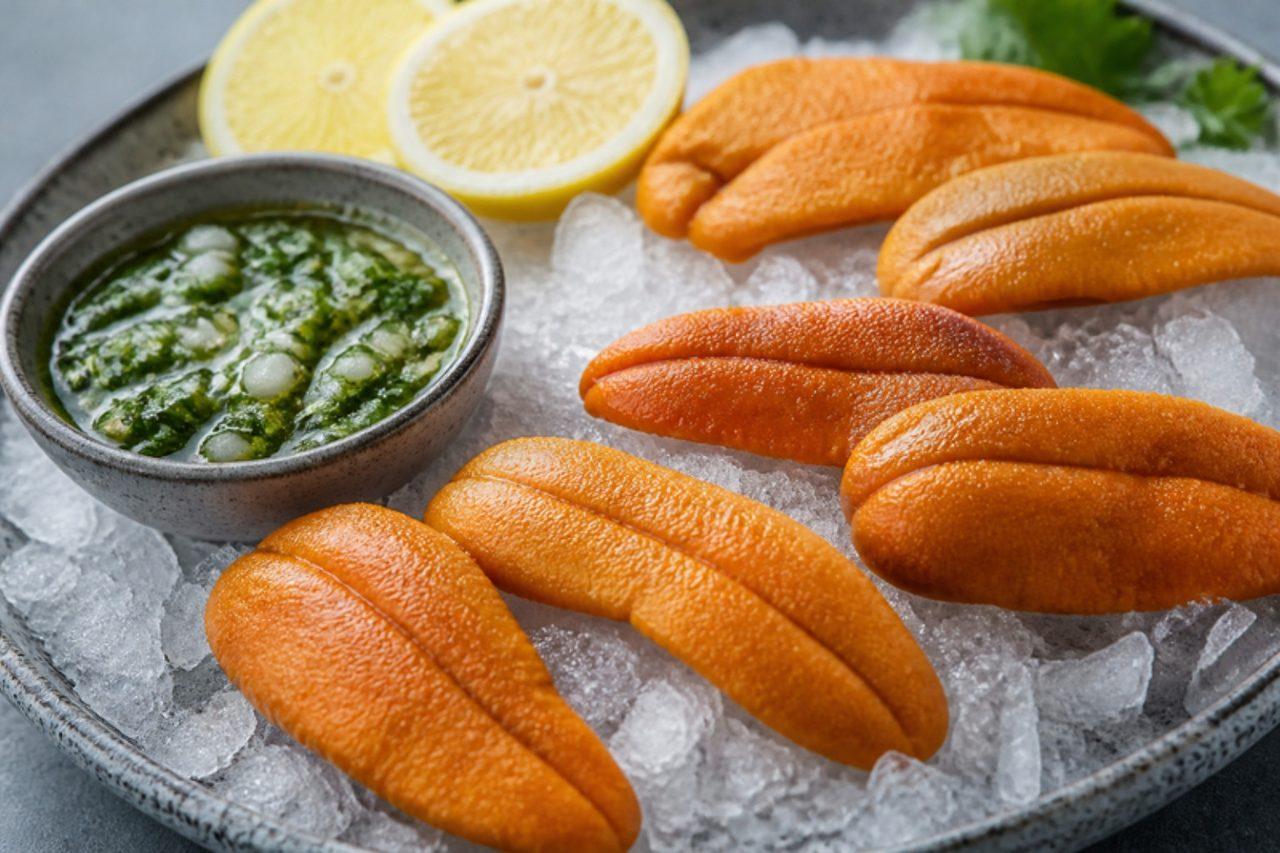
Erizos con salsa verdeSea urchin with green salsa

On the docks of Punta Arenas and in the markets of Valparaíso and Puerto Montt, Chilean sea urchins are cracked open in front of you and their orange tongues (lenguas) piled on a plate with a sharp green sauce of onion, parsley, coriander and lemon. They taste of the sea, sweet and creamy, and are eaten raw with bread. Because the urchin is raw, this dish is not for pregnant women, young children or anyone with a weakened immune system. Buy urchins live or freshly packed roe from a licensed fishmonger, keep it at 0–4 °C and eat it the same day. The common mistake is drowning the delicate roe in lemon, which 'cooks' and toughens it. Chef's tip: spoon the sauce over just before eating. For a safer version, serve the same salsa verde over cooked, chilled prawns.

by KrazyBadal 0 views

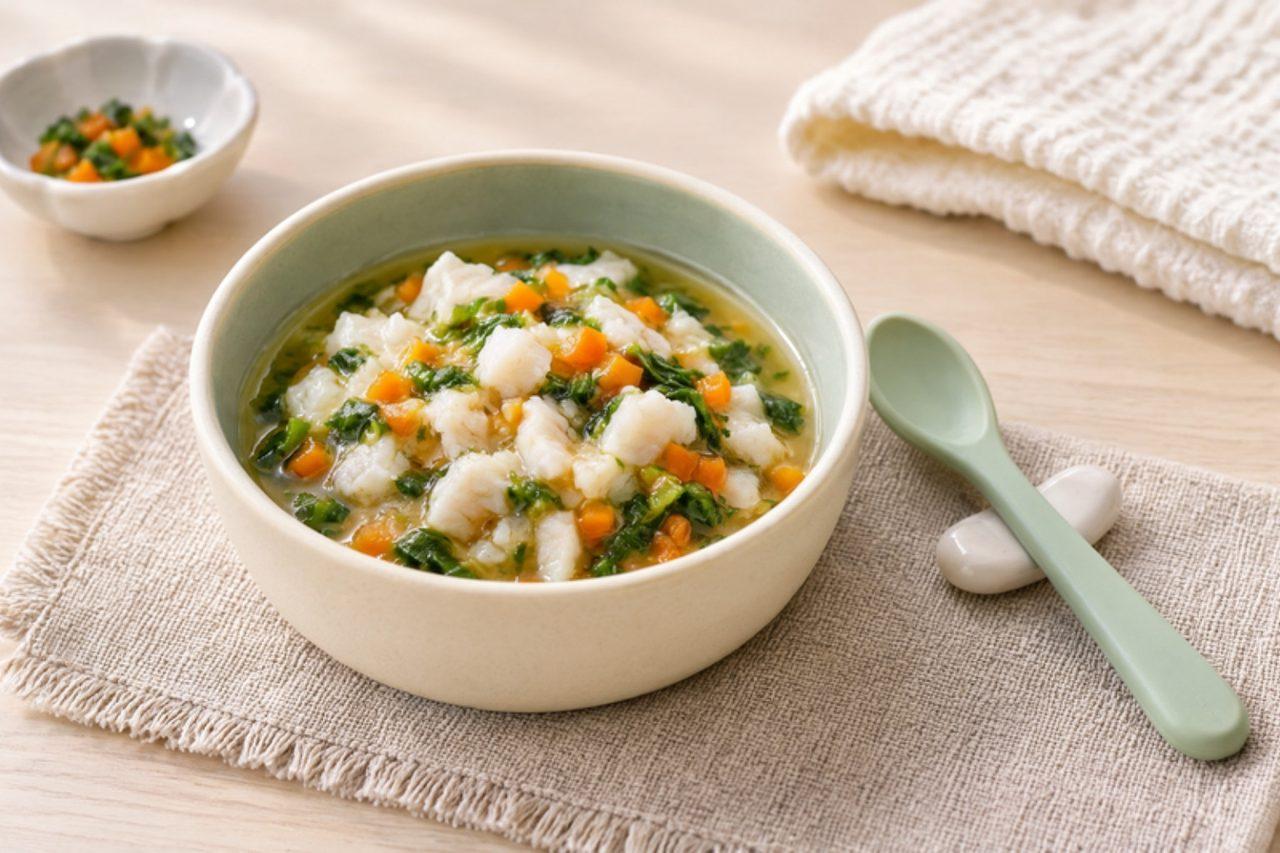
Tara no ankake for babiesCod in vegetable sauce for babies

Ankake is the glossy, starch-thickened sauce that Japanese cooks spoon over tofu, rice and fish, and baby-food cookbooks in Japan use it for the kamikami stage around nine months, because it binds flakes of fish and soft vegetables into something babies can swallow easily. Fresh cod (nama-dara) is mild, white and soft, and here it is poached in unsalted kombu dashi with carrot, daikon and spinach. It contains fish and is free of milk, egg, gluten, nuts, soya and sesame. Chef's tip: mix the potato starch with cold water and stir it in off the boil; it thickens smoothly with no lumps.

by KrazyBadal 0 views

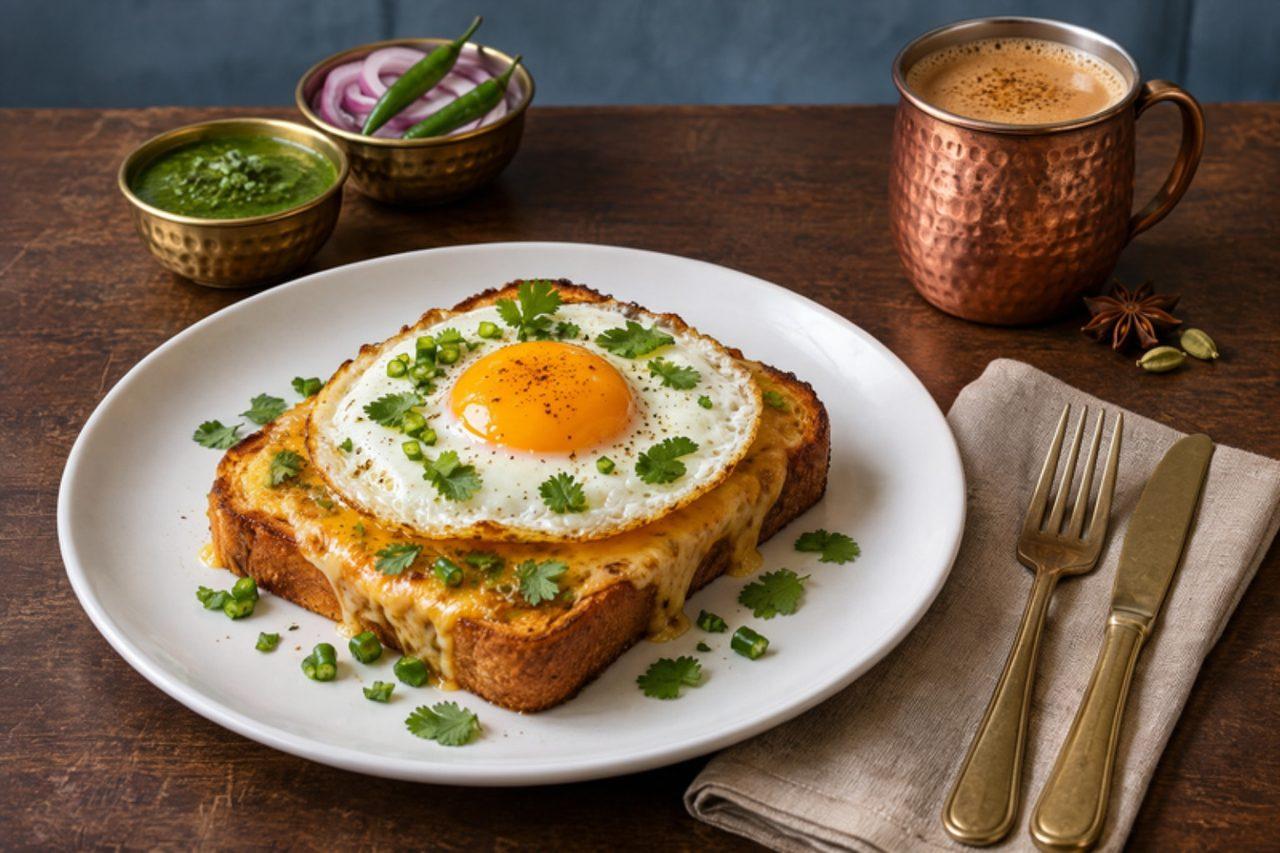
Egg kejriwalChilli cheese toast with egg

Egg kejriwal was born at the Willingdon Club in Mumbai, where a member from a vegetarian family ordered his eggs on cheese toast away from home, and the name stuck to the dish. Today it is a weekend breakfast in Mumbai cafés: toast spread with green chilli and mustard, smothered in melted cheese and crowned with a fried egg. The mistake is laying the egg on cheese that has not melted; grill the cheese first until bubbling. Cheddar is often made with animal rennet, so choose a vegetarian cheddar if needed. The yolk is traditionally runny; cook it until set for anyone pregnant, young children, older people or anyone with a weakened immune system. Chef's tip: mix the chopped chilli into the softened butter rather than scattering it, so the heat spreads evenly.

by KrazyBadal 0 views

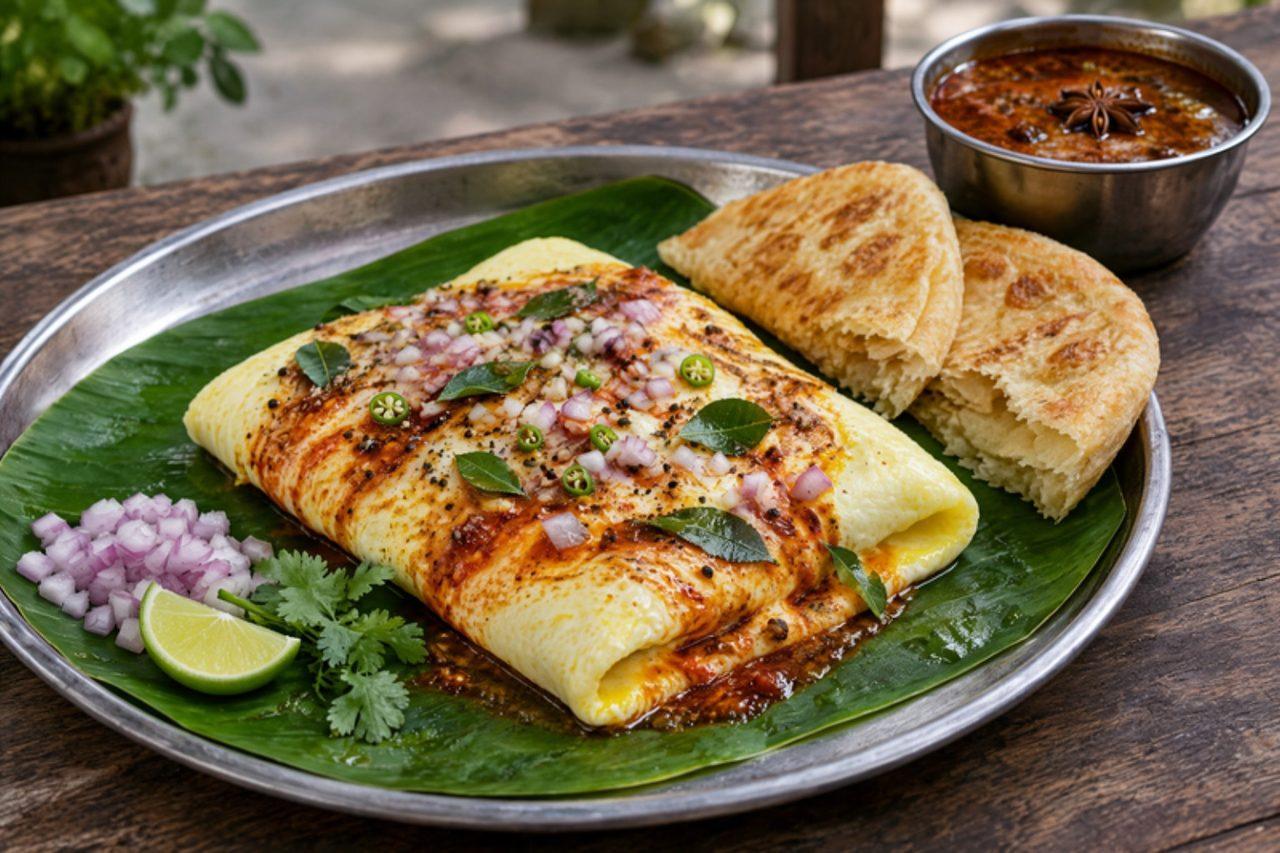
Egg kalakkiSpicy soft-set eggs

Kalakki means 'stirred up', and it was born on the parotta stalls of Madurai; in Chennai you find it late at night at the parotta shops of Triplicane and along Arcot Road, where the cook whisks eggs with a ladle of the house chicken salna and swirls them on the tawa for under a minute. The result is a soft, wobbly fold of egg, rich with spiced gravy, eaten with flaky parotta. The salna here is a quick home version made with chicken stock, so the dish is not vegetarian. Contains egg. The centre is meant to be just set; for pregnant women, young children or anyone with a weakened immune system, cook it until fully firm. Chef's tip: take it off the heat while the top still looks slightly glossy; it keeps setting on the plate.

by KrazyBadal 0 views

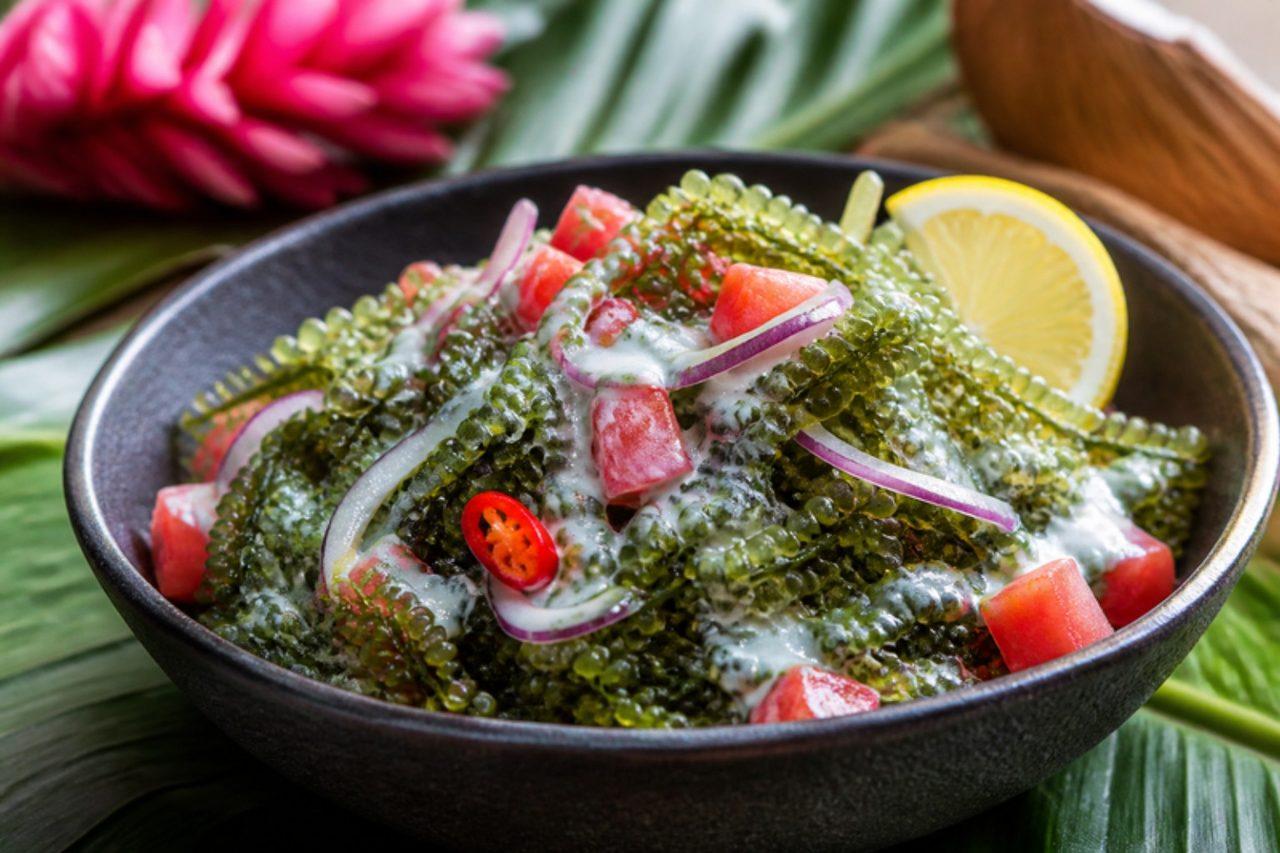
Nama saladSea grapes with coconut milk

Nama, the glossy green sea grapes that grow on the reef flats of Fiji's Lau and Kadavu islands, are sold in bundles at the Suva market and eaten as a fresh, salty salad with almost every iTaukei lunch of fish and cassava. The little bubbles pop in the mouth with a taste of the sea. They are dressed in lolo (coconut milk) with lemon, onion, tomato and chilli just before eating. A common mistake is dressing them too early; the salt and acid make the grapes collapse. Chef's tip: soak them in cold water for 5 minutes to plump them and wash away grit.

by KrazyBadal 0 views

Tawa tawaFried dough diamonds with syrup

Around All Saints and Carnival, tawa tawa piles up on stalls across La Paz and El Alto: little diamonds of enriched dough that puff into hollow pillows in hot oil and are drowned in dark cane syrup or honey. They are eaten warm with a cup of api or cinnamon tea in the cold highland air. The commonest error is rolling the dough too thick, which gives chewy, doughy middles instead of airy pockets. Chef's tip: keep the oil steady at 175 °C and spoon hot oil over the top of each piece as it fries; that is what makes them balloon.

by KrazyBadal 0 views

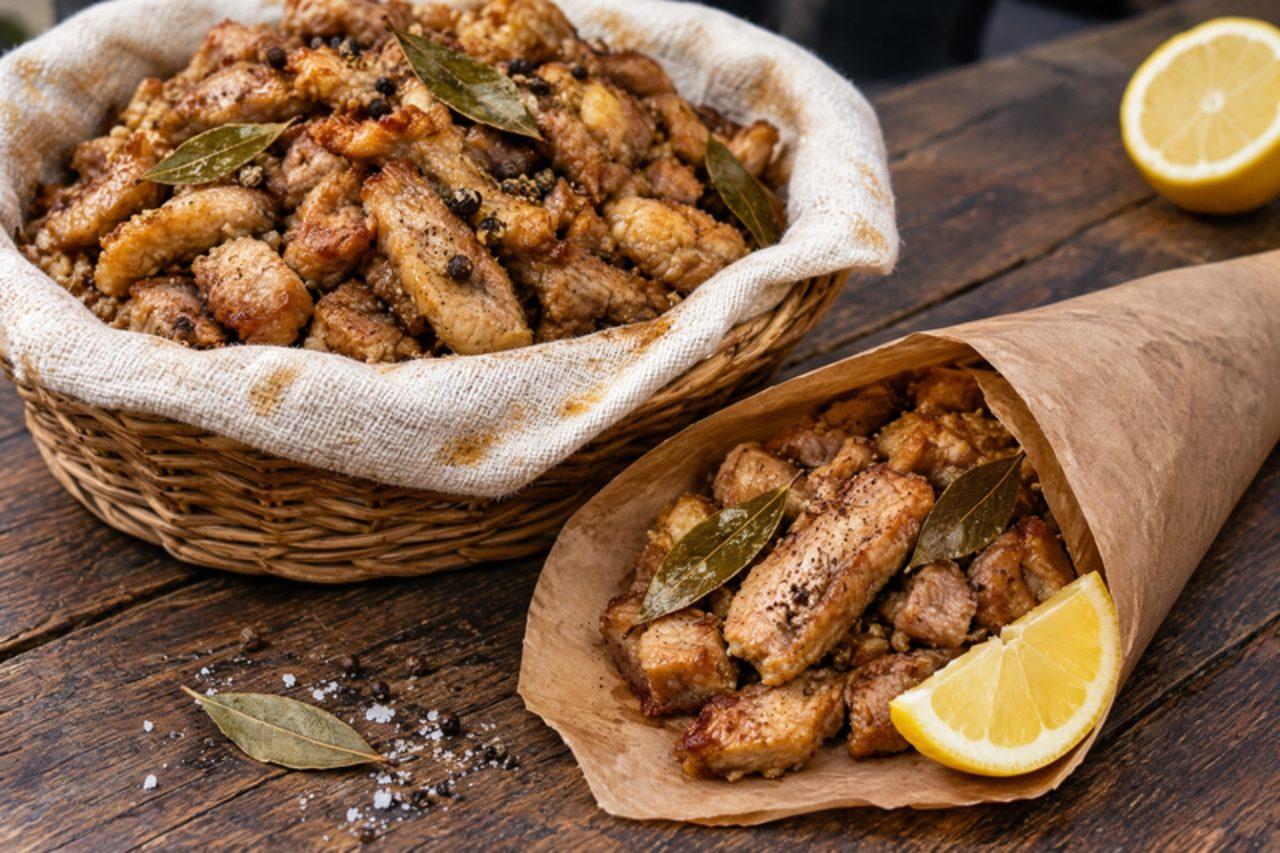
FrittolaFried veal scraps

The frittularu of Palermo carries a wicker basket covered with a cloth, and when you order he reaches in blind and pulls out a handful of frittola: soft, fatty veal trimmings and cartilage that have been boiled, then fried slowly in pork lard with bay leaves and black pepper. You find him at dawn and mid-morning in the Vucciria and Ballarò markets, serving it on paper or in a soft bun with lemon. This home version uses veal brisket and its cartilage, which most butchers will sell. Chef's tip: let the boiled meat dry well before it goes into the lard, so it fries rather than spits and stews.

180 minItalianMeatGluten free
by KrazyBadal 0 views

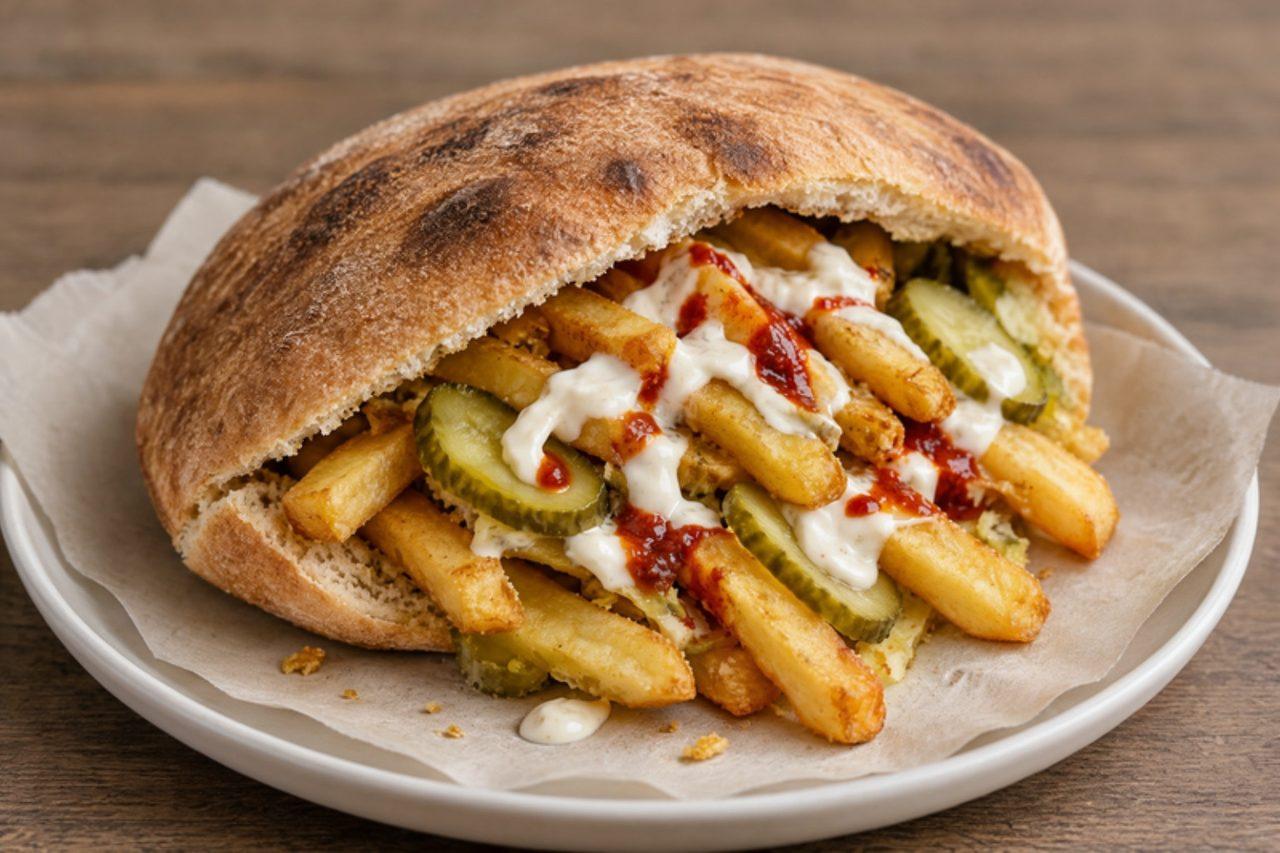
Batates sandwichFrench fries sandwich

Every foul and ta'meya shop in Cairo also sells sandwich batates, a pocket of baladi bread stuffed with hot, salty fries, and it is one of the cheapest and best late-night bites in the city. In Downtown, around Talaat Harb Square and along Champollion Street, the counters stay busy after midnight as cinema crowds and students order them by the handful, with garlicky tahini, crunchy pickled turnip and cucumber and a hit of chilli. Egyptian baladi bread is a wholemeal flatbread; wholemeal pitta is a good stand-in. It contains sesame and wheat. Chef's tip: salt the fries the moment they leave the oil, while they are still glistening, so it sticks.

by KrazyBadal 0 views

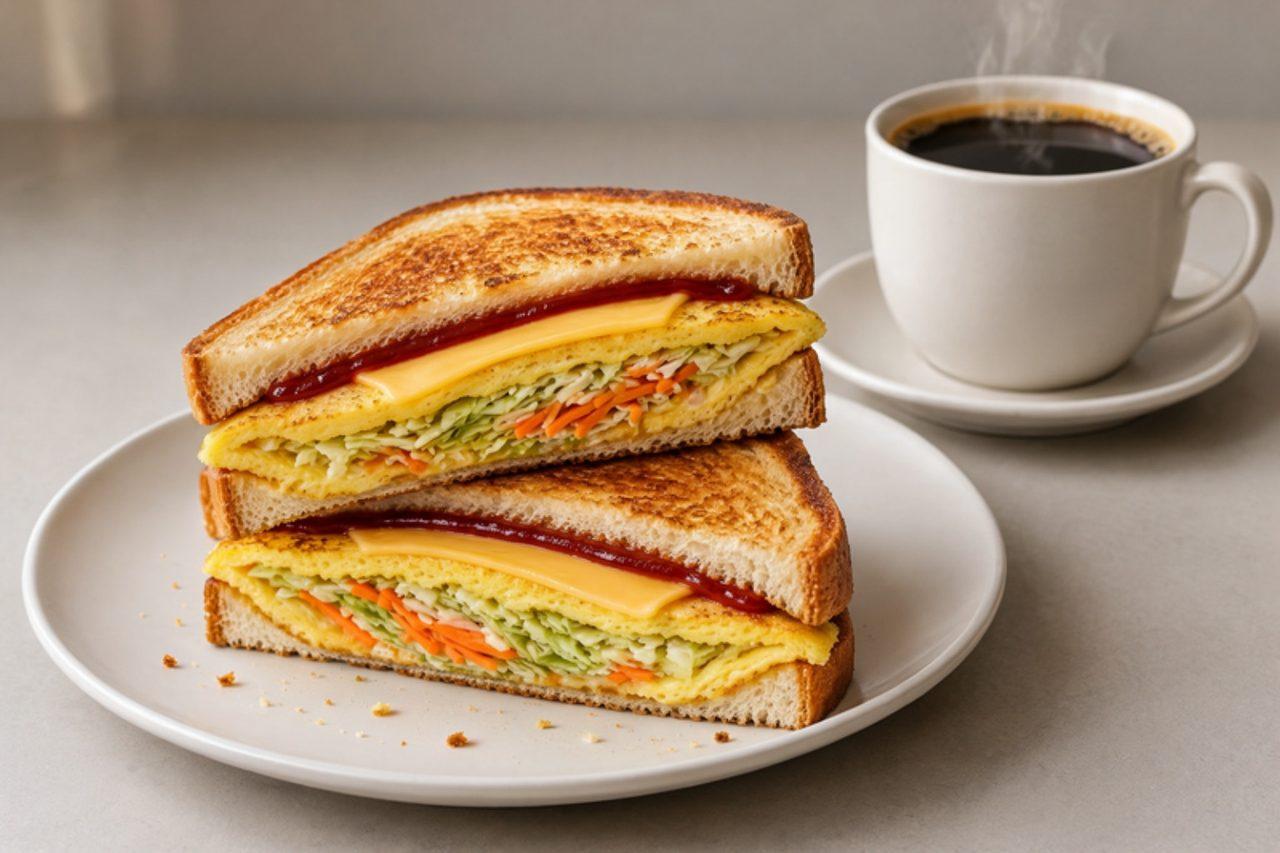
Gilgeori toastStreet toast with cabbage omelette

Outside Seoul subway stations at 7 am, stall owners butter bread on a big griddle, fry a thick omelette packed with shredded cabbage and carrot, and stack it all with a slice of cheese, a sprinkle of sugar and a squiggle of ketchup. Sweet and savoury together sounds odd but is exactly why commuters queue for it. The common mistake is a thin, floppy omelette: make it as wide as the bread and about 2 cm thick so it holds the vegetables. Processed cheese slices are often made with animal rennet; choose a vegetarian slice if that matters to you. Chef's tip: shred the cabbage as thinly as you possibly can, almost like hair, so it softens in the egg in the short frying time.

by KrazyBadal 0 views

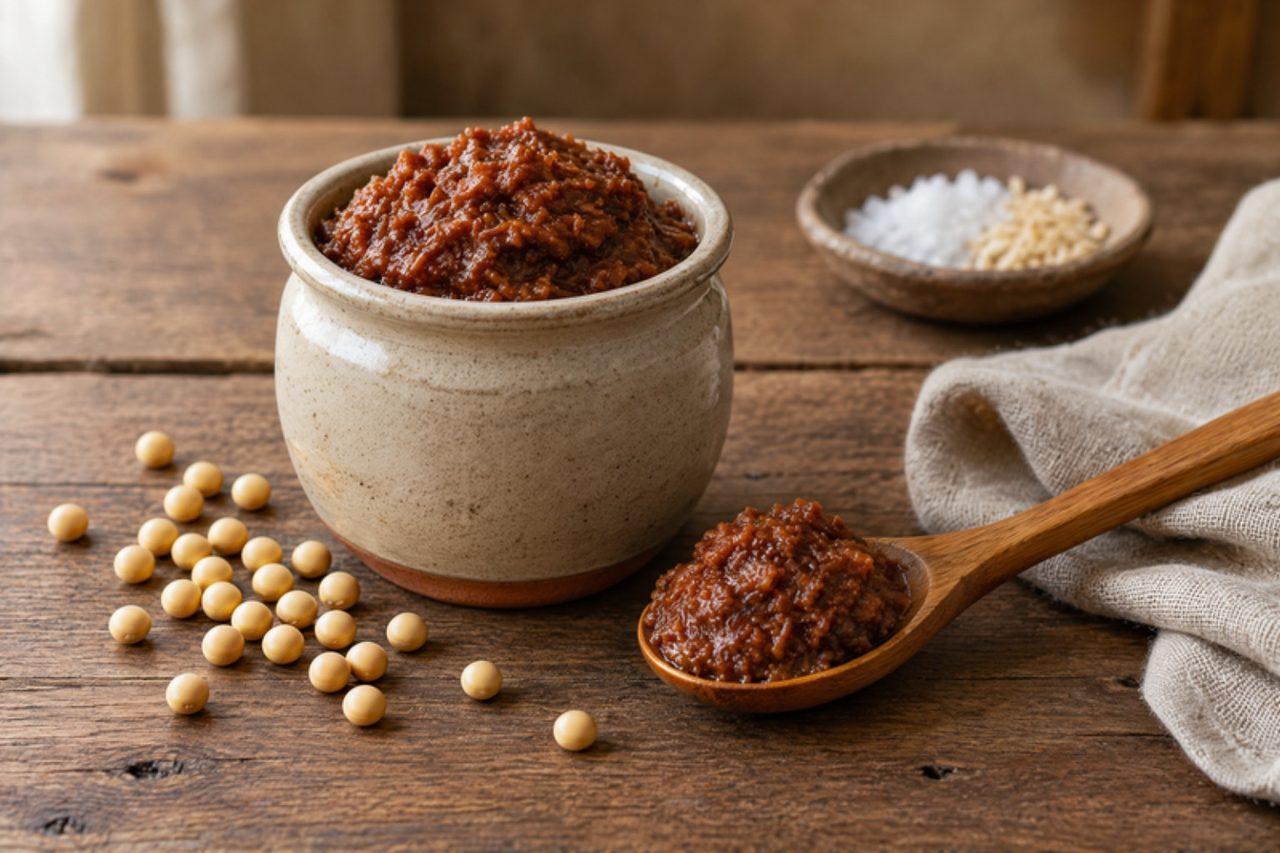
Temae misoHomemade miso

Temae miso means 'my own miso', and the phrase also means bragging about your own work, because every family thinks theirs is the best. Across rural Japan the cold months of January and February are miso-making season: the low temperatures let the mash settle in slowly before summer's warmth speeds up the fermentation. Dried soybeans are soaked, simmered until soft, mashed, mixed with rice koji and salt, then packed tightly into a crock under a salt cap and a weight. By autumn it has turned from pale beige to reddish brown, sweet-salty and rich, with a rounder, fruitier flavour than shop miso. The salt, about 12% of the finished weight, is what keeps it safe, so measure it rather than guessing. The common mistake is leaving air pockets when packing, which is where mould grows; throw the mash into the container in balls and press each one down hard. It is ready when it smells sweet and savoury like soy sauce, tastes well-balanced rather than raw and floury, and dark liquid (tamari) has pooled on top. Chef's tip: make it with friends; a kilo of beans is a lot of mashing, and the batch tastes better for the company.

by KrazyBadal 0 views

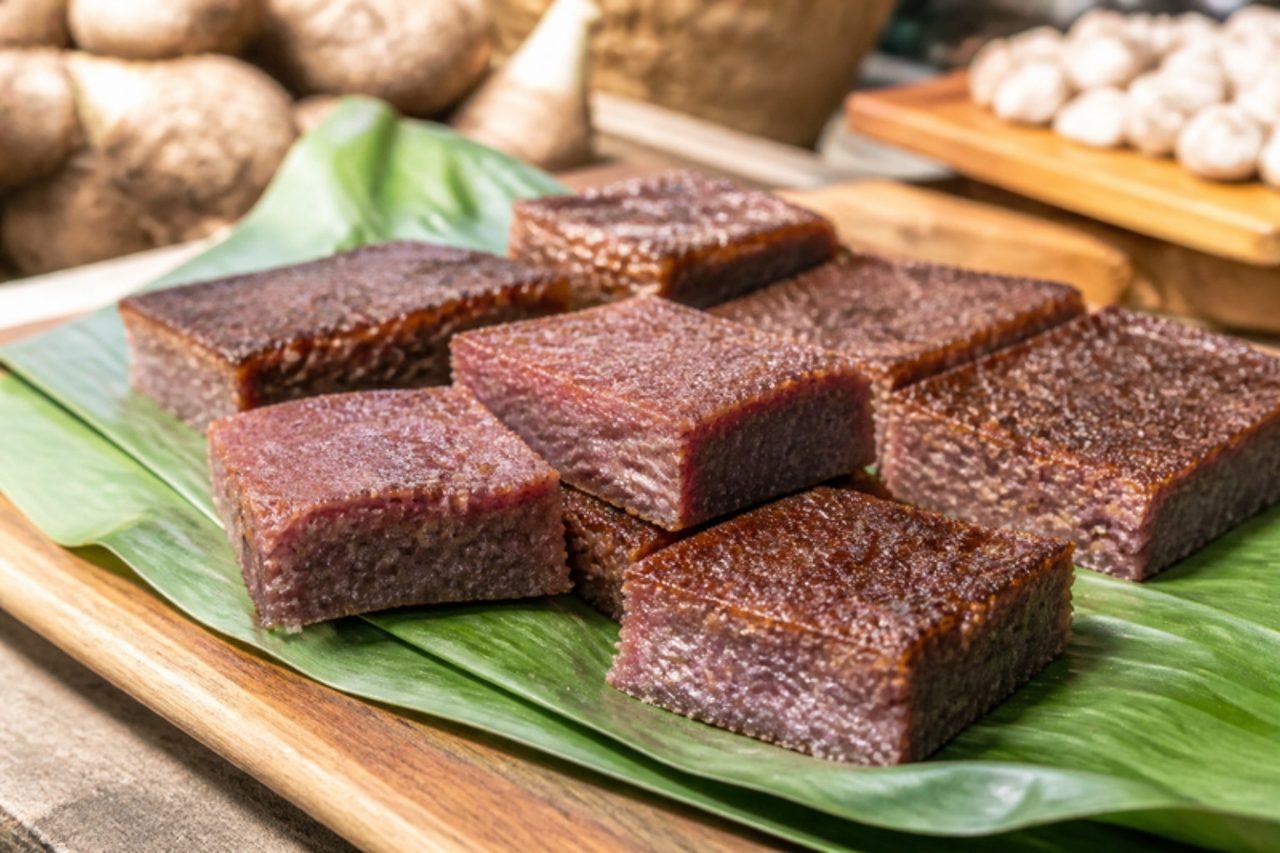
KuloloTaro and coconut pudding

Kulolo is one of the oldest Hawaiian sweets, a dense, fudgy pudding of grated taro and coconut that was once wrapped in ti leaves and baked for hours in an imu (earth oven) for lū'au feasts. On the windward side of O'ahu and in Hilo it is still sold in slabs at farmers' markets. Taro must always be fully cooked; raw taro contains crystals that badly irritate the mouth and throat, so peel it with gloves and bake the full time. A common mistake is cutting it hot; it firms as it cools. Chef's tip: bake it long and low until deep brown and sticky at the edges, where the caramel flavour is.

by KrazyBadal 0 views

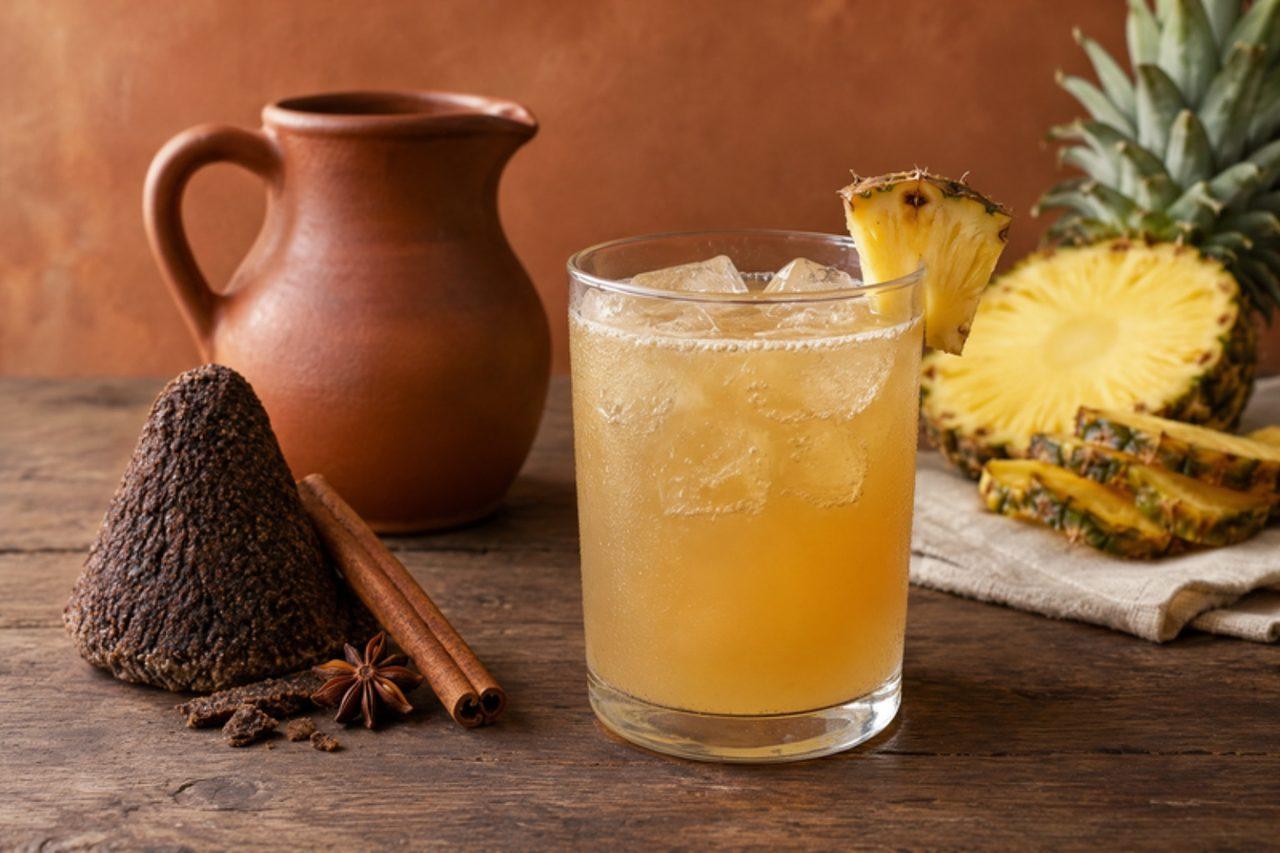
TepacheFermented pineapple drink

In Guadalajara and markets across central Mexico, tepacheros sell this drink from big clay jars, ladled over ice into bags with a straw on hot afternoons. It is the thrifty drink of the house: the peel and core left after eating a pineapple are fermented for two or three days with piloncillo, cinnamon and cloves until the liquid turns golden, faintly fizzy and pleasantly sour, like a spiced pineapple cider. Wild yeasts from the peel do the work, so it makes a trace of alcohol, well under 1% when drunk young; the longer it sits, the sourer and more alcoholic it gets. The common mistake is leaving it too long in a warm kitchen, when it turns vinegary and cloudy; in hot weather check after 36 hours. It is ready when it has a layer of fine bubbles, smells sweet-sour and fruity, and tastes tart rather than syrupy. White, flat foam can be skimmed; fuzzy, coloured mould, a slimy texture or a rotten smell mean throw it away. Keep it in the fridge 3–5 days, and if you bottle it for fizz, burp the bottles daily so pressure cannot build. Chef's tip: use an organic pineapple and do not scrub the peel, as the yeasts live on its skin.

by KrazyBadal 0 views

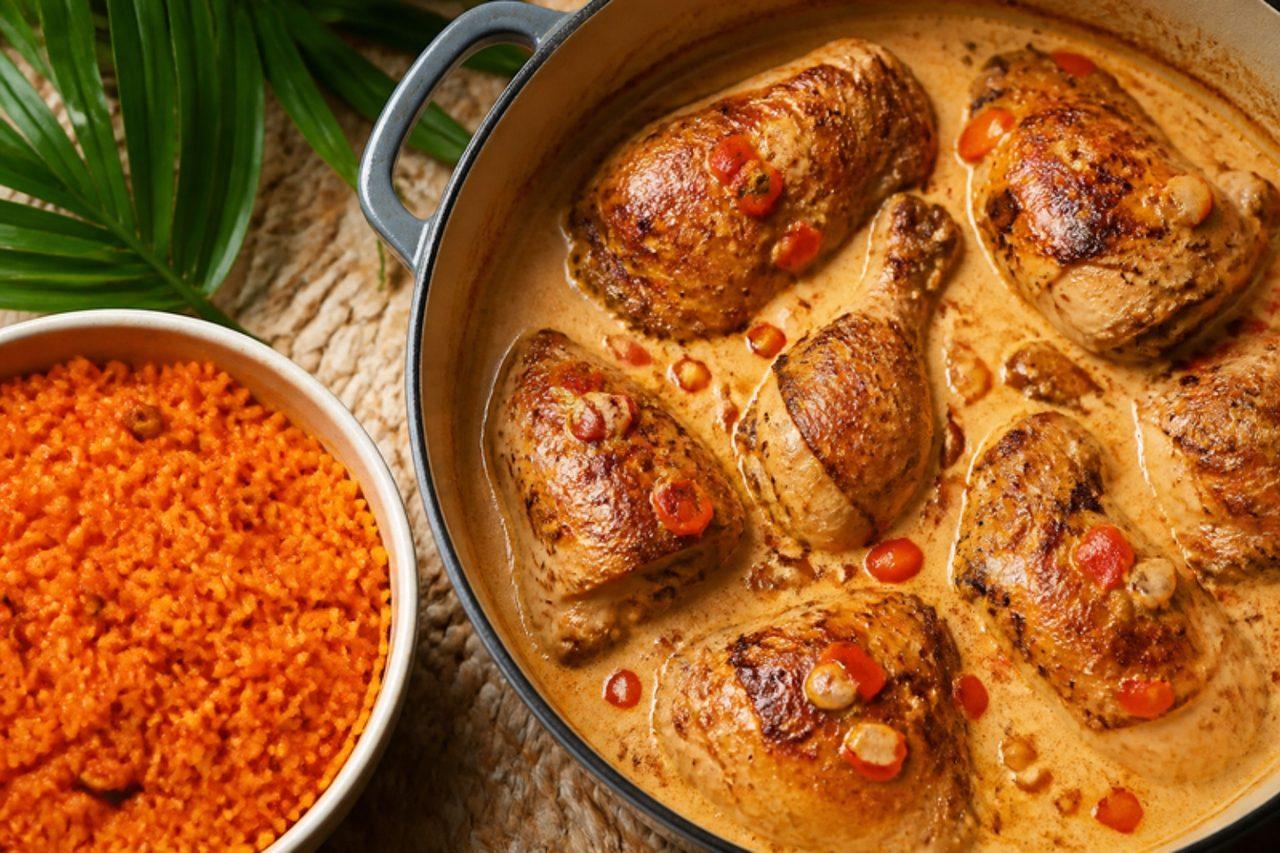
Kådon pikaChicken in coconut milk with chilli

Kådon pika is a fiery Chamorro chicken stew from Guam, cooked for family dinners and fiestas: chicken is simmered with soy sauce, vinegar, garlic and onion, then finished in coconut milk with plenty of hot donne' peppers. It shares roots with Filipino adobo but the coconut milk and heat make it its own. Serve with red rice. A common mistake is boiling the coconut milk hard; it can split and go oily. Chef's tip: let the vinegar boil for a minute uncovered before adding the coconut milk, which mellows its sharpness.

by KrazyBadal 0 views

Macher jhol bhaat for babiesFish stew and rice for babies

For Bengali families in Kolkata, macher jhol bhaat, rice with a thin fish and potato stew, is the taste of an ordinary weekday lunch, and fish is so central that many babies first try it at their mukhe bhaat, the rice ceremony. From about nine months, the jhol is made with only a pinch of turmeric, no chilli, mustard or salt, and boneless bhetki (barramundi) instead of the bony rohu. It is light, soothing and gently sweet from the potato. It contains fish and is free of milk, egg, gluten, nuts, soya and sesame. Chef's tip: if you use rohu, choose a piece from the belly, which has far fewer of the fine forked bones.

35 minIndianFishGluten free
by KrazyBadal 0 views

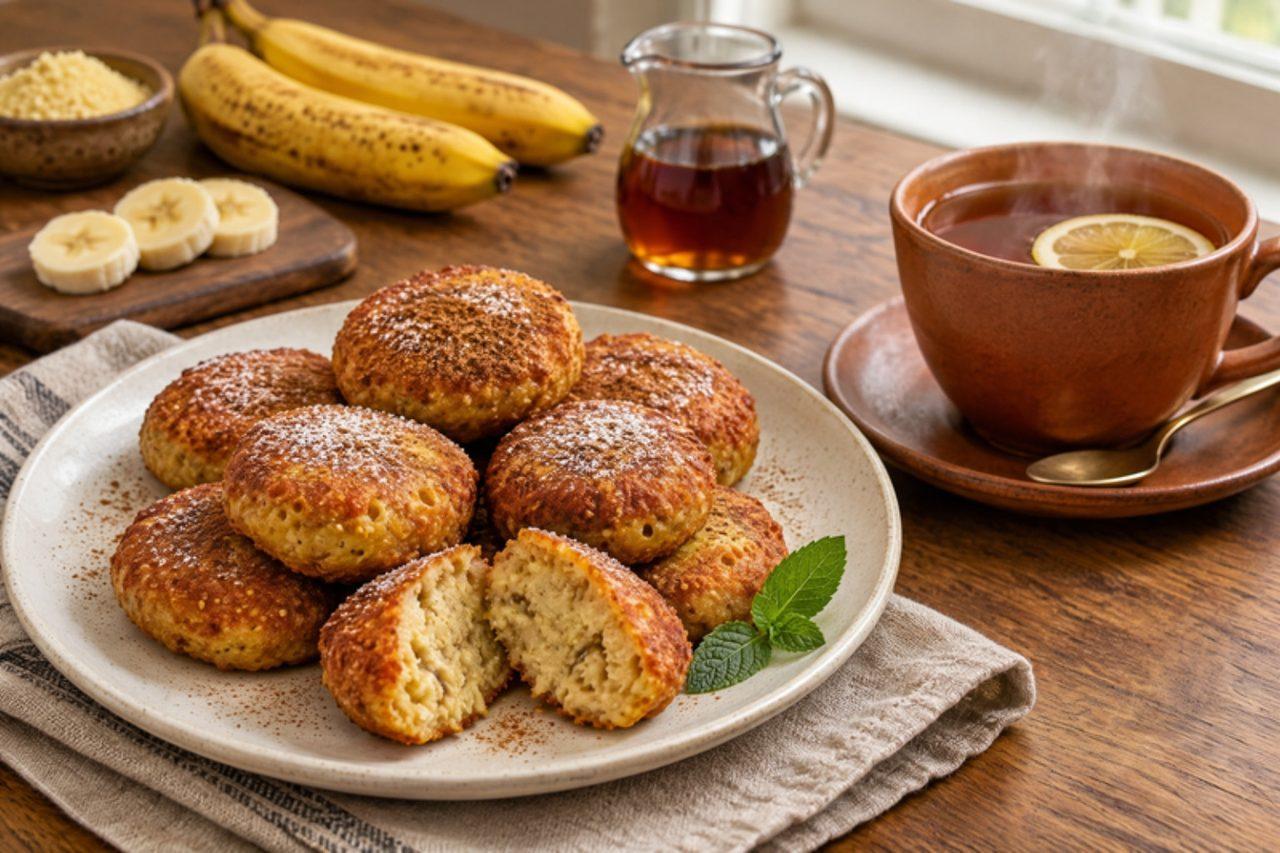
ZitumbuwaBanana and maize flour fritters

Along the roads of Lilongwe, Blantyre and the lakeshore, women fry zitumbuwa in big pots of oil early in the morning and sell them warm in paper twists: soft, sweet fritters of very ripe banana mashed with maize flour and a little sugar. They are crisp at the edges and custardy inside, perfect with sweet tea. The common mistake is using bananas that are only just yellow; you want them heavily speckled with brown for sweetness and a loose, droppable batter. Chef's tip: let the batter rest for 10 minutes so the maize flour swells, and the fritters hold their shape in the oil.

by KrazyBadal 0 views

ZlevankaBaked cornmeal and buttermilk cake

Zlevanka, from the Slovenian for 'poured', is a farmhouse batter cake from the Prekmurje and Štajerska regions, poured into a tin and baked for breakfast, then cut into squares and eaten with a big cup of milky white coffee. This sweet version is made with cornmeal and buttermilk, which give it a soft, moist, slightly crumbly crumb with a golden crust; some families add fruit on top. The common mistake is overmixing the batter once the flour goes in, which makes it tough; stir only until combined. Chef's tip: soak the cornmeal in the buttermilk for 15 minutes before mixing, so it softens and the cake isn't gritty.

by KrazyBadal 0 views

Showing 90 of 8,120 recipes

Page 206 of 903