


Skip to content
Jiang mu ya
Featured recipe

Jiang mu ya

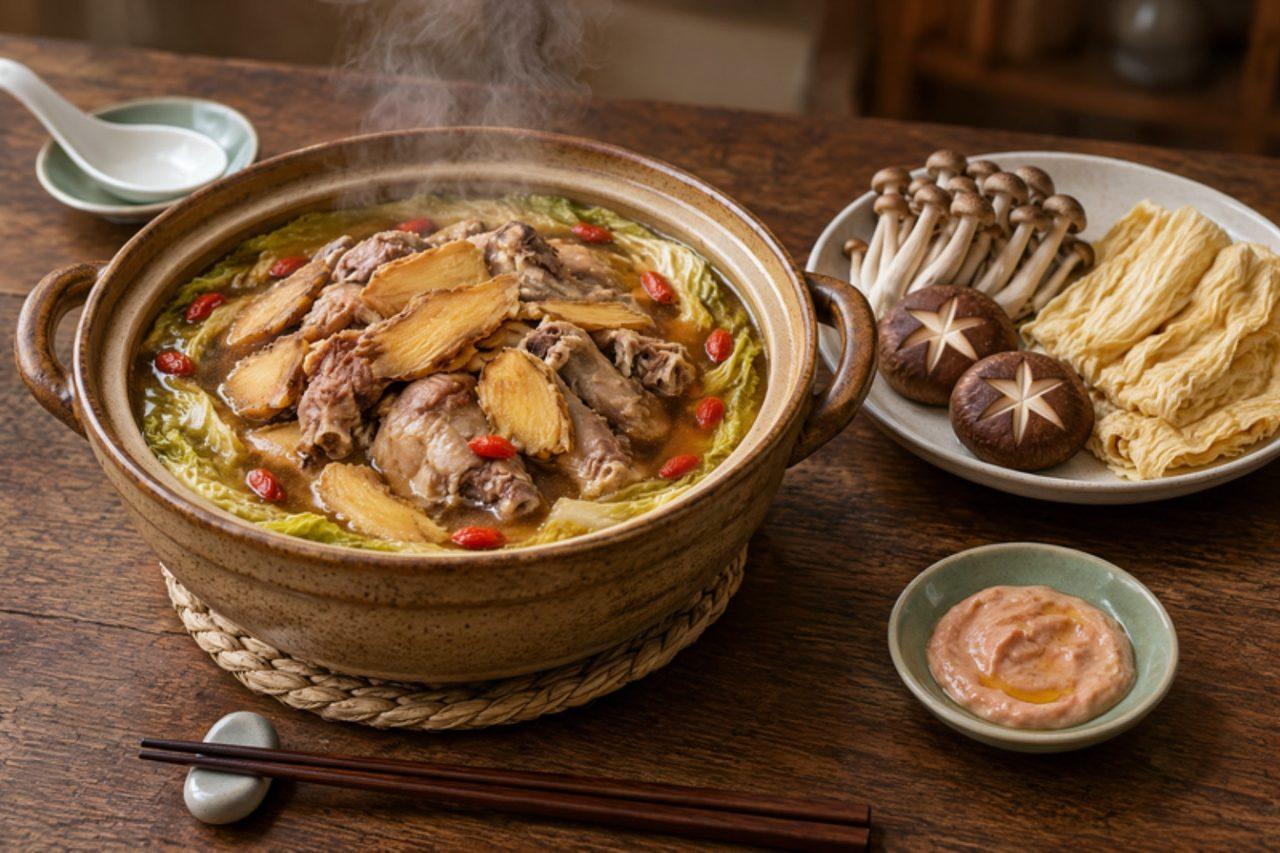
Jiang mu ya is Taiwan's winter warmer, sold from steaming restaurants and night-market stalls from the first cold snap until spring, where diners add cabbage, mushrooms and noodles to the pot at the table. Thick slices of old ginger are fried slowly in black sesame oil until shrivelled and golden, then duck is browned in the same oil and simmered for over an hour in rice wine and water with jujubes and goji. The broth is rich, warming and gingery. It cooks with a lot of rice wine; for an alcohol-free version use chicken stock with an extra 50 g ginger. The usual mistake is frying the ginger over a high heat: sesame oil turns bitter, so keep it low and patient. Chef's tip: use old, fibrous ginger with thick skin, not young ginger, for the proper heat.

Read more 0 views

What to eat today?

Around the world

Today's trip: Paraguayan

A new country every day, from every cuisine on the site.

This week's collection

Kid-friendly dinners
537 recipes · a new collection every Monday

Latest recipes

Pyshki

On Bolshaya Konyushennaya street in St Petersburg a small pyshechnaya has been frying these since the 1950s, and locals will tell you firmly that a pyshka is not a ponchik, the filled Moscow doughnut. They come in a paper bag five or six at a time, so hot that the icing sugar melts at the edges, with a glass of sweet milky coffee from a big urn. The soft, fairly wet yeast dough gives a light, open crumb inside a thin golden shell. The usual slip is oil that is too cool: the rings soak it up and turn heavy, so keep a thermometer in the pan at 175 °C. Chef's tip: set each shaped ring on its own small square of baking paper and lower the paper into the oil with it; the paper slips off after a few seconds and the ring stays perfectly round.

by KrazyBadal 0 views

Turte cu julfă

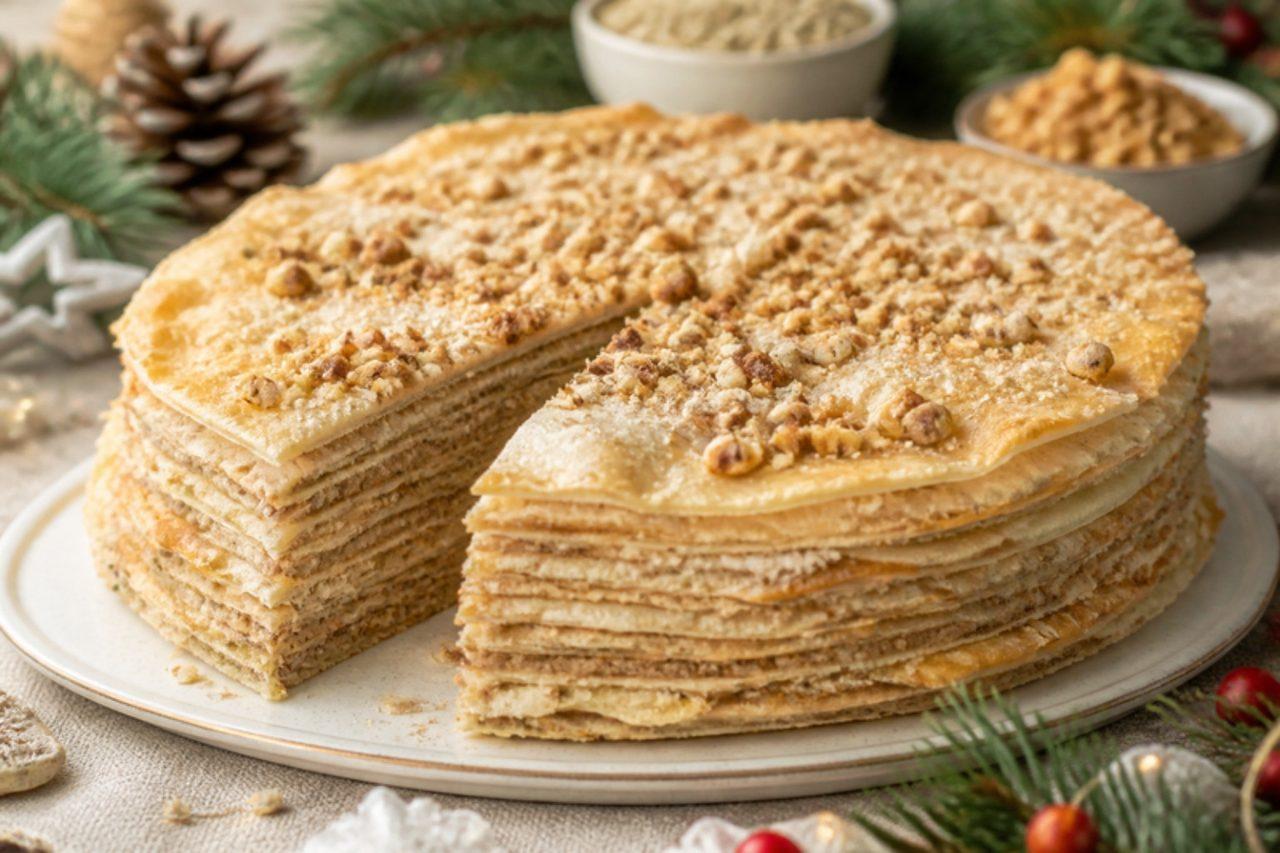
On Christmas Eve (Ajunul Crăciunului), the last day of the Advent fast, old Moldavian households around Neamț and Suceava set out turte cu julfă: paper-thin baked sheets of dough stacked with a sweet cream of ground hemp seed and crushed walnuts. The sheets are said to stand for the swaddling clothes of the Christ child, and the whole cake is vegan so it can be eaten while the fast still holds. Soaked with syrup and left overnight, it softens into a dense, nutty, gently sweet slice. Buy food-grade hulled hemp seeds (hemp hearts), which are sold as a food and contain no intoxicating THC. A common mistake is cutting the cake straight away; it needs a night in the fridge to soften and hold together. Chef's tip: bake the sheets a day or two ahead and let them dry on a rack, as dry sheets soak up the syrup more evenly.

by KrazyBadal 0 views

Napoleon cake

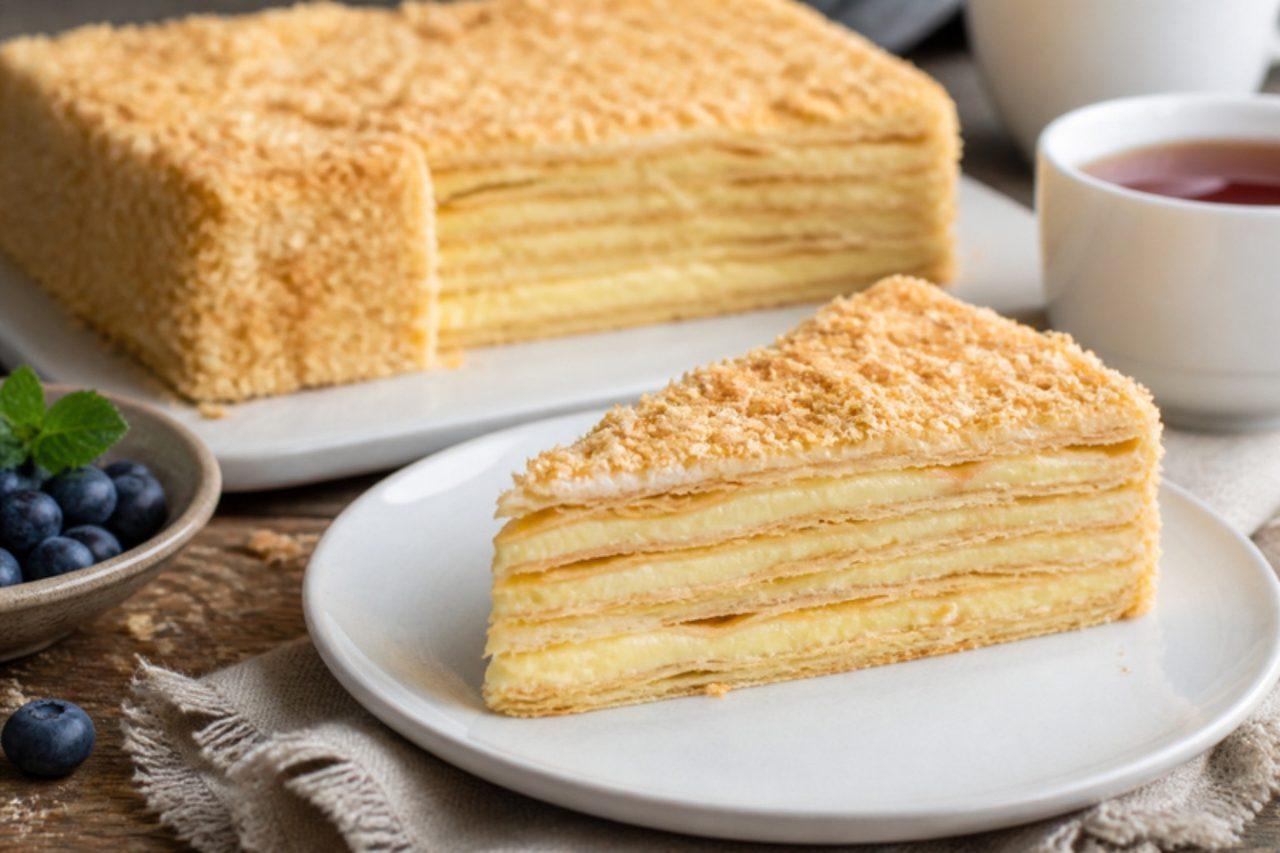
Legend links this cake to 1912, the centenary of Napoleon's retreat from Moscow, when St Petersburg confectioners cut triangular pastries shaped like his hat. By Soviet times it had grown into the tall round cake every family baked for birthdays and New Year's Eve. Eight wafer-thin rounds of quick flaky pastry are stacked with vanilla custard enriched with butter, then left overnight so the layers soften into something between a mille-feuille and a tender sponge; crushed trimmings give the snowy finish. Where most people go wrong is serving it the same day; without the long rest in the fridge it is crisp and dry instead of melting. Chef's tip: roll each piece of pastry straight onto baking paper and trim it around a 24 cm plate before baking, so you never have to lift thin raw dough.

by KrazyBadal 0 views

Harcsapaprikás

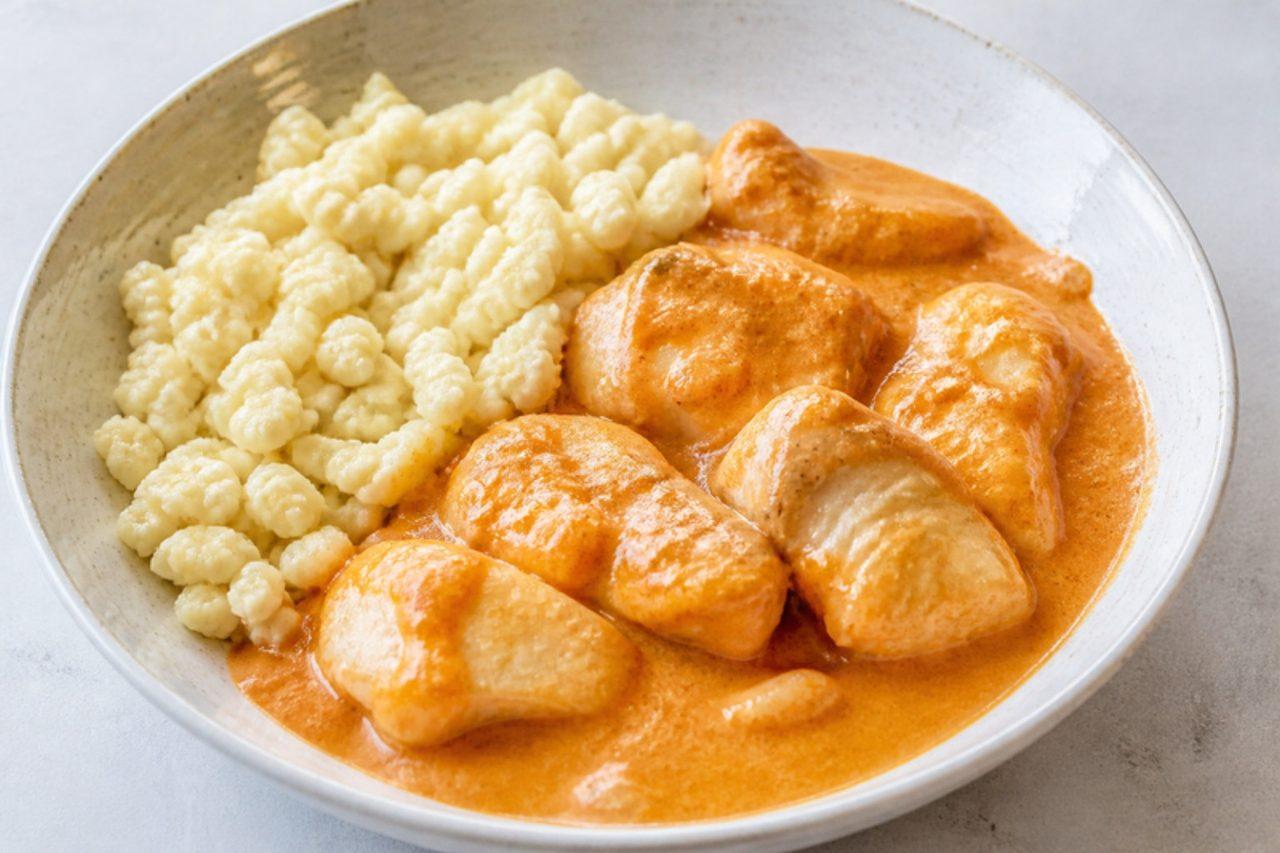
Along the Tisza at Szeged, the fish restaurants on the riverbank serve harcsapaprikás to families at long Sunday tables: thick chunks of firm, sweet catfish poached in a paprika and onion sauce, then finished with sour cream until it is a rich, coral-pink colour. Catfish has no small bones and holds together well, so it suits a sauce dish; the flavour is mild, creamy and gently smoky from the paprika. Traditionally it comes with túrós csusza (noodles with curd cheese and crisp bacon) or plain nokedli. A common mistake is stirring the fish too much, which breaks it into flakes; shake the pan instead. Chef's tip: salt the fish chunks 15 minutes ahead in the fridge, which firms them up and seasons them all the way through.

by KrazyBadal 0 views

Cheremsha salad

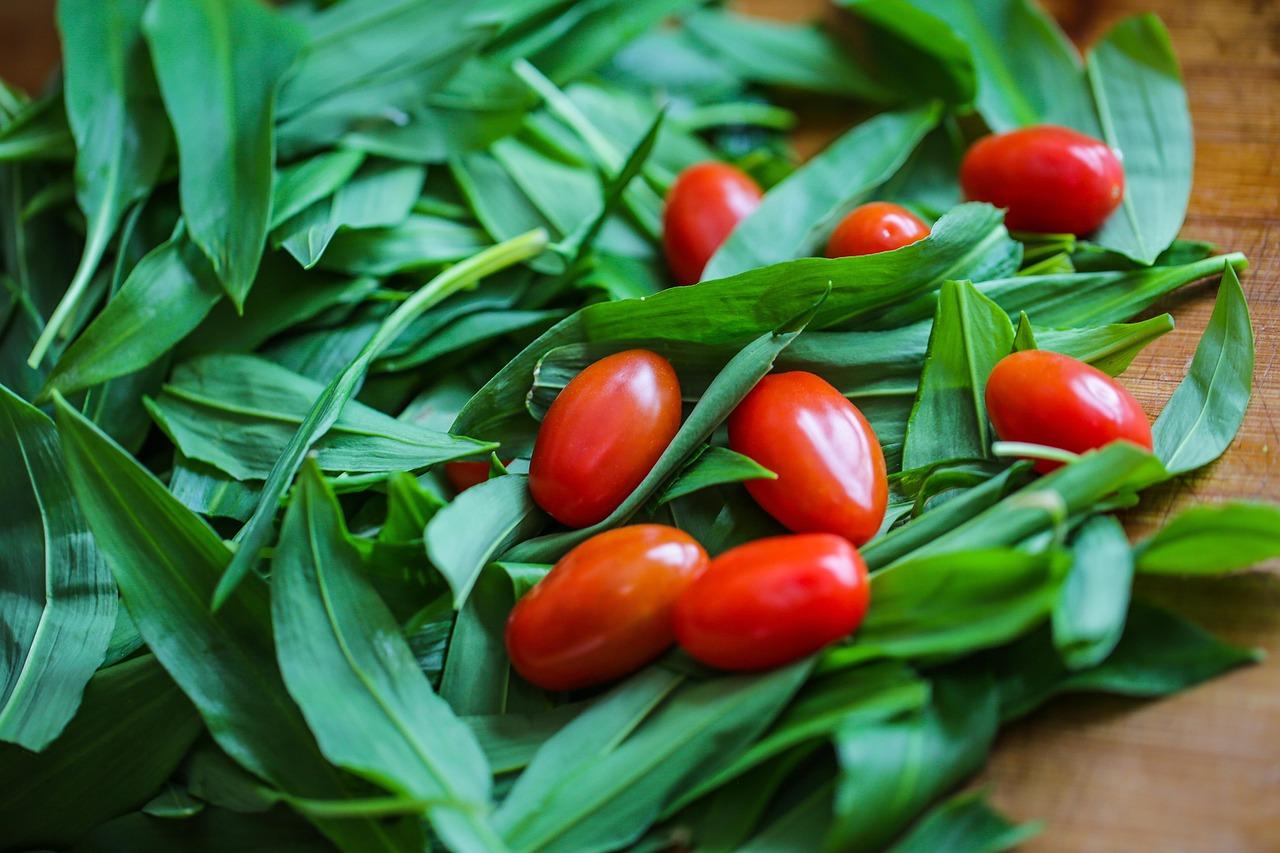
Late April in Novosibirsk and Tomsk brings bunches of cheremsha to every market stall and roadside bucket: the first green vitamins after a long Siberian winter. The broad leaves and juicy stems of wild garlic taste of sweet, mild garlic with a peppery bite, and Siberians eat them simply, chopped with salt and fragrant unrefined sunflower oil, beside boiled potatoes and black bread. Some cooks add chopped egg or sour cream; this vegan version sticks to oil, with cucumber for crunch. Forage only with someone who knows the plant, or buy it: wild garlic has poisonous lookalikes such as lily of the valley, and real leaves smell strongly of garlic when crushed. Where most people go wrong is dressing it too early, so the leaves wilt and weep. Chef's tip: salt the chopped stems first and rub them for a few seconds; it softens their bite and draws out juice that becomes part of the dressing.

by KrazyBadal 0 views

Pită de Pecica

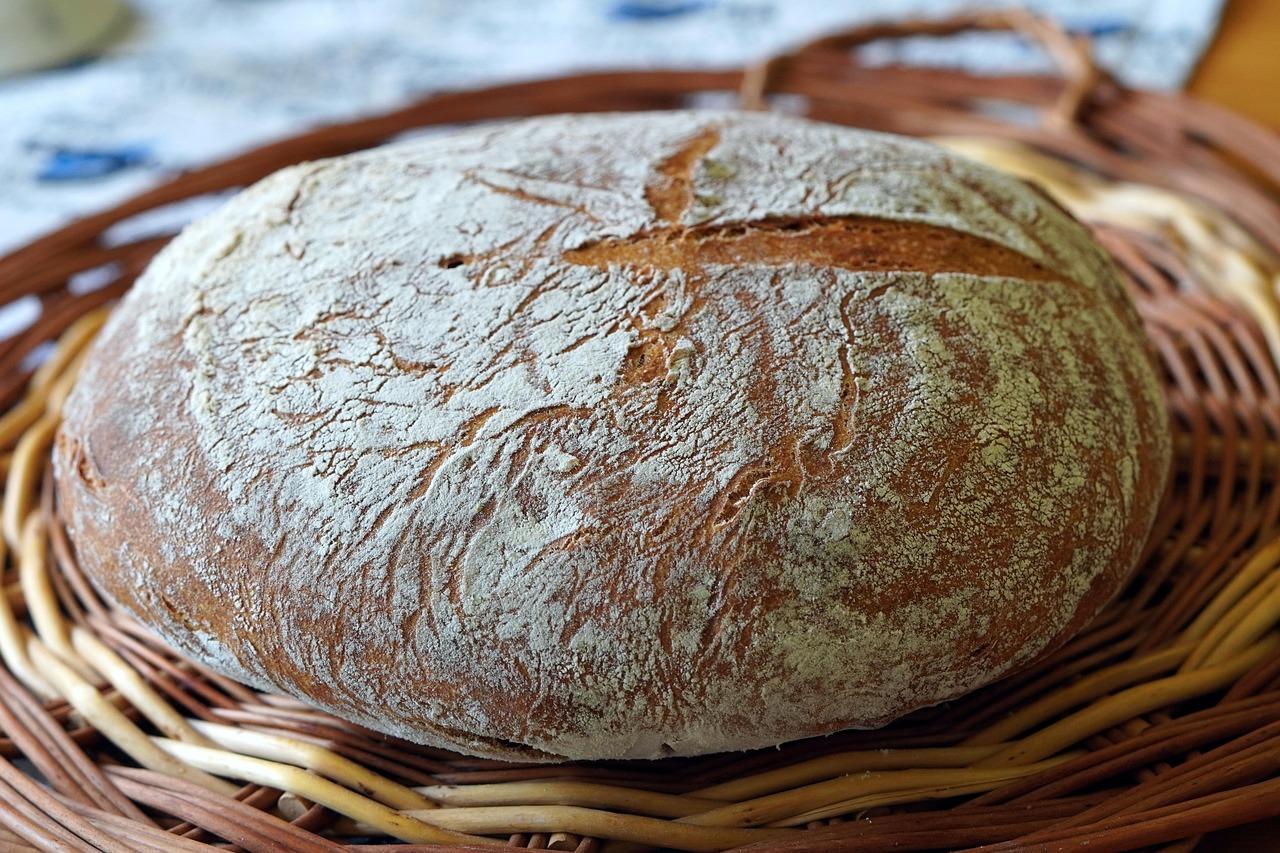
The bakers of Pecica, a large village near Arad close to the Hungarian border, are famous across western Romania for their pită: a huge round loaf with a crackling, deeply browned crust and a moist, slightly tangy crumb that keeps for a week. The old recipe needs only flour, water, salt, boiled potato and a natural leaven kept alive from bake to bake, with a long slow rise and an even longer bake in a wood-fired oven. This home version makes one 1.6 kg loaf in an ordinary oven with a baking stone and steam. Where most people go wrong is underbaking such a big loaf, which leaves a gummy middle; check the inside temperature. Serve thick slices with soup, with fresh cheese and onions, or toasted with garlic. Chef's tip: feed your starter the night before so it is bubbly and at its peak when you mix.

by KrazyBadal 0 views

Salted saffron milk caps

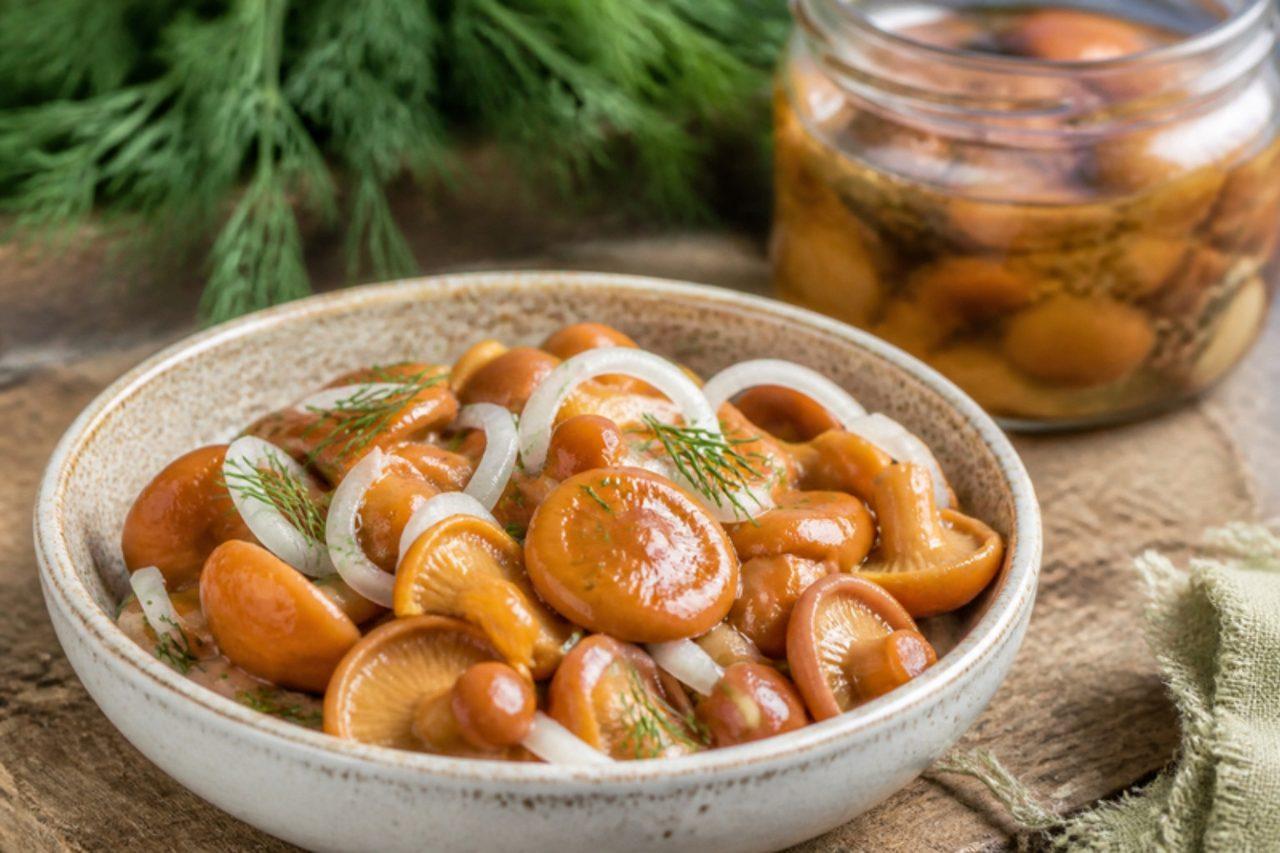
Northern Russians rank ryzhiki, the orange saffron milk caps of the pine woods, above almost every other mushroom, and salted ones from around Arkhangelsk once travelled to the tsar's table. Salted, they keep their bright colour, turn firm and juicy with a clean, resinous taste, and are served with thin onion rings, sunflower oil and hot boiled potatoes; for non-vegans a spoon of sour cream is classic. Old cellars dry-salted them raw for months; this safer fridge version blanches the caps briefly and keeps them in a measured brine in the fridge, ready in about a week. Only use mushrooms identified by an experienced forager or bought from a trusted seller. Where most people go wrong is guessing the salt; too little lets spoilage start, so weigh it. Chef's tip: the caps bruise green where handled, which is normal, so don't worry when the edges darken.

by KrazyBadal 0 views

Rakfisk

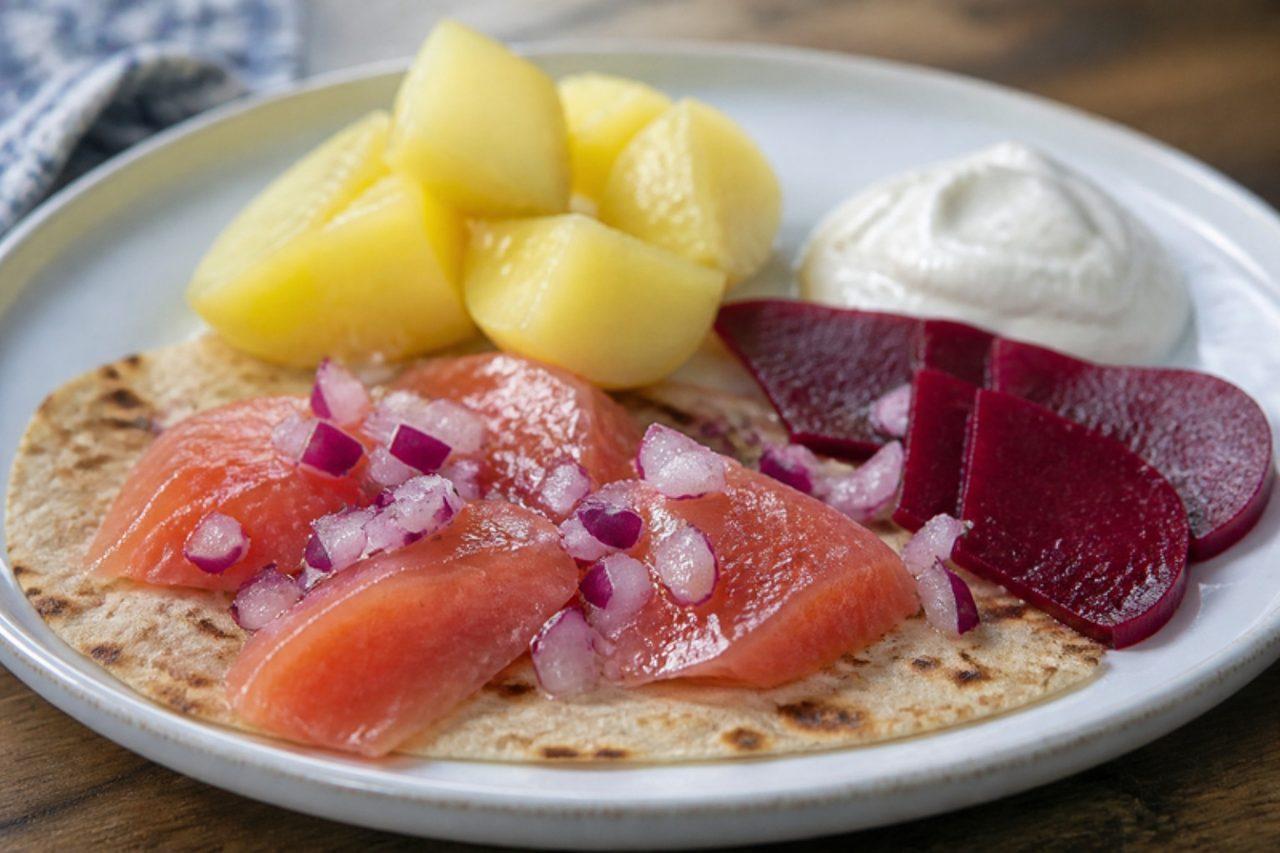
Rakfisk is the autumn feast of Valdres in the Norwegian mountains, where trout and char from the lakes are salted and left to ferment for two to three months, until the fish is soft, pungent and buttery. Every November the town of Fagernes holds a rakfisk festival, and families serve it in slices on lefse or flatbread with red onion, sour cream and boiled potatoes. Home fermentation of fish carries a risk of botulism, so buy rakfisk only from licensed producers, never make it yourself. It is eaten raw, so it is not for pregnant women, young children or anyone with a weakened immune system. A common mistake is serving it too warm, which makes the smell overpowering. Chef's tip: serve it well chilled and sliced thin.

by KrazyBadal 0 views

Filets de perche

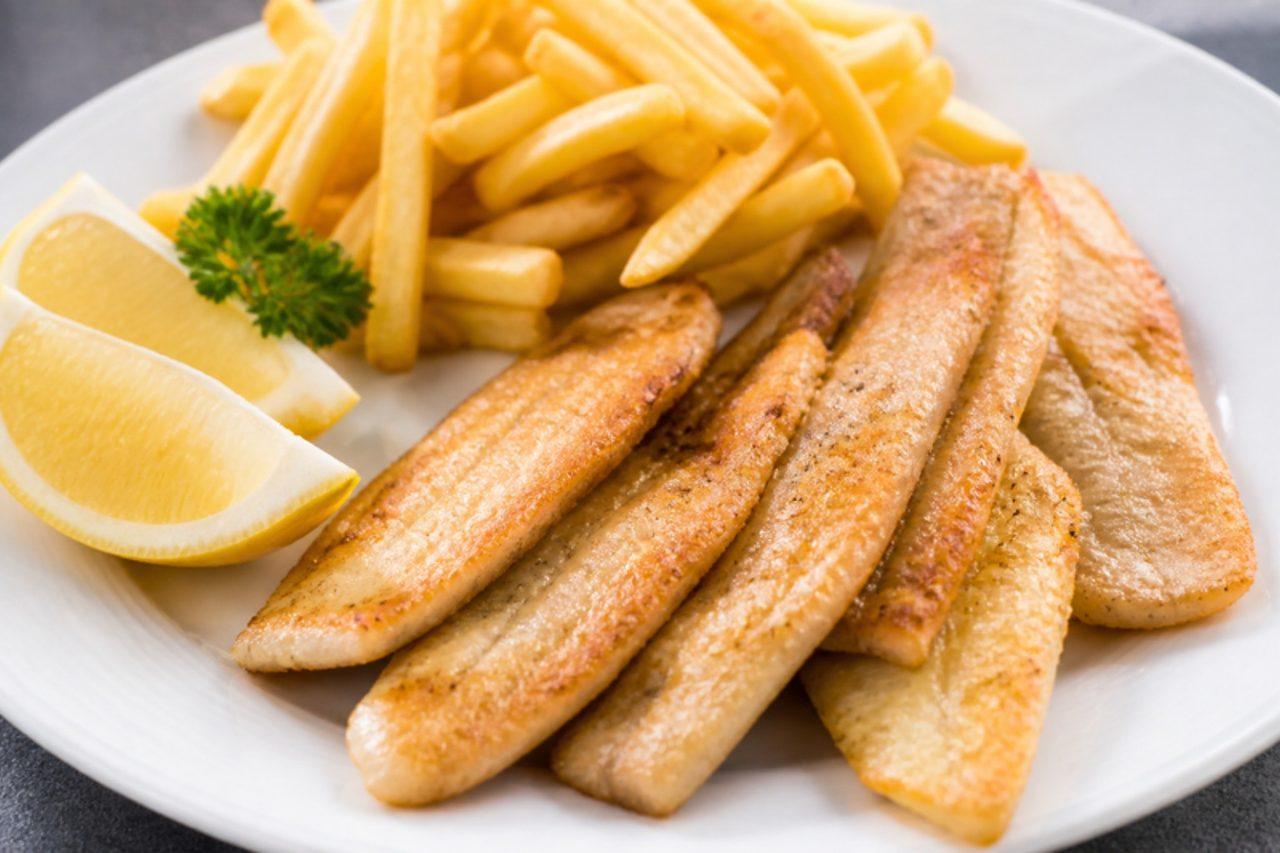
Filets de perche are the signature dish of the lakeside restaurants around Lake Geneva, from Geneva to Lausanne and Montreux: small, delicate perch fillets dusted with flour, fried quickly in butter until golden, and served with lemon, tartare sauce, a pile of fries and a green salad on a summer terrace. Lake perch is scarce today; ask for responsibly sourced perch or use small fillets of pike-perch or another delicate white fish. A common mistake is crowding the pan, which steams the thin fillets. Chef's tip: fry in batches in foaming butter for just a minute or so a side; the fish is done when opaque and it flakes.

25 minSwissFish
by KrazyBadal 0 views

Showing 9 of 7,762 recipes

Show more recipes

Page 205 of 863