


Skip to content
Khaddi kebab
Featured recipe

Khaddi kebab

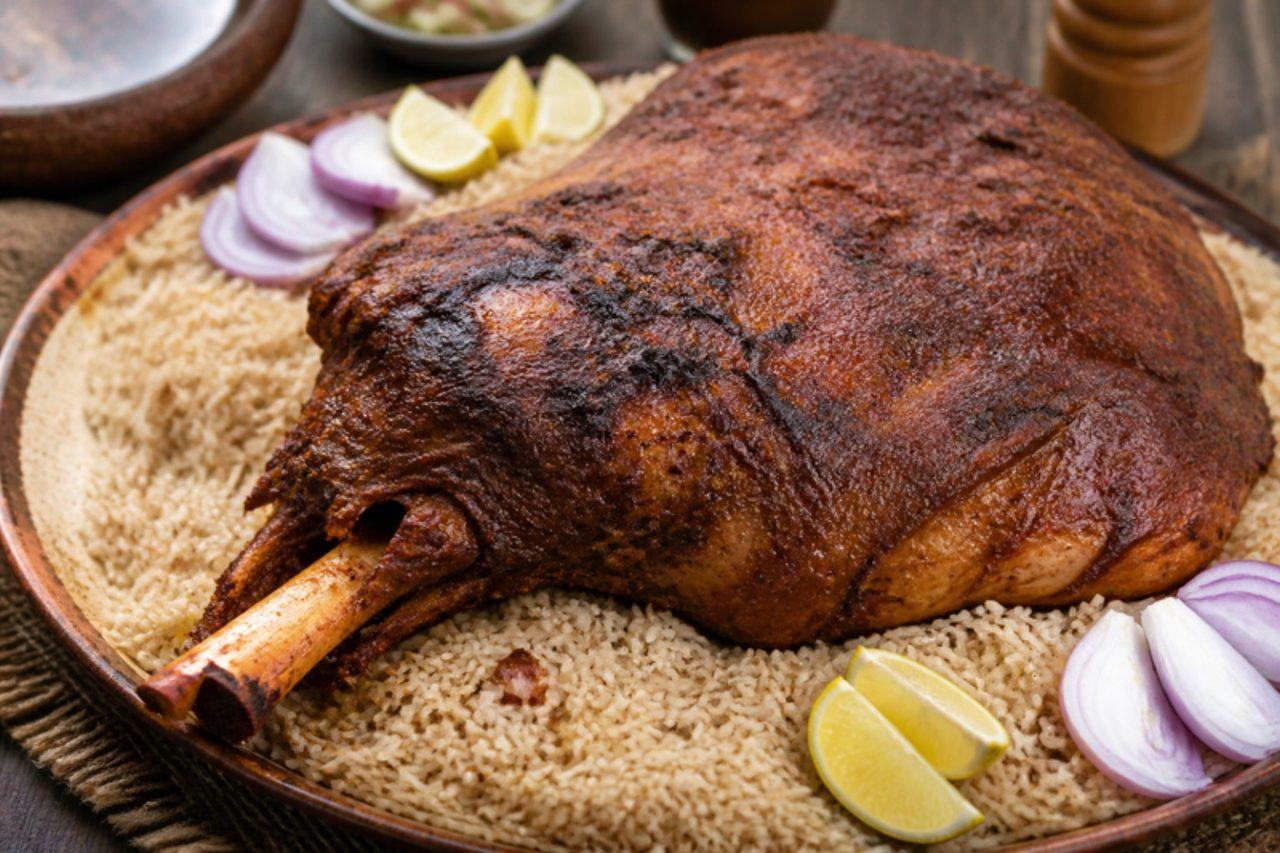
A khaddi, in Baloch country, is a pit dug in the ground and lined with hot stones; a whole goat or lamb, rubbed with salt and spices and stuffed with rice, is lowered in, covered with earth and left for hours, then dug out for weddings and tribal feasts. Few home cooks have a pit, so this version roasts a bone-in lamb shoulder low and slow under foil, then sets it on a tray of part-cooked rice so the rice drinks the dripping juices, the same marriage of meat and rice the pit gives. The meat should pull apart with a spoon and the rice taste deeply of lamb. Stuffing raw rice inside a big joint is where cooks go wrong at home: the centre stays underdone and is not safe, so cook the rice under the meat instead. Chef's tip: roast the lamb the day before, chill it in its juices and lift off the hard fat, then reheat with the rice; it carves more neatly too.

Read more 0 views

What to eat today?

Around the world

Today's trip: Paraguayan

A new country every day, from every cuisine on the site.

This week's collection

Kid-friendly dinners
537 recipes · a new collection every Monday

Latest recipes

Plăcintă dobrogeană

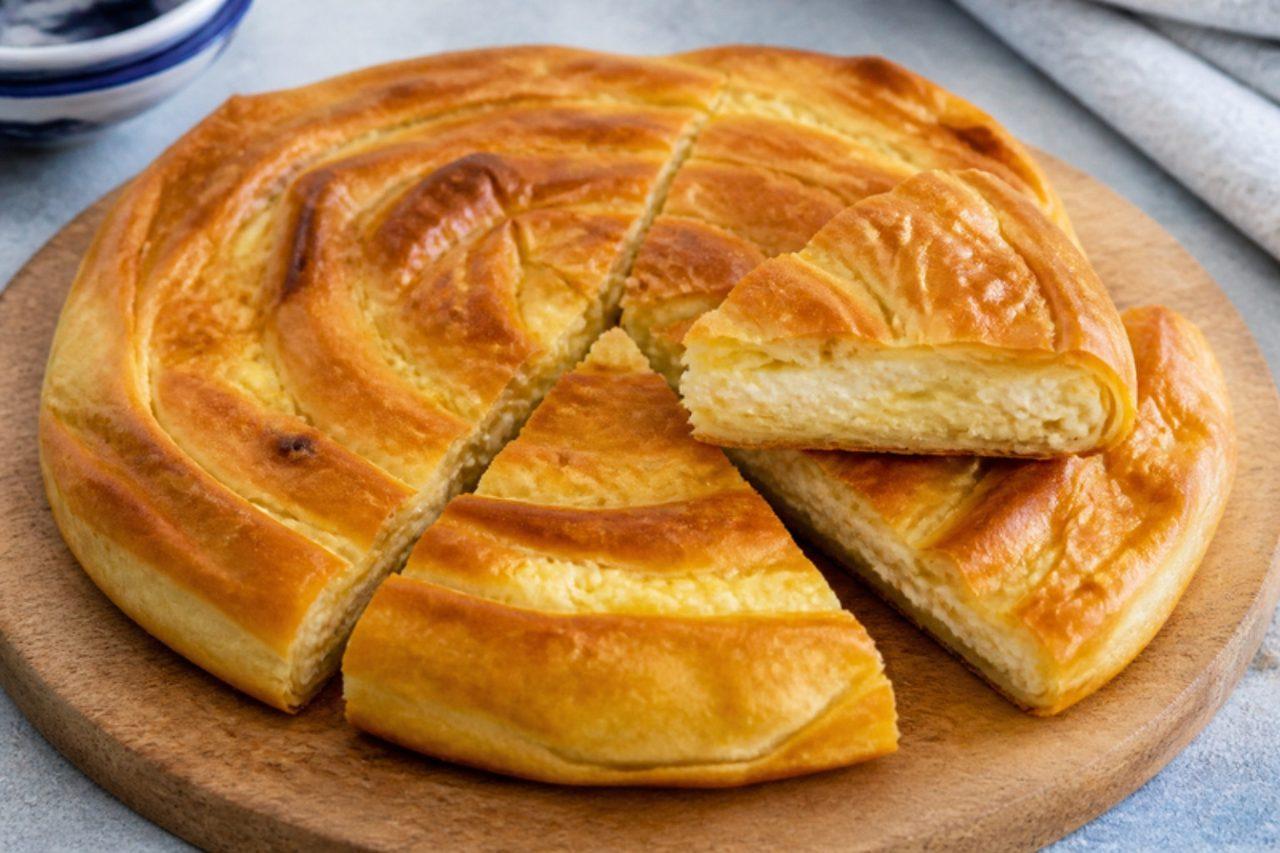
Down on the Black Sea coast and the steppe villages around Constanța and Tulcea, where Aromanian, Turkish and Tatar cooks have shared ovens for generations, plăcintă dobrogeană is a big round pie made from hand-stretched sheets rolled around salty cheese and egg, coiled into a tin and baked until crackling. Just before baking, a little egg and yogurt is poured over, so the inner layers turn soft and custardy under a shatteringly crisp top. It is cut into wedges and eaten warm for breakfast with ayran or a glass of milk. Telemea and other salty white cheeses are often made with animal rennet, so pick one labelled vegetarian. The usual slip is overfilling the rolls, which split as they coil. Chef's tip: keep the stretched dough under a damp tea towel while you work, so it stays supple.

by KrazyBadal 0 views

Paskha

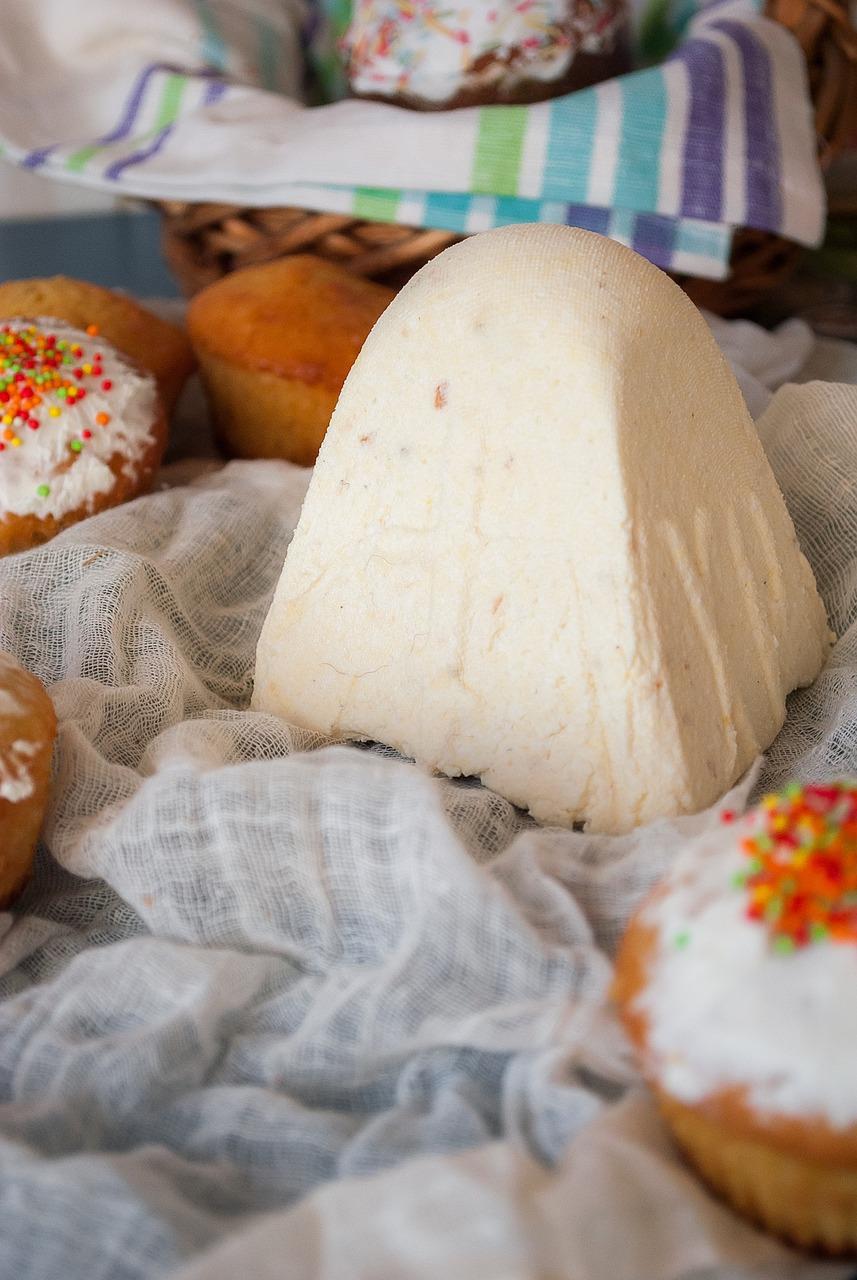
Next to the kulich on every Russian Easter table stands a white pyramid stamped with the letters ХВ, for 'Christ is risen', cut into thin wedges and spread on slices of the sweet bread. Old recipes stir raw yolks and cream straight into the curd; this is a cooked paskha (zavarnaya), where yolks, cream and sugar are first heated into a custard, which is safer and keeps longer. Use pasteurised tvorog, cream and eggs, and check the tvorog label if you want it rennet-free. The texture is dense and smooth like a firm cheesecake filling, sweet with vanilla, raisins, candied peel and almonds. Where most people go wrong is skipping the sieving; unsieved curd stays grainy whatever else you do. Chef's tip: no pyramid mould? A new, clean flowerpot or a sieve lined with muslin works, with a weight on top overnight in the fridge.

by KrazyBadal 0 views

Pressgurka

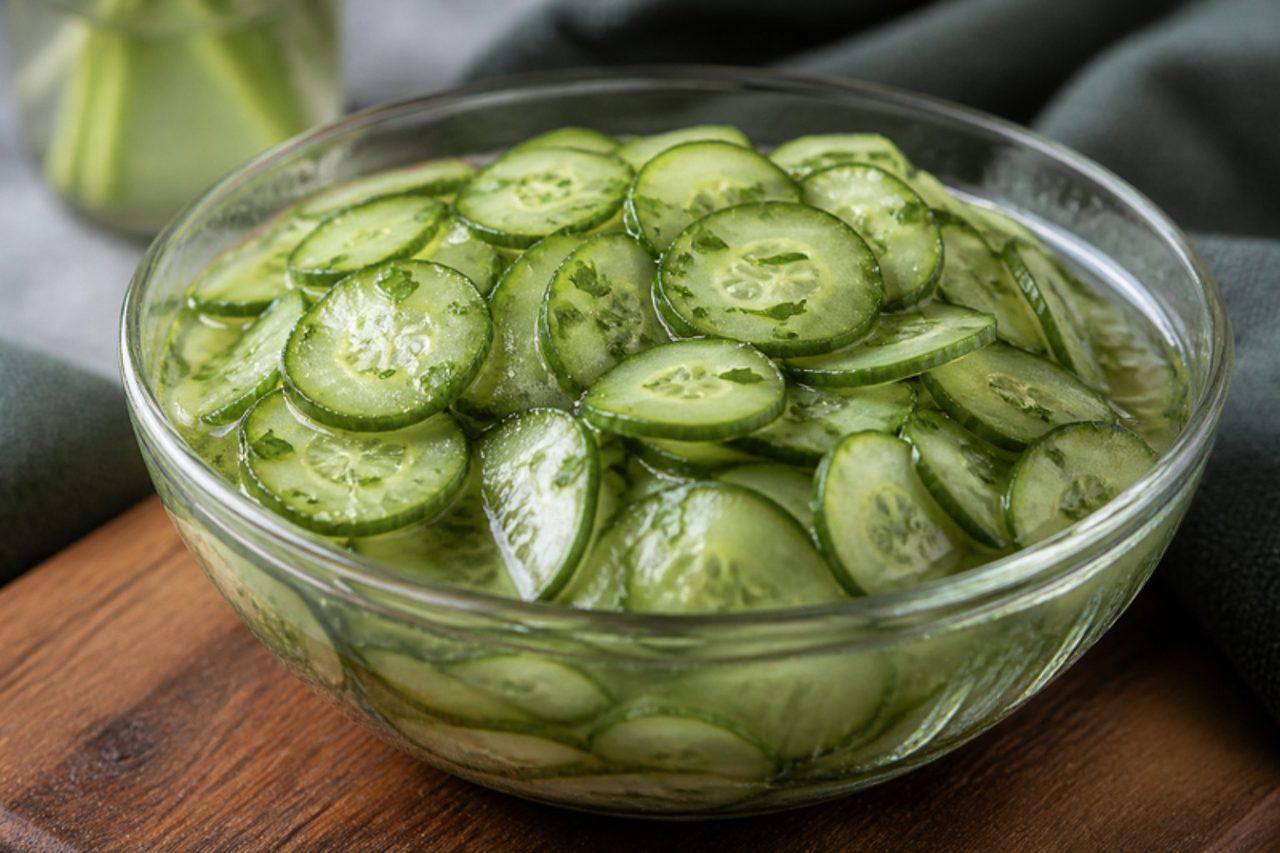
Pressgurka, 'pressed cucumber', is the quick, sweet-sour cucumber pickle that goes with Swedish meatballs, fish, roast chicken and the Christmas julbord: very thin cucumber slices salted and pressed to soften, then covered in a light vinegar-sugar brine and scattered with parsley. A common mistake is skipping the press, which leaves the slices stiff and the brine watery. Chef's tip: slice on a mandoline as thin as paper, salt for 10 minutes and squeeze gently before adding the brine.

by KrazyBadal 0 views

Pyshki

On Bolshaya Konyushennaya street in St Petersburg a small pyshechnaya has been frying these since the 1950s, and locals will tell you firmly that a pyshka is not a ponchik, the filled Moscow doughnut. They come in a paper bag five or six at a time, so hot that the icing sugar melts at the edges, with a glass of sweet milky coffee from a big urn. The soft, fairly wet yeast dough gives a light, open crumb inside a thin golden shell. The usual slip is oil that is too cool: the rings soak it up and turn heavy, so keep a thermometer in the pan at 175 °C. Chef's tip: set each shaped ring on its own small square of baking paper and lower the paper into the oil with it; the paper slips off after a few seconds and the ring stays perfectly round.

by KrazyBadal 0 views

Bulz

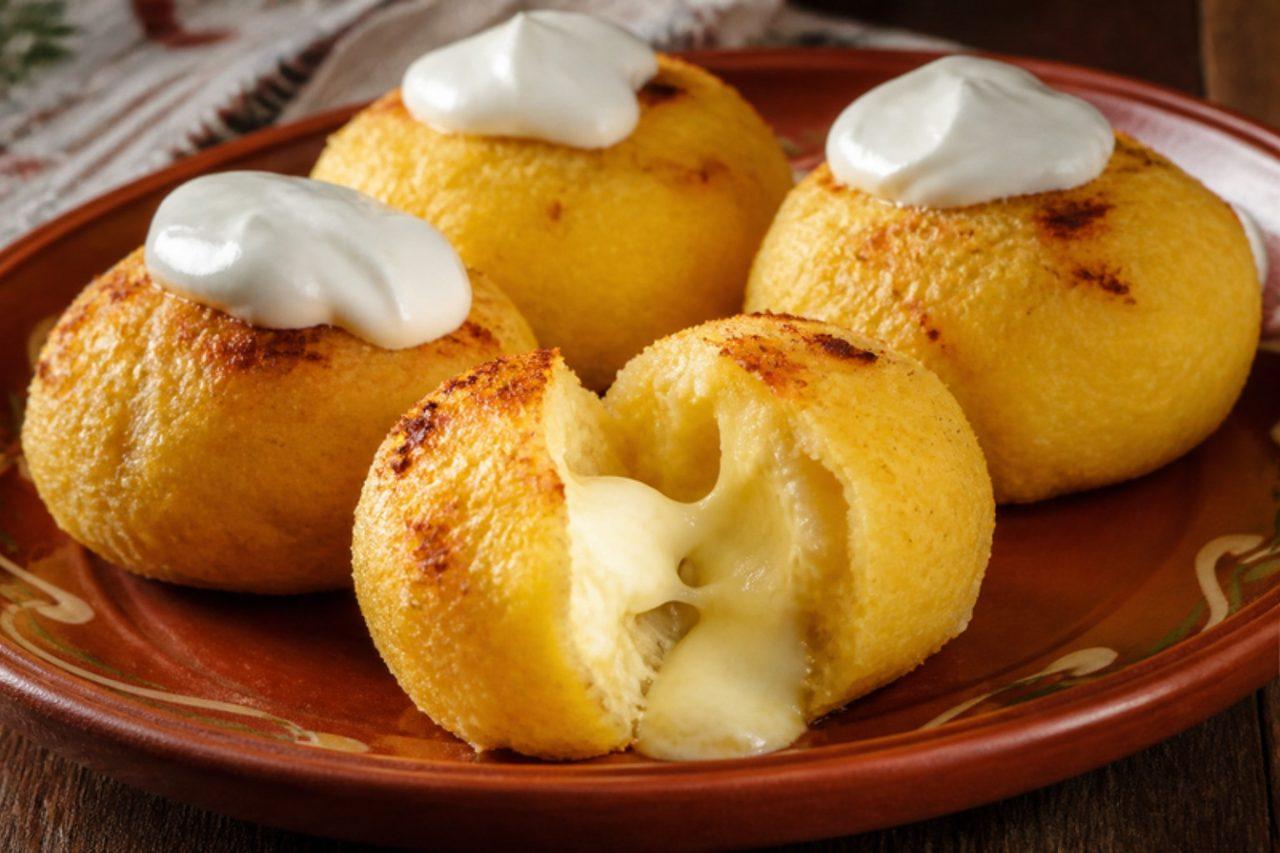
Shepherds in the Apuseni mountains and the sheepfolds above Sibiu made bulz from what they had in the hut: stiff mămăligă pressed in the hand around a lump of salty sheep's cheese, then pushed into the embers until the outside crisped and the cheese melted. At home it bakes in the oven and comes out with a golden shell and a molten, tangy middle, usually with a spoon of sour cream and sometimes a fried egg on top. Telemea, brânză de burduf and caș are often made with animal rennet, so for a vegetarian bulz use a feta-style or other salty white cheese labelled vegetarian. The usual slip is cooking the mămăligă too soft, so the balls slump and leak; it should be thick enough to hold a wooden spoon upright. Chef's tip: wet your hands with cold water before shaping so the hot cornmeal does not stick.

by KrazyBadal 0 views

Shangi

From the Urals across to Siberia, shangi turn up on Sunday breakfast tables, at village markets and in the lunch bags of fishermen and hunters. They are flat rounds of soft yeast dough topped, not filled, with a thick swirl of buttery mashed potato beaten with egg, then brushed with sour cream so the top bakes into golden, slightly crisp peaks. Eat them warm with tea, milk or a bowl of mushroom soup. Older northern versions used barley dough or a millet topping, and sweet shangi carry tvorog instead. The usual slip is spreading the potato right to the edge; leave a rim so the dough rises around it like a frame. Chef's tip: brush the baked shangi with melted butter and stack them in a covered pot for ten minutes, which keeps them soft the way Siberians like them.

by KrazyBadal 0 views

Stefánia szelet

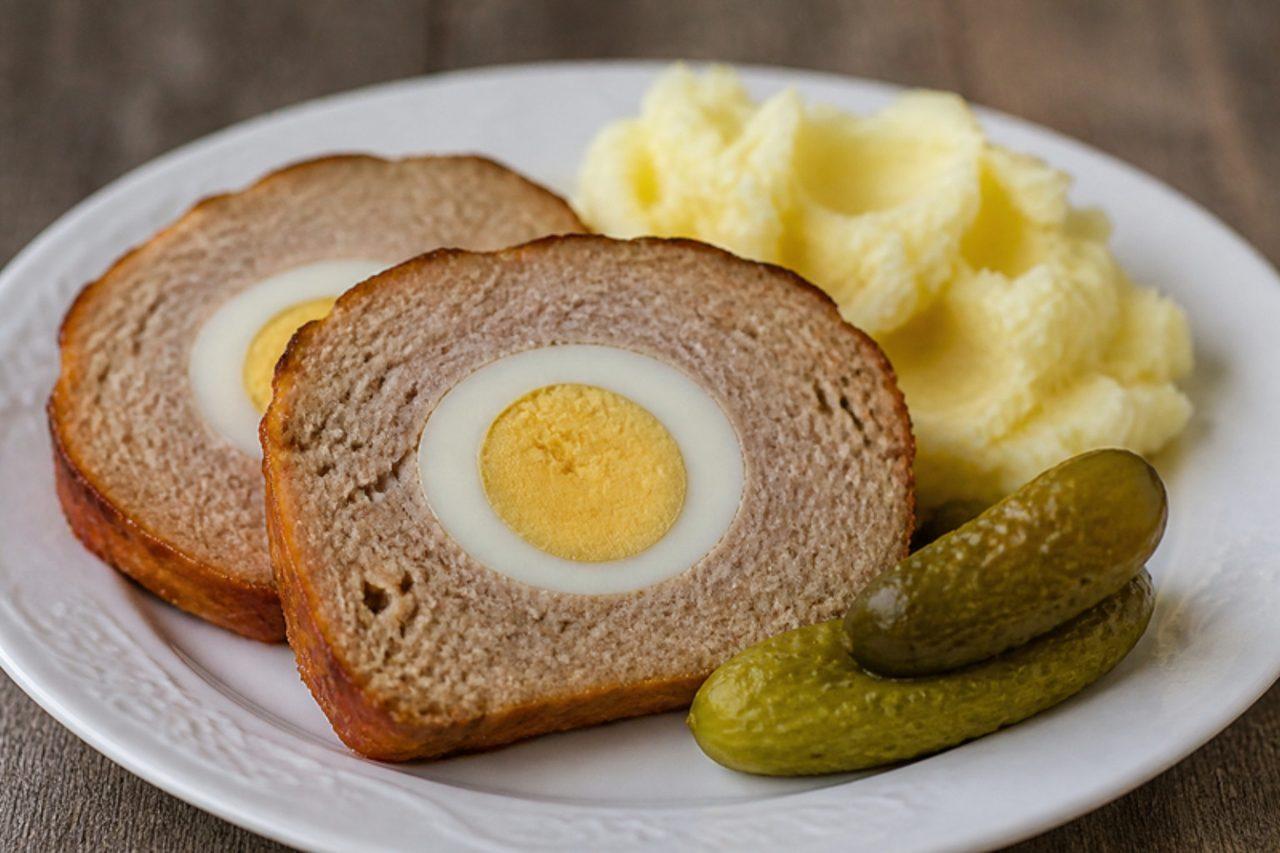
Named, so the story goes, after Princess Stéphanie, wife of the Habsburg crown prince Rudolf, Stefánia szelet is the proud meatloaf of Hungarian school canteens, work cafeterias and Sunday tables. Seasoned minced pork, bound with a milk-soaked roll and flavoured with garlic, marjoram and mustard, is shaped around a row of peeled hard-boiled eggs and baked until browned, so every slice shows a golden yolk ringed with white. Serve it hot with mashed potato and pickled gherkins, or cold in sandwiches the next day. A common mistake is slicing it straight from the oven, which makes it crumble; rest it for 10 minutes first. Chef's tip: roll the boiled eggs in a little flour before you lay them in, so the meat grips them and the slices don't fall apart.

by KrazyBadal 0 views

Kurnik

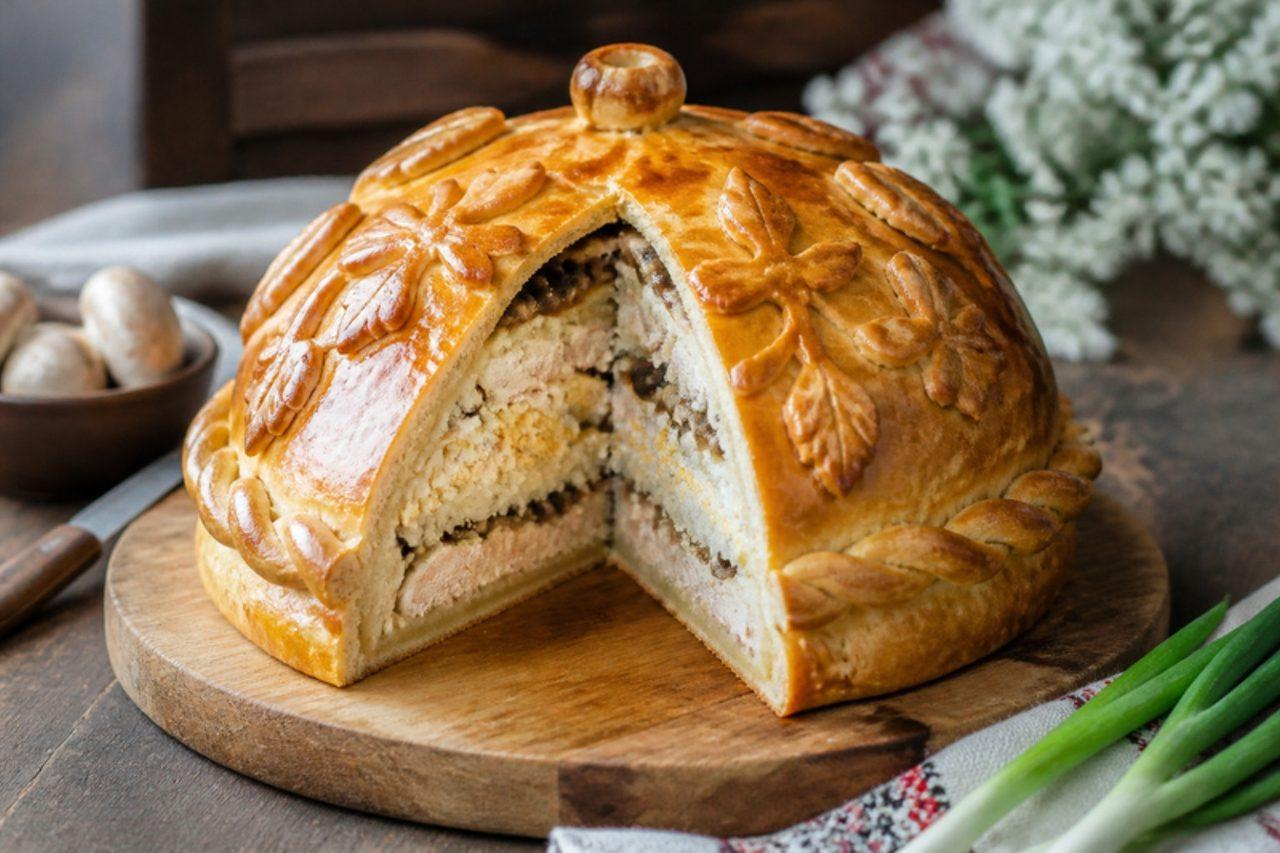
Cossack weddings along the Don and Kuban were not complete without kurnik, the tall "king of pies": a domed short pastry crust packed with layers of chicken, rice and egg and mushrooms, each separated by a thin pancake so the juices stay put. Bride and groom each had a kurnik baked by their families, and it is still made for big birthdays and holidays. The crust is crumbly and rich from sour cream; the inside moist and savoury. A common mistake is skimping on the broth: spooning some of the chicken poaching liquid over each layer keeps the rice from drying out. Poach the chicken until it reaches 74 °C. Chef's tip: make the pancakes and fillings the day before and chill them; the pie then goes together in half an hour.

by KrazyBadal 0 views

Semla

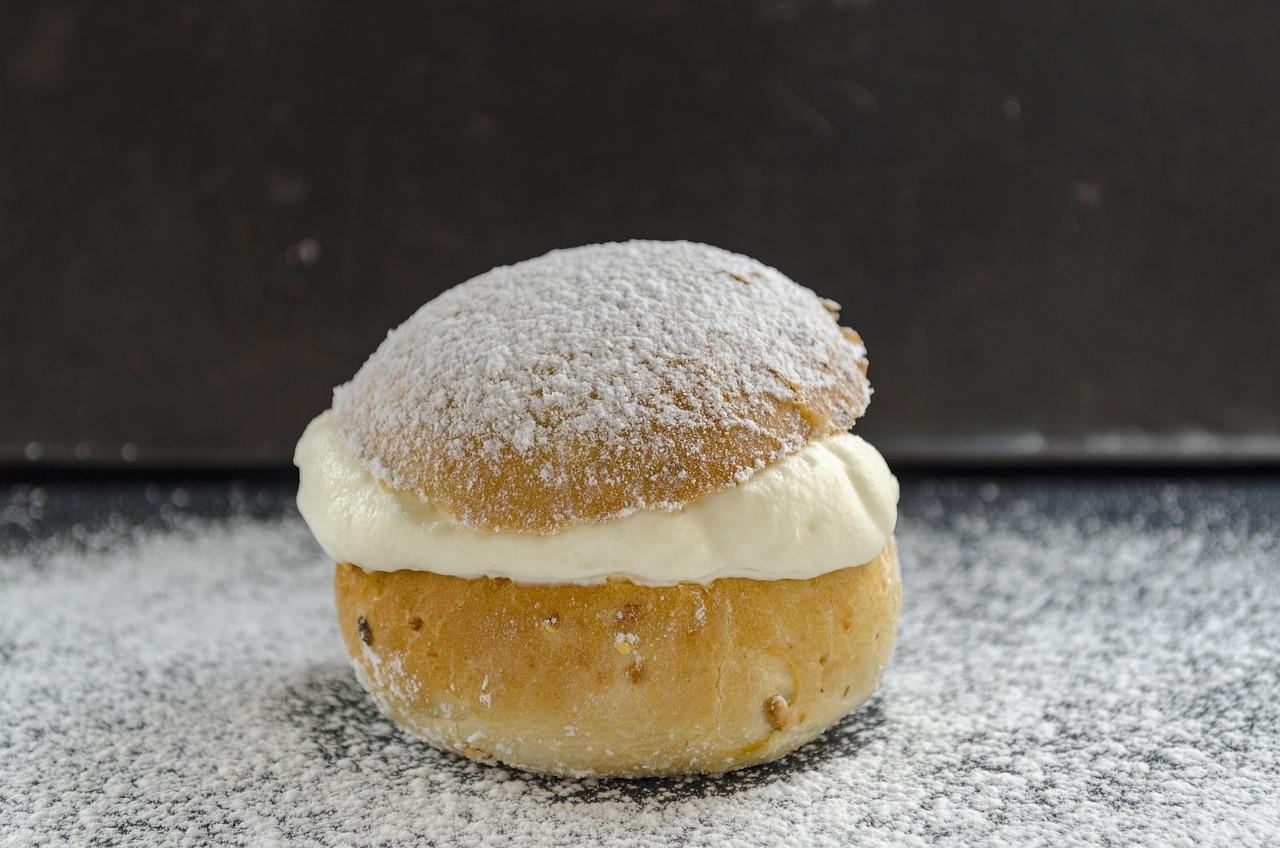
Semlor arrive in Swedish bakeries straight after Christmas and peak on Fettisdagen, Shrove Tuesday, when Stockholm bakeries sell them by the tens of thousands: a soft cardamom bun with its top cut off, the crumb scooped out and mixed with almond paste and milk, then refilled, piled with whipped cream and the 'lid' put back with a dusting of icing sugar. Some eat theirs in a bowl of hot milk, as 'hetvägg'. A common mistake is overbaking the buns, which dries them; they should be soft and pale golden. Chef's tip: grate the almond paste and mix it with the scooped crumb and a splash of milk until it is spreadable but still textured.

by KrazyBadal 0 views

Showing 9 of 7,762 recipes

Show more recipes

Page 204 of 863