


Skip to content
Laohu cai
Featured recipe

Laohu cai

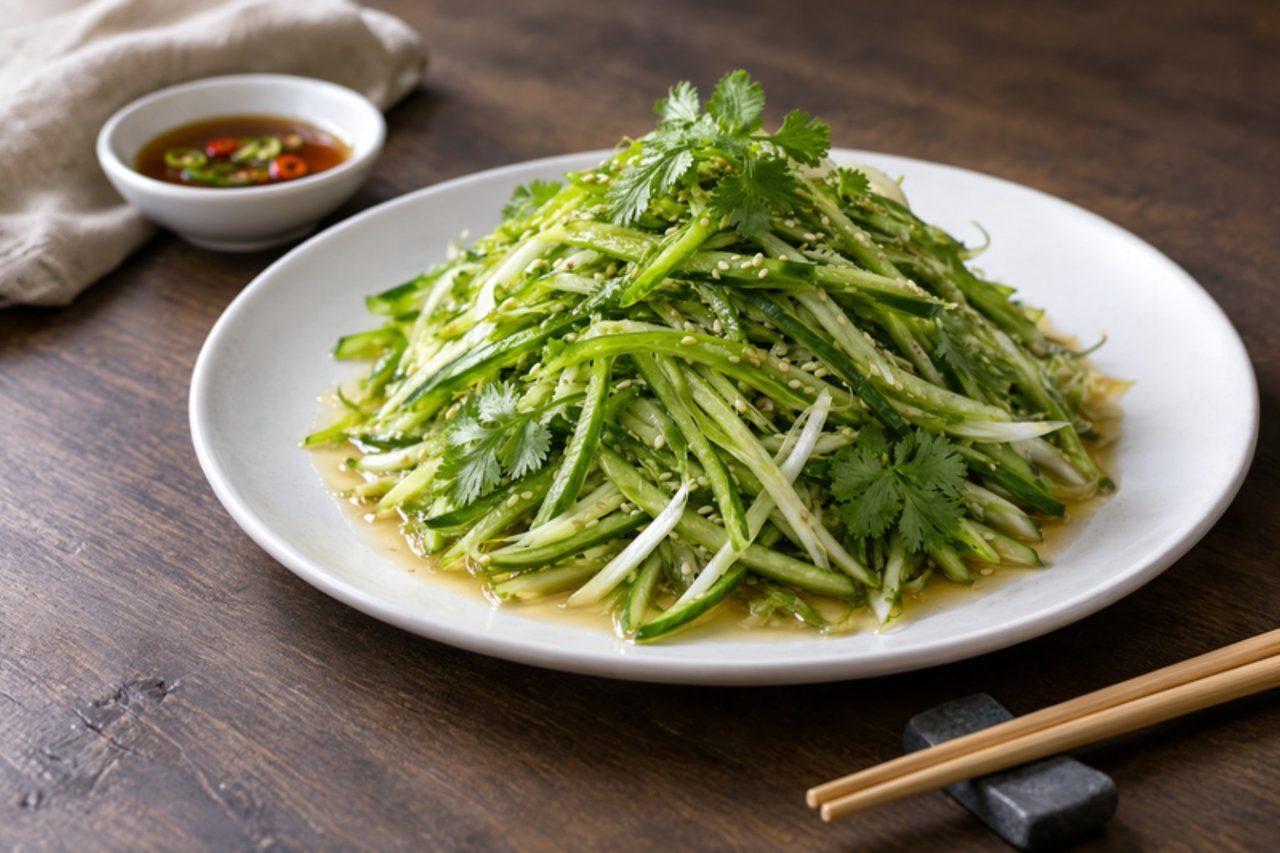
Laohu cai, 'tiger salad', is the fierce raw salad of China's north-east, served in Shenyang and Harbin homes and restaurants alongside dumplings, grilled skewers and heavy stews. Long green chillies, cucumber, coriander and spring onion are cut into thin strips and dressed with rice vinegar, a little soy and sesame oil, so it is hot, crunchy and very fresh. Serve it next to protein dishes as a crisp, low-starch side. It is suitable as part of a balanced diet. About 50 kcal and 5 g carbohydrate per portion. The usual mistake is dressing it too early, so the cucumber weeps and the coriander goes limp; dress it just before eating. Chef's tip: choose a mix of mild and hot chillies so you control the heat and still get plenty of crunch.

Read more 0 views

What to eat today?

Around the world

Today's trip: Paraguayan

A new country every day, from every cuisine on the site.

This week's collection

Kid-friendly dinners
537 recipes · a new collection every Monday

Latest recipes

Cheremsha salad

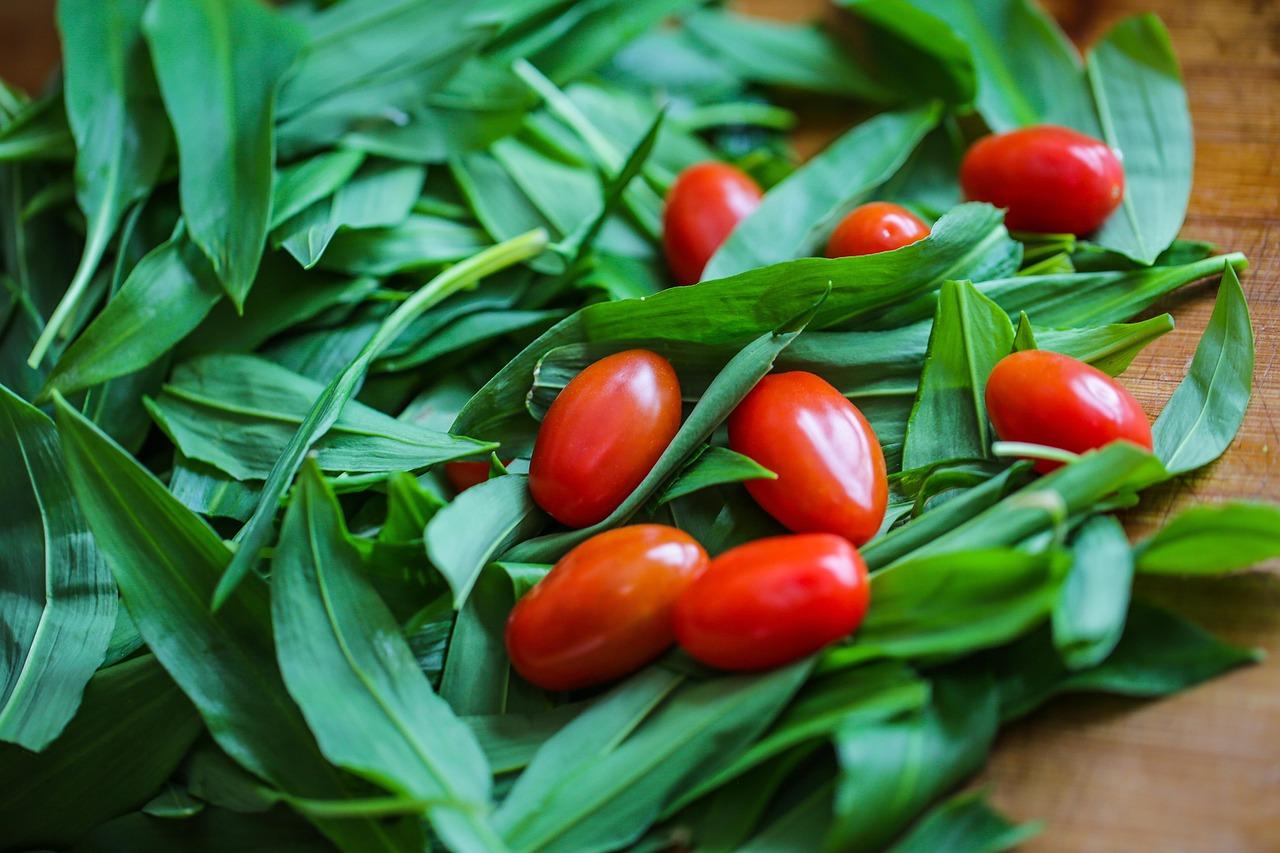
Late April in Novosibirsk and Tomsk brings bunches of cheremsha to every market stall and roadside bucket: the first green vitamins after a long Siberian winter. The broad leaves and juicy stems of wild garlic taste of sweet, mild garlic with a peppery bite, and Siberians eat them simply, chopped with salt and fragrant unrefined sunflower oil, beside boiled potatoes and black bread. Some cooks add chopped egg or sour cream; this vegan version sticks to oil, with cucumber for crunch. Forage only with someone who knows the plant, or buy it: wild garlic has poisonous lookalikes such as lily of the valley, and real leaves smell strongly of garlic when crushed. Where most people go wrong is dressing it too early, so the leaves wilt and weep. Chef's tip: salt the chopped stems first and rub them for a few seconds; it softens their bite and draws out juice that becomes part of the dressing.

by KrazyBadal 0 views

Slambuc

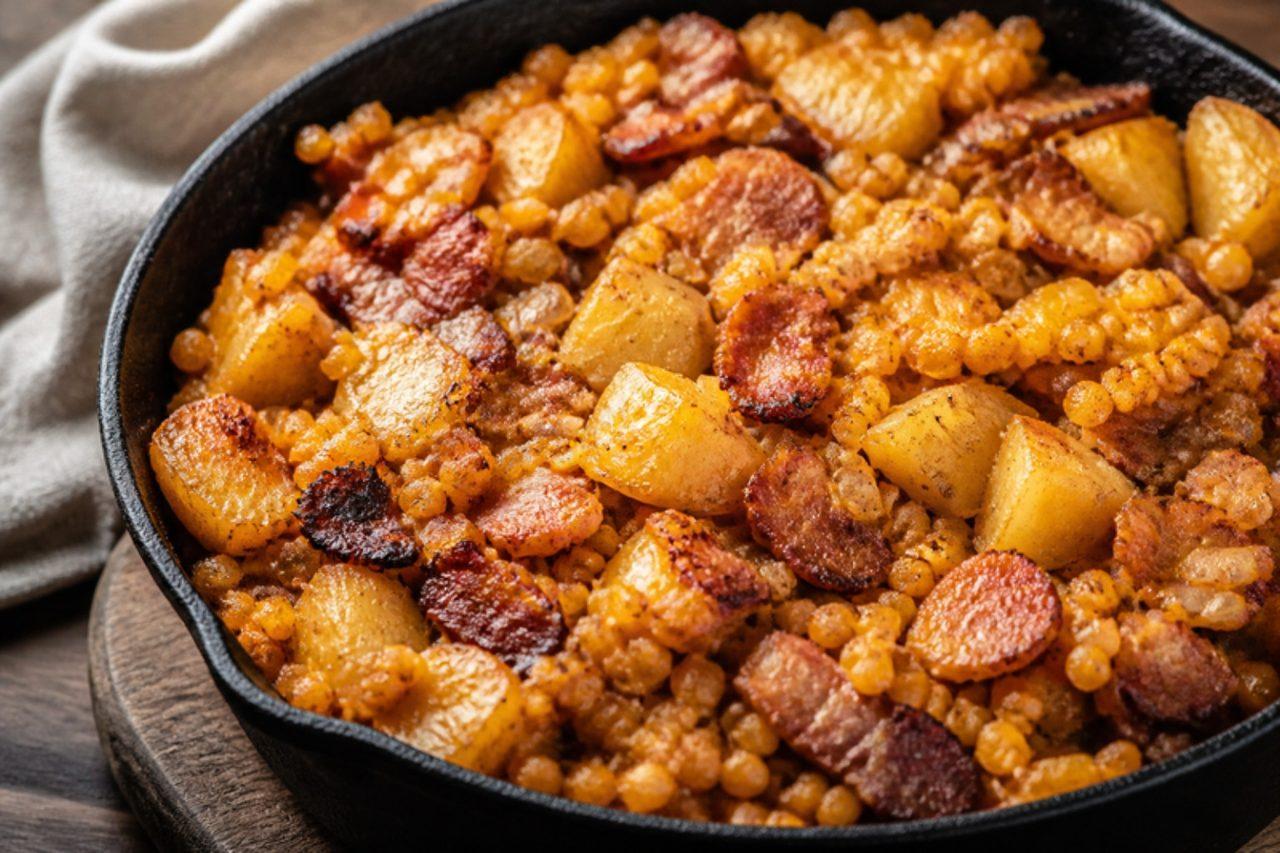
Out on the Hortobágy puszta, the cattle and horse herders cooked in a bogrács, a cauldron hung over an open fire, and slambuc was their everyday meal: cheap, filling and made from what kept. Smoked pork bacon is rendered until crisp, the little egg-pasta pellets called tarhonya are toasted in the fat, then potatoes, paprika and water go in, and the pot is stirred until it turns thick, then left alone so a golden crust forms underneath. It is smoky, starchy and very satisfying, and it is served with pickles and fresh onion. You can make it in a heavy casserole on the stove. Where most people go wrong is stirring all the way to the end; let it sit for the last minutes so the bottom can crisp. Chef's tip: the crust, called the pörc, is the best part, so scrape it up and share it out.

by KrazyBadal 0 views

Sbiten

Long before tea reached Russia, street sellers wrapped in shawls carried copper urns of sbiten through winter markets, pouring steaming glasses of spiced honey water for traders and coachmen. It comes back every Maslenitsa at fairs in Moscow and Suzdal, drunk beside blini. The taste is warming and sweet, with the bite of ginger, a bitter edge of bay and clove, and a resinous note from St John's wort or mint. Where most people go wrong is boiling the honey hard, which dulls its perfume; simmer the spices first and dissolve the honey off the boil. Honey should not be given to babies under one year old. Chef's tip: make the spiced base ahead and keep it in the fridge, then reheat a glass at a time and finish with a squeeze of lemon.

by KrazyBadal 0 views

Papet vaudois

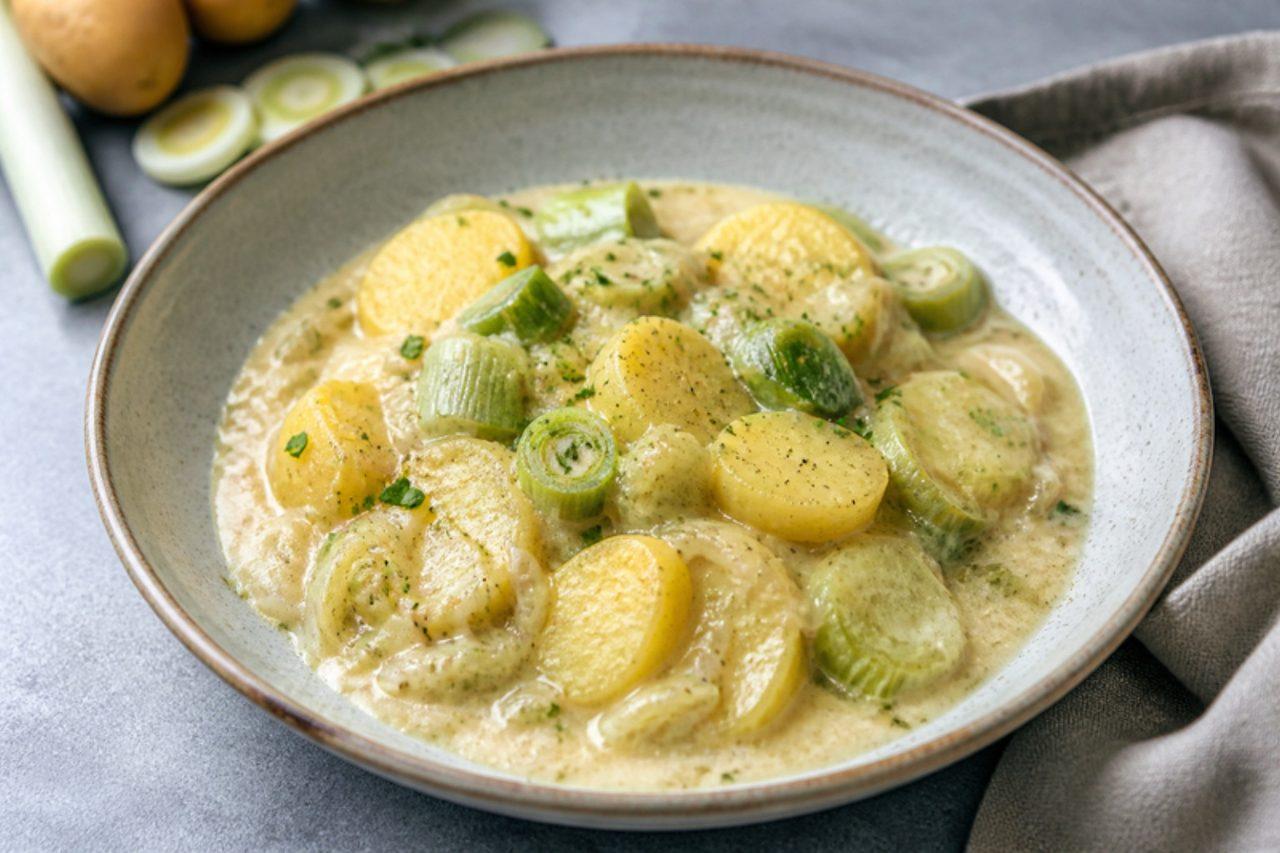
Papet vaudois is the winter dish of the canton of Vaud, on the shores of Lake Geneva, so loved that the canton's flag colours, green and white, are said to match the leeks: thick slices of leek and diced potato simmered slowly in a little stock and cream until soft and melting, a 'papet' (mush) that is not quite a stew and not quite a purée. In Vaud it is served with the smoked saucisson vaudois or saucisse aux choux; this vegetarian version is finished with a spoon of strong mustard and crisp fried shallots. White wine is often added; this recipe uses stock with a little vinegar instead. A common mistake is stirring too much, which turns it to glue. Chef's tip: cook it slowly with a lid and stir only gently, so some potato breaks down and some stays in pieces.

by KrazyBadal 0 views

Kurnik

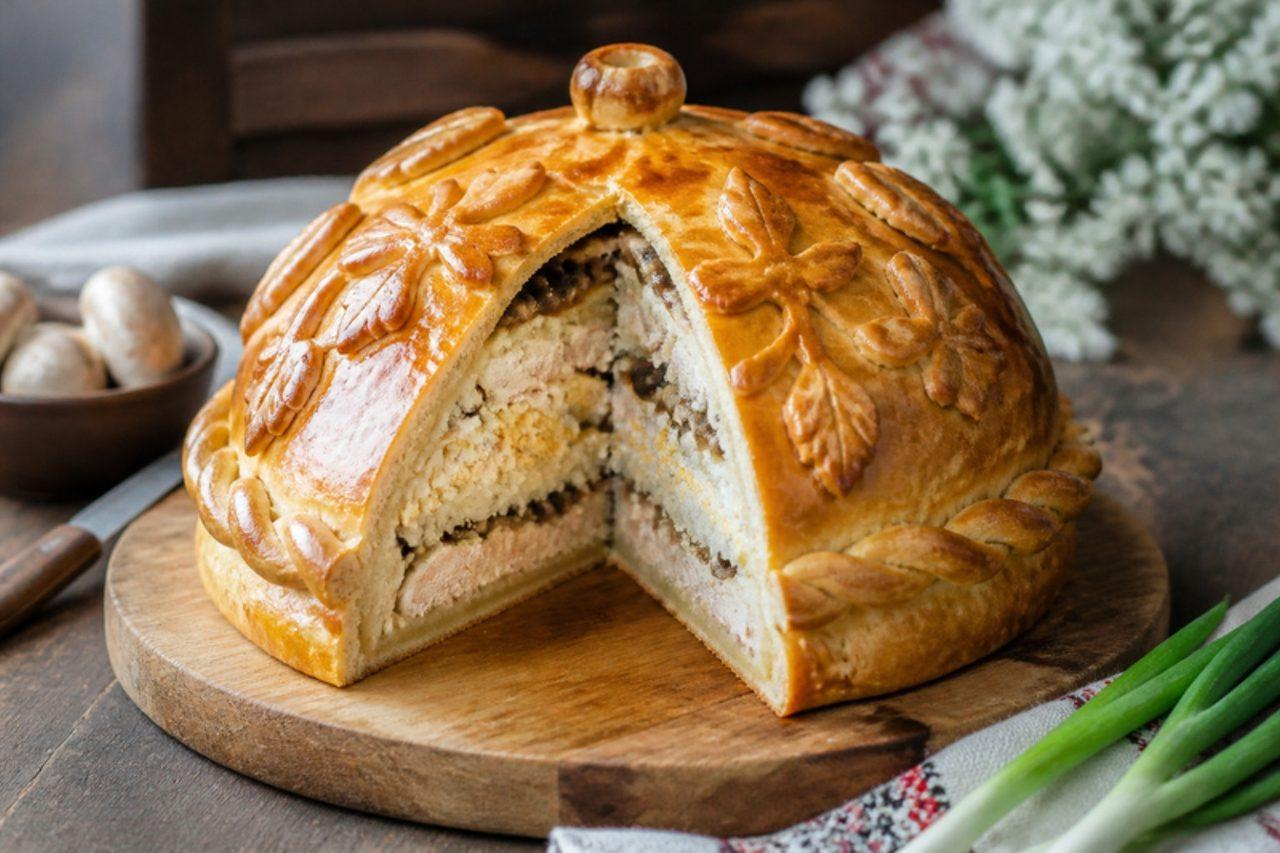
Cossack weddings along the Don and Kuban were not complete without kurnik, the tall "king of pies": a domed short pastry crust packed with layers of chicken, rice and egg and mushrooms, each separated by a thin pancake so the juices stay put. Bride and groom each had a kurnik baked by their families, and it is still made for big birthdays and holidays. The crust is crumbly and rich from sour cream; the inside moist and savoury. A common mistake is skimping on the broth: spooning some of the chicken poaching liquid over each layer keeps the rice from drying out. Poach the chicken until it reaches 74 °C. Chef's tip: make the pancakes and fillings the day before and chill them; the pie then goes together in half an hour.

by KrazyBadal 0 views

Gogoși

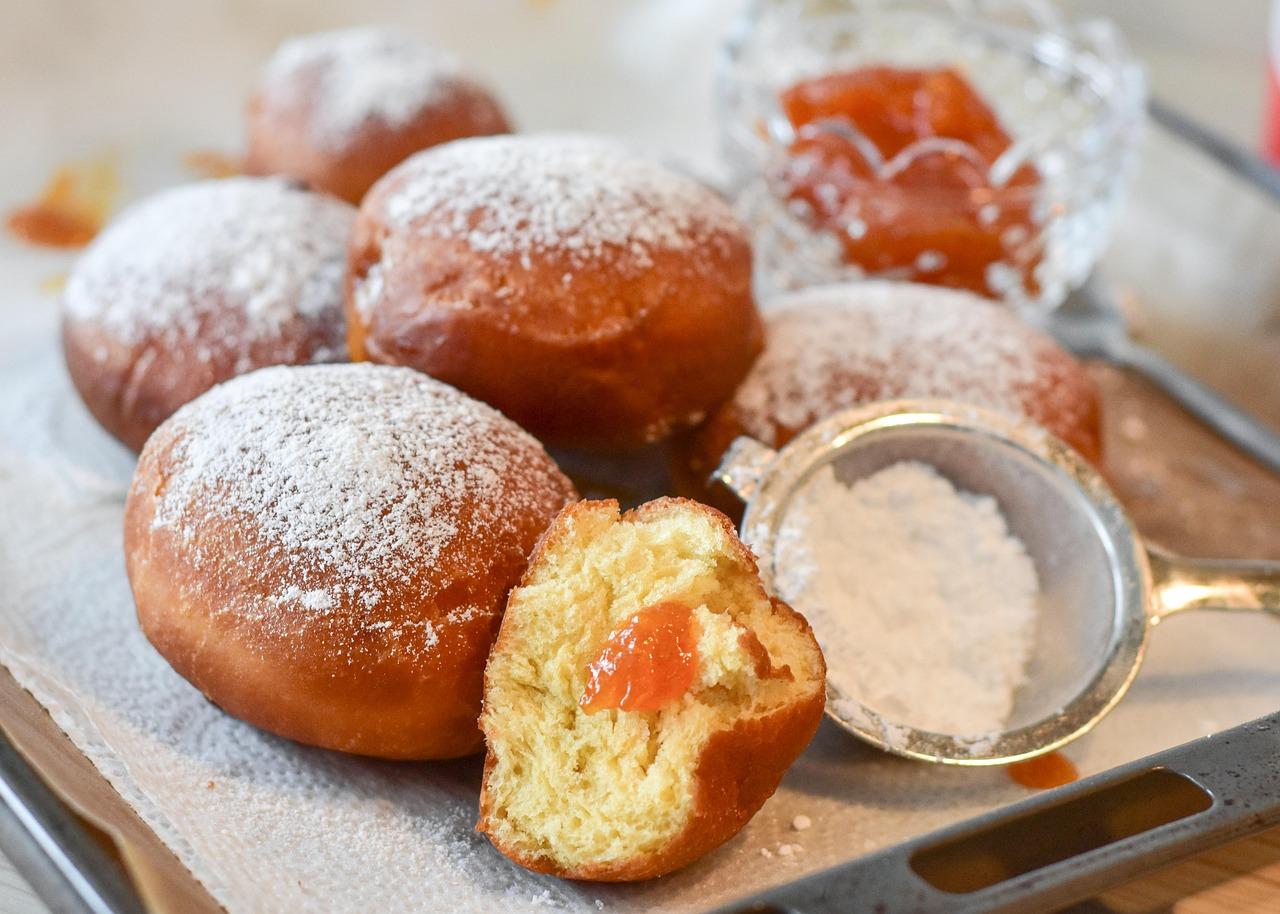
Fairground stalls, seaside promenades in Constanța and every grandmother with a big frying pan produce gogoși, fat, golden rounds of yeast dough fried and rolled in sugar while still too hot to hold. They are an everyday treat rather than a feast-day one, eaten with a mug of milk or filled with plum jam, sour cherry jam or sweet cheese. The dough is soft and enriched with eggs, milk and butter, so the inside should be fluffy and the outside thin and crisp, never greasy. Where most people go wrong is the oil temperature: too cool and the doughnuts soak up fat, too hot and they brown before the centre cooks. Keep a thermometer in the pan and never leave hot oil unattended. Chef's tip: fry one test doughnut first and break it open, so you can adjust the heat before the whole batch.

by KrazyBadal 0 views

Kystybyy

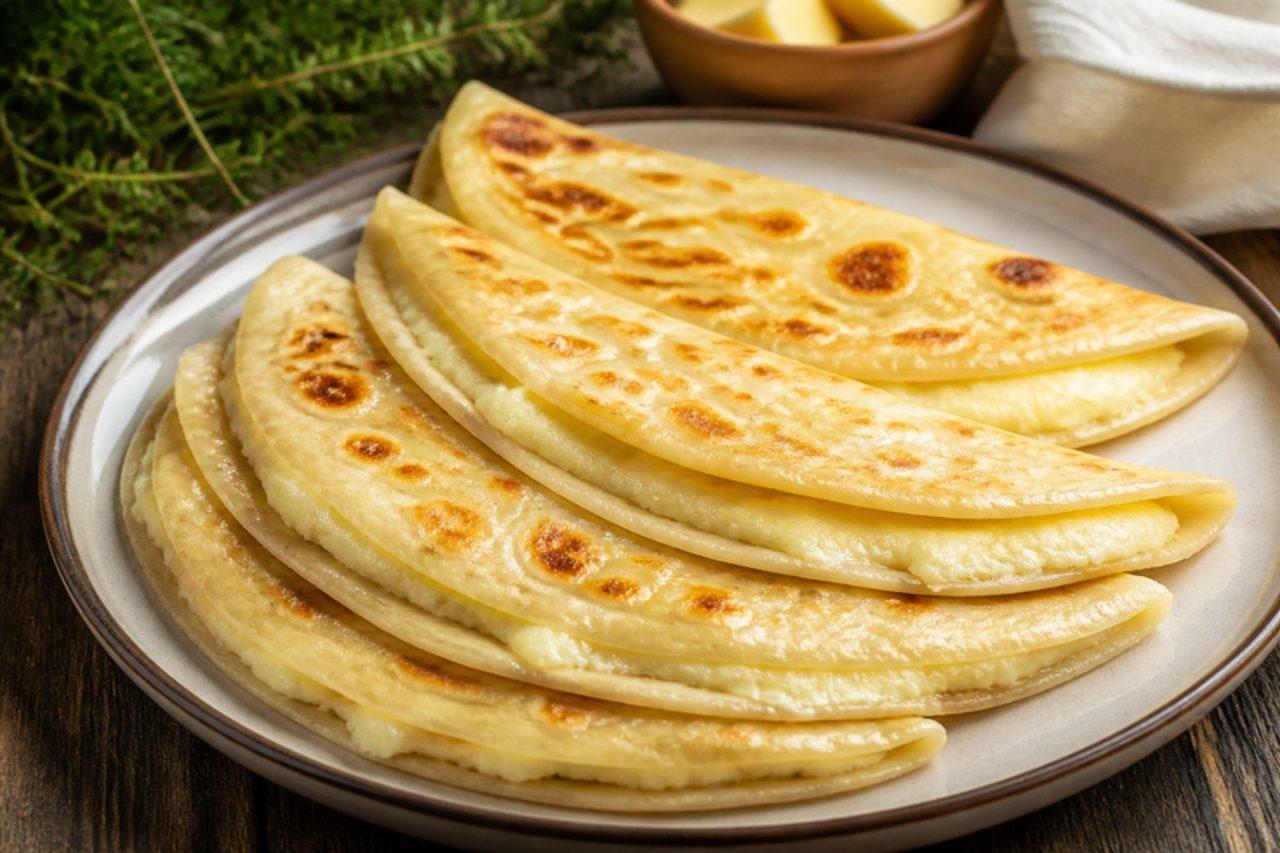
Ask anyone in Kazan what they ate after school and many will say kystybyy, the folded Tatar flatbread sold warm in canteens and kiosks all over Tatarstan. Paper-thin rounds of unleavened dough are dry-cooked in a hot pan, filled while soft with mashed potato whipped with milk, butter and fried onion, folded into a half-moon and brushed with more butter. In older Tatar village kitchens the filling was millet porridge, which works just as well. Serve with tea, a bowl of soup or a glass of katyk, the Tatar soured milk. A common mistake is leaving the cooked flatbreads uncovered; they dry out and crack when folded, so stack them under a towel. Chef's tip: keep the pan dry and hot; 30–40 seconds a side gives brown freckles without stiffening the bread.

by KrazyBadal 0 views

Sol over Gudhjem

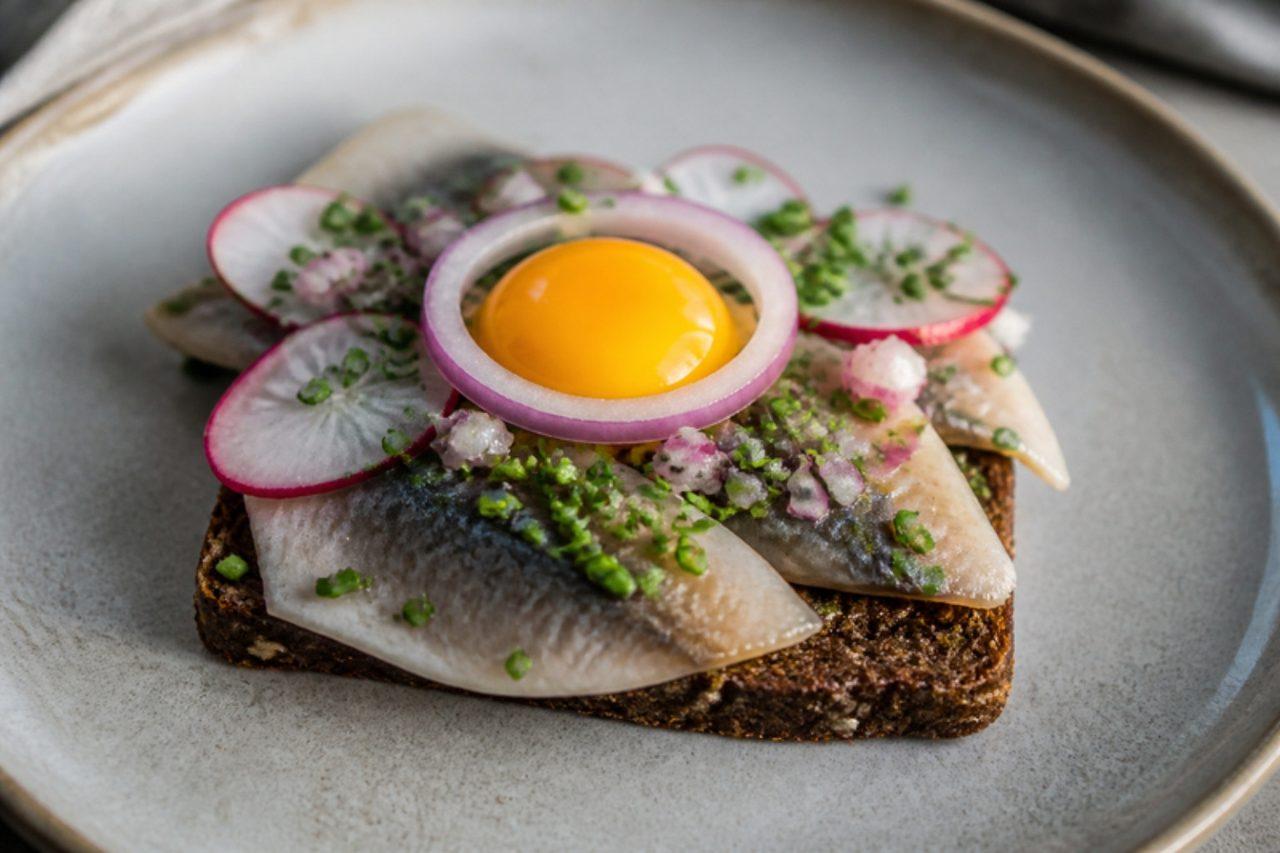
Sol over Gudhjem, 'sun over Gudhjem', is the famous smørrebrød of Bornholm, the Danish island in the Baltic, where smokehouses in Gudhjem and Svaneke still smoke herring over alder wood: a slice of dark rye spread with butter, topped with a skinned, boned smoked herring, chopped chives and radishes, and a raw egg yolk in the middle as the 'sun'. Raw egg yolk is not for pregnant women, young children or anyone with a weakened immune system; this recipe uses pasteurised eggs, and the yolk can be swapped for a soft-boiled one. A common mistake is leaving the herring bones in; pick them out carefully. Chef's tip: set the yolk in a ring of raw onion so it stays put.

by KrazyBadal 0 views

Gubadia

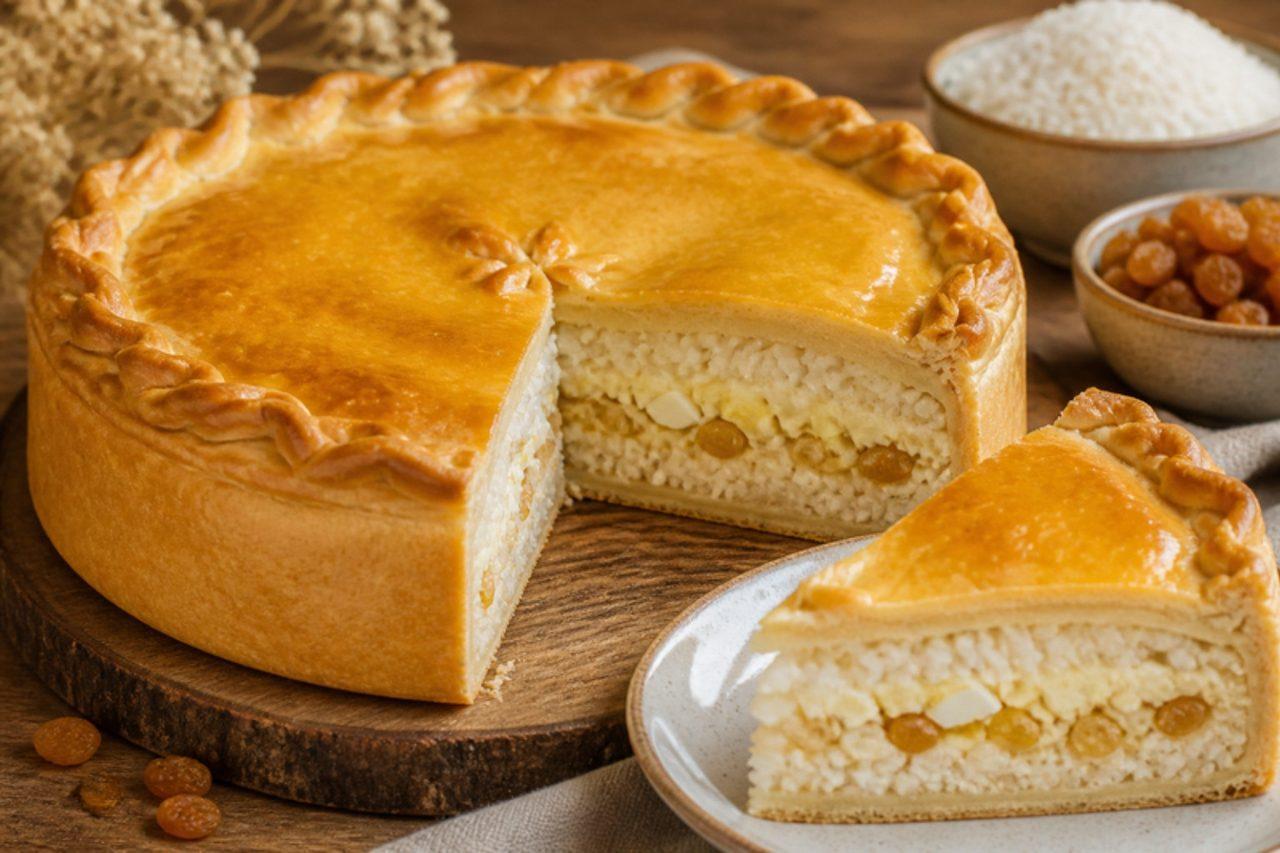
Weddings, Eid and the arrival of honoured guests in Tatarstan call for gubadia, a high round pie that is cut at the table like a cake and served with tea. Inside sit neat layers of buttery rice, kort – Tatar curd cooked down until rosy and fudge-sweet – raisins and chopped hard-boiled egg, under a domed lid of soft yeast dough. Many families add a layer of minced meat with onion; this is the meat-free version, as many sweet tea-table gubadias are. Kort is hard to buy outside the region, so you make it here from tvorog (check the label if you need it rennet-free). Where most people go wrong is a dry pie: every layer needs its share of melted butter. Chef's tip: let the baked pie stand for twenty minutes before cutting so the layers settle and come away in clean wedges.

by KrazyBadal 0 views

Hangop

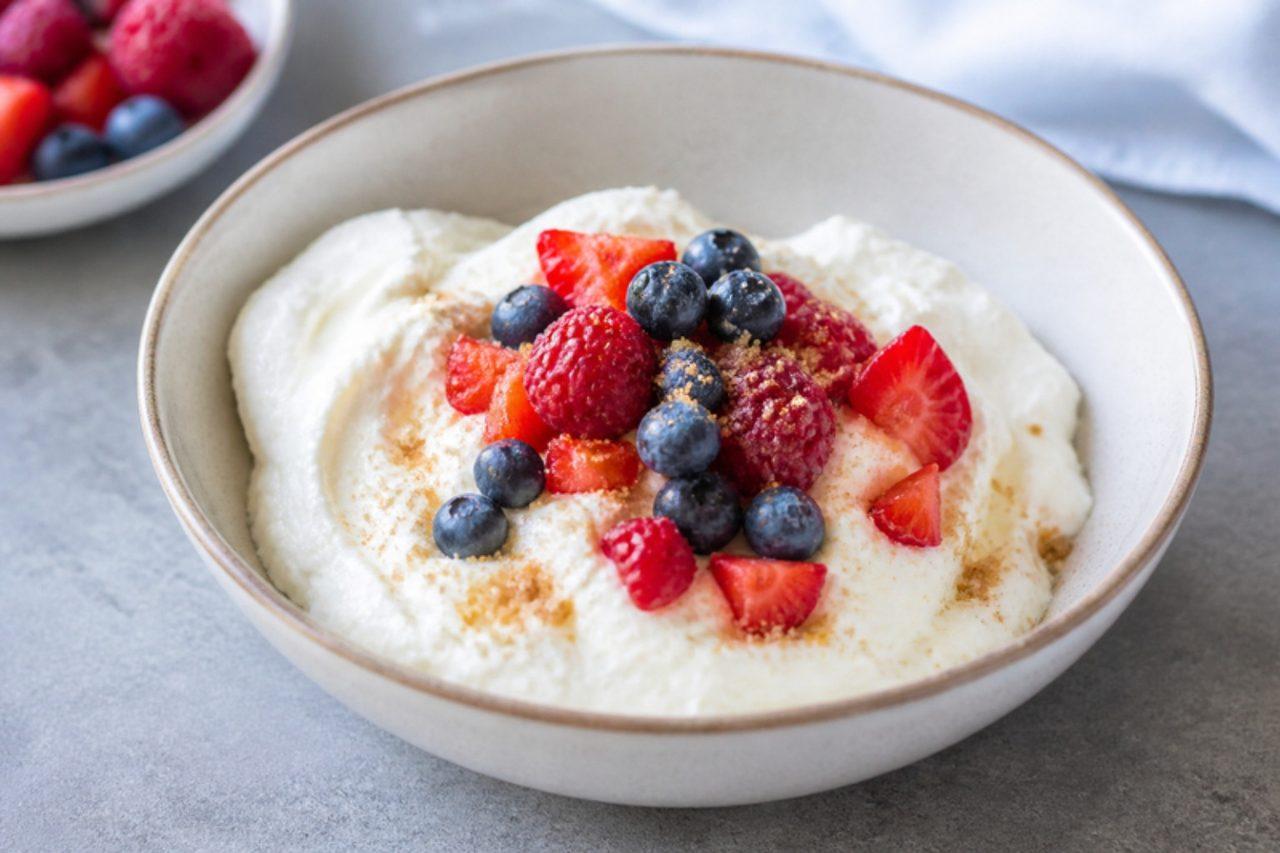
Hangop means 'hang up', and that is the method: buttermilk poured into a cloth, hung up over a bowl overnight until it thickens into something like a tangy, creamy fresh cheese. It was a summer dessert on Dutch farms, eaten with rusk crumbs, brown sugar and fresh fruit, and is having a revival in Amsterdam restaurants. A common mistake is straining it at room temperature, which lets it turn too sour. Chef's tip: strain it in the fridge, and use a clean tea towel rather than cheesecloth; the finer weave keeps more of the creamy curd.

by KrazyBadal 0 views

Pyshki

On Bolshaya Konyushennaya street in St Petersburg a small pyshechnaya has been frying these since the 1950s, and locals will tell you firmly that a pyshka is not a ponchik, the filled Moscow doughnut. They come in a paper bag five or six at a time, so hot that the icing sugar melts at the edges, with a glass of sweet milky coffee from a big urn. The soft, fairly wet yeast dough gives a light, open crumb inside a thin golden shell. The usual slip is oil that is too cool: the rings soak it up and turn heavy, so keep a thermometer in the pan at 175 °C. Chef's tip: set each shaped ring on its own small square of baking paper and lower the paper into the oil with it; the paper slips off after a few seconds and the ring stays perfectly round.

by KrazyBadal 0 views

Borș

Before lemons were common in Moldavian and Wallachian villages, every household kept a crock of borș, the cloudy, tangy liquid that turns a plain soup into a ciorbă. Wheat bran and a little cornmeal are steeped in hot water, seeded with a starter and left to ferment for 3–4 days in total, so although the hands-on work is short, plan a long weekend: the timings shown cover only the first two days of waiting. It is naturally vegan and a staple of the fasting (post) kitchen, where it sours nettle, bean and vegetable ciorbe. Where people go wrong is using a jar that is not properly clean, which lets the wrong microbes win and turns the borș slimy or mouldy. Chef's tip: keep a few spoonfuls of the drained bran, dried, as the starter (huște) for your next batch.

by KrazyBadal 0 views

Napoleon cake

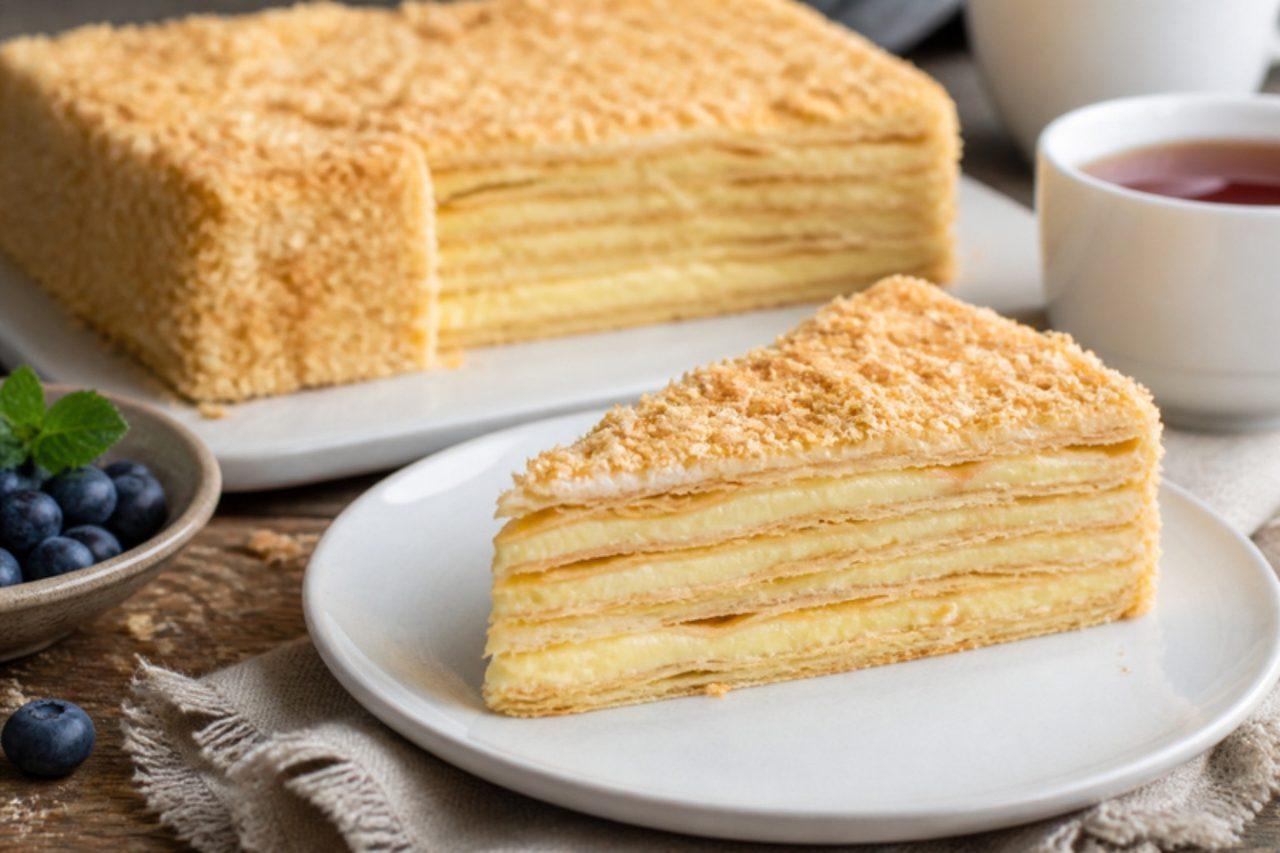
Legend links this cake to 1912, the centenary of Napoleon's retreat from Moscow, when St Petersburg confectioners cut triangular pastries shaped like his hat. By Soviet times it had grown into the tall round cake every family baked for birthdays and New Year's Eve. Eight wafer-thin rounds of quick flaky pastry are stacked with vanilla custard enriched with butter, then left overnight so the layers soften into something between a mille-feuille and a tender sponge; crushed trimmings give the snowy finish. Where most people go wrong is serving it the same day; without the long rest in the fridge it is crisp and dry instead of melting. Chef's tip: roll each piece of pastry straight onto baking paper and trim it around a 24 cm plate before baking, so you never have to lift thin raw dough.

by KrazyBadal 0 views

Salată orientală

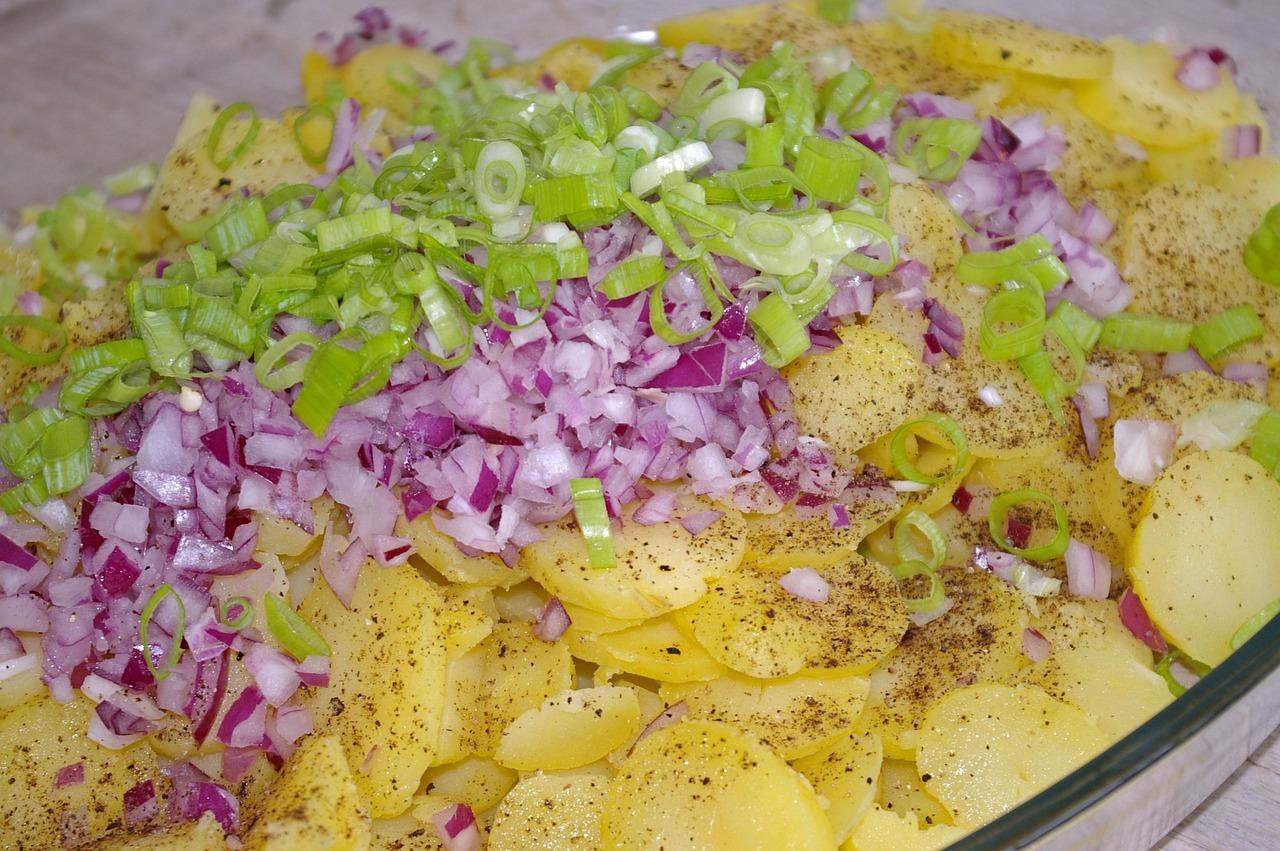
Nothing about salată orientală is particularly oriental; the name dates from interwar Bucharest, when olives and onion felt exotic on a potato salad. Today it is a fixture of student canteens, Lenten-season buffets and summer suppers on the balcony, served warm from the pot or cold from the fridge. Waxy potatoes are dressed while hot with sunflower oil and vinegar, then folded with red onion, black olives and quartered hard-boiled eggs, so it stays bright and sharp rather than creamy. A common mistake is overcooking the potatoes until they crumble; they should hold their cubes when tossed. Chef's tip: soak the sliced onion in cold salted water for 10 minutes to soften its bite while keeping the crunch.

by KrazyBadal 0 views

Shangi

From the Urals across to Siberia, shangi turn up on Sunday breakfast tables, at village markets and in the lunch bags of fishermen and hunters. They are flat rounds of soft yeast dough topped, not filled, with a thick swirl of buttery mashed potato beaten with egg, then brushed with sour cream so the top bakes into golden, slightly crisp peaks. Eat them warm with tea, milk or a bowl of mushroom soup. Older northern versions used barley dough or a millet topping, and sweet shangi carry tvorog instead. The usual slip is spreading the potato right to the edge; leave a rim so the dough rises around it like a frame. Chef's tip: brush the baked shangi with melted butter and stack them in a covered pot for ten minutes, which keeps them soft the way Siberians like them.

by KrazyBadal 0 views

Balmoș

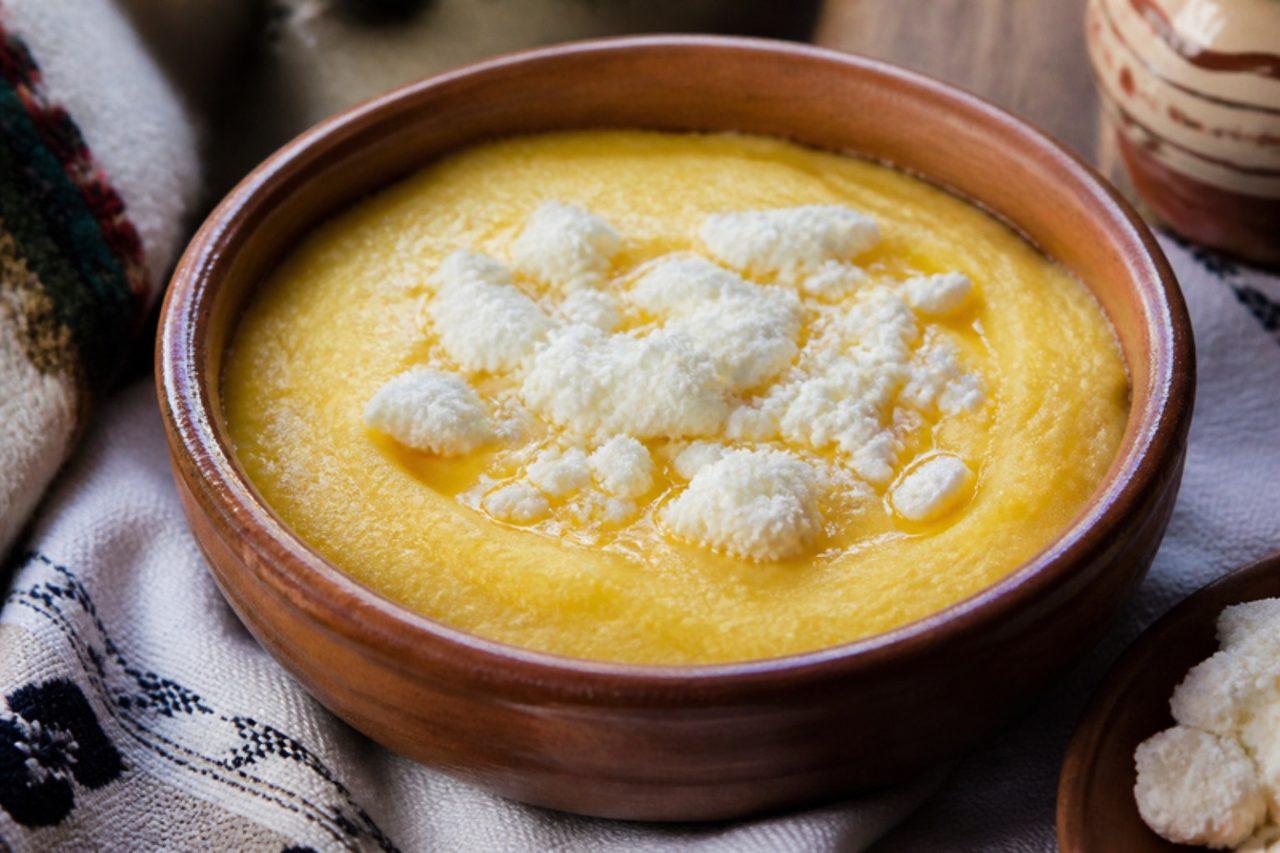
Up at the summer sheepfolds of Maramureș and the Rodna mountains, the shepherds make balmoș in a cauldron over the fire: cornmeal cooked slowly in sheep's milk and sour cream with plenty of butter and fresh sheep's cheese, until it is rich, golden and glistening. It is far creamier than ordinary mămăligă, eaten hot from the pot with a wooden spoon, perhaps with a glass of buttermilk. Use pasteurised milk; if you cannot find sheep's milk, whole cow's milk works. Caș and brânză de burduf are usually made with animal rennet, so use a fresh cheese labelled vegetarian, such as a mild ricotta-style or vegetarian feta. A common mistake is stopping too soon: keep stirring until the butter starts to separate and shine on the surface, which is the shepherds' sign that it is done. Chef's tip: serve it with a few spring onions and a glass of buttermilk.

by KrazyBadal 0 views

Sambal goreng boontjes

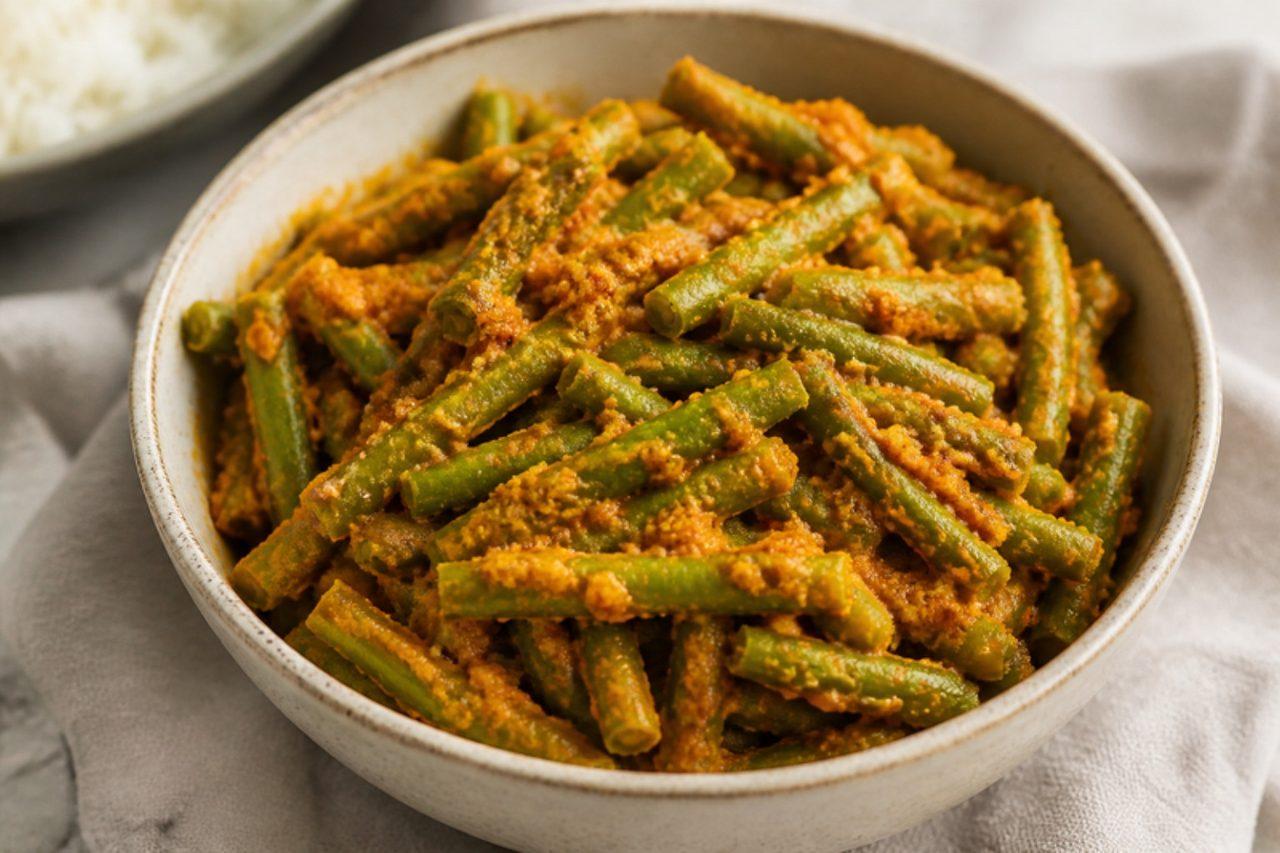
Sambal goreng boontjes is one of the most loved dishes in Dutch-Indonesian homes and toko takeaways: green beans fried in a spice paste of shallot, garlic, chilli and galangal, then simmered in coconut milk with lime leaves until just tender and coated in a rich, spicy, slightly sweet sauce. It is a regular part of a rijsttafel. Traditional versions include shrimp paste (trassi); this one is vegan. A common mistake is overcooking the beans until khaki. Chef's tip: fry the spice paste until the oil separates and it smells sweet, which takes the raw edge off the chilli and garlic.

by KrazyBadal 0 views

Limburgs zuurvlees

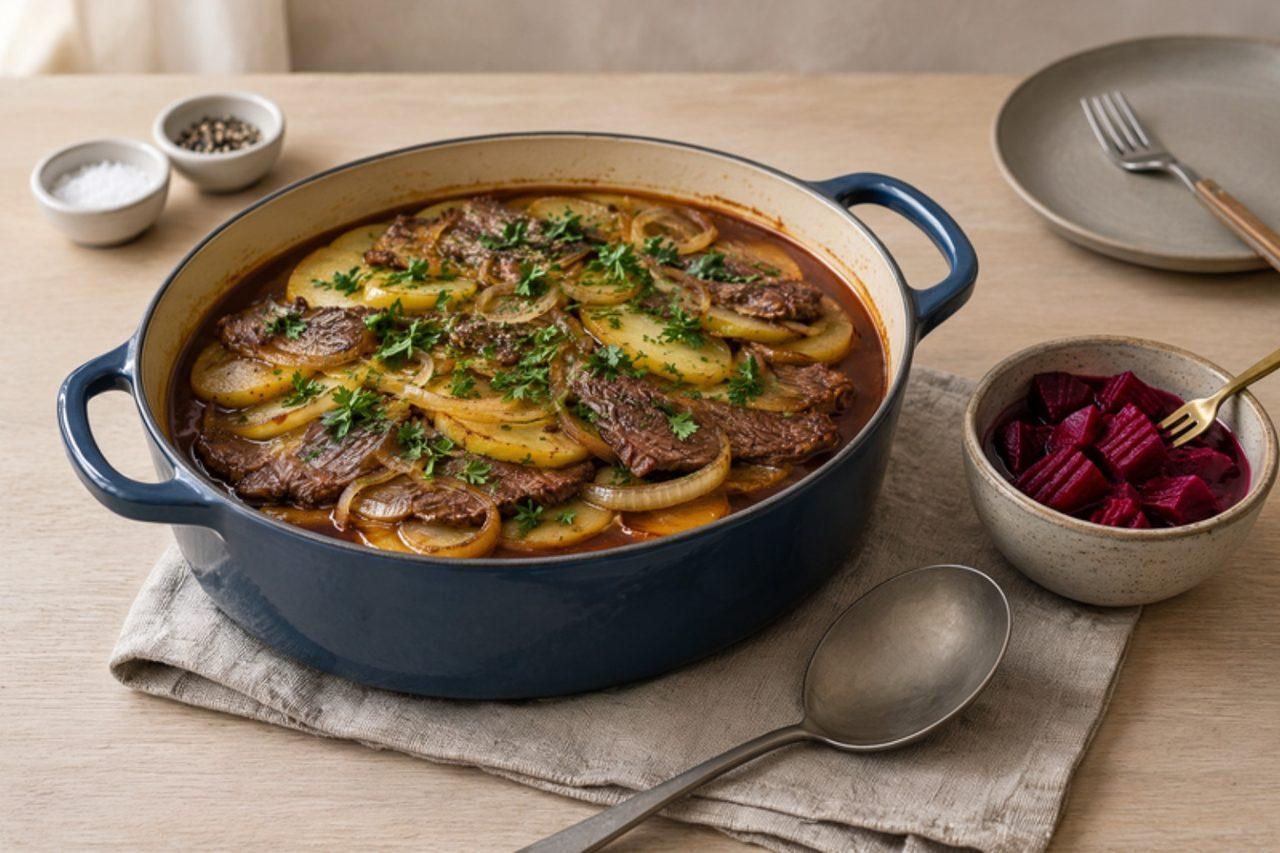
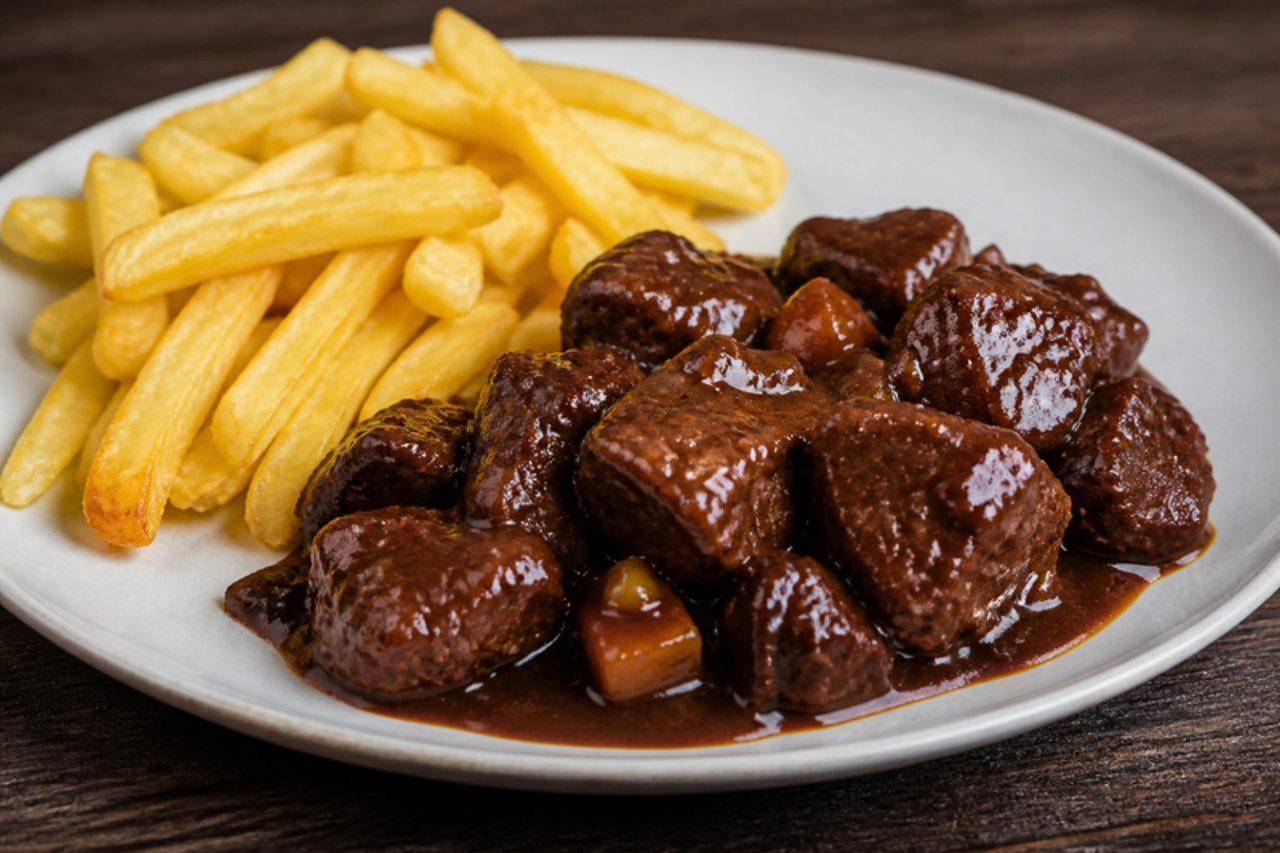
Zoervleisj, sour meat, is the signature dish of Limburg in the south of the Netherlands, eaten with fries and apple sauce in every café in Maastricht and Heerlen: beef marinated overnight in vinegar with bay and cloves, then braised slowly with onions and thickened with Limburg apple-pear syrup (stroop) and slices of spiced gingerbread until dark, glossy and sweet-sour. Traditionally horse meat was used; beef is the usual choice today. A common mistake is skipping the marinade, which leaves the meat bland. Chef's tip: marinate in the fridge for at least 12 hours and use the marinade in the braise.

200 minDutchCurries
by KrazyBadal 0 views

Salted saffron milk caps

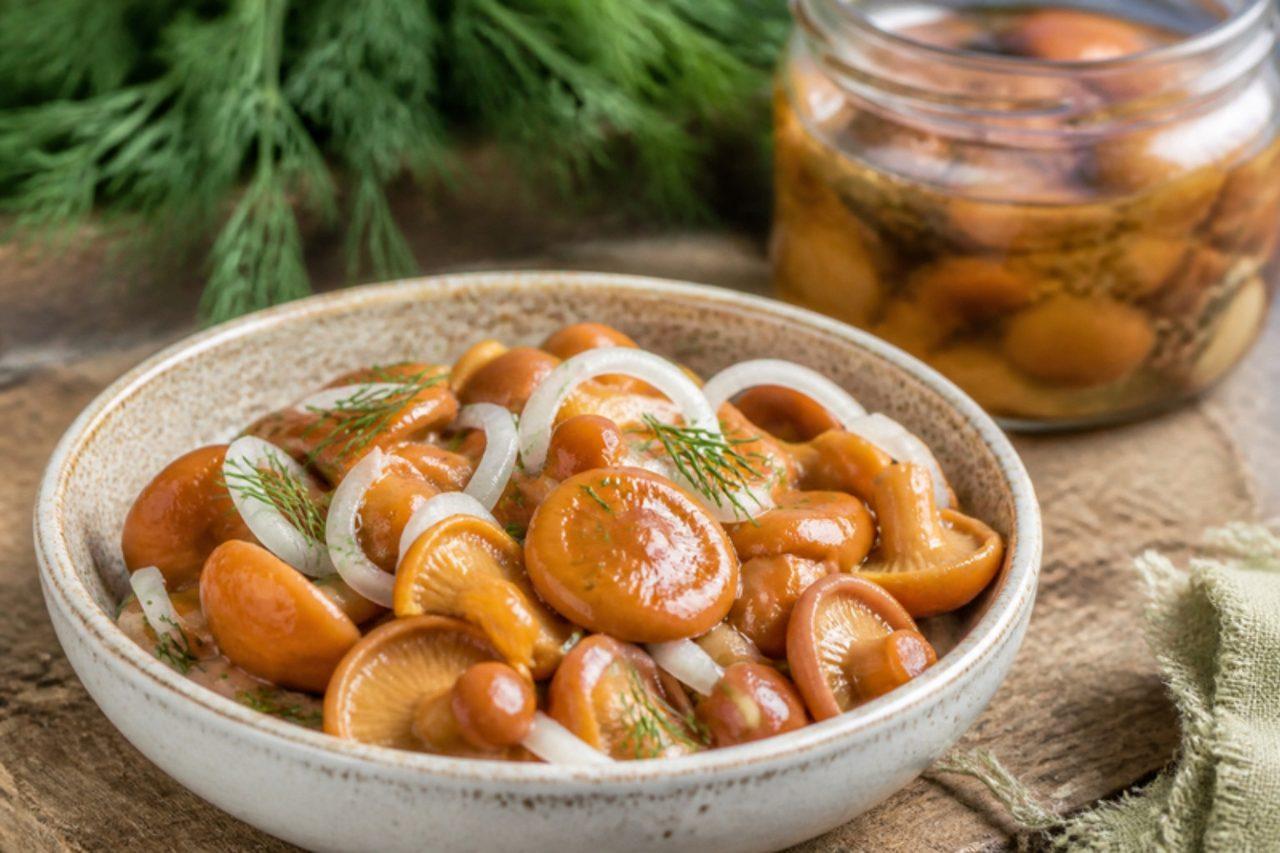
Northern Russians rank ryzhiki, the orange saffron milk caps of the pine woods, above almost every other mushroom, and salted ones from around Arkhangelsk once travelled to the tsar's table. Salted, they keep their bright colour, turn firm and juicy with a clean, resinous taste, and are served with thin onion rings, sunflower oil and hot boiled potatoes; for non-vegans a spoon of sour cream is classic. Old cellars dry-salted them raw for months; this safer fridge version blanches the caps briefly and keeps them in a measured brine in the fridge, ready in about a week. Only use mushrooms identified by an experienced forager or bought from a trusted seller. Where most people go wrong is guessing the salt; too little lets spoilage start, so weigh it. Chef's tip: the caps bruise green where handled, which is normal, so don't worry when the edges darken.

by KrazyBadal 0 views

Saramură de pește

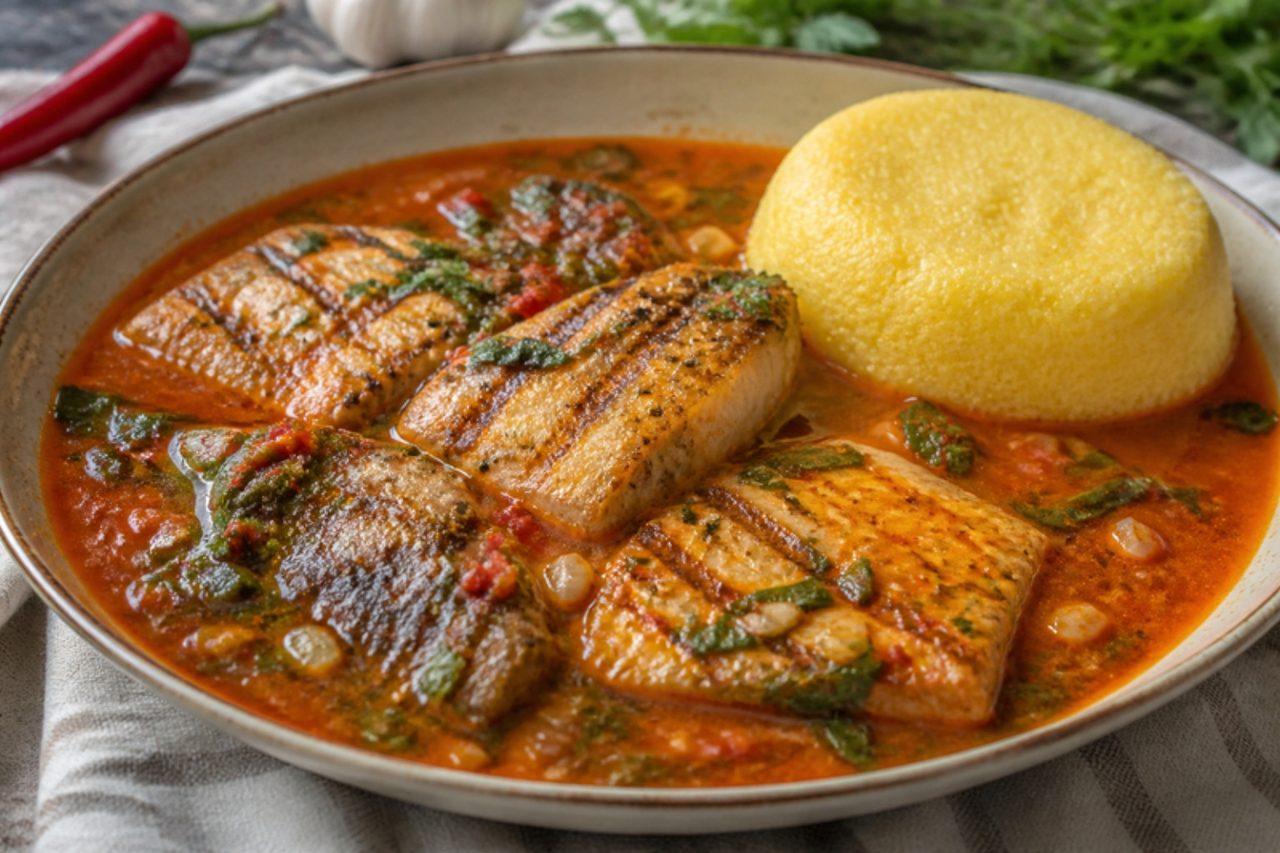
Fishermen in the Danube Delta, from Tulcea down to Sulina, make saramură right on the boat or on the bank: the catch of the morning is grilled over coals, then dropped into a bowl of hot salty broth loaded with garlic, peppers and tomato, where it soaks up the flavour before it is eaten. The fish stays smoky and juicy, the broth is sharp, salty and fiery, and everyone spoons it over a slab of mămăligă. Carp is the usual choice, but catfish, zander or even trout work well. Where it often goes wrong is making the brine too salty: it should taste like well-seasoned soup, not seawater. Chef's tip: grill the fish on a well-oiled, very hot grate and do not move it for the first 4 minutes; it releases cleanly once the skin has crisped.

by KrazyBadal 0 views

Paprenjaci

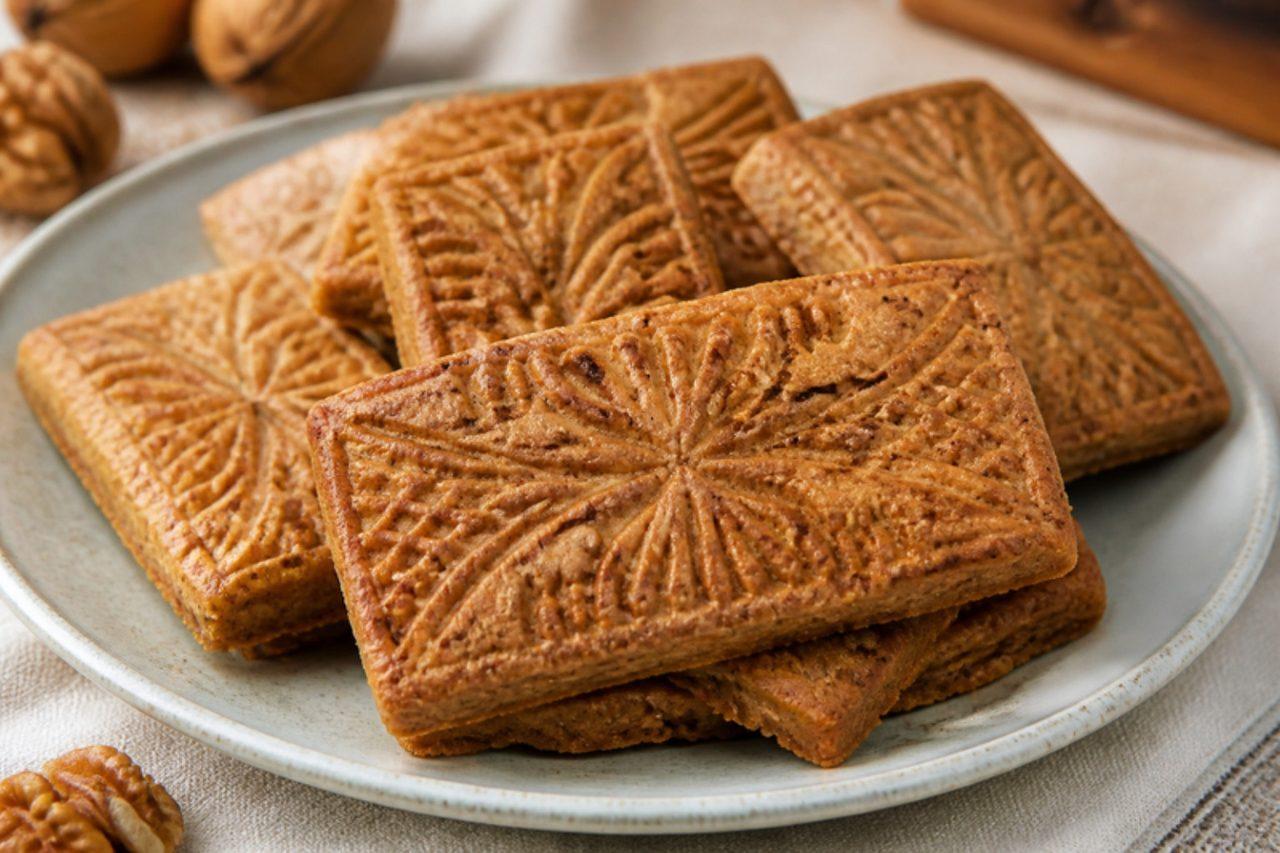
Paprenjaci have been baked in Zagreb and the villages of northern Croatia for centuries, and today they are on the list of Croatian heritage foods, sold at Christmas fairs and as gifts in pretty tins. The dough is sweetened with honey and spiced with cinnamon, cloves and a surprising amount of black pepper, then pressed into carved wooden moulds so each biscuit carries a flower, bird or heart. They are firm at first, with a slow peppery heat behind the honey, and soften after a few days. Serve them with tea, mulled apple juice or coffee. The usual slip is forgetting to flour the mould, so the dough sticks and the pattern tears; dust it every time. Chef's tip: grind the pepper as finely as you can, almost to a powder, so you get warmth in every bite rather than hard specks.

by KrazyBadal 0 views

Svadbarski kupus

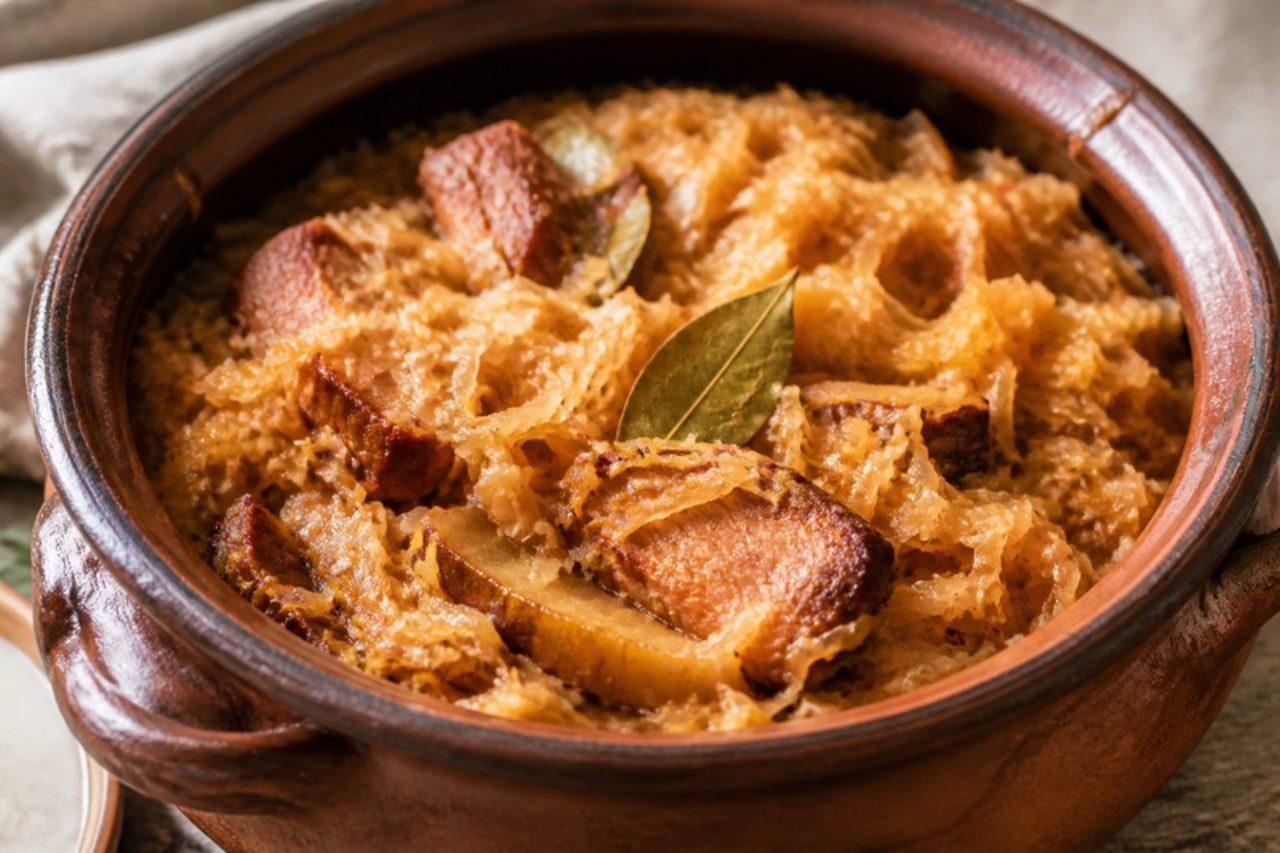
Wedding cabbage is cooked by the cauldron in central Serbia, and the village of Mrčajevci near Čačak holds a whole autumn festival in its honour, with cooks competing over clay pots that have bubbled in the embers since dawn. Sauerkraut is layered with smoked pork ribs, smoked bacon, pork shoulder and beef shin, then left alone for hours until the meat collapses and the cabbage turns soft, smoky and sour-sweet. This version goes into a low oven in a clay pot or heavy casserole. Serve it with bread, hot dried chillies and a glass of cold water. Hurrying it in a hot oven is the commonest error; at 200 °C the kraut dries and the meat tightens, while 150 °C and patience give silky results. Chef's tip: it is even better made a day ahead; cool, refrigerate and reheat covered until bubbling hot all the way through.

360 minBalkanMeatGluten free
by KrazyBadal 0 views

Tochitură

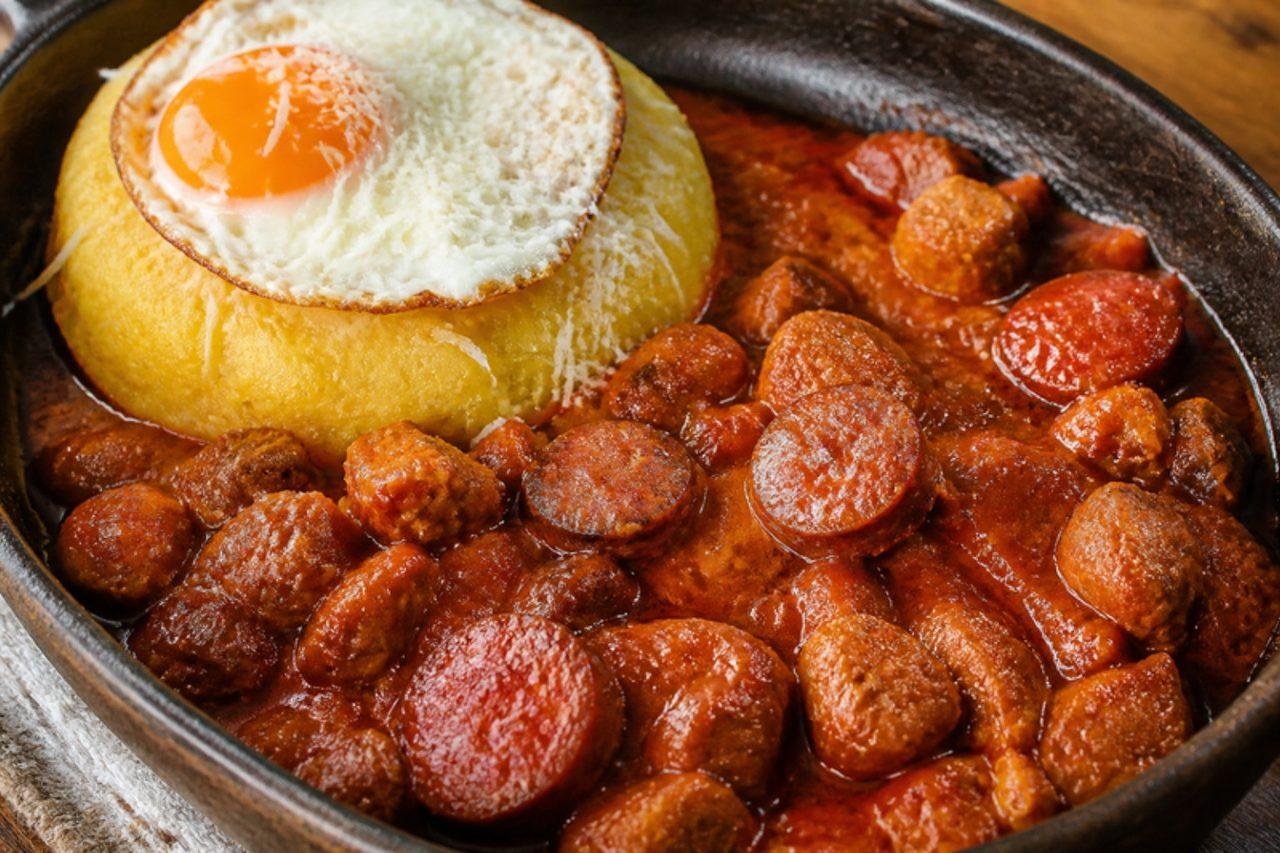
Ask for tochitură in a roadside han near Iași or Piatra Neamț and it arrives as a full plate: cubes of pork shoulder and pork sausage stewed in a garlicky, red-tinged sauce, a hill of mămăligă, a fried egg perched on top and crumbled salty sheep's cheese over everything. It is a dish for cold days and big appetites, rich, peppery and smoky. Traditionally a glass of dry white wine goes into the pan; for an alcohol-free version use the same amount of stock with 1 tablespoon of cider vinegar. The cheese is usually telemea or brânză de burduf. A frequent slip is cooking the pork hard and fast, which leaves it chewy; a gentle simmer turns it tender. Chef's tip: stir a spoon of crushed garlic into the sauce in the last minute only, so it stays fresh and fierce against the rich meat.

by KrazyBadal 0 views

Princesi

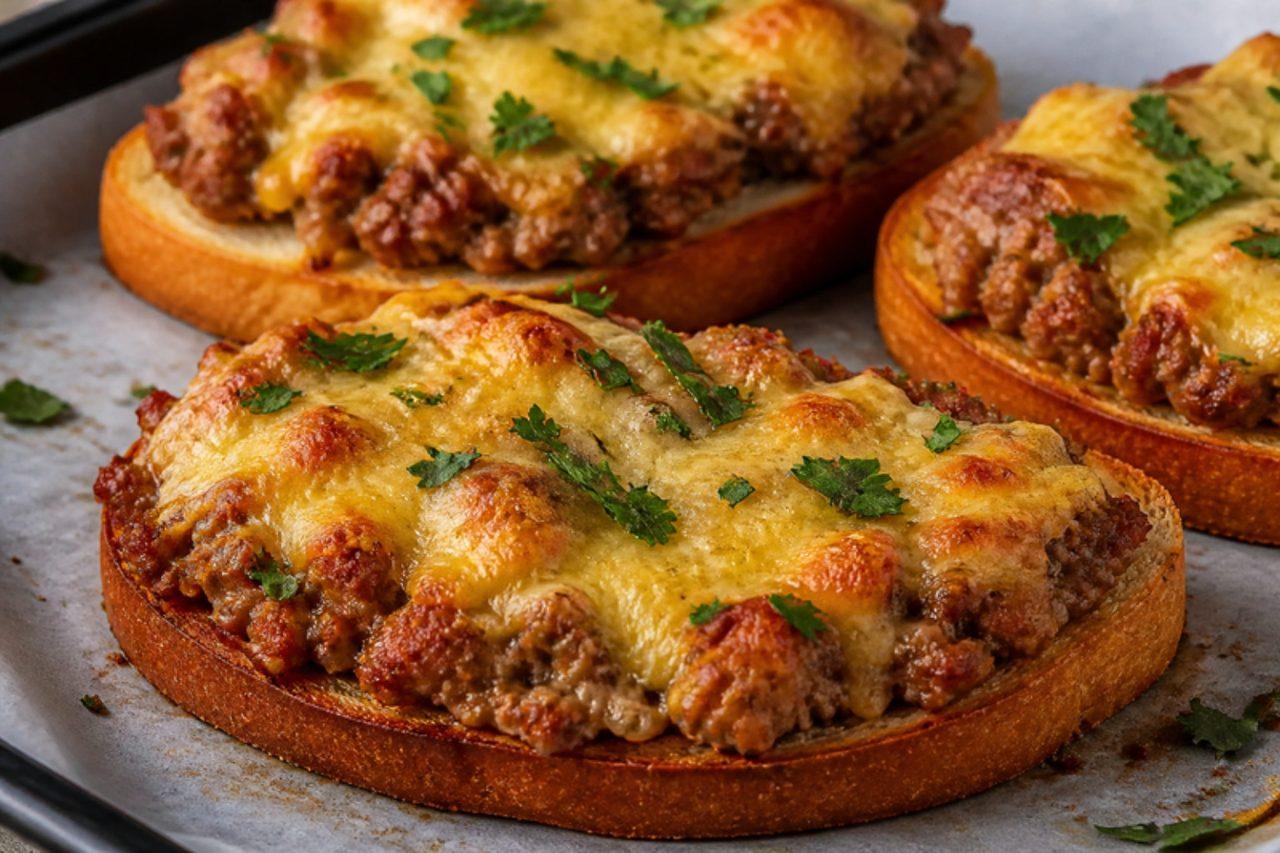
Bulgarian children grow up on princesi, the 'princesses' that parents slide into the oven for a quick Saturday breakfast or a late supper, and Sofia cafés sell them by the plateful. Slices of bread are spread with a thin layer of mince, usually half pork and half beef, seasoned with grated onion, cumin, savory and paprika, then baked until the meat is browned and the bread underneath turns crunchy; grated kashkaval cheese on top is a popular extra. A meat-free version uses egg and white cheese instead. Serve hot with a tomato and cucumber salad or a glass of ayran. Where most people go wrong is spreading the mince too thickly, so the top browns before the meat is cooked through; keep it to about 5 mm. Chef's tip: spread the mince with a wet spoon right to the crust edges, which stops the exposed bread from burning.

by KrazyBadal 0 views

Mitraillette

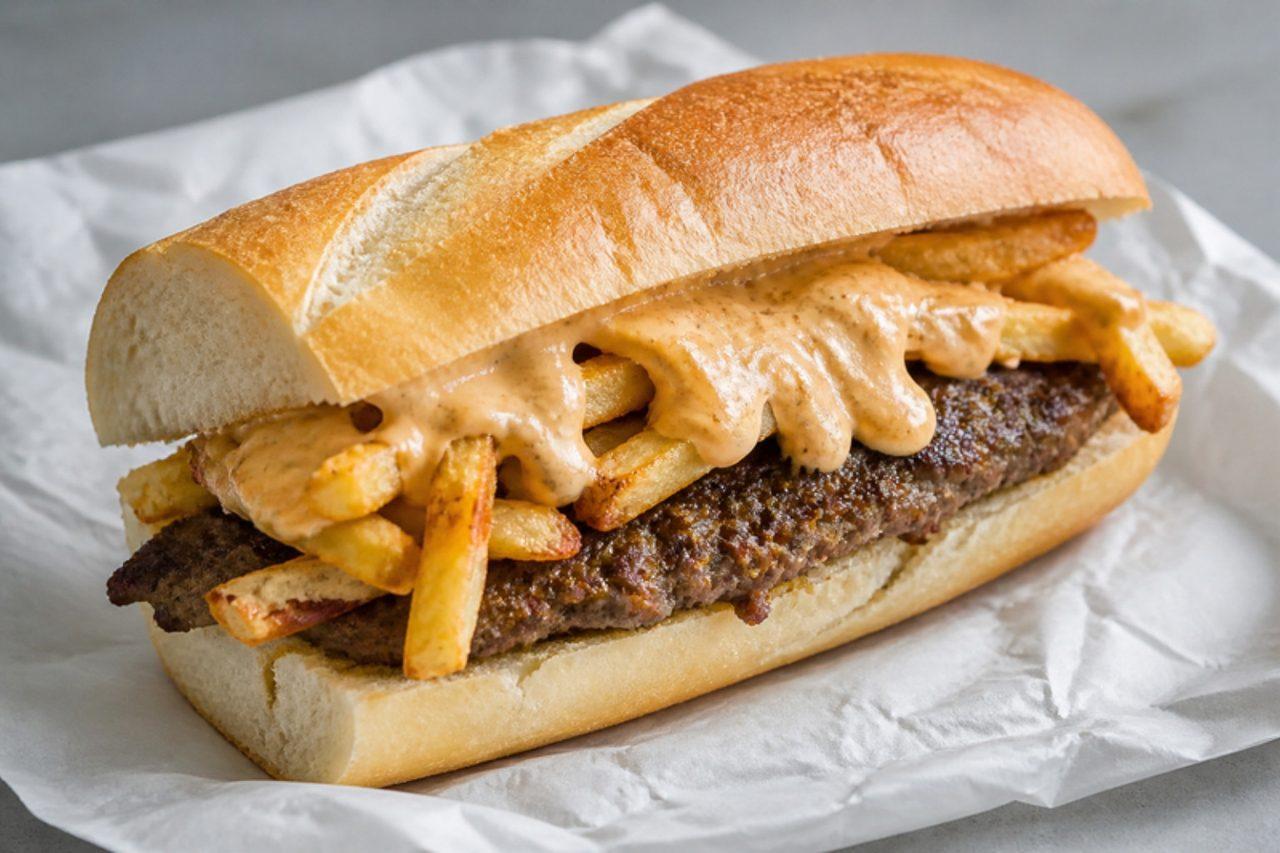
The mitraillette, 'submachine gun', is the overloaded sandwich of Brussels friteries, eaten after football or a night out: half a baguette split and stuffed with a hot meat patty or sausage, a heap of double-fried Belgian fries, lettuce and tomato, and a generous squeeze of sauce, usually andalouse, samurai or mayonnaise. It is messy and huge. This version uses a homemade beef burger. A common mistake is fries that are not crisp, which go soggy in the bread. Chef's tip: fry the chips twice, first at 160 °C until soft, then at 180 °C until golden, the Belgian way. Beef burgers must reach 71 °C in the middle.

by KrazyBadal 0 views

Chäschüechli

Chäschüechli are the small, warm cheese tartlets of central Switzerland, sold in bakeries in Lucerne and Zug and eaten as a quick lunch with a salad or as a snack at a Fasnacht carnival stand: a crisp shortcrust case filled with a savoury custard of grated mountain cheese, cream, egg and a pinch of nutmeg, baked until puffed and golden. A common mistake is filling the cases to the brim; the custard puffs and spills over. Chef's tip: bake them on the lowest shelf so the bases crisp before the filling sets. Gruyère and Appenzeller are made with animal rennet, so choose a vegetarian Swiss-style cheese.

by KrazyBadal 0 views

Semla

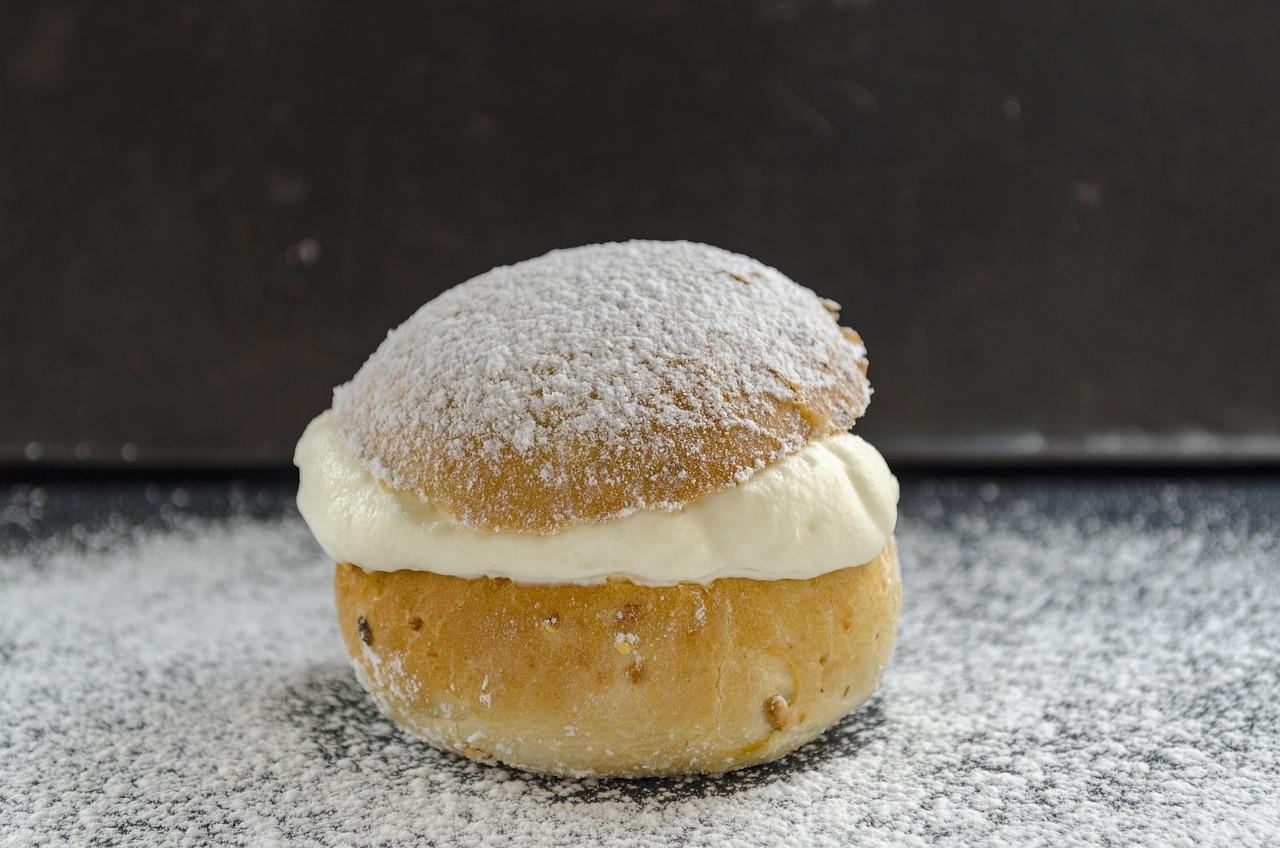
Semlor arrive in Swedish bakeries straight after Christmas and peak on Fettisdagen, Shrove Tuesday, when Stockholm bakeries sell them by the tens of thousands: a soft cardamom bun with its top cut off, the crumb scooped out and mixed with almond paste and milk, then refilled, piled with whipped cream and the 'lid' put back with a dusting of icing sugar. Some eat theirs in a bowl of hot milk, as 'hetvägg'. A common mistake is overbaking the buns, which dries them; they should be soft and pale golden. Chef's tip: grate the almond paste and mix it with the scooped crumb and a splash of milk until it is spreadable but still textured.

by KrazyBadal 0 views

Showing 27 of 7,762 recipes

Show more recipes

Page 207 of 863