


Skip to content
Couscous tfaya
Featured recipe

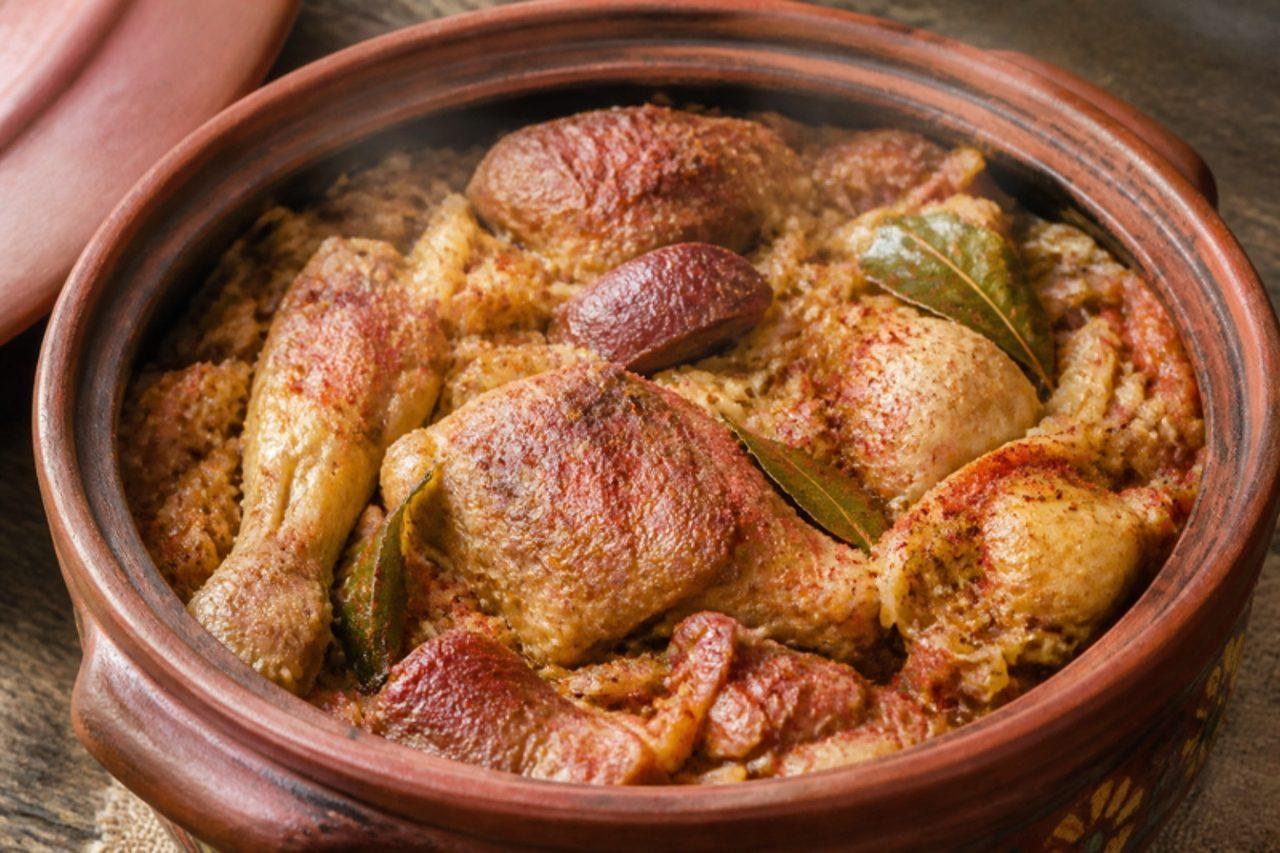
Couscous tfaya

Couscous with caramelised onions

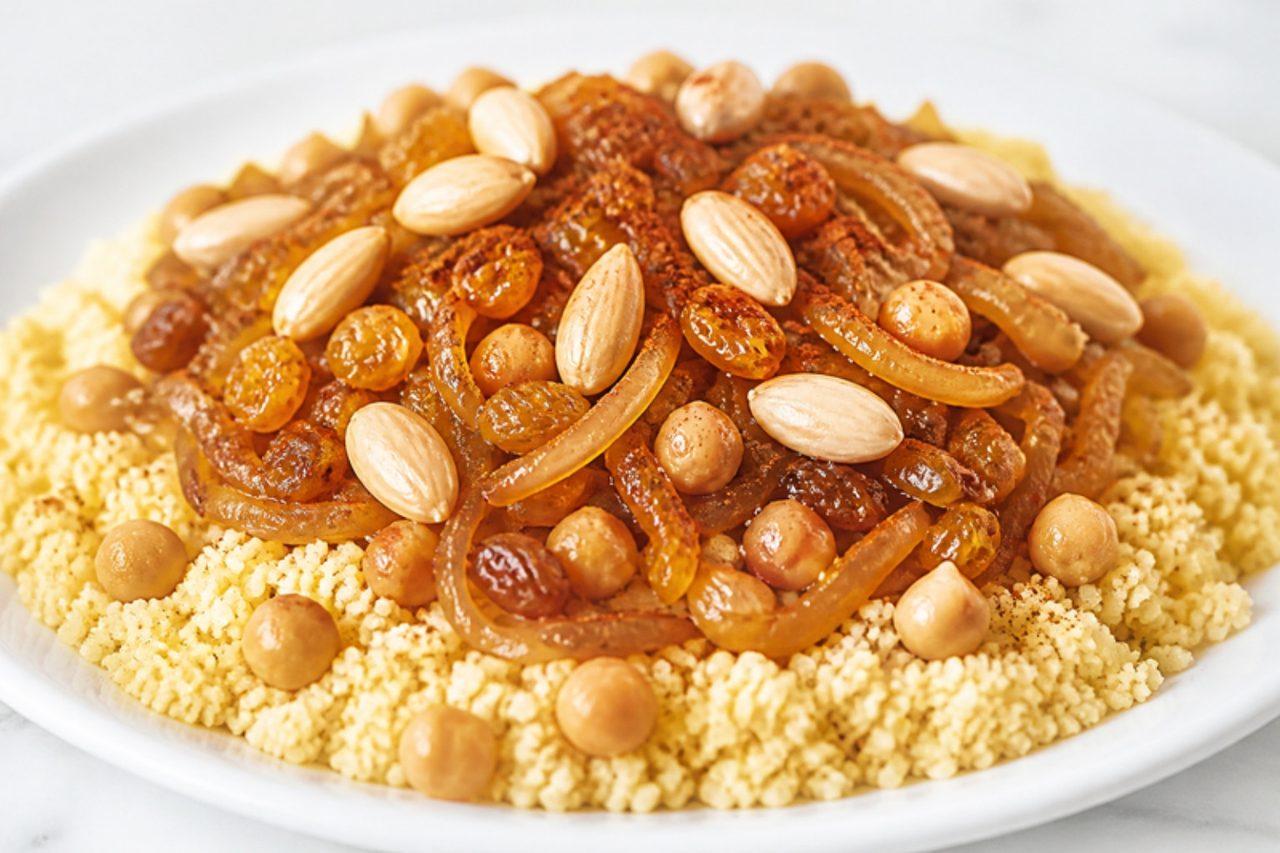
Tfaya is the sweet onion topping that turns a plain couscous into a celebration dish; in Fez and Rabat it is made for weddings, naming ceremonies and Eid, and families in Tétouan add it to Friday couscous too. Onions are cooked slowly with raisins, cinnamon, honey and a little saffron until they collapse into a sticky, mahogany jam, then piled over the couscous with chickpeas and fried almonds. Traditionally it crowns couscous with meat; here the chickpeas and almonds carry the dish, making it a sweet-savoury vegetarian main for a feast. Chef's tip: soak the raisins first, or they draw liquid from the onions and the tfaya catches before it caramelises.

Read more 0 views

What to eat today?

Around the world

Today's trip: Persian

A new country every day, from every cuisine on the site.

This week's collection

Kid-friendly dinners
537 recipes · a new collection every Monday

Latest recipes

Tlitli (Algerian rice-shaped pasta with chicken)

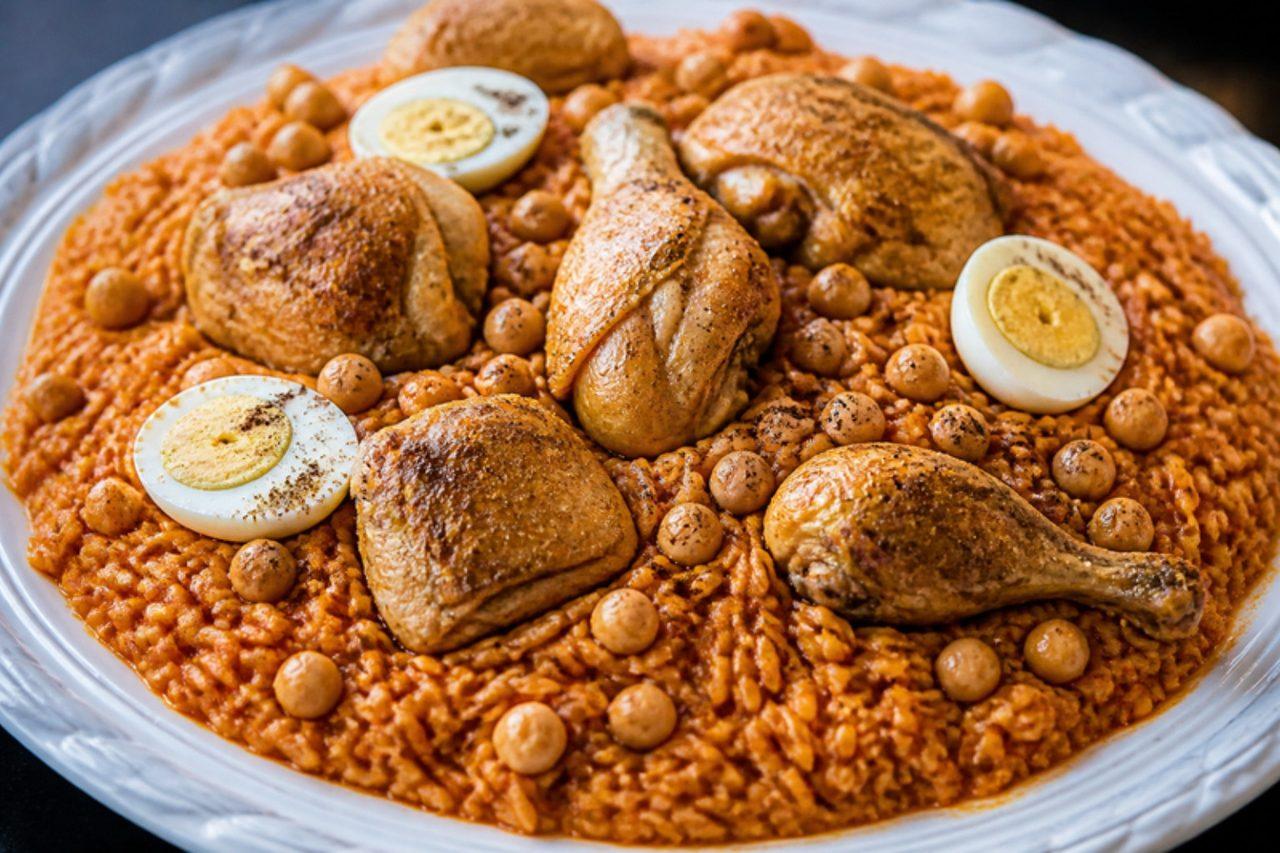
Tlitli is a tiny pasta shaped like grains of rice, once rolled by hand and now sold dried, and in Algiers and Constantine it is cooked for family feasts such as Ennayer, the Amazigh New Year, or the return of a pilgrim. The pasta soaks up a red sauce of chicken, onion, tomato, paprika, cinnamon and chickpeas, and is piled on a platter with the chicken and halved boiled eggs on top. Expect a cosy, gently spiced dish, a bit like a red risotto, with soft pasta and tender chicken. Orzo is a good stand-in if you cannot find tlitli. Chef's tip: toast the pasta in oil before adding sauce; untoasted tlitli tends to clump and turn mushy, a common mistake.

by KrazyBadal 0 views

KarpatkaCustard cream choux cake

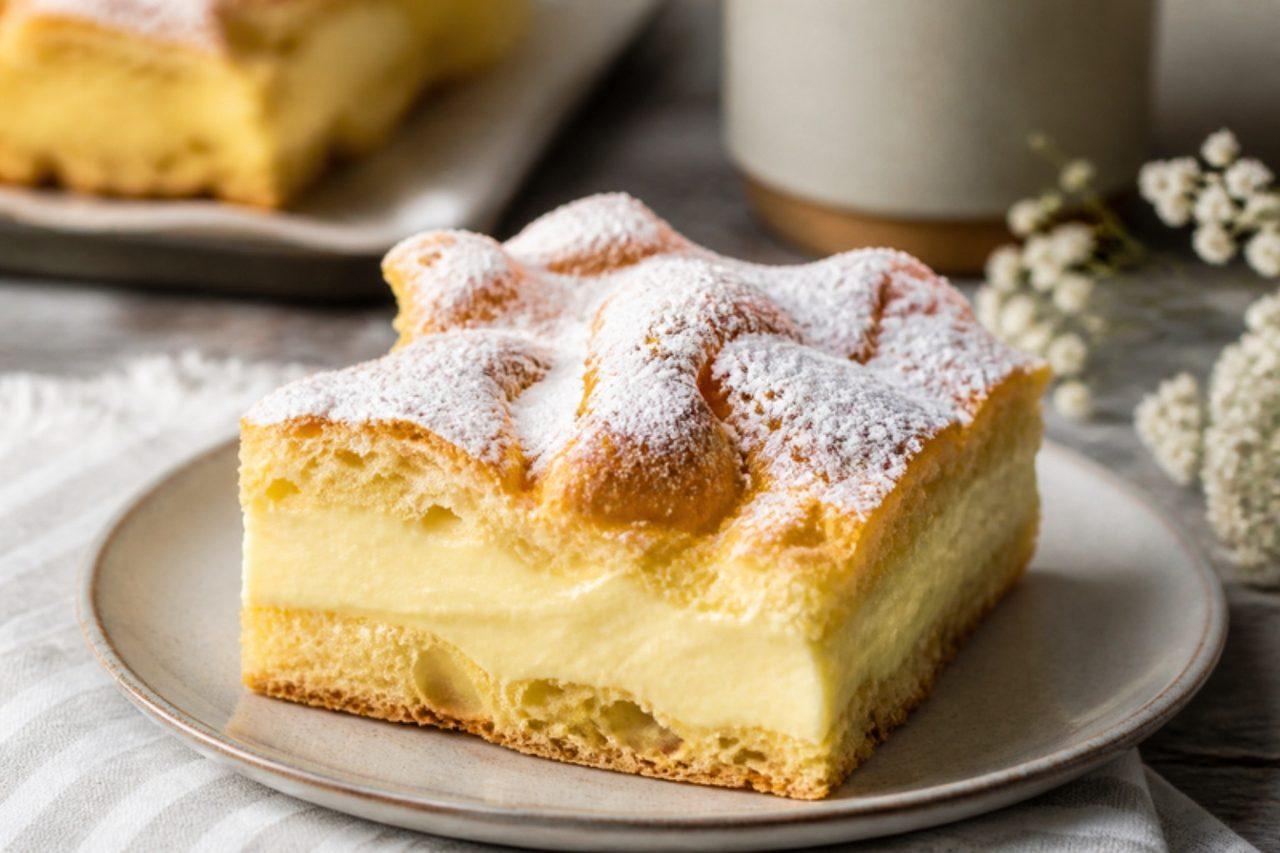
Named after the Carpathians, karpatka is the cake whose crinkled, craggy top looks like a range of snowy peaks once it is dusted with icing sugar. Two thin layers of choux pastry, baked flat until they puff into hills and valleys, sandwich a deep layer of rich vanilla custard whipped with butter. It is a fixture of Polish name-day parties and café counters, and children love the cloud-like filling. The usual slip is opening the oven early, which makes the choux collapse into a flat, rubbery sheet. Chef's tip: let the custard and the butter reach the same room temperature before beating them together, or the cream splits.

by KrazyBadal 0 views

Cabbage with peas

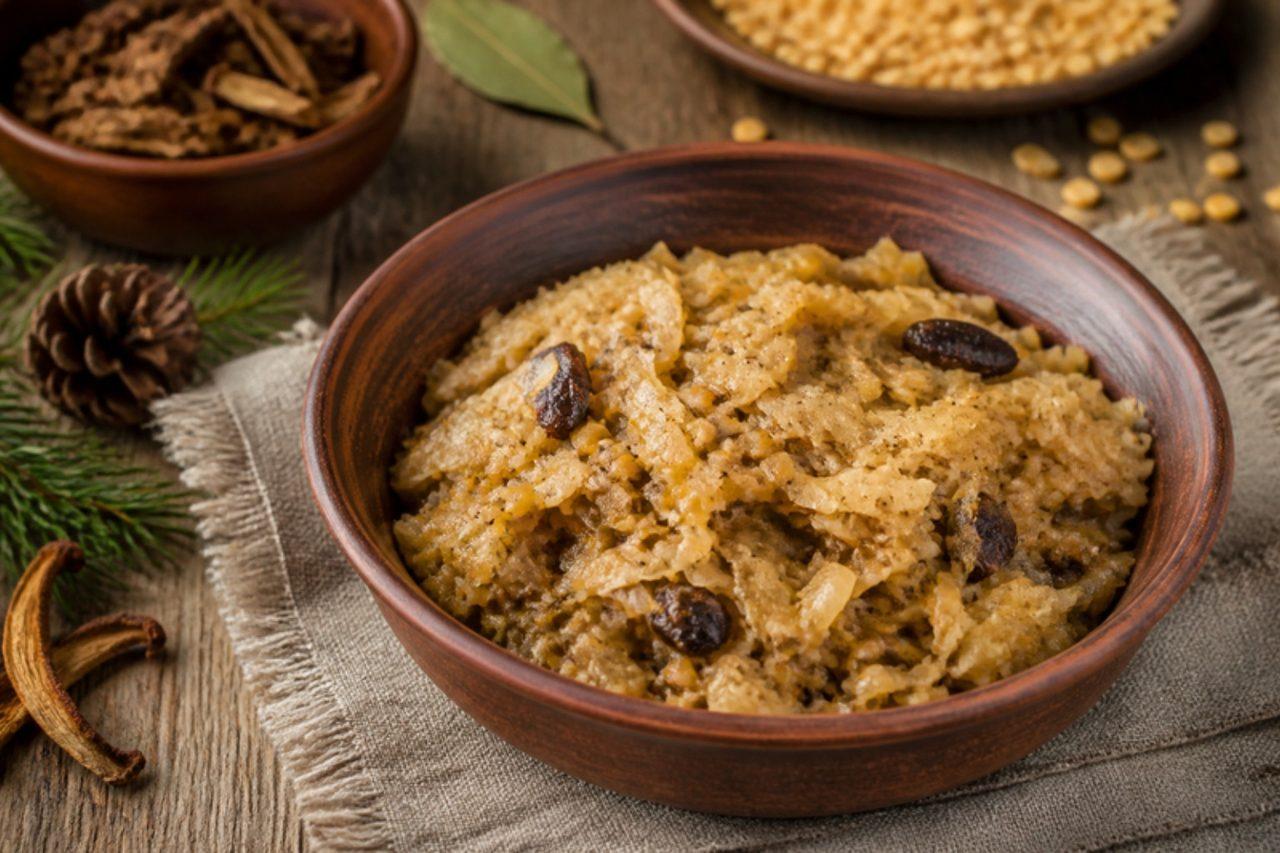
Of the twelve dishes on a Polish Christmas Eve table, this is the humblest and often the one people go back to for seconds. Sour, tangy sauerkraut is braised slowly with yellow split peas until the peas collapse into a soft, savoury mash that binds the cabbage, with dried mushrooms and golden onion for depth. Serve it warm next to pierogi or potatoes, and know that it tastes even better reheated the next day. The usual slip is adding salt before the peas are cooked, which keeps them hard; season only at the end, as the sauerkraut is salty anyway. Chef's tip: if your sauerkraut is very sour, rinse it once and squeeze it, keeping a little juice to adjust the sharpness later.

by KrazyBadal 0 views

Stuffed eggs

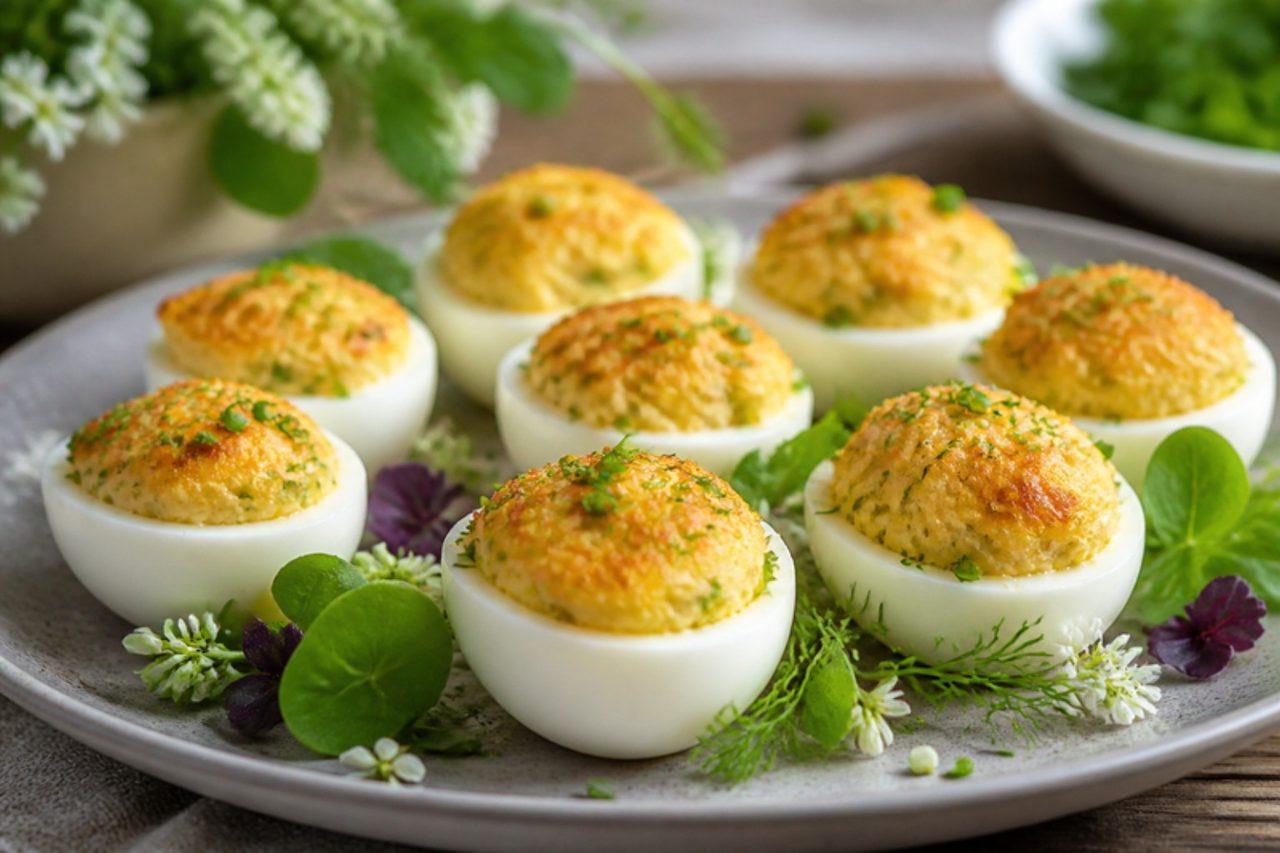
The clever bit of the Polish Easter version is that the eggs are halved lengthways shell and all with a sharp knife, then the filling goes back into the shells and the cut sides are fried until crusty. It is a dish of the Easter breakfast and of name-day parties, served hot from the pan or cold from the fridge. The filling of mashed yolk, chives, mayonnaise and a little mustard turns golden and slightly crisp on top while staying soft beneath. Where most people go wrong is cutting with a blunt knife, which shatters the shell; use a large, very sharp knife and one firm stroke. Chef's tip: chill the boiled eggs fully before cutting so the white holds together.

by KrazyBadal 0 views

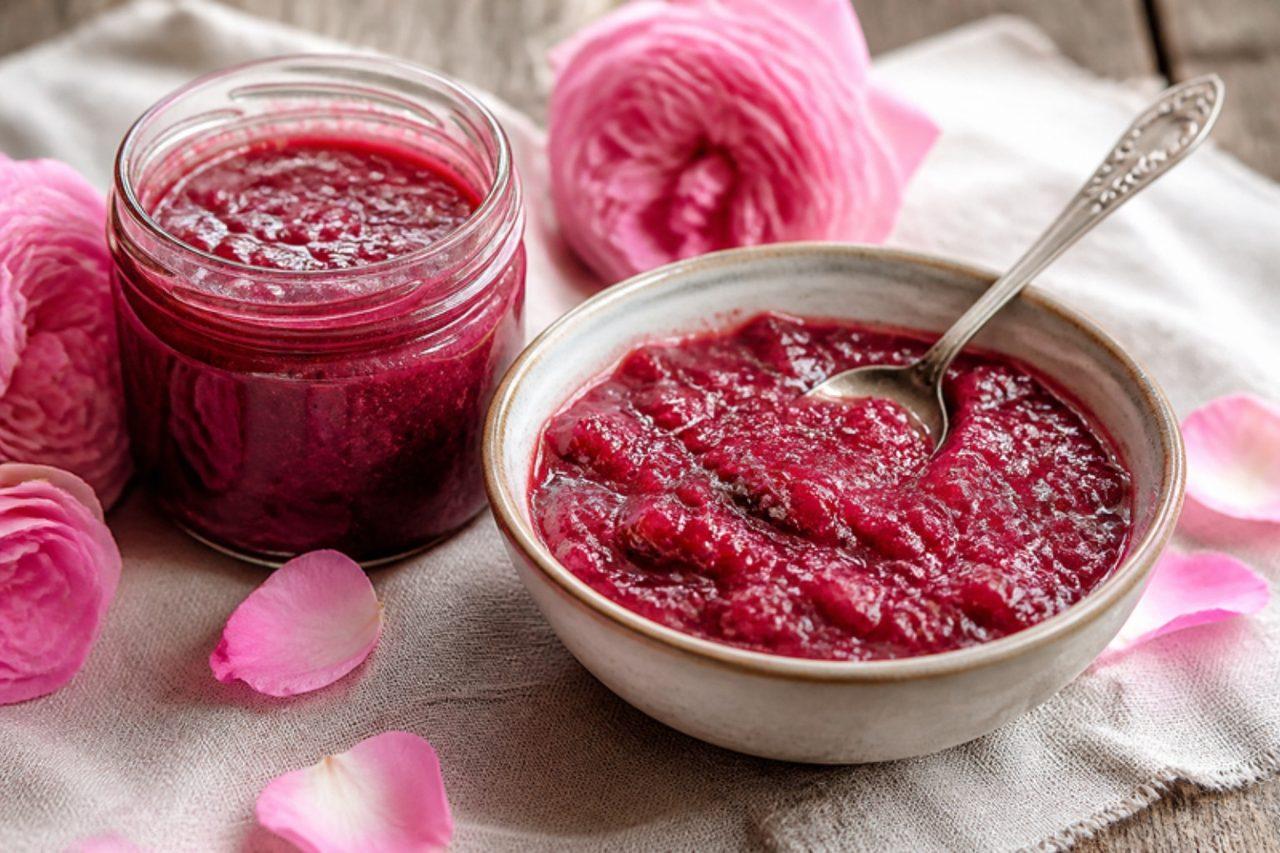
Rose petal jam

Ask a Polish baker what goes inside a proper pączek and the answer is rose jam, not strawberry. In June, families gather the scented pink petals of wild beach roses (Rosa rugosa) from hedges along the Baltic coast and in gardens, then pound them with sugar into a sticky, intensely perfumed paste that keeps for a year. The flavour is floral and sweet with a little sharpness from lemon, lovely in doughnuts, swirled into yoghurt or spread on cheesecake. Pick only from plants that have not been sprayed and away from roads. Where most people go wrong is leaving the bitter white base of the petals on; snip it off. Chef's tip: lemon juice turns dull petals bright magenta, so add it right at the start.

by KrazyBadal 0 views

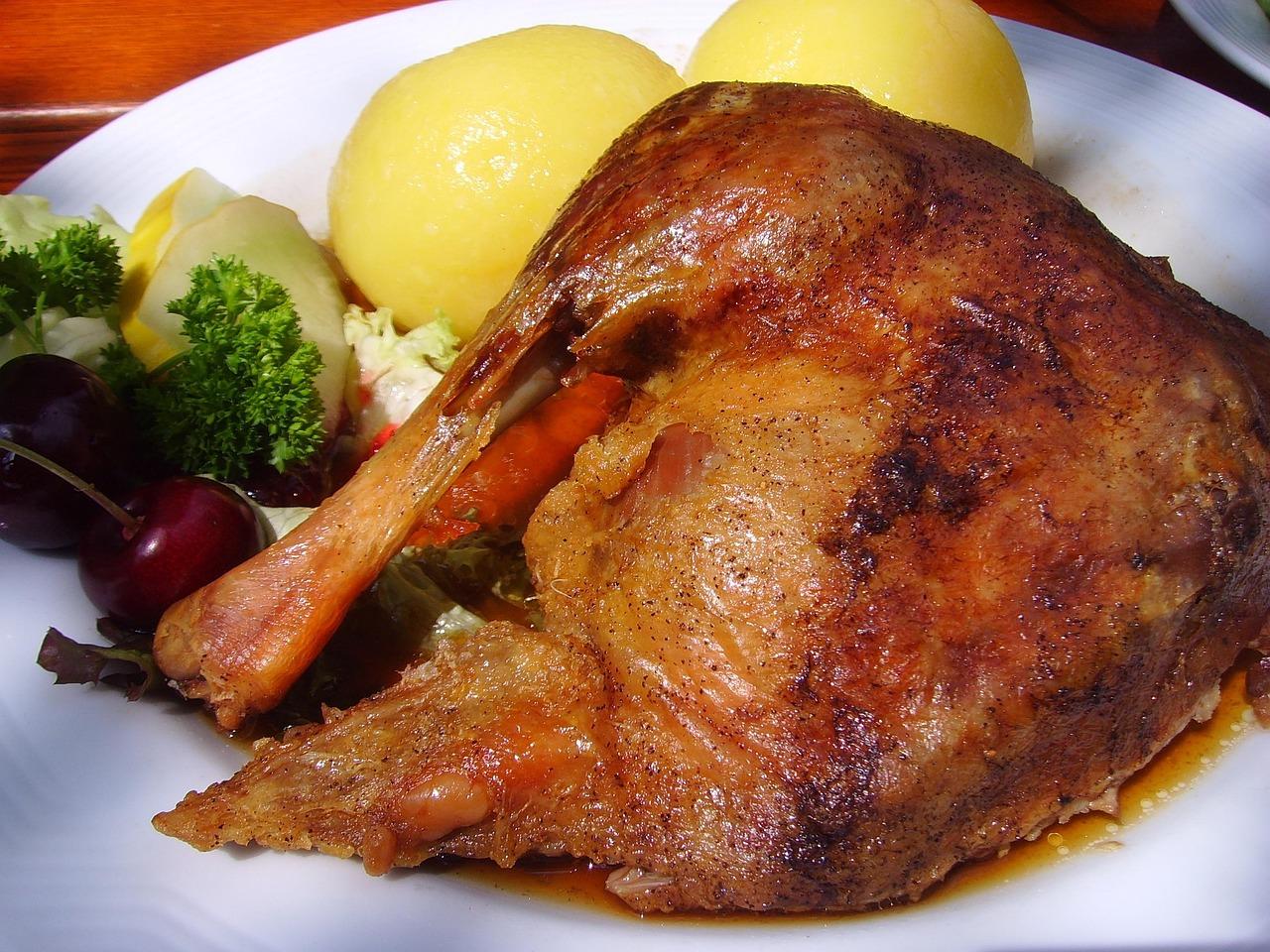
Roast goose with apples

On 11 November, St Martin's Day and Poland's Independence Day, roast goose comes back to tables from Poznań to Gdańsk, and Pomeranian and Kujawy farms still raise their own white geese for it. The bird is rubbed with marjoram, garlic and salt, left overnight in the fridge, then stuffed with sharp apples and roasted slowly so the fat renders out and the skin turns crisp and mahogany. The meat is dark and rich, the apples collapse into a tart sauce. Serve with braised red cabbage, potato dumplings and the pan juices. Most people forget to drain the fat as it roasts, and the bird ends up frying in its own puddle; pour it off every half hour and save it for roast potatoes. Allow an extra night for the marinade. Chef's tip: prick the skin all over, especially under the wings and thighs, without piercing the meat, so the fat has somewhere to escape.

240 minPolishMeatGluten free
by KrazyBadal 0 views

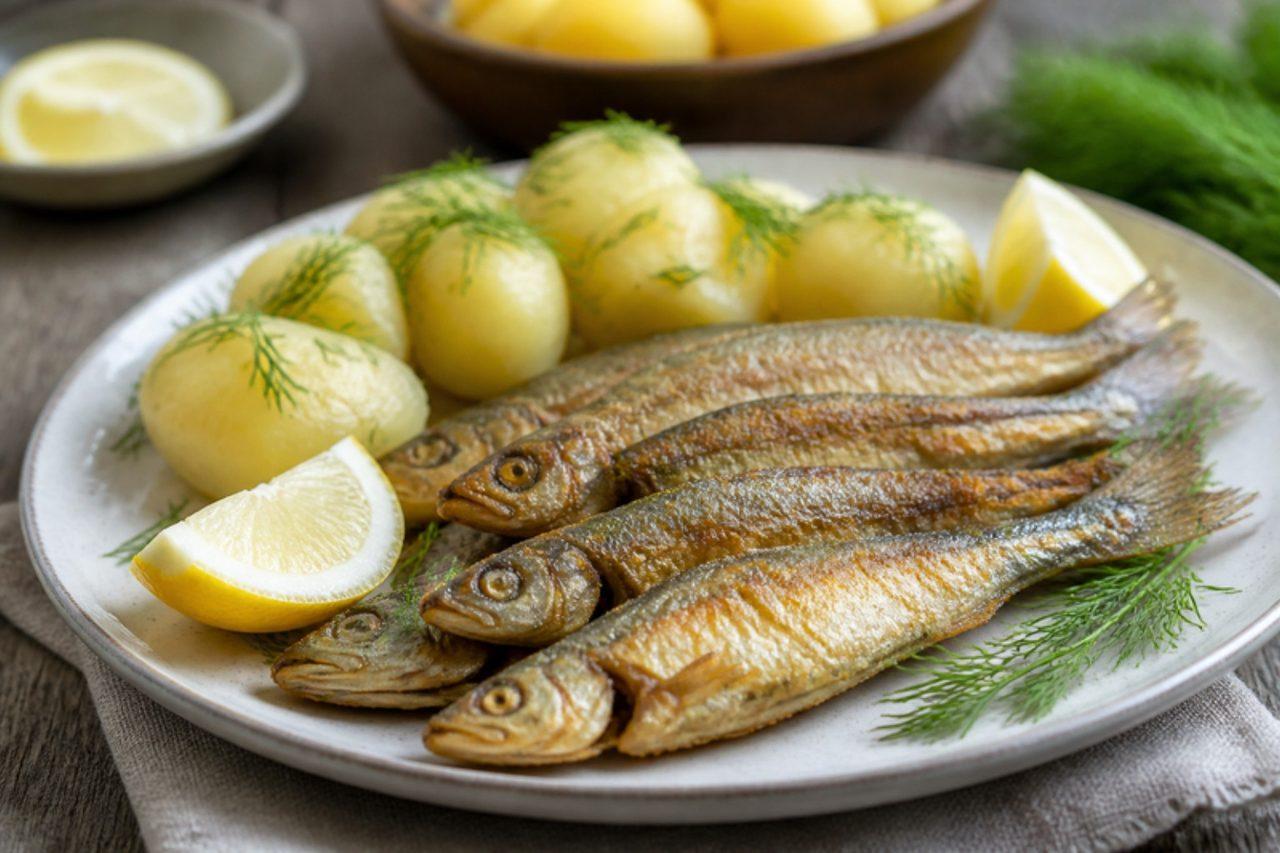
Fried vendace

Sielawa, the small silvery whitefish of the deep Masurian lakes, is a holiday treat in Mikołajki, Giżycko and the lakeside fish huts, sold freshly fried on paper plates with a lemon wedge and a slice of bread. The fish are so slender that, once floured and fried in butter, the fine bones become soft enough to eat and the skin turns golden and crunchy around sweet, delicate flesh. A cold cucumber salad or chips are the usual companions. Overcrowding the pan is the chief error: the fish steam instead of frying and the coating goes pale and soggy. If vendace is hard to find, smelt, small whiting or sprats work the same way. Chef's tip: dry the fish properly before flouring and fry in two batches, adding a little fresh butter and oil each time so it never burns.

25 minPolishFish
by KrazyBadal 0 views

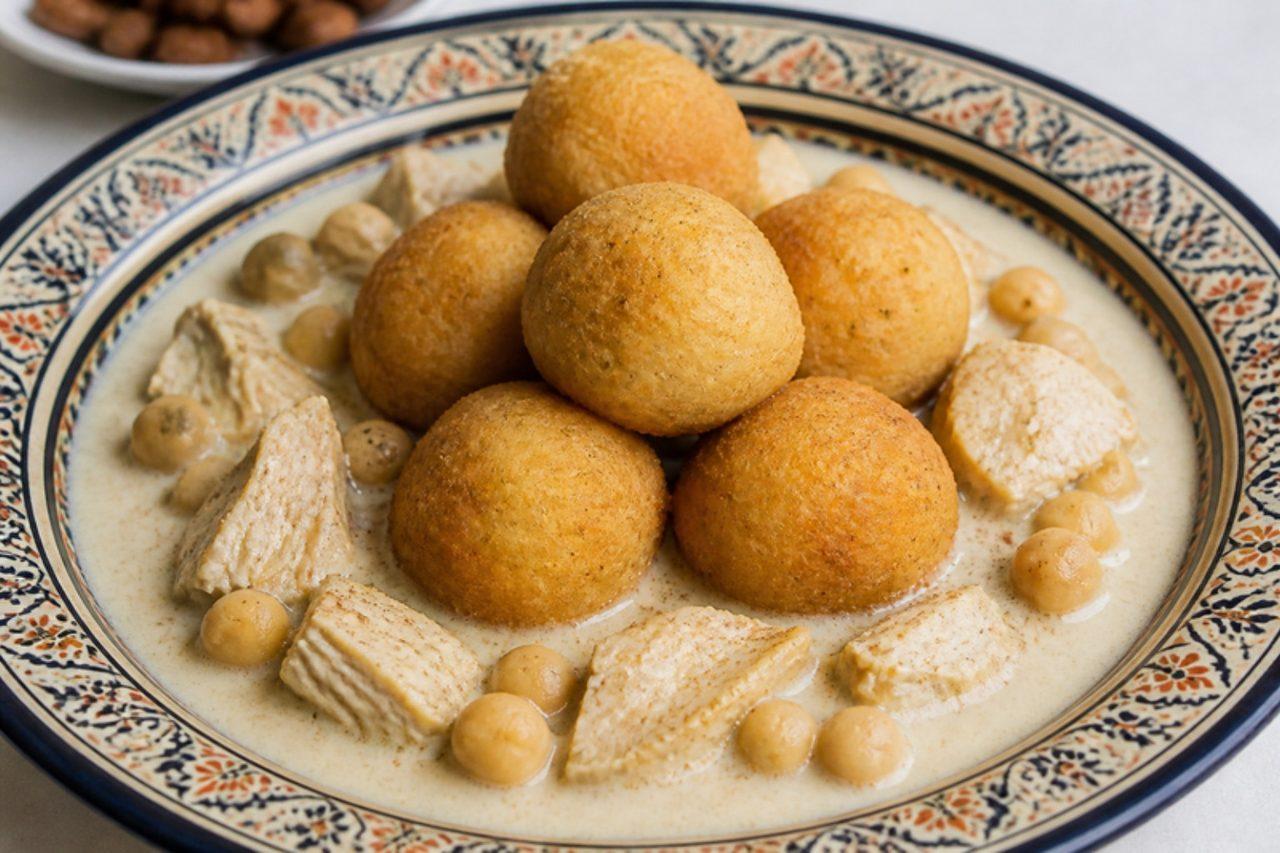
Sfiria (cheese croquettes in chicken sauce)

Sfiria belongs to the old bourgeois cooking of Algiers, served on Ramadan evenings and at family celebrations: little croquettes of soaked bread, grated cheese and egg, scented with cinnamon, are fried golden and then laid in a pale chicken and chickpea sauce flavoured with cinnamon and white pepper. The croquettes are light and spongy, soaking up just enough sauce to be juicy, and the dish tastes delicate and faintly sweet. Day-old white bread without crusts gives the best texture. Chef's tip: add the croquettes to the sauce only at the last minute; leaving them to simmer is the common mistake, and they swell, go soggy and fall apart.

by KrazyBadal 0 views

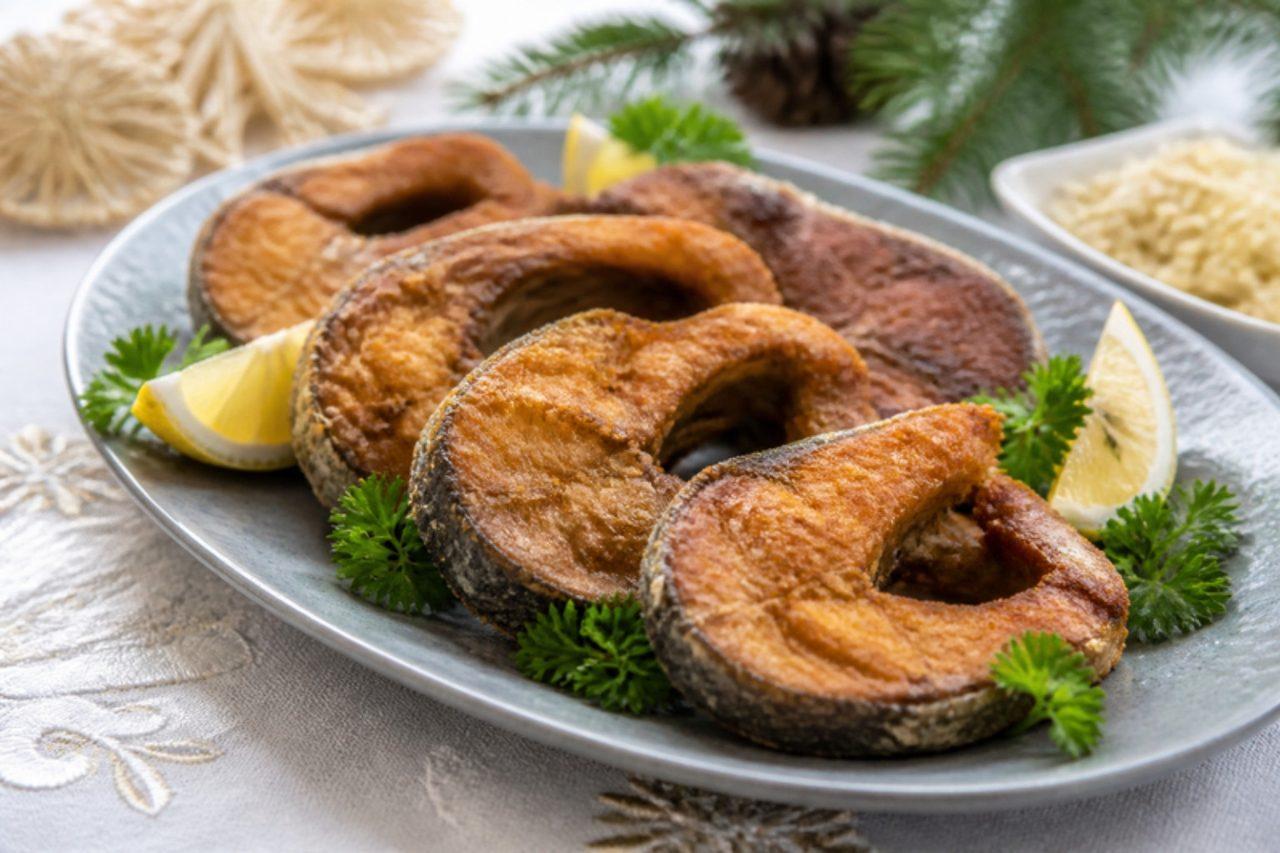
Fried Christmas carp

For many Polish families, Wigilia, the meatless Christmas Eve supper, is not complete without fried carp, bought live from market tanks in mid-December or, more often today, cleaned and cut into steaks at the fishmonger. The steaks are salted, floured and fried until the skin crisps and the white flesh turns sweet and juicy. Serve with boiled potatoes, sauerkraut with peas, or simply bread and a lemon wedge, after the beetroot barszcz. Keeping a scale from the Christmas carp in your wallet is said to bring money all year. Carp has a reputation for tasting muddy, and the usual culprit is skipping the salting and resting time. Ask the fishmonger to score the steaks finely so the small Y-shaped bones soften as they fry. Chef's tip: salt the steaks and leave them in the fridge for 20 minutes, then pat completely dry; the flesh firms up and the flour clings in a thin, even crust.

40 minPolishFish
by KrazyBadal 0 views

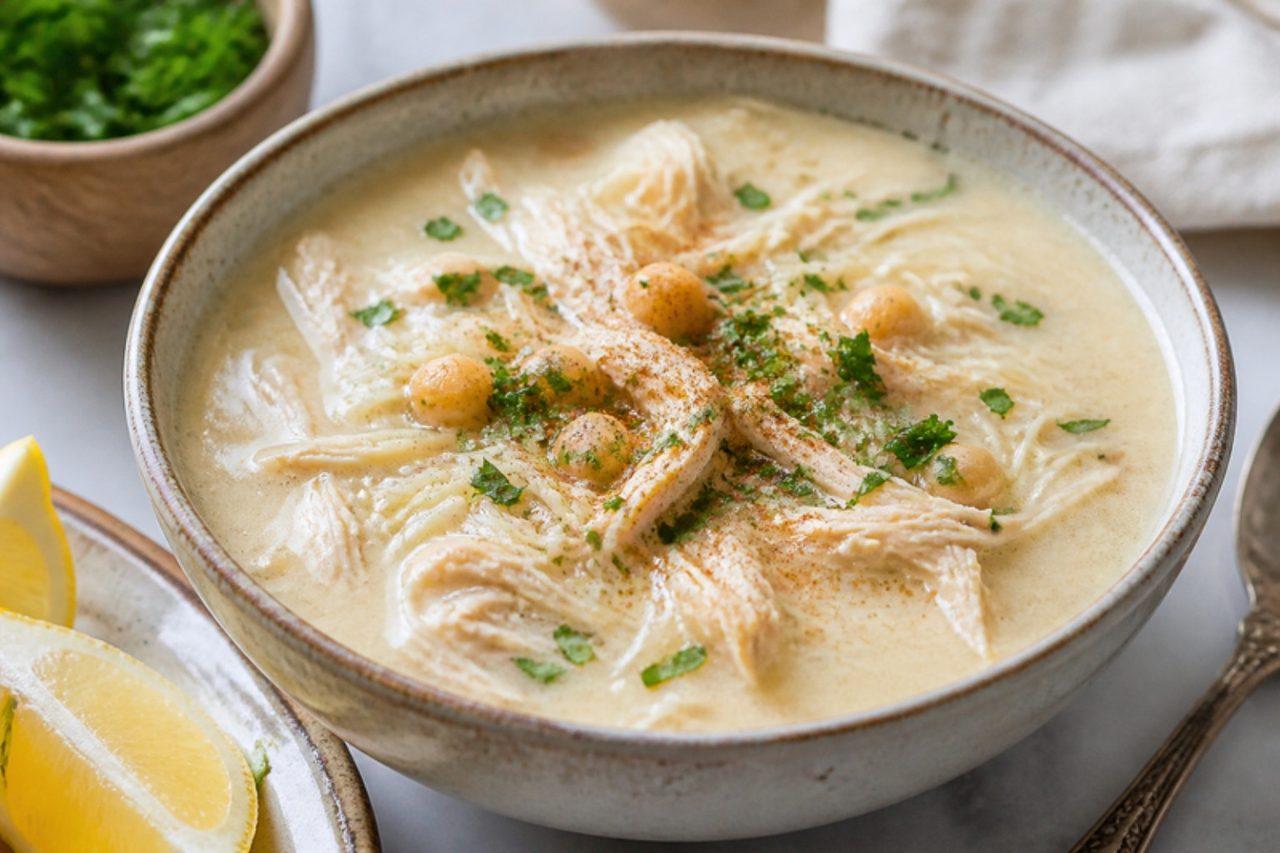
Chorba beida (Algerian white chicken soup)

Unlike the red chorba of the rest of the country, the 'white' chorba of Algiers has no tomato at all: chicken, onion and a cinnamon stick are cooked gently in butter, simmered with chickpeas and fine vermicelli, then thickened at the end with egg yolks and lemon. It is a classic of Ramadan tables in the capital, and is also cooked for guests at weddings and family gatherings. The soup is silky and pale gold, mild and comforting, with a soft lemony tang. Serve it with bread and a squeeze of extra lemon. Chef's tip: once the egg yolks are in, never let the soup boil; boiling is the common mistake that curdles it into scrambled threads.

by KrazyBadal 0 views

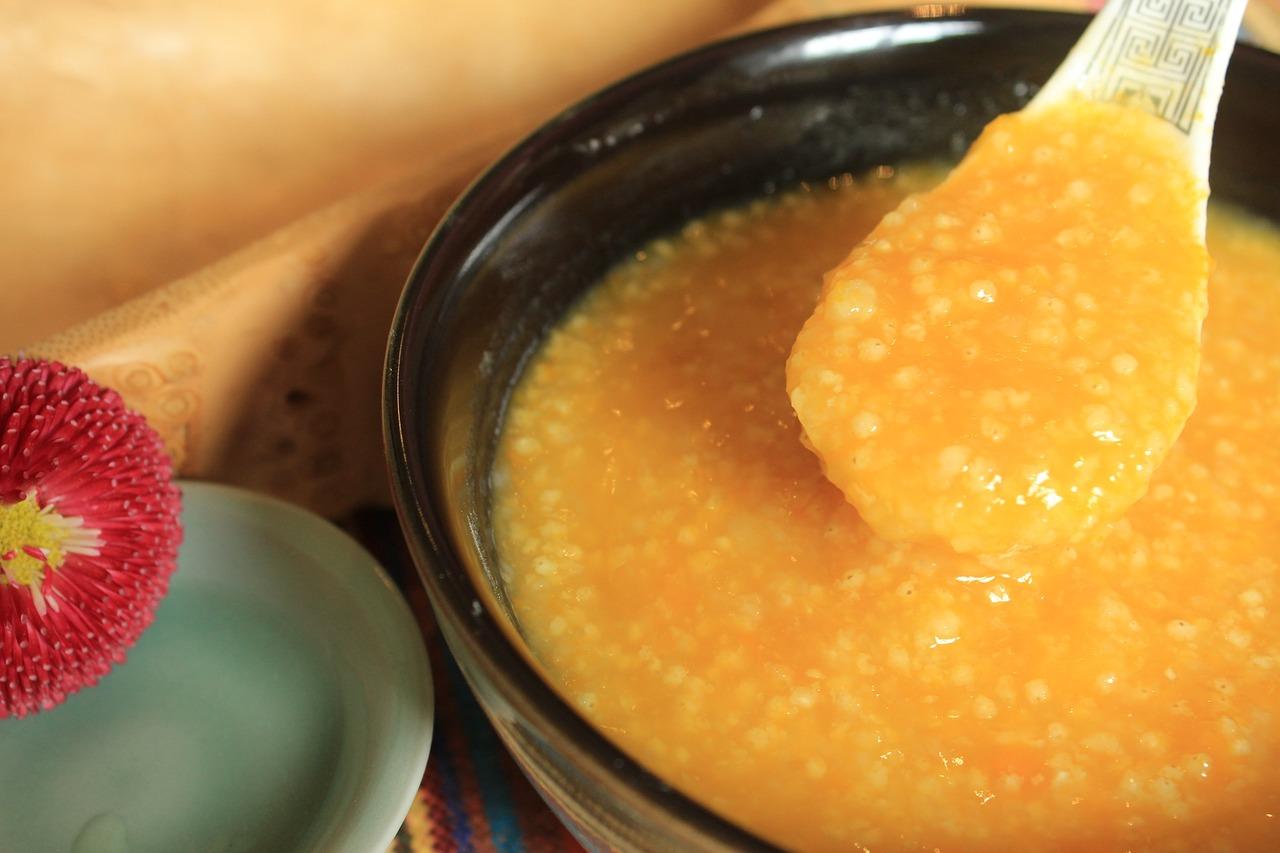
Pumpkin millet porridge

Autumn in central Ukraine means piles of grey-skinned pumpkins in every yard, and the first thing many grandmothers make with them is this golden breakfast porridge. Diced pumpkin is simmered until it collapses, then millet and milk are added and the pot is left to cook down into something thick, creamy and faintly sweet, finished with butter and a spoon of honey. In villages around Cherkasy and Vinnytsia it was once baked for hours in the clay stove; a heavy pan on a low heat gives a very similar result. Serve it hot in deep bowls, with extra honey and a few raisins for children. The usual slip is skipping the rinse: millet carries a bitter dust, and only washing it in several changes of hot water takes it away. Chef's tip: choose a dense, deep-orange pumpkin such as butternut or a Ukrainian 'muscat' type; watery Halloween pumpkins make a thin, pale kasha.

by KrazyBadal 0 views

Bajan coconut turnovers

Glass cases in Bridgetown bakeries hold rows of turnovers, soft golden half-moons of sweet yeasted dough with a sticky filling of grated coconut, brown sugar, almond essence and spice peeking out at the edges, often tinted red. Bajans eat them mid-morning with a mug of cocoa or a cold sweet drink. The mistake is overfilling, which bursts the seams in the oven; leave a clear border to seal. Chef's tip: cook the coconut filling until almost dry and cool it fully before using, as warm wet filling makes the dough soggy.

by KrazyBadal 0 views

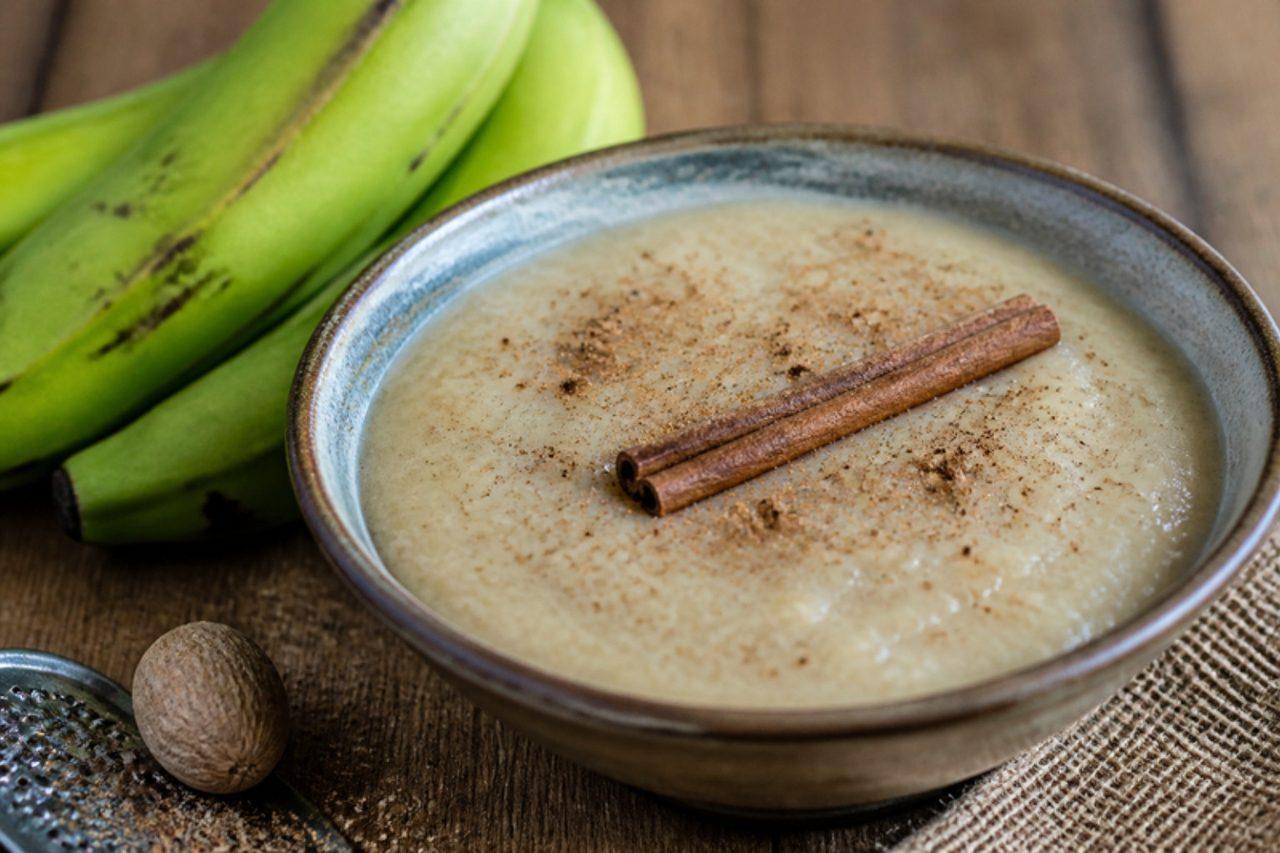
Jamaican green banana porridge

Green banana porridge is the breakfast many Jamaicans remember from their grandmothers' kitchens in St Mary and St Ann, where bananas are cheap and plentiful and the porridge was said to "build you up" for the day. Unripe bananas grated or blended with water cook into a smooth, silky porridge with a gentle, earthy flavour, sweetened with condensed milk and scented with nutmeg, cinnamon and vanilla. The common mistake is not whisking as it heats; the starch thickens suddenly and goes lumpy within a minute. Peel the green bananas with oiled hands or gloves, because the sap stains. Chef's tip: blend the bananas with the water until completely smooth before they go into the pot, which makes it far easier to keep lump-free.

by KrazyBadal 0 views

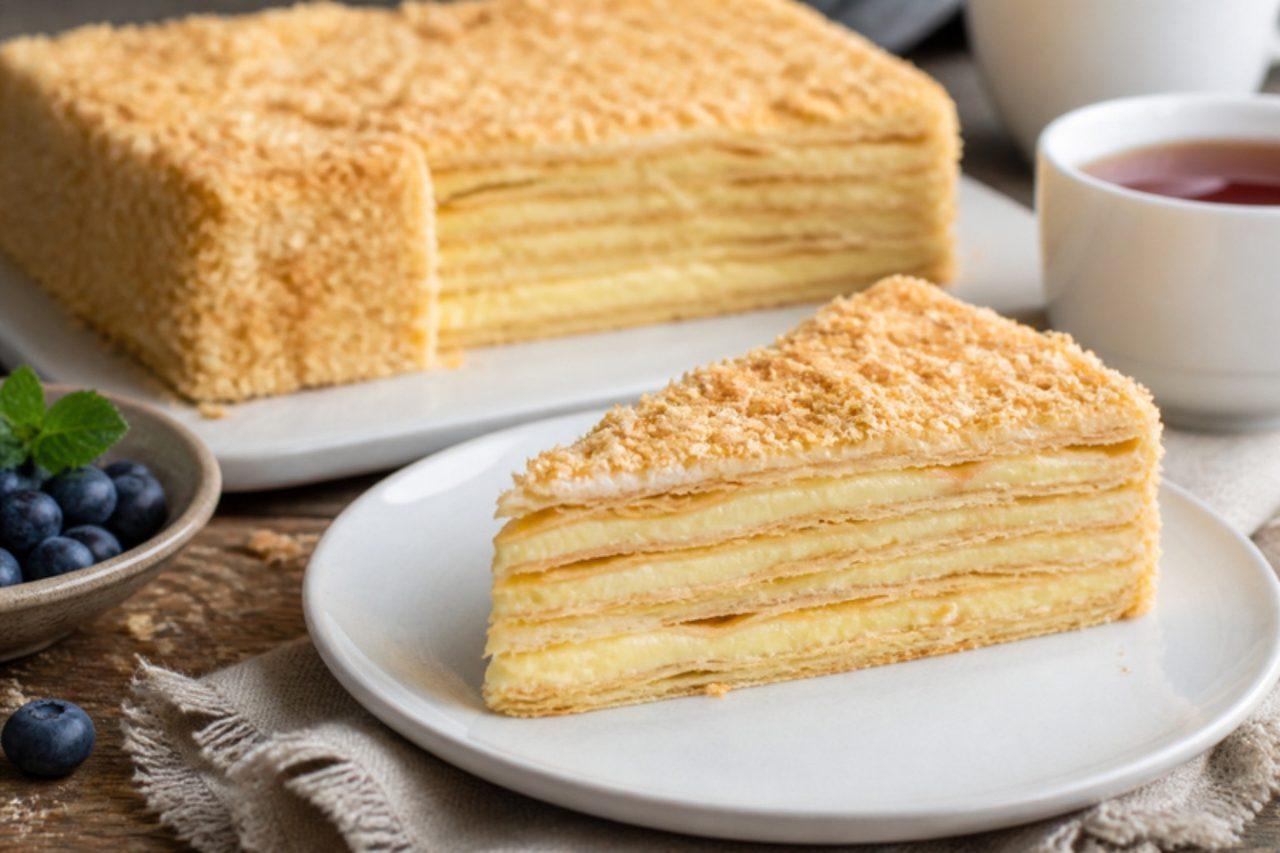
Napoleon cake

Legend links this cake to 1912, the centenary of Napoleon's retreat from Moscow, when St Petersburg confectioners cut triangular pastries shaped like his hat. By Soviet times it had grown into the tall round cake every family baked for birthdays and New Year's Eve. Eight wafer-thin rounds of quick flaky pastry are stacked with vanilla custard enriched with butter, then left overnight so the layers soften into something between a mille-feuille and a tender sponge; crushed trimmings give the snowy finish. Where most people go wrong is serving it the same day; without the long rest in the fridge it is crisp and dry instead of melting. Chef's tip: roll each piece of pastry straight onto baking paper and trim it around a 24 cm plate before baking, so you never have to lift thin raw dough.

by KrazyBadal 0 views

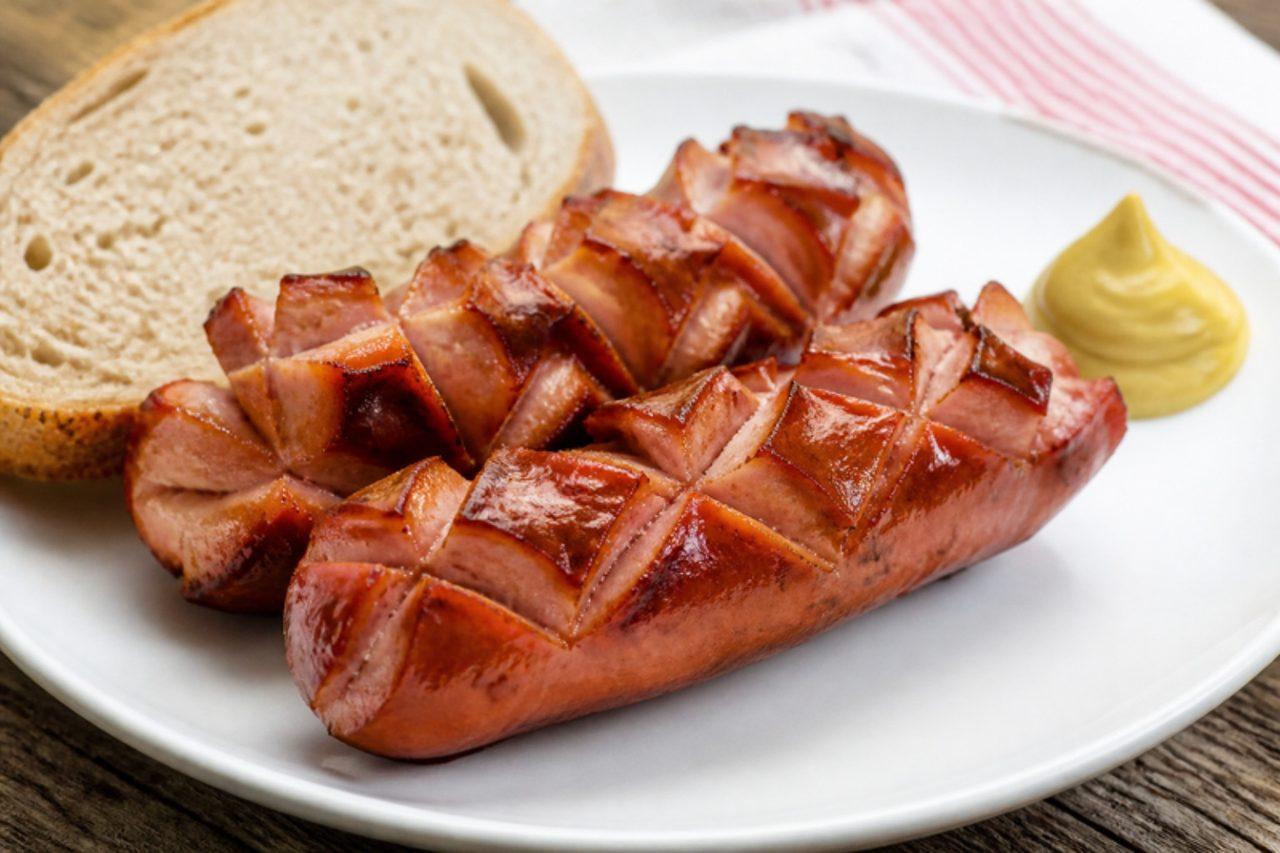
CervelatGrilled sausage

The cervelat, a short, fat, smoked sausage of beef and pork, is called Switzerland's national sausage, and it is what every Swiss child grills on a stick over a campfire on 1 August, National Day, on school trips and on mountain hikes: the ends are cut into a cross so they curl open like a flower as they cook, and it is eaten with bread and mustard. This sausage contains pork. Cervelat is bought ready-cooked and smoked; grilling heats it through and crisps it. A common mistake is grilling over flames, which burns the skin black before the inside is hot. Chef's tip: grill over glowing embers and turn often until the scored ends open out; heat until piping hot, 71 °C.

15 minSwissMeat
by KrazyBadal 0 views

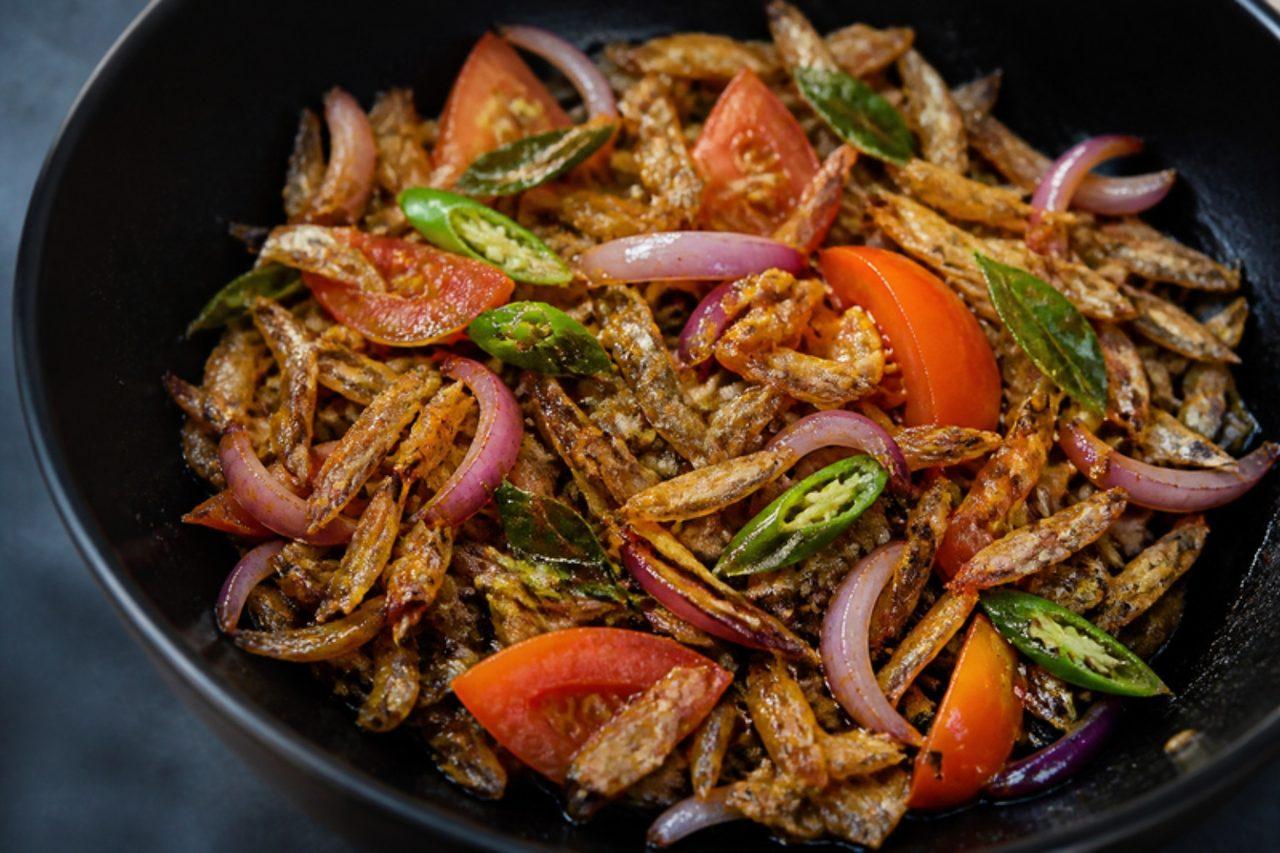
Karawala thel dalaStir-fried dried fish

Every Sri Lankan market from Negombo to Trincomalee has a stall stacked with karawala, sun-dried salted fish, and when the larder is low or the rain keeps the boats in, a quick thel dala turns a small piece of it into something to wake up a plate of rice. Strips or small whole fish are fried until crisp, then tossed with plenty of onion, tomato, green chilli and chilli flakes until they are glossy, salty, smoky and hot. It is eaten in small amounts beside dhal, rice and a mild vegetable curry, or with kiribath and pol roti for breakfast, and it keeps for a day or two. Watch out for the classic fault of skipping the soak, which leaves the dish far too salty to eat. Chef's tip: fry the soaked fish until really crunchy before the onions go in; that crisp edge is what makes it addictive.

by KrazyBadal 0 views

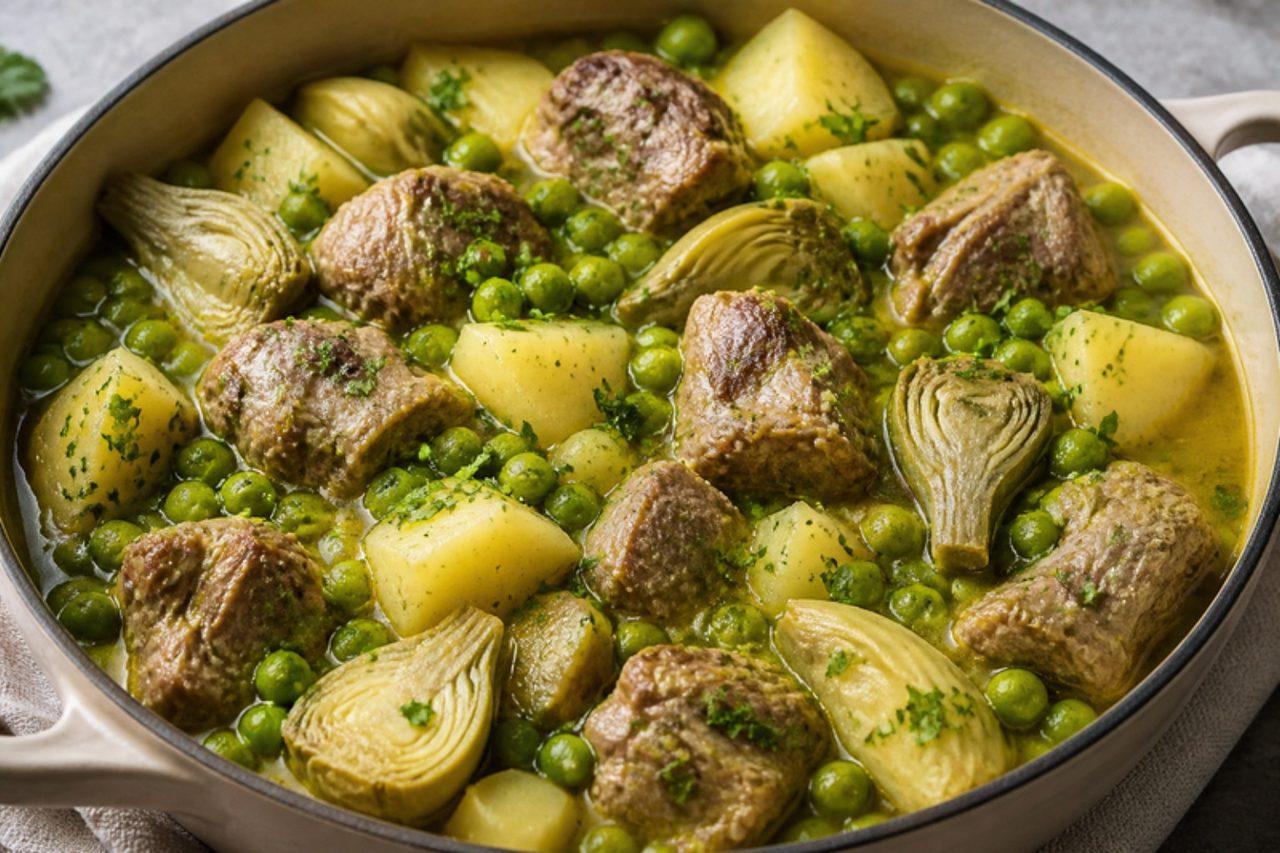
Djelbana (Algerian lamb and pea stew)

Spring markets in Algiers fill with sacks of fresh peas and violet artichokes, and that is the moment for djelbana, a light, pale stew of lamb, peas, artichoke hearts and potatoes cooked with onion, garlic and a little turmeric, finished with fresh coriander. Families serve it at lunch with plenty of bread to soak up the sauce; on meat-free days it is made the same way without the lamb. It tastes fresh, sweet and gently peppery rather than heavily spiced. Frozen peas and artichoke hearts are fine out of season. Chef's tip: add the peas only for the last 10 minutes; peas put in with the meat are the usual mistake and turn grey and mushy.

by KrazyBadal 0 views

Mors

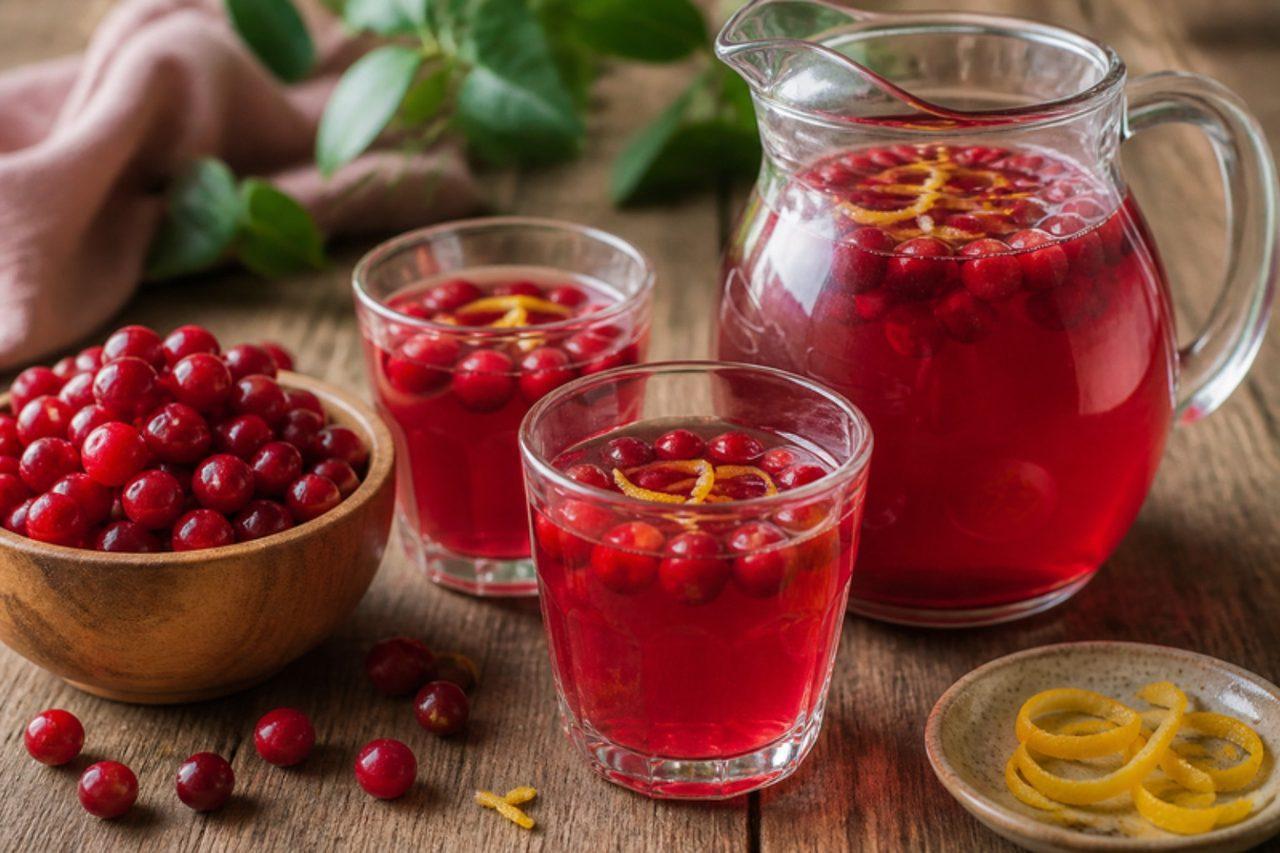
Northern Russia picks cranberries and lingonberries from the bogs in autumn, and many of them end up as mors, a tart, crimson drink served from a jug at family dinners and offered in cafes and canteens from Arkhangelsk to Siberia. Unlike kissel it is thin and refreshing, made by pressing out the raw berry juice, cooking the skins in water and then combining the two so the fresh vitamin-rich juice is never boiled. Honey goes in last, once the liquid has cooled a little, to keep its flavour. Where most people go wrong is boiling the pressed juice along with the pulp; keep it aside until the end. Honey is not for babies under one year old. Chef's tip: serve it cold with ice in summer or warmed gently in winter; it is good both ways.

by KrazyBadal 0 views

Salted saffron milk caps

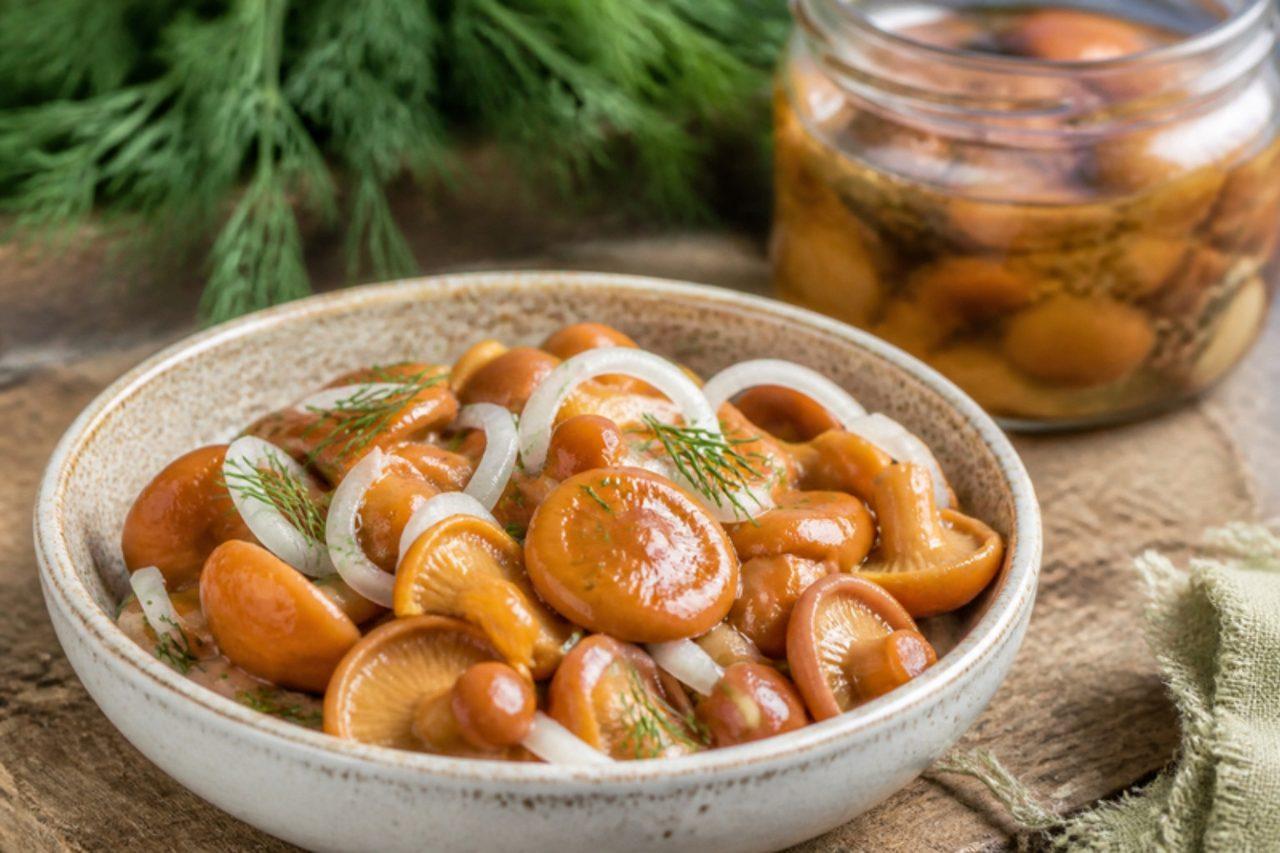
Northern Russians rank ryzhiki, the orange saffron milk caps of the pine woods, above almost every other mushroom, and salted ones from around Arkhangelsk once travelled to the tsar's table. Salted, they keep their bright colour, turn firm and juicy with a clean, resinous taste, and are served with thin onion rings, sunflower oil and hot boiled potatoes; for non-vegans a spoon of sour cream is classic. Old cellars dry-salted them raw for months; this safer fridge version blanches the caps briefly and keeps them in a measured brine in the fridge, ready in about a week. Only use mushrooms identified by an experienced forager or bought from a trusted seller. Where most people go wrong is guessing the salt; too little lets spoilage start, so weigh it. Chef's tip: the caps bruise green where handled, which is normal, so don't worry when the edges darken.

by KrazyBadal 0 views

Ayamase (ofada green pepper stew)

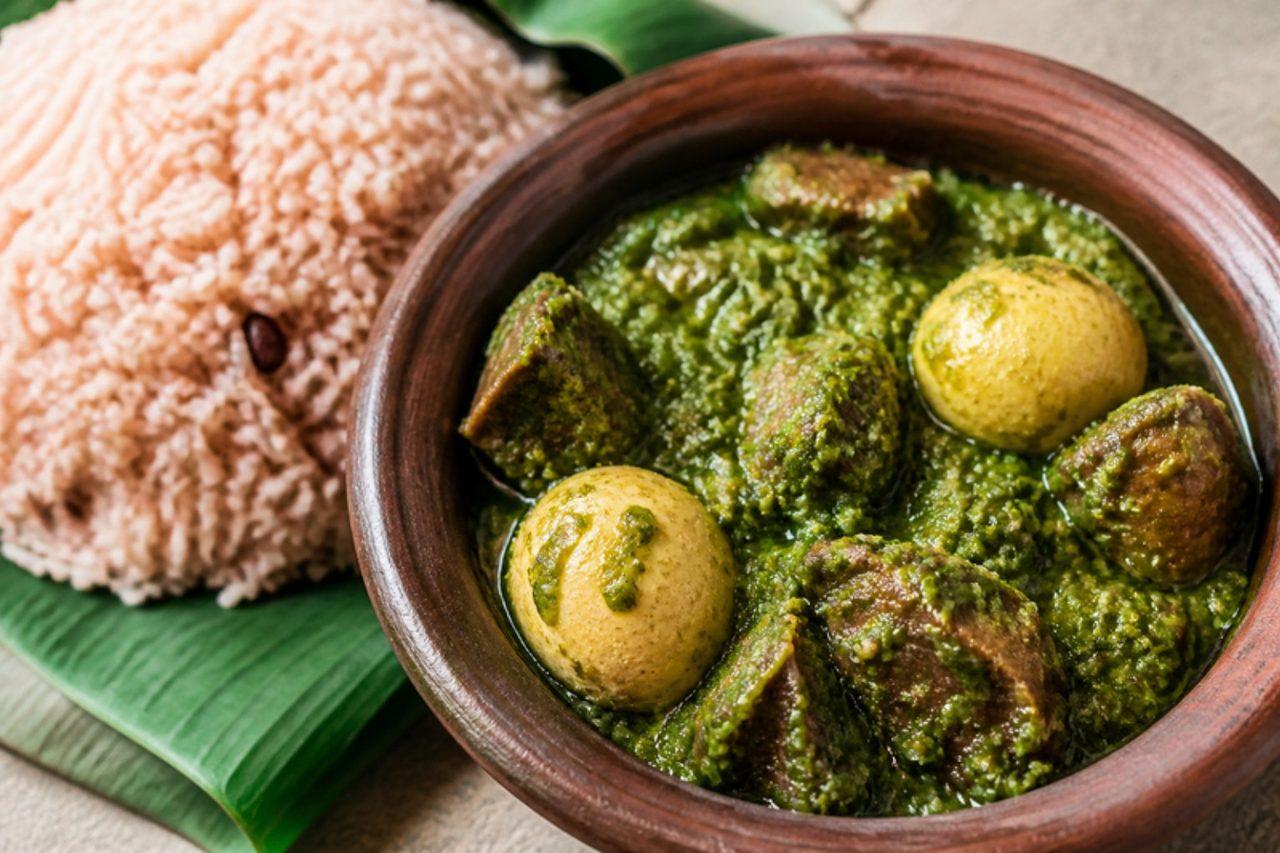
Ofada rice, the short, fragrant local rice from Ogun State, is almost always served in Lagos with ayamase, a stew so green and so hot it is sometimes called designer stew. Green bell peppers and green scotch bonnets are blended coarse, dried out in the pot, then fried in palm oil that has been bleached clear, with plenty of iru for a deep, funky savouriness. Assorted meat (beef, tripe and cow skin) and boiled eggs are folded in. Watery pepper is the mistake that makes it taste sour and raw, so boil the blended pepper dry before it meets the oil. Chef's tip: bleaching palm oil makes heavy smoke; open the windows, keep the lid nearby and never leave the pot.

120 minNigerianMeatGluten freeSpicy
by KrazyBadal 0 views

Eggplant rolls

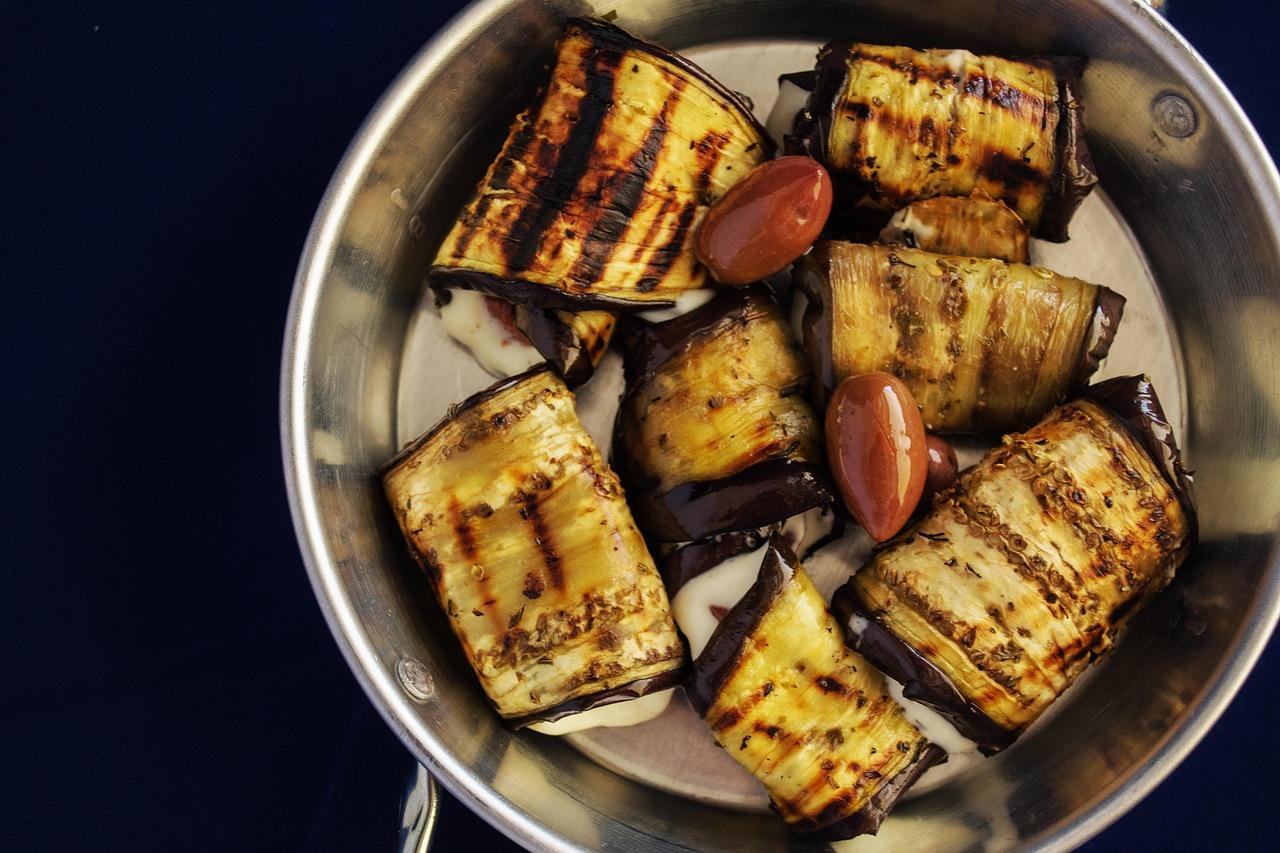
Every birthday buffet in Russian flats seems to have a plate of these little rolls, brought out with the herring and the salads: thin strips of fried aubergine wrapped around a sharp garlic and cheese filling with a slice of tomato peeking out. The aubergine is silky, the filling creamy and punchy, and the tomato keeps it fresh. They are a cold starter, so make them an hour before guests arrive and keep them chilled. Where most people go wrong is frying thick slices in lots of oil, which leaves them greasy and stiff; slice thin, salt them, pat dry and fry in a shallow film of oil. Many hard cheeses use animal rennet, so pick a vegetarian one. Chef's tip: press the fried slices between paper towels while still warm; they shed surprising amounts of oil.

by KrazyBadal 0 views

Afang soupWaterleaf and afang leaf soup

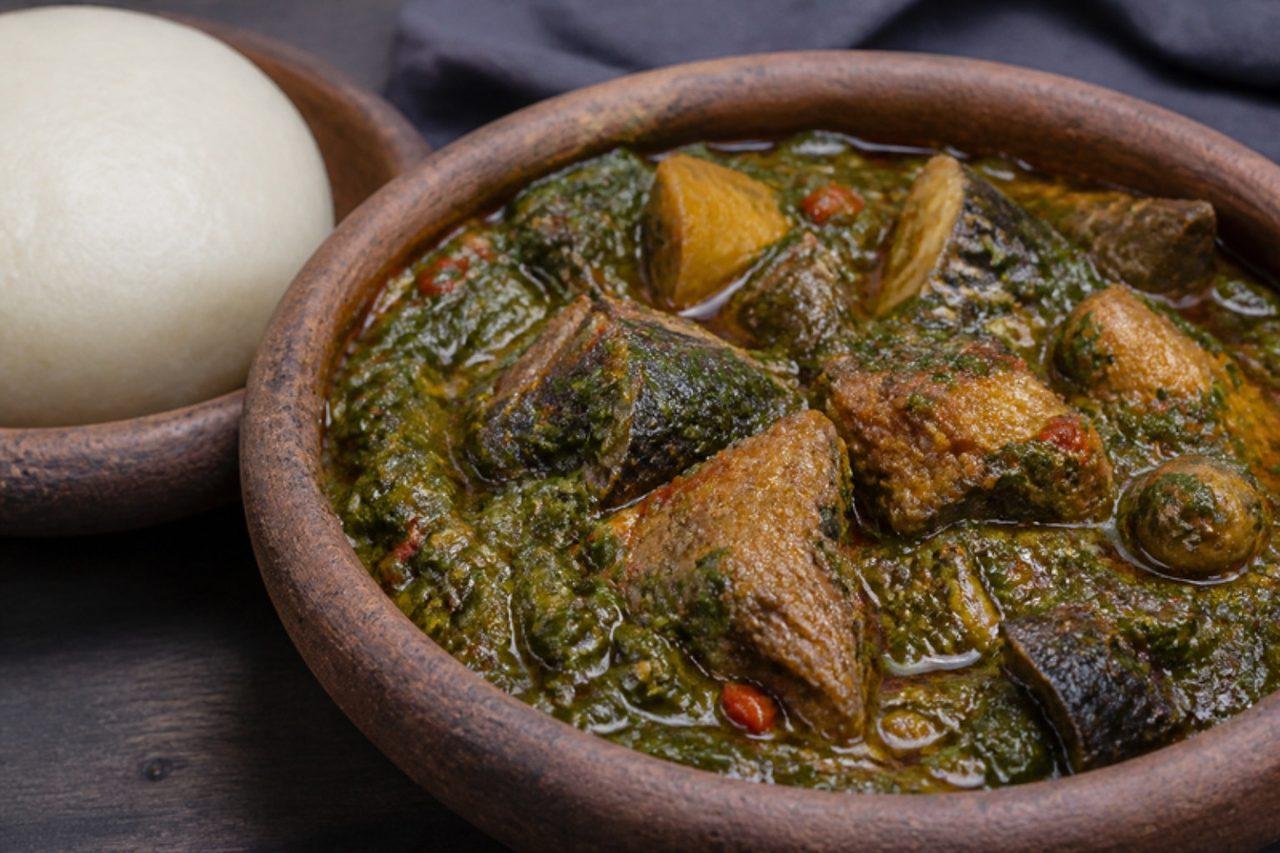
Ask anyone from Calabar or Uyo what to serve a guest and afang will come up first. Finely shredded afang leaves, chewy and a little nutty, are cooked down with a mountain of waterleaf, palm oil, beef, cow skin, stockfish and periwinkles, and the waterleaf gives off all the liquid the soup needs. It is thick, dark green and deeply savoury, and it goes with pounded yam, fufu or eba. Outside Nigeria, frozen ground afang (also sold as okazi) and spinach stand in well. Periwinkles must be bought cleaned from a reputable seller; discard any with cracked shells or an off smell. Chef's tip: never add water to afang; if it looks dry, cover the pot for a minute and the waterleaf will release more.

by KrazyBadal 0 views

Vitamin salad

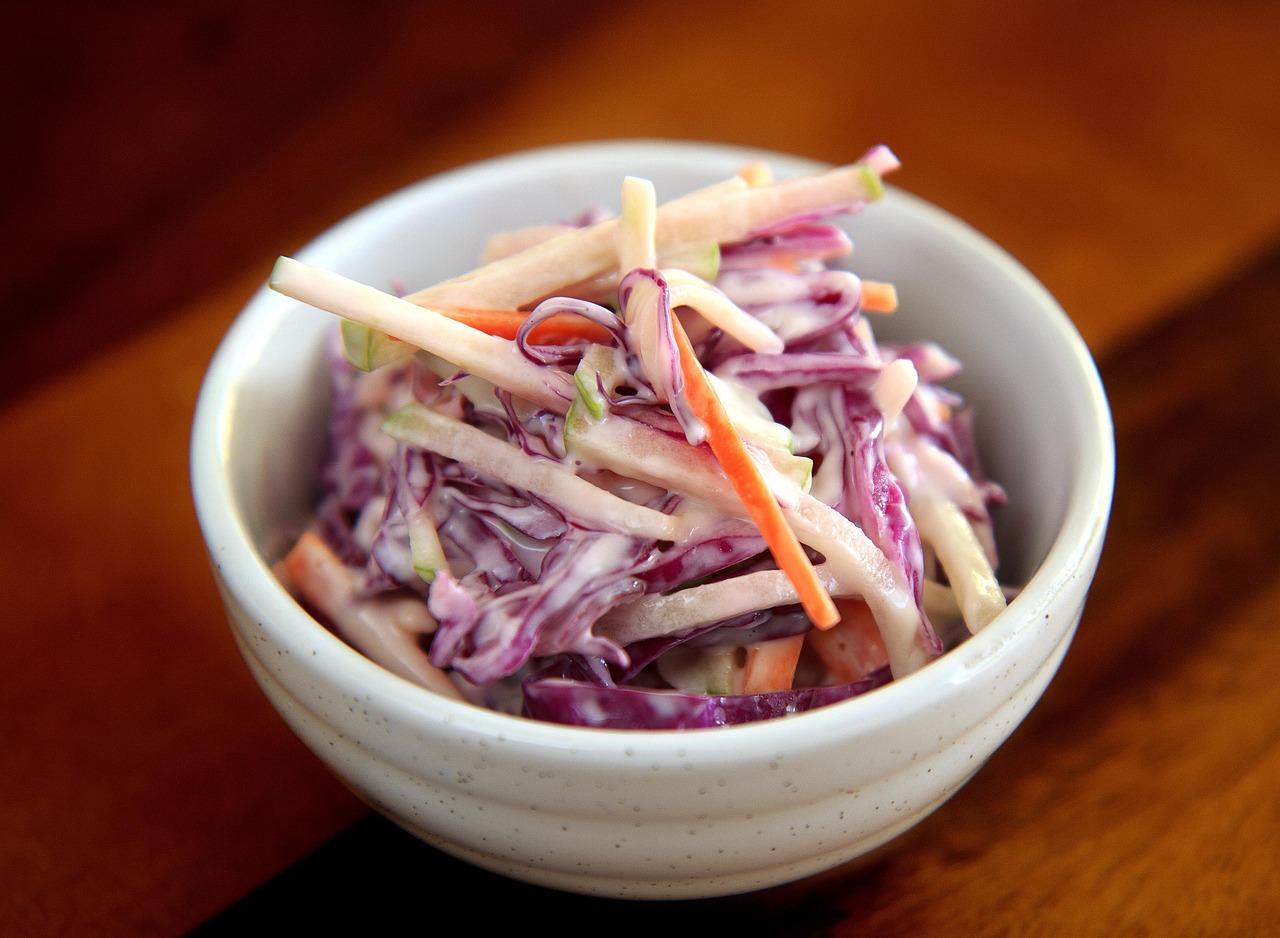
"Vitamin" salad was the bright spot on every Soviet stolovaya tray, scooped from a steel tray beside the cutlets and buckwheat, and it is still how many Russians start a light lunch. Fresh white cabbage, carrot and green apple are rubbed with salt and sugar, then dressed simply with sunflower oil and vinegar, so it tastes crisp, juicy and sweet-sour. It goes with almost anything hot and is a good way to use half a cabbage. A common mistake is skipping the squeeze: crushing the cabbage with salt for a minute or two softens it and draws out juice that becomes part of the dressing. Grate the apple last so it does not brown. Chef's tip: unrefined, toasted-seed sunflower oil gives the true canteen flavour; a splash goes a long way.

by KrazyBadal 0 views

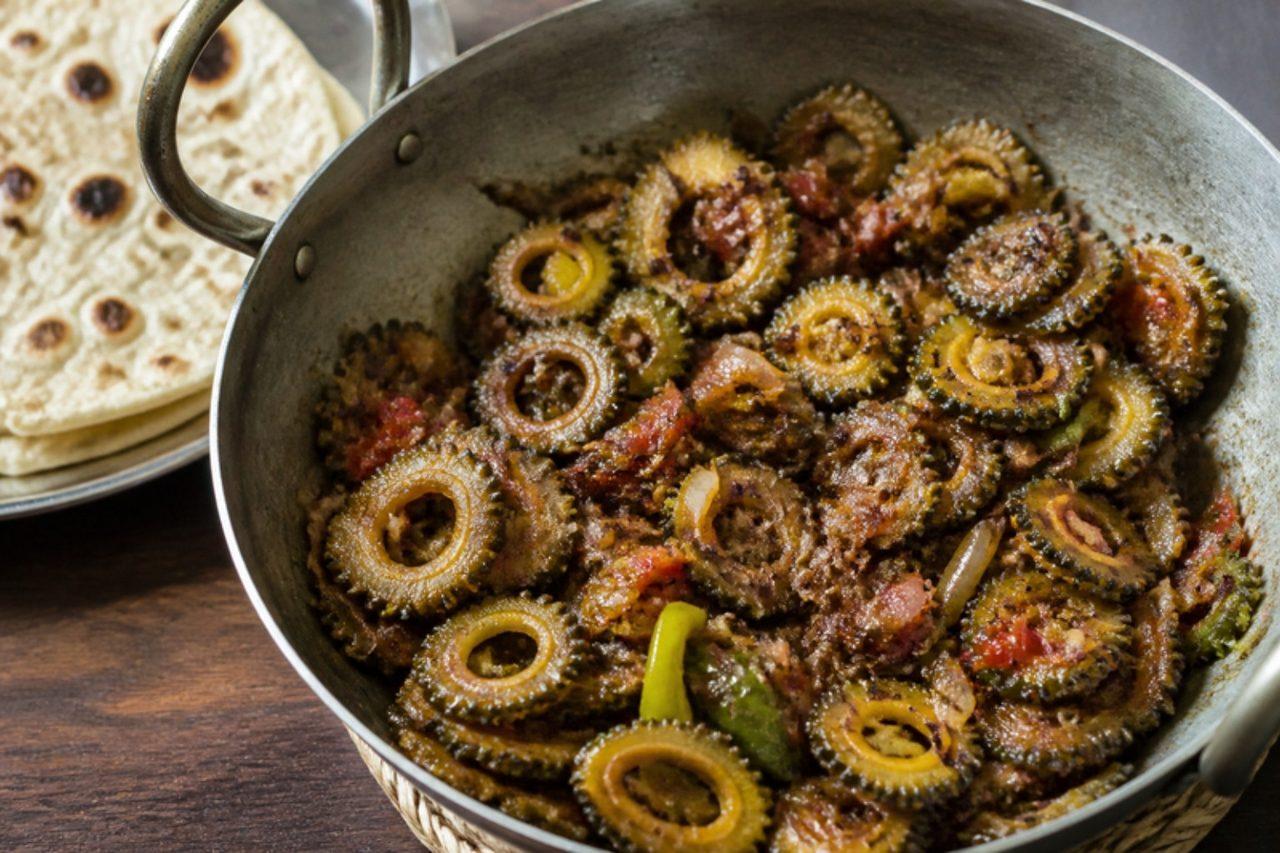
Karawila sambolaFried bitter gourd salad

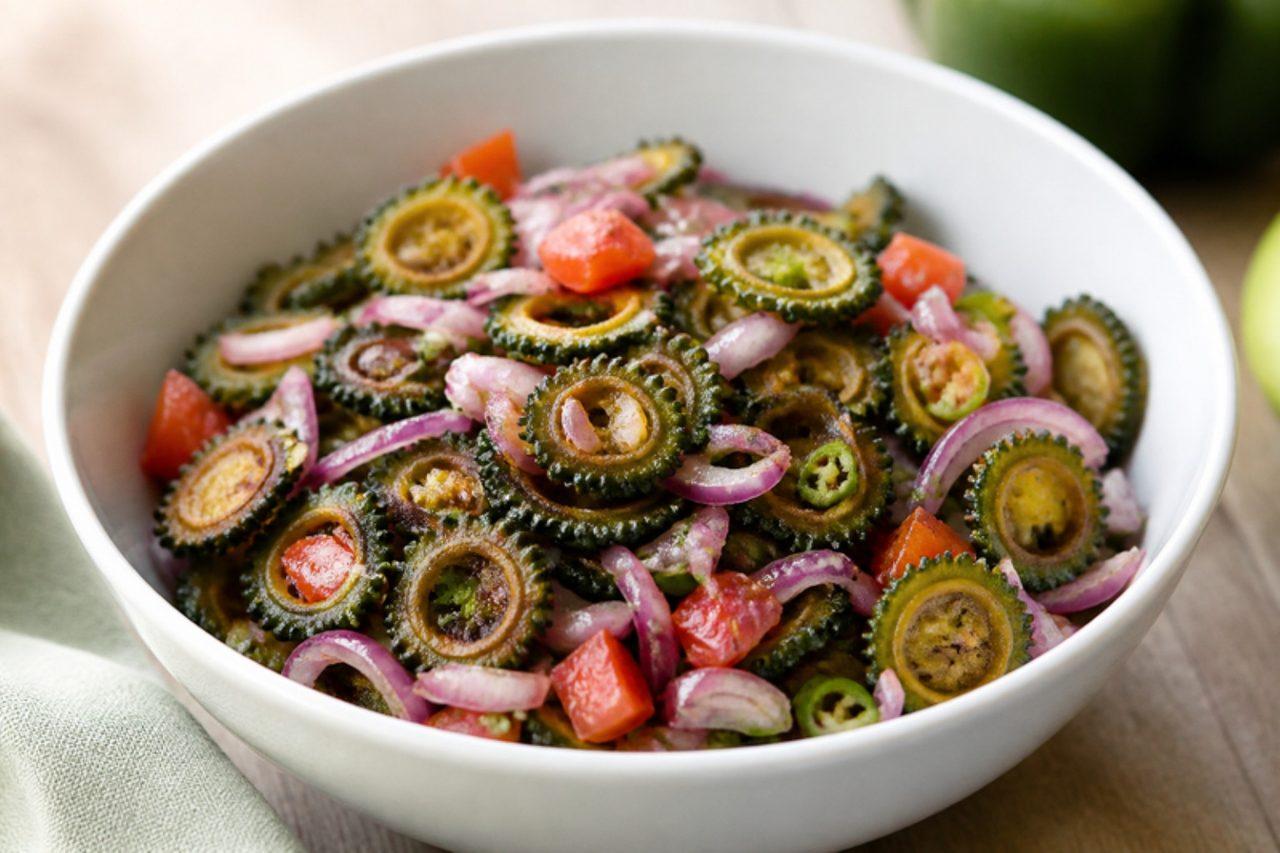
Even people who claim to hate bitter gourd tend to come round to karawila sambola, the crunchy, tangy salad that turns up on rice and curry plates from the coast to the eastern towns. Paper-thin slices of the knobbly green gourd are salted to draw out some of the bitterness, fried until they are crisp like crisps, and then tossed at the last minute with raw red onion, green chilli, tomato and plenty of lime. The result is salty, sour and gently bitter, a bright contrast to rich coconut curries. Many cooks also scatter in Maldive fish flakes; this vegan version leaves them out. The mistake to avoid is mixing the salad too early, since the lime and tomato juice soften the fried slices within minutes. Chef's tip: squeeze the salted slices really hard in a clean cloth before frying; the drier they are, the crisper and less oily they come out.

by KrazyBadal 0 views

Molasses with tahini

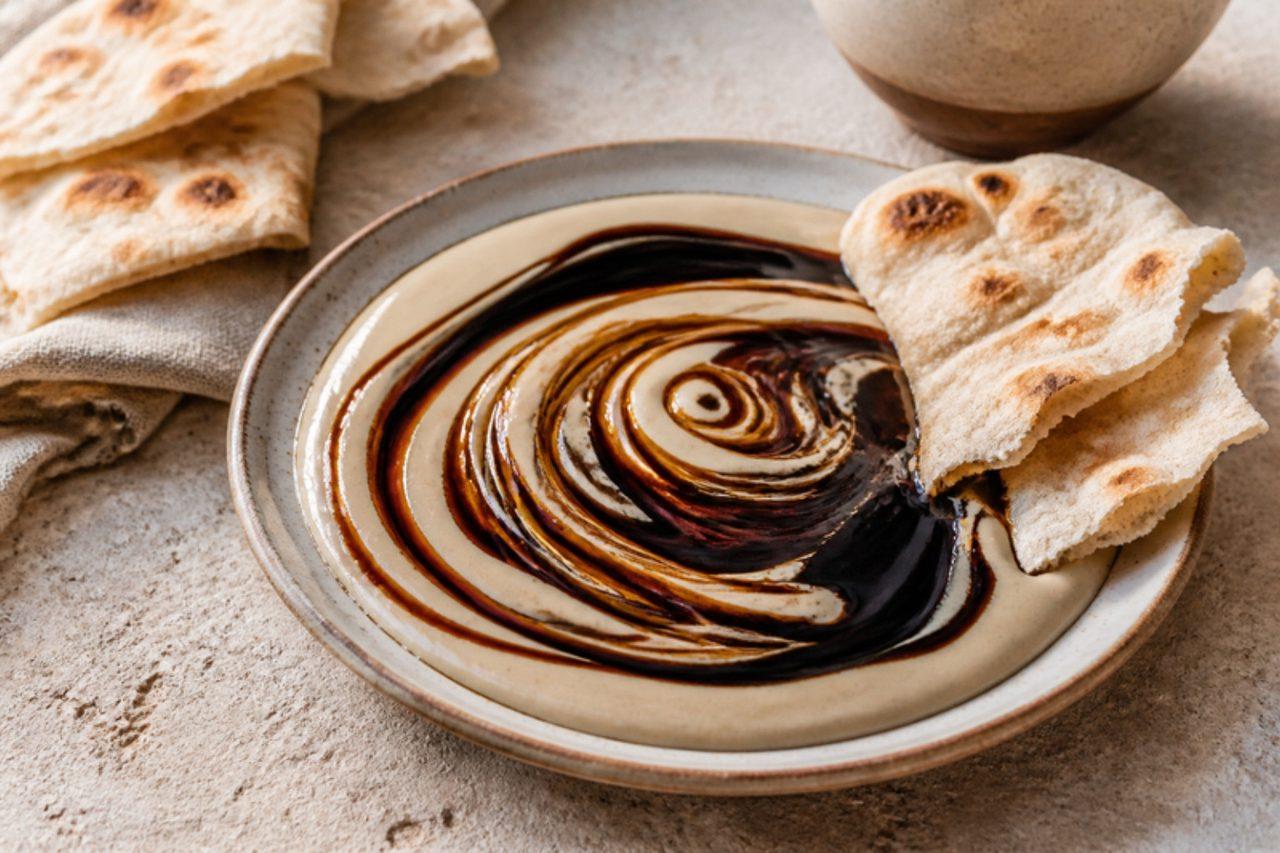
Upper Egypt grows the country's sugarcane, and its dark molasses, asal eswed or black honey, has found its way onto breakfast and supper tables from Aswan to Alexandria. Spooned over tahini and swirled together, it becomes a glossy, bittersweet, nutty dip that children love and grown-ups eat after a light evening meal, scooped up with warm aish baladi or fino. Many families eat it in winter, when they want something warming and filling. A frequent slip is stirring the molasses and tahini together completely; leave them swirled so each bite gets both. Chef's tip: stir the tahini jar thoroughly first; the thick paste at the bottom and the oil on top must be mixed, or the dip comes out stiff and dry.

by KrazyBadal 0 views

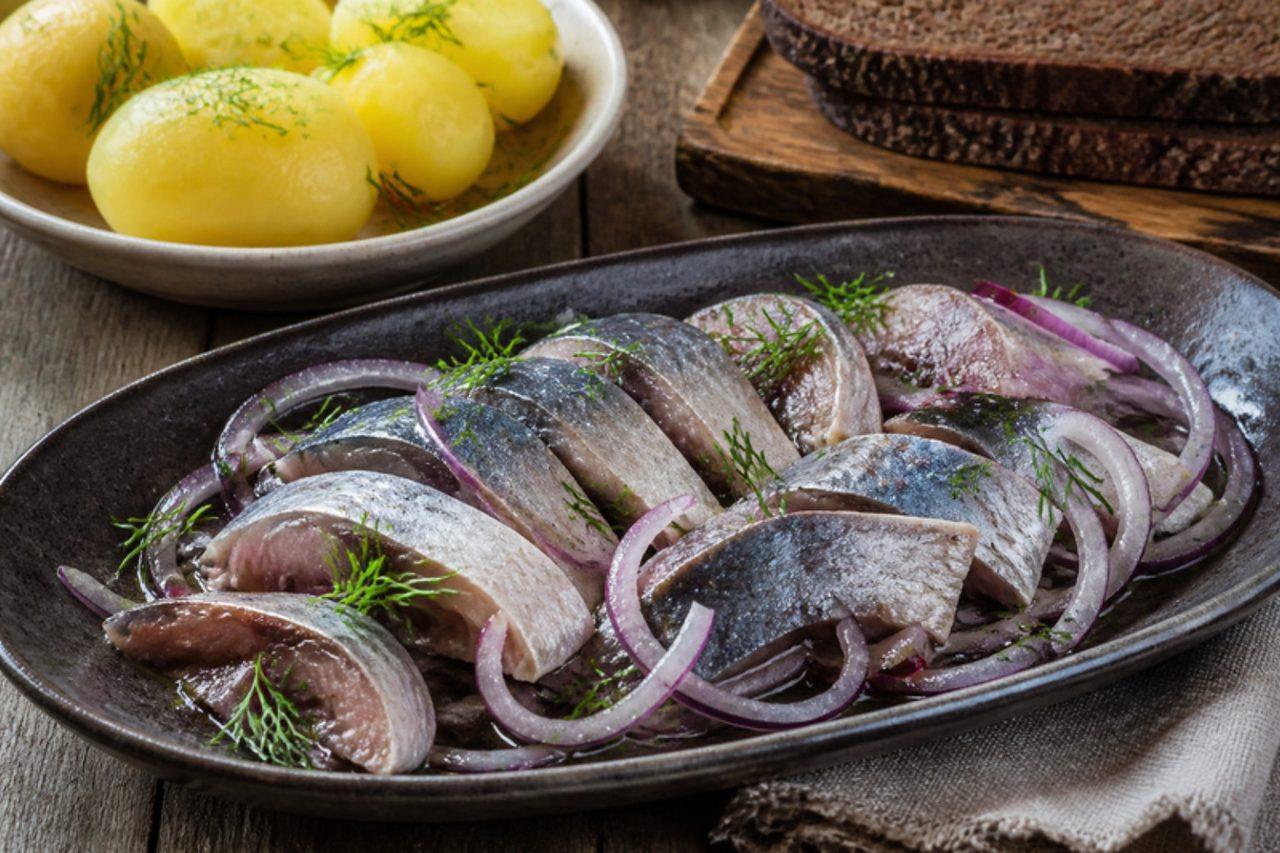
Herring with potatoes

This is the simplest and best-loved Russian zakuska, on every table from a Moscow kitchen to a Siberian railway compartment: fillets of salted herring with steaming boiled potatoes, rings of raw onion, dill and a drizzle of unrefined sunflower oil that smells of toasted seeds. The contrast of cold, silky fish and hot, floury potato is the whole point, and black bread goes alongside. Salted herring is cured but not cooked, so buy ready-salted fillets from a good fishmonger or deli (made from previously frozen fish), keep them in the fridge, and note that it is not for pregnant women, young children or anyone with a weakened immune system. A common mistake is serving the herring straight from very salty brine; taste it and soak it in milk or cold water first if needed. Chef's tip: use unrefined sunflower oil, its nutty smell is what makes the dish.

by KrazyBadal 0 views

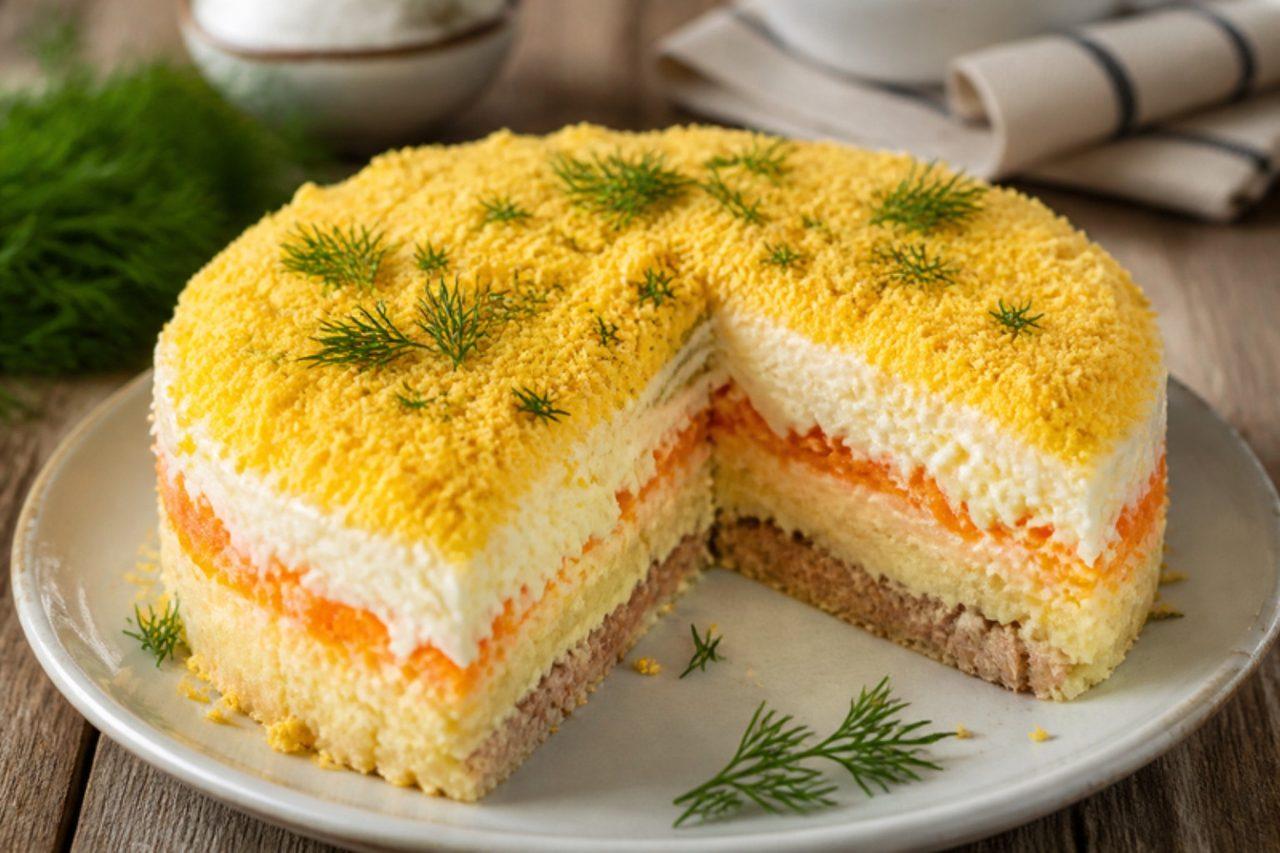
Mimosa salad

Named for the fluffy yellow mimosa flowers sold on every Moscow street corner for Women's Day on 8 March, this Soviet-era party salad is crowned with a snowfall of grated egg yolk. Underneath are layers of tinned salmon or saury, potato, carrot, onion and egg white, each with a little mayonnaise, so a spoonful is soft, rich and gently fishy. It is made ahead for birthdays and holidays and served chilled. Use shop-bought mayonnaise, which is made with pasteurised egg. A common mistake is mashing the fish with all its oil, which makes the bottom layer soggy. Chef's tip: grate the yolk straight over the salad at the very end, on the finest side of the grater, for the fluffiest flowers.

by KrazyBadal 0 views

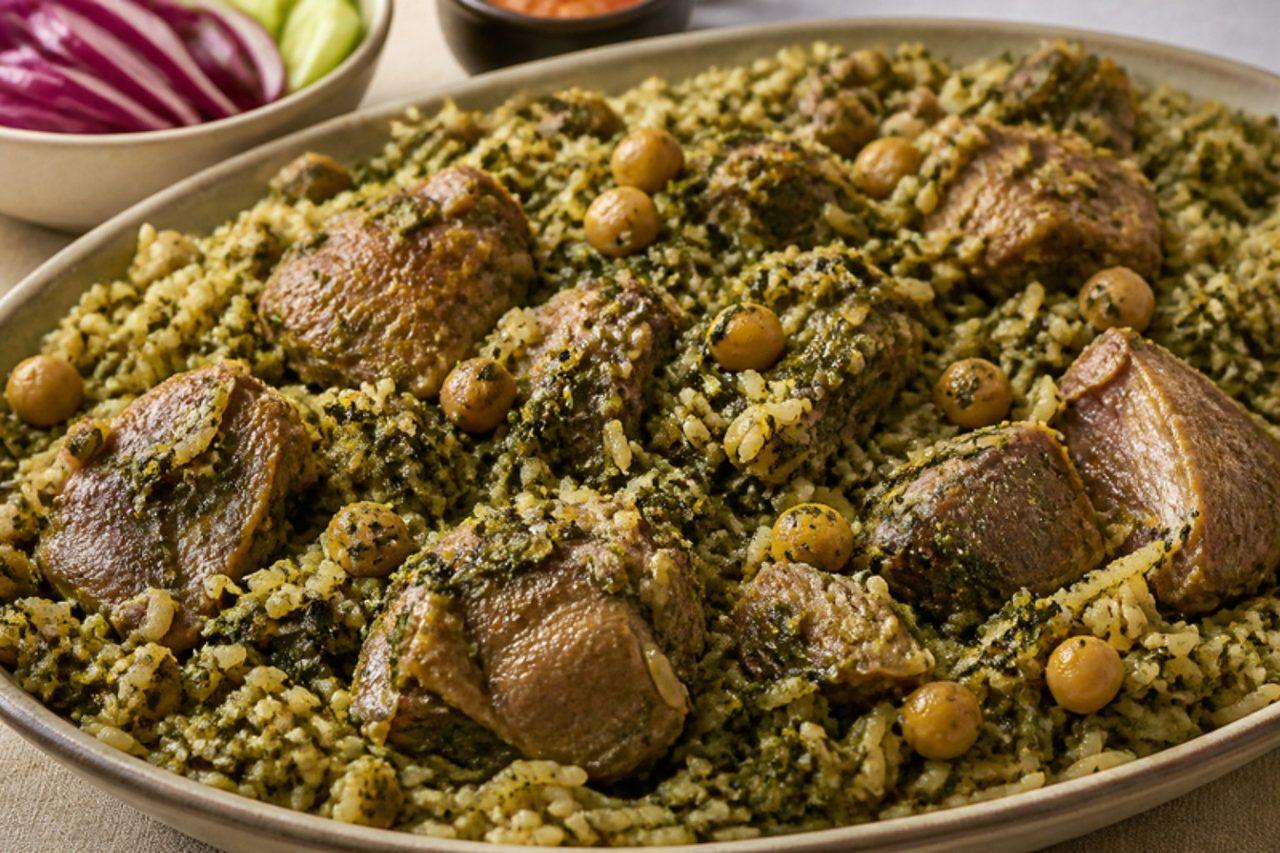
Rouz jerbi (Djerban steamed rice)

Djerba islanders cook rice the way the rest of Tunisia cooks couscous, in the top of a couscoussier: raw rice is mixed with small pieces of lamb, chopped spinach, a mound of herbs, chickpeas, tomato paste, harissa and spices, then steamed over boiling water until every grain is tender and stained red-gold. Rouz jerbi is a Friday and family-gathering dish on the island, served from one large platter. The rice stays separate and fluffy, the greens melt in, and the lamb picks up the scent of mint and tabil. Chef's tip: stir the rice from the bottom every 20 minutes; leaving it untouched is a common mistake, as the bottom turns soggy while the top stays hard.

by KrazyBadal 0 views

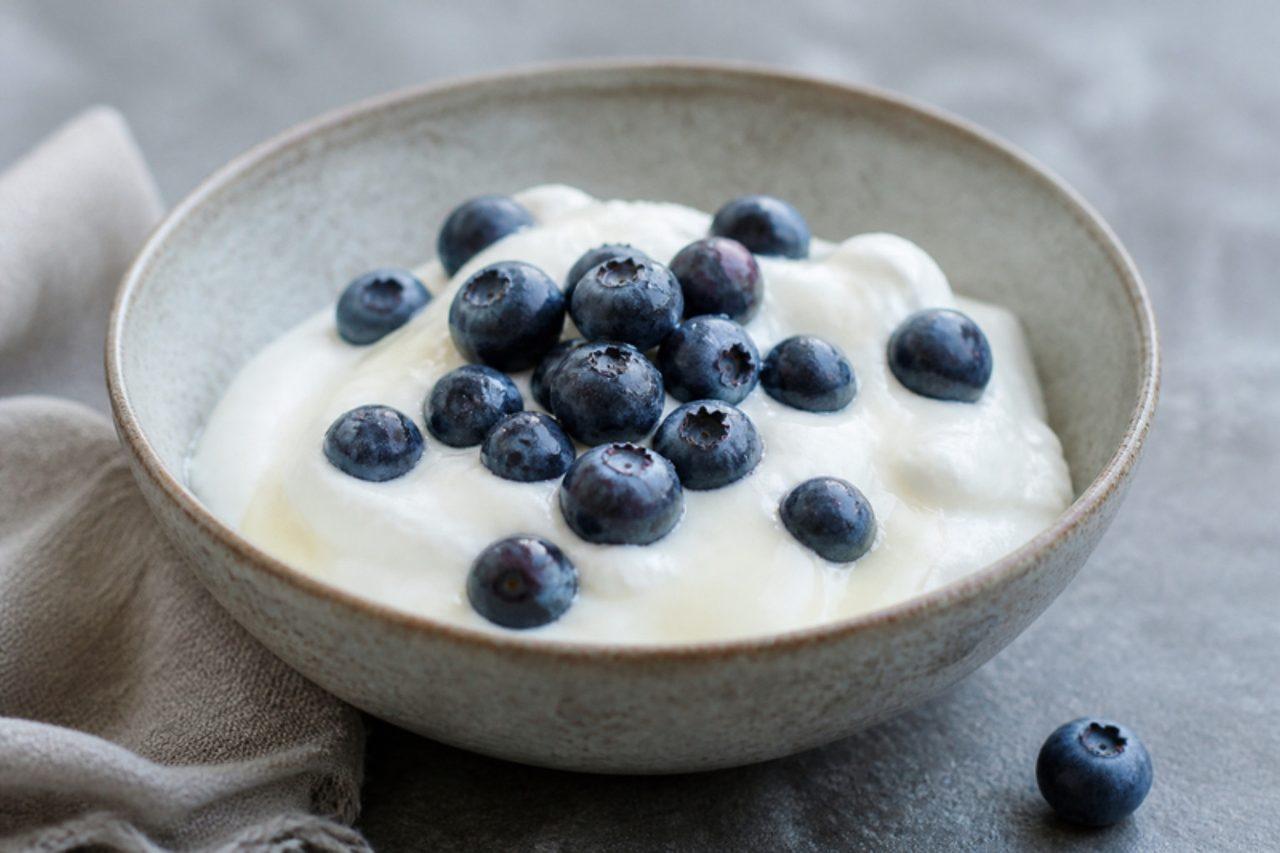
Skyr

Skyr has been made in Iceland since the Viking settlers arrived: skimmed milk soured with a spoonful of the last batch, set with a drop of rennet, then strained until very thick, high in protein and mildly sour. Icelanders eat it every day with milk or cream and berries, or whisked into a drink, and skyrkaka is a favourite cheesecake. You need a few spoonfuls of plain shop skyr with live cultures as a starter. A common mistake is skipping the long, slow set; rushed skyr is thin and grainy. Chef's tip: strain it in the fridge overnight and stir it smooth before serving. Rennet is traditionally animal; use vegetarian rennet.

by KrazyBadal 0 views

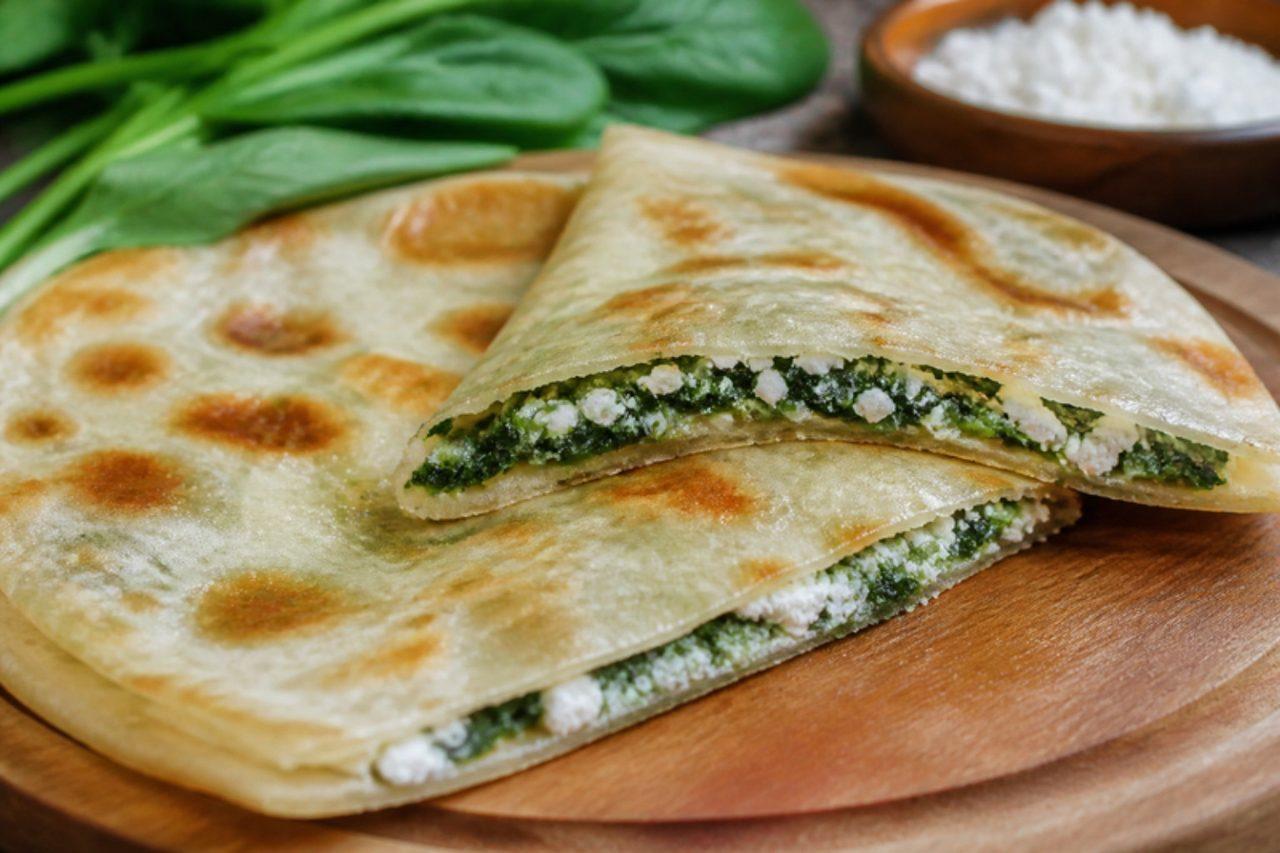
AfararWild herb and cottage cheese pie

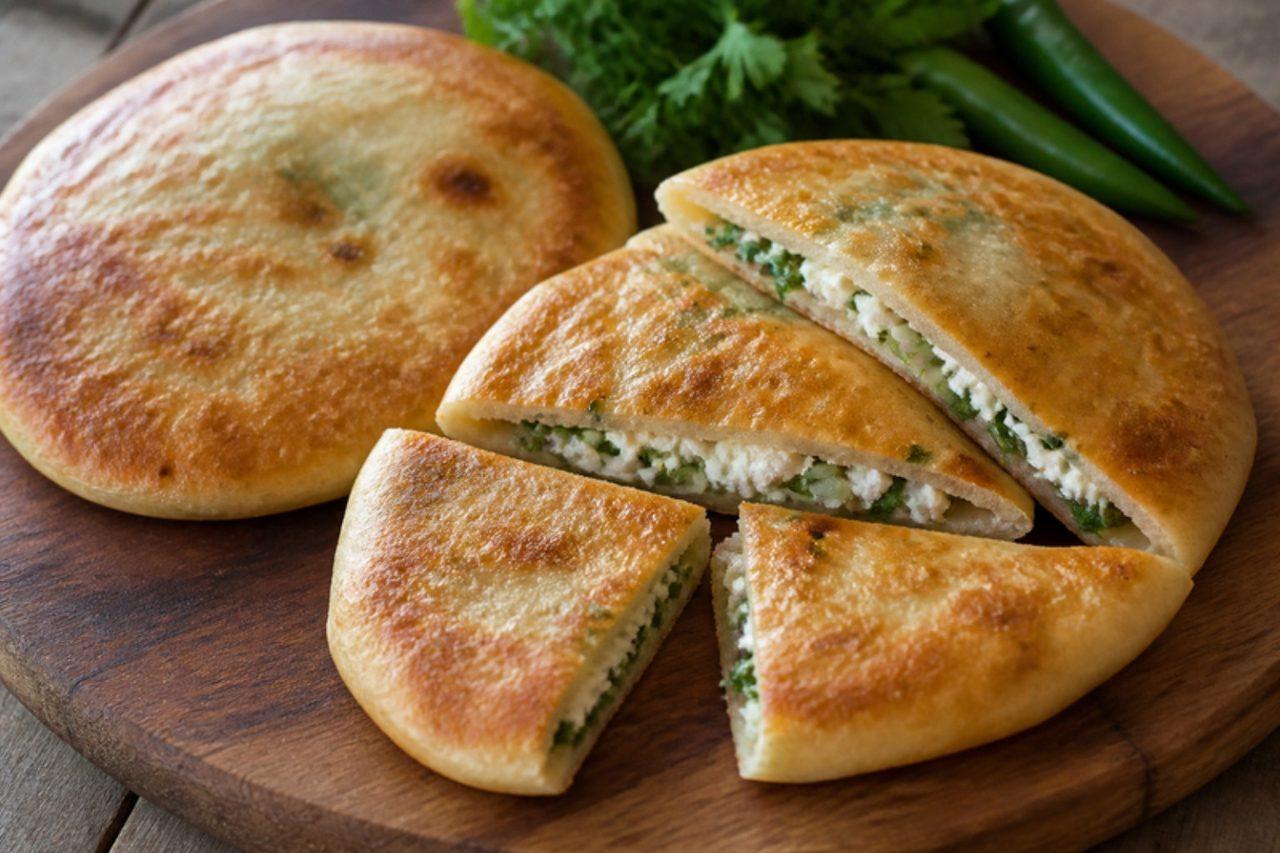
In the mountain villages around Quba and Qusar, where many Lezgin families live, spring brings armfuls of nettles, sorrel, wild garlic and orache, and the first thing made with them is afarar: two very thin sheets of dough enclosing a filling of chopped herbs mixed with cottage cheese, cooked on a hot griddle or saj and brushed with butter. A common mistake is using wet herbs, which steam the dough and make it tear. Chef's tip: wilt the herbs in a dry pan for a minute and squeeze them, then mix with the cheese only just before filling. Check that your cottage cheese uses no animal rennet.

by KrazyBadal 0 views

Chorbet hout (Sfax fish soup)

Along the coast around Sfax, a bowl of chorbet hout often opens the meal at Ramadan iftar, after dates and water: a red, peppery broth of tomato, harissa and caraway, thick with tiny bird's-tongue pasta and flakes of white fish, finished with a squeeze of lemon. Grouper, sea bream or mullet are the local choices, and any firm white fish works. The soup is warming and spicy with a fresh lift from parsley and celery, and goes well with bread and a brik. Chef's tip: poach the fish briefly, lift it out and only return the flakes at the end; leaving it to boil with the pasta is the common mistake, and it breaks into threads.

by KrazyBadal 0 views

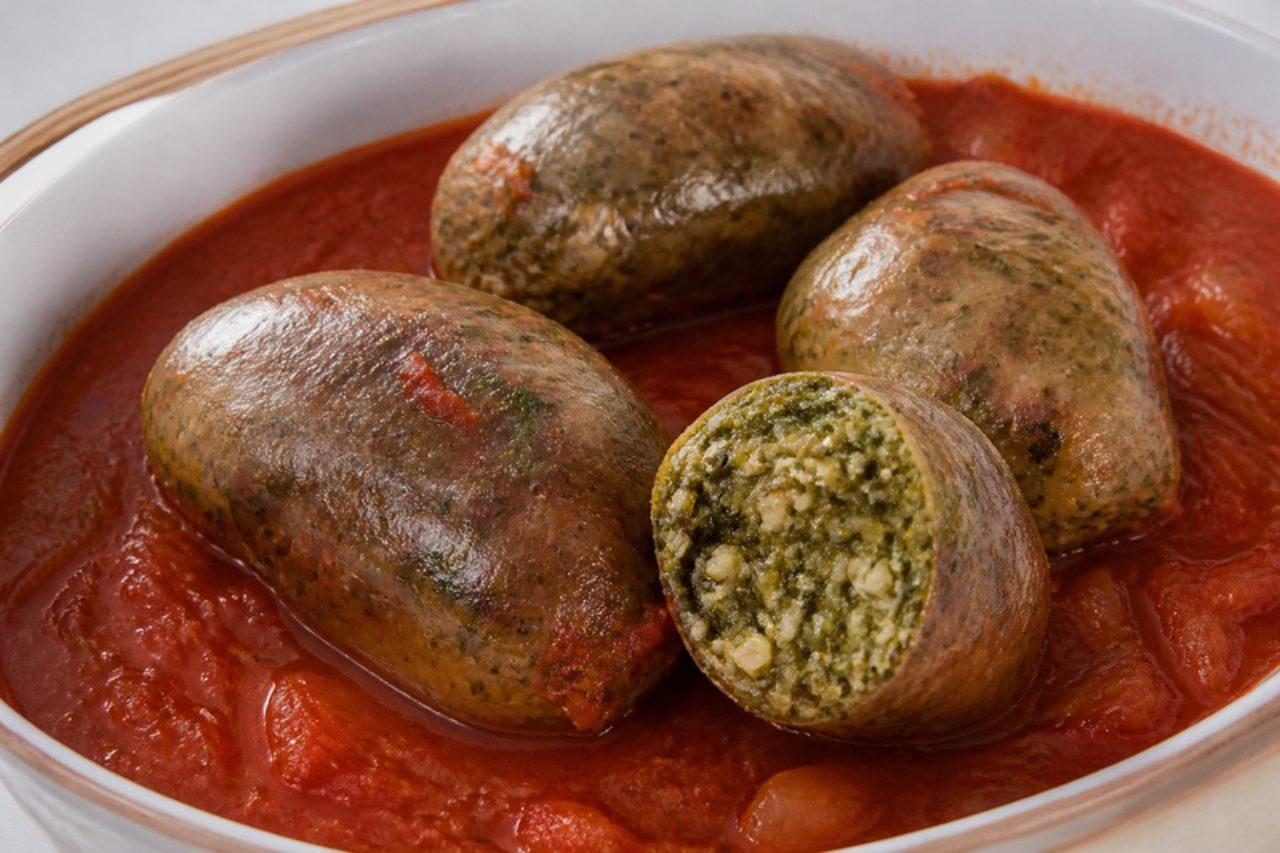
Osban (Tunisian stuffed lamb sausages)

Eid al-Adha in Tunisia means using every part of the sheep, and osban is how the tripe is honoured: cleaned pieces are sewn into pouches and packed with rice, chopped liver and lamb, chard, a big bunch of parsley and coriander, dried mint and harissa, then simmered in a red chickpea sauce and served over couscous. Families all over the country, from Tunis to the south, make a batch and freeze some for later. The filling cooks into a soft, herby, peppery sausage and the tripe turns tender. Buy tripe that the butcher has already cleaned and scalded, or use natural sausage casings for an easier version. Chef's tip: fill the pouches only two-thirds full and prick them with a needle; the rice swells as it cooks, and overstuffed osban burst, which is the most common mistake.

180 minTunisianMeat
by KrazyBadal 0 views

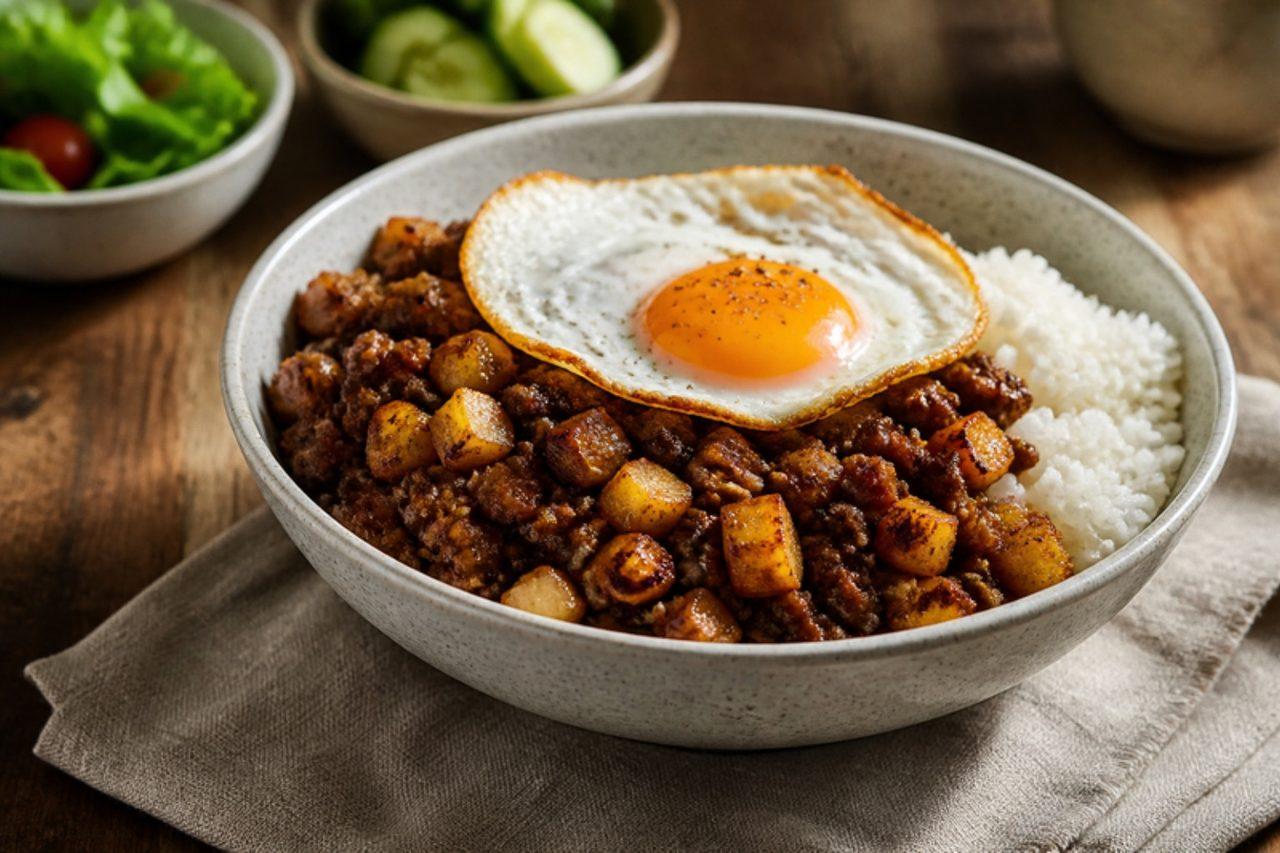
Minchi (Macanese minced meat with potatoes)

If one dish says home to Macanese families, the descendants of Portuguese and Chinese Macau, it is minchi: a quick hash of minced beef and pork seasoned with soy sauce, Worcestershire sauce and a touch of sugar, mixed with crisp little cubes of fried potato and crowned with a runny fried egg. It appears on weeknight tables, at Macanese restaurants near Rua do Cunha, and at gatherings of the Macanese community abroad, always with plain white rice. Savoury, slightly sweet and full of crunch, it tastes like the meeting of a Portuguese kitchen and a Cantonese wok. A common error is stirring the potatoes into the meat too early, which makes them soft and floury; fry them separately until crisp and fold them in at the end. Chef's tip: let the mince sit undisturbed for a minute in the hot pan before stirring, so it browns instead of stewing.

by KrazyBadal 0 views

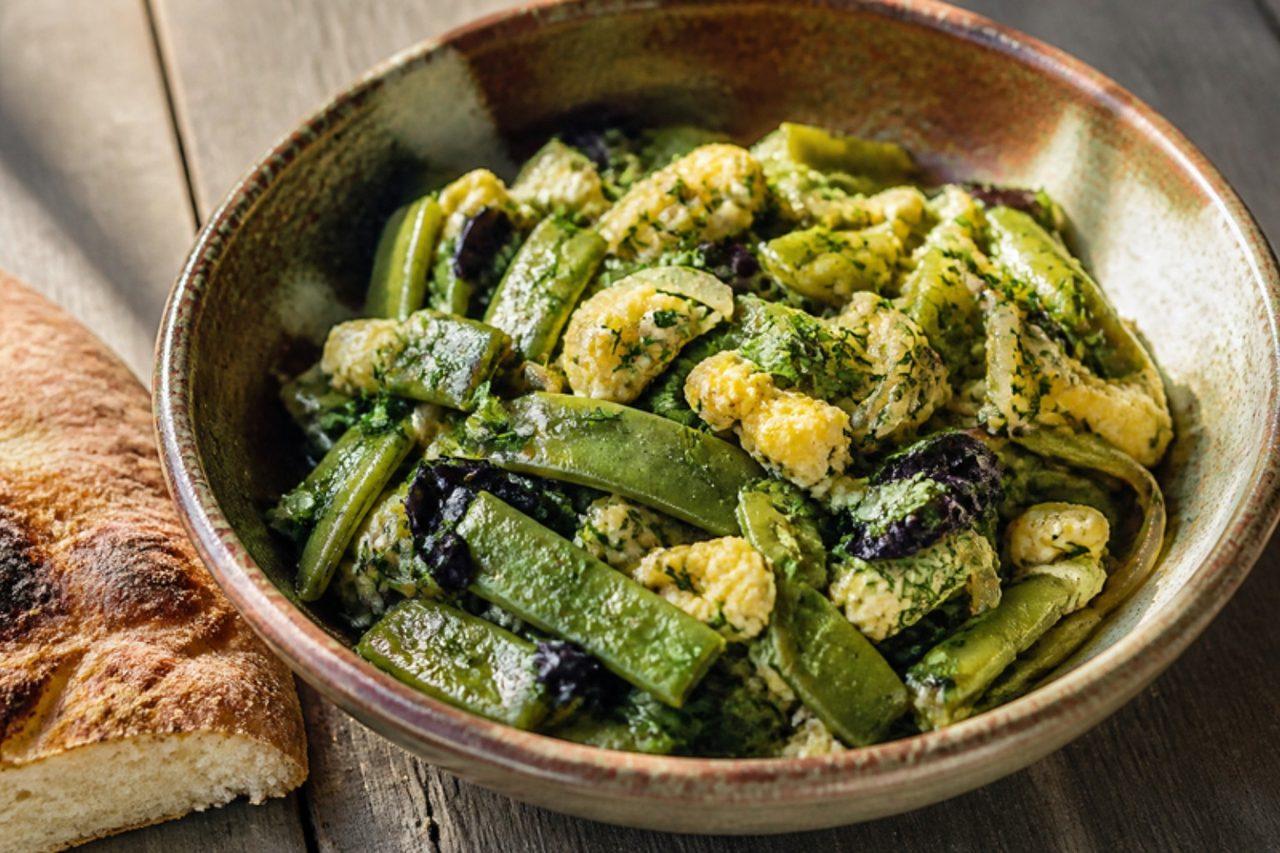
Green beans with egg

In the villages around Gori and Mtskheta, high summer brings sacks of flat green beans, and this is how many Kartli families eat them on a weekday: slowly softened with onion, then tossed with coriander, basil and garlic and bound at the last minute with beaten egg. The result sits halfway between a warm salad and a soft scramble, eaten with a hunk of shoti bread and a few slices of cheese. A common mistake is adding the eggs while the pan is still wet with bean water; they turn watery and grey instead of clinging in golden curds. Chef's tip: Georgian cooks use purple basil (reyhan), and its clove-like scent is what makes the dish taste of home, so look for it at Turkish or Georgian grocers.

by KrazyBadal 0 views

Shoti bread

Every Kakhetian village has a bakery where the baker leans into a round, pit-like tone oven and slaps long, pointed loaves onto its hot clay wall; the bread comes out crackly at the tips and soft in the middle, and it is bought warm every morning in Telavi and Sighnaghi. Shoti is just flour, water, yeast and salt, so the shape and the blast of heat do the work. At home a pizza stone or an upturned heavy baking tray, heated for a long time, gives a good copy. A common mistake is a dry, stiff dough; it should be soft enough to stretch into a long canoe without tearing. Chef's tip: spray the oven walls with water as the bread goes in; the burst of steam gives the blistered, glossy crust of the tone.

by KrazyBadal 0 views

Karela piazBitter gourd with onions

Bitter gourd divides every family in Punjab, but karela piaz is the version that wins over the doubters: the gourd is salted, squeezed and fried until its edges crisp, then tossed with almost as much browned onion as karela, so the sweetness of the onions softens the bitterness. In Lahore it is a summer dish, a staple of tiffin carriers and home lunches with chapati and a cooling bowl of raita, and some households pack it for long train journeys because it keeps well. The thing most people get wrong is skimping on the onions or rushing them; pale, half-cooked onions leave the dish harsh rather than mellow. Chef's tip: rub the slices with salt and a little turmeric, leave them for 30 minutes, then squeeze hard by the handful, which draws out much of the bitterness before cooking.

by KrazyBadal 0 views

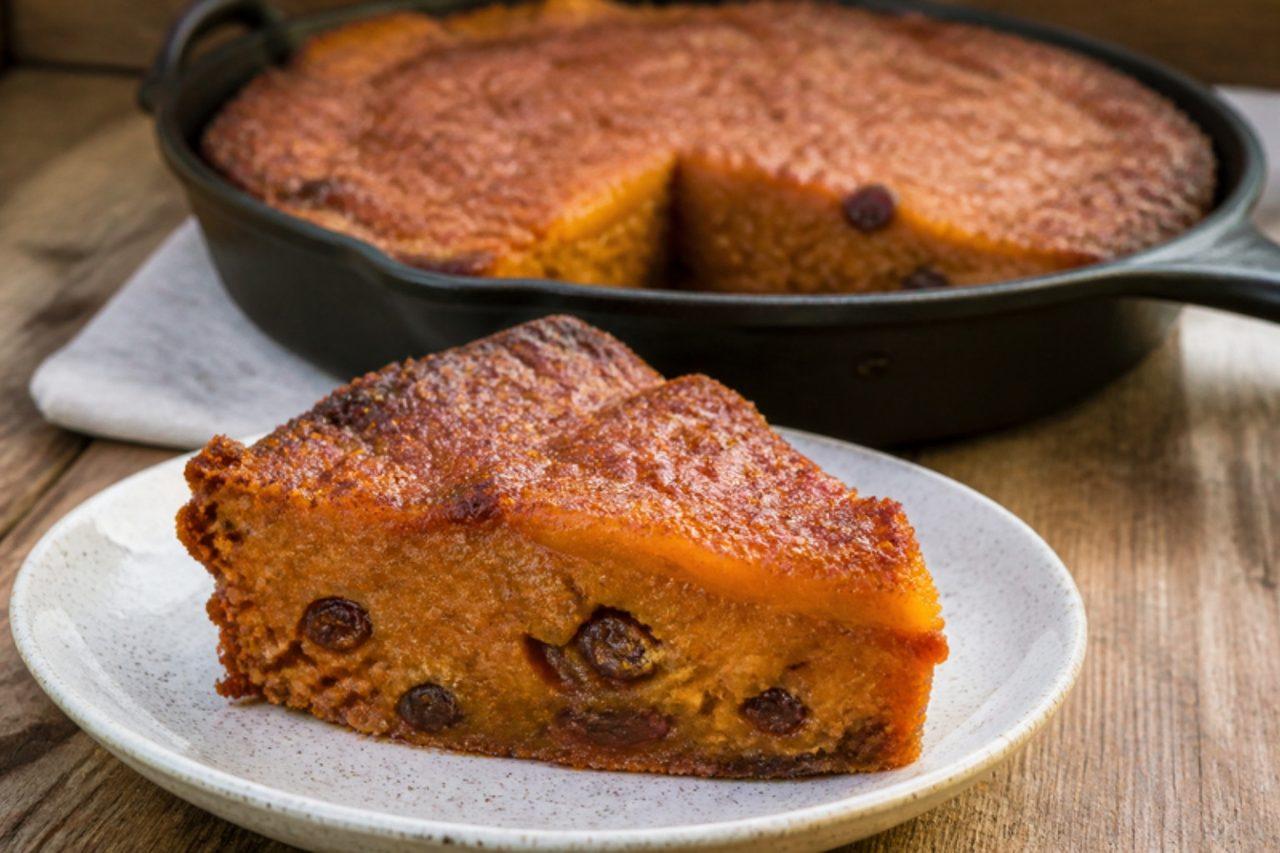
Jamaican sweet potato pudding

Once baked in Dutch pots with coals heaped on the lid, Jamaica's sweet potato pudding gave rise to the saying "hell a top, hell a bottom, hallelujah in the middle", and it is still a Sunday and Christmas favourite in homes across the island. Grated sweet potato, coconut milk, a little flour-free cornmeal and spice bake into a dense, moist slab with a soft, custardy layer on top. People often cut it hot, but it needs to cool for at least an hour to set. Chef's tip: grate the sweet potato on the fine side of the grater; coarse shreds make a grainy pudding.

by KrazyBadal 0 views

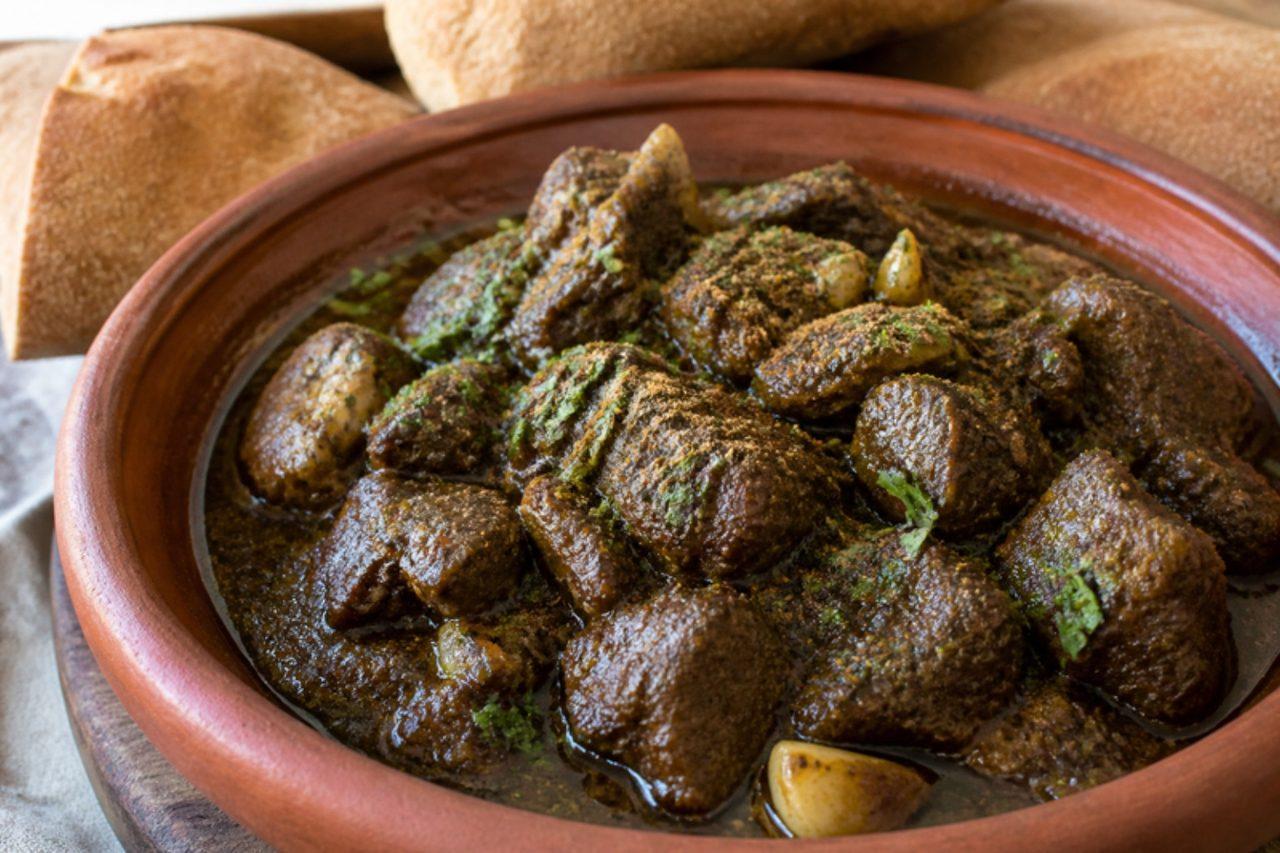
Kammounia (Tunisian cumin beef stew)

Cumin, kammoun in Arabic, gives kammounia its name, and the dish uses it boldly: chunks of beef, or in many Tunis homes lamb's liver, simmer in a thick, dark sauce of garlic, tomato paste and a generous amount of ground cumin until the meat is tender and the sauce clings to it. It is everyday family food in Tunis and Sfax, scooped up with crusty bread or served alongside a salad and olives. The flavour is earthy, warm and garlicky with a gentle heat from harissa. The usual mistake is adding the cumin at the start and frying it hard, which makes it bitter; it goes in once the sauce is simmering. Chef's tip: add half the cumin at the start and the rest in the last 10 minutes; all of it at once risks a flat, slightly bitter sauce, while the late addition keeps the aroma bright.

by KrazyBadal 0 views

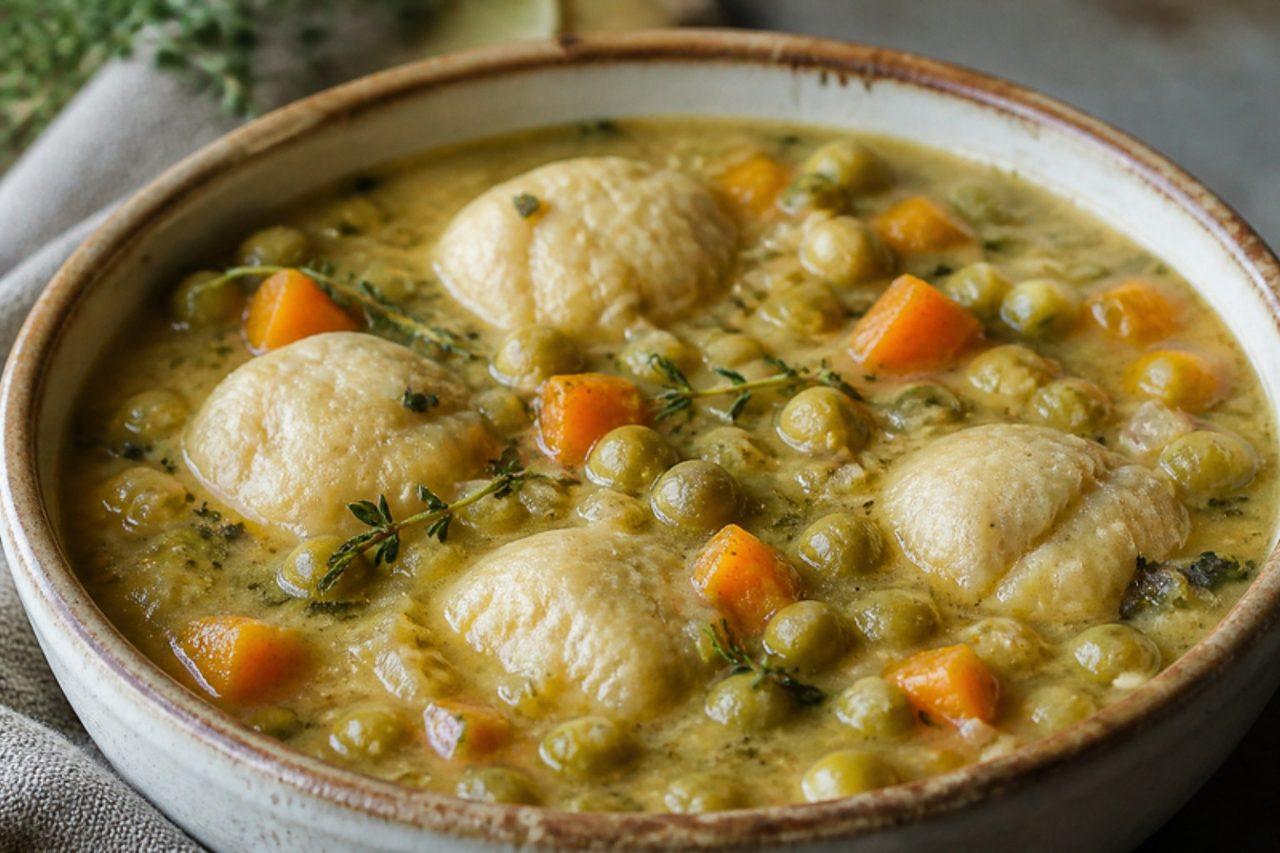
Jamaican gungo pea soup

Gungo peas ripen around December, so this soup belongs to the Christmas season in Jamaica, when the same peas also go into the festive rice and peas. Fresh or frozen green pigeon peas give a nutty, earthy broth that coconut milk, thyme and pumpkin turn rich and golden, and flour dumplings make it a meal. A common mistake is boiling the coconut milk hard for the whole time, which makes it split and oily; add it once the peas are soft and keep the pot at a simmer. Dried pigeon peas work too: soak them overnight and allow an extra 40 minutes. Chef's tip: blitz about a quarter of the soup and stir it back in for body while keeping plenty of whole peas.

by KrazyBadal 0 views

Bkaila (Tunisian spinach and beef stew)

Tunisian Jewish families in Tunis, and those who carried the dish to Paris and Israel, cook bkaila for Rosh Hashanah and for Friday-night dinners: a heap of spinach is fried in olive oil for over an hour, until it shrinks to a dark, almost black, crumbly paste, then simmered for hours with chunks of beef, white beans, garlic and dried mint. The result looks dramatic and tastes deep and earthy, a little like a long-braised green sauce, with tender meat and creamy beans. It is eaten with couscous or bread, and is even better reheated the next day. Start the beans soaking the night before. Chef's tip: fry the spinach over a medium-low heat and stir often; turning up the heat to save time is the classic mistake, scorching the leaves so the whole pot turns bitter.

240 minTunisianMeatGluten free
by KrazyBadal 0 views

Djouzia (walnut and honey nougat)

Shops in old Constantine wrap djouzia in twists of paper and sell it by weight, a soft, pale caramel-coloured nougat of honey, whipped egg white and plenty of walnuts. It is chewier and darker than white Provençal nougat, with a deep honey flavour and the slight bitterness of walnut skins. Djouzia is a gift sweet, carried to weddings and offered with coffee to visitors, and keeps for weeks. A sugar thermometer makes it reliable. Chef's tip: cook the honey syrup to 125 °C; syrup that is pulled off too early is the most common mistake, and the nougat stays sticky and will not set enough to cut.

by KrazyBadal 0 views

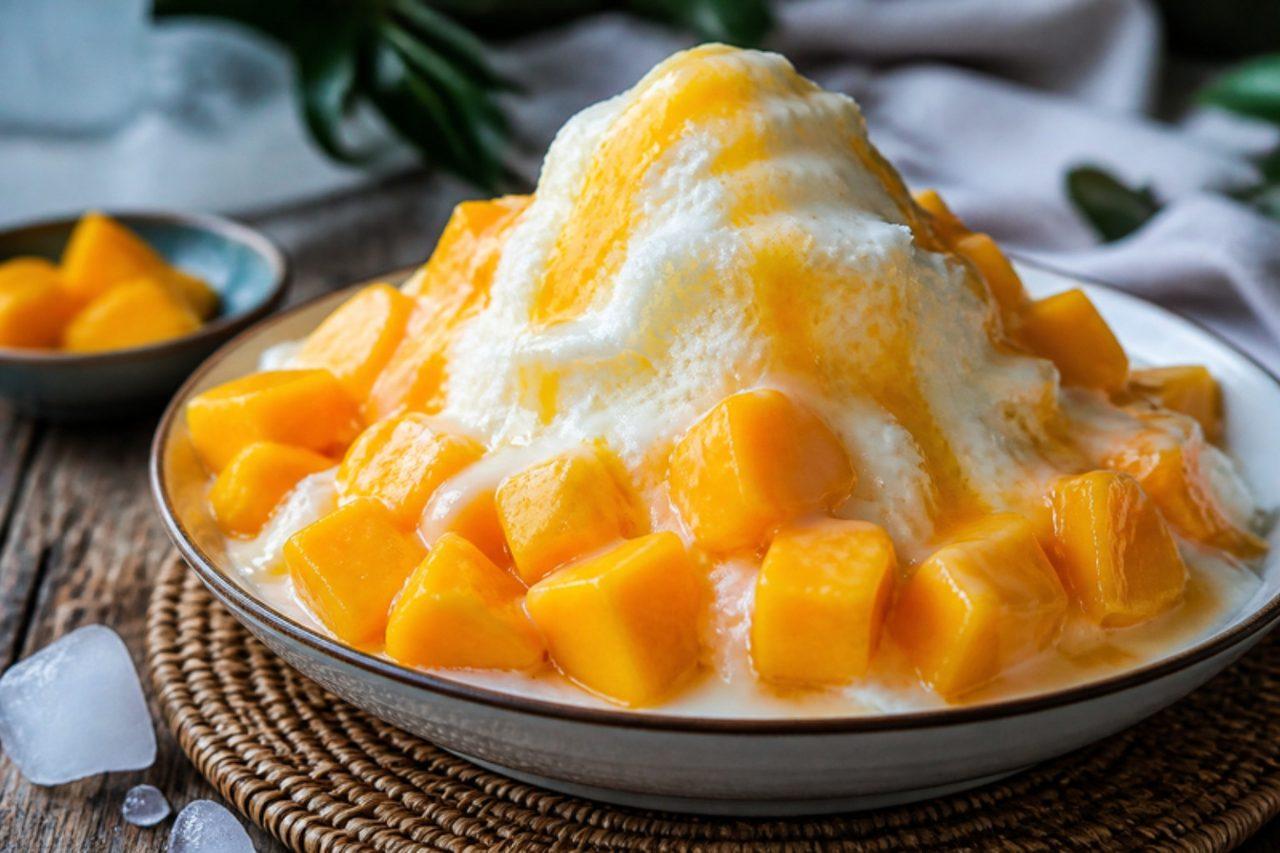
Mango shaved ice

Every summer, from late May to September, the dessert shops of Taipei's Yongkang Street have queues that stretch round the corner for one thing: a mountain of feathery milk ice buried under cubes of ripe Aiwen mango. The ice is frozen milk shaved so thinly it melts on the tongue like snow, and it's drenched in mango syrup and sweetened condensed milk, often with a scoop of mango sorbet on top. At home, freeze the milk base the night before; the active work then takes about 15 minutes. Shaving the block straight from the freezer is a common mistake, as it splinters into icy shards; let it soften for 5 minutes so it curls into ribbons. Chef's tip: chill the serving bowls in the freezer too, so the snow holds its height while you add the toppings.

by KrazyBadal 0 views

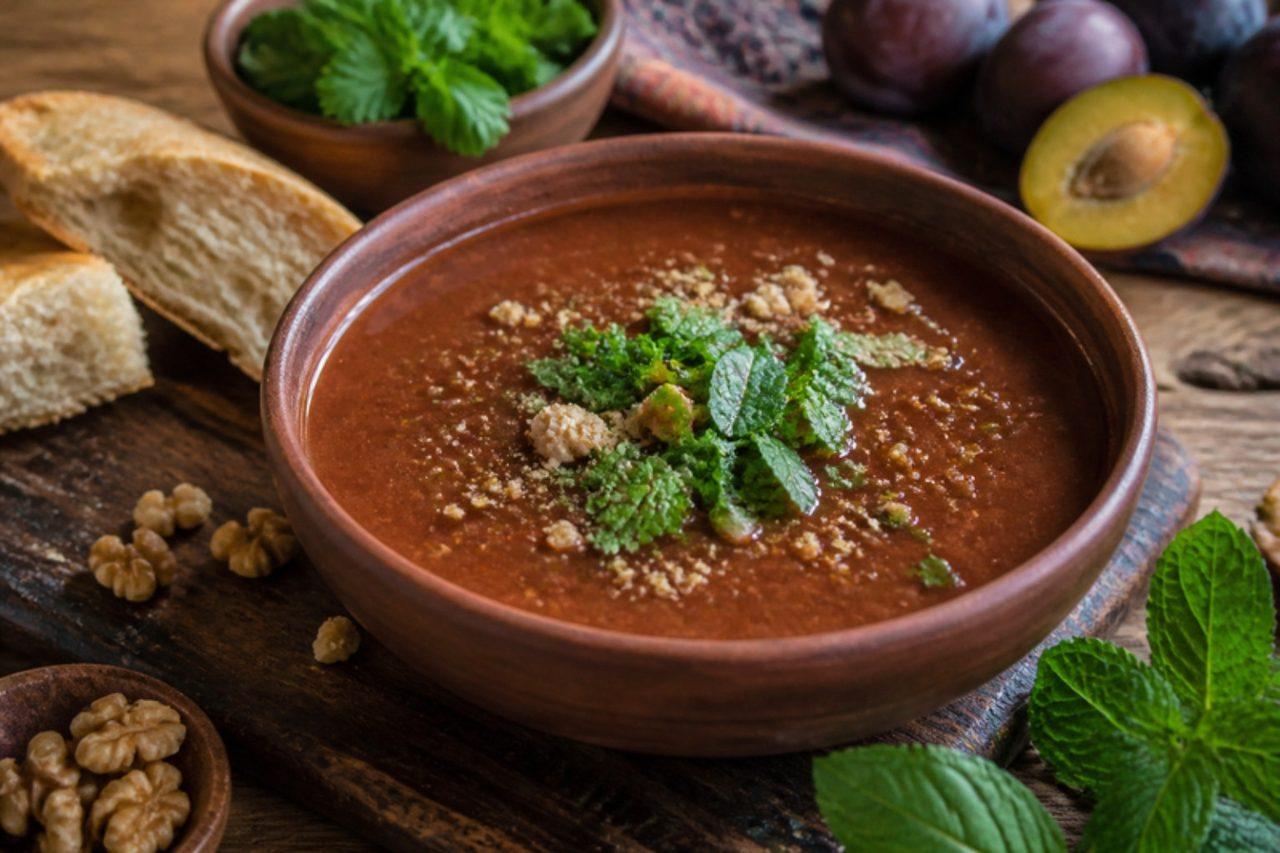
Tklapi soup

Tklapi are thin sheets of plum purée dried on boards in the late-summer sun around Kutaisi, rolled up and hung from rafters for the winter; dissolved in hot water, they turn into a sharp, fruity base for soups and sauces. This Imeretian Lenten soup is made in the cold months when fresh fruit is gone, thickened with walnuts and lifted with coriander, mint and garlic. If you cannot find tklapi, use dried sour plum leather or a mix of tkemali sauce and prunes. A common mistake is boiling the soup hard after the walnuts go in; they turn oily and the soup splits. Chef's tip: soak the tklapi in hot water first and rub it through a sieve, so the soup is smooth and free of stones or skins.

by KrazyBadal 0 views

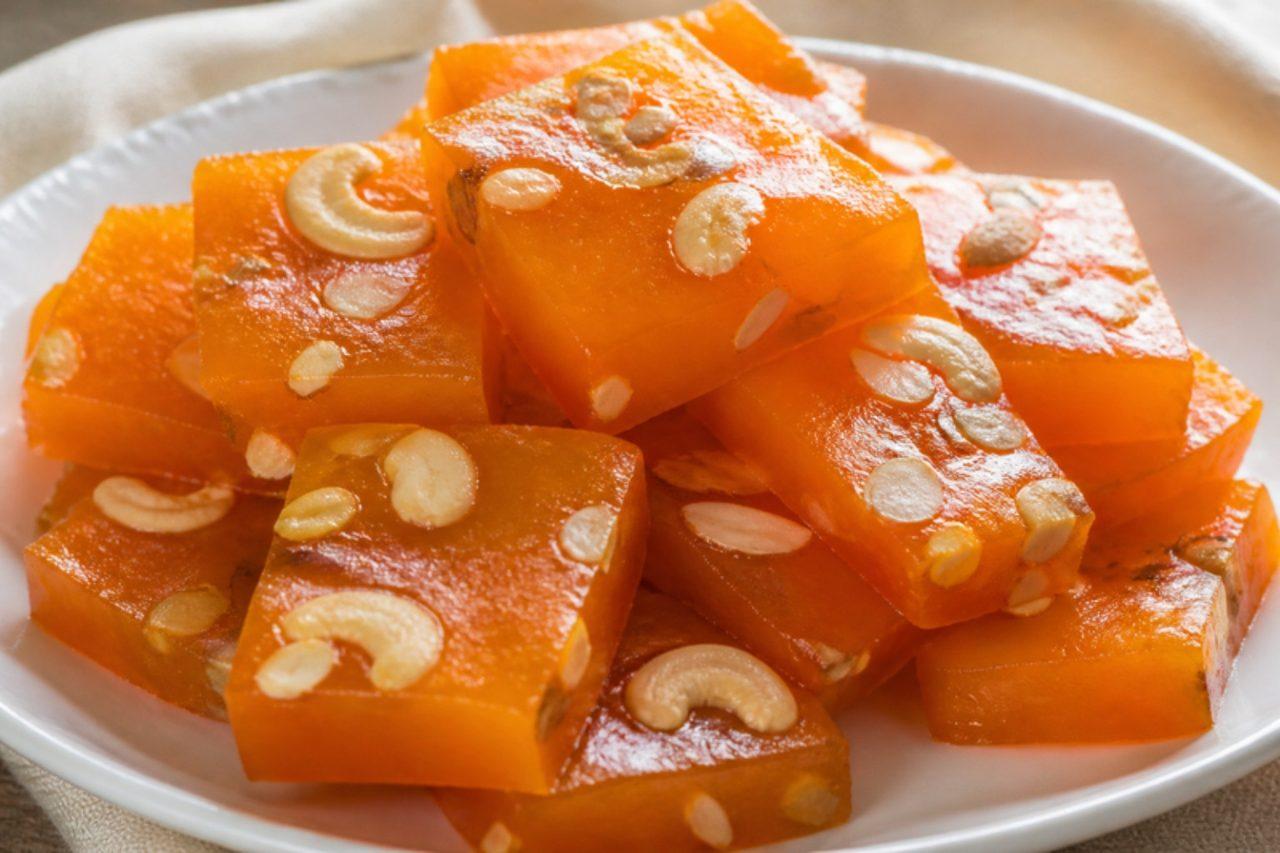
Karachi halwaCornflour halwa

Glassy, jewel-bright and chewy like a Turkish delight with more bite, Karachi halwa is the sweet that the city's mithai shops on Saddar and Tariq Road stack in orange, green and red slabs studded with cashews and melon seeds, and it travels well as a gift to family abroad. It is made from cornflour cooked with sugar syrup and lemon until it turns clear, then fed with ghee spoon by spoon until it shines and pulls away from the pan in one elastic mass. Across the border it is called Bombay halwa, and in Pakistan it is a staple for weddings, Eid and Diwali sweet boxes from the Hindu shops of Sindh. Lots of cooks lose their nerve and stop before the halwa has absorbed all the ghee and turned translucent, and it sets cloudy and sticky. Chef's tip: work the halwa with a flat wooden spatula and add the ghee only when the previous spoonful has disappeared; when the ghee starts to leak back out, it is done.

by KrazyBadal 0 views

Date squares

Date squares are on the tea table in every Canadian church hall and school bake sale, called carrés aux dattes in Quebec and matrimonial cake in the West. A buttery oat crumble is pressed into a tin, spread with a soft date filling and covered with more crumble, then baked until golden. They keep for days and freeze well. A common mistake is spreading the dates while hot onto loose crumb, which makes the base soggy; press the base firmly. Chef's tip: add a strip of orange zest to the dates for a brighter flavour.

by KrazyBadal 0 views

KapamaPork, chicken and sauerkraut feast pot

In the stone houses of Bansko, beneath the Pirin mountains, kapama is the dish of the winter holidays, carried to the table in its clay pot at Christmas, New Year and the masked Kukeri carnival. Pork shoulder, chicken on the bone and fresh pork sausage are layered with sauerkraut, rice and paprika, then sealed and baked for hours until the meat falls apart and the rice has soaked up the tangy, smoky juices. Old cooks seal the lid with a rope of dough; this version uses foil under a tight lid, which keeps it gluten free. Serve with extra sauerkraut and pickled peppers. The usual slip is lifting the lid too often, which lets out the steam and dries the top layer. Chef's tip: taste a strand of the sauerkraut first and rinse it only if it is very salty; its sourness is the backbone of the dish.

by KrazyBadal 0 views

Svanetian salt

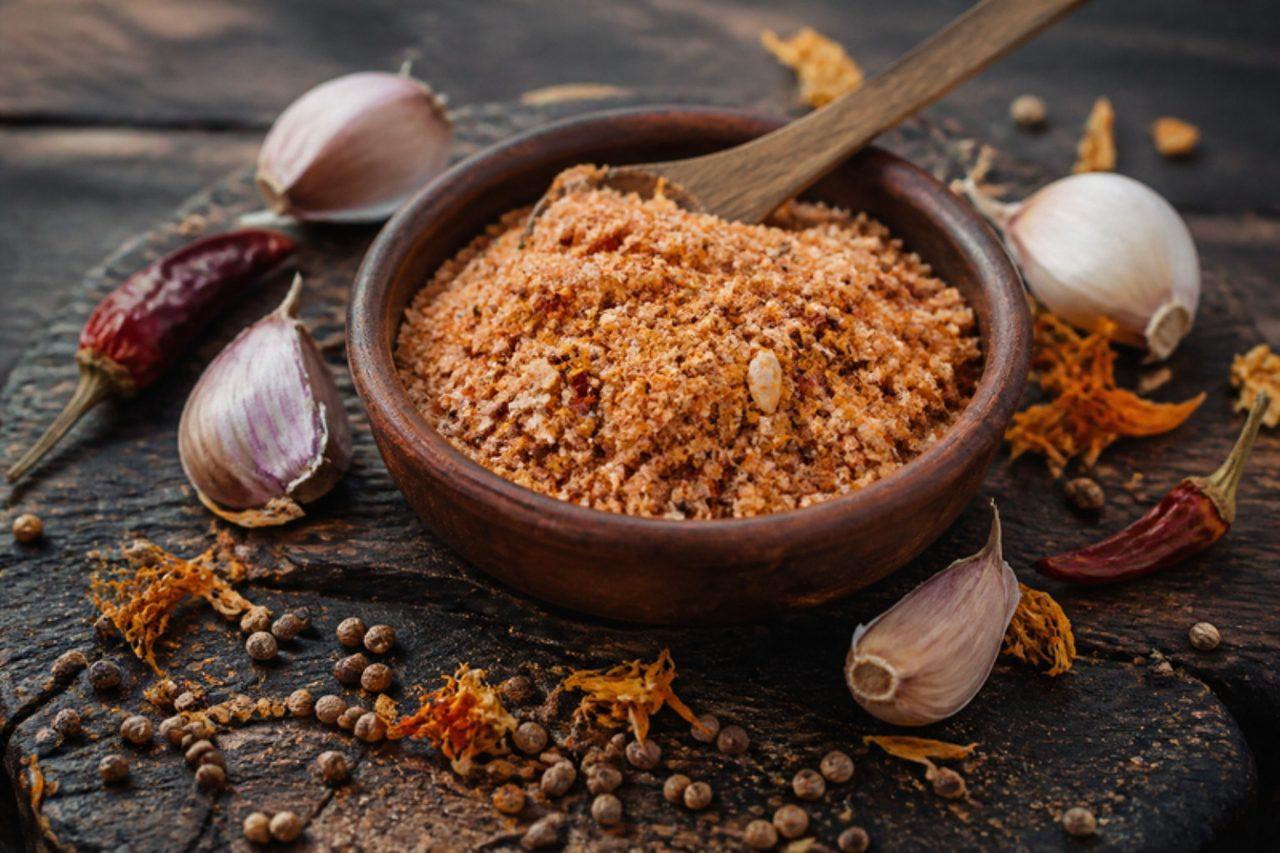
In the stone-towered villages of upper Svaneti, salt was precious and families stretched it by grinding it with garlic and the spices that grow on their slopes: blue fenugreek, coriander seed, dried dill seed, marigold and hot pepper. The result is a fragrant, damp, greenish salt that every Svan kitchen keeps in a jar, rubbed on potatoes, stirred into soups or sprinkled on tomatoes and cucumbers. A common mistake is using fine table salt, which turns to paste; coarse salt grinds the garlic and dries it at the same time. Chef's tip: spread the finished salt on a tray and let it dry for a day before jarring, so it keeps for months.

by KrazyBadal 0 views

Maple syrup pie

Tarte au sirop d'érable closes many a family meal in Quebec at Easter and through the sugaring season, a cousin of the sugar pie made with real maple syrup. The filling of syrup, cream and egg bakes into a soft, trembling, caramel-brown layer that tastes deeply of maple. Slice it thin; it is rich. A spoonful of crème fraîche or plain whipped cream cuts the sweetness. A common mistake is skipping the blind bake, which leaves a soggy base. Chef's tip: take the pie out while the centre still wobbles like jelly; it sets as it cools and over-baking makes it weep.

by KrazyBadal 0 views

Burmese palataLayered flatbread

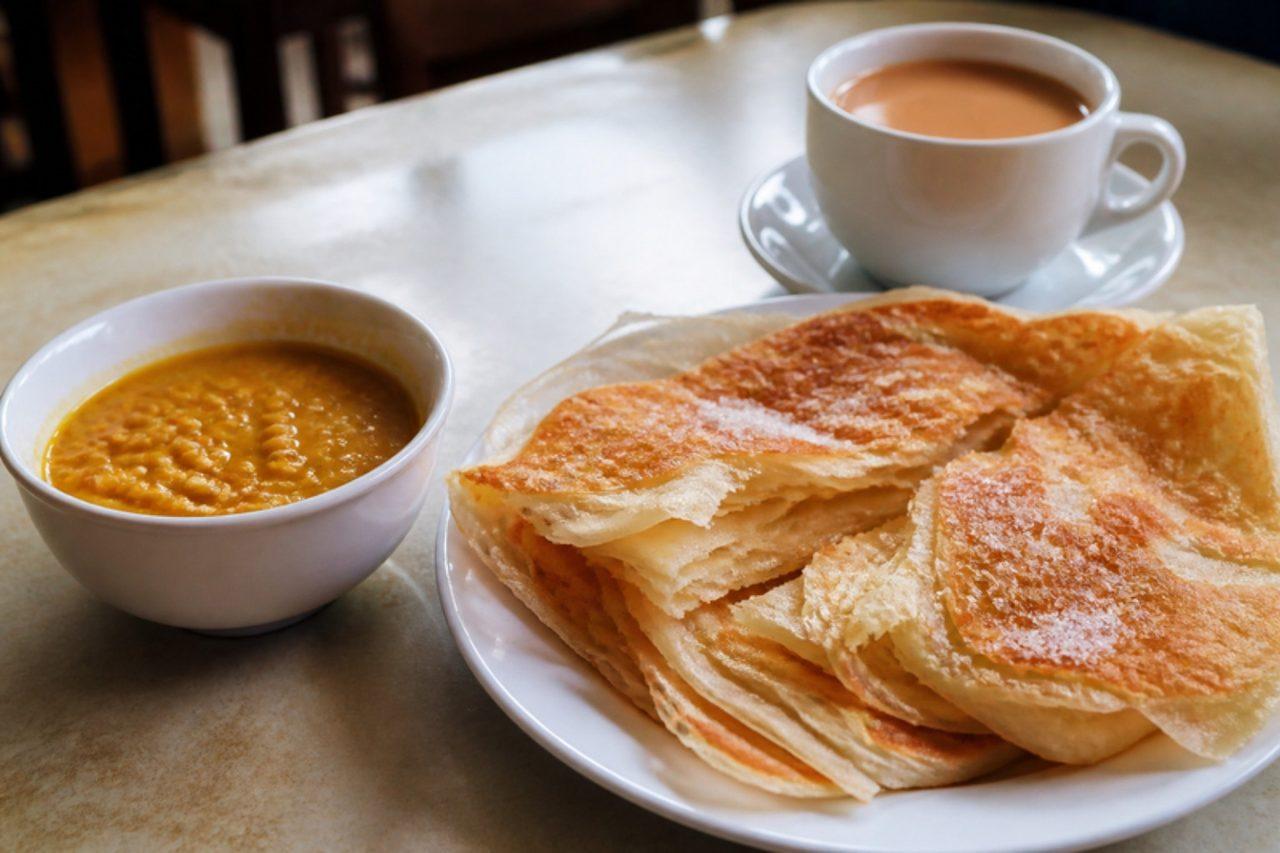
Indian-Burmese tea shops around Yangon's Sule Pagoda and Mandalay's 84th Street fry palata from early morning until late at night on wide, oiled griddles, the cook stretching each ball of dough until you can see through it before folding it into coils of layers. The bread comes out crisp and blistered outside, soft and chewy within, and it is eaten two ways: sprinkled with sugar as a sweet snack with milky tea, or torn and dipped into a curry or a bowl of split-pea dal. Rushing the rest is where it fails; dough that hasn't relaxed in oil for at least an hour tears when you stretch it, and the layers never form. Chef's tip: once the palata is cooked, scrunch it between your palms while still hot; it breaks the coils apart into flaky layers.

by KrazyBadal 0 views

Karađorđeva šniclaBreaded stuffed pork roll

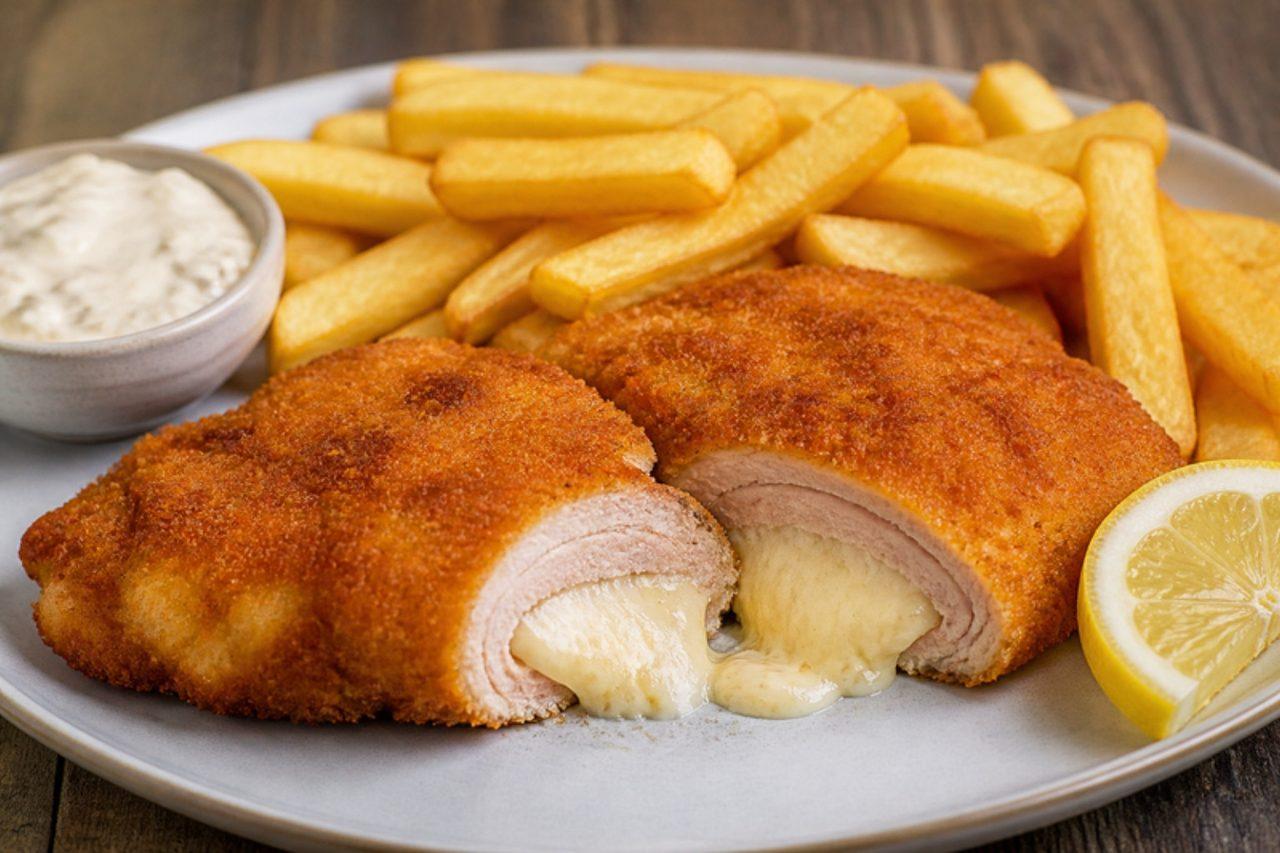
Belgrade restaurants have served this since a local chef created it in the mid-20th century, naming it after Karađorđe, leader of the First Serbian Uprising; diners fondly call it the maiden's dream. A thin pork escalope (veal is the other classic) is spread with kajmak, Serbia's rich, slightly tangy clotted cream, rolled tight, double-breaded and fried into a golden log that oozes when cut. It comes with chips or roast potatoes, a lemon wedge and tartar sauce. If you can't find kajmak, beat cream cheese with a little soft butter and a pinch of salt. Rolling it loosely is the mistake that ruins it, because the cream escapes into the oil; roll tightly and chill before breading. Chef's tip: fry only until golden, then finish in the oven, so the crumb stays crisp while the pork cooks through to the centre.

60 minBalkanMeat
by KrazyBadal 0 views

Tarragon lemonade

Tarkhuna is the emerald-green soda that every Tbilisi child knows, sold from street fountains since the early 1900s and still poured in tall glasses at cafés on Rustaveli Avenue. The bottled kind is coloured; the home version gets its green from blitzing fresh tarragon with lemon and syrup, giving an aniseedy, sweet-sour fizz. A common mistake is boiling the tarragon, which dulls the colour and turns the flavour stewed. Chef's tip: blitz the herb into cool syrup and strain it straight away; the drink stays vivid green for a day in the fridge.

by KrazyBadal 0 views

Lac-Saint-Jean blueberry pie

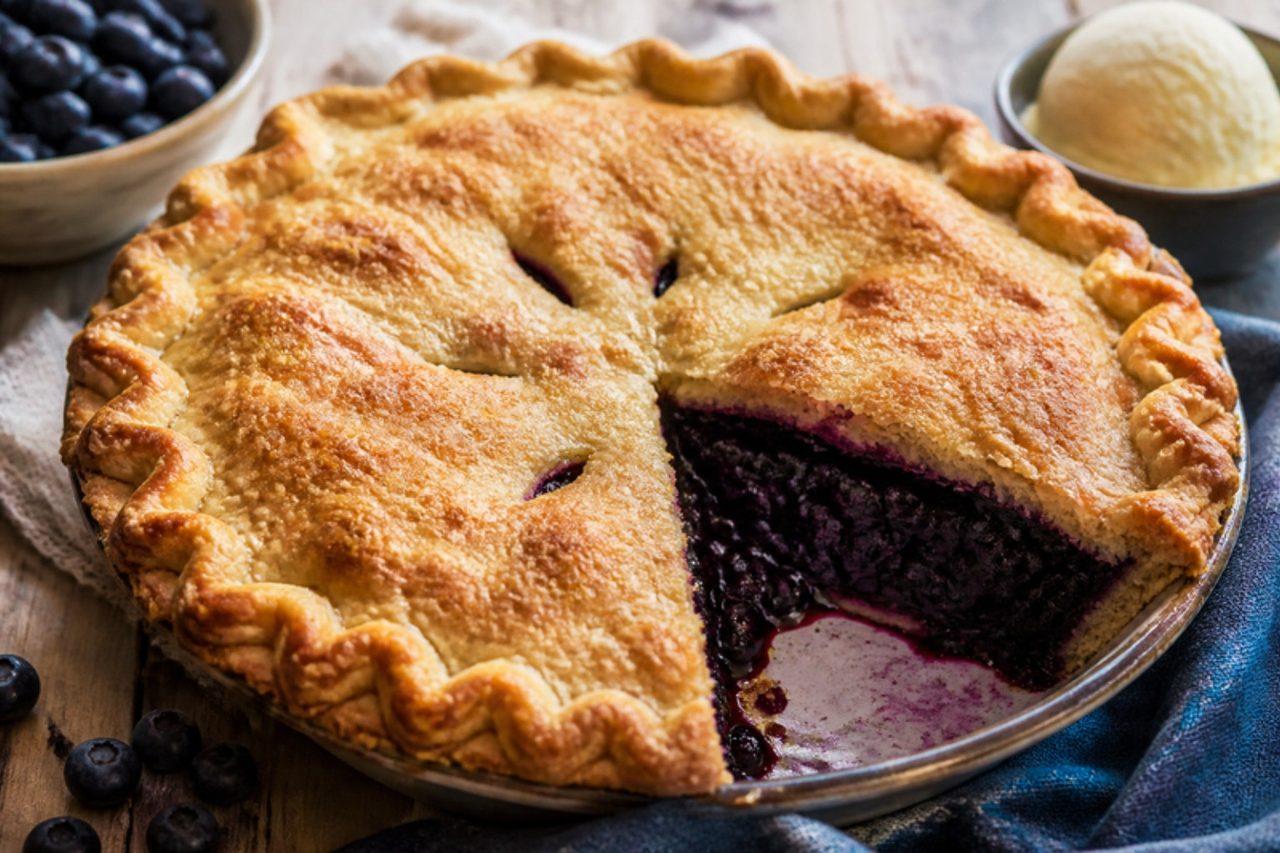
Around Lac-Saint-Jean in Quebec the low wild blueberries ripen in August, and the region is so proud of them that locals are nicknamed bleuets. Every church supper and roadside casse-croûte there sells a deep tarte aux bleuets with a flaky top crust and a dark, jammy filling that holds when sliced. Wild berries are smaller and more intense than cultivated ones and frozen wild berries work well. Serve slightly warm with vanilla ice cream or a jug of cream. A common mistake is skimping on the cornflour, which leaves a soupy filling. Chef's tip: let the pie cool for at least three hours so the juices set; cut it hot and the filling runs all over the plate.

by KrazyBadal 0 views

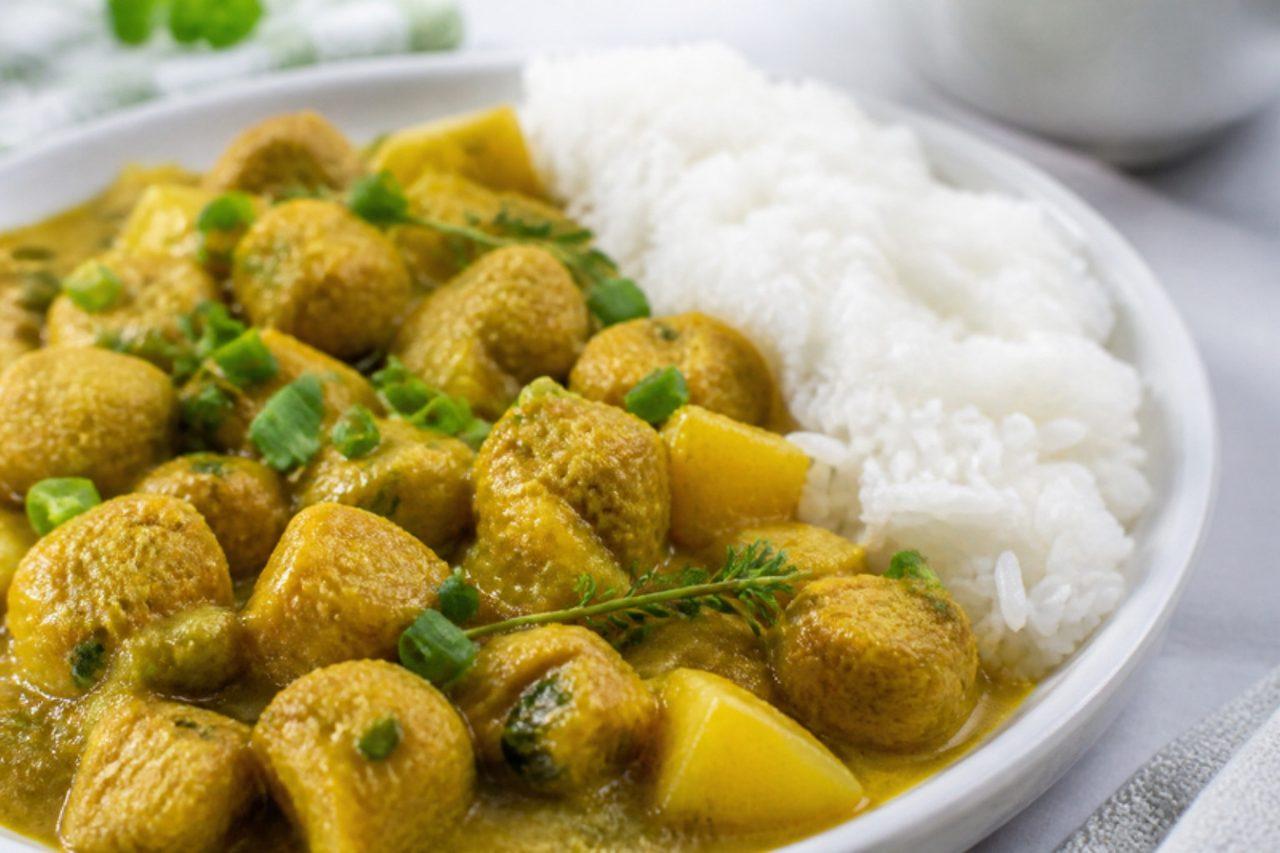
Jamaican curried soy chunks

Ital cookshops in Half Way Tree and Papine sell curried "chunks" by the box with brown rice, steamed cabbage and a slice of ripe plantain, the Rastafarian answer to curry goat. The dried soya pieces soak up a deep, turmeric-gold sauce of Jamaican curry powder, thyme, pimento and coconut milk, and the potato thickens it as it breaks down. Most people skip squeezing the soaked chunks, which leaves them watery and bland; wring them out hard so they drink in the curry instead. Leave the scotch bonnet whole for warmth, or slit it for real heat. Chef's tip: fry the curry powder in the oil until it darkens a shade before anything wet goes in, the Jamaican "burn the curry" step that stops it tasting raw.

by KrazyBadal 0 views

Jamaican red pea soup

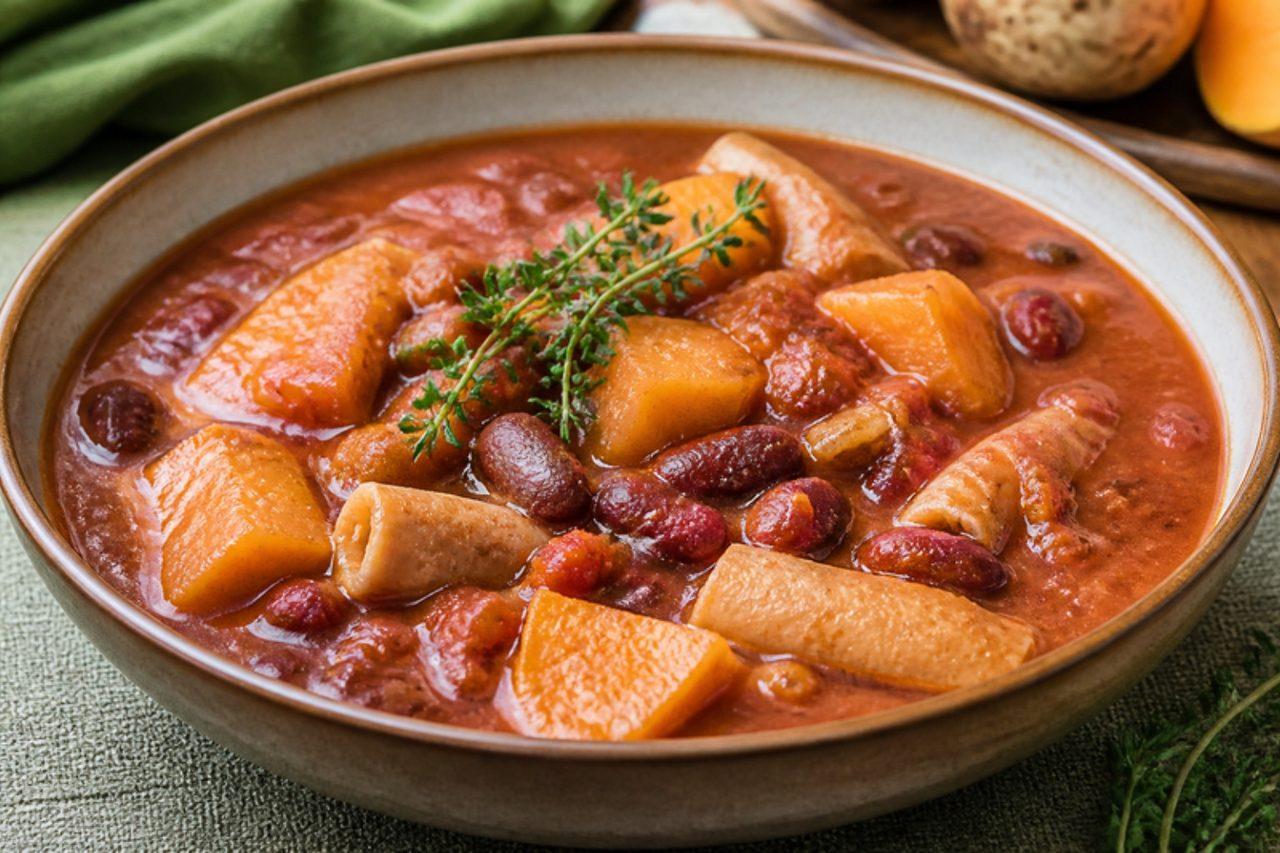
Saturday in many Jamaican homes means a big pot of red peas soup, thick enough to stand a spoon in and finished with chewy spinner dumplings. Outside Rasta households it usually carries pig's tail or salted beef; this is the ital version, where coconut milk, pimento, thyme and a smoky handful of browned onion do the savoury work. Dried kidney beans must be soaked and then boiled hard for at least 10 minutes before simmering, as undercooked red kidney beans are toxic, and many cooks spoil the soup by adding salt too early, which keeps the skins tough. Serve it on its own as a full meal. Chef's tip: mash a ladleful of cooked beans against the side of the pot near the end to give the soup its creamy body without any flour.

by KrazyBadal 0 views

Jamaican soursop juice

Soursop punch is a Sunday-dinner drink in Jamaica, made when a ripe, soft soursop comes from the market or a yard tree, and it is also sold in bottles at roadside juice stands. The white, custardy pulp tastes of pineapple, banana and strawberry all at once, and blended with milk, nutmeg and vanilla it becomes thick and creamy. The common mistake is blending the black seeds, which taste bitter and should not be eaten; always pick them out by hand. Chef's tip: use a fruit that gives softly all over when pressed, like a ripe avocado.

by KrazyBadal 0 views

Maple cream

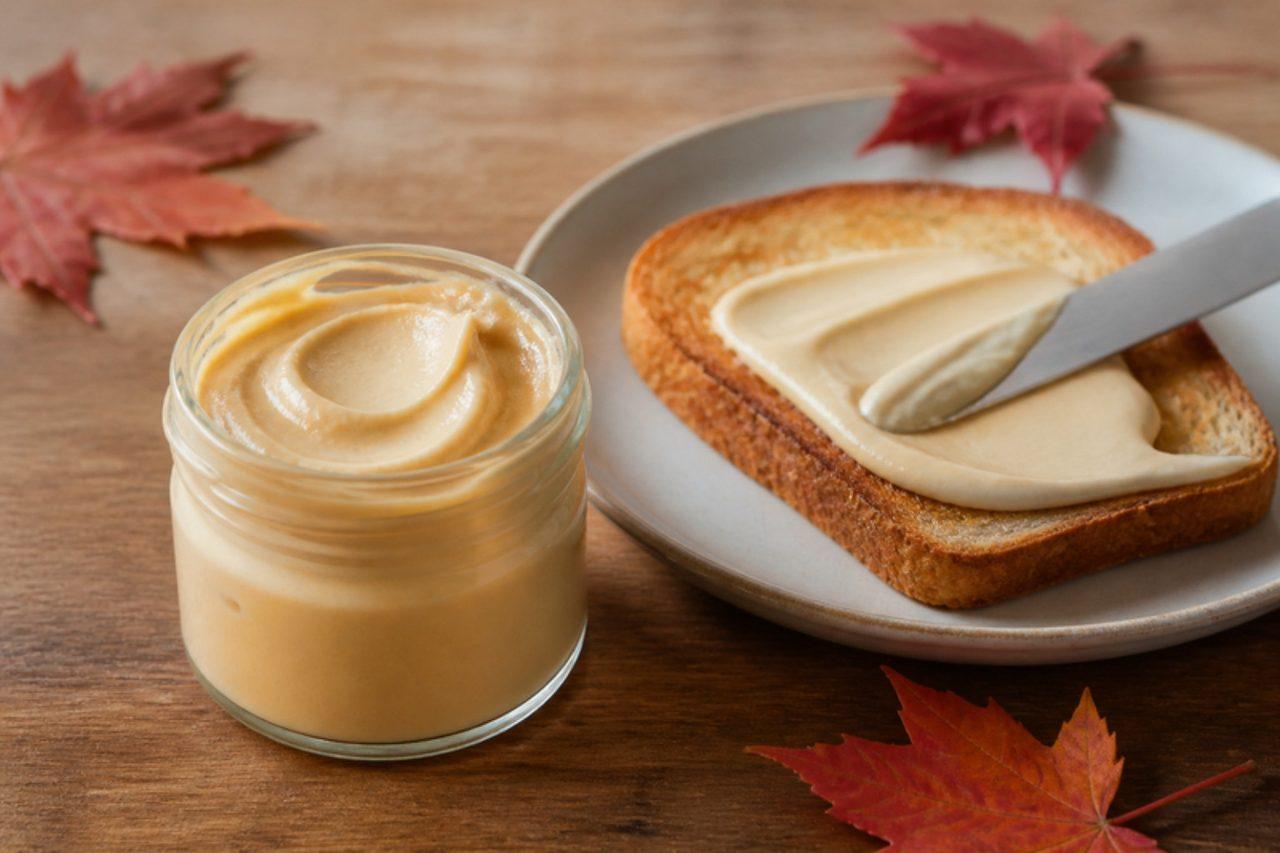
Crème d'érable is sold in little jars in every Quebec market from Jean-Talon to the Beauce farm stands, and despite the name there is no cream in it: pure maple syrup is boiled to the soft-ball stage, cooled without stirring and then beaten until it turns pale and creamy. It is spread on toast, crêpes and warm bagels. Patience and a thermometer are the whole trick. The common mistake is stirring the syrup while it cools, which sets off large grainy crystals instead of a smooth cream. Chef's tip: use a light, golden syrup; dark syrups taste stronger but can stay runny.

by KrazyBadal 0 views

Zoom-koomGinger tamarind millet drink

Zoom-koom means flour water in Mooré, and in Ouagadougou it is the drink that breaks the fast at iftar during Ramadan and cools people down in the scorching weeks before the rains. Millet gives it body and a soft cereal sweetness, while fresh ginger brings heat and tamarind a sour edge; some sellers add lime or mint. It is cloudy, thick and refreshing, served very cold in small bags or glasses. Raw flour is not safe to drink as it is, so this version toasts the millet first, which also deepens its flavour. Chill for at least an hour before serving. Chef's tip: stir the jug every time you pour, as the millet settles quickly to the bottom.

by KrazyBadal 0 views

Chicken tabaka

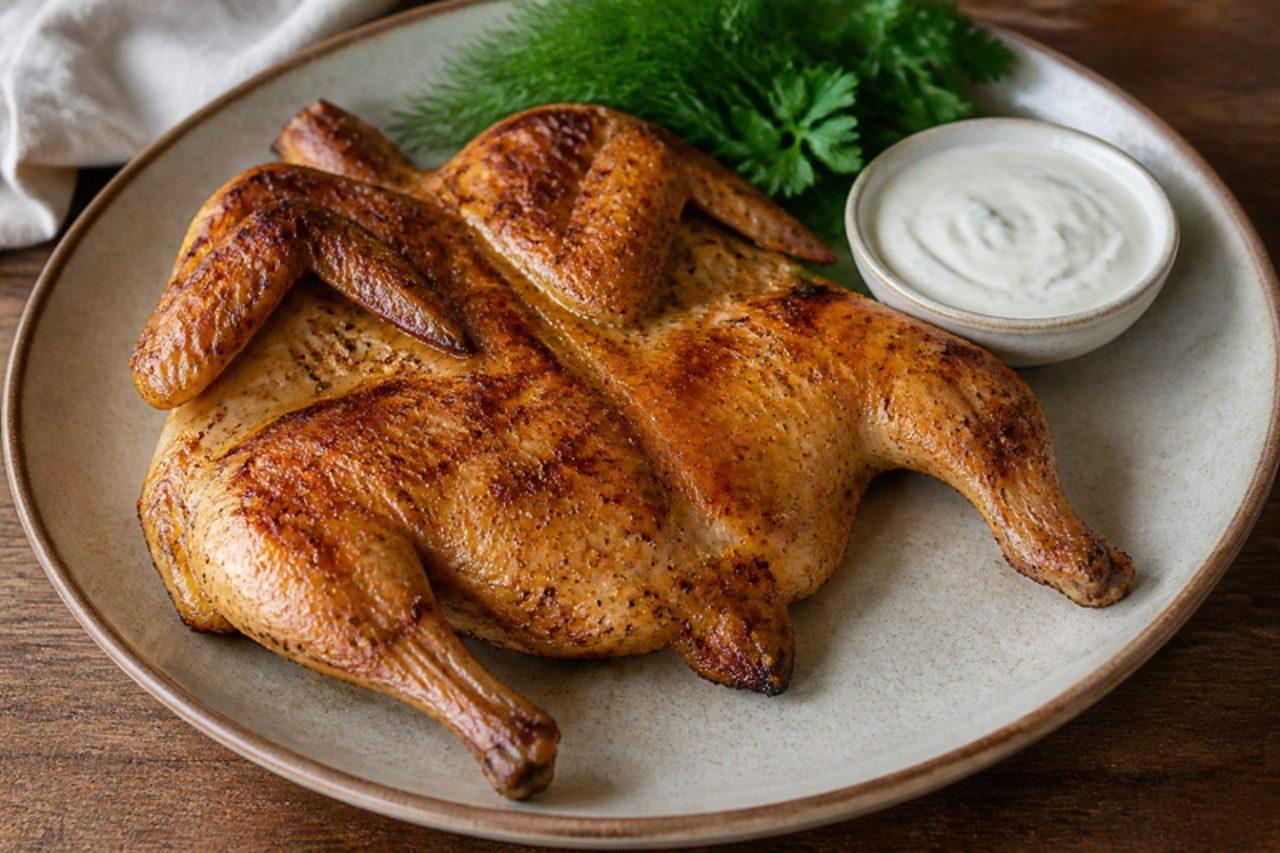
Tsitsila tabaka is named after the tapa, a heavy cast-iron pan with a screw-down lid that Tbilisi cooks use to press a split spring chicken flat as it fries, so every bit of skin touches the hot metal and turns golden and crackling. In old Tbilisi restaurants it comes with a little jug of garlic water (niortskali) and satsebeli tomato sauce. A common mistake is using a big chicken, which takes so long that the skin burns before the inside cooks; a small poussin is right. Chef's tip: a heavy saucepan filled with water works as the weight at home. Chicken is done when the thickest part of the thigh reaches 74 °C.

by KrazyBadal 0 views

Jamaican pumpkin soup

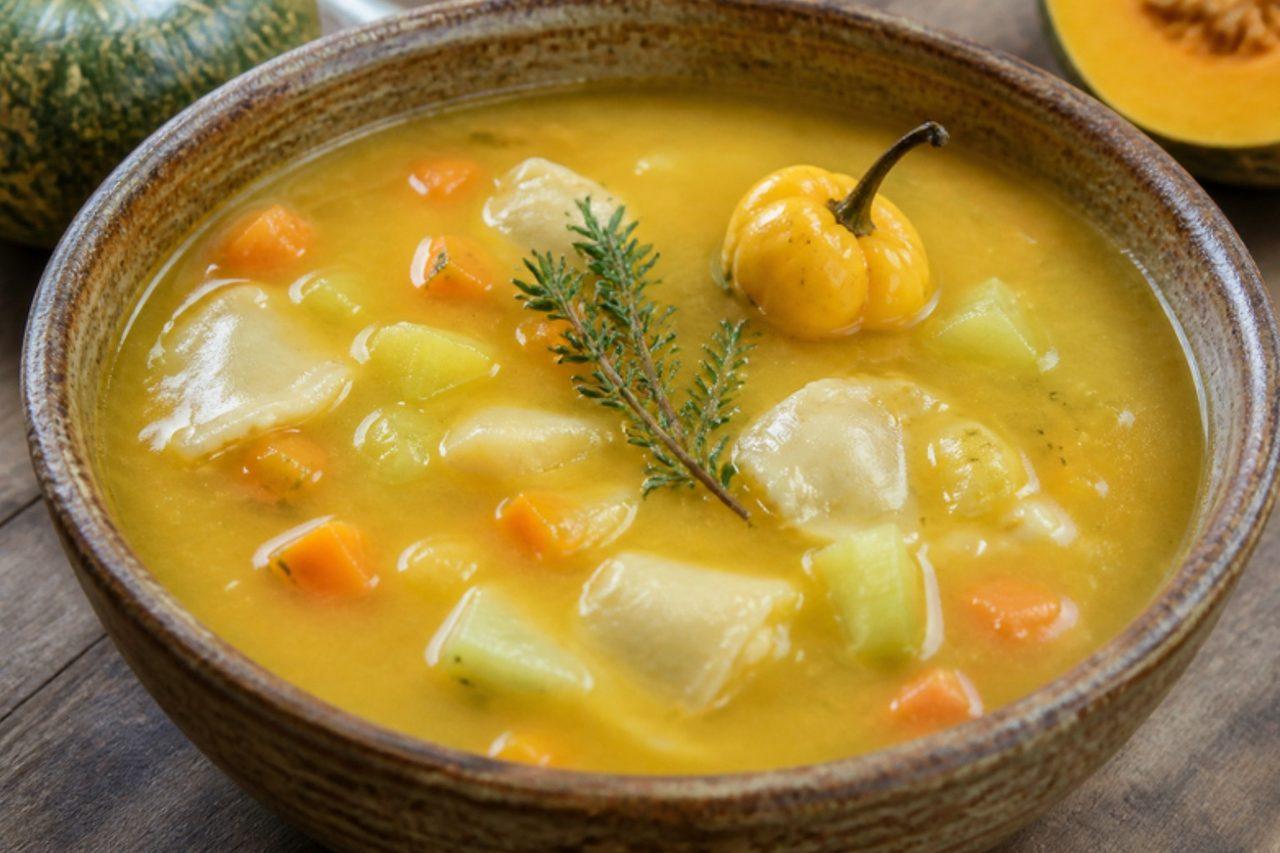
Ital kitchens in the Blue Mountains cook pumpkin soup on cool evenings, when the mist comes down over the coffee farms and something golden and peppery is needed. This one is meat-free and dairy-free: calabaza, carrot and chocho simmer with thyme, scallion and pimento until the pumpkin breaks down into a thick, naturally sweet broth, with a few spinners for chew. People often add the scotch bonnet already cut, which can make the whole pot ferociously hot; drop it in whole and take it out when the soup tastes right. Chocho (chayote) is optional, and courgette is a fair swap. Chef's tip: leave the soup chunky rather than blending; Jamaicans like to see the pieces of pumpkin collapsing into it.

by KrazyBadal 0 views

Burus shapikCheese-filled flatbreads

Burus is the soft, crumbly fresh cheese of Hunza, made in summer pastures by heating the buttermilk left after churning until it curdles, and shapik means bread; together they make one of the valley's best-loved meals, a pair of thin wholewheat rounds sealed around a filling of cheese, onion, coriander, mint and green chilli. In Gojal and central Hunza it is cooked on a griddle for family lunch, for guests and for the walk up to the high pastures, and it is eaten hot, brushed with butter, with a cup of salty tea. Overfilling is the beginner's mistake; the dough tears and the filling leaks onto the pan. Chef's tip: crumbled paneer or well-drained cottage cheese works well in place of burus; paneer needs no rennet, but check cottage cheese is labelled vegetarian.

by KrazyBadal 0 views

Dziriettes (almond flower pastries)

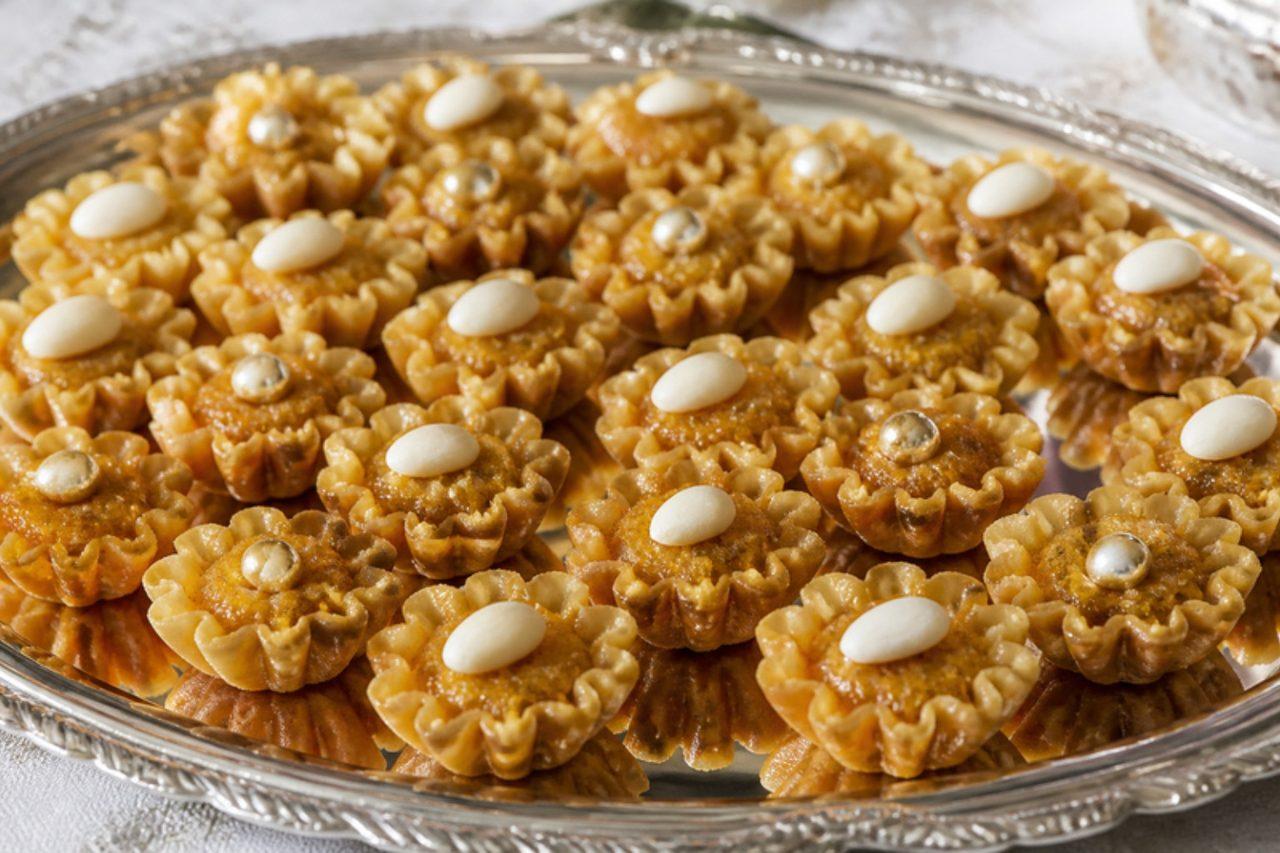
Named after the women of Algiers, dziriettes are the jewels on any wedding or Eid tray: thin, crisp pastry pinched into a flower or crown, filled with a dome of almond paste scented with orange blossom, then baked and soaked in warm honey. They take patience, but the result is delicate and fragrant, with a shatter of pastry giving way to a soft, moist almond centre. Families often make a few hundred over several evenings, together, before a celebration, and serve them with mint tea or coffee. Chef's tip: roll the dough so thin you can almost see the worktop through it; thick pastry is the commonest mistake and turns dziriettes stodgy instead of crisp.

by KrazyBadal 0 views

Griwech (honey-dipped pastry knots)

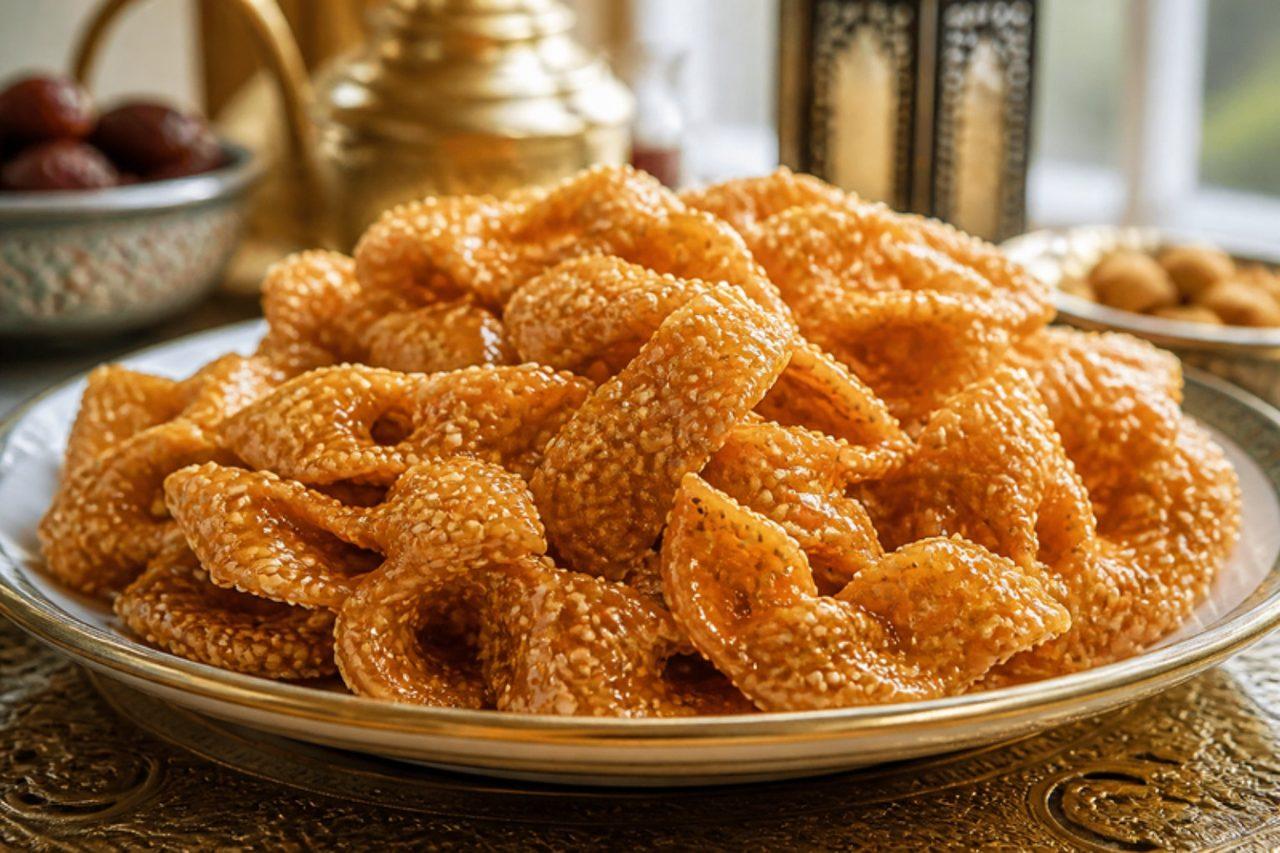
No Ramadan table in Algeria feels complete without a plate of griwech next to the chorba, ready for the sweet craving that follows the fast. Thin sheets of dough are cut into rectangles, slit and twisted into knots, fried until crisp and golden, then plunged into warm honey and scattered with toasted sesame. Each piece snaps cleanly, then melts into a sticky, orange-blossom sweetness. Batches are made days ahead and kept in tins for visitors through the month and on into Eid. Chef's tip: keep the oil at 170 °C; oil that is too hot is the usual mistake, colouring the outside before the layers inside crisp, so the griwech goes soft in the honey.

by KrazyBadal 0 views

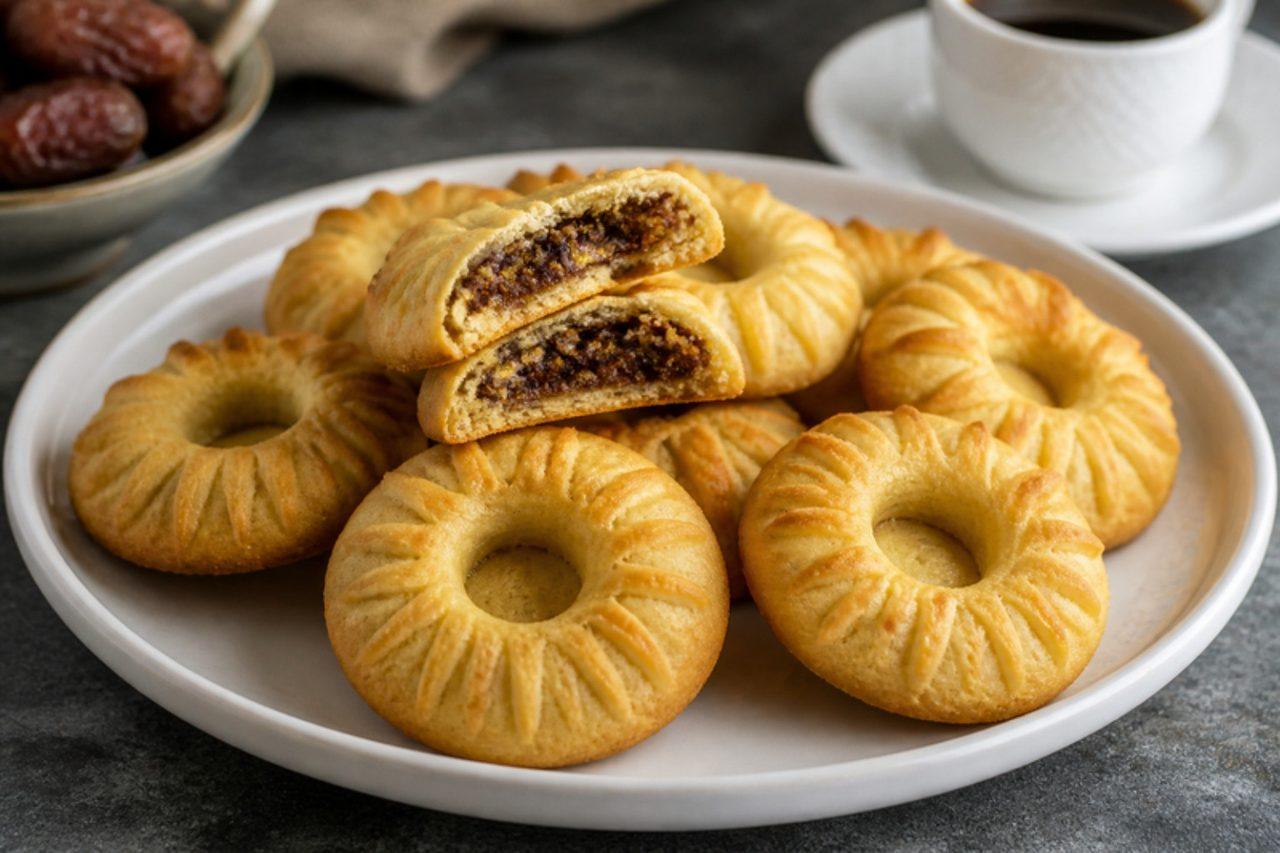
Ka'ak nakache (date-filled semolina rings)

Constantine bakers own a special brass tweezer, the nakache, just for decorating these rings: a rope of buttery semolina dough is wrapped round spiced date paste, joined into a circle and pinched along the top into chevrons and leaves. Baked pale, ka'ak nakache is crisp and short outside with a soft, cinnamon and clove scented filling, a classic of Eid trays and of the coffee served to guests in the old city. Without the tweezer, a fork or the back of a small knife makes a good pattern. Chef's tip: let the buttered semolina rest for at least 30 minutes before adding water; skipping the rest is the usual mistake, and the rings crack as you shape them.

by KrazyBadal 0 views

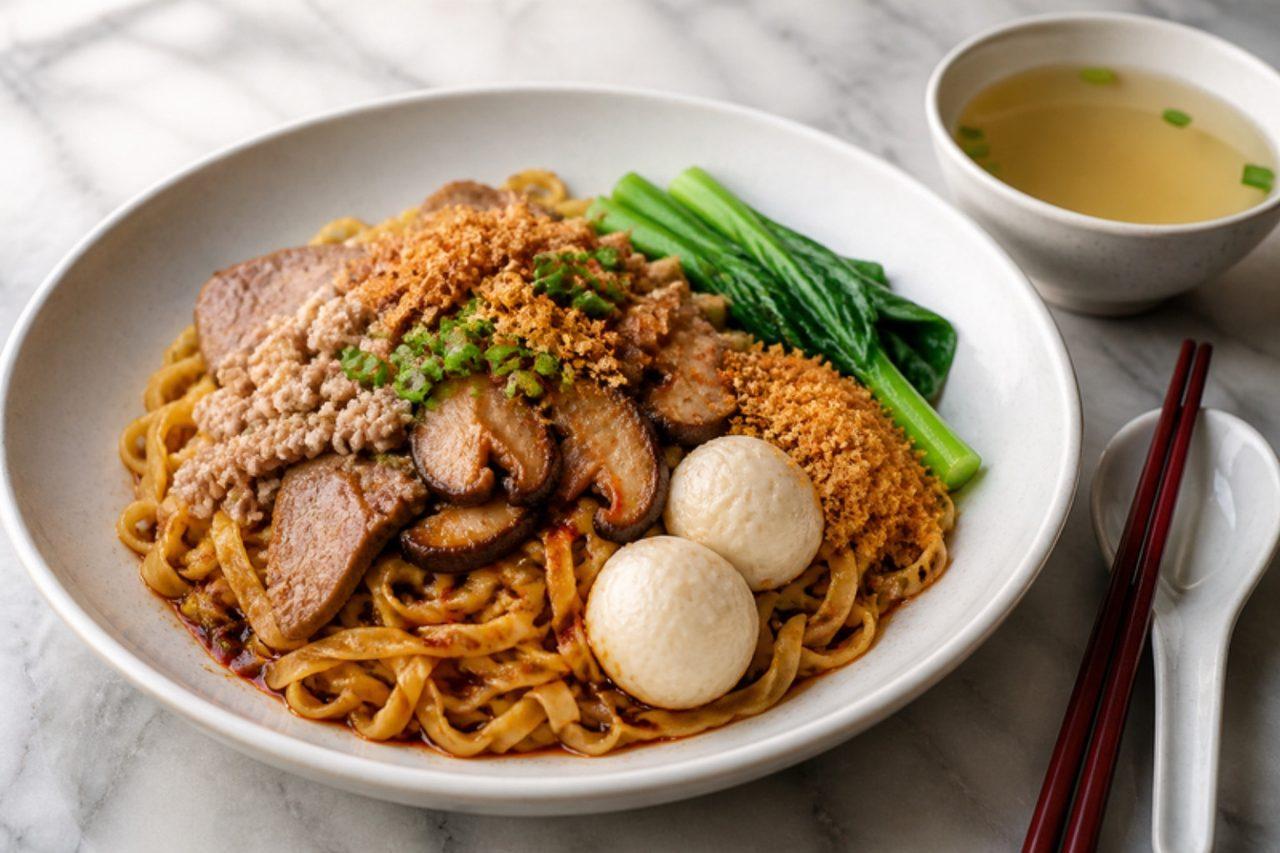
Bak chor meeMinced pork noodles

Queue at almost any Teochew noodle stall in a Singapore kopitiam before work and the order you hear most is a bowl of bak chor mee, dry, with extra vinegar. Springy flat mee pok is tossed at the bottom of the bowl in black vinegar, chilli paste, soy and a spoon of pork lard, then crowned with loosely poached minced pork, slices of pork liver, fish balls and sweet braised mushrooms, with a small bowl of clear pork soup on the side. It should taste sour first, then hot, then rich, and the noodles must stay bouncy rather than soft. Where most home cooks go wrong is cooking the noodles in one long boil: they turn limp and soak up the sauce instead of carrying it. Chef's tip: blanch the noodles twice, plunging them into cold water in between, which is how the hawkers get that al dente snap.

by KrazyBadal 0 views

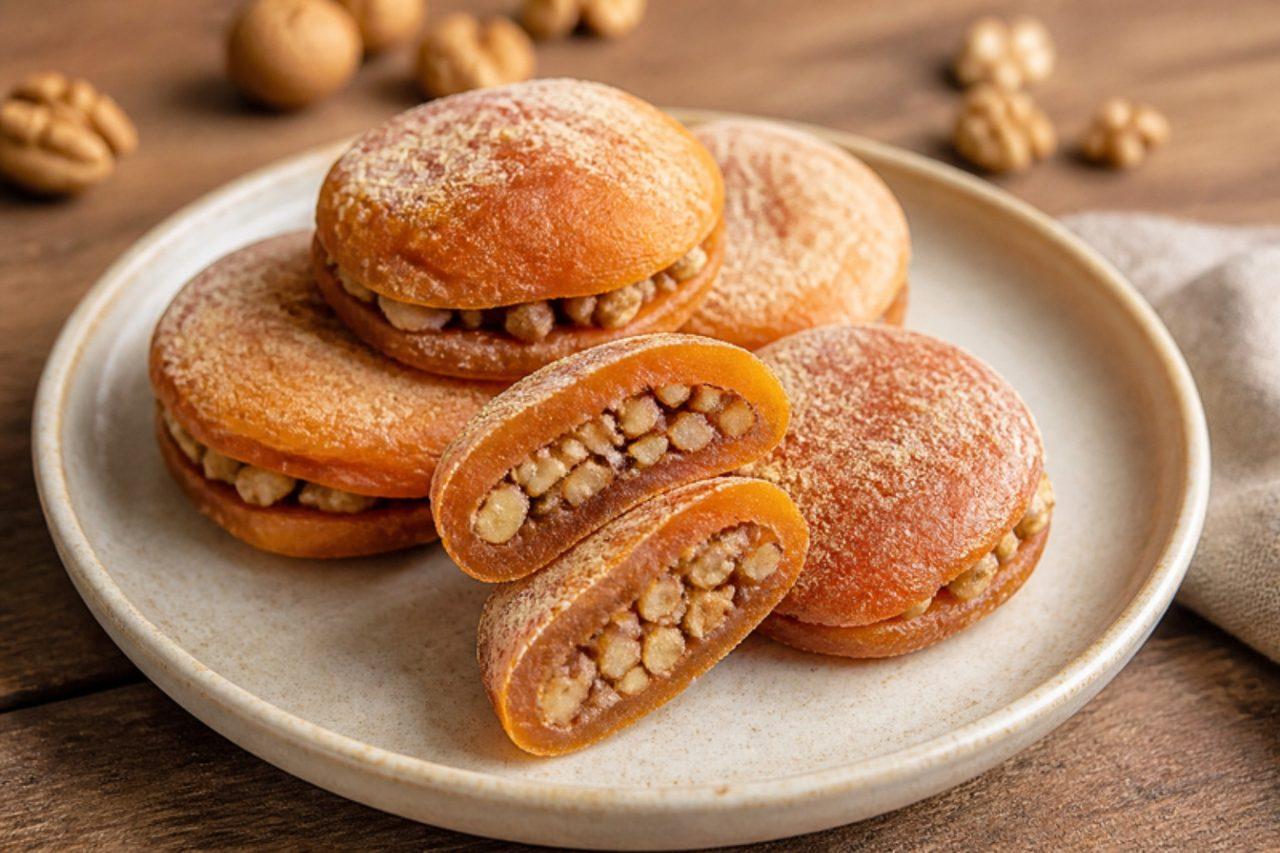
AlaniWalnut-stuffed dried peaches

Every autumn in the Ararat Valley, the orchards below Mount Ararat produce more peaches than can be eaten fresh, so families split them, dry them in the sun and then stuff them with a mixture of crushed walnuts and sugar, pressing them closed again. The finished alani are sold on strings at Yerevan's covered market and given as gifts at New Year, chewy, sweet and nutty. At home, start with good soft dried peaches. A common mistake is using very dry, leathery fruit, which cracks when you open it. Chef's tip: steam the peaches for 2 minutes first, so they turn soft and pliable and close neatly around the filling.

by KrazyBadal 0 views

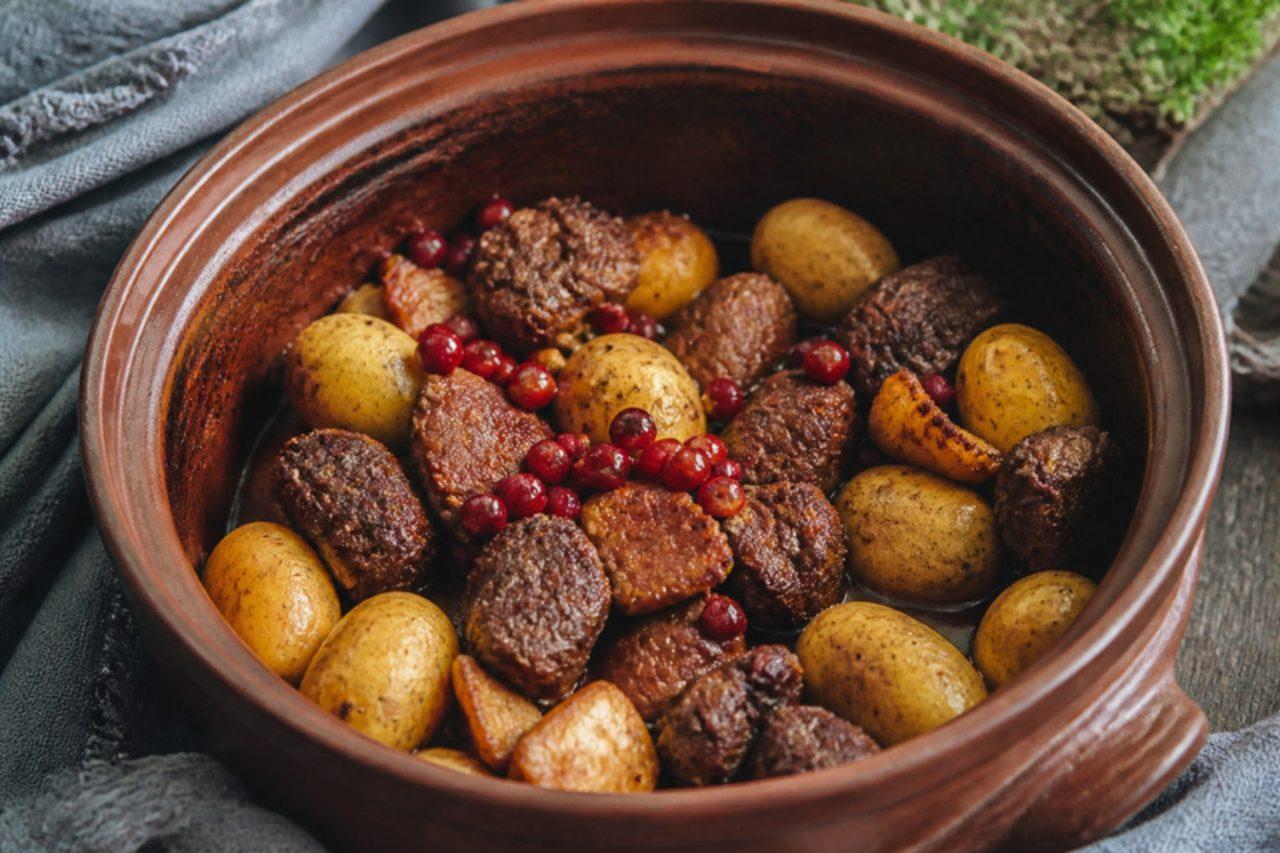
KarjalanpaistiBeef and pork hotpot

Karjalanpaisti, the Karelian hotpot, is one of Finland's national dishes, cooked for Independence Day, family celebrations and Christmas: chunks of beef and pork, sometimes lamb, layered with onion, whole allspice and bay, covered with water and baked slowly for hours in a clay pot until the meats are falling apart in a rich, peppery broth. This dish contains pork. It is served with mashed potato and lingonberries. A common mistake is a hot oven, which toughens the meat. Chef's tip: do not stir or brown the meat; Karelian cooks let it bake low and slow, and the long cooking alone gives the deep flavour.

by KrazyBadal 0 views

Rougag (Saharan paper-thin flatbread)

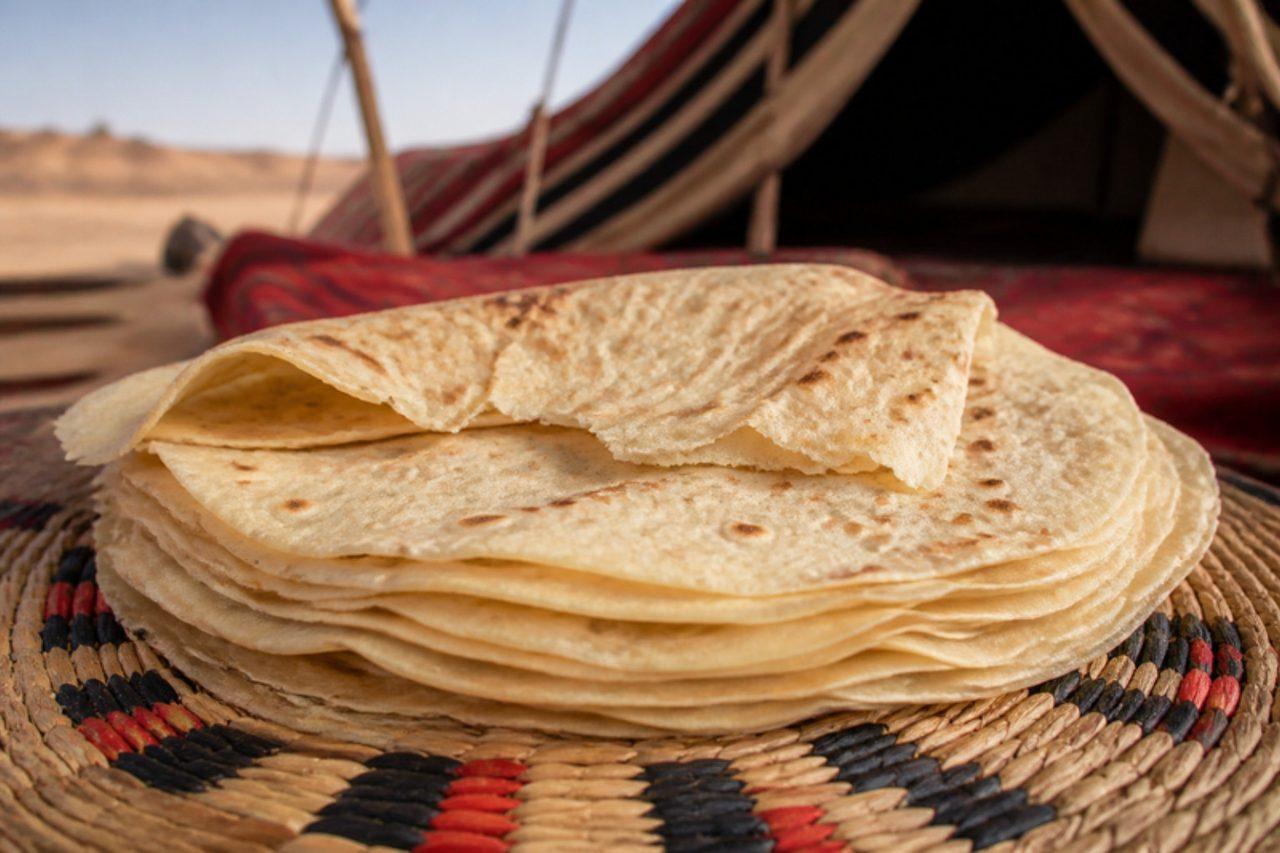
Across the oases of the Algerian Sahara, from Biskra to Ouargla, women spread a soft semolina dough over a domed griddle so thin that light shows through it, then lift the sheet off within a couple of minutes. Rougag is the base of chakhchoukha and rfis, torn into pieces and soaked in sauce, but fresh sheets are also eaten folded around dates or a spoon of stew. Freshly made it is soft and flexible with toasty brown blisters; left to dry, it keeps for weeks in a tin. An upturned wok or a large non-stick pan stands in for the griddle. Chef's tip: oil your hands, not the pan; dough that is not wet enough to stretch is the common mistake, so it should feel almost too sticky to handle.

by KrazyBadal 0 views

KategnaCrisp spiced injera

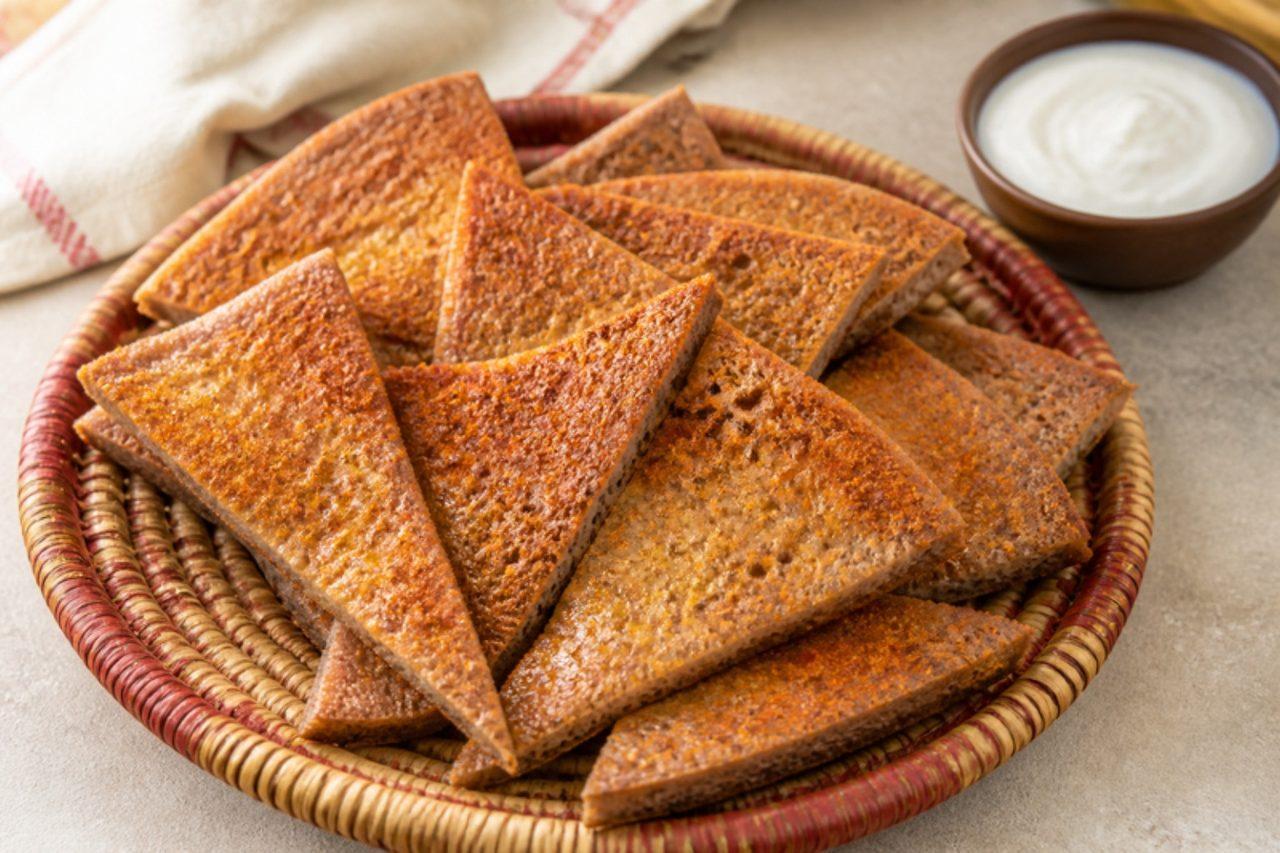
Kategna is what Ethiopian restaurants put on the table while the main order is still cooking: injera painted with niter kibbeh and a bold layer of berbere, toasted until the edges shatter, then rolled tight and cut into pieces. Every bite is crunchy at the rim, chewy in the middle, buttery and properly hot. In Addis Ababa homes it is a snack with coffee or a late breakfast, and it goes well with a cooling spoon of ayib or ergo. Unlike anababero, it is a single injera and is meant to be crisp, so the pan stays on the heat a little longer. Chef's tip: mix the berbere into the melted butter rather than sprinkling it dry; dry spice on a hot pan scorches in seconds and turns bitter.

by KrazyBadal 0 views

Bein montJaggery coconut rice pancake

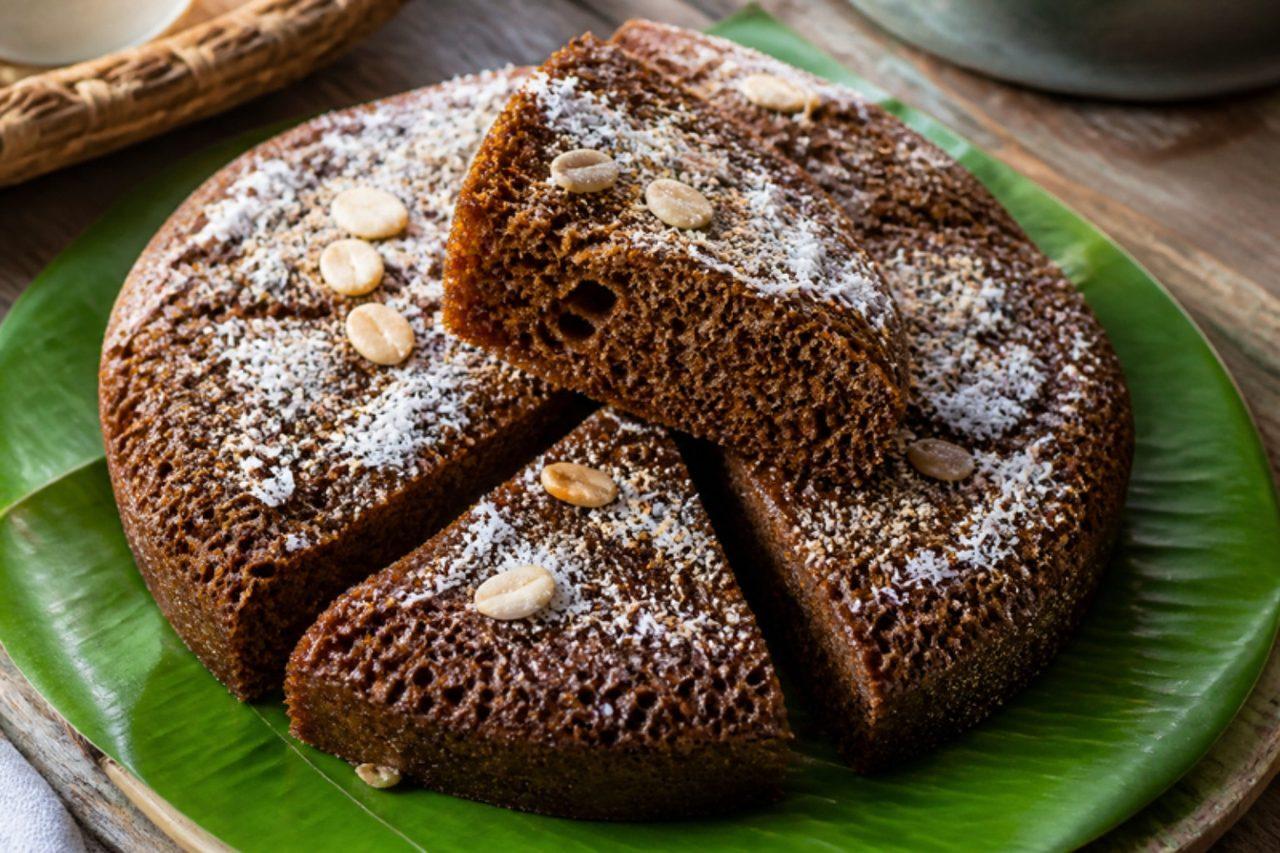
When the November nights cool down for the Tazaungdaing festival, food stalls outside pagodas in Yangon and Mandalay start cooking bein mont in small, lidded iron pans with embers piled on top, so the cake bakes from above and below at once. The batter is rice flour sweetened with dark jaggery, so it cooks into a thick, springy, brown pancake with a crisp base, studded on top with shreds of coconut and sliced peanuts; some vendors still scatter poppy seeds, the bein that may have given the snack its name. It is eaten warm in wedges with hot green tea. High heat is what usually goes wrong: the base scorches while the centre stays raw, so keep the flame low and the lid on. Chef's tip: a small cast-iron pan finished under the grill copies the charcoal top heat at home.

by KrazyBadal 0 views

Barley water

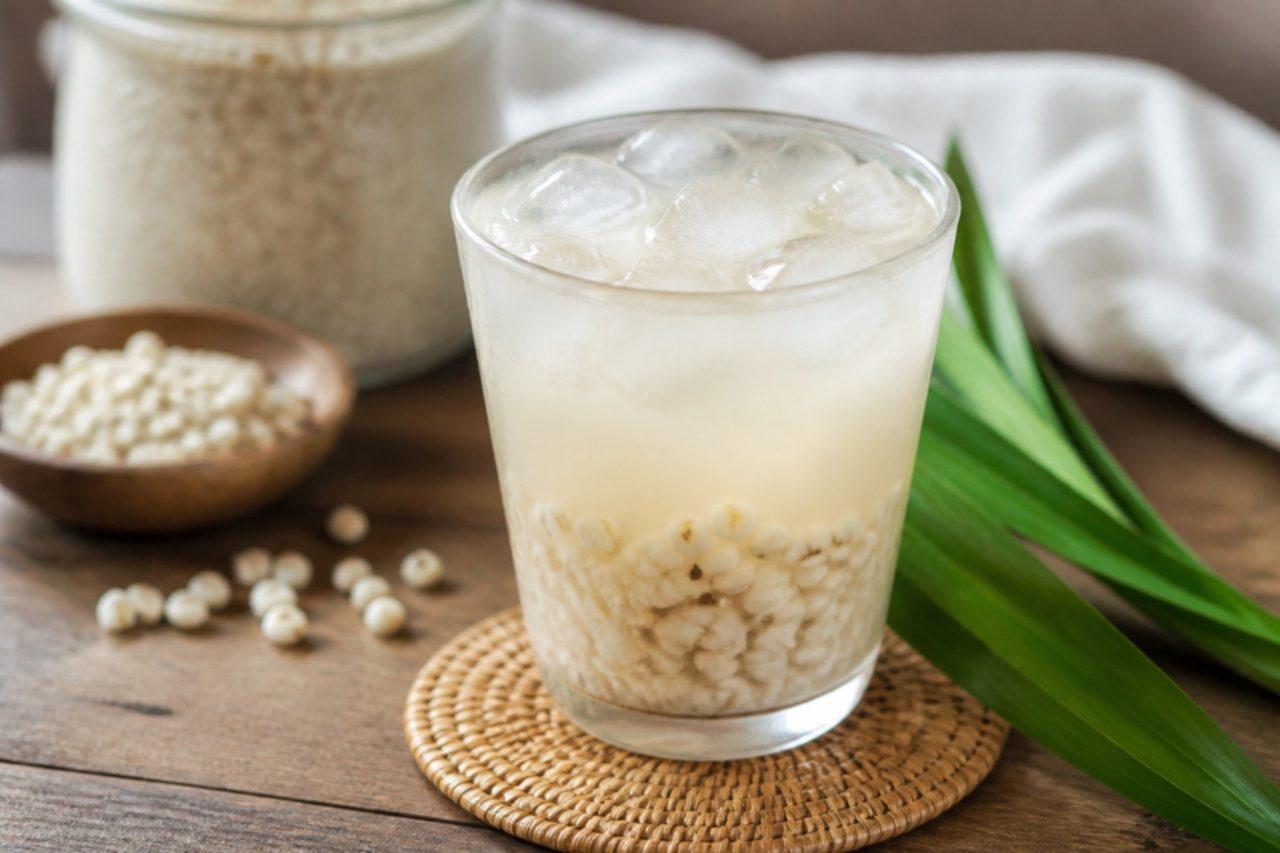
Ask for 'barley' at any drinks stall in a Singapore kopitiam and you get a tall glass of cloudy, faintly sweet barley water, the drink older relatives swear by on the hottest afternoons because it is said to cool the body. Home cooks simmer pearl barley for an hour with knotted pandan leaves, and in Teochew and Cantonese households chunks of winter melon go in as well for a gentle, cucumber-like sweetness. The result is light and clean, ideal beside a plate of chicken rice, char kway teow or anything greasy and salty. The usual mistake is boiling it hard, which turns the liquid starchy and slimy instead of smooth and pale; keep it at a gentle simmer. Chef's tip: don't throw away the softened barley grains; spoon some into each glass, as the stalls do, or eat them warm with a little rock sugar as a light dessert.

by KrazyBadal 0 views

Mbesses (Kabyle semolina cake)

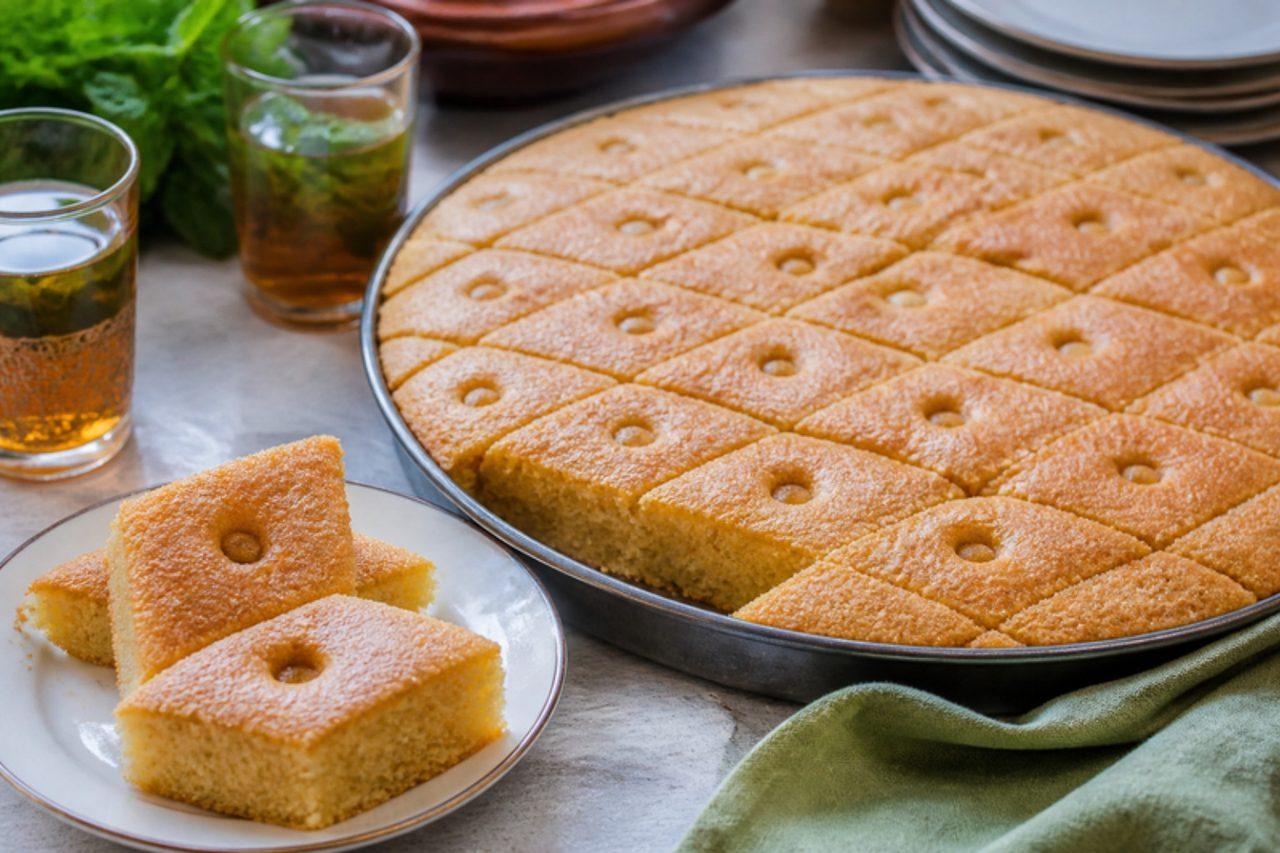
Somewhere between shortbread and cornbread, mbesses is the plain cake of Kabyle kitchens, a shallow tray of semolina rich with melted butter, lightly sweetened and baked until golden on top. The texture is sandy and tender, breaking into crumbs that taste of toasted grain and butter, with a hint of orange blossom. It is cut into diamonds and served with milky coffee in the afternoon, or offered to guests who drop by during Ramadan evenings. Some households scatter sesame or nigella seeds over the top before baking. Chef's tip: spread the mixture into the tray with a light hand; pressing it down hard is the most common mistake and gives a dense, heavy cake.

by KrazyBadal 0 views

Kancha aam makhaSpiced green mango

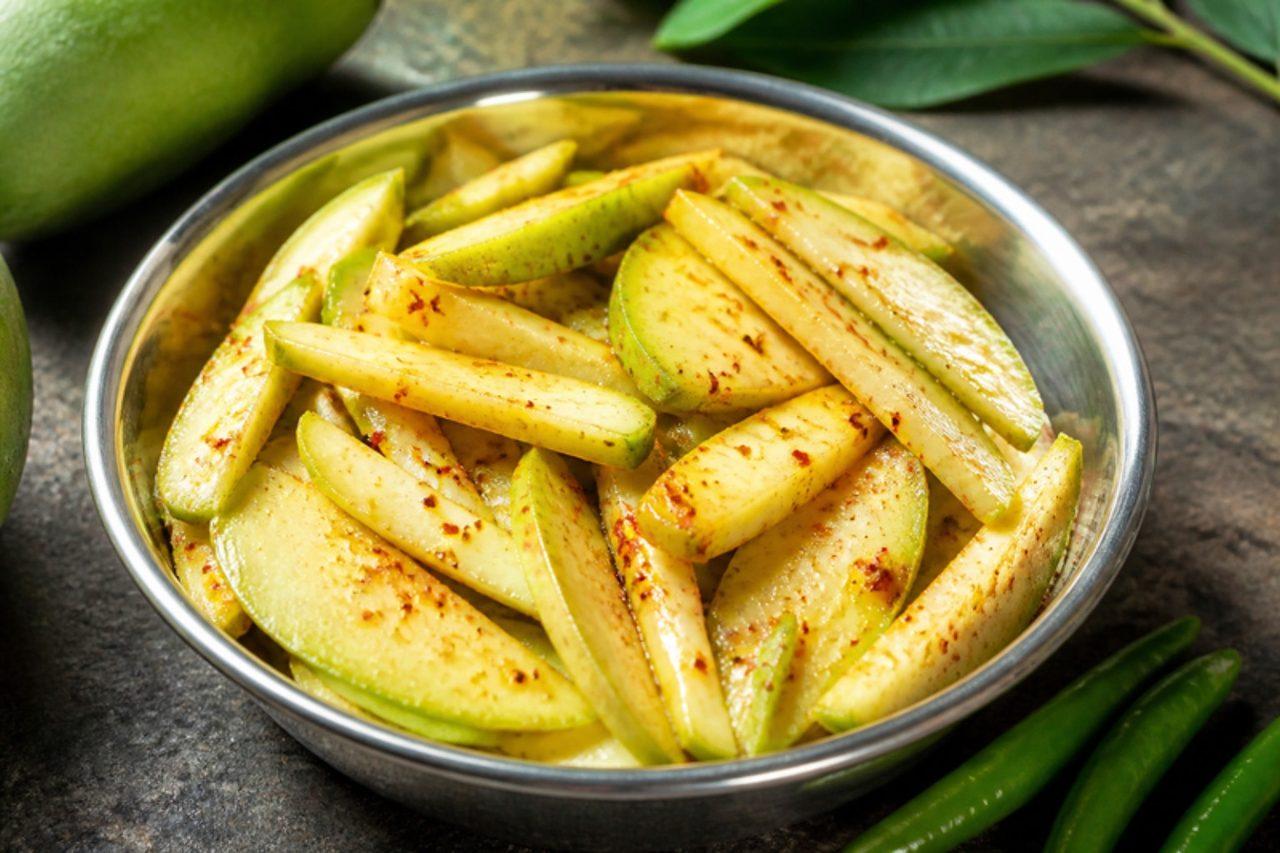
Outside every school gate in Bangladesh during the hot months, a vendor with a glass box on his cart sells green mango makha: unripe mango sliced paper-thin and squeezed by hand with salt, sugar, chilli and a splash of mustard oil, handed over in a cone of newspaper with a toothpick. Makha means mixed by hand, and the hand matters, as the squeezing bruises the mango so it softens and drinks in the seasoning. It tastes sour, sweet, salty and hot all at once, with the sharp nose-burn of raw mustard oil, and it is eaten as an afternoon snack in April and May, especially around Pohela Boishakh. Slicing the mango too thick is the error that leaves it hard and bland in the middle. Chef's tip: stir in a spoon of kasundi, Bengali mustard relish, for the version the street sellers call kasundi makha.

by KrazyBadal 0 views

Showing 72 of 7,762 recipes

Show more recipes

Page 223 of 863