
Skip to content
Sorrel drink
Featured recipe

Sorrel drink

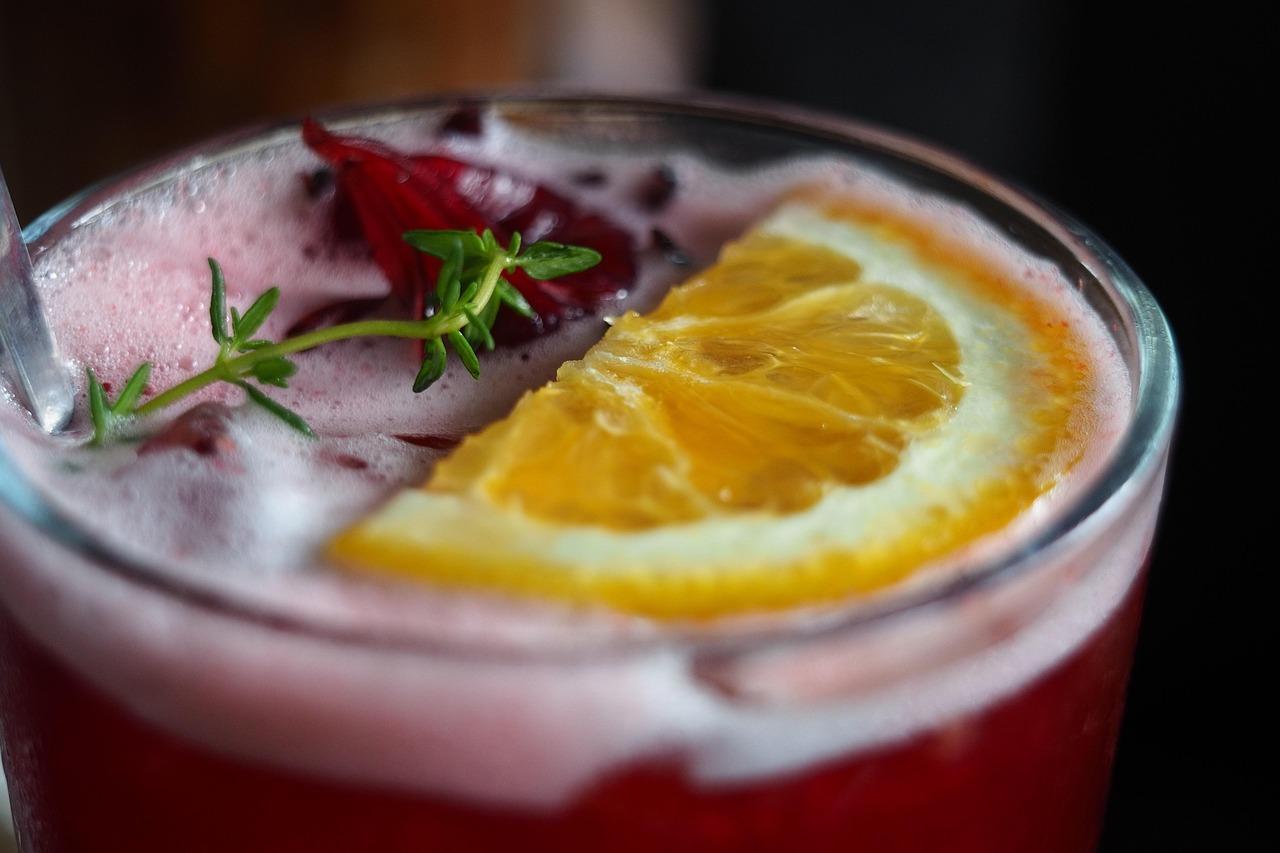
Sorrel is the drink of a Jamaican Christmas: in December the markets fill with the red flowers (the calyces of a hibiscus), and every home brews a big batch to share. They're steeped with lots of fresh ginger, pimento and cloves, then sweetened, giving a deep ruby drink that's tart, spicy and refreshing over ice. Many families add a splash of white or dark rum for the adults. Chef's tip: be generous with the ginger and let it steep overnight. A long, cool steep pulls out the colour and a fiery ginger bite without the bitterness of over-boiling.

Read more 0 views
Can't decide?

What to eat today?

Spin the randomizer, search with what's already in your fridge, or browse recipes from our chefs.

Latest recipes

Mambazha pulissery

Mambazha pulissery appears in Kerala kitchens in April and May, when small, fragrant village mangoes fall from the trees, and it is often on the Vishu sadya. Whole small ripe mangoes, or chunks of bigger ones, are simmered with jaggery and chilli until syrupy, then loosened with a coconut-cumin paste and lightly soured yogurt. Unlike kalan, it stays thin and pourable: sweet, tangy and mildly hot, with the fenugreek tempering on top. Pour it over rice, with a thoran on the side. Chef's tip: use very ripe, slightly fibrous mangoes; firm ones make it sour and the sweetness never comes through.

by KrazyBadal 0 views

Bannock

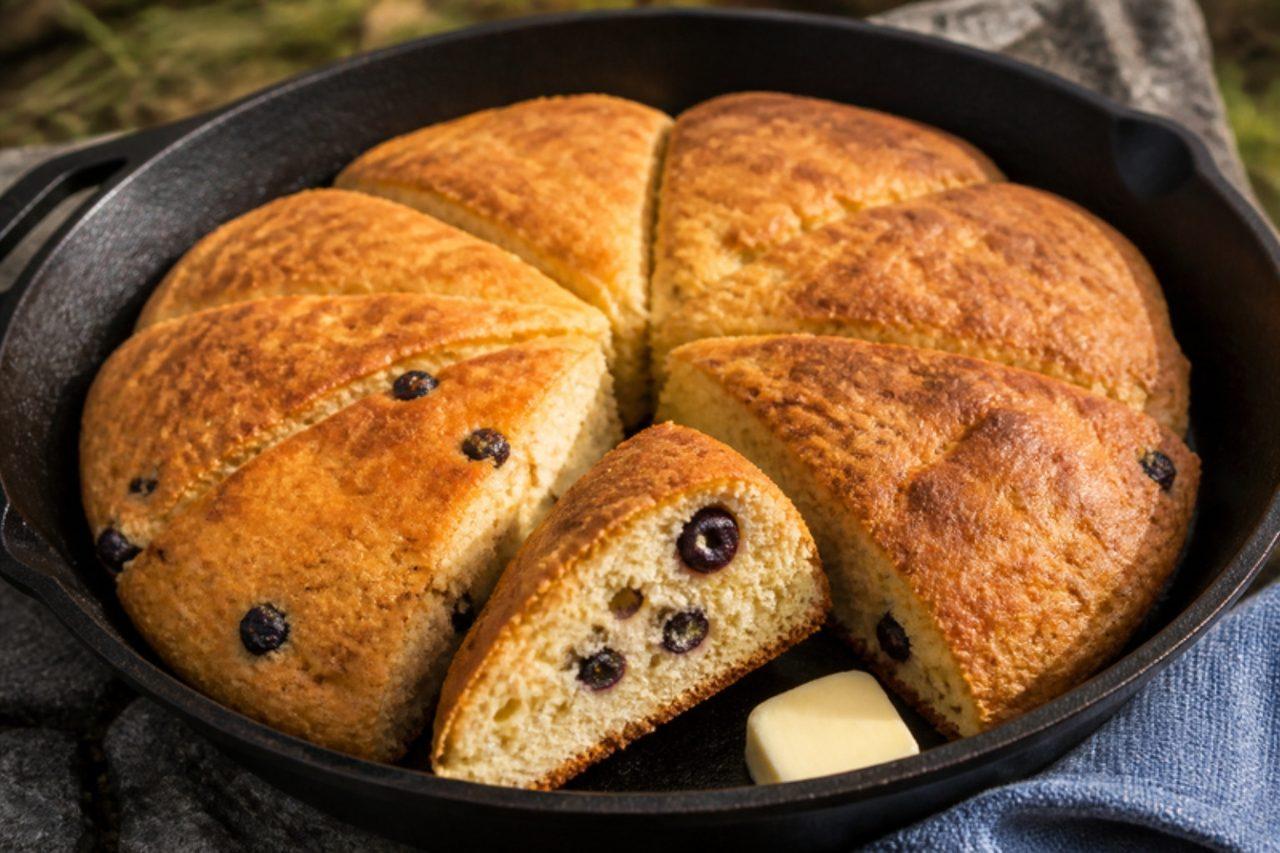
Bannock is a quick bread of flour, baking powder, fat and water, cooked in a cast-iron pan, baked, fried or wrapped around a stick over a campfire. It's eaten in First Nations, Métis and Inuit communities across Canada, at powwows, family meals and on the land, and every family has its own version. Its history is complicated: wheat flour and lard reached many communities through trade and government rations, and bannock became both a food of survival and a living symbol of community and resilience. Long before that, Indigenous breads were made from local plants and roots. This is a simple home pan version, not any one nation's recipe. Chef's tip: mix only until the dough just comes together; overworking makes bannock tough.

by KrazyBadal 0 views

Sopa paraguaya

Paraguayans love telling visitors that their national 'soup' is eaten with a fork: sopa paraguaya is a dense, moist cornbread baked with sweated onions, fresh cheese, eggs and milk. It's on every table at asados, weddings and the Christmas meal, and sold in squares at bus stations from Asunción to Encarnación. The crust is golden and the inside soft and cheesy, more like a savoury pudding than bread. Chef's tip: soak the cornmeal in the milk for 15 minutes before mixing; hydrated cornmeal bakes up tender instead of gritty.

by KrazyBadal 0 views

Fiddleheads with garlic butter

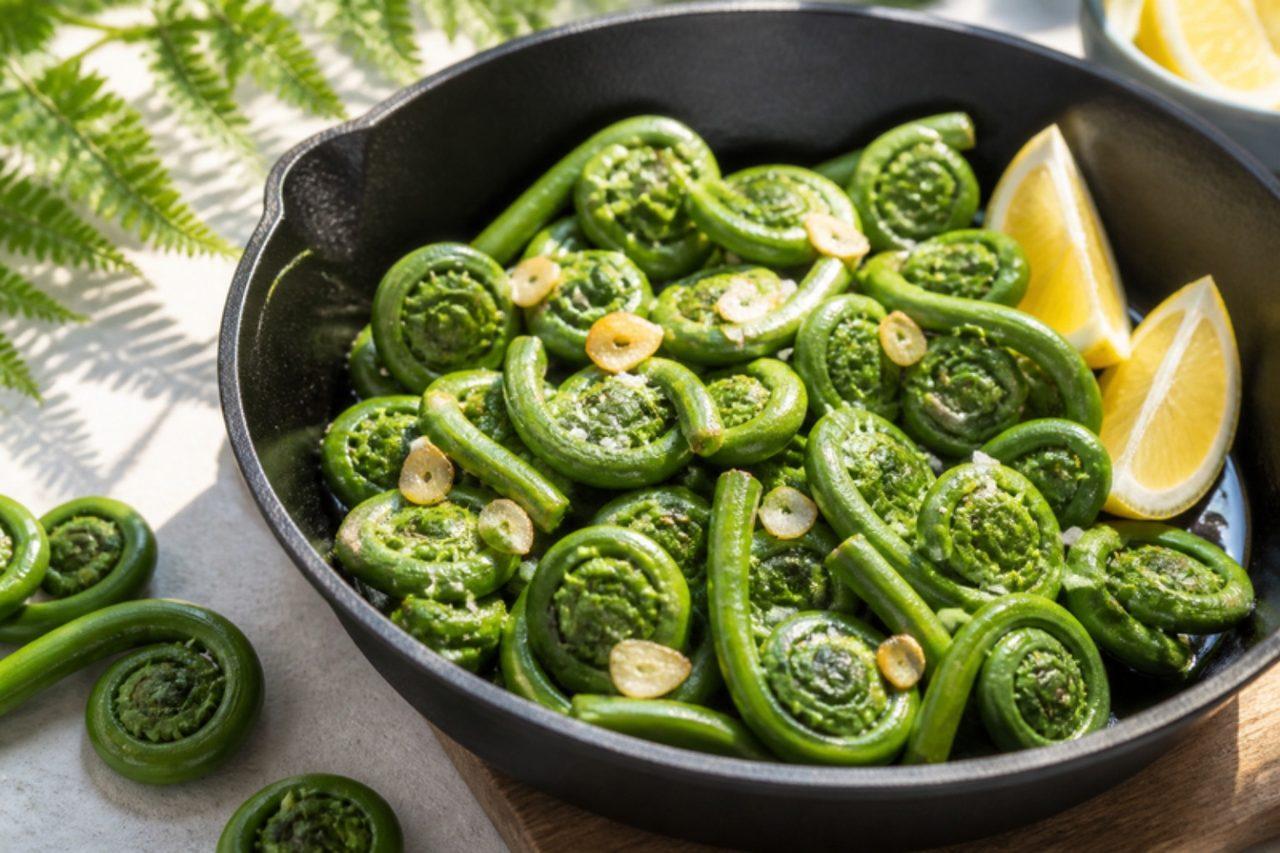
For a few weeks in May, the riverbanks of New Brunswick, along the Saint John River, and parts of Maine and Québec sprout fiddleheads: the tightly coiled young shoots of the ostrich fern. Locals forage them or buy them by the bag at roadside stands and farmers' markets, and eat them simply, with butter, garlic and lemon, tasting somewhere between asparagus and green beans with a grassy snap. They're a true taste of Atlantic Canadian spring. Chef's tip: fiddleheads must be boiled for a full 15 minutes before sautéing; undercooked fiddleheads can cause stomach upset, so this step is not optional.

by KrazyBadal 0 views

Erissery

Erissery is the golden, slightly sweet pumpkin dish of the Onam sadya in Kerala, and a favourite in homes all through the harvest season when the yellow mathanga pumpkins are piled up in the markets. Soft pumpkin and red cowpeas are bound with a coconut, cumin and green chilli paste, and the whole pot is crowned with grated coconut fried in coconut oil until it turns the colour of cinnamon. That crunchy, nutty topping is what makes it erissery. Serve with rice and parippu, or scoop it up with chapati. Chef's tip: keep the pumpkin pieces large so some stay whole while others melt into the sauce.

by KrazyBadal 0 views

Nanaimo bars

Named after the city of Nanaimo on Vancouver Island, these three-layer bars have been Canada's favourite tray bake since the 1950s, when the recipe appeared in local community cookbooks. A crumbly base of biscuit crumbs, cocoa, coconut and nuts is topped with a thick yellow custard-flavoured buttercream and a snap of dark chocolate. They're made for church sales, Christmas cookie tins and coffee breaks, and need no oven. Chef's tip: dip the knife in hot water and wipe it between cuts; it slices through the chocolate cleanly without cracking it.

by KrazyBadal 0 views

Stoemp with leeks and spinach

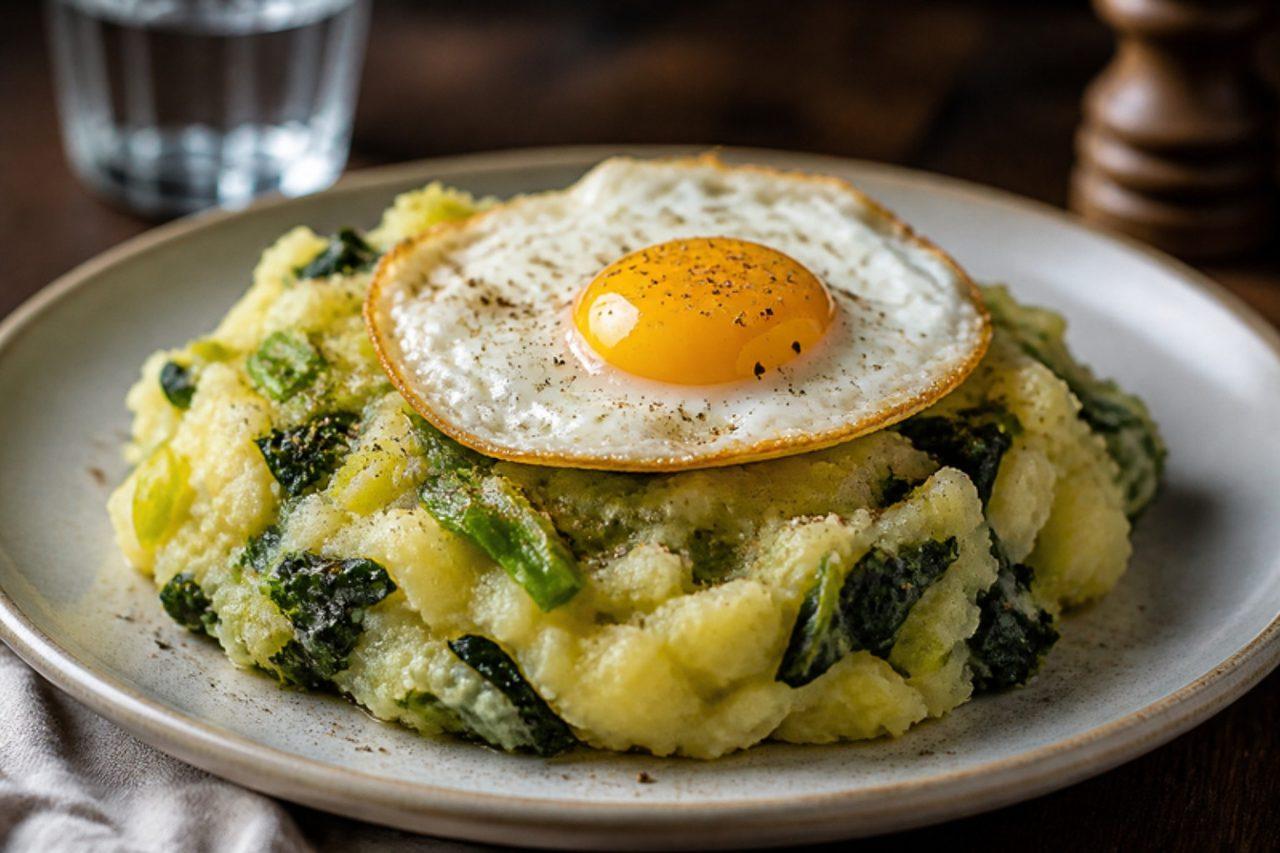
Stoemp (from the Brussels dialect word for 'to mash') is what Brussels brasseries such as those around the Marolles serve on cold days: potatoes crushed together with whatever vegetable is in season, rich with butter and nutmeg. Unlike Dutch stamppot, the vegetables are usually cooked separately and softened in butter first, which gives a sweeter, silkier mash. Leek and spinach is one of the most popular versions in Brussels, and a fried egg with a runny yolk on top turns it into supper. The meat versions come with sausages; this is meat-free. Chef's tip: cook the leeks slowly in butter until they almost melt; quick-fried leeks stay stringy and squeaky in the mash.

by KrazyBadal 0 views

Butter tarts

Butter tarts are fiercely loved in Ontario, where towns along the 'Butter Tart Trail' near Midland and Wellington County hold contests, and where Canadians argue about whether raisins belong in them. Small, flaky pastry cups hold a filling of brown sugar, butter, egg and syrup that bakes into a gooey, caramel-like centre with a crackled top. This version adds a little maple syrup and leaves raisins optional. Chef's tip: bake only until the filling bubbles and the edges are set but the centre still jiggles; runny is the goal, but overbaked tarts turn sugary and hard.

by KrazyBadal 0 views

Olan

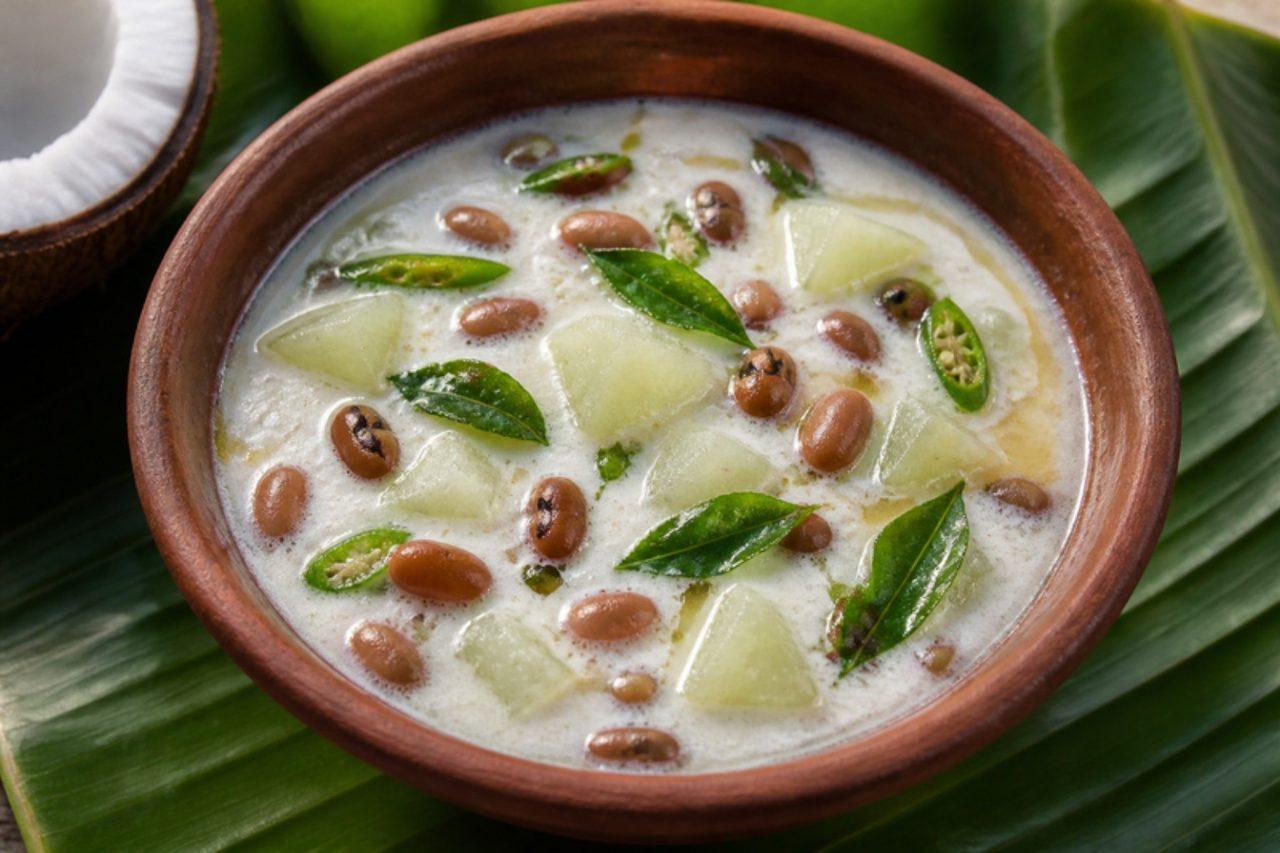
Olan is the quietest dish on a Travancore sadya leaf, the banana-leaf feast served in southern Kerala for Onam, weddings and temple festivals. Thin, glassy slices of ash gourd and soft red cowpeas sit in coconut milk with nothing louder than green chilli and curry leaves, and its job is to cool the palate between the tangy, fiery curries around it. The flavour comes from coconut milk added in two stages and a spoonful of raw coconut oil poured over at the end. Eat it with plain rice, or ladle it beside appam on an ordinary weekday. Chef's tip: slice the ash gourd as thin as a coin so it turns translucent in the time the coconut milk takes to thicken.

by KrazyBadal 0 views

Showing 9 of 4,484 recipes

Show more recipes

Page 221 of 499