


Skip to content
Dal dhokli for toddlers
Featured recipe

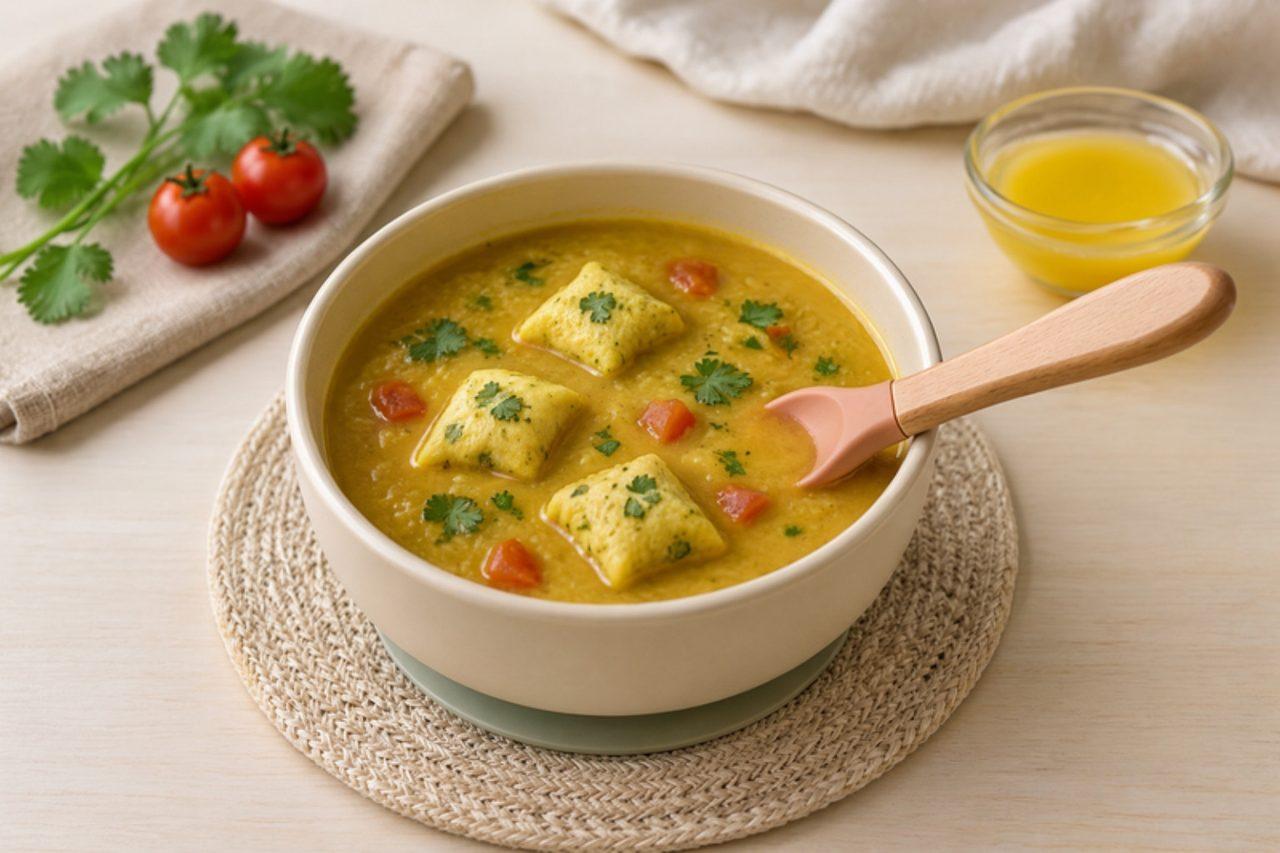
Dal dhokli for toddlers

Wheat dumplings in dal for toddlers

In Ahmedabad pols and Surat kitchens dal dhokli is the Sunday one-pot lunch: diamonds of spiced wheat dough cooked straight in tangy toor dal. This toddler version, for children from 12 months, keeps the soft pasta-like pieces small, leaves out the chilli, peanuts and cloves, and uses only a pinch of jaggery so the dal stays sweet-sour the way Gujarati families like it. It is cooked in oil, so it is dairy free and vegan. It contains wheat (gluten); there is no milk, egg, nuts or soya. Chef's tip: roll the dough thin, about 2 mm; thick dhokli stay chewy in the middle.

Read more 0 views

What to eat today?

Around the world

Today's trip: Paraguayan

A new country every day, from every cuisine on the site.

Paraguayan

Kosereva

Candied bitter orange peel 180 minMore from Paraguayan (27) →

This week's collection

Kid-friendly dinners
537 recipes · a new collection every Monday

Latest recipes

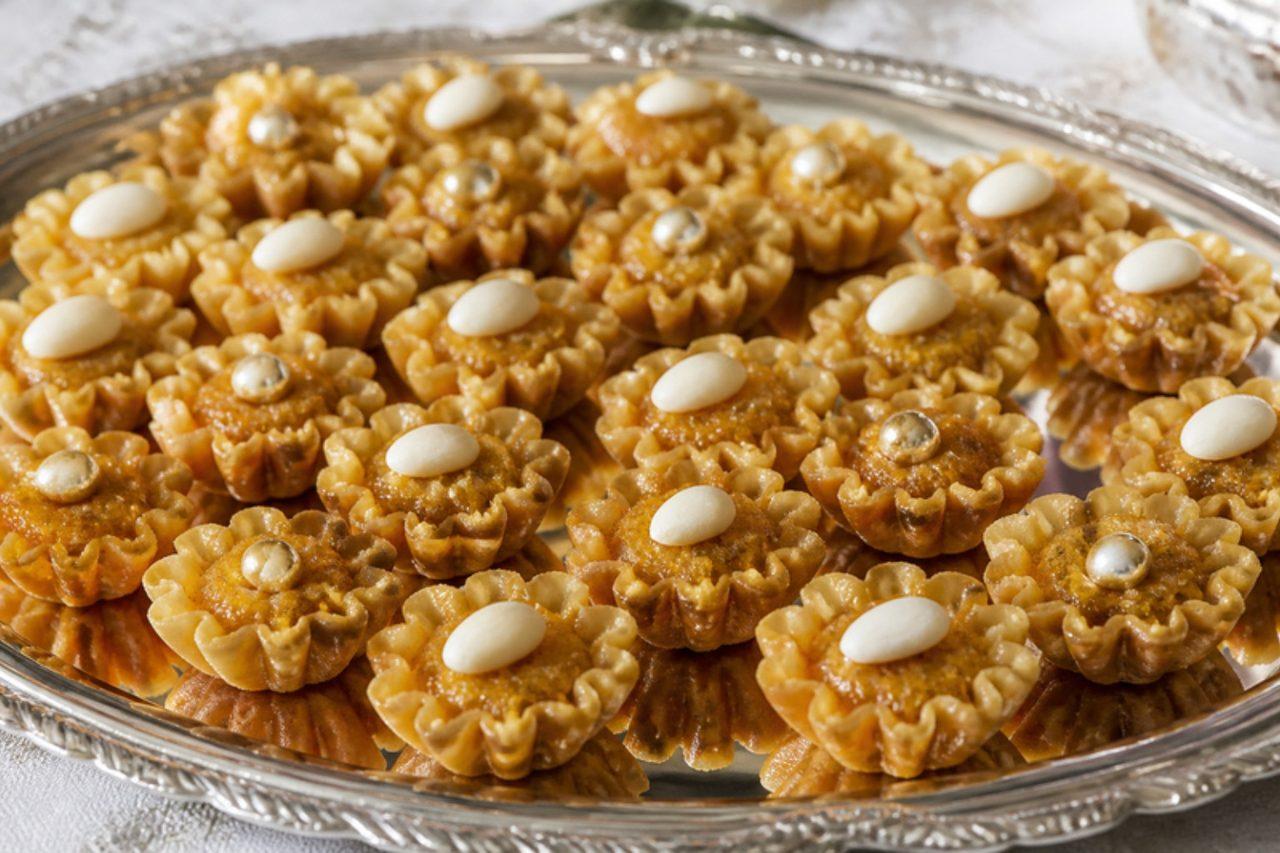
Dziriettes (almond flower pastries)

Named after the women of Algiers, dziriettes are the jewels on any wedding or Eid tray: thin, crisp pastry pinched into a flower or crown, filled with a dome of almond paste scented with orange blossom, then baked and soaked in warm honey. They take patience, but the result is delicate and fragrant, with a shatter of pastry giving way to a soft, moist almond centre. Families often make a few hundred over several evenings, together, before a celebration, and serve them with mint tea or coffee. Chef's tip: roll the dough so thin you can almost see the worktop through it; thick pastry is the commonest mistake and turns dziriettes stodgy instead of crisp.

by KrazyBadal 0 views

Kluski leniweLazy cheese dumplings

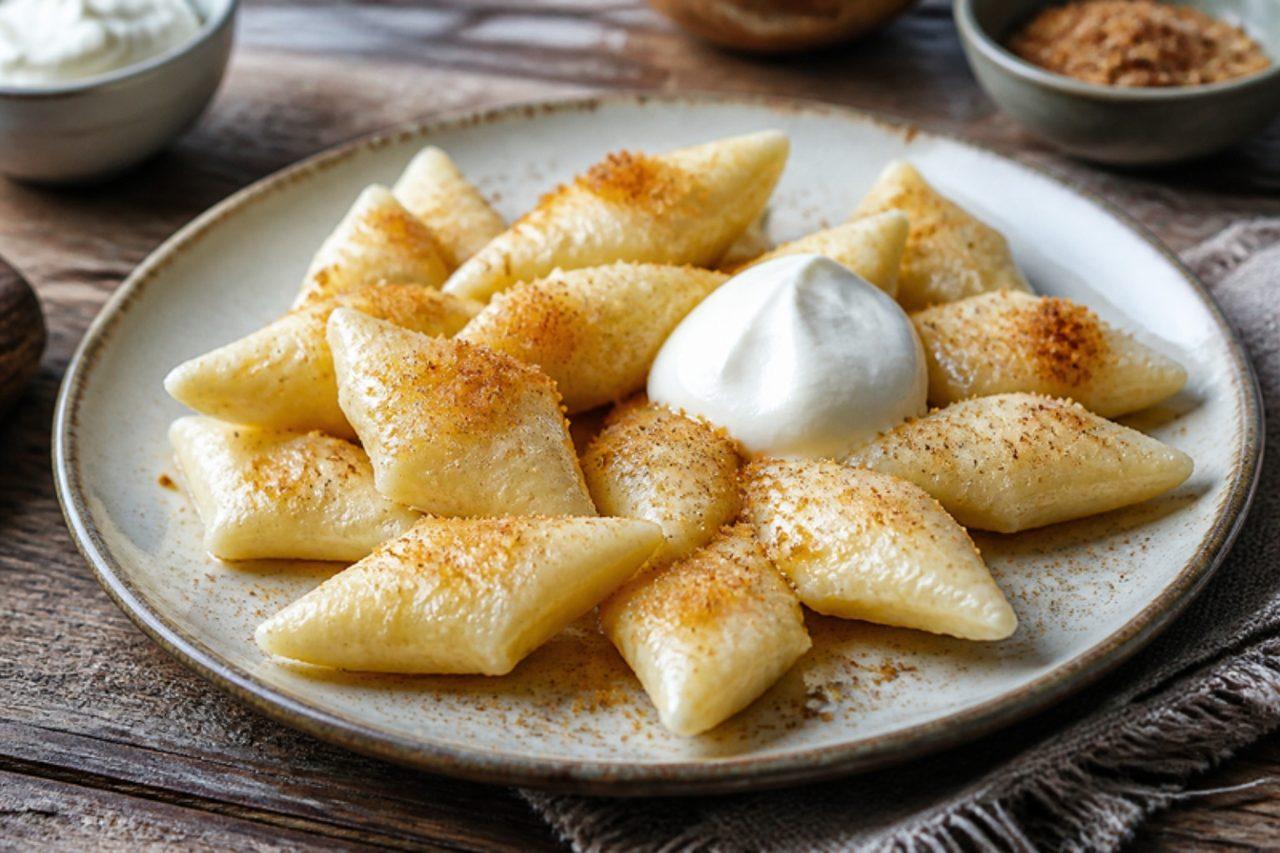
Lazy dumplings earn their name honestly: instead of filling and pinching like pierogi, you knead the cheese straight into the dough and cut it into diamonds. Across Lesser Poland they are a school-day lunch, a canteen favourite and the first thing many Polish children learn to cook. Good ones are pillow-soft and faintly tangy from the twaróg, rolled in breadcrumbs toasted in butter and finished with a spoon of sugar, sometimes sour cream or cinnamon too. The usual slip is adding too much flour to stop the dough sticking, which makes the dumplings heavy and doughy. Twaróg is usually made without rennet, but check the label if you need it strictly vegetarian. Chef's tip: press the twaróg through a sieve or mash it with a fork until completely smooth, so the dough needs less flour.

by KrazyBadal 0 views

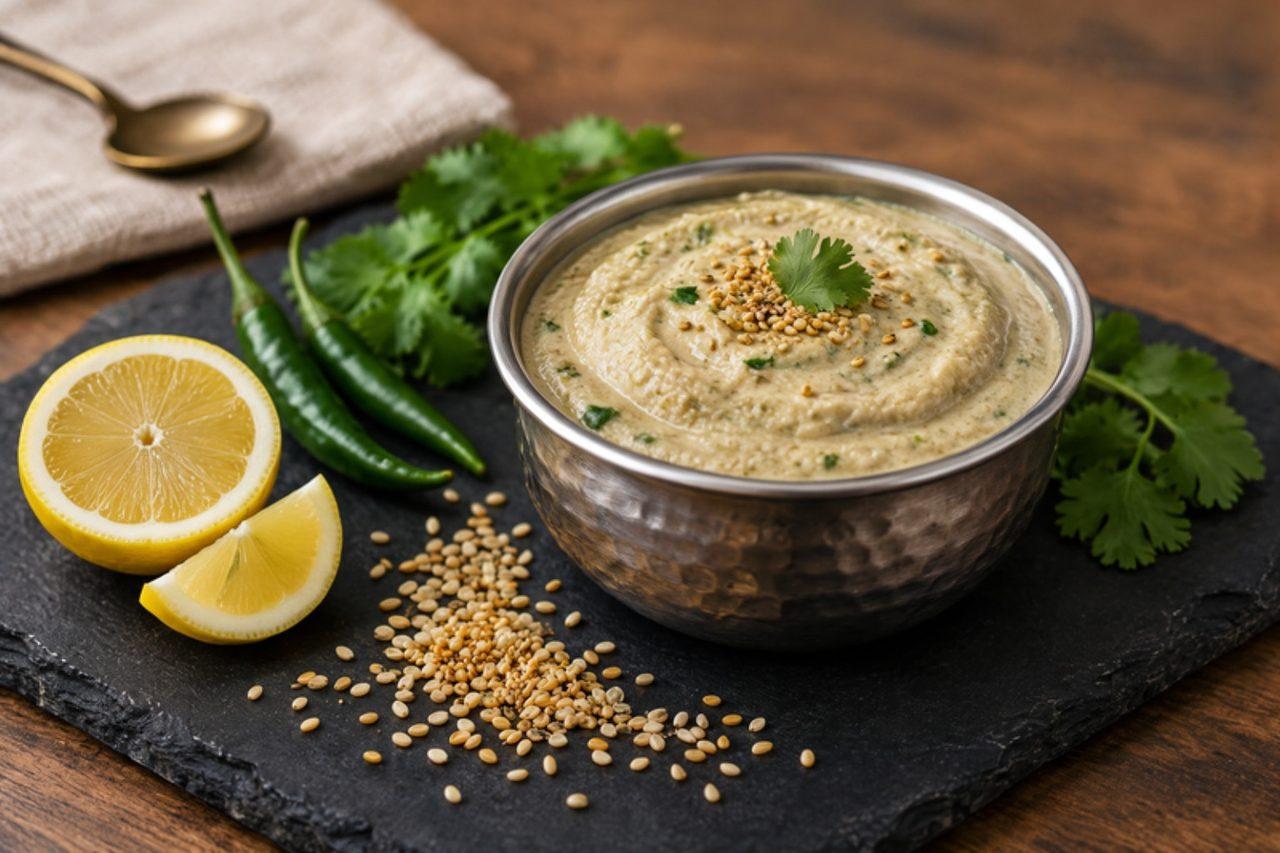
Molasses with tahini

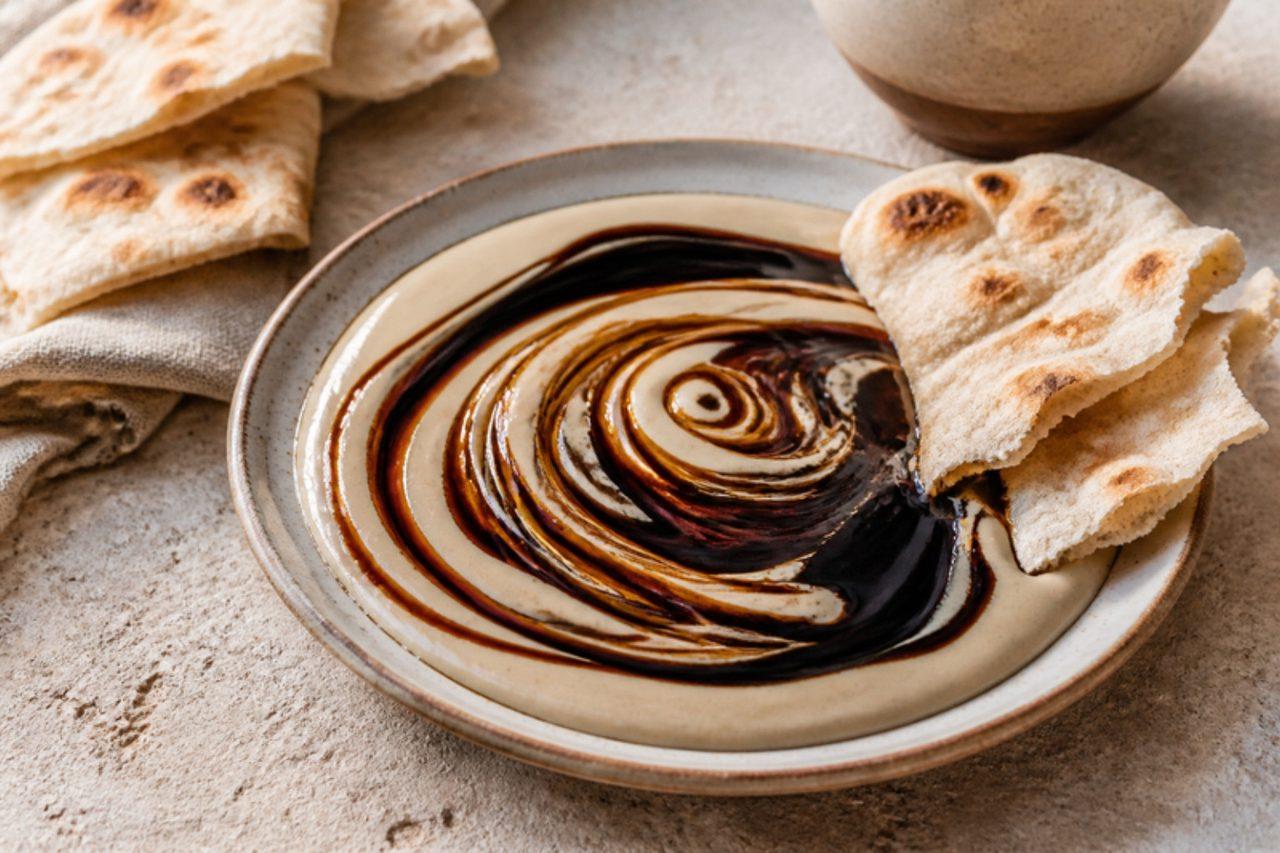
Upper Egypt grows the country's sugarcane, and its dark molasses, asal eswed or black honey, has found its way onto breakfast and supper tables from Aswan to Alexandria. Spooned over tahini and swirled together, it becomes a glossy, bittersweet, nutty dip that children love and grown-ups eat after a light evening meal, scooped up with warm aish baladi or fino. Many families eat it in winter, when they want something warming and filling. A frequent slip is stirring the molasses and tahini together completely; leave them swirled so each bite gets both. Chef's tip: stir the tahini jar thoroughly first; the thick paste at the bottom and the oil on top must be mixed, or the dip comes out stiff and dry.

by KrazyBadal 0 views

Rouz jerbi (Djerban steamed rice)

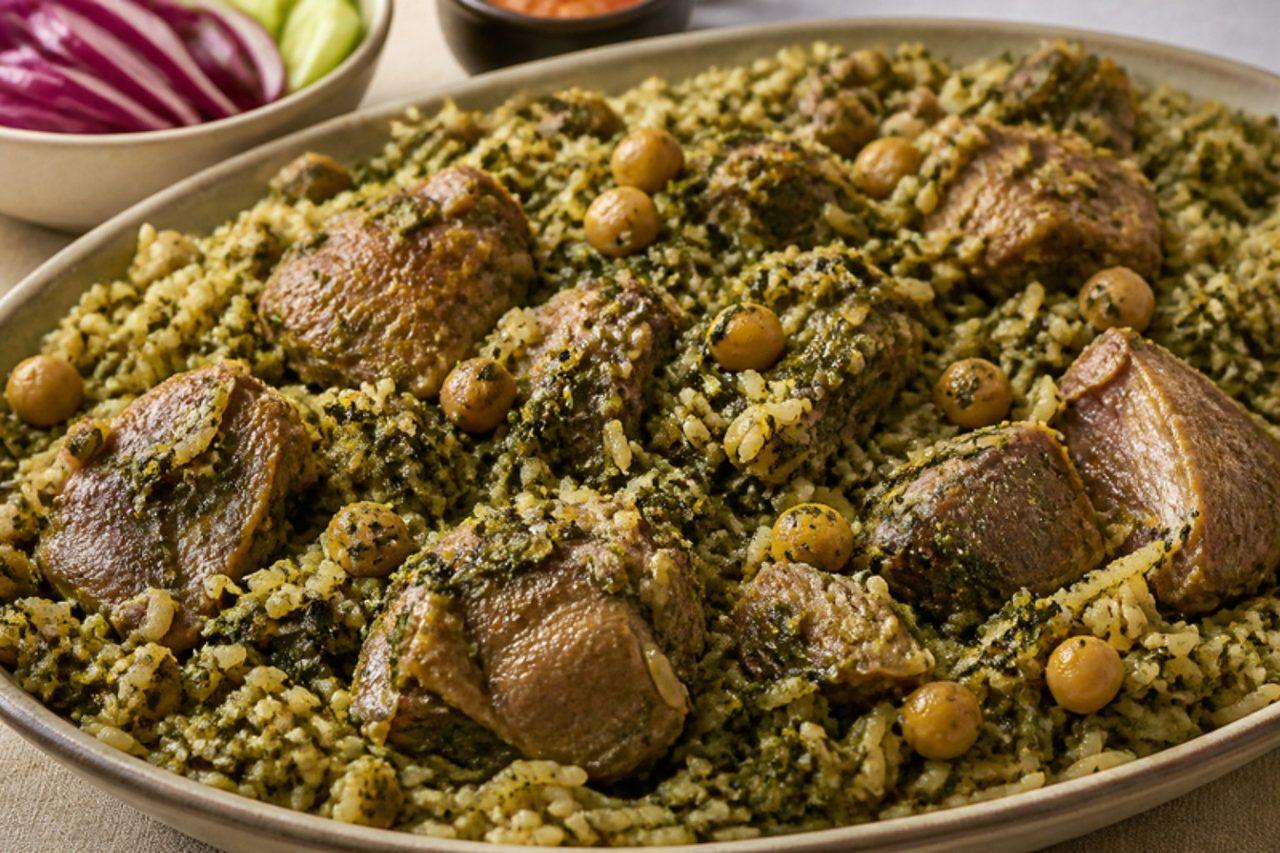
Djerba islanders cook rice the way the rest of Tunisia cooks couscous, in the top of a couscoussier: raw rice is mixed with small pieces of lamb, chopped spinach, a mound of herbs, chickpeas, tomato paste, harissa and spices, then steamed over boiling water until every grain is tender and stained red-gold. Rouz jerbi is a Friday and family-gathering dish on the island, served from one large platter. The rice stays separate and fluffy, the greens melt in, and the lamb picks up the scent of mint and tabil. Chef's tip: stir the rice from the bottom every 20 minutes; leaving it untouched is a common mistake, as the bottom turns soggy while the top stays hard.

by KrazyBadal 0 views

Aghroum (Kabyle semolina flatbread)

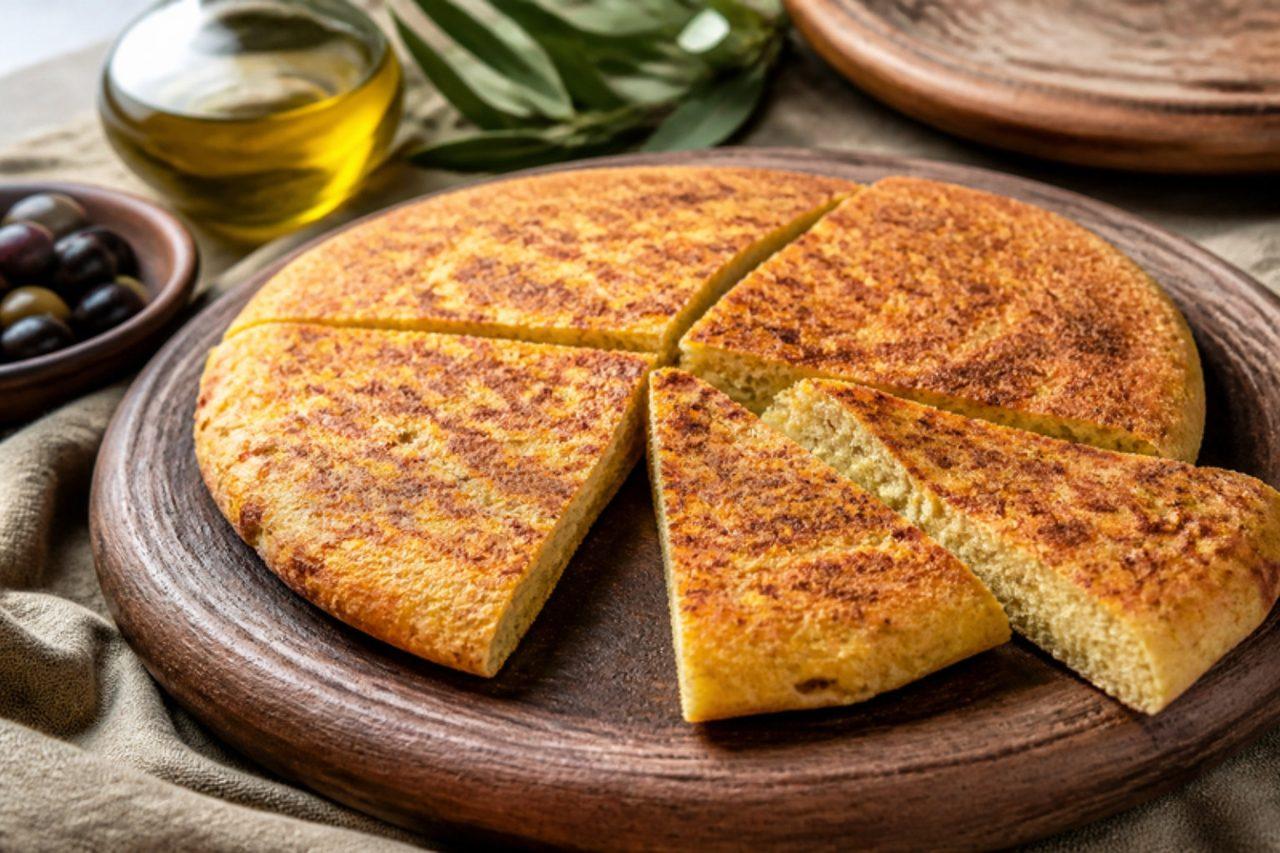
Up in the villages of Kabylie, aghroum is simply the word for bread, and the everyday loaf is a flat, unleavened round of semolina, water, salt and a thread of olive oil, baked on a clay griddle over a low fire. It comes out firm and close-textured, with a crust speckled brown and a faintly sweet, nutty crumb that tastes of the grain. Kabyle families tear it to scoop up olive oil, dried figs and buttermilk at breakfast, or to mop the sauce of a bean or vegetable stew at midday. A heavy cast-iron pan or flat griddle does the job of the clay one at home. Chef's tip: keep the heat at medium-low and turn the bread often; a griddle that is too hot is the usual mistake, leaving a burnt crust around a raw, gummy middle.

by KrazyBadal 0 views

Queen Elizabeth cake

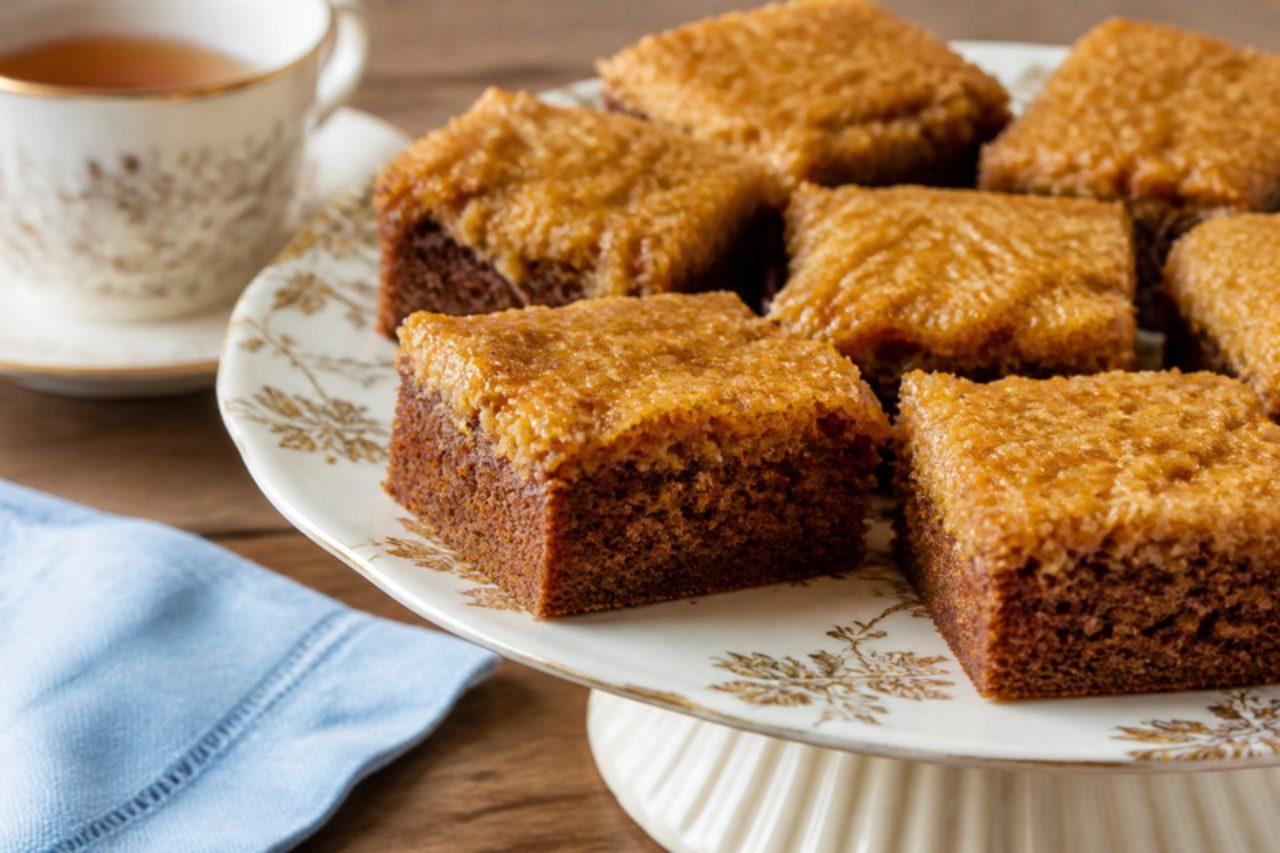
Queen Elizabeth cake has been a favourite in Canadian homes and Quebec bakeries since the 1950s, especially around coronations and royal visits, and it still turns up at Montreal family birthdays and Sunday teas. A moist, tender date cake is baked, then covered in a bubbling coconut and brown-sugar topping and put under the grill until it caramelises. It is humble, rich and keeps well for days. A common mistake is walking away from the grill; the topping goes from golden to burnt in under a minute. Chef's tip: soak the dates in boiling water with the bicarbonate so they melt into the crumb.

by KrazyBadal 0 views

Kluski śląskieSilesian potato dumplings

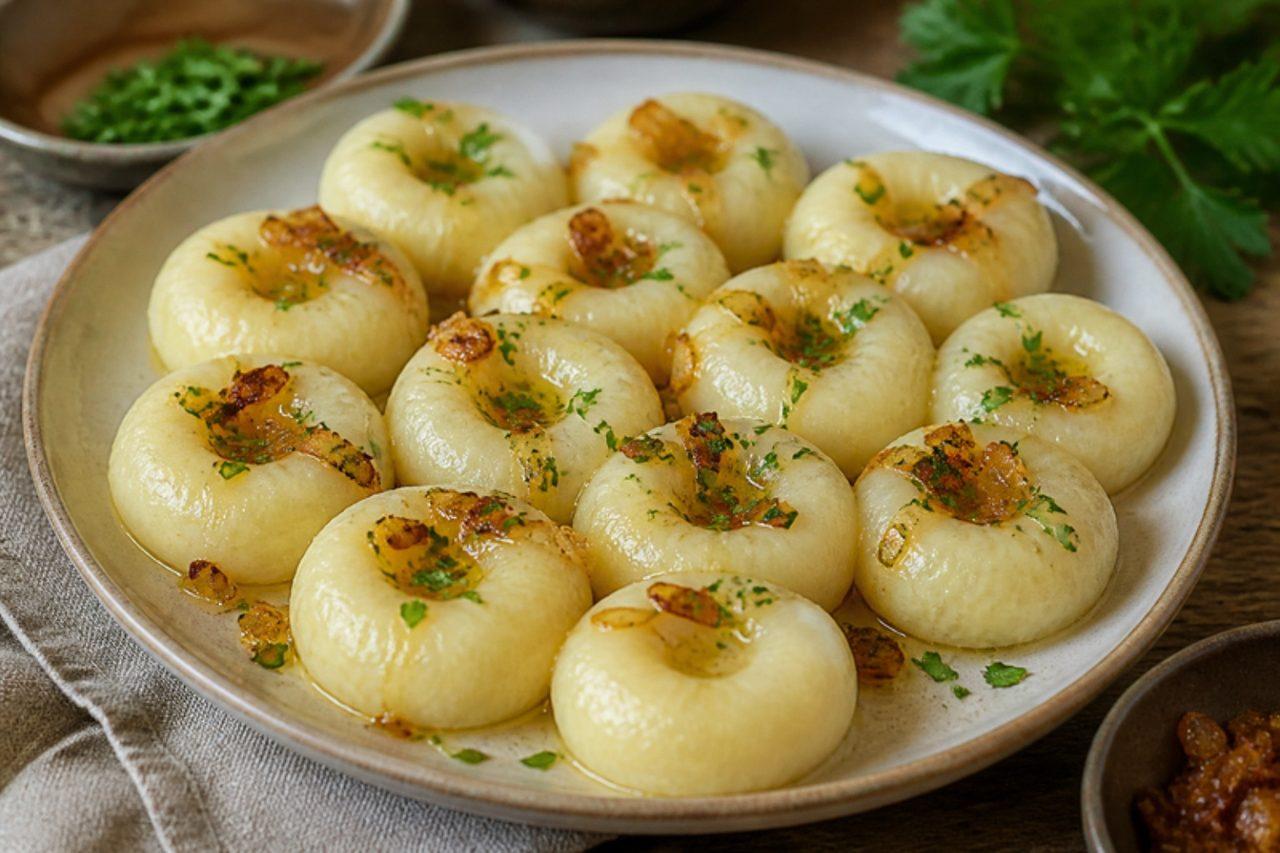
No Sunday dinner in Katowice, Gliwice or Opole feels complete without a heap of these pale, bouncy dumplings, traditionally next to roulade and red cabbage. Here they are served the meatless way, with browned butter and fried onion, or with a mushroom sauce poured into the little dent each one gets from your thumb. They are made from boiled, riced potato and potato starch, so the texture is springy and smooth, almost elastic, with a clean potato taste. The classic error is guessing the starch: Silesian cooks press the cooled potatoes flat, cut out a quarter and fill the gap with starch, which gives the right ratio every time. Chef's tip: rice the potatoes while hot but let them cool completely before mixing, or the dough turns gluey.

by KrazyBadal 0 views

Tagella (Tuareg sand-baked bread)

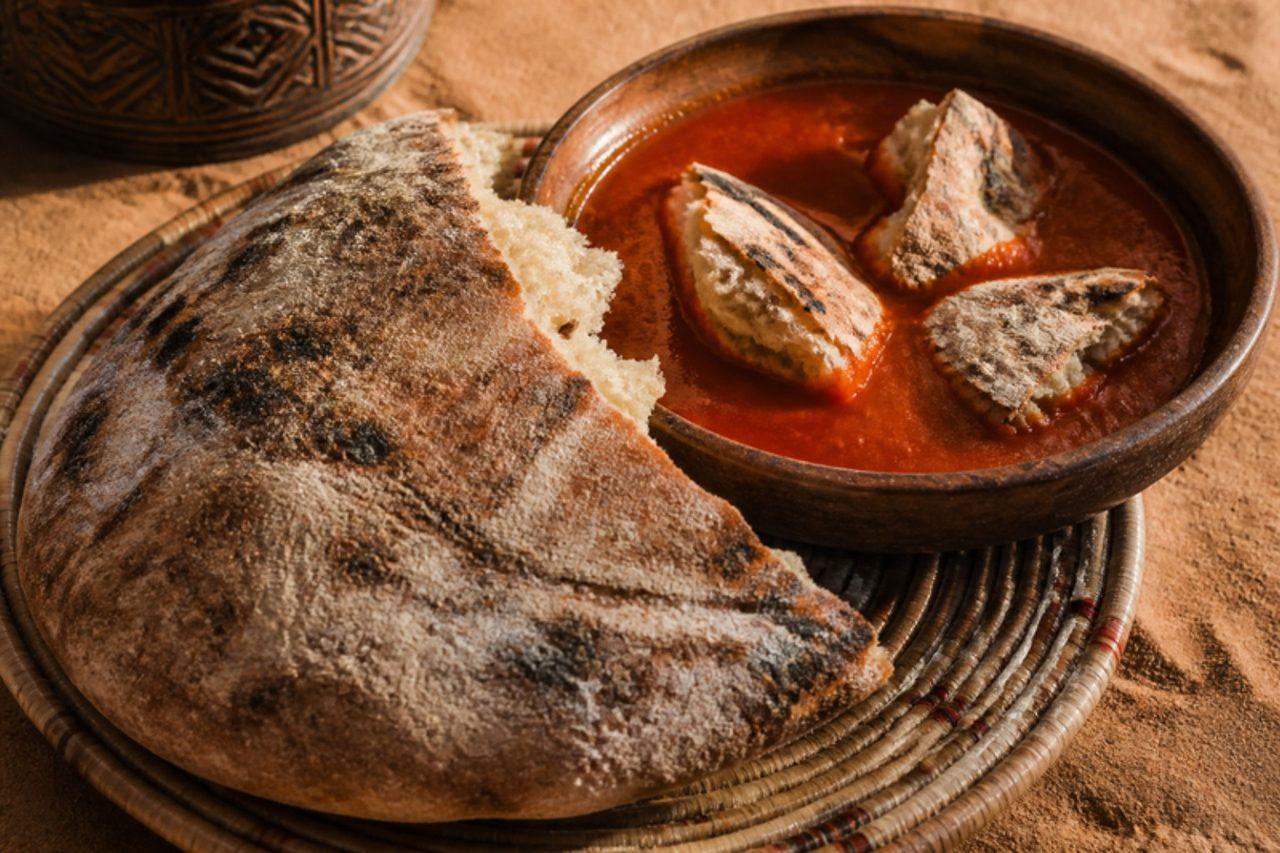
Out in the Hoggar mountains around Tamanrasset, Tuareg cooks bury a thick disc of dough in sand heated by a wood fire, cover it with embers and dig it up half an hour later with a dense, chewy crumb and a thick crust that is beaten clean of sand. The bread is then broken into pieces and soaked in a spicy tomato and onion sauce, a hearty meal for a camp or a desert evening; meat goes in when there is some, and this is the plain version cooked on ordinary days. At home, a very hot oven with a cast-iron pan gives a similar crust. Expect a filling, rustic dish with a smoky, peppery sauce. A frequent slip is making the dough too dry; it should be soft, or the thick round cracks and stays raw in the middle. Chef's tip: bake the bread until it sounds hollow when knocked, because an underbaked, doughy centre turns to paste in the sauce.

by KrazyBadal 0 views

White cherry preserve

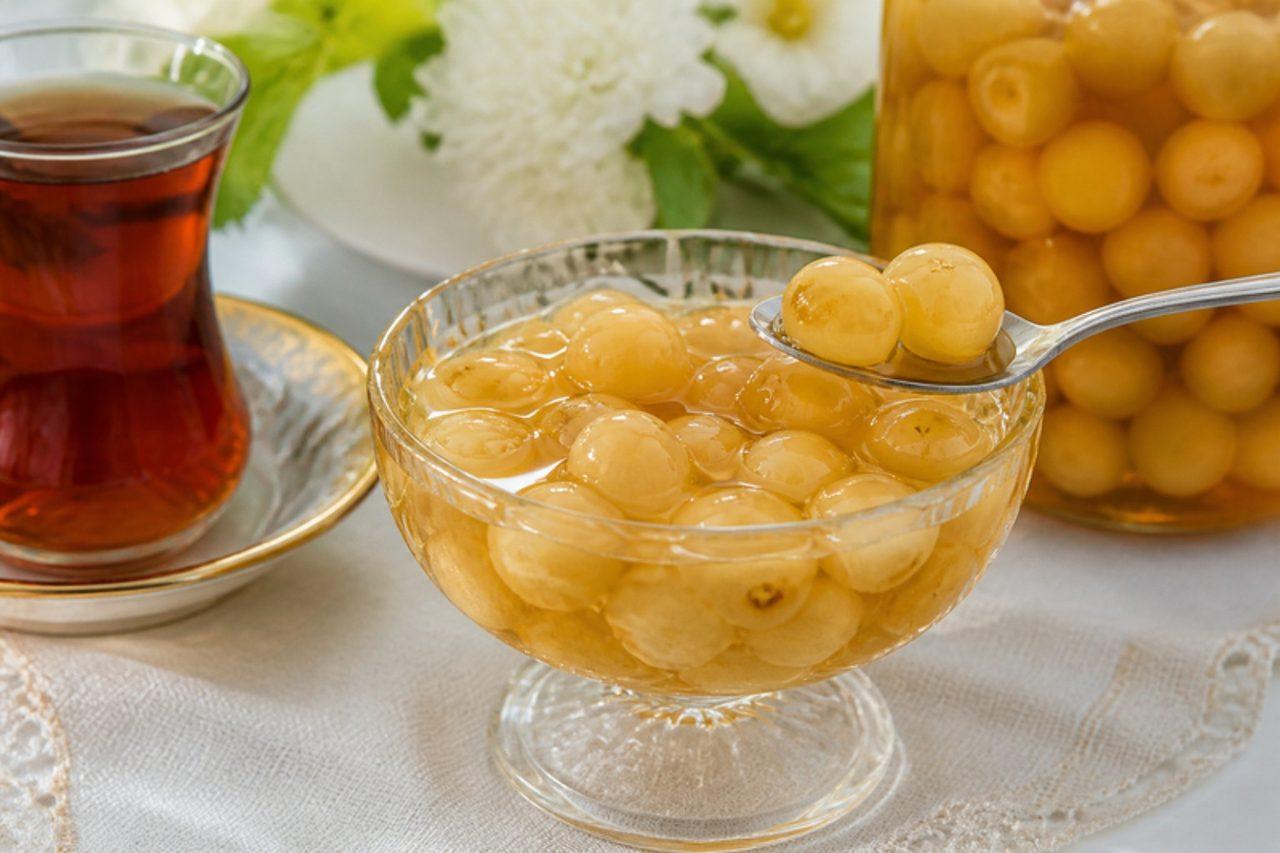
Absheron is famous for its white cherries, pale yellow fruit with a pink blush that ripen in June in the sandy orchards around Mardakan and Shuvalan. Baku families stone them one by one with a hairpin and cook them slowly into a clear golden preserve, sharpened with lemon, which is served in tiny glass bowls (mürəbbə qabı) with black tea; you sip the tea and eat a spoon of cherries between sips. A common mistake is cooking the fruit in one long boil, which shrivels it. Chef's tip: cook in short spells with long rests in between, so the cherries plump up with syrup and stay whole and glossy.

by KrazyBadal 0 views

Chorbet hout (Sfax fish soup)

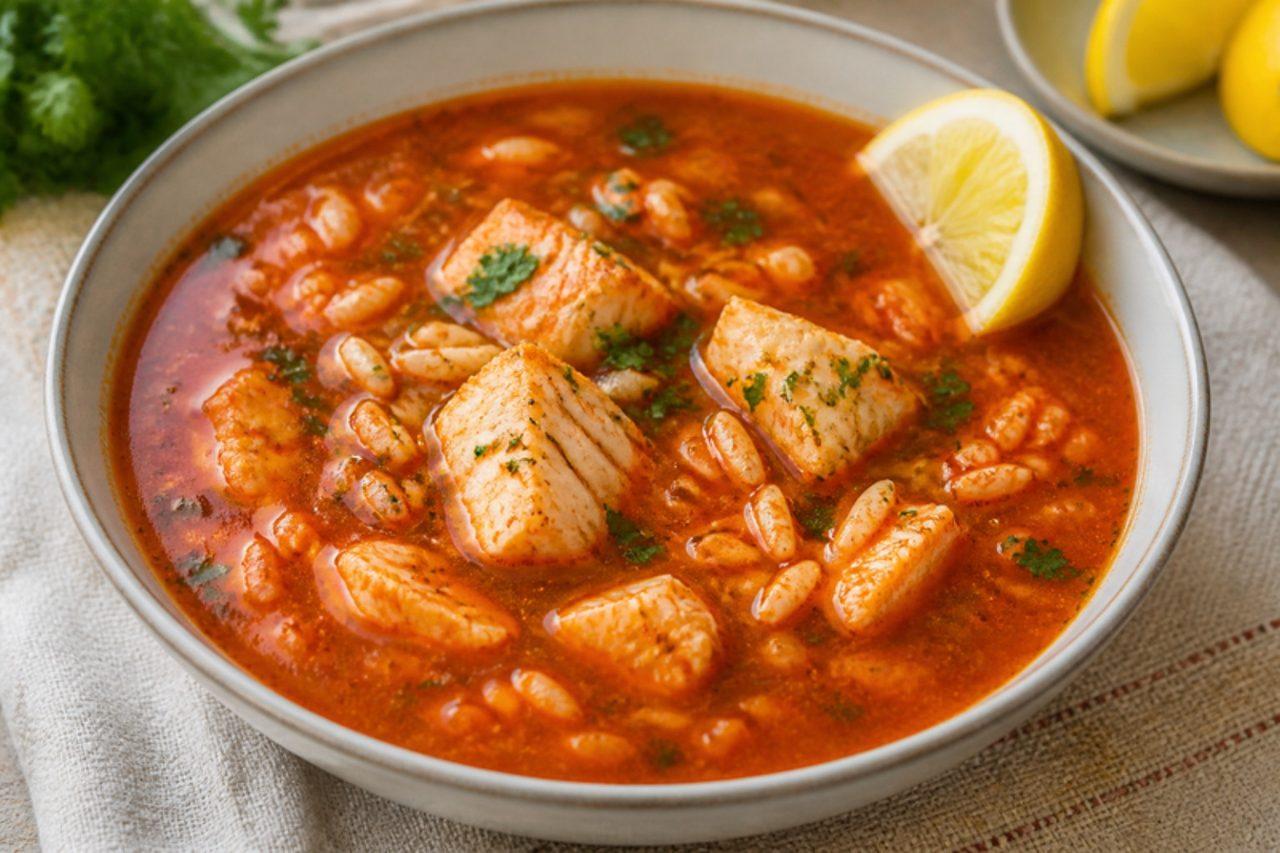
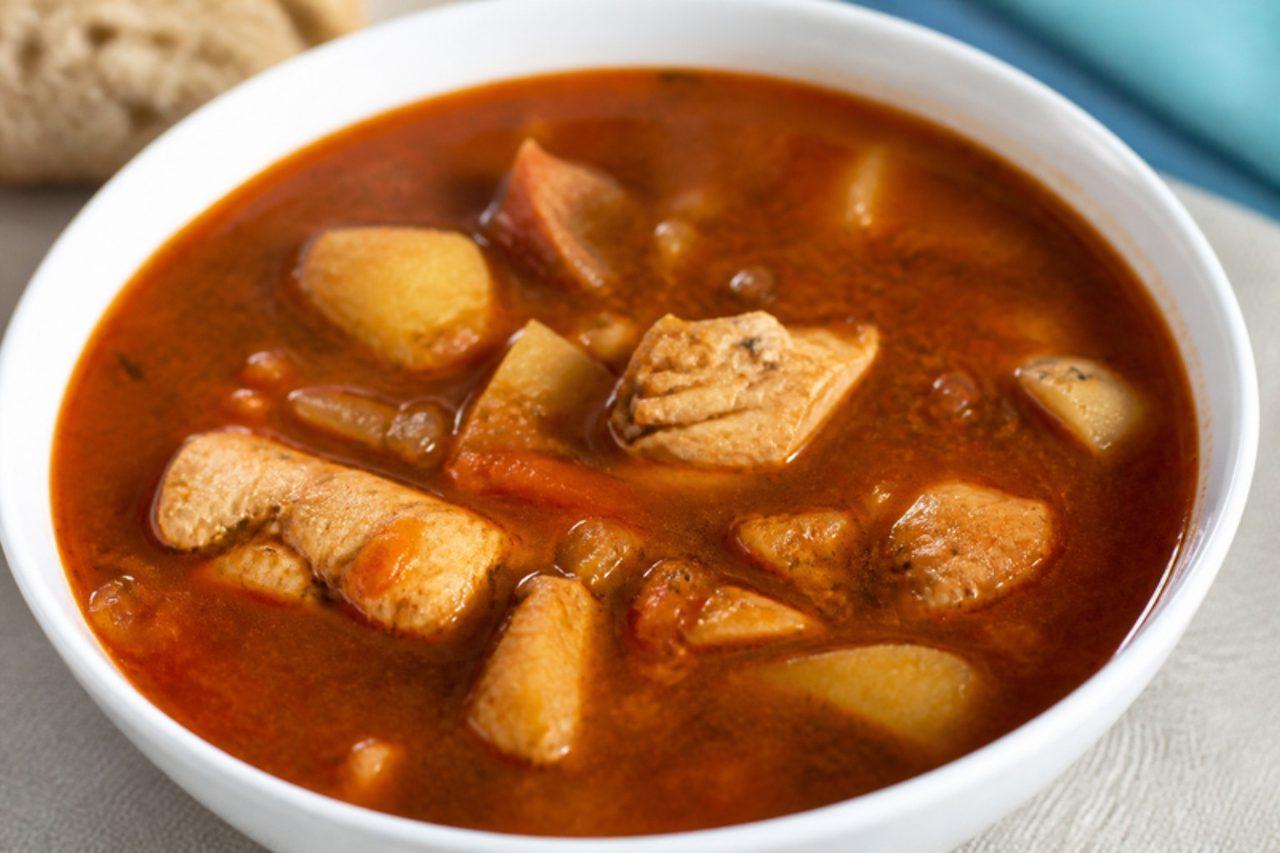
Along the coast around Sfax, a bowl of chorbet hout often opens the meal at Ramadan iftar, after dates and water: a red, peppery broth of tomato, harissa and caraway, thick with tiny bird's-tongue pasta and flakes of white fish, finished with a squeeze of lemon. Grouper, sea bream or mullet are the local choices, and any firm white fish works. The soup is warming and spicy with a fresh lift from parsley and celery, and goes well with bread and a brik. Chef's tip: poach the fish briefly, lift it out and only return the flakes at the end; leaving it to boil with the pasta is the common mistake, and it breaks into threads.

by KrazyBadal 0 views

Osban (Tunisian stuffed lamb sausages)

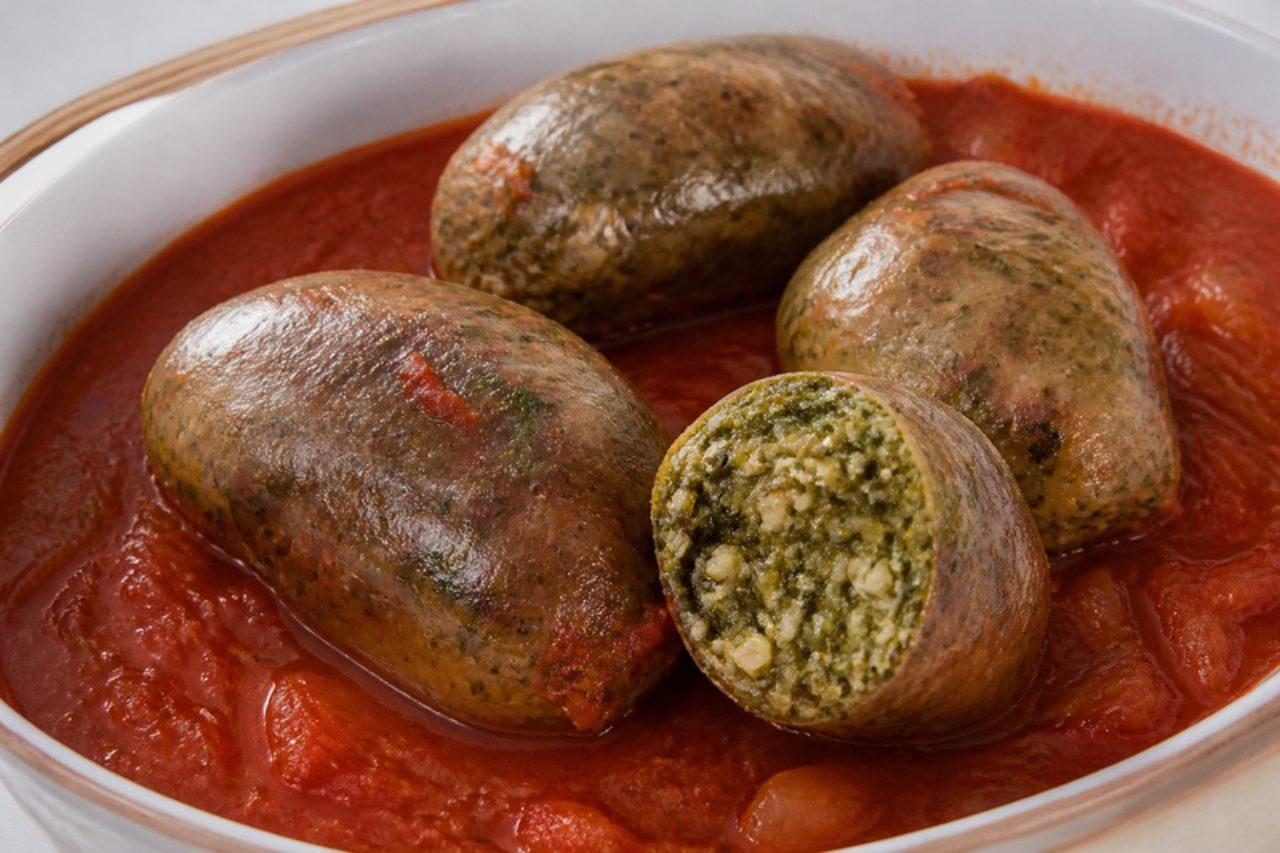
Eid al-Adha in Tunisia means using every part of the sheep, and osban is how the tripe is honoured: cleaned pieces are sewn into pouches and packed with rice, chopped liver and lamb, chard, a big bunch of parsley and coriander, dried mint and harissa, then simmered in a red chickpea sauce and served over couscous. Families all over the country, from Tunis to the south, make a batch and freeze some for later. The filling cooks into a soft, herby, peppery sausage and the tripe turns tender. Buy tripe that the butcher has already cleaned and scalded, or use natural sausage casings for an easier version. Chef's tip: fill the pouches only two-thirds full and prick them with a needle; the rice swells as it cooks, and overstuffed osban burst, which is the most common mistake.

180 minTunisianMeat
by KrazyBadal 0 views

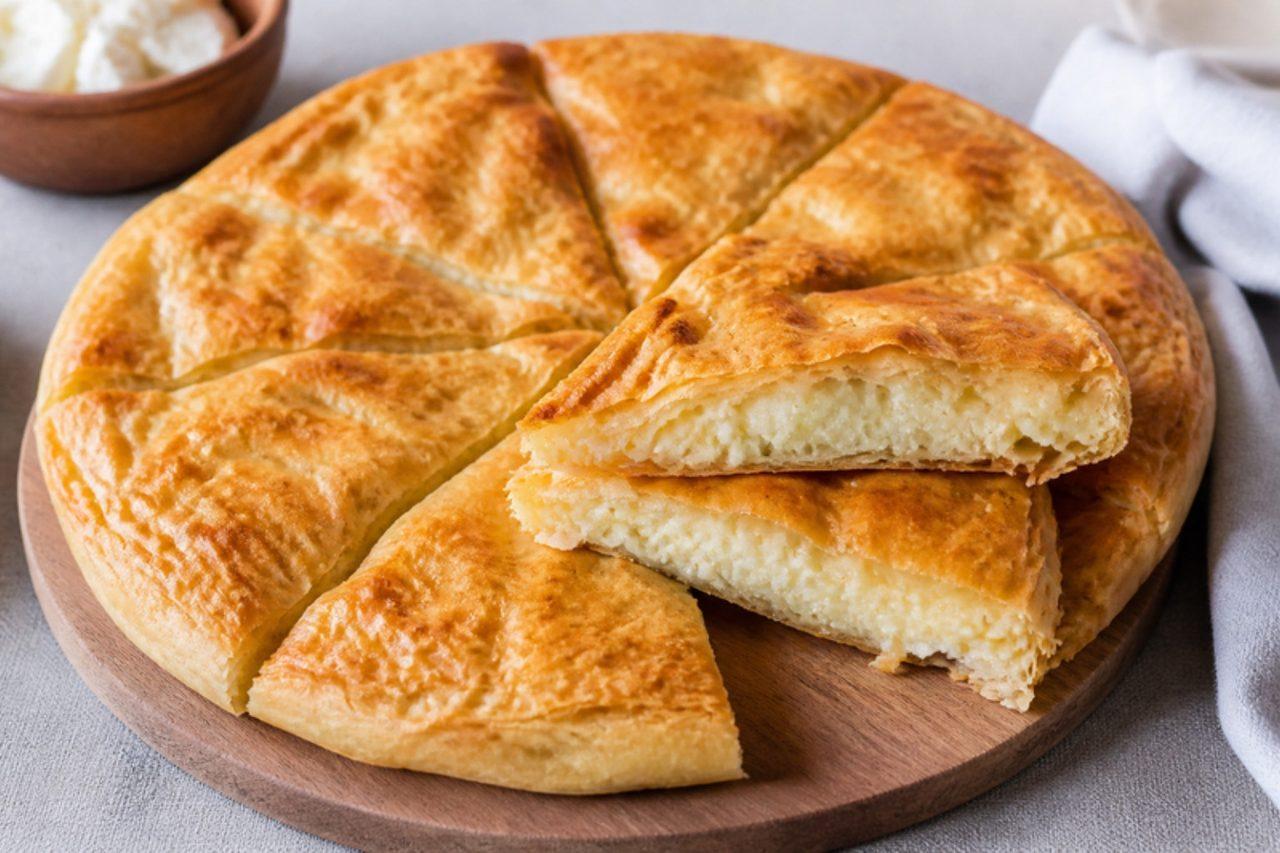
KlinRice and cheese filo pie

Klin is the festive pie of the Rhodopes, baked for Gergyovden in May, for weddings and for the end of the haymaking, in large round tins that come out to be shared across the village. Thin pastry sheets are layered with a loose, custardy mix of cooked rice, crumbled white cheese, eggs, milk and butter, so it bakes tender and soft inside with a crisp, golden lid. The rice makes it heartier than banitsa and gives every slice a gentle, creamy chew. It is eaten warm or cold with yogurt or ayran. Sirene is often made with animal rennet, so use a vegetarian white cheese. Where most people go wrong is cooking the rice fully; it must stay slightly firm, because it carries on soaking up milk in the oven. Chef's tip: pour any leftover egg and milk over the top just before baking, and the surface puffs into a glossy, golden crust.

by KrazyBadal 0 views

Jamaican hominy corn porridge

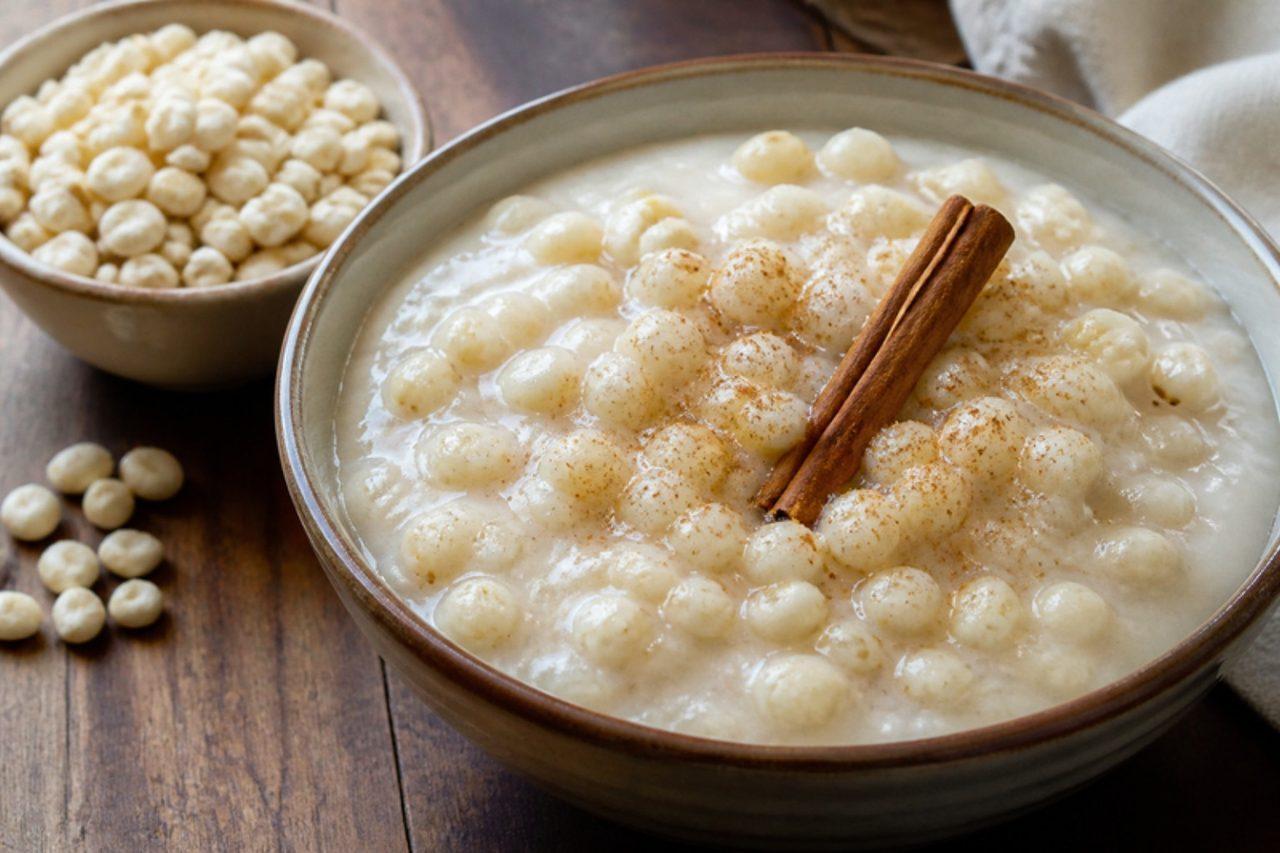
Hominy porridge is a weekend job in Jamaican homes from Spanish Town to Mandeville: the dried, hulled corn kernels need soaking overnight and a long, slow simmer before they burst open, tender and chewy, in a creamy coconut and spice base. The finished porridge is thick and comforting, sweetened with condensed milk and perfumed with cinnamon, nutmeg and vanilla, and it reheats beautifully through the week. The mistake many people make is adding the coconut and milk at the start, where they catch and burn during the long cook; boil the corn in water first. Look for dried white hominy at Caribbean or Latin shops, and remember the overnight soak. Chef's tip: stir in a spoonful of cornmeal or flour mixed with water at the end if you like it thicker, as many Jamaican cooks do.

by KrazyBadal 0 views

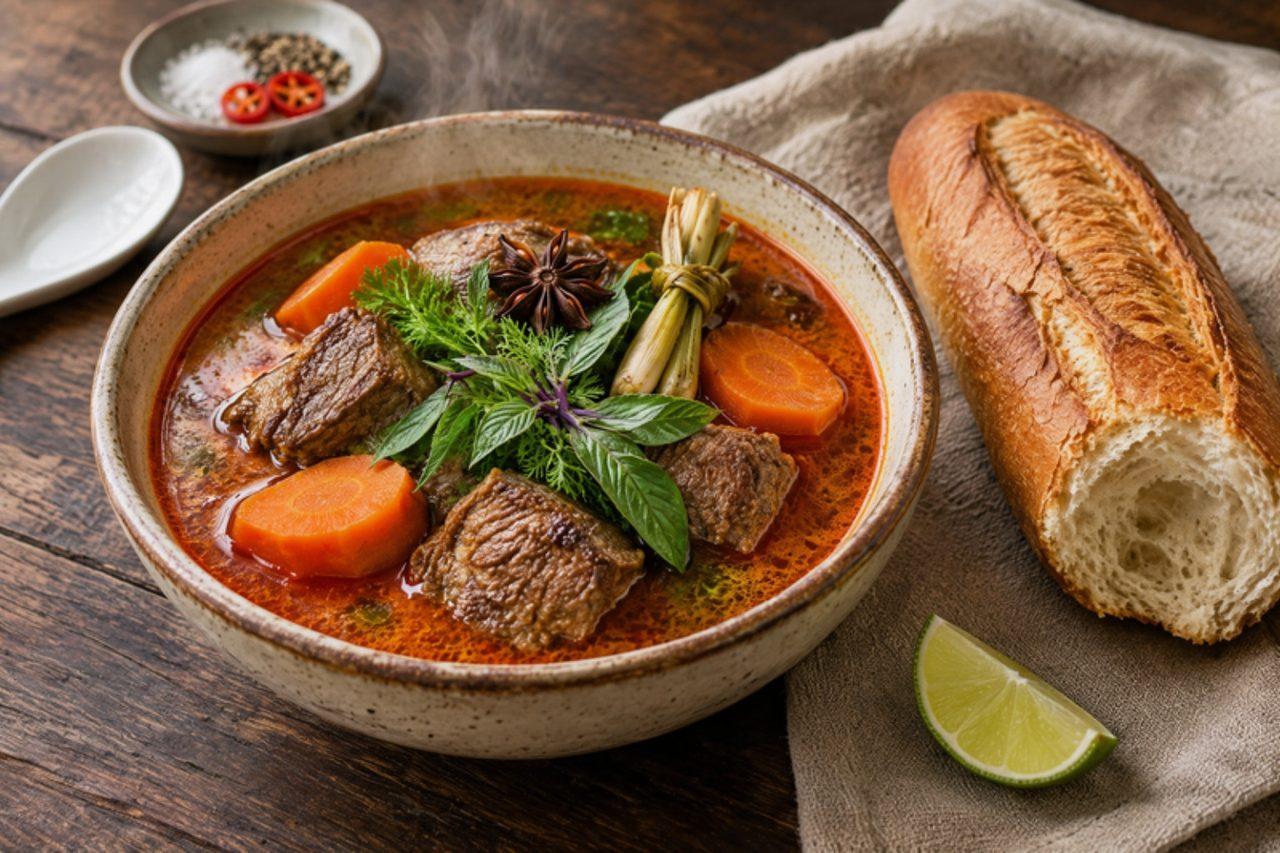
Kammounia (Tunisian cumin beef stew)

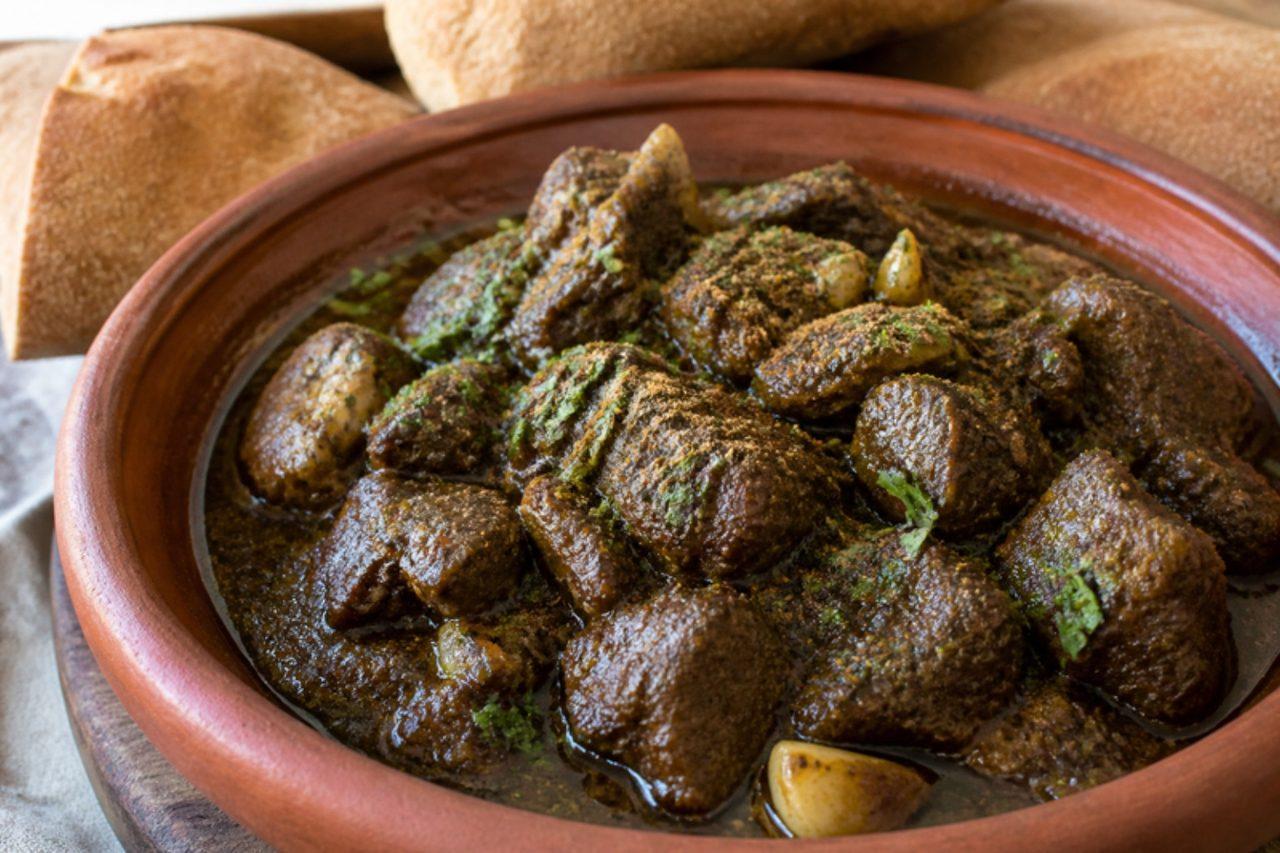
Cumin, kammoun in Arabic, gives kammounia its name, and the dish uses it boldly: chunks of beef, or in many Tunis homes lamb's liver, simmer in a thick, dark sauce of garlic, tomato paste and a generous amount of ground cumin until the meat is tender and the sauce clings to it. It is everyday family food in Tunis and Sfax, scooped up with crusty bread or served alongside a salad and olives. The flavour is earthy, warm and garlicky with a gentle heat from harissa. The usual mistake is adding the cumin at the start and frying it hard, which makes it bitter; it goes in once the sauce is simmering. Chef's tip: add half the cumin at the start and the rest in the last 10 minutes; all of it at once risks a flat, slightly bitter sauce, while the late addition keeps the aroma bright.

by KrazyBadal 0 views

Jamaican jerk pork

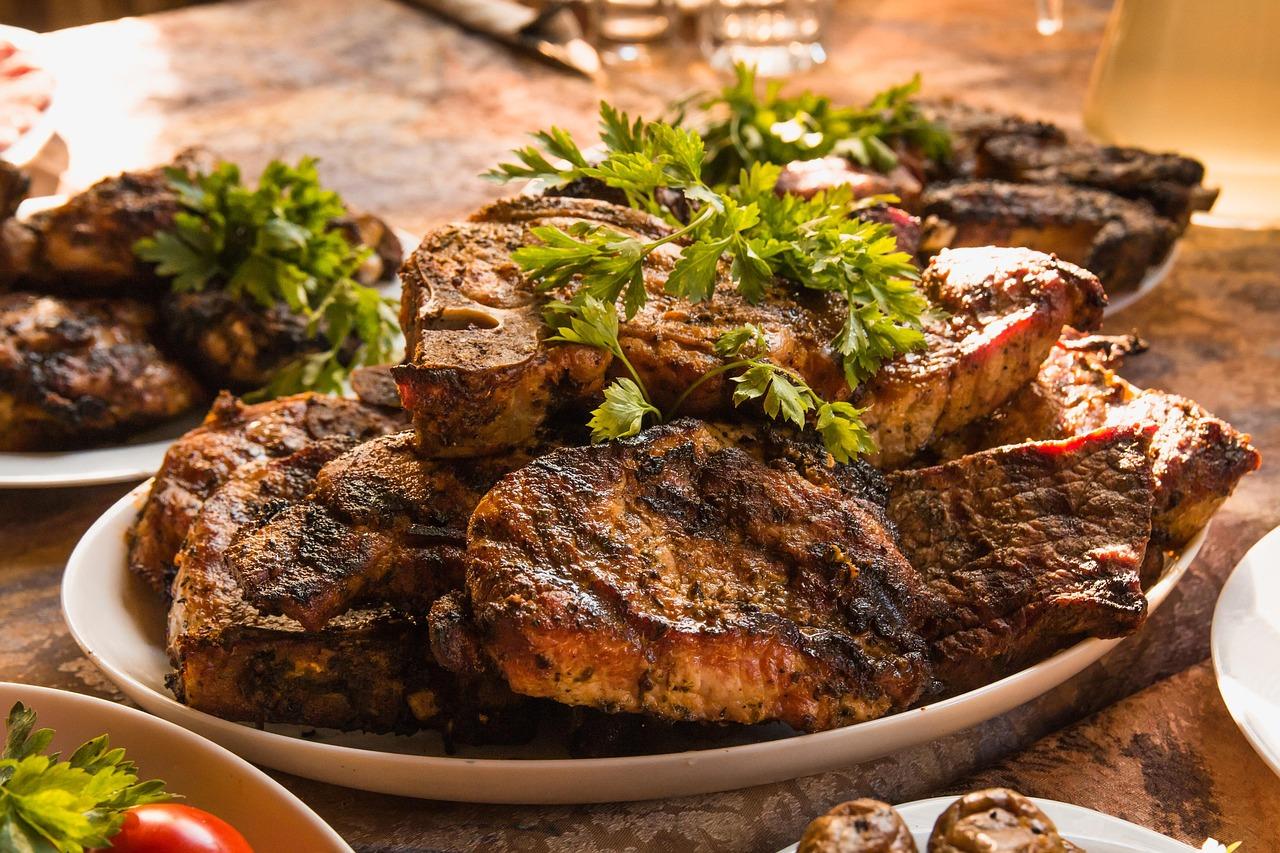
Boston Bay in Portland is where jerk pork was born, and the jerk pits there still slow-smoke pork shoulder over green pimento wood under sheets of zinc until the outside is dark and crusted and the meat is smoky and juicy. This home version uses boneless pork shoulder rubbed with a wet paste of scotch bonnet, pimento, scallion, thyme and ginger, then cooked slowly in a covered barbecue or oven and finished over high heat. The biggest mistake is rushing the marinade; it needs at least 12 hours in the fridge to get into the pork. Cook until the thickest part reaches at least 63 °C, then rest; for tender, chopped jerk like the stalls, keep going to about 85 °C. Chef's tip: throw a handful of soaked allspice berries and bay leaves onto the coals for the smoky pimento flavour of the real pits.

240 minJamaicanMeatGluten freeSpicy
by KrazyBadal 0 views

Bkaila (Tunisian spinach and beef stew)

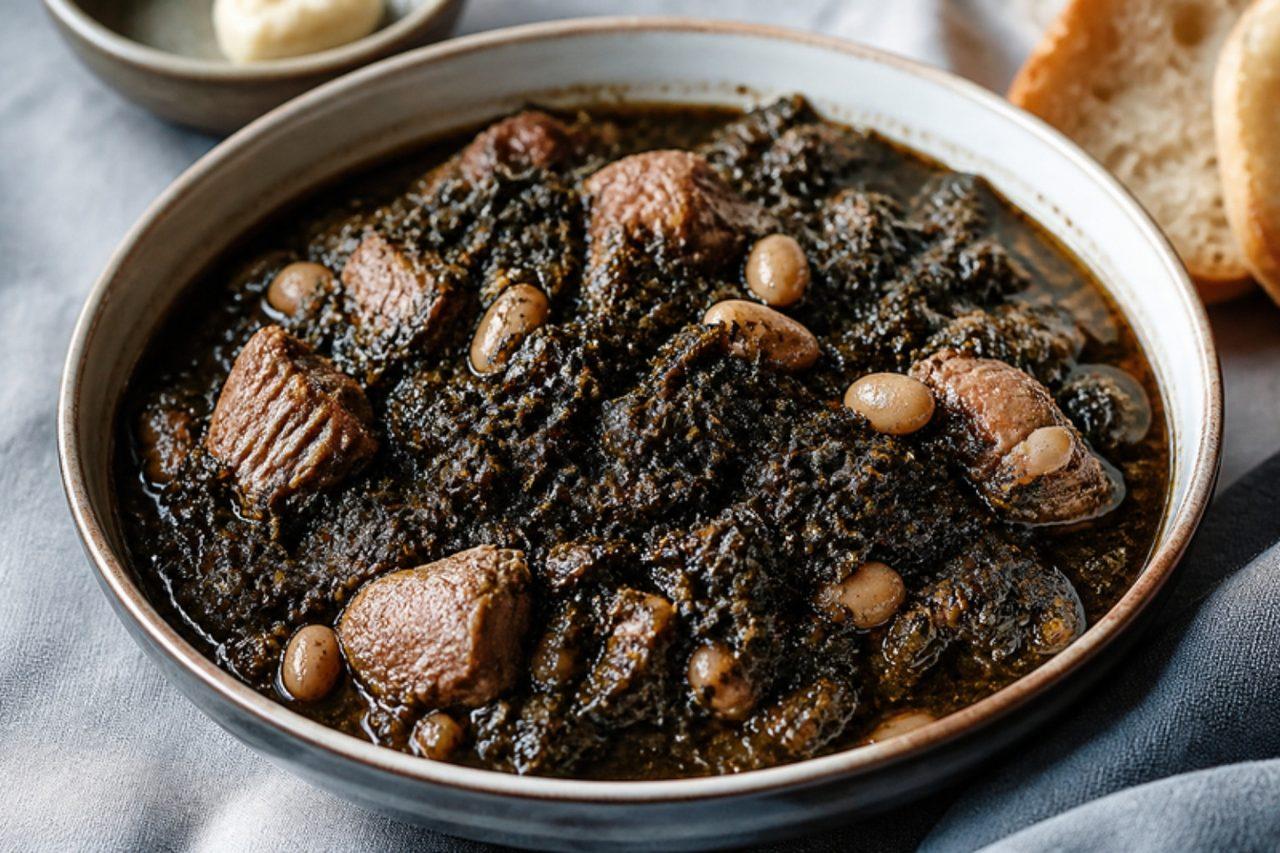
Tunisian Jewish families in Tunis, and those who carried the dish to Paris and Israel, cook bkaila for Rosh Hashanah and for Friday-night dinners: a heap of spinach is fried in olive oil for over an hour, until it shrinks to a dark, almost black, crumbly paste, then simmered for hours with chunks of beef, white beans, garlic and dried mint. The result looks dramatic and tastes deep and earthy, a little like a long-braised green sauce, with tender meat and creamy beans. It is eaten with couscous or bread, and is even better reheated the next day. Start the beans soaking the night before. Chef's tip: fry the spinach over a medium-low heat and stir often; turning up the heat to save time is the classic mistake, scorching the leaves so the whole pot turns bitter.

240 minTunisianMeatGluten free
by KrazyBadal 0 views

Lao bamboo shoot soup

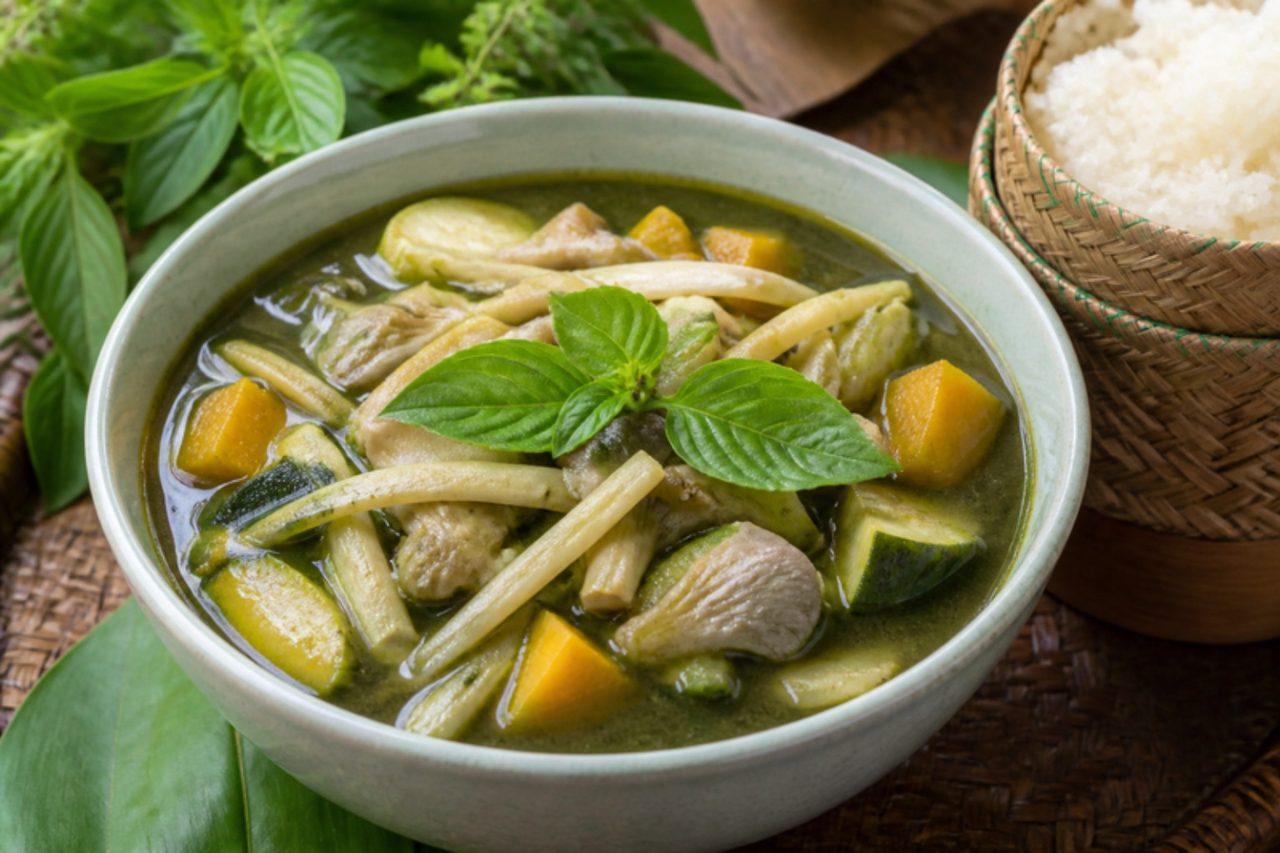
When the rains arrive in June, Vientiane's morning markets fill with pale, freshly dug bamboo shoots, and pots of kaeng nor mai start simmering in kitchens across the city for the family lunch. The broth is a deep olive green, tinted by the juice squeezed from yanang leaves, and thickened with a spoonful of pounded soaked sticky rice so it coats the spoon. Earthy bamboo, sweet pumpkin and slippery mushrooms float in it with lemon basil on top, and a basket of sticky rice and a dish of jeow sit alongside. Skipping the pre-boil of the bamboo is where most cooks go wrong: raw shoots taste bitter and need cooking through to be safe, so always blanch fresh ones and drain. This version leaves out the fermented fish of village kitchens and seasons with salt and tamari. Chef's tip: squeeze the yanang leaves in cold water, never hot, or the broth turns brown and loses its grassy freshness.

60 minLaoSoupsVeganGluten free
by KrazyBadal 0 views

KljukušaBaked grated potato batter

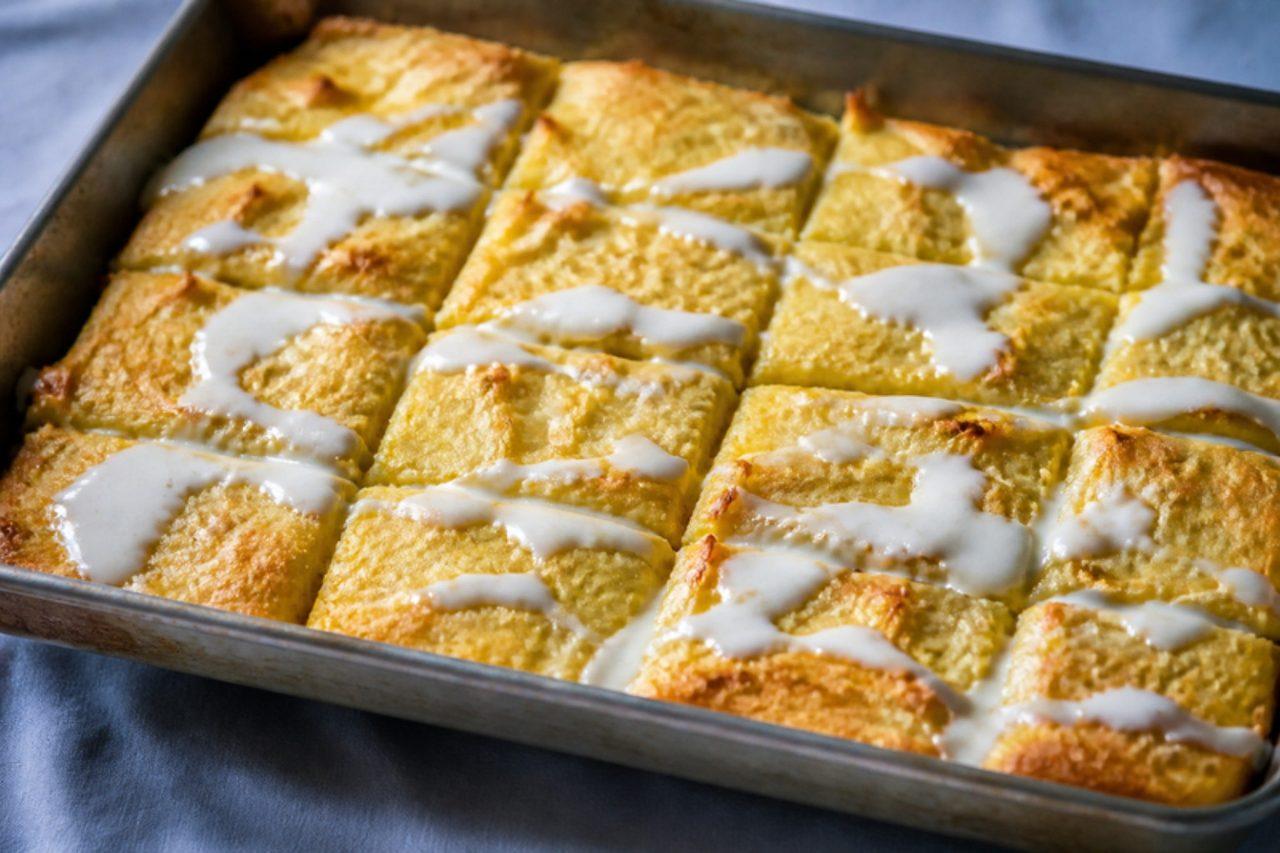
Ask anyone from Bihać or Cazin in north-western Bosnia about kljukuša and they will describe a big tray of it coming out of the oven on a weekday, golden and blistered, then soaked in garlic yogurt at the table. Grated raw potato is stirred into a loose flour batter and baked in a thin layer, giving a crisp, browned top and a soft, slightly chewy middle, a bit like a potato pancake from the oven. The cold, garlicky yogurt against the hot potato is the whole point, with a green salad or pickles on the side. The usual slip is spreading it too thick, which leaves a gummy, undercooked centre; keep the layer to about 1.5 cm. Chef's tip: get the oiled tray smoking hot in the oven first, so the bottom crisps as soon as the batter hits it.

by KrazyBadal 0 views

Kluski z makiemNoodles with sweet poppy seed

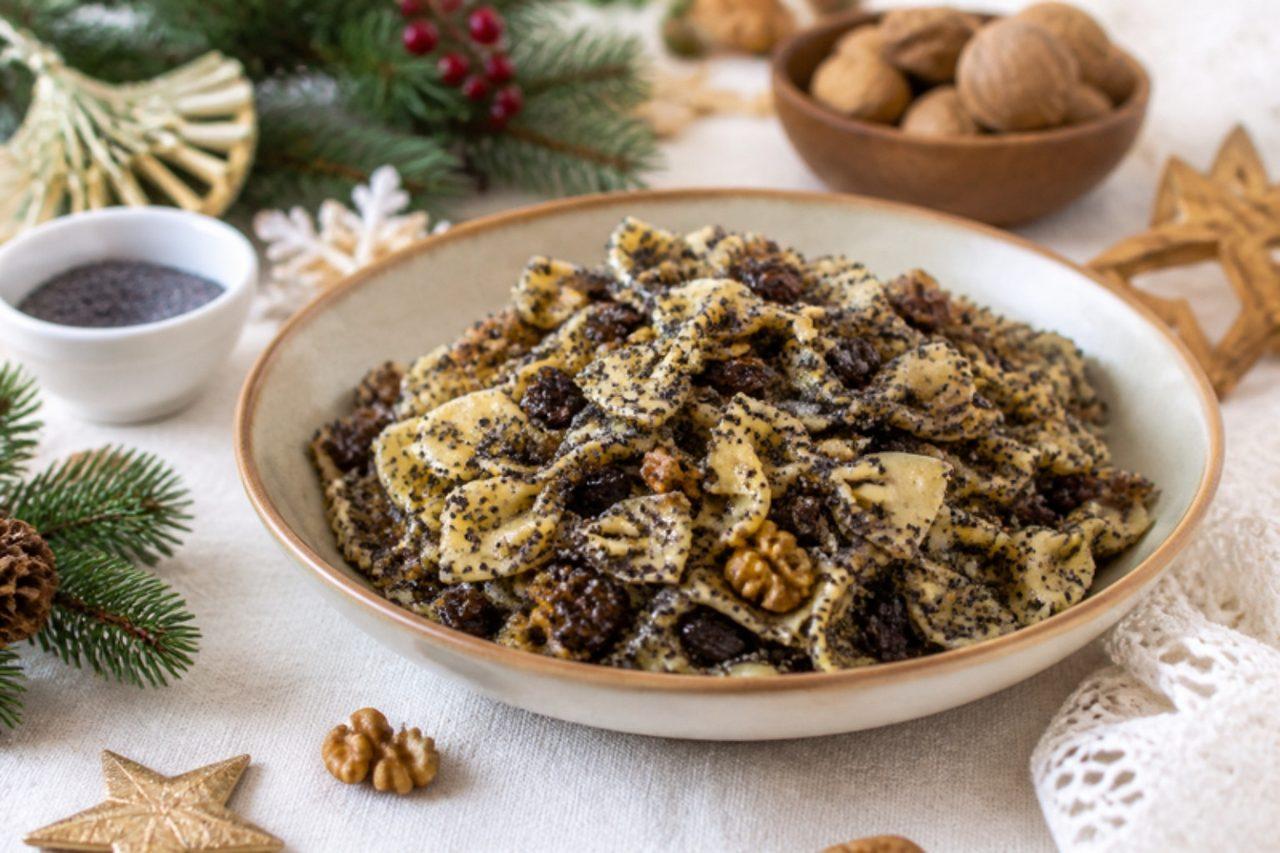
Poppy seed is the taste of a Polish Christmas Eve, and in central and eastern Poland it often reaches the table as a bowl of wide noodles in a sweet, dark poppy mixture with honey, walnuts and raisins. It sounds strange to anyone who expects pasta to be savoury, but it is closer to a pudding: nutty, slightly bitter, sticky with honey, eaten at room temperature as the last dish of the night. Where most people go wrong is using whole poppy seeds straight from the packet; they must be scalded and ground, or the dish is gritty and bland. Chef's tip: buy ready-ground poppy seed or grind scalded seeds twice in a spice grinder until they turn grey and buttery.

by KrazyBadal 0 views

Bermuda fish chowder

Bermudians call fish chowder their national dish, and every Sunday brunch and Cup Match picnic has a pot of it: a dark, thick soup made from a long-simmered fish-head stock with tomatoes, vegetables and white fish, seasoned at the table with a splash of black rum and sherry peppers sauce (hot peppers steeped in sherry). This recipe contains alcohol in those optional table seasonings; for an alcohol-free bowl, use a few drops of hot pepper sauce and a little molasses instead. The mistake to avoid is a thin, watery stock; the bones must simmer long enough to give body. Ask your fishmonger for heads and frames from white fish, gills removed. Chef's tip: let the finished chowder rest for 30 minutes before serving; it thickens and the flavours deepen.

by KrazyBadal 0 views

Taiwanese radish omelette

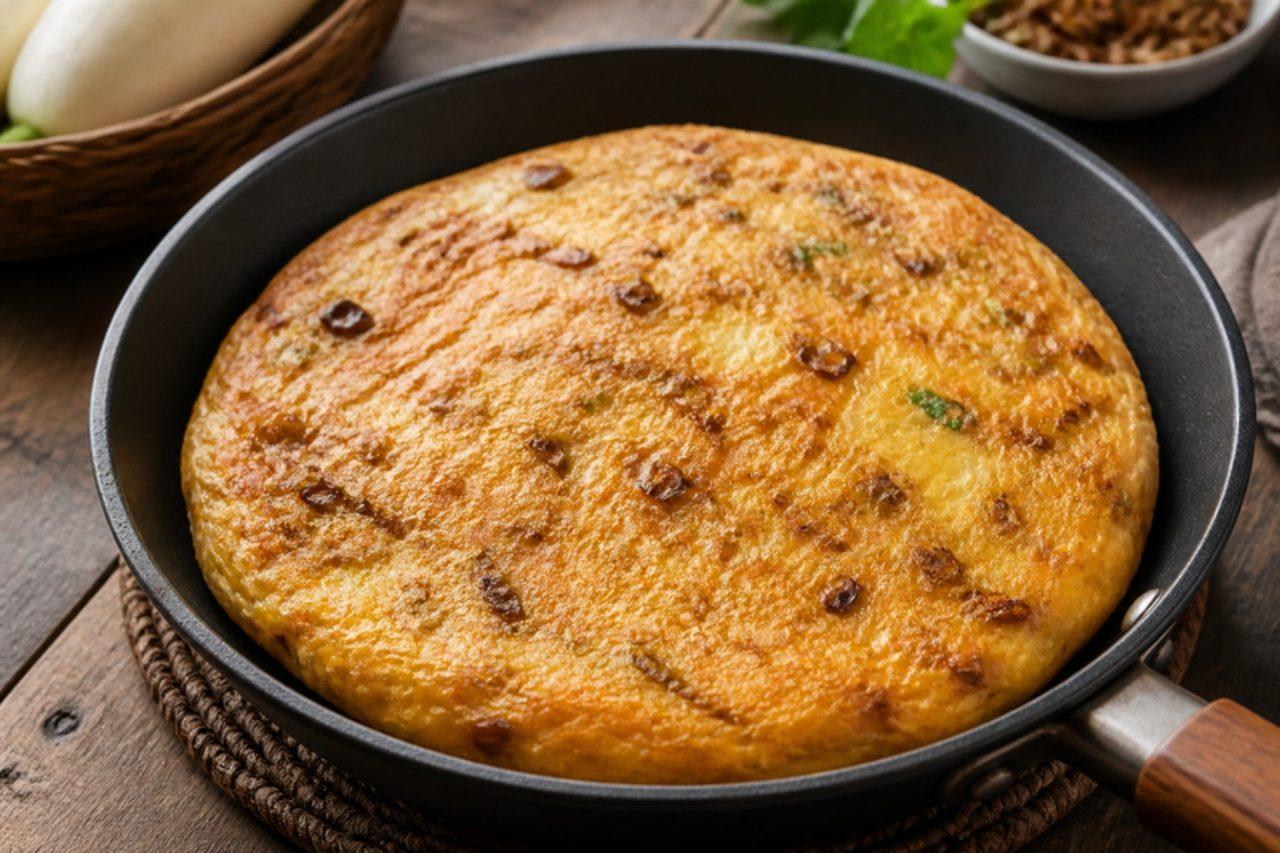
Ask a Taiwanese grandmother what to cook when there's nothing in the fridge and the answer is often this: a few eggs and a handful of preserved radish turned into a thick, golden omelette, cut into wedges and passed round. It's a staple of the rice-and-small-dishes spread at Taipei breakfast shops and late-night congee counters, and it reappears on the stir-fry restaurant table and in home lunchboxes. The chopped radish fries up crunchy and caramel-sweet inside soft, puffy egg, with crisp brown lacy edges. Skipping the rinse is where most go wrong: unrinsed radish makes the omelette far too salty. Chef's tip: dry-fry the radish first until it smells toasty, then use plenty of oil and a hot pan so the egg puffs and the edges frill.

by KrazyBadal 0 views

KnäckebrödRye crispbread

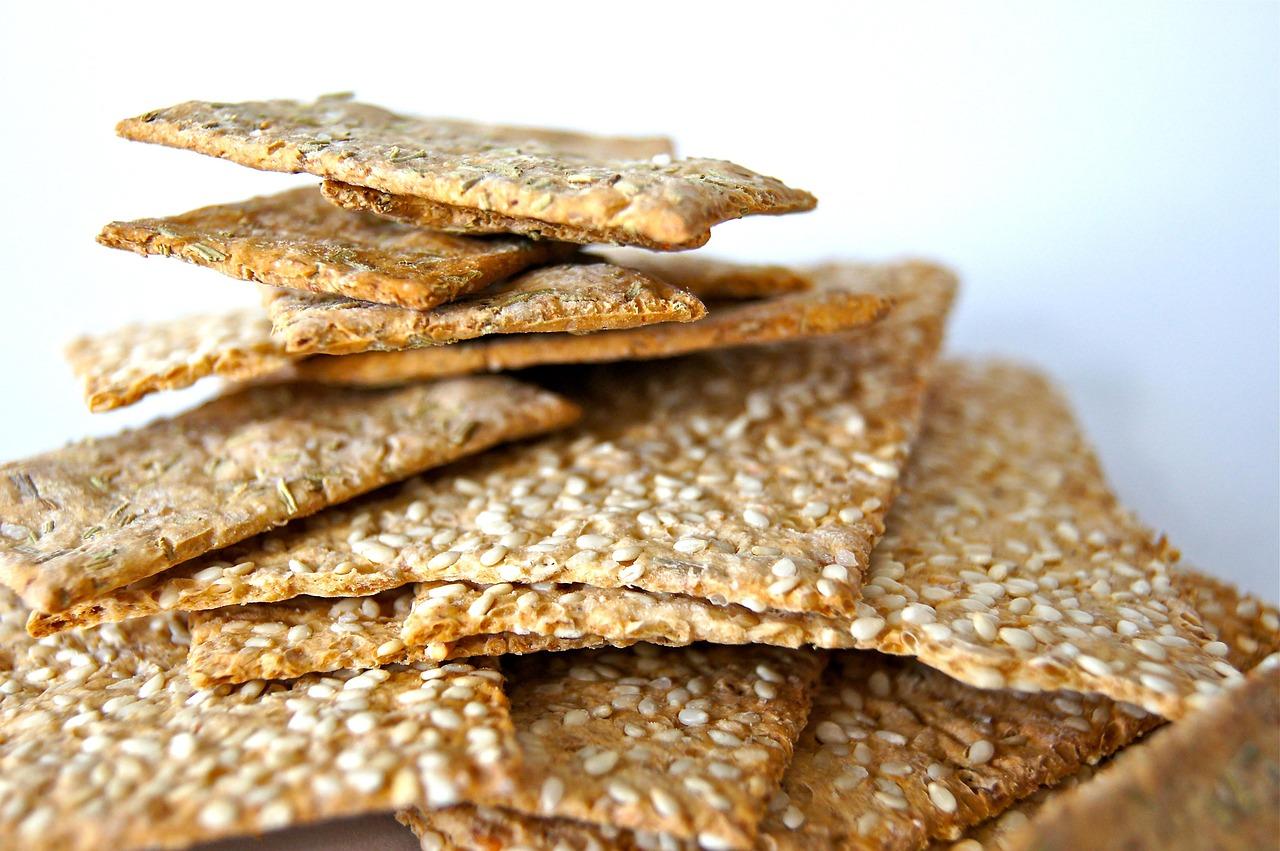
Knäckebröd is the crispbread that Swedes have baked since the Vikings: rye flour and seeds rolled thin, pricked all over and baked until bone-dry, so it keeps for weeks; once it was baked with a hole in the middle and hung on poles under the kitchen ceiling. Today it is eaten at breakfast with butter, cheese and cucumber in every Swedish home. A common mistake is rolling unevenly, which leaves soft patches that go stale. Chef's tip: roll the dough directly on baking paper with a knobbled rolling pin or prick it heavily with a fork, then bake twice, the second time low, until completely dry.

by KrazyBadal 0 views

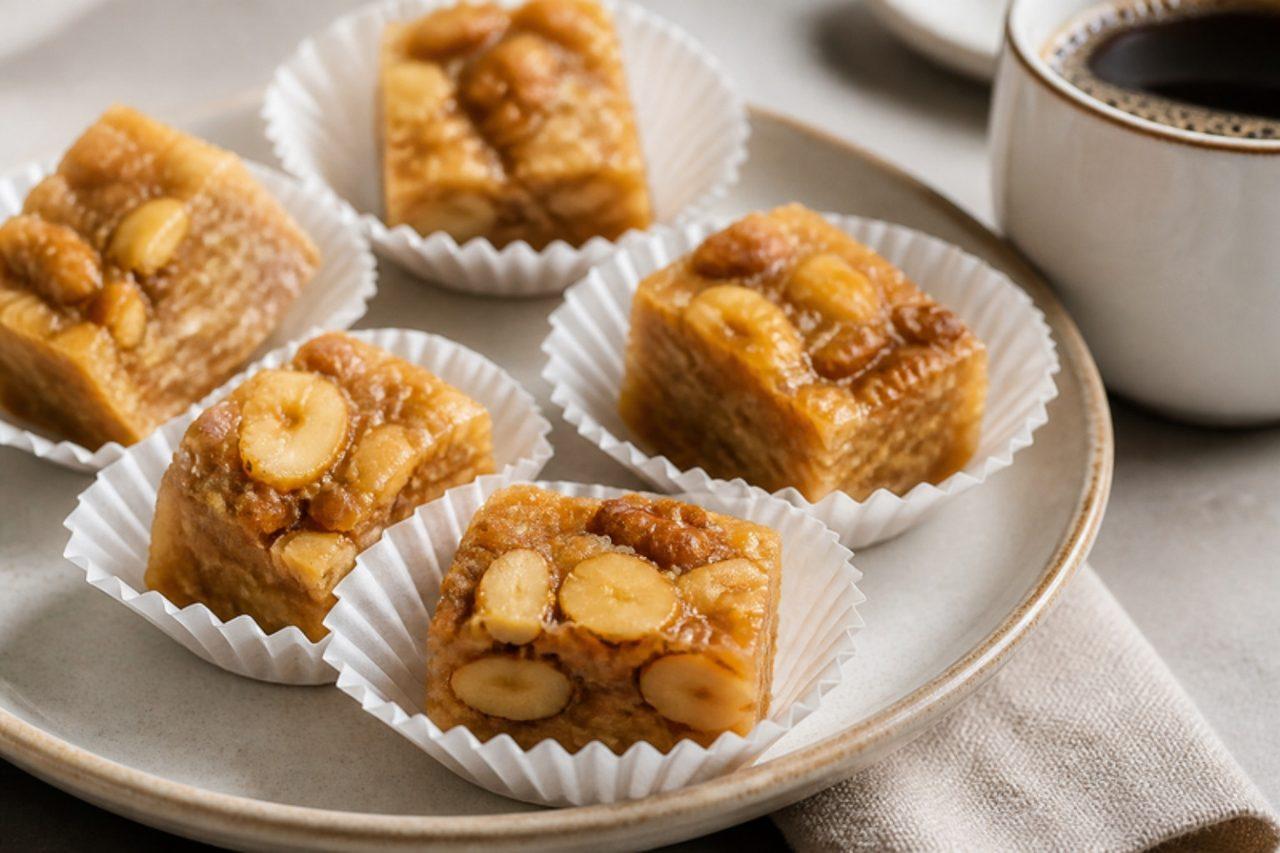
Djouzia (walnut and honey nougat)

Shops in old Constantine wrap djouzia in twists of paper and sell it by weight, a soft, pale caramel-coloured nougat of honey, whipped egg white and plenty of walnuts. It is chewier and darker than white Provençal nougat, with a deep honey flavour and the slight bitterness of walnut skins. Djouzia is a gift sweet, carried to weddings and offered with coffee to visitors, and keeps for weeks. A sugar thermometer makes it reliable. Chef's tip: cook the honey syrup to 125 °C; syrup that is pulled off too early is the most common mistake, and the nougat stays sticky and will not set enough to cut.

by KrazyBadal 0 views

KjötsúpaLamb and root vegetable soup

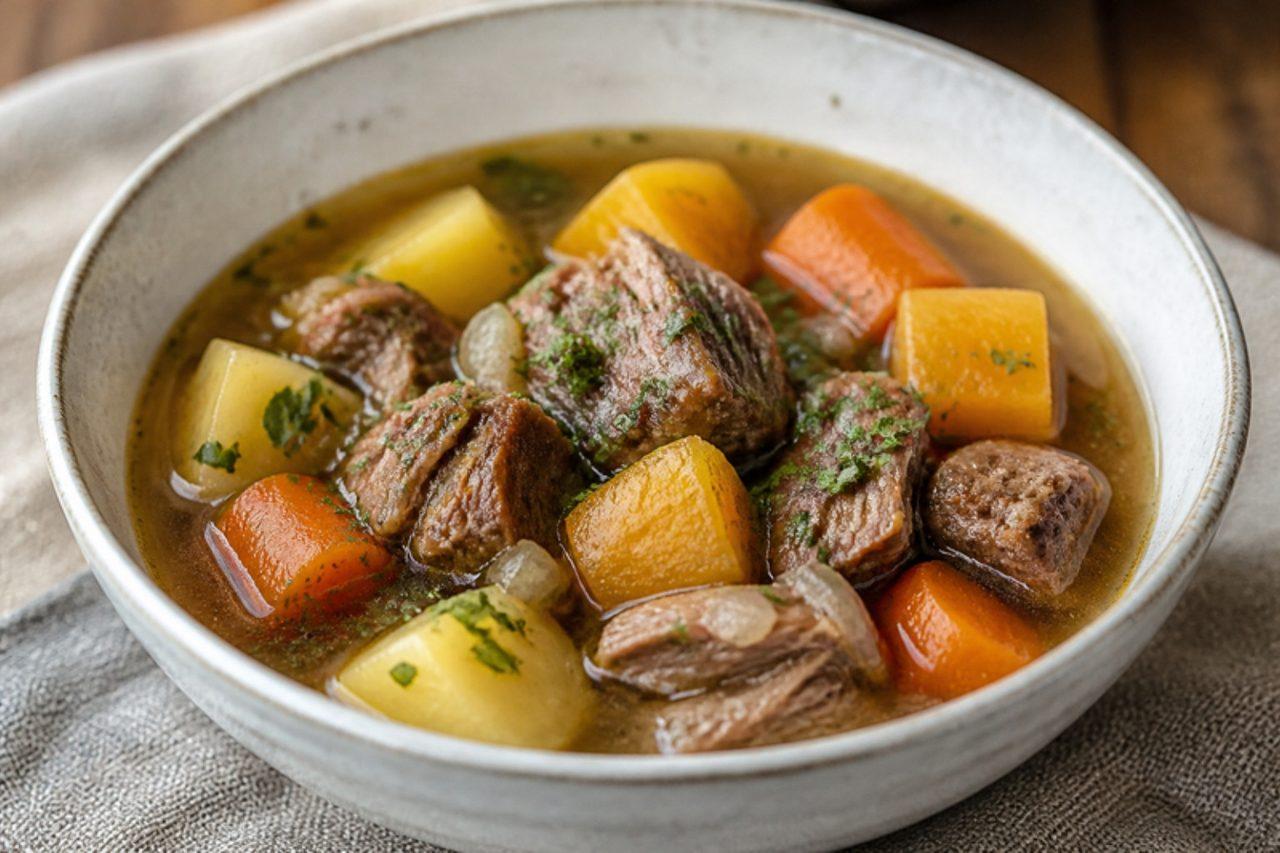
Kjötsúpa is the soup every Icelander grew up on, simmered from bony lamb shoulder with swede, potatoes, carrots, onion and a handful of rolled oats or rice to thicken it. Icelandic lamb is free-grazing and flavourful, and on the first day of winter in late October, Kjötsúpudagurinn, free soup is ladled out on Skólavörðustígur in Reykjavík. A common mistake is skimming too little at the start, which leaves a greasy, cloudy soup. Chef's tip: serve the meat on a plate beside the soup, as many Icelandic families do, so everyone can pull it from the bone.

by KrazyBadal 0 views

Burmese pumpkin curry

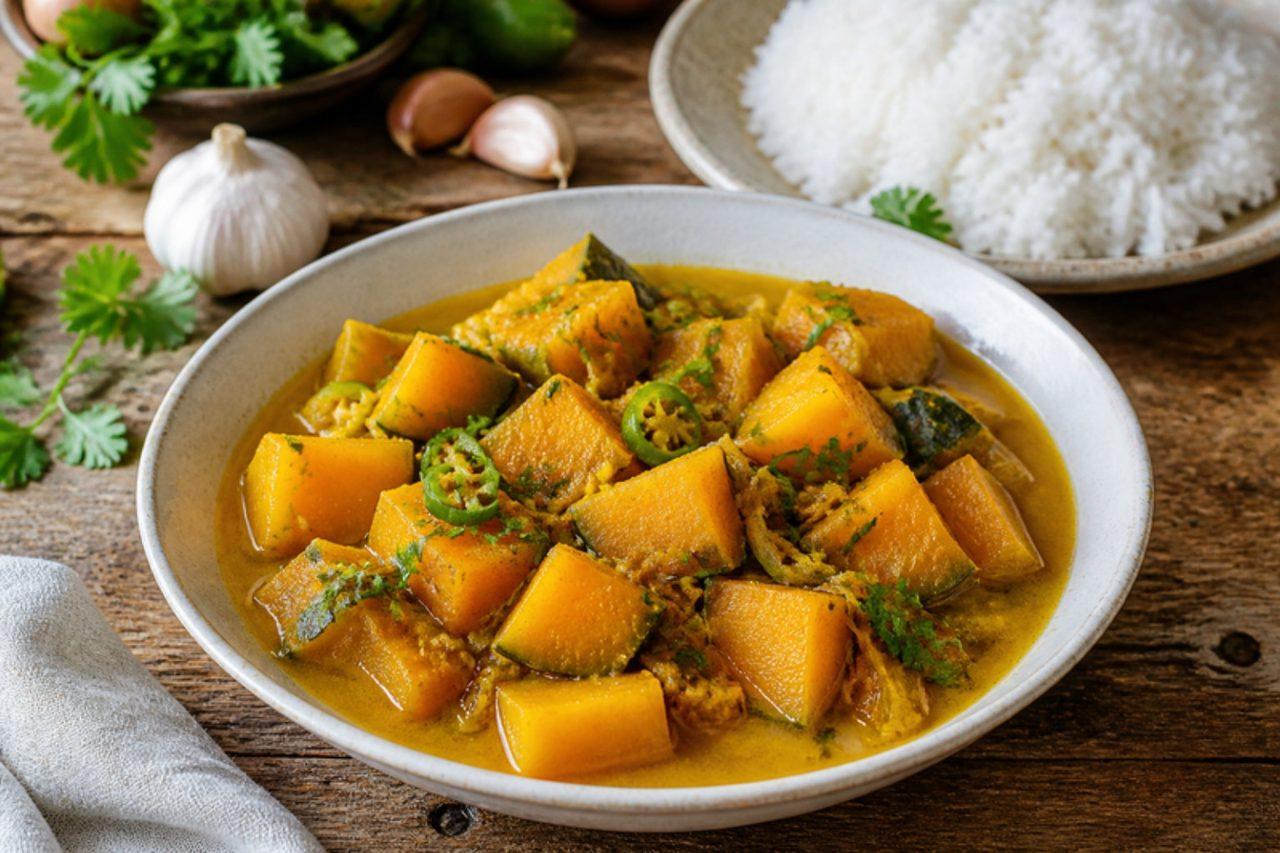
On a weekday lunch table in a Yangon home, this soft orange curry usually sits beside a sour leaf soup, a plate of boiled greens and a mound of plain rice. Wedges of pumpkin are cooked slowly in a pounded paste of onion, garlic and ginger with turmeric and chilli, until the flesh turns tender and glossy and the oil rises to the top, the sign of a well-made Burmese hin. It tastes sweet, gently hot and savoury all at once; many households stir in dried shrimp, but this version keeps it plant-based with a little salt and sugar. Where cooks go wrong is stirring the pot every few minutes: the pumpkin breaks into mash, so shake the pan instead. Chef's tip: leave the skin on a firm, dense pumpkin such as kabocha; it holds the pieces together and softens enough to eat.

by KrazyBadal 0 views

Date squares

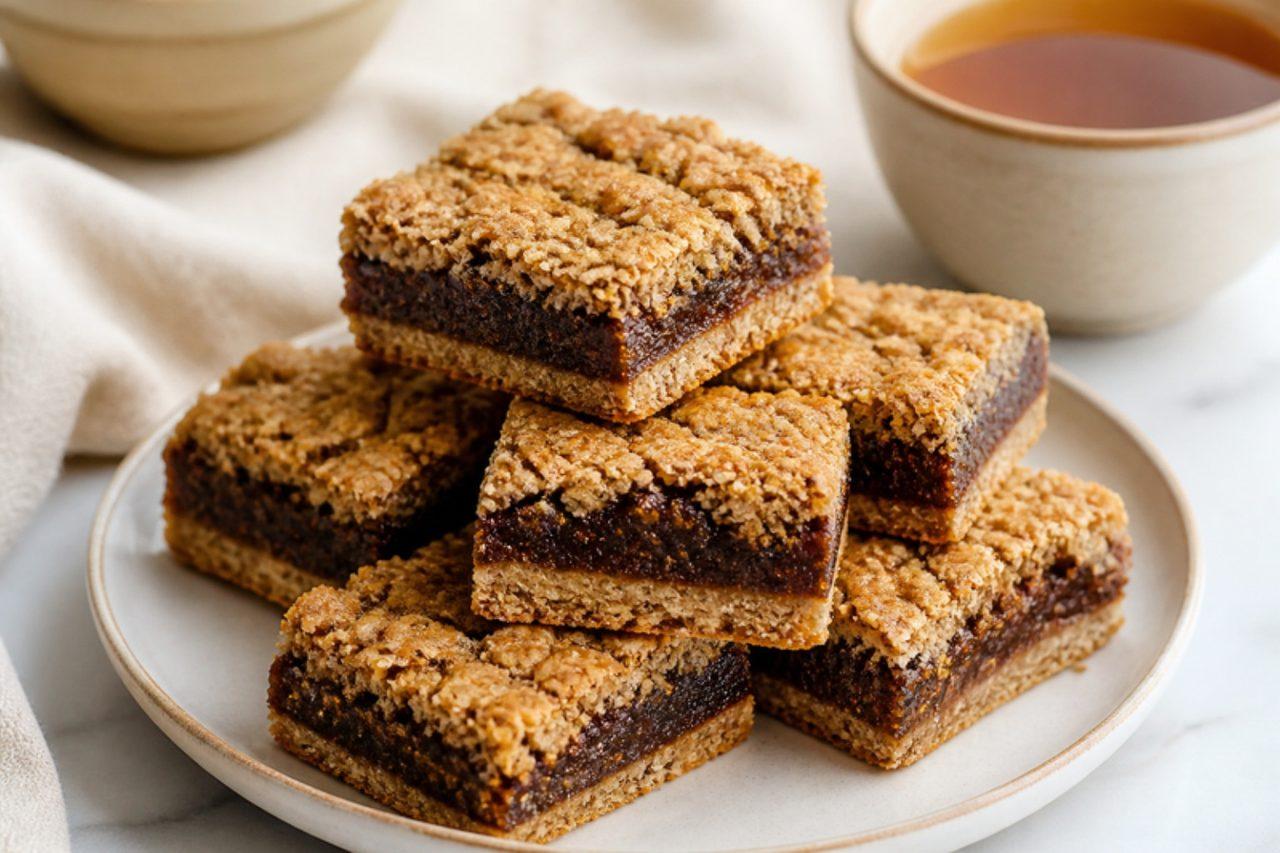
Date squares are on the tea table in every Canadian church hall and school bake sale, called carrés aux dattes in Quebec and matrimonial cake in the West. A buttery oat crumble is pressed into a tin, spread with a soft date filling and covered with more crumble, then baked until golden. They keep for days and freeze well. A common mistake is spreading the dates while hot onto loose crumb, which makes the base soggy; press the base firmly. Chef's tip: add a strip of orange zest to the dates for a brighter flavour.

by KrazyBadal 0 views

Maple syrup pie

Tarte au sirop d'érable closes many a family meal in Quebec at Easter and through the sugaring season, a cousin of the sugar pie made with real maple syrup. The filling of syrup, cream and egg bakes into a soft, trembling, caramel-brown layer that tastes deeply of maple. Slice it thin; it is rich. A spoonful of crème fraîche or plain whipped cream cuts the sweetness. A common mistake is skipping the blind bake, which leaves a soggy base. Chef's tip: take the pie out while the centre still wobbles like jelly; it sets as it cools and over-baking makes it weep.

by KrazyBadal 0 views

Lac-Saint-Jean blueberry pie

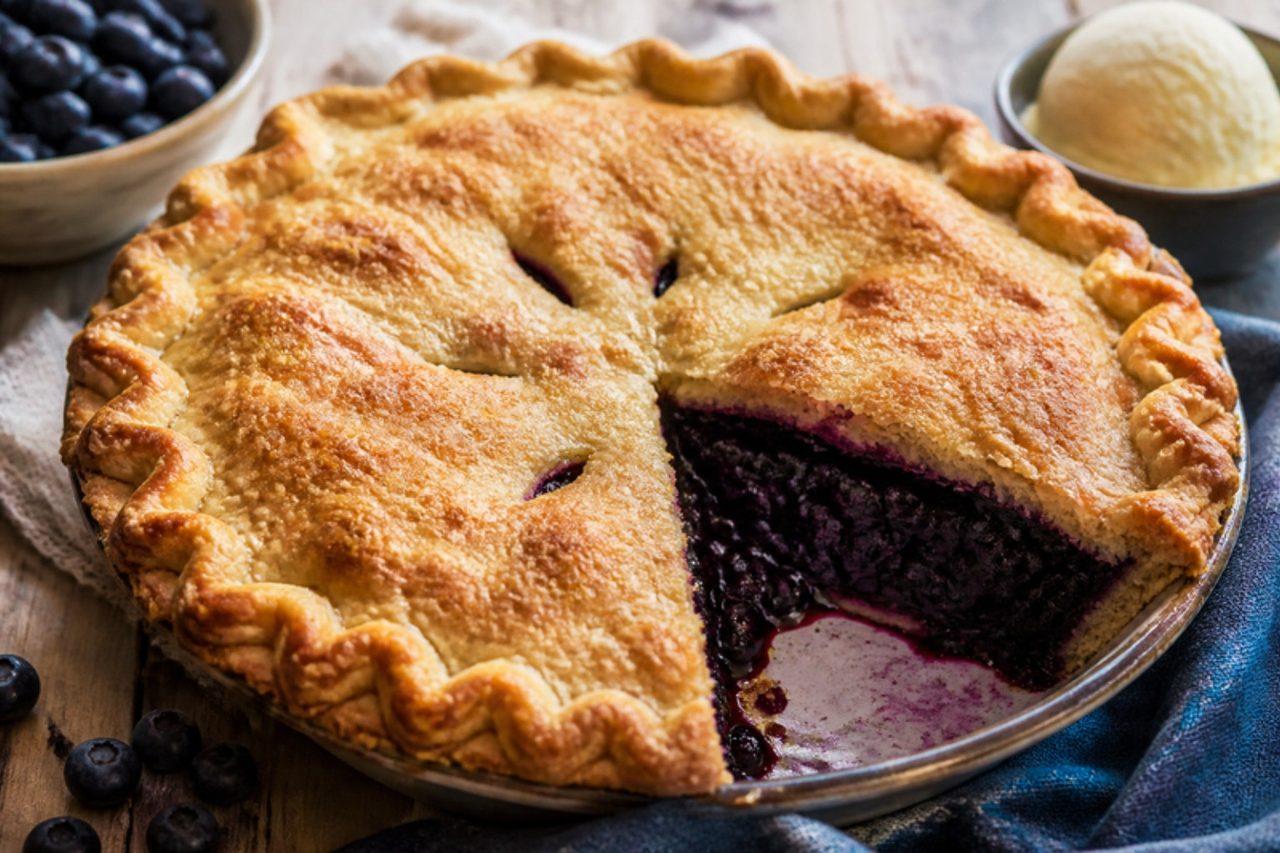
Around Lac-Saint-Jean in Quebec the low wild blueberries ripen in August, and the region is so proud of them that locals are nicknamed bleuets. Every church supper and roadside casse-croûte there sells a deep tarte aux bleuets with a flaky top crust and a dark, jammy filling that holds when sliced. Wild berries are smaller and more intense than cultivated ones and frozen wild berries work well. Serve slightly warm with vanilla ice cream or a jug of cream. A common mistake is skimping on the cornflour, which leaves a soupy filling. Chef's tip: let the pie cool for at least three hours so the juices set; cut it hot and the filling runs all over the plate.

by KrazyBadal 0 views

Aloo tukTwice-fried pressed potatoes

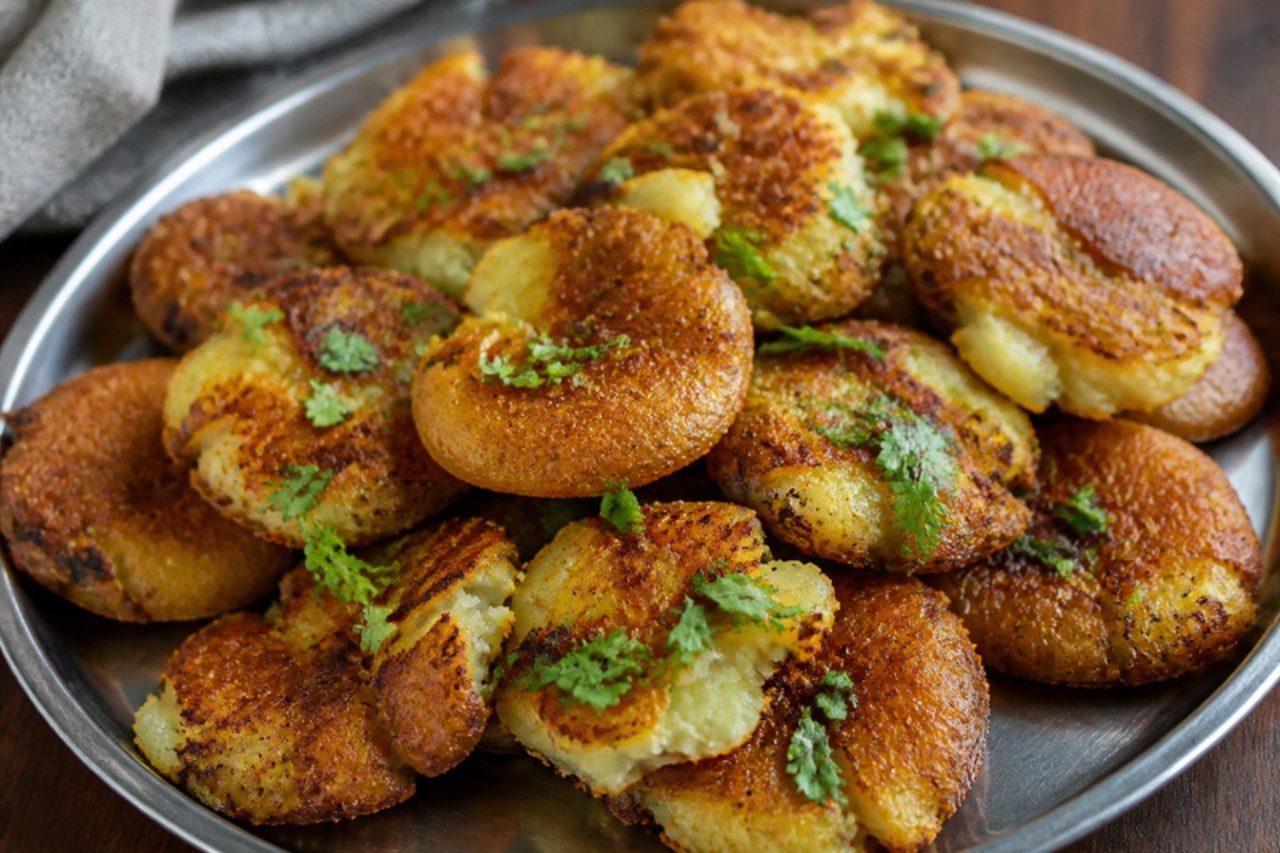
Aloo tuk is the crunch on a Sindhi plate, the thing children steal first: small potatoes boiled, fried, squashed flat and fried again until they are craggy and crisp at the edges and fluffy within, then showered with red chilli, tangy amchur and salt. In Sindhi homes from Karachi to Shikarpur they sit beside Sindhi kadhi and rice or dal and bhuga chawal, and they are also served on their own as a teatime snack with green chutney. The most common error is pressing the potatoes while they are still raw-centred or too hot and wet, which makes them tear instead of flatten neatly. Chef's tip: after the first fry let them cool for five minutes, then press each one under a flat-bottomed bowl so it cracks at the edges, since those cracks become the crispest bits. For children, go easy on the chilli and use more amchur.

by KrazyBadal 0 views

Kittitian goat waterPeppery goat stew

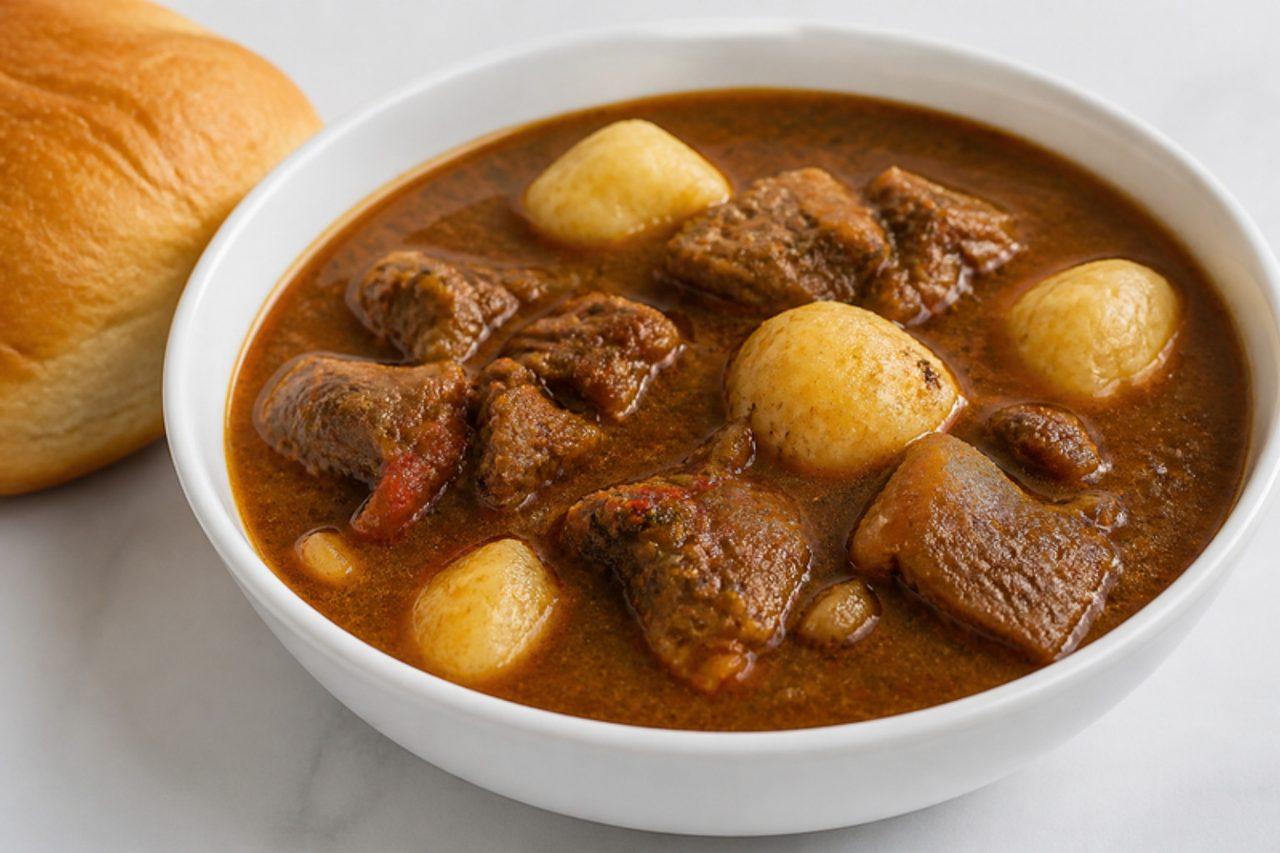
Goat water is what St Kitts, Nevis and Montserrat serve at weddings, village fêtes and every Saturday cookshop: a thick, dark, peppery goat stew-soup flavoured with cloves, thyme, tomato and a heap of hot pepper, thickened with flour and studded with breadfruit, green papaya or dumplings. On Montserrat it is the national dish and comes with crusty bread rolls. The common mistake is thinning it out; despite the name, true goat water should coat a spoon. Ask your butcher to chop bone-in goat into small pieces. Chef's tip: brown a spoonful of flour in the pot before adding the liquid; it gives the gravy its deep colour and nutty taste.

by KrazyBadal 0 views

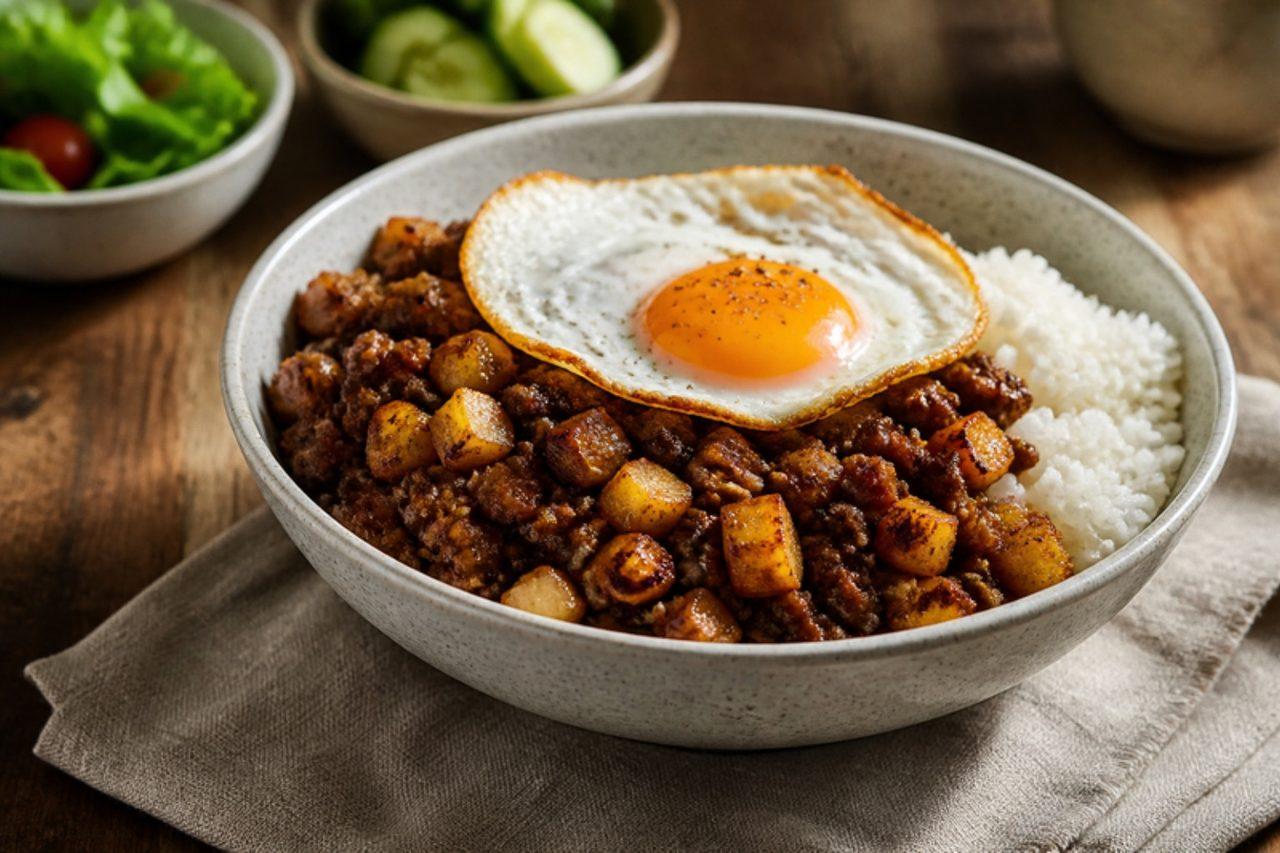
Minchi (Macanese minced meat with potatoes)

If one dish says home to Macanese families, the descendants of Portuguese and Chinese Macau, it is minchi: a quick hash of minced beef and pork seasoned with soy sauce, Worcestershire sauce and a touch of sugar, mixed with crisp little cubes of fried potato and crowned with a runny fried egg. It appears on weeknight tables, at Macanese restaurants near Rua do Cunha, and at gatherings of the Macanese community abroad, always with plain white rice. Savoury, slightly sweet and full of crunch, it tastes like the meeting of a Portuguese kitchen and a Cantonese wok. A common error is stirring the potatoes into the meat too early, which makes them soft and floury; fry them separately until crisp and fold them in at the end. Chef's tip: let the mince sit undisturbed for a minute in the hot pan before stirring, so it browns instead of stewing.

by KrazyBadal 0 views

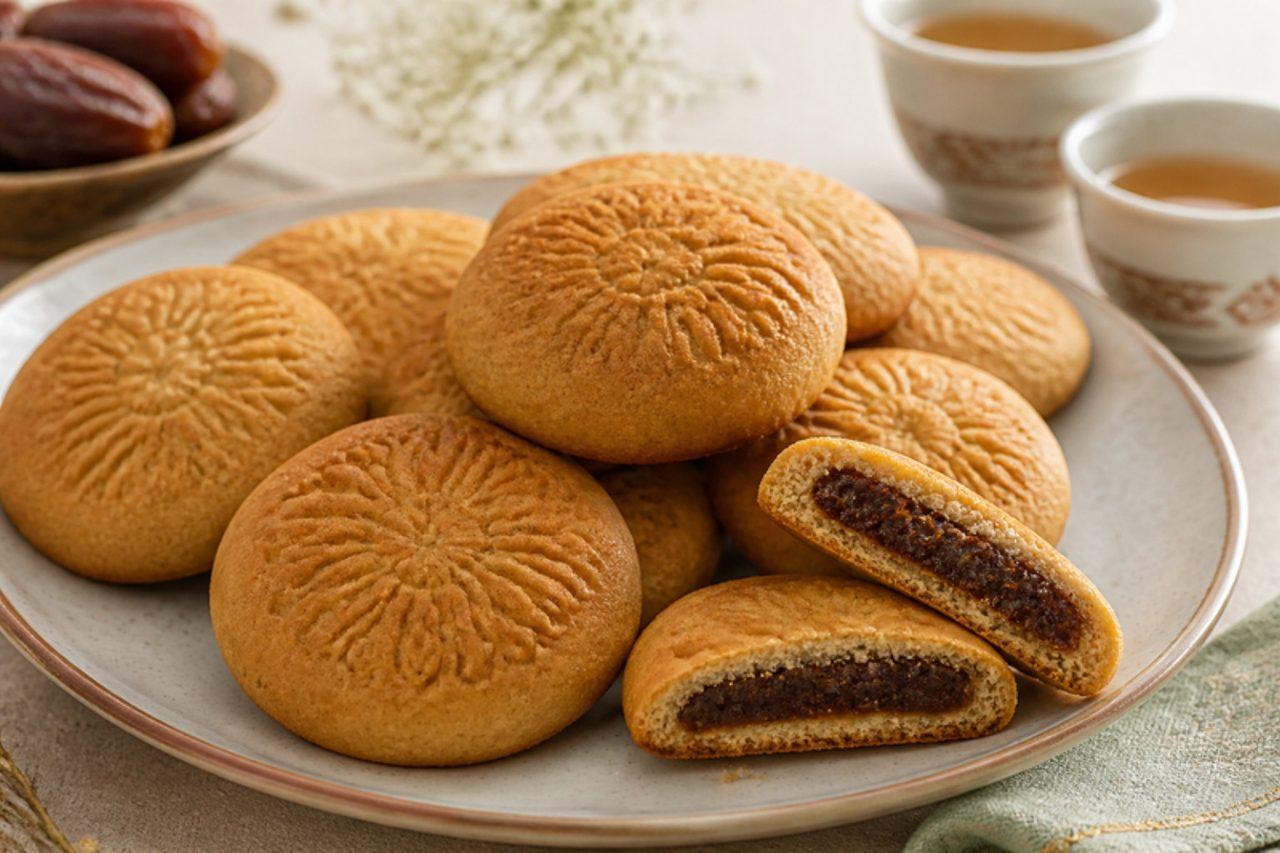
KleijaDate-filled cardamom cookies

Kleija is the pride of Qassim, the farming heartland north of Riyadh, where an entire festival in Buraidah is devoted to these round, stamped cookies filled with date paste and fragrant with cardamom, saffron and a little fennel. They are packed for journeys, offered to guests with Arabic coffee and baked in big batches before Eid. The pastry is short and crumbly with a soft, chewy date centre. A common mistake is overworking the dough after adding ghee, which makes it tough; mix just until it holds. Store them in a tin for a week. Chef's tip: roll the date paste into small balls with damp hands first, so each cookie gets the same amount and seals neatly.

by KrazyBadal 0 views

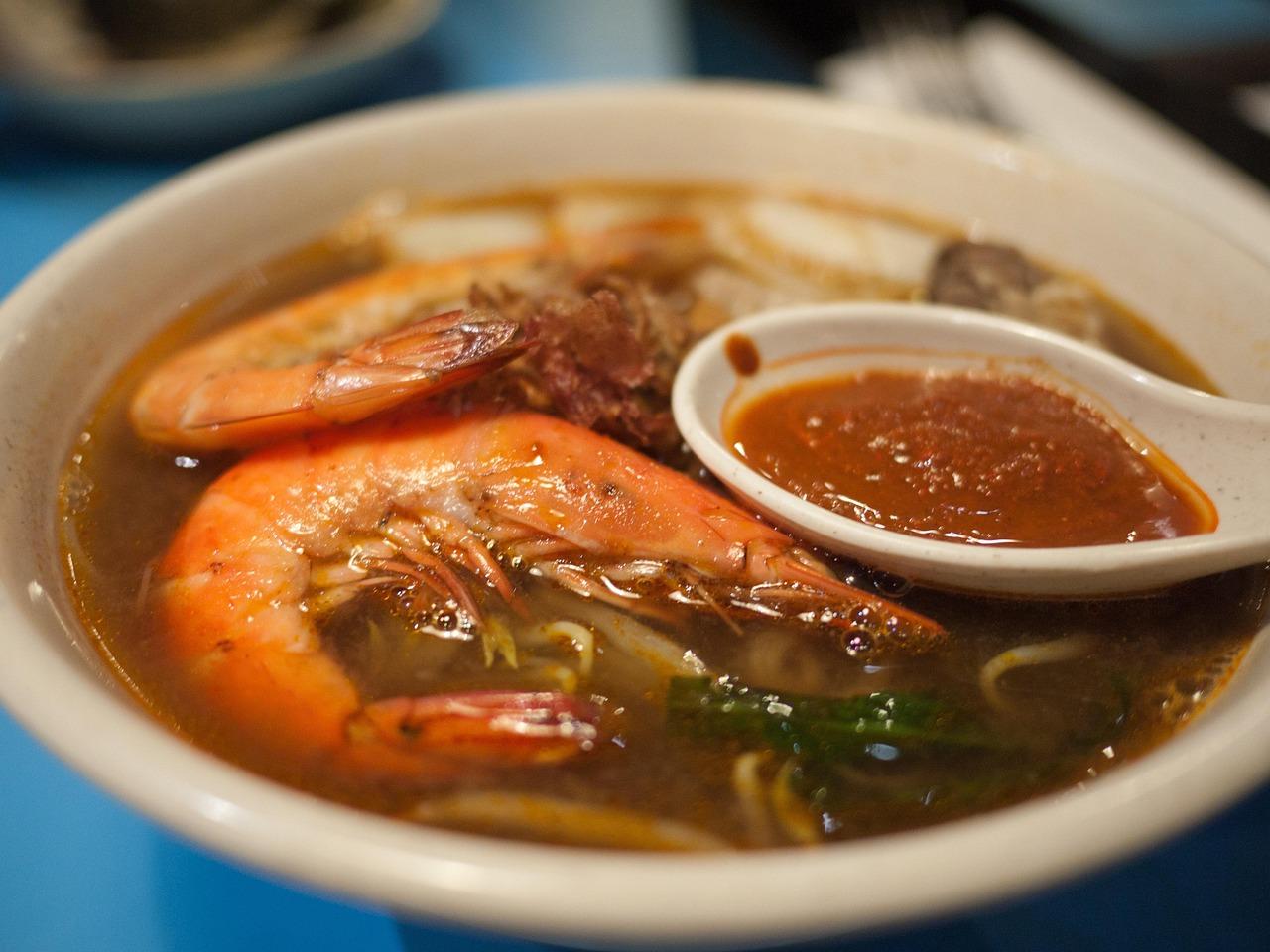
Singapore prawn noodle soup

Long before lunch, the big pots at Singapore's prawn mee stalls have been bubbling with fried prawn shells and pork bones, and the regulars from Zion Road to Tiong Bahru arrive with one question: soup or dry? This is the soup version, which is different from the stir-fried Hokkien prawn mee: a sweet, briny, rust-coloured broth poured over yellow noodles and rice vermicelli, topped with halved prawns, tender pork ribs, kangkong and bean sprouts, finished with fried shallots and a dusting of chilli powder. A dish of sliced red chilli in soy sauce sits alongside. The most common mistake is boiling the shells without frying them first, which gives a pale, thin broth; the depth comes from shells toasted in oil until they are deep red and smell like the sea. Chef's tip: freeze prawn shells and heads from other meals over a few weeks so you have a big bag ready for the stock.

by KrazyBadal 0 views

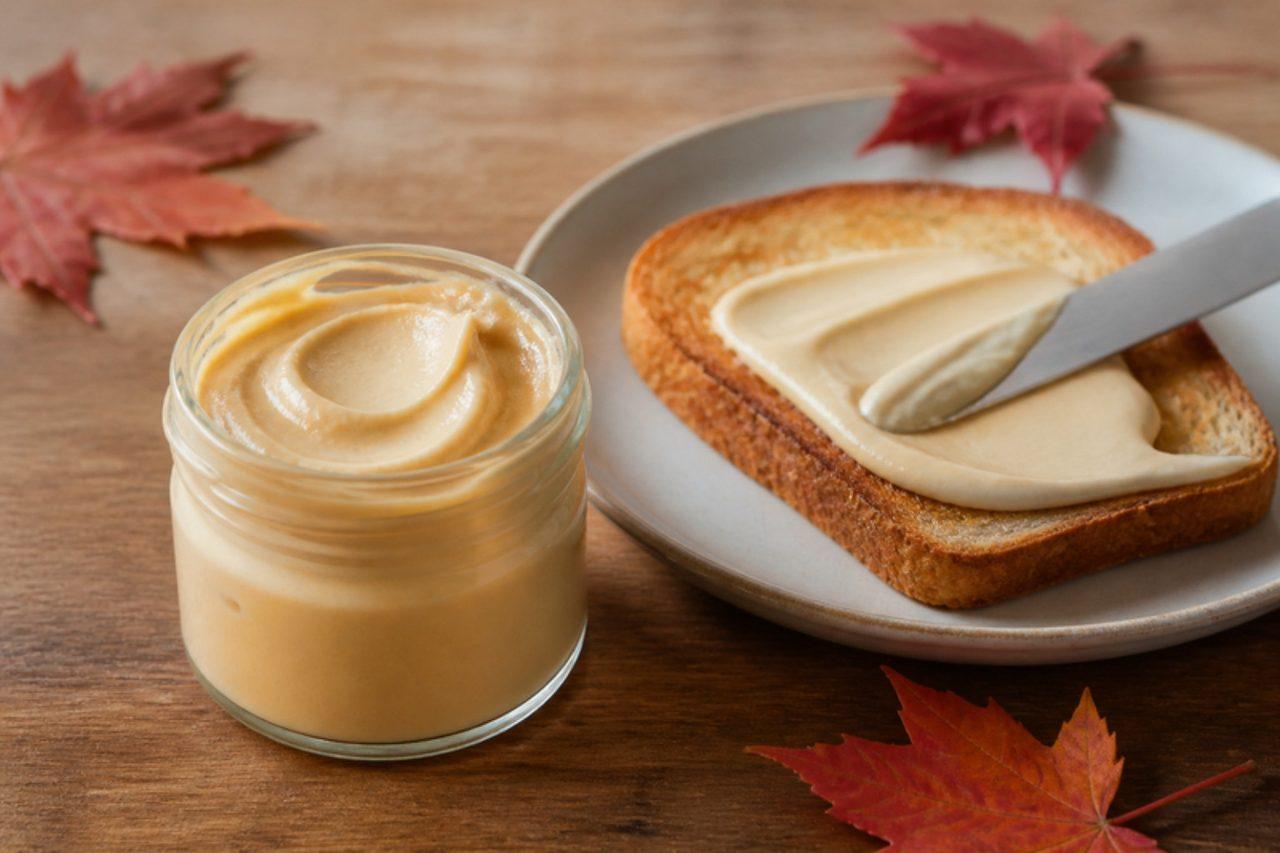
Maple cream

Crème d'érable is sold in little jars in every Quebec market from Jean-Talon to the Beauce farm stands, and despite the name there is no cream in it: pure maple syrup is boiled to the soft-ball stage, cooled without stirring and then beaten until it turns pale and creamy. It is spread on toast, crêpes and warm bagels. Patience and a thermometer are the whole trick. The common mistake is stirring the syrup while it cools, which sets off large grainy crystals instead of a smooth cream. Chef's tip: use a light, golden syrup; dark syrups taste stronger but can stay runny.

by KrazyBadal 0 views

Mango shaved ice

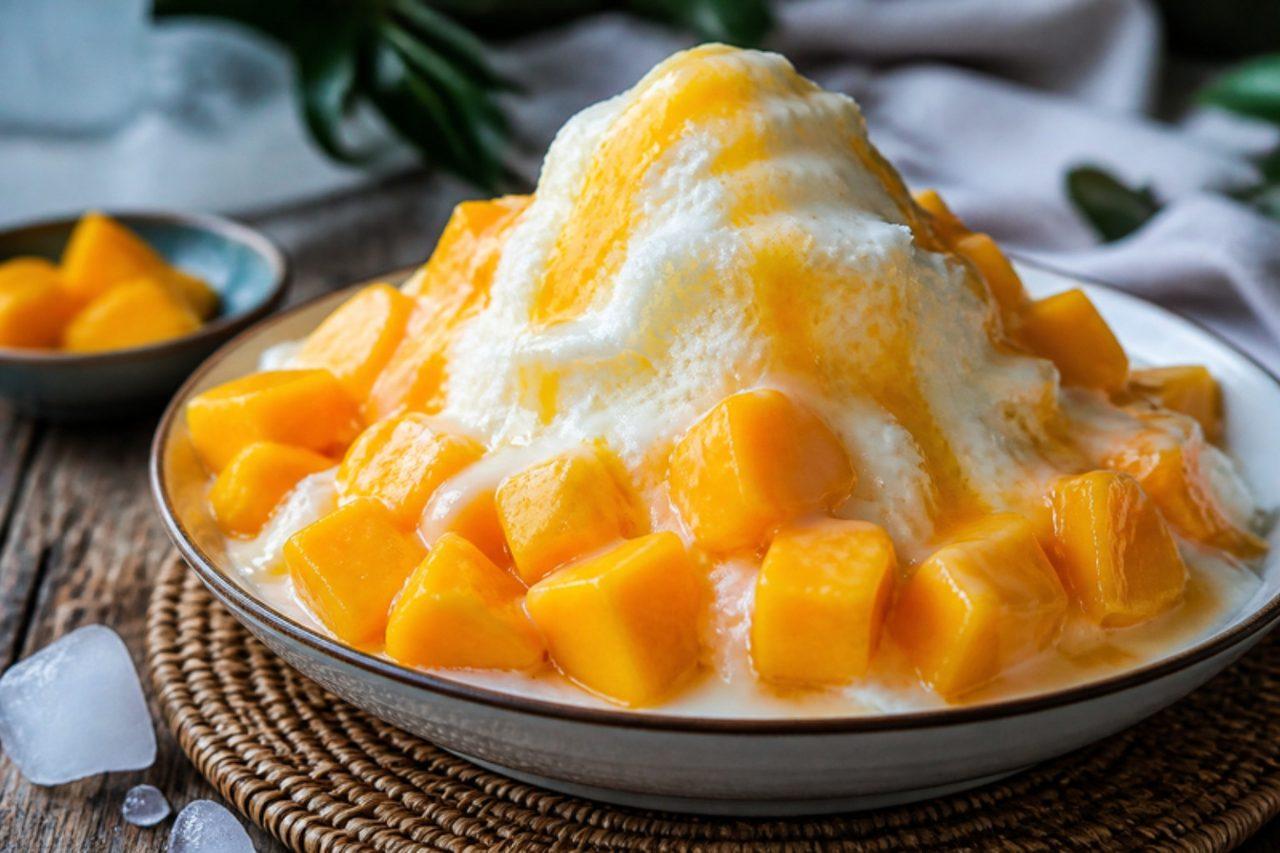
Every summer, from late May to September, the dessert shops of Taipei's Yongkang Street have queues that stretch round the corner for one thing: a mountain of feathery milk ice buried under cubes of ripe Aiwen mango. The ice is frozen milk shaved so thinly it melts on the tongue like snow, and it's drenched in mango syrup and sweetened condensed milk, often with a scoop of mango sorbet on top. At home, freeze the milk base the night before; the active work then takes about 15 minutes. Shaving the block straight from the freezer is a common mistake, as it splinters into icy shards; let it soften for 5 minutes so it curls into ribbons. Chef's tip: chill the serving bowls in the freezer too, so the snow holds its height while you add the toppings.

by KrazyBadal 0 views

Aloo andayPotato and egg curry

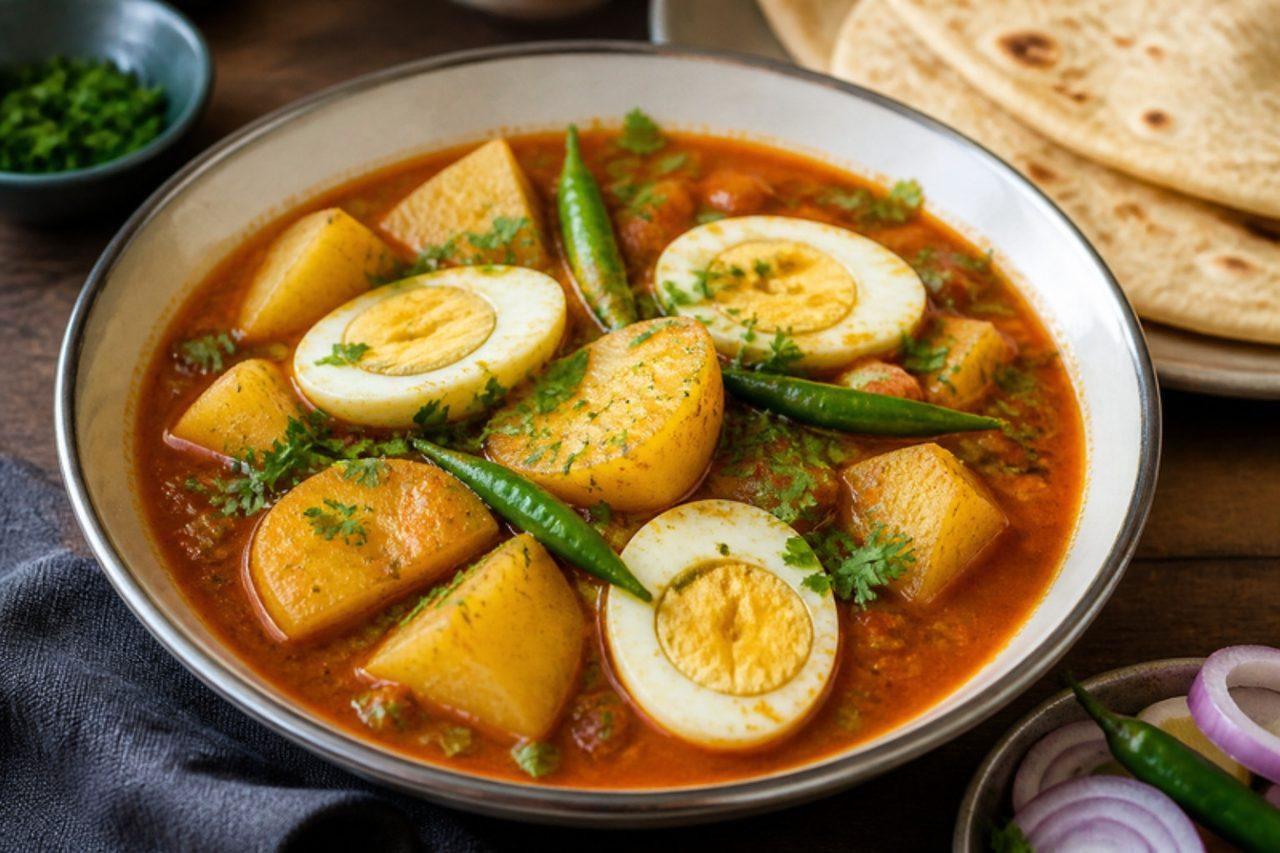
Ask almost anyone who grew up in a Punjabi household in Pakistan what was cooked at the end of the month, when the meat money had run out, and aloo anday will come up with real affection. Halved hard-boiled eggs and chunks of potato sit in a loose, brick-red shorba of browned onion and tomato, thin enough to soak into a chapati and rice alike, with a cut green chilli on top. It is a weeknight and Sunday-brunch dish rather than a guest dish, and children tend to love it. Where it goes wrong is in the masala: if the onions and tomatoes are not fried until the oil separates, the gravy tastes raw and watery however long it simmers. Chef's tip: score the peeled eggs lightly with a knife and fry them in the masala for a minute before the water goes in, so they take on colour and flavour.

by KrazyBadal 0 views

Sweet potato ginger soup

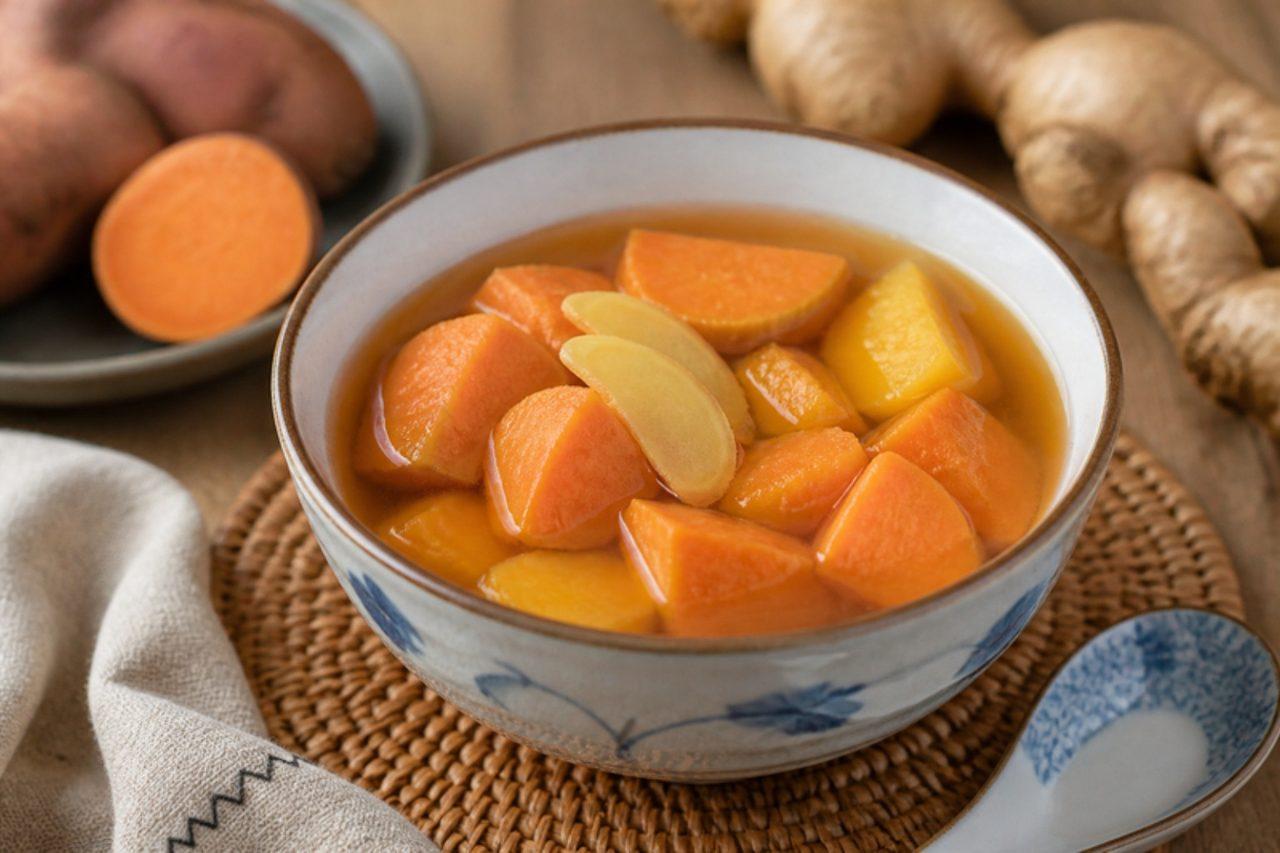
Cheap, warming and ready in under an hour, this is the tong sui Hong Kong families make at home on cold, damp winter nights, ladled out after dinner or before bed rather than ordered in a shop. Chunks of orange, yellow or purple sweet potato turn tender and fudgy in a clear amber syrup made with brown slab sugar and plenty of smashed ginger, so each spoonful is sweet first and then pleasantly hot. Some cooks add a few pitted red dates or a piece of dried tangerine peel. Boiling the sweet potatoes from the start is the usual slip; by the time the ginger has given up its heat, they've collapsed and clouded the syrup. Chef's tip: soak the cut sweet potato in cold water for 10 minutes to rinse off surface starch, and add it only once the ginger broth has simmered for a good 10 minutes.

by KrazyBadal 0 views

Accra bananeRipe banana fritters

Morning street corners in Douala smell of frying banana: vendors drop very ripe fruit and flour batter into deep oil and sell accra banane by the paper bag, often with a bowl of bouillie or a plate of beans. Crisp at the edges and soft, sweet and almost custardy inside, these little puffs need nothing more than mashed bananas, flour, sugar and a pinch of nutmeg. Children love them after school, and they are a thrifty way to rescue fruit that has turned black. A frequent slip is using underripe bananas, which give heavy, bland fritters. Chef's tip: use bananas so ripe the skins are mostly black; firmer yellow ones give a dry, bland fritter.

by KrazyBadal 0 views

Galinha à portuguesa (Portuguese chicken)

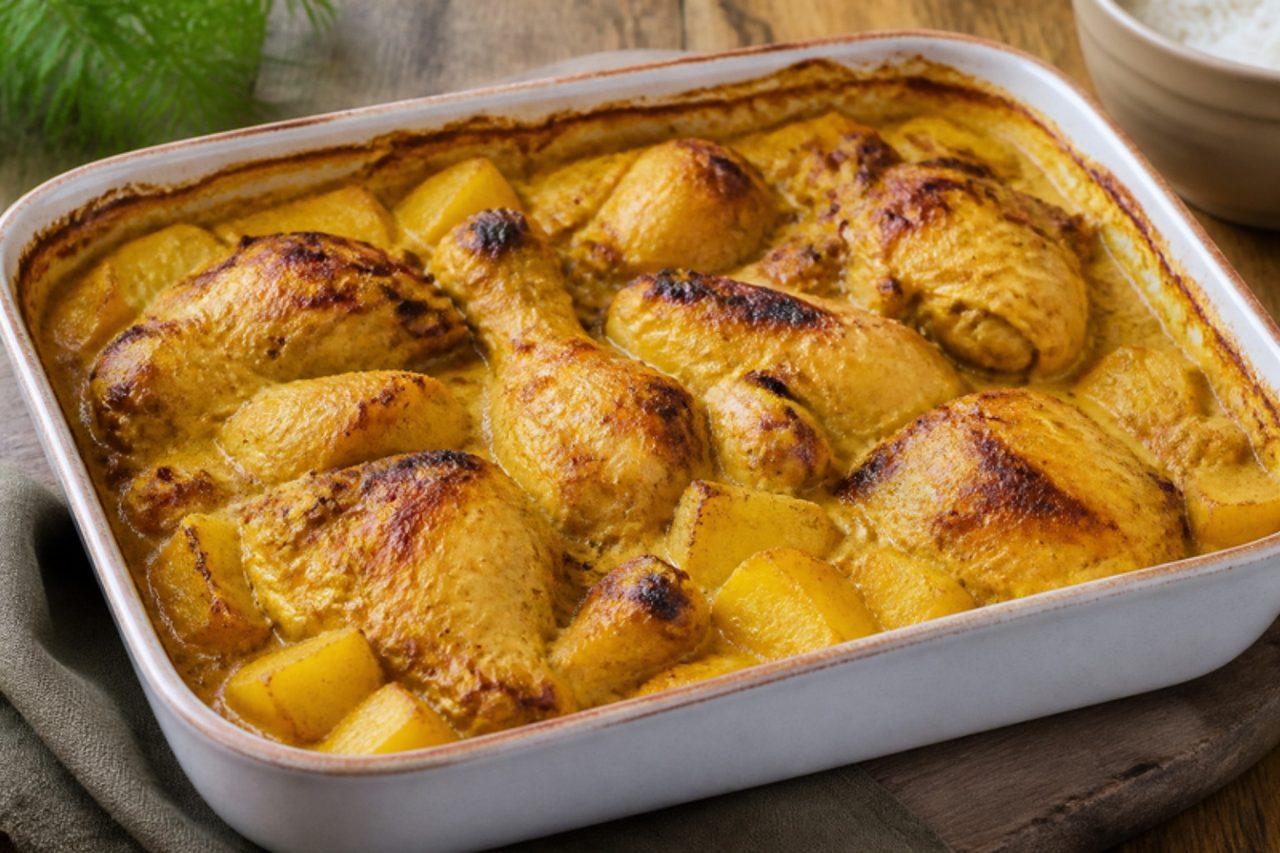
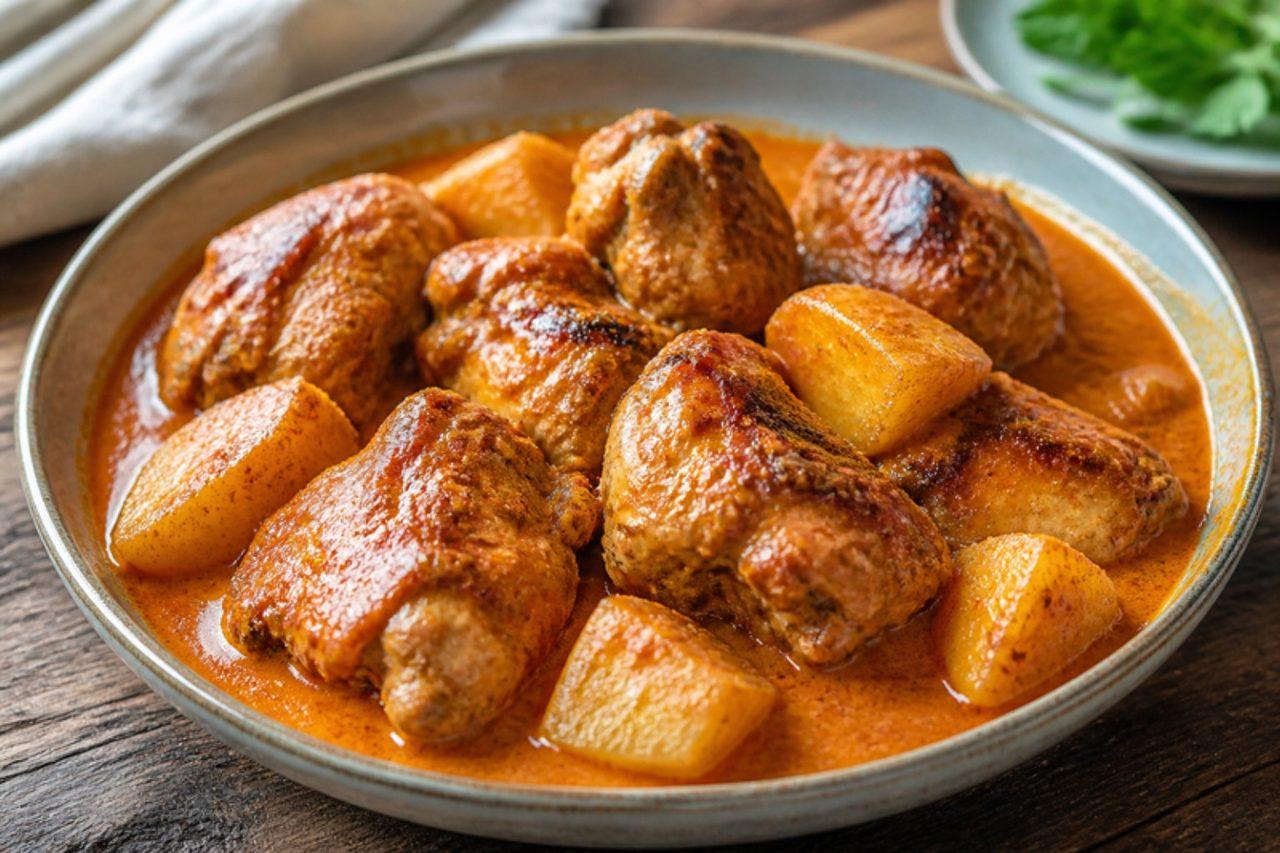
Puzzlingly, you will not find this in Portugal: galinha à portuguesa belongs to Macau, where cooks mixed a Portuguese idea of a creamy baked chicken with the turmeric, curry powder and coconut milk that came through the Portuguese trading routes from Goa and Malacca. Macanese restaurants and Hong Kong's cha chaan teng serve it bubbling in a clay pot or baking dish, golden on top, with chicken and potatoes in a mild, yellow, gently sweet coconut sauce, always with white rice to soak it up. It is a favourite for family dinners and Christmas tables. The thing people get wrong is boiling the coconut sauce hard, so it splits and turns oily; keep it at a gentle simmer. Chef's tip: brown the chicken well first, and finish under a hot grill for the speckled golden top that Macau restaurants are known for.

by KrazyBadal 0 views

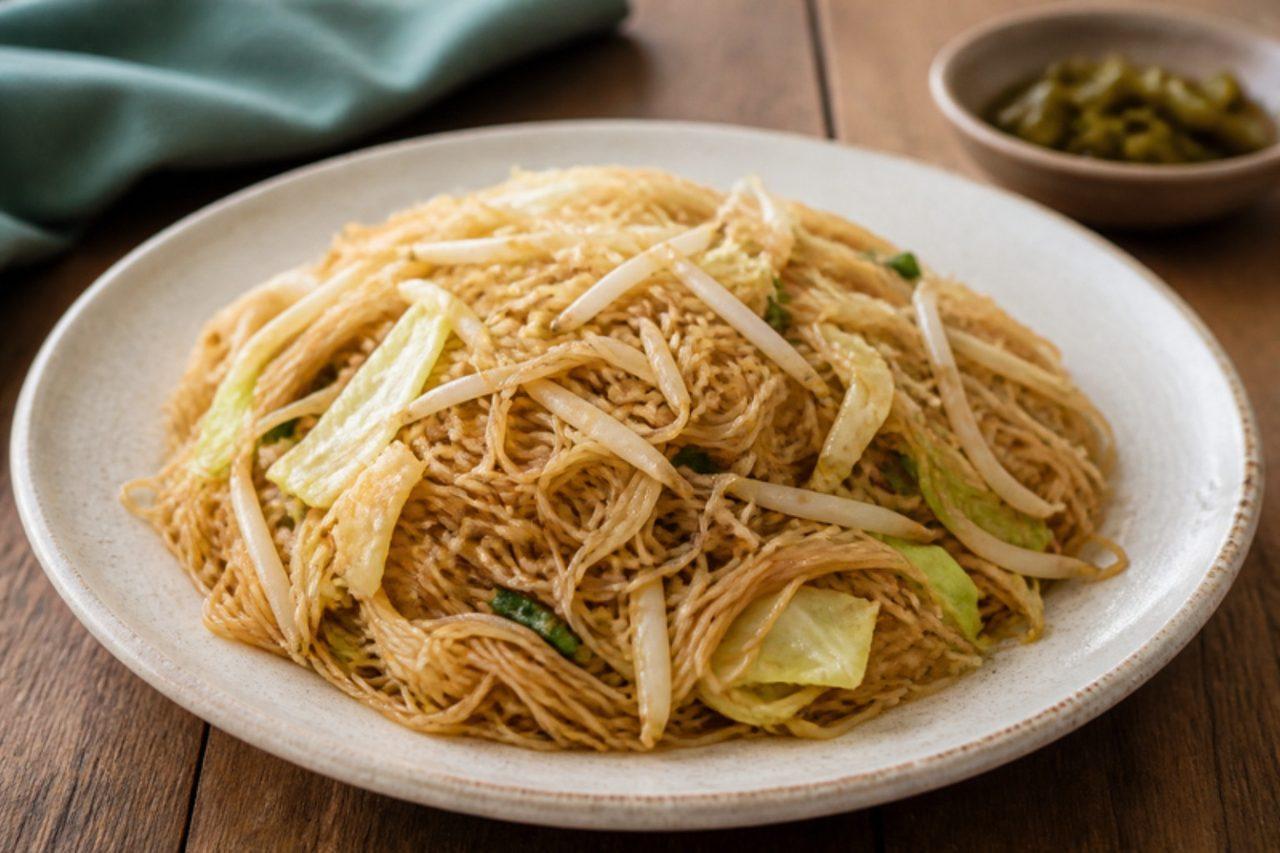
Soy sauce fried noodles

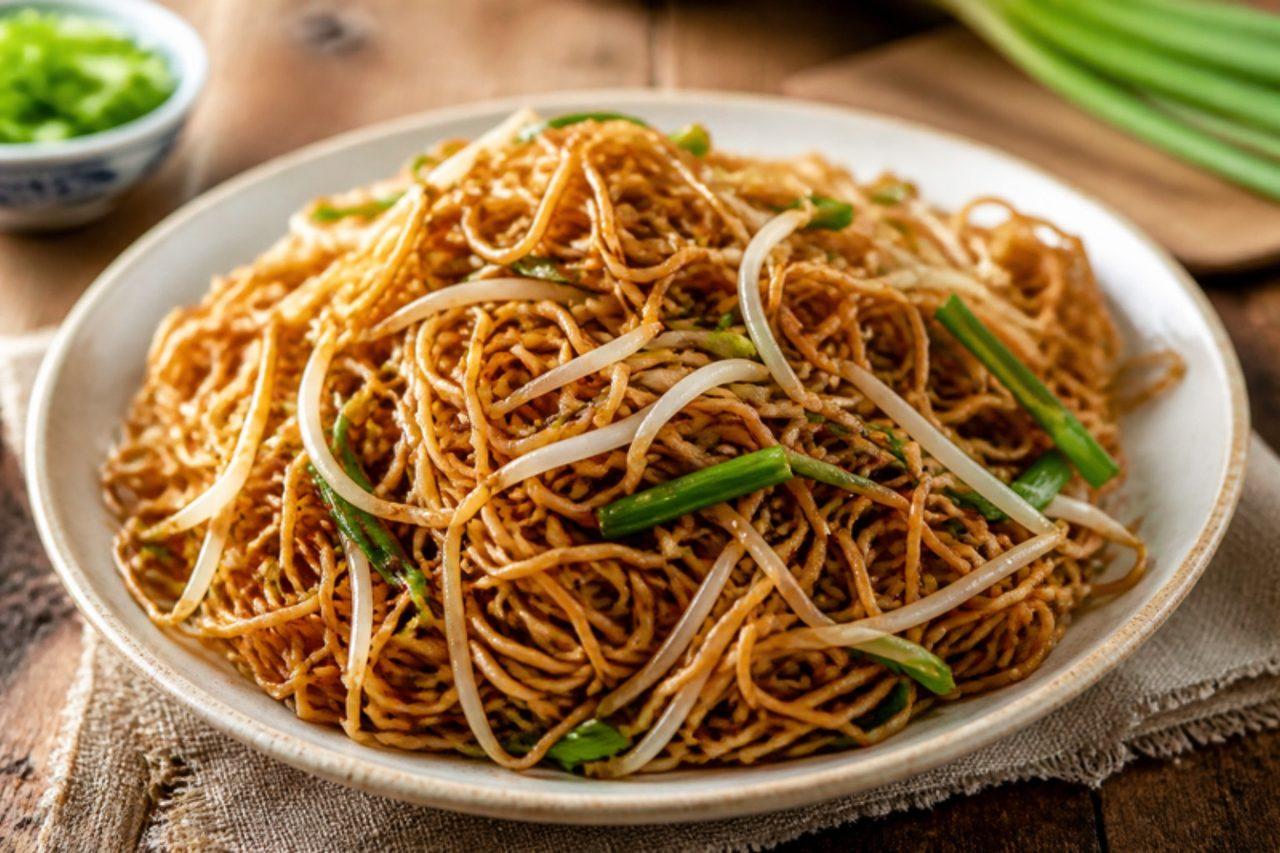
Order this at a Hong Kong cha chaan teng or a dim sum breakfast and it lands on the table glossy, mahogany brown and smelling of the wok, a plate of nothing more than noodles, soy sauce, bean sprouts and spring onions. Thin egg noodles turn springy and slightly crisp at the edges, coated in a sweet-salty soy glaze, while the sprouts stay crunchy. Locals eat it for breakfast with milk tea, or share it at yum cha next to steamed dumplings, often with a dab of chilli oil. Wet noodles are the enemy here: if they go into the wok damp, they steam, clump and turn soggy instead of frying. Chef's tip: toss the noodles with chopsticks or tongs rather than a spatula, lifting and shaking them through the sauce, so the strands stay long and separate.

by KrazyBadal 0 views

Beef brisket noodles

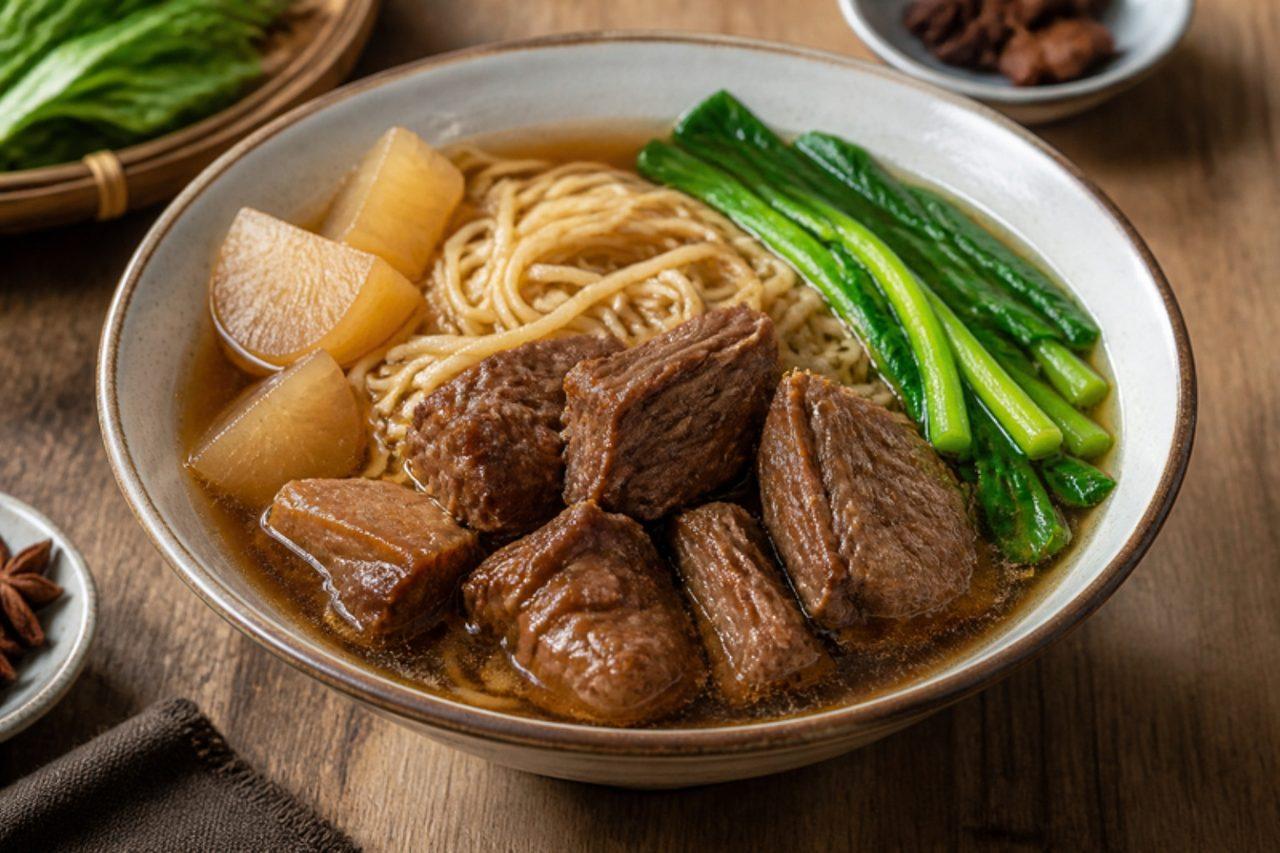
Queues form outside the brisket shops of Central and Sham Shui Po at lunchtime for a bowl of ngau naam min: wobbly chunks of beef brisket, braised for hours with chu hou paste, star anise, cinnamon and dried tangerine peel until the fat and sinew melt, set over springy egg noodles in a separate, clear, peppery broth with daikon. The braise is dark, sticky and aromatic, the broth light and clean, and you dip between them. A slosh of Shaoxing rice wine goes in the braise; an alcohol-free swap is in the ingredient list. Many home cooks cut the brisket before cooking into small cubes, which then shrink and dry out; braise it in big pieces and cut it afterwards. Chef's tip: the braise is better the next day, so make it ahead, chill it and lift off the fat before reheating.

by KrazyBadal 0 views

Anda parathaEgg-stuffed paratha

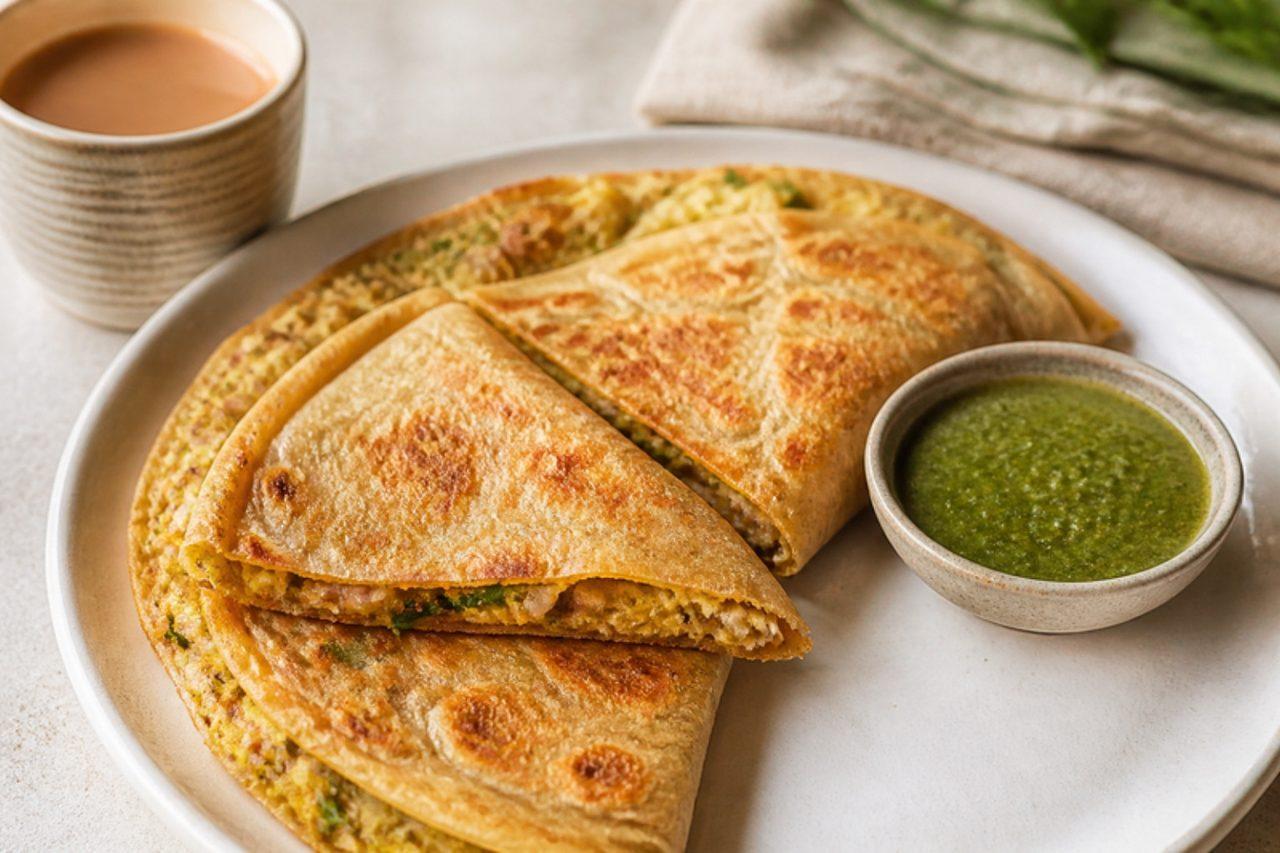
At the dhabas along the GT Road and the breakfast stalls of Rawalpindi's Saddar, the paratha-wala cracks an egg straight into a bowl with onion and chilli, half-cooks a paratha, pours the egg over and flips the whole thing onto the tawa so the egg fries into the bread. The result is one golden, layered disc that is crisp at the edges, soft where the egg meets the dough, and peppery with green chilli. Truck drivers, students and office workers eat it folded in half with chai, ketchup or green chutney, and it is a common packed lunch for school because it needs no curry. The problem most people run into is pouring the egg onto a raw paratha, which tears, or onto a fully cooked one, which will not let the egg stick. Chef's tip: cook the first side only until brown spots appear, then add the egg to the cooked side and flip so the egg sets against the hot iron.

by KrazyBadal 0 views

Milkfish belly congee

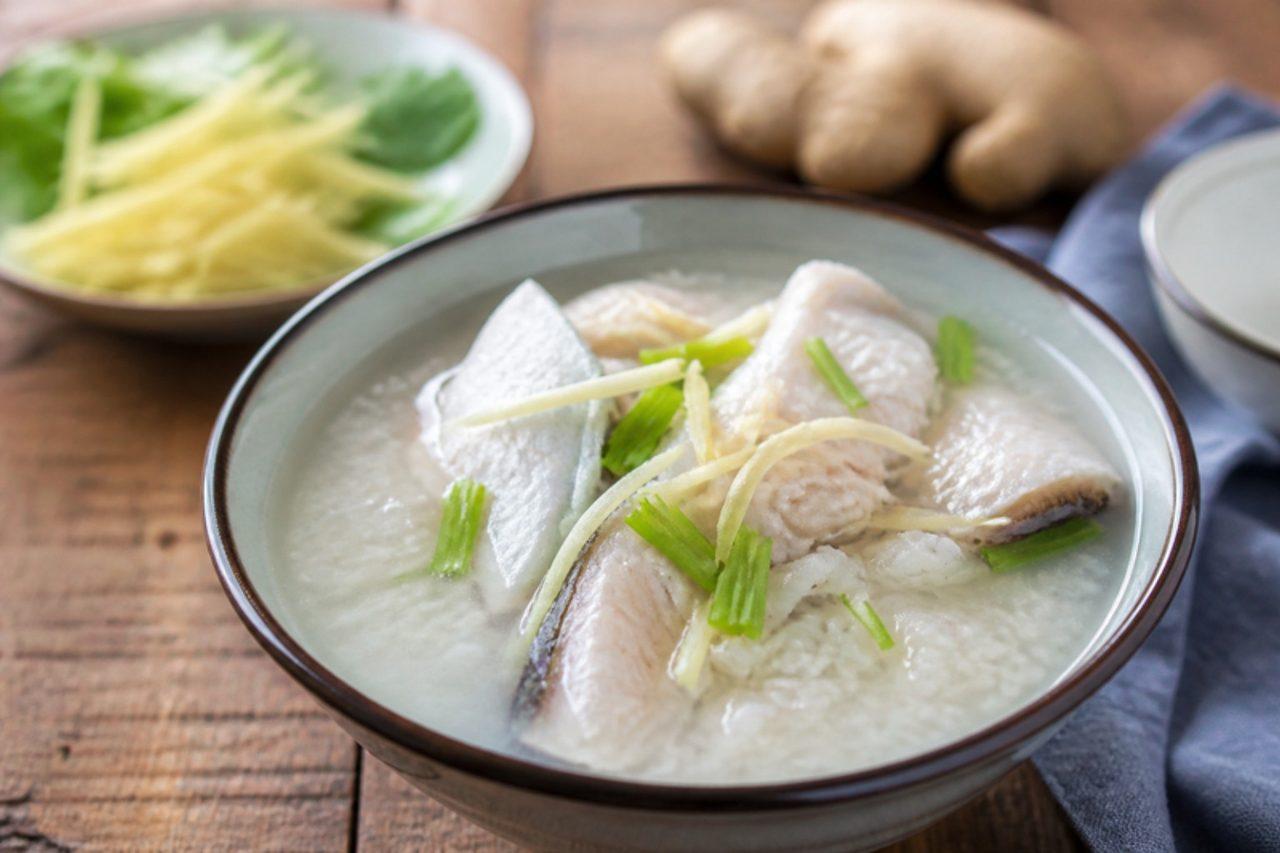
Tainan breakfast stalls open before six for this, ladling it into bowls beside plates of fried dough sticks and braised fish skin. It is not the thick Cantonese kind: cooked rice is simmered briefly in a light, ginger-scented broth, so the grains stay separate, and slices of rich, boneless milkfish belly are poached in it until just set, then showered with celery, fried shallots and white pepper. Milkfish is farmed in the ponds around Tainan; look for boneless frozen belly in Asian supermarkets, or use sea bass belly. The error most cooks make is boiling the belly hard, which breaks the soft fat and clouds the broth. Chef's tip: lower the slices into the pot skin-side down and keep the liquid just shivering; the belly firms gently and keeps its sweet, silky layer of fat.

by KrazyBadal 0 views

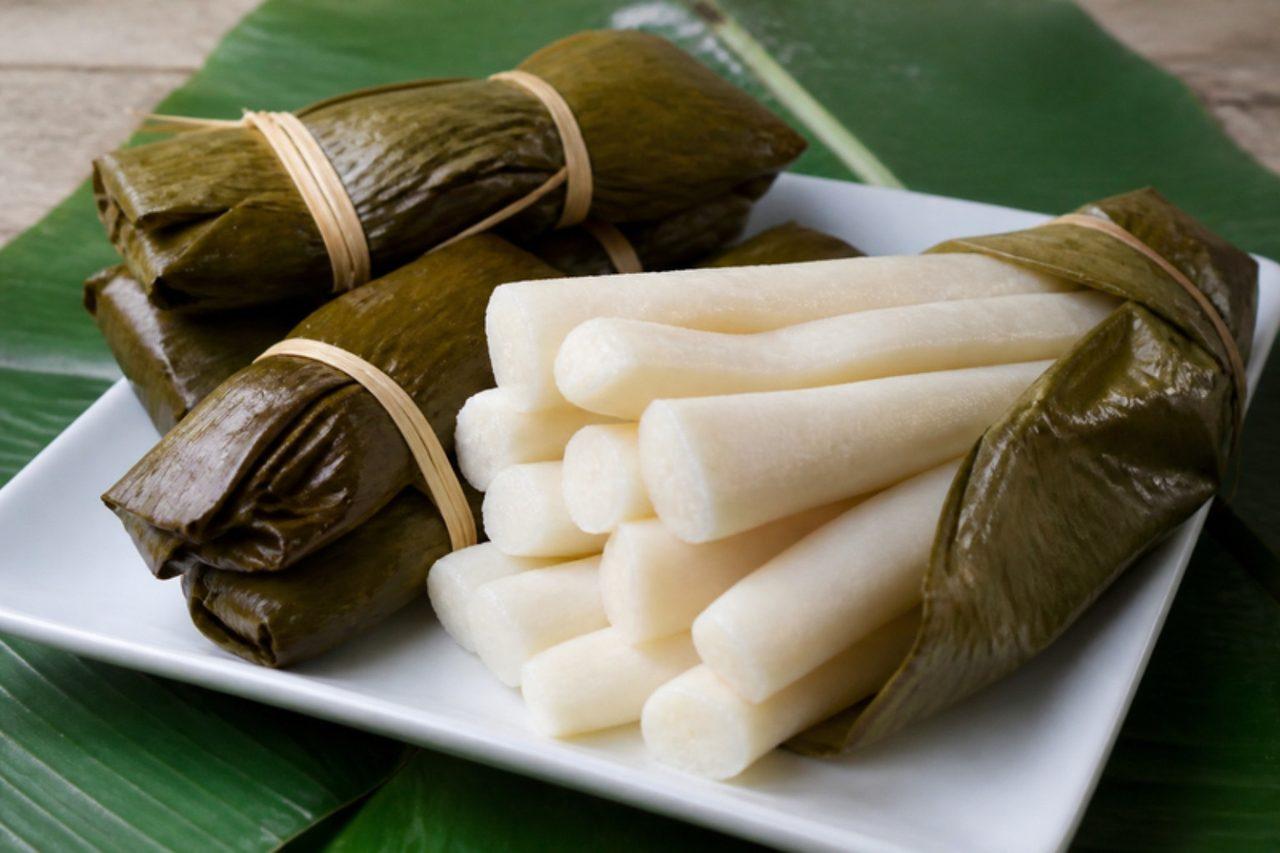
MiondoSoured cassava sticks

Douala's Duala families wrap their cassava dough into slim sticks no thicker than a finger, and bundles of miondo tied with string are stacked at every market from Akwa to New Bell. The roots are soaked for several days until they soften and sour, then ground smooth, drained, rolled, wrapped in leaves and boiled until firm and slightly translucent. The result is chewy, gently tangy and neutral enough to soak up ndolé, grilled fish or a fiery pepper sauce, and peeling back the leaf is part of the pleasure. Plan ahead: the soaking takes 3–4 days and the draining a few hours more, though the hands-on work is about an hour. Chef's tip: roll the sticks no thicker than your little finger so they cook through evenly; fat ones stay pasty in the middle.

by KrazyBadal 0 views

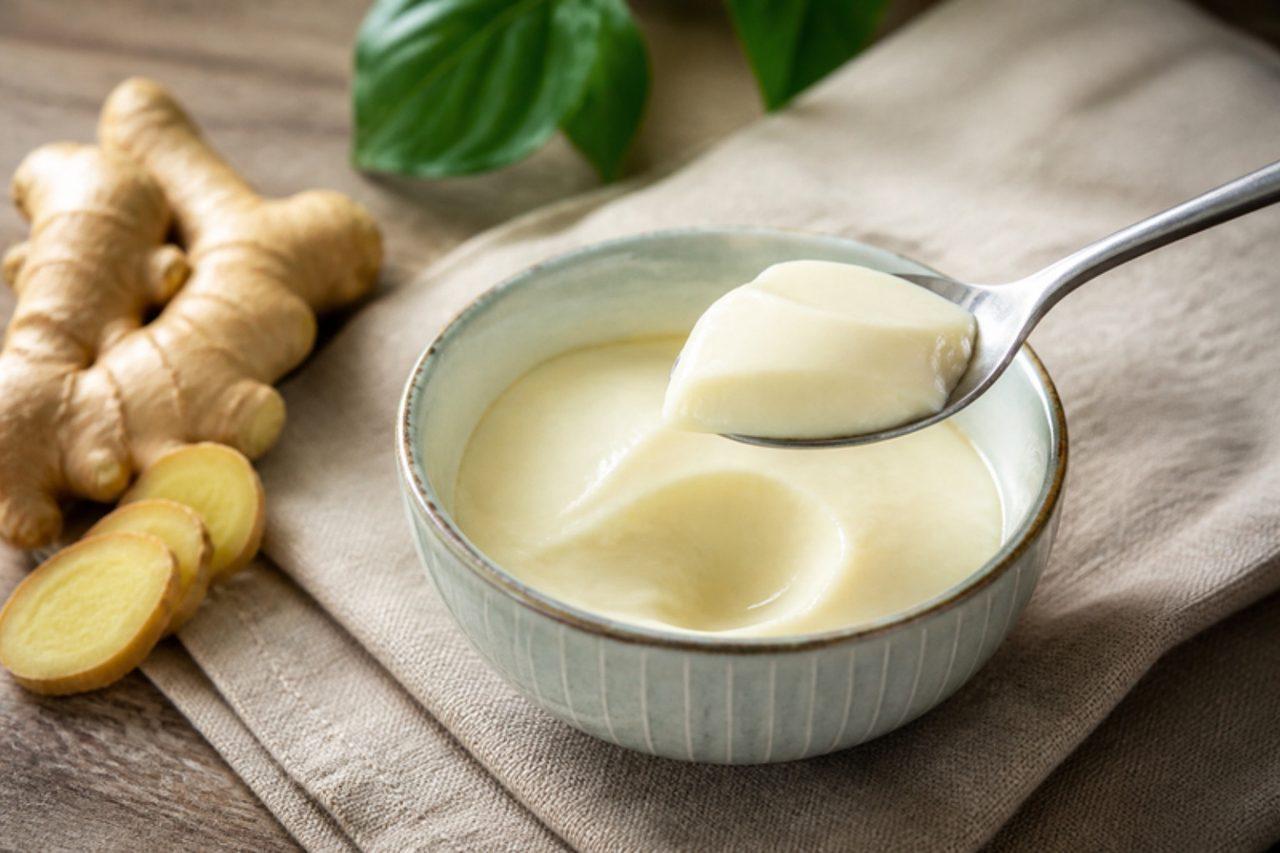
Ginger milk curd

Born in the Pearl River Delta town of Shawan in Panyu, Guangdong, ginger milk curd crossed the border to become a favourite of Hong Kong dessert parlours in Jordan and Causeway Bay, ordered hot on a winter night. There's no setting agent: an enzyme in fresh ginger juice curdles hot milk within minutes into a trembling, spoonable custard that's sweet, creamy and warming, with a peppery ginger kick. It is eaten straight from the bowl while still warm, with nothing alongside. Long-life UHT milk is the classic mistake, since its proteins have been changed by the high heat and it simply won't set; use fresh pasteurised whole cow's milk. Chef's tip: use mature, fibrous ginger rather than young pink-tipped ginger, and heat the milk to 70–75 °C, measured with a thermometer.

by KrazyBadal 0 views

KleinurCardamom twisted doughnuts

Kleinur are the twisted doughnuts of Iceland, fried in big batches and kept in tins for coffee time; Icelandic grandmothers cut the dough into diamonds with a special wheel, slit the centre and pull one end through, so each one twists into a knot. The same pastry is known as klejner in Denmark and klenäter in Sweden, made especially at Christmas. The dough is flavoured with cardamom and enriched with buttermilk. A common mistake is frying at too low a heat, which makes them greasy. Chef's tip: roll the dough thin, about 5 mm, and fry at 175 °C; they puff, brown in a minute and stay light.

by KrazyBadal 0 views

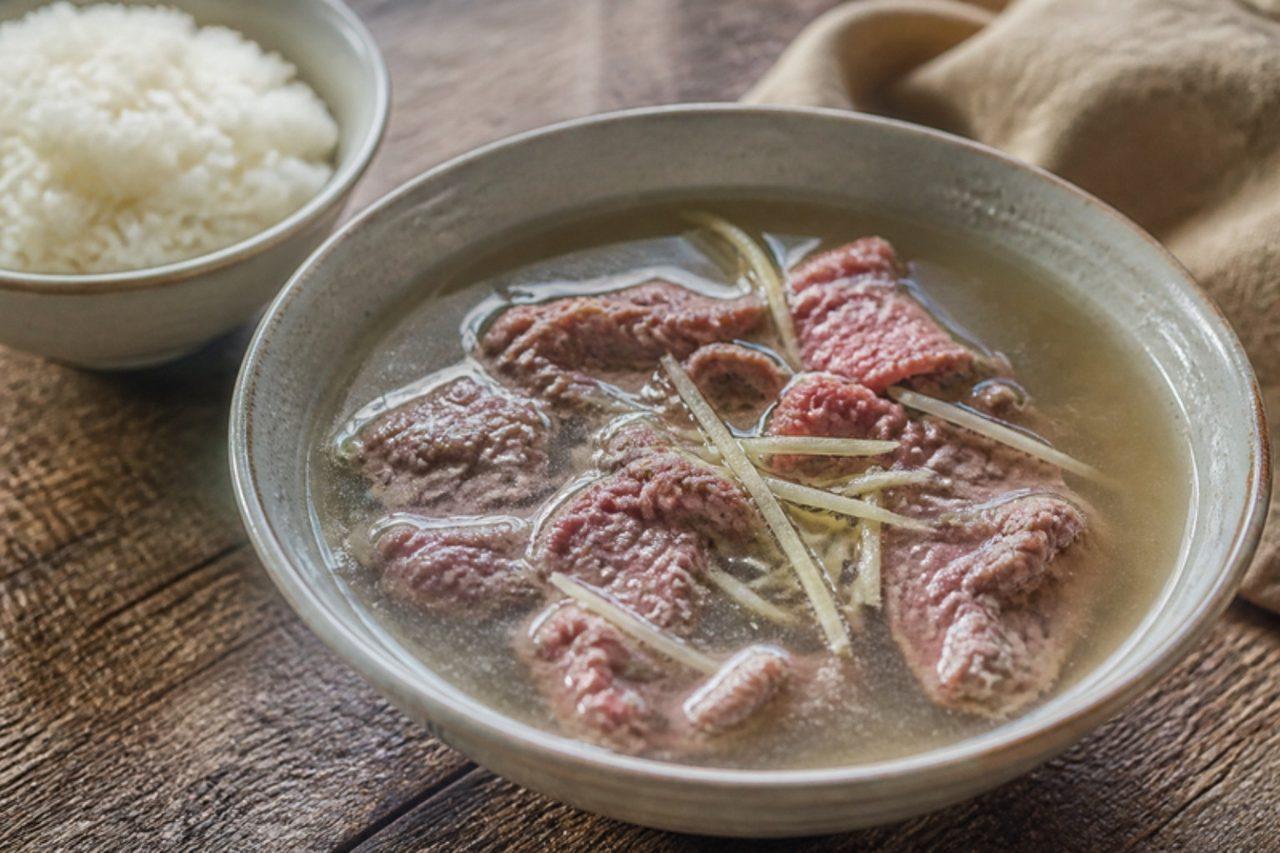
Tainan beef soup

Before dawn in Tainan, workers and night owls fill steamy shops near the slaughterhouse districts for bowls of fresh local beef sliced paper-thin and blanched by a ladle of boiling broth, eaten with rice and a saucer of soy and ginger as a sunrise breakfast. The meat is tender and rosy, the broth clean, sweet and beefy. Traditionally the slices are barely cooked; this recipe gives a safer 30-second dip in simmering broth and a fully cooked option. The pink version is not for pregnant women, young children or anyone with a weakened immune system. People often cut the beef too thick, so it toughens before it cooks through; firm it in the freezer and slice it as thin as you can. Chef's tip: bring the broth to a hard, rolling boil right before every ladle; a broth that has dropped off the boil never cooks the beef evenly.

by KrazyBadal 0 views

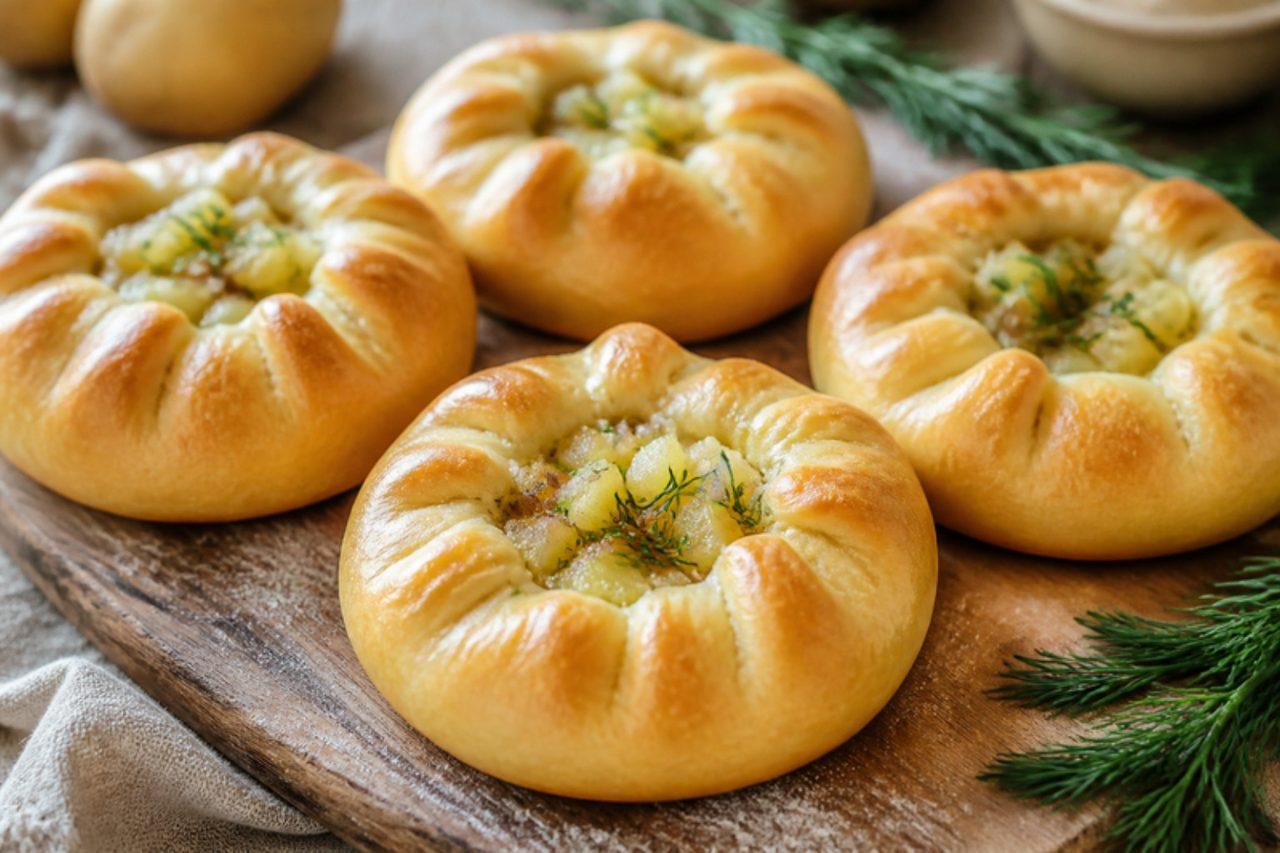
KnyshiPotato-filled yeast buns

On Poltava farms knyshi came out of the stove alongside the bread on baking day: rounds of soft milk dough with their edges pinched up like a little open basket, so the filling shows in the middle. Potato mashed with plenty of onion fried in sunflower oil and a handful of dill is the everyday version, and the buns are eaten warm with a bowl of soup or cold on the way to the fields. Some cooks fill them with curd cheese or poppy seed instead, especially for Christmas Eve. The dough should be pillowy and the potato soft and peppery. Most people go wrong by spooning in warm, wet mash, which steams the dough from inside and makes it soggy; let the filling cool fully. Chef's tip: brush the baked buns with melted butter the moment they come out of the oven, then cover with a towel for 10 minutes so the crust turns soft and silky.

by KrazyBadal 0 views

Water chestnut cake

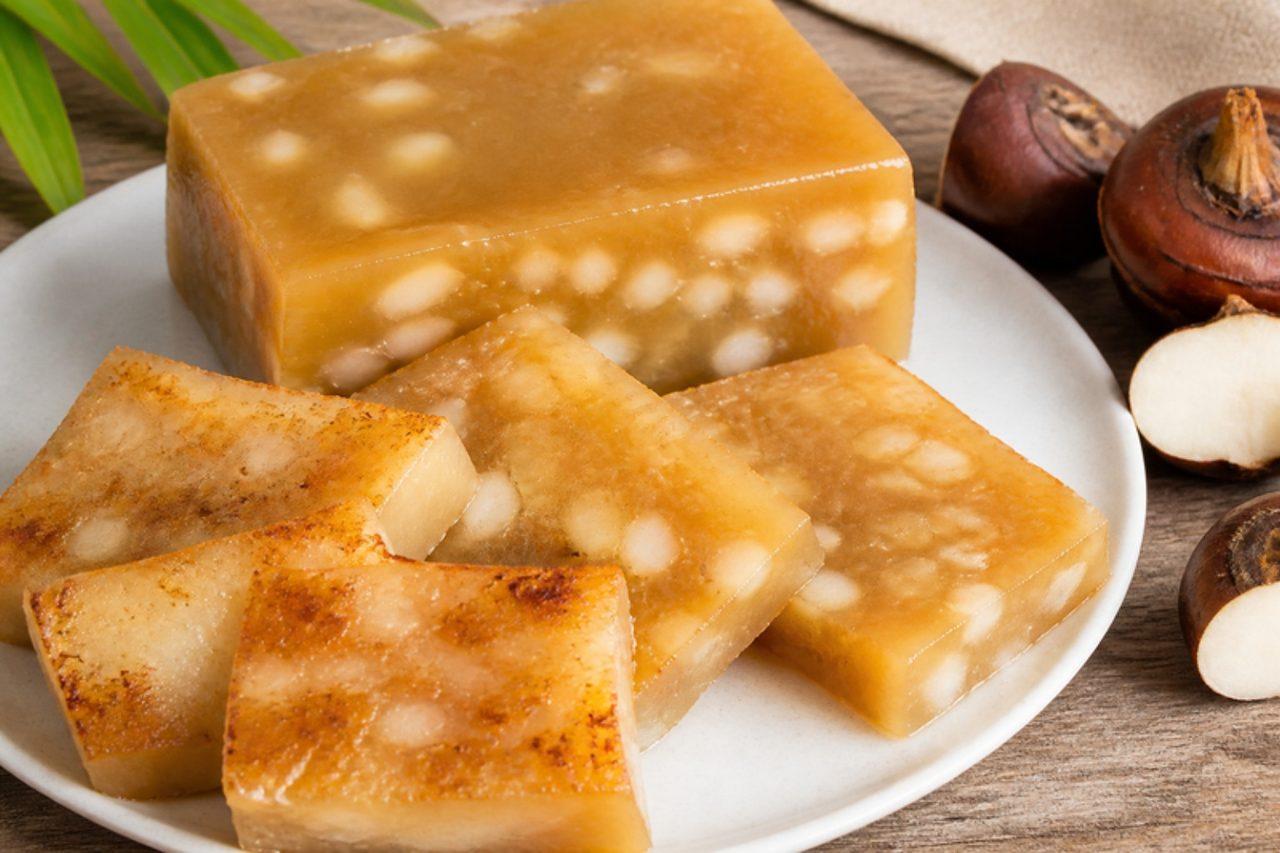
Dim sum halls across Hong Kong lay out amber squares of water chestnut cake on small plates, and every Lunar New Year home kitchens steam a tray to give away to visitors. Set from water chestnut starch and brown slab sugar, the cake is translucent and gently chewy, flecked with pieces of fresh water chestnut that stay crisp and juicy. It is eaten cold and wobbly in summer, or sliced and pan-fried until the outside forms a caramel crust with a soft centre, with a cup of jasmine or oolong tea. A frequent problem is a lumpy, cloudy cake, which comes from pouring the hot syrup into the starch all at once without stirring. Chef's tip: let the cake set completely, ideally overnight in the fridge, before slicing with a knife dipped in water.

by KrazyBadal 0 views

Kofta chalowMeatballs with rice

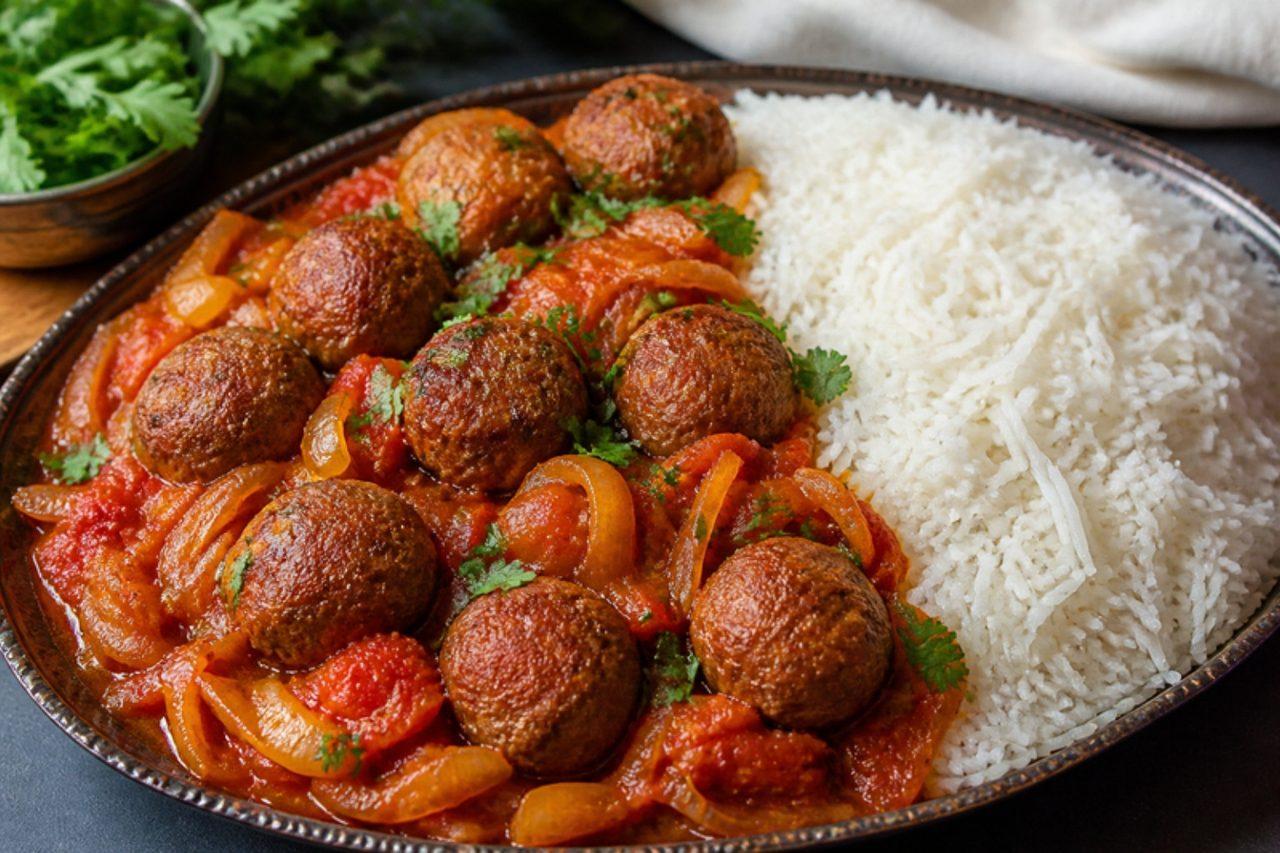
Kofta chalow is weekday comfort in Kabul homes: tender, coriander-flecked meatballs simmered in a brick-red sauce of onion and tomato, spooned over chalow, plain long-grain rice that is boiled, drained and then steamed with a little oil and cumin until each grain stands apart. The sauce soaks into the rice, the meatballs are soft enough to cut with a spoon, and the meal is finished with a salad of chopped tomato, cucumber and onion and a dab of green chutney. The meatballs fall apart in the pan when the grated onion goes in wet, so squeeze it hard in your fist first. Chef's tip: chill the shaped koftas for 20 minutes before they go into the sauce; they firm up and keep their round shape.

85 minAfghanMeatGluten free
by KrazyBadal 0 views

Ginger scallion sauce

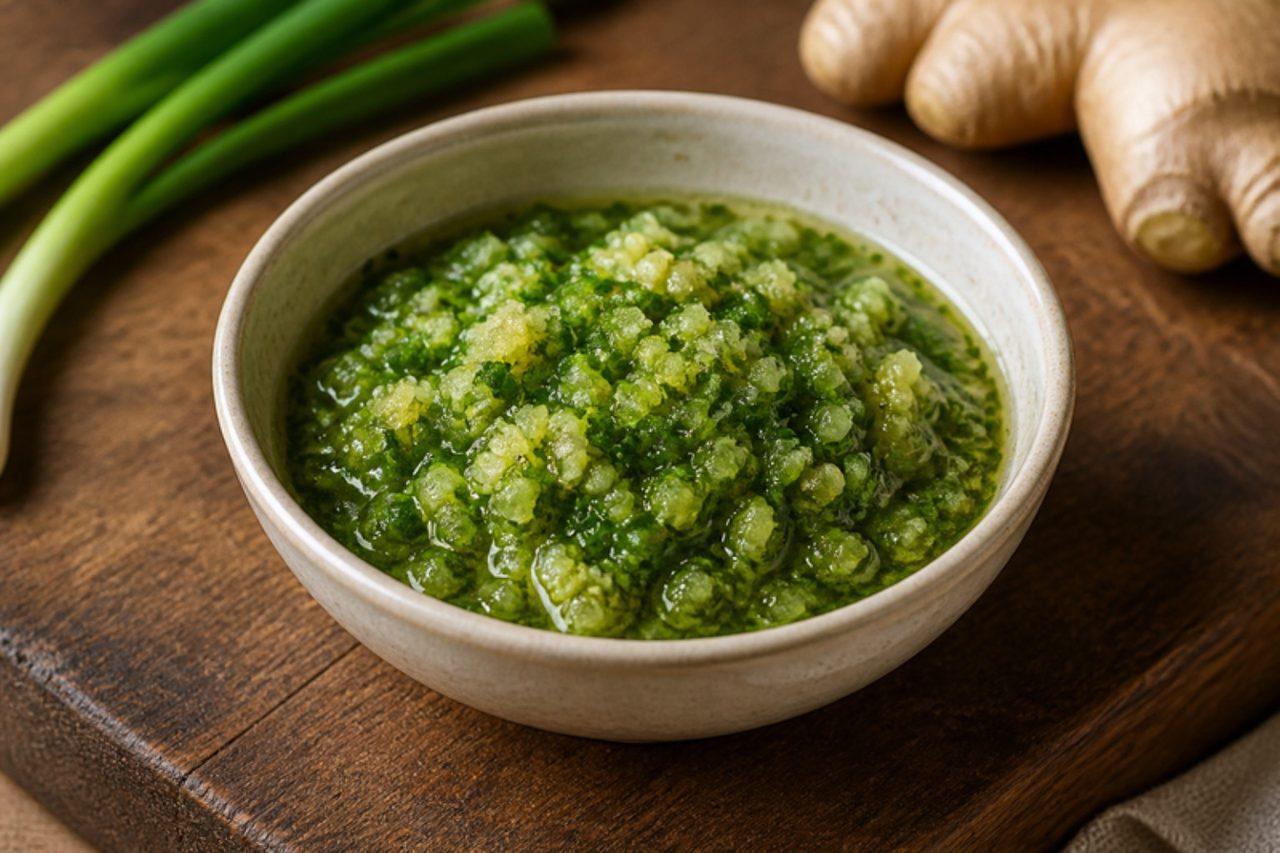
Every Hong Kong siu mei shop keeps a tub of this pale green relish beside the chopping block, spooned next to white-cut poached chicken over rice or tossed through plain lo mein at late-night dai pai dong stalls. Smoking-hot oil is poured over raw ginger and spring onion, and the sizzle softens their bite into a sweet, salty, fragrant sauce with a gentle heat from the ginger. It is just as good with steamed tofu, plain congee, poached fish or a bowl of rice on its own. Many home cooks blitz everything in a food processor, which bruises the spring onions into a watery paste; chop them by hand instead. Chef's tip: pour the oil while it is properly hot, shimmering and just starting to smoke, so you hear a loud crackle; lukewarm oil leaves the sauce raw and greasy.

by KrazyBadal 0 views

Konijn met pruimenRabbit with beer and prunes

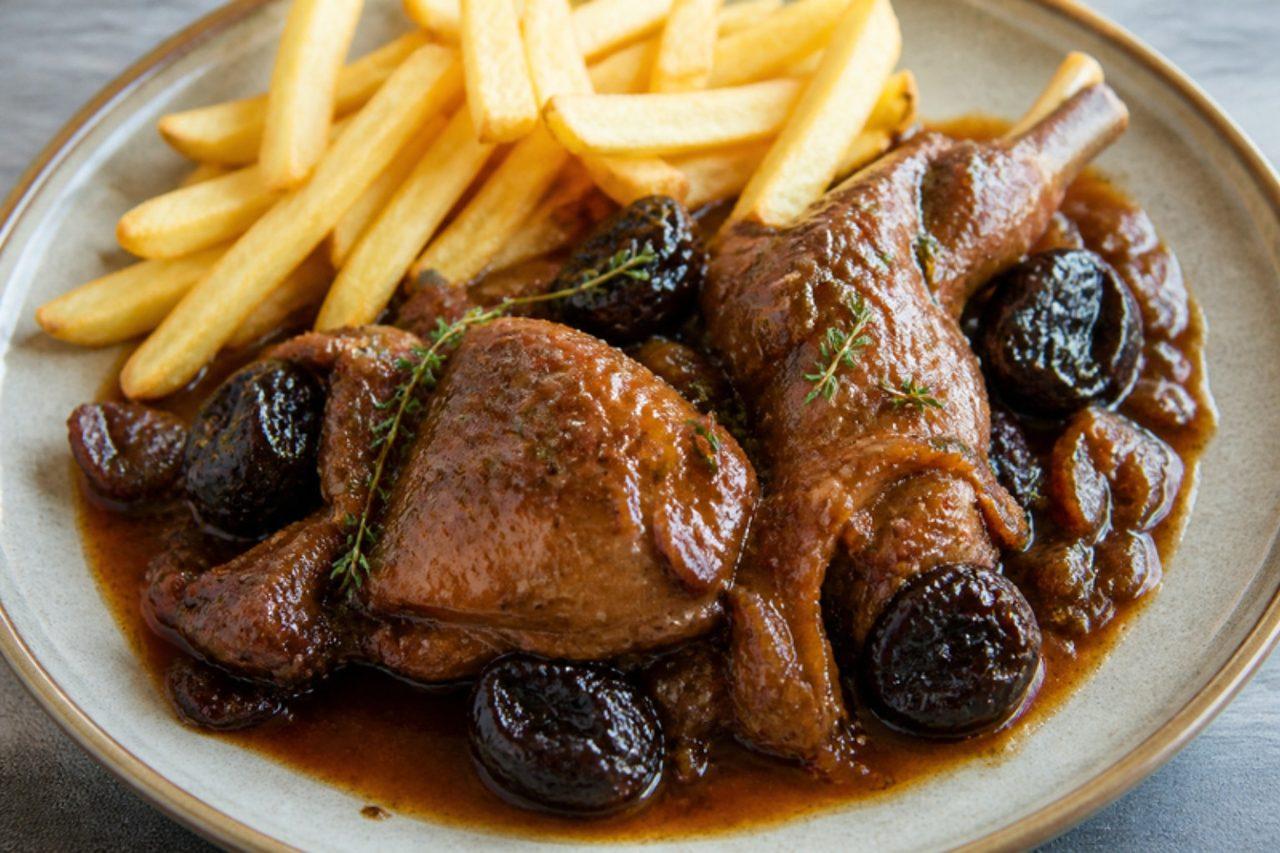
Rabbit with prunes is the Sunday dinner of Flemish grandmothers, from the Westhoek to the Kempen: rabbit joints browned in butter or oil, then braised slowly with onions, thyme, bay and a bottle of brown or abbey-style beer, with prunes added for sweetness and a spoon of mustard for bite. It is served with fries or boiled potatoes and apple sauce. This recipe is cooked with beer, as it traditionally is; for an alcohol-free dish, use the swap in the ingredient note. A common mistake is boiling the rabbit, which makes the lean meat dry and stringy. Chef's tip: keep it at a gentle simmer under a lid, and add the prunes in the last 30 minutes so they stay whole.

150 minBelgianMeat
by KrazyBadal 0 views

African chicken (Macanese galinha africana)

Macau restaurants have served galinha africana since the 1940s, and the story most often told is that a hotel chef in the city created it from spices that Portuguese sailors brought back from Mozambique and Angola. Today it is a signature at Macanese and Portuguese restaurants from Taipa village to Coloane, eaten at long weekend lunches with rice or crusty bread. Chicken pieces are marinated, grilled until charred, then baked under a thick, brick-coloured sauce of ground peanuts, coconut milk, chilli, paprika, garlic and onion that is rich, nutty and quietly fiery. It is often made with a pale, timid sauce; cook the onion, garlic and paprika slowly until really deep red before the coconut goes in. Chef's tip: marinate the chicken overnight in the fridge so the garlic and chilli reach the bone.

by KrazyBadal 0 views

Kiri hodiCoconut milk gravy

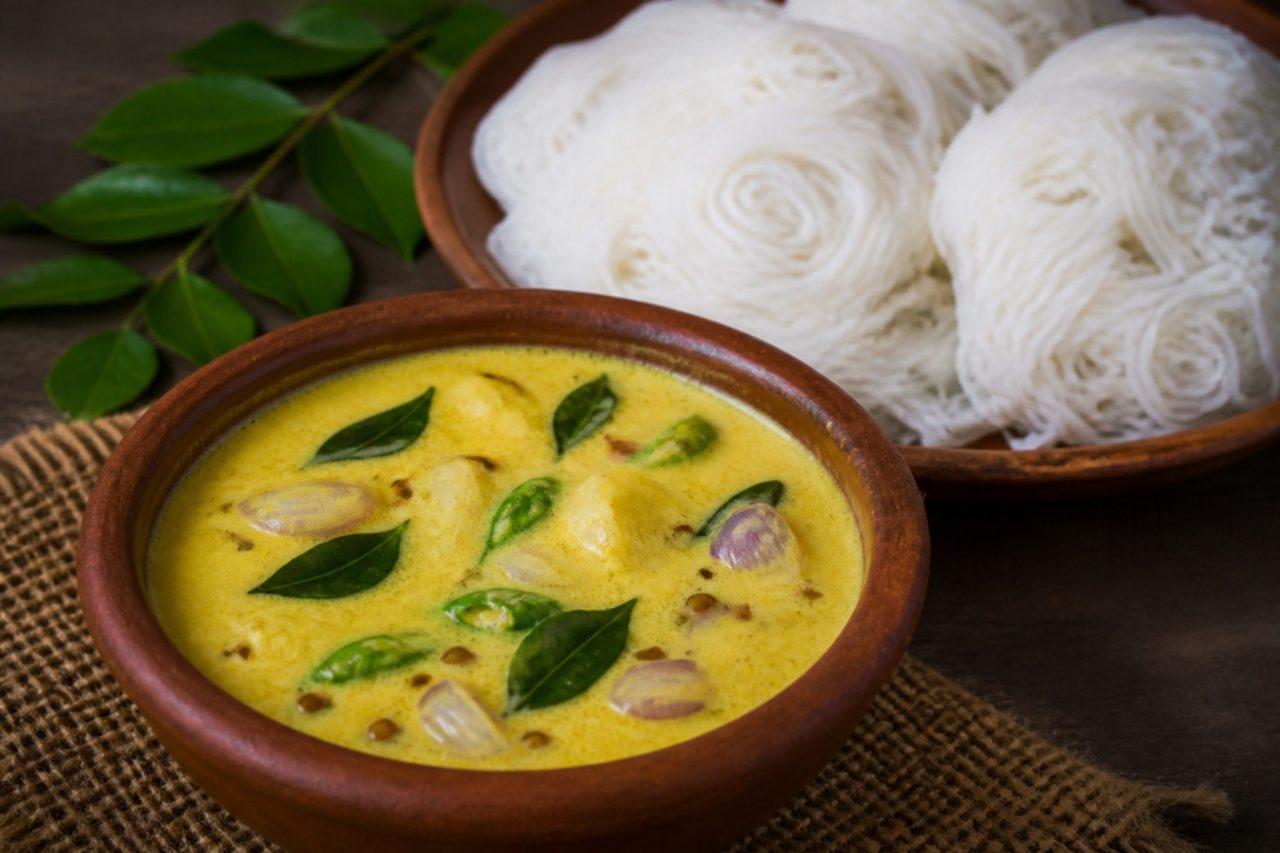
Think of kiri hodi as Sri Lanka's comfort sauce: a thin, pale-yellow coconut milk broth, gently soured with lime, that gets ladled over a plate of string hoppers or pittu at breakfast and soaks right into them. Little cafés in Colombo and the coastal towns serve it in a small steel bowl alongside pol sambol, and at home it is often the first thing cooks make when someone is unwell, because it is soothing rather than hot. The flavour comes from fenugreek, cinnamon and curry leaves softened in the milk, with a couple of green chillies for warmth; some families slip in halved boiled eggs or a pinch of Maldive fish, but the plain vegan version is the everyday one. The classic slip is letting it boil hard once the thick milk is in, which curdles it into oily flecks. Chef's tip: add the lime only after the pan is off the heat, so the gravy stays smooth and the sourness stays bright.

by KrazyBadal 0 views

Singapore curry puff

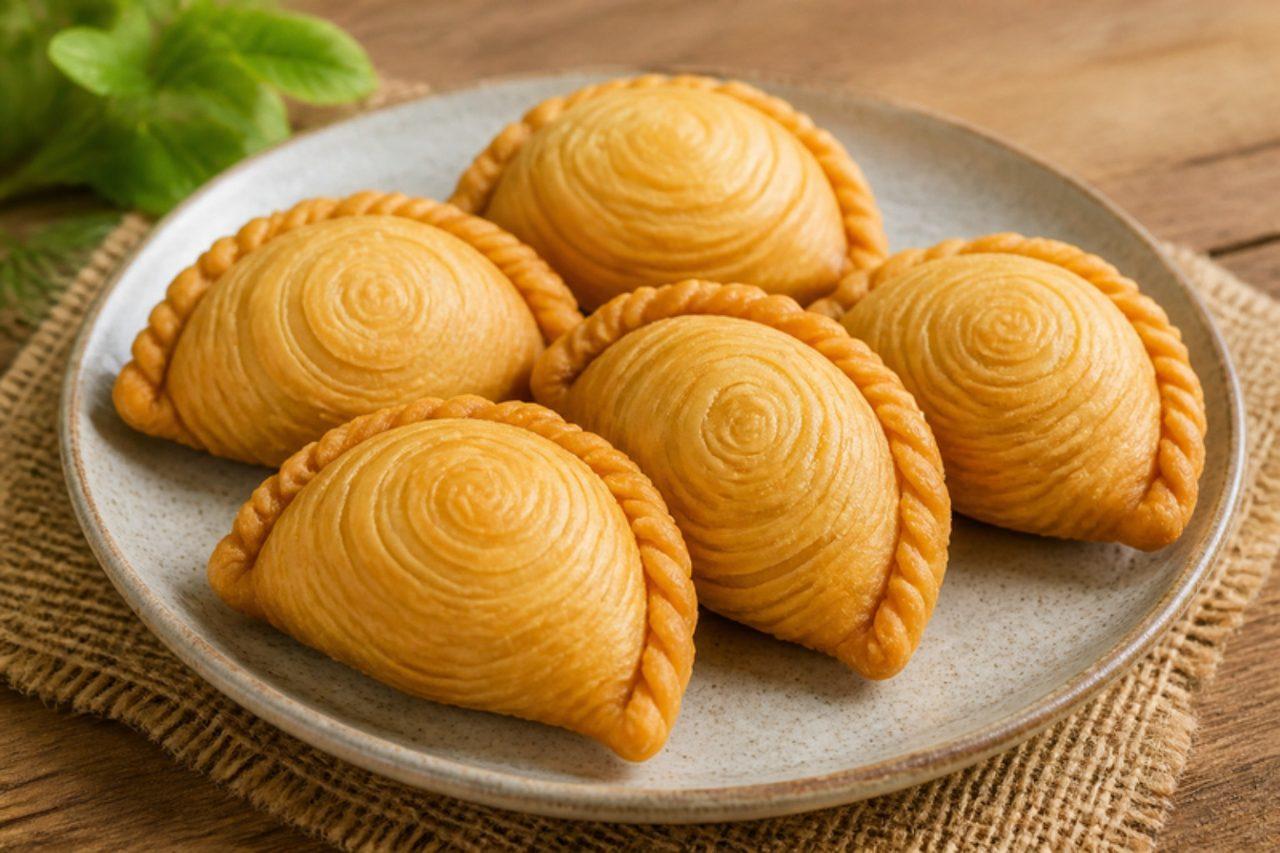
Spiral curry puffs are a tea-time thing in Singapore, picked up warm in paper bags from Malay kueh stalls at Geylang Serai, from heritage bakeries in Tiong Bahru, or eaten at the 4 pm break with teh tarik. The pastry is the point: two doughs rolled together into a log, sliced, and rolled out so that the cut edge shows tight spirals that shatter into crisp layers when fried. Inside is a soft, peppery filling of potato and onion cooked with curry powder and curry leaves. Shops also sell versions with chicken and a wedge of hard-boiled egg; this one keeps to potato and uses vegetable shortening so the pastry stays dairy-free. The usual mistake is frying in oil that is too hot, which browns the outside while the inner layers stay doughy; a steady medium heat lets the spirals open. Chef's tip: let the filling cool completely and keep it fairly dry, or steam from the potato will burst the seams in the oil.

by KrazyBadal 0 views

Bayagyaw (split pea fritters)

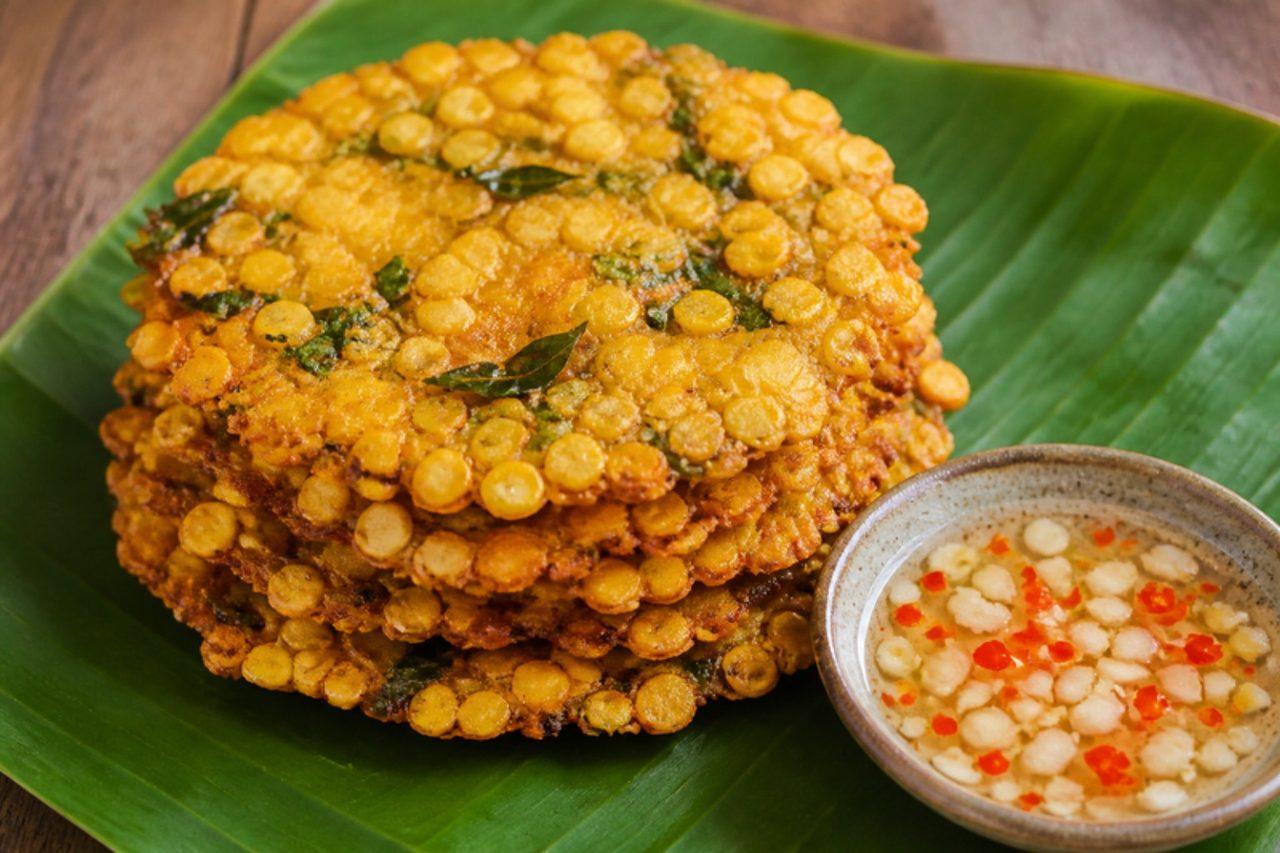
Every Yangon tea shop worth its sweet milky tea keeps a tray of these by the counter from dawn, and hawkers sell them by the bag at bus stops. Soaked yellow split peas are ground until coarse, mixed with sliced onion, chilli and a spoon of rice flour, then dropped into hot oil as thin, ragged patties that fry up shatteringly crisp at the edges and nutty in the middle. People snap them into bowls of mohinga, crumble them over noodle and rice salads, or eat them plain with a sharp chilli-garlic vinegar. Blending the peas to a smooth paste is the trap: you lose the gritty texture that makes them crunch and the fritters turn dense. Chef's tip: soak the peas the night before, and fry a test fritter first; if it falls apart, stir in another spoon of rice flour.

by KrazyBadal 0 views

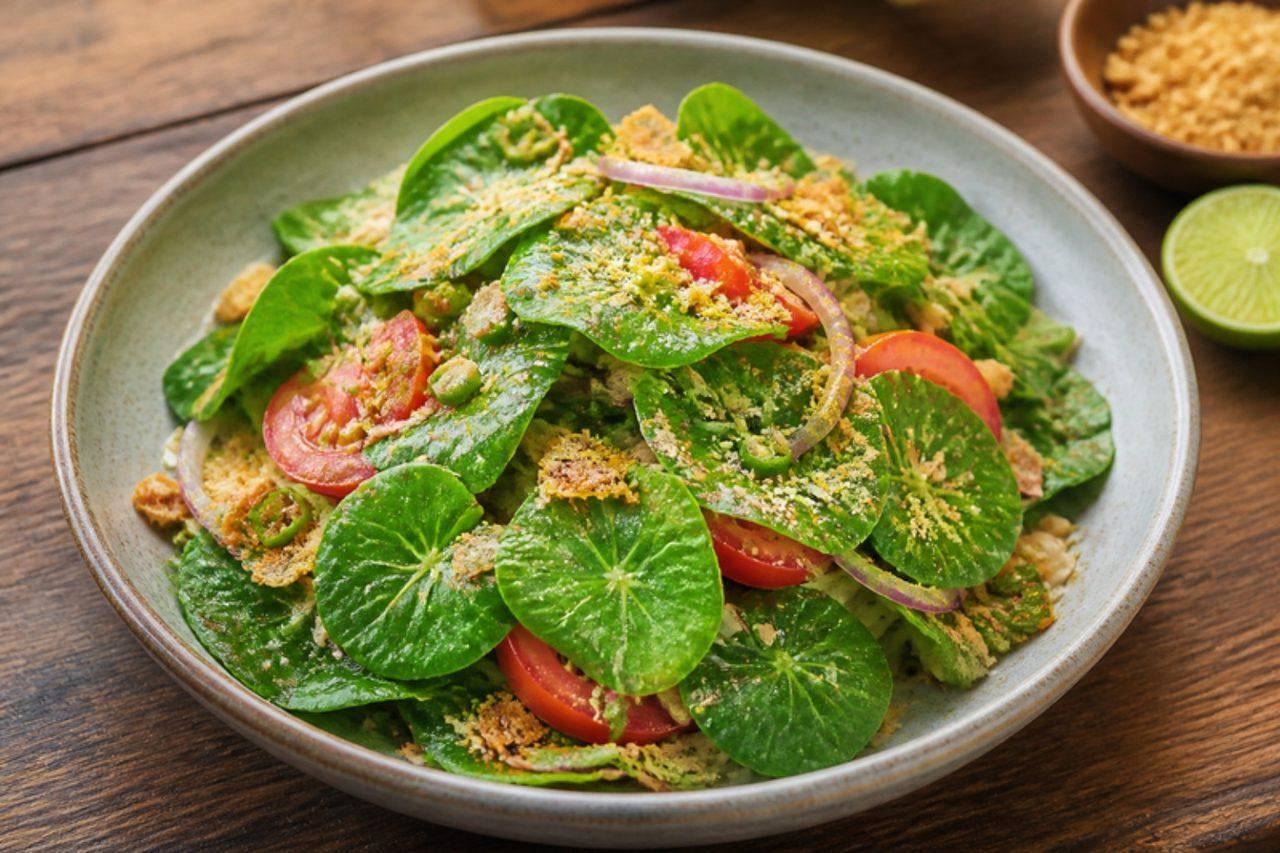
Burmese pennywort salad

Myin khwa, 'horse's hoof', is the Burmese name for pennywort, after the shape of its round leaves, and Mandalay grandmothers swear by a plate of it to cool the body during the hot months before the monsoon. The fresh leaves are slightly bitter and grassy, a little like watercress, and they are tossed by hand with toasted chickpea flour, crushed peanuts, crunchy fried garlic and its oil, lime juice, tomato and sliced onion. The salad is served as a side to rich curries, where its clean sourness cuts through the oil. Wet leaves ruin it: the dressing slides off and turns watery, so dry them completely after washing. Chef's tip: look for pennywort sold as gotu kola at Asian and Sri Lankan grocers; young watercress makes a fair stand-in.

by KrazyBadal 0 views

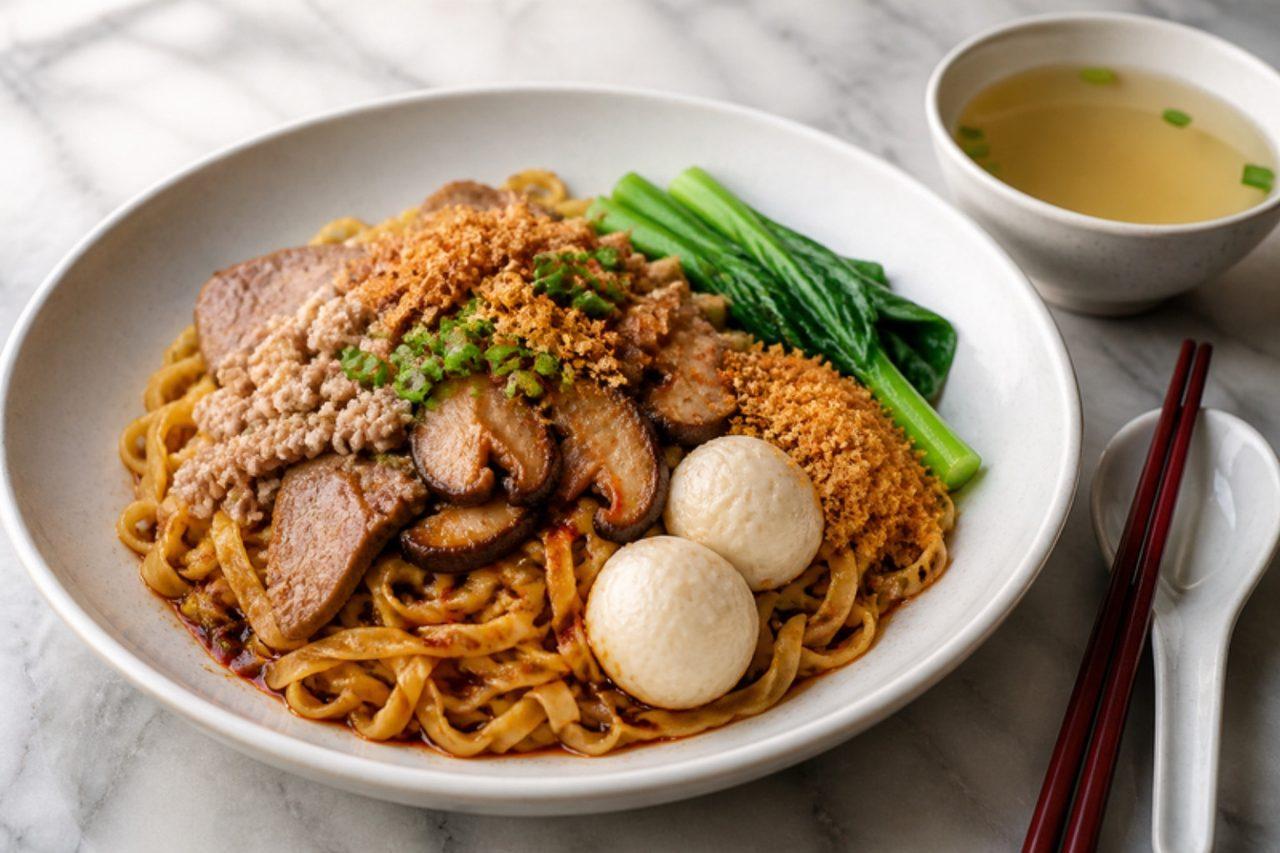
Bak chor meeMinced pork noodles

Queue at almost any Teochew noodle stall in a Singapore kopitiam before work and the order you hear most is a bowl of bak chor mee, dry, with extra vinegar. Springy flat mee pok is tossed at the bottom of the bowl in black vinegar, chilli paste, soy and a spoon of pork lard, then crowned with loosely poached minced pork, slices of pork liver, fish balls and sweet braised mushrooms, with a small bowl of clear pork soup on the side. It should taste sour first, then hot, then rich, and the noodles must stay bouncy rather than soft. Where most home cooks go wrong is cooking the noodles in one long boil: they turn limp and soak up the sauce instead of carrying it. Chef's tip: blanch the noodles twice, plunging them into cold water in between, which is how the hawkers get that al dente snap.

by KrazyBadal 0 views

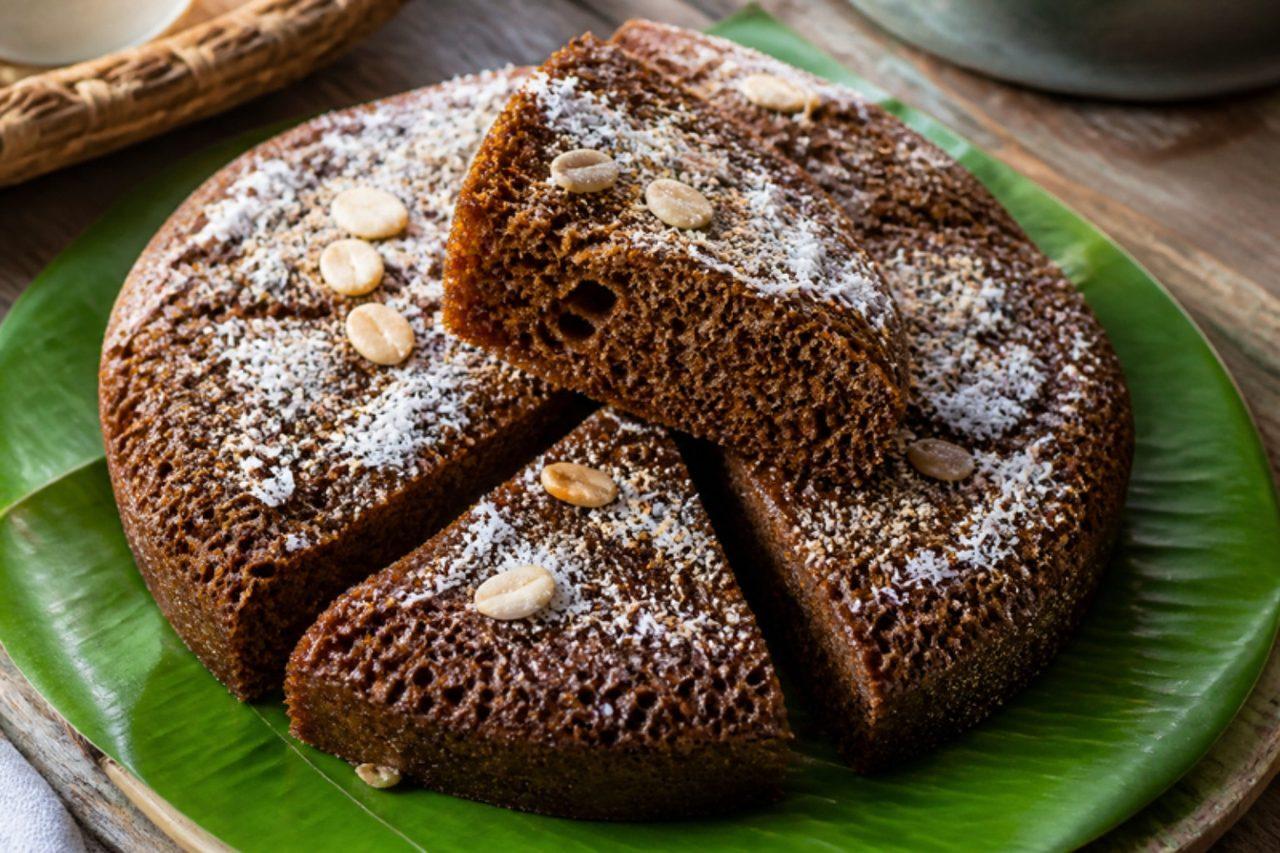
Bein montJaggery coconut rice pancake

When the November nights cool down for the Tazaungdaing festival, food stalls outside pagodas in Yangon and Mandalay start cooking bein mont in small, lidded iron pans with embers piled on top, so the cake bakes from above and below at once. The batter is rice flour sweetened with dark jaggery, so it cooks into a thick, springy, brown pancake with a crisp base, studded on top with shreds of coconut and sliced peanuts; some vendors still scatter poppy seeds, the bein that may have given the snack its name. It is eaten warm in wedges with hot green tea. High heat is what usually goes wrong: the base scorches while the centre stays raw, so keep the flame low and the lid on. Chef's tip: a small cast-iron pan finished under the grill copies the charcoal top heat at home.

by KrazyBadal 0 views

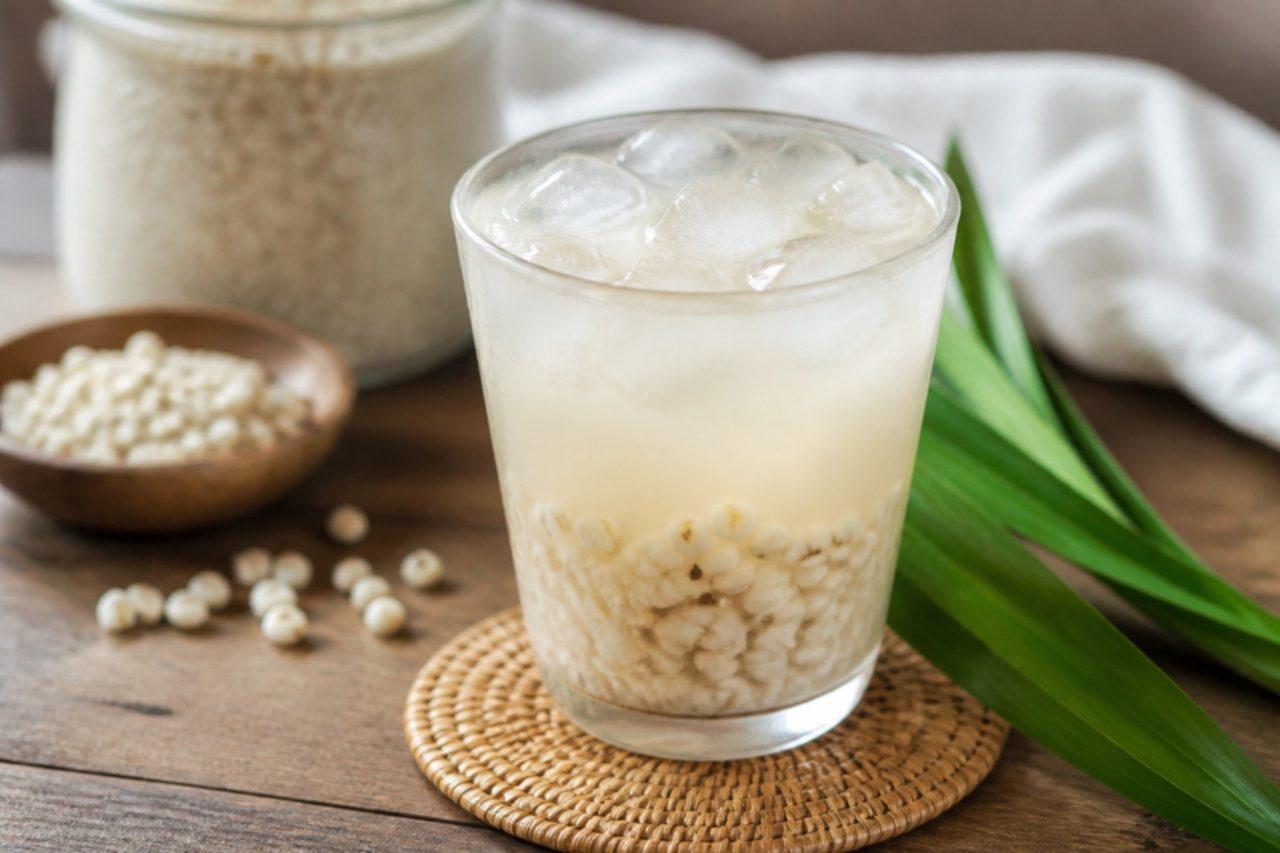
Barley water

Ask for 'barley' at any drinks stall in a Singapore kopitiam and you get a tall glass of cloudy, faintly sweet barley water, the drink older relatives swear by on the hottest afternoons because it is said to cool the body. Home cooks simmer pearl barley for an hour with knotted pandan leaves, and in Teochew and Cantonese households chunks of winter melon go in as well for a gentle, cucumber-like sweetness. The result is light and clean, ideal beside a plate of chicken rice, char kway teow or anything greasy and salty. The usual mistake is boiling it hard, which turns the liquid starchy and slimy instead of smooth and pale; keep it at a gentle simmer. Chef's tip: don't throw away the softened barley grains; spoon some into each glass, as the stalls do, or eat them warm with a little rock sugar as a light dessert.

by KrazyBadal 0 views

KarantikaBaked chickpea flour flan

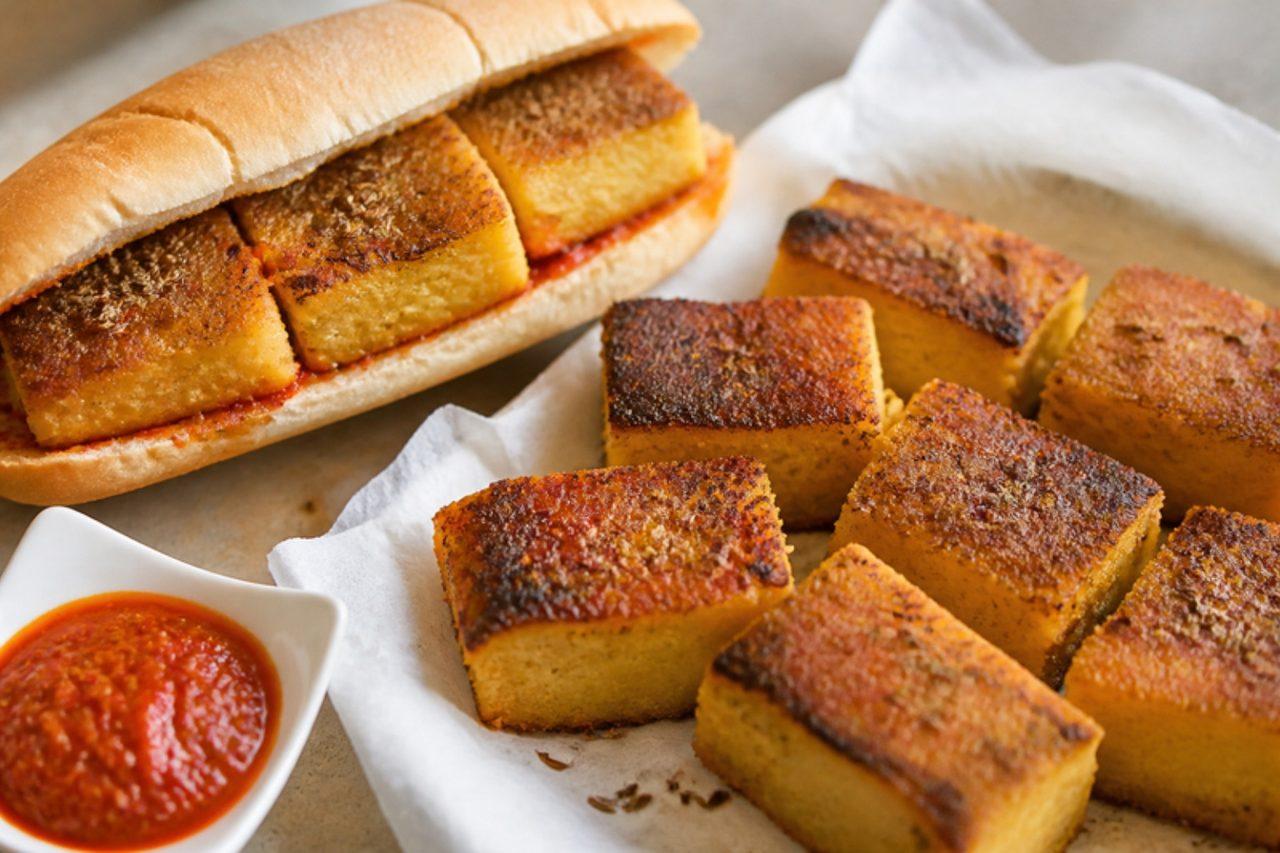
Schoolchildren in Oran spend their pocket money on karantika, a savoury chickpea-flour flan baked in huge trays and cut into squares by street vendors, who sprinkle it with cumin and harissa and often stuff it into a piece of baguette. Its roots go back to the Spanish calentica of Oran's past, and it has spread across western Algeria. Made with only chickpea flour, water, oil and egg, it bakes into a soft, custardy, slightly wobbly middle under a crisp, burnished top. Serve it warm, cut into squares, with harissa; to keep the dish gluten free, skip the bread. Chef's tip: rest the batter for at least 30 minutes before baking; the flour hydrates and the flan sets smooth instead of grainy.

by KrazyBadal 0 views

Kimbula banisCrocodile-shaped sweet bun

Kimbula means crocodile, and these long, ridged buns with tapered ends and a back glittering with sugar are a childhood favourite from every Sri Lankan village bakery and the bread vans that drive the lanes playing tinny music each morning. The sweet, slightly enriched yeast dough is rolled up like a Swiss roll, tapered into a head and a tail, slashed along the top and showered with coarse sugar, which caramelises in the oven into a crunchy crust over a soft, fluffy crumb. They are eaten for breakfast or an afternoon snack with plain tea, often pulled apart along the ridges. Under-baking is the error that bakers see most, leaving the centre doughy; the buns should be a deep golden brown and sound hollow underneath. Chef's tip: sprinkle a layer of sugar on the dough before you roll it up, which gives sweet streaks inside as well as the crust on top.

by KrazyBadal 0 views

MounaOrange-flower brioche

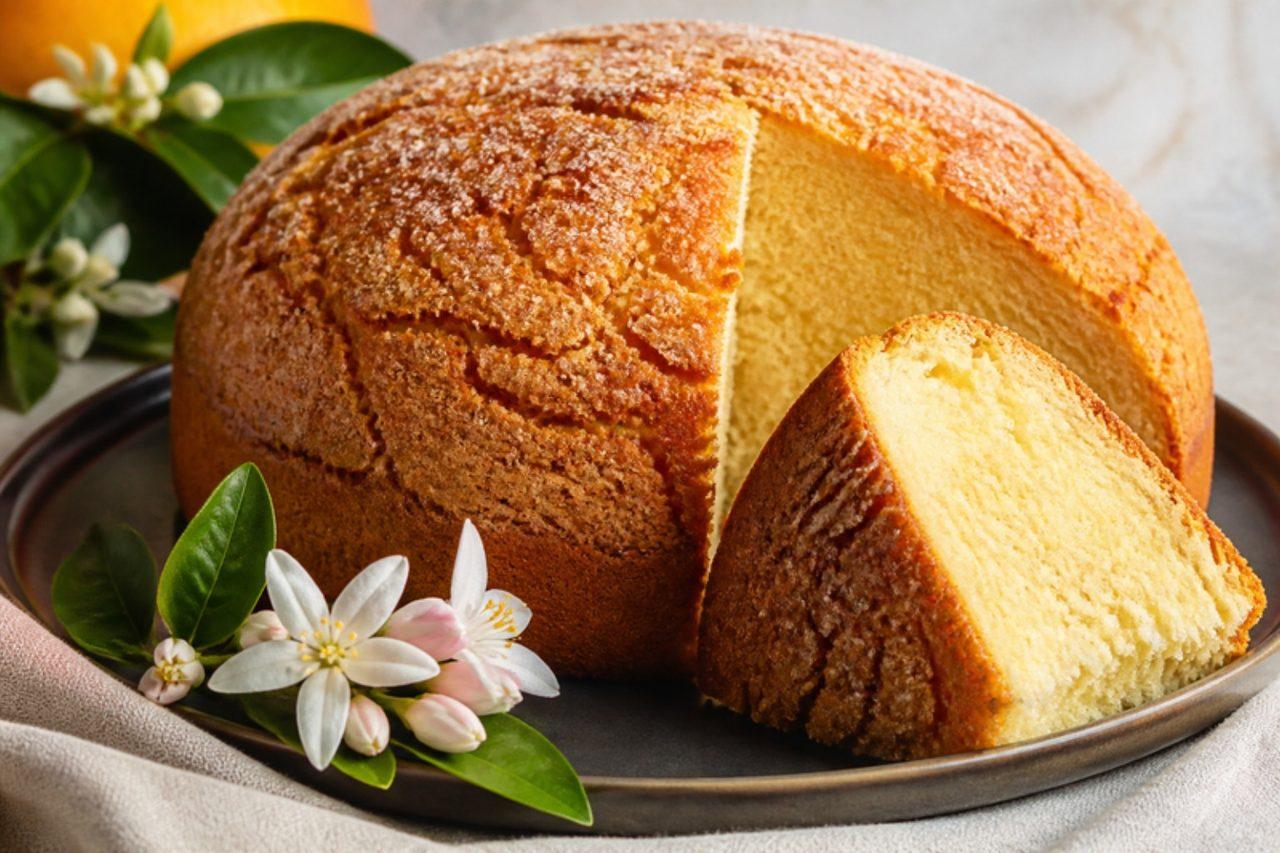
Oran's mouna came over with Spanish settlers as the Easter mona, and it is still baked for spring outings, recalling the Easter Monday picnics once held at the Santa Cruz chapel above the city. It is a tall, light, golden brioche with a crackly sugar crust, softly flavoured with orange-flower water and lemon zest rather than butter-heavy, and it tears into long, feathery strands. Eat it with coffee or hot chocolate, plain or with jam. The dough is slow and sticky, so give it time. Chef's tip: let the dough rise slowly overnight in the fridge after the first knead; it becomes easier to shape and the flavour deepens.

by KrazyBadal 0 views

KilishiSpiced dried beef

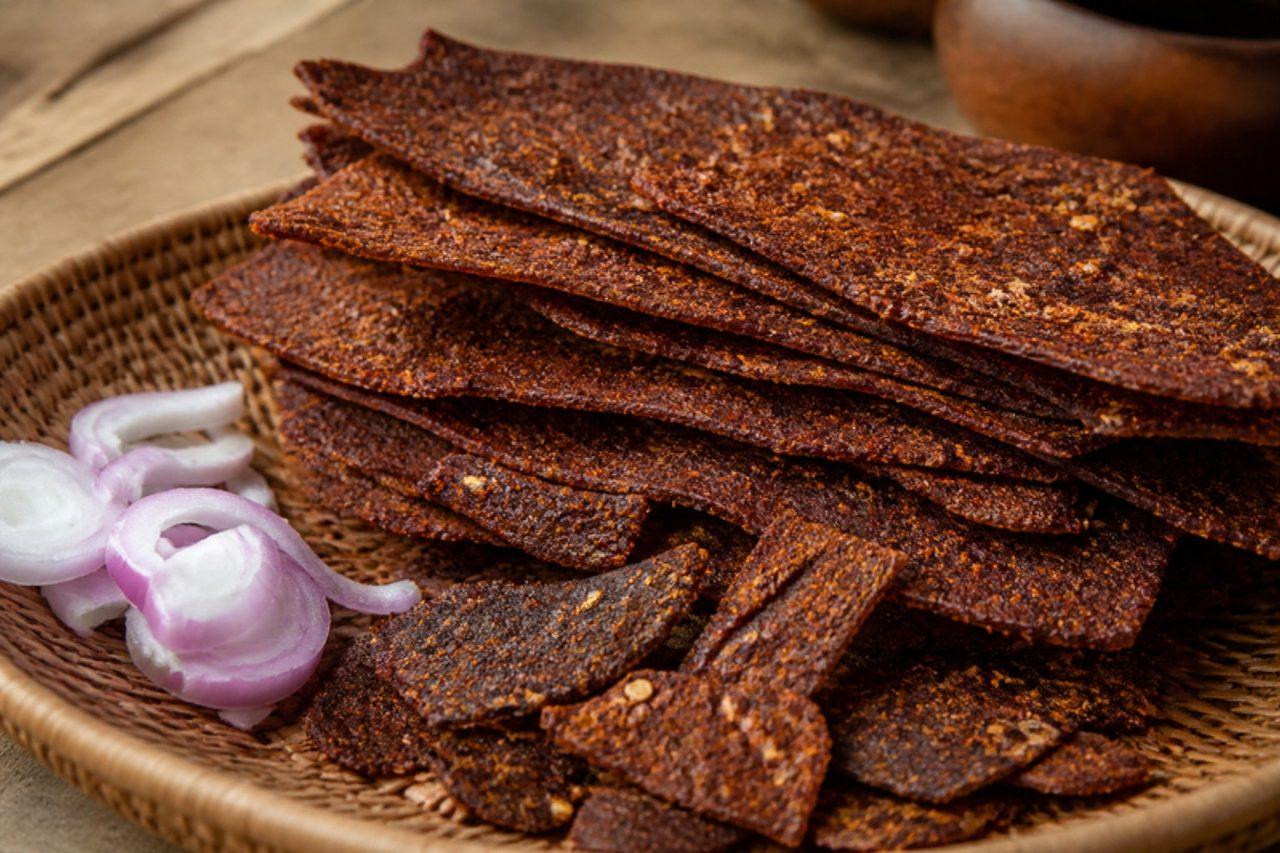
Long-distance travellers in the Hausa north have carried kilishi for generations: beef sliced so thin you can see light through it, coated in a fiery paste of ground roasted groundnuts, ginger, onion and chilli, dried, then flashed over a fire until it crackles. It is sold in Kano and Sokoto markets in stacked sheets and eaten as a snack or with a cold drink. Traditionally it is sun-dried raw; this home version heats the meat to 71 °C in the oven before drying and is stored in the fridge, which makes it safer. Sun-dried, uncooked kilishi is not for pregnant women, young children or anyone with a weakened immune system. Chef's tip: freeze the beef for an hour before slicing; firm meat is the only way to get sheets 3 mm thin at home.

240 minNigerianMeatGluten freeSpicy
by KrazyBadal 0 views

Kishk sa'idiFermented yoghurt and wheat porridge

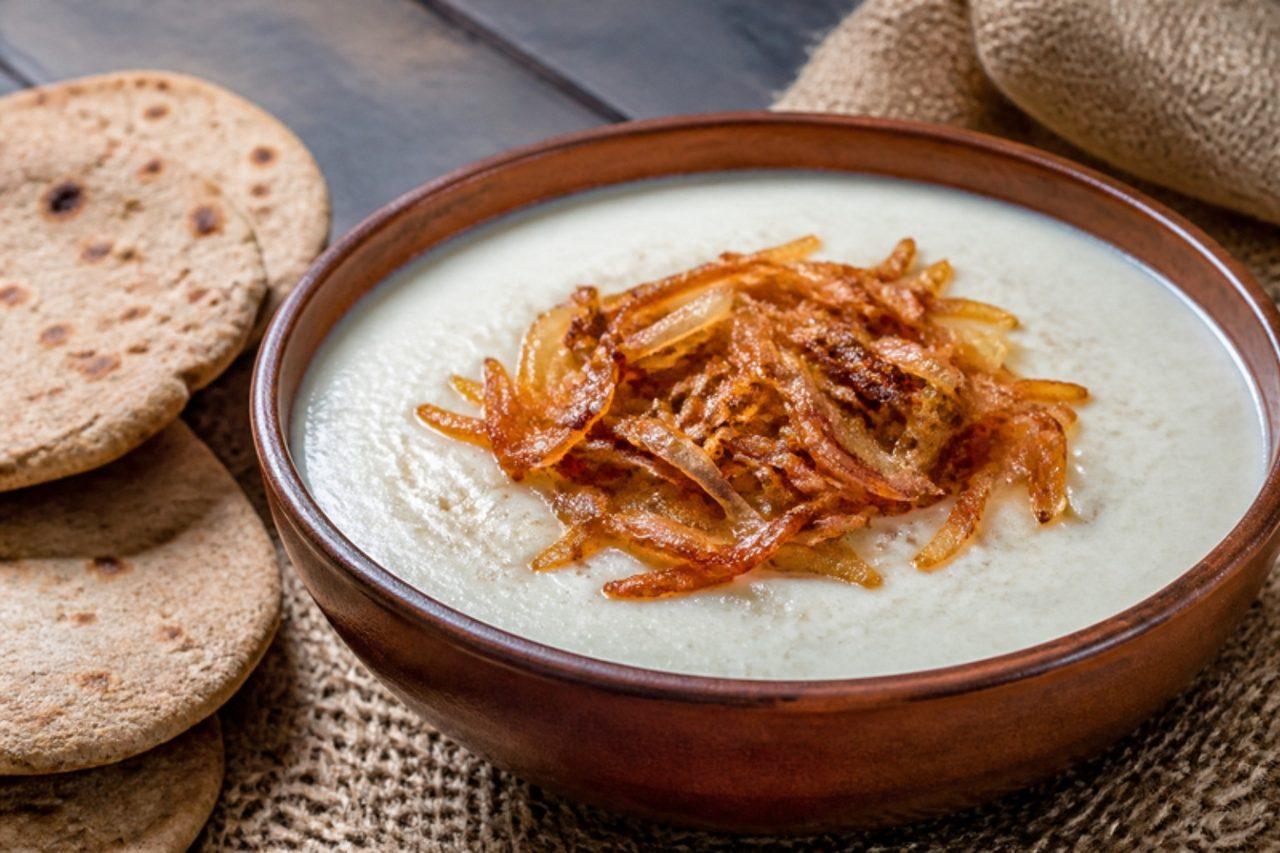
Kishk sa'idi belongs to the villages of the Sa'id, from Minya down to Qena and Luxor, where wheat and soured yoghurt are mixed, rolled into balls and dried on rooftops in the summer sun so the family has it through the winter. Soaked and simmered, the kishk becomes a thick, tangy, creamy porridge, finished with plenty of onions fried in ghee and eaten hot with bread. It is usually cooked in chicken stock; this vegetarian version uses vegetable stock and a little milk for body. Look for Upper Egyptian kishk at Egyptian grocers; Levantine kishk powder works but is often sourer, so add a little extra milk. Allow at least 2 hours for soaking. Chef's tip: keep it at a gentle bubble and stir constantly, because the yoghurt catches on the bottom and turns lumpy within minutes.

by KrazyBadal 0 views

Singapore breakfast fried bee hoon

Before office hours in Toa Payoh or Ang Mo Kio, the economy-rice stalls already have a steel tray of pale-brown fried bee hoon on the counter, and people point at it, then add a side or two from the trays beside it: a fried egg, fried tofu, braised cabbage, a curry potato. The noodles themselves are kept deliberately simple, springy and lightly savoury from soy sauce, threaded with cabbage, carrot and crunchy bean sprouts, then finished with a spoon of sambal chilli. Because it is plain, every strand needs to be seasoned evenly and still separate. The usual mistake is over-soaking the vermicelli, which then clumps and breaks in the wok; soak it only until bendy. Chef's tip: toss the noodles with tongs or chopsticks in a lifting motion rather than stirring with a spatula, so the soy coats every strand without breaking it.

by KrazyBadal 0 views

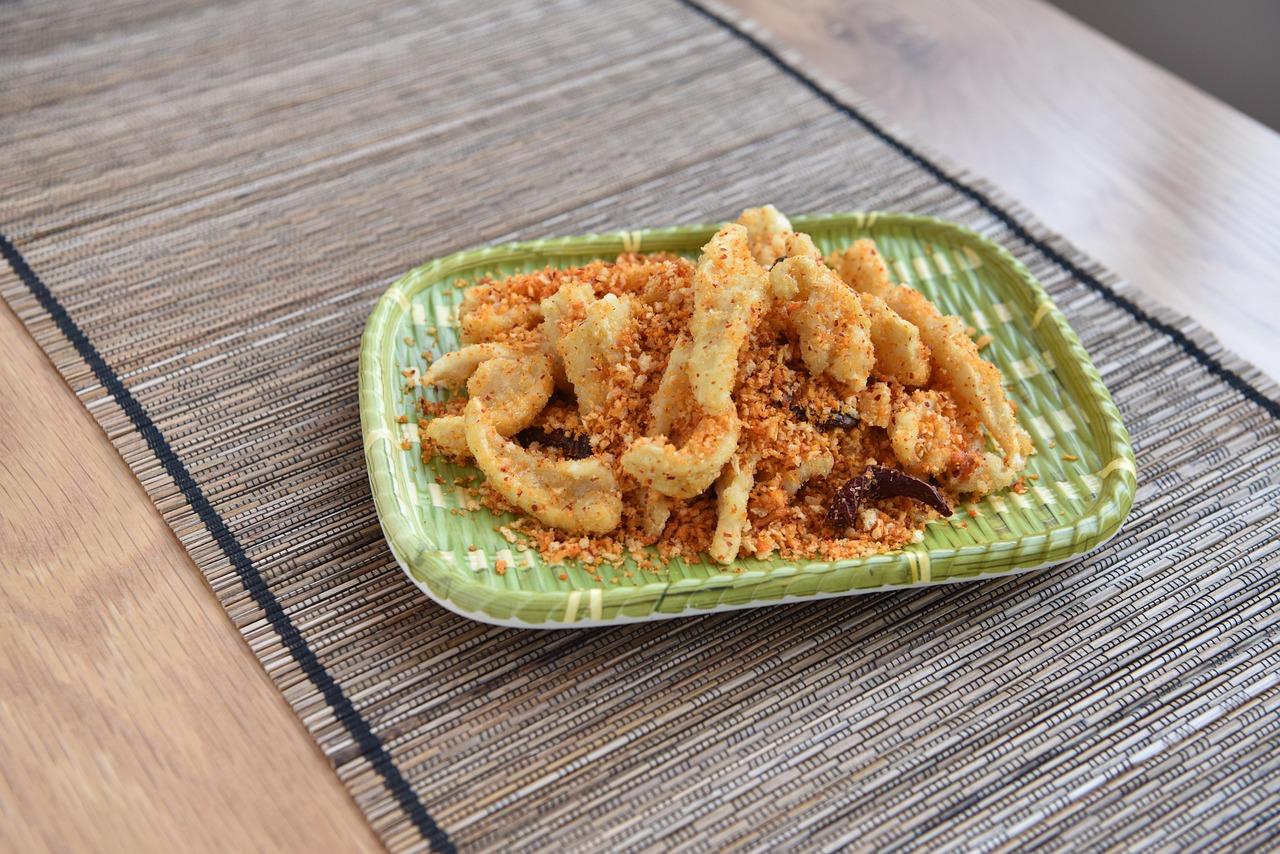
Salt and pepper squid

Late at night in Temple Street, or at a seafood restaurant on Lamma Island after a ferry ride, someone at the table always orders the jiu yim squid: tender pieces under a thin, shattering coat, wok-tossed with a heap of fried garlic, chilli and spring onion and showered with a peppery spiced salt. It is crunchy, salty and a little fiery, ideal with a cold soft drink or as one of several dishes with rice. Squid cooks in seconds. The most frequent mistake is crowding the oil, which drops its temperature so the coating turns soggy and the squid goes rubbery while you wait; fry in small batches. Chef's tip: score the inside of the squid in a criss-cross pattern so it curls up and catches more of the salt.

by KrazyBadal 0 views

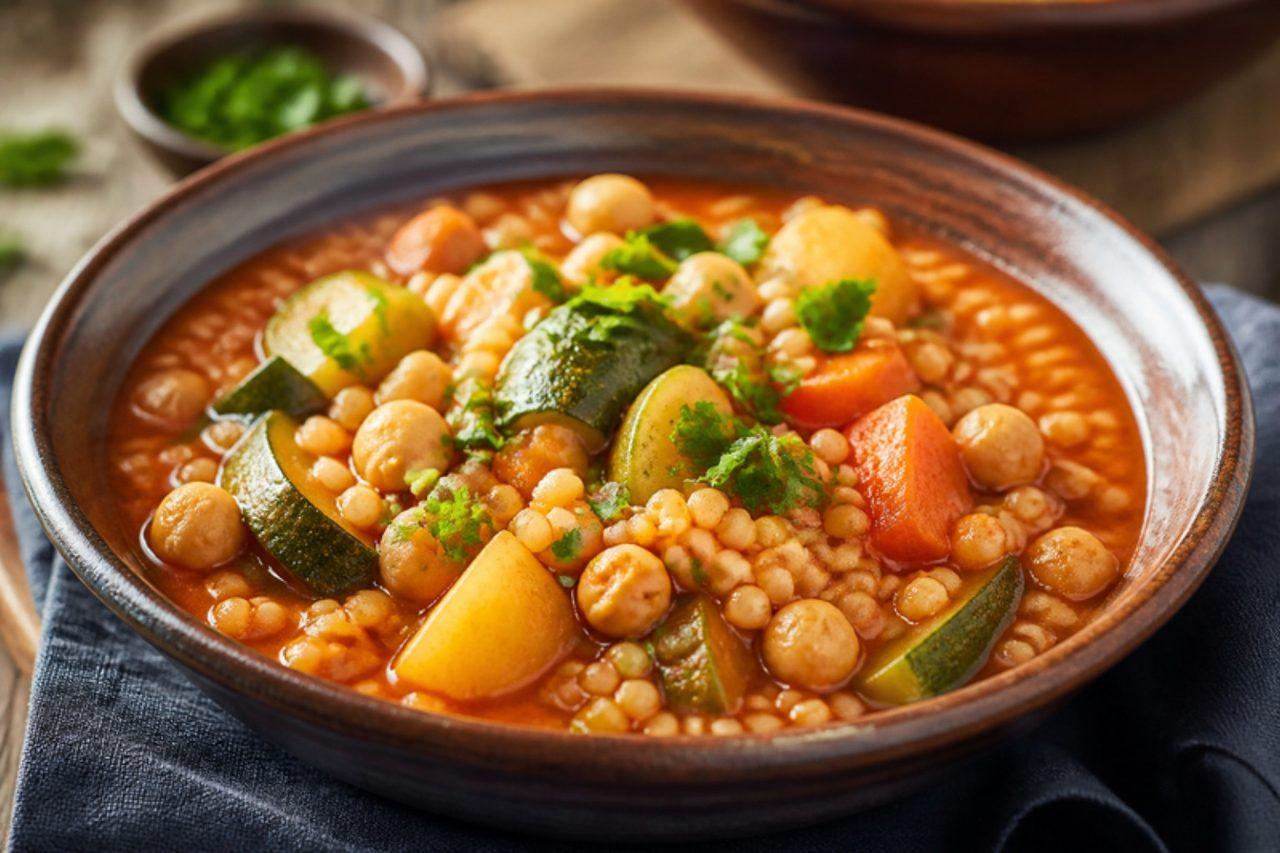
BerkoukesLarge couscous pearls in vegetable broth

Berkoukes, the big chewy couscous pearls rolled by hand in Tlemcen and the west of Algeria, is cold-weather food and a classic dish for the end of winter or a family supper. Cooked directly in a thick, tomato-red broth with courgette, carrot, potato, turnip, peas and chickpeas, it becomes a spoonable, comforting stew, fragrant with garlic, paprika, dried mint and fresh coriander. Many families make it with meat or khlii; this is the vegetable version cooked at home on ordinary days. Bought berkoukes, maftoul or giant couscous are fine. Chef's tip: steam or toast the berkoukes before simmering it; the pearls hold their shape and don't turn to porridge.

by KrazyBadal 0 views

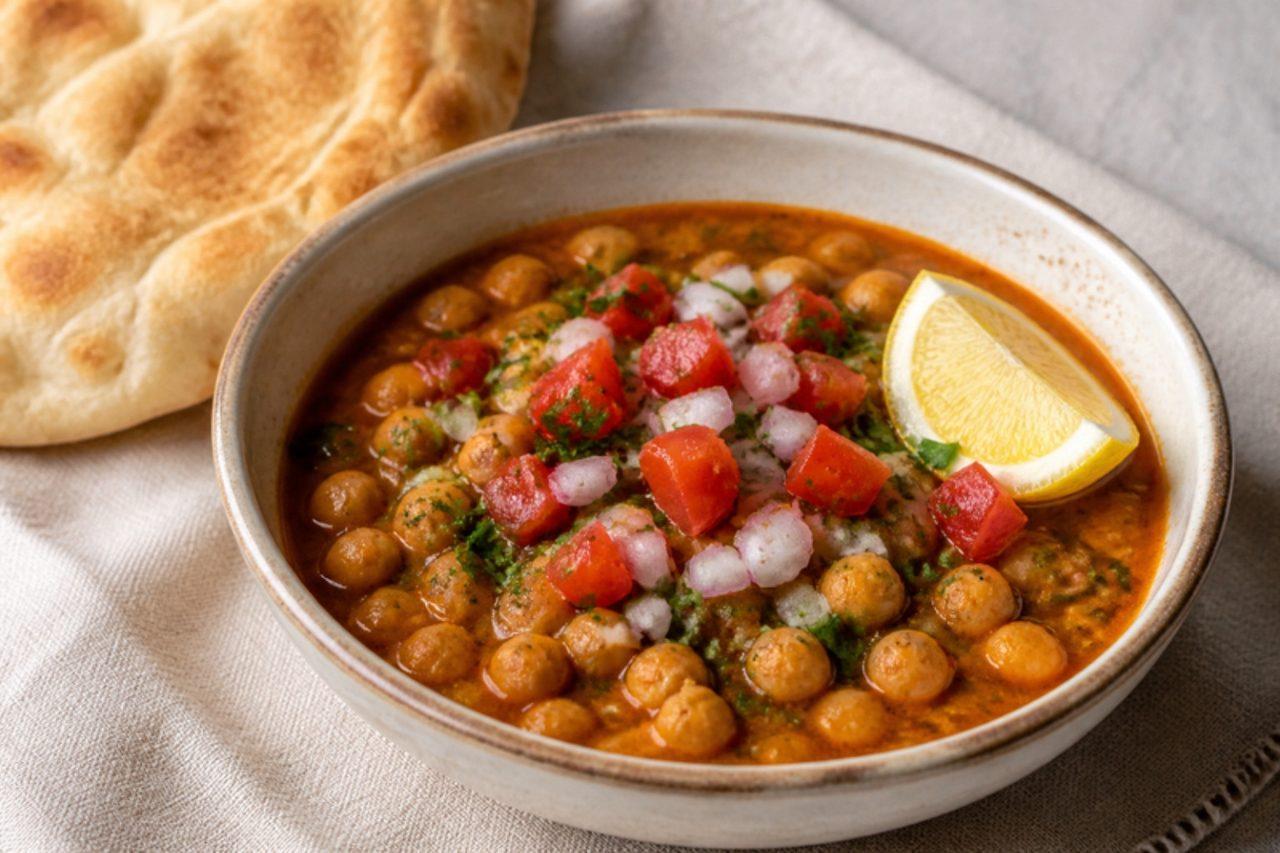
DoubaraSpicy chickpea stew

In Biskra, the oasis town at the gateway to the Algerian Sahara, doubara is street food, ladled from big pots into bowls from late afternoon and through Ramadan nights. Soft chickpeas or broad beans are simmered with cumin and garlic, then dressed with a fiery garlic-harissa sauce, olive oil, lemon and a heap of chopped tomato, onion, parsley and fresh chilli on top. It is hot, sour and very garlicky, filling yet fresh, and eaten with bread. Chef's tip: mash a ladle of the chickpeas into the broth at the end; it thickens the stew so the sauce clings.

by KrazyBadal 0 views

Lao iced coffee

High on the Bolaven Plateau above Pakse, the coffee towns around Paksong grow most of Laos's beans, and roadside stalls there brew them dark and strong through a long cloth sock, all day long. Ordered cold, it arrives as a glass of ice with a thick layer of sweetened condensed milk at the bottom, the black coffee poured over and stirred to a caramel brown, often with a free cup of weak tea to sip afterwards. It is bitter-sweet, chocolatey and much richer than a café latte, made for hot afternoons on the plateau or a morning stop in Pakse. A French press or a fine sieve lined with a paper filter stands in for the cloth sock. Pouring hot coffee straight onto ice before adding the milk is where it goes flat: the condensed milk won't dissolve in cold coffee and sinks in a gluey lump. Chef's tip: stir the condensed milk into the hot coffee first, then pour over the ice.

10 minLaoDrinksGluten free
by KrazyBadal 0 views

MatlouhSemolina flatbread

In Algiers and all over Algeria, homemade matlouh is the bread of choice for Ramadan iftar and for dipping into chorba or chakchouka. The dough is made with fine semolina and yeast, almost as wet as a batter, left to rise until airy, then shaped into thick rounds and cooked on a clay tajine or a heavy frying pan rather than in an oven. The result is soft and springy inside, with a thin, freckled, golden crust and the sweet, nutty taste of semolina. Eat it warm, torn by hand. Chef's tip: keep your hands wet with water, not floured, when shaping the sticky dough; flour makes the crust dry and floury.

by KrazyBadal 0 views

KichelCrisp bow-tie egg cookies

At kiddush in Ashkenazi synagogues, from Bnei Brak to the old shuls of Haifa, plates of kichel sit beside pickled herring and a small glass of something, and children quietly fill their pockets. The dough is barely sweet, rich in eggs, rolled out on sugar and twisted into bow-ties that puff up hollow and shatter when you bite them. They are good with tea, or with salty herring the traditional way. The common mistake is underbaking: they must dry right through and turn golden, or they go soft and chewy within a day. Chef's tip: roll the dough directly onto a layer of sugar so the crystals press in and caramelise underneath.

by KrazyBadal 0 views

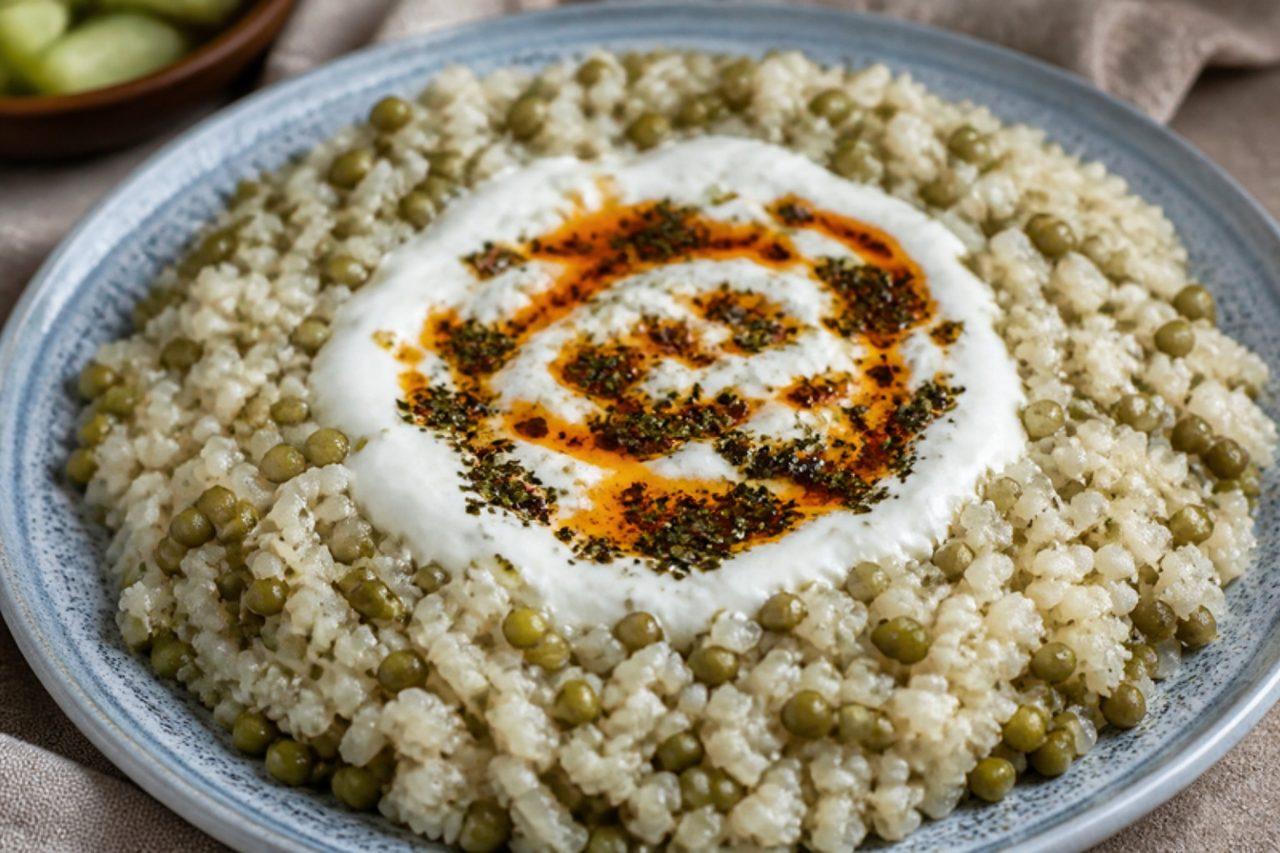
Kichiri qurootRice and mung beans

Ask Afghans what their grandmother cooked on cold winter evenings and kichiri quroot comes up again and again: a soft mound of short-grain rice and mung beans cooked until creamy and sticky, with a well pressed into the top and filled with qurut, the salty sauce made from dried yogurt balls. Hot oil with dried mint is poured over just before it reaches the table, and the rice is eaten with a spoon from a shared plate. Families in Kabul often serve it with a pan of meatballs in tomato sauce on the side; this is the meatless version, which is just as common on a quiet night. If you rinse all the starch away it will never turn sticky, so wash the rice only once. Chef's tip: if you can't find qurut, thick strained yogurt with a pinch of salt and garlic gives you something close.

by KrazyBadal 0 views

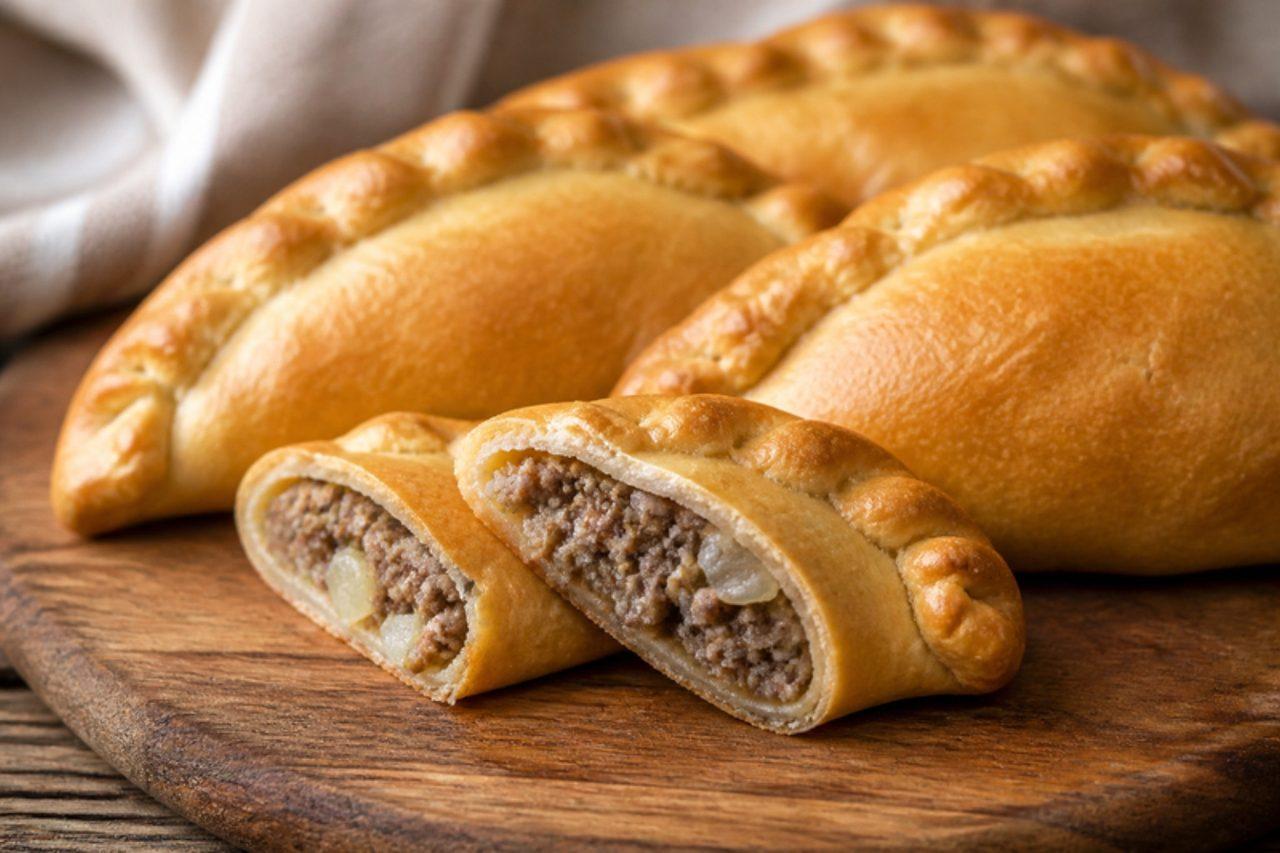
KibinaiLamb and onion pastries

Kibinai are the pastries of the Karaim, a small Turkic community settled in Trakai, the lake-island castle town near Vilnius, since the 14th century. Every café along Karaimų street sells them hot from the oven: half-moon pastries of flaky, buttery dough with a juicy filling of chopped lamb and onion, crimped along the top. A common mistake is mincing the meat; the Karaim chop it into small cubes so the filling stays juicy. Chef's tip: use cold dough and bake hot, so the pastry flakes and the juices stay sealed inside. The filling must reach 71 °C.

by KrazyBadal 0 views

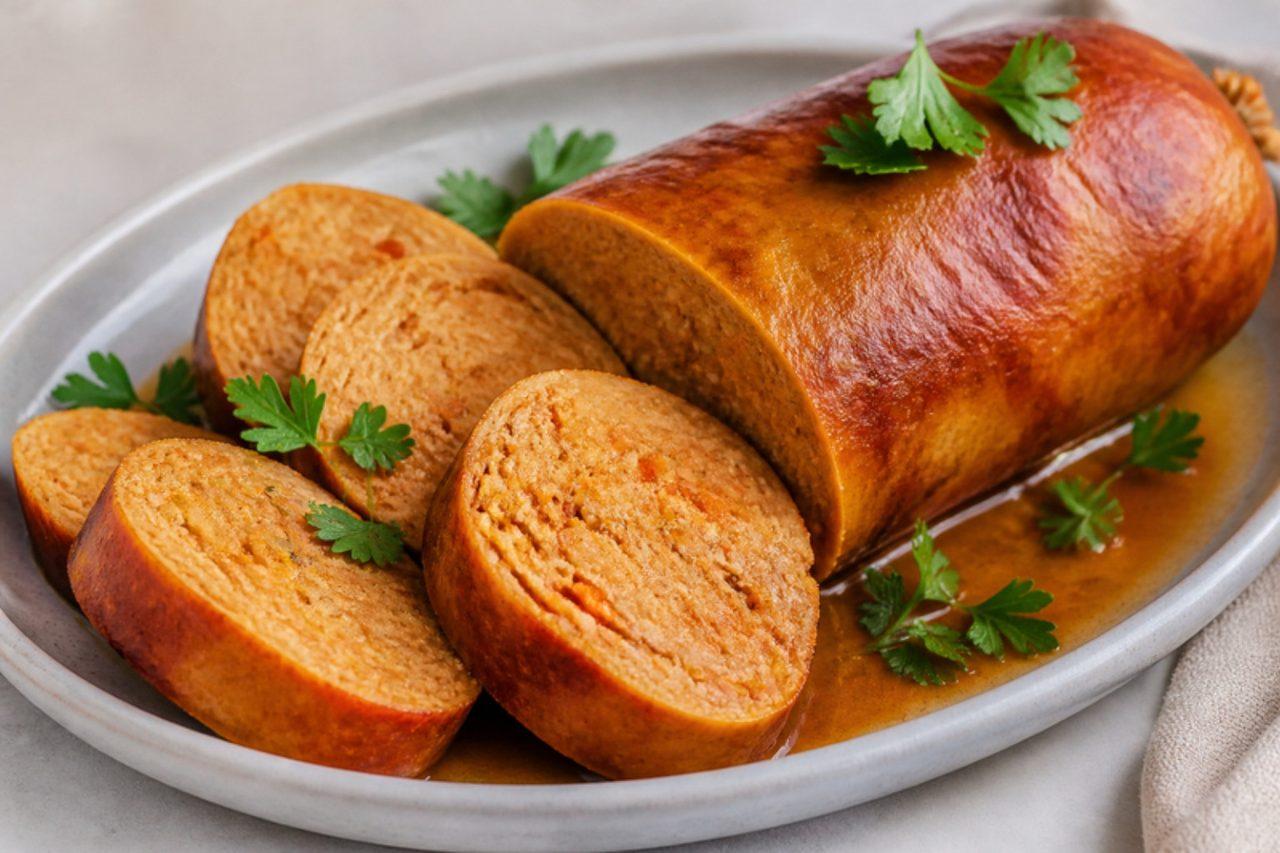
KishkeStuffed baked derma

Kishke, also called derma, was once stuffed into cleaned beef intestine and buried in the Shabbat cholent to cook overnight, and Haredi neighbourhoods such as Jerusalem's Geula still sell it at the butcher, orange with paprika, for Friday. The filling is humble: flour or matzo meal, onion, carrot and celery bound with rendered chicken fat, which cooks into a dense, savoury sausage with a crackling crust. This home version fills a sausage casing or rolls the mixture into a paper-and-foil log, then bakes it on its own or lays it on top of the cholent. Too dry a filling is the usual problem; it should feel like a soft, oily dough. Chef's tip: slice leftover kishke and fry the rounds in a dry pan until crisp on both sides.

145 minIsraeliMeat
by KrazyBadal 0 views

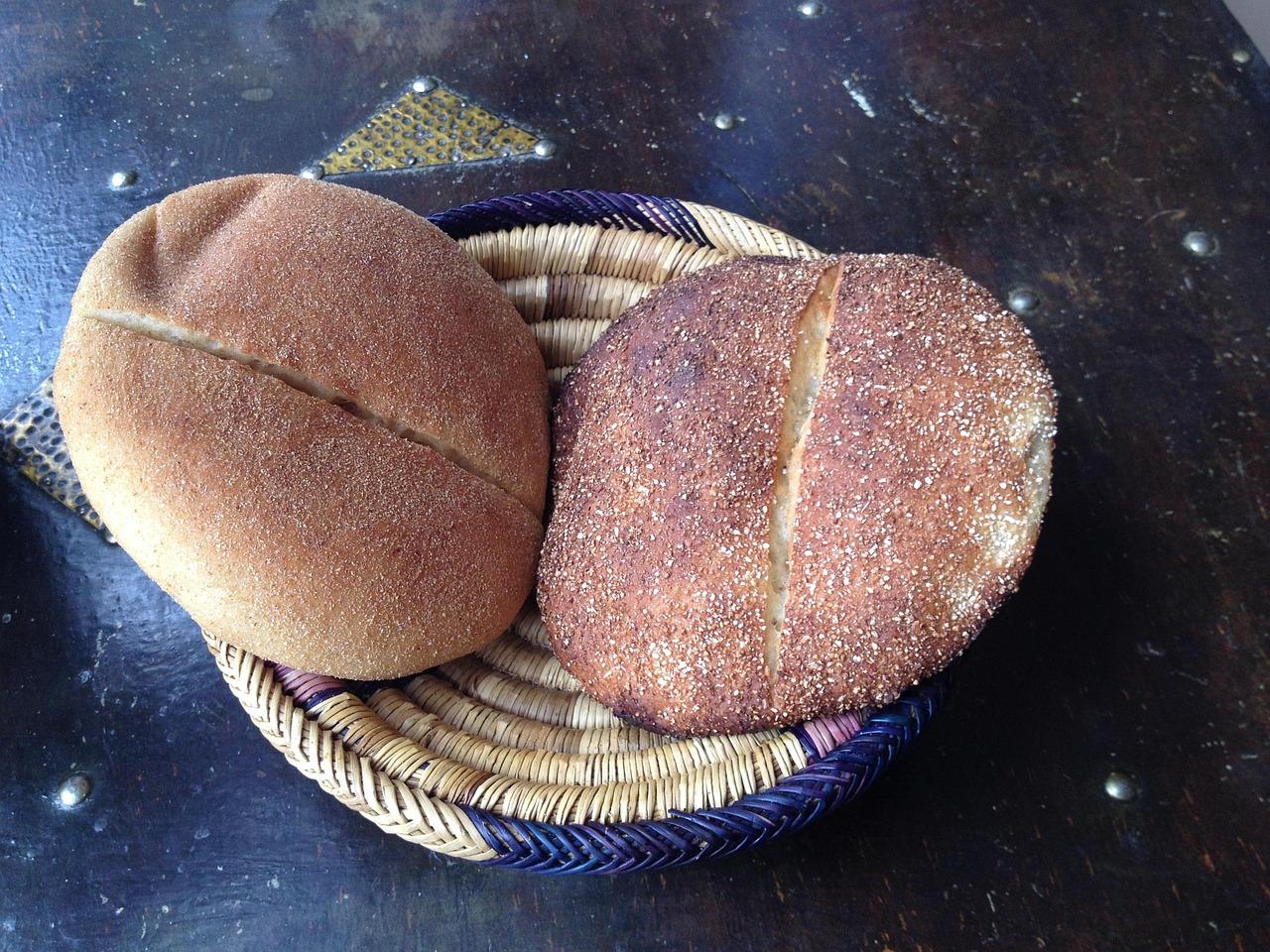
Khubz ahmarRed date bread

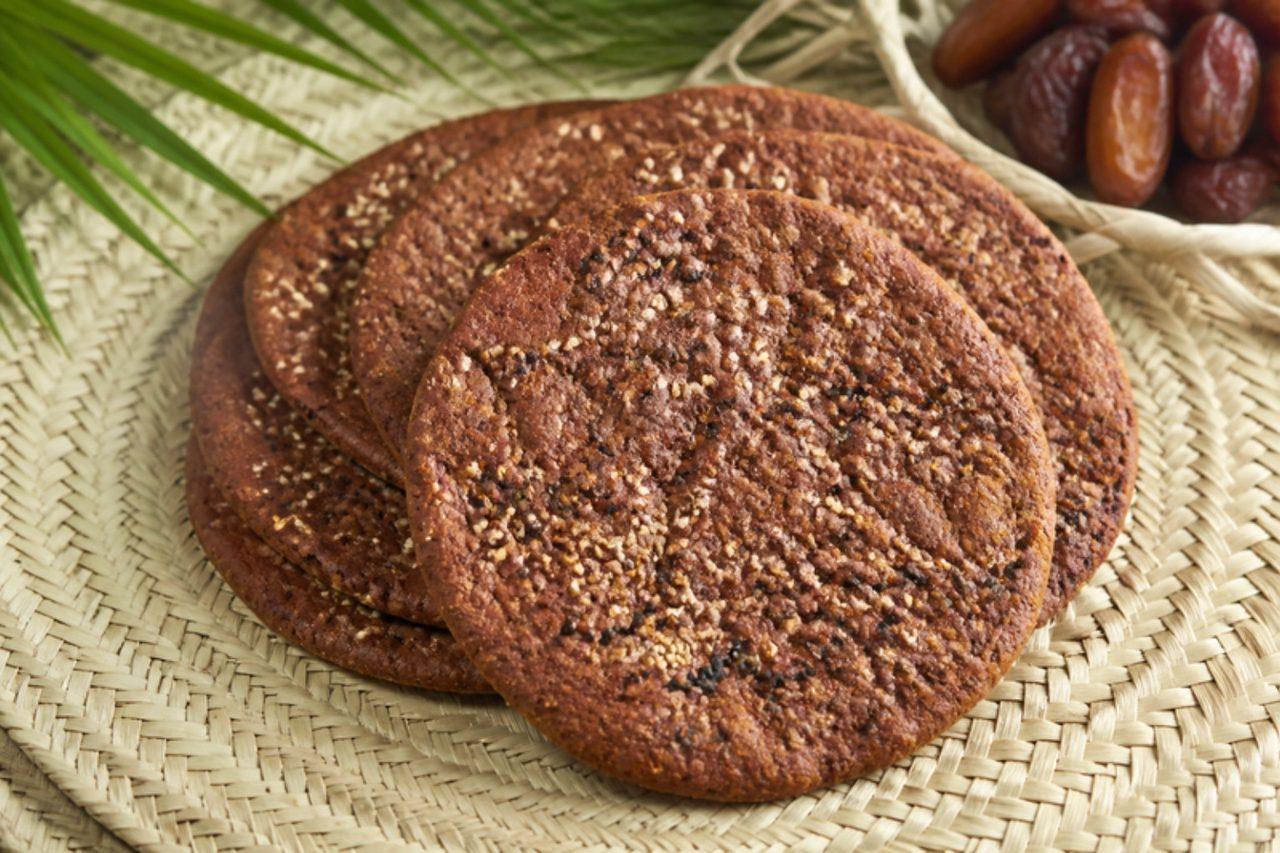
In the palm groves of Al-Ahsa in Saudi Arabia's Eastern Province, bakers slap rounds of khubz ahmar onto the walls of tannour ovens, and its colour, a deep reddish brown, comes from date syrup kneaded straight into the dough. Locals eat it for breakfast and with tea, often spread with cream cheese or dipped in more syrup. Fenugreek and black seed give it a warm, almost maple-like perfume, and the crumb is dense and soft with a chewy crust. A common mistake is adding too much flour because the dough feels sticky; the syrup makes it tacky, and extra flour turns the bread heavy. Oil your hands instead. Chef's tip: bake on a very hot stone and pull the breads once the edges darken; the sugars burn quickly after that.

by KrazyBadal 0 views

KhupluBeef, lamb and potato pie

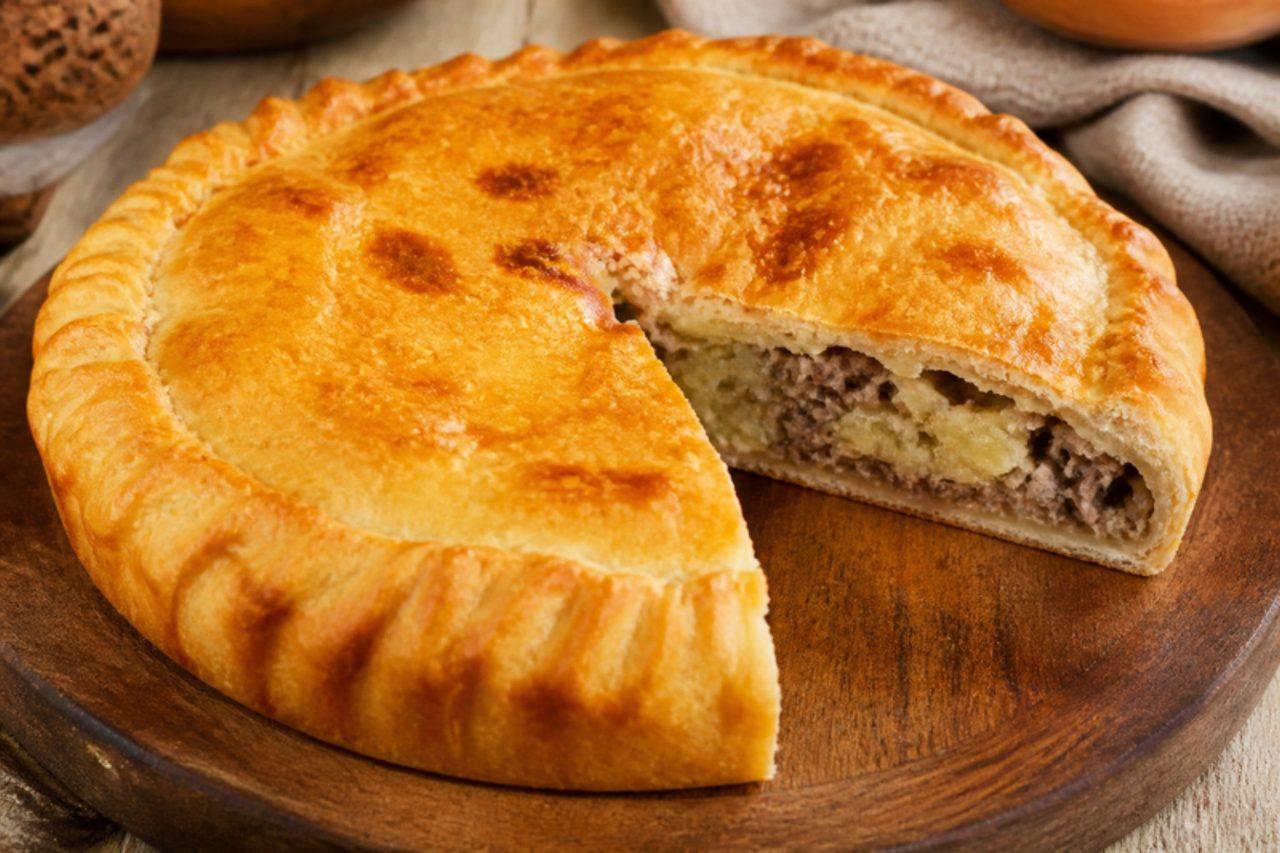
The Chuvash people of the middle Volga bake khuplu for harvest festivals and to welcome guests: one large, round, closed pie with a thin yeast crust and a deep filling of diced meat, potato and onion, traditionally with a little vent on top and a ring of dough to decorate it. Cut at the table, it spills meaty juice into the potatoes, and it is eaten warm with a glass of cold buttermilk or a bowl of soup. The usual slip is under-baking; a pie this deep needs well over an hour and a thermometer check. Chef's tip: lay the potatoes at the bottom and the meat on top, so the potatoes drink the juices and the base does not go soggy.

150 minRussianMeat
by KrazyBadal 0 views

Nova Scotia oatcakes

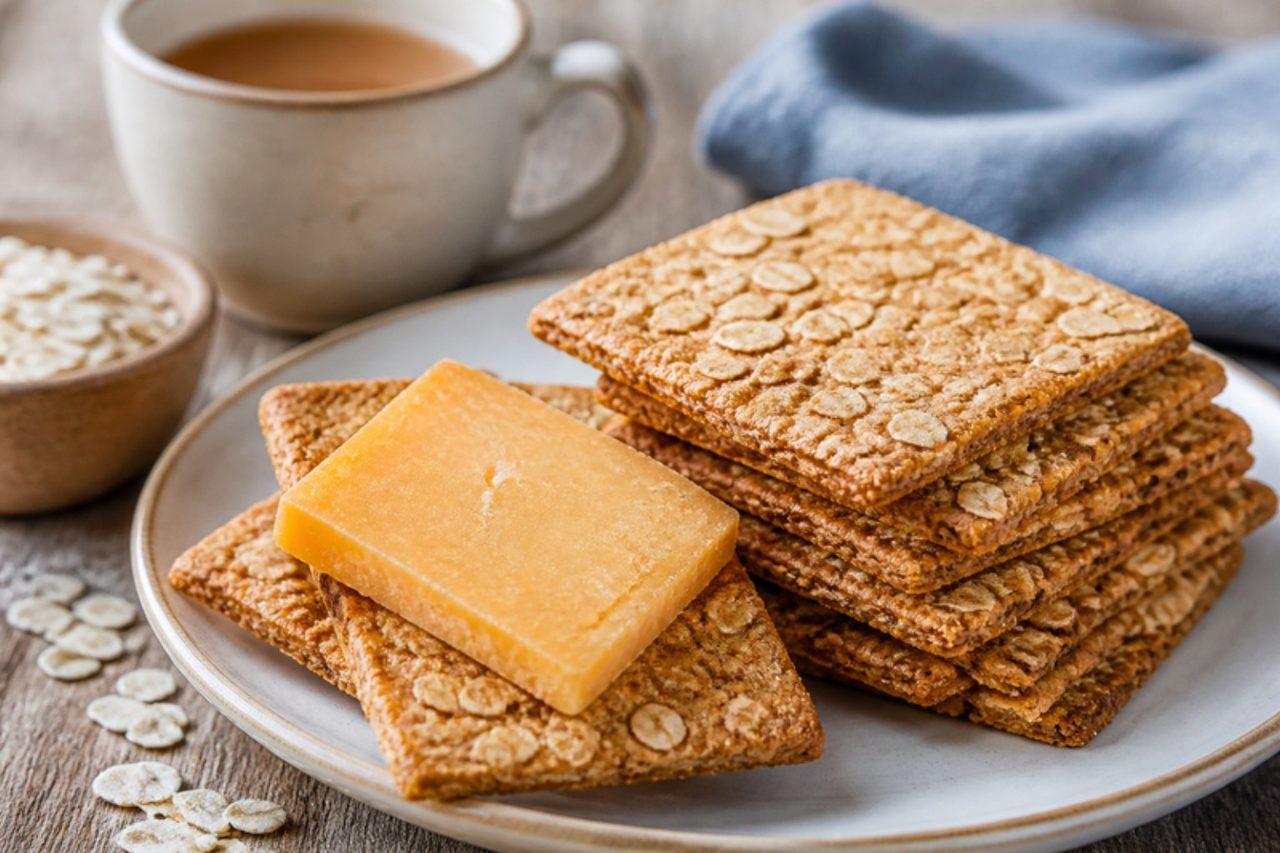
Nova Scotia oatcakes are nothing like the plain Scottish kind: Cape Breton bakers, with their Highland roots, made them sweeter and richer, with butter and brown sugar, so they crunch like a cross between a biscuit and shortbread. They are sold at every coffee shop in Antigonish and Baddeck and eaten with tea, or with a slice of sharp cheddar. A common mistake is rolling them thick; 5 mm gives the proper snap. Chef's tip: chill the rolled dough before cutting so the squares stay sharp.

by KrazyBadal 0 views

Khobz mellaEmber-baked bread

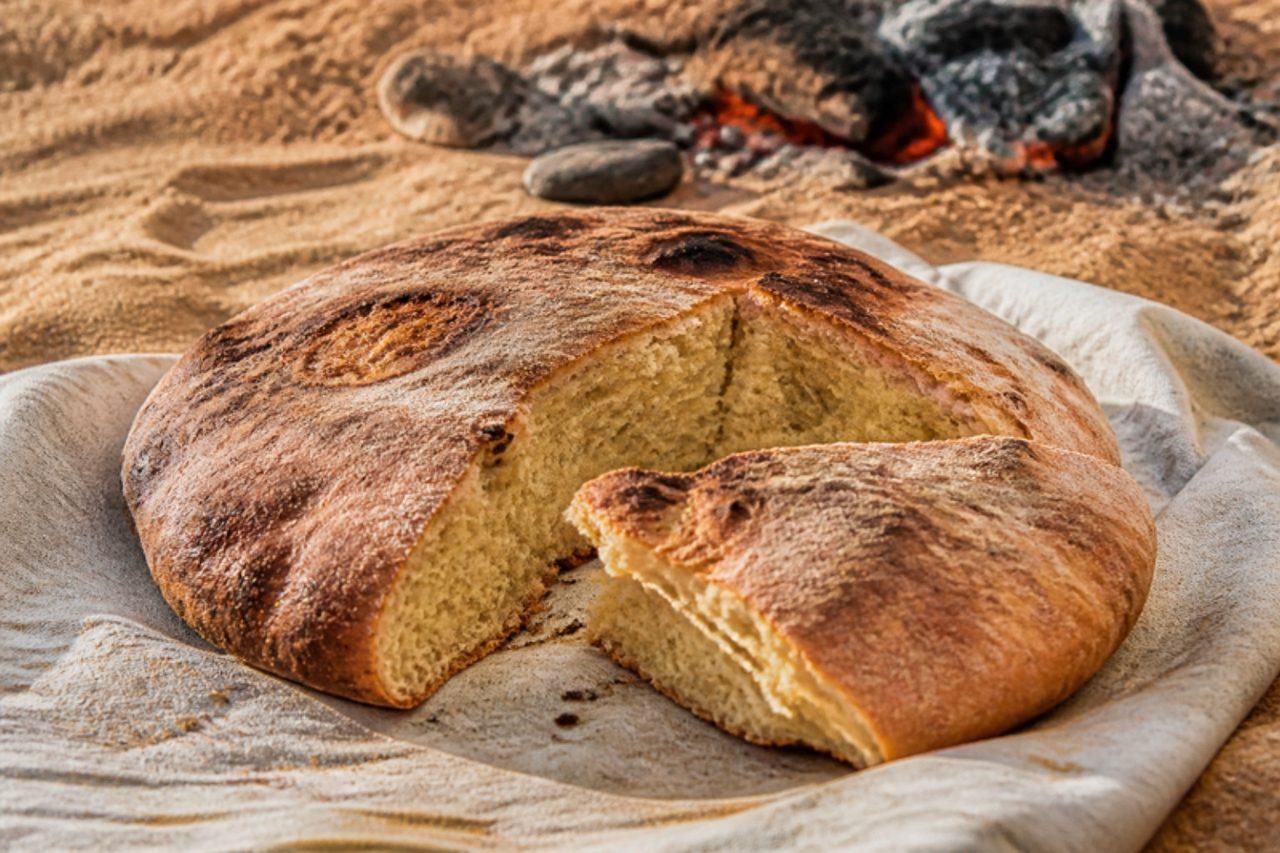
Around Douz, on the edge of the Tunisian Sahara, nomadic herders bake khobz mella by digging a hollow in sand heated under a fire, laying in a thick round of dough and burying it under more hot sand and embers. Brushed off and broken up, the crusty, smoky bread is crumbled into a tomato, pepper and onion stew to make mella, or eaten with olive oil and dates. Visitors to desert camps watch it being made by firelight. At home, a pizza stone or an upturned heavy tray in a very hot oven gives a similar chewy loaf with a thick crust; a charcoal barbecue gets you close to the smoky flavour. Chef's tip: dock the dough well with a fork; without it the round puffs up into a hollow ball and the crust cracks.

by KrazyBadal 0 views

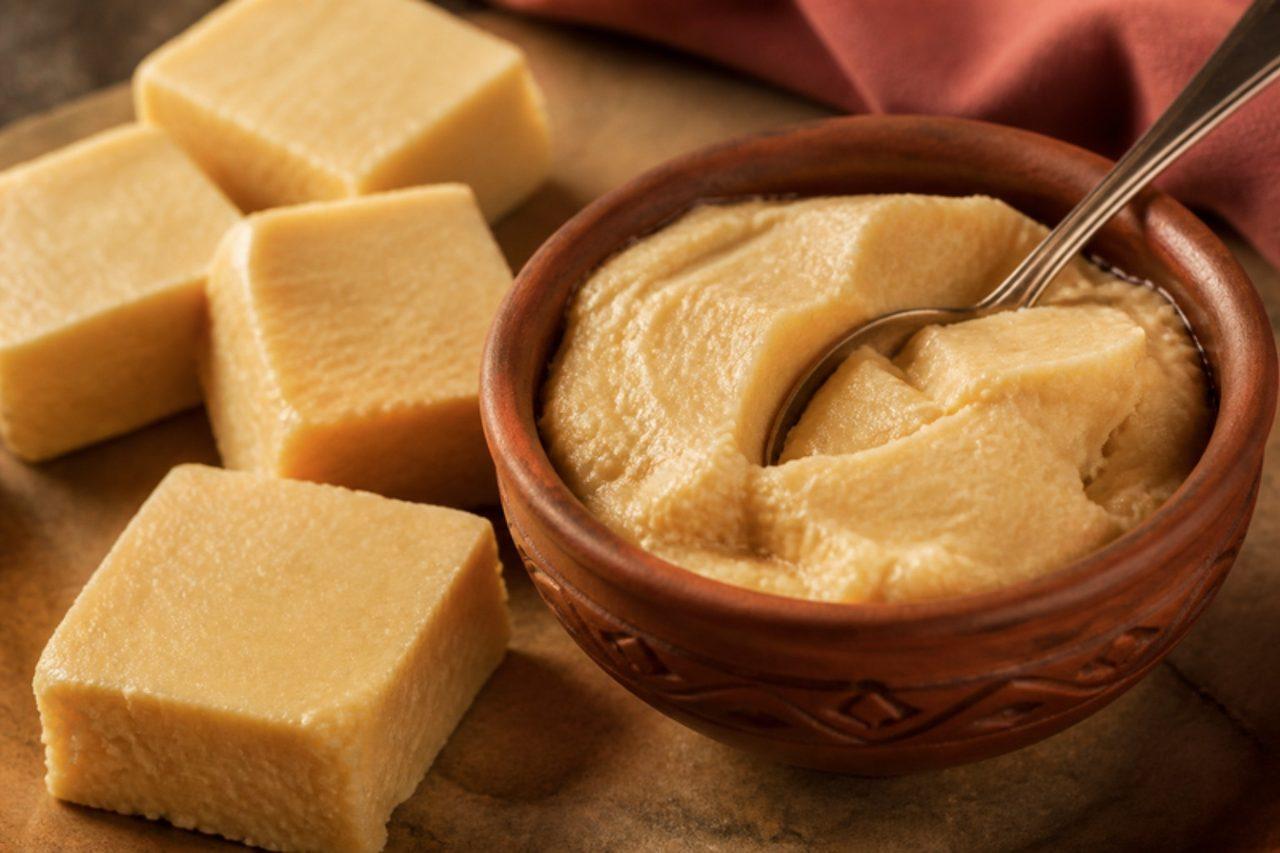
KhirshaReduced milk fudge

In the dairy belt of Sirajganj and Pabna, where milk is cheap and plentiful, khirsha is made the patient way: milk is boiled in a wide iron karai and stirred for well over an hour until it has reduced to a sixth of its volume and become a thick, pale-caramel paste, then sweetened and cooked a little longer. Sold in clay saucers or pressed into blocks, it tastes of pure cooked milk, sweet and slightly toffee-like, with a fudgy, fine-grained texture. It is eaten on its own, spread on puffed rice, rolled into pithas or packed into the shells of other sweets. Burning the bottom is the classic mishap, which makes the whole batch taste scorched, so stir constantly and scrape the corners once it thickens. Chef's tip: use a wide, heavy pan rather than a deep one; the bigger the surface, the faster the milk reduces.

by KrazyBadal 0 views

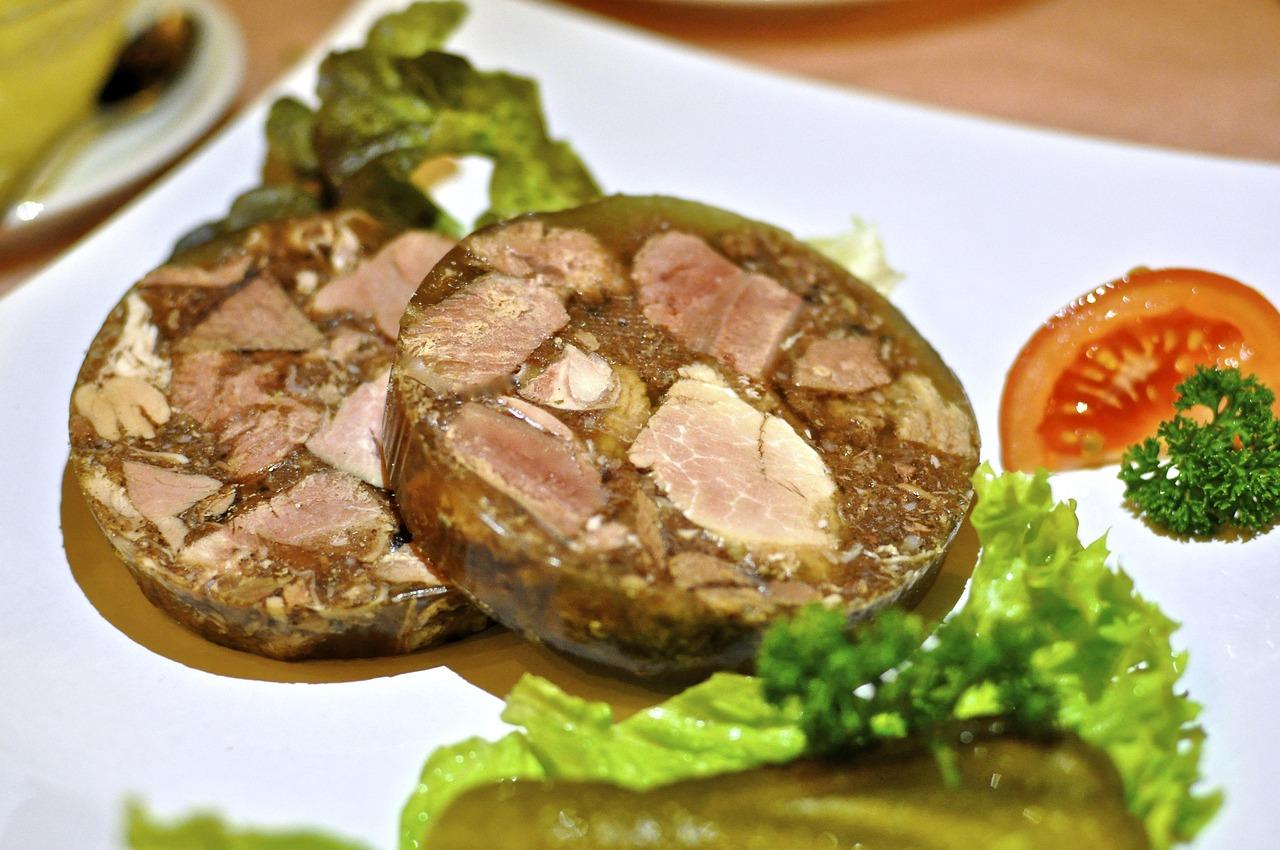
KholodetsMeat jelly

Kholodets is winter food, made in big batches before New Year and Orthodox Christmas when the cold balcony doubles as a fridge. Pork trotters and beef shin are simmered for hours until the broth is rich enough to set on its own, no added setting agent; the meat is shredded, layered with garlic and covered with the strained stock to set into a trembling, clear jelly. It is eaten cold, cut into squares, with sharp horseradish and mustard and hot boiled potatoes. This dish uses pork (trotters and knuckle) as well as beef. Where most people go wrong is letting the pot boil hard, which makes the jelly cloudy and greasy. Chef's tip: spoon a little broth onto a cold saucer after 5 hours; if it sets firm in the fridge in 15 minutes, the stock is ready.

480 minRussianMeatGluten free
by KrazyBadal 0 views

Showing 81 of 7,762 recipes

Show more recipes

Page 230 of 863