


Skip to content
Black bean tacos with lime slaw
Featured recipe

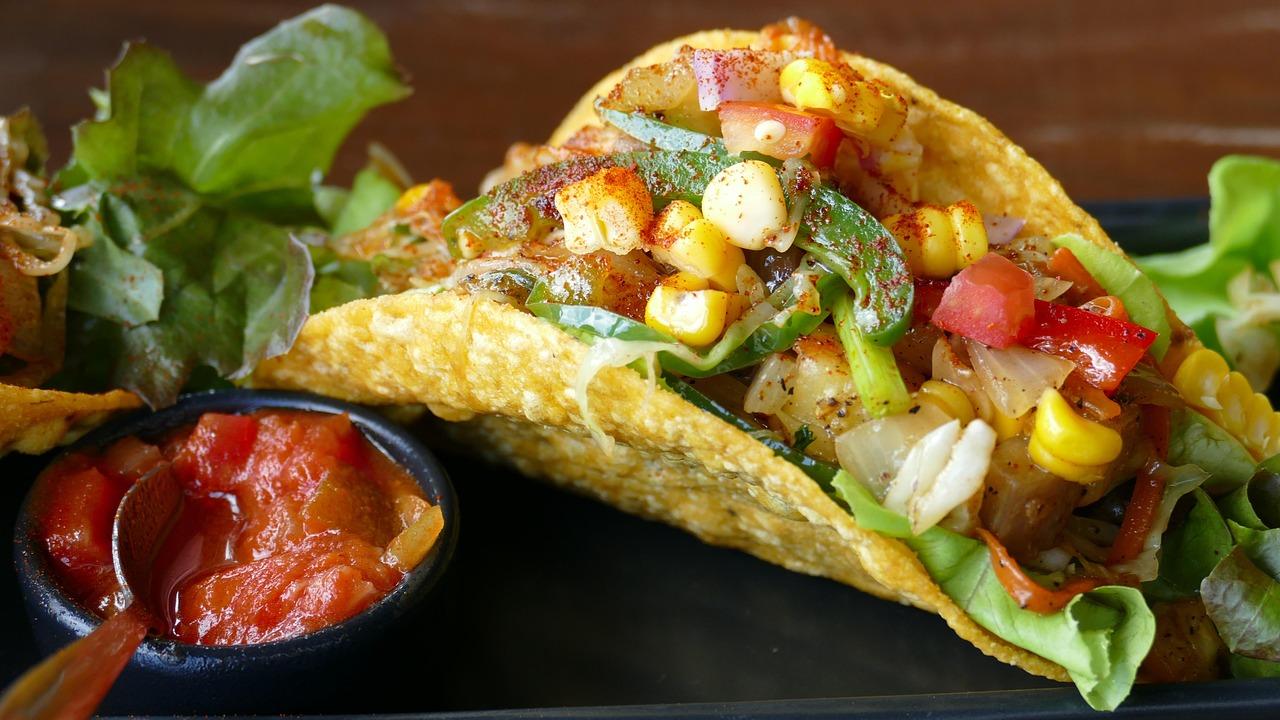
Black bean tacos with lime slaw

Proof that a meat-free taco night can be the best one. The beans are mashed with chipotle and cumin so they hold together in the tortilla, and a quick lime slaw adds crunch.

Read more 1 views

What to eat today?

Around the world

Today's trip: Paraguayan

A new country every day, from every cuisine on the site.

Paraguayan

Chipa

Cheese bread rings 50 minMore from Paraguayan (27) →

This week's collection

Kid-friendly dinners
537 recipes · a new collection every Monday

Latest recipes

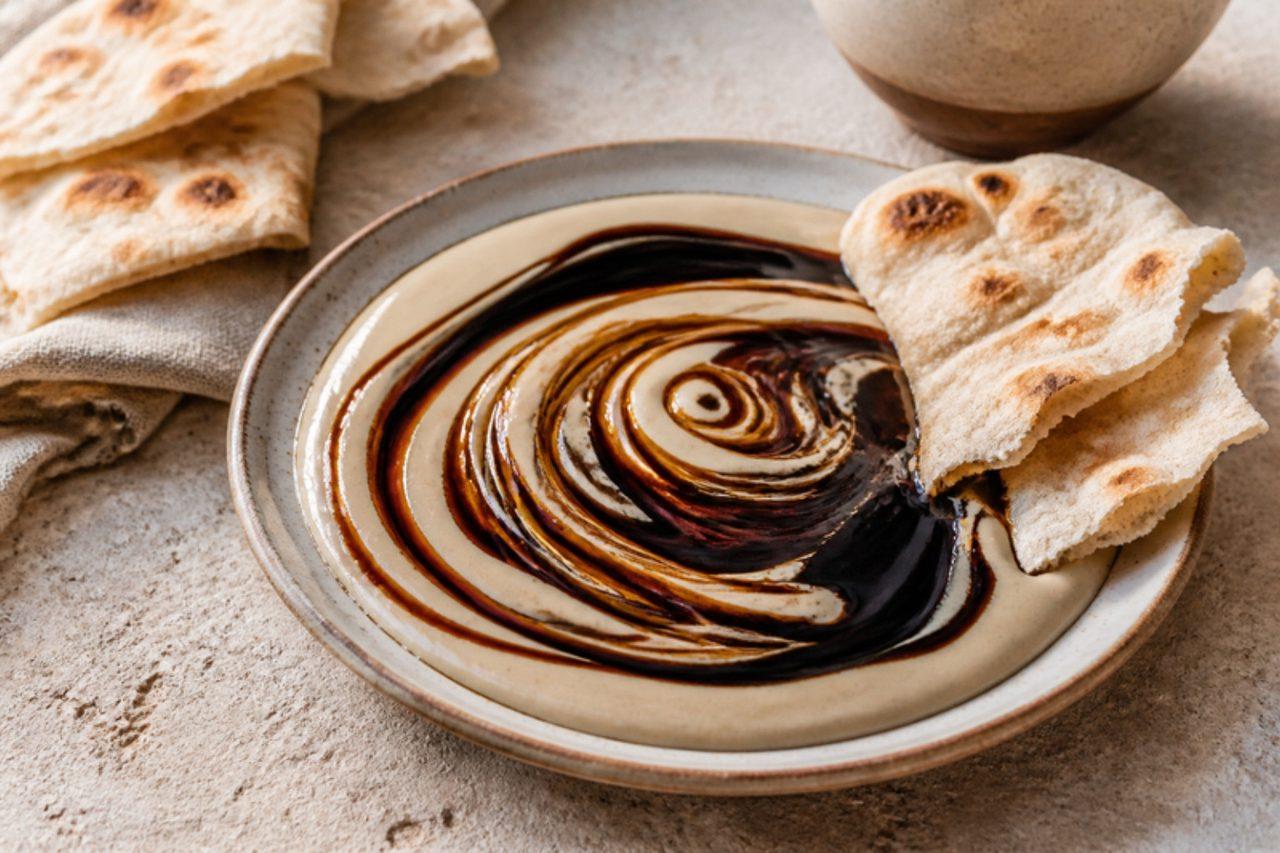
Molasses with tahini

Upper Egypt grows the country's sugarcane, and its dark molasses, asal eswed or black honey, has found its way onto breakfast and supper tables from Aswan to Alexandria. Spooned over tahini and swirled together, it becomes a glossy, bittersweet, nutty dip that children love and grown-ups eat after a light evening meal, scooped up with warm aish baladi or fino. Many families eat it in winter, when they want something warming and filling. A frequent slip is stirring the molasses and tahini together completely; leave them swirled so each bite gets both. Chef's tip: stir the tahini jar thoroughly first; the thick paste at the bottom and the oil on top must be mixed, or the dip comes out stiff and dry.

by KrazyBadal 0 views

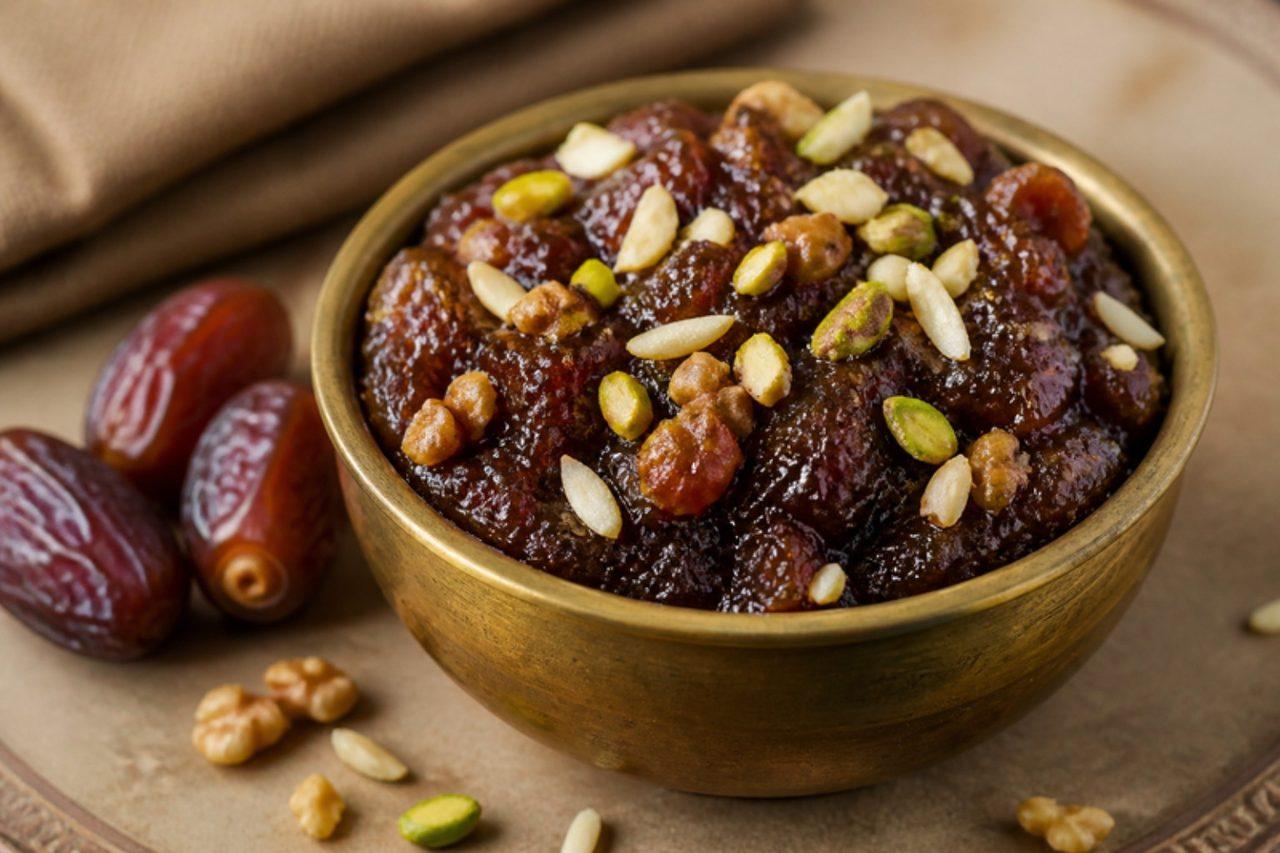
Khajoor ka halwaDate halwa

The oasis towns of Turbat and Panjgur in Makran grow some of Pakistan's finest dates, the soft, honeyed Begum Jangi and Muzawati among them, and after the late-summer harvest households turn the surplus into this rich, fudgy halwa. Dates are softened in warm milk, mashed and cooked down slowly in ghee until the mixture is dark and glossy and comes away from the pan, then finished with almonds, walnuts and cardamom. It needs little or no added sugar, and it is served in small portions at Eid, to new mothers and to guests with green tea. Using dry, hard dates without soaking is where it goes wrong, leaving the halwa lumpy and leathery. Chef's tip: choose soft, moist dates and blend them only briefly after soaking, so a few small pieces remain for texture.

by KrazyBadal 0 views

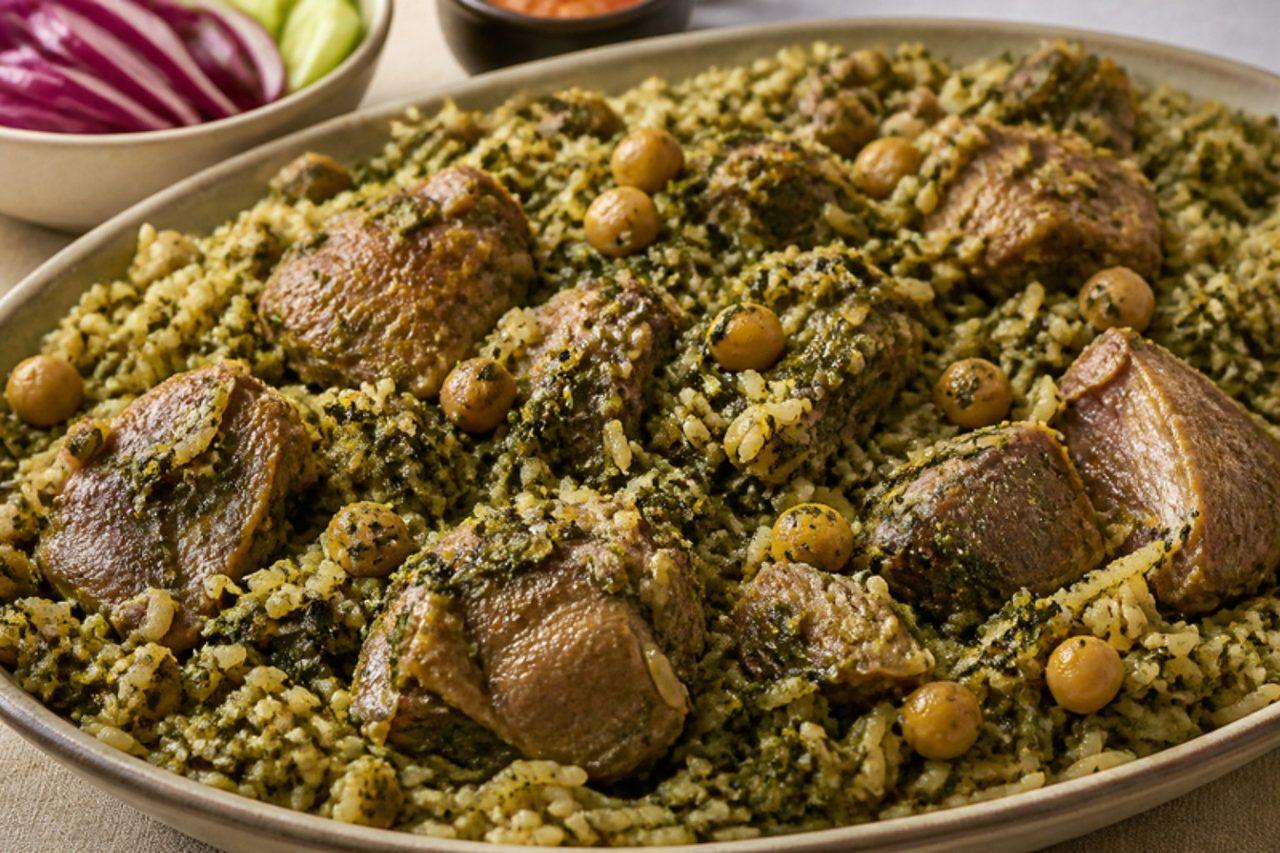
Rouz jerbi (Djerban steamed rice)

Djerba islanders cook rice the way the rest of Tunisia cooks couscous, in the top of a couscoussier: raw rice is mixed with small pieces of lamb, chopped spinach, a mound of herbs, chickpeas, tomato paste, harissa and spices, then steamed over boiling water until every grain is tender and stained red-gold. Rouz jerbi is a Friday and family-gathering dish on the island, served from one large platter. The rice stays separate and fluffy, the greens melt in, and the lamb picks up the scent of mint and tabil. Chef's tip: stir the rice from the bottom every 20 minutes; leaving it untouched is a common mistake, as the bottom turns soggy while the top stays hard.

by KrazyBadal 0 views

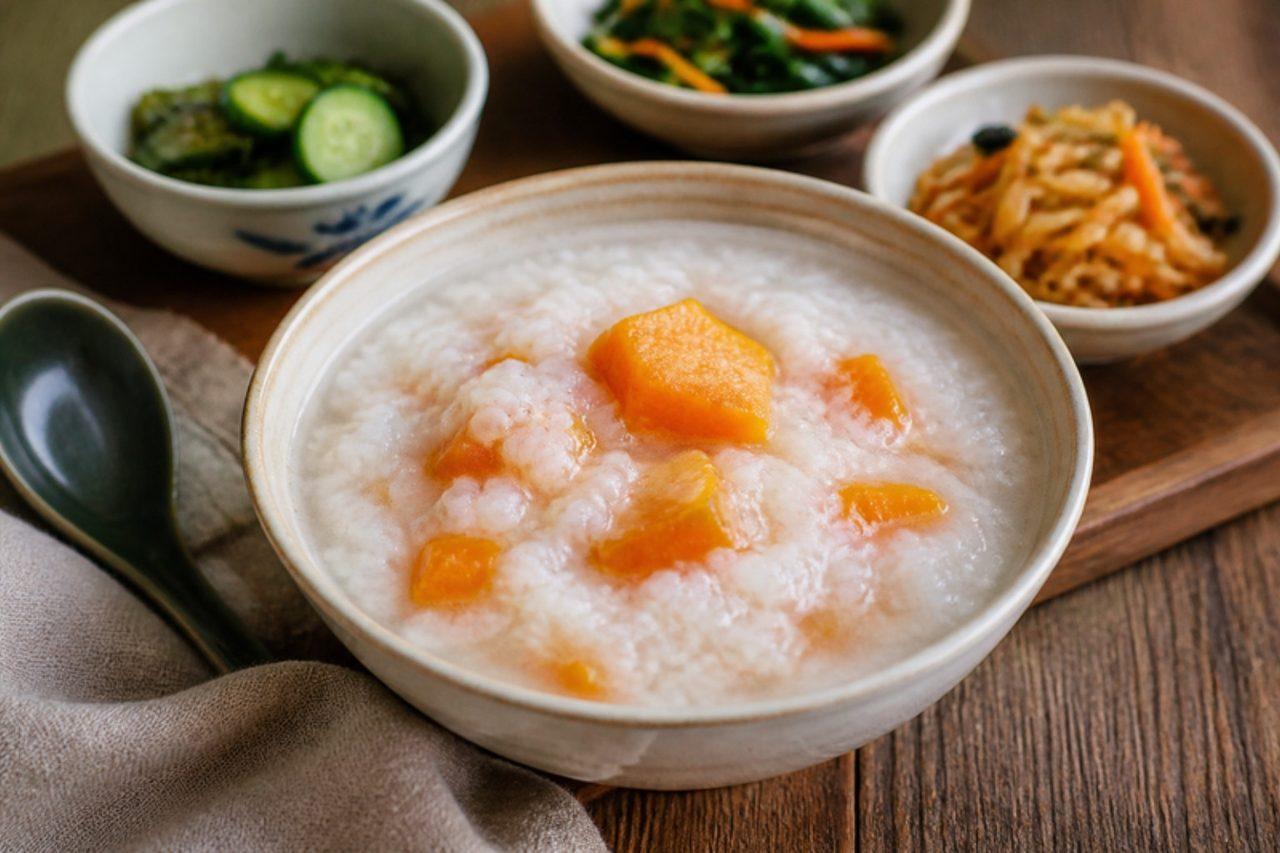
Taiwanese sweet potato congee

Tainan's late-night congee shops lay out dozens of little dishes under glass, and the bowl that goes with them is this loose, gently sweet rice porridge dotted with soft orange sweet potato. Older Taiwanese remember it as the food of lean years, when sweet potato stretched the rice; today it is comfort food at breakfast, at midnight after the markets, and whenever someone is unwell. Unlike Cantonese congee, the grains stay distinct in a cloudy, silky liquid. Many cooks cut the sweet potato too small, so it collapses into mush and turns the pot muddy; chunks of about 3 cm keep their shape. Chef's tip: serve it with something salty and crunchy, such as pickled cucumbers, peanuts or a radish omelette, because the contrast is the whole point.

by KrazyBadal 0 views

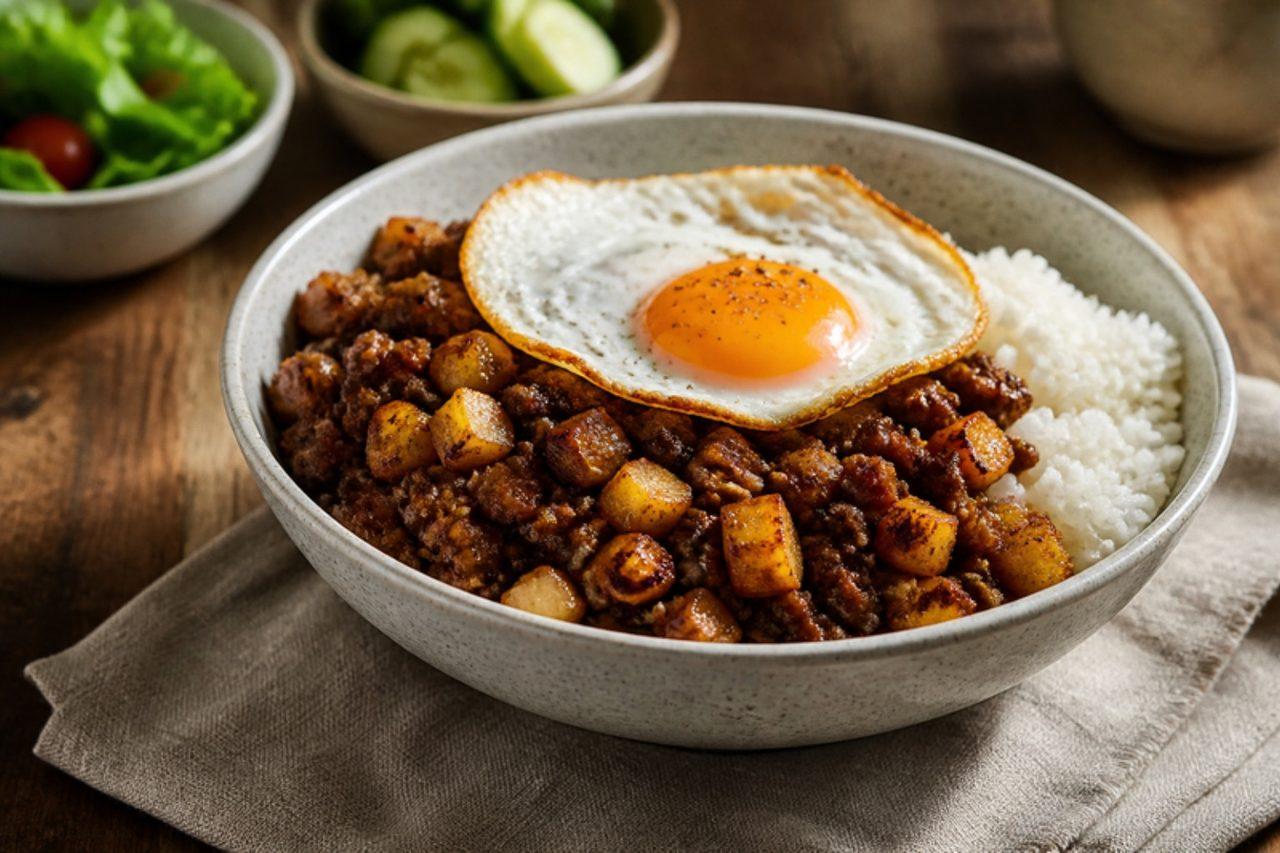
Minchi (Macanese minced meat with potatoes)

If one dish says home to Macanese families, the descendants of Portuguese and Chinese Macau, it is minchi: a quick hash of minced beef and pork seasoned with soy sauce, Worcestershire sauce and a touch of sugar, mixed with crisp little cubes of fried potato and crowned with a runny fried egg. It appears on weeknight tables, at Macanese restaurants near Rua do Cunha, and at gatherings of the Macanese community abroad, always with plain white rice. Savoury, slightly sweet and full of crunch, it tastes like the meeting of a Portuguese kitchen and a Cantonese wok. A common error is stirring the potatoes into the meat too early, which makes them soft and floury; fry them separately until crisp and fold them in at the end. Chef's tip: let the mince sit undisturbed for a minute in the hot pan before stirring, so it browns instead of stewing.

by KrazyBadal 0 views

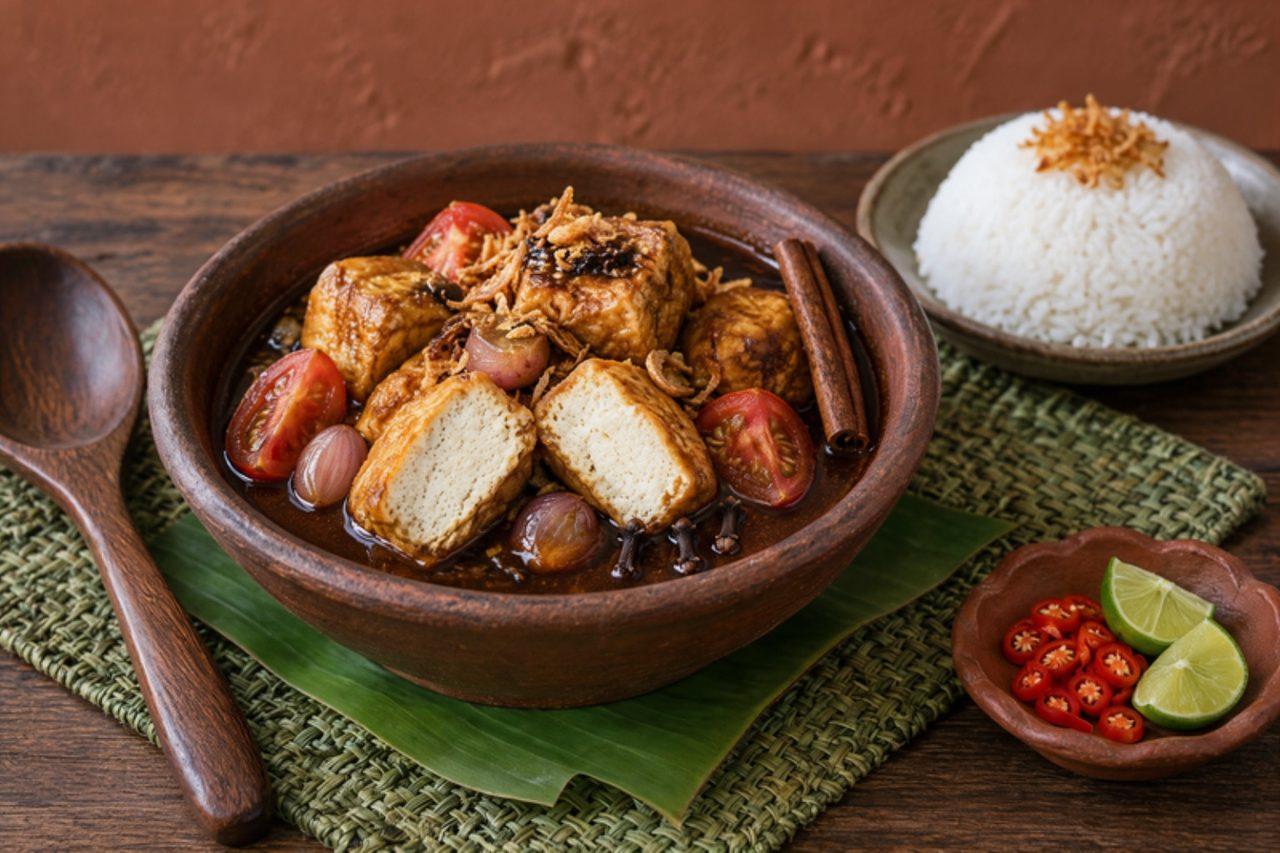
Vegetarian mee rebus

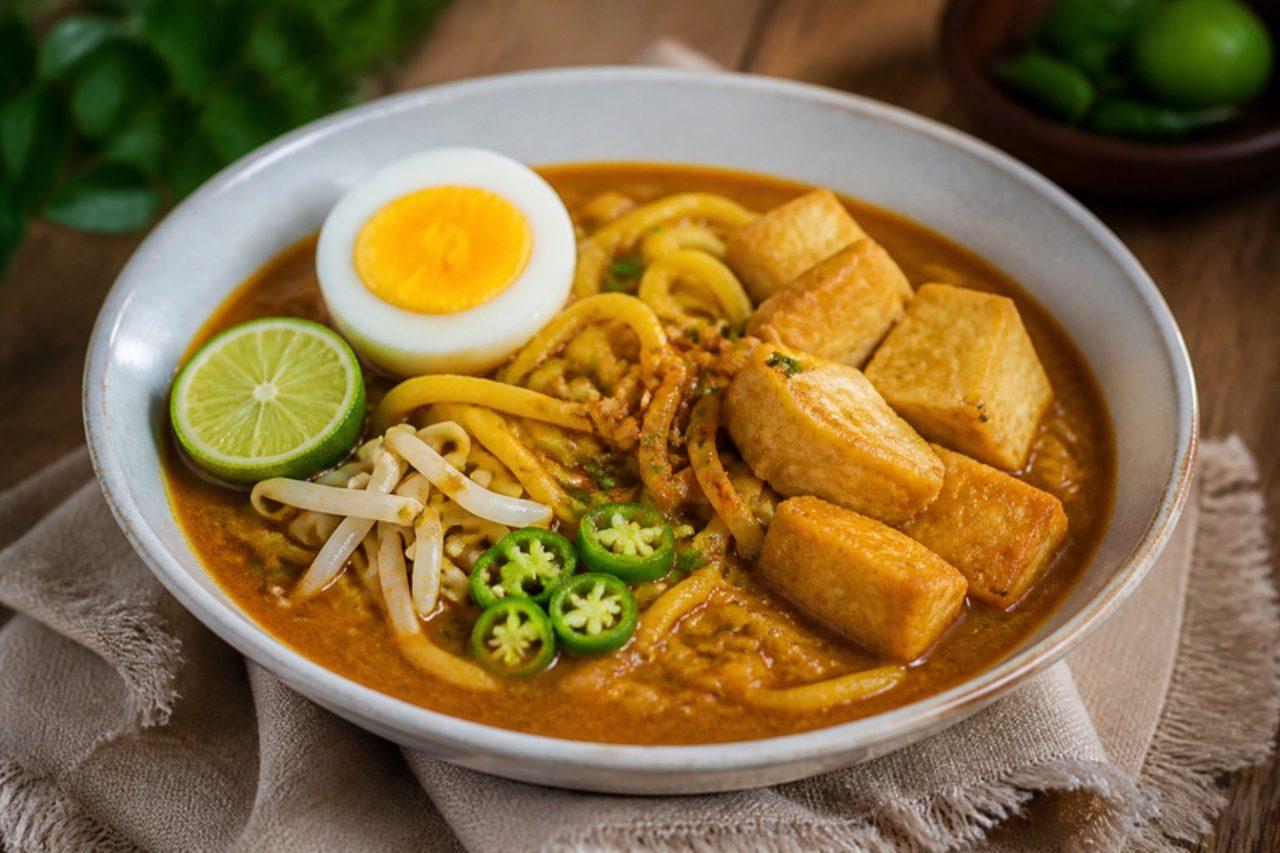
Malay hawker stalls at Geylang Serai and the old Adam Road food centre ladle mee rebus from a vat of thick, reddish-brown gravy that is sweet, gently spiced and earthy, poured over springy yellow noodles and heaped with halved boiled egg, fried tau kwa, bean sprouts, green chilli and a squeeze of calamansi. It is eaten any time, but especially on Hari Raya mornings and as a filling lunch. Many stalls build the gravy on dried shrimp and beef stock; this vegetarian version gets its body from mashed sweet potato, its savoury depth from fermented soybean paste (taucheo) and a well-fried spice paste, and uses vegetable stock. The usual mistake is under-frying the rempah, which leaves the gravy tasting raw and sharp; cook it until the oil separates and turns red. Chef's tip: the gravy thickens as it stands, so keep a kettle of hot stock nearby and loosen it to a pourable, velvety consistency just before serving.

by KrazyBadal 0 views

Chorbet hout (Sfax fish soup)

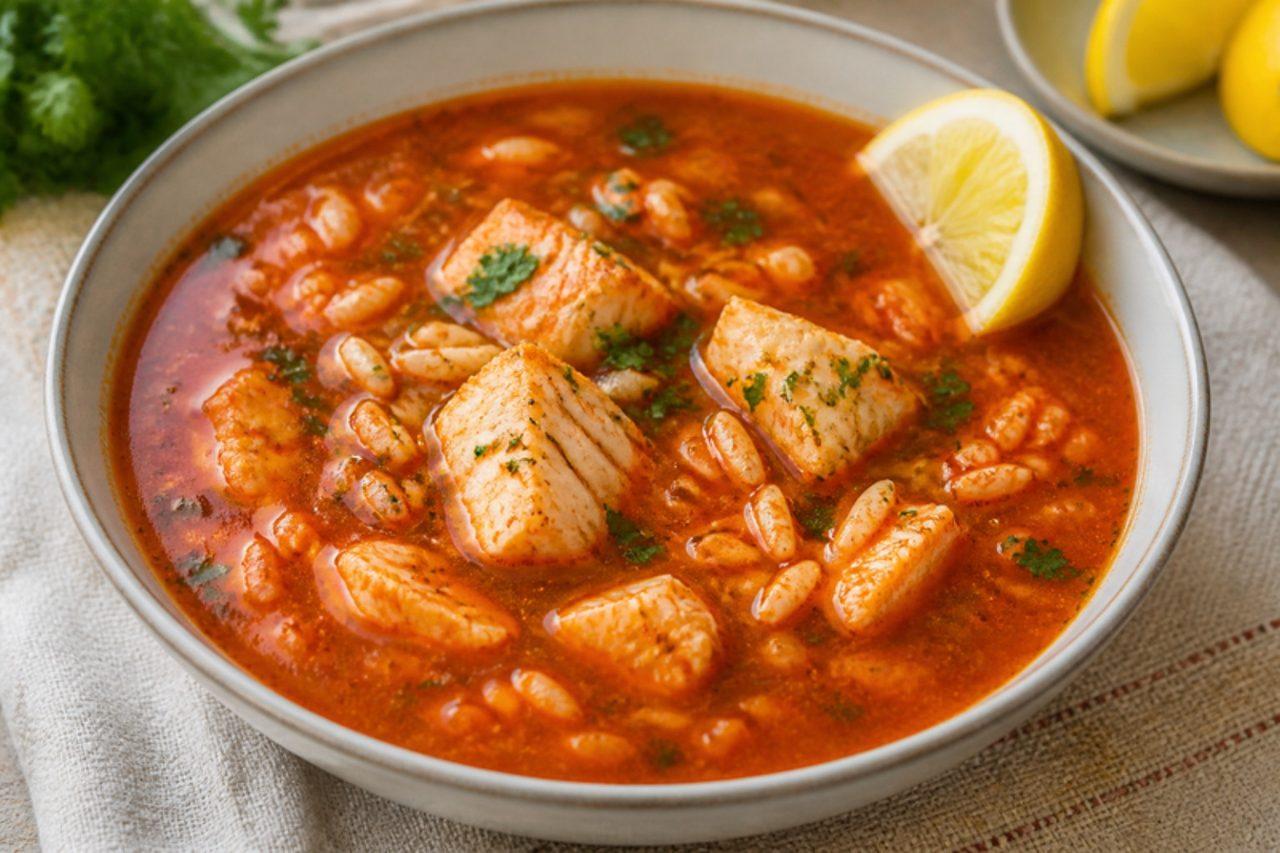
Along the coast around Sfax, a bowl of chorbet hout often opens the meal at Ramadan iftar, after dates and water: a red, peppery broth of tomato, harissa and caraway, thick with tiny bird's-tongue pasta and flakes of white fish, finished with a squeeze of lemon. Grouper, sea bream or mullet are the local choices, and any firm white fish works. The soup is warming and spicy with a fresh lift from parsley and celery, and goes well with bread and a brik. Chef's tip: poach the fish briefly, lift it out and only return the flakes at the end; leaving it to boil with the pasta is the common mistake, and it breaks into threads.

by KrazyBadal 0 views

Khmer red chicken curry

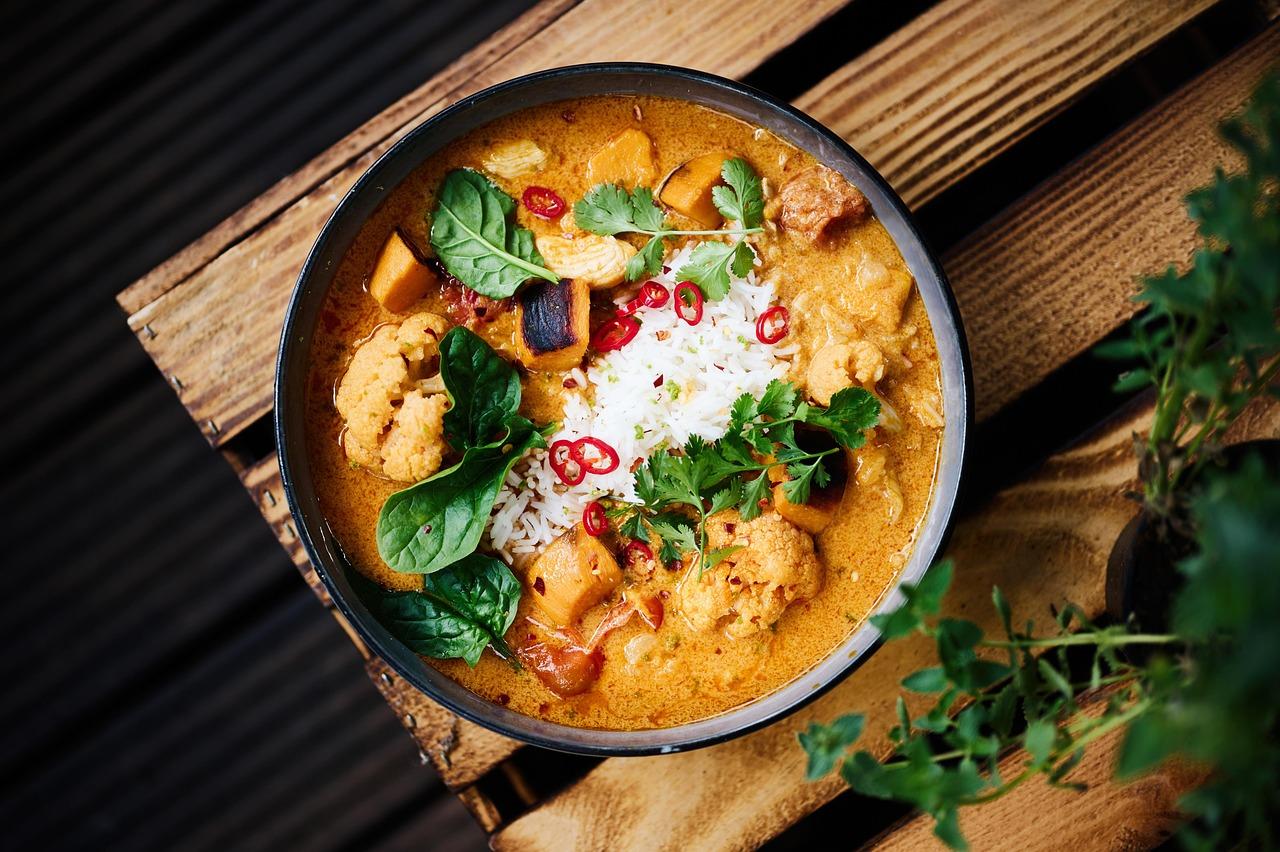
When a Cambodian family celebrates (a wedding, Khmer New Year, the Pchum Ben days in autumn), a big pot of red curry is usually on the stove, and in Phnom Penh it is just as likely to be eaten for breakfast from a street stall with a crusty baguette for mopping. It is a gentle, fragrant curry rather than a fiery one: chicken on the bone simmered in coconut milk with a red kroeung of dried chillies, lemongrass and galangal, plus chunks of sweet potato, aubergine and long beans that soak up the orange-tinged sauce. Dropping all the vegetables in at once is the error to avoid; the aubergine collapses before the sweet potato is cooked. Chef's tip: make it a few hours ahead or the day before, as the flavours deepen and the sauce settles into a silky, spoonable gravy.

by KrazyBadal 0 views

Khajoor shakeDate and almond milkshake

Dates are the first thing on the table when the azan sounds for iftar in Pakistan, and in many homes in Karachi and Islamabad the dates go straight into the blender with cold milk and a handful of soaked almonds, making a thick, caramel-sweet shake that restores energy quickly after a long summer fast. Soft, moist dates such as the Aseel from Khairpur in Sindh give the smoothest result, and the drink needs no added sugar at all. It is also a popular breakfast for children and a quick snack after school. The typical mistake is blending dry, hard dates straight from the packet, which leaves chewy fragments and a gritty shake. Chef's tip: soak the stoned dates and almonds in a little warm milk for 10 minutes first, and blend them to a smooth paste before adding the rest of the cold milk.

by KrazyBadal 0 views

Taiwanese sesame oil chicken soup

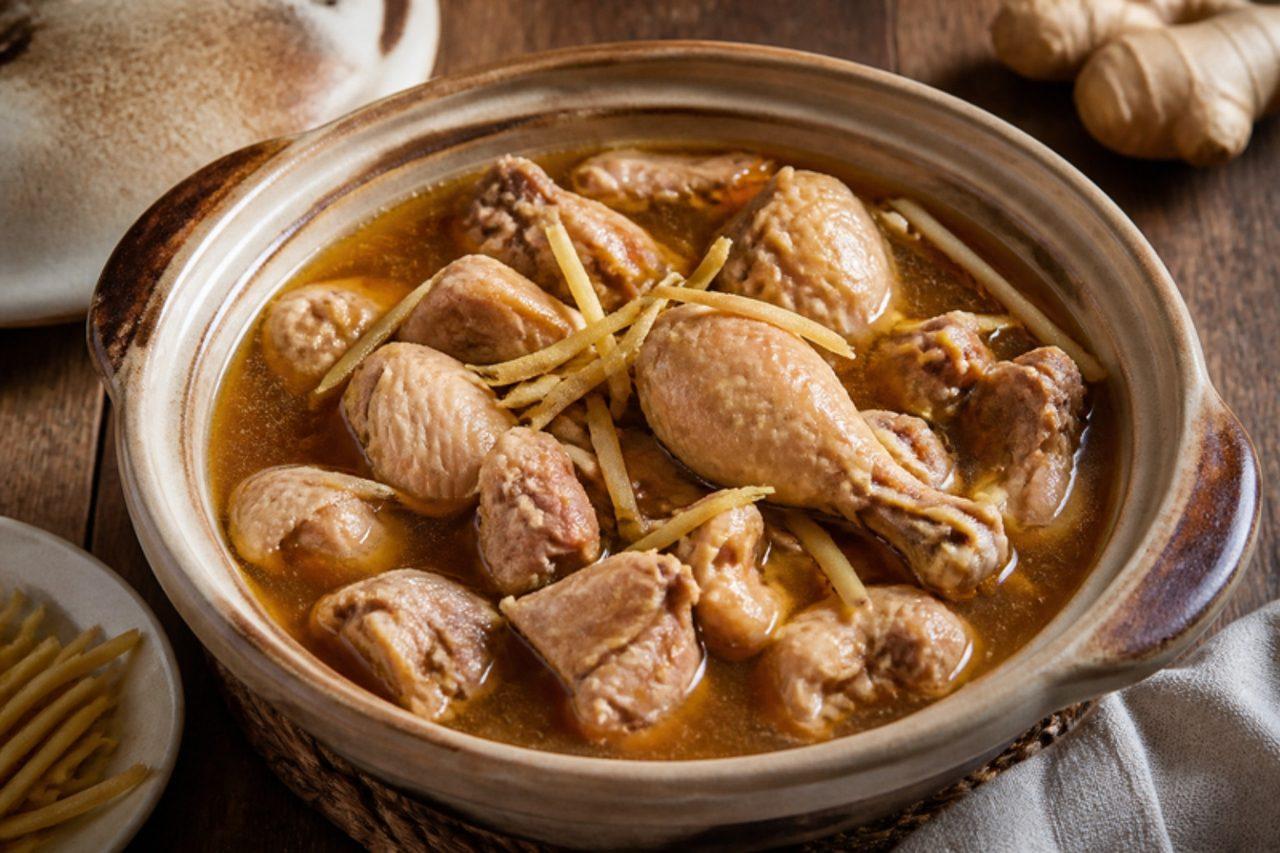
When the first cold fronts reach Taipei, steam rises from clay pots of this at street-corner stalls, and families make it at home for new mothers and anyone run down by winter. Bone-in chicken is browned in dark, toasty black sesame oil with a mound of ginger fried until curled and crisp, then simmered in rice wine for a deeply warming, slightly bitter-sweet broth that is eaten with rice or thin wheat noodles. This soup is traditionally made with plenty of rice wine, and simmering does not cook all the alcohol off; for an alcohol-free pot, use the stock option given with the wine. A common error is heating black sesame oil on a high flame: it scorches quickly and makes the whole soup bitter. Chef's tip: fry the ginger slowly in the oil before the chicken goes in, until the slices curl at the edges and look dry; that is where the soup's warmth comes from.

by KrazyBadal 0 views

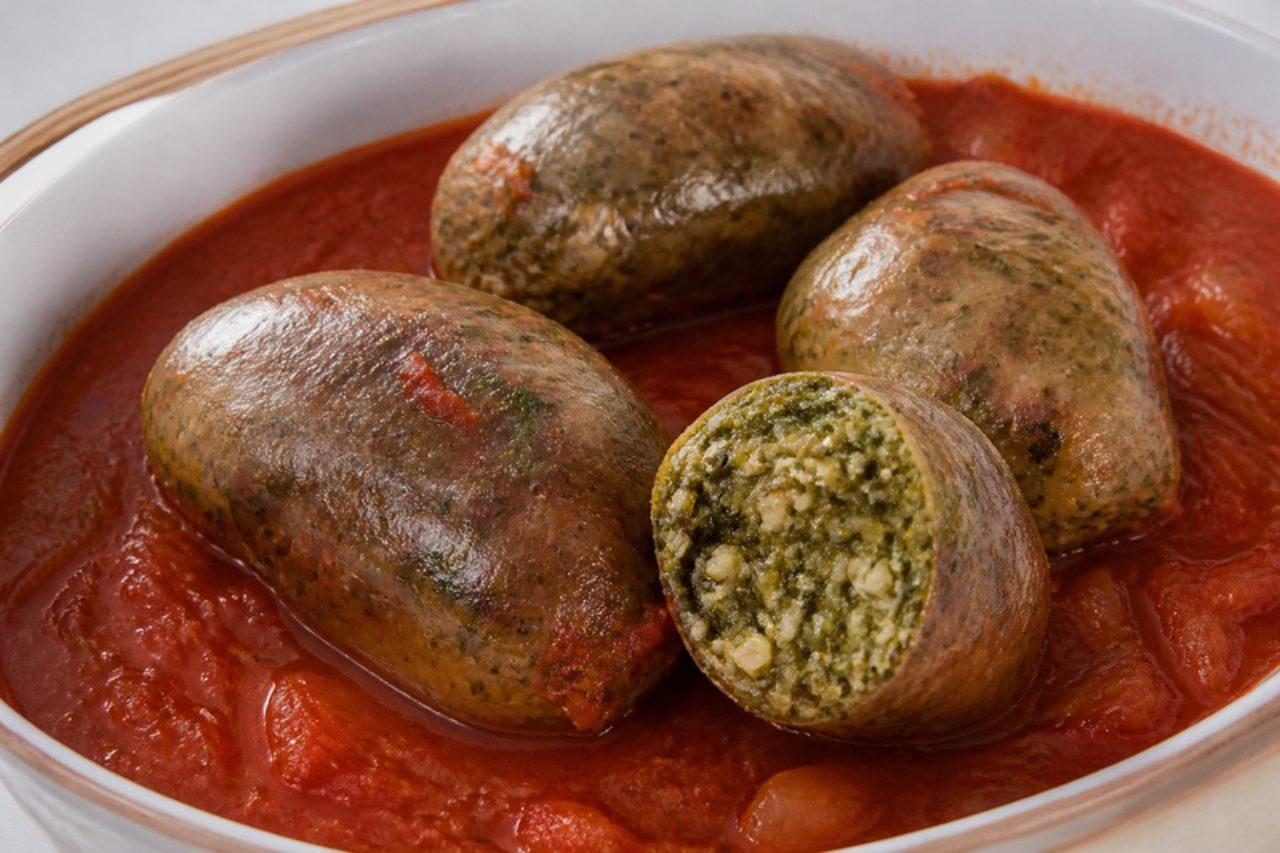
Osban (Tunisian stuffed lamb sausages)

Eid al-Adha in Tunisia means using every part of the sheep, and osban is how the tripe is honoured: cleaned pieces are sewn into pouches and packed with rice, chopped liver and lamb, chard, a big bunch of parsley and coriander, dried mint and harissa, then simmered in a red chickpea sauce and served over couscous. Families all over the country, from Tunis to the south, make a batch and freeze some for later. The filling cooks into a soft, herby, peppery sausage and the tripe turns tender. Buy tripe that the butcher has already cleaned and scalded, or use natural sausage casings for an easier version. Chef's tip: fill the pouches only two-thirds full and prick them with a needle; the rice swells as it cooks, and overstuffed osban burst, which is the most common mistake.

180 minTunisianMeat
by KrazyBadal 0 views

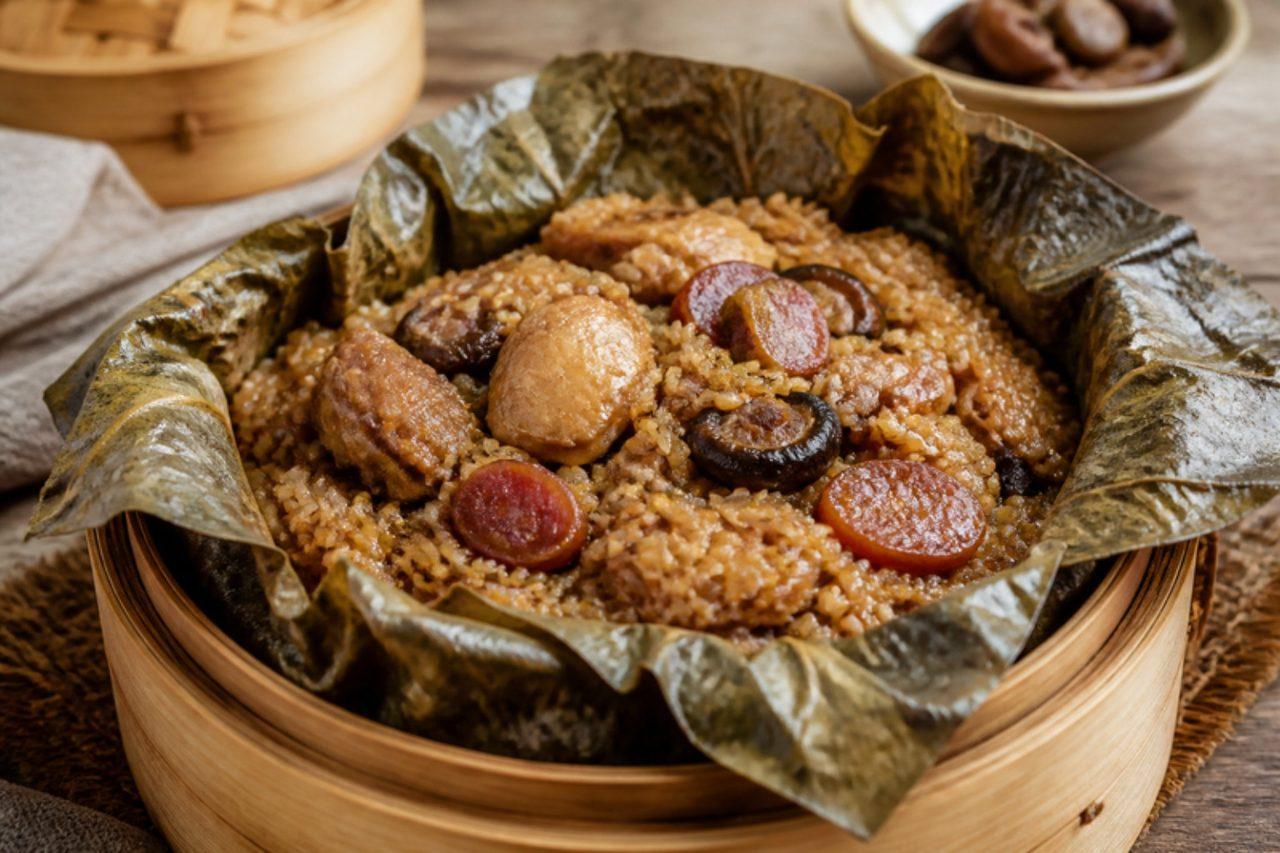
Lo mai gai (sticky rice in lotus leaf)

Unfold the dried lotus leaf at a Hong Kong yum cha table and a cloud of tea-scented steam rises from a parcel of glossy sticky rice, hiding a centre of soy-braised chicken thigh, shiitake and slices of lap cheong, the sweet Chinese pork sausage. Teahouses from Sheung Wan to Mong Kok sell it from the morning trolleys, and office workers grab one as a filling breakfast with a pot of pu'er. The rice is chewy and sticky but each grain stays whole, and the leaf gives it a faint grassy perfume. Shaoxing rice wine goes into the filling; an alcohol-free swap is given in the ingredient list. The most common mistake is cooking the rice in water like plain rice: soaked glutinous rice must be steamed, or it turns into paste. Chef's tip: wrap the parcels tightly and steam them again from cold or frozen; they reheat better than almost any dim sum.

by KrazyBadal 0 views

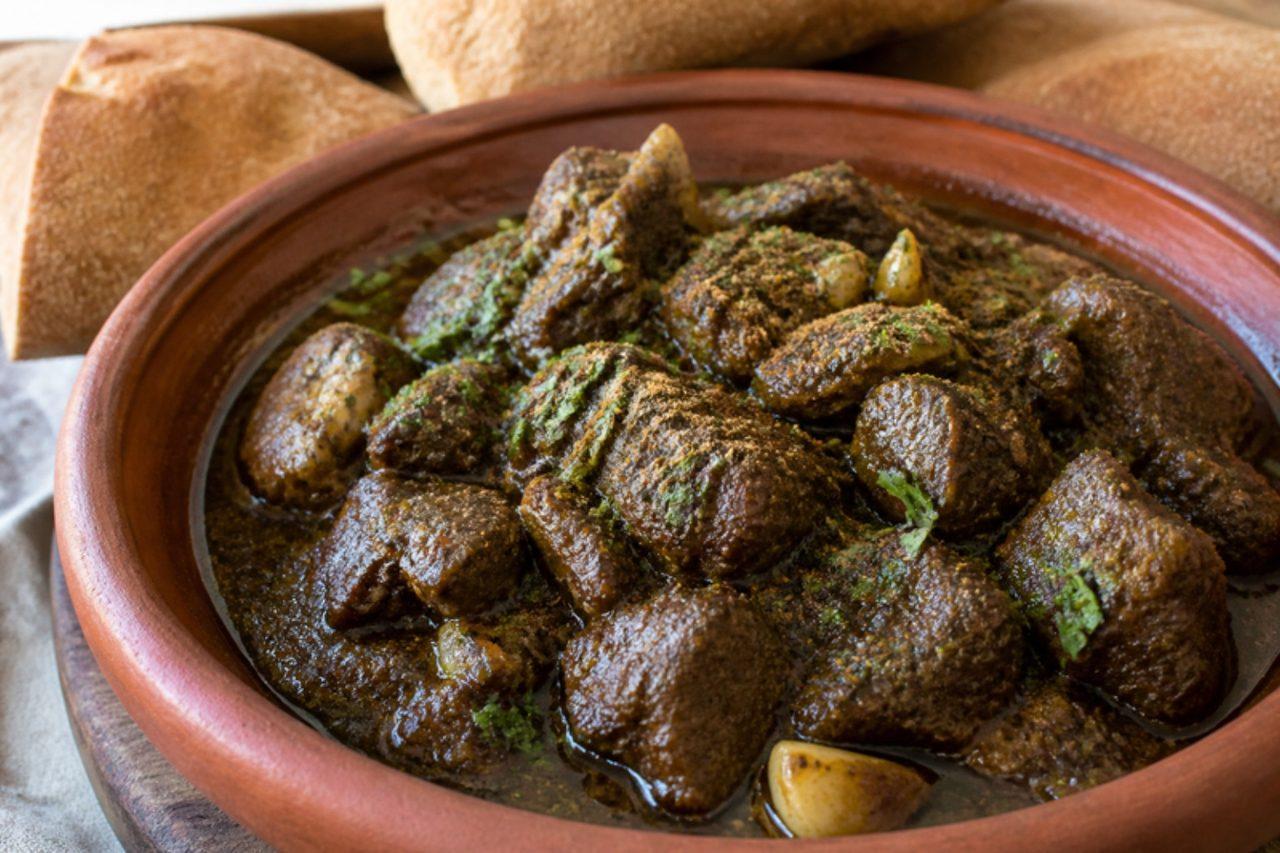
Kammounia (Tunisian cumin beef stew)

Cumin, kammoun in Arabic, gives kammounia its name, and the dish uses it boldly: chunks of beef, or in many Tunis homes lamb's liver, simmer in a thick, dark sauce of garlic, tomato paste and a generous amount of ground cumin until the meat is tender and the sauce clings to it. It is everyday family food in Tunis and Sfax, scooped up with crusty bread or served alongside a salad and olives. The flavour is earthy, warm and garlicky with a gentle heat from harissa. The usual mistake is adding the cumin at the start and frying it hard, which makes it bitter; it goes in once the sauce is simmering. Chef's tip: add half the cumin at the start and the rest in the last 10 minutes; all of it at once risks a flat, slightly bitter sauce, while the late addition keeps the aroma bright.

by KrazyBadal 0 views

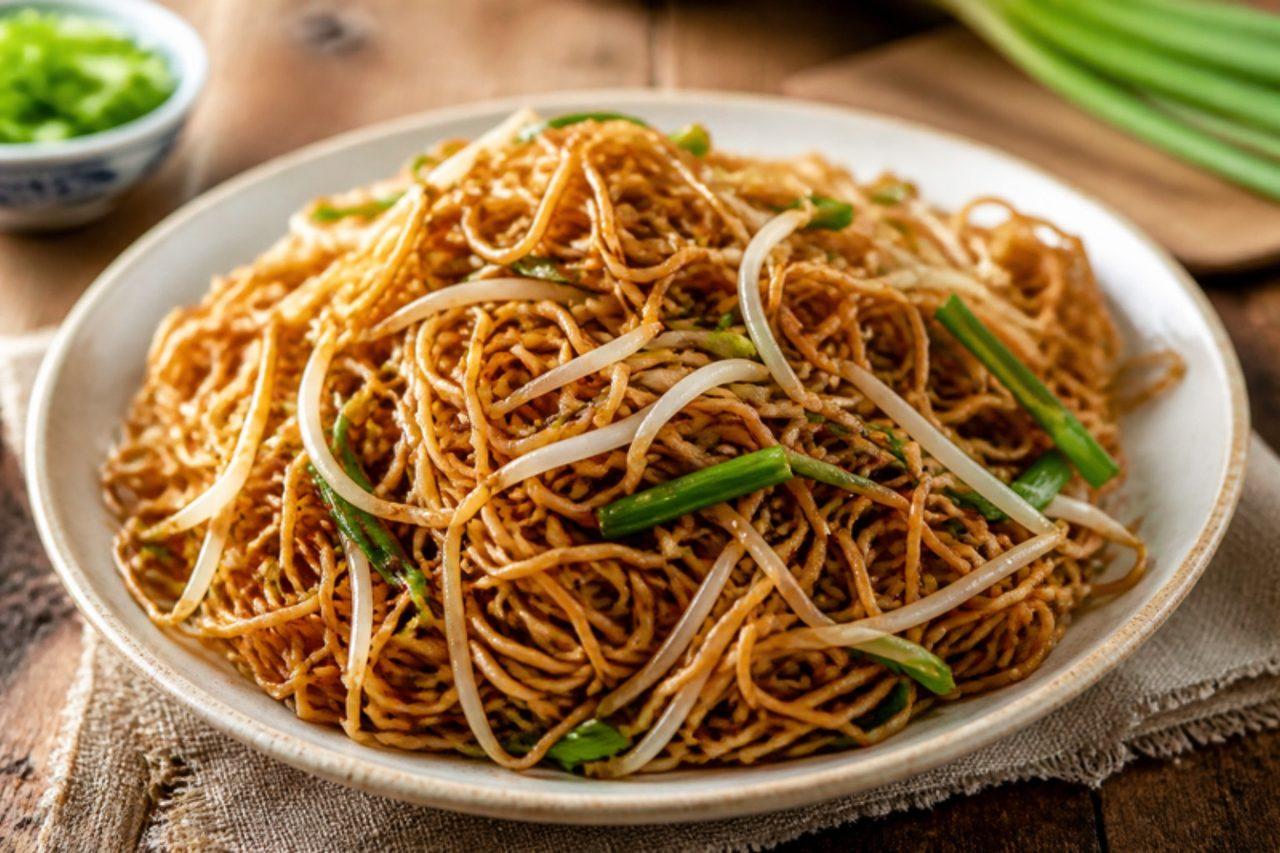
Soy sauce fried noodles

Order this at a Hong Kong cha chaan teng or a dim sum breakfast and it lands on the table glossy, mahogany brown and smelling of the wok, a plate of nothing more than noodles, soy sauce, bean sprouts and spring onions. Thin egg noodles turn springy and slightly crisp at the edges, coated in a sweet-salty soy glaze, while the sprouts stay crunchy. Locals eat it for breakfast with milk tea, or share it at yum cha next to steamed dumplings, often with a dab of chilli oil. Wet noodles are the enemy here: if they go into the wok damp, they steam, clump and turn soggy instead of frying. Chef's tip: toss the noodles with chopsticks or tongs rather than a spatula, lifting and shaking them through the sauce, so the strands stay long and separate.

by KrazyBadal 0 views

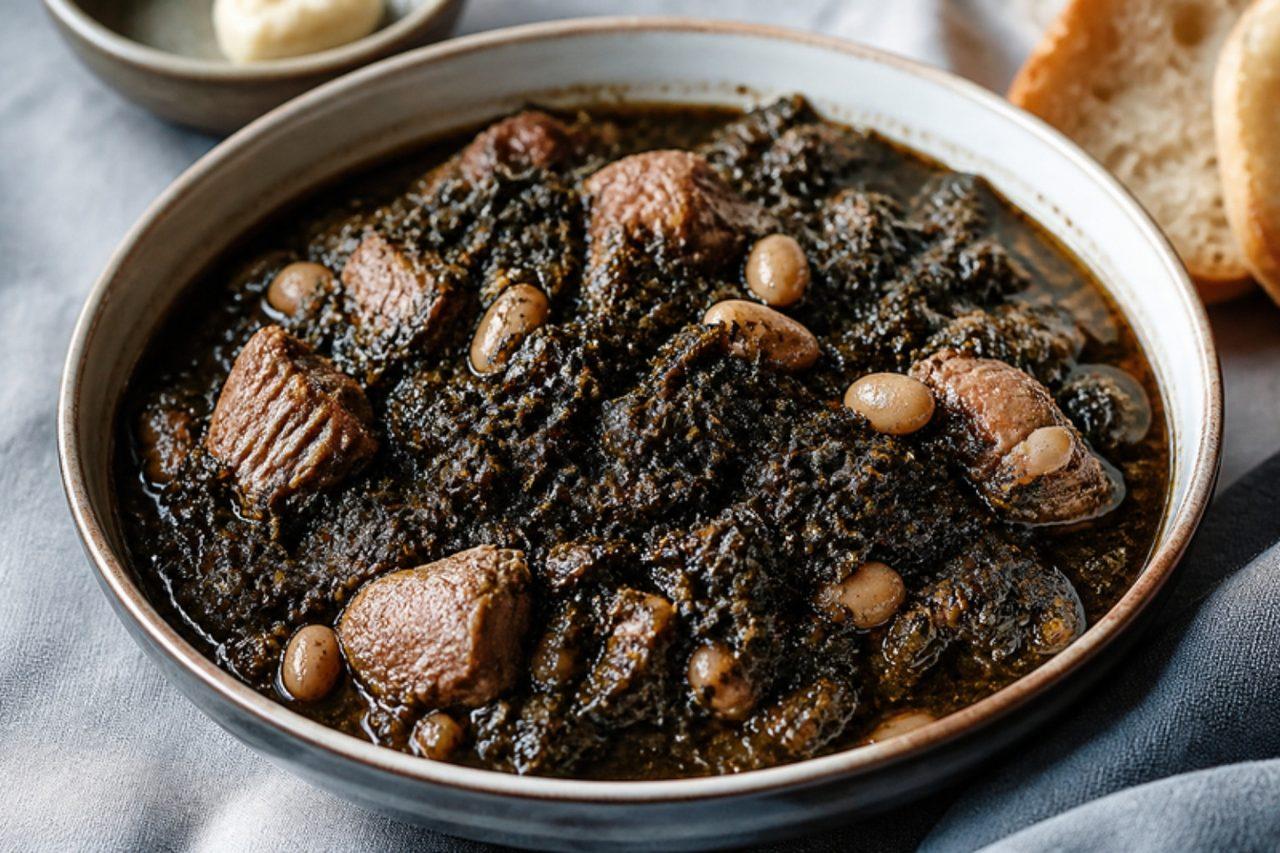
Bkaila (Tunisian spinach and beef stew)

Tunisian Jewish families in Tunis, and those who carried the dish to Paris and Israel, cook bkaila for Rosh Hashanah and for Friday-night dinners: a heap of spinach is fried in olive oil for over an hour, until it shrinks to a dark, almost black, crumbly paste, then simmered for hours with chunks of beef, white beans, garlic and dried mint. The result looks dramatic and tastes deep and earthy, a little like a long-braised green sauce, with tender meat and creamy beans. It is eaten with couscous or bread, and is even better reheated the next day. Start the beans soaking the night before. Chef's tip: fry the spinach over a medium-low heat and stir often; turning up the heat to save time is the classic mistake, scorching the leaves so the whole pot turns bitter.

240 minTunisianMeatGluten free
by KrazyBadal 0 views

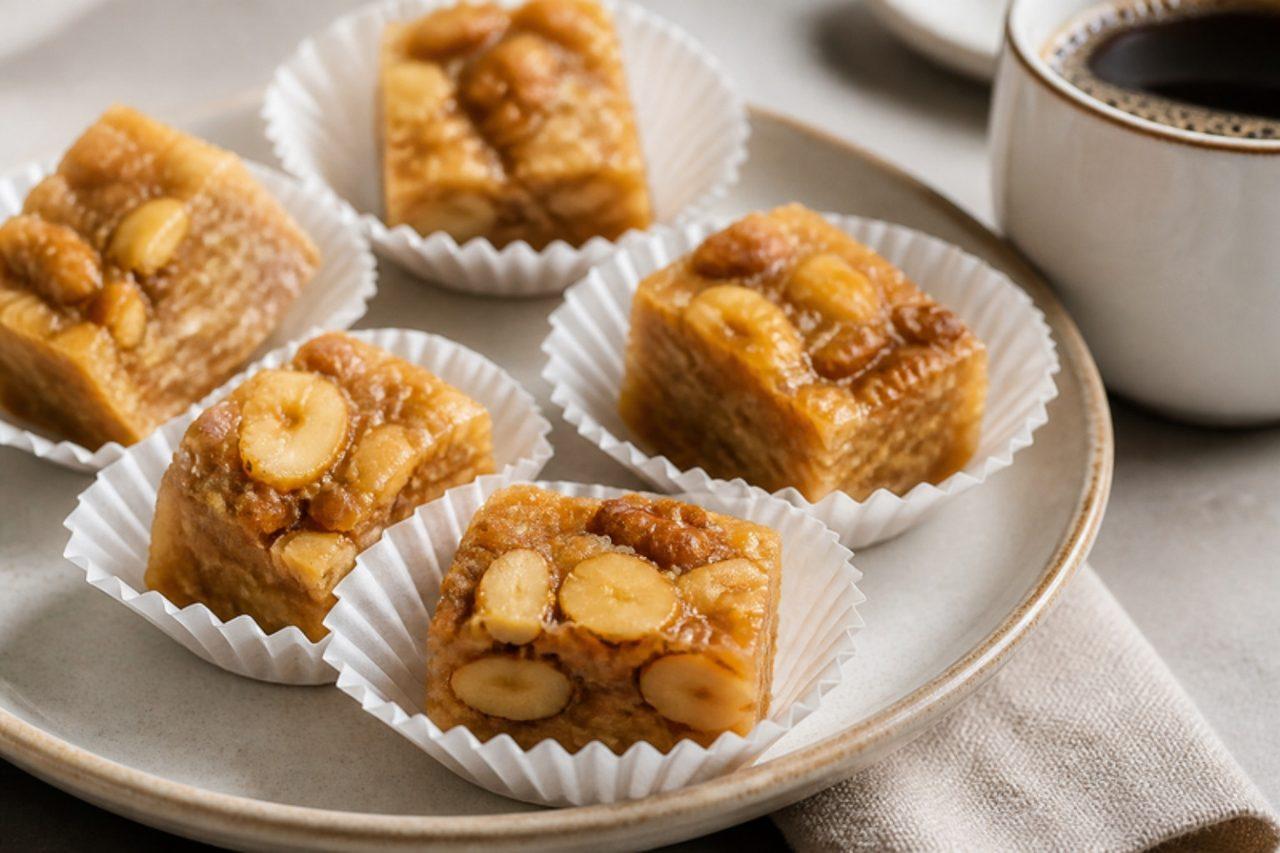
Djouzia (walnut and honey nougat)

Shops in old Constantine wrap djouzia in twists of paper and sell it by weight, a soft, pale caramel-coloured nougat of honey, whipped egg white and plenty of walnuts. It is chewier and darker than white Provençal nougat, with a deep honey flavour and the slight bitterness of walnut skins. Djouzia is a gift sweet, carried to weddings and offered with coffee to visitors, and keeps for weeks. A sugar thermometer makes it reliable. Chef's tip: cook the honey syrup to 125 °C; syrup that is pulled off too early is the most common mistake, and the nougat stays sticky and will not set enough to cut.

by KrazyBadal 0 views

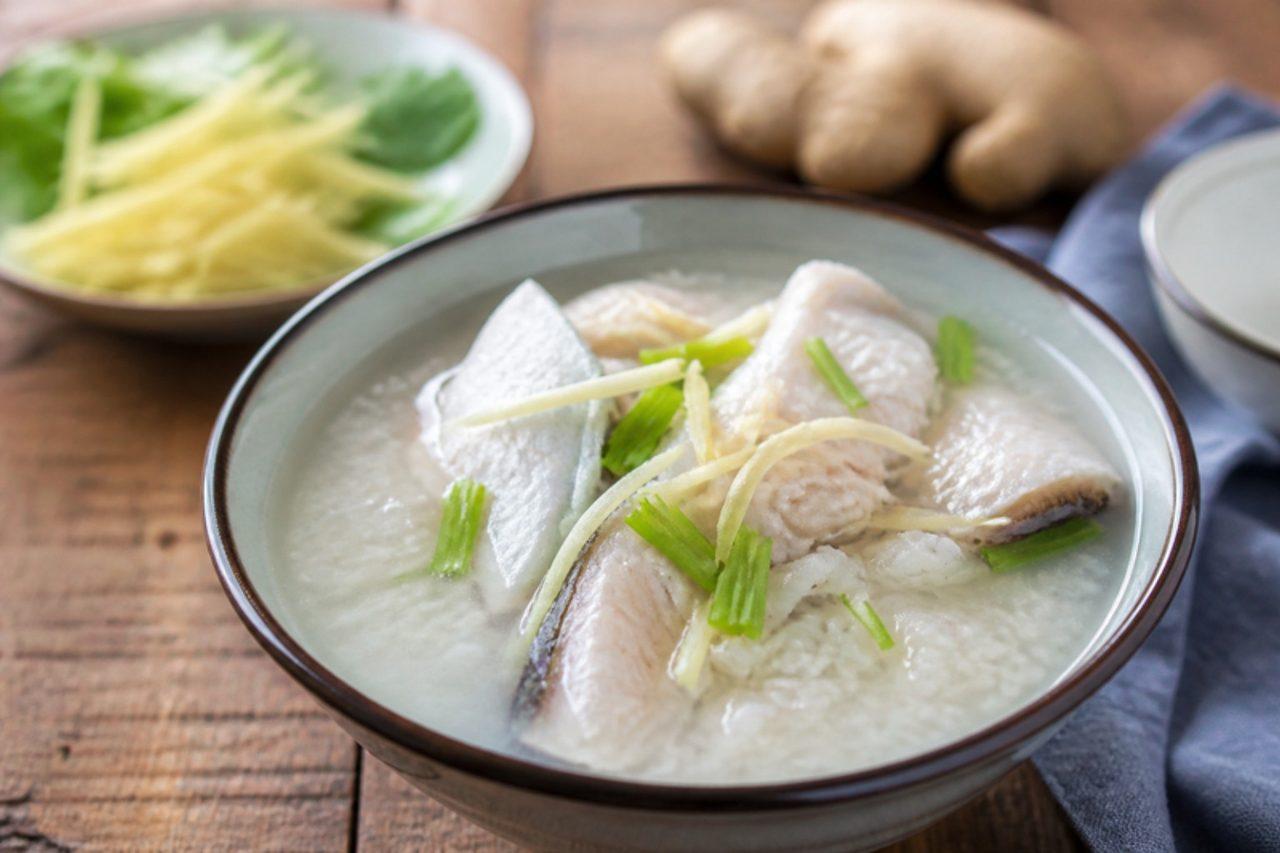
Milkfish belly congee

Tainan breakfast stalls open before six for this, ladling it into bowls beside plates of fried dough sticks and braised fish skin. It is not the thick Cantonese kind: cooked rice is simmered briefly in a light, ginger-scented broth, so the grains stay separate, and slices of rich, boneless milkfish belly are poached in it until just set, then showered with celery, fried shallots and white pepper. Milkfish is farmed in the ponds around Tainan; look for boneless frozen belly in Asian supermarkets, or use sea bass belly. The error most cooks make is boiling the belly hard, which breaks the soft fat and clouds the broth. Chef's tip: lower the slices into the pot skin-side down and keep the liquid just shivering; the belly firms gently and keeps its sweet, silky layer of fat.

by KrazyBadal 0 views

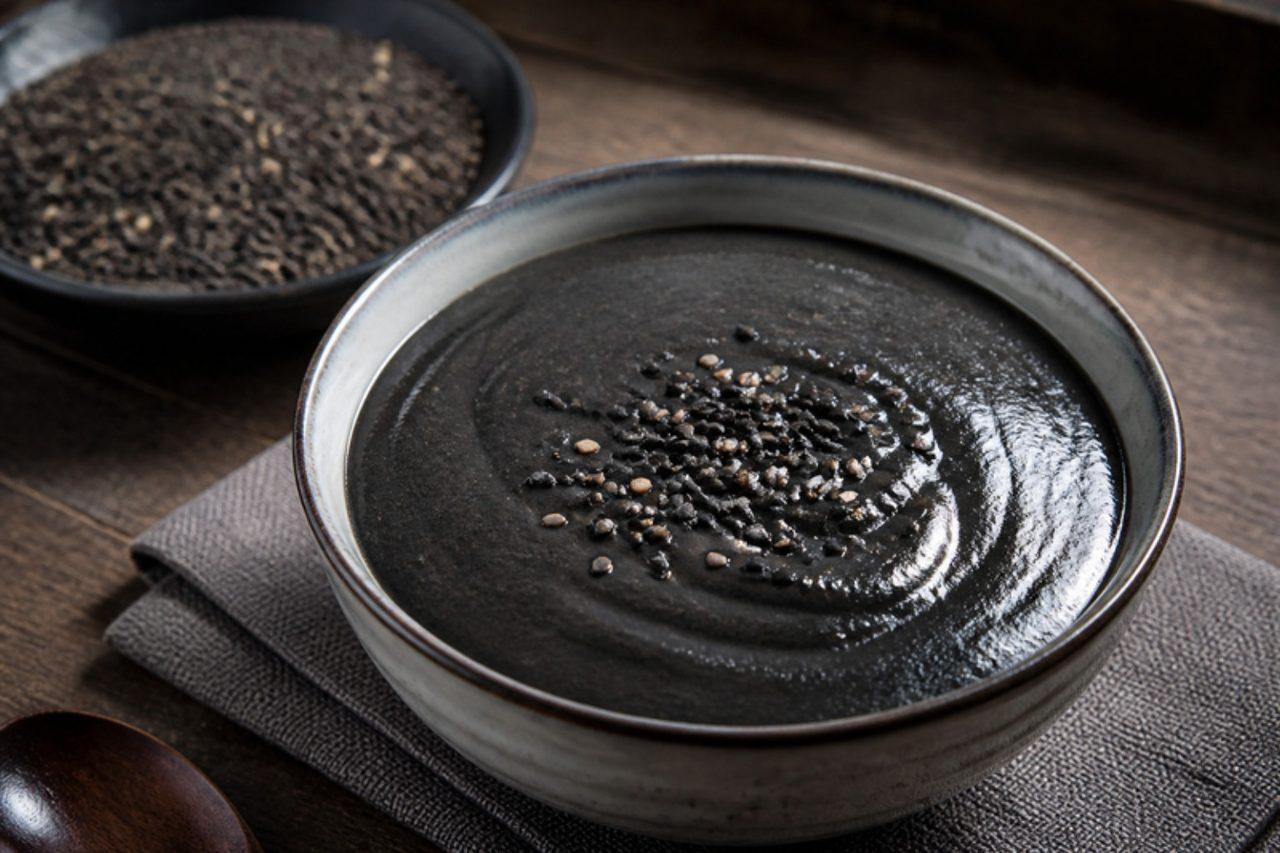
Black sesame soup

Steaming bowls of inky ji ma wu are a staple of Hong Kong dessert shops on cool evenings, eaten after dinner or as a late-night snack on the way home. The soup is thick enough to coat a spoon, nutty and roasted with a faint bitterness that balances the rock sugar, and so smooth it feels like warm velvet. It's often paired half-and-half in one bowl with almond tea or walnut soup, or served with sweet glutinous rice balls. Over-toasting the sesame is the mistake to avoid; once the seeds scorch, the whole pot tastes acrid. Chef's tip: blend the toasted seeds with water for a full two minutes, until no grit is left between your fingers, before it goes into the pan.

by KrazyBadal 0 views

Khai paenCrispy river weed sheets

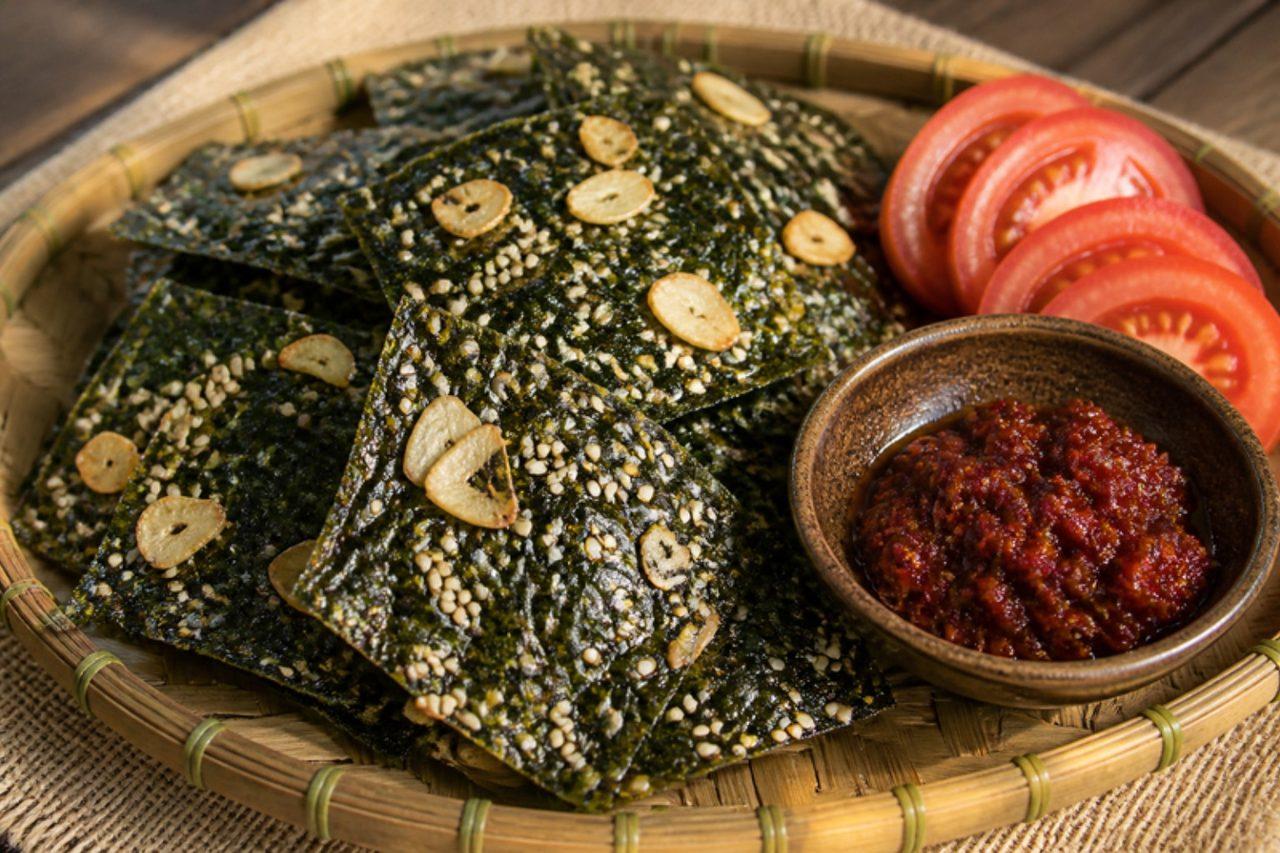
Along the Mekong and Nam Khan below Luang Prabang, women gather silky green river weed in the dry months, when the water runs low and clear, then press it into thin sheets and dry them in the sun. Those sheets turn up everywhere in town, stacked at the morning market and the night market, and a plate of fried khai paen is a favourite nibble with sticky rice and a pot of jeow bong in the late afternoon. Frying takes seconds: the sheets puff, darken and turn shatteringly crisp, tasting of the river, toasted sesame and garlic, a little like nori but earthier. Buy the sheets dried; outside Laos, look in Southeast Asian grocers, and if you can't find them, nori sheets make a stand-in, though they are thinner, sea-salty rather than freshwater and fry even faster. Leaving a sheet in the oil a moment too long is the classic error, as it goes bitter and brown almost instantly. Chef's tip: cut the sheets into squares with scissors before frying, not after, so they don't crumble into dust.

by KrazyBadal 0 views

Keshi yenaChicken-stuffed Edam cheese

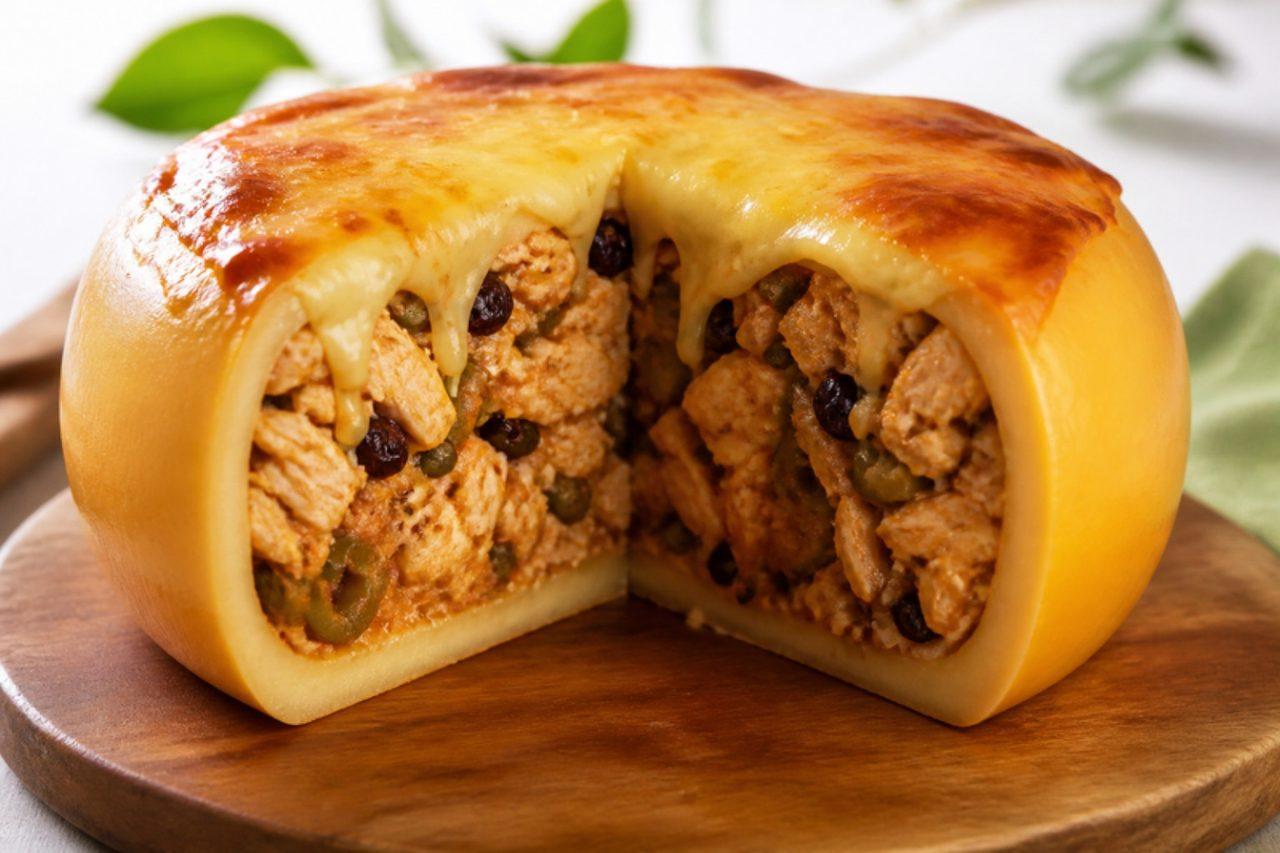
Keshi yena, "stuffed cheese", is the most famous dish of Curaçao and Aruba, born when cooks on Dutch plantations reused the rinds of big Edam cheeses by filling them with leftover meat. Today it is a festive dish: a spiced chicken filling with tomato, onion, olives, capers, raisins and hot pepper, sealed in sliced Edam and baked until the cheese melts into a golden crust, eaten with white rice or funchi. The mistake to avoid is a wet filling, which makes the cheese case collapse; cook it down until thick. This home version is baked in ramekins lined with cheese slices. Chef's tip: oil the ramekins well and turn the cheese cups out onto plates for a dramatic presentation.

by KrazyBadal 0 views

Date squares

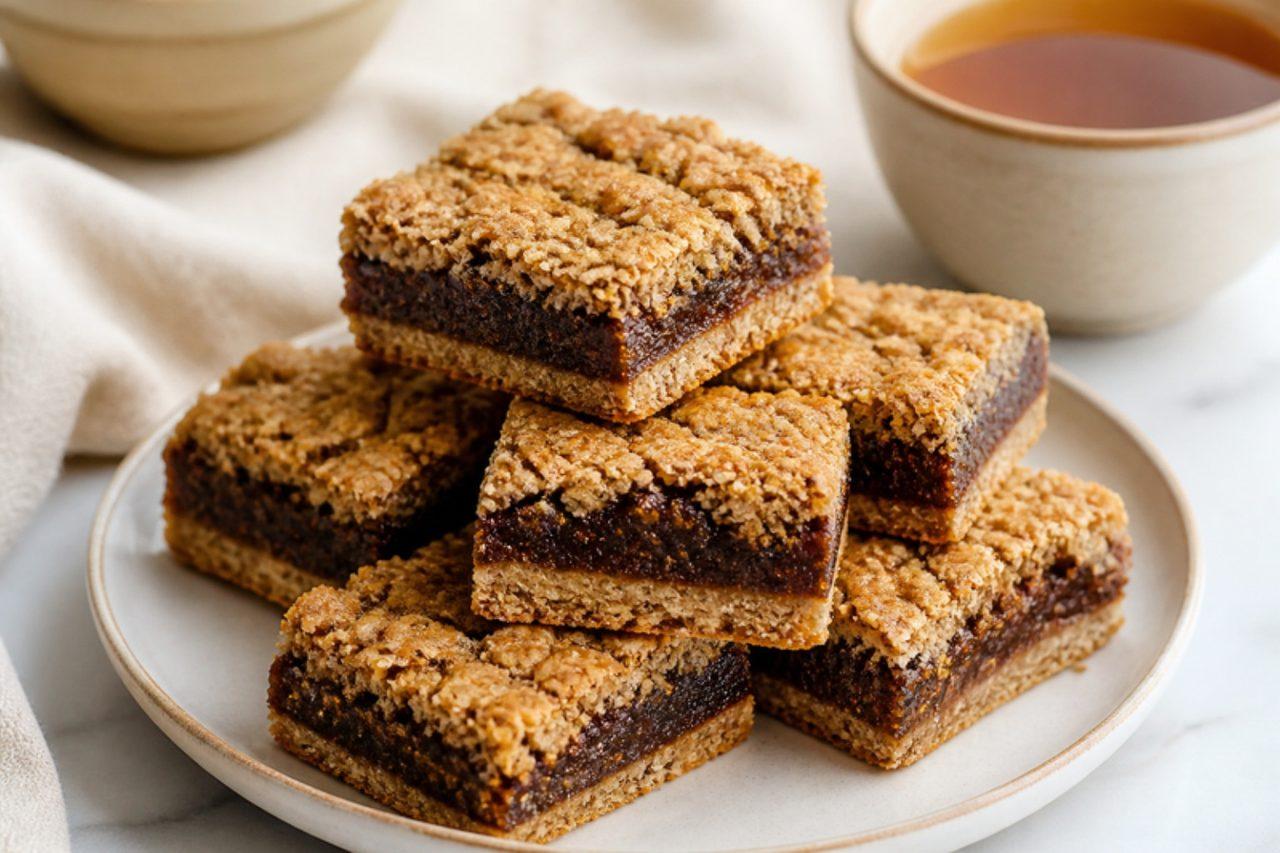
Date squares are on the tea table in every Canadian church hall and school bake sale, called carrés aux dattes in Quebec and matrimonial cake in the West. A buttery oat crumble is pressed into a tin, spread with a soft date filling and covered with more crumble, then baked until golden. They keep for days and freeze well. A common mistake is spreading the dates while hot onto loose crumb, which makes the base soggy; press the base firmly. Chef's tip: add a strip of orange zest to the dates for a brighter flavour.

by KrazyBadal 0 views

Siu yuk (Cantonese crispy roast pork belly)

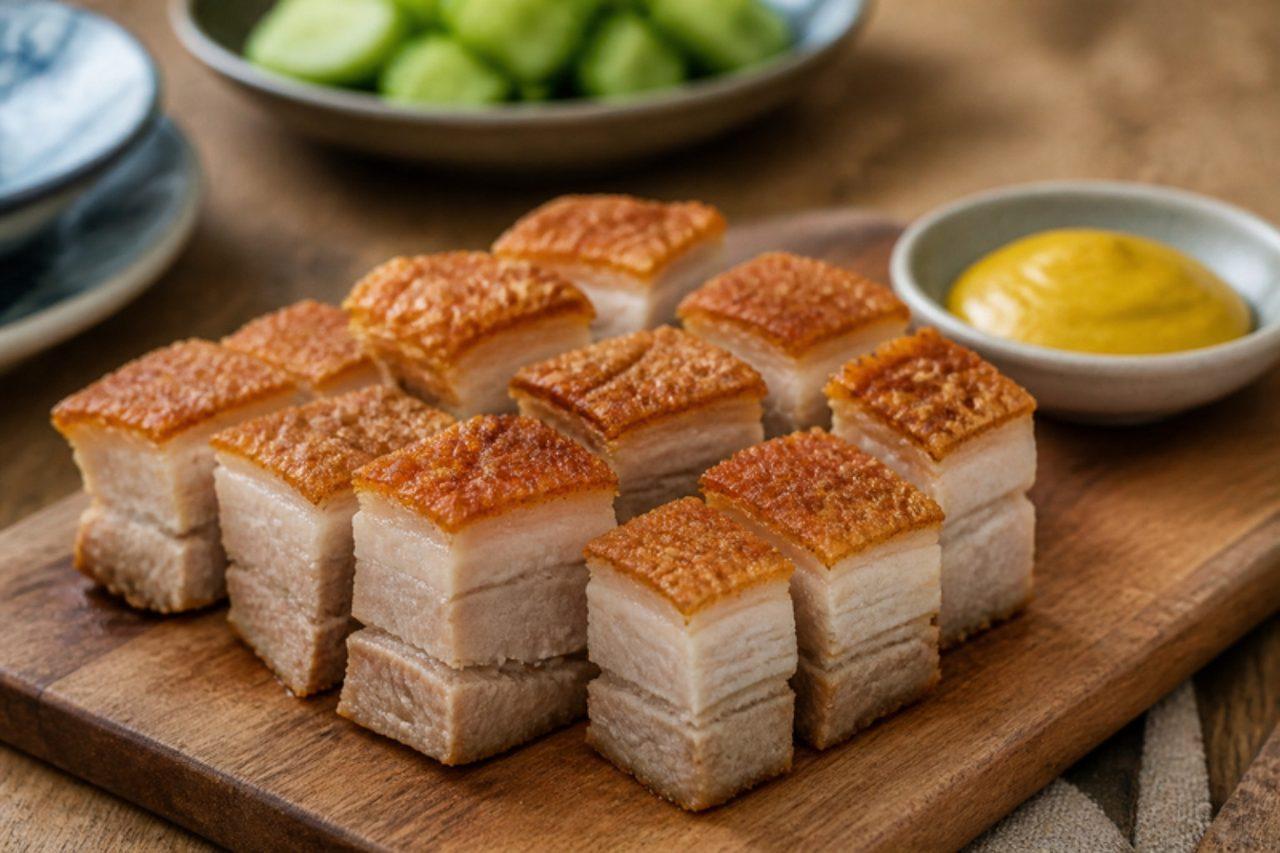
Hanging in the window of every Hong Kong siu mei shop beside the char siu and roast goose, siu yuk is a slab of pork belly whose skin has been roasted into a glassy, bubbled crackling that crunches loudly over juicy, five-spice-seasoned layers of meat and fat. Shops chop it into cubes for rice boxes at lunch, and whole slabs are carried to temples and family altars at Ching Ming and on festival days. Serve it with English-style mustard and a dish of sugar for dipping, plus rice and greens. The usual error is a damp skin: any moisture left on it steams instead of crackles, so the belly must dry uncovered in the fridge overnight. Chef's tip: prick the skin all over with a sharp skewer until it looks like sandpaper; those tiny holes are where the blisters start.

by KrazyBadal 0 views

Maple syrup pie

Tarte au sirop d'érable closes many a family meal in Quebec at Easter and through the sugaring season, a cousin of the sugar pie made with real maple syrup. The filling of syrup, cream and egg bakes into a soft, trembling, caramel-brown layer that tastes deeply of maple. Slice it thin; it is rich. A spoonful of crème fraîche or plain whipped cream cuts the sweetness. A common mistake is skipping the blind bake, which leaves a soggy base. Chef's tip: take the pie out while the centre still wobbles like jelly; it sets as it cools and over-baking makes it weep.

by KrazyBadal 0 views

Lac-Saint-Jean blueberry pie

Around Lac-Saint-Jean in Quebec the low wild blueberries ripen in August, and the region is so proud of them that locals are nicknamed bleuets. Every church supper and roadside casse-croûte there sells a deep tarte aux bleuets with a flaky top crust and a dark, jammy filling that holds when sliced. Wild berries are smaller and more intense than cultivated ones and frozen wild berries work well. Serve slightly warm with vanilla ice cream or a jug of cream. A common mistake is skimping on the cornflour, which leaves a soupy filling. Chef's tip: let the pie cool for at least three hours so the juices set; cut it hot and the filling runs all over the plate.

by KrazyBadal 0 views

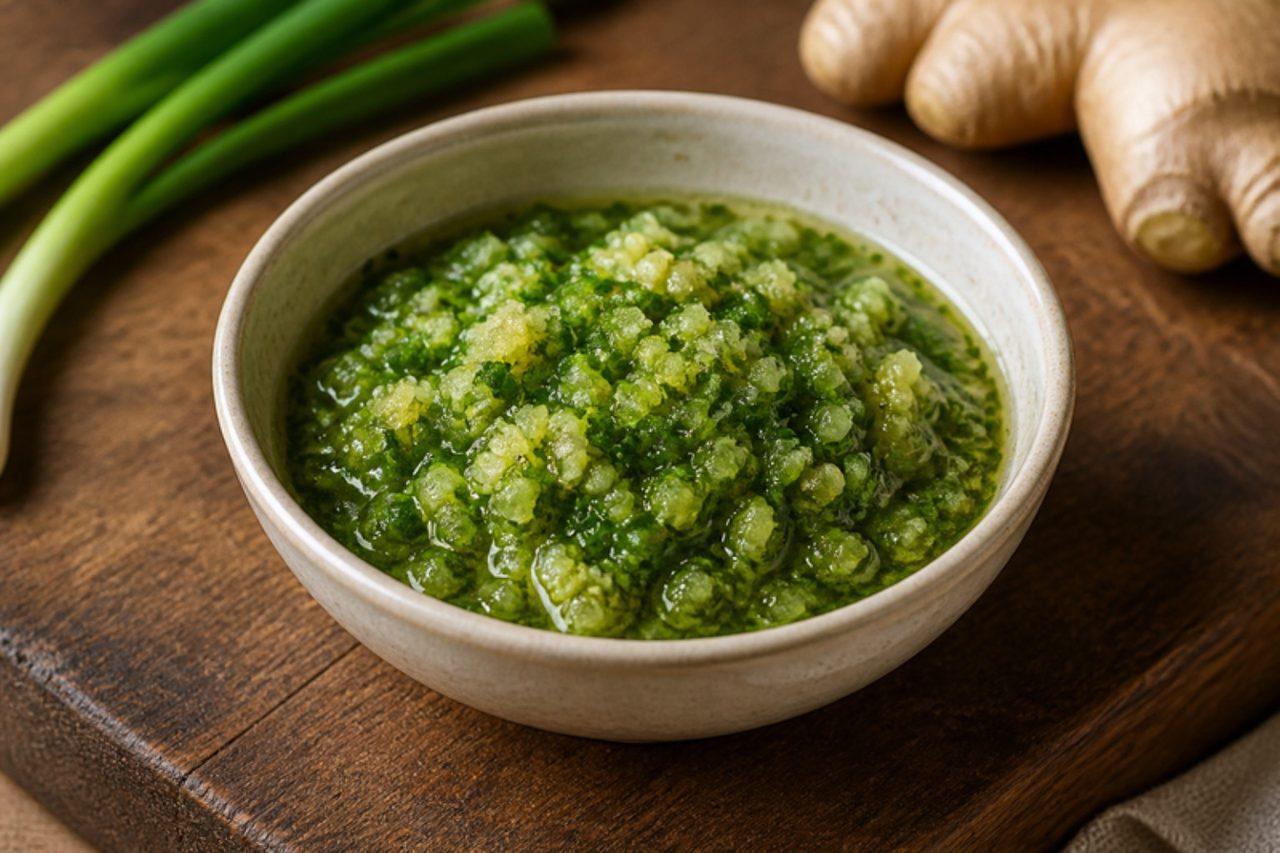
Ginger scallion sauce

Every Hong Kong siu mei shop keeps a tub of this pale green relish beside the chopping block, spooned next to white-cut poached chicken over rice or tossed through plain lo mein at late-night dai pai dong stalls. Smoking-hot oil is poured over raw ginger and spring onion, and the sizzle softens their bite into a sweet, salty, fragrant sauce with a gentle heat from the ginger. It is just as good with steamed tofu, plain congee, poached fish or a bowl of rice on its own. Many home cooks blitz everything in a food processor, which bruises the spring onions into a watery paste; chop them by hand instead. Chef's tip: pour the oil while it is properly hot, shimmering and just starting to smoke, so you hear a loud crackle; lukewarm oil leaves the sauce raw and greasy.

by KrazyBadal 0 views

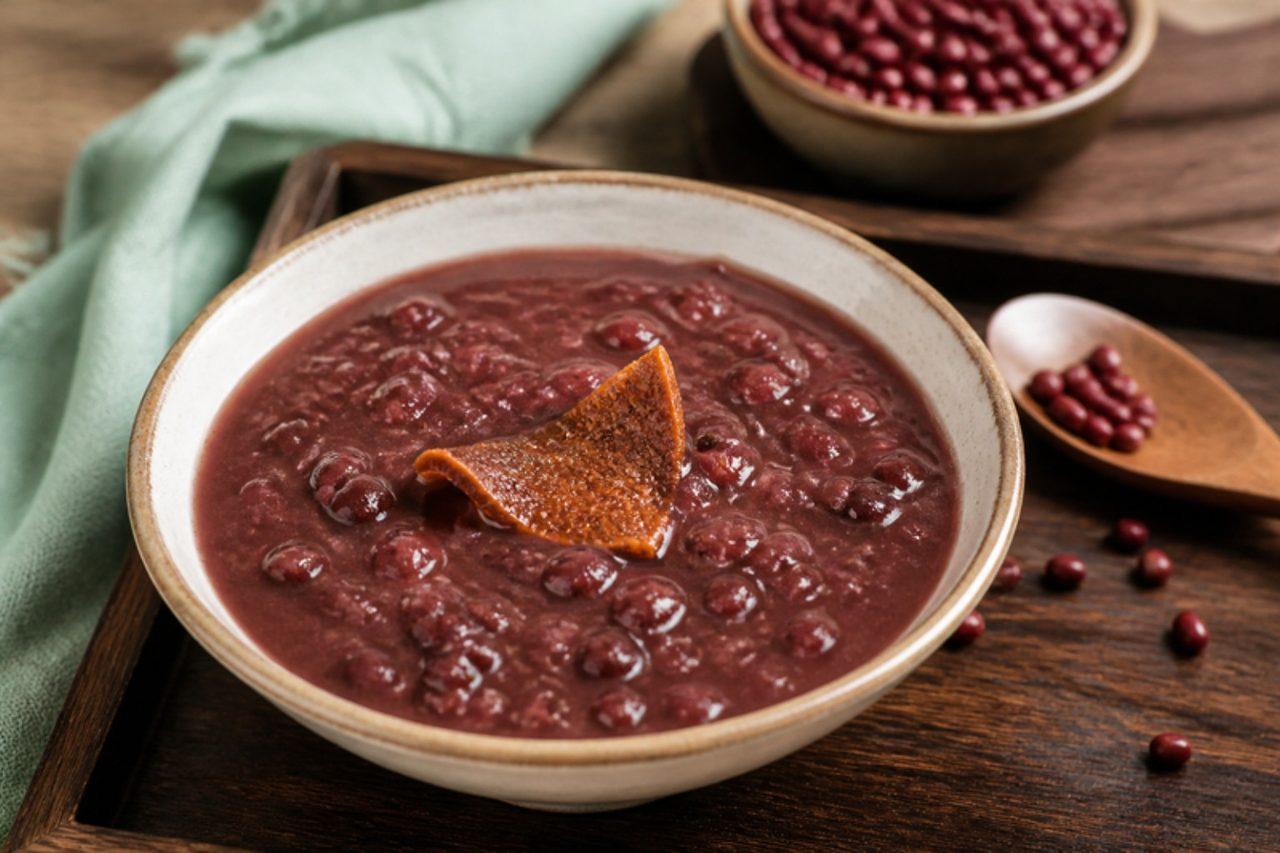
Red bean soup

Hong Kong Cantonese restaurants often send out a small bowl of hung dau sa on the house at the end of a banquet dinner, and dessert shops in Mong Kok serve it hot in winter and chilled with ice in summer. Long simmering breaks the adzuki beans down into a thick, velvety soup, part smooth and part whole beans, scented with the faintly bitter citrus of aged tangerine peel and sweetened with clean-tasting rock sugar. Some add a spoonful of coconut milk, lotus seeds or little glutinous rice balls. Adding the sugar too early is the common misstep, because it keeps the bean skins tough so they never collapse. Chef's tip: soak the beans, then freeze them in their soaking water for a few hours; the ice crystals crack the skins and halve the simmering time.

by KrazyBadal 0 views

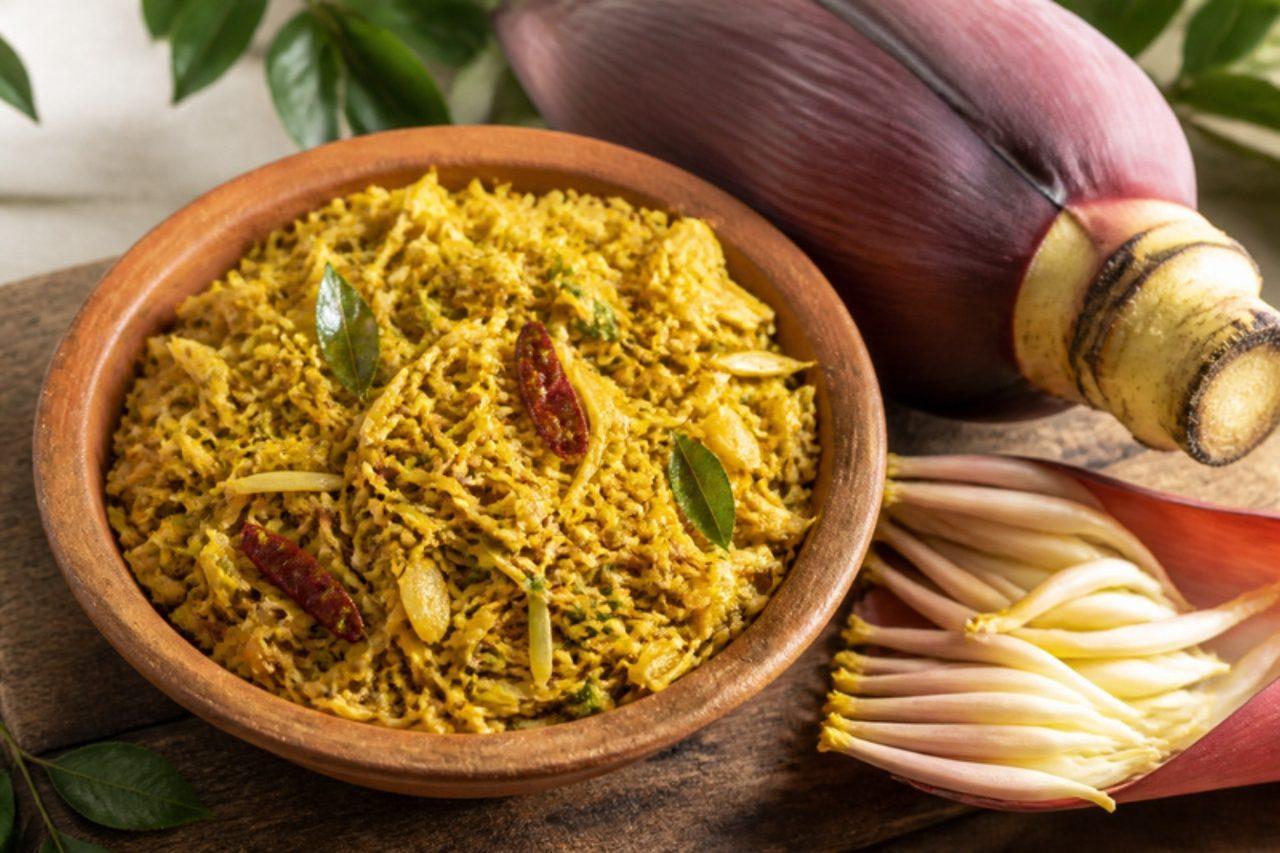
Kesel muwa curryBanana blossom curry

Every banana plant in a Sri Lankan back garden eventually pushes out a heavy, purple, spear-shaped flower, and rather than waste it, home cooks across the western province slice it into this savoury, slightly meaty curry. Once the tough outer bracts come off, the pale heart is shredded and cooked with roasted curry powder, mustard seed and chilli, then finished with coconut milk until it is tender with a faint, pleasant astringency, a bit like artichoke. It is a weekday dish, served with red rice, parippu and a pol sambol. The flower browns and turns bitter within minutes of being cut, which is where most first attempts go wrong, so have a bowl of salted turmeric water waiting and drop the slices in as you go. Chef's tip: if you can only find tinned banana blossom in brine, rinse it well, chop it and skip the soaking; it needs only half the cooking time.

by KrazyBadal 0 views

Showing 27 of 7,762 recipes

Show more recipes

Page 227 of 863