





Skip to content
New York bagels
Featured recipe

New York bagels

The New York bagel came with Jewish bakers from Poland to the Lower East Side, and it is still breakfast on the go across the five boroughs, split and spread thickly with cream cheese. The dough is stiff and rested overnight in the fridge, then each ring is boiled before baking, which gives the dense, chewy crumb and the glossy, crackly crust. Chef's tip: test one bagel before boiling them all; if it floats in a bowl of cold water, they are ready.

Read more 0 views
Can't decide?

What to eat today?

Spin the randomizer, search with what's already in your fridge, or browse recipes from our chefs.

Latest recipes

Tungrymbai

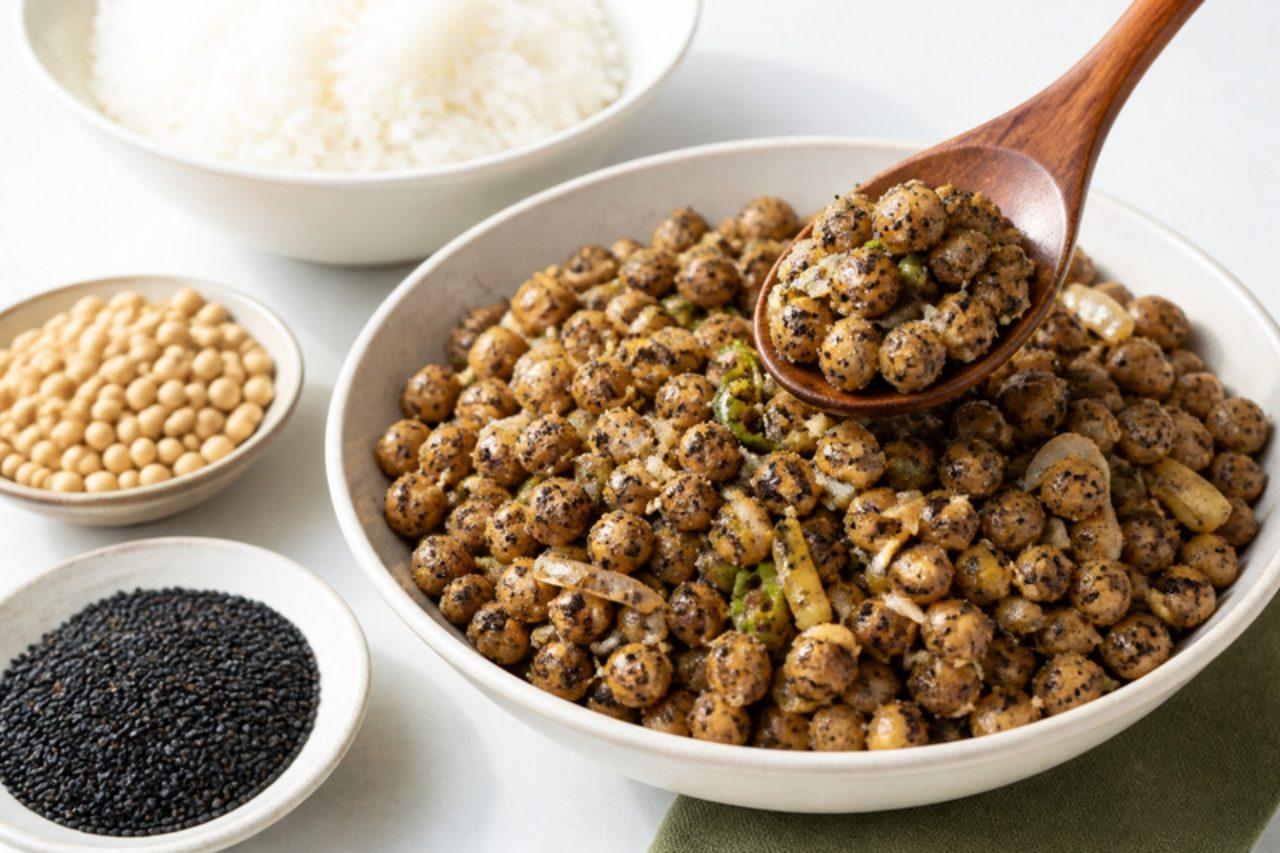
Tungrymbai is the Khasi Hills' great fermented food: soybeans boiled, wrapped in leaves and left by the hearth until sticky and pungent, then cooked with onion, ginger, garlic, turmeric and a generous paste of roasted black sesame. In Shillong's markets and local eateries (jadoh stalls), it is often cooked with pork, but many Khasi homes make it with soybeans alone, which is the version here. It is dark, nutty and savoury, eaten in small spoonfuls with rice. Chef's tip: roast the black sesame until it just begins to pop; underroasted it tastes grassy, overroasted it turns bitter. Natto works if you can't get tungrymbai.

by KrazyBadal 0 views

Pumaloi

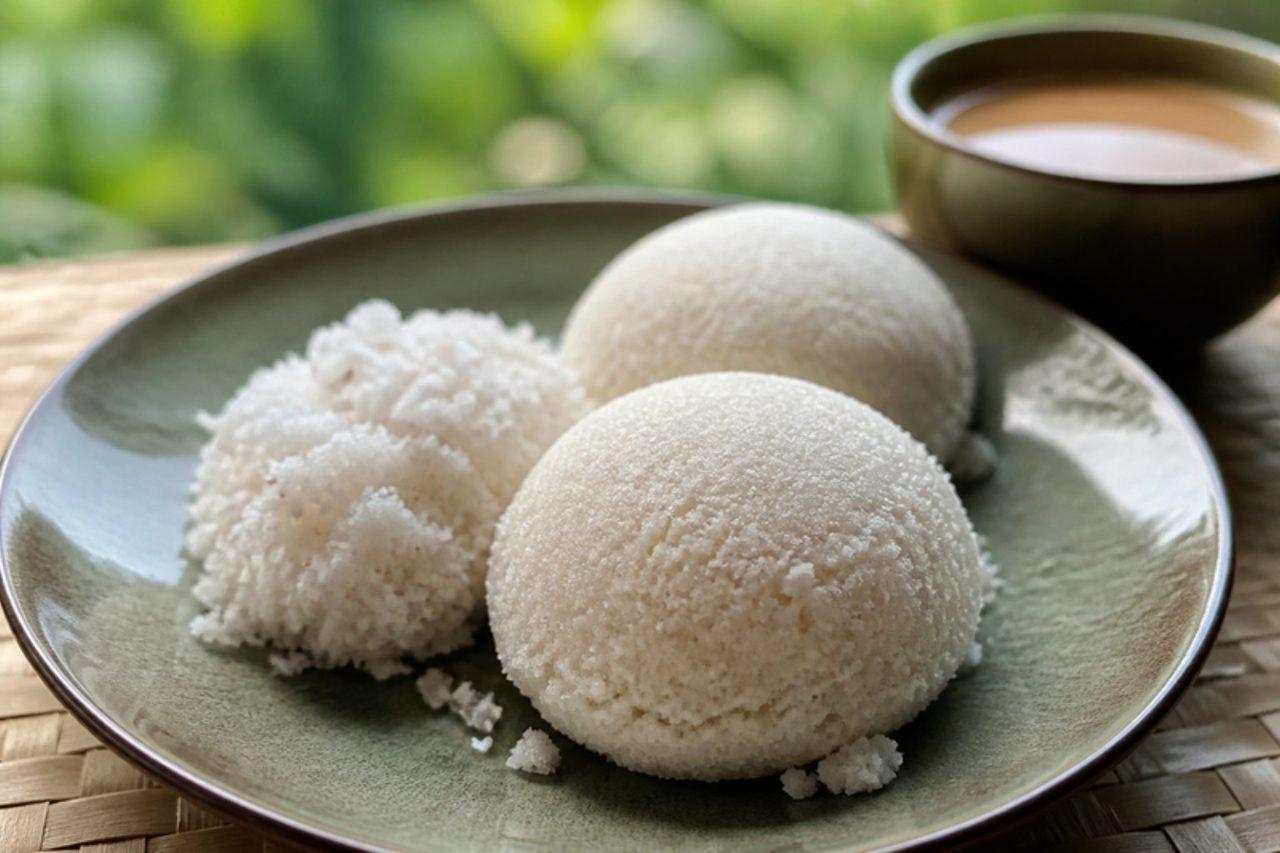
Pumaloi is the everyday breakfast of the Khasi Hills: coarse powdered rice, lightly moistened, packed into a tall steamer (traditionally a bamboo or metal 'khiew') and steamed into a soft, crumbly cake. In Shillong it is sold warm at morning stalls with a cup of sweet tea, and at home it is served with tungrymbai, a vegetable stew or a chilli chutney. It is plain on purpose, like Kerala's puttu but drier and lighter. Chef's tip: the flour should feel like damp sand, holding a shape when squeezed but crumbling easily; any wetter and the cake goes gluey.

by KrazyBadal 0 views

Pukhlein

Pukhlein are the sweet treats of Khasi tea stalls and celebrations in Meghalaya: a batter of rice flour and jaggery fried into round, puffed cakes that are crisp and caramelised on the outside and chewy within. They are made for Christmas and family gatherings and are sold at Shillong's Iewduh (Bara Bazaar) with red tea. They taste a little like a cross between a doughnut and an Indian anarsa. Chef's tip: rest the batter for at least an hour; the rice flour hydrates and the cakes puff instead of spreading.

by KrazyBadal 0 views

Kangshoi

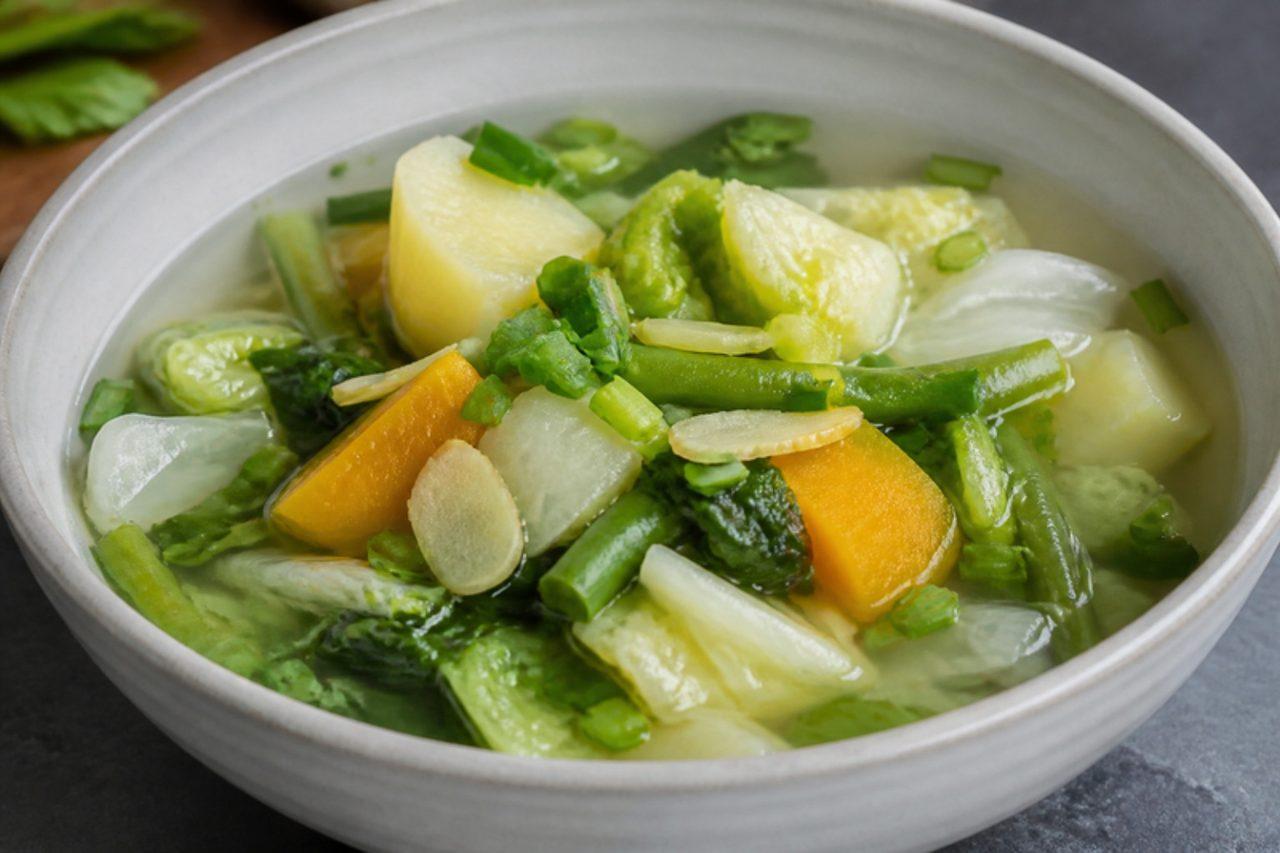
Kangshoi is the everyday stew of the Imphal Valley: seasonal vegetables simmered in water with ginger, onion and chilli, and finished with a fistful of fresh herbs such as maroi (a garlic chive), coriander and mint. It is light, clear and brothy, eaten with rice at almost every Meitei meal. Many households add dried fish or ngari (fermented fish) for depth; Vaishnav Meitei homes leave it out, and this vegetarian version relies on toasted chilli and plenty of herbs instead. Chef's tip: cook it without oil, as Manipuris do; the clean broth is the point.

by KrazyBadal 0 views

Erissery

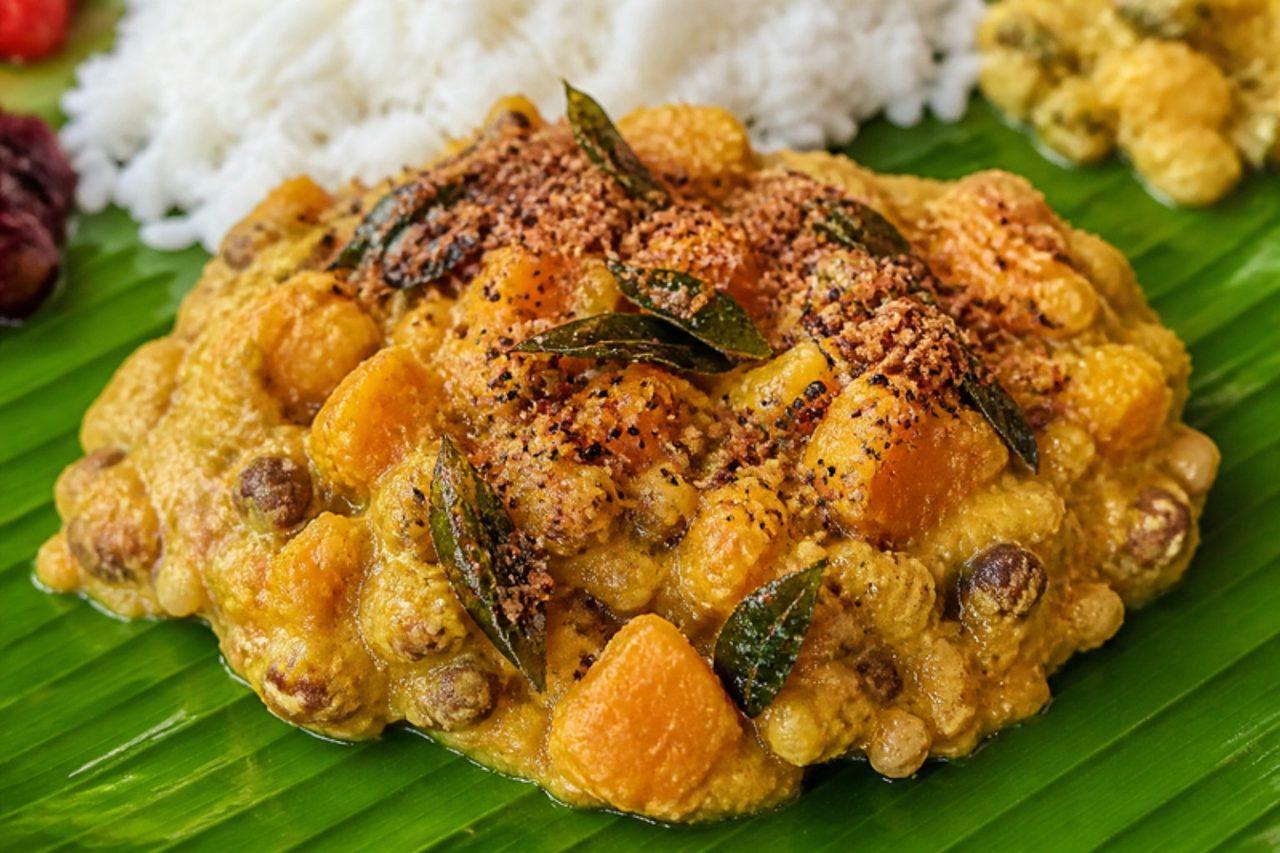
Erissery is the golden, slightly sweet pumpkin dish of the Onam sadya in Kerala, and a favourite in homes all through the harvest season when the yellow mathanga pumpkins are piled up in the markets. Soft pumpkin and red cowpeas are bound with a coconut, cumin and green chilli paste, and the whole pot is crowned with grated coconut fried in coconut oil until it turns the colour of cinnamon. That crunchy, nutty topping is what makes it erissery. Serve with rice and parippu, or scoop it up with chapati. Chef's tip: keep the pumpkin pieces large so some stay whole while others melt into the sauce.

by KrazyBadal 0 views

Gyutan (Sendai grilled beef tongue)

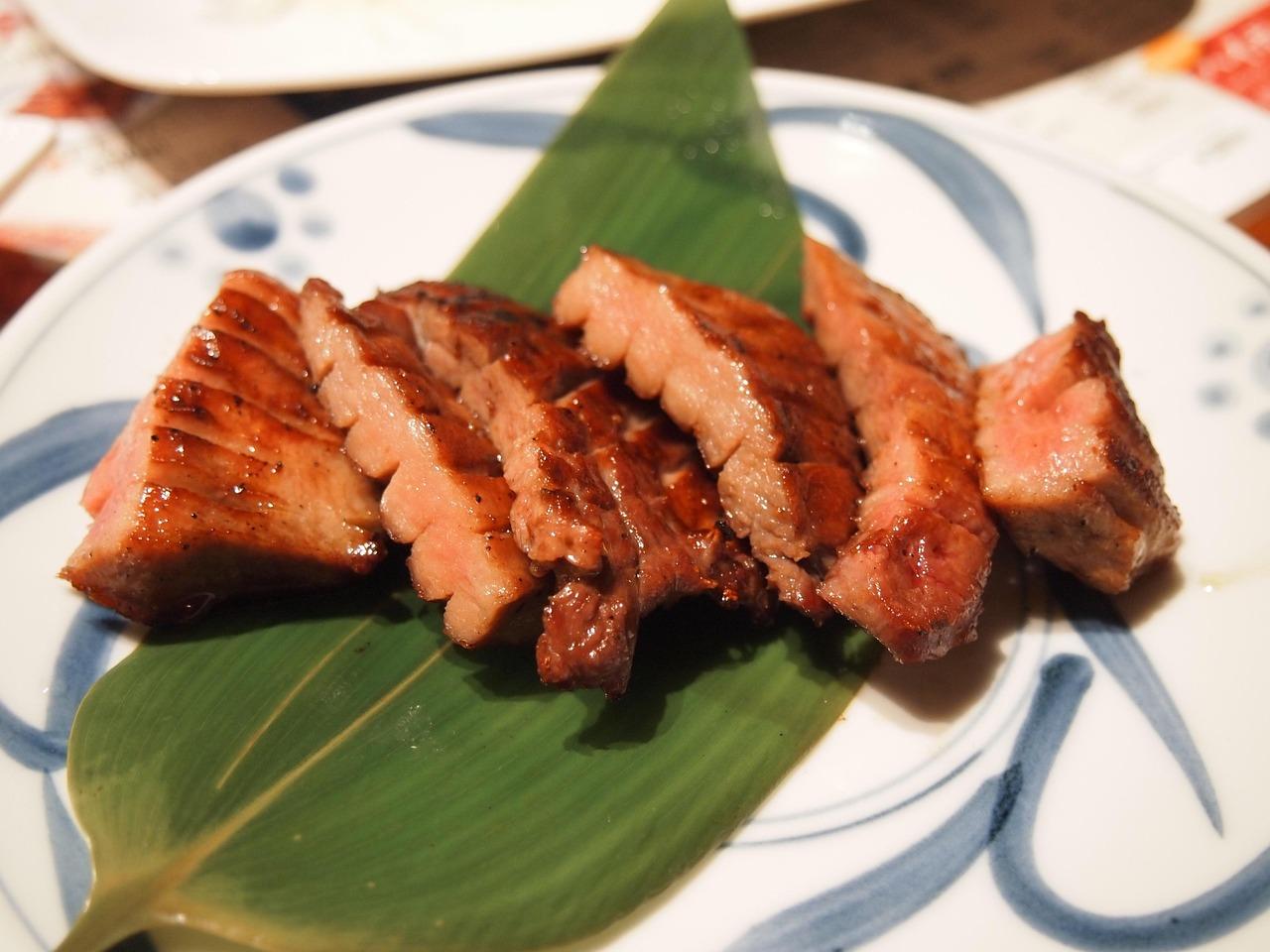
Sendai, the biggest city in Miyagi prefecture, turned beef tongue into its signature dish in the years after the Second World War. Specialist gyutan restaurants line the streets around Sendai Station, and the classic set is always the same: grilled tongue, a bowl of rice cooked with barley, a clear oxtail soup and a few pickles with a green chilli miso. This home version uses tongue sliced by a butcher, a short salt cure and a very hot pan, with a quick clear beef soup in place of the long-simmered oxtail. The meat should be chewy in a pleasant, bouncy way, with a smoky crust. Chef's tip: ask the butcher to peel the tongue and cut it into 1 cm slices; thick slices with shallow cuts on both sides stay juicy, while thin ones dry out in seconds.

by KrazyBadal 0 views

Bryndzové halušky

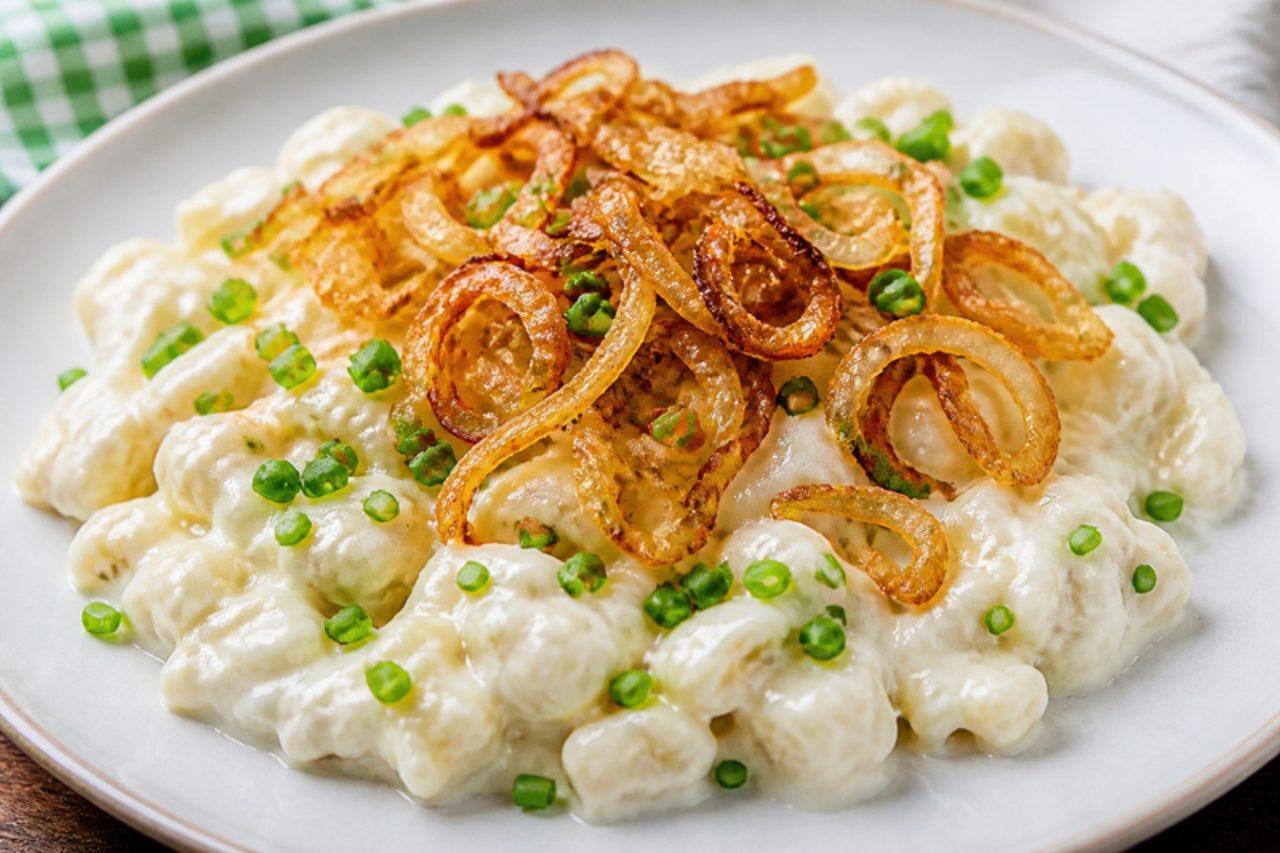
Bryndzové halušky is Slovakia's national dish, cooked in every koliba (timber shepherd's restaurant) in the Liptov and Orava valleys and fought over each summer at the halušky-eating contest in Turecká. Little grated-potato dumplings are tossed while hot with bryndza, a tangy, spreadable sheep's cheese, and finished with a sour milk drink called žinčica. The traditional topping is crisp smoked bacon; here golden fried onions bring the same savoury crunch, and meat-eaters can add bacon on their own plates. Chef's tip: grate the potatoes at the last moment and work fast; grated potato left standing turns grey and watery and the dumplings go heavy.

by KrazyBadal 0 views

Oden (Tokyo style)

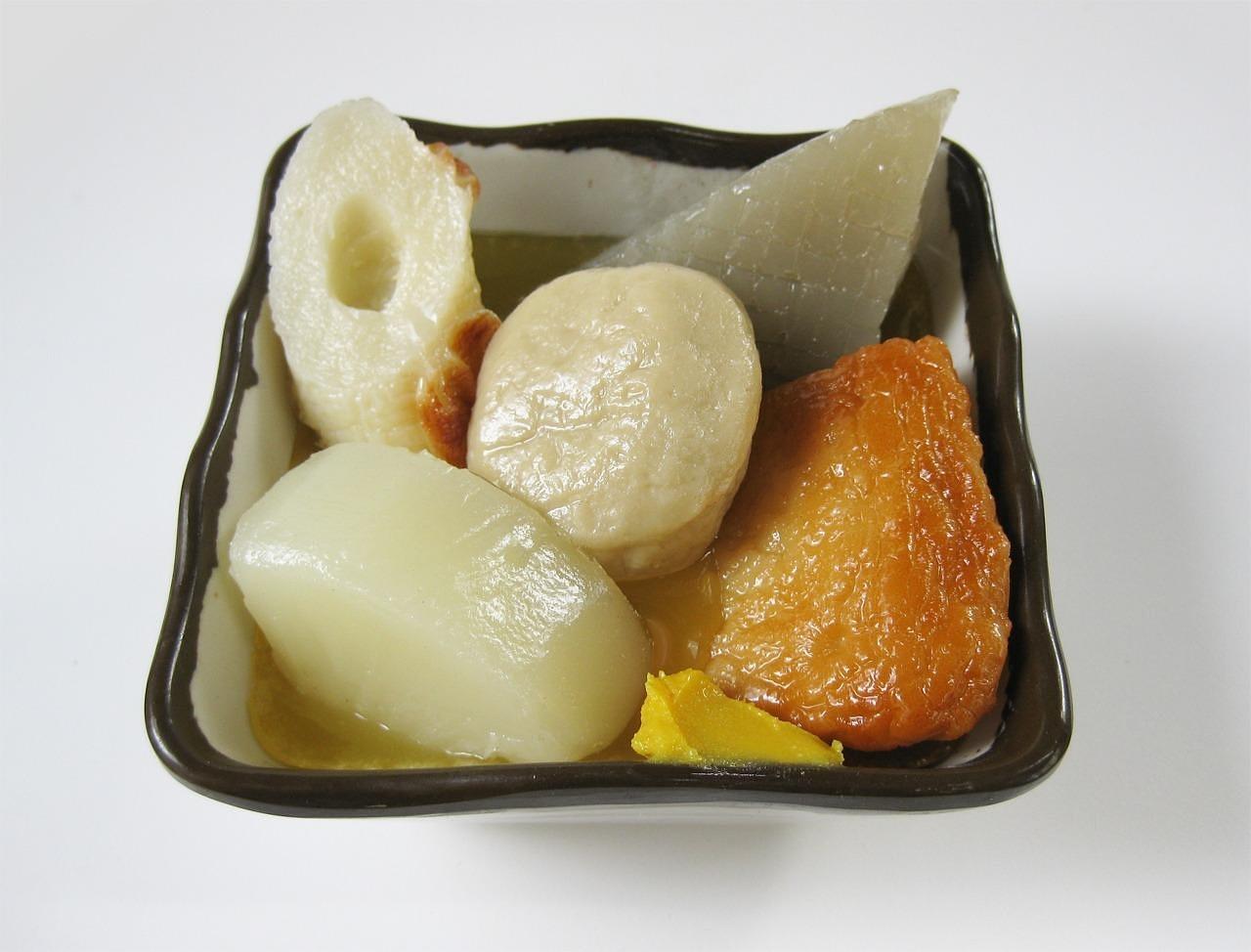
When the evenings turn cold, Tokyo's convenience stores set out steaming trays of oden by the till, and small oden bars and street stalls fill up with office workers. Tokyo's style uses a darker, soy-seasoned dashi than the paler Kansai one, and it includes chikuwabu, a chewy tube of wheat dough that is rarely seen outside the Kanto region. Everything simmers gently for a long time, so the daikon turns translucent and soaks up the broth. Serve it straight from the pot with a dab of hot Japanese mustard. Chef's tip: make oden a day ahead and let it cool in the broth overnight; the daikon and eggs take on far more flavour as they cool than while they boil.

by KrazyBadal 0 views

Olan

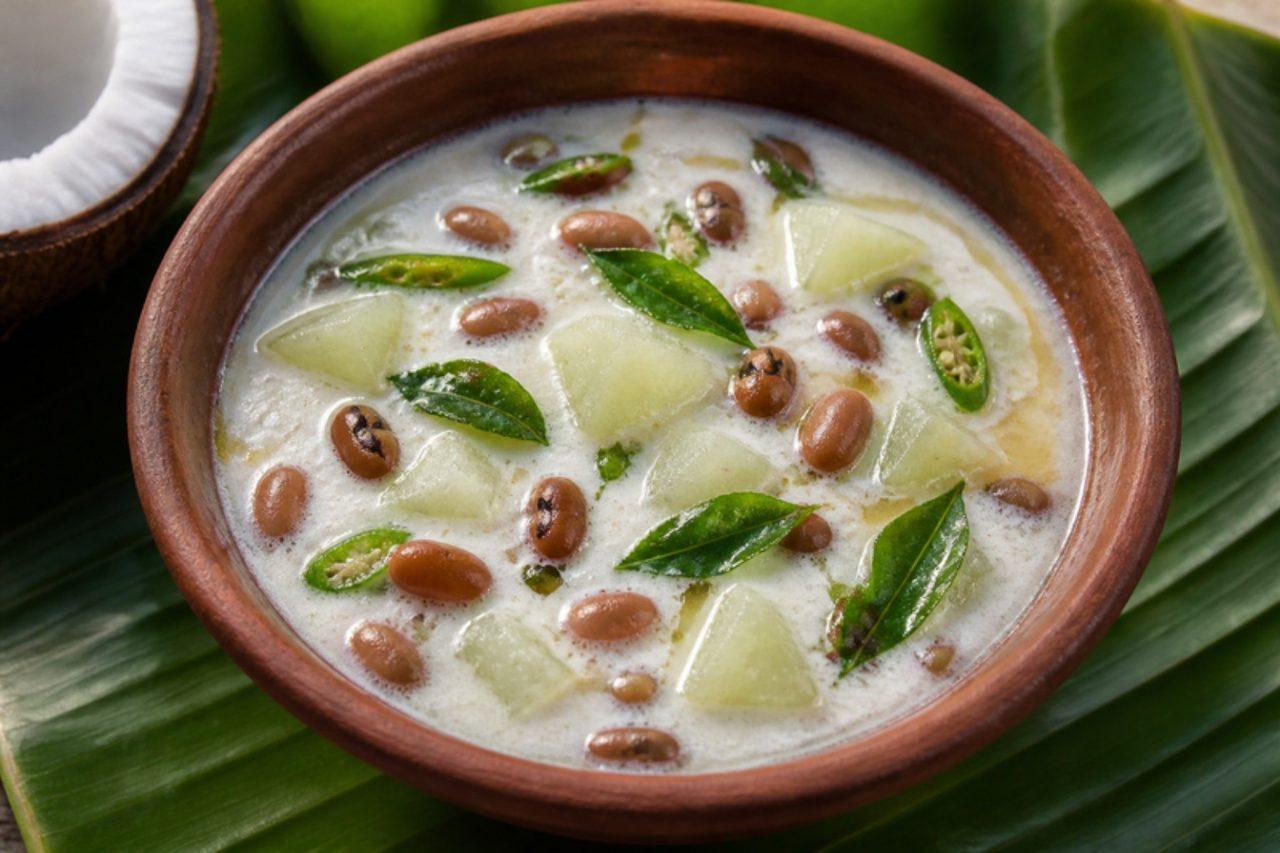
Olan is the quietest dish on a Travancore sadya leaf, the banana-leaf feast served in southern Kerala for Onam, weddings and temple festivals. Thin, glassy slices of ash gourd and soft red cowpeas sit in coconut milk with nothing louder than green chilli and curry leaves, and its job is to cool the palate between the tangy, fiery curries around it. The flavour comes from coconut milk added in two stages and a spoonful of raw coconut oil poured over at the end. Eat it with plain rice, or ladle it beside appam on an ordinary weekday. Chef's tip: slice the ash gourd as thin as a coin so it turns translucent in the time the coconut milk takes to thicken.

by KrazyBadal 0 views

Showing 9 of 4,484 recipes

Show more recipes

Page 227 of 499