


Skip to content
Placali
Featured recipe

Placali

Soured cassava swallow

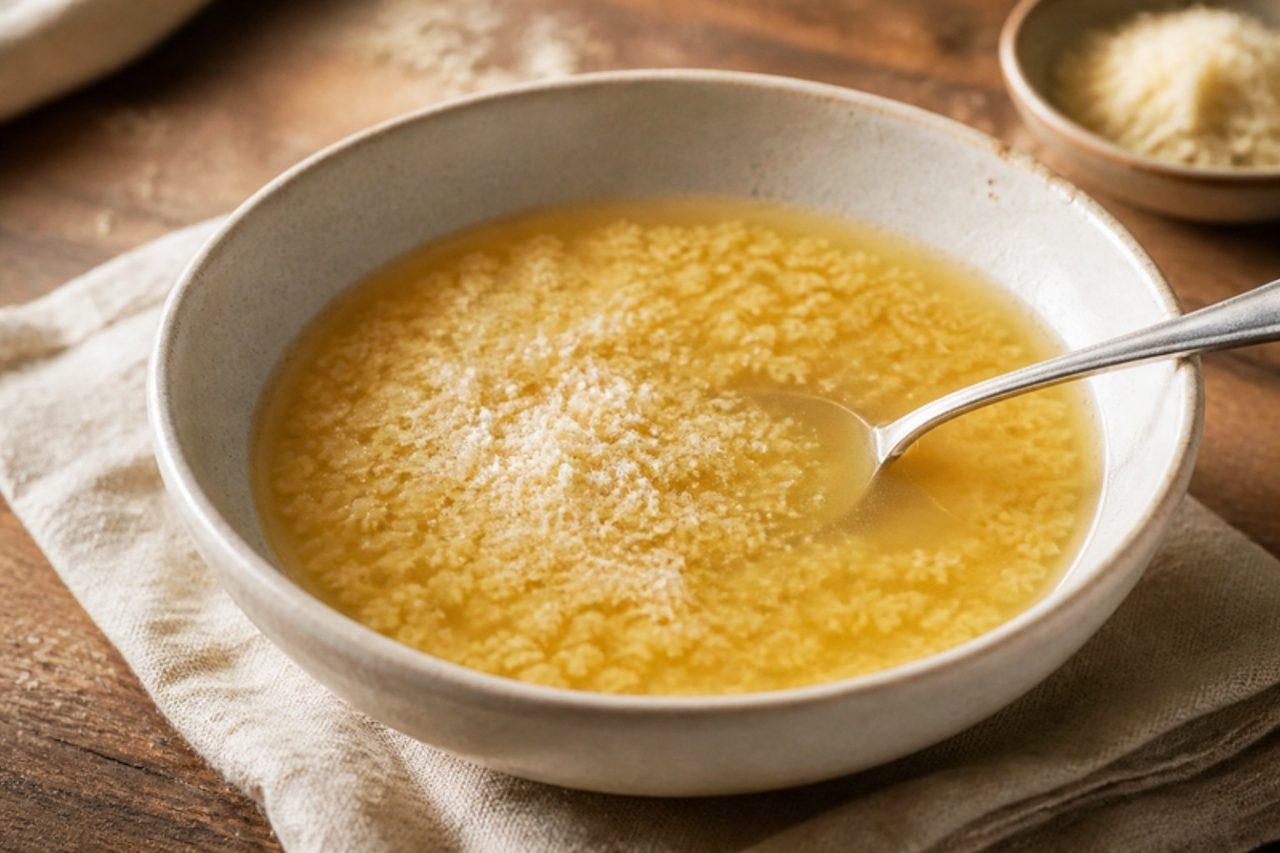
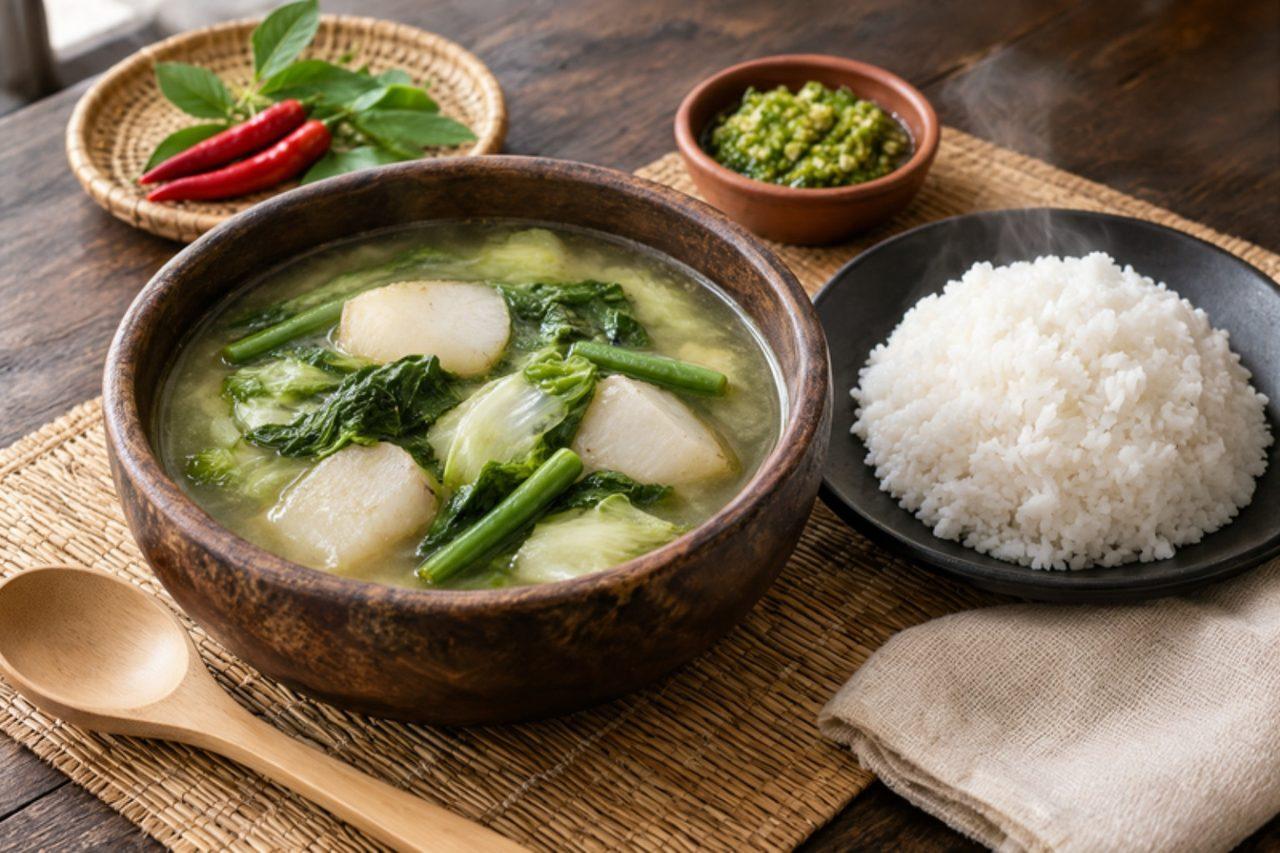
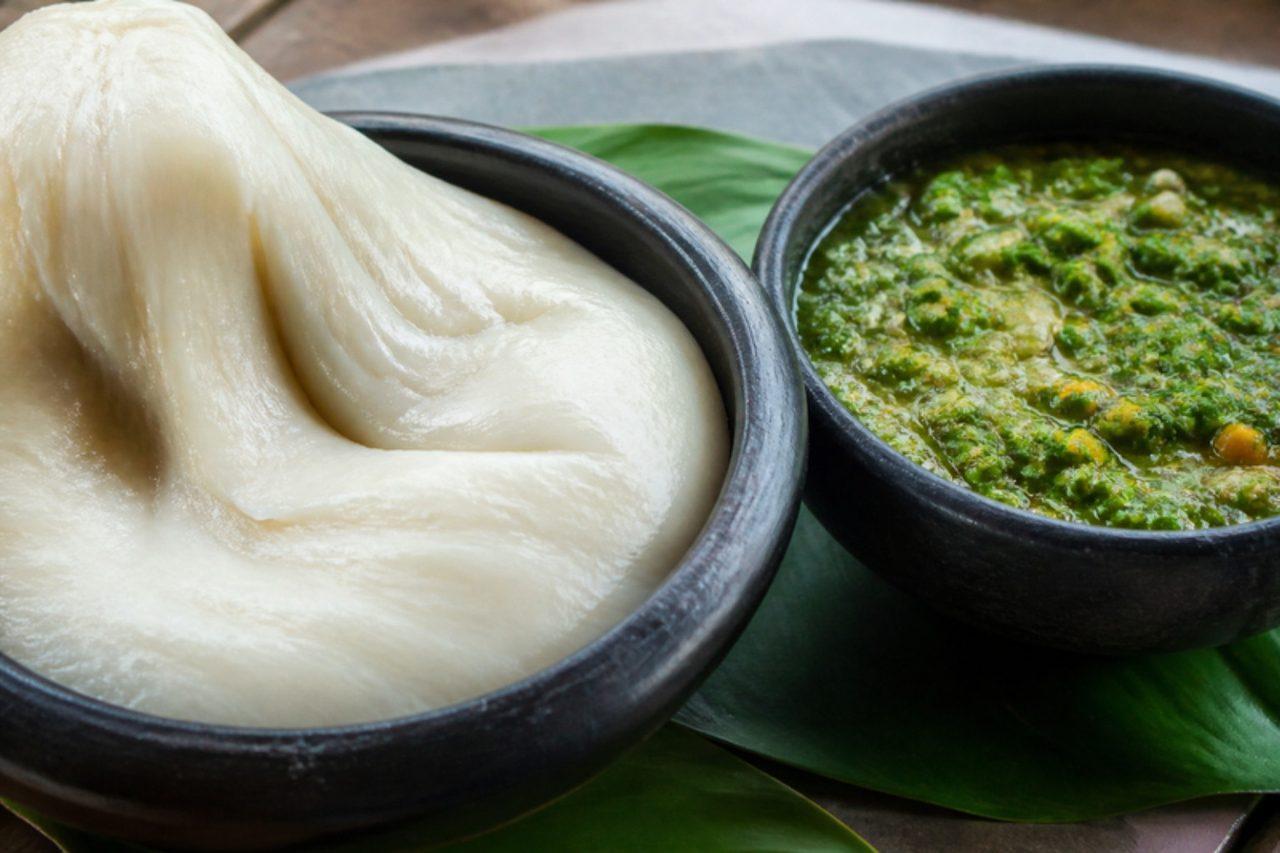
Abidjan's maquis serve placali in shining grey mounds next to bowls of sauce kopé, the okra sauce that slides off the spoon, and many Ivorians from the lagoon and southern forest regions eat it several times a week. It is made from soured cassava dough dissolved in water, strained and cooked while beaten hard until it becomes a translucent, sticky, stretchy paste. The taste is mildly sour and the texture smooth and elastic, meant to be swallowed rather than chewed. Pair it with okra, palm-nut or leaf sauces. Don't stop stirring once the dough thickens, or raw lumps hide in the swallow. Chef's tip: wet your hands and the serving bowl before shaping, otherwise placali clings to everything it touches.

Read more 0 views

What to eat today?

Around the world

Today's trip: Persian

A new country every day, from every cuisine on the site.

Persian

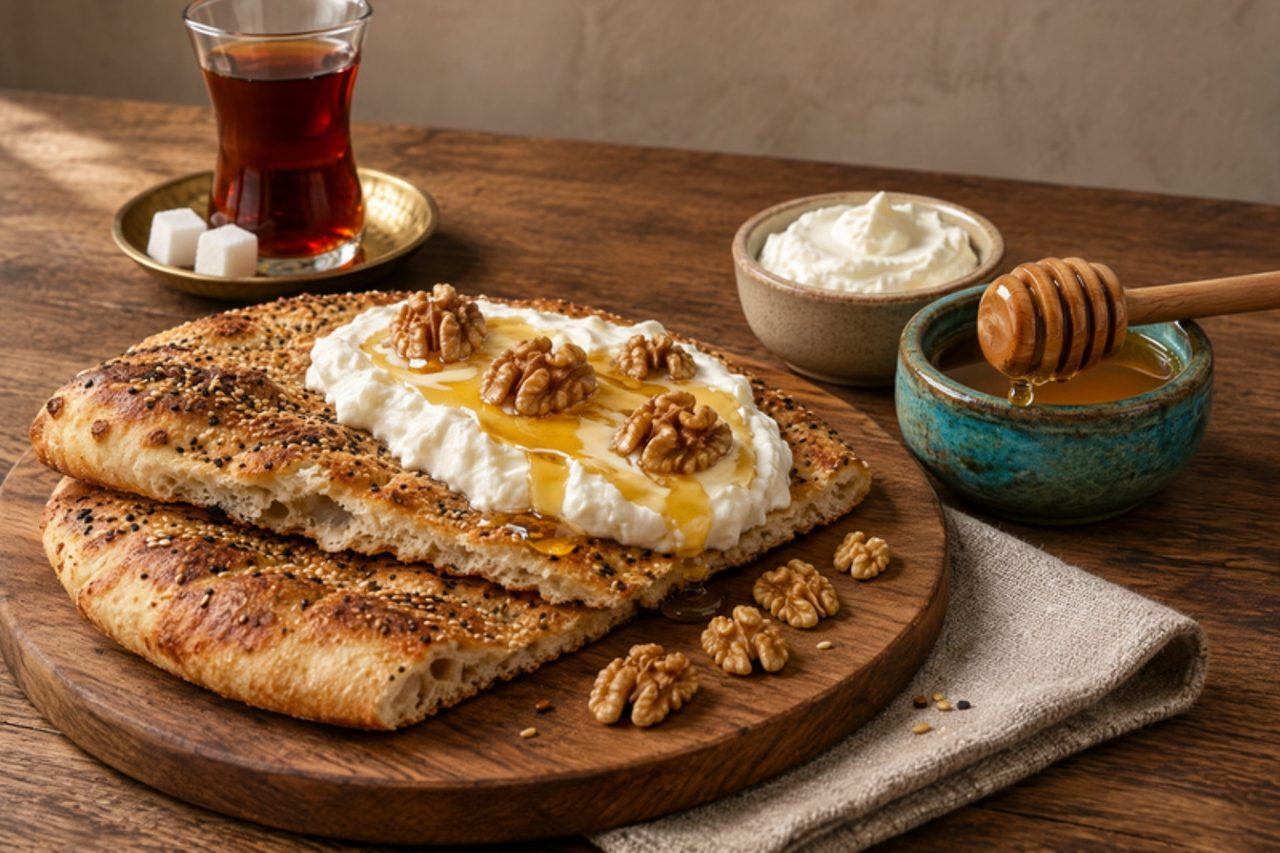
Asal-o-khameh

Clotted cream and honey on flatbread 8 minMore from Persian (131) →

This week's collection

Kid-friendly dinners
586 recipes · a new collection every Monday

Coming up

All occasions →

Latest recipes

Ardeh shirehTahini and grape molasses spread

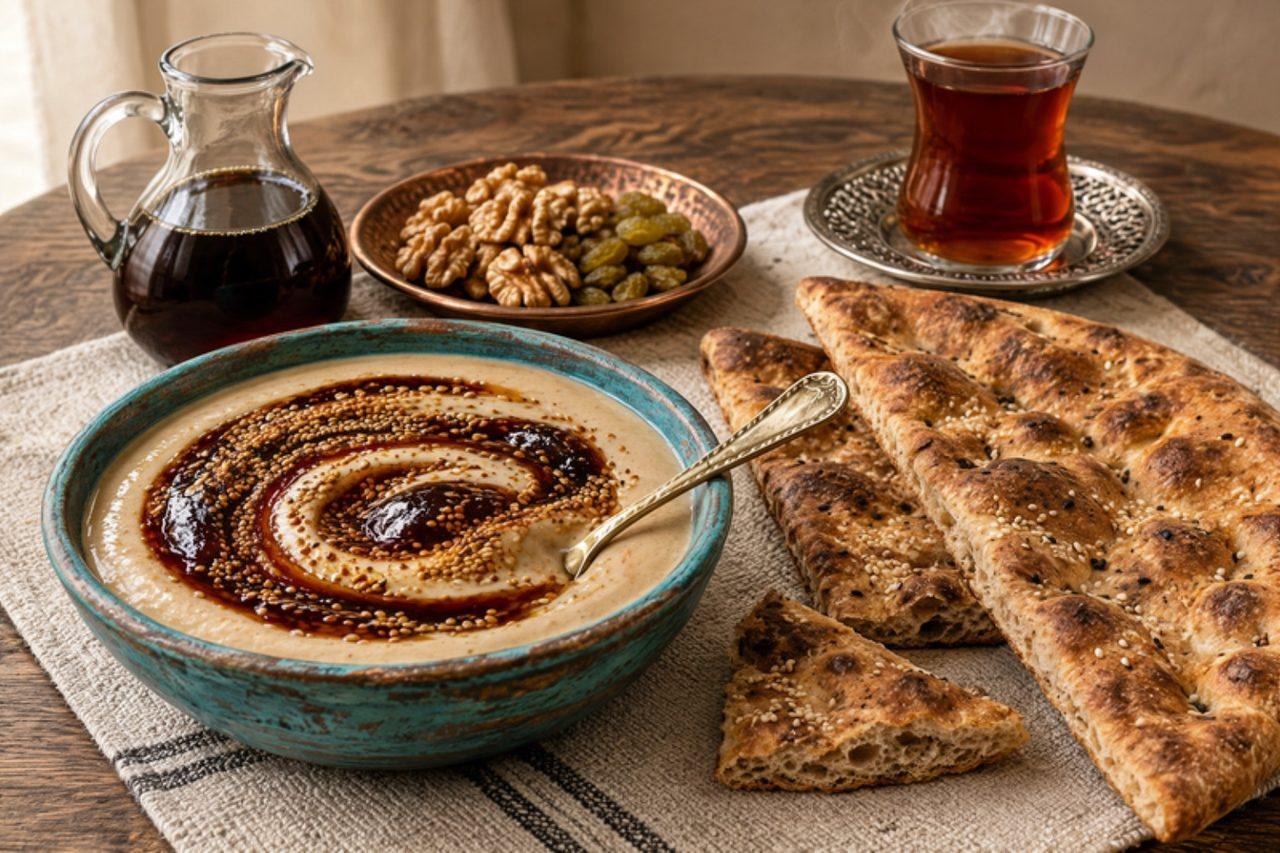
In Iranian homes, especially in Yazd and the central provinces, a small dish of ardeh shireh sits on the winter breakfast spread: smooth tahini swirled with dark grape molasses into a marbled, sticky spread that tastes like a grown-up peanut butter and jam. It is mopped up with warm flatbread and washed down with tea. The mistake is beating the two together until uniform; you lose the swirls and the spread turns dull. Fold just a few times. Chef's tip: stir the tahini jar well first, because the oil separates, and use runny, well-stirred tahini for the best ribbons. Serve with flatbread, or gluten-free crackers if you need it gluten free.

by KrazyBadal 0 views

Ensalada salvadoreñaChopped fruit apple drink

Order an ensalada at a pupusería in El Salvador and a tall glass arrives: apple juice crowded with tiny cubes of apple, mango and marañón (cashew fruit), drunk through a straw and finished with a spoon. It is the country's favourite cooler for hot afternoons and Sunday lunches. Outside Central America cashew fruit is rare, so pineapple stands in well. Cutting the fruit too big is the mistake people make; pieces should be small enough to come up a wide straw. Chef's tip: chop the apple last and drop it straight into the juice so it stays white.

by KrazyBadal 0 views

Masu zushiPressed trout sushi

Masu zushi is Toyama's famous ekiben, the boxed lunch sold at the station for the train ride: a round, flat cake of vinegared rice pressed under a layer of salted, vinegar-cured trout and wrapped in bright green bamboo leaves, cut into wedges like a pie. The fish is cured but raw, so use only fish sold as safe to eat raw and previously frozen, and keep everything cold; this version is not for pregnant women, young children or anyone with a weakened immune system. For a safer version, use hot-smoked trout fillet instead, which is fully cooked. The usual mistake is pressing the rice while it is still warm, which turns it mushy; cool it to body temperature first. Chef's tip: press the cake for a full hour under a heavy weight so it slices cleanly, then cut it with a wet knife.

by KrazyBadal 0 views

ErbokvertskhiEggs fried in butter

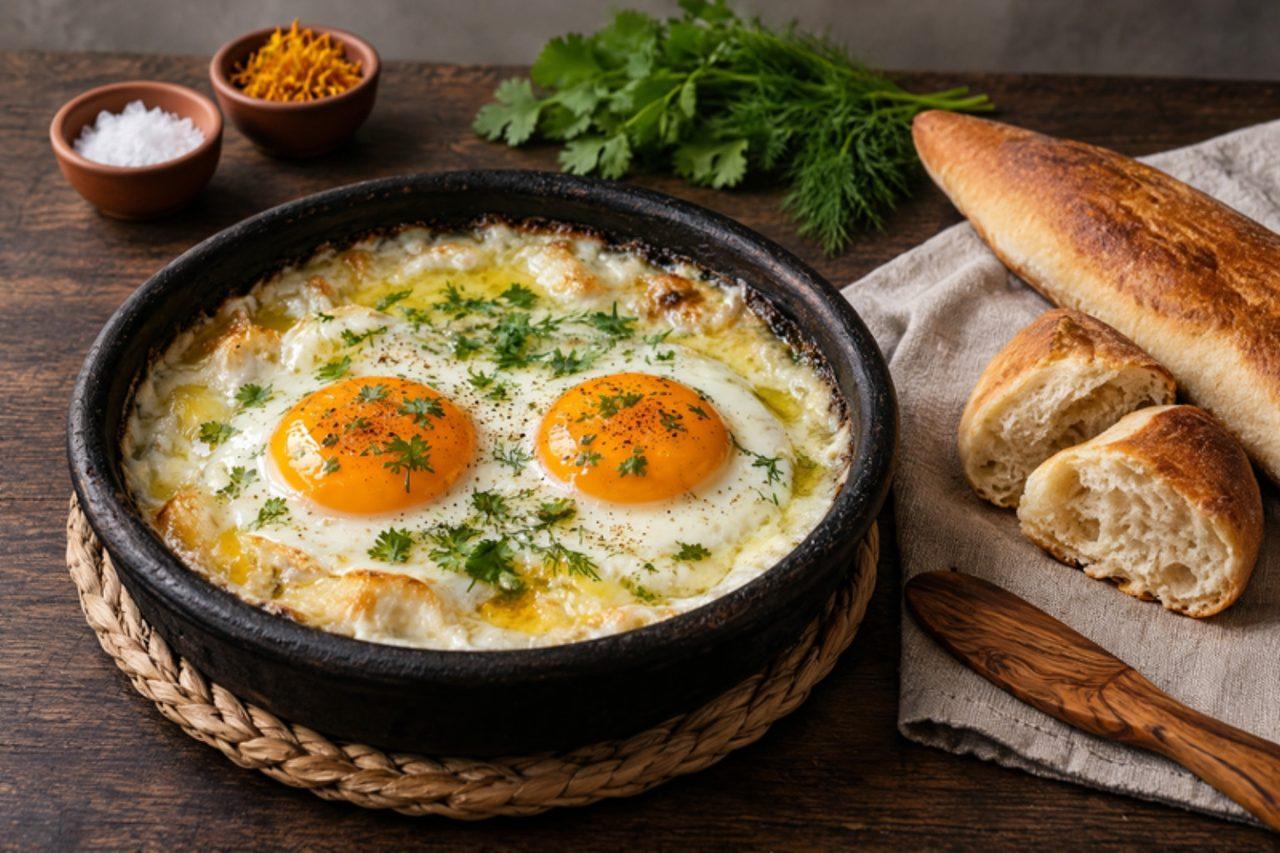
Erbokvertskhi means simply "butter-egg", and in Georgian homes from Tbilisi to the Imereti villages it is the breakfast cooked in a small clay ketsi or pan: eggs fried in plenty of erbo, the golden clarified butter, with slices of salty sulguni cheese melting around them. It is eaten with shoti bread and fresh herbs. Sulguni is often made with animal rennet; use a vegetarian mozzarella-style cheese if needed. The mistake is a timid amount of butter: the eggs should sizzle in it so the edges crisp. Serve the yolks fully set for anyone pregnant, young children, older people or anyone with a weakened immune system. Chef's tip: let the cheese melt and brown slightly before adding the eggs, so you get crisp cheese edges under soft whites.

by KrazyBadal 0 views

Arepa peladaHand-peeled corn arepas

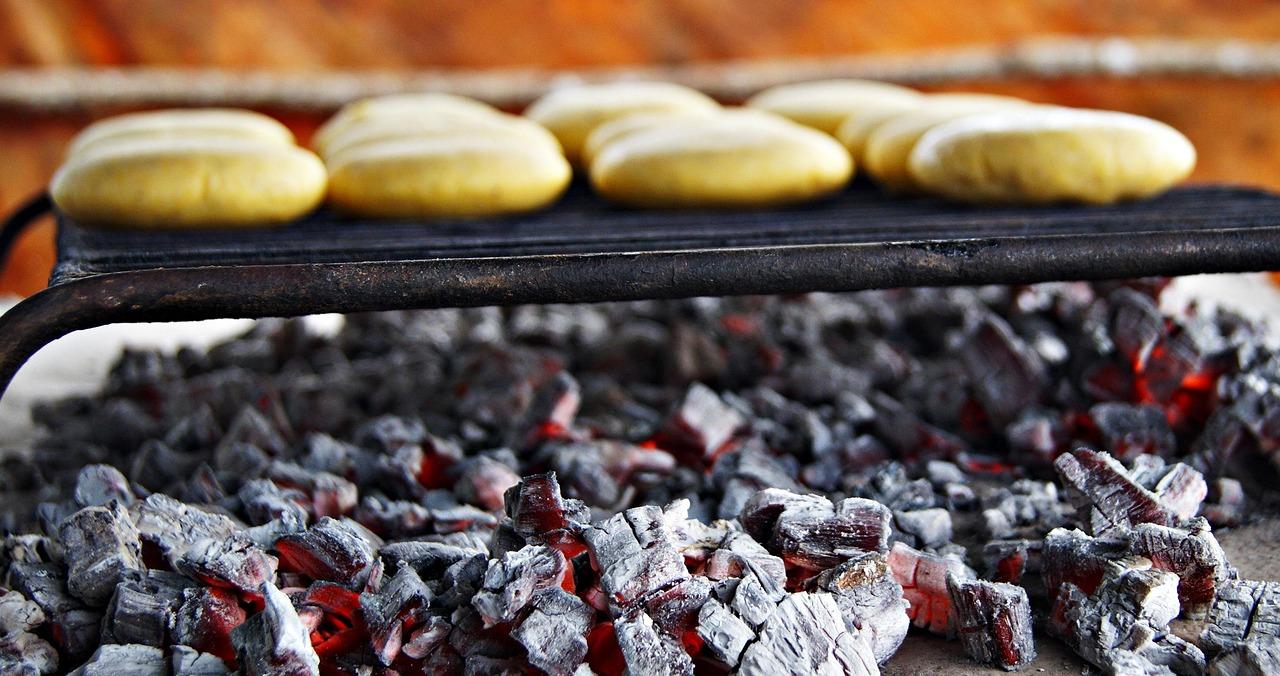
Before bagged flour reached every shop, arepas in Lara and across the Llanos began with whole dried corn boiled with a spoon of food-grade lime until its skins slipped off; 'pelada' means peeled. The dough has a deeper, slightly smoky corn taste and a coarser crumb than flour arepas, and on cattle ranches it is still eaten at breakfast with butter or avocado. Handle the lime (calcium hydroxide) with care: keep it off your skin and away from children. The common mistake is rinsing too lightly, which leaves the dough yellow, soapy and bitter. Chef's tip: grind the corn twice and add water a spoonful at a time; a dough that is too wet slumps on the griddle.

by KrazyBadal 0 views

Dulces abrillantadosGlazed milk fudge figures

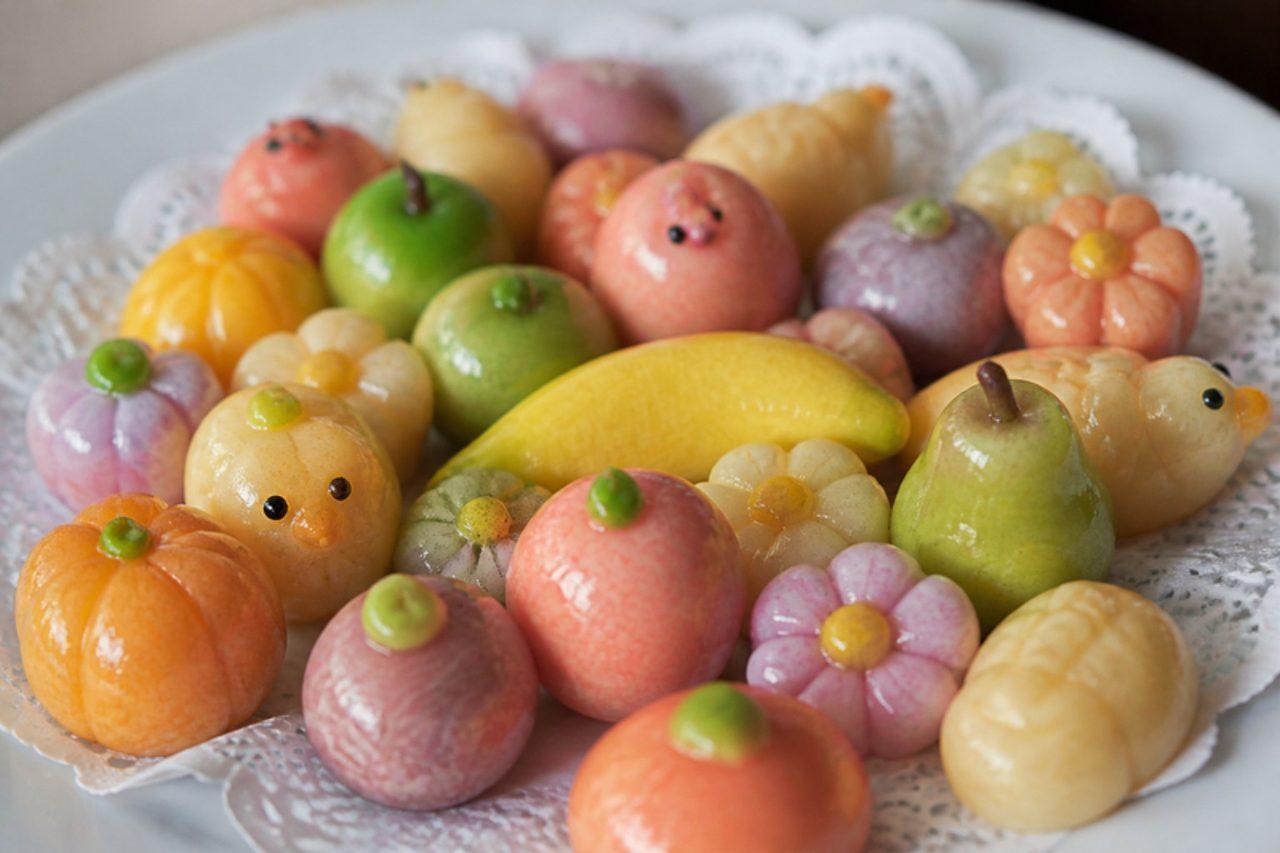
Walk through the old centre of Mérida and you'll pass windows full of tiny shiny sweets shaped like fruit, flowers and animals: dulces abrillantados, made from milk and sugar cooked down to a fudge, hand-moulded and dipped in syrup that dries to a glassy crust. Families buy boxes to take home from the Andes. They need patience: the shaping is fun, but the milk must be cooked until it truly pulls away from the pan. The common mistake is stopping too early, so the figures flatten. Chef's tip: dust your hands with icing sugar while shaping, and dry the figures overnight before glazing.

by KrazyBadal 0 views

Dulceață de nuci verziCandied green walnuts

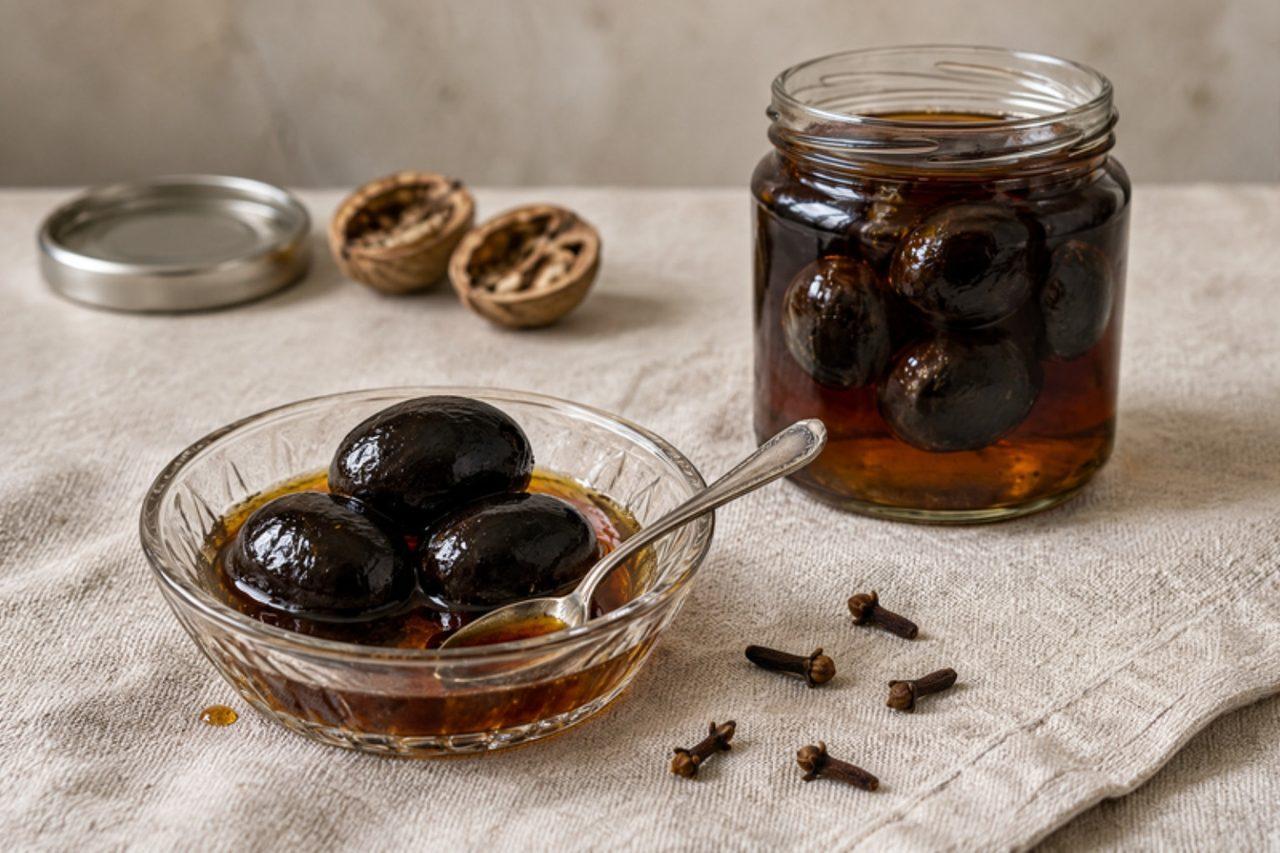
Around Sânziene in late June, families in Moldavia and Transylvania climb the walnut trees to gather nuts that are still green and soft, before the shell has begun to form. A week of patient work follows: peeling, pricking and soaking in water changed morning and evening until the harsh bitterness leaches out, then slow simmering in a syrup scented with cloves and lemon until the nuts turn glossy black. The finished dulceață is offered the old way, one walnut on a small glass saucer with a teaspoon and a glass of cold water for a visitor, or with coffee on a winter afternoon. Each nut is tender all the way through with a faint crunch at the heart, tasting of caramel, cloves and something resinous and bittersweet. The decisive mistake is picking too late: if a darning needle no longer slides easily through the centre, the shell is hardening and the nuts will stay woody whatever you do. The syrup is done when a drop holds its shape on a cold plate. Chef's tip: wear gloves for every stage, as green walnut juice stains skin brown-black for days.

by KrazyBadal 0 views

Dum ka murghSlow-cooked chicken in yogurt and cashews

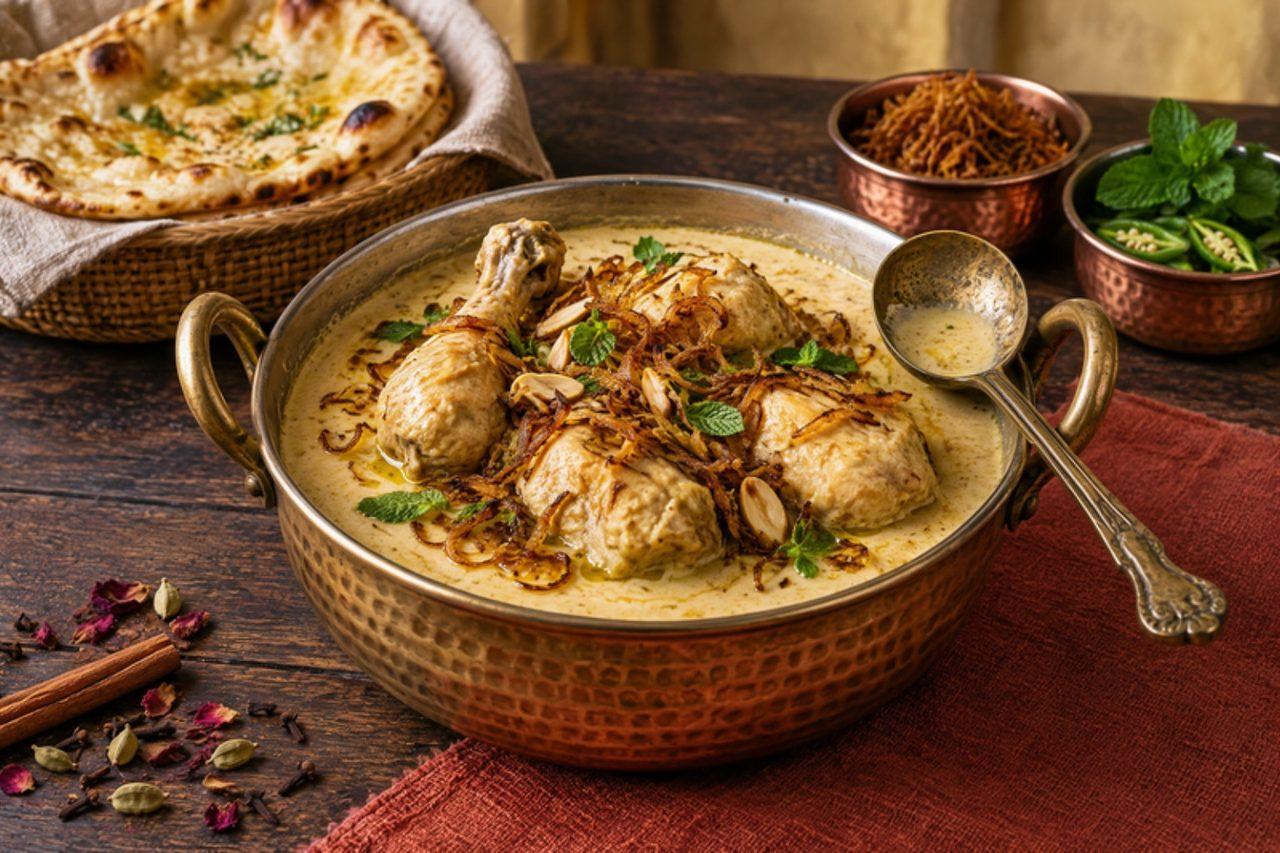
Dum ka murgh is a dish of Hyderabad's Nizami dastarkhwan, still cooked at weddings and Eid lunches: chicken marinated in yogurt, ground cashews, fried onions and whole spices, then sealed in a heavy pot and cooked slowly in its own steam. The gravy is pale, rich and fragrant with cardamom and kewra. The common mistake is opening the lid to check; the steam escapes and the chicken cooks unevenly, so trust the timing and use a heavy pan on a tawa. Food safety: marinate covered in the fridge and cook until the thickest piece reaches 74 °C. Chef's tip: fry the onions slowly to an even deep gold, not brown; burnt birista turns the whole gravy bitter.

by KrazyBadal 0 views

Arepitas dulcesSweet fried corn cakes

In Lara and the Andean states of Trujillo and Mérida, breakfast often comes with a basket of arepitas dulces: small, puffy fried arepas made with corn and wheat flour, sweetened with papelón (unrefined cane sugar) and scented with anise seed. They are crisp outside, soft and cakey inside, and are split and filled with salty white cheese or eaten with coffee. The common mistake is frying them in oil that is too hot, so they brown before the middle cooks; keep the oil at about 170 °C. If you fill them with cheese, note that some white cheese is made with animal rennet, so choose a vegetarian one. Chef's tip: dissolve the papelón in the warm water first, so the sugar is spread evenly and doesn't form dark burnt spots in the oil.

by KrazyBadal 0 views

Dudh pithaRice dumplings in milk

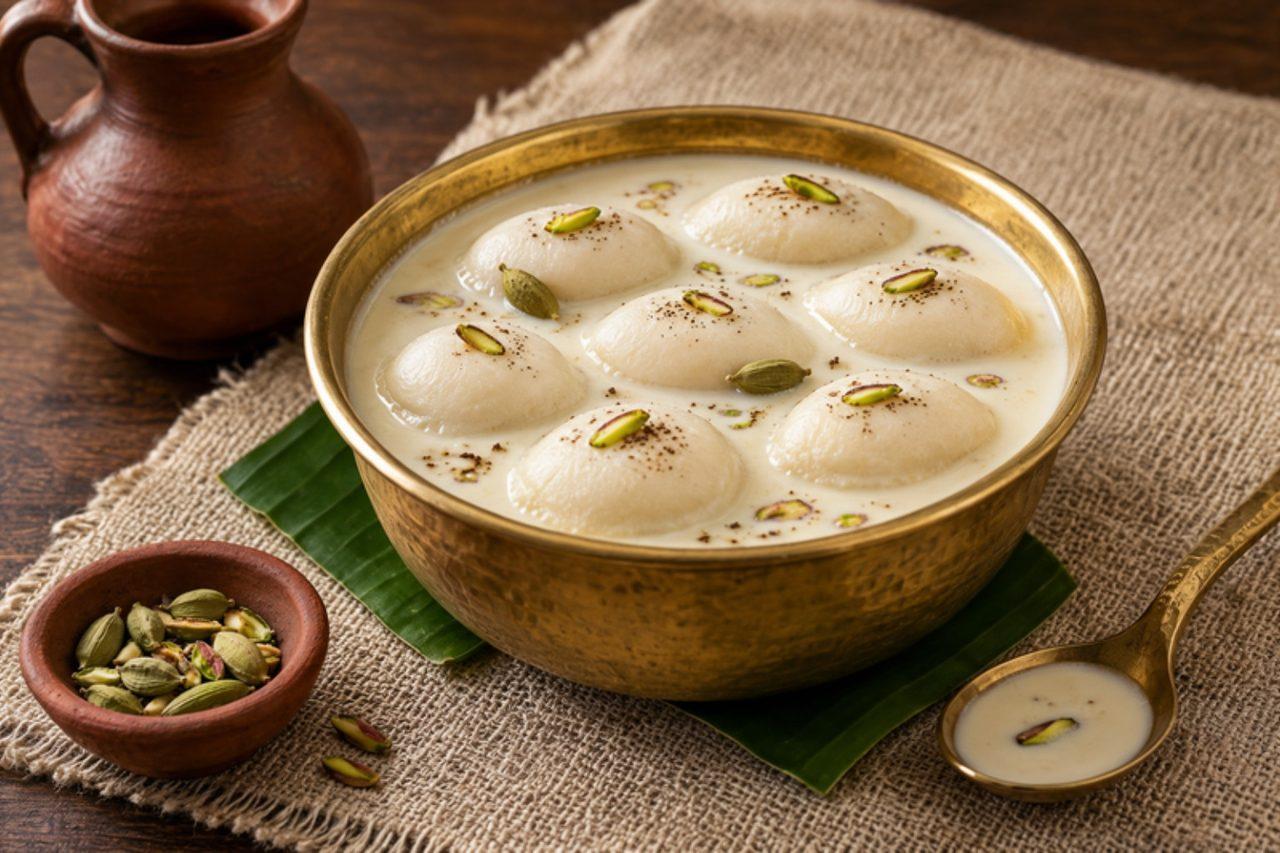
Dudh pitha is made in Jharkhand and Bihar for Makar Sankranti, Sohrai and winter evenings, when the new rice is milled: small rice-flour dumplings are stuffed with coconut and jaggery (some families use spiced chana dal instead) and simmered in milk until it thickens around them. It is eaten warm from a bowl with a spoon. The common mistake is adding jaggery straight to boiling milk, which can curdle it; sweeten the milk with sugar and keep the jaggery inside the dumplings. Chef's tip: shape the dumplings while the dough is warm and keep your palms greased, so the edges seal without cracking.

by KrazyBadal 0 views

Arrollado huasoRolled spiced pork belly

Arrollado huaso, the 'countryman's roll', is the pork belly roll of the Central Valley: a flat piece of pork belly spread with ají paste, garlic and cumin, rolled tight, tied and wrapped, then simmered for hours and sliced cold. It is the star of September fondas and Christmas tables, sliced thin with hot bread, pebre and boiled potatoes. The mistake that spoils it is a loose roll, which unwinds and cooks unevenly; tie it every 3 cm. Chef's tip: cool it overnight in its cooking liquid with a weight on top; it sets firm and slices into neat spirals. The pork must reach 71 °C in the centre, as the rolled-in surface is now inside.

190 minChileanMeatGluten free
by KrazyBadal 0 views

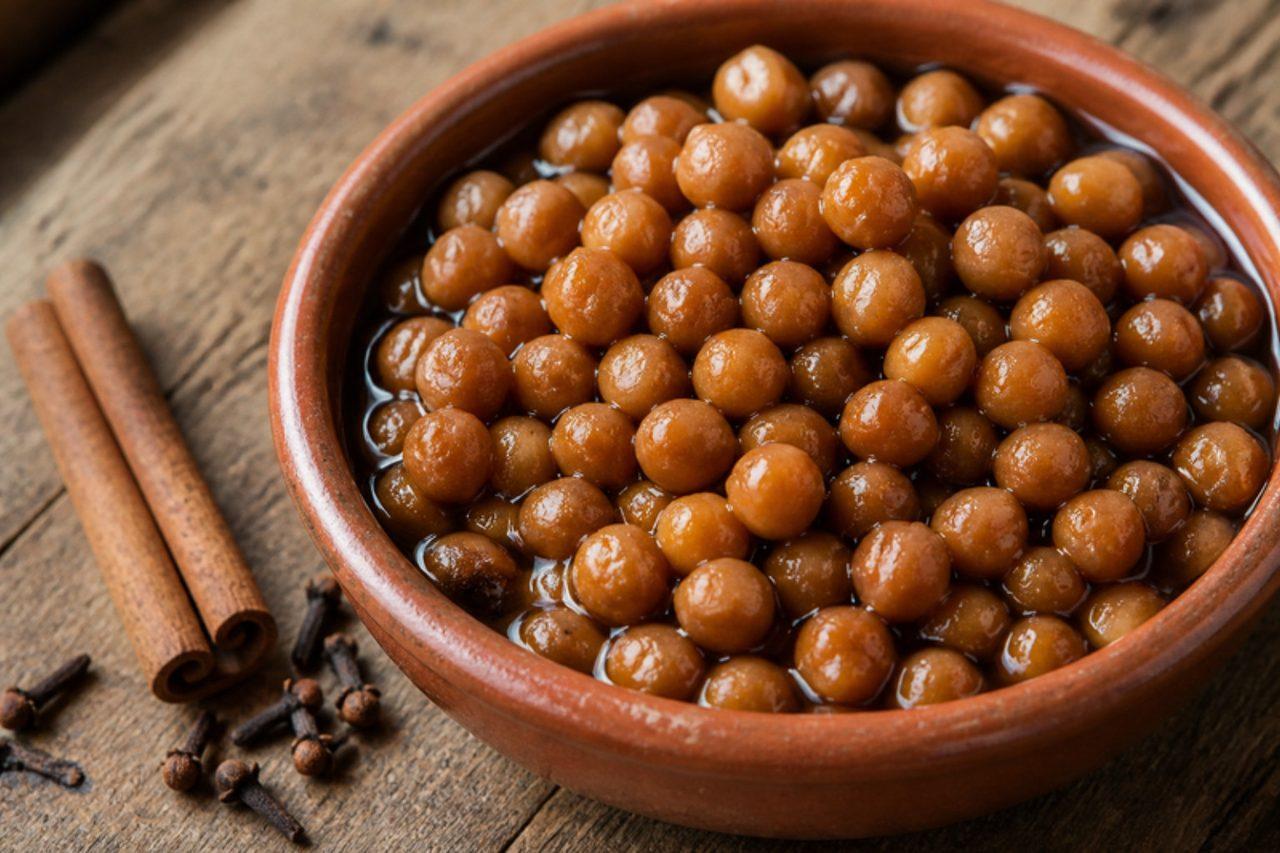
Garbanzos en dulceChickpeas in spiced syrup

In Antigua Guatemala, where the Semana Santa processions walk over carpets of coloured sawdust, the kitchens fill with sweets in dark panela syrup, and chickpeas are among the first to be made. The peeled garbanzos are cooked tender and then simmered slowly in syrup with cinnamon, allspice and cloves until they turn mahogany and glossy, sweet right through but still holding their shape. They are eaten cold from small bowls, often beside sweet mango or fig preserves. Hurrying the syrup is the usual mistake: boil it hard and the chickpeas stay pale inside and the syrup tastes burnt. Chef's tip: rub off the chickpea skins after the first cooking; it takes ten minutes but lets the syrup soak in and gives a silky bite.

by KrazyBadal 0 views

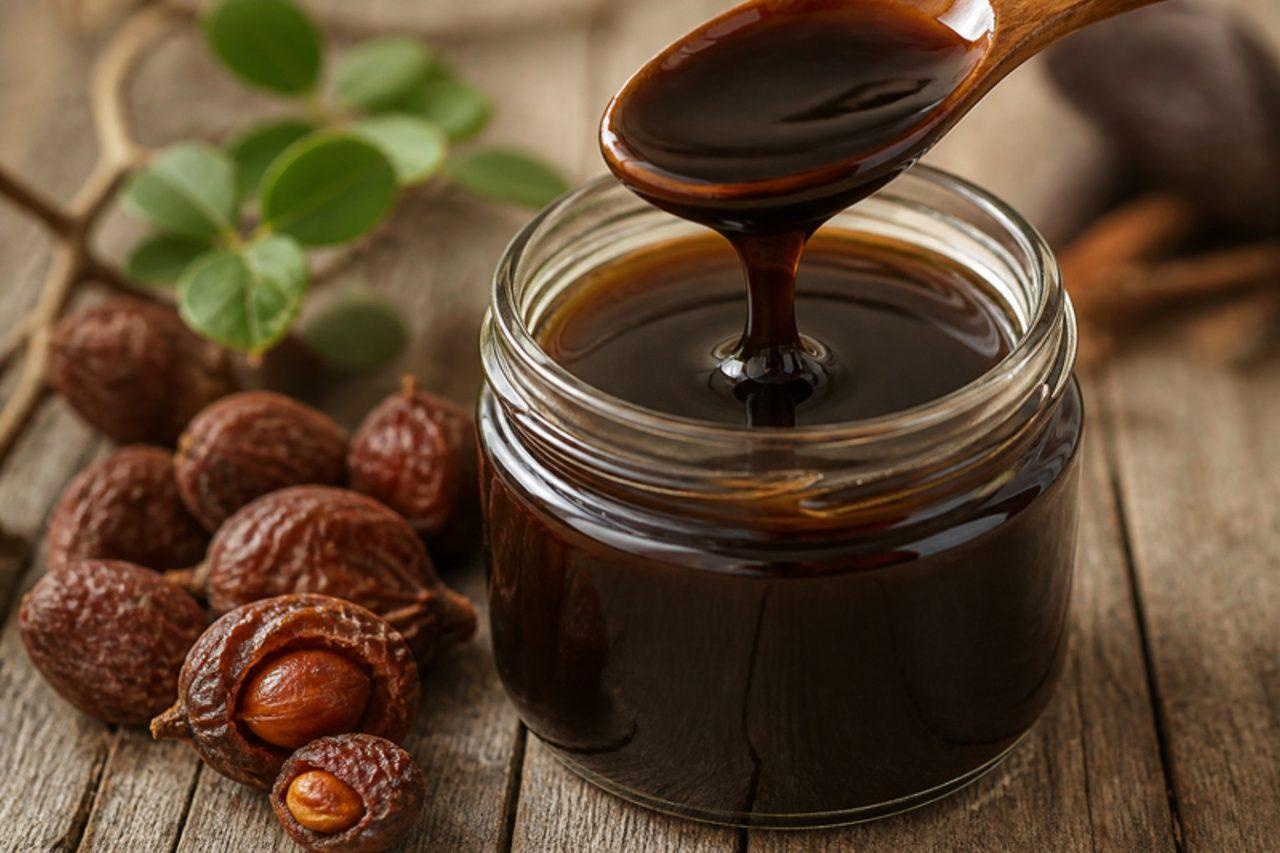
Arrope de chañarChañar fruit syrup

In the oases of the Atacama, from San Pedro to Toconao, the small brown fruit of the chañar tree is gathered in late summer, dried in the sun and boiled for hours into arrope, a molasses-like syrup with notes of dates and caramel. Grandmothers keep a bottle for winter coughs, but most of it ends up on toast, stirred into hot water or over mote (cooked wheat) and fresh cheese. Dried chañar is sold in northern markets and online; it needs no sugar at all. The classic mistake is walking away at the end, when the syrup thickens fast and scorches, turning bitter. Chef's tip: stop reducing when the syrup coats a spoon thinly; it sets much thicker as it cools.

by KrazyBadal 0 views

Pâté en croûtePork and veal pie in pastry

Lyon's charcuteries display pâté en croûte like jewellery: a tall loaf of crisp, golden pastry wrapped around a coarse terrine of pork and veal. A slice wrapped in paper is a picnic and lunchbox luxury, and the whole loaf is a Sunday project eaten over several days. The common mistake is undercooking it for fear of drying it out: as it is made with minced pork, the centre must reach 71 °C, so use a probe thermometer. The classic farce has a splash of cognac; it's optional here, and apple juice or extra stock is the alcohol-free swap. Chef's tip: chill the filled, unbaked loaf for 30 minutes before baking so the pastry keeps its shape and pattern.

150 minFrenchMeat
by KrazyBadal 0 views

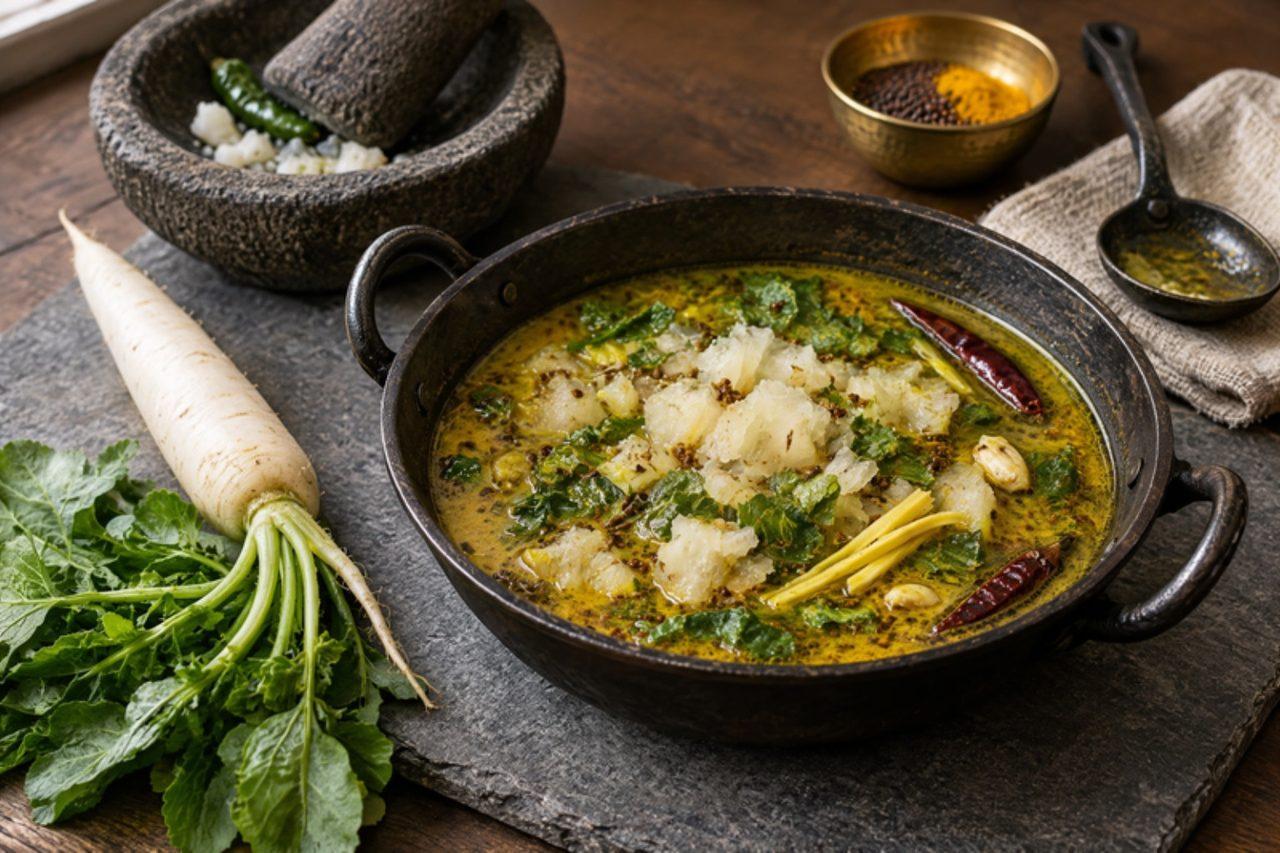
Ash-e shalghamTurnip and rice soup

In Tehran and Mashhad homes, ash-e shalgham is the pot put on the stove when someone in the family catches a cold in the first frosts of winter. Turnips and rice are simmered together until the turnips melt and the rice thickens the soup, which ends up soft, sweet and peppery, with a fried-onion and turmeric base. Many families add a little lamb; this one is vegan. The usual mistake is using big, old turnips, which taste bitter and woody; choose small, heavy ones. Chef's tip: grate half the turnips and dice the rest, so the soup is creamy yet still has pieces to bite.

by KrazyBadal 0 views

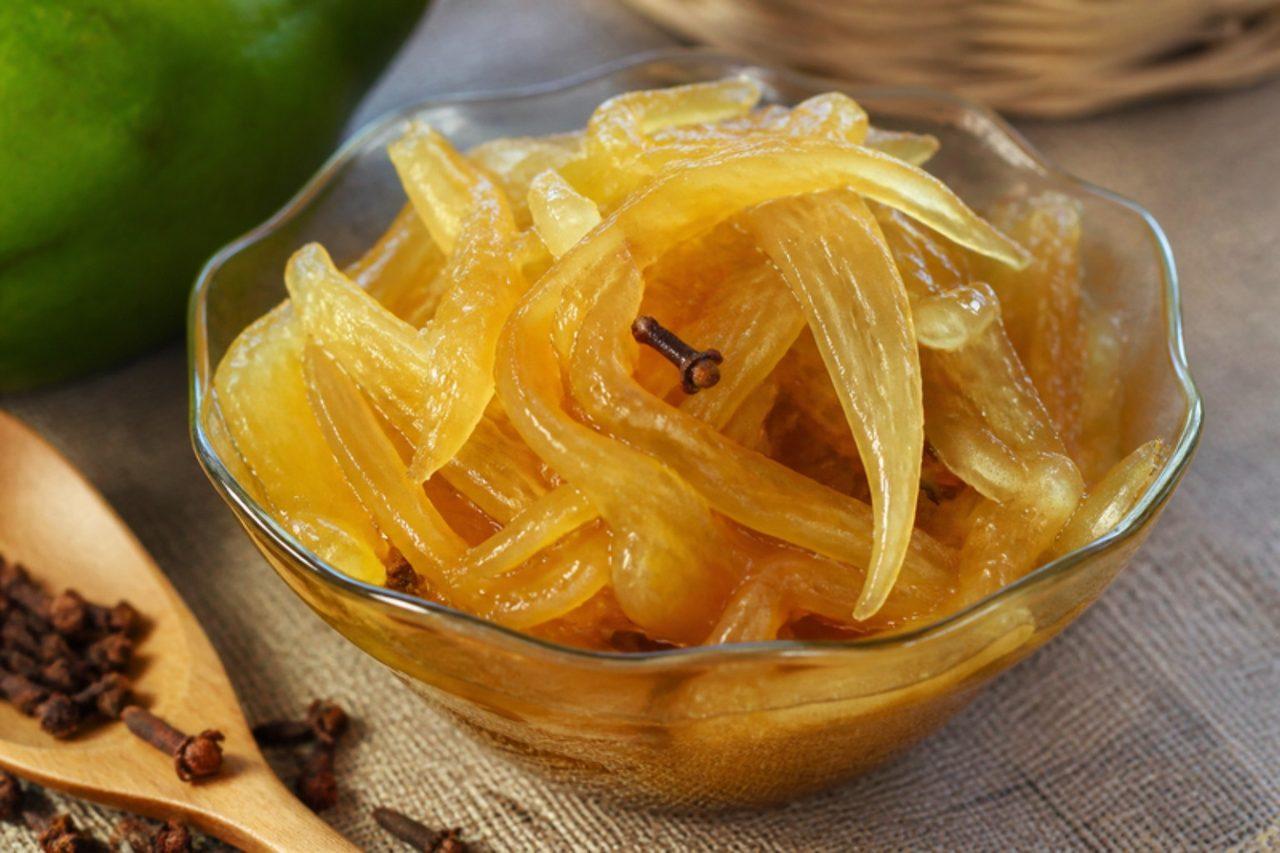
Dulce de lechosaPapaya in clove syrup

No Venezuelan Christmas plate is complete without a spoonful of dulce de lechosa beside the hallaca, pan de jamón and ensalada de gallina: strips of green papaya simmered in a dark panela syrup with cinnamon and cloves until translucent, sweet and gently chewy. Families make big jars in mid-December to share. The common mistake is cutting the strips too thin, so they fall apart in the syrup. Chef's tip: soak the strips in water with bicarbonate for 30 minutes first; it firms them so they keep their shape.

by KrazyBadal 0 views

Gilgeori toastStreet toast with cabbage omelette

Outside Seoul subway stations at 7 am, stall owners butter bread on a big griddle, fry a thick omelette packed with shredded cabbage and carrot, and stack it all with a slice of cheese, a sprinkle of sugar and a squiggle of ketchup. Sweet and savoury together sounds odd but is exactly why commuters queue for it. The common mistake is a thin, floppy omelette: make it as wide as the bread and about 2 cm thick so it holds the vegetables. Processed cheese slices are often made with animal rennet; choose a vegetarian slice if that matters to you. Chef's tip: shred the cabbage as thinly as you possibly can, almost like hair, so it softens in the egg in the short frying time.

by KrazyBadal 0 views

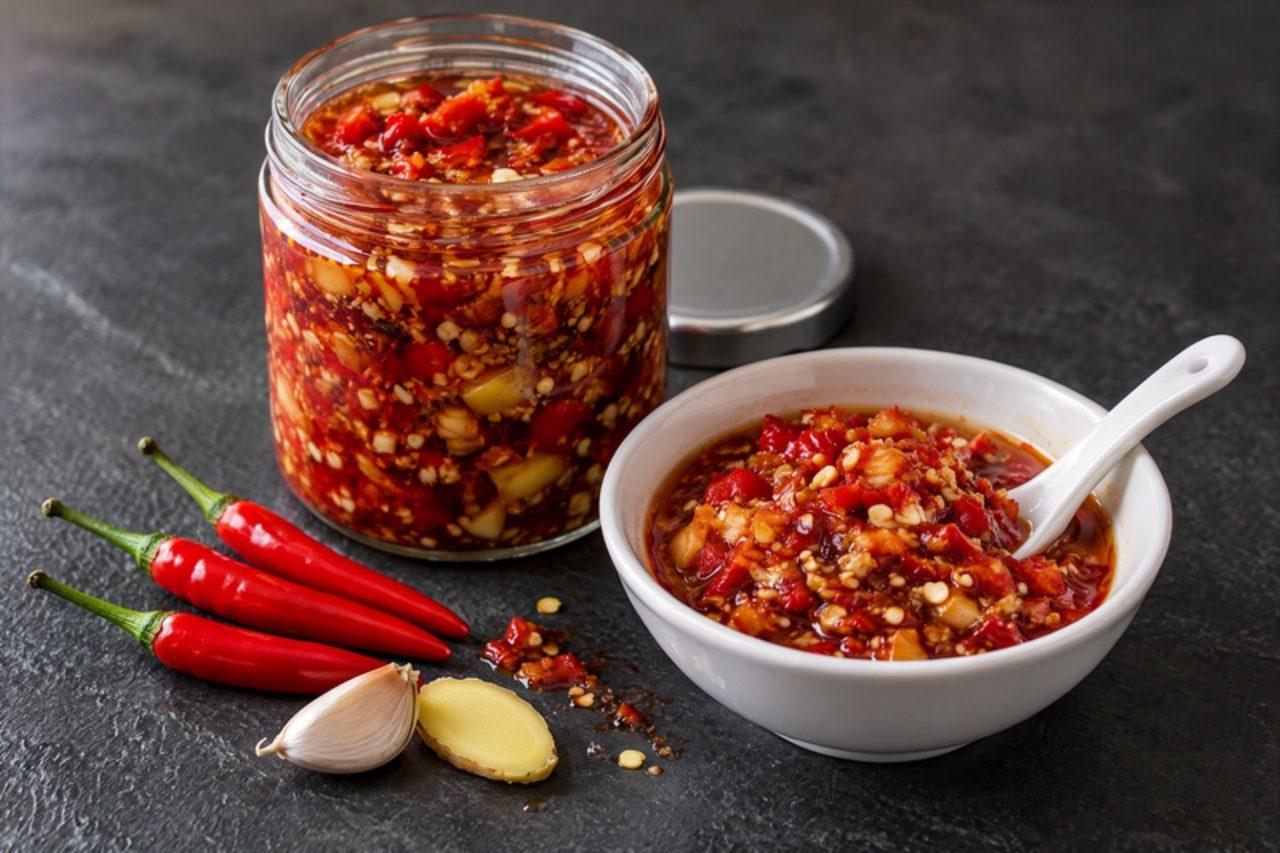
Duo jiaoFermented chopped chillies

In late summer, Hunan kitchens ring with the thud of two cleavers chopping heaps of red chillies, the sound of duo jiao (chopped chilli) being made for the year. Chillies, garlic and ginger are chopped coarse, salted heavily and packed into jars to ferment for about a week, until the heat turns rounder, slightly sour and fruity. Spread thickly over steamed fish fillets, stirred into stir-fried pork or eggs, or spooned over steamed taro, it brings colour as much as fire. Common mistake: chopping it to a smooth paste in a blender; the texture should be rough, pieces the size of rice grains, so pulse briefly or use a knife. Normal ferment signs are a few bubbles, a sour smell and a little liquid rising; a fuzzy coloured mould or a rotten smell means discard. It is ready after 5–7 days at cool room temperature, when it tastes tangy rather than raw. Because it contains garlic and ginger and is a low-sugar paste, it then lives in the fridge for up to 3 months, or in the freezer for a year. Chef's tip: wear gloves and open a window; a kilo of chopped chillies is fierce.

by KrazyBadal 0 views

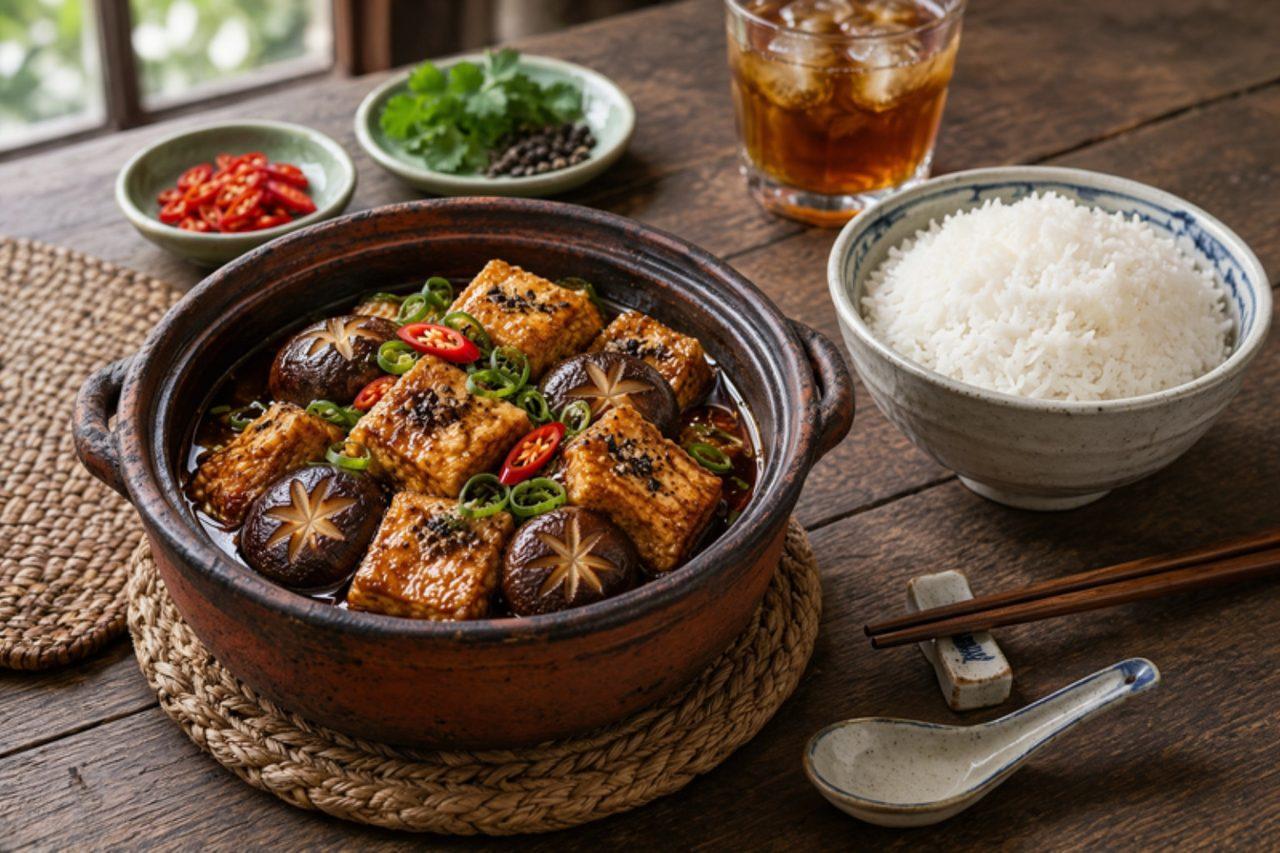
Đậu hũ khoBraised tofu with shiitake

Đậu hũ kho is the vegetarian cousin of the caramel braises (kho) cooked in clay pots all over Vietnam, and in the south it is a standard of Buddhist fasting days and a good companion for a pot of rice through the week. Golden fried tofu and chewy shiitake are braised in a dark caramel, soy sauce and coconut water until the sauce turns sticky, salty-sweet and peppery. Serve with steamed rice, a plate of fresh cucumber and a light soup. The usual mistake is letting the caramel go too dark, which makes the whole dish bitter; stop when it is the colour of strong tea. Chef's tip: coconut water gives a rounder sweetness than plain water, and the braise keeps for 3 days in the fridge.

by KrazyBadal 0 views

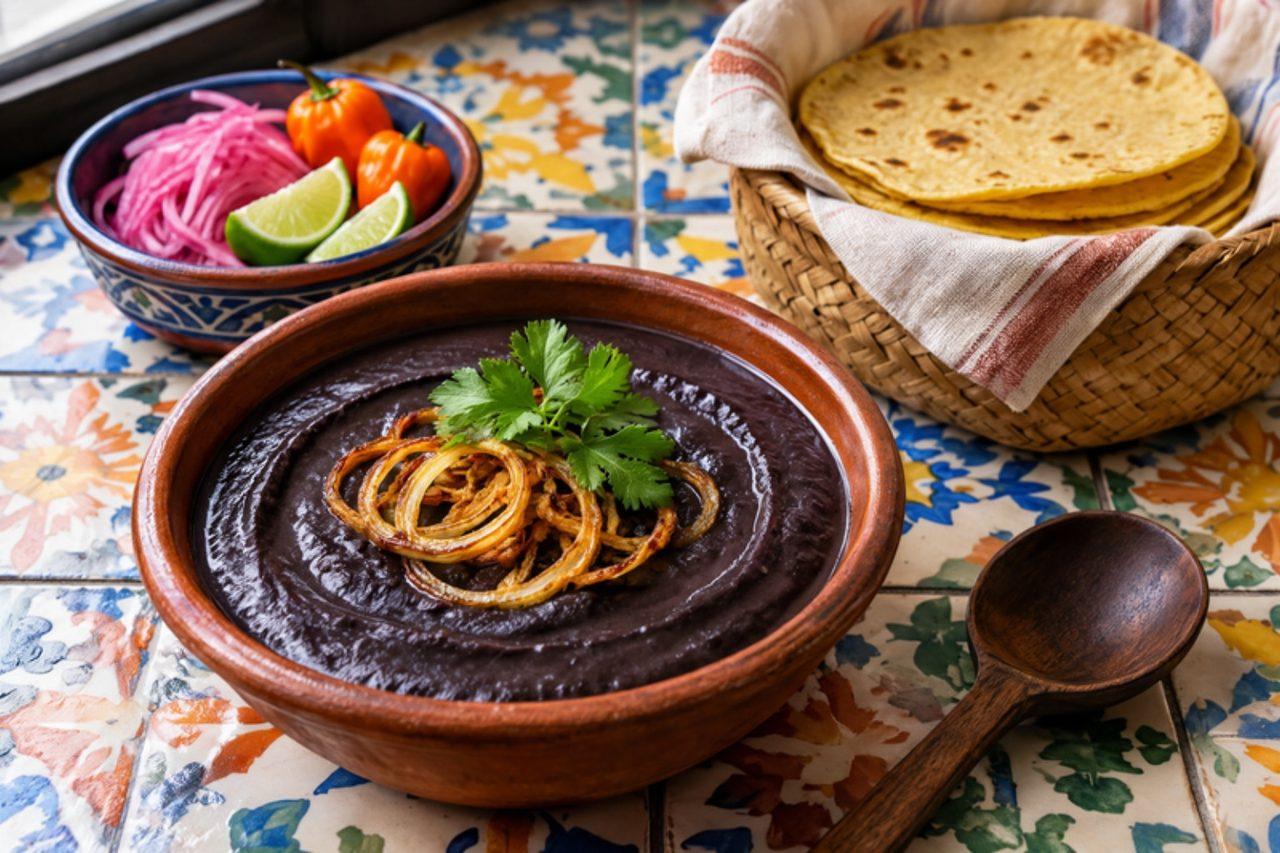
Frijoles coladosStrained black beans

Every cocina económica and family kitchen in Mérida keeps a pot of frijoles colados for the midday meal, the smooth, almost soupy black beans that sit beside cochinita, poc chuc, eggs or simply rice and tortillas across the Yucatán. The beans are cooked soft with epazote, pushed through a sieve, then simmered with onion fried until sweet. Traditionally the onion is fried in pork lard; this version uses oil so it is vegan. The usual mistake is straining beans that are not fully cooked, which gives a gritty, floury purée, so cook them until they crush with no effort. Chef's tip: drop a whole habanero into the simmering purée for 5 minutes for perfume without much heat, then fish it out.

120 minMexicanSidesVeganGluten free
by KrazyBadal 0 views

Asal-o-khamehClotted cream and honey on flatbread

On Friday mornings in Tehran and Isfahan, families queue at the bakery for hot barbari or sangak, then come home to a treat: thick clotted cream, called khameh or sarshir, drizzled with honey and scooped up with the warm bread, alongside glasses of black tea. The mistake is serving it with cold bread; the warmth is what softens the cream into the honey. Honey is not suitable for babies under one. Chef's tip: let the cream sit out for 10 minutes and spread it first, then drizzle the honey in a thin stream so you get sweet ribbons rather than a puddle.

by KrazyBadal 0 views

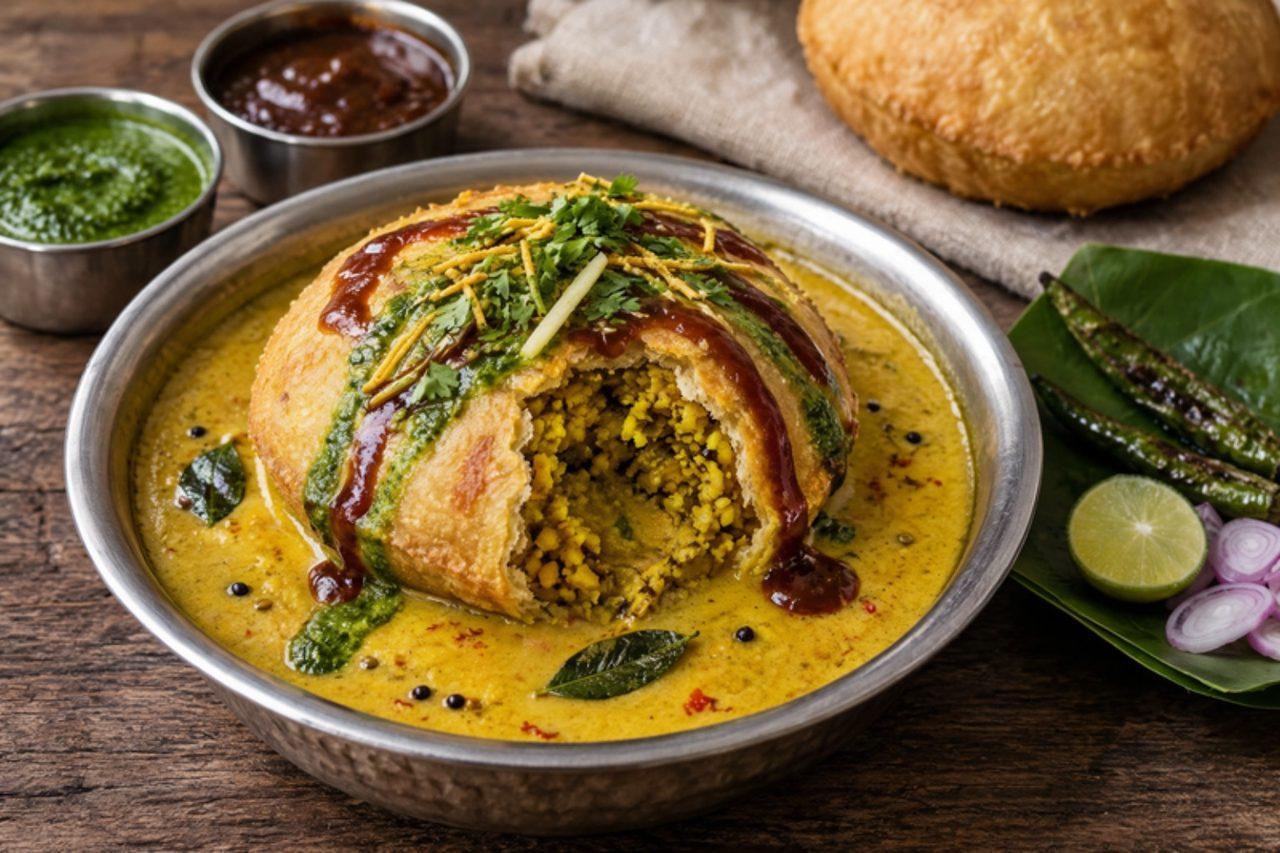
Ajmeri kadhi kachoriDal kachori in spiced kadhi

In Ajmer, near the dargah and in the lanes around Naya Bazaar, the breakfast crowd orders kadhi kachori: a crisp moong dal kachori broken open on a leaf plate and drowned in hot, thin, spicy kadhi, then topped with green chutney, sweet tamarind chutney and raw onion. The kachori soaks up the kadhi but keeps some crunch at the edges. The kadhi here is thinner and hotter than Gujarati kadhi, without sweetness. The common mistake is letting the kadhi boil hard before the gram flour cooks, which splits it; stir until it comes to the boil. Chef's tip: make the kachoris a day ahead and re-crisp them in a low oven, so only the kadhi is cooked fresh.

by KrazyBadal 0 views

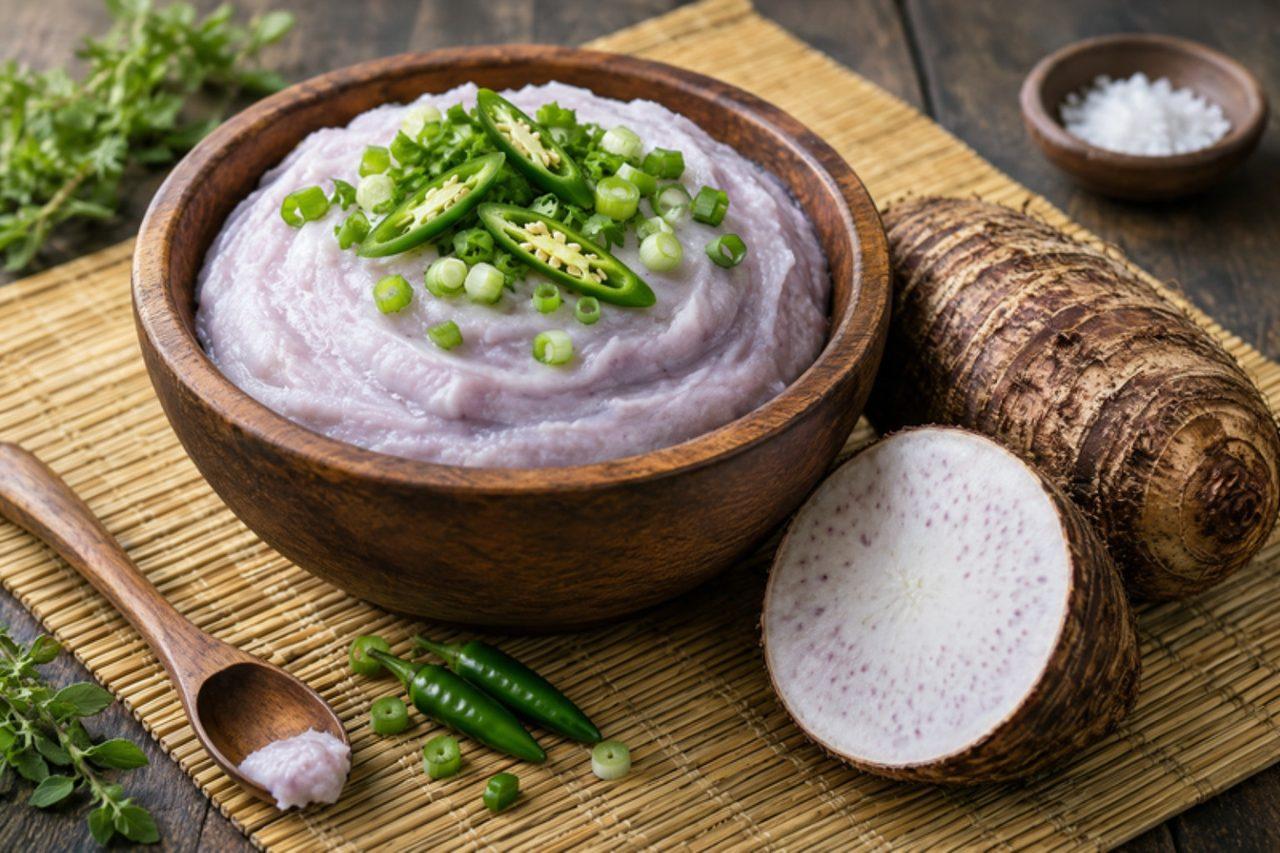
AkibiyeCreamy taro with fermented soybean

Akibiye is Sumi Naga comfort food from Nagaland: colocasia boiled until it melts into a thick, creamy stew, flavoured with chilli and axone, the fermented soybean that gives Naga cooking its deep savour. It is eaten with rice, especially in winter. For homemade axone, keep boiled soybeans wrapped in leaves at 30–40 °C for 3–5 days until sticky and pungent, then dry or use fresh; discard if black, green or pink mould appears or it smells rotten. The mistake is handling raw taro with bare hands, which itches; wear gloves or oil your hands. Chef's tip: bought axone, kinema or natto work well.

by KrazyBadal 0 views

Dubki wale alooHing-scented potato curry

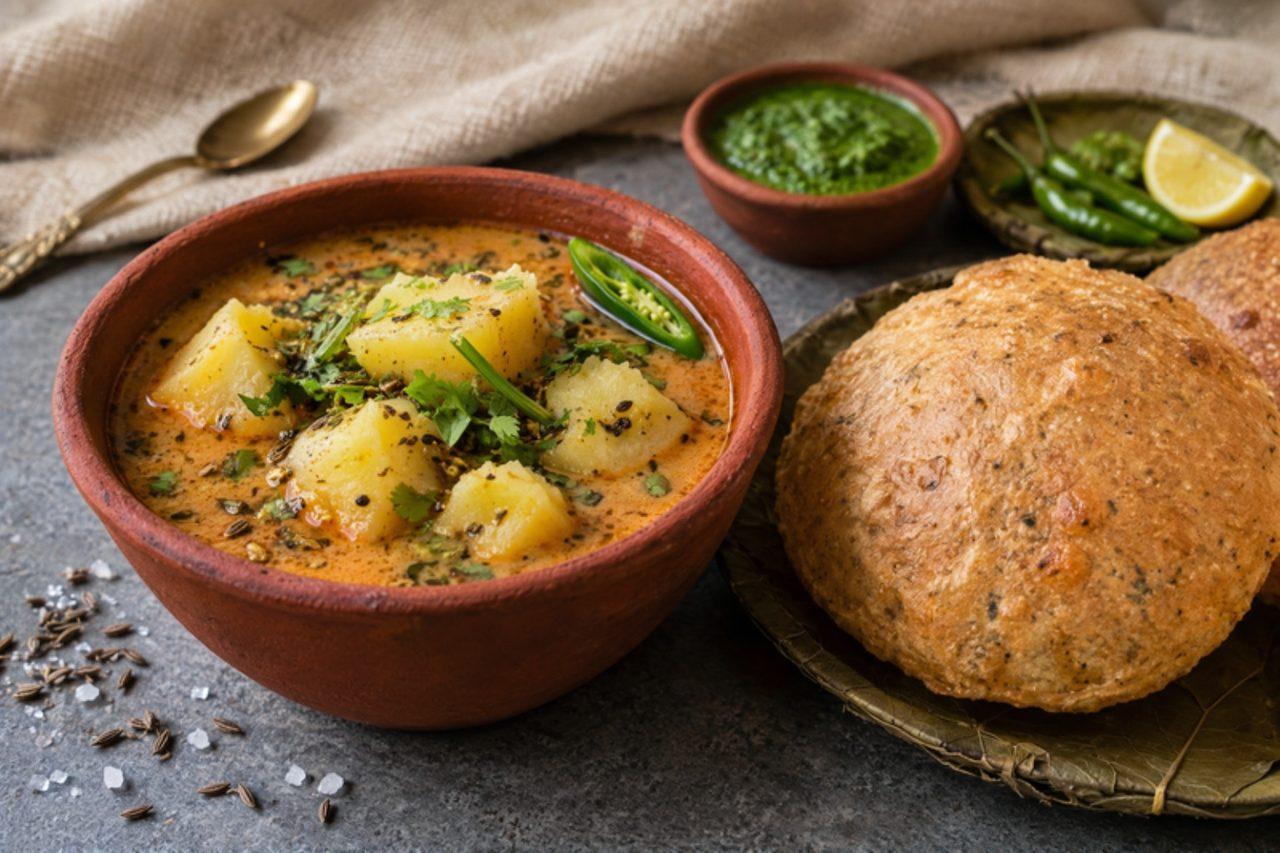
In the lanes of Mathura and Agra, breakfast is bedai or kachori with dubki wale aloo, a thin, peppery potato curry with so much gravy the puri can take a dip, or dubki. Its flavour comes from hing, crushed coriander seed and fennel rather than onion or garlic, which suits the Vaishnav kitchens of Braj and Holi mornings. The common mistake is making the gravy thick; it should run, so add enough water and mash only a few potatoes to give it body. Chef's tip: crush the boiled potatoes by hand into rough pieces rather than cubing them; the jagged edges soak up the spice.

by KrazyBadal 0 views

AsierSweet dill pickled cucumbers

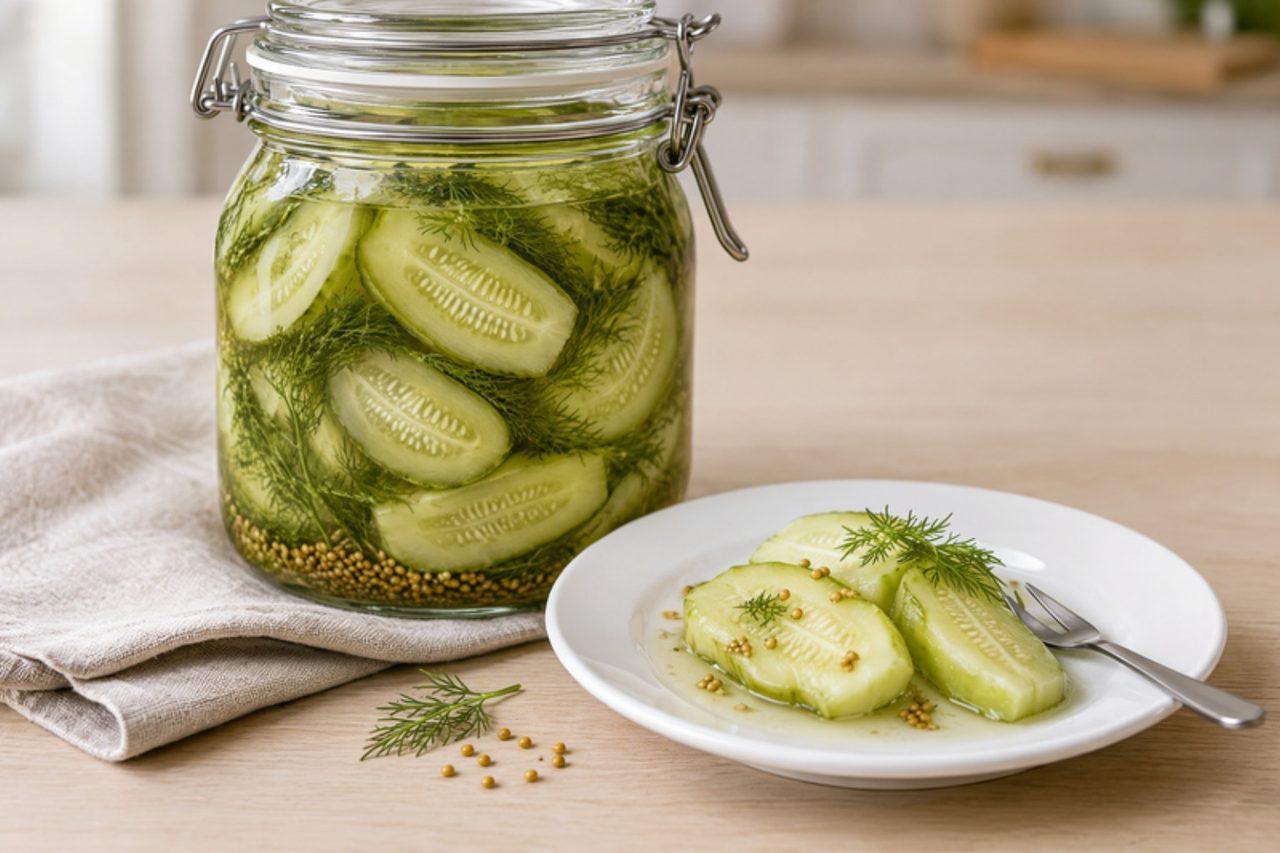
Late August in Danish allotments means the asie, a fat yellow-green cucumber left on the vine until its skin turns thick and its seeds big, and the smell of hot vinegar in every kitchen. The cucumbers are peeled, seeded and salted overnight, then sealed in jars with a sweet vinegar lage, dill crowns and mustard seeds. Asier are a fixture of the Danish table all winter: beside frikadeller, flæskesteg and roast duck at Christmas, sliced onto smørrebrød with liver pâté, and with boiled potatoes and brown gravy on any Tuesday. The pickle is crisp yet tender, sweet first and then sharply sour, with dill and mustard on the finish. Common mistake: skipping the overnight salting, which leaves watery, flabby asier that dilute the vinegar. The salt draws the water out so the cucumber stays firm. They are ready after two weeks, when the flesh has turned translucent and sweet-sour right through. Chef's tip: no asier? Use large, overgrown ridge or field cucumbers; ordinary salad cucumbers are too watery.

by KrazyBadal 0 views

Salade de pois chichesChickpea salad

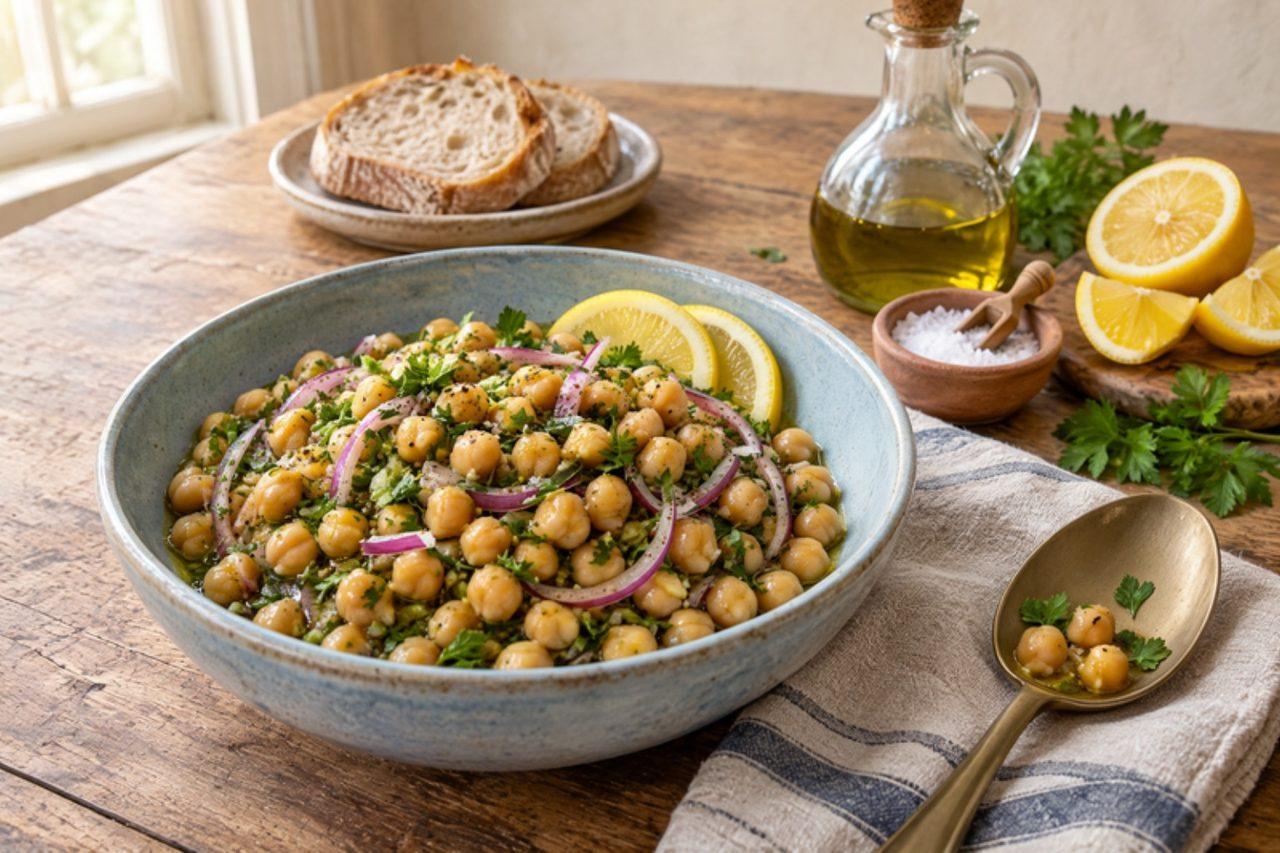
In Nice and around the old port of Marseille, chickpeas are the grain of the poor and the stuff of socca, and on hot summer days families toss them into this simple salad to eat at lunch or carry to the beach. Creamy chickpeas, sharp red onion, parsley and lemon are bound with fruity olive oil, with a few black olives and cumin in some homes. It works as a starter, a side to grilled fish or a light main. Suitable as part of a balanced diet, it is high in fibre and plant protein: about 270 kcal and 26 g carbohydrate per portion. The usual mistake is dressing cold, straight-from-the-tin chickpeas; warm them for a minute first so they drink up the dressing. Chef's tip: soak the sliced red onion in the lemon juice for 10 minutes to soften its bite.

by KrazyBadal 0 views

Golichina mamsamDry-fried mutton

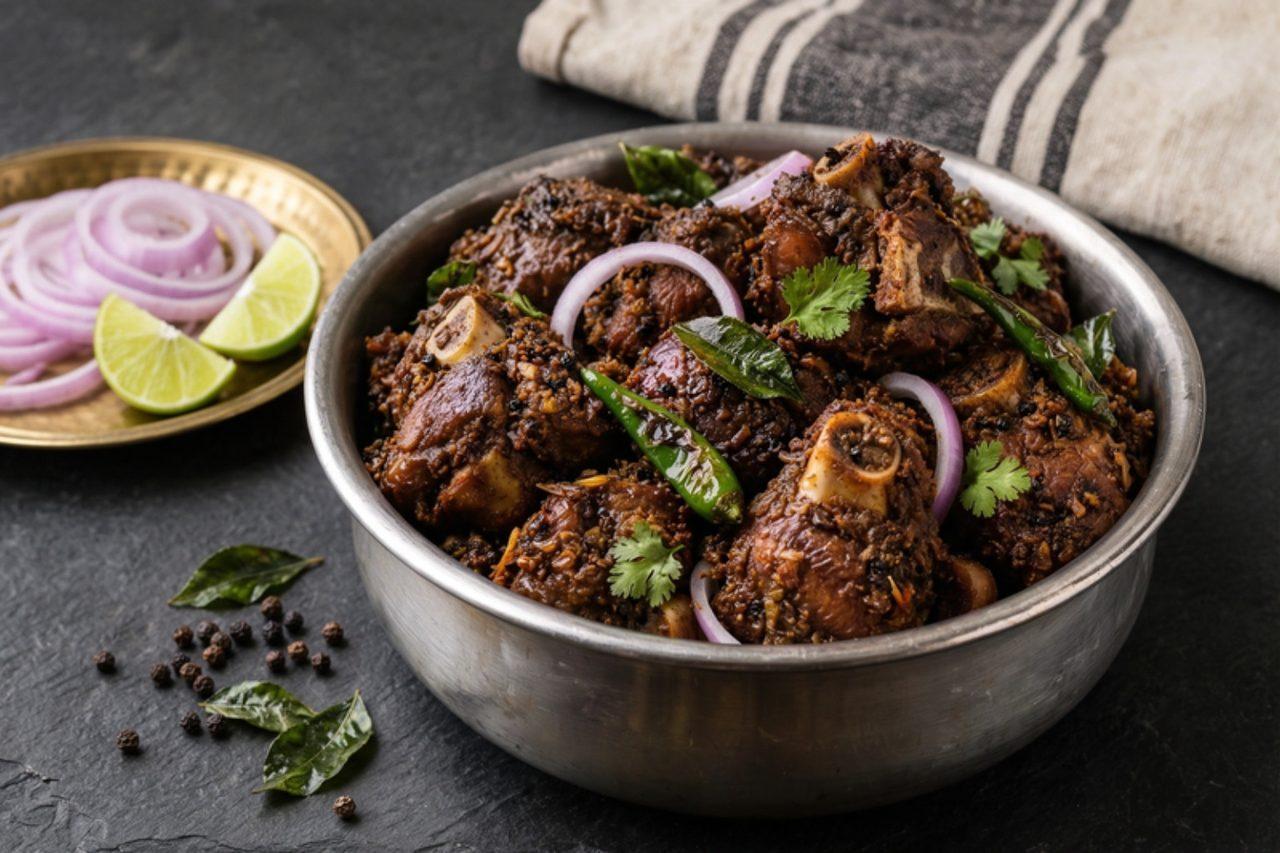
Golichina mamsam is the dark, dry mutton fry of Telangana's village kitchens and Bonalu feasts, where mutton on the bone is first cooked soft with ginger-garlic and then fried with onions in plenty of oil until every piece is nearly black and crusted with masala. It is eaten with rice, sarva pindi or jonna rotte. The usual mistake is rushing the final fry on high heat; the masala burns before the meat darkens, so keep the heat medium and stir patiently. Food safety: cook the mutton until it reaches 71 °C inside and is tender before the final fry. Chef's tip: grind black pepper and cumin fresh just before they go in; that aroma defines the dish.

105 minIndianMeatGluten freeSpicy
by KrazyBadal 0 views

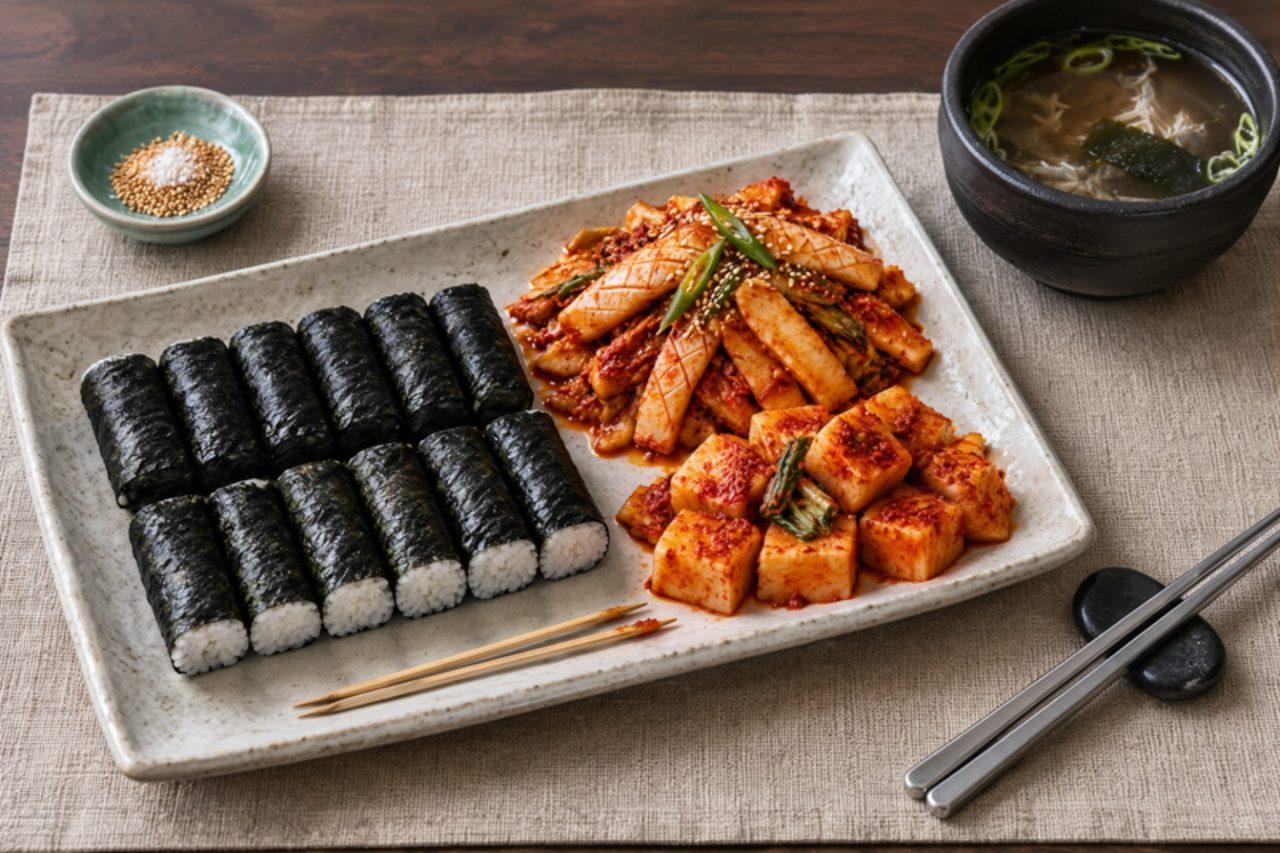
Chungmu gimbapRice rolls with spicy squid

In the harbour town of Tongyeong (once called Chungmu), fishermen's wives made plain rice rolls in laver with the spicy side dishes packed separately, because filled gimbap spoiled in the heat of the boats. Today Chungmu gimbap is a lunchbox and road-trip classic all over Korea: finger-sized rolls eaten with a toothpick, sweet-spicy squid and fish cake, and crunchy radish kimchi. The common mistake is overcooking the squid, which goes rubbery; blanch it just until it turns white and curls. Chef's tip: brush the gim lightly with sesame oil before rolling, which keeps it from going chewy.

by KrazyBadal 0 views

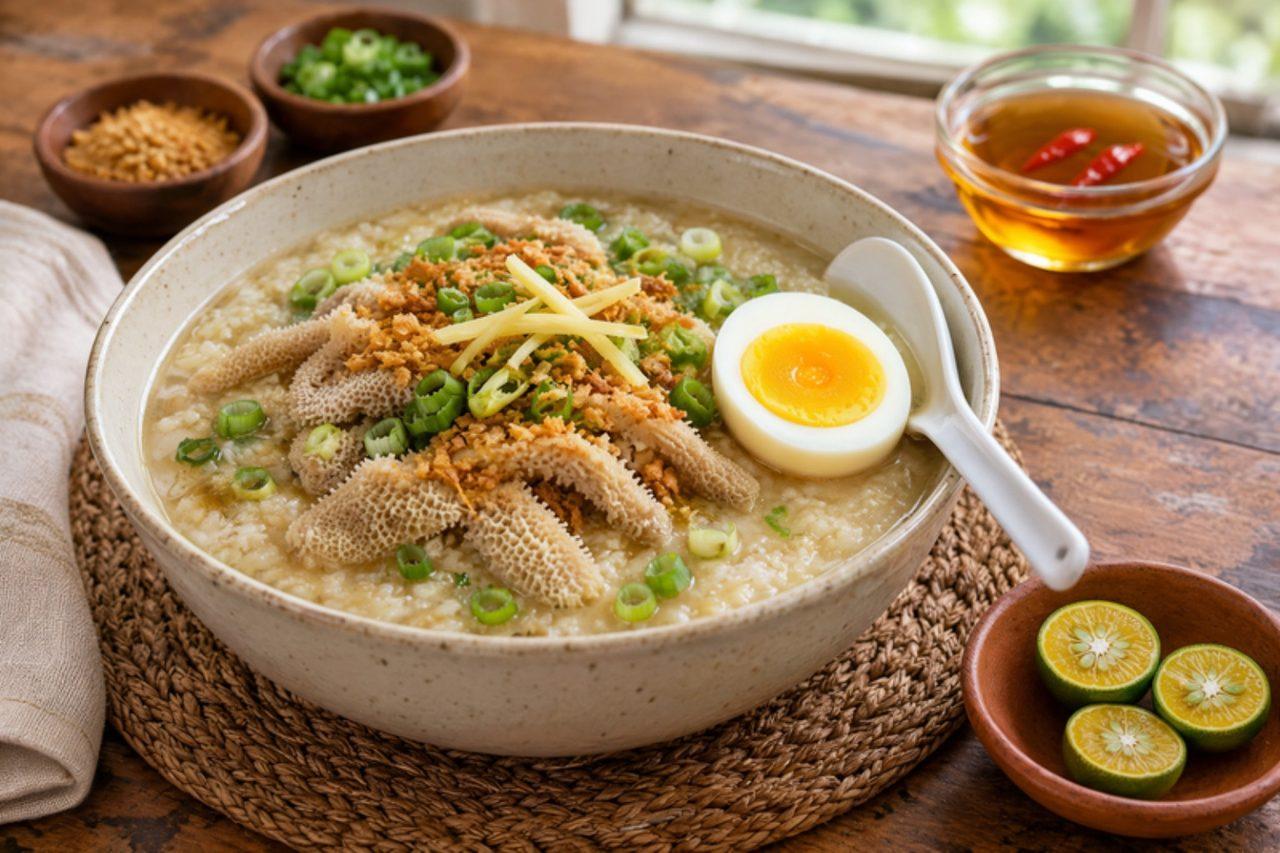
GotoGinger rice porridge with tripe

Goto is the tripe-rich cousin of arroz caldo, sold at dawn and late at night from gotohan stalls across Luzon, especially in Manila and Batangas. Glutinous rice is cooked in a ginger broth with long-simmered beef tripe until thick, then topped with toasted garlic, spring onion, a boiled egg and a squeeze of calamansi. The common mistake is skipping the pre-boil of the tripe, which leaves a strong farmyard smell. Chef's tip: buy cleaned honeycomb tripe and simmer it until a knife slides in easily before it meets the rice; it will not soften further once the porridge thickens.

by KrazyBadal 0 views

Jambon-beurreHam and butter baguette

France sells millions of jambon-beurre every working day: half a crusty baguette, split, spread with good salted butter and filled with thin slices of jambon de Paris, the delicate cooked pork ham. Parisians eat it at the office, on a park bench or on the train. The common mistake is a stingy smear of hard butter; the butter is a filling, not a glue, so spread it soft and generous. Some add cornichons, which purists call a different sandwich. Chef's tip: fold each slice of ham loosely in half rather than laying it flat, so the sandwich is airy and every bite has ham.

by KrazyBadal 0 views

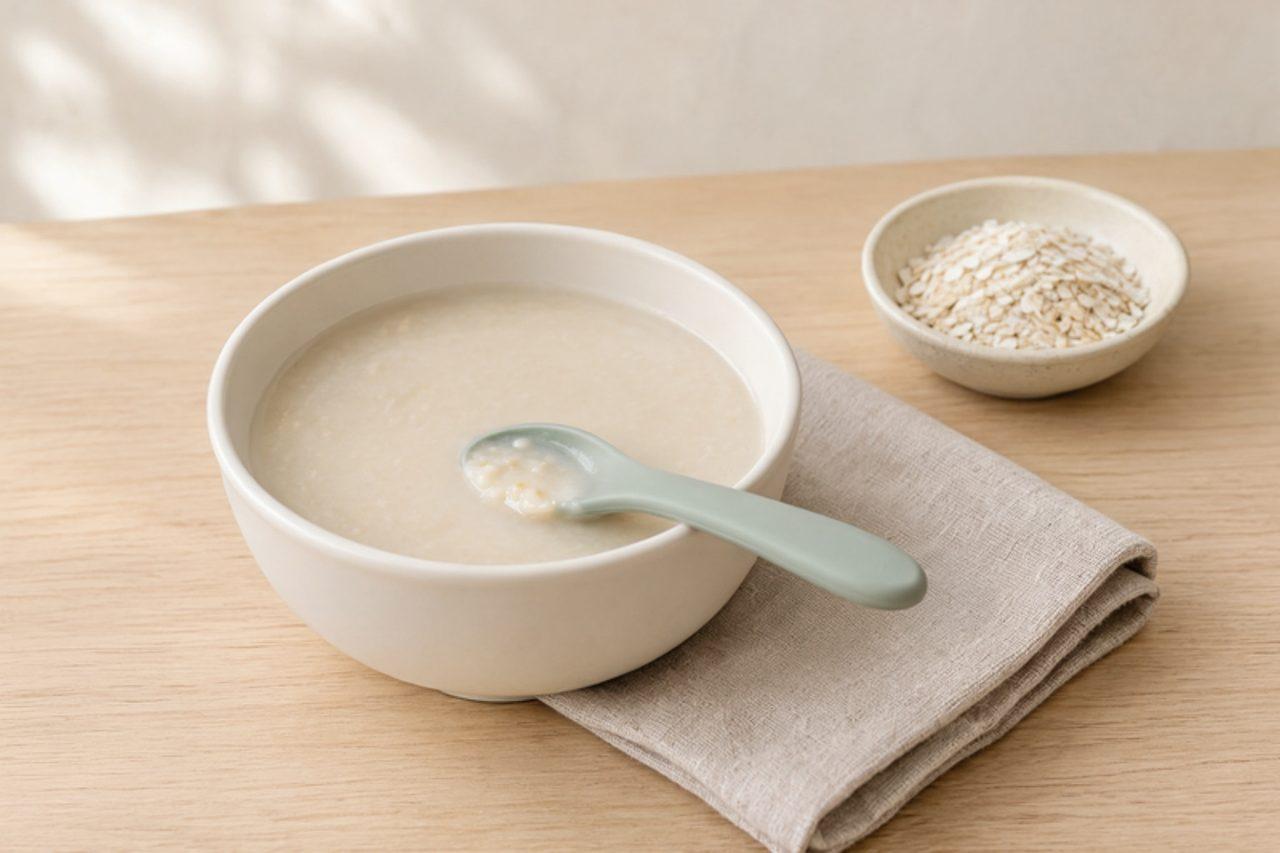
Aval kanji for babiesRice flake porridge for babies

In Tamil homes from Madurai to Chennai, aval (flattened rice, the same poha sold in every kirana shop) is one of the first grains a grandmother reaches for when a baby turns six months. The flakes are dry-roasted until they smell like puffed rice, ground to a fine powder and simmered with water into a thin, pale porridge with a gentle toasted flavour, usually given as a mid-morning feed. For babies it is made with no salt, sugar, jaggery or honey. It is free of the major allergens: no milk, egg, gluten, nuts, soya, sesame or fish. Chef's tip: roast a whole cup of aval at once, grind it and keep the powder in a dry jar for up to two weeks, so each feed takes five minutes.

by KrazyBadal 0 views

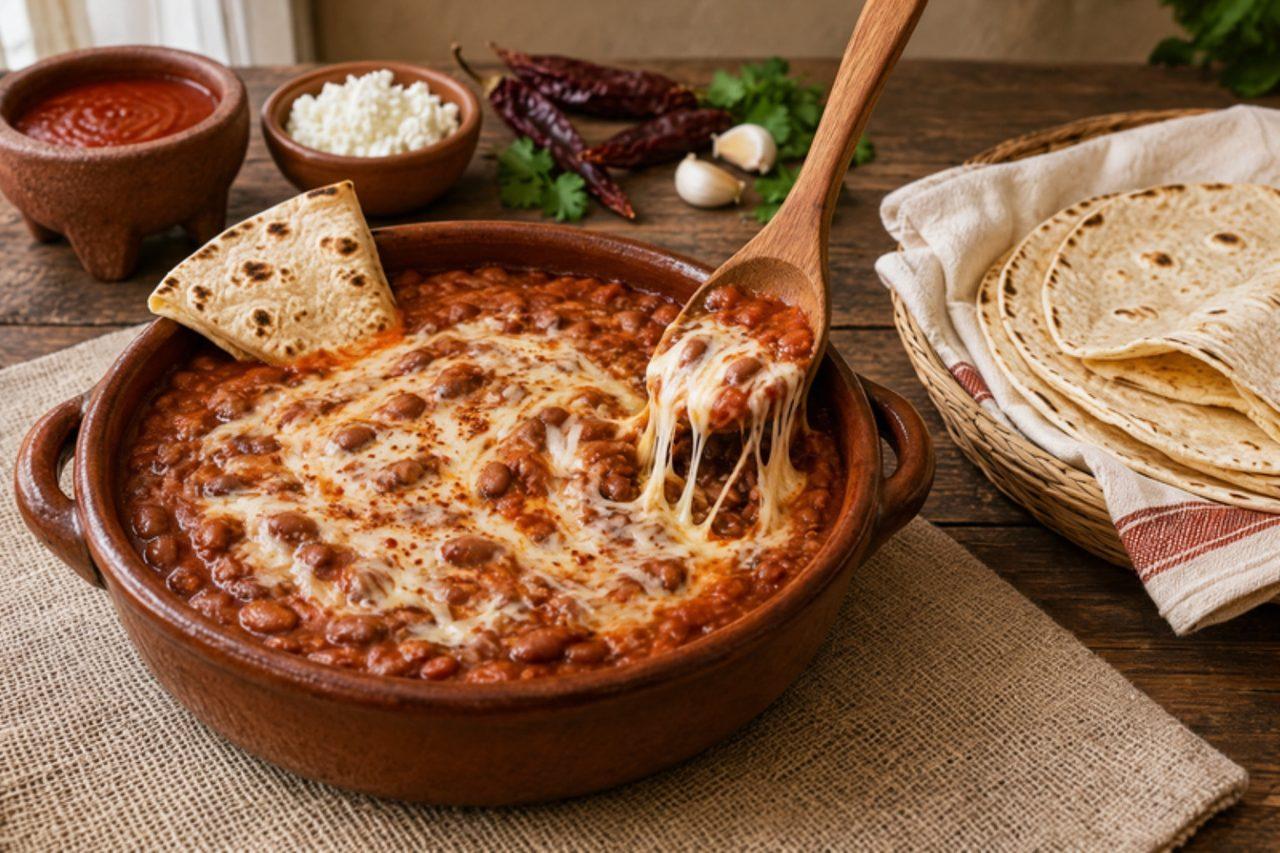
Frijoles maneadosPinto beans with chile and cheese

Frijoles maneados are the rich party beans of Sonora in northern Mexico, cooked for carne asada gatherings, weddings and Sunday lunch, and spooned onto flour tortillas. Soft pinto beans are mashed and beaten (maneados means stirred or worked) with dried red chile colorado, milk and so much melting cheese that the pot pulls into strings. Serve them with flour tortillas, grilled vegetables and a sharp salsa. The usual mistake is adding the cheese while the pot is boiling hard, which makes it go rubbery and oily; take the heat right down first. Chef's tip: Sonoran queso regional or Chihuahua cheese is often made with animal rennet, so for a vegetarian pot choose a vegetarian Monterey Jack-style or mild Cheddar cheese labelled suitable for vegetarians.

by KrazyBadal 0 views

Finger bunsIced coconut finger buns

Finger buns are the classic Australian school canteen and tuckshop bun, sold in every suburban bakery and supermarket from Perth to Brisbane: soft, slightly sweet long rolls, sometimes with sultanas, topped with bright pink icing and a scatter of desiccated coconut. Kids eat them split and buttered. A common mistake is icing them warm, which makes it run off; let them cool completely. Chef's tip: brush them with a sugar glaze straight from the oven for a soft, shiny crust under the icing.

by KrazyBadal 0 views

Akoho sy sakamalaoGinger and garlic chicken

Sakamalao means ginger, and Malagasy cooks are generous with it: this everyday braise from family kitchens across the island uses a whole fist of the root, along with a full head of garlic and soft onions. Bone-in chicken is browned, then simmered gently in its own juices until the meat slides off the bone and the sauce turns golden, sticky and warming, with ginger heat that lingers rather than burns. Serve it with a big plate of rice, a dish of romazava greens or lasary, and sakay for anyone who wants more fire. Many people rush the onions; give them time to turn soft and golden, because they become the body of the sauce. Chef's tip: pound the ginger and garlic together into a coarse paste rather than slicing them, so they melt into the sauce and coat every piece of chicken.

by KrazyBadal 0 views

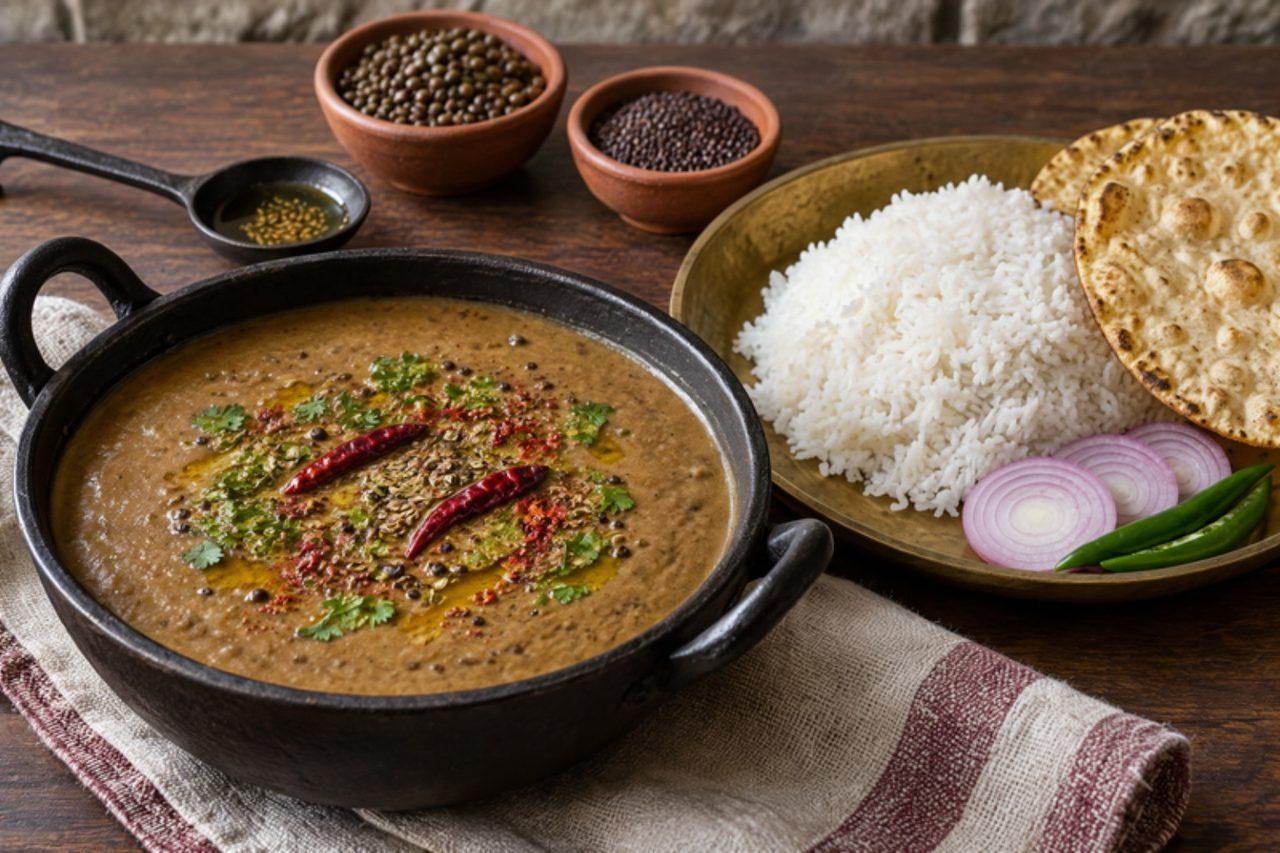
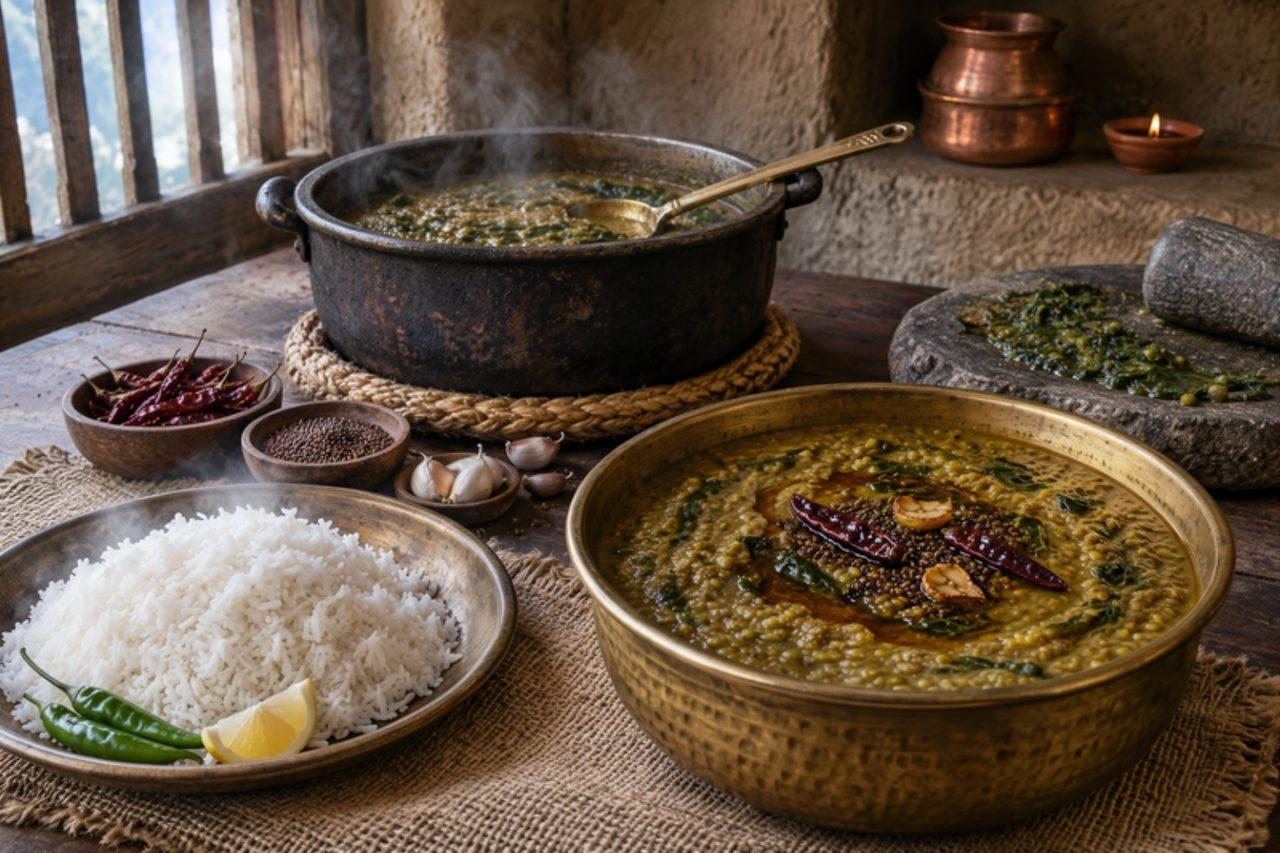
DubukThick lentil curry

Dubuk is a Kumaoni winter staple from the hill villages around Almora and Pithoragarh, where soaked bhatt (black soybean) or gahat is ground on a stone and simmered slowly in an iron kadhai until it turns thick and dark. It is eaten with plain rice on cold evenings, and the iron pot gives it its slightly earthy colour and taste. Toor dal or a mix of toor and urad works well if you cannot find pahadi lentils. The common mistake is grinding the lentils to a fine paste and boiling hard, which makes dubuk gluey; grind coarse and keep the simmer gentle. Chef's tip: stir in a spoon of the rice paste only at the end, and only if the gravy needs body, because the lentils thicken a lot as they stand.

by KrazyBadal 0 views

Durofrío de mangoFrozen mango milk pops

In the hot streets of Centro Habana, durofríos are sold straight from the front windows of family homes: a few pesos buys a frozen cup of fruit juice or fruit and milk, popped out and eaten on a stick or straight from its paper cup. Children queue for them after school in the long summer afternoons, when the sea breeze has dropped. This version blends ripe mango with milk and lime into a creamy, fruity ice that is firm, as the name says ("hard-cold"), rather than soft like ice cream. Swap the milk for water or guava juice for a dairy-free fruit ice. It contains milk. Chef's tip: make the mix taste a little too sweet before freezing; cold dulls sweetness.

by KrazyBadal 0 views

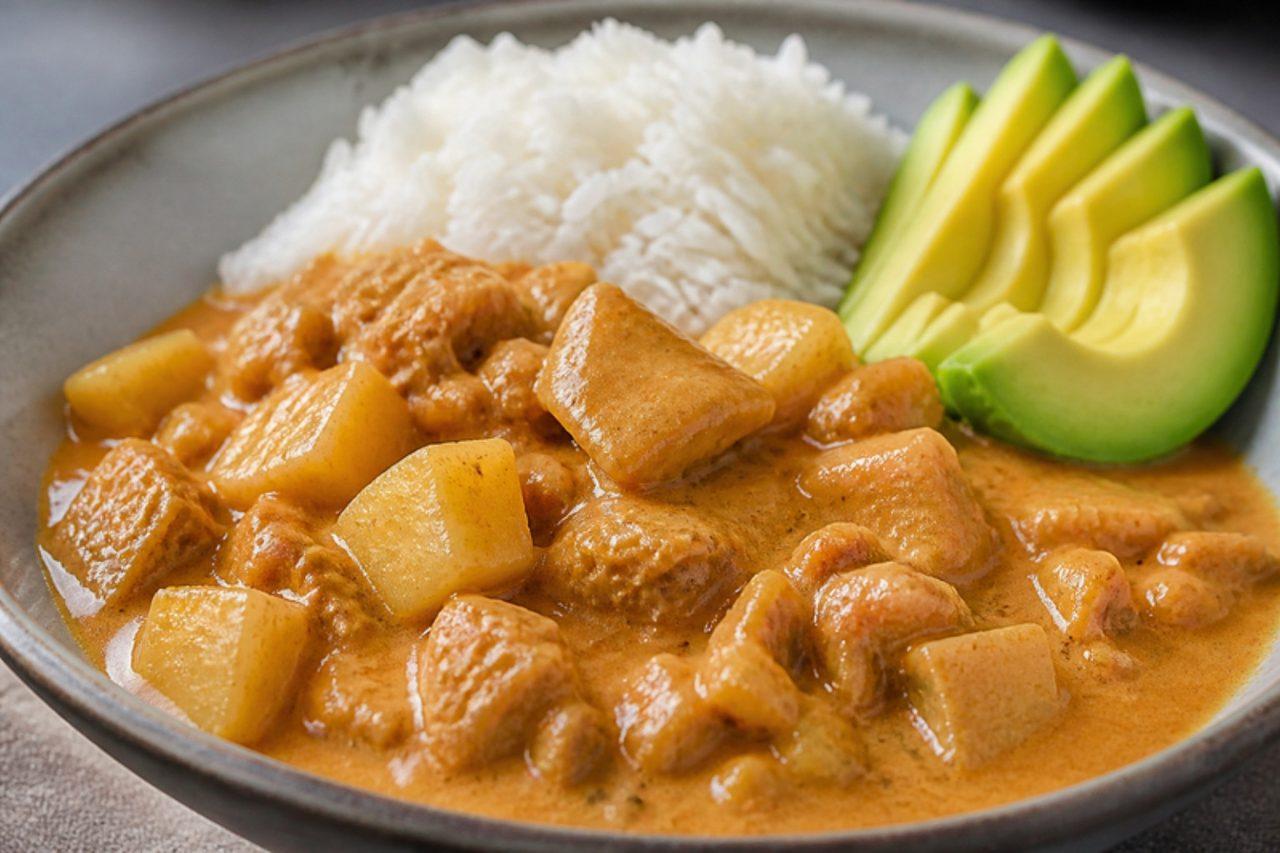
GuatitaTripe and potato stew

In Guayaquil, guatita is the dish people seek out on a Sunday morning or after a long night: honeycomb tripe simmered until meltingly tender, then stewed with potatoes in a creamy peanut and milk sauce coloured with achiote. It is served with white rice, avocado, fried ripe plantain and a sharp red-onion curtido. Peanuts are a major allergen. The most common mistake is undercooking the tripe, which stays rubbery; it needs about 2½ hours of simmering (45 minutes in a pressure cooker). Chef's tip: buy cleaned, blanched tripe and still give it a scrub with lime and salt before cooking; it freshens the flavour.

by KrazyBadal 0 views

Ají amarillo pasteYellow chilli paste

In Lima's markets ají amarillo is sold fresh all year, and most Peruvian cooks keep a tub of this paste in the fridge the way others keep tomato purée: it is the golden base of causa limeña, ají de gallina, papa a la huancaína, chupe and the sauce for tiraditos. The chillies are seeded, de-veined and blanched in three changes of water, which tames the heat and the raw grassiness, then peeled and blended with oil into a thick, silky, saffron-orange paste. It tastes fruity and sunny, almost like apricot and passion fruit, with a rounded, medium heat. Abroad, buy whole frozen ají amarillo from Latin grocers; dried ají mirasol, soaked, gives a darker, earthier paste. Common mistake: skipping the peeling; the thin skins leave papery flecks and a bitter edge. It is ready when it is completely smooth and holds a soft peak like thick hummus. This is a low-acid paste: keep it in the fridge for a week or freeze it, never on the shelf. Chef's tip: freeze it in an ice-cube tray; one cube is about a tablespoon, just right for a pot of ají de gallina.

by KrazyBadal 0 views

GüirilaSweet corn tortilla with curd cheese

On the winding road north from Managua to Matagalpa and Jinotega, smoke from roadside griddles means güirilas: thick, sweet tortillas of freshly ground young corn, folded around a slab of salty cuajada and a spoonful of cream. The outside is lightly charred and the middle soft and custardy, a little like a corn pancake. Cuajada is a fresh cheese usually set with animal rennet; a vegetarian halloumi or fresh vegetarian cheese is a good swap. The most common mistake is a batter so runny that it spreads thin and tears when you flip it. Chef's tip: grind the corn in a blender in short bursts so a little texture remains, then stir in masa harina a spoonful at a time until the batter just holds a soft mound.

by KrazyBadal 0 views

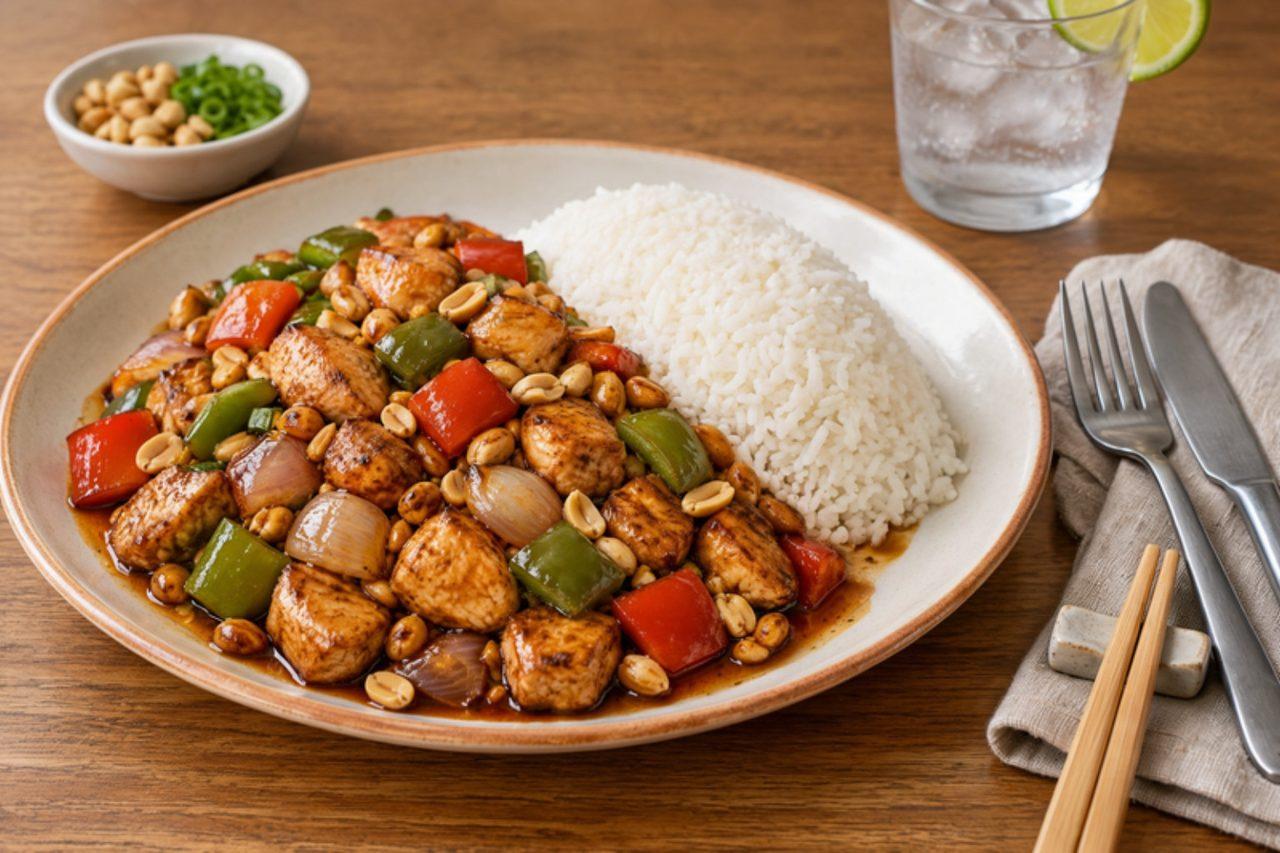
Frango xadrezChicken and pepper stir-fry

Frango xadrez, "chessboard chicken", was born in São Paulo's Chinese-Brazilian restaurants and named for its neat squares of chicken, pepper and onion. It is now a staple of lunch counters, delivery menus and the home-packed marmita, eaten over white rice. The common mistake is overcrowding the pan, so the chicken stews grey instead of searing; cook it in two batches. Chef's tip: toss the chicken with soy sauce and cornflour 15 minutes ahead; the coating keeps it juicy and thickens the sauce.

by KrazyBadal 0 views

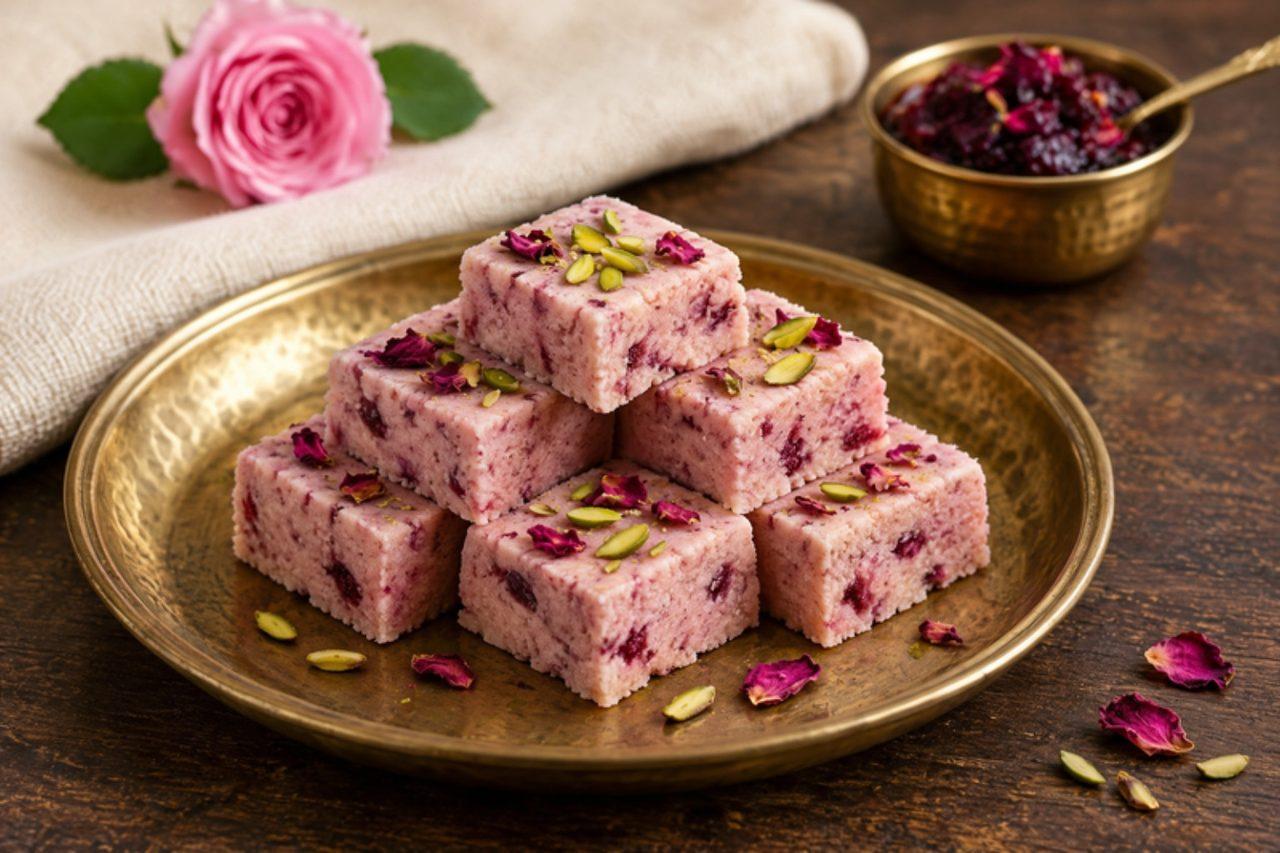
Gulab pakRose milk fudge

The sweet shops of Bhuj and Mandvi in Kutch sell gulab pak in pale pink slabs that smell of summer roses, and it is a favourite to carry home after a trip to the Rann or a family wedding. Mawa is cooked down with sugar and gulkand, the sun-cured rose-petal preserve, so the fudge is soft and grainy with little chewy flecks of petal through it. The mistake to watch for is adding the gulkand too early: cooked for long, it darkens and turns the fudge brown and toffee-like. Chef's tip: a few drops of rose water stirred in right at the end lift the perfume without making it taste soapy.

by KrazyBadal 0 views

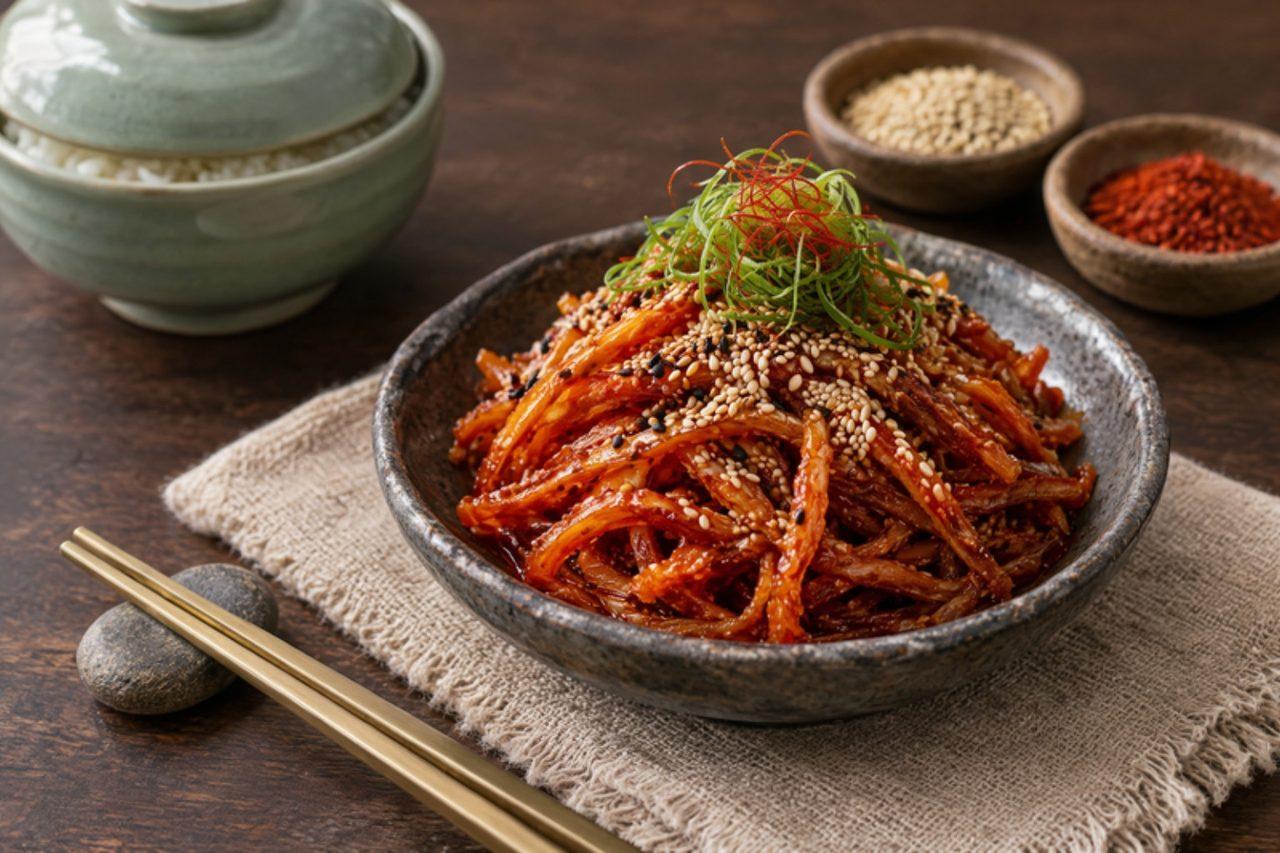
Jinmichae bokkeumGlazed dried squid strips

Jinmichae, shredded seasoned dried squid, is one of the most popular banchan in Korean lunchboxes: chewy, sweet and a little spicy, and it keeps for a week. Children across Korea find it in their dosirak and parents make a big tub on Sunday. The common mistake is glazing it over the heat, which turns the squid hard as wire; mix the strips into the warm sauce off the heat. Chef's tip: soak the squid briefly in water first and squeeze it out, so it stays tender even straight from the fridge.

15 minKoreanFishSpicy
by KrazyBadal 0 views

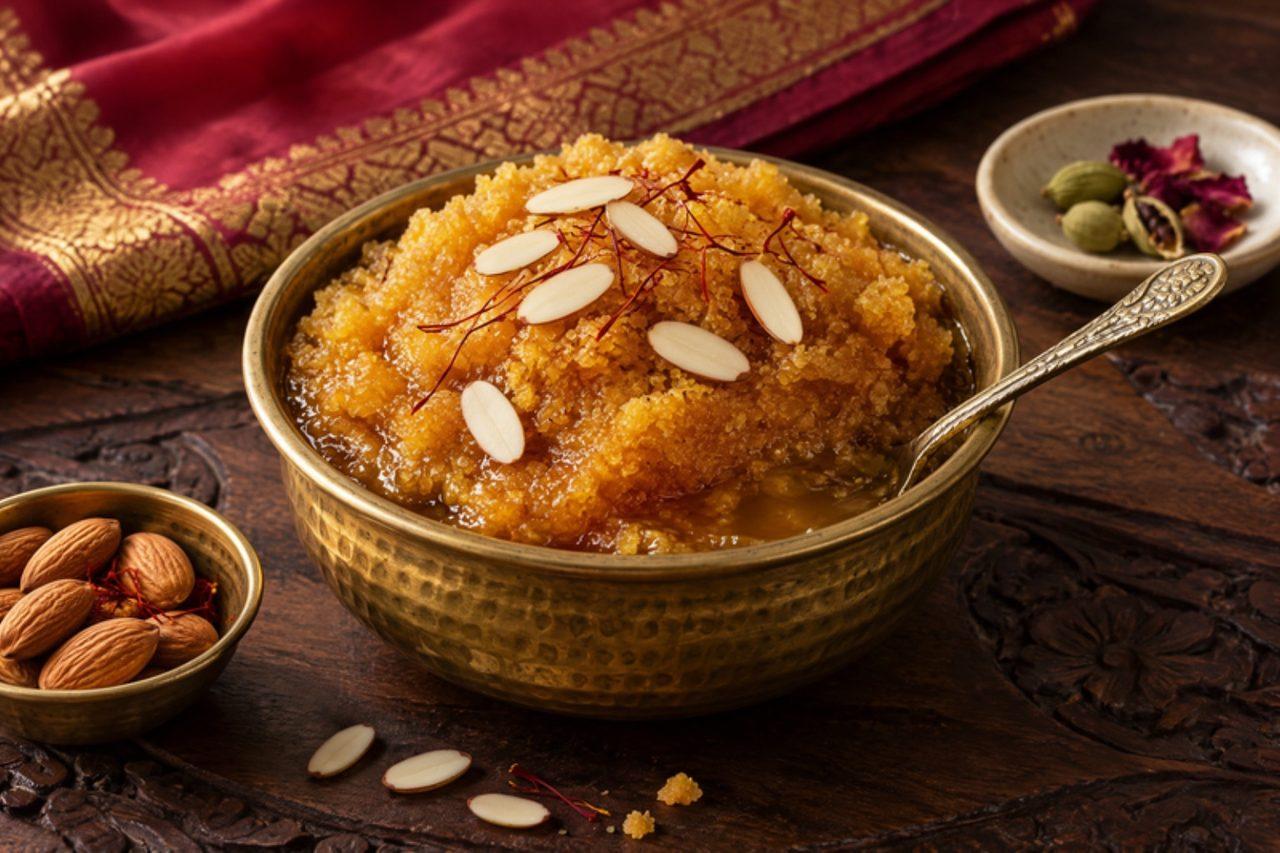
Badam ka halwaAlmond halwa

In Jaipur, badam ka halwa came out of the royal kitchens and now appears at winter weddings and on cold nights when someone wants a real treat. Soaked, peeled almonds are ground to a coarse paste and cooked slowly in ghee with milk, sugar and saffron until the halwa turns golden, glossy and leaves the sides of the pan. It is very rich, so a small bowl is enough. The common mistake is grinding the almonds too fine, which gives a pasty halwa instead of a soft, grainy one. Chef's tip: stop grinding when the almonds look like wet semolina and add the milk only during grinding, never water.

by KrazyBadal 0 views

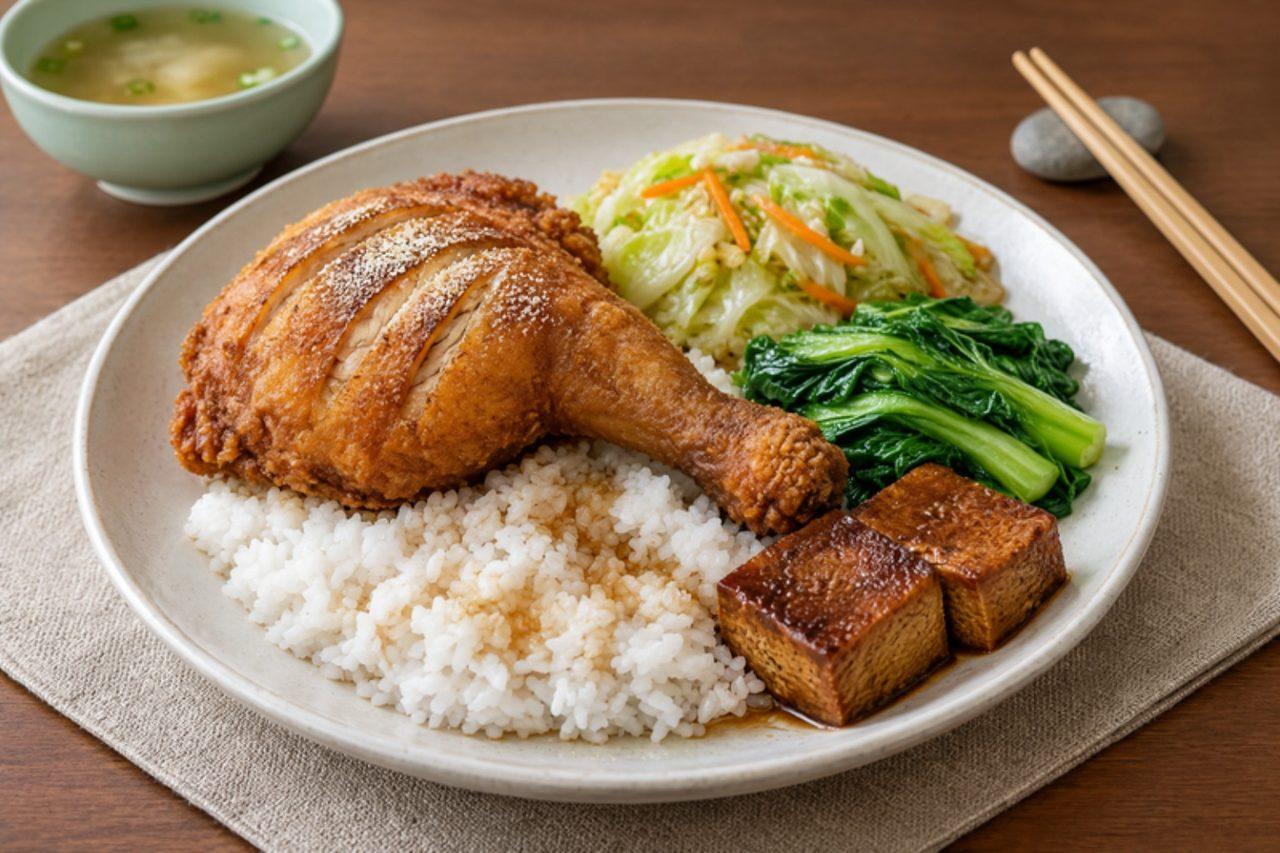
Jitui fanFried chicken leg rice

In every Taiwanese town, the biandang shop at lunchtime sells jitui fan: a whole chicken leg marinated in soy, garlic and five-spice, coated in coarse sweet potato starch and fried crisp, laid over rice with three small vegetable sides and a scoop of minced-pork sauce if you ask. Office workers and students carry the paper boxes back to their desks. The common mistake is frying in oil that is too hot, so the coating browns while the meat by the bone stays raw; fry gently, then crisp it at the end. Chef's tip: let the starch-coated legs sit for 5 minutes until the coating looks damp, so it fries into crunchy little pebbles.

by KrazyBadal 0 views

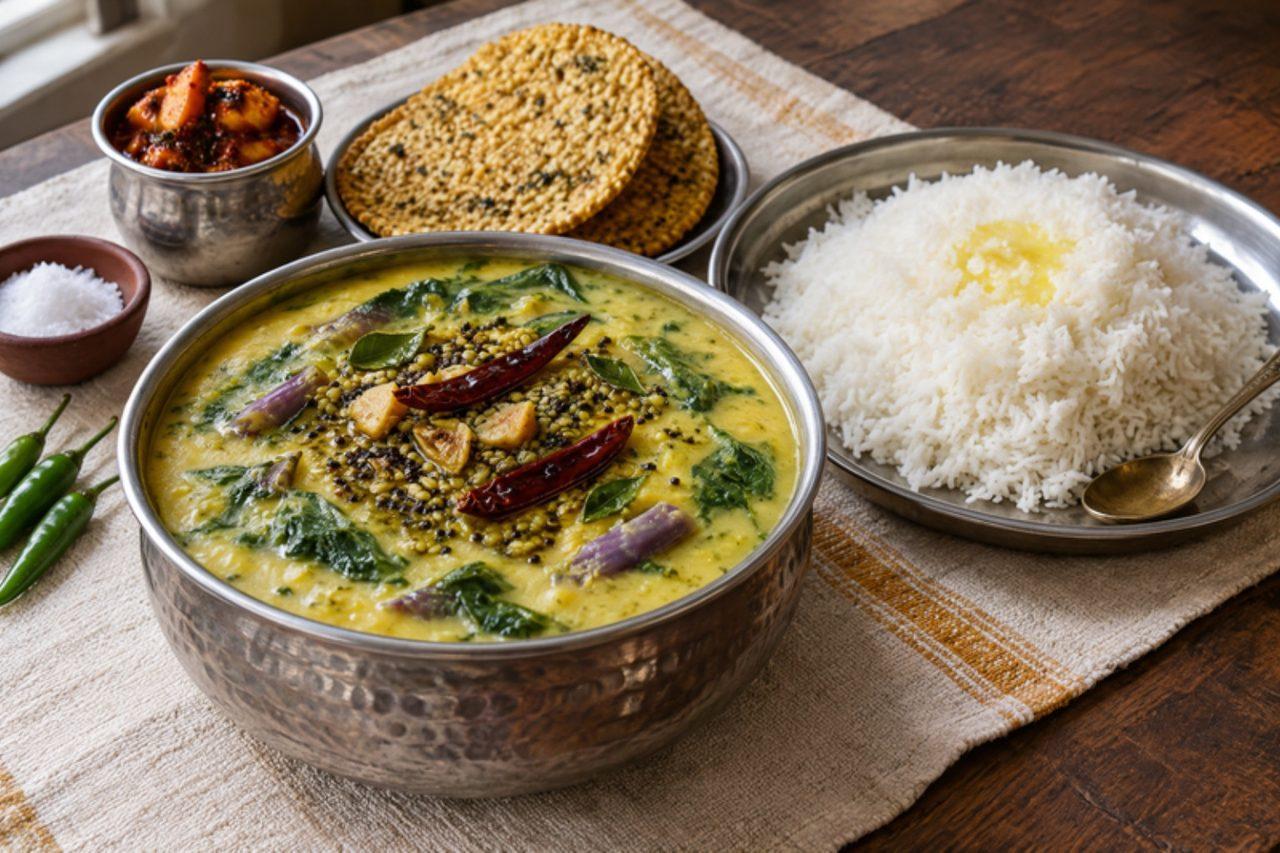
Bachali kura pappuDal with Malabar spinach

Bachali, or Malabar spinach, climbs over back walls all across Telangana and Andhra, and its thick, glossy leaves go into this everyday pappu that turns up at lunch several times a month with rice, ghee and a pickle. The leaves give the dal a silky body and a faint lemony note. People often overcook it until the greens turn khaki; add them after the dal is soft and cook just long enough to wilt. Chef's tip: use the tender stems too, chopped small; they add a pleasant crunch.

by KrazyBadal 0 views

DakgangjeongSticky glazed fried chicken

Dakgangjeong is the boxed fried chicken of Sokcho's Jungang market on Korea's east coast, carried home by the tub and packed into lunchboxes the next day, because the double-fried pieces in their sticky glaze stay crunchy even when cold. The common mistake is frying only once; the second fry drives out moisture so the crust holds up to the sauce. Chef's tip: coat with potato starch rather than flour, and let the coated chicken sit for 5 minutes so the starch hydrates into a craggy crust.

by KrazyBadal 0 views

Bacon and egg pie

No Kiwi picnic, school trip or bach weekend is complete without a bacon and egg pie: flaky puff pastry wrapped around smoky pork bacon, peas and whole eggs that bake into golden rounds you can see when the pie is cut. It is served warm for tea and then sliced cold into lunch boxes the next day. The common mistake is pulling it out when the pastry looks done but the eggs are still runny in the middle; for a picnic pie that will be packed, the eggs must be fully set. Chef's tip: prick each yolk lightly before adding the lid, so the eggs cook evenly and don't bubble up through the pastry.

by KrazyBadal 0 views

DroëworsDried coriander beef sausage

Long before road trips had petrol-station snacks, Voortrekker families packed droëwors: thin beef sausage seasoned with roasted coriander, clove and vinegar and dried until it keeps for weeks. Today it hangs in coils in every butchery from Bloemfontein to Bellville, and bags of it go to cricket matches, hikes and the back seat of long drives to the coast. The bite is chewy and slightly crumbly, salty-sour with that toasted coriander warmth. The fat must be beef or lamb, never pork: pork fat goes rancid as it dries, and too much of any fat does the same, so keep it to about a sixth of the mix. This home method cooks the sausage to 71 °C before drying, but it is still not for pregnant women, young children or anyone with a weakened immune system. Chef's tip: use thin sheep casings, and don't twist the sausage into links; a long, even rope dries evenly.

by KrazyBadal 0 views

Guyanese tennis rollsSweet lemony buns

Nobody quite agrees why these buns are named after tennis, but every Guyanese person knows the pairing: a split tennis roll with a thick slice of cheddar, eaten mid-morning or packed for a long bus ride up the East Coast Demerara. They are round, pale golden and very soft, with a gentle sweetness and a hint of lemon zest. Overbaking is the usual problem; they should come out light gold, not brown, so the crust stays tender. Chef's tip: bake the rolls close together on the tray so they rise into each other and keep soft sides, then pull them apart once cool.

by KrazyBadal 0 views

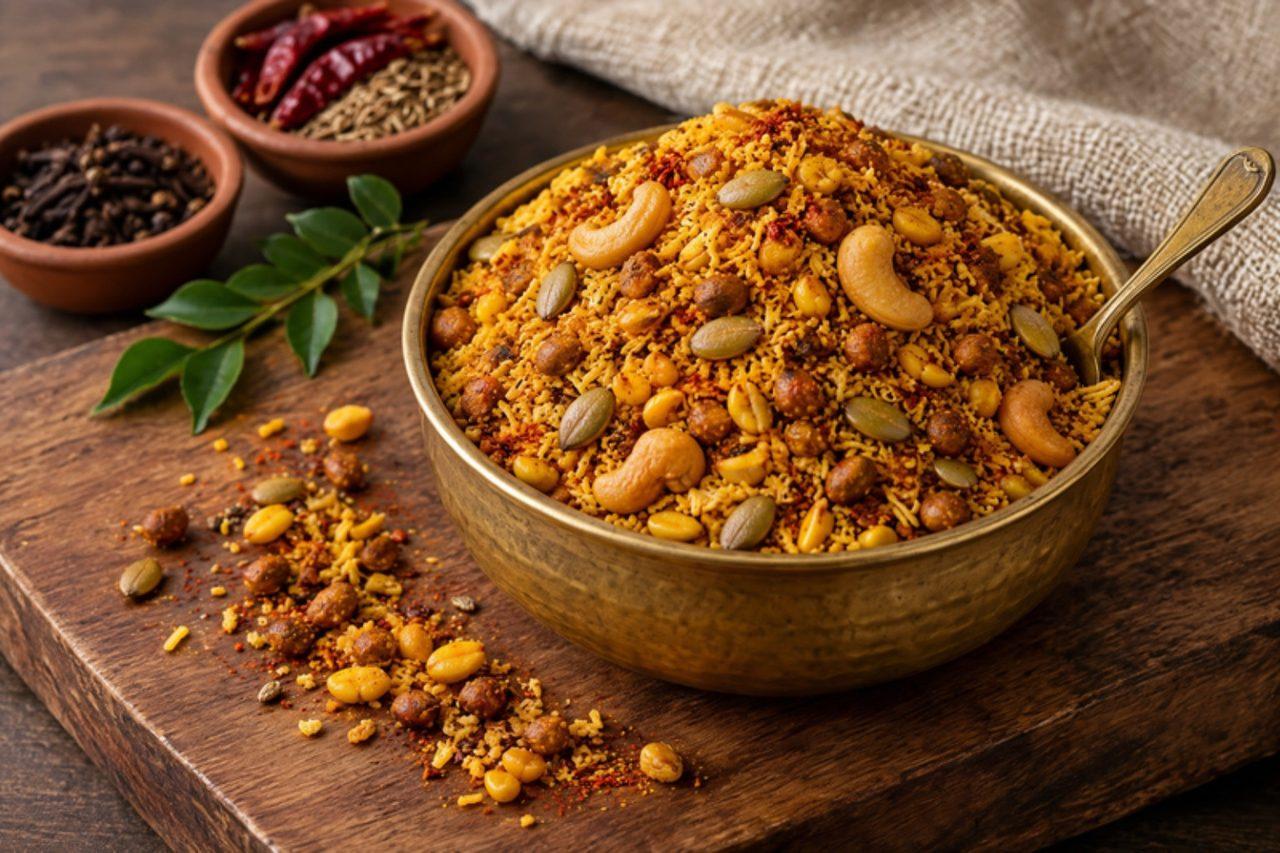
Agra dalmothFried lentil snack mix

Agra is famous for two sweets and one namkeen, and dalmoth is the namkeen: soaked masoor and chana dal fried until crunchy and tossed with chilli, black salt, dry mango and a little sugar, sold in big tins near the Taj and packed for every train journey. It is eaten with tea in the afternoon and handed round to guests at Diwali. The dal is fried dry, without any batter coating. The common mistake is frying the dal straight from soaking water; any moisture makes the oil spit dangerously and the dal chewy, so dry it on a cloth for at least an hour. Chef's tip: fry the masoor and chana separately, as they need different times to turn crisp.

by KrazyBadal 0 views

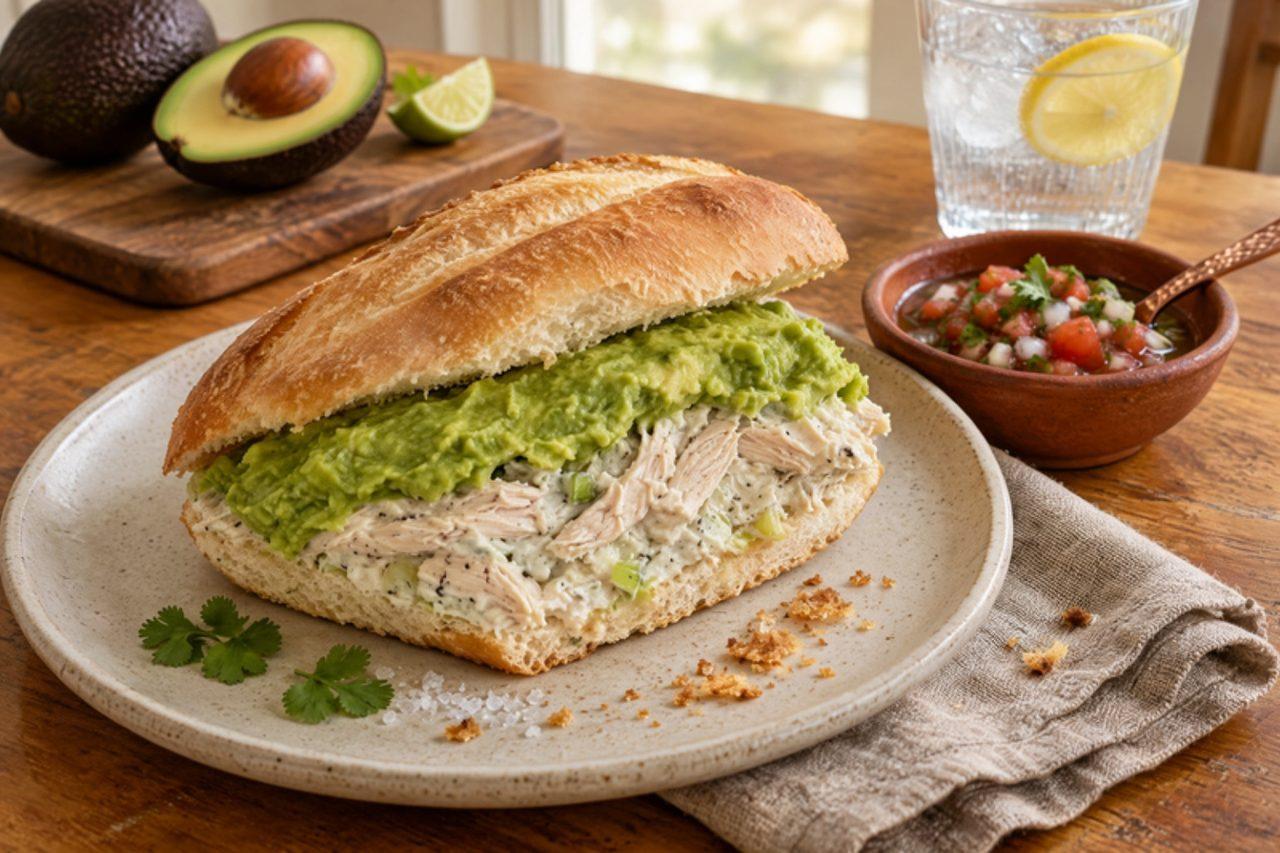
Ave paltaChicken and avocado roll

In Santiago's fuentes de soda and school kiosks, the ave palta is the lunch everyone orders: a soft hallulla or crusty marraqueta roll filled with shredded chicken in mayonnaise (ave mayo) and a thick layer of mashed avocado, palta. Chileans pack it for the office and for long bus journeys. The common mistake is mixing warm chicken with mayonnaise, which turns oily and is a food-safety risk; cool the chicken first. Pack it with an ice pack. Chef's tip: mash the avocado with lemon and salt just before assembling, so it stays green until lunch.

by KrazyBadal 0 views

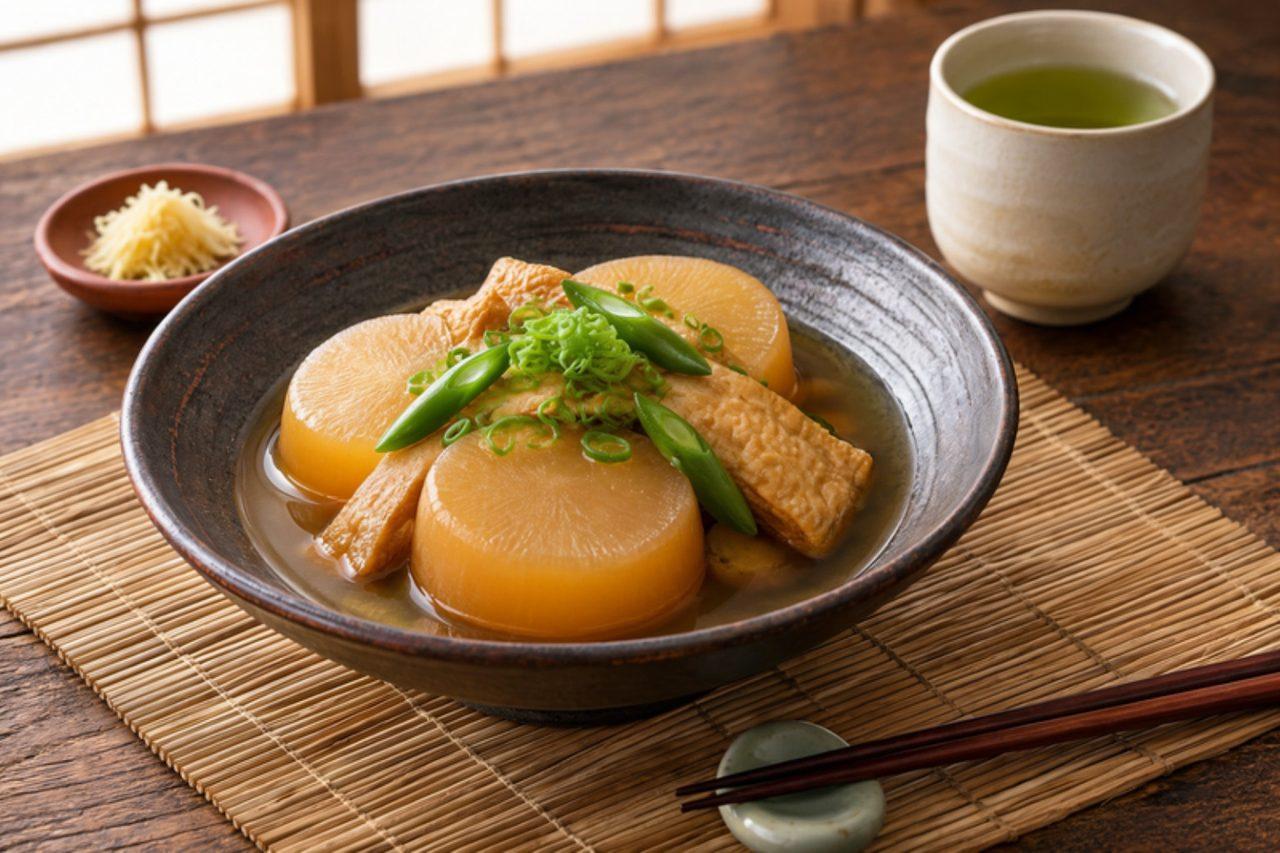
Daikon to aburaage no nimonoSimmered daikon and fried tofu

When winter daikon is fat, sweet and cheap in every Japanese market, home cooks from Hokkaido to Kyushu simmer it with strips of aburaage, the thin fried tofu pouches, as an everyday side for rice and grilled food. The radish turns soft and see-through and drinks up a light soy broth, while the tofu soaks up the rest like a sponge. This version uses a kelp and shiitake dashi instead of bonito, so the whole pot is vegan, and it tastes even better reheated the next day. The usual mistake is boiling it hard: the daikon edges crumble and the broth goes cloudy, so keep it at a lazy simmer under a drop lid. Chef's tip: pour boiling water over the aburaage before cutting it, which rinses off the stale frying oil and lets the broth soak in.

by KrazyBadal 0 views

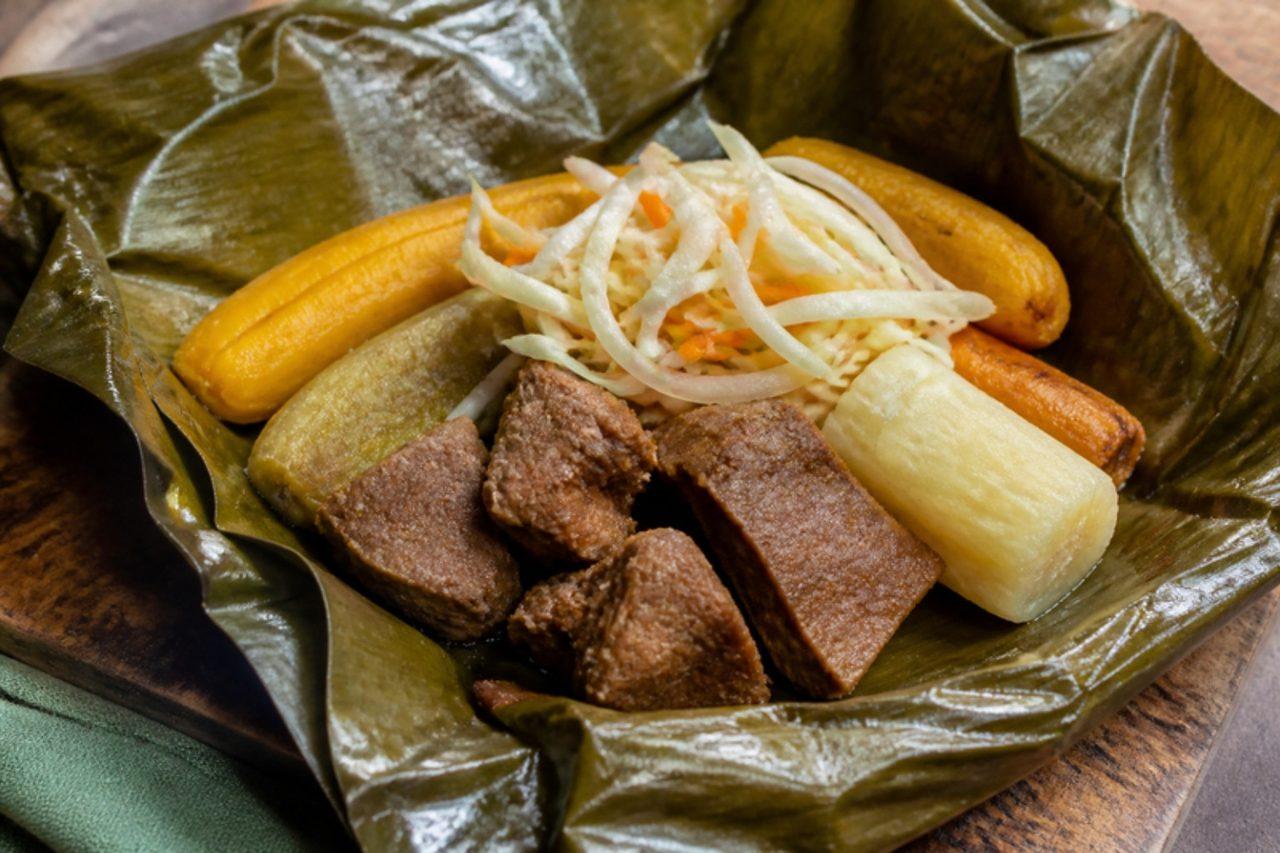
BahoSteamed beef, plantain and cassava

Baho, also spelled vaho, is the dish Nicaraguan families plan a Sunday around, especially in Granada and Managua: beef marinated overnight in sour orange and garlic, then steamed for hours in a big pot lined with banana leaves on a bed of green plantain, ripe plantain and cassava. Everything comes out tender and fragrant with the leaves, and it is served with a crunchy, vinegary cabbage salad to cut through the richness. Marinate the beef in the fridge, never at room temperature. The mistake that ruins it is letting the pot boil dry, which scorches the leaves and the plantain at the bottom; top up the water every hour. Chef's tip: keep a few banana leaves back to tuck over the top, so the steam stays trapped inside the parcel.

by KrazyBadal 0 views

Agua de chilacayoteFig-leaf squash drink

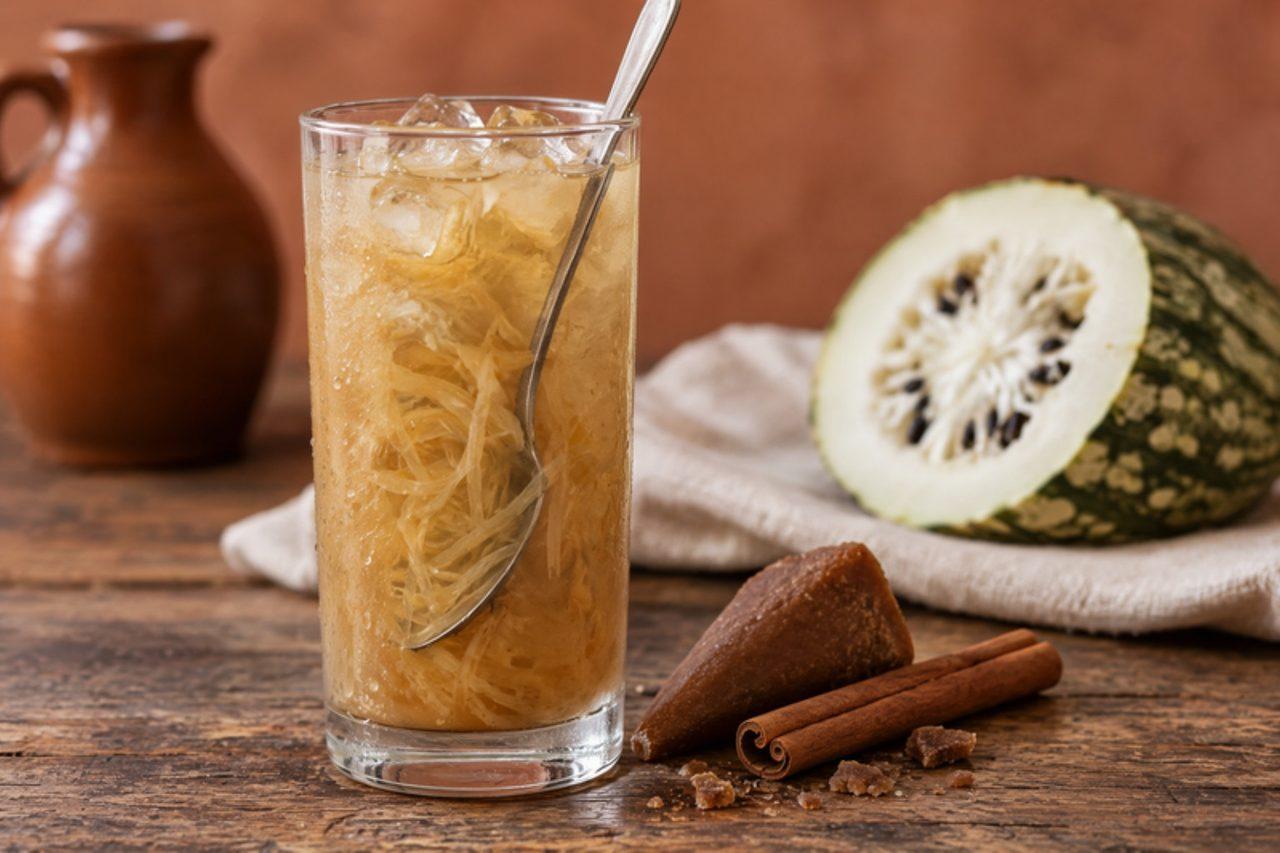
When the big, mottled chilacayote squashes ripen at the end of the rains, cooks in Oaxaca's valleys and the Mixteca of Puebla turn them into a drink you eat with a spoon. The flesh is cooked with dark piloncillo and cinnamon until it falls into translucent threads, then cooled and loosened with water; in Oaxaca it is ladled out of clay jars at fairs, weddings and the Day of the Dead, often with a little pineapple. It tastes like cinnamon-scented panela, with soft, slightly crunchy strands that slide up the straw. The usual mistake is boiling it to mush; overcooked flesh goes cloudy and the strands disappear. Simmer gently and stop when the threads separate easily with a fork but still have a little bite. It is ready when the syrup is amber and the strands look glassy. Chilacayote is hard to find outside Mexico; spaghetti squash is the best substitute and gives the same threads. Keeps 3 days in the fridge. Chef's tip: grate a little orange zest into the pot in the last minute to brighten the piloncillo.

by KrazyBadal 0 views

Hobak jjigaeCourgette and tofu stew

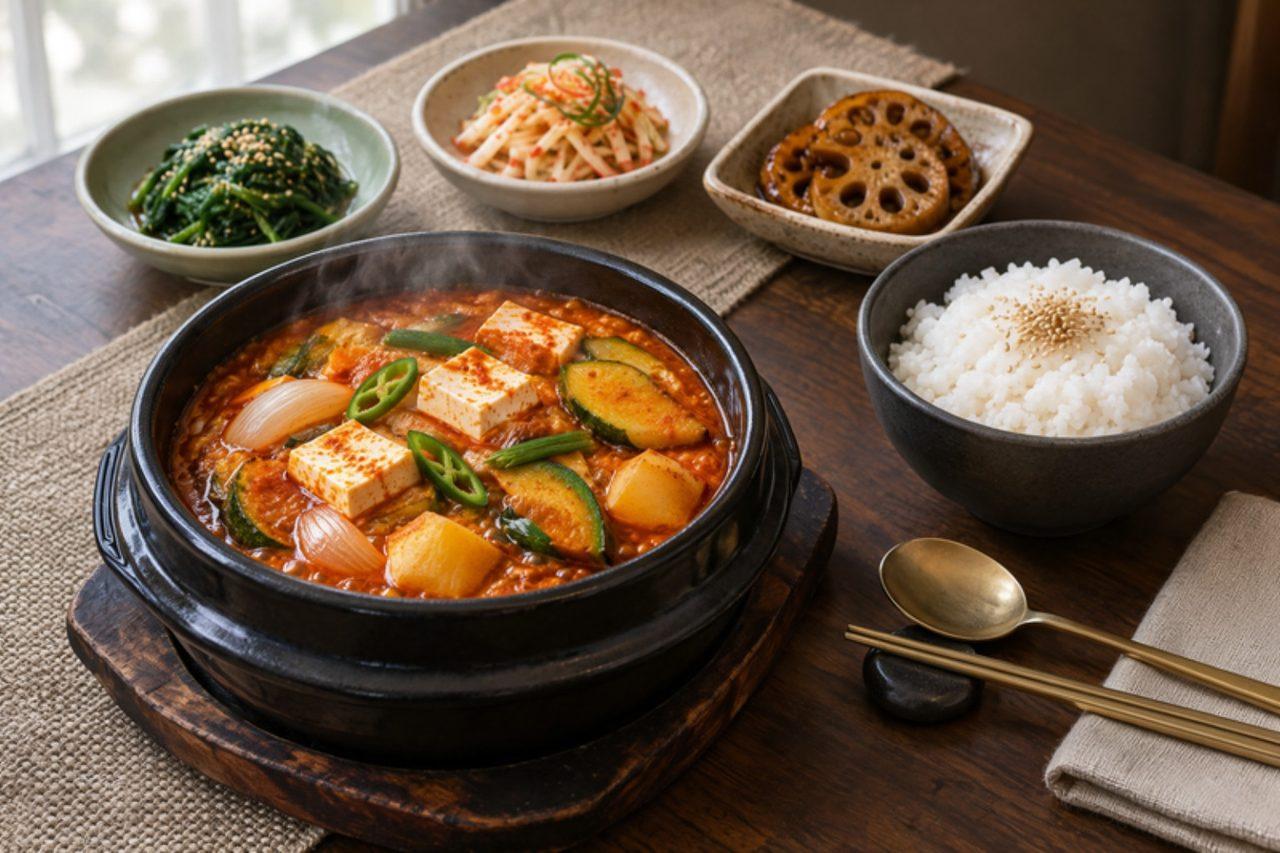
Hobak jjigae is the late-summer stew of Korean home kitchens, made when the garden throws up more courgettes (aehobak) than anyone can eat, and it lands on the table in its own pot next to rice and kimchi on any ordinary weeknight. Potato and soft tofu soften in a red, gently spicy broth of gochujang and kelp, and the courgette turns silky without falling apart. Most cooks start with anchovy stock; this one uses dried kelp and shiitake so it stays vegan. The usual mistake is adding the courgette with the potato, which leaves it mushy and grey by the time the potato is cooked. Chef's tip: a final splash of soup soy sauce (guk-ganjang) seasons the broth more deeply than salt without darkening it.

by KrazyBadal 0 views

Ají de papalisaUlluco in yellow chilli

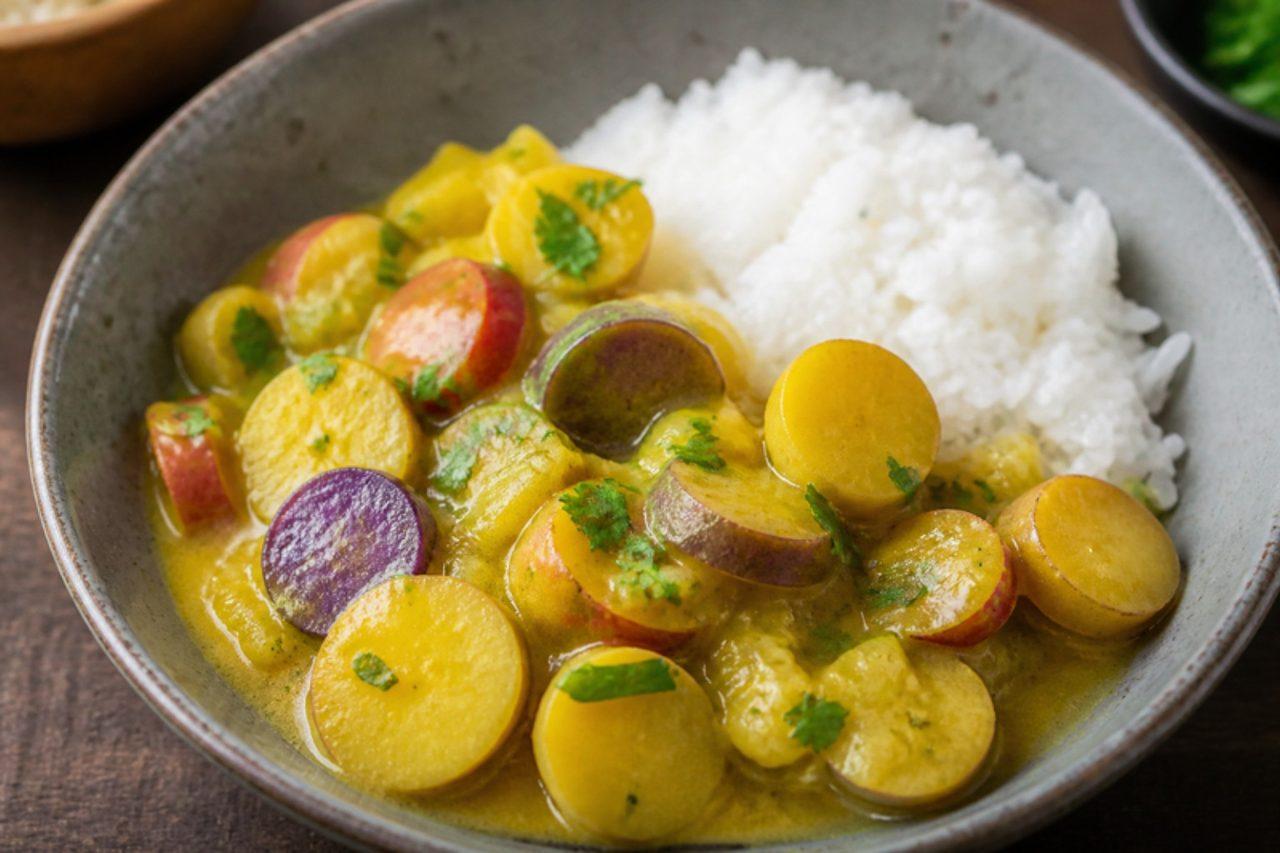
Papalisa, the glossy pink-and-yellow tuber called ulluco in Peru, has a crisp, slightly slippery bite that holds up beautifully in this ají from the La Paz highlands. The tubers are cut into fine sticks and stewed with onion, tomato and yellow chilli until tender, then served with white rice and a boiled potato. Highland cooks often add shredded dried beef; this vegan version keeps all the flavour with extra onion and cumin. Look for papalisa fresh or in jars in Latin American shops; waxy new potatoes cut the same way are a fair stand-in. The mistake most people make is skipping the soaking and rinsing, which leaves the sauce gummy. Chef's tip: cut the papalisa into matchsticks as thin as you can, so they soak up the chilli sauce like noodles.

by KrazyBadal 0 views

Bajre ki raabdiFermented pearl millet buttermilk porridge

In the villages of Haryana and the Rajasthan border, raabdi is drunk at midday in May and June to keep cool in the fields. Pearl-millet flour is stirred into buttermilk and left to ferment for a few hours, then cooked slowly until thick, cooled in a clay pot and thinned with more buttermilk and salt. It tastes tangy and earthy, a little like a savoury porridge you can drink. Ferment at warm room temperature (25–32 °C) for 4–6 hours: it should smell pleasantly sour with a few bubbles. Throw it away if you see pink, black or furry mould or it smells rotten or of nail varnish. The common mistake is cooking on high heat, which scorches the millet and leaves raw lumps. Chef's tip: keep the cooked raabdi in the fridge and drink it within 2 days, thinning each glass to taste.

by KrazyBadal 0 views

Dưa giáPickled bean sprouts

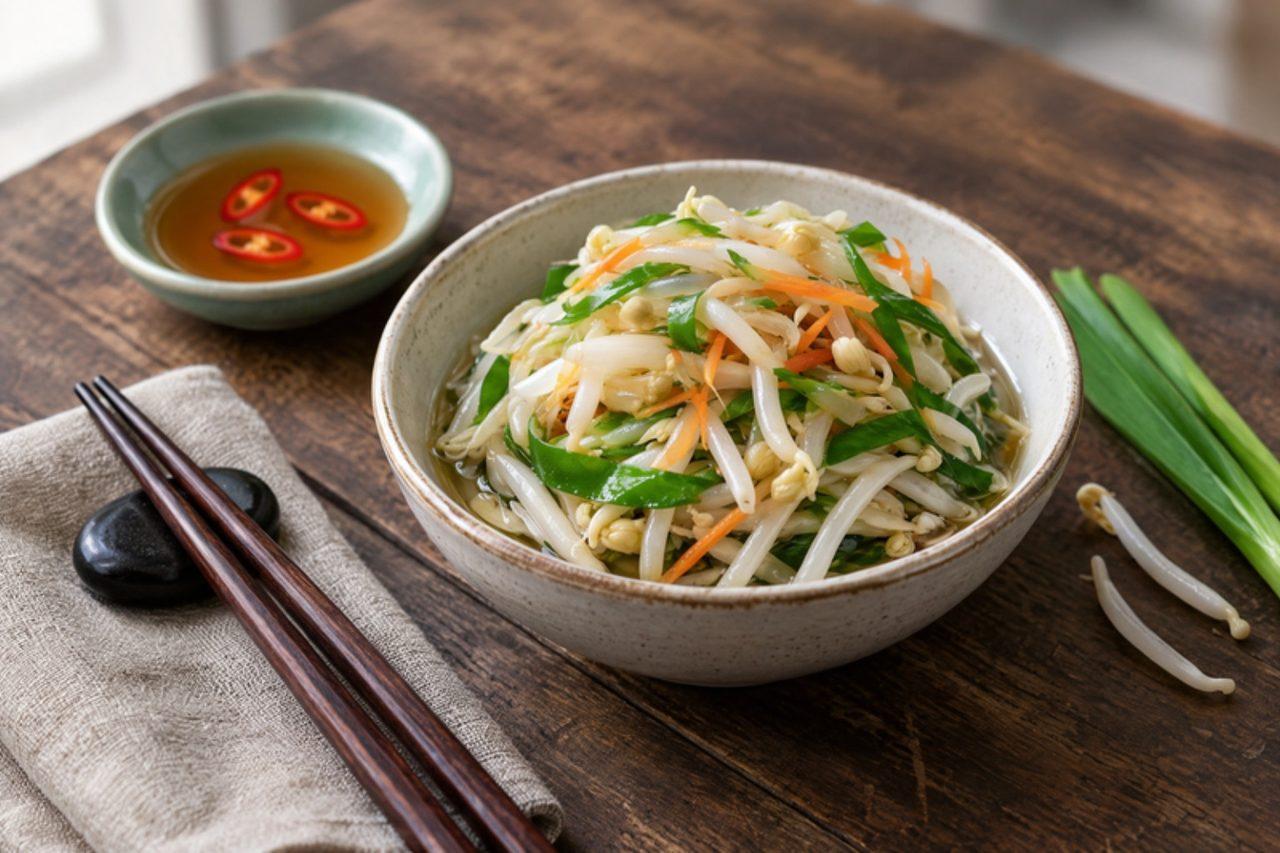
In southern Vietnam, dưa giá appears beside thịt kho trứng, the pork and egg braised in coconut water that every Saigon family cooks for Tết, and beside clay-pot caramel fish the rest of the year. The sprouts and chives sit overnight in a lightly salted, sweetened brine and come out tangy, crisp and squeaky, with a hint of garlic-chive sharpness that cuts straight through the fatty, sweet braises. Some cooks add carrot strips for colour. Raw bean sprouts can carry bacteria, so buy them very fresh and chilled, rinse them well, and pour the brine on hot to scald them lightly; pregnant people, small children, older people and anyone with weak immunity should blanch the sprouts for 30 seconds first. Common mistake: leaving the jar out too long in a warm kitchen, so the sprouts go limp and too sour; once it tastes right, chill it. It is ready when the brine is cloudy and smells pleasantly sour, and the sprouts are translucent but still snap. Chef's tip: pinch the brown root tails off the sprouts; it is fiddly, but they stay crunchier and look neater.

by KrazyBadal 0 views

Aloo potoler dalnaPotato and pointed gourd curry

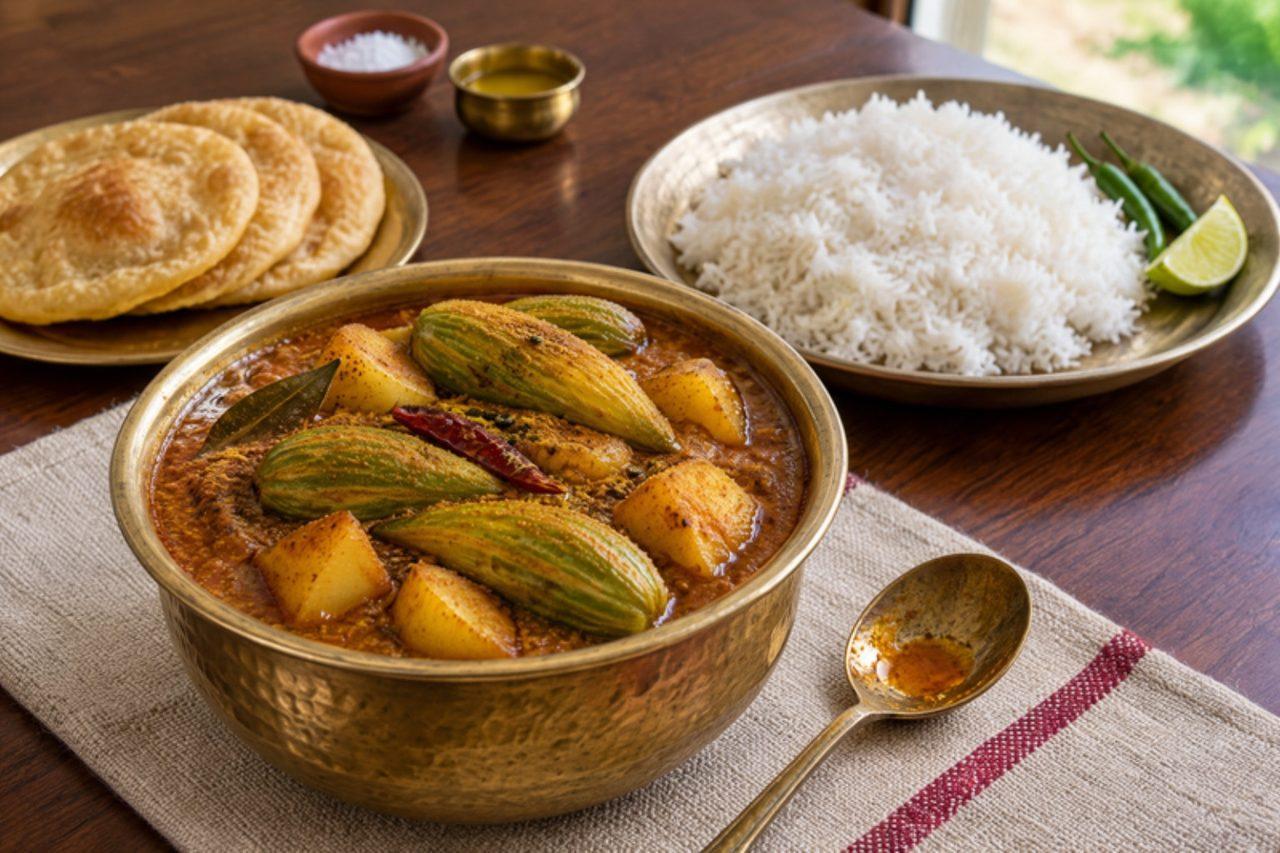
Pointed gourd (potol) floods the markets of Kolkata in summer, and aloo potoler dalna is how most Bengali homes cook it for a weekday lunch or a light Sunday meal. Half-peeled gourds and halved potatoes are fried until golden, then simmered in a loose gravy of ginger, cumin and tomato and finished with ghee and garam masala, so it tastes warm and gently sweet rather than hot. Serve it with rice or luchi. The usual mistake is peeling the gourds completely, which makes them fall apart; scrape off only the waxy skin in stripes. Chef's tip: prick each gourd once with a fork before frying so the gravy can soak into the seeds.

by KrazyBadal 0 views

Ambot tikSour-hot fish curry

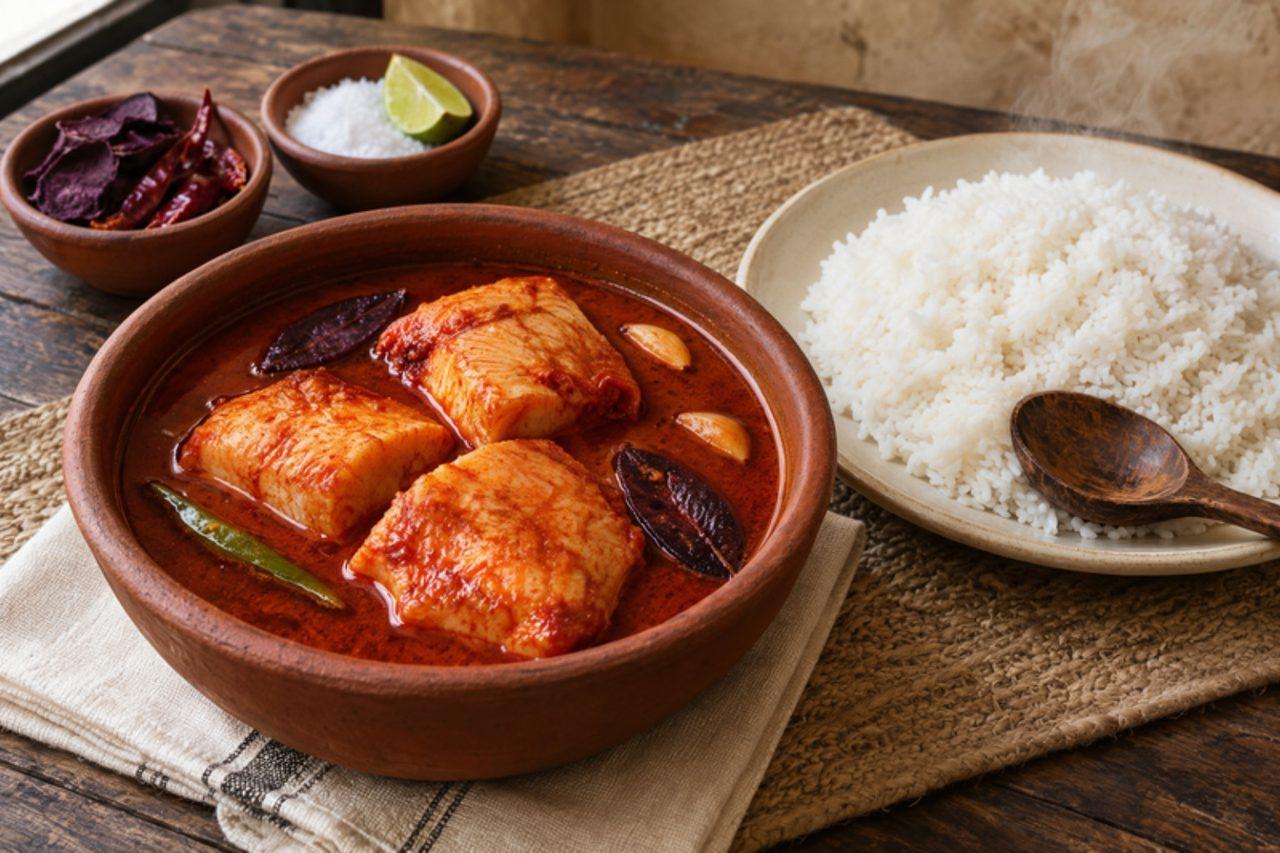
Ambot tik means sour and spicy in Konkani, and that is exactly what this Goan Catholic curry is: firm fish, often shark or catfish in Goa (any firm white fish or kingfish at home), in a thin, brick-red gravy of Kashmiri and hot chillies ground with garlic, cumin, turmeric and vinegar, soured further with tamarind and kokum. It is a weekday lunch with rice, and many say it is better the next day. The common mistake is boiling the fish hard once it goes in, which breaks it into flakes before it reaches the plate. Fish is done when the flesh is opaque all the way through and flakes when pressed. Chef's tip: marinate the fish in salt and turmeric in the fridge for 15 minutes; it firms the flesh and seasons it to the bone.

45 minIndianFishGluten freeSpicy
by KrazyBadal 0 views

KuloloTaro and coconut pudding

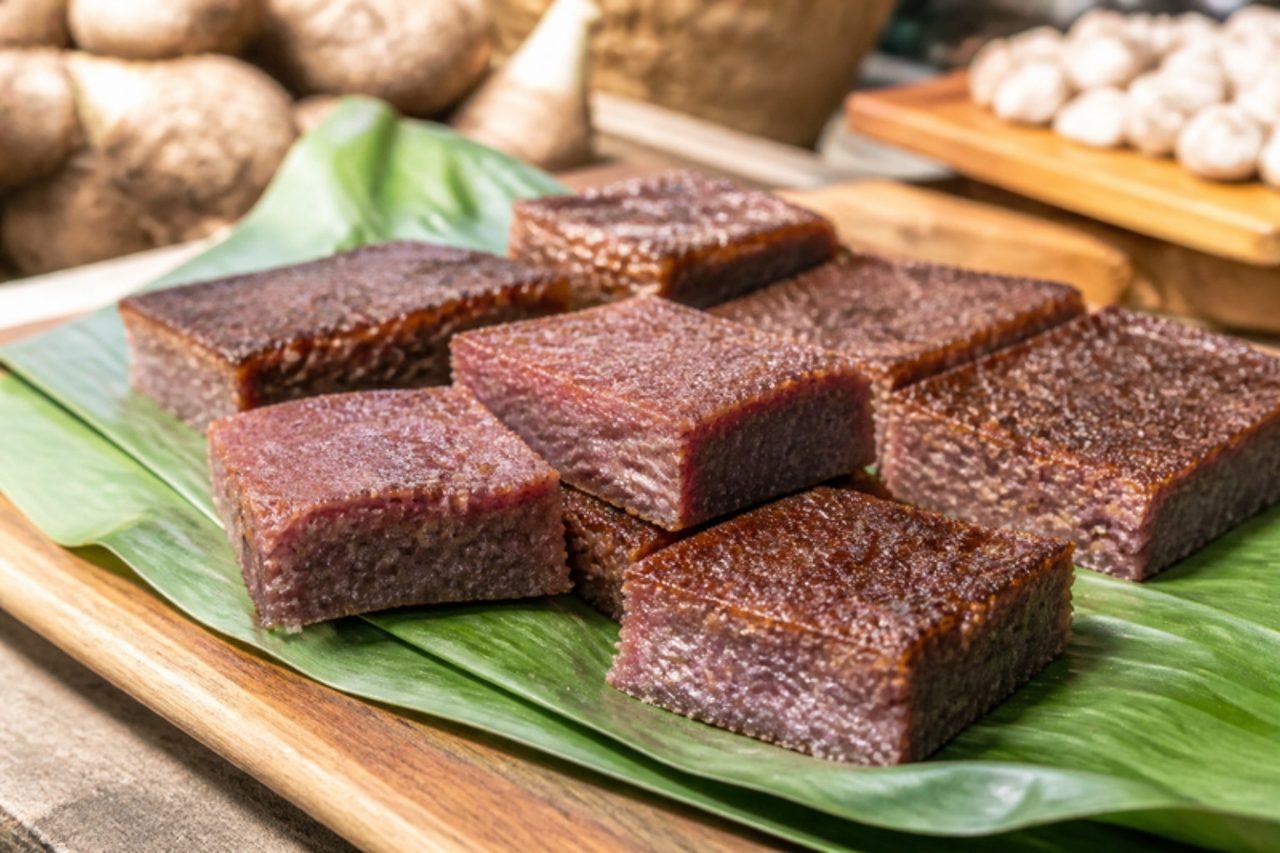
Kulolo is one of the oldest Hawaiian sweets, a dense, fudgy pudding of grated taro and coconut that was once wrapped in ti leaves and baked for hours in an imu (earth oven) for lū'au feasts. On the windward side of O'ahu and in Hilo it is still sold in slabs at farmers' markets. Taro must always be fully cooked; raw taro contains crystals that badly irritate the mouth and throat, so peel it with gloves and bake the full time. A common mistake is cutting it hot; it firms as it cools. Chef's tip: bake it long and low until deep brown and sticky at the edges, where the caramel flavour is.

by KrazyBadal 0 views

Bokkeum kimchiStir-fried kimchi with pork belly

When a jar of kimchi turns very sour in Korean homes, it gets stir-fried with a little sugar and sesame oil, and often with pork belly, into bokkeum kimchi, a deep, mellow side dish that keeps for days and is a favourite in school and office dosirak. For a vegan version, use kimchi made without fish sauce or salted shrimp and leave out the pork. The usual mistake is using fresh, crisp kimchi, which tastes harsh when fried; it needs to be properly sour. Chef's tip: fry the kimchi until the edges just begin to catch and caramelise, which is where the flavour is.

by KrazyBadal 0 views

Arroz e feijão amassadinho for babiesMashed rice and beans for babies

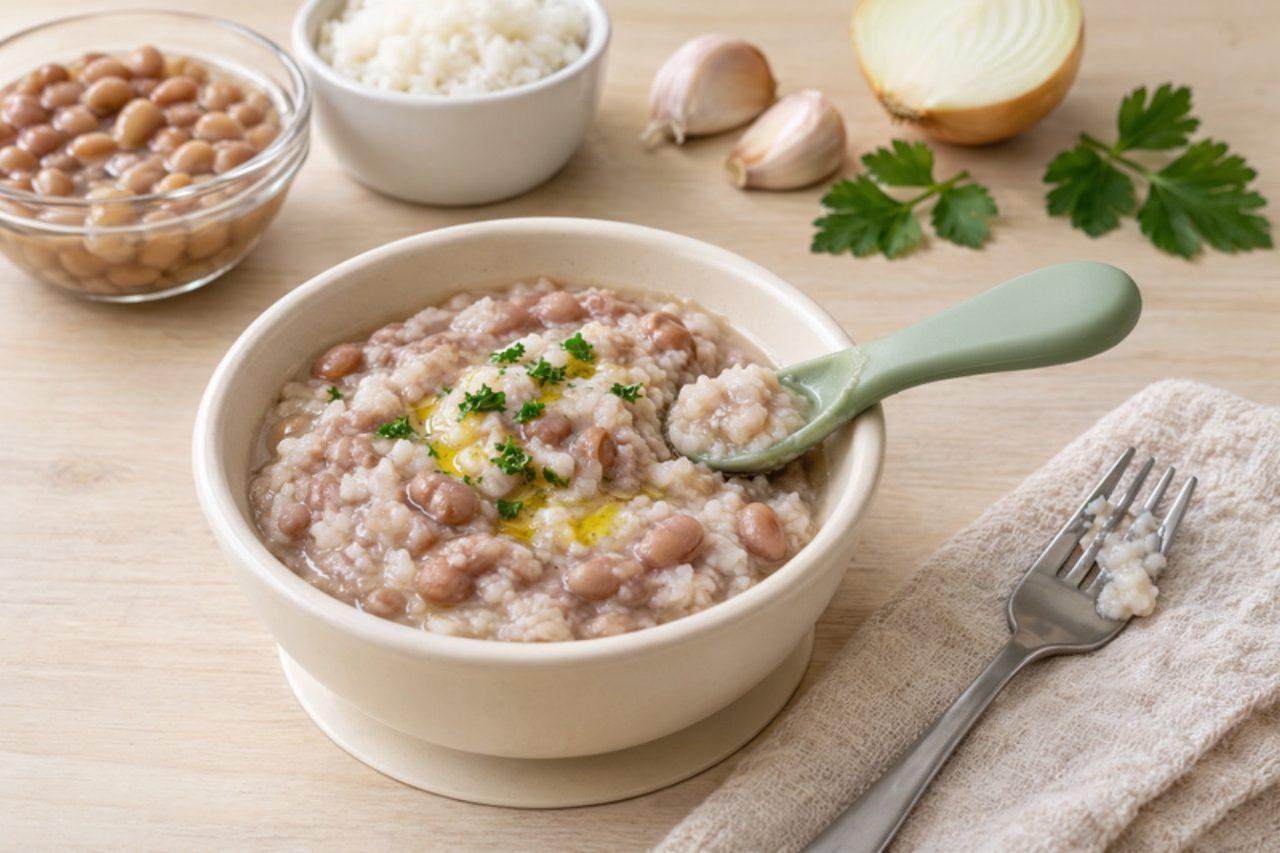
Rice and beans are on almost every lunch plate in Brazil, from São Paulo office canteens to family tables in Minas Gerais, and babies join in from about eight or nine months with an amassadinho, a soft fork-mashed version. The beans are simmered with a little onion, garlic and bay leaf for flavour instead of salt, bacon or stock cubes, then mashed into soft rice with their thick broth. It is creamy, earthy and filling. It is free of the major allergens: no milk, egg, gluten, nuts, soya, sesame or fish. Chef's tip: mash the beans well and press them through a sieve the first few times; the skins are the part babies find hardest.

by KrazyBadal 0 views

Mandi'o chyryryFried cassava with onion and egg

Mandi'o chyryry means 'fried cassava' in Guaraní, and it is what rural Paraguayan families make from yesterday's boiled mandi'o: chunks crushed and fried in a big pan with onion until crisp in places, then scrambled with eggs. It comes out for breakfast with cocido or for a quick supper, and costs next to nothing. Use sweet cassava, the kind sold in supermarkets. The mistake is stirring constantly, which turns it to mush; let the cassava sit and brown. Chef's tip: the best chyryry starts with cold, day-old boiled cassava, which fries crisper than freshly boiled.

by KrazyBadal 0 views

HertzoggiesApricot jam coconut meringue tartlets

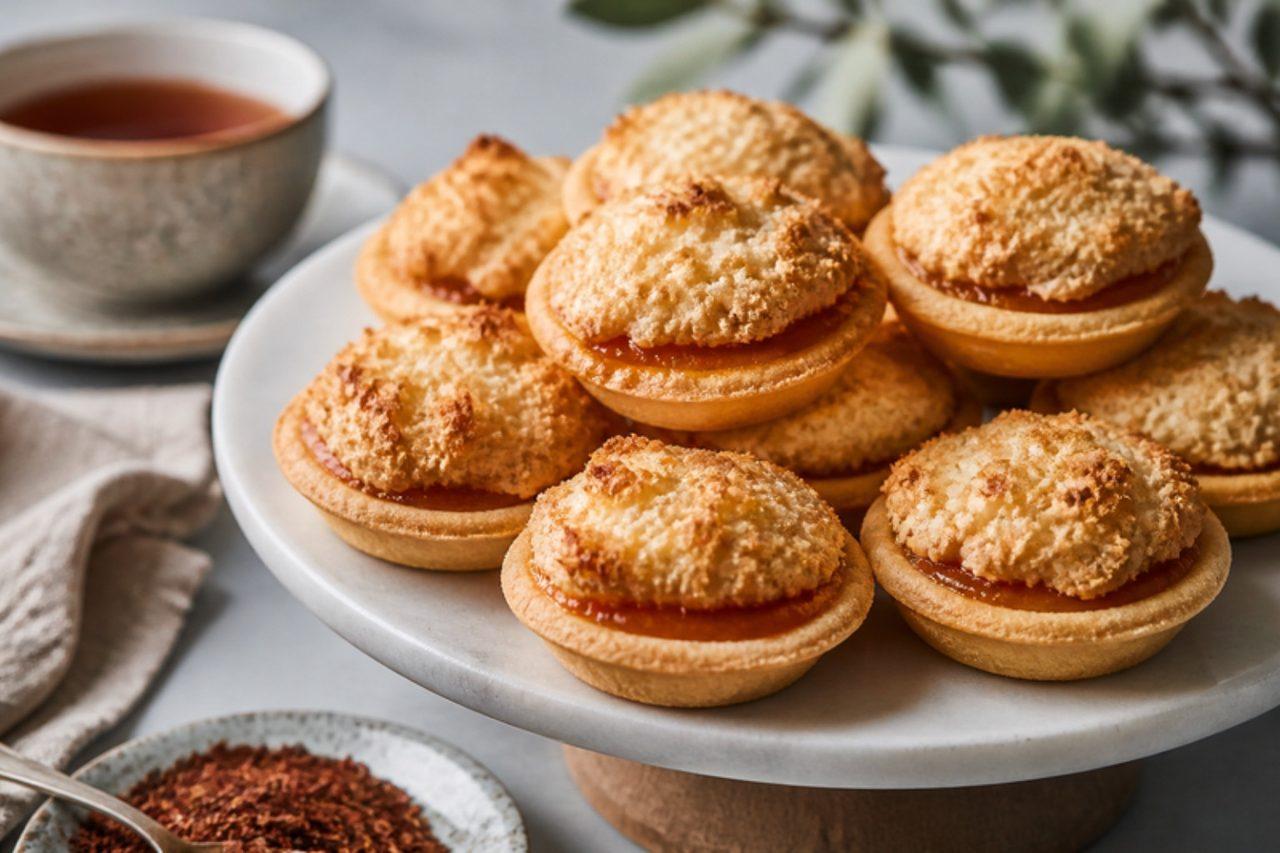
Church bazaars and tea tables from the Free State to the Karoo would hardly be complete without a tin of hertzoggies, the little tartlets said to be named after Prime Minister J.B.M. Hertzog, who was supposedly very fond of them. Each one is a short, buttery pastry cup with a teaspoon of apricot jam hidden under a domed coconut meringue that bakes crisp and pale gold on top and stays chewy inside. They are best with a cup of rooibos or strong filter coffee, and they keep well in a tin for several days. Overfilling with jam is the common mistake: it bubbles up through the meringue and glues the tartlets into the tin. Chef's tip: whisk the whites until the sugar has completely dissolved before folding in the coconut, or the meringue will weep syrup as it cools.

by KrazyBadal 0 views

Gulai pakisFern tip coconut curry

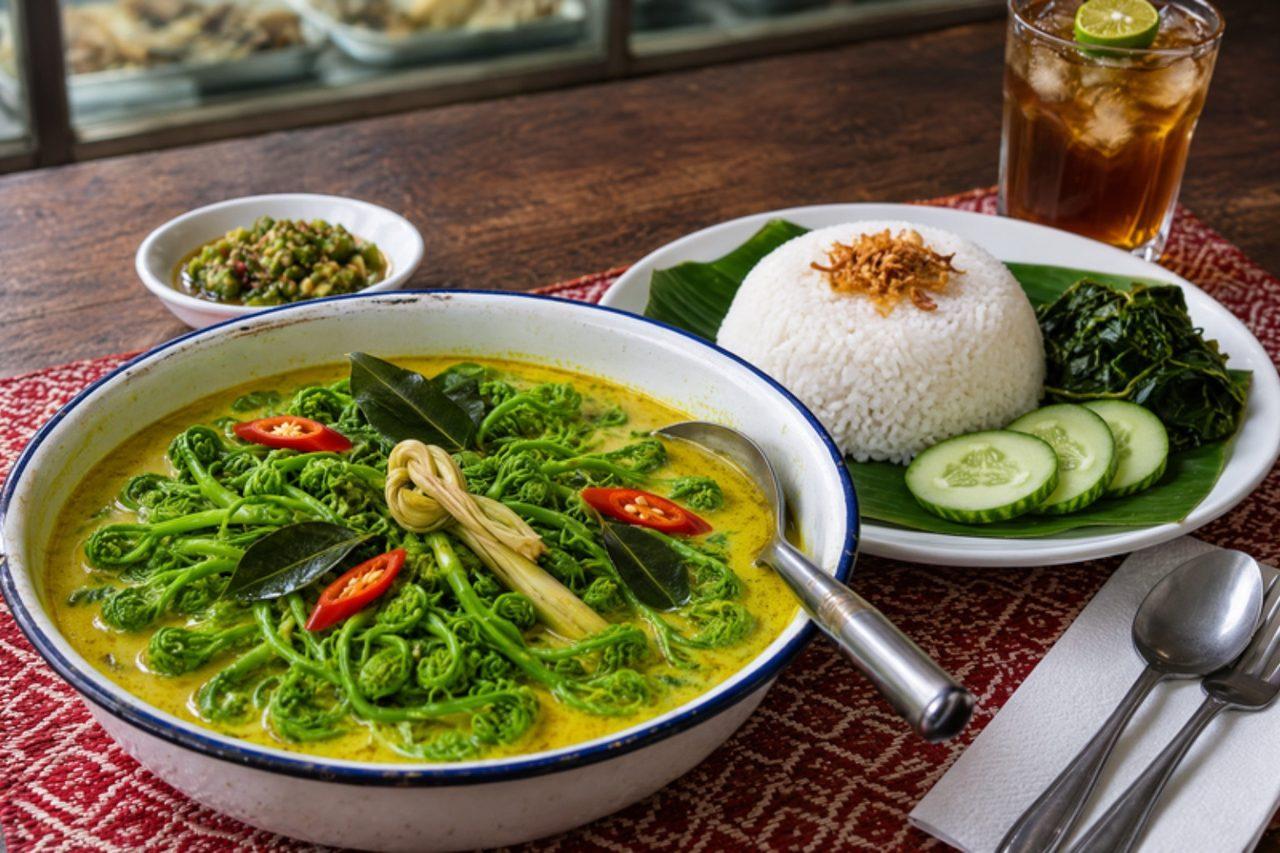
Gulai pakis is one of the green dishes on the counter of every Minangkabau rice shop (rumah makan Padang), from Bukittinggi to Jakarta, and it is cooked at home in West Sumatra whenever fern shoots are gathered from the riverbanks. Tender fern tips simmer in a yellow coconut milk sauce of turmeric, galangal, chilli and lime leaves until rich and gently spicy; many cooks add tiny dried shrimp, which this vegan version leaves out. Serve it with rice, sambal and fried tempeh. The usual mistake is boiling the coconut milk hard or covering the pan, which makes it split into curds; stir it often and keep it at a simmer. Chef's tip: always cook fern shoots thoroughly as below, as some ferns are not safe raw or lightly cooked; buy vegetable fern (paku) or fiddleheads sold for eating.

by KrazyBadal 0 views

HilachasShredded beef in tomato sauce

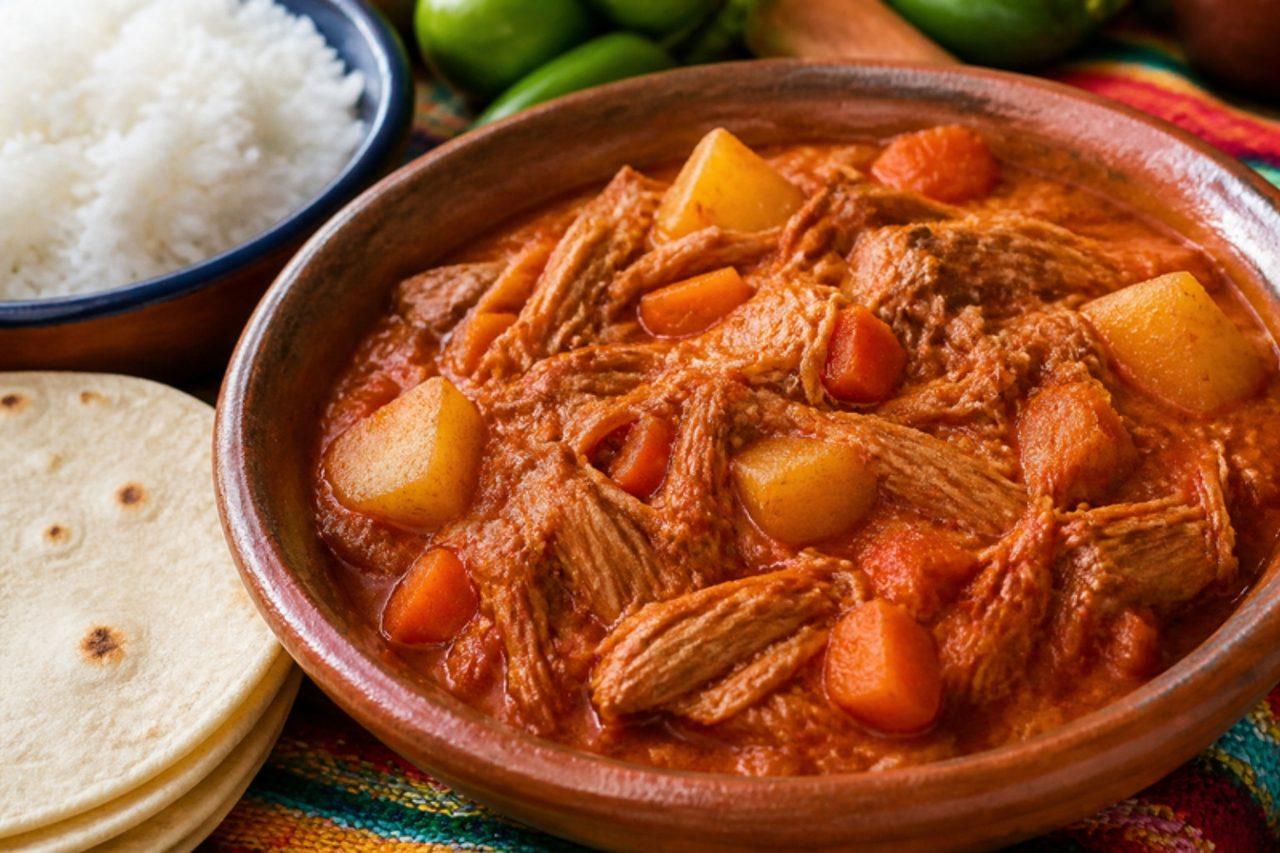
The name means 'threads', and that is how the beef should look: pulled into fine strands and simmered with potato and carrot in a brick-red sauce of tomato, tomatillo and dried guajillo chilli. Hilachas is everyday food in Guatemala City, served at lunch counters with white rice and tortillas, and it is a thrifty way to stretch a piece of flank. Rushing the first simmer is the classic mistake: if the beef doesn't fall apart easily, it shreds into chewy chunks instead of threads. Chef's tip: shred the meat along the grain with two forks while it is still warm; cold beef tears unevenly.

by KrazyBadal 0 views

Ají de tomate de árbolTamarillo chilli sauce

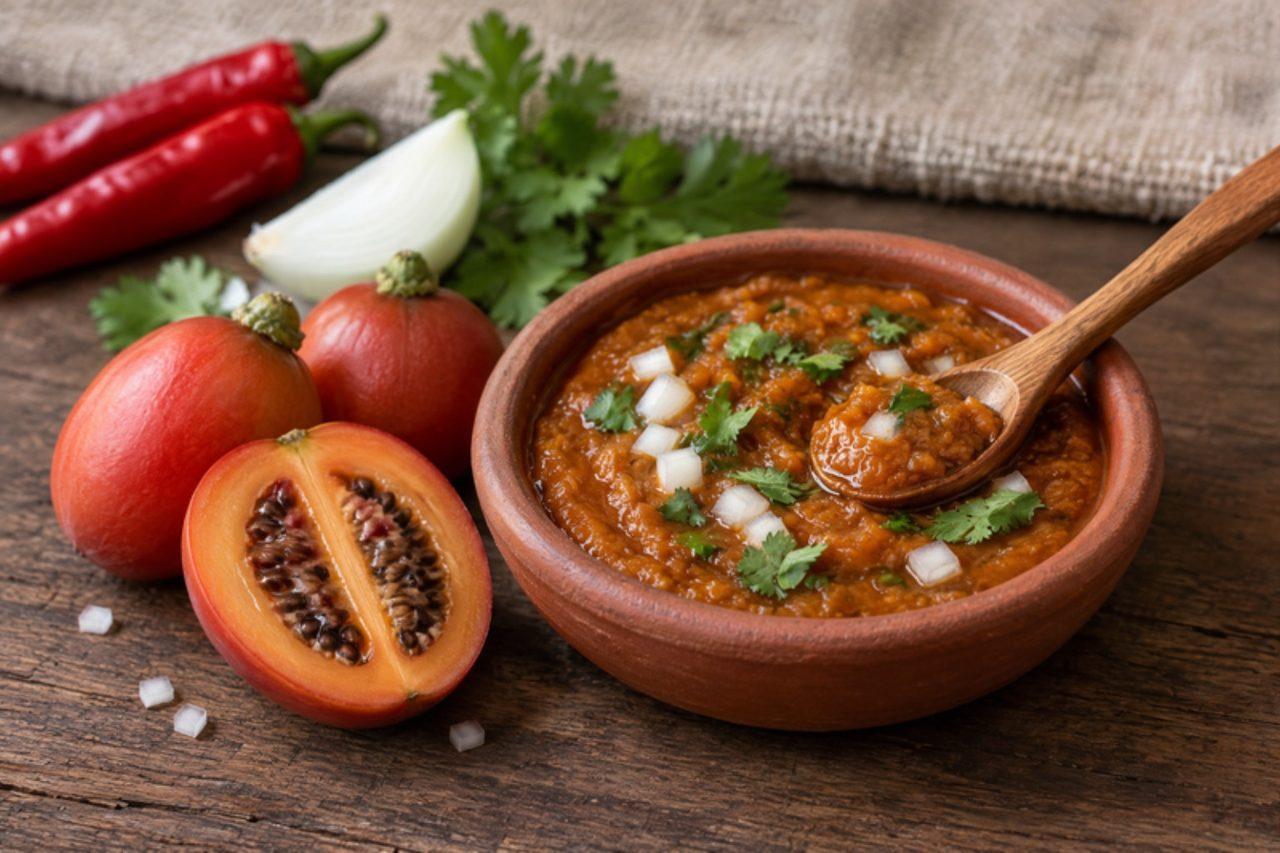
No Ecuadorian table in the Sierra, from Quito to Cuenca, is complete without a small bowl of ají, and the tamarillo version is the household favourite. Tomate de árbol, the egg-shaped, wine-red tree tomato, is blanched and peeled, blended with fresh hot chilli, salt and a little water, then finished with finely chopped onion and fresh coriander. It is spooned over locro de papa, llapingachos, empanadas de viento, hornado and fritada at the long Sunday family lunch, and onto everything at the street stalls of the Saturday markets. The flavour is tangy, fruity and slightly bitter-sweet, more sour than a tomato salsa, with a fresh bite of onion and a clean chilli heat. The common mistake is blending the tamarillos with their skins on, which makes the sauce bitter; blanch them until the skins split and slip off. It is ready when it is bright orange-red, loose and juicy, and the onion is still crisp. Abroad, tamarillos turn up in larger supermarkets; ripe plum tomatoes with the pulp of a passion fruit are the best stand-in. Chef's tip: rinse the chopped onion in salted water first, which tames its sharpness, as Ecuadorians do.

by KrazyBadal 0 views

HinkejvuTaro and mustard leaf stew

Hinkejvu is a light Sumi Naga everyday dish from Nagaland's Zunheboto district, where colocasia, cabbage, mustard leaves and beans are simmered together with only ginger, chilli and salt. It is eaten with plain rice and a smoky chutney, often after a heavier meat dish the day before. The common mistake is adding oil or spices, which hides the clean vegetable flavour; Naga home cooking relies on the produce. Chef's tip: cook the colocasia until it starts to break and thicken the broth slightly.

by KrazyBadal 0 views

DrachenaBaked egg and milk custard

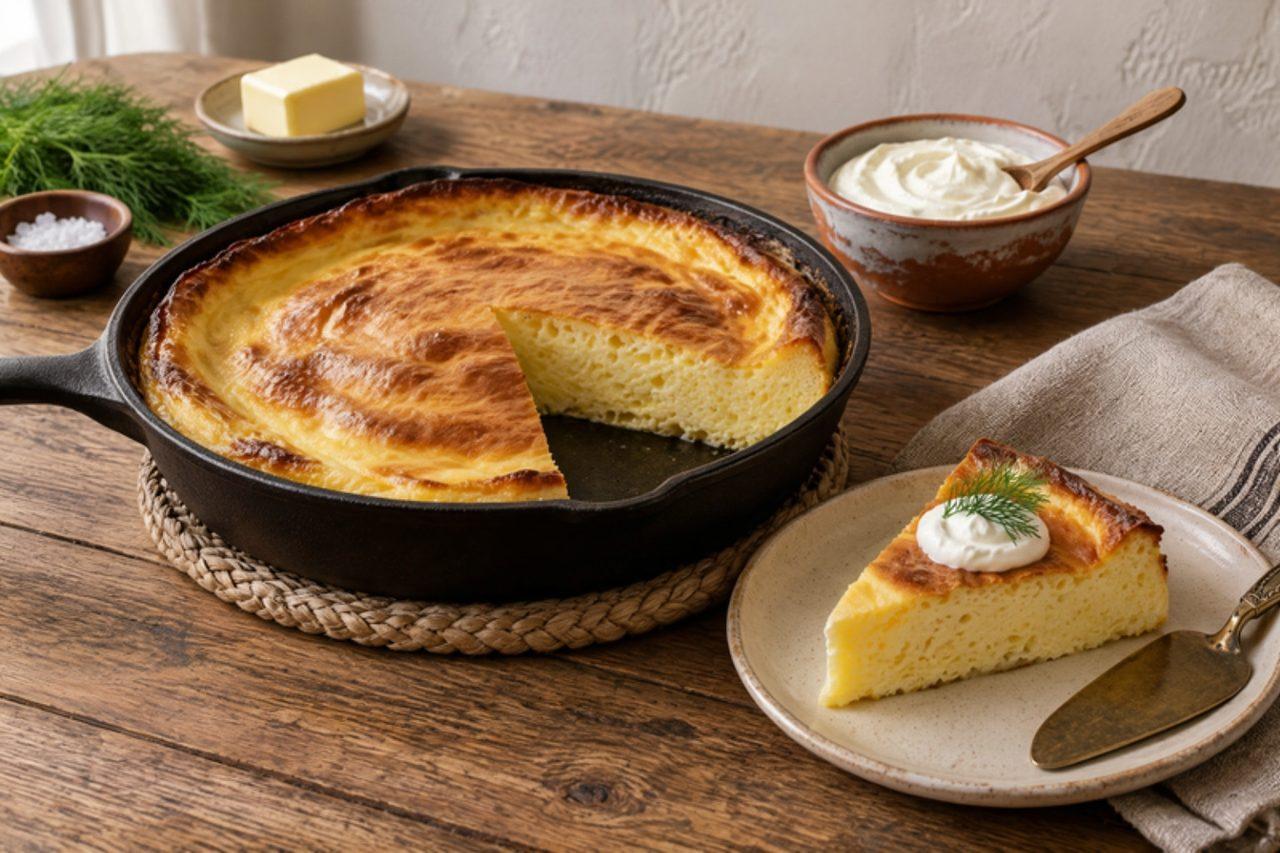
Drachena belongs to the old peasant cooking of northern Russia, from Arkhangelsk to Vologda, where it was baked in the cooling Russian stove on Sunday mornings. Eggs are whisked with milk, a little sour cream and flour, poured into a hot buttered pan and baked until puffed, golden and wobbly, somewhere between an omelette and a soufflé. It is eaten warm, plain or with sour cream. The common mistake is opening the oven early; the drachena collapses if it gets a draught before it is set. Chef's tip: heat the buttered dish in the oven before pouring in the batter, so it starts to set and rise from the bottom at once.

by KrazyBadal 0 views

Dubki kadhiUrad dal dumplings in curd curry

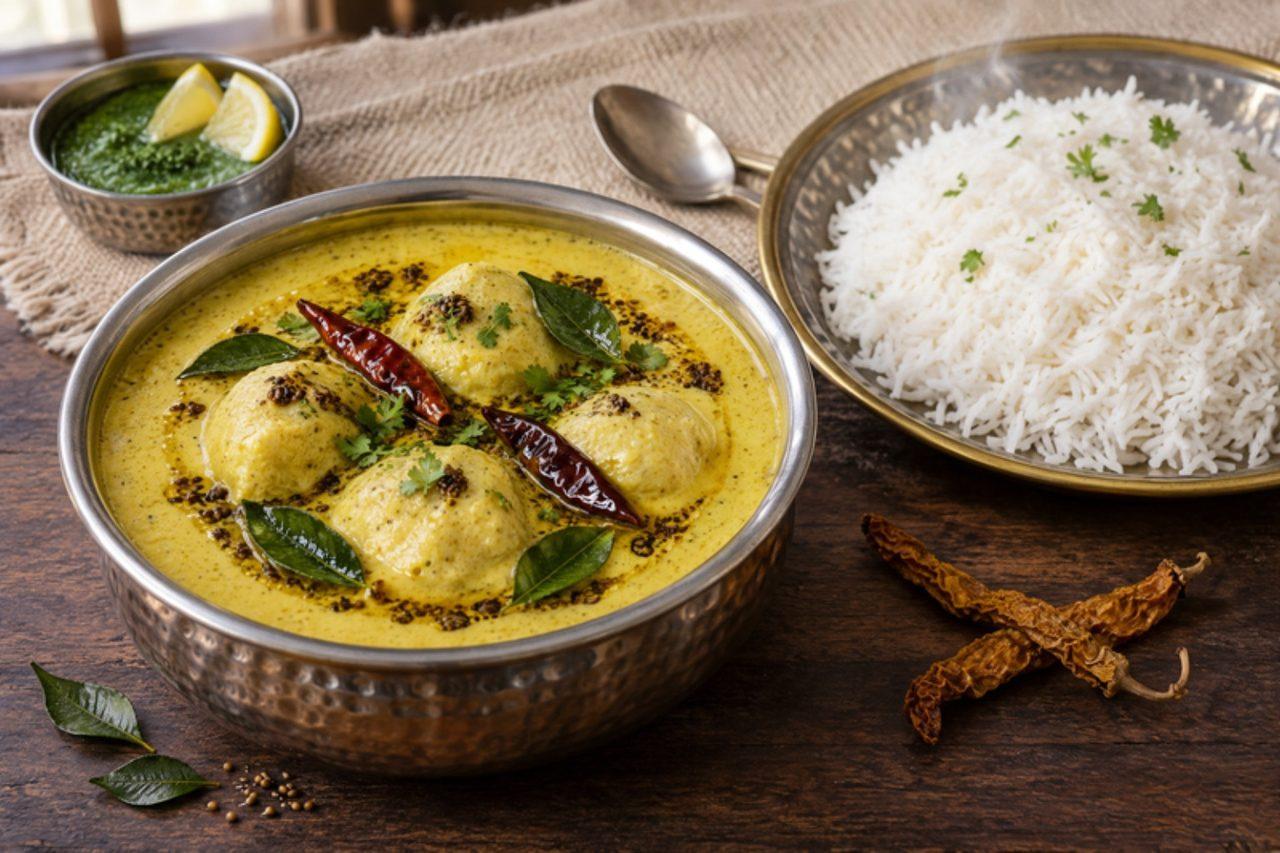
Dubki means a dip, and in this Chhattisgarhi kadhi the spiced urad dal batter is dropped raw straight into the simmering curd so the dumplings cook in the pot rather than in hot oil. It is the lighter, everyday cousin of pakora kadhi, served with rice at lunch across Durg and Raipur and at village feasts. The common mistake is dropping the batter into kadhi that is barely warm; the dumplings fall apart, so the kadhi must be at a lively simmer. Chef's tip: whisk the batter by hand for a full 3 minutes until a spoonful floats in water, and the dumplings will be airy, not dense.

by KrazyBadal 0 views

Duruka in coconut milkSugarcane flower in coconut milk

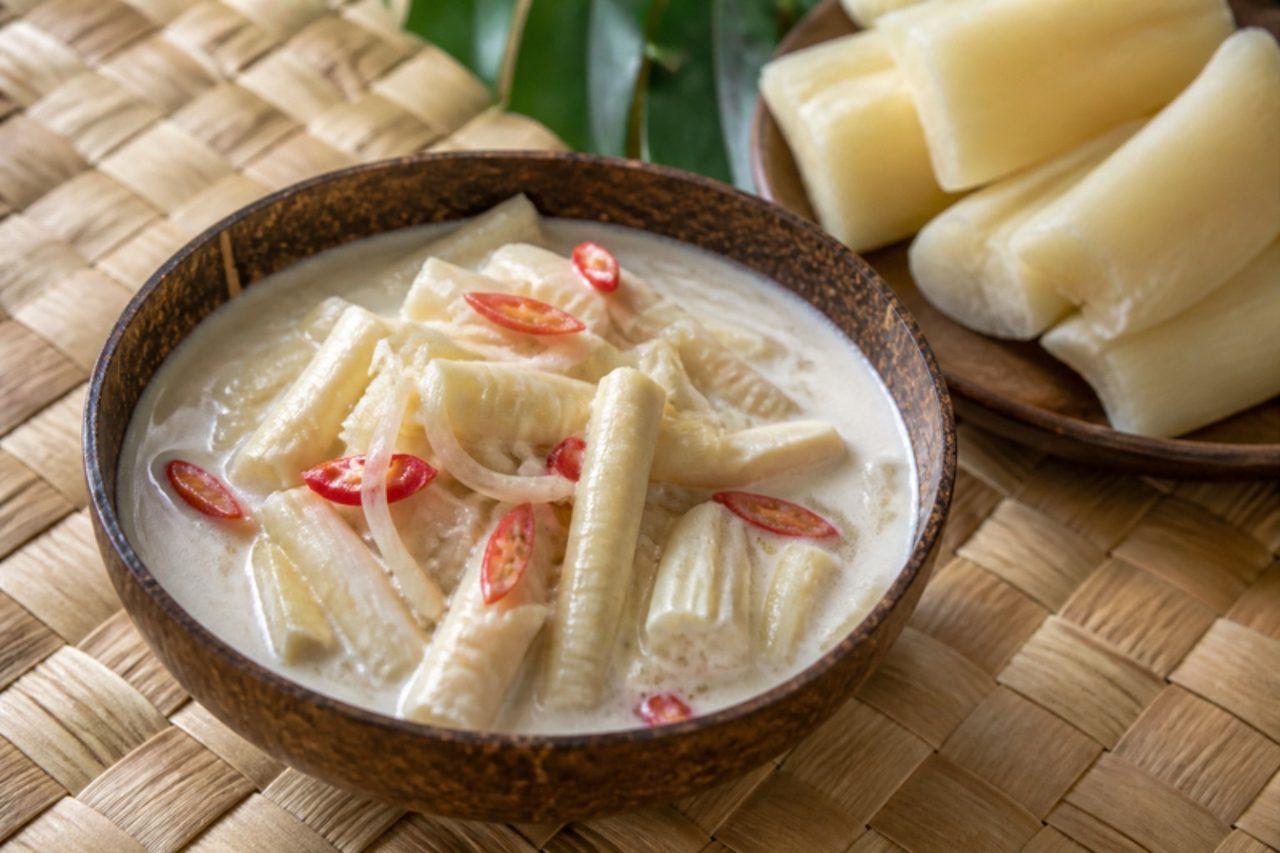
Duruka is the unopened flower of a wild sugarcane that Fijians call Fijian asparagus, in season for a few weeks around April and May when it fills the markets of Suva and Nausori in bundles. Peeled from its husk, it is tender and sweet with a taste between baby corn and asparagus, and the classic iTaukei way is to simmer it in lolo, fresh coconut milk, with onion and chilli. Outside Fiji you'll find it frozen or tinned in Pacific grocery shops; baby corn and asparagus make a fair stand-in. A common mistake is boiling the coconut milk hard, which splits it; keep it at a gentle simmer. Chef's tip: add a squeeze of lemon right at the end to lift the richness.

by KrazyBadal 0 views

HojichaRoasted green tea

Hojicha was born in Kyoto in the 1920s, when tea merchants started roasting the coarse late-season bancha leaves and stems over charcoal to sell what would not keep. Today the smell of tea roasting in a shop doorway is part of walking down Teramachi or past the Nishiki market. Roasting drives off much of the caffeine and all the grassy bitterness, so hojicha is the pot that comes out after an evening meal, with rice crackers, or for children and older relatives who avoid stronger tea. The cup is reddish brown, smells of caramel and roasted nuts, and tastes soft and slightly sweet with almost no astringency. Unlike sencha, it likes really hot water and a very short steep. The common mistake is treating it like black tea and leaving the leaves in for several minutes, which makes it flat and woody; 30 seconds is enough for the first pour, and the leaves give a good second pot. It is ready when the liquor is clear russet and the steam smells of toasted sugar. Chef's tip: if your packet has lost its perfume, warm the leaves in a dry pan for 30 seconds until they smoke very faintly before brewing.

by KrazyBadal 0 views

Erizos con salsa verdeSea urchin with green salsa

On the docks of Punta Arenas and in the markets of Valparaíso and Puerto Montt, Chilean sea urchins are cracked open in front of you and their orange tongues (lenguas) piled on a plate with a sharp green sauce of onion, parsley, coriander and lemon. They taste of the sea, sweet and creamy, and are eaten raw with bread. Because the urchin is raw, this dish is not for pregnant women, young children or anyone with a weakened immune system. Buy urchins live or freshly packed roe from a licensed fishmonger, keep it at 0–4 °C and eat it the same day. The common mistake is drowning the delicate roe in lemon, which 'cooks' and toughens it. Chef's tip: spoon the sauce over just before eating. For a safer version, serve the same salsa verde over cooked, chilled prawns.

by KrazyBadal 0 views

ThechwaniCrushed radish curry

Thechwani is a winter dish from the hill villages of Garhwal, Uttarakhand, cooked when the radishes are fat and sweet. Instead of chopping, the radish (or potato) is bashed with a stone or pestle so it cracks into rough pieces with lots of surface, then simmered in an iron kadhai with mustard oil, jakhya seeds and a little tomato. The broken pieces soak up the spices, and the iron pot darkens the gravy. It is eaten with rice or mandua (finger-millet) roti. Jakhya, a crunchy wild seed, is sold in hill stores; cumin is the swap. The usual mistake is slicing the radish neatly with a knife, which keeps the spices on the outside. Chef's tip: add the radish greens, finely chopped, in the last 5 minutes for colour and a peppery bite.

by KrazyBadal 0 views

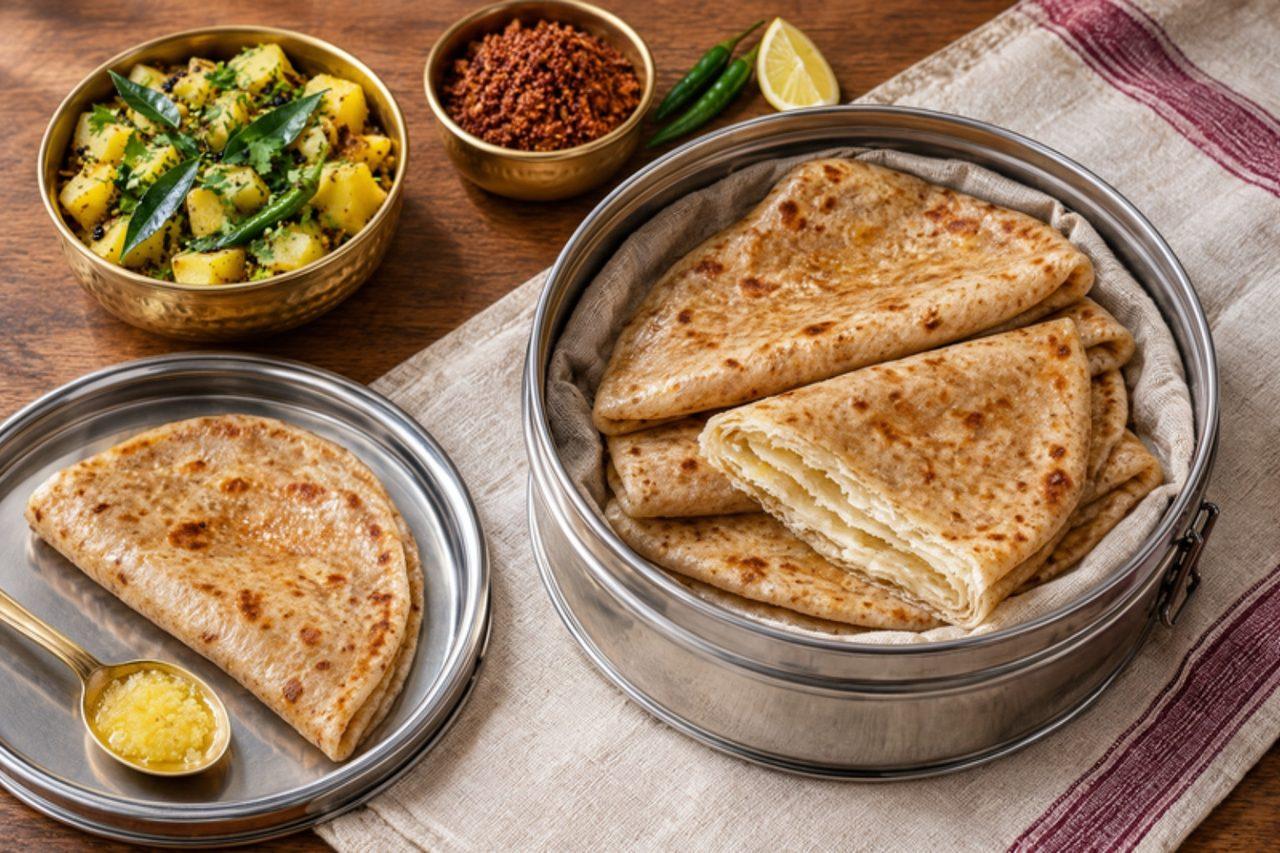
Ghadichi poliLayered chapati

In Maharashtrian homes the everyday poli is not a plain chapati but a ghadichi poli: the dough is oiled, folded into a triangle and rolled again, so it puffs into soft, separate layers that stay tender in a dabba until lunchtime. Mumbai's dabbawalas carry thousands of them every day alongside bhaji and dal. The common mistake is a stiff dough, which makes leathery polis; it should be softer than you think. Chef's tip: as soon as each poli comes off the tawa, clap it between your palms to break open the layers, then stack it in a cloth-lined box.

by KrazyBadal 0 views

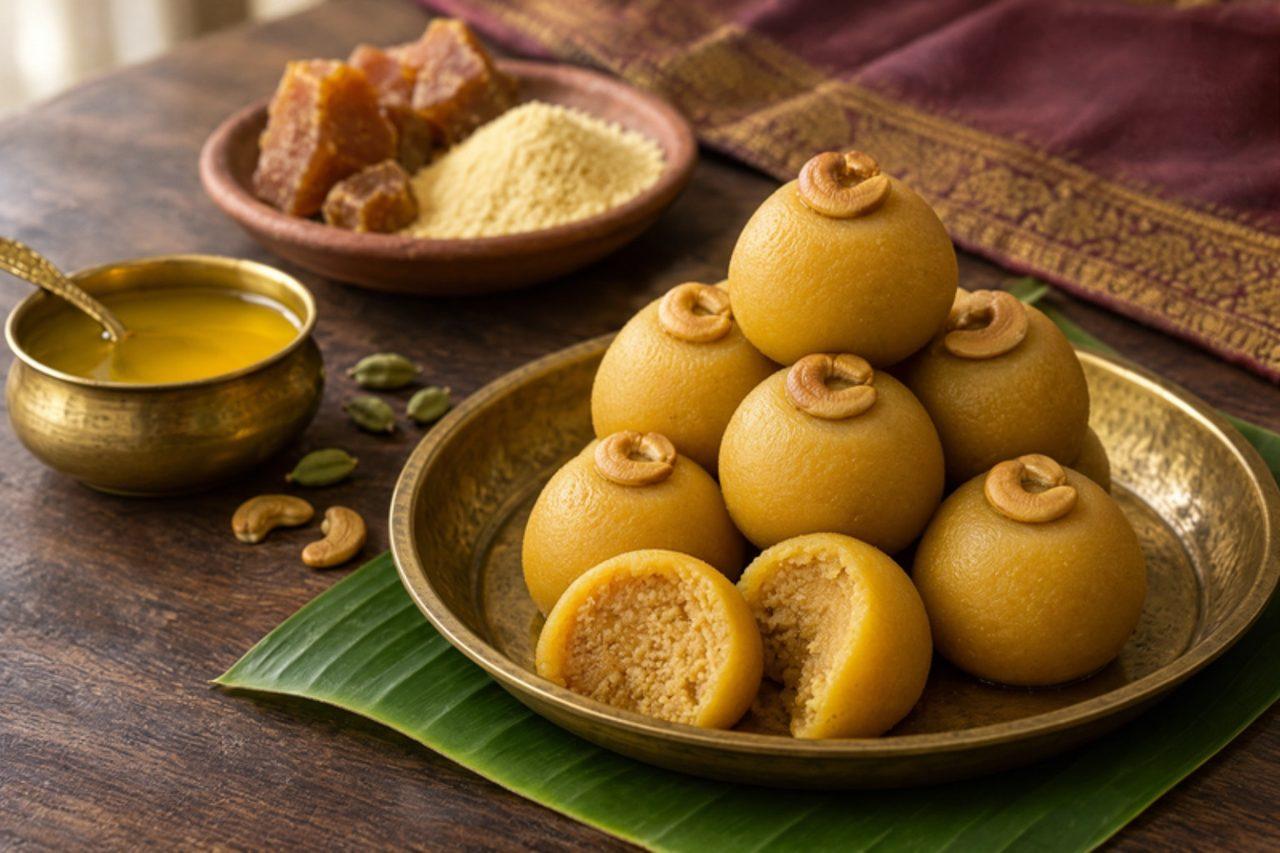
Bandar ladduGram flour and jaggery balls

Bandar laddu is named after Bandar, the old name of Machilipatnam on the Andhra coast, and it is the sweet families carry home after a trip there, offer at Sankranti and give at weddings. Gram-flour pearls are fried, then pounded with jaggery syrup and ghee until the mixture turns dense, smooth and fudgy, unlike the grainy besan laddu of the north. The common mistake is not cooking the jaggery syrup far enough: it needs to reach the soft-ball stage, or the laddus slump and turn sticky. Chef's tip: pound the mix while it is still warm, in batches, in a heavy mortar or food processor, until it clumps when pressed.

by KrazyBadal 0 views

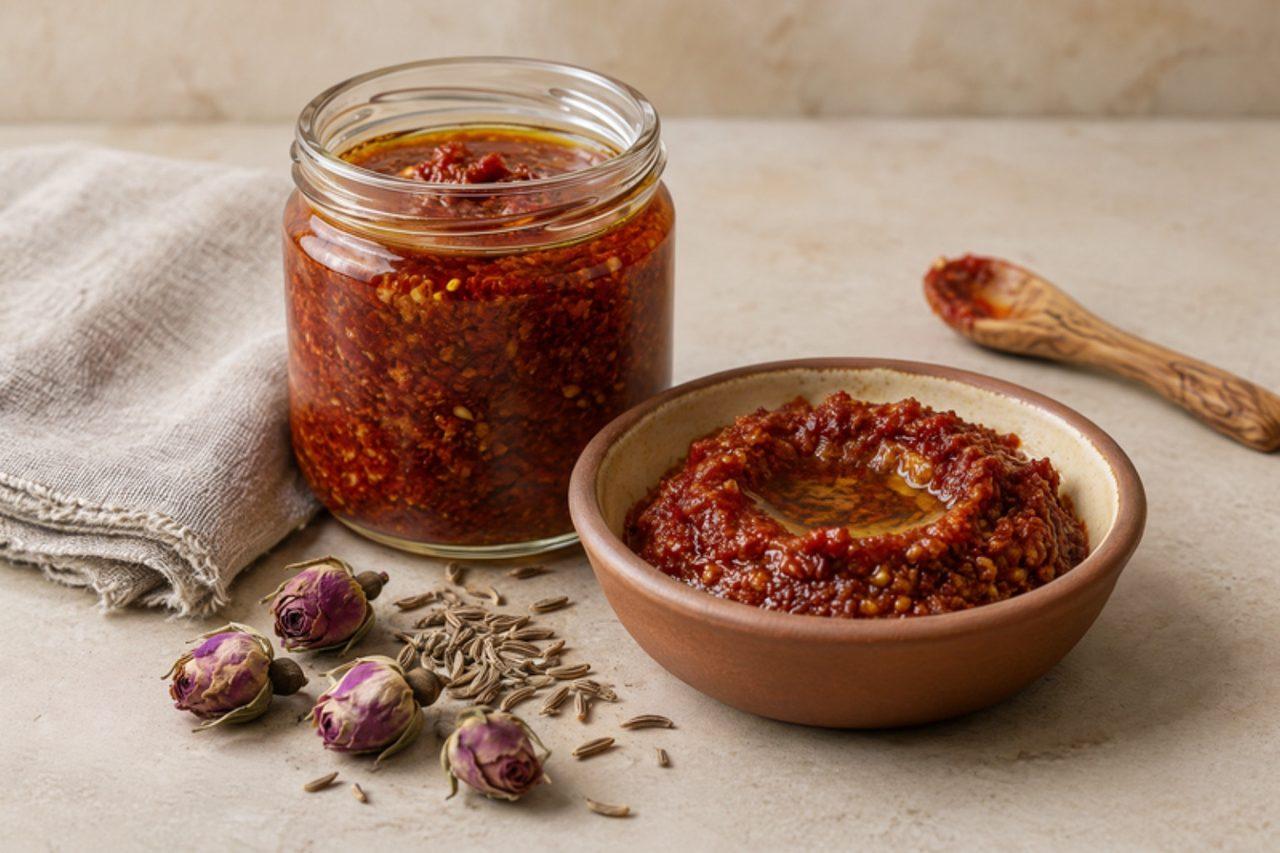
HrousFermented onion chilli paste

Hrous is the old pantry paste of Sfax and Djerba, made in late spring when the sweet onions come out of the ground and stored for months to season the year's fish couscous, stews, lablabi and simple saucers of olive oil for dipping bread. The onions are sliced, salted heavily and left for about a week to wilt and ferment, then squeezed dry and pounded with sweet and hot dried chilli, turmeric, caraway, coriander and crushed dried rosebuds, and packed into a jar under olive oil. A teaspoon goes a long way: it is brick red, salty, sour and fiery, with a funky onion sweetness and a perfumed finish from the roses, earthier and more complex than harissa. Sfaxi families stir it into fish dishes and spread it thinly on bread with olive oil at breakfast. The mistake to avoid is cutting the salt to make it milder, as the salt is what keeps the ferment safe; stick to 10% of the onion weight. The onions are ready when they are limp, smell pleasantly sour and pickled, and the paste turns glossy after a week under oil. Chef's tip: grind the rosebuds fresh, just before mixing, for the full perfume.

by KrazyBadal 0 views

PhaanuGround mixed lentil stew

Phaanu is everyday food in Garhwal's hill villages, from Pauri to Tehri, made on cold days and in large pots for family gatherings. Mixed lentils are soaked overnight, ground to a coarse paste and simmered slowly in an iron pot until the paste turns into a thick, earthy stew, with spinach or other greens and a mustard-oil and jakhya tempering. It is eaten with steamed rice and a little ghee. The usual mistake is adding the paste to the pot and walking away; for the first 10 minutes it must be stirred constantly or it forms lumps and sticks to the bottom. Chef's tip: whisk the lentil paste into cold water before it goes on the heat; it thickens smoothly and never catches.

by KrazyBadal 0 views

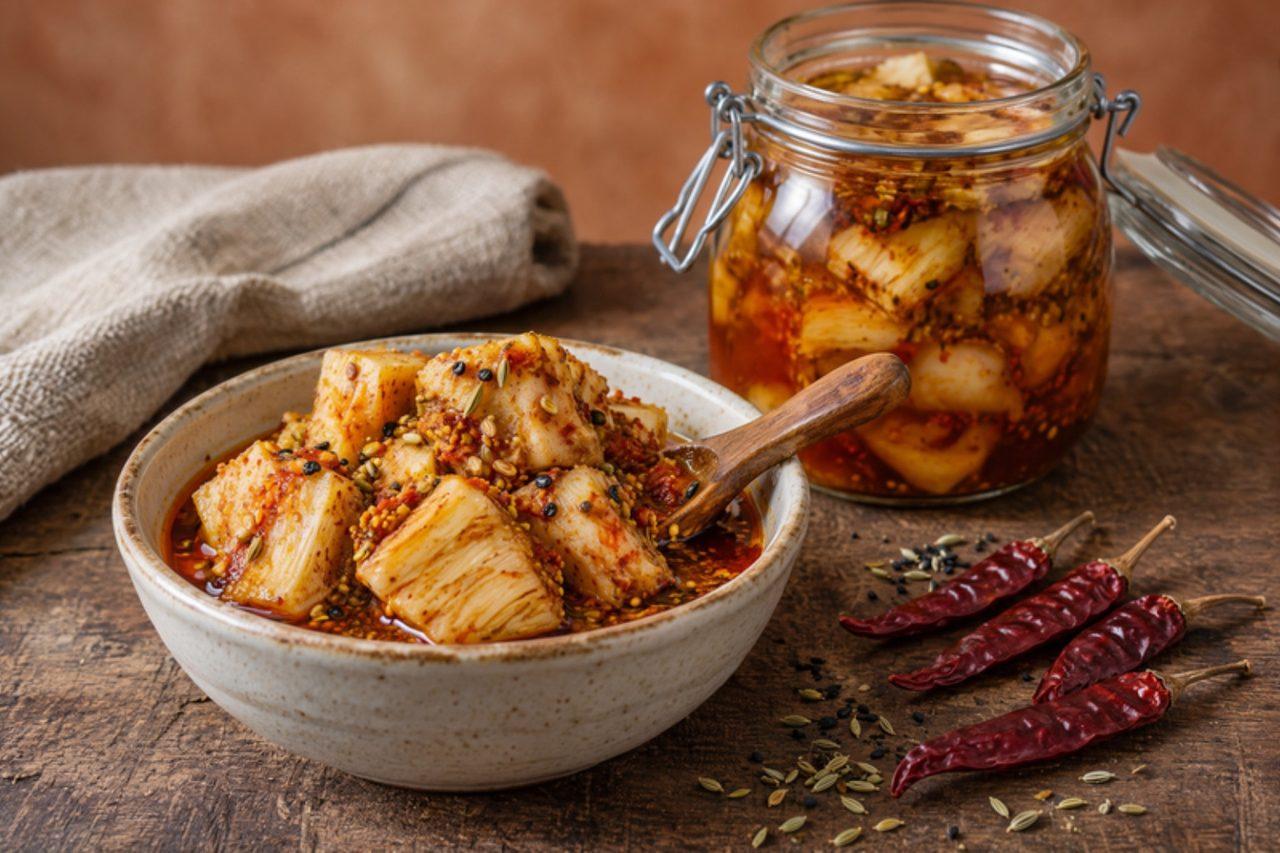
Kathal ka acharJackfruit pickle

In Lucknow, Kanpur and across Punjab, the hard green jackfruit that arrives in spring and early summer is cooked like meat in kathal ki sabzi, and the rest goes into a jar of kathal ka achar. The chunks are boiled until just tender, dried, then coated in a fierce mix of mustard oil, fennel, nigella, fenugreek and red chilli, sharpened with vinegar and dry mango powder. The texture is the surprise: firm, fibrous and almost meaty, soaking up spice like a sponge. It goes with puri-aloo at a Sunday breakfast or alongside rajma-chawal. Boiled jackfruit is a low-acid vegetable, so this version is deliberately acidified and lives in the fridge. Common mistake: boiling the jackfruit soft; it then breaks into mush in the jar. Stop when a knife meets slight resistance at the core. It is ready after 3 days, when the chunks have turned tawny all the way through and taste sour, not bland. Keep in the fridge for up to 1 month, under oil, with a dry spoon; discard if mould, fizzing, sliminess or a sour-rotten smell appear. Chef's tip: rub your knife and hands with oil before cutting raw jackfruit, or the sticky sap glues everything.

by KrazyBadal 0 views

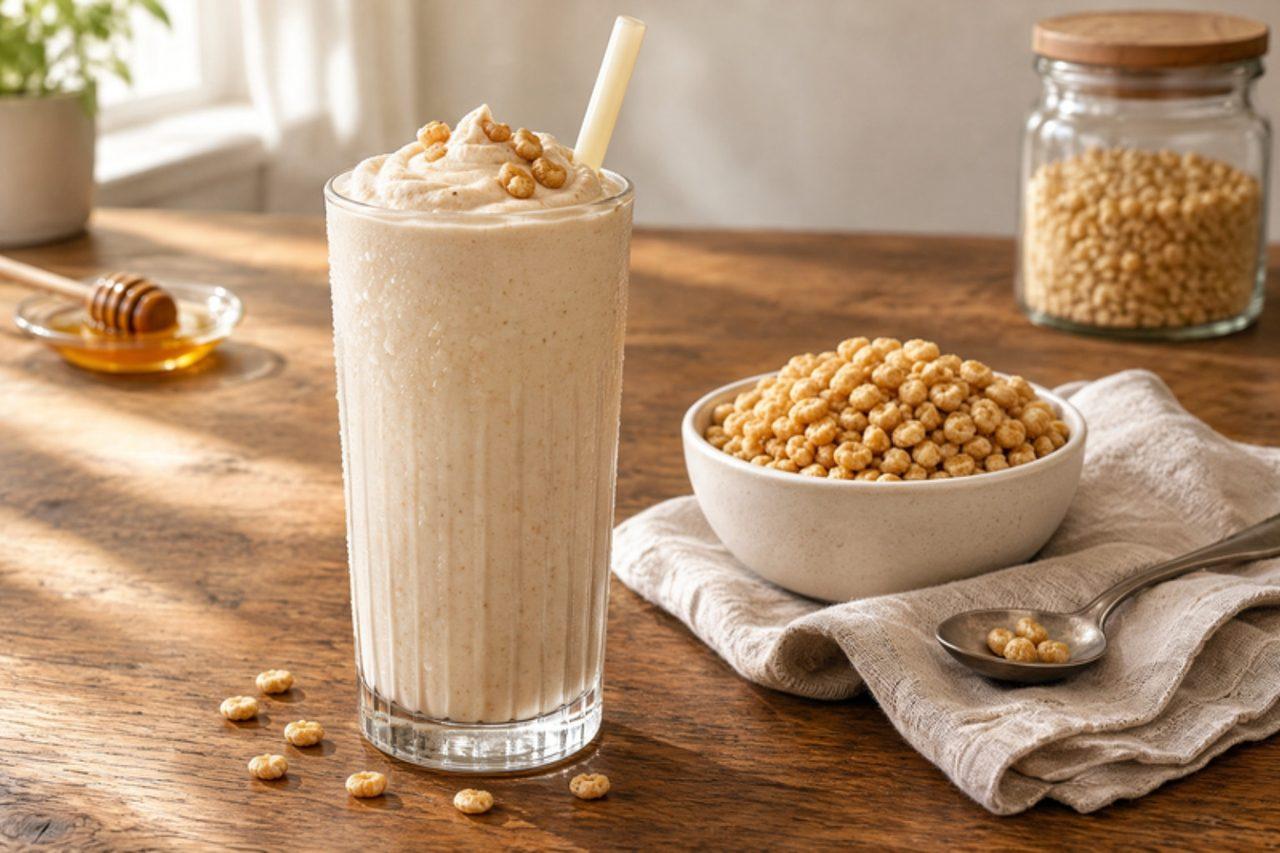
Batido de trigoPuffed wheat shake

Havana cafeterías and Miami ventanitas blend this for breakfast on the run: puffed wheat, cold milk, sugar and ice whizzed into a thick, frothy shake that tastes like a malted milk with toasted cereal. It is one of the most loved Cuban batidos, and quick to make at home. The common mistake is using sweetened, honey-coated cereal, which makes it cloying; plain puffed wheat lets the toasty grain flavour come through. Chef's tip: blend the puffed wheat with half the milk first until completely smooth, then add the ice, so you don't get soggy flecks of cereal.

by KrazyBadal 0 views

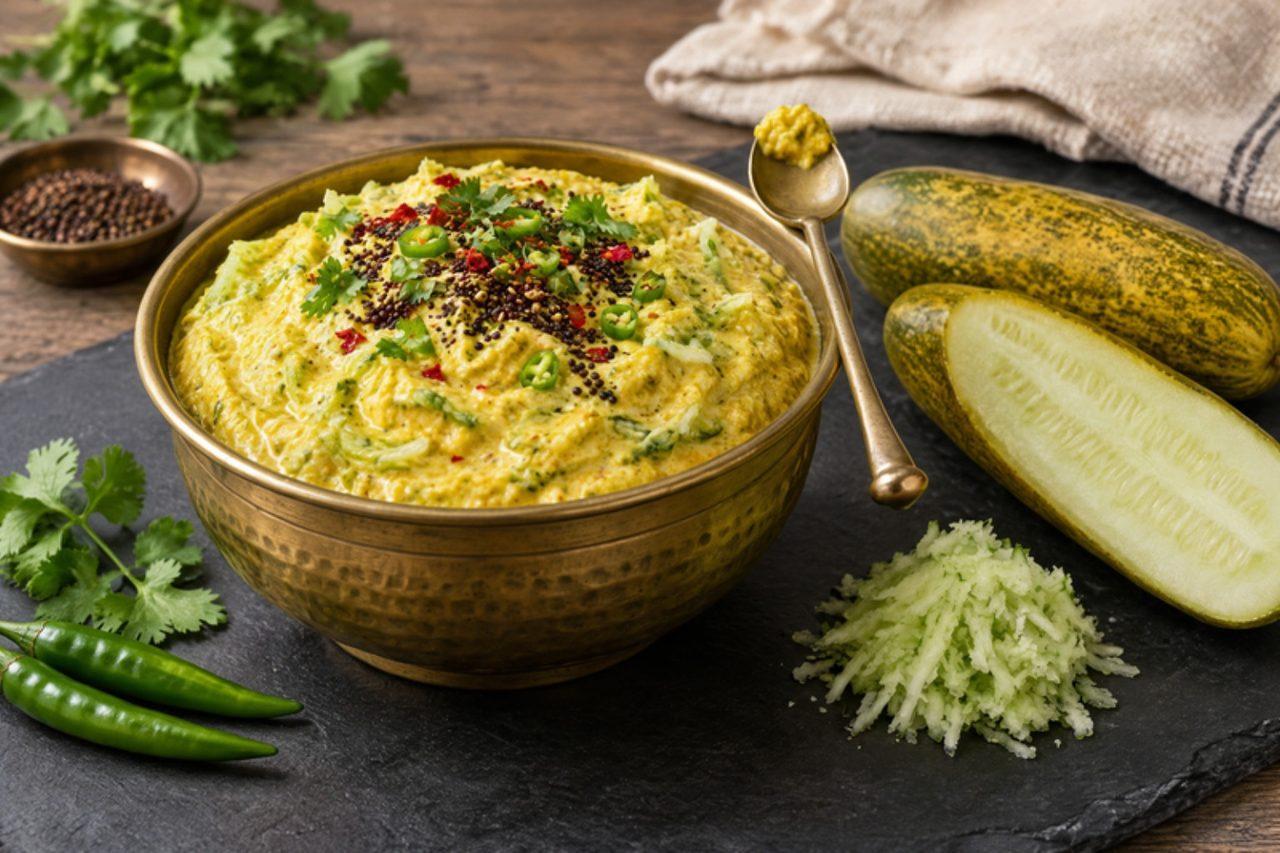
Kumaoni kheere ka raitaCucumber raita

This yellow raita is the famous one of Kumaon, made from the fat, pale hill cucumbers of late summer and served at every wedding and Holi gathering. It gets its nose-tingling kick from freshly ground raw mustard seed, which is left to mellow in the curd for an hour, and its sunny colour from turmeric. It is eaten with rice, puris and pakodas. The common mistake is not squeezing the grated cucumber, which floods the raita and dulls the mustard. Chef's tip: make it at least an hour ahead and chill it; the mustard grows sharper and rounder as it rests.

by KrazyBadal 0 views

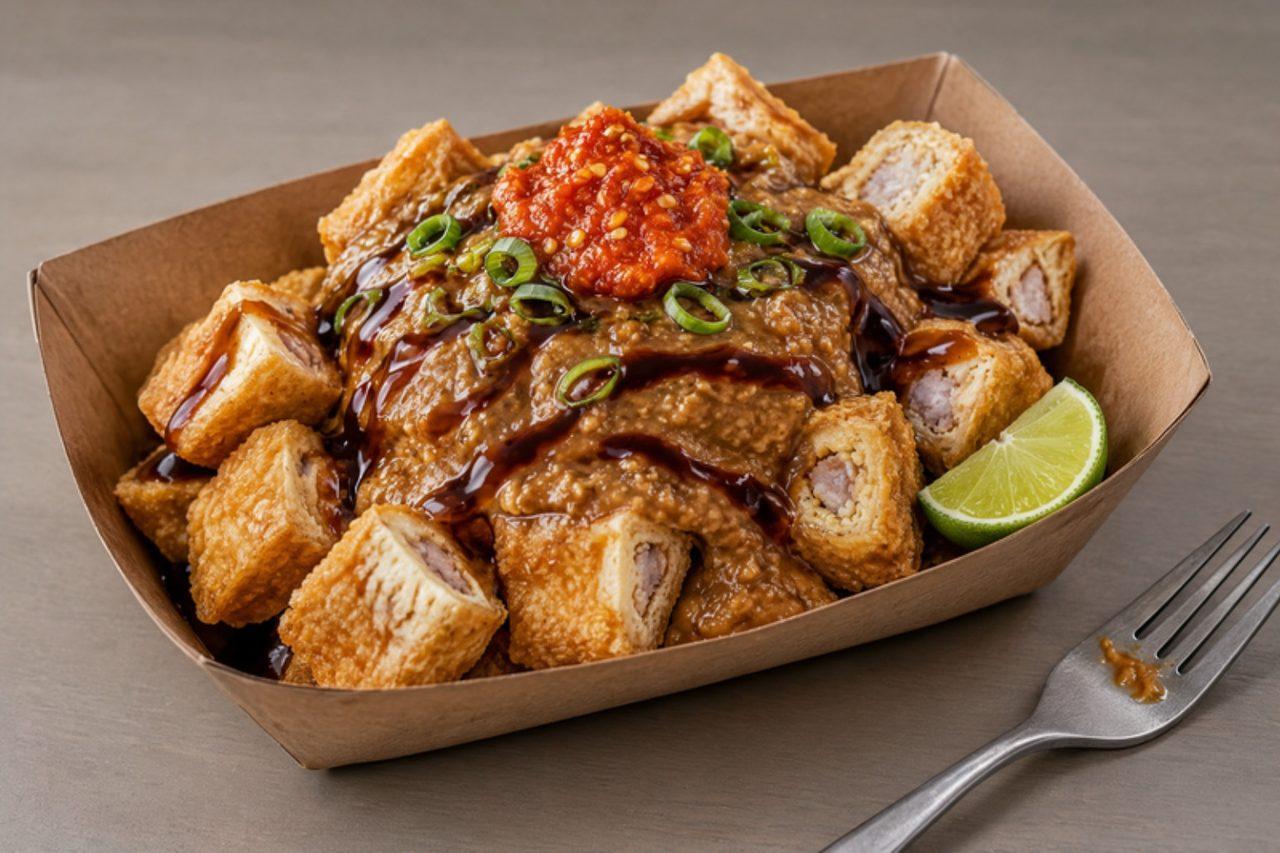
BatagorFried fish dumplings with peanut sauce

Batagor, short for bakso tahu goreng (fried fish-ball tofu), is the crunchy cousin of siomay and a favourite after-school snack sold from glass-sided carts outside Jakarta's schools and along Jalan Pecenongan's evening food strip. Tofu squares and wonton skins are stuffed with a mackerel and tapioca paste and deep-fried until golden and crackly, then snipped up and covered in a spicy peanut sauce, kecap manis and lime. The contrast of crisp skin and soft, bouncy fish is the whole point. Contains fish, peanuts, soy, egg and wheat. Chef's tip: fry the tofu side with the fish paste facing down first; it seals the filling so it doesn't puff away from the tofu.

by KrazyBadal 0 views

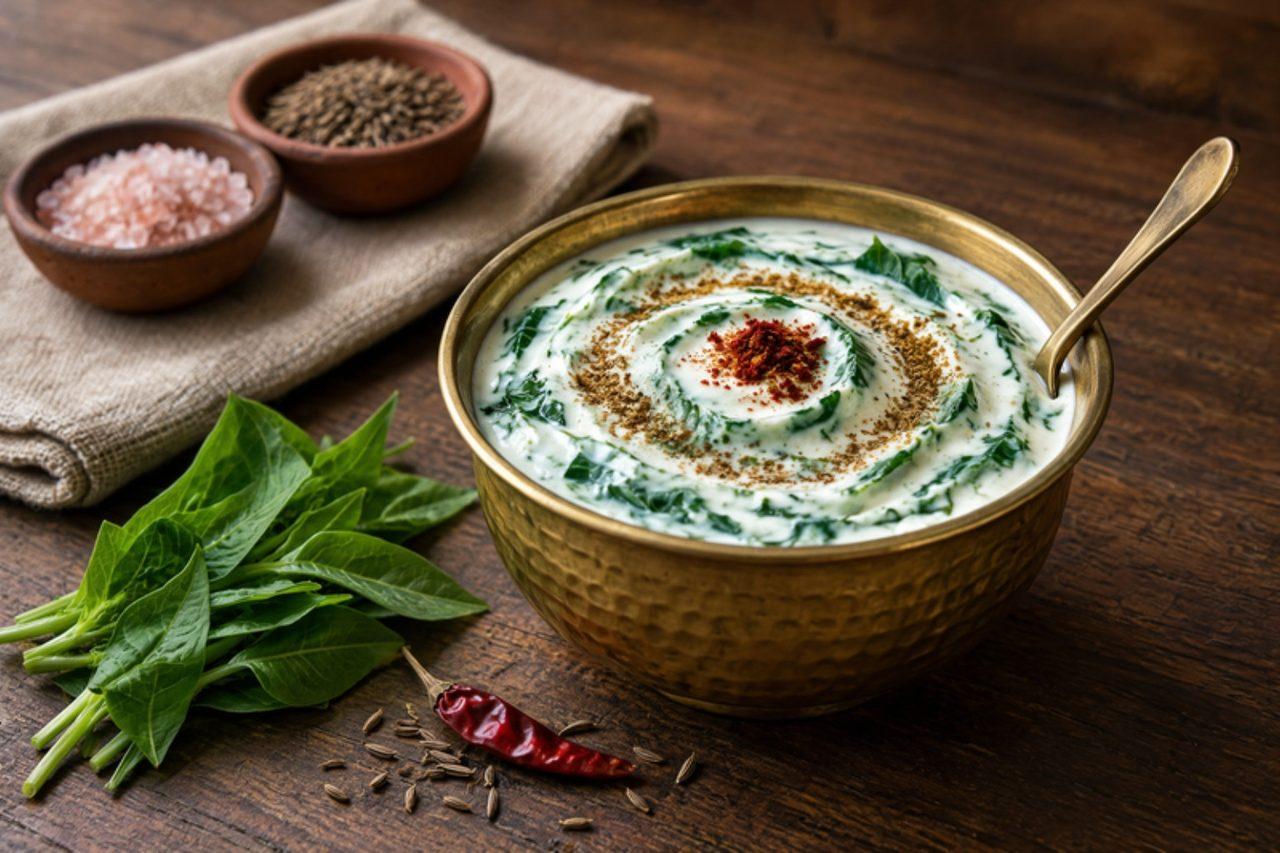
Bathua raitaChenopodium leaf yogurt

Bathua (chenopodium or lamb's quarters) grows wild in the wheat fields of western Uttar Pradesh and Haryana in winter, and from December to February families blanch it and stir it into yogurt as a cooling raita beside paratha, dal or bajra roti. The leaves are boiled briefly, chopped and folded into whisked yogurt with roasted cumin, black salt and a little green chilli, so it tastes earthy, tangy and fresh. It is suitable as part of a balanced diet. About 90 kcal and 7 g carbohydrate per portion. The usual mistake is adding the greens while they are still hot or wet, which makes the yogurt thin and grainy; squeeze them dry and cool them first. Chef's tip: grind half the blanched leaves to a paste so the raita turns an even pale green.

by KrazyBadal 0 views

Batida de cocoCoconut cachaça cocktail

Along the barracas of Salvador's beaches and at the June São João parties across Bahia, batida de coco comes out of the blender in jugs, poured into plastic cups and drunk while the forró plays. It is a drink for adults only that hides its strength well: creamy, cold and sweet like a coconut milkshake, with cachaça warming the finish rather than shouting. The texture should be thick but pourable, pale ivory, with a soft froth on top. The common mistake is blending the ice for too long, which leaves a thin, watery drink that separates into a fatty layer within minutes. Blend the liquids smooth first, then add the ice and pulse only a few times, until the noise from the blender goes quiet and smooth. It is ready when no lumps of ice rattle and the batida coats the side of the glass. Because it tastes so gentle, keep the cups small and drink responsibly. Chef's tip: chill the cachaça, coconut milk and tin of condensed milk overnight, and you will need less ice and get a richer, denser batida.

by KrazyBadal 0 views

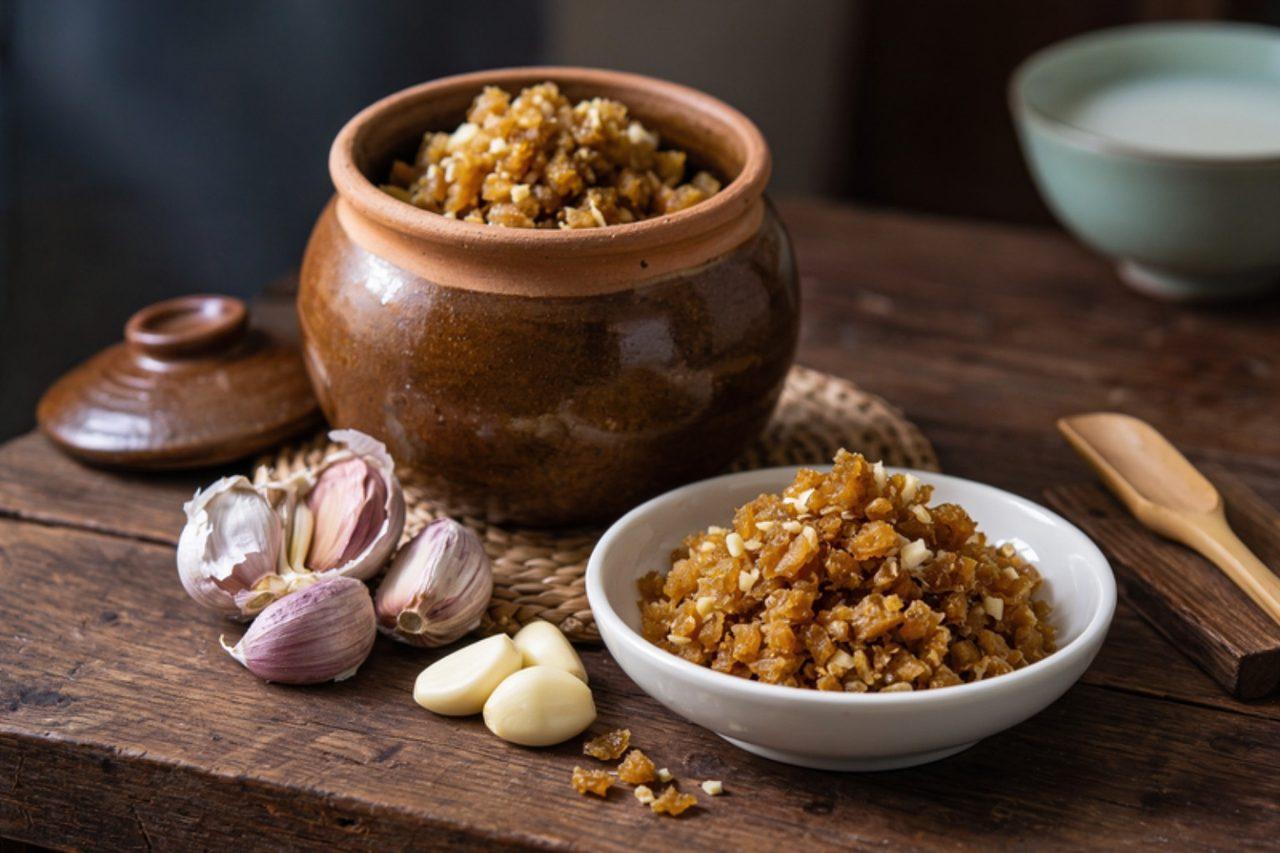
Tianjin dongcaiPreserved napa cabbage

Tianjin's 'winter vegetable' is made exactly when the name says: in November and December, when napa cabbage is cheap and the northern air is dry and near freezing. The cabbage is diced, salted, dried until it shrinks to a fraction of its weight, then pounded with garlic and salt and packed into earthenware jars to cure through the cold months. It turns golden-brown, chewy and intensely savoury, with a mellow garlic sweetness rather than raw bite. Southern Chinese and Teochew cooks prize it as much as northerners: a teaspoon goes into wonton broth, beef ball soup, steamed pork patties and fish porridge. Common mistake: not drying the cabbage enough; it should lose about 80% of its weight and feel like soft leather, or the cure stays wet and spoils. Since this mix holds fresh garlic and is not acidic, cure it in the fridge, which mimics Tianjin's frozen balconies. It is ready after 3–4 weeks, when the colour has turned amber and the garlic smells sweet and toasty. Keep in the fridge up to 6 months with a dry spoon; discard if mould, slime or a rotten smell appears. Chef's tip: rinse briefly before using; it is very salty and a little goes a long way.

by KrazyBadal 0 views

BelgramiChewy fresh cheese sweet

Belgrami belongs to Udwantnagar in Bihar's Bhojpur district, where sweet makers have cooked it for generations and travellers buy boxes on the way through. Fresh chhena is cooked down with sugar until it firms into a dense, slightly chewy, pale cream block with a gentle caramel note, then cut into pieces. It keeps for days, which makes it a favourite gift at weddings and Chhath. The common mistake is stopping too early: it must cook until the mass pulls into one lump and no longer sticks to the pan, or the pieces stay soft and weep. Chef's tip: use chhena from full-fat cow's milk and hang it for an hour, so it is dry enough to cook down quickly.

by KrazyBadal 0 views

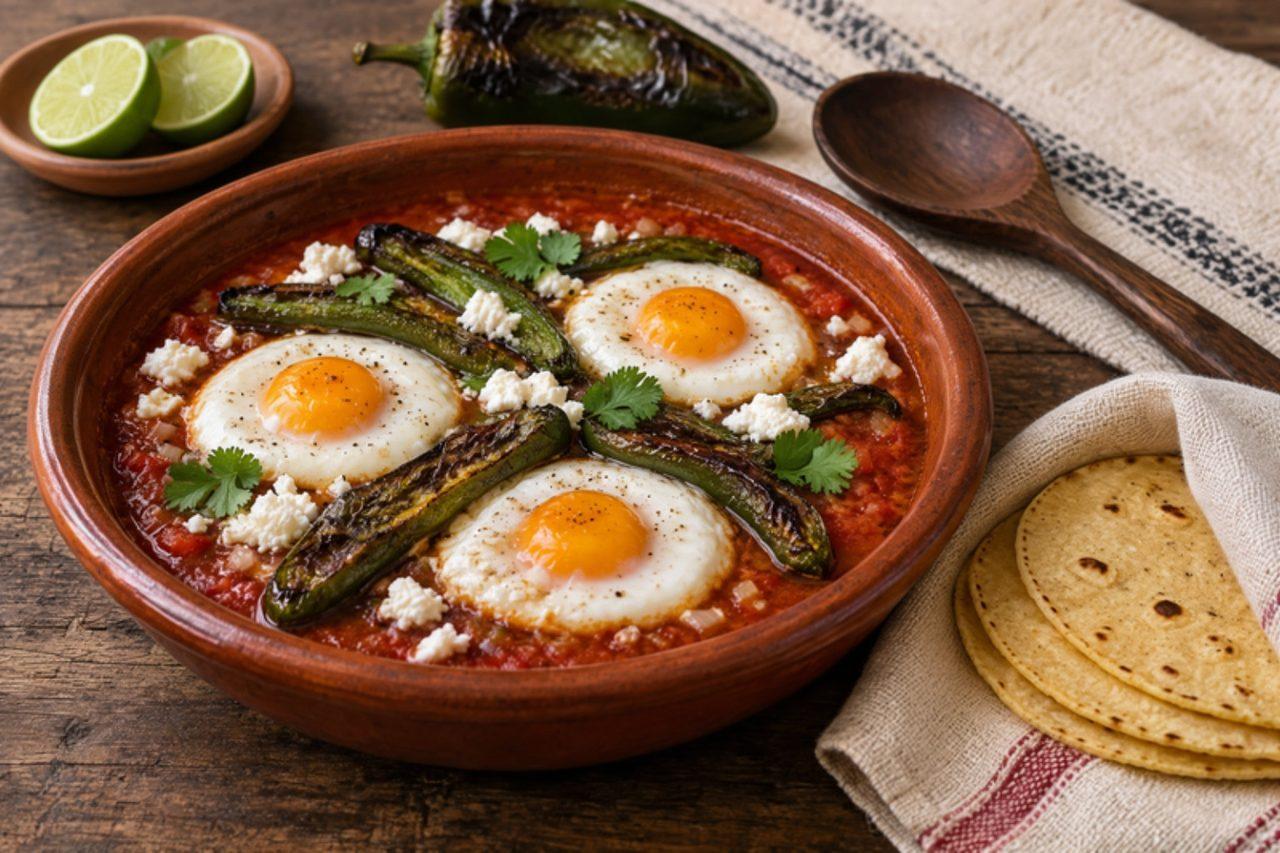
Huevos en rabo de mestizaEggs in poblano tomato broth

Families in San Luis Potosí and across central Mexico make this for a slow weekend breakfast or almuerzo: strips of charred poblano chilli simmered in a loose tomato broth, eggs poached right in the pan, and cubes of fresh cheese softening on top, with warm corn tortillas to mop it up. The name, "the mestiza's petticoat hem", is said to come from the ragged strips of chilli. The common mistake is cooking the sauce too thick: it should stay brothy, almost like a soup, or the eggs scorch before they set. Some queso fresco is made with animal rennet; for a vegetarian dish choose one made with microbial rennet, or use paneer. Cook the yolks until firm for pregnant people, young children, older or vulnerable people. Chef's tip: sweat the poblano strips in the oil before the tomato goes in, so their smoky flavour seasons the whole broth.

by KrazyBadal 0 views

BekangFried fermented soybeans

Bekang is the Mizo name for soybeans boiled and left to ferment in leaves until sticky and strongly savoury, and fried bekang is one of the most loved sides on the Aizawl table, spooned over plain rice. To ferment your own, keep the wrapped, drained beans at 30–40 °C for 2–3 days: they are ready when coated in sticky white threads and smell of ammonia and nuts. Throw them out if you see black, green or pink mould or they smell rotten. The common mistake is frying on high heat until the beans scorch and turn bitter. Chef's tip: bought kinema, axone or natto work in place of homemade bekang.

by KrazyBadal 0 views

Tianjin guobacaiCrepe strips in spiced gravy

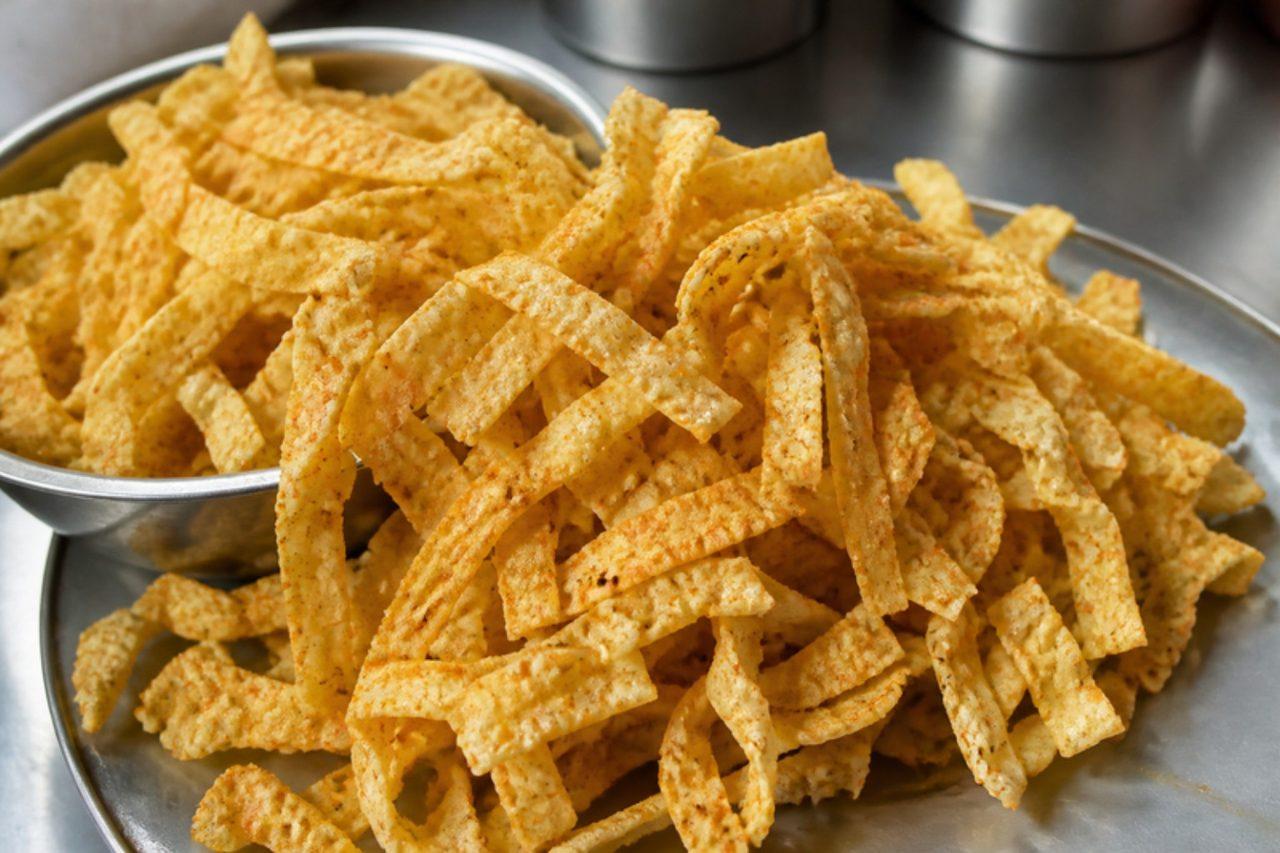
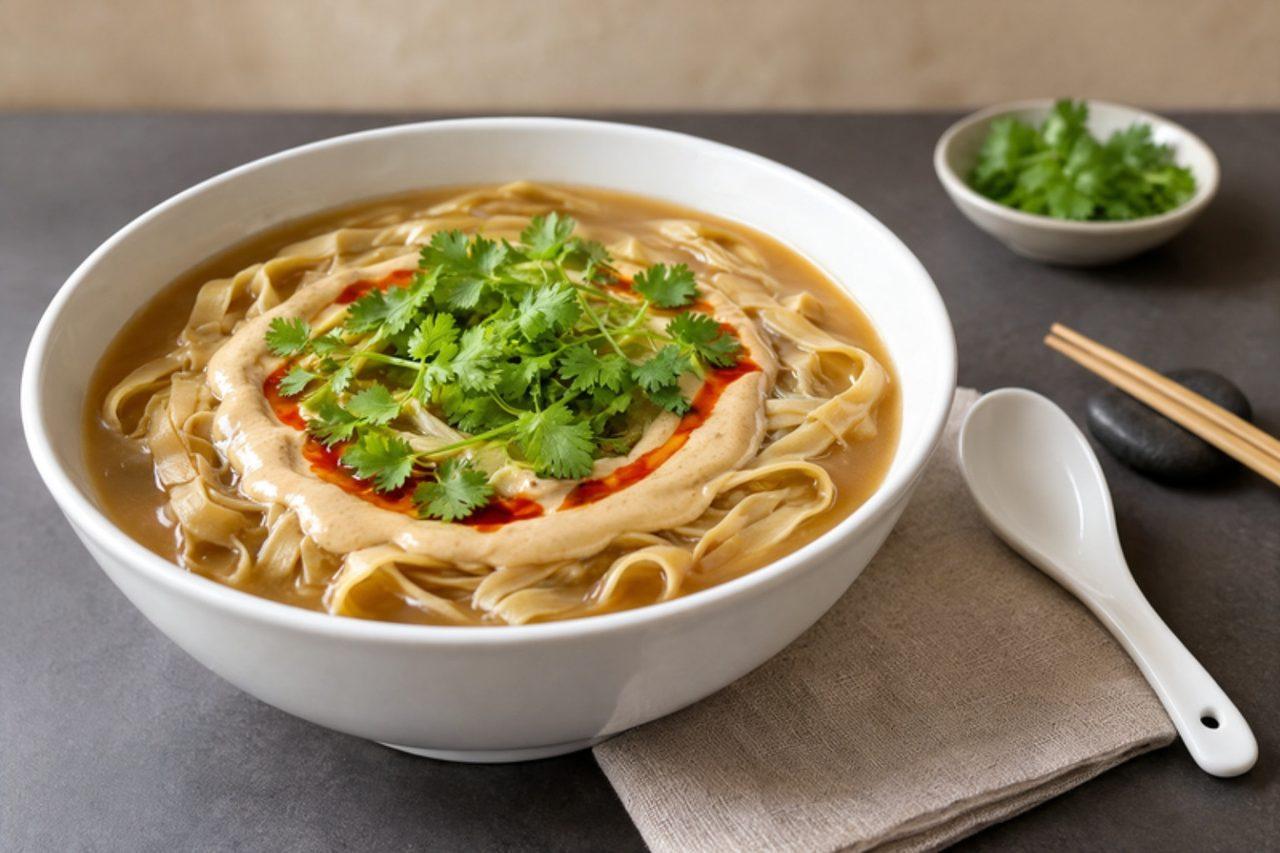
Guobacai is pure Tianjin: at breakfast stalls in the city, thin crêpes of mung bean and millet are cut into strips and drowned in a thick, glossy gravy scented with star anise, then dressed with sesame paste, fermented bean curd sauce, chilli oil and coriander. It is eaten with a spoon alongside a jianbing or a fried dough stick. The common mistake is a watery gravy; it should be thick enough to cling to the strips like a sauce. Chef's tip: dry the crêpes for an hour, or overnight, before cutting; slightly firm strips keep their bite in the hot gravy.

by KrazyBadal 0 views

Showing 90 of 8,545 recipes

Page 243 of 950