


Skip to content
Pickled watermelon
Featured recipe

Pickled watermelon

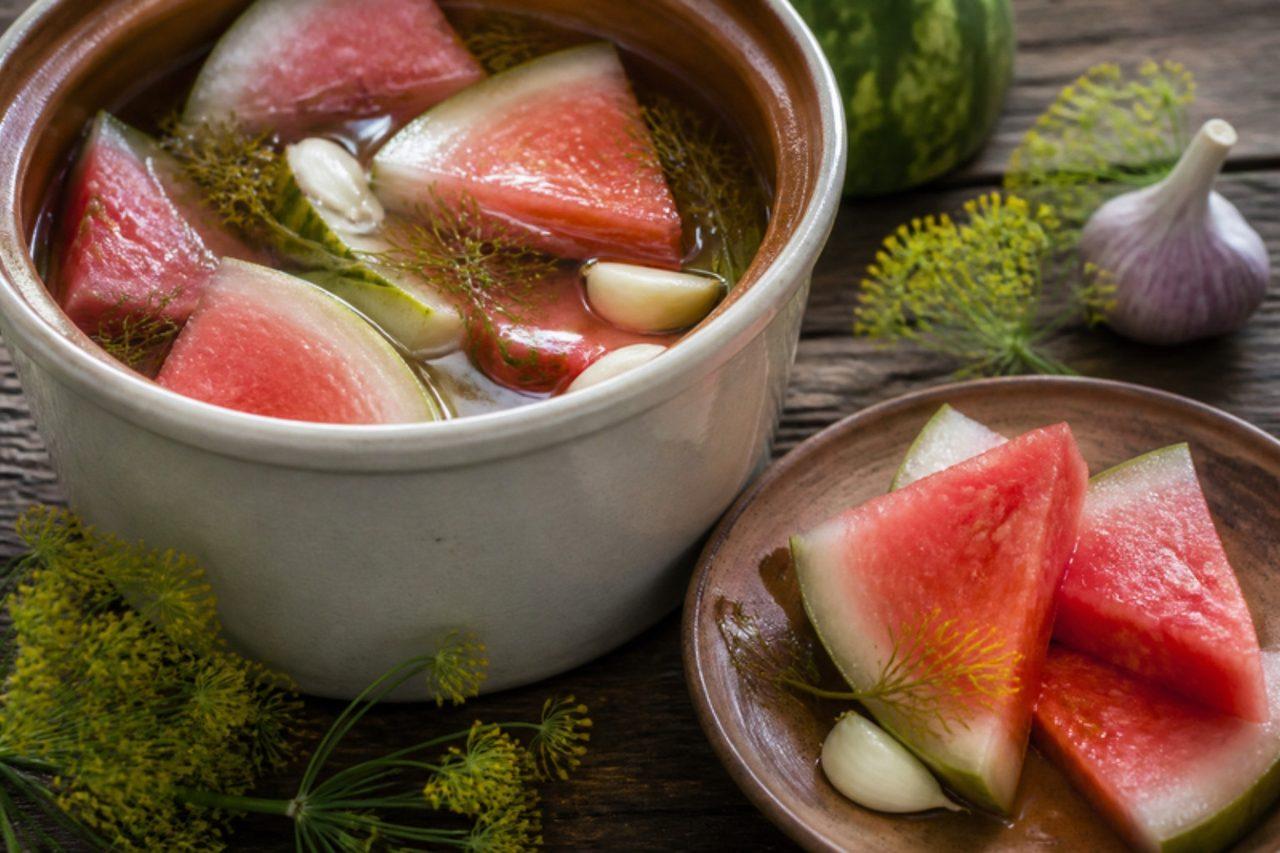
When the melon fields of Kherson and Mykolaiv end their season, the small, late watermelons that never got properly sweet go into barrels of brine. A few weeks later they come out fizzy, salty and sour, with the pink flesh still faintly sweet and the rind crisp like a pickled cucumber. Southern families eat them through the winter with boiled potatoes, buckwheat or a plate of fried mushrooms. A big glass jar works just as well as a barrel for wedges. The classic error is using a ripe, soft watermelon, which turns to mush in the brine; pick small, firm ones with pale pink flesh. Keep everything under the brine and throw out the batch if fuzzy or coloured mould appears or it smells rotten rather than sour. Chef's tip: slip a horseradish or cherry leaf into the jar; the tannins keep the rind crunchy for weeks.

Read more 0 views

What to eat today?

Around the world

Today's trip: Paraguayan

A new country every day, from every cuisine on the site.

Paraguayan

Chipa

Cheese bread rings 50 minMore from Paraguayan (27) →

This week's collection

Kid-friendly dinners
537 recipes · a new collection every Monday

Latest recipes

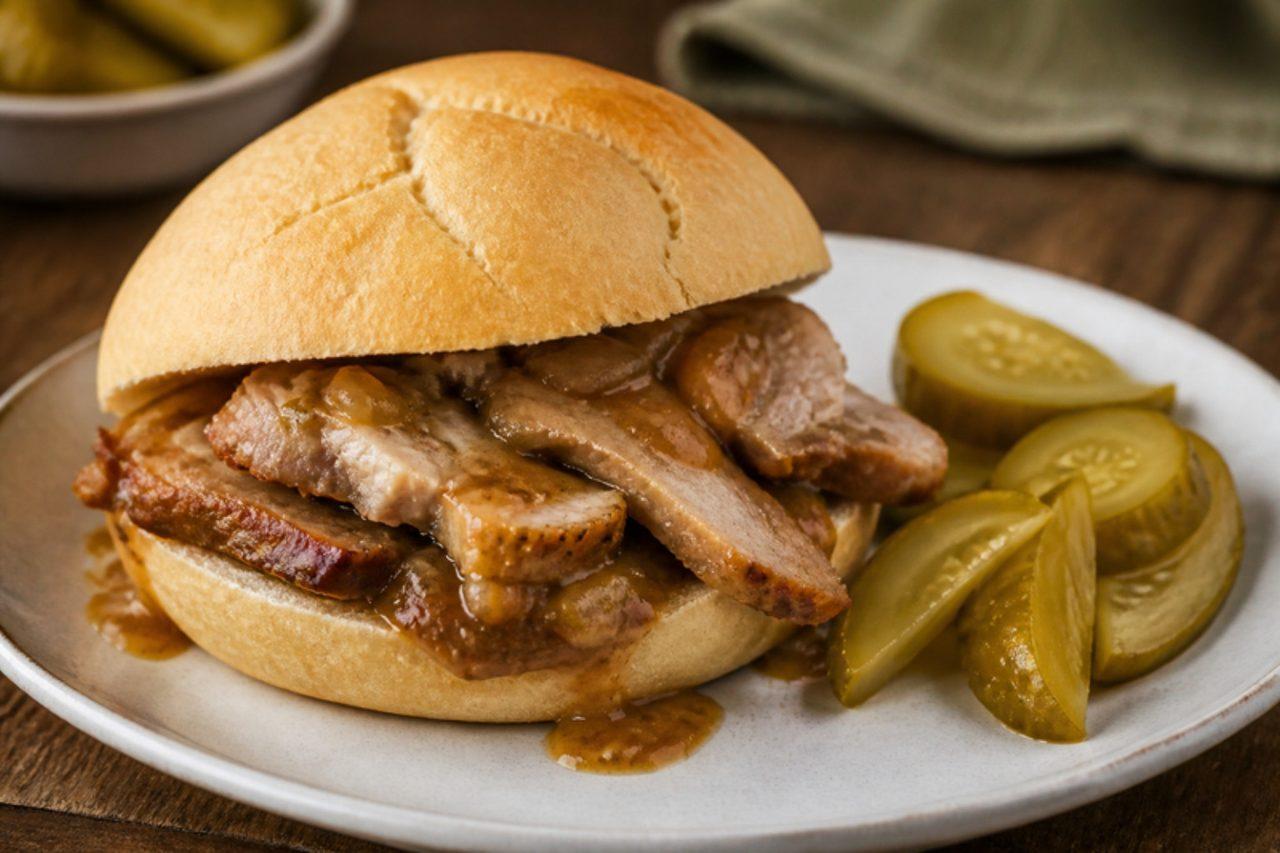
Maczanka po krakowskuPork roll in caraway juices

Long before burgers reached the Rynek, Kraków's taverns sold maczanka, a soft bread roll split, dunked in the cooking juices of slowly braised pork shoulder and stuffed with sliced meat. The name comes from maczać, to dip, and the dipping is the whole point: the roll should drip, so eat it over a plate with a knife and fork or a stack of napkins. The pork is braised with plenty of onion, caraway and marjoram until it slices like butter, and the juices go glossy and savoury. Serve it with a pickled cucumber and a sharp beetroot and horseradish relish (ćwikła). Where most people go wrong is rushing the braise at a boil, which tightens the meat instead of softening it. Chef's tip: braise the shoulder the day before, chill it in its juices and slice it cold; it cuts neatly and reheats beautifully in the liquid.

150 minPolishMeat
by KrazyBadal 0 views

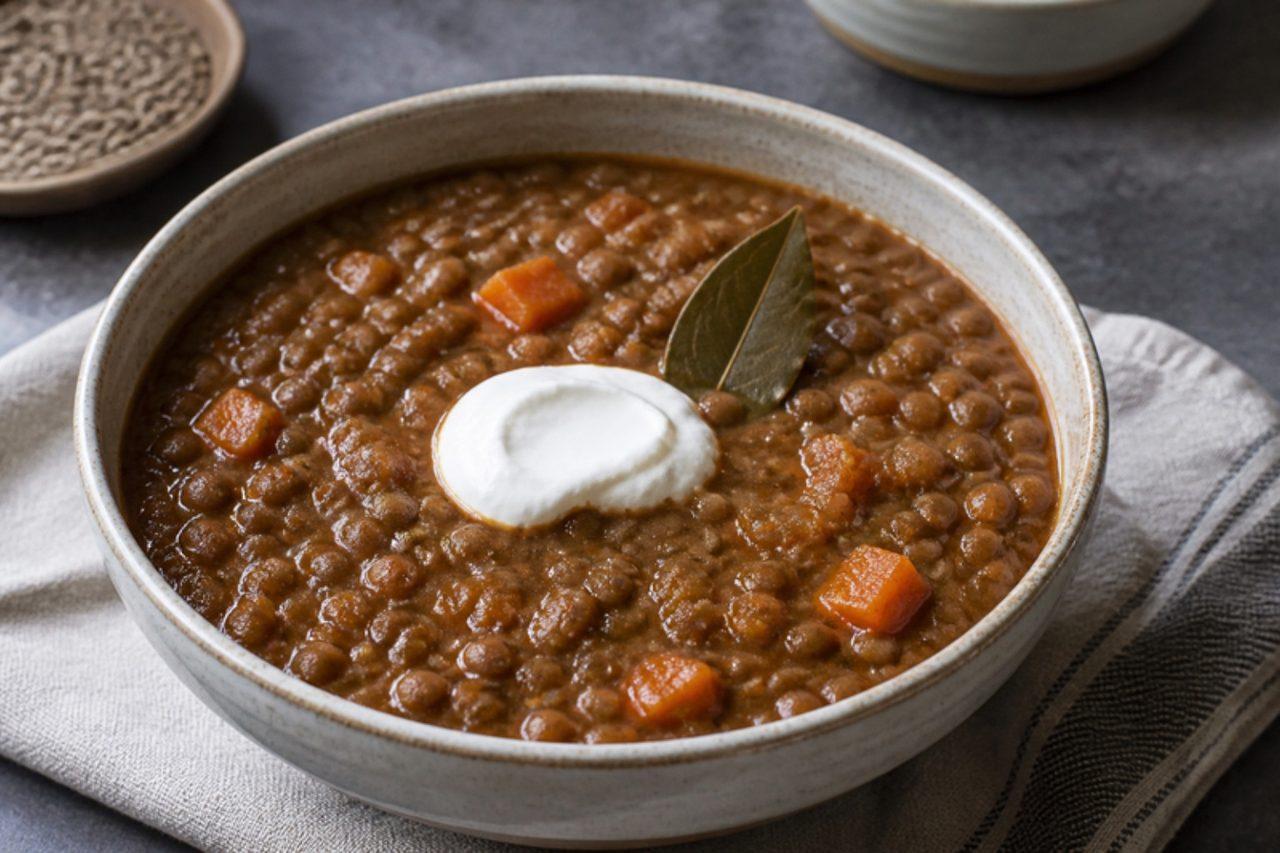
LencsefőzelékLentil stew

On New Year's Day all over Hungary, a pot of lencsefőzelék sits on the stove, because every lentil eaten is meant to bring a coin in the year ahead. The rest of the year it is an everyday Budapest canteen dish. Meat-eaters often top it with sausage or a fried egg; this version is fully plant-based and eaten with pickled vegetables and crusty bread. The lentils cook until creamy with a whole bay leaf, a little carrot and onion, then a paprika roux made with oil and a dash of vinegar turn them into a thick, savoury, gently sour stew. Where most people go wrong is making the roux too dark or adding paprika over high heat, which turns it bitter; take the pan off the heat first. Chef's tip: rest the finished stew for 10 minutes before serving; it thickens and the flavours settle.

by KrazyBadal 0 views

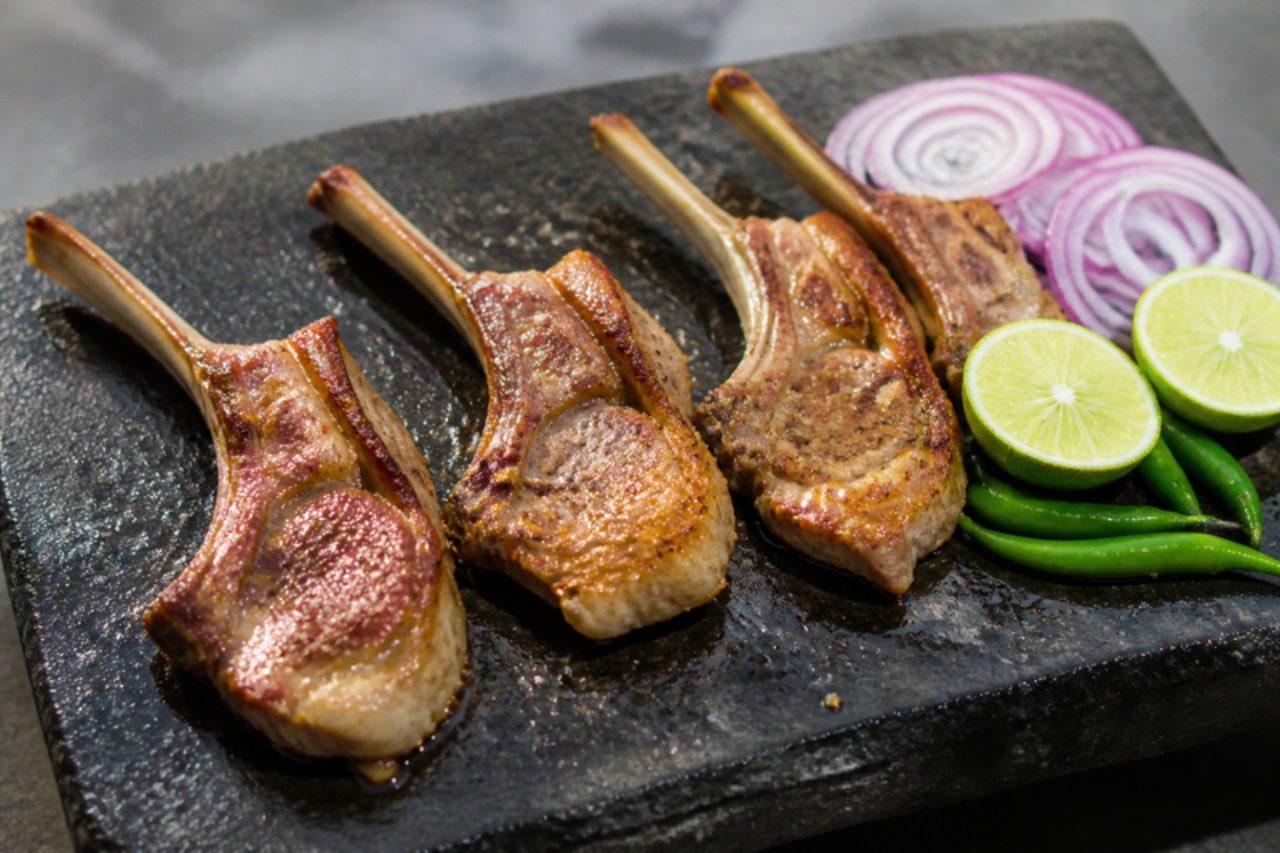
MadhbiStone-cooked lamb

In the hills around Salalah in Dhofar, southern Oman, madhbi is cooked when families head out into the khareef, the green monsoon season: flat stones are heated on a fire until they shimmer, and pieces of lamb or goat are laid straight on them with nothing but salt. The meat sears hard, keeps its juices and picks up a clean, smoky flavour. At home a heavy cast-iron griddle or skillet heated for a long time does the same job. Eat it with flatbread, raw onion, lime and a fresh chilli. The usual mistake is putting the meat on before the stone is hot enough, so it stews in its own juice. Chef's tip: cut the lamb thin enough to cook through quickly, about 1.5 cm, and keep the bones in for the best flavour.

by KrazyBadal 0 views

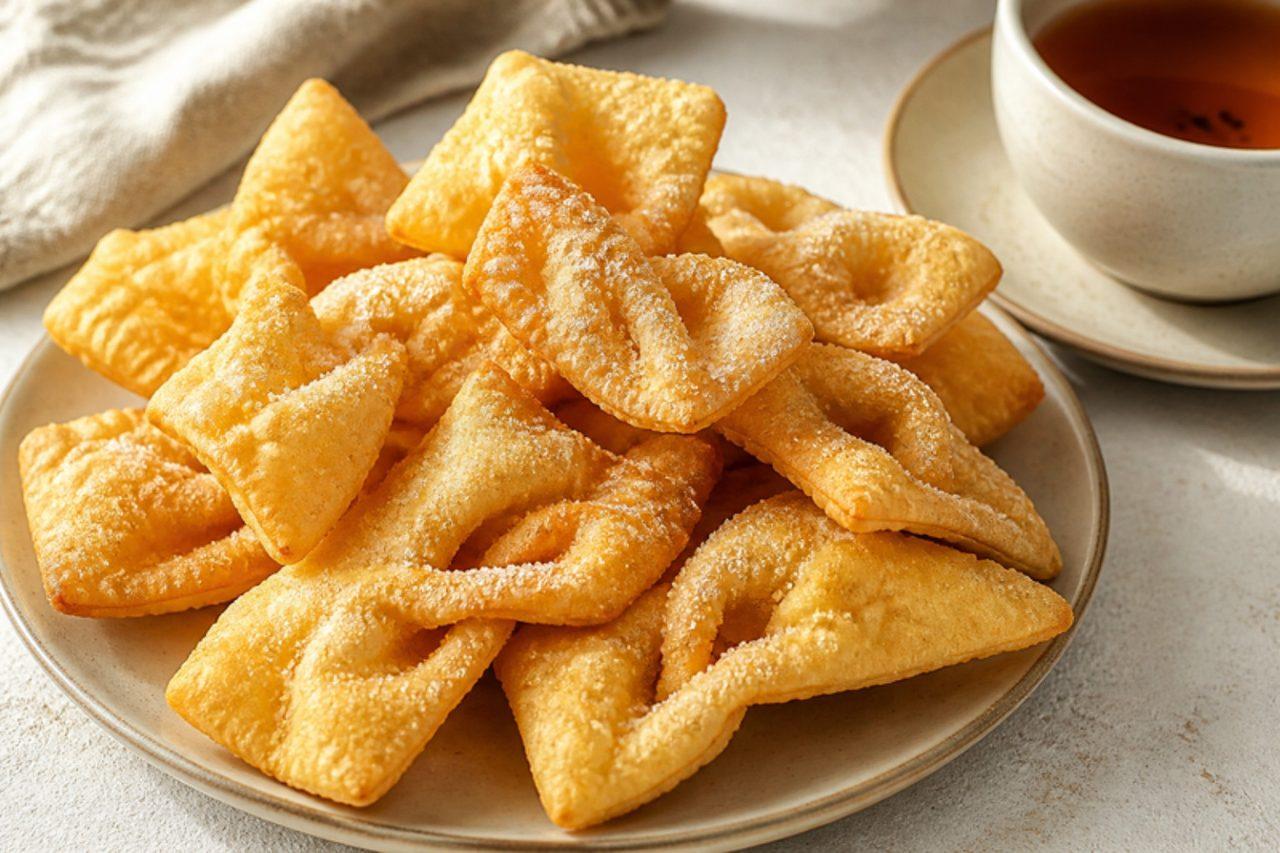
KichelCrisp bow-tie egg cookies

At kiddush in Ashkenazi synagogues, from Bnei Brak to the old shuls of Haifa, plates of kichel sit beside pickled herring and a small glass of something, and children quietly fill their pockets. The dough is barely sweet, rich in eggs, rolled out on sugar and twisted into bow-ties that puff up hollow and shatter when you bite them. They are good with tea, or with salty herring the traditional way. The common mistake is underbaking: they must dry right through and turn golden, or they go soft and chewy within a day. Chef's tip: roll the dough directly onto a layer of sugar so the crystals press in and caramelise underneath.

by KrazyBadal 0 views

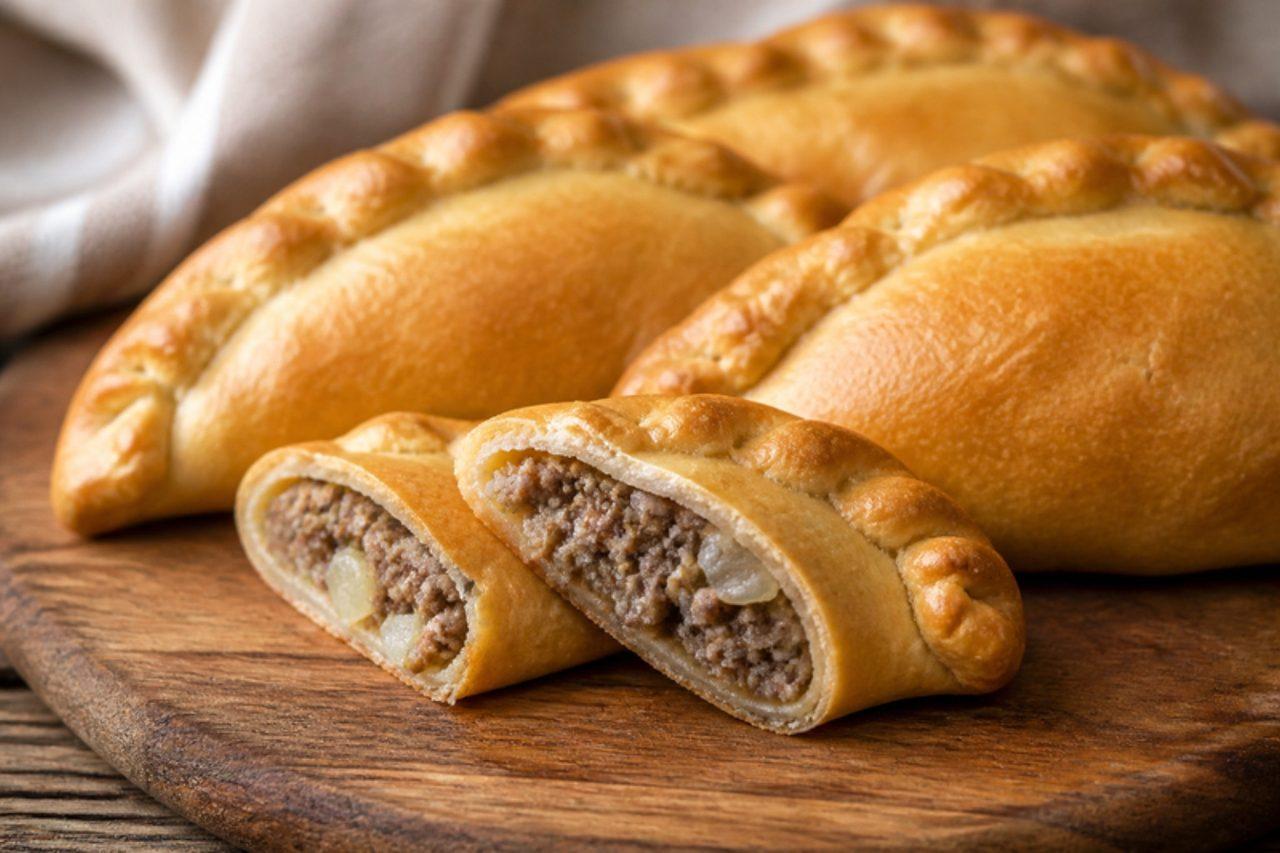
KibinaiLamb and onion pastries

Kibinai are the pastries of the Karaim, a small Turkic community settled in Trakai, the lake-island castle town near Vilnius, since the 14th century. Every café along Karaimų street sells them hot from the oven: half-moon pastries of flaky, buttery dough with a juicy filling of chopped lamb and onion, crimped along the top. A common mistake is mincing the meat; the Karaim chop it into small cubes so the filling stays juicy. Chef's tip: use cold dough and bake hot, so the pastry flakes and the juices stay sealed inside. The filling must reach 71 °C.

by KrazyBadal 0 views

KibbelingBattered white fish chunks

Kibbeling is the fish snack of Dutch markets and harbours, sold in paper trays from fish vans at Saturday markets from Volendam to Rotterdam: bite-sized chunks of cod or pollock coated in a spiced batter and fried until crisp, with a pot of garlic sauce or remoulade. It began as a way to use the cheeks of cod. A common mistake is a thick batter, which turns bready and greasy. Chef's tip: season the batter well with a little curry powder and paprika, the market-van secret, and fry at 180 °C until golden; the fish is done when opaque and flaking.

25 minDutchFish
by KrazyBadal 0 views

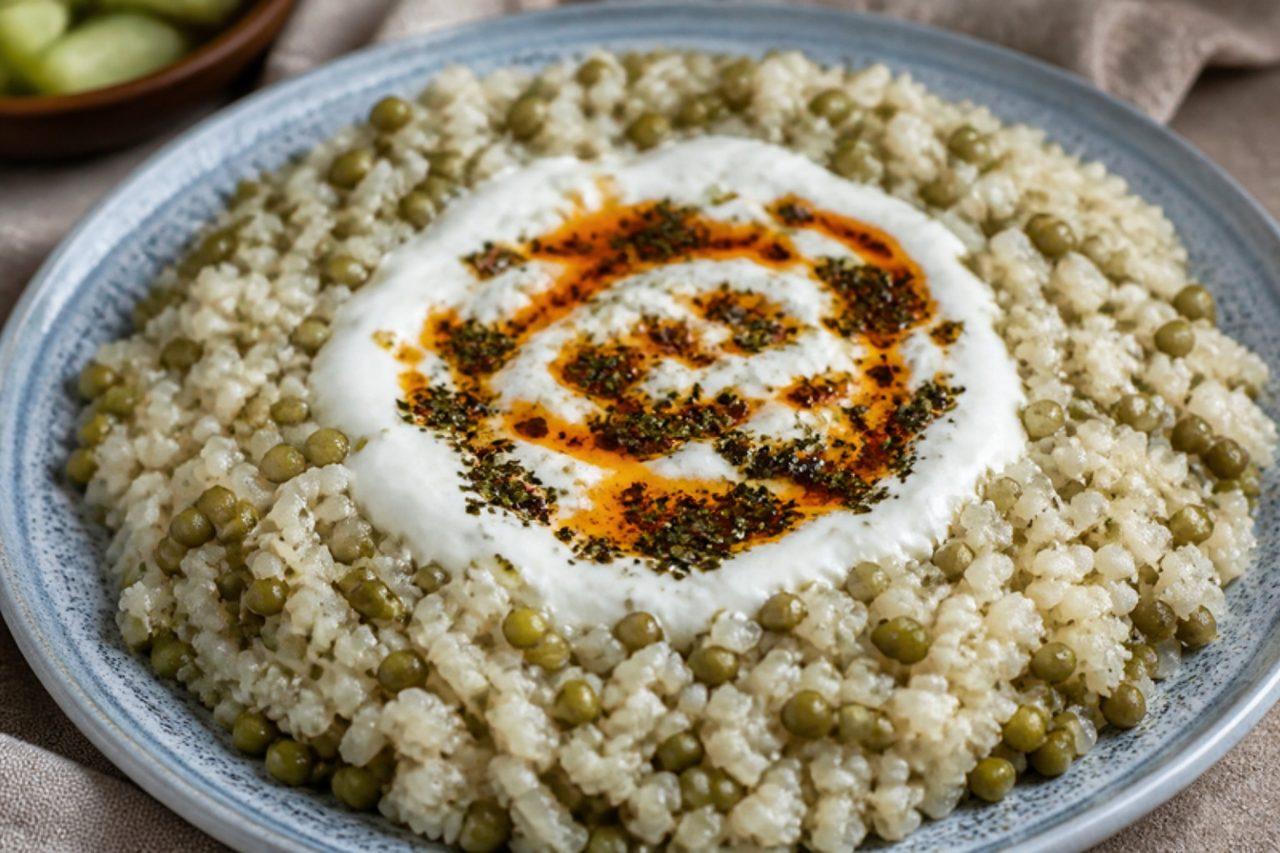
Kichiri qurootRice and mung beans

Ask Afghans what their grandmother cooked on cold winter evenings and kichiri quroot comes up again and again: a soft mound of short-grain rice and mung beans cooked until creamy and sticky, with a well pressed into the top and filled with qurut, the salty sauce made from dried yogurt balls. Hot oil with dried mint is poured over just before it reaches the table, and the rice is eaten with a spoon from a shared plate. Families in Kabul often serve it with a pan of meatballs in tomato sauce on the side; this is the meatless version, which is just as common on a quiet night. If you rinse all the starch away it will never turn sticky, so wash the rice only once. Chef's tip: if you can't find qurut, thick strained yogurt with a pinch of salt and garlic gives you something close.

by KrazyBadal 0 views

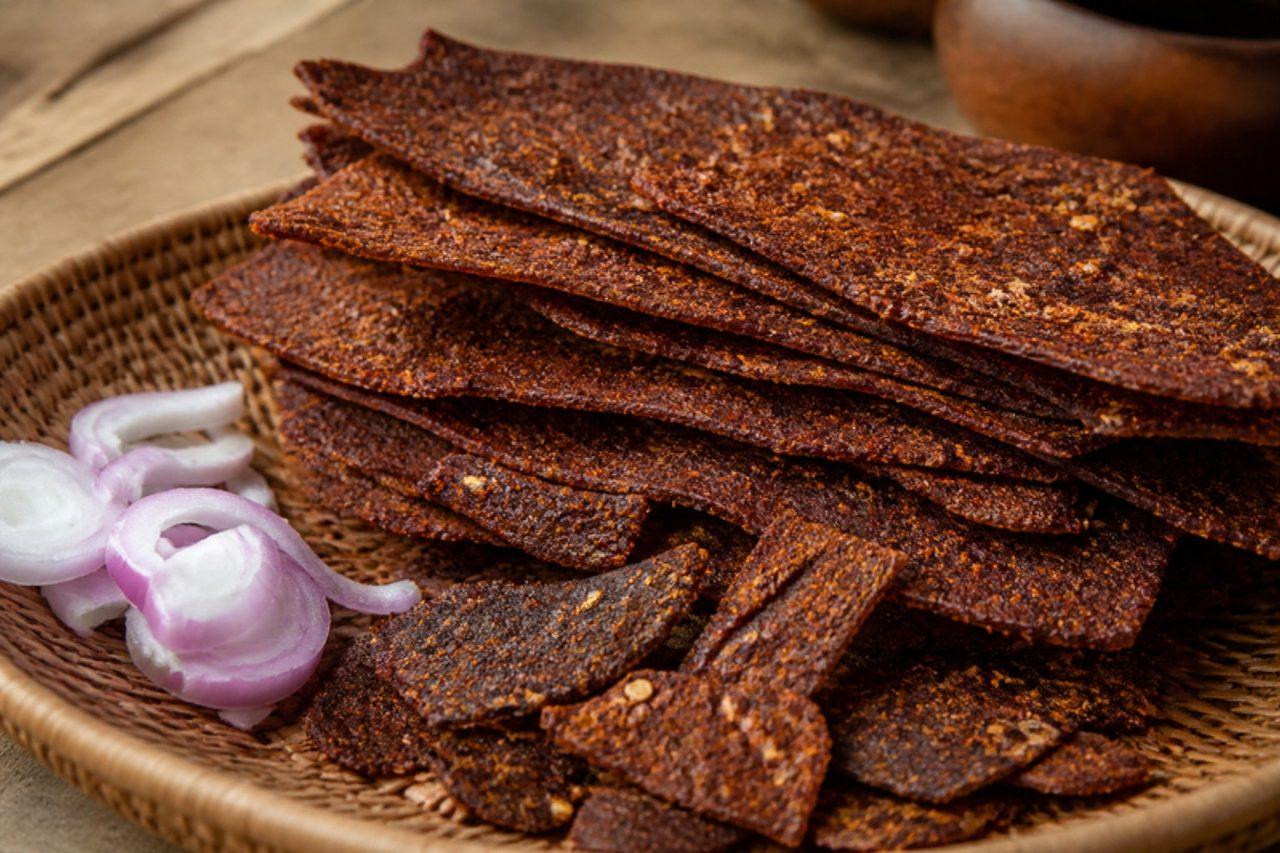
KilishiSpiced dried beef

Long-distance travellers in the Hausa north have carried kilishi for generations: beef sliced so thin you can see light through it, coated in a fiery paste of ground roasted groundnuts, ginger, onion and chilli, dried, then flashed over a fire until it crackles. It is sold in Kano and Sokoto markets in stacked sheets and eaten as a snack or with a cold drink. Traditionally it is sun-dried raw; this home version heats the meat to 71 °C in the oven before drying and is stored in the fridge, which makes it safer. Sun-dried, uncooked kilishi is not for pregnant women, young children or anyone with a weakened immune system. Chef's tip: freeze the beef for an hour before slicing; firm meat is the only way to get sheets 3 mm thin at home.

240 minNigerianMeatGluten freeSpicy
by KrazyBadal 0 views

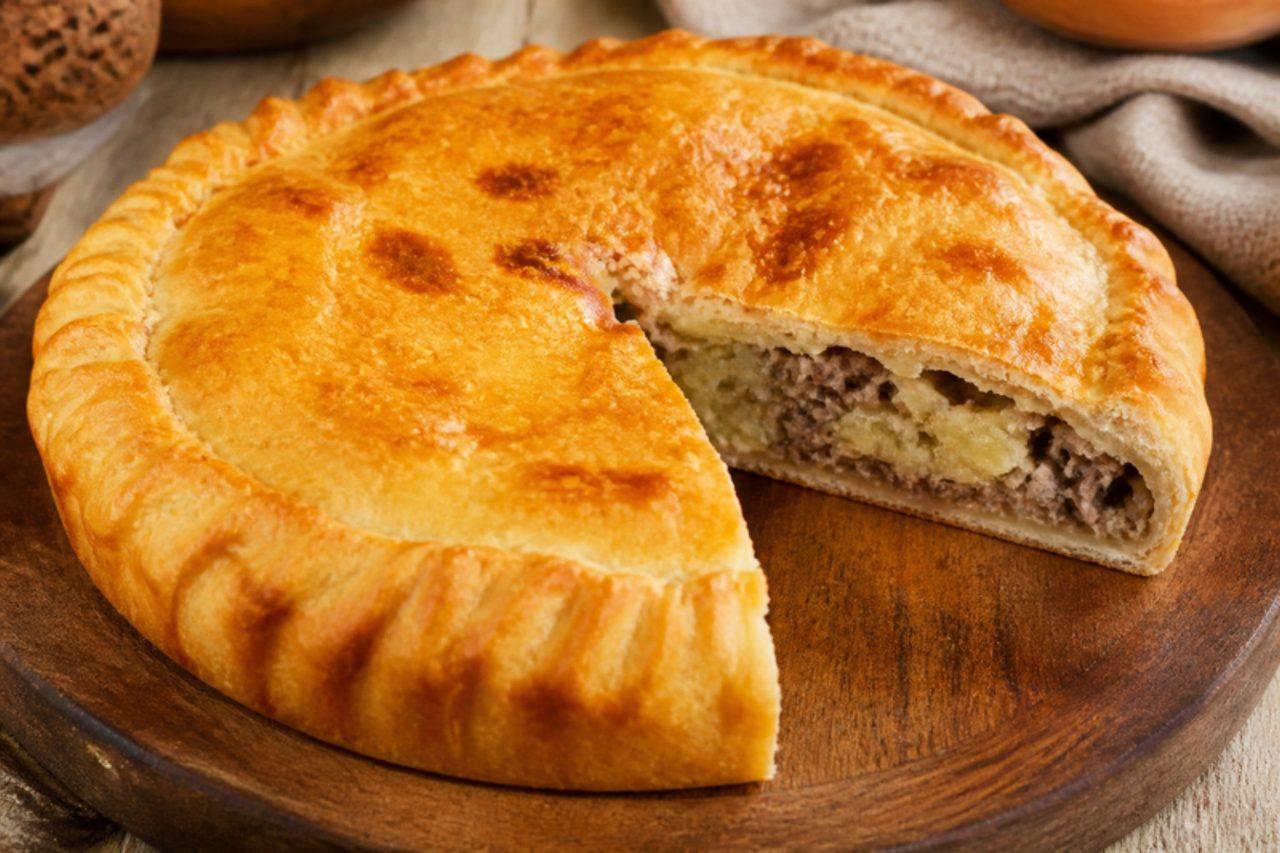
KhupluBeef, lamb and potato pie

The Chuvash people of the middle Volga bake khuplu for harvest festivals and to welcome guests: one large, round, closed pie with a thin yeast crust and a deep filling of diced meat, potato and onion, traditionally with a little vent on top and a ring of dough to decorate it. Cut at the table, it spills meaty juice into the potatoes, and it is eaten warm with a glass of cold buttermilk or a bowl of soup. The usual slip is under-baking; a pie this deep needs well over an hour and a thermometer check. Chef's tip: lay the potatoes at the bottom and the meat on top, so the potatoes drink the juices and the base does not go soggy.

150 minRussianMeat
by KrazyBadal 0 views

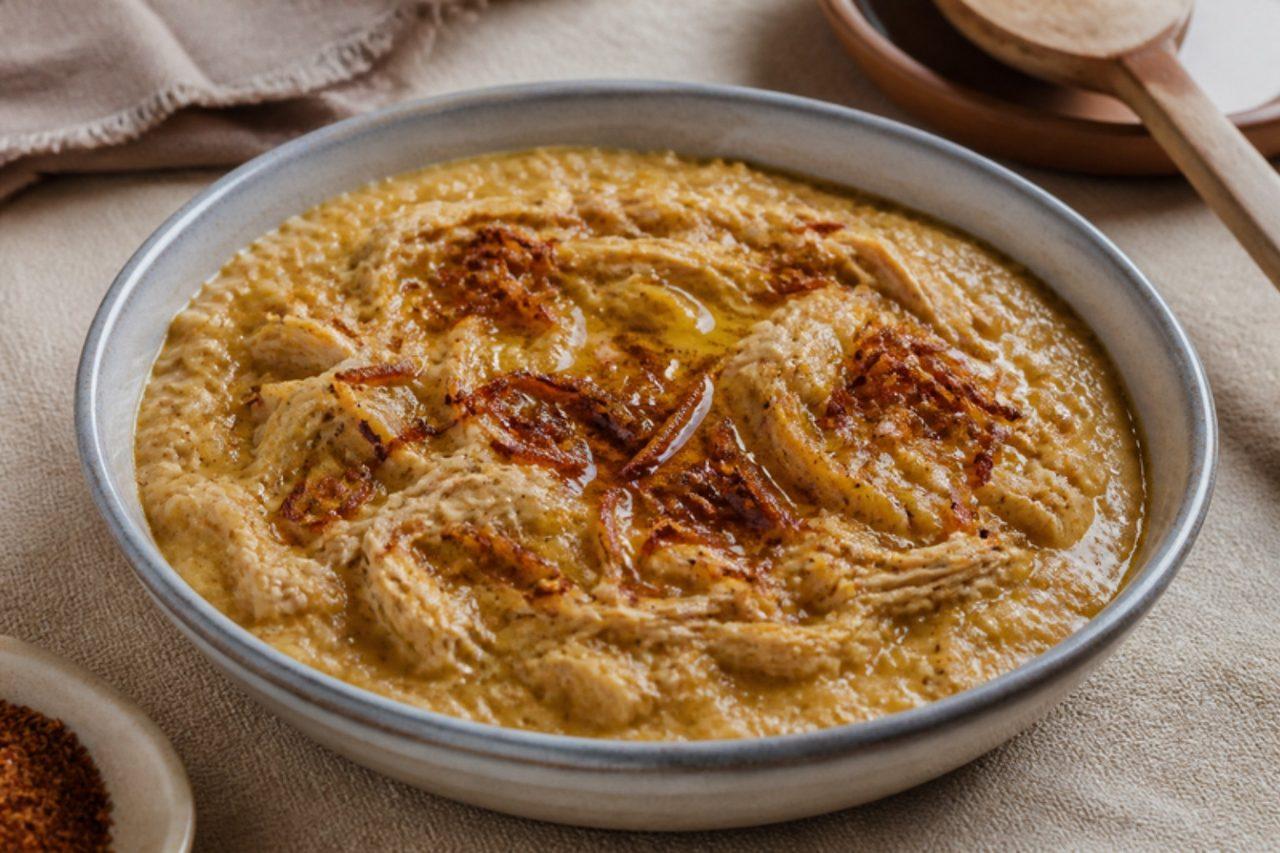
MadroubaChicken and rice porridge

Madrouba means 'beaten', and in Doha and across Qatar and Oman it is a Ramadan favourite, cooked in big pots and beaten with a wooden spoon until the rice and chicken become one creamy porridge. It is soft and savoury, warmed by cumin, cardamom and black lime, and finished with a pool of ghee and sometimes crisp fried onion. Families eat it at iftar after dates and soup, or on cold evenings. The mistake is adding all the water at the start and walking away: the rice needs stirring so it breaks down evenly without catching. Chef's tip: use a whisk or a sturdy wooden spoon in the last 15 minutes and beat hard; the texture should be smooth with only tiny threads of chicken.

by KrazyBadal 0 views

KhirshaReduced milk fudge

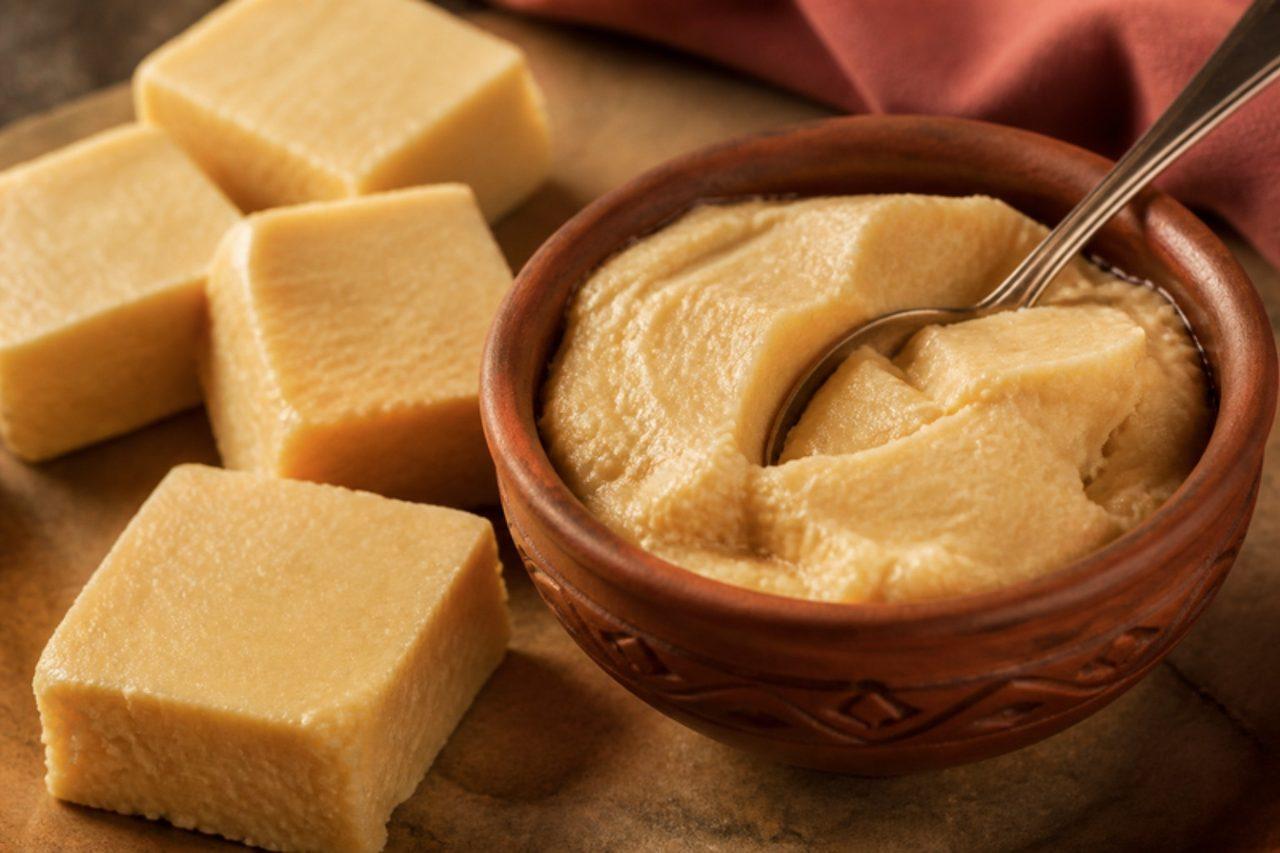
In the dairy belt of Sirajganj and Pabna, where milk is cheap and plentiful, khirsha is made the patient way: milk is boiled in a wide iron karai and stirred for well over an hour until it has reduced to a sixth of its volume and become a thick, pale-caramel paste, then sweetened and cooked a little longer. Sold in clay saucers or pressed into blocks, it tastes of pure cooked milk, sweet and slightly toffee-like, with a fudgy, fine-grained texture. It is eaten on its own, spread on puffed rice, rolled into pithas or packed into the shells of other sweets. Burning the bottom is the classic mishap, which makes the whole batch taste scorched, so stir constantly and scrape the corners once it thickens. Chef's tip: use a wide, heavy pan rather than a deep one; the bigger the surface, the faster the milk reduces.

by KrazyBadal 0 views

Khobz mellaEmber-baked bread

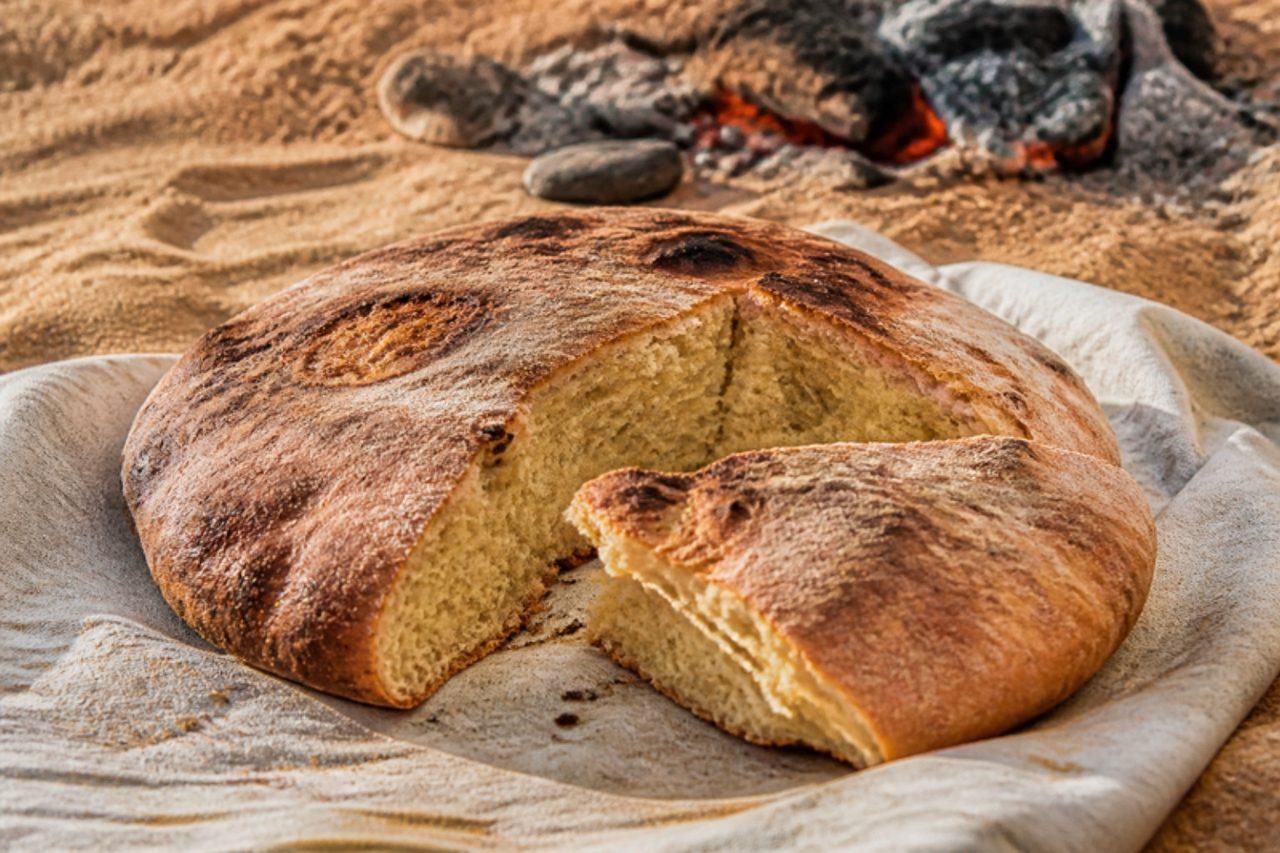
Around Douz, on the edge of the Tunisian Sahara, nomadic herders bake khobz mella by digging a hollow in sand heated under a fire, laying in a thick round of dough and burying it under more hot sand and embers. Brushed off and broken up, the crusty, smoky bread is crumbled into a tomato, pepper and onion stew to make mella, or eaten with olive oil and dates. Visitors to desert camps watch it being made by firelight. At home, a pizza stone or an upturned heavy tray in a very hot oven gives a similar chewy loaf with a thick crust; a charcoal barbecue gets you close to the smoky flavour. Chef's tip: dock the dough well with a fork; without it the round puffs up into a hollow ball and the crust cracks.

by KrazyBadal 0 views

Ambarella curryJune plum curry

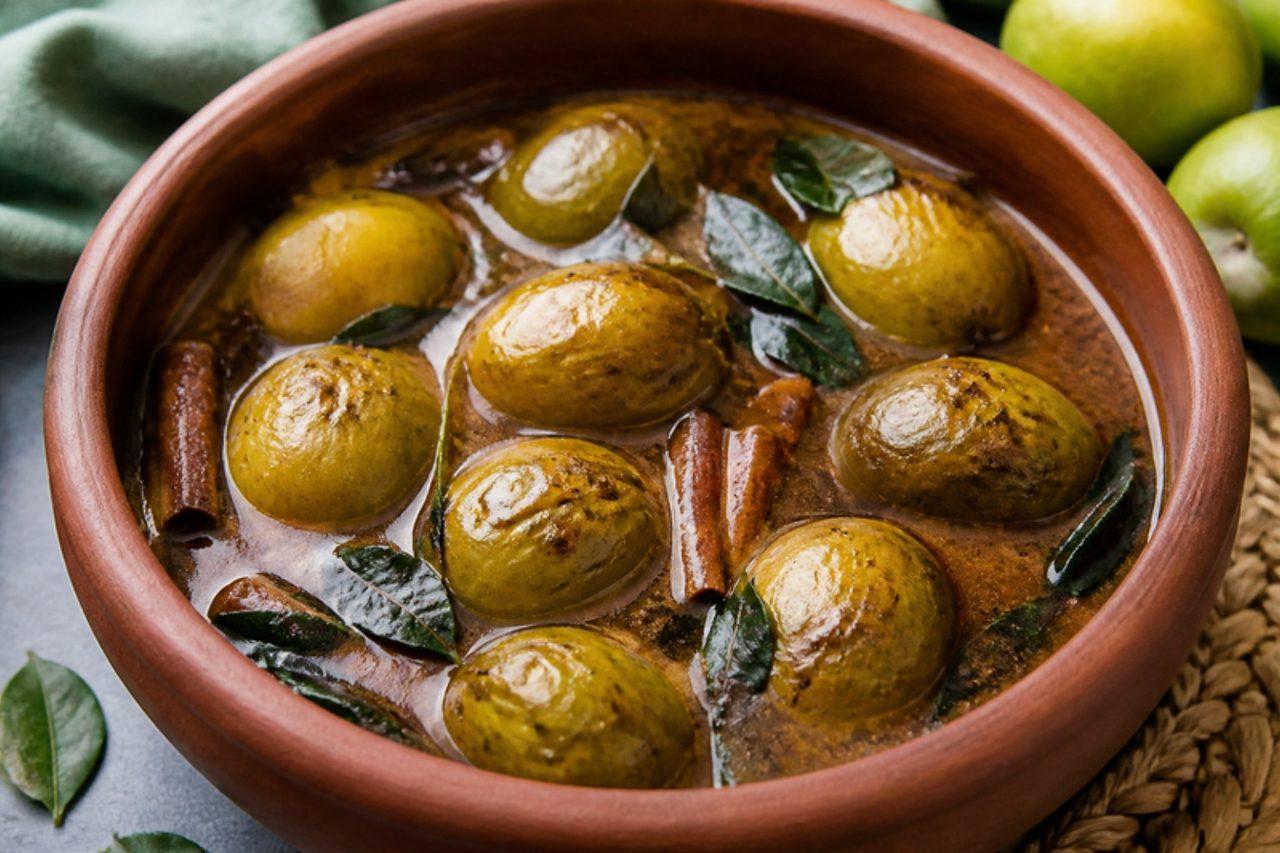
Ambarella trees, heavy with green, plum-sized fruit, shade countless gardens around Galle, and when the crop comes in, cooks turn the sour, crunchy fruit into this sweet-sour curry for Sunday lunch and family gatherings. The fruits are scored and cooked whole with roasted curry powder, garlic, cinnamon and cloves, then sweetened with sugar and finished in coconut milk, until the flesh softens and drinks in the dark, glossy gravy. Its tangy, fruity flavour cuts through richer dishes, and it is served in small portions with rice alongside a dhal and a meat or fish curry. Each fruit hides a spiky, fibrous stone, so warn guests to nibble around it. Leaving the skins whole and unscored is where many go wrong, because the spices never get in; make several deep cuts in each fruit. Frozen ambarella is sold in Sri Lankan shops; firm green mango is the nearest stand-in. Chef's tip: let the curry rest for an hour before serving, as the fruit keeps soaking up flavour.

by KrazyBadal 0 views

Kurakkan rotiFinger millet and coconut flatbread

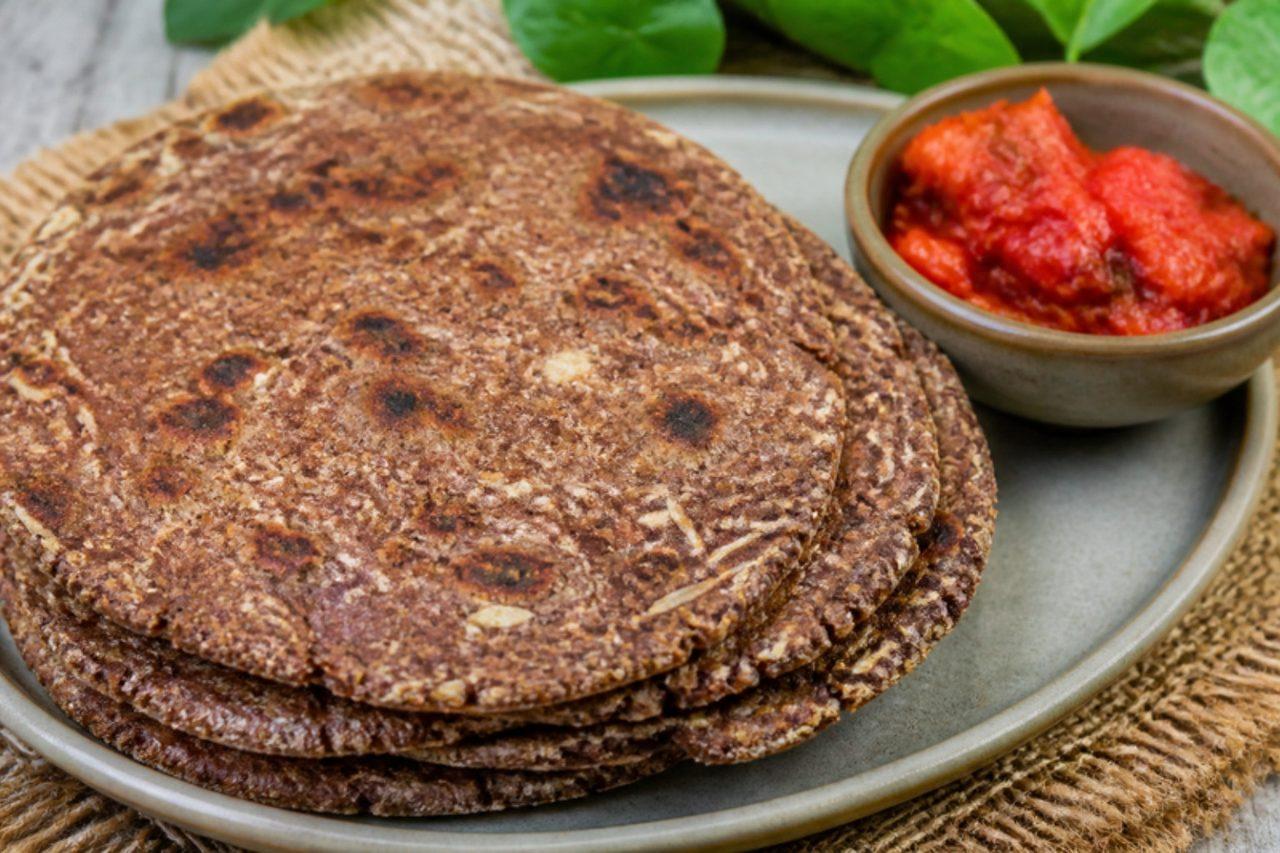
Kurakkan, finger millet, was the grain of the dry chena plots and the hill villages long before white bread arrived, and these brown, nutty roti are still what many farming families around Badulla and Monaragala eat for breakfast or dinner. The flour is kneaded with plenty of fresh grated coconut and just enough water to hold, patted flat by hand and cooked on a dry clay pan until speckled and firm. They are dense and earthy, with a faint sweetness from the coconut, and taste best hot with a sharp spoonful of lunu miris or a mild dhal. Pressing the dough too thin is a classic error, because millet has no gluten and the roti crack and break; keep them about 5 mm thick. Chef's tip: shape them on a piece of oiled banana leaf or baking paper and flip them straight onto the pan, which saves them from tearing. Millet is naturally gluten free, but check the packet if you are cooking for coeliacs.

by KrazyBadal 0 views

LukankaCumin pork and beef sausage

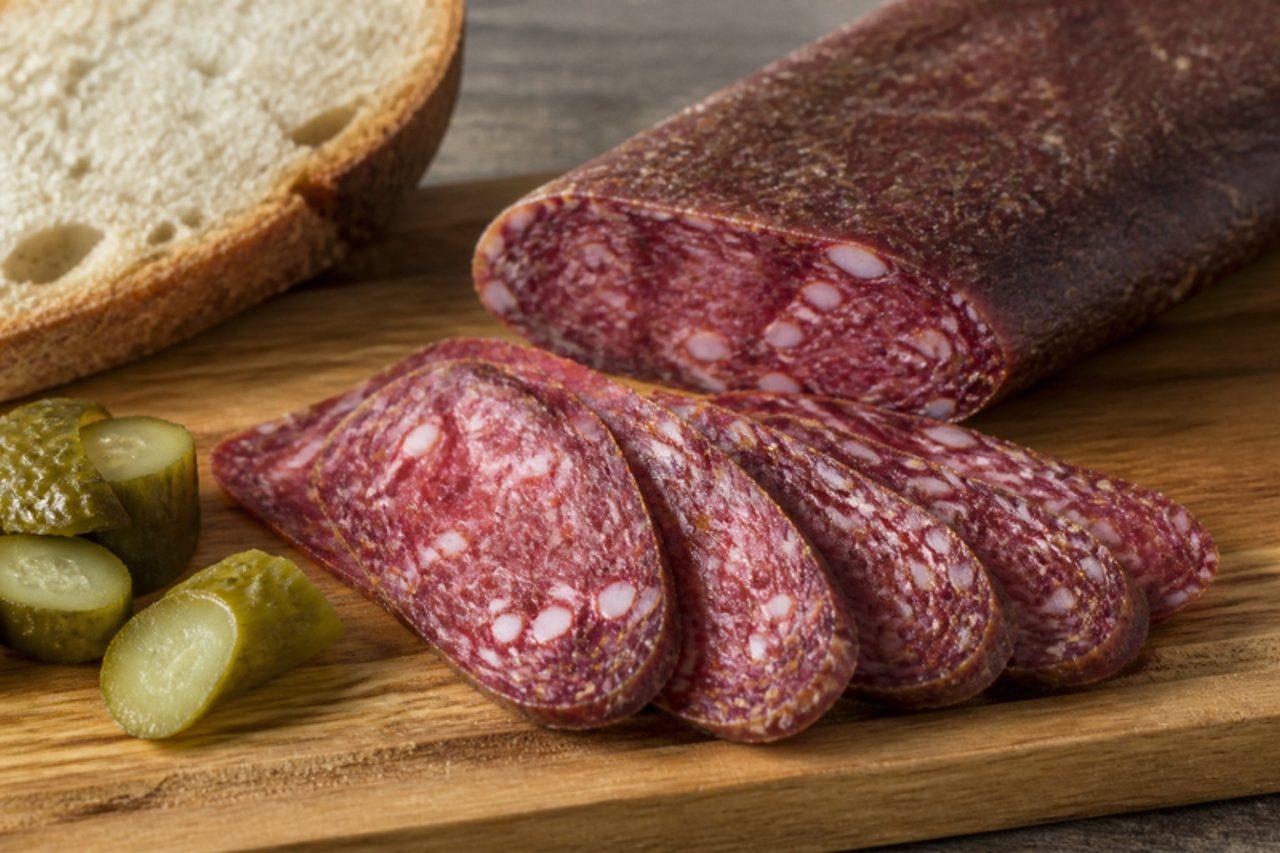
Flat, dark-red lukanka from Panagyurishte and Smilyan hangs in every Bulgarian delicatessen, sliced paper-thin for a meze plate with white cheese, tomato and cucumber. The traditional sausage is pork and beef with cumin, black pepper and salt, pressed flat and dry-cured for weeks in cold mountain air, which needs curing salts and controlled humidity and temperature to be safe, so it is not for a home kitchen. This home version keeps the flavour and flat shape but is fully cooked: the mix rests overnight in the fridge, is poached in pork casings to 71 °C, then pressed and chilled so it slices cold. Bought dry-cured lukanka is raw cured meat: not for pregnant women, young children or anyone with a weakened immune system. The usual slip is letting the meat warm up, which smears the fat, so keep everything fridge-cold. Chef's tip: fry a teaspoon of the mix and taste it for salt and cumin before you stuff.

by KrazyBadal 0 views

Khasi ko masuGoat curry

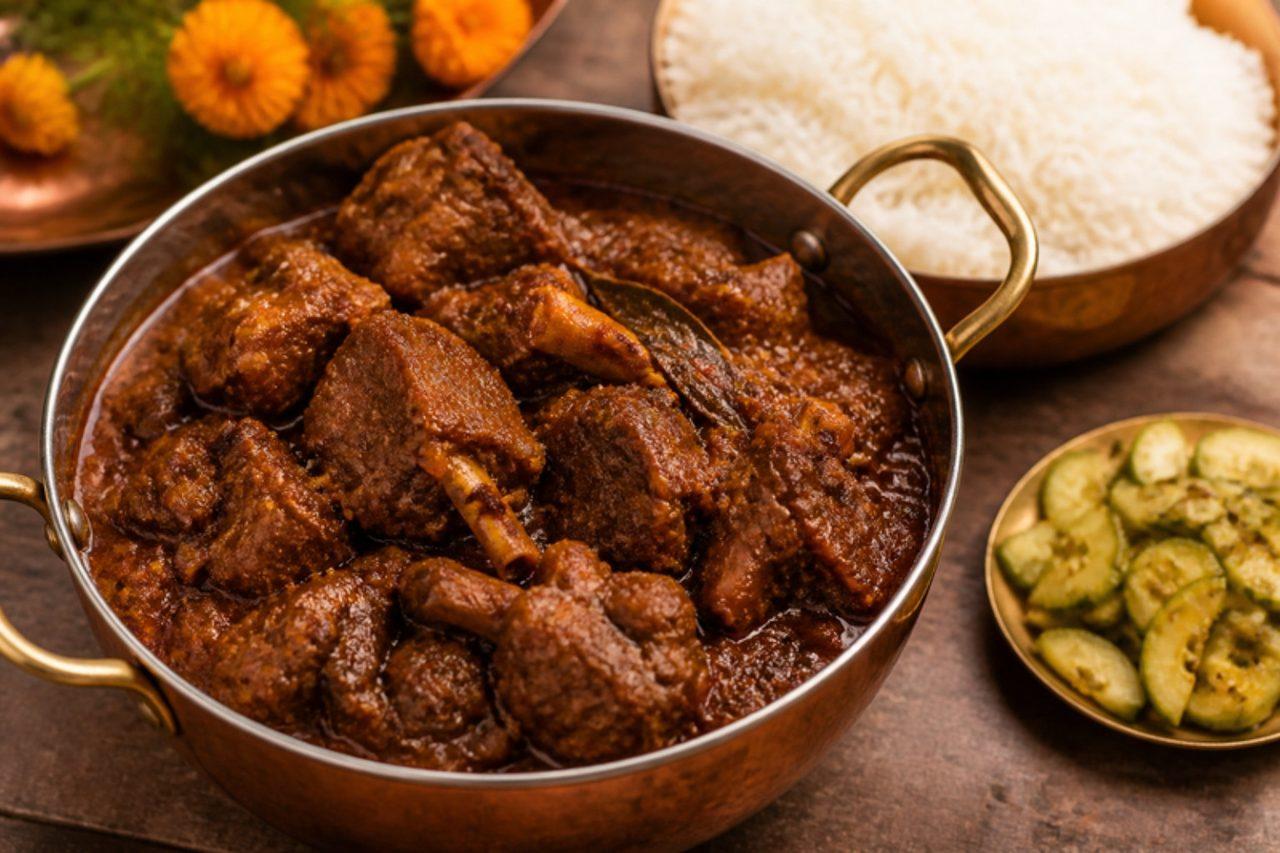
For most Nepali families the tenth day of Dashain, when elders put tika and jamara on younger relatives' foreheads, means a pot of khasi ko masu bubbling in the kitchen, bone-in castrated goat cooked in mustard oil with heaps of onion, ginger and garlic and whole spices until the meat falls from the bone. It is a celebratory but homely curry, with a loose, glossy, deep-red gravy, eaten with plain rice or sel roti and a cucumber achar, and the same curry fills plates at weddings and family visits for weeks after the festival. Use goat or mutton with plenty of bone, since the marrow and connective tissue give the gravy its body. The usual shortcut, rushing the onions, leaves the gravy thin and sharp; they must cook to a deep brown. Chef's tip: a pinch of jimbu, the dried Himalayan herb, added at the end gives the curry its unmistakable hill-country aroma.

by KrazyBadal 0 views

KhashlamaLamb and vegetable stew

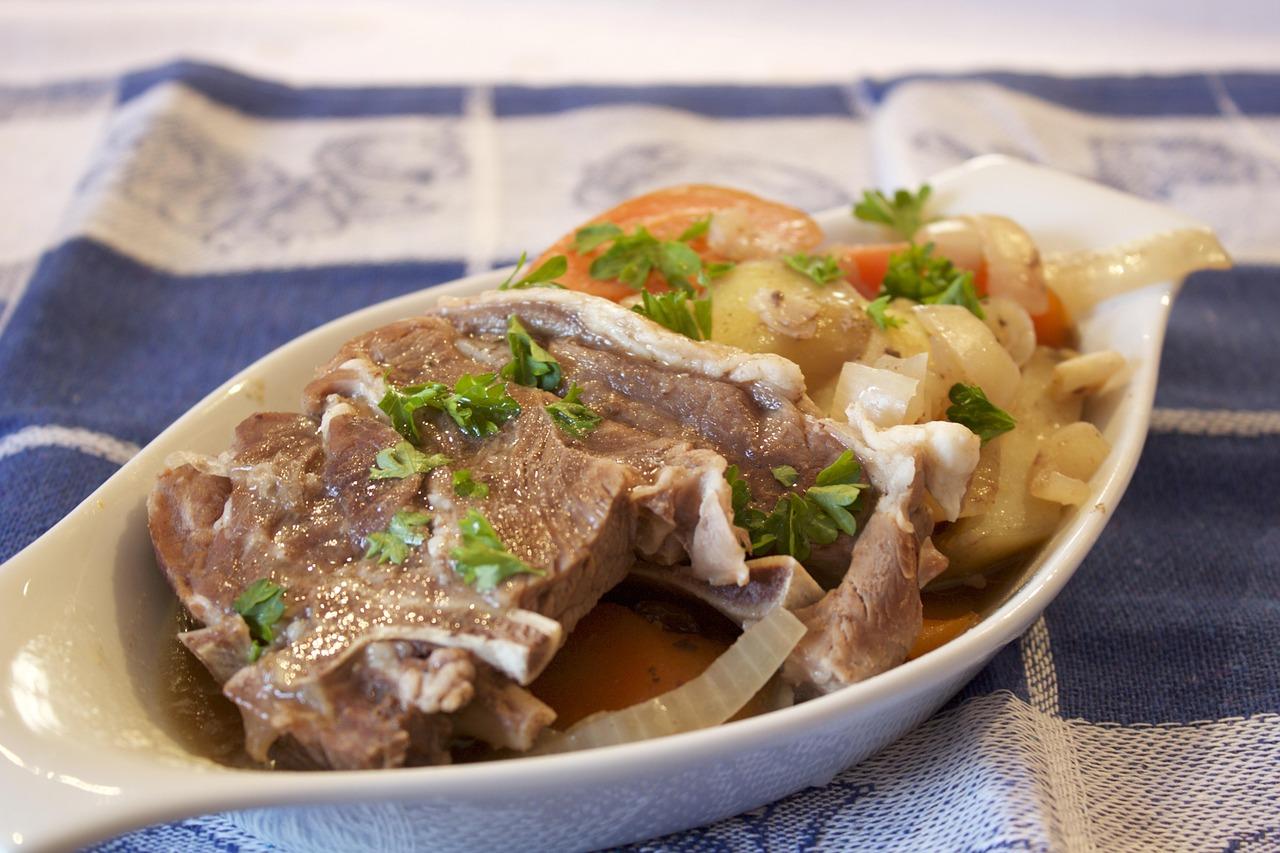
Khashlama is a village dish from across Armenia, made in a big pot for family gatherings in Ararat and Kotayk: chunks of lamb on the bone, or beef, layered with onions, tomatoes, peppers and potatoes and cooked slowly with very little liquid, so the meat stews in its own juices and the vegetables soak them up. It is served in deep plates with lavash and lots of fresh herbs. A common mistake is adding water to cover; the result is a soup, not khashlama. Chef's tip: put the lamb on the bottom and the potatoes on top, so the meat browns slightly and the potatoes steam in the juices without breaking.

170 minArmenianMeatGluten free
by KrazyBadal 0 views

KholodetsMeat jelly

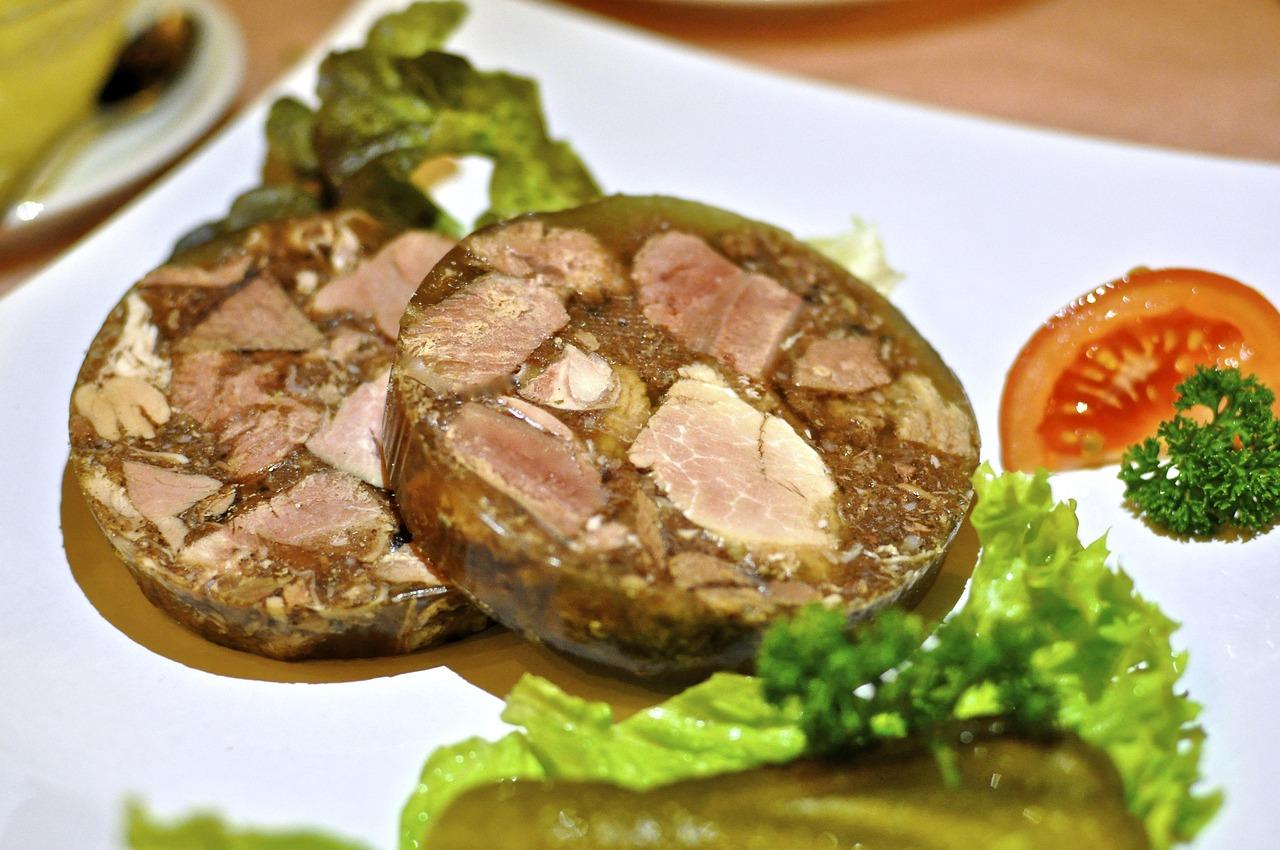
Kholodets is winter food, made in big batches before New Year and Orthodox Christmas when the cold balcony doubles as a fridge. Pork trotters and beef shin are simmered for hours until the broth is rich enough to set on its own, no added setting agent; the meat is shredded, layered with garlic and covered with the strained stock to set into a trembling, clear jelly. It is eaten cold, cut into squares, with sharp horseradish and mustard and hot boiled potatoes. This dish uses pork (trotters and knuckle) as well as beef. Where most people go wrong is letting the pot boil hard, which makes the jelly cloudy and greasy. Chef's tip: spoon a little broth onto a cold saucer after 5 hours; if it sets firm in the fridge in 15 minutes, the stock is ready.

480 minRussianMeatGluten free
by KrazyBadal 0 views

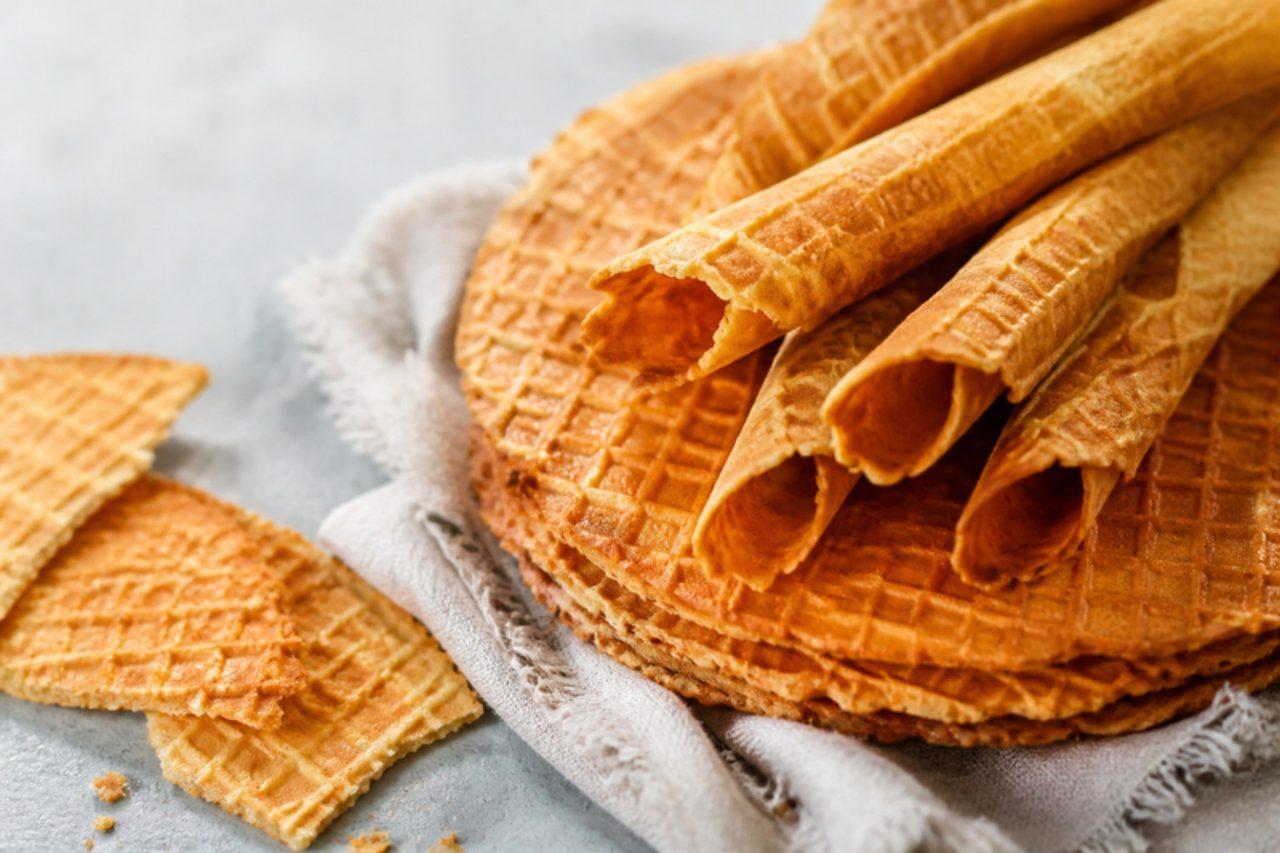
LukkenThin crisp waffle biscuits

Lukken are paper-thin, crisp waffle biscuits baked in West Flanders, around Kortrijk and Roeselare, in the days before New Year, when children go from house to house wishing neighbours a happy new year and are rewarded with them. They are made in a special iron that presses a fine pattern; a pizzelle iron or a thin-waffle (gaufrette) iron works. A common mistake is using too much batter, which makes them thick and soft. Chef's tip: use only a teaspoon of dough per biscuit and roll them while warm if you like, for 'rolled lukken'.

by KrazyBadal 0 views

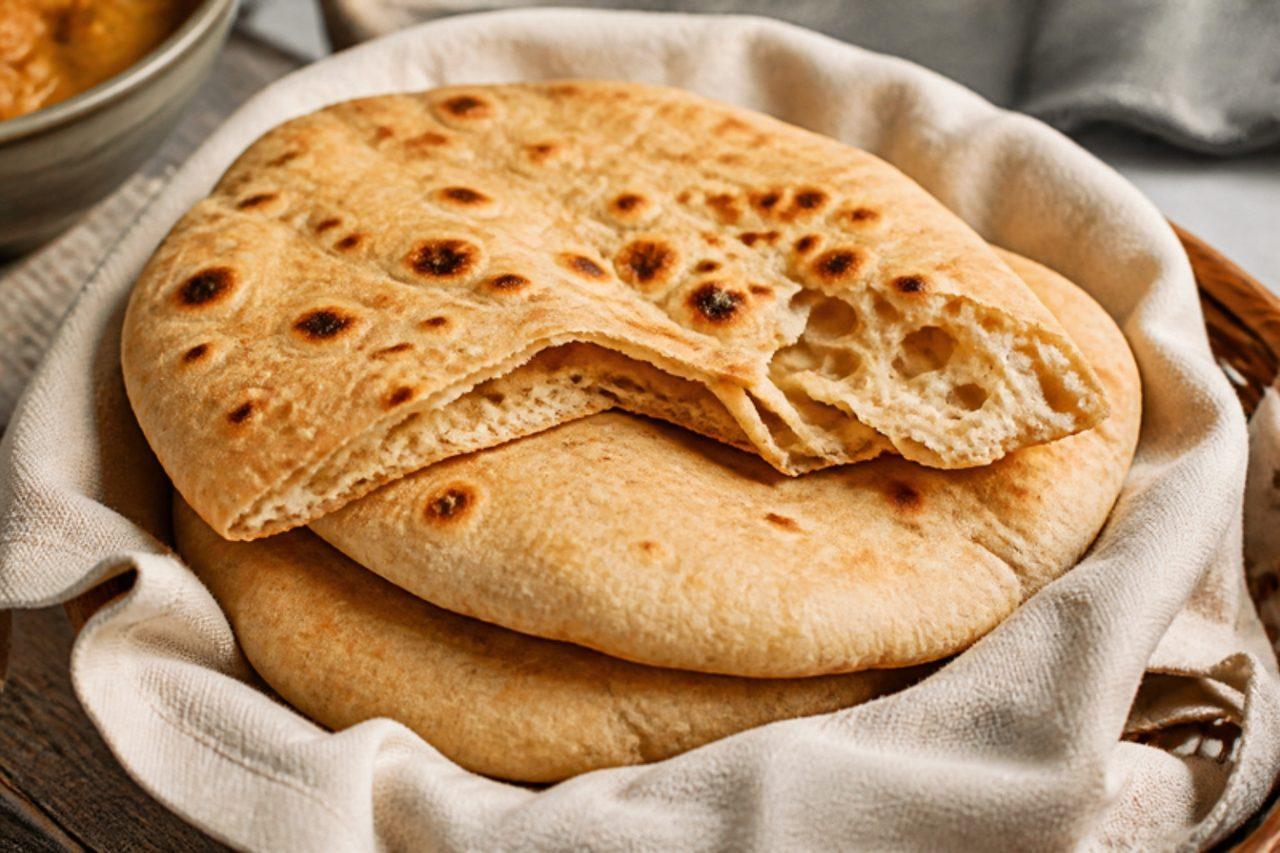
Khamiri rotiLeavened wholewheat flatbread

Long before packets of yeast reached Pakistani kitchens, households kept back a lump of yesterday's dough and worked it into the new batch, and khamiri roti is the bread that method makes: thicker and softer than a chapati, with an airy crumb and a gentle sourness. It is the standard bread of many neighbourhood tandoors from Multan to Peshawar, bought by the stack for lunch with chana, sabzi, dal or saag, and some families make it on a tawa during Ramadan because it stays soft until sehri. This version uses a little yeast and a long rise to get the same flavour without the starter. People often get it wrong by rolling it as thin as a chapati, which pushes out the gas and leaves a flat, leathery roti. Chef's tip: let the dough ferment for at least two and a half hours, or overnight in the fridge, and shape each roti by patting it out with your palms rather than with a rolling pin.

by KrazyBadal 0 views

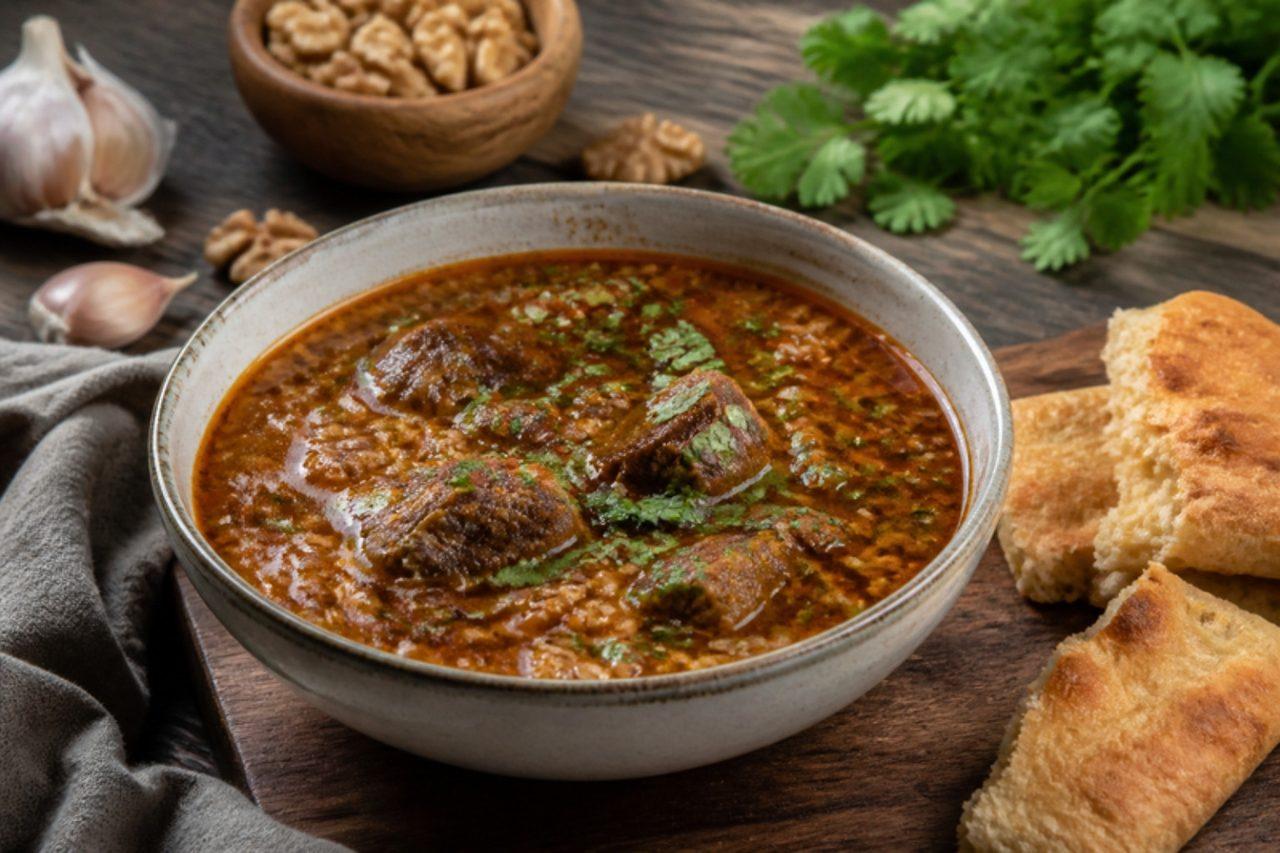
KharchoBeef, rice and walnut soup

Kharcho is the soup Tbilisi cooks make when the weather turns cold: beef brisket simmered until it falls apart, then thickened with rice and ground walnuts and given its sour, tangy edge by tkemali plum sauce, with khmeli-suneli, garlic and a lot of coriander. It is spooned into deep bowls in old-town cafés and eaten with shoti bread, and it is thick enough to be a whole meal. A common mistake is adding the rice too early, so it swells into porridge and the soup loses its body. Chef's tip: grind the walnuts with garlic and a ladle of hot broth before stirring them in, so they thicken the soup smoothly rather than floating as crumbs.

by KrazyBadal 0 views

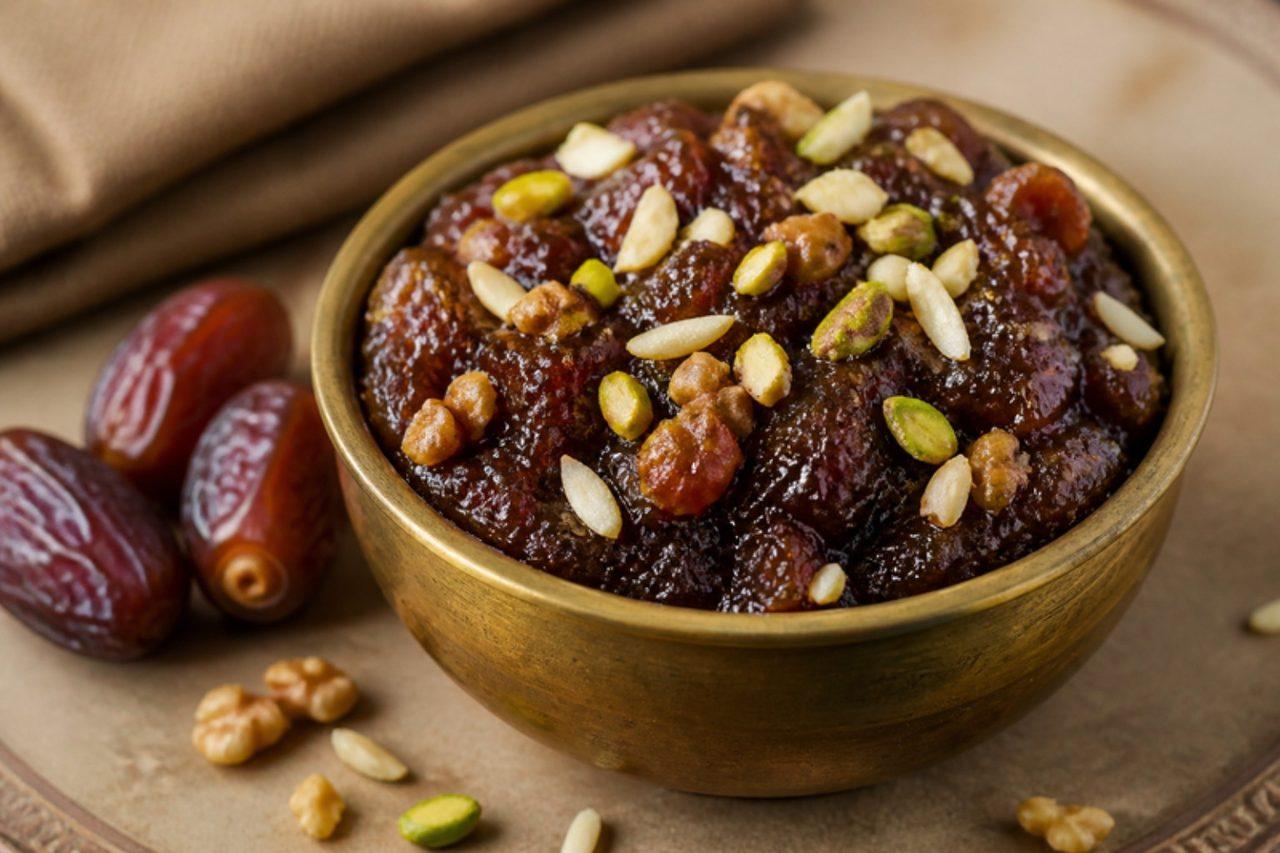
Khajoor ka halwaDate halwa

The oasis towns of Turbat and Panjgur in Makran grow some of Pakistan's finest dates, the soft, honeyed Begum Jangi and Muzawati among them, and after the late-summer harvest households turn the surplus into this rich, fudgy halwa. Dates are softened in warm milk, mashed and cooked down slowly in ghee until the mixture is dark and glossy and comes away from the pan, then finished with almonds, walnuts and cardamom. It needs little or no added sugar, and it is served in small portions at Eid, to new mothers and to guests with green tea. Using dry, hard dates without soaking is where it goes wrong, leaving the halwa lumpy and leathery. Chef's tip: choose soft, moist dates and blend them only briefly after soaking, so a few small pieces remain for texture.

by KrazyBadal 0 views

Khai paenCrispy river weed sheets

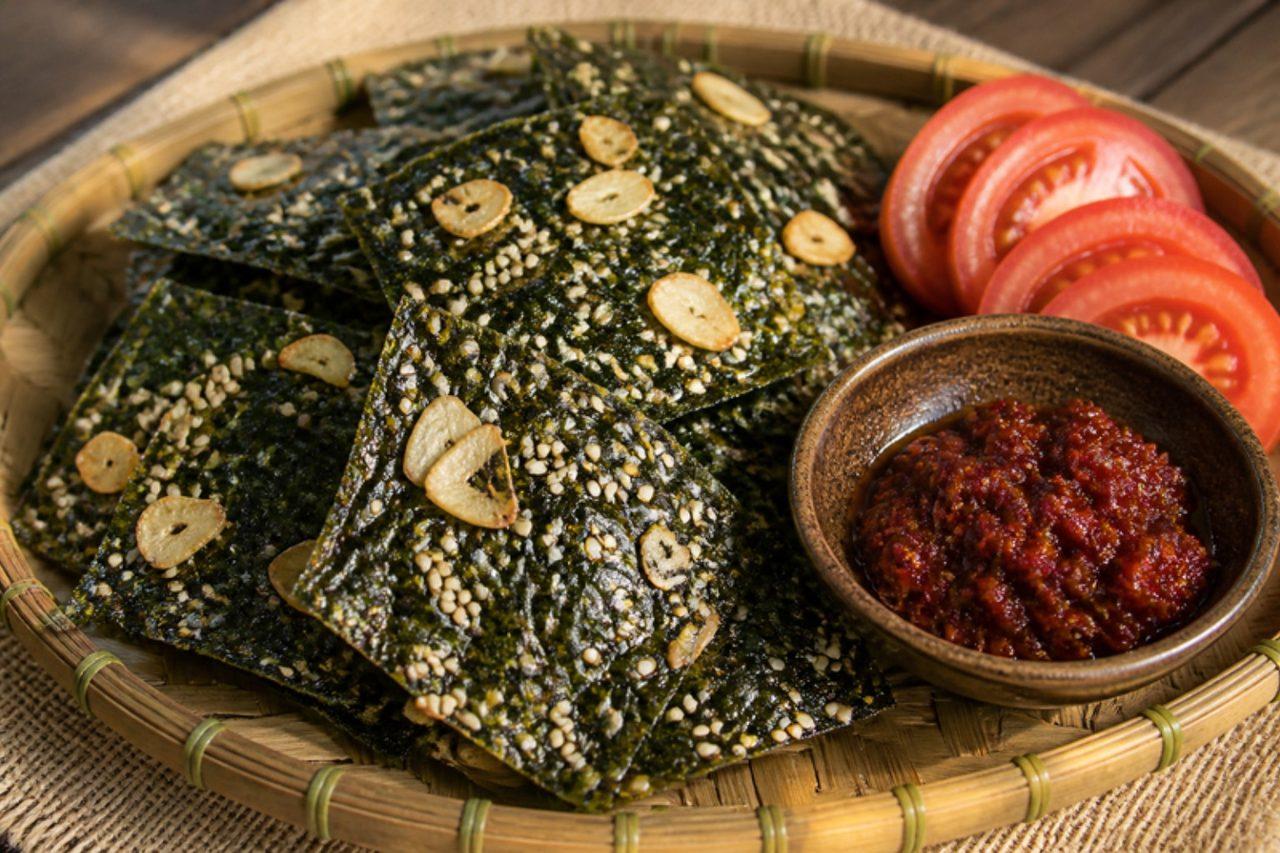
Along the Mekong and Nam Khan below Luang Prabang, women gather silky green river weed in the dry months, when the water runs low and clear, then press it into thin sheets and dry them in the sun. Those sheets turn up everywhere in town, stacked at the morning market and the night market, and a plate of fried khai paen is a favourite nibble with sticky rice and a pot of jeow bong in the late afternoon. Frying takes seconds: the sheets puff, darken and turn shatteringly crisp, tasting of the river, toasted sesame and garlic, a little like nori but earthier. Buy the sheets dried; outside Laos, look in Southeast Asian grocers, and if you can't find them, nori sheets make a stand-in, though they are thinner, sea-salty rather than freshwater and fry even faster. Leaving a sheet in the oil a moment too long is the classic error, as it goes bitter and brown almost instantly. Chef's tip: cut the sheets into squares with scissors before frying, not after, so they don't crumble into dust.

by KrazyBadal 0 views

Khajoor shakeDate and almond milkshake

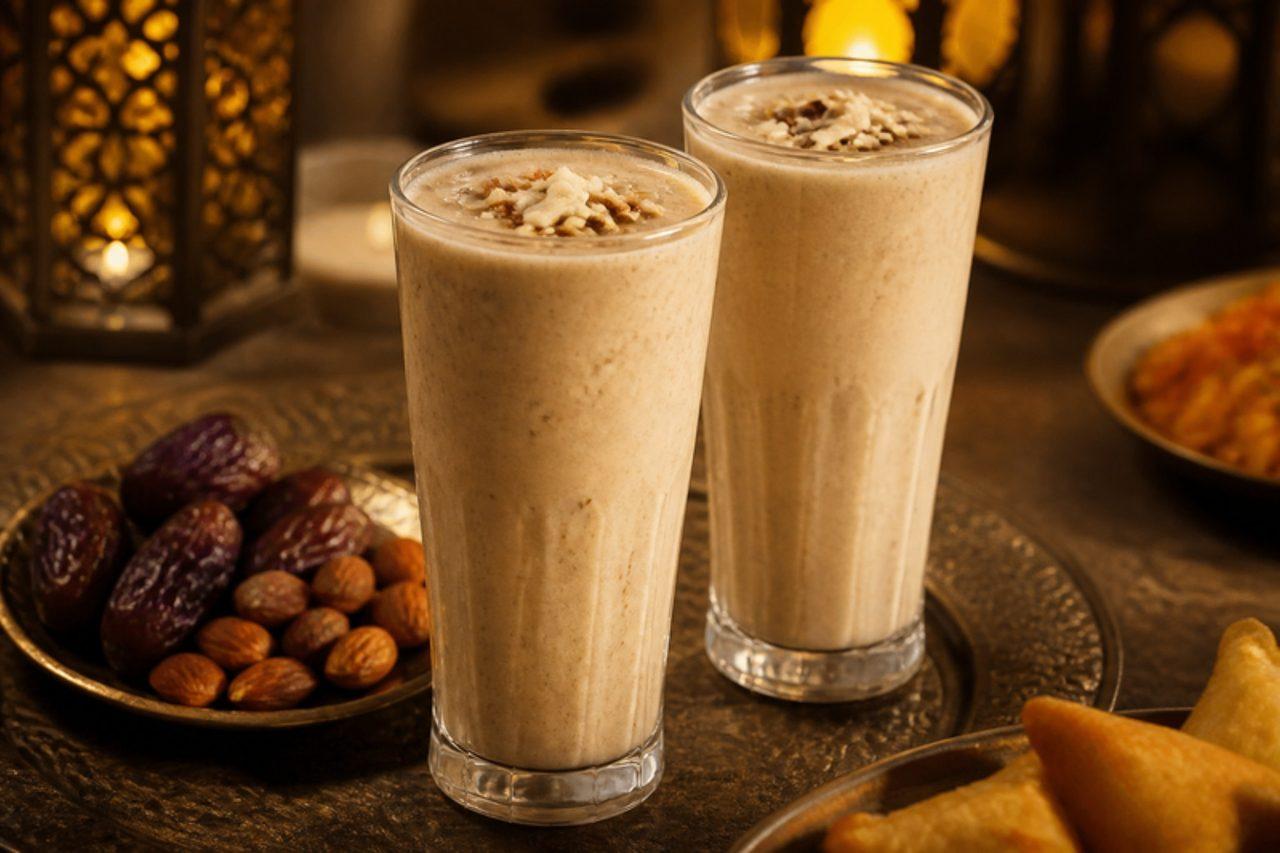
Dates are the first thing on the table when the azan sounds for iftar in Pakistan, and in many homes in Karachi and Islamabad the dates go straight into the blender with cold milk and a handful of soaked almonds, making a thick, caramel-sweet shake that restores energy quickly after a long summer fast. Soft, moist dates such as the Aseel from Khairpur in Sindh give the smoothest result, and the drink needs no added sugar at all. It is also a popular breakfast for children and a quick snack after school. The typical mistake is blending dry, hard dates straight from the packet, which leaves chewy fragments and a gritty shake. Chef's tip: soak the stoned dates and almonds in a little warm milk for 10 minutes first, and blend them to a smooth paste before adding the rest of the cold milk.

by KrazyBadal 0 views

Khaddi kebabRoast spiced lamb over rice

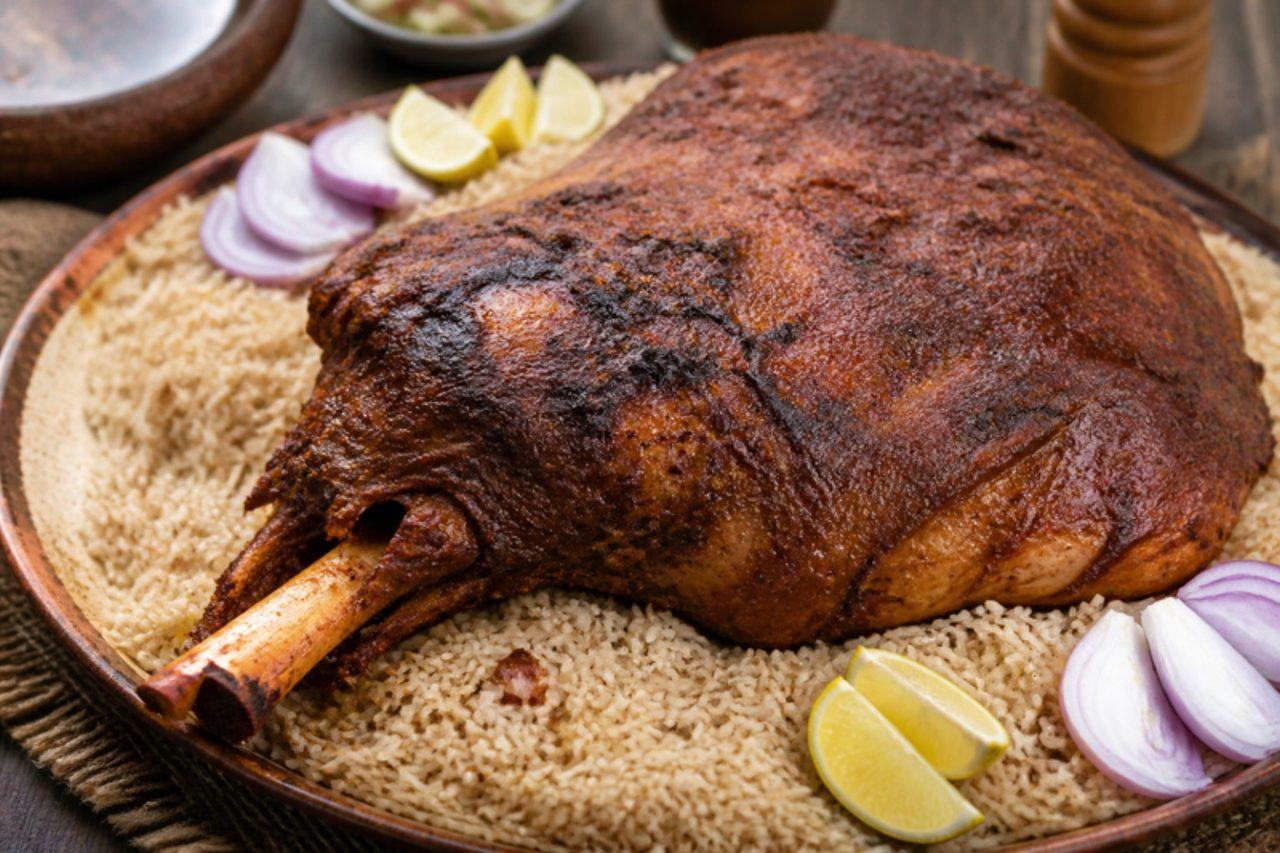
A khaddi, in Baloch country, is a pit dug in the ground and lined with hot stones; a whole goat or lamb, rubbed with salt and spices and stuffed with rice, is lowered in, covered with earth and left for hours, then dug out for weddings and tribal feasts. Few home cooks have a pit, so this version roasts a bone-in lamb shoulder low and slow under foil, then sets it on a tray of part-cooked rice so the rice drinks the dripping juices, the same marriage of meat and rice the pit gives. The meat should pull apart with a spoon and the rice taste deeply of lamb. Stuffing raw rice inside a big joint is where cooks go wrong at home: the centre stays underdone and is not safe, so cook the rice under the meat instead. Chef's tip: roast the lamb the day before, chill it in its juices and lift off the hard fat, then reheat with the rice; it carves more neatly too.

by KrazyBadal 0 views

KhajurFried dough cookies

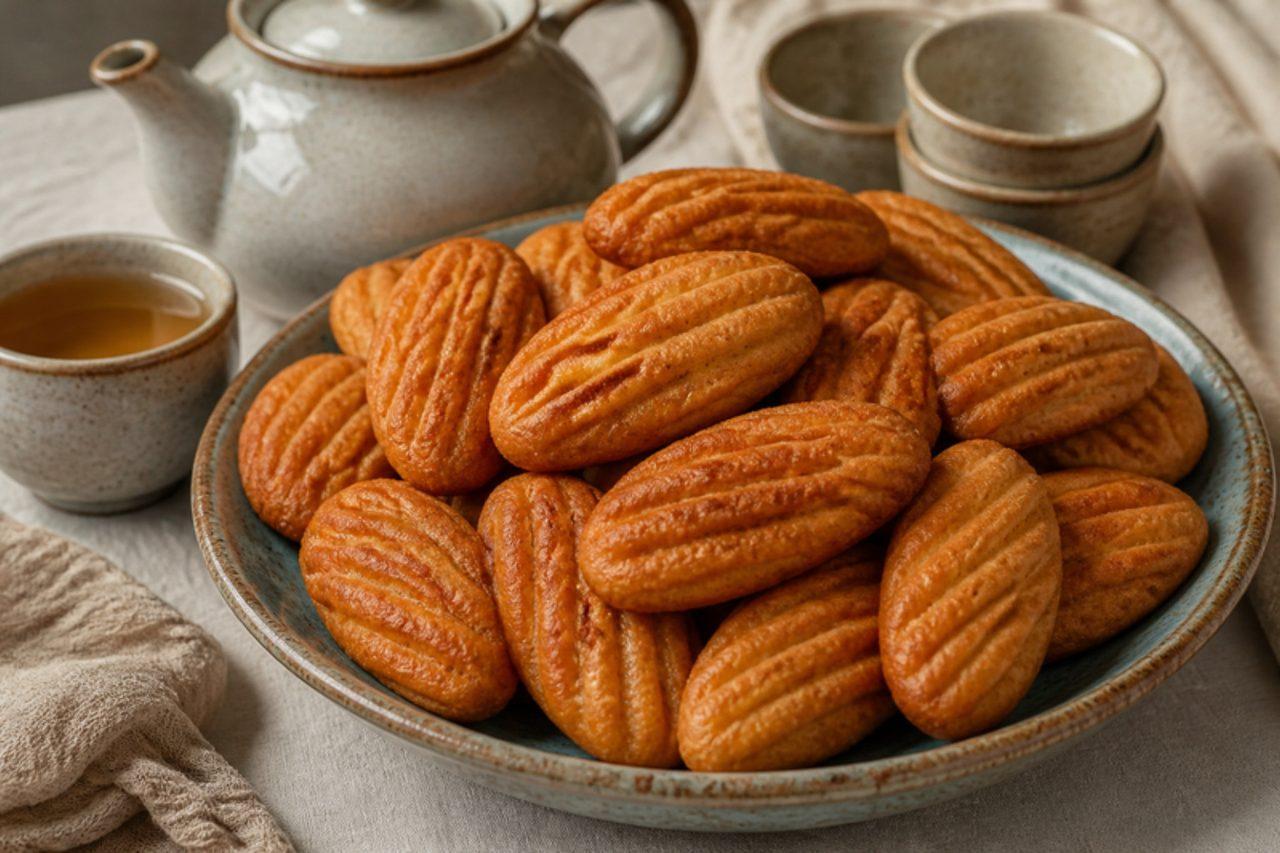
Khajur take their name from dates, which their plump oval shape resembles, but there is no fruit in them: they are little cardamom-scented dough cookies, pressed onto a sieve or the back of a grater for a ridged pattern and fried until deep gold. Afghan families fry great batches before Eid and Nowruz and pack them into tins to offer guests with tea, and Kabul bakeries sell them by the kilo. They are crunchy on the outside with a soft, cakey middle and only gently sweet. Oil that is too hot is the classic error, browning them in a minute while the centres stay raw and doughy; keep it moderate and patient. Chef's tip: fry one test khajur first and break it open, then adjust the heat before frying the rest.

by KrazyBadal 0 views

KhaginaSpiced scrambled eggs

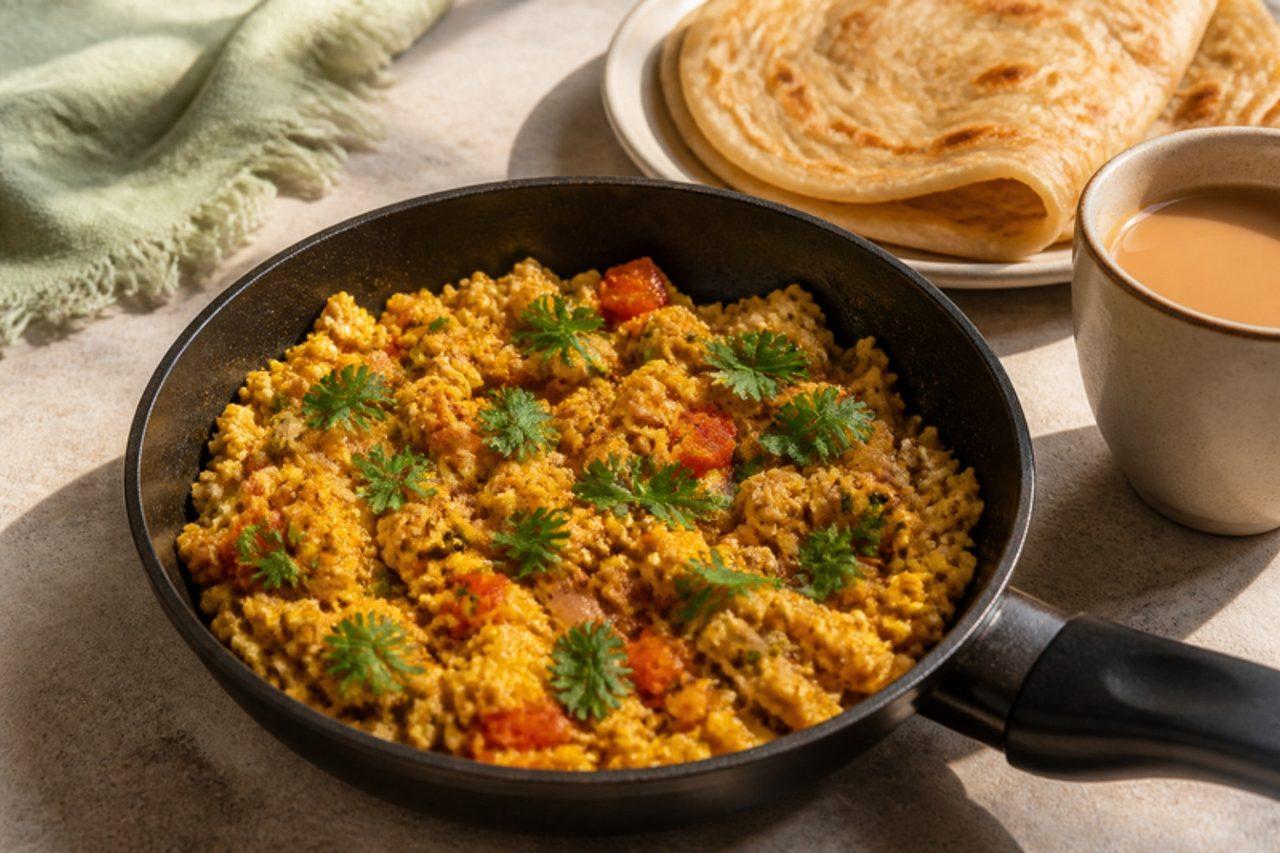
Ask almost any Pakistani what their mother made on a school morning and khagina comes up: eggs beaten with salt and turmeric and stirred into onion, tomato and green chilli softened in oil, served in a heap beside a hot paratha with a cup of doodh patti. It comes from the old Mughal and Hyderabadi kitchens that reached Karachi after Partition, and it differs from a plain scramble in being cooked a little longer, so it sets into soft, moist clumps coloured by the masala rather than staying creamy. It is everyday food in Karachi, Lahore and Peshawar alike, also eaten for a quick supper with chapati. The usual mistake is adding the eggs before the tomato has cooked down, which leaves the dish watery and the eggs rubbery. Chef's tip: take the pan off the heat while the eggs still look slightly glossy but no liquid egg remains, because they keep cooking on the plate.

by KrazyBadal 0 views

Showing 27 of 7,762 recipes

Show more recipes

Page 237 of 863