


Skip to content
Batatas al rescoldo
Featured recipe

Batatas al rescoldo

Ember-roasted sweet potatoes

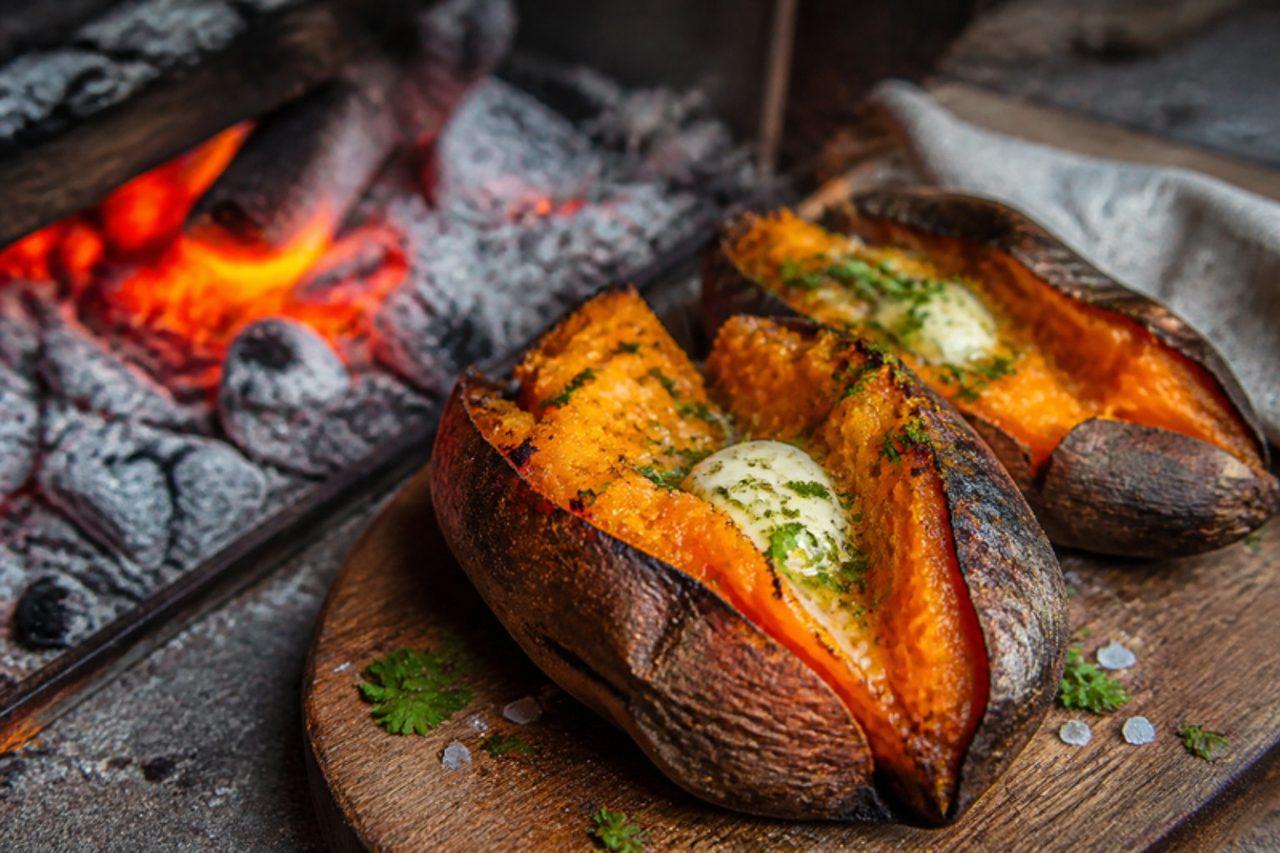
Long after the meat comes off, the fire of an Argentine asado still has work to do. Sweet potatoes pushed into the glowing embers (el rescoldo) at the start of the cook come out an hour later with charred, papery skins and flesh that is soft, sticky and almost caramelised, with a smoky edge. They are split open at the table, filled with butter and coarse salt and eaten as a side to the asado or as supper by the fire on a camping trip. Burying them in live flames is the trap: the skin blackens right through while the inside stays hard, so wait for a bed of settled embers and ash. Wrapping them in foil gives softer skins and less risk if you are new to it, and an oven at 200 °C does a fine job indoors. Chef's tip: choose sweet potatoes of the same thickness, around 250 g each, so they cook evenly together.

Read more 0 views

What to eat today?

Around the world

Today's trip: Paraguayan

A new country every day, from every cuisine on the site.

Paraguayan

Buñuelos de algas

Sea lettuce fritters 35 minMore from Paraguayan (27) →

This week's collection

Kid-friendly dinners
537 recipes · a new collection every Monday

Latest recipes

Flan de quesoCream cheese flan

Denser and tangier than a plain egg flan, flan de queso is the dessert Puerto Rican families bake for birthdays and Nochebuena, often a day ahead so it can chill overnight. Cream cheese is blended with evaporated and condensed milk and eggs, then baked slowly in a water bath on a layer of amber caramel, so it turns out glossy, sliceable and somewhere between a flan and a cheesecake. The common mistake is baking it too hot, which makes it puff, crack and weep; low heat and a water bath keep it silky. Chef's tip: take the caramel to the colour of a dark copper coin, as a pale caramel tastes only sweet and a bitter edge balances the rich cheese.

by KrazyBadal 1 views

ArishtaButtered egg noodles

In Gyumri and the villages of Shirak, grandmothers still roll arishta by hand, cut it into thin strips and dry it in the sun to store for winter. To serve, the noodles are first toasted in butter until they turn golden and nutty, then boiled until tender and topped with garlicky matsun yogurt. It is simple, filling food for cold days on the Shirak plateau. A common mistake is skipping the toasting step, which gives soft, plain noodles without the characteristic roasted flavour. Chef's tip: dry the cut noodles for at least an hour before toasting, so they brown evenly instead of clumping.

by KrazyBadal 0 views

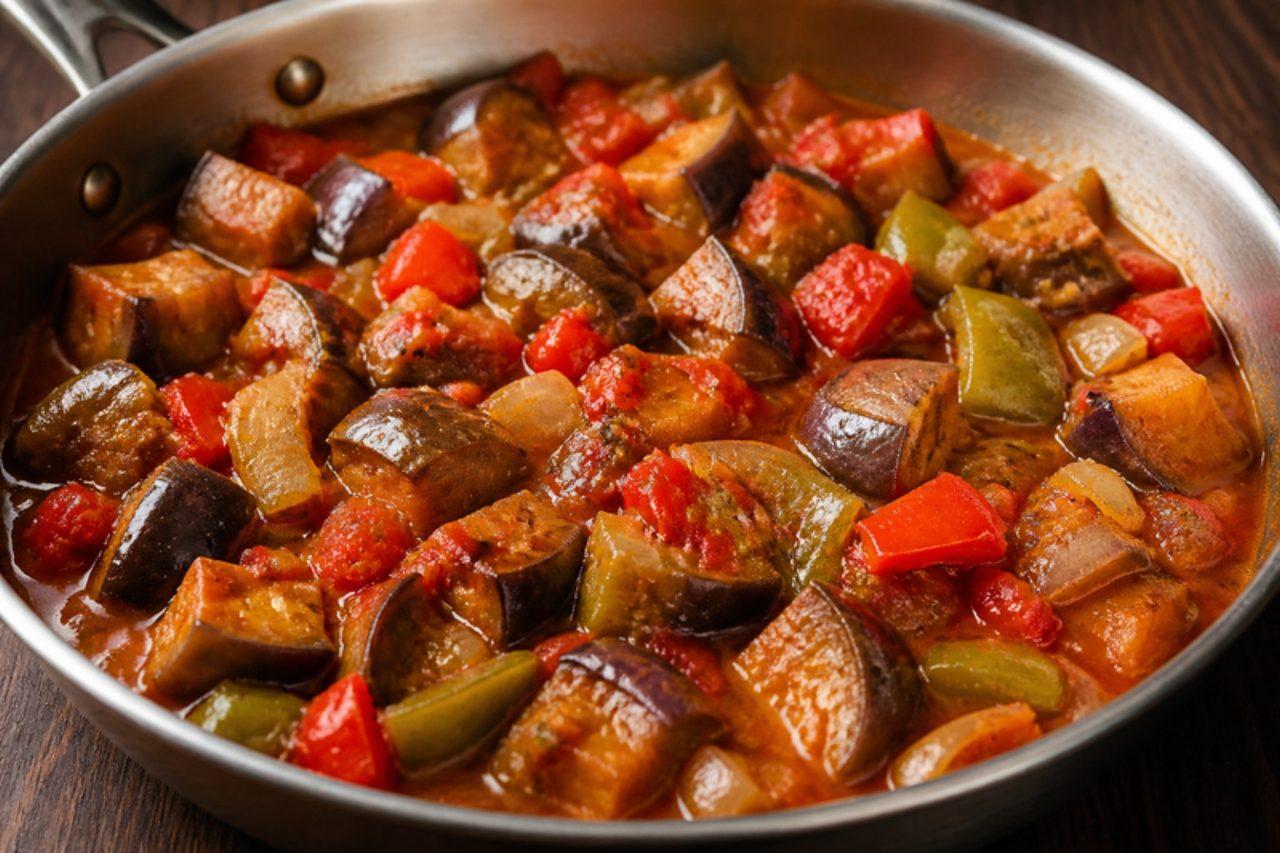
Dominican berenjena guisadaStewed aubergine

Dominican home cooks make berenjena guisada as a weekday side next to white rice and beans, the aubergine stewed down with tomato, sweet peppers and plenty of dried oregano into a soft, savoury guiso. It is light, quick and good hot or at room temperature. The common mistake is adding all the water at the start, which boils the aubergine grey; let it soak up the oil and sofrito first, then add liquid a little at a time. Chef's tip: rub the dried oregano between your palms as it goes in, to release the oils; Dominican cooks swear by it.

by KrazyBadal 1 views

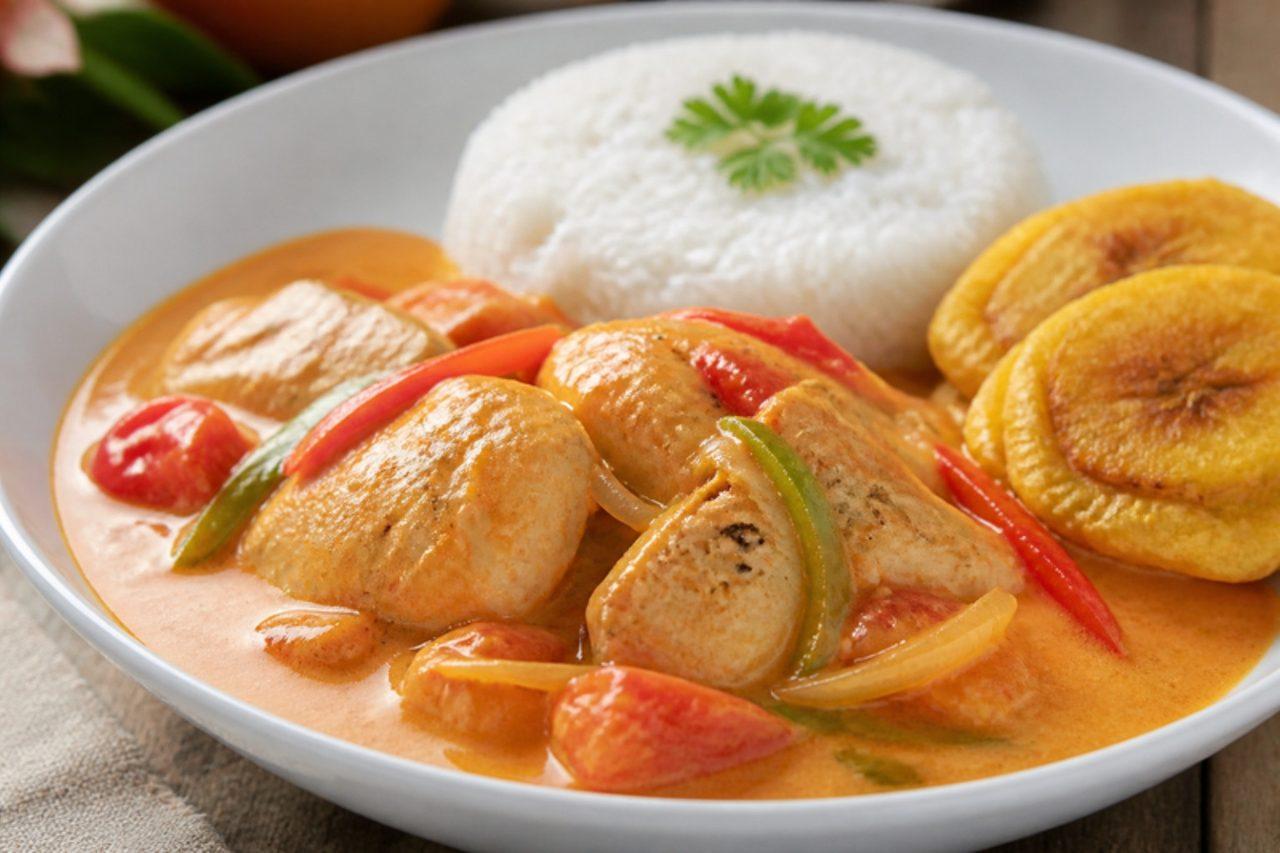
Pescado con cocoFish in coconut sauce

On the Samaná peninsula in the north-east of the Dominican Republic, where coconut palms grow down to the sea and the local cooking carries traces of the African-American settlers who arrived there in the 1820s, fish is braised in fresh coconut milk with tomato, peppers and herbs. It is served at beach shacks in Las Terrenas with white rice and tostones to mop up the sauce. The common mistake is boiling the sauce hard once the coconut milk is in, which makes it split and oily; keep it at a gentle simmer. Chef's tip: let the fish sit in lime, garlic and salt in the fridge for 15 minutes first, but no longer, or the acid starts to cook it.

by KrazyBadal 0 views

Arroz con maízRice with sweetcorn

In central Cuba, when the fields are full of young corn, families cut the kernels straight off the cob into the rice pot with a sofrito of onion, pepper, garlic and annatto, cooking everything together until golden and sticky at the base. Many farm cooks add salt pork; this vegan version leans on cumin and a little smoked paprika. A common mistake is using too much water, as fresh corn releases its own milk, so keep to the amounts given. Serve with black beans or a tomato and avocado salad. Chef's tip: scrape the cobs with the back of the knife after cutting off the kernels and add that milky pulp; it gives the rice a creamy sweetness.

by KrazyBadal 0 views

MajareteCoconut rice-flour pudding

Puerto Rican grandmothers cook majarete on the stove in one pan, pour it into a dish and leave it to set while the Sunday dinner is eaten; it shows up again at Christmas beside the tembleque. Rice flour, coconut milk and whole milk are stirred with cinnamon and a little orange zest until they thicken into a silky, spoonable pudding, dusted with more cinnamon. In the Dominican Republic the same name goes to a version made with fresh grated corn. The common mistake is walking away from the pan; rice flour lumps and catches in seconds, so whisk constantly. Chef's tip: whisk the rice flour into the cold milks before the pan goes on the heat, and it will be perfectly smooth.

by KrazyBadal 0 views

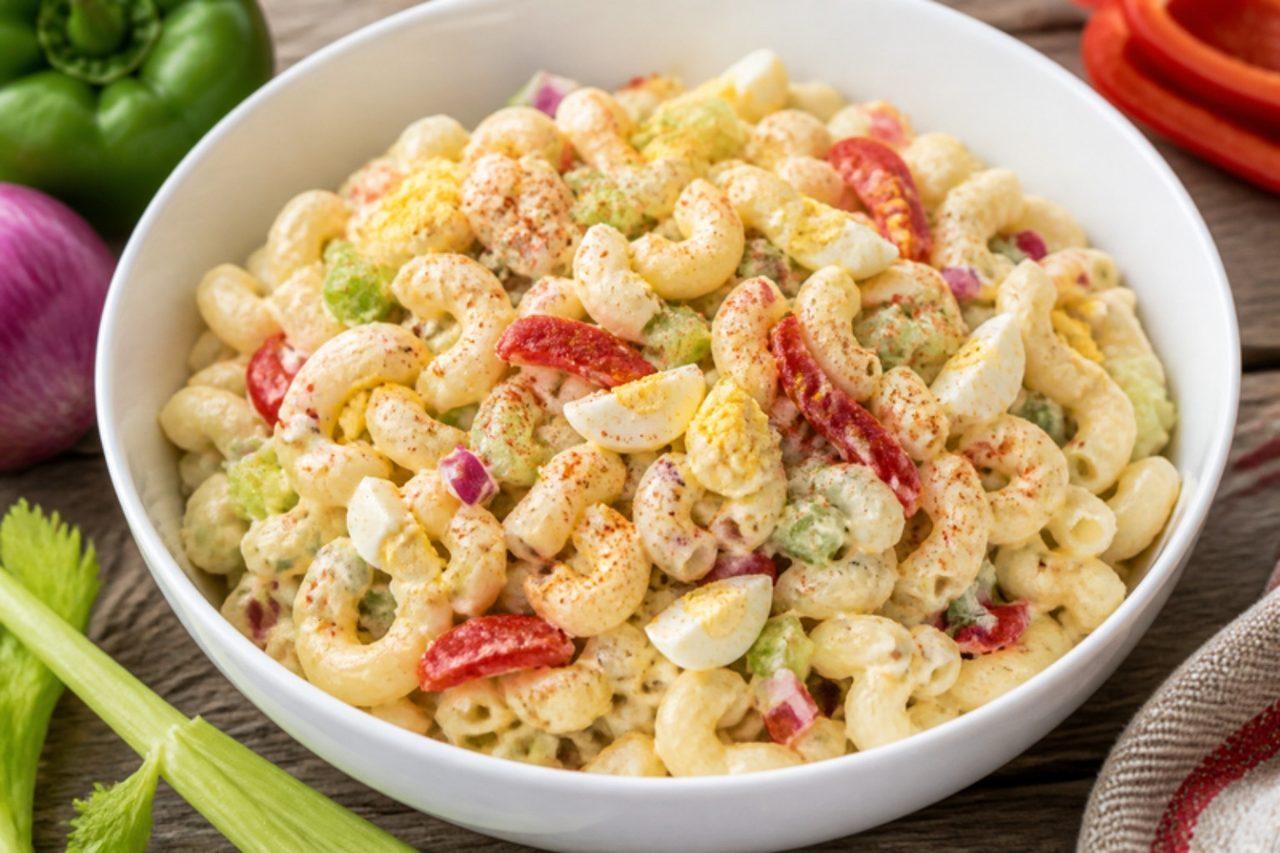
Ensalada de coditosMacaroni salad

No Puerto Rican cumpleaños, baby shower or Thanksgiving-style family spread feels complete without a big bowl of coditos sitting next to the arroz con gandules. Elbow macaroni is folded through creamy mayonnaise with crunchy pepper, onion and celery, chopped hard-boiled egg and sweet pimientos, then chilled until the pasta drinks up the dressing. The common mistake is dressing the pasta piping hot, which makes the mayonnaise oily and split; let it cool first. Keep it in the fridge and don't leave it out in the sun for more than 2 hours. Chef's tip: toss the drained pasta with a splash of the pimiento liquid while it is still warm, so it is seasoned all the way through.

by KrazyBadal 0 views

KoldskålCold buttermilk soup

On the first warm day of summer, Danes buy cartons of koldskål and packets of kammerjunker, small crunchy rusks, and the season has begun: koldskål is a cold, sweet, tangy buttermilk 'soup' with lemon and vanilla, eaten from bowls as a dessert or a light supper, sometimes with strawberries. Homemade, it is whisked with egg yolks for richness. Raw egg yolk is not suitable for pregnant women, young children or anyone with a weakened immune system, so this recipe uses pasteurised egg yolks. A common mistake is serving it at room temperature; it must be very cold. Chef's tip: whisk the yolks and sugar until thick and pale before the buttermilk goes in, which gives a silky, foamy soup.

by KrazyBadal 0 views

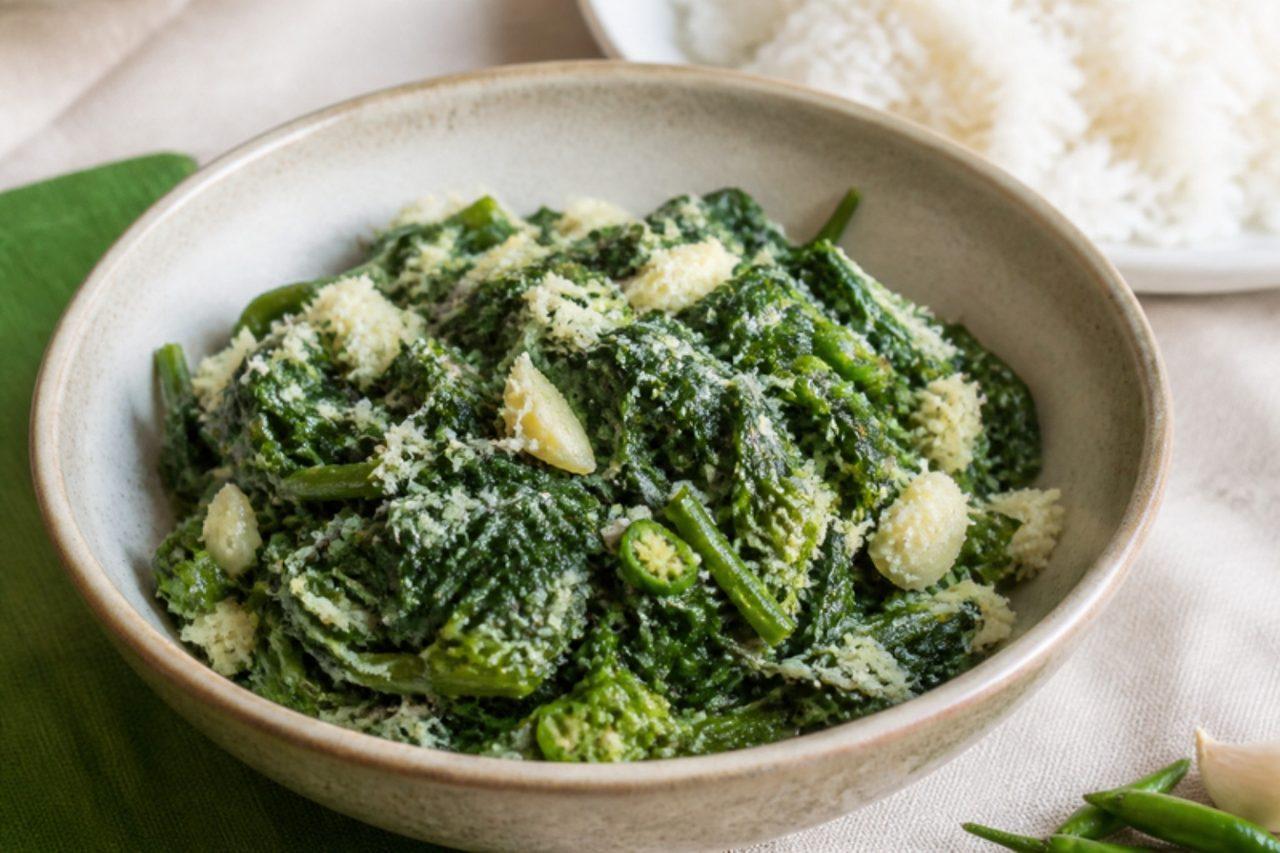
Kochu shakTaro greens with coconut

In the wet villages of Khulna and Bagerhat, near the edge of the Sundarbans, taro grows wild along every pond, and its dark leaves and tender stems are cut, chopped fine and simmered into a soft, creamy green dish with grated coconut. At home it is often cooked with small shrimp or the head of a hilsa for richness; this version keeps it vegetarian and leans on coconut and mustard oil instead. Cooked well, it is soft and silky, coconut-sweet and earthy, and is eaten with rice and a squeeze of lime. Taro leaves contain calcium oxalate crystals that make the mouth itch if they are undercooked, so the classic error is pulling it off the heat too soon; it needs a full 25 minutes and a sour element at the end. Chef's tip: use young leaves from edible taro and wear gloves or oil your hands while cutting the stems.

by KrazyBadal 0 views

Arepa di pampunaCinnamon pumpkin pancakes

Curaçao and Aruba use the word arepa differently from their South American neighbours: arepa di pampuna are not corn arepas but small, sweet pumpkin pancakes, fried in a little oil and eaten warm for breakfast, or alongside a bowl of soup or stoba at lunch. The mashed pumpkin makes them tender and bright orange, with cinnamon and a little sugar. The mistake is too much flour, which makes them dense; the batter should be thick but soft. Chef's tip: cook the pumpkin the day before and drain it overnight in the fridge for the lightest pancakes.

by KrazyBadal 0 views

Arepa dominicanaSweet cornmeal coconut cake

Not the stuffed corn patty of Venezuela: in the Dominican Republic arepa means a dense, sweet cornmeal cake that grandmothers once baked in a covered pot with hot coals on the lid. The cornmeal is first cooked with coconut milk, milk, butter, sugar and cinnamon into a thick porridge, then baked until it sets with a dark, caramelised crust and a soft, pudding-like centre. It is eaten at merienda with coffee or a glass of cold milk. The common mistake is not cooking the cornmeal long enough on the hob, which leaves the cake gritty. Chef's tip: let the arepa cool completely before slicing; warm, it is too soft to cut cleanly.

by KrazyBadal 0 views

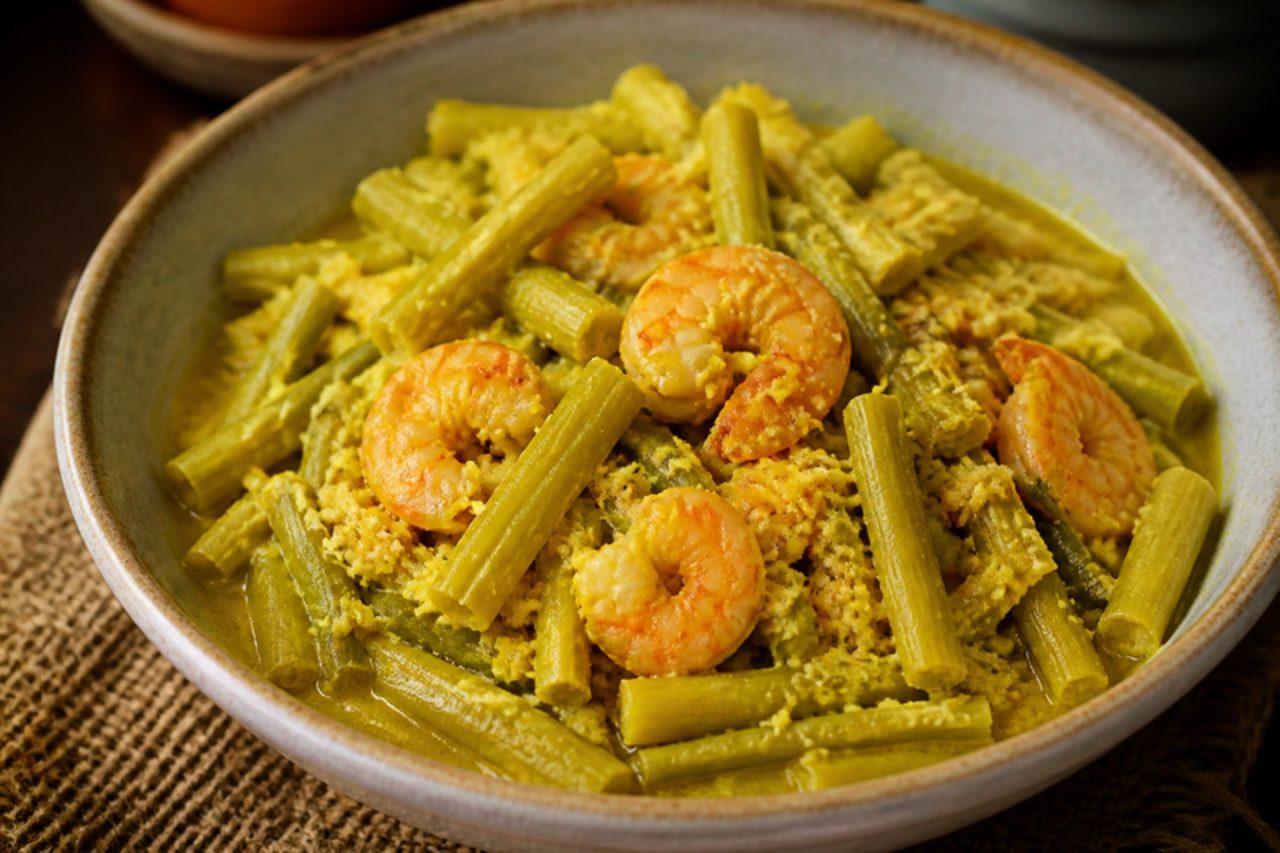
Kochur loti chingriTaro stolons with prawns

Kochur loti are the long, thin runners that taro plants send out across the pond banks in the rainy season, and in Khulna, where freshwater prawns are farmed in every second field, the two end up in the same karai. The stolons are peeled, cut into short lengths and cooked with small prawns, onion and freshly grated coconut until soft and almost melting, giving a mild, slightly sweet, gently earthy dish for lunch with rice and dal. Taro of all kinds contains crystals that make the mouth and throat itch if it is not cooked enough or balanced with something sour, so the stolons need peeling, a full cook and a squeeze of lime. Many people undercook the loti because they look tender early; give them the whole time. Chef's tip: oil your hands before peeling the stolons, or wear gloves, as the sap can irritate the skin.

by KrazyBadal 0 views

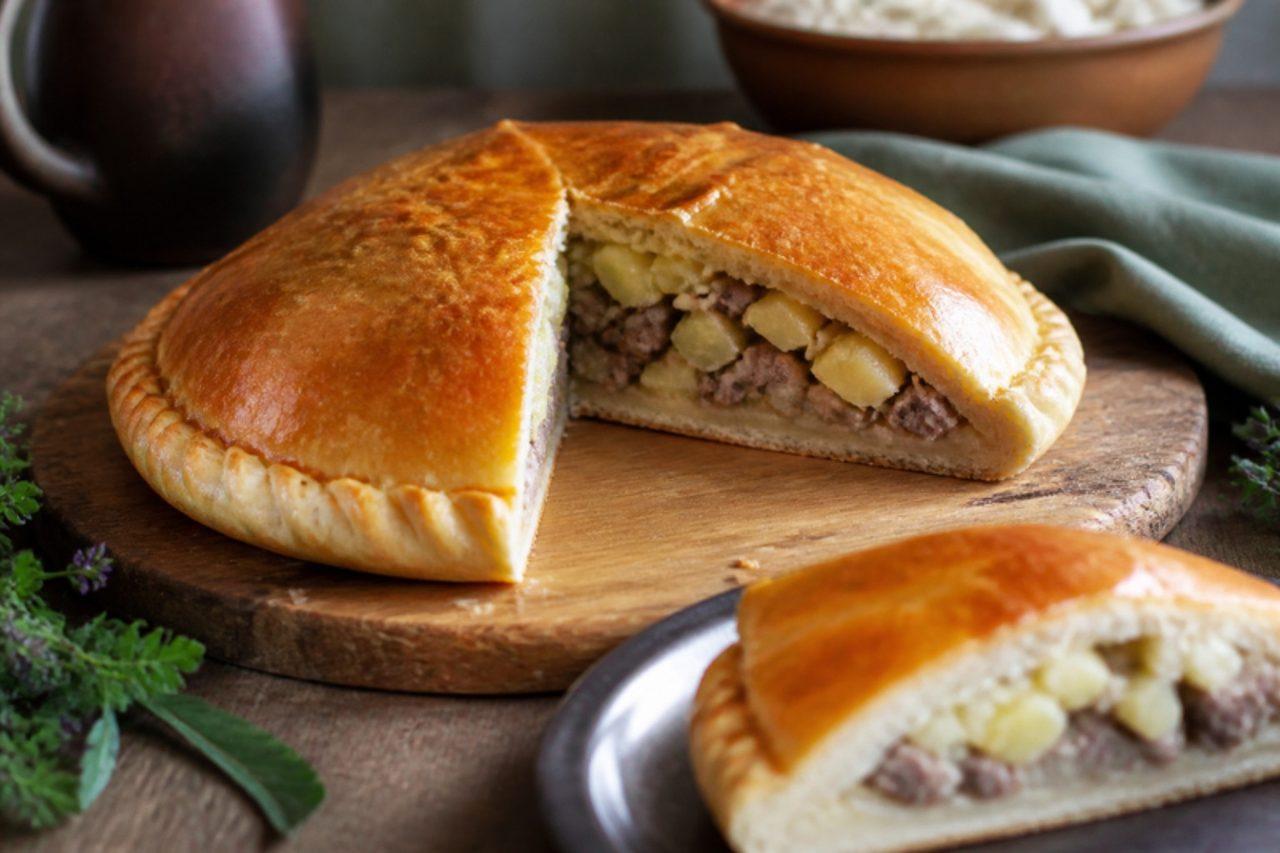
KobeteLamb and potato pie

Kobete is the grand pie of Crimean Tatar celebrations, a tall golden dome cut at the table like a cake, its name thought to come from an old word for a pastry dome. Inside, small cubes of raw lamb, potato and onion are seasoned with black pepper and baked slowly in a soft, buttery yoghurt pastry, so the meat cooks in its own juices into a peppery broth that soaks the potato. Chicken versions are common too. Serve warm with a sharp salad or ayran. People tend to cut the meat too big; in a sealed pie, large chunks stay chewy while the crust burns. Allow time for the long bake and a short rest before slicing. Chef's tip: pour a ladle of hot stock through the steam hole halfway through baking, which keeps the filling juicy and tells you, by the bubbling, that it is cooking well inside.

by KrazyBadal 0 views

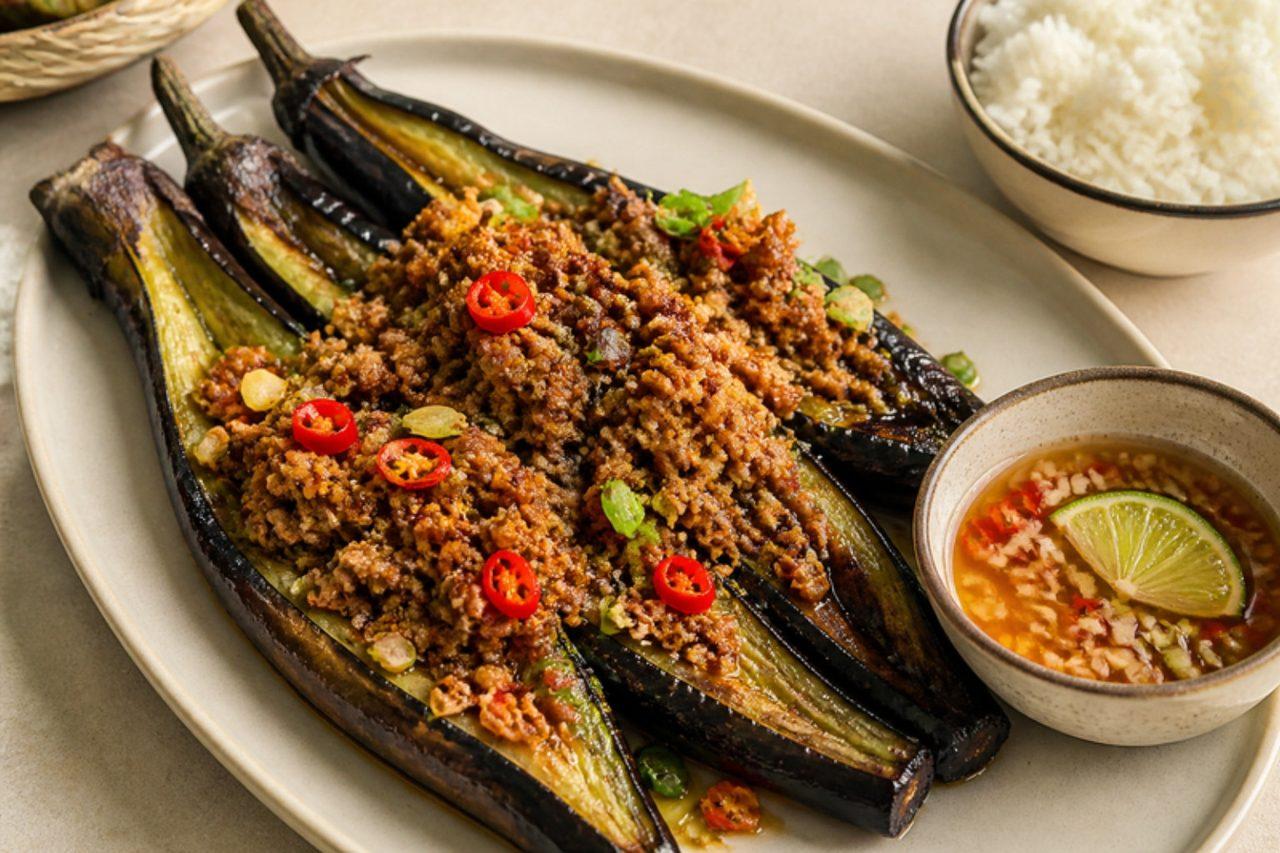
Cha traop dotCharred aubergine with minced pork

Long purple aubergines blackened right on the coals or gas flame are a weeknight staple in Phnom Penh homes and in the rice-and-curry shops where office workers eat lunch from a row of pots. Once peeled, the flesh is soft, silky and deeply smoky; it is laid on a plate, topped with minced pork fried with garlic and fish sauce, then drizzled with hot spring onion oil and a sweet-salty lime dressing. Eaten with plenty of jasmine rice, it is gentle enough for children and rich enough to feel like a treat. A typical mistake is pulling the aubergines off the heat when the skin is only scorched in patches, which leaves hard, bland flesh inside. Chef's tip: char them until they slump completely flat and the skin cracks all over, then rest them in a covered bowl for 5 minutes so the skin slips off in one go.

by KrazyBadal 0 views

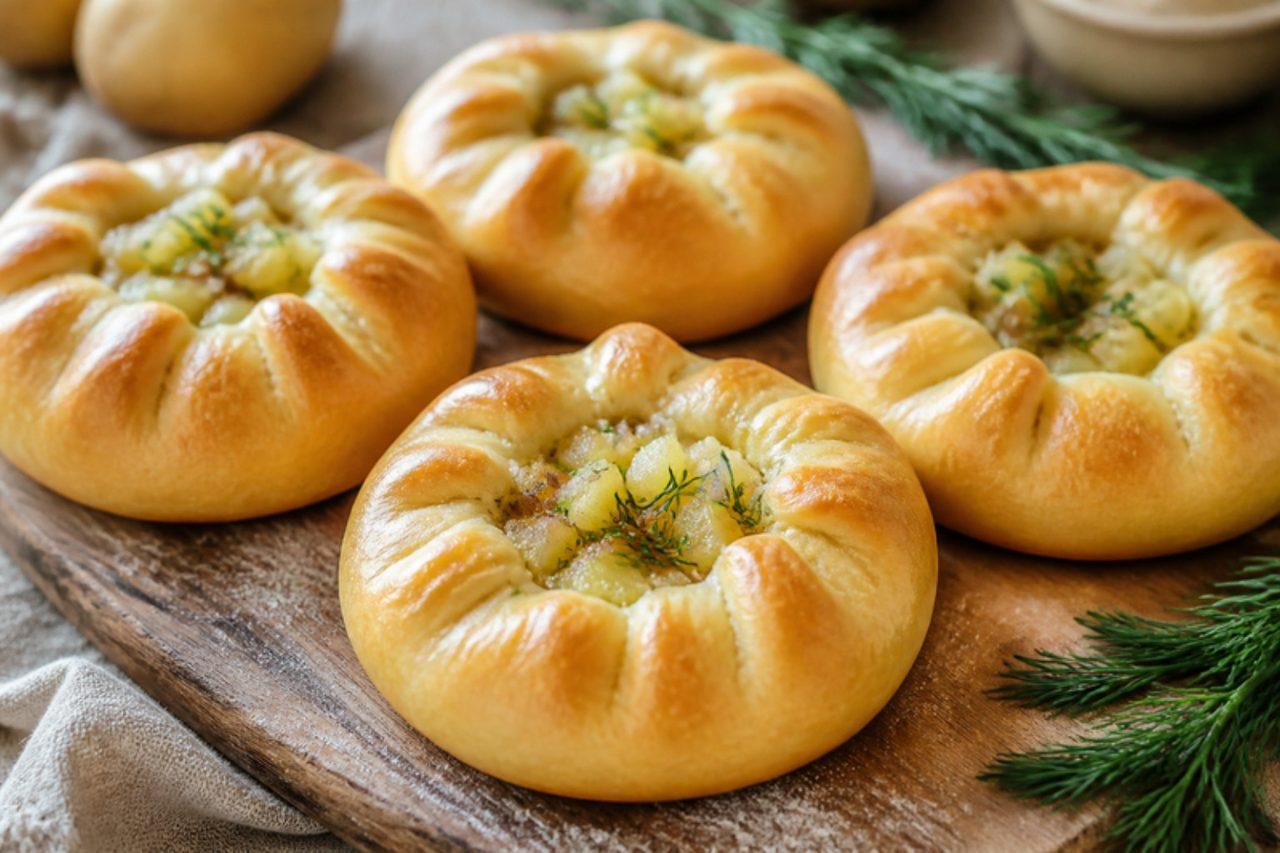
KnyshiPotato-filled yeast buns

On Poltava farms knyshi came out of the stove alongside the bread on baking day: rounds of soft milk dough with their edges pinched up like a little open basket, so the filling shows in the middle. Potato mashed with plenty of onion fried in sunflower oil and a handful of dill is the everyday version, and the buns are eaten warm with a bowl of soup or cold on the way to the fields. Some cooks fill them with curd cheese or poppy seed instead, especially for Christmas Eve. The dough should be pillowy and the potato soft and peppery. Most people go wrong by spooning in warm, wet mash, which steams the dough from inside and makes it soggy; let the filling cool fully. Chef's tip: brush the baked buns with melted butter the moment they come out of the oven, then cover with a towel for 10 minutes so the crust turns soft and silky.

by KrazyBadal 0 views

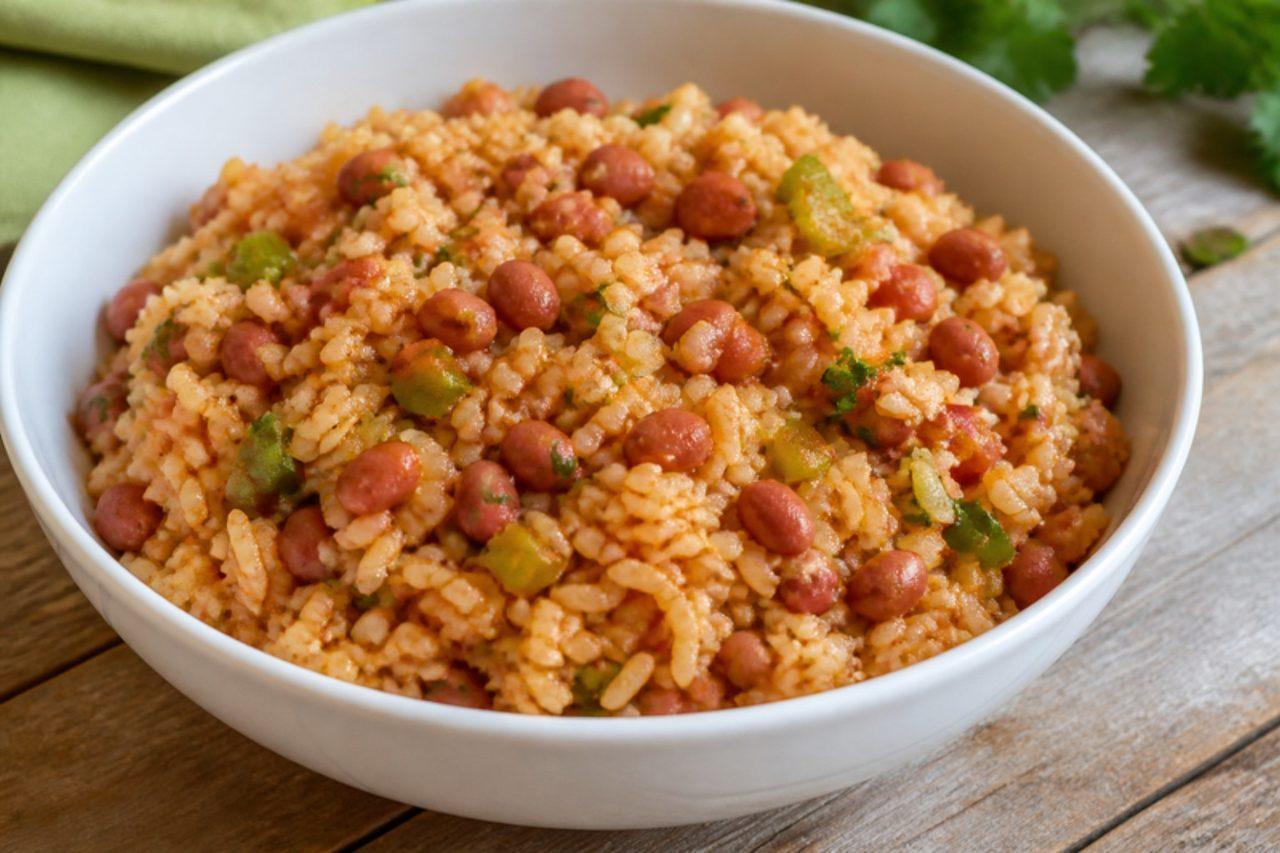
Arroz mamposteaoFried rice and stewed beans

Fondas around San Juan put arroz mamposteao on the menu as a way to use yesterday's white rice and the last ladle of habichuelas, and at home it is the Sunday-night fix when the pots from lunch come out of the fridge. The rice is fried in olive oil with a fresh sofrito, then the beans and their sauce go in until every grain is stained pink and the edges catch and crisp. Many cooks add ham or bacon; this version stays meat-free and gets its depth from the sofrito and a little smoked paprika. The common mistake is using freshly cooked rice, which turns to paste; cold, day-old rice keeps separate grains. Chef's tip: leave the pan alone for the last few minutes so a crunchy layer forms on the bottom, then fold it through.

by KrazyBadal 0 views

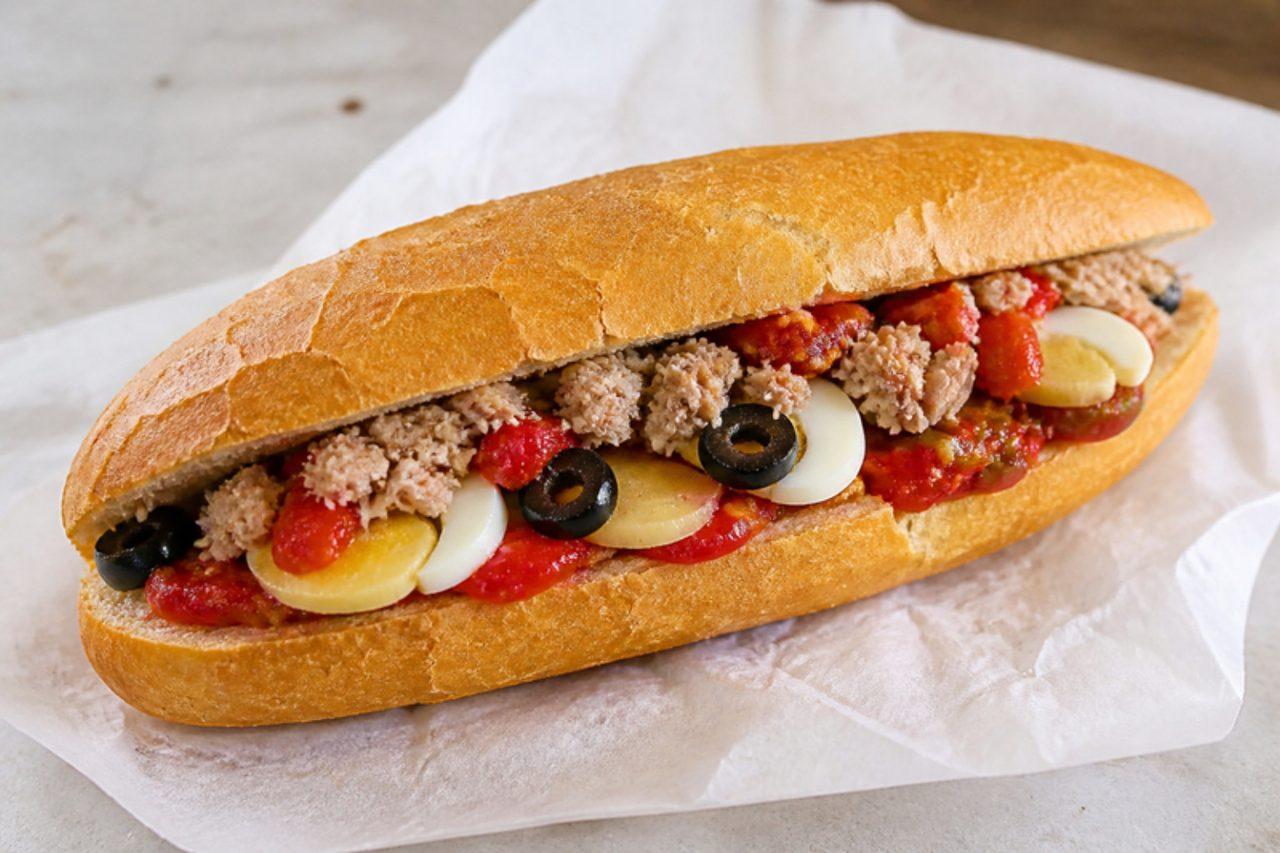
Casse-croûte tunisienTuna baguette sandwich

From train-station kiosks in Tunis to beach stalls at Hammamet, the casse-croûte is the sandwich everyone grabs: a baguette slit open, painted with harissa and packed with tuna, mechouia (a grilled pepper and tomato salad), boiled egg, diced potato, olives and a few capers. It is messy, spicy and filling, with smoky peppers against the rich tuna and the soft, starchy potato. This version makes a quick pan-charred mechouia while the eggs and potatoes cook. Chef's tip: let the potatoes and eggs cool before they go in; adding them hot steams the bread and turns it soggy, a common mistake at home.

by KrazyBadal 0 views

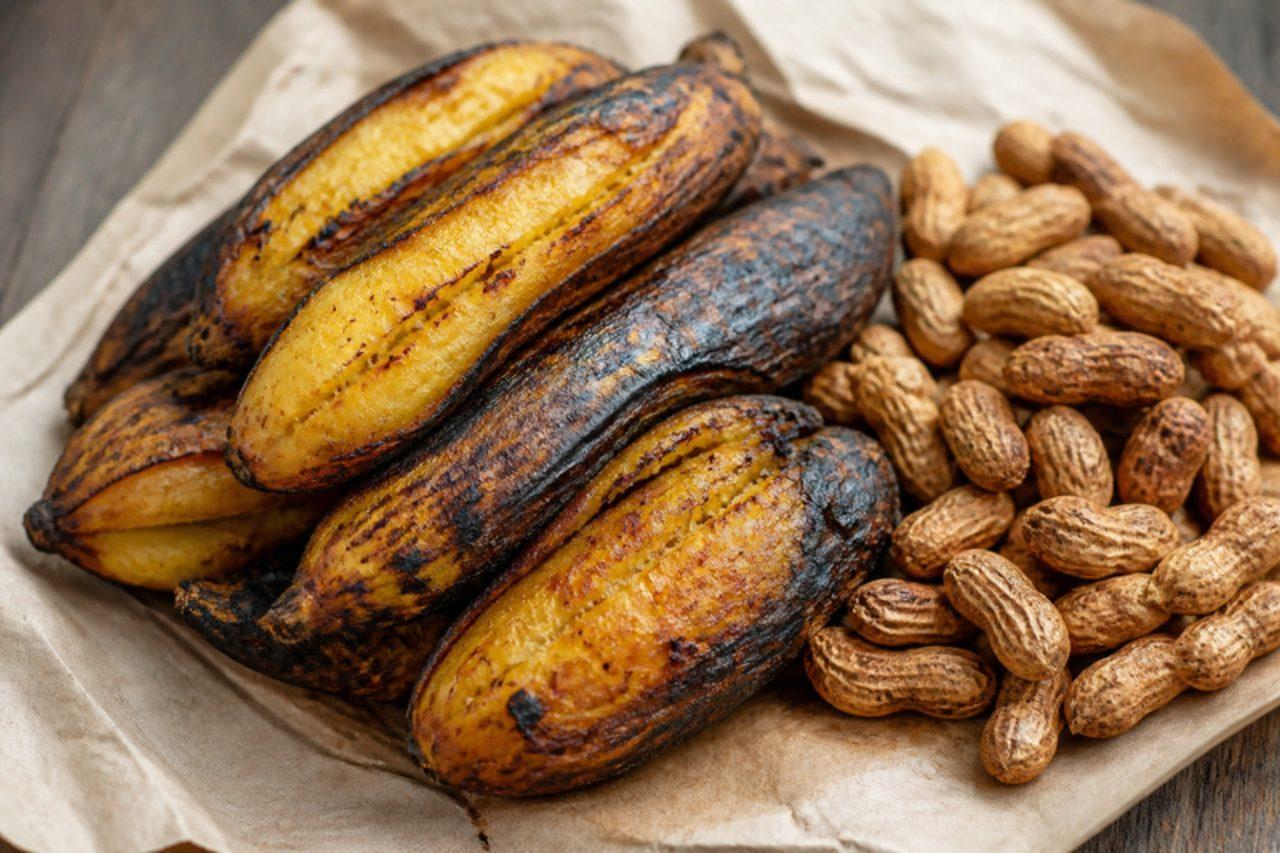
Kofi brokemanRoasted plantain with peanuts

The name jokes that this is food for 'Kofi who is broke': a ripe plantain roasted over a charcoal grill on a street corner in Accra or Kumasi, handed over with a twist of roasted groundnuts for very little money. The skin chars black while the inside turns soft, sweet and smoky, and the nuts give it salt and crunch, so it is surprisingly filling. At home a hot grill pan, oven or barbecue does the job. Chef's tip: choose plantains that are yellow with a few black spots, firm but not green; fully black ones collapse on the grill, and green ones, the usual mistake, stay starchy and dry.

by KrazyBadal 0 views

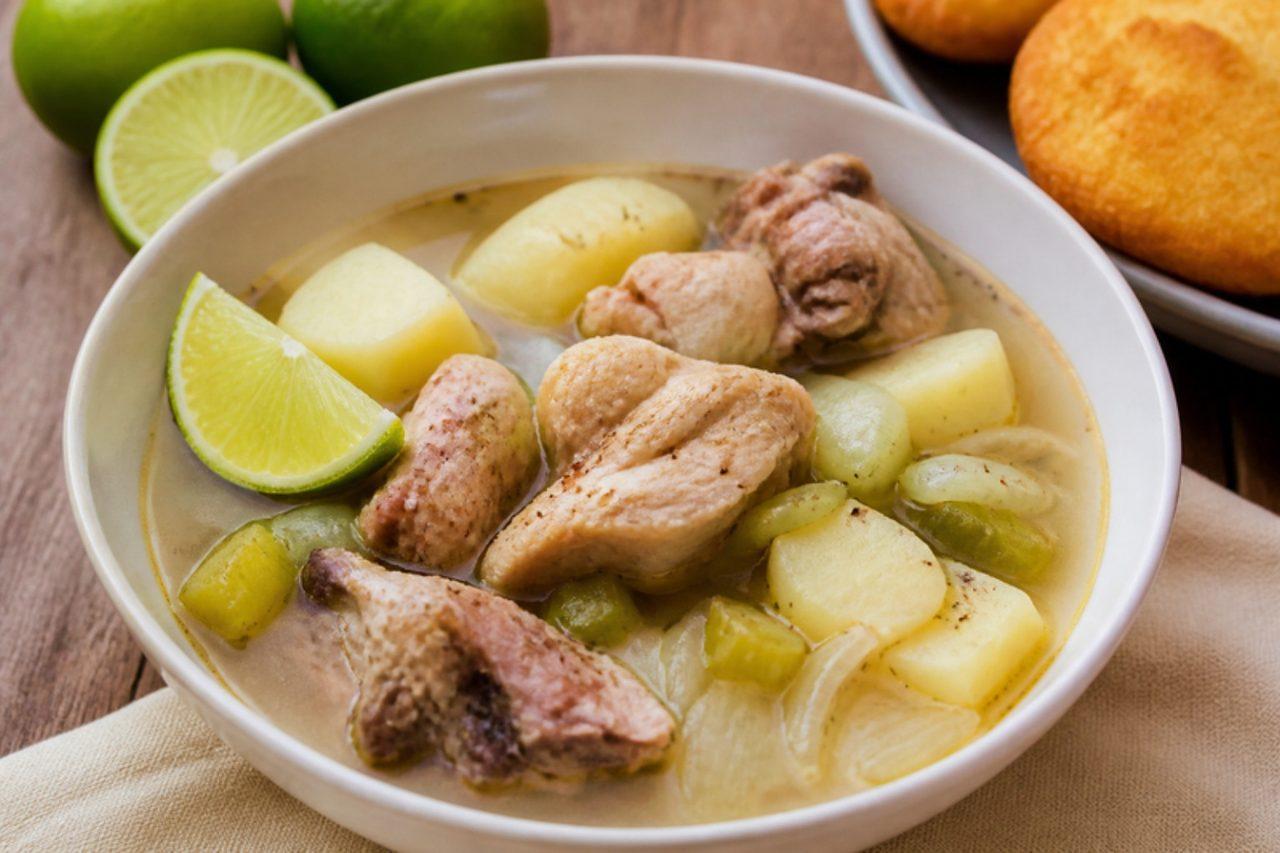
Bahamian chicken souseChicken in lime broth

In the Bahamas, souse is the Saturday-morning cure after a late Friday: chicken (or sheep tongue or pig's feet, for the old-timers) simmered in a clear, sharp broth of lime juice, allspice, onion, potatoes and hot pepper, eaten with johnnycake. It is light, sour, peppery and very reviving. The common mistake is adding the lime too early and boiling it, which makes the broth bitter; most goes in at the end. Use bone-in pieces for flavour. Chef's tip: let the bowl sit for a few minutes after serving so the lime mellows into the broth.

by KrazyBadal 0 views

Kluski leniweLazy cheese dumplings

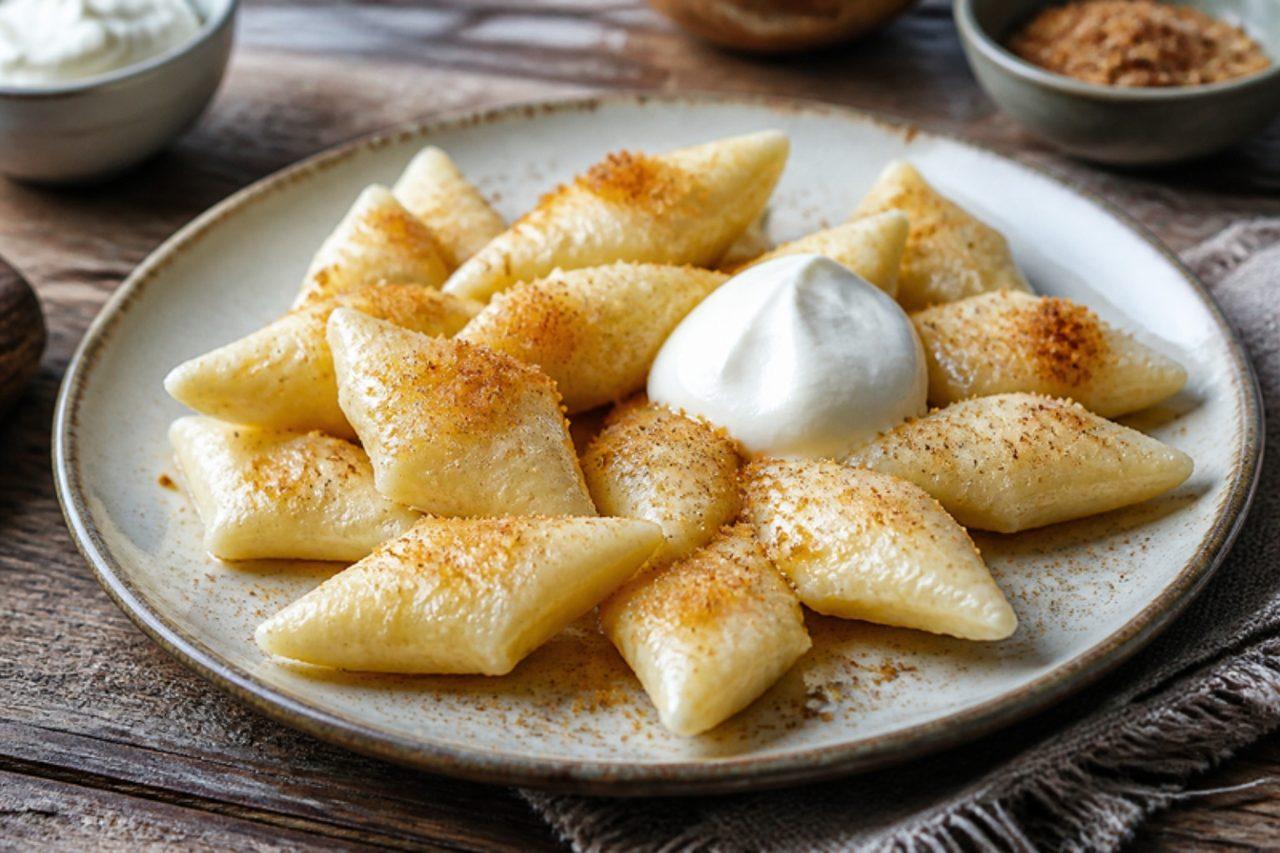
Lazy dumplings earn their name honestly: instead of filling and pinching like pierogi, you knead the cheese straight into the dough and cut it into diamonds. Across Lesser Poland they are a school-day lunch, a canteen favourite and the first thing many Polish children learn to cook. Good ones are pillow-soft and faintly tangy from the twaróg, rolled in breadcrumbs toasted in butter and finished with a spoon of sugar, sometimes sour cream or cinnamon too. The usual slip is adding too much flour to stop the dough sticking, which makes the dumplings heavy and doughy. Twaróg is usually made without rennet, but check the label if you need it strictly vegetarian. Chef's tip: press the twaróg through a sieve or mash it with a fork until completely smooth, so the dough needs less flour.

by KrazyBadal 0 views

AreekaWholemeal bread with ghee and honey

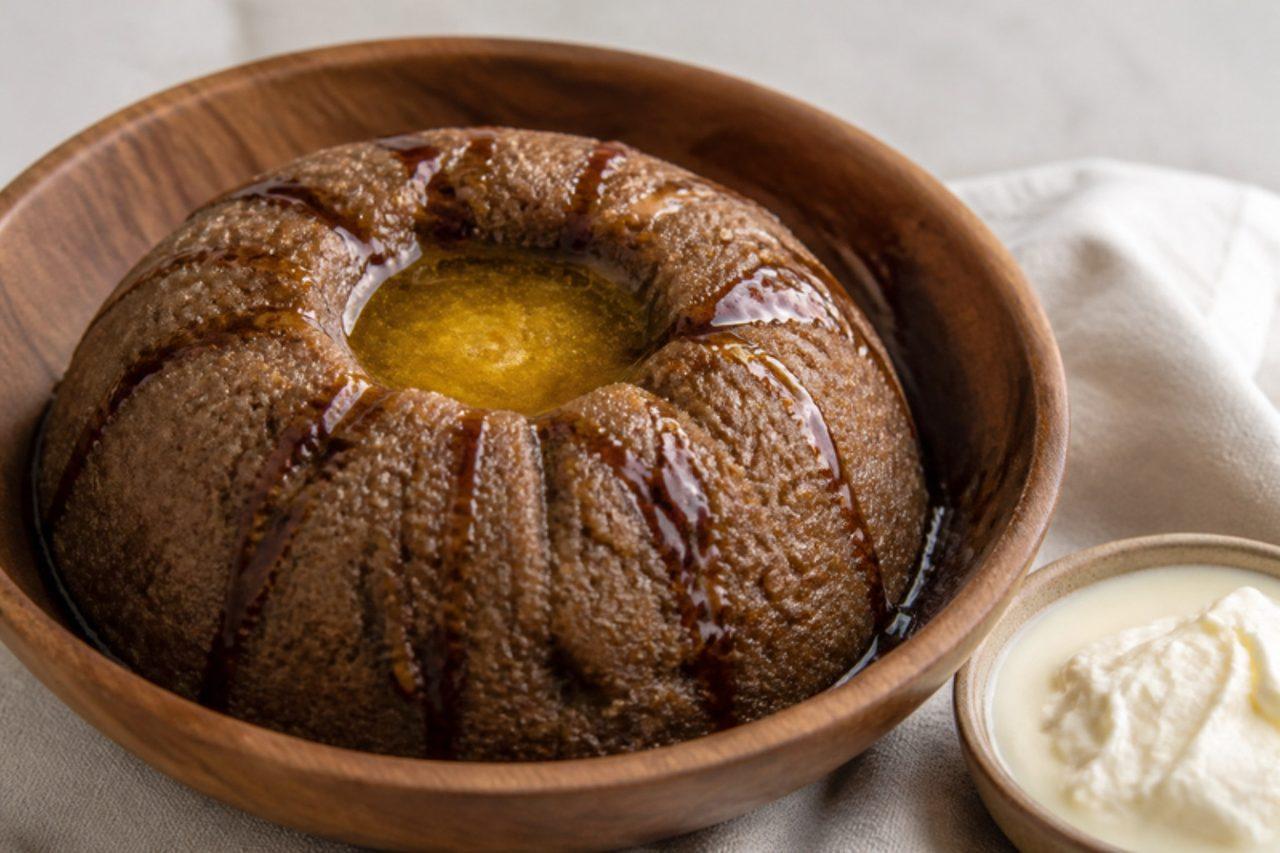
In the green mountains of Asir in south-west Saudi Arabia, areeka is the breakfast for guests, weddings and cold mornings in Abha: thick wholemeal breads are torn while still hot and kneaded with ghee into a smooth, soft dome, then hollowed out and filled with a pool of warm ghee, mountain honey and date syrup. Everyone eats from the same plate, pinching off pieces and dragging them through the sweet centre. It is rich, warm and comforting, with a nutty wheat flavour. The usual mistake is letting the bread cool before kneading; it must be worked hot or it will not bind. Serve with cardamom coffee or milky tea, and a spoonful of cream if you like. Chef's tip: wear clean rubber gloves so you can knead the bread while it is properly hot.

by KrazyBadal 0 views

Kluski śląskieSilesian potato dumplings

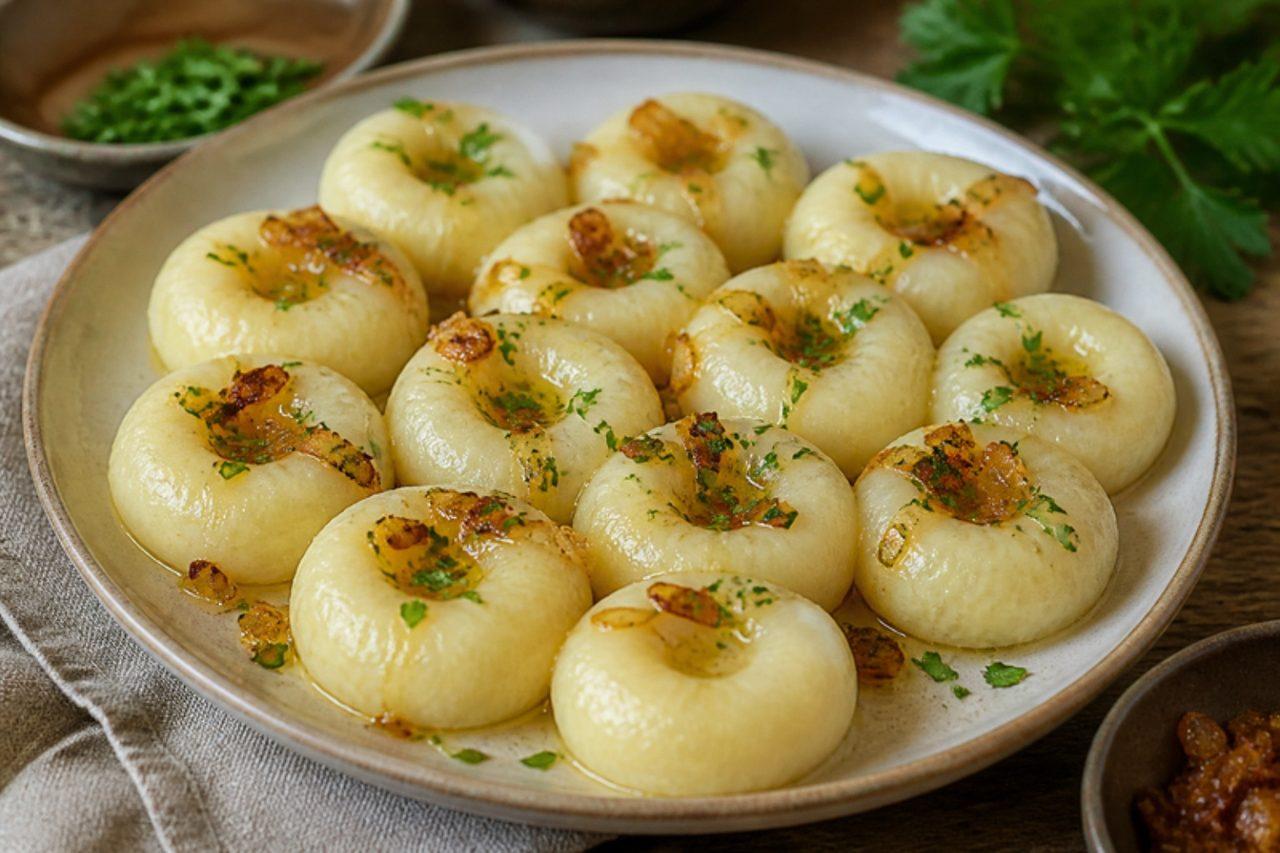
No Sunday dinner in Katowice, Gliwice or Opole feels complete without a heap of these pale, bouncy dumplings, traditionally next to roulade and red cabbage. Here they are served the meatless way, with browned butter and fried onion, or with a mushroom sauce poured into the little dent each one gets from your thumb. They are made from boiled, riced potato and potato starch, so the texture is springy and smooth, almost elastic, with a clean potato taste. The classic error is guessing the starch: Silesian cooks press the cooled potatoes flat, cut out a quarter and fill the gap with starch, which gives the right ratio every time. Chef's tip: rice the potatoes while hot but let them cool completely before mixing, or the dough turns gluey.

by KrazyBadal 0 views

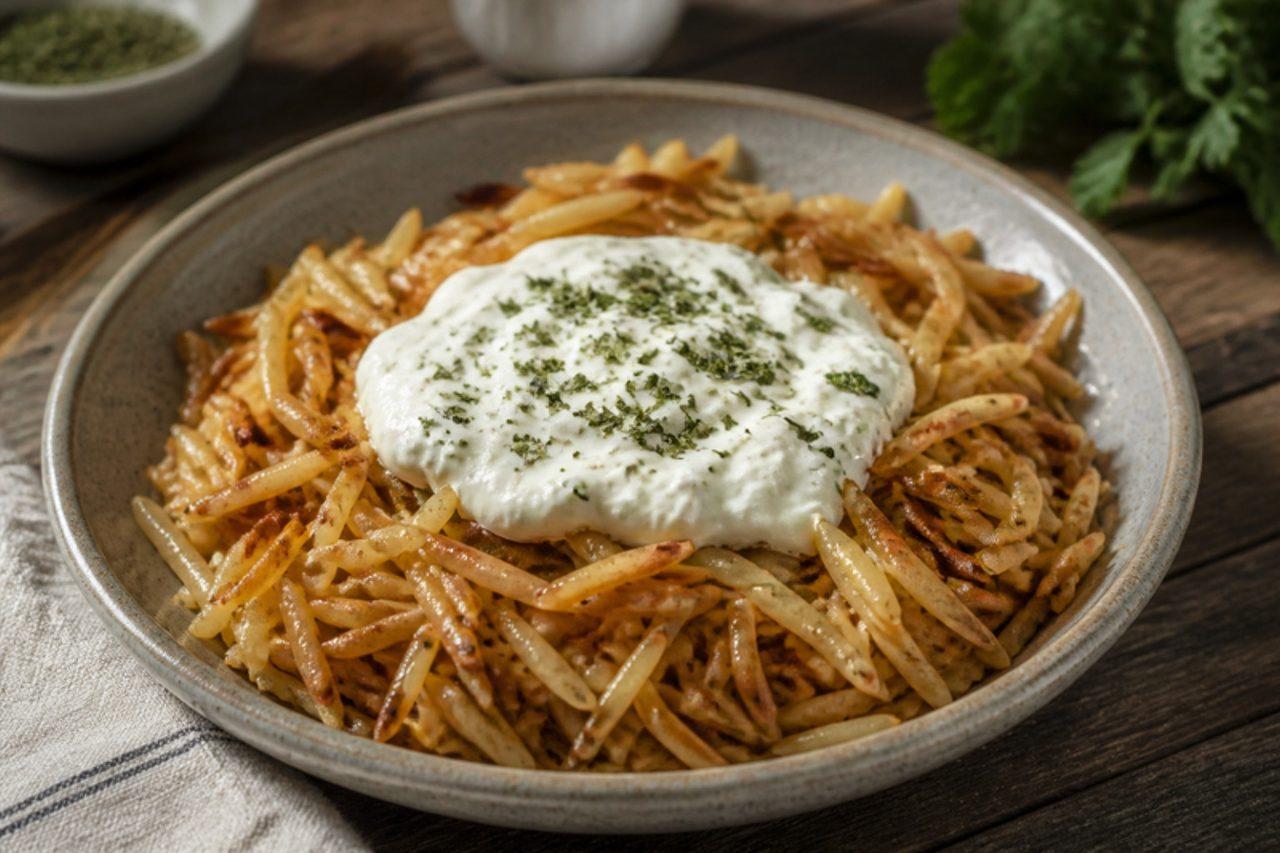
KljukušaBaked grated potato batter

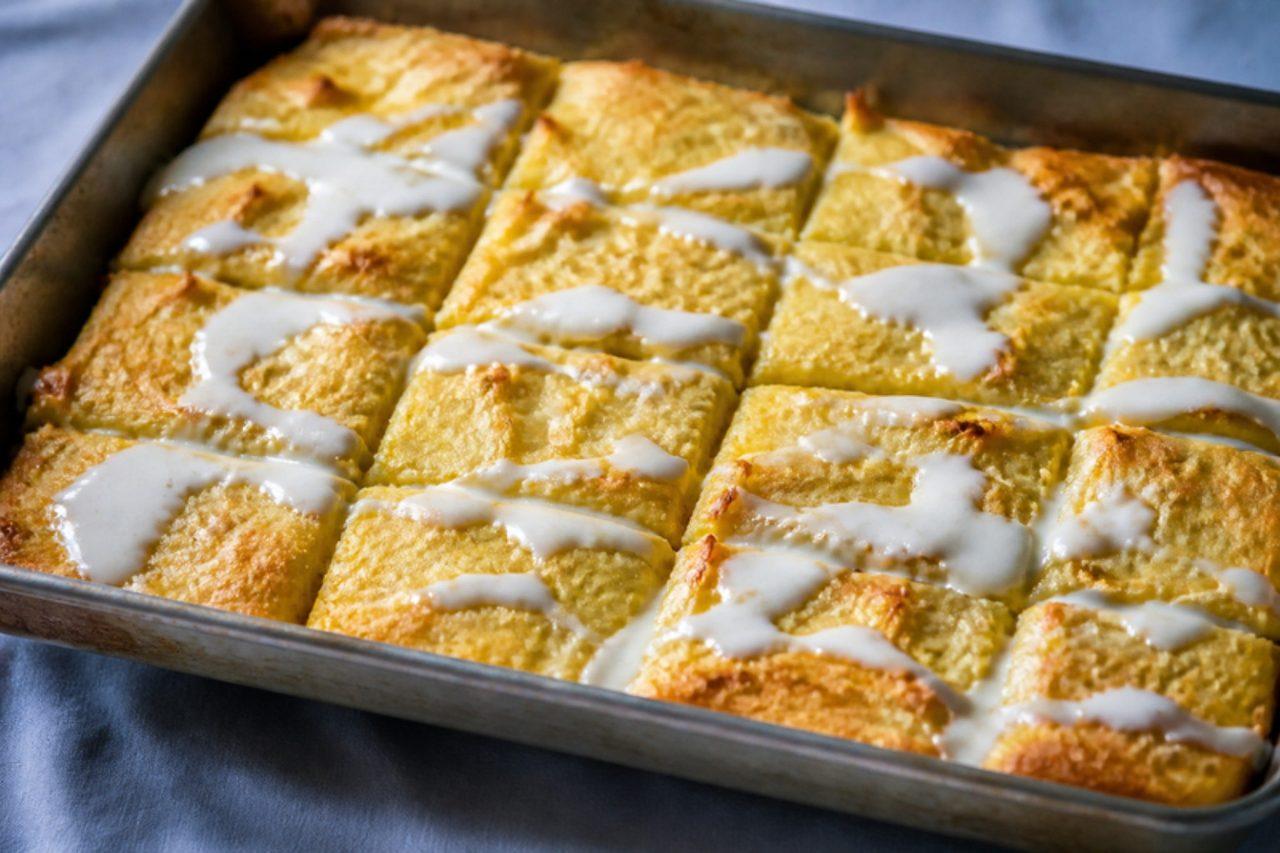
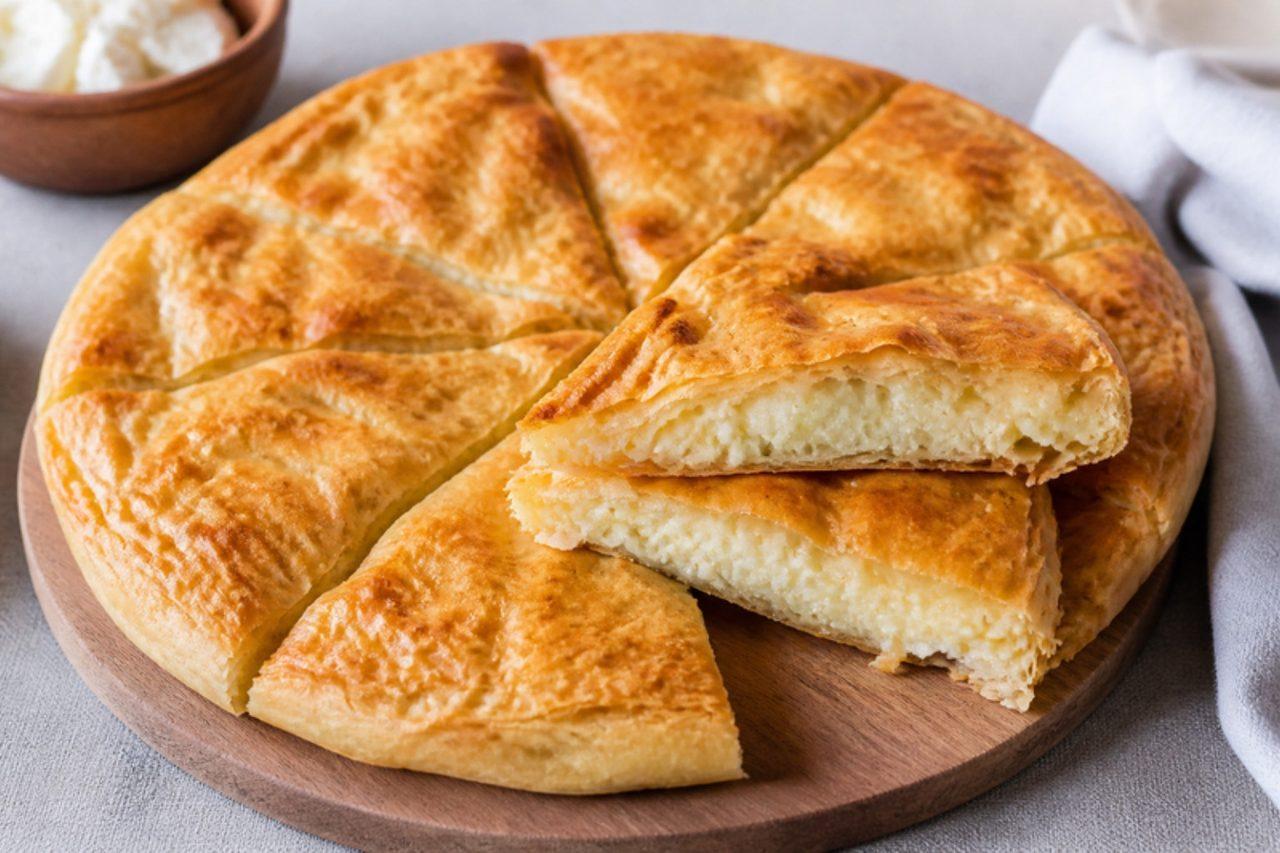
Ask anyone from Bihać or Cazin in north-western Bosnia about kljukuša and they will describe a big tray of it coming out of the oven on a weekday, golden and blistered, then soaked in garlic yogurt at the table. Grated raw potato is stirred into a loose flour batter and baked in a thin layer, giving a crisp, browned top and a soft, slightly chewy middle, a bit like a potato pancake from the oven. The cold, garlicky yogurt against the hot potato is the whole point, with a green salad or pickles on the side. The usual slip is spreading it too thick, which leaves a gummy, undercooked centre; keep the layer to about 1.5 cm. Chef's tip: get the oiled tray smoking hot in the oven first, so the bottom crisps as soon as the batter hits it.

by KrazyBadal 0 views

Kluski z makiemNoodles with sweet poppy seed

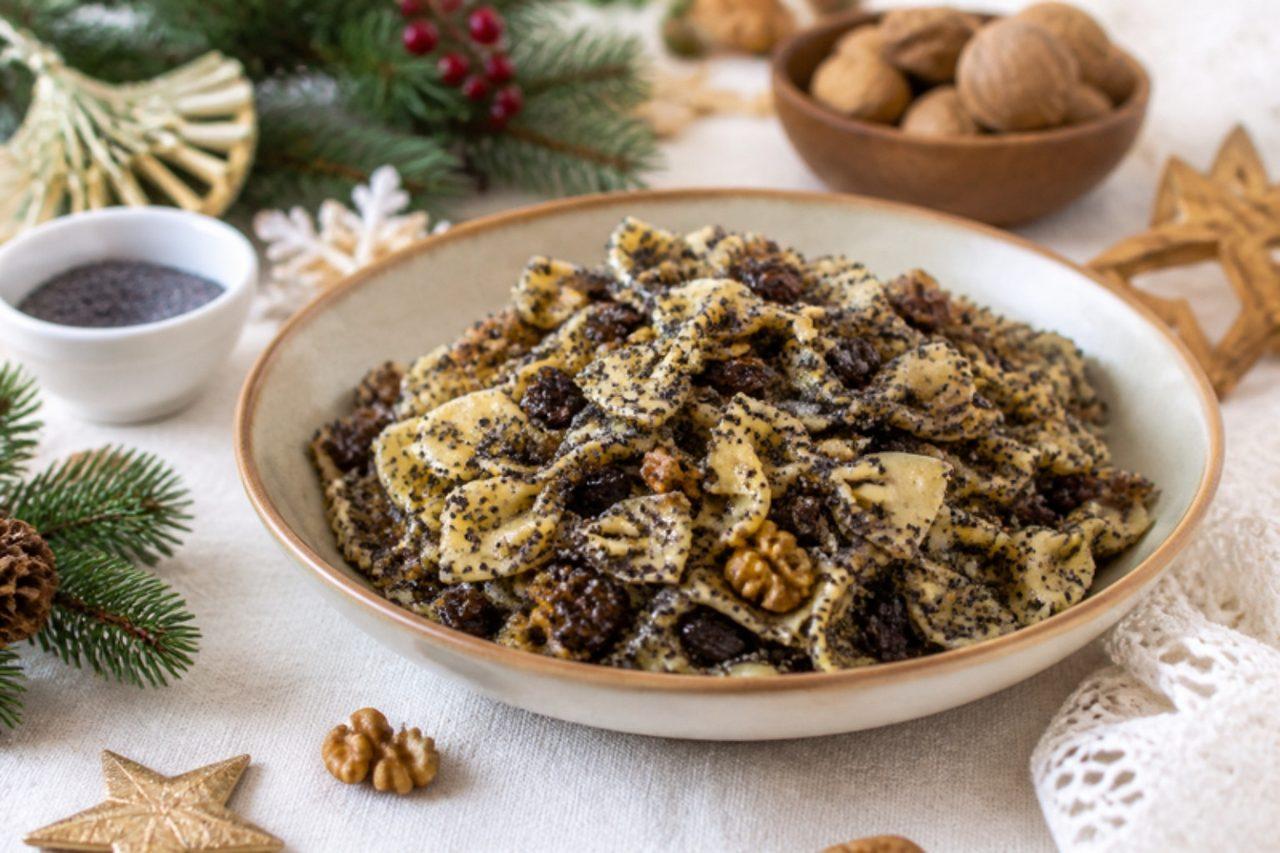
Poppy seed is the taste of a Polish Christmas Eve, and in central and eastern Poland it often reaches the table as a bowl of wide noodles in a sweet, dark poppy mixture with honey, walnuts and raisins. It sounds strange to anyone who expects pasta to be savoury, but it is closer to a pudding: nutty, slightly bitter, sticky with honey, eaten at room temperature as the last dish of the night. Where most people go wrong is using whole poppy seeds straight from the packet; they must be scalded and ground, or the dish is gritty and bland. Chef's tip: buy ready-ground poppy seed or grind scalded seeds twice in a spice grinder until they turn grey and buttery.

by KrazyBadal 0 views

Aargauer RüeblitorteCarrot and almond cake

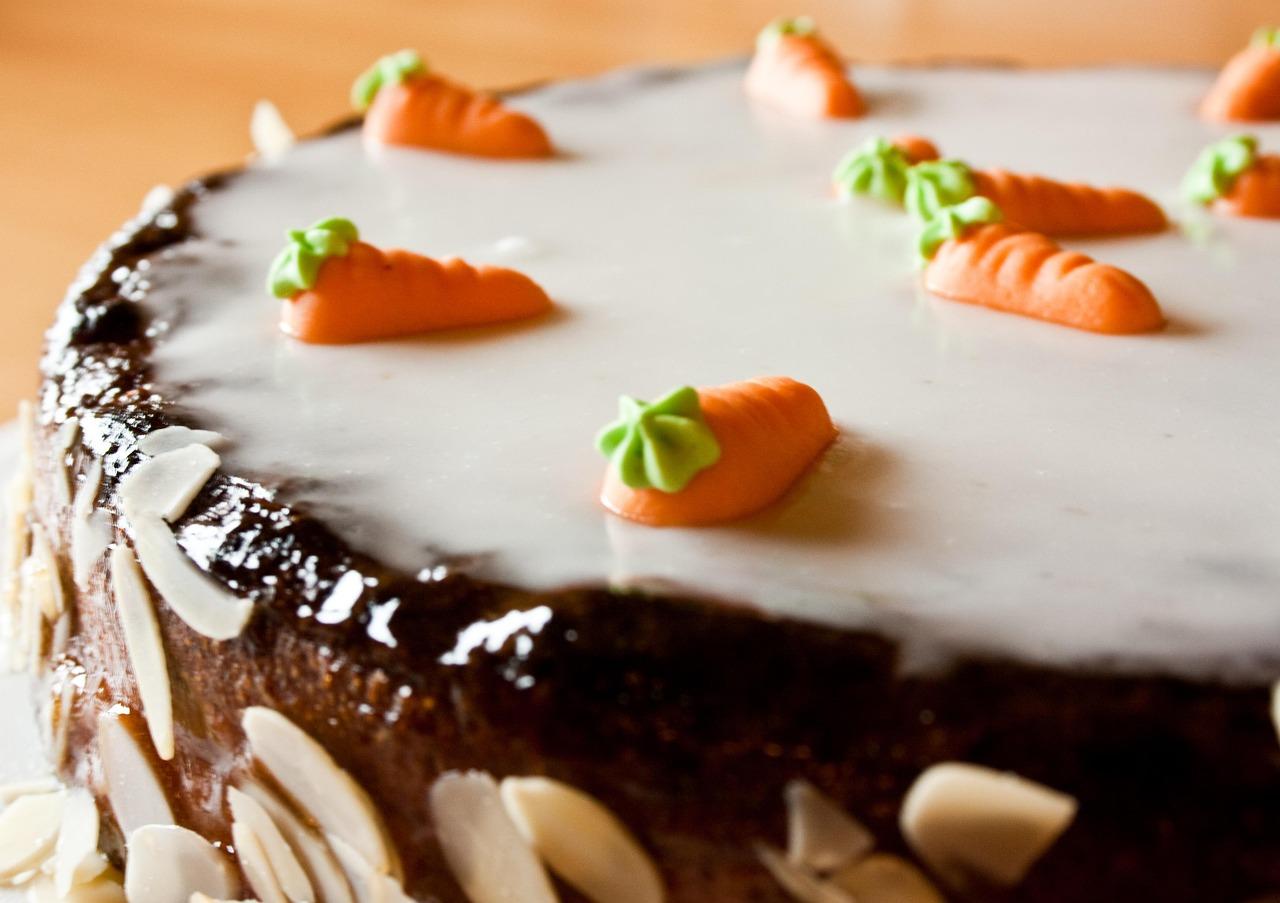
Rüeblitorte is the carrot cake of the canton of Aargau, between Zurich and Basel, where carrots grow well in the flat farmland: a moist, flourless cake of grated carrot and ground almonds lifted with whisked egg whites, glazed with a thin lemon or kirsch icing and decorated with little marzipan carrots. It is the traditional Swiss birthday cake for children and appears at Easter. A common mistake is skipping the separate whisking of the whites, which makes it heavy. Chef's tip: grate the carrots finely and squeeze out a little juice, so the cake is moist but not soggy. This version uses lemon icing.

by KrazyBadal 0 views

Malai koSteamed brown sugar sponge

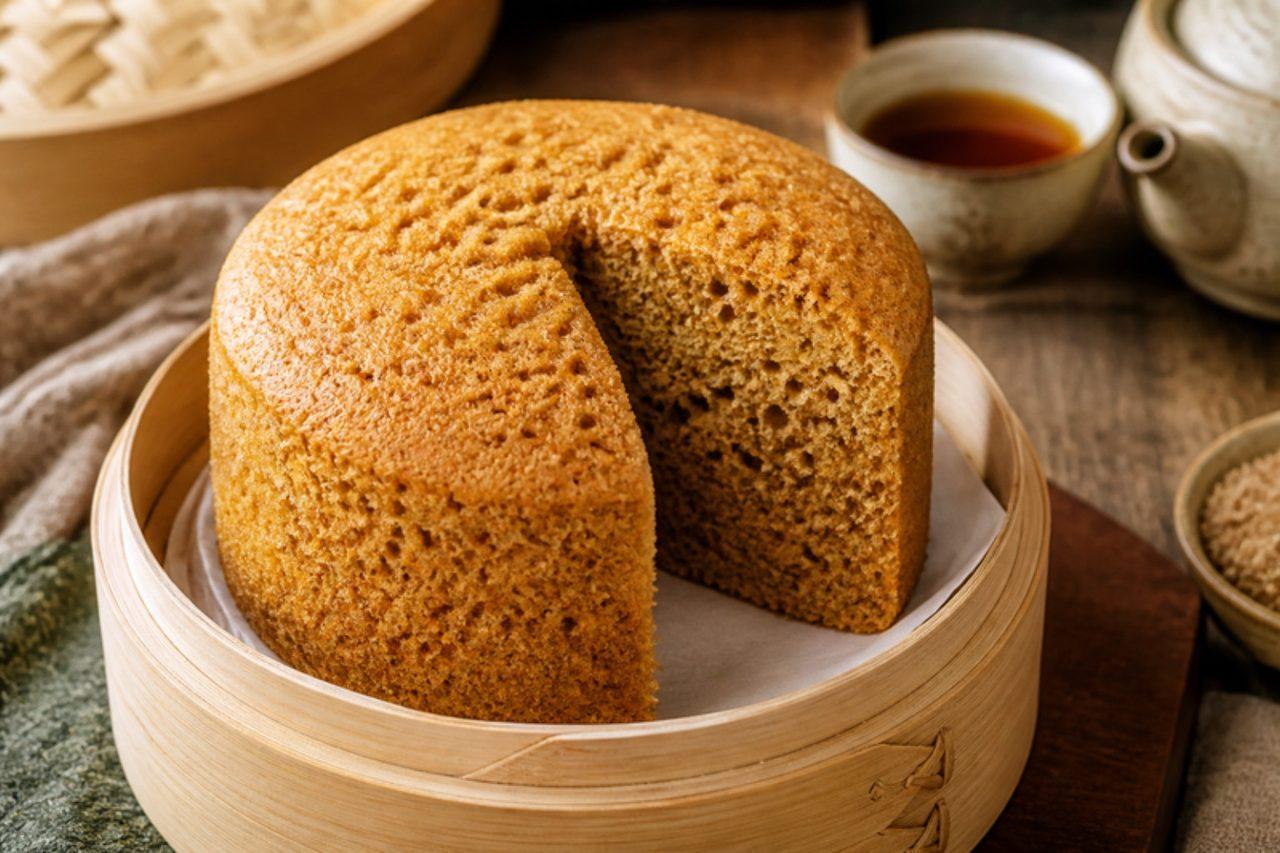
Cut from a towering round the colour of toffee, wedges of malai ko arrive on the dim sum trolleys of old Hong Kong teahouses alongside the morning's first pot of tea. The crumb is moist, open and bouncy, with a deep caramel note from dark brown sugar and a gentle richness from evaporated milk. The name means 'Malay cake', a nod to the Southeast Asian steamed cakes said to have inspired Cantonese bakers, and it is eaten warm, just as it is, often as the last sweet bite of breakfast. The cake sinks when the eggs and sugar aren't whisked long enough to hold a trail, so give them the full time. Chef's tip: wrap the steamer lid in a tea towel so condensation can't drip onto the top and leave sticky dents.

by KrazyBadal 0 views

KleijaDate-filled cardamom cookies

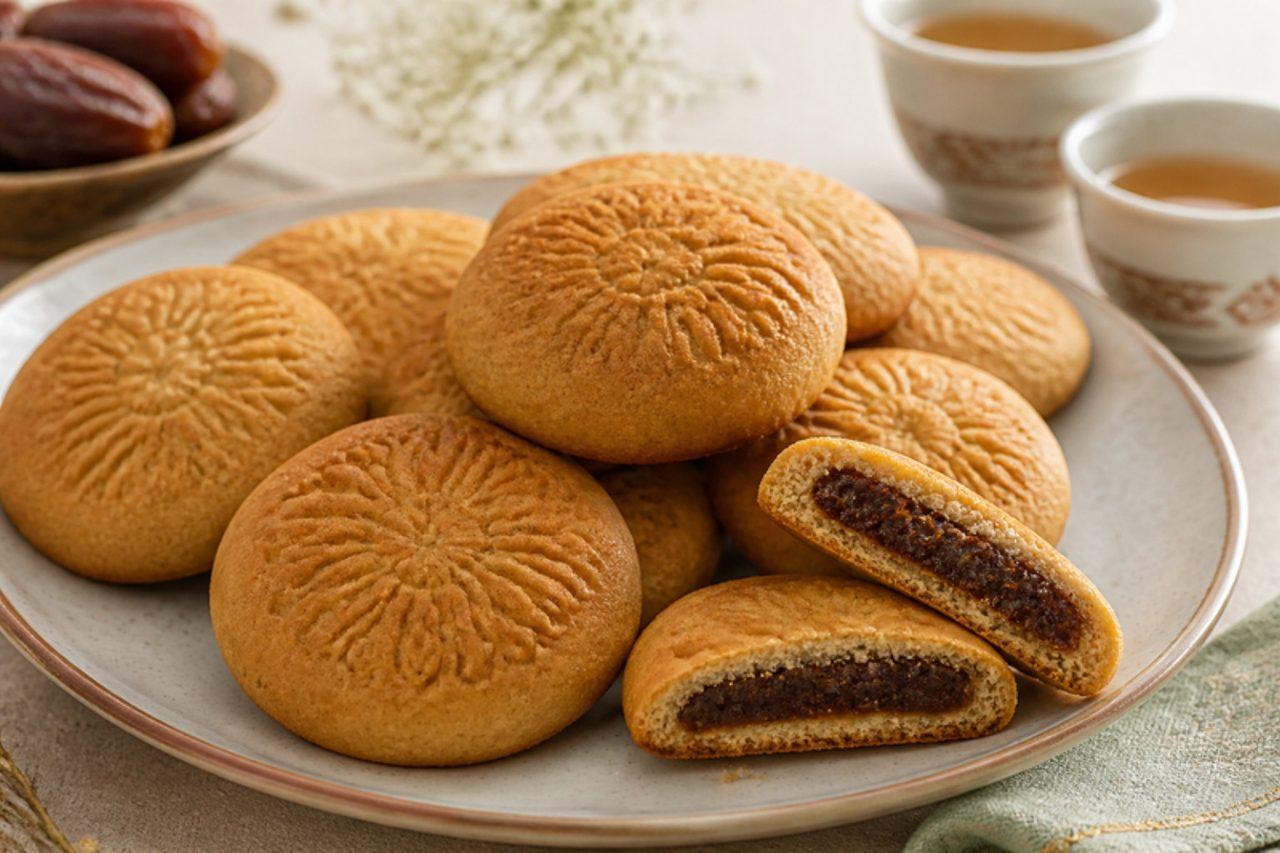
Kleija is the pride of Qassim, the farming heartland north of Riyadh, where an entire festival in Buraidah is devoted to these round, stamped cookies filled with date paste and fragrant with cardamom, saffron and a little fennel. They are packed for journeys, offered to guests with Arabic coffee and baked in big batches before Eid. The pastry is short and crumbly with a soft, chewy date centre. A common mistake is overworking the dough after adding ghee, which makes it tough; mix just until it holds. Store them in a tin for a week. Chef's tip: roll the date paste into small balls with damp hands first, so each cookie gets the same amount and seals neatly.

by KrazyBadal 0 views

KleinurCardamom twisted doughnuts

Kleinur are the twisted doughnuts of Iceland, fried in big batches and kept in tins for coffee time; Icelandic grandmothers cut the dough into diamonds with a special wheel, slit the centre and pull one end through, so each one twists into a knot. The same pastry is known as klejner in Denmark and klenäter in Sweden, made especially at Christmas. The dough is flavoured with cardamom and enriched with buttermilk. A common mistake is frying at too low a heat, which makes them greasy. Chef's tip: roll the dough thin, about 5 mm, and fry at 175 °C; they puff, brown in a minute and stay light.

by KrazyBadal 0 views

KjötsúpaLamb and root vegetable soup

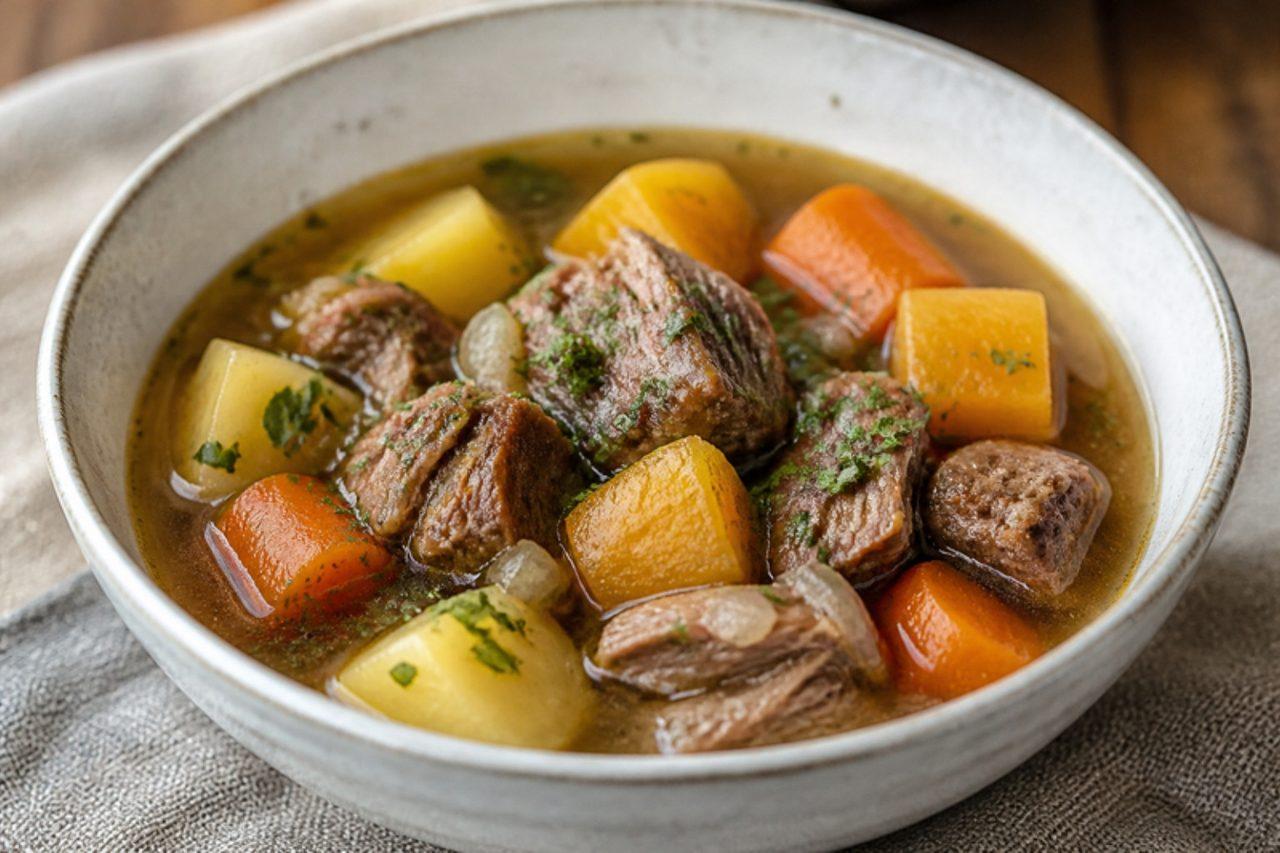
Kjötsúpa is the soup every Icelander grew up on, simmered from bony lamb shoulder with swede, potatoes, carrots, onion and a handful of rolled oats or rice to thicken it. Icelandic lamb is free-grazing and flavourful, and on the first day of winter in late October, Kjötsúpudagurinn, free soup is ladled out on Skólavörðustígur in Reykjavík. A common mistake is skimming too little at the start, which leaves a greasy, cloudy soup. Chef's tip: serve the meat on a plate beside the soup, as many Icelandic families do, so everyone can pull it from the bone.

by KrazyBadal 0 views

KlinRice and cheese filo pie

Klin is the festive pie of the Rhodopes, baked for Gergyovden in May, for weddings and for the end of the haymaking, in large round tins that come out to be shared across the village. Thin pastry sheets are layered with a loose, custardy mix of cooked rice, crumbled white cheese, eggs, milk and butter, so it bakes tender and soft inside with a crisp, golden lid. The rice makes it heartier than banitsa and gives every slice a gentle, creamy chew. It is eaten warm or cold with yogurt or ayran. Sirene is often made with animal rennet, so use a vegetarian white cheese. Where most people go wrong is cooking the rice fully; it must stay slightly firm, because it carries on soaking up milk in the oven. Chef's tip: pour any leftover egg and milk over the top just before baking, and the surface puffs into a glossy, golden crust.

by KrazyBadal 0 views

BalanguGrilled spiced mutton

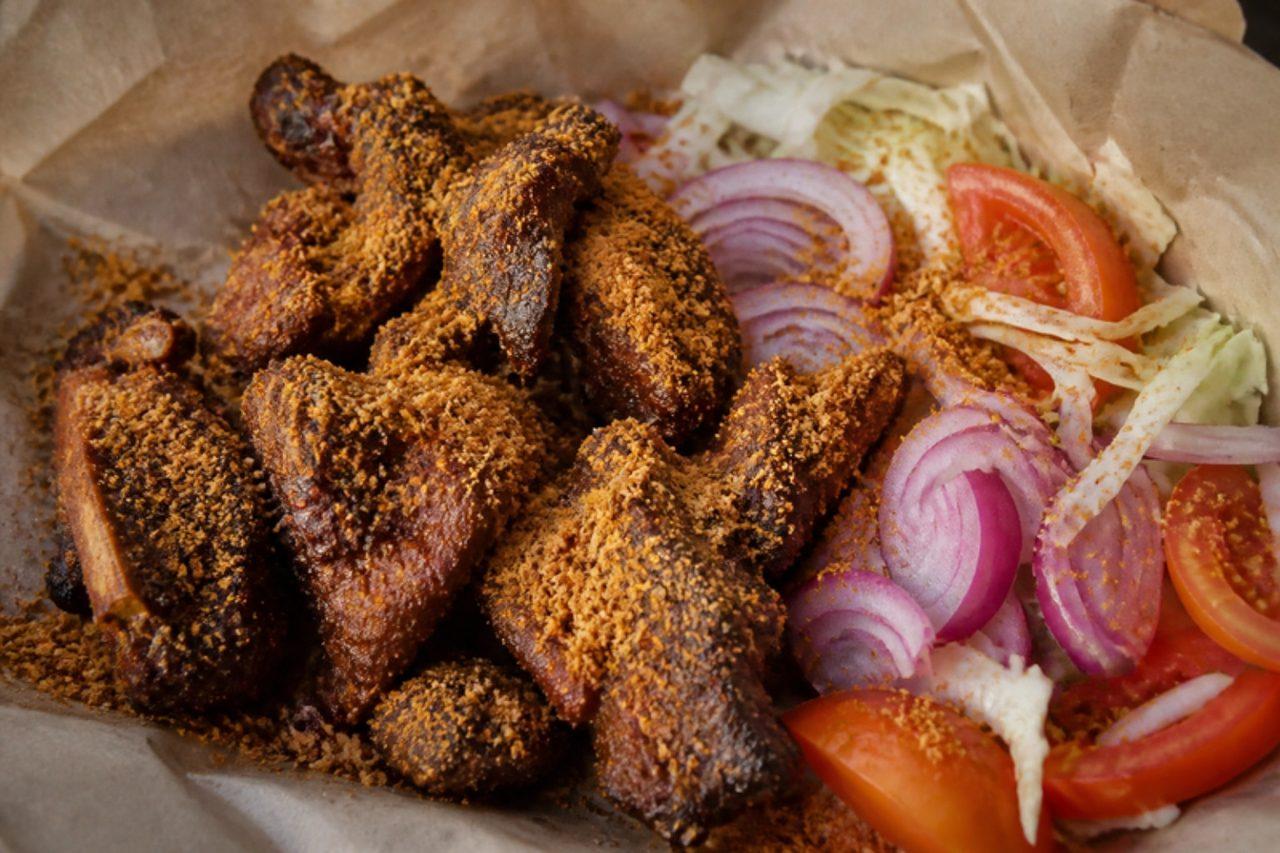
At balangu spots around Kano and the northern cities, the meat is cooked on flat stones heated by fire underneath, so it sears in its own fat rather than over flames. Mutton is the classic, with bone and a little fat left on; beef works too. It comes off crusty and smoky, then is tossed with yaji, the northern peanut-chilli spice, and served on paper with raw onion, tomato and cabbage, eaten with the fingers in the evening. A heavy cast-iron pan or griddle gives the same effect at home. Marinate in the fridge, not on the counter, and cook the pieces until no pink remains and they reach 71 °C. Chef's tip: get the iron smoking hot before the meat goes on and do not crowd it; overcrowding is the classic mistake that leaves the meat grey and stewed.

by KrazyBadal 0 views

Kittitian goat waterPeppery goat stew

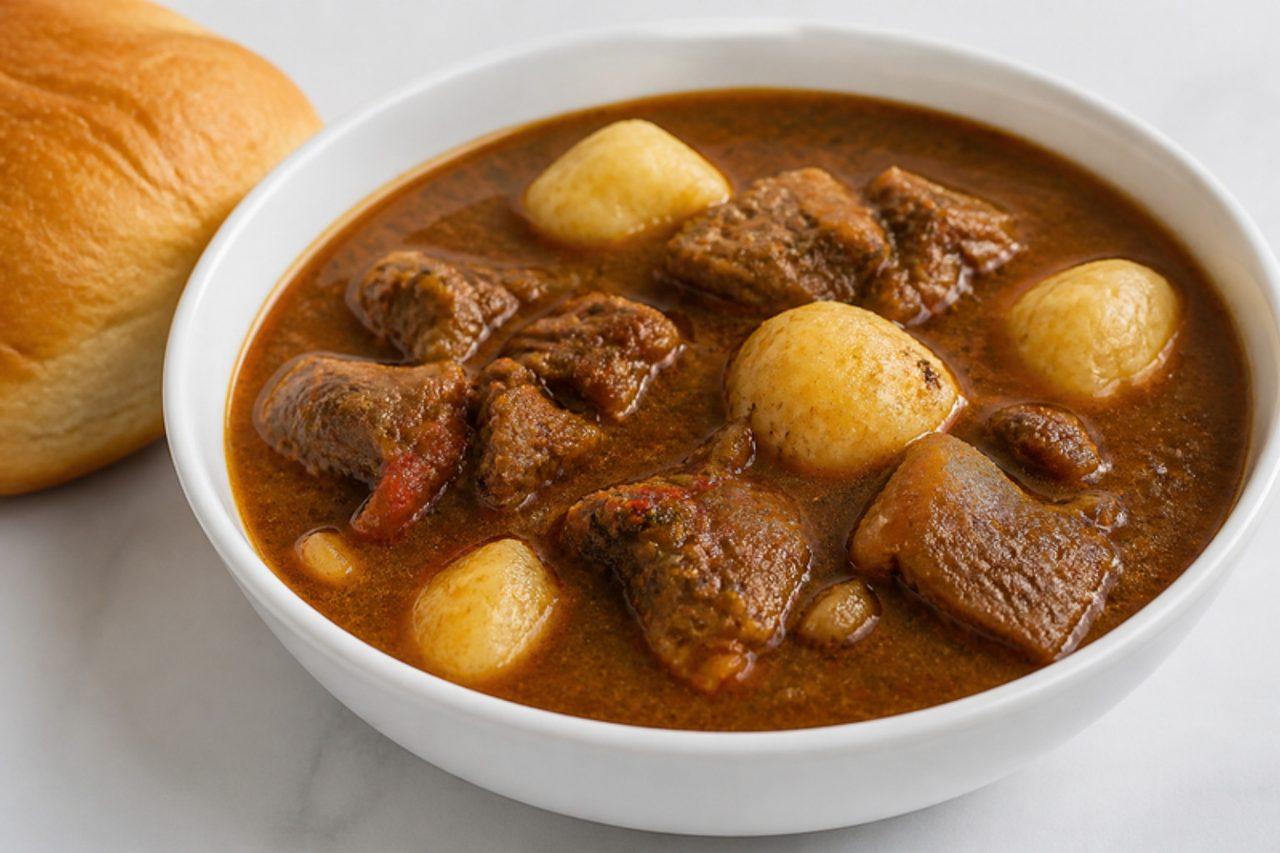
Goat water is what St Kitts, Nevis and Montserrat serve at weddings, village fêtes and every Saturday cookshop: a thick, dark, peppery goat stew-soup flavoured with cloves, thyme, tomato and a heap of hot pepper, thickened with flour and studded with breadfruit, green papaya or dumplings. On Montserrat it is the national dish and comes with crusty bread rolls. The common mistake is thinning it out; despite the name, true goat water should coat a spoon. Ask your butcher to chop bone-in goat into small pieces. Chef's tip: brown a spoonful of flour in the pot before adding the liquid; it gives the gravy its deep colour and nutty taste.

by KrazyBadal 0 views

Kmínová polévkaCaraway soup

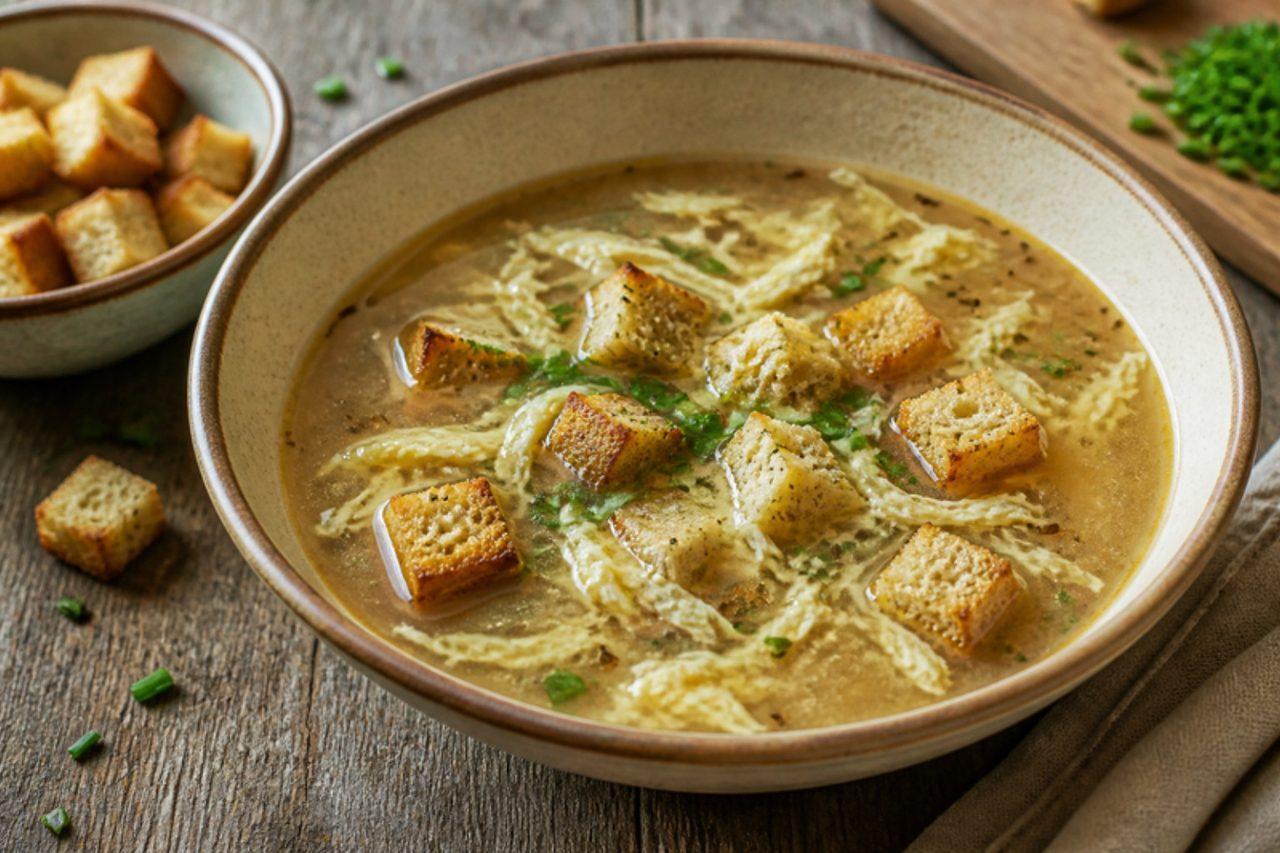
Few soups are as cheap or as old as this one. Kmínová polévka was the Bohemian peasant's breakfast long before coffee arrived, and Czech mothers still make it for an upset stomach or a hangover. The roux is cooked until it smells of toasted hazelnuts, the caraway is fried in butter until it pops, and the hot soup is poured straight onto crunchy toasted bread so it softens at the edges. Where most people go wrong is taking the roux off the heat while it is still pale: you get a floury, raw-tasting soup instead of a nutty one. A beaten egg trickled in at the end makes it more filling. Chef's tip: crush half the caraway in a mortar first, so the flavour spreads through the broth while the whole seeds give little bursts.

25 minCzechSoups
by KrazyBadal 0 views

Kishmish panirFresh cheese with raisins

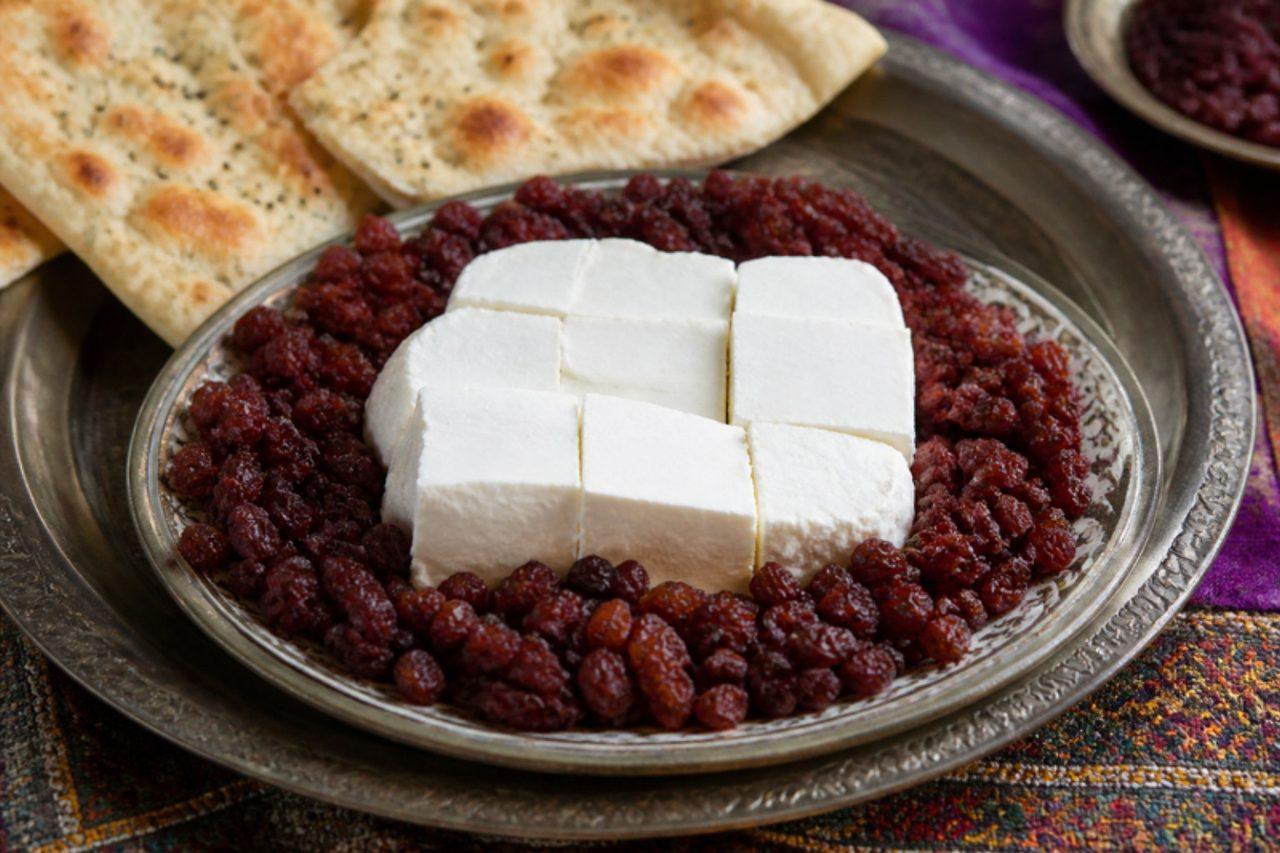
Spring in Kabul is announced by sellers who appear on street corners with trays of soft white panir laid on leaves and a heap of dark red raisins beside it, and kishmish panir becomes the snack of the season. The cheese is unripened and barely salted, milky and springy like a just-set curd, and the chewy, sweet-tart raisins are eaten alongside it in alternate mouthfuls, usually with a piece of naan and a glass of green tea. Afghan panir is set with rennet, traditionally animal rennet, so use a vegetarian (microbial) rennet to keep it vegetarian, and always start with pasteurised milk. The batch that refuses to set has nearly always been made with UHT or ultra-filtered milk, which will not curdle with rennet. Chef's tip: soak the raisins in cold water for half an hour first; they plump up and stop tasting dusty.

by KrazyBadal 0 views

LencsefőzelékLentil stew

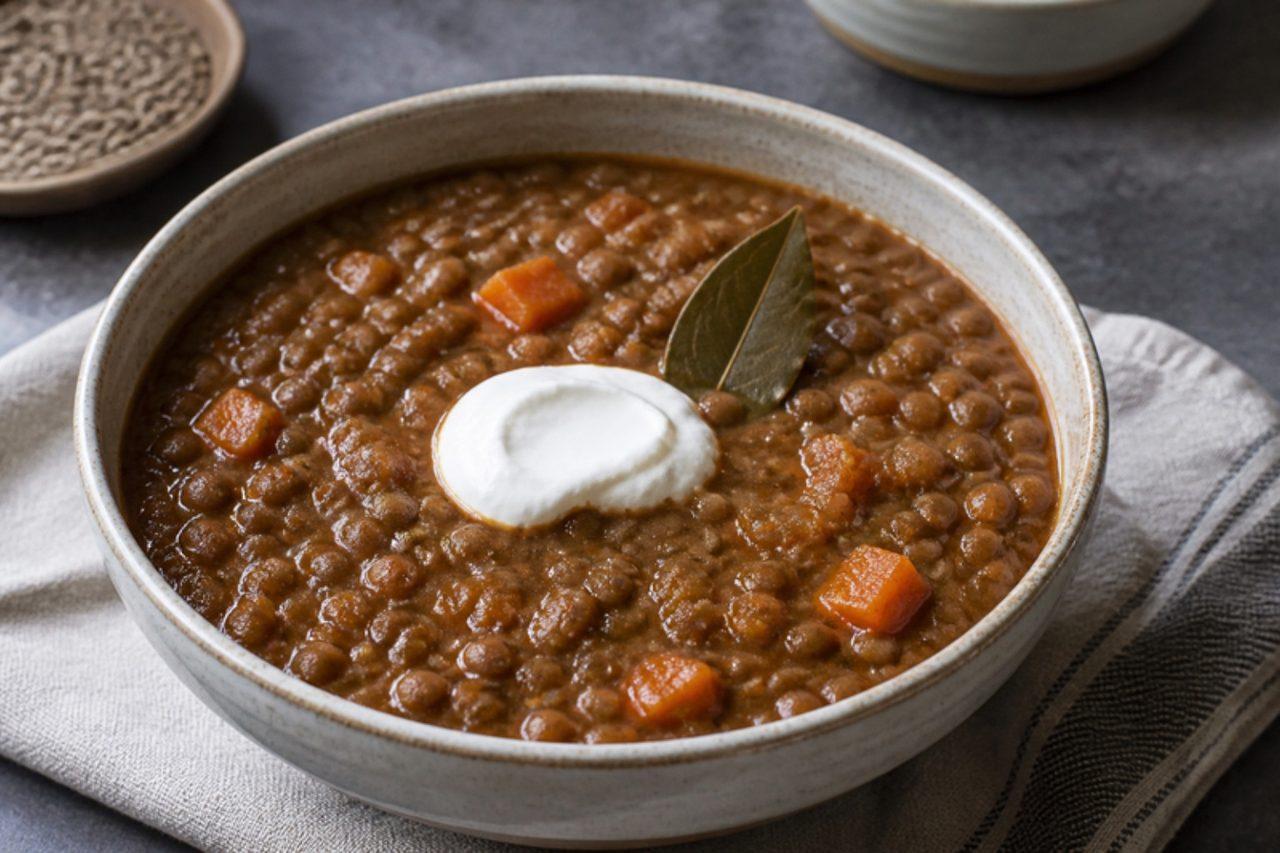
On New Year's Day all over Hungary, a pot of lencsefőzelék sits on the stove, because every lentil eaten is meant to bring a coin in the year ahead. The rest of the year it is an everyday Budapest canteen dish. Meat-eaters often top it with sausage or a fried egg; this version is fully plant-based and eaten with pickled vegetables and crusty bread. The lentils cook until creamy with a whole bay leaf, a little carrot and onion, then a paprika roux made with oil and a dash of vinegar turn them into a thick, savoury, gently sour stew. Where most people go wrong is making the roux too dark or adding paprika over high heat, which turns it bitter; take the pan off the heat first. Chef's tip: rest the finished stew for 10 minutes before serving; it thickens and the flavours settle.

by KrazyBadal 0 views

Kishk sa'idiFermented yoghurt and wheat porridge

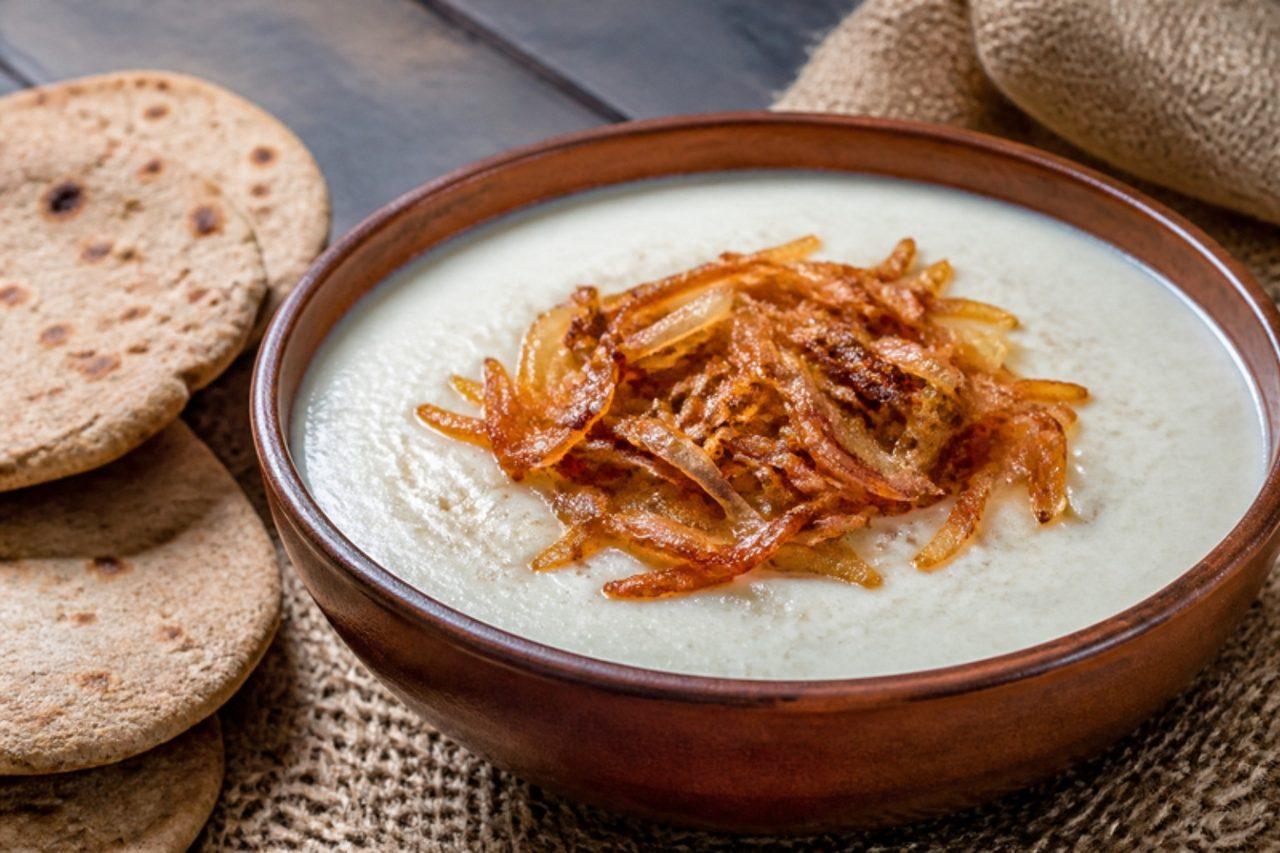
Kishk sa'idi belongs to the villages of the Sa'id, from Minya down to Qena and Luxor, where wheat and soured yoghurt are mixed, rolled into balls and dried on rooftops in the summer sun so the family has it through the winter. Soaked and simmered, the kishk becomes a thick, tangy, creamy porridge, finished with plenty of onions fried in ghee and eaten hot with bread. It is usually cooked in chicken stock; this vegetarian version uses vegetable stock and a little milk for body. Look for Upper Egyptian kishk at Egyptian grocers; Levantine kishk powder works but is often sourer, so add a little extra milk. Allow at least 2 hours for soaking. Chef's tip: keep it at a gentle bubble and stir constantly, because the yoghurt catches on the bottom and turns lumpy within minutes.

by KrazyBadal 0 views

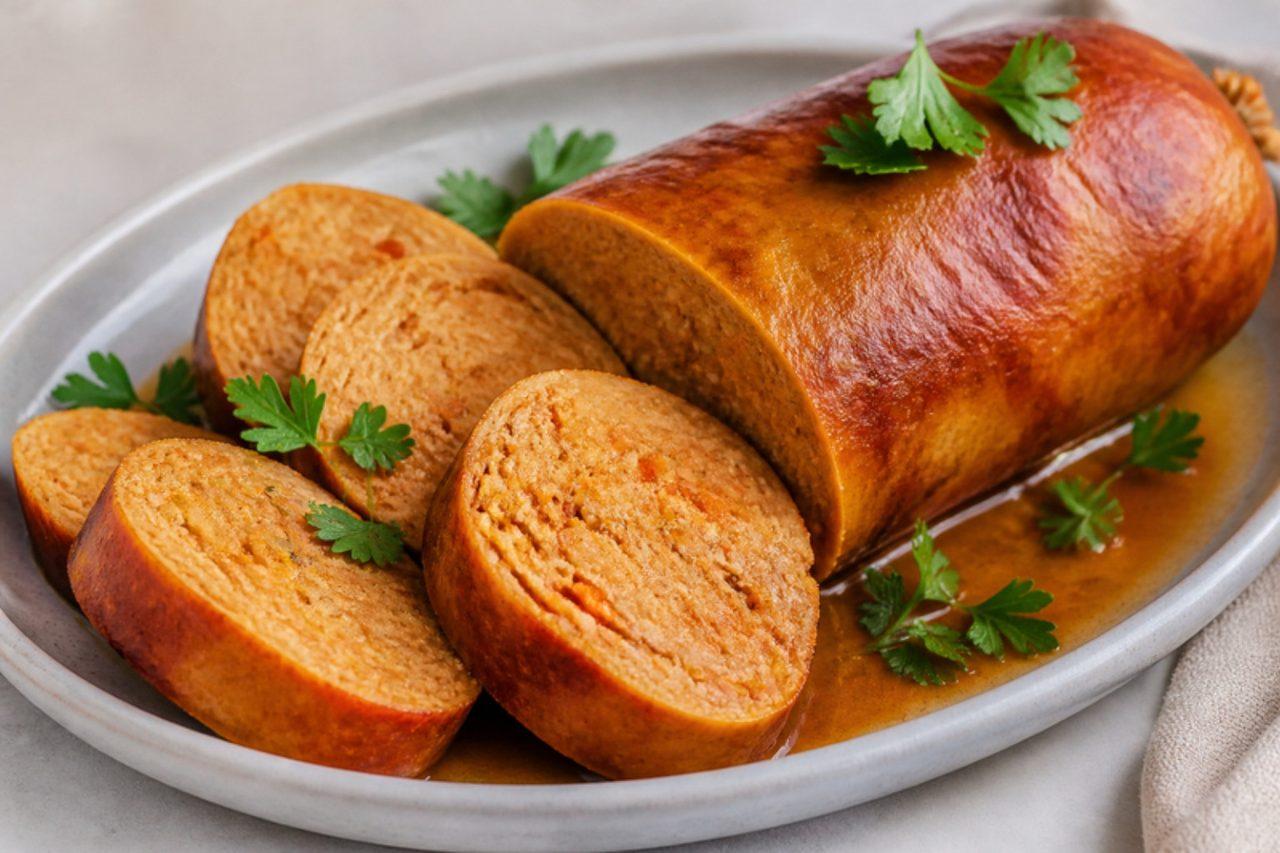
KishkeStuffed baked derma

Kishke, also called derma, was once stuffed into cleaned beef intestine and buried in the Shabbat cholent to cook overnight, and Haredi neighbourhoods such as Jerusalem's Geula still sell it at the butcher, orange with paprika, for Friday. The filling is humble: flour or matzo meal, onion, carrot and celery bound with rendered chicken fat, which cooks into a dense, savoury sausage with a crackling crust. This home version fills a sausage casing or rolls the mixture into a paper-and-foil log, then bakes it on its own or lays it on top of the cholent. Too dry a filling is the usual problem; it should feel like a soft, oily dough. Chef's tip: slice leftover kishke and fry the rounds in a dry pan until crisp on both sides.

145 minIsraeliMeat
by KrazyBadal 0 views

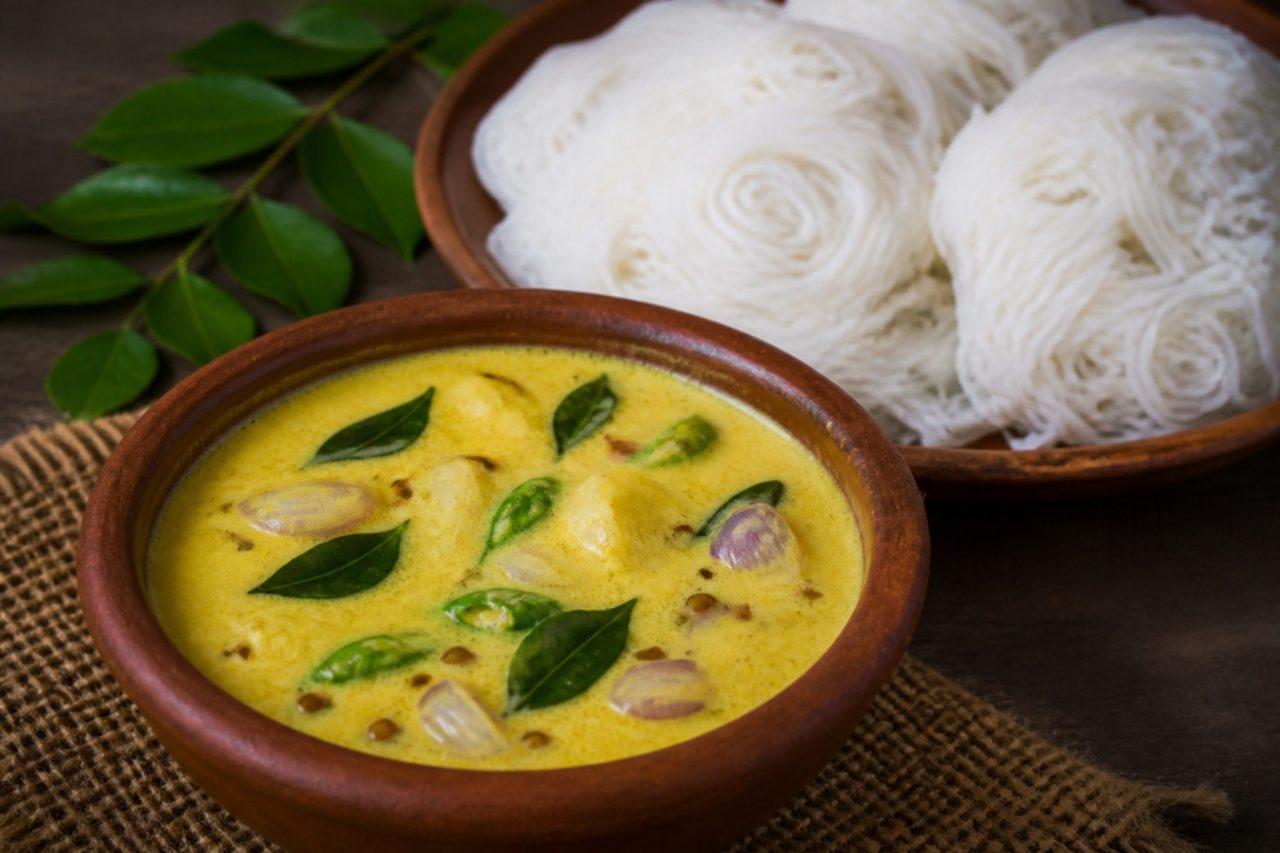
Kiri hodiCoconut milk gravy

Think of kiri hodi as Sri Lanka's comfort sauce: a thin, pale-yellow coconut milk broth, gently soured with lime, that gets ladled over a plate of string hoppers or pittu at breakfast and soaks right into them. Little cafés in Colombo and the coastal towns serve it in a small steel bowl alongside pol sambol, and at home it is often the first thing cooks make when someone is unwell, because it is soothing rather than hot. The flavour comes from fenugreek, cinnamon and curry leaves softened in the milk, with a couple of green chillies for warmth; some families slip in halved boiled eggs or a pinch of Maldive fish, but the plain vegan version is the everyday one. The classic slip is letting it boil hard once the thick milk is in, which curdles it into oily flecks. Chef's tip: add the lime only after the pan is off the heat, so the gravy stays smooth and the sourness stays bright.

by KrazyBadal 0 views

Kimbula banisCrocodile-shaped sweet bun

Kimbula means crocodile, and these long, ridged buns with tapered ends and a back glittering with sugar are a childhood favourite from every Sri Lankan village bakery and the bread vans that drive the lanes playing tinny music each morning. The sweet, slightly enriched yeast dough is rolled up like a Swiss roll, tapered into a head and a tail, slashed along the top and showered with coarse sugar, which caramelises in the oven into a crunchy crust over a soft, fluffy crumb. They are eaten for breakfast or an afternoon snack with plain tea, often pulled apart along the ridges. Under-baking is the error that bakers see most, leaving the centre doughy; the buns should be a deep golden brown and sound hollow underneath. Chef's tip: sprinkle a layer of sugar on the dough before you roll it up, which gives sweet streaks inside as well as the crust on top.

by KrazyBadal 0 views

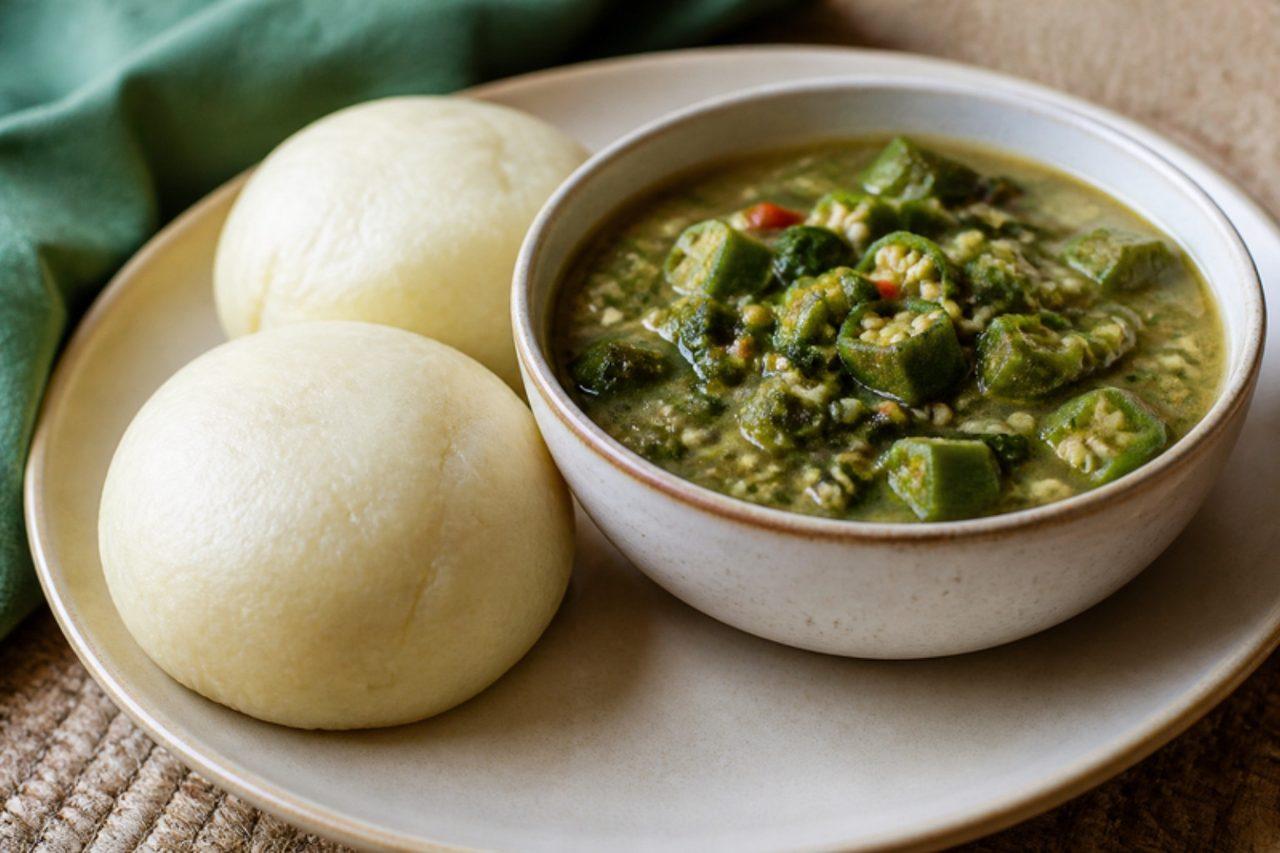
AkpleCorn and cassava swallow

Ewe homes in Ho, Keta and across the Volta Region eat akple at the main meal of the day, almost always with fetri detsi, the slippery okra soup that slides it down. It is firmer and less sour than banku, made by stirring fine maize meal into a hot base of fermented corn and cassava dough, and the finished balls are smooth, dense and mild. A vegetable okra soup makes it a meat-free meal. Chef's tip: add the dry maize meal in small handfuls and press every addition into the dough before the next; pouring it in all at once is the common mistake that leaves dry, floury pockets.

by KrazyBadal 0 views

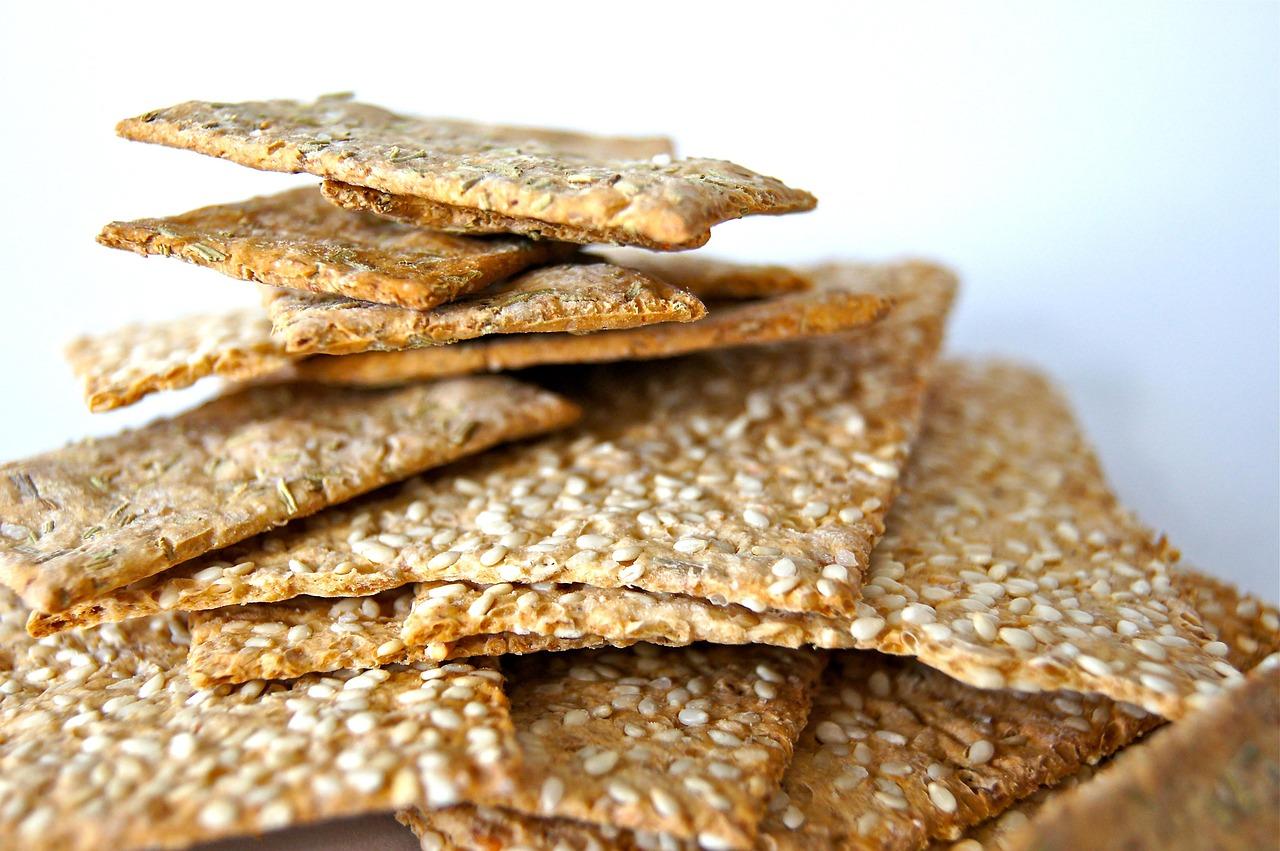
KnäckebrödRye crispbread

Knäckebröd is the crispbread that Swedes have baked since the Vikings: rye flour and seeds rolled thin, pricked all over and baked until bone-dry, so it keeps for weeks; once it was baked with a hole in the middle and hung on poles under the kitchen ceiling. Today it is eaten at breakfast with butter, cheese and cucumber in every Swedish home. A common mistake is rolling unevenly, which leaves soft patches that go stale. Chef's tip: roll the dough directly on baking paper with a knobbled rolling pin or prick it heavily with a fork, then bake twice, the second time low, until completely dry.

by KrazyBadal 0 views

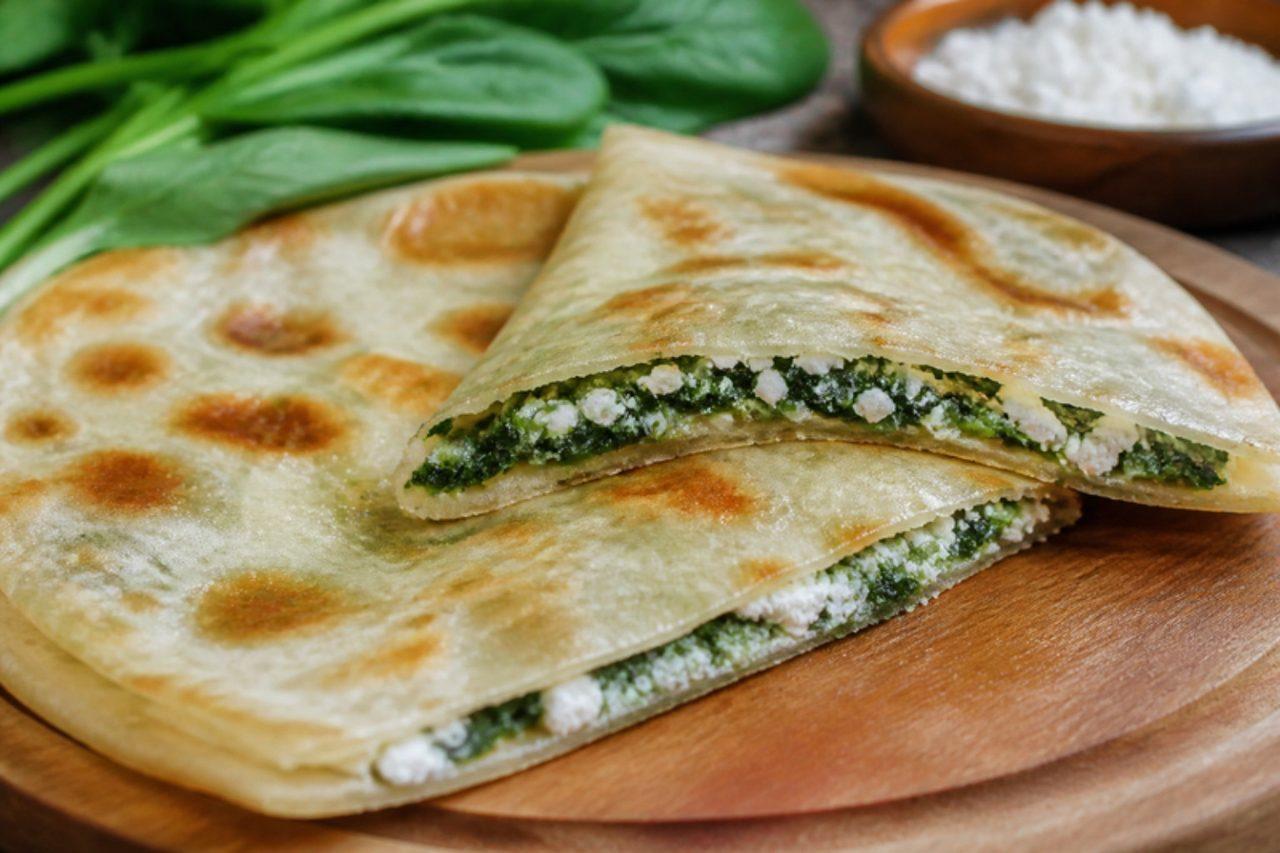
AfararWild herb and cottage cheese pie

In the mountain villages around Quba and Qusar, where many Lezgin families live, spring brings armfuls of nettles, sorrel, wild garlic and orache, and the first thing made with them is afarar: two very thin sheets of dough enclosing a filling of chopped herbs mixed with cottage cheese, cooked on a hot griddle or saj and brushed with butter. A common mistake is using wet herbs, which steam the dough and make it tear. Chef's tip: wilt the herbs in a dry pan for a minute and squeeze them, then mix with the cheese only just before filling. Check that your cottage cheese uses no animal rennet.

by KrazyBadal 0 views

Curaçao pastechiCheese turnovers

In Curaçao and Aruba, a paper bag of hot pastechi from a snack truck is breakfast on the way to work or a mid-morning bite with coffee: crisp, blistered half-moons of pastry filled with melted aged Gouda, a legacy of the Dutch on the islands. Other versions hold spiced beef, chicken or tuna; this one is vegetarian. Traditional Gouda is made with animal rennet, so choose a Gouda or other firm cheese labelled vegetarian if that matters to you. The usual mistake is frying too cool, so the pastry soaks up oil instead of blistering. Chef's tip: chill the filled pastechi for 15 minutes before frying so the seams hold.

by KrazyBadal 0 views

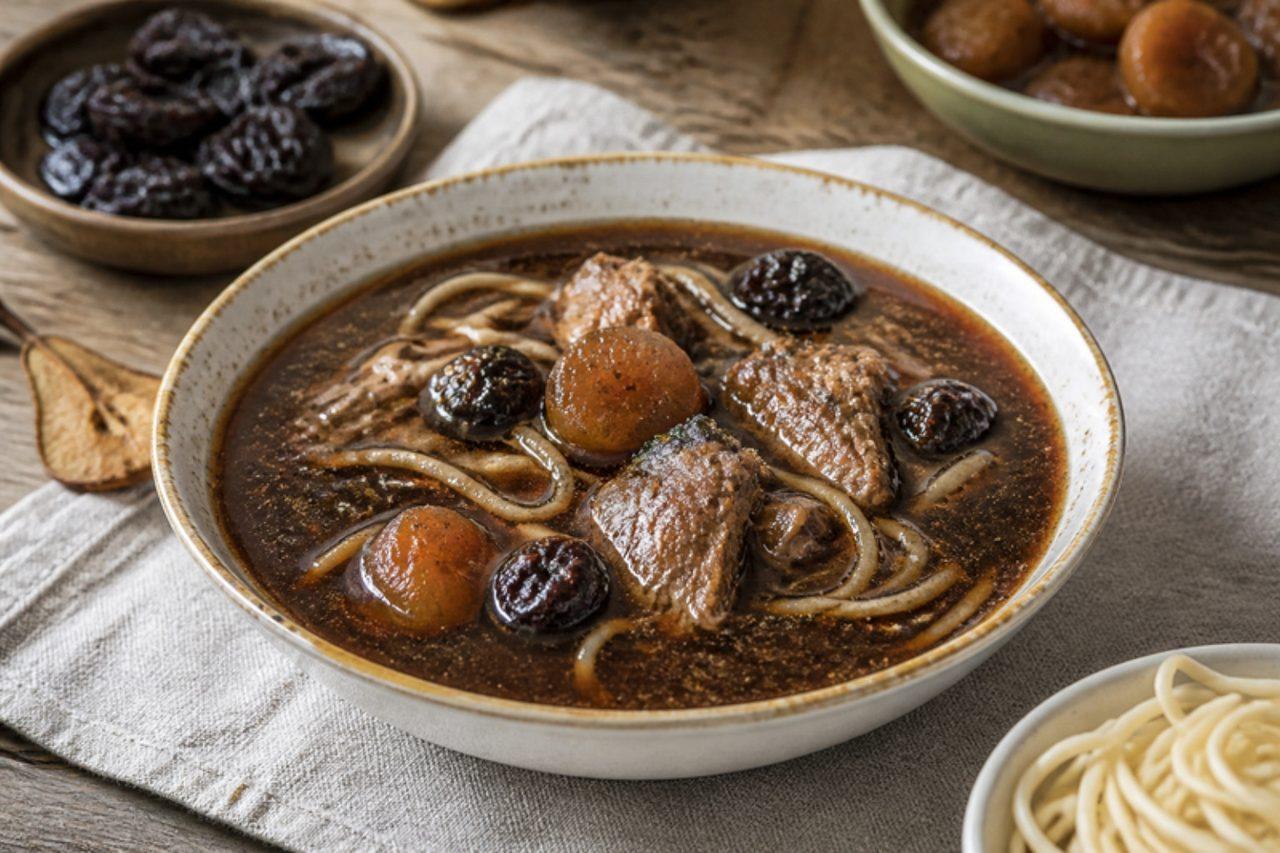
CzerninaSweet-sour duck blood soup

Few soups divide a Polish table like czernina, the dark, glossy duck broth of Greater Poland and Kashubia, tinted chocolate-brown with duck blood and sharpened with vinegar, then sweetened with dried plums, pears and apples. Farm families made it when a duck was killed in autumn, and in old Polish custom a suitor served czernina knew his proposal had been turned down. The taste is rich, sweet-sour and deeply savoury, with fine egg noodles to soak it up. Safety matters here: buy fresh duck blood from a butcher, already mixed with vinegar so it does not clot, keep it at fridge temperature and use it within a day. Undercooked blood is not for pregnant women, young children or anyone with a weakened immune system. People often let the soup boil hard after the blood goes in, and it turns grainy. Chef's tip: temper the blood with hot broth before stirring it into the pot, then heat gently to a steady simmer.

150 minPolishSoups
by KrazyBadal 0 views

AlaniWalnut-stuffed dried peaches

Every autumn in the Ararat Valley, the orchards below Mount Ararat produce more peaches than can be eaten fresh, so families split them, dry them in the sun and then stuff them with a mixture of crushed walnuts and sugar, pressing them closed again. The finished alani are sold on strings at Yerevan's covered market and given as gifts at New Year, chewy, sweet and nutty. At home, start with good soft dried peaches. A common mistake is using very dry, leathery fruit, which cracks when you open it. Chef's tip: steam the peaches for 2 minutes first, so they turn soft and pliable and close neatly around the filling.

by KrazyBadal 0 views

Showing 45 of 7,762 recipes

Show more recipes

Page 240 of 863