


Skip to content
Wodzionka
Featured recipe

Wodzionka

Garlic and rye bread soup

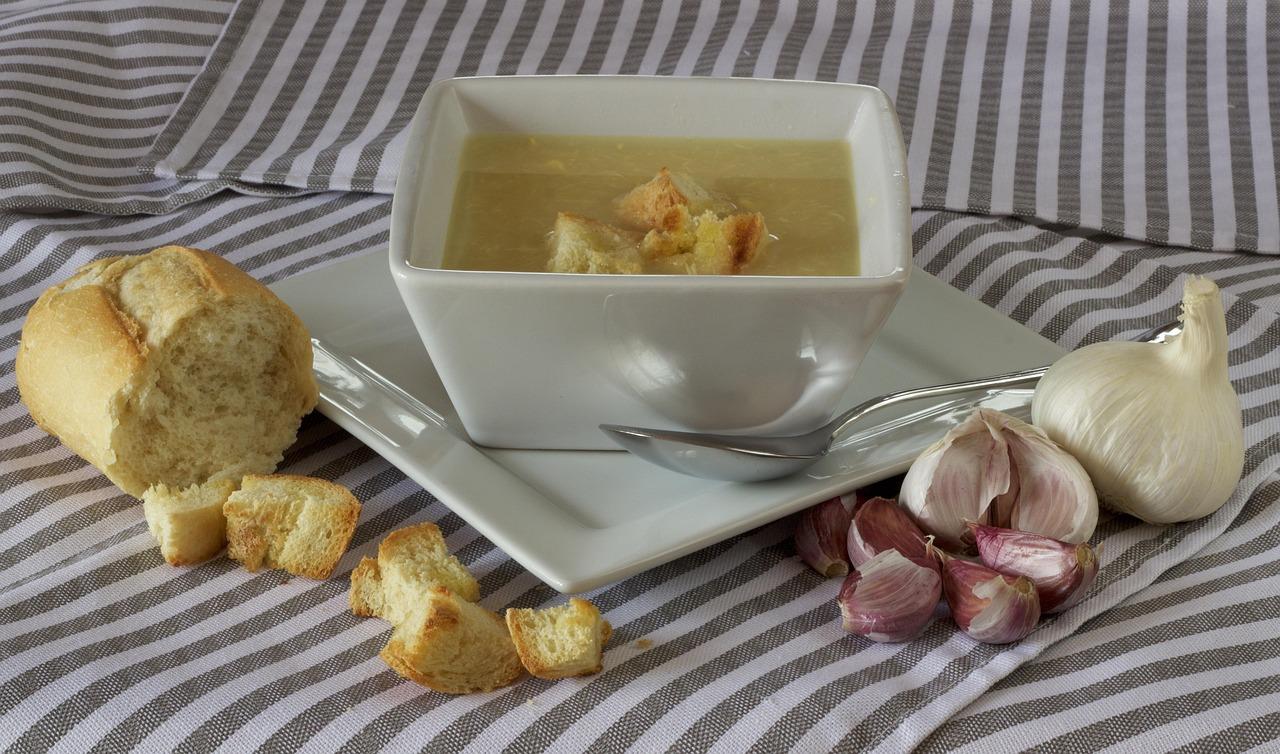
Miners' families in Upper Silesia made this from almost nothing: a few slices of yesterday's rye bread, a garlic clove, a knob of butter and boiling water poured straight into the bowl. Called brotzupa by some older Silesians, it still turns up in Zabrze and Ruda Śląska homes as a cheap, soothing supper, and newer versions use vegetable stock and add caraway or a fried onion. The bread softens into a rich, garlicky porridge with crisp-edged croutons on top. The usual slip is using fresh bread, which turns to slime; it has to be properly dry. Chef's tip: toast the cubes in butter first for a nuttier flavour and a little crunch.

Read more 0 views

What to eat today?

Around the world

Today's trip: Paraguayan

A new country every day, from every cuisine on the site.

Paraguayan

Chipa

Cheese bread rings 50 minMore from Paraguayan (27) →

This week's collection

Kid-friendly dinners
537 recipes · a new collection every Monday

Latest recipes

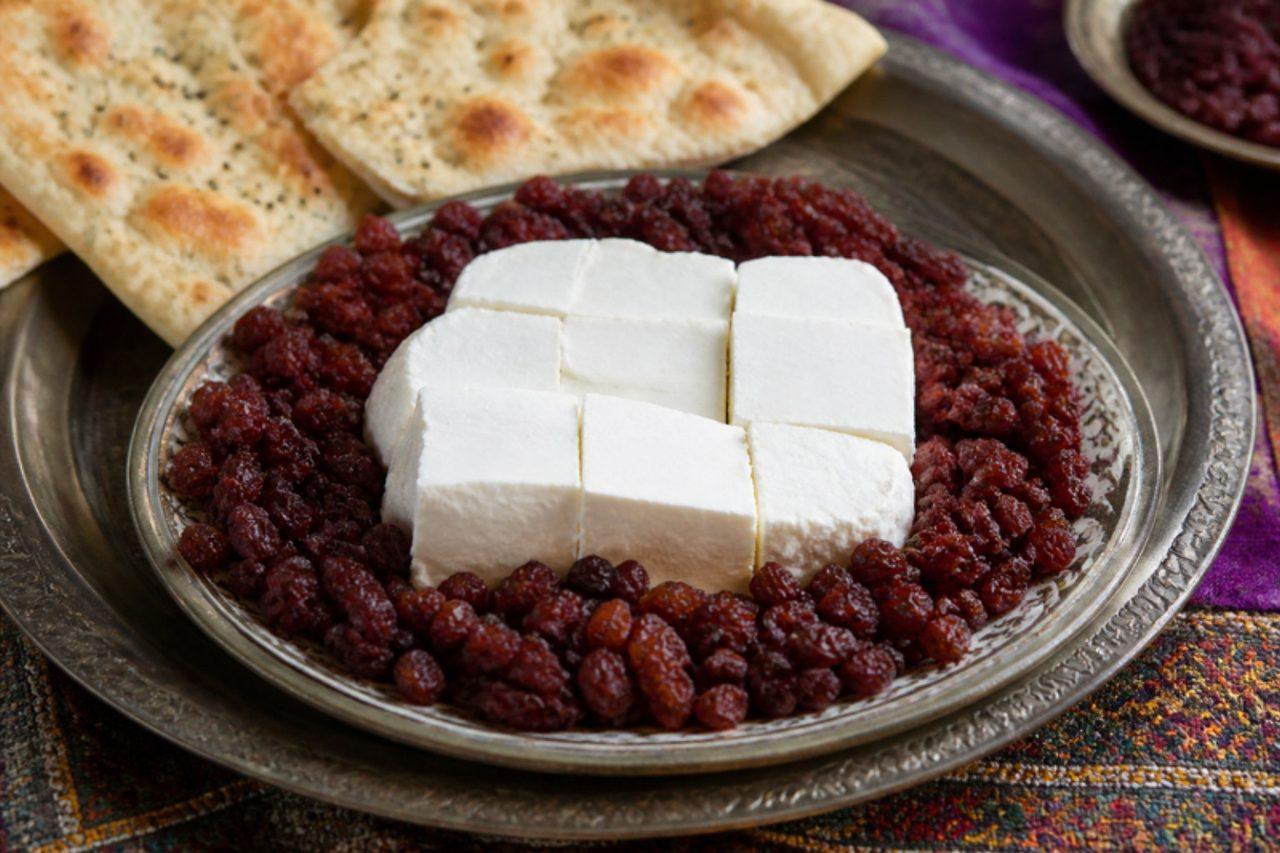
Kishmish panirFresh cheese with raisins

Spring in Kabul is announced by sellers who appear on street corners with trays of soft white panir laid on leaves and a heap of dark red raisins beside it, and kishmish panir becomes the snack of the season. The cheese is unripened and barely salted, milky and springy like a just-set curd, and the chewy, sweet-tart raisins are eaten alongside it in alternate mouthfuls, usually with a piece of naan and a glass of green tea. Afghan panir is set with rennet, traditionally animal rennet, so use a vegetarian (microbial) rennet to keep it vegetarian, and always start with pasteurised milk. The batch that refuses to set has nearly always been made with UHT or ultra-filtered milk, which will not curdle with rennet. Chef's tip: soak the raisins in cold water for half an hour first; they plump up and stop tasting dusty.

by KrazyBadal 0 views

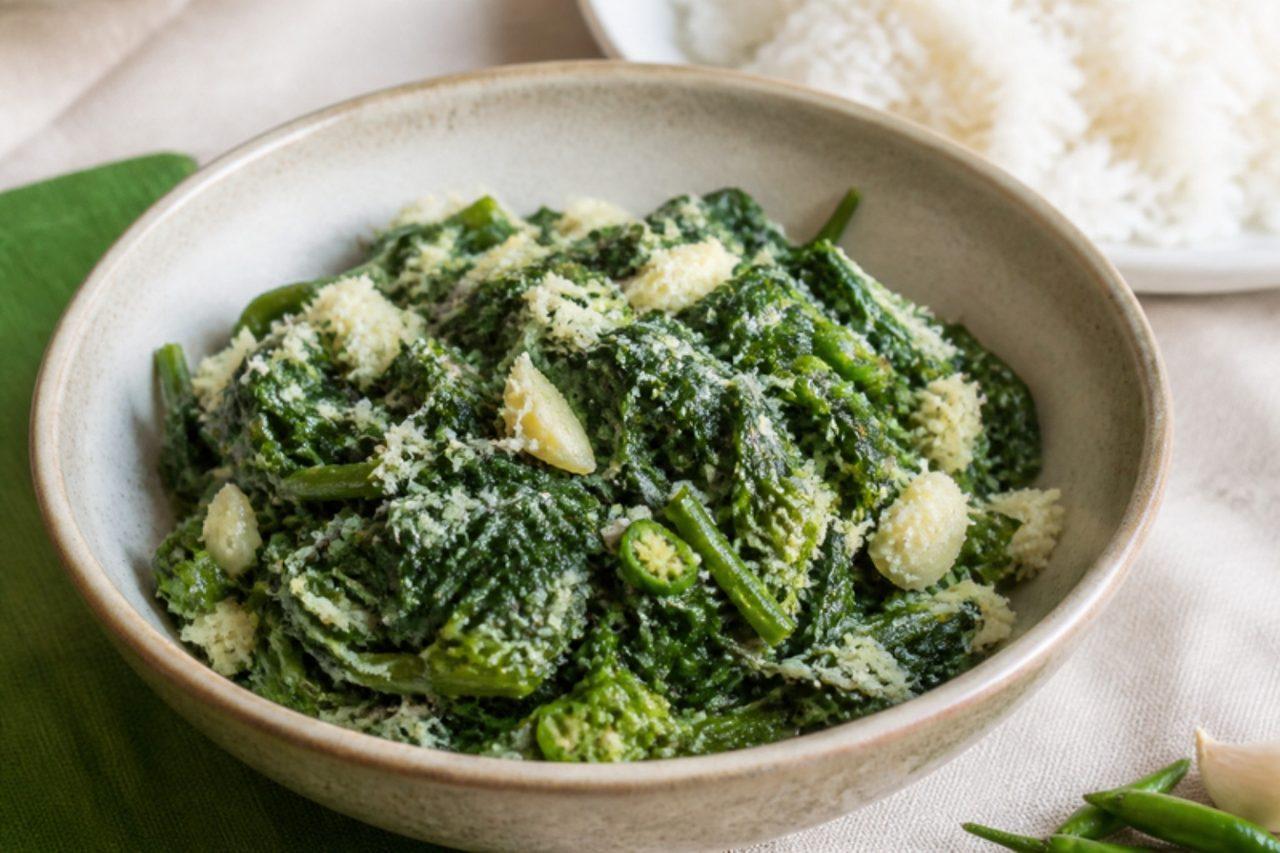
Kochu shakTaro greens with coconut

In the wet villages of Khulna and Bagerhat, near the edge of the Sundarbans, taro grows wild along every pond, and its dark leaves and tender stems are cut, chopped fine and simmered into a soft, creamy green dish with grated coconut. At home it is often cooked with small shrimp or the head of a hilsa for richness; this version keeps it vegetarian and leans on coconut and mustard oil instead. Cooked well, it is soft and silky, coconut-sweet and earthy, and is eaten with rice and a squeeze of lime. Taro leaves contain calcium oxalate crystals that make the mouth itch if they are undercooked, so the classic error is pulling it off the heat too soon; it needs a full 25 minutes and a sour element at the end. Chef's tip: use young leaves from edible taro and wear gloves or oil your hands while cutting the stems.

by KrazyBadal 0 views

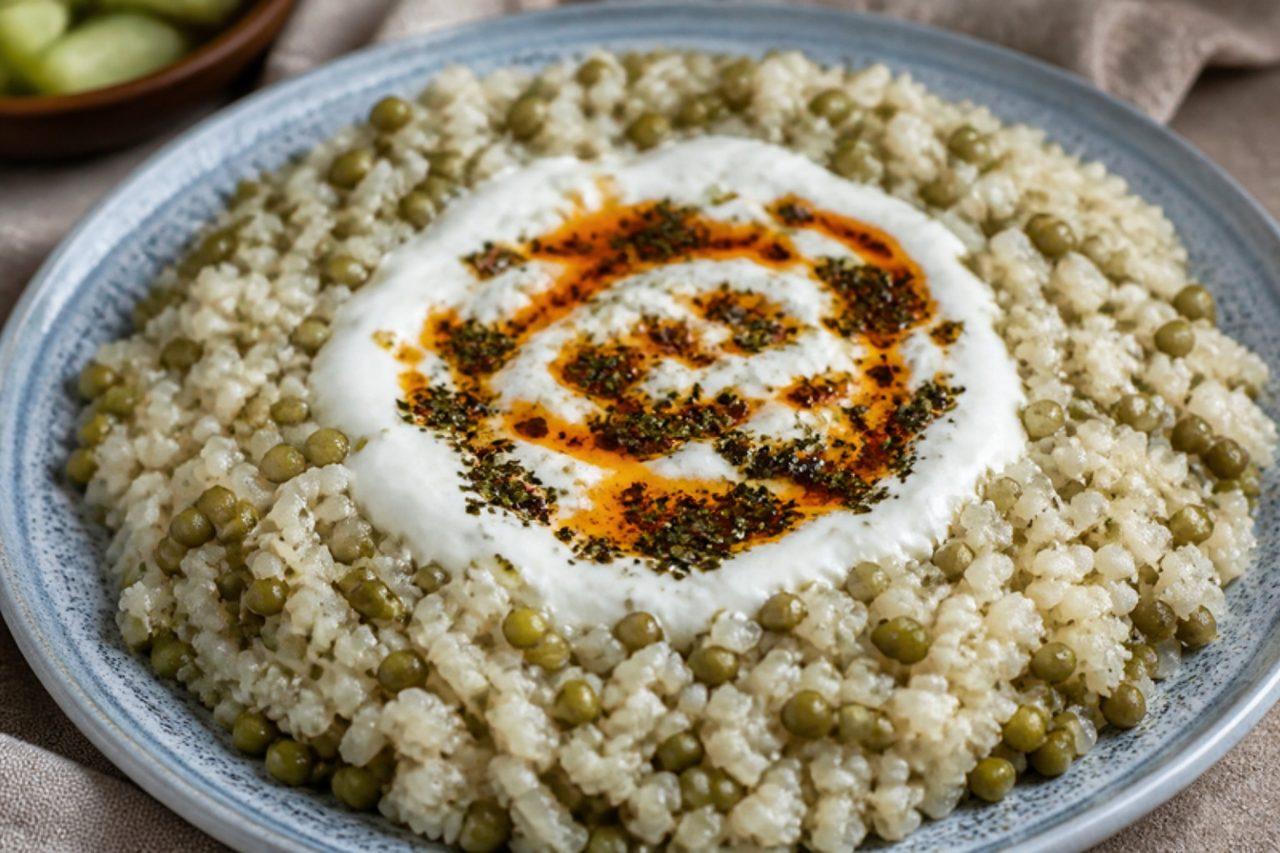
Kichiri qurootRice and mung beans

Ask Afghans what their grandmother cooked on cold winter evenings and kichiri quroot comes up again and again: a soft mound of short-grain rice and mung beans cooked until creamy and sticky, with a well pressed into the top and filled with qurut, the salty sauce made from dried yogurt balls. Hot oil with dried mint is poured over just before it reaches the table, and the rice is eaten with a spoon from a shared plate. Families in Kabul often serve it with a pan of meatballs in tomato sauce on the side; this is the meatless version, which is just as common on a quiet night. If you rinse all the starch away it will never turn sticky, so wash the rice only once. Chef's tip: if you can't find qurut, thick strained yogurt with a pinch of salt and garlic gives you something close.

by KrazyBadal 0 views

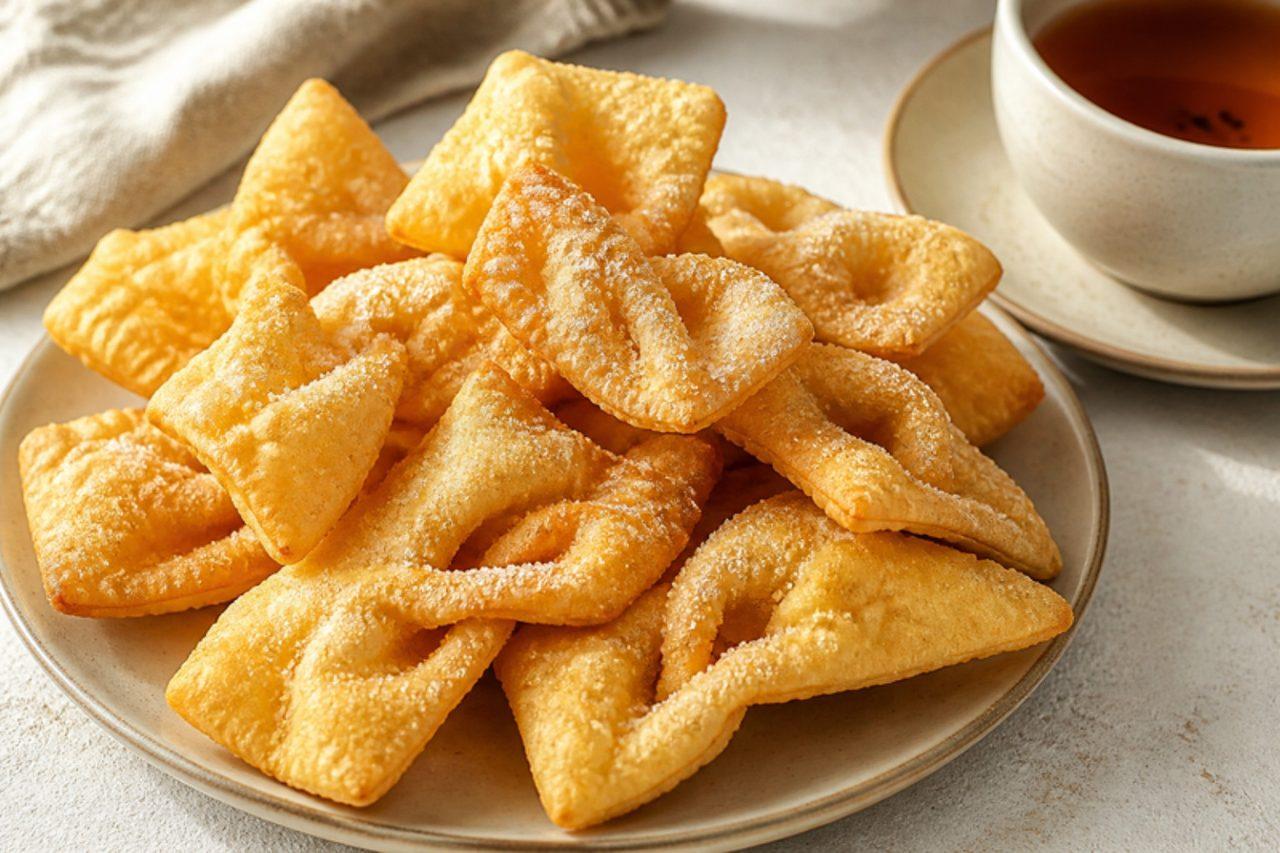
KichelCrisp bow-tie egg cookies

At kiddush in Ashkenazi synagogues, from Bnei Brak to the old shuls of Haifa, plates of kichel sit beside pickled herring and a small glass of something, and children quietly fill their pockets. The dough is barely sweet, rich in eggs, rolled out on sugar and twisted into bow-ties that puff up hollow and shatter when you bite them. They are good with tea, or with salty herring the traditional way. The common mistake is underbaking: they must dry right through and turn golden, or they go soft and chewy within a day. Chef's tip: roll the dough directly onto a layer of sugar so the crystals press in and caramelise underneath.

by KrazyBadal 0 views

KibbelingBattered white fish chunks

Kibbeling is the fish snack of Dutch markets and harbours, sold in paper trays from fish vans at Saturday markets from Volendam to Rotterdam: bite-sized chunks of cod or pollock coated in a spiced batter and fried until crisp, with a pot of garlic sauce or remoulade. It began as a way to use the cheeks of cod. A common mistake is a thick batter, which turns bready and greasy. Chef's tip: season the batter well with a little curry powder and paprika, the market-van secret, and fry at 180 °C until golden; the fish is done when opaque and flaking.

25 minDutchFish
by KrazyBadal 0 views

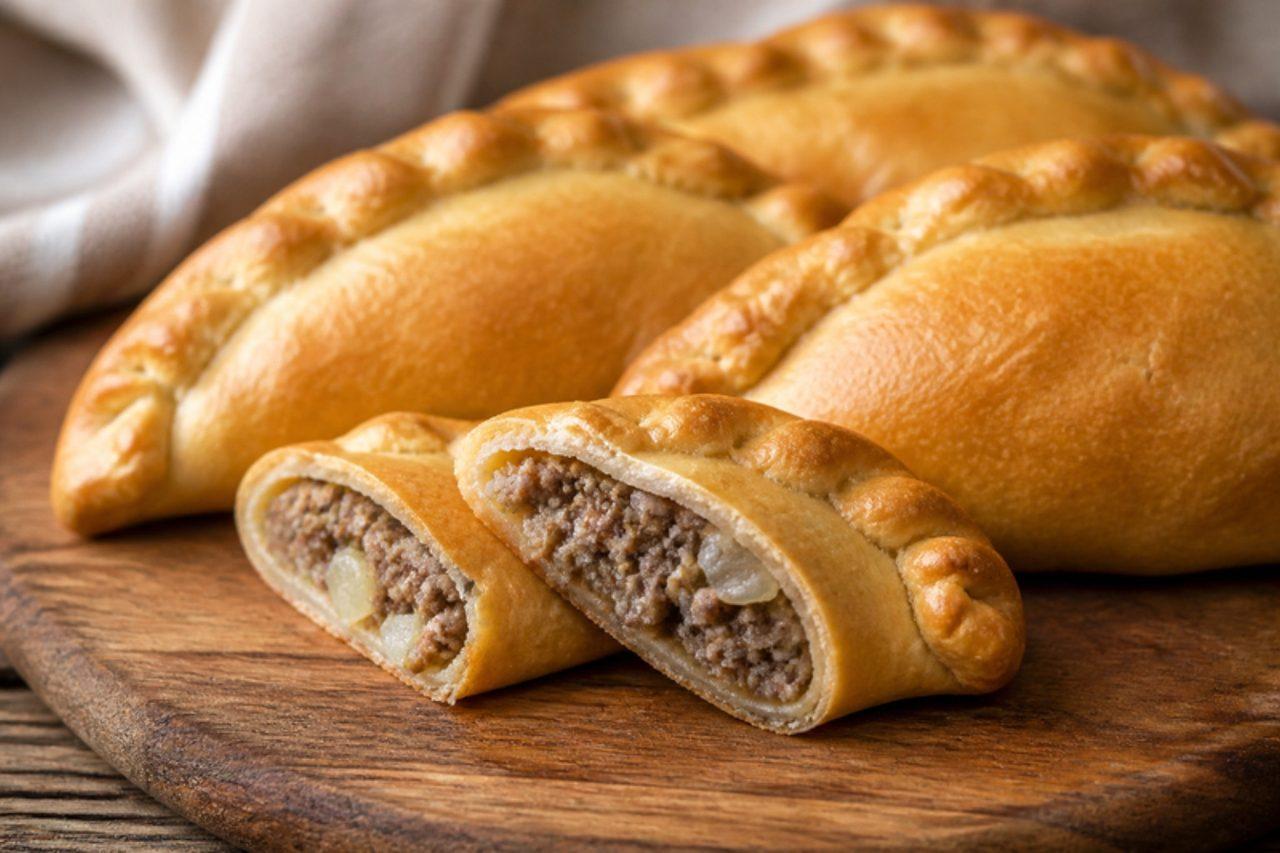
KibinaiLamb and onion pastries

Kibinai are the pastries of the Karaim, a small Turkic community settled in Trakai, the lake-island castle town near Vilnius, since the 14th century. Every café along Karaimų street sells them hot from the oven: half-moon pastries of flaky, buttery dough with a juicy filling of chopped lamb and onion, crimped along the top. A common mistake is mincing the meat; the Karaim chop it into small cubes so the filling stays juicy. Chef's tip: use cold dough and bake hot, so the pastry flakes and the juices stay sealed inside. The filling must reach 71 °C.

by KrazyBadal 0 views

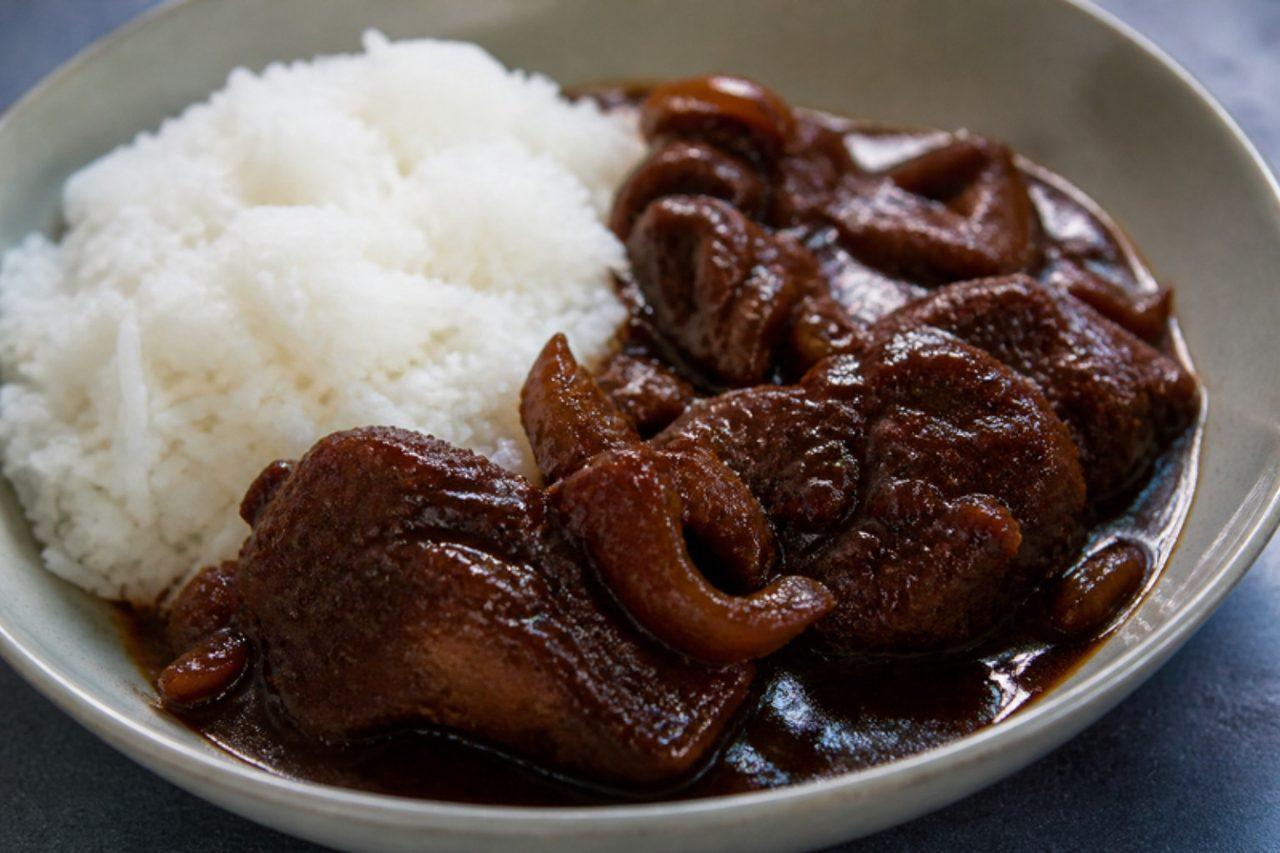
Daging smoorBeef braised in sweet soy

Daging smoor, from the Dutch 'smoren', to braise, is the Indo-Dutch version of Indonesian semur: beef braised for hours in kecap manis sweet soy sauce with onion, garlic, nutmeg, clove and a little tomato, until tender and coated in a dark, glossy, sweet-savoury sauce. It is a Sunday and rijsttafel dish in Indo-Dutch families in The Hague and is served with rice and atjar. A common mistake is a hard boil, which makes the meat tough and the sauce too salty as it reduces. Chef's tip: add the nutmeg at the start and a pinch more at the end, so its warmth runs through and the fresh aroma comes through on top.

170 minDutchCurries
by KrazyBadal 0 views

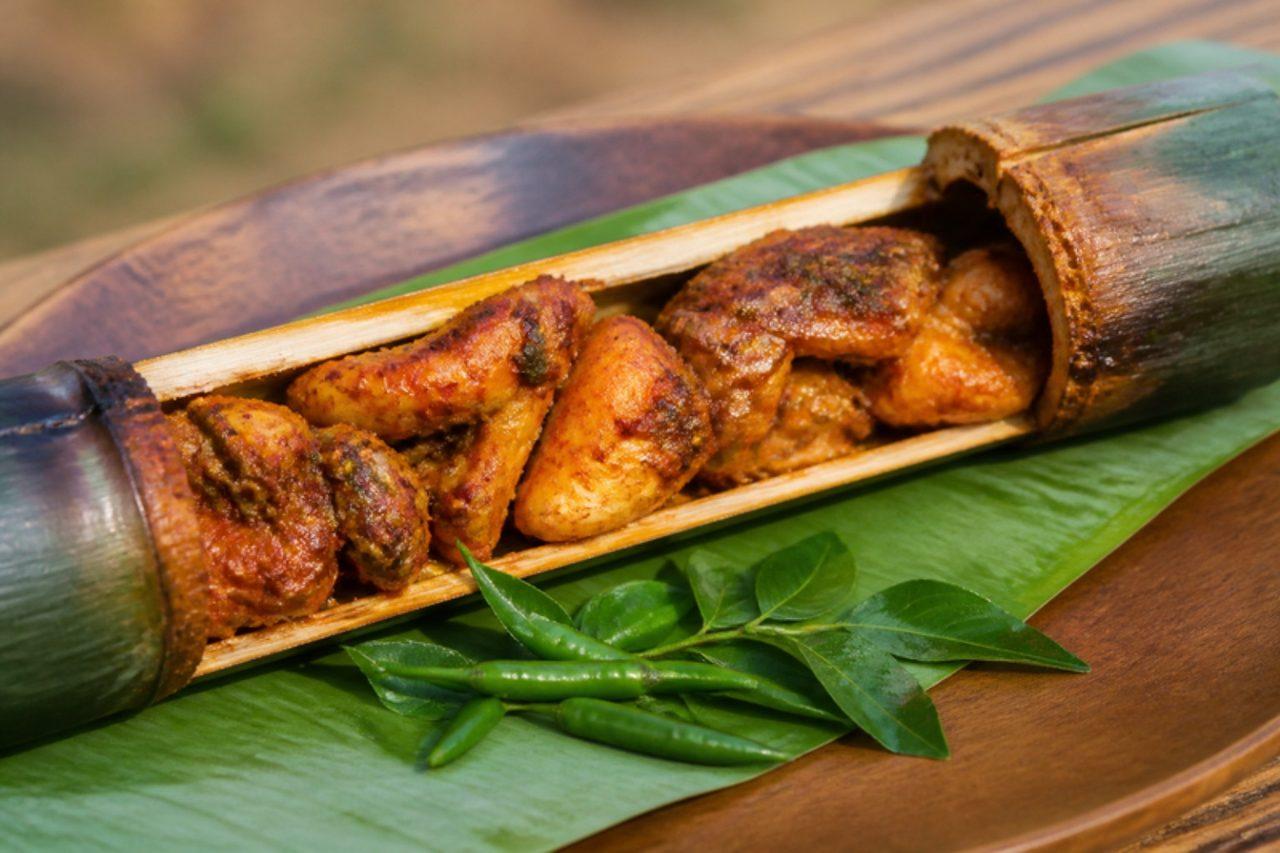
Bamboo chickenBamboo-roasted spiced chicken

Trekkers heading up to Nilgiri and Boga Lake in the Chittagong Hill Tracts look forward to one meal in particular: chicken that Marma and Bawm cooks pack into a freshly cut length of green bamboo, plug with leaves and lean against the embers until the tube blackens and hisses. Inside, the meat steams in its own juices with ginger, garlic, lemongrass, turmeric and bird's-eye chilli, and picks up a faint grassy sweetness from the bamboo. It is eaten with plain rice and a sharp chilli chutney, often at a jungle campfire. At home a heavy lidded casserole or a tight foil-and-banana-leaf parcel in the oven gives a very close result. The trap is packing in too much liquid, which boils the chicken instead of steaming it; the meat makes its own juice. Chef's tip: use small bone-in pieces, because large joints stay undercooked in the middle of a tube.

by KrazyBadal 0 views

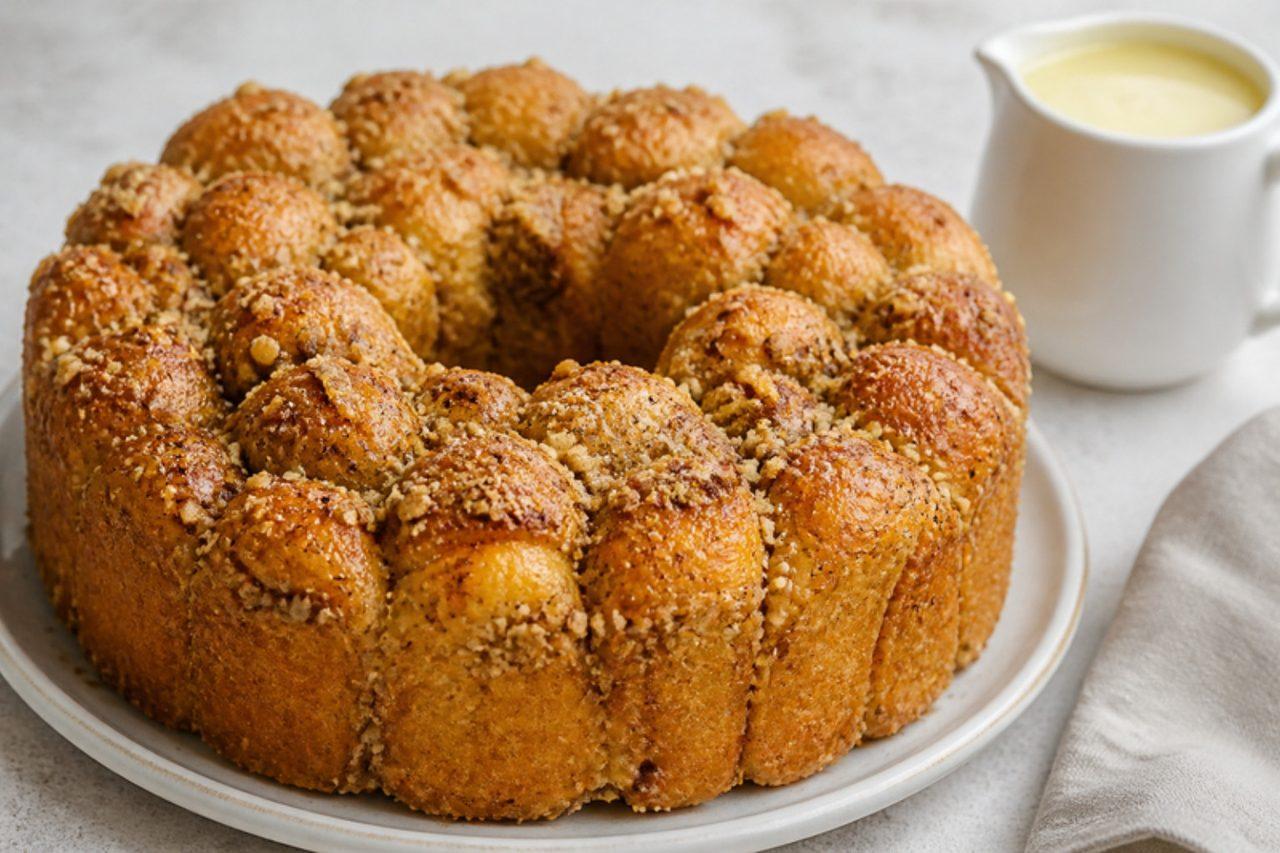
AranygaluskaGolden walnut yeast dumplings

Aranygaluska means golden dumplings, and the pull-apart cake really does come out of the oven bronze and gleaming. Walnut-sized balls of sweet yeast dough are dipped in melted butter, rolled in ground walnuts and sugar, stacked loosely in a ring tin and baked, so the nuts caramelise into a sticky crust. It is a family Sunday pudding all over Hungary and a favourite at school canteens, and Hungarian emigrants took it to America, where it became monkey bread. Pour warm vanilla custard over each helping. Some cooks serve it with a wine custard; this version keeps to vanilla, so it is alcohol-free. Where it goes wrong is packing the balls tightly; leave gaps so they can rise and the walnut coating reaches every side. Chef's tip: spoon a little apricot jam between the layers for a tart note.

by KrazyBadal 0 views

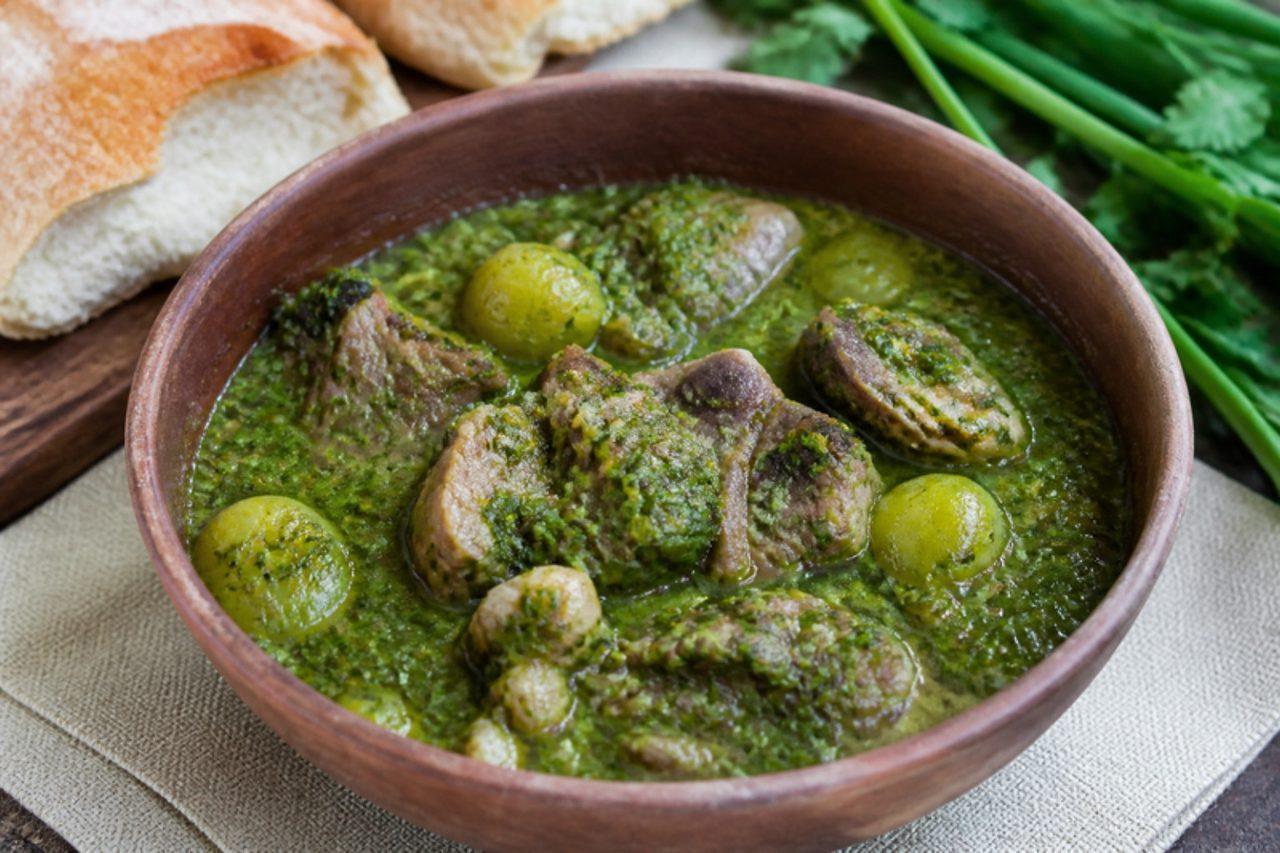
ChakapuliLamb with tarragon and sour plums

Chakapuli is the Easter dish of Kakheti, cooked when the first tarragon shoots and hard green tkemali plums appear in April: young lamb is stewed in Kakhetian white wine with heaps of tarragon, spring onion and coriander until the broth turns bright green and sour. It is eaten from deep bowls with shoti bread to soak up the juices. The recipe uses white wine, as it is traditionally made; for an alcohol-free pot, use the swap in the ingredient note. A common mistake is putting in all the herbs at the start, which turns them grey; half go in at the end for freshness. Chef's tip: if you can't find sour green plums, a squeeze of lemon and a spoon of tkemali sauce give the same tartness.

120 minGeorgianMeatGluten free
by KrazyBadal 0 views

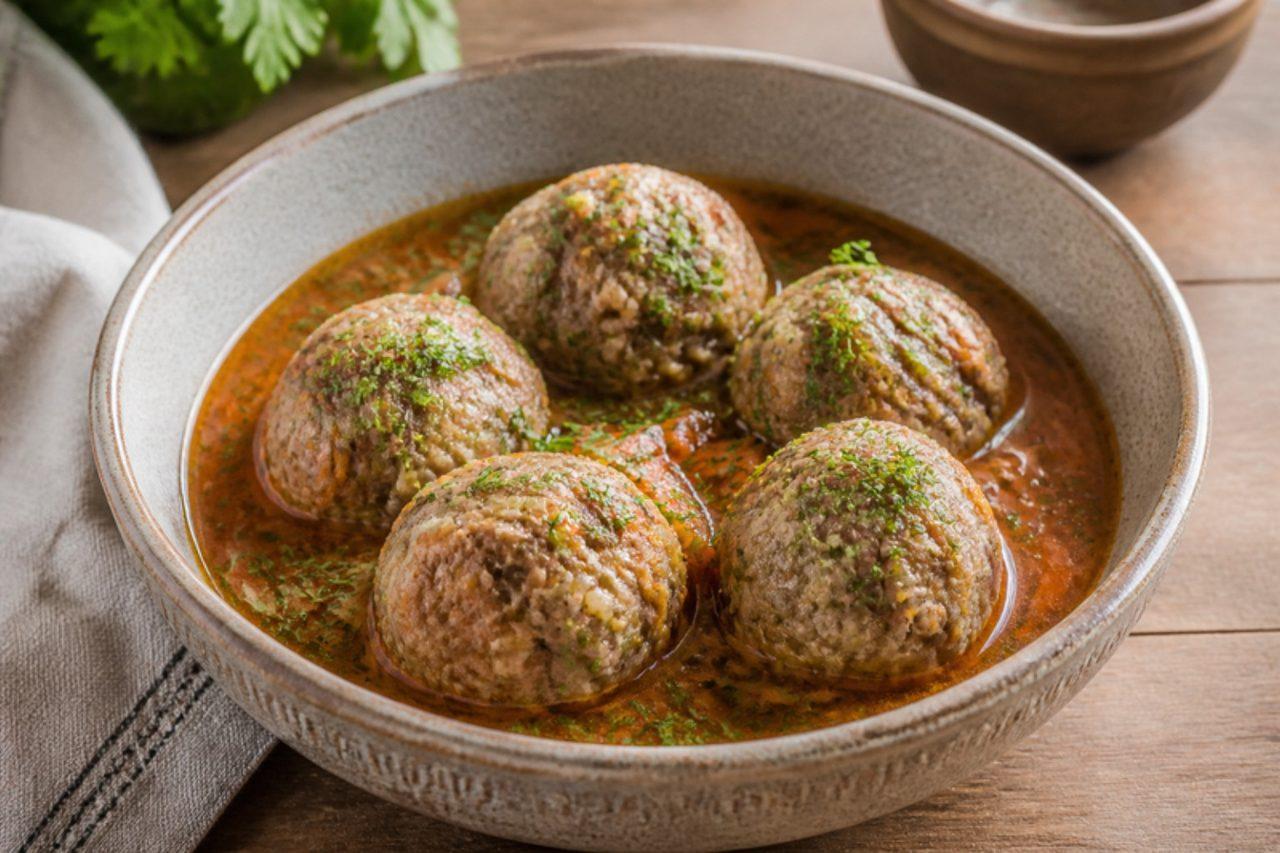
KololakBeef and rice meatballs in broth

Kololak are the big, soft meatballs of Gyumri, Armenia's second city, where they are cooked for family Sunday dinners: very finely minced beef is beaten with rice, onion and egg until smooth and springy, shaped into balls the size of a small orange and simmered in a light broth with tomato and herbs. The broth is served first as soup, the meatballs after. A common mistake is skipping the long kneading, which makes the meatballs crumble in the pot. Chef's tip: wet your hands with cold water while shaping, and lower the balls into broth that is only just simmering, so they hold together. Minced meat must reach 71 °C in the centre.

by KrazyBadal 0 views

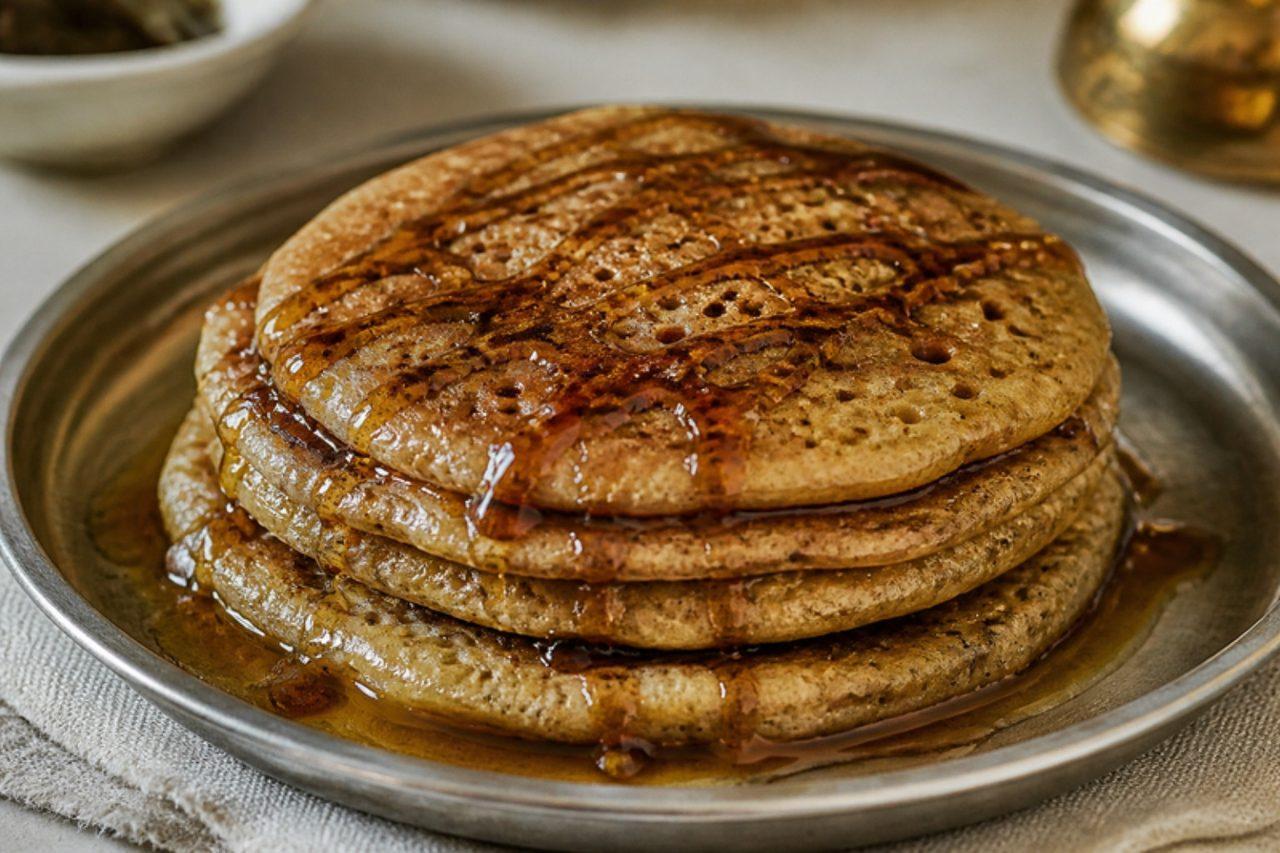
MasabeebWholemeal pancakes with date syrup

On winter mornings in Najdi villages around Riyadh, grandmothers ladle a yeasted wholemeal batter onto a hot iron plate and turn out masabeeb, thick, spongy pancakes full of holes. They are stacked on a tray, drowned in melted ghee and date syrup and torn apart by hand with cardamom coffee or tea. The flavour is nutty and only lightly sweet, and the crumb drinks up the topping like a sponge. A common mistake is flipping too soon: let the top set and go matt and full of open bubbles first, or the middle stays raw and gluey. Serve warm, straight from the pan. Chef's tip: keep the heat medium-low and cover the pan for the first minute so the thick centre steams through before the base darkens.

by KrazyBadal 0 views

Khasi ko masuGoat curry

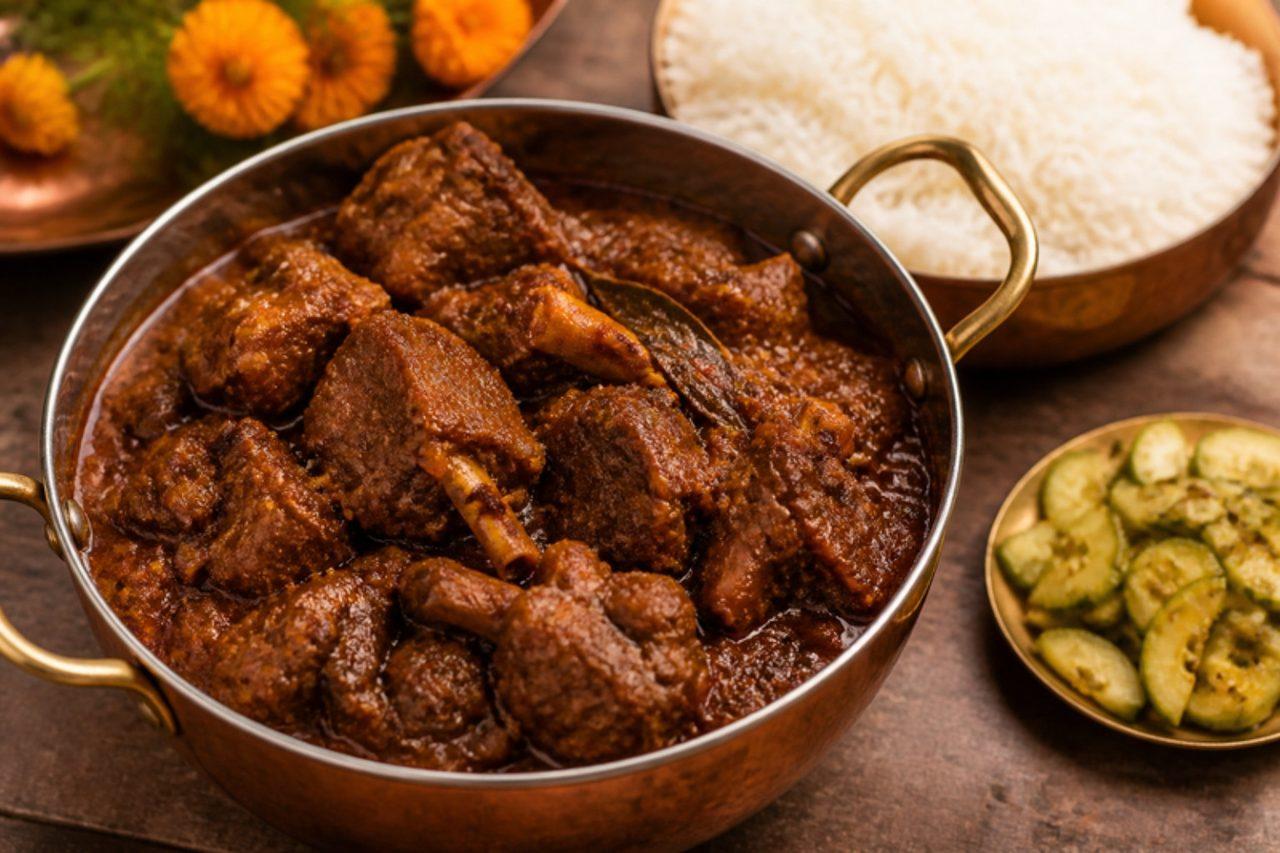
For most Nepali families the tenth day of Dashain, when elders put tika and jamara on younger relatives' foreheads, means a pot of khasi ko masu bubbling in the kitchen, bone-in castrated goat cooked in mustard oil with heaps of onion, ginger and garlic and whole spices until the meat falls from the bone. It is a celebratory but homely curry, with a loose, glossy, deep-red gravy, eaten with plain rice or sel roti and a cucumber achar, and the same curry fills plates at weddings and family visits for weeks after the festival. Use goat or mutton with plenty of bone, since the marrow and connective tissue give the gravy its body. The usual shortcut, rushing the onions, leaves the gravy thin and sharp; they must cook to a deep brown. Chef's tip: a pinch of jimbu, the dried Himalayan herb, added at the end gives the curry its unmistakable hill-country aroma.

by KrazyBadal 0 views

CepelinaiMeat-filled potato dumplings

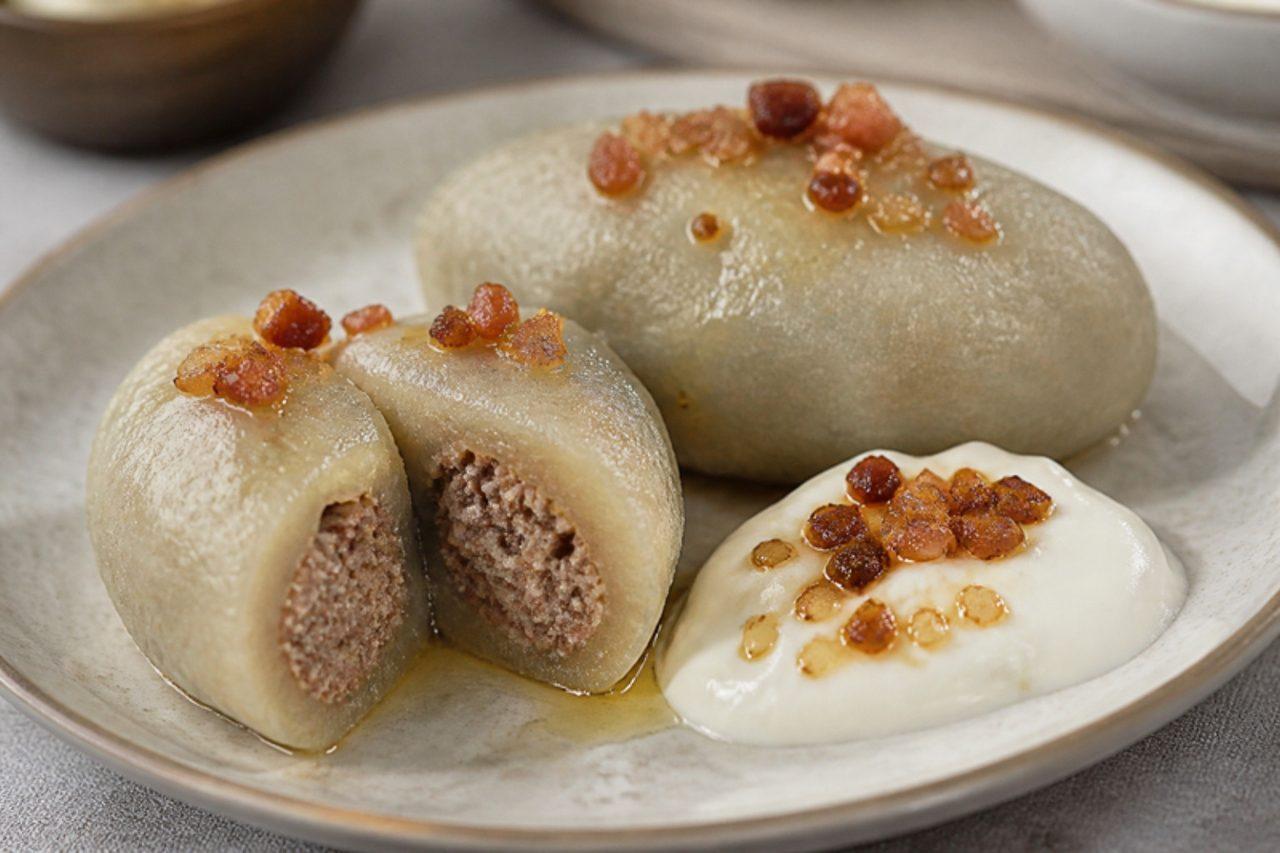
Cepelinai, named after the Zeppelin airships they resemble, are Lithuania's national dish: big oval dumplings of grated raw and boiled potato wrapped around seasoned minced pork, simmered until glossy and served with a sauce of sour cream and fried bacon bits and onion. This dish contains pork. Families in Kaunas and Vilnius make them on weekends and holidays; curd cheese or mushroom fillings are common vegetarian versions. A common mistake is skipping the potato starch; it is what holds the dumplings together. Chef's tip: squeeze the grated potato very dry and stir back the starch that settles from the liquid. Minced pork must reach 71 °C.

100 minBalticMeat
by KrazyBadal 0 views

KhashlamaLamb and vegetable stew

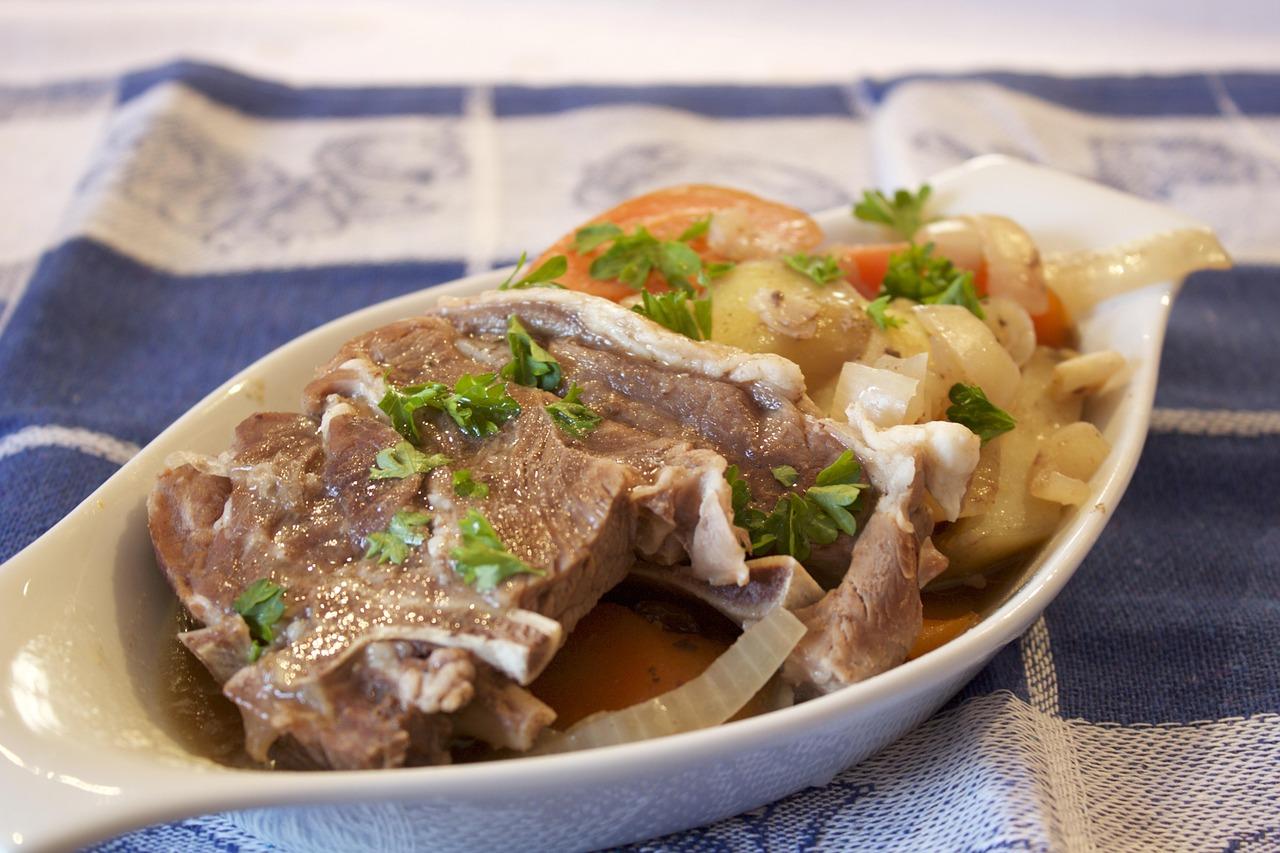
Khashlama is a village dish from across Armenia, made in a big pot for family gatherings in Ararat and Kotayk: chunks of lamb on the bone, or beef, layered with onions, tomatoes, peppers and potatoes and cooked slowly with very little liquid, so the meat stews in its own juices and the vegetables soak them up. It is served in deep plates with lavash and lots of fresh herbs. A common mistake is adding water to cover; the result is a soup, not khashlama. Chef's tip: put the lamb on the bottom and the potatoes on top, so the meat browns slightly and the potatoes steam in the juices without breaking.

170 minArmenianMeatGluten free
by KrazyBadal 0 views

KhirshaReduced milk fudge

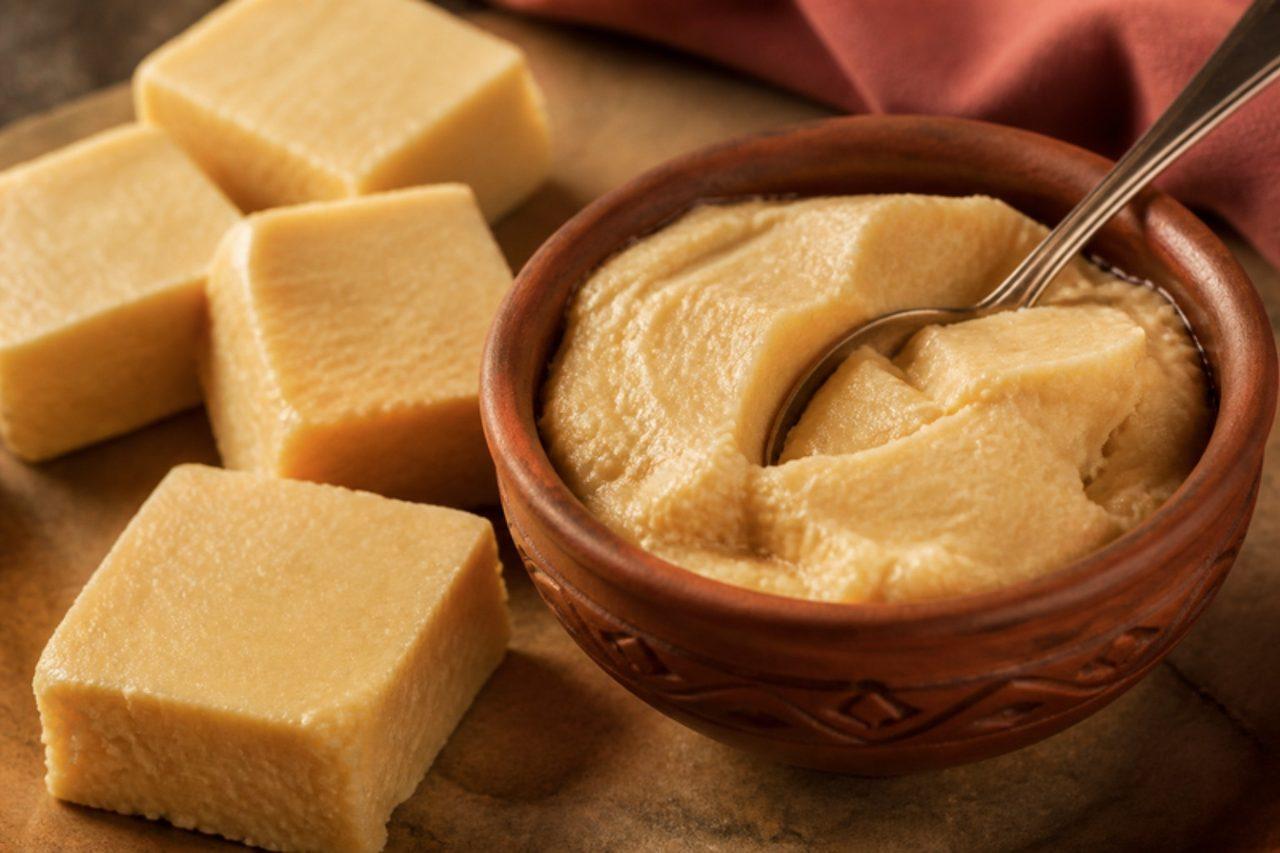
In the dairy belt of Sirajganj and Pabna, where milk is cheap and plentiful, khirsha is made the patient way: milk is boiled in a wide iron karai and stirred for well over an hour until it has reduced to a sixth of its volume and become a thick, pale-caramel paste, then sweetened and cooked a little longer. Sold in clay saucers or pressed into blocks, it tastes of pure cooked milk, sweet and slightly toffee-like, with a fudgy, fine-grained texture. It is eaten on its own, spread on puffed rice, rolled into pithas or packed into the shells of other sweets. Burning the bottom is the classic mishap, which makes the whole batch taste scorched, so stir constantly and scrape the corners once it thickens. Chef's tip: use a wide, heavy pan rather than a deep one; the bigger the surface, the faster the milk reduces.

by KrazyBadal 0 views

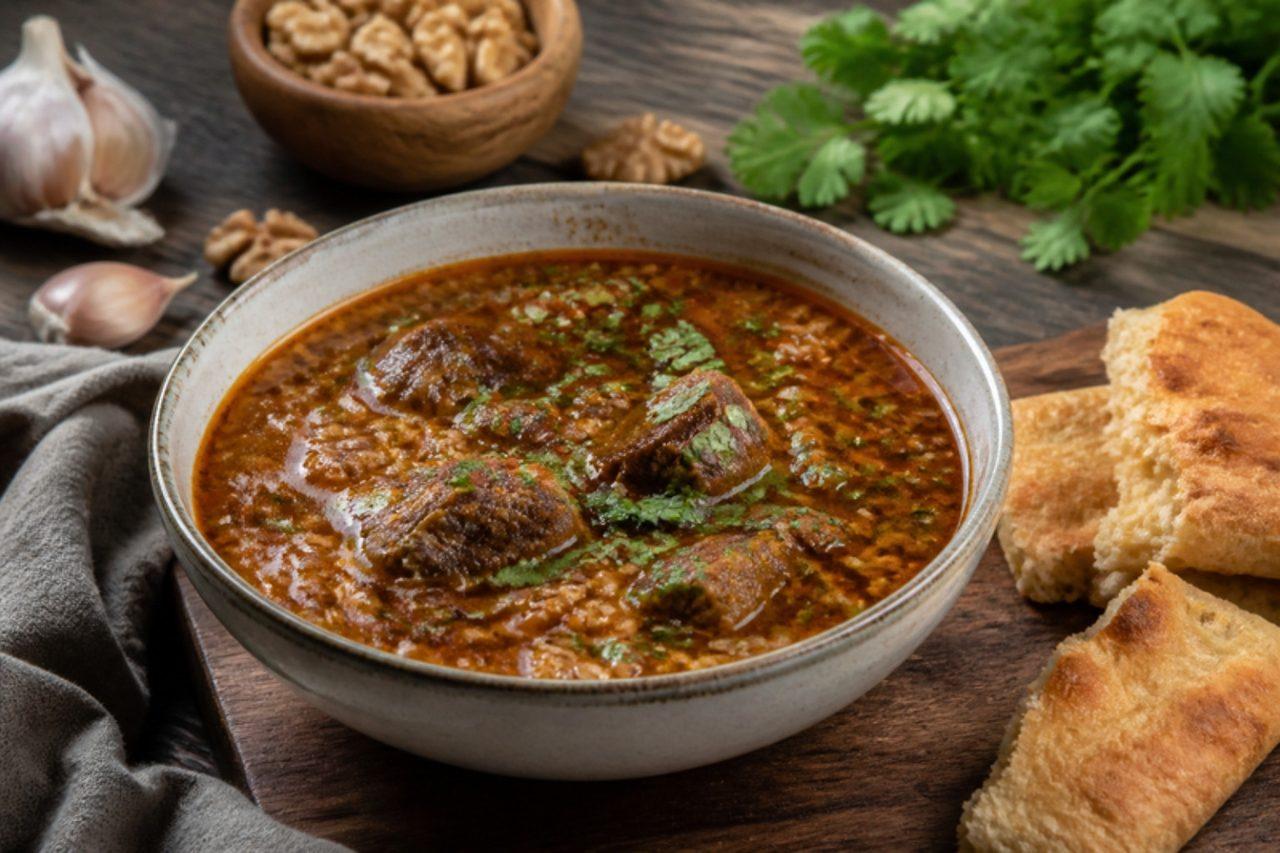
KharchoBeef, rice and walnut soup

Kharcho is the soup Tbilisi cooks make when the weather turns cold: beef brisket simmered until it falls apart, then thickened with rice and ground walnuts and given its sour, tangy edge by tkemali plum sauce, with khmeli-suneli, garlic and a lot of coriander. It is spooned into deep bowls in old-town cafés and eaten with shoti bread, and it is thick enough to be a whole meal. A common mistake is adding the rice too early, so it swells into porridge and the soup loses its body. Chef's tip: grind the walnuts with garlic and a ladle of hot broth before stirring them in, so they thicken the soup smoothly rather than floating as crumbs.

by KrazyBadal 0 views

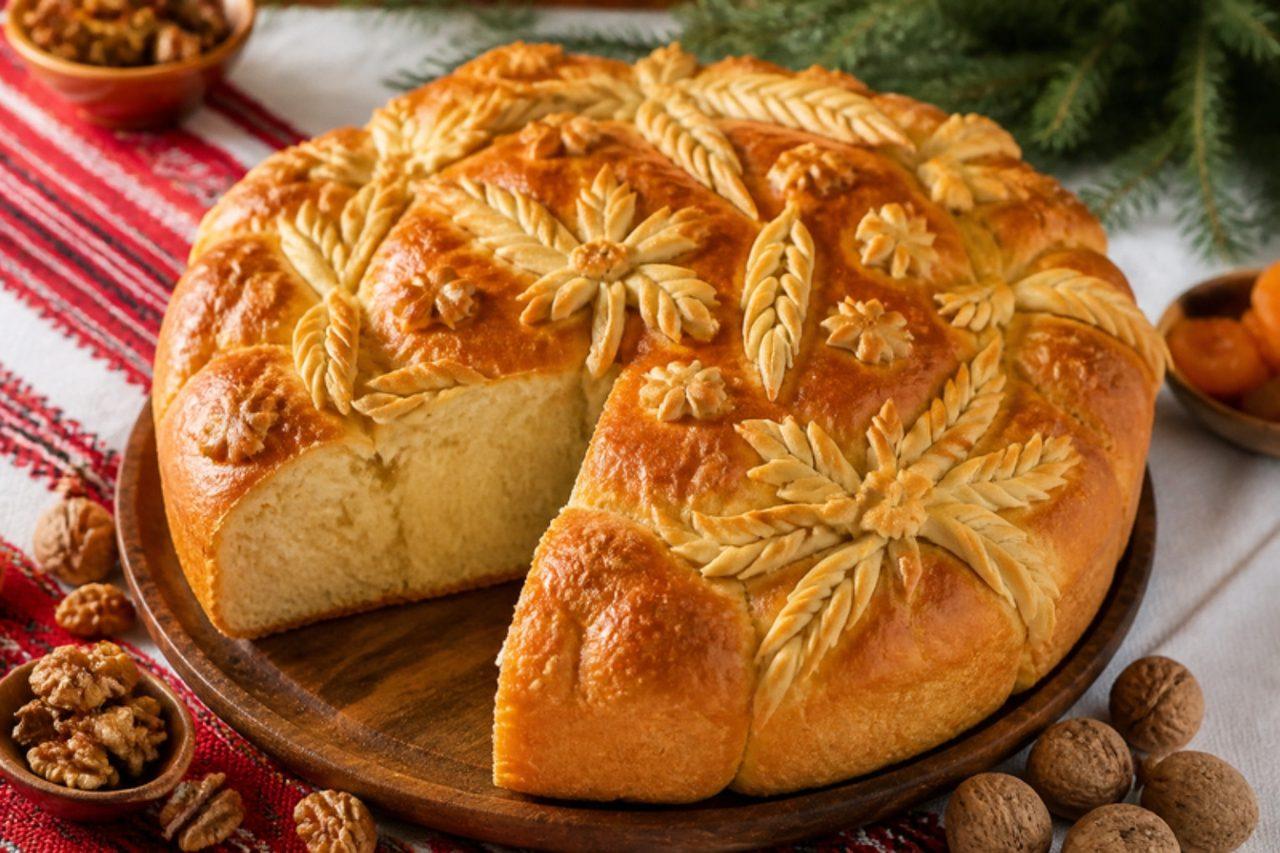
ČesnicaChristmas bread with a coin

On Serbian Orthodox Christmas morning, 7 January, the family stands around the table and breaks the česnica between them, turning the round loaf three times before everyone pulls off a piece. Whoever finds the coin hidden in the bread is said to have luck for the year. Recipes vary from flaky layered pies to this soft, slightly sweet yeasted loaf with a twisted rope round its edge, lovely with kajmak, cheese and the rest of the Christmas spread. Wrap the coin well and tell everyone before they bite, and keep an eye on small children, as a coin is a choking risk. The usual slip is rushing the rise in a cold kitchen, which gives a dense, heavy crumb; find a warm spot and wait until the dough has truly doubled. Chef's tip: brush the hot loaf with a little oil as it leaves the oven for a soft, shiny crust.

by KrazyBadal 0 views

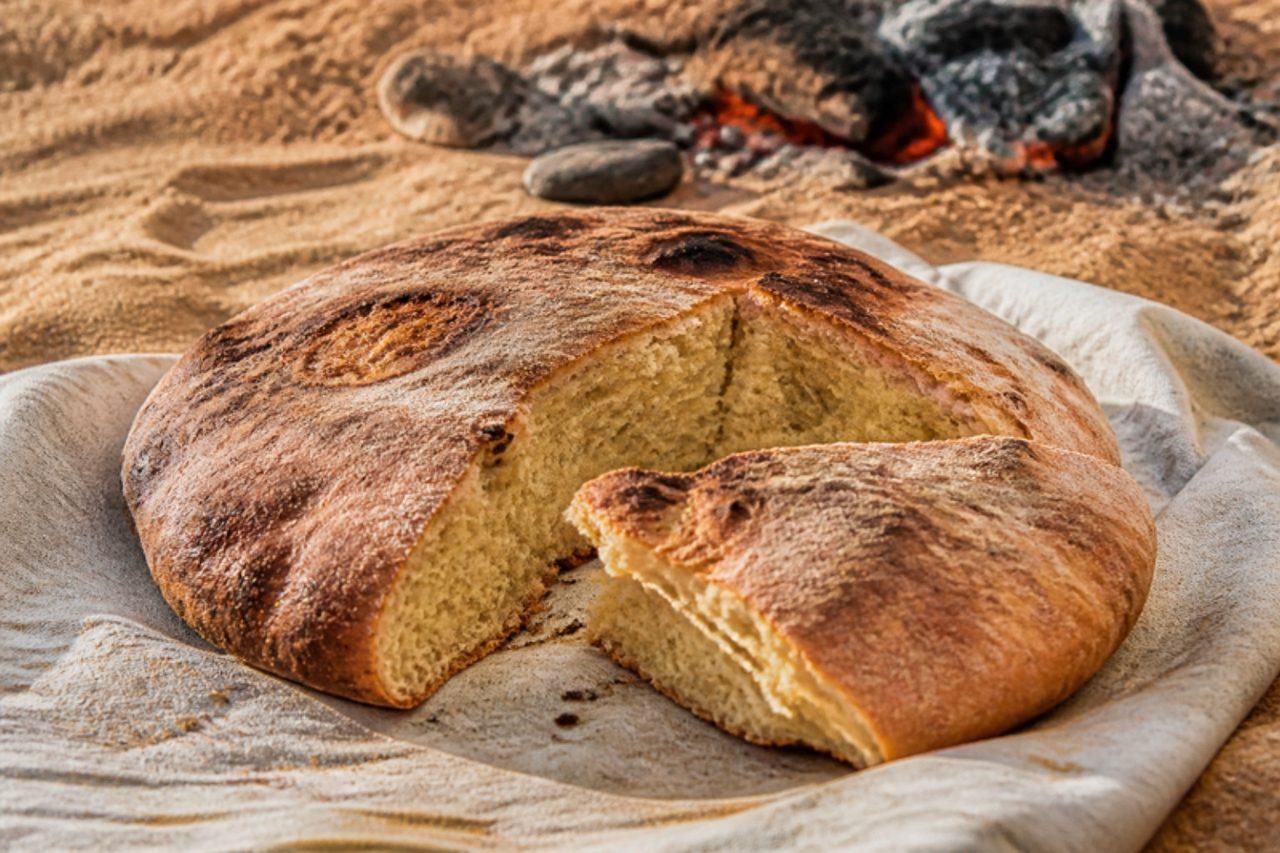
Khobz mellaEmber-baked bread

Around Douz, on the edge of the Tunisian Sahara, nomadic herders bake khobz mella by digging a hollow in sand heated under a fire, laying in a thick round of dough and burying it under more hot sand and embers. Brushed off and broken up, the crusty, smoky bread is crumbled into a tomato, pepper and onion stew to make mella, or eaten with olive oil and dates. Visitors to desert camps watch it being made by firelight. At home, a pizza stone or an upturned heavy tray in a very hot oven gives a similar chewy loaf with a thick crust; a charcoal barbecue gets you close to the smoky flavour. Chef's tip: dock the dough well with a fork; without it the round puffs up into a hollow ball and the crust cracks.

by KrazyBadal 0 views

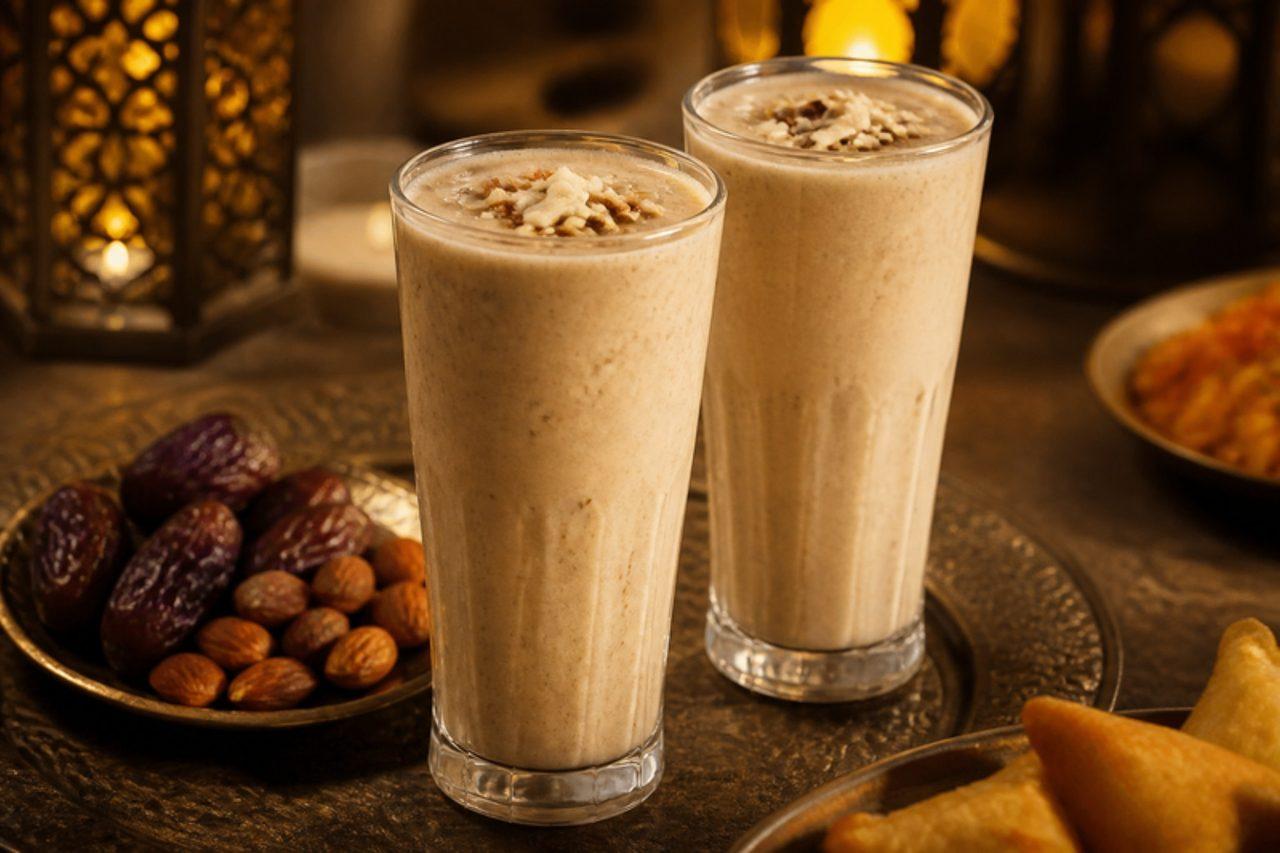
Khajoor shakeDate and almond milkshake

Dates are the first thing on the table when the azan sounds for iftar in Pakistan, and in many homes in Karachi and Islamabad the dates go straight into the blender with cold milk and a handful of soaked almonds, making a thick, caramel-sweet shake that restores energy quickly after a long summer fast. Soft, moist dates such as the Aseel from Khairpur in Sindh give the smoothest result, and the drink needs no added sugar at all. It is also a popular breakfast for children and a quick snack after school. The typical mistake is blending dry, hard dates straight from the packet, which leaves chewy fragments and a gritty shake. Chef's tip: soak the stoned dates and almonds in a little warm milk for 10 minutes first, and blend them to a smooth paste before adding the rest of the cold milk.

by KrazyBadal 0 views

ÄggakakaOven egg cake with lingonberries

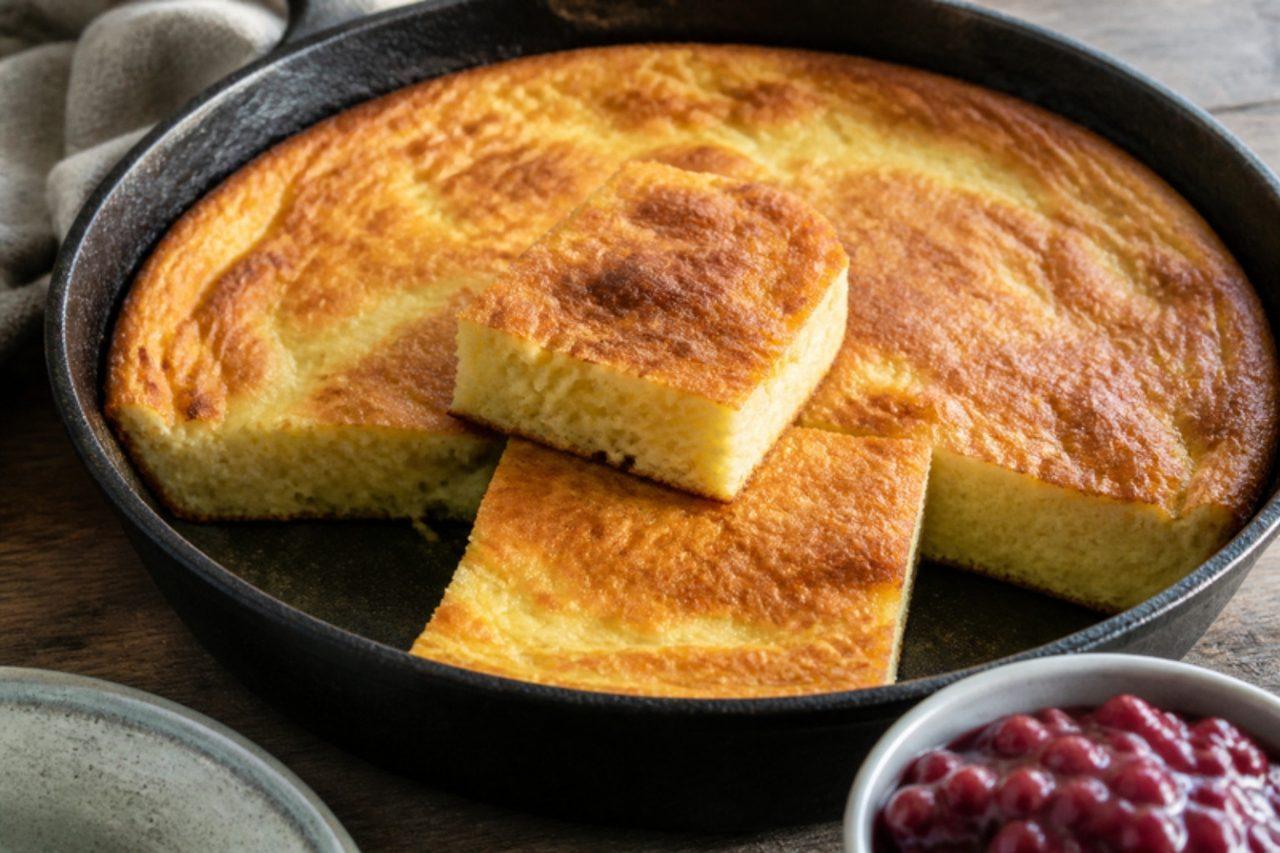
Äggakaka is the farmhouse egg cake of Skåne, Sweden's southernmost province: a thick, puffy batter of eggs, milk and flour baked in a hot pan until golden on top and custardy inside, cut into squares and eaten with lingonberries. In Skåne it usually comes with crisp fried pork belly; this vegetarian version leaves the pork out and adds a little butter-fried apple on the side. A common mistake is opening the oven early, which makes it sink. Chef's tip: heat the pan with the butter until it sizzles before pouring in the batter, so the base and edges crisp.

by KrazyBadal 0 views

Khai paenCrispy river weed sheets

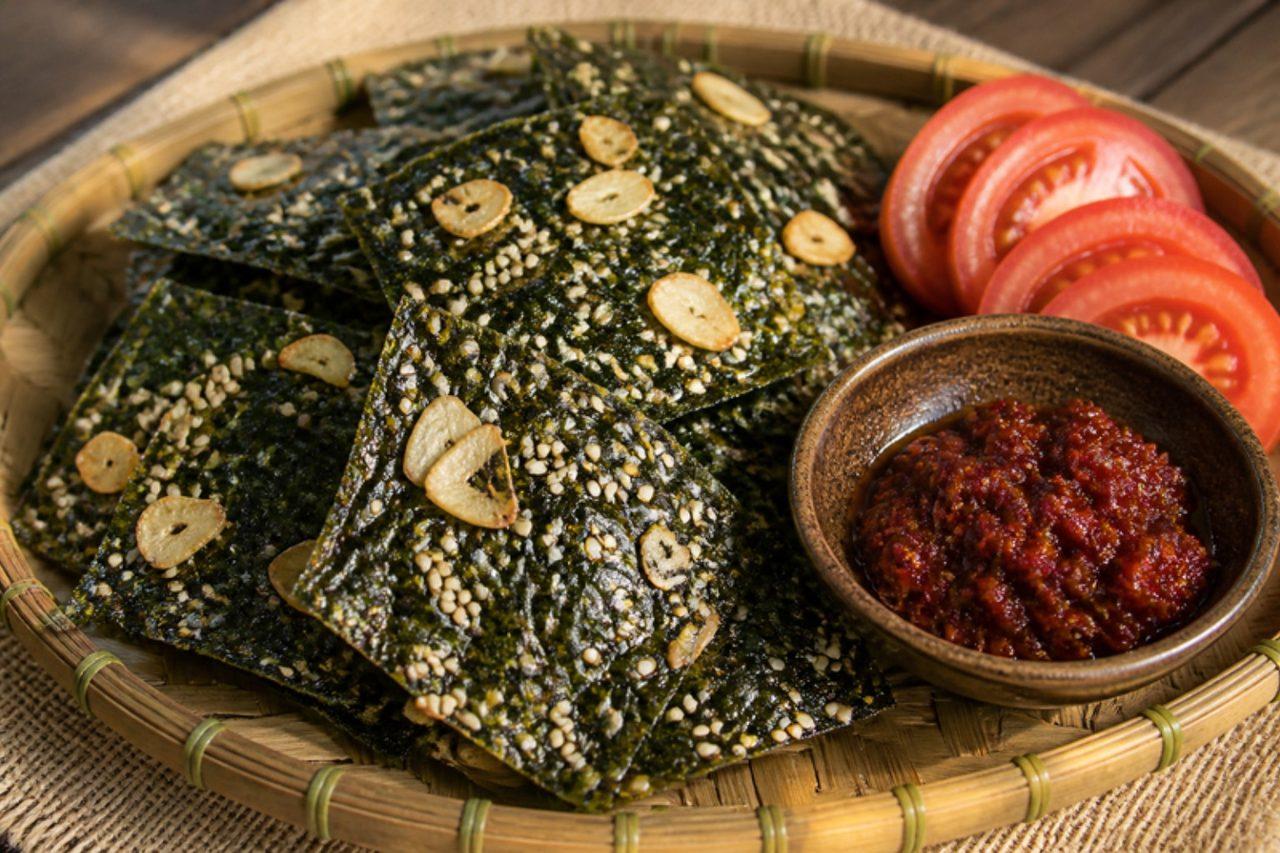
Along the Mekong and Nam Khan below Luang Prabang, women gather silky green river weed in the dry months, when the water runs low and clear, then press it into thin sheets and dry them in the sun. Those sheets turn up everywhere in town, stacked at the morning market and the night market, and a plate of fried khai paen is a favourite nibble with sticky rice and a pot of jeow bong in the late afternoon. Frying takes seconds: the sheets puff, darken and turn shatteringly crisp, tasting of the river, toasted sesame and garlic, a little like nori but earthier. Buy the sheets dried; outside Laos, look in Southeast Asian grocers, and if you can't find them, nori sheets make a stand-in, though they are thinner, sea-salty rather than freshwater and fry even faster. Leaving a sheet in the oil a moment too long is the classic error, as it goes bitter and brown almost instantly. Chef's tip: cut the sheets into squares with scissors before frying, not after, so they don't crumble into dust.

by KrazyBadal 0 views

Khajoor ka halwaDate halwa

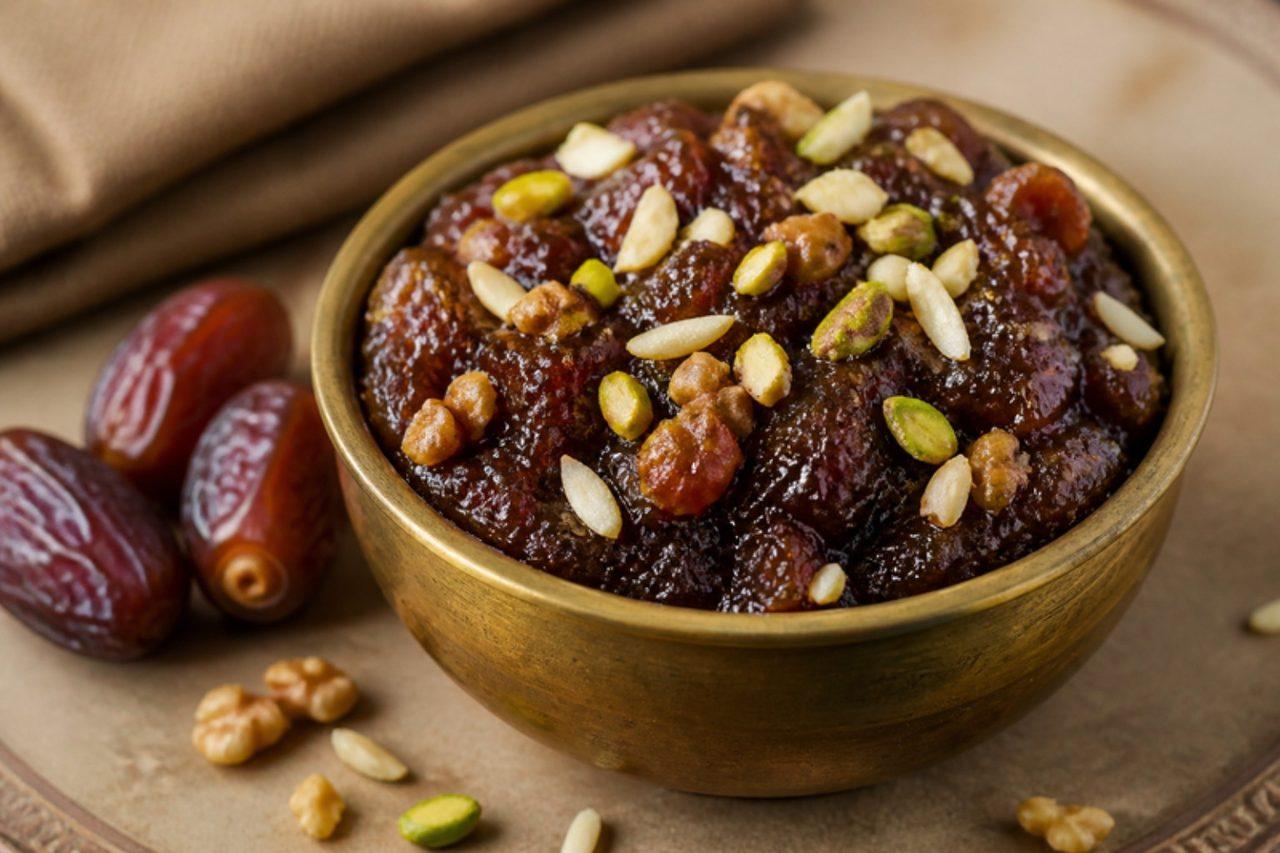
The oasis towns of Turbat and Panjgur in Makran grow some of Pakistan's finest dates, the soft, honeyed Begum Jangi and Muzawati among them, and after the late-summer harvest households turn the surplus into this rich, fudgy halwa. Dates are softened in warm milk, mashed and cooked down slowly in ghee until the mixture is dark and glossy and comes away from the pan, then finished with almonds, walnuts and cardamom. It needs little or no added sugar, and it is served in small portions at Eid, to new mothers and to guests with green tea. Using dry, hard dates without soaking is where it goes wrong, leaving the halwa lumpy and leathery. Chef's tip: choose soft, moist dates and blend them only briefly after soaking, so a few small pieces remain for texture.

by KrazyBadal 0 views

Khamiri rotiLeavened wholewheat flatbread

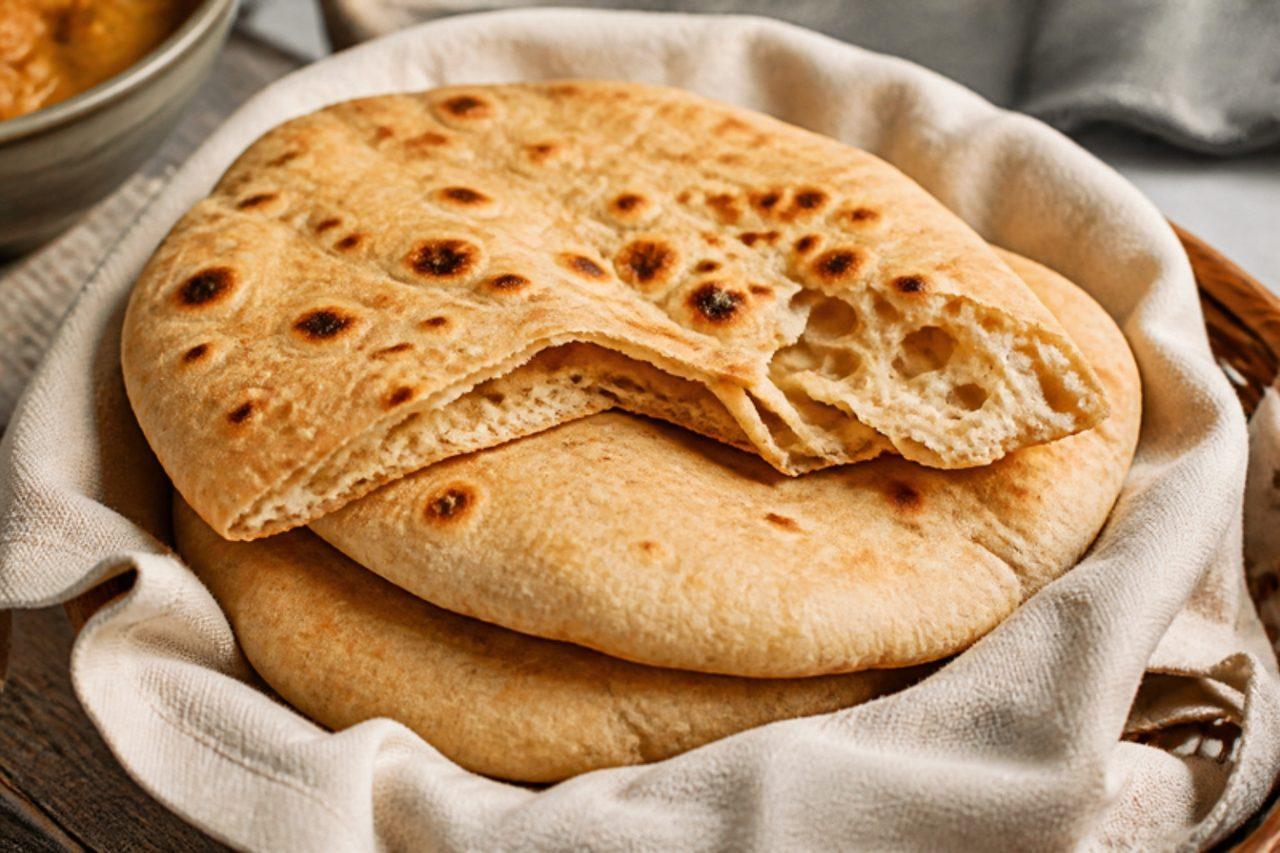
Long before packets of yeast reached Pakistani kitchens, households kept back a lump of yesterday's dough and worked it into the new batch, and khamiri roti is the bread that method makes: thicker and softer than a chapati, with an airy crumb and a gentle sourness. It is the standard bread of many neighbourhood tandoors from Multan to Peshawar, bought by the stack for lunch with chana, sabzi, dal or saag, and some families make it on a tawa during Ramadan because it stays soft until sehri. This version uses a little yeast and a long rise to get the same flavour without the starter. People often get it wrong by rolling it as thin as a chapati, which pushes out the gas and leaves a flat, leathery roti. Chef's tip: let the dough ferment for at least two and a half hours, or overnight in the fridge, and shape each roti by patting it out with your palms rather than with a rolling pin.

by KrazyBadal 0 views

Khaddi kebabRoast spiced lamb over rice

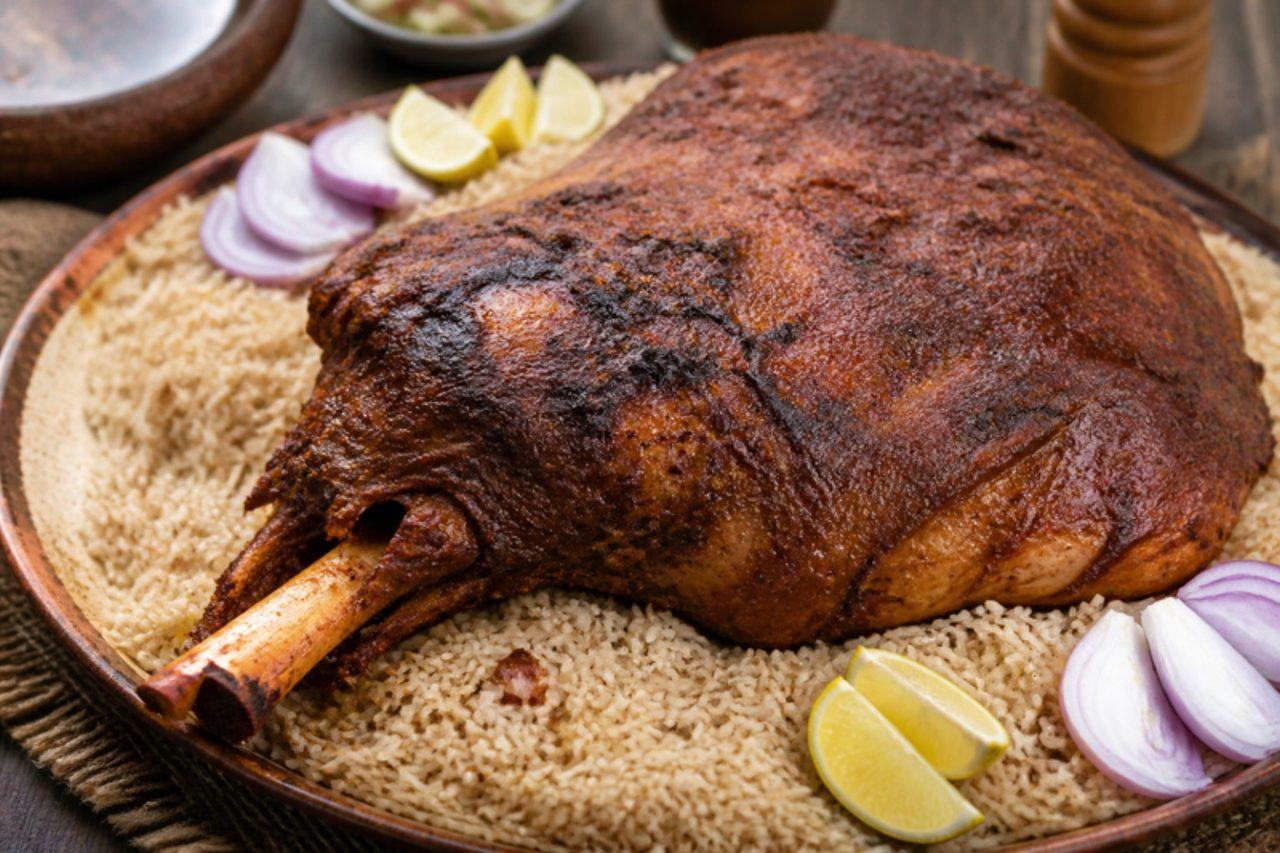
A khaddi, in Baloch country, is a pit dug in the ground and lined with hot stones; a whole goat or lamb, rubbed with salt and spices and stuffed with rice, is lowered in, covered with earth and left for hours, then dug out for weddings and tribal feasts. Few home cooks have a pit, so this version roasts a bone-in lamb shoulder low and slow under foil, then sets it on a tray of part-cooked rice so the rice drinks the dripping juices, the same marriage of meat and rice the pit gives. The meat should pull apart with a spoon and the rice taste deeply of lamb. Stuffing raw rice inside a big joint is where cooks go wrong at home: the centre stays underdone and is not safe, so cook the rice under the meat instead. Chef's tip: roast the lamb the day before, chill it in its juices and lift off the hard fat, then reheat with the rice; it carves more neatly too.

by KrazyBadal 0 views

Keshi yenaChicken-stuffed Edam cheese

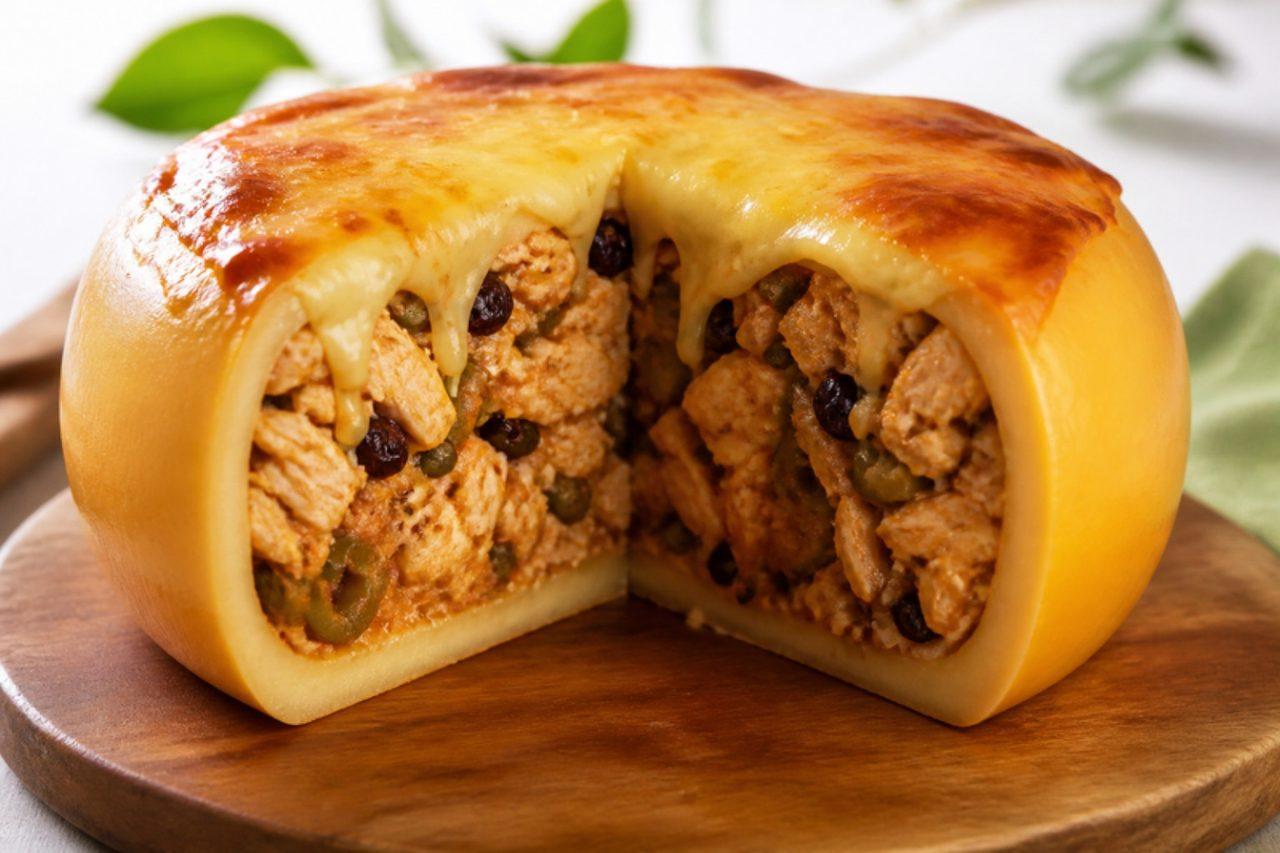
Keshi yena, "stuffed cheese", is the most famous dish of Curaçao and Aruba, born when cooks on Dutch plantations reused the rinds of big Edam cheeses by filling them with leftover meat. Today it is a festive dish: a spiced chicken filling with tomato, onion, olives, capers, raisins and hot pepper, sealed in sliced Edam and baked until the cheese melts into a golden crust, eaten with white rice or funchi. The mistake to avoid is a wet filling, which makes the cheese case collapse; cook it down until thick. This home version is baked in ramekins lined with cheese slices. Chef's tip: oil the ramekins well and turn the cheese cups out onto plates for a dramatic presentation.

by KrazyBadal 0 views

KhaginaSpiced scrambled eggs

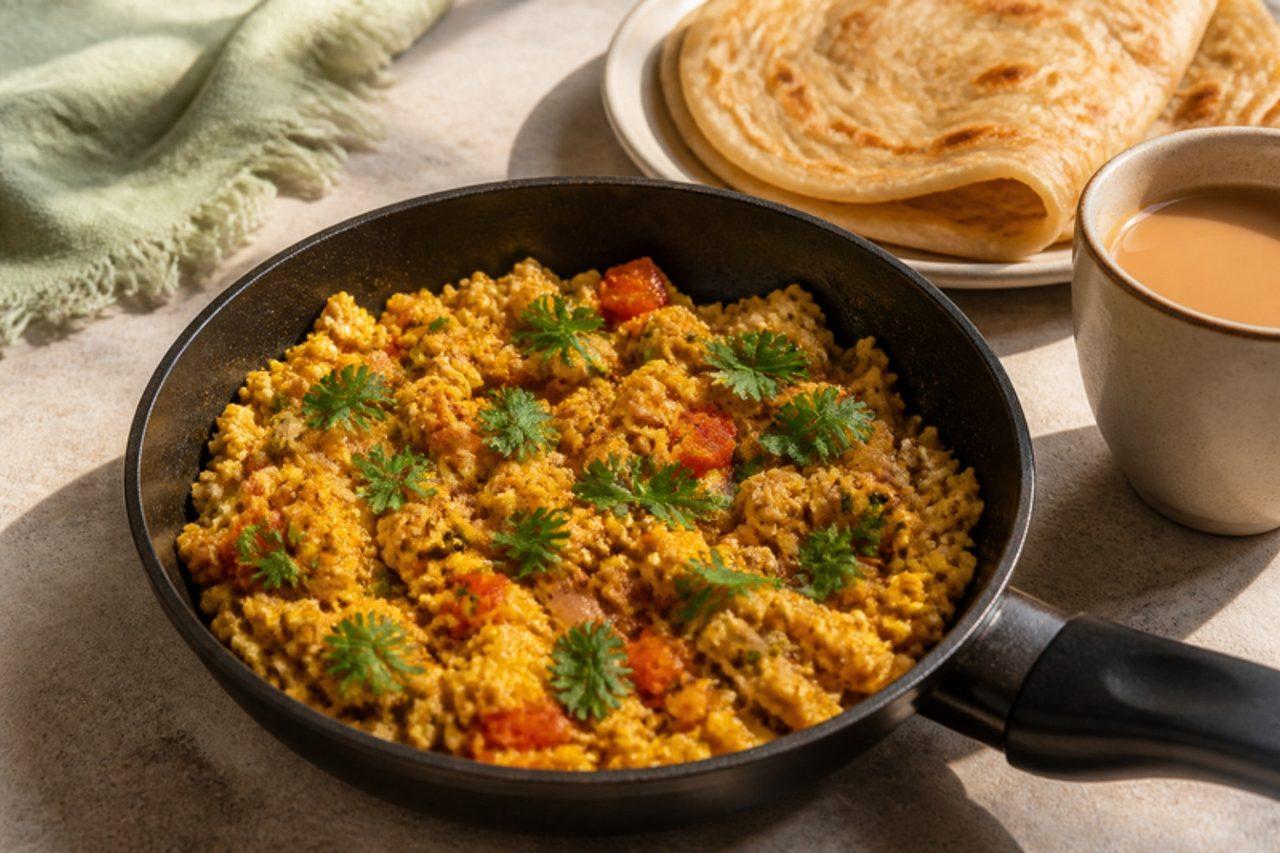
Ask almost any Pakistani what their mother made on a school morning and khagina comes up: eggs beaten with salt and turmeric and stirred into onion, tomato and green chilli softened in oil, served in a heap beside a hot paratha with a cup of doodh patti. It comes from the old Mughal and Hyderabadi kitchens that reached Karachi after Partition, and it differs from a plain scramble in being cooked a little longer, so it sets into soft, moist clumps coloured by the masala rather than staying creamy. It is everyday food in Karachi, Lahore and Peshawar alike, also eaten for a quick supper with chapati. The usual mistake is adding the eggs before the tomato has cooked down, which leaves the dish watery and the eggs rubbery. Chef's tip: take the pan off the heat while the eggs still look slightly glossy but no liquid egg remains, because they keep cooking on the plate.

by KrazyBadal 0 views

Showing 27 of 7,762 recipes

Show more recipes

Page 242 of 863