


Skip to content
Moshkhurda
Featured recipe

Moshkhurda

Mung bean and rice soup

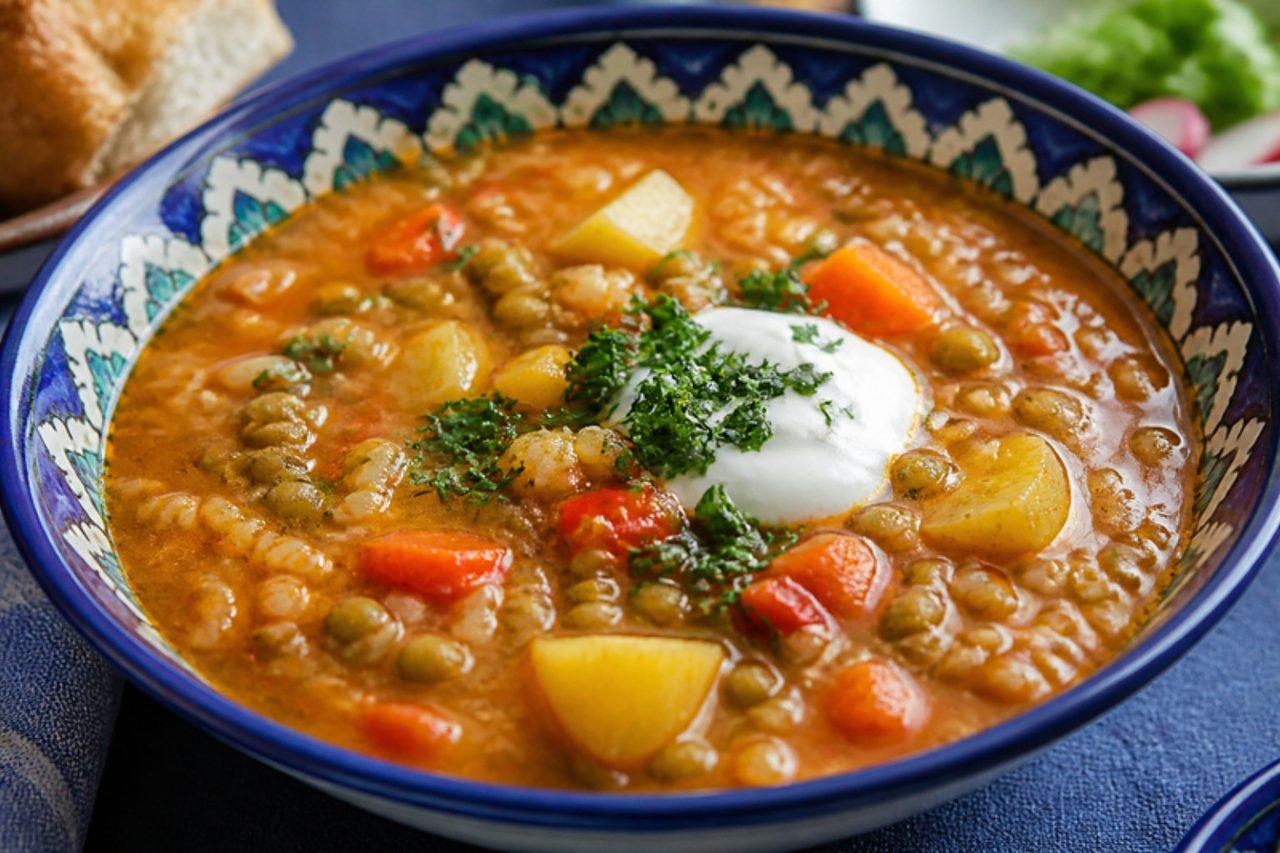
Moshkhurda is a thick, warming soup from Tashkent and the Ferghana Valley, made with mung beans and a little rice cooked in a broth with fried onion, carrot, potato and tomato, and finished in the bowl with a spoon of tangy suzma and fresh dill and coriander. Cooked with lamb in many homes, it is also commonly made without meat on light days. A common mistake is serving it without the suzma; the sour, creamy yogurt is what balances the earthy beans. Chef's tip: fry the tomato paste until it darkens, which gives the broth its deep orange colour and rounded taste.

Read more 0 views

What to eat today?

Around the world

Today's trip: Persian

A new country every day, from every cuisine on the site.

Persian

Dizi

Lamb and chickpea stew 245 minMore from Persian (131) →

This week's collection

Kid-friendly dinners
537 recipes · a new collection every Monday

Latest recipes

Khasi ko masuGoat curry

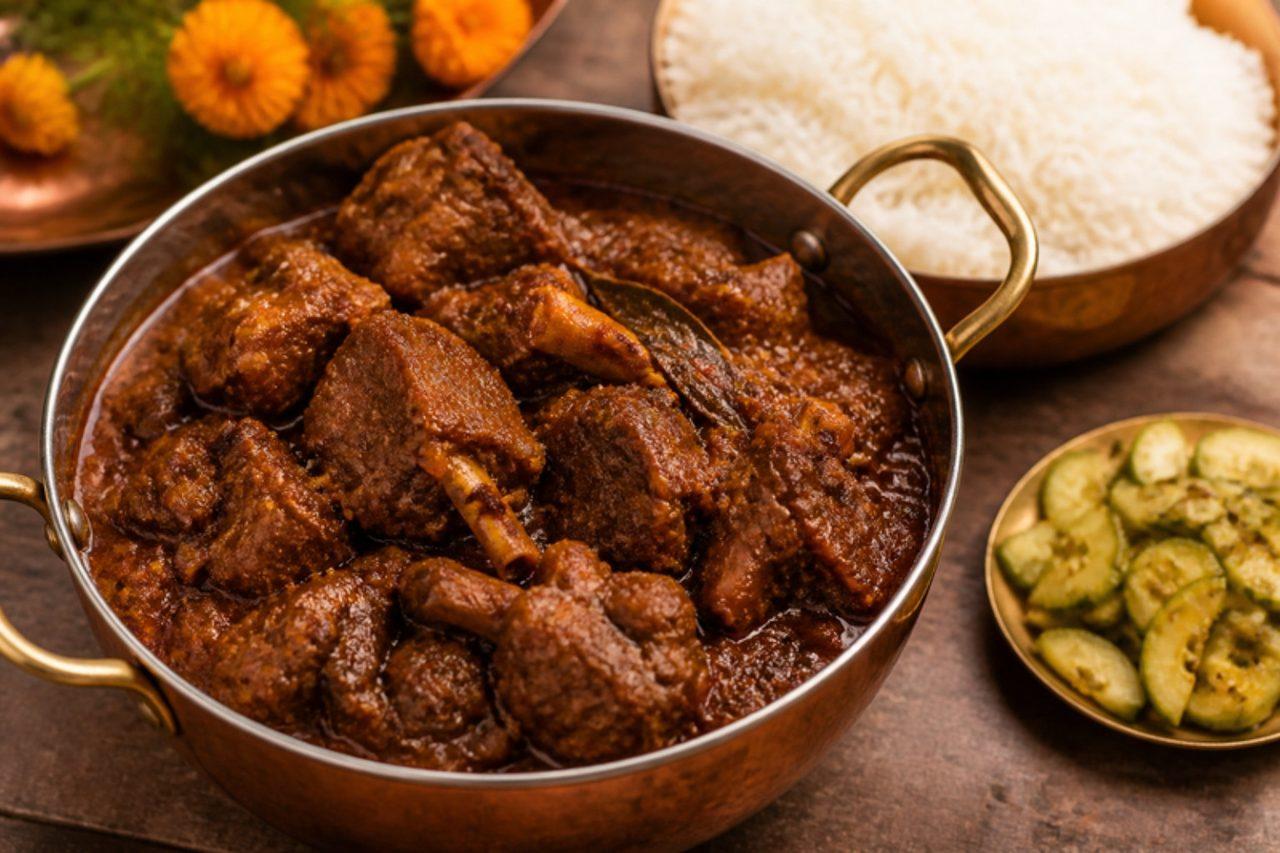
For most Nepali families the tenth day of Dashain, when elders put tika and jamara on younger relatives' foreheads, means a pot of khasi ko masu bubbling in the kitchen, bone-in castrated goat cooked in mustard oil with heaps of onion, ginger and garlic and whole spices until the meat falls from the bone. It is a celebratory but homely curry, with a loose, glossy, deep-red gravy, eaten with plain rice or sel roti and a cucumber achar, and the same curry fills plates at weddings and family visits for weeks after the festival. Use goat or mutton with plenty of bone, since the marrow and connective tissue give the gravy its body. The usual shortcut, rushing the onions, leaves the gravy thin and sharp; they must cook to a deep brown. Chef's tip: a pinch of jimbu, the dried Himalayan herb, added at the end gives the curry its unmistakable hill-country aroma.

by KrazyBadal 0 views

Keshi yenaChicken-stuffed Edam cheese

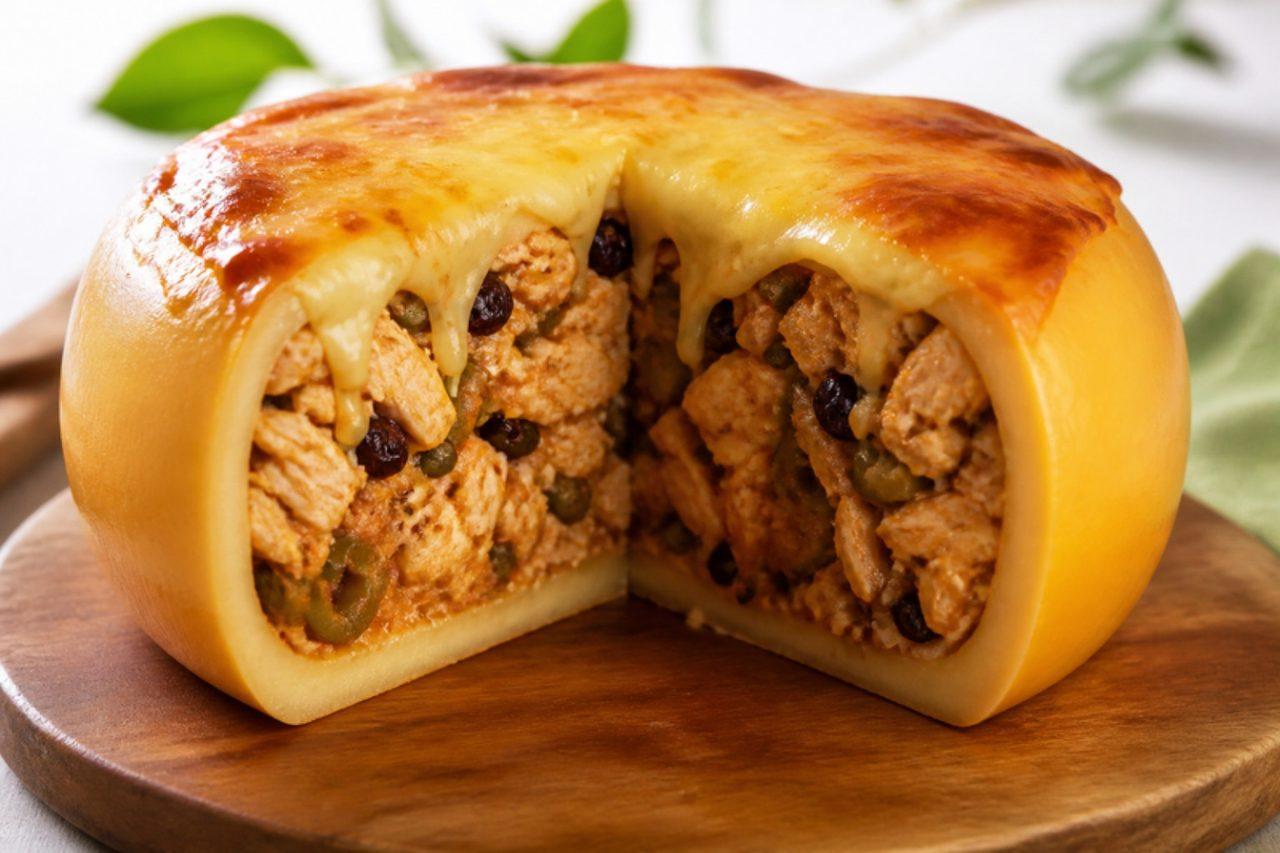
Keshi yena, "stuffed cheese", is the most famous dish of Curaçao and Aruba, born when cooks on Dutch plantations reused the rinds of big Edam cheeses by filling them with leftover meat. Today it is a festive dish: a spiced chicken filling with tomato, onion, olives, capers, raisins and hot pepper, sealed in sliced Edam and baked until the cheese melts into a golden crust, eaten with white rice or funchi. The mistake to avoid is a wet filling, which makes the cheese case collapse; cook it down until thick. This home version is baked in ramekins lined with cheese slices. Chef's tip: oil the ramekins well and turn the cheese cups out onto plates for a dramatic presentation.

by KrazyBadal 0 views

Khaddi kebabRoast spiced lamb over rice

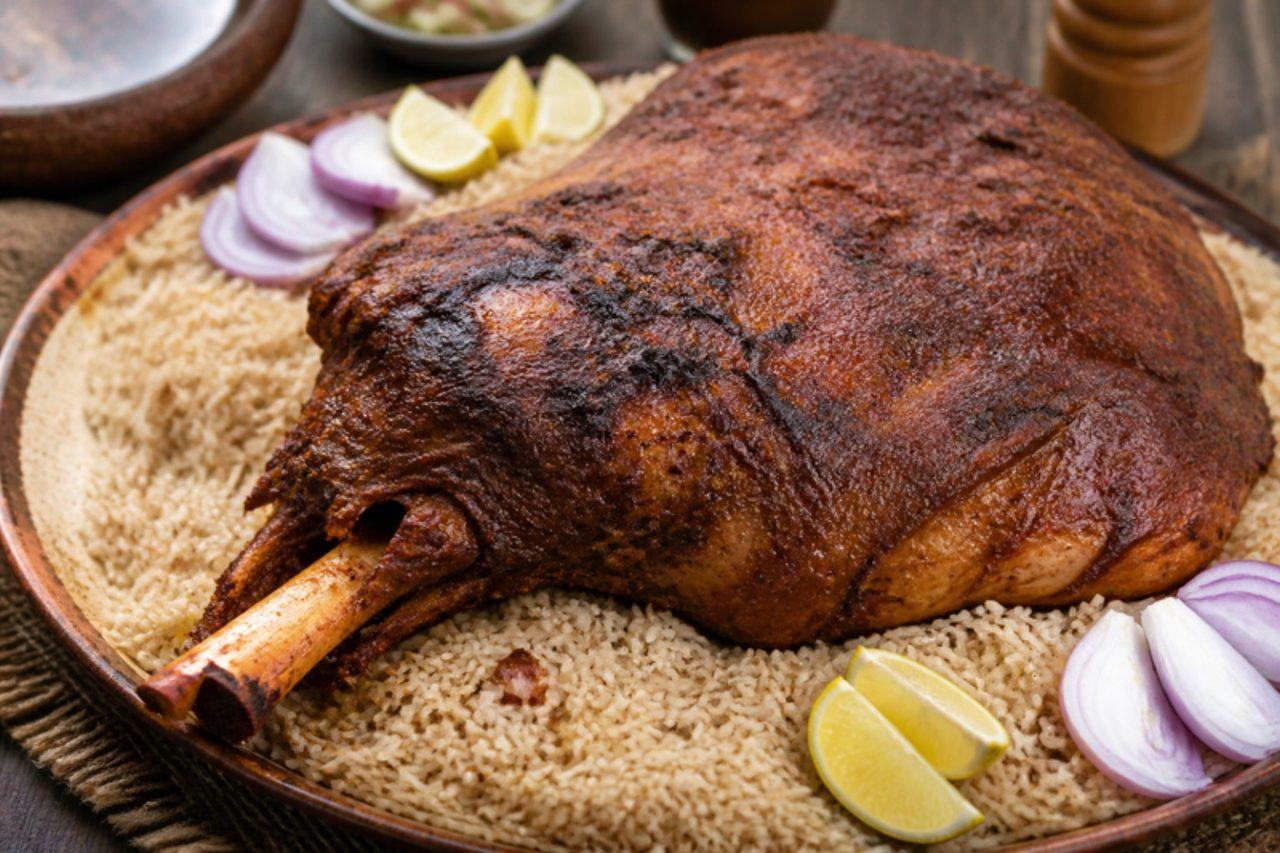
A khaddi, in Baloch country, is a pit dug in the ground and lined with hot stones; a whole goat or lamb, rubbed with salt and spices and stuffed with rice, is lowered in, covered with earth and left for hours, then dug out for weddings and tribal feasts. Few home cooks have a pit, so this version roasts a bone-in lamb shoulder low and slow under foil, then sets it on a tray of part-cooked rice so the rice drinks the dripping juices, the same marriage of meat and rice the pit gives. The meat should pull apart with a spoon and the rice taste deeply of lamb. Stuffing raw rice inside a big joint is where cooks go wrong at home: the centre stays underdone and is not safe, so cook the rice under the meat instead. Chef's tip: roast the lamb the day before, chill it in its juices and lift off the hard fat, then reheat with the rice; it carves more neatly too.

by KrazyBadal 0 views

Kesel muwa curryBanana blossom curry

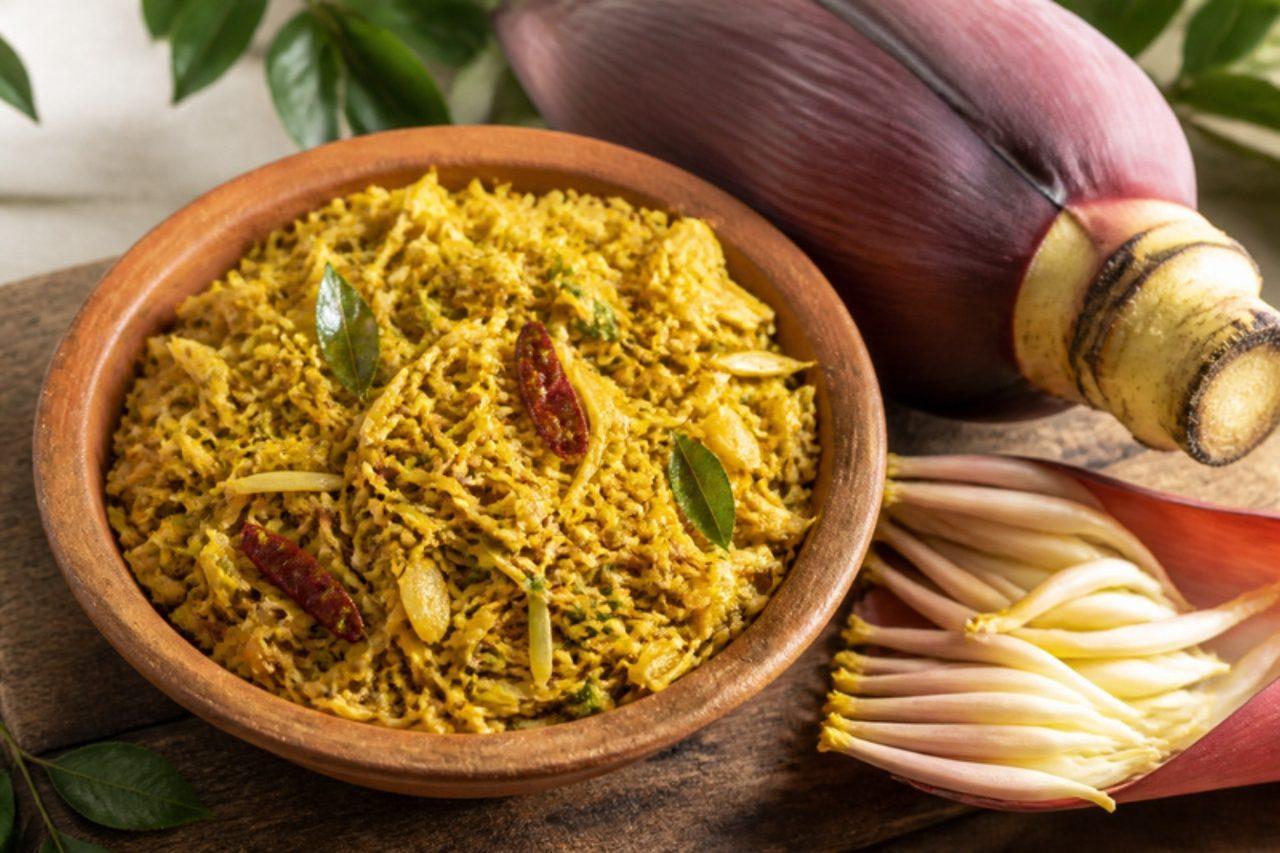
Every banana plant in a Sri Lankan back garden eventually pushes out a heavy, purple, spear-shaped flower, and rather than waste it, home cooks across the western province slice it into this savoury, slightly meaty curry. Once the tough outer bracts come off, the pale heart is shredded and cooked with roasted curry powder, mustard seed and chilli, then finished with coconut milk until it is tender with a faint, pleasant astringency, a bit like artichoke. It is a weekday dish, served with red rice, parippu and a pol sambol. The flower browns and turns bitter within minutes of being cut, which is where most first attempts go wrong, so have a bowl of salted turmeric water waiting and drop the slices in as you go. Chef's tip: if you can only find tinned banana blossom in brine, rinse it well, chop it and skip the soaking; it needs only half the cooking time.

by KrazyBadal 0 views

KhaginaSpiced scrambled eggs

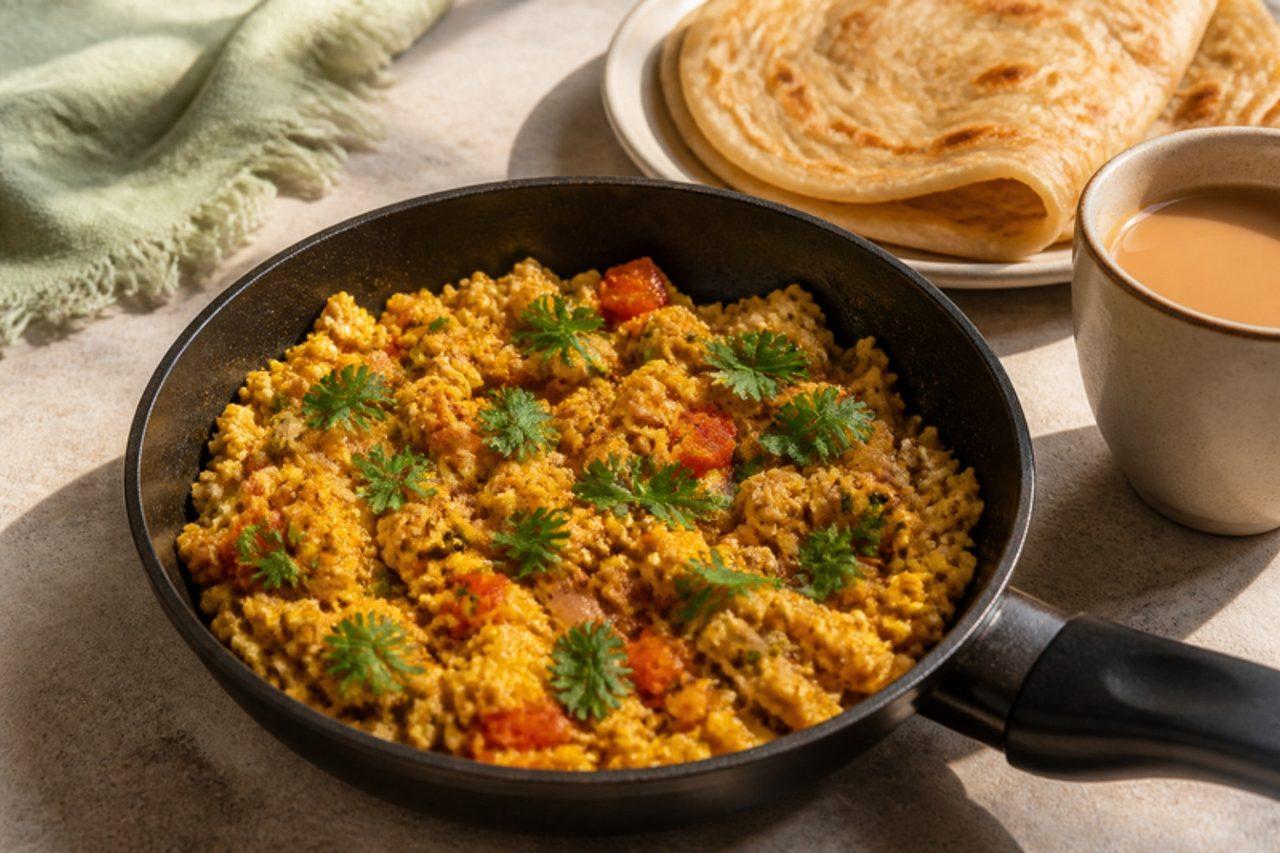
Ask almost any Pakistani what their mother made on a school morning and khagina comes up: eggs beaten with salt and turmeric and stirred into onion, tomato and green chilli softened in oil, served in a heap beside a hot paratha with a cup of doodh patti. It comes from the old Mughal and Hyderabadi kitchens that reached Karachi after Partition, and it differs from a plain scramble in being cooked a little longer, so it sets into soft, moist clumps coloured by the masala rather than staying creamy. It is everyday food in Karachi, Lahore and Peshawar alike, also eaten for a quick supper with chapati. The usual mistake is adding the eggs before the tomato has cooked down, which leaves the dish watery and the eggs rubbery. Chef's tip: take the pan off the heat while the eggs still look slightly glossy but no liquid egg remains, because they keep cooking on the plate.

by KrazyBadal 0 views

Changhua ba-wanPork-filled starch dumplings

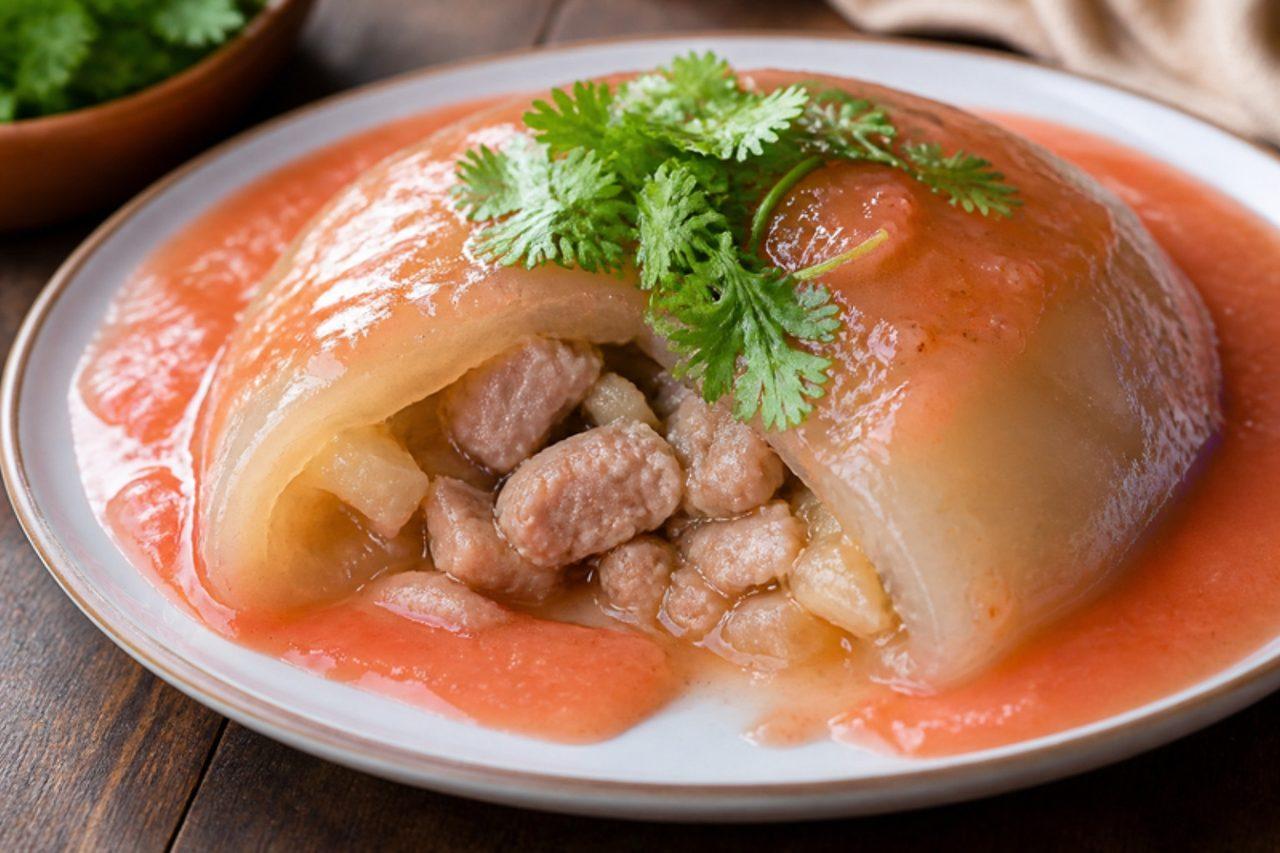
Changhua's old market streets are lined with shops whose woks are full of these dumplings sitting in warm oil, ready to be split open, sauced and eaten as a mid-morning or afternoon snack. The wobbly, translucent skin of sweet potato starch is chewy and slightly sticky, wrapped around a savoury filling of marinated pork, bamboo shoot and shiitake, and the whole thing is drenched in a sweet pink-brown sauce with garlic and coriander. The trickiest part is the wrapper: a dough made only of raw starch cracks and turns gluey, so cook part of it into a paste first. Make it gluten-free by using tamari or gluten-free soy sauce, as here. Chef's tip: oil the saucers well and keep your fingers wet when shaping; the starch dough is sticky, and water lets you smooth it into neat domes.

by KrazyBadal 0 views

Maush palawMung bean and dried fruit rice

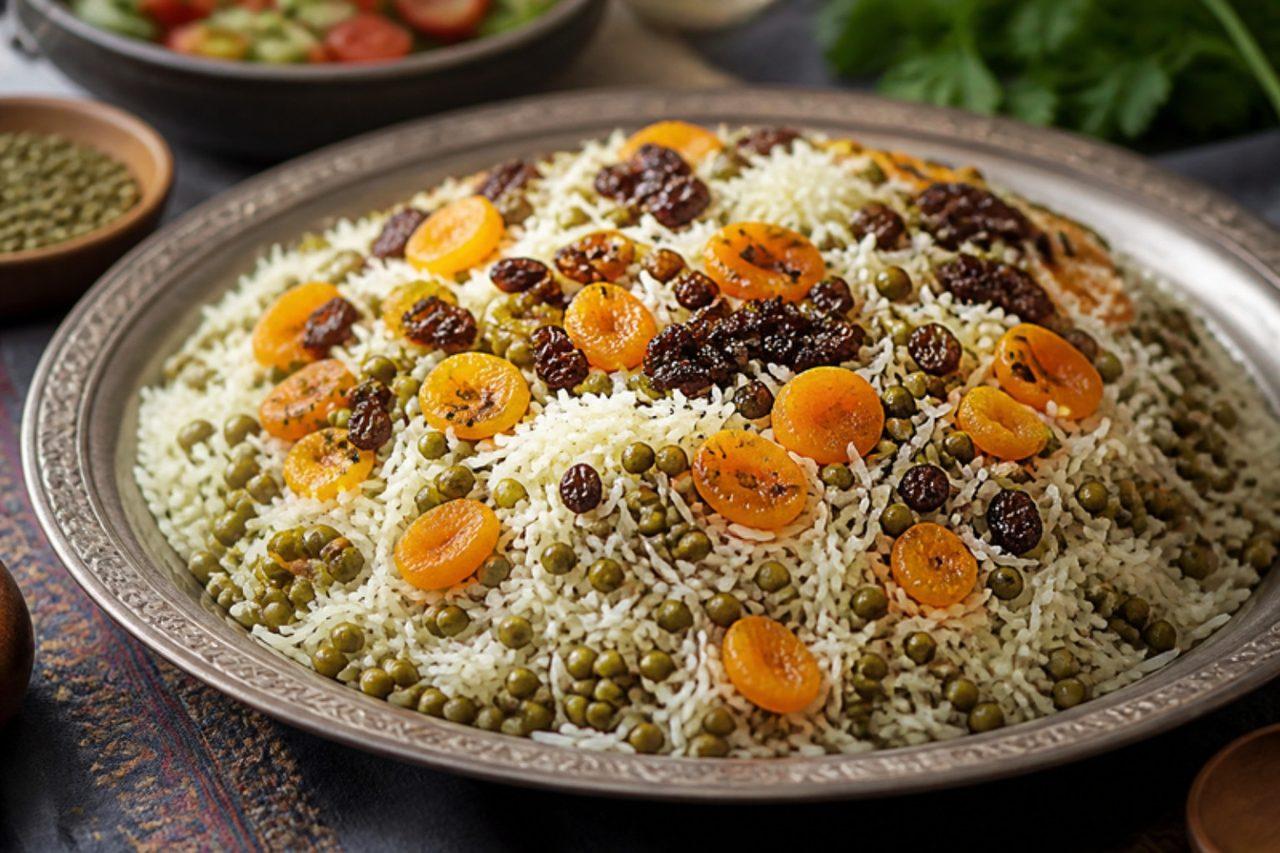
Maush palaw belongs to the frugal, generous side of Herati cooking, a rice that costs little but is brought to the table with the same care as a festive palaw. Long grains of rice are steamed with whole green mung beans in a broth coloured by deeply browned onion, then crowned with apricots and raisins softened in oil, so each spoonful is savoury and earthy with a sweet, chewy surprise. Some cooks bury pieces of lamb in the rice, but meatless versions are everyday food across western Afghanistan and Kabul, eaten with yogurt, a salad of tomato and onion and a spoonful of chutney. Overcooking the mung beans before they meet the rice is the trap here; stop when they are tender but still whole, or they turn to paste in the steaming. Chef's tip: let the onions go a really deep mahogany brown, because that colour is what tints the rice.

by KrazyBadal 0 views

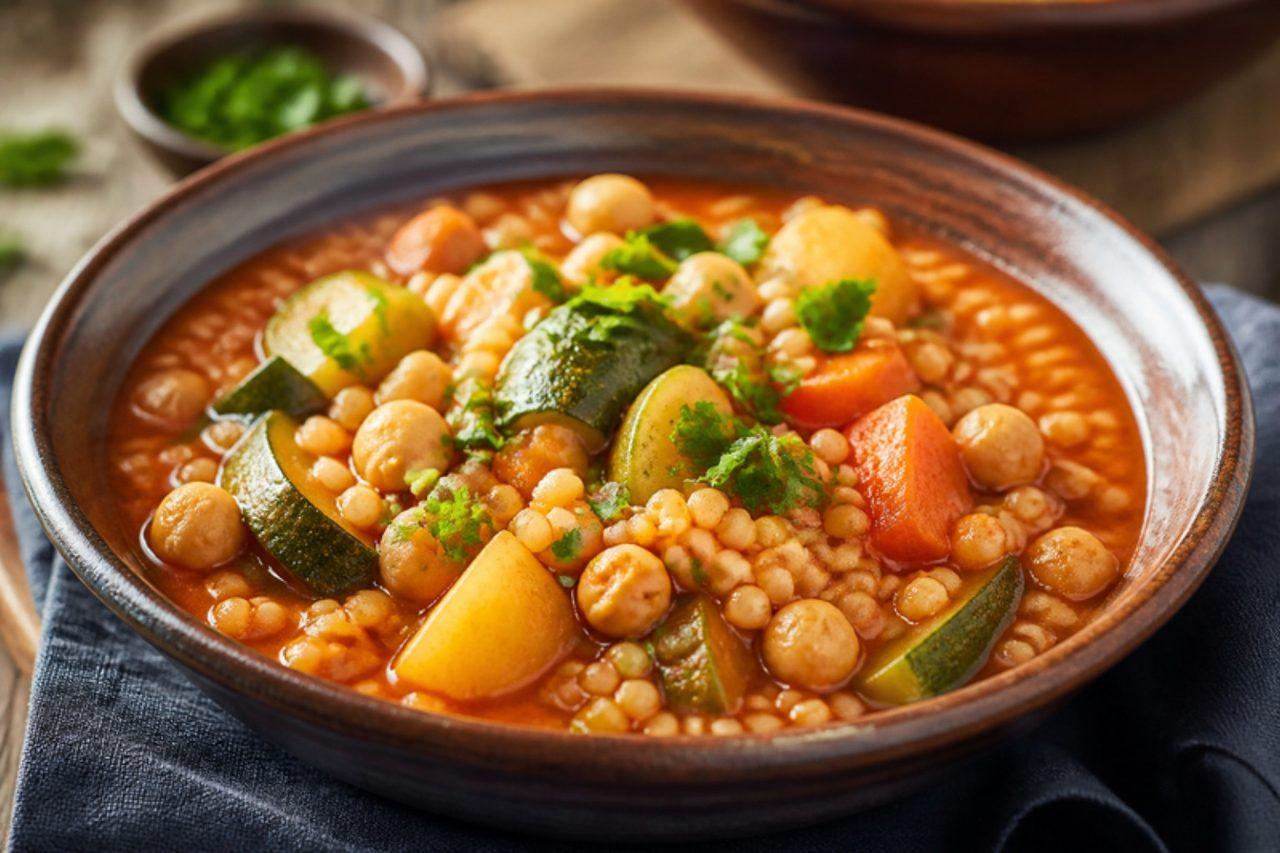
BerkoukesLarge couscous pearls in vegetable broth

Berkoukes, the big chewy couscous pearls rolled by hand in Tlemcen and the west of Algeria, is cold-weather food and a classic dish for the end of winter or a family supper. Cooked directly in a thick, tomato-red broth with courgette, carrot, potato, turnip, peas and chickpeas, it becomes a spoonable, comforting stew, fragrant with garlic, paprika, dried mint and fresh coriander. Many families make it with meat or khlii; this is the vegetable version cooked at home on ordinary days. Bought berkoukes, maftoul or giant couscous are fine. Chef's tip: steam or toast the berkoukes before simmering it; the pearls hold their shape and don't turn to porridge.

by KrazyBadal 0 views

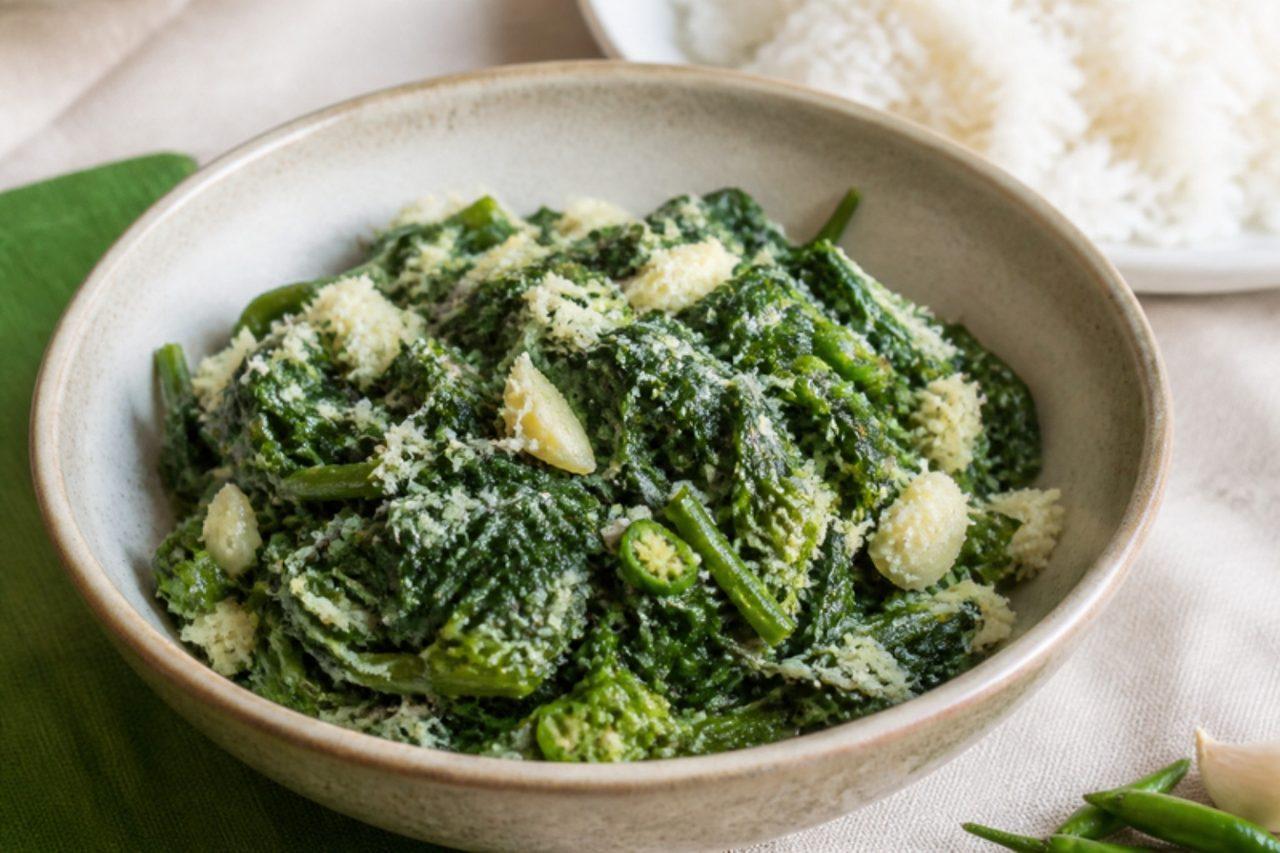
Kochu shakTaro greens with coconut

In the wet villages of Khulna and Bagerhat, near the edge of the Sundarbans, taro grows wild along every pond, and its dark leaves and tender stems are cut, chopped fine and simmered into a soft, creamy green dish with grated coconut. At home it is often cooked with small shrimp or the head of a hilsa for richness; this version keeps it vegetarian and leans on coconut and mustard oil instead. Cooked well, it is soft and silky, coconut-sweet and earthy, and is eaten with rice and a squeeze of lime. Taro leaves contain calcium oxalate crystals that make the mouth itch if they are undercooked, so the classic error is pulling it off the heat too soon; it needs a full 25 minutes and a sour element at the end. Chef's tip: use young leaves from edible taro and wear gloves or oil your hands while cutting the stems.

by KrazyBadal 0 views

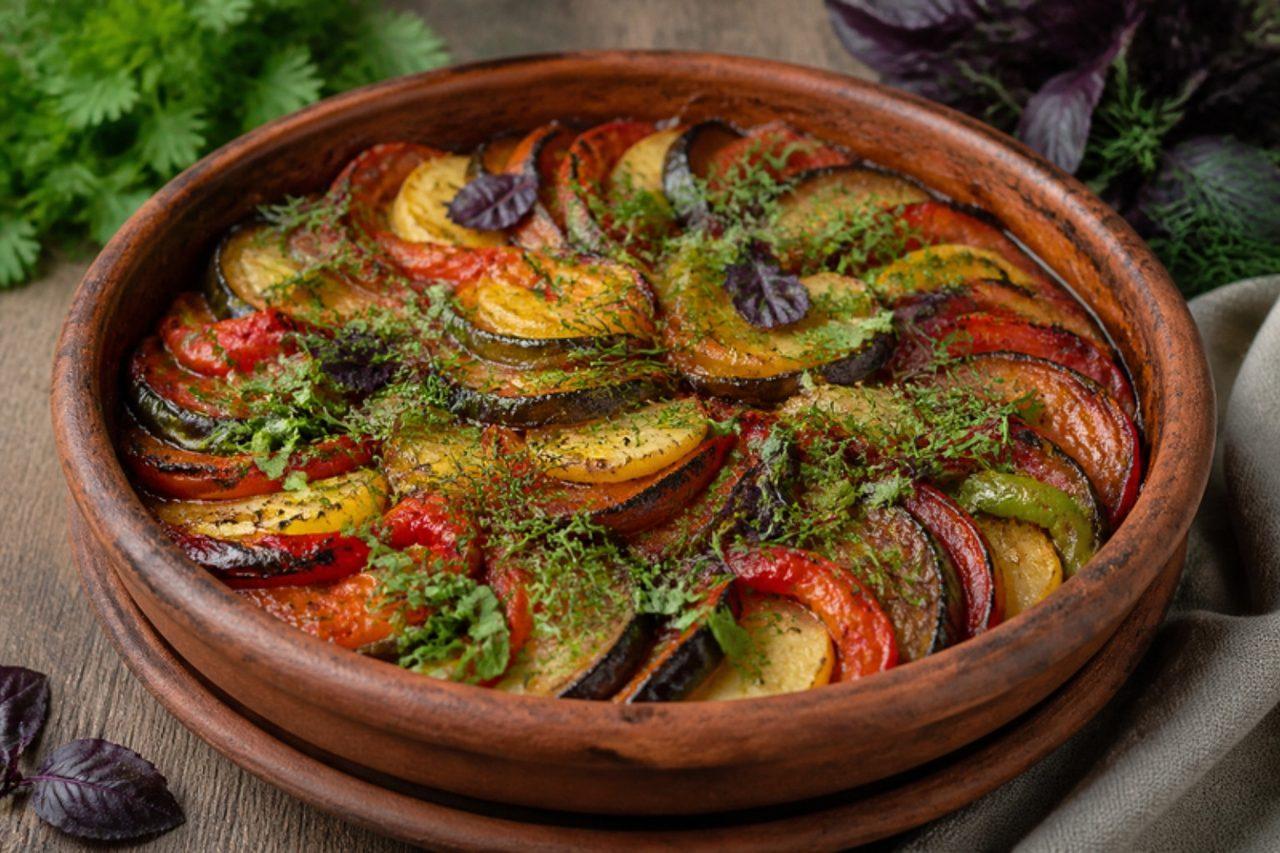
KchuchClay-pot aubergine and potato bake

A kchuch is the round clay pot of Gyumri's kitchens, and the dish cooked in it takes its name: layers of vegetables and herbs, sealed and slow-baked until everything collapses into a rich, juicy stew. Shirak families often add lamb, but the vegetable version is a summer and Lenten favourite, heavy with aubergine, potatoes, peppers, tomatoes and garlic. A common mistake is slicing the potatoes thick, which leaves them hard when the aubergine is already soft. Chef's tip: lay the tomatoes and herbs on top and seal the lid with a strip of dough or foil, so the steam stays in and the vegetables cook in their own juices.

by KrazyBadal 0 views

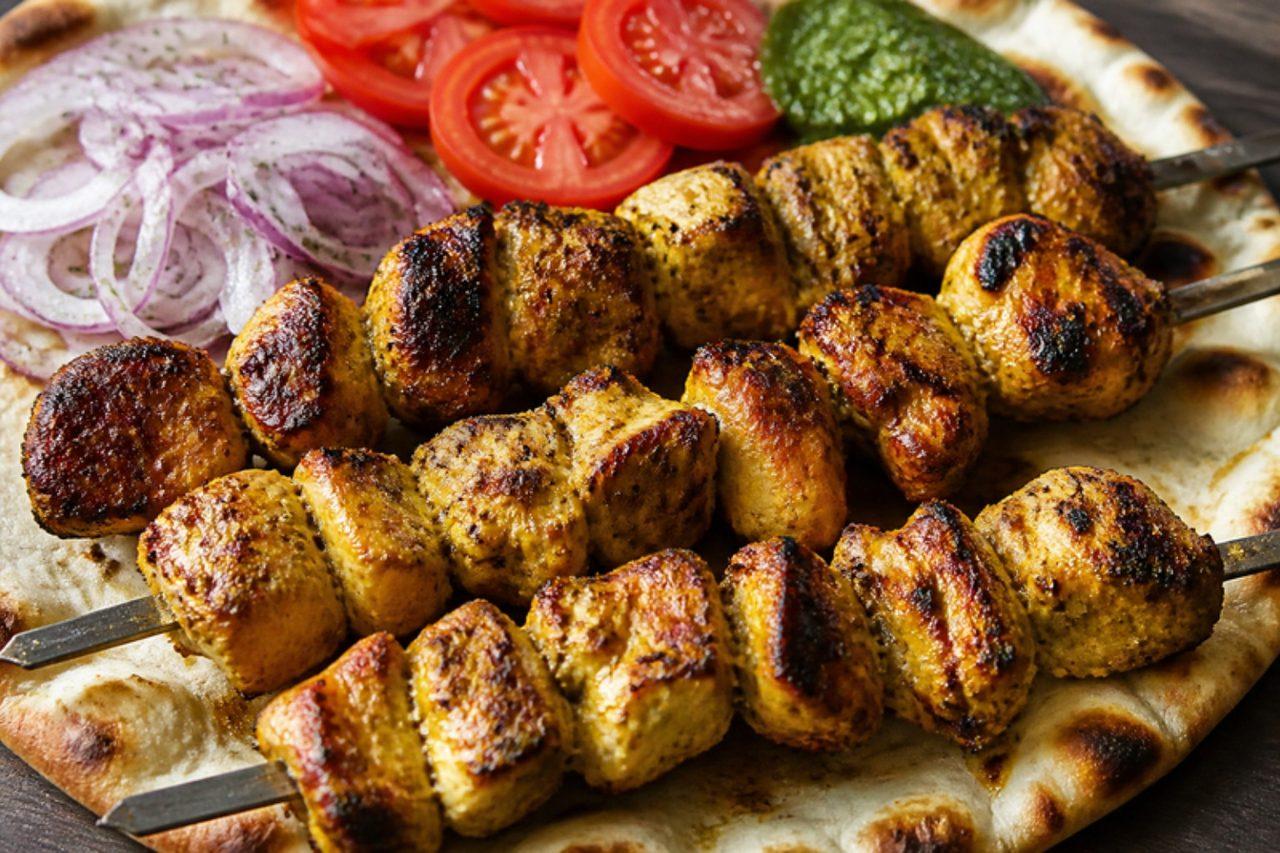
Kebab-e-murghYogurt-marinated chicken skewers

Along Kabul's kebab streets, cooks fan long rows of skewers over charcoal troughs, and chicken kebab-e-murgh has become as popular as lamb, especially with families. The meat is soaked in yogurt with a lot of garlic, lemon and chilli, which keeps it juicy and gives it a tangy, slightly charred crust; it is served on a sheet of naan that catches the drips, with sliced raw onion, tomato and green chutney. At home a hot grill pan or barbecue does the job well. Breast meat cut too small dries out before it chars, so use boneless thighs in generous chunks. Chef's tip: thread the pieces close together but not squashed, which keeps the centres moist while the edges blacken.

by KrazyBadal 0 views

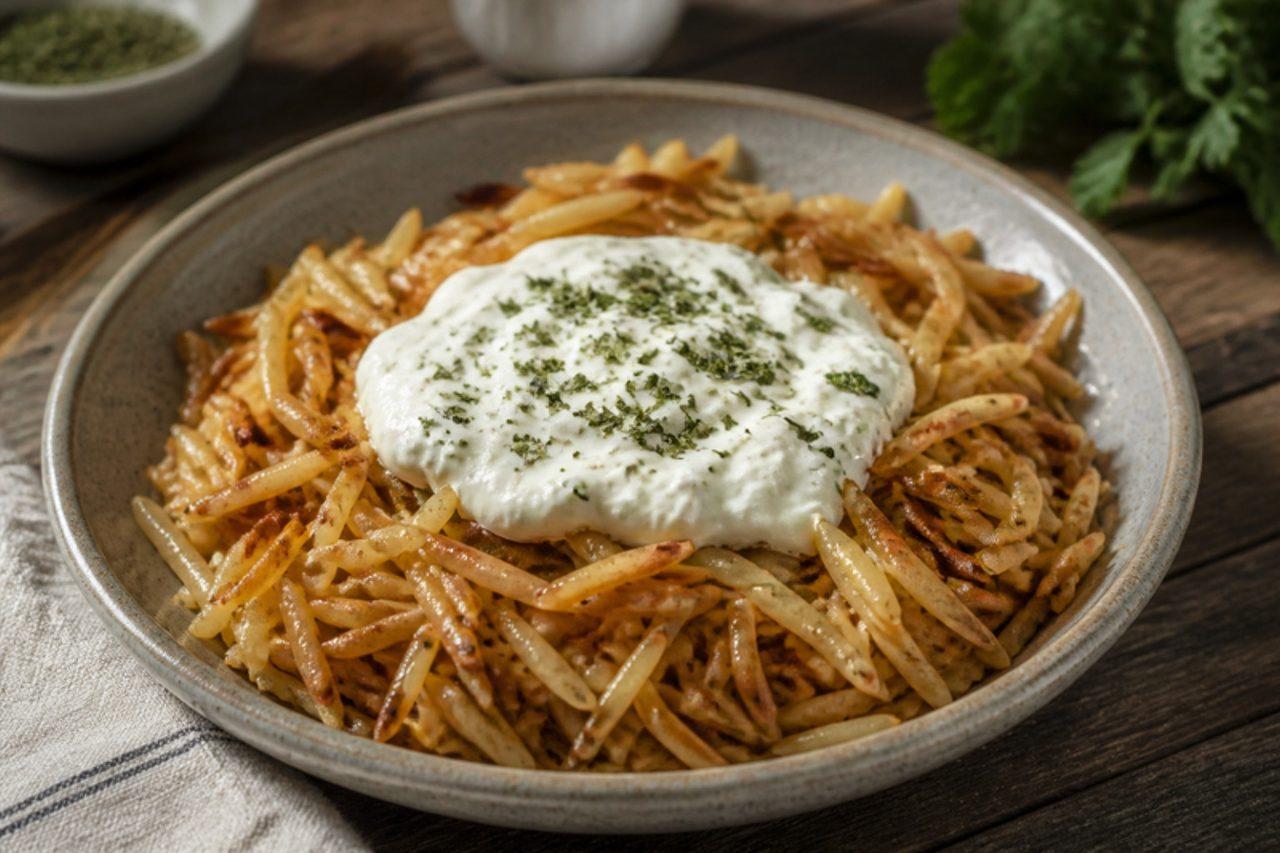
ArishtaButtered egg noodles

In Gyumri and the villages of Shirak, grandmothers still roll arishta by hand, cut it into thin strips and dry it in the sun to store for winter. To serve, the noodles are first toasted in butter until they turn golden and nutty, then boiled until tender and topped with garlicky matsun yogurt. It is simple, filling food for cold days on the Shirak plateau. A common mistake is skipping the toasting step, which gives soft, plain noodles without the characteristic roasted flavour. Chef's tip: dry the cut noodles for at least an hour before toasting, so they brown evenly instead of clumping.

by KrazyBadal 0 views

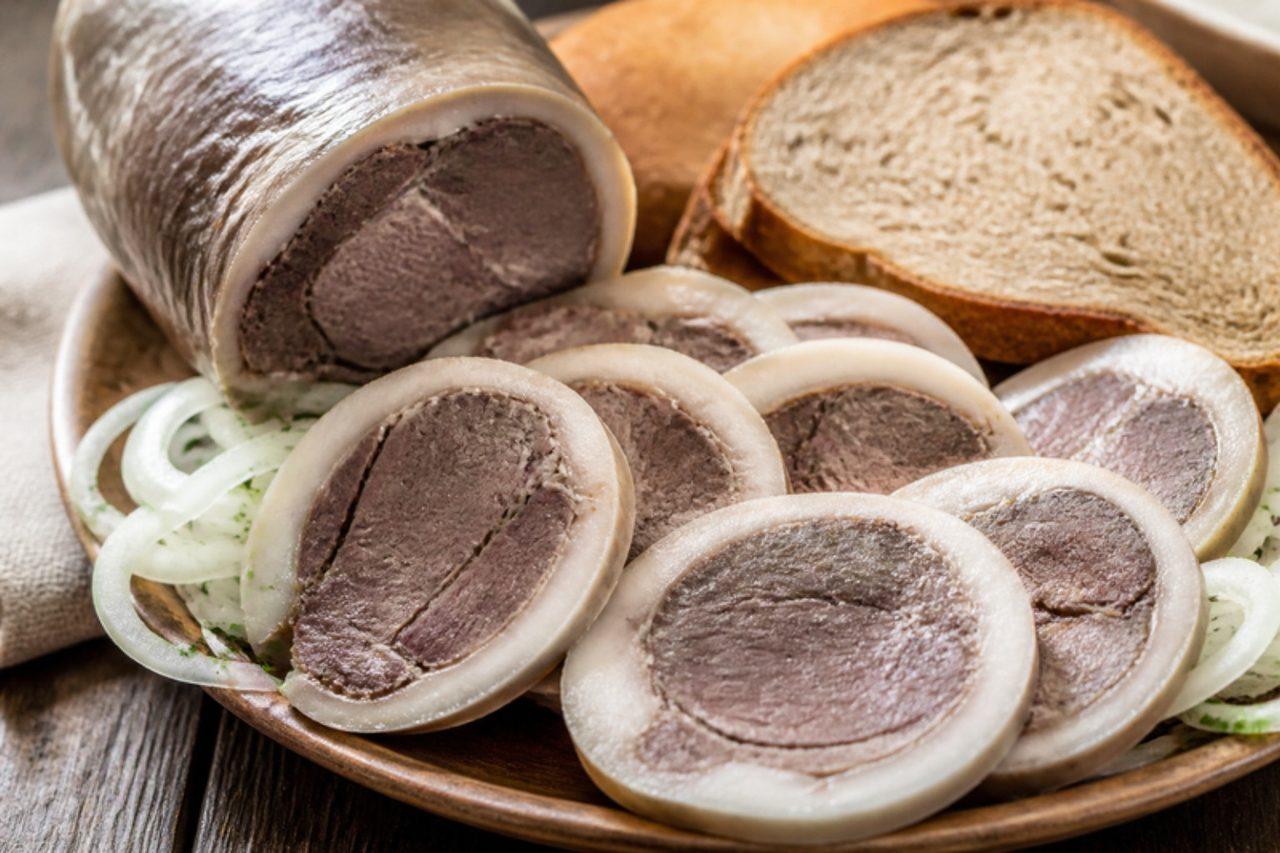
KazyBeef and lamb rib sausage

Kazy is the most prized food on a Kazakh feast table: a thick sausage of whole rib meat and rib fat, seasoned with salt, garlic and black pepper, stuffed into a casing, then dried or smoked and boiled for weddings and Nauryz, and sliced into glossy rounds that show the meat and the white fat. It is traditionally made with horse meat; this recipe uses beef short rib meat with a little lamb fat instead, as the site does not use horse, and it is cooked fresh rather than air-dried. A common mistake is mincing the meat; kazy is made from long strips of rib meat, which is what gives its look when sliced. Chef's tip: simmer it very gently; boiling hard bursts the casing and the fat melts away. The centre must reach 71 °C.

210 minKazakhMeatGluten free
by KrazyBadal 0 views

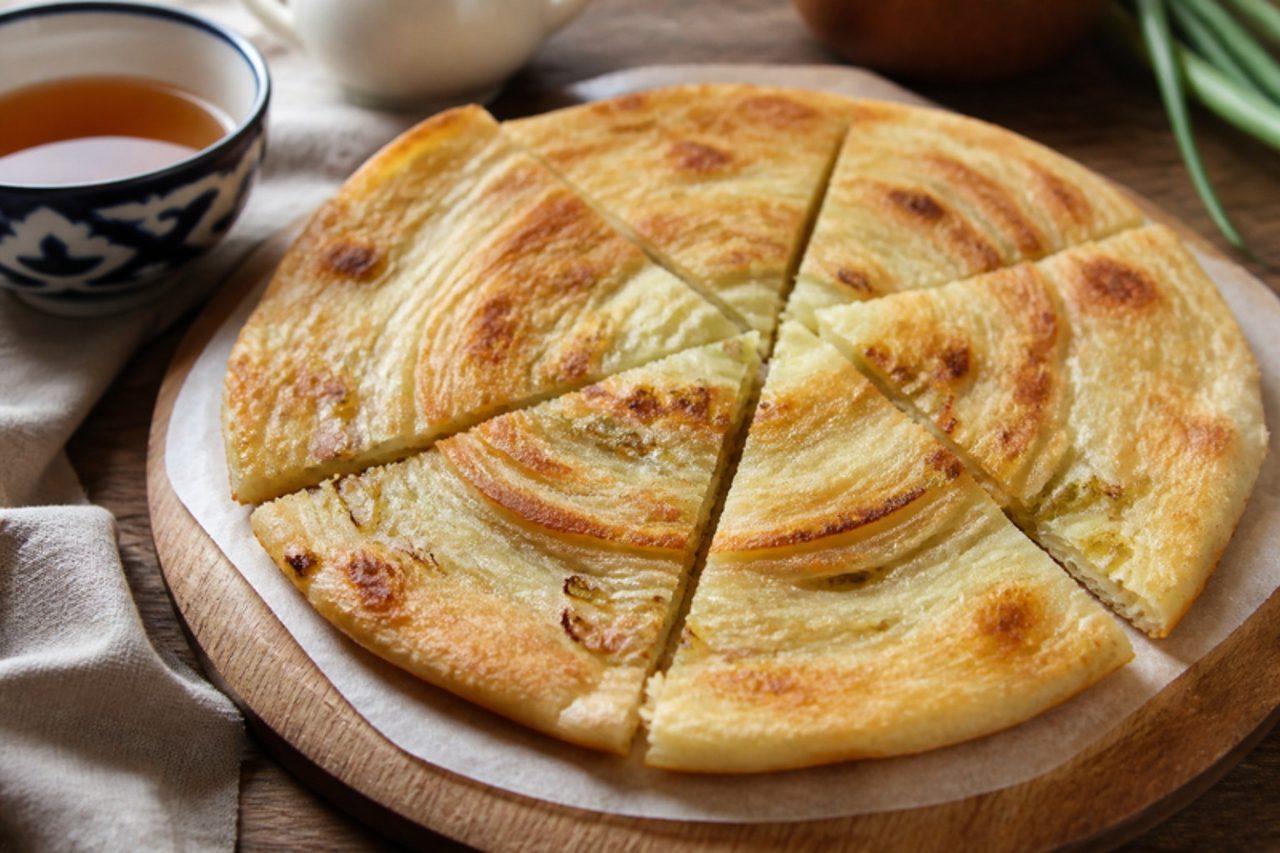
KattamaFlaky onion flatbread

Kattama is the layered flatbread of Kyrgyz homes, made to go with tea on cold mornings in Bishkek and the villages around Lake Issyk-Kul: a plain dough rolled thin, spread with butter and chopped onion, rolled up, coiled and rolled flat again, then fried in a pan so it puffs into flaky, crisp layers. A common mistake is pressing the coiled dough too hard, which squeezes out the butter and flattens the layers. Chef's tip: let the coils rest for 15 minutes before the final rolling; the gluten relaxes and the bread opens up into layers as it cooks.

by KrazyBadal 0 views

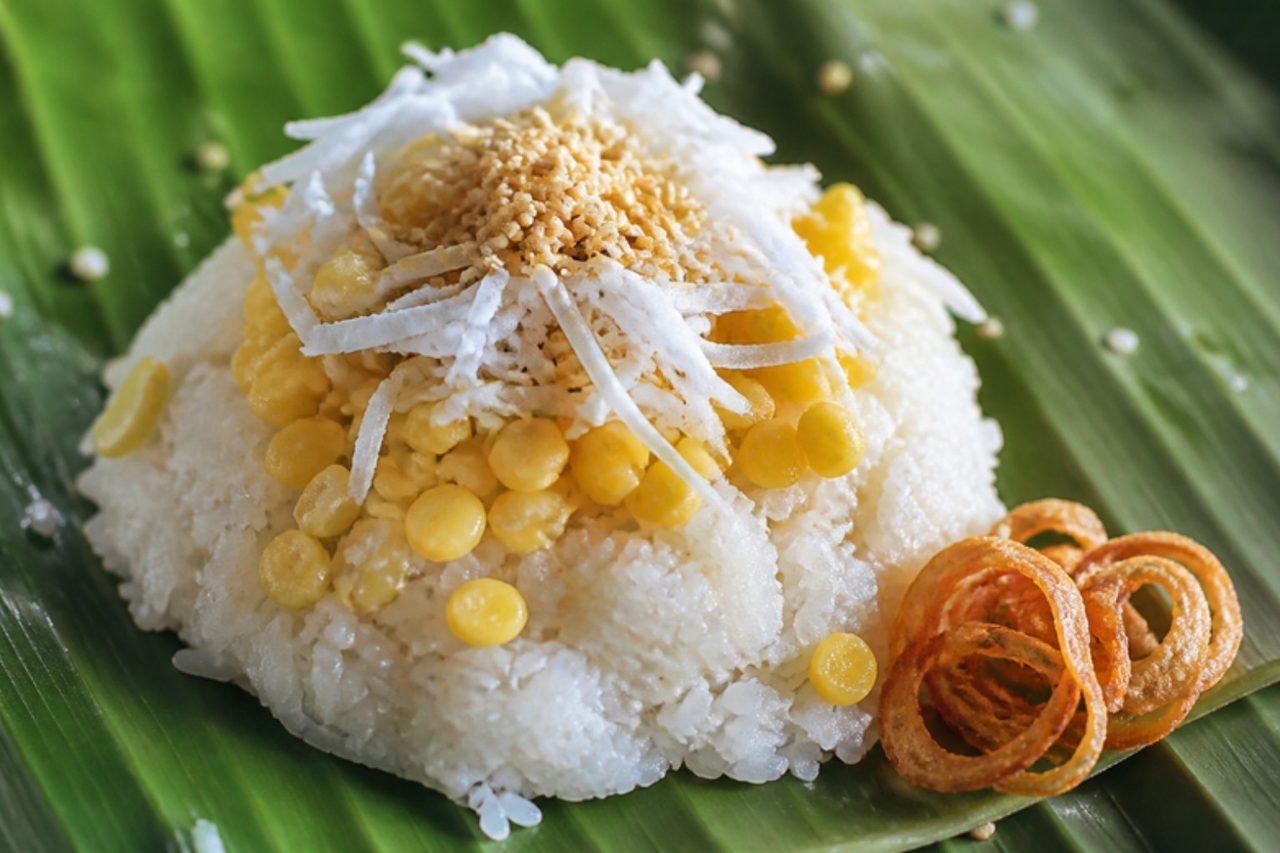
Kauk nyin baungSteamed sticky rice with peas

At sunrise on Yangon street corners, women sit behind bamboo baskets of steaming sticky rice wrapped in cloth, spooning portions onto squares of banana leaf for people heading to work. The glutinous rice is soaked and steamed until each grain is glossy, chewy and slightly translucent, then topped with soft pe pyot peas, freshly grated coconut and a sprinkle of toasted sesame pounded with salt. It is a plain, satisfying breakfast, sweet from the coconut, salty and nutty from the sesame, and usually eaten with a cup of green tea; some vendors use purple sticky rice for a darker, nuttier bowl. Boiling the rice like ordinary rice is the mistake that ruins it, turning it to glue, so always steam it. Chef's tip: soak the rice overnight; a short soak leaves hard white centres in the grains.

by KrazyBadal 0 views

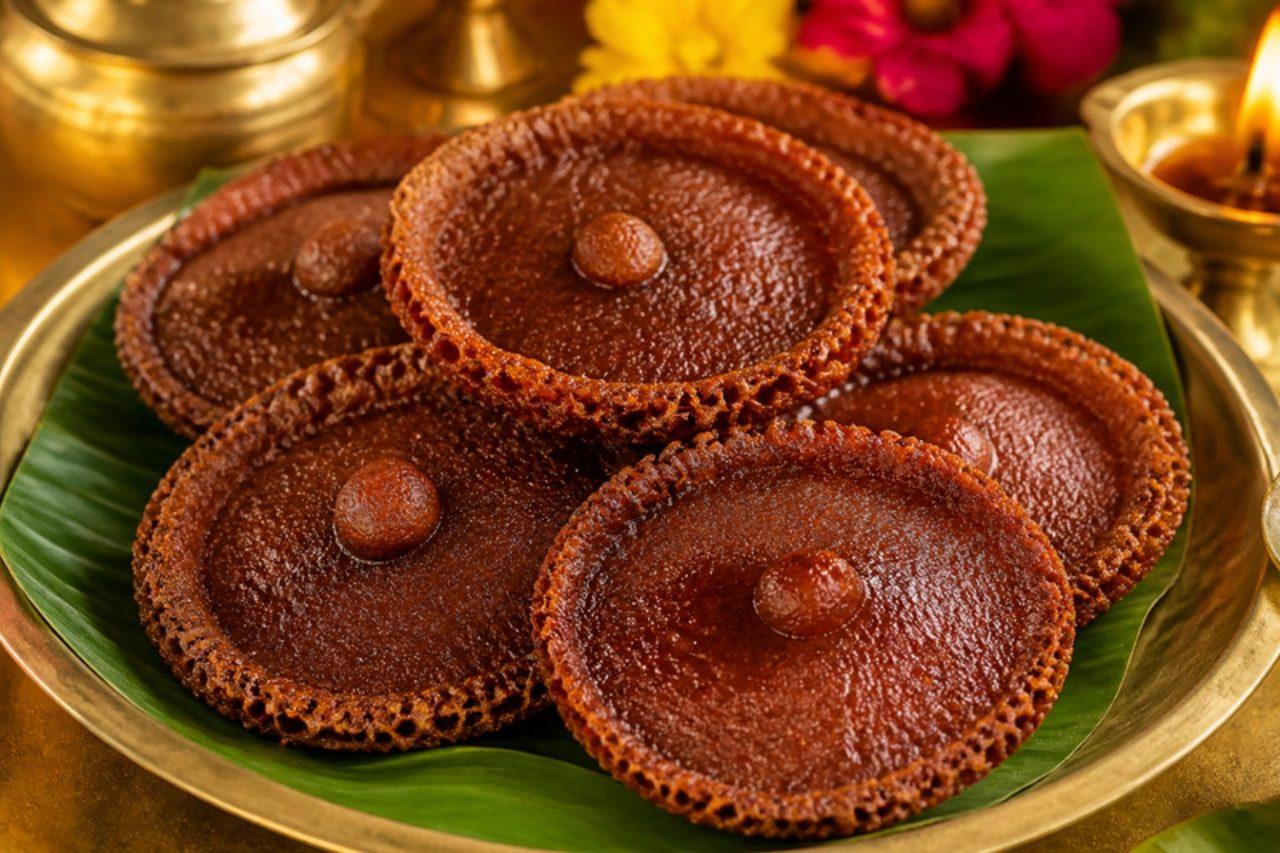
KavumFried rice flour oil cakes

On the Sinhala and Tamil New Year tray in April, kavum is the sweet that marks a real Avurudu kitchen, and in villages neighbours still gather around a big pan of oil to fry them together. A thick batter of rice flour and dark kithul treacle is rested overnight, then ladled into hot coconut oil, where the cook pokes and bastes the middle with a thin stick until it puffs up into the famous konda, the little topknot. The cakes are dark brown, crisp at the rim and soft and chewy inside, with a smoky treacle flavour, and they are eaten with plantains, kokis and milk rice. A batter that is too runny is the classic disappointment, since it spreads flat and never forms a knob; it should drop thickly from the spoon, like cold honey. Chef's tip: fry one test cake first and adjust the batter with a spoon of rice flour or coconut milk before doing the rest.

by KrazyBadal 0 views

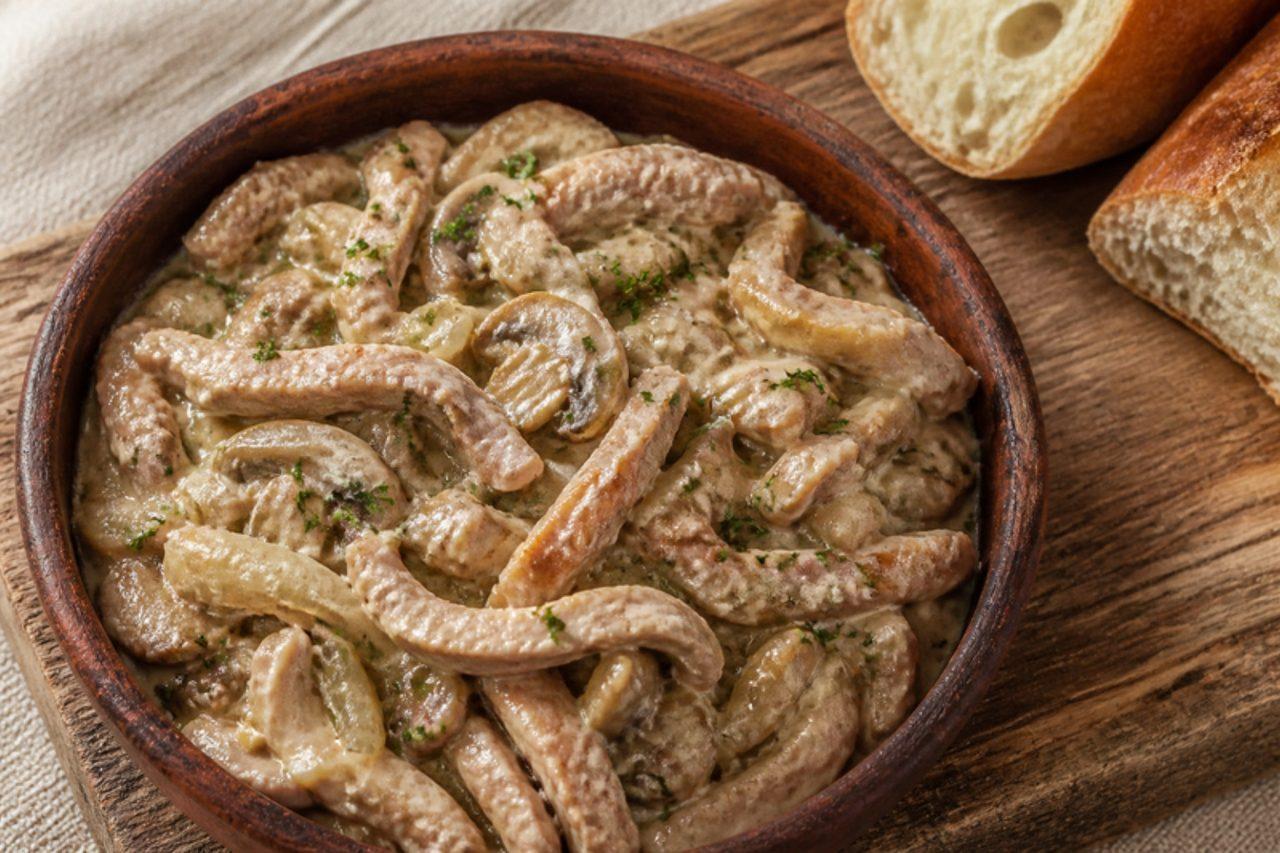
Katino mezePork and mushrooms in cream

Every Bulgarian mehana, the wood-panelled tavern, has Katino meze on the menu, sizzling in a small clay dish next to a shopska salad, and it is quick enough for a weeknight at home. Thin strips of pork loin are seared, then tossed with mushrooms, onion and pickled gherkin, deglazed with dry white wine and finished with cream, black pepper and a pinch of hot chilli. For an alcohol-free sauce, swap the wine for the same amount of vegetable stock with a teaspoon of white wine vinegar or a splash of white grape juice. Serve with crusty bread or chips. A common mistake is crowding the pan: the pork stews grey instead of browning, so sear it in two batches. Chef's tip: cut the pork across the grain into finger-thin strips while it is half-frozen; it slices neatly and stays tender.

by KrazyBadal 0 views

Bahamian cracked conchBattered fried conch

Cracked conch is the Bahamas' answer to fish and chips, served at Potter's Cay dock stalls in Nassau and family restaurants across the Out Islands: conch steaks pounded ("cracked") thin, soaked in lime, dipped in a peppery batter and fried crisp, with chips, peas 'n' rice or coleslaw. Done properly the inside is tender and sweet like calamari. The common mistake is not pounding enough, which leaves the conch chewy; it should be thin and almost lacy. Buy cleaned conch from a trusted fishmonger and discard any that smells strongly. Chef's tip: let the battered pieces rest on a rack for 5 minutes before frying so the coating sticks and stays crisp.

by KrazyBadal 0 views

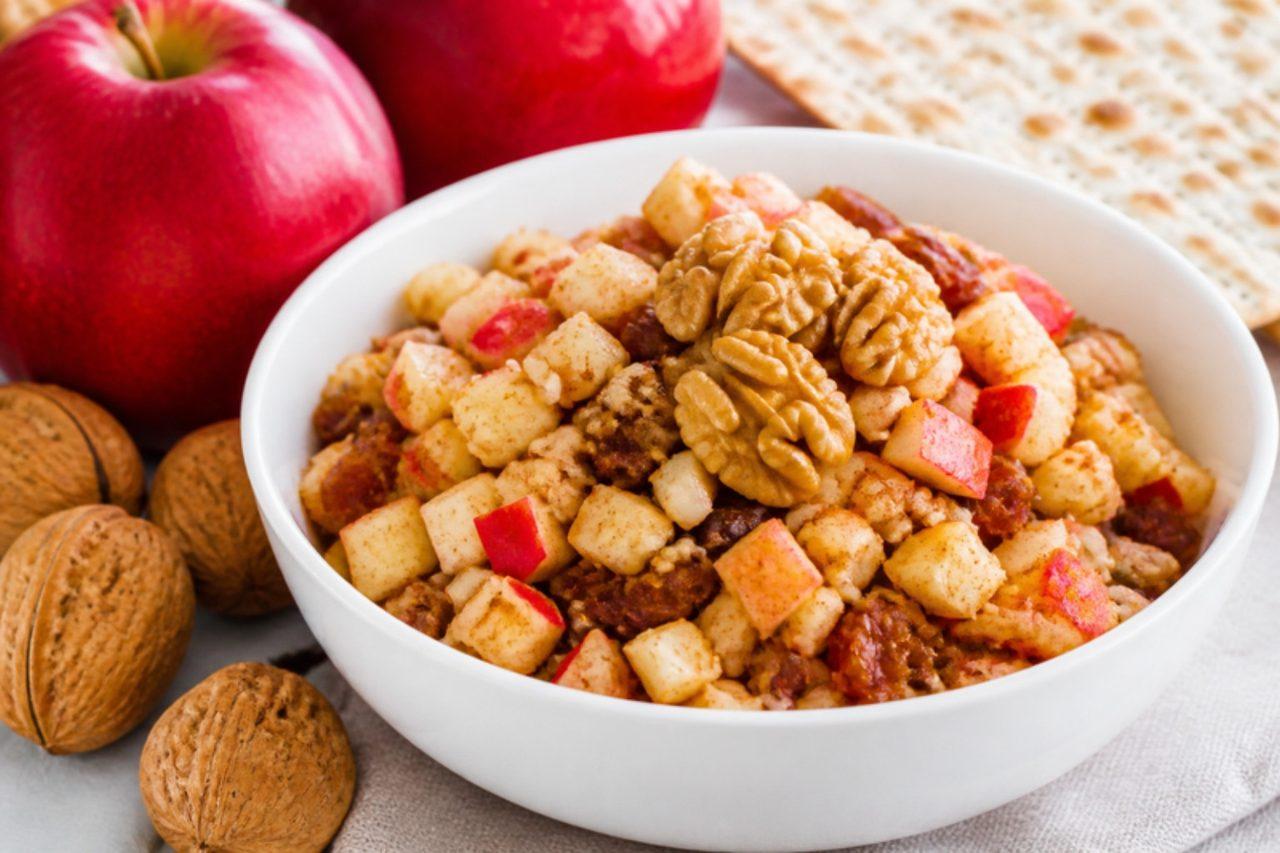
CharosetApple and walnut paste

At the Passover seder, Israeli families from Ashkenazi and Sephardic backgrounds alike set out charoset, a sweet brown paste that recalls the mortar the Israelites used as slaves in Egypt. This is the Ashkenazi style: chopped apples and walnuts with cinnamon and sweet red grape juice, coarse and crunchy; Sephardic tables more often blend dates, almonds and dried fruit. Many families use sweet red wine; this recipe is alcohol free, and if you do add wine it is for adults only. It is eaten on matzo with bitter herbs, and leftovers are great on yogurt. The common mistake is pulsing it to a purée: it should keep texture, like rough mortar. Chef's tip: chop the apple last and mix it with the juice at once so it doesn't brown.

by KrazyBadal 0 views

Doodh sodaMilk with lemon-lime soda

It sounds odd until you are standing in a crowd at a Lahore milk shop on a 45 °C June night, when a tall glass of doodh soda, foamy and sweet with a sharp citrus fizz, is the most refreshing thing in the city. The doodh-walas of Gawalmandi and Mozang chill milk in steel drums over ice, then pour it from a height into a glass with lemon-lime soda so that it froths like a milkshake, and people drink it straight after dinner or after a late plate of fried fish or chana. It tastes like a lighter, bubbly lassi, and children love it. What usually goes wrong is warm milk or flat soda, which makes it taste curdled rather than crisp. Chef's tip: chill both the milk and the soda until very cold, pour the milk first and add the soda in one go, then serve at once while the foam is high.

by KrazyBadal 0 views

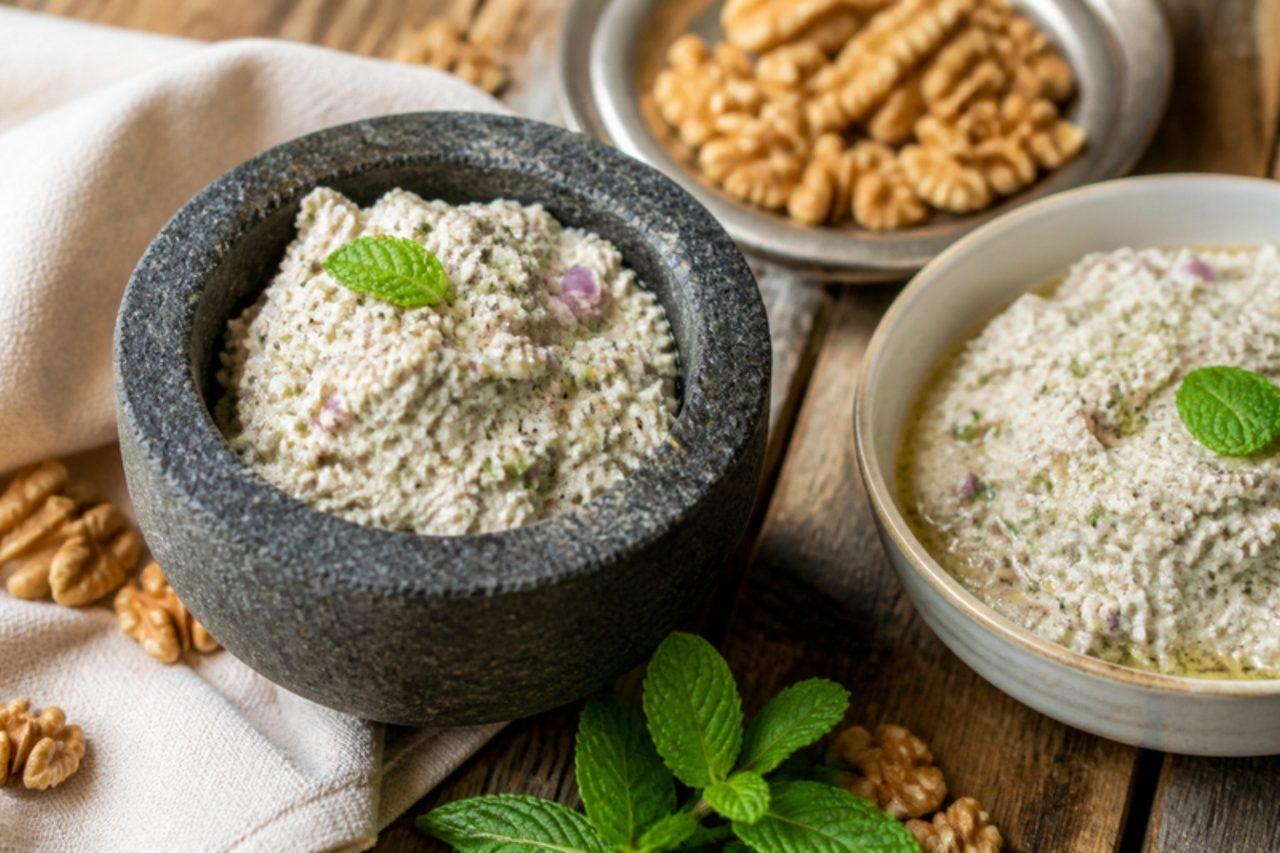
Doon chetinWalnut yogurt chutney

Walnut trees shade the villages of Azad Kashmir, and every autumn sacks of the new crop are cracked by hand on doorsteps from Bagh to Rawalakot; doon chetin is what a lot of that harvest becomes. The kernels are pounded coarse with green chilli, mint and salt, then loosened with thick yogurt into a nubbly, creamy chutney that is mildly bitter, hot and fresh all at once. It is spooned beside rice and haak greens at lunch, served with the meat dishes of a wazwan-style feast, or simply scooped onto bread. Grinding the walnuts to a smooth paste is a mistake; the chutney should keep some crunch. Chef's tip: toast the walnuts in a dry pan for two minutes and rub off any loose papery skin, which removes most of the bitterness.

by KrazyBadal 0 views

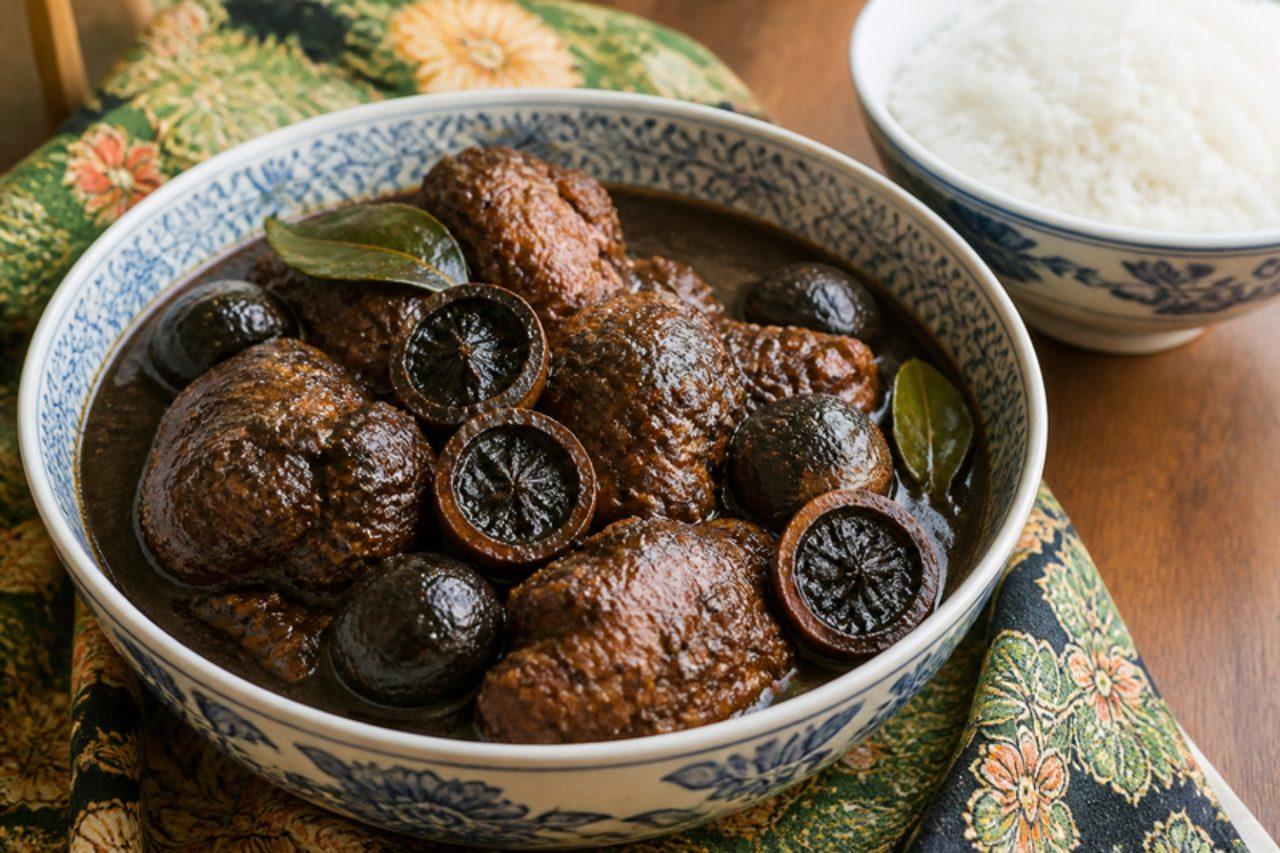
Ayam buah keluakChicken with black keluak nuts

Ask any Peranakan family in Singapore which dish defines the Nyonya table and most will name this one, cooked for Chinese New Year, ancestral offerings and big birthday lunches. Chicken is braised in a sour tamarind gravy built on a long-fried rempah of chillies, shallots, galangal, lemongrass and shrimp paste, together with buah keluak, the hard black nut of the kepayang tree, whose inky flesh tastes of dark chocolate, mushroom and olive. Diners dig the paste out with a teaspoon and stir it into rice. Raw keluak nuts contain hydrogen cyanide and are poisonous: use only cleaned, pre-soaked nuts sold ready to cook, and still soak them for several days, changing the water every day, as the seller's instructions say. The mistake people regret is skimping on that soak, which leaves the nuts bitter as well as unsafe. Chef's tip: cook it a day ahead; the gravy darkens and the flavours deepen overnight.

by KrazyBadal 0 views

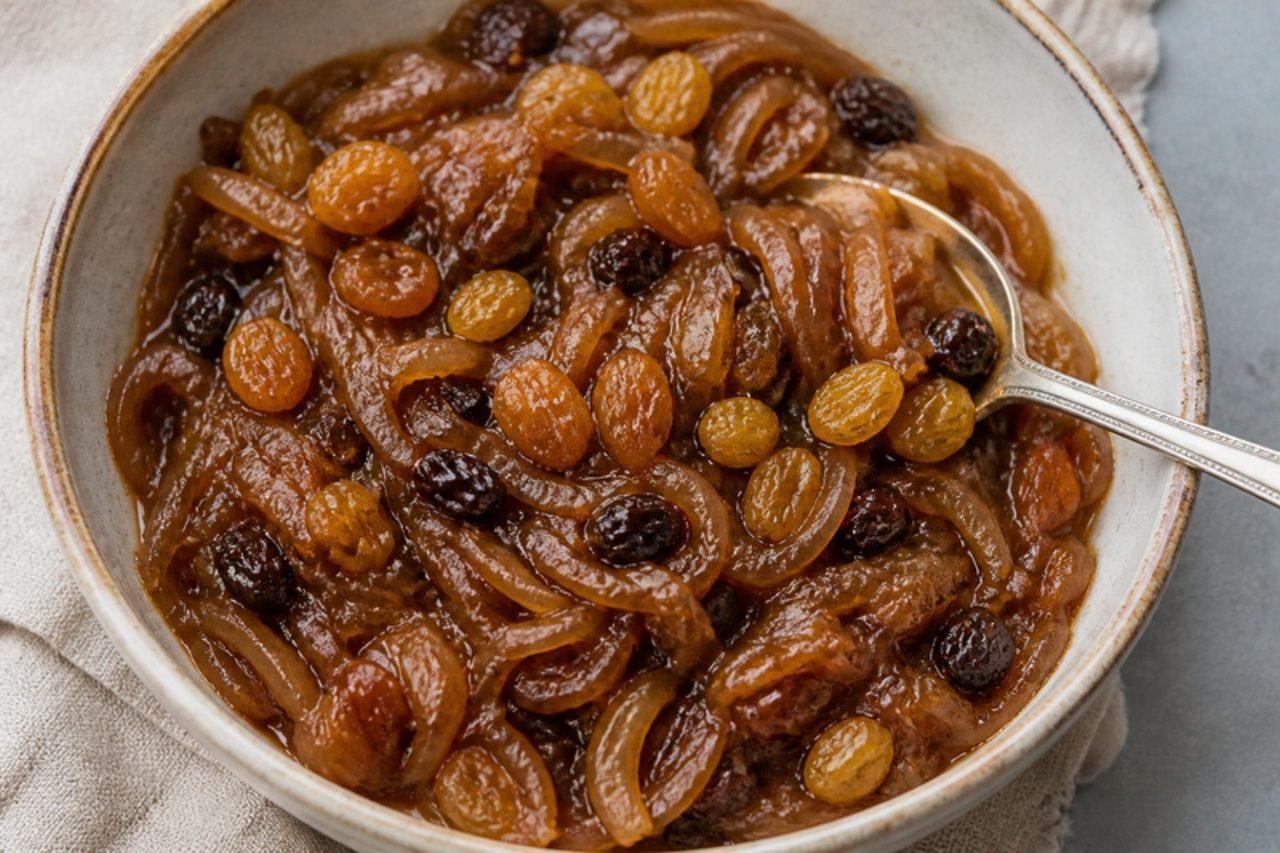
Charmoula sfaxienneSweet-sour onion and raisin sauce

The first meal after Ramadan in Sfax is unlike anywhere else: on the morning of Eid al-Fitr, families eat salted dried fish with charmoula, a thick, almost black sauce of onions and raisins cooked for hours in olive oil with black pepper, cinnamon and cloves. It is sweet, sour and spicy at once, glossy like a chutney, and its strong flavour is meant to wake up a stomach that has fasted for a month. Fish lovers serve it with salted fish; this vegetarian version is lovely with roast vegetables, hard-boiled eggs or simply bread. It keeps for weeks. Chef's tip: cook the onions down slowly until they collapse and caramelise before adding the raisins; hurrying gives a sharp, raw-tasting sauce.

by KrazyBadal 0 views

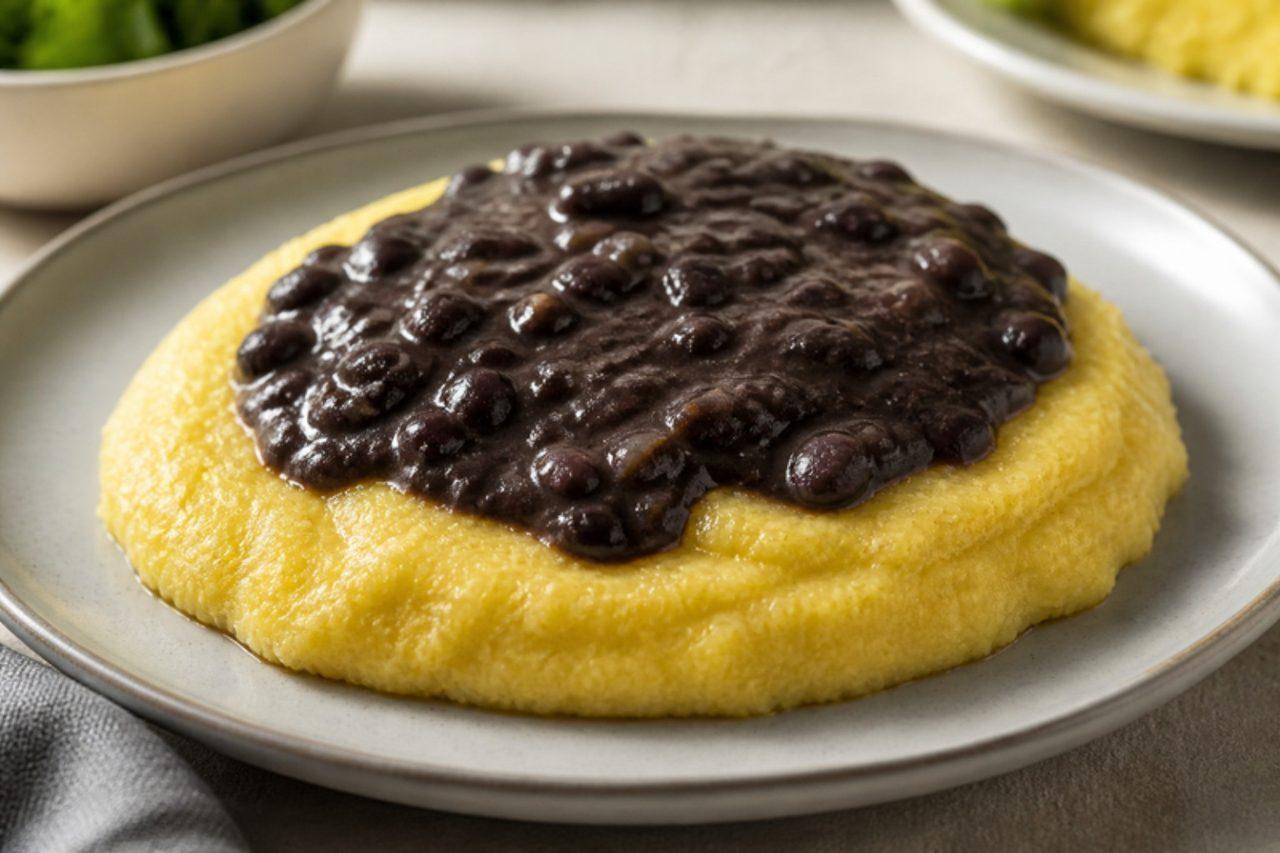
Mayi moulen ak sòs pwaCornmeal with black bean sauce

Across Haiti, from Port-au-Prince markets to farms in the Central Plateau, mayi moulen is the everyday alternative to rice: coarse cornmeal cooked with epis, thyme and a whole hot pepper until thick enough to mould, then served under a ladle of smooth black bean sauce called sòs pwa. It is filling, cheap and quietly savoury, and many families eat it at midday a few times a week. The usual mistake is tipping the cornmeal into the pot all at once, which gives lumps that never cook out; rain it in slowly while you whisk. Use a fine-to-medium cornmeal or polenta labelled gluten free if that matters to you. Chef's tip: press the hot cornmeal into an oiled bowl, wait a minute and turn it out onto the plate for the neat dome you see on Haitian tables.

by KrazyBadal 0 views

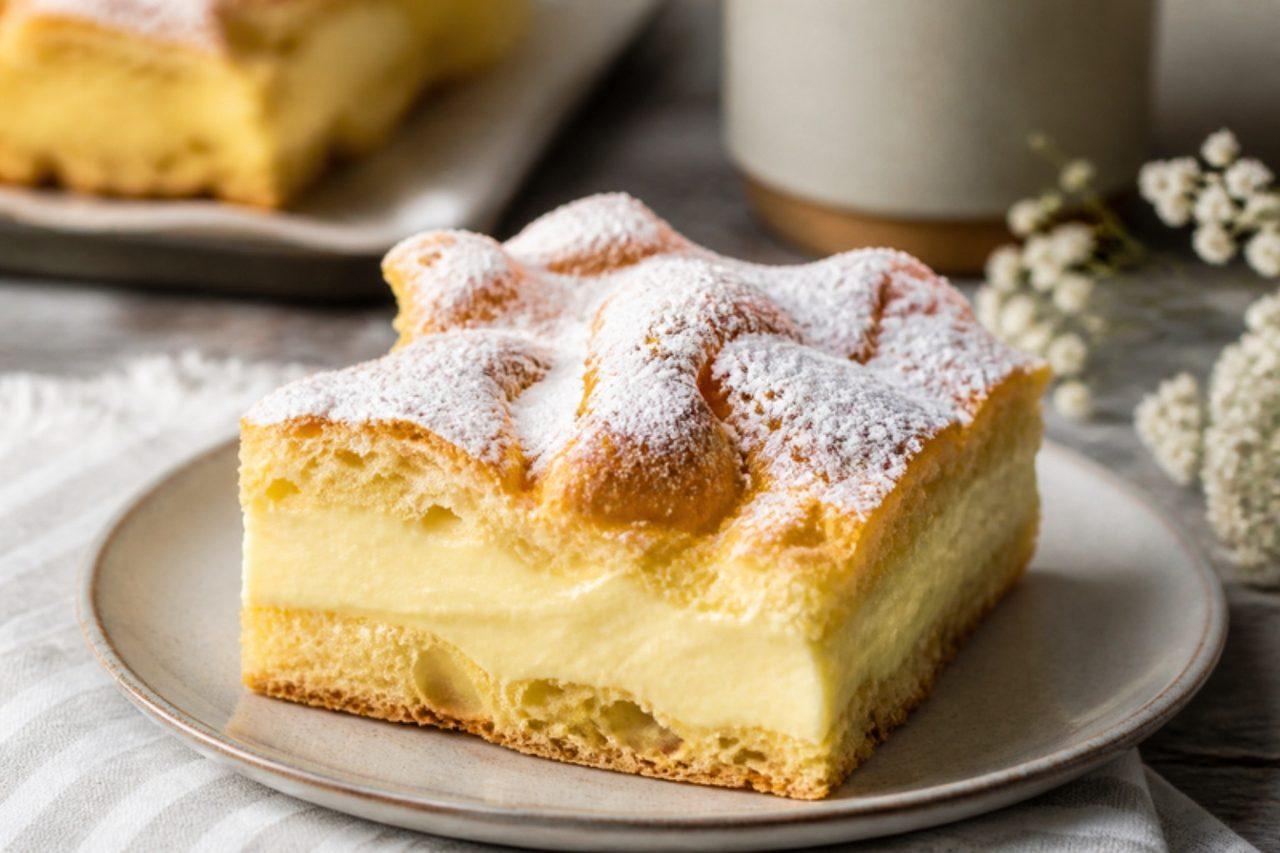
KarpatkaCustard cream choux cake

Named after the Carpathians, karpatka is the cake whose crinkled, craggy top looks like a range of snowy peaks once it is dusted with icing sugar. Two thin layers of choux pastry, baked flat until they puff into hills and valleys, sandwich a deep layer of rich vanilla custard whipped with butter. It is a fixture of Polish name-day parties and café counters, and children love the cloud-like filling. The usual slip is opening the oven early, which makes the choux collapse into a flat, rubbery sheet. Chef's tip: let the custard and the butter reach the same room temperature before beating them together, or the cream splits.

by KrazyBadal 0 views

KartofdzhynPotato and cheese pie

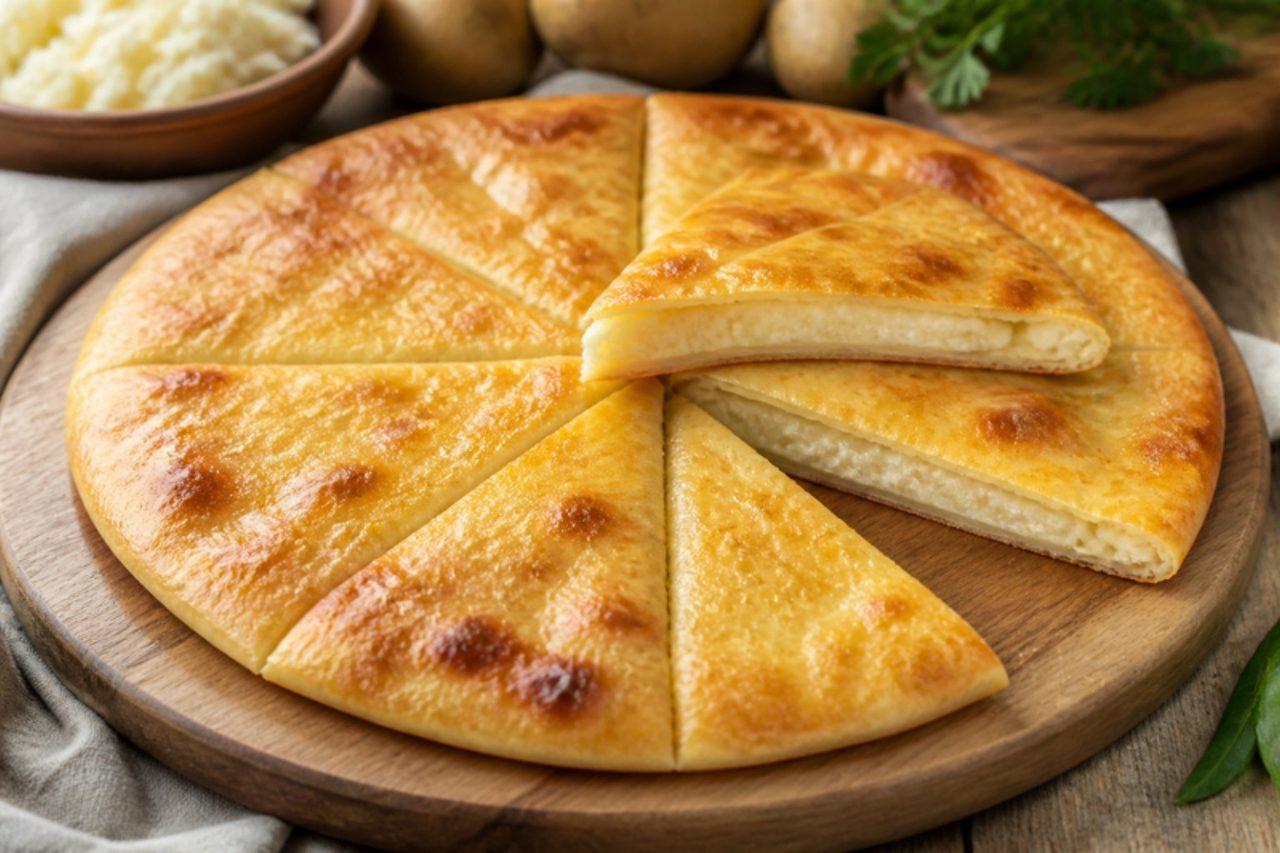
Ossetian pies come in threes at every celebration in Vladikavkaz, stacked on one plate for the sun, earth and water, and kartofdzhyn, with potato and cheese, is the everyday family favourite of North Ossetia. Soft kefir-yeast dough is wrapped around a ball of filling and patted flat by hand into a wide, thin round, so dough and filling are each barely a centimetre thick, then baked hot and soaked with butter. Ossetian cheese is a fresh brined cheese made with animal rennet; for a vegetarian pie use a feta-style or young brined cheese labelled vegetarian. The usual slip is overfilling, which makes the pie burst as you flatten it; aim for about the same weight of dough and filling. Chef's tip: stack the hot pies and butter each one, so the butter soaks through and they stay supple.

by KrazyBadal 0 views

KasarPuffed rice and jaggery balls

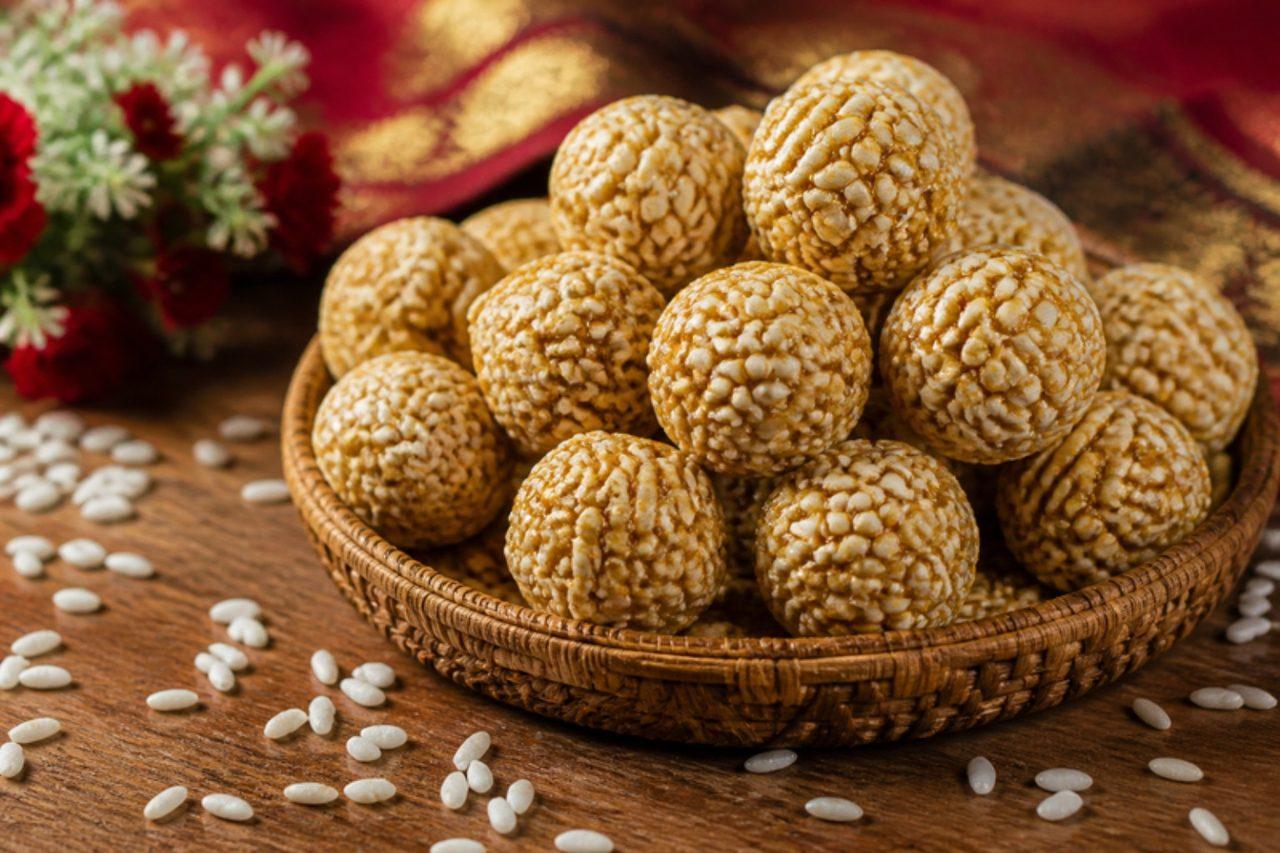
Kasar is a sweet of good fortune: Bahun and Chhetri families in the hills make it by the basketful to send with a bride to her new home, to hand out at bratabandha thread ceremonies and to fill the Tihar plates. It is the simplest of sweets, puffed rice stirred into bubbling jaggery syrup flavoured with cardamom and pressed into balls while warm, sometimes with sesame, coconut or peanuts added, and it is crunchy, light and caramel-sweet. Children love making it because it is all about quick hands and a bowl of cold water. The pitfall is syrup that is not cooked far enough, which gives soft, sticky balls that collapse in a day. Chef's tip: test the syrup by dropping a little into cold water; when it sets into a firm ball that cracks if you squeeze it, it is ready.

by KrazyBadal 0 views

Showing 27 of 7,762 recipes

Show more recipes

Page 247 of 863