


Skip to content
Gâteau de Savoie
Featured recipe

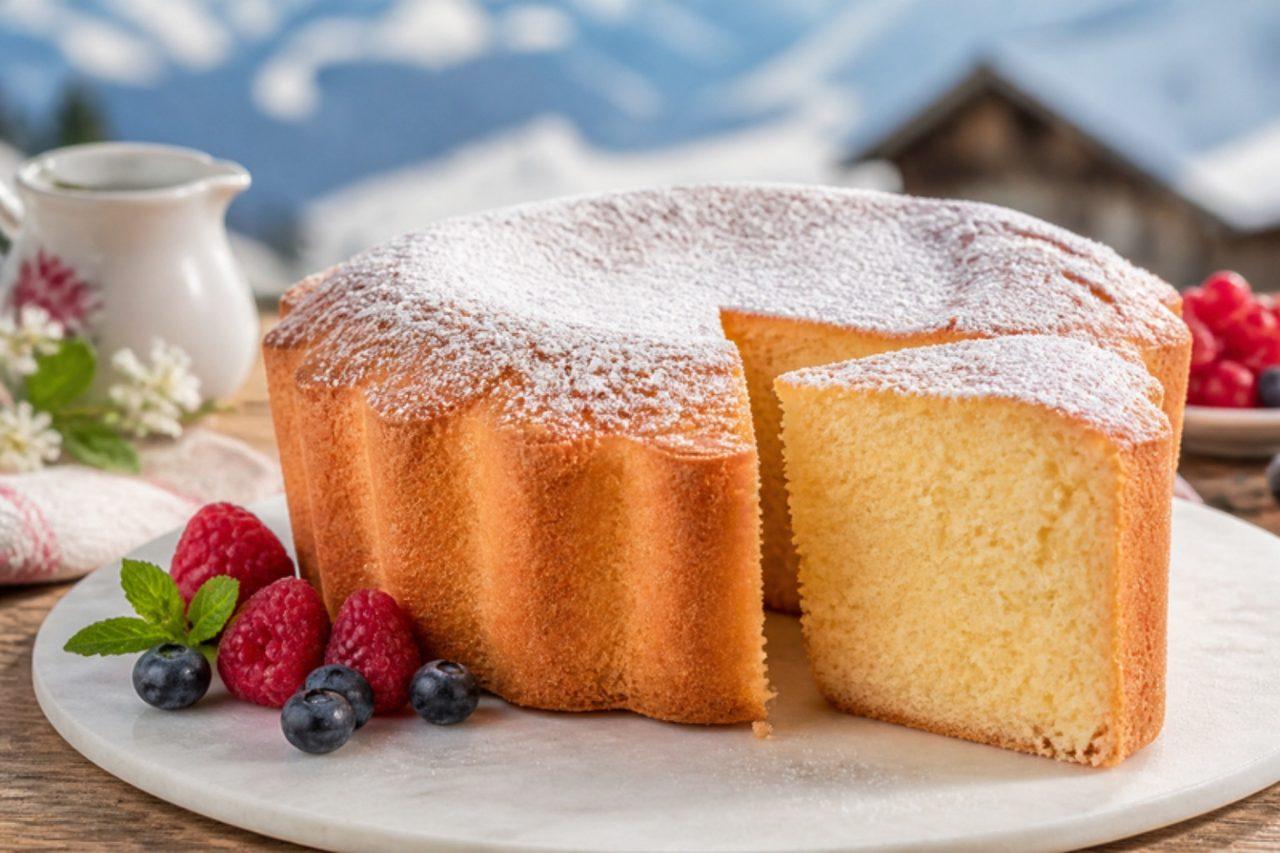
Gâteau de Savoie

Airy sponge cake

Legend says a cook at the court of the Counts of Savoy, in Chambéry, invented this sponge in the fourteenth century to impress a visiting emperor, and Savoyard families still bake it in a tall fluted mould for birthdays and Sunday tea. It has no butter and very little flour, using potato starch for a crumb so light it almost dissolves, and it is eaten plain with a dusting of icing sugar, or with jam, fruit compote or a cup of hot chocolate. Chef's tip: fold the whites in three goes with a large metal spoon, cutting down through the middle; you are keeping in the air that makes it rise.

Read more 0 views

What to eat today?

Around the world

Today's trip: Paraguayan

A new country every day, from every cuisine on the site.

Paraguayan

Pira caldo

Creamy fish soup with cheese 60 minMore from Paraguayan (27) →

This week's collection

Kid-friendly dinners
537 recipes · a new collection every Monday

Latest recipes

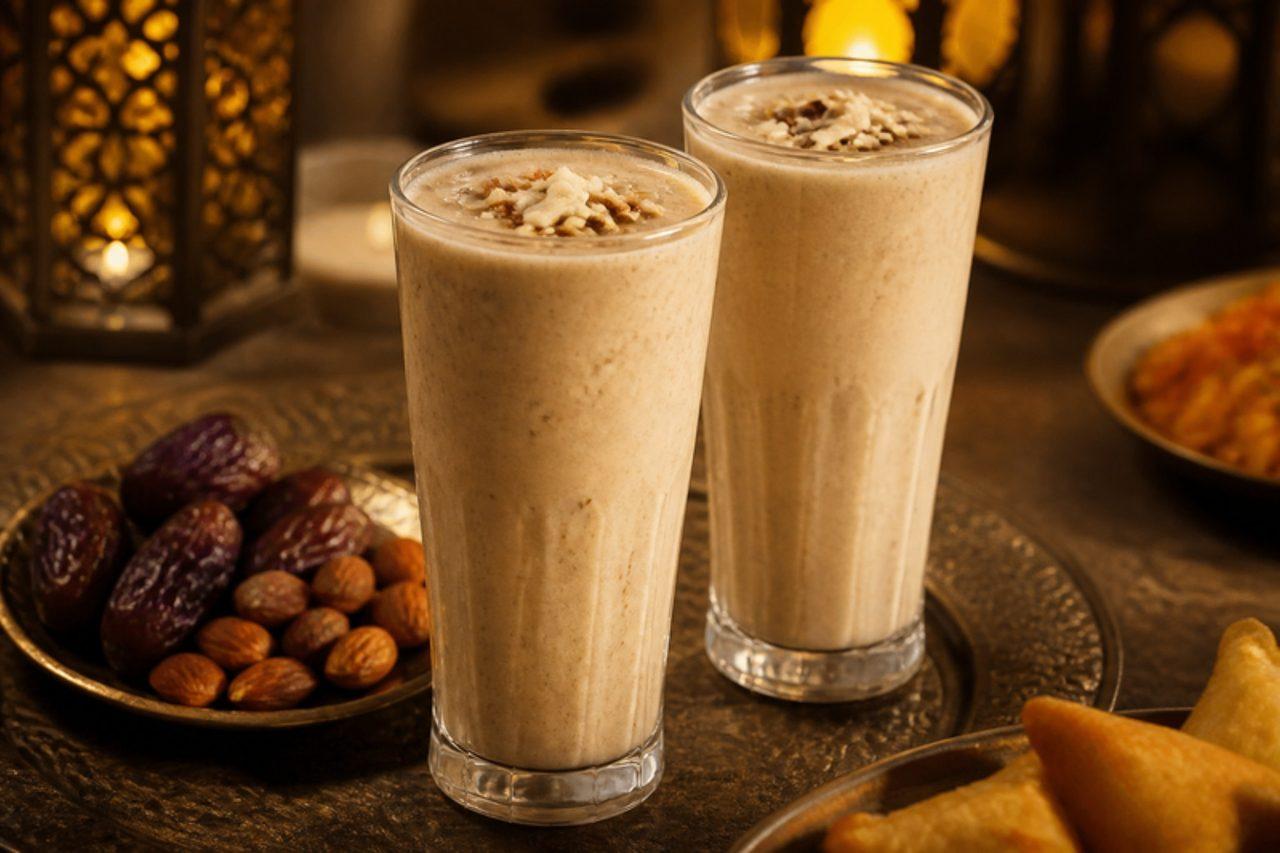
Khajoor shakeDate and almond milkshake

Dates are the first thing on the table when the azan sounds for iftar in Pakistan, and in many homes in Karachi and Islamabad the dates go straight into the blender with cold milk and a handful of soaked almonds, making a thick, caramel-sweet shake that restores energy quickly after a long summer fast. Soft, moist dates such as the Aseel from Khairpur in Sindh give the smoothest result, and the drink needs no added sugar at all. It is also a popular breakfast for children and a quick snack after school. The typical mistake is blending dry, hard dates straight from the packet, which leaves chewy fragments and a gritty shake. Chef's tip: soak the stoned dates and almonds in a little warm milk for 10 minutes first, and blend them to a smooth paste before adding the rest of the cold milk.

by KrazyBadal 0 views

ChäschüechliCheese tartlets

Chäschüechli are the small, warm cheese tartlets of central Switzerland, sold in bakeries in Lucerne and Zug and eaten as a quick lunch with a salad or as a snack at a Fasnacht carnival stand: a crisp shortcrust case filled with a savoury custard of grated mountain cheese, cream, egg and a pinch of nutmeg, baked until puffed and golden. A common mistake is filling the cases to the brim; the custard puffs and spills over. Chef's tip: bake them on the lowest shelf so the bases crisp before the filling sets. Gruyère and Appenzeller are made with animal rennet, so choose a vegetarian Swiss-style cheese.

by KrazyBadal 0 views

KibbelingBattered white fish chunks

Kibbeling is the fish snack of Dutch markets and harbours, sold in paper trays from fish vans at Saturday markets from Volendam to Rotterdam: bite-sized chunks of cod or pollock coated in a spiced batter and fried until crisp, with a pot of garlic sauce or remoulade. It began as a way to use the cheeks of cod. A common mistake is a thick batter, which turns bready and greasy. Chef's tip: season the batter well with a little curry powder and paprika, the market-van secret, and fry at 180 °C until golden; the fish is done when opaque and flaking.

25 minDutchFish
by KrazyBadal 0 views

MekeleshaWarm finishing spice blend

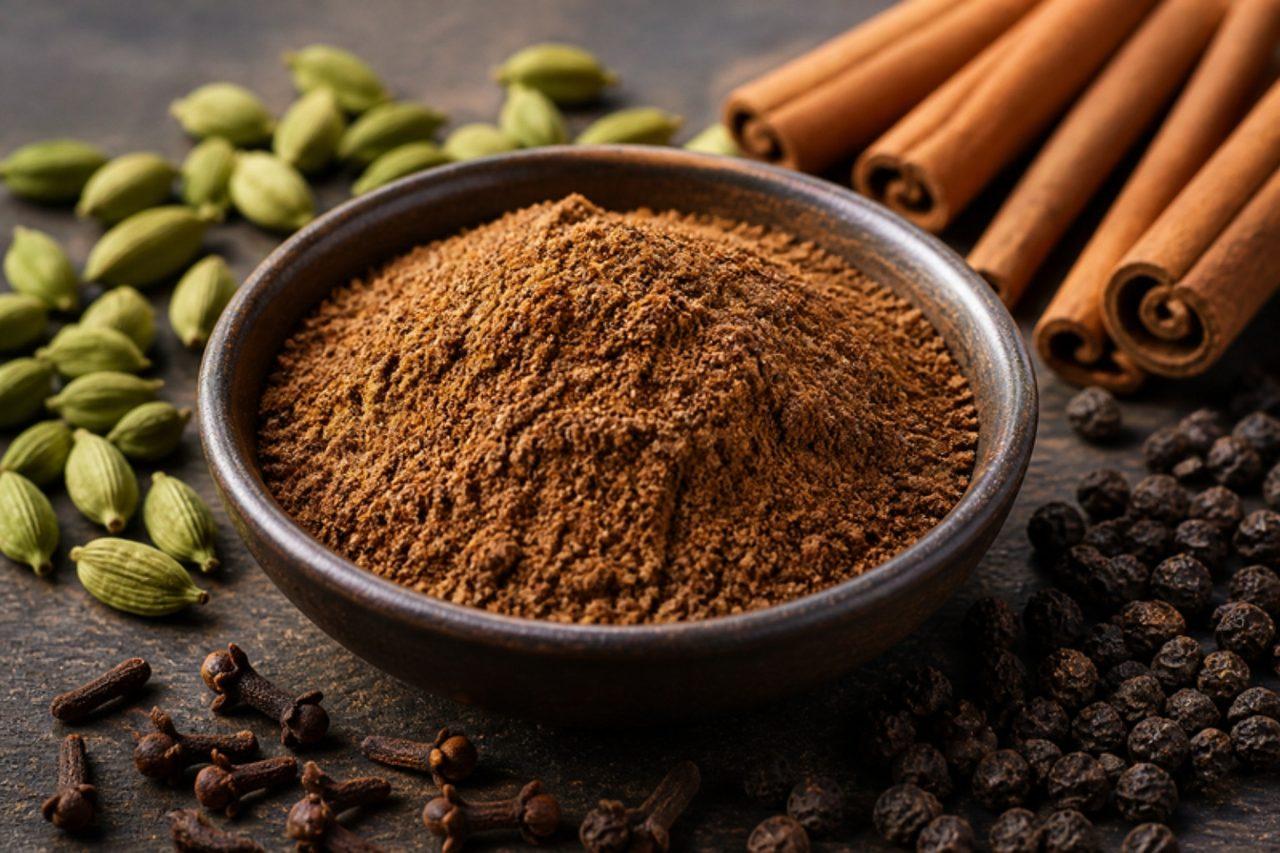
Berbere builds the heat and colour of a wat; mekelesha is what Ethiopian cooks add in the last few minutes to make it smell wonderful. It contains no chilli at all, only warm, aromatic spices: korerima (Ethiopian cardamom), cinnamon, cloves, black pepper and a little cumin and nutmeg, toasted and ground fine. A pinch goes into doro wat, key wat or misir wat just before serving, a little like garam masala in an Indian curry, and market spice sellers in Addis Ababa sell it in small twists of paper beside the berbere sacks. Korerima has a smoky, camphor-like note; if you cannot find it, mix green and black cardamom. The common mistake is adding it at the start of cooking, where long simmering dulls its perfume; stir it in at the end. Chef's tip: grind small batches and keep them in a dark jar, as the aroma fades after about two months.

by KrazyBadal 0 views

Kesel muwa curryBanana blossom curry

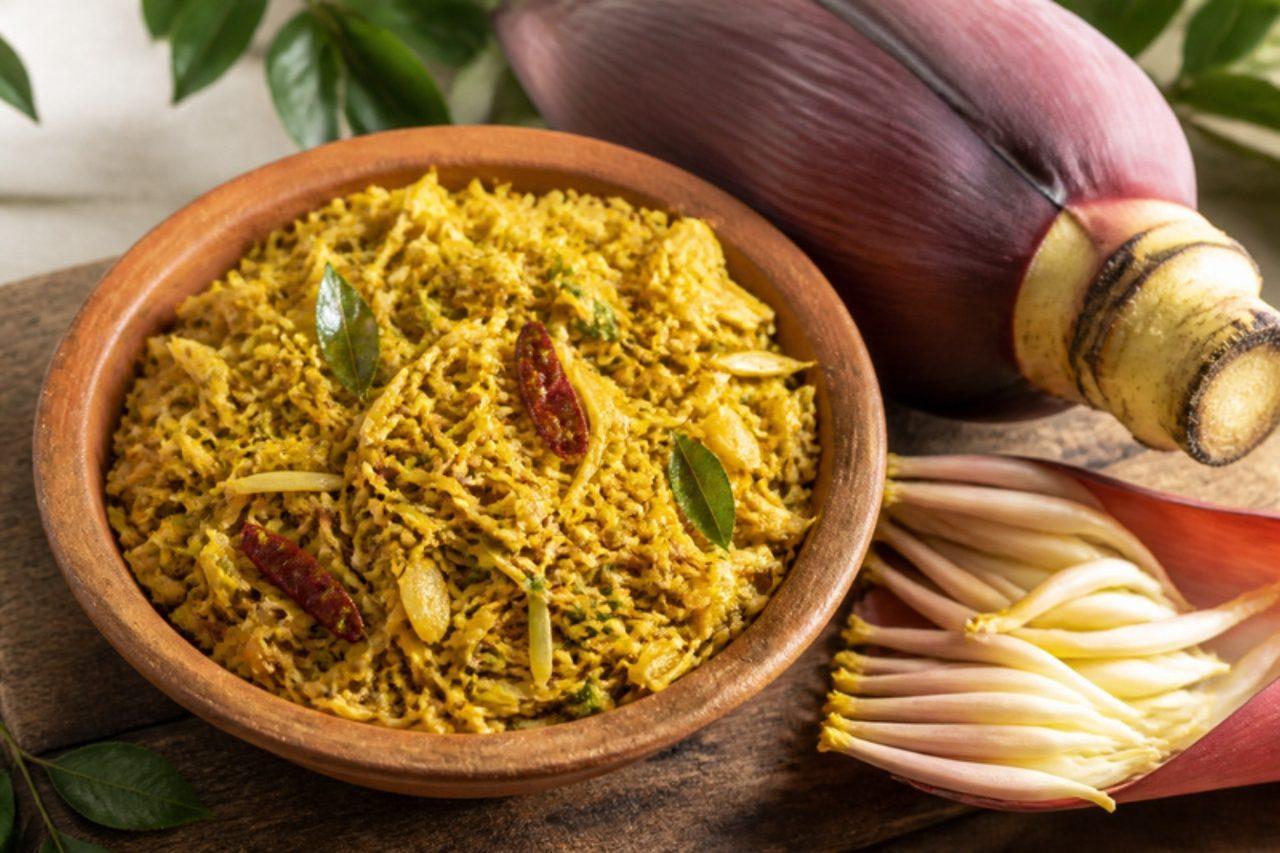
Every banana plant in a Sri Lankan back garden eventually pushes out a heavy, purple, spear-shaped flower, and rather than waste it, home cooks across the western province slice it into this savoury, slightly meaty curry. Once the tough outer bracts come off, the pale heart is shredded and cooked with roasted curry powder, mustard seed and chilli, then finished with coconut milk until it is tender with a faint, pleasant astringency, a bit like artichoke. It is a weekday dish, served with red rice, parippu and a pol sambol. The flower browns and turns bitter within minutes of being cut, which is where most first attempts go wrong, so have a bowl of salted turmeric water waiting and drop the slices in as you go. Chef's tip: if you can only find tinned banana blossom in brine, rinse it well, chop it and skip the soaking; it needs only half the cooking time.

by KrazyBadal 0 views

Keshi yenaChicken-stuffed Edam cheese

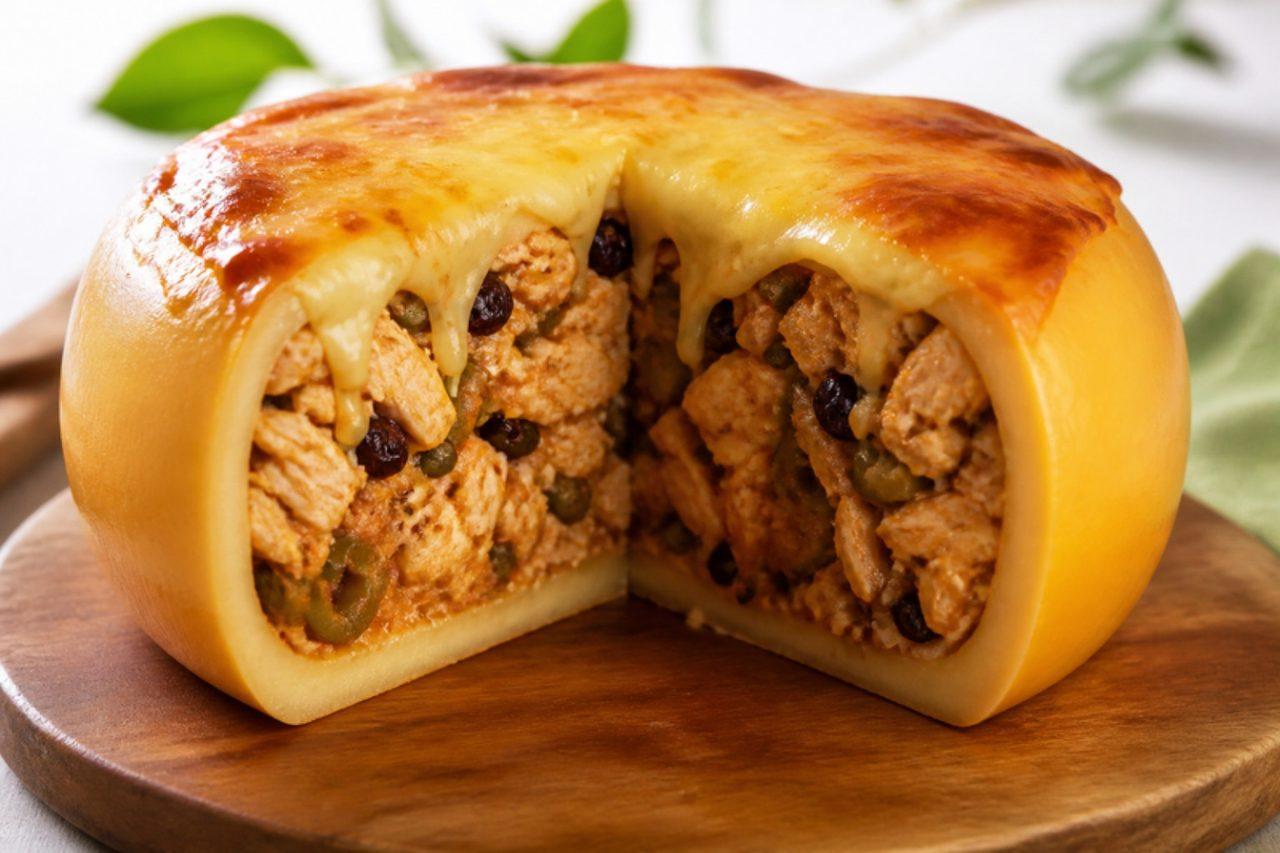
Keshi yena, "stuffed cheese", is the most famous dish of Curaçao and Aruba, born when cooks on Dutch plantations reused the rinds of big Edam cheeses by filling them with leftover meat. Today it is a festive dish: a spiced chicken filling with tomato, onion, olives, capers, raisins and hot pepper, sealed in sliced Edam and baked until the cheese melts into a golden crust, eaten with white rice or funchi. The mistake to avoid is a wet filling, which makes the cheese case collapse; cook it down until thick. This home version is baked in ramekins lined with cheese slices. Chef's tip: oil the ramekins well and turn the cheese cups out onto plates for a dramatic presentation.

by KrazyBadal 0 views

ChapshuroMeat-filled griddled bread pies

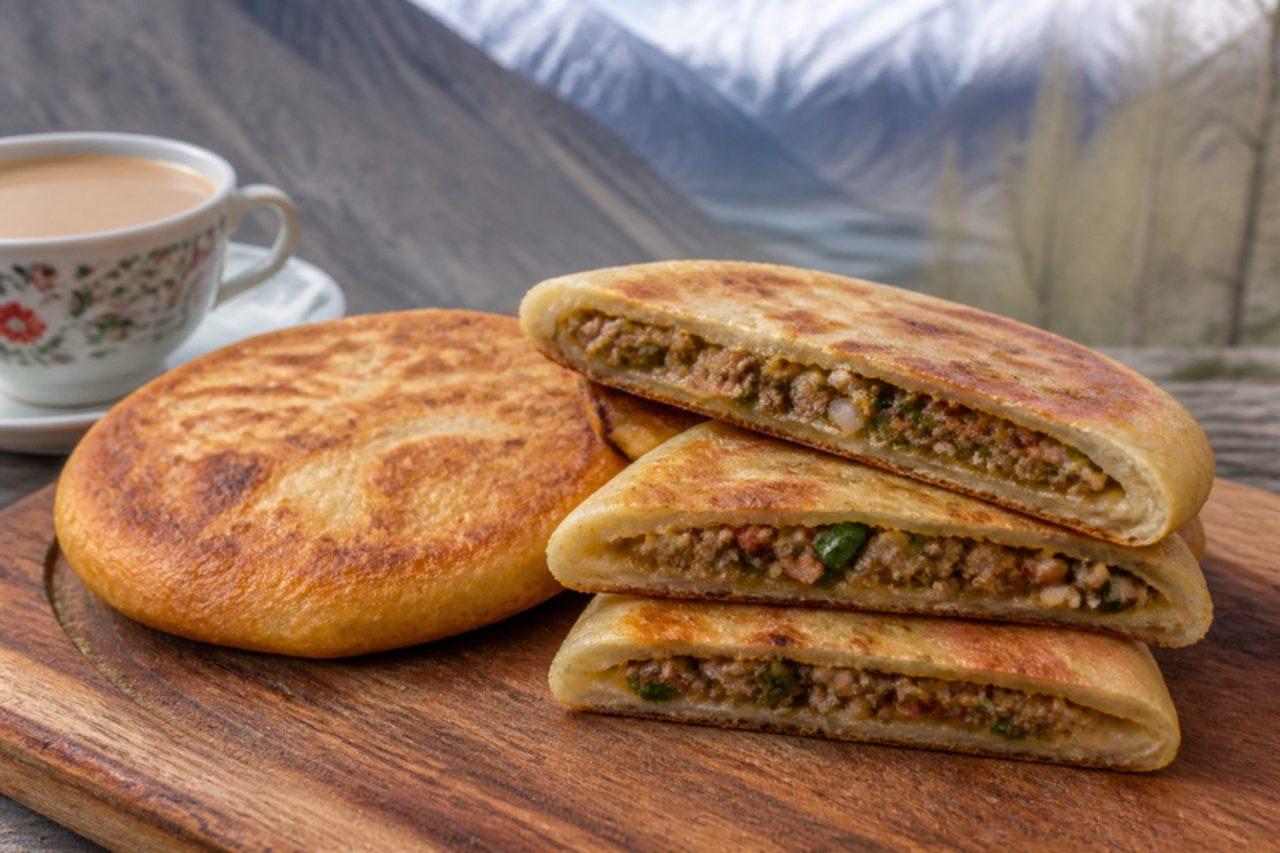
Climb up to Karimabad in Hunza or wander Gilgit's bazaar in the evening and you will smell chapshuro before you see it: round pies of thin wholewheat dough wrapped around raw spiced mince, onion, green chilli and coriander, cooked slowly on a griddle until the crust crisps and the meat inside steams in its own juices. They are cut into wedges like a pizza and eaten hot as a snack or a light lunch, with green tea or apricot juice, and every family has its own level of chilli. The difficulty is heat control: too hot and the crust burns before the filling is cooked through. Use a medium-low flame and turn often. Chef's tip: press the pie flat with your palm once it is on the griddle, so the filling forms a thin, even layer that cooks right through.

by KrazyBadal 0 views

Khaddi kebabRoast spiced lamb over rice

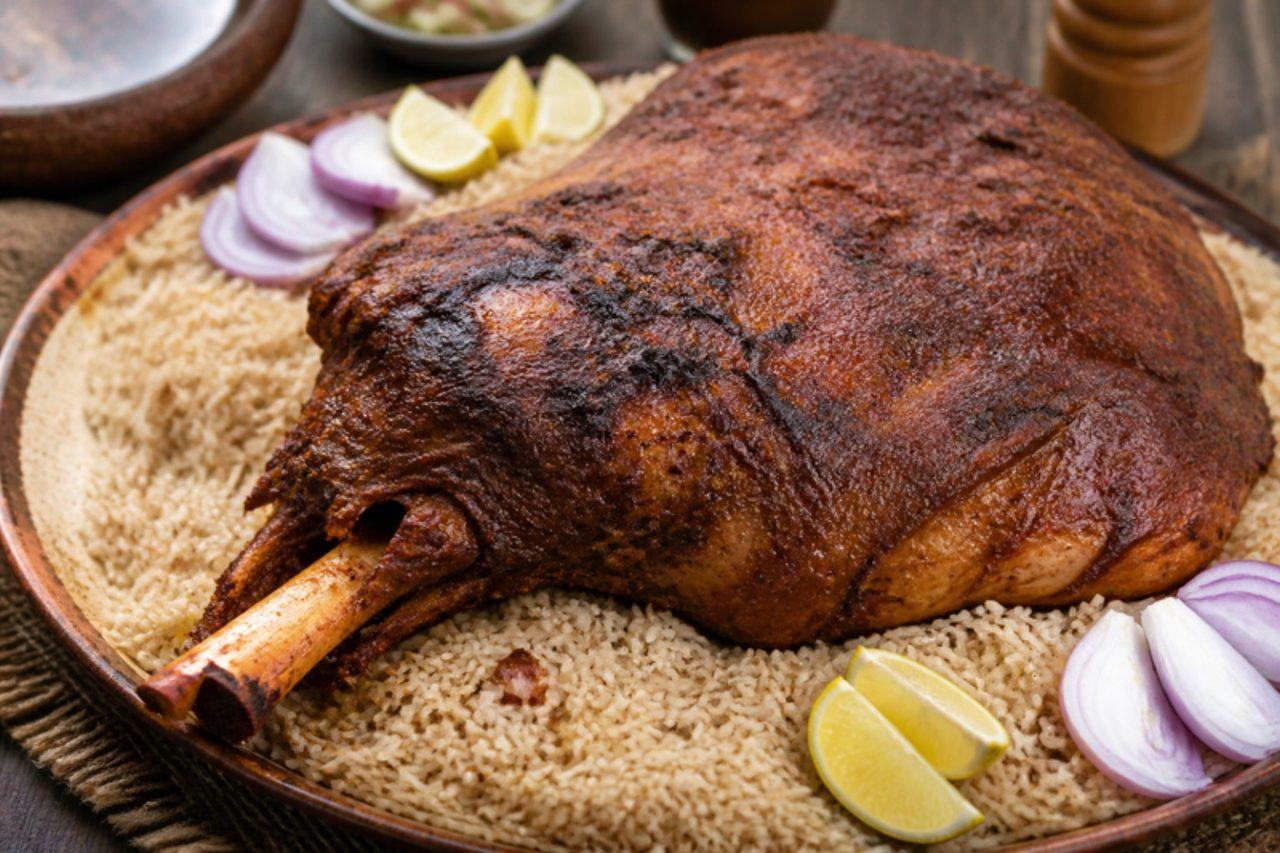
A khaddi, in Baloch country, is a pit dug in the ground and lined with hot stones; a whole goat or lamb, rubbed with salt and spices and stuffed with rice, is lowered in, covered with earth and left for hours, then dug out for weddings and tribal feasts. Few home cooks have a pit, so this version roasts a bone-in lamb shoulder low and slow under foil, then sets it on a tray of part-cooked rice so the rice drinks the dripping juices, the same marriage of meat and rice the pit gives. The meat should pull apart with a spoon and the rice taste deeply of lamb. Stuffing raw rice inside a big joint is where cooks go wrong at home: the centre stays underdone and is not safe, so cook the rice under the meat instead. Chef's tip: roast the lamb the day before, chill it in its juices and lift off the hard fat, then reheat with the rice; it carves more neatly too.

by KrazyBadal 0 views

Kofi brokemanRoasted plantain with peanuts

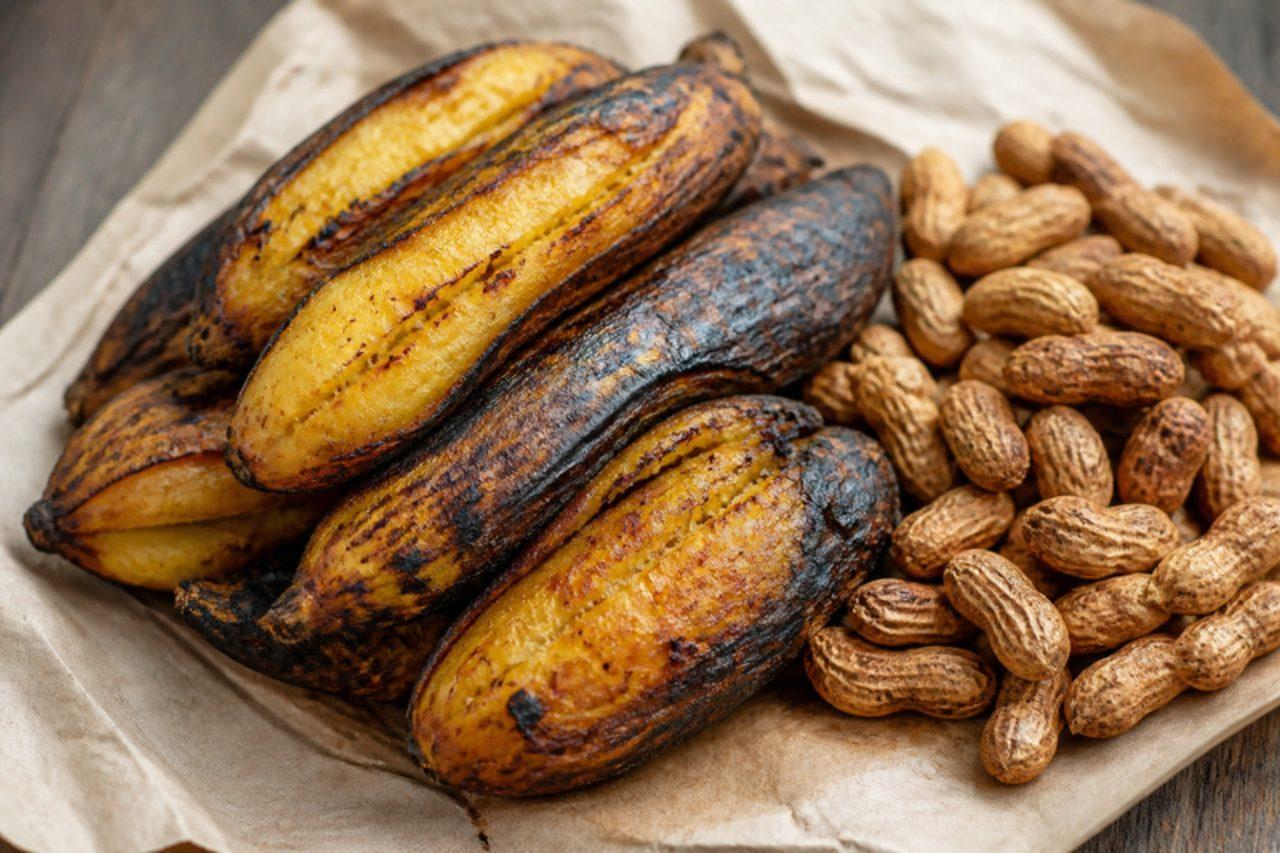
The name jokes that this is food for 'Kofi who is broke': a ripe plantain roasted over a charcoal grill on a street corner in Accra or Kumasi, handed over with a twist of roasted groundnuts for very little money. The skin chars black while the inside turns soft, sweet and smoky, and the nuts give it salt and crunch, so it is surprisingly filling. At home a hot grill pan, oven or barbecue does the job. Chef's tip: choose plantains that are yellow with a few black spots, firm but not green; fully black ones collapse on the grill, and green ones, the usual mistake, stay starchy and dry.

by KrazyBadal 0 views

KchuchClay-pot aubergine and potato bake

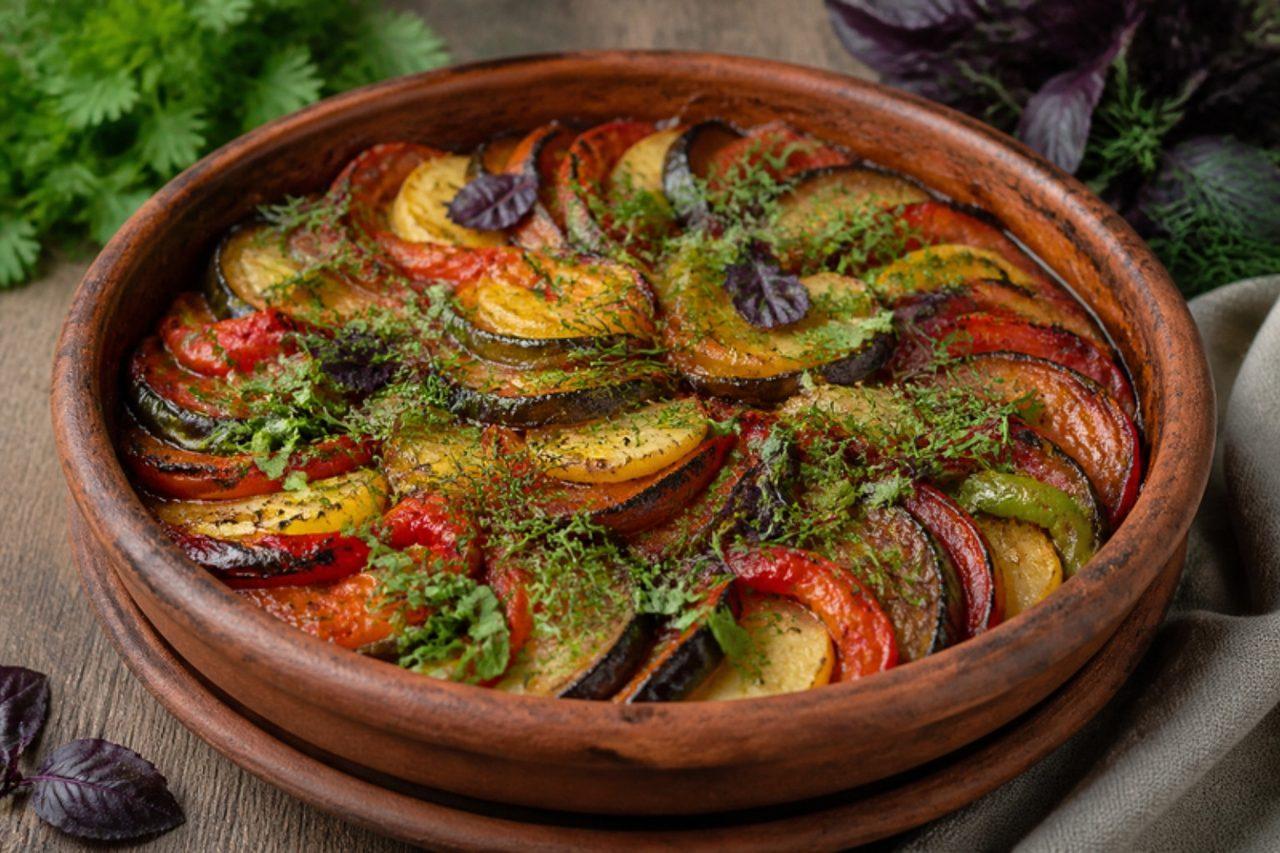
A kchuch is the round clay pot of Gyumri's kitchens, and the dish cooked in it takes its name: layers of vegetables and herbs, sealed and slow-baked until everything collapses into a rich, juicy stew. Shirak families often add lamb, but the vegetable version is a summer and Lenten favourite, heavy with aubergine, potatoes, peppers, tomatoes and garlic. A common mistake is slicing the potatoes thick, which leaves them hard when the aubergine is already soft. Chef's tip: lay the tomatoes and herbs on top and seal the lid with a strip of dough or foil, so the steam stays in and the vegetables cook in their own juices.

by KrazyBadal 0 views

Kebab-e-murghYogurt-marinated chicken skewers

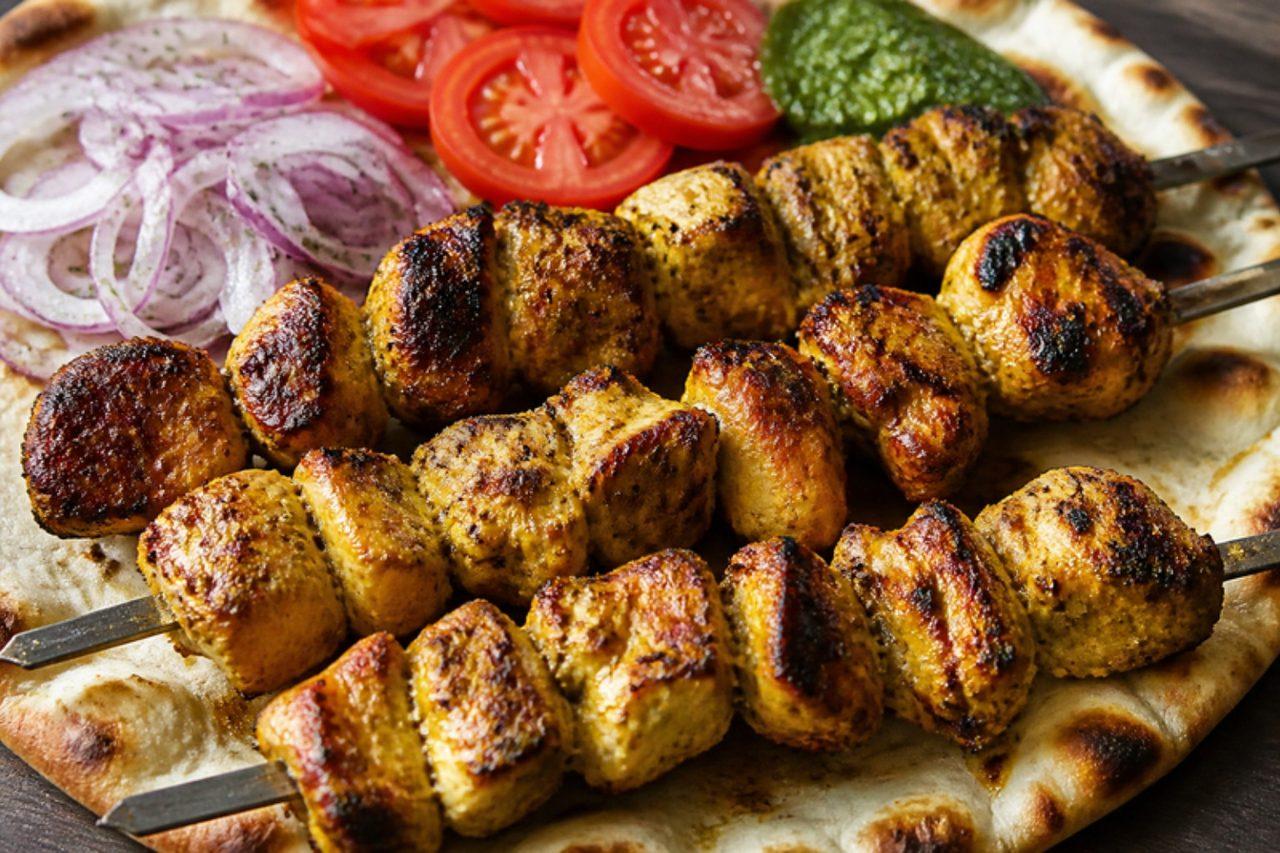
Along Kabul's kebab streets, cooks fan long rows of skewers over charcoal troughs, and chicken kebab-e-murgh has become as popular as lamb, especially with families. The meat is soaked in yogurt with a lot of garlic, lemon and chilli, which keeps it juicy and gives it a tangy, slightly charred crust; it is served on a sheet of naan that catches the drips, with sliced raw onion, tomato and green chutney. At home a hot grill pan or barbecue does the job well. Breast meat cut too small dries out before it chars, so use boneless thighs in generous chunks. Chef's tip: thread the pieces close together but not squashed, which keeps the centres moist while the edges blacken.

by KrazyBadal 0 views

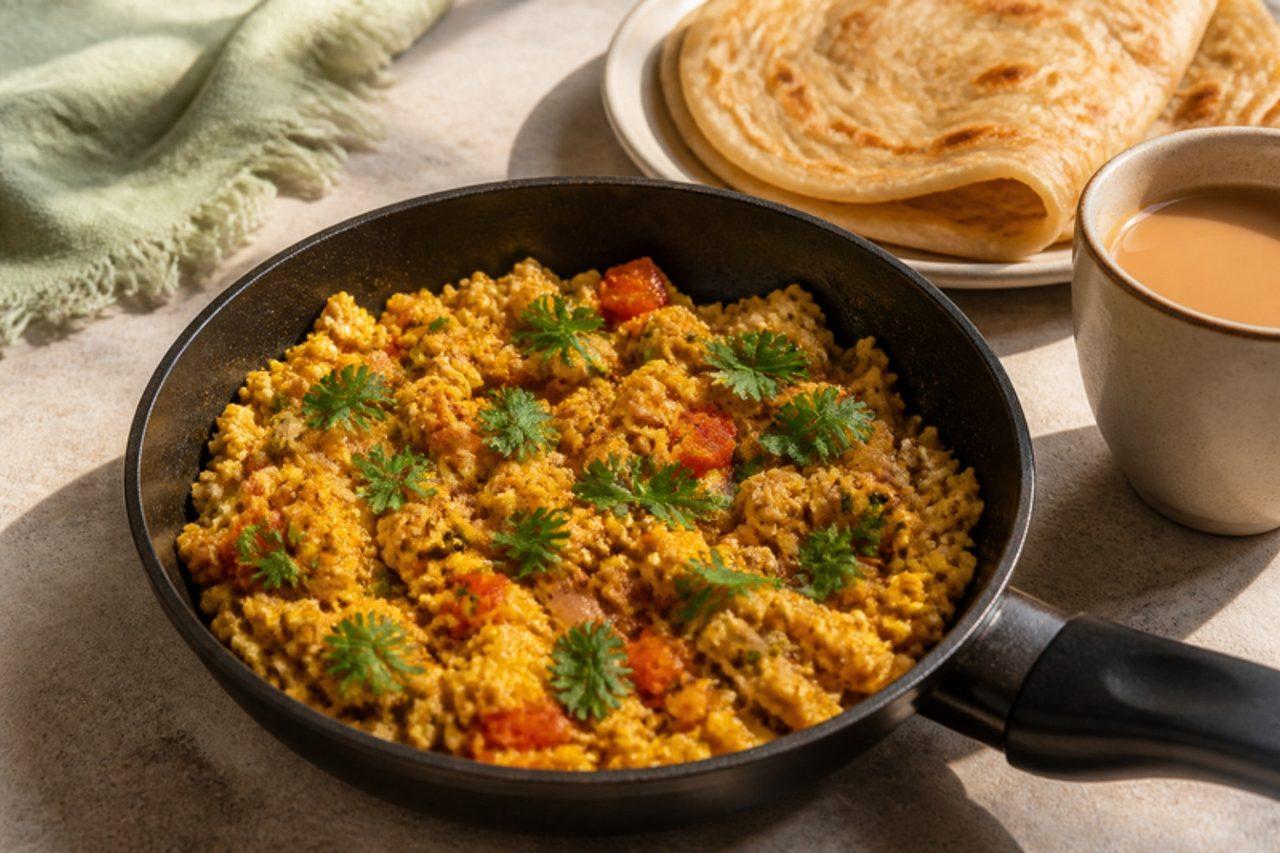
KhaginaSpiced scrambled eggs

Ask almost any Pakistani what their mother made on a school morning and khagina comes up: eggs beaten with salt and turmeric and stirred into onion, tomato and green chilli softened in oil, served in a heap beside a hot paratha with a cup of doodh patti. It comes from the old Mughal and Hyderabadi kitchens that reached Karachi after Partition, and it differs from a plain scramble in being cooked a little longer, so it sets into soft, moist clumps coloured by the masala rather than staying creamy. It is everyday food in Karachi, Lahore and Peshawar alike, also eaten for a quick supper with chapati. The usual mistake is adding the eggs before the tomato has cooked down, which leaves the dish watery and the eggs rubbery. Chef's tip: take the pan off the heat while the eggs still look slightly glossy but no liquid egg remains, because they keep cooking on the plate.

by KrazyBadal 0 views

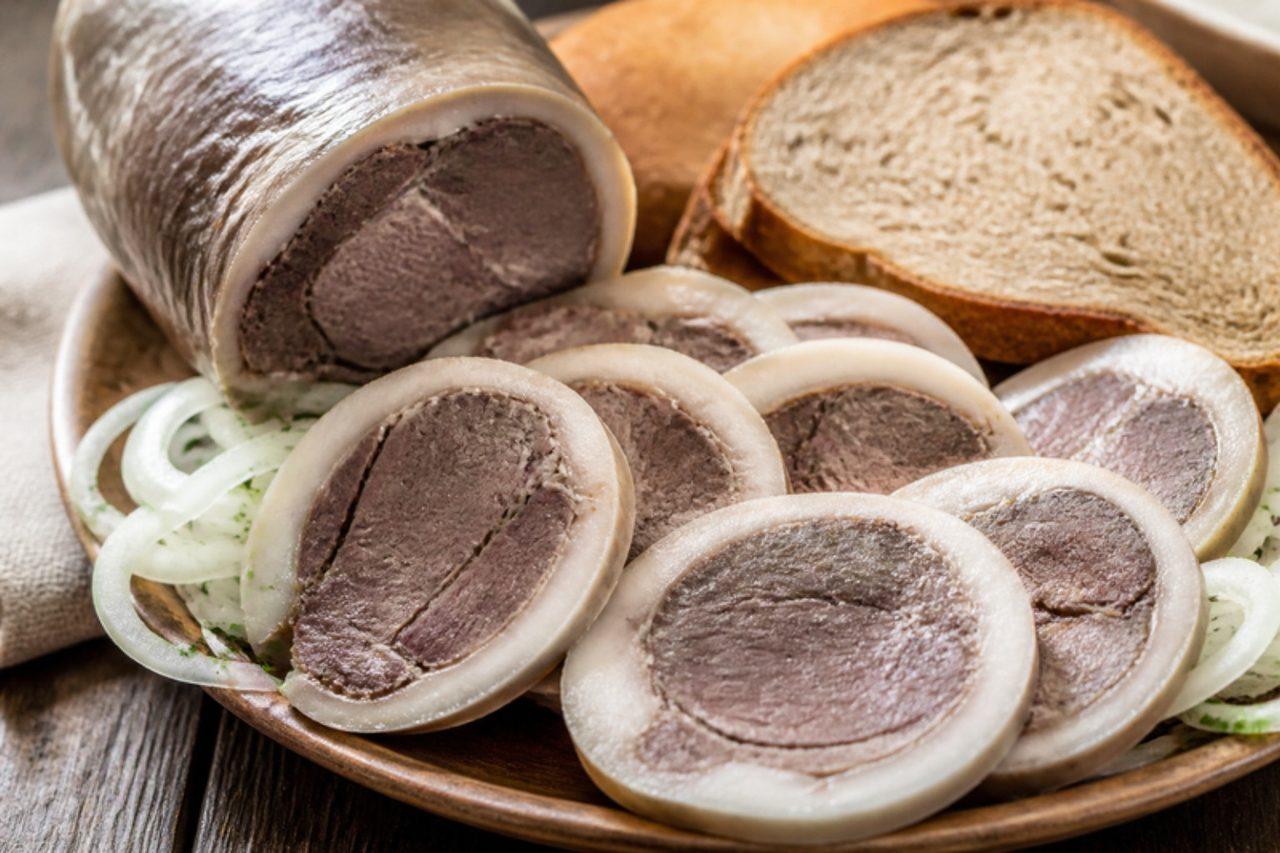
KazyBeef and lamb rib sausage

Kazy is the most prized food on a Kazakh feast table: a thick sausage of whole rib meat and rib fat, seasoned with salt, garlic and black pepper, stuffed into a casing, then dried or smoked and boiled for weddings and Nauryz, and sliced into glossy rounds that show the meat and the white fat. It is traditionally made with horse meat; this recipe uses beef short rib meat with a little lamb fat instead, as the site does not use horse, and it is cooked fresh rather than air-dried. A common mistake is mincing the meat; kazy is made from long strips of rib meat, which is what gives its look when sliced. Chef's tip: simmer it very gently; boiling hard bursts the casing and the fat melts away. The centre must reach 71 °C.

210 minKazakhMeatGluten free
by KrazyBadal 0 views

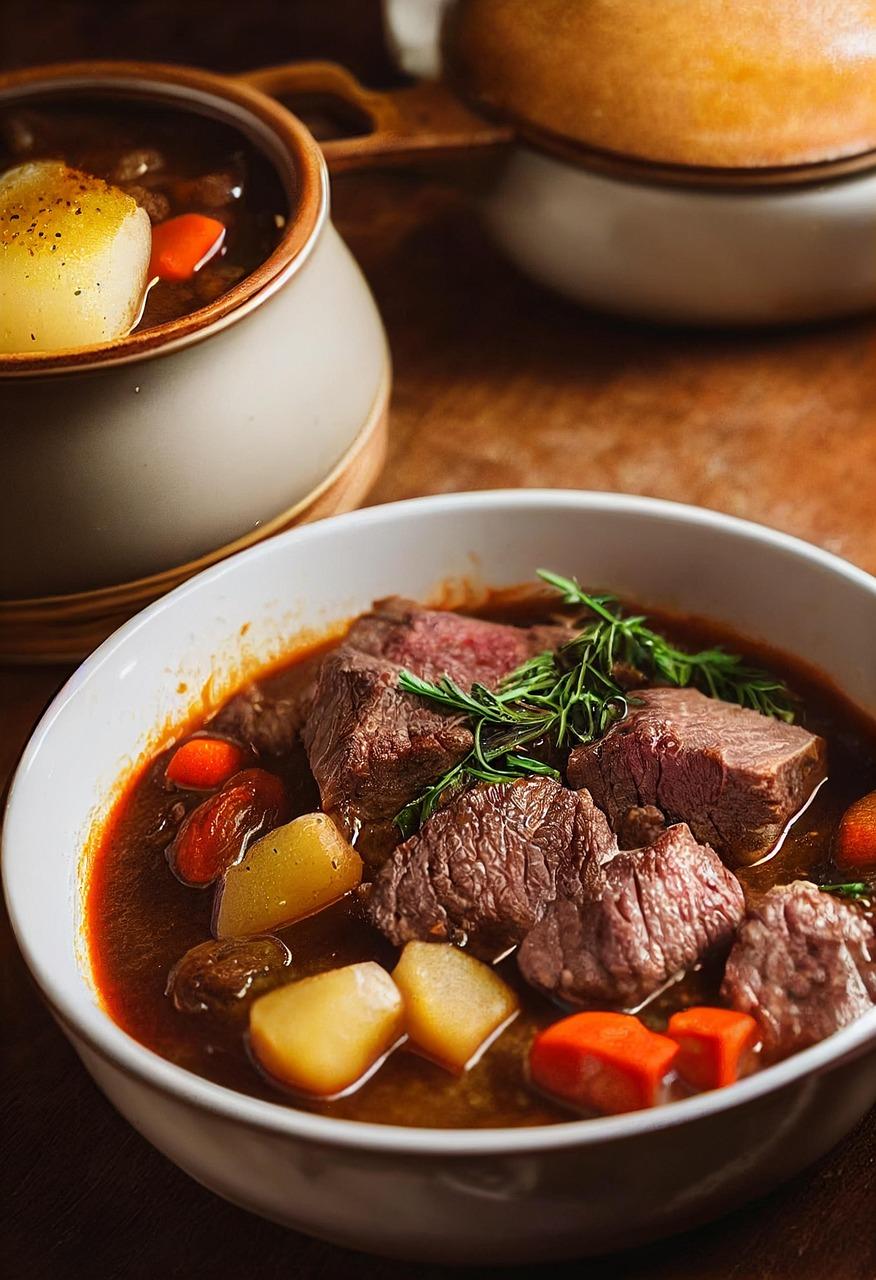
AzuBeef stew with pickles

Kazan's working canteens gave azu its fame: strips of beef braised in a peppery tomato gravy, sharpened with diced salty pickled cucumbers and finished with golden fried potatoes, all served steaming in a clay pot. It is hearty, sour-savoury and thick enough to mop up with rye bread, and Tatar families serve it on cold weekday evenings. Where most people go wrong is adding the potatoes raw to the stew; they turn floury and the gravy goes muddy, so fry them separately and fold them in at the end. Chef's tip: use proper brine-fermented cucumbers rather than sweet vinegar pickles; their sourness is what makes azu taste like azu.

by KrazyBadal 0 views

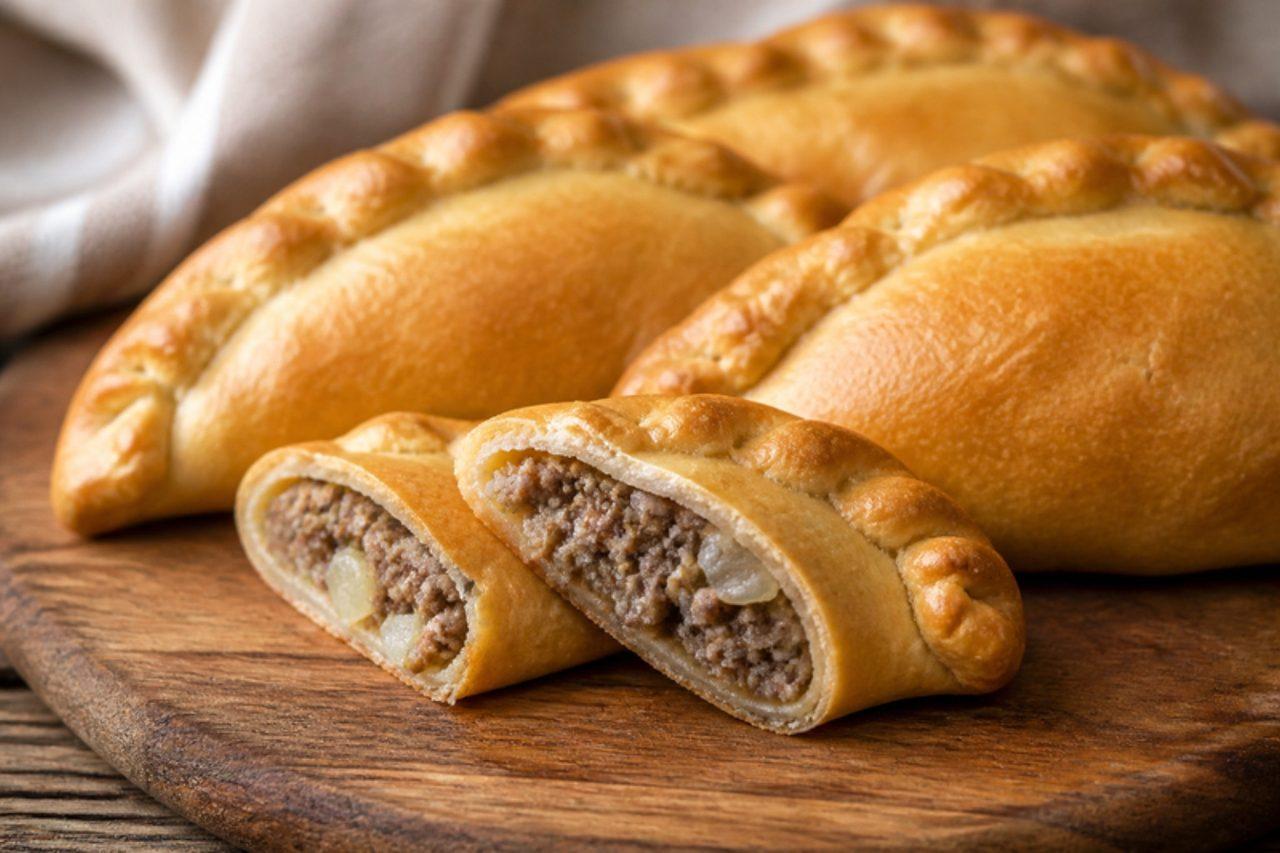
KibinaiLamb and onion pastries

Kibinai are the pastries of the Karaim, a small Turkic community settled in Trakai, the lake-island castle town near Vilnius, since the 14th century. Every café along Karaimų street sells them hot from the oven: half-moon pastries of flaky, buttery dough with a juicy filling of chopped lamb and onion, crimped along the top. A common mistake is mincing the meat; the Karaim chop it into small cubes so the filling stays juicy. Chef's tip: use cold dough and bake hot, so the pastry flakes and the juices stay sealed inside. The filling must reach 71 °C.

by KrazyBadal 0 views

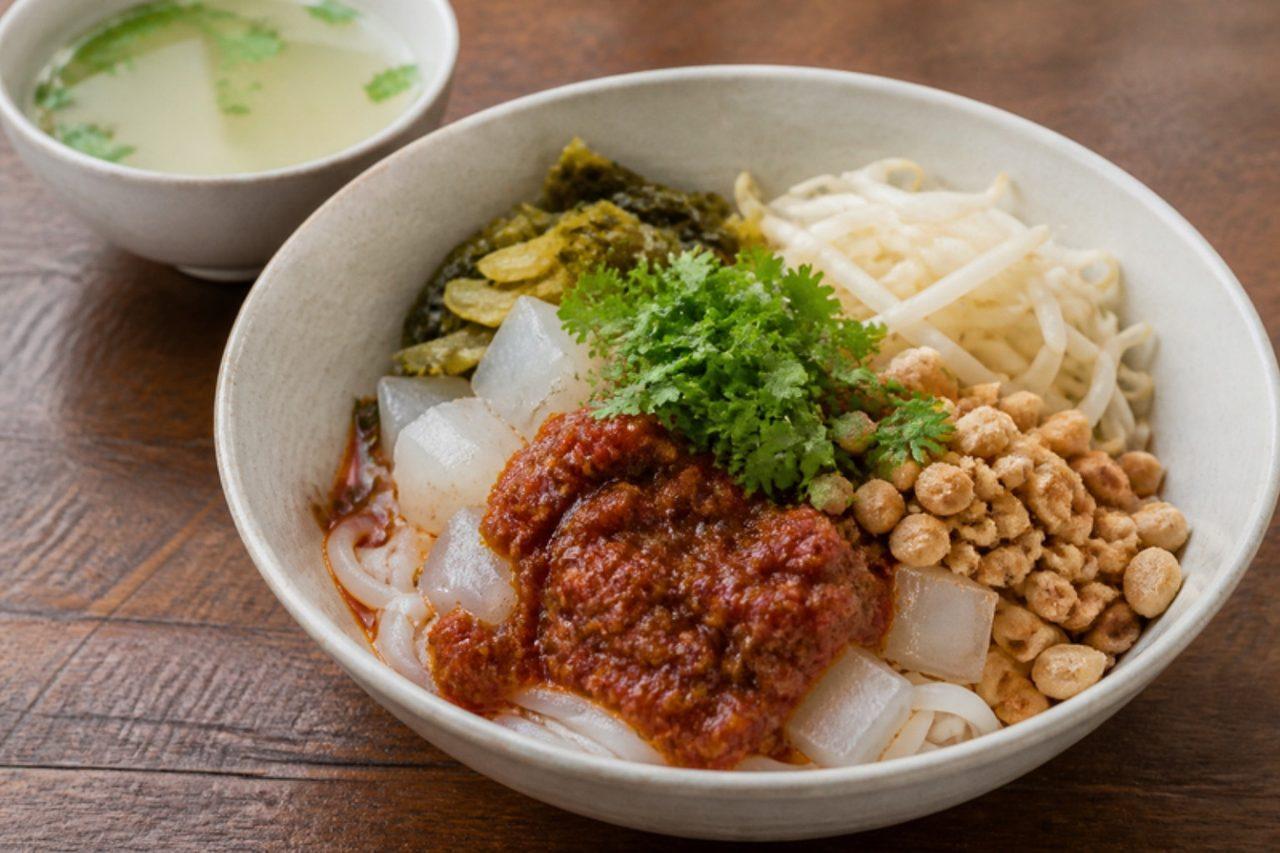
MeeshayRice noodles with pork sauce

Two places claim meeshay: Mandalay, where it is a teatime and late-afternoon snack sold from carts near the moat, and the Shan hills, where markets serve it in the morning. Soft rice noodles are dressed with soy, a splash of vinegar and garlic oil, then topped with a savoury minced pork sauce, crunchy bean sprouts, pickled mustard greens and strips of wobbly rice jelly that soak up the dressing. It tastes tangy, garlicky and comforting, with chilli oil and a cup of clear broth on the side. The most common slip is cutting the rice jelly before it has set; give it a full 30 minutes to cool so it slices cleanly. Chef's tip: dress the noodles at the table, not ahead: vinegar and soy added too early make the noodles soft and the jelly slippery.

by KrazyBadal 0 views

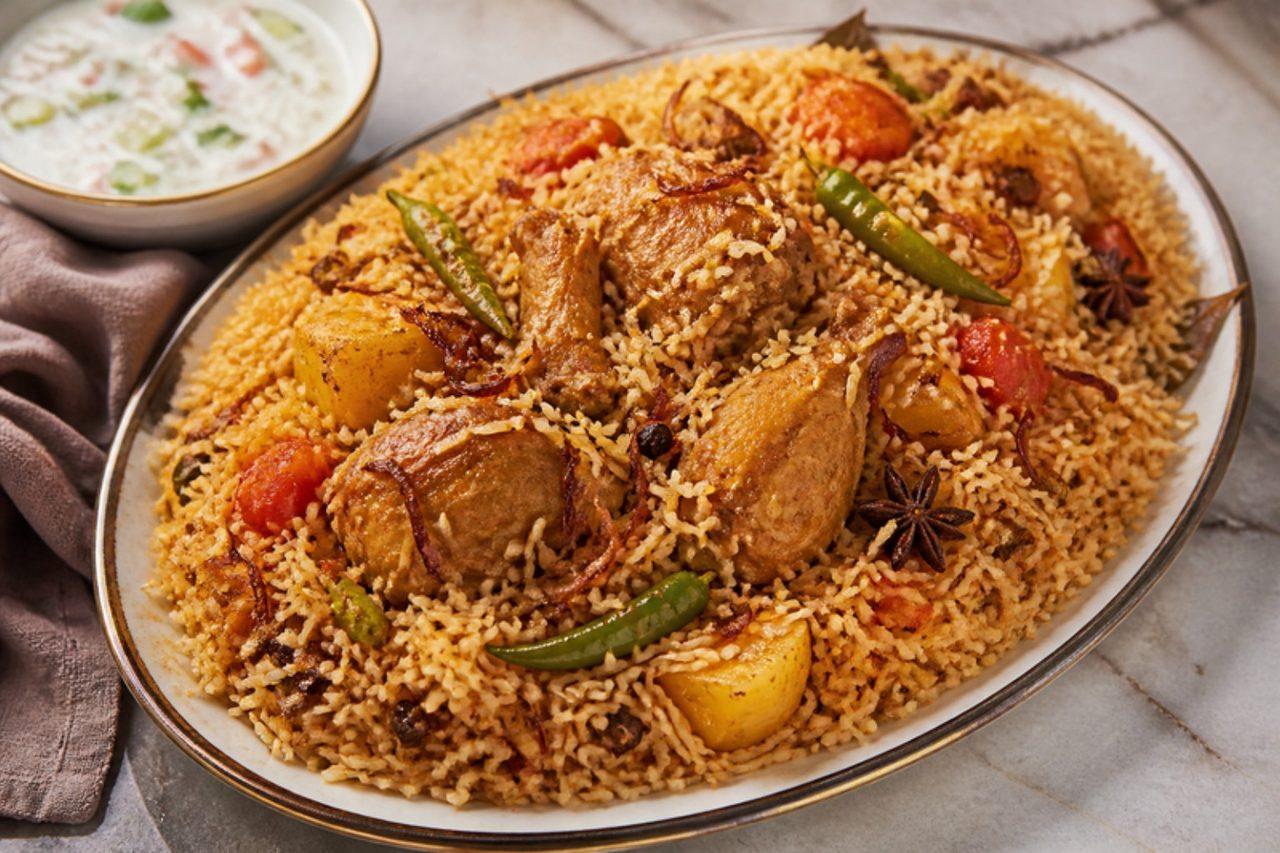
Memoni akhniChicken and rice pulao

Ask a Memon family in Karachi's Kharadar or Mithadar what they cook for a Sunday crowd and akhni comes up before biryani. It is a one-pot rice of chicken, whole spices, green chillies and potatoes, lighter and less layered than biryani, with the rice cooked straight in the spiced gravy so every grain tastes of it, and a final steam under a tight lid. The colour is pale gold, not red, and the heat comes from fresh chilli and black pepper. It is served with a tangy raita, kachumber salad and sometimes a Memon-style sweet chutney. The usual problem is mushy rice, from using too much water or stirring after it goes in; measure carefully and leave it alone. Chef's tip: fry the potatoes in the oil before anything else so they hold their shape through the steaming and pick up a golden edge.

by KrazyBadal 0 views

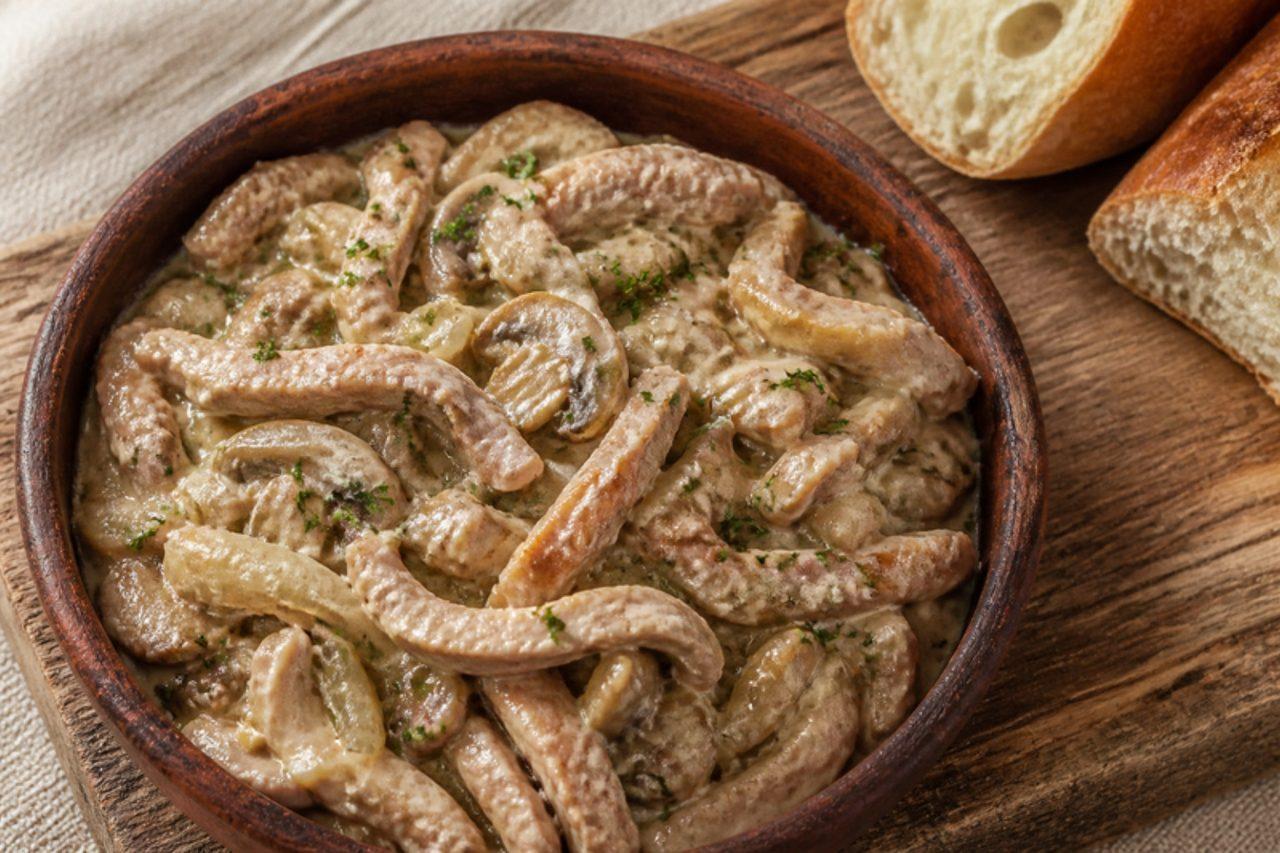
Katino mezePork and mushrooms in cream

Every Bulgarian mehana, the wood-panelled tavern, has Katino meze on the menu, sizzling in a small clay dish next to a shopska salad, and it is quick enough for a weeknight at home. Thin strips of pork loin are seared, then tossed with mushrooms, onion and pickled gherkin, deglazed with dry white wine and finished with cream, black pepper and a pinch of hot chilli. For an alcohol-free sauce, swap the wine for the same amount of vegetable stock with a teaspoon of white wine vinegar or a splash of white grape juice. Serve with crusty bread or chips. A common mistake is crowding the pan: the pork stews grey instead of browning, so sear it in two batches. Chef's tip: cut the pork across the grain into finger-thin strips while it is half-frozen; it slices neatly and stays tender.

by KrazyBadal 0 views

Showing 18 of 7,762 recipes

Show more recipes

Page 248 of 863