


Skip to content
Tobago pacro water
Featured recipe

Tobago pacro water

Chiton broth

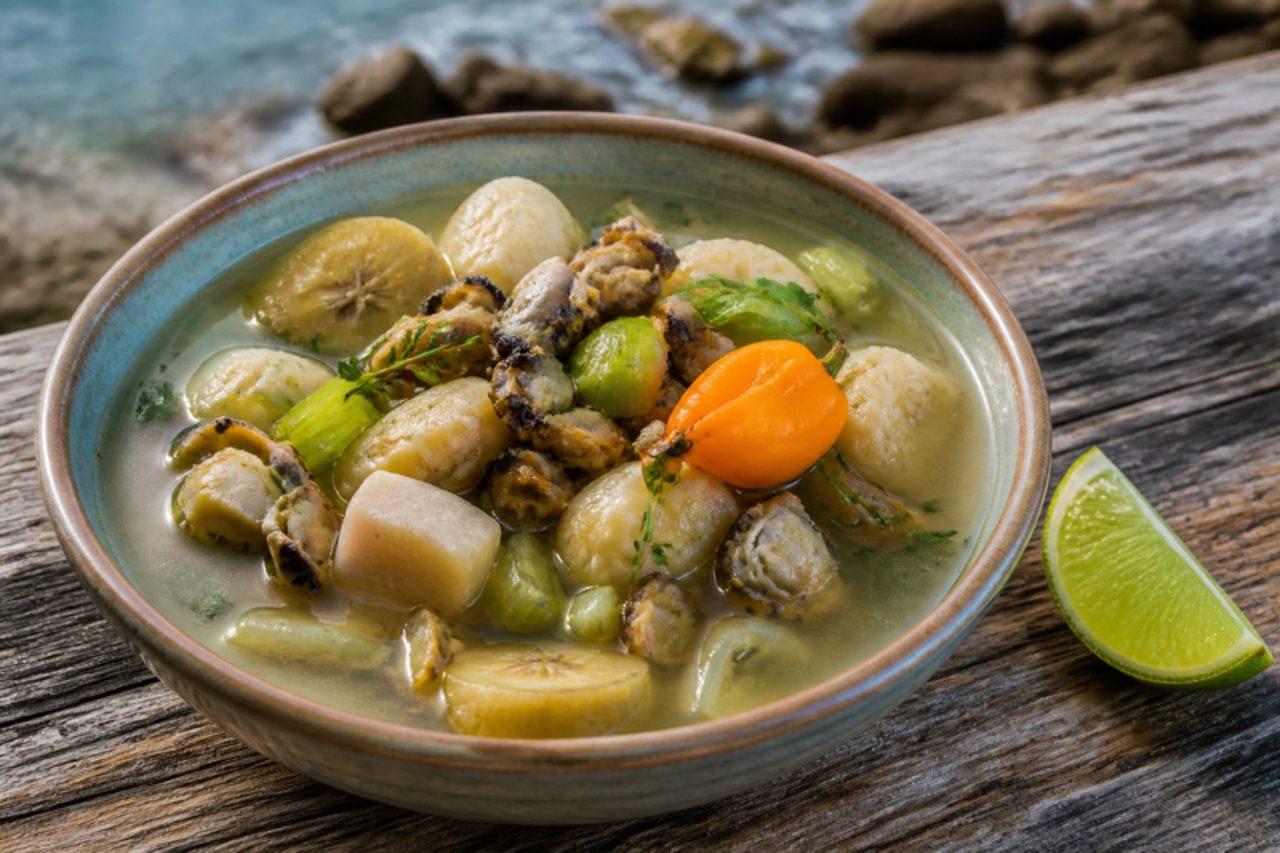
Along Tobago's rocky windward coast, pacro (chitons) are prised off the rocks at low tide and made into pacro water, a light, herby broth with green fig, dasheen and dumplings that islanders swear by as a strengthening soup. The flavour is clean and briny, somewhere between clams and whelks. Pacro is seasonal and its harvest is restricted in places, so only use pacro gathered legally; clams or whelks make a good substitute. The common mistake is skipping the long scrub and soak: pacro carries a lot of grit. Chef's tip: once cooked, pull out the pacro, chop the meat small and return it, so every spoonful gets some.

Read more 0 views

What to eat today?

Around the world

Today's trip: Persian

A new country every day, from every cuisine on the site.

Persian

Nazkhatoon

Smoky aubergine with pomegranate 40 minMore from Persian (131) →

This week's collection

Kid-friendly dinners
578 recipes · a new collection every Monday

Latest recipes

ErgoSoured milk

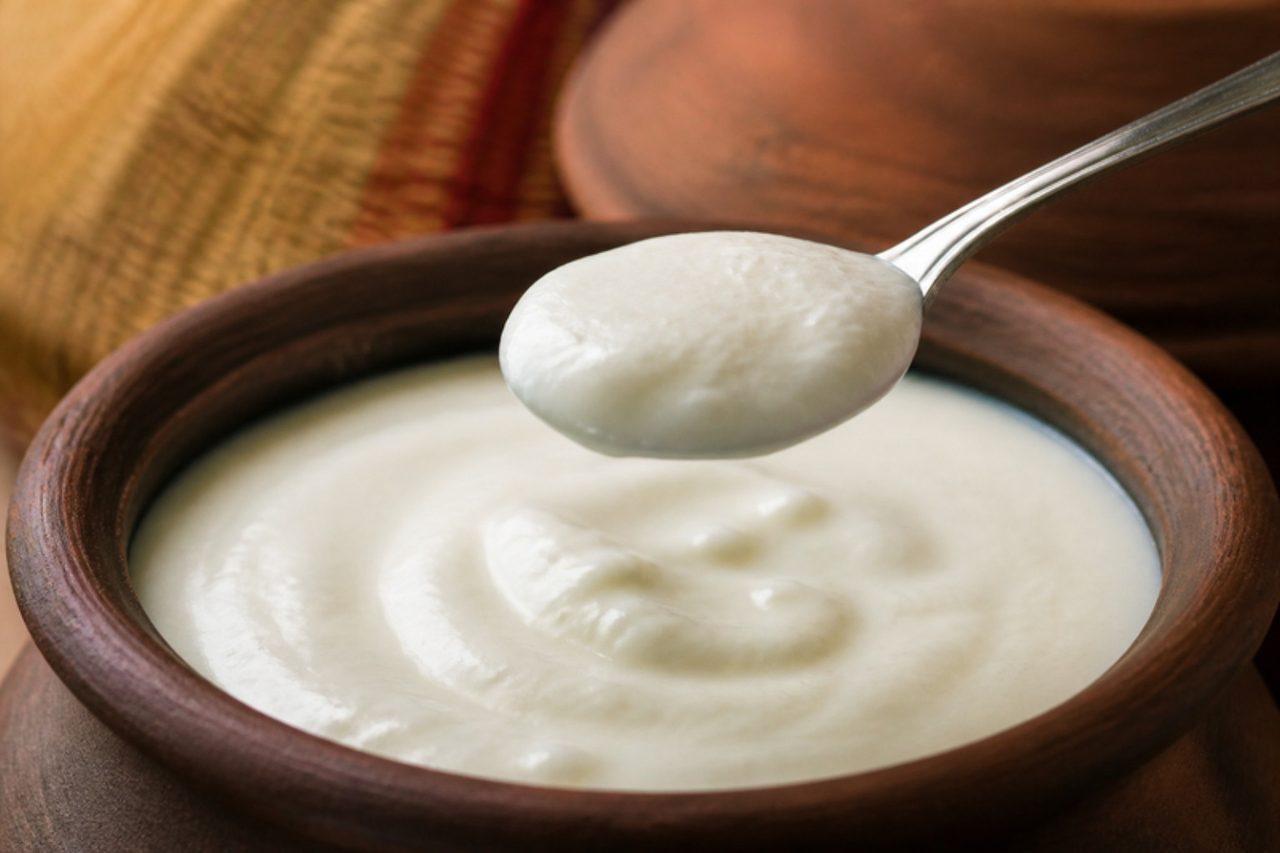
Cattle-keeping families across rural Ethiopia leave fresh milk to thicken in smoked clay pots or gourds, and the result, ergo, is tangier and looser than yoghurt, somewhere between set buttermilk and a soft curd. It is spooned beside a spicy kitfo or wat to calm the heat, eaten for breakfast with bread, or drunk as it is on hot afternoons. The traditional way relies on raw milk souring by itself, which is not safe to copy at home; this version uses pasteurised whole milk with a spoon of live buttermilk or yoghurt as the starter, so the right bacteria do the work. Allow about 24 hours at room temperature for it to set. Chef's tip: keep it somewhere steady at 22–26 °C; too cool and it barely thickens, too warm and it separates into whey and lumps.

by KrazyBadal 0 views

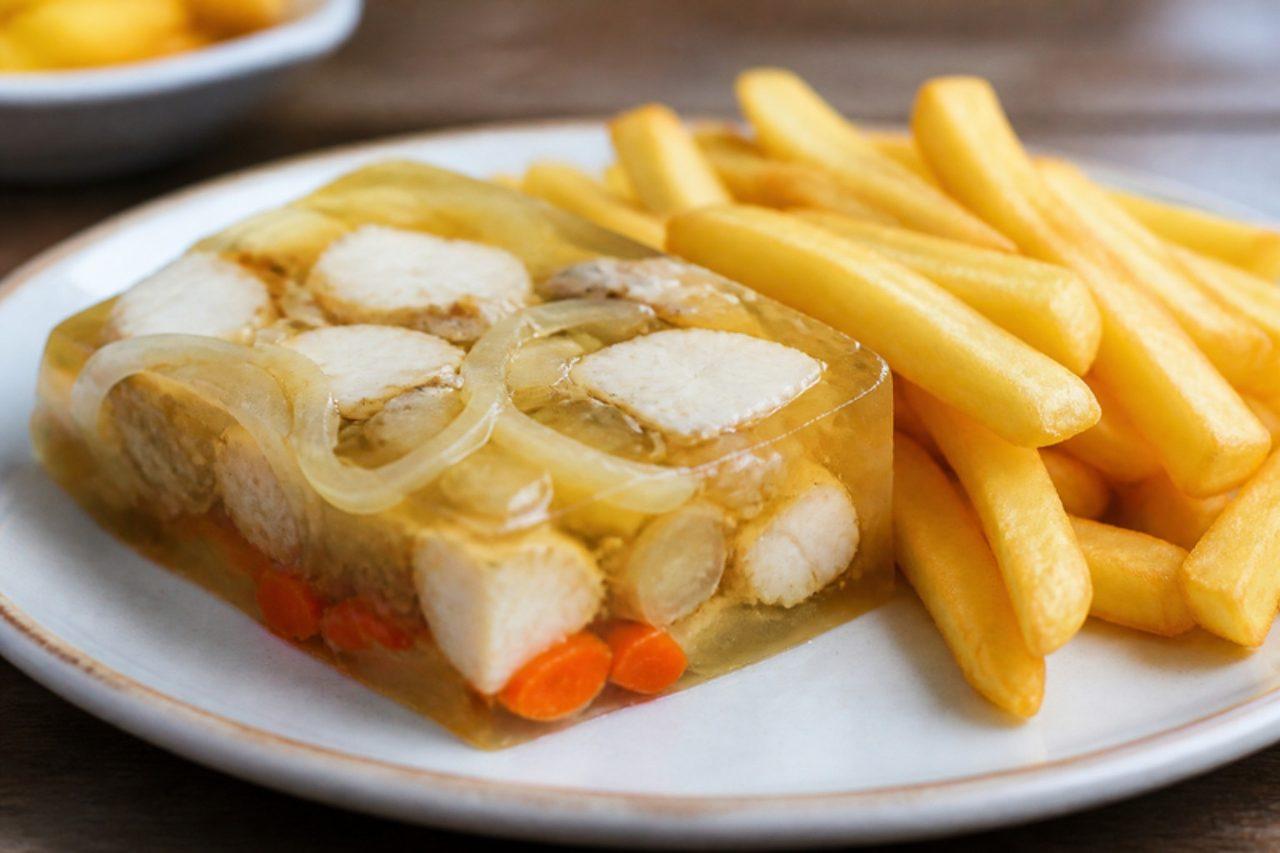
EscavècheCold fried fish in vinegar jelly

Escavèche is a speciality of the Chimay and Couvin area in southern Wallonia, a legacy of Spanish rule in the 16th century: fish fillets, traditionally eel or pike, fried and then covered with a hot marinade of vinegar, onion, thyme and bay that sets into a clear, tangy jelly as it cools. It is eaten cold, sliced, with crisp fries, in the brasseries of the Botte du Hainaut. A common mistake is not cooking the fish through before it goes into the marinade; cold marinade does not cook it. Chef's tip: let it set for at least 12 hours in the fridge; the vinegar mellows and the jelly firms. The fish should be opaque and flaking before marinating.

by KrazyBadal 0 views

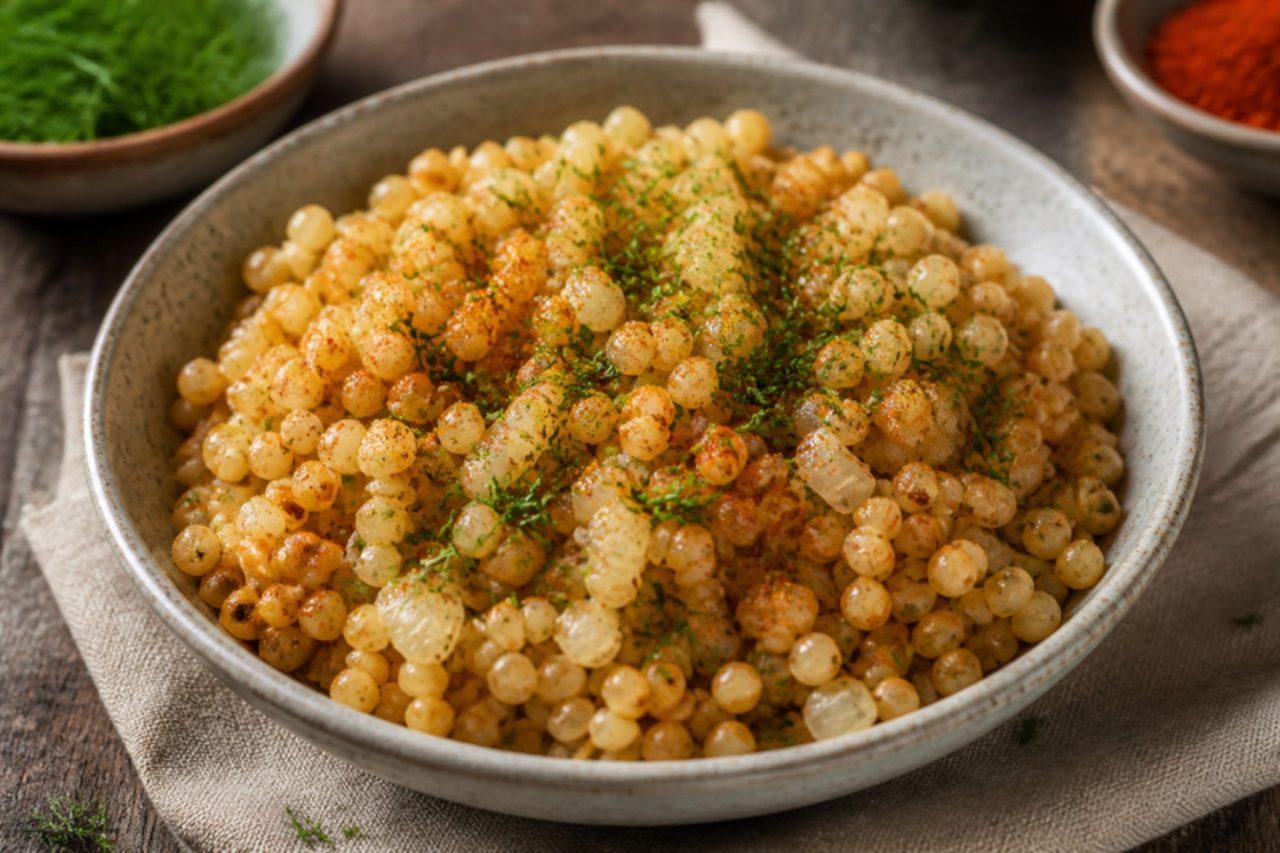
FarfelEgg pasta pilaf with onions

Farfel, little barley-sized pellets of egg pasta, are what many Ashkenazi grandmothers in Israel cook instead of rice, especially on Friday nights alongside soup and roast vegetables. Toasted in oil until golden, then simmered in stock with soft onion, they turn out fluffy and separate with a gentle nutty taste, a bit like a tiny pasta pilaf. This version uses vegetable stock, so it is vegetarian and dairy free. Serve it as a side or stir through mushrooms for a light supper. A common mistake is adding too much stock, which makes the pellets swell into a sticky mass. Chef's tip: toast the farfel until it smells like toast and is evenly amber before any liquid goes in.

by KrazyBadal 0 views

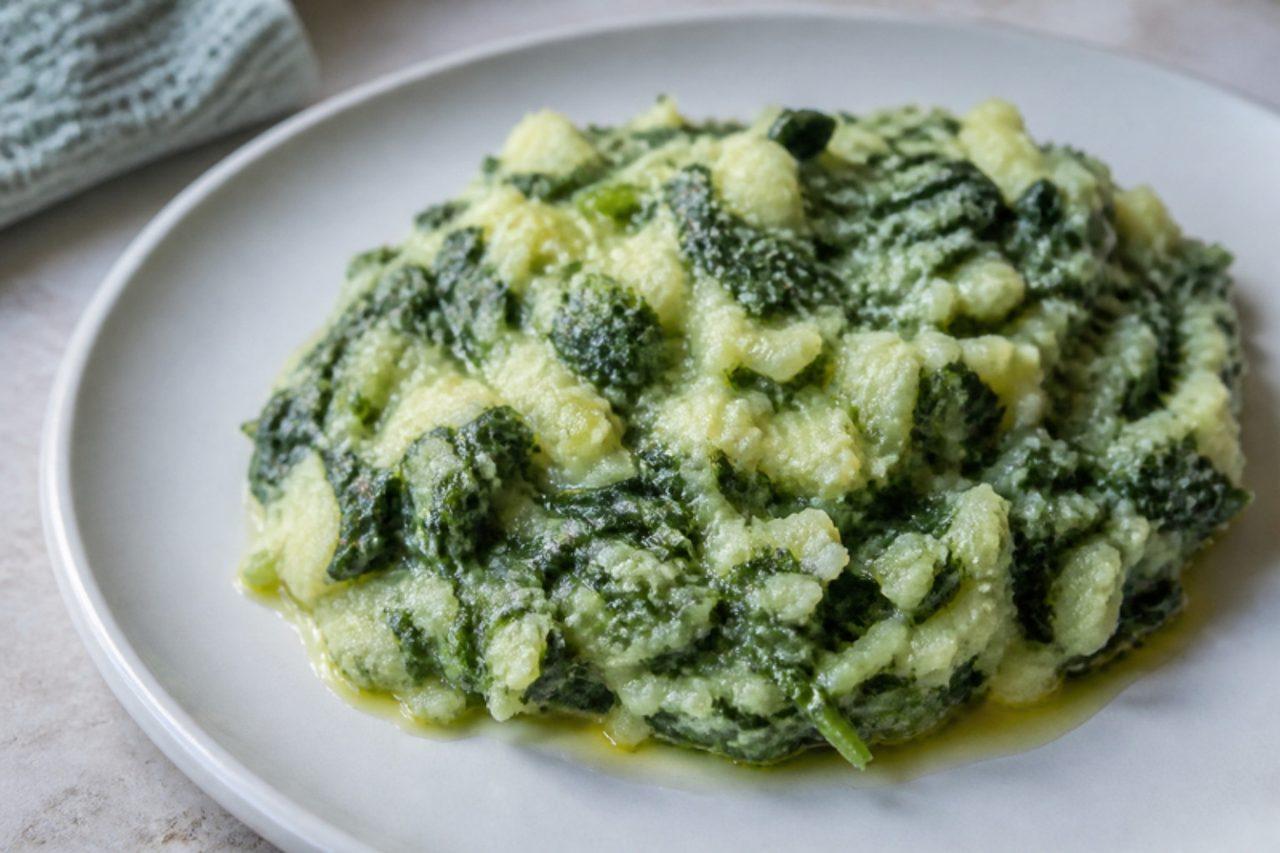
BlitvaSwiss chard and potatoes

Order grilled fish in any konoba along the Dalmatian coast of Croatia, from Zadar down to Dubrovnik, and a heap of blitva usually comes with it. Swiss chard and potatoes are boiled together until soft, then crushed roughly with lots of good olive oil and a little garlic, so the potatoes turn creamy and the chard stays silky and green. It is humble, quick and very good, also with grilled vegetables, eggs or a simple bean dish. The usual slip is not draining well enough, which leaves a watery, grey mush; let everything steam dry in the colander for a minute. Chef's tip: use the best olive oil you have and add a final drizzle at the table, as Dalmatians do, so its peppery taste stays bright.

by KrazyBadal 0 views

Brabants worstenbroodSausage roll

Worstenbrood is a Brabant institution, bought from bakeries in Eindhoven, Tilburg and Den Bosch for birthday mornings, Sunday breakfast and above all for carnival in February: a soft, slightly sweet bread dough wrapped around a log of minced pork seasoned with nutmeg, pepper and clove, baked golden. This is a pork dish. A common mistake is wrapping the dough too thick, which leaves a doughy roll and an undercooked middle. Chef's tip: roll the dough thin and bake until the filling reaches 71 °C; eat it warm from the oven.

by KrazyBadal 0 views

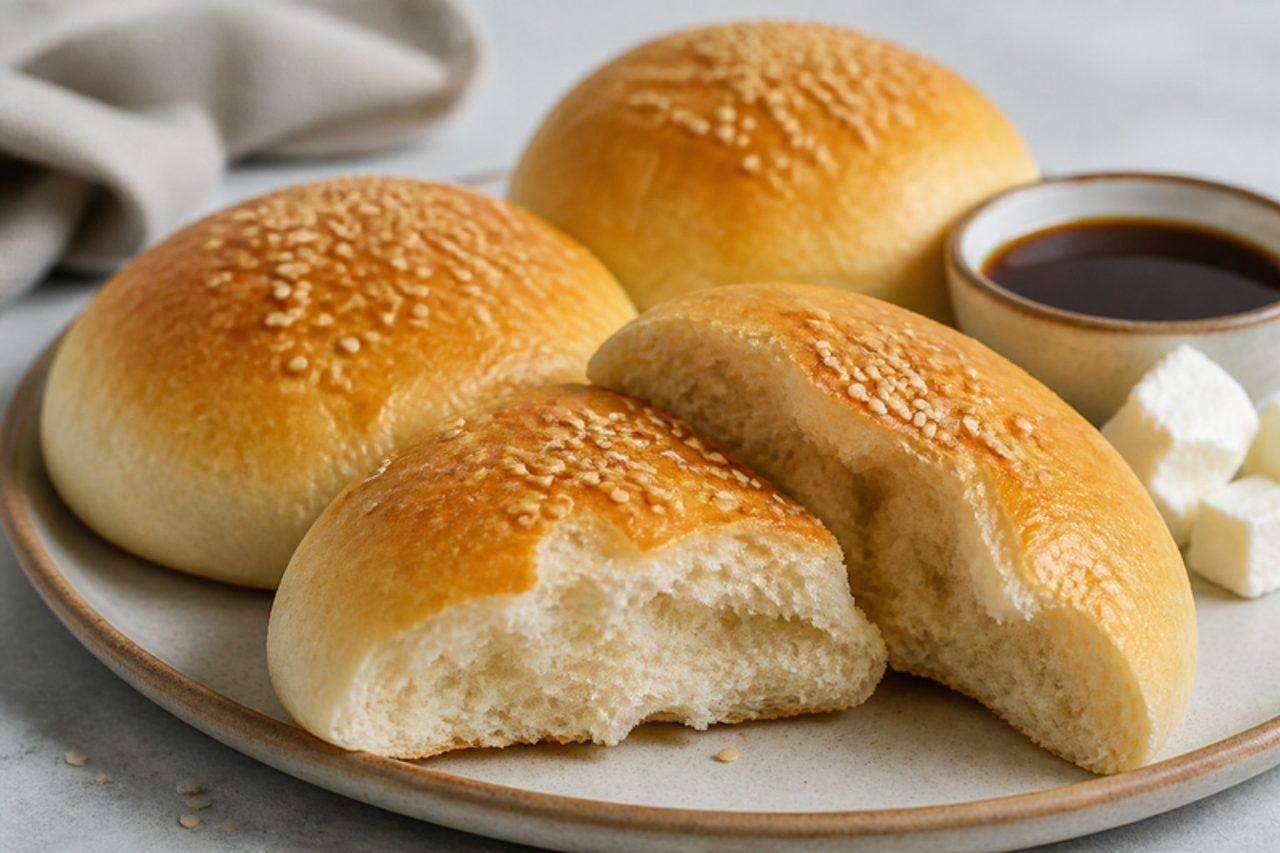
KhameerDate and fennel bread

In homes across the United Arab Emirates, from Abu Dhabi to the old quarters of Sharjah, khameer is the bread that comes out on a weekend morning, still warm, next to a pot of karak or cardamom coffee. Mashed dates sweeten the dough just a little, while fennel and saffron give it a gentle, perfumed warmth, and the rounds are cooked on a dry pan so they stay pillow-soft with freckled brown faces. Split them and fill with soft white cheese, a drizzle of date syrup or honey, or a fried egg. The usual mistake is cooking them over a fierce heat: the outside darkens long before the thick middle is done, so keep the flame moderate and be patient. Chef's tip: press the risen rounds flat with your fingertips just before they go in the pan; the dimples stop them doming and help them cook evenly.

by KrazyBadal 0 views

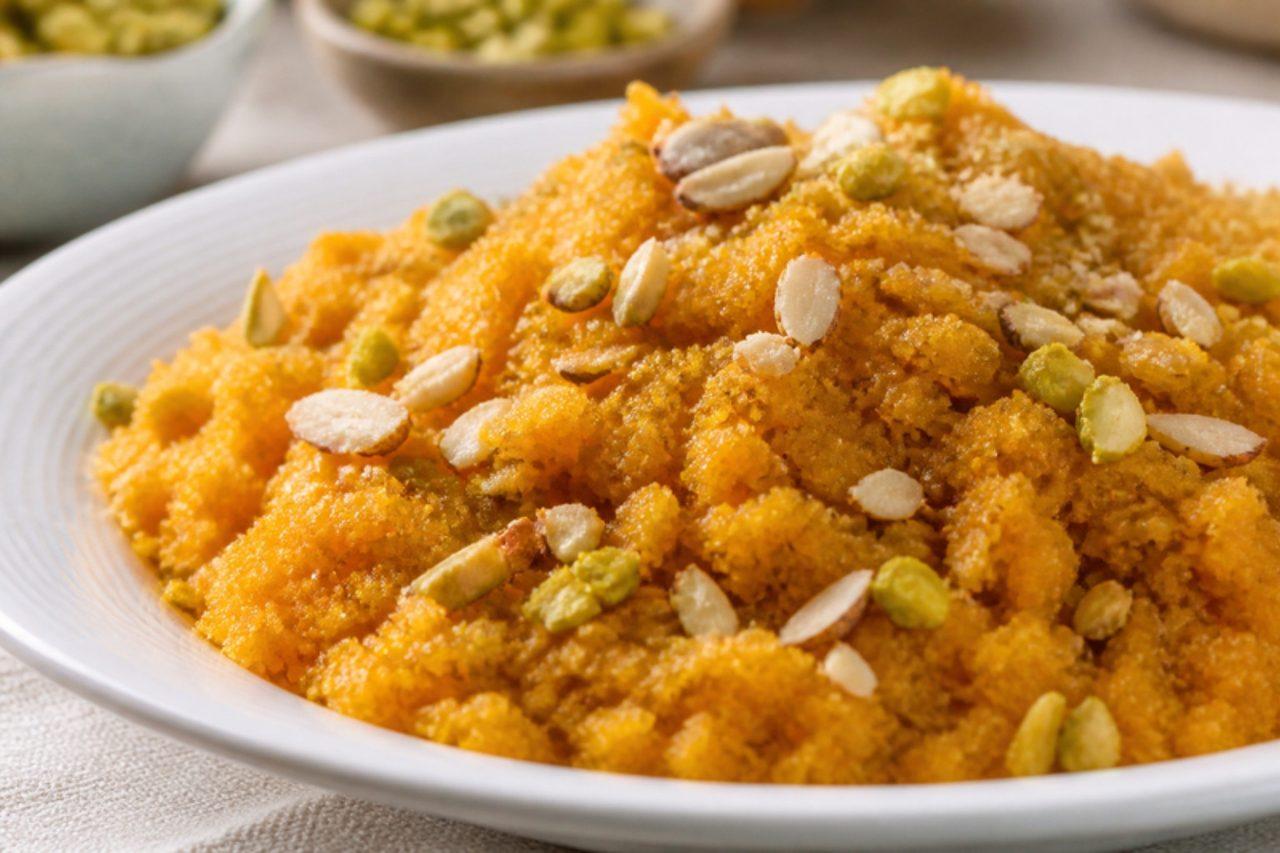
KhabeesaSaffron toasted flour sweet

Khabeesa is made in Emirati and Qatari kitchens for Eid mornings, new babies and Ramadan nights: flour toasted until golden, then cooked with saffron syrup and ghee until it turns into fragrant, crumbly clusters, a bit like a soft, buttery halwa that breaks apart. It is served in a small bowl on the coffee tray, eaten with a spoon or the fingers, and its aroma of saffron, cardamom and rosewater fills the house. The mistake to avoid is pouring in the syrup all at once, which makes lumps that never break up. Chef's tip: keep pressing and turning the mixture against the pan once the ghee goes in; that is what forms the little golden crumbs.

by KrazyBadal 0 views

Bizcocho dominicanoOrange sponge with pineapple filling

Every Dominican birthday in Santo Domingo or Santiago has one: a tall, buttery, orange-scented sponge split and filled with sticky pineapple, then swirled all over with glossy white meringue frosting called suspiro. Traditional suspiro whips hot syrup into raw whites; this version uses a Swiss meringue, heating the whites with sugar to 70 °C so it is safe for everyone, including pregnant women and small children. The common mistake is overbeating the batter after the flour goes in, which makes the famously moist crumb tough. Chef's tip: beat the butter and sugar for a full 8 minutes until almost white; that air is what gives bizcocho its tender, springy texture.

by KrazyBadal 0 views

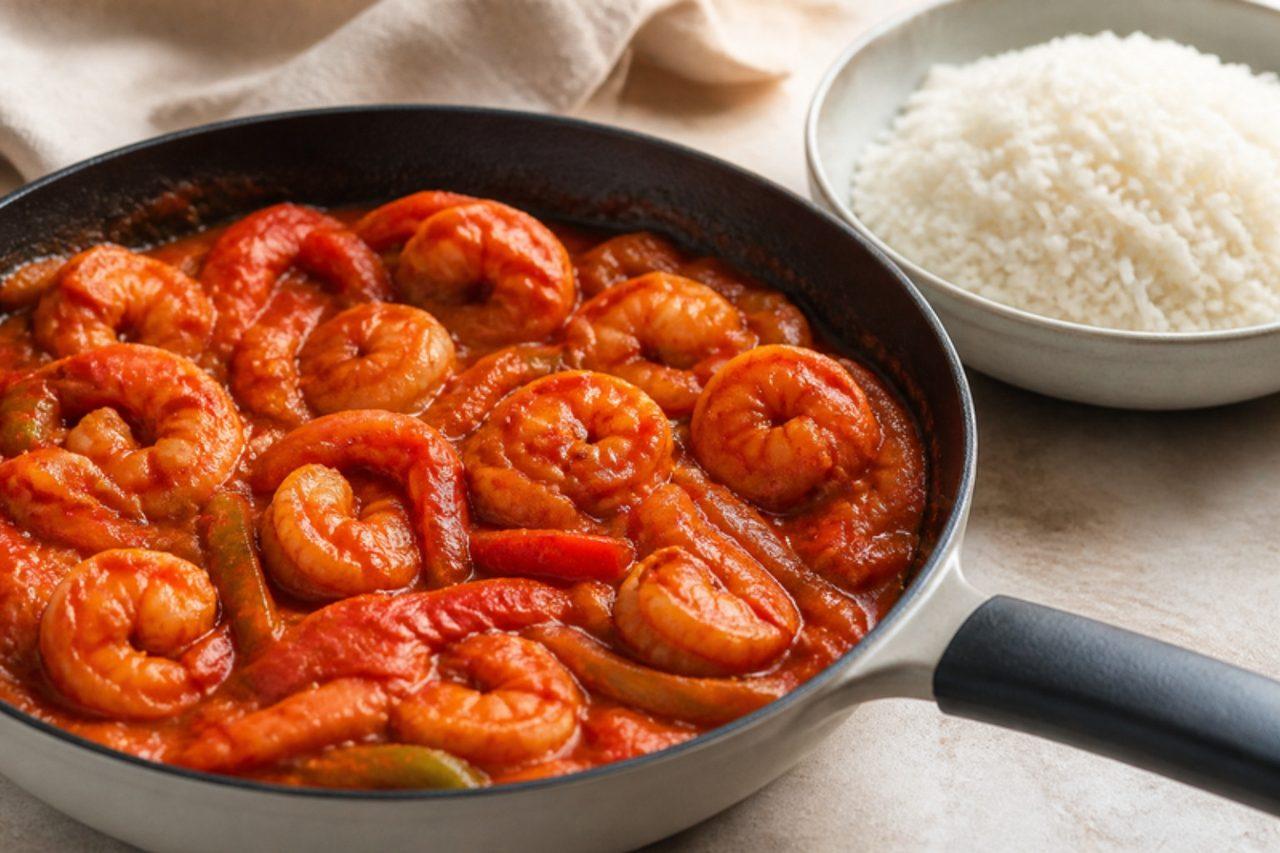
Enchilado de camaronesShrimp in Creole tomato sauce

Despite the name, Cuban enchilado isn't fiery: it is shrimp cooked in a red Creole sauce of tomato, sweet pepper, onion, garlic and a splash of dry white wine, the way it is served in seaside restaurants from Havana's Malecón to Varadero. It goes over white rice with a side of tostones. The wine is simmered for several minutes, but for an alcohol-free sauce use fish stock with a squeeze of lime instead. The common mistake is adding the shrimp too early so they turn rubbery; they need only 3 or 4 minutes at the end. Chef's tip: simmer the shrimp shells in the wine for 10 minutes and strain it into the sauce; it doubles the seafood flavour.

40 minCubanFishGluten free
by KrazyBadal 0 views

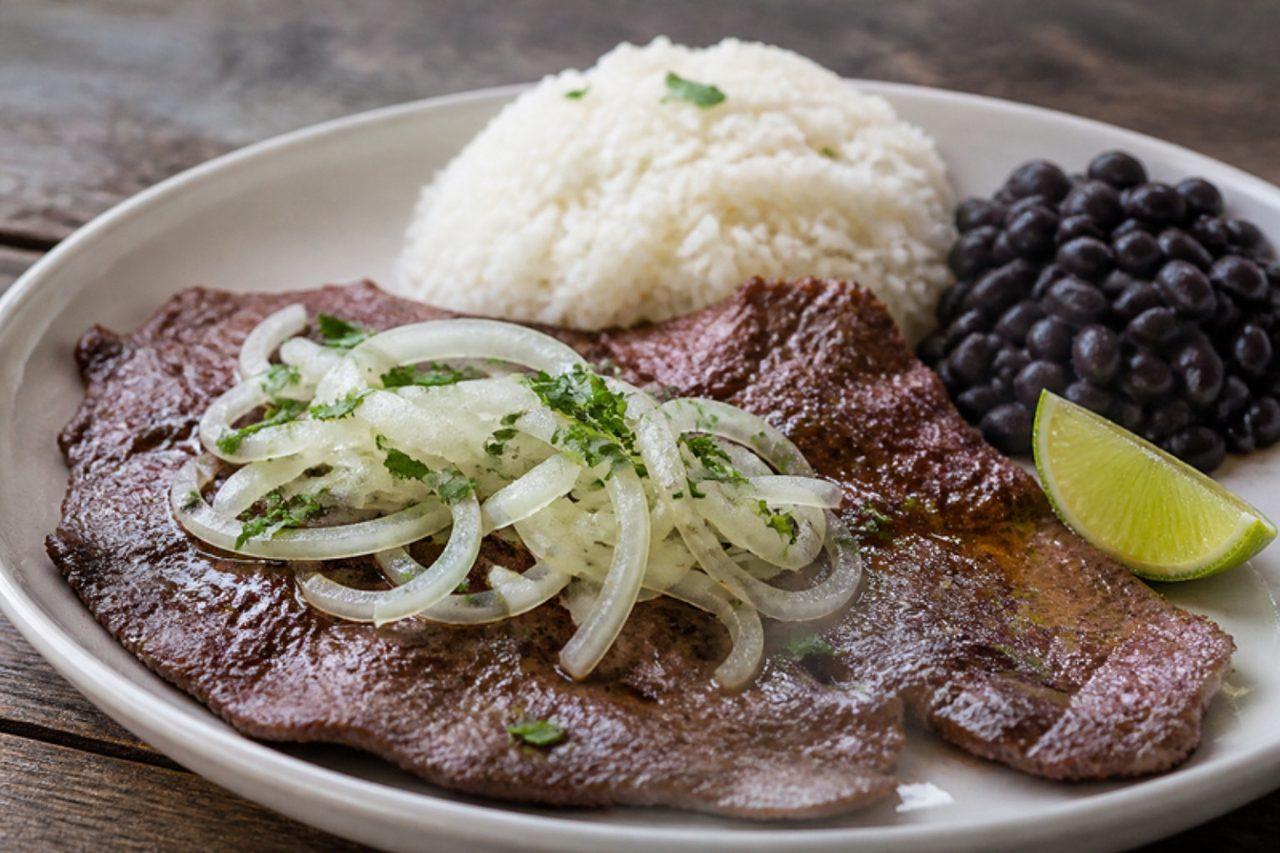
Bistec de palomillaThin steak with lime onion

Palomilla is the everyday steak of Havana lunch counters and Miami's Cuban cafés alike: top sirloin pounded very thin, marinated briefly in lime and garlic, seared in seconds and buried under a pile of raw chopped onion and parsley. It comes with white rice, black beans and fried plantain. The most common mistake is leaving the steak in the lime for hours, which turns the surface grey and mushy; 20 minutes to an hour in the fridge is enough. Beef steak can be cooked to your liking, but it is so thin it is usually cooked through. Chef's tip: get the pan smoking hot and cook one or two steaks at a time, or they stew instead of browning.

25 minCubanMeatGluten free
by KrazyBadal 0 views

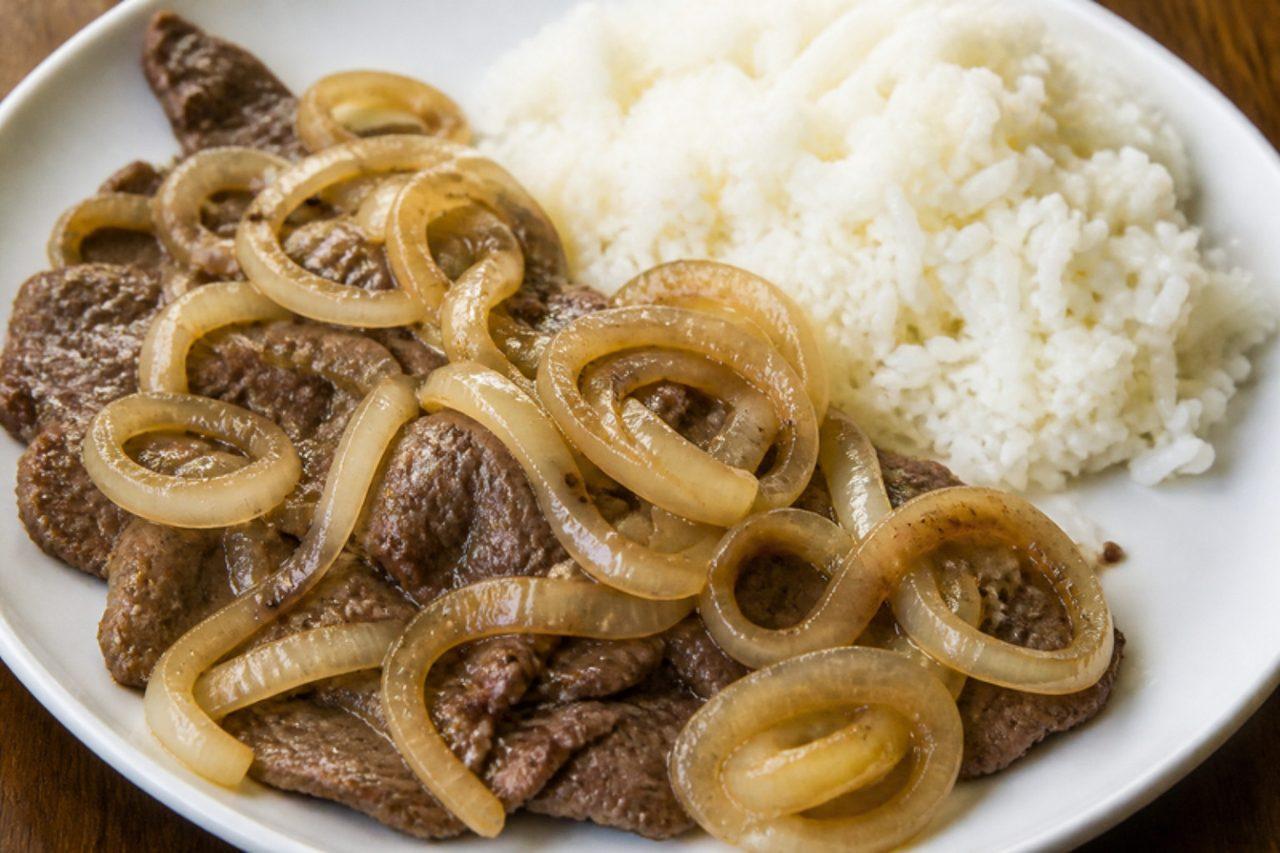
Bistec encebolladoSteak with vinegar onions

Order bistec encebollado at a lunch counter in Santurce or a comedor in Santiago de los Caballeros and it comes the same way: thin steaks swimming in a heap of soft, sharp onions and a garlicky, vinegar-bright gravy, with white rice, beans and tostones alongside. Thin cuts are marinated in vinegar, garlic and oregano, seared, then braised gently with the onions until tender. The common mistake is boiling the meat hard, which makes thin steak tough; a gentle simmer under a lid keeps it soft. Chef's tip: give the steaks a few gentle pounds with a mallet before marinating so the vinegar can work into them.

by KrazyBadal 0 views

BozartmaLamb stew with tomato and saffron

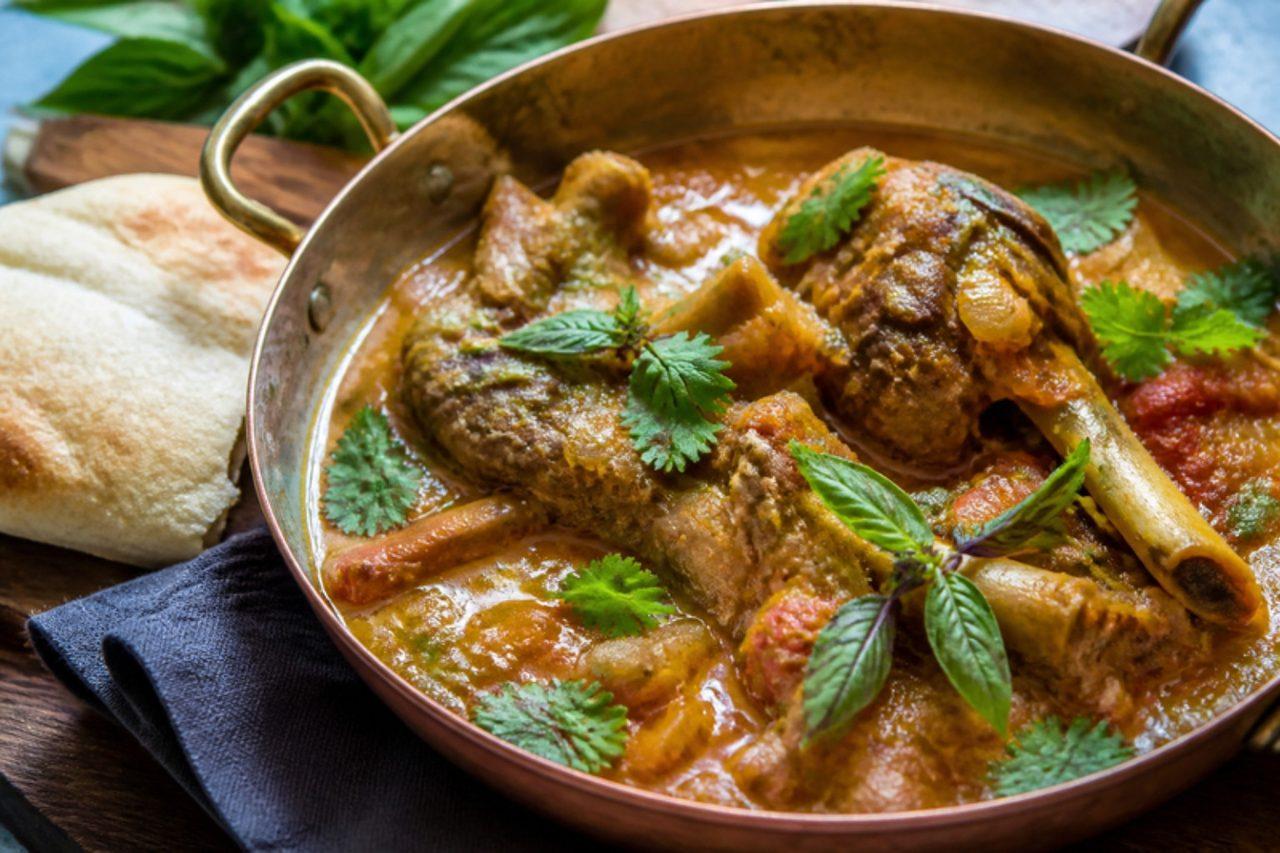
Bozartma comes from Ganja, Azerbaijan's second city at the foot of the Lesser Caucasus, where lamb on the bone is browned and then stewed with a mountain of onions and tomatoes until the sauce turns thick and red-gold with saffron. The name hints at the browning (boz, 'grey-brown'), and Ganja cooks say the onions must melt completely. It is eaten with bread and greens, and a chicken version is common too. A common mistake is adding water; the onions and tomatoes give all the liquid needed. Chef's tip: cook it uncovered for the last 15 minutes, until the fat rises to the top; that is how Ganja cooks know bozartma is ready.

by KrazyBadal 0 views

EleshChicken and potato pies

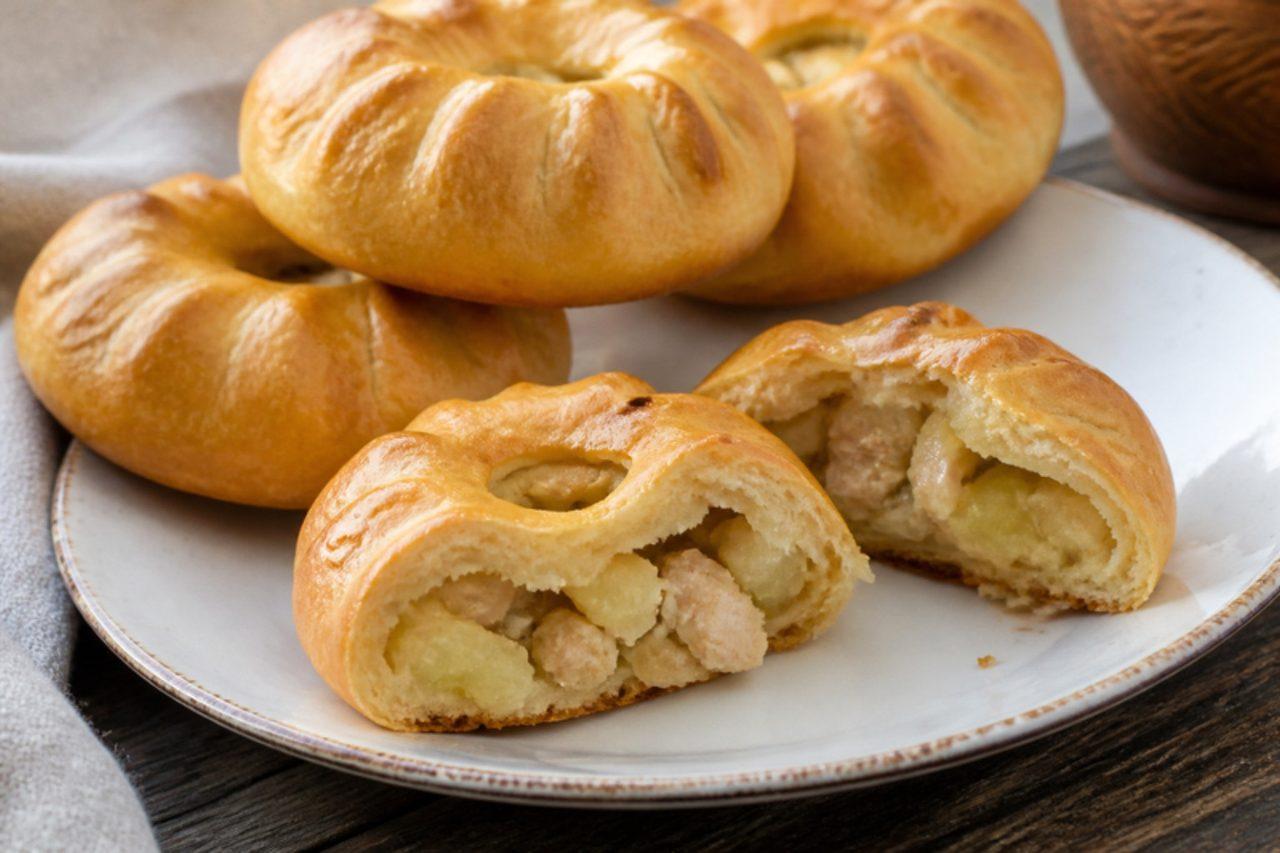
At Tatar weddings in the villages east of Kazan, elesh come to the table early, little pleated pies about the size of a fist, each filled with chopped chicken and potato and baked until the tops glow. The meat goes in raw with onion and butter, so it cooks in its own juices inside the sealed pastry and stays moist; a spoon of broth is added through a tiny vent halfway through. The pastry is rich with butter and sour cream and goes soft under a cloth after baking. A common mistake is leaving the chicken in big chunks; cut it small or the potato is done long before the meat. Chef's tip: use thigh rather than breast, it stays juicy through the long bake.

by KrazyBadal 0 views

BathithToasted flour and date bites

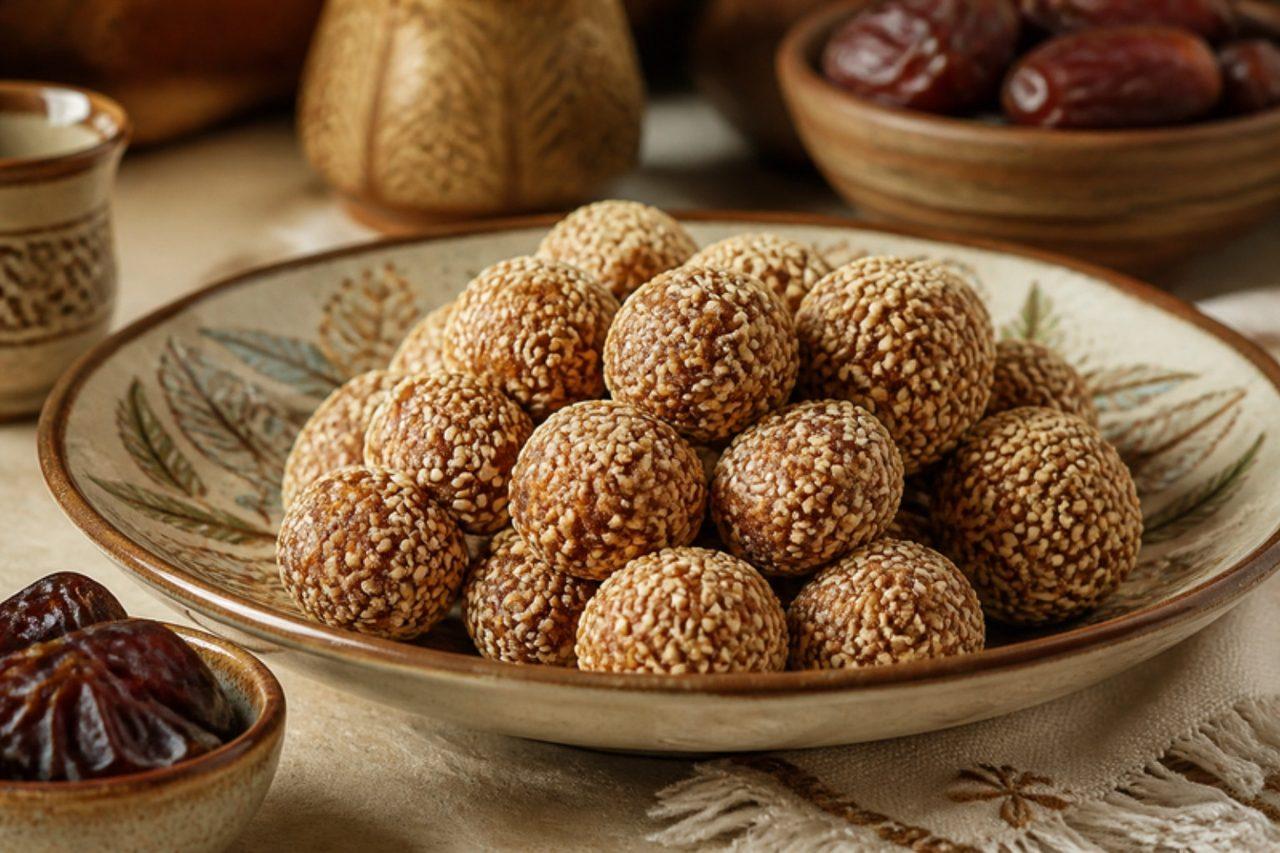
Bathith is an old Bedouin travel sweet from the United Arab Emirates, made from things that keep in the desert: flour toasted dark, dates and ghee, kneaded together into crumbly bites. Today it is served in Emirati homes with gahwa in the afternoon or put out at Ramadan, and it tastes of caramel, toasted nuts and warm cardamom, with a texture somewhere between shortbread crumble and fudge. It keeps well for a week in a tin. Under-toasting the flour is the mistake most often made: it must go a deep golden brown, or the bites taste pasty. Chef's tip: use the softest dates you can find and warm them with the ghee; they melt into a paste and bind the flour without extra fat.

by KrazyBadal 0 views

Soy sauce chicken

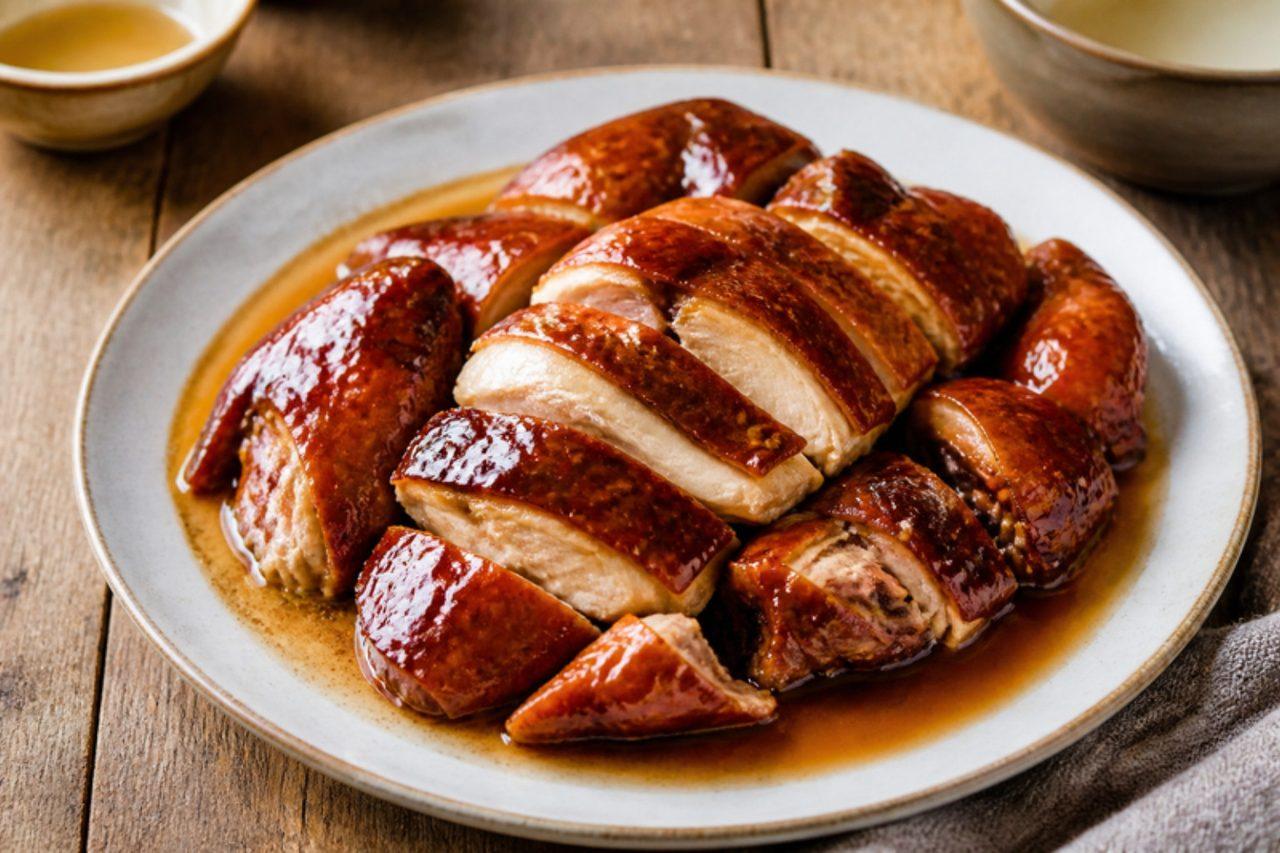
Glossy, chestnut-brown and hung by the neck in siu mei shop windows across Hong Kong, see yau gai is the gentle cousin of roast meats: a whole chicken poached in a fragrant master stock of light and dark soy, rock sugar, star anise, cinnamon and ginger until the skin is lacquered and the meat silky and sweet-savoury. It is chopped onto plates of rice with a ladle of the sauce for a quick lunch, or served at home with blanched greens. Shaoxing rice wine goes into the stock, with an alcohol-free option in the list. Traditional cooks pull the bird while it is still pink at the bone; this recipe does not, and the chicken is cooked to 74 °C in the thickest part of the thigh. The main pitfall is a rolling boil, which tears the skin and toughens the breast; keep the stock barely trembling. Chef's tip: strain and freeze the stock, and it gets deeper every time you reuse it.

by KrazyBadal 0 views

Biye barir roastSweet wedding-style chicken roast

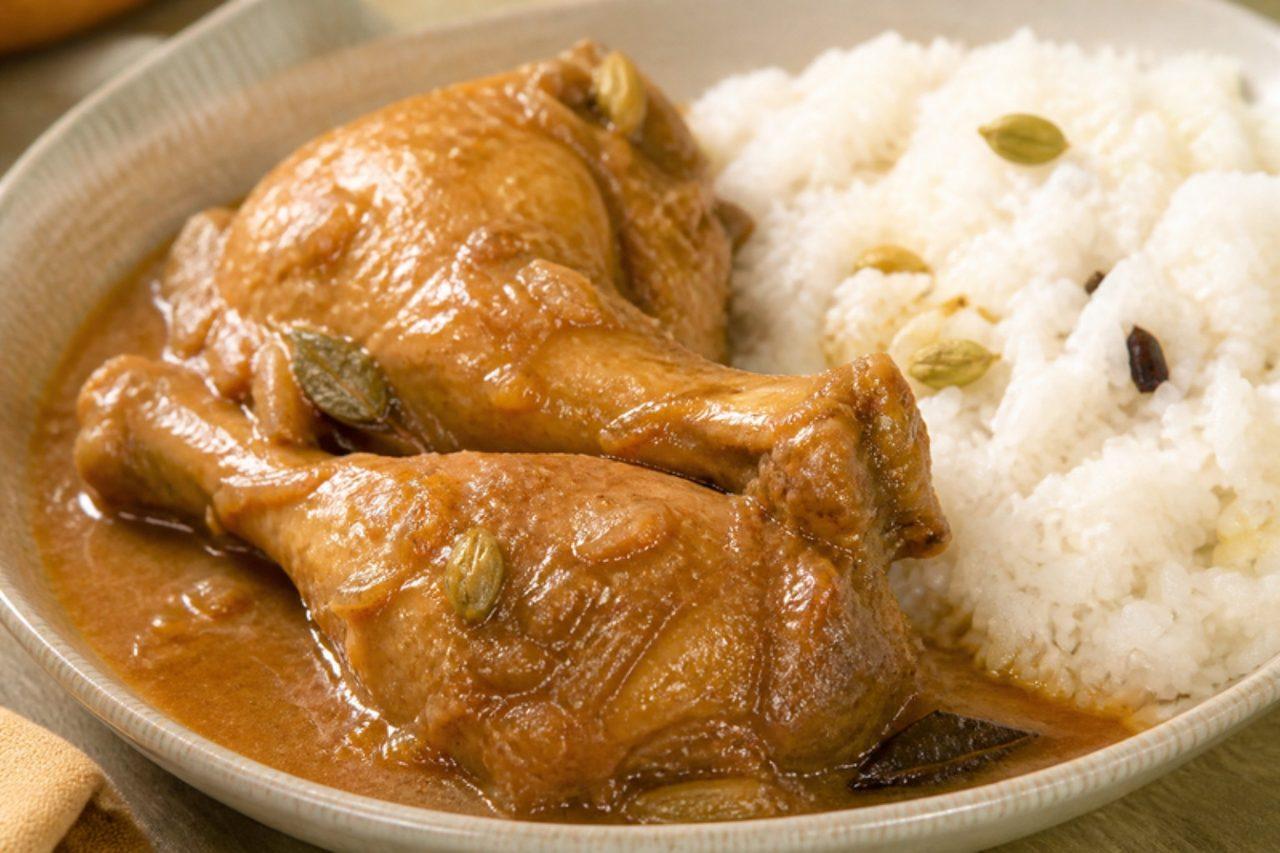
Ask anyone who grew up in Bangladesh what they look forward to at a biye bari, a wedding house, and the chicken roast is near the top, a single fried leg or breast lounging in a thick, sweet-spiced, ghee-glossed gravy beside a mound of polao. The word roast is a bit of a misnomer: the chicken is fried until golden and then simmered in a gravy of onion paste, yoghurt, milk and a little sugar, perfumed with cardamom, mace and kewra, so it tastes rich rather than charred. Children love it because it is mild and gently sweet, with only whole green chillies for warmth. A common error is skipping the frying, which leaves the chicken pale and lets it fall apart in the sauce. Chef's tip: use bone-in thighs and drumsticks with deep slashes, so the gravy gets into the meat during the short simmer.

by KrazyBadal 0 views

Ekpang nkukwoGrated cocoyam and plantain parcels

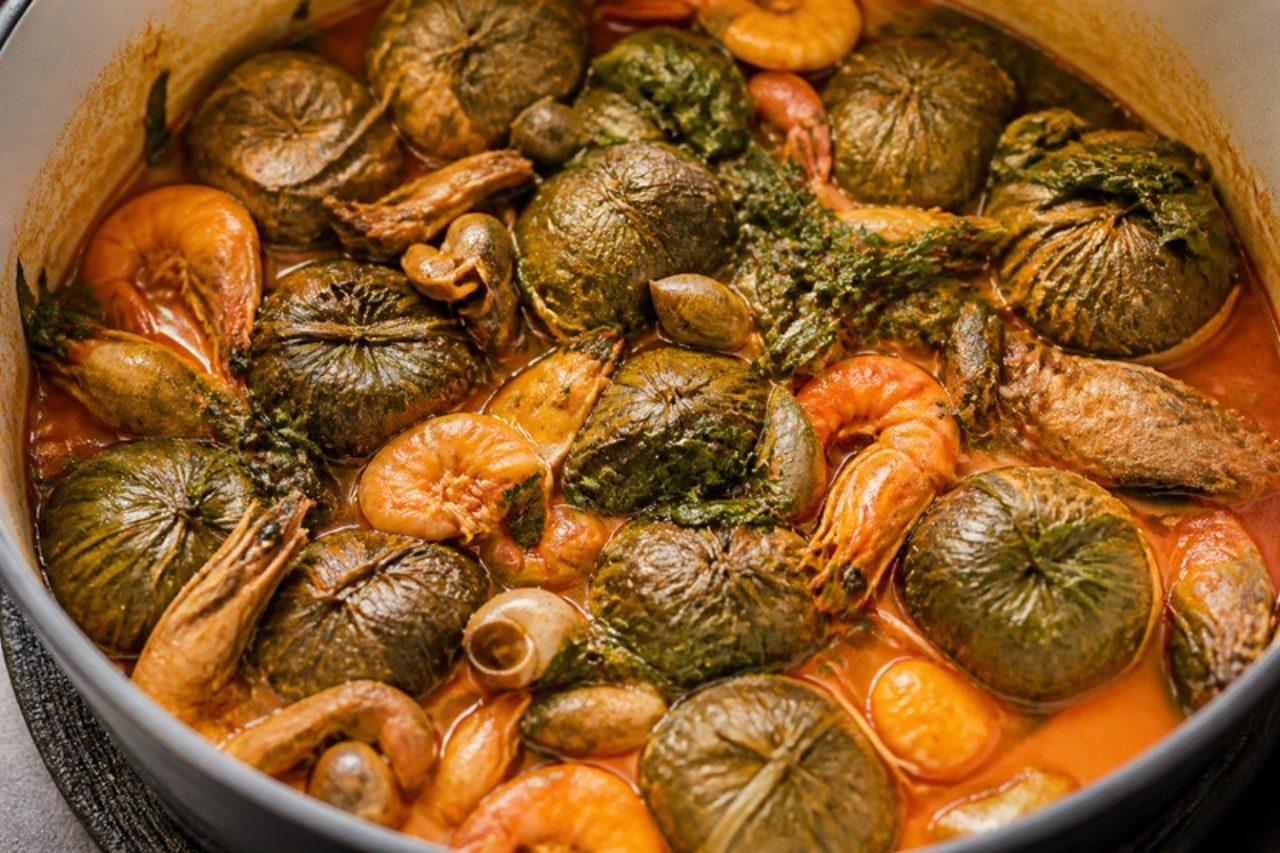
Patience is the main ingredient of ekpang nkukwo, a festive dish of the Efik and Ibibio of Calabar and Akwa Ibom. Grated cocoyam and unripe plantain are rolled into little leaf parcels, stacked in a pot and cooked slowly in a broth of palm oil, periwinkles, prawns, smoked fish and pepper until the parcels set into soft, sliceable rolls in a thick, orange sauce. It is a meal in itself, often made for Christmas and family gatherings. Cocoyam leaves are traditional; large spinach or chard leaves work if you blanch them first. Raw cocoyam can itch the skin, so wear gloves to grate it, and cook the dish fully. Chef's tip: do not stir until the parcels have cooked for at least 25 minutes, or they will unroll and dissolve into the broth.

120 minNigerianFishGluten free
by KrazyBadal 0 views

Bajan pumpkin fritters

Barbadian grandmothers turn leftover boiled pumpkin into these little fritters for Sunday tea, frying spoonfuls of a soft, spiced batter until puffed and golden, then rolling them in sugar while still hot. Inside they are tender and custardy, with cinnamon, nutmeg and a hint of vanilla. They're best eaten warm, straight from the paper towel. The common mistake is a watery batter from wet pumpkin, which makes flat, greasy fritters: drain the cooked pumpkin well. Chef's tip: use the dense, orange West Indian pumpkin or butternut squash; watery jack-o'-lantern pumpkins don't work well.

by KrazyBadal 0 views

BirzFresh honey water

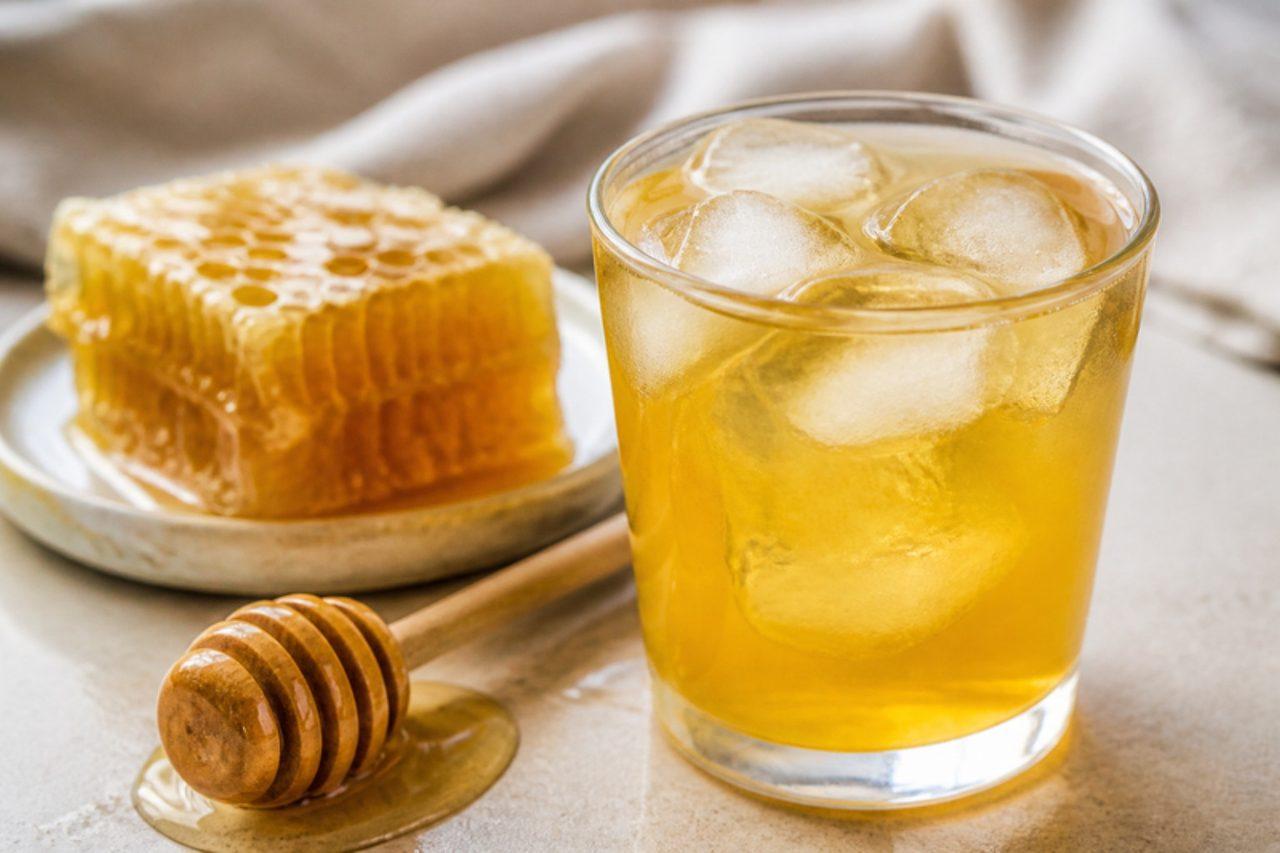
In Gojjam and Gondar, where honey is plentiful, birz is poured for children, for guests who do not drink, and at church feasts and weddings beside the tej. It starts the same way as honey wine, with honey stirred into water, but it is drunk fresh within hours, so it stays sweet, mild and completely alcohol-free. Good, flowery honey is everything here; it should taste like a cool, floral lemonade without the lemon. Because birz is honey and water, it will start to ferment by itself if left warm, so drink it the same day and keep it in the fridge until you pour it. Honey is not suitable for babies under 12 months. Chef's tip: dissolve the honey in a little warm water first; stirred straight into cold water, it sinks to the bottom in a sticky lump.

by KrazyBadal 0 views

ElarjiCornmeal and cheese porridge

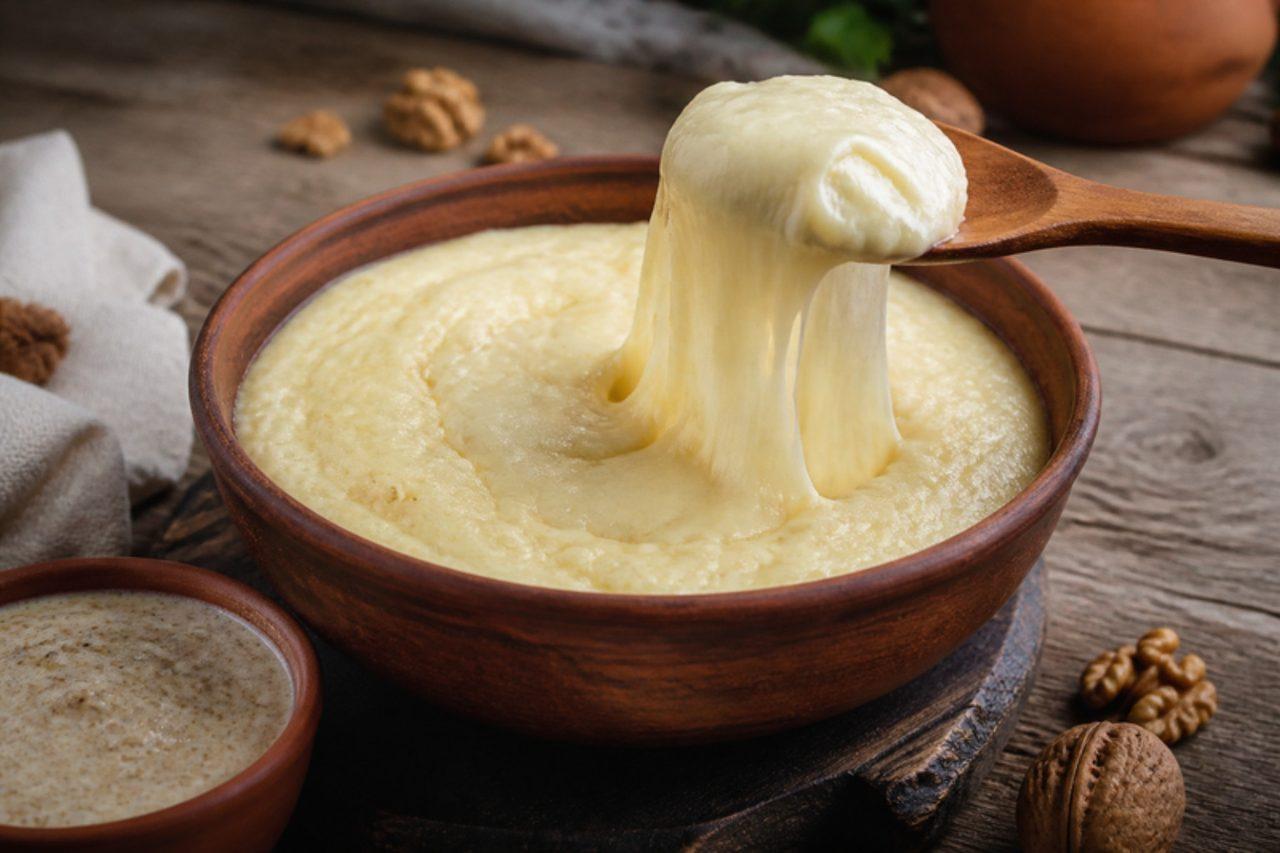
Elarji is the pride of Zugdidi and the rest of Samegrelo, where cornmeal is the everyday staple; the porridge is cooked until thick, then beaten with so much grated sulguni that it pulls up in long, glossy strings as you serve it. It goes to the table hot, with a bowl of bazhe walnut sauce or spicy ajika, and Mingrelians judge a cook by how long the cheese stretches. A common mistake is adding the cheese while the porridge is still loose; it sinks and goes rubbery instead of weaving through. Chef's tip: use a strong wooden spoon and beat hard in one direction as the cheese melts, which is what builds the stretch. Most sulguni is made with animal rennet, so look for a vegetarian one or use low-moisture mozzarella.

by KrazyBadal 0 views

ChebabSaffron yeast pancakes

Chebab are the thick, spongy pancakes that Emirati families make for breakfast in Dubai, Ras Al Khaimah and Al Ain, especially on Fridays and through Ramadan for suhoor. The batter is yeasted, so the pancakes rise in the pan and come out holey and soft like a crumpet, tinted yellow with saffron and scented with cardamom. They are served stacked with date syrup poured over and a spoonful of fresh chami or cream cheese on the side. Flipping too early is the classic error: wait until the top is covered in bubbles and looks dry at the edges, or the pancake tears. Chef's tip: leave the batter to rise until it is properly bubbly; a lazy batter gives flat, heavy chebab.

by KrazyBadal 0 views

Bingka ubiBaked cassava cake

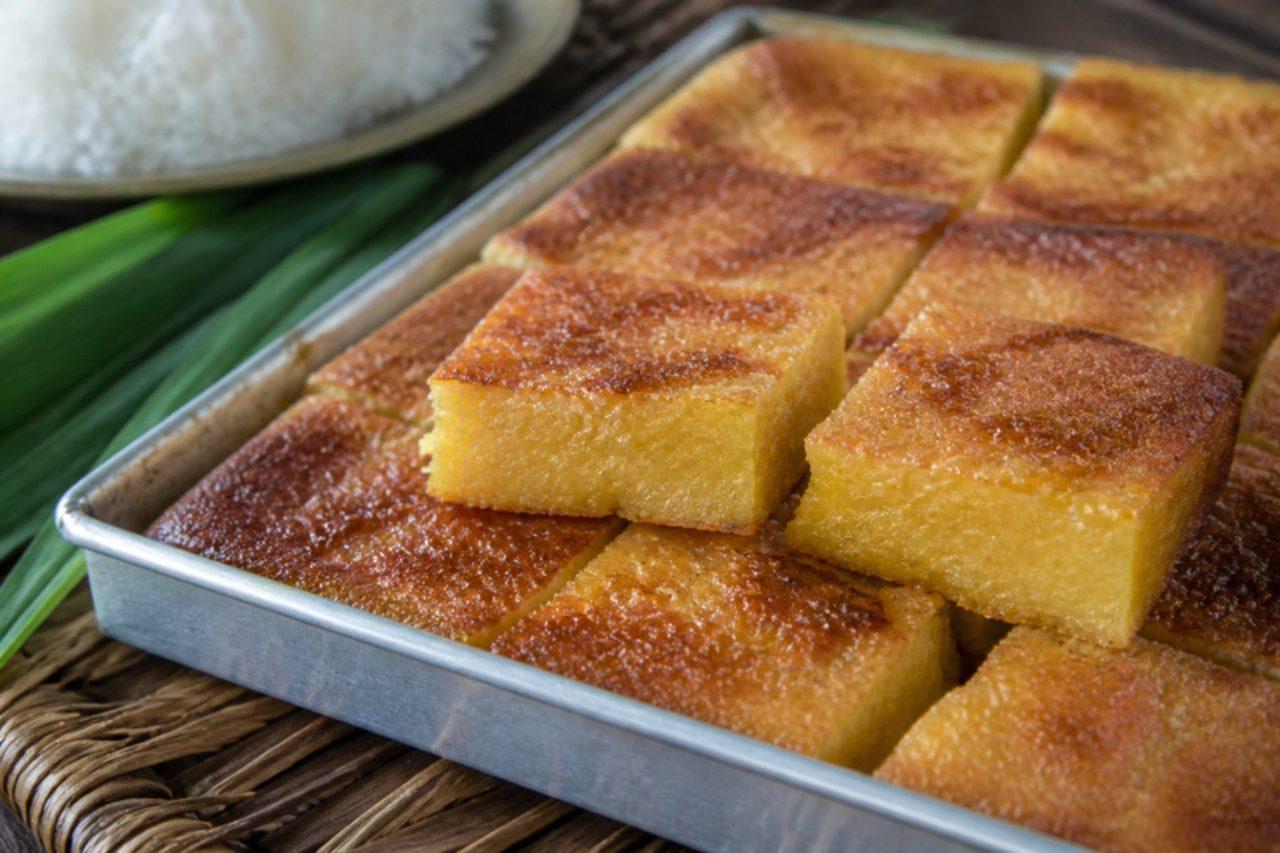
Golden-brown slabs of bingka ubi are cut from big trays at Malay and Peranakan kueh stalls in Singapore and taken home for tea, or baked at home for Hari Raya when there is a crowd to feed. Freshly grated cassava, coconut milk, eggs and sugar bake into a dense, chewy, slightly sticky cake with a custardy centre and a caramelised, almost leathery top, scented with pandan. It needs nothing with it but a cup of strong tea or kopi. Cassava must always be fully cooked and never eaten raw; buy it fresh from a trusted greengrocer, peel off every bit of the thick skin and pink layer, or use frozen grated cassava, which is already prepared. The usual mistake is pressing out all the cassava's liquid and adding too little coconut milk, which bakes it dry and rubbery. Chef's tip: finish under the grill for the last few minutes for the dark, blistered top, then cool fully before cutting so the slices hold.

by KrazyBadal 0 views

Bint al sahnLayered honey bread

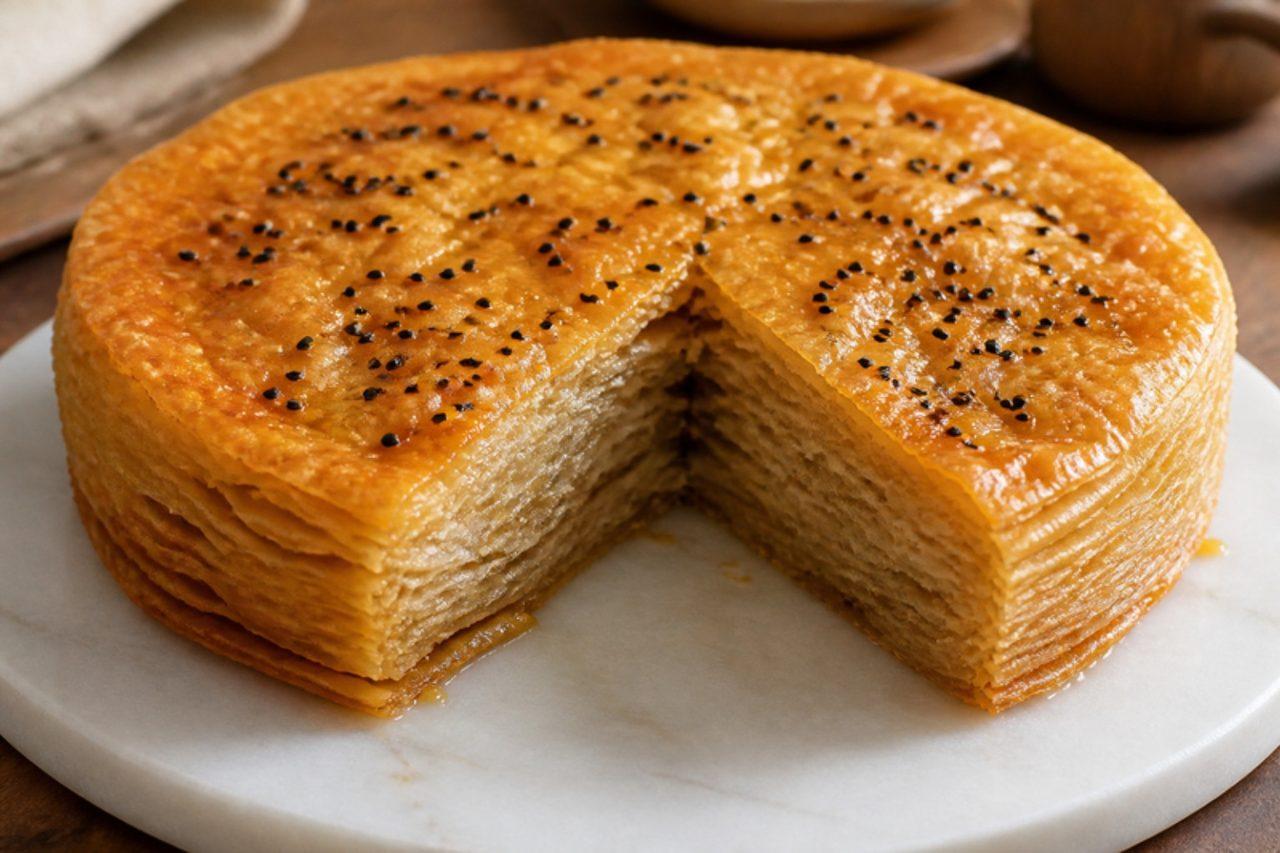
Bint al sahn, 'daughter of the plate', is the grand bread of Sana'a, set in the centre of the table for guests, weddings and Eid and pulled apart with the fingers while it is still warm. Many paper-thin sheets of egg-rich dough are stacked with melted ghee, baked until the top is deep gold and the inside is flaky and soft, then soaked with warm honey and sprinkled with nigella seeds. It is eaten with Yemeni coffee or tea, often as the sweet that opens a big meal. The mistake that ruins it is skimping on the ghee between the layers; without it the sheets fuse into a dense loaf. Chef's tip: roll the first sheets slightly bigger than the rest, so the bottom layers wrap up around the sides and hold the stack together.

by KrazyBadal 0 views

Bihari kebabPapaya-marinated beef strips

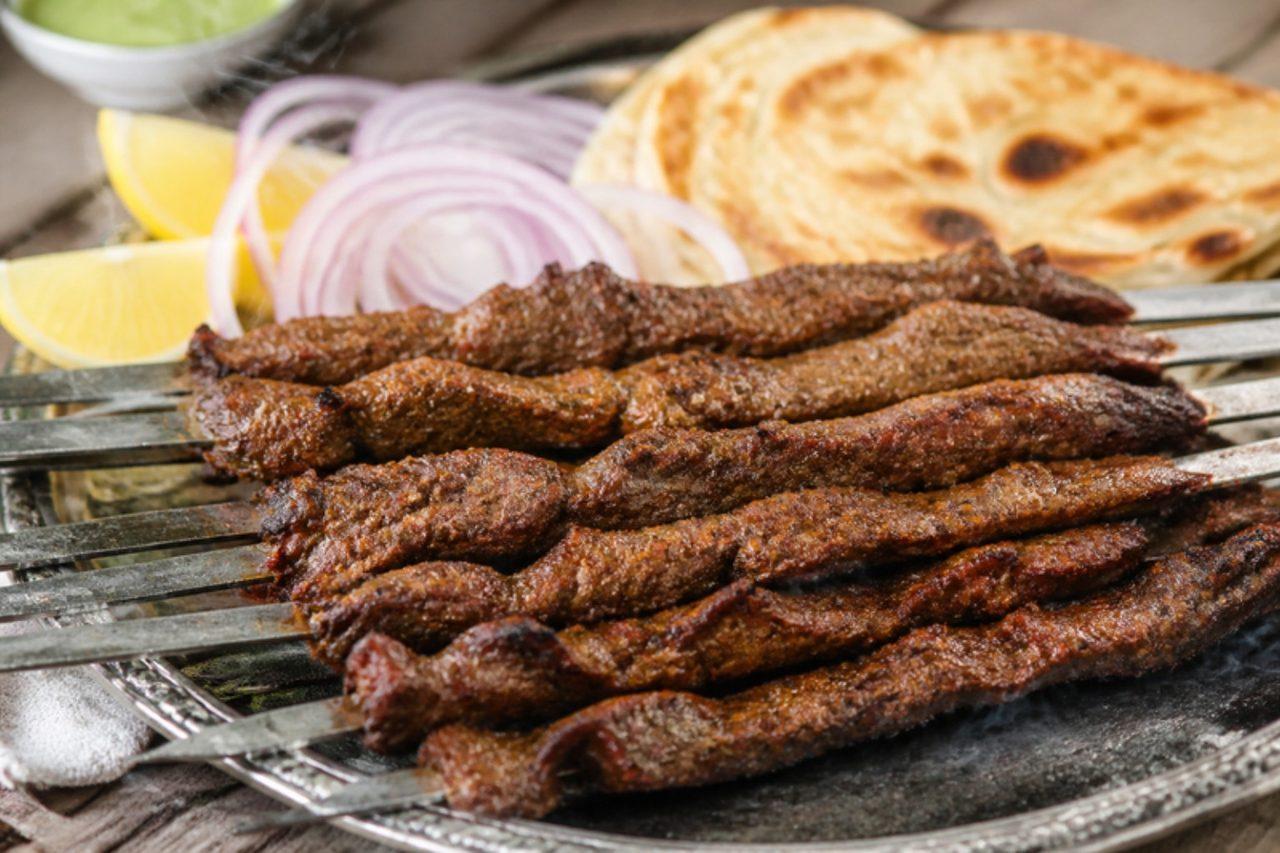
Migrants from Bihar who settled in Karachi after 1947 brought this kebab with them, and it has become one of the city's signature grills, served from the smoky stalls of Burns Road, Hussainabad and Boat Basin. Thin ribbons of beef are beaten flat, marinated with raw papaya paste to tenderise them, mustard oil, browned onion and a heady spice mix, then threaded onto skewers and grilled fast over coals, finished with a puff of charcoal smoke. They are soft enough to pull apart with your fingers and are eaten with paratha, sliced onion and mint chutney. Leaving the papaya on too long is the risk, because it keeps working and turns the meat mushy; four to six hours in the fridge is plenty. Chef's tip: slice the beef while it is half-frozen, across the grain, and you will get even, paper-thin strips with ease.

by KrazyBadal 0 views

Fried gobies

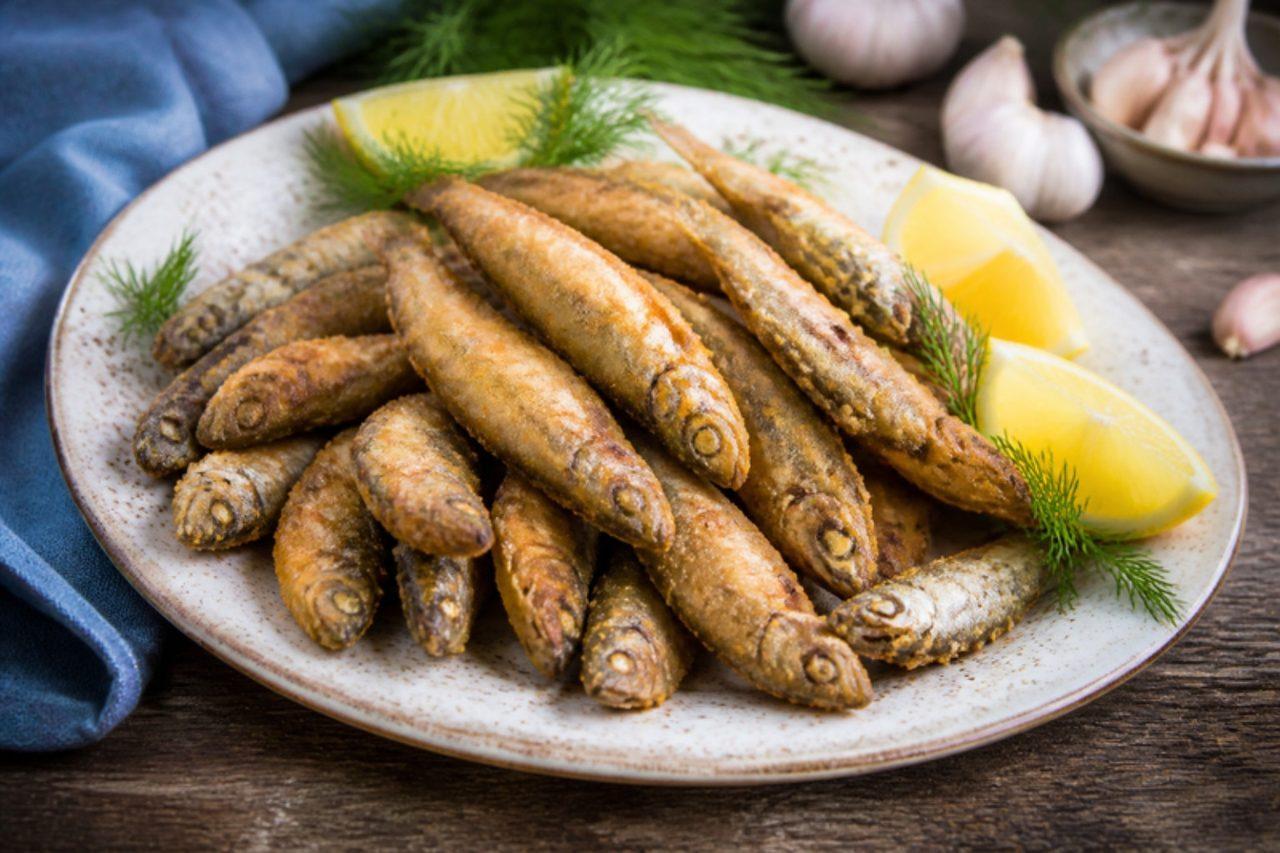
Odesa's beloved bychky, the little big-headed gobies of the Black Sea, are sold by the bucket at Pryvoz market and fried in sunflower oil in kitchens and beach cafés all summer. Dusted with seasoned flour and fried hard, they come out crunchy and golden, with sweet white flesh and bones so small they are eaten whole. Serve with lemon, a tomato and cucumber salad, bread and plenty of dill. Most people go wrong by using too little oil, so the fish stick and the coating flakes away; you want a good centimetre in the pan. Outside the Black Sea region, smelt, sprats or small whiting work the same way. Chef's tip: for the crunchiest result, ask for the heads to be removed and the fish gutted, salt them 10 minutes in the fridge, then dry them very well before flouring.

by KrazyBadal 0 views

Sesame balls (jin deui)

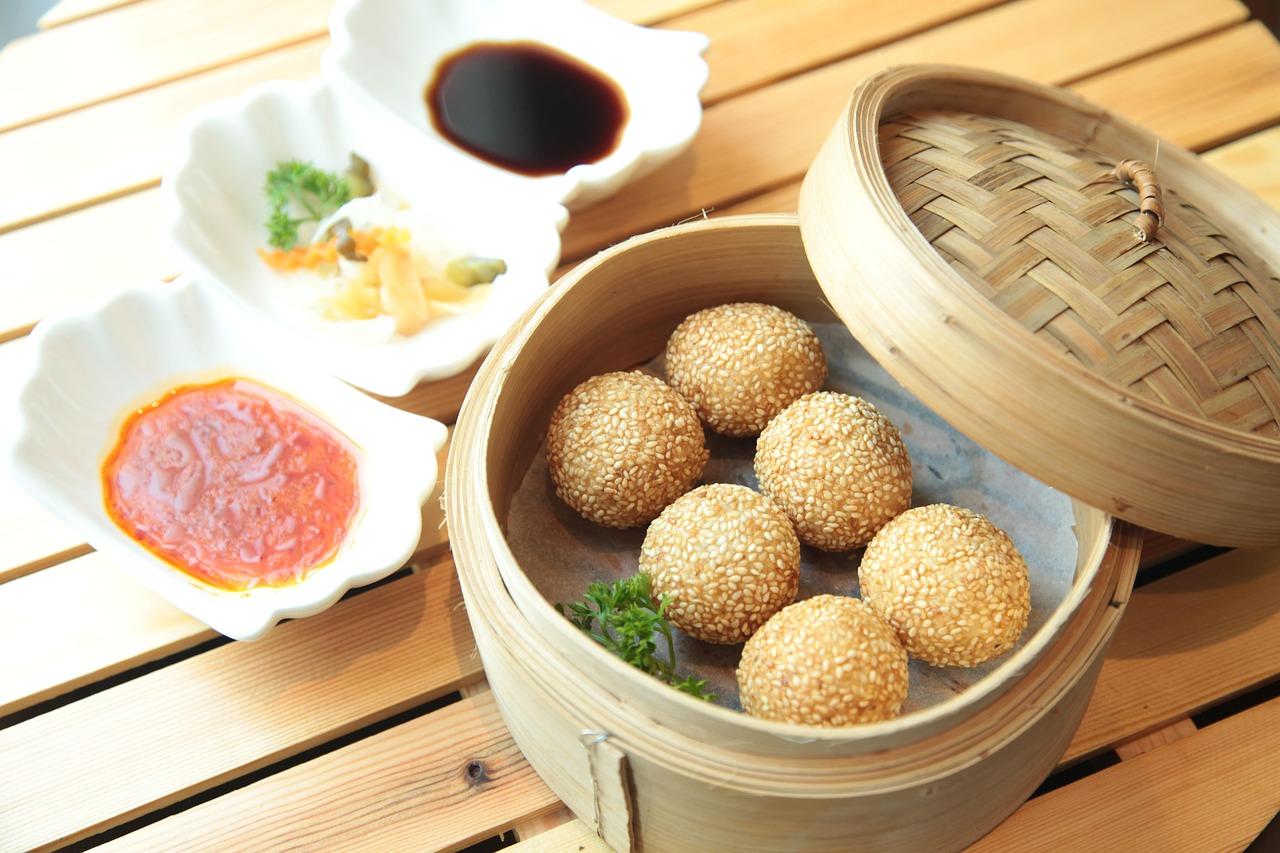
No Hong Kong Lunar New Year feels complete without a plate of jin deui, though dim sum restaurants serve these golden globes every day of the year with morning tea. Each one is a thin, crackly shell of fried glutinous rice dough wrapped in toasted sesame seeds, hollow and chewy inside around a spoonful of red bean or lotus seed paste. They are best eaten within minutes of frying, alongside a pot of tea, when the shell still shatters and the seeds smell nutty. Dropping the balls into very hot oil is the classic error: the seeds scorch before the dough expands, and the balls can burst. Chef's tip: start them in moderately hot oil and keep gently pressing them against the side of the pan with a slotted spoon, which makes them swell and turn hollow.

by KrazyBadal 0 views

BidosReindeer stew

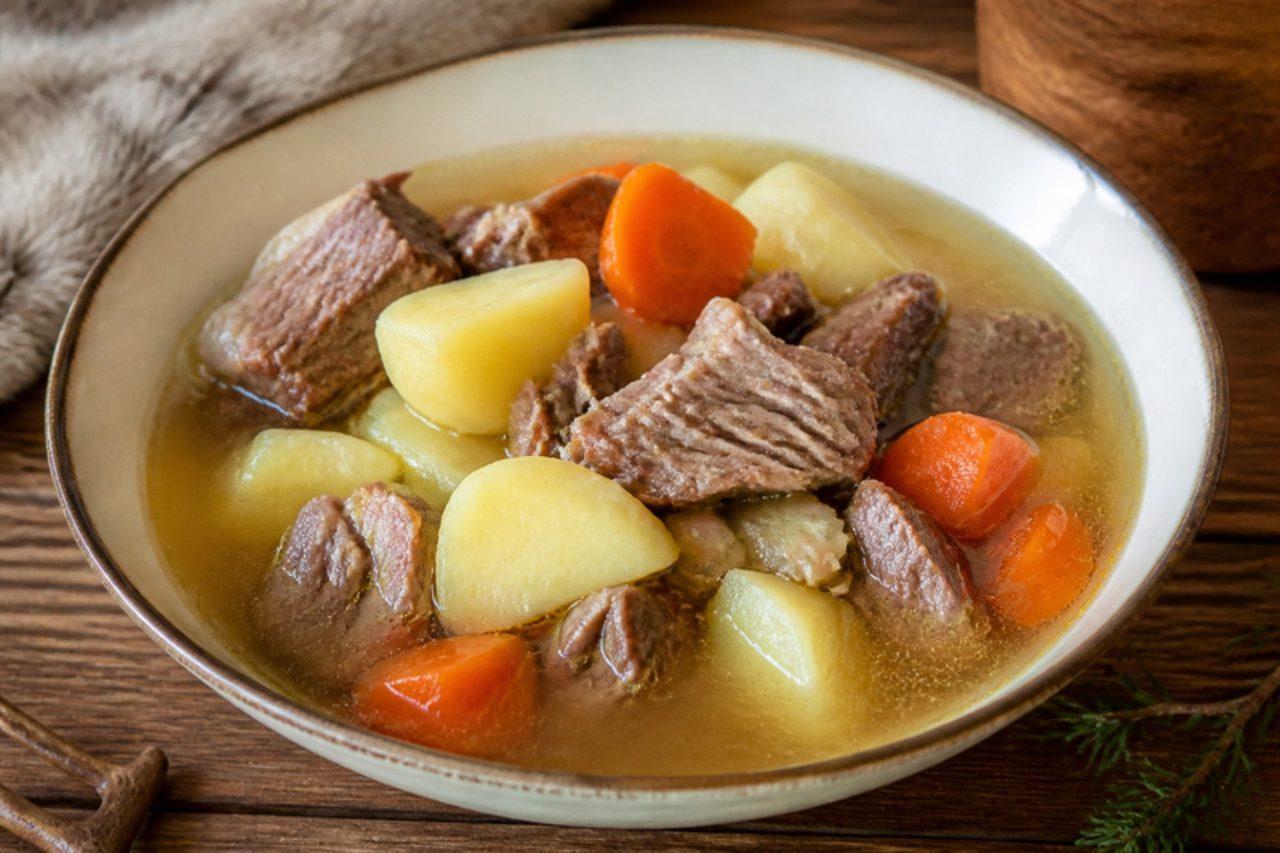
Bidos is the festive stew of the Sámi, the reindeer-herding people of the far north of Norway, Sweden and Finland: reindeer meat simmered slowly in a clear broth with potatoes and carrots, seasoned only with salt and pepper so the gamey meat shines. It is served at Sámi weddings and confirmations, and at Easter festivals in Kautokeino and Karasjok. Reindeer is sold frozen in Nordic shops; beef chuck or venison works too. A common mistake is adding the potatoes at the start, so they fall apart before the meat is tender. Chef's tip: thicken the broth only lightly with a spoon of flour if you like; traditionally it is clear and thin.

by KrazyBadal 0 views

Showing 27 of 8,120 recipes

Show more recipes

Page 252 of 903