Skip to content
Sayur lodeh
Featured recipe

Sayur lodeh

Sayur lodeh is everyday cooking in Central Java, made in big pots in Solo and Semarang kitchens and ladled over rice, with lontong rice cakes at Lebaran, or alongside opor and sambal goreng on festive tables. It's soupy rather than thick: a fragrant broth of coconut milk, galangal, lemongrass and lime leaf that carries chunks of aubergine, long beans, chayote and sweetcorn, plus tempeh and tofu to make it a meal. The flavour is mellow and slightly sweet, so the heat comes from sambal on the side. Chef's tip: keep the pot at a gentle simmer once the coconut milk goes in and stir now and then — a rolling boil splits the coconut milk into oily curds.

Read more 3 views
Can't decide?

What to eat today?

Spin the randomizer, search with what's already in your fridge, or browse recipes from our chefs.

Latest recipes

Albóndigas en salsa

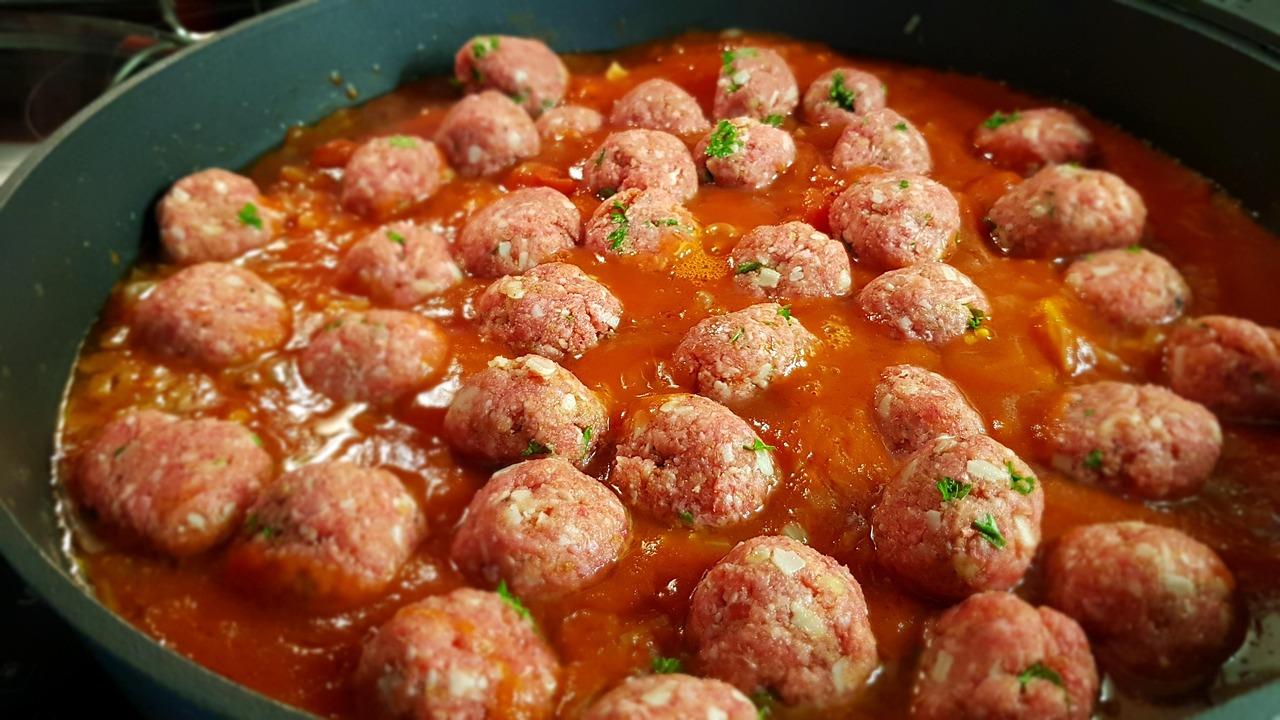
Albóndigas turn up all over Spain: in a cazuelita on a tapas bar counter, as the second course of a weekday menú del día, and in home kitchens on a Sunday when there is time to roll them. These are made with pork and beef, softened with milk-soaked bread, browned and then simmered in a tomato sauce thickened the old Spanish way with ground fried almonds, which gives it body and a gentle nutty sweetness. Serve them with chips, rice or plenty of bread. They taste even better the next day. Chef's tip: wet your hands with cold water before rolling each meatball; the mixture won't stick and the balls come out smooth and round.

by KrazyBadal 0 views

Aseeda

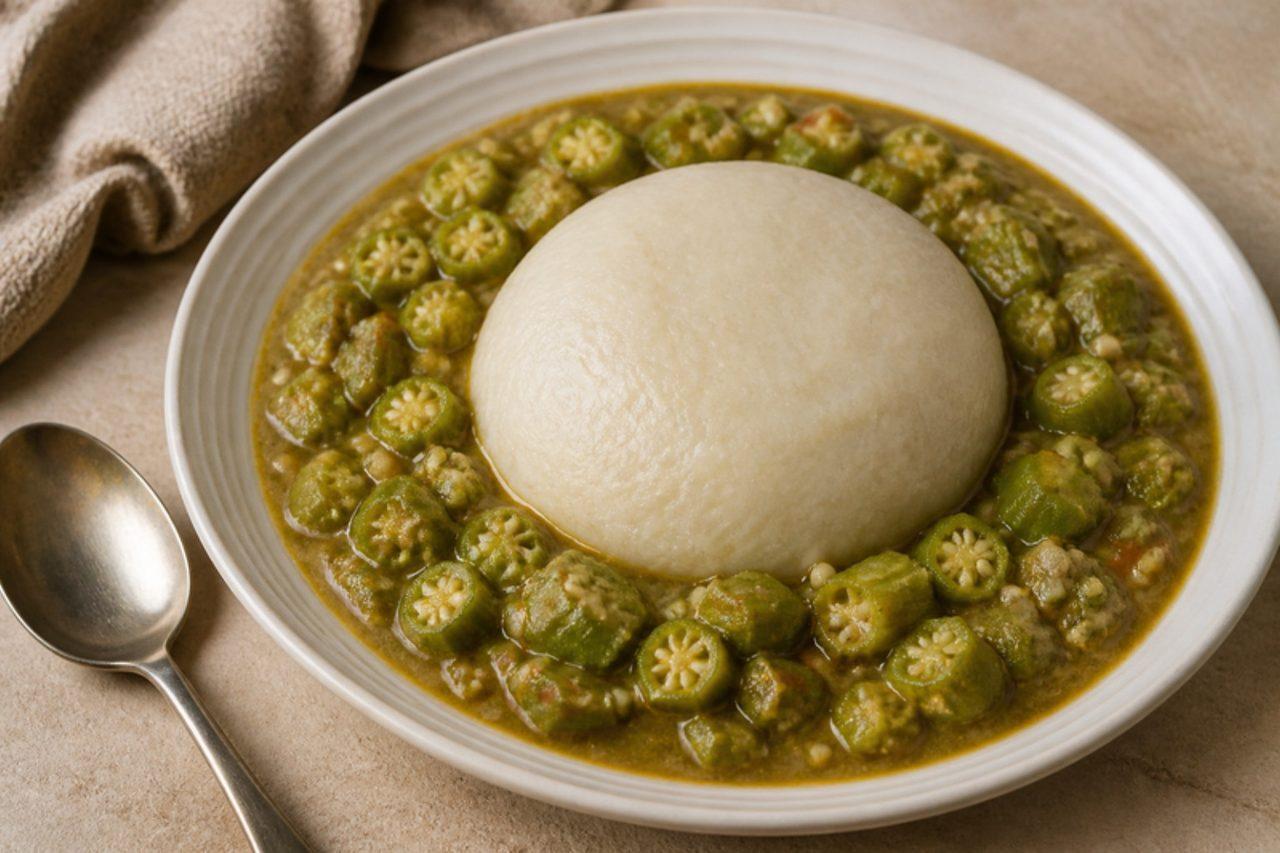
Aseeda (asida) is the stiff, slightly sour sorghum porridge eaten across Sudan, especially in Darfur, Kordofan and the countryside, where it is the daily staple. The batter is left to ferment before being cooked into a smooth, firm dough, shaped in a bowl into a dome, and turned out with mullah poured around it. During Ramadan it is a common iftar dish. Chef's tip: beat hard with a wooden spoon once the dough thickens; that beating is what makes aseeda smooth instead of lumpy.

by KrazyBadal 0 views

Canjeero

Canjeero (also called laxoox) is Somali breakfast, made fresh each morning in homes and sold in cafés from Mogadishu to Djibouti: thin, spongy pancakes from a soured batter, cooked on one side only so the top is full of tiny holes. Eaten warm, they are drizzled with sesame oil or ghee and sprinkled with sugar, then rolled up with sweet spiced tea; on weekends they come with liver or beans. They are smaller and lighter than Ethiopian injera and made mostly from wheat. Chef's tip: spread the batter in a spiral with the back of the ladle, starting in the middle; that is what makes the thin, even, lacy sheet.

by KrazyBadal 0 views

Jhangora ki kheer

Jhangora is barnyard millet, a hardy grain that grows on the high fields of Garhwal and Kumaon, and this kheer is how most hill families turn it into something special. It cooks faster than rice kheer and ends up softer and silkier, with a light, nutty taste. Because millet isn't a cereal grain, it's eaten on Navratri and Ekadashi fasts, when you'll find bowls of it at temples and in homes from Rishikesh to Chamoli. It is just as good chilled the next day. Chef's tip: soak the millet for 20 minutes before cooking; it softens evenly and you won't be left with hard little grains in the pudding.

by KrazyBadal 0 views

Aloo ke gutke

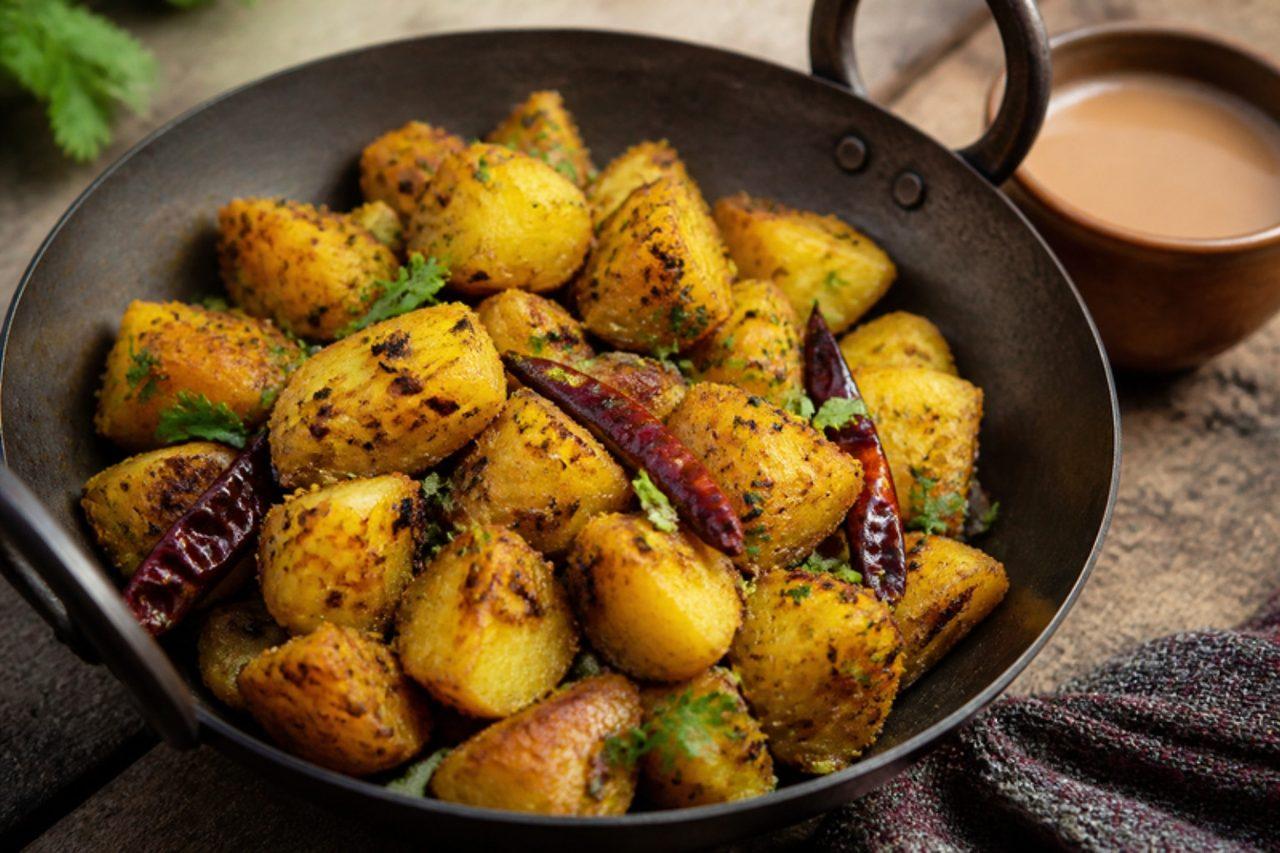
Ask anyone from Kumaon what they miss most from home and aloo ke gutke comes up quickly. Hill potatoes are boiled, cut into rough chunks and tossed in smoking mustard oil with jakhiya, a tiny wild seed that pops and crunches like mustard but tastes more like toasted cumin. It's served at tea time with a mug of chai, on festival plates next to puri, and in local dhabas with cucumber raita. Outside Uttarakhand jakhiya is hard to find, so use cumin seeds with a few black mustard seeds instead; the dish will still taste right. Chef's tip: boil the potatoes a few hours ahead, or the night before, so they firm up and fry into crisp-edged cubes instead of crumbling.

by KrazyBadal 0 views

Bebek betutu

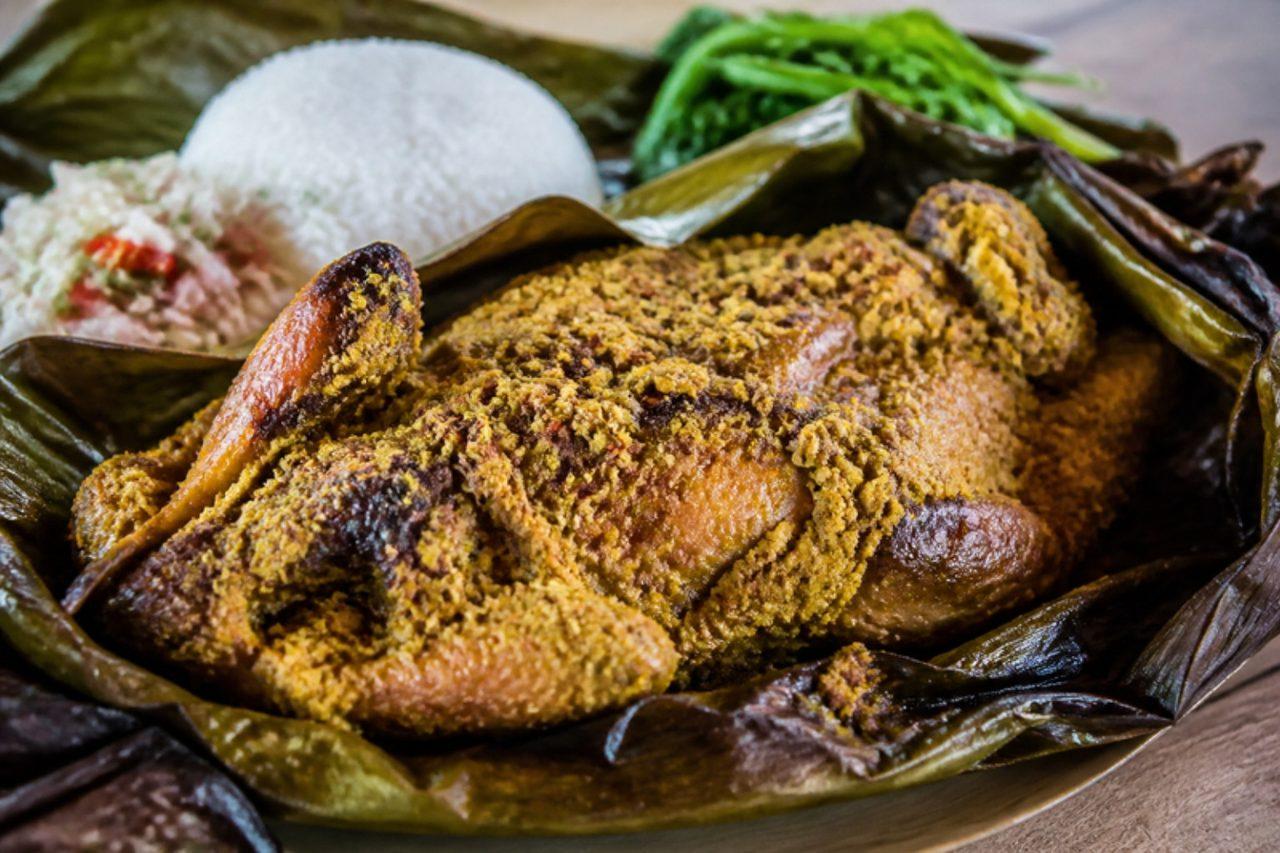
For ceremonies in the villages around Gianyar in central Bali, a whole duck is stuffed and smothered with base genep, wrapped in banana leaves and areca-palm sheath, and buried overnight in smouldering rice husks. By morning the meat has turned meltingly soft, the fat has rendered into the spices and the parcel smells of turmeric, smoke and lime leaf. This home version keeps the stuffing and the leaf parcel but uses a low oven for three hours, then opens the parcel for a short blast to colour the skin. Serve it in its juices with rice, a sharp sambal matah and long beans or water spinach. Chef's tip: marinate the duck overnight in the fridge if you can; the paste needs time to get past the fat and into the meat.

by KrazyBadal 0 views

Soto Betawi

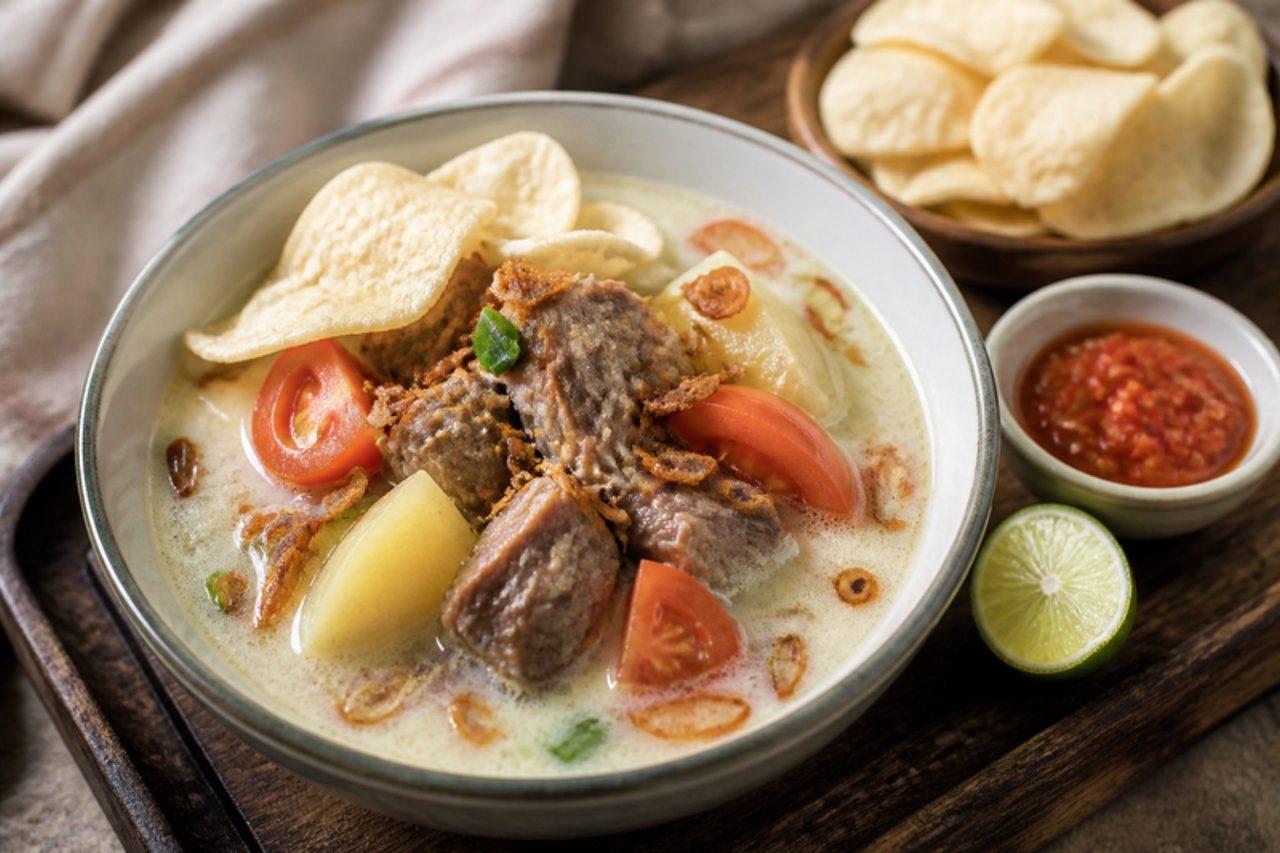
Jakarta's original Betawi community gave the capital this rich, pale-gold soup, and on a Sunday the soto Betawi stalls along the city's side streets are packed with families. Beef brisket (and, for many, tripe) simmers until tender, then goes into a gently spiced broth made creamy with coconut milk and a splash of fresh milk, scented with lemongrass, cinnamon and cloves. Each bowl is loaded with fried potato, raw tomato and spring onion and comes with rice, lime, sambal and bitter-crisp emping crackers. It's comforting and mellow rather than fiery. Chef's tip: for a dairy-free bowl, swap the milk for more coconut milk; the soup will be a little heavier but just as good.

by KrazyBadal 0 views

Ofe onugbu

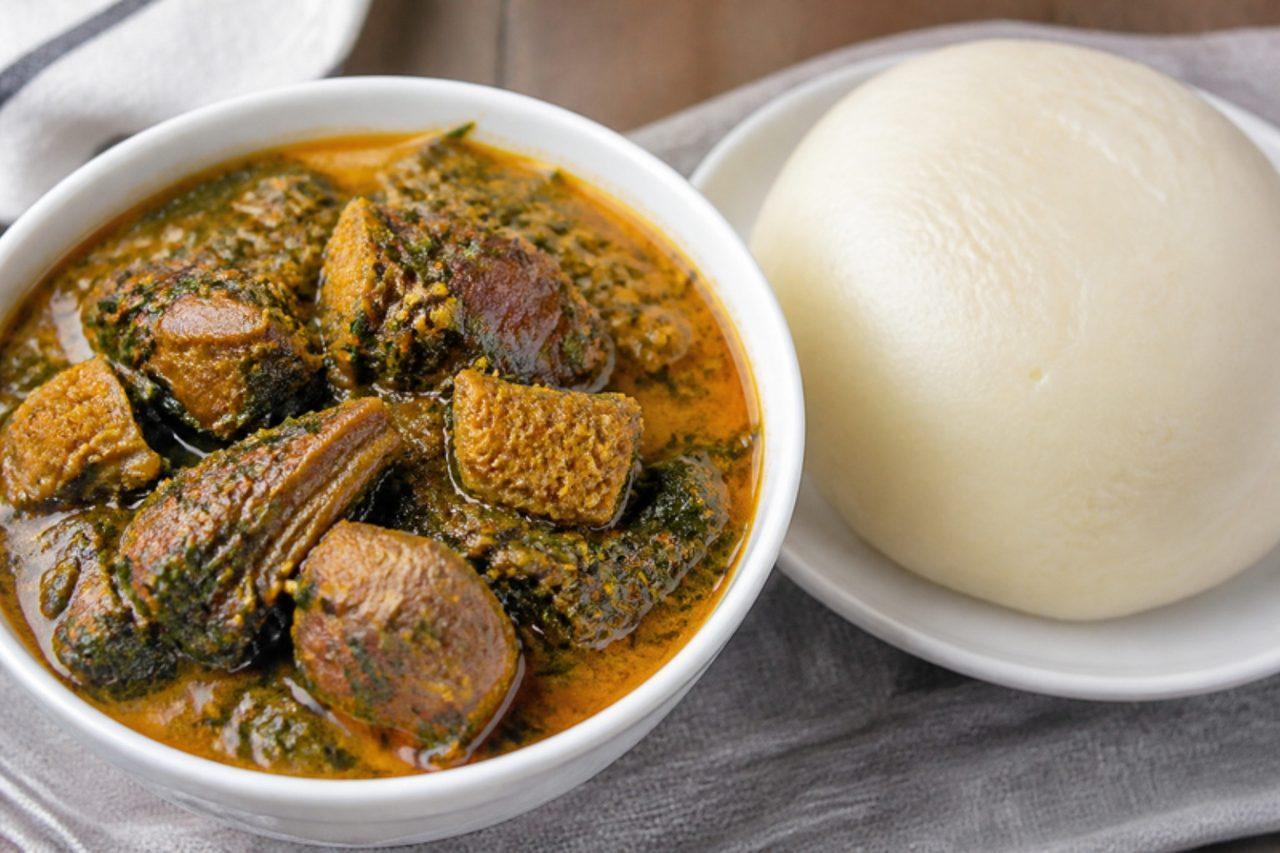
Ofe onugbu is the soup Igbo families in Anambra and Enugu make for Sunday lunch and for visitors coming home at Christmas. Washed bitter leaf gives a gentle, pleasant bitterness, cocoyam paste thickens it, and beef, shaki (tripe), stockfish and dried fish add layer after layer of savoury flavour, all coloured by palm oil. It is eaten with pounded yam, eba or fufu, pinched up with the fingers. The mistake to avoid is using bitter leaf that hasn't been washed enough; it should taste only mildly bitter before it goes in. Chef's tip: frozen pre-washed bitter leaf from African grocers saves an hour of squeezing and rinsing.

by KrazyBadal 0 views

Bariis iskukaris

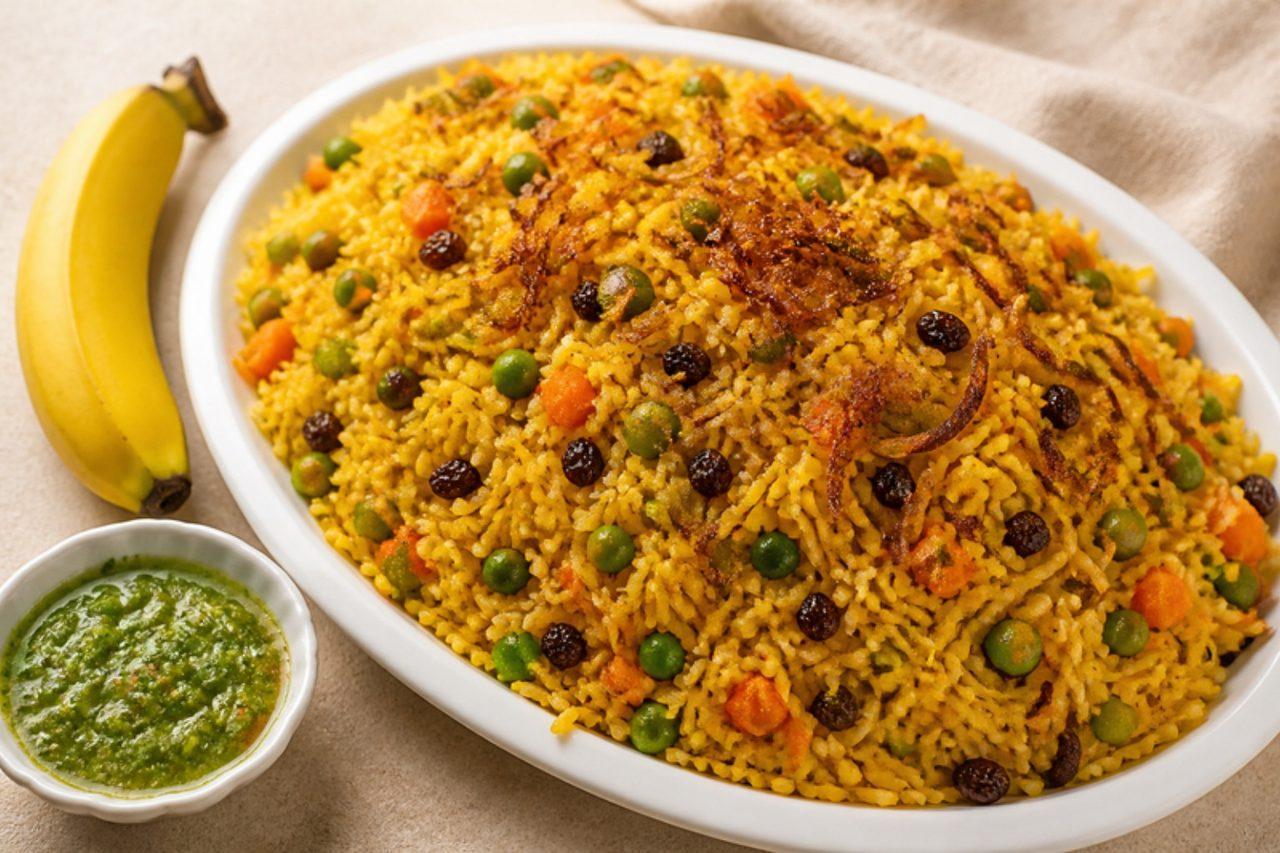
Bariis iskukaris ('rice cooked together') is the centre of the table at Somali family lunches, Friday gatherings and Eid, from Mogadishu to Hargeisa and Somali neighbourhoods in Nairobi, Minneapolis and London. Long-grain rice is cooked in one pot with onion, tomato and the house spice mix xawaash, and topped with fried onions and raisins; it is usually crowned with goat, but this version cooks carrots, peas and potatoes into the rice. In true Somali style, serve it with a banana on the side and a spoon of green basbaas. Chef's tip: rinse and soak the basmati so the grains stay long and separate.

by KrazyBadal 0 views

Showing 9 of 4,484 recipes

Show more recipes

Page 251 of 499