


Skip to content
Rziza (coiled thread pancakes)
Featured recipe

Rziza (coiled thread pancakes)

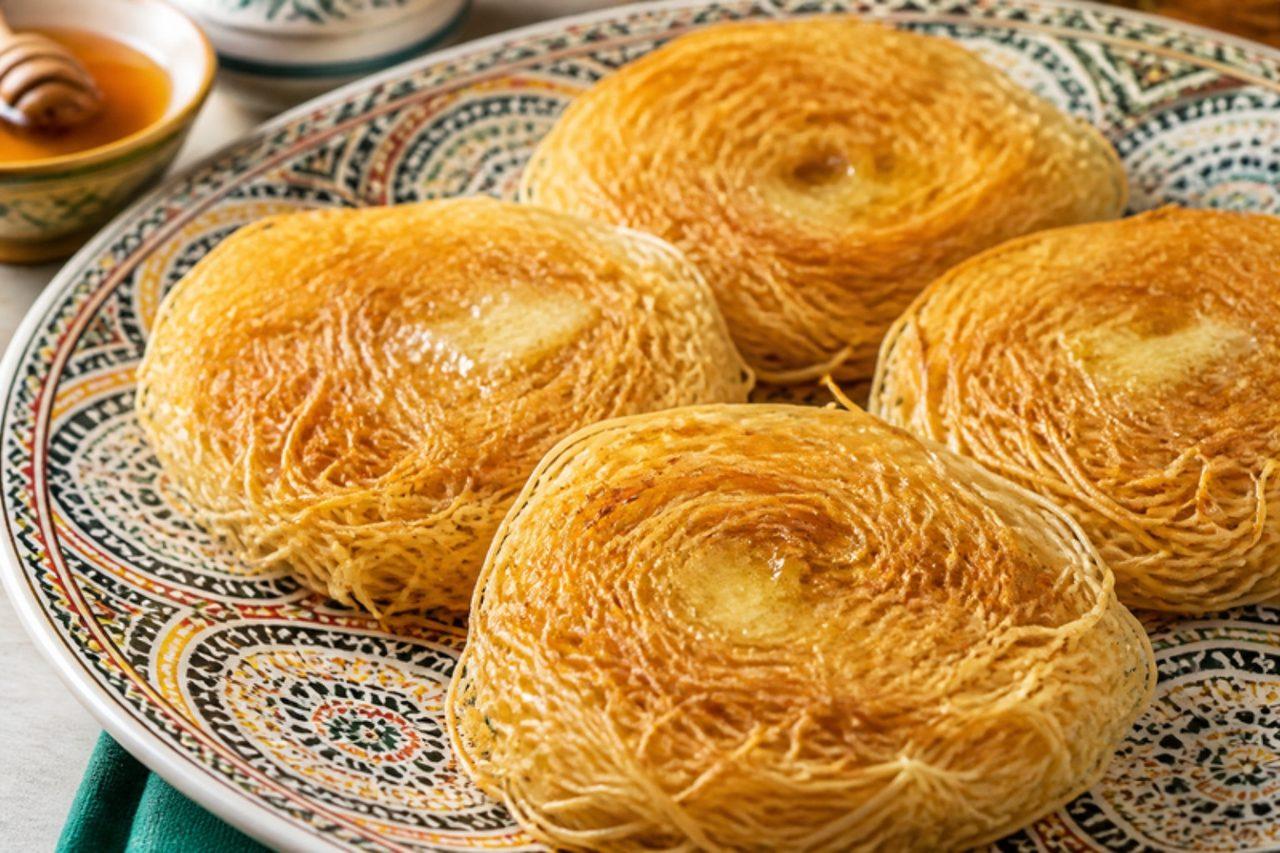
Rziza is one of the showpieces of the Ramadan table in the old imperial cities: a soft dough is stretched into a sheet, rolled up and pulled into a long, thin cord, then wound around the fingers into a skein, flattened into a nest and griddled until crisp outside and tender within. At iftar the nests are pulled apart into their fine strands and drenched in warm honey and melted butter, to eat with harira, dates and mint tea. Making it takes patience and practice; the first one or two may tear, and that is fine. Chef's tip: keep everything well oiled, your hands, the board and the dough balls; too little oil is the common mistake, and the dough then tears instead of stretching.

Read more 0 views

What to eat today?

Around the world

Today's trip: Paraguayan

A new country every day, from every cuisine on the site.

This week's collection

Kid-friendly dinners
537 recipes · a new collection every Monday

Latest recipes

Stroganina

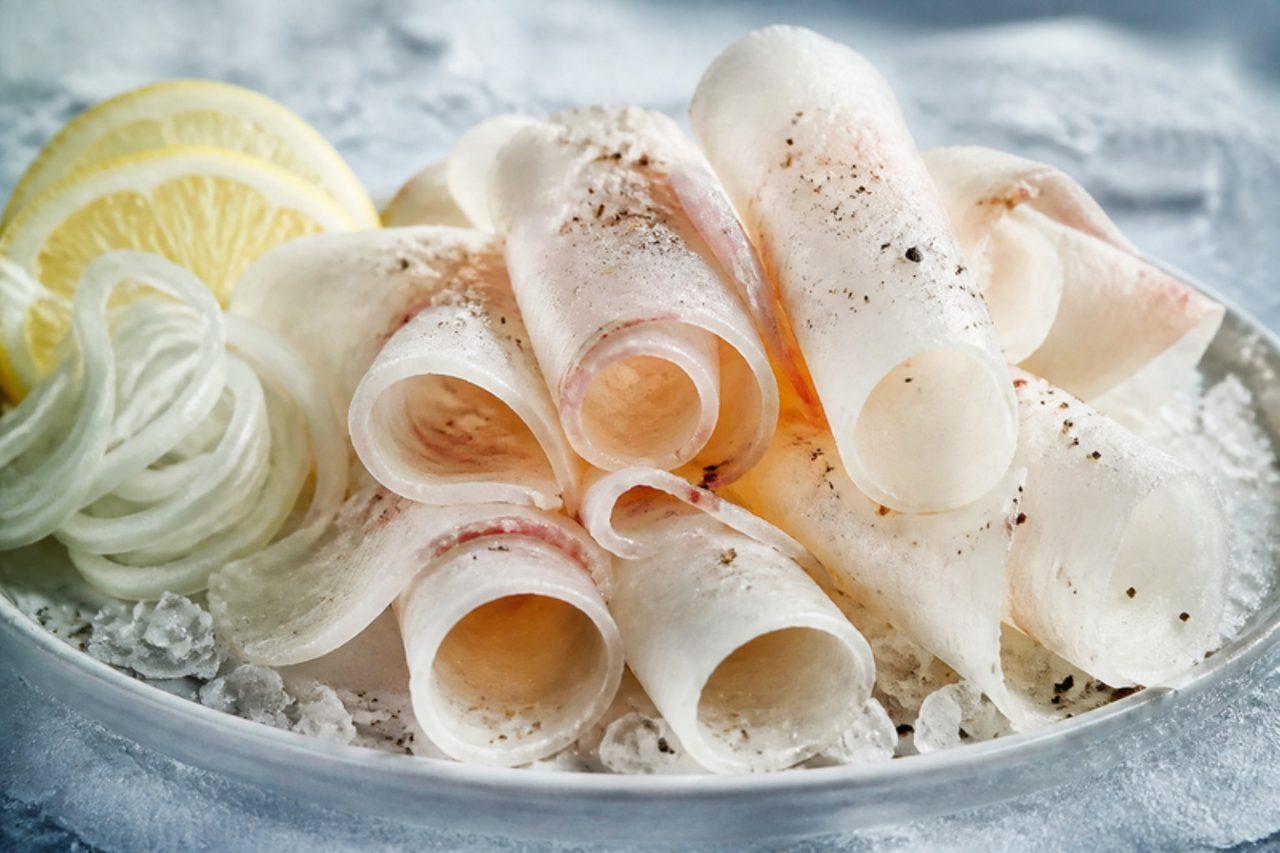
Out on the frozen rivers of Yakutia, where winter drops below minus forty, fish are pulled from the ice, freeze solid in minutes and are shaved into long curls with a sharp knife and eaten at once with coarse salt and pepper. The shavings melt on the tongue, sweet and rich, and are served at celebrations with a dip of salt mixed with black pepper and sometimes chopped raw onion. This is raw fish, so the home version must be made safely: buy sushi-grade whitefish, nelma, trout or salmon from a fishmonger and freeze it at −20 °C for at least 7 days before using, then shave it while still frozen hard. Even so it is not for pregnant women, young children or anyone with a weakened immune system. A common mistake is letting it thaw on the plate: soft stroganina is slimy, not silky. Chef's tip: chill the plate and the knife in the freezer too.

by KrazyBadal 0 views

Pomor-style cod

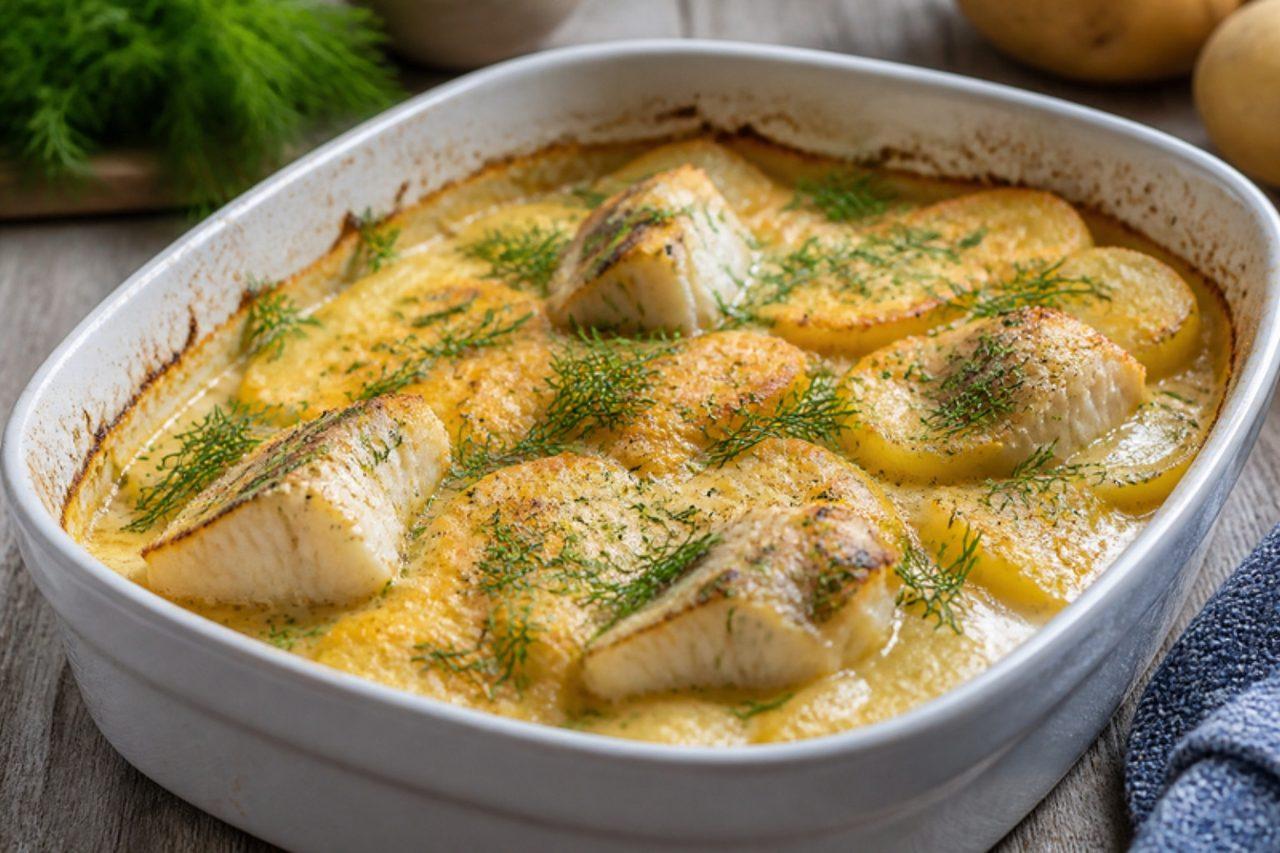
Along the White Sea coast near Arkhangelsk, the Pomors lived on cod, and this is how a fisherman's household turned a fillet into a whole supper: fish laid over sliced potatoes and buttery onions, then covered with beaten egg and milk and baked until set and golden, like a savoury fish custard. It is soft, mild and filling, and is eaten with pickled mushrooms, sauerkraut or a green salad. Where most people go wrong is using raw potato slices, which take far longer than the fish; par-boil them first. Chef's tip: salt the cod lightly 15 minutes ahead in the fridge, it firms up and does not leak water into the egg.

by KrazyBadal 0 views

Gabout

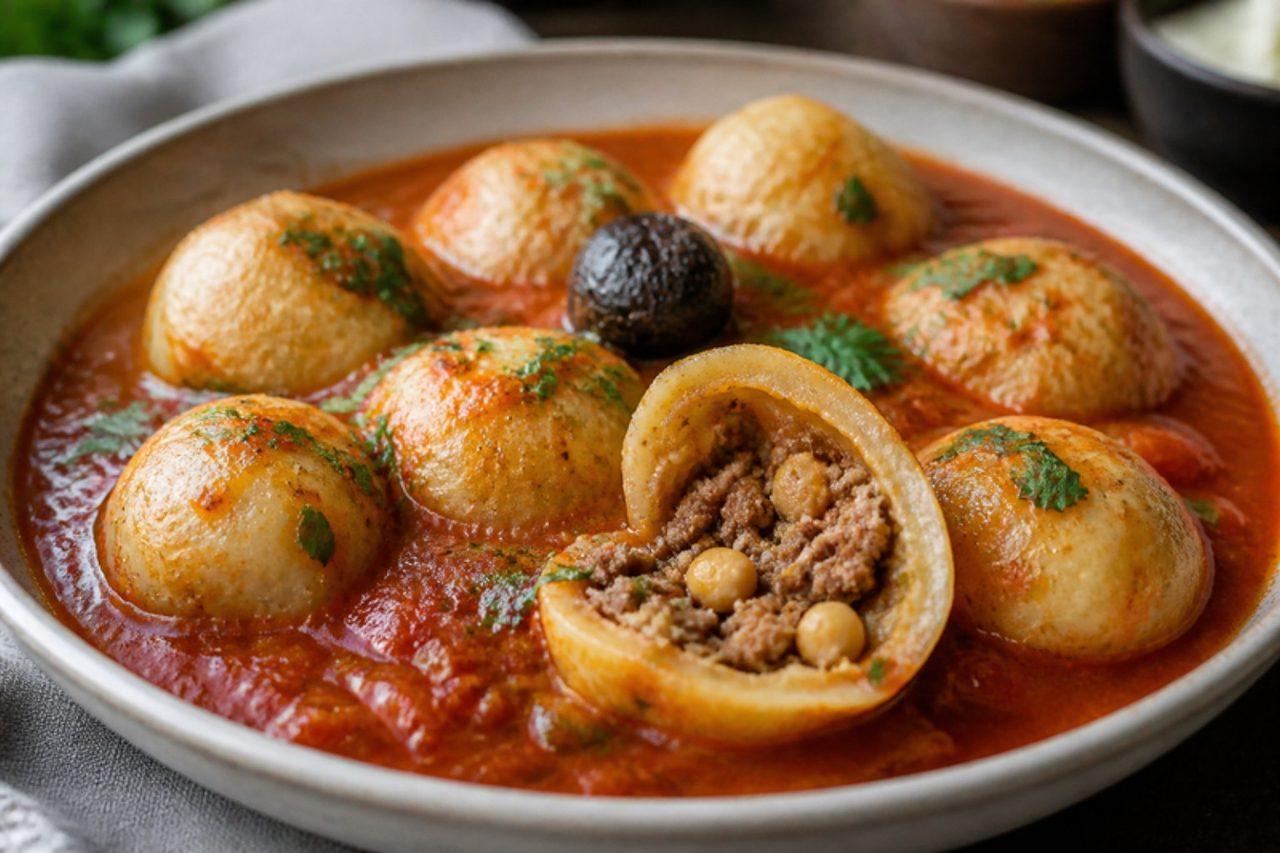
Gabout is old Kuwaiti home cooking, the kind grandmothers in Kuwait City still make for family lunches in winter, and a close relative of the Iraqi dumplings brought along the trading routes of the Gulf. Soft flour dough is wrapped around spiced lamb or beef mince with chickpeas, and the dumplings are simmered in a sour tomato and dried-lime stew until they are tender and plump. It is filling and comforting, eaten with bread or on its own. The mistake people make is rolling the dough too thick, which makes the dumplings heavy and doughy. Chef's tip: wet your fingers when sealing, the dough must close tightly or the filling leaks into the stew.

by KrazyBadal 0 views

Ukha

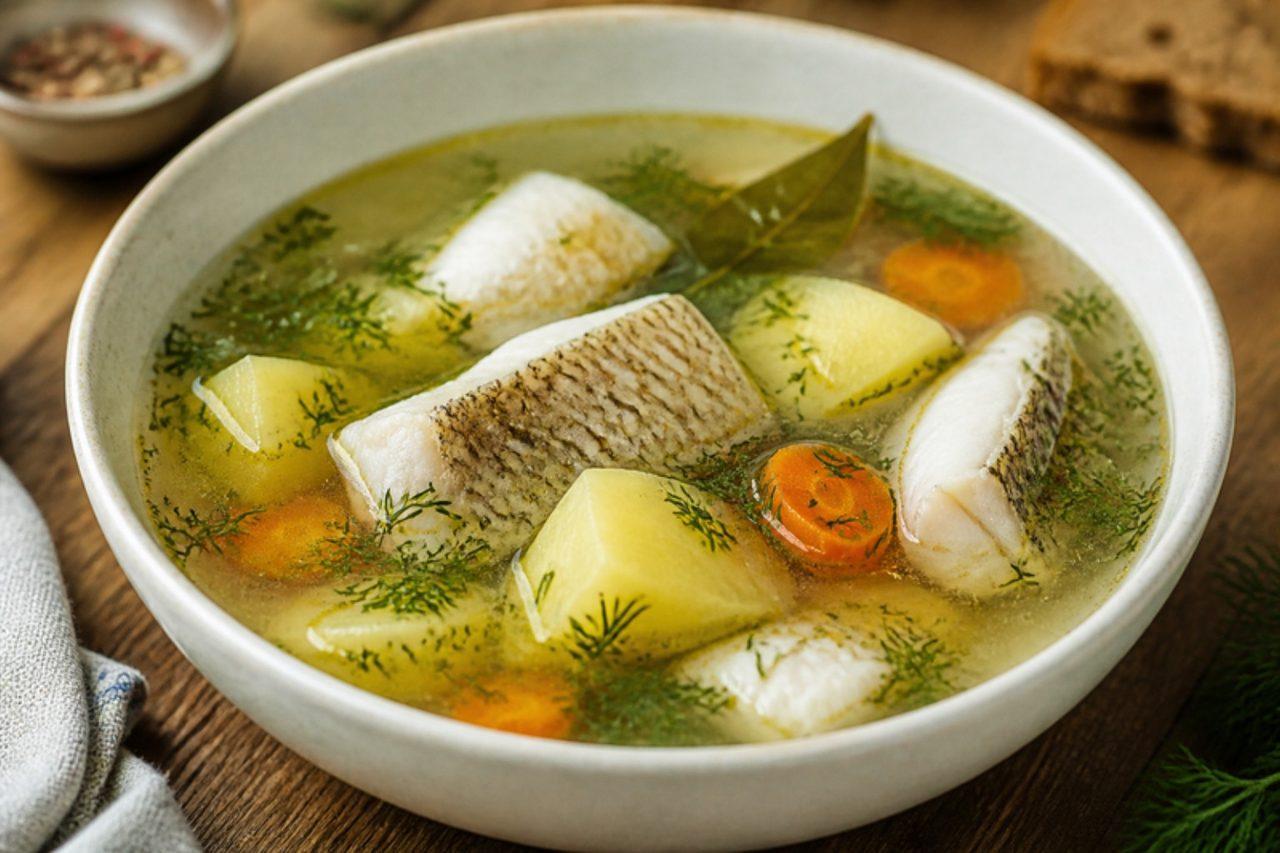
Fishermen on the Volga sandbanks make ukha in a blackened pot over driftwood with whatever is in the net, perch, pike-perch, a small pike, and it is still the soup cooked at dachas on summer evenings. The point is clarity: a light, pale-gold broth that tastes cleanly of fish, with soft potatoes, a whole onion simmered in and a fistful of dill at the end. It is served with black bread and a squeeze of lemon. A common mistake is letting the pot boil hard, which clouds the broth and breaks the fish into flakes. Chef's tip: simmer the bones and trimmings first for the stock and only then poach clean fillets in it, so you get both a rich broth and neat pieces of fish.

by KrazyBadal 0 views

Fyddzhyn

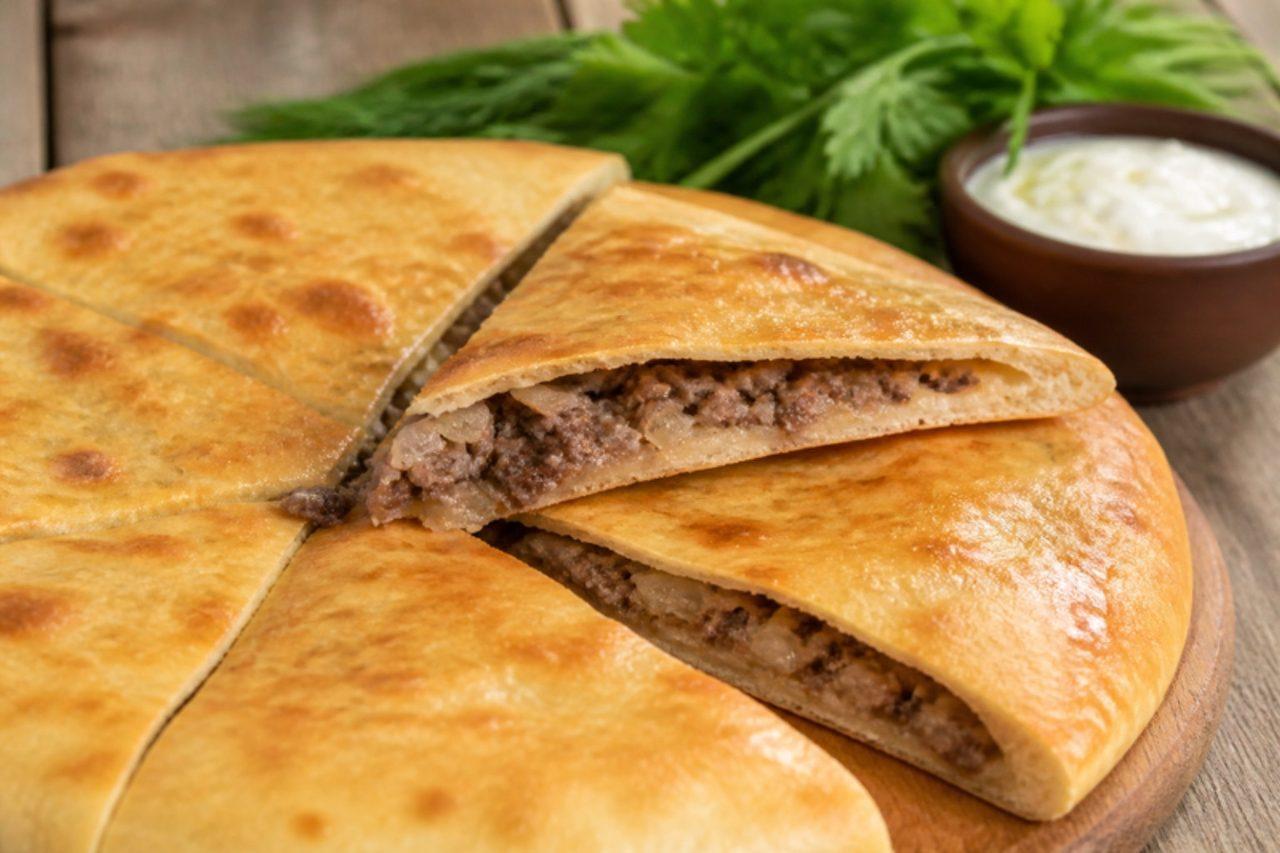
In North Ossetia, pies come in threes, for the sun, earth and sky, and the meat pie in that stack is fyddzhyn: a thin, soft yeast crust wrapped around juicy minced beef, onion, garlic and a little chilli, with a small hole in the middle to let out steam. The Ossetian people serve it at every family gathering and feast, hot and dripping with butter brushed on as it leaves the oven, cut into wedges and eaten with the hands. A common mistake is rolling the crust thick; good fyddzhyn is all filling and the dough should be barely 4 mm. Chef's tip: add a few spoons of cold stock to the mince; it turns to steam in the oven and keeps the filling juicy.

105 minRussianMeat
by KrazyBadal 0 views

Kholodets

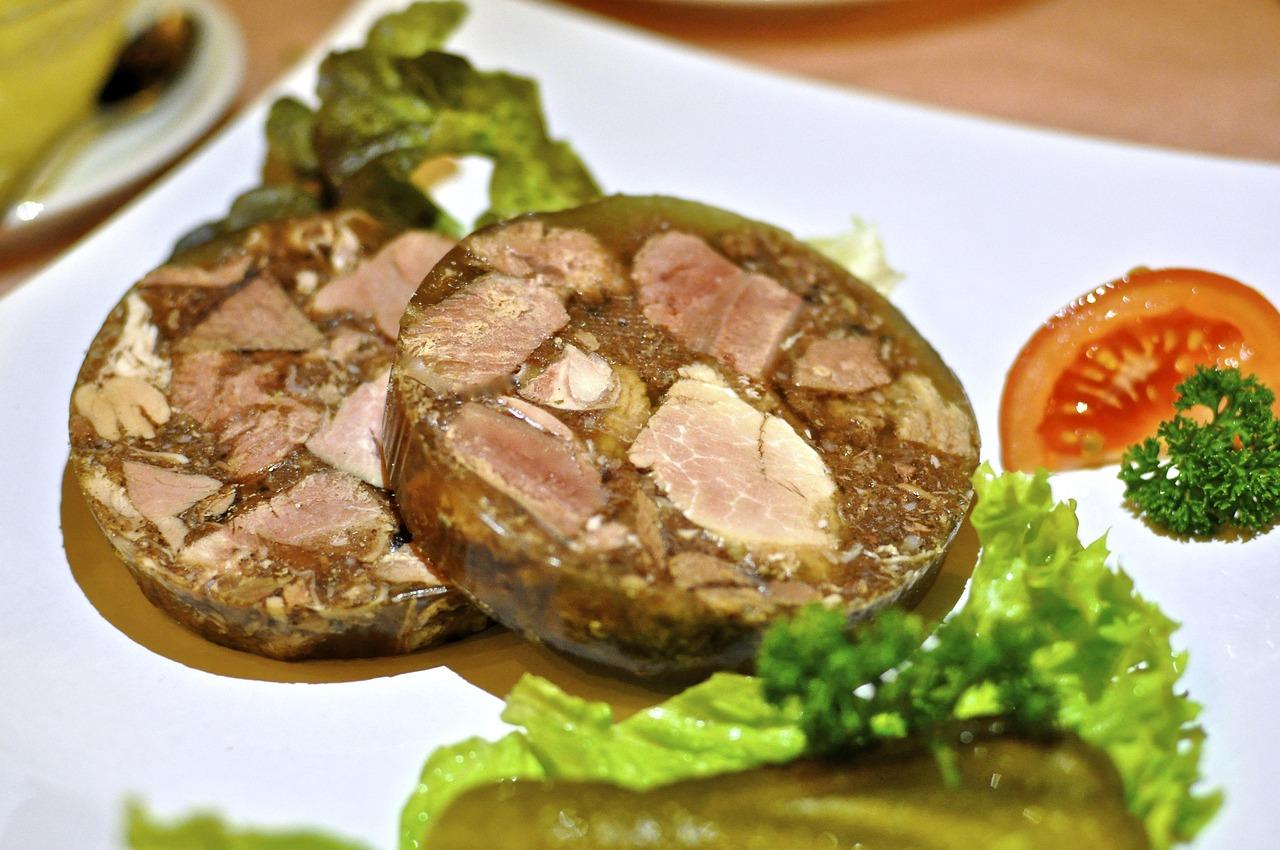
Kholodets is winter food, made in big batches before New Year and Orthodox Christmas when the cold balcony doubles as a fridge. Pork trotters and beef shin are simmered for hours until the broth is rich enough to set on its own, no added setting agent; the meat is shredded, layered with garlic and covered with the strained stock to set into a trembling, clear jelly. It is eaten cold, cut into squares, with sharp horseradish and mustard and hot boiled potatoes. This dish uses pork (trotters and knuckle) as well as beef. Where most people go wrong is letting the pot boil hard, which makes the jelly cloudy and greasy. Chef's tip: spoon a little broth onto a cold saucer after 5 hours; if it sets firm in the fridge in 15 minutes, the stock is ready.

480 minRussianMeatGluten free
by KrazyBadal 0 views

Frgály

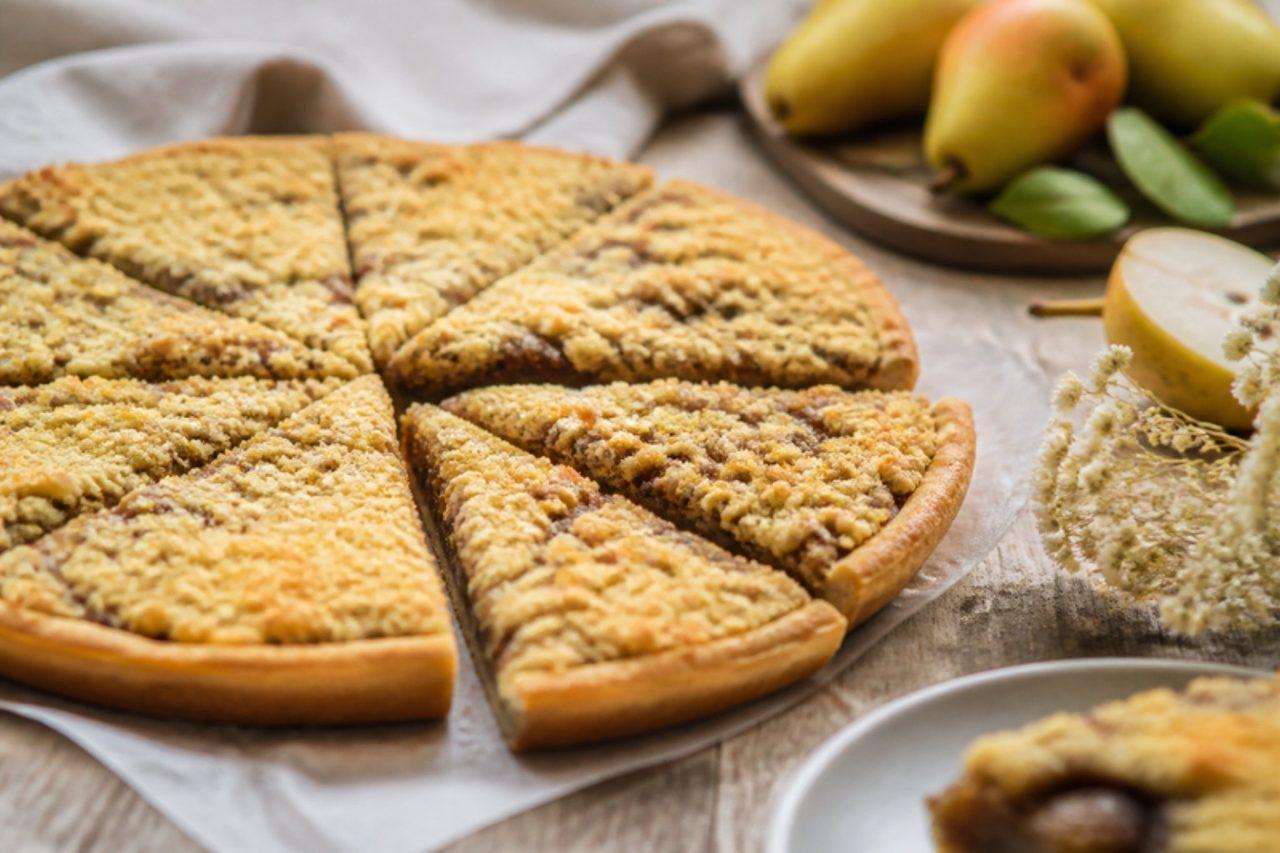
At weddings and church fairs in Moravian Wallachia, in the hills around Rožnov and Vsetín, tables are stacked with frgály: yeast tarts as wide as a dinner plate, rolled so thin the filling seems to sit on a crisp, chewy disc. The classic toppings are dried pear mixed with plum butter, sweet tvaroh (Czech quark), or poppy seed, all scattered with a buttery crumble. This recipe makes four, two with each of the first two fillings. Tvaroh is usually set without rennet, but some brands use it, so check the label. The usual slip is leaving the dough thick in the middle, which makes a bready tart; roll right to the edge, about 3 mm thick. Chef's tip: bake on the lowest oven shelf on a hot tray, so the base browns before the filling dries.

150 minCzechBaking
by KrazyBadal 0 views

Lutfisk

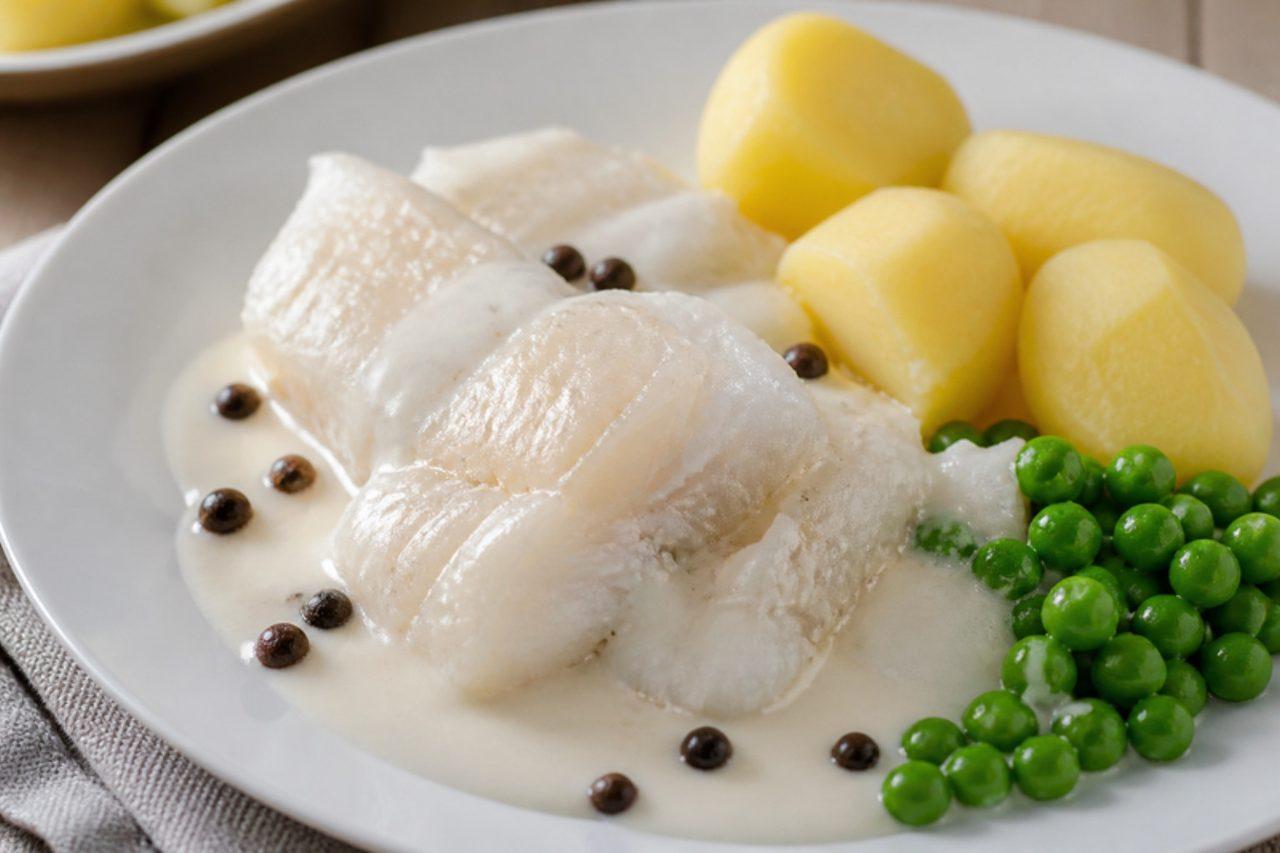
Lutfisk, lutefisk in Norway, is dried cod or ling soaked in water and lye for days until it swells into a soft, jelly-like fish, then rinsed and baked or steamed and eaten at Christmas with white sauce, peas, boiled potatoes, allspice and, in Norway, bacon fat. It divides families, loved by some, avoided by others. Lye is caustic, so never cure it at home; buy ready-soaked lutfisk from Scandinavian shops and fishmongers in December. A common mistake is cooking it in an aluminium dish, which reacts and discolours it. Chef's tip: salt the fish and leave it for 15 minutes before baking; it draws out water and keeps the flakes firm. It is done when it is opaque and flakes.

by KrazyBadal 0 views

Echpochmak

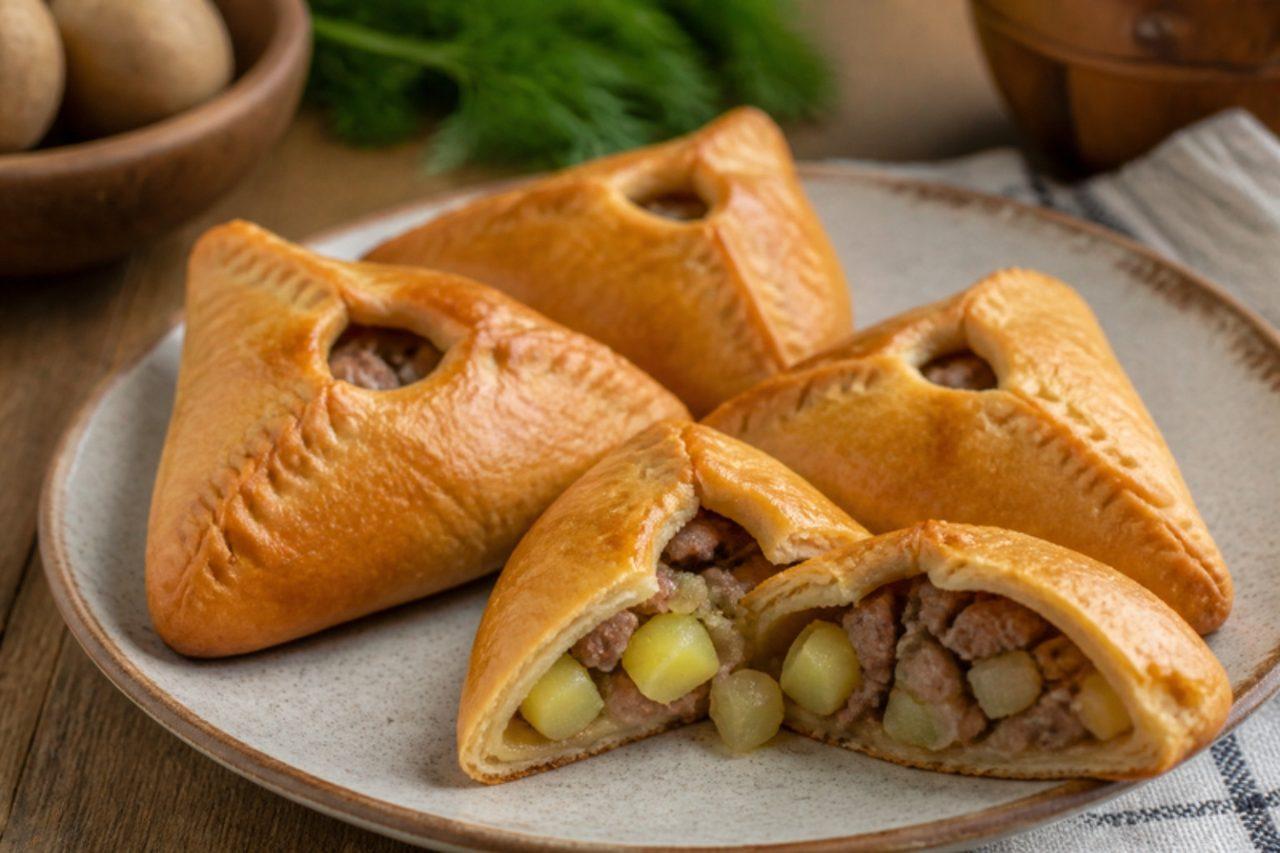
The name means 'triangle' in Tatar, and these three-cornered pies are sold warm in every bakery and railway buffet in Kazan, always with a small hole at the top. Raw diced lamb (or beef), potato and onion go in together and steam inside the pastry, so the filling comes out tender and juicy; a spoonful of hot broth poured through the hole halfway through baking makes it even more so. They are eaten for lunch with black tea, or as the first dish at a family celebration. A common mistake is cutting the meat and potato too big; they will not cook through in the time the pastry takes. Chef's tip: dice everything to the size of a pea and toss the filling with a little cold butter, it melts into the potatoes and keeps them from drying.

by KrazyBadal 0 views

Tokmach

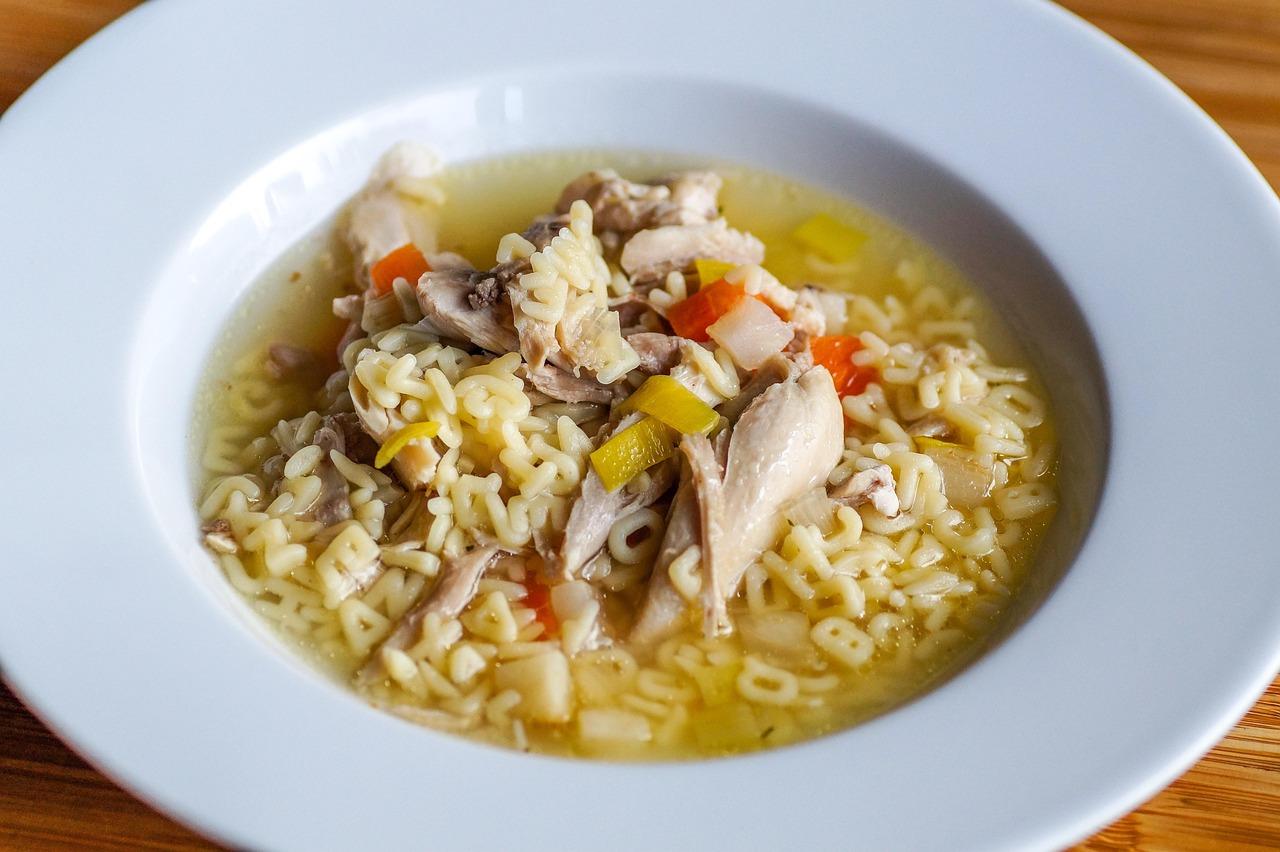
Tatar grandmothers in Kazan roll the noodle dough for this soup so thin you can read through it, then cut it into fine ribbons and dry them on a cloth. The broth is simple and golden: chicken legs, onion, a bay leaf, a little black pepper. It is the soup made for guests, for a sick child and for the morning after a wedding, and in Tatarstan it is often eaten with a slice of bread and a pot of black tea. Where most people go wrong is cooking the noodles in the clear broth straight from the board: they shed flour and cloud it, so shake off the excess first. Chef's tip: let the cut noodles dry for 20 minutes, they hold their shape in the hot broth and stay silky rather than gummy.

by KrazyBadal 0 views

Lingonsylt

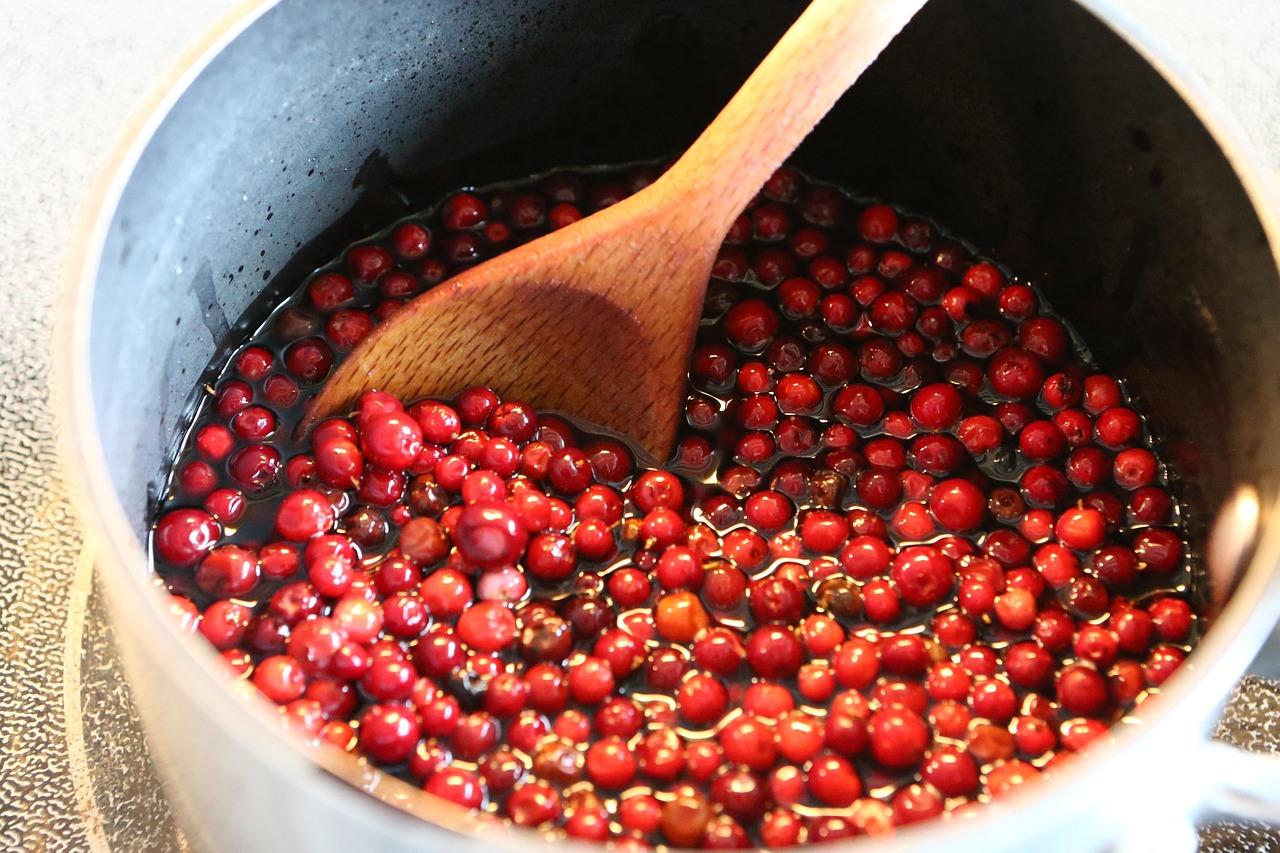
Lingonsylt is the bright red preserve on every Swedish table: with meatballs, Wallenbergare, potato pancakes and kroppkakor, and in Finland and Norway with reindeer and porridge. Swedish families pick the berries in September in the forests and either stir them raw with sugar (rårörda lingon) or cook them very briefly so they stay whole and sharp. A common mistake is boiling them long, which makes a dull, jelly-like jam. Chef's tip: cook for only 3–5 minutes, then cool fast; lingonberries are rich in natural preservatives and keep well.

by KrazyBadal 0 views

Botvinya

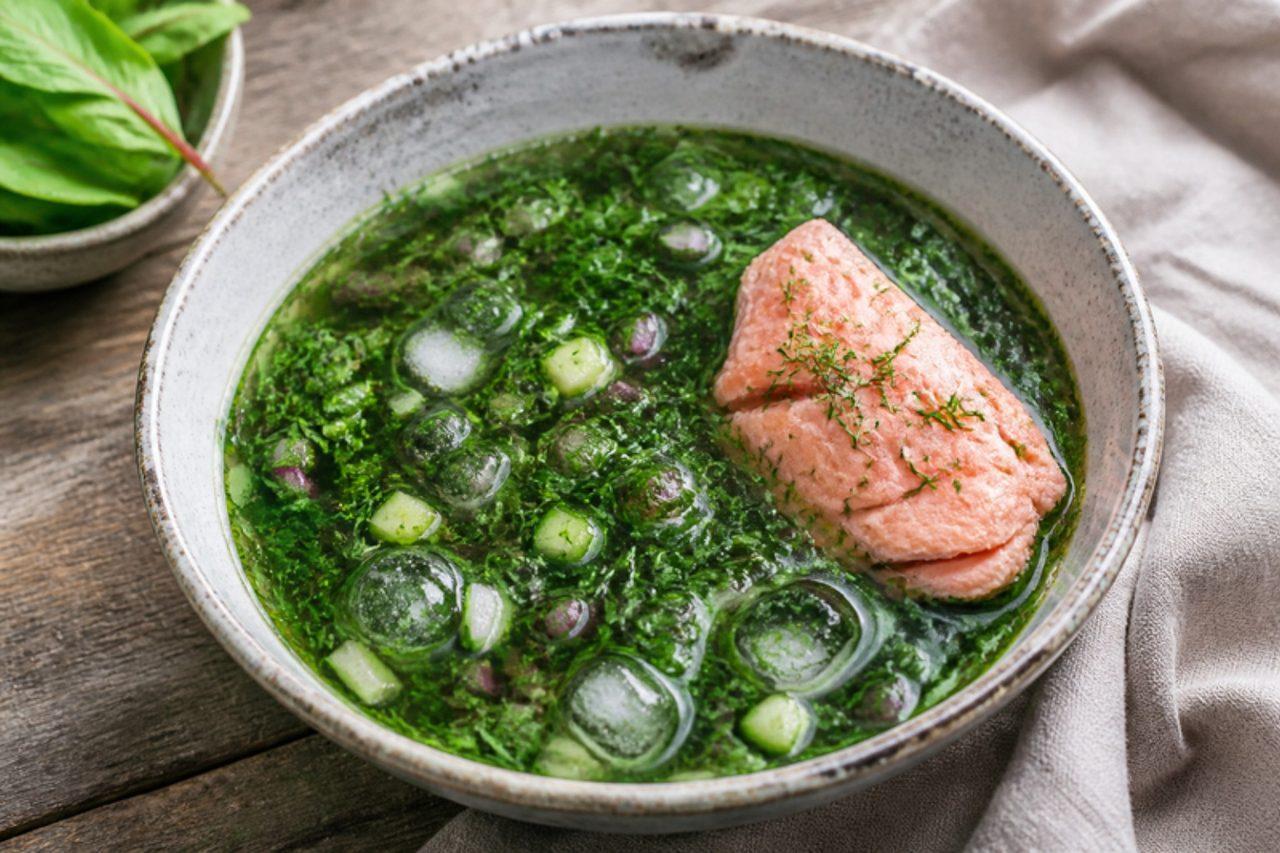
Summer dachas around St Petersburg once waited all year for the young beet tops and sorrel that go into this sharp, ice-cold soup, a grand dish of the old aristocratic table that is also cheap peasant food. Blanched greens are puréed, loosened with bread kvass and studded with cucumber and spring onion; a piece of gently poached salmon is set alongside, with horseradish and lemon. Kvass is lightly fermented and can carry a trace of alcohol: choose one labelled alcohol-free, or use the substitute of sparkling water, a little lemon and rye-bread soaking liquid given in the ingredients. The usual slip is serving it merely cool: it should be properly cold, even with an ice cube in each bowl. Chef's tip: poach the fish the day before so it is thoroughly chilled, and keep the whole soup in the fridge until the minute it goes to the table.

by KrazyBadal 0 views

Rasstegai

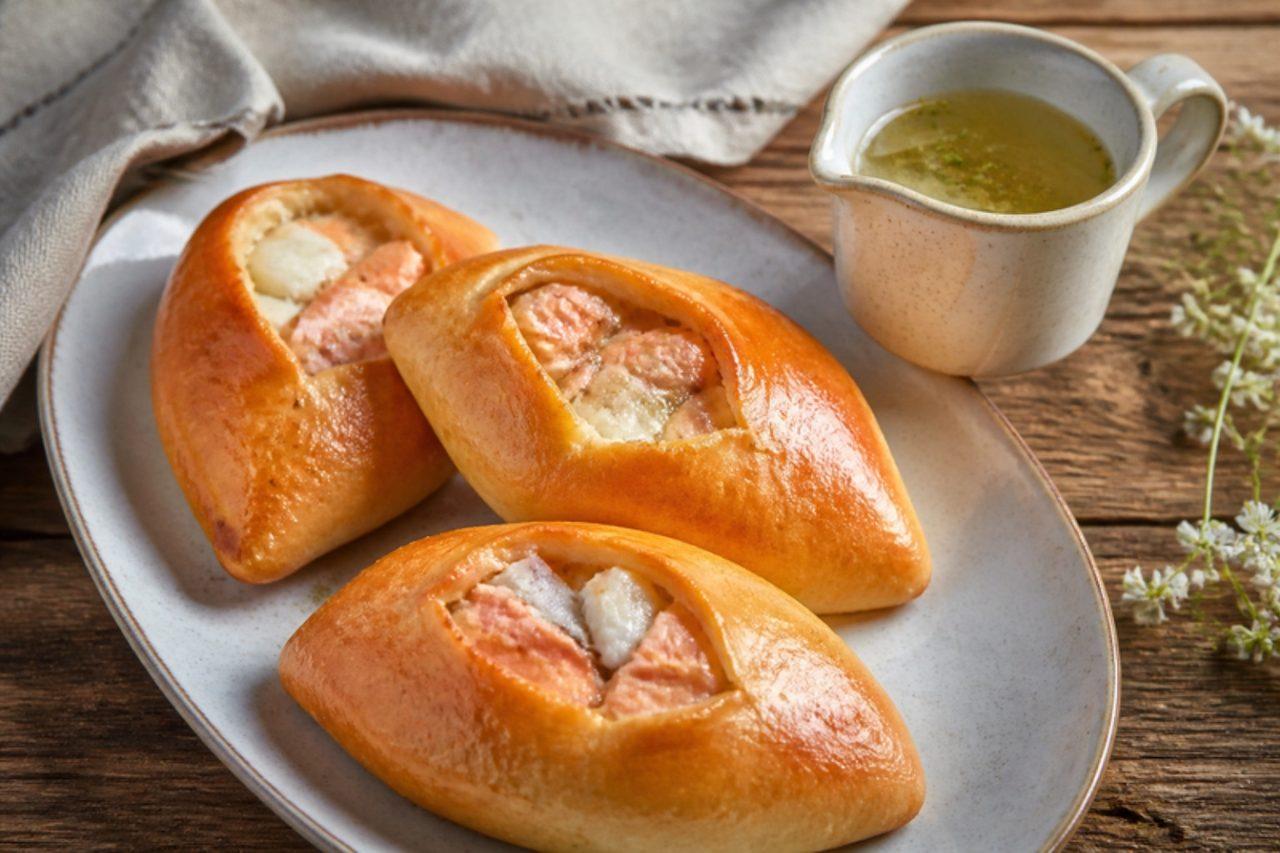
Merchant taverns in old Moscow and St Petersburg served these boat-shaped little pies alongside a bowl of ukha, and the waiter would spoon hot fish broth through the open top at the table. A soft, buttery yeast dough wraps chopped salmon, white fish, rice and soft onion; the top stays open, so the filling bakes juicy while the rim turns glossy and brown. Eat them warm with a cup of clear fish soup or simply with strong tea. Where most people go wrong is pinching the opening too wide: the filling dries out and the broth runs straight through. Chef's tip: cut the fish into 1 cm dice rather than mincing it, so each bite stays flaky and you can see the pink and white through the hole.

150 minRussianFish
by KrazyBadal 0 views

Makarony po-flotski

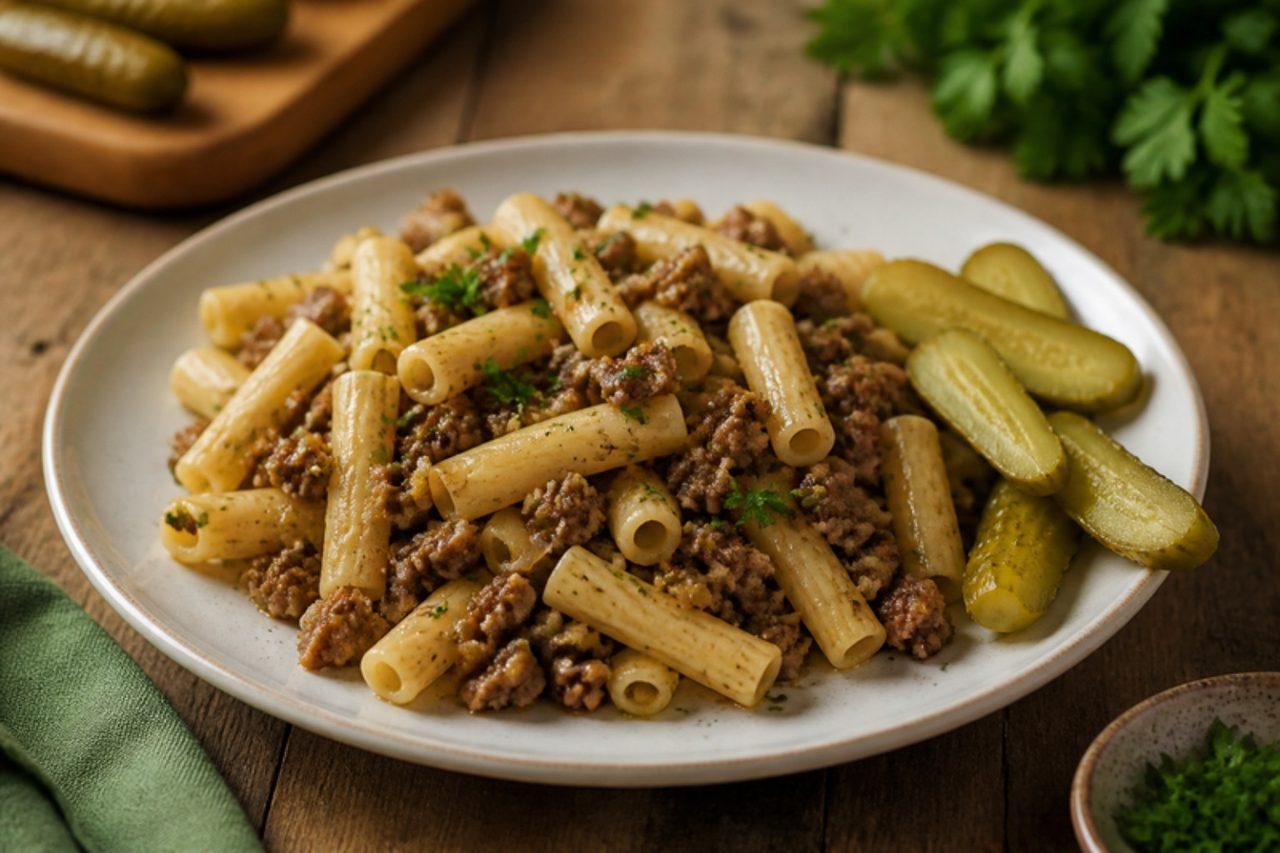
Navy cooks in the Baltic Fleet at Kronstadt fed whole crews on this, and it went on to become the canteen and student-hostel supper of the Soviet Union: tubes of pasta tossed in a frying pan with beef mince and plenty of onion until everything is a little crisp. It is salty, peppery and comforting, and children love it. Eat it straight from the pan with a pickled cucumber or a quick tomato salad. A common mistake is crowding raw mince into a cold pan so it stews grey instead of browning. Chef's tip: fry the drained pasta in the meat fat for the last two minutes without stirring too much, so some tubes catch and turn golden.

by KrazyBadal 0 views

Peremech

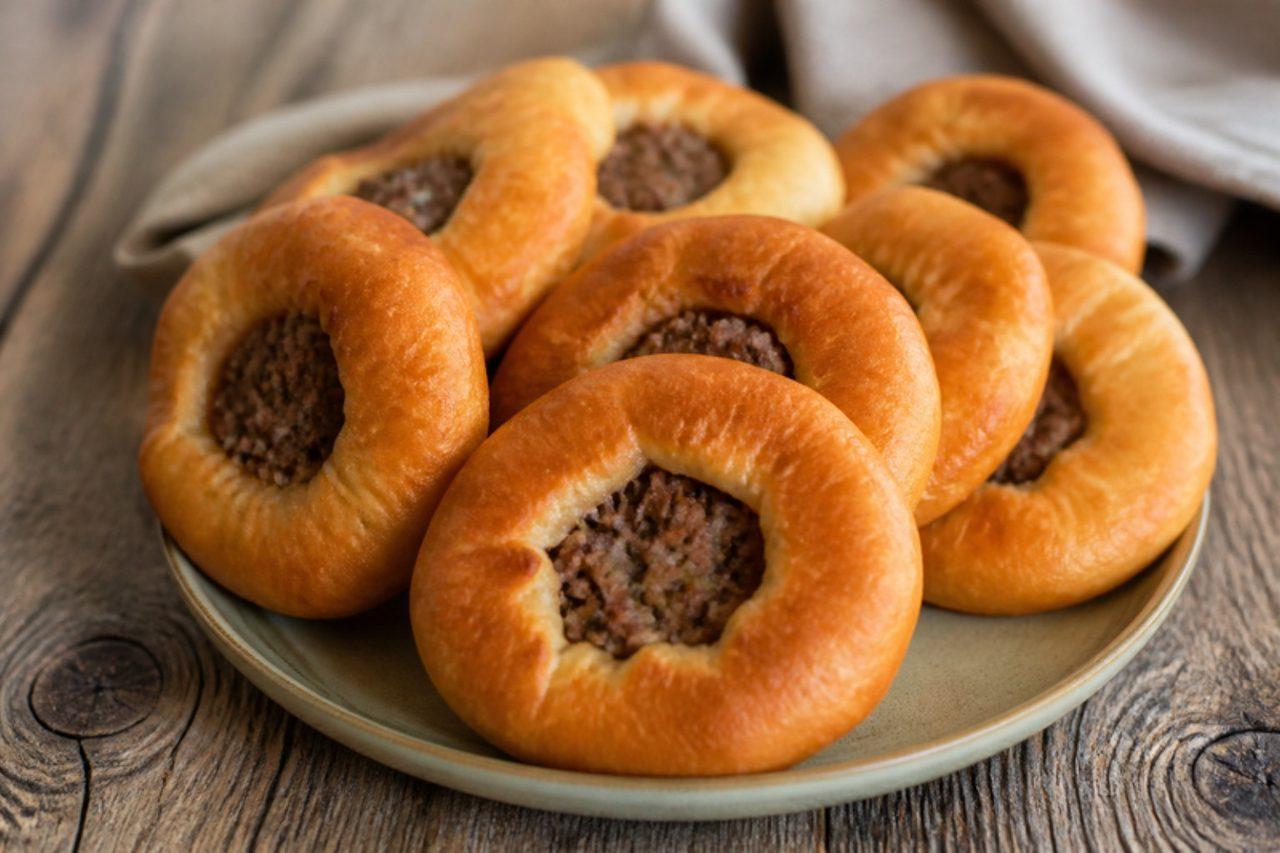
Street stalls around the Kazan Kremlin fry these flat, round pies to order, and Tatar families make them on Sunday mornings in a heavy pan of hot oil. The soft yeast dough is gathered around a ball of seasoned beef mince but left open at the top like a little crater, so the meat fries crisp in the centre while the dough puffs and blisters. They are eaten hot, with sweet black tea and, for the bold, a spoon of the pan juices poured in. The usual slip is frying in oil that is too hot; the dough browns before the meat inside is cooked. Chef's tip: always fry the open side down first, it seals the meat and gives that crisp ring around the hole.

by KrazyBadal 0 views

Kvæfjordkake

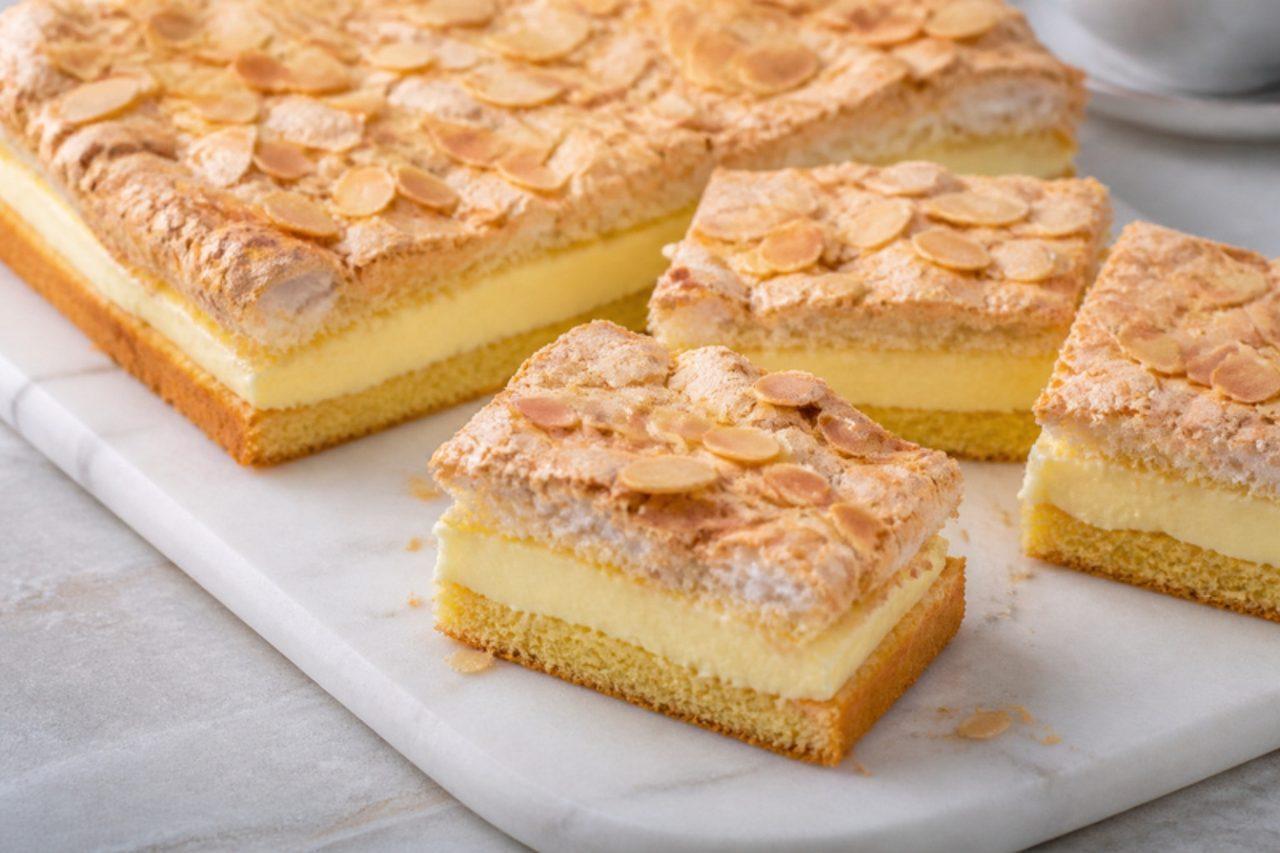
Kvæfjordkake comes from the Kvæfjord district in Troms, northern Norway, and Norwegians voted it their national cake, which is why it is also called 'verdens beste', the world's best cake: a thin buttery sponge baked with a layer of meringue and almonds on top, then cut in half and sandwiched with vanilla custard cream. It is baked for confirmations, May 17th and birthdays. A common mistake is underbaking the meringue, which goes sticky. Chef's tip: bake in a shallow tray and let the meringue turn pale golden and crisp; cool completely before filling.

by KrazyBadal 0 views

Myaso po-frantsuzski

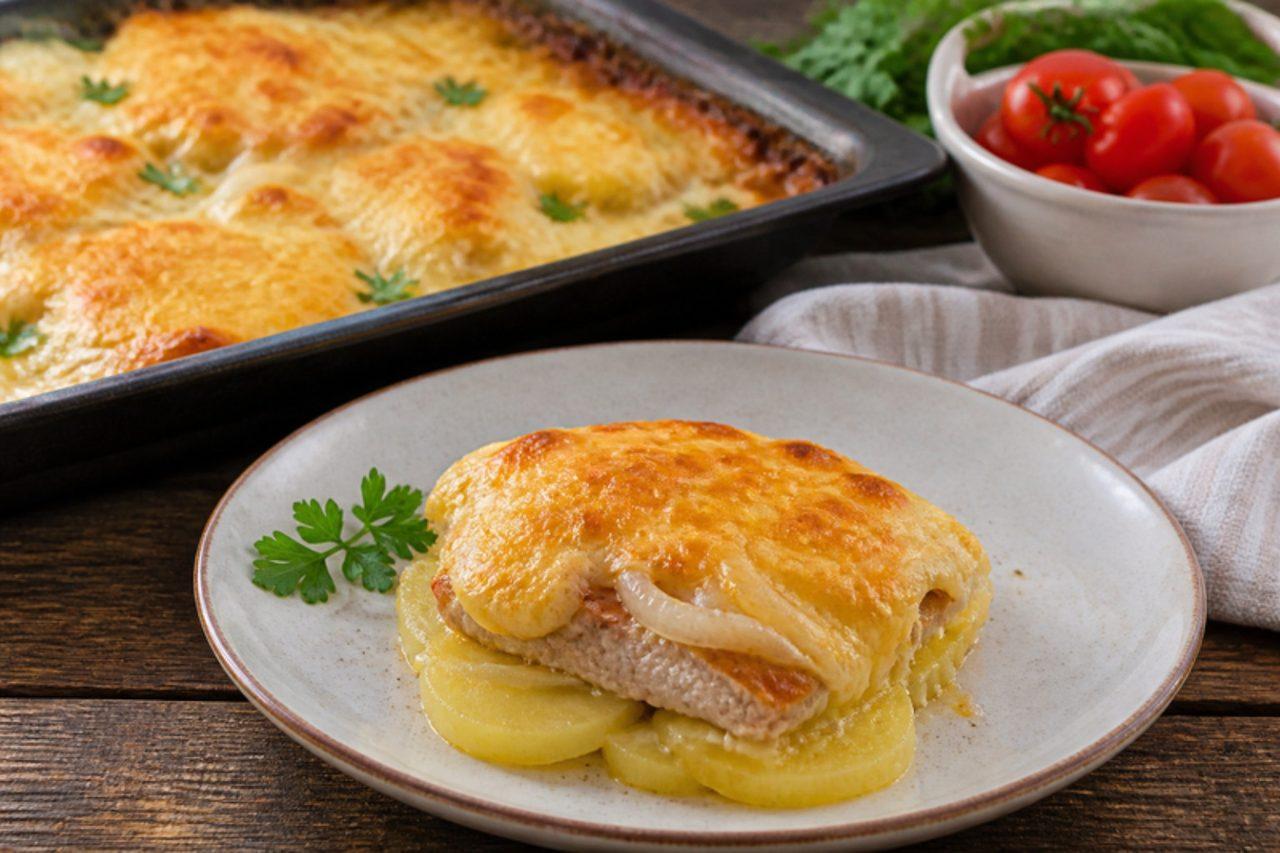
Despite the name, nobody in France would recognise "French-style meat": it is a Soviet celebration bake, made for New Year's Eve and 8 March from whatever a family could find, and it still fills oven trays across Russia every holiday. Thin slices of pork loin are layered with onion and potato, spread with mayonnaise and covered in grated cheese, then baked until the top is golden and the meat tender. It is rich, savoury and a little indulgent; serve it with a crisp salad or pickles to cut through. A common mistake is leaving the pork thick, which keeps it chewy while the cheese burns; beat it thin. Check the pork reaches at least 63 °C and rest it 5 minutes. Chef's tip: mix half sour cream into the mayonnaise for a lighter, tangier sauce.

by KrazyBadal 0 views

Grechka po-kupecheski

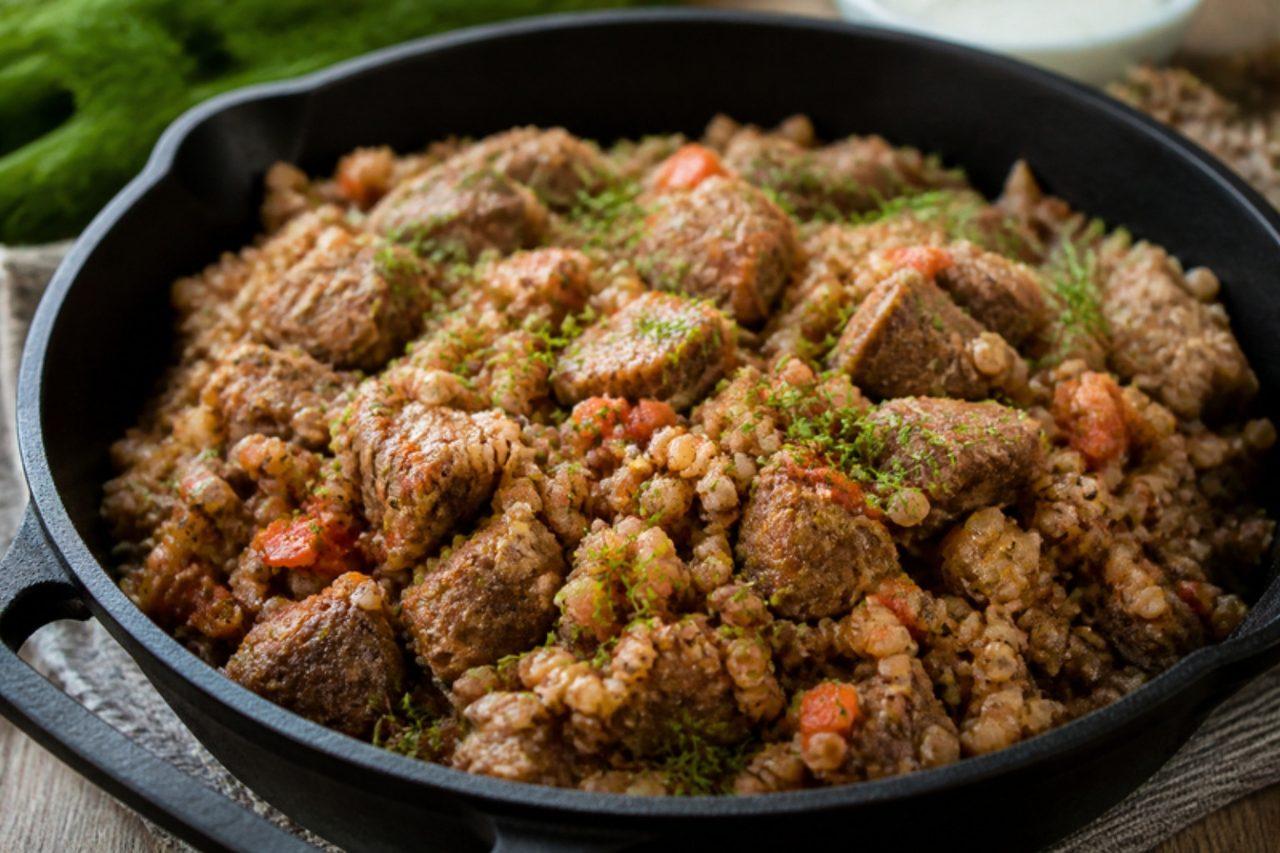
Russian merchants of the nineteenth century liked their buckwheat with meat in it, and "merchant-style" grechka became a hearty one-pan supper that students, soldiers and busy parents still cook today. Cubes of pork shoulder are browned with onion and carrot, enriched with tomato, then roasted buckwheat simmers in the same pan until every grain is separate and steeped in the juices. It is earthy, savoury and filling, best with a salted cucumber or a spoon of tsakhdon-style garlic sour cream. The usual slip is stirring the buckwheat while it cooks, which breaks the grains into mush; cover the pan and leave it alone. Pork pieces should be fully cooked to 71 °C. Chef's tip: toast the buckwheat in the pan for a minute before adding water to deepen its nutty taste.

by KrazyBadal 0 views

Showing 18 of 7,762 recipes

Show more recipes

Page 252 of 863