Skip to content
Sayur lodeh
Featured recipe

Sayur lodeh

Sayur lodeh is everyday cooking in Central Java, made in big pots in Solo and Semarang kitchens and ladled over rice, with lontong rice cakes at Lebaran, or alongside opor and sambal goreng on festive tables. It's soupy rather than thick: a fragrant broth of coconut milk, galangal, lemongrass and lime leaf that carries chunks of aubergine, long beans, chayote and sweetcorn, plus tempeh and tofu to make it a meal. The flavour is mellow and slightly sweet, so the heat comes from sambal on the side. Chef's tip: keep the pot at a gentle simmer once the coconut milk goes in and stir now and then — a rolling boil splits the coconut milk into oily curds.

Read more 3 views
Can't decide?

What to eat today?

Spin the randomizer, search with what's already in your fridge, or browse recipes from our chefs.

Latest recipes

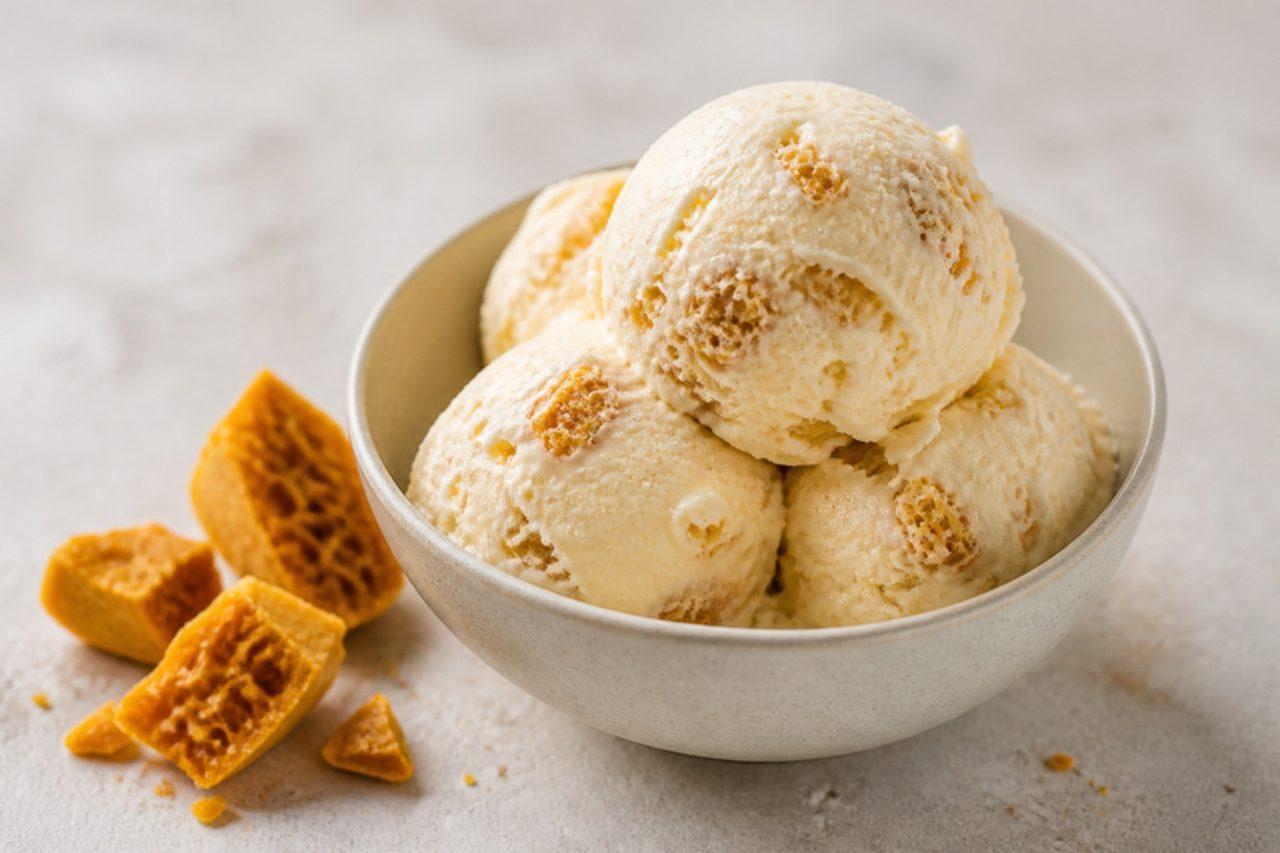
Hokey pokey ice cream

Hokey pokey is what New Zealanders call honeycomb toffee, and vanilla ice cream full of crunchy little nuggets of it has been the country's best-loved flavour since the mid-twentieth century; it's scooped into cones at dairies and beaches from Auckland to Invercargill. The honeycomb is a bubbling golden syrup toffee that foams up when bicarbonate of soda goes in and sets glassy and light. Folded through a rich no-churn vanilla base, it stays crunchy at first and slowly turns chewy and toffee-like. Chef's tip: don't stir the sugar once it starts to melt; swirl the pan instead, or it will crystallise and turn grainy.

by KrazyBadal 0 views

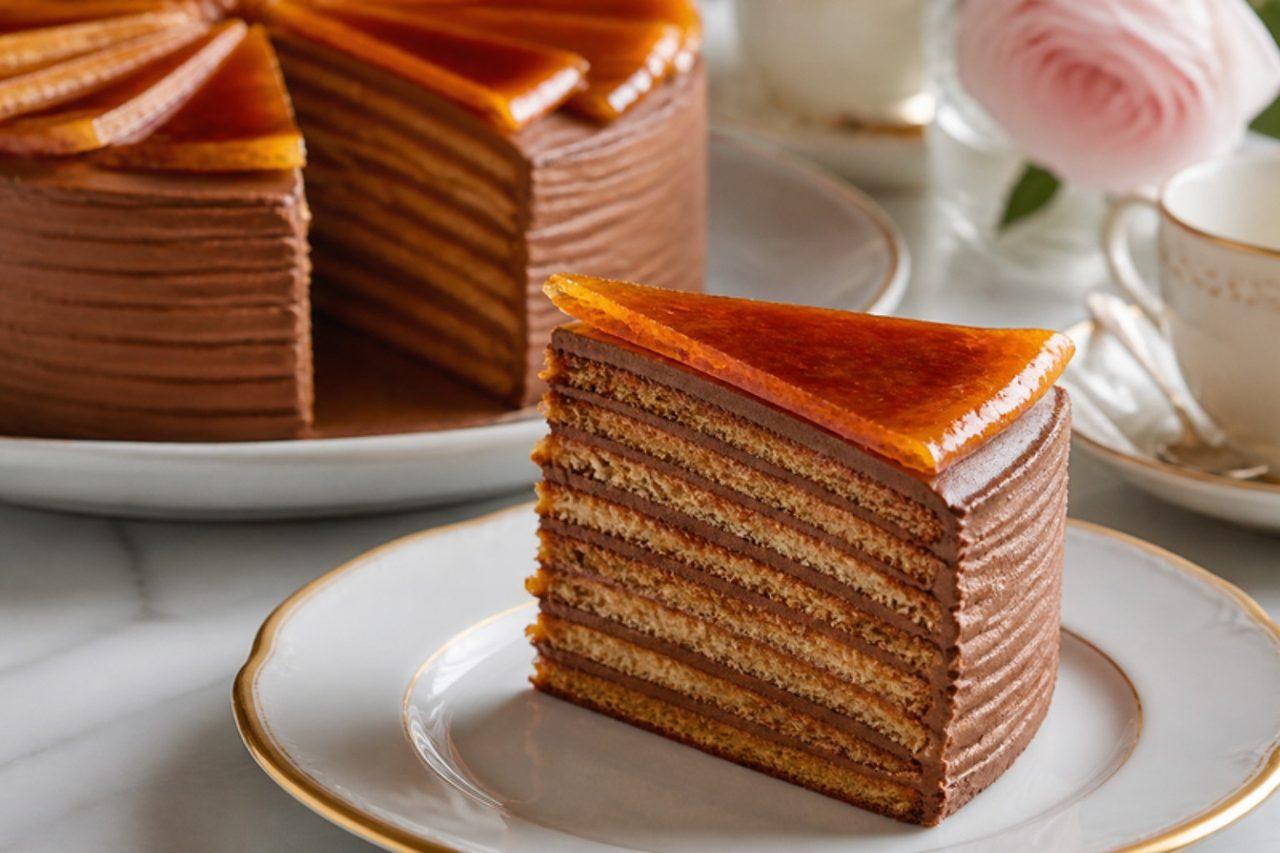
Dobos torta

Dobos torta was created in Budapest in 1885 by the confectioner József C. Dobos, and it is still the cake Hungarians order in old coffee houses on Andrássy Avenue and bake for name days and big birthdays. Six thin sponge layers are stacked with a rich chocolate buttercream, and the top layer is glazed with hard amber caramel, cut into wedges and set at an angle like a fan. It is a project cake, but each stage is simple and the finished torte keeps for days. Chef's tip: mark the caramel into wedges with an oiled knife within the first minute; once it sets, it shatters instead of cutting.

by KrazyBadal 0 views

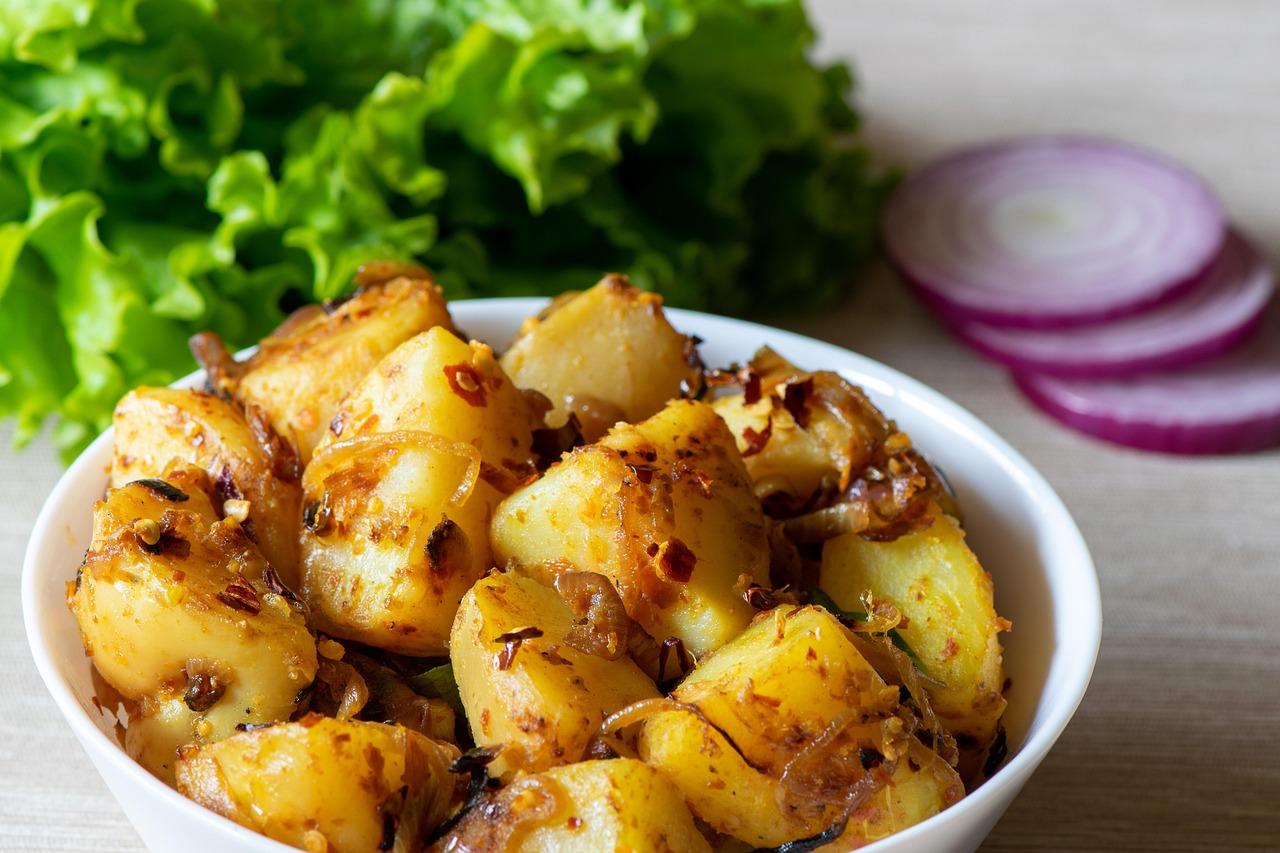
Mombasa kachri bateta

A Mombasa street favourite: potatoes cooked in a thin, garlicky tomato and raw mango sauce, ladled into bowls and piled with crushed potato crisps, crunchy sev and a fresh coconut and mango chutney. Everyone builds their own bowl to taste. Serve straight away so the crisps stay crunchy.

by KrazyBadal 0 views

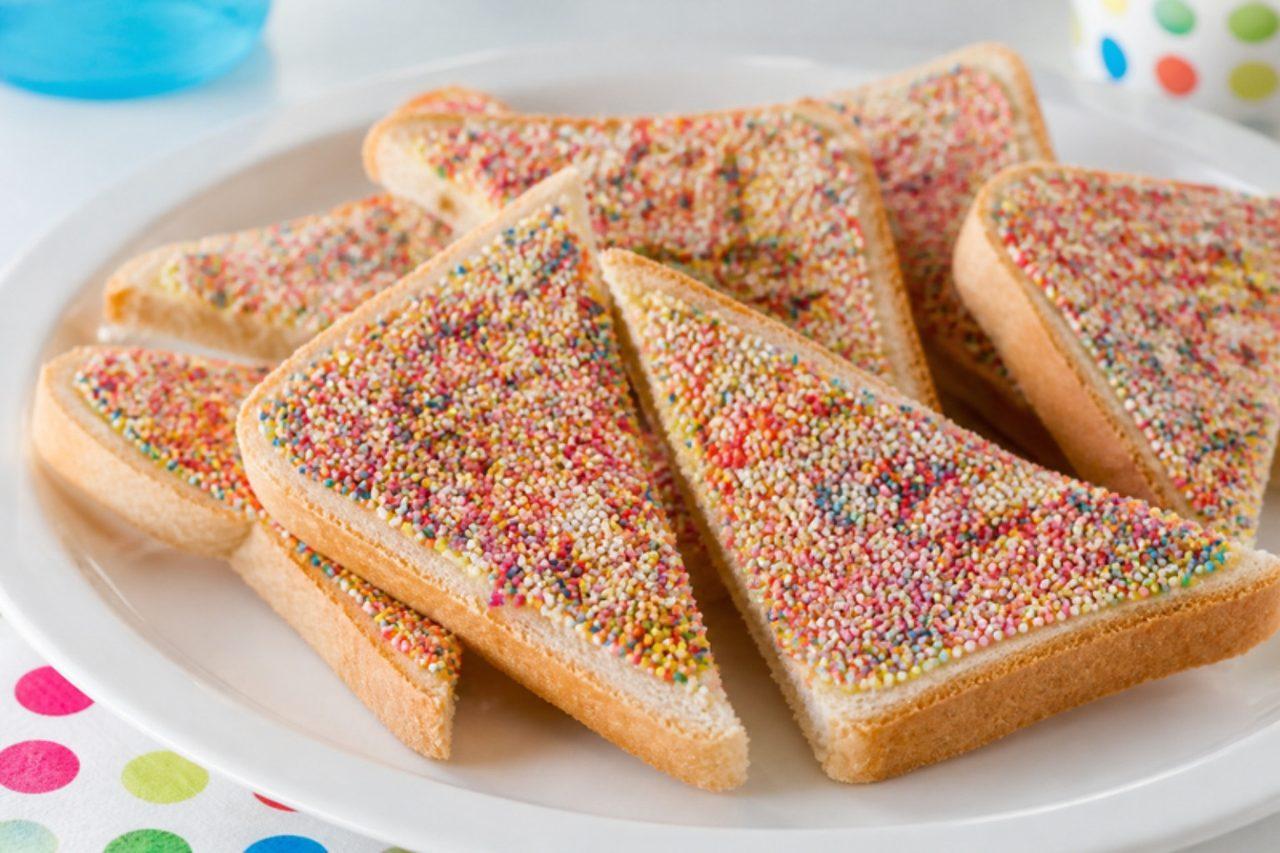
Fairy bread

No children's birthday party in Australia, and in New Zealand too, is complete without a plate of fairy bread, a tradition going back about a hundred years. Soft white bread is spread with butter and pressed face-down into a pile of hundreds and thousands, the tiny round coloured sprinkles, then cut into triangles. It's sweet, crunchy, buttery and gloriously bright, and children love making it as much as eating it. Many sprinkles are coloured with insect-based carmine (E120) or glazed with shellac (E904); for a vegetarian plate, choose a brand that uses neither. Chef's tip: use soft, spreadable butter right to the edges; it's the glue that holds every sprinkle.

by KrazyBadal 0 views

Pogácsa

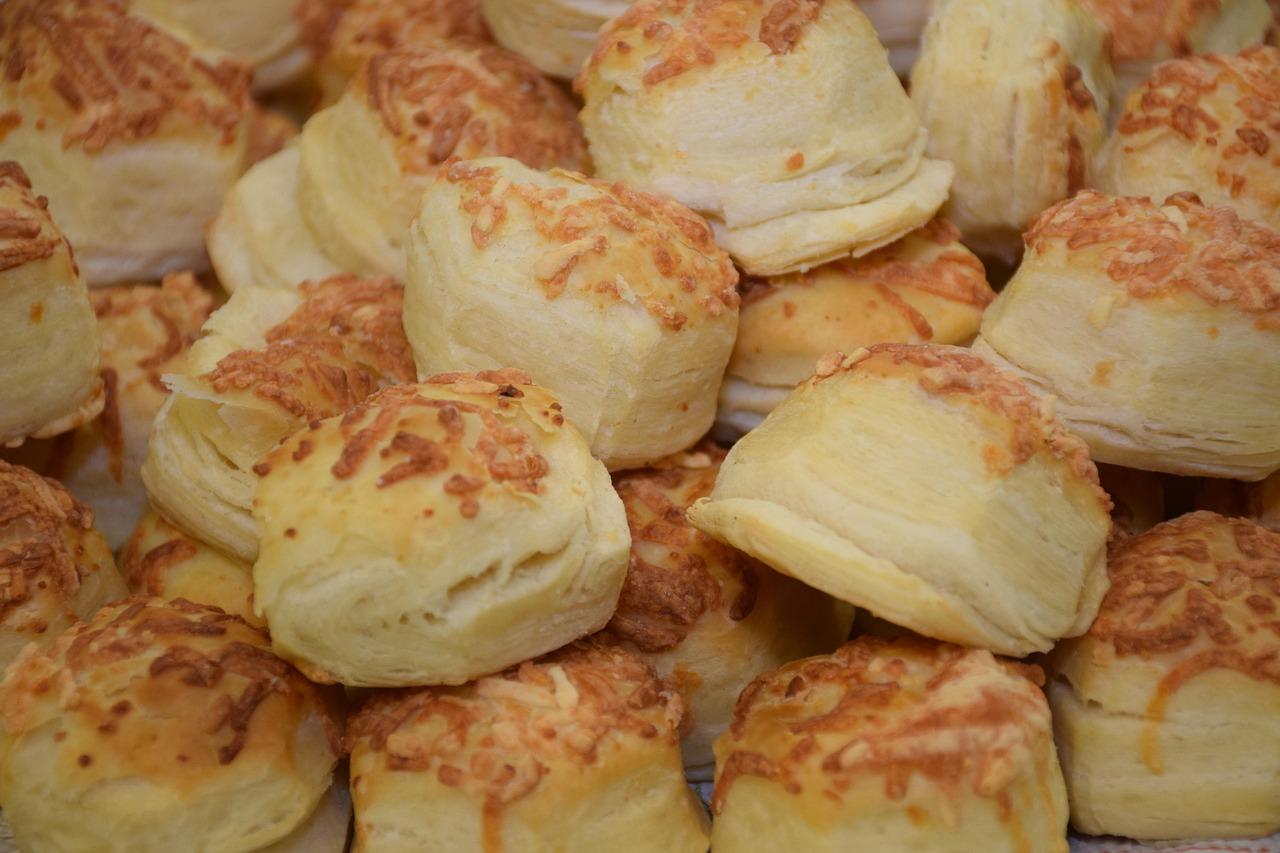
Pogácsa are small, round, flaky savoury scones that appear on every Hungarian buffet table, at weddings, christening parties and wine tastings in Tokaj and Villány, where they are eaten with a glass of white. Bakeries sell them by weight, and every region has its own: with crackling, potato, cabbage or, like these, butter, sour cream and cheese. The dough is folded a few times, so they split into tender layers, and the top is scored in a criss-cross before baking. Chef's tip: cut straight down with a sharp cutter and don't twist; twisting seals the edges and the pogácsa rise lopsided. Use a cheese made with vegetarian rennet.

by KrazyBadal 0 views

Tobago curry crab and dumpling

On Tobago, curry crab and dumpling is the dish people travel for, eaten with fingers on Sunday afternoons and sold at the Store Bay food huts near Crown Point, where a plate is half the reason to visit. Blue crabs are cleaned, rubbed with green seasoning, 'burnt' in curry and simmered in coconut milk until the shells turn red and the sauce goes rich, spicy and sweet with crab. Long, flat flour dumplings cook right in the gravy and soak it all up. It's messy, so have bowls for shells and plenty of napkins. Chef's tip: crack the claws lightly before they go in the pot, so the curry can get inside and the meat is easy to pull out at the table.

by KrazyBadal 0 views

Xinjiang lamb skewers

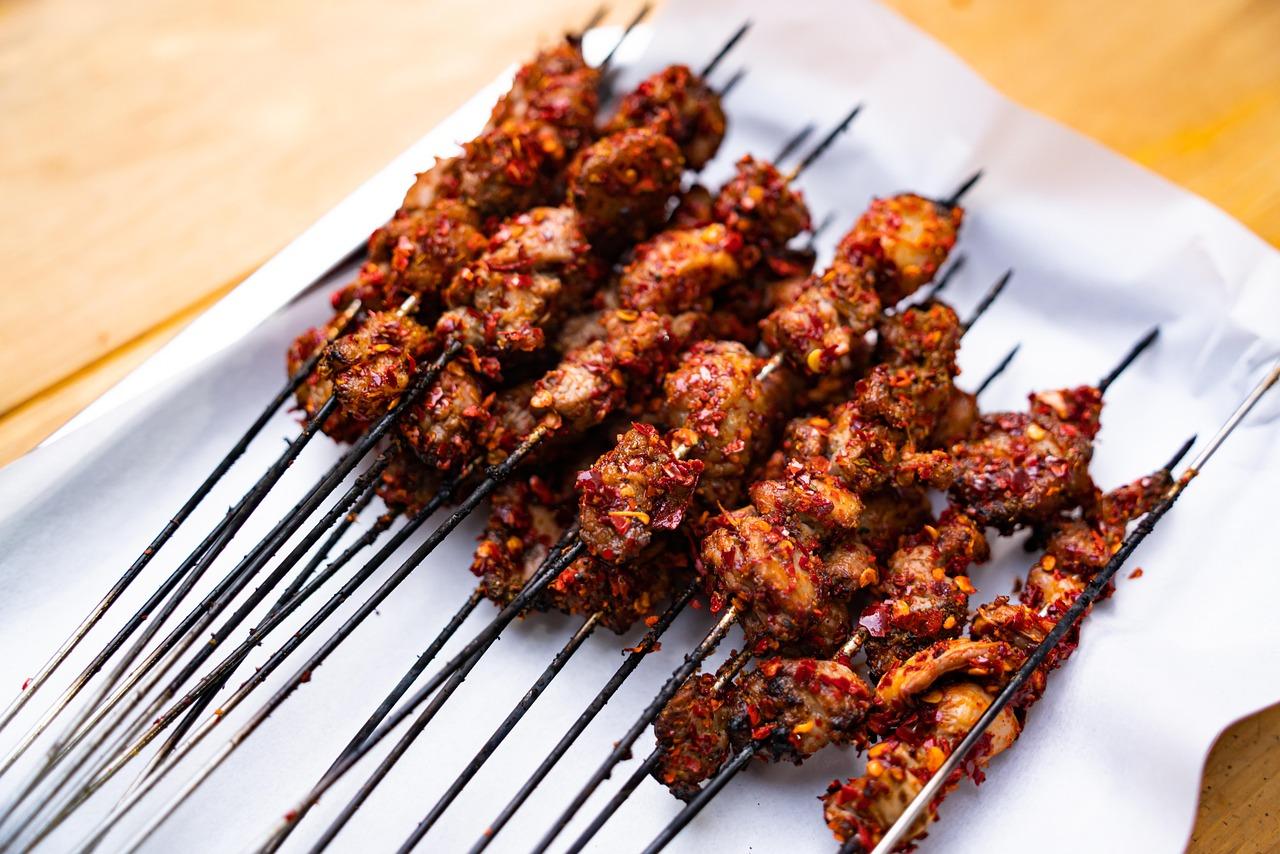
Clouds of cumin-scented smoke rise from long charcoal troughs at night markets from Ürümqi to Kashgar, where Uyghur grill men fan the coals and turn dozens of skewers at a time. Small cubes of lamb, often with a piece of fat between them, are seasoned with salt, cumin and chilli right on the grill, so the outside is crusty and spicy while the inside stays pink and juicy. Street vendors across China copy them, but the best are simple. Eat them hot off the skewer with flatbread, sliced onion and a cold drink. Chef's tip: thread a small cube of lamb fat after every three pieces of meat; it melts over the lean as it grills and keeps it moist.

by KrazyBadal 0 views

Anzac biscuits

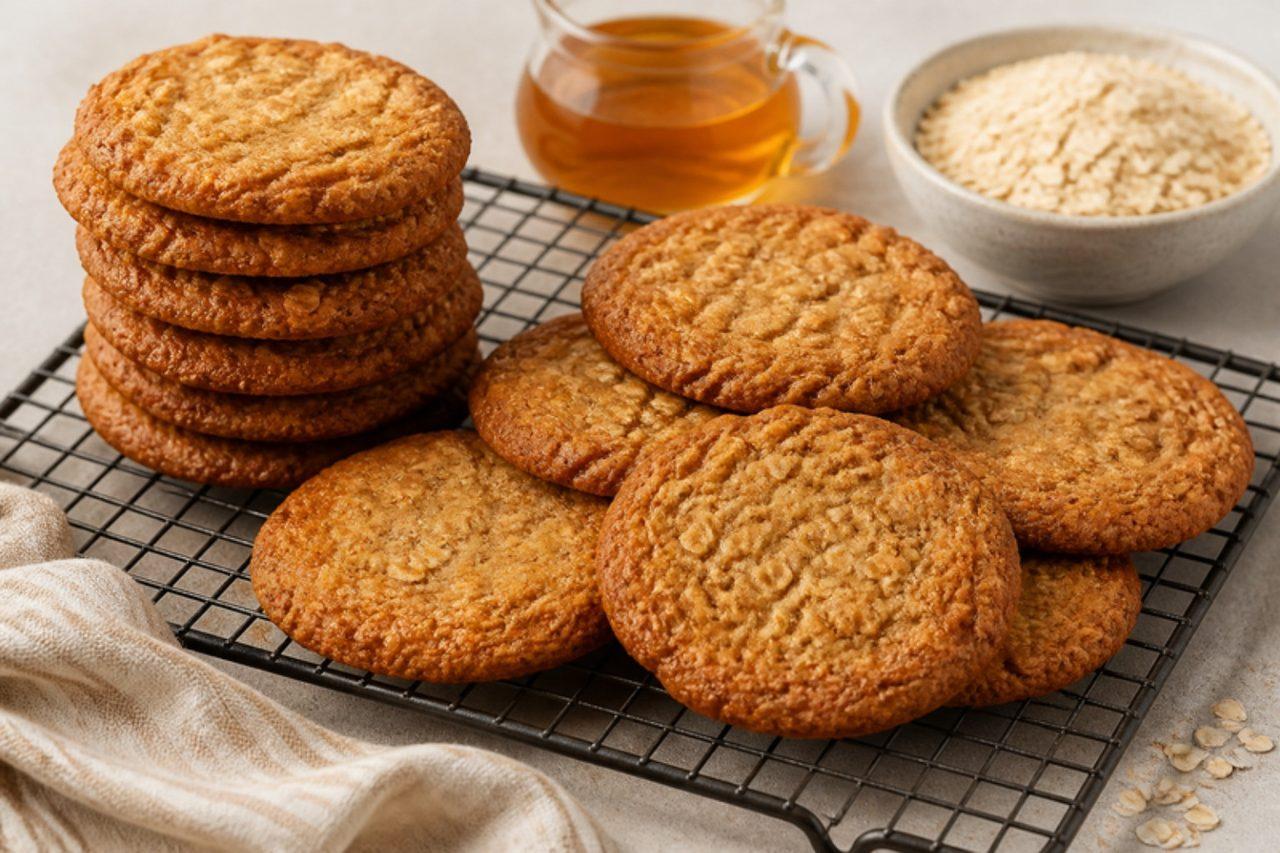
Anzac biscuits are baked in kitchens all over Australia and New Zealand in the days before 25 April, Anzac Day, when both countries remember the soldiers of the Australian and New Zealand Army Corps who landed at Gallipoli in 1915. Recipes appeared in fundraising cookbooks soon after the war, and they keep well because they contain no eggs: just oats, flour, coconut, sugar, butter and golden syrup, raised with bicarbonate of soda. Bake them short for chewy, longer for crunchy; every family has its side. Chef's tip: add the bicarbonate to the hot butter and syrup and wait for it to foam up before mixing; that froth is what makes them light and lacy.

by KrazyBadal 0 views

Túrós csusza

Túrós csusza is a simple dish of wide pasta squares tossed with crumbly túró curd cheese and sour cream, loved across Hungary and especially in the Danube villages, where it is served as a filling main after a bowl of fish soup. At home it is a Friday or end-of-the-month supper made from what is in the fridge. Traditionally it is topped with crisp pork crackling; here, fried onions and a little smoked paprika give the same crunch and savouriness. The flavour is mild, tangy and comforting. Chef's tip: toss the cheese into the pasta while it is still steaming so the túró warms through, but serve the sour cream cold on top for contrast.

by KrazyBadal 0 views

Showing 9 of 4,484 recipes

Show more recipes

Page 269 of 499