


Skip to content
Tompouce
Featured recipe

Tompouce

Custard puff pastry slice

The tompouce is the most Dutch of pastries: two thin, crisp layers of puff pastry with a thick yellow custard between them and a glossy pink icing on top, which turns orange on King's Day. It is sold in every bakery and supermarket, and eating one neatly is famously impossible. A common mistake is letting the pastry puff too much, which makes it hard to cut. Chef's tip: bake the pastry under a second tray to keep it flat and crisp, and set the custard firmly with enough cornflour so it holds when sliced.

Read more 0 views

What to eat today?

Around the world

Today's trip: Persian

A new country every day, from every cuisine on the site.

Persian

Shir berenj

Rose water rice pudding 70 minMore from Persian (181) →

This week's collection

Kid-friendly dinners
772 recipes · a new collection every Monday

Coming up

All occasions →

Latest recipes

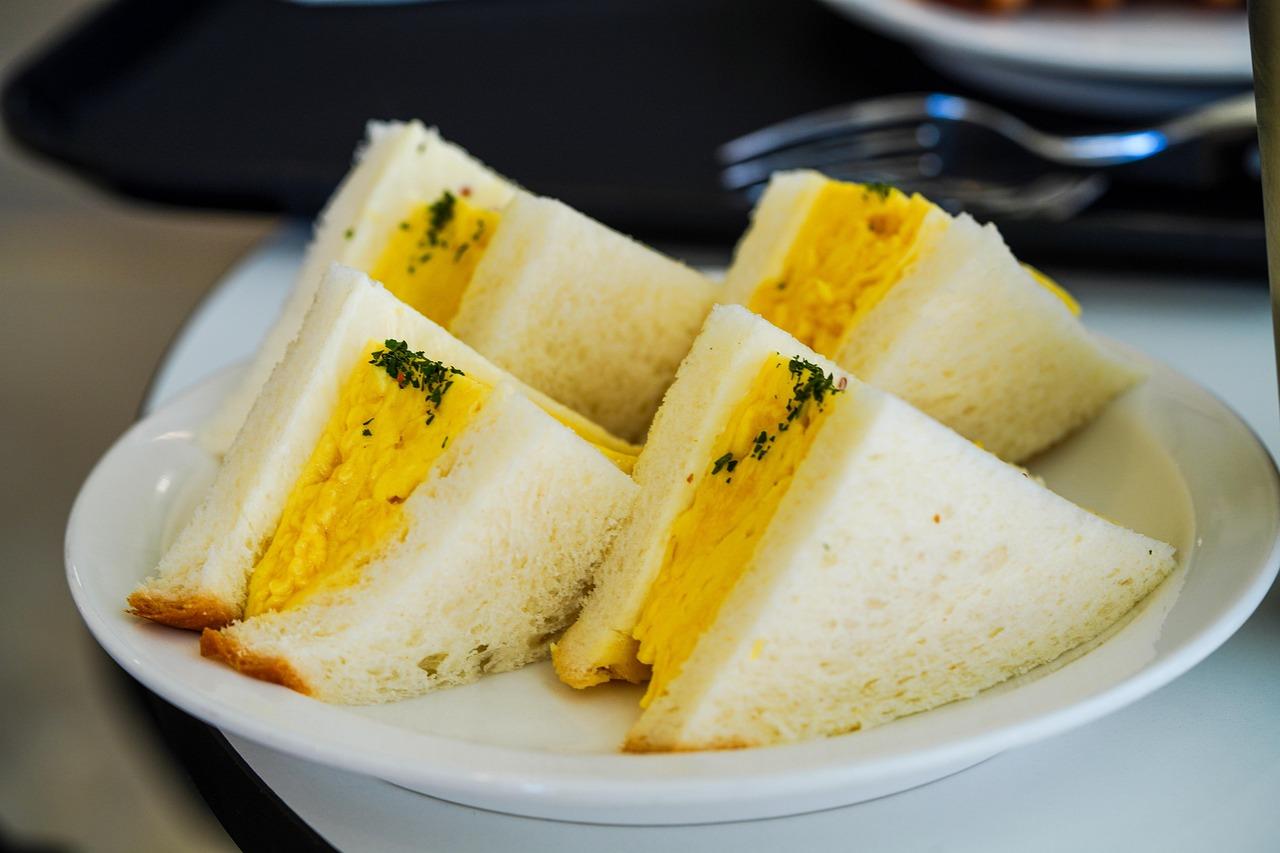
Tamago sando (Japanese egg salad sandwich)

Every Japanese convenience store fridge holds a row of tamago sando, and Tokyo coffee shops (kissaten) have served them with morning coffee for decades. The filling is egg salad made rich with Japanese-style mayonnaise and a little milk, spread thickly between crustless slices of soft milk bread and cut into neat rectangles. Make them for a picnic, a lunchbox or a lazy breakfast. The usual mistake is overboiling the eggs: past 10 minutes the yolks go dry with a grey ring, and the salad loses its soft, sunny colour. Chef's tip: chop the whites finely but mash the yolks into the mayonnaise first, so the filling is creamy with little bouncy flecks of white.

by KrazyBadal 0 views
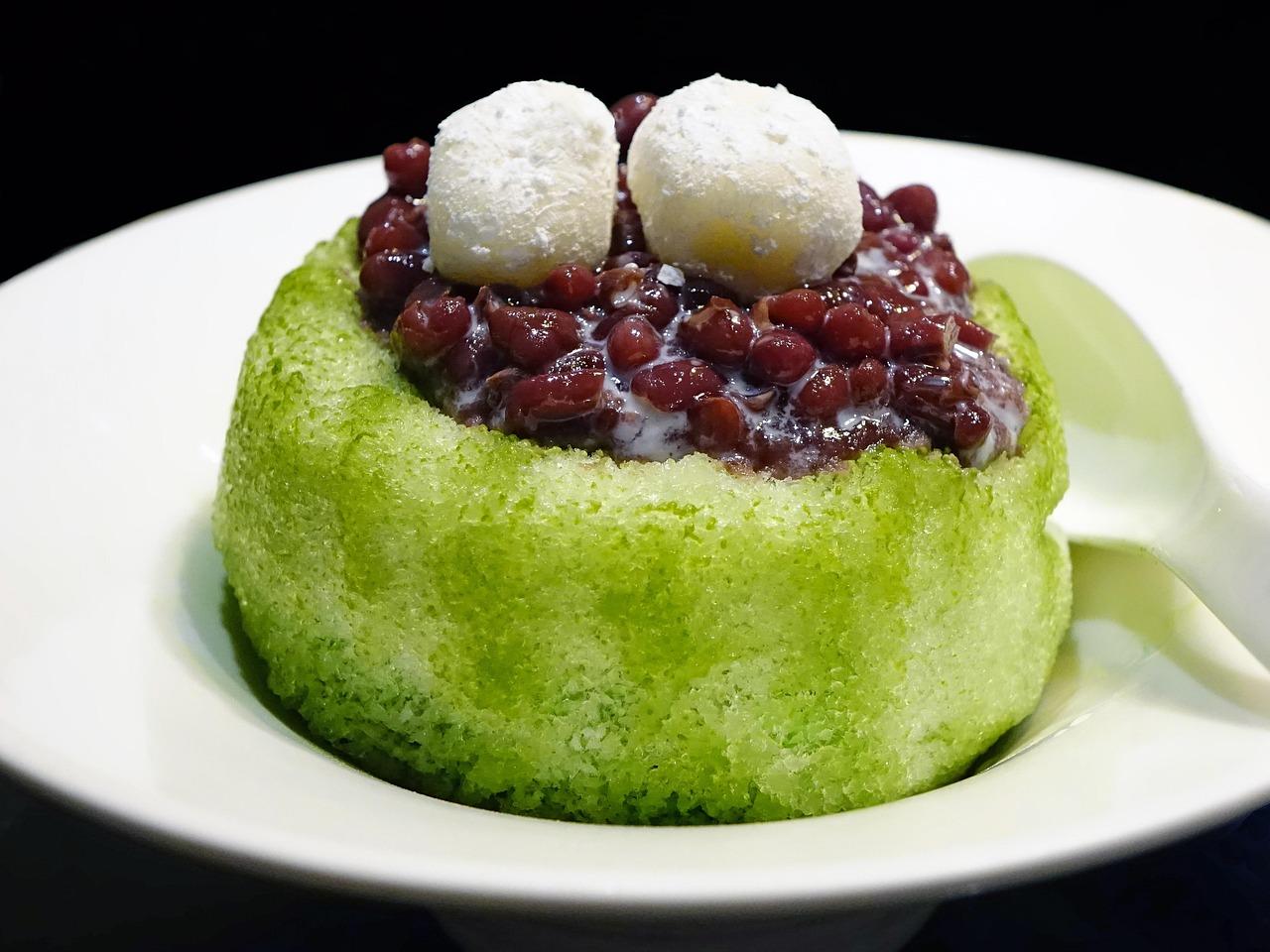
KakigoriShaved ice

Kakigori is Japan's great summer cooler, sold under a flag printed with the character 氷 (ice) at festival stalls and seaside huts and turned into an art in Tokyo dessert cafés, where queues form in July and August. Ice is shaved into soft, snow-like flakes that melt on the tongue, then soaked in fruit syrup, matcha syrup or sweetened condensed milk. Contains dairy if you use condensed milk. The common mistake is using ice straight from the freezer: very cold ice shatters into crunchy shards, so let the block soften for 10 minutes first. Chef's tip: build it in two layers, pouring syrup over the half-full bowl and then again on top, so it is flavoured all the way through.

by KrazyBadal 0 views

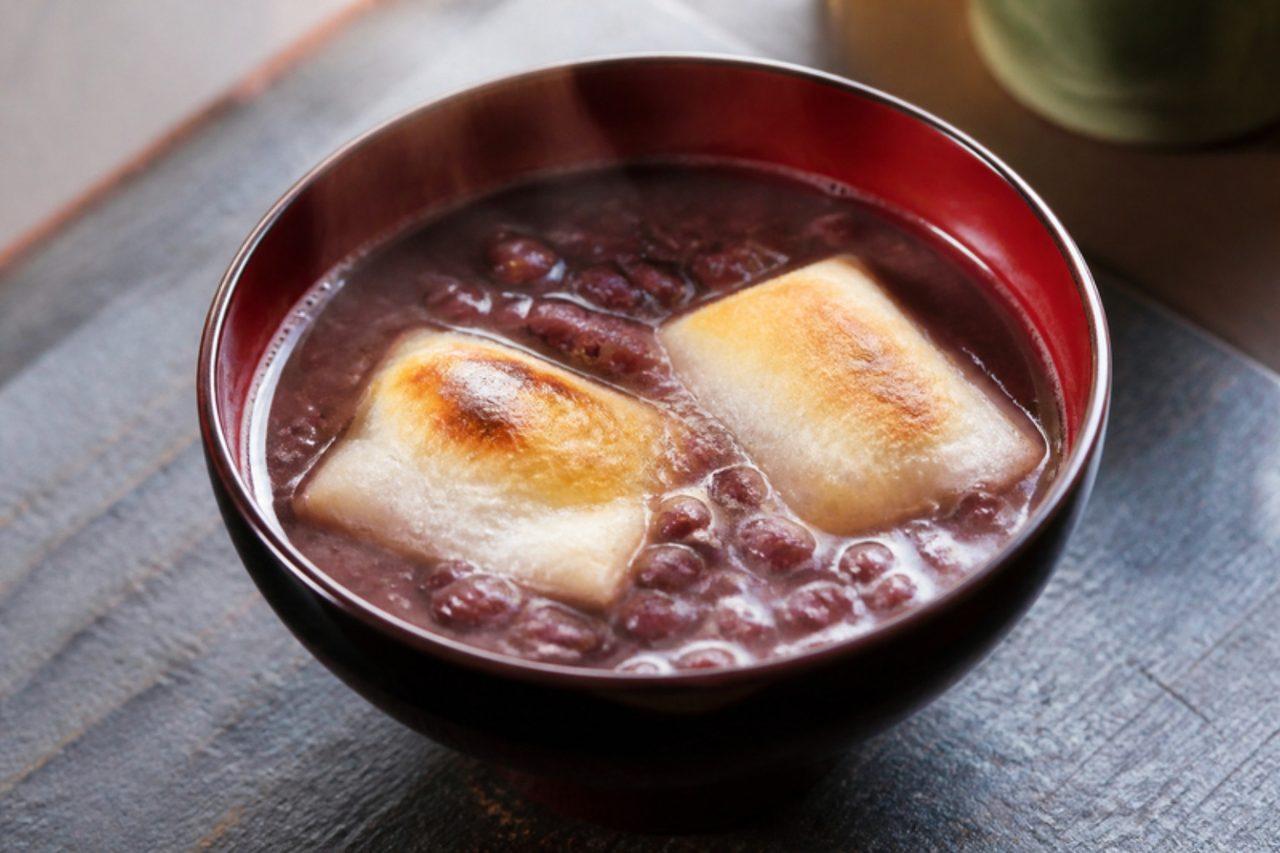
OshirukoSweet red bean soup

On snowy days in northern and eastern Japan, and especially after kagami-biraki on 11 January, when the New Year offering of mochi is broken up, families warm up with a bowl of oshiruko: azuki beans simmered into a sweet, thick soup with a puffed, toasted rice cake bobbing in it. In Kansai a chunky version is called zenzai. Mochi is very sticky: cut it into small pieces for young children and older people, and make sure they chew well and eat sitting down. The common mistake is adding all the sugar at the start, which stops the beans softening; sweeten only once they are tender. Chef's tip: a pinch of salt at the end makes the sweetness taste rounder and the bean flavour deeper.

by KrazyBadal 0 views

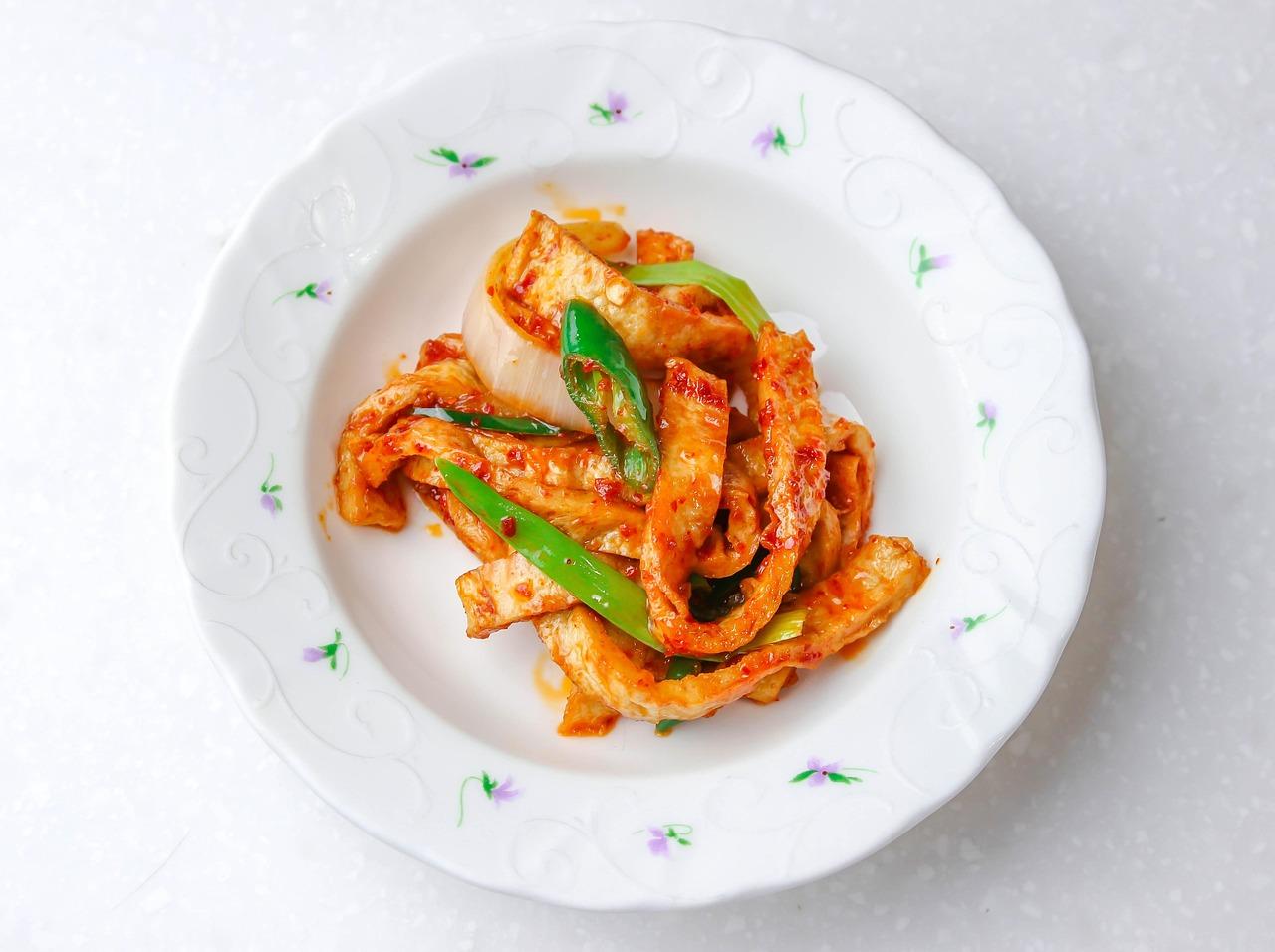
Eomuk bokkeumStir-fried fish cake

Busan's fish cake makers on the old docks near Bupyeong market made eomuk famous, and eomuk bokkeum is how Korean homes everywhere turn a pack of fish cake sheets into a quick side dish for school lunchboxes. Strips of fish cake are stir-fried with onion, carrot and pepper in a sweet soy glaze, staying soft and bouncy with crisp vegetable bites. Most children love it, and a pinch of chilli flakes makes a grown-up version. The common mistake is frying the fish cake straight from the packet: its frying oil turns the dish greasy and dulls the sauce. Chef's tip: pour boiling water over the strips and drain before cooking; they soak up the glaze much better.

18 minKoreanFish
by KrazyBadal 0 views

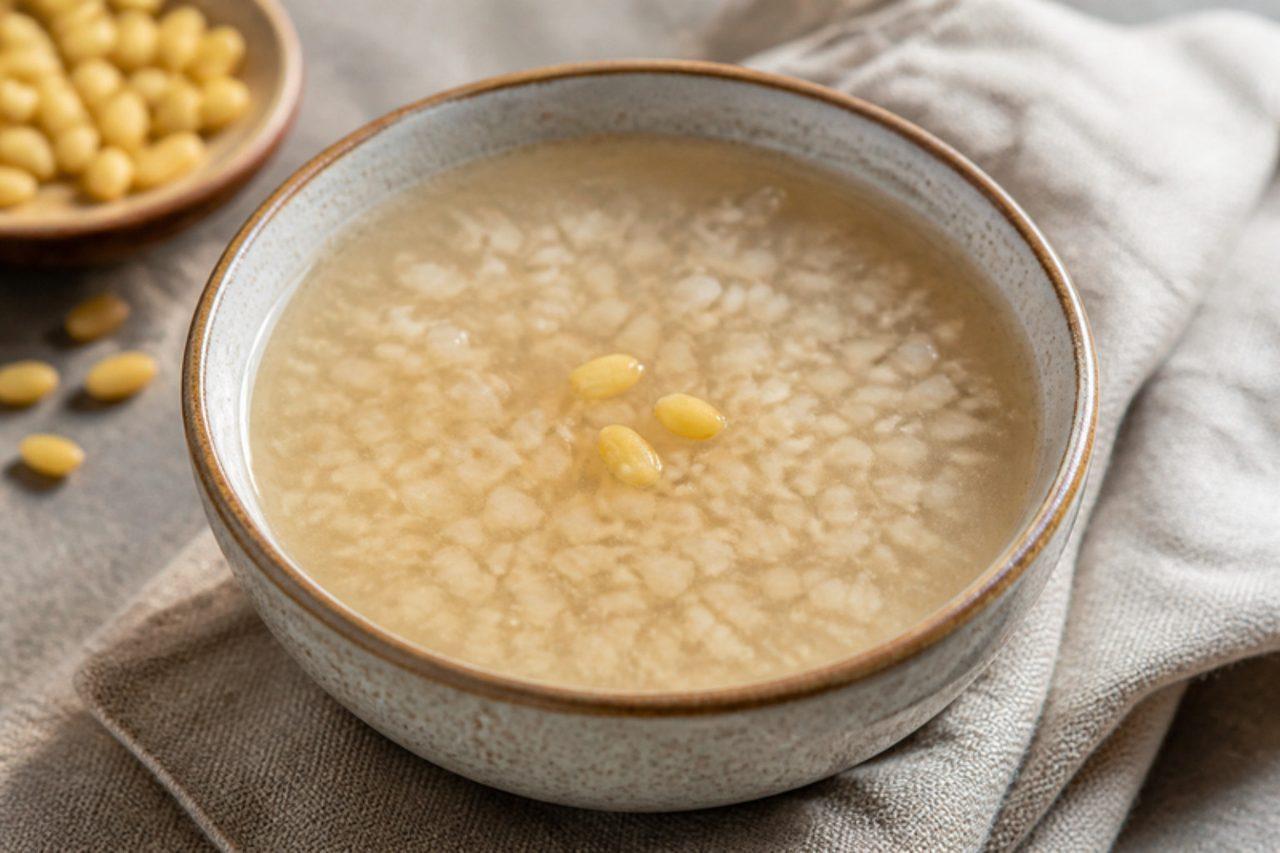
SikhyeSweet rice punch

Every Korean jjimjilbang (bathhouse) sells sikhye in little cans, and every grandmother makes a big pot of it before Seollal and Chuseok to sip after the heavy holiday meal, because it is believed to help digestion. Barley malt water and cooked rice are kept warm for several hours until enzymes turn the rice starch into sugar and the grains float up to the top, then the drink is boiled with ginger and chilled until icy. It is mild, lightly sweet and nutty, with soft rice grains to slurp. The usual mistake is letting it get too hot while it ferments: above about 65 °C the enzymes stop working and the grains never float. Contains barley (gluten). Chef's tip: use the rice cooker's 'keep warm' setting; it holds the perfect temperature on its own.

320 minKoreanDrinksVegan
by KrazyBadal 0 views

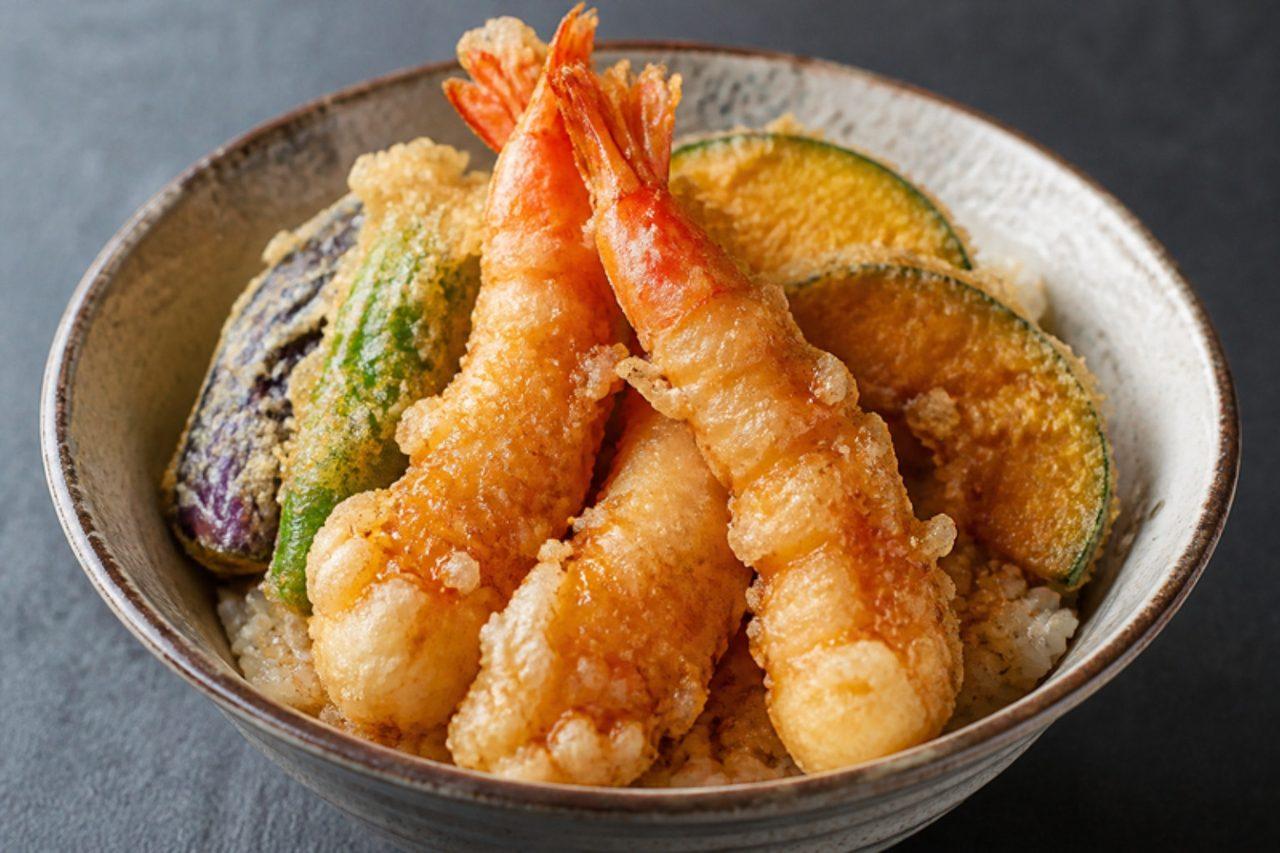
Tendon (tempura rice bowl)

In Tokyo's old shitamachi districts, Asakusa above all, tendon shops have been serving bowls of rice crowned with prawn and vegetable tempura since the Edo period, the batter soaked just enough in a dark, sweet soy sauce to go half crisp, half soft. It is a hearty lunch, and a great way to make tempura at home without having to serve it piece by piece. The tare uses mirin, boiled for a few minutes so the alcohol mostly cooks off; use sugar and water instead for an alcohol-free version. The common mistake is over-mixing the batter: stir with chopsticks only a few times, leaving lumps, and keep it ice-cold so the coating stays lacy and light. Chef's tip: dip each piece in the warm sauce for just a second before laying it on the rice.

by KrazyBadal 0 views

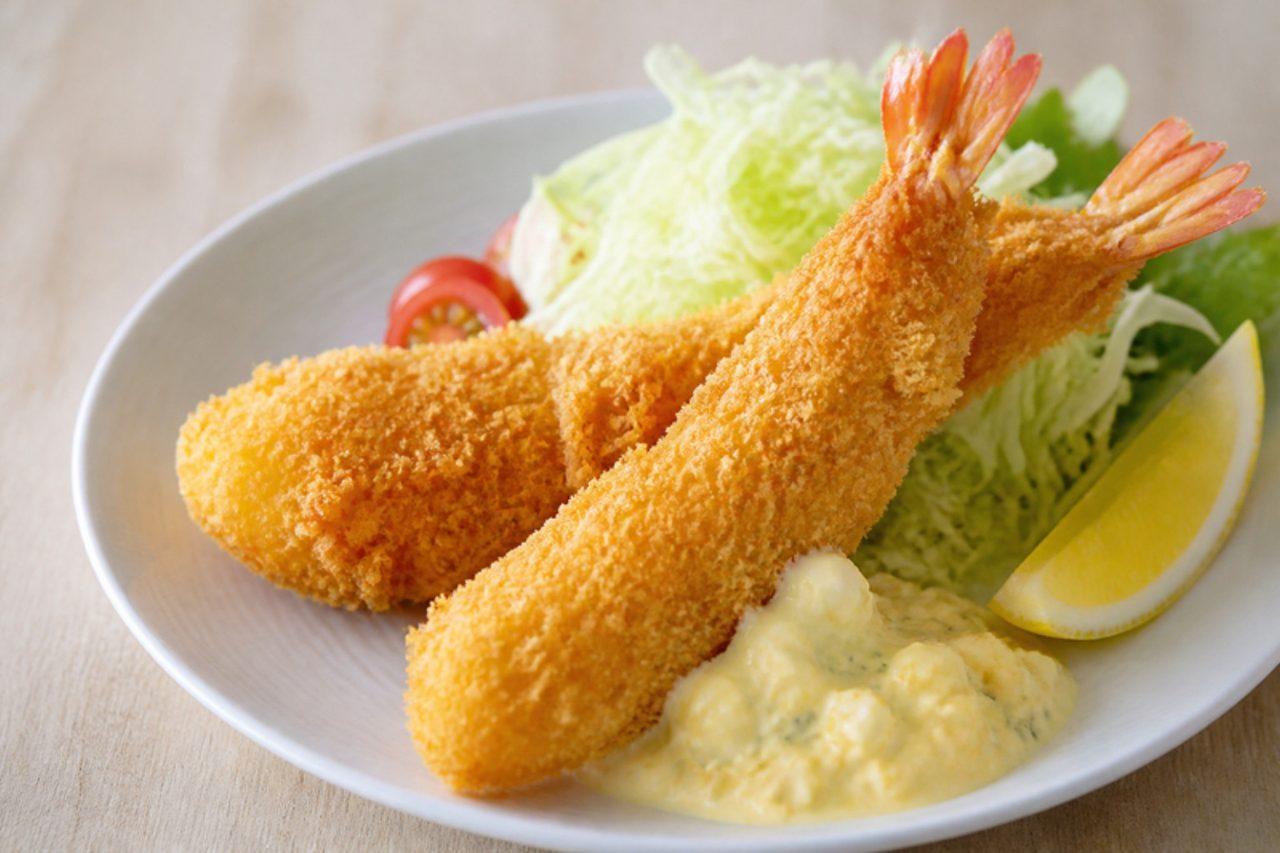
Ebi fry (Japanese breaded prawns with tartare)Breaded fried prawns

In Nagoya, ebi fry is a point of local pride, served in long, straight prawns that stick out over the edge of the plate, but it is on the menu of every family restaurant and bento shop in Japan. Large prawns are scored so they stay straight, coated in panko and fried until crunchy, then served with a chunky tartare of boiled egg, onion and pickles. The common mistake is skipping the scoring; the prawns curl tight in the hot oil and the coating cracks. Prawns are done when they turn pink and opaque all the way through, usually in under 3 minutes. Use fresh or thawed raw prawns that smell of the sea; throw out any that smell of ammonia. Chef's tip: press each prawn flat on the board after scoring until you feel a slight click; that stops it curling.

by KrazyBadal 0 views

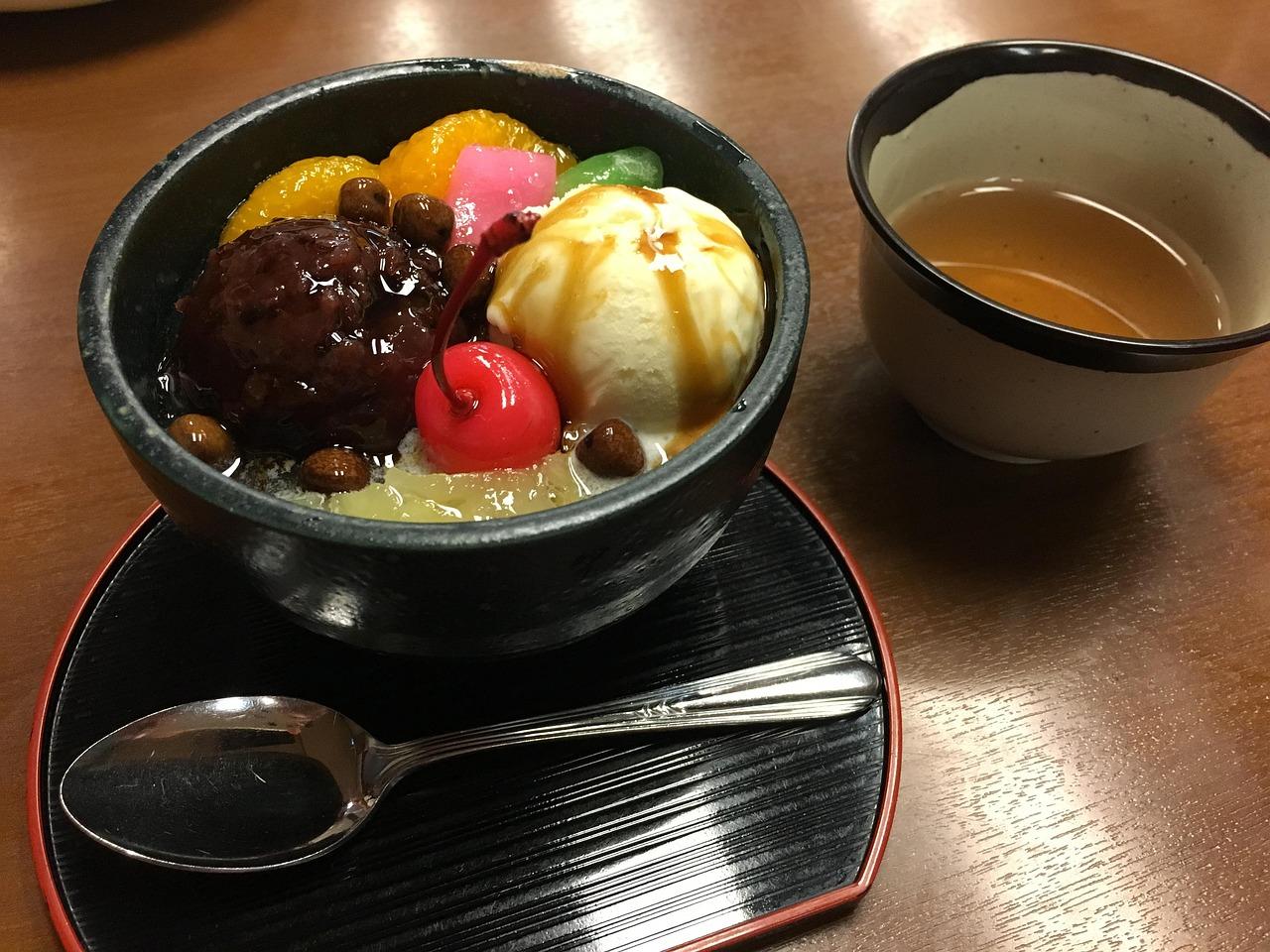
AnmitsuAgar jelly with red bean

Anmitsu became a craze in Tokyo's Ginza and Asakusa tea rooms in the 1930s and is still the classic summer order in kanmidokoro, the sweet cafés of old Tokyo. Clear, firm cubes of agar jelly are piled into a bowl with seasonal fruit, a scoop of sweet bean paste and boiled red peas, then drenched in dark, smoky kuromitsu syrup. The common mistake is using gelatin, which melts; agar jelly stays firm and refreshing at room temperature. Chef's tip: make the kuromitsu with Okinawan kokuto black sugar if you can; it gives a deep, almost liquorice-like flavour that muscovado only gets close to.

by KrazyBadal 0 views

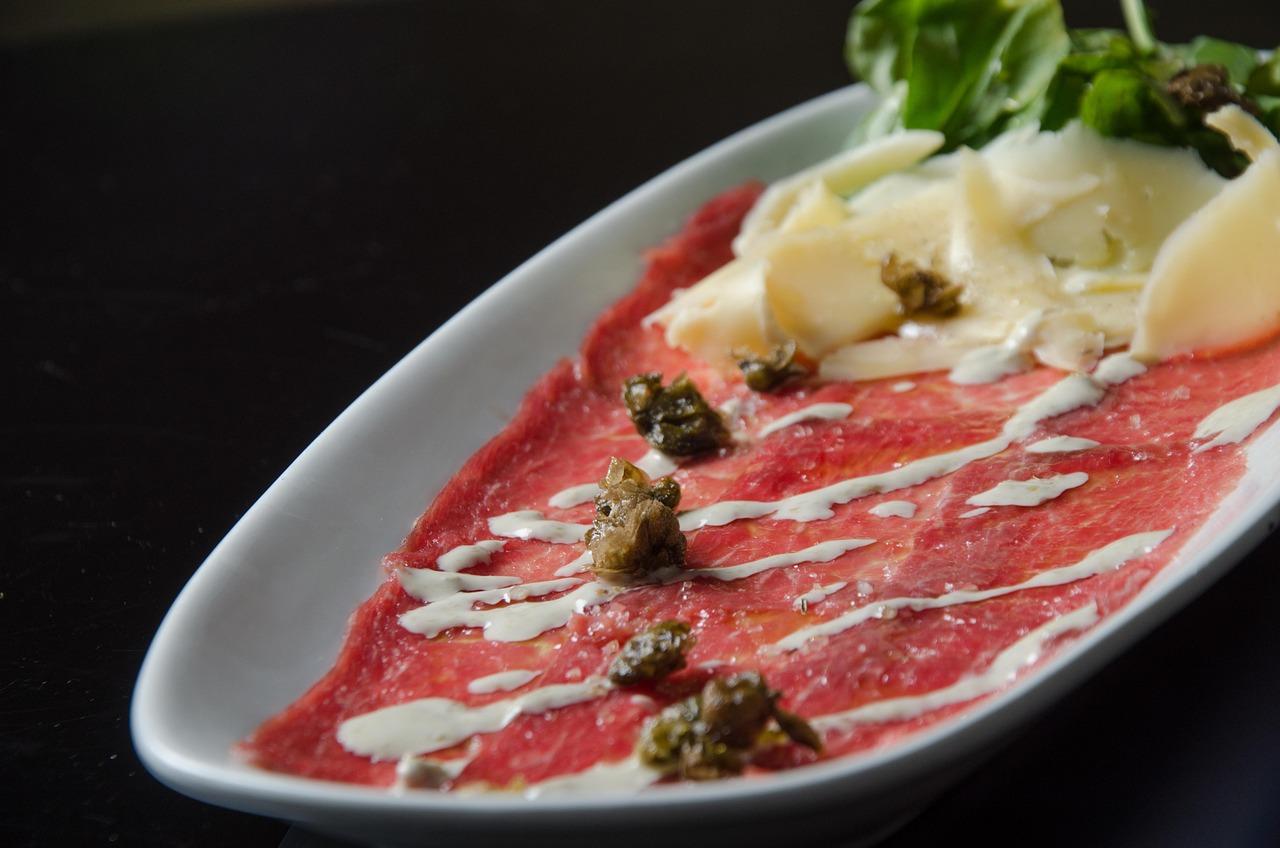
Carpaccio di manzoRaw beef carpaccio

Carpaccio was created at Harry's Bar in Venice in the 1950s for a countess whose doctor had told her to avoid cooked meat, and it was named after the painter Vittore Carpaccio for its deep red colour. Venetians eat it as a light first course at lunch: beef sliced so thin you can see the plate through it, with a creamy mustard-lemon sauce drizzled in lines across the top, rocket and shaved Parmigiano. The classic version is completely raw, which is not for pregnant women, young children or anyone with a weakened immune system; the safer version here sears the outside of the beef first, which kills surface bacteria and keeps the centre rosy. Chef's tip: wrap the beef tightly and freeze it for 40 minutes before slicing; firm meat lets you cut wafer-thin slices with an ordinary sharp knife.

by KrazyBadal 0 views

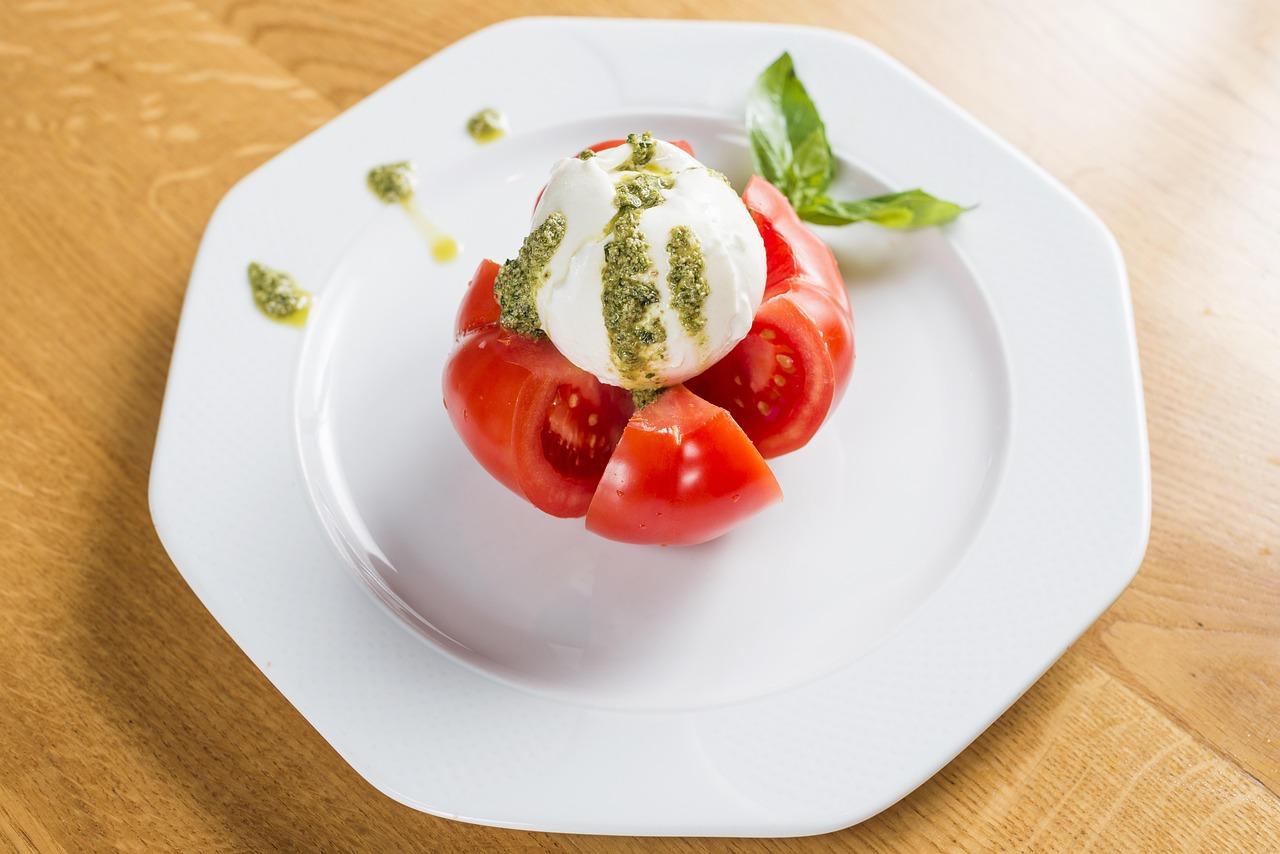
Burrata con pomodoriniBurrata with cherry tomatoes

Burrata was born in the dairies around Andria in northern Puglia as a way to use the scraps of mozzarella curd, wrapped in a pouch of stretched curd and filled with cream. In Bari and the towns of the Murge it is eaten the day it is made, often as the first thing on the table at Sunday lunch, torn open over the sweetest summer tomatoes. The outside is soft and springy; the inside, called stracciatella, spills out like thick cream. Mozzarella and burrata are usually made with calf rennet, so look for a vegetarian-rennet burrata if that matters to you. Chef's tip: take the burrata out of the fridge 30 minutes before serving; straight from the cold it tastes of very little.

by KrazyBadal 0 views

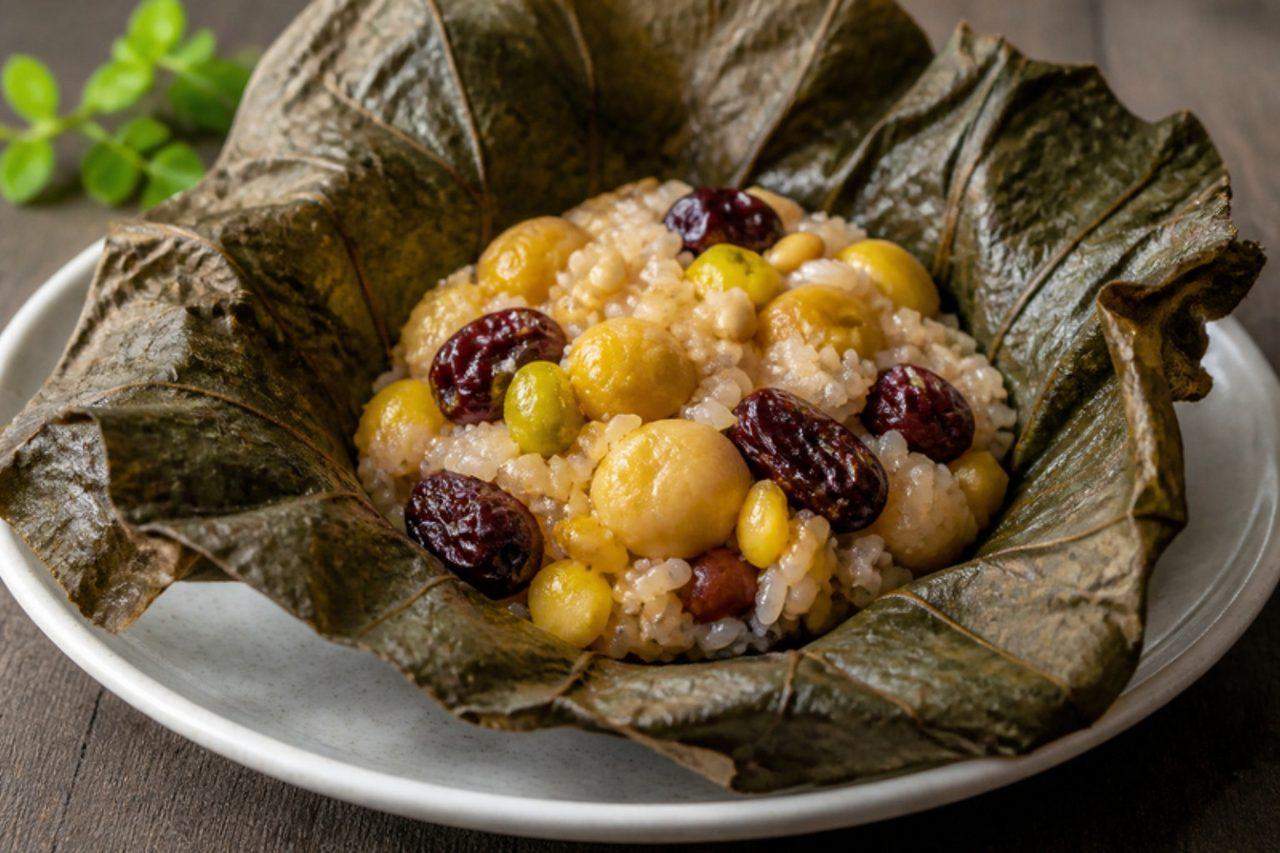
Yeonnip bapLotus leaf sticky rice

Yeonnip bap is a Buddhist temple dish from South Jeolla, where monasteries near the lotus ponds of Muan and the old temples of Jangseong wrap sticky rice in lotus leaves for festival days and visiting guests. Glutinous rice studded with chestnuts, jujubes, black beans and pine nuts is folded into a leaf parcel and steamed, so it comes out chewy, faintly sweet and scented with the green, tea-like aroma of lotus. Like all temple cooking, it uses no garlic, onion or other pungent alliums. Pine nuts are a tree-nut allergen. The common mistake is under-soaking the rice: it steams up hard in the middle however long you cook it. Chef's tip: sprinkle the rice with salted water halfway through steaming; it seasons every grain evenly and keeps the top layer from drying out.

by KrazyBadal 0 views

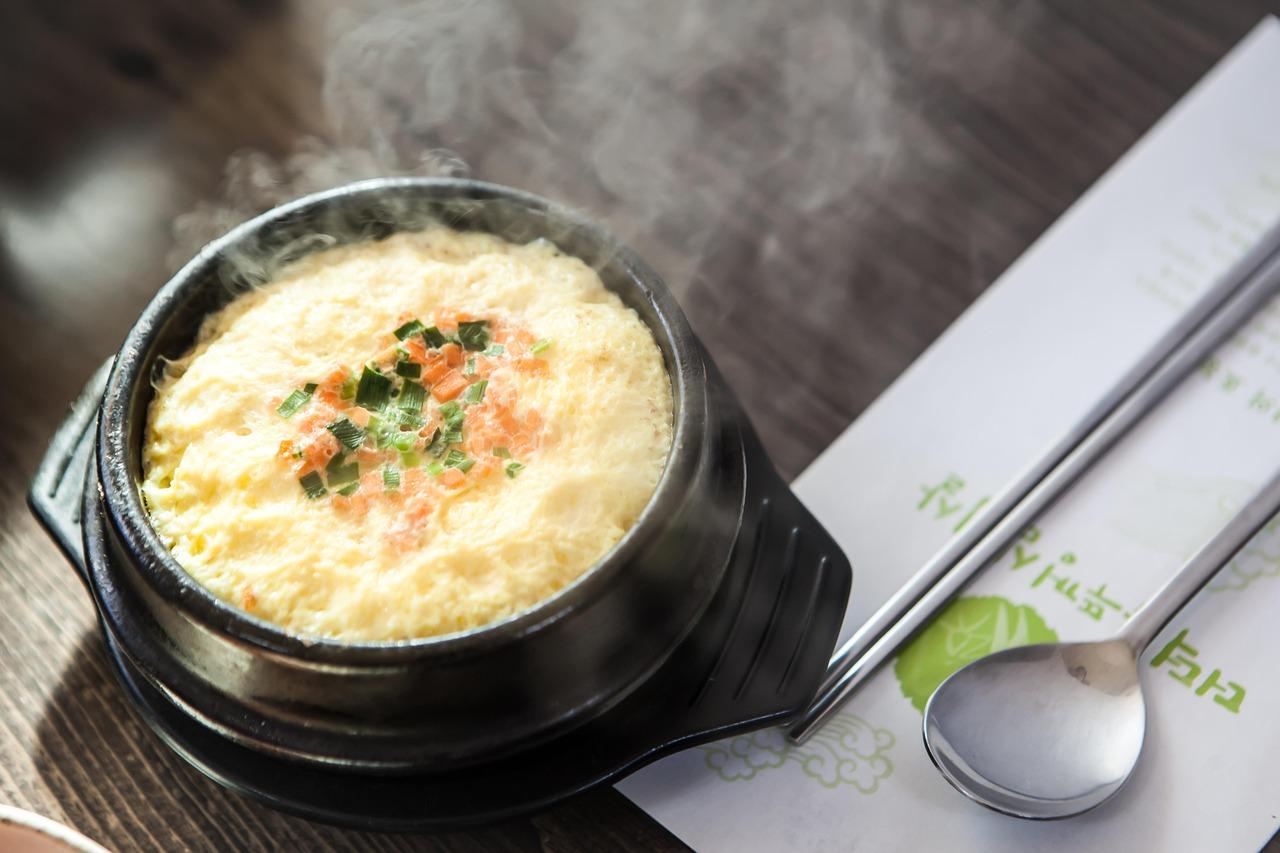
Gyeran jjimSteamed egg

At Korean barbecue restaurants in Seoul and Busan, a bubbling stone pot of gyeran jjim arrives puffed high above the rim to soothe mouths burned by grilled meat and kimchi. At home it is a soft, savoury egg custard eaten with rice, especially by children. This vegetarian version uses kelp water instead of the usual salted shrimp or anchovy stock. The common mistake is keeping the heat high once the egg starts to set, which scorches the bottom and makes the top tough and full of holes. Chef's tip: stir constantly for the first minute as it heats, then cover with an upturned bowl over the lowest flame; trapped steam is what makes it rise like a soufflé.

by KrazyBadal 0 views

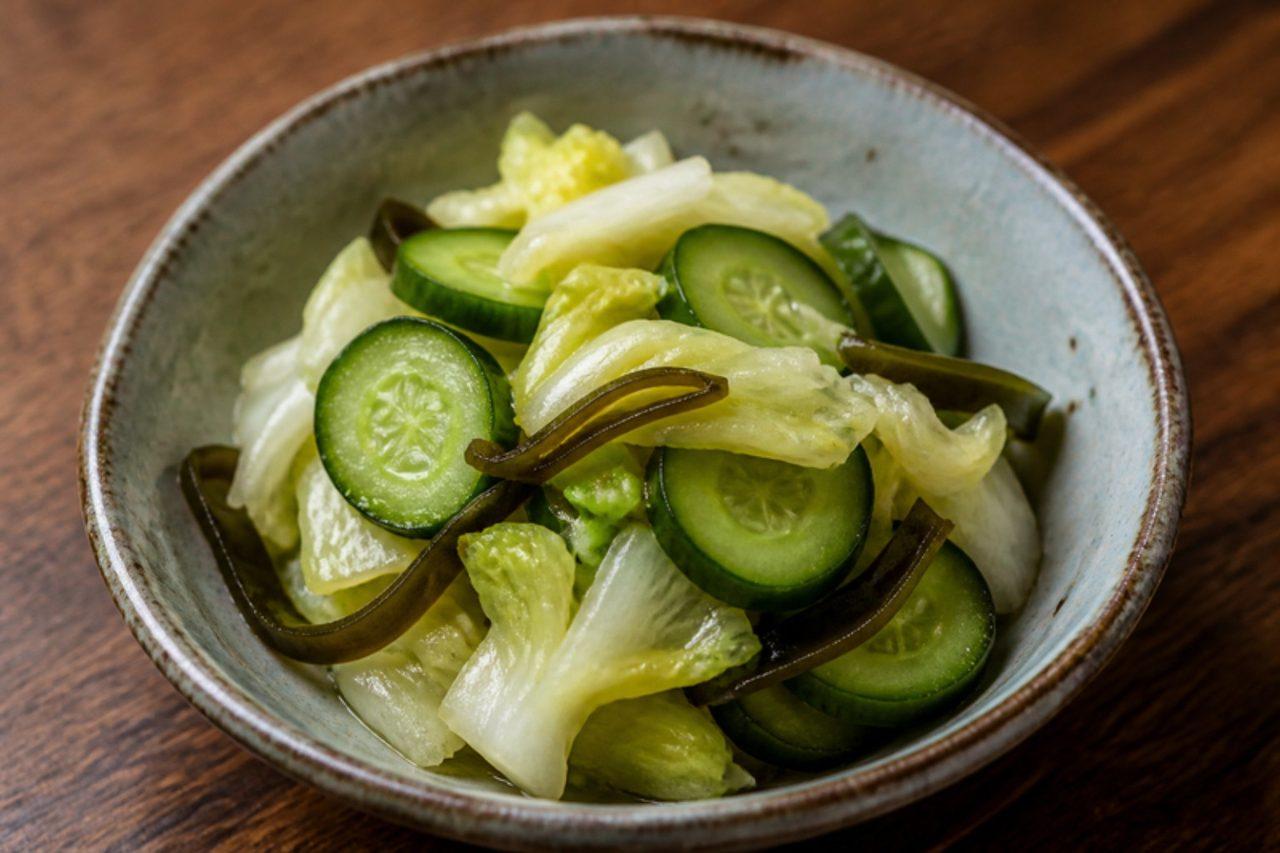
Asazuke (overnight cucumber and cabbage pickle)Quick cucumber and cabbage pickle

Asazuke means shallow pickle, and it is the quick, fresh pickle that Japanese home cooks make the night before, tucked in a plastic bag in the fridge door and served with breakfast rice and miso soup. Cucumber and cabbage are rubbed with salt and pressed with kombu, a few slivers of chilli and yuzu or lemon peel, so they stay crunchy, juicy and only gently seasoned. It takes 15 minutes to make. The common mistake is not squeezing out the liquid before serving, which leaves the pickle watery and salty. Chef's tip: rub the salt in firmly with your hands for a full minute; bruising the vegetables a little is what lets them season through in a few hours.

by KrazyBadal 0 views

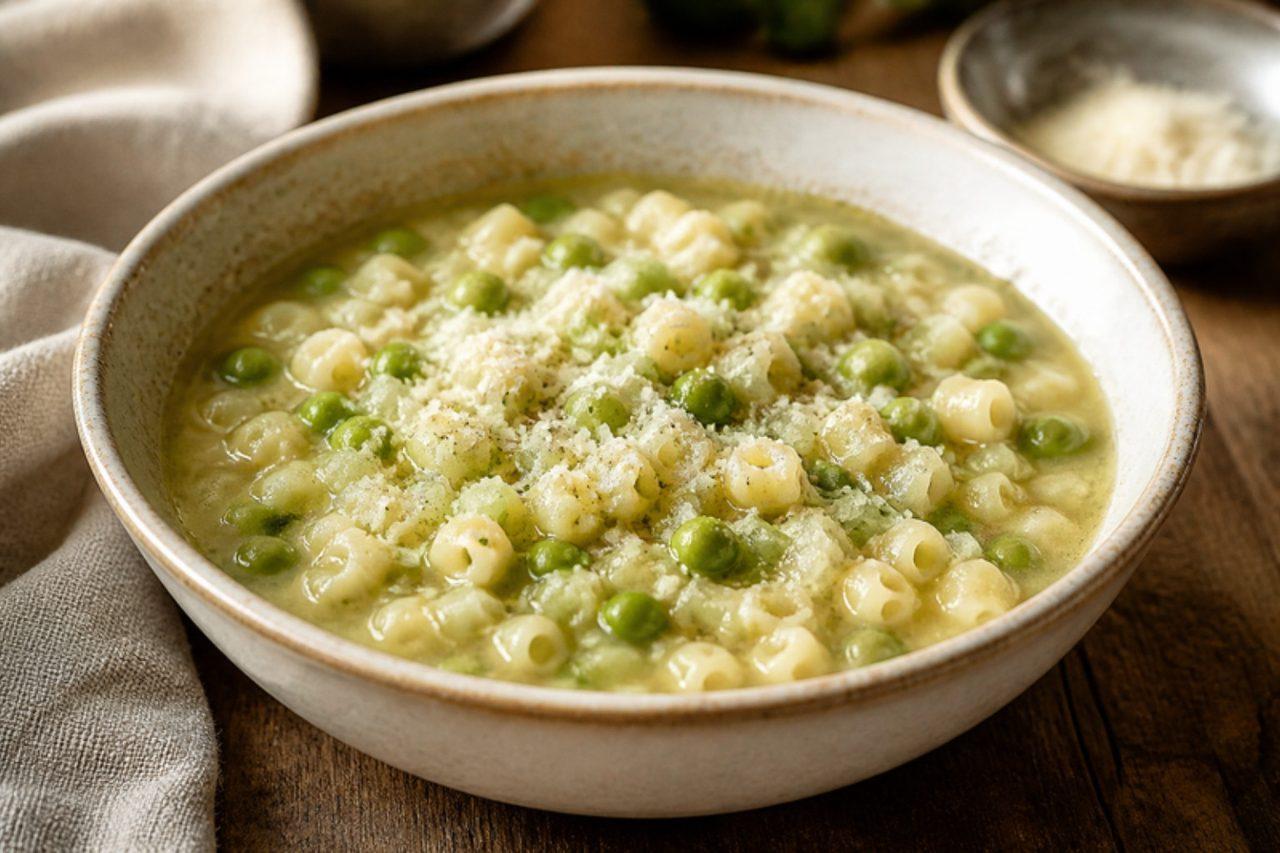
Pasta e piselliPasta and pea soup

Pasta e piselli is the Neapolitan pasta children ask for: small pasta cooked right in a pan of sweet peas and soft onion until it is half soup, half pasta, finished with a heap of grated Parmigiano and a grind of pepper. In spring it's made with fresh peas; the rest of the year frozen petits pois work perfectly. Many families add pancetta, but the vegetarian version is just as loved. Parmigiano is made with animal rennet; choose a vegetarian hard cheese if you need to. Chef's tip: stir the cheese in off the heat with a splash of water; it melts into a creamy sauce instead of turning stringy.

by KrazyBadal 0 views

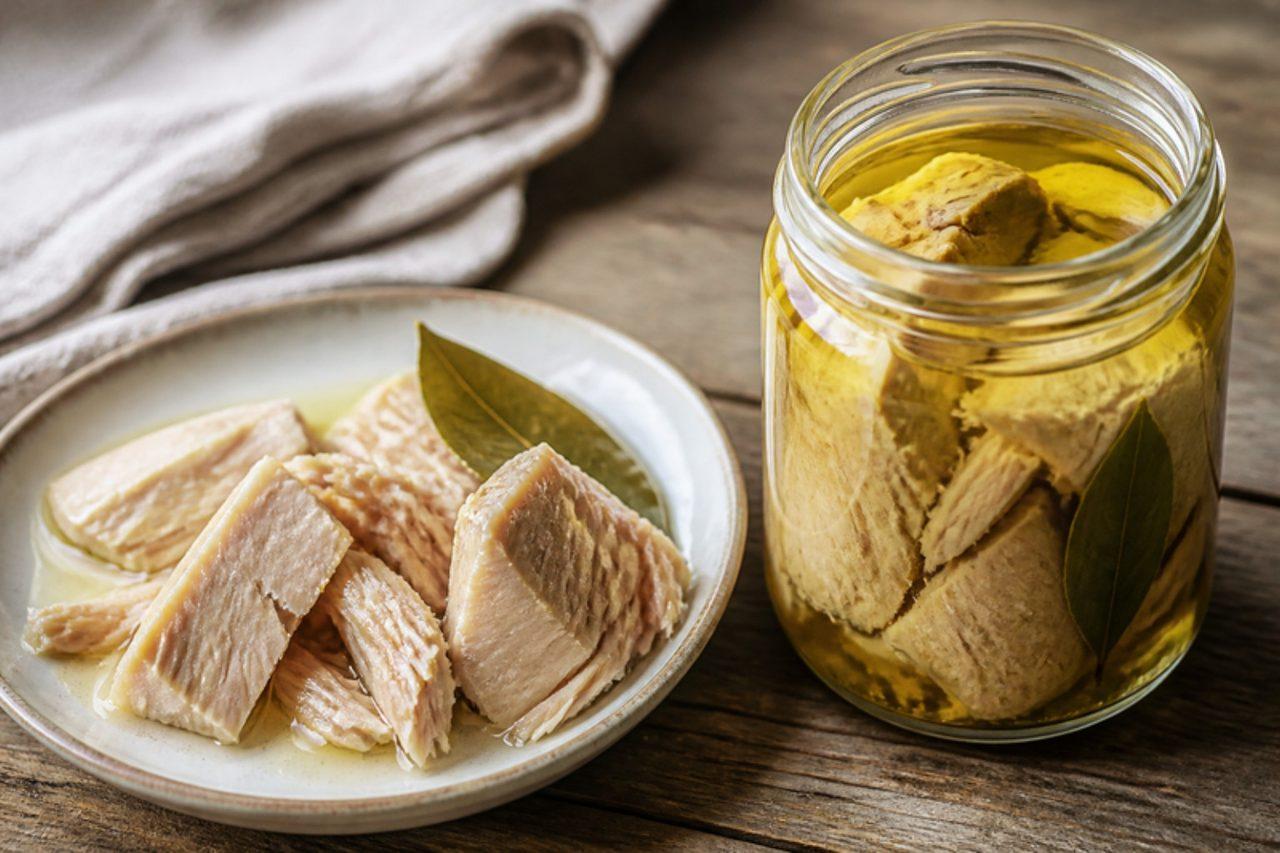
Tonno sott'olioTuna preserved in oil

In the tonnare, the old tuna fisheries of Sicily and Calabria around Favignana and Pizzo, fresh bluefin tuna was boiled in sea water and packed in olive oil to keep for months. At home, Italian families still do it with a piece of fresh tuna: poached gently in salted water with bay and lemon, dried and covered in good oil. It tastes far better than tinned tuna and is perfect for salads and pasta. Chef's tip: poach the tuna at a bare simmer and let it cool in the water; boiling makes it dry and stringy.

by KrazyBadal 0 views

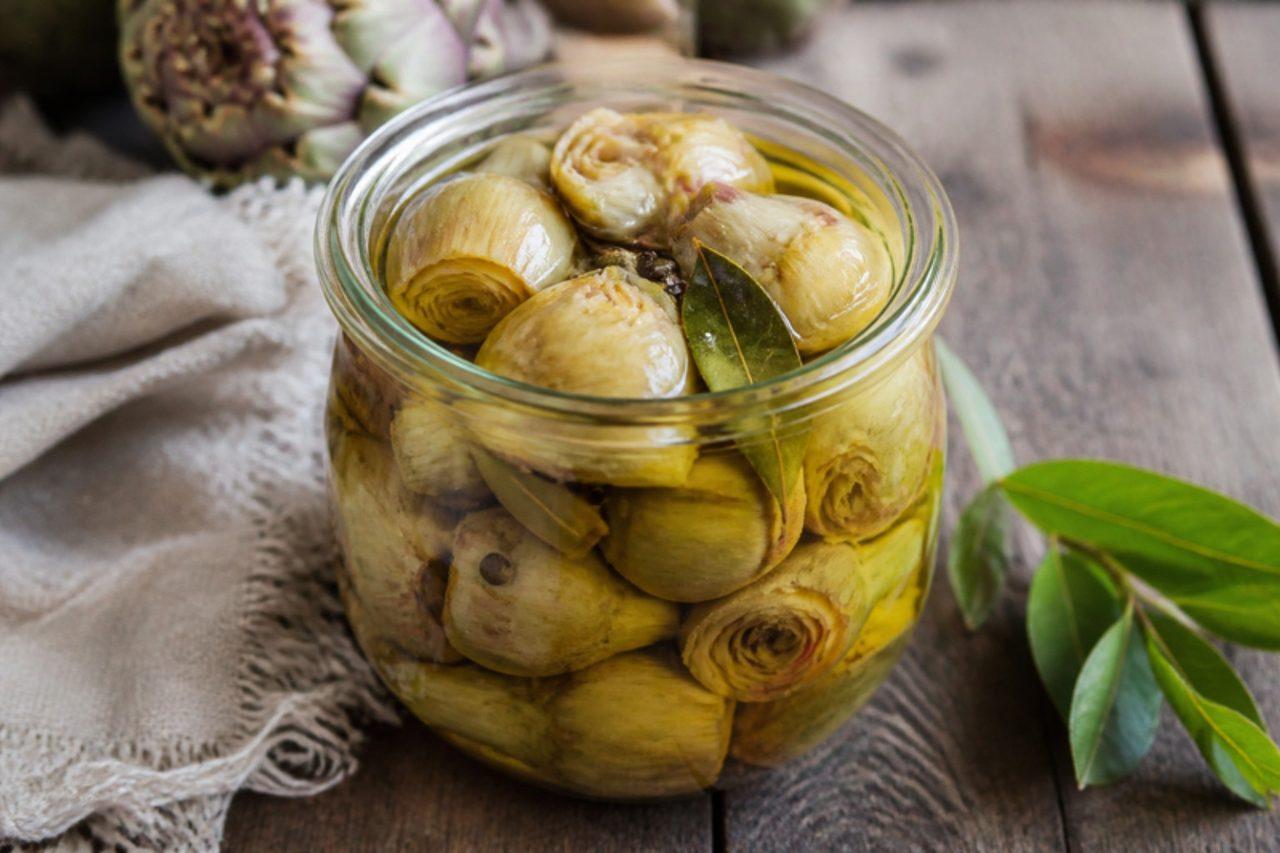
Carciofini sott'olioBaby artichokes in oil

In spring, when the small, tender artichokes flood the markets of Puglia, Campania and Sicily, families sit together to trim crates of them and put them up in jars for the year, to be served with salami and cheese as an antipasto or stirred into pasta. They are first boiled briefly in vinegar, then dried and packed in olive oil with herbs. Our home version keeps the jar in the fridge for safety. Chef's tip: let the cooked artichokes dry upside down on a cloth for several hours, ideally overnight; any water left inside spoils the oil.

by KrazyBadal 0 views

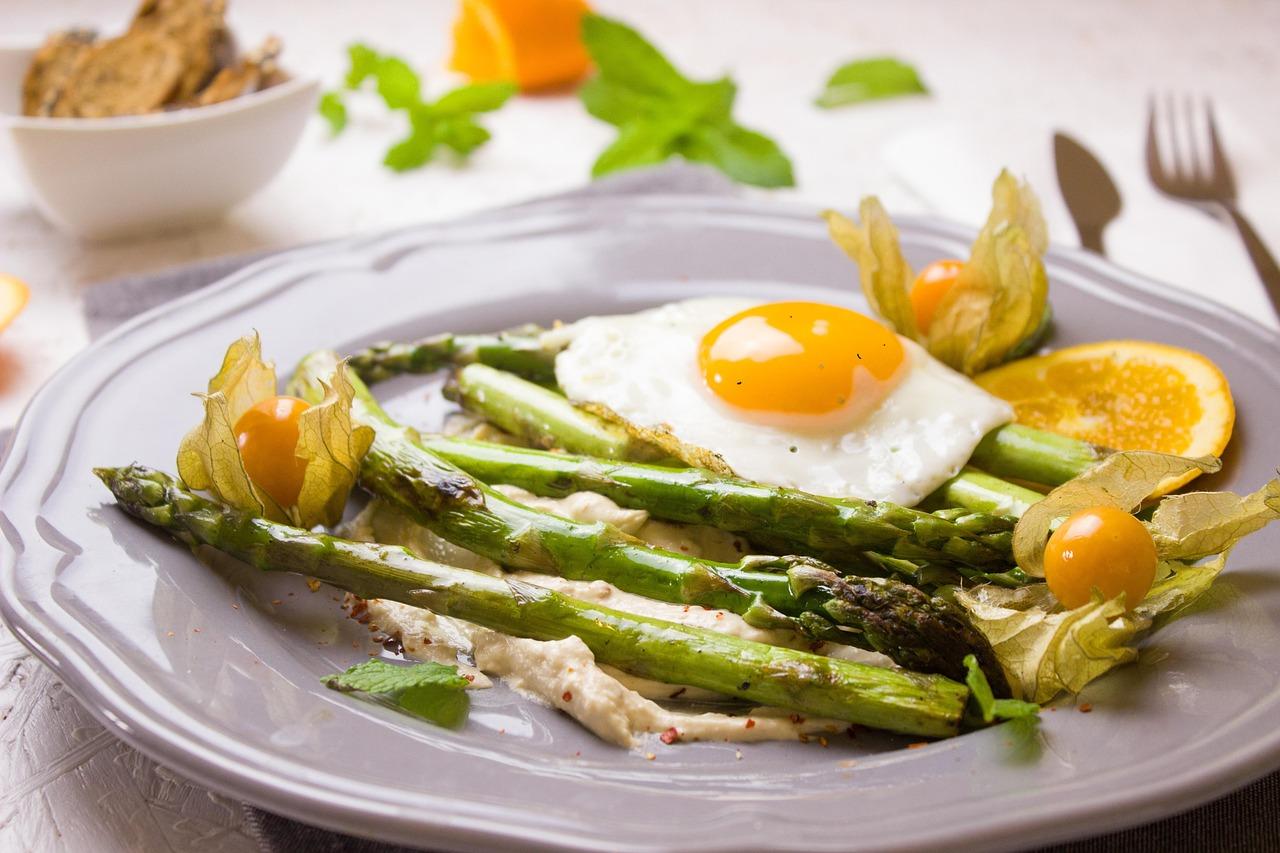
Asparagi alla milaneseAsparagus with fried egg

In Milan in April, when the first fat green asparagus come down from the farms of Lombardy, they are served "alla milanese": boiled until just tender, laid on a plate with melted butter and Parmigiano, and topped with a fried egg whose runny yolk becomes the sauce. It is a light lunch or a spring starter in old Milanese trattorie. Parmigiano is made with animal rennet; a vegetarian hard cheese works. For pregnant women, young children and older people, cook the yolk until firm. Chef's tip: tie the asparagus in a bundle and stand it upright in the pan so the thick stems boil while the tender tips steam.

by KrazyBadal 0 views

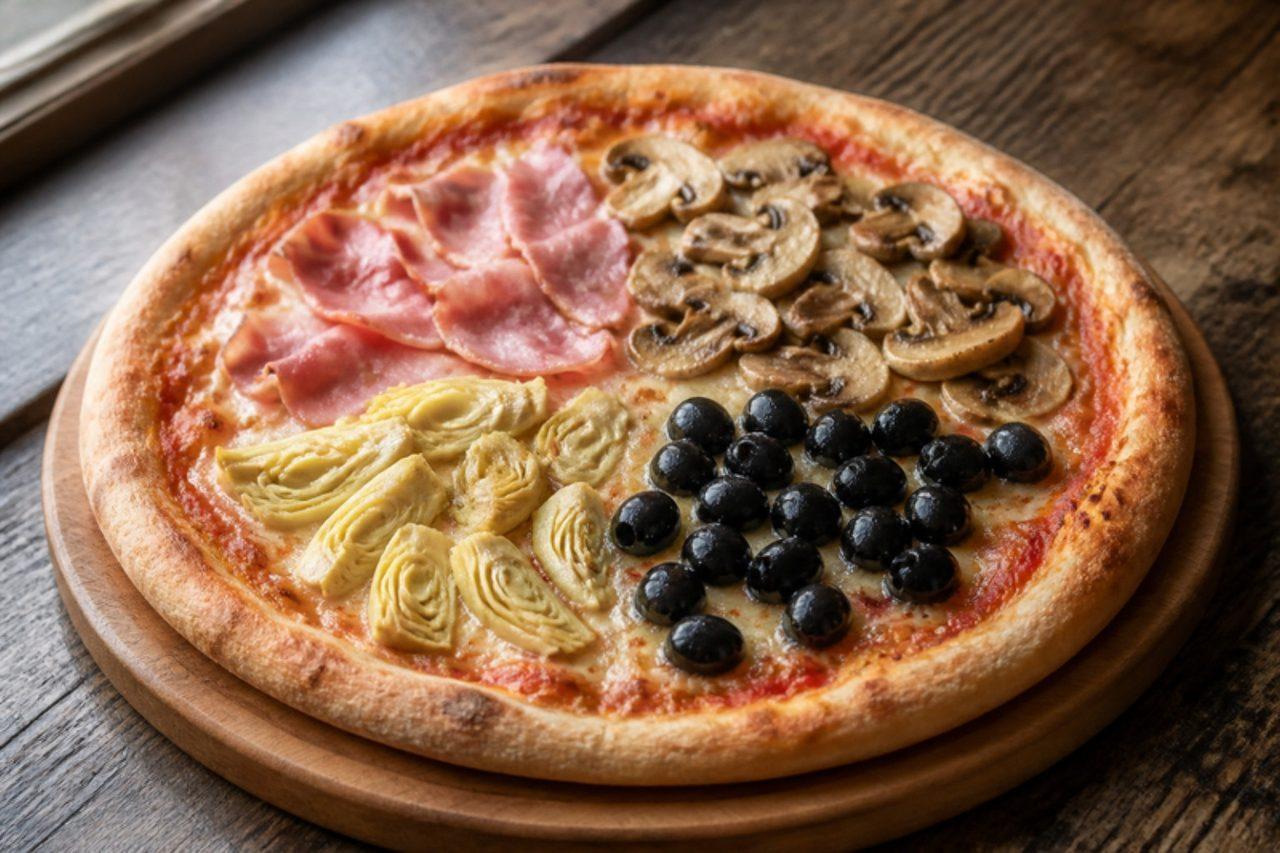
Pizza capricciosaHam, mushroom and artichoke pizza

Capricciosa means "whimsical" or "capricious", and the story goes that a Neapolitan pizzaiolo created it after the war to use up whatever was in the kitchen. It is now one of the most ordered pizzas across Italy: tomato and mozzarella covered with cooked ham, mushrooms, artichoke hearts and black olives, each in its own patch. The ham is cooked pork ham, a favourite with children. Chef's tip: cook the mushrooms in a dry pan for a few minutes first; raw mushrooms release water in the oven and make the pizza soggy.

by KrazyBadal 0 views

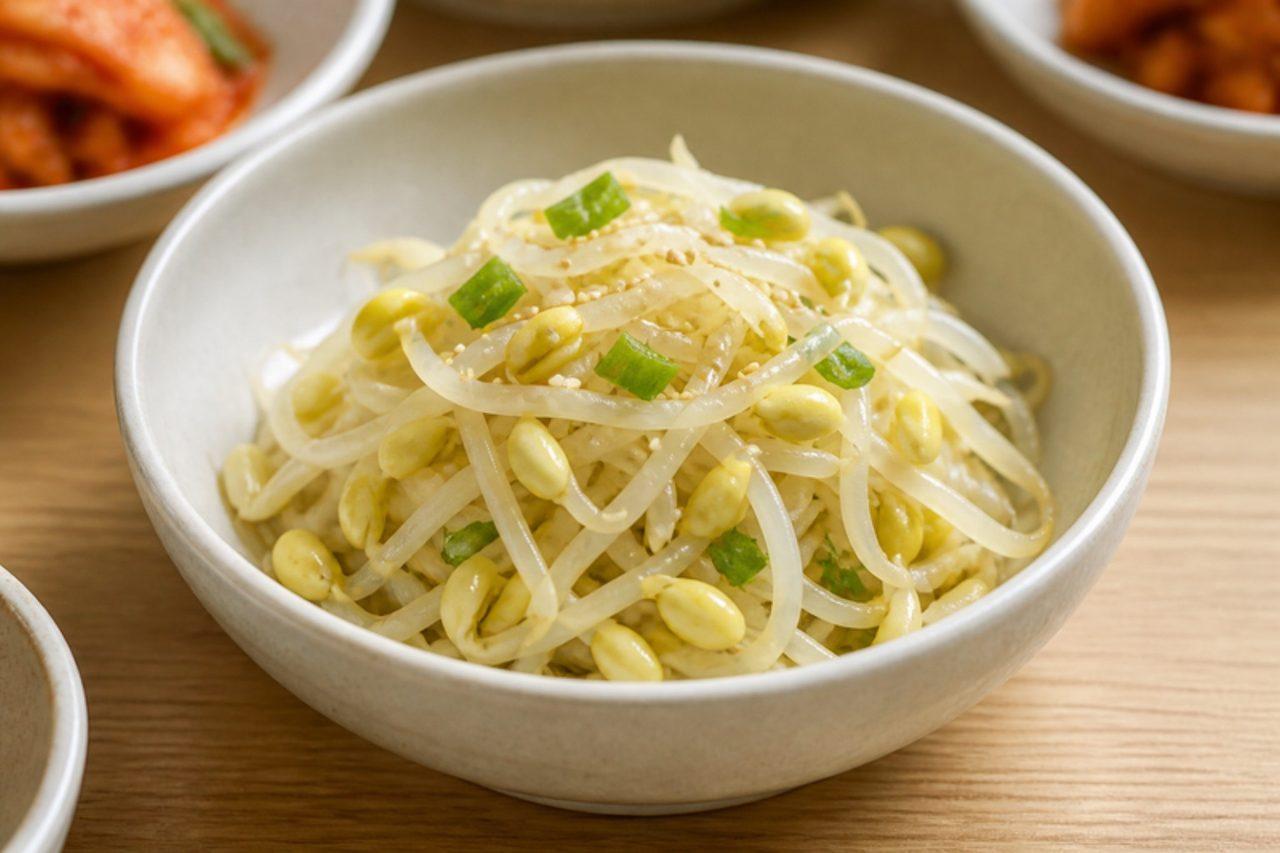
Sukju namulSeasoned bean sprouts

Sukju namul is the most delicate of Korea's sprout dishes, set out on every ancestral-rite table at Chuseok and on everyday trays in Seoul homes because it takes five minutes and costs very little. Mung bean sprouts are blanched for barely a minute, then dressed with salt, a little garlic and sesame oil, so they stay juicy and crunchy with a clean, nutty taste. It belongs in bibimbap too. The common mistake is overcooking: mung bean sprouts go limp and stringy within seconds of being done, so pull them while they still squeak. Chef's tip: plunge them straight into iced water after blanching and squeeze gently; they keep their snap for a whole day.

by KrazyBadal 0 views

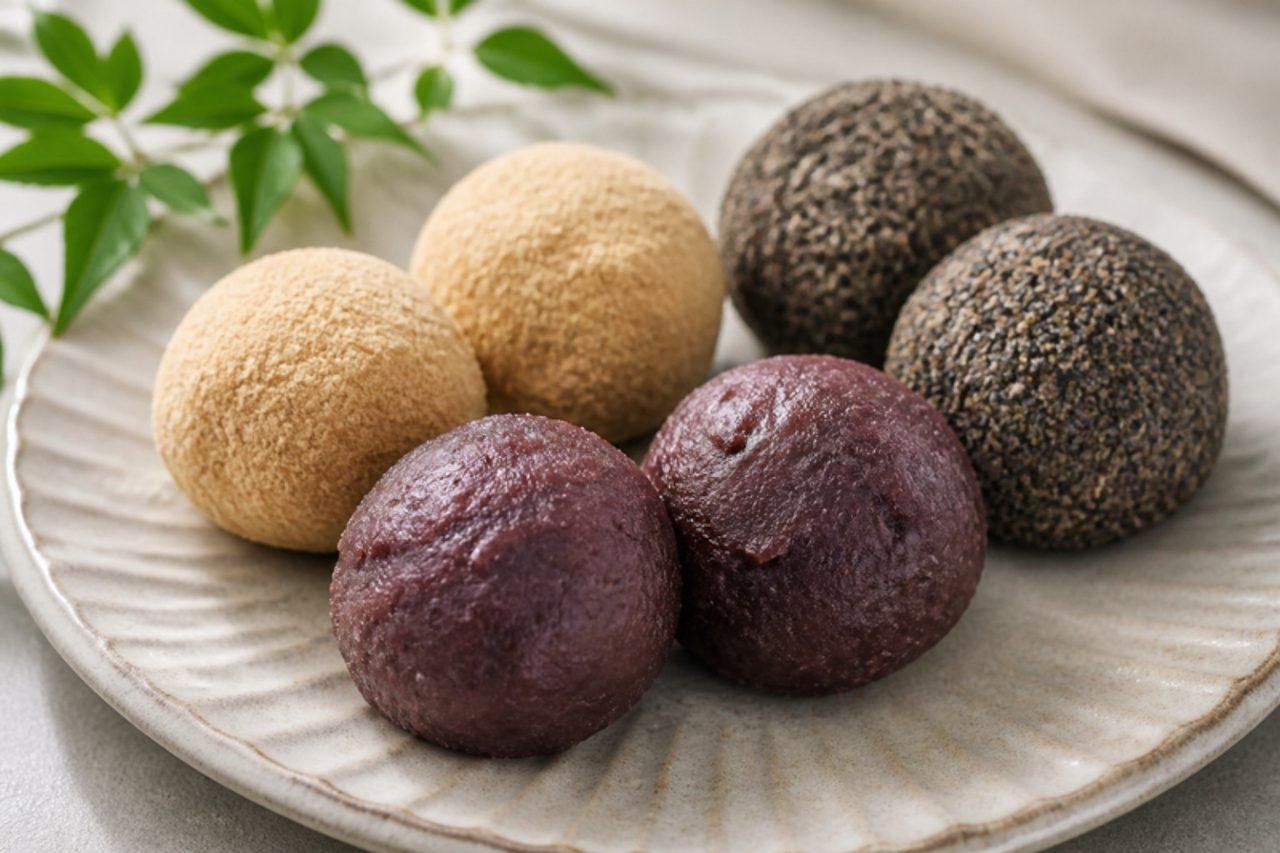
OhagiSweet red bean rice balls

Ohagi are made twice a year, at the spring and autumn equinoxes (higan), when Japanese families visit ancestors' graves and leave these rice balls as offerings; in spring they are called botamochi. Sticky rice is cooked and only half-pounded, so you can still see the grains, then shaped into ovals and coated in chunky red bean paste, roasted soybean flour (kinako) or black sesame. Mochi is very sticky: cut it into small pieces for young children and older people, and make sure they chew well and eat sitting down. The common mistake is pounding the rice smooth like mochi; ohagi should keep a rustic, grainy texture. Chef's tip: wet your hands and squeeze out cling film between shaping, so the rice never sticks.

by KrazyBadal 0 views

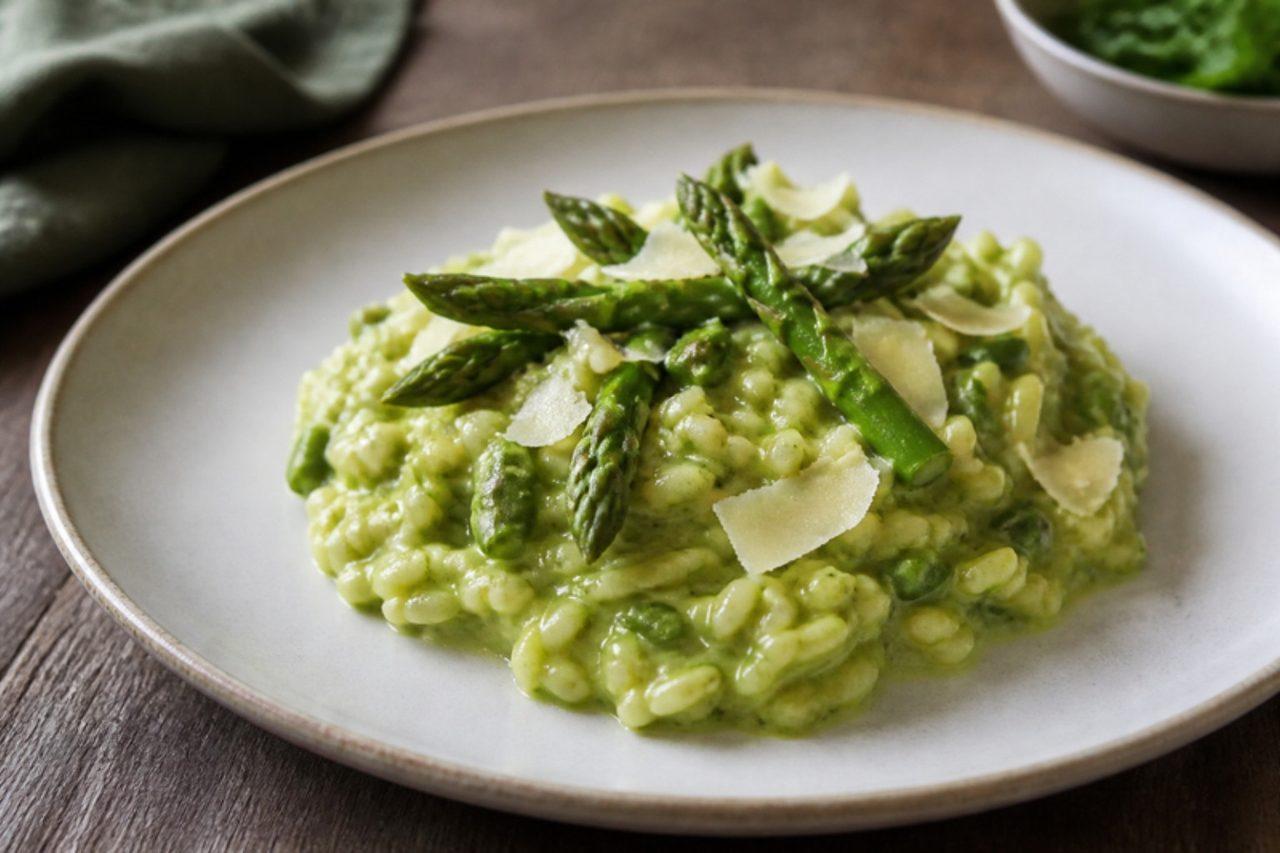
Risotto agli asparagiAsparagus risotto

In April and May the town of Bassano del Grappa celebrates its white asparagus, and all over the Veneto green and white spears turn up in risotto. The stalks are cooked into the rice so their flavour runs through every grain, and the tender tips are added at the end so they stay bright and crisp. It is a light spring Sunday lunch, often followed by grilled fish. Parmigiano is made with animal rennet; choose a vegetarian hard cheese if you need to. Alcohol is used here: white wine, which you can replace with broth and a squeeze of lemon. Chef's tip: simmer the woody ends in the broth for 15 minutes before you start; they add a lot of asparagus flavour for free.

by KrazyBadal 0 views

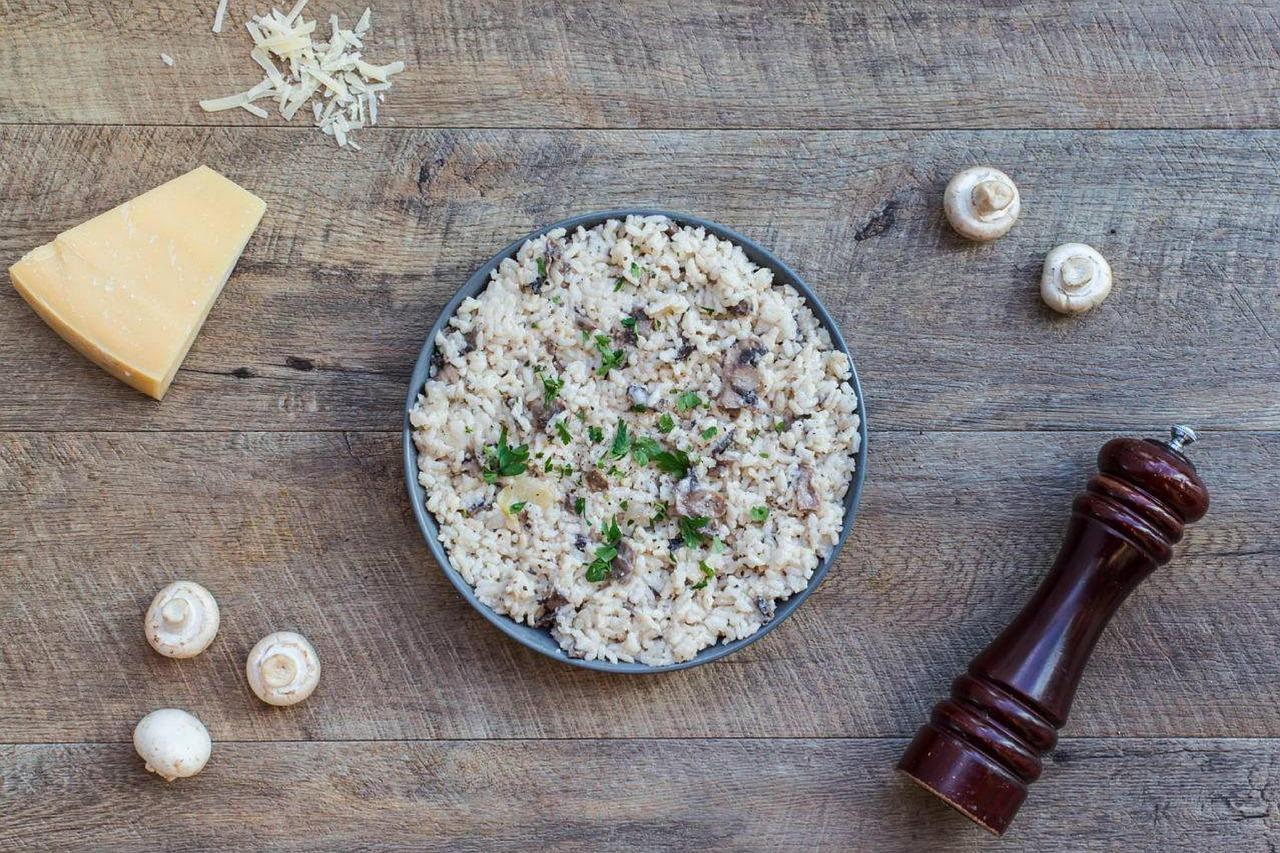
Risotto alla parmigianaParmesan risotto

Around Parma and Reggio Emilia, where Parmigiano Reggiano is made, the plainest risotto of all is the one families make when someone is tired or unwell: rice, good broth, butter and a generous amount of the local cheese, and nothing else. It is also the base that cooks learn on before moving to fancier versions. Traditional Parmigiano uses animal rennet; for a vegetarian dish use a vegetarian hard cheese and vegetable broth. Chef's tip: keep the broth at a gentle simmer in a pan next to the rice; cold broth stops the cooking each time you add it and the risotto turns gluey.

by KrazyBadal 0 views

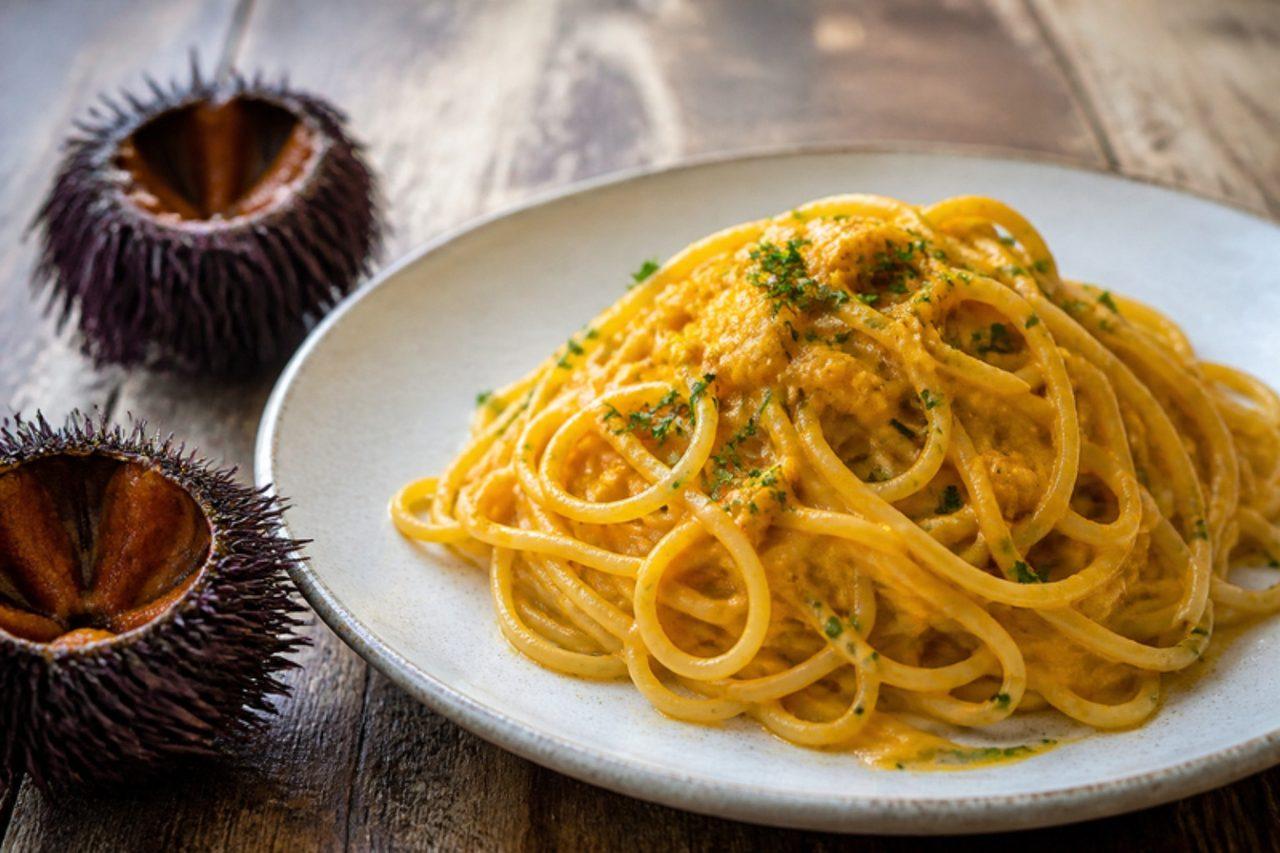
Spaghetti ai ricci di mareSea urchin spaghetti

On the rocky shores near Bari, Polignano and Palermo, sea urchins are eaten straight from the shell with bread by the harbour, and the bright orange roe is stirred into hot spaghetti off the heat with garlic, parsley and olive oil. It tastes like the sea in one mouthful, sweet and iodine-rich, and is a treat for a summer lunch by the water. Buy roe from a trusted fishmonger, very fresh and kept cold. The classic dish leaves the roe raw, which is not for pregnant women, young children or anyone with a weakened immune system; for them, stir the roe into the sauce over a low heat for 2 minutes until it is hot right through. Chef's tip: add the roe at the very end; heat turns it grainy and dulls its colour.

by KrazyBadal 0 views

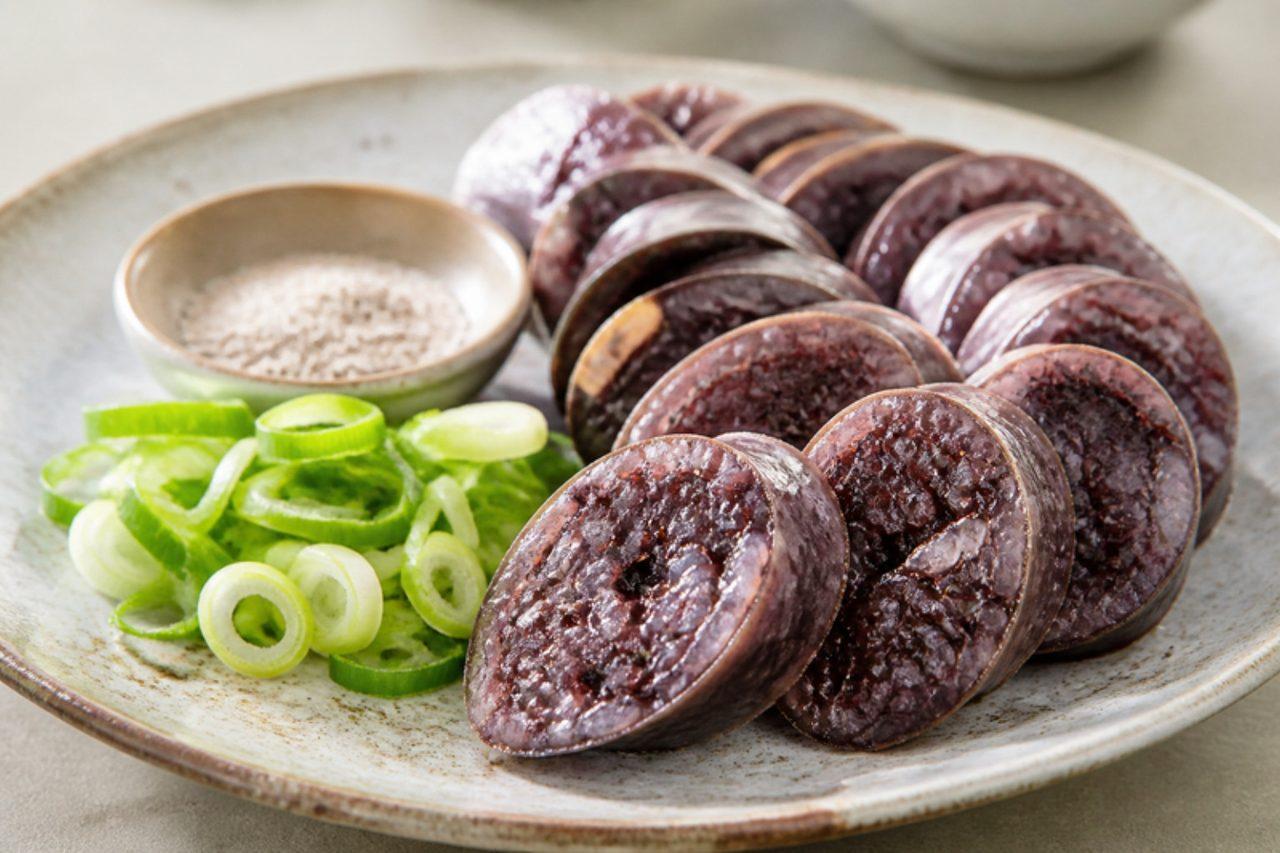
SundaeKorean blood sausage

Sundae is the steamed sausage sold sliced from big steaming trays in every Korean market, from Seoul's Sillim-dong sundae town to the Byeongcheon market in Cheonan, and eaten with salt and pepper, tteokbokki sauce or a bowl of soup. This home version fills cleaned pork casings with pork blood, glass noodles, sticky rice, cabbage and bean sprouts, then poaches them gently until firm, giving soft, savoury, slightly springy slices. It is pork through and through: pork blood and pork casings. Buy the blood fresh from a butcher, keep it chilled and use it the same day. The common mistake is boiling the water hard, which bursts the casings; keep it at a lazy simmer and prick any air bubbles. Chef's tip: fill the casings only about three-quarters full; the rice swells as it cooks and an overfilled sausage splits.

140 minKoreanMeat
by KrazyBadal 0 views

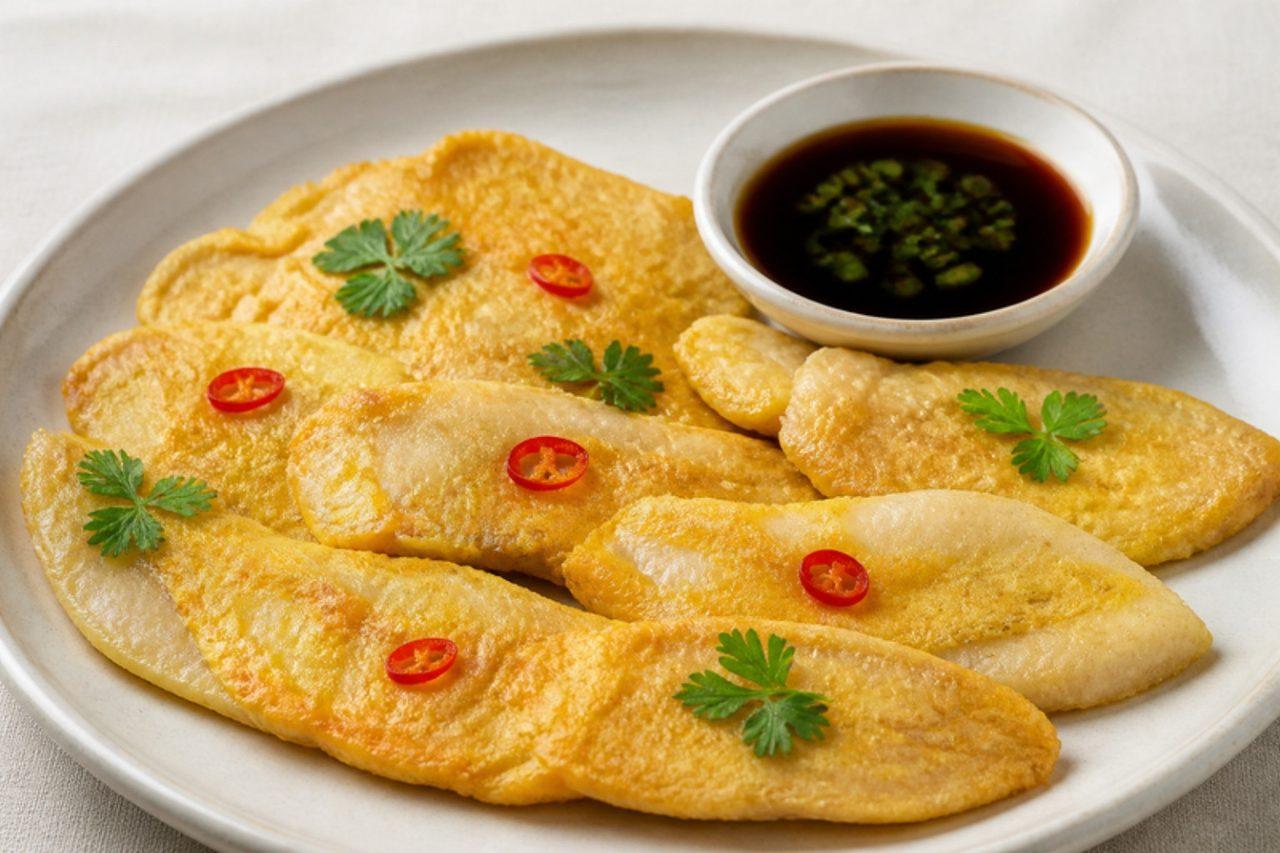
Saengseon jeonEgg-battered fish slices

Saengseon jeon is one of the golden jeon laid out on ancestral rite tables at Chuseok and Seollal, especially in coastal homes along the East Sea, where pollock and cod are the holiday fish. Thin slices of white fish are seasoned, floured, dipped in egg and fried gently, giving delicate, tender fish inside a soft yellow coat. They are eaten with a soy-vinegar dip. The common mistake is cutting the fish too thick, so the egg browns before the centre is cooked. Chef's tip: slice the fillets while they are still half-frozen; you can cut neat 7 mm slices that cook in the time it takes the egg to set.

35 minKoreanFish
by KrazyBadal 0 views

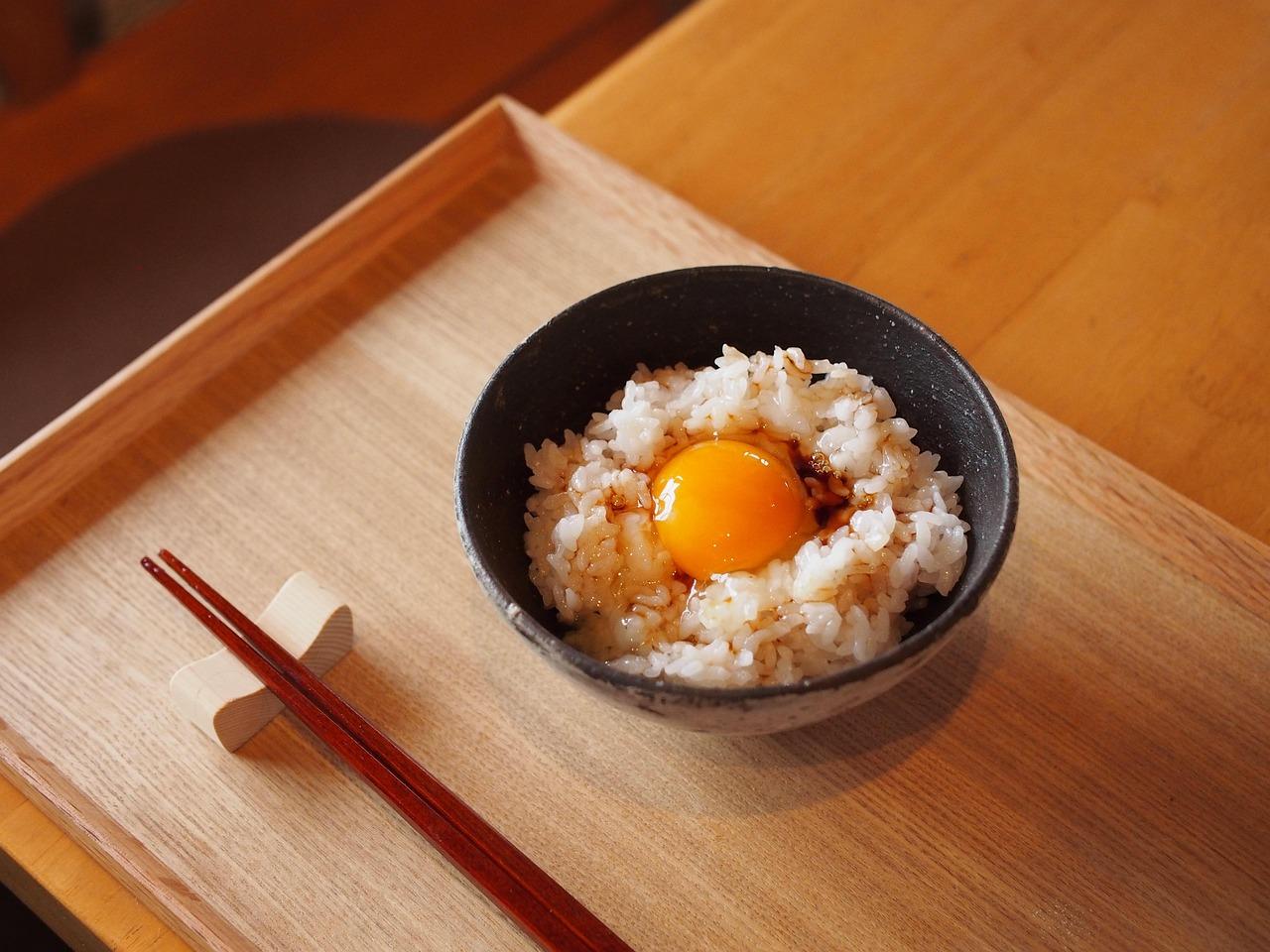
Tamago kake gohan (raw egg on rice)

Students, salarymen and farmers across Japan eat tamago kake gohan, TKG for short, as a two-minute breakfast, and the egg-farm towns of Okayama and Shimane even hold festivals for it. A raw egg is beaten into piping-hot rice with soy sauce until it turns glossy and almost custardy, like a soft risotto. In Japan eggs are graded for eating raw; elsewhere, use only pasteurised eggs or eggs with a recognised safety stamp, very fresh and kept cold. This dish is not for pregnant women, young children or anyone with a weakened immune system. The common mistake is using lukewarm rice, which leaves the egg slippery and raw-tasting; the rice must be steaming hot. Chef's tip: mix the white into the rice first until fluffy, then drop the yolk on top and break it at the table.

by KrazyBadal 0 views

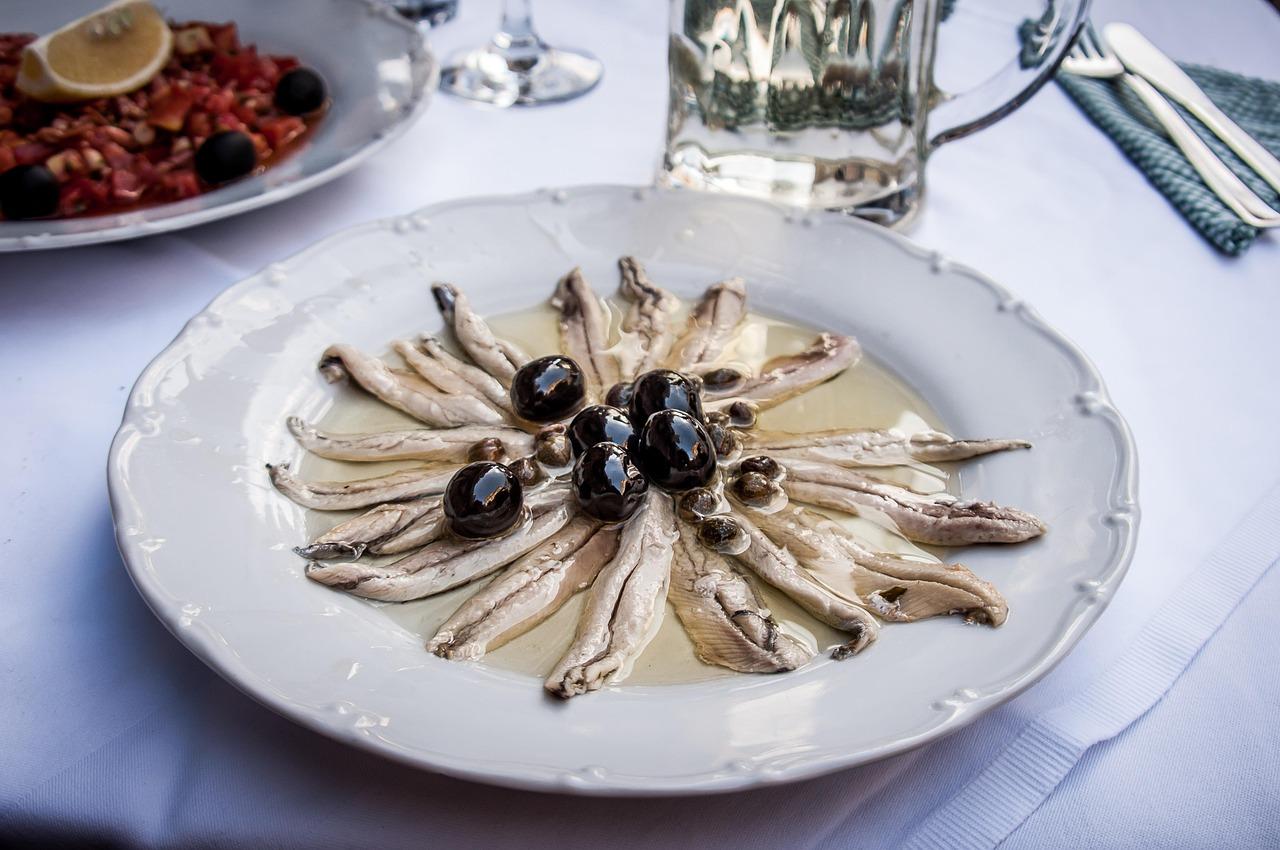
Alici marinateMarinated fresh anchovies

Along the Amalfi Coast and in the fish restaurants of Naples, alici marinate are a summer antipasto: very fresh anchovy fillets "cooked" by soaking in lemon juice and vinegar until they turn white, then dressed with olive oil, garlic, parsley and chilli. The fish is not heated, so it is not for pregnant women, young children or anyone with a weakened immune system. To be safe from parasites, freeze the cleaned fillets at −20 °C for at least 96 hours (or buy them already frozen) before marinating; the acid does not kill parasites. For a fully cooked version, poach the fillets in the marinade for 1 minute, until opaque. Chef's tip: marinate in the fridge until the flesh is white all the way through; pink in the middle means it needs longer.

by KrazyBadal 0 views

Gelato alla cremaCustard gelato

Crema is the yellow, custard-flavoured gelato that Italian grandparents always order, made with egg yolks like a crème anglaise and perfumed with lemon zest rather than vanilla, as was the old way in Florence and Sicily. It is rich and smooth and is the base for many classic flavours, and many gelaterie still call it "crema della nonna". Chef's tip: cook the custard until it reaches 82 °C and coats the back of a spoon; this makes the yolks safe and gives a silky texture without scrambling.

by KrazyBadal 0 views

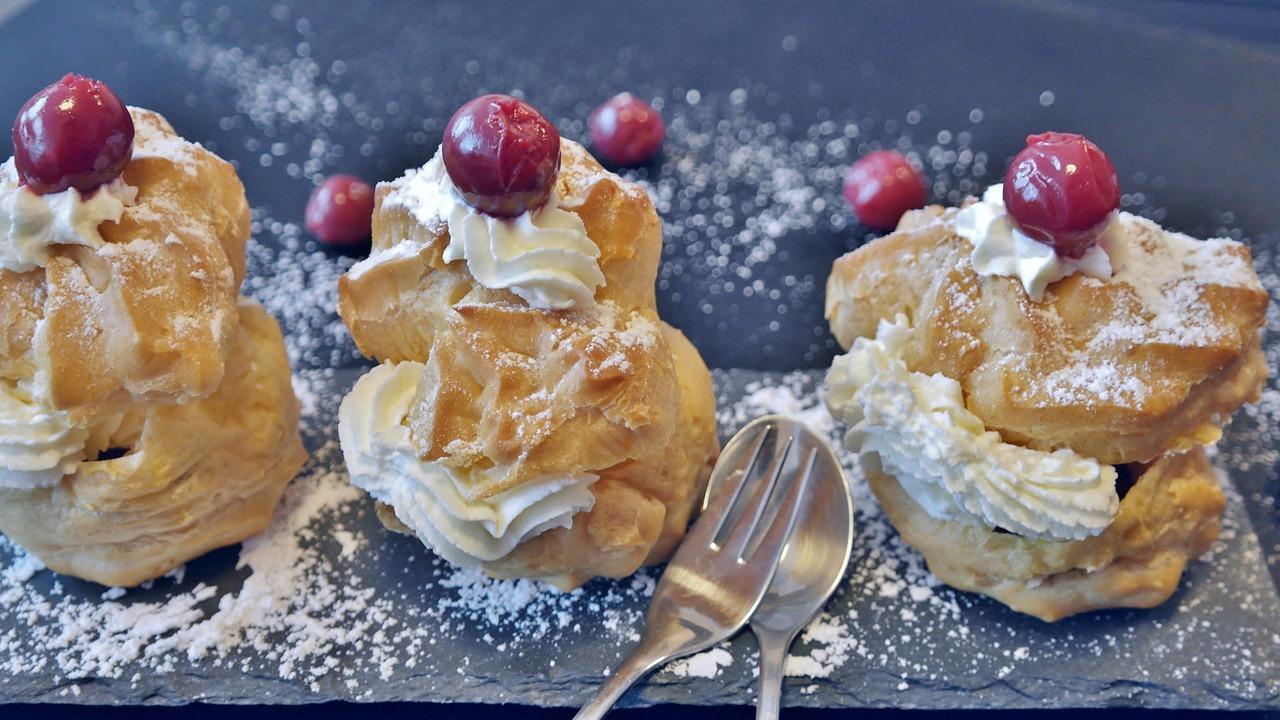
Zeppole di San GiuseppeCustard-filled choux rings

On 19 March, the feast of San Giuseppe and Father's Day in Italy, every bar and pastry shop in Naples sells zeppole: rings of choux pastry piped in a spiral, fried or baked, filled with thick custard and topped with a dark, syrupy amarena cherry. The fried version is the traditional one; baked zeppole are lighter and easier at home. Families buy them by the tray to share after lunch. Chef's tip: pipe the rings onto squares of baking paper so you can lower them into the oil without misshaping them; the paper comes away on its own.

by KrazyBadal 0 views

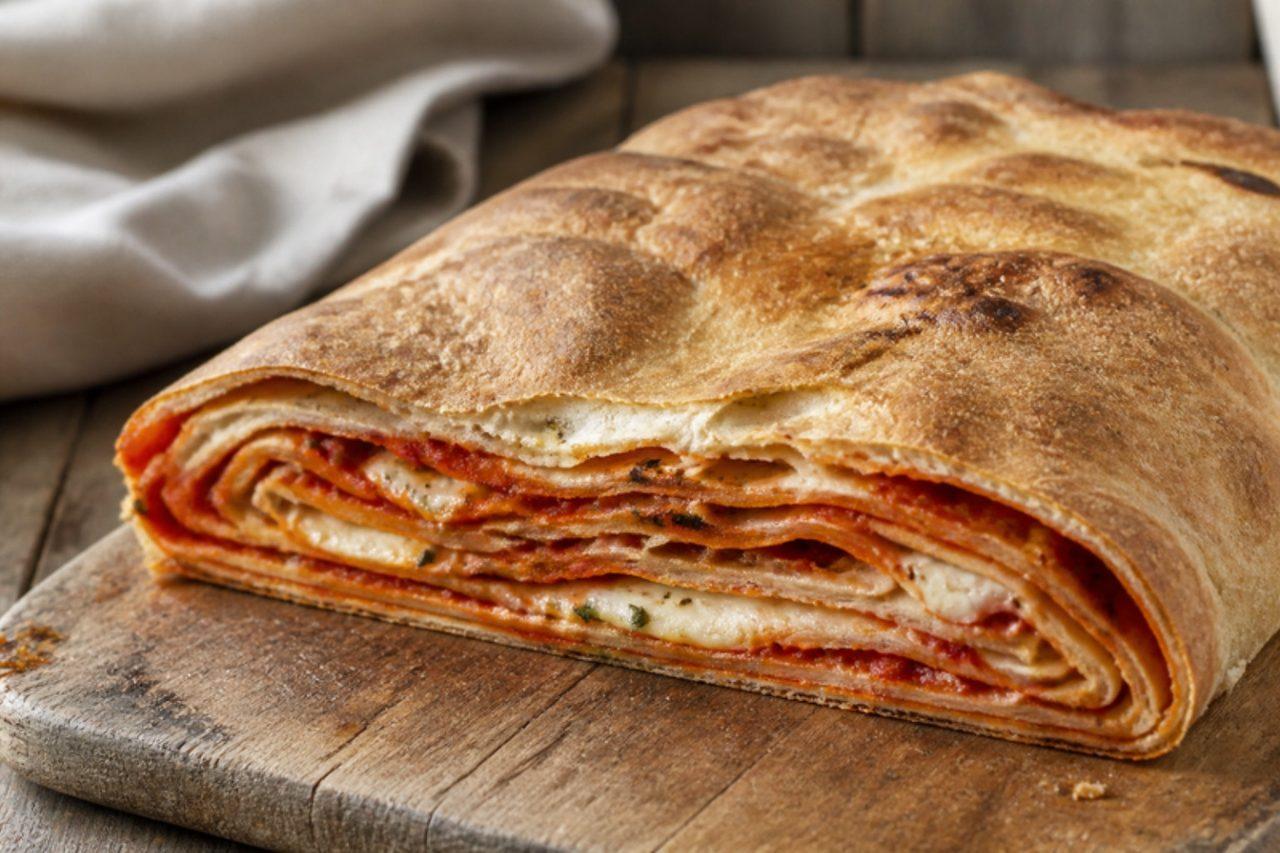
Scaccia ragusanaRolled tomato and cheese flatbread

In Ragusa and Modica in south-east Sicily, scaccia is what families bake for Christmas and Easter and for every picnic in between: a semolina dough rolled out paper-thin, spread with tomato sauce and grated caciocavallo, then folded over and over into a flat, layered loaf. Cut across, it shows thin stripes of dough and filling. It is eaten warm or at room temperature, often for the evening "passeggiata" snack. Caciocavallo is usually made with animal rennet; a vegetarian melting cheese works. Chef's tip: roll the dough really thin, almost see-through; thick dough makes stodgy layers.

105 minItalianPizza
by KrazyBadal 0 views

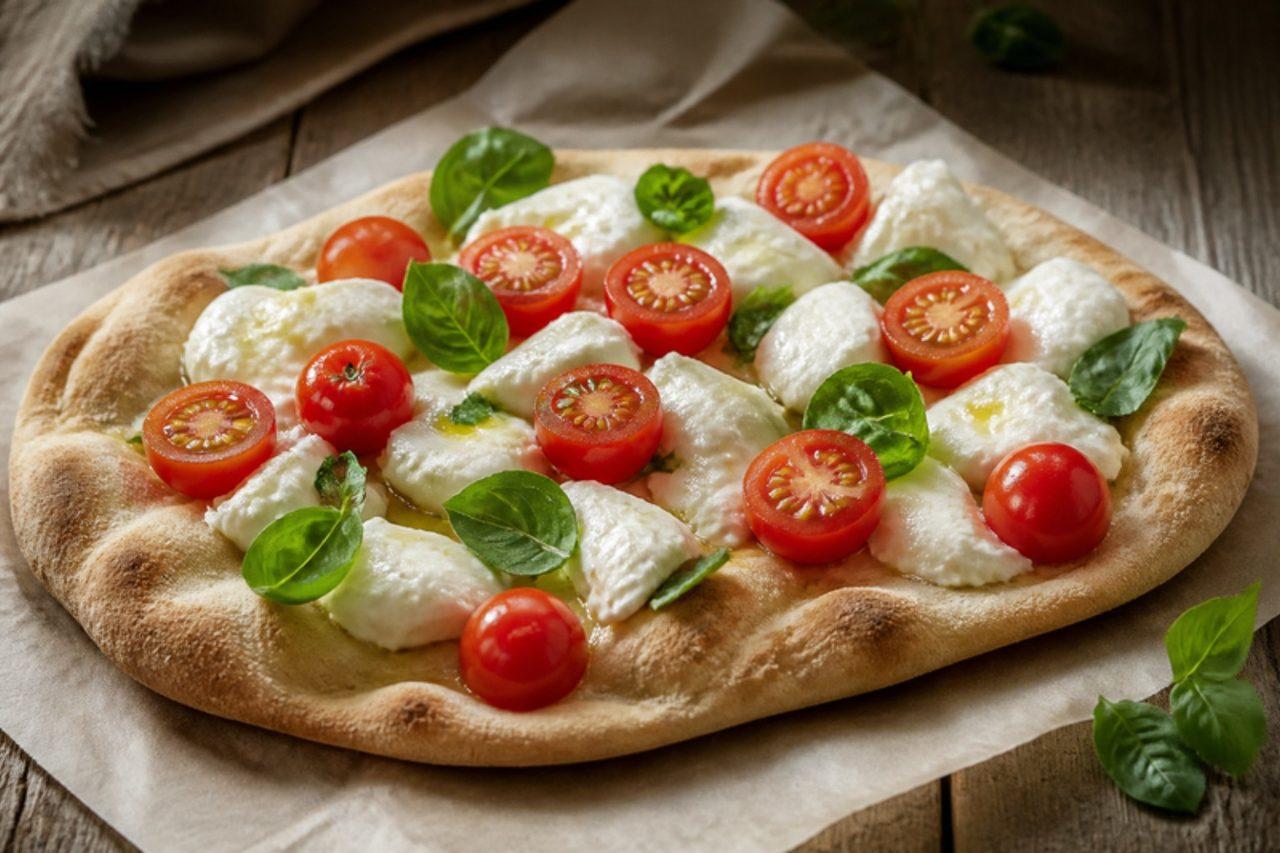
Pinsa romanaOval Roman flatbread

Pinsa is a modern Roman creation inspired by the flatbreads of ancient Rome: an oval base made from a mix of wheat, rice and soy flour (or in this home version, wheat and rice), with a lot of water and a long rest in the fridge. The result is crisp outside, light as a cloud inside and easy to digest. Pinserie in Rome top it with everything from buffalo mozzarella to courgette flowers; this version uses cherry tomatoes, mozzarella and basil. Mozzarella is usually made with calf rennet; vegetarian versions are easy to find. Chef's tip: shape the pinsa by pressing with your fingertips on a floured board, never stretching it; you want to keep all the bubbles.

by KrazyBadal 0 views

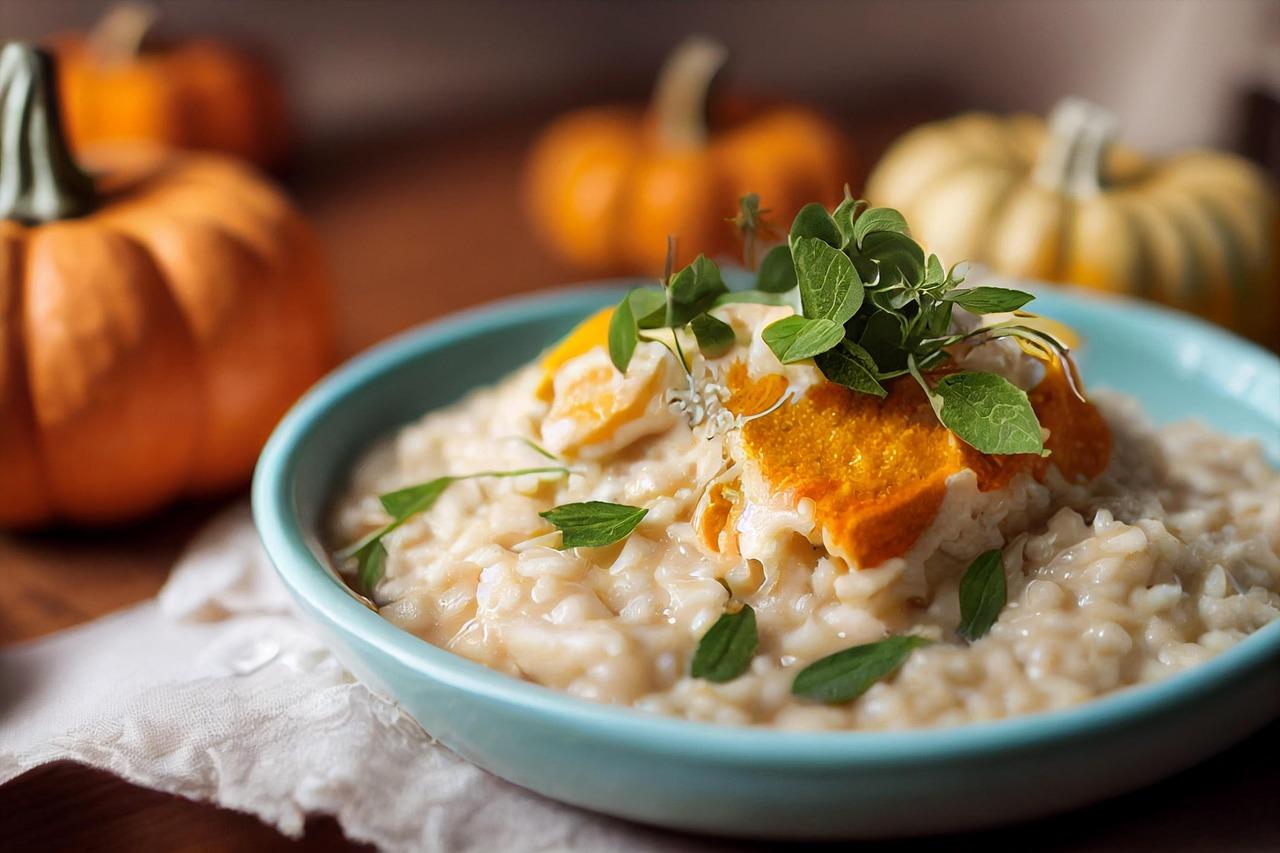
Risotto alla zuccaPumpkin risotto

Mantua is pumpkin country: the dense, sweet zucca mantovana fills tortelli, gnocchi and this golden autumn risotto, eaten across the Lombard plain from October to the first frosts. Half the pumpkin is roasted and mashed into the rice so it turns creamy and orange; the rest is folded in as soft cubes. Children love its sweetness. Parmigiano is made with animal rennet; choose a vegetarian hard cheese if you need to. Chef's tip: roast rather than boil the pumpkin; roasting concentrates its sugar, while boiled pumpkin waters down the risotto.

by KrazyBadal 0 views

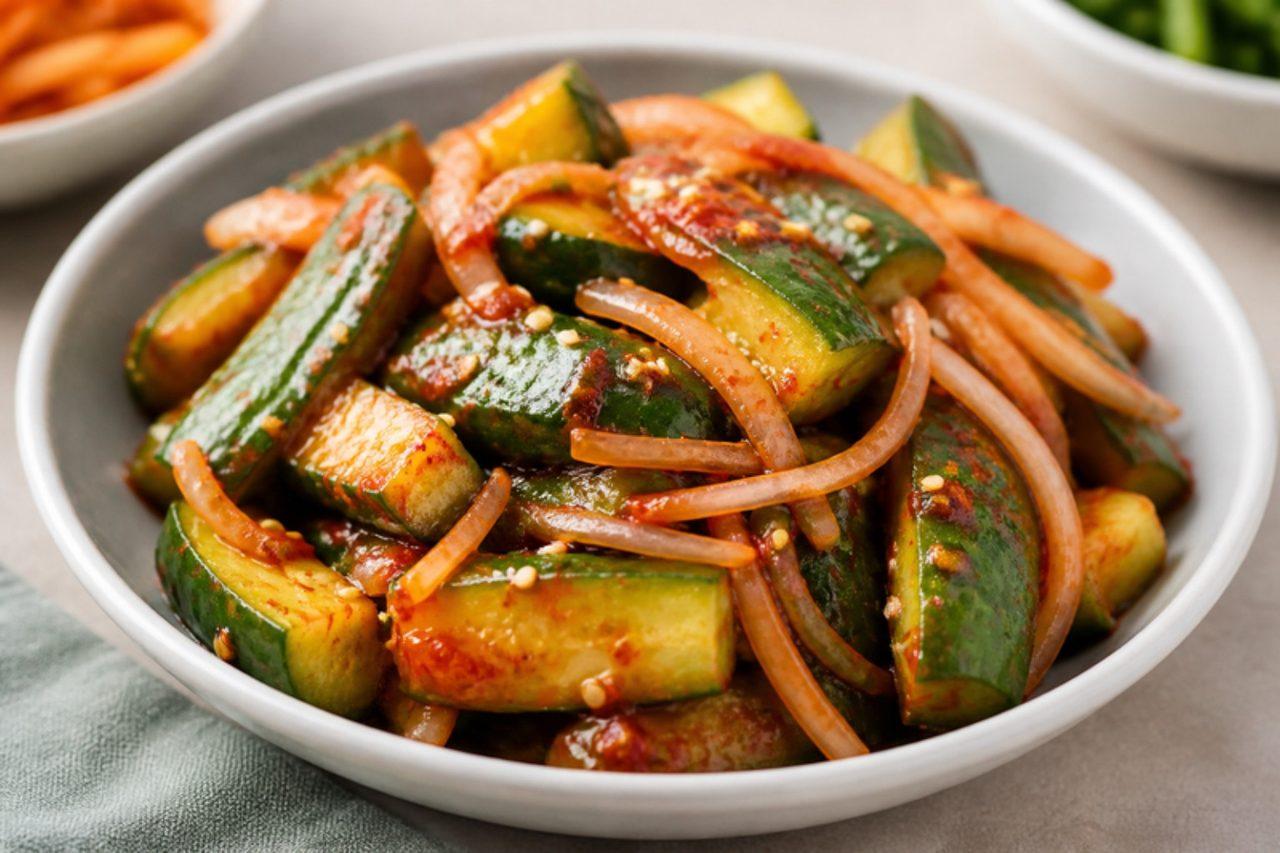
Oi muchimSpicy cucumber salad

When Korean summers turn sticky, from Daegu's heat to Seoul's monsoon, oi muchim is the ten-minute side dish families make to cool down a hot bowl of rice or a plate of grilled meat. Thin cucumber coins are salted briefly, then tossed with chilli flakes, vinegar, a touch of sugar and sesame, so they stay snappy and bright. It is best made just before eating. The common mistake is skipping the quick salting: unsalted cucumber leaks water into the dressing within minutes and the bowl turns soupy. Chef's tip: a few slivers of onion soaked in cold water for five minutes add sweetness and crunch without any harsh bite.

by KrazyBadal 0 views

Purin (Japanese custard pudding)Caramel custard pudding

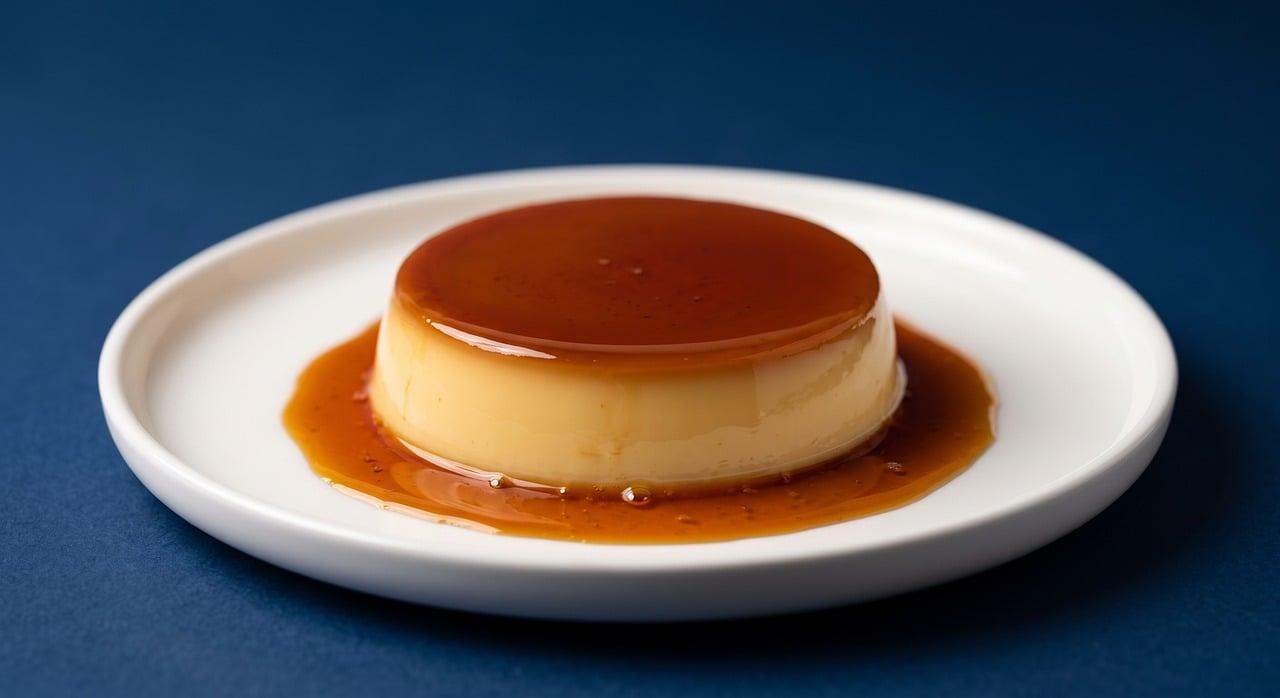
Old-fashioned Tokyo kissaten pride themselves on purin that stands up on the plate: a firm, slightly bouncy custard under a dark, bittersweet caramel, served in a glass dish with a long spoon. It is a favourite dessert for children and nostalgic adults alike, and it keeps for two days in the fridge. The mistake that ruins it is too much heat; a hot oven or rolling boil makes the custard puff and fill with tiny holes (called su), so bake it gently in a water bath. Chef's tip: take the caramel darker than you think, to a deep mahogany, because its bitterness is what balances the sweet custard.

by KrazyBadal 0 views

Taiyaki

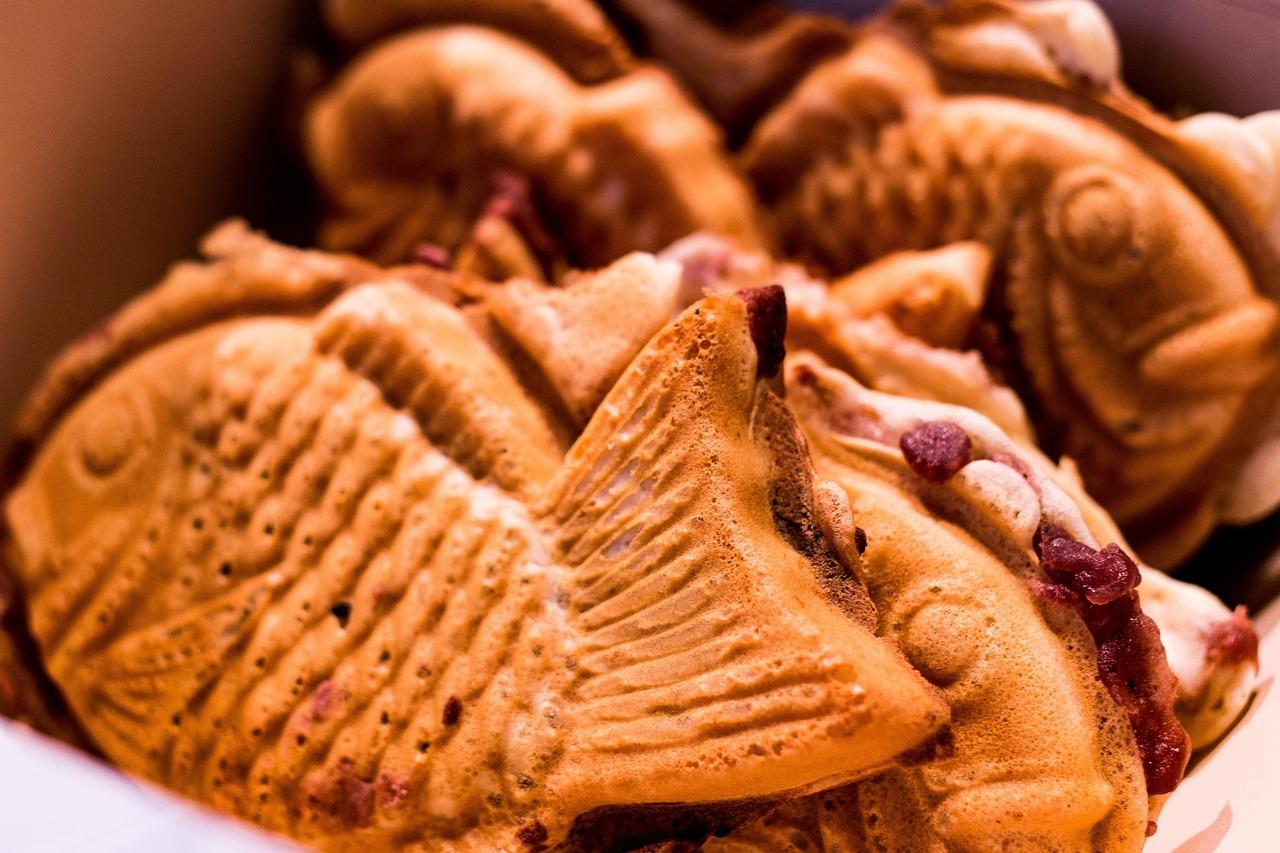
Taiyaki were first sold in 1909 at a Tokyo street stall that still exists in Azabu-Jūban, shaped like sea bream because the fish was a luxury eaten at celebrations. Today vendors at winter festivals and shopping streets across Japan press batter into fish-shaped iron moulds, fill them with sweet bean paste and turn them out golden and crisp-edged. Contains egg, milk and wheat. You need a taiyaki pan. The common mistake is overfilling, which makes the bean paste burst through the seams and burn; keep the filling a finger's width from the edges. Chef's tip: let the batter rest for 30 minutes so the gluten relaxes, which gives a thinner, crisper shell.

by KrazyBadal 0 views

Mitarashi dangoSoy-glazed rice dumplings

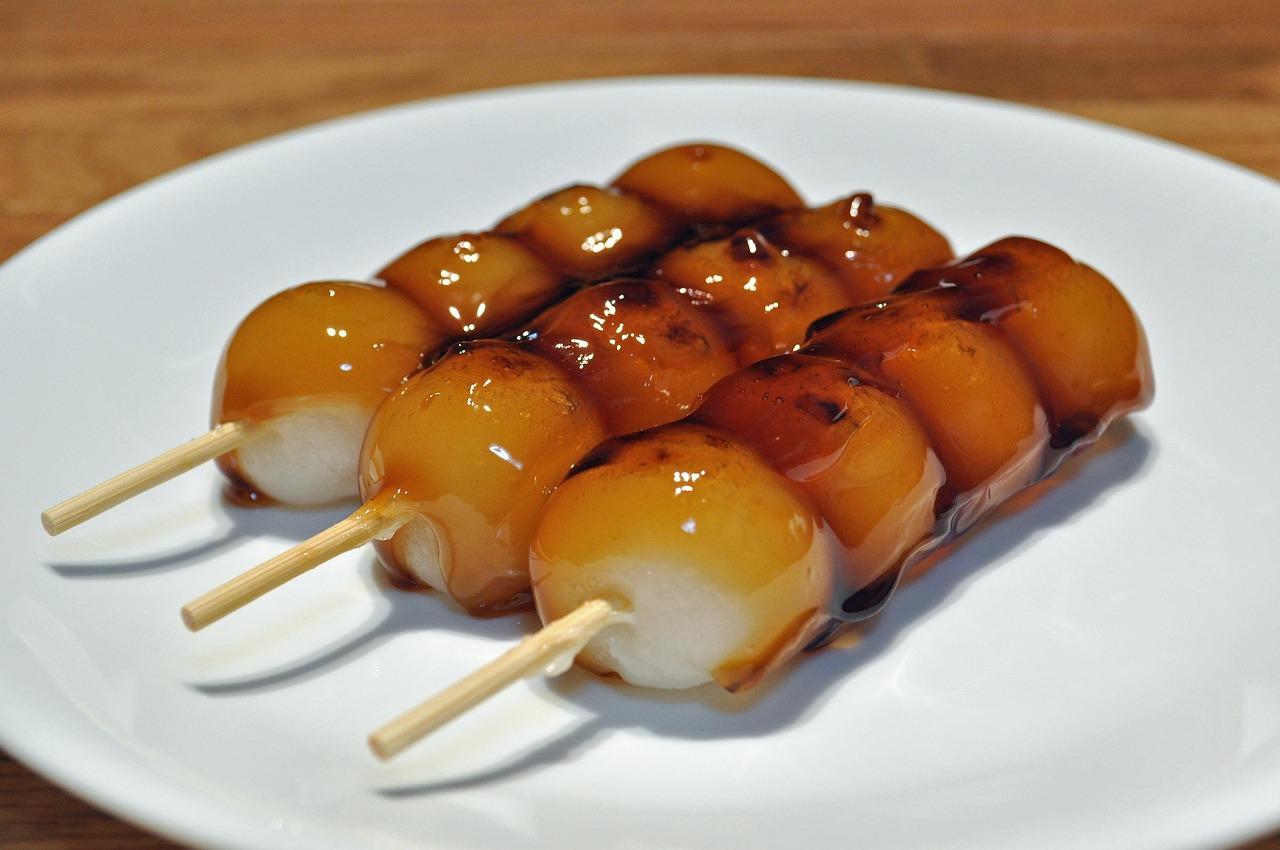
Mitarashi dango are said to come from Shimogamo Shrine in Kyoto, where they were sold at the midsummer purification festival; today they are the snack of shrine fairs, flower-viewing picnics and station kiosks all over Japan. Chewy little rice-flour balls are threaded on skewers, toasted until speckled, and coated in a translucent, sweet-salty soy glaze that tastes a little like caramel. Mochi is very sticky: cut it into small pieces for young children and older people, and make sure they chew well and eat sitting down. The common mistake is a runny glaze: it must simmer until it turns clear and thick, or it slides off. Chef's tip: mix silken tofu into the rice flour instead of some of the water; the dumplings stay soft for hours instead of hardening as they cool.

by KrazyBadal 0 views

Tataki goboSesame burdock salad

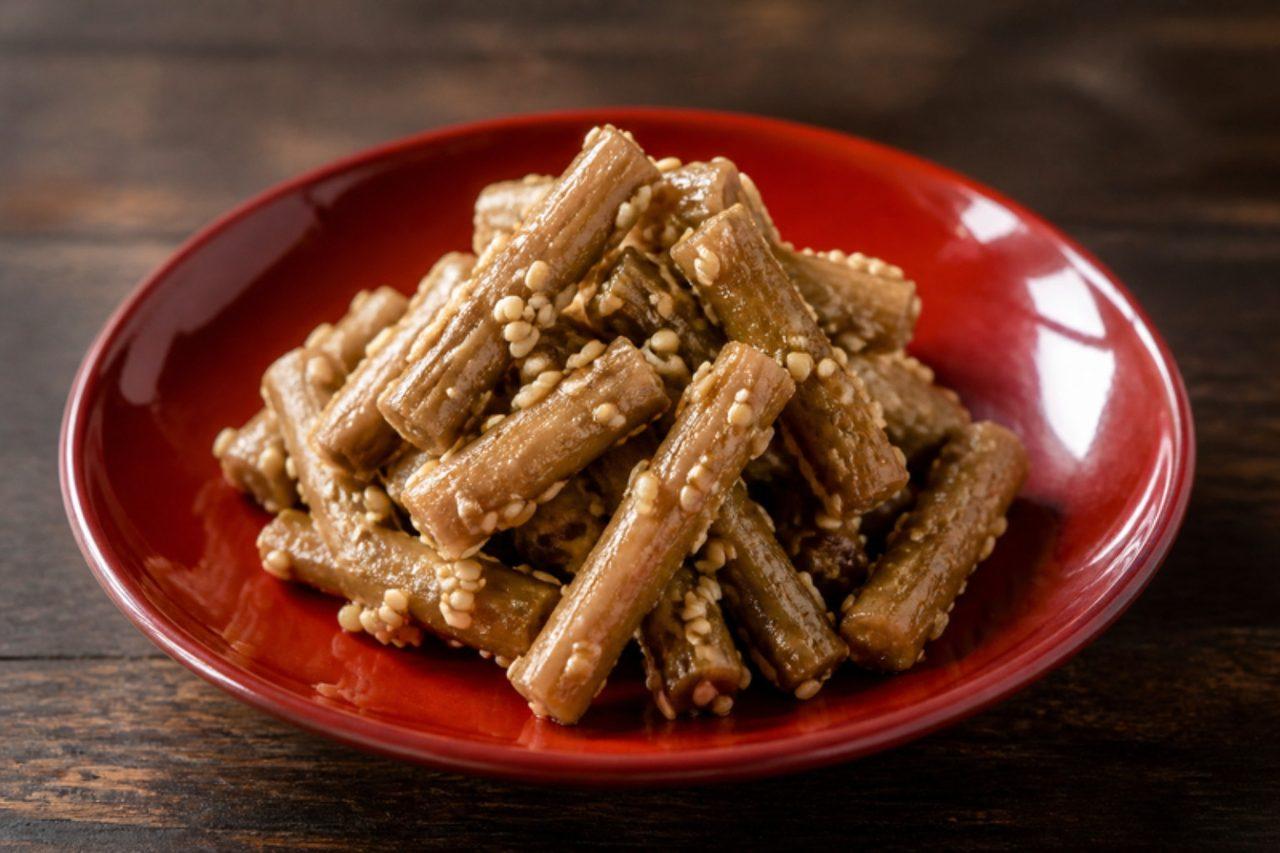
In Kansai homes around Osaka and Kyoto, osechi always includes tataki gobo: burdock root boiled, then beaten with a rolling pin so it splits open, and dressed in a thick ground-sesame vinegar. The long, deep-rooted burdock stands for a family that is settled and lasting. The pounding gives rough, fibrous edges that soak up the nutty, tangy dressing, so each bite is earthy, sweet and sharp. The common mistake is overcooking the burdock until soft; it should still be pleasantly firm before you pound it. Chef's tip: dress the burdock while it is still warm, when the fibres open up and drink in the sesame vinegar.

by KrazyBadal 0 views

Myeolchi bokkeumSweet stir-fried anchovies

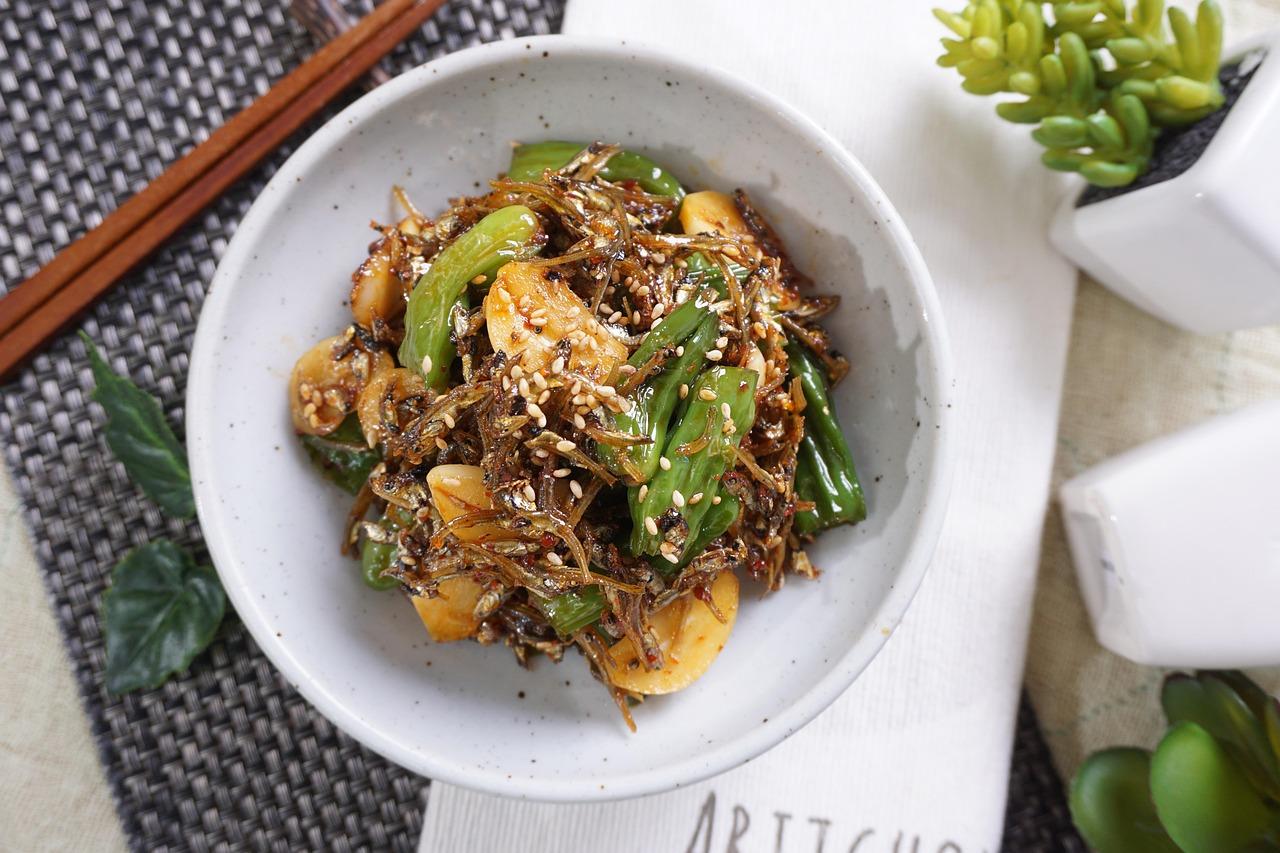
Myeolchi bokkeum is the lunchbox banchan of Korea, made with tiny dried anchovies landed and sun-dried on the southern coast around Tongyeong and Namhae, the country's anchovy heartland. The little fish are toasted in a dry pan, then tossed in garlic oil and a quick soy and rice-syrup glaze, so they end up crunchy, sweet, salty and deeply savoury. A small dish goes alongside rice at almost every Korean meal. The common mistake is adding the syrup over a high heat: it caramelises into a hard sheet that welds the anchovies into a brick. Chef's tip: take the pan off the heat before the syrup goes in and toss; the pan's leftover warmth is enough to glaze without hardening.

15 minKoreanFish
by KrazyBadal 0 views

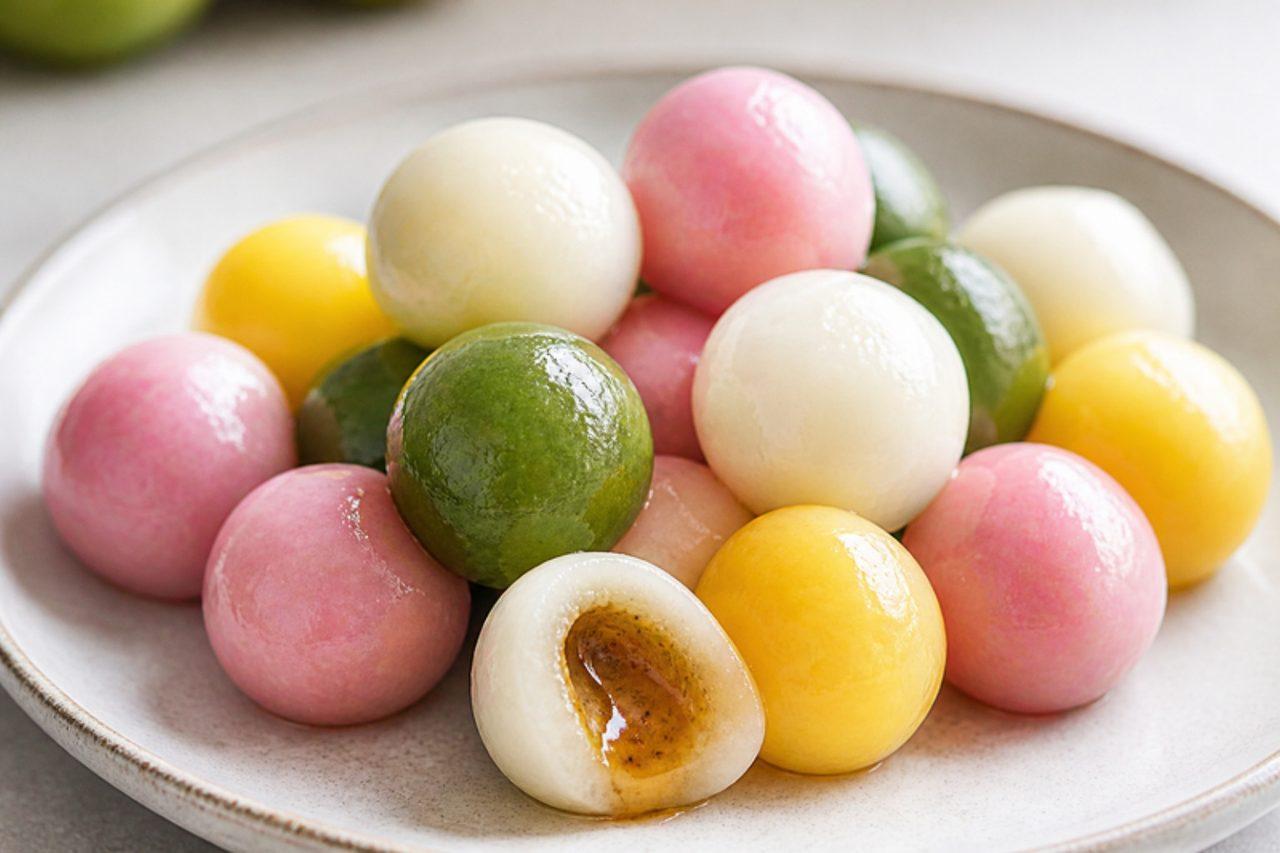
KkultteokHoney-filled rice cakes

Kkultteok, 'honey rice cake', are the bite-sized coloured balls lined up in the windows of Korean tteok shops and on every Chuseok and birthday tray; bite one and a sweet, runny syrup of brown sugar and sesame bursts out. Despite the name, the filling is usually sugar, which melts into a honey-like syrup as the dumplings cook. The cakes are boiled, cooled in water and glossed with sesame oil. The common mistake is using too much filling or a thin dough, so the balls burst in the pot; keep the wall about 5 mm thick and seal well. Rice cakes are chewy and sticky, a known choking risk: cut them into small pieces for young children and older people and eat them sitting down. The filling is very hot straight from the pot, so let them cool before giving them to children. Chef's tip: let the boiled balls sit 1 minute in ice water; the shell firms up and the syrup inside turns fully liquid.

by KrazyBadal 0 views

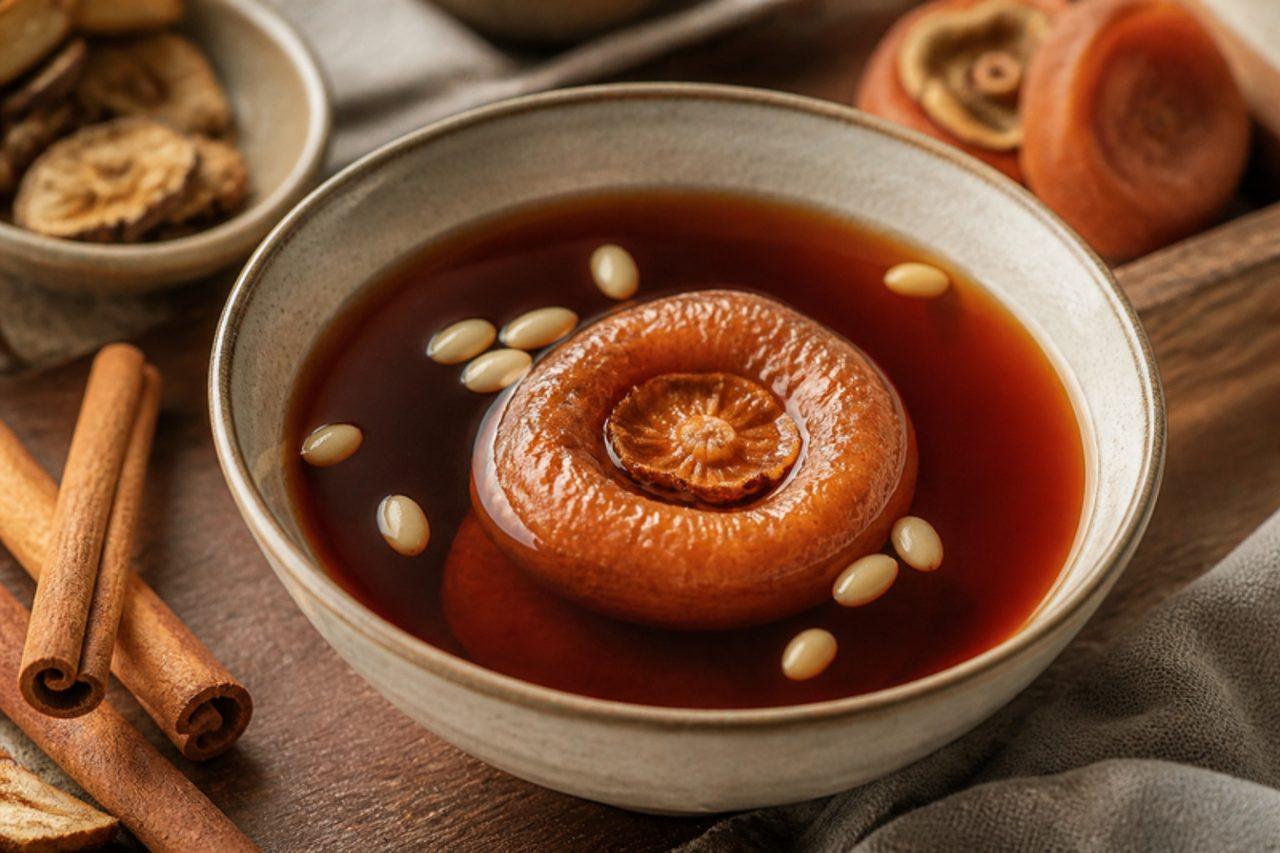
SujeonggwaCinnamon persimmon punch

After a big Seollal feast in Seoul, sujeonggwa comes out ice-cold in small bowls, dark red-brown and fragrant with cinnamon and ginger, with a soft dried persimmon and a few pine nuts floating in each one. It is the punch of the New Year season, made a day or two ahead and kept on a cold balcony. The cinnamon and ginger are boiled separately and then combined, which keeps each flavour clean. The common mistake is boiling the cinnamon too long or too hard: it turns bitter and cloudy, so keep it to a gentle simmer. Contains pine nuts. Chef's tip: soak the dried persimmons in the cooled punch only a few hours before serving, so they soften without falling apart.

by KrazyBadal 0 views

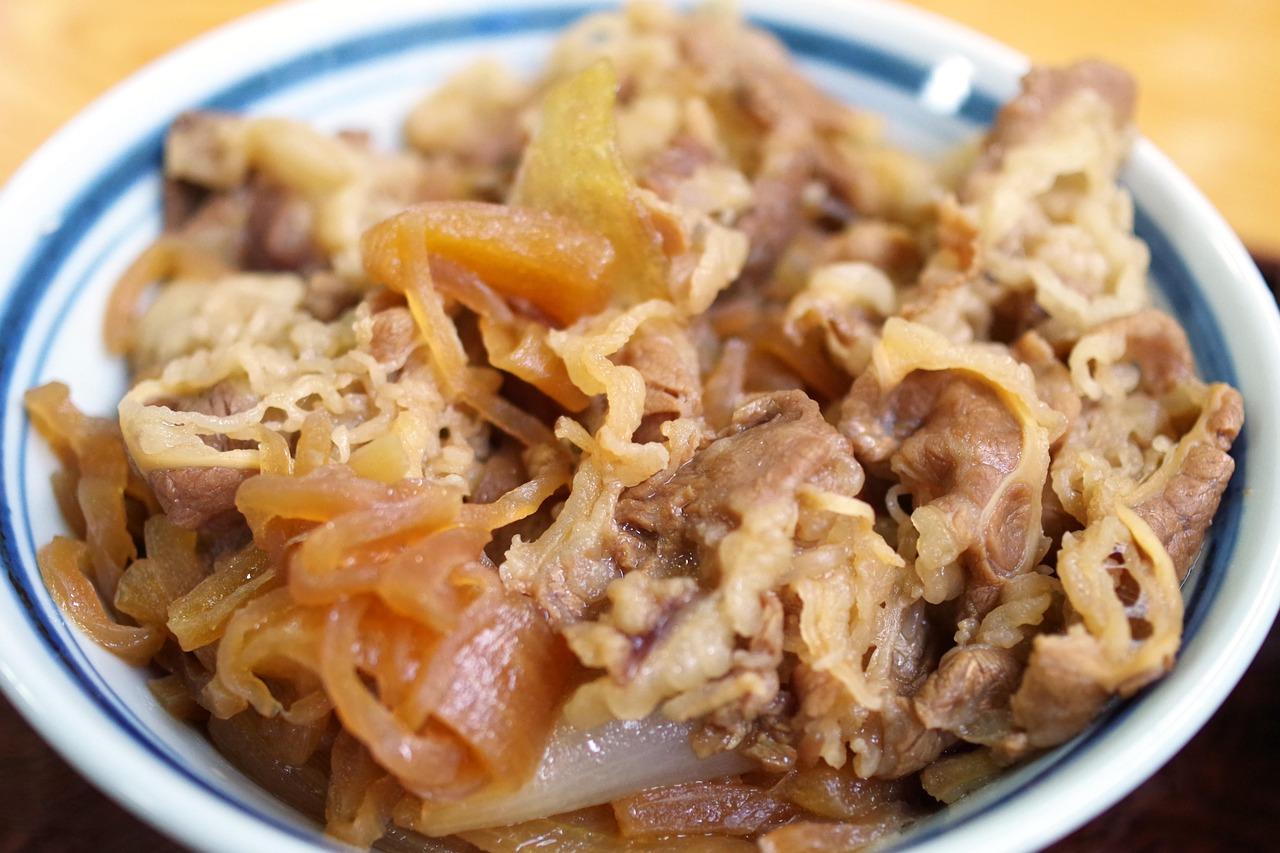
Gyudon (beef and onion rice bowl)

Gyudon fuels Japan's commuters: at 24-hour counters near every big station from Tokyo to Osaka, a bowl of rice topped with soft onions and wafer-thin beef in sweet soy broth arrives in under a minute. At home it takes about 20. Sake and mirin go into the broth and simmer away, so very little alcohol is left; swap them for water and a little sugar if you prefer. The usual mistake is boiling the beef hard and long, which makes thin slices tough and grey; simmer the onion first, then add the beef only until it changes colour. Chef's tip: pile on pink pickled ginger (beni shoga) and a raw or soft-poached egg yolk for the full counter experience; use a soft-poached egg for pregnant women, young children or anyone with a weakened immune system.

by KrazyBadal 0 views

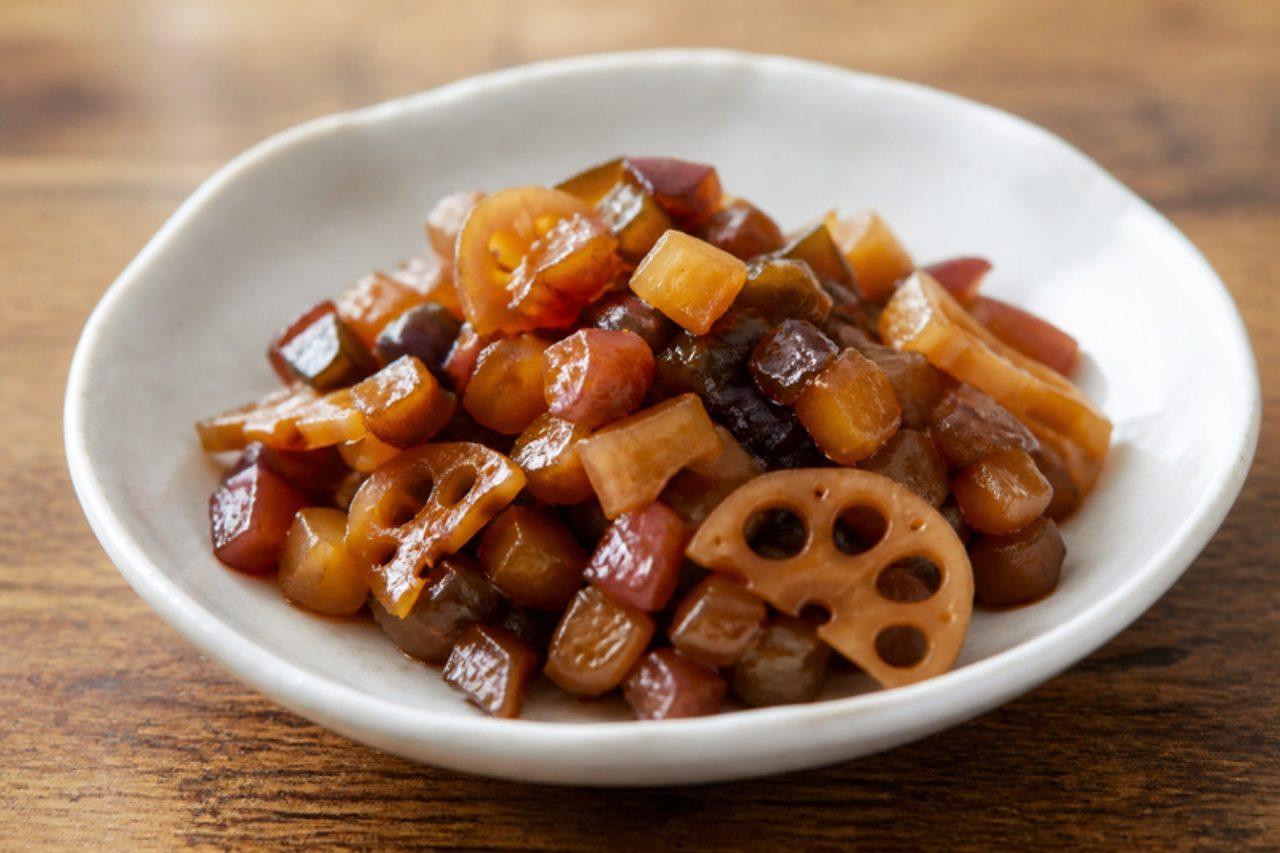
Fukujinzuke (seven-vegetable curry relish)

Named after the Seven Lucky Gods, fukujinzuke was first sold by a pickle shop in Tokyo's Ueno in the 1880s and soon became the crunchy red-brown relish spooned beside every plate of Japanese curry rice. Seven chopped vegetables, here daikon, aubergine, lotus root, cucumber, carrot, shiitake and ginger, are salted and pressed, then soaked in a hot sweet soy and mirin syrup. Mirin is a sweet rice wine; it is boiled in the syrup so the alcohol mostly cooks off, and you can swap it for extra sugar and water. The common mistake is skipping the squeezing: wet vegetables dilute the syrup and the relish turns soft. Chef's tip: pour the hot syrup over, drain it back into the pan, boil and pour again; doing this twice keeps the vegetables crisp but fully seasoned.

by KrazyBadal 0 views

Kaisendon (seafood rice bowl)

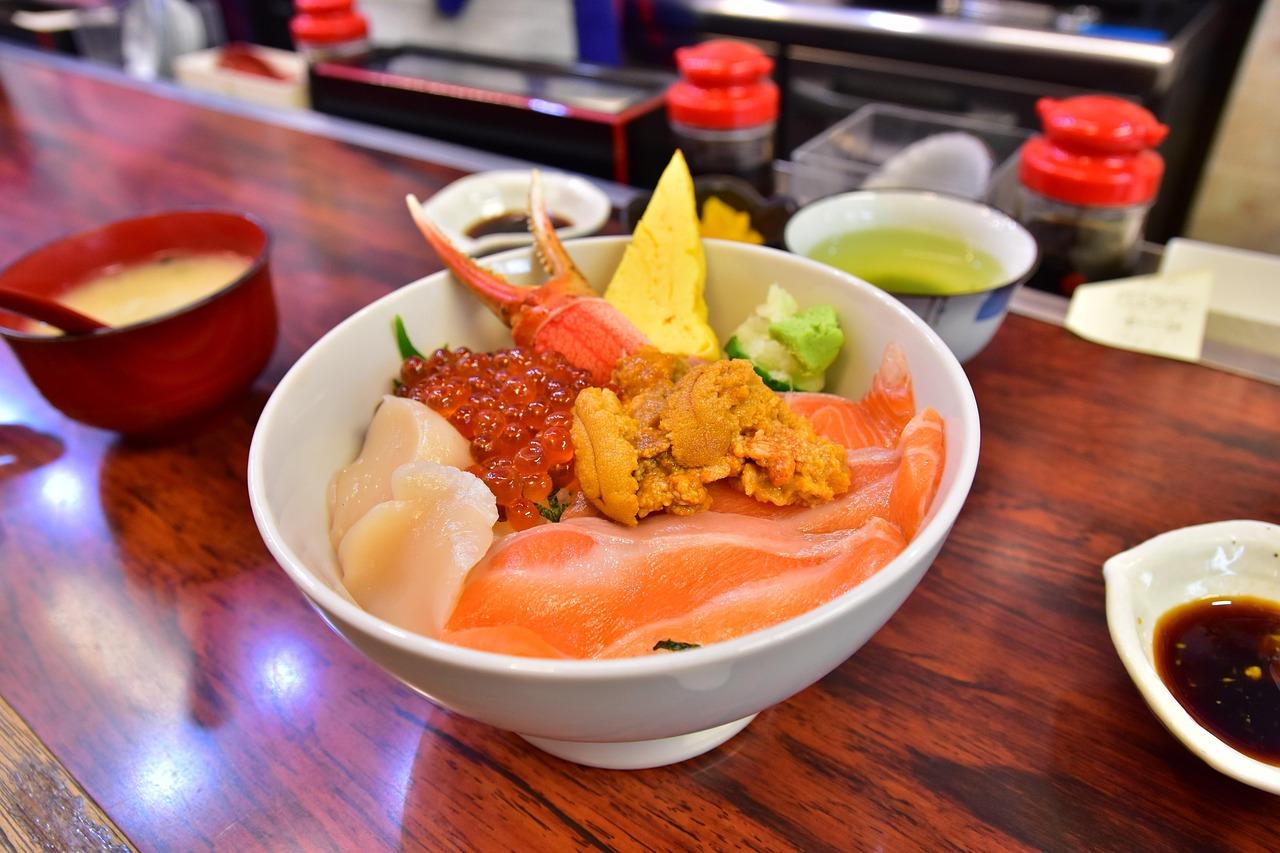
At the morning markets of Hakodate and Sapporo, and in harbour towns all along Japan's coast, kaisendon is breakfast: a bowl of sushi rice heaped with raw salmon, tuna, scallops and glistening salmon roe, eaten with wasabi and a drizzle of soy. At home, buy only fish sold as sushi- or sashimi-grade that has been previously frozen (freezing kills parasites), keep it cold and eat it the day you buy it. Raw fish is not for pregnant women, young children or anyone with a weakened immune system; for them, sear the salmon and tuna all over and cook through, and use cooked prawns. The common mistake is piling cold fish onto hot rice, which warms the fish and makes the rice gluey; cool the rice to body temperature first. Chef's tip: slice the fish across the grain in one long pull of a very sharp knife, not a sawing motion.

by KrazyBadal 0 views

Chikuzenni (Fukuoka simmered chicken and root vegetables)

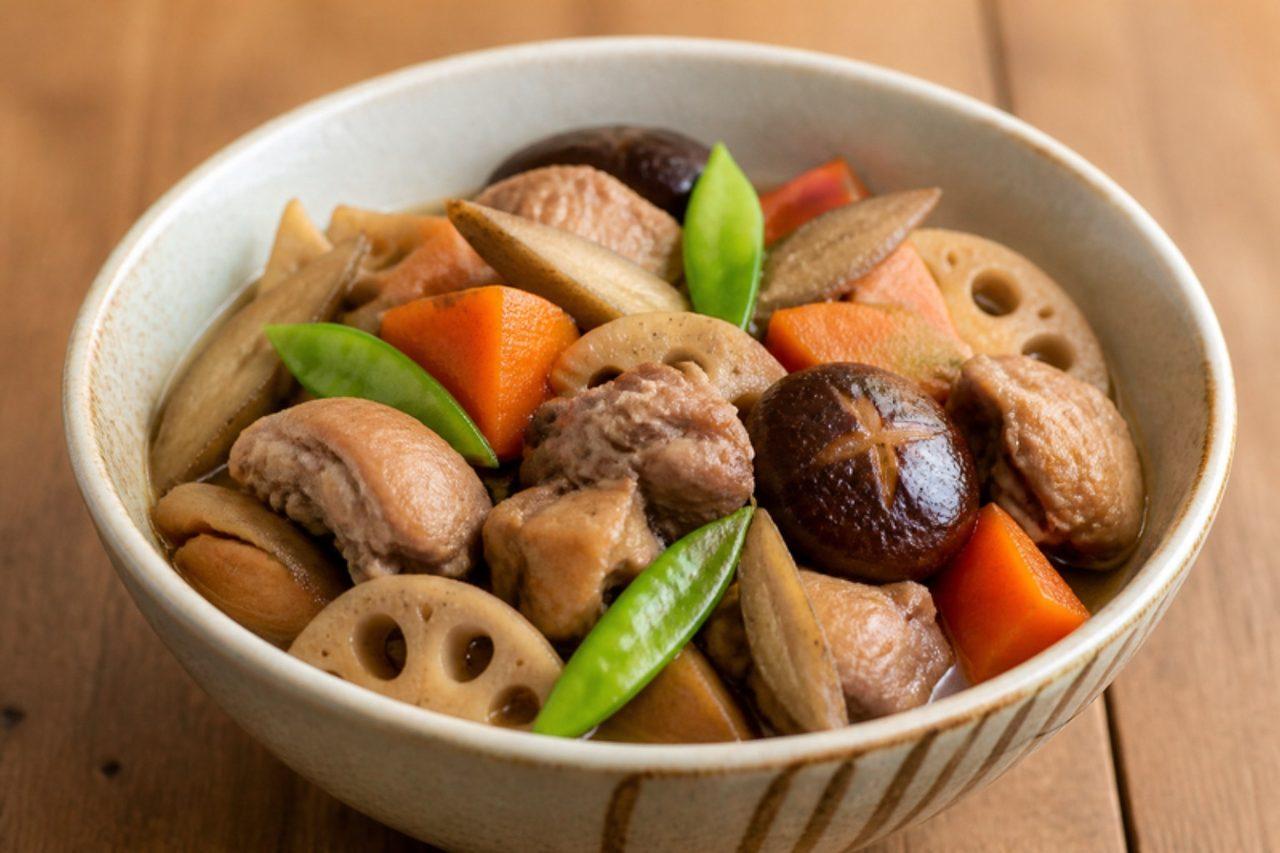
Chikuzen is the old name for the Fukuoka area of northern Kyushu, where this sweet-savoury simmer of chicken and root vegetables is called gameni and turns up at every family gathering; across Japan it is packed into the New Year osechi boxes and eaten cold. The chicken and vegetables are first stir-fried in oil, then simmered in dashi with soy, sugar, sake and mirin until the liquid reduces to a glaze. The sake and mirin simmer for 20 minutes, so the alcohol cooks off; use water and extra sugar for an alcohol-free version. The common mistake is stirring too much, which breaks the taro and lotus root into mush; shake the pan instead. Chef's tip: let it cool in the pot; the vegetables soak up flavour as it cools, so it is even better the next day.

by KrazyBadal 0 views

Gari (pickled sushi ginger)

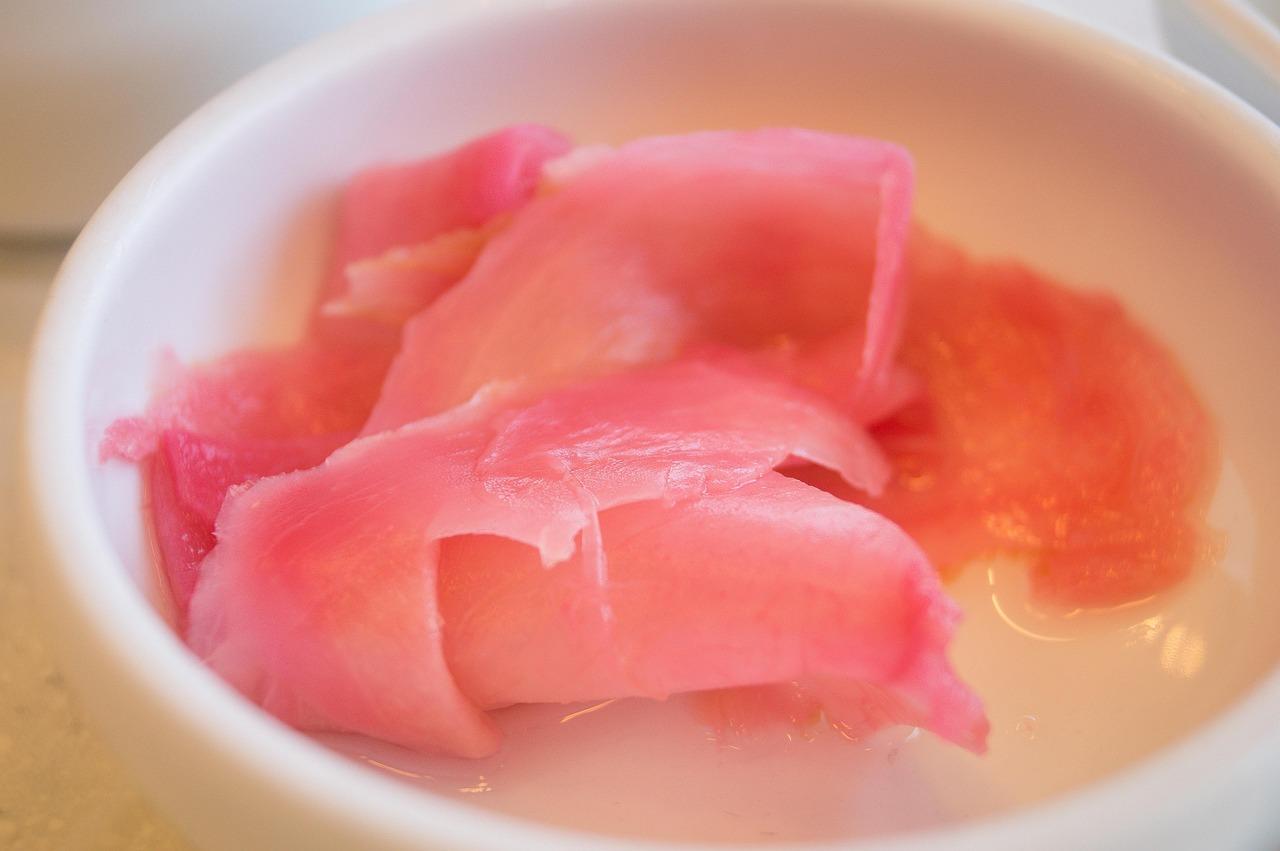
Sushi counters from Tokyo's Tsukiji outer market to neighbourhood conveyor-belt bars set a heap of gari by every plate, a palate-cleanser eaten between pieces of fish. The best is made in early summer, when young ginger with thin, pink-tipped skin appears in Japanese and Asian greengrocers; its blush turns the pickle naturally pale pink in the vinegar, with no colouring. It takes 20 minutes and keeps for months. The usual mistake is slicing too thick: gari should be almost see-through, so use a mandoline or vegetable peeler. Chef's tip: blanch the slices for just 30 seconds; any longer and the ginger loses its crunch.

by KrazyBadal 0 views

Umeboshi (salted dried ume plums)Salted pickled plums

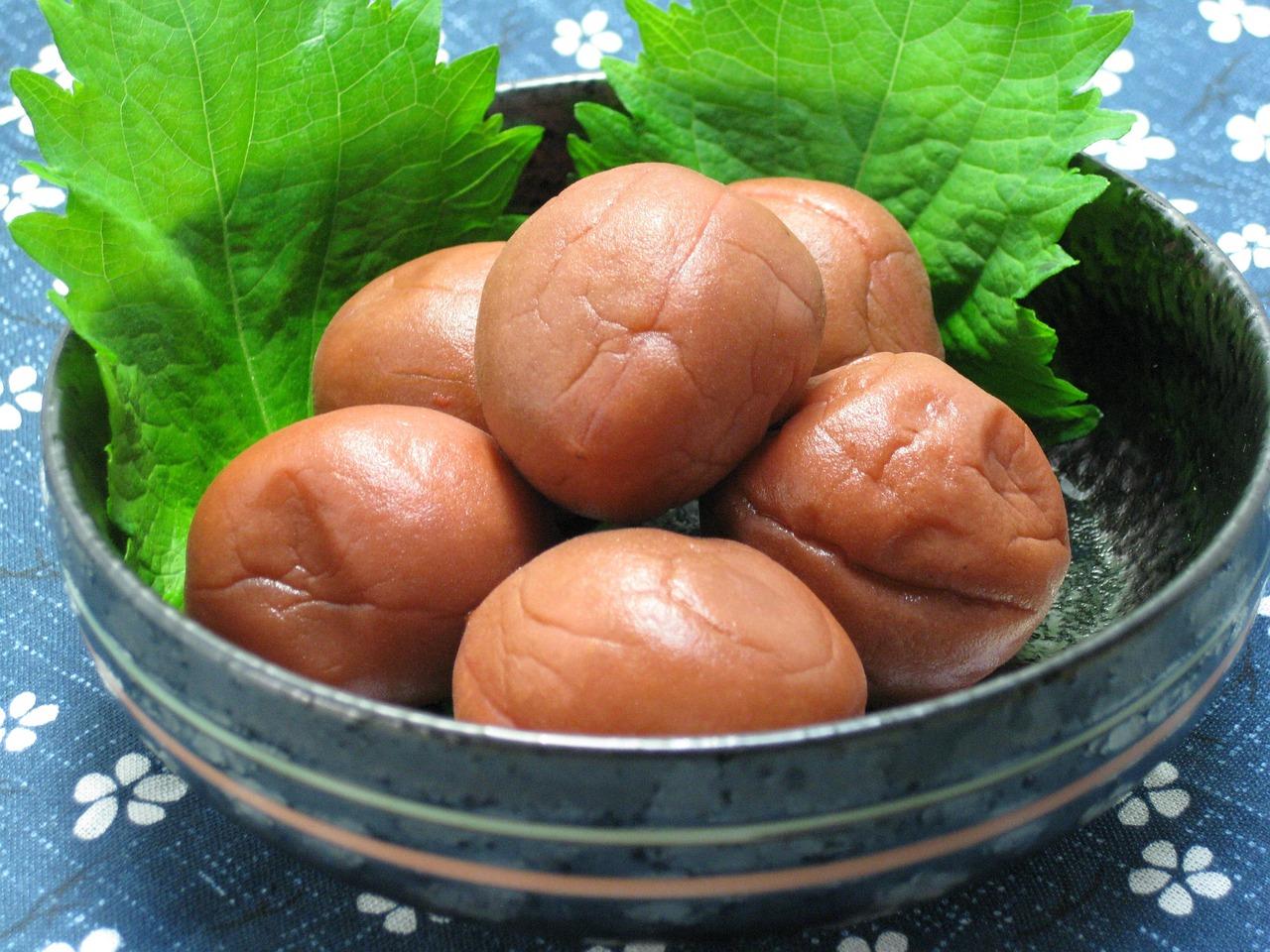
In the ume orchards of Minabe, in Wakayama's old Kishu province, families salt the June harvest of ripe yellow ume in crocks and then spread them on bamboo mats under the hottest days of late July, the doyo-boshi, before the plums go back into their brine. The result is wrinkled, intensely salty-sour fruit, the classic filling for onigiri and the red sun in the middle of a lunchbox of rice. This is a once-a-year project spread over about two months; the active work is about two hours. Do not cut the salt: below about 15 % of the fruit's weight the plums go mouldy, which is the most common failure at home. Chef's tip: use only fully ripe, yellow, fragrant ume; hard green ones turn tough and bitter.

by KrazyBadal 0 views

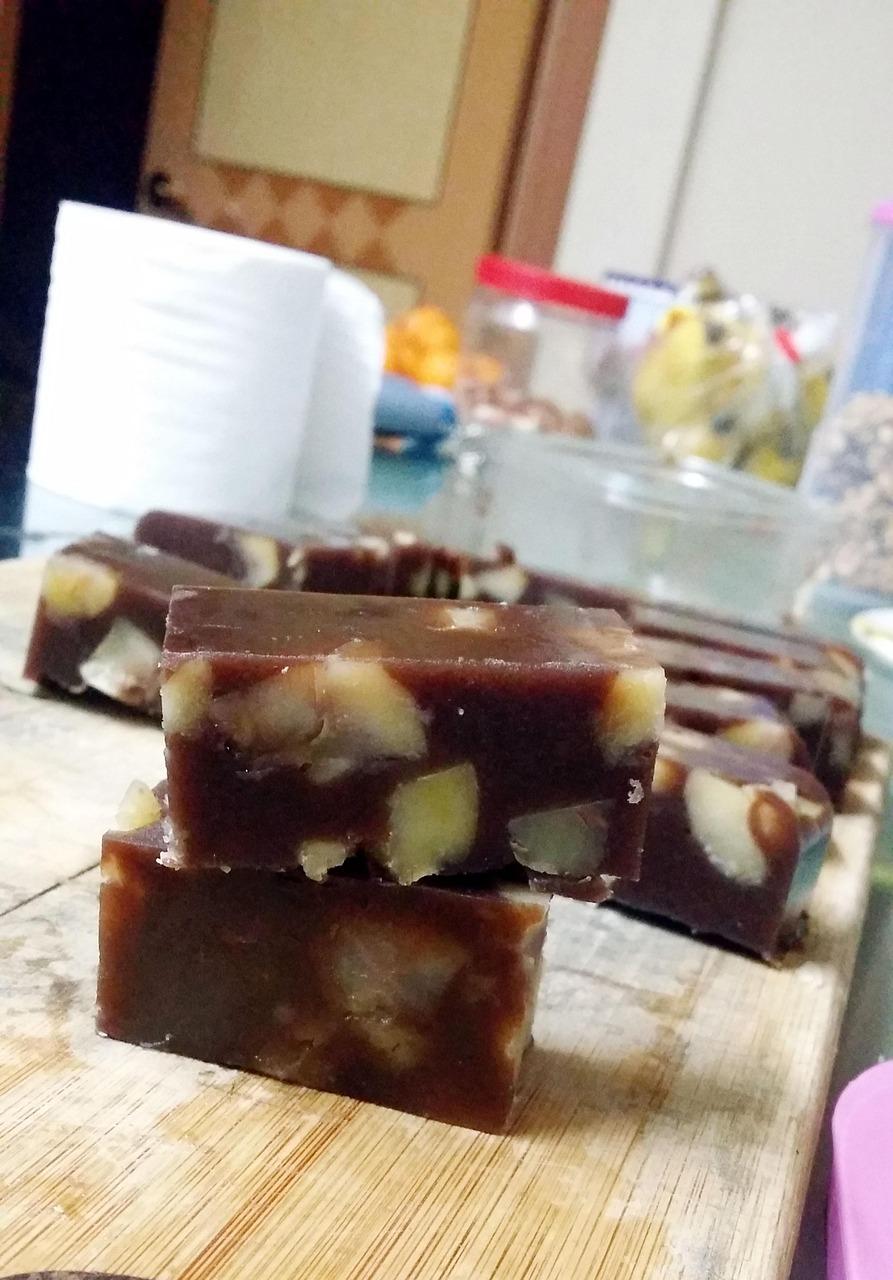
YokanRed bean jelly

Yōkan is one of Japan's oldest sweets, brought by Zen monks and refined in Edo-period Tokyo into dense, dark blocks that were carried by samurai and are still given as gifts in long wooden boxes. Red bean paste, sugar and agar are cooked down until thick and set into a smooth, firm jelly that slices cleanly, served in thin pieces with bitter green tea. The common mistake is undercooking the agar: it must boil for two full minutes or the yōkan won't set firmly. Chef's tip: cook the paste until a trail drawn across the bottom of the pan holds for a second before closing, which gives the classic firm, glossy neri yōkan.

by KrazyBadal 0 views

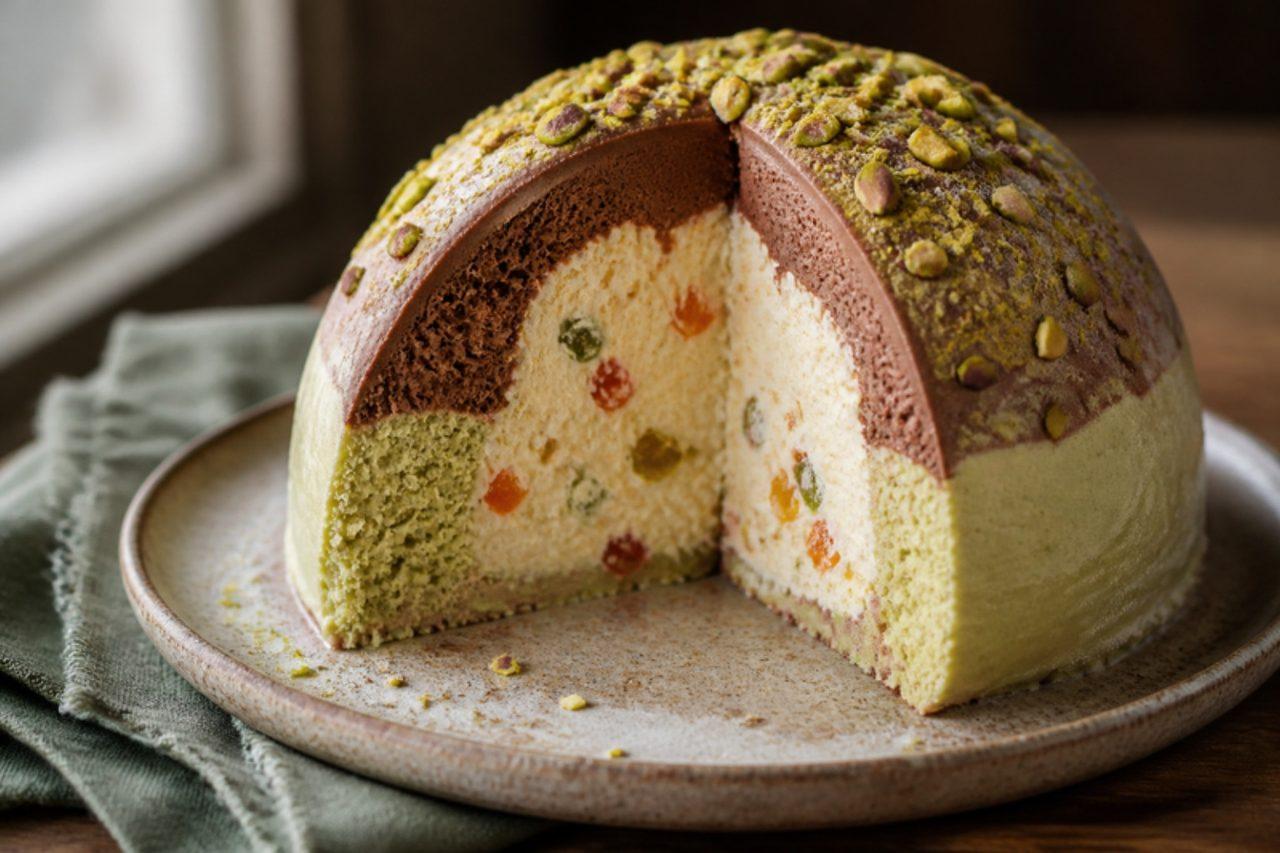
Spumone napoletanoLayered gelato dessert

Spumone was the grand dessert of Neapolitan cafés in the 1800s, later carried to America by emigrants: a dome or brick of layered frozen desserts, usually chocolate and pistachio gelato around a soft centre of semifreddo with candied fruit and nuts. In Naples it is served at weddings and Christmas, cut into slices that show all the colours. The traditional semifreddo is flavoured with rum; this version uses orange zest and vanilla so it is alcohol free. Contains nuts. Chef's tip: freeze each layer until firm before adding the next; soft layers melt into each other and lose their stripes.

by KrazyBadal 0 views

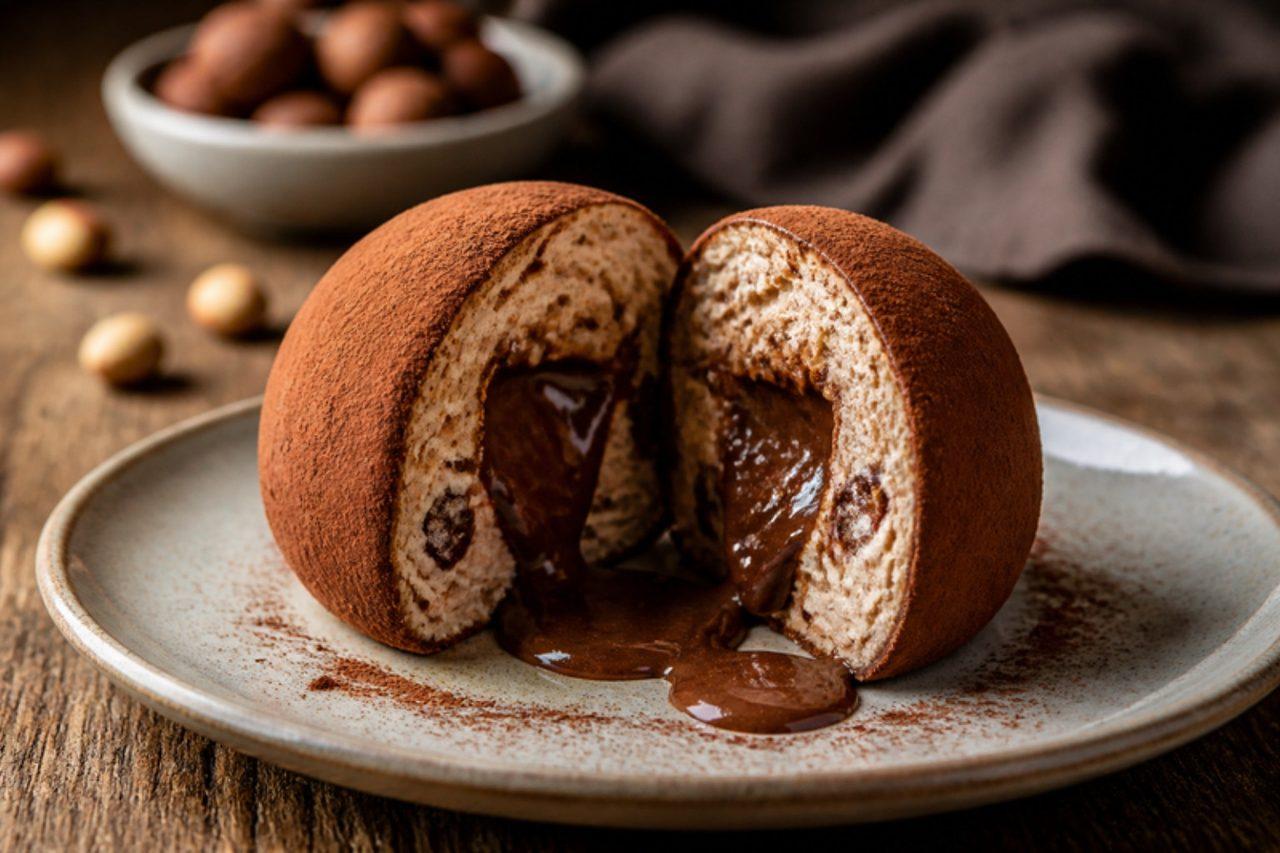
Tartufo di PizzoChocolate hazelnut gelato ball

In 1952, in the seaside town of Pizzo in Calabria, a gelato maker ran out of moulds for a wedding banquet and shaped gelato by hand in his palm, around a centre of molten chocolate, then rolled it in cocoa. The tartufo, named for its resemblance to a truffle, is now protected as a local speciality, and the cafés on Pizzo's main piazza serve it in summer to crowds of visitors. Contains nuts. Chef's tip: work in a cold kitchen with chilled cling film and refreeze between each step; the gelato must stay firm enough to hold its ball shape.

by KrazyBadal 0 views

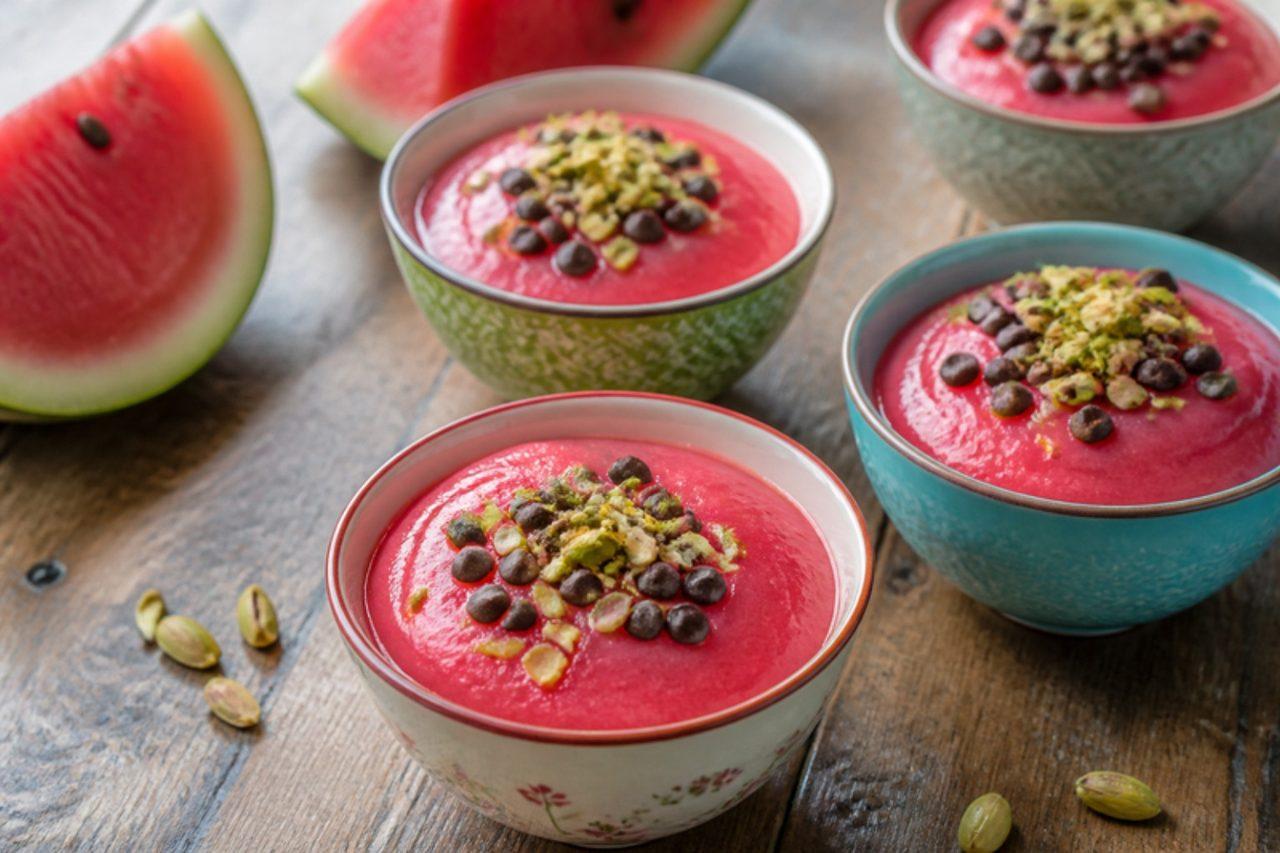
Gelo di melloneWatermelon jelly pudding

Gelo di mellone is the summer dessert of Palermo, eaten above all on 15 July for the feast of Santa Rosalia, the city's patron saint. Fresh watermelon juice is set with starch into a soft, wobbly pink pudding, scented with cinnamon and sometimes jasmine flowers, and topped with chocolate chips and chopped pistachios that look like watermelon seeds. It is served chilled in small bowls or as a tart filling. Contains nuts in the topping. Chef's tip: strain the watermelon juice through a fine sieve; any pulp clouds the jelly and stops it from setting smoothly.

by KrazyBadal 0 views

Torta capreseFlourless chocolate almond cake

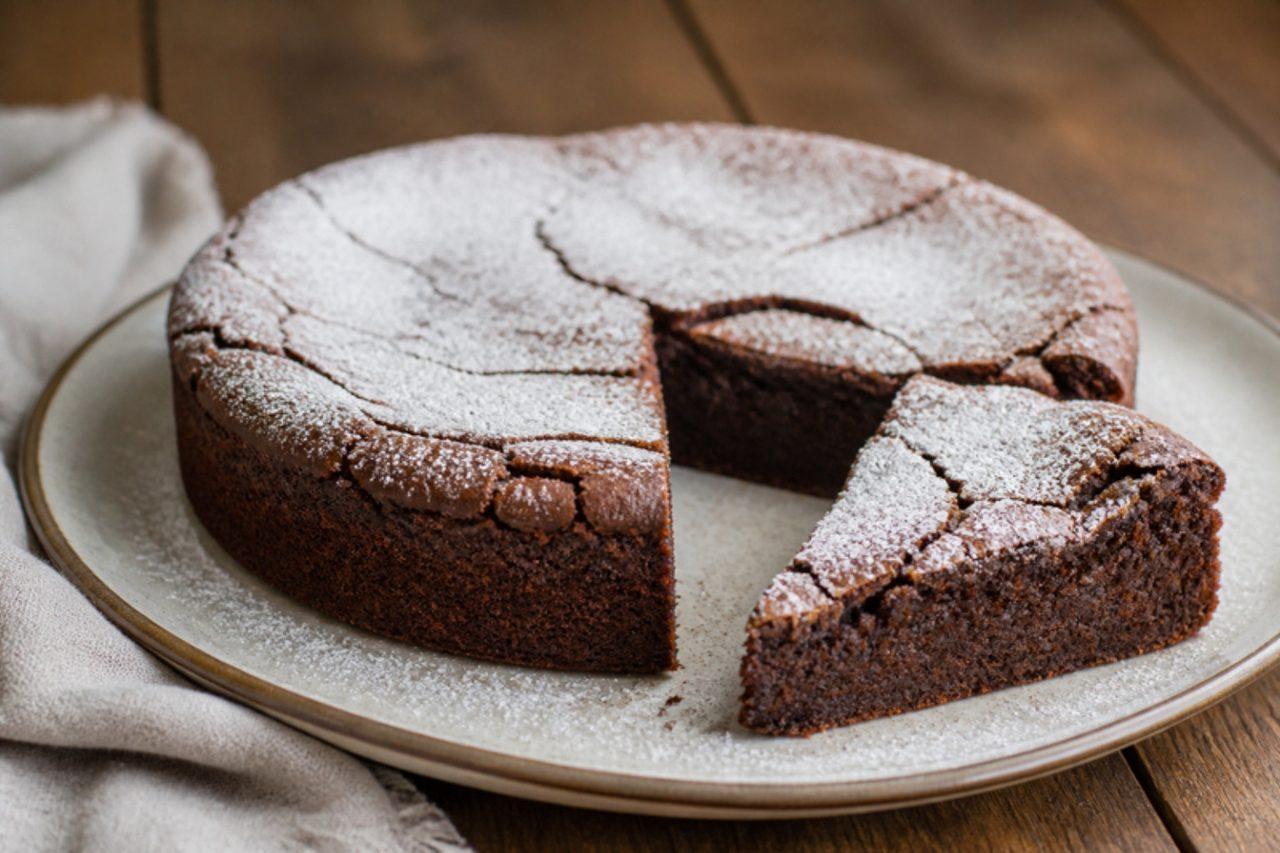
Torta caprese was born on the island of Capri in the 1920s, the story goes, when a baker forgot to add flour to a chocolate almond cake and created a classic by accident. It is now the cake of the Amalfi Coast: dense, moist and fudgy in the middle, with a thin crackled crust and a dusting of icing sugar. Restaurants in Capri and Sorrento serve it with a spoonful of cream or lemon sorbet. It is naturally gluten free. Contains nuts. Chef's tip: take it out while the middle is still slightly soft; it firms up as it cools and stays moist for days.

by KrazyBadal 0 views

Torta della nonnaLemon custard pine nut tart

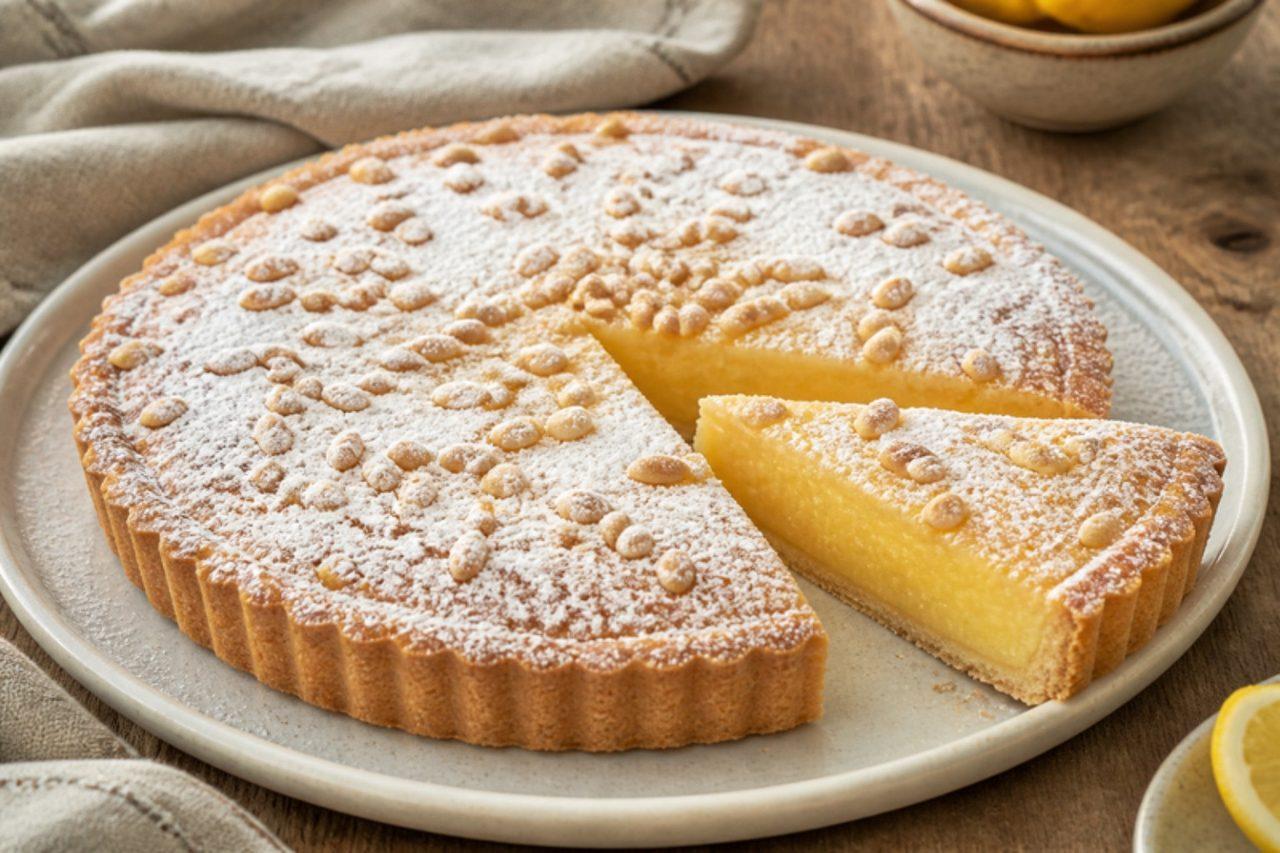
Torta della nonna, "grandmother's tart", is on the dessert menu of almost every trattoria in Florence and across Tuscany: a shortcrust case filled with thick lemon-scented custard, covered with a second layer of pastry and scattered with pine nuts and icing sugar. Despite the name it was probably invented by a Florentine restaurant cook in the 1900s, but it tastes of family Sunday lunches. Contains pine nuts. Chef's tip: let the custard cool completely before filling the tart; warm custard melts the butter in the pastry and makes the base soggy.

by KrazyBadal 0 views

CicerchiataHoney fried dough ring

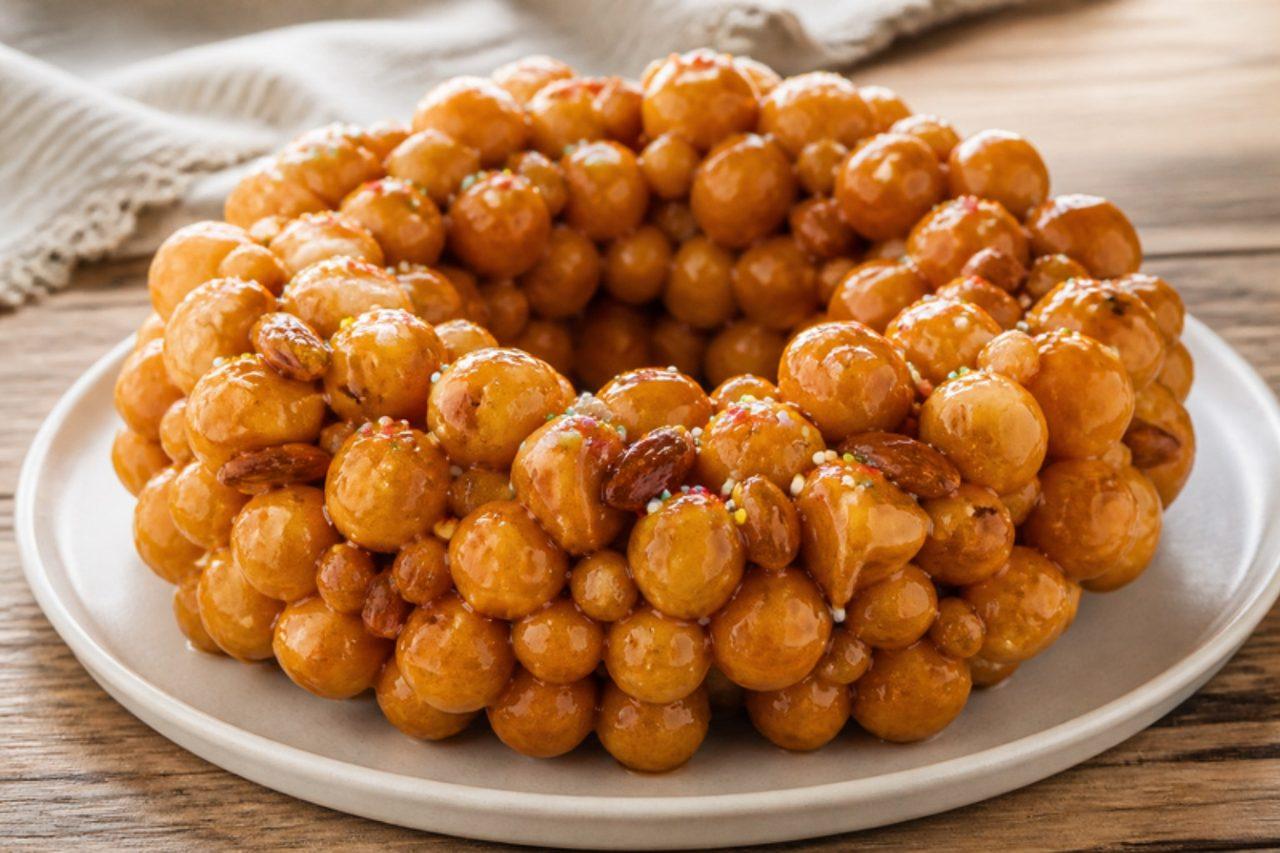
Cicerchiata takes its name from the cicerchia, a small dried legume, because its tiny balls of fried dough look just like them. In Abruzzo, Umbria and the Marche it is the Carnival sweet: the fried balls are stirred into hot honey with almonds and candied peel, then shaped into a ring or mound and decorated with sprinkles. It is broken apart with fingers at the end of Carnival meals. Not for babies under 1 because of the honey. Chef's tip: work quickly once the balls are in the honey and wet your hands with cold water to shape the ring; the honey sets fast as it cools.

by KrazyBadal 0 views

Savoiardi

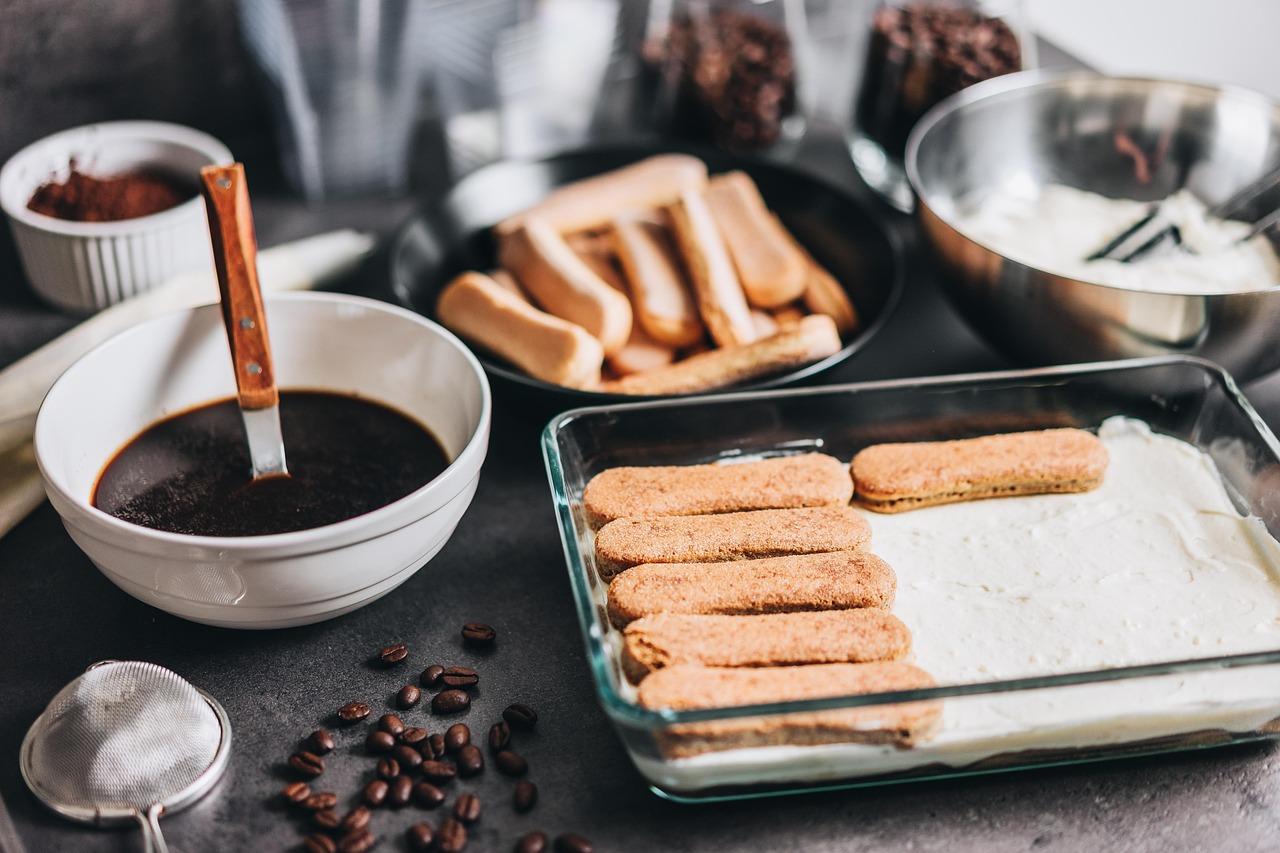
Savoiardi were created in the 1300s at the court of the House of Savoy in Piedmont, for a visit by the King of France. They are long, light finger biscuits of whipped eggs, sugar and flour, with a crisp sugary crust and a dry, spongy inside, made to be soaked: in coffee for tiramisù, in liqueur for zuppa inglese, or in milk for children's breakfast. Chef's tip: dust the piped fingers twice with icing sugar, 5 minutes apart; this forms the pearly crust that keeps them crisp outside.

by KrazyBadal 0 views

Graffe napoletanePotato doughnuts

Graffe are the Neapolitan doughnut, sold warm at bars and pastry shops all year round but especially at Carnival: soft, fluffy rings made with mashed potato in the dough, which keeps them light and moist, fried and rolled in sugar. Neapolitans eat them for breakfast with an espresso, or as a children's snack after school. The name probably comes from the Austrian krapfen, brought to the city in the 1700s. Chef's tip: let the shaped rings rise on small squares of baking paper; you can lower them into the oil on the paper without knocking out the air, then pull the paper away.

by KrazyBadal 0 views

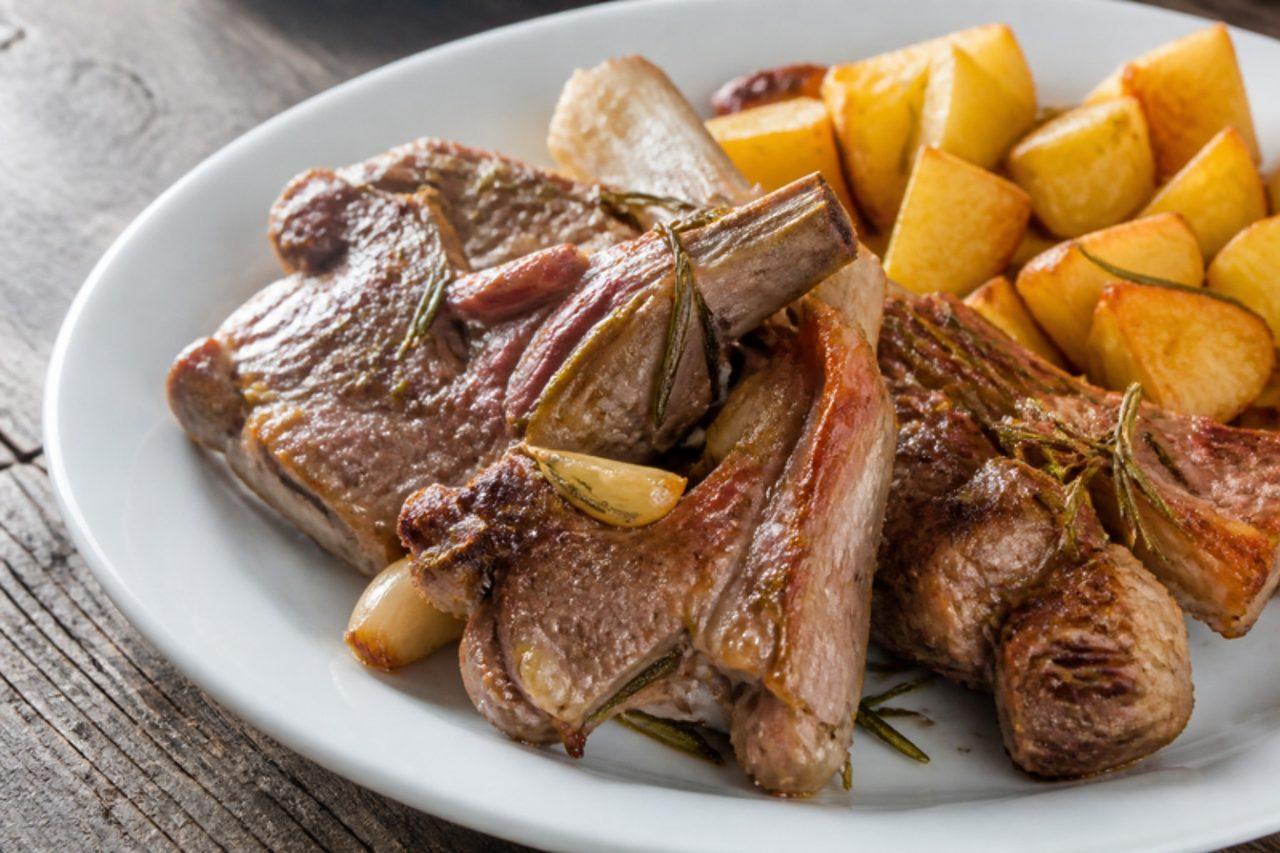
Abbacchio alla romanaRoman Easter lamb

Abbacchio is the Roman name for young milk-fed lamb, and abbacchio alla romana is what Roman families cook for Easter Sunday: small pieces of shoulder and leg browned in a pan, then cooked slowly with garlic, rosemary and sage and finished with a paste of anchovy and vinegar that cuts through the richness. It is served with roast potatoes or puntarelle. Outside Italy, use young spring lamb on the bone. Chef's tip: brown the lamb in batches until really golden before adding anything else; pale lamb gives a pale sauce.

by KrazyBadal 0 views

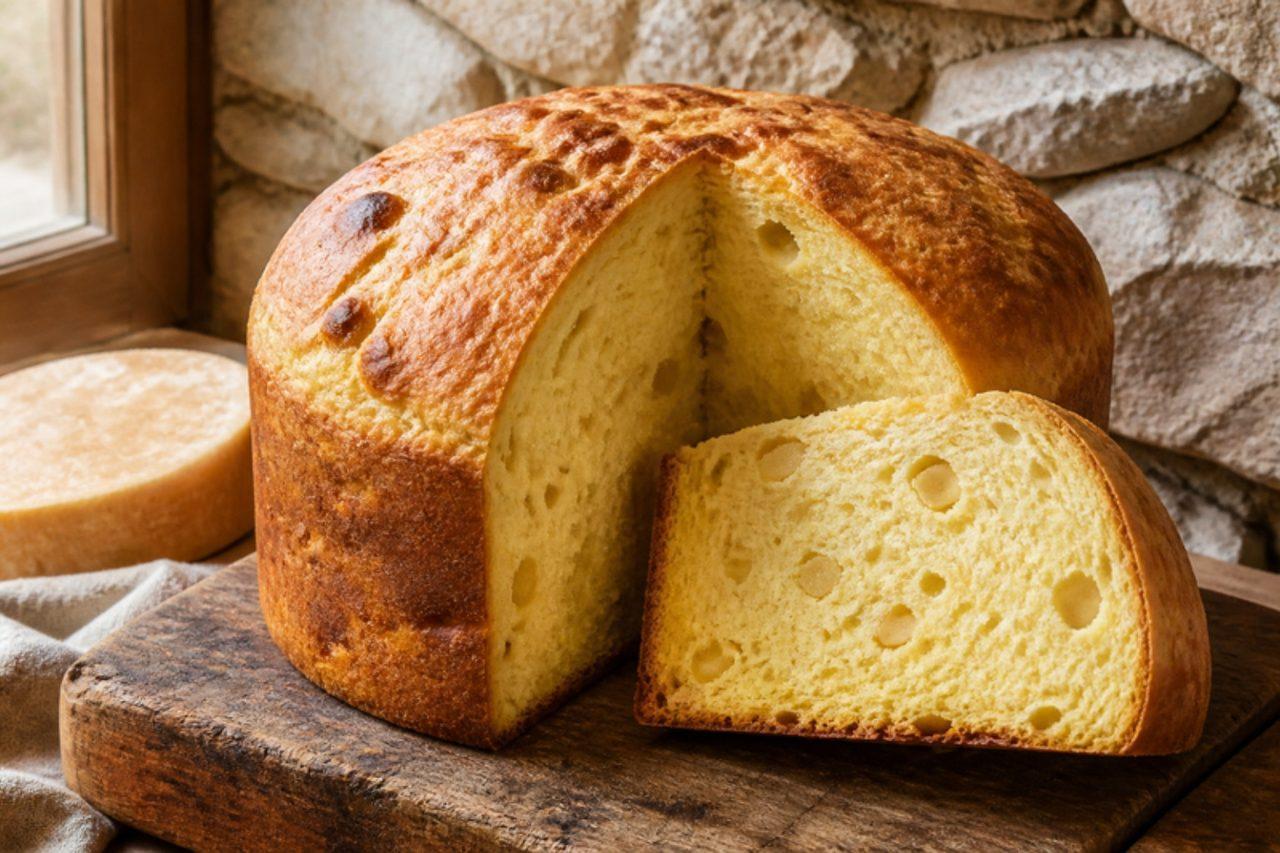
Pizza di Pasqua al formaggioEaster cheese bread

On Easter morning in Perugia, Ancona and the villages of Umbria and the Marche, families sit down to a breakfast that comes after Lent: a tall, golden cheese bread, rich with eggs, pecorino and Parmigiano, sliced and eaten with hard-boiled eggs and salami that has been blessed in church. The bread rises high like a panettone and has a soft yellow crumb dotted with cubes of cheese. Pecorino and Parmigiano are usually made with animal rennet; vegetarian hard cheeses work. Chef's tip: bake it in a tall, straight-sided tin or a clean coffee can lined with paper; the high sides help it rise up rather than spread.

by KrazyBadal 0 views

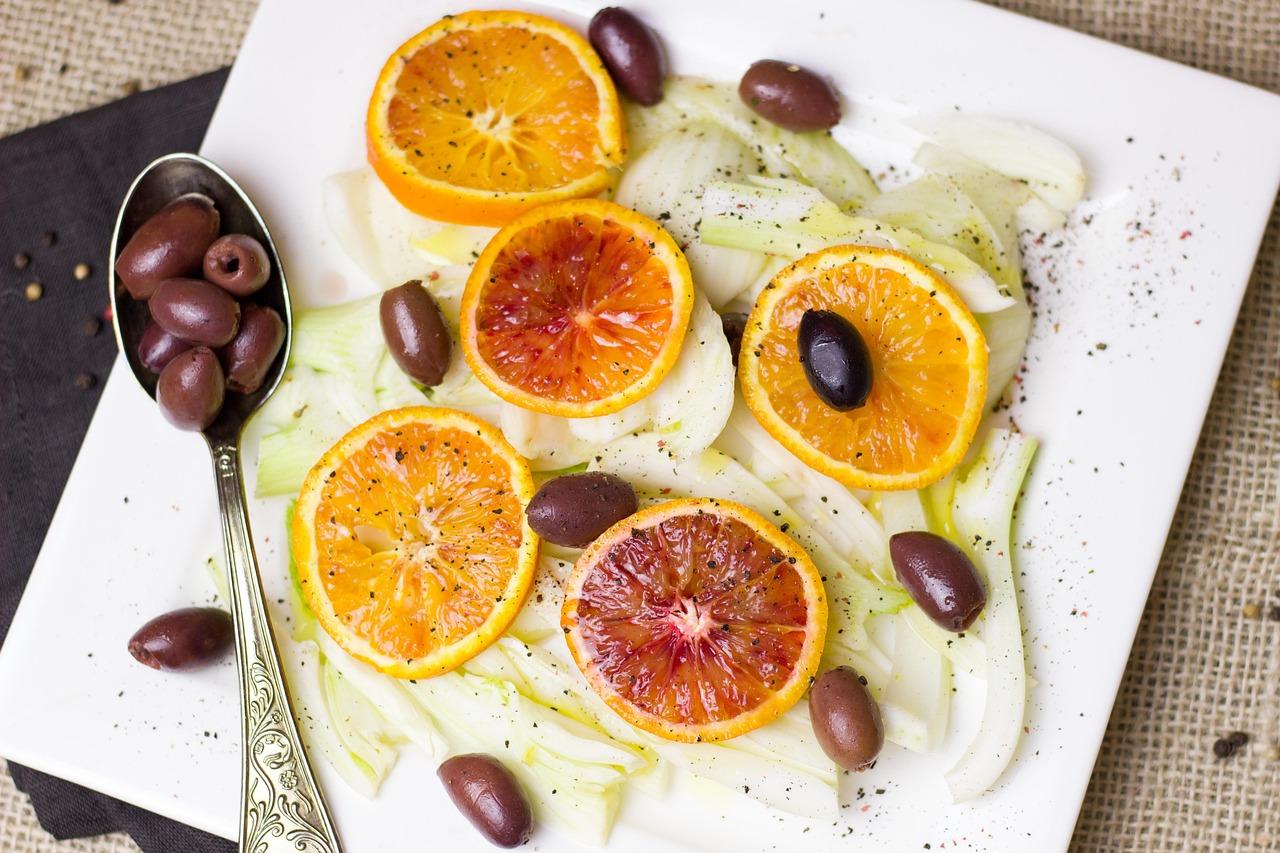
Insalata di arance e finocchiOrange and fennel salad

In Sicily the orange harvest peaks in January, just as wild fennel and the big fennel bulbs come in, and this bright salad is on the table across the island at Christmas and through the winter, often to clean the palate after a rich main dish. Juicy oranges, ideally blood oranges from the slopes of Etna, are sliced with shaved fennel, red onion, black olives and good olive oil. Chef's tip: cut the peel and all the white pith away with a knife, then slice the oranges into rounds; pith is bitter and makes the salad chewy.

by KrazyBadal 0 views

Ichigo daifukuStrawberry mochi

Ichigo daifuku appeared in Tokyo sweet shops in the 1980s and quickly became the treat everyone queues for from January to April, when Japanese strawberries are at their best. A whole berry is wrapped in smooth sweet bean paste, then in a thin skin of soft, stretchy mochi, so you get juicy fruit, earthy sweetness and a pillowy chew in one bite. Mochi is very sticky: cut it into small pieces for young children and older people, and make sure they chew well and eat sitting down. The common mistake is wrapping a damp strawberry, which makes the bean paste slide and the mochi split; dry the berries completely. Chef's tip: microwave the mochi dough in short bursts and stir hard between them, until it turns translucent and elastic, rather than in one long blast.

by KrazyBadal 0 views

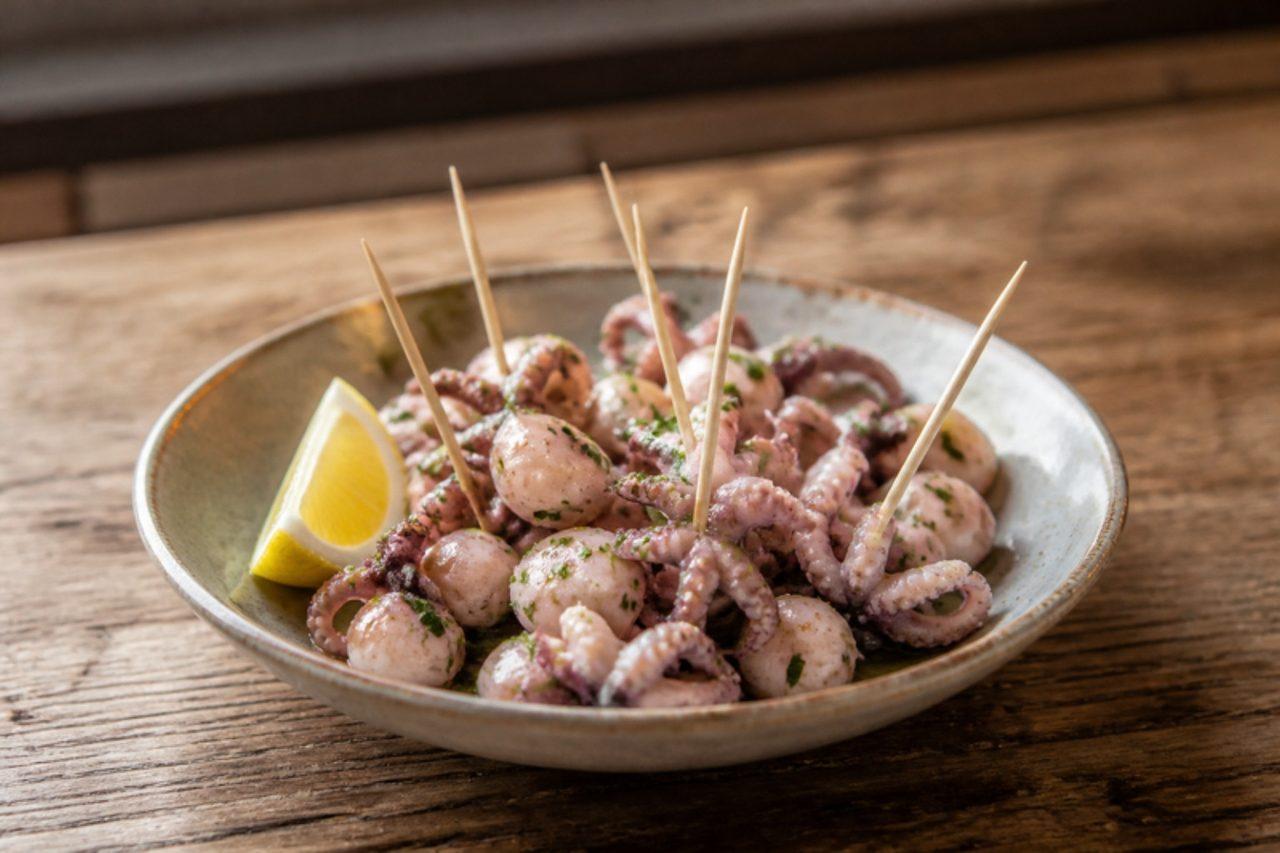
Folpetti lessiBoiled baby octopus

In the bacari (wine bars) of Venice, around the Rialto market, folpetti sit warm in a tray on the counter and are speared with a toothpick as a cicchetto, the city's small bite eaten standing up before lunch or after work. They are tiny musky octopus from the lagoon, simply boiled until tender and dressed with olive oil, lemon, garlic and parsley. The texture should be tender with a slight bite, never rubbery. Chef's tip: let the octopus cool in its cooking water for 15 minutes; it finishes softening gently and soaks up flavour.

by KrazyBadal 0 views

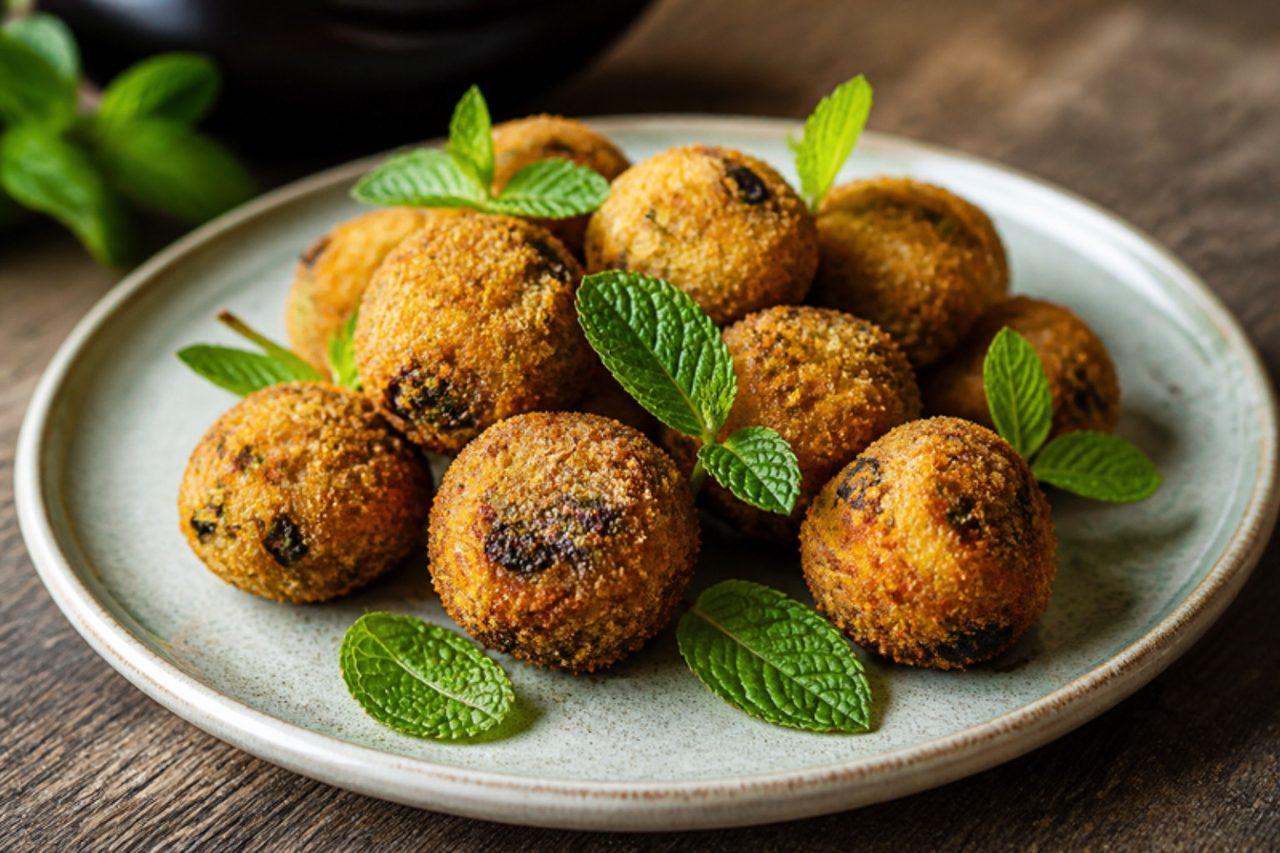
Polpette di melanzaneAubergine fritters with pecorino

In Calabria, from Reggio up to Cosenza, polpette di melanzane are what grandmothers fry in August when the garden is full of aubergines and nobody wants meat. Boiled aubergine is squeezed dry and mixed with stale bread, egg, pecorino, garlic and mint, then shaped into small balls and fried; they are eaten warm as an antipasto or cold the next day in a sandwich. They should be soft and almost creamy inside with a thin golden crust. Pecorino is usually made with animal rennet; a vegetarian hard cheese works. Chef's tip: squeeze the boiled aubergine in a clean tea towel until no more water drips; wet aubergine makes polpette that fall apart in the oil.

by KrazyBadal 0 views

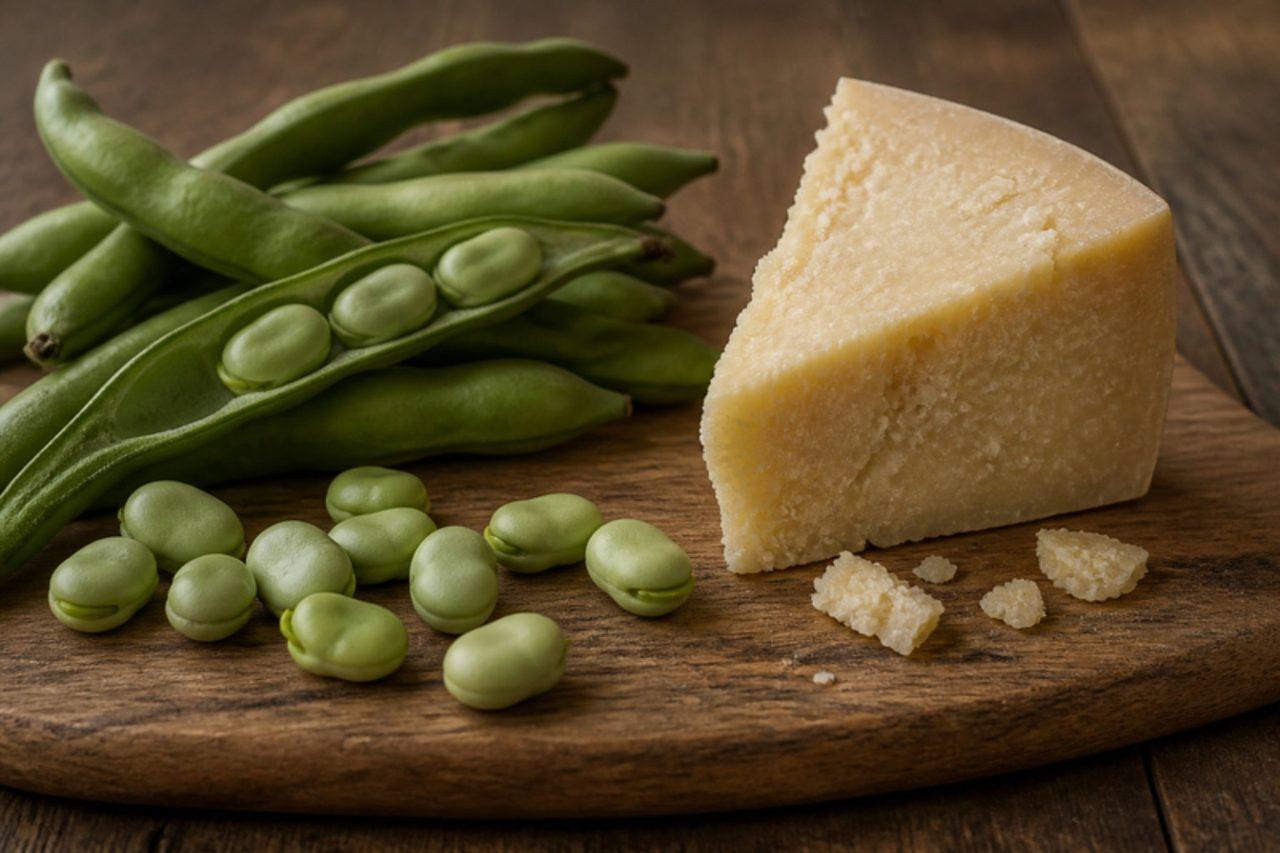
Fave e pecorinoRaw broad beans with pecorino

On 1 May, Romans head out to the parks and the Castelli Romani hills with a sack of fresh broad beans still in their pods and a hunk of young Pecorino Romano, and spend the afternoon shelling, nibbling and talking. The pairing is simple and very Roman: sweet, grassy raw beans against salty, sharp cheese, often with a glass of something cold and a hunk of bread. Only the youngest, smallest beans work raw, so this is a dish for a few weeks of spring. Traditional pecorino uses animal rennet; choose a vegetarian sheep's cheese if you need to. Chef's tip: taste a bean before you buy; if it is starchy or bitter rather than sweet, braise those beans instead.

by KrazyBadal 0 views

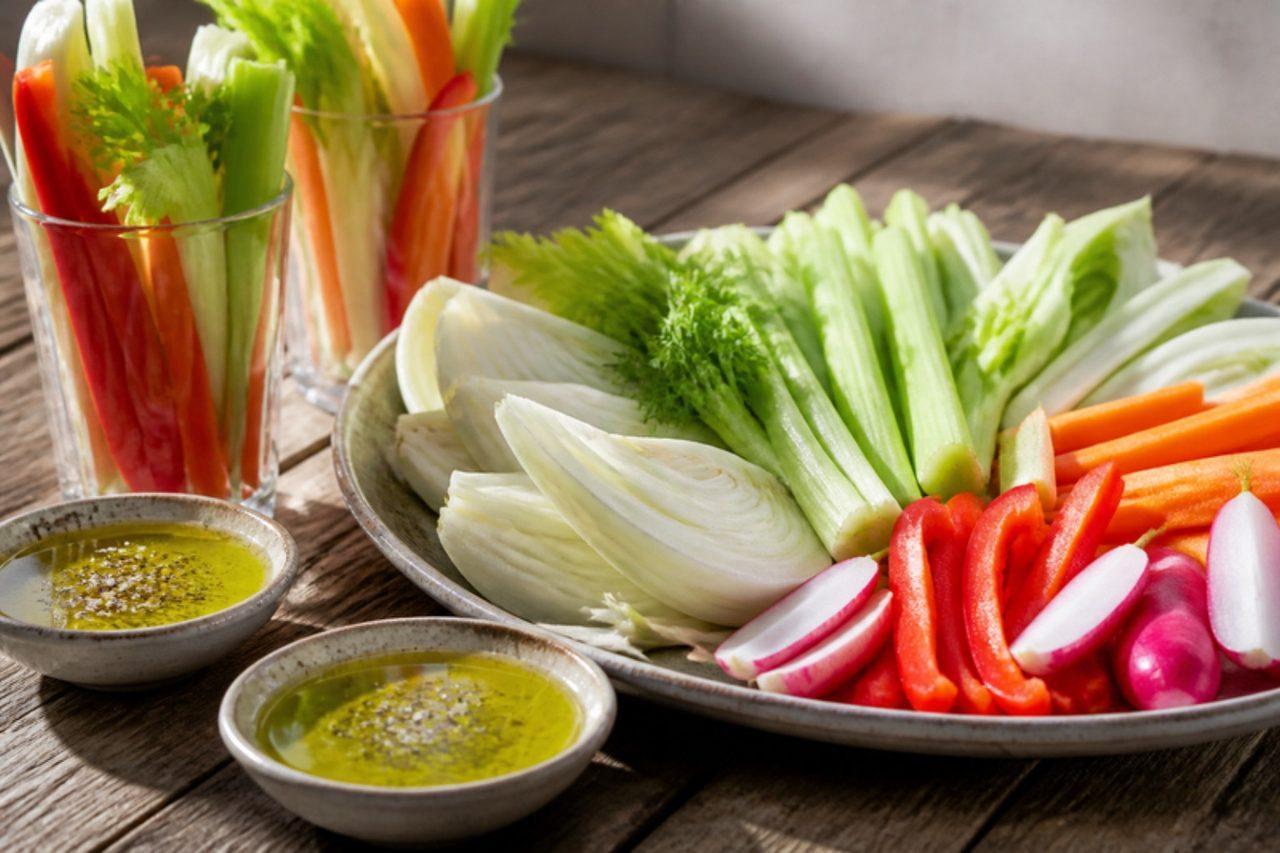
PinzimonioRaw vegetables with olive oil

In Tuscany pinzimonio comes out in November, when the frantoi (olive mills) press the new oil and families want something that shows off its peppery green bite. A jug of raw, cold vegetables is set in the middle of the table and everyone dips into their own little bowl of oil seasoned with salt and pepper, usually before a plate of pasta or alongside bruschetta at the mill. Crunch matters more than anything: fennel, celery hearts, radishes, carrots, young artichokes and red peppers, all very fresh. Chef's tip: keep the cut vegetables in a bowl of iced water for 15 minutes before serving; they turn crisper and look glossy without any dressing.

by KrazyBadal 0 views

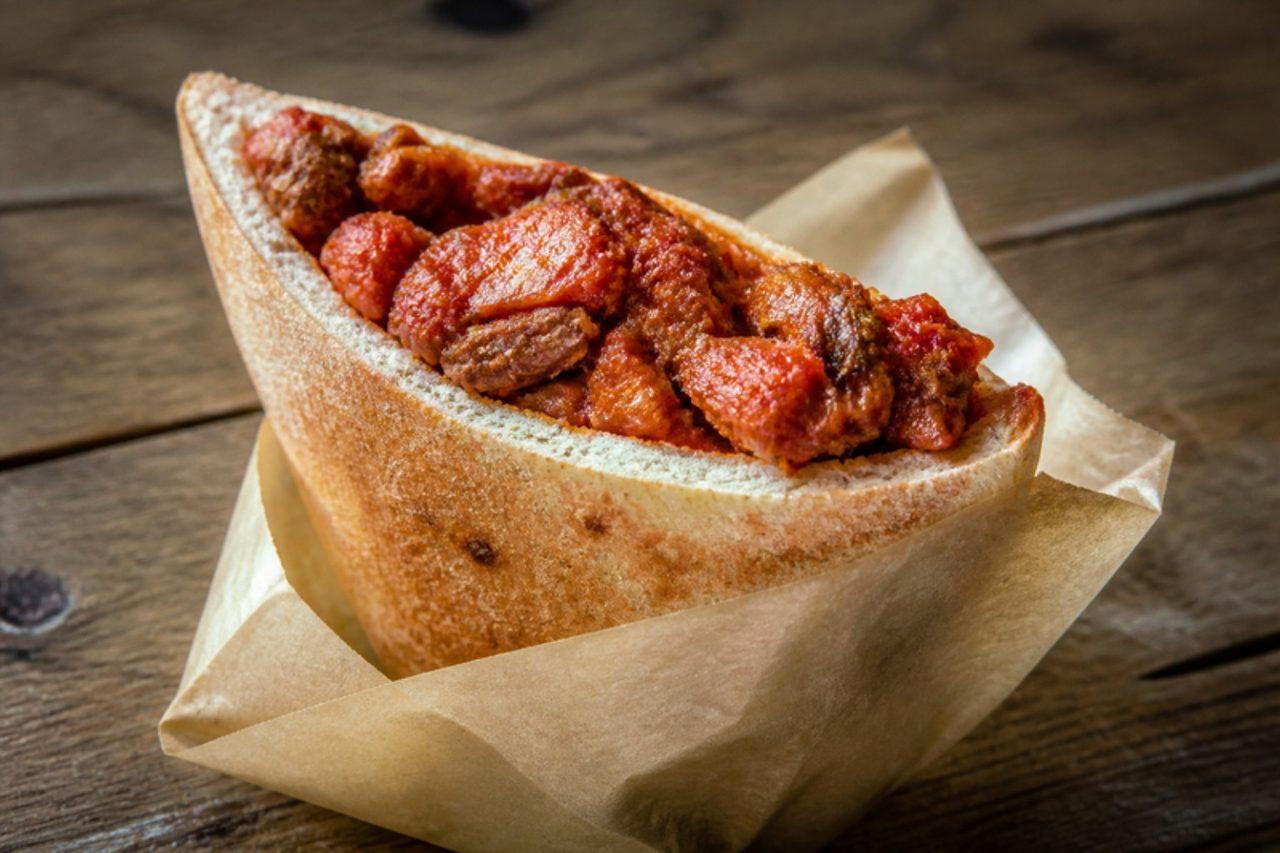
Trapizzino con pollo alla cacciatoraChicken cacciatore pizza pocket

The trapizzino was invented in Rome in 2008 in the Testaccio district, cross between a tramezzino (triangle sandwich) and a pizza: a thick triangle of pizza bianca dough baked, cut open into a pocket and filled with the slow-cooked stews of Roman home cooking. Today it is sold all over the city as a lunch on the go. The most popular filling is pollo alla cacciatora, chicken braised with rosemary, garlic, olives and a little vinegar or white wine. Alcohol is used here: you can use vinegar and stock instead. Chef's tip: let the stew cool a little and thicken before filling; a runny filling soaks through the bread.

by KrazyBadal 0 views

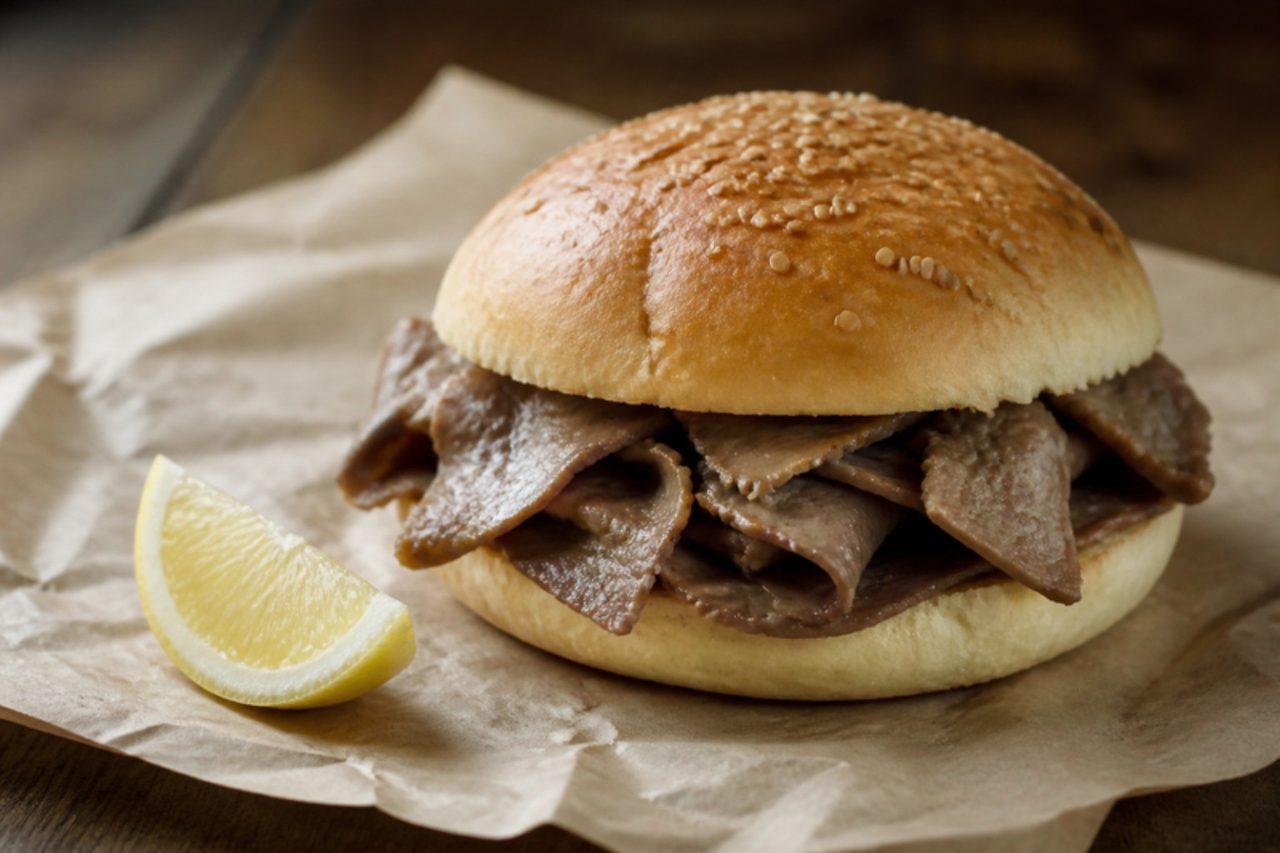
Pani ca' meusaVeal spleen sandwich

Pani ca' meusa ("bread with spleen") has been sold in Palermo since the Middle Ages, when the Jewish butchers of the city were paid with the offal of the animals they slaughtered and sold it in bread. At the old Focacceria San Francesco and the stalls around the Vucciria market, veal spleen and lung are boiled, sliced thin and then fried in pork lard in a huge pan before being piled into a sesame roll. Ordered "schettu" (single) it comes with lemon; "maritatu" (married) with ricotta and caciocavallo. Lung is not sold in many countries, so this recipe uses spleen only. Chef's tip: slice the boiled spleen while it is cold and firm; warm spleen crumbles.

170 minItalianMeat
by KrazyBadal 0 views

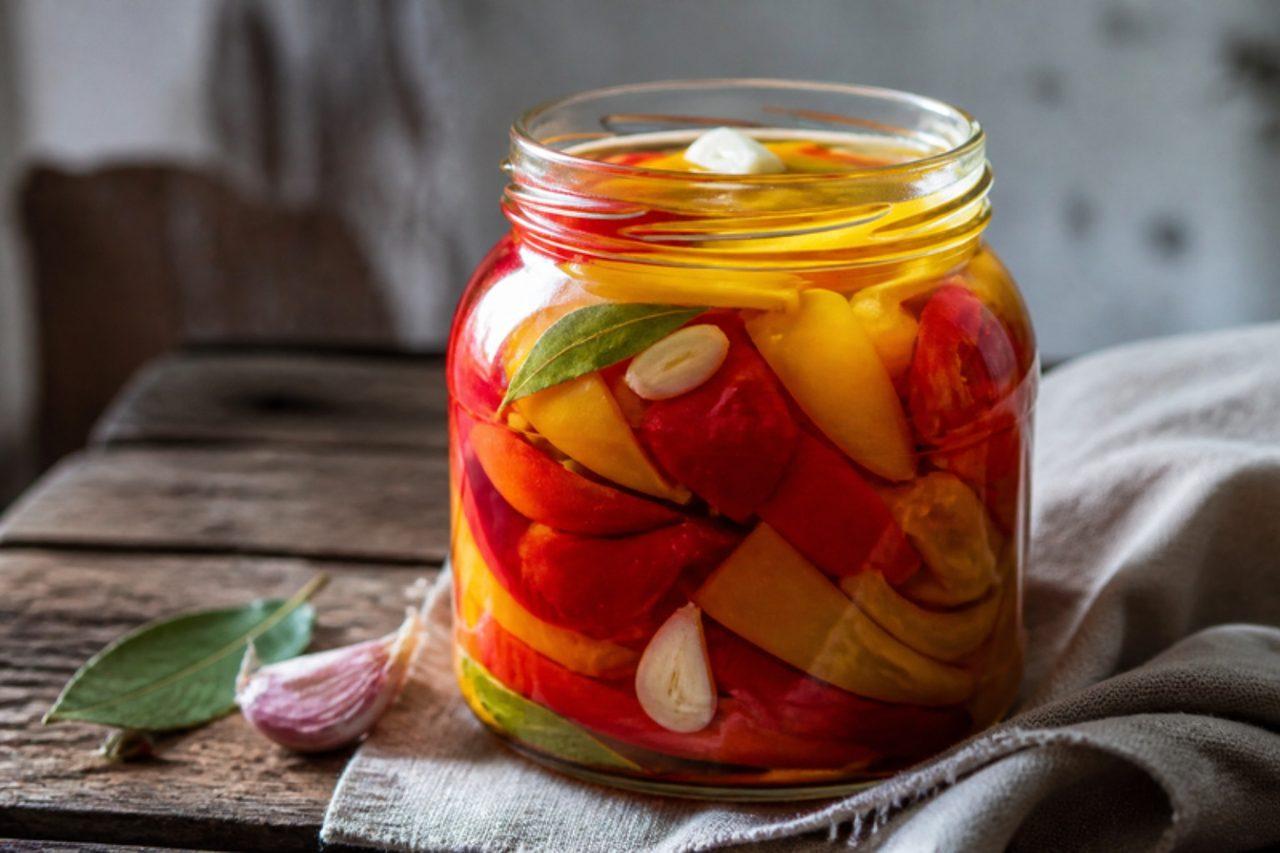
Peperoni sott'acetoPickled sweet peppers

In Campania, Basilicata and Calabria, late summer means jars of red and yellow peppers in vinegar lined up in the larder. In winter they are fried with potatoes, chopped into Christmas insalata di rinforzo, or served with sausages. The thick, fleshy peppers stay crisp and turn tangy and sweet. Chef's tip: use thick-walled peppers and cut them into wide strips; thin peppers go soft in the vinegar.

by KrazyBadal 0 views

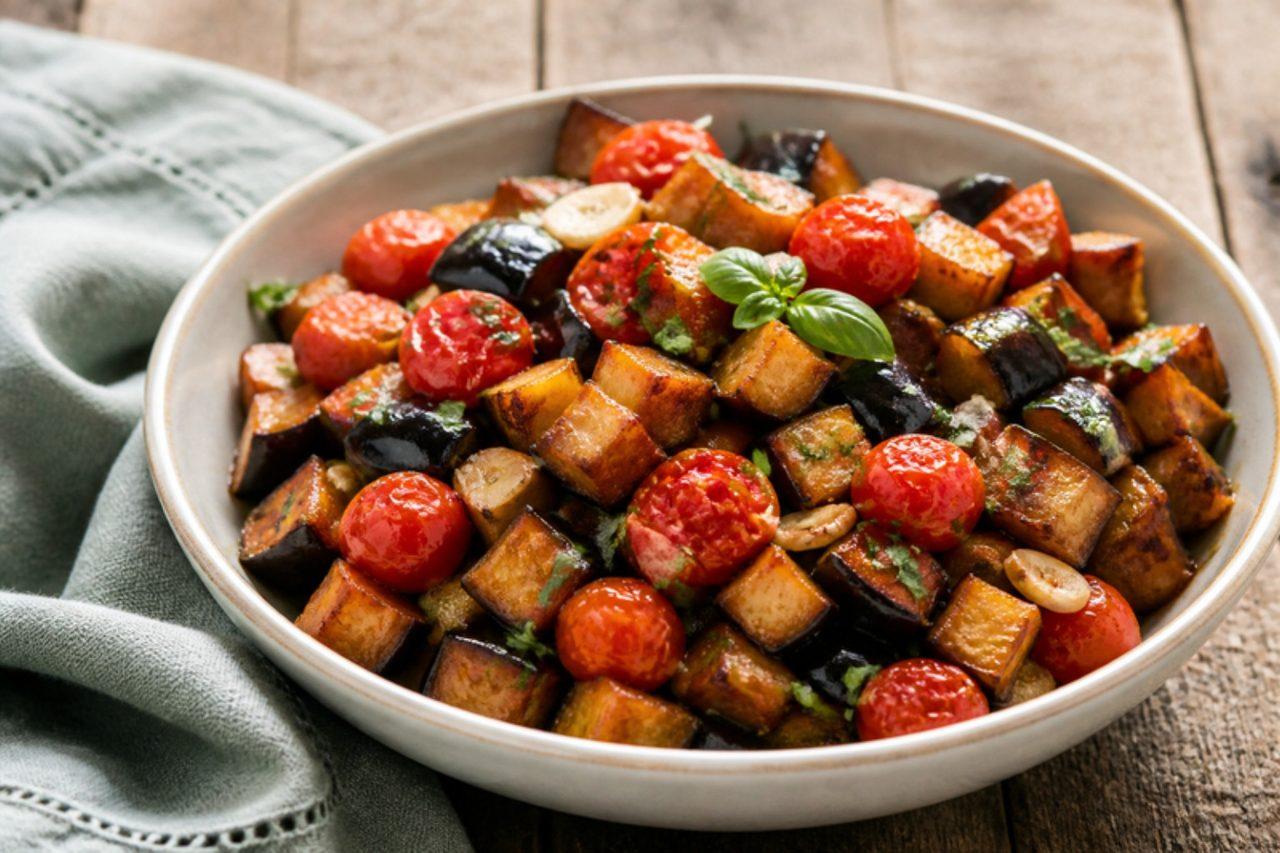
Melanzane a funghettoFried aubergine with tomatoes

Neapolitans call this aubergine "a funghetto" because the small fried cubes look and taste a little like sautéed mushrooms. It is a summer side dish from Naples and the Amalfi Coast, made when aubergines are cheap and glossy: cubes fried until golden, then tossed with a quick sauce of cherry tomatoes, garlic and basil. It is served warm or cold next to grilled meat or fish, or piled on bread. Chef's tip: salt the aubergine cubes and leave them in a colander for 30 minutes, then pat dry; they soak up less oil and fry crisp.

by KrazyBadal 0 views

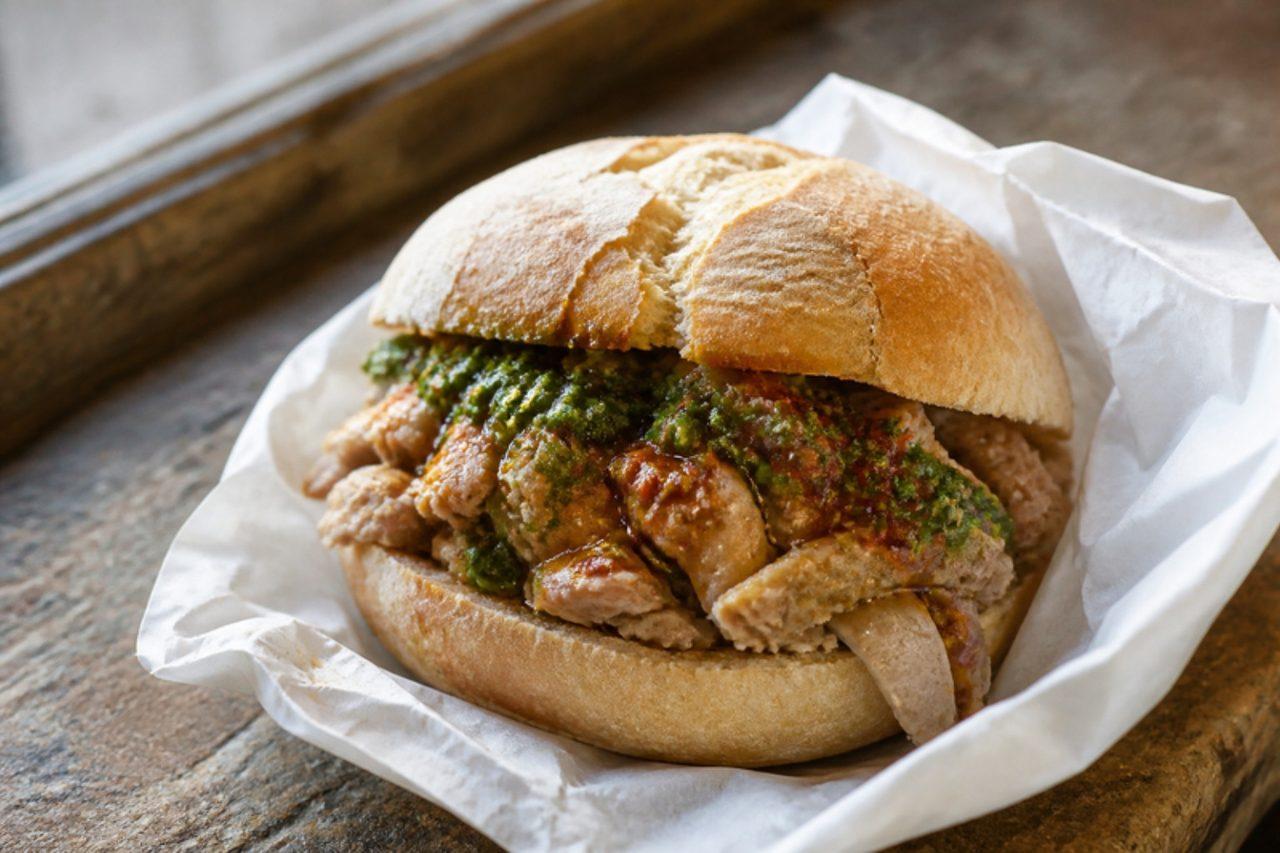
Panino con il lampredottoTripe sandwich

Lampredotto is the fourth stomach of the cow, slowly simmered in a broth with tomato, onion and celery until tender, and for Florentines it is the true street food of the city. Lampredottai sell it from carts at the San Lorenzo market and Porta Romana from mid-morning: the meat is chopped on a board, salted, piled into a crusty roll whose top half is dipped in the broth, and topped with salsa verde and chilli oil. Ask a butcher for lampredotto or abomasum tripe, ready cleaned. Chef's tip: dip the top of the bun ("bagnato") briefly in the hot broth; it soaks up the flavour but shouldn't fall apart.

205 minItalianMeat
by KrazyBadal 0 views

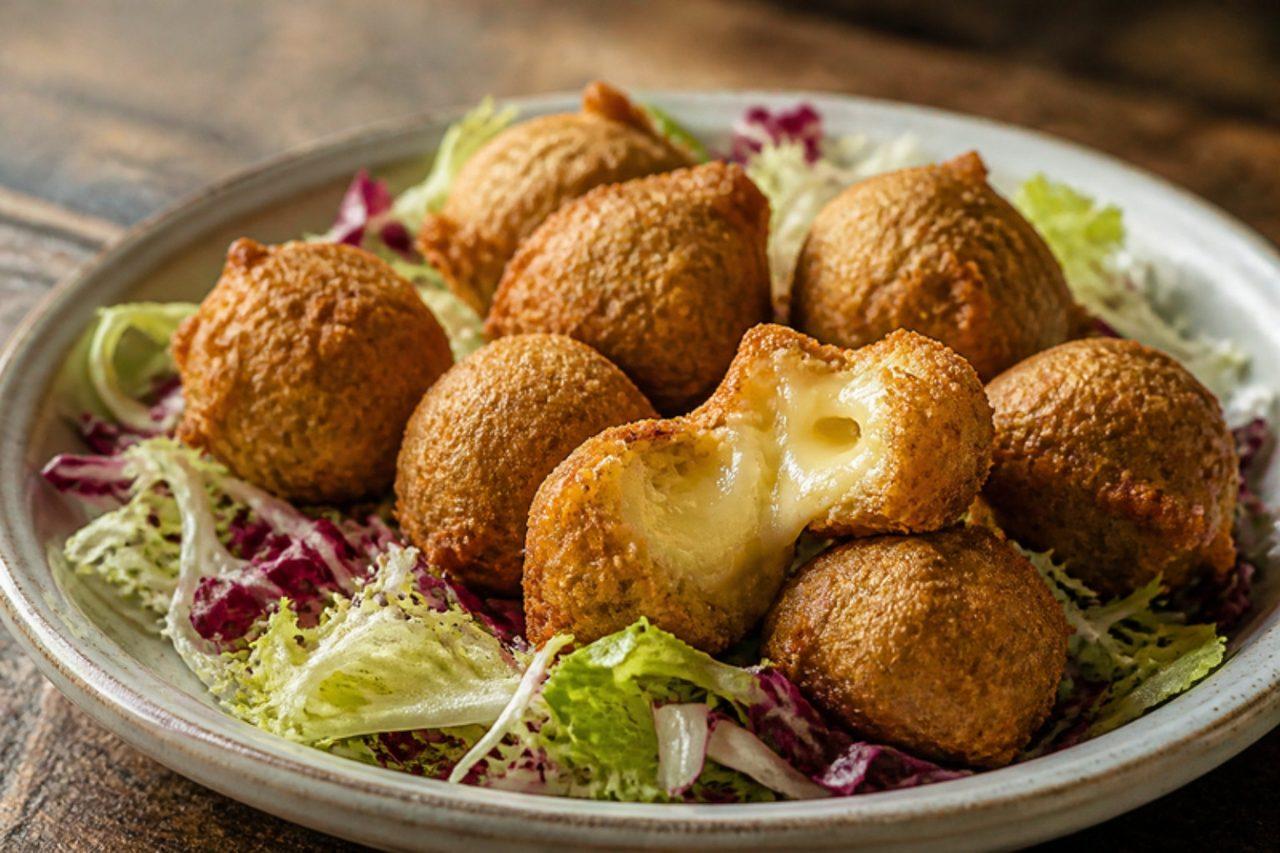
SciattBuckwheat cheese fritters

Sciatt means "toads" in the dialect of Valtellina, the Alpine valley near Sondrio, because of their lumpy shape. They are buckwheat batter fritters, each hiding a cube of Valtellina Casera cheese that melts as they fry, served on a bed of chicory salad. Mountain huts and village festivals serve them hot from the pan in autumn and winter. Local cheeses are usually made with animal rennet; choose a vegetarian melting cheese if you need to. Chef's tip: make the batter with very cold sparkling water and a splash of grappa, as locals do; the bubbles and alcohol make a lighter, crispier crust. The alcohol mostly cooks off in the frying; leave it out for an alcohol-free version.

by KrazyBadal 0 views

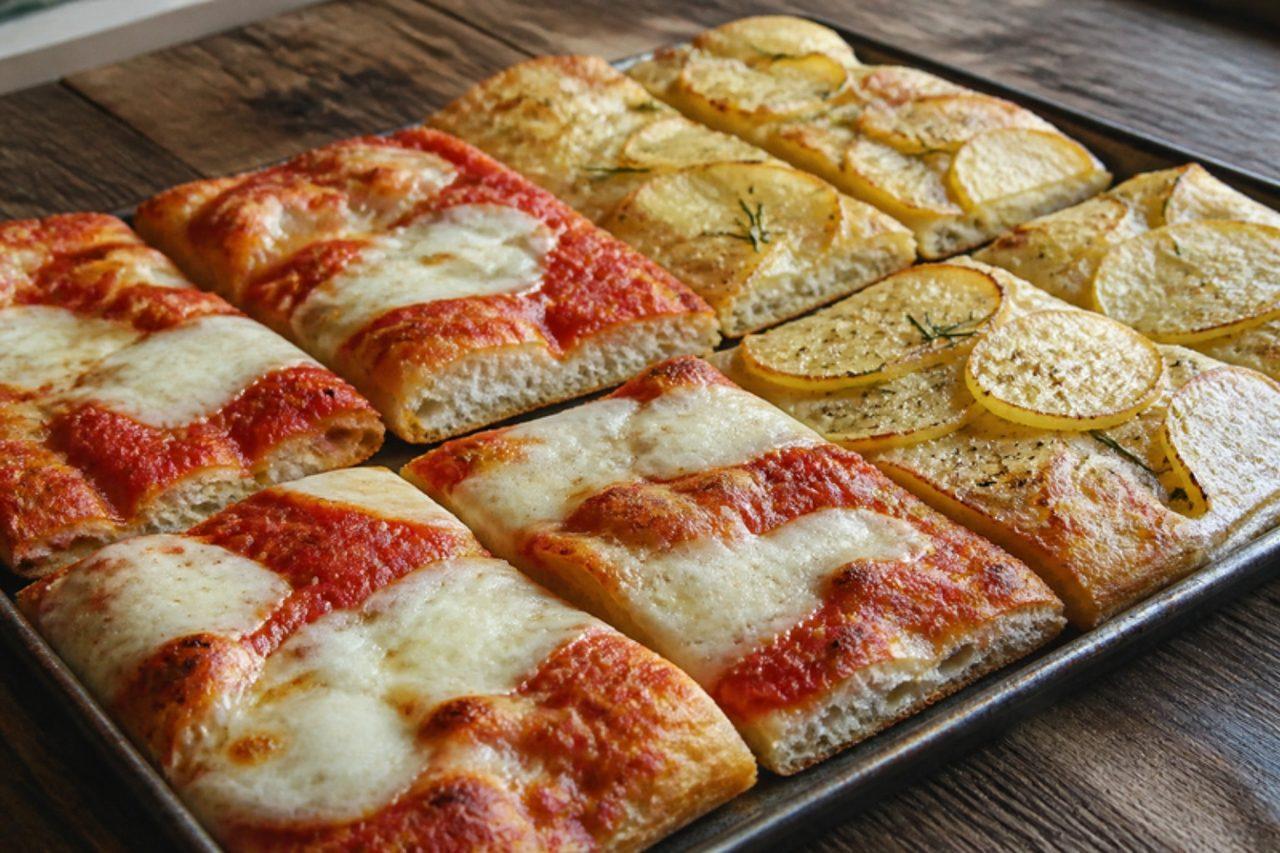
Pizza al taglioRoman tray pizza

In Rome, pizza al taglio is sold by weight from long rectangular trays, cut with scissors and folded in paper, the lunch of office workers and students across the city. The dough is very wet and rests in the fridge for a day or more, which gives a crust that is crunchy at the base and light and airy above. This recipe makes two classic toppings, potato and rosemary on one half and tomato and mozzarella on the other. Mozzarella is usually made with calf rennet; vegetarian versions are easy to find. Chef's tip: bake the base with just oil and tomato first and add the mozzarella for the last few minutes, so the cheese melts without burning.

by KrazyBadal 0 views

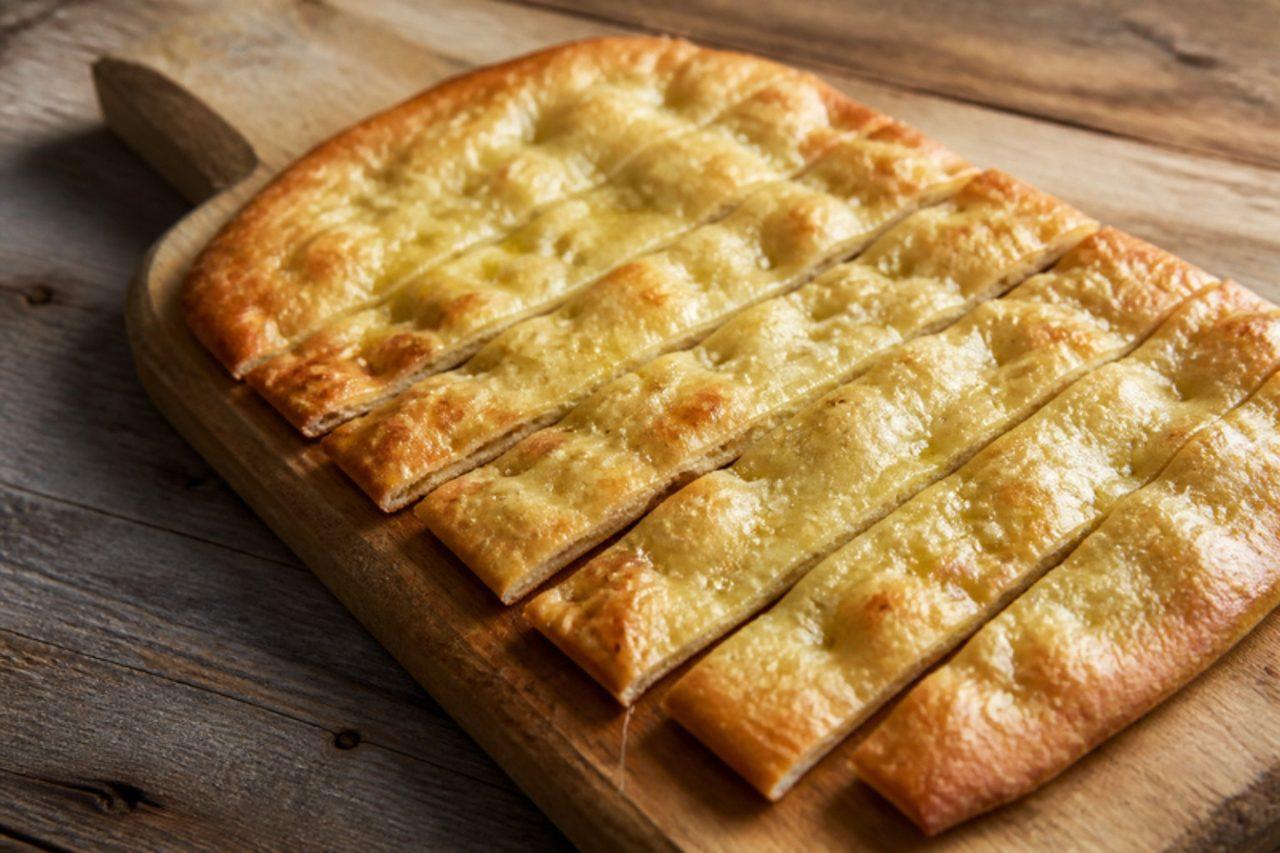
Pizza bianca romanaRoman olive oil flatbread

Walk past any Roman forno at eleven in the morning and you'll see pizza bianca coming out of the oven in planks a metre long: crisp on top, chewy and full of holes inside, brushed with olive oil and scattered with salt. Romans buy it by the slice for children's snacks after school, or split it open and fill it with mortadella or fresh figs in late summer. The dough is very wet and needs only folding, not kneading. Chef's tip: stretch the dough with oily fingertips straight onto the tray; dimpling it presses big bubbles into the dough that puff up in the oven.

by KrazyBadal 0 views

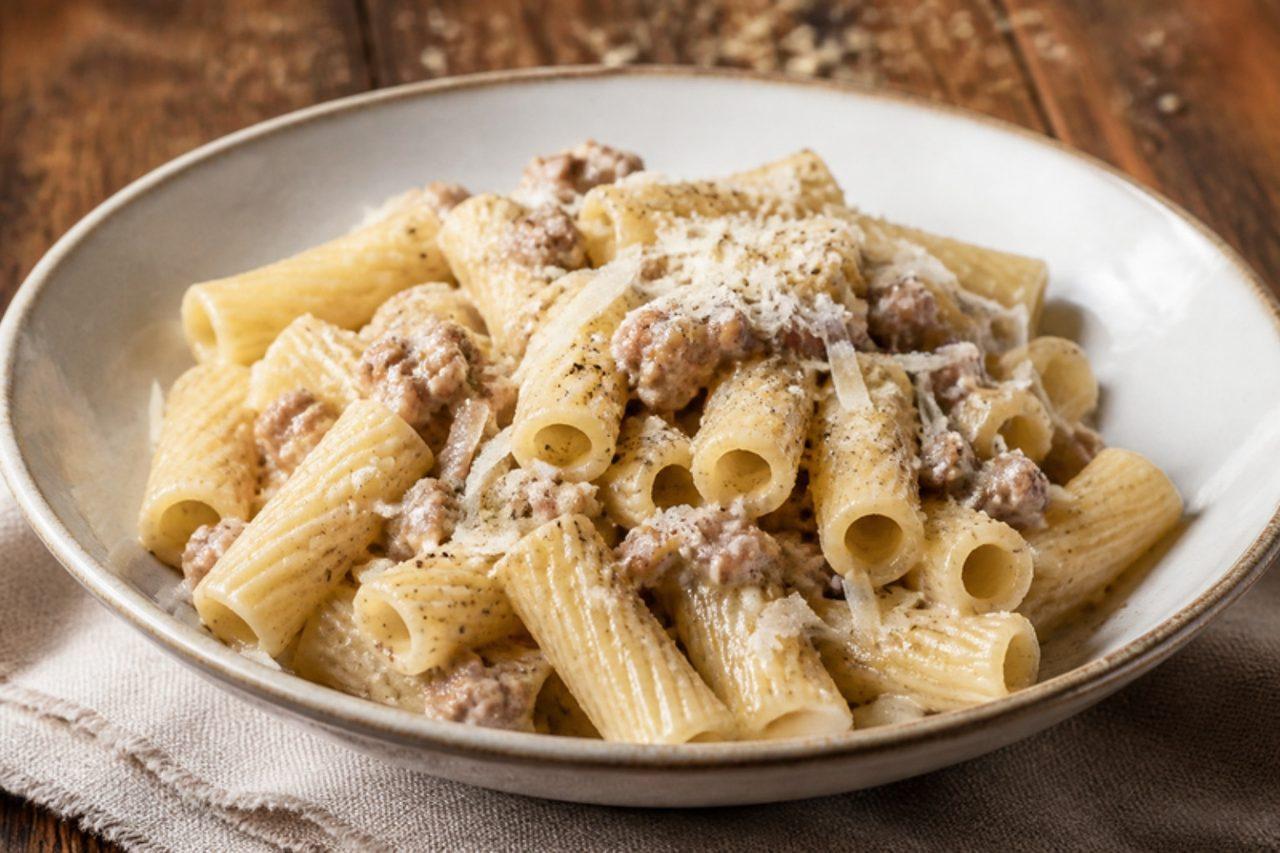
Pasta alla norcinaSausage and cream pasta

Norcia, in the mountains of eastern Umbria, has been famous for centuries for its pork butchers, so much so that across central Italy a pork butcher's shop is still called a norcineria. Their pasta is a celebration of the local pork sausage, crumbled and fried, then simmered with a little cream and finished with pecorino. In winter it often comes with shaved black truffle from the same hills. It is quick, rich and very filling. Alcohol is used here: a splash of white wine, which you can swap for pasta water. Chef's tip: take the sausage out of its casing and fry it in small crumbs until really browned; those caramelised bits are where the flavour is.

by KrazyBadal 0 views

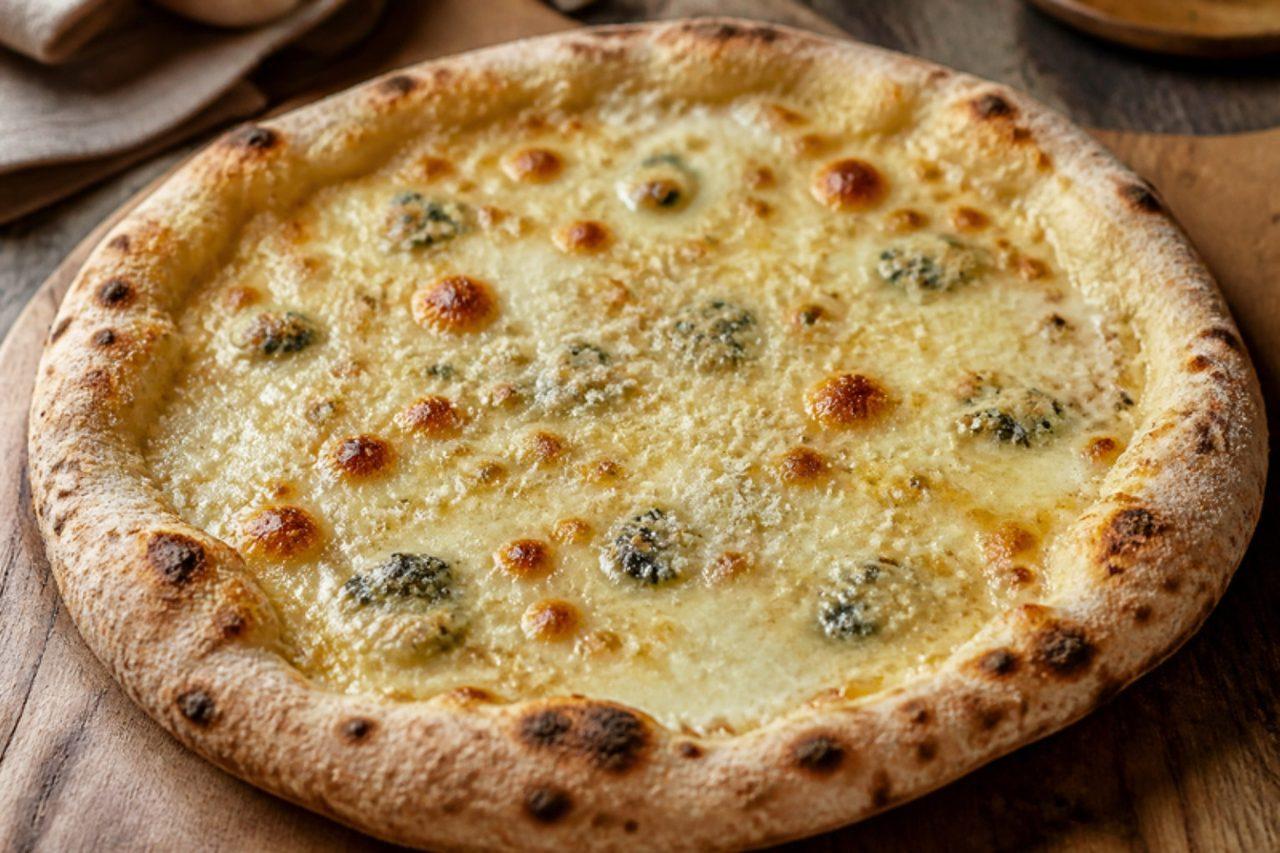
Pizza ai quattro formaggiFour-cheese pizza

Four-cheese pizza is a pizzeria classic from Milan to Palermo, a pizza bianca (no tomato) where each cheese does a different job: mozzarella for stretch, gorgonzola for a blue tang, fontina from the Aosta Valley for creaminess and Parmigiano for a salty crust. It is the order for winter evenings, often with a drizzle of honey or a few walnuts on top. Most of these cheeses are made with animal rennet; choose vegetarian versions of each if you need to. Chef's tip: cut the cheeses into small cubes rather than slices and scatter them unevenly; they melt at different speeds and give pockets of flavour.

by KrazyBadal 0 views

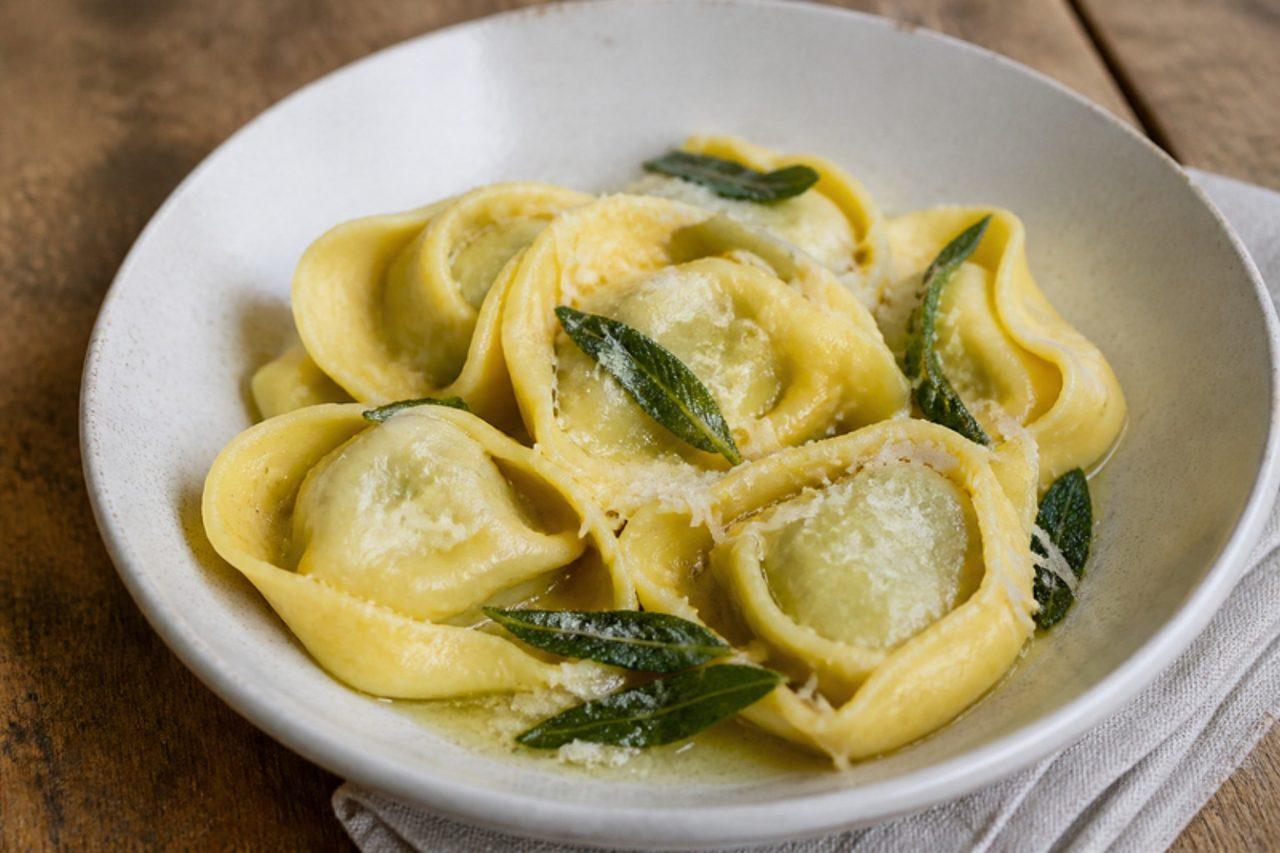
Tortelloni di ricotta burro e salviaRicotta tortelloni in sage butter

In Bologna, tortelloni are the big brothers of tortellini: wide parcels of egg pasta folded around ricotta, parsley and Parmigiano, often made on Christmas Eve, when meat is avoided, and on Fridays. The sfogline (pasta makers) of the Quadrilatero market roll the dough by hand so thin you can read through it. They are served simply with butter and sage so the filling shines. Parmigiano is made with animal rennet; choose a vegetarian hard cheese if you need to. Chef's tip: press every bit of air out around the filling before you seal; trapped air makes the tortelloni burst in the pot.

by KrazyBadal 0 views

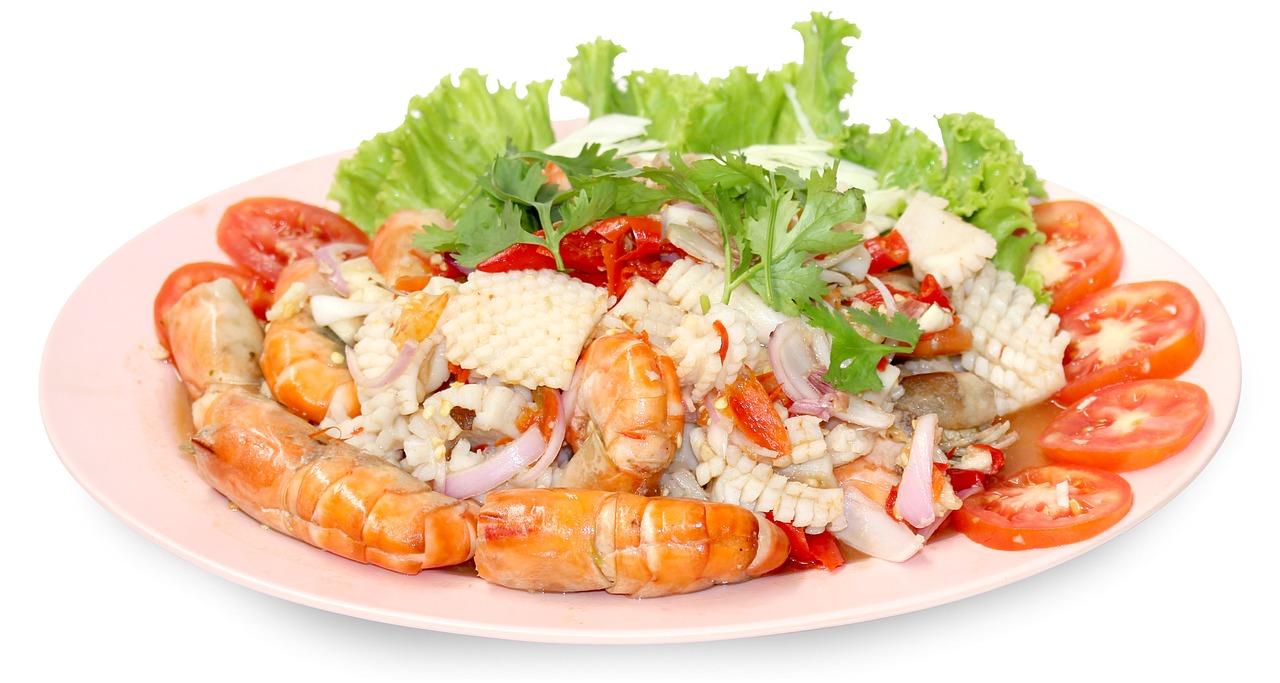
Insalata di mareSeafood salad

Along every Italian coast, from the Adriatic beaches of Romagna to the Amalfi Coast, insalata di mare is the cold antipasto that opens a seafood lunch in summer and the Christmas Eve feast in winter. Squid, prawns, mussels and clams are cooked separately, each just long enough, then dressed with lemon, olive oil, garlic, celery and parsley and left to chill so the flavours meld. Chef's tip: cook each kind of seafood on its own and pull it the moment it is done; squid needs only a minute or two, and overcooked squid turns as tough as a rubber band.

by KrazyBadal 0 views

Riso al saltoCrisp fried saffron risotto cake

In Milan, nobody throws away risotto alla milanese. The next day it is pressed into a hot buttered pan and fried until it forms a thin, crackling golden disc, flipped "al salto" (with a jump) like a pancake. Old Milanese trattorie near the Brera district served it late at night after the theatre, and it is still a favourite way to use up saffron risotto. The cheese in the leftover risotto is usually made with animal rennet. Chef's tip: use cold risotto straight from the fridge and press it thin; warm or thick risotto won't crisp and falls apart when you flip it.

by KrazyBadal 0 views

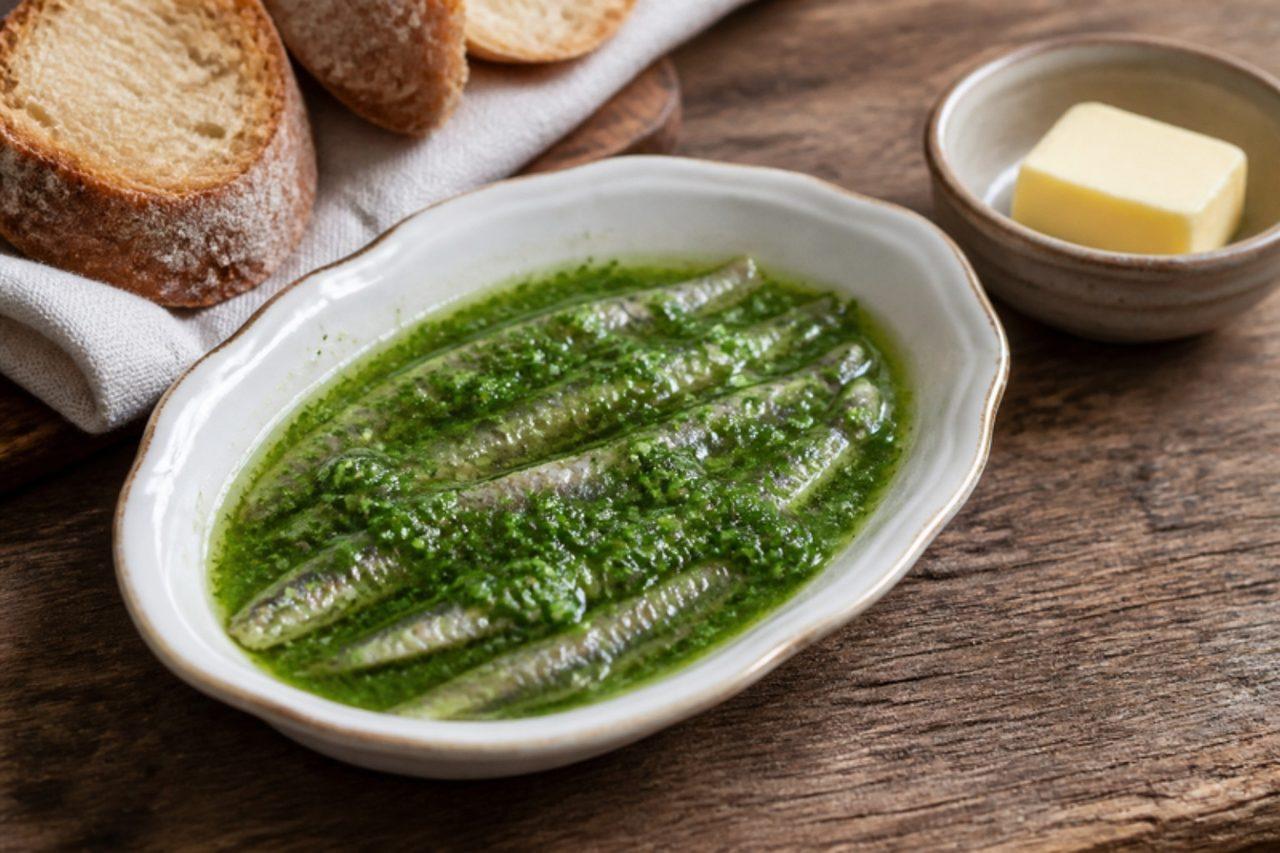
Acciughe al verdeAnchovies in green sauce

Piedmont has no coast, yet anchovies are part of its soul: salt-packed anchovies came over the mountain passes from Liguria with the salt traders, and acciughe al verde is still on the antipasto trolley of every trattoria in Turin and the Langhe. Fillets are layered in a jar with a green sauce of parsley, garlic, olive oil and a little vinegar and chilli, then left for a day to mellow. They are eaten with bread and butter or with boiled potatoes. Chef's tip: soak salted anchovies in a bowl of milk or water and vinegar for 10 minutes; it draws out the harsh salt and makes the fillets easy to lift off the bone.

by KrazyBadal 0 views

DongeurangttaengPork and tofu patties

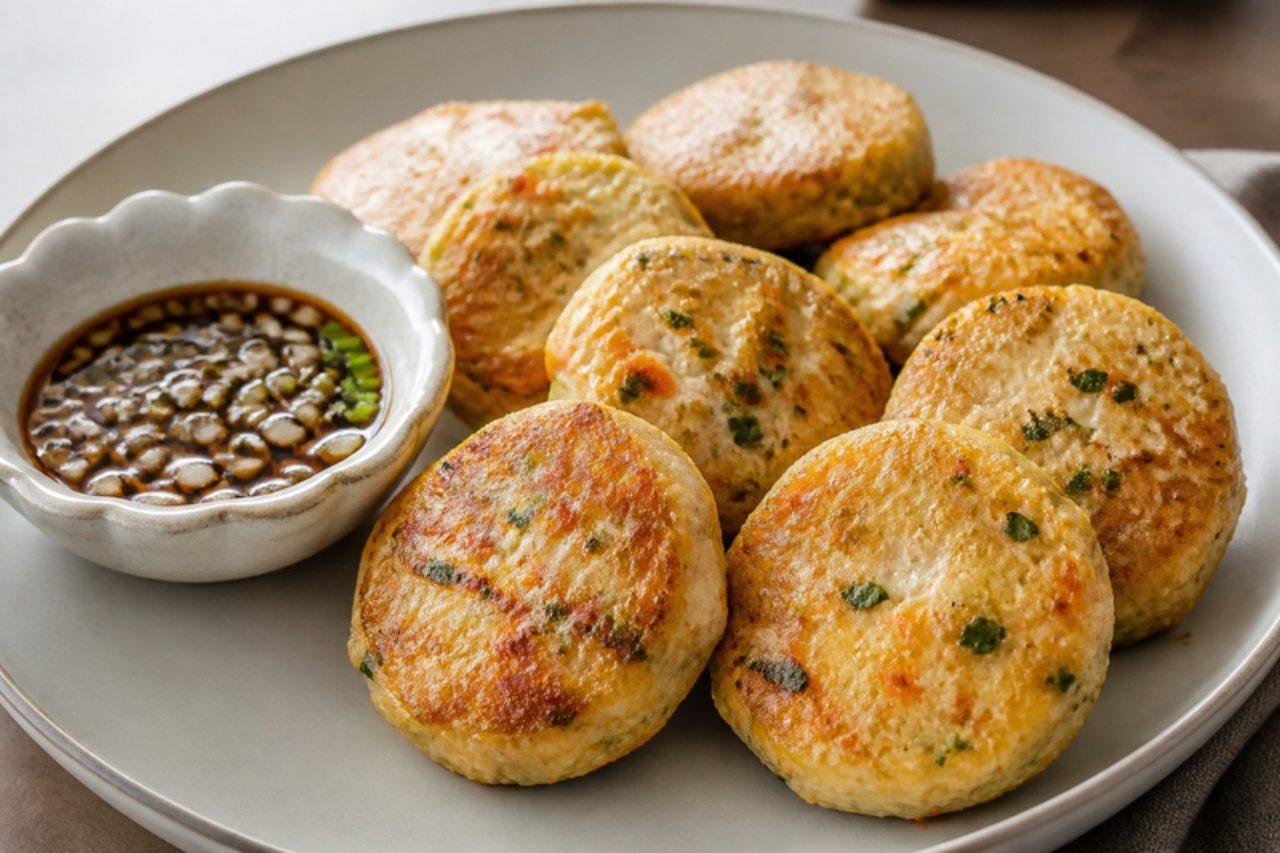
Dongeurangttaeng are the coin-sized pork patties that Korean families fry by the hundred in the days before Chuseok and Seollal, the whole kitchen floor in Seoul flats covered with newspaper and pans. Minced pork is mixed with mashed tofu, onion, carrot and spring onion, dipped in flour and egg and pan-fried until golden, tender and juicy. They are eaten warm or at room temperature with a soy-vinegar dip, and children love them. The common mistake is frying over high heat: the egg coating browns long before the pork is cooked through to the middle. Chef's tip: squeeze the tofu bone-dry in a cloth; wet tofu makes the patties fall apart and spit.

55 minKoreanMeat
by KrazyBadal 0 views

Insalata di farroSpelt salad

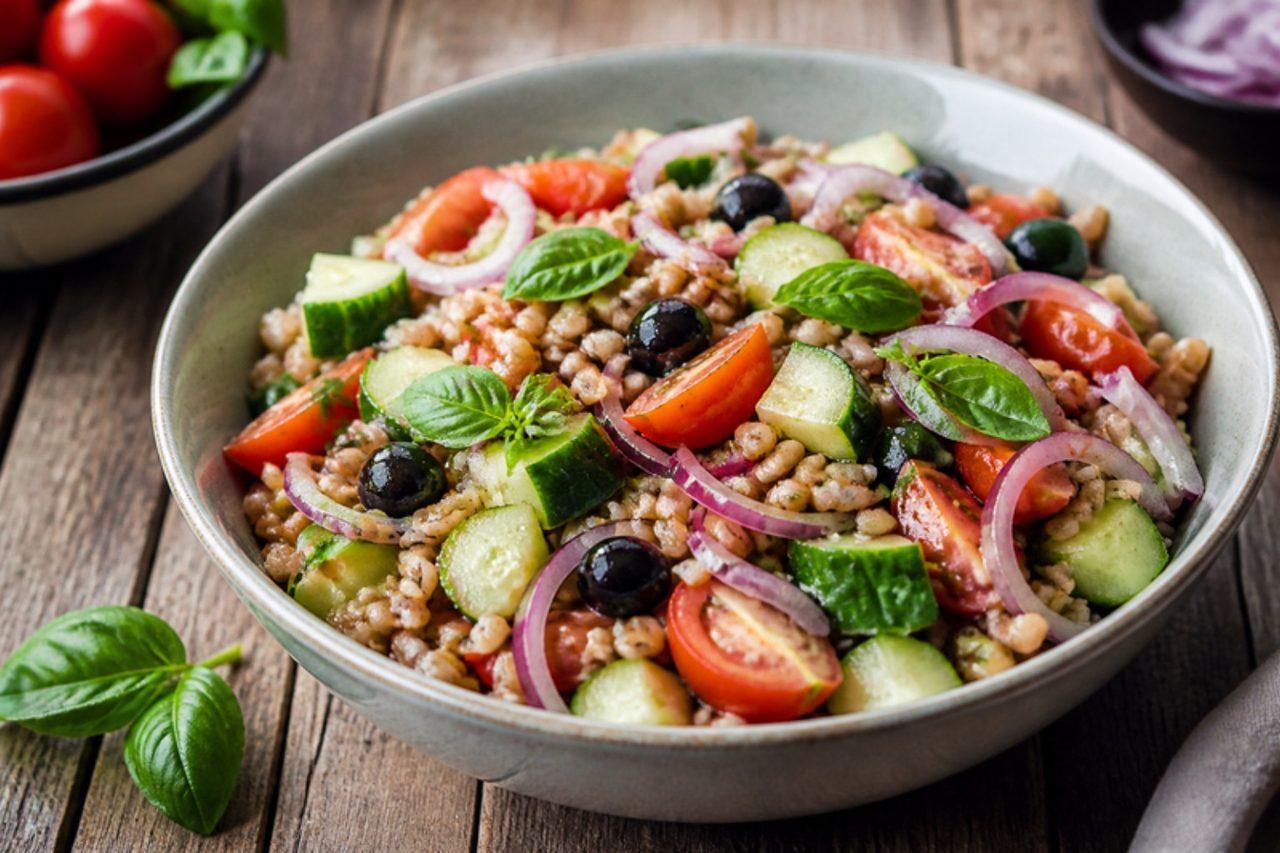
Farro has grown in the hills of Garfagnana in Tuscany and around Monteleone di Spoleto in Umbria since Roman times, and in summer it turns into a cold salad that families pack for the beach or a picnic in the hills. The grains stay chewy and nutty, dressed with ripe tomato, cucumber, red onion, olives and plenty of basil. It keeps well for a day, so it is the salad you make the night before a trip. Chef's tip: dress the farro while it is still warm; the grains drink up the oil and vinegar, then you add the fresh vegetables once it has cooled.

by KrazyBadal 0 views

Su-renkonPickled lotus root

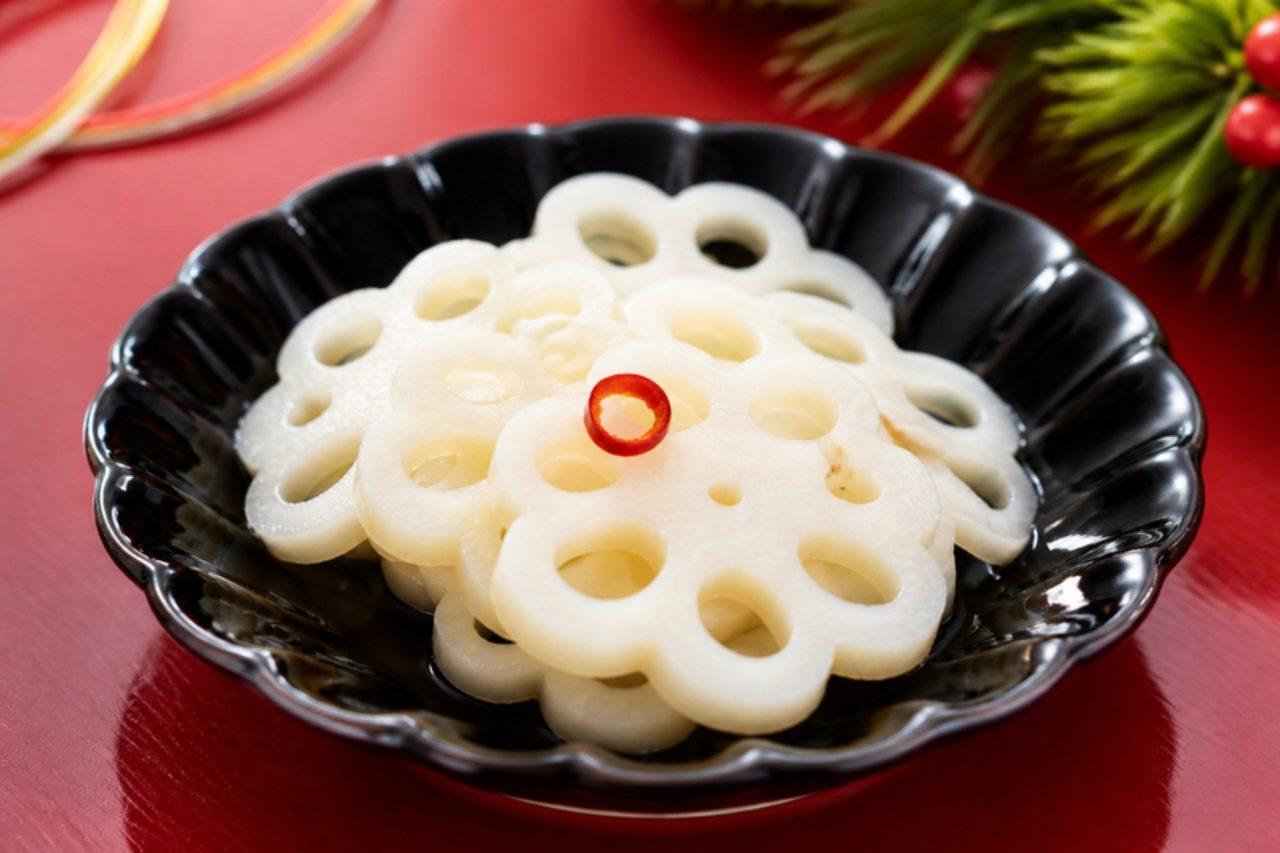
Lotus root is full of holes you can see straight through, so in Japan it stands for a clear view of the year ahead, and these crunchy, snow-white slices of sweet-vinegared lotus are a fixture of osechi boxes on New Year's Day. Often cut into flower shapes, they taste bright and lightly sweet with a satisfying crispness. The common mistake is boiling the slices for too long: more than 2 minutes and they turn starchy instead of crunchy. Chef's tip: add a splash of vinegar to the boiling water as well as to the pickle, which keeps the lotus root brilliantly white.

by KrazyBadal 0 views
KurikintonSweet potato and chestnut mash

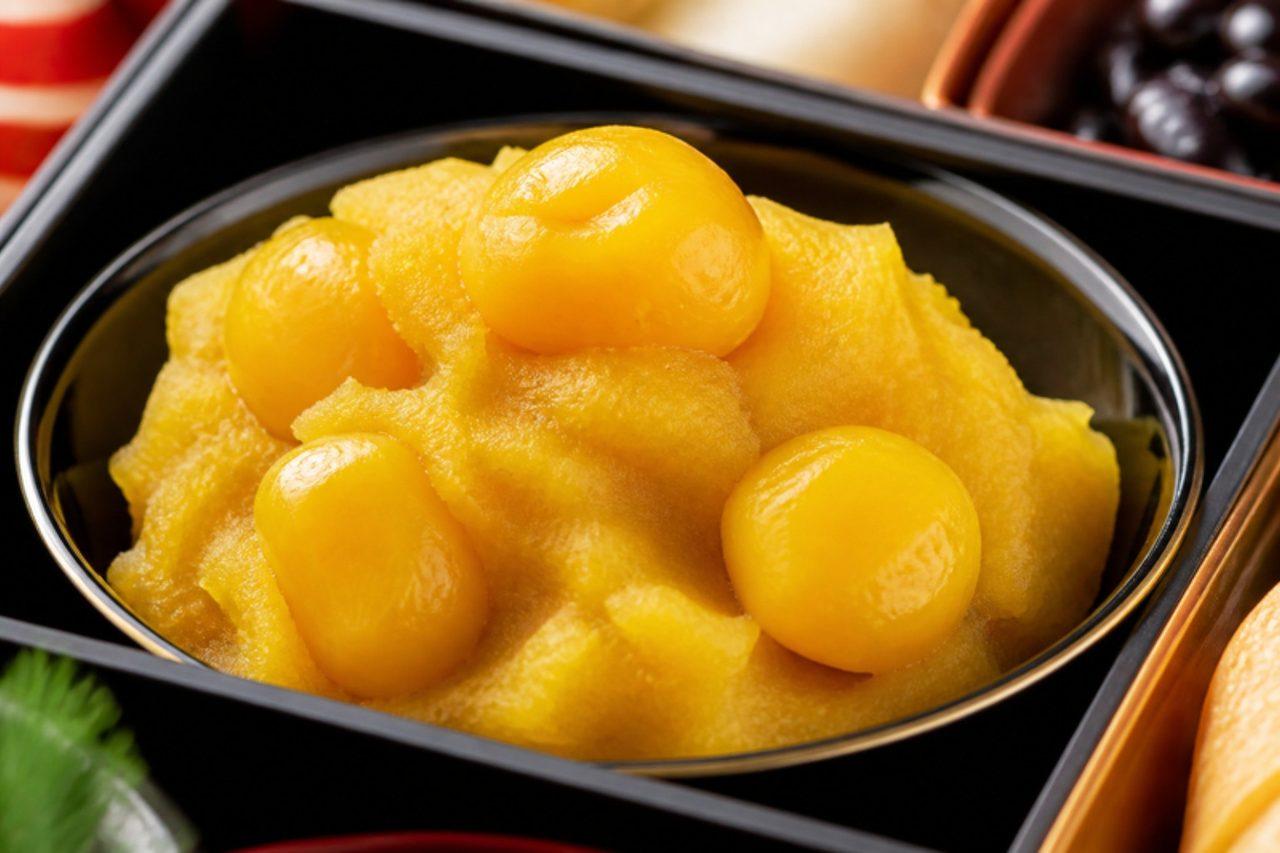
Kurikinton means 'chestnut golden mound', and its bright yellow colour is meant to look like piled gold, which is why it sits in the osechi box at New Year as a wish for wealth. Smooth, sweet mashed sweet potato is folded around whole candied chestnuts, giving a dessert-like side that children love. The traditional yellow comes from dried gardenia pods cooked with the potato. The common mistake is mashing the potatoes without sieving them, which leaves fibres; pushing them through a sieve while hot gives the silky, glossy finish. Chef's tip: peel the sweet potatoes thickly, cutting away the layer just under the skin, as that is where the grey colour and stringiness sit.

by KrazyBadal 0 views
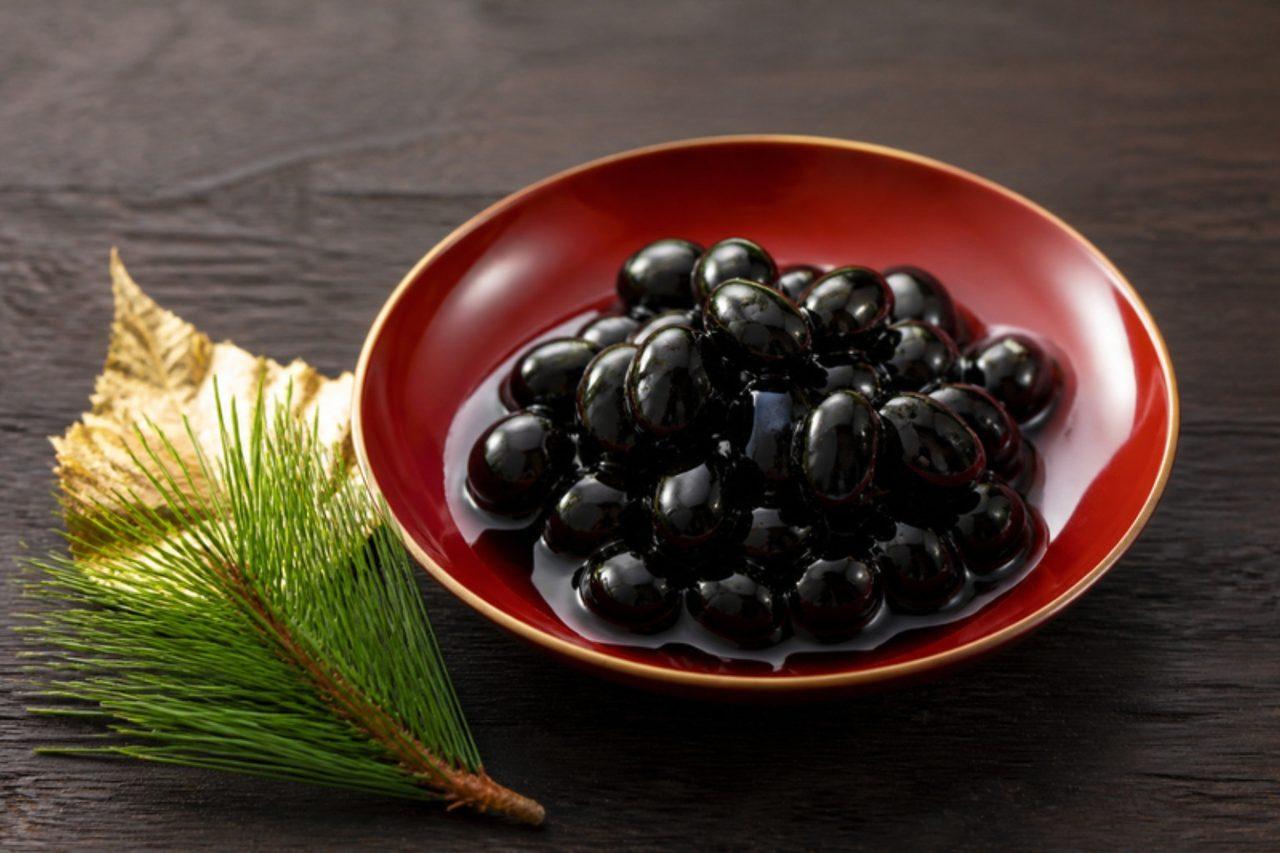
KuromameSweet black soybeans

No osechi box, the lacquered stack of cold dishes Japanese families share over the first three days of January, is complete without kuromame: plump black soybeans simmered so slowly in syrup that they stay whole, wrinkle-free and shining like jet. The word 'mame' also means hard work and good health, so eating them wishes for a diligent year. They are soft, sweet and gently savoury, with a deep bean flavour. The common mistake is letting the beans touch the air while cooking, which wrinkles their skins; keep them submerged under a drop-lid the whole time and top up with water. Chef's tip: soak the dry beans directly in the hot seasoned syrup overnight rather than in plain water, which seasons them from the inside and keeps the skins smooth.

by KrazyBadal 0 views
Sakura mochiCherry leaf rice cakes

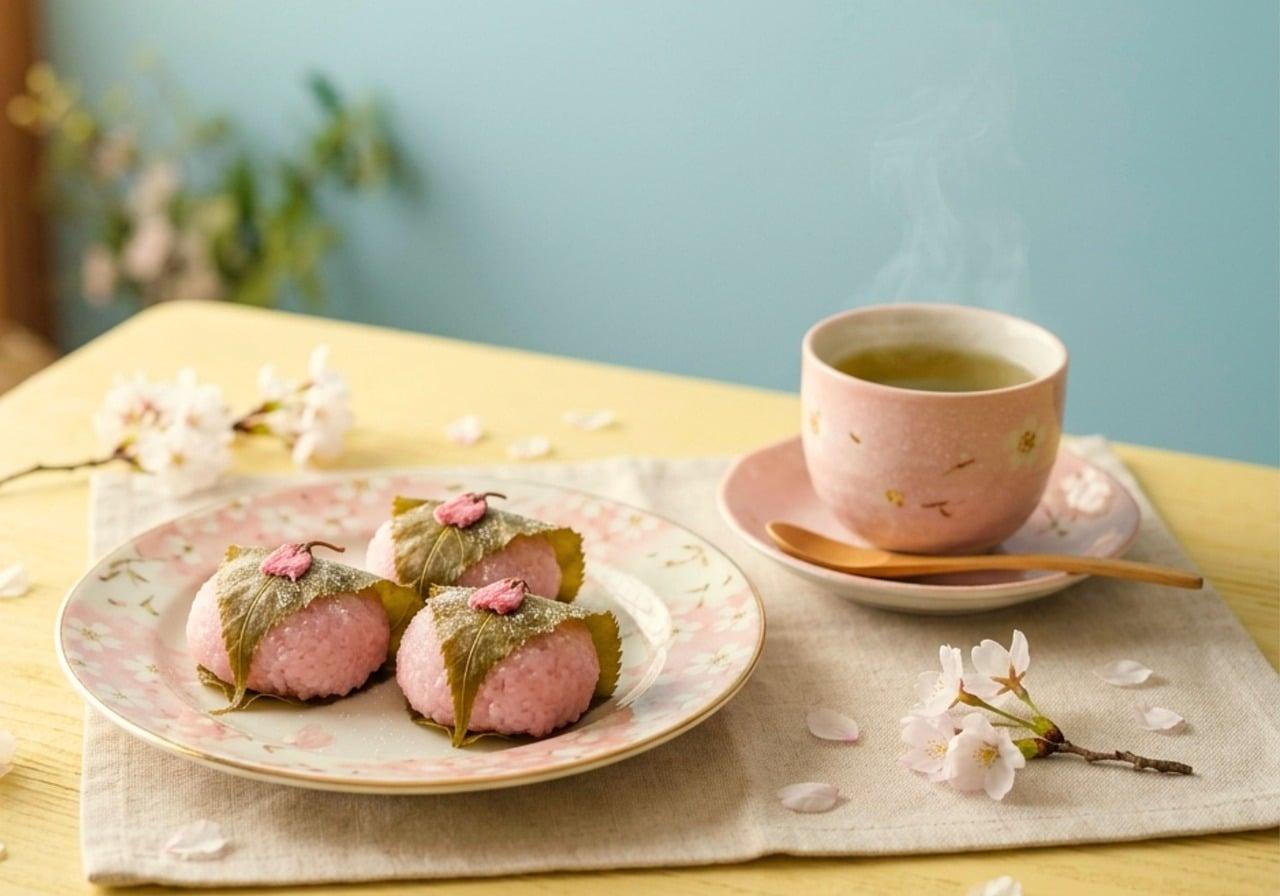
When the cherry trees bloom in late March, every wagashi shop in Japan fills its window with sakura mochi. In the Kansai region around Osaka and Kyoto they are made from coarse dōmyōji-ko, steamed and crushed glutinous rice, tinted soft pink and wrapped around bean paste, then tucked into a salted cherry leaf that perfumes it with an almond-like, floral scent; Tokyo's version is a thin pink crêpe instead. Mochi is very sticky: cut it into small pieces for young children and older people, and make sure they chew well and eat sitting down. The common mistake is not soaking the salted leaves, so the mochi tastes too salty; rinse and soak them for 15 minutes. Chef's tip: the leaf is edible, and eating it with the mochi gives the sweet-salty balance the dish is famous for.

by KrazyBadal 0 views
Kohaku namasuPickled daikon and carrot salad

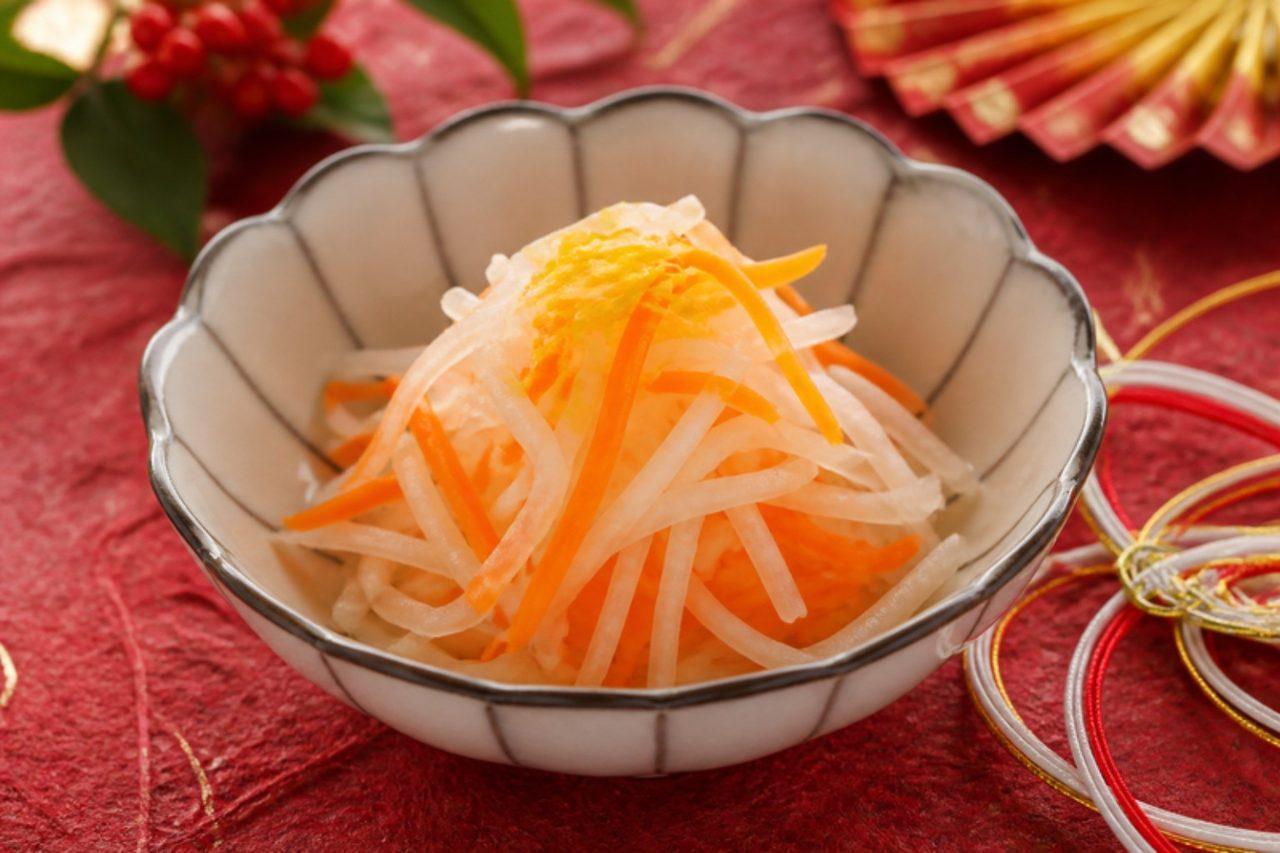
Red and white are Japan's colours of celebration, and this crisp, sweet-sour salad of fine daikon and carrot shreds is the cleanser of the New Year osechi box, eaten between richer dishes from 1 to 3 January. Salting the vegetables first softens them into pliable threads that still crunch, before they soak in rice vinegar, sugar and a little yuzu. The common mistake is skipping the squeeze after salting, which leaves the salad watery and bland. Chef's tip: cut the daikon along the length of the root, not across it, so the shreds stay crisp instead of going limp.

by KrazyBadal 0 views
Cannoncini alla cremaCustard puff pastry horns

Every pastry shop in Turin and Piedmont has a tray of cannoncini: puff pastry wrapped around metal cones, baked until golden and flaky, then piped full of vanilla custard and dusted with icing sugar. Little ones are part of the "pasticcini mignon" bought on Sunday morning after church to take to lunch at the grandparents' house. You need cannoncino or cream-horn moulds. Chef's tip: fill them just before serving; custard softens the pastry within a few hours.

by KrazyBadal 0 views
Kashiwa mochiOak leaf rice cakes

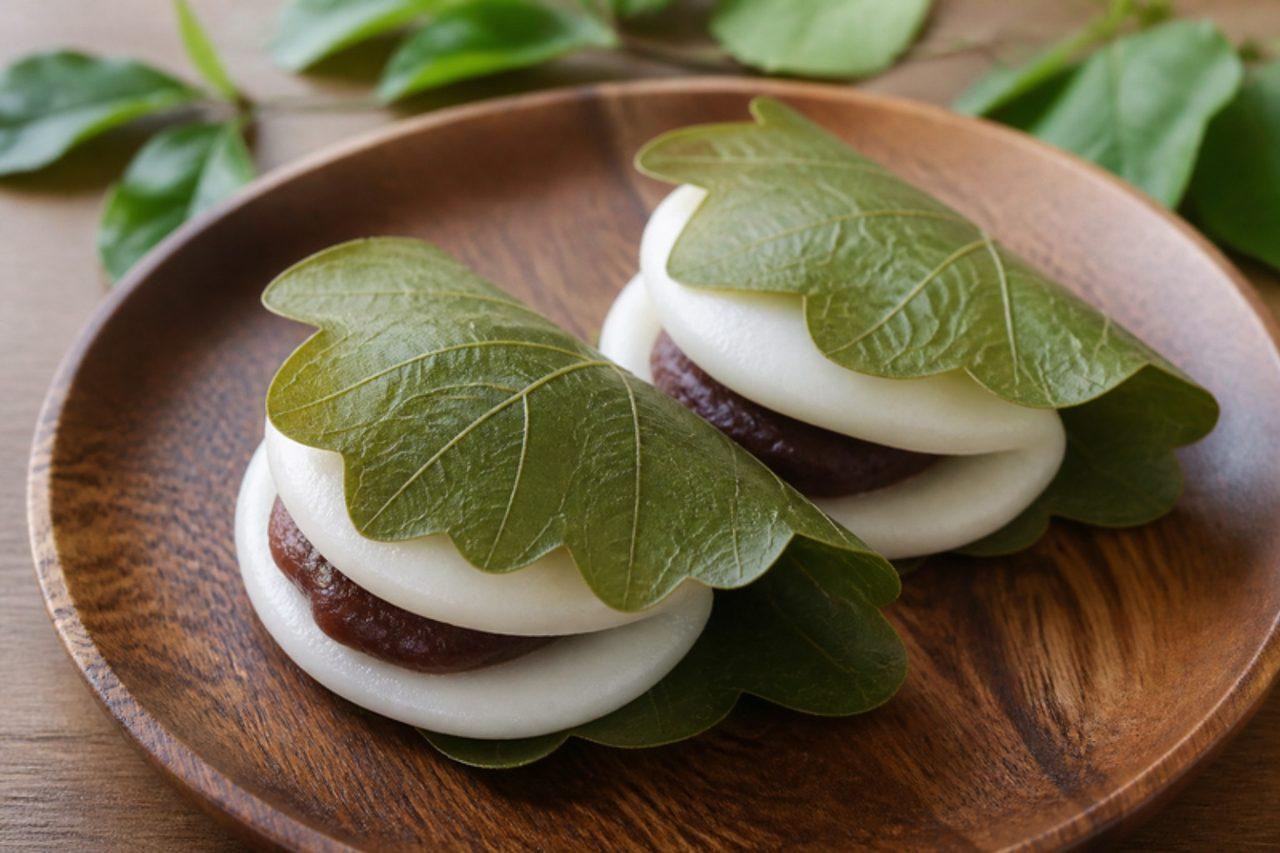
On 5 May, Children's Day, families in Tokyo and across eastern Japan eat kashiwa mochi: soft, flat rice cakes folded over sweet bean paste and wrapped in an oak leaf. Oak trees keep their old leaves until new ones bud, so the leaf stands for a family line carrying on. The leaf isn't eaten; it adds a faint woody scent and keeps the mochi moist. Mochi is very sticky: cut it into small pieces for young children and older people, and make sure they chew well and eat sitting down. The common mistake is steaming the dough too briefly, which leaves it pasty; steam until it turns slightly translucent, then knead. Chef's tip: dried oak leaves from Japanese grocers need a 10-minute simmer and a rinse before use; if you can't find them, wrap in cherry or bamboo leaves or baking paper.

by KrazyBadal 0 views
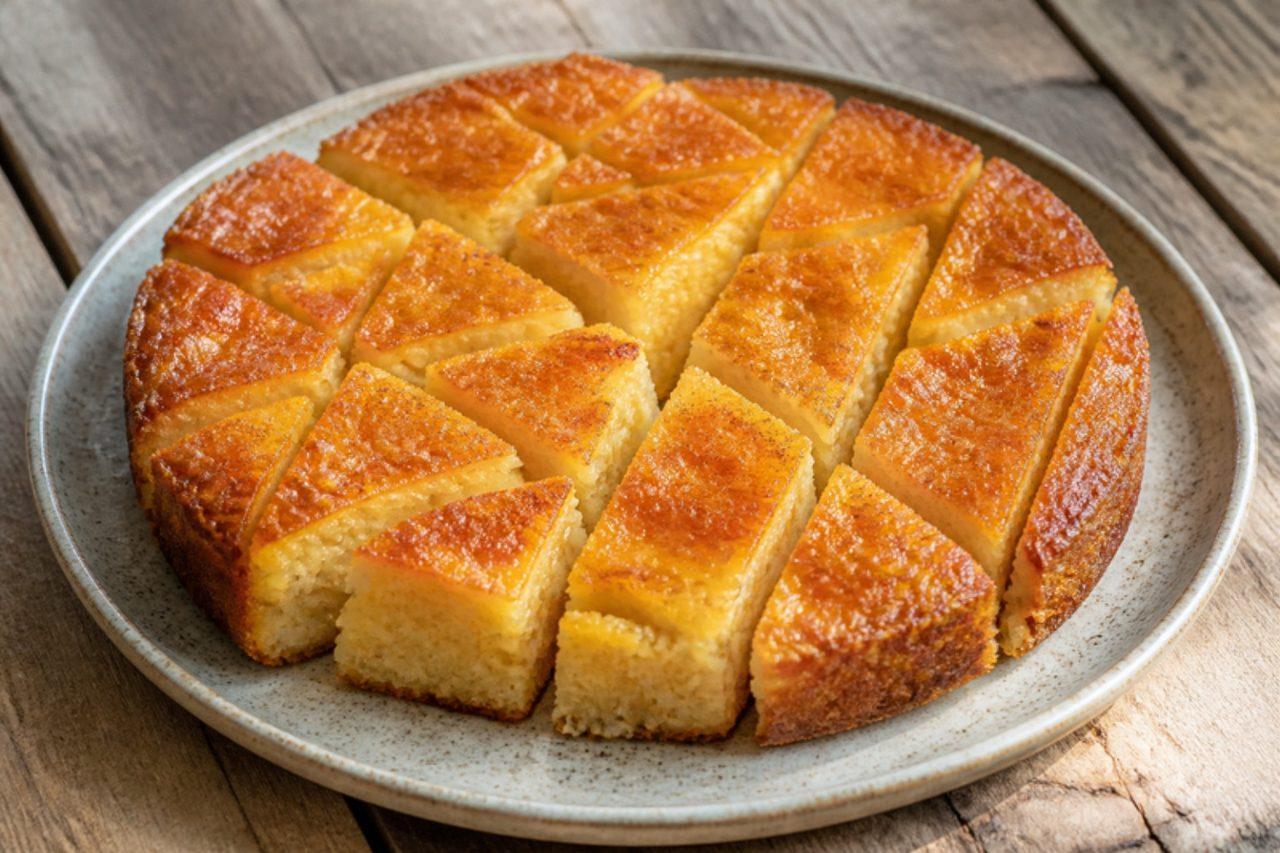
Torta di riso bologneseRice and almond cake

In Bologna this rice cake is called torta degli addobbi, after the decorations (addobbi) hung on the houses every ten years for each parish's big religious festival, when it was made and given to visitors. It is a dense, moist cake of rice cooked slowly in milk with lemon, mixed with eggs, sugar and almonds and baked until golden, then cut into diamonds. Traditionally it is soaked with almond liqueur; this version leaves it out, so it is alcohol free. It is gluten free. Contains nuts. Chef's tip: let the cake rest a full day before slicing; it firms up and the flavours deepen.

by KrazyBadal 0 views
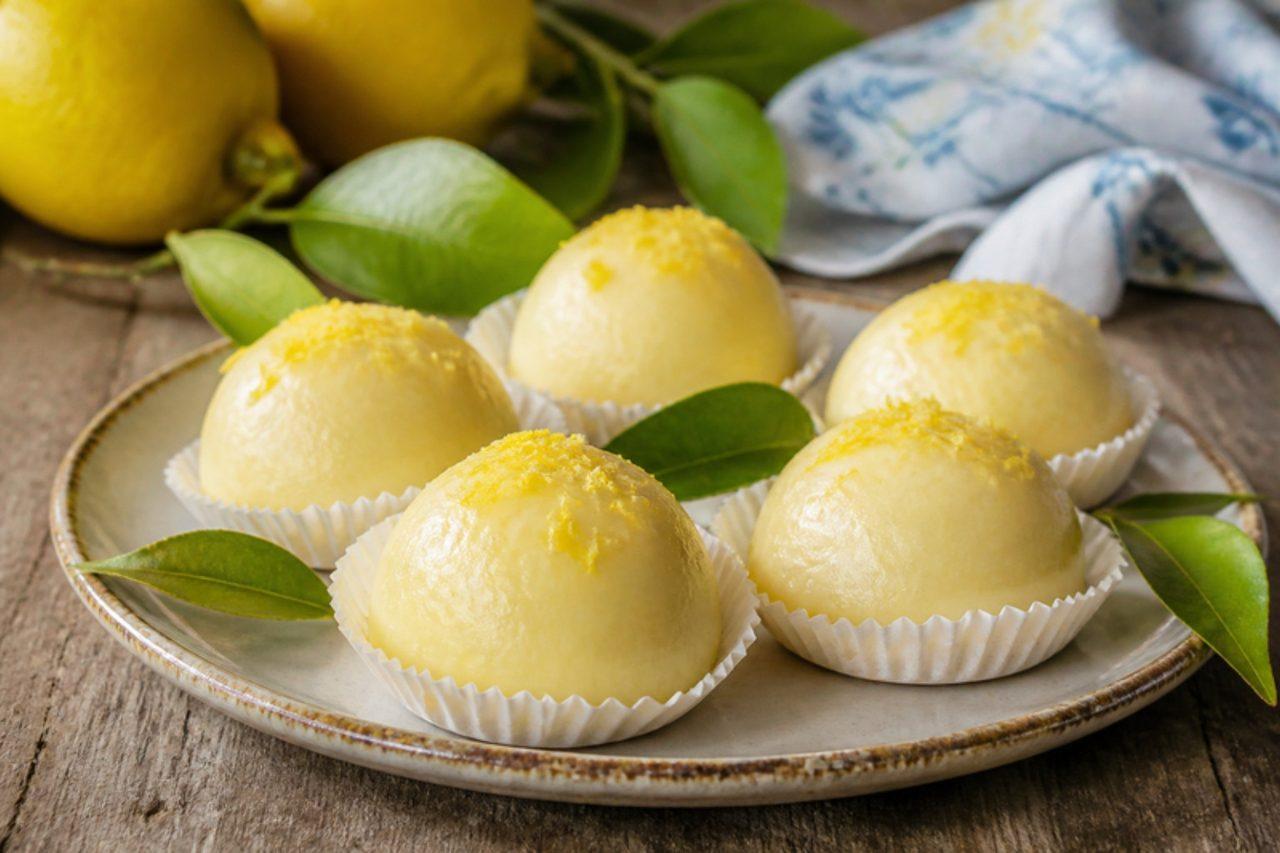
Delizia al limoneLemon cream sponge domes

Delizia al limone was created in 1978 by a pastry chef in Sorrento and became the signature dessert of the Amalfi Coast: small domes of light sponge, filled and soaked with syrup made from the coast's huge, fragrant sfusato lemons, then covered in a lemon custard lightened with whipped cream. Traditionally the syrup includes limoncello; this version uses a lemon syrup so it is alcohol free. Chef's tip: soak the sponges generously but slowly with a spoon; they should be moist through without falling apart.

by KrazyBadal 0 views
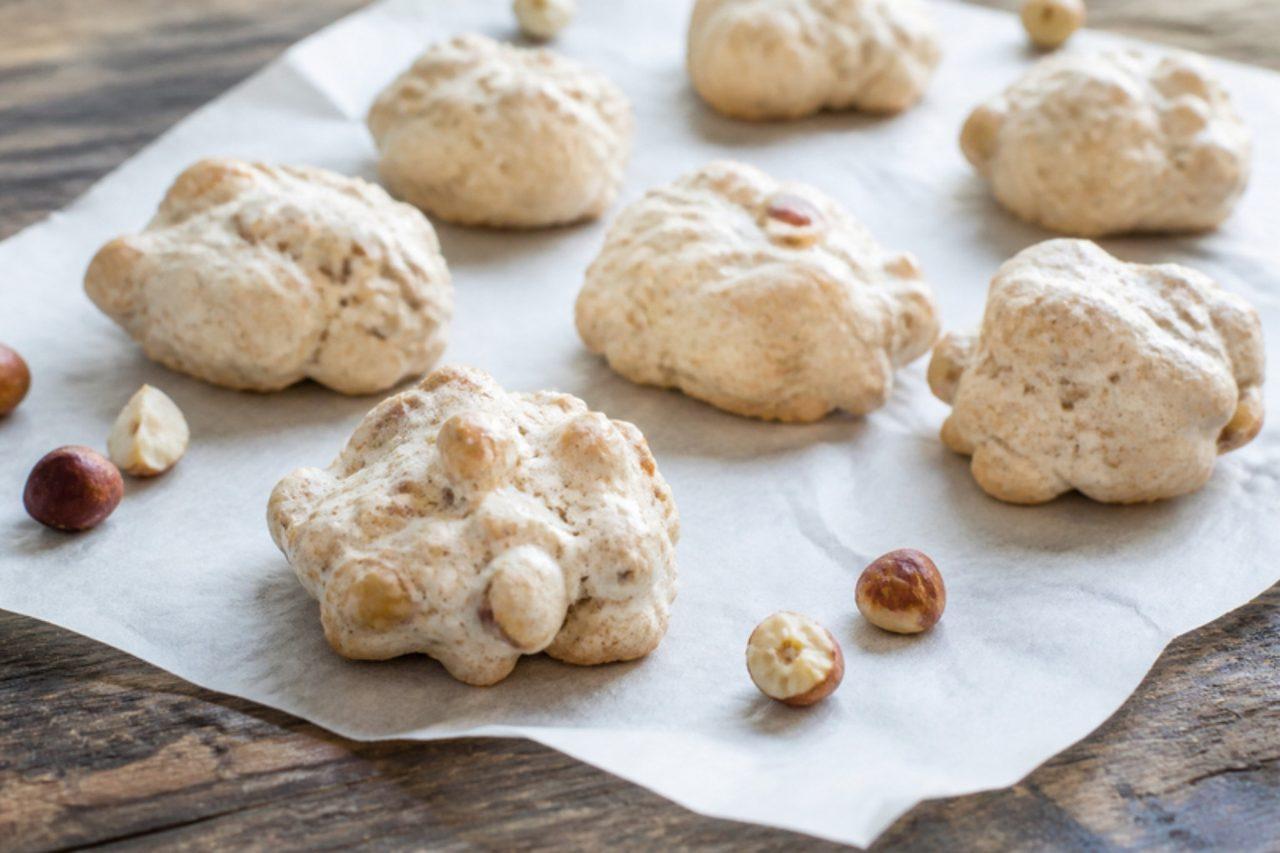
Brutti ma buoniHazelnut meringue biscuits

"Ugly but good": the name says it all. These lumpy, irregular biscuits from Borgomanero in Piedmont and Prato in Tuscany are made by cooking whipped egg whites, sugar and toasted hazelnuts in a pan before baking, which gives them a crisp shell and a chewy centre. They are sold in paper bags at pastry shops, and Italian grandmothers make them to use up egg whites left over from custards. They are naturally gluten free. Contains nuts. Chef's tip: toast the hazelnuts until they smell deeply nutty and the skins crack; that's what gives the biscuits their flavour.

by KrazyBadal 0 views
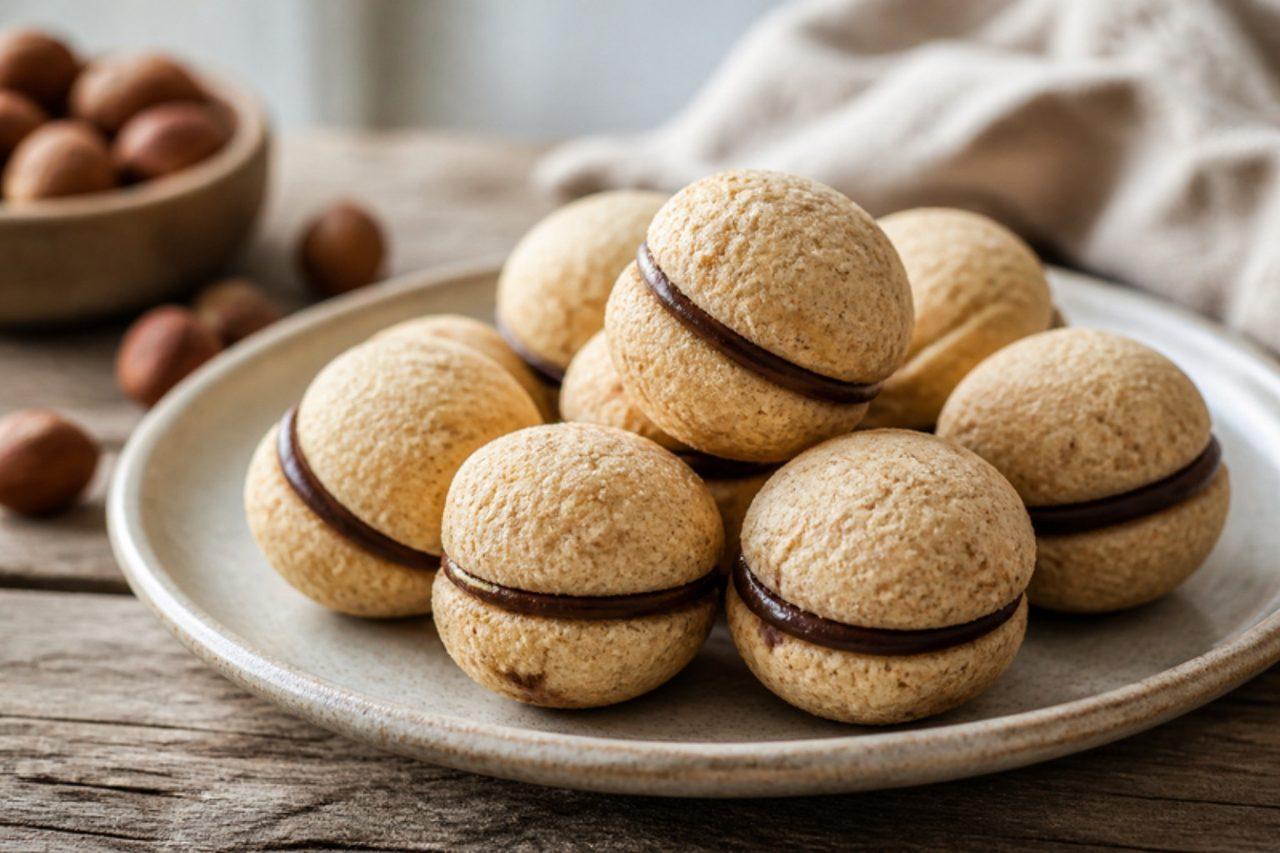
Baci di damaHazelnut shortbread sandwiches

Baci di dama, "lady's kisses", were born in Tortona in Piedmont in the 1800s: two small domes of buttery hazelnut shortbread pressed together with dark chocolate, like two lips meeting in a kiss. They are sold in every pastry shop in Piedmont and eaten with coffee or as a gift at Christmas. The local Piedmont hazelnuts are some of the best in the world. Contains nuts. Chef's tip: weigh each ball of dough so they're all the same size; matching domes make neat kisses.

by KrazyBadal 0 views
Showing 90 of 10,569 recipes
Page 285 of 1,175