






Skip to content
Sayur lodeh
Featured recipe

Sayur lodeh

Sayur lodeh is everyday cooking in Central Java, made in big pots in Solo and Semarang kitchens and ladled over rice, with lontong rice cakes at Lebaran, or alongside opor and sambal goreng on festive tables. It's soupy rather than thick: a fragrant broth of coconut milk, galangal, lemongrass and lime leaf that carries chunks of aubergine, long beans, chayote and sweetcorn, plus tempeh and tofu to make it a meal. The flavour is mellow and slightly sweet, so the heat comes from sambal on the side. Chef's tip: keep the pot at a gentle simmer once the coconut milk goes in and stir now and then — a rolling boil splits the coconut milk into oily curds.

Read more 3 views
Can't decide?

What to eat today?

Spin the randomizer, search with what's already in your fridge, or browse recipes from our chefs.

Latest recipes

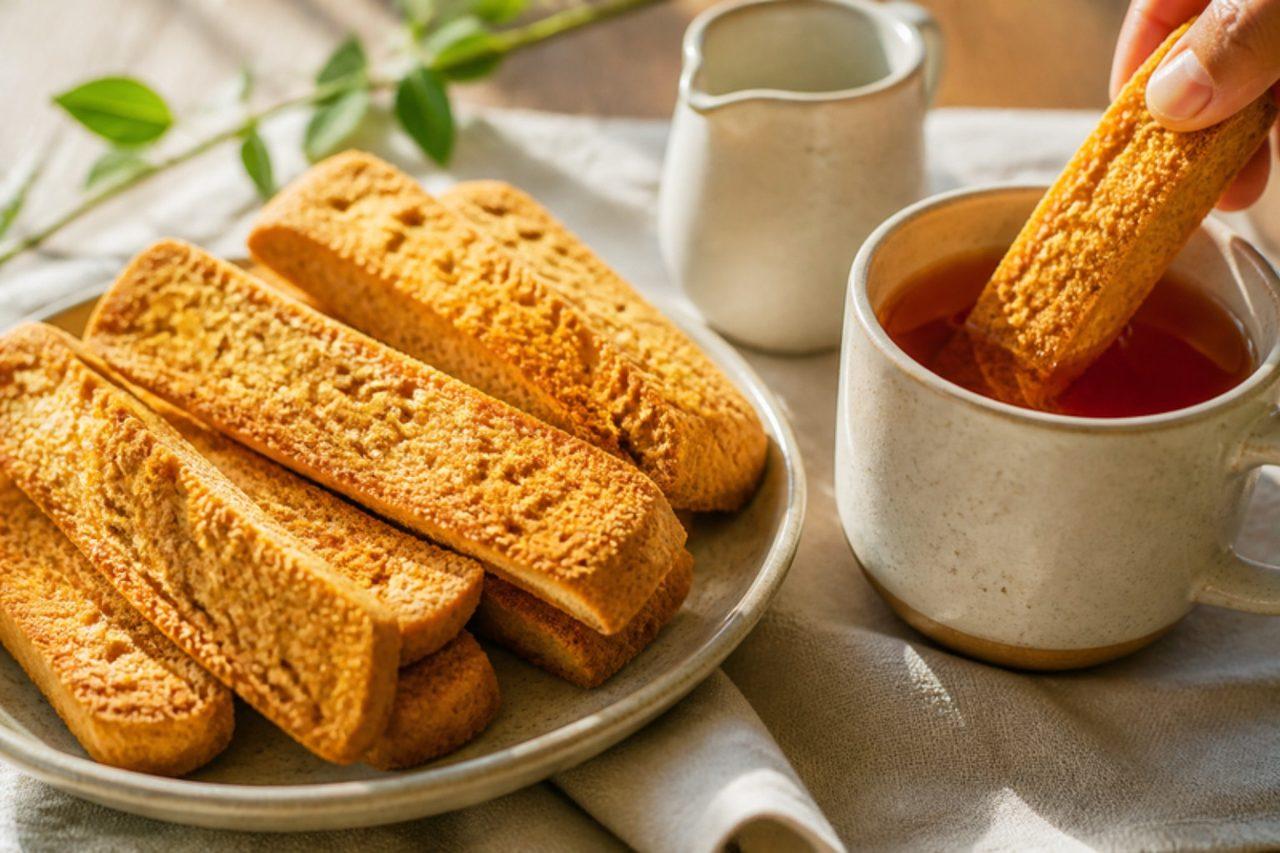
Buttermilk rusks (beskuit)

Beskuit grew out of the Voortrekker need for bread that kept on long ox-wagon journeys; today a tin of rusks sits next to the kettle in homes from the Karoo to Pretoria, and they are dunked in early-morning coffee or rooibos. A soft buttermilk dough is baked as a loaf, cut into fingers and then dried in a low oven for hours until rock hard and crunchy. Chef's tip: dry the rusks slowly at a very low heat with the oven door slightly open; they should dry out completely, not brown further.

by KrazyBadal 0 views

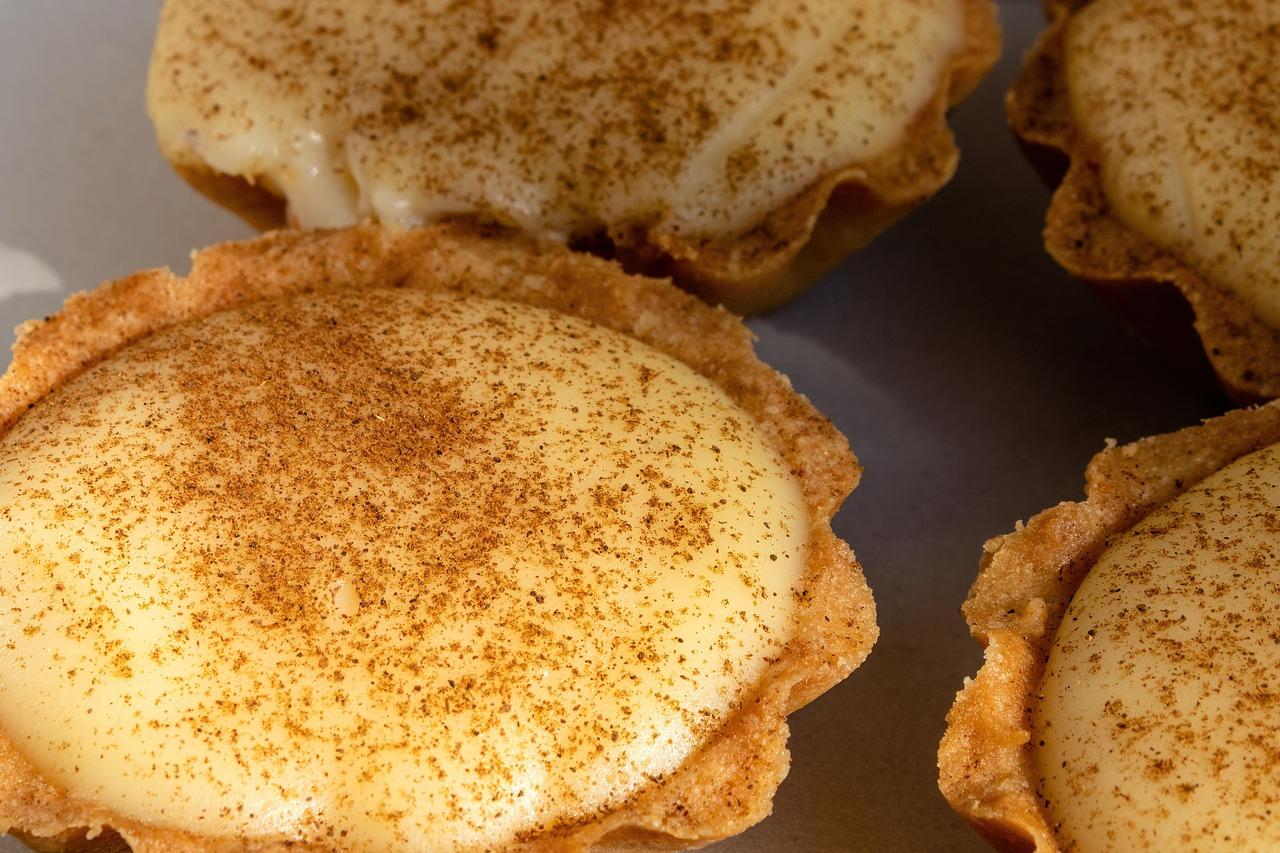
Milk tart (melktert)

Melktert is South Africa's coffee-time tart, made by Afrikaner and Cape Malay families alike, sold at church bazaars and in farm stalls along the Garden Route, and even celebrated with its own National Milk Tart Day on 27 February. A crisp sweet pastry case holds a thick, wobbly custard made with milk and flavoured with a cinnamon stick, then finished with a heavy dusting of ground cinnamon. It is lighter and more milky than a baked egg custard tart. Chef's tip: stir the custard constantly as it thickens and keep cooking for 2 minutes after it bubbles so the flour loses its raw taste.

by KrazyBadal 0 views

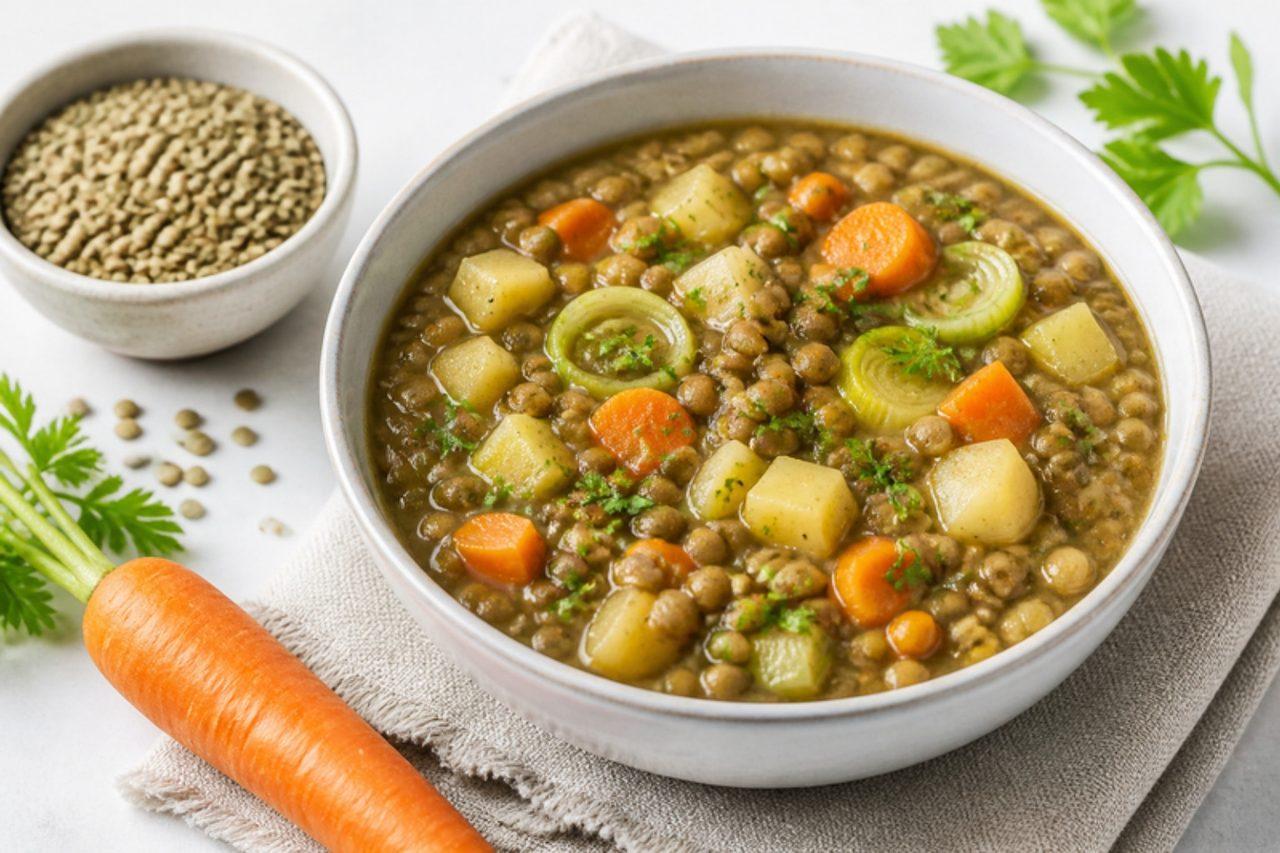
Linseneintopf

Linseneintopf is the one-pot lentil stew that German families cook on cold weekdays, and in many school and works canteens it's still the Thursday or Saturday lunch. Brown lentils simmer with potatoes, carrots, celeriac and leek until thick and soft; the finishing touch, all over Germany, is a good splash of vinegar at the table, which wakes the whole bowl up. It's usually made with smoked sausage or bacon; here smoked paprika and vegetable stock give the smoky depth instead. Chef's tip: add the vinegar only at the end, because acid added early keeps the lentils hard.

by KrazyBadal 0 views

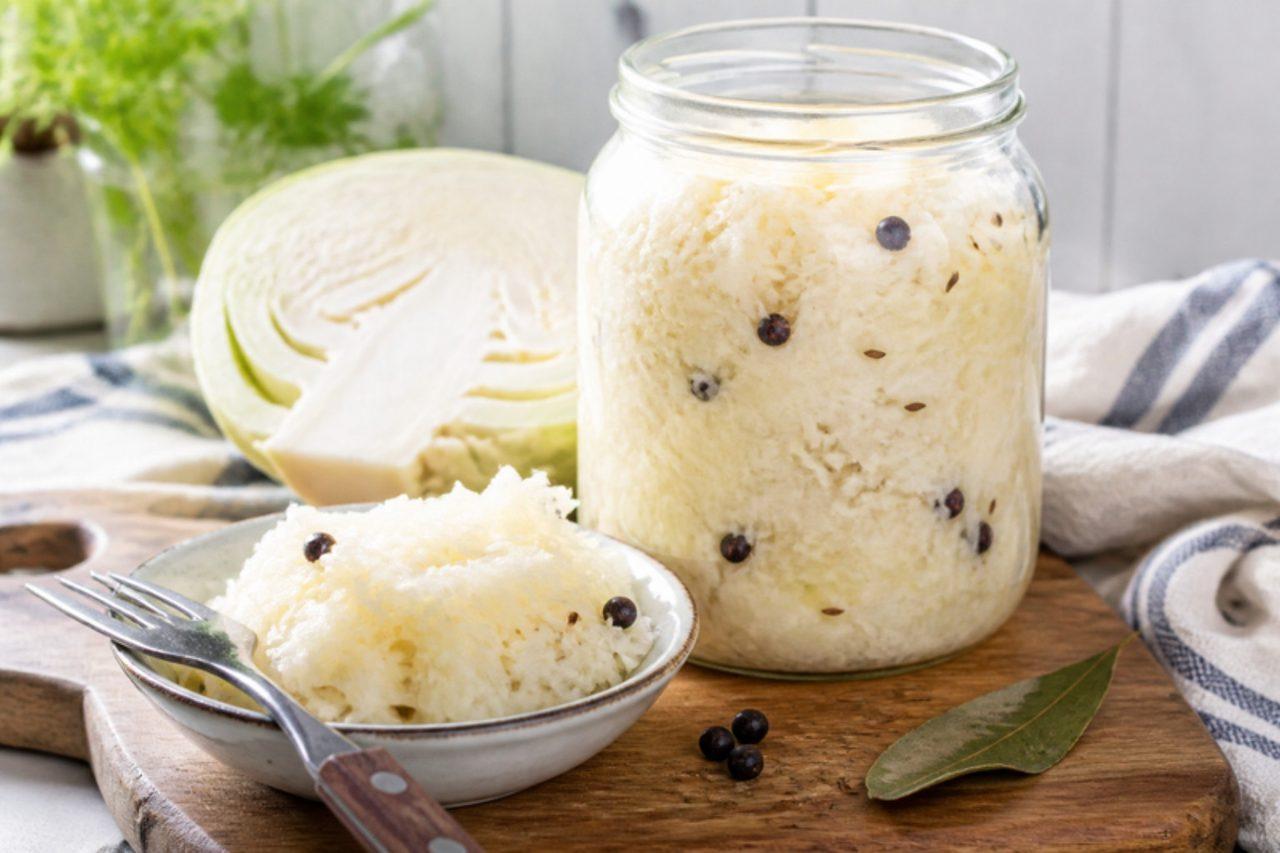
Sauerkraut

Sauerkraut is how German households have kept cabbage through the winter for centuries, and autumn is still when families in Baden, Franconia and Alsace shred the new white cabbage into stoneware crocks. It's nothing but cabbage and salt: the salt pulls out the juice and natural lactic acid bacteria do the rest, turning it sour, crunchy and full of flavour in a few weeks. Raw homemade sauerkraut tastes far fresher than the jar and is a lovely side for Kartoffelpuffer or potato mash; for a warm side, simmer it with onion and a grated apple. Chef's tip: weigh the cabbage and use exactly 2% of its weight in salt; too little and it goes soft and mouldy, too much and it won't ferment.

by KrazyBadal 0 views

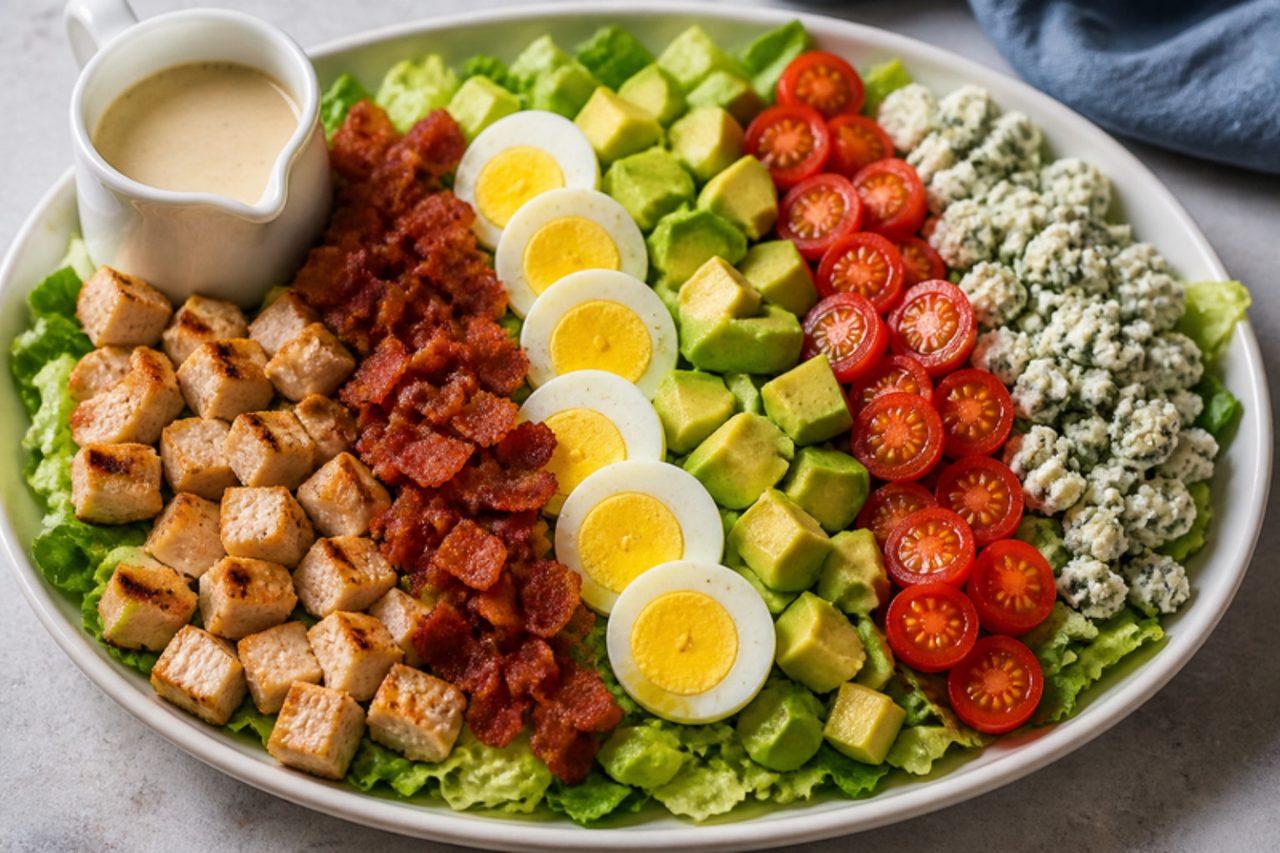
Cobb salad

The Cobb salad was born at the Brown Derby restaurant in Hollywood in the 1930s, and it is still a lunch classic in Los Angeles delis and hotel coffee shops. Rows of chopped chicken, crisp bacon (pork), hard-boiled egg, avocado, tomato and blue cheese sit on crisp lettuce, and everyone mixes them with a sharp red wine vinegar dressing at the table. Chef's tip: chop everything to roughly the same small size so each forkful gets a bit of everything.

by KrazyBadal 0 views

Cornish pasty

The Cornish pasty fed tin miners and fishermen in Cornwall for centuries, its thick crimped edge a handle for dirty hands, and today bakeries from Penzance to St Ives sell them warm all day. The filling goes into the pastry raw: thinly sliced beef skirt, potato, swede and onion, seasoned only with salt and plenty of pepper, so everything steams in its own juices inside the crust. Chef's tip: slice the vegetables thinly and evenly, not in cubes; thin pieces cook through in the same time as the beef.

by KrazyBadal 0 views

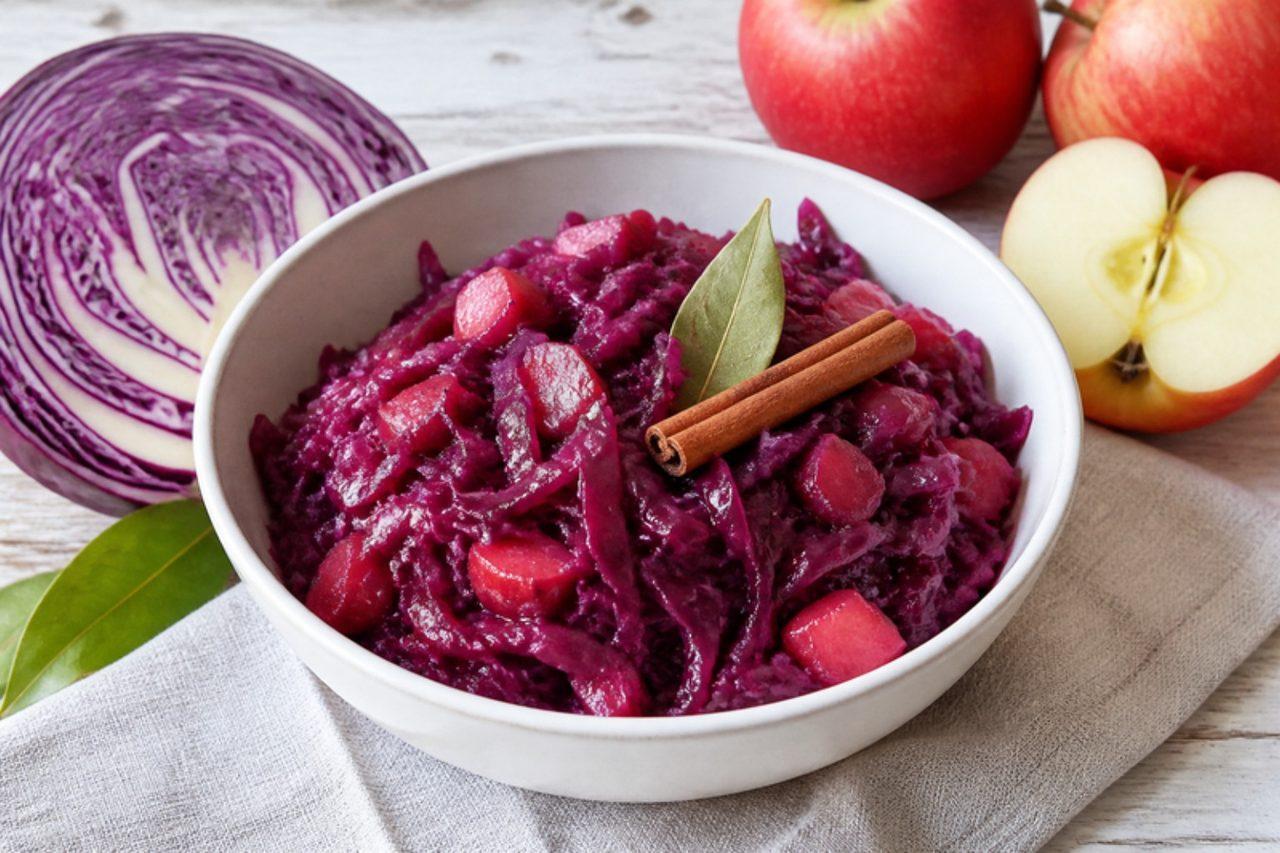
Rotkohl

Rotkohl, called Blaukraut in Bavaria and Austria, is the purple braised cabbage that sits next to dumplings and potatoes on German plates from autumn to Christmas. Red cabbage is cooked slowly with apple, onion, vinegar, bay and clove until meltingly soft, sweet-sour and glossy, a deep wine-red because the acid keeps the colour bright. Traditionally it's started in goose fat or lard; oil works perfectly and keeps it vegan. It's one of those dishes that is better the next day, so families make a big pot before Christmas. Chef's tip: add the vinegar at the start, not the end; without acid the cabbage turns an unappetising blue-grey as it cooks.

by KrazyBadal 0 views

Semmelknödel with mushroom sauce

Semmelknödel are the bread dumplings of Bavaria and Austria, made to use up yesterday's rolls (Semmeln) soaked in warm milk and bound with egg, onion and parsley. With a creamy mushroom sauce, Semmelknödel mit Schwammerlsoße, they become a full meal and a favourite in Munich beer gardens and Alpine inns from late summer, when foraged chanterelles and ceps reach the markets. Chef's tip: simmer the dumplings in barely trembling water, never a rolling boil; hard boiling breaks them apart, which is the most common Knödel disaster.

by KrazyBadal 0 views

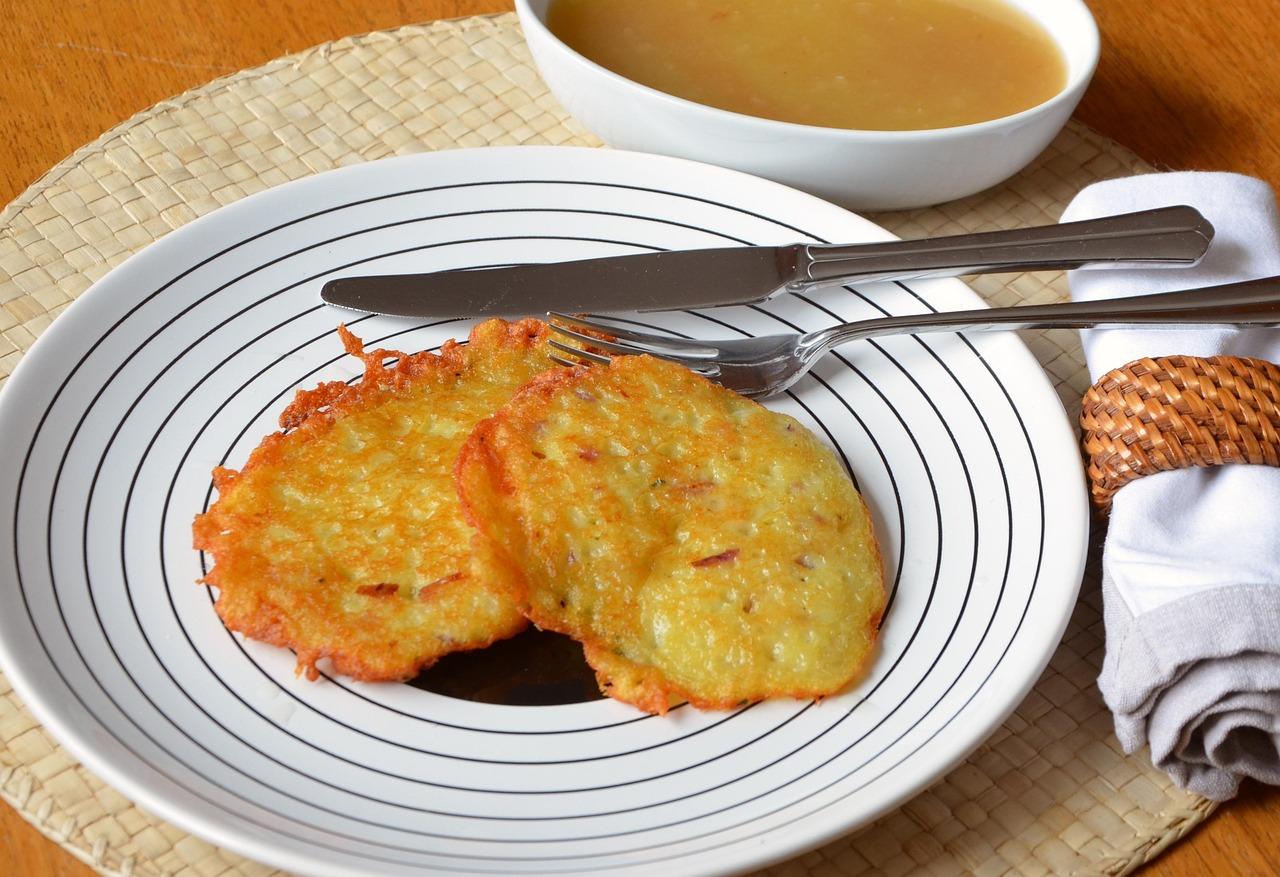
Kartoffelpuffer

In Cologne and Düsseldorf they're called Reibekuchen, and they are the smell of the Christmas markets and autumn fairs: thin, lacy potato fritters fried in oil until golden and crunchy at the edges. At home in the Rhineland they're traditionally a Friday dish, eaten hot with apple sauce or on buttered dark rye bread. They are simple, but timing and heat matter. Chef's tip: squeeze the grated potato really hard in a tea towel and keep the starch that settles at the bottom of the liquid; it binds the mixture so you need very little flour.

by KrazyBadal 0 views

Showing 9 of 4,484 recipes

Show more recipes

Page 284 of 499