 Indian
 Italian
 French
 Mexican
 Chinese
 Japanese
 Spanish
 Brazilian
 Persian

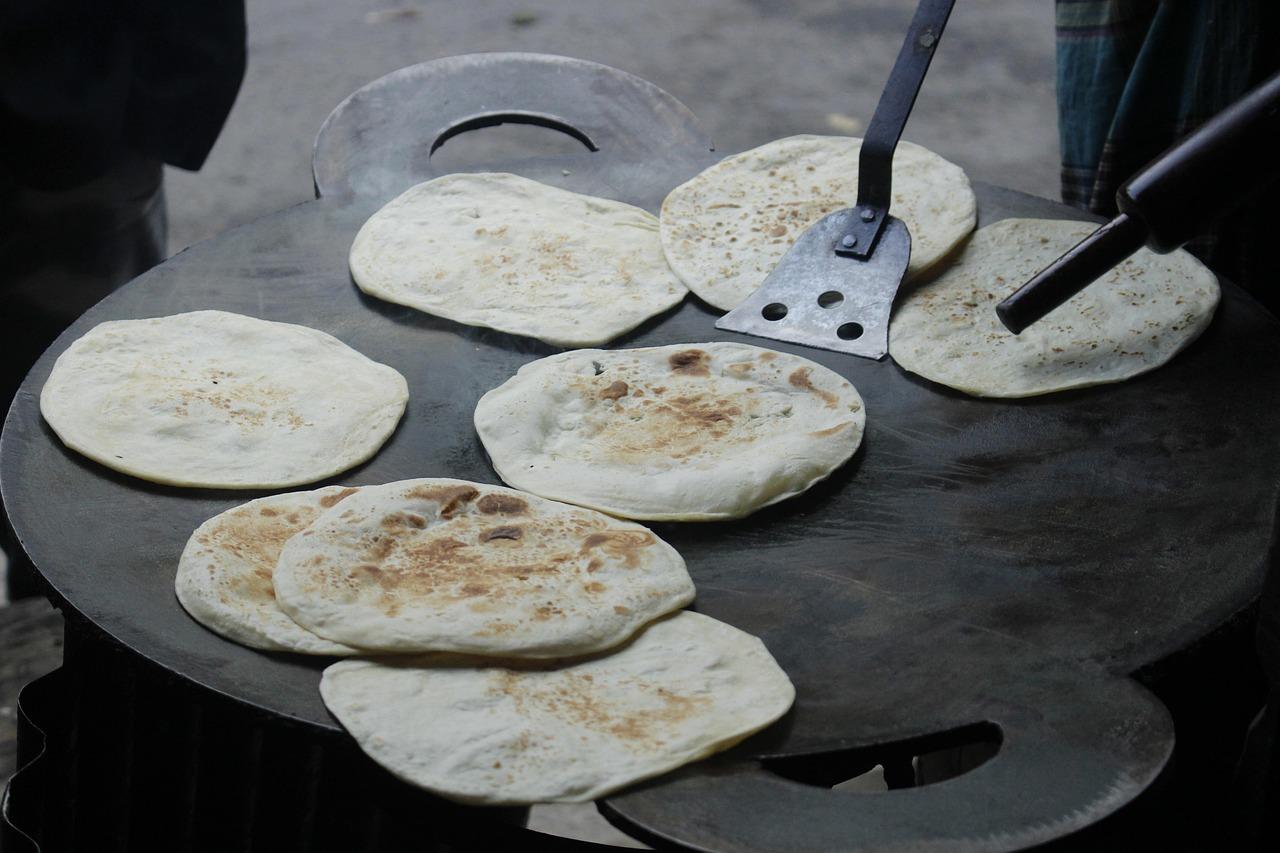
TitiyasCoconut milk flatbread
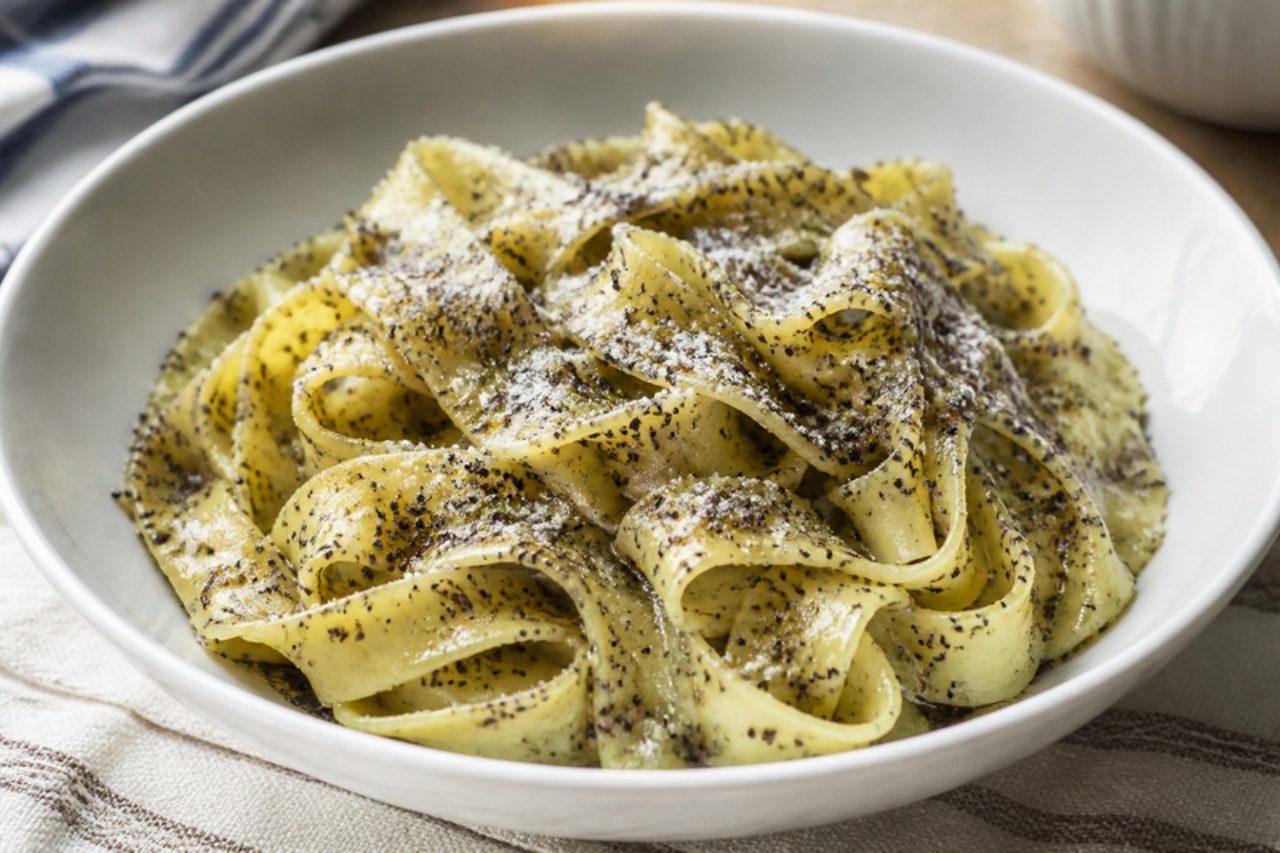
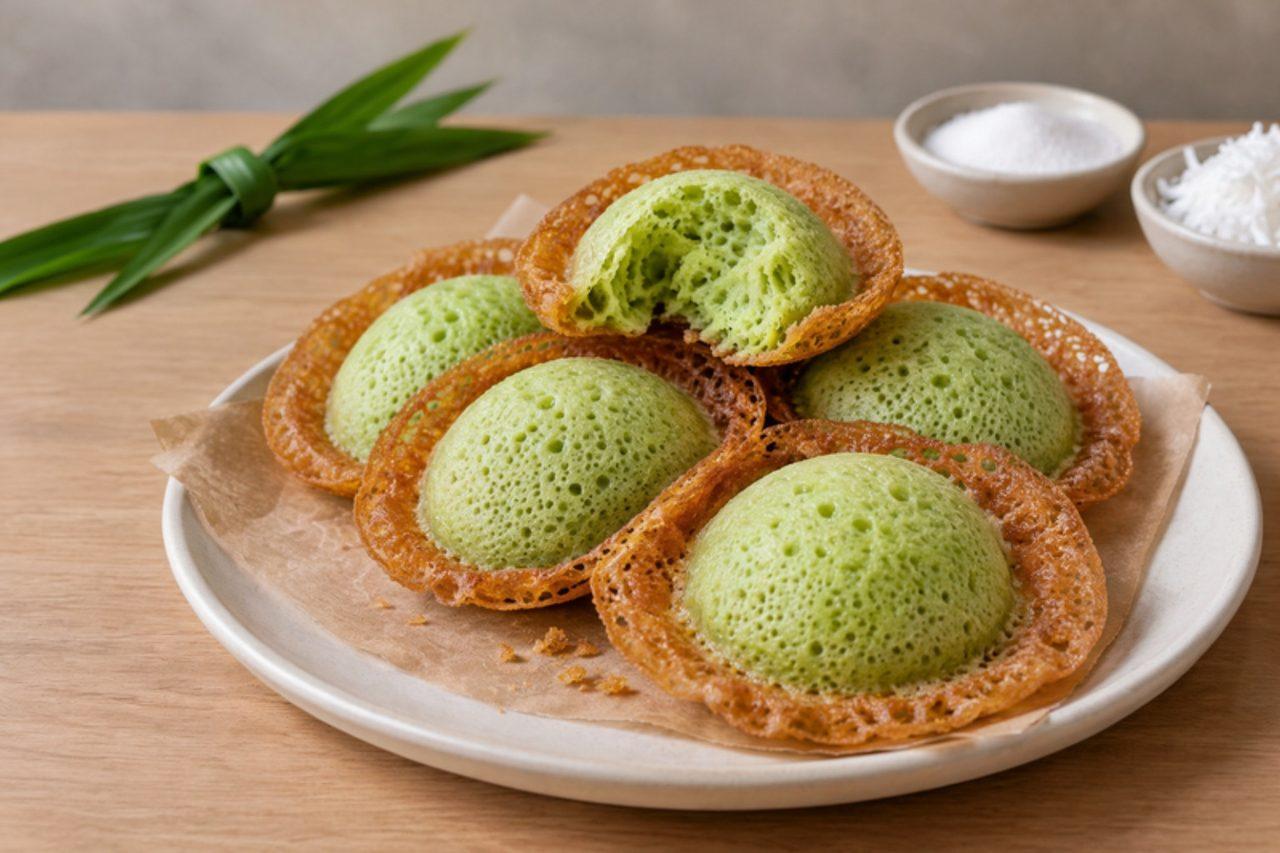
Titiyas are the soft, slightly sweet flatbreads of Guam and the Marianas, cooked on a griddle and eaten warm at breakfast, with fiesta food or rolled round a piece of grilled meat. Flour titiyas are made with coconut milk, which keeps them tender and gives a faint coconut taste; there is also a corn version (titiyas mai'es). A common mistake is rolling them too thick; 5 mm cooks through without burning. Chef's tip: cook on a dry, medium-hot pan and wrap each one in a towel as it comes off so they stay soft.
by KrazyBadal 0 views


 Malaysian
 Indonesian
 Australian

 Trinidadian



 Chilean


 New Zealand