


Skip to content
Bela biscuit
Featured recipe

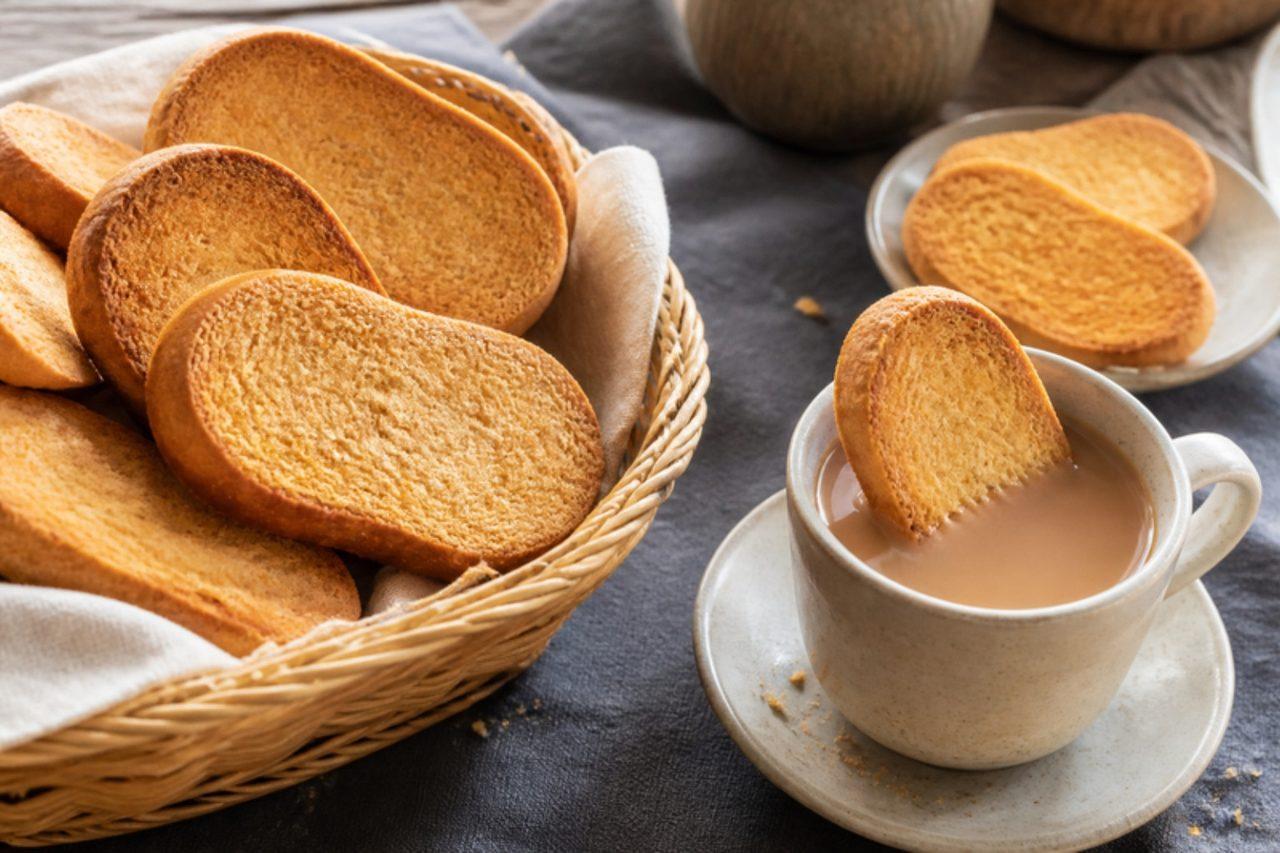
Bela biscuit

Twice-baked tea biscuit

Old Chittagong bakeries, some of them in the Chandanpura area for well over a century, still fire their wood ovens for bela biscuit, a pale oval rusk so hard it cracks rather than snaps. It starts as a lightly sweet, enriched yeast dough that is baked once like a bun and then dried for a long time in a cooling oven until crisp right through. In Chittagong homes it comes out at teatime and when guests arrive, and the whole point is the dunk: a few seconds in hot milky tea and it softens into something like buttery bread. The classic slip is pulling the biscuits from the second bake too soon; they feel firm while warm but go chewy overnight if the centre is still damp. Chef's tip: break one open after drying; if the middle is pale and soft, give the tray another 20 minutes.

Read more 0 views

What to eat today?

Around the world

Today's trip: Paraguayan

A new country every day, from every cuisine on the site.

Paraguayan

Chipa

Cheese bread rings 50 minMore from Paraguayan (27) →

This week's collection

Kid-friendly dinners
537 recipes · a new collection every Monday

Latest recipes

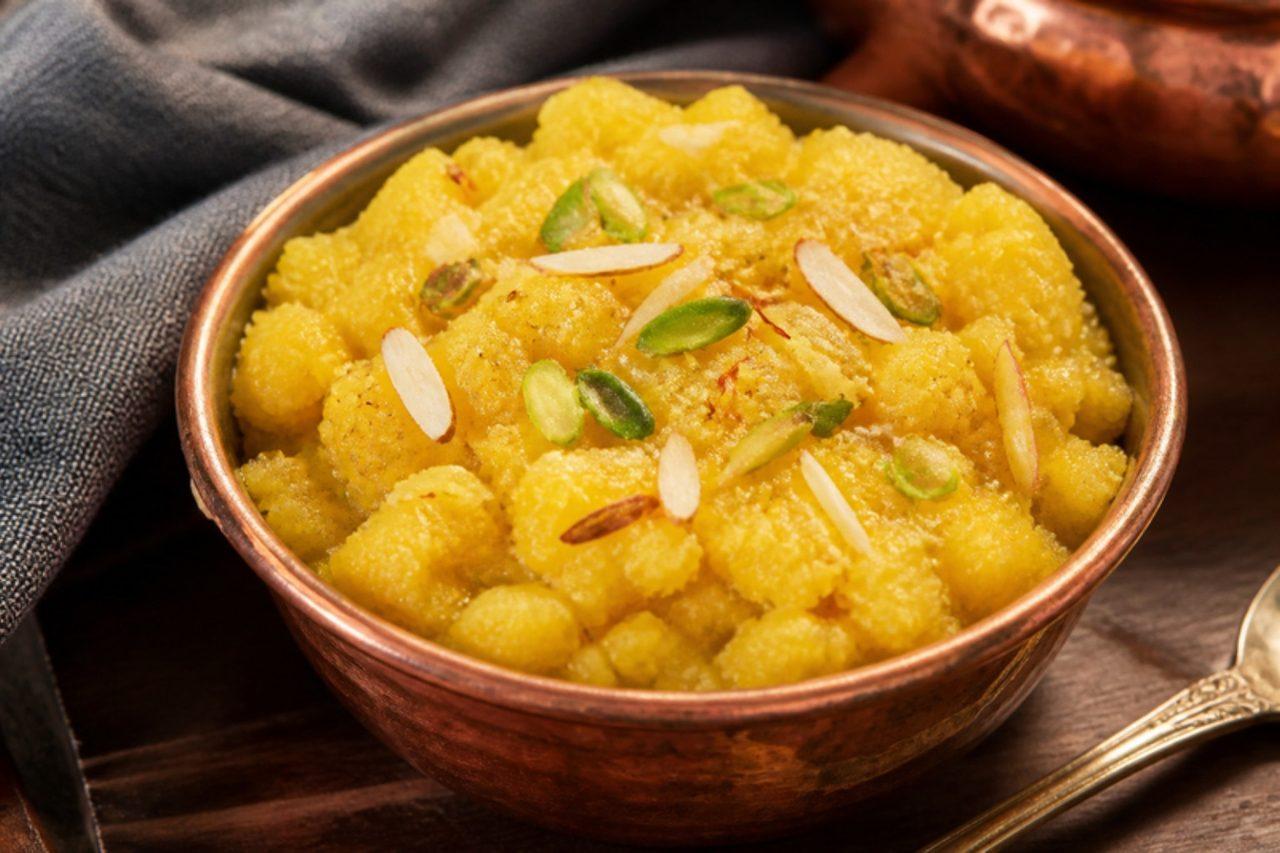
Anday ka halwaEgg halwa

Sweet, golden and grainy like a rich crumble, egg halwa is the quick showpiece of Hyderabadi and Karachi home kitchens, made when unexpected guests arrive or for a winter Sunday, and it fills the house with the smell of ghee and cardamom. Eggs are beaten with milk, sugar and milk powder, then stirred in ghee until the custard sets, breaks and finally fries into soft, sandy granules that cling together like khoya; there is no eggy taste once it is properly cooked. It is served warm in small bowls, topped with almonds and pistachios, sometimes with a few saffron threads. The commonest failure is stopping too soon, when the halwa is still wet and scrambled-egg-like, rather than cooking on until it turns granular and golden and the ghee separates. Chef's tip: strain the beaten egg mixture through a sieve before cooking, which removes the stringy whites and gives a smooth, even grain.

by KrazyBadal 0 views

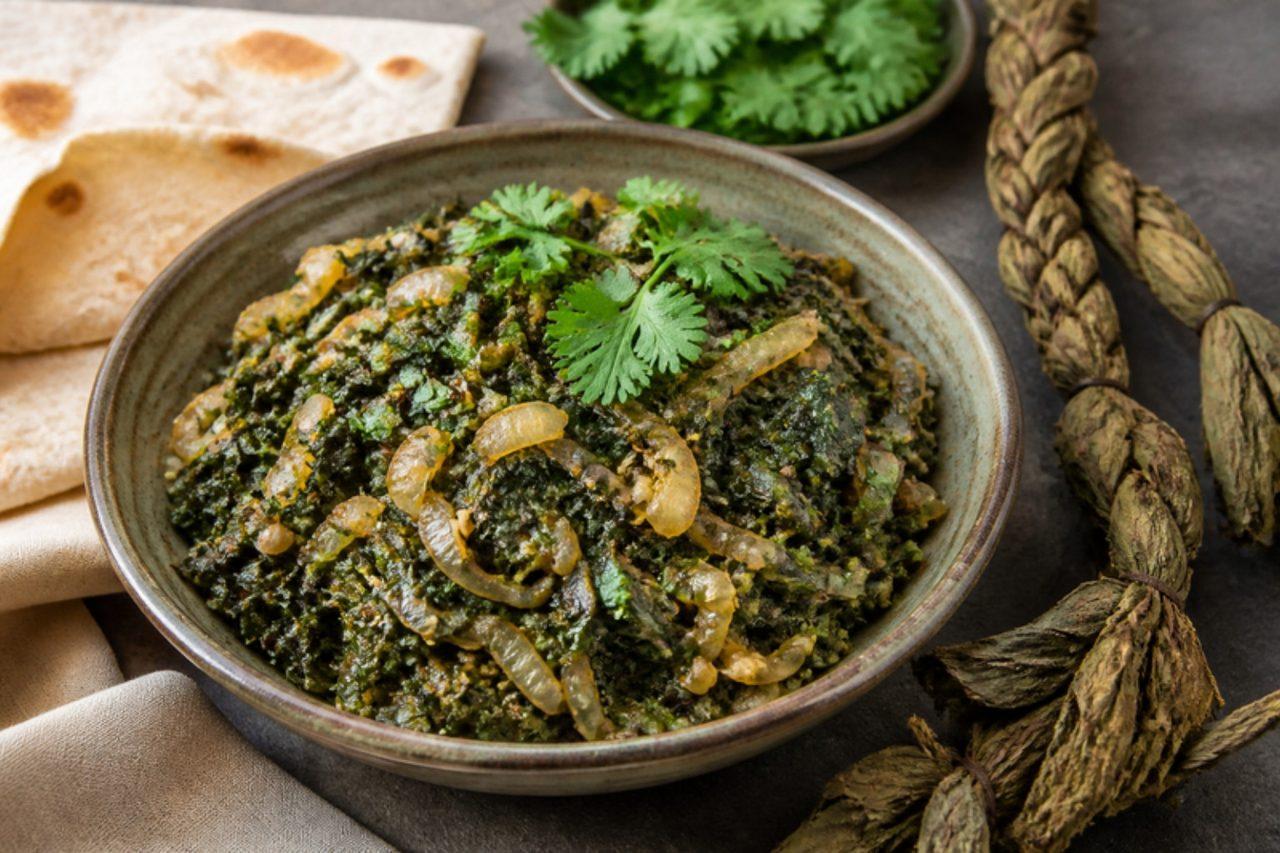
AvelookDried braided sorrel with walnuts

In Syunik, the mountainous south of Armenia around Goris, women pick wild mountain sorrel in May and braid the long leaves into ropes that hang drying in every kitchen. In winter and during Lent the braids are soaked, simmered until soft and fried with onion and walnuts, giving a dark, earthy, sour salad with a taste somewhere between spinach and olives. Braids are sold in Armenian shops. A common mistake is skipping the second boil, which leaves the leaves bitter and tough. Chef's tip: squeeze the cooked sorrel well and fry it long enough to dry and slightly crisp at the edges; that is when the flavour deepens.

by KrazyBadal 0 views

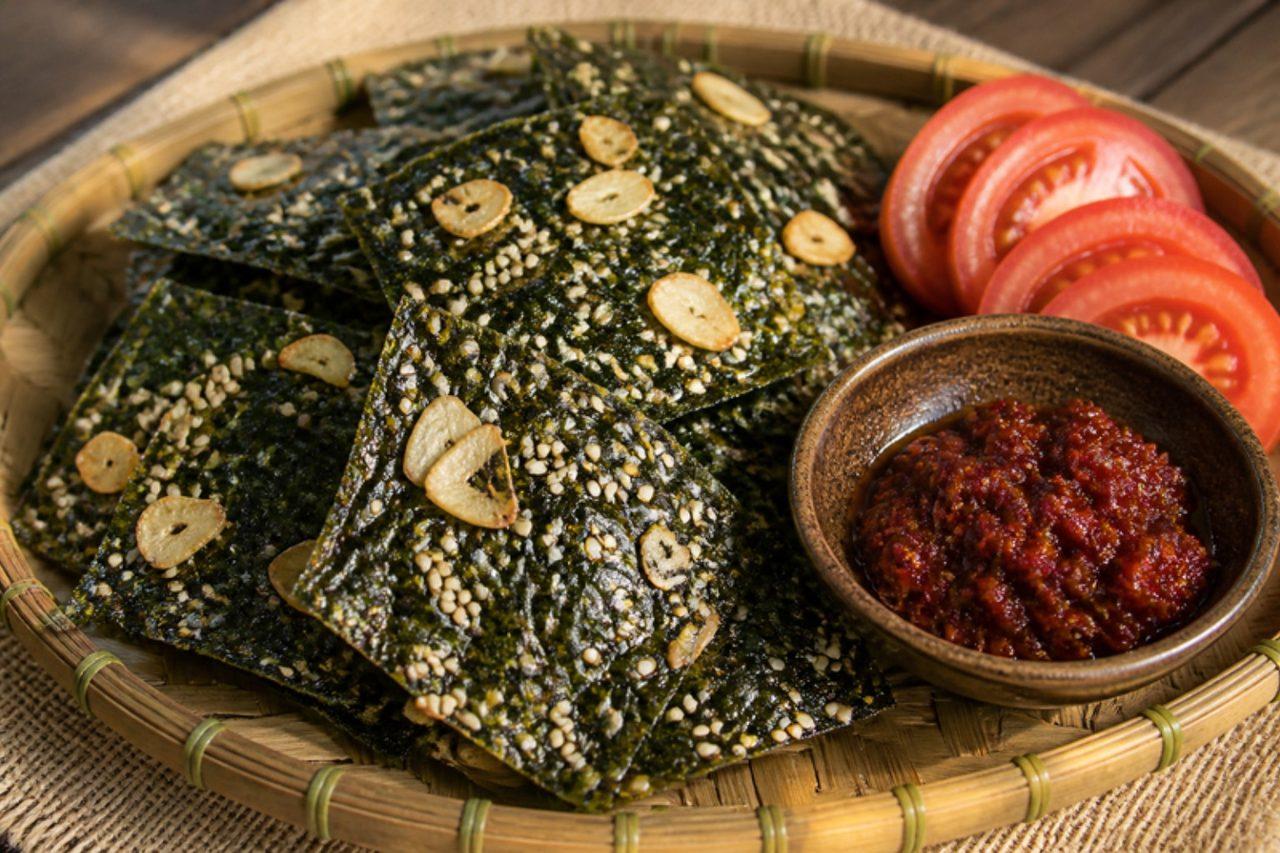
Khai paenCrispy river weed sheets

Along the Mekong and Nam Khan below Luang Prabang, women gather silky green river weed in the dry months, when the water runs low and clear, then press it into thin sheets and dry them in the sun. Those sheets turn up everywhere in town, stacked at the morning market and the night market, and a plate of fried khai paen is a favourite nibble with sticky rice and a pot of jeow bong in the late afternoon. Frying takes seconds: the sheets puff, darken and turn shatteringly crisp, tasting of the river, toasted sesame and garlic, a little like nori but earthier. Buy the sheets dried; outside Laos, look in Southeast Asian grocers, and if you can't find them, nori sheets make a stand-in, though they are thinner, sea-salty rather than freshwater and fry even faster. Leaving a sheet in the oil a moment too long is the classic error, as it goes bitter and brown almost instantly. Chef's tip: cut the sheets into squares with scissors before frying, not after, so they don't crumble into dust.

by KrazyBadal 0 views

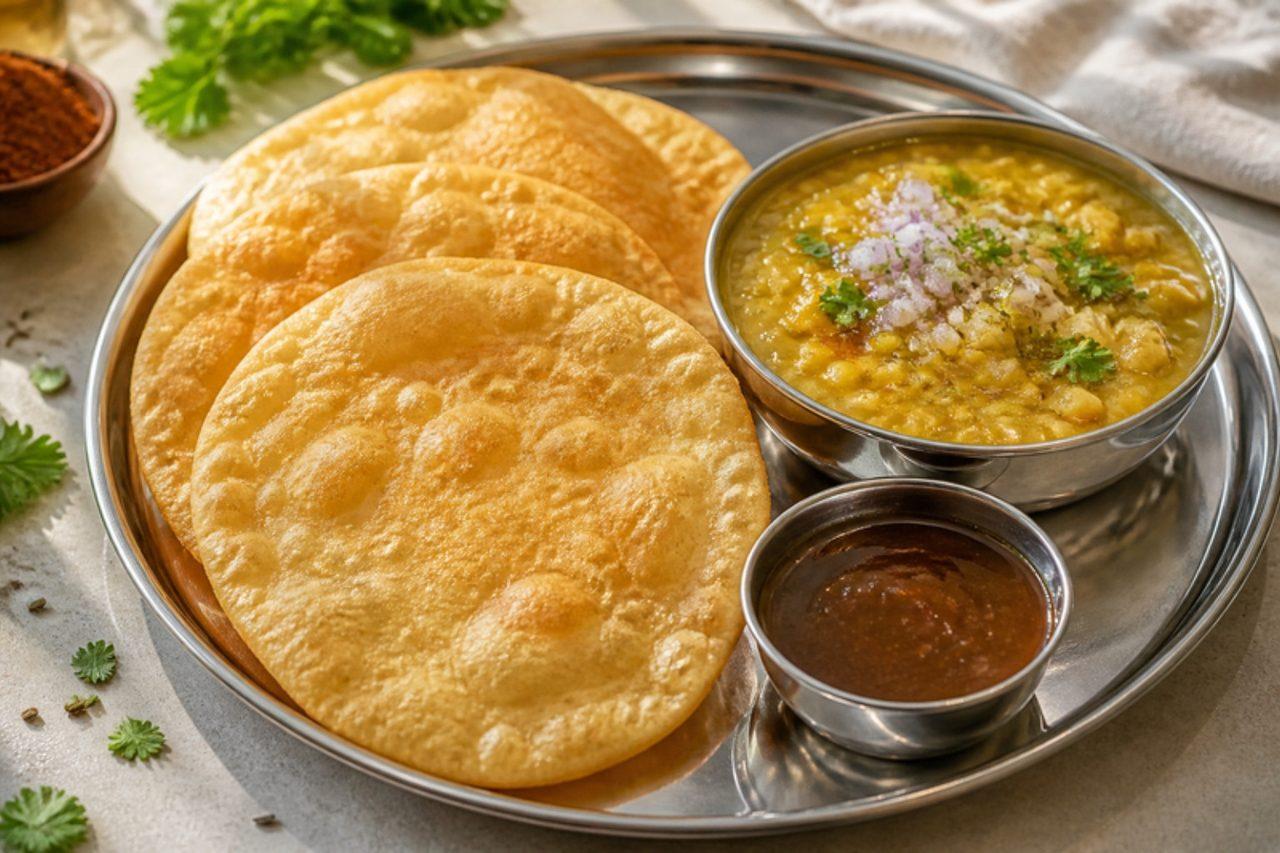
Dal pakwanFried bread with spiced chana dal

Sunday morning in Karachi's old Sindhi neighbourhoods, and in Hyderabad, means a queue at the dal pakwan stall, or a home kitchen hot with frying oil. Pakwan are crisp, bubbly discs of cumin and black-pepper dough, fried until they shatter like a cracker, and they are eaten broken into a bowl of soft, lightly spiced chana dal, then topped with sweet-sour tamarind chutney, raw onion and a dusting of chilli. The contrast of crunchy, soft, sweet and sharp is the whole point, so the parts are kept separate until the last moment. Thick pakwan are the most common disappointment: rolled too thick, they turn chewy instead of crisp. Chef's tip: roll each one as thin as you can and prick it all over with a fork before frying, so it puffs only a little and stays flat and crunchy.

by KrazyBadal 0 views

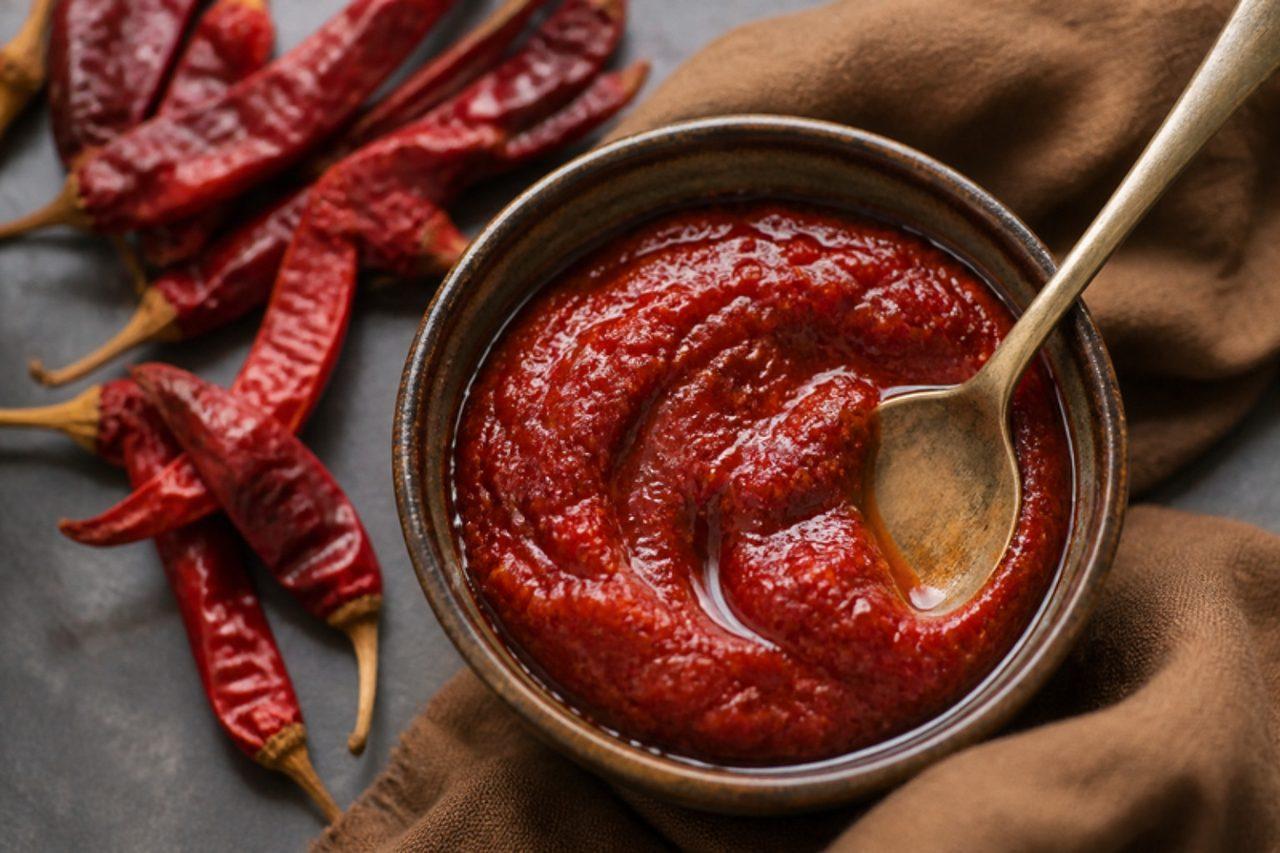
AwazeBerbere chilli dipping paste

Wherever tibs are fried or meat is grilled in Ethiopia, from roadside butcher-restaurants on the edge of Addis Ababa to wedding feasts, a small dish of brick-red awaze sits beside it. It is berbere turned into a thick, glossy paste: hot, garlicky, a little sharp from lemon, with a rounded warmth from the spices. Strips of meat are dabbed into it, it is stirred into a pan of tibs at the last moment, and a spoon of it livens up plain lentils too. Some cooks loosen it with tej (honey wine) or red wine, both of which contain alcohol; this version uses water and lemon juice and is entirely alcohol-free. Chef's tip: let it rest for an hour before using; the raw edge of the chilli softens and the garlic mellows into the paste.

by KrazyBadal 0 views

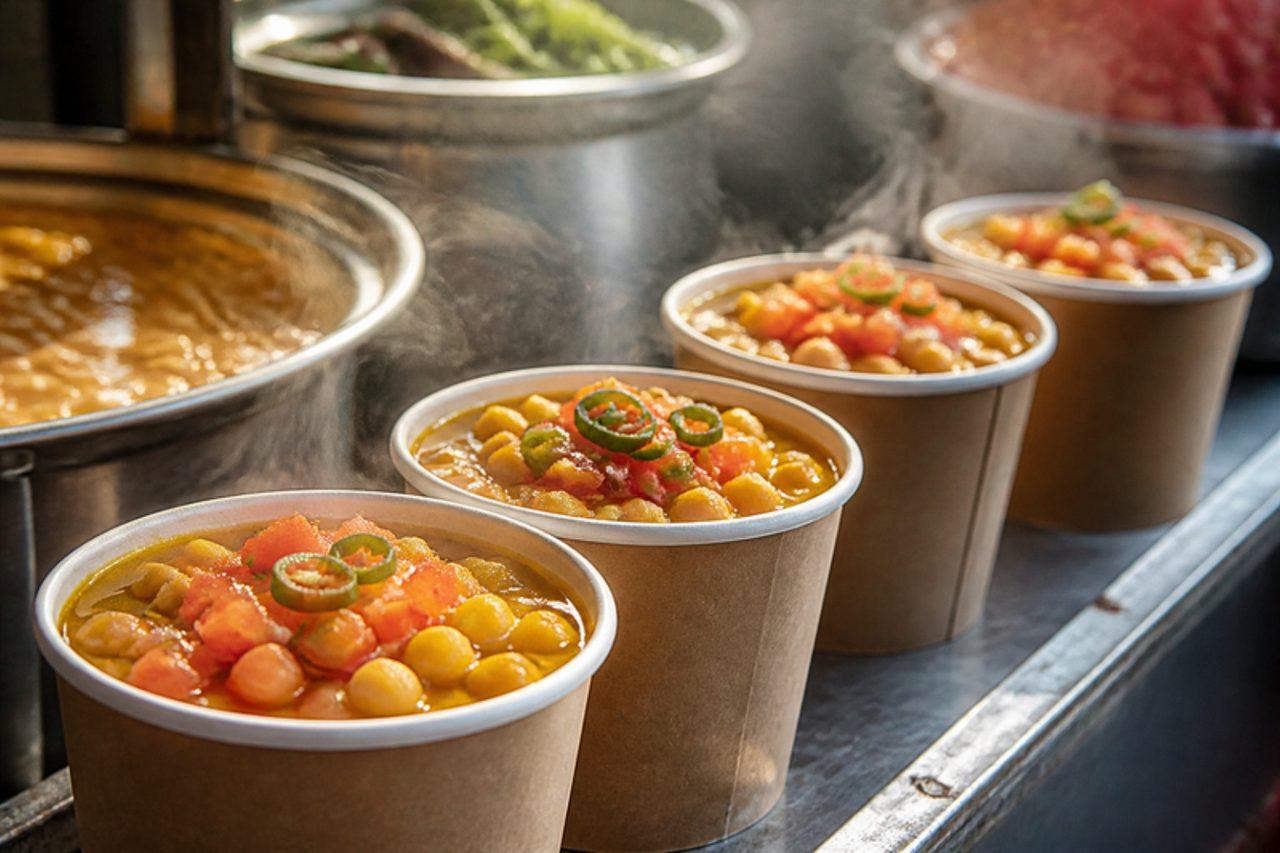
HalabessaHot spiced chickpeas in broth

Halabessa carts appear on Cairo and Alexandria corners once the winter evenings get cold, with a steaming pot of chickpeas and a stack of cups. The vendor ladles out tender chickpeas with plenty of their cooking broth, then adds salt, cumin, lemon and chilli, and sometimes a spoonful of tomato sauce, so it is half drink, half snack. It warms the hands as much as the stomach. The chickpeas need soaking overnight before cooking. The cardinal mistake is draining the chickpeas: the starchy cooking water is the whole point, so keep every drop. Chef's tip: simmer them very gently with the lid ajar so the broth turns cloudy and silky without the skins breaking.

by KrazyBadal 0 views

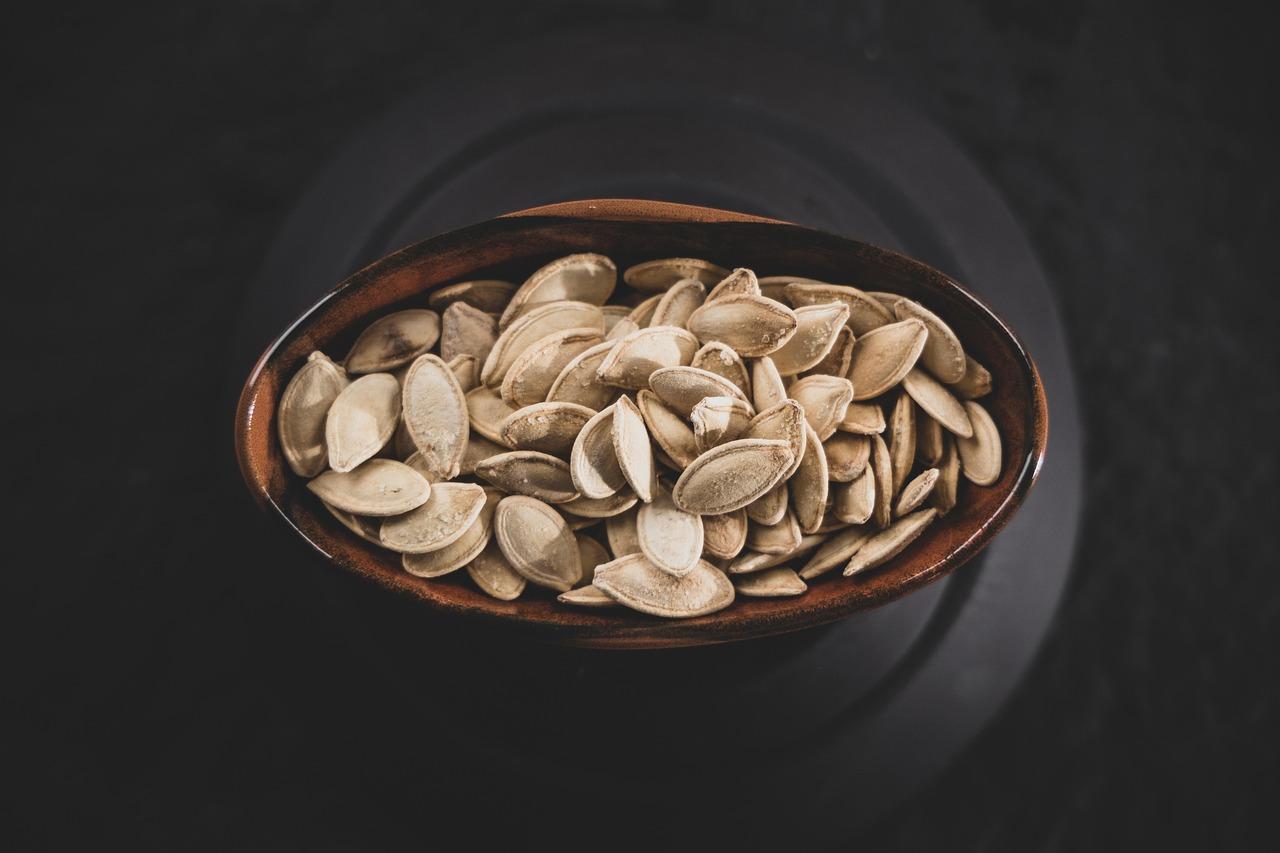
LibRoasted pumpkin and watermelon seeds

Paper bags of lib are what Egyptians crack through during football matches, Ramadan nights in front of the television and long evenings on the balcony, bought by weight from the roasters (mahmasa) on almost every Cairo street. White pumpkin seeds (lib abyad) and black watermelon seeds (lib asmar) are soaked in salty water, then roasted until the shells crack between the teeth and the kernel inside is toasty. Shelling them one by one is half the pleasure. The usual mistake is roasting too hot: the shells scorch before the seeds have dried, so keep the oven moderate. Chef's tip: let them cool completely on the tray; they only turn properly crisp as they cool.

by KrazyBadal 0 views

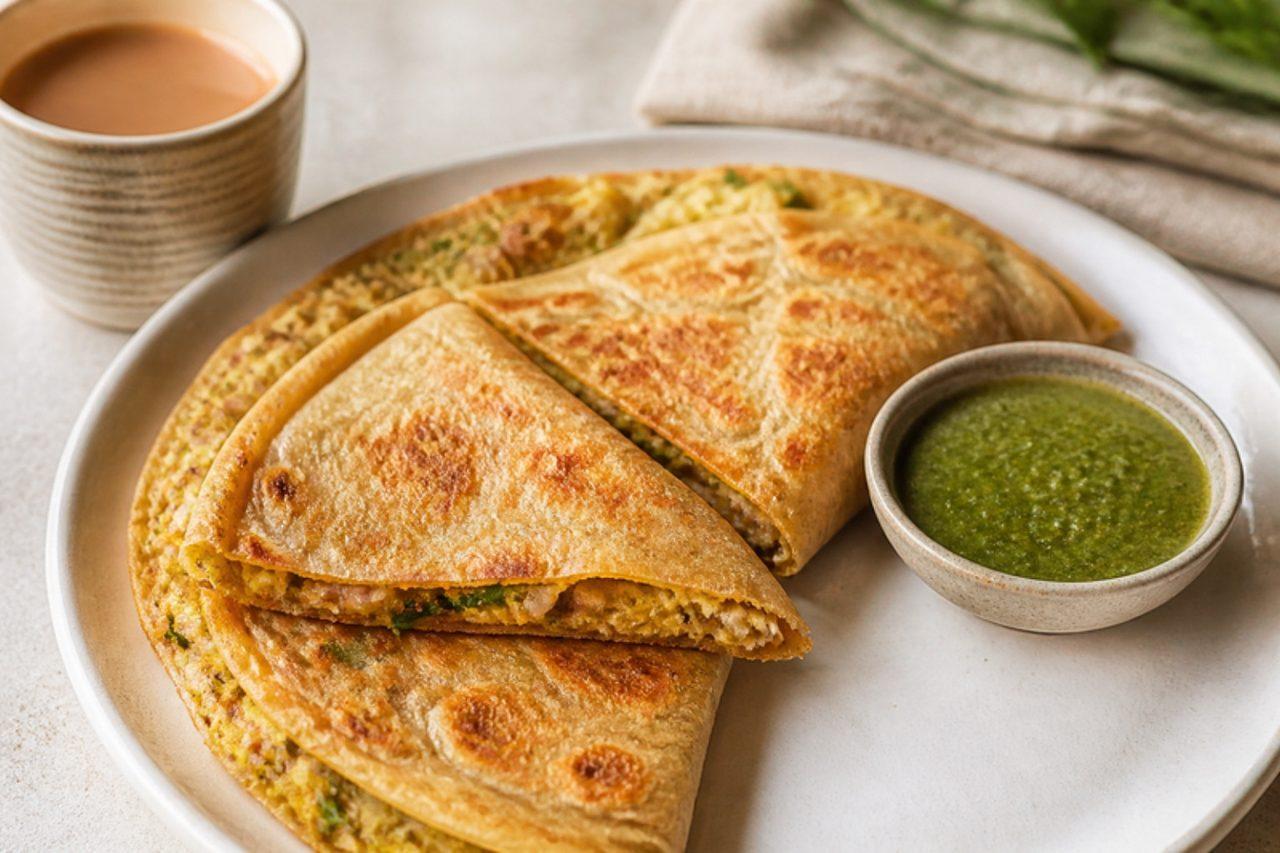
Anda parathaEgg-stuffed paratha

At the dhabas along the GT Road and the breakfast stalls of Rawalpindi's Saddar, the paratha-wala cracks an egg straight into a bowl with onion and chilli, half-cooks a paratha, pours the egg over and flips the whole thing onto the tawa so the egg fries into the bread. The result is one golden, layered disc that is crisp at the edges, soft where the egg meets the dough, and peppery with green chilli. Truck drivers, students and office workers eat it folded in half with chai, ketchup or green chutney, and it is a common packed lunch for school because it needs no curry. The problem most people run into is pouring the egg onto a raw paratha, which tears, or onto a fully cooked one, which will not let the egg stick. Chef's tip: cook the first side only until brown spots appear, then add the egg to the cooked side and flip so the egg sets against the hot iron.

by KrazyBadal 0 views

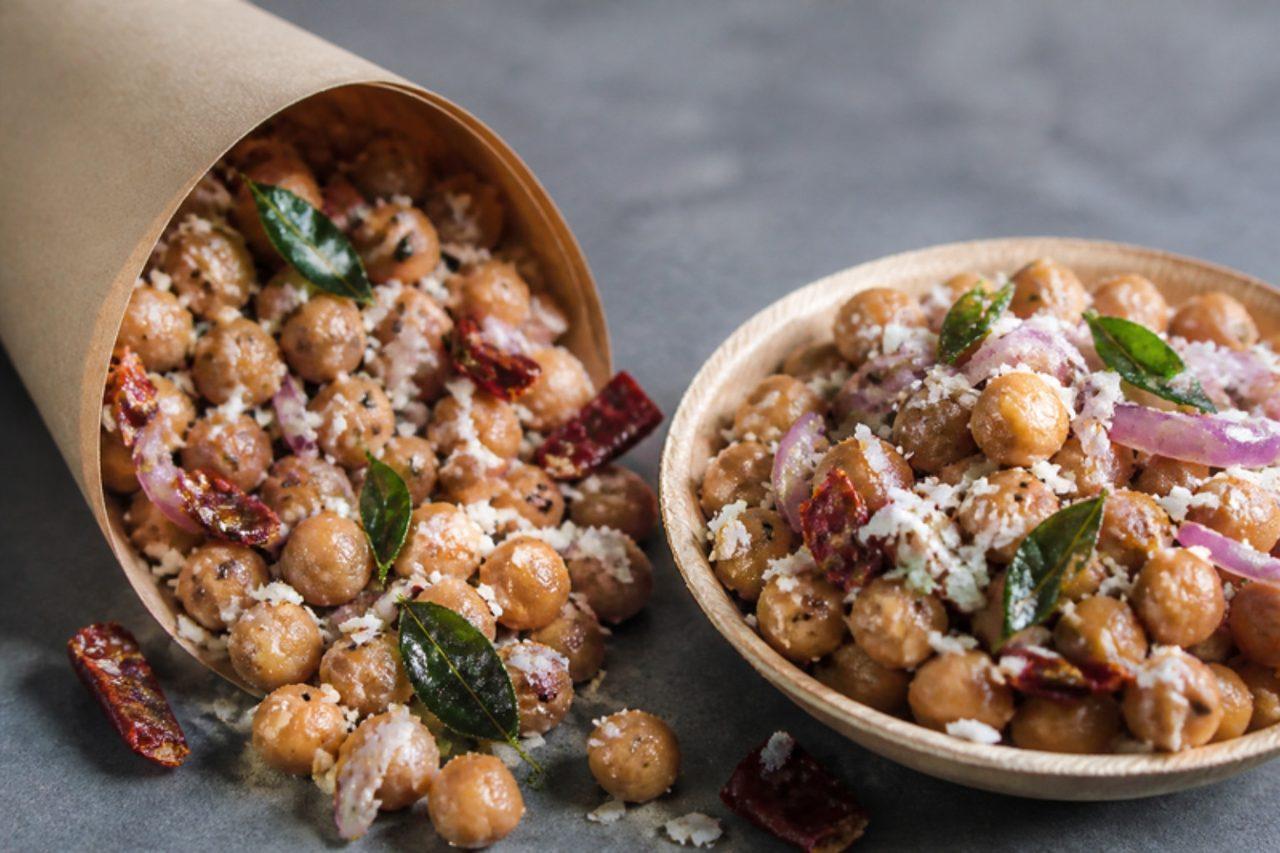
Kadala thel dalaStir-fried chickpeas

As the sun goes down over the sea at Galle Face Green in Colombo, vendors with glass-sided carts scoop warm kadala into cones twisted from old newspaper, and the same snack appears at temple festivals, perahera nights and every Avurudu gathering. Boiled chickpeas are tossed in coconut oil with mustard seeds, red onion, curry leaves, dried chilli and a handful of freshly grated coconut, so they are nutty, salty and gently hot, with a soft bite. Some vendors stir in Maldive fish; this version is vegan. Tinned chickpeas make it a ten-minute job, though home-boiled dried ones have a firmer, nuttier texture. Wet chickpeas are the problem to avoid, as they spit in the oil and the spices slide off; drain and pat them dry. Chef's tip: let the onion and curry leaves fry until the edges just begin to brown before the chickpeas go in; that toasty flavour is what makes street kadala so addictive.

by KrazyBadal 0 views

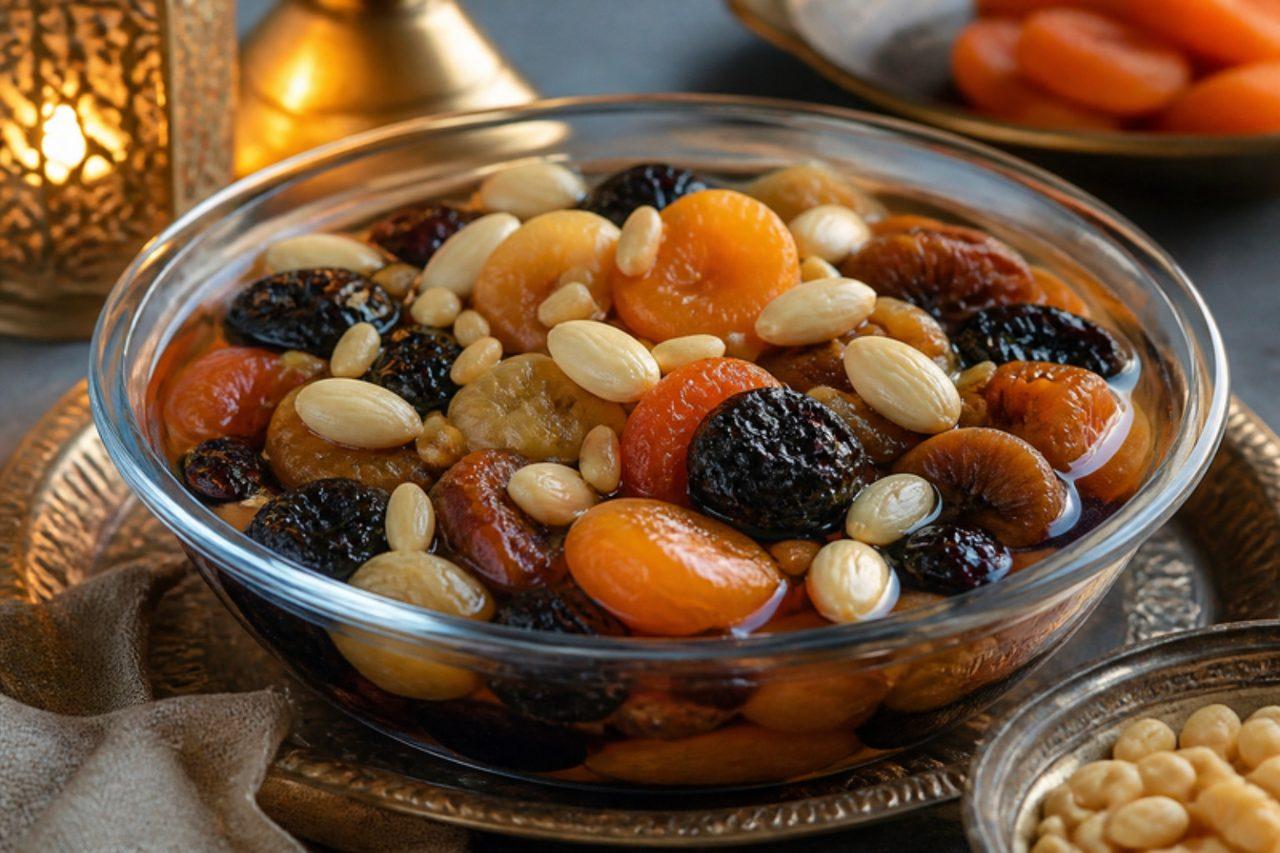
KhoshafDried fruit compote

Bowls of khoshaf sit on the iftar table all through Ramadan in Egyptian homes, and many people break their fast with a few dates and a glass of it before anything else. Dried apricots, prunes, figs and raisins soak overnight in lightly sweetened water until they swell, and the liquid turns into a fruity, amber syrup; toasted almonds and pistachios go on top for crunch. It is cool, gentle on an empty stomach and full of natural sugars. Soaking it on the counter in warm weather is the usual mistake, as it can start to ferment, so always soak it in the fridge. Chef's tip: add a teaspoon of orange blossom water just before serving rather than at the start; it fades overnight.

by KrazyBadal 0 views

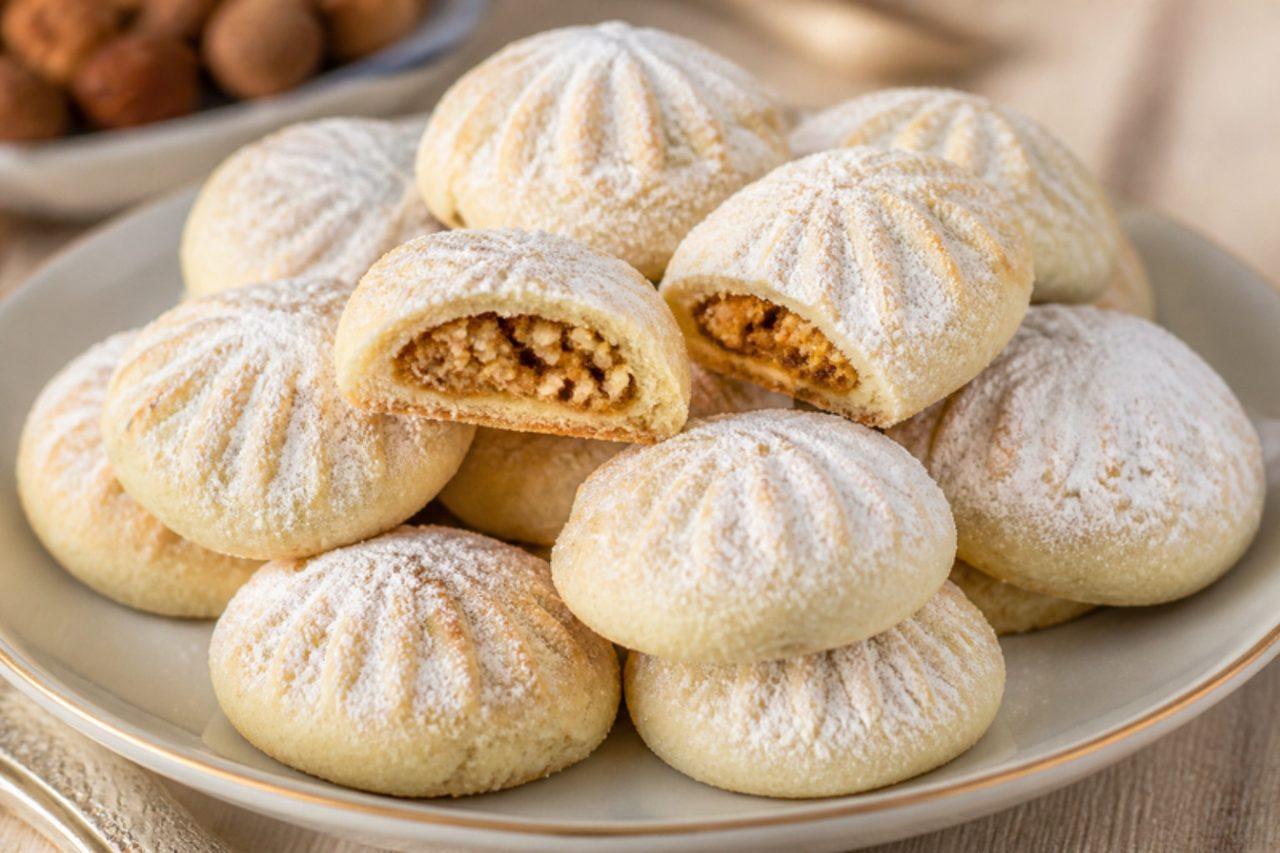
KahkEid ghee cookies

In the last nights of Ramadan, Egyptian kitchens fill with flour dust, trays and relatives as families bake kahk for Eid al-Fitr, and many still send them to the neighbourhood bakery's big oven. Hot ghee is rubbed into the flour so the cookies bake up crumbly and melting, fragrant with sesame and kahk spice, and each one is pinched with a patterned tweezer or pressed in a wooden mould before baking. They are filled with agameya, a sticky honey, nut and sesame paste, and buried under icing sugar, then served to every Eid visitor with tea or coffee. Overbaking is the mistake to avoid; kahk should be pale on top and only golden underneath. Chef's tip: the dough is ready to shape once a ball holds firm but crumbles if you squeeze it hard; it should never feel stretchy.

by KrazyBadal 0 views

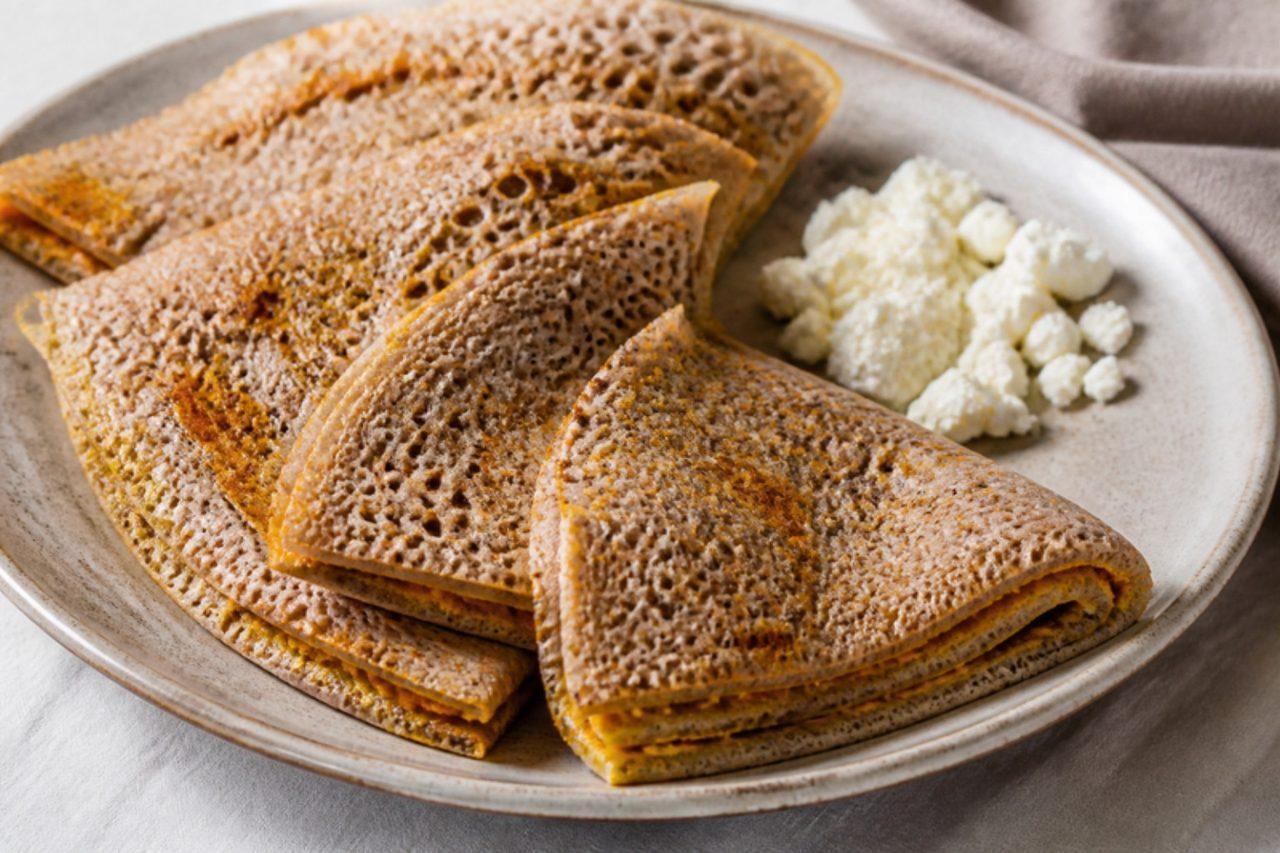
AnababeroLayered injera with spiced butter

Ask for anababero at a breakfast café in Addis Ababa and two injeras arrive stacked as one, glued together with melted niter kibbeh and a dusting of berbere, then warmed on the griddle until the butter soaks through. The result is soft and tangy inside, a little crisp at the edges, and much richer than plain injera; the name roughly means 'layered' or 'piled on top'. It is torn and eaten as it is with sweet spiced tea or coffee, or served beside a bowl of ayib or a spoon of awaze for anyone who wants it hotter. Because it uses yesterday's injera, it is a favourite way to turn leftovers into a proper breakfast. Chef's tip: brush the butter on warm, not hot, so it melts into the injera's holes instead of pooling on the surface.

by KrazyBadal 0 views

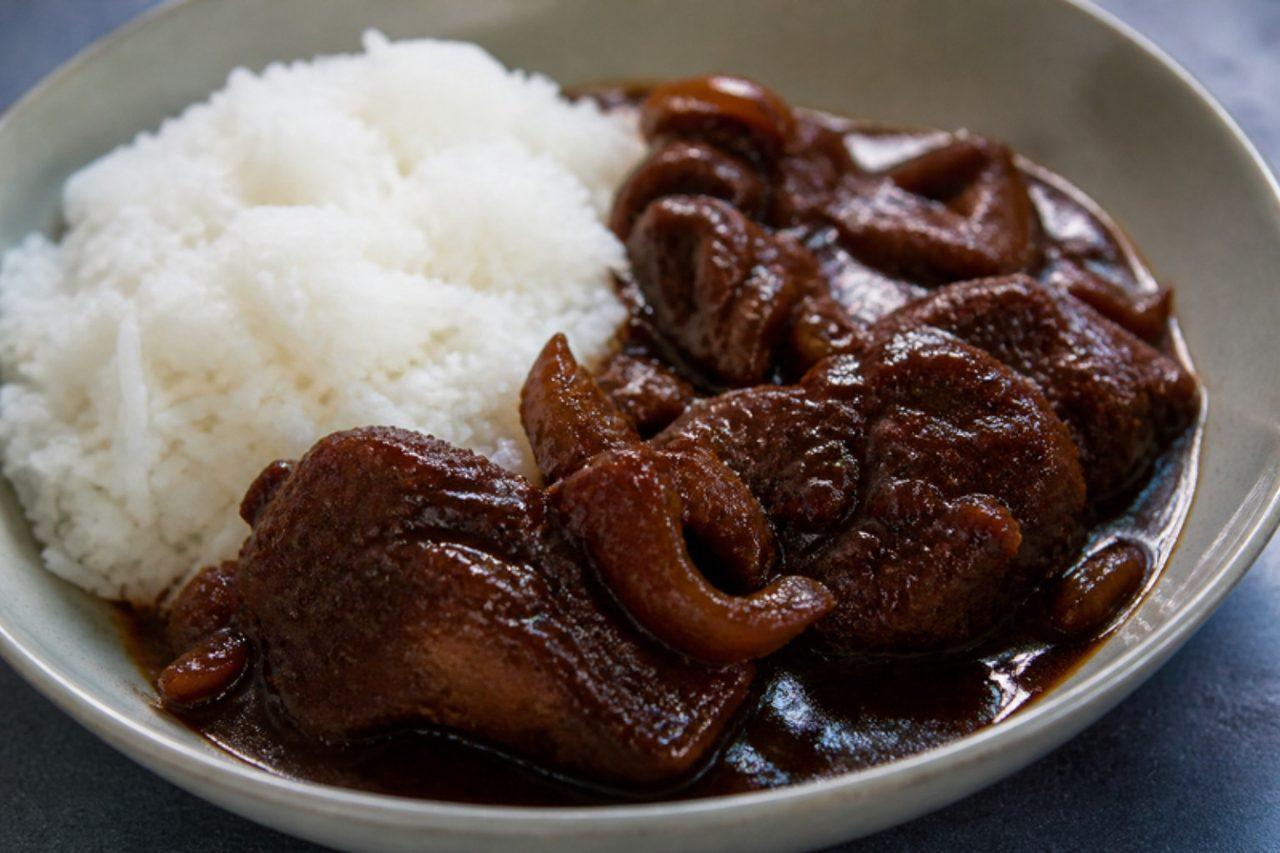
Daging smoorBeef braised in sweet soy

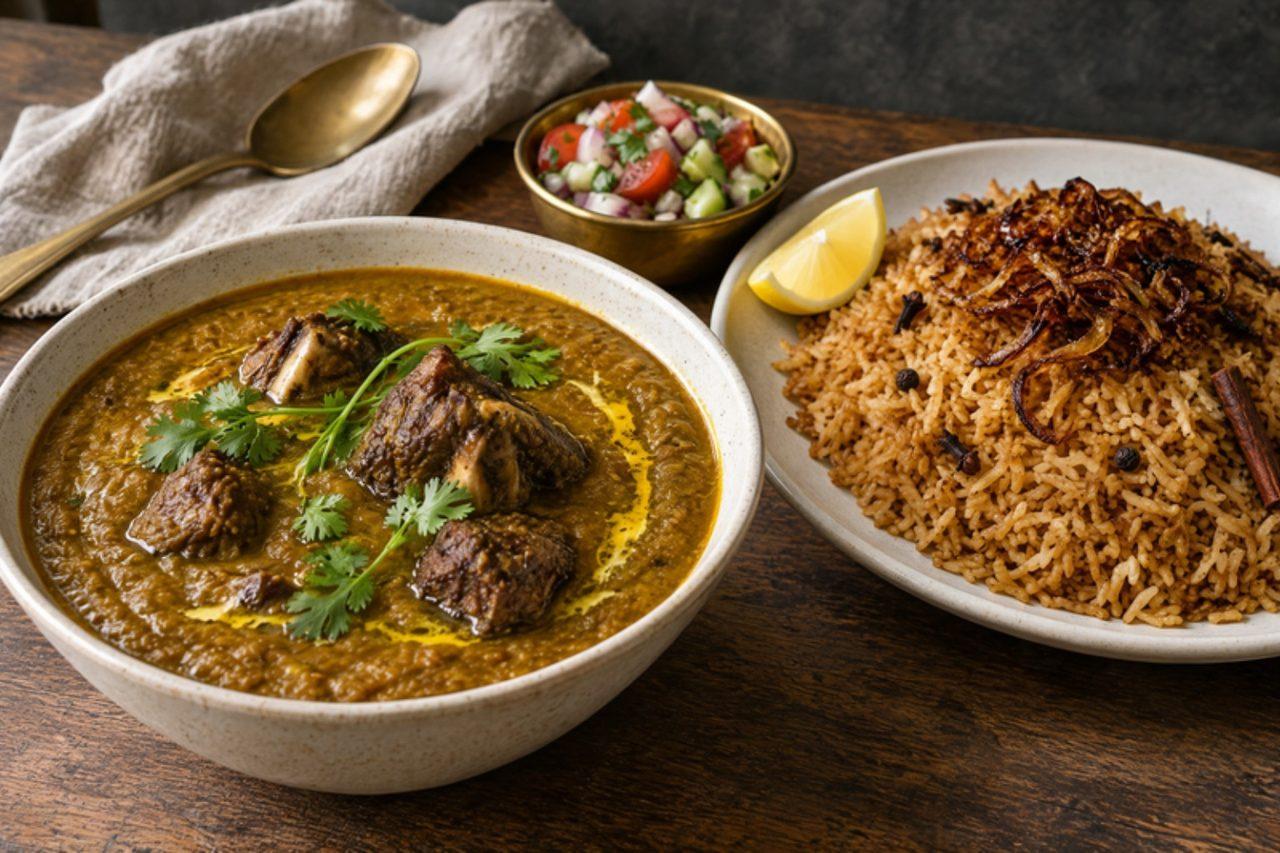
Daging smoor, from the Dutch 'smoren', to braise, is the Indo-Dutch version of Indonesian semur: beef braised for hours in kecap manis sweet soy sauce with onion, garlic, nutmeg, clove and a little tomato, until tender and coated in a dark, glossy, sweet-savoury sauce. It is a Sunday and rijsttafel dish in Indo-Dutch families in The Hague and is served with rice and atjar. A common mistake is a hard boil, which makes the meat tough and the sauce too salty as it reduces. Chef's tip: add the nutmeg at the start and a pinch more at the end, so its warmth runs through and the fresh aroma comes through on top.

170 minDutchCurries
by KrazyBadal 0 views

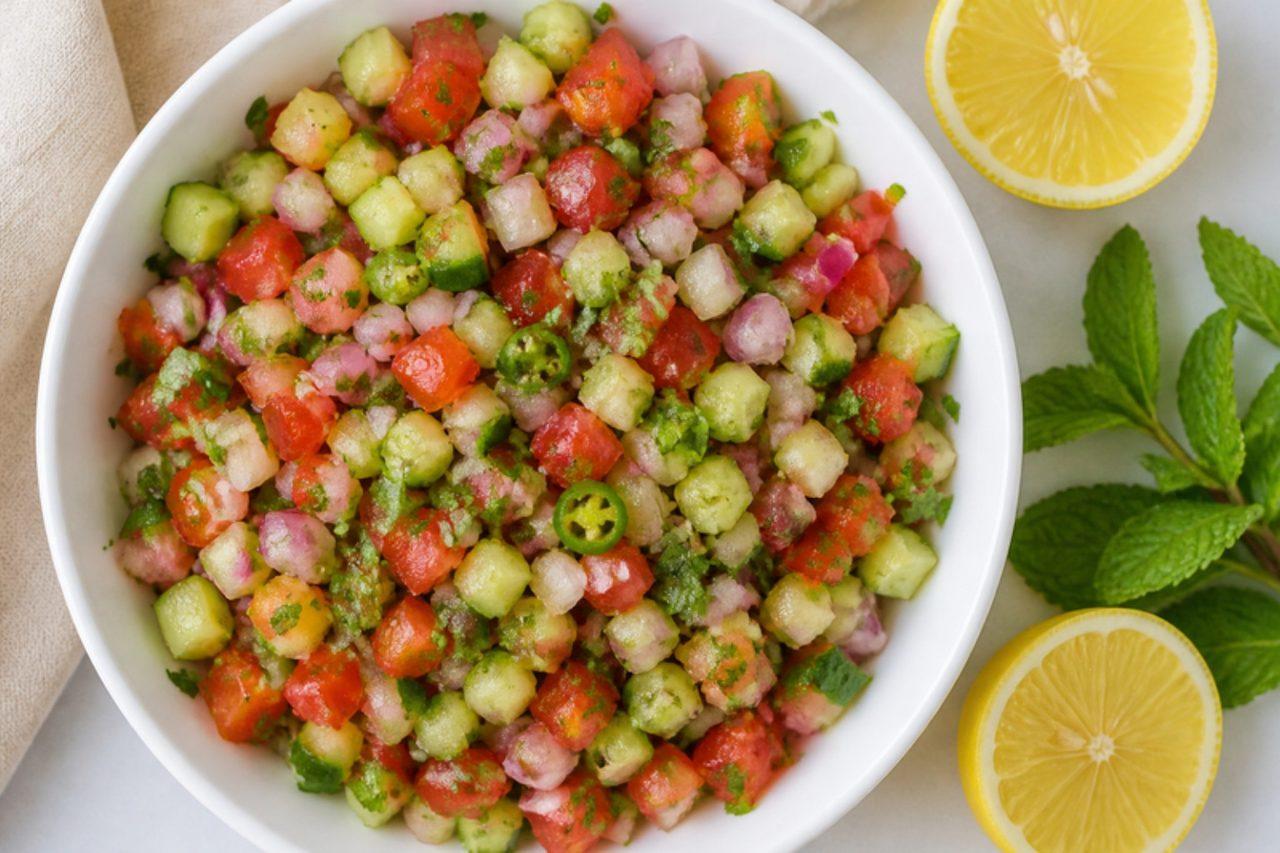
Kachumar saladTomato, onion and cucumber salad

No Pakistani dastarkhwan feels complete without a little bowl of kachumar, whether it sits beside a biryani at a Karachi wedding, a karahi at a highway truck stop or plain dal at home on a Tuesday. It is nothing more than tomato, onion and cucumber cut into very small, even dice, dressed at the last moment with lemon, salt, green chilli and coriander, yet the crunch and sharpness are what make rich food feel lighter. Some families add a pinch of roasted cumin or a few mint leaves; in Punjab it is often spooned straight onto the side of the plate rather than served apart. Dressing it too early is the main trap, because the salt pulls water from the tomatoes and leaves a soggy puddle. Chef's tip: seed the tomatoes and cucumber before dicing so the salad stays crisp for the whole meal.

by KrazyBadal 0 views

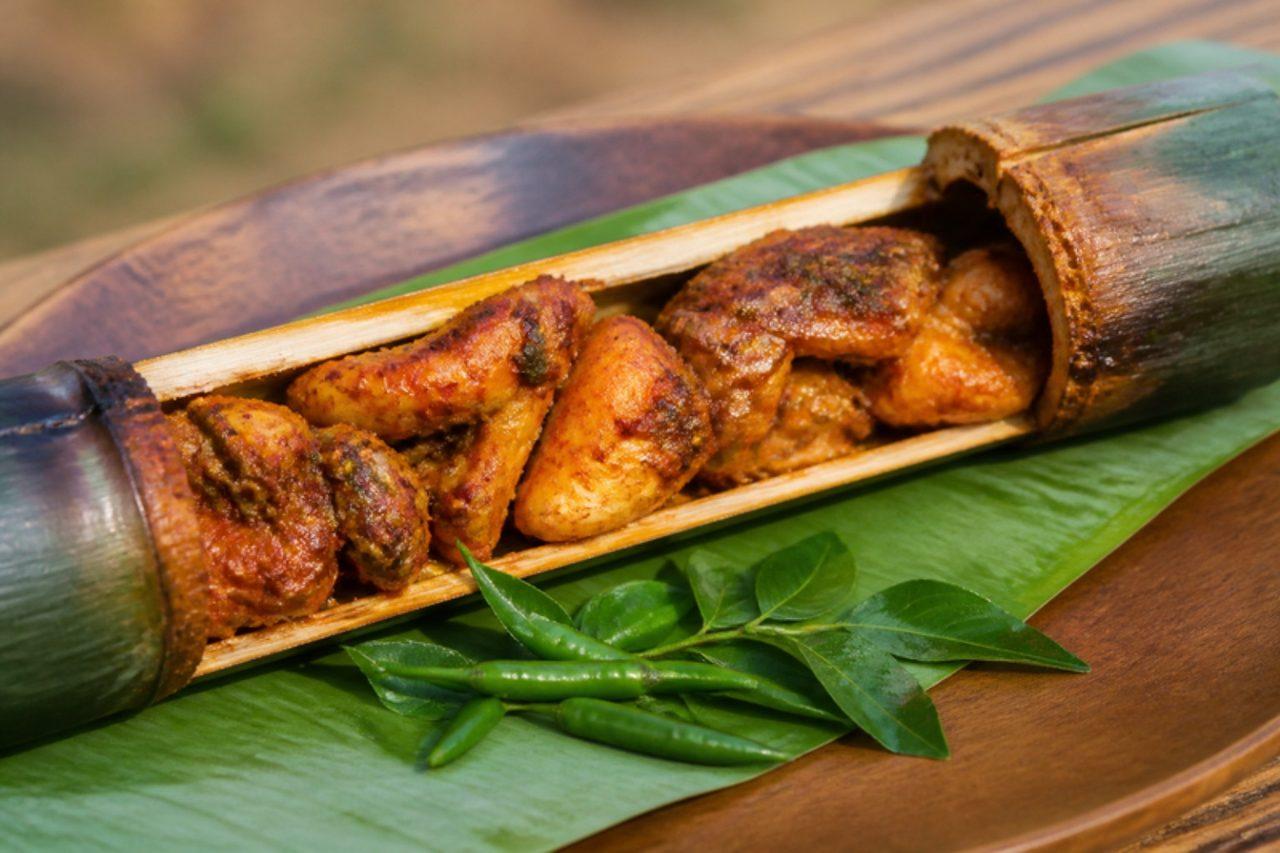
Bamboo chickenBamboo-roasted spiced chicken

Trekkers heading up to Nilgiri and Boga Lake in the Chittagong Hill Tracts look forward to one meal in particular: chicken that Marma and Bawm cooks pack into a freshly cut length of green bamboo, plug with leaves and lean against the embers until the tube blackens and hisses. Inside, the meat steams in its own juices with ginger, garlic, lemongrass, turmeric and bird's-eye chilli, and picks up a faint grassy sweetness from the bamboo. It is eaten with plain rice and a sharp chilli chutney, often at a jungle campfire. At home a heavy lidded casserole or a tight foil-and-banana-leaf parcel in the oven gives a very close result. The trap is packing in too much liquid, which boils the chicken instead of steaming it; the meat makes its own juice. Chef's tip: use small bone-in pieces, because large joints stay undercooked in the middle of a tube.

by KrazyBadal 0 views

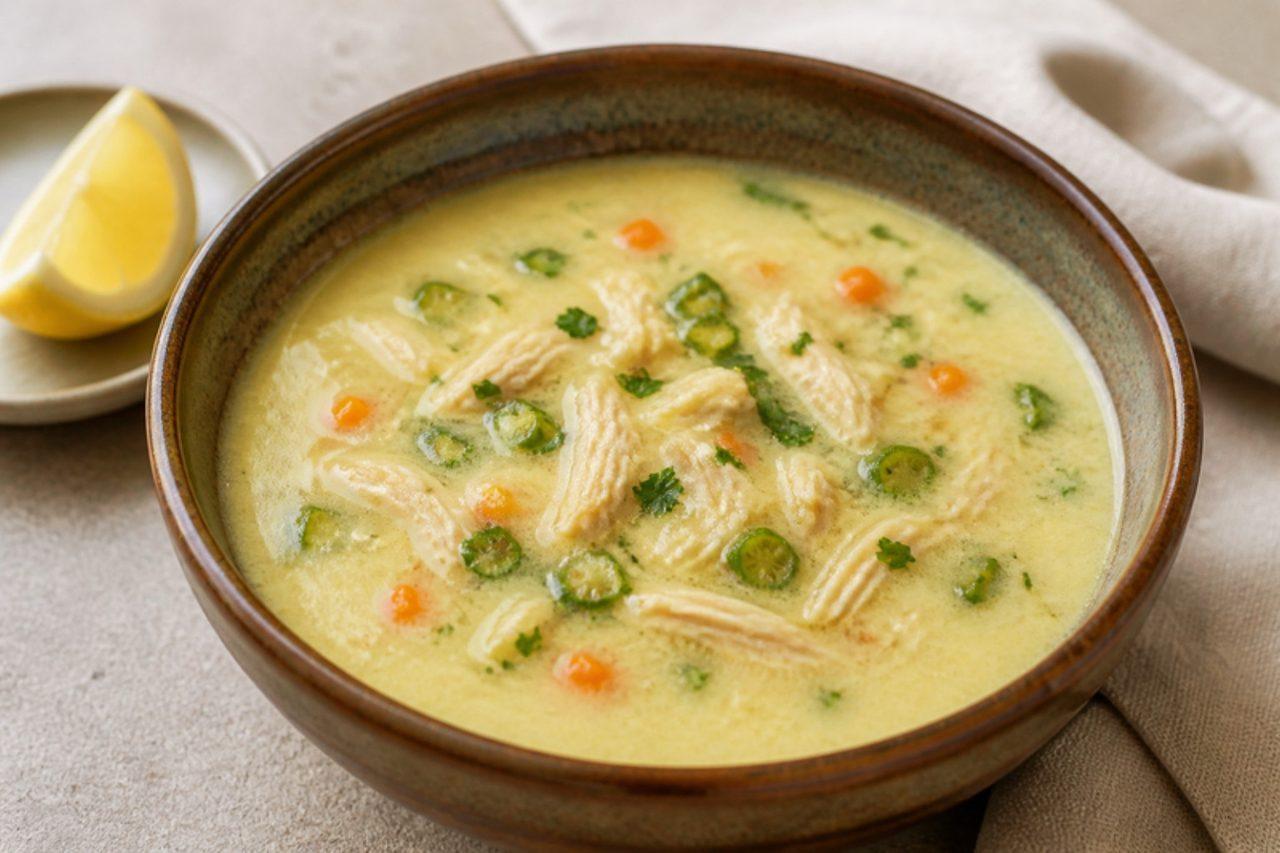
Begova čorbaChicken and okra soup

Fit for an Ottoman bey, this velvety soup is the opening course of special dinners in Sarajevo and across Bosnia and Herzegovina, ladled out at weddings, Bajram tables and in the old aščinice, the canteens of the Baščaršija bazaar. Chicken simmers with carrot, celeriac and parsley root, and small okra pods go in to give a gentle, silky body; at the end, egg yolks and sour cream turn it creamy and pale gold, with a sharp lift from lemon. A common mistake is pouring the yolks straight into boiling soup, where they scramble: warm them with a little broth first. Chef's tip: dried okra, if you can find it in a Turkish shop, is traditional and less slimy; soak it in water with a splash of vinegar.

by KrazyBadal 0 views

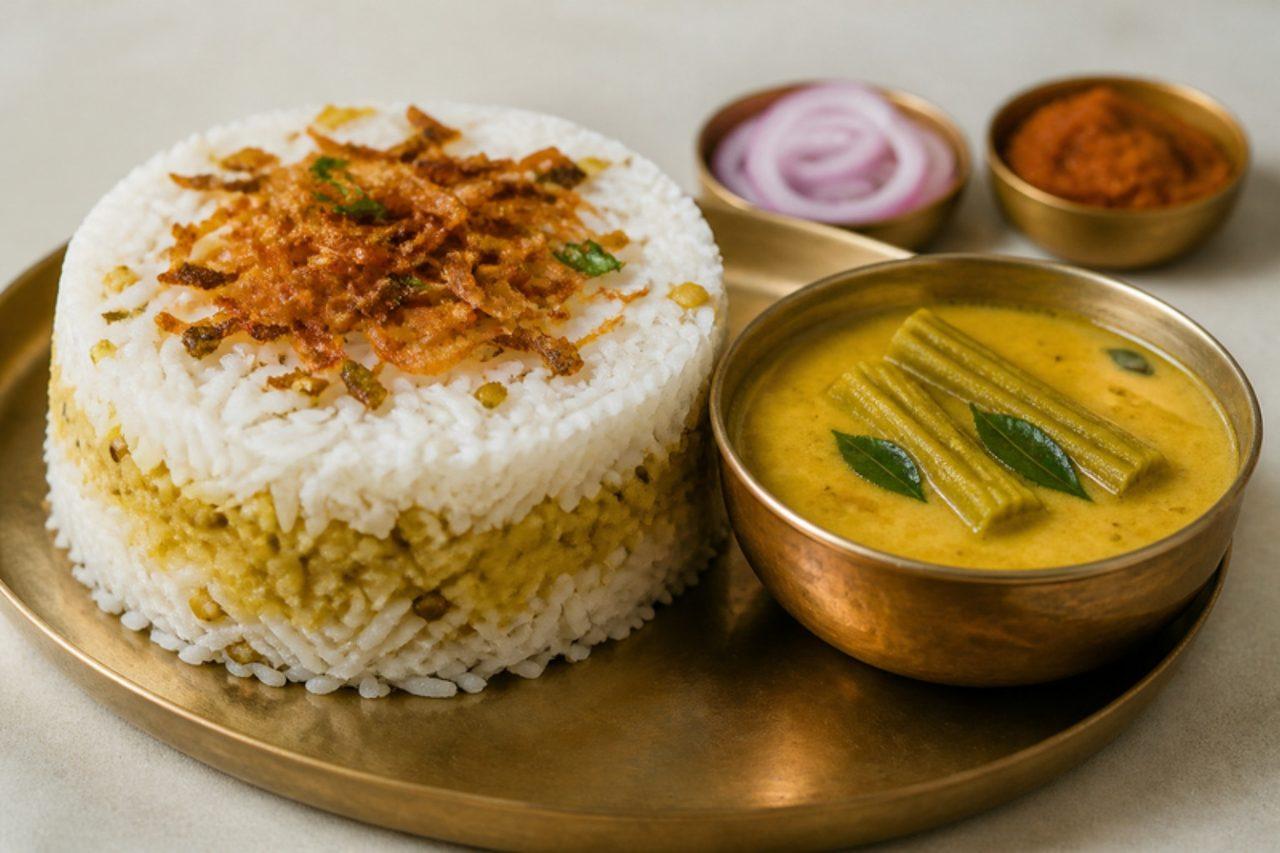
Dal chawal paliduLayered rice and dal

In the Dawoodi Bohra community of Karachi's Saddar and Kharadar, dal chawal palidu is the comfort meal of Sunday lunch and of the shared thaal at community gatherings, and nobody who grew up with it considers it complete without all three parts. Long-grain rice is layered with whole, separate grains of spiced toor dal and crisp fried onion, then steamed, while palidu, a thin, tangy curry made from the dal's own cooking water thickened with gram flour, tempered with mustard seed, curry leaves and garlic and studded with drumsticks, is poured over at the table. It is gentle, sour and deeply savoury. Overcooking the dal is the error to avoid, since it must stay in whole grains for the layers. Chef's tip: drain the toor dal as soon as it is tender and save every drop of the water, because that water is the base of the palidu.

by KrazyBadal 0 views

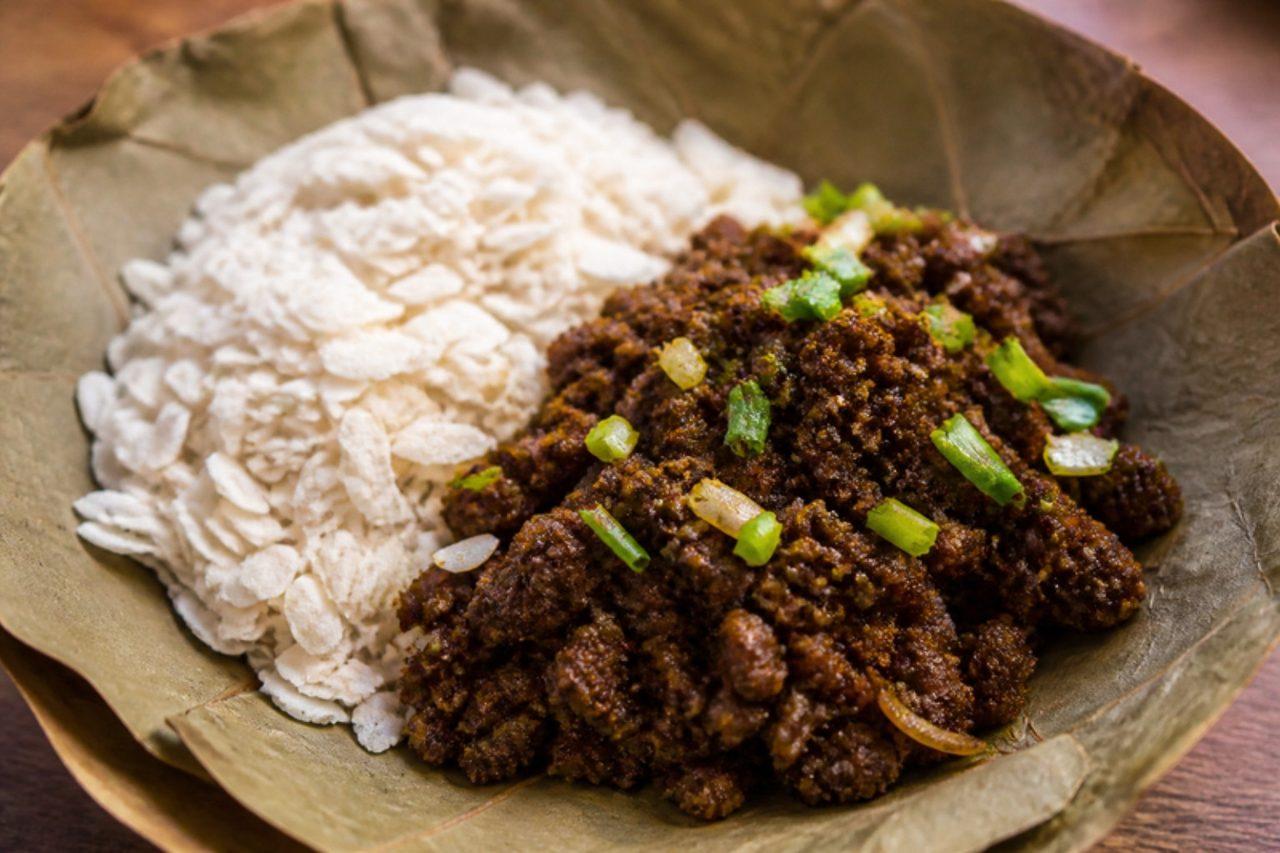
Kachila (cooked)Spiced buffalo mince

In the Newar homes and bhoj feasts of the Kathmandu Valley, kachila is a prized delicacy: finely minced buffalo meat mixed with mustard oil, garlic, ginger, chilli and numbing timur, eaten in small spoonfuls with beaten rice, traditionally raw. Raw minced meat can carry harmful bacteria and parasites right through, so the traditional raw form is not for pregnant women, young children or anyone with a weakened immune system, and we do not recommend it for anyone at home. This version keeps every bit of the seasoning but sears the mince quickly in a very hot pan to 71 °C, so it stays soft and loose rather than turning into a dry fry, then dresses it with the classic smoking mustard-oil tempering. It is eaten as part of samay baji or as a snack with chiura. The usual slip is overcooking it into crumbly pellets; take it off the heat the moment it is cooked through. Chef's tip: use buffalo or beef mince, or ask the butcher to mince lean beef twice, very fine.

30 minNepaliMeatGluten freeSpicy
by KrazyBadal 0 views

KibbelingBattered white fish chunks

Kibbeling is the fish snack of Dutch markets and harbours, sold in paper trays from fish vans at Saturday markets from Volendam to Rotterdam: bite-sized chunks of cod or pollock coated in a spiced batter and fried until crisp, with a pot of garlic sauce or remoulade. It began as a way to use the cheeks of cod. A common mistake is a thick batter, which turns bready and greasy. Chef's tip: season the batter well with a little curry powder and paprika, the market-van secret, and fry at 180 °C until golden; the fish is done when opaque and flaking.

25 minDutchFish
by KrazyBadal 0 views

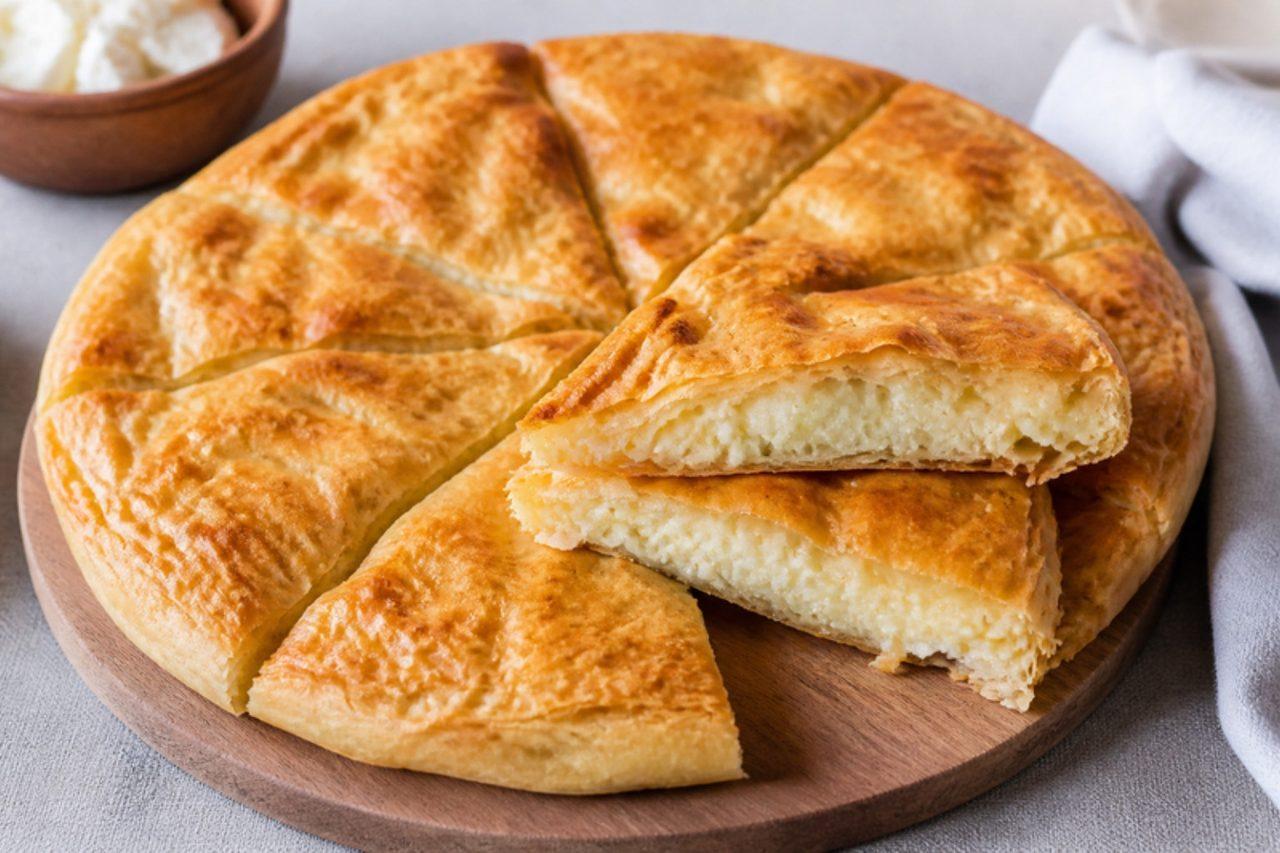
KadaFlaky pastry with butter crumbs

Kada is a tea-time pastry found in bakeries from Tbilisi to the Mtskheta monastery stalls, where it is sold warm beside churchkhela: a round of rich yeasted dough, folded around a sweet filling of flour, butter and sugar rubbed into crumbs, then rolled flat so the filling bakes into soft, melting layers. A common mistake is rolling the filled dough too hard, which pushes the crumbs through the surface. Chef's tip: chill the filling so the butter stays cold; it melts in the oven and makes flaky, buttery pockets.

by KrazyBadal 0 views

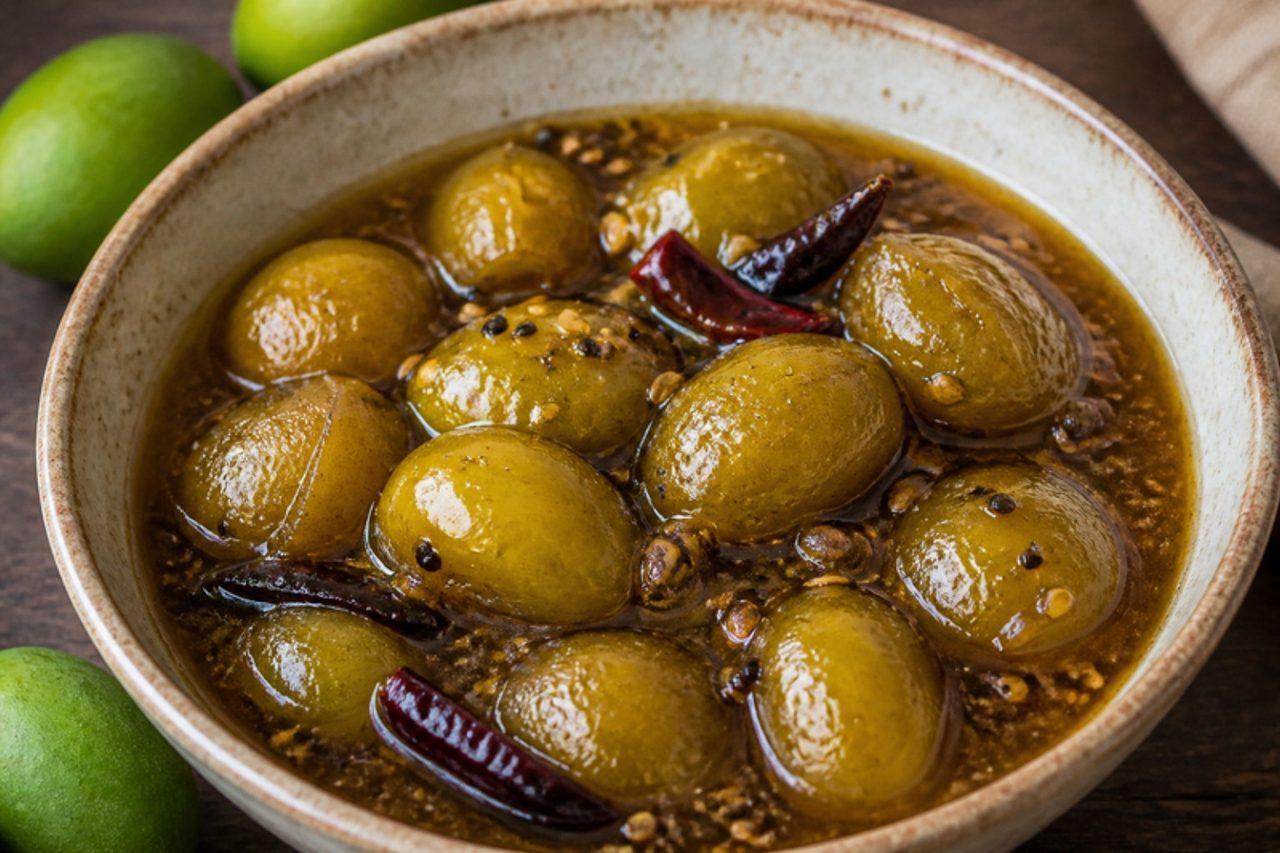
Amra chutneyHog plum chutney

Barisal is famous for its amra, the green, tart hog plums that pile up on market stalls from August to October, and every household there turns some of the harvest into a glossy, jammy chutney. The fruit is scored so the jaggery syrup can soak in, then simmered with panch phoron, dried chilli and a little turmeric until the flesh is soft around the hard, spiny stone. Sweet, sour and gently hot, it is served at the end of a wedding feast or a festive lunch, a spoonful eaten with the last of the rice, and children suck the stones clean. Cooking it too hard reduces the syrup to toffee once it cools, so stop while it still runs off the spoon. Chef's tip: if you can't find hog plums, sour green plums or a firm green mango cut into chunks make a good stand-in.

by KrazyBadal 0 views

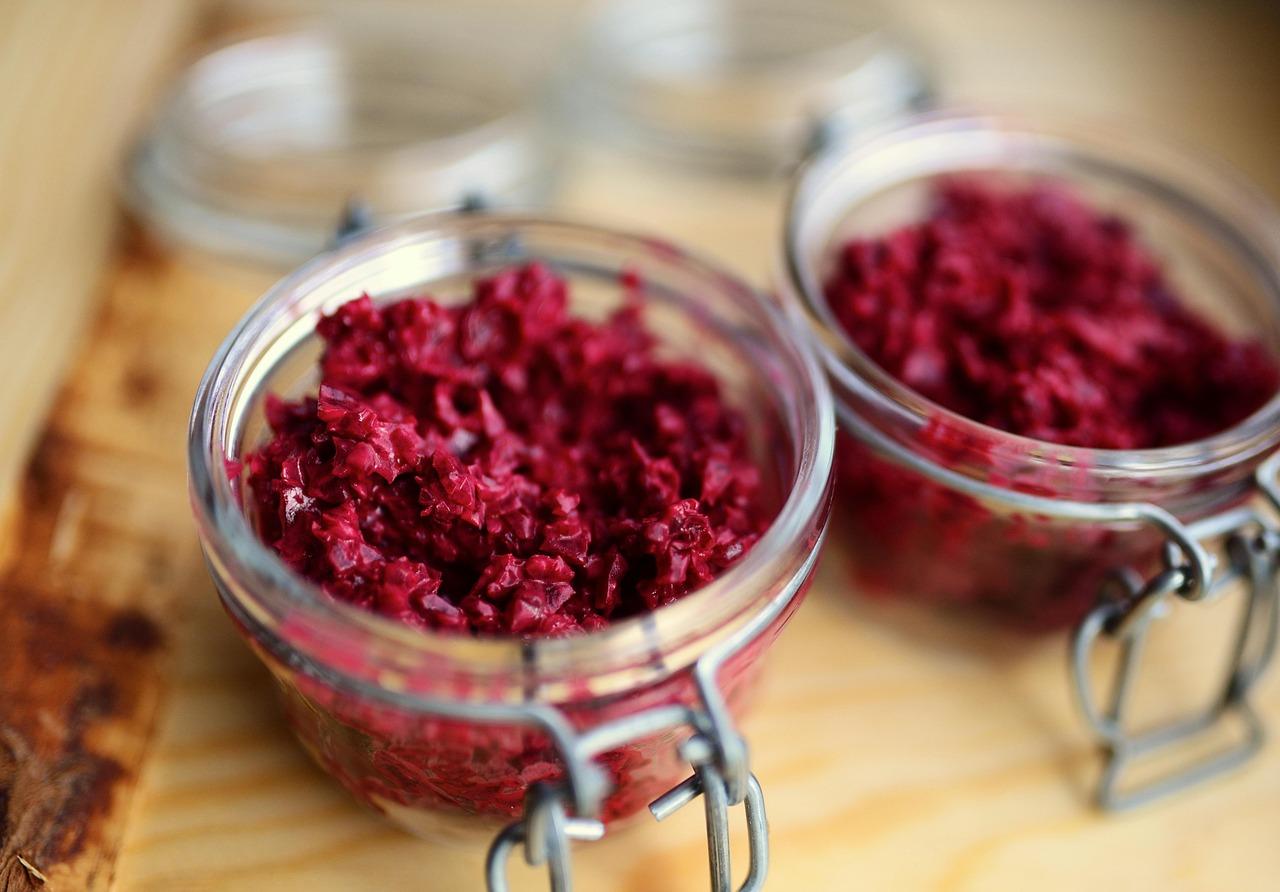
Ćwikła z chrzanemBeetroot and horseradish relish

Easter baskets blessed in Polish churches on Holy Saturday always hold a little horseradish, and on Sunday morning it reappears mixed with beetroot as ćwikła, the bright purple relish passed around with eggs, white sausage, ham and rye bread. Here it is meat-free; spoon it beside eggs, cheese or roast vegetables. It is sweet, sour and sharp enough to clear your nose, and the heat fades over a few days in the fridge. A common mistake is using jarred horseradish cream, which makes it milky and mild; use freshly grated root or plain grated horseradish in vinegar. Chef's tip: grate the horseradish near an open window, or in a food processor, and add it last so its heat stays lively.

by KrazyBadal 0 views

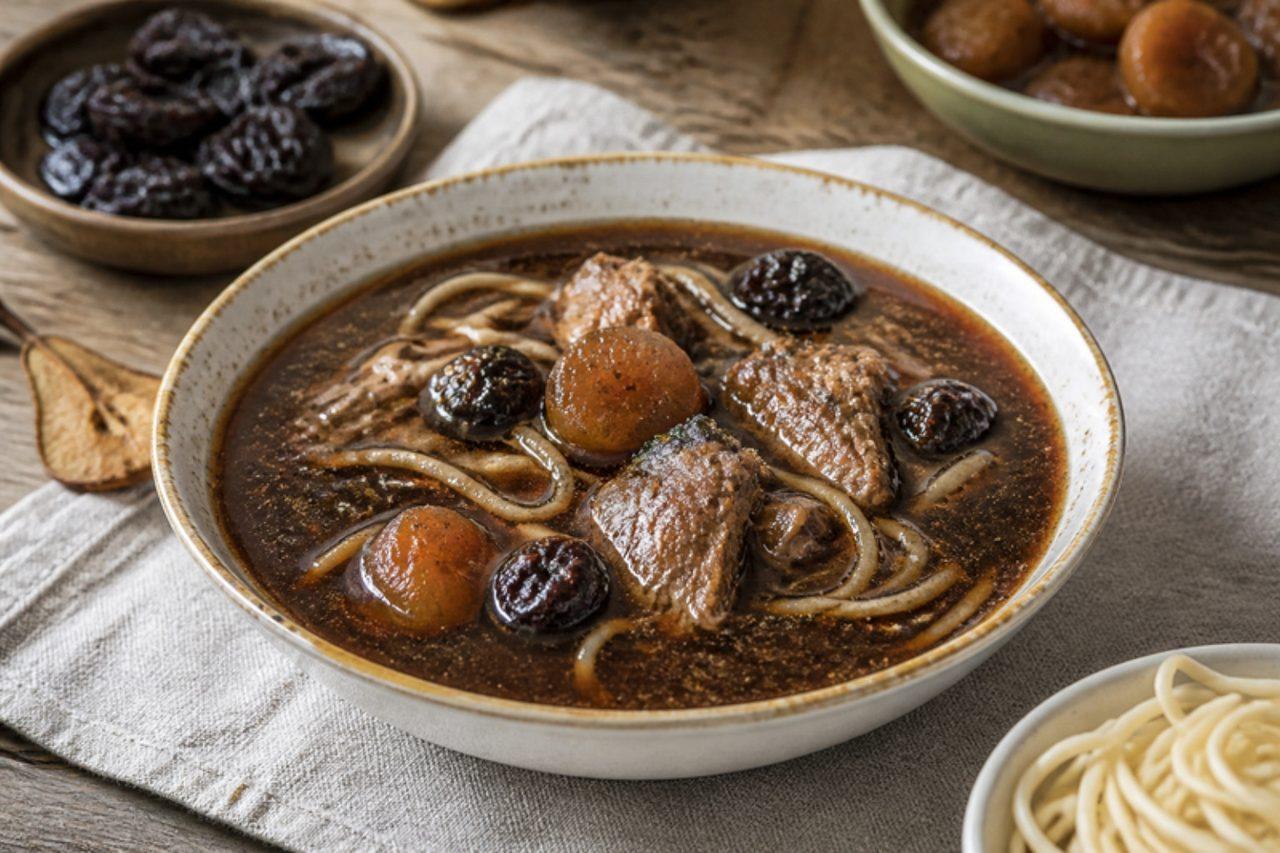
CzerninaSweet-sour duck blood soup

Few soups divide a Polish table like czernina, the dark, glossy duck broth of Greater Poland and Kashubia, tinted chocolate-brown with duck blood and sharpened with vinegar, then sweetened with dried plums, pears and apples. Farm families made it when a duck was killed in autumn, and in old Polish custom a suitor served czernina knew his proposal had been turned down. The taste is rich, sweet-sour and deeply savoury, with fine egg noodles to soak it up. Safety matters here: buy fresh duck blood from a butcher, already mixed with vinegar so it does not clot, keep it at fridge temperature and use it within a day. Undercooked blood is not for pregnant women, young children or anyone with a weakened immune system. People often let the soup boil hard after the blood goes in, and it turns grainy. Chef's tip: temper the blood with hot broth before stirring it into the pot, then heat gently to a steady simmer.

150 minPolishSoups
by KrazyBadal 0 views

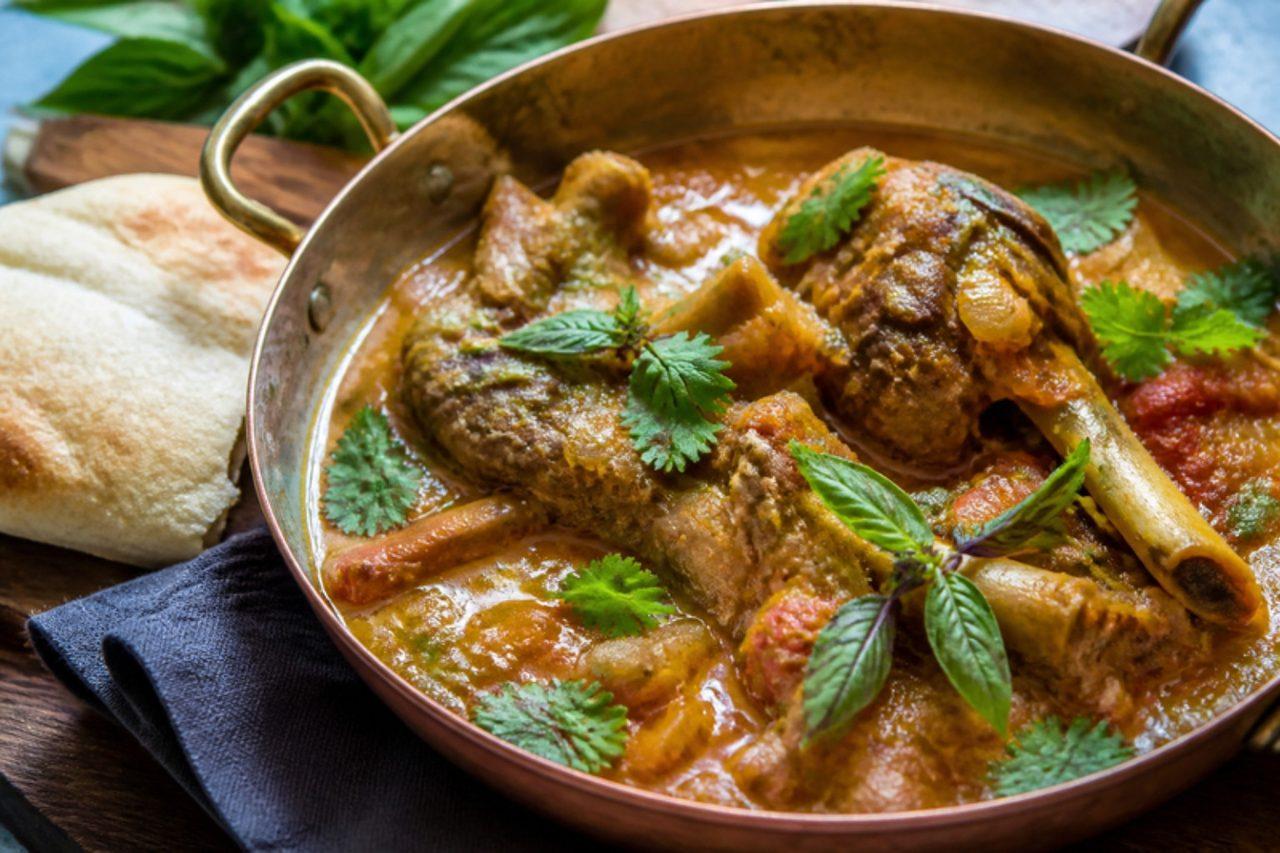
BozartmaLamb stew with tomato and saffron

Bozartma comes from Ganja, Azerbaijan's second city at the foot of the Lesser Caucasus, where lamb on the bone is browned and then stewed with a mountain of onions and tomatoes until the sauce turns thick and red-gold with saffron. The name hints at the browning (boz, 'grey-brown'), and Ganja cooks say the onions must melt completely. It is eaten with bread and greens, and a chicken version is common too. A common mistake is adding water; the onions and tomatoes give all the liquid needed. Chef's tip: cook it uncovered for the last 15 minutes, until the fat rises to the top; that is how Ganja cooks know bozartma is ready.

by KrazyBadal 0 views

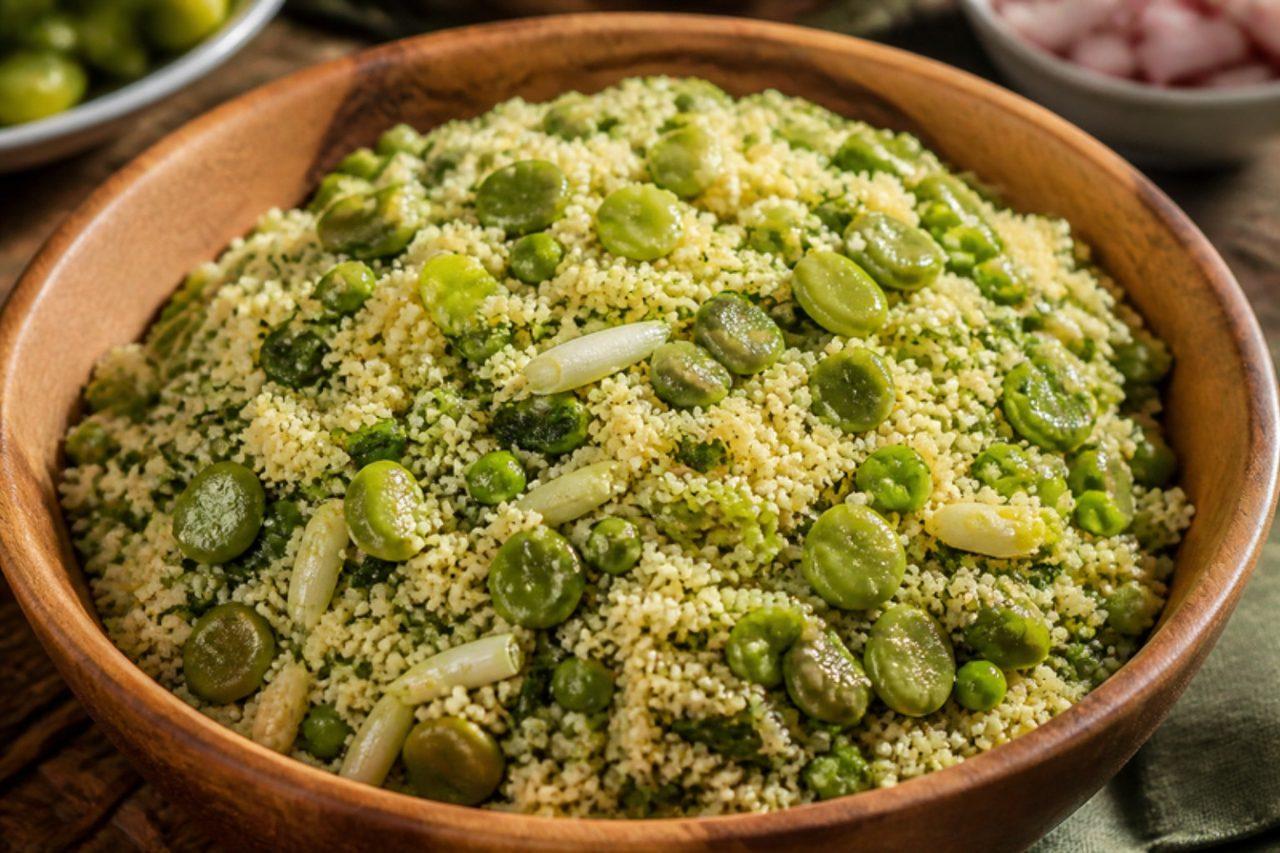
ThamekfoultCouscous with broad beans and peas

Spring in the Kabyle villages means thamekfoult: when the first broad beans and peas come in, they are steamed in the same basket as the couscous, so grain and vegetables cook together in one fragrant cloud of steam. There is no sauce at all; instead, the hot couscous is dressed generously with the region's peppery olive oil, so it tastes green, sweet and grassy. It is a family lunch dish, often eaten with a glass of buttermilk or a few olives; this version keeps it vegan. Chef's tip: oil the couscous before the first steaming, rubbing every grain; that stops it clumping and helps it swell evenly.

by KrazyBadal 0 views

ThikourbabineSemolina dumplings in pepper sauce

High in the Kabylie mountains east of Algiers, thikourbabine is a winter dish made from what is in the store cupboard: small balls of semolina dough poached in a fragrant red sauce of tomato, paprika, garlic and dried red peppers, with chickpeas, potatoes and courgettes. The dumplings turn tender and slightly chewy and soak up the sauce, which is peppery and warming rather than very hot. Families eat it from a shared bowl on cold evenings. Some cooks add meat; this is the meatless way it is often made at home. Chef's tip: let the dumplings rest after shaping; the surface dries a little and they hold together in the simmering sauce.

by KrazyBadal 0 views

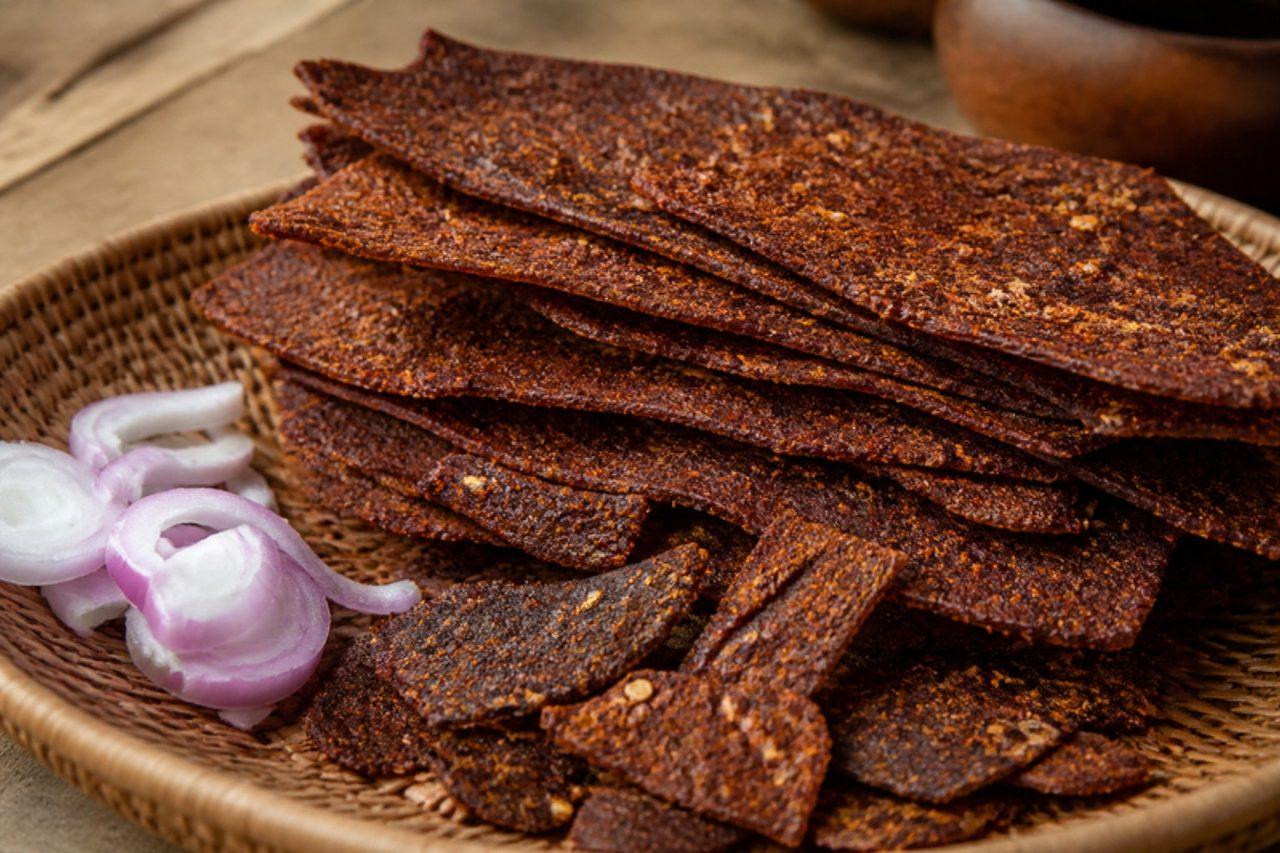
KilishiSpiced dried beef

Long-distance travellers in the Hausa north have carried kilishi for generations: beef sliced so thin you can see light through it, coated in a fiery paste of ground roasted groundnuts, ginger, onion and chilli, dried, then flashed over a fire until it crackles. It is sold in Kano and Sokoto markets in stacked sheets and eaten as a snack or with a cold drink. Traditionally it is sun-dried raw; this home version heats the meat to 71 °C in the oven before drying and is stored in the fridge, which makes it safer. Sun-dried, uncooked kilishi is not for pregnant women, young children or anyone with a weakened immune system. Chef's tip: freeze the beef for an hour before slicing; firm meat is the only way to get sheets 3 mm thin at home.

240 minNigerianMeatGluten freeSpicy
by KrazyBadal 0 views

Bibikhana pithaBaked rice flour and coconut cake

The name means something like a lady's dish, and bibikhana pitha has long been the grand, special-occasion pitha of well-off households in Dhaka, Comilla and Noakhali, made in winter when a son-in-law or important guest is expected. It is closer to a cake than most pithas: rice flour, eggs, milk, grated coconut and date-palm jaggery are beaten together and baked slowly, traditionally in a heavy pan over charcoal with more coals heaped on the lid, until it sets into a dense, moist, caramel-brown cake. It is cut into wedges and served with tea in the afternoon. Baking too hot is the typical slip, so the jaggery burns before the middle sets; a moderate oven and patience give an even colour. Chef's tip: let it cool completely before cutting, as it firms up and slices cleanly only once cold.

by KrazyBadal 0 views

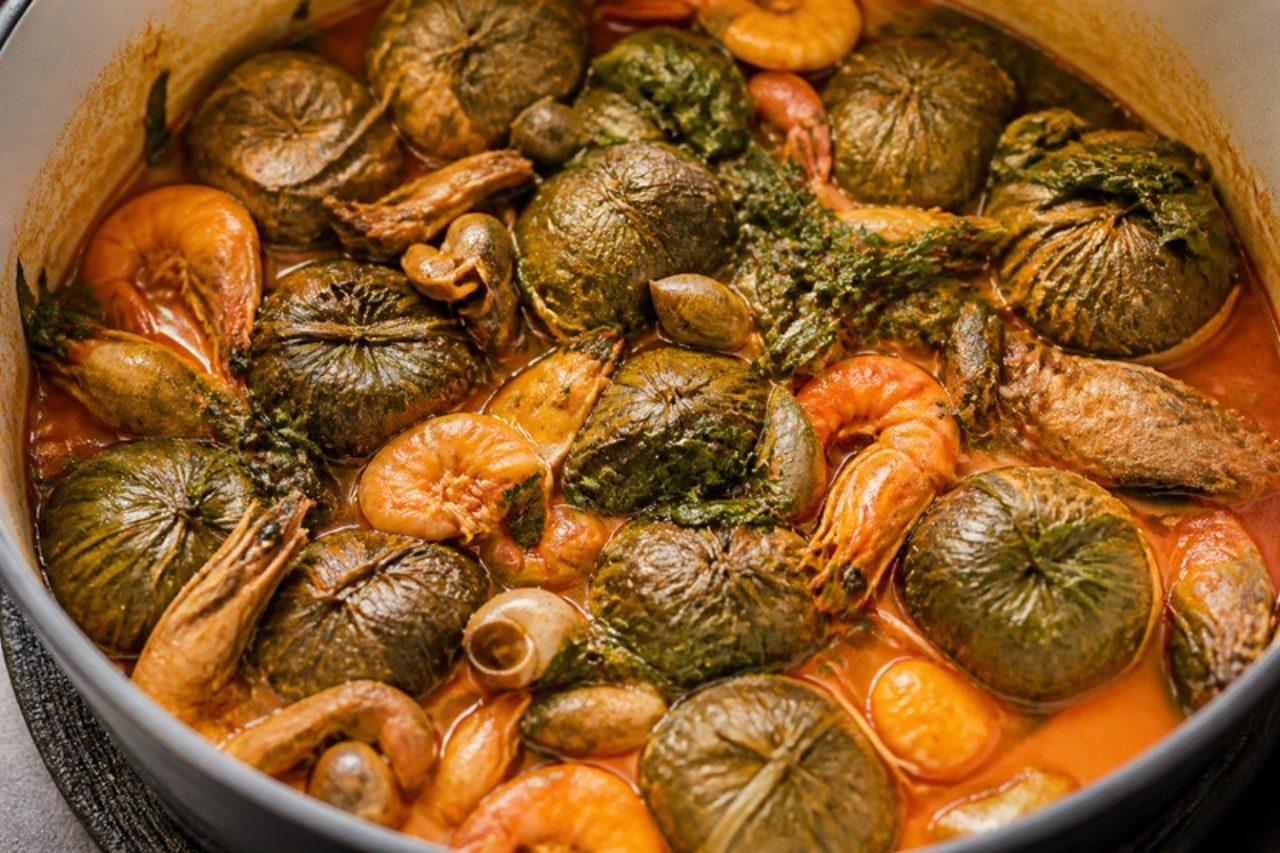
Ekpang nkukwoGrated cocoyam and plantain parcels

Patience is the main ingredient of ekpang nkukwo, a festive dish of the Efik and Ibibio of Calabar and Akwa Ibom. Grated cocoyam and unripe plantain are rolled into little leaf parcels, stacked in a pot and cooked slowly in a broth of palm oil, periwinkles, prawns, smoked fish and pepper until the parcels set into soft, sliceable rolls in a thick, orange sauce. It is a meal in itself, often made for Christmas and family gatherings. Cocoyam leaves are traditional; large spinach or chard leaves work if you blanch them first. Raw cocoyam can itch the skin, so wear gloves to grate it, and cook the dish fully. Chef's tip: do not stir until the parcels have cooked for at least 25 minutes, or they will unroll and dissolve into the broth.

120 minNigerianFishGluten free
by KrazyBadal 0 views

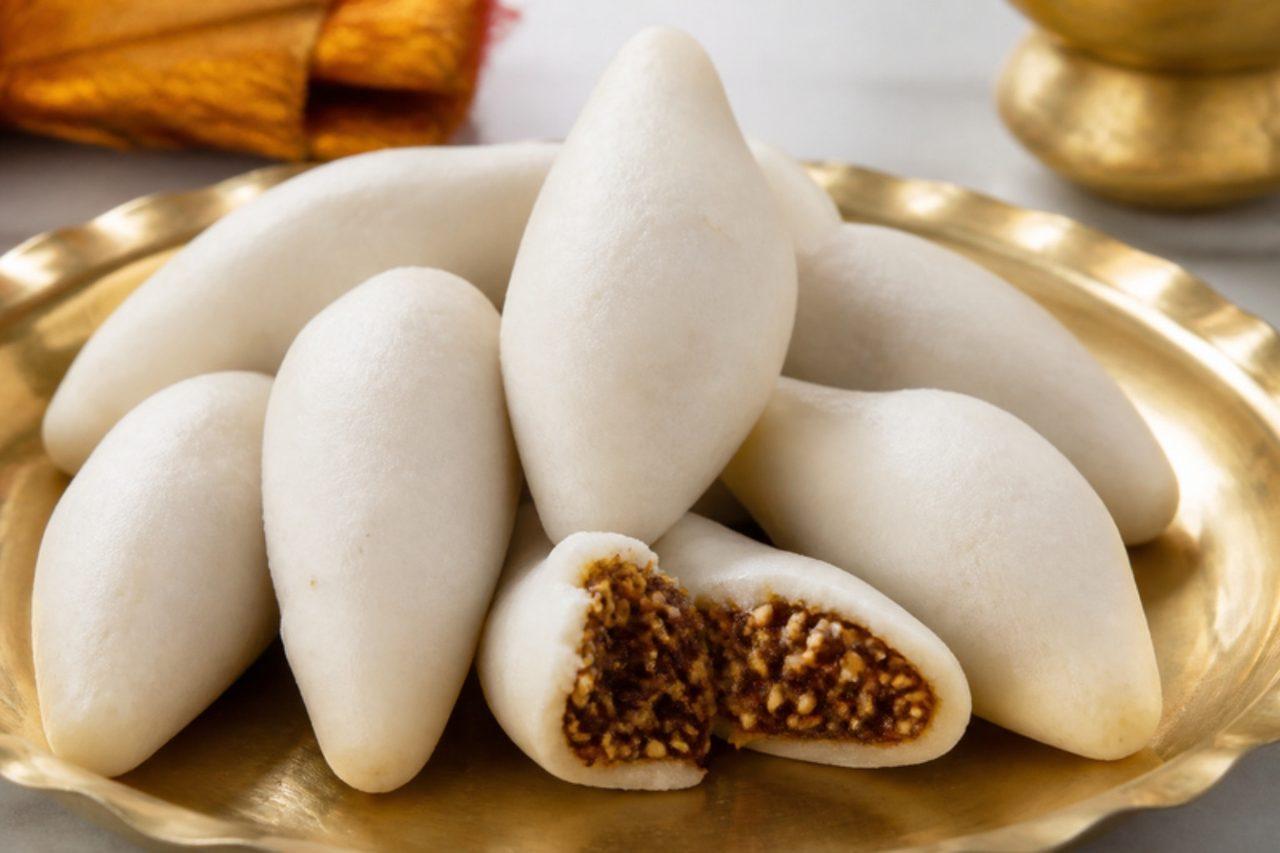
BagiyaSesame jaggery rice dumplings

When the new rice is harvested in late autumn, Maithil households in Janakpur, Siraha and Saptari steam bagiya, plump spindle-shaped dumplings of rice-flour dough that are offered to the gods, given to married daughters visiting home and eaten warm on cold winter mornings. The smooth, chewy shell hides a sweet centre, here toasted sesame bound with melted jaggery and a pinch of cardamom, though some families use molasses toffee (chaku), grated coconut or sweetened milk solids instead. Plain bagiya are also made and eaten with chutney. A common slip is using cold water for the dough, which makes it crumble and split; it must be made with boiling water. Chef's tip: knead the dough while it is still as hot as your hands can bear, with a little oil on your palms, until it is as smooth as play dough.

by KrazyBadal 0 views

Kishk sa'idiFermented yoghurt and wheat porridge

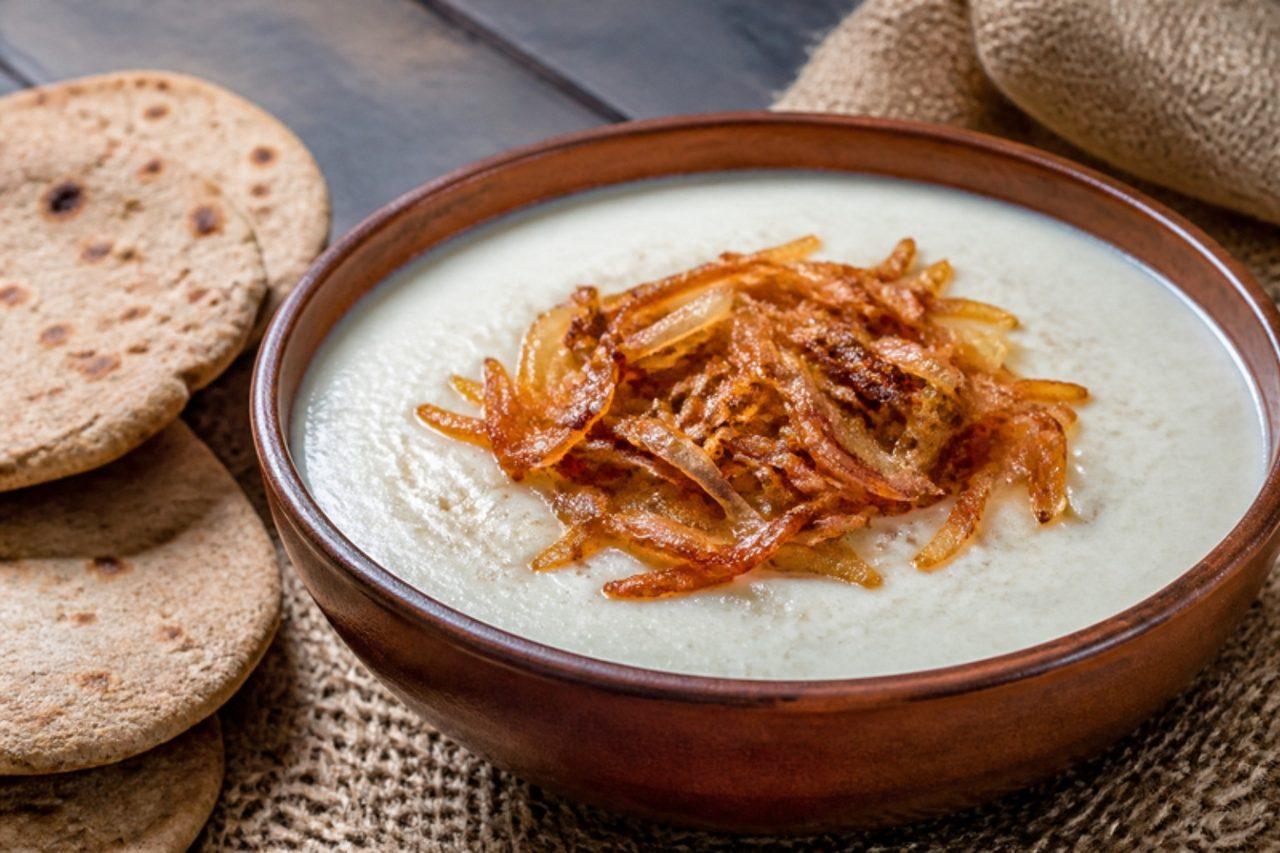
Kishk sa'idi belongs to the villages of the Sa'id, from Minya down to Qena and Luxor, where wheat and soured yoghurt are mixed, rolled into balls and dried on rooftops in the summer sun so the family has it through the winter. Soaked and simmered, the kishk becomes a thick, tangy, creamy porridge, finished with plenty of onions fried in ghee and eaten hot with bread. It is usually cooked in chicken stock; this vegetarian version uses vegetable stock and a little milk for body. Look for Upper Egyptian kishk at Egyptian grocers; Levantine kishk powder works but is often sourer, so add a little extra milk. Allow at least 2 hours for soaking. Chef's tip: keep it at a gentle bubble and stir constantly, because the yoghurt catches on the bottom and turns lumpy within minutes.

by KrazyBadal 0 views

Curaçao kabritu stobaGoat stew with peppers

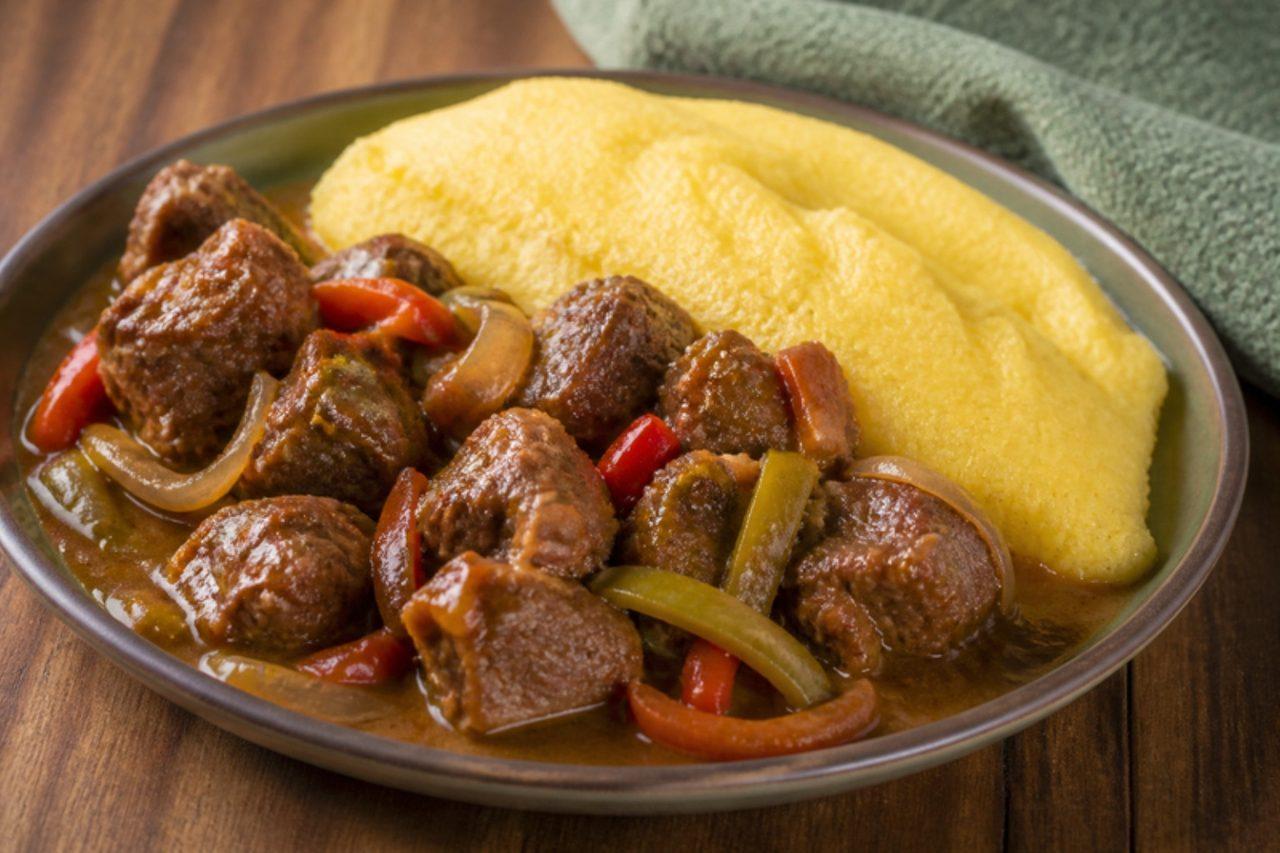
Stoba di kabritu is the home cooking of Curaçao and Aruba, a goat stew made in nearly every kunuku (country) kitchen and at birthday parties: bone-in goat browned and slowly braised with sweet peppers, tomato, onion, cumin, a hint of nutmeg and hot madame jeanette pepper, often with cucumber or papaya stirred in at the end. It is served with funchi (cornmeal), rice or fried plantain. The usual mistake is browning the goat too briefly; deep colour at the start gives the stew its rich brown sauce. Ask your butcher for goat cut into small pieces. Chef's tip: a teaspoon of brown sugar caramelised in the oil before the meat goes in gives the authentic dark, slightly sweet base.

by KrazyBadal 0 views

Ambarella curryJune plum curry

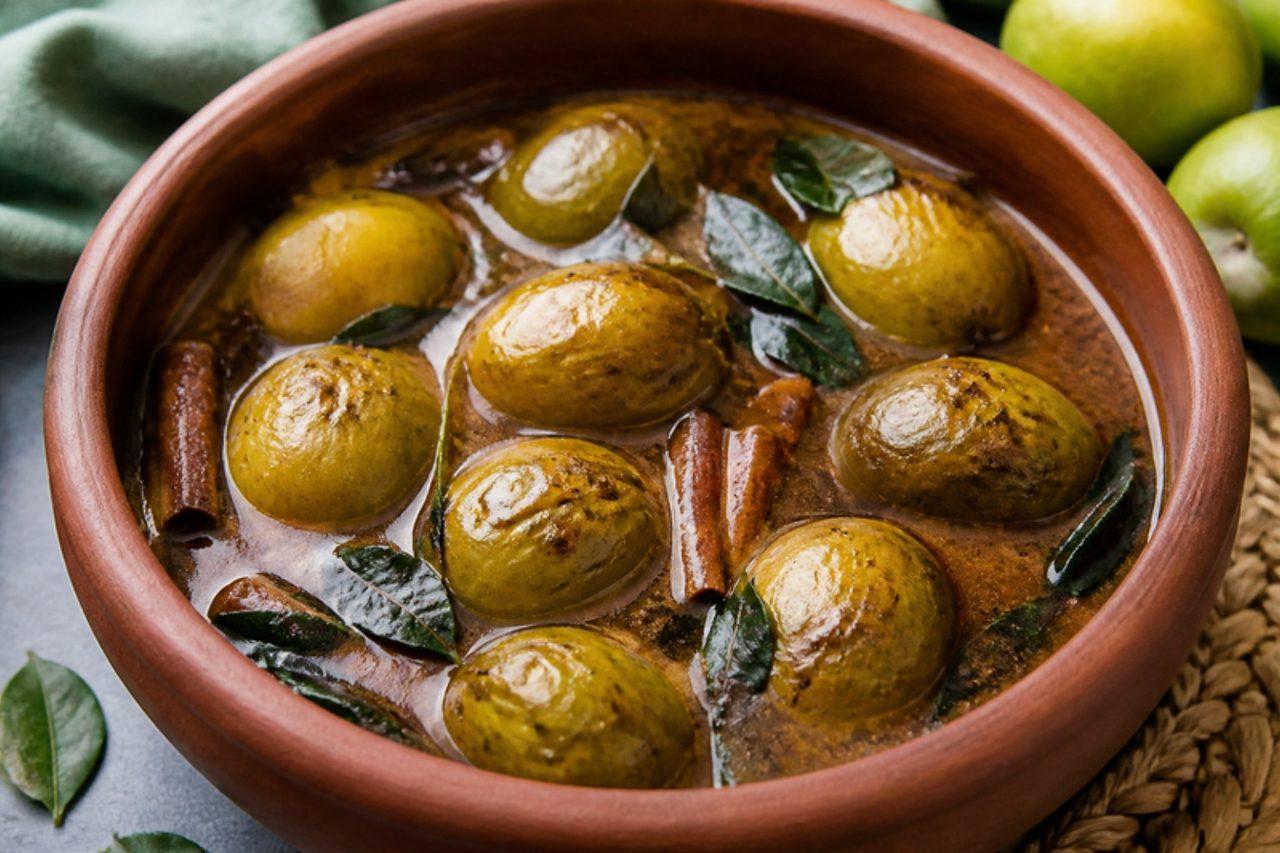
Ambarella trees, heavy with green, plum-sized fruit, shade countless gardens around Galle, and when the crop comes in, cooks turn the sour, crunchy fruit into this sweet-sour curry for Sunday lunch and family gatherings. The fruits are scored and cooked whole with roasted curry powder, garlic, cinnamon and cloves, then sweetened with sugar and finished in coconut milk, until the flesh softens and drinks in the dark, glossy gravy. Its tangy, fruity flavour cuts through richer dishes, and it is served in small portions with rice alongside a dhal and a meat or fish curry. Each fruit hides a spiky, fibrous stone, so warn guests to nibble around it. Leaving the skins whole and unscored is where many go wrong, because the spices never get in; make several deep cuts in each fruit. Frozen ambarella is sold in Sri Lankan shops; firm green mango is the nearest stand-in. Chef's tip: let the curry rest for an hour before serving, as the fruit keeps soaking up flavour.

by KrazyBadal 0 views

KabuniFestive rice with raisins and cinnamon

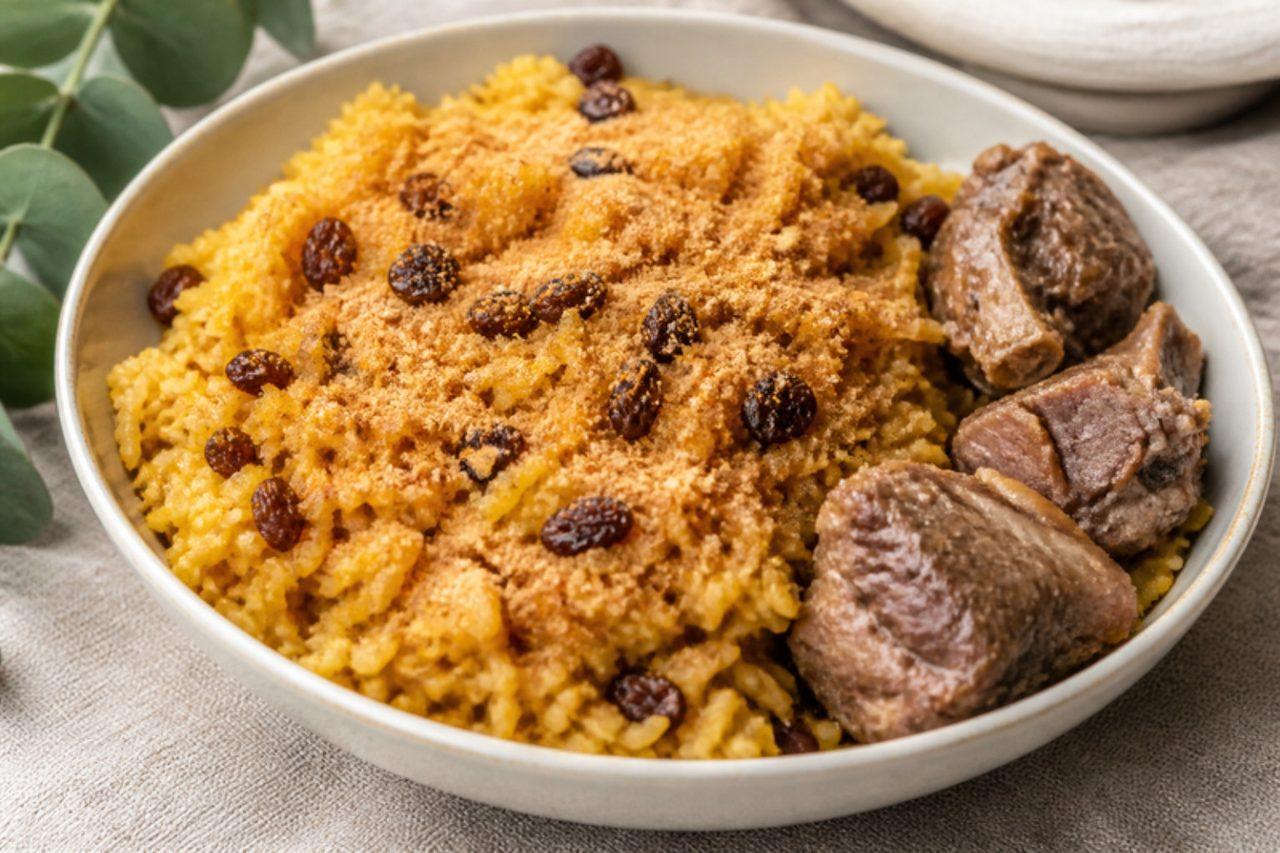
Kabuni is one of the oldest dishes of Albania, served in Tirana and the central lowlands at Bajram, weddings and wakes: rice fried in butter, cooked in a savoury lamb broth, then sweetened with sugar and studded with raisins and cinnamon. The result is buttery, gently sweet and fragrant, a sweet course with a savoury soul, eaten warm in small bowls. Because it is cooked in lamb stock it is not vegetarian. Where most people go wrong is skipping the frying of the rice; it is the toasting in butter that gives kabuni its nutty taste. Chef's tip: soak the raisins in hot water while the rice cooks so they swell and stay juicy.

by KrazyBadal 0 views

Curaçao pastechiCheese turnovers

In Curaçao and Aruba, a paper bag of hot pastechi from a snack truck is breakfast on the way to work or a mid-morning bite with coffee: crisp, blistered half-moons of pastry filled with melted aged Gouda, a legacy of the Dutch on the islands. Other versions hold spiced beef, chicken or tuna; this one is vegetarian. Traditional Gouda is made with animal rennet, so choose a Gouda or other firm cheese labelled vegetarian if that matters to you. The usual mistake is frying too cool, so the pastry soaks up oil instead of blistering. Chef's tip: chill the filled pastechi for 15 minutes before frying so the seams hold.

by KrazyBadal 0 views

Kabachkovaya ikraCourgette spread

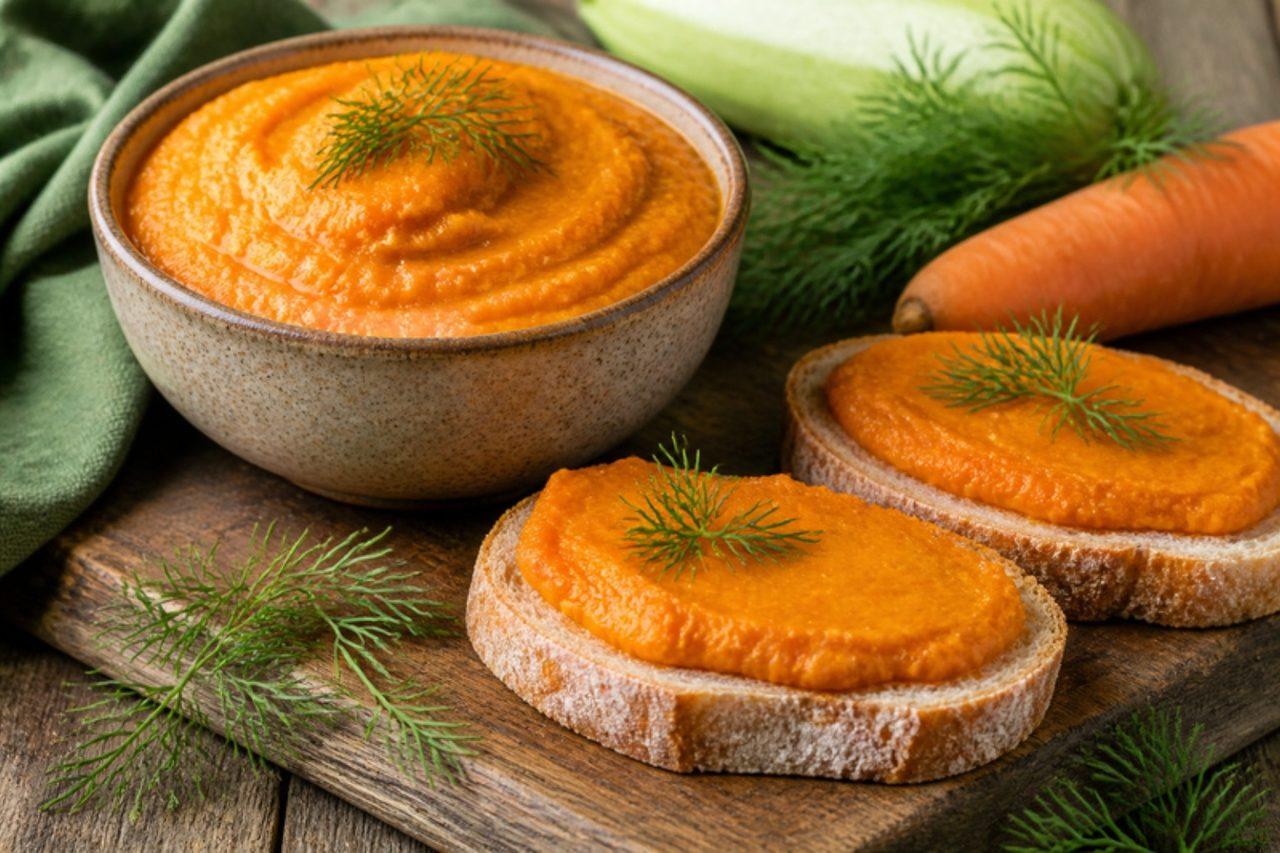
Late summer at the dacha means a glut of courgettes, and the answer across Russia is this soft orange spread, once sold in glass jars in every Soviet grocery and still made by the potful at home. Courgette, carrot and onion are fried in sunflower oil, stewed with tomato until they collapse, blended and then cooked down again until thick enough to stand on bread. It tastes sweet, mellow and lightly tangy, and is eaten cold on black rye bread, with boiled potatoes or as part of a zakuski spread. A common mistake is stopping too early: if the purée still looks watery it will taste flat, so keep stirring until a spoon leaves a trail across the pan. This is a fridge recipe, not a canning one. Chef's tip: make it a day ahead; the flavour rounds out overnight.

by KrazyBadal 0 views

Cucurucho de cocoCoconut and honey cones

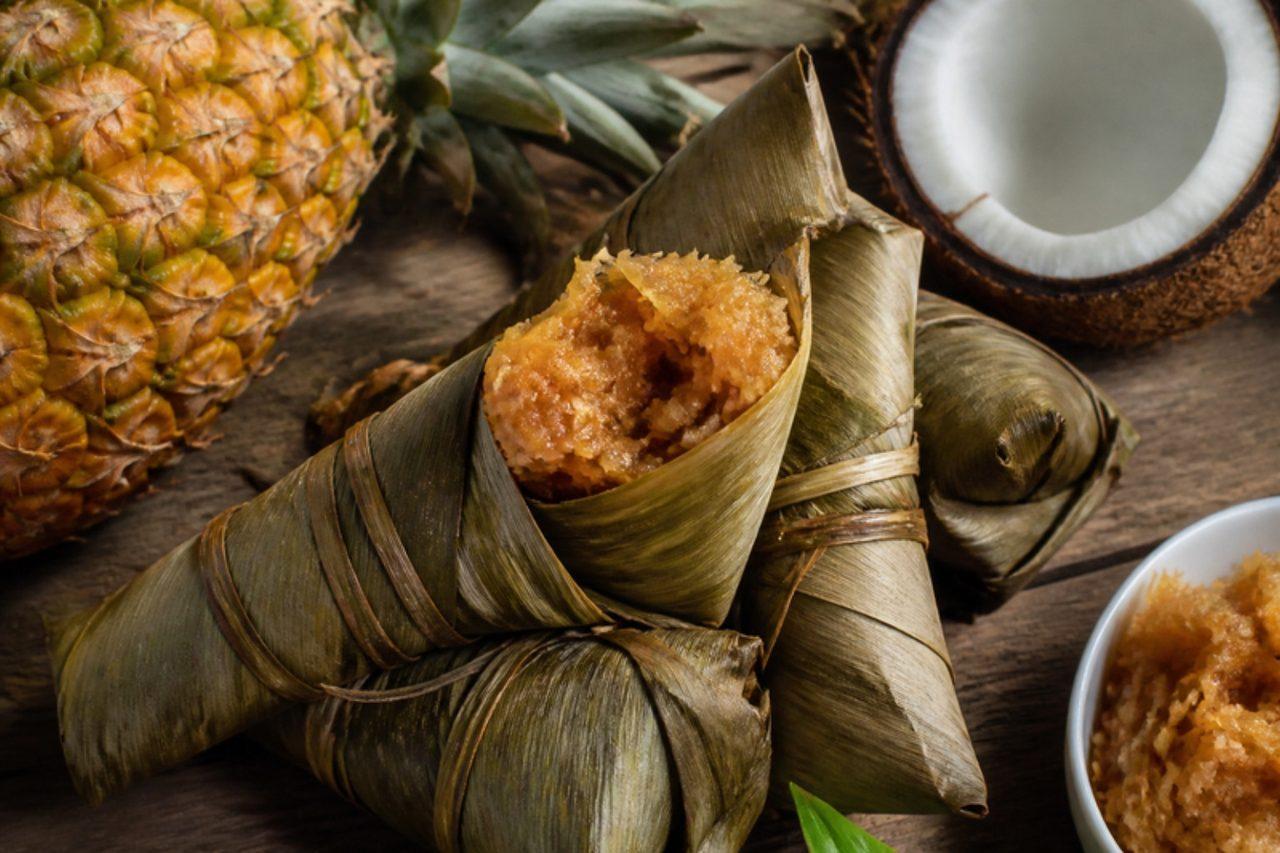
Drive into Baracoa on Cuba's far eastern tip and roadside sellers hold up cucuruchos, cones of dried palm bark packed with grated coconut cooked down with sugar, honey and local fruit such as guava, orange or pineapple. It is sticky, chewy and fragrant, a sweet you eat with your fingers on the road. The mistake is stopping too soon; the mix has to cook until it pulls from the pan, or it weeps in the cone. At home, cones of baking paper or small cups stand in for the palm bark. Chef's tip: use fresh coconut if you can and toast it lightly first, which keeps the shreds chewy rather than soggy.

by KrazyBadal 0 views

KjötsúpaLamb and root vegetable soup

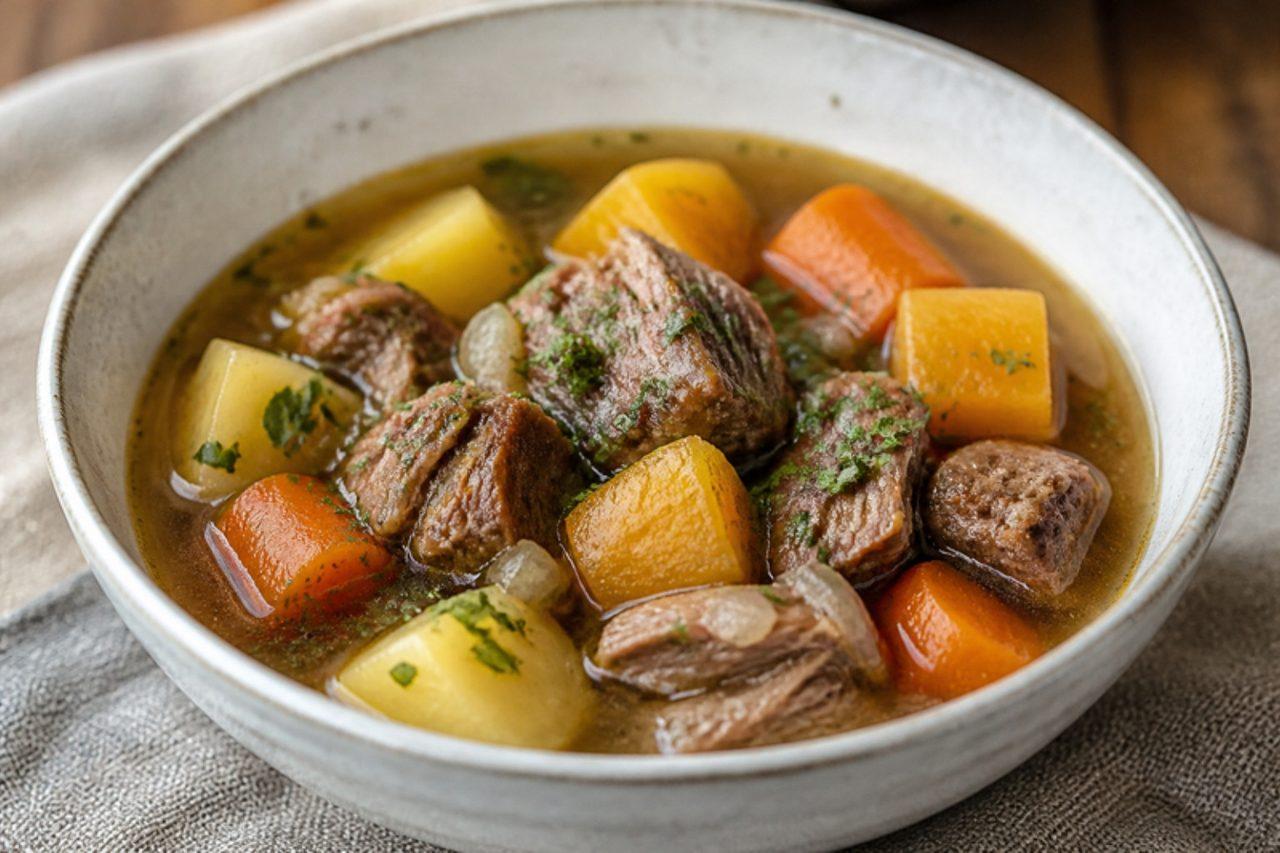
Kjötsúpa is the soup every Icelander grew up on, simmered from bony lamb shoulder with swede, potatoes, carrots, onion and a handful of rolled oats or rice to thicken it. Icelandic lamb is free-grazing and flavourful, and on the first day of winter in late October, Kjötsúpudagurinn, free soup is ladled out on Skólavörðustígur in Reykjavík. A common mistake is skimming too little at the start, which leaves a greasy, cloudy soup. Chef's tip: serve the meat on a plate beside the soup, as many Icelandic families do, so everyone can pull it from the bone.

by KrazyBadal 0 views

Kabab-e-daygiPot-cooked lamb kebab

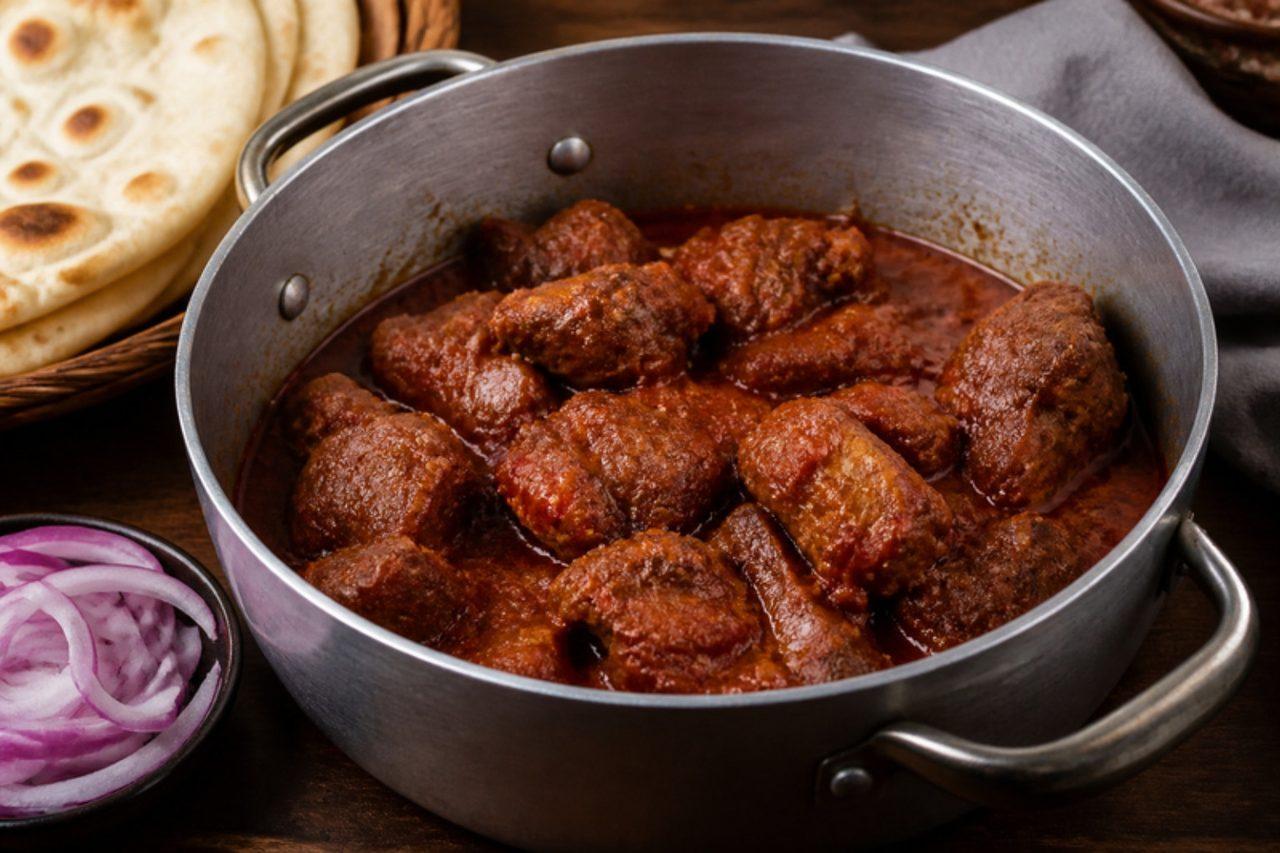
Daygi means from the pot, and this is the kebab Kabul families make when there is no grill or the weather is too cold for one: chunks of lamb browned hard, then left to cook slowly with onions, tomato, garlic and green chilli in a covered deg, with barely any water, until the meat is soft and coated in a thick, concentrated sauce. It is a Friday lunch and party dish, set out with stacks of naan, raw onion and radishes and a bowl of yogurt. The flavour is deep and meaty with black pepper and coriander seed. Adding water early to stop it sticking just boils the lamb; trust the onions and tomatoes to give up their juice and keep the heat low. Chef's tip: uncover for the final 10 minutes and let the sauce fry in the rendered fat, which gives the glossy finish that makes it a kebab rather than a stew.

120 minAfghanMeatGluten free
by KrazyBadal 0 views

AmandineChocolate sponge cakes

Every Bucharest cofetărie keeps a tray of amandine in the glass case, neat dark oblongs that generations of schoolchildren have bought with their pocket money. Despite the almond-sounding name there are no almonds in them: a cocoa sponge is split, soaked with a cocoa syrup, sandwiched with a rich chocolate custard buttercream and coated in a shiny ganache. Bakeries traditionally add rum to the syrup; this version is alcohol-free and uses vanilla and orange zest instead, though you can add 2 tablespoons of rum if you like. A common mistake is soaking the sponge while the syrup is still hot, which turns it to mush; both should be cool. Chef's tip: chill the filled cake until really firm before glazing and cutting, and wipe the knife hot between each cut for clean edges.

by KrazyBadal 0 views

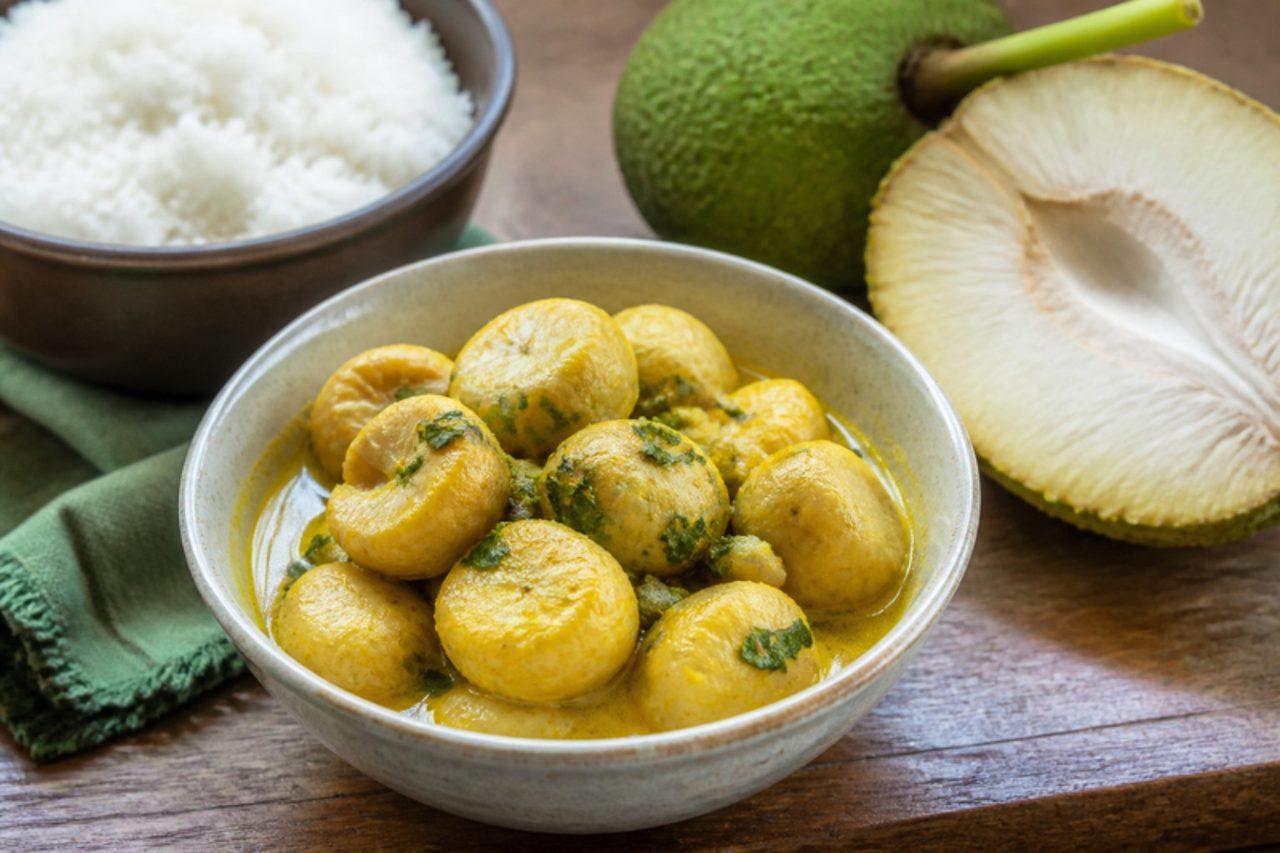
Curry chataigneBreadnut coconut curry

Chataigne, the spiky breadnut cousin of breadfruit, ripens around Divali and Christmas in Trinidad, and its boiled, peeled seeds are curried with coconut milk and roasted geera into a dish many people say tastes almost like meat. It is a fixture at Divali dinners and Hindu functions, eaten with rice or roti. The common mistake is skipping the pre-boil: the seeds stay hard and their thin inner skin stays bitter. Look for chataigne in Caribbean and Asian grocers; tinned jackfruit seeds or chestnuts are the nearest swap. Chef's tip: after boiling, peel off both the shell and the papery brown skin, then split the seeds in half so the curry gets right inside.

by KrazyBadal 0 views

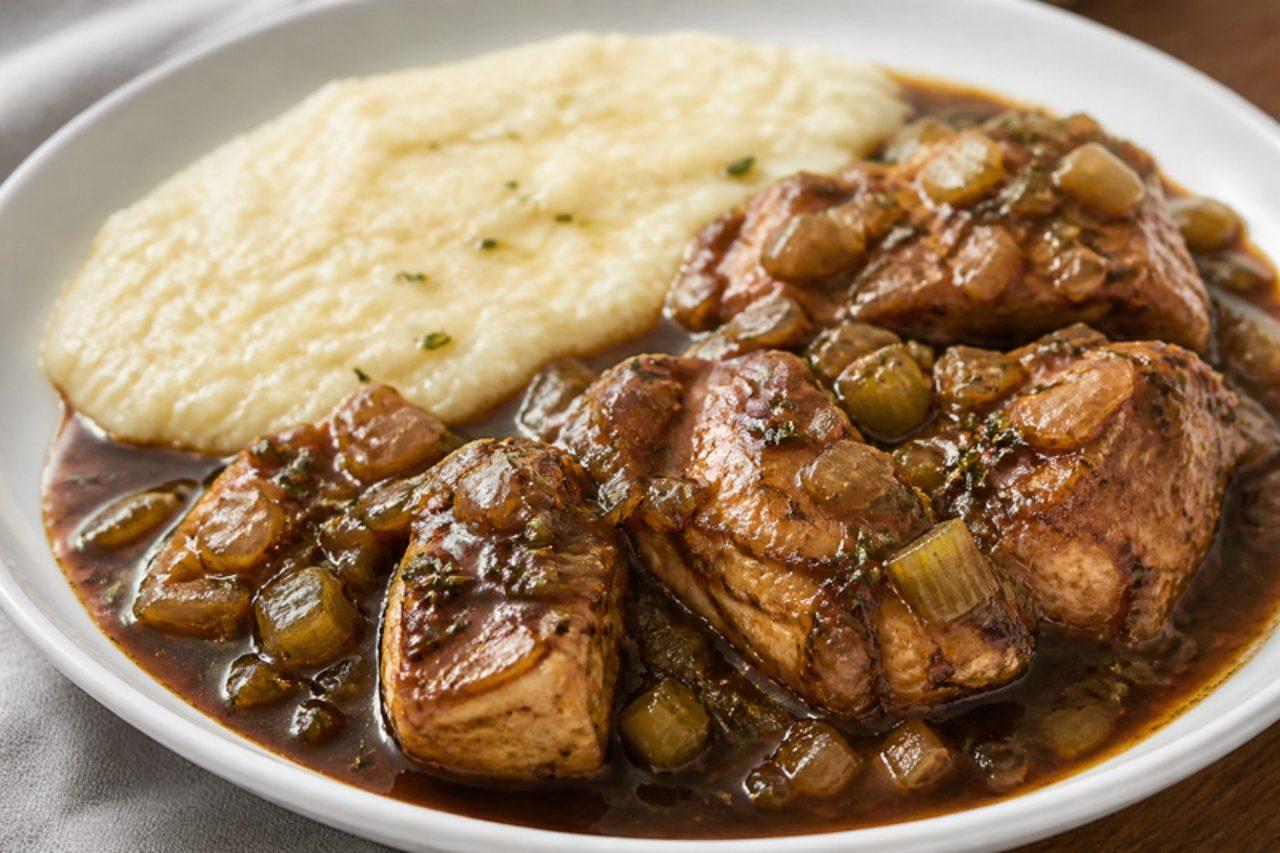
Bahamian stew fishGrouper in roux gravy

Bahamian stew fish is old-fashioned Sunday breakfast in Nassau and the Family Islands: firm fish such as grouper or snapper simmered in a dark brown gravy built on a flour-and-oil roux, with onion, celery, tomato and thyme, served over grits or with johnnycake. The flavour is deep, savoury and a little smoky from the browned flour. The usual mistake is a pale roux; cook the flour slowly until it is the colour of milk chocolate, but don't let it burn. Ask for thick fish steaks or fillets. Chef's tip: stir the roux with a flat wooden spatula so you can scrape every corner and keep it browning evenly.

by KrazyBadal 0 views

KlinRice and cheese filo pie

Klin is the festive pie of the Rhodopes, baked for Gergyovden in May, for weddings and for the end of the haymaking, in large round tins that come out to be shared across the village. Thin pastry sheets are layered with a loose, custardy mix of cooked rice, crumbled white cheese, eggs, milk and butter, so it bakes tender and soft inside with a crisp, golden lid. The rice makes it heartier than banitsa and gives every slice a gentle, creamy chew. It is eaten warm or cold with yogurt or ayran. Sirene is often made with animal rennet, so use a vegetarian white cheese. Where most people go wrong is cooking the rice fully; it must stay slightly firm, because it carries on soaking up milk in the oven. Chef's tip: pour any leftover egg and milk over the top just before baking, and the surface puffs into a glossy, golden crust.

by KrazyBadal 0 views

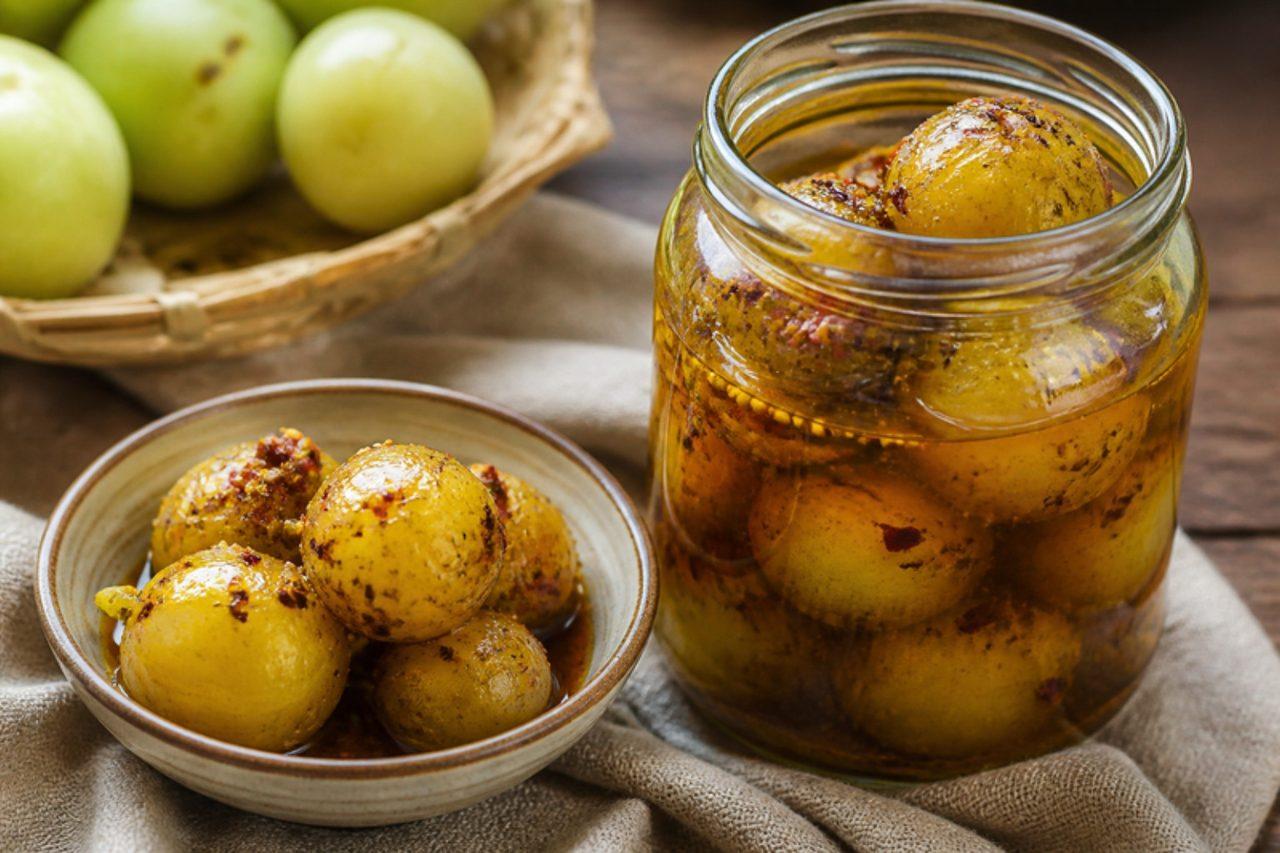
Amala ko acharGooseberry pickle

Amala trees grow wild across the Chure hills and the lower valleys of Nepal, and in winter the hard, translucent green gooseberries are piled high in vegetable markets in Kathmandu, Hetauda and Butwal, prized as a source of vitamin C during the cold months. Steamed until they split into neat segments, then mixed with chilli, turmeric, fenugreek and hot mustard oil, they make a pickle that is crunchy, astringent, sour and spicy all at once, with a lingering sweetness that comes up after each bite. A spoonful goes alongside dal bhat or with a plain bowl of rice porridge when someone is unwell. The trap to avoid is steaming the berries too long, which turns them mushy and dull. Chef's tip: stop as soon as the first cracks appear on the skins; the segments should pull off the stone easily but still have a firm bite.

by KrazyBadal 0 views

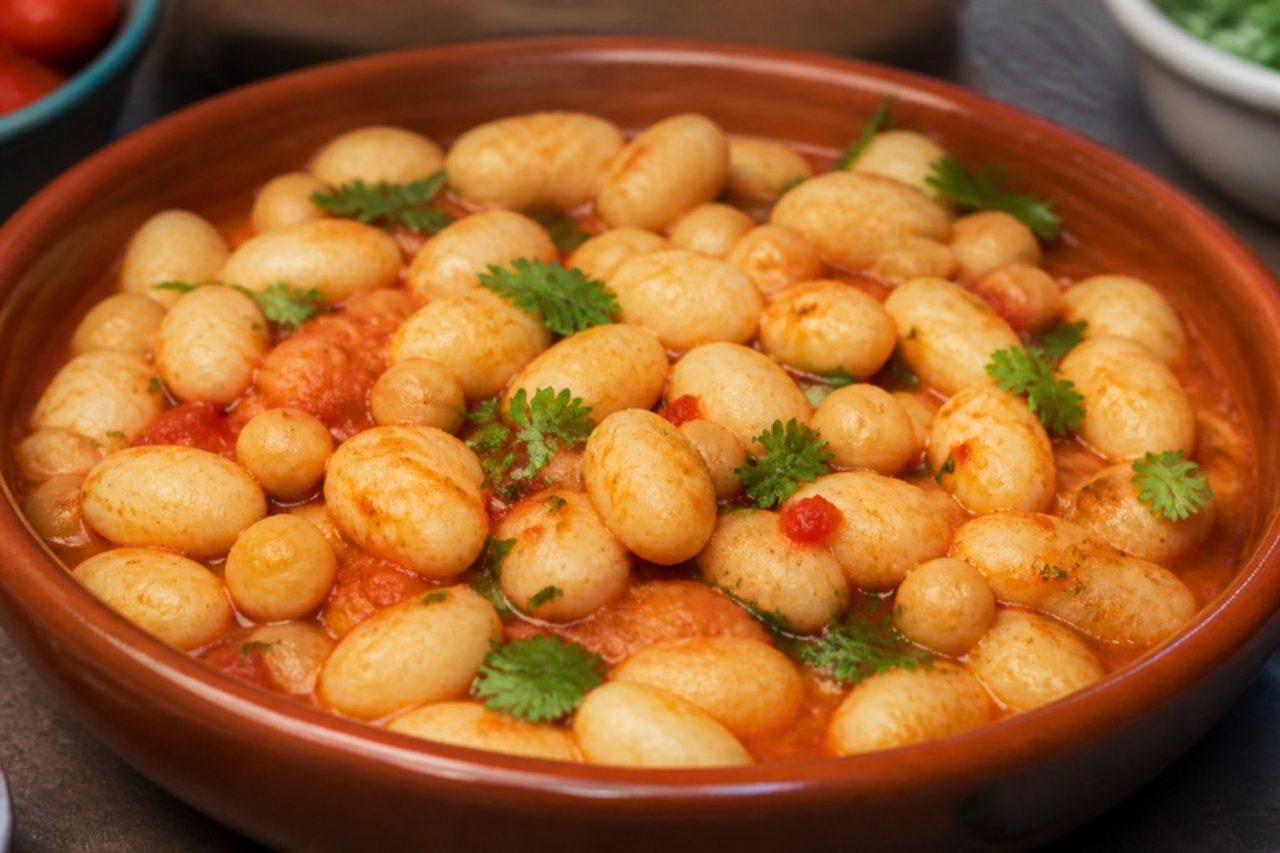
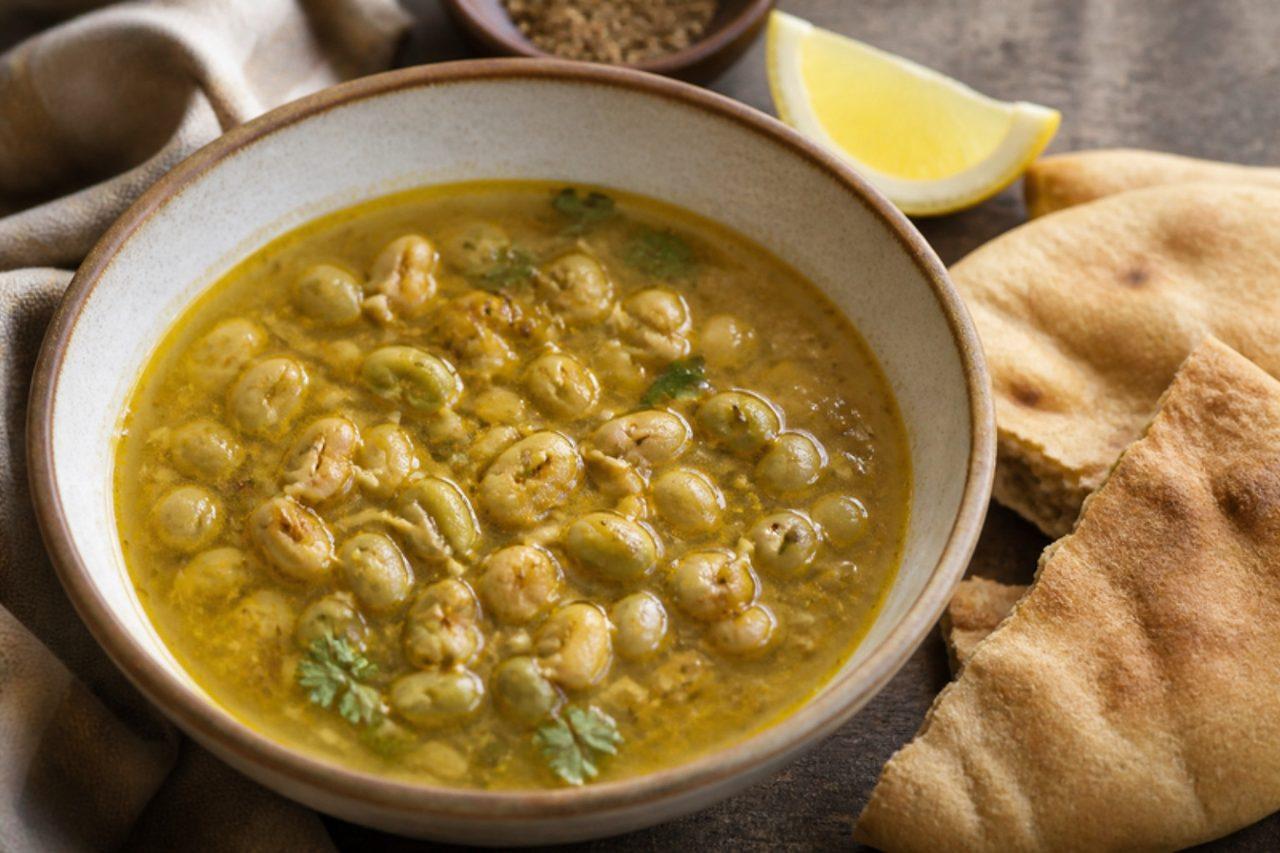
Ful nabitSprouted fava bean soup

Sprouted beans are ladled out with their cooking liquor in Cairo homes when the weather turns cold or someone is feeling run down, and Egyptians swear by the broth as a pick-me-up. The beans are soaked and left to sprout for a few days, then simmered with onion, garlic and cumin into a light, earthy soup that is sharpened at the table with plenty of lemon. You can eat the beans with a spoon or pop them from their skins. Allow 3 to 4 days for sprouting, although the hands-on work is only about 20 minutes. People with G6PD deficiency (favism) must not eat fava beans. Chef's tip: stop the sprouting when the shoots are about 1 cm long; longer sprouts taste grassy and bitter.

by KrazyBadal 2 views

Showing 45 of 7,762 recipes

Show more recipes

Page 288 of 863