






Skip to content
Sayur lodeh
Featured recipe

Sayur lodeh

Sayur lodeh is everyday cooking in Central Java, made in big pots in Solo and Semarang kitchens and ladled over rice, with lontong rice cakes at Lebaran, or alongside opor and sambal goreng on festive tables. It's soupy rather than thick: a fragrant broth of coconut milk, galangal, lemongrass and lime leaf that carries chunks of aubergine, long beans, chayote and sweetcorn, plus tempeh and tofu to make it a meal. The flavour is mellow and slightly sweet, so the heat comes from sambal on the side. Chef's tip: keep the pot at a gentle simmer once the coconut milk goes in and stir now and then — a rolling boil splits the coconut milk into oily curds.

Read more 3 views
Can't decide?

What to eat today?

Spin the randomizer, search with what's already in your fridge, or browse recipes from our chefs.

Latest recipes

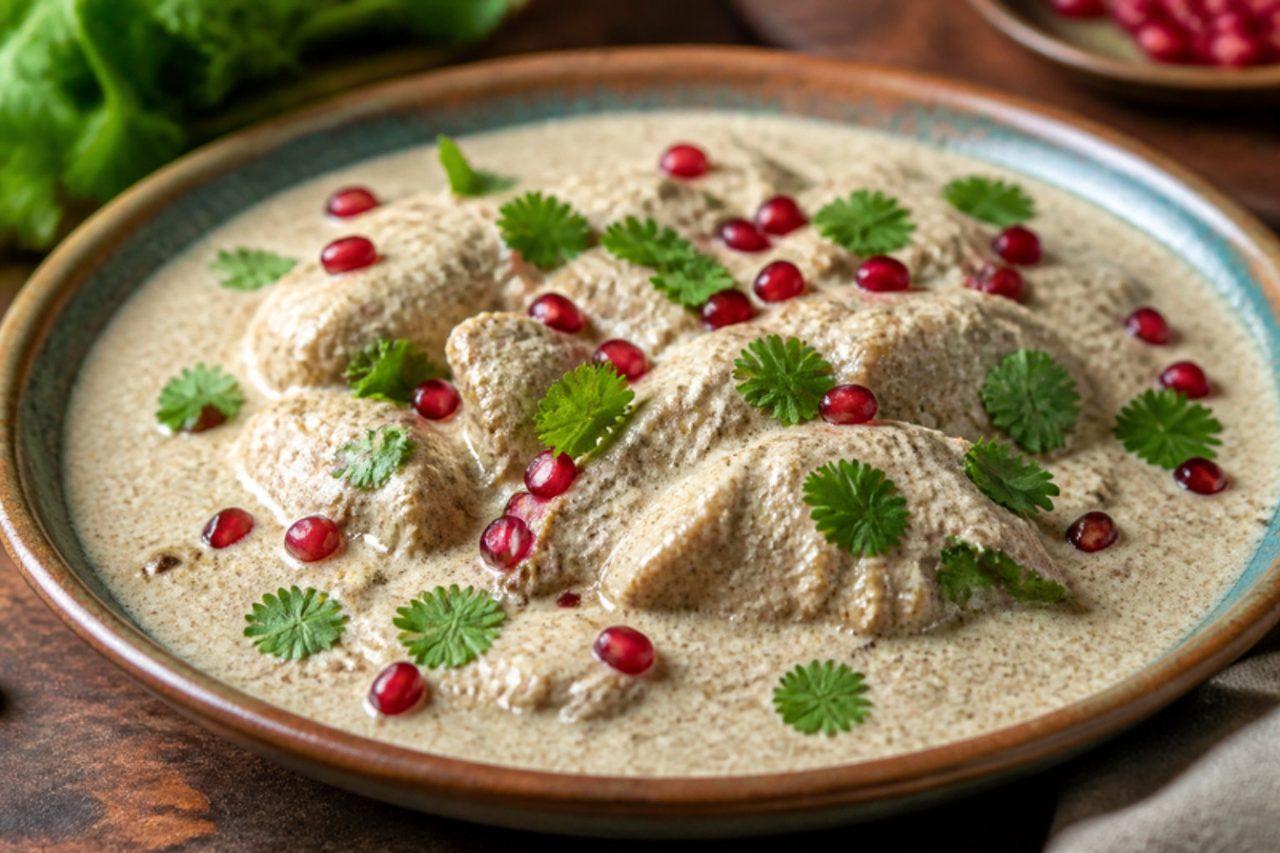
Satsivi

Satsivi is a dish of the Georgian New Year table, prepared in homes across western Georgia, Imereti and Samegrelo, a day ahead so it can be served cold at the long supra feast on 1 January. Poached chicken is covered in a thick, ivory walnut sauce scented with garlic, fenugreek, coriander and marigold petals and sharpened with vinegar. It is rich and fragrant, eaten with cornbread (mchadi) or fresh bread. Chef's tip: blend the walnuts with a little warm stock until they release their oil; this gives the sauce its silky texture.

by KrazyBadal 0 views

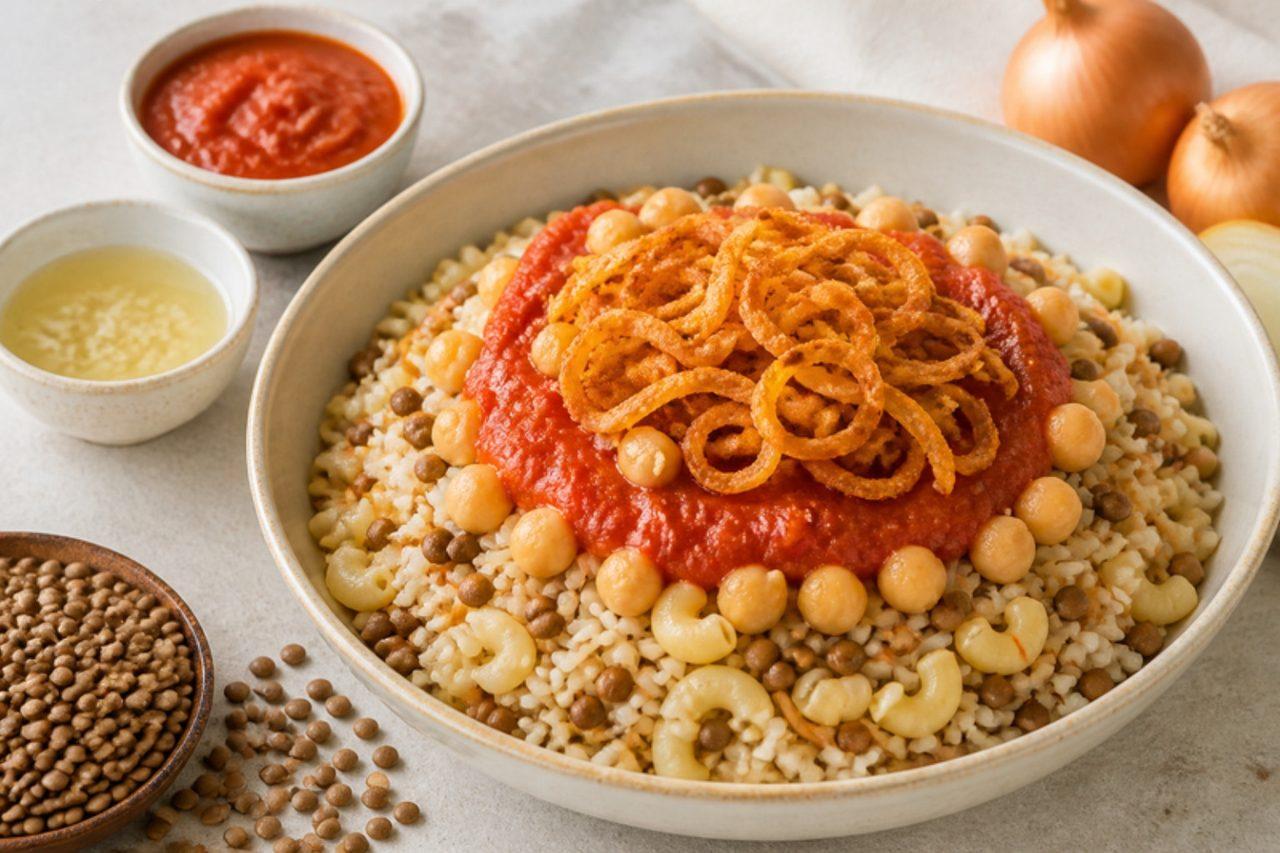
Koshari

Koshari is the dish of Cairo's streets: whole shops, from Abou Tarek downtown to small corner counters, sell nothing else, and office workers queue for a metal bowl of it at lunchtime. Brown lentils and rice are cooked together, then piled with macaroni, vermicelli and chickpeas, drowned in a sharp cumin-tomato sauce and finished with dakka (garlic vinegar), shatta (chilli sauce) and a heap of dark fried onions. It is cheap, filling and naturally vegan, and every Egyptian eats it differently, so put the sauces on the table. Chef's tip: fry the onions first and cook everything else in their oil; that onion-scented oil is what makes koshari taste like the shops' and not like a plate of separate leftovers.

by KrazyBadal 0 views

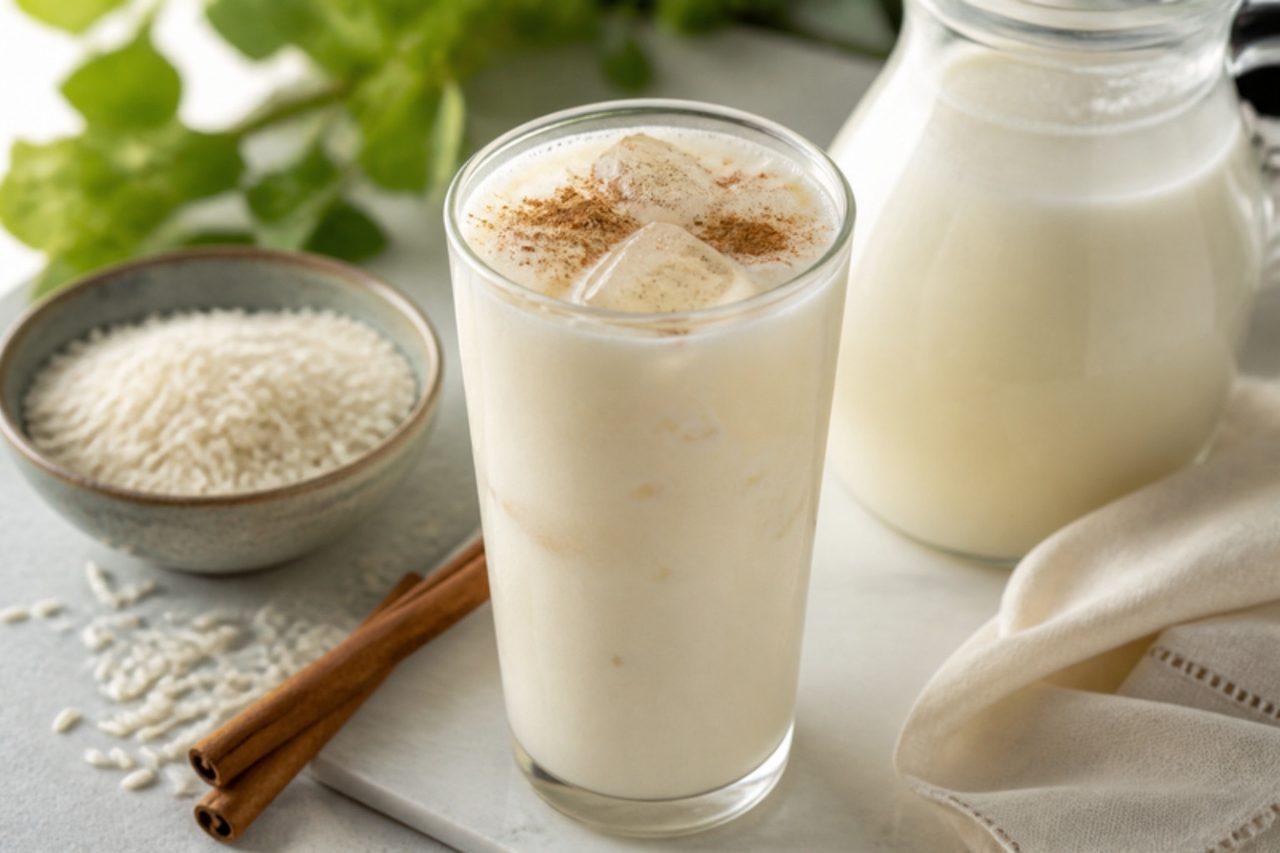
Chicha venezolana

Chicha venezolana is the thick, creamy rice drink sold from pushcarts by chicheros on the streets of Caracas, poured over ice and topped with condensed milk and cinnamon. Unlike Mexican horchata, which is made from soaked raw rice, chicha is made from rice cooked until very soft, then blended with milk, condensed milk and vanilla, so it's thick and velvety, almost a drinkable rice pudding. Children love it as an afternoon treat. Chef's tip: cook the rice until it is really mushy and splitting; any firmness left makes the chicha gritty.

by KrazyBadal 0 views

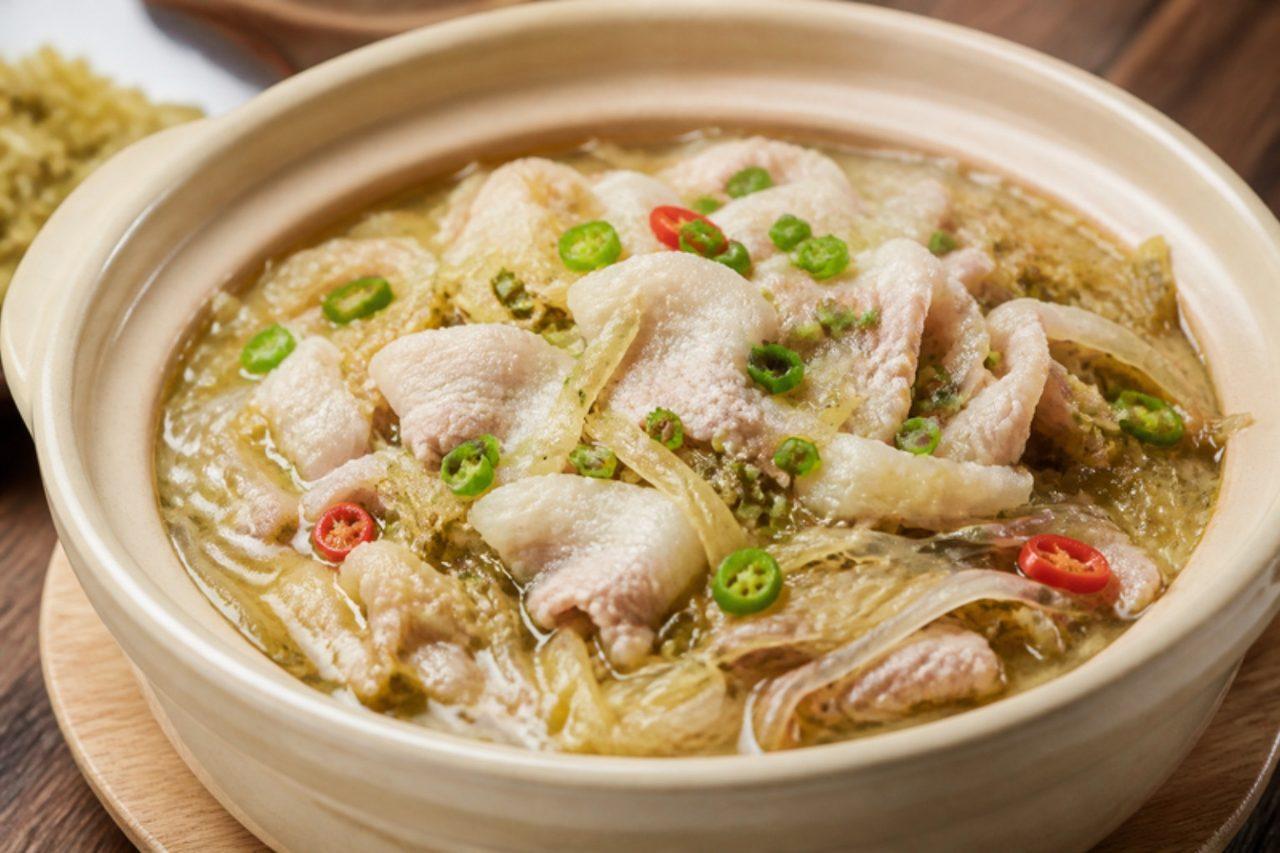
Suan cai pork stew

Across north-east China, autumn means packing crocks with salted napa cabbage to ferment through the long winter, and this hearty stew is the reward. Thin slices of boiled pork belly lie in a pale broth with shreds of sour cabbage and slippery glass noodles; the tang cuts the richness, and the broth tastes both clean and deeply savoury. It is everyday winter family food in Harbin and Shenyang, often served in a clay pot at the centre of the table with rice and a garlic-soy dip for the pork. Chef's tip: let the boiled pork cool for 15 minutes before slicing; warm belly crumbles, slightly cooled belly cuts into neat, thin slices.

by KrazyBadal 0 views

Papelón con limón

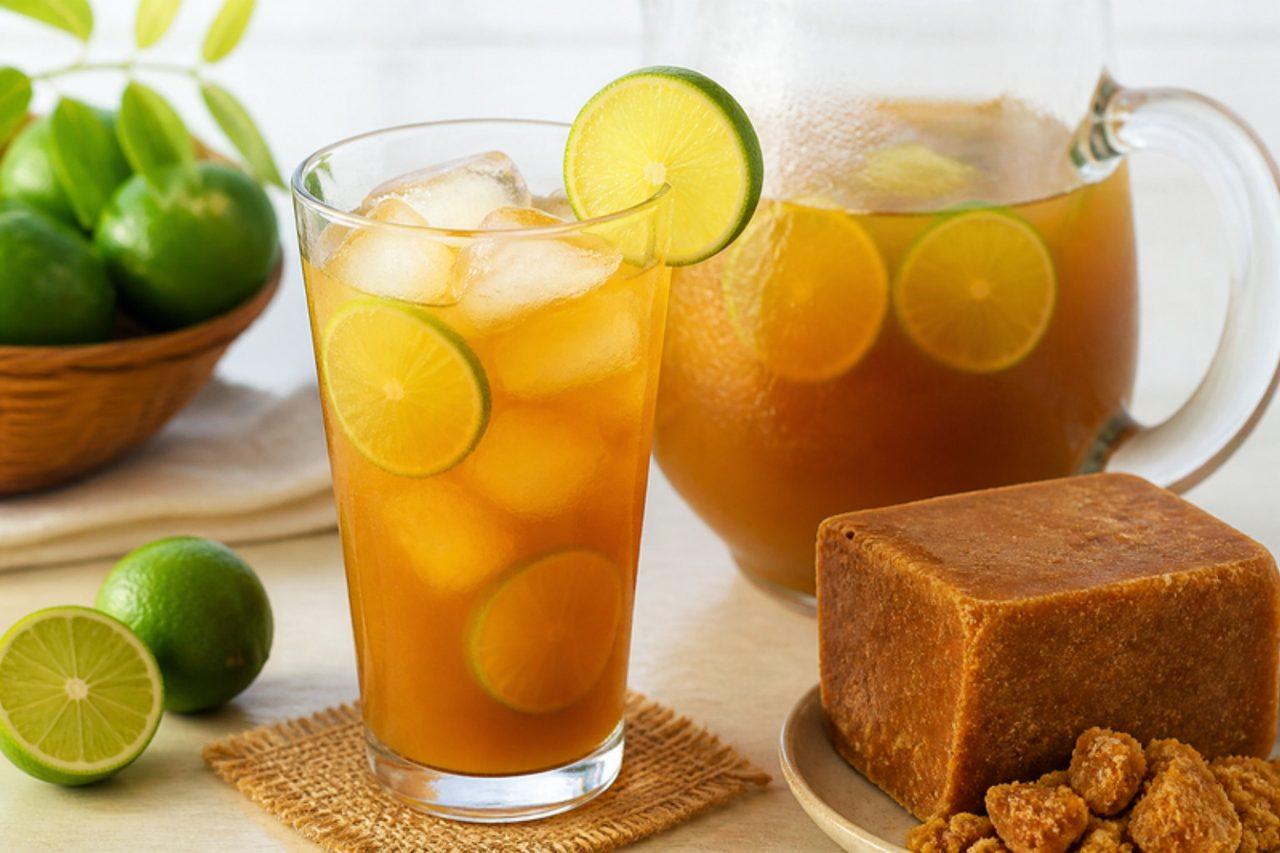
Papelón con limón is the cold drink of Venezuela, served in jugs alongside arepas, empanadas and every Sunday lunch, and sold by the glass from street stalls in the heat of Maracaibo and the plains. Papelón is the Venezuelan name for panela, the dark block of unrefined cane sugar; melted into water and mixed with lots of fresh lime, it tastes like a caramel-scented lemonade. The hot Colombian cousin is aguapanela. Chef's tip: dissolve the papelón in warm water first, then chill; it never fully dissolves in cold water and leaves grains at the bottom.

by KrazyBadal 0 views

Pabellón criollo vegetariano

Pabellón criollo is Venezuela's national dish, the lunch plate served in family kitchens and at every Caracas lunch counter: white rice, black beans (caraotas), sweet fried plantain (tajadas) and shredded stewed beef side by side, like the stripes of a flag. This vegetarian version replaces the beef with king oyster mushrooms pulled into strands and stewed in a sofrito with tomato, cumin and a little panela, which gives the same tender, shredded texture. For slow-cooked beans from scratch, see the frijoles negros cubanos page. Chef's tip: shred the mushrooms along the grain with a fork, as you would pull beef; it's what makes them look and eat like carne mechada.

by KrazyBadal 0 views

Ilocos empanada

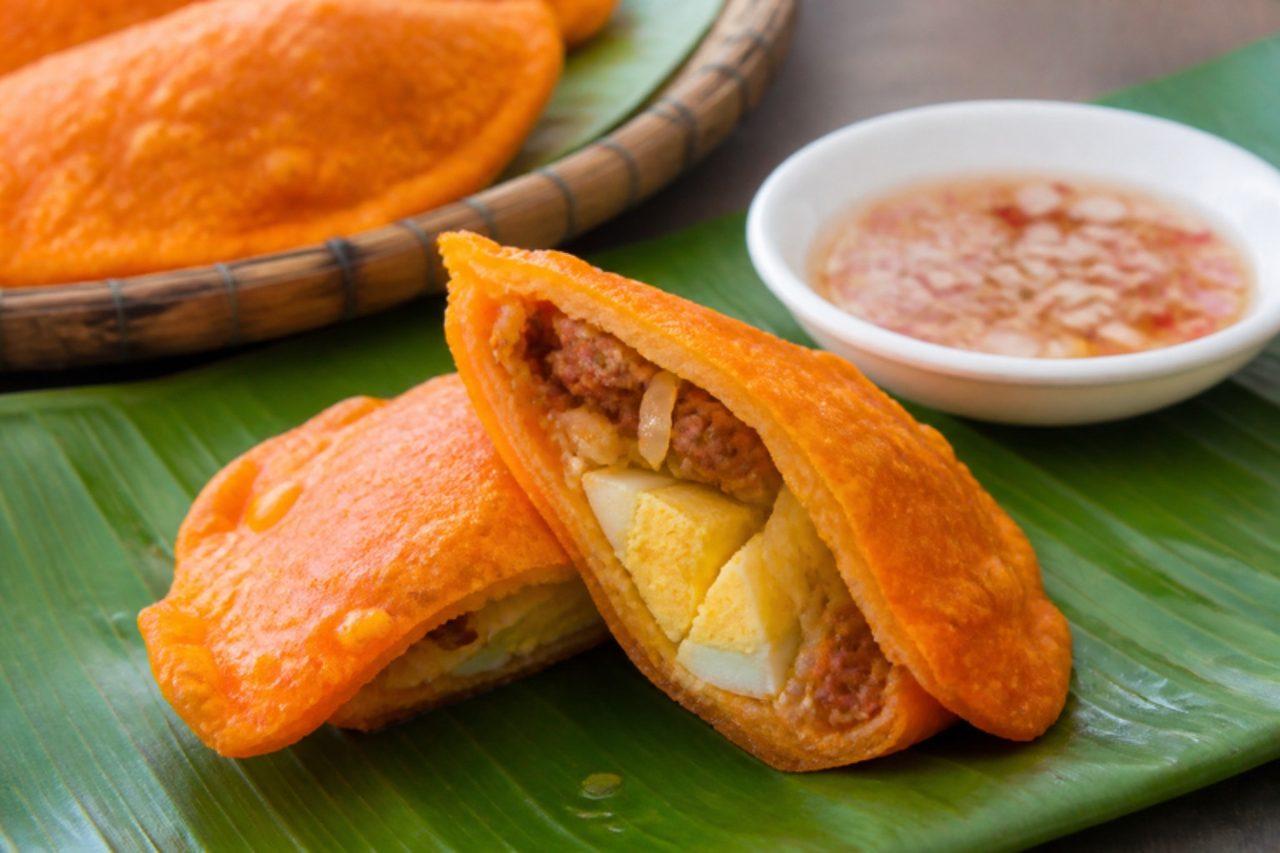
In Batac and Vigan, in the Ilocos region, empanada is not a baked pastry but a big, crunchy, bright-orange turnover fried to order at night markets and by the plaza. The thin rice-flour crust gets its colour from annatto, and inside goes shredded green papaya, mung bean sprouts, crumbled Vigan longganisa (a garlicky pork sausage) and a whole egg. Vendors fold it in seconds and slide it into hot oil, then hand it over with a little bowl of spiced sugarcane vinegar to pour in with every bite. It is a pork snack for evenings out. Chef's tip: roll the dough very thin on a banana leaf or baking paper; the leaf lets you flip the dough over the filling without tearing it.

by KrazyBadal 0 views

Chakhokhbili

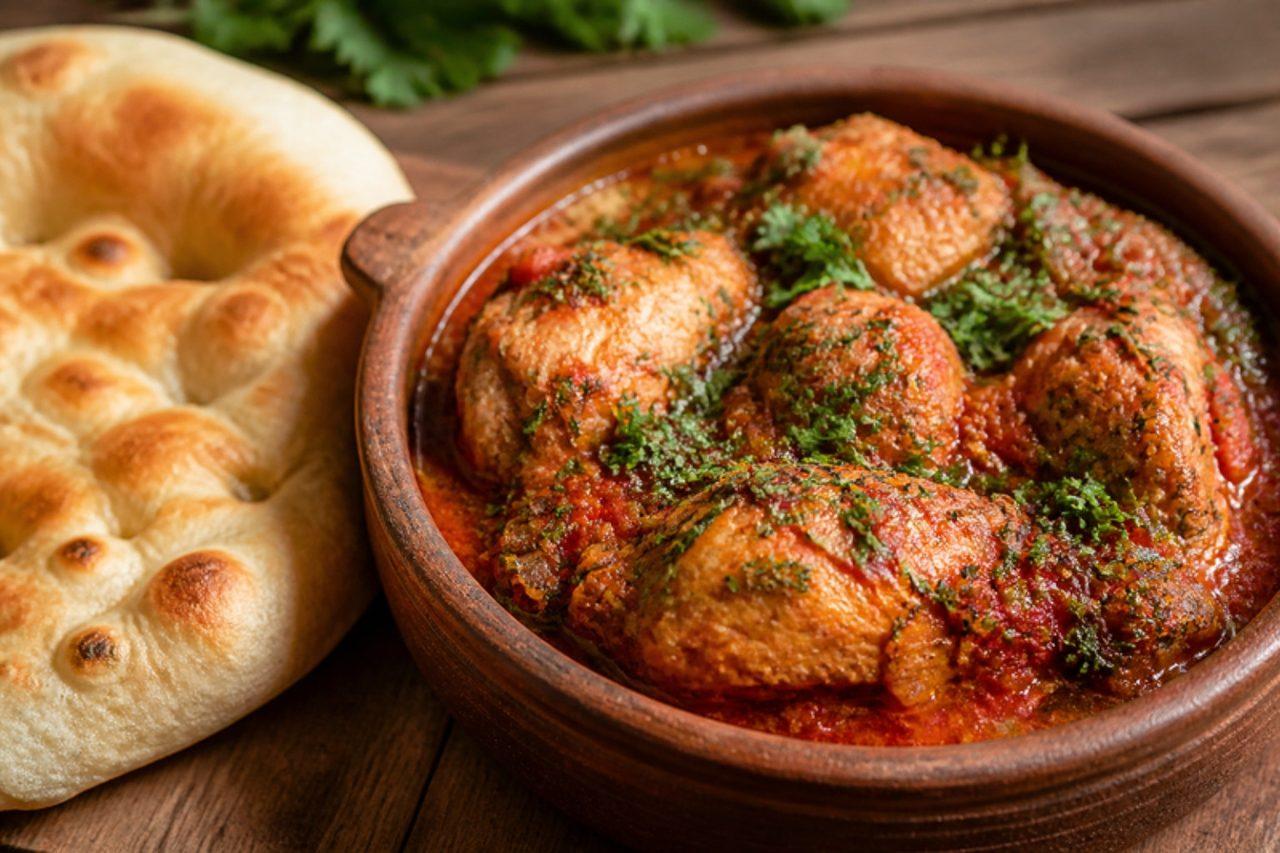
Chakhokhbili was first made with pheasant (khokhobi), but in Georgian homes from Tbilisi to Kutaisi today it is an everyday chicken stew, the kind cooked on a weeknight and served with bread to wipe the plate. Chicken pieces are browned without oil, then simmered with a lot of onion and ripe tomato, garlic, chilli and khmeli suneli spice, and finished with a big handful of fresh coriander, basil and dill. Chef's tip: brown the chicken skin side down in a dry pan; it releases enough fat to cook the onions.

by KrazyBadal 0 views

Empanadas venezolanas

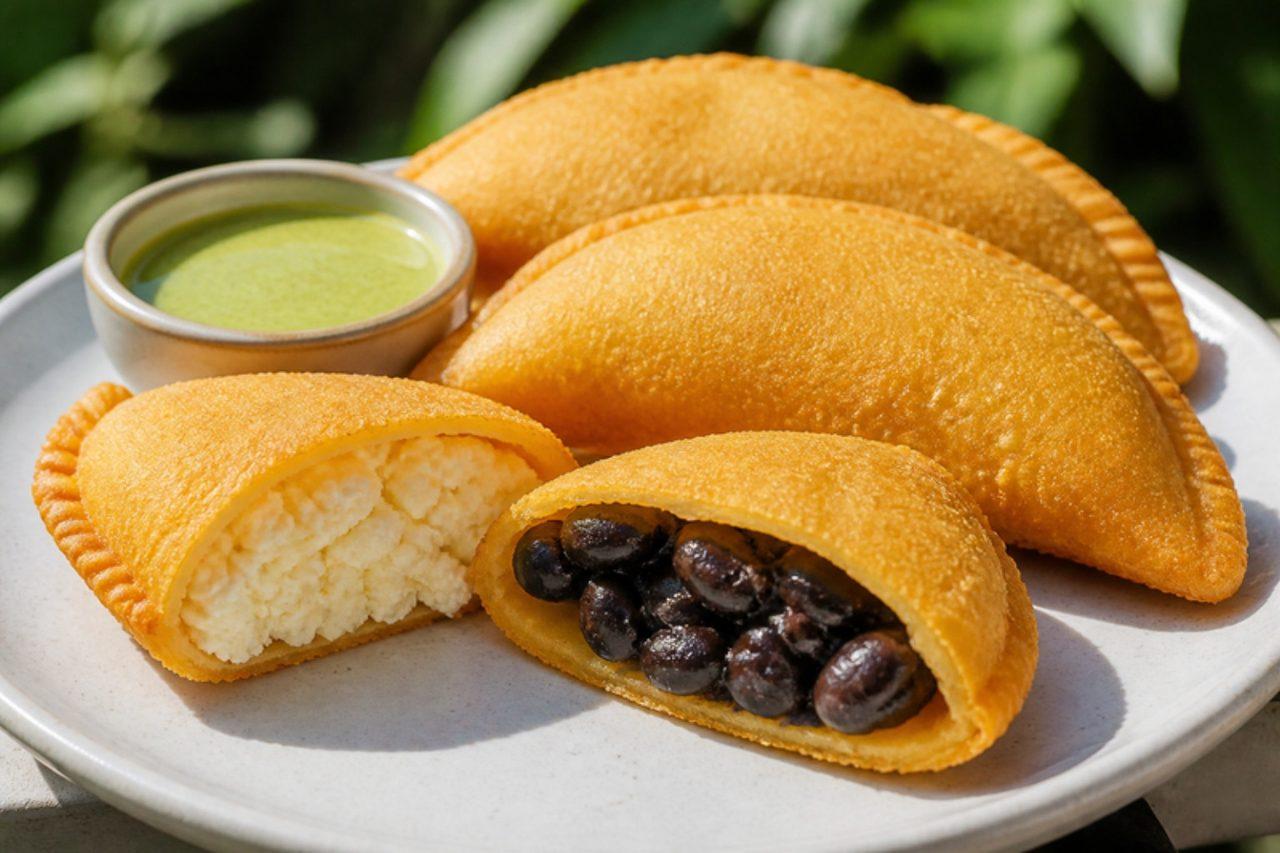
Venezuelan empanadas are big, crisp half-moons made with white precooked corn flour, fried to order at beach kiosks on Margarita Island and at breakfast stands across Caracas. Compared with the small, potato-filled Colombian empanadas, they are larger, paler and often a little sweet in the dough, and the classic vegetarian fillings are simply grated white cheese or black beans with cheese (like an arepa dominó). Eat them hot with guasacaca or a squeeze of lime. Chef's tip: add a spoonful of sugar to the dough; it helps the crust turn golden and blistered in the oil.

by KrazyBadal 0 views

Showing 9 of 4,484 recipes

Show more recipes

Page 287 of 499