






Skip to content
Sayur lodeh
Featured recipe

Sayur lodeh

Sayur lodeh is everyday cooking in Central Java, made in big pots in Solo and Semarang kitchens and ladled over rice, with lontong rice cakes at Lebaran, or alongside opor and sambal goreng on festive tables. It's soupy rather than thick: a fragrant broth of coconut milk, galangal, lemongrass and lime leaf that carries chunks of aubergine, long beans, chayote and sweetcorn, plus tempeh and tofu to make it a meal. The flavour is mellow and slightly sweet, so the heat comes from sambal on the side. Chef's tip: keep the pot at a gentle simmer once the coconut milk goes in and stir now and then — a rolling boil splits the coconut milk into oily curds.

Read more 3 views
Can't decide?

What to eat today?

Spin the randomizer, search with what's already in your fridge, or browse recipes from our chefs.

Latest recipes

Ropa vieja

Ropa vieja means 'old clothes', after the ragged strands the beef falls into, and it is the dish Cubans name first when asked about home cooking. Families in Havana and Camagüey make a big pot on a weekend: flank steak is simmered until soft, pulled into threads and then stewed again in a sofrito of peppers, onion, tomato, cumin and green olives. It is eaten with white rice, black beans and fried ripe plantain, and it tastes even better reheated the next day. The common mistake is cutting the beef across the grain before cooking; leave it whole so it shreds into long strands. Chef's tip: keep the cooking liquid from the first simmer and use it instead of water in the sauce, because it carries most of the beefy flavour.

190 minCubanMeatGluten free
by KrazyBadal 0 views

Lulada

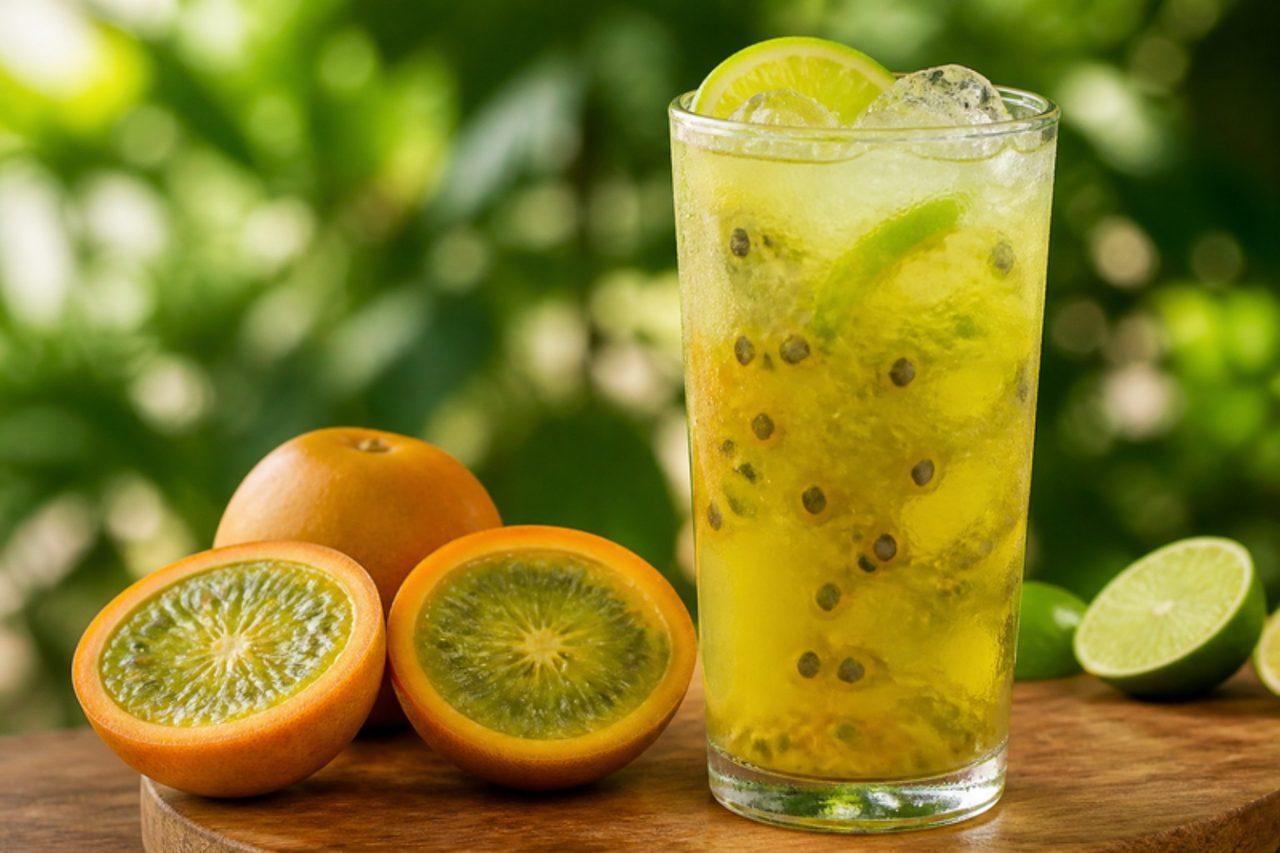
Lulada is the drink of Cali and the Valle del Cauca, sold in tall glasses from street stalls and juice shops on hot afternoons. Lulo (naranjilla) is a small orange fruit with a green, sour, citrus-like pulp; for lulada it is chopped and crushed by hand rather than blended, then mixed with lime, sugar, cold water and ice, so you drink it with a spoon as much as a straw. Look for frozen lulo pulp or whole fruit in Latin American shops. Chef's tip: crush the lulo with a fork or muddler; blending smashes the seeds and makes the drink bitter.

by KrazyBadal 0 views

Obleas con arequipe

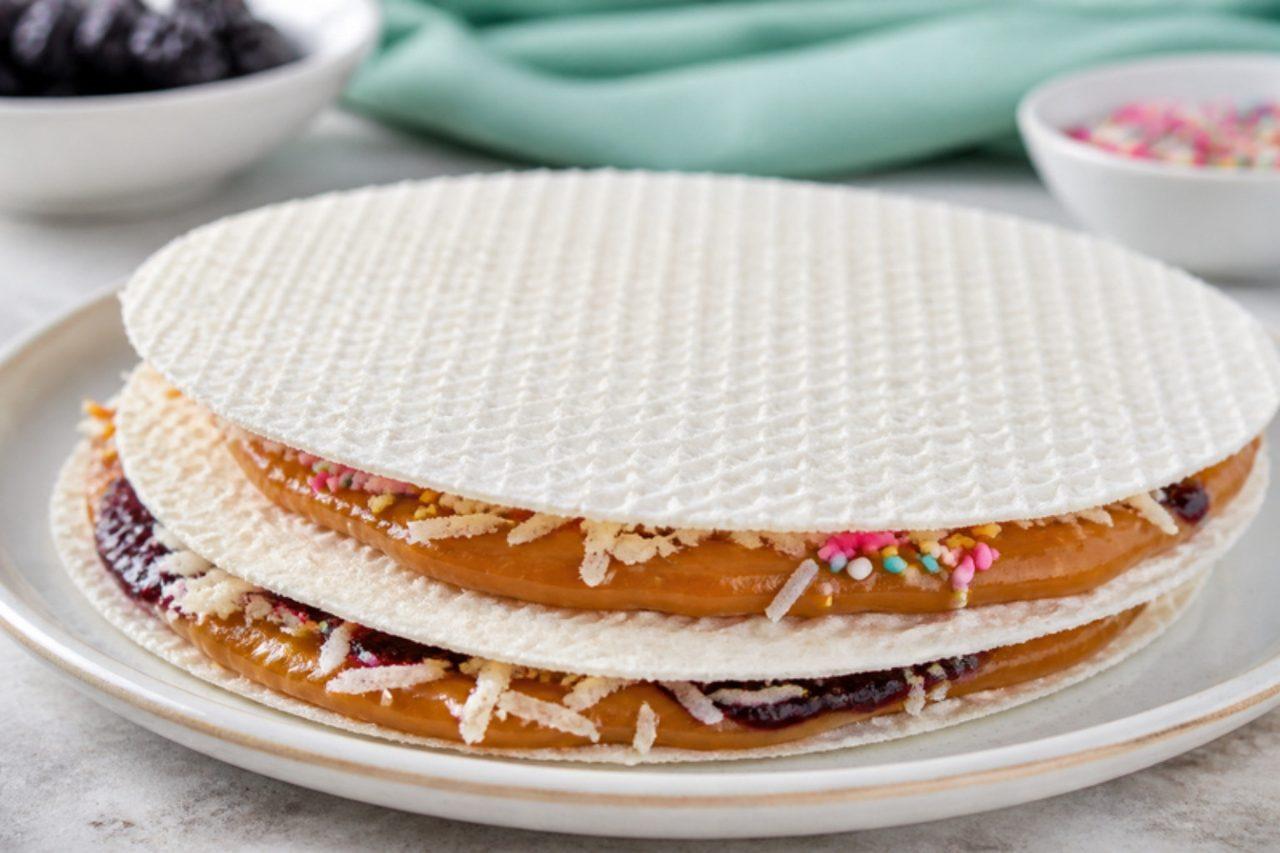
Obleas are the giant, paper-thin round wafers sold from street carts in Bogotá's parks and around Floridablanca in Santander, where they began. The vendor spreads two wafers with arequipe, Colombia's dulce de leche, and adds whatever you choose: blackberry jam, grated cheese, condensed milk or sprinkles, then presses them together. They are crisp, sticky and fun to make with children. Look for oblea wafers in Latin American shops. Chef's tip: assemble them right before eating; the wafers soften within an hour.

by KrazyBadal 0 views

Tteokgalbi

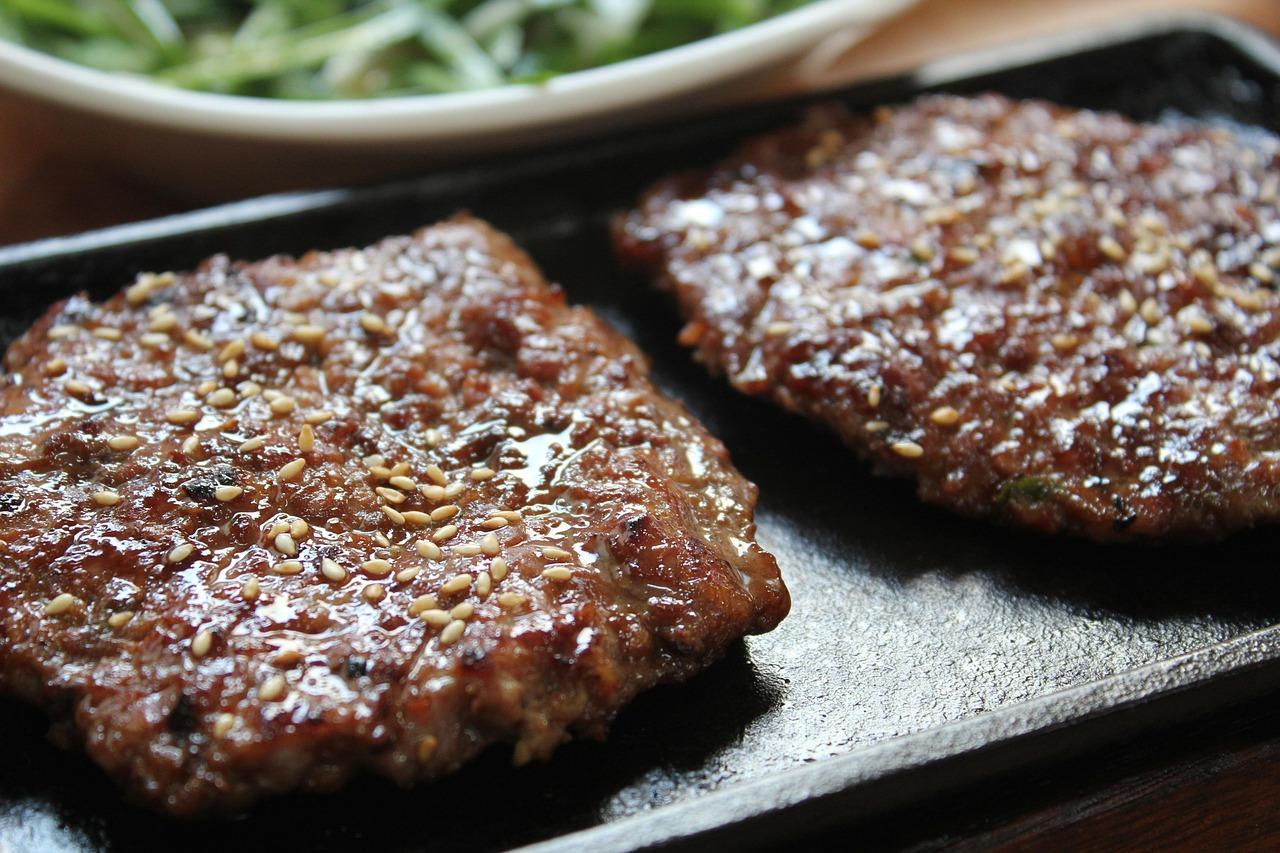
Tteokgalbi is rib meat chopped finely, pressed back into neat slabs and grilled, so it's soft enough to eat without struggling with a bone. Two places in South Jeolla claim it: Damyang, the bamboo county, where all-beef patties come with rice steamed in bamboo tubes, and Gwangju's Songjeong district, whose restaurant street near the railway station mixes beef with pork. This home version uses minced beef and pork, seasoned with soy, garlic and pear, then brushed with a soy and honey glaze as it cooks. Serve with rice, lettuce and a few banchan; leftovers are good cold in a lunchbox. Chef's tip: slap the mince against the bowl for a few minutes; it turns sticky and the patties hold together on the grill without any breadcrumbs.

60 minKoreanMeat
by KrazyBadal 1 views

Natilla colombiana

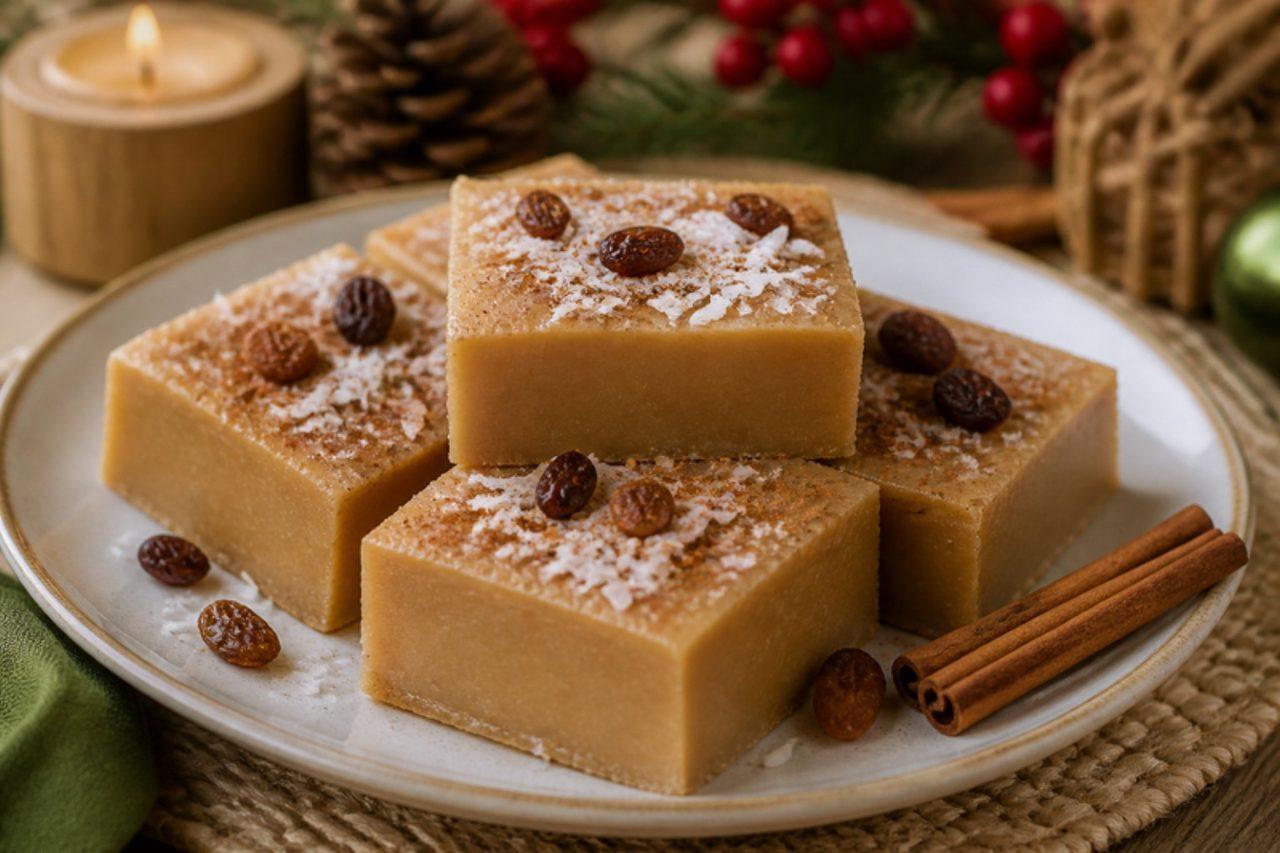
Natilla is the firm, sliceable Christmas pudding of Colombia, stirred on the night of the alumbrado (7 December) and through the novenas, and always shared with buñuelos. Milk is infused with cinnamon, sweetened with panela (unrefined cane sugar), thickened with cornflour and finished with grated coconut and raisins, then poured into a dish to set. It is dark gold, caramel-scented and soft, a bit like a firm flan. Chef's tip: stir without stopping once the cornflour goes in, scraping the corners of the pan, or lumps and a scorched bottom will form.

by KrazyBadal 0 views

Buñuelos colombianos

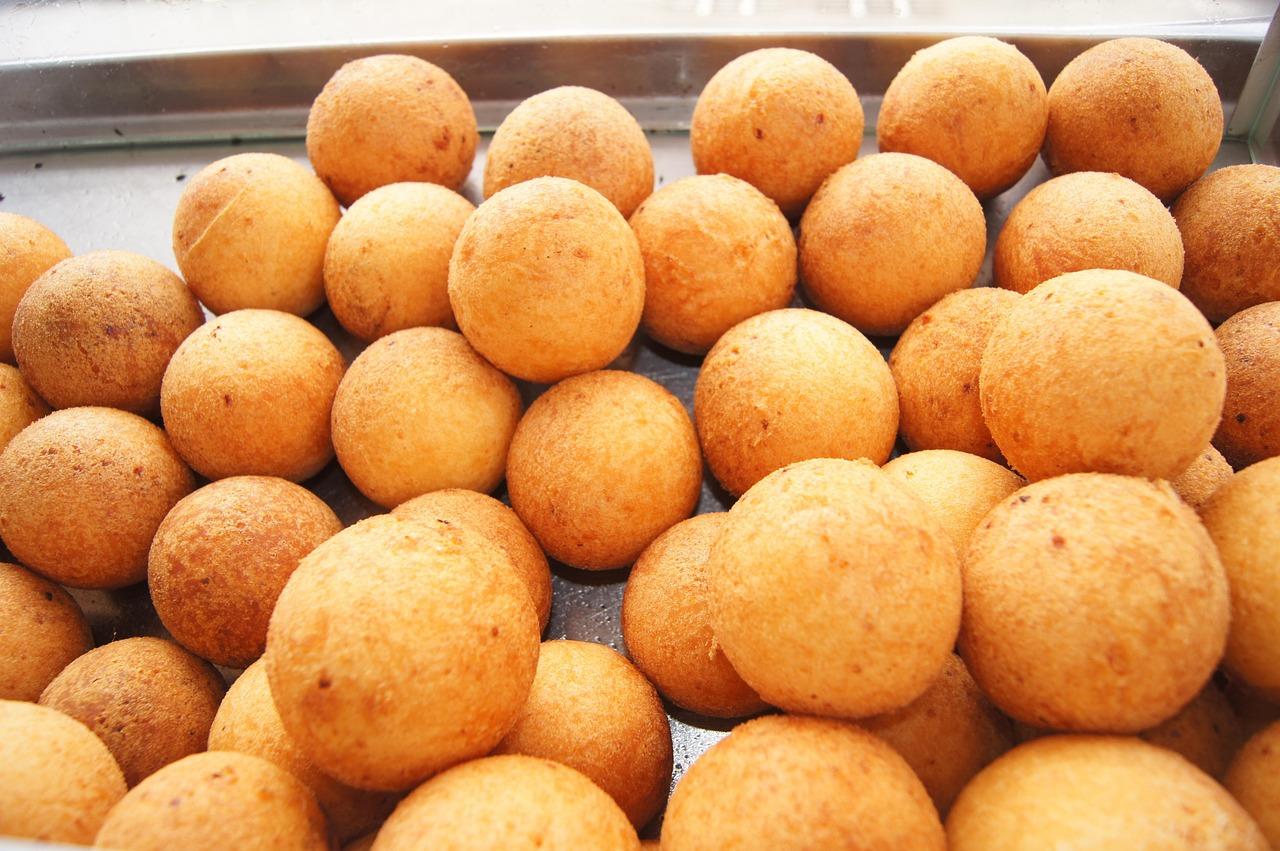
In December, Colombian families gather for the novena de aguinaldos, nine evenings of prayers and carols before Christmas, and the reward afterwards is a plate of hot buñuelos with a bowl of natilla. These little golden balls are made from crumbly cheese, cassava starch and cornflour, fried until they puff and roll themselves over in the oil. They are crisp outside, airy and cheesy inside. Chef's tip: start the oil only warm, around 150 °C; buñuelos fried too hot crack open and stay raw in the centre.

by KrazyBadal 0 views

Arepa reina pepiada

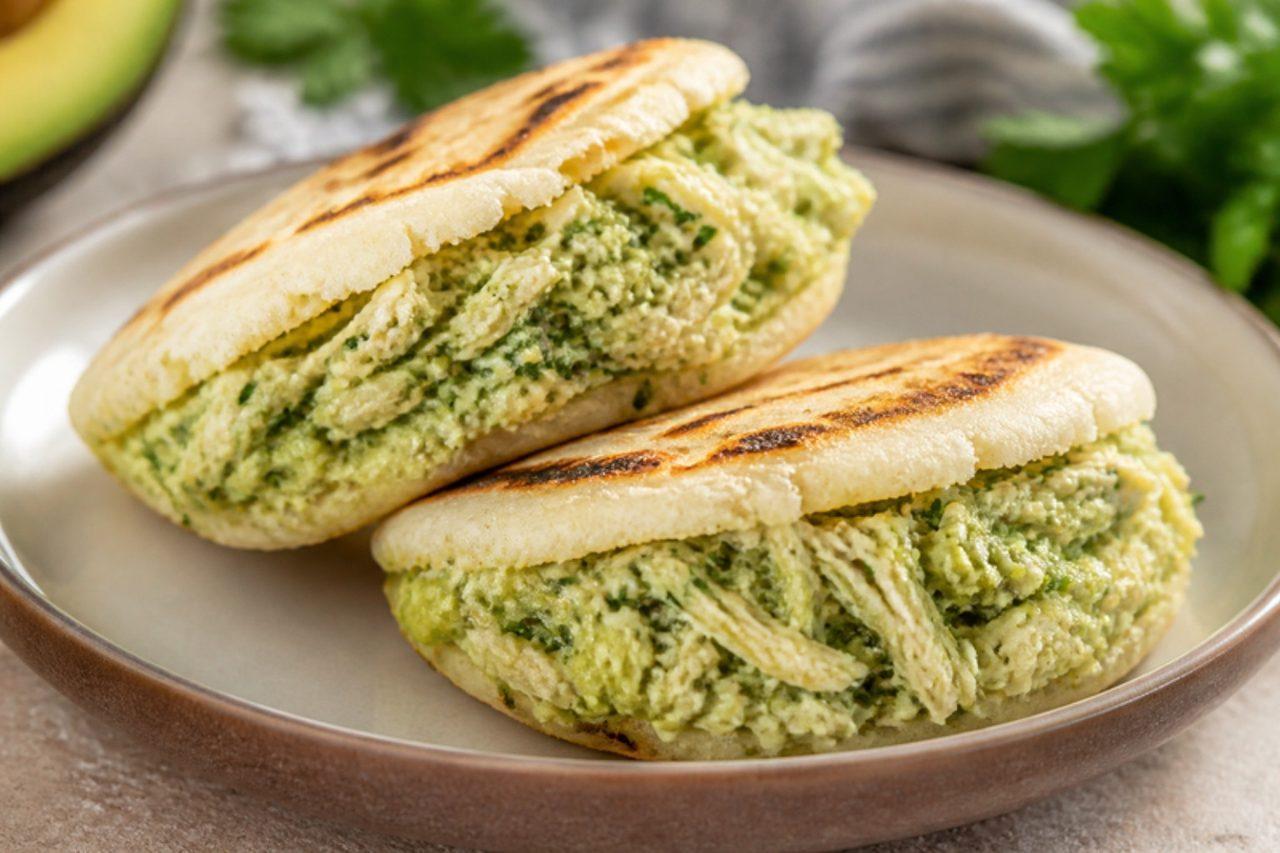
Caracas named this filling after a beauty queen: in 1955 a family running an arepera in the city made it for Susana Duijm, Venezuela's first Miss World, and called it 'the curvy queen'. Shredded chicken is mashed with ripe avocado, a little mayonnaise, lime and coriander, then stuffed into a hot, crisp-skinned arepa split down the side. Venezuelans eat it for breakfast, at lunch from areperas and late at night after a party. The usual mistake is cooking arepas over too high a heat: the outside blackens while the middle stays raw and doughy. Chef's tip: an arepa is done when it sounds hollow when you tap it; if it doesn't, give it a few more minutes in the oven.

by KrazyBadal 0 views

Shaki piti

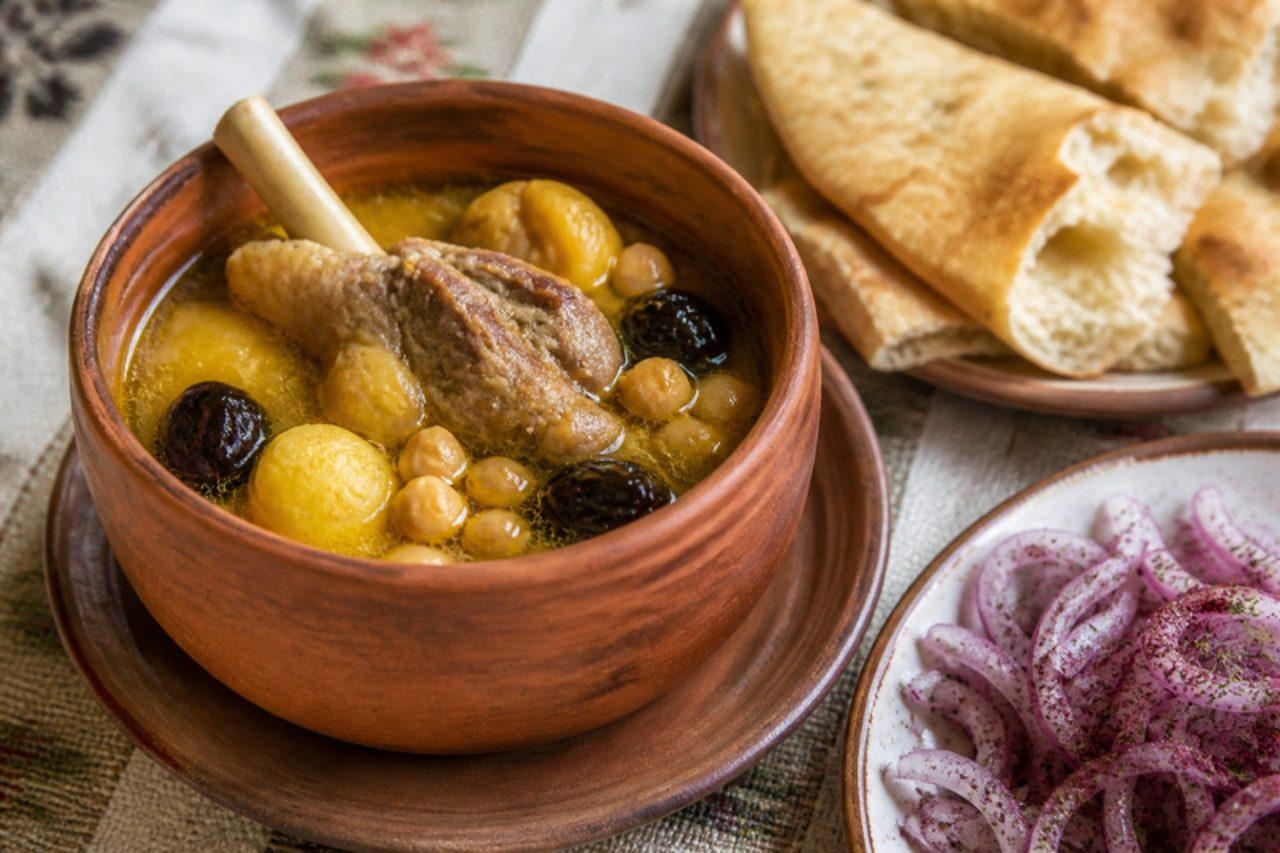
Piti belongs to Shaki, the old silk-road town in the green foothills of northern Azerbaijan, where it is still cooked in individual clay pots and served in restaurants near the caravanserai. Each pot holds lamb on the bone, chickpeas, a chestnut or two, a little tail fat and saffron water. It is eaten in two stages: first you pour the broth over torn bread with sumac, then you mash the meat and chickpeas and eat that as a second course. Rushing it at a high heat is the error to avoid; the broth turns cloudy and the lamb tightens. Chef's tip: if you have no clay pots, a heavy casserole works, and you can ladle it into bowls to serve.

by KrazyBadal 0 views

Vepřo knedlo zelo

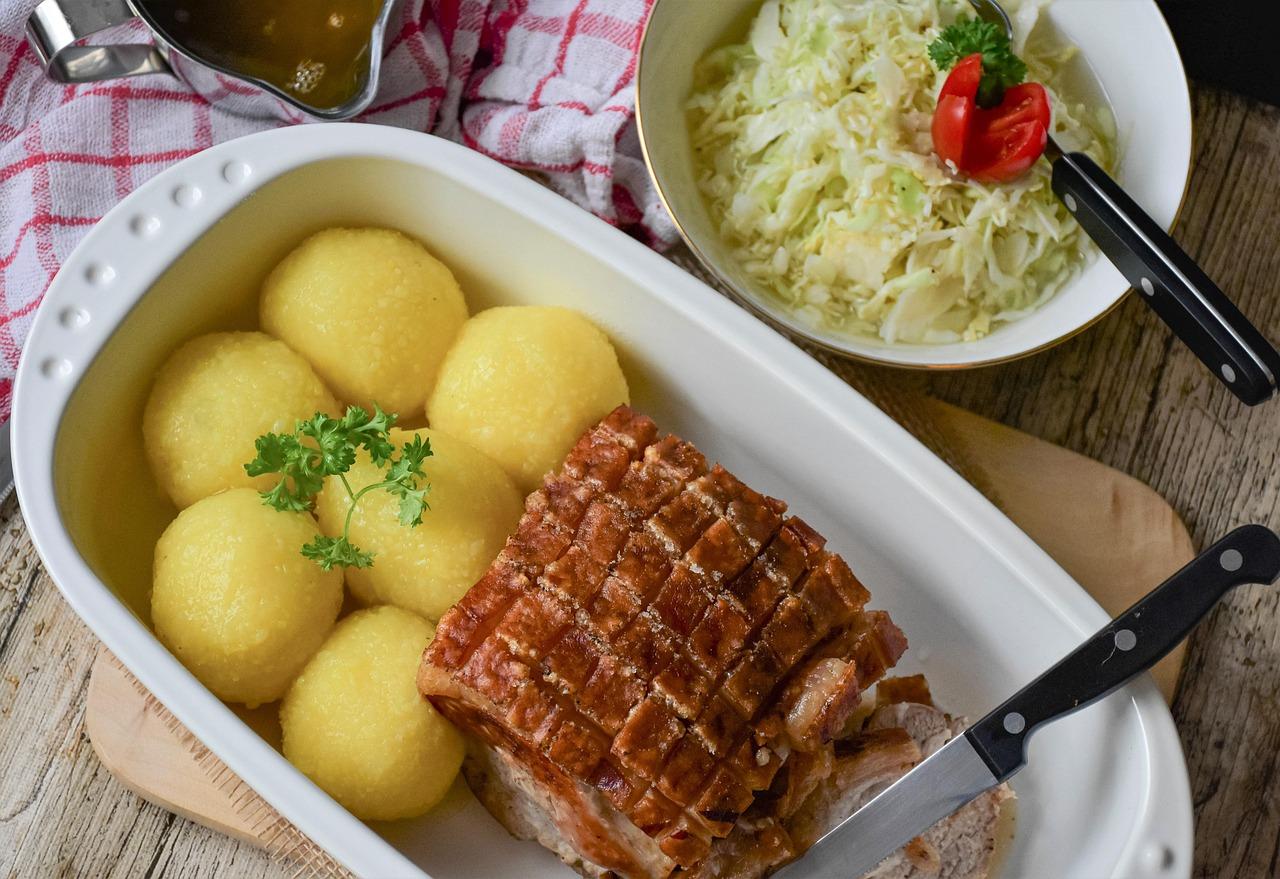
Ask anyone in Prague, Brno or a village pub in Moravia for the most Czech meal of all and they will name vepřo knedlo zelo: roast pork, dumplings and cabbage, eaten at Sunday lunch and washed down in pubs with a cold lager. This is a pork dish: shoulder rubbed with garlic, caraway and salt and roasted slowly in a little water until it falls into tender slices, the pan juices becoming the gravy. Alongside go slices of soft bread dumpling and red or white cabbage braised sweet and sour. The trap is roasting the pork too hot and too dry; a splash of water in the tin and a low oven keep it juicy. Chef's tip: lay the pork fat side down for the first hour, then turn it fat side up so the fat renders and crisps at the end.

210 minCzechMeat
by KrazyBadal 0 views

Showing 9 of 4,484 recipes

Show more recipes

Page 290 of 499