


Skip to content
Stefánia szelet
Featured recipe

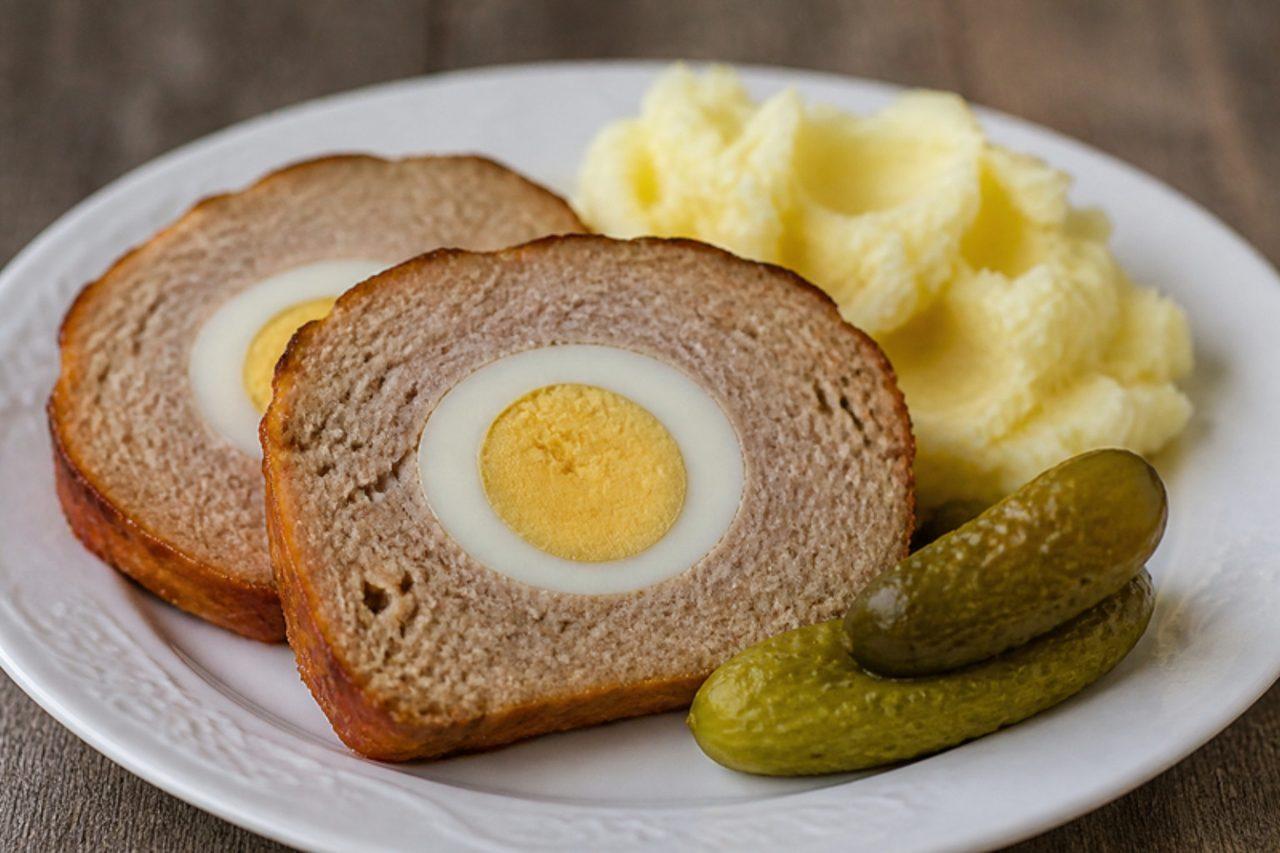
Stefánia szelet

Meatloaf with boiled eggs

Named, so the story goes, after Princess Stéphanie, wife of the Habsburg crown prince Rudolf, Stefánia szelet is the proud meatloaf of Hungarian school canteens, work cafeterias and Sunday tables. Seasoned minced pork, bound with a milk-soaked roll and flavoured with garlic, marjoram and mustard, is shaped around a row of peeled hard-boiled eggs and baked until browned, so every slice shows a golden yolk ringed with white. Serve it hot with mashed potato and pickled gherkins, or cold in sandwiches the next day. A common mistake is slicing it straight from the oven, which makes it crumble; rest it for 10 minutes first. Chef's tip: roll the boiled eggs in a little flour before you lay them in, so the meat grips them and the slices don't fall apart.

Read more 0 views

What to eat today?

Around the world

Today's trip: Persian

A new country every day, from every cuisine on the site.

Persian

Morabba-ye albaloo

Sour cherry preserve 65 minMore from Persian (131) →

This week's collection

Kid-friendly dinners
541 recipes · a new collection every Monday

Latest recipes

ManeštraBean, corn and potato soup

Farm kitchens across Istria, in north-west Croatia, keep a pot of maneštra on the stove through the cold months, a soup so thick a spoon nearly stands in it. Beans, sweetcorn and potatoes are its heart; in the villages it is usually cooked with smoked pork ribs or bacon, but this version is meat-free, with smoked paprika and a garlicky parsley and olive oil paste (an olive oil twist on the traditional pešt) to give it depth. Expect a sweet, earthy, creamy soup with soft corn kernels and herby green flecks; eat it with crusty bread and a drizzle of Istrian olive oil. The beans must soak overnight before you begin. A common mistake is serving it thin and brothy, so mash some of the potato against the side of the pot near the end. Chef's tip: maneštra is better the next day; loosen it with a little hot water when you reheat.

120 minBalkanSoupsVegan
by KrazyBadal 0 views

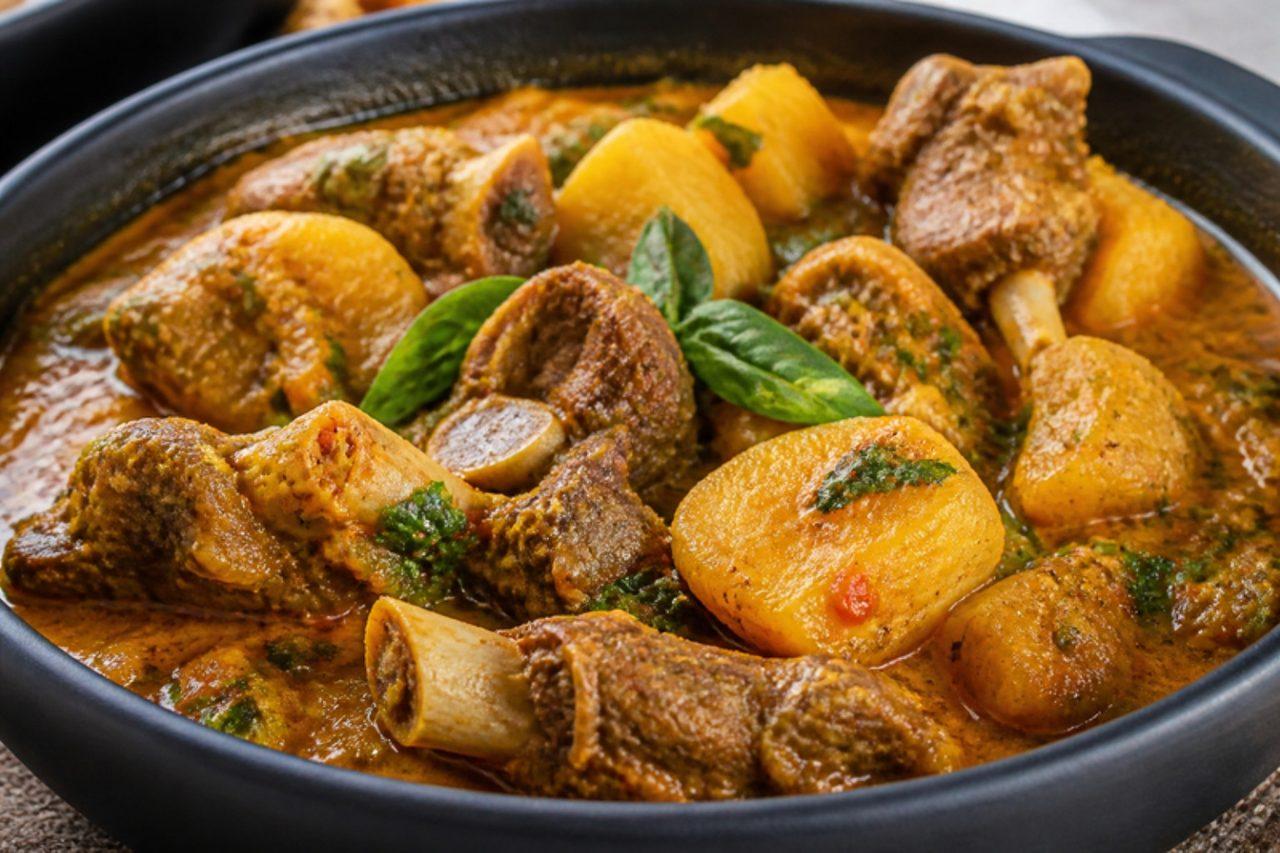
KondreGoat and green plantain stew

For weddings, funerals, the enthronement of a chief or the return of a relative from abroad, the Bamileke of the West Region cook kondre. Chunks of goat are stewed slowly with green plantain, tomato and a fragrant blend of local spices including white pepper, pebe and country onion, until the plantain melts at the edges and thickens the sauce. The result is earthy, peppery and very satisfying, eaten straight from the bowl with nothing else alongside. Beef or lamb can replace goat; pebe and country onion are sold in Cameroonian grocers, with nutmeg and a pinch of clove standing in at a pinch. Marinate the meat in the fridge, never on the counter. Chef's tip: give the goat a full hour on its own before the plantain goes in; the meat needs far longer to soften.

by KrazyBadal 0 views

IrimshikDried sweet cottage cheese

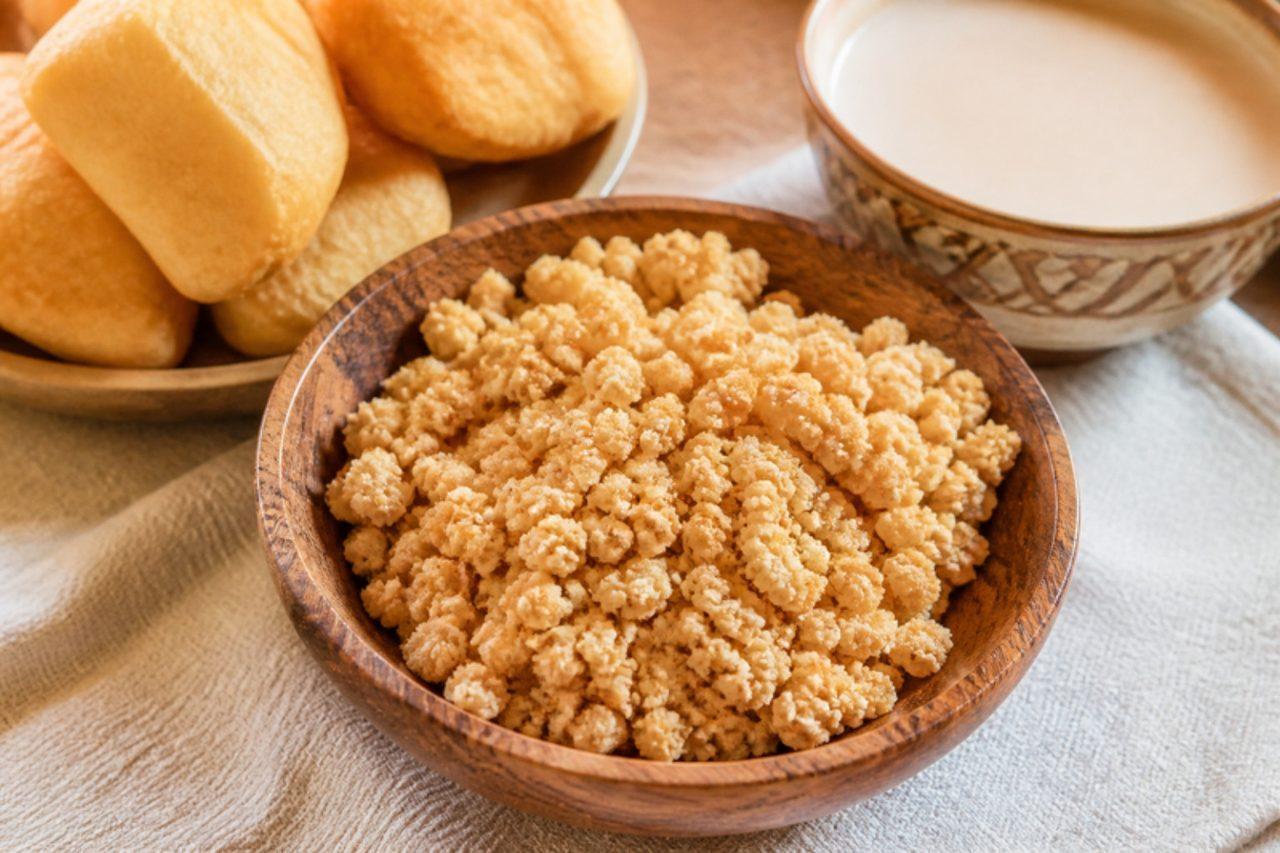
Irimshik is the sweet, caramel-coloured dried curd that Kazakh herding families make in summer on the jailau pastures: milk is soured with a little starter, heated until it splits, and the curds are cooked slowly in their own whey until they turn golden and fudgy, then dried in the sun. It is nibbled with tea in winter, from Almaty flats to steppe villages. This version needs no rennet, so it is vegetarian. A common mistake is draining the curd too soon; the long cook in the whey is what browns and sweetens it. Chef's tip: stir more often as the whey reduces, because the curd catches easily at the end.

180 minKazakhBasicsGluten free
by KrazyBadal 0 views

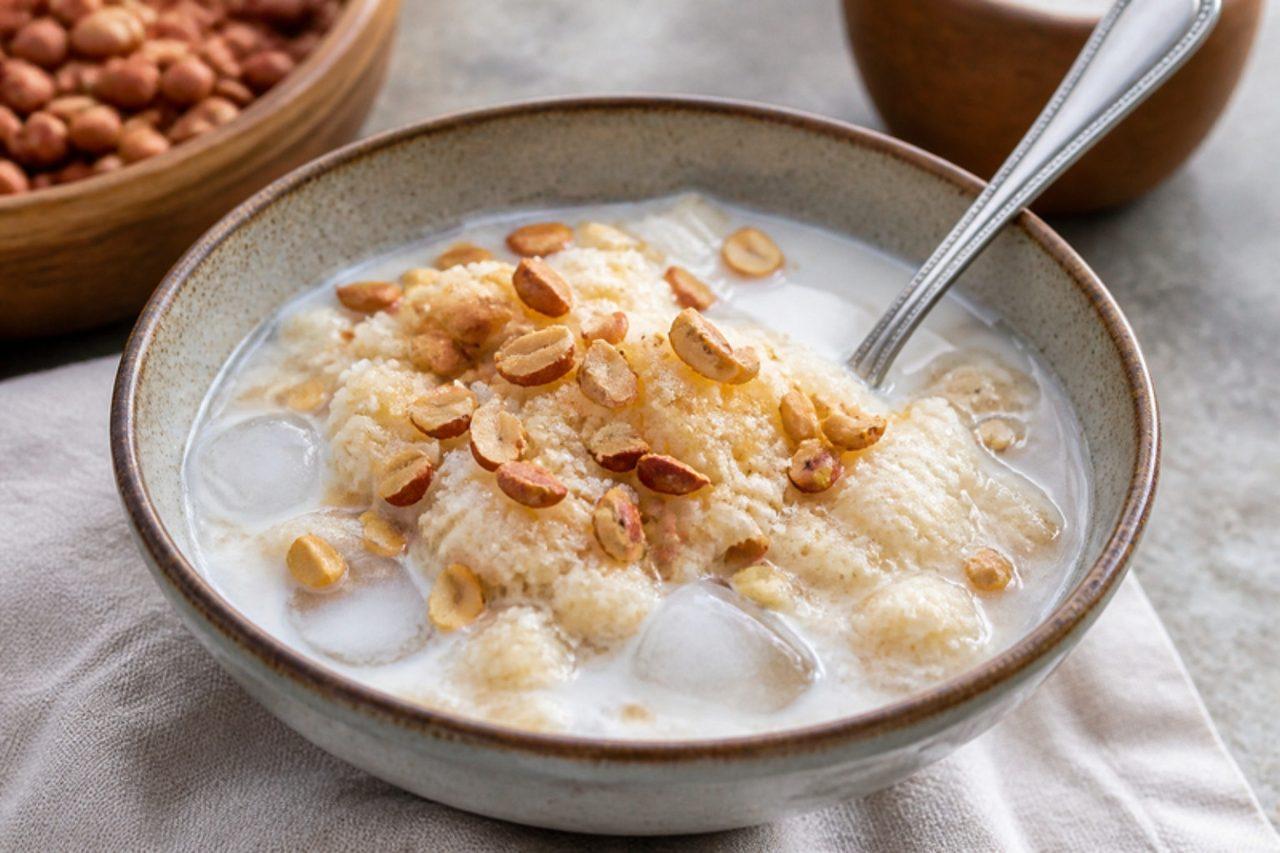
Gari soakingsSoaked gari with milk and groundnuts

Every Ghanaian who went to boarding school has a story about gari soakings, the cheap, quick fill-up that keeps students going between meals, and on hot Accra afternoons it is still the snack people make without thinking. Toasted cassava grains are soaked in cold water until they swell, then sweetened with sugar and evaporated milk and topped with roasted groundnuts, so it is cool, slightly sour, creamy and crunchy at once. Some add ice cubes or a little coconut. For a vegan bowl, swap the milk for coconut milk. A common slip is adding the groundnuts too early, so they go soft; scatter them on just before eating. Chef's tip: rinse the gari first and pour away the cloudy water with any floating husks, which makes the bowl cleaner and less sandy; eat it within a few minutes, before the grains go mushy.

by KrazyBadal 0 views

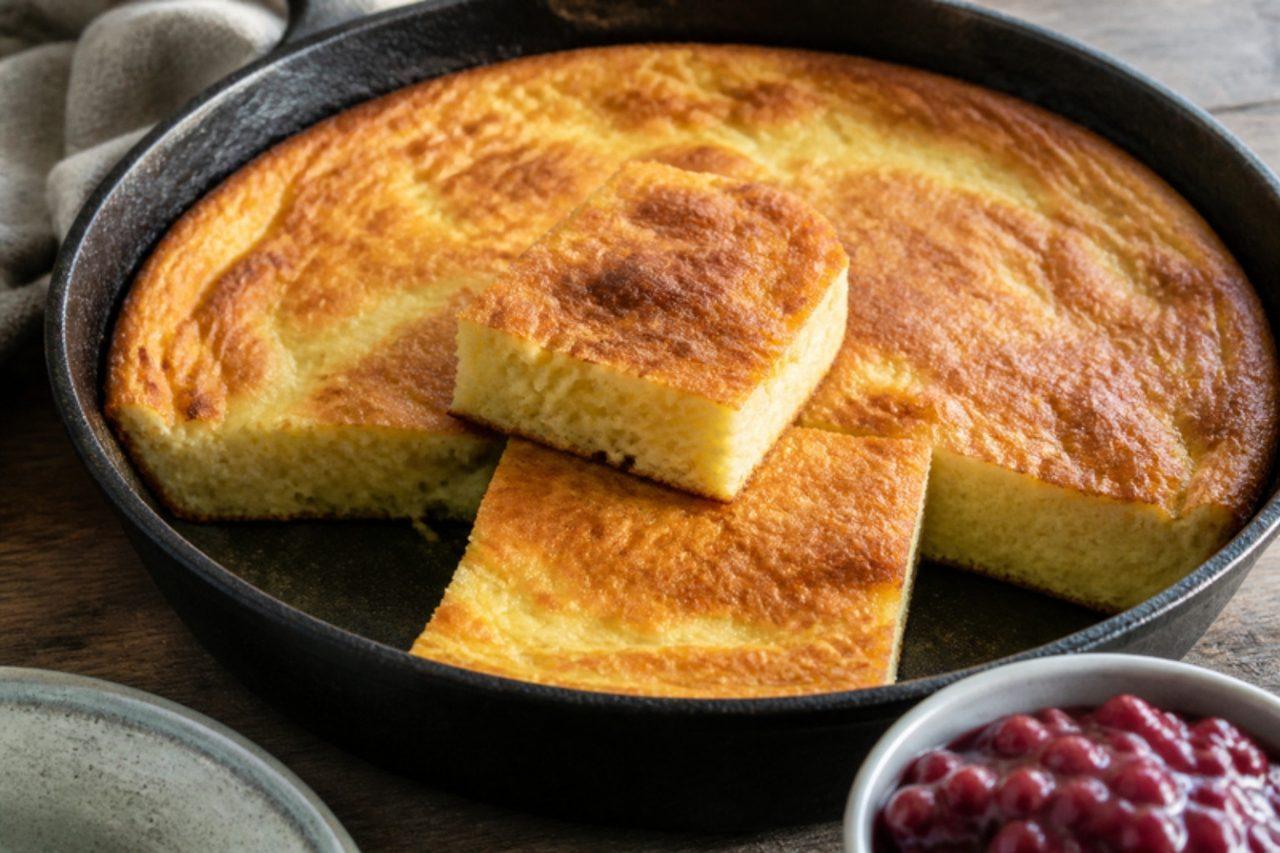
ÄggakakaOven egg cake with lingonberries

Äggakaka is the farmhouse egg cake of Skåne, Sweden's southernmost province: a thick, puffy batter of eggs, milk and flour baked in a hot pan until golden on top and custardy inside, cut into squares and eaten with lingonberries. In Skåne it usually comes with crisp fried pork belly; this vegetarian version leaves the pork out and adds a little butter-fried apple on the side. A common mistake is opening the oven early, which makes it sink. Chef's tip: heat the pan with the butter until it sizzles before pouring in the batter, so the base and edges crisp.

by KrazyBadal 0 views

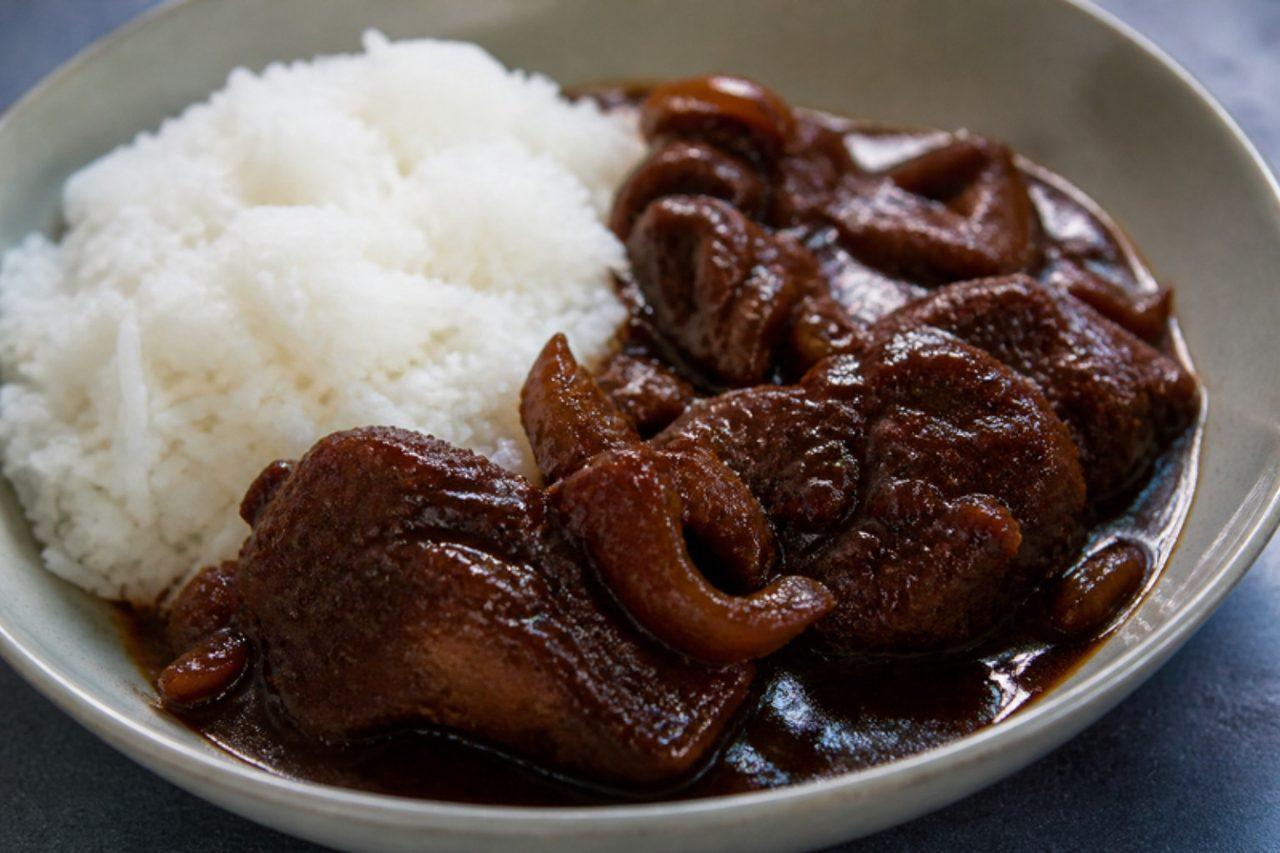
Daging smoorBeef braised in sweet soy

Daging smoor, from the Dutch 'smoren', to braise, is the Indo-Dutch version of Indonesian semur: beef braised for hours in kecap manis sweet soy sauce with onion, garlic, nutmeg, clove and a little tomato, until tender and coated in a dark, glossy, sweet-savoury sauce. It is a Sunday and rijsttafel dish in Indo-Dutch families in The Hague and is served with rice and atjar. A common mistake is a hard boil, which makes the meat tough and the sauce too salty as it reduces. Chef's tip: add the nutmeg at the start and a pinch more at the end, so its warmth runs through and the fresh aroma comes through on top.

170 minDutchCurries
by KrazyBadal 0 views

Agbeli kakloCassava fritters

Roadside fryers in the Volta Region sell agbeli kaklo by the bagful, golden fingers of grated cassava seasoned with onion and chilli and fried until crunchy outside and chewy within. The classic way to eat them is with chunks of fresh coconut, whose cool sweetness balances the salty, peppery fritters, and they are an afternoon snack or a travel snack on the road from Ho to Accra. Cassava must be cooked through, so fry until deep golden. Chef's tip: squeeze the grated cassava very dry and fry at 170 °C; wet dough spits dangerously, and oil that is too cool, the common mistake, gives greasy, soggy fritters.

by KrazyBadal 0 views

Mahi (Kabul fried fish)Fried battered fish

When the snow comes, Kabul's fish sellers set up their huge woks of oil, and the smell of mahi frying drifts across the city's bridges and bazaars, with stalls next door piling up bright orange jalebi to eat alongside it; mahi wa jalebi, fish and sweets, is a winter outing for the whole family. Chunks of firm fish are coated in a thin, spiced batter of flour, garlic, coriander seed, cumin and chilli and fried until crisp and reddish-gold, then eaten hot with naan, green chutney and a squeeze of lemon. Carp or other river fish is traditional, but any firm white fish works. Crowding the pan drops the oil temperature and gives soggy, greasy pieces, so fry only a few at a time. Chef's tip: salt the fish and leave it for 10 minutes, then pat it completely dry so the batter grips.

40 minAfghanFish
by KrazyBadal 0 views

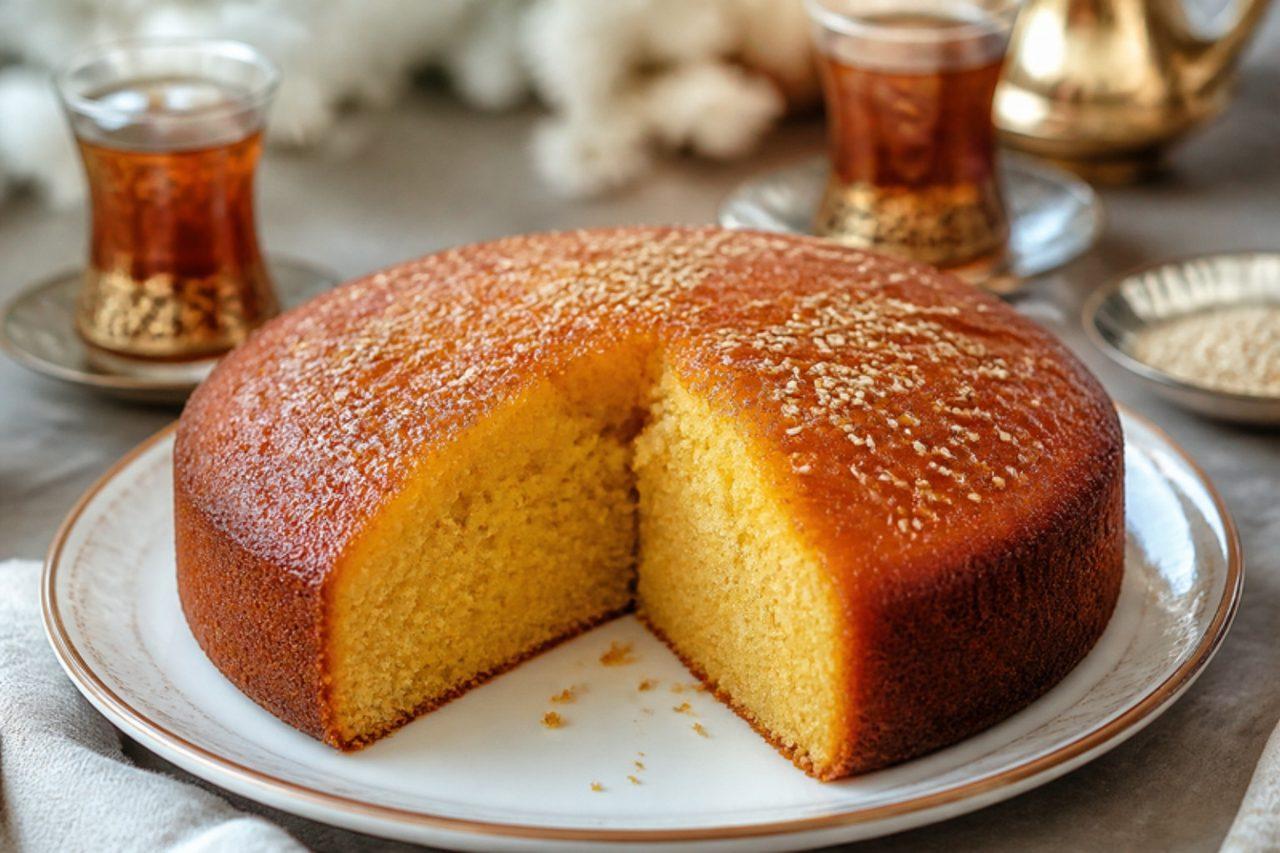
Gers ogailySaffron cardamom sponge cake

Gers ogaily is the plain, golden sponge cake that sits on every coffee tray in Kuwait and the UAE: served to visitors, at Eid gatherings and after Friday lunch with small cups of cardamom coffee. It is light and springy but not fluffy like a Western sponge, more like a fragrant, slightly firm tea cake, yellow with saffron and with sesame seeds toasted on top. A slice needs nothing else beside it but coffee or tea. The mistake to avoid is whisking the eggs and sugar too briefly; the whole rise depends on that foam, as there is little baking powder. Chef's tip: soak the saffron in warm rosewater before you begin, so its colour spreads evenly through the batter.

by KrazyBadal 0 views

KategnaCrisp spiced injera

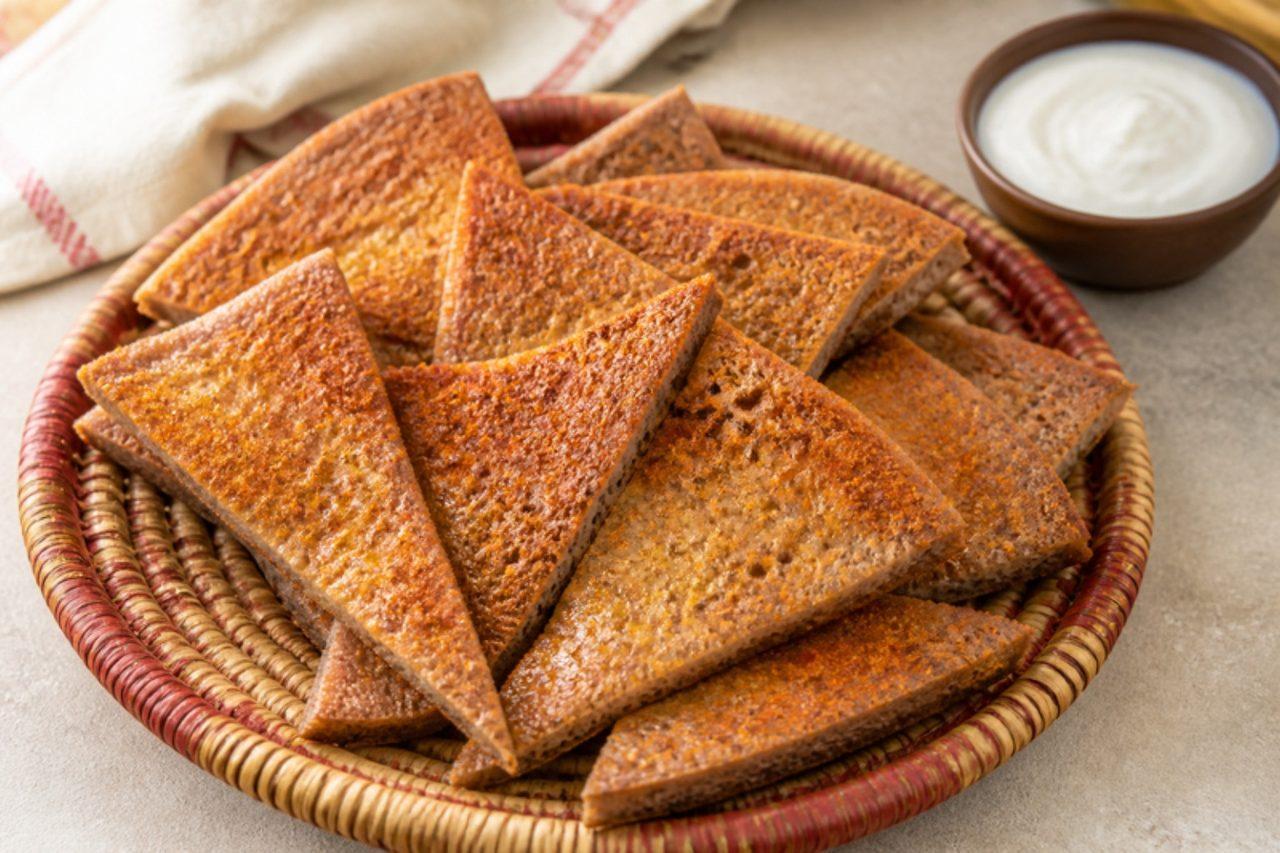
Kategna is what Ethiopian restaurants put on the table while the main order is still cooking: injera painted with niter kibbeh and a bold layer of berbere, toasted until the edges shatter, then rolled tight and cut into pieces. Every bite is crunchy at the rim, chewy in the middle, buttery and properly hot. In Addis Ababa homes it is a snack with coffee or a late breakfast, and it goes well with a cooling spoon of ayib or ergo. Unlike anababero, it is a single injera and is meant to be crisp, so the pan stays on the heat a little longer. Chef's tip: mix the berbere into the melted butter rather than sprinkling it dry; dry spice on a hot pan scorches in seconds and turns bitter.

by KrazyBadal 0 views

Itek timDuck and salted mustard greens soup

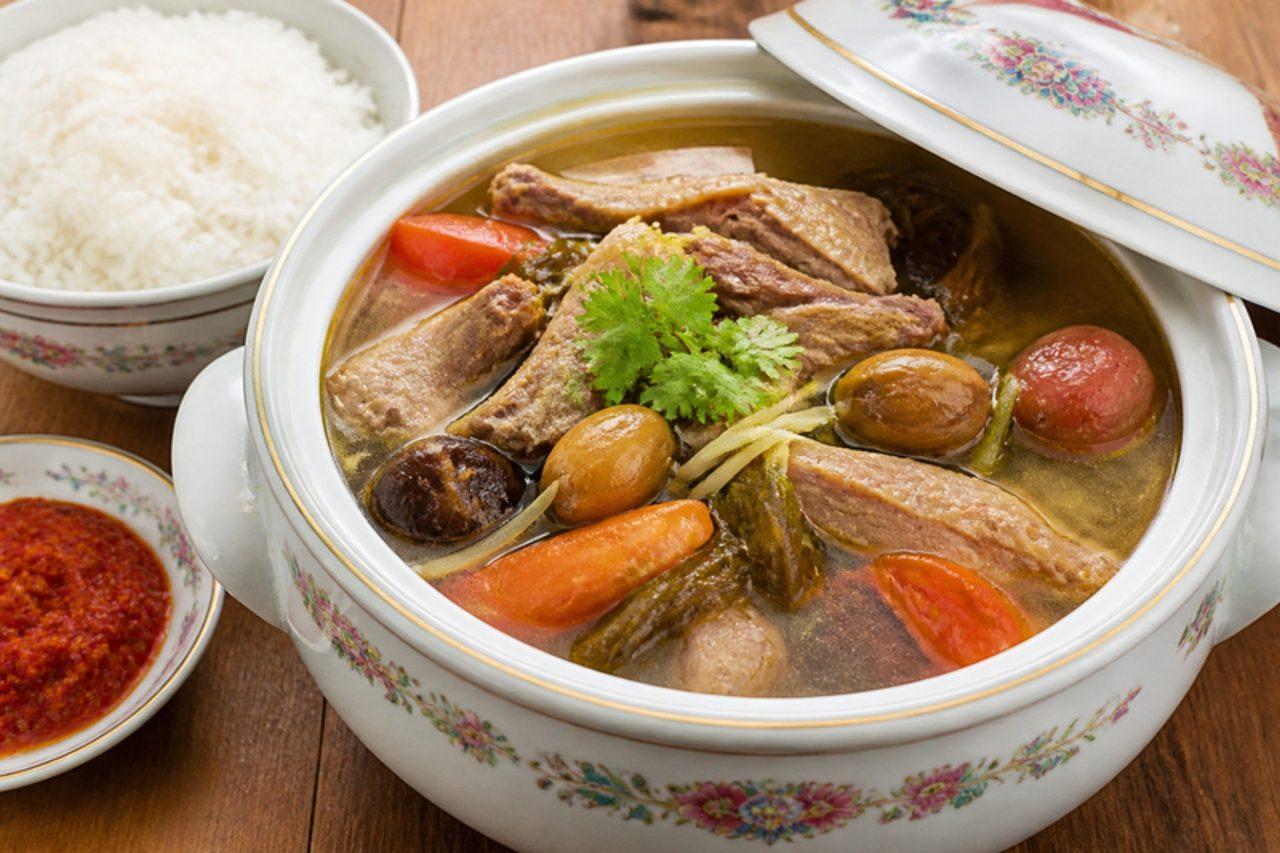
Sour, salty and cleansing, itek tim is the soup a Nyonya kitchen in Katong or Joo Chiat puts on the table to cut through the rich curries and sambals of a Chinese New Year reunion dinner, and it is often made in a big pot that lasts for days. Jointed duck simmers slowly with salted mustard greens, tomatoes, salted sour plums and a little dried tamarind until the meat is tender and the broth turns golden, tangy and deeply savoury. It is served with rice and sambal belacan, and many families say it is even better on day two. Not soaking the salted mustard greens is the classic trap; they can make the soup far too salty, so soak and taste a piece first. Chef's tip: chill the soup overnight and lift off the duck fat in one sheet before reheating, which gives a clear, clean broth.

by KrazyBadal 0 views

Balah el shamFried choux fingers in syrup

Ramadan in Cairo means trays of balah el sham glistening in sweet-shop windows, and plenty of families fry their own to serve after iftar alongside konafa and qatayef. Choux dough is piped through a star nozzle into finger lengths, fried until crisp and deep gold, then dropped into cool syrup, so the outside crackles and the inside stays hollow and custardy. It contains eggs. The mistake almost everyone makes once is frying in oil that is too hot: the outside browns in seconds while the inside stays raw and the fingers collapse. Start them in moderately hot oil and let them puff slowly. Chef's tip: beat the eggs in one at a time and stop when the dough falls from the spoon in a thick V; too much egg and the fingers flatten.

by KrazyBadal 0 views

Bajan fish cutterFried flying fish sandwich

Around Barbados a "cutter" is any sandwich in a salt bread roll, and the fish cutter is the lunch people queue for at beach bars from Oistins to Bathsheba: a piece of flying fish (or mahi-mahi, called dolphin locally) seasoned with Bajan seasoning, crumbed, fried crisp and stuffed into a split roll with lettuce, tomato and a dab of fiery yellow pepper sauce. The fish should be juicy and the crust shattering. The usual mistake is frying too cool, which makes the coating greasy; keep the oil hot and fry in small batches. Use flying fish fillets if you can find them frozen, or any thin white fish. Chef's tip: rub a little of the frying oil over the cut sides of the rolls and toast them in a dry pan, so the bread doesn't go soggy under the fish.

by KrazyBadal 0 views

Jamaican janga soupCrayfish soup

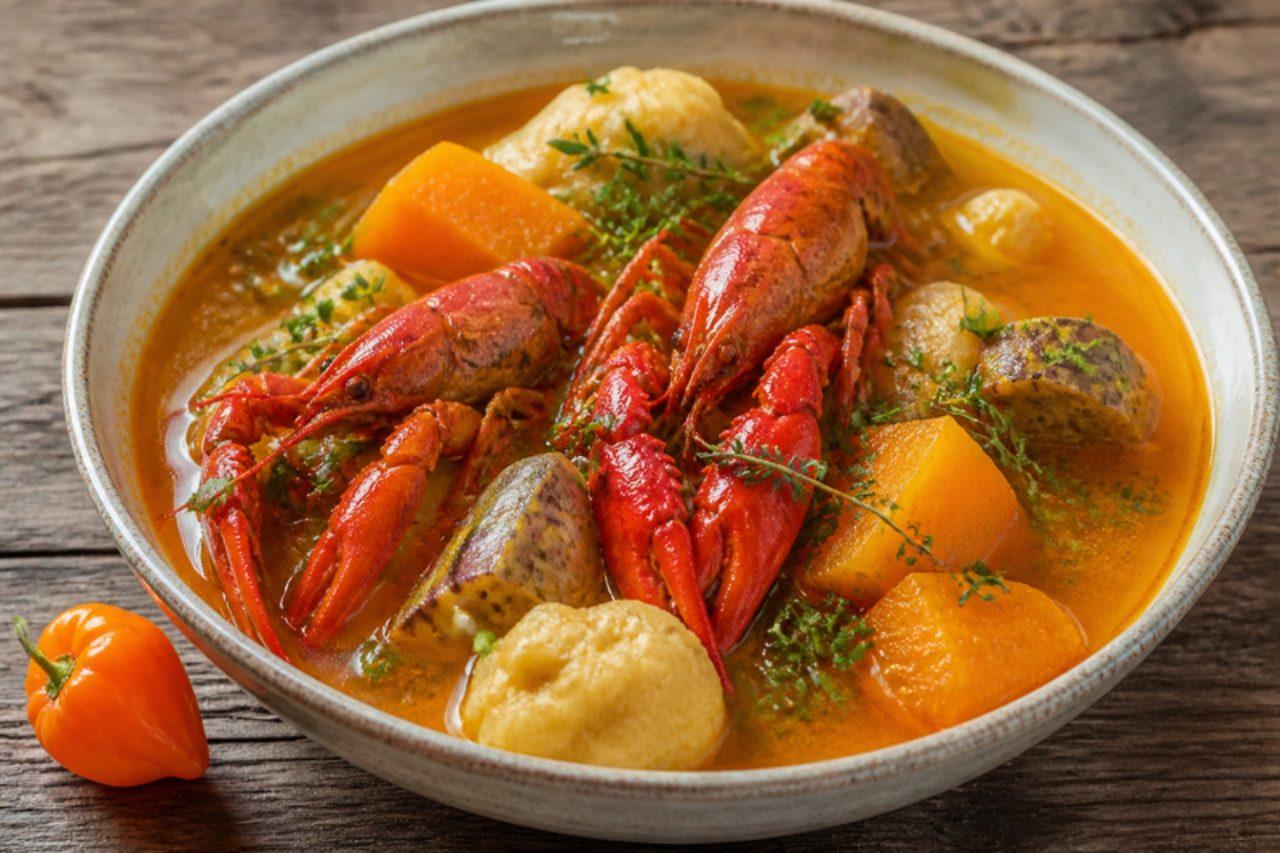
In the river valleys of Portland, around the Rio Grande, children once caught janga (freshwater crayfish) with baskets in the shallows, and the catch went into a deep red, peppery soup said to give strength. Pumpkin, coco (eddoe) and flour dumplings make it hearty, and scotch bonnet and pimento give it heat and warmth. Buy live crayfish from a fishmonger, or use frozen cooked crayfish tails or large prawns. The common mistake is cooking the shellfish from the start; add it at the end so it stays sweet and tender. Before cooking, discard any live crayfish that are dead, limp or smell bad. Chef's tip: simmer the shells in the broth first for a deeper, sweeter flavour.

by KrazyBadal 0 views

Arroz mamposteaoFried rice and stewed beans

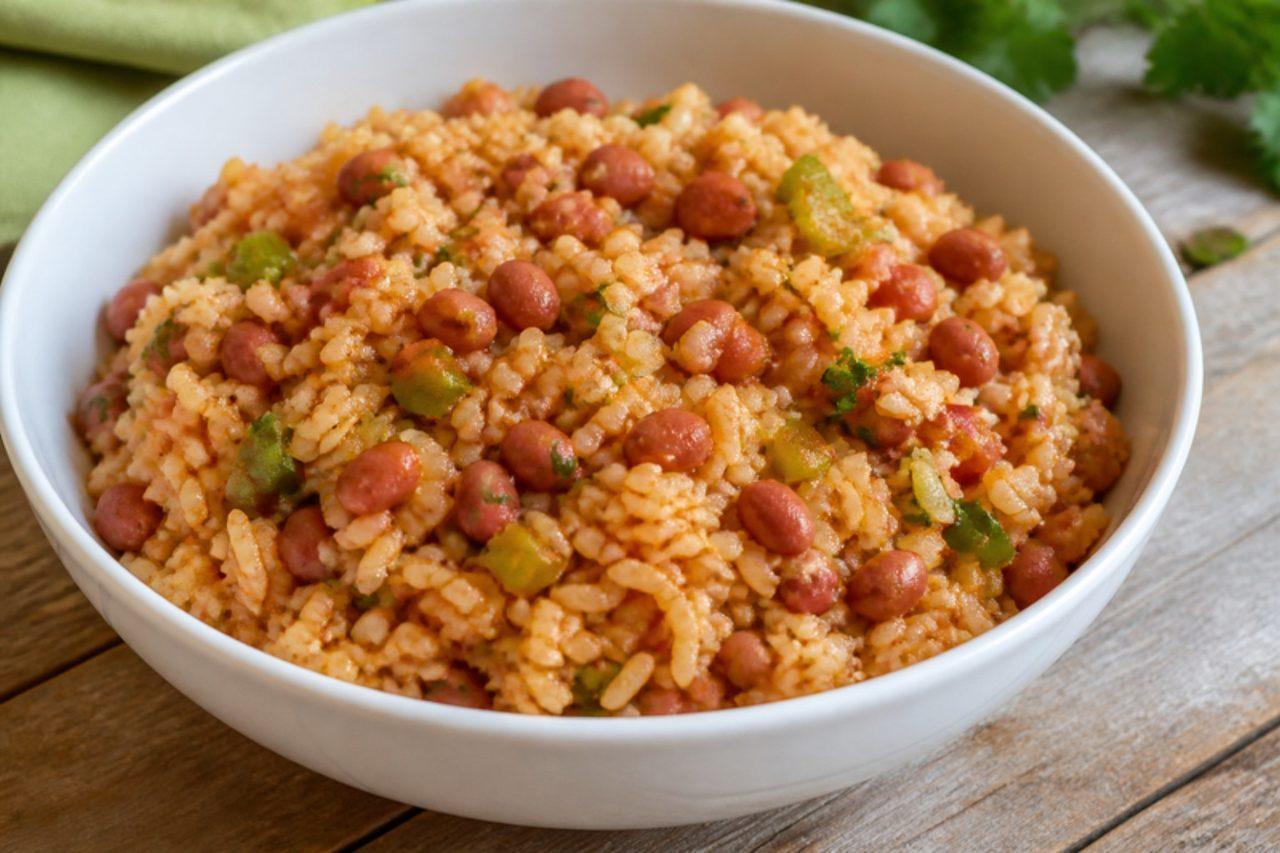
Fondas around San Juan put arroz mamposteao on the menu as a way to use yesterday's white rice and the last ladle of habichuelas, and at home it is the Sunday-night fix when the pots from lunch come out of the fridge. The rice is fried in olive oil with a fresh sofrito, then the beans and their sauce go in until every grain is stained pink and the edges catch and crisp. Many cooks add ham or bacon; this version stays meat-free and gets its depth from the sofrito and a little smoked paprika. The common mistake is using freshly cooked rice, which turns to paste; cold, day-old rice keeps separate grains. Chef's tip: leave the pan alone for the last few minutes so a crunchy layer forms on the bottom, then fold it through.

by KrazyBadal 0 views

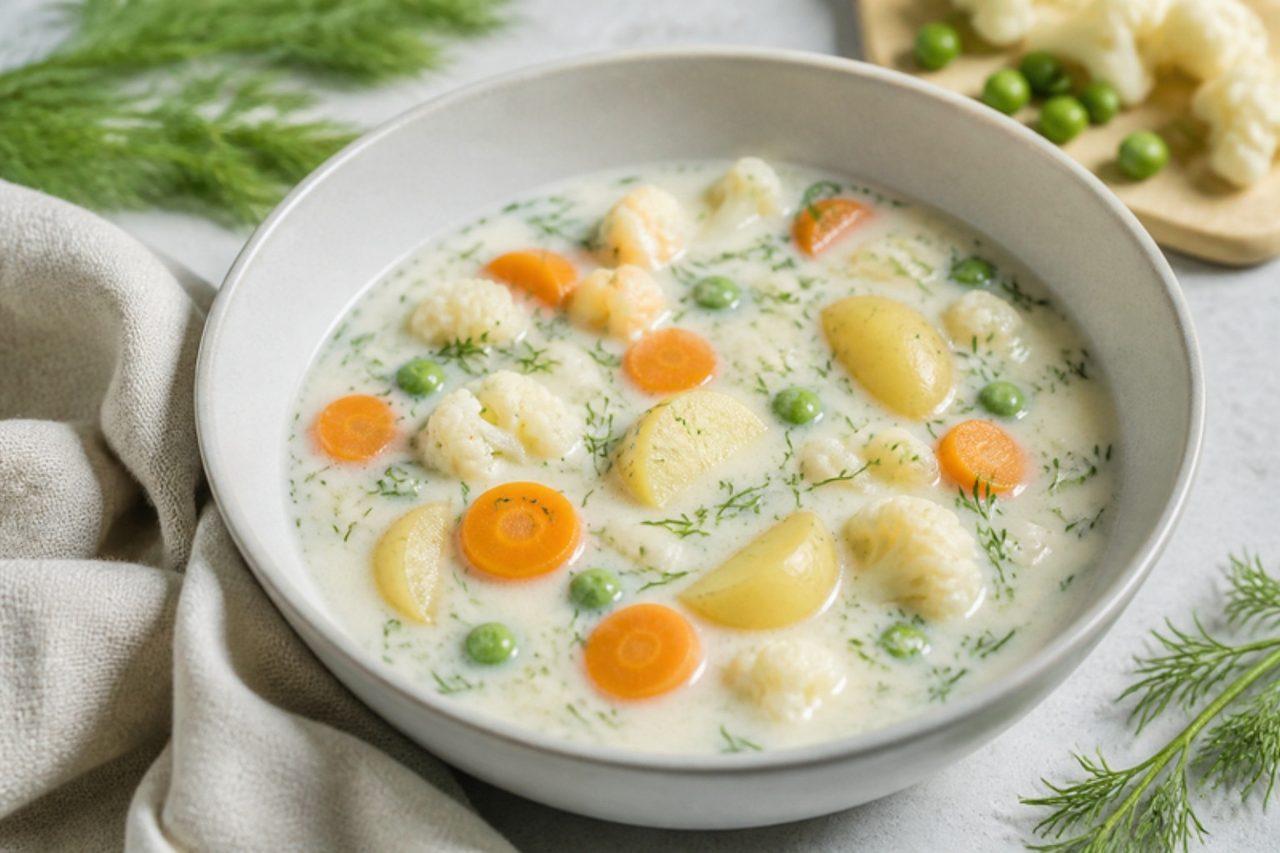
KesäkeittoSummer vegetable and milk soup

In July, when Finland's first new potatoes, baby carrots, peas and cauliflower arrive at market stalls in Helsinki and Turku, families make kesäkeitto: the vegetables simmered in water until just tender, then finished with milk and a knob of butter and lots of dill. It is light, sweet and pale green, eaten with rye bread and butter. A common mistake is boiling it once the milk is in, which can curdle the soup. Chef's tip: add the vegetables in order of cooking time, so each is just tender and keeps its colour.

by KrazyBadal 0 views

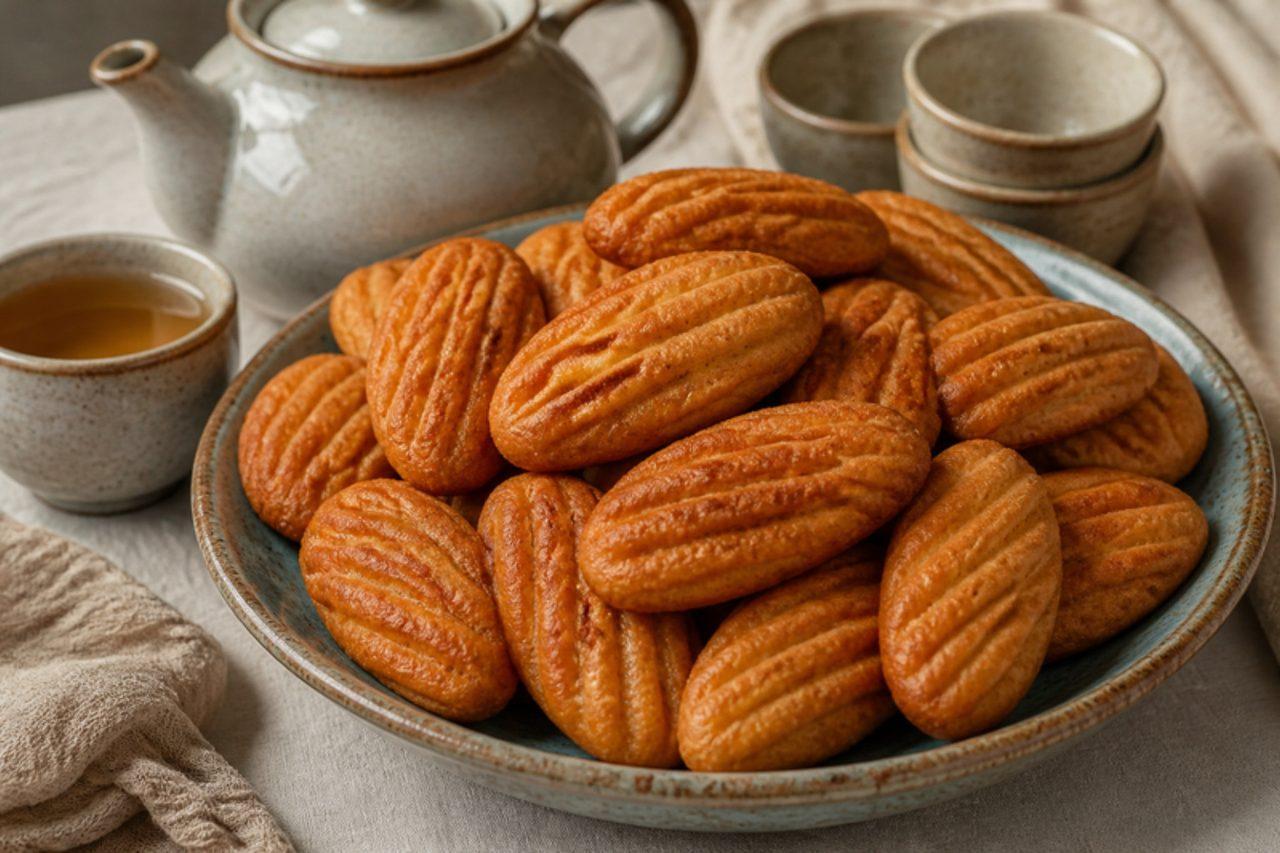
KhajurFried dough cookies

Khajur take their name from dates, which their plump oval shape resembles, but there is no fruit in them: they are little cardamom-scented dough cookies, pressed onto a sieve or the back of a grater for a ridged pattern and fried until deep gold. Afghan families fry great batches before Eid and Nowruz and pack them into tins to offer guests with tea, and Kabul bakeries sell them by the kilo. They are crunchy on the outside with a soft, cakey middle and only gently sweet. Oil that is too hot is the classic error, browning them in a minute while the centres stay raw and doughy; keep it moderate and patient. Chef's tip: fry one test khajur first and break it open, then adjust the heat before frying the rest.

by KrazyBadal 0 views

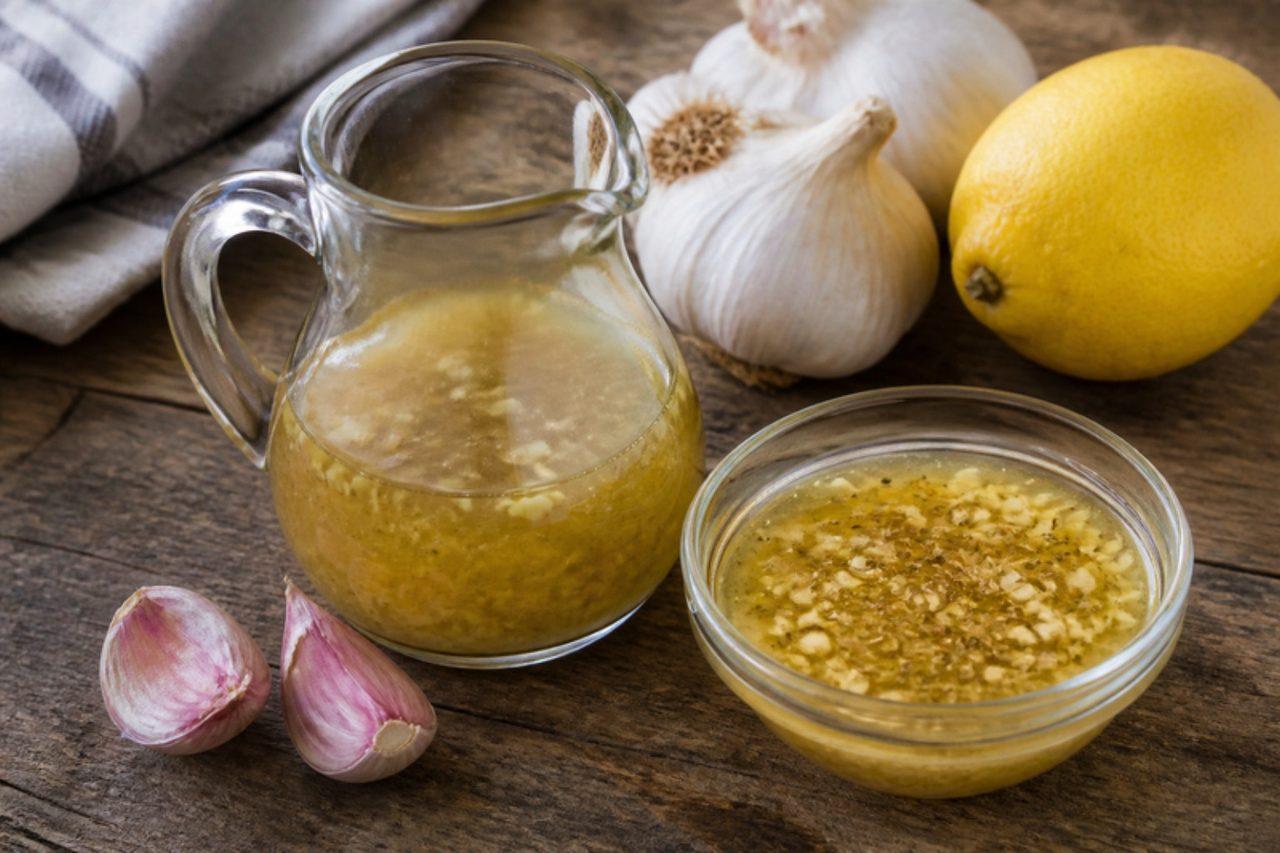
Da'ah garlic vinegarGarlic vinegar dressing

No plate of koshari is finished until it gets a splash of da'ah, the thin garlic vinegar every Cairo koshari counter keeps in jugs beside the shatta. Sharp, garlicky and warm with cumin, it cuts straight through the lentils, rice and fried onions, and it does the same for falafel, fried aubergine and cauliflower. It takes ten minutes and keeps for a week in the fridge. Chef's tip: fry the garlic only until it smells sweet and is barely coloured; brown garlic turns the whole sauce bitter.

by KrazyBadal 0 views

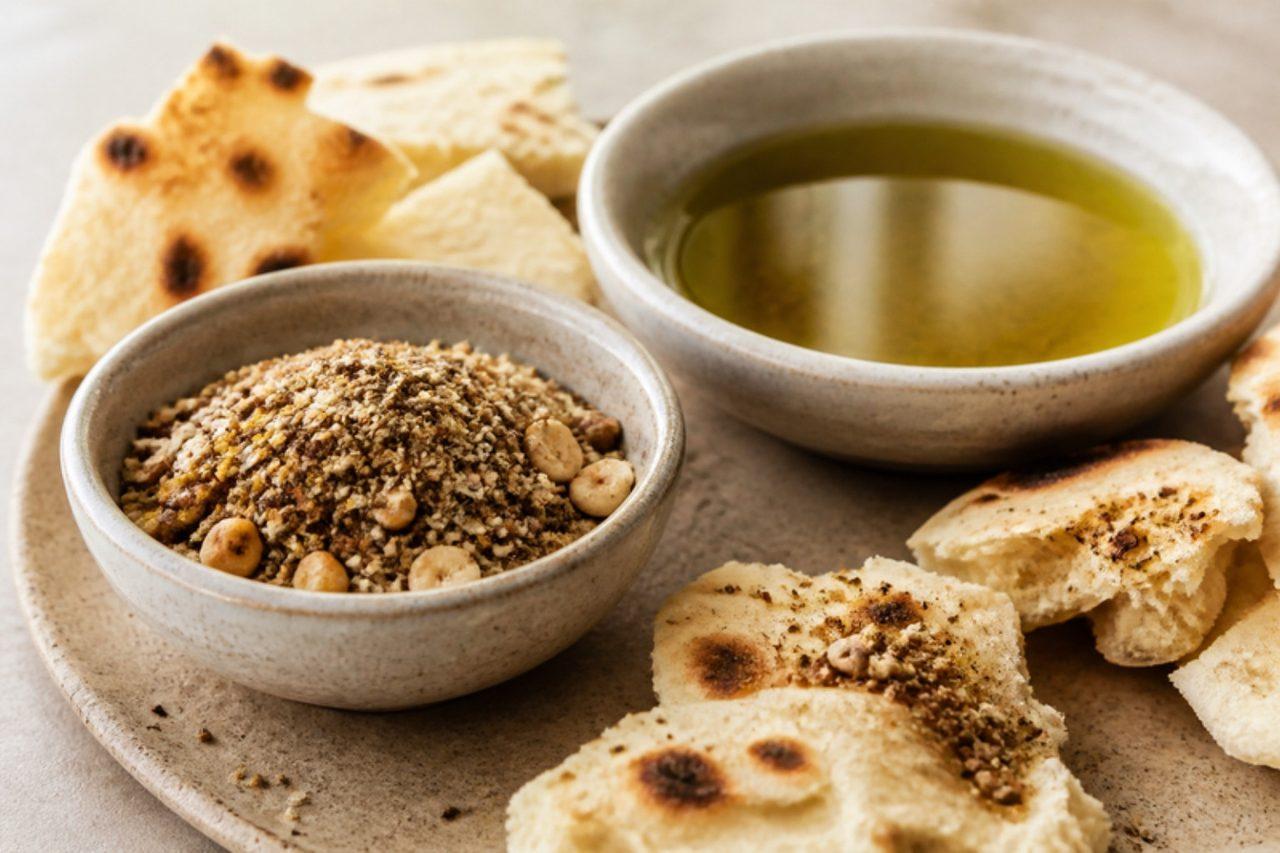
Egyptian dukkahHazelnut and sesame spice dip

Bread, a saucer of olive oil and a bowl of dukkah make one of the oldest snacks on an Egyptian table, set out at breakfast, with evening tea or for guests who drop by unannounced. Crunchy, nutty and fragrant with coriander and cumin, it is a dry, coarse mixture rather than a paste: you dip the bread in oil first, then into the dukkah so it clings. Families keep a jar of it in the cupboard and sprinkle it over boiled eggs, salads and roast vegetables too. Grinding it too long is the usual mistake; the nuts release their oil and it turns into a sticky butter, so pulse in short bursts and stop while it is still sandy. Chef's tip: toast each ingredient separately, because sesame browns in half the time hazelnuts need.

by KrazyBadal 0 views

Afghan dopiazaLamb with onions and split peas

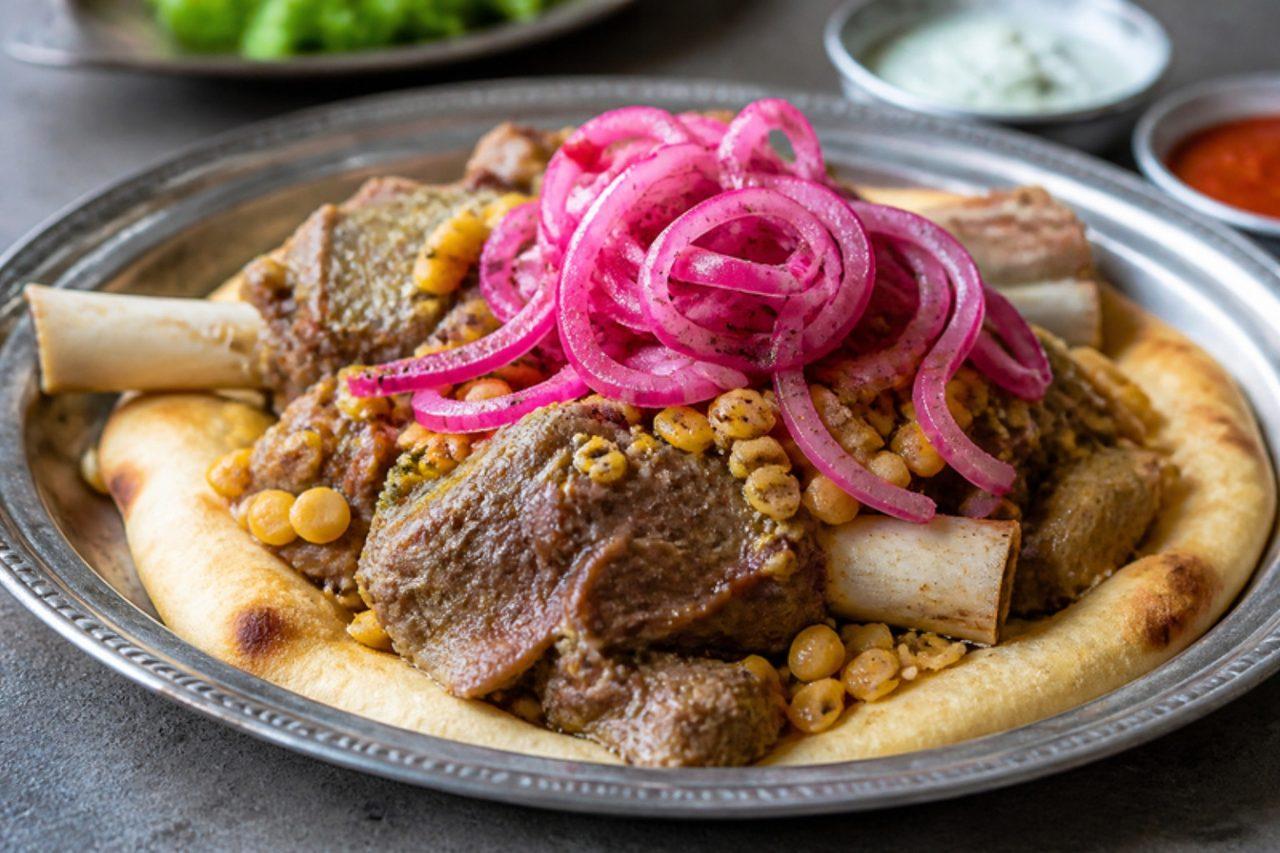
Afghan dopiaza has little in common with the Indian curry of the same name: in Kabul and Mazar it is a dish of chaikhanas and lunch restaurants, where a slab of naan is laid on the plate, covered with chunks of lamb braised with onion until soft, then topped with boiled yellow split peas and a tangle of red onions that have been sitting in vinegar until they turn pink. The juices soak into the bread, the onions are sharp and crunchy, the split peas earthy, and the whole thing is eaten with the fingers. Split peas cooked to mush ruin the contrast, so boil them only until just tender and drain at once. Chef's tip: soak the sliced onions in vinegar at least 30 minutes ahead; they lose their harshness and turn a beautiful bright pink.

120 minAfghanMeat
by KrazyBadal 0 views

Iftari chhola bhunaDry-fried spiced chickpeas

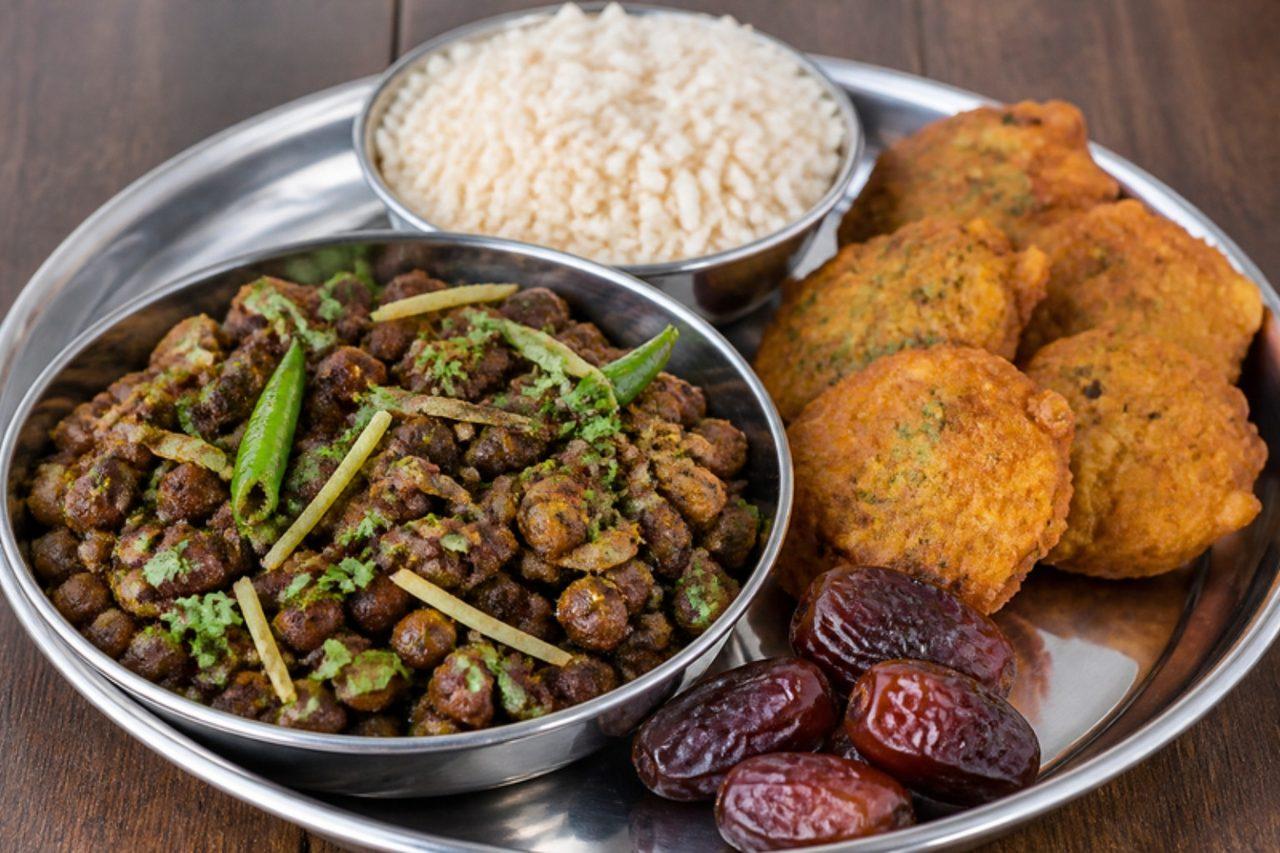
An hour before sunset during Ramadan, the pavement of Chawkbazar disappears under trays of iftar food, and the one thing every family buys or makes is a bowl of chhola bhuna. It is chickpeas fried down with onion, ginger, garlic and cumin until almost dry, so each one is coated in a thick, dark masala rather than swimming in gravy. On the iftar plate it sits beside piyaju, beguni, muri and dates, and many people toss it with puffed rice, chopped onion and mustard oil into a quick muri makha. A frequent error is adding the chickpeas while the onions are still pale, which leaves the dish flat and sweet instead of deep and savoury. Chef's tip: finish with a pinch of bhaja moshla, dry-roasted cumin, coriander and chilli ground together, for the smoky taste of the street version.

by KrazyBadal 0 views

Aruban pan batiSweet cornmeal pancakes

Aruban families put a stack of pan bati on the table with almost every bowl of soup or stew, from sopi di pisca to kabritu stoba: thick, slightly sweet pancakes of cornmeal and flour, cooked on a dry griddle and torn to mop up the broth. They are soft, a little grainy and golden at the edges. The mistake is cooking them too fast, so they burn outside and stay raw in the middle. Chef's tip: let the batter rest for 10 minutes so the cornmeal softens and the pancakes come out tender.

by KrazyBadal 0 views

Asa tibsFried tilapia pieces

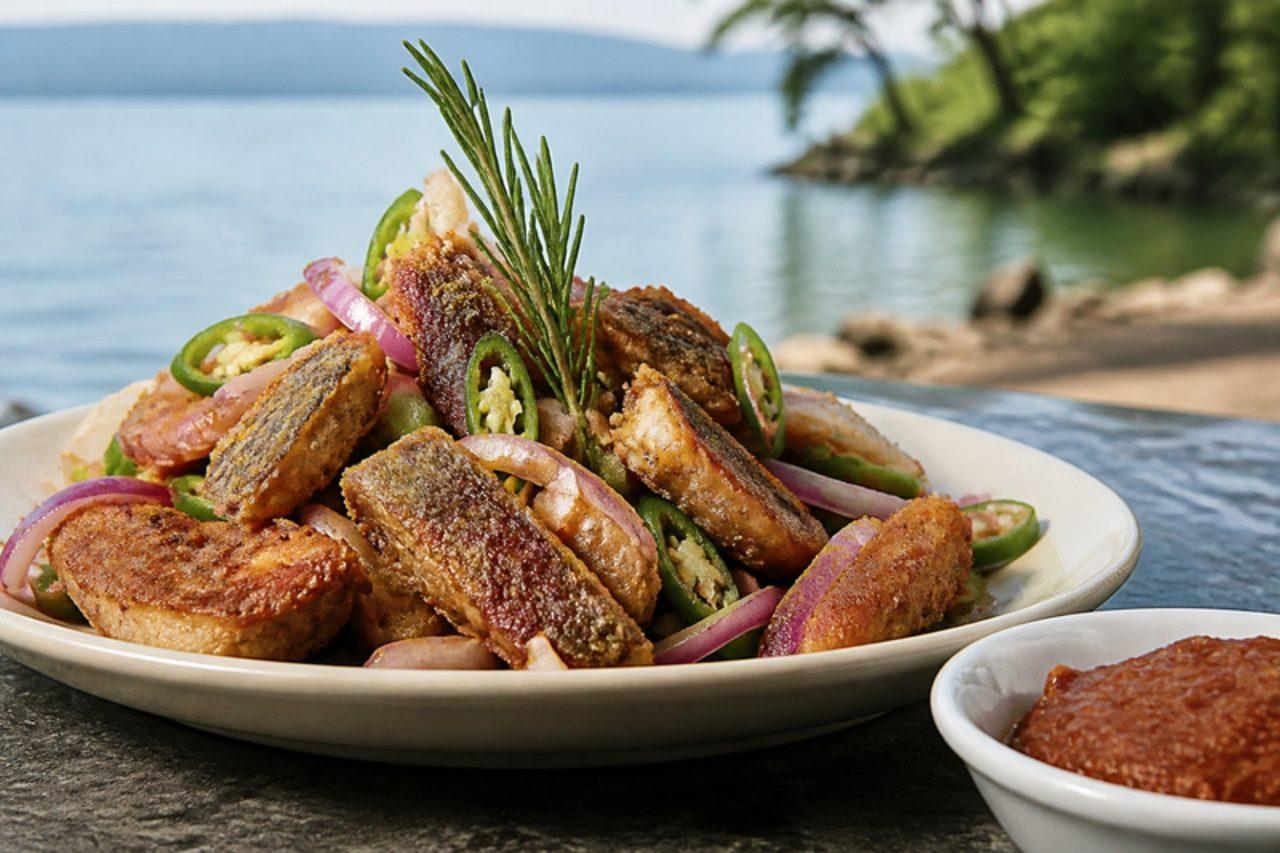
Down by the fish market on the shore of Lake Hawassa, cooks fry tilapia straight from the boats and serve it with injera, bread and a fiery dip, and asa tibs is the version you can easily make at home. Bite-sized pieces of fillet are dusted, fried until crisp and golden, then tossed briefly with soft onion, green chilli and a spoon of awaze, so the fish is crunchy outside, flaky and sweet inside, and coated in a spicy glaze. It is a favourite on fasting days for people who eat fish, and quick enough for a weeknight. Chef's tip: leave each piece undisturbed until it releases from the pan by itself; moving fish too early is the common mistake, and it tears the coating and breaks the flesh.

by KrazyBadal 0 views

Ilish dim bhunaFried hilsa roe

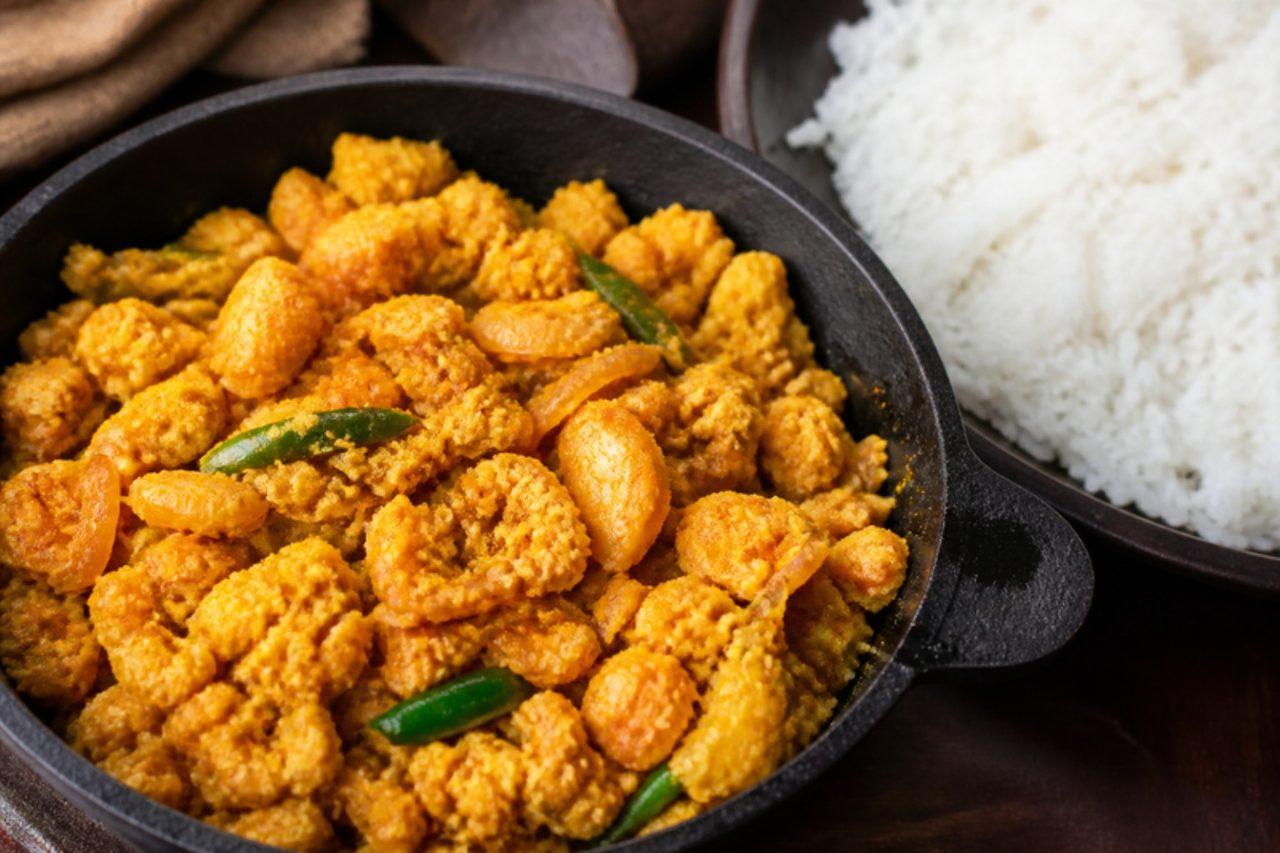
Early in the hilsa season the female fish carry a pair of large, golden roe sacs, and in Barisal kitchens nobody would dream of wasting them. Ilish dim bhuna is the quick and greedy way to cook them: the roe is fried with lots of onion, turmeric and green chilli until it breaks into soft, rich, slightly grainy crumbs, a little like a savoury fish scramble. It is eaten as a side dish with plain rice and dal, often on the same day the fish itself is cooked in mustard. Roe spoils quickly, so buy it bright and fresh-smelling with the fish and cook it the same day. Many cooks stir the roe too early and too hard, turning it into paste; let it set first. Chef's tip: steam the roe sacs for 3 minutes before frying, so they firm up and break into neat crumbs.

by KrazyBadal 0 views

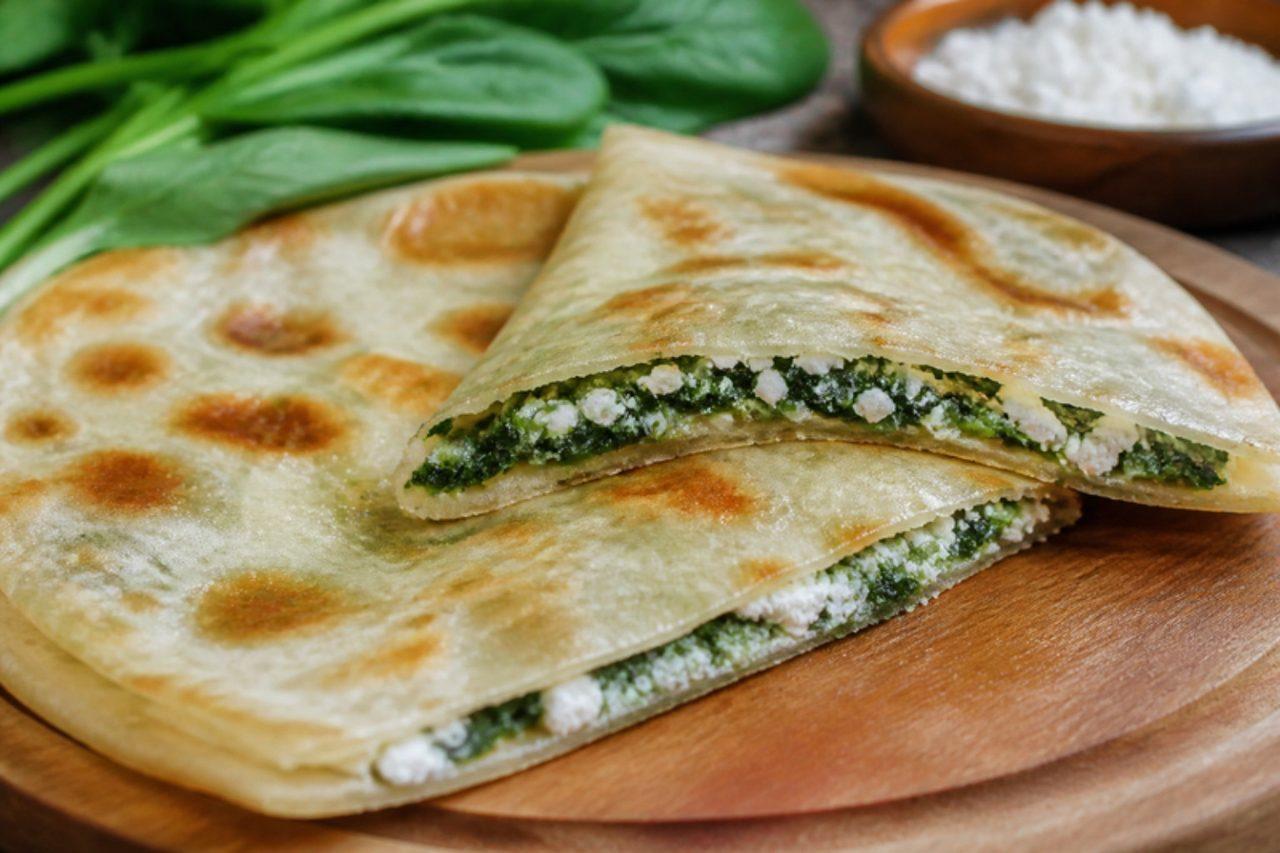
AfararWild herb and cottage cheese pie

In the mountain villages around Quba and Qusar, where many Lezgin families live, spring brings armfuls of nettles, sorrel, wild garlic and orache, and the first thing made with them is afarar: two very thin sheets of dough enclosing a filling of chopped herbs mixed with cottage cheese, cooked on a hot griddle or saj and brushed with butter. A common mistake is using wet herbs, which steam the dough and make it tear. Chef's tip: wilt the herbs in a dry pan for a minute and squeeze them, then mix with the cheese only just before filling. Check that your cottage cheese uses no animal rennet.

by KrazyBadal 0 views

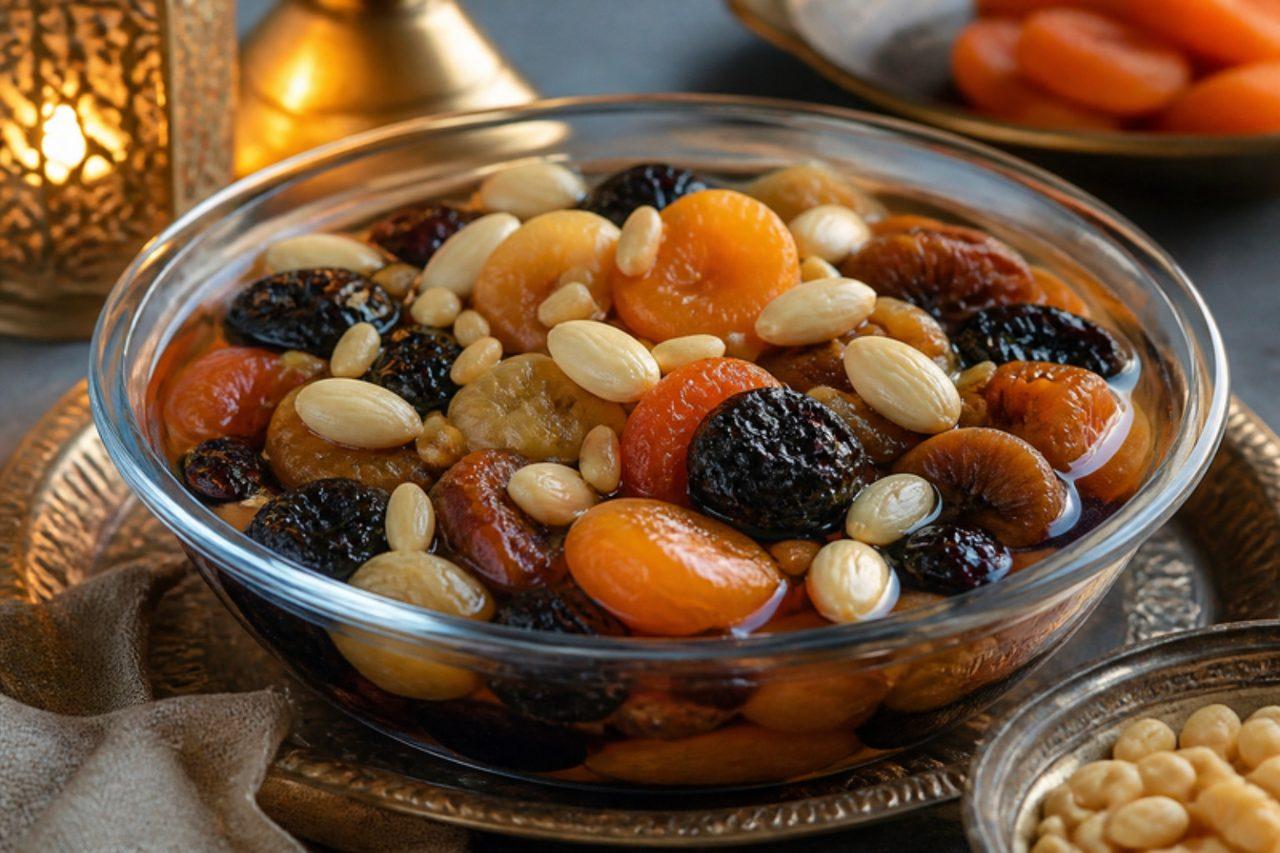
KhoshafDried fruit compote

Bowls of khoshaf sit on the iftar table all through Ramadan in Egyptian homes, and many people break their fast with a few dates and a glass of it before anything else. Dried apricots, prunes, figs and raisins soak overnight in lightly sweetened water until they swell, and the liquid turns into a fruity, amber syrup; toasted almonds and pistachios go on top for crunch. It is cool, gentle on an empty stomach and full of natural sugars. Soaking it on the counter in warm weather is the usual mistake, as it can start to ferment, so always soak it in the fridge. Chef's tip: add a teaspoon of orange blossom water just before serving rather than at the start; it fades overnight.

by KrazyBadal 0 views

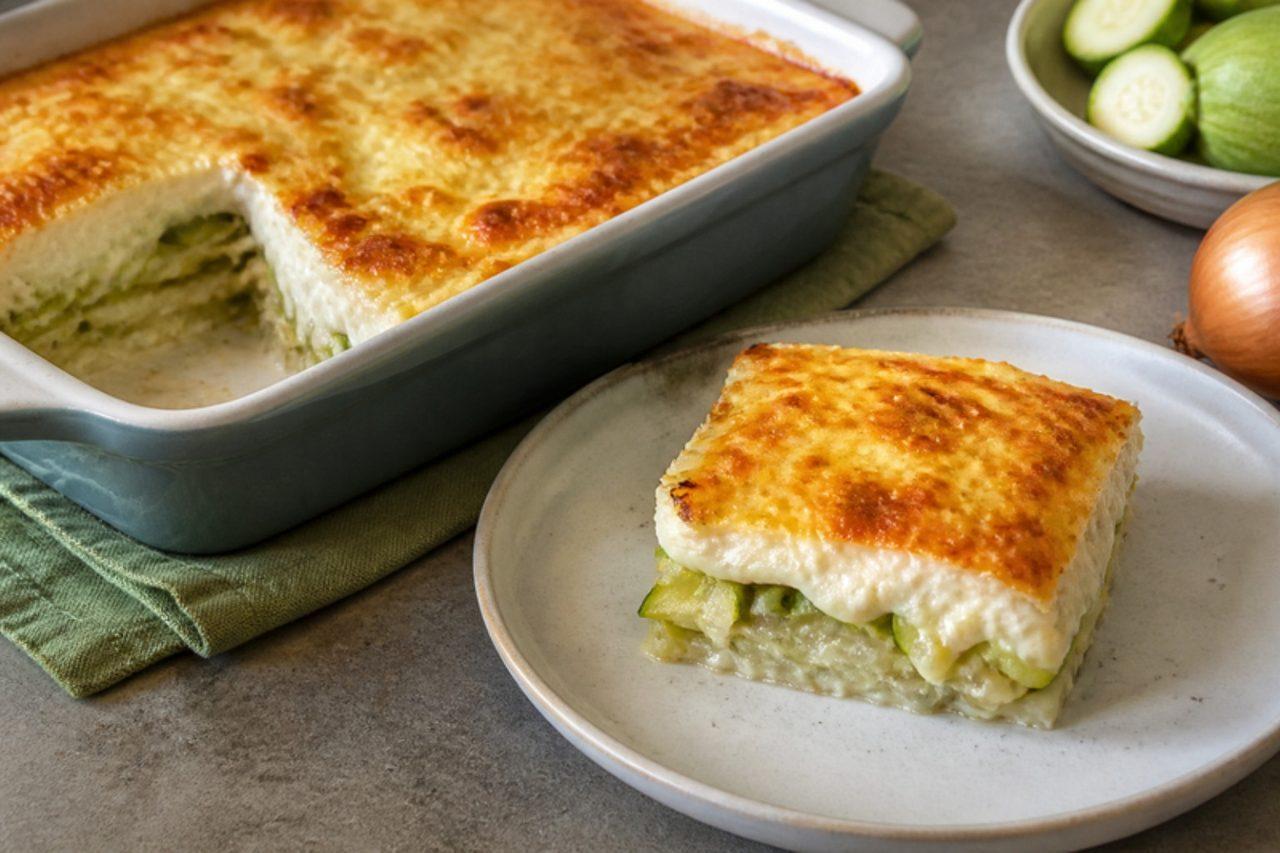
Kosa bel bechamelCourgette bake with béchamel

Cairene home cooks bake kosa bel bechamel in the same deep tray they use for macarona, and it turns up on Friday lunch tables and at family gatherings all year. Plenty of households layer the courgettes with spiced minced beef; this is the meat-free version, where soft, sweet courgette and onion sit under a deep blanket of nutmeg-scented white sauce that browns in patches on top. Spoon it out beside plain vermicelli rice, a baladi salad and a dish of pickles. The usual hard grating cheese, like most aged cheeses, is often made with animal rennet, so pick one labelled vegetarian. Chef's tip: let the bake stand for ten minutes before cutting, or the béchamel runs and the slices fall apart.

by KrazyBadal 0 views

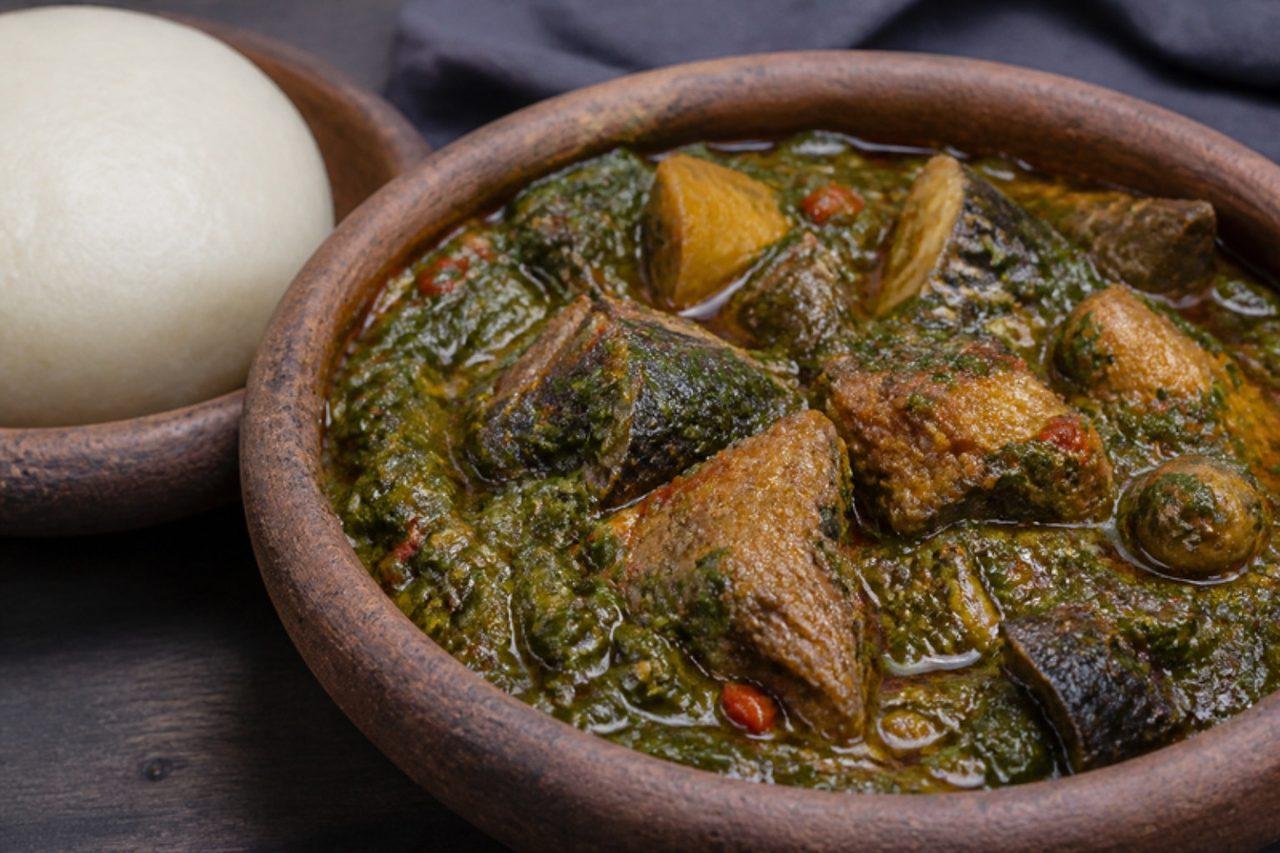
Afang soupWaterleaf and afang leaf soup

Ask anyone from Calabar or Uyo what to serve a guest and afang will come up first. Finely shredded afang leaves, chewy and a little nutty, are cooked down with a mountain of waterleaf, palm oil, beef, cow skin, stockfish and periwinkles, and the waterleaf gives off all the liquid the soup needs. It is thick, dark green and deeply savoury, and it goes with pounded yam, fufu or eba. Outside Nigeria, frozen ground afang (also sold as okazi) and spinach stand in well. Periwinkles must be bought cleaned from a reputable seller; discard any with cracked shells or an off smell. Chef's tip: never add water to afang; if it looks dry, cover the pot for a minute and the waterleaf will release more.

by KrazyBadal 0 views

Hutki shiraDried fish and aubergine curry

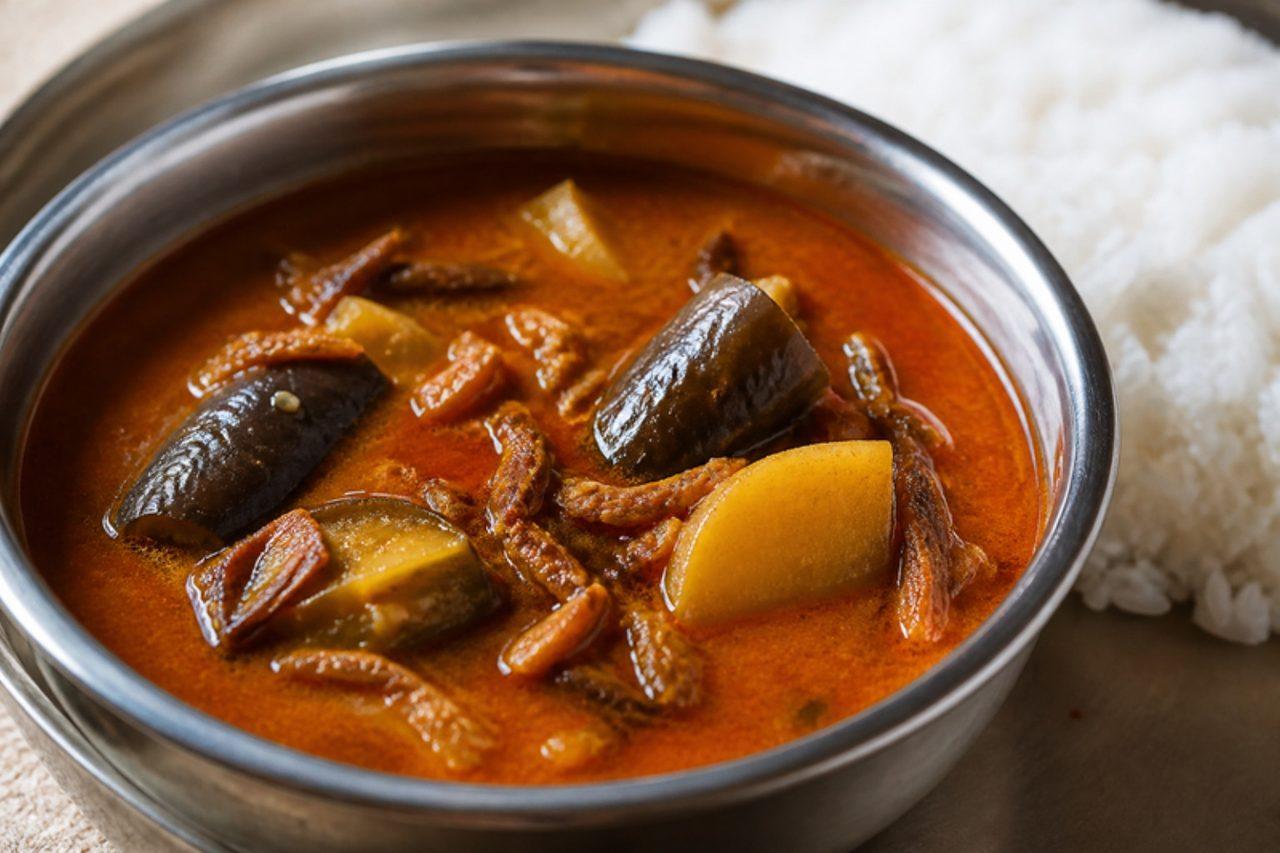
Hutki is what Sylhetis call shutki, sun-dried fish, and a pot of hutki shira, a thin, soupy curry, is pure home cooking from Sylhet, Sunamganj and the haor villages, where fish dried in the dry season feeds families through the rest of the year. The broth is fiery with fresh and dried chilli and full of garlic, softened with chunks of potato, brinjal and sometimes tomato or shatkora, and it is ladled over plenty of plain rice. The smell of the dried fish is strong as it cooks, but it mellows into a deep savoury taste. Skipping the soak is the error that ruins it: unwashed hutki is gritty and far too salty. Buy dried fish from a busy, reputable Asian grocer, and choose pieces that are dry, firm and free of mould. Chef's tip: keep the broth loose; shira should be soupy enough to drown the rice.

by KrazyBadal 0 views

Egyptian shattaFresh red chilli sauce

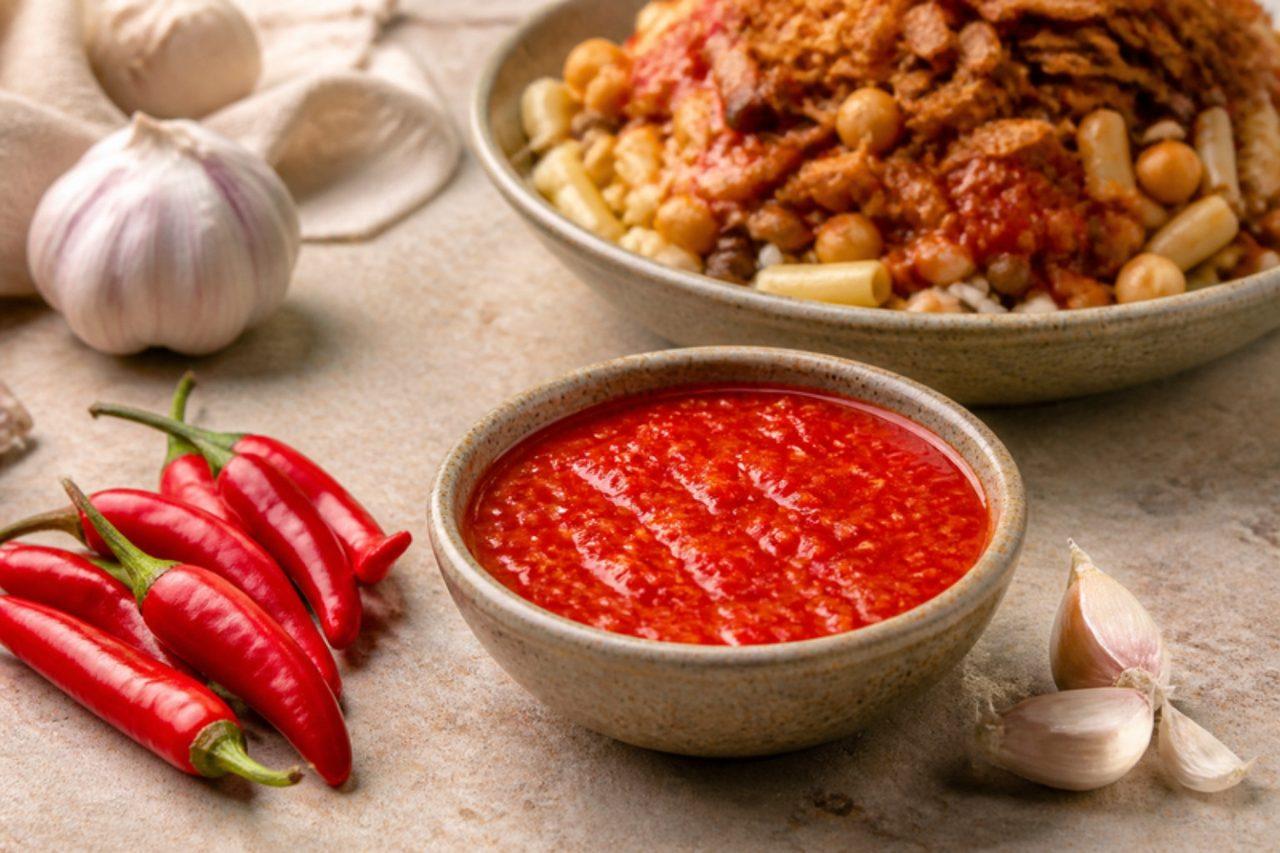
Squeeze bottles of shatta stand on the tables of every koshari shop in downtown Cairo, and diners shake in as much as they dare along with the garlic vinegar. The Egyptian version is a fresh, bright, loose sauce of red chillies blended with garlic, vinegar, cumin and a little oil, quite unlike the dried-chilli shata of Sudan. It goes with ful, falafel, lentil soup, roast potatoes and almost any sandwich. Wear gloves when handling the chillies and keep your hands away from your eyes; capsaicin on the fingers is the classic mistake, and it lasts for hours. Chef's tip: a brief simmer after blending takes the raw edge off the garlic and lets the sauce keep for two weeks in the fridge.

by KrazyBadal 0 views

Aseedat bobarPumpkin pudding with ghee

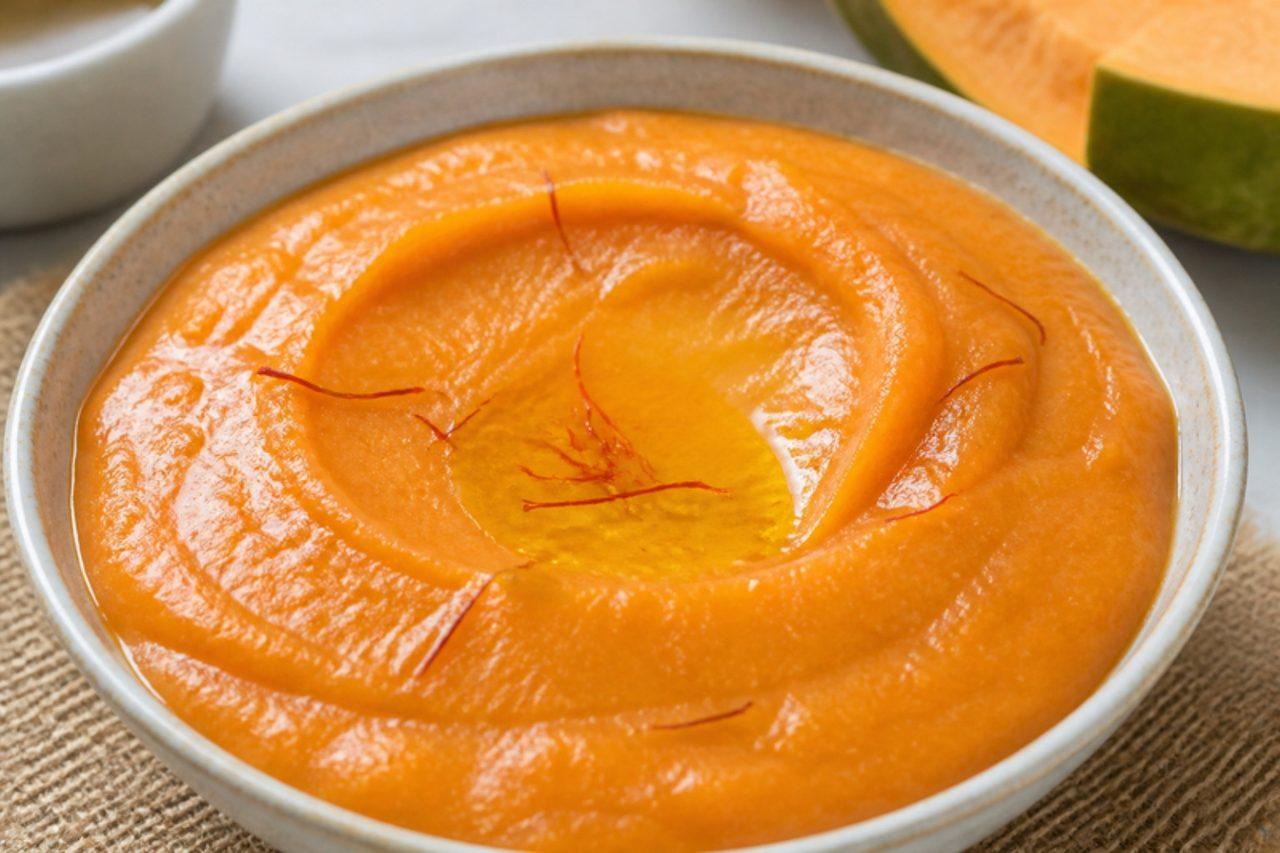
In Doha and Kuwait City, aseedat bobar arrives on winter evenings and at Ramadan iftar in a shallow dish, smooth and orange, with a little pool of melted ghee in the centre. Bobar is the Gulf word for red pumpkin, cooked down and thickened with toasted flour, sugar and cardamom into a soft, spoonable sweet that tastes a bit like a spiced pumpkin pie filling. Scoop it warm with a spoon or with pieces of bread, alongside Arabic coffee. Stopping the stirring too soon is the usual mistake: the pudding must cook until it pulls away from the sides, or it tastes of raw flour. Chef's tip: toast the flour in a dry pan until it smells like biscuits before it goes in; that nutty note is what makes it.

by KrazyBadal 0 views

Idrijski žlikrofiPotato and chive dumplings

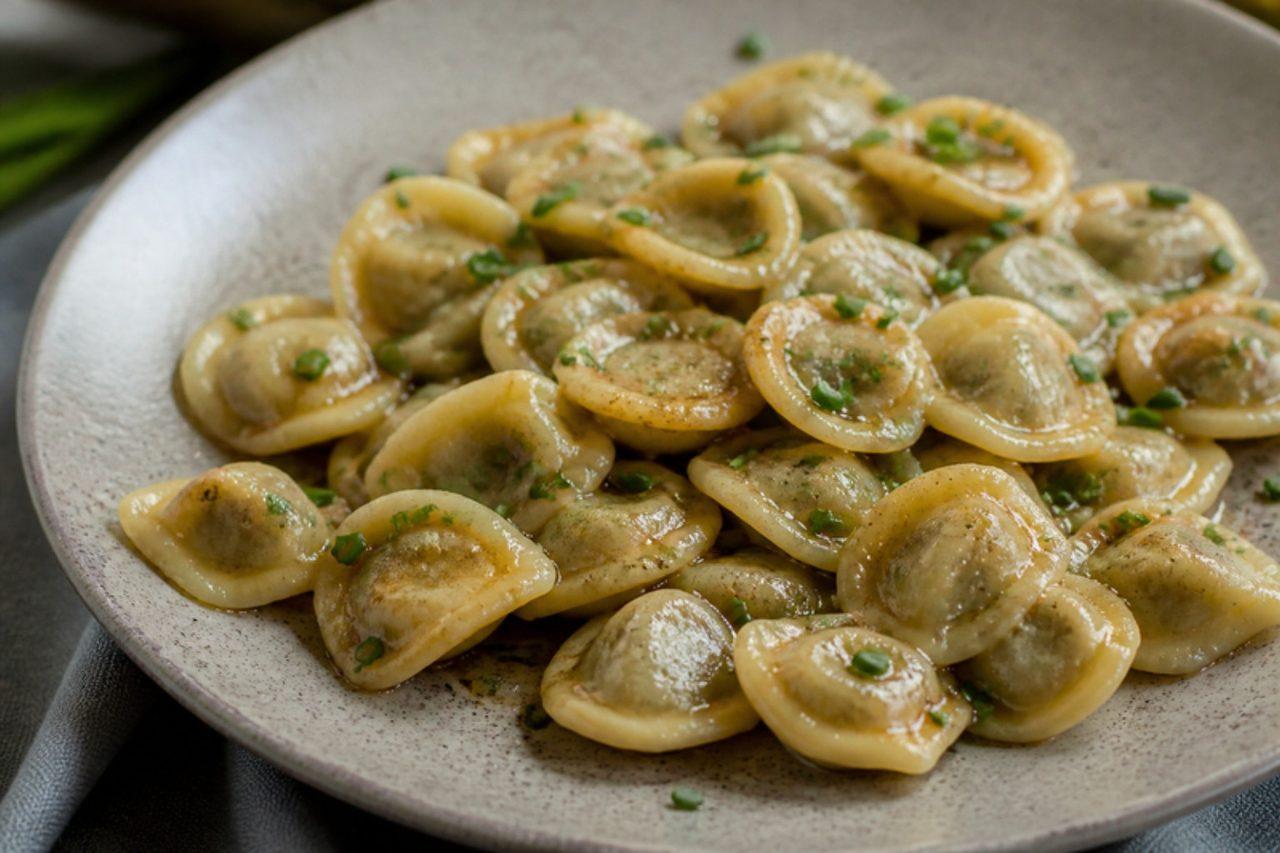
Mercury miners in Idrija, the hill town in western Slovenia, lived on these: thumbnail-sized pasta parcels pinched into a little hat shape with a dimple in the middle and filled with potato, onion, chives and marjoram. They carry EU protected status, and in Idrija they come either with melted butter and crumbs or with bakalca, a slow-cooked lamb sauce; the traditional filling often has a spoon of pork fat or cracklings too. This vegetarian version uses butter throughout. Shaping 150 or so of them is a job for two people and a good chat. A wet filling is the usual downfall: boil the potatoes in their skins and mash them dry, or the dough tears when you pinch it shut. If you add the optional grated hard cheese, choose a vegetarian one, as parmesan-style cheeses use animal rennet. Chef's tip: dry the shaped žlikrofi on a floured cloth for 20 minutes before cooking so they hold their shape.

by KrazyBadal 0 views

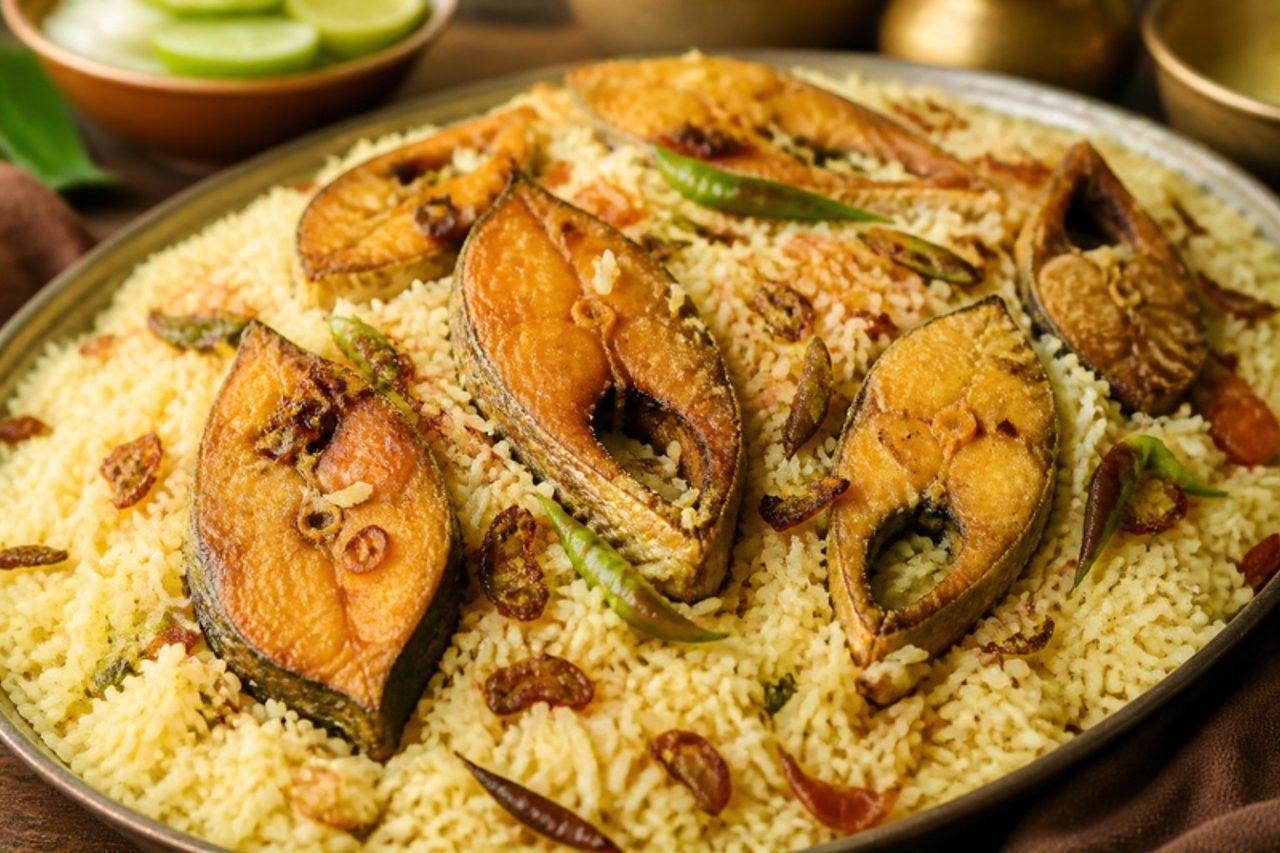
Ilish polaoHilsa fish rice

Monsoon is hilsa season: as the fish run up the Meghna and the boats come back heavy into Chandpur ghat and the Barisal river markets, the richest cooks make ilish polao, a fragrant rice cooked in the oil left from frying the fish and in a light stock from the head and tail. Fried hilsa steaks are tucked into the rice to finish in the steam, so they stay moist and take on the scent of cardamom and bay. It is a dish for the hilsa season and for honoured guests, served with fried onions, a wedge of lime and a green chilli. The usual misjudgement is stirring once the fish is in; the steaks are fragile and fall apart into bones. Chef's tip: keep the oil the fish was fried in, because the whole dish depends on that hilsa-scented fat.

by KrazyBadal 0 views

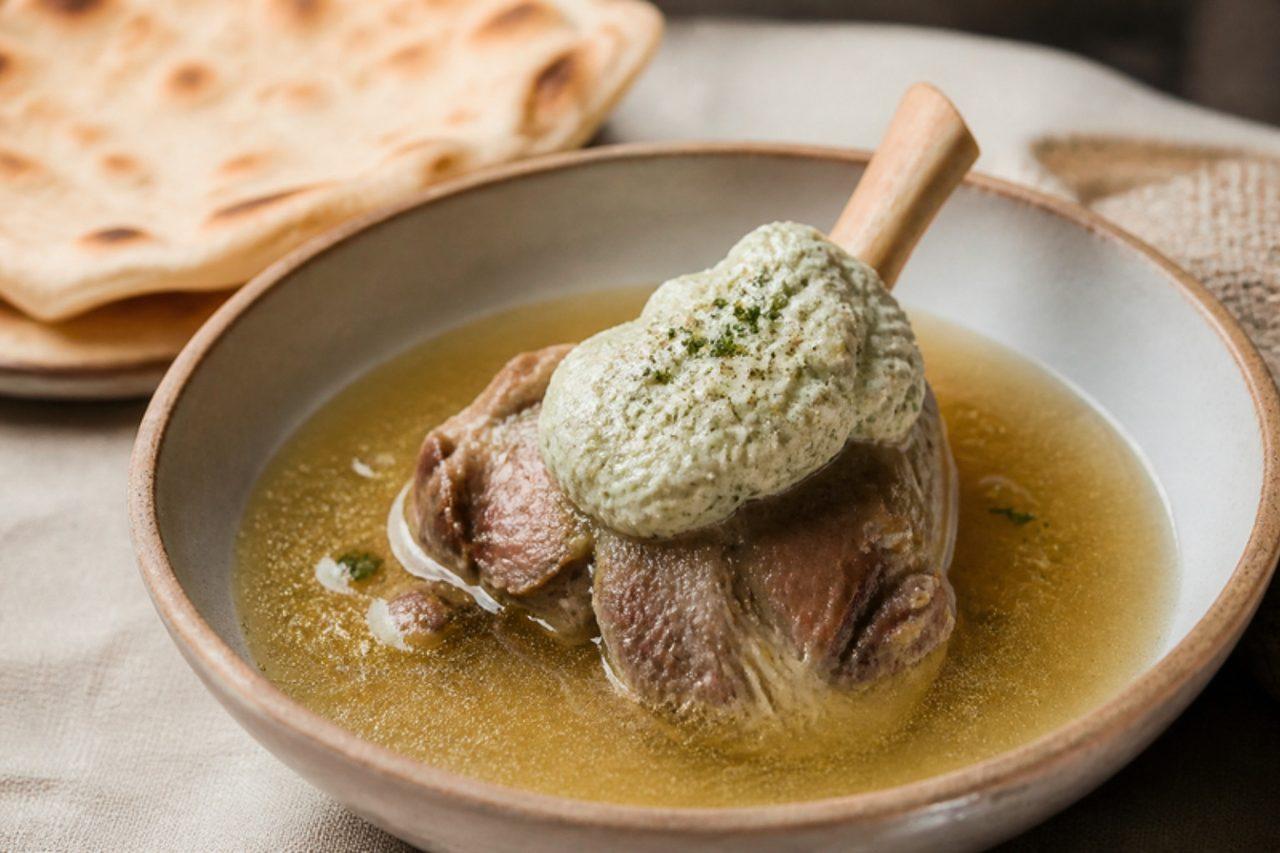
Hulbat marakLamb broth with whipped fenugreek

Inside the old walled city of Harar, cooking carries the flavours of centuries of trade with Arabia, and hulbat marak shows it clearly. A light, golden lamb broth, scented with cumin, turmeric and cardamom, is ladled into bowls and topped with a spoonful of hulbat: fenugreek soaked, then whipped with lemon and green chilli into a pale, frothy cream. Torn flatbread goes in to soak up the broth, and the slightly bitter, tangy foam slowly melts into the soup as you eat. It is warming, delicate and not spicy at all. Chef's tip: soak the fenugreek for at least 2 hours and pour off the water; that is what keeps the topping mellow rather than harshly bitter.

by KrazyBadal 0 views

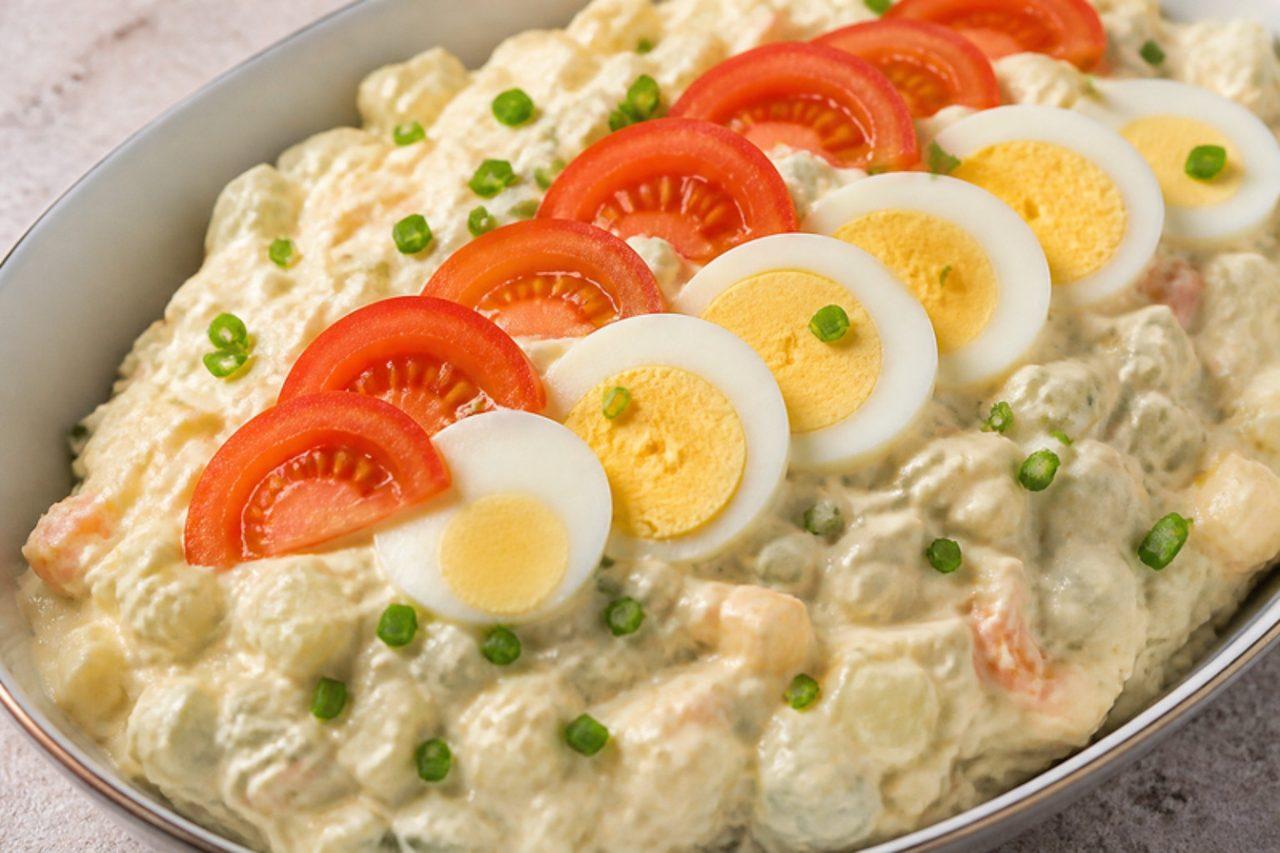
HuzarensaladePotato, pickle and egg salad

Huzarensalade, 'hussars' salad', is the potato salad of Dutch birthdays and New Year's Day: diced potato, pickled gherkins, pickled onions, apple and boiled egg bound in mayonnaise, shaped into a mound and decorated with lettuce, tomato, egg and cucumber. It is normally made with cubes of cooked beef; this vegetarian version adds peas and a little extra egg. A common mistake is mixing warm potatoes with mayonnaise, which turns it greasy and loose. Chef's tip: let the potatoes cool completely and add a splash of pickle vinegar first, so they soak up flavour before the mayonnaise goes in.

by KrazyBadal 0 views

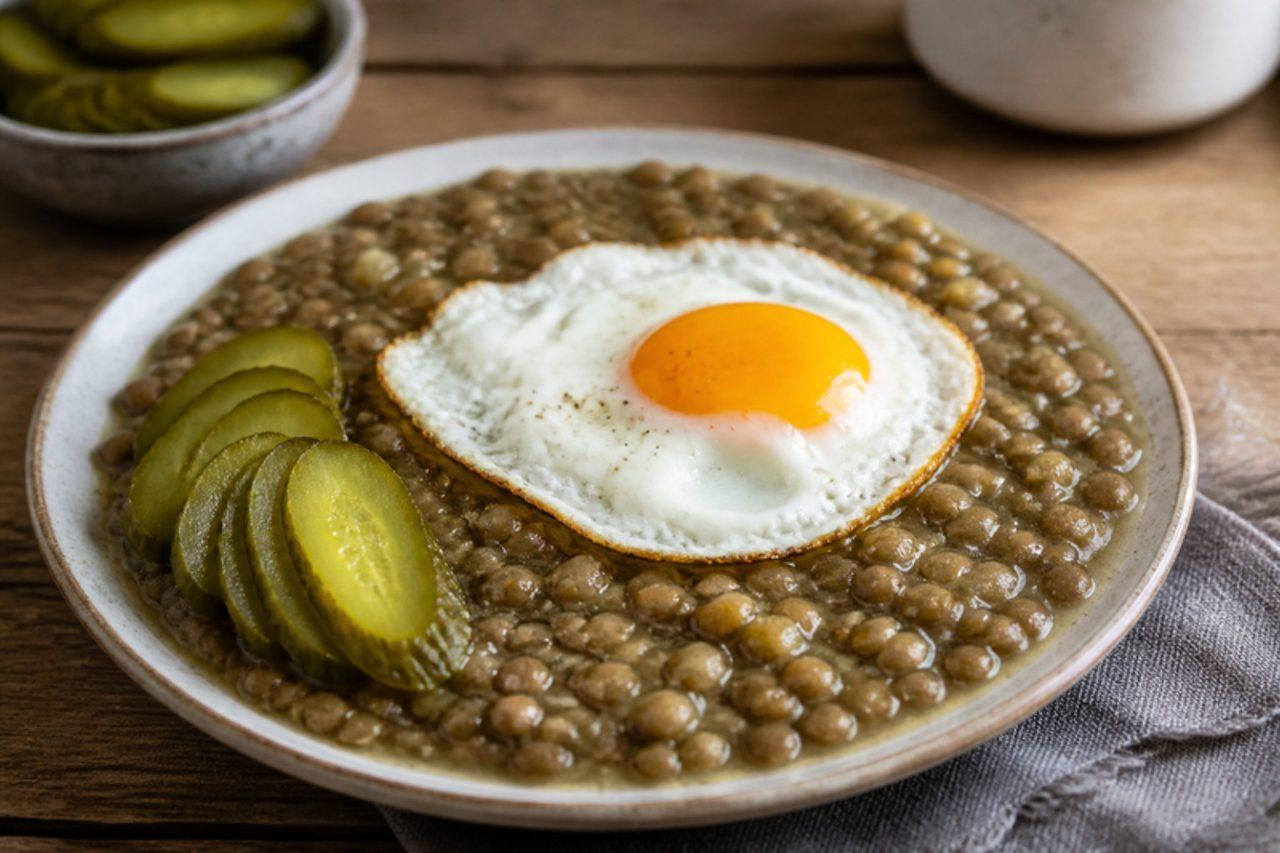
Čočka na kyseloSour lentils with fried egg

Brown lentils, a good splash of vinegar and a crisp-edged fried egg on top: čočka na kyselo is the Czech school-canteen and workers' lunch that people grow nostalgic about. Bohemian families also eat lentils around New Year, when the small round seeds stand for coins. The lentils are cooked soft, bound in a light roux with fried onion and finished sour and a touch sweet, then served with a sliced pickled gherkin and fresh bread. The texture should be spoonable, not soupy and not stiff. Where most cooks slip up is adding the vinegar too early: acid keeps lentils firm, so they stay hard however long you cook them. Season at the end instead. Chef's tip: a teaspoon of mustard stirred in with the vinegar rounds out the sourness without making it taste of mustard.

by KrazyBadal 0 views

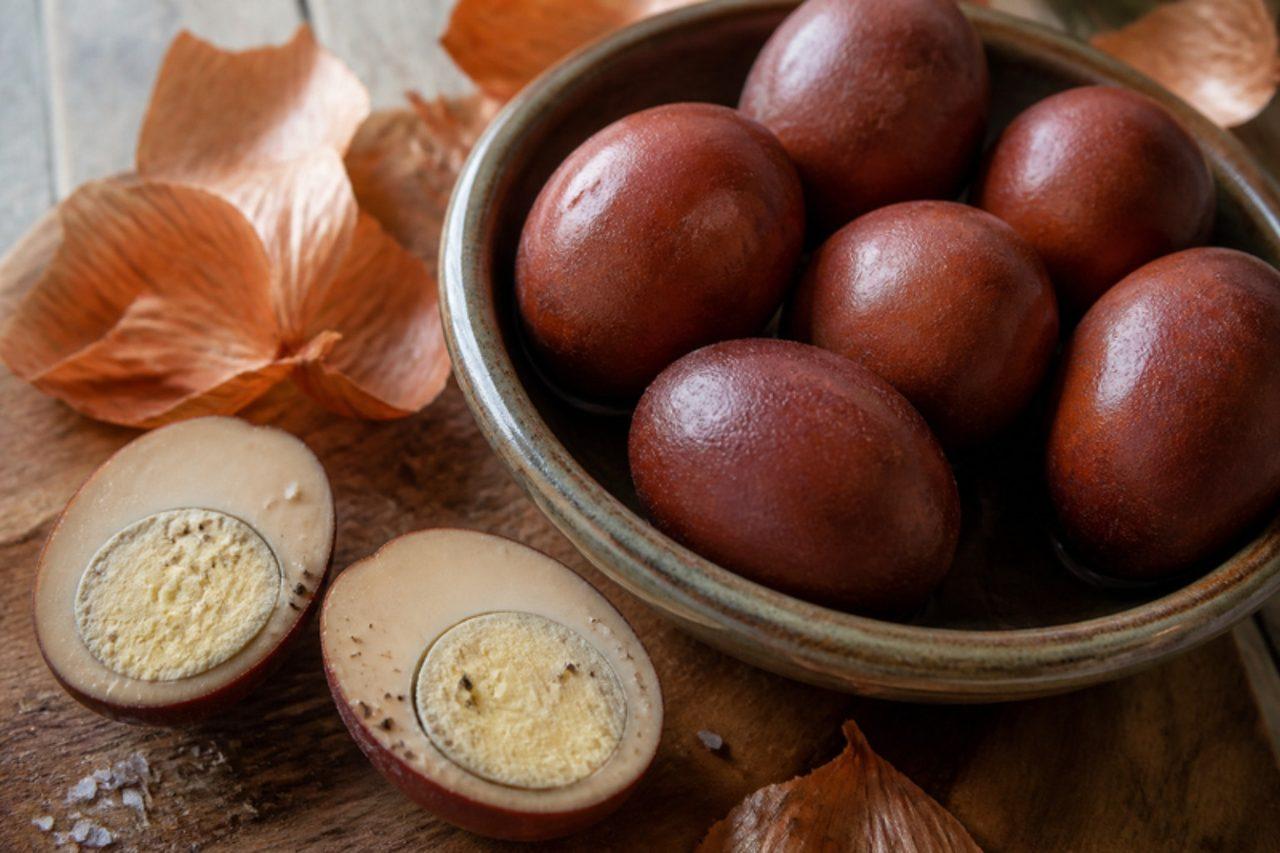
Huevos haminadosOvernight slow-cooked eggs

Sephardic families of Turkish and Greek origin in Jerusalem's Nachlaot and in Bat Yam tuck eggs into the Shabbat hamin or simmer them alone overnight, and by morning the shells are mahogany and the whites a pale coffee colour. The long, gentle heat turns the yolks creamy and the whites soft and faintly savoury, with none of the sulphur smell of a fast boiled egg. Serve them with bourekas, cucumber salad and grated tomato on Shabbat morning or at a Passover seder. The mistake is letting the pot boil hard, which cracks the shells and makes the whites rubbery. Chef's tip: a tight lid and the lowest oven setting are all you need; top up the water at bedtime so the eggs never go dry.

by KrazyBadal 0 views

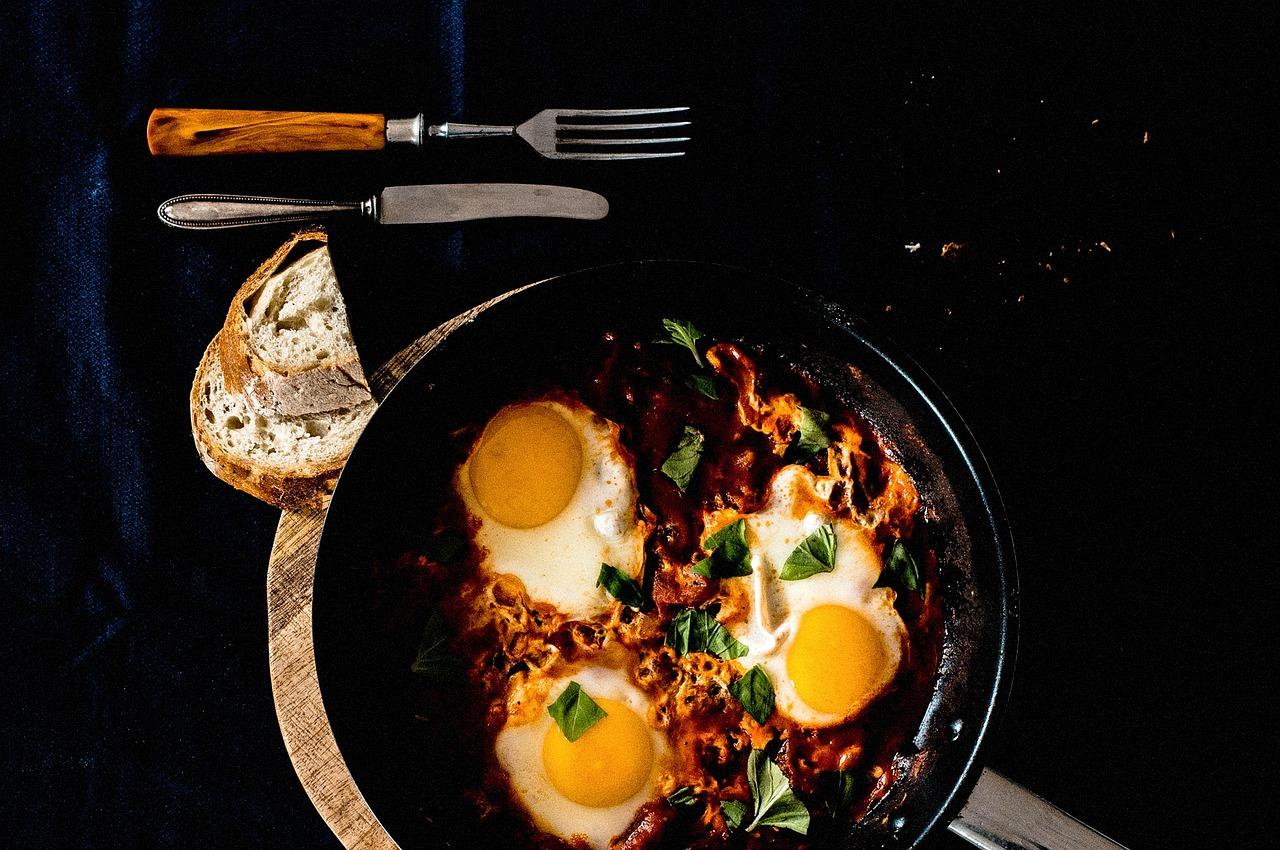
Huevos a la habaneraBaked eggs with peppers and peas

Old Havana households bake eggs this way for a late Sunday breakfast or a light supper, cracking them into a bed of slow-cooked onion, green pepper and tomato and scattering peas and grated cheese over the top. The whites set softly in the steam of the sofrito while the yolks stay rich and loose, ready for mopping up with toasted Cuban bread. A frequent mistake is baking until the yolks turn chalky; take the dish out while the yolks still wobble. Many hard cheeses are made with animal rennet, so choose a vegetarian Gouda-style or Cheddar-style cheese if you need to. Chef's tip: make little wells in the sofrito with the back of a spoon so each egg sits in its own nest and doesn't spread.

by KrazyBadal 0 views

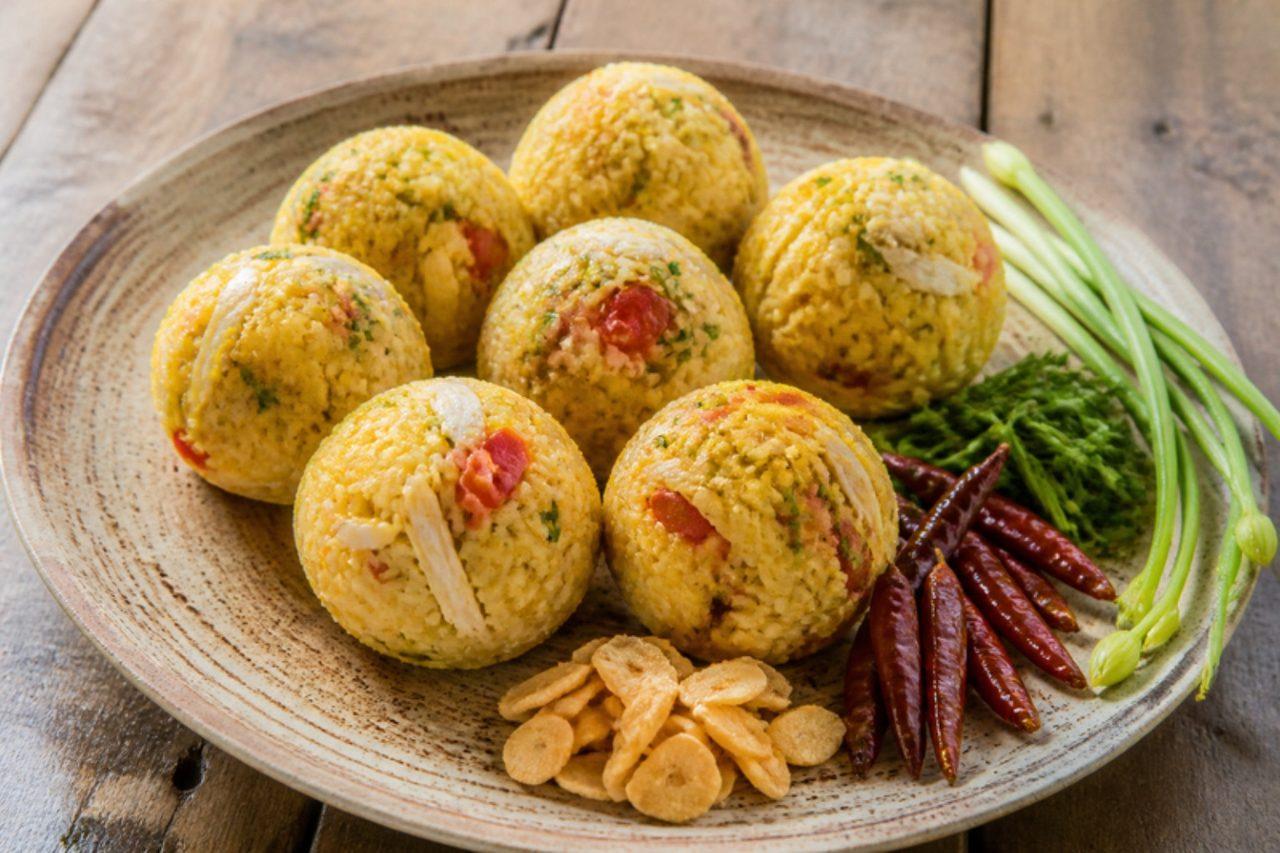
Htamin jinSour rice with fish

On the floating gardens and stilt-house kitchens of Inle Lake, the Intha make htamin jin to take out on the boats or to sell at the rotating five-day markets around the shore. Warm rice coloured with turmeric is kneaded by hand with flaked lake fish and tomatoes cooked down in garlic oil, then pressed into soft, tangy balls the size of a fist. It is eaten at room temperature, dressed with more garlic oil and crispy garlic, with fried dried chillies, whole raw garlic cloves and garlic chives on the side for crunch. Many cooks use firm, day-old rice, which never binds and crumbles apart; use freshly cooked rice that is a touch soft and still warm. Chef's tip: wear a food-safe glove and knead like dough for a full couple of minutes; the more you work it, the smoother and more evenly sour each ball becomes.

by KrazyBadal 0 views

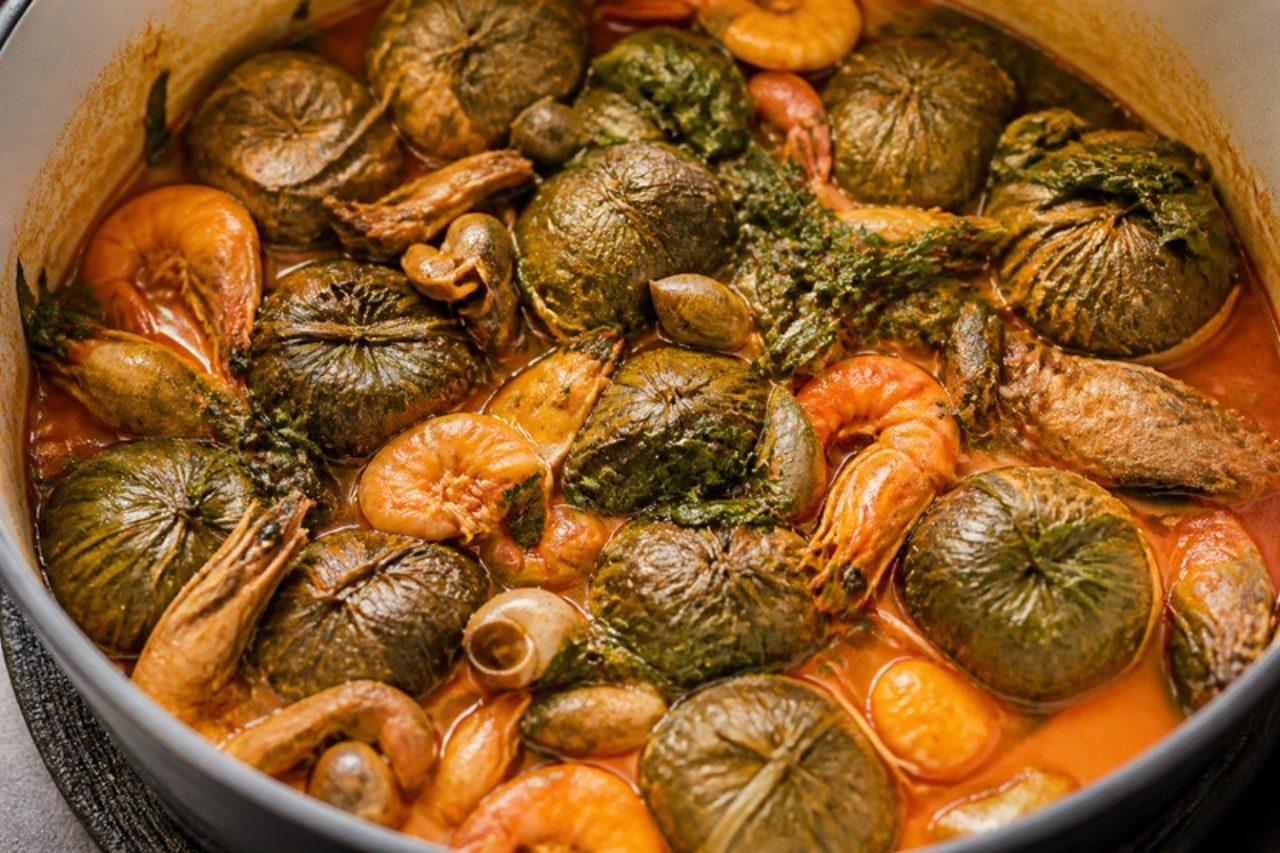
Ekpang nkukwoGrated cocoyam and plantain parcels

Patience is the main ingredient of ekpang nkukwo, a festive dish of the Efik and Ibibio of Calabar and Akwa Ibom. Grated cocoyam and unripe plantain are rolled into little leaf parcels, stacked in a pot and cooked slowly in a broth of palm oil, periwinkles, prawns, smoked fish and pepper until the parcels set into soft, sliceable rolls in a thick, orange sauce. It is a meal in itself, often made for Christmas and family gatherings. Cocoyam leaves are traditional; large spinach or chard leaves work if you blanch them first. Raw cocoyam can itch the skin, so wear gloves to grate it, and cook the dish fully. Chef's tip: do not stir until the parcels have cooked for at least 25 minutes, or they will unroll and dissolve into the broth.

120 minNigerianFishGluten free
by KrazyBadal 0 views

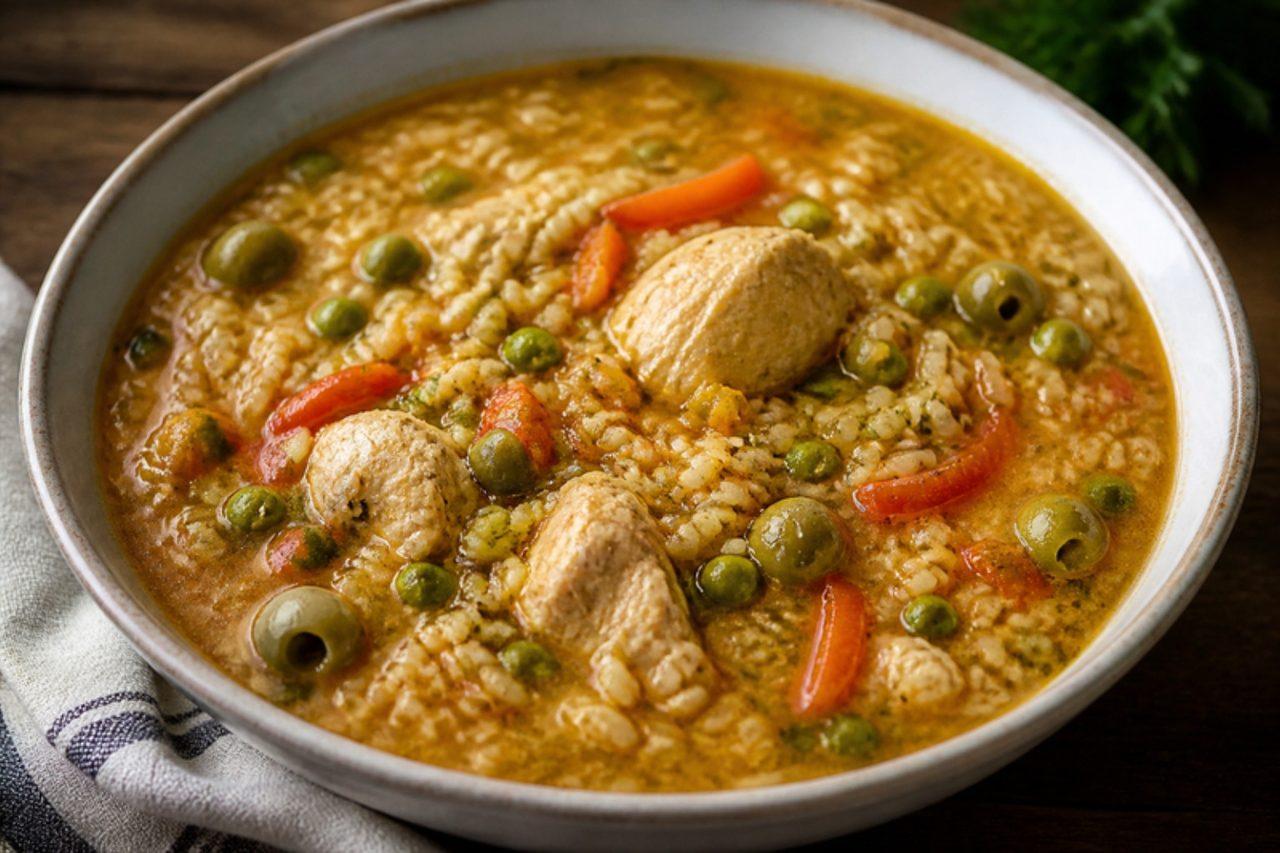
Asopao de polloSoupy chicken and rice

Somewhere between a soup and a risotto, asopao is the pot Puerto Rican mothers put on for a rainy Sunday, a cold, or a hangover after a long party night, and it is spooned straight from deep bowls with tostones on the side. Bone-in chicken is seasoned with garlic, oregano and lime, simmered in a sofrito broth, then rice goes in until the whole pot turns thick and brothy, finished with olives, capers, peas and strips of roasted pepper. The common mistake is making it ahead: the rice keeps drinking the broth and turns stodgy, so cook it just before eating, or keep extra stock to loosen leftovers. Chef's tip: take the pot off the heat while the rice is still a touch firm; it carries on cooking in the bowl.

by KrazyBadal 0 views

EleshChicken and potato pies

At Tatar weddings in the villages east of Kazan, elesh come to the table early, little pleated pies about the size of a fist, each filled with chopped chicken and potato and baked until the tops glow. The meat goes in raw with onion and butter, so it cooks in its own juices inside the sealed pastry and stays moist; a spoon of broth is added through a tiny vent halfway through. The pastry is rich with butter and sour cream and goes soft under a cloth after baking. A common mistake is leaving the chicken in big chunks; cut it small or the potato is done long before the meat. Chef's tip: use thigh rather than breast, it stays juicy through the long bake.

by KrazyBadal 0 views

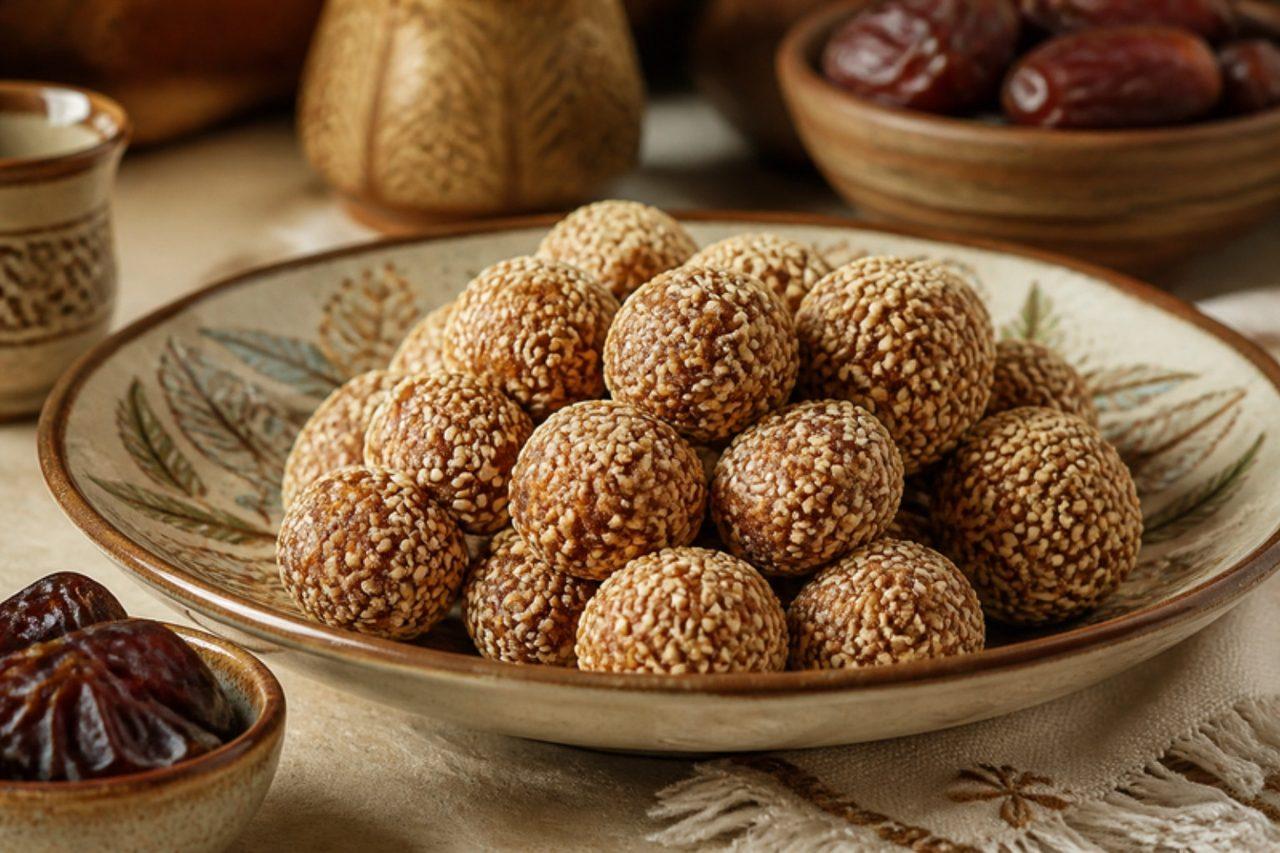
BathithToasted flour and date bites

Bathith is an old Bedouin travel sweet from the United Arab Emirates, made from things that keep in the desert: flour toasted dark, dates and ghee, kneaded together into crumbly bites. Today it is served in Emirati homes with gahwa in the afternoon or put out at Ramadan, and it tastes of caramel, toasted nuts and warm cardamom, with a texture somewhere between shortbread crumble and fudge. It keeps well for a week in a tin. Under-toasting the flour is the mistake most often made: it must go a deep golden brown, or the bites taste pasty. Chef's tip: use the softest dates you can find and warm them with the ghee; they melt into a paste and bind the flour without extra fat.

by KrazyBadal 0 views

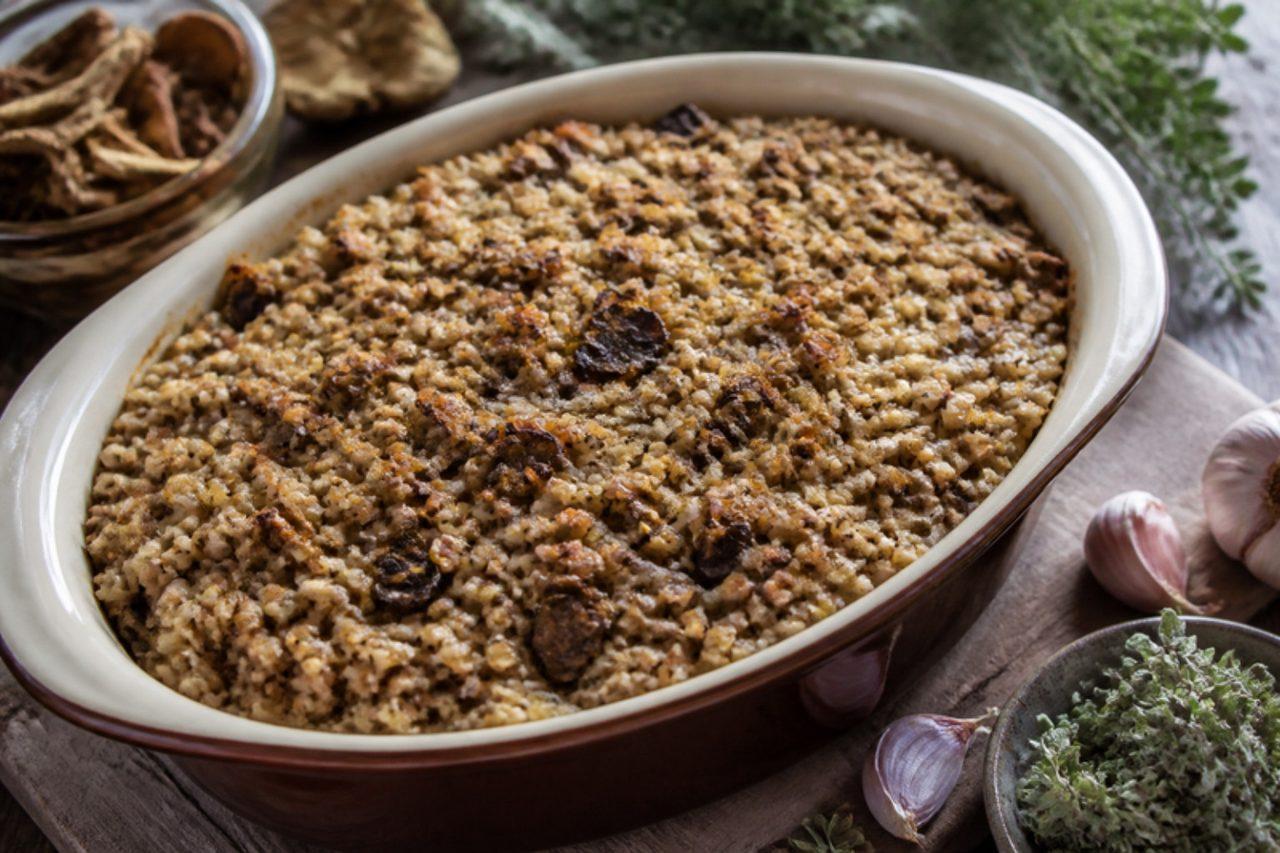
Houbový kubaBarley and mushroom bake

On Štědrý den, the Czech Christmas Eve, many families kept a meat-free fast until the evening carp, and houbový kuba was what filled the gap at lunch. Village cooks in Bohemia baked pearl barley with mushrooms picked and dried in autumn, plenty of garlic and marjoram, until the top went crunchy. The inside stays moist and chewy, almost like a mushroom risotto, while the edges crisp. It used to be made with lard; this version uses oil and is fully plant-based. Serve it on its own with sauerkraut or a sharp pickled salad, or as a side to roast vegetables. A common mistake is boiling the barley until soft right through, which turns the bake to paste; it should still have a little bite before it goes in the oven. Chef's tip: save the mushroom soaking water and cook the barley in it, for flavour all the way through.

by KrazyBadal 0 views

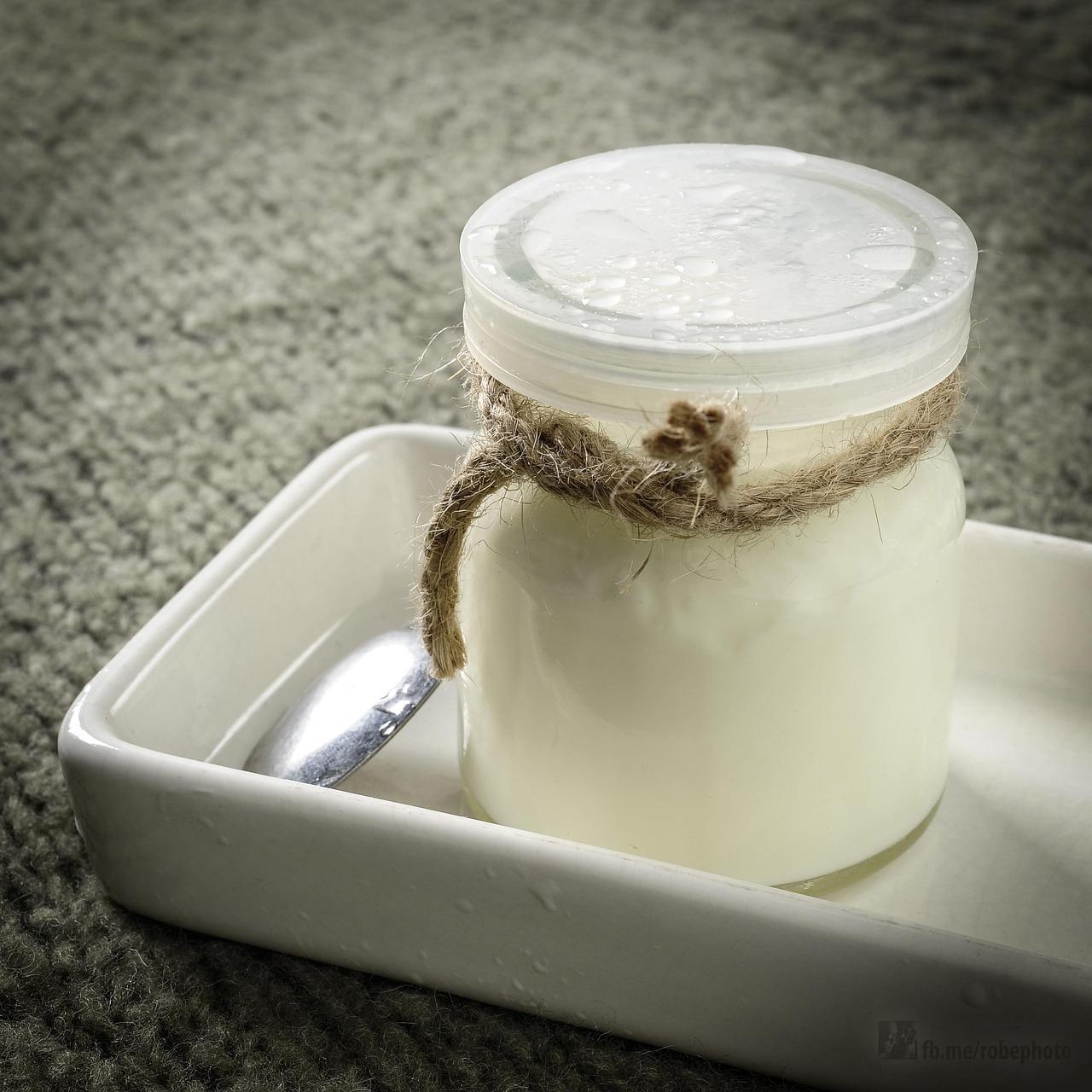
HusliankaFermented Hutsul milk

High in the Hutsul villages around Verkhovyna and Kosiv, milk was boiled, cooled and left to sour in a wooden keg called a berbenytsia, which held the cultures from the last batch and gave the drink its name and its gentle tang. The result is huslianka: thicker than kefir, smooth like loose yogurt, with a fresh, clean sourness that shepherds drank with mamalyha and new potatoes. Today you will find it bottled at Carpathian markets, but it is easy to make in a glass jar at home. For safety, always start from pasteurised milk, use a scrupulously clean jar and move it to the fridge as soon as it sets. The usual slip is adding the starter while the milk is still hot, which kills the cultures, so cool it to body temperature first. Discard any batch that grows fuzzy or pink mould or smells unpleasant. Chef's tip: keep two spoons of each batch to start the next one; the flavour gets rounder with every round.

by KrazyBadal 0 views

Showing 45 of 7,888 recipes

Show more recipes

Page 296 of 877