


Skip to content
Tian shui mian
Featured recipe

Tian shui mian

Sweet spiced soy noodles

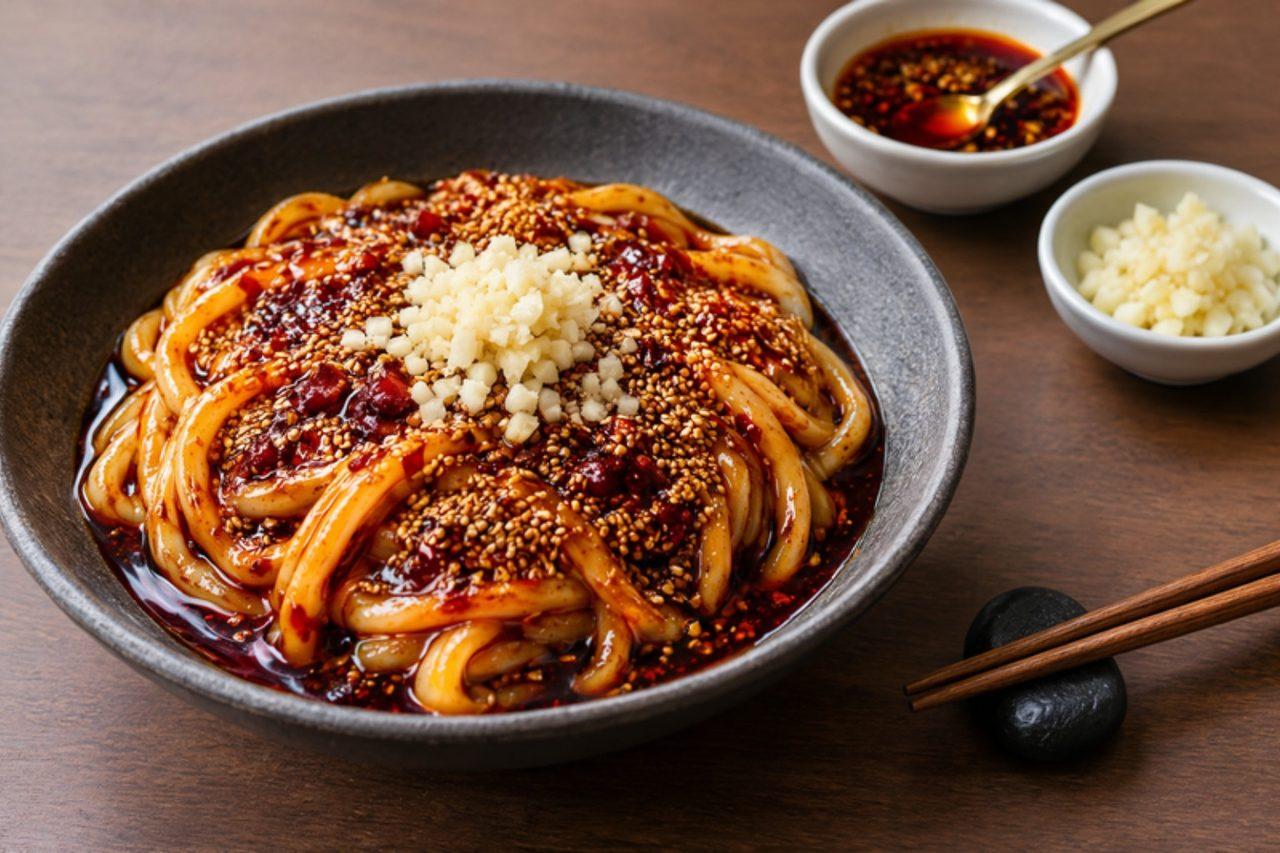
Tian shui mian, "sweet water noodles", are a fixture of Chengdu's old snack houses around Wenshu Monastery, ordered at lunch in a small bowl alongside dumplings and wontons. The noodles are cut as thick as chopsticks, cooked chewy and served at room temperature, coated in thick spiced soy syrup, red chilli oil, pounded raw garlic and sesame: sweet first, then hot and garlicky. Chef's tip: simmer the sweet soy until syrupy; if it is thin it runs to the bottom of the bowl instead of clinging to the noodles.

Read more 0 views

What to eat today?

Around the world

Today's trip: Persian

A new country every day, from every cuisine on the site.

Persian

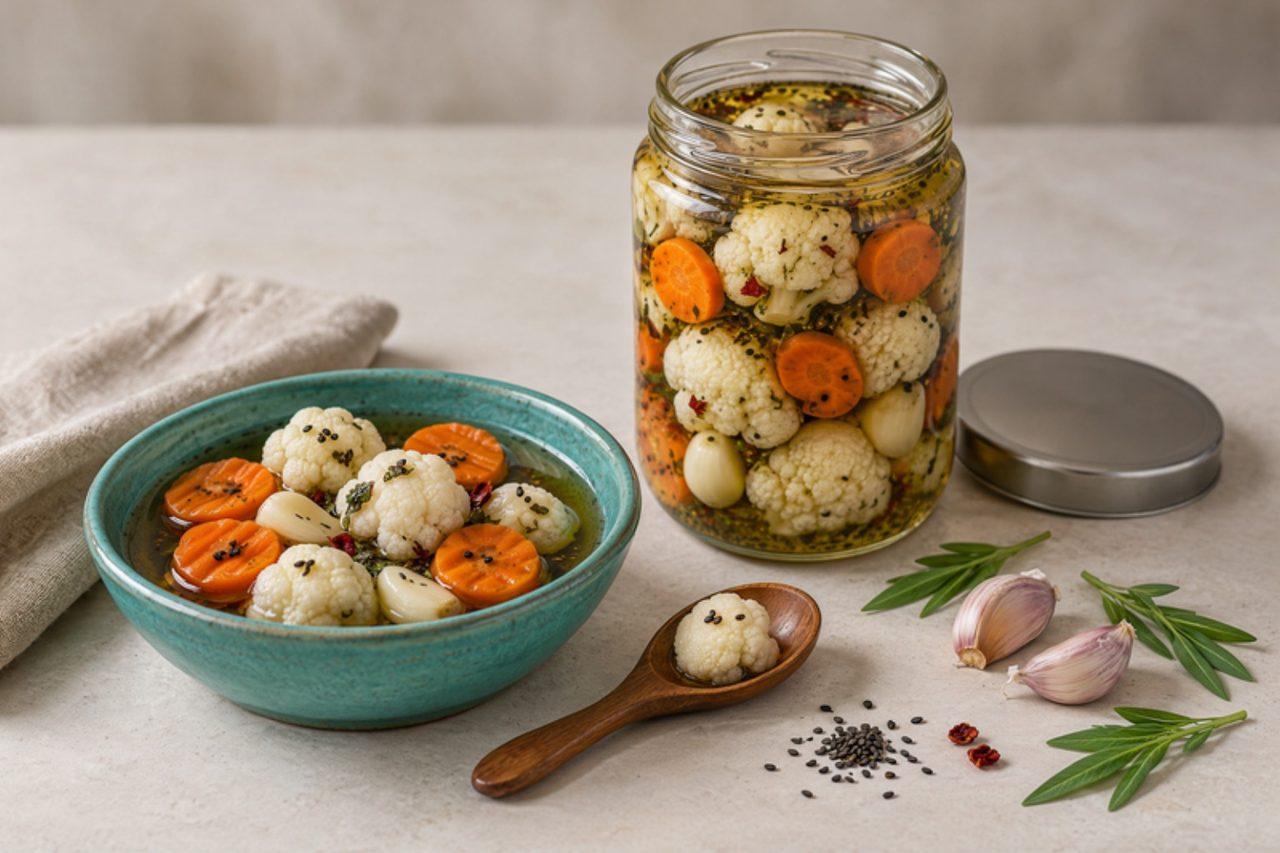
Torshi gol kalam

Cauliflower and carrot pickle 35 minMore from Persian (131) →

This week's collection

Kid-friendly dinners
541 recipes · a new collection every Monday

Latest recipes

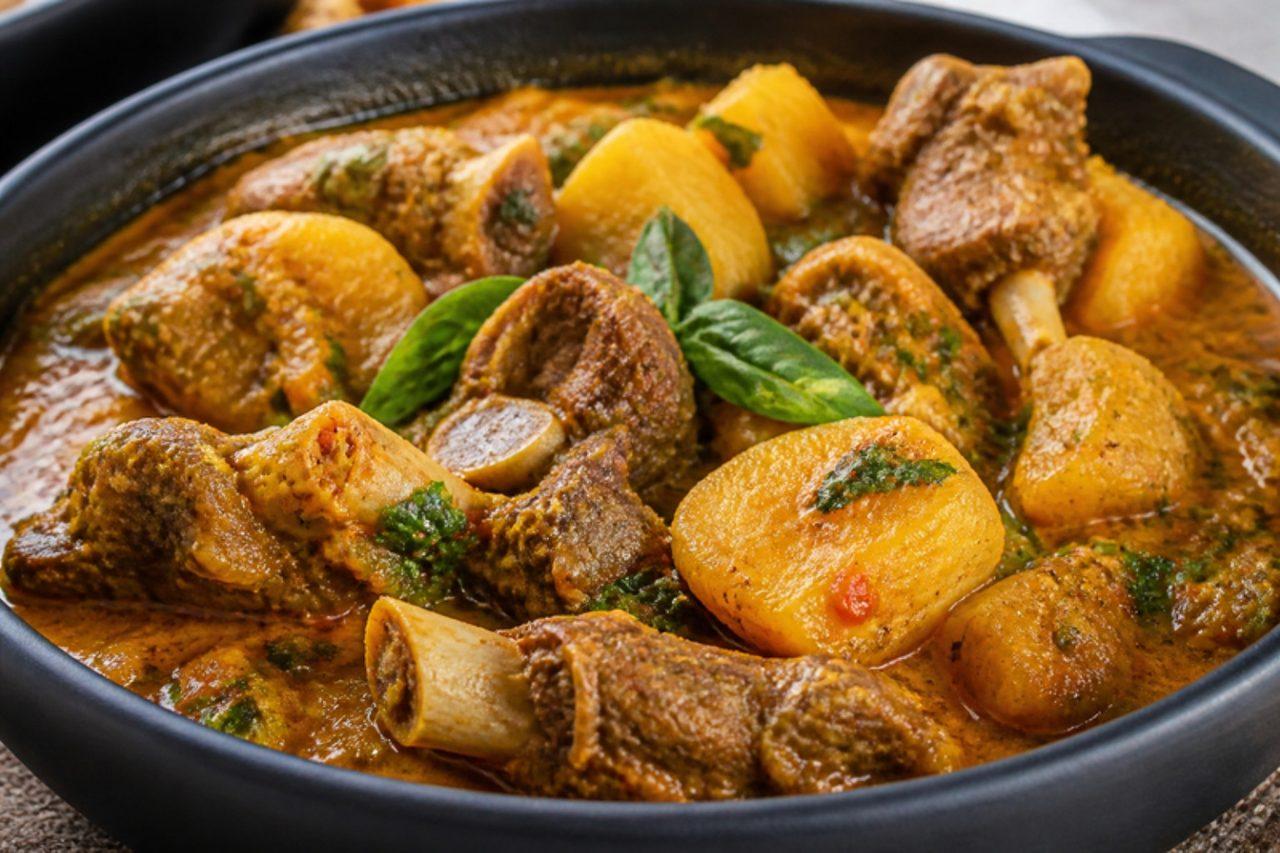
KondreGoat and green plantain stew

For weddings, funerals, the enthronement of a chief or the return of a relative from abroad, the Bamileke of the West Region cook kondre. Chunks of goat are stewed slowly with green plantain, tomato and a fragrant blend of local spices including white pepper, pebe and country onion, until the plantain melts at the edges and thickens the sauce. The result is earthy, peppery and very satisfying, eaten straight from the bowl with nothing else alongside. Beef or lamb can replace goat; pebe and country onion are sold in Cameroonian grocers, with nutmeg and a pinch of clove standing in at a pinch. Marinate the meat in the fridge, never on the counter. Chef's tip: give the goat a full hour on its own before the plantain goes in; the meat needs far longer to soften.

by KrazyBadal 0 views

Agbeli kakloCassava fritters

Roadside fryers in the Volta Region sell agbeli kaklo by the bagful, golden fingers of grated cassava seasoned with onion and chilli and fried until crunchy outside and chewy within. The classic way to eat them is with chunks of fresh coconut, whose cool sweetness balances the salty, peppery fritters, and they are an afternoon snack or a travel snack on the road from Ho to Accra. Cassava must be cooked through, so fry until deep golden. Chef's tip: squeeze the grated cassava very dry and fry at 170 °C; wet dough spits dangerously, and oil that is too cool, the common mistake, gives greasy, soggy fritters.

by KrazyBadal 0 views

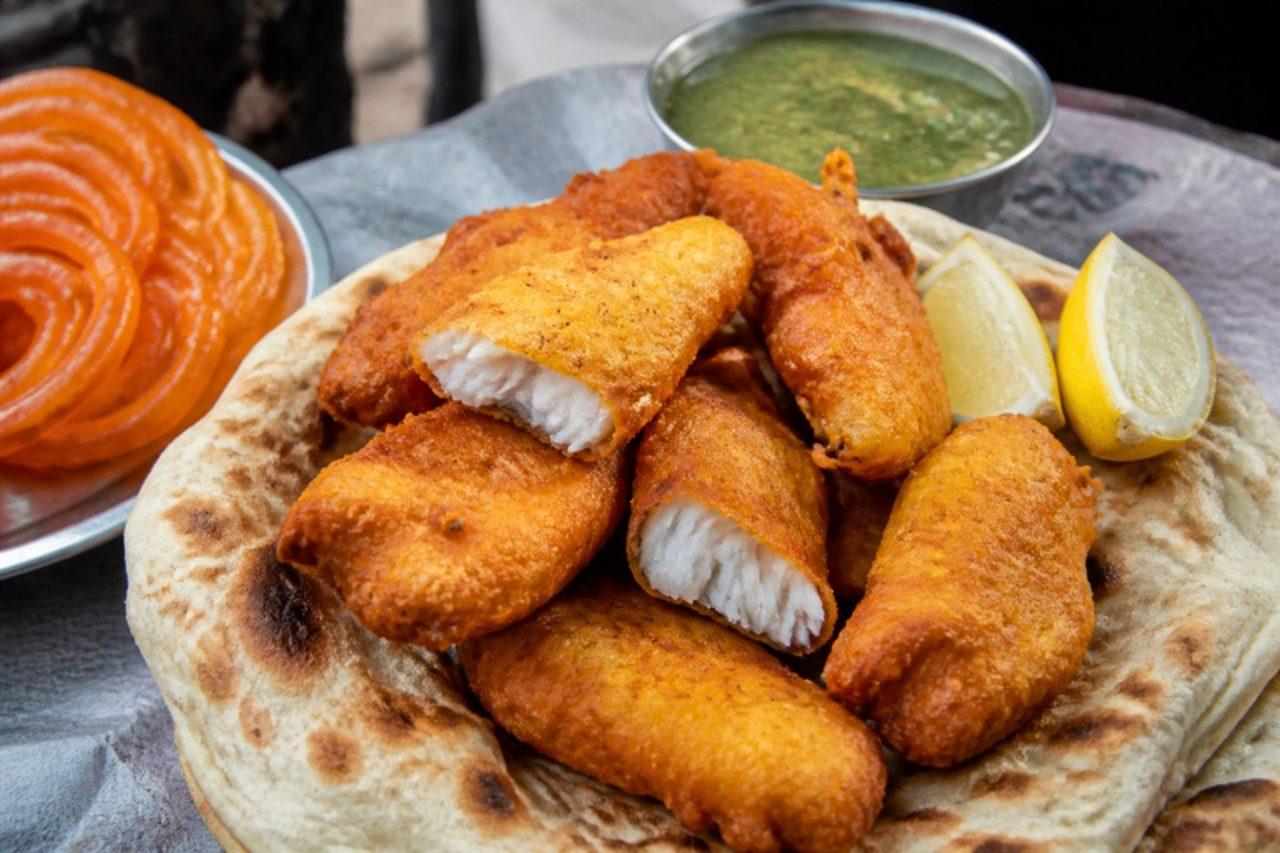
Mahi (Kabul fried fish)Fried battered fish

When the snow comes, Kabul's fish sellers set up their huge woks of oil, and the smell of mahi frying drifts across the city's bridges and bazaars, with stalls next door piling up bright orange jalebi to eat alongside it; mahi wa jalebi, fish and sweets, is a winter outing for the whole family. Chunks of firm fish are coated in a thin, spiced batter of flour, garlic, coriander seed, cumin and chilli and fried until crisp and reddish-gold, then eaten hot with naan, green chutney and a squeeze of lemon. Carp or other river fish is traditional, but any firm white fish works. Crowding the pan drops the oil temperature and gives soggy, greasy pieces, so fry only a few at a time. Chef's tip: salt the fish and leave it for 10 minutes, then pat it completely dry so the batter grips.

40 minAfghanFish
by KrazyBadal 0 views

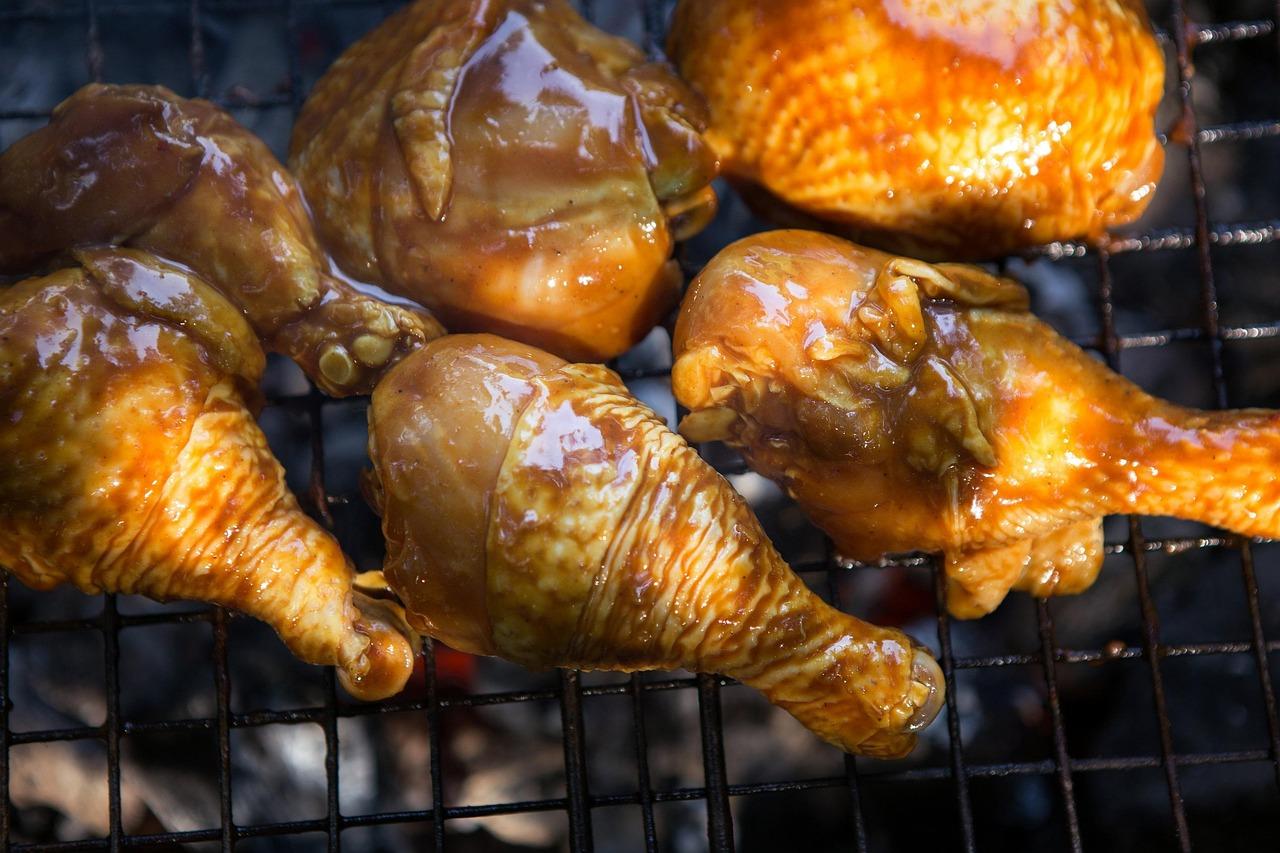
Jamaican pan chickenOil-drum jerk chicken

After dark on Red Hills Road in Kingston, smoke rises from rows of oil-drum barbecues where vendors grill pan chicken, a peppery jerk-style chicken served wrapped in foil with a slice of hard dough bread and a squeeze of ketchup-based pepper sauce. It is less smoky and sharper than Portland jerk, with plenty of black pepper, scallion and pimento. The common mistake is cooking over flaming coals, which burns the outside before the inside is safe; grill over steady medium heat with the lid down. The chicken is done when the thickest part reaches 74 °C and the juices run clear. Chef's tip: marinate overnight in the fridge and cook the pieces skin-side up first so the fat bastes the meat.

by KrazyBadal 0 views

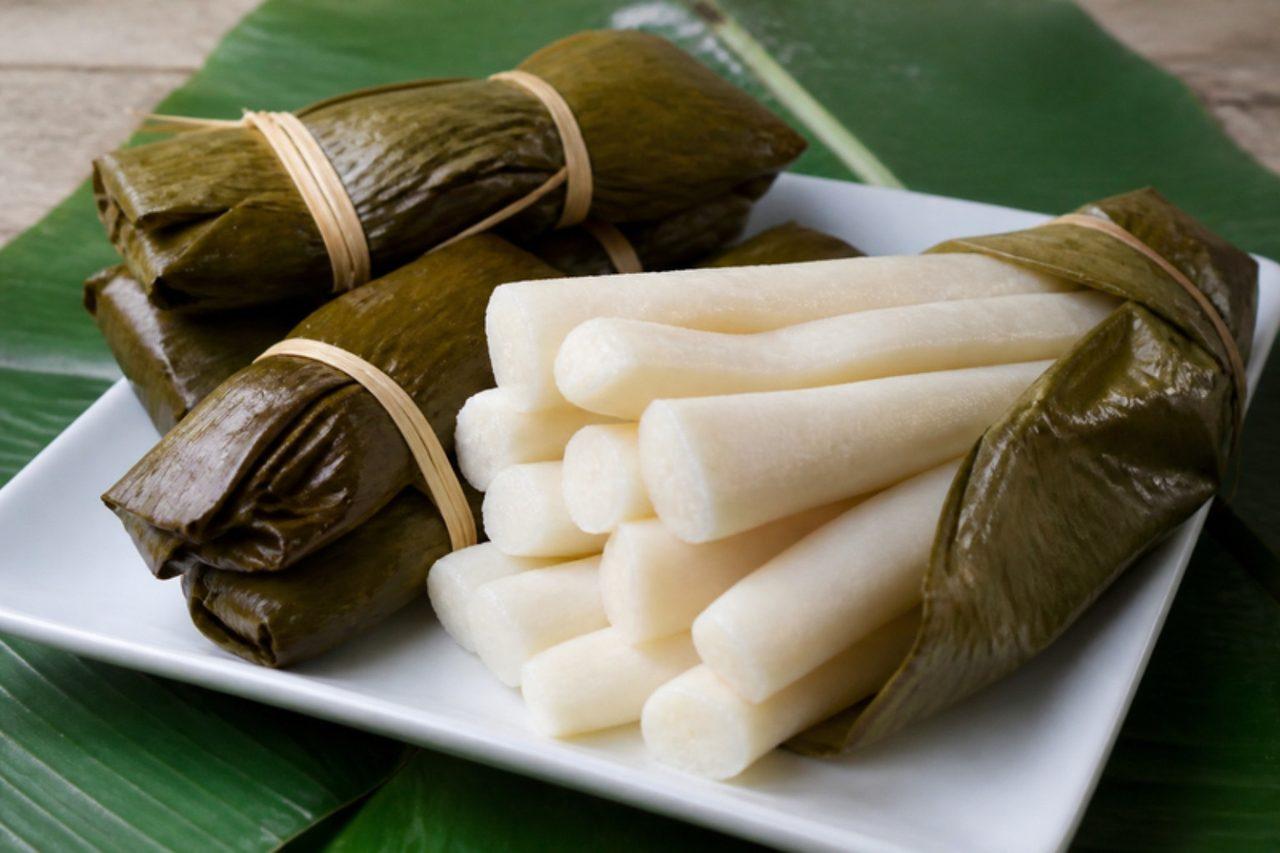
MiondoSoured cassava sticks

Douala's Duala families wrap their cassava dough into slim sticks no thicker than a finger, and bundles of miondo tied with string are stacked at every market from Akwa to New Bell. The roots are soaked for several days until they soften and sour, then ground smooth, drained, rolled, wrapped in leaves and boiled until firm and slightly translucent. The result is chewy, gently tangy and neutral enough to soak up ndolé, grilled fish or a fiery pepper sauce, and peeling back the leaf is part of the pleasure. Plan ahead: the soaking takes 3–4 days and the draining a few hours more, though the hands-on work is about an hour. Chef's tip: roll the sticks no thicker than your little finger so they cook through evenly; fat ones stay pasty in the middle.

by KrazyBadal 0 views

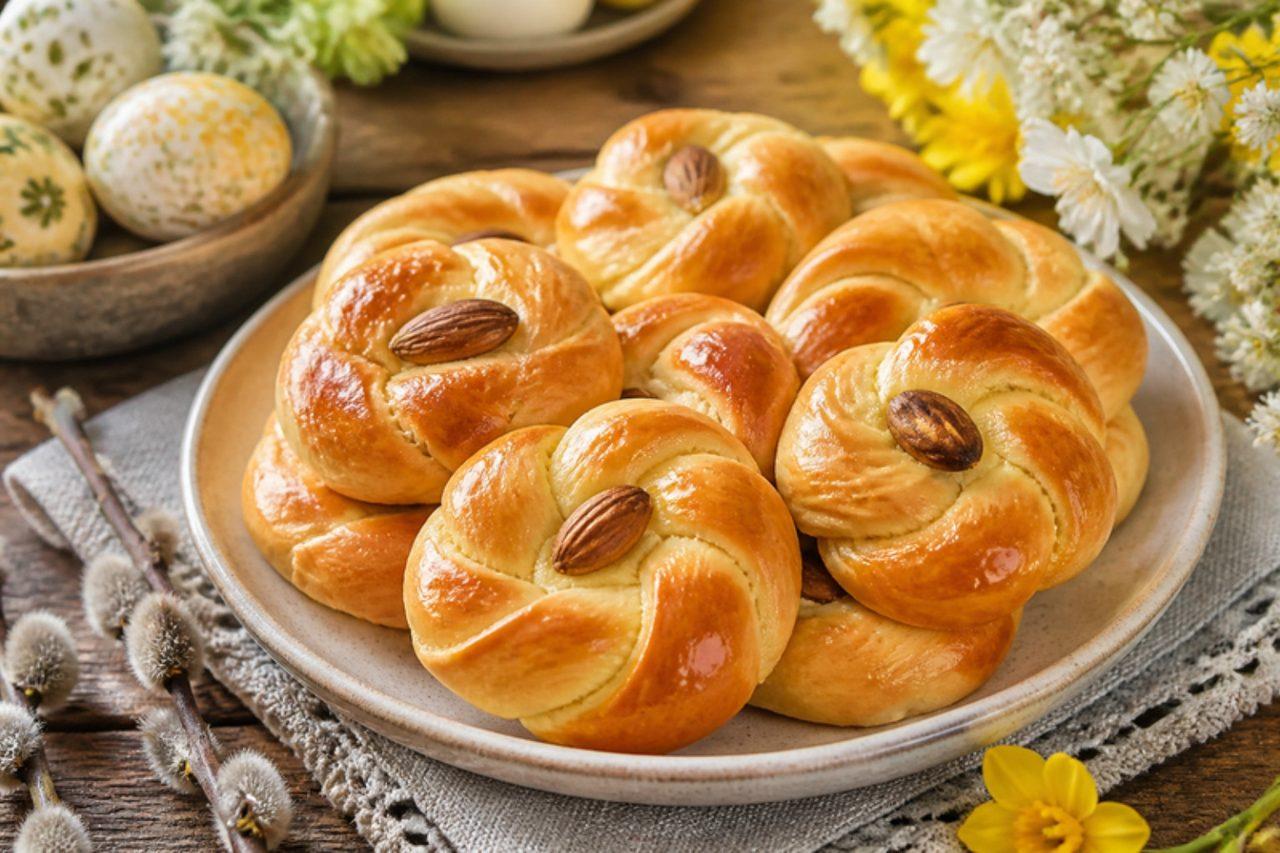
JidášeEaster honey buns

Maundy Thursday, "Green Thursday" in Czech, is the day for jidáše, sweet yeasted buns rolled into ropes and coiled into spirals or loose knots to recall the rope of Judas, which gives them their name. Families in Bohemia and Moravia bake them for breakfast that morning and brush them, still hot, with honey; eating one was once said to bring health for the year. They are soft and fluffy, lightly scented with lemon, with a sticky, shiny top. A common mistake is brushing the honey on cold buns, where it just sits; warm the honey and glaze them straight from the oven so it soaks in. Honey is not suitable for babies under one year old. Chef's tip: roll the ropes thinner than you think, about finger thickness; they double as they prove.

145 minCzechBaking
by KrazyBadal 0 views

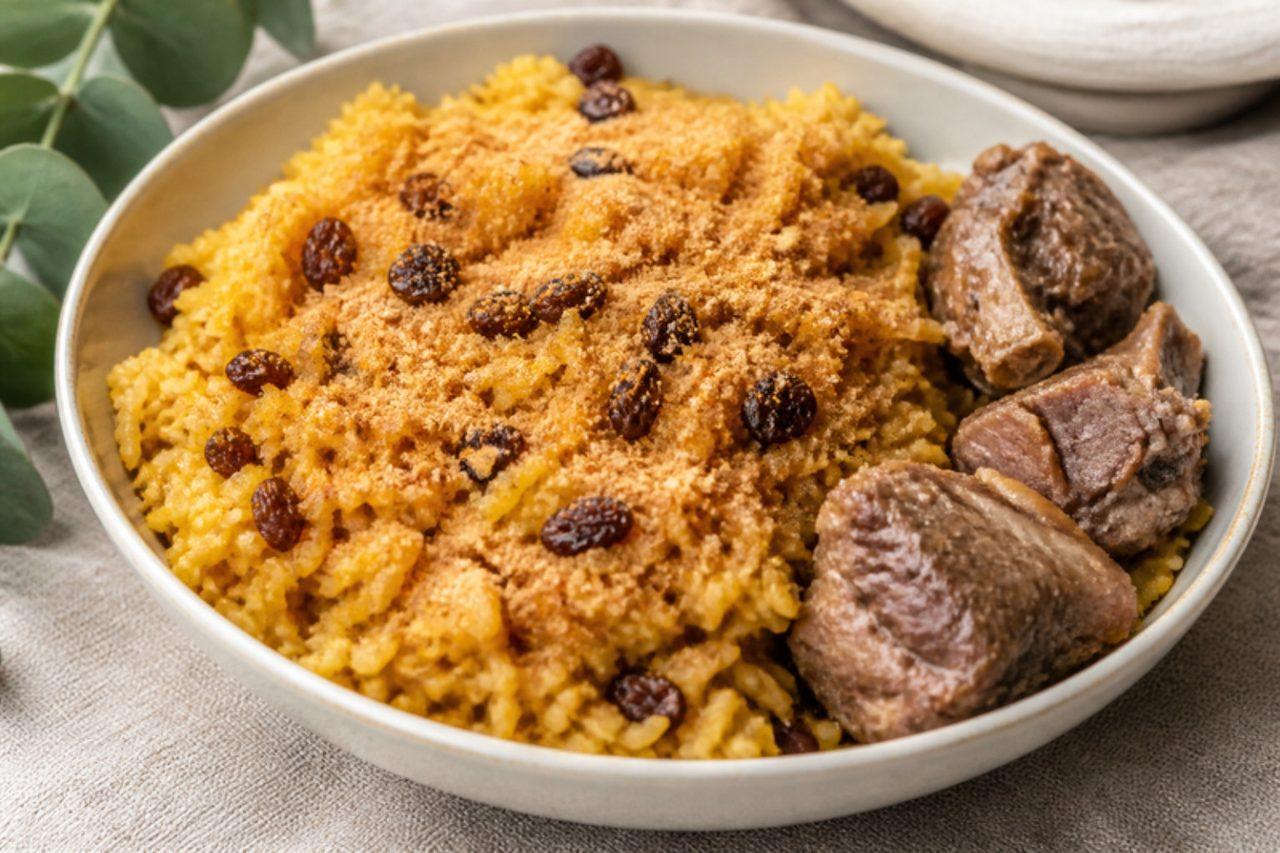
KabuniFestive rice with raisins and cinnamon

Kabuni is one of the oldest dishes of Albania, served in Tirana and the central lowlands at Bajram, weddings and wakes: rice fried in butter, cooked in a savoury lamb broth, then sweetened with sugar and studded with raisins and cinnamon. The result is buttery, gently sweet and fragrant, a sweet course with a savoury soul, eaten warm in small bowls. Because it is cooked in lamb stock it is not vegetarian. Where most people go wrong is skipping the frying of the rice; it is the toasting in butter that gives kabuni its nutty taste. Chef's tip: soak the raisins in hot water while the rice cooks so they swell and stay juicy.

by KrazyBadal 0 views

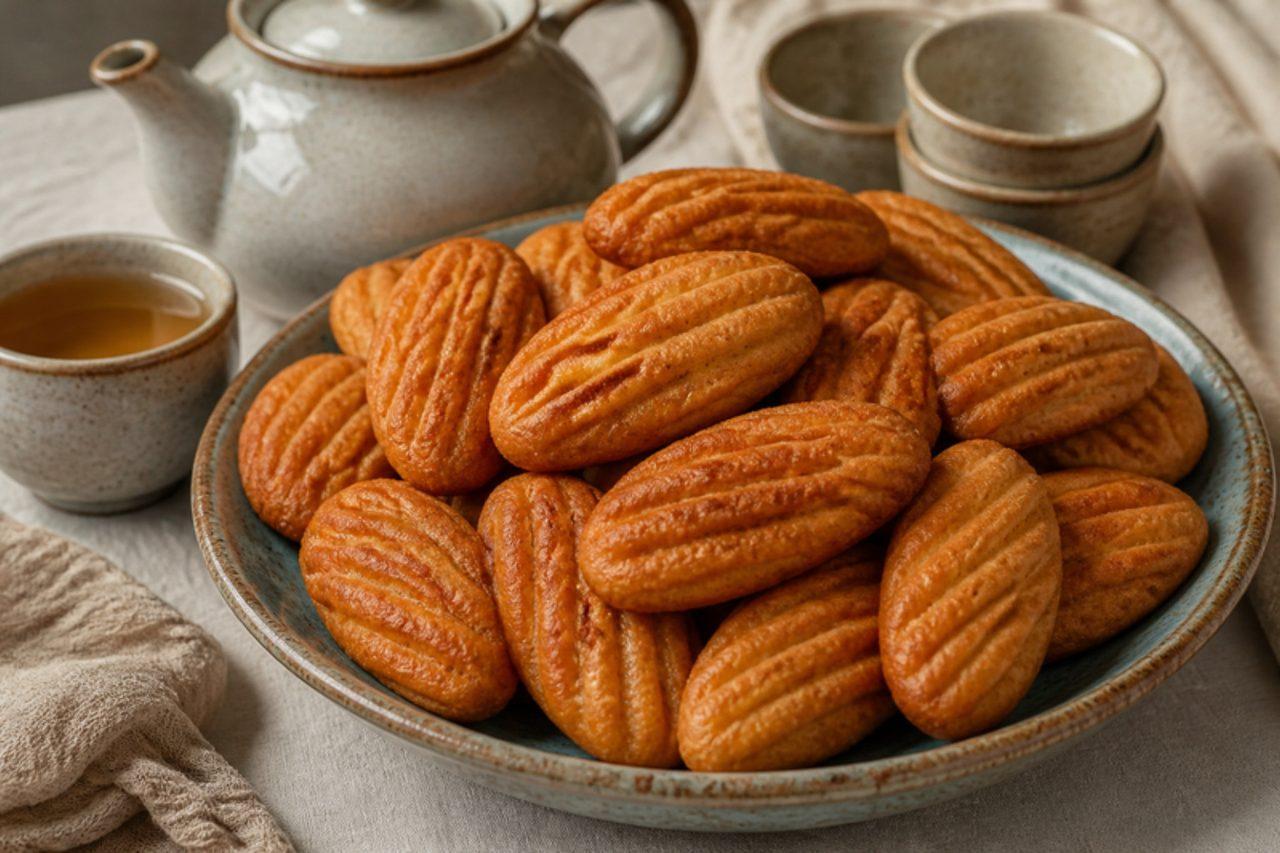
KhajurFried dough cookies

Khajur take their name from dates, which their plump oval shape resembles, but there is no fruit in them: they are little cardamom-scented dough cookies, pressed onto a sieve or the back of a grater for a ridged pattern and fried until deep gold. Afghan families fry great batches before Eid and Nowruz and pack them into tins to offer guests with tea, and Kabul bakeries sell them by the kilo. They are crunchy on the outside with a soft, cakey middle and only gently sweet. Oil that is too hot is the classic error, browning them in a minute while the centres stay raw and doughy; keep it moderate and patient. Chef's tip: fry one test khajur first and break it open, then adjust the heat before frying the rest.

by KrazyBadal 0 views

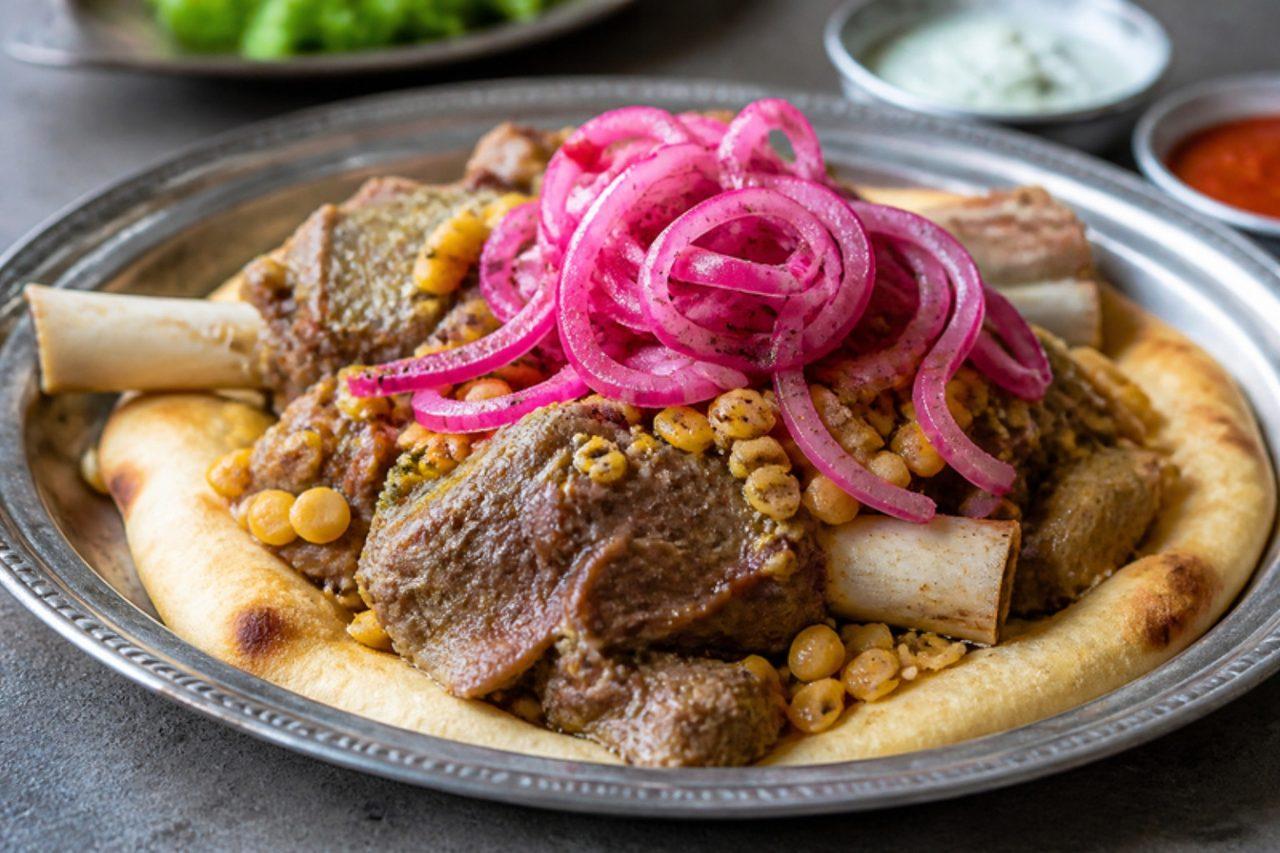
Afghan dopiazaLamb with onions and split peas

Afghan dopiaza has little in common with the Indian curry of the same name: in Kabul and Mazar it is a dish of chaikhanas and lunch restaurants, where a slab of naan is laid on the plate, covered with chunks of lamb braised with onion until soft, then topped with boiled yellow split peas and a tangle of red onions that have been sitting in vinegar until they turn pink. The juices soak into the bread, the onions are sharp and crunchy, the split peas earthy, and the whole thing is eaten with the fingers. Split peas cooked to mush ruin the contrast, so boil them only until just tender and drain at once. Chef's tip: soak the sliced onions in vinegar at least 30 minutes ahead; they lose their harshness and turn a beautiful bright pink.

120 minAfghanMeat
by KrazyBadal 0 views

CovrigiRomanian pretzel rings

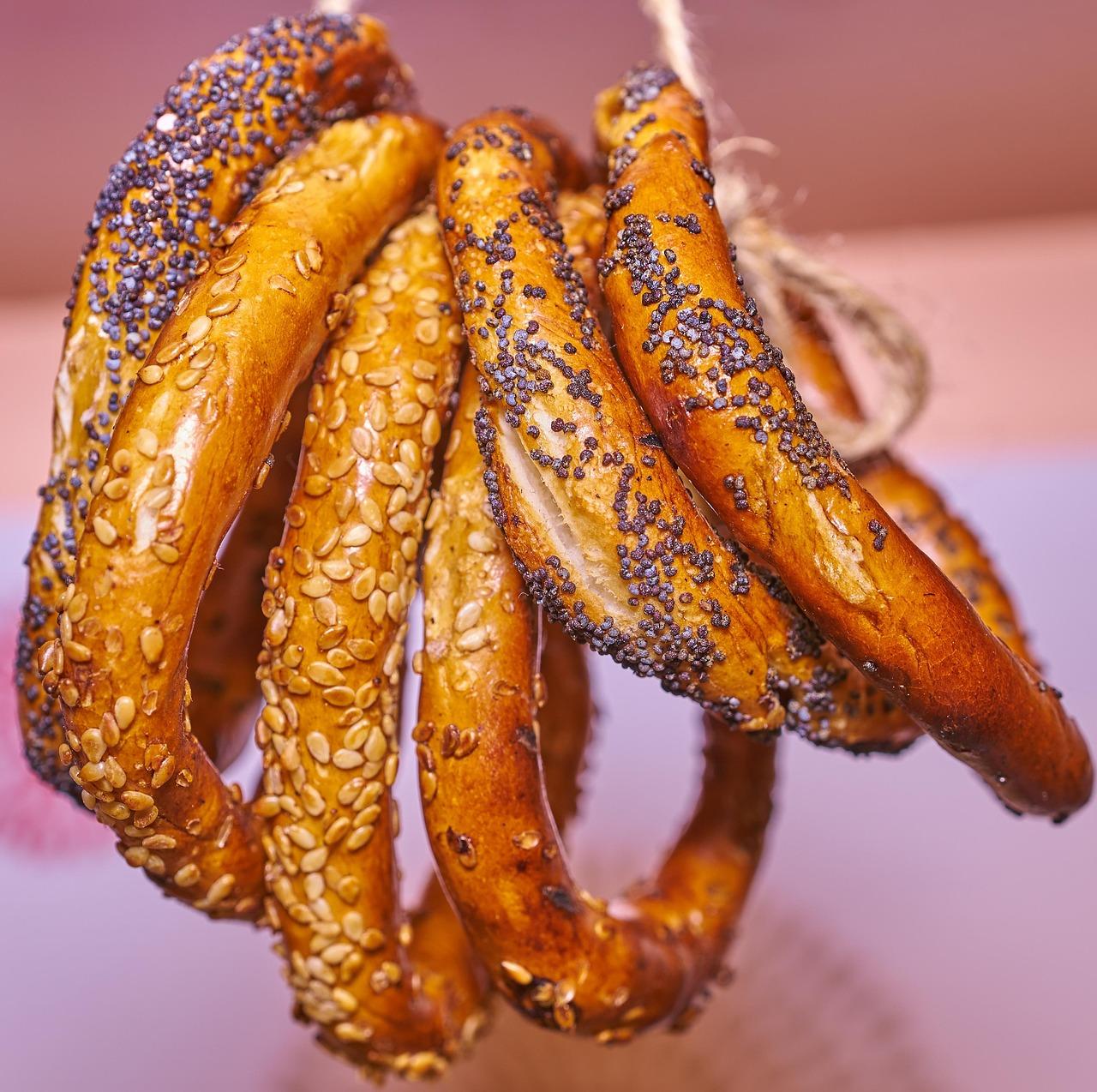
Morning commuters in Bucharest buy them hot from a hole-in-the-wall covrigărie, a paper bag of rings still warm enough to fog the glass; in Buzău, the town most proud of them, people swear by the thin twisted kind. Covrigi are a lean yeast dough with no egg or milk, so they are eaten through the fasting seasons too. Each ring is dipped briefly in boiling soda water, scattered with coarse salt and seeds, then baked until shiny and chewy with a crisp crust. A common mistake is leaving them in the water bath too long, which wrinkles the surface; 20–30 seconds is plenty. Serve them on their own, with a glass of ayran-style yogurt drink or with soup. Chef's tip: shape the rings on a dry, unfloured worktop, as a little grip makes the ropes easier to roll thin and even.

by KrazyBadal 0 views

CougnouChristmas brioche

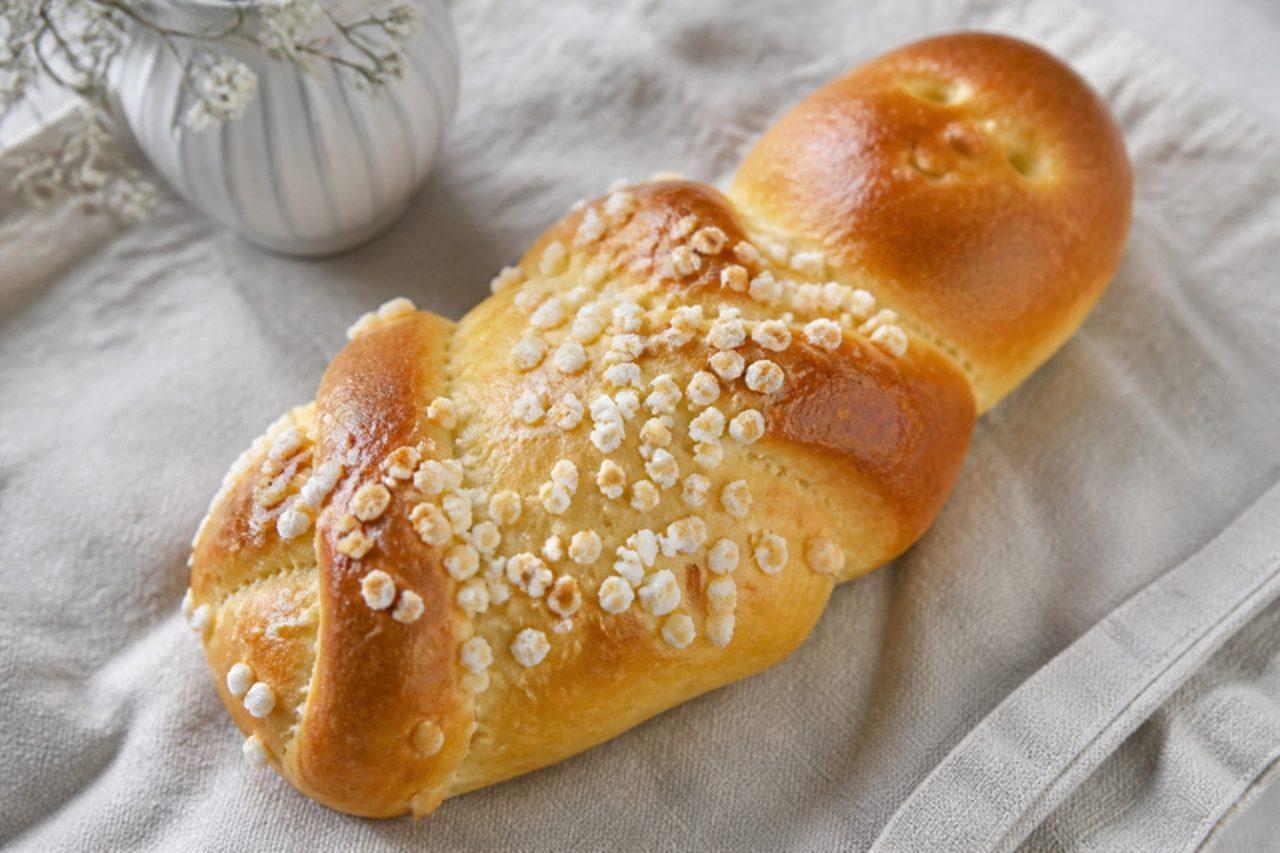
Cougnou, also called cougnolle or bommetje, is the Christmas bread of Wallonia, given to children on Christmas morning: a soft brioche shaped like the infant Jesus in swaddling clothes, with a little clay or sugar medallion pressed into the middle, eaten with hot chocolate. Bakeries in Namur and Charleroi make them from early December. A common mistake is shaping them too small, which dries them in the oven. Chef's tip: make three balls, one large for the body and two small for the head and feet, pressed together tightly so they bake as one.

by KrazyBadal 0 views

Couque de DinantHard honey biscuit

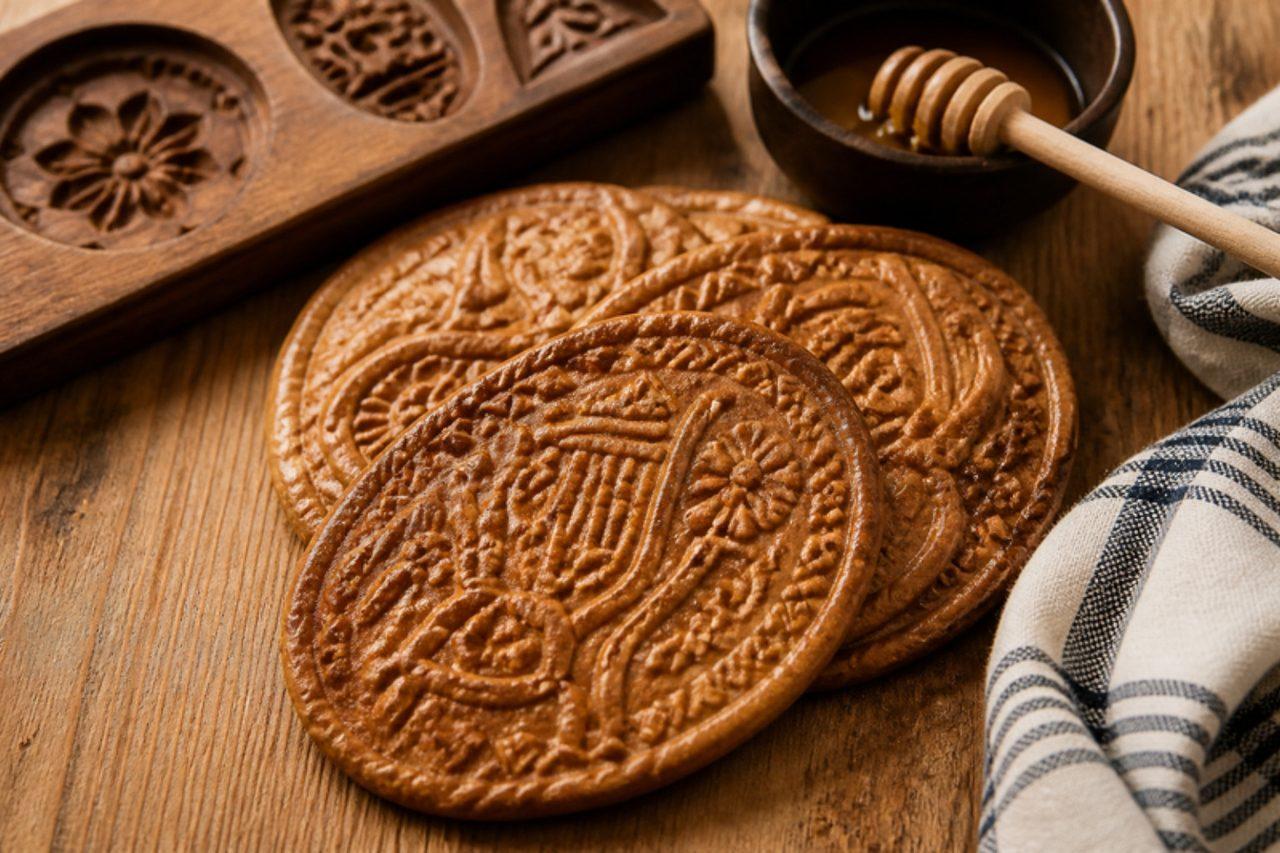
Couques de Dinant are the famously hard honey biscuits of Dinant on the Meuse, made only of flour and honey, pressed into carved wooden moulds showing castles, animals and the town's skyline, and baked so hot that the honey caramelises into a very hard, glossy biscuit. Dinant bakers say they keep for years; locals let a piece melt slowly in the mouth rather than biting. Honey is traditional; golden syrup makes a vegan version. A common mistake is a soft dough; it must be stiff enough to hold the mould's detail. Chef's tip: dust the mould with flour, press hard and tap the dough out sharply.

by KrazyBadal 0 views

BalushahiFried pastry in cardamom syrup

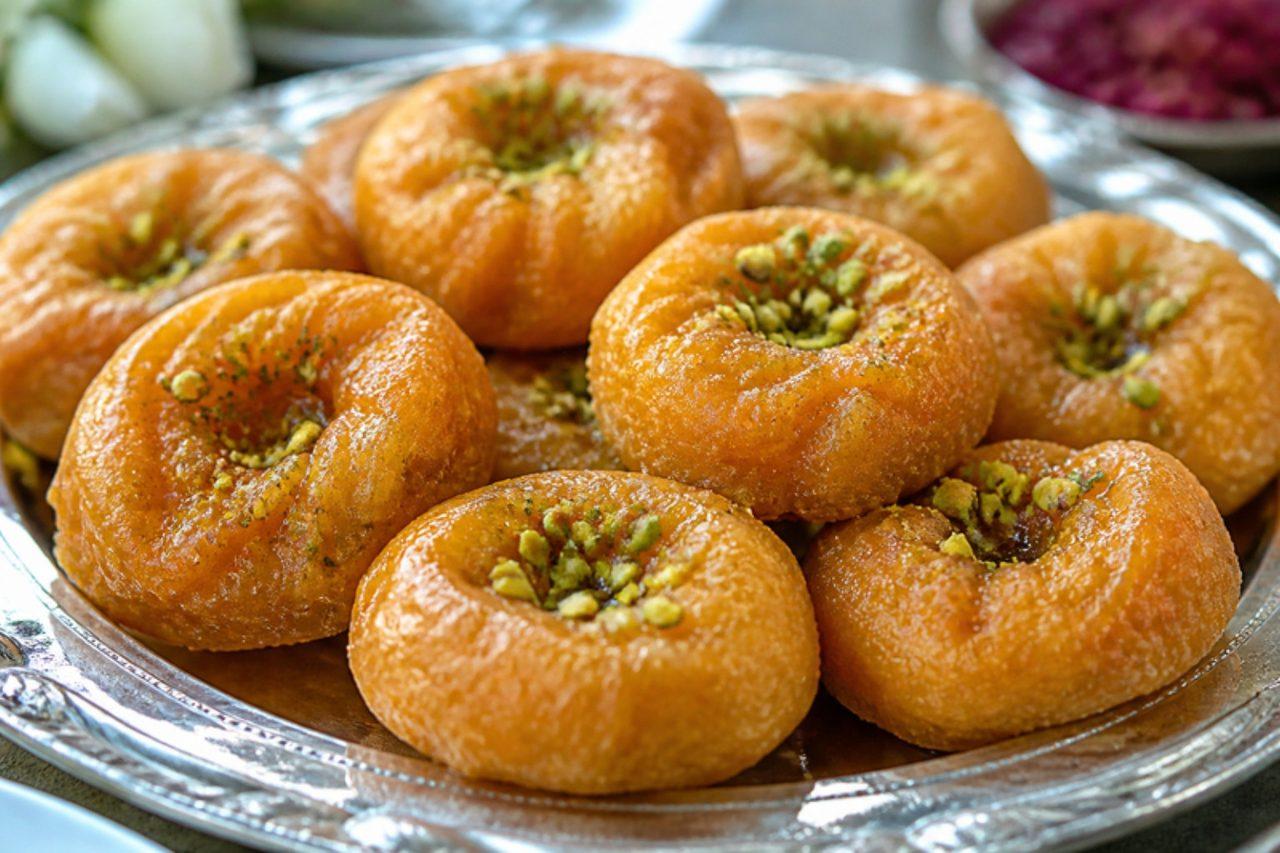
Look in any mithai box carried to a Pakistani engagement or handed round when exam results come out, and balushahi will be there: a squat, doughnut-like round with a dimple in the centre, layered and flaky inside, glazed with a thin, crackly coat of syrup. It is made from a short dough of flour, ghee and yogurt that is barely kneaded, fried very slowly so it cooks through and turns crisp in tiny layers, then dipped in a thick cardamom syrup. Shops in Lahore's Walled City and in Rawalpindi's Raja Bazaar sell it by the kilo, and at home it is a sweet for Eid and winter tea. A common mistake is kneading the dough smooth like a chapati, which develops gluten and makes the balushahi hard instead of flaky. Chef's tip: fry them in ghee that is only just warm, so they float up slowly over several minutes; that slow start is what opens the layers.

by KrazyBadal 0 views

Jamaican fish teaPeppery fish broth

Fish tea is what Jamaicans along the coast from Kingston to Old Harbour sip from a cup when they feel run down, and it is ladled out at beach fish shacks and dances to steady late-night appetites. It is a thin, peppery broth made from fish heads and bones or cheap small fish, with green banana, pumpkin, thyme and a hint of scotch bonnet, light but full of flavour. The mistake to avoid is boiling it hard for a long time, which makes it cloudy and bitter; simmer gently and strain. Chef's tip: mash a few pieces of the soft pumpkin into the broth for body without any flour.

by KrazyBadal 0 views

Arroz mamposteaoFried rice and stewed beans

Fondas around San Juan put arroz mamposteao on the menu as a way to use yesterday's white rice and the last ladle of habichuelas, and at home it is the Sunday-night fix when the pots from lunch come out of the fridge. The rice is fried in olive oil with a fresh sofrito, then the beans and their sauce go in until every grain is stained pink and the edges catch and crisp. Many cooks add ham or bacon; this version stays meat-free and gets its depth from the sofrito and a little smoked paprika. The common mistake is using freshly cooked rice, which turns to paste; cold, day-old rice keeps separate grains. Chef's tip: leave the pan alone for the last few minutes so a crunchy layer forms on the bottom, then fold it through.

by KrazyBadal 0 views

EleshChicken and potato pies

At Tatar weddings in the villages east of Kazan, elesh come to the table early, little pleated pies about the size of a fist, each filled with chopped chicken and potato and baked until the tops glow. The meat goes in raw with onion and butter, so it cooks in its own juices inside the sealed pastry and stays moist; a spoon of broth is added through a tiny vent halfway through. The pastry is rich with butter and sour cream and goes soft under a cloth after baking. A common mistake is leaving the chicken in big chunks; cut it small or the potato is done long before the meat. Chef's tip: use thigh rather than breast, it stays juicy through the long bake.

by KrazyBadal 0 views

ElarjiCornmeal and cheese porridge

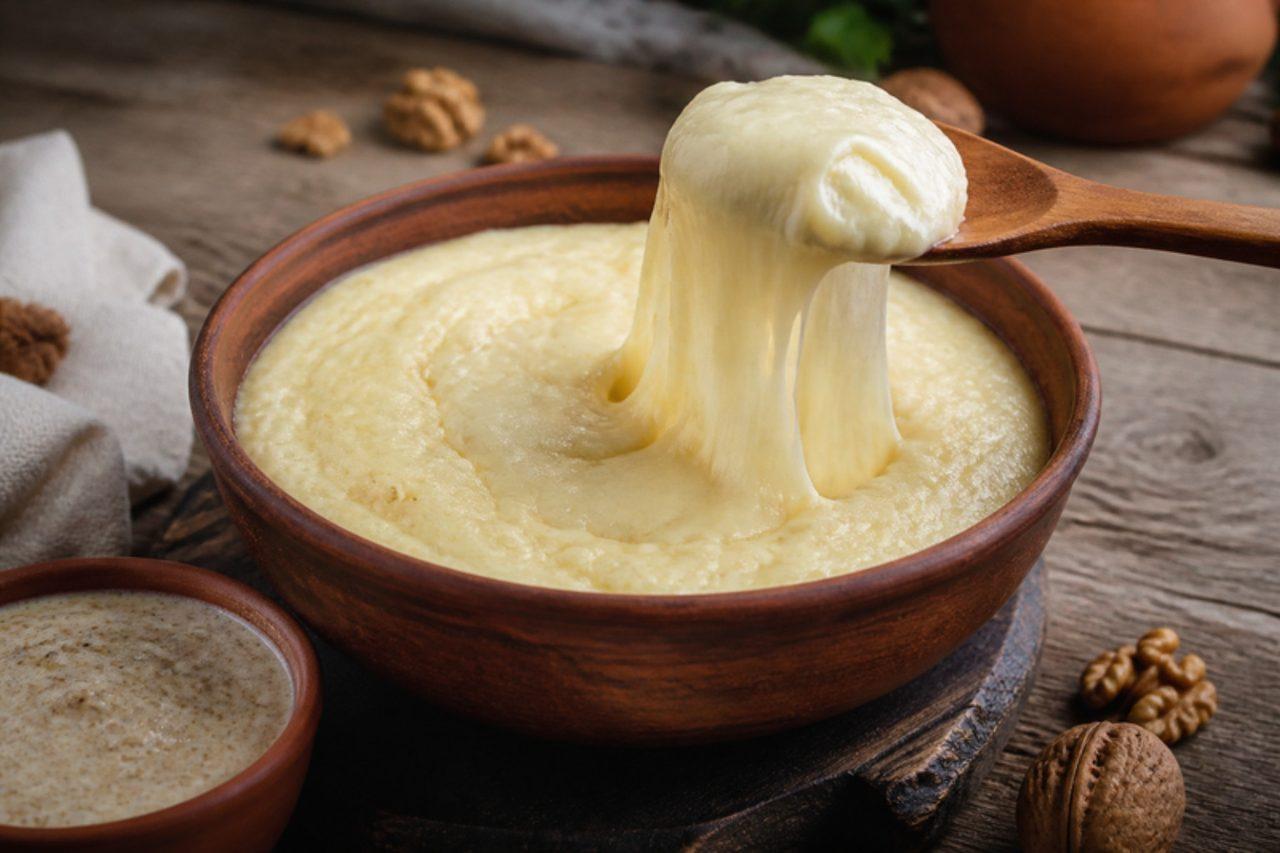
Elarji is the pride of Zugdidi and the rest of Samegrelo, where cornmeal is the everyday staple; the porridge is cooked until thick, then beaten with so much grated sulguni that it pulls up in long, glossy strings as you serve it. It goes to the table hot, with a bowl of bazhe walnut sauce or spicy ajika, and Mingrelians judge a cook by how long the cheese stretches. A common mistake is adding the cheese while the porridge is still loose; it sinks and goes rubbery instead of weaving through. Chef's tip: use a strong wooden spoon and beat hard in one direction as the cheese melts, which is what builds the stretch. Most sulguni is made with animal rennet, so look for a vegetarian one or use low-moisture mozzarella.

by KrazyBadal 0 views

BathithToasted flour and date bites

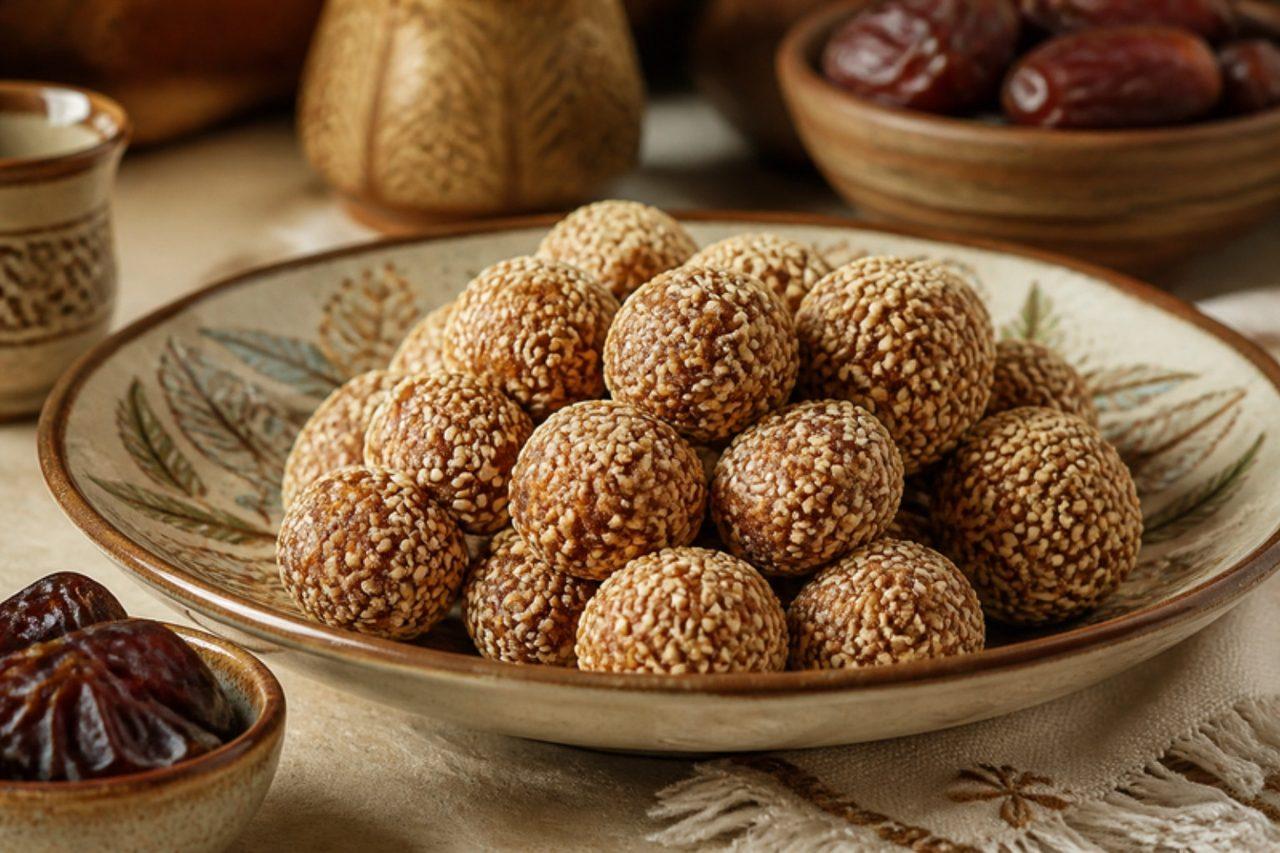
Bathith is an old Bedouin travel sweet from the United Arab Emirates, made from things that keep in the desert: flour toasted dark, dates and ghee, kneaded together into crumbly bites. Today it is served in Emirati homes with gahwa in the afternoon or put out at Ramadan, and it tastes of caramel, toasted nuts and warm cardamom, with a texture somewhere between shortbread crumble and fudge. It keeps well for a week in a tin. Under-toasting the flour is the mistake most often made: it must go a deep golden brown, or the bites taste pasty. Chef's tip: use the softest dates you can find and warm them with the ghee; they melt into a paste and bind the flour without extra fat.

by KrazyBadal 0 views

KhameerDate and fennel bread

In homes across the United Arab Emirates, from Abu Dhabi to the old quarters of Sharjah, khameer is the bread that comes out on a weekend morning, still warm, next to a pot of karak or cardamom coffee. Mashed dates sweeten the dough just a little, while fennel and saffron give it a gentle, perfumed warmth, and the rounds are cooked on a dry pan so they stay pillow-soft with freckled brown faces. Split them and fill with soft white cheese, a drizzle of date syrup or honey, or a fried egg. The usual mistake is cooking them over a fierce heat: the outside darkens long before the thick middle is done, so keep the flame moderate and be patient. Chef's tip: press the risen rounds flat with your fingertips just before they go in the pan; the dimples stop them doming and help them cook evenly.

by KrazyBadal 0 views

AfararWild herb and cottage cheese pie

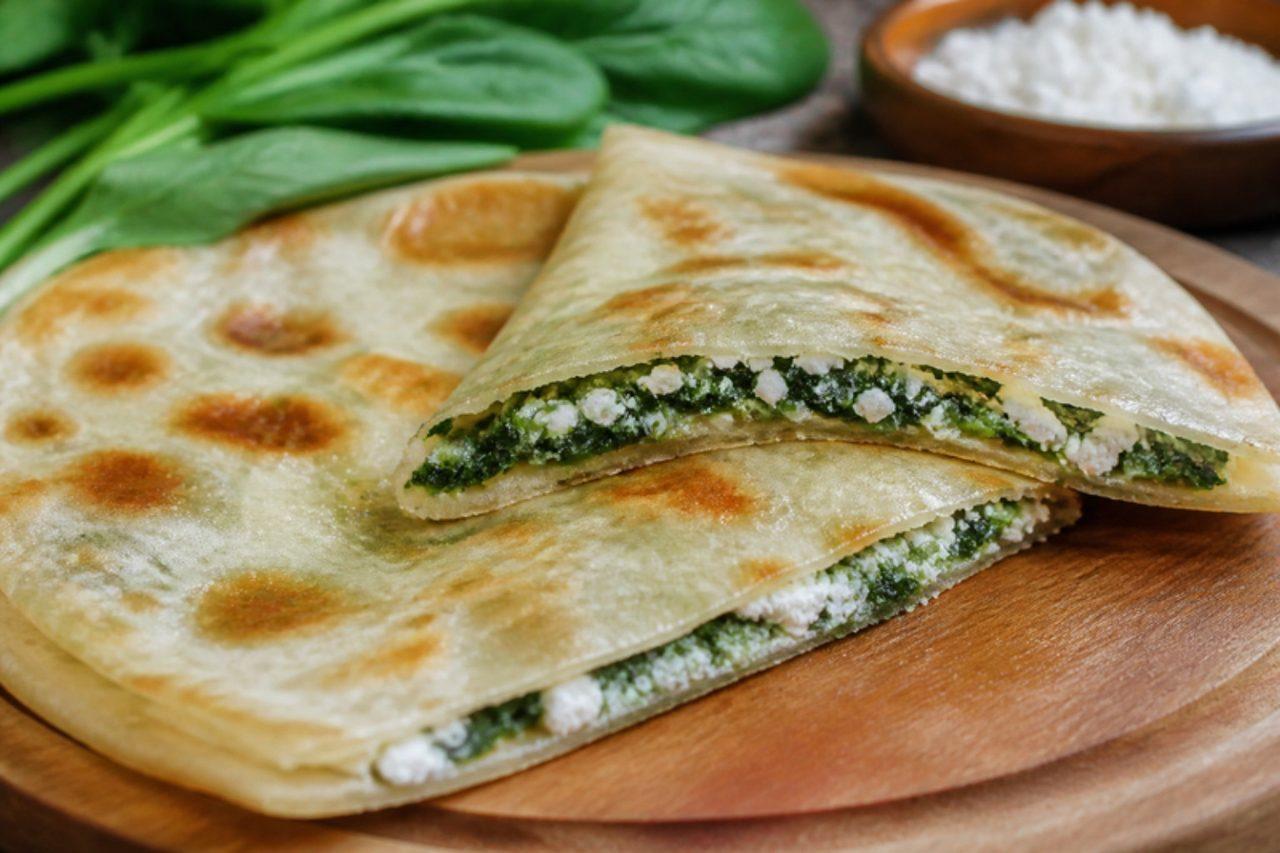
In the mountain villages around Quba and Qusar, where many Lezgin families live, spring brings armfuls of nettles, sorrel, wild garlic and orache, and the first thing made with them is afarar: two very thin sheets of dough enclosing a filling of chopped herbs mixed with cottage cheese, cooked on a hot griddle or saj and brushed with butter. A common mistake is using wet herbs, which steam the dough and make it tear. Chef's tip: wilt the herbs in a dry pan for a minute and squeeze them, then mix with the cheese only just before filling. Check that your cottage cheese uses no animal rennet.

by KrazyBadal 0 views

Afang soupWaterleaf and afang leaf soup

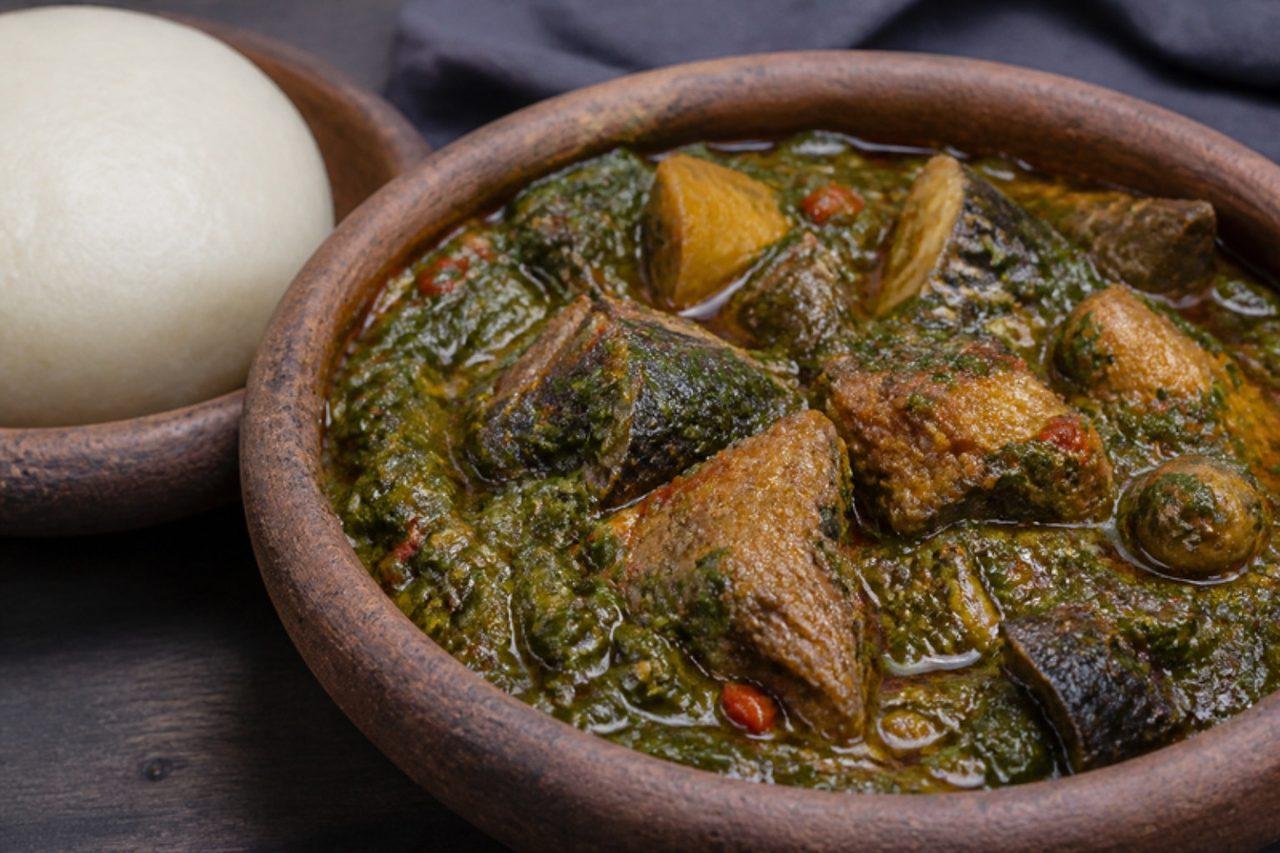
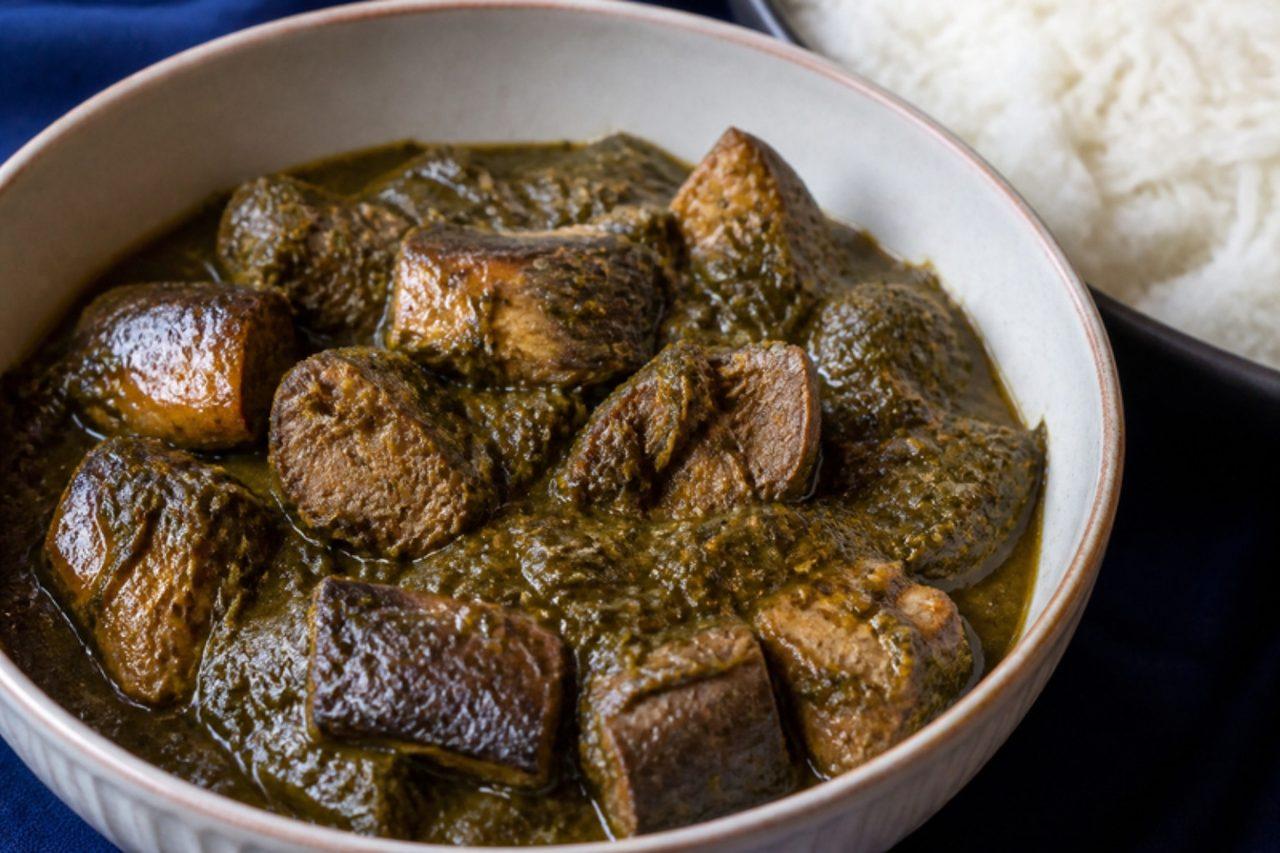
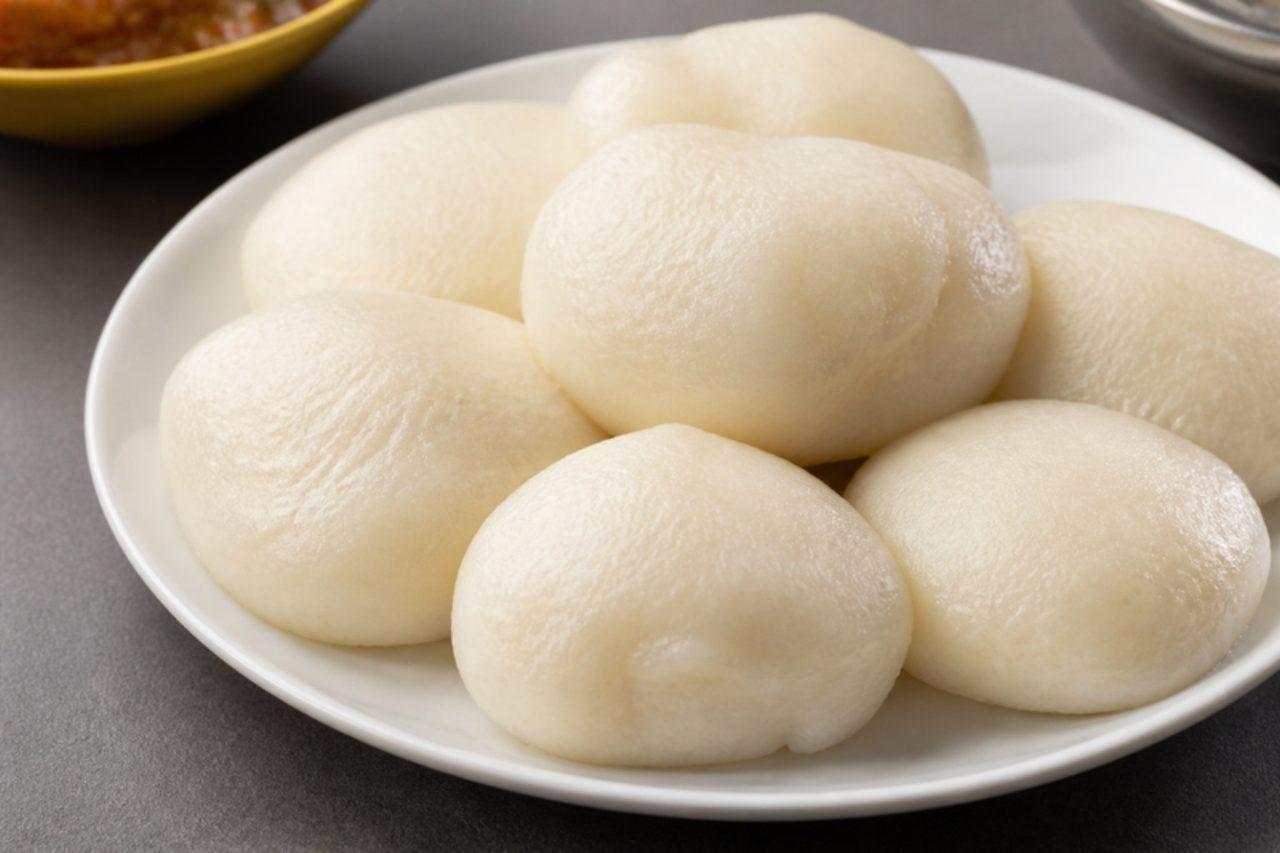
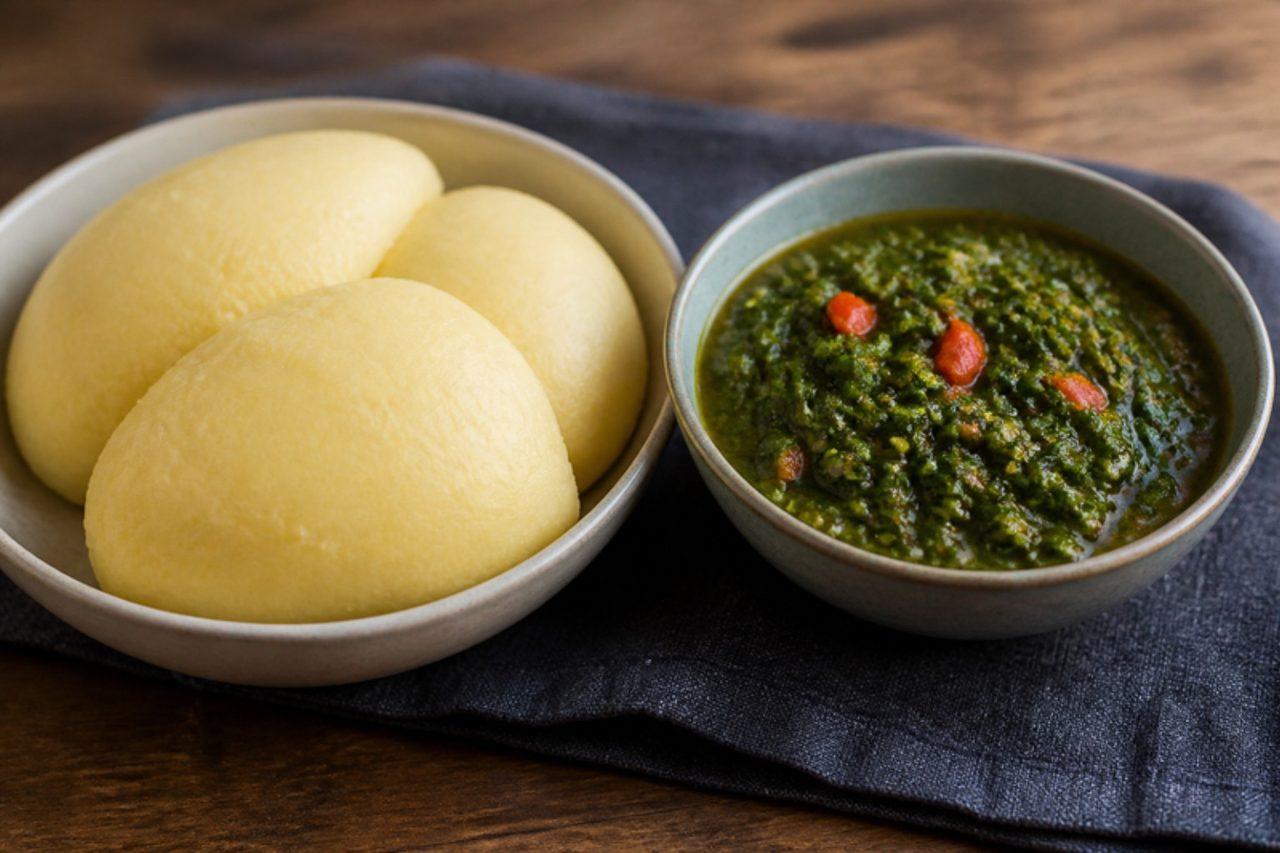
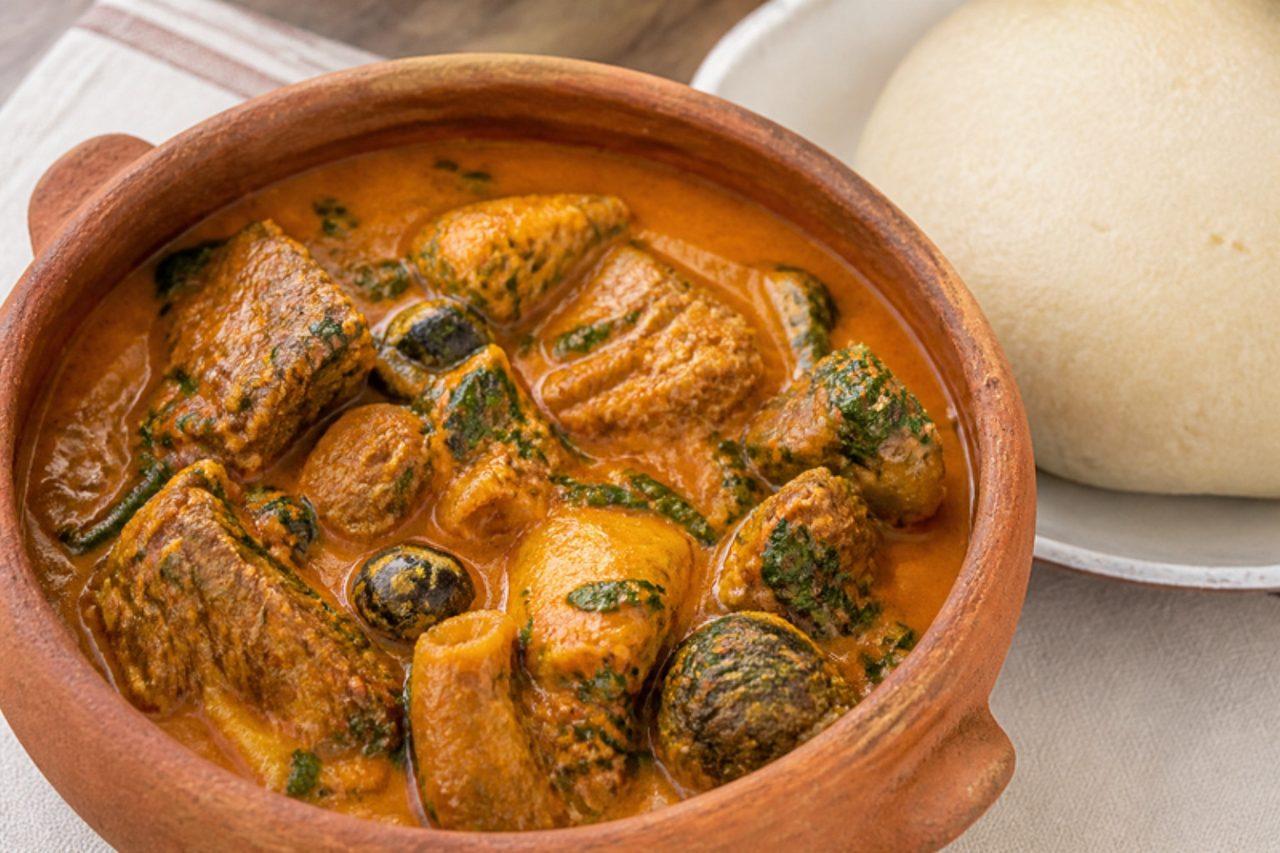
Ask anyone from Calabar or Uyo what to serve a guest and afang will come up first. Finely shredded afang leaves, chewy and a little nutty, are cooked down with a mountain of waterleaf, palm oil, beef, cow skin, stockfish and periwinkles, and the waterleaf gives off all the liquid the soup needs. It is thick, dark green and deeply savoury, and it goes with pounded yam, fufu or eba. Outside Nigeria, frozen ground afang (also sold as okazi) and spinach stand in well. Periwinkles must be bought cleaned from a reputable seller; discard any with cracked shells or an off smell. Chef's tip: never add water to afang; if it looks dry, cover the pot for a minute and the waterleaf will release more.

by KrazyBadal 0 views

Jamaican coconut dropsGinger coconut clusters

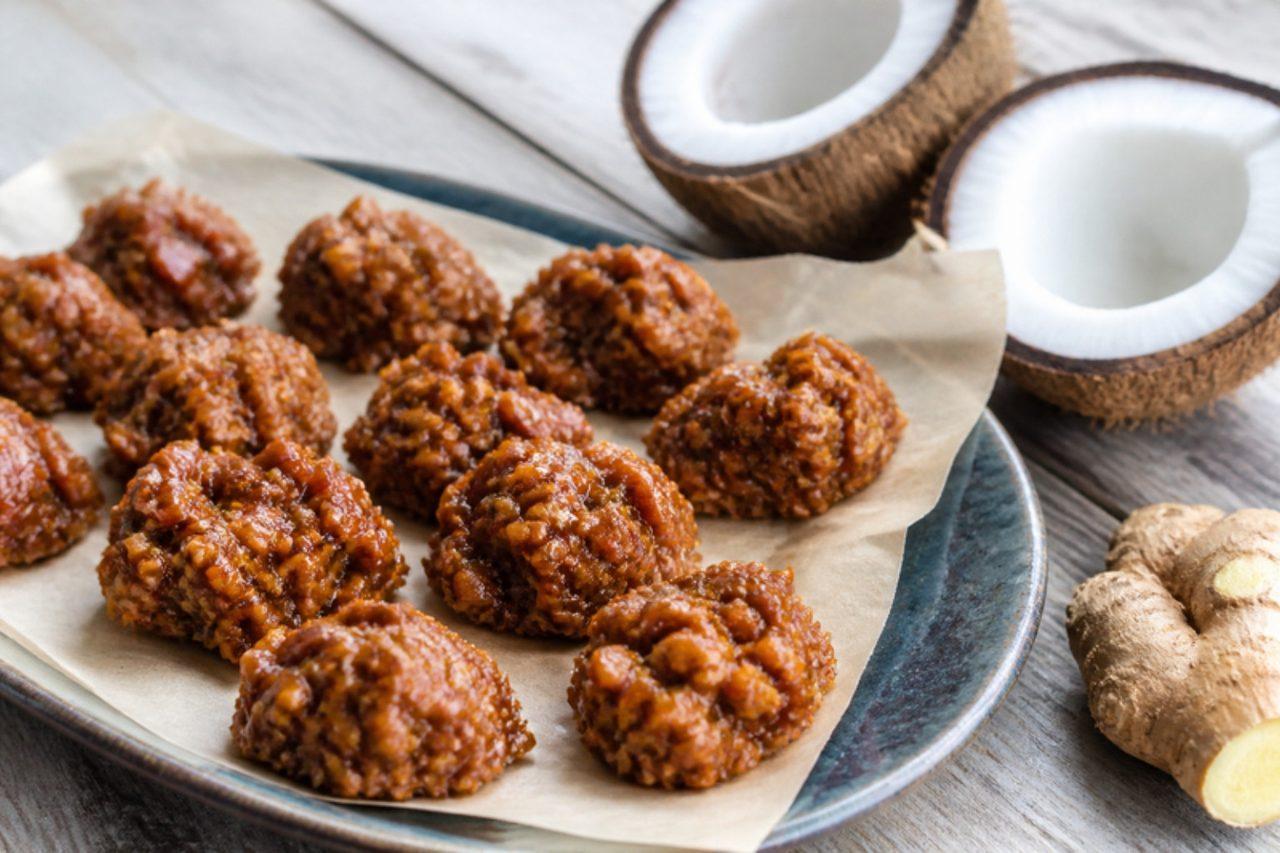
Coconut drops are the lumpy brown clusters sold beside grater cake at Jamaican roadside stalls and markets from Ocho Rios to Mandeville, made with coconut cut into small dice rather than grated, so every bite is chewy. Brown sugar and fresh ginger boil down around the coconut into a sticky, toffee-like glaze. The most common mistake is stopping before the syrup is thick enough, which leaves the drops wet and runny; it must coat the spoon heavily. Chef's tip: dice the coconut very small and even, about 5 mm, so the drops hold together.

by KrazyBadal 0 views

Asa tibsFried tilapia pieces

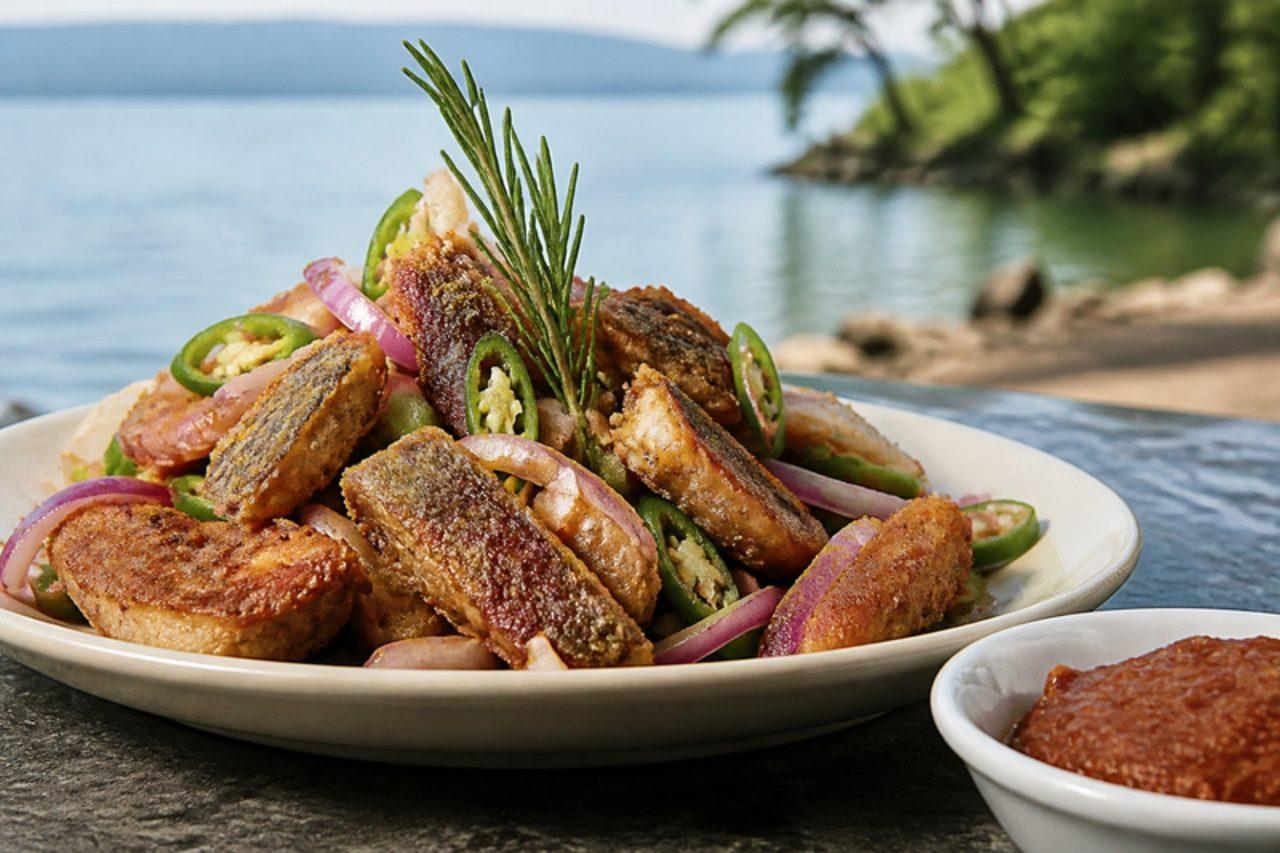
Down by the fish market on the shore of Lake Hawassa, cooks fry tilapia straight from the boats and serve it with injera, bread and a fiery dip, and asa tibs is the version you can easily make at home. Bite-sized pieces of fillet are dusted, fried until crisp and golden, then tossed briefly with soft onion, green chilli and a spoon of awaze, so the fish is crunchy outside, flaky and sweet inside, and coated in a spicy glaze. It is a favourite on fasting days for people who eat fish, and quick enough for a weeknight. Chef's tip: leave each piece undisturbed until it releases from the pan by itself; moving fish too early is the common mistake, and it tears the coating and breaks the flesh.

by KrazyBadal 0 views

BallokumeCornmeal butter cookies

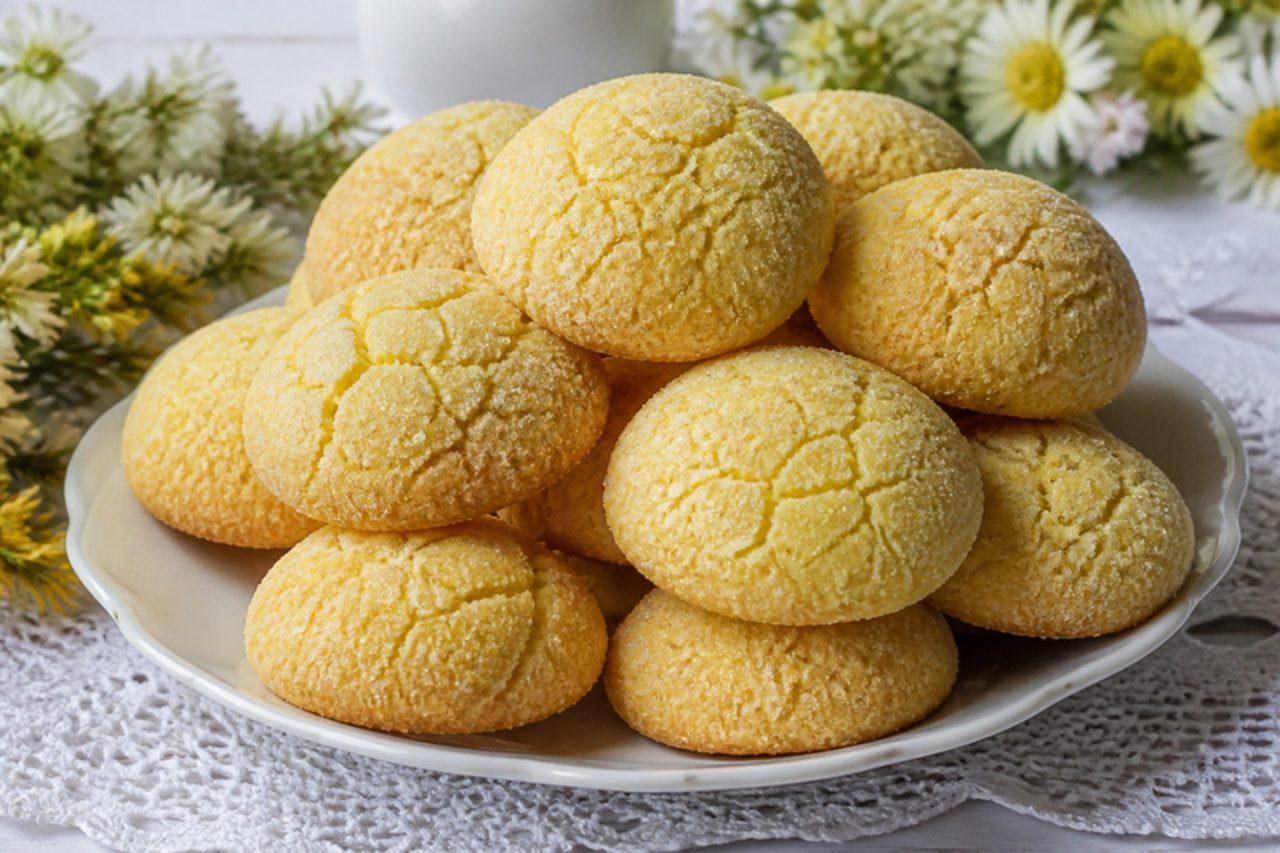
Every 14 March, Elbasan in central Albania celebrates Dita e Verës, Summer Day, an old spring festival that is now a national holiday, and the whole town smells of ballokume. These pale golden cookies are made from cornmeal, lots of butter, sugar and eggs, beaten until almost fluffy, then baked into little domes that crack on top and melt into sandy, buttery crumbs. Families give plates of them to neighbours and children nibble them alongside the red-and-white spring bracelets called verore; they are lovely with tea or Turkish-style coffee. This version is gluten free, made with fine cornmeal and cornflour, so check both packets carry a gluten-free label. Under-beating is the classic error: the butter and sugar need a full ten minutes until almost white, or the cookies bake dense and greasy. Chef's tip: chill the shaped cookies for 15 minutes before baking so they keep their dome.

by KrazyBadal 0 views

Jamaican Easter bunSpiced Easter loaf

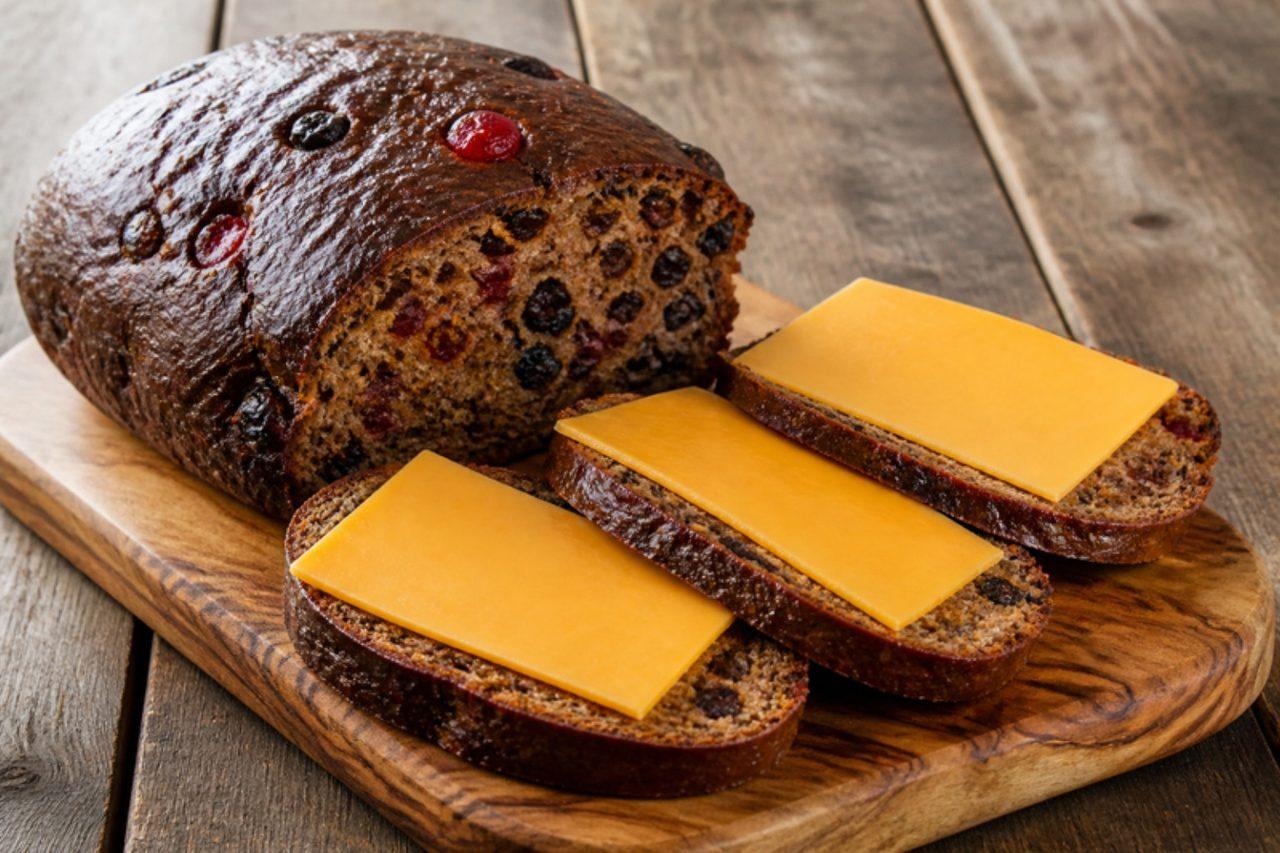
Every Good Friday, Jamaicans from Kingston to London buy or bake a dark, glossy spiced bun to slice and eat with processed cheese, a tradition that grew out of the British hot cross bun. This quick-bread version is moist and dense with dried fruit, molasses and warm spice; it traditionally uses stout, which contains alcohol, so for an alcohol-free bun use the same amount of malt drink. The commonest mistake is slicing the bun warm, when it is still sticky and crumbles; it needs a day to firm and mellow. Chef's tip: brush the hot loaf with a honey or sugar syrup glaze straight from the oven for the shiny top.

by KrazyBadal 0 views

Jamaican fried dumplingsFried flour dumplings

A Jamaican Sunday breakfast plate nearly always has fried dumplings on it, golden rounds with a crisp shell and a soft, slightly chewy centre, served beside ackee and saltfish, callaloo, or simply split with butter and a cup of cocoa tea. Many families still call them johnny cakes. The dough is just flour, a little baking powder, salt and water, and the mistake people make is overworking it, which gives tough, heavy dumplings; knead only until smooth. Fry them over medium heat, not high, so the middle cooks before the outside browns. Chef's tip: press a thumb into the centre of each ball before frying, which helps it cook evenly and stops it puffing into a hollow ball.

by KrazyBadal 0 views

Jaffna curry powderRoasted chilli curry powder

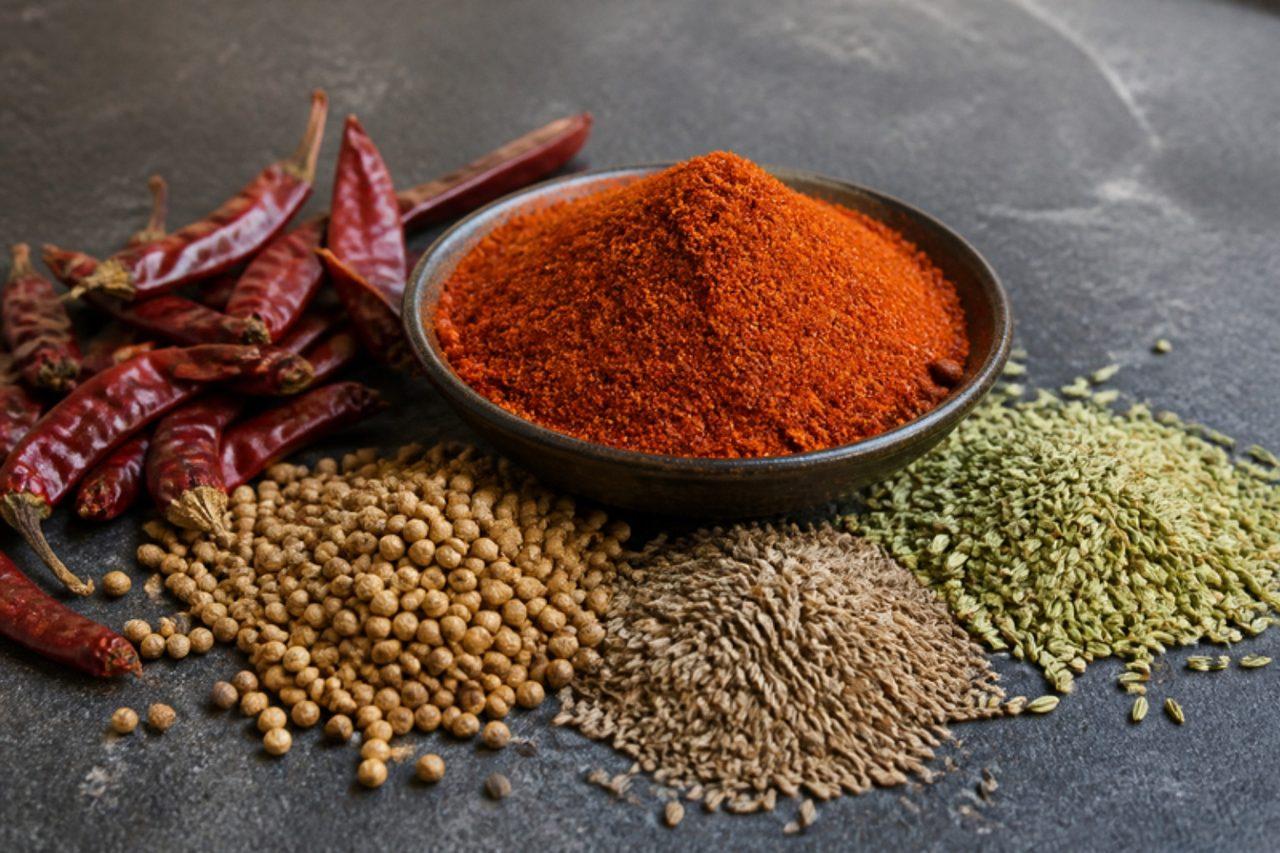
Jaffna families once made their year's supply of curry powder in one go, drying the spices on mats in the hard northern sun before carrying them to the local mill, and many Tamil households abroad still have a jar sent from home. It is far hotter and redder than the dark roasted curry powder of the Sinhala south, built on a big weight of dried red chillies with coriander, cumin, fennel, black pepper and a little fenugreek, plus crisp curry leaves and turmeric. This is what gives Jaffna crab curry, aubergine kulambu and odiyal kool their brick-red colour and their kick. Grinding the spices while they are still warm is the common error; the steam makes the powder clump and spoil quickly, so let everything cool on a plate first. Chef's tip: roast each spice separately, because the chillies and coriander need several minutes but fenugreek burns and goes bitter in under one.

by KrazyBadal 0 views

Jamaican bullaMolasses ginger spice cakes

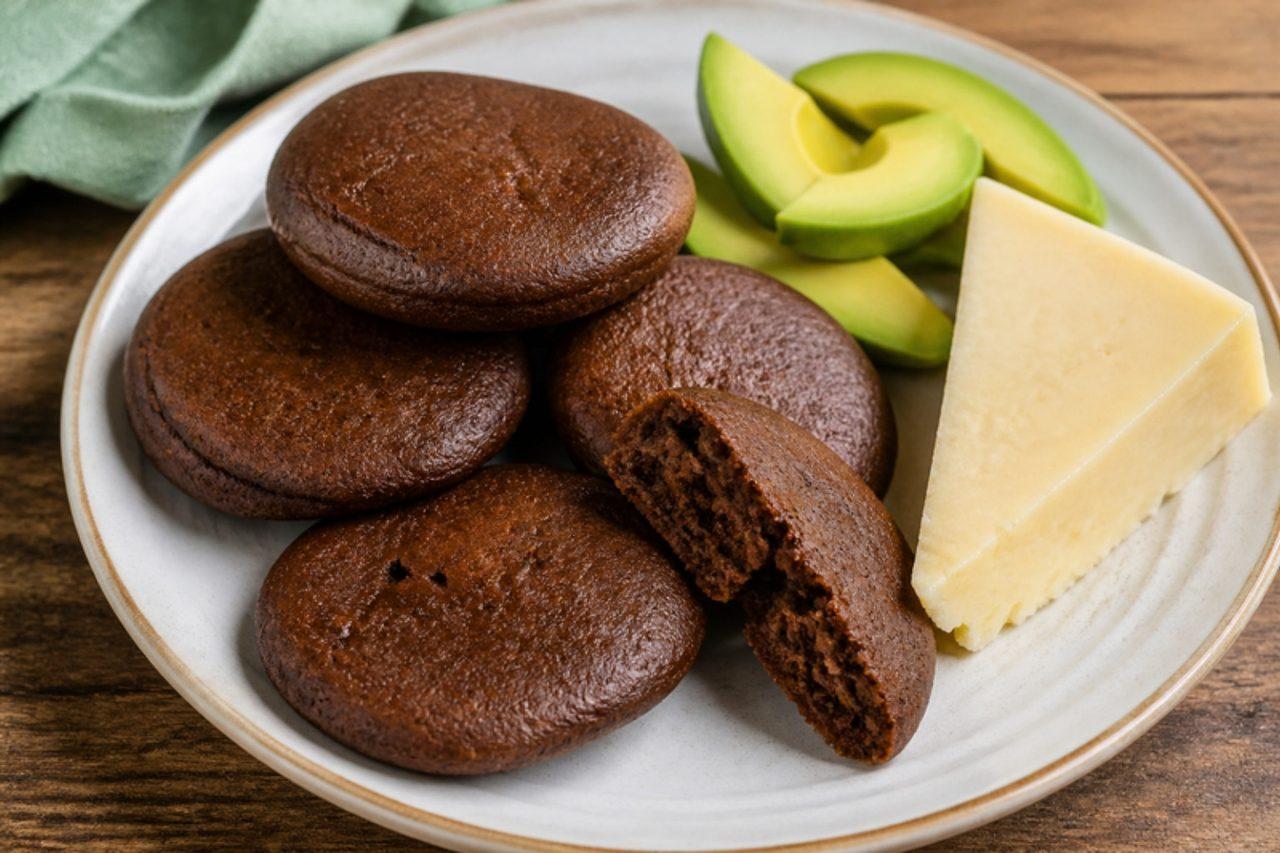
Wrapped in paper at every Jamaican corner shop and school tuck shop, bulla is the cheap, dense little round cake that children take for lunch and grown-ups eat with a slice of cheese or ripe avocado. It is dark with molasses and brown sugar, warm with ginger and nutmeg, and has a slightly chewy crumb rather than a light sponge. This version uses oil, so it is vegan. The common mistake is overworking the dough, which makes bulla tough; mix only until the flour disappears. Chef's tip: leave the baked bulla in a tin overnight; the crumb softens and the spice deepens by the next day.

by KrazyBadal 0 views

PlacaliSoured cassava swallow

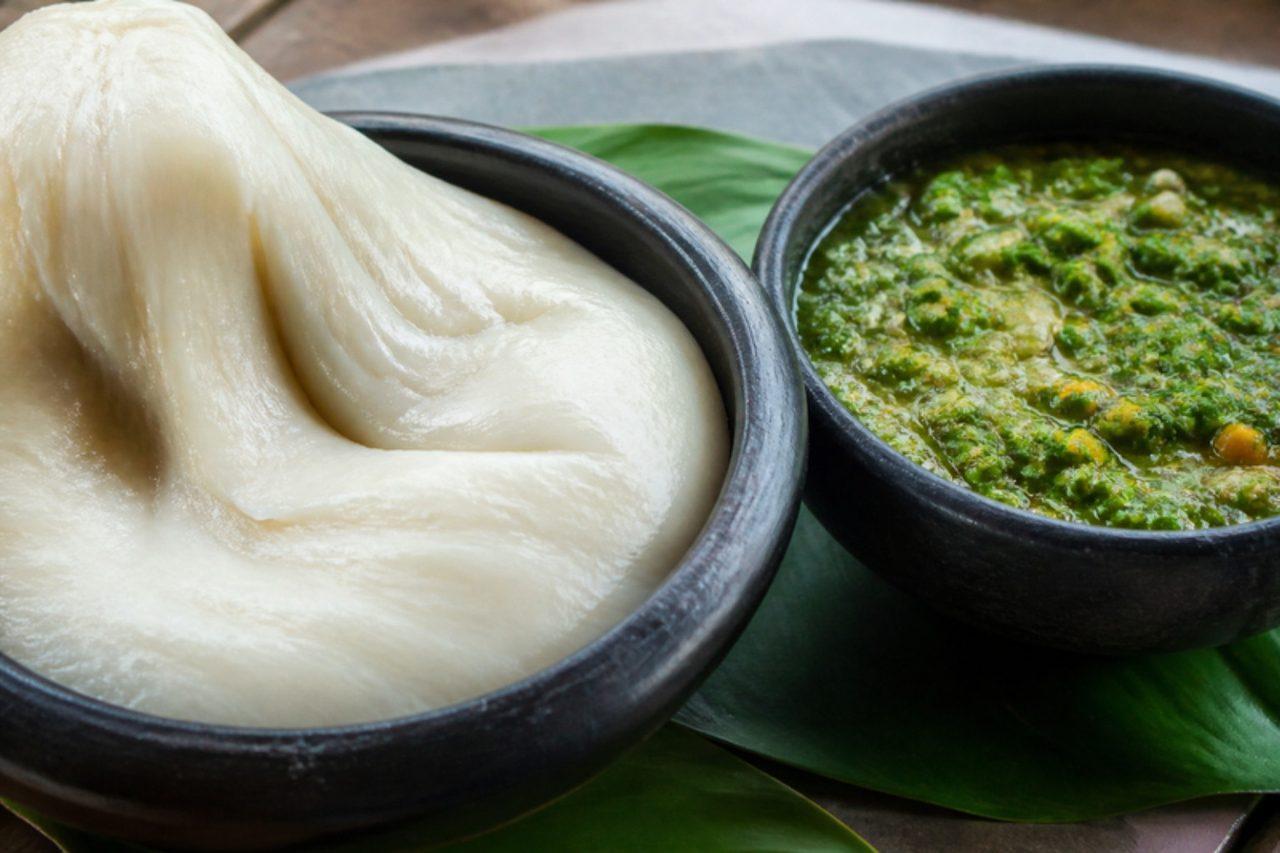
Abidjan's maquis serve placali in shining grey mounds next to bowls of sauce kopé, the okra sauce that slides off the spoon, and many Ivorians from the lagoon and southern forest regions eat it several times a week. It is made from soured cassava dough dissolved in water, strained and cooked while beaten hard until it becomes a translucent, sticky, stretchy paste. The taste is mildly sour and the texture smooth and elastic, meant to be swallowed rather than chewed. Pair it with okra, palm-nut or leaf sauces. Don't stop stirring once the dough thickens, or raw lumps hide in the swallow. Chef's tip: wet your hands and the serving bowl before shaping, otherwise placali clings to everything it touches.

by KrazyBadal 0 views

Sauce djoumgbléDried okra sauce with smoked fish

Baoulé cooks in central Côte d'Ivoire dry okra in the sun during the harvest, then grind it into the dark green powder that makes sauce djoumgblé. Stirred into a beef and tomato stew with flaked smoked fish, it thickens the pot into a deep brown, slippery sauce with an earthy, smoky flavour quite different from fresh okra soup. It is the classic partner for foutou banane or placali in Bouaké and in Abidjan's maquis, where each mouthful of starch is pulled through the sauce. Look for the powder as dried or ground okra in African grocers. Chef's tip: whisk the okra powder into cold water before it goes into the pot; scattered straight into hot sauce, it forms lumps that never break down.

by KrazyBadal 0 views

AttoukpouSteamed fermented cassava balls

Along the lagoons east and west of Abidjan, Ebrié and Attié cooks turn soured cassava dough into attoukpou, a soft steamed paste that is gentler and less stretchy than placali. The crumbled dough is steamed until it turns translucent, then pounded with a little hot water into smooth, pillowy balls with a light sourness. It is served at home and at village gatherings with palm-nut sauce, a light pepper soup or aubergine sauce, and it soaks up gravy beautifully. Ready-made fermented cassava dough from an African grocer saves days of work. Avoid packing the dough tightly into the steamer; it needs space for the steam to move through. Chef's tip: crumble the dough very finely before steaming; big lumps stay chalky in the middle however long they cook.

by KrazyBadal 0 views

KholodetsMeat jelly

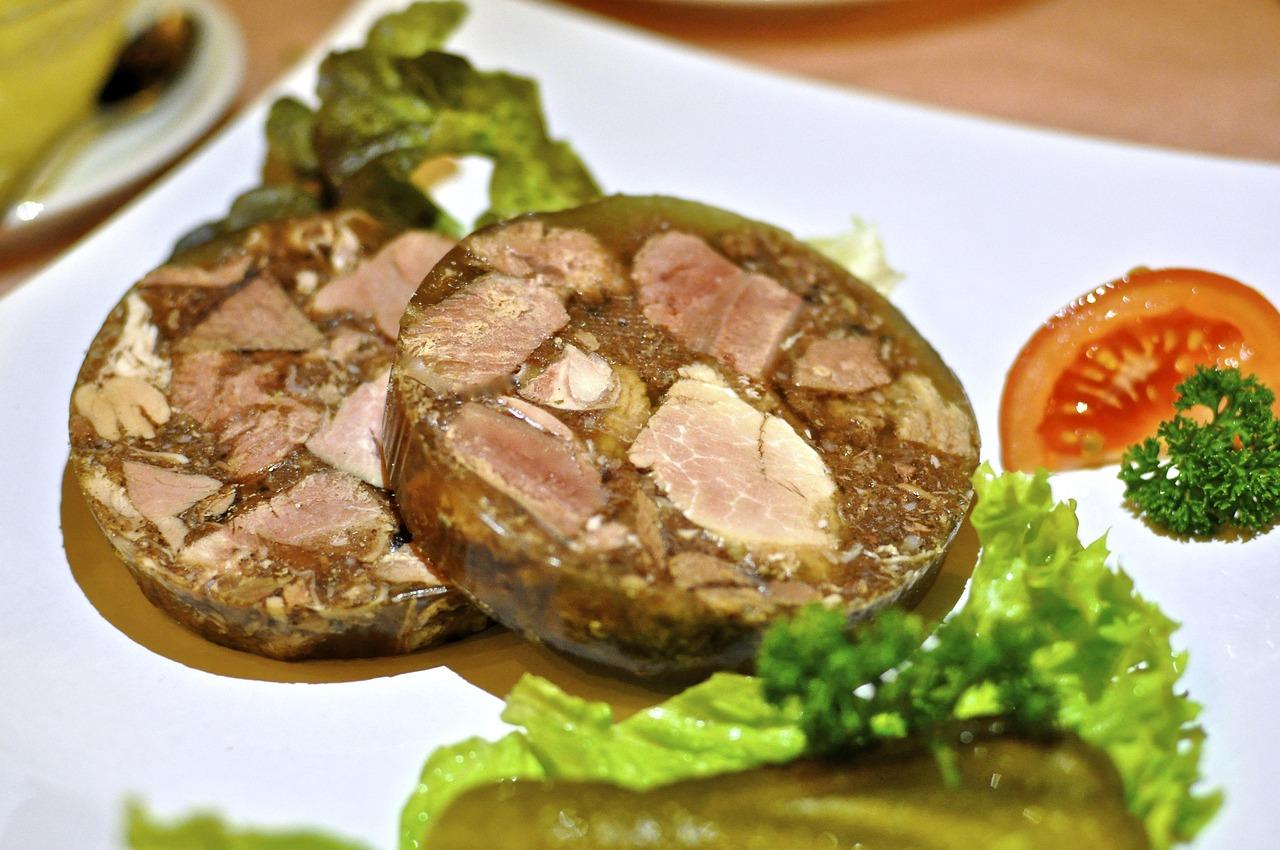
Kholodets is winter food, made in big batches before New Year and Orthodox Christmas when the cold balcony doubles as a fridge. Pork trotters and beef shin are simmered for hours until the broth is rich enough to set on its own, no added setting agent; the meat is shredded, layered with garlic and covered with the strained stock to set into a trembling, clear jelly. It is eaten cold, cut into squares, with sharp horseradish and mustard and hot boiled potatoes. This dish uses pork (trotters and knuckle) as well as beef. Where most people go wrong is letting the pot boil hard, which makes the jelly cloudy and greasy. Chef's tip: spoon a little broth onto a cold saucer after 5 hours; if it sets firm in the fridge in 15 minutes, the stock is ready.

480 minRussianMeatGluten free
by KrazyBadal 0 views

Khobz mellaEmber-baked bread

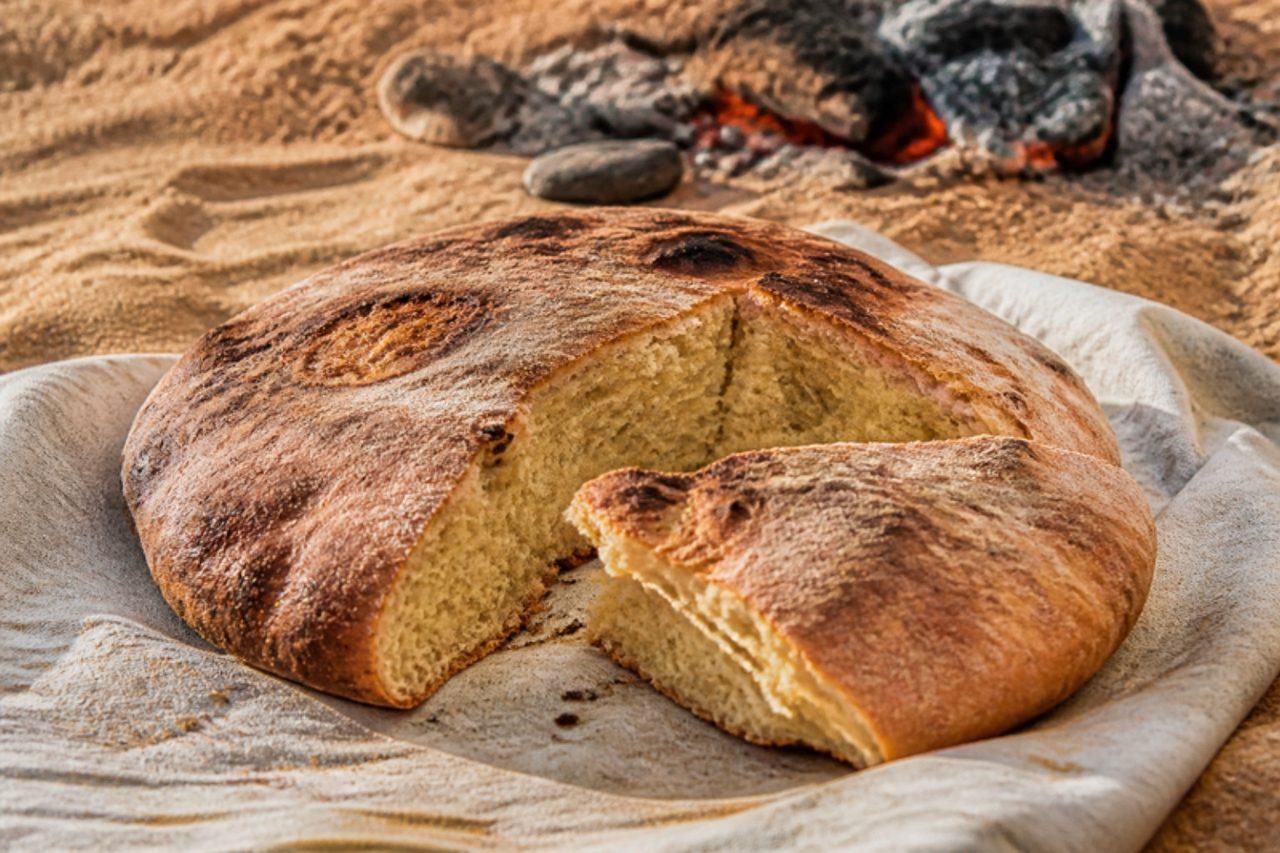
Around Douz, on the edge of the Tunisian Sahara, nomadic herders bake khobz mella by digging a hollow in sand heated under a fire, laying in a thick round of dough and burying it under more hot sand and embers. Brushed off and broken up, the crusty, smoky bread is crumbled into a tomato, pepper and onion stew to make mella, or eaten with olive oil and dates. Visitors to desert camps watch it being made by firelight. At home, a pizza stone or an upturned heavy tray in a very hot oven gives a similar chewy loaf with a thick crust; a charcoal barbecue gets you close to the smoky flavour. Chef's tip: dock the dough well with a fork; without it the round puffs up into a hollow ball and the crust cracks.

by KrazyBadal 0 views

KabatoCornmeal swallow with lemon

From Korhogo and Odienné down to Bouaké, households in northern and central Côte d'Ivoire eat kabato almost daily: a swallow of maize meal cooked with a squeeze of lemon. The acid gives the paste a faint tang and a firmer, cleaner bite than plain cornmeal. It is eaten warm with okra sauce, groundnut sauce or a sauce of pounded leaves, pinched off by hand and dragged through the bowl. A common slip is adding the cornmeal too fast, which makes lumps; rain it in while stirring. Chef's tip: whisk the lemony cornmeal slurry into the boiling water before adding the rest of the meal; starting with a thin porridge is what keeps kabato lump-free.

by KrazyBadal 0 views

Sauce gouagouassouAubergine and smoked fish sauce

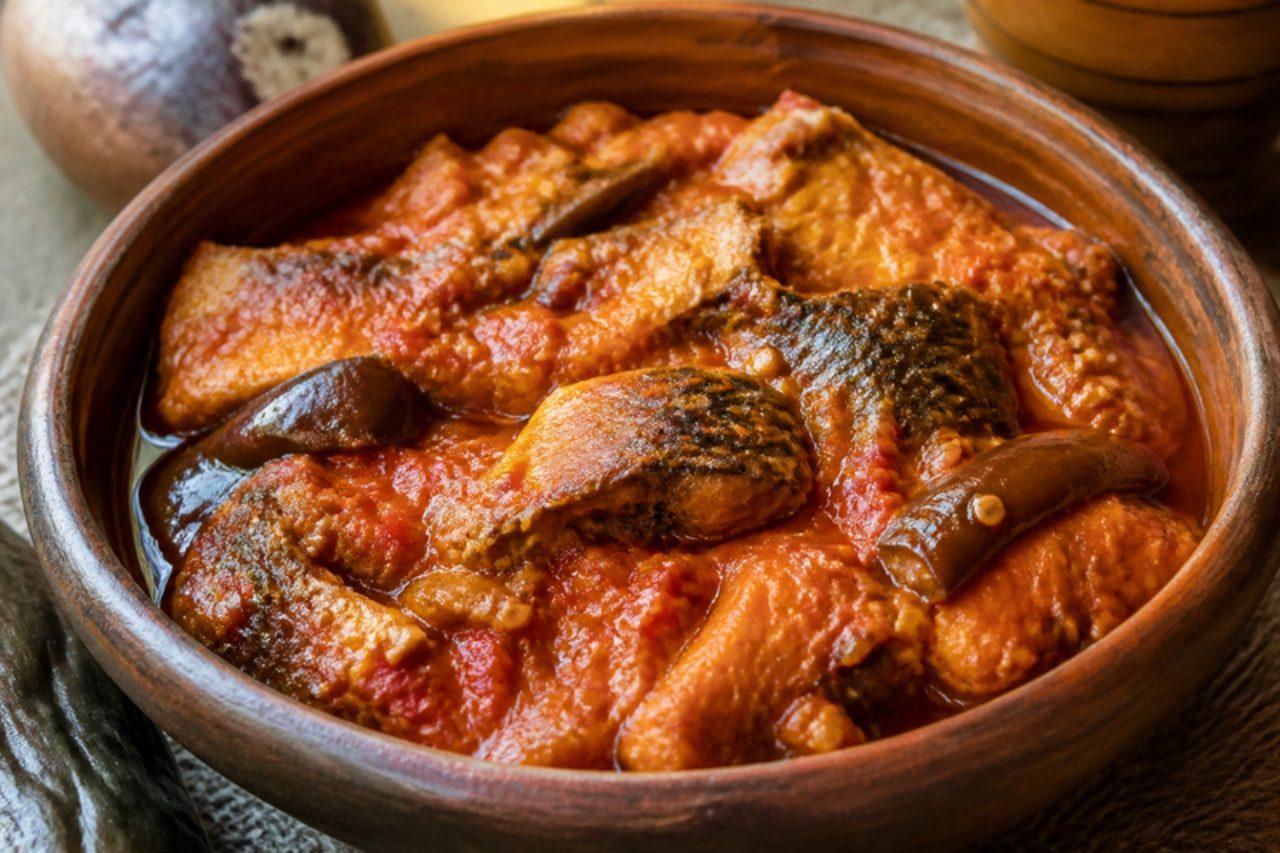
Bété country around Gagnoa and Daloa in western Côte d'Ivoire is known for sauces with plenty of chilli, and gouagouassou is one of the most loved: tomatoes, garden eggs and hot peppers boiled whole, then crushed by hand in a mortar and simmered with smoked fish. There is little or no oil, so the sauce tastes fresh, smoky and bright, with real heat and a rough, rustic texture. Spoon it over white rice or eat it with foutou at a weekday lunch. Use fewer chillies if you prefer, but keep at least one for the character. Chef's tip: soak the smoked fish in hot water for ten minutes first; it softens, rinses off ash and grit, and gives its flavour to the sauce more quickly.

by KrazyBadal 0 views

Jamaican coco breadCoconut milk bread rolls

Every patty shop in Kingston keeps a stack of coco bread by the till, because the classic lunch is a hot beef or vegetable patty tucked inside one of these soft, buttery folds. The rolls are rich with coconut milk and brushed with melted butter before folding, so they pull apart into two neat halves after baking. The common mistake is baking them too long; they should be pale golden and pillowy, not crusty. Allow about 1 hour 30 minutes of rising on top of the working time. Chef's tip: brush the tops with more butter the moment they leave the oven and cover them with a cloth, which keeps the crust soft.

by KrazyBadal 0 views

Jamaican grater cakeCoconut sugar squares

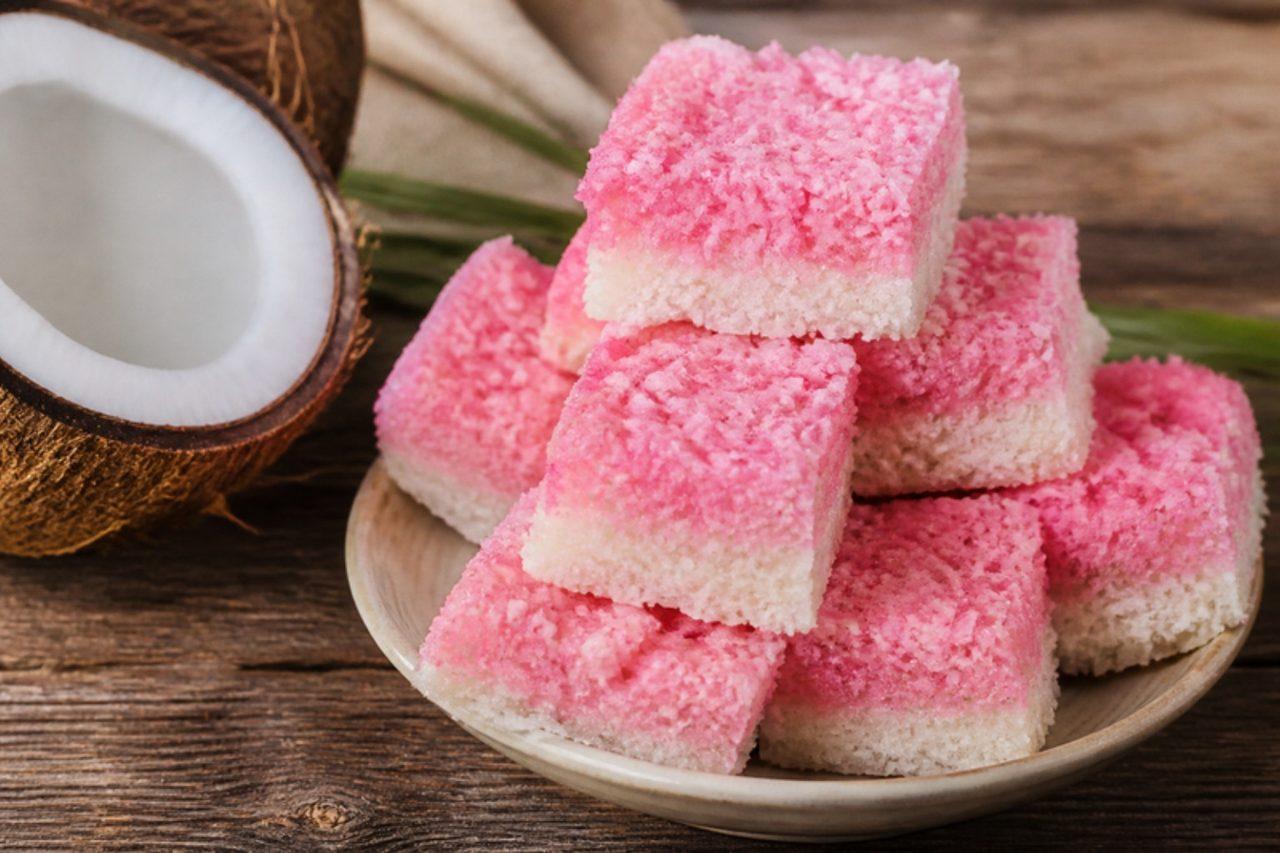
Grater cake is the pink-topped coconut sweet sold in glass cases by higglers at Jamaican bus parks and on school gates, named for the hand grater that shreds the coconut. It is chewy and very sweet, with the fresh, milky taste of coconut and a breath of ginger, and the classic look is a white layer under a pink one. The mistake most people make is taking the pan off too soon: undercooked syrup never sets and the squares slump. Chef's tip: test a little on a cold saucer; if it holds a soft ball when pushed together after a minute, it is ready.

by KrazyBadal 0 views

Isso curryPrawn coconut curry

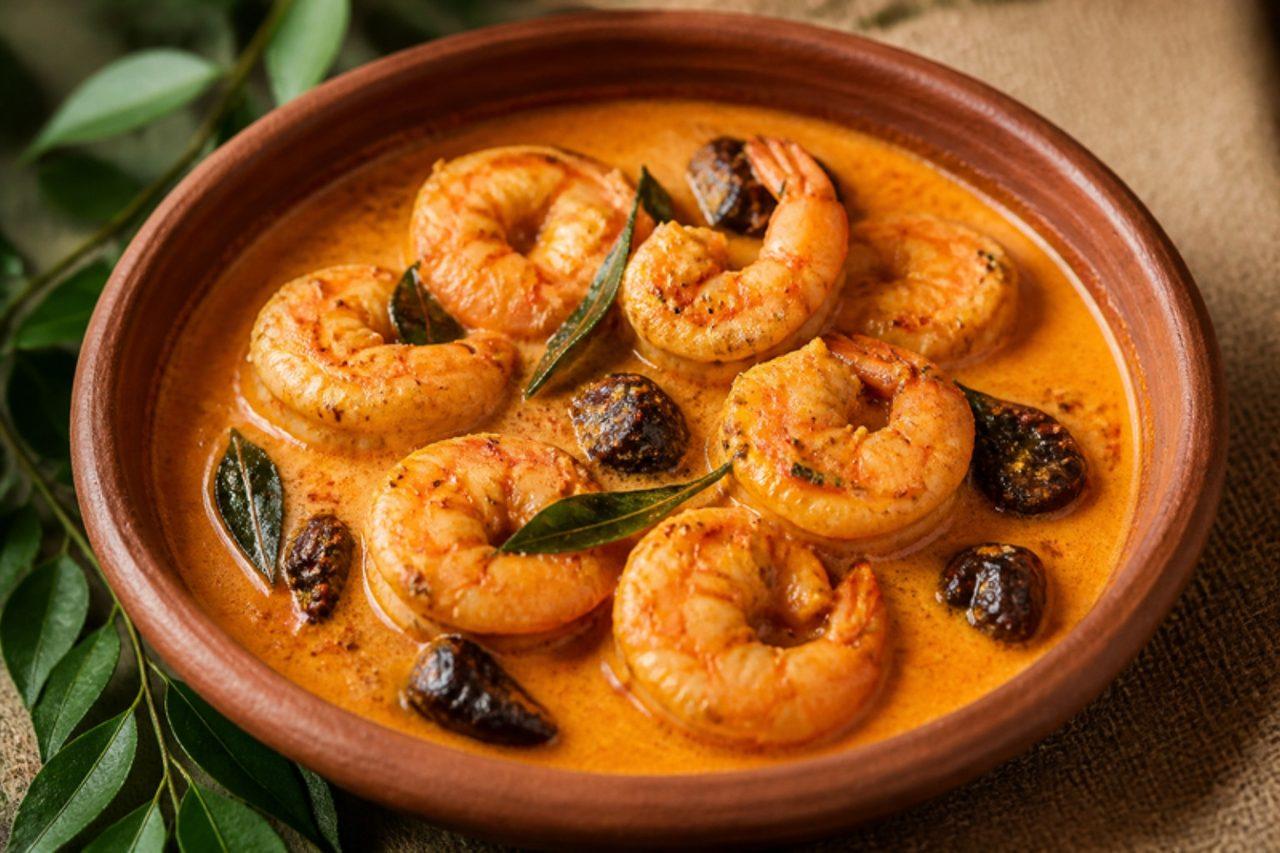
Fishing boats come into Mirissa, Weligama and the harbour below Galle Fort every morning, and southern cooks turn their prawns into a curry that is quick, hot and gently sour. Goraka, the dried fruit of a garcinia tree, is soaked and ground into the gravy, and it gives a fruity tang that suits seafood far better than lime. Thin coconut milk carries the spices first, then a splash of thick milk at the end makes the sauce silky and pale orange, and the prawns go in only for the last few minutes. It is served with steamed white rice, a beetroot or snake-gourd curry and a crunchy sambol. Beginners tend to add the prawns too early and let them stew, which leaves them tough and shrunken. Chef's tip: leave the tails on and cook the prawns just until they curl into a loose C; a tight O means overdone.

by KrazyBadal 0 views

ManeštraBean, corn and potato soup

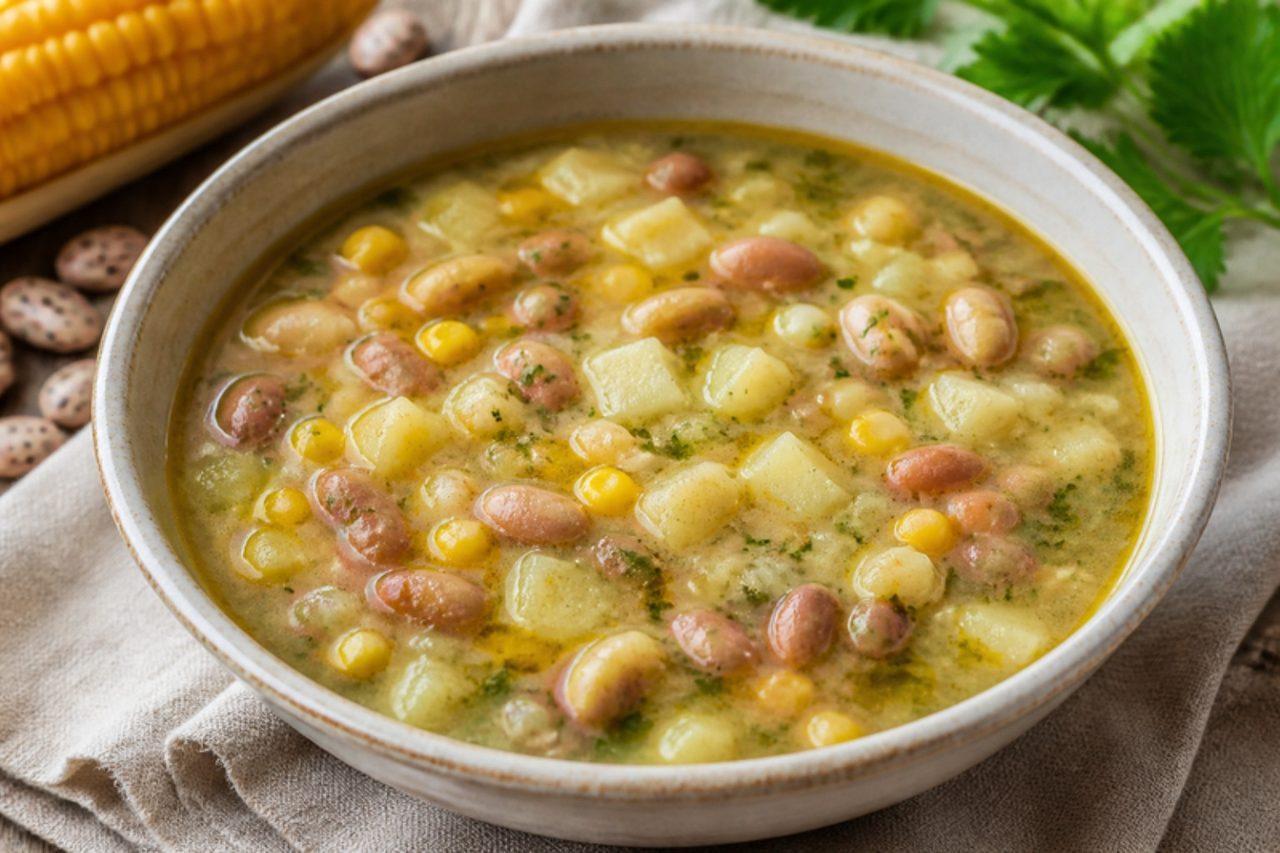
Farm kitchens across Istria, in north-west Croatia, keep a pot of maneštra on the stove through the cold months, a soup so thick a spoon nearly stands in it. Beans, sweetcorn and potatoes are its heart; in the villages it is usually cooked with smoked pork ribs or bacon, but this version is meat-free, with smoked paprika and a garlicky parsley and olive oil paste (an olive oil twist on the traditional pešt) to give it depth. Expect a sweet, earthy, creamy soup with soft corn kernels and herby green flecks; eat it with crusty bread and a drizzle of Istrian olive oil. The beans must soak overnight before you begin. A common mistake is serving it thin and brothy, so mash some of the potato against the side of the pot near the end. Chef's tip: maneštra is better the next day; loosen it with a little hot water when you reheat.

120 minBalkanSoupsVegan
by KrazyBadal 0 views

AchmaLayered cheese pie

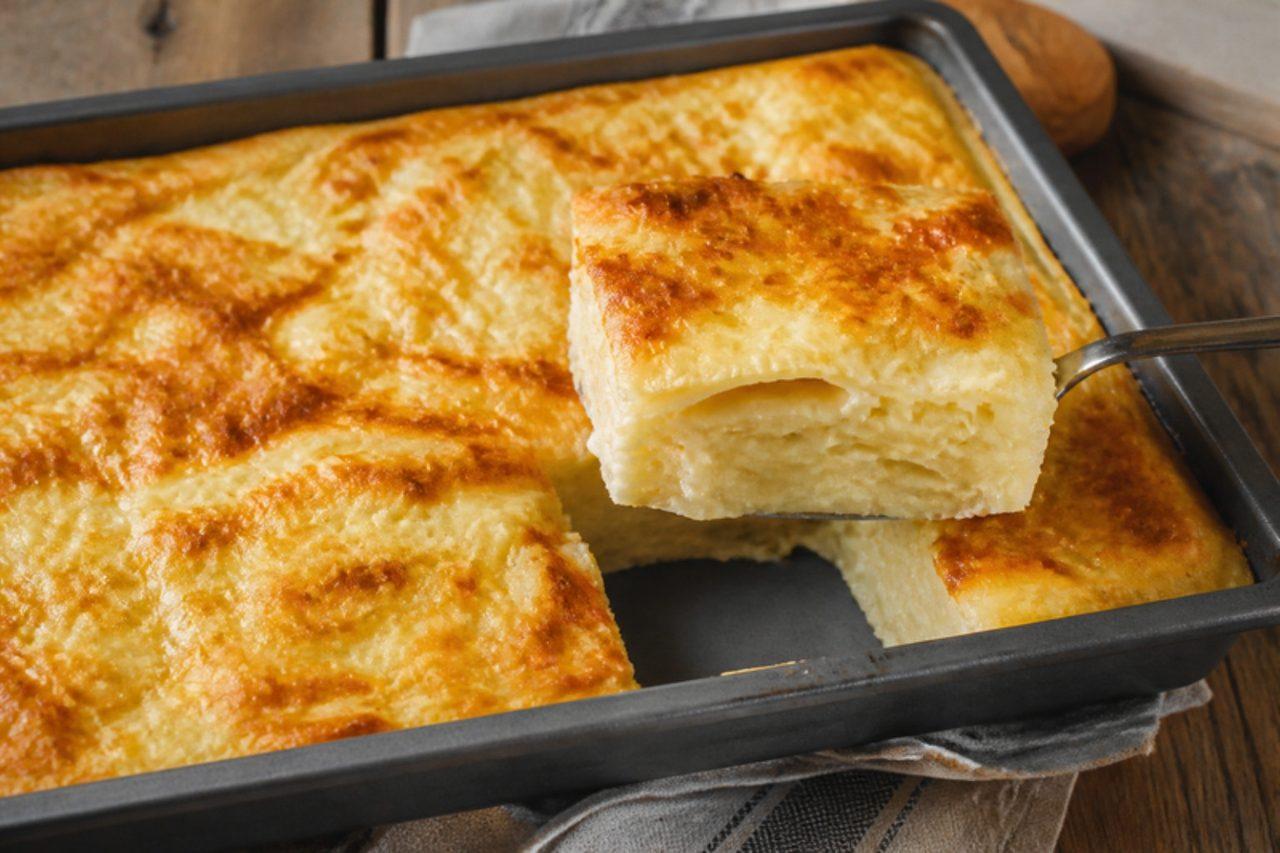
Ask in Batumi and someone will call achma the Georgian lasagne: thin sheets of egg dough are boiled one by one, layered in a deep tray with salty cheese and a lot of butter, and baked until the top crackles and the inside is soft and molten. It is made for name days and holidays across Adjara, and slices are carried to neighbours on a plate. A common mistake is boiling the sheets too long; they should be barely cooked and still firm, or the layers merge into a heavy paste. Chef's tip: plunge every boiled sheet into iced water and lay it out on a towel, so the layers stay distinct and silky. Most sulguni and imeruli cheeses use animal rennet, so choose vegetarian versions.

by KrazyBadal 0 views

Asopao de polloSoupy chicken and rice

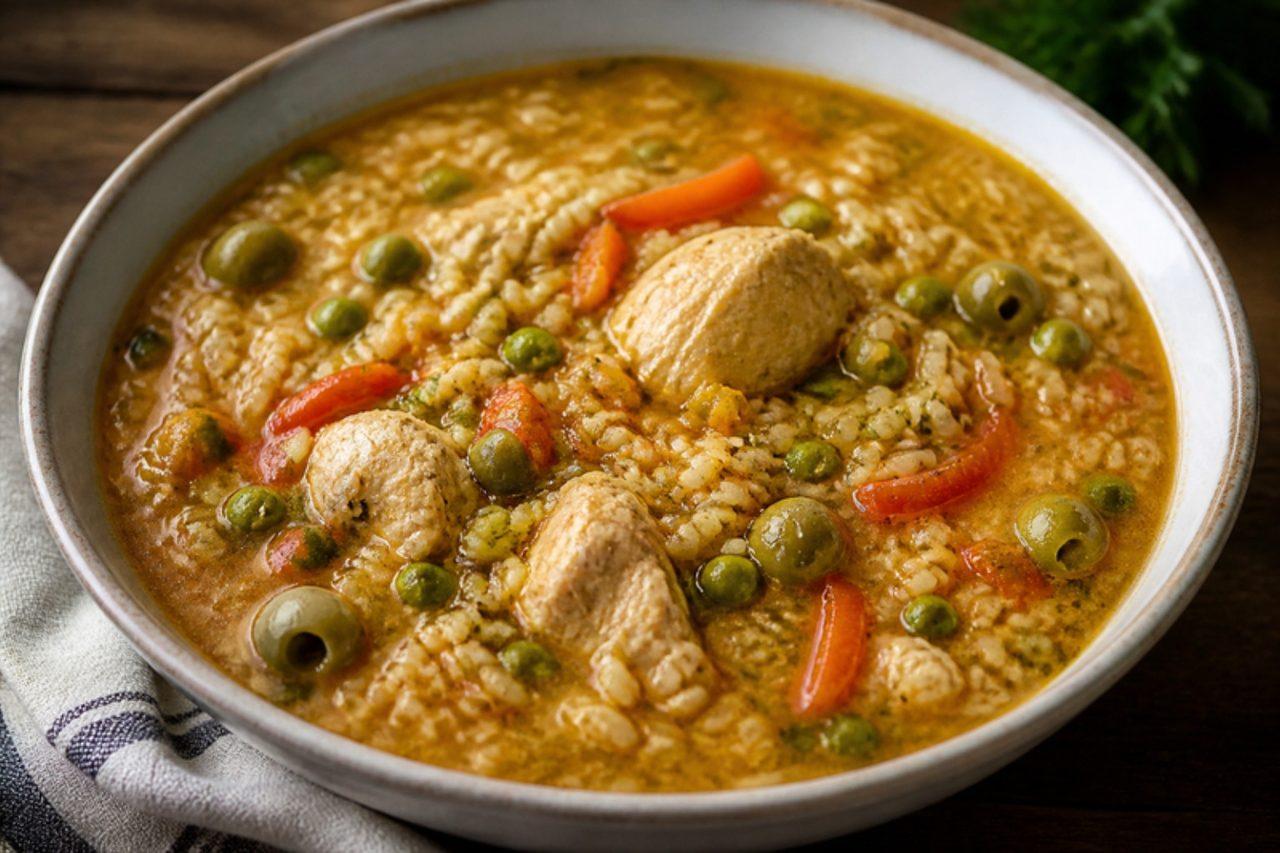
Somewhere between a soup and a risotto, asopao is the pot Puerto Rican mothers put on for a rainy Sunday, a cold, or a hangover after a long party night, and it is spooned straight from deep bowls with tostones on the side. Bone-in chicken is seasoned with garlic, oregano and lime, simmered in a sofrito broth, then rice goes in until the whole pot turns thick and brothy, finished with olives, capers, peas and strips of roasted pepper. The common mistake is making it ahead: the rice keeps drinking the broth and turns stodgy, so cook it just before eating, or keep extra stock to loosen leftovers. Chef's tip: take the pot off the heat while the rice is still a touch firm; it carries on cooking in the bowl.

by KrazyBadal 0 views

Achar goshtPickle-spiced mutton curry

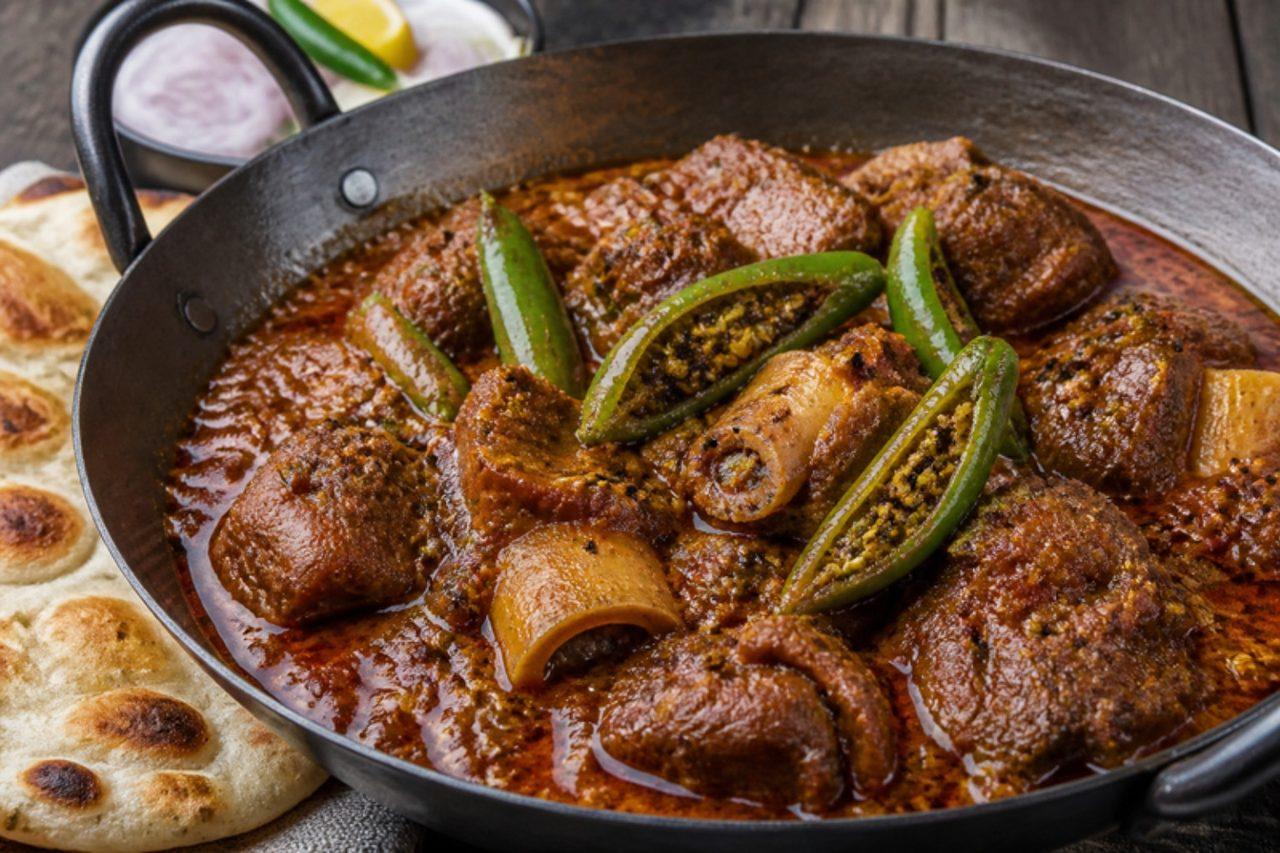
Sour, hot and pungent, achar gosht borrows its whole flavour from a jar of pickle: fennel, nigella, fenugreek, mustard seed and cumin fried in mustard oil, with lemon and long green chillies stuffed with the same spices. It belongs to the Urdu-speaking kitchens of Karachi and Hyderabad, where it is made for dinner guests and shared at office lunches, and it is eaten with naan or tandoori roti, never with a delicate pulao. The gravy is thick and clings to the meat, glistening with oil. The step people rush is roasting the pickling spices; they must be toasted and coarsely crushed, not used whole, or the curry tastes raw and seedy. Chef's tip: mustard oil gives the true pickle tang; heat it until it smokes, then let it cool for a minute before adding anything, so it loses its harsh edge.

by KrazyBadal 0 views

BalanguGrilled spiced mutton

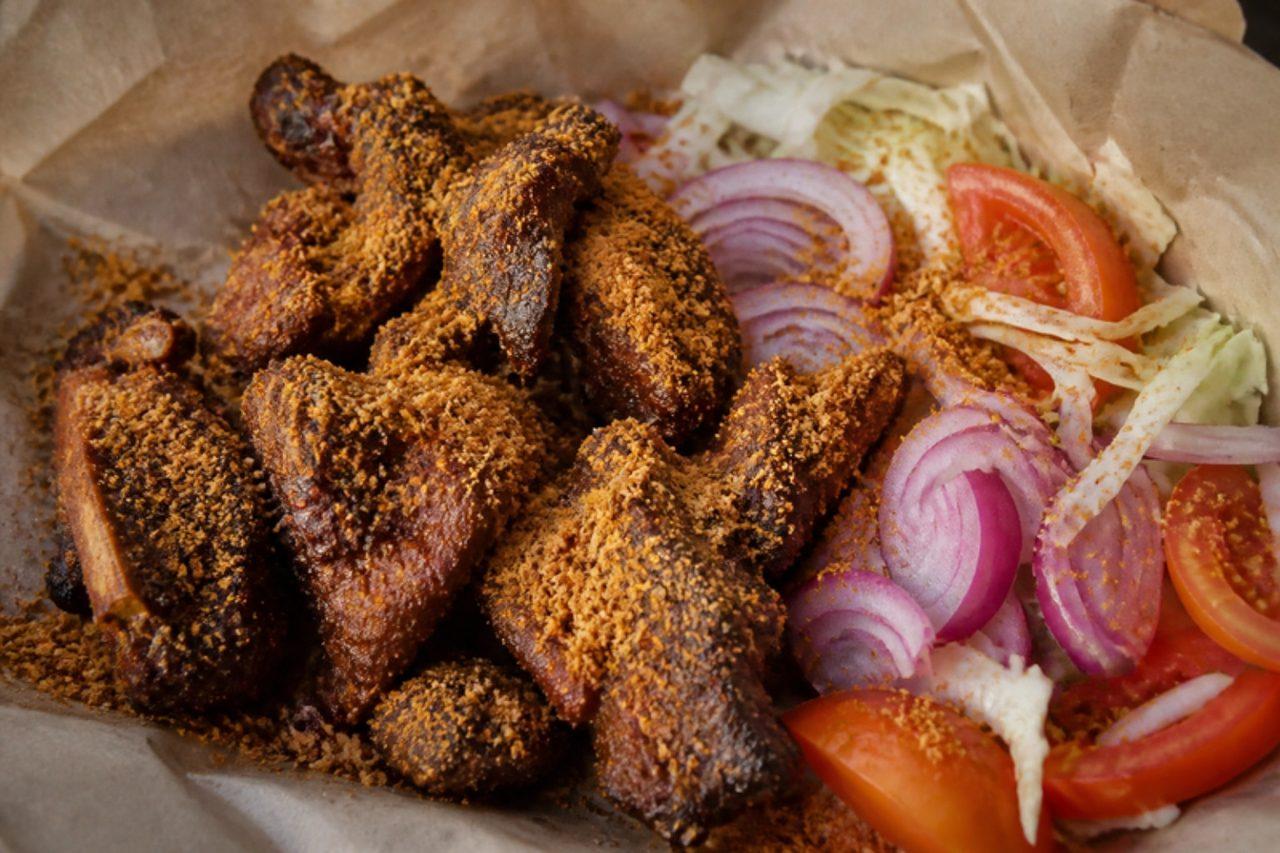
At balangu spots around Kano and the northern cities, the meat is cooked on flat stones heated by fire underneath, so it sears in its own fat rather than over flames. Mutton is the classic, with bone and a little fat left on; beef works too. It comes off crusty and smoky, then is tossed with yaji, the northern peanut-chilli spice, and served on paper with raw onion, tomato and cabbage, eaten with the fingers in the evening. A heavy cast-iron pan or griddle gives the same effect at home. Marinate in the fridge, not on the counter, and cook the pieces until no pink remains and they reach 71 °C. Chef's tip: get the iron smoking hot before the meat goes on and do not crowd it; overcrowding is the classic mistake that leaves the meat grey and stewed.

by KrazyBadal 0 views

Iskus ko tarkariChayote and potato curry

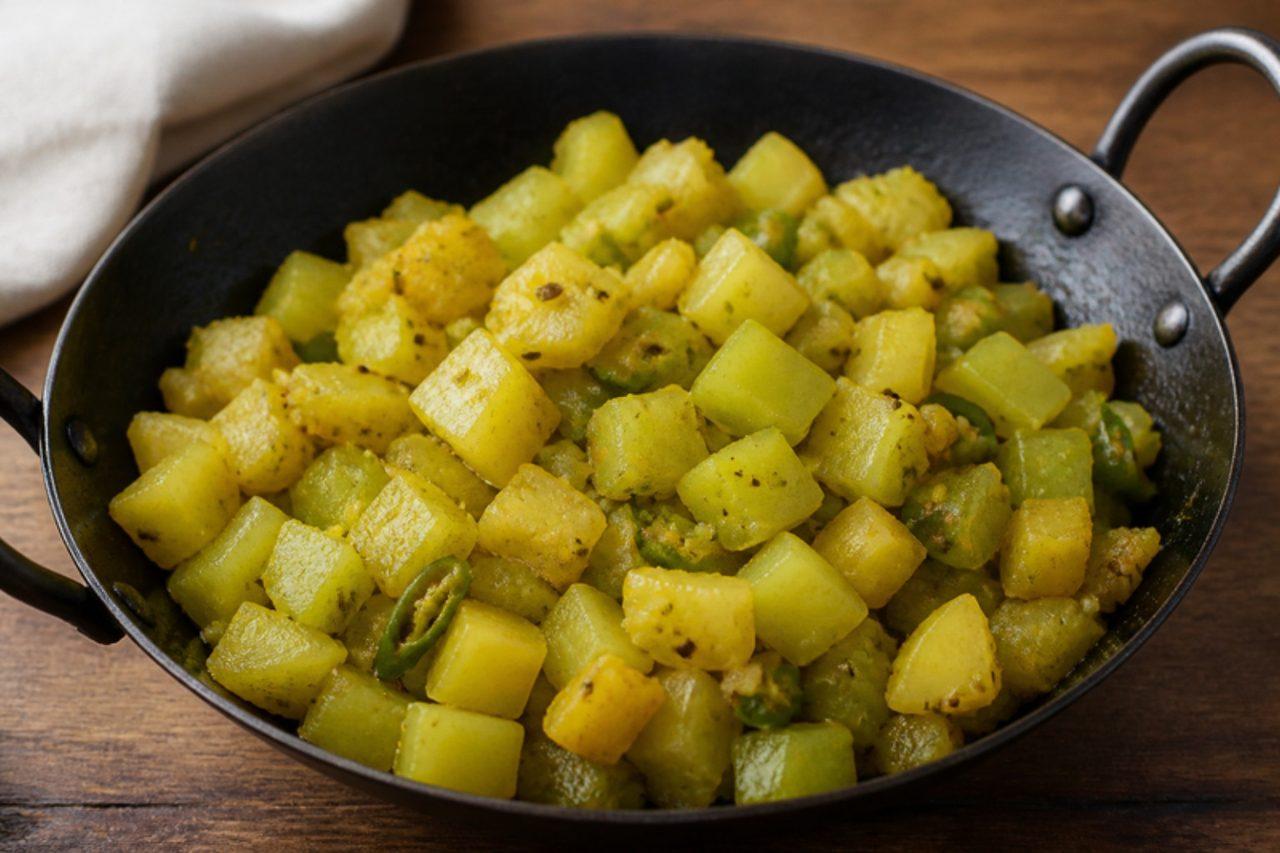
Every hillside garden in the eastern hills, from Dharan up to Bhojpur, has an iskus vine rambling over the roof or a bamboo frame, and from late summer the pale green chayotes hang down by the dozen, so this simple dry curry appears on the table almost every day. The chayote is peeled, cut into chunks with a little potato and cooked in mustard oil with fenugreek, cumin, garlic, turmeric and green chilli until tender but still holding a crisp edge, with a splash of tomato for colour. It is mild, juicy and slightly sweet, the everyday tarkari beside dal, rice and a sharp achar, and it packs well into a tiffin box. The usual mistake is adding water, which turns the chayote watery and bland, as it releases plenty of its own juice. Chef's tip: oil your hands before peeling, because raw chayote leaves a sticky, tight film on the skin.

by KrazyBadal 0 views

Espageti ayisyenSpaghetti with hot dogs

In Haiti, spaghetti is a breakfast food, and Saturday mornings in many homes start with a big pan of espageti: thin pasta tossed with sliced hot dogs fried in epis, tomato paste and a little hot pepper, often eaten with a boiled egg or a slice of avocado. It is quick, salty, savoury and loved by children. The mistake to avoid is boiling the pasta fully, then frying; it turns mushy, so cook it just short of done. Fry the hot dogs until piping hot all through (71 °C), as with any sausage. Chef's tip: save a cup of the pasta water; a splash of it turns the tomato and epis into a glossy coating.

by KrazyBadal 0 views

Atama soupPalm nut and atama leaf soup

From Abak and the Ibibio heartland of Akwa Ibom comes this palm-nut soup with a perfume all its own: atama leaves, which smell somewhere between mint, anise and fresh hay. The palm cream is cooked with assorted meat, stockfish, dried fish and periwinkles until the oil glistens on top, then the atama goes in near the end. It is weekend and visitors' food, eaten with pounded yam, fufu or eba. Dried atama is sold in African shops; dried tarragon is the closest substitute. Periwinkles should be bought cleaned, and any with cracked shells thrown away. Avoid adding the atama leaves too early: long boiling dulls their perfume. Chef's tip: go easy on the atama, as too much turns the soup bitter, so start with the amount below and taste before adding more.

by KrazyBadal 0 views

Maqaw chicken soupMountain pepper chicken soup

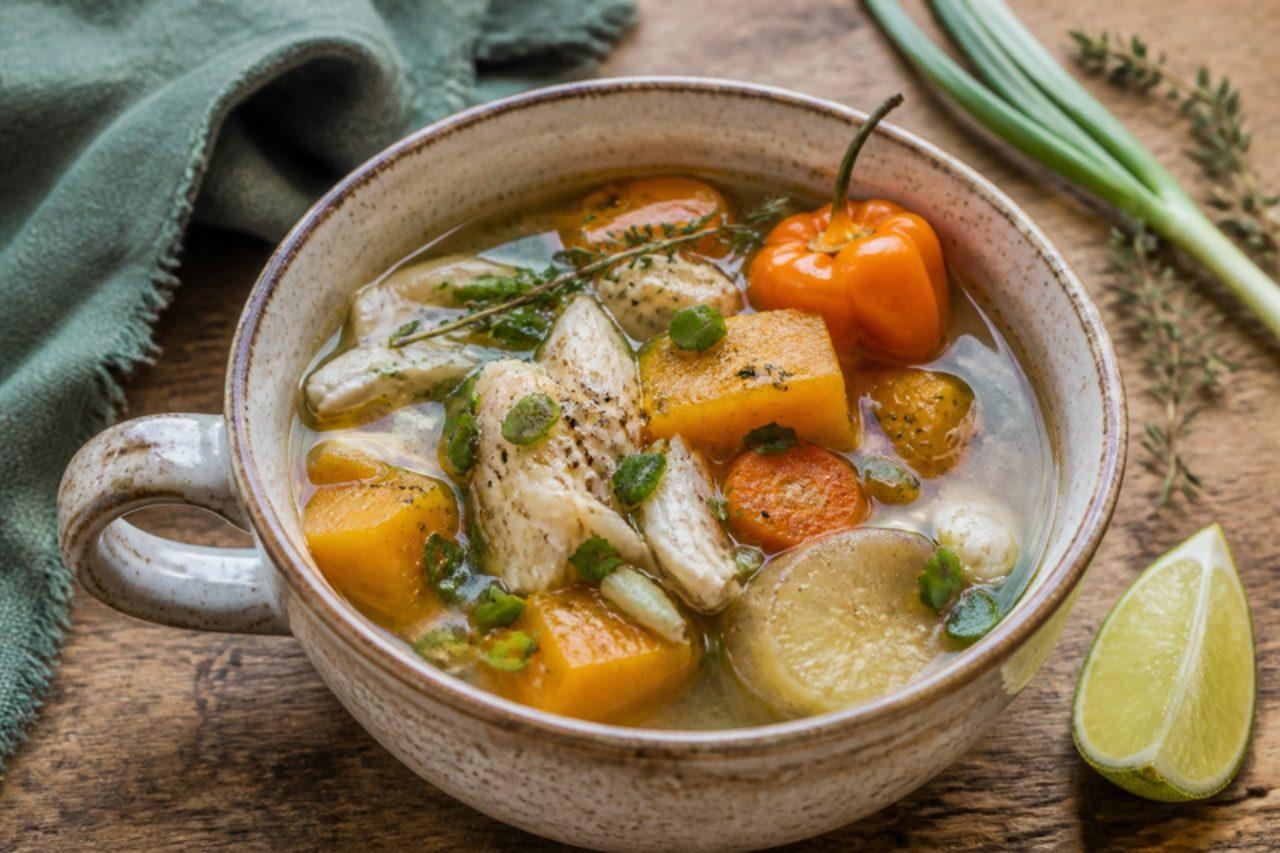
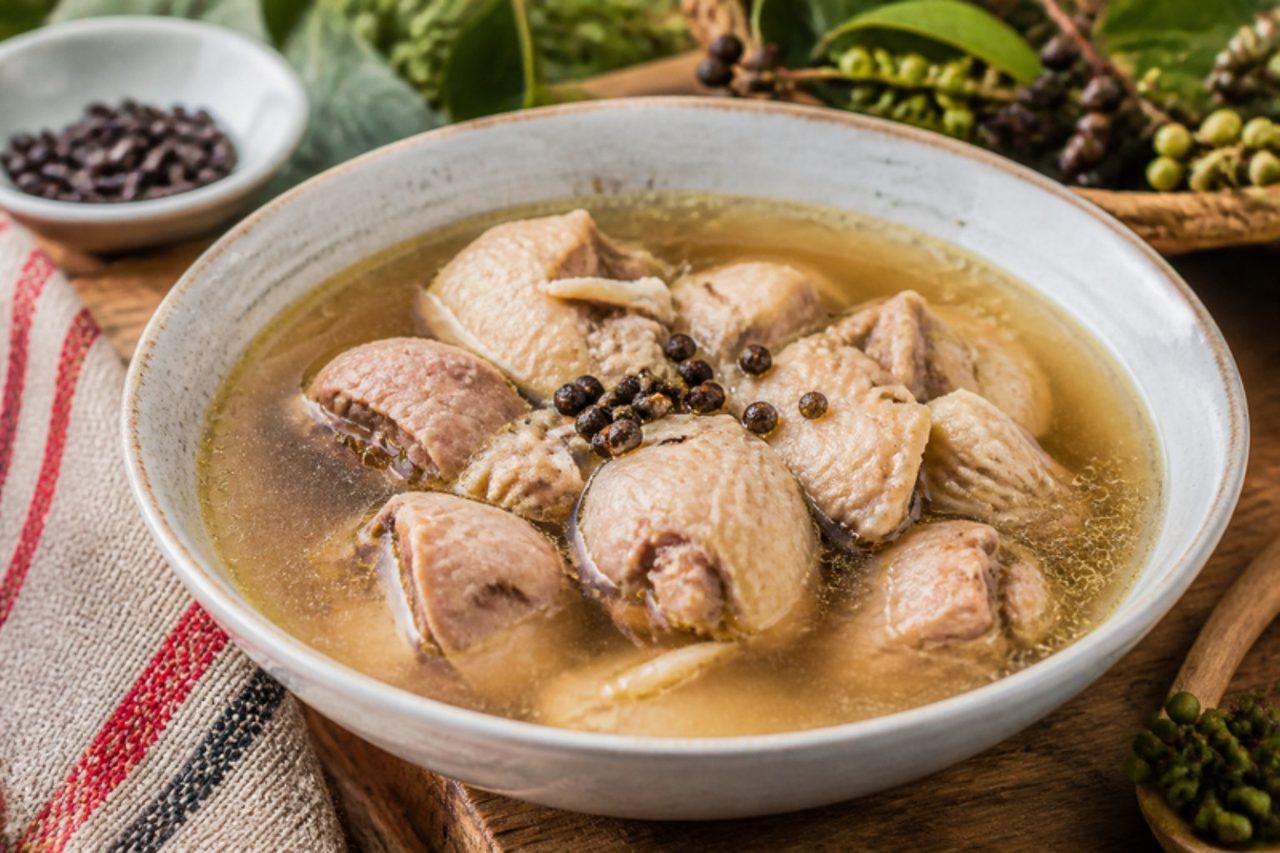
High in the mountains of northern Taiwan, in Atayal villages around Wulai and Fuxing, maqaw berries are picked from the mountain litsea tree in summer and dried to flavour soups, grilled meat and tea. In this clear chicken soup, served at home suppers and in Indigenous restaurants with millet or rice and wild greens, the crushed berries give a fresh lemongrass-and-ginger perfume with a gentle peppery tingle. Bone-in chicken simmered slowly makes a light, golden broth. People spoil it by adding the maqaw at the start and boiling it for an hour, which turns it bitter; add it for the last 15 minutes instead. If you can't find maqaw, use black peppercorns, a stalk of lemongrass and a strip of lemon zest. Chef's tip: lightly crush the berries just before they go in; whole ones barely flavour the broth, while powder makes it cloudy.

by KrazyBadal 0 views

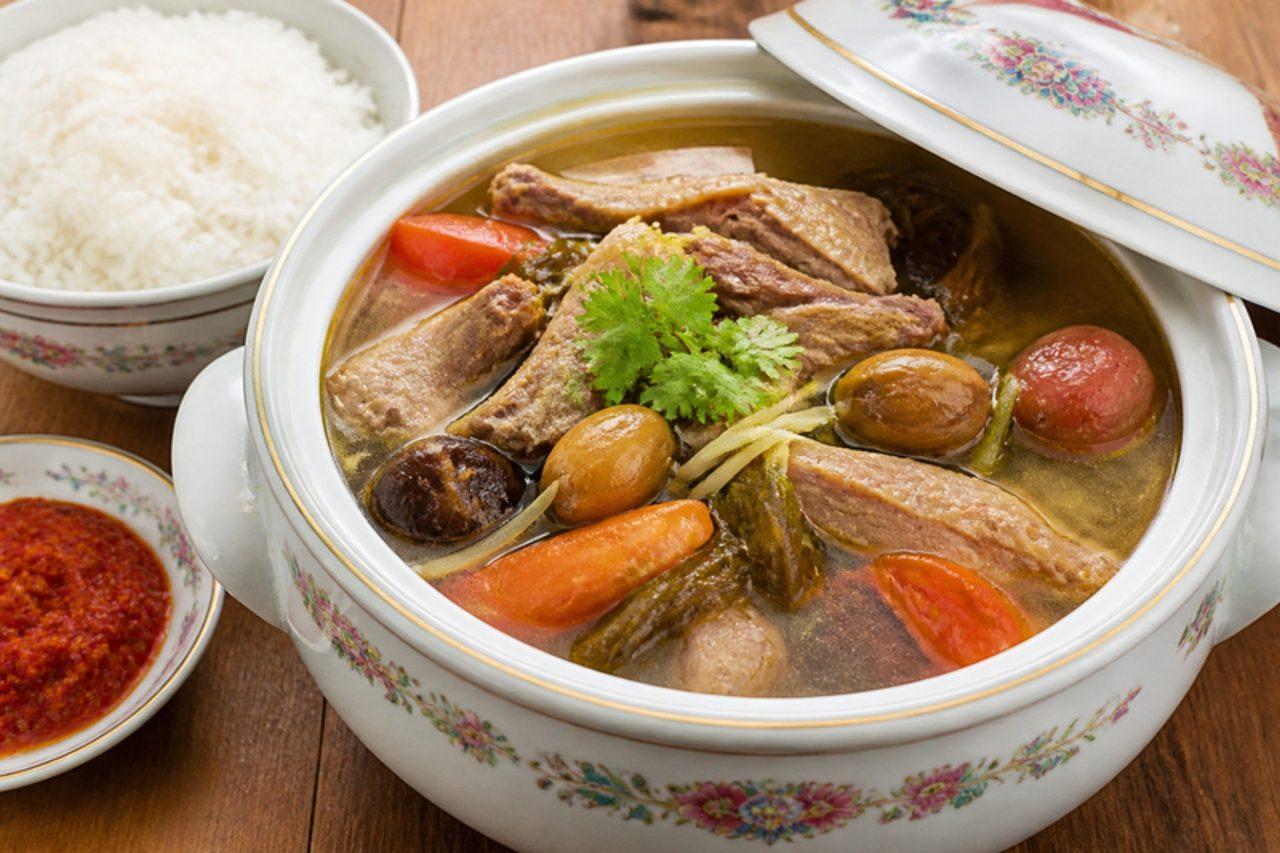
Itek timDuck and salted mustard greens soup

Sour, salty and cleansing, itek tim is the soup a Nyonya kitchen in Katong or Joo Chiat puts on the table to cut through the rich curries and sambals of a Chinese New Year reunion dinner, and it is often made in a big pot that lasts for days. Jointed duck simmers slowly with salted mustard greens, tomatoes, salted sour plums and a little dried tamarind until the meat is tender and the broth turns golden, tangy and deeply savoury. It is served with rice and sambal belacan, and many families say it is even better on day two. Not soaking the salted mustard greens is the classic trap; they can make the soup far too salty, so soak and taste a piece first. Chef's tip: chill the soup overnight and lift off the duck fat in one sheet before reheating, which gives a clear, clean broth.

by KrazyBadal 0 views

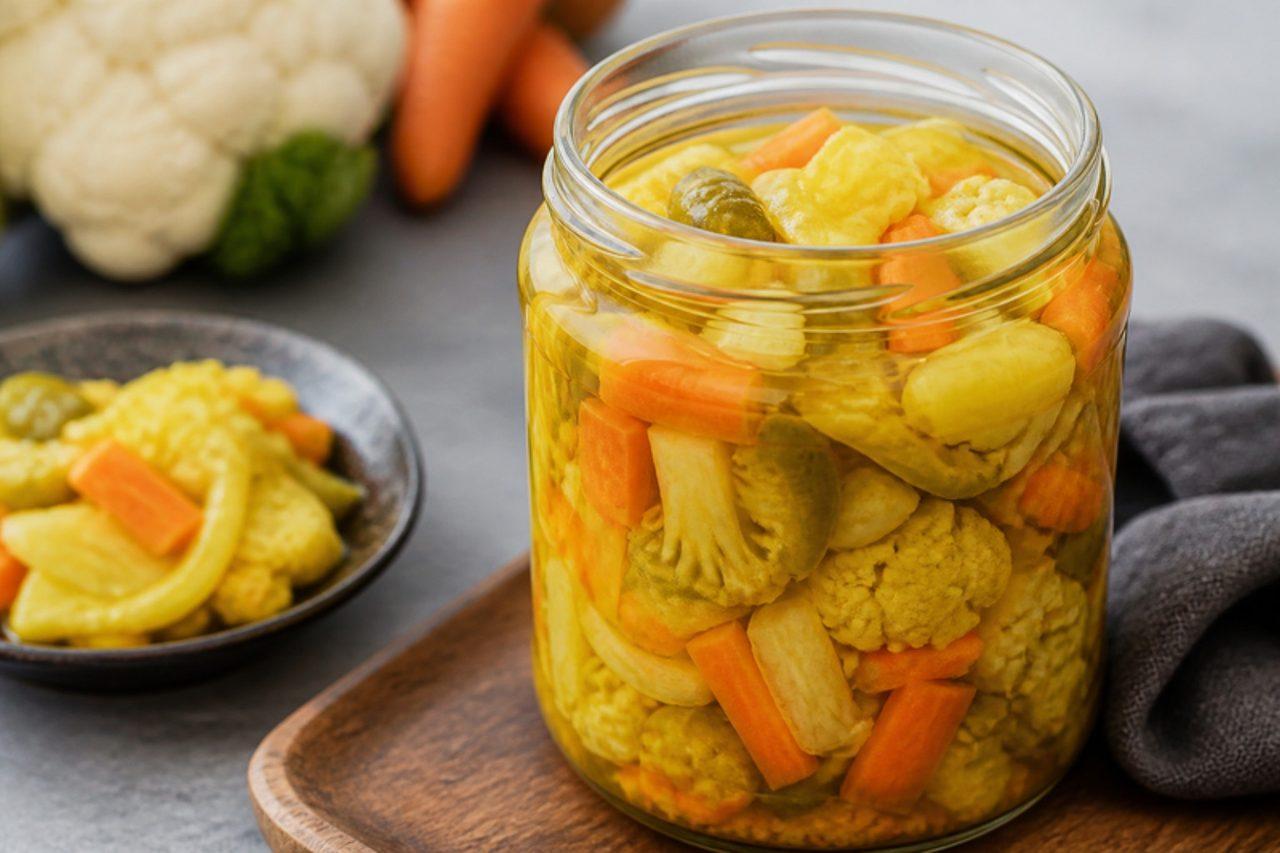
Atjar tjampoerSweet-sour mixed vegetable pickle

Atjar tjampoer is the bright yellow pickle in every Dutch-Indonesian toko and on every rijsttafel: crisp cucumber, carrot, cabbage, cauliflower and shallot pickled in a sweet-sour vinegar brine coloured with turmeric, with a little chilli and ginger. It cuts through rich satay and rendang. A common mistake is cooking the vegetables, which makes them soft; they should only be blanched or simply covered with hot brine. Chef's tip: salt the cucumber first and squeeze it, so it stays crunchy for days.

by KrazyBadal 0 views

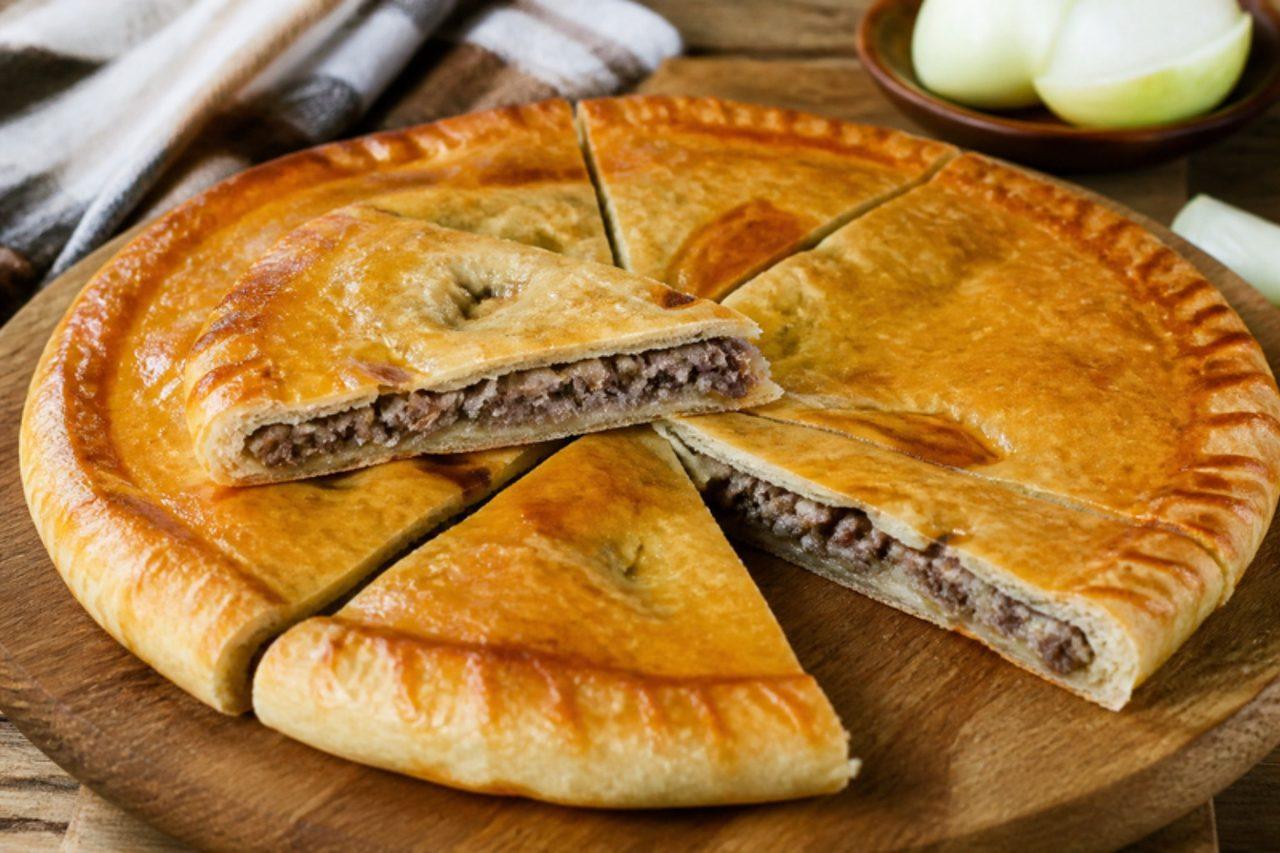
IshlekliMinced meat pie

Ishlekli is the shepherds' pie of the Karakum desert: a large round of dough filled with chopped lamb and onion, sealed, and buried in sand heated by a fire, so it bakes slowly into a thick, golden crust filled with juicy meat. Turkmen families still make it on camping trips and at holidays in the countryside around Ashgabat. This version bakes it in a hot oven on a preheated tray. A common mistake is using lean meat, which makes the filling dry; the lamb fat bastes the inside as it bakes. Chef's tip: chop the lamb by hand rather than mincing it; small chunks stay juicy and give the pie its rustic texture. The filling should reach 71 °C.

100 minTurkmenMeat
by KrazyBadal 0 views

PloyesBuckwheat griddle cakes

Ployes come from the Acadian villages of the Madawaska in north-west New Brunswick, on the border with Maine, where they are eaten at almost every meal in place of bread. The batter of light buckwheat flour, plain flour and baking powder is poured onto a very hot dry griddle and cooked on one side only, until the top is covered in tiny holes. Roll them with butter and molasses, or use them to mop up a stew. Chef's tip: let the batter rest 5 minutes so the bubbles start; without them you get flat pancakes instead of the lacy holes.

by KrazyBadal 0 views

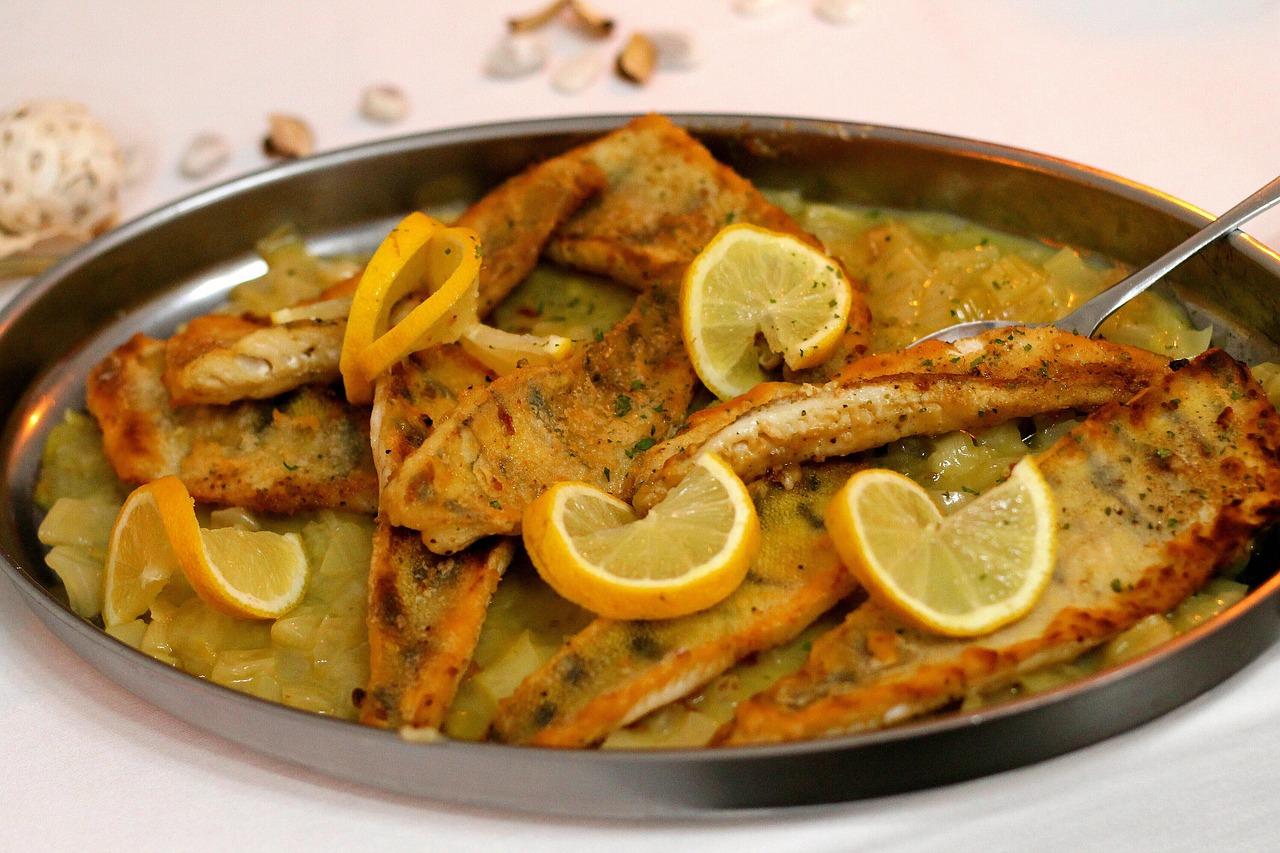
Balatoni fogasButter-fried pikeperch

Fogas, the pikeperch of Lake Balaton, has been the pride of the lakeside restaurants of Tihany, Keszthely and Balatonfüred for over a century, and a fillet on a plate with parsley potatoes is the classic order on a summer evening with a view of the water. The flesh is white, lean and delicate, with a clean, slightly sweet flavour, and the simplest treatment is best: skin side down in foaming butter until the skin turns crisp, with lemon at the end. Zander from any good fishmonger works the same way. Where most people go wrong is moving the fillets too soon, which tears the skin; leave them until they release by themselves. Chef's tip: score the skin lightly twice so the fillets stay flat in the pan.

by KrazyBadal 0 views

Chicken fricotChicken stew with dumplings

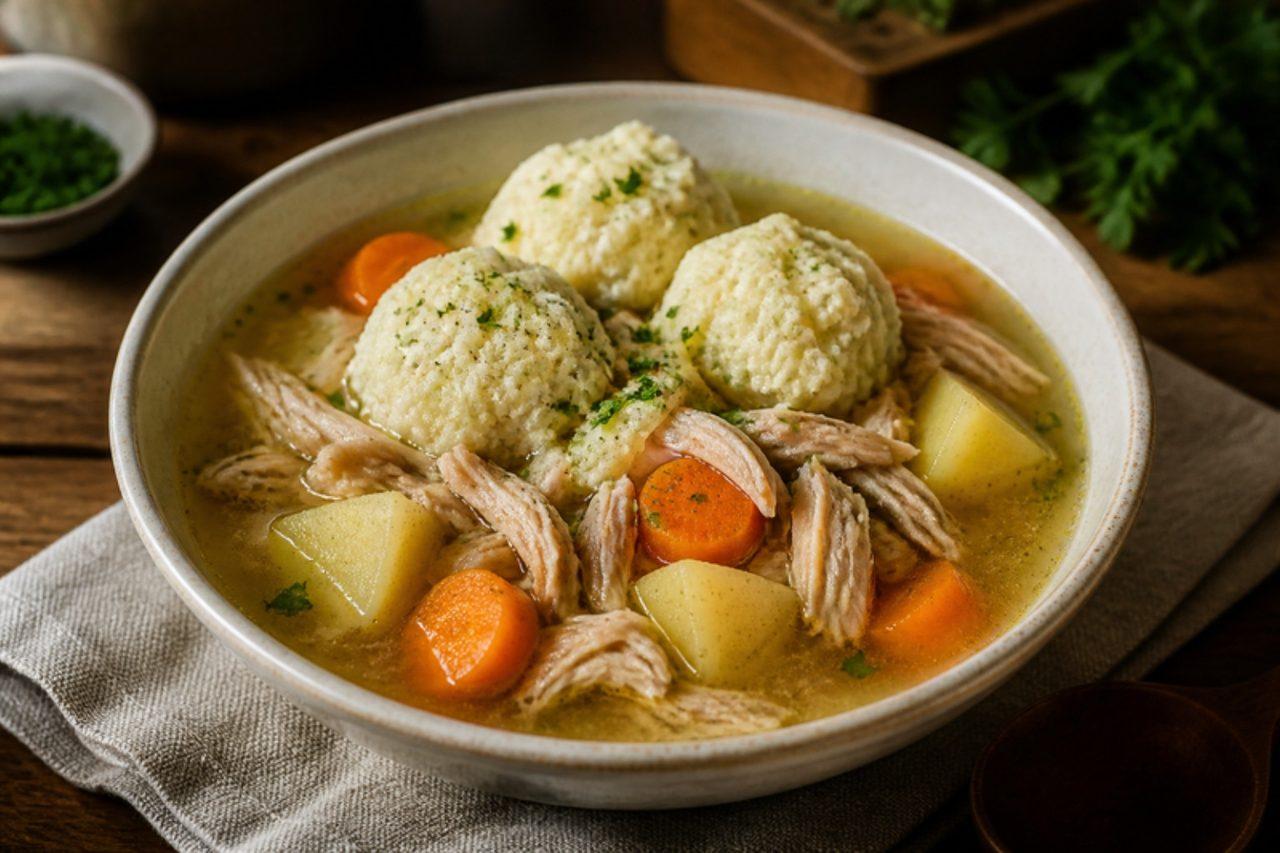
Fricot is the everyday stew of Acadian kitchens in New Brunswick, Prince Edward Island and Nova Scotia, and on Chéticamp it is still what grandmothers serve when the family comes home. Chicken simmers with potatoes, onion and plenty of summer savory, and fluffy dumplings called pâte steam on top at the end. It is simple, comforting food for cold evenings. A common mistake is a stew that is boiling hard when the dumplings go in, which breaks them up; keep it at a lively simmer. Chef's tip: summer savory is the defining herb; use thyme only if you really can't find it.

by KrazyBadal 0 views

Abrisham kebabEgg thread rolls in syrup

Despite the name there is no meat in abrisham kebab, the silk kebab: it is a show-off Kabul sweet made from nothing more than beaten egg drizzled in fine threads over hot oil until it sets into a lacy golden net, which is rolled up like a kebab on a skewer, dipped in syrup and dusted with ground pistachios. It is made for weddings, engagements and Eid, and the skill is in the wrist, so many families leave it to one aunt who has the knack. The texture is unusual and delightful, soft and springy, slightly chewy and soaked with cardamom-scented syrup. Pouring the egg too thickly gives you an omelette rather than silk; let it fall from your fingers in thin streams and keep moving. Chef's tip: strain the eggs first, as removing the stringy white makes the threads much finer and more even.

by KrazyBadal 0 views

AushNoodle soup with beans and yogurt

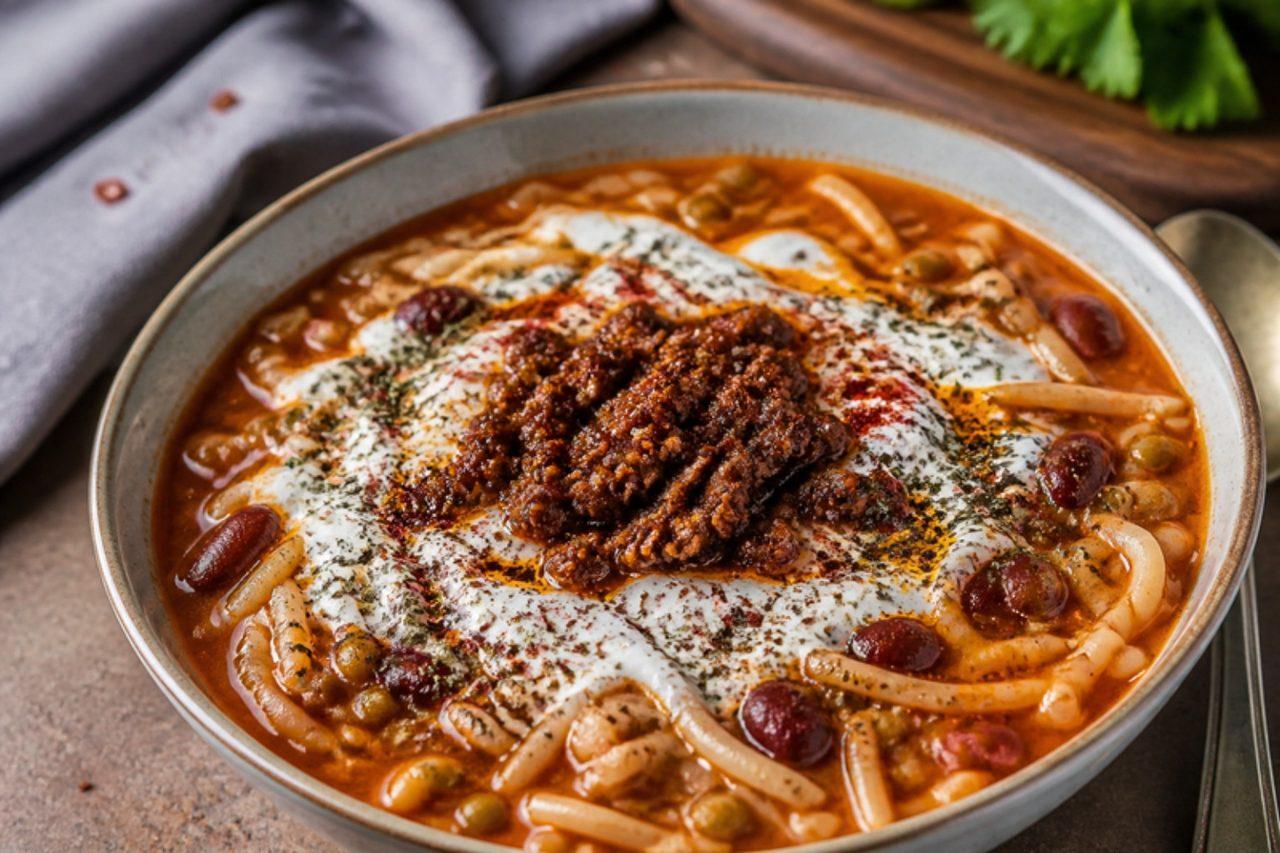
Aush is the bowl Afghan mothers make when someone in the house has a cold or the first snow falls on Kabul, a thick, tangy soup of hand-cut noodles, kidney beans and chickpeas, enriched with garlicky yogurt and finished with a spoonful of spiced minced meat and a heavy dusting of dried mint. The broth is slightly sour, creamy and warming with chilli, and the noodles are soft and a little slippery. It is a meal in itself, eaten with nothing more than naan and pickles. For a vegetarian version, leave out the meat sauce and add a handful of cooked mung beans. Noodles dropped into a soup that has gone off the boil stick together into a clump, so keep it bubbling as you add them a few at a time. Chef's tip: stir the yogurt in only after the pan is off the heat, so it turns the broth creamy without splitting.

by KrazyBadal 0 views

AkpessiPlantain and yam pottage

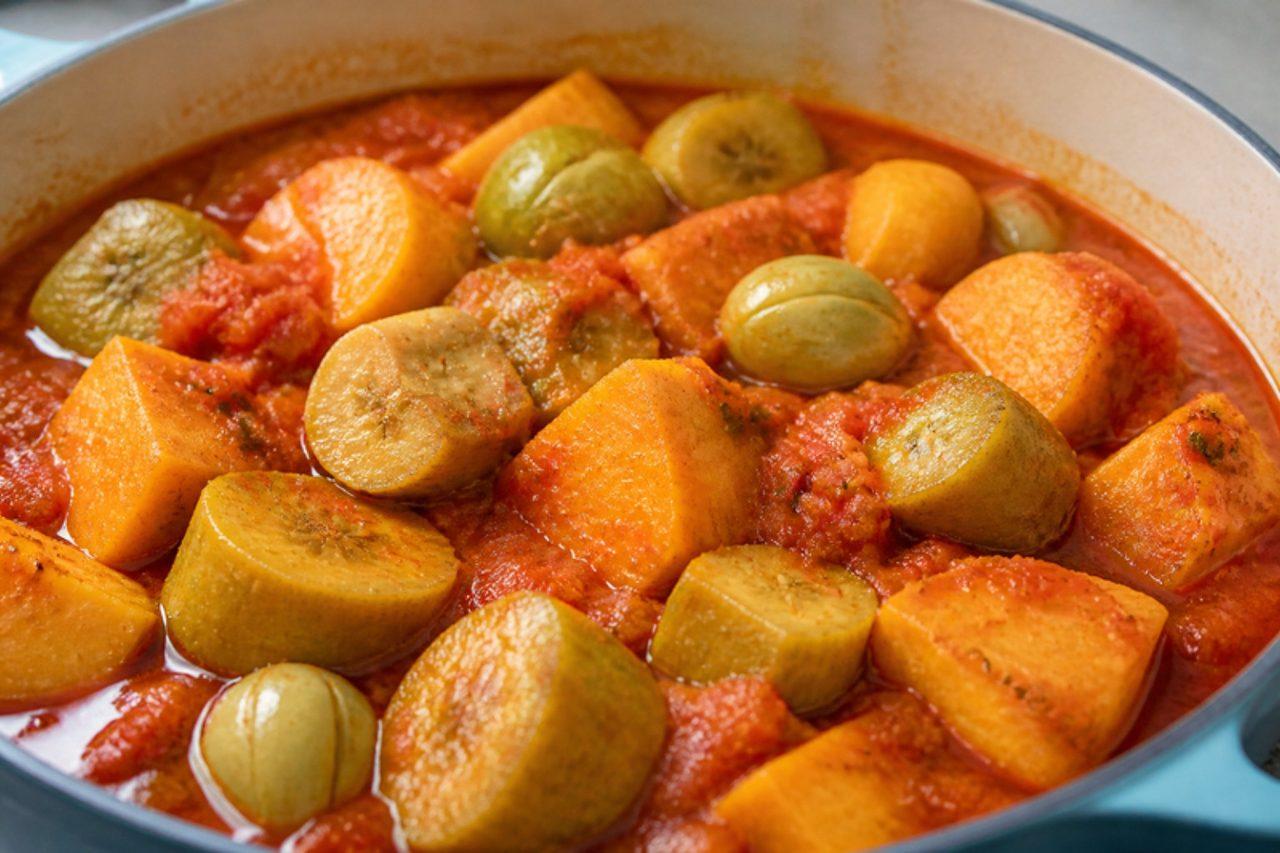
Around Bouaké and Yamoussoukro, akpessi is what Baoulé families cook when they want a filling one-pot meal with little fuss: chunks of green plantain and yam simmered right in a red palm oil and tomato sauce until tender. A few pieces are crushed into the liquid at the end, so the sauce turns thick and clings to everything. It is often made with smoked fish; this version keeps it meat-free, with soft garden eggs folded through for body. Expect an earthy, gently starchy dish with heat from the pepper, good with sliced avocado on the side. The usual mistake is stirring too much, which turns the whole pot to mush instead of leaving soft chunks. Chef's tip: oil your hands before peeling green plantains; the sticky sap washes off far more easily.

by KrazyBadal 0 views

Jamaican hard dough breadDense sweet sandwich loaf

Chinese-Jamaican bakers gave the island hard dough bread, and today a sliced "hardo" loaf is in every shop from Montego Bay to Morant Bay, toasted with butter for breakfast, wrapped around fried fish or dipped in soup. The crumb is close, smooth and faintly sweet, firm enough to hold its own against ackee or bun and cheese. The usual mistake is making the dough too soft; it should be stiff and need hard kneading, which is where the name comes from. Allow around 2 hours for rising on top of the working time. Chef's tip: roll the dough into a tight Swiss roll before it goes into the tin, which gives the even, layered crumb that peels off in sheets.

by KrazyBadal 0 views

ErgoSoured milk

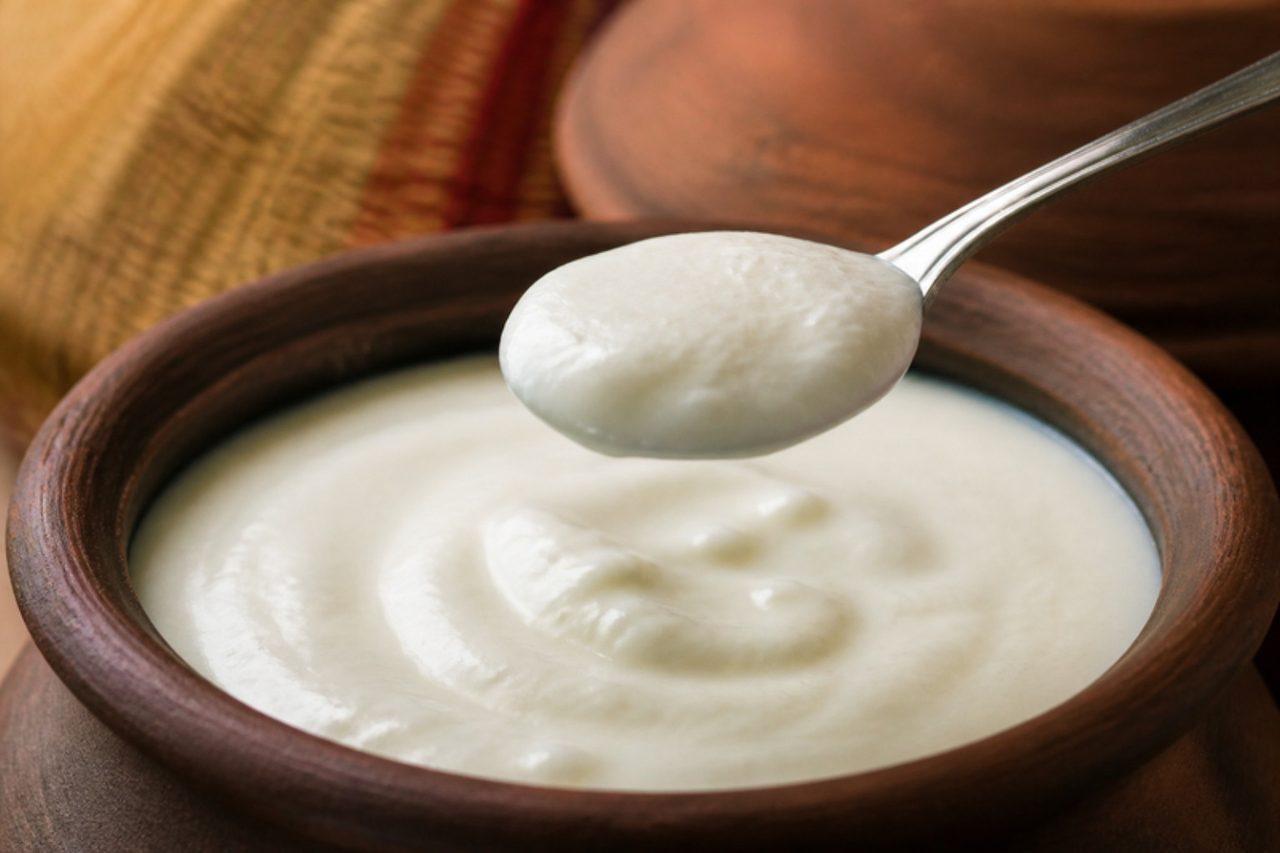
Cattle-keeping families across rural Ethiopia leave fresh milk to thicken in smoked clay pots or gourds, and the result, ergo, is tangier and looser than yoghurt, somewhere between set buttermilk and a soft curd. It is spooned beside a spicy kitfo or wat to calm the heat, eaten for breakfast with bread, or drunk as it is on hot afternoons. The traditional way relies on raw milk souring by itself, which is not safe to copy at home; this version uses pasteurised whole milk with a spoon of live buttermilk or yoghurt as the starter, so the right bacteria do the work. Allow about 24 hours at room temperature for it to set. Chef's tip: keep it somewhere steady at 22–26 °C; too cool and it barely thickens, too warm and it separates into whey and lumps.

by KrazyBadal 0 views

Erdélyi fatányérosMixed grill platter

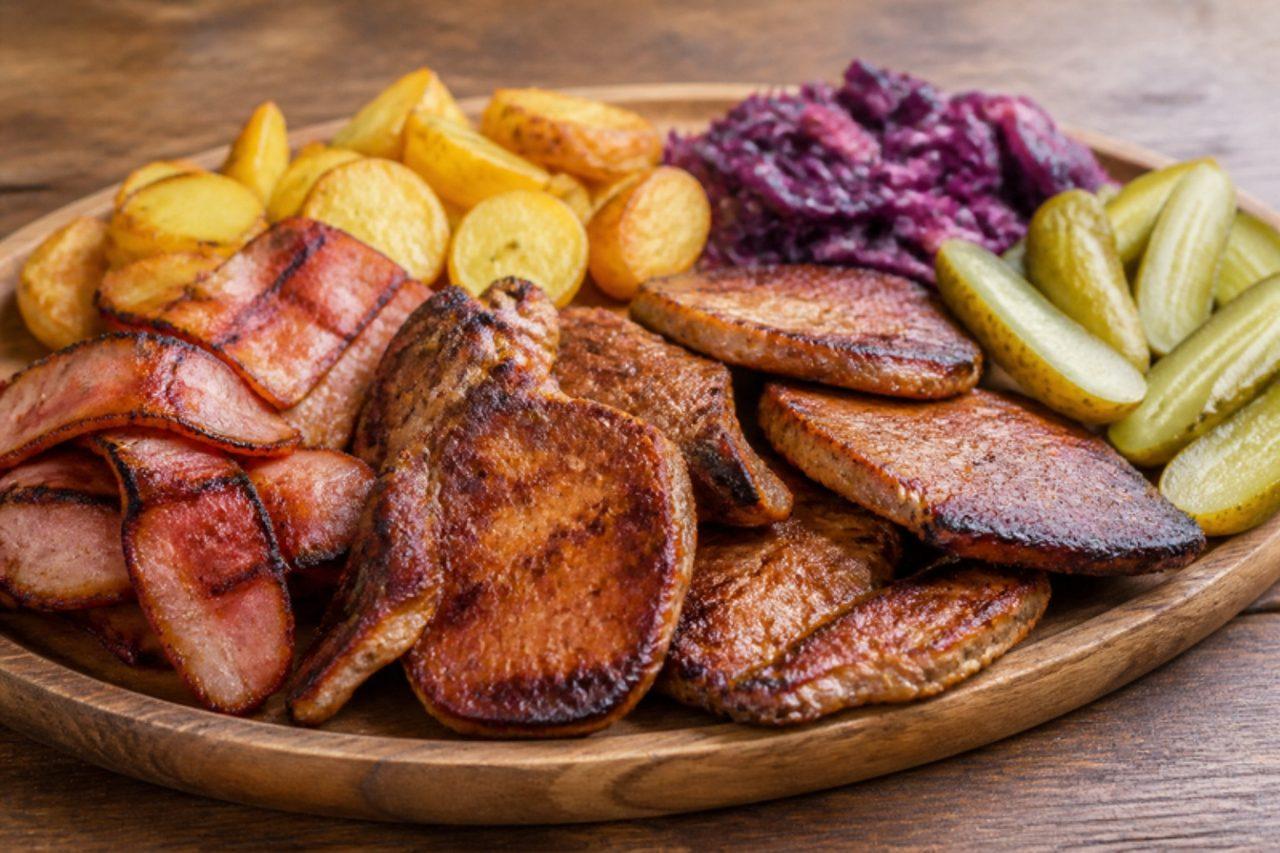
The name means 'wooden plate', and that is how this Transylvanian-Hungarian feast is brought to the table in Cluj and Târgu Mureș restaurants: a big board heaped with fried potatoes and topped with grilled pork chops, veal escalopes and crisp smoked bacon, surrounded by pickled cucumbers, peppers and red cabbage. It is meant for sharing, two or four people picking from one board, and it smells of garlic, marjoram and smoke. The pork and bacon make this very much a pork dish, balanced by the sharp pickles. Where people most often go wrong is grilling everything at once; cook the bacon first and use its fat for the meat, so nothing dries out while waiting. Chef's tip: score the edge of each pork chop through the fat every 2 cm; it stops the chops curling up in the pan and cooking unevenly.

by KrazyBadal 0 views

AboloSteamed corn and rice bread

Along the lagoon towns of Keta and Anloga, women carry trays of abolo to the lorry parks: pale, spongy little cakes of fermented corn and rice dough, sweetened a little and steamed until springy. They taste gently sour and sweet, a bit like a steamed bun, and are traditionally eaten with fried fish and shito or a raw pepper sauce; with fresh pepper sauce and avocado they make a meat-free meal. The batter needs about an hour to rise, which is counted in the timings below. Chef's tip: cook a small part of the corn dough into a thick porridge first and mix it back in; this is what gives abolo its soft, bouncy crumb, and skipping it, the common mistake, gives dense, heavy cakes.

by KrazyBadal 0 views

AboboiBambara beans in palm oil

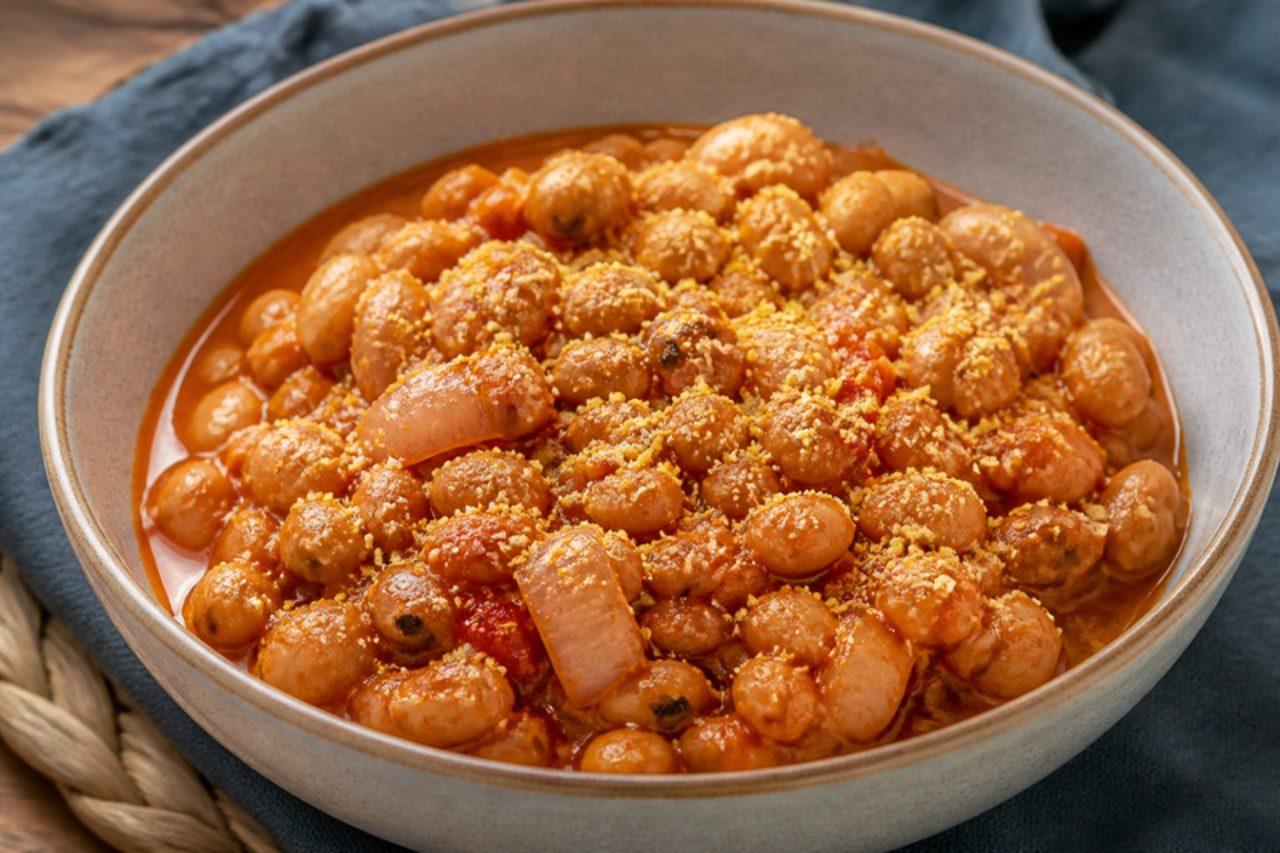
Bambara beans, round and speckled, are one of West Africa's oldest crops, and in Accra they become aboboi: simmered for a long time until creamy, then finished in red palm oil fried with onion and pepper. Street sellers dish it out in the evening, often with gari sprinkled on top for crunch and sometimes with fried fish; this version keeps it meat-free and lets the earthy, chestnut-like beans shine. It is filling, protein-rich and costs little. Dried Bambara beans are sold in African and Asian shops; black-eyed beans cook faster if you cannot find them. Don't add salt before the beans are soft, or the skins stay hard however long they cook. Chef's tip: soak the beans overnight and use a pressure cooker if you have one, as unsoaked Bambara beans can take three hours and still stay hard, which is the most common disappointment.

by KrazyBadal 0 views

IngriyiAubergine meat patty bake

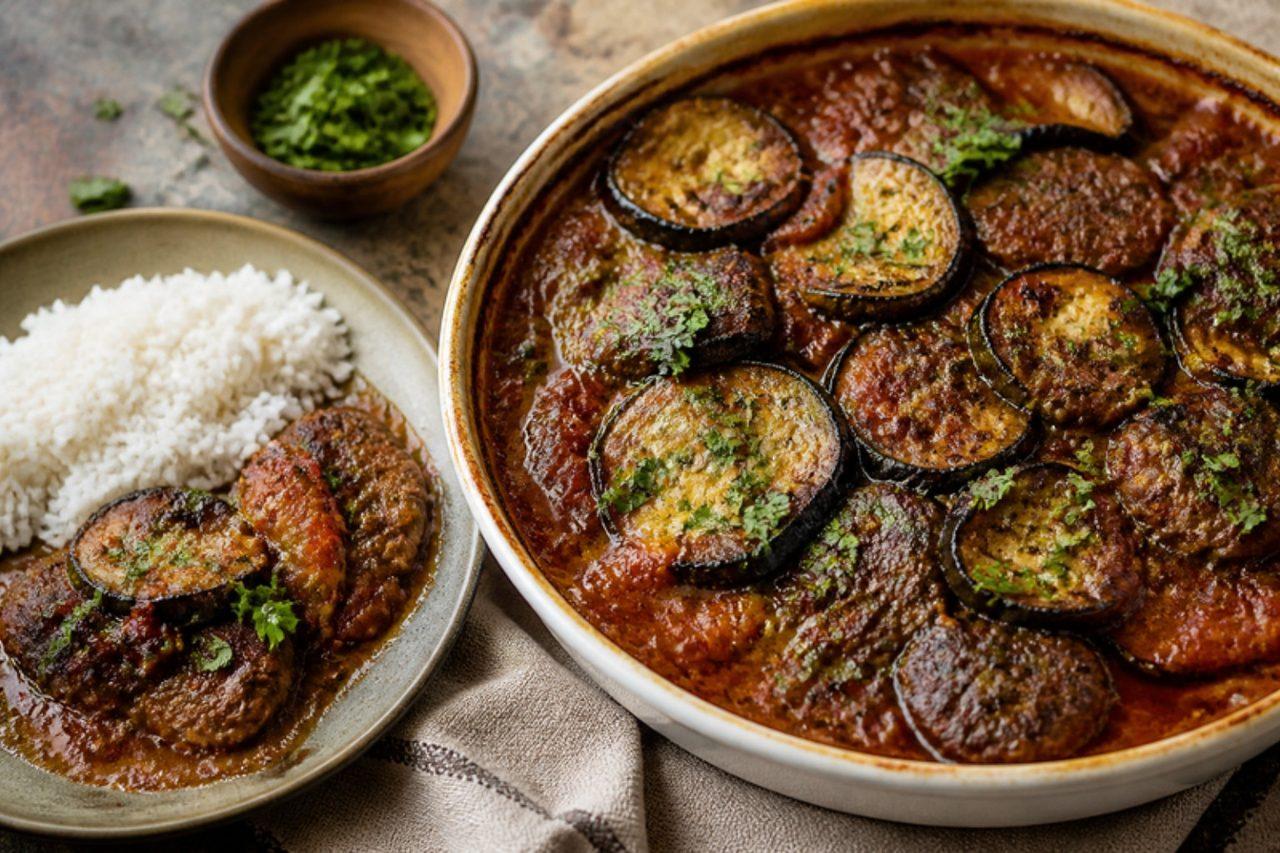
Ingriyi is a Baghdadi-Jewish Shabbat dish that Iraqi families in Ramat Gan and Kiryat Gat make when aubergines are cheap in late summer: slices of fried aubergine and thin spiced beef patties are layered in a dish and baked in a sauce of tomato and tamarind until everything turns soft and glossy. The tamarind gives a dark sweet-sour tang that sets it apart from Levantine aubergine bakes. Serve it with white rice and a sharp salad. A common slip is frying the aubergine in too little oil at too low a heat, so it soaks up grease and stays grey; use hot oil and drain well. Chef's tip: salting the slices for 30 minutes makes them fry faster and drink less oil.

by KrazyBadal 0 views

AasmiFried rice flour nests with syrup

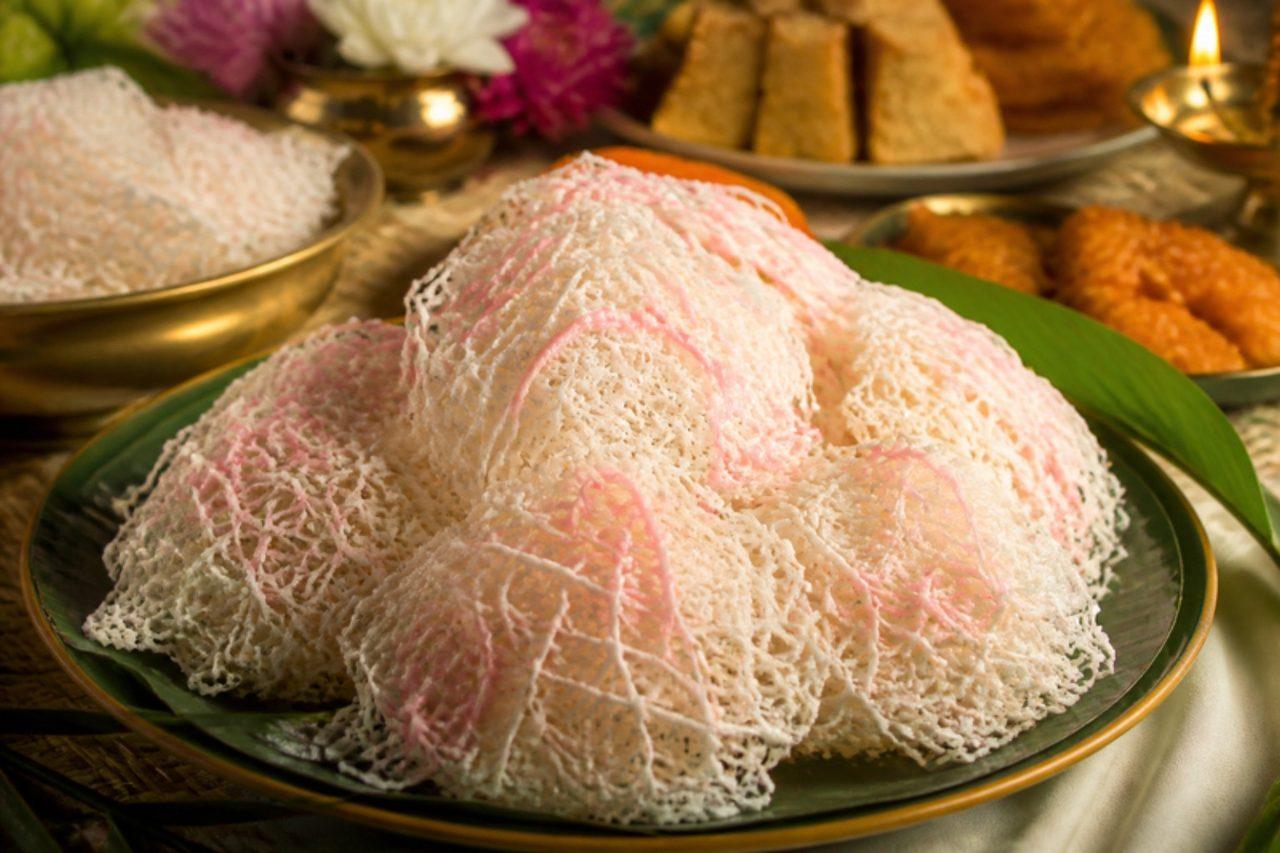
Aasmi is the most delicate sweet on the Sinhala New Year table, a crisp, cream-coloured nest of tangled rice threads drizzled with pink syrup, and making it is a skill that village women in the Kandy and Kurunegala districts are rightly proud of. The batter gets its unique, almost glassy crispness from the slippery sap of davul kurundu leaves, a wild relative of laurel sometimes sold dried or frozen in Sri Lankan shops, which binds the rice flour and coconut milk. It is poured in a fine stream into hot oil to form a lace, folded while still soft and fried until crisp but still pale, then decorated with lines of thick sugar syrup. If you cannot find the leaves, a little tapioca starch helps the batter hold, but the lace will be softer. The usual error is frying until golden: aasmi should stay pale cream, so keep the oil moderate. Chef's tip: test the batter with one thread first; it should fall in a smooth, unbroken stream.

by KrazyBadal 0 views

Inlagd sillPickled herring

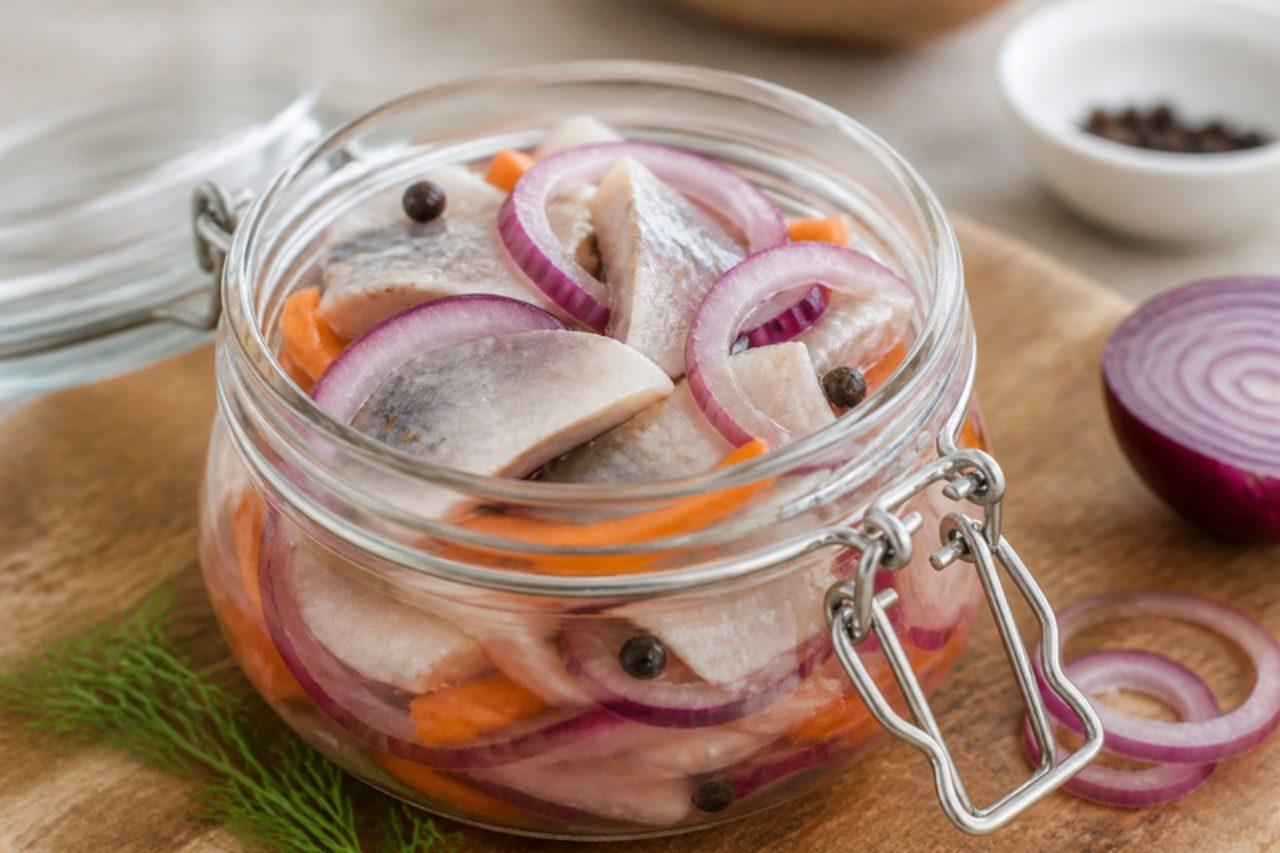
No Swedish midsummer, Easter or Christmas table is without inlagd sill: salt herring fillets soaked to remove the salt, then pickled for at least two days in a sweet, clear brine of vinegar, sugar, onion, carrot, allspice and bay. It is eaten with new potatoes, sour cream, chives and crispbread, and a mustard sauce variant (senapssill) sits beside it. Herring that is pickled, not cooked, is not for pregnant women, young children or anyone with a weakened immune system. Use salt herring that has been frozen, as commercial salt herring is. A common mistake is skipping the soak, which makes the herring far too salty. Chef's tip: taste a corner after soaking; it should be pleasantly salty, like an olive.

by KrazyBadal 0 views

Aargauer RüeblitorteCarrot and almond cake

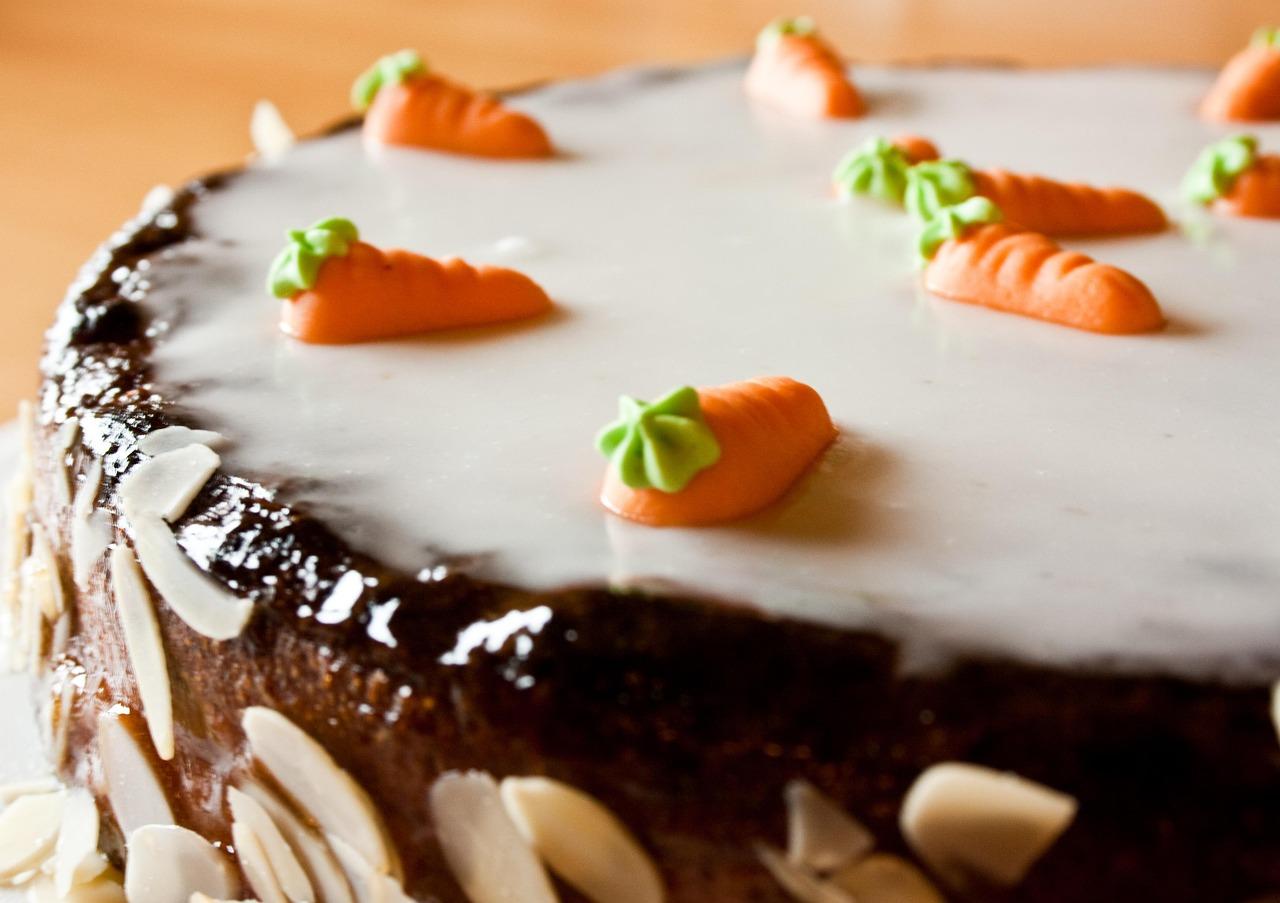
Rüeblitorte is the carrot cake of the canton of Aargau, between Zurich and Basel, where carrots grow well in the flat farmland: a moist, flourless cake of grated carrot and ground almonds lifted with whisked egg whites, glazed with a thin lemon or kirsch icing and decorated with little marzipan carrots. It is the traditional Swiss birthday cake for children and appears at Easter. A common mistake is skipping the separate whisking of the whites, which makes it heavy. Chef's tip: grate the carrots finely and squeeze out a little juice, so the cake is moist but not soggy. This version uses lemon icing.

by KrazyBadal 0 views

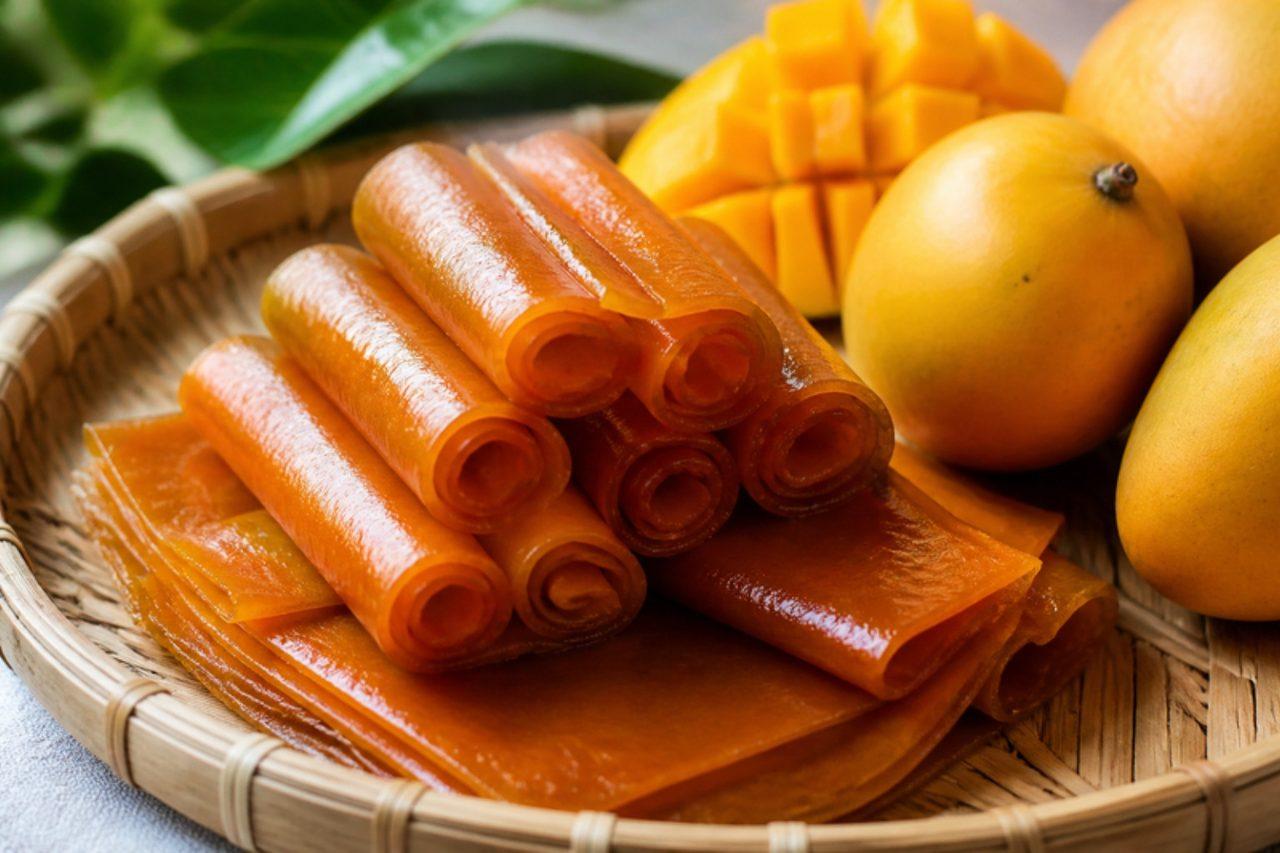
AamshottoSun-dried mango sheets

In June the mango orchards of Rajshahi and Chapai Nawabganj produce more fruit than anyone can eat, and on rooftops across the region the surplus is turned into aamshotto, sheets of sweet mango pulp spread thin on bamboo trays and dried in the sun. A fresh layer is spread over the last one each day, so the finished slab is built up from many thin films, chewy, deep orange and intensely fruity. It is cut into strips and kept for the rainy months, eaten as a snack, packed in children's lunchboxes or chopped into chutney. In a damp climate, sun-drying is slow and risks mould, so this version uses a low oven. Spreading the pulp too thick is the classic misjudgement; the middle never dries and stays sticky. Chef's tip: use fibre-free mangoes such as Himsagar, Langra or Alphonso and push the pulp through a sieve for a smooth sheet.

by KrazyBadal 0 views

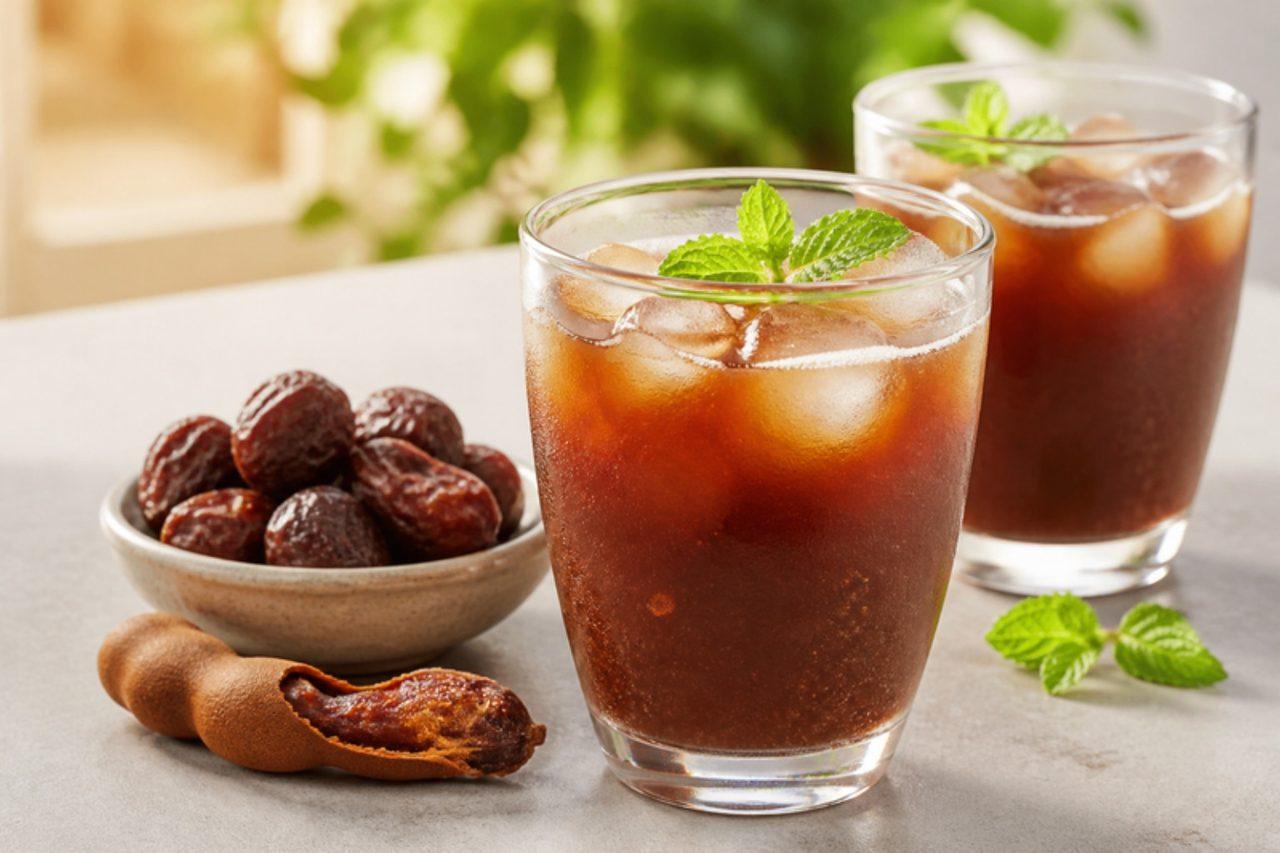
Imli aloo bukhara sharbatTamarind and plum cooler

Pakistani grandmothers prescribe this deep brown drink for heatstroke, an upset stomach and the sluggish days of Ramadan fasting in June, and it is sold in tall glasses at sehri and iftar stalls in Karachi, Hyderabad and Lahore. Tamarind and dried aloo bukhara plums are soaked, simmered, mashed and strained into a concentrate, which is then sweetened, seasoned with black salt and roasted cumin and served poured over ice. The flavour is fruity, tart and slightly smoky from the plums, with the savoury lift of the salt. The concentrate keeps for a week in the fridge, so a big batch lasts through a heatwave. The usual problem is skipping the straining step and serving it thick with fibres and seeds, which makes it more like a chutney than a drink. Chef's tip: let the plums soak in the hot liquid for an hour after simmering, so they give up all their sourness and colour before you strain them.

by KrazyBadal 0 views

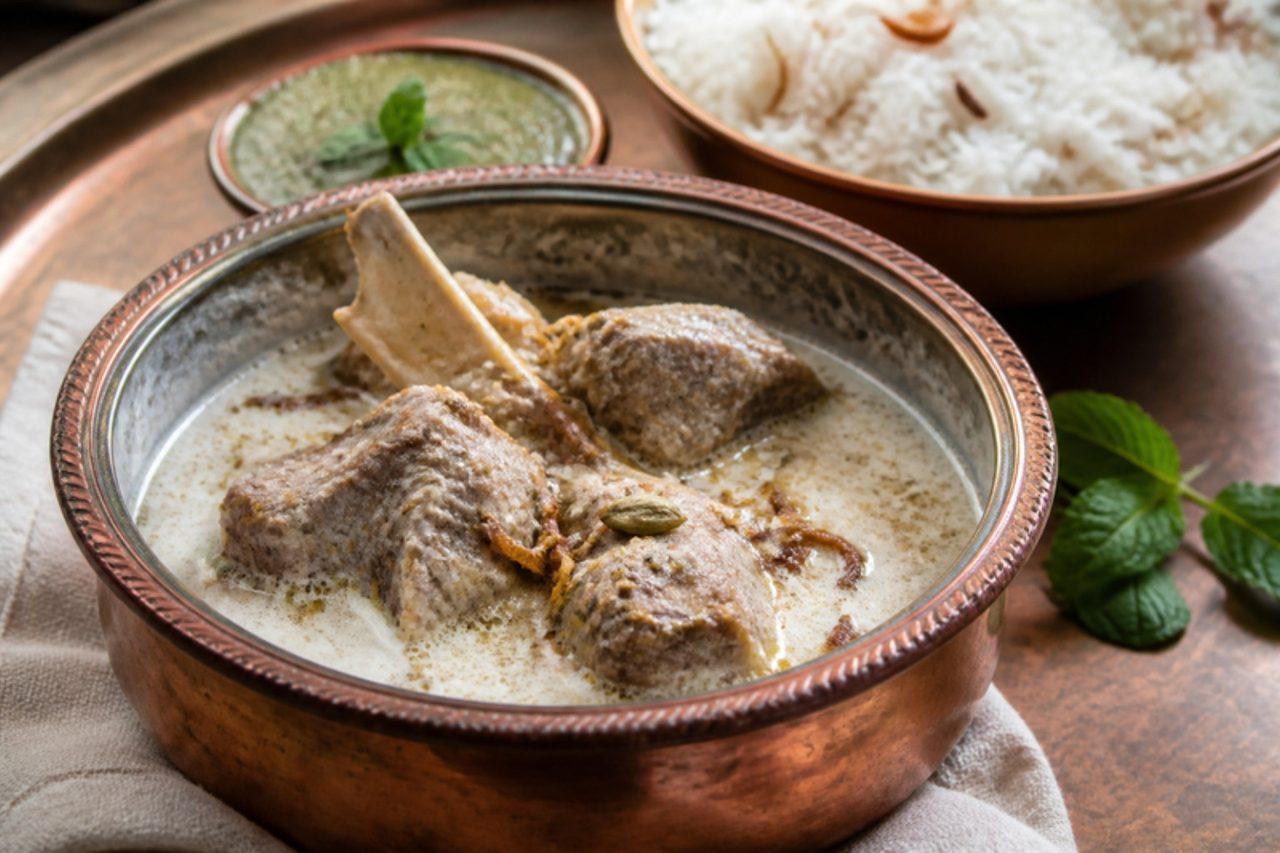
Aab goshtMutton in spiced milk

Pale, gentle and fragrant with green cardamom, aab gosht is the Kashmiri kitchen's answer to anyone who thinks the cuisine is all chilli. Mutton on the bone is first boiled with whole spices, then finished in reduced milk with fennel and dry ginger until the sauce turns ivory and thick, almost like a savoury kheer. It is a wazwan dish and a family favourite for Sunday lunch among Kashmiri households in Muzaffarabad and Lahore, eaten over plain rice with a sharp green chutney on the side for contrast. Boiling the milk hard is what ruins it, since it catches on the base and leaves a scorched taste through the whole pot. Chef's tip: reduce the milk in a separate wide pan while the meat cooks, then combine them; it thickens faster and is far less likely to burn.

by KrazyBadal 0 views

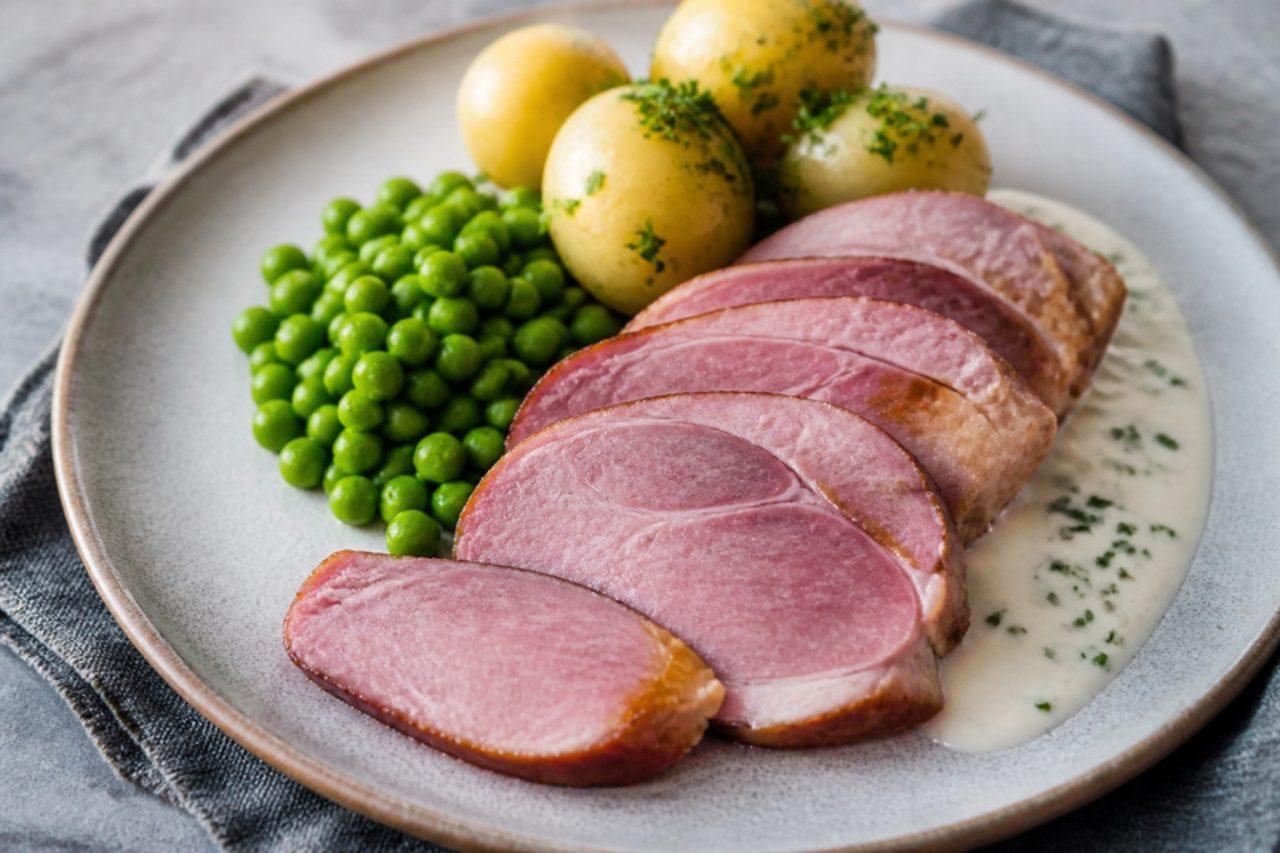
HangikjötSmoked lamb with white sauce

Hangikjöt, 'hung meat', is the Icelandic Christmas Day dinner: lamb or mutton smoked over birch or dried sheep dung, then simmered slowly and served hot or cold with potatoes in white sauce (uppstúfur), green peas, red cabbage and laufabrauð or flatkökur. Icelanders buy it ready-smoked in December; it is cooked at home. A common mistake is boiling it hard, which toughens the meat and makes it too salty. Chef's tip: let it cool in its cooking water; the meat stays juicy and absorbs back some of the flavour.

by KrazyBadal 0 views

FarfelEgg pasta pilaf with onions

Farfel, little barley-sized pellets of egg pasta, are what many Ashkenazi grandmothers in Israel cook instead of rice, especially on Friday nights alongside soup and roast vegetables. Toasted in oil until golden, then simmered in stock with soft onion, they turn out fluffy and separate with a gentle nutty taste, a bit like a tiny pasta pilaf. This version uses vegetable stock, so it is vegetarian and dairy free. Serve it as a side or stir through mushrooms for a light supper. A common mistake is adding too much stock, which makes the pellets swell into a sticky mass. Chef's tip: toast the farfel until it smells like toast and is evenly amber before any liquid goes in.

by KrazyBadal 0 views

FijuelasHoney-soaked fried dough spirals

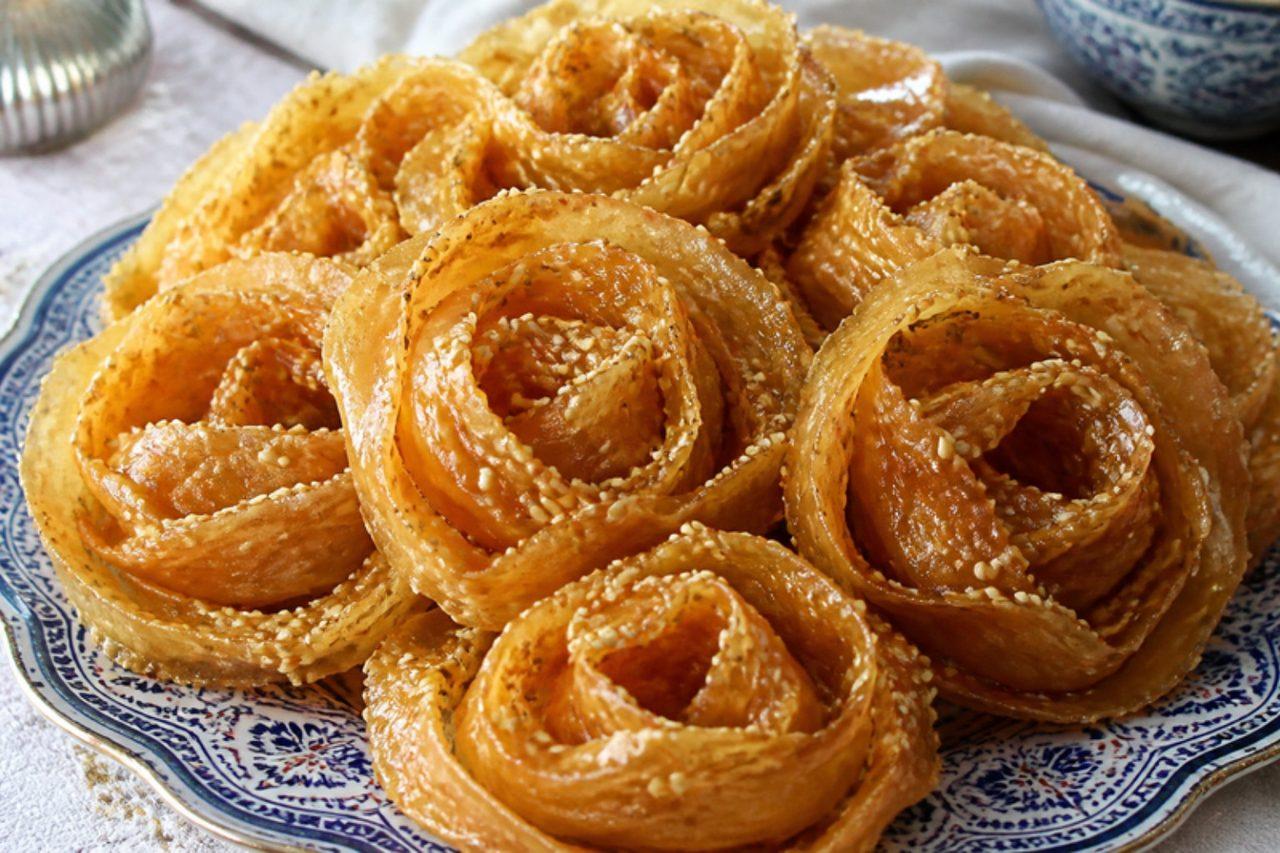
Fijuelas are the Hanukkah sweet of Moroccan Jews, also made for weddings and bar mitzvahs, and grandmothers in Netanya and Ashkelon still roll them by the hundred on a fork. Paper-thin strips of egg dough are wound into spirals as they hit the hot oil, puffing into crisp, lacy roses, then dipped in warm honey syrup with orange blossom. They should shatter when bitten and taste of honey rather than grease. The mistake that ruins them is rolling the dough too thick, which makes them chewy and oily; you should almost see the counter through it. Chef's tip: keep the syrup warm and the fried spirals cool, so they absorb a thin glaze and stay crisp for days.

by KrazyBadal 0 views

Ful nabitSprouted fava bean soup

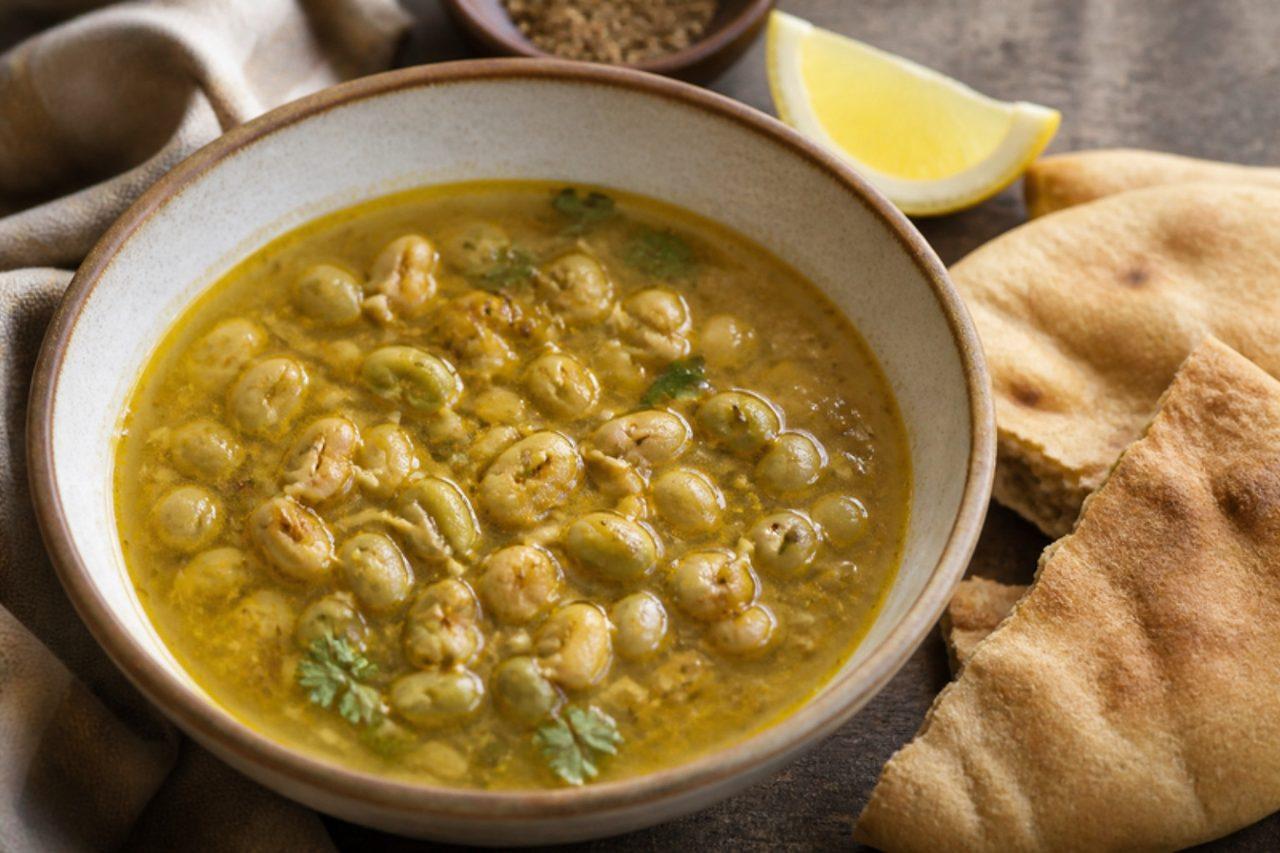
Sprouted beans are ladled out with their cooking liquor in Cairo homes when the weather turns cold or someone is feeling run down, and Egyptians swear by the broth as a pick-me-up. The beans are soaked and left to sprout for a few days, then simmered with onion, garlic and cumin into a light, earthy soup that is sharpened at the table with plenty of lemon. You can eat the beans with a spoon or pop them from their skins. Allow 3 to 4 days for sprouting, although the hands-on work is only about 20 minutes. People with G6PD deficiency (favism) must not eat fava beans. Chef's tip: stop the sprouting when the shoots are about 1 cm long; longer sprouts taste grassy and bitter.

by KrazyBadal 2 views

Kluski leniweLazy cheese dumplings

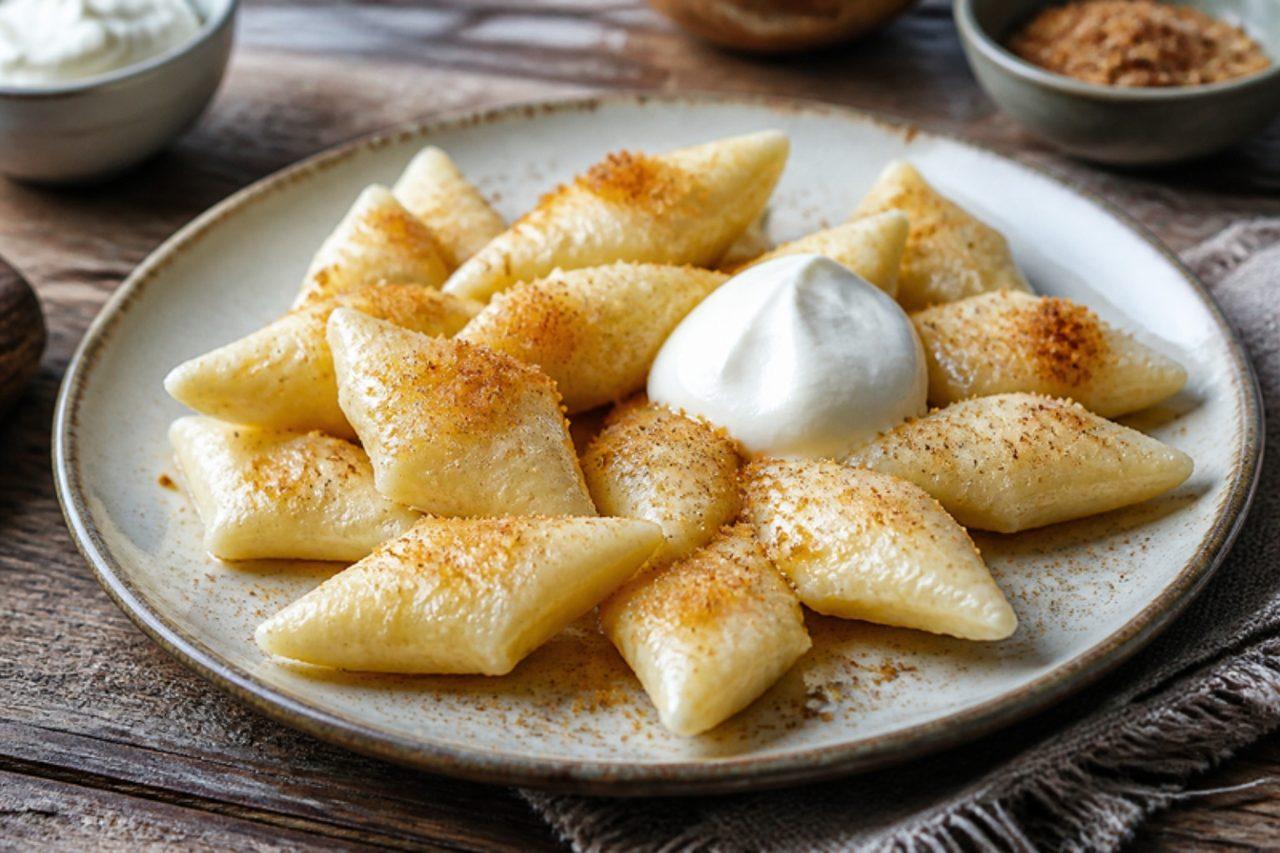
Lazy dumplings earn their name honestly: instead of filling and pinching like pierogi, you knead the cheese straight into the dough and cut it into diamonds. Across Lesser Poland they are a school-day lunch, a canteen favourite and the first thing many Polish children learn to cook. Good ones are pillow-soft and faintly tangy from the twaróg, rolled in breadcrumbs toasted in butter and finished with a spoon of sugar, sometimes sour cream or cinnamon too. The usual slip is adding too much flour to stop the dough sticking, which makes the dumplings heavy and doughy. Twaróg is usually made without rennet, but check the label if you need it strictly vegetarian. Chef's tip: press the twaróg through a sieve or mash it with a fork until completely smooth, so the dough needs less flour.

by KrazyBadal 0 views

ÎnvârtităRolled sweet cheese pastry

Sunday visits in the villages around Iași and Suceava rarely happen without a tray of învârtită, the coiled pastry whose name simply means 'twisted'. A soft dough is pulled over a floured tablecloth until it is as fine as paper, brushed with butter, covered in sweet cottage cheese with raisins and lemon zest, rolled up and wound into a snail before baking. Fresh from the oven it is crackly at the edges and moist in the middle; it is cut into wedges and eaten with coffee or a glass of milk. Families also fill it with sour cherries in June or grated pumpkin in autumn. Cottage cheese is usually made without animal rennet, but check the label if you keep strictly vegetarian. Lots of bakers stretch the dough too soon after mixing, and it tears into holes; give it the full rest. Chef's tip: drain the cottage cheese in a sieve for 20 minutes first, so the filling stays creamy and does not run out of the seams.

by KrazyBadal 0 views

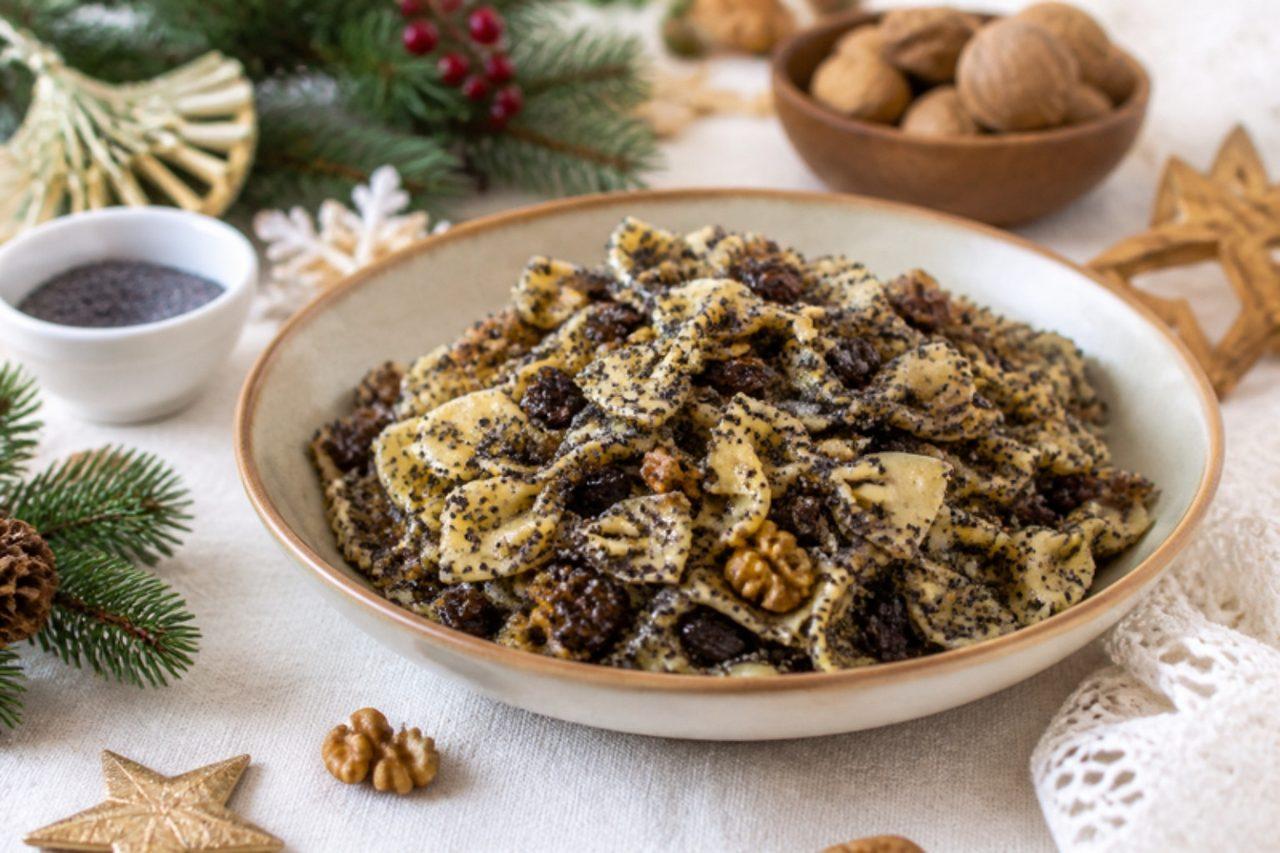
Kluski z makiemNoodles with sweet poppy seed

Poppy seed is the taste of a Polish Christmas Eve, and in central and eastern Poland it often reaches the table as a bowl of wide noodles in a sweet, dark poppy mixture with honey, walnuts and raisins. It sounds strange to anyone who expects pasta to be savoury, but it is closer to a pudding: nutty, slightly bitter, sticky with honey, eaten at room temperature as the last dish of the night. Where most people go wrong is using whole poppy seeds straight from the packet; they must be scalded and ground, or the dish is gritty and bland. Chef's tip: buy ready-ground poppy seed or grind scalded seeds twice in a spice grinder until they turn grey and buttery.

by KrazyBadal 0 views

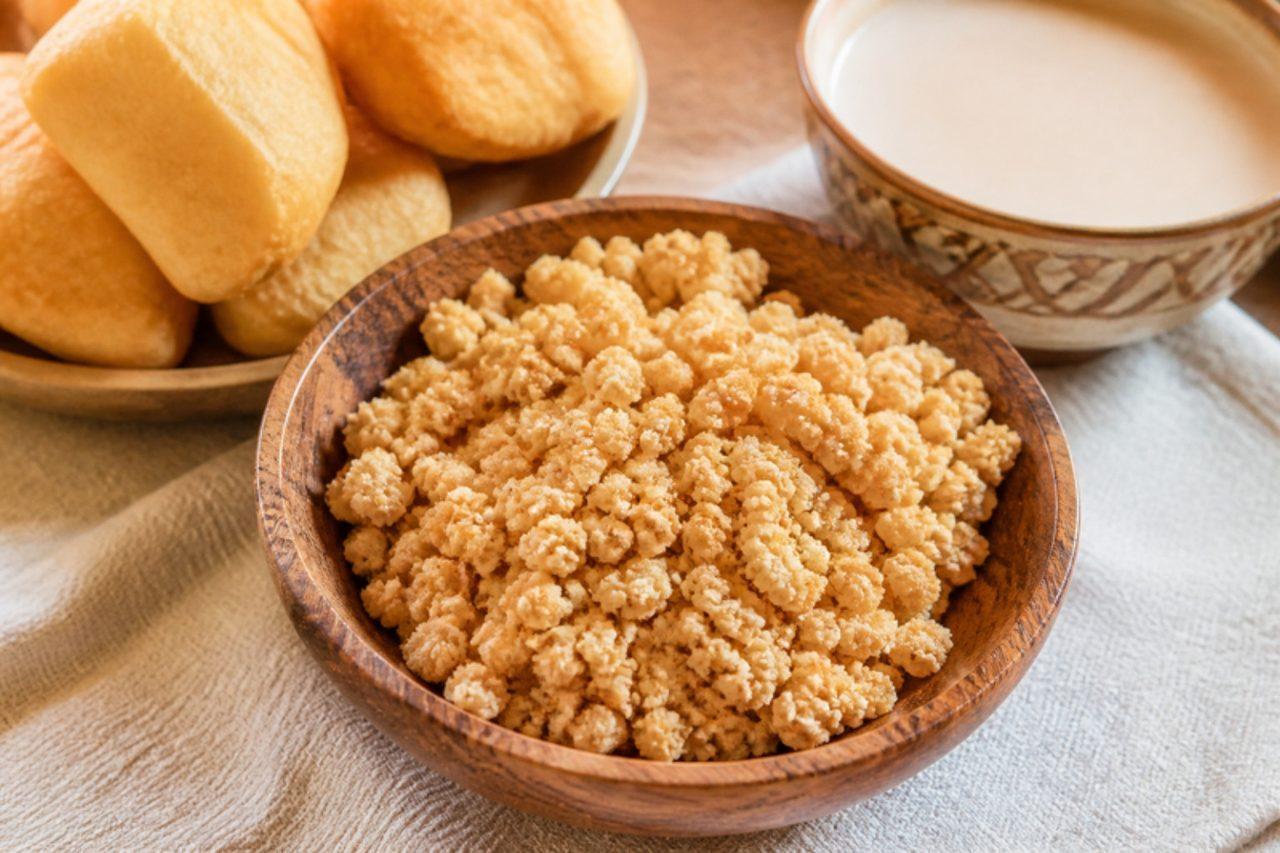
IrimshikDried sweet cottage cheese

Irimshik is the sweet, caramel-coloured dried curd that Kazakh herding families make in summer on the jailau pastures: milk is soured with a little starter, heated until it splits, and the curds are cooked slowly in their own whey until they turn golden and fudgy, then dried in the sun. It is nibbled with tea in winter, from Almaty flats to steppe villages. This version needs no rennet, so it is vegetarian. A common mistake is draining the curd too soon; the long cook in the whey is what browns and sweetens it. Chef's tip: stir more often as the whey reduces, because the curd catches easily at the end.

180 minKazakhBasicsGluten free
by KrazyBadal 0 views

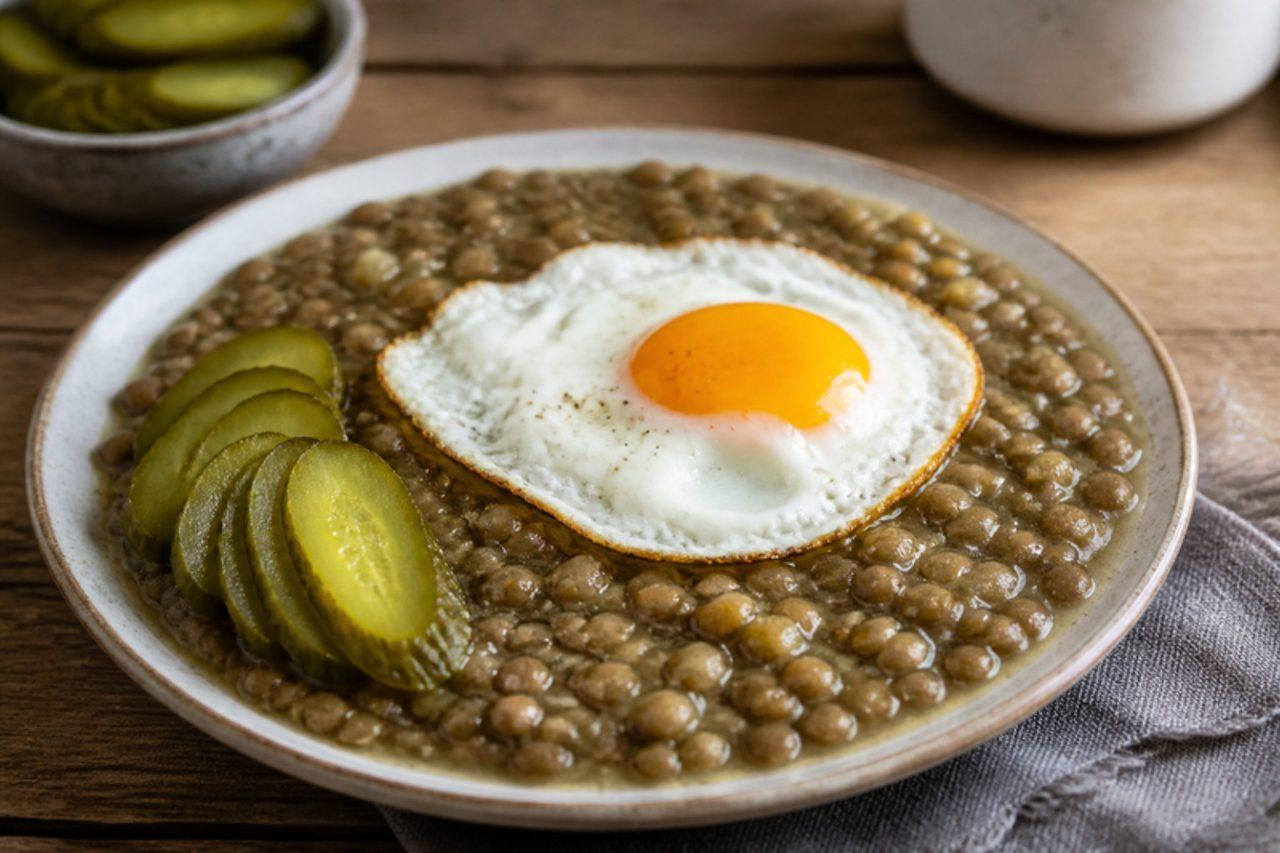
Čočka na kyseloSour lentils with fried egg

Brown lentils, a good splash of vinegar and a crisp-edged fried egg on top: čočka na kyselo is the Czech school-canteen and workers' lunch that people grow nostalgic about. Bohemian families also eat lentils around New Year, when the small round seeds stand for coins. The lentils are cooked soft, bound in a light roux with fried onion and finished sour and a touch sweet, then served with a sliced pickled gherkin and fresh bread. The texture should be spoonable, not soupy and not stiff. Where most cooks slip up is adding the vinegar too early: acid keeps lentils firm, so they stay hard however long you cook them. Season at the end instead. Chef's tip: a teaspoon of mustard stirred in with the vinegar rounds out the sourness without making it taste of mustard.

by KrazyBadal 0 views

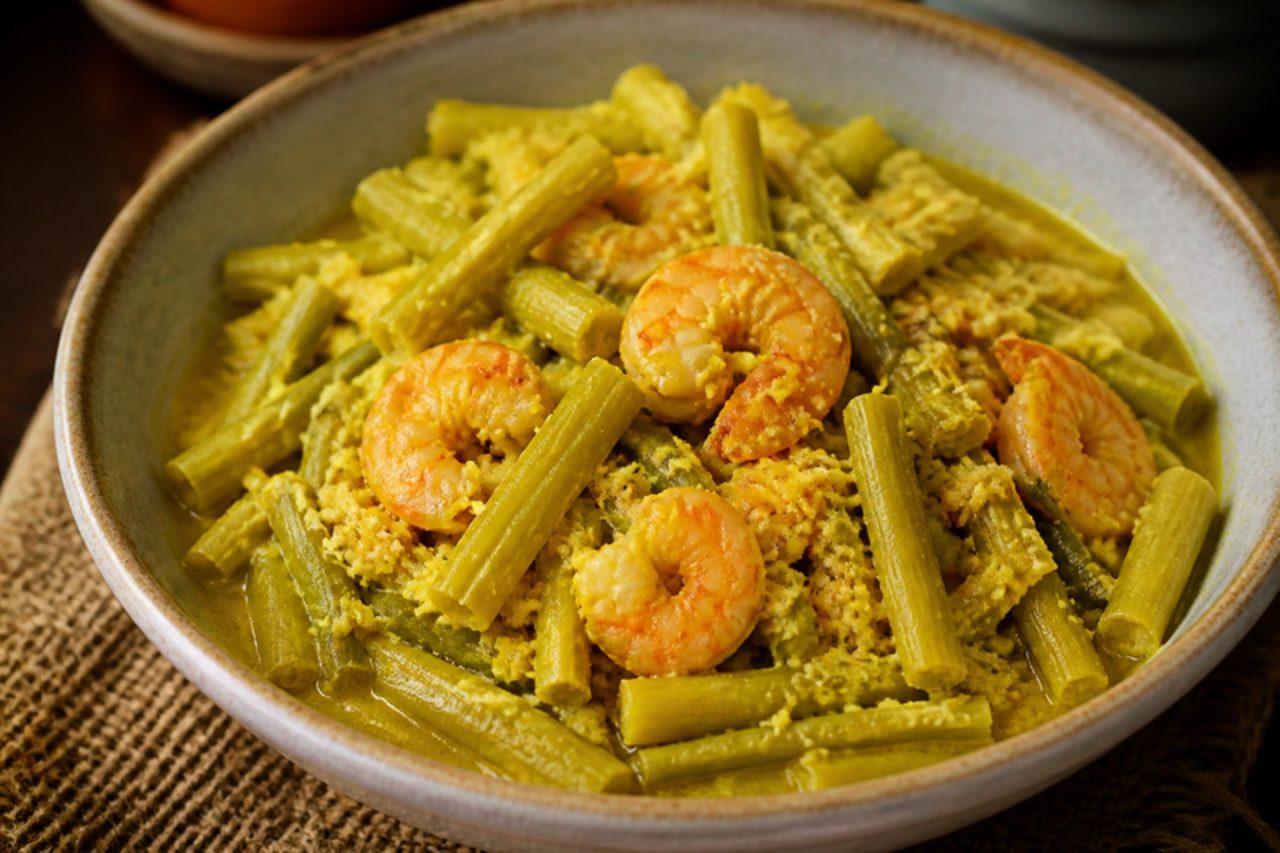
Kochur loti chingriTaro stolons with prawns

Kochur loti are the long, thin runners that taro plants send out across the pond banks in the rainy season, and in Khulna, where freshwater prawns are farmed in every second field, the two end up in the same karai. The stolons are peeled, cut into short lengths and cooked with small prawns, onion and freshly grated coconut until soft and almost melting, giving a mild, slightly sweet, gently earthy dish for lunch with rice and dal. Taro of all kinds contains crystals that make the mouth and throat itch if it is not cooked enough or balanced with something sour, so the stolons need peeling, a full cook and a squeeze of lime. Many people undercook the loti because they look tender early; give them the whole time. Chef's tip: oil your hands before peeling the stolons, or wear gloves, as the sap can irritate the skin.

by KrazyBadal 0 views

Ilish dim bhunaFried hilsa roe

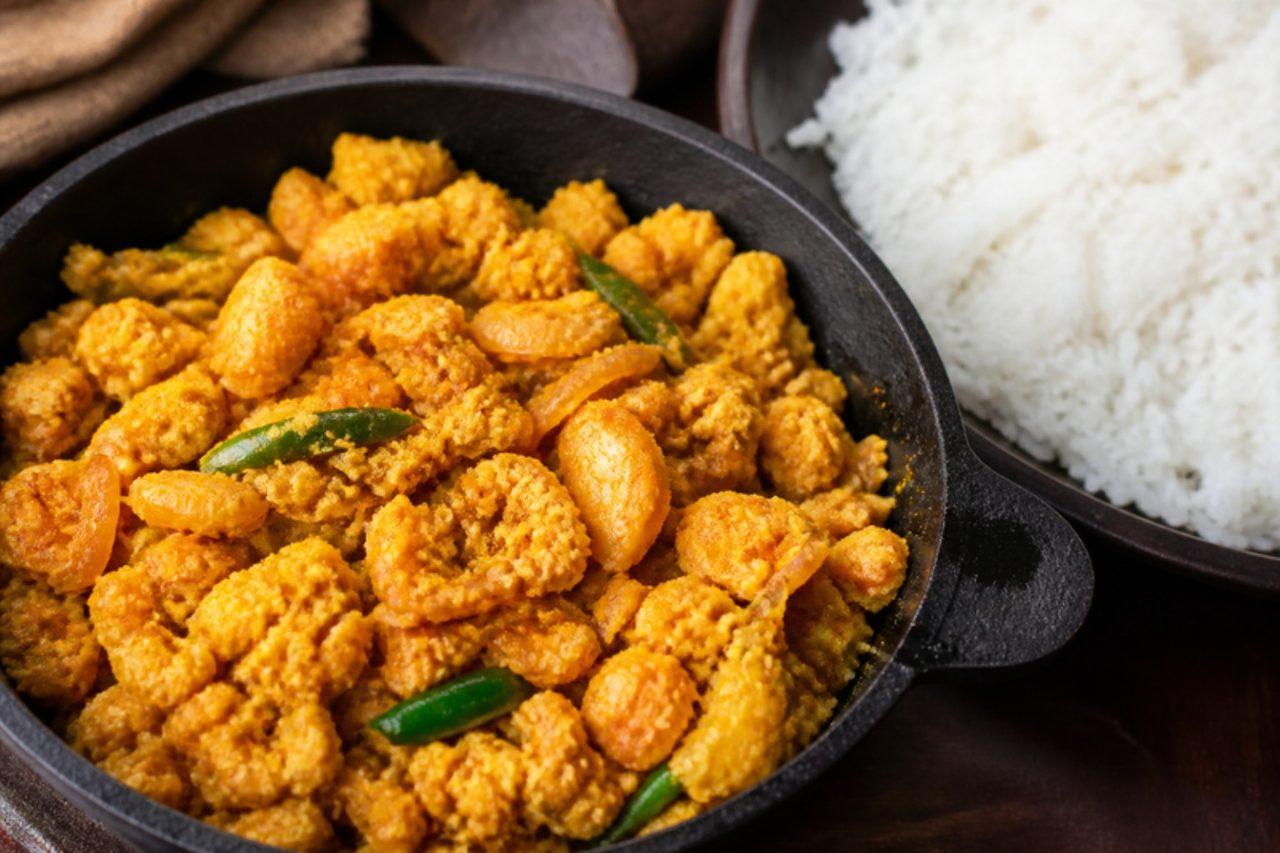
Early in the hilsa season the female fish carry a pair of large, golden roe sacs, and in Barisal kitchens nobody would dream of wasting them. Ilish dim bhuna is the quick and greedy way to cook them: the roe is fried with lots of onion, turmeric and green chilli until it breaks into soft, rich, slightly grainy crumbs, a little like a savoury fish scramble. It is eaten as a side dish with plain rice and dal, often on the same day the fish itself is cooked in mustard. Roe spoils quickly, so buy it bright and fresh-smelling with the fish and cook it the same day. Many cooks stir the roe too early and too hard, turning it into paste; let it set first. Chef's tip: steam the roe sacs for 3 minutes before frying, so they firm up and break into neat crumbs.

by KrazyBadal 0 views

Ilish polaoHilsa fish rice

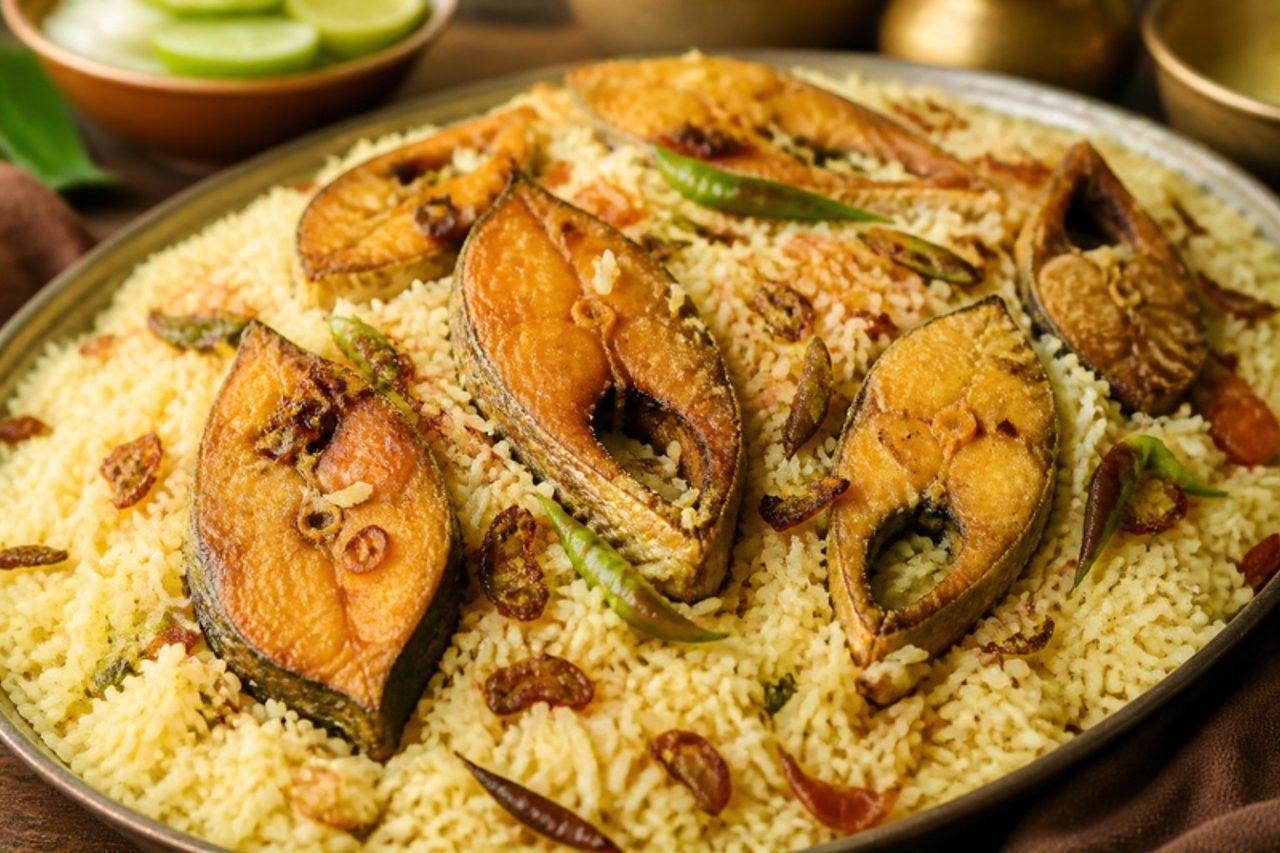
Monsoon is hilsa season: as the fish run up the Meghna and the boats come back heavy into Chandpur ghat and the Barisal river markets, the richest cooks make ilish polao, a fragrant rice cooked in the oil left from frying the fish and in a light stock from the head and tail. Fried hilsa steaks are tucked into the rice to finish in the steam, so they stay moist and take on the scent of cardamom and bay. It is a dish for the hilsa season and for honoured guests, served with fried onions, a wedge of lime and a green chilli. The usual misjudgement is stirring once the fish is in; the steaks are fragile and fall apart into bones. Chef's tip: keep the oil the fish was fried in, because the whole dish depends on that hilsa-scented fat.

by KrazyBadal 0 views

Hutki shiraDried fish and aubergine curry

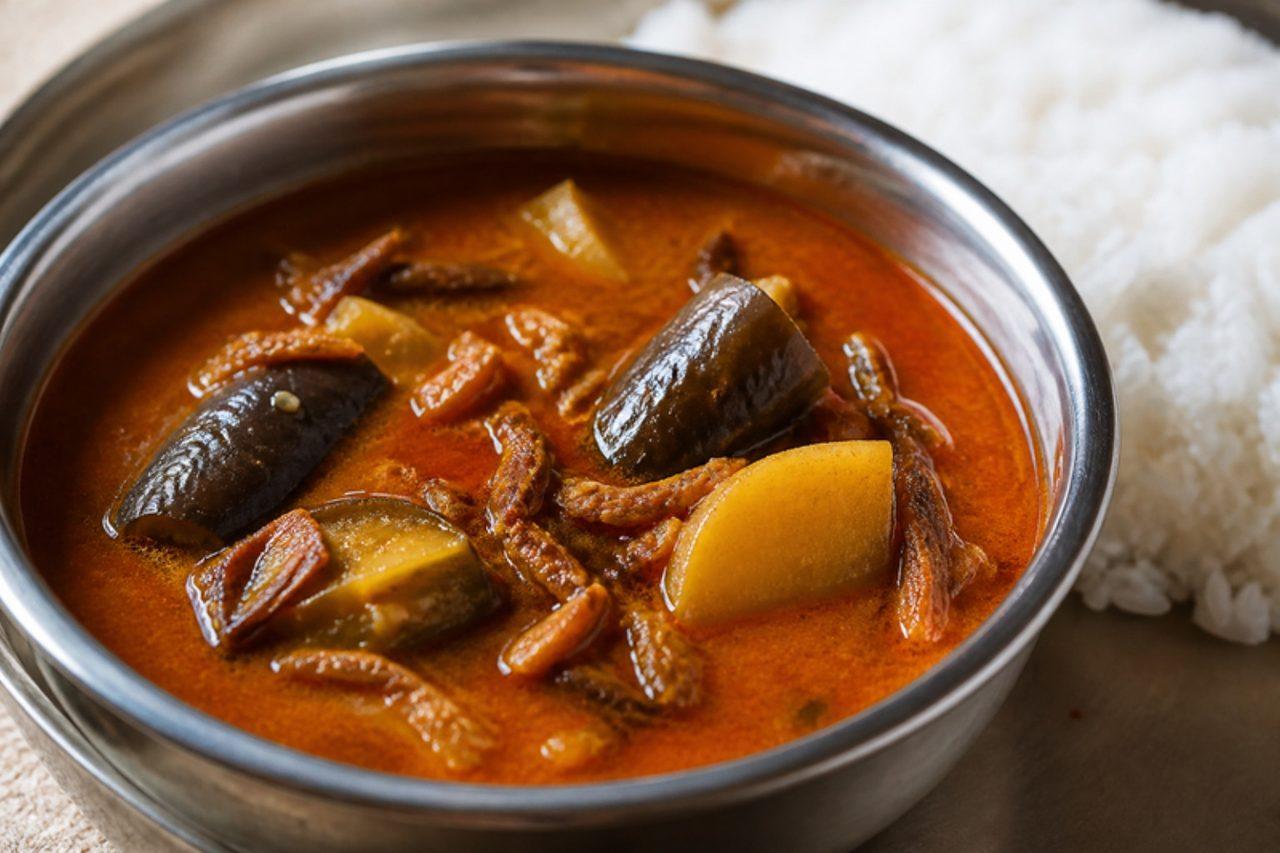
Hutki is what Sylhetis call shutki, sun-dried fish, and a pot of hutki shira, a thin, soupy curry, is pure home cooking from Sylhet, Sunamganj and the haor villages, where fish dried in the dry season feeds families through the rest of the year. The broth is fiery with fresh and dried chilli and full of garlic, softened with chunks of potato, brinjal and sometimes tomato or shatkora, and it is ladled over plenty of plain rice. The smell of the dried fish is strong as it cooks, but it mellows into a deep savoury taste. Skipping the soak is the error that ruins it: unwashed hutki is gritty and far too salty. Buy dried fish from a busy, reputable Asian grocer, and choose pieces that are dry, firm and free of mould. Chef's tip: keep the broth loose; shira should be soupy enough to drown the rice.

by KrazyBadal 0 views

Showing 81 of 7,888 recipes

Show more recipes

Page 300 of 877